Duke Ellington: A Retrospective

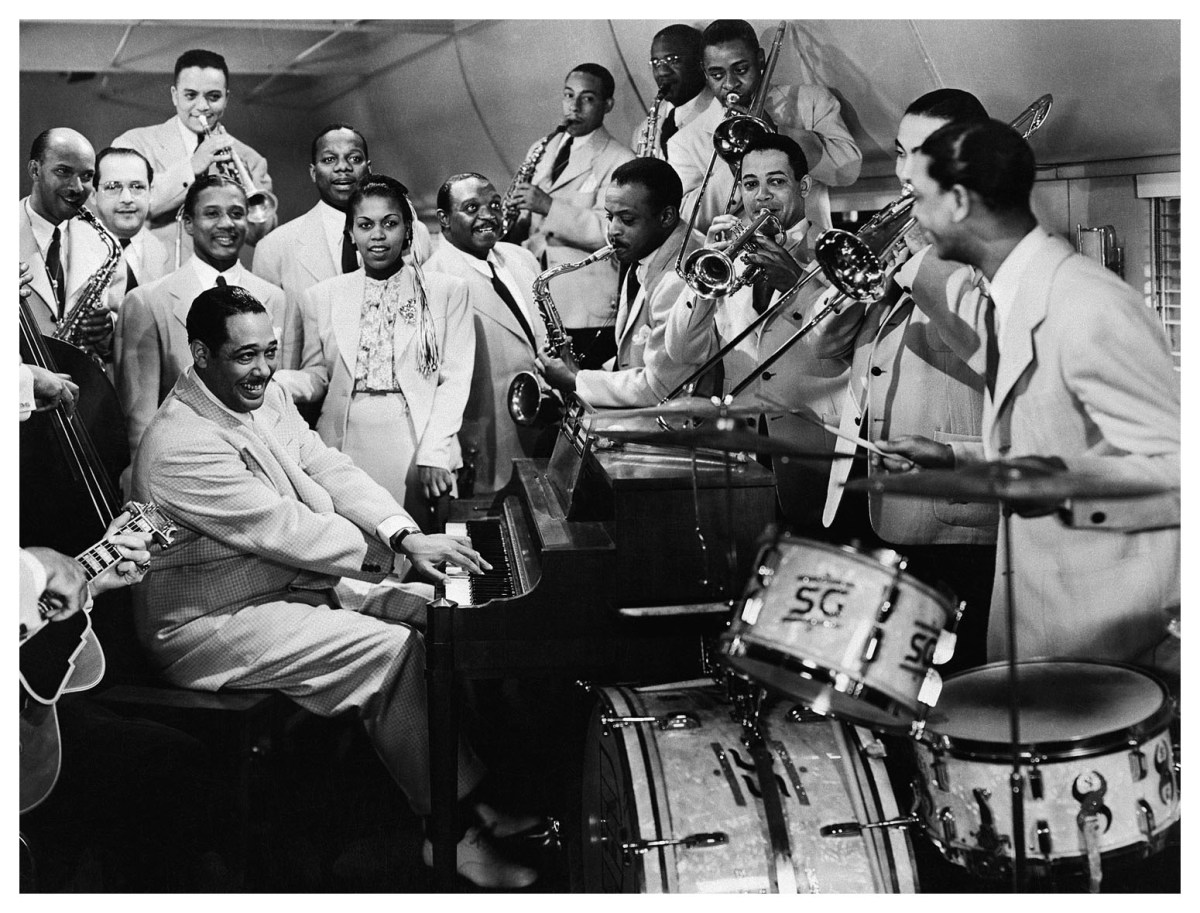
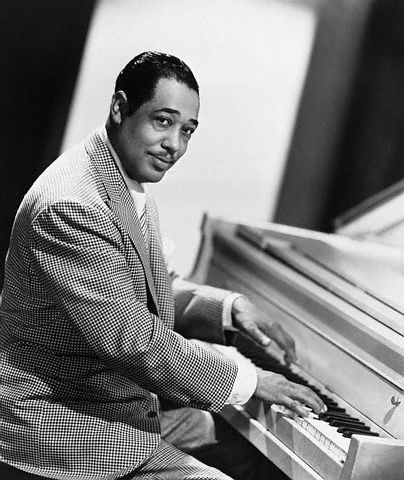
'Jazz Legend' Duke Ellington: Playing the Piano (Circa -1940's)
‘Jazz Legend’ Duke Ellington: Playing the Piano (Circa -1940’s)

Edward Kennedy Ellington is rightly considered to be one of the leading figures and original titans of Jazz music. In addition to writing over 1,500 compositions, he was one of the most successful bandleaders and pianists of his time. To this day, he has stood the test of time and is one of the most influential musicians of the 20th century as well. Along with being a major figure in Jazz, Ellington’s music also delved into other musical genres such as blues, gospel, classical music and popular film scores.

His career was one of the longest of all the Jazz legends, spanning about 50 years from the 1920s to the 1970s. He was a versatile musician and was extremely dedicated to this work. In addition to running his big band and orchestra, Ellington composed new songs, put on many world tours and also scored the music for stage musicals and films. Many of his instrumental works have become Jazz standards that the average listener should be well aware of and familiar with many of Ellington’s compositions.

His ability to be an entertainer as well as a performer helped elevate Jazz to a level where it was considered to be equal or even more influential than most other genres of music during the early 20th century. He was the first musician to really incorporate the idea of using a big band and/or orchestra to really propel jazz/swing as being distinct forms of music with their own style and substance. Ellington came from a modest upbringing in a middle class black neighborhood in Washington D.C. and was considered by others to charismatic, compassionate and a brilliant and dedicated musician. He is as well known for his ability to entertain people as he is for his excellent piano playing.

Ellington would often refer to the music he played not as jazz but as “American” or “Negro” music and helped his orchestra’s musicians and others to develop their own jazz standards and compose for them. Some of the names for which he helped out so graciously were for Johnny Hodges’s “Jeep’s Blues”, Cootie Williams’ “Concerto for Cootie” and Juan Tizol’s “Caravan.” Many of his band members stayed with him throughout the five decades for which they were active. In addition to his band members, Ellington also worked alongside other musicians of the time such as Billy Strayhorn, Count Basie, Louie Armstrong, Coleman Hawkins, Charles Mingus, and Max Roach. Some of Ellington’s best known songs include, “It Don’t Mean A Thing If It Ain’t Got That Swing”, “Mood Indigo”, “Black and Tan Fantasy”, “Sophisticated Lady” and “Satin Doll” among many others. While which song exactly made the Duke most famous is a hotly debated topic, some argue that it is “Mood Indigo” which thrust him upon the world stage and gave him global fame for the rest of his career. When Ellington was once asked, what made him inspired to write, record and play music, he replied, “My men and my race are the inspiration of my work. I try to catch the character and mood and feeling of my people.”

Location played an important role in influencing Duke Ellington’s musical contributions to society. With each song he wrote and composed, he would try to tell a story about his community, his life and his race. It is no coincidence due to the Duke’s popularity and his wide following throughout America as one of the first prominent black musicians that he was often times referred to as a “race man.” People referred to him as this because of the cultural and social impact that he had as a popular musician representing the African-American community at a time when there were few black performers and entertainers in music. This was particularly due at the time to Jim Crow laws and general intolerance, racism towards the African-American community in many parts of the United States. Duke Ellington in a way broke through the color barrier along with Louis Armstrong because of those who came before them when it came to music in America during the early 1900’s. Ellington was an instrumental musician in bringing Jazz music outside of New Orleans to towns and cities across the country especially in New York City when he hit the big time and made his home starting in 1927, at the famous “Cotton Club” in Harlem. From that and other clubs, his big band/orchestra set the bar high when it came to playing brilliant jazz, swing, classical and other forms of music. Over the course of his career, He made jazz and swing music into American music as he traveled around the world for thousands of performances in Europe, the Middle East, Africa and Asia.

There is no doubt to the average learner and student of Jazz that Duke Ellington is one of it’s most important figures in its’ history. He was the genre’s most important composer, one of its’ most highly regarded performers and band leaders who employed many talented black and white musicians believing that everyone should have the chance to play regardless of the color of their skin. Ellington’s compositions are studied and played over and over by many musicians today and his prowess at the piano is often overlooked but was also instrumental in talking about his legacy as a musician. It’s fair to say that there will only ever be one “The Duke” and those who follow his lead. His work is also very important in describing American culture and music. His legacy is still vibrant today as many young people continue to pursue the arts and perform in music groups. They strive to play jazz and other types of music because of men like the Duke himself.

Book Recommendations – Volume I

As the Fall season turns into Winter and people start going into hibernation mode as the weather gets cold and snowy, here is my 1st volume of book recommendations that will last you through the next few months:

catch-22_cover

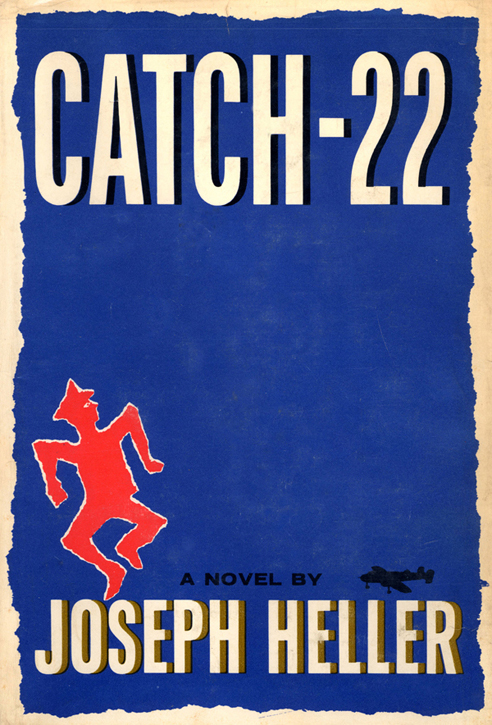
 1.) Catch 22 by Joseph Heller is my favorite book of all-time and has been ever since I read it at the young age of 16. This was the first novel that I had read which was satirical in content and utilized the concept the dark humor, which made it an enjoyable and fun read. Main characters such as Yossarian, Orr, Chaplain, Nately, Snowden, etc. were all really well-developed so you know who they were and their individual backgrounds before the end of the novel. It did help that for the first part of the book, each of the first eleven chapters were told from a different character’s perspective rather than focusing on Capt. John Yossarian for every chapter.

Describing the events from different points of view through the third-person in a non-chronological order really made it unique in a way. This made Catch-22 an easier read as this kind of format gave me as the reader the chance to put the different events together into a singular plotline rather than spell it all out for me as other non-fiction novels usually do. This novel also introduced to me several important themes that I have thought about or come into conflict with in my own life. Examples of some of these themes being: Absurdity, ridiculousness of bureaucracy, questioning one’s religious faith, and the power, influence of greed and capitalism over others.

freedom-cover

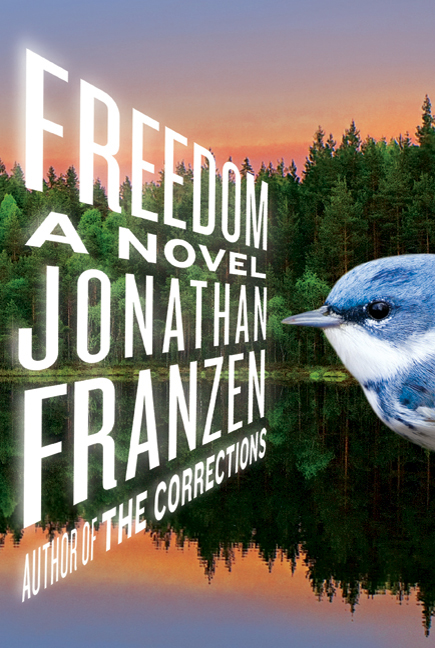
2.) Freedom by Jonathan Franzen is another favorite and an excellent fiction novel focusing on an American family, the Berglund’s, and the complex relationships that they have with each other, their friends, and their lovers. Their story takes place over the course of one generation from the late 1970’s up until the beginning year of the Obama administration, in 2009. Each family member is well represented in Franzen’s novel with the narrative flow going from Walter (the father) to Patty (the mother), and then on to the children of Joey and Jessica. Franzen also develops his supporting characters to be an integral part of the story such as Richard Katz, Lalitha, Connie, and Jenna who all play a role in the unfolding of the novel. Freedom also successfully goes back and forth from first-person to third-person narrative quite easily and without any major hiccups.

One of my favorite things about this novel is that incorporates into the plot the major events in American history and society that have happened over the past generation. Examples of these events in the book include the burgeoning environmentalist movement, 9/11, the Iraq war, and the rise of social media. I believe Franzen does a great job of bringing out the peculiarities and absurdities that encompasses American suburban life and he really shows you how the family changes over the years due to these outside events but also the changing relationships that mark these people’s lives. A fascinating novel overall, I highly recommend it.

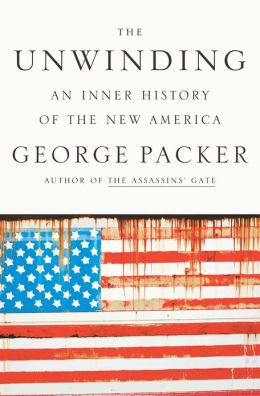
unwindingbook

3.) The Unwinding: An Inner History of the New America by George Packer is my favorite non-fiction novel and a book that should be read by any American who wants to understand the current state of our society, culture and our politics. Packer is an excellent reporter for The New Yorker who previously wrote a book about the struggles of the U.S. endeavor in Iraq in The Assassin’s Gate. Packer got the inspiration for writing this novel after he comes home from Iraq and witnesses the 2008 financial crisis and the collapse of the markets. Along with the auto industry, Fannie Mae and Freddie Mac, he realizes that the major institutions that have held America together with a sense of unity were falling all around him. The author does an excellent job of focusing on three ordinary Americans and detailing their personal history from the beginning of ‘The Unwinding’ in the late 1970’s up until the 2012 election.

These three people are Dean Price, a struggling tobacco farmer in North Carolina who wants to revitalize the farmland by providing biofuel to school buses; Tammy Thomas, a black woman from Youngstown, Ohio who becomes a community organizer after losing her job multiple times from the closure of the factory plants along this rust belt city; and Jeff Connaughton, who comes to Washington as a staffer for Senator Joe Biden but becomes disillusioned by the lobbying, big finance levers that are pulling the strings of our politicians and leaders. One of my favorite things about this book is that Packer contrasts these three ordinary Americans with the giants of American pop culture, politics, music, and society by giving brief chapters devoted to the success of individuals of Oprah, Peter Thiel, Sam Walton, Jay-Z, Newt Gingrich, Alice Waters, etc. A must read in my opinion.

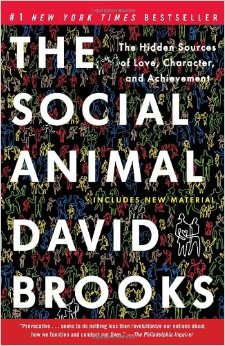
thesocialanimal

4.) The Social Animal by David Brooks is another great non-fiction novel that I have read and re-read over the past couple of years. Out of all the books on this list, it has probably influenced me the most as a person. I usually disagree with Brooks’ op-ed columns in The New York Times due to his conservative leanings but when it comes to sociology, human psychology and understanding the sub-conscious, Brooks has done the research and it really shows through in this book. The most fascinating aspect of this book is how he sets it up as a fictional novel with a male and a female character named Harold and Erica respectively.

Mr. Brooks uses a lot of recent research and findings to assert conclusions and summaries while charting an imaginary course for these two characters’ lives from Birth/Early Life to Death. My favorite chapter of the book and an area that relates to me personally is when Brooks describes the recent phenomenon of ‘The Odyssey Years’ or a person’s twenties where they are deciding what to do with career, marriage, and whether or not to have children. Brooks contrasts the ‘On The Road’ vs. ‘It’s A Wonderful Life’ type of lifestyles that young people often choose between as they come out of the Odyssey years. He details the differences of how to live such as ‘Single v. Married’ and decides its better for a person to establish roots in a community rather than going from place to place indefinitely. He makes a compelling argument using recent research for explaining what molds us into who we become in each major stage of our lives.

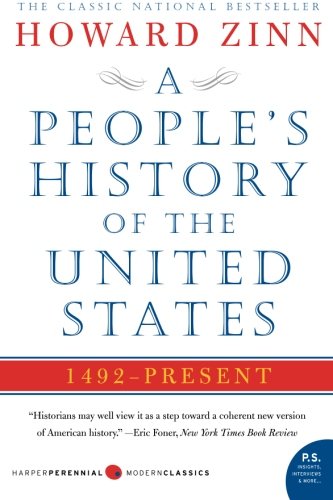
howardzinn
5.) A People’s History of the United States by Howard Zinn should be mandatory reading for any high school student in America who’s enrolled in a U.S. history class. Unfortunately, it wasn’t required reading for me in my Advanced Placement course which was a shame. Luckily, I was able to read it during my senior year of high school when a family member recommended the book to me and left me with a copy. The lasting appeal of Zinn’s novel is that unlike many other history books, it deals with the lives of ordinary Americans struggling through the different, tumultuous periods of our short history and the author does an excellent job of relying upon interviews, data, and statistics to give their side of the story.

Learning about the struggles of the Native Americans, the Women’s Rights movement, Civil Rights movement and other marginalized Socialists and Labor Rights activists like Eugene V. Debs was illuminating for millions of readers and myself. If only more politicians and the elite would read Zinn’s words, perhaps we as Americans would learn not to repeat the mistakes of the past and truly realize the notion of “Equality for all.” Lastly, one chapter of A People’s History that I continue to believe is very prescient even today is titled, “The Coming Revolt of The Guards” where Zinn hints at the discontent of American society even back in the early 2000’s due to the collapse of organized labor, growing wealth inequality, and the marginalization of the poor. Even though it’s a non-fiction book rooted in the past, Mr. Zinn had a lot of words of warning for our collective future.