







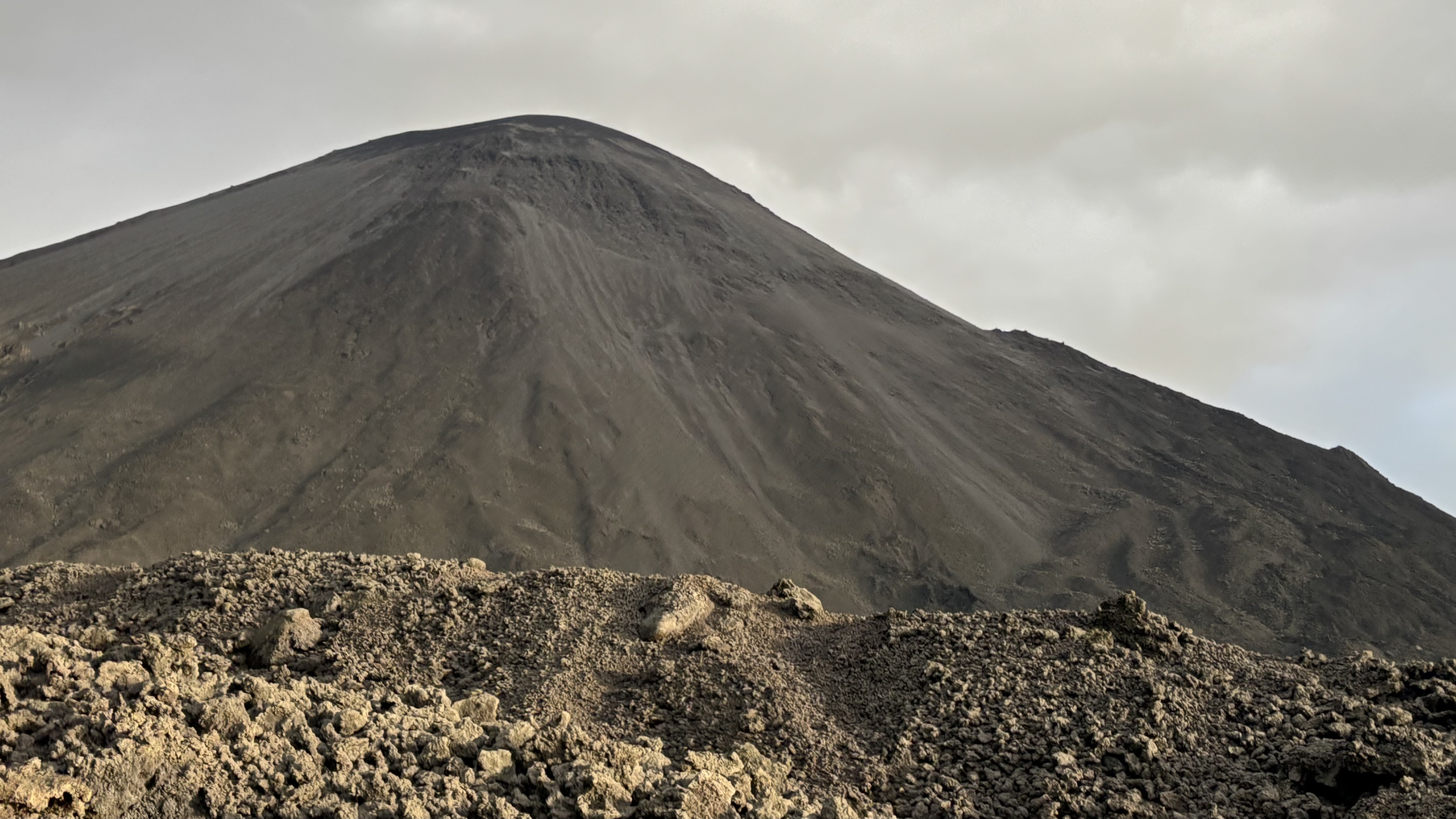
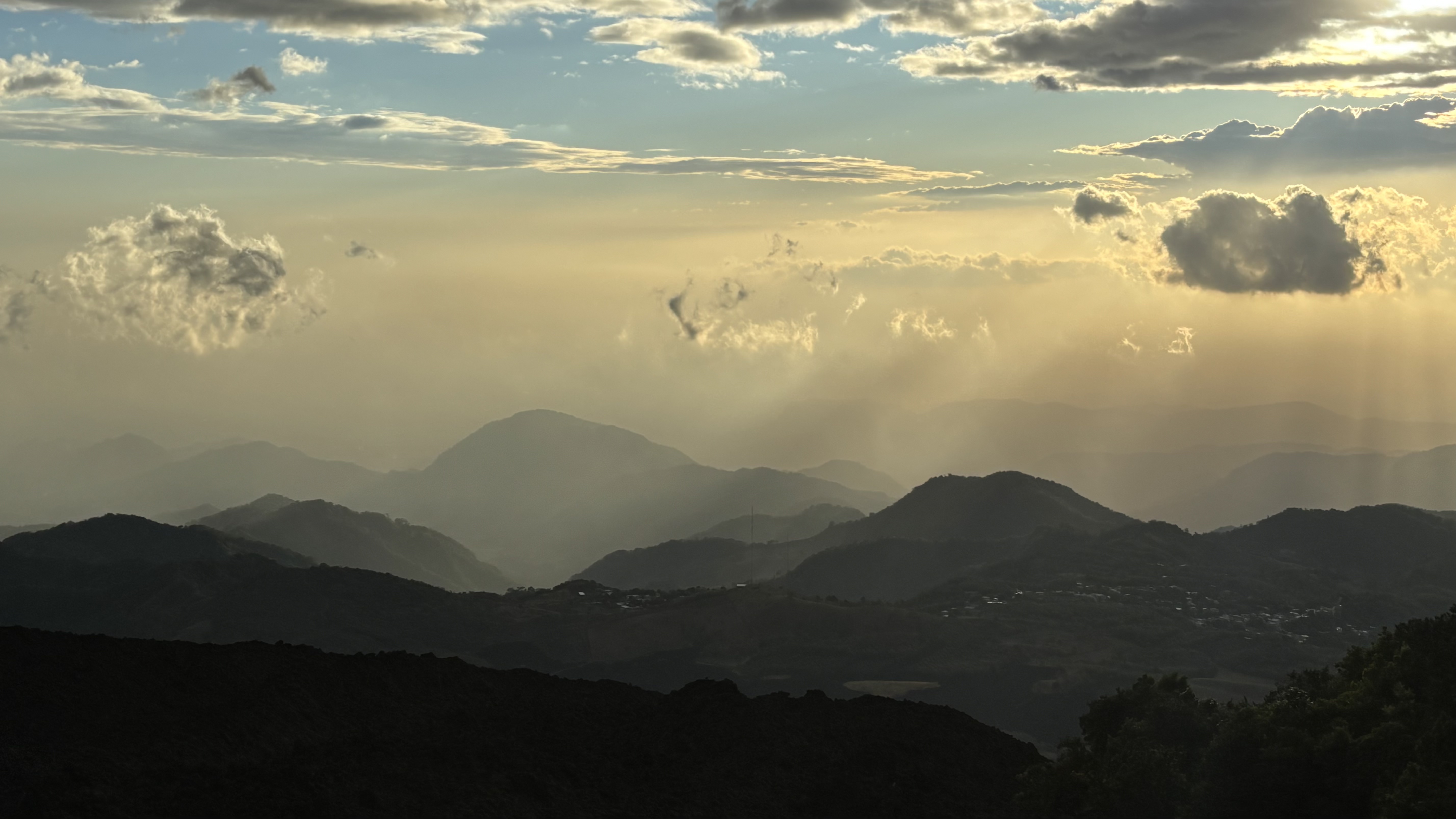
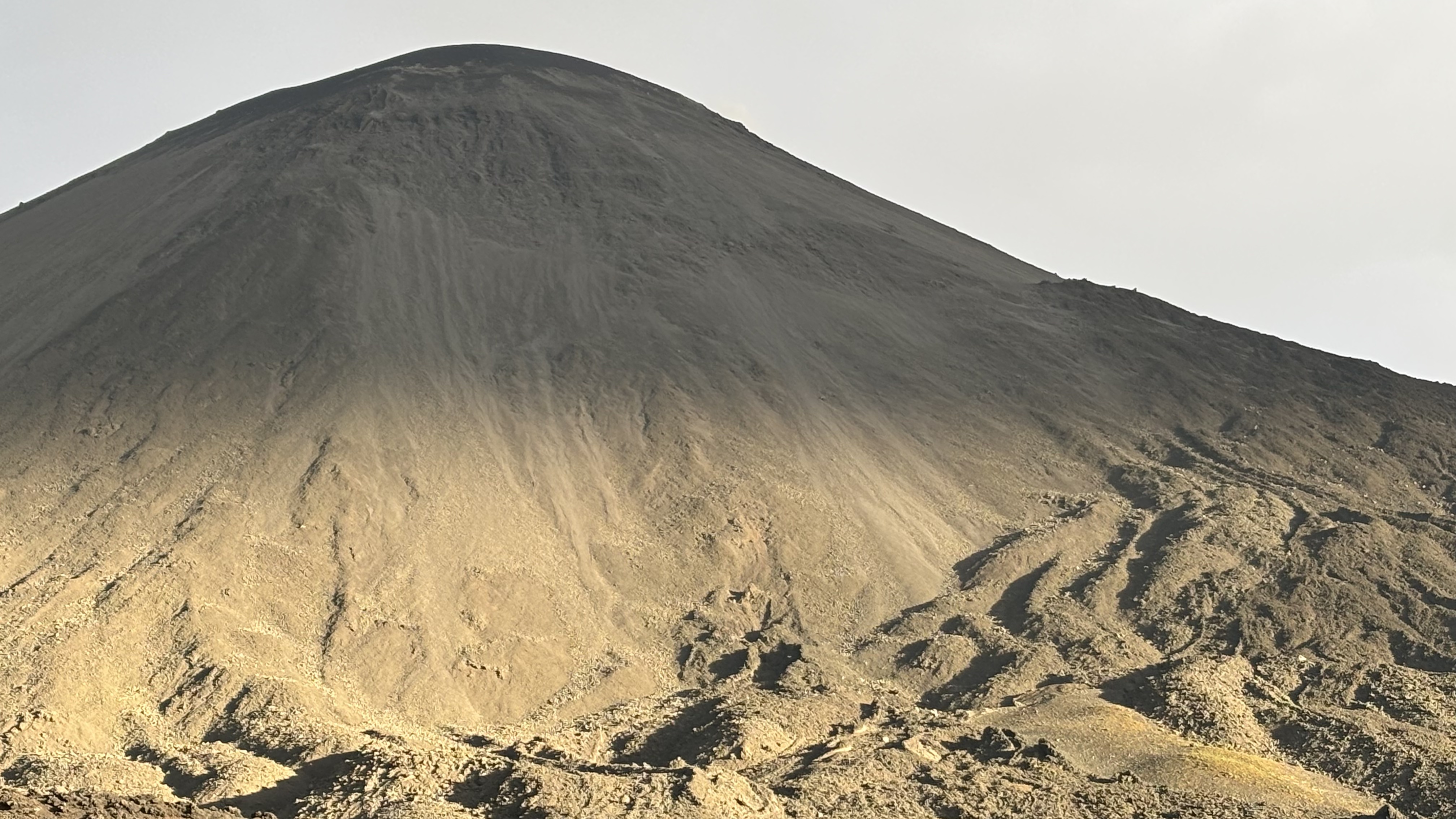
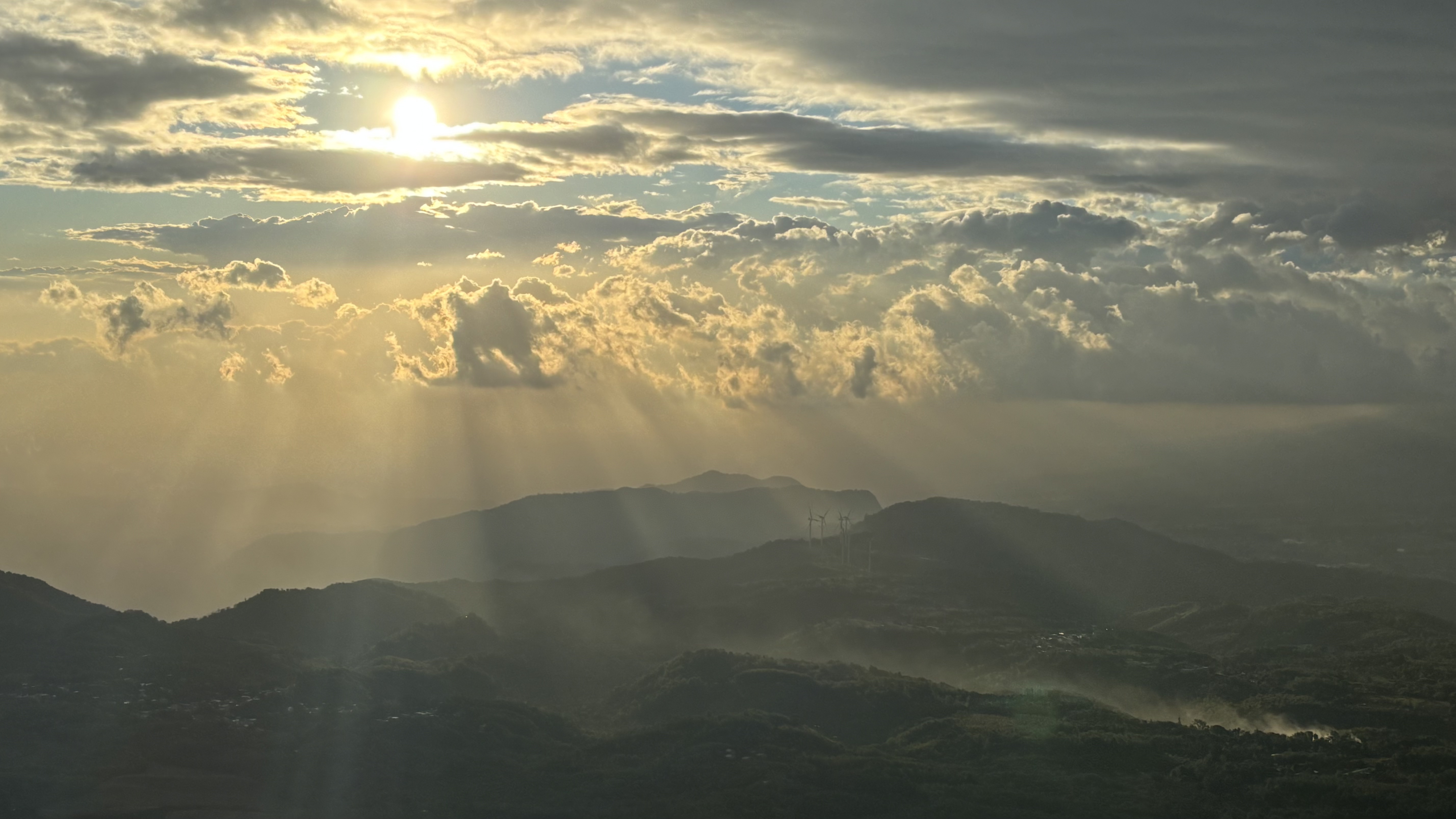
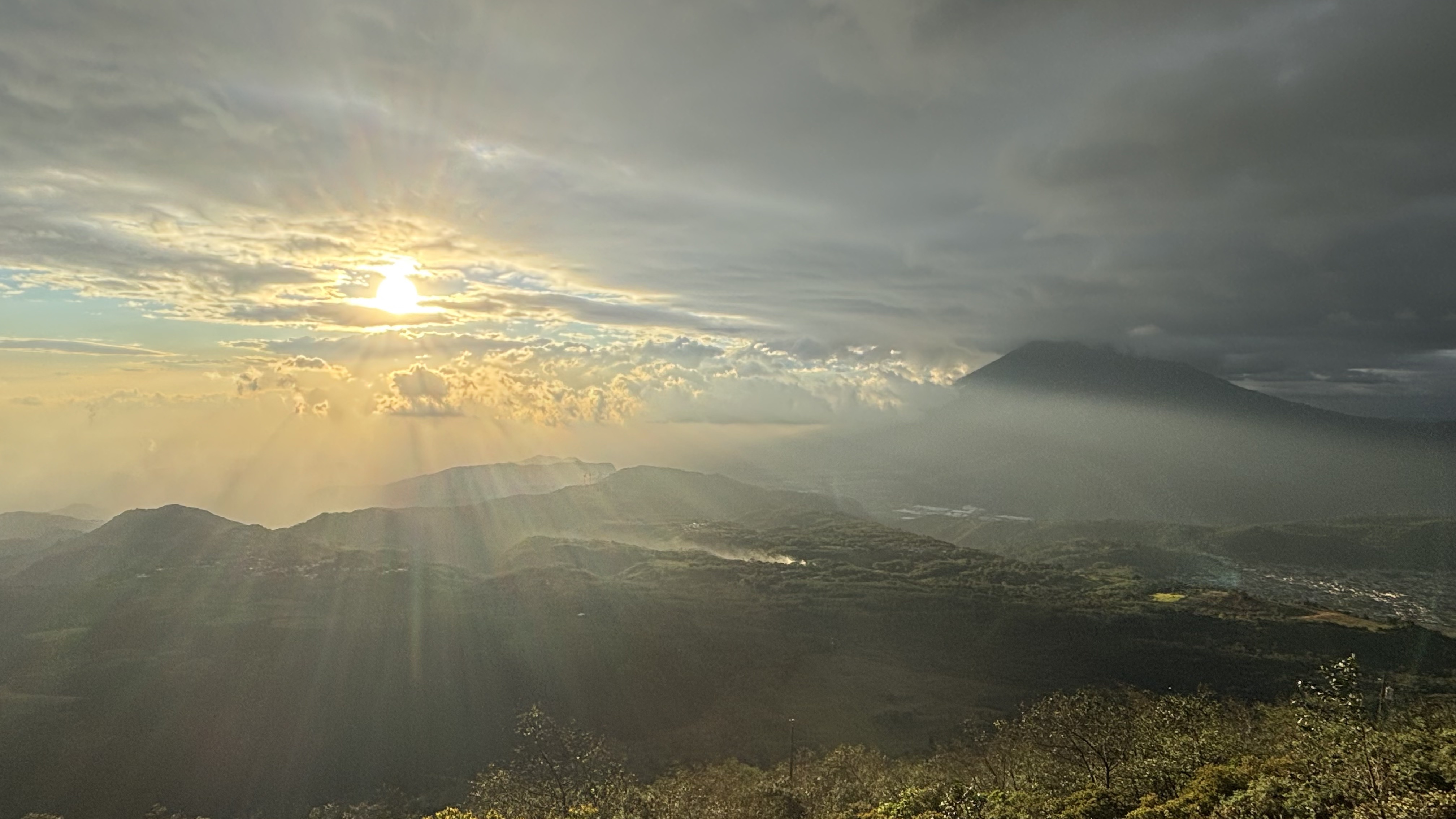
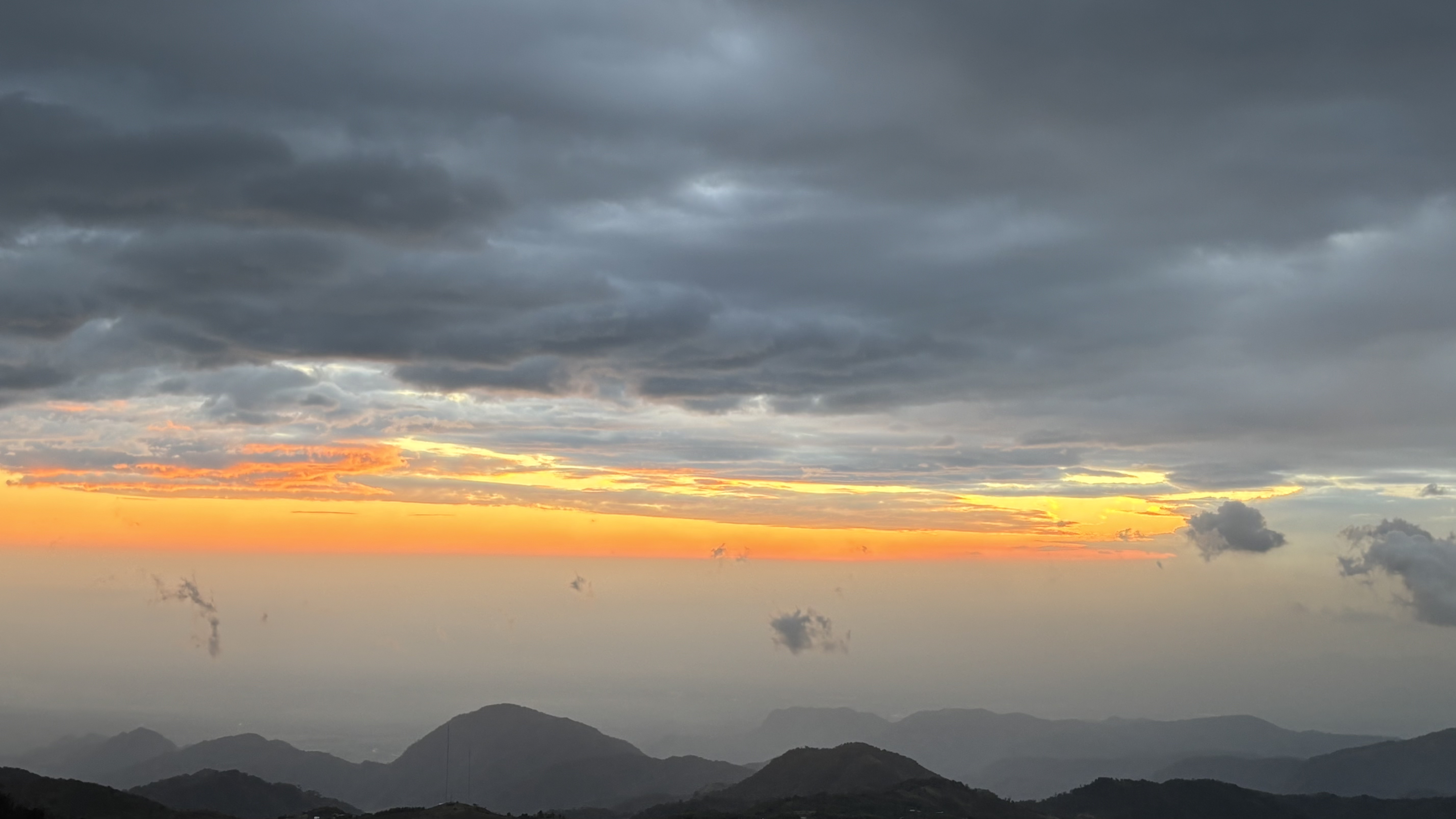
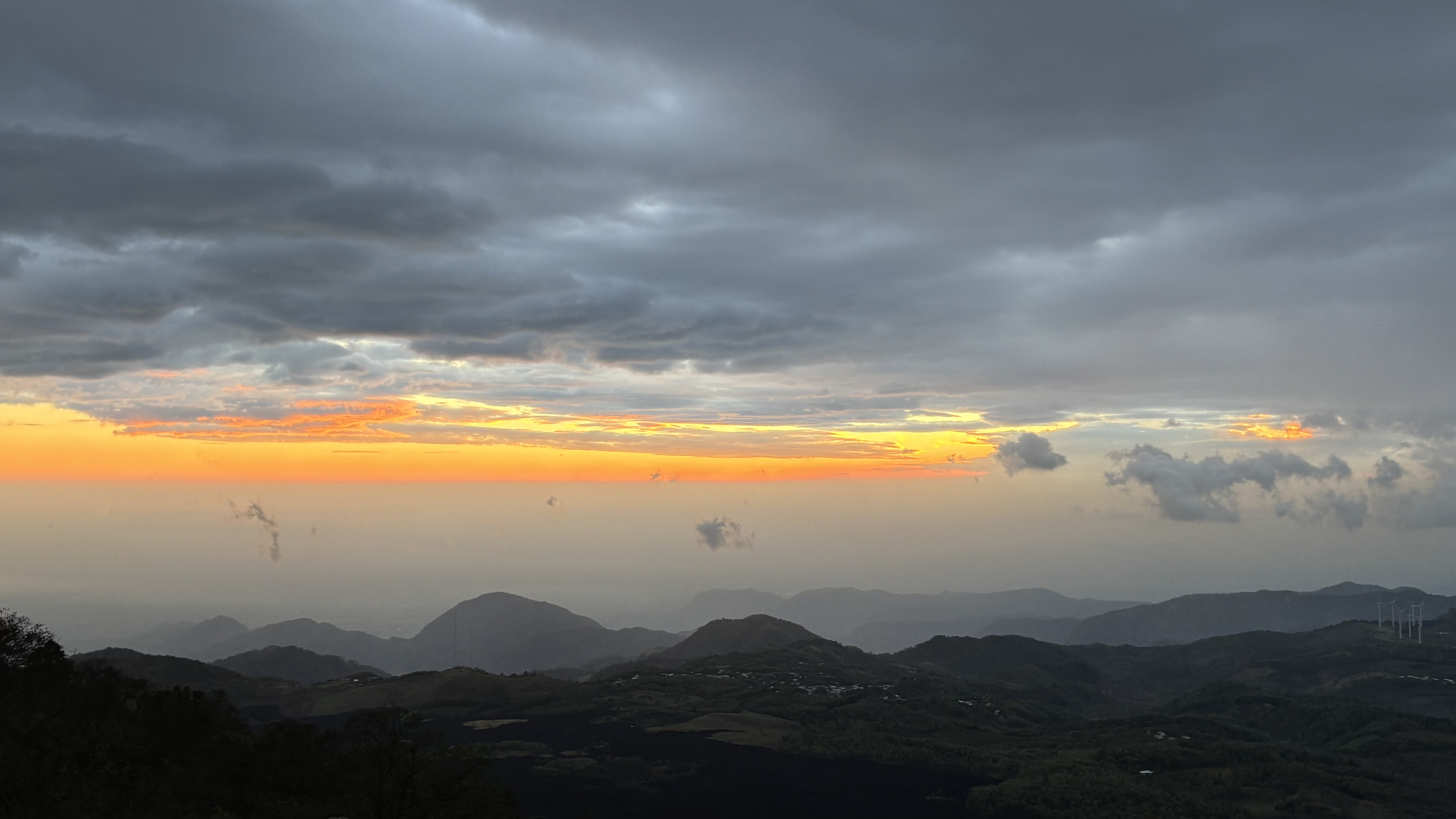
Camera: iPhone 15
Locations: Volcán de Pacaya, Escuintla Department, Guatemala

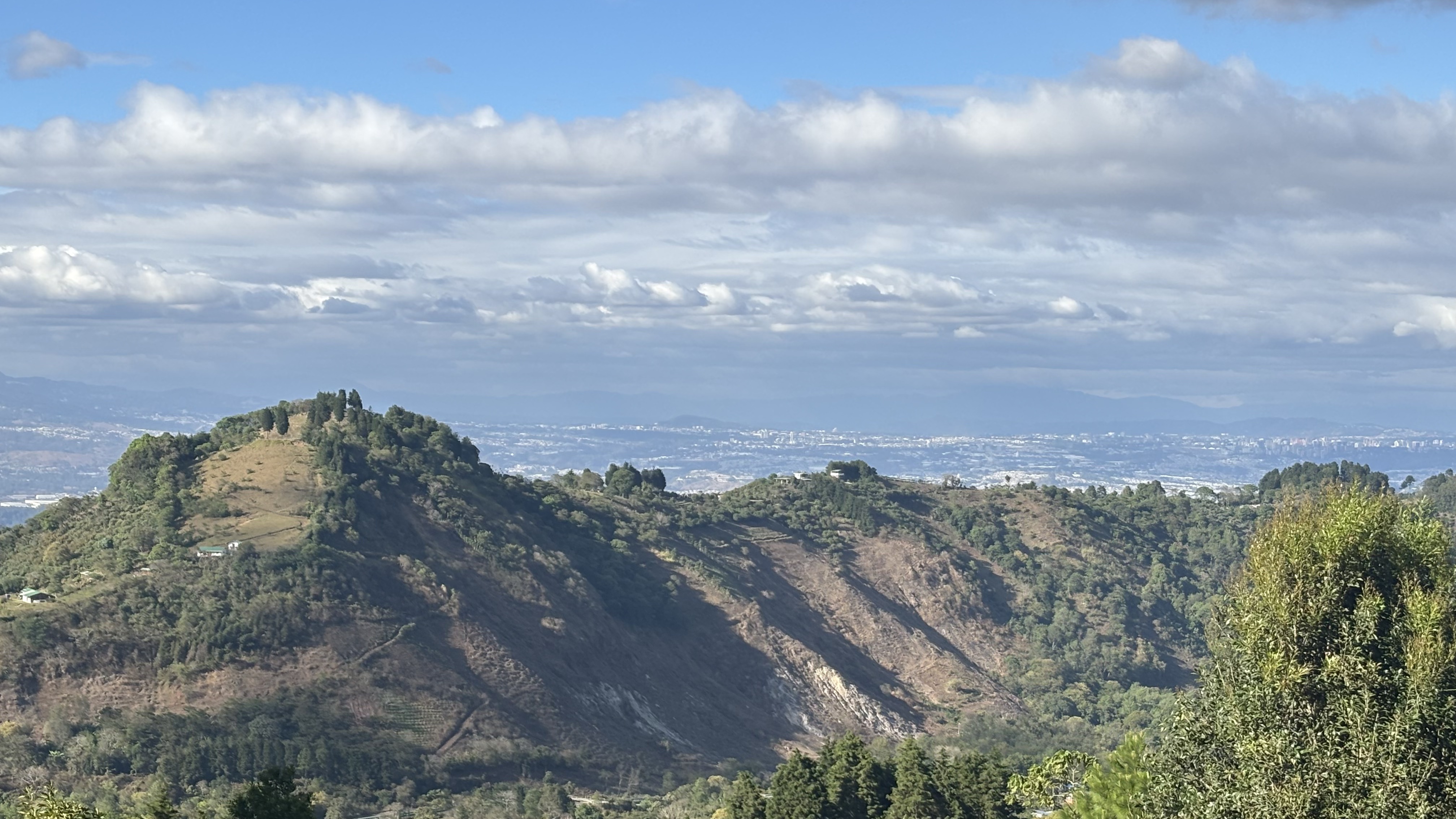
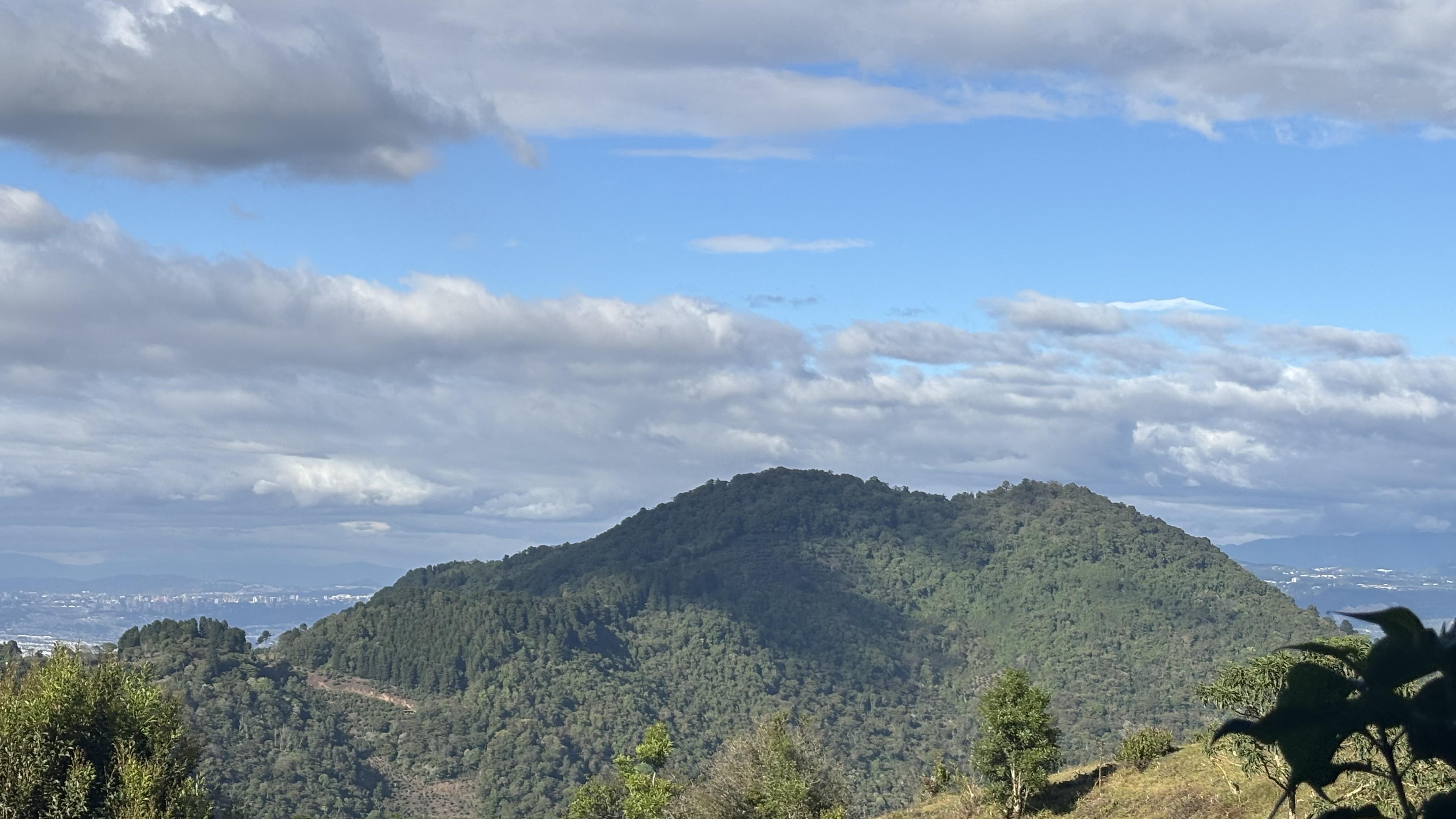
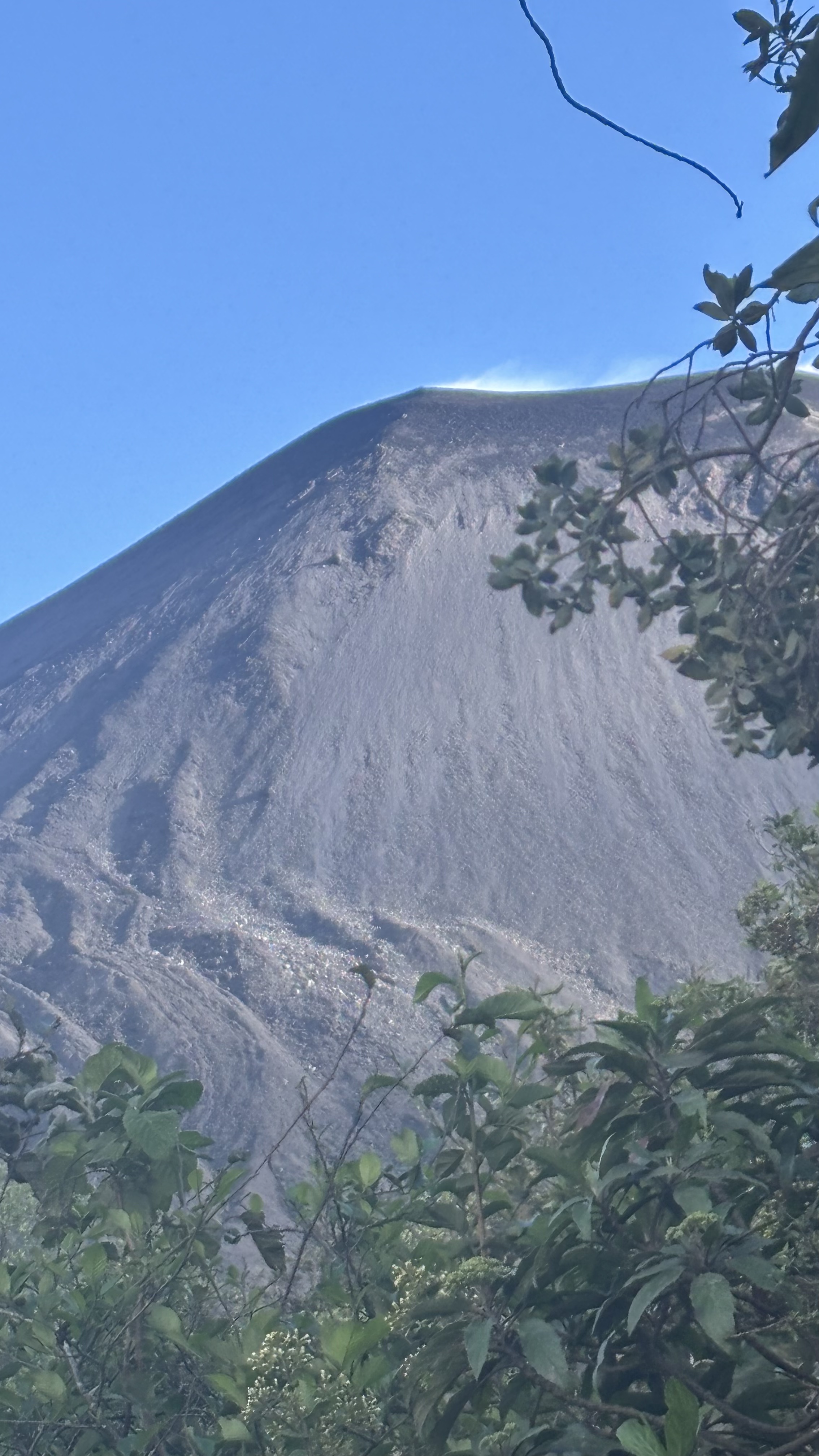
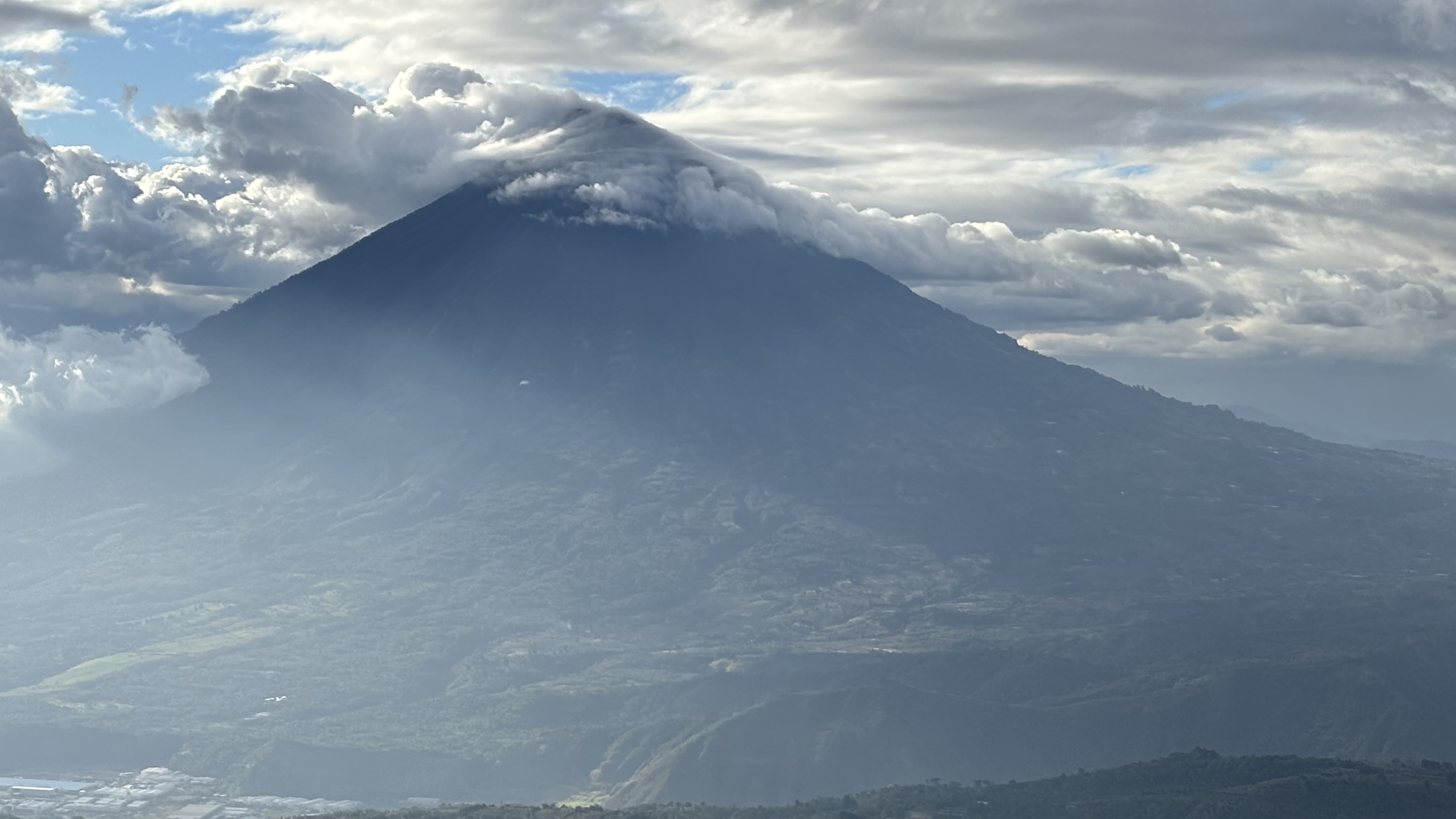
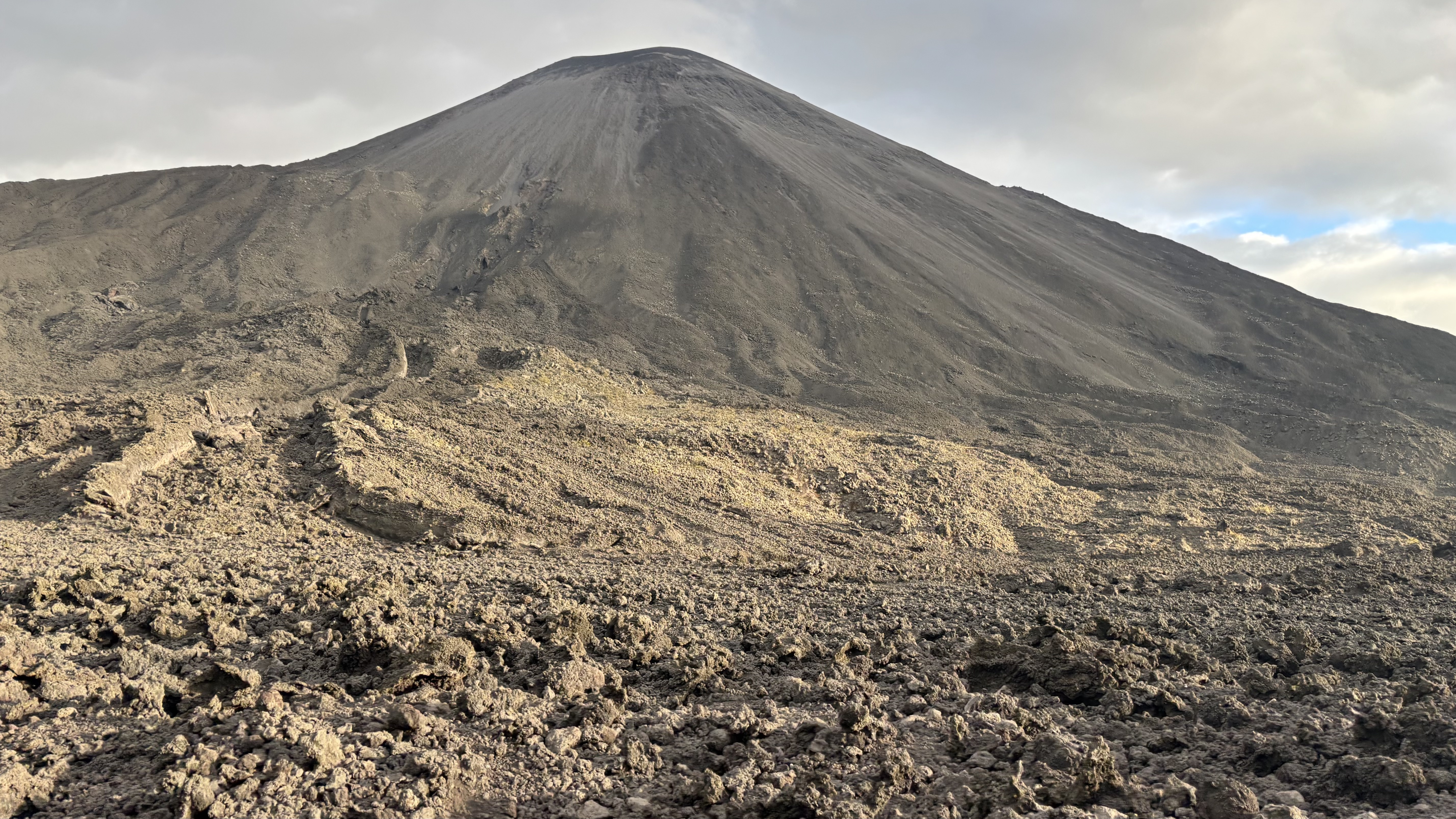
“Explore Guatemala’s Pacaya Volcano on a February 2025 trek. Discover stunning volcanic landscapes, rugged trails, and photography highlights from the adventure.”
Camera: iPhone 15
Locations: Volcán de Pacaya, Escuintla Department, Guatemala
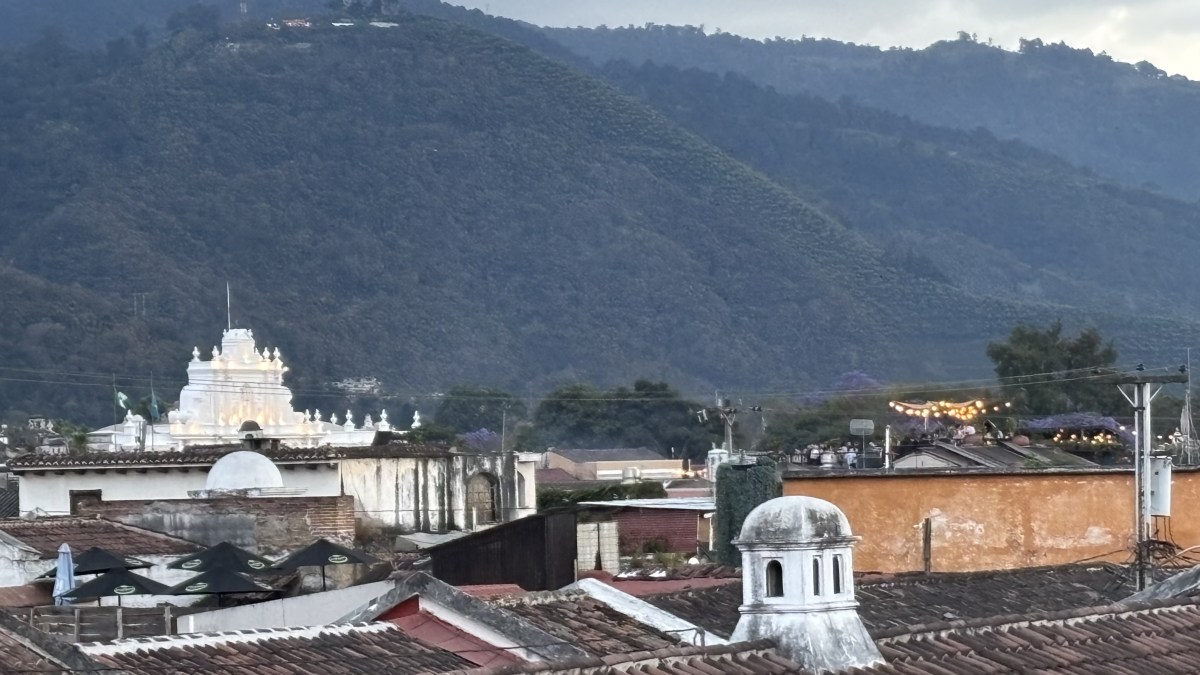
“Exploring Antigua, Guatemala, through travel photography capturing its colorful colonial streets, historic architecture, volcano views, and vibrant local culture.”
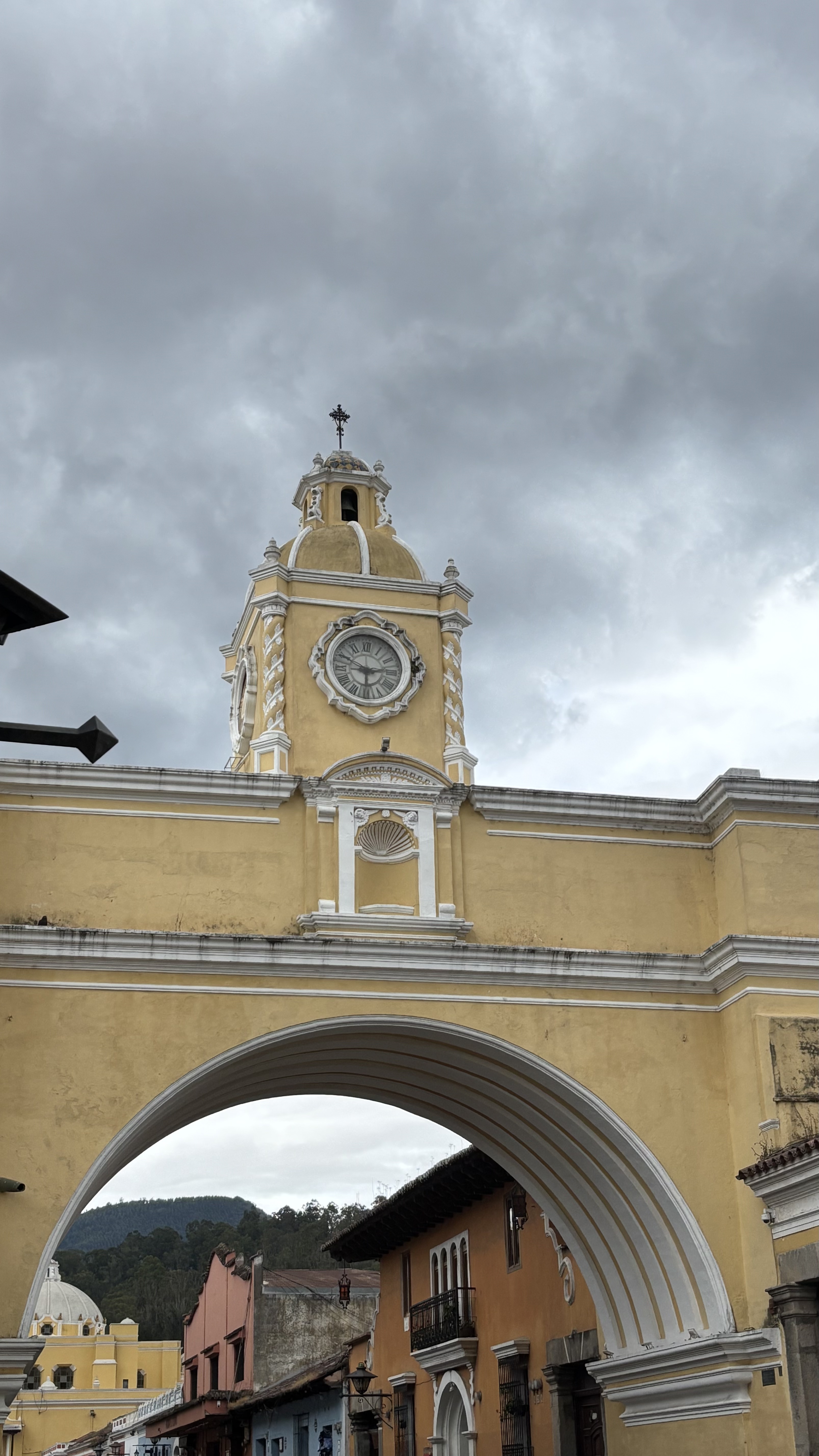
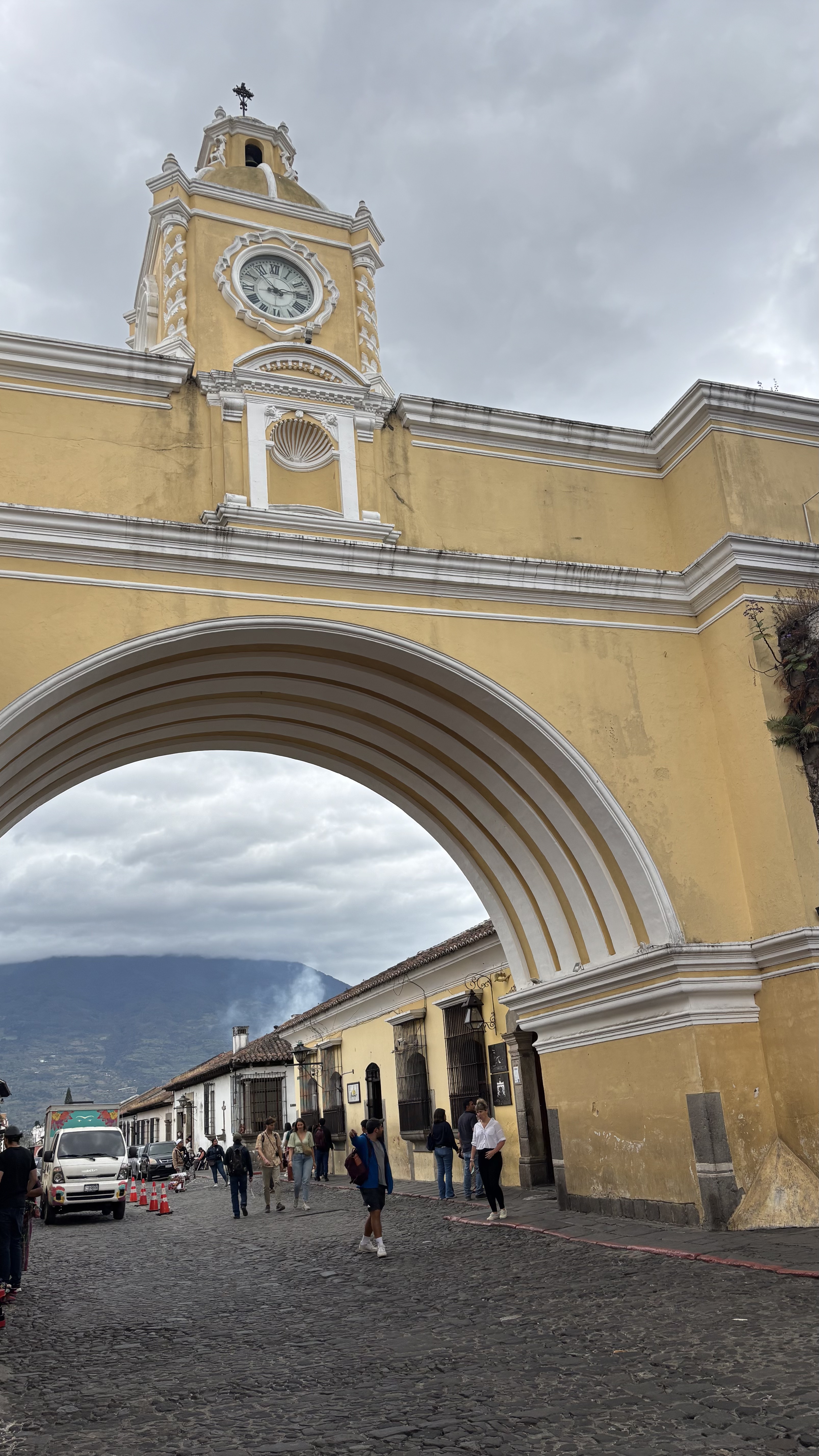
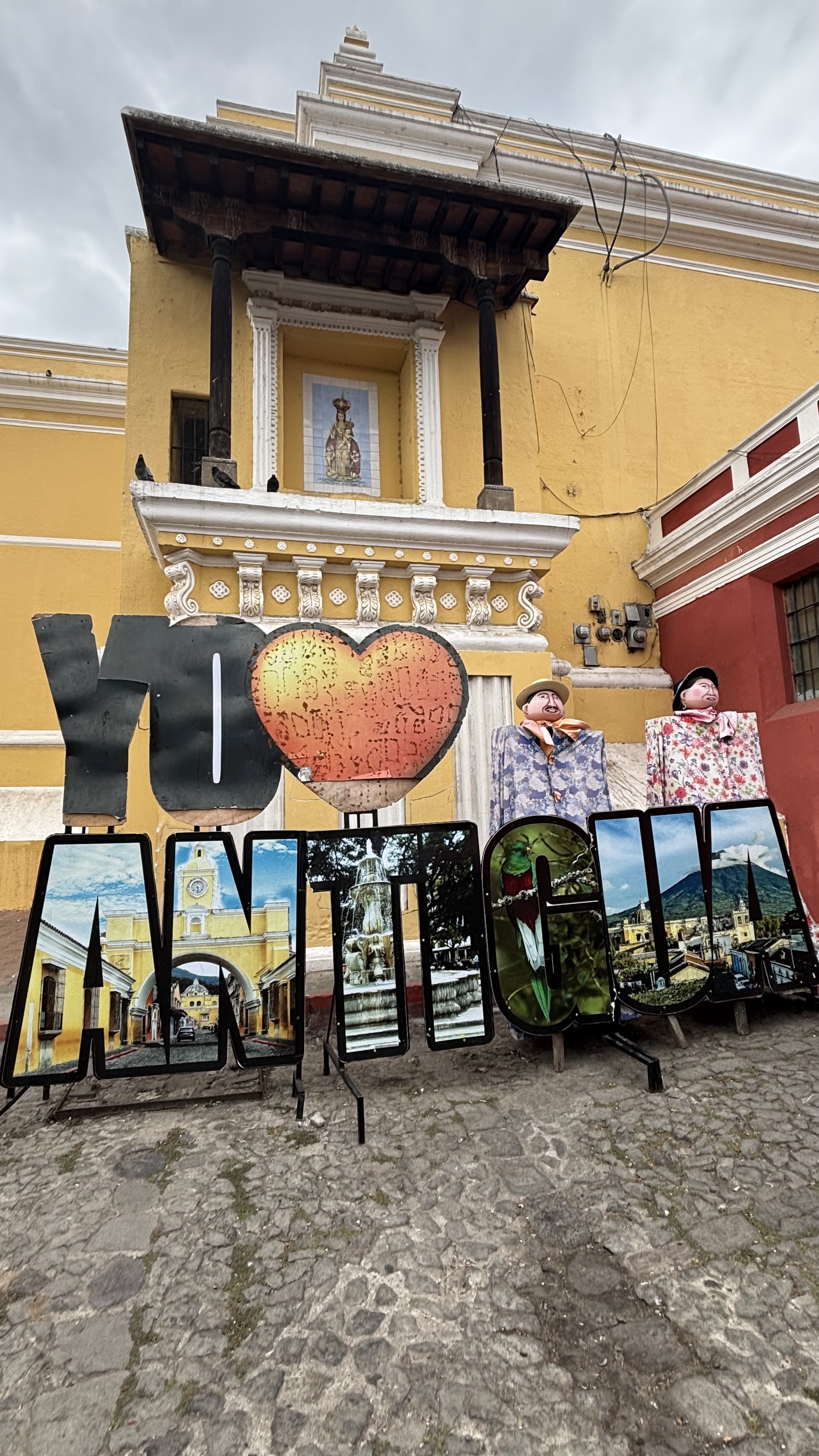
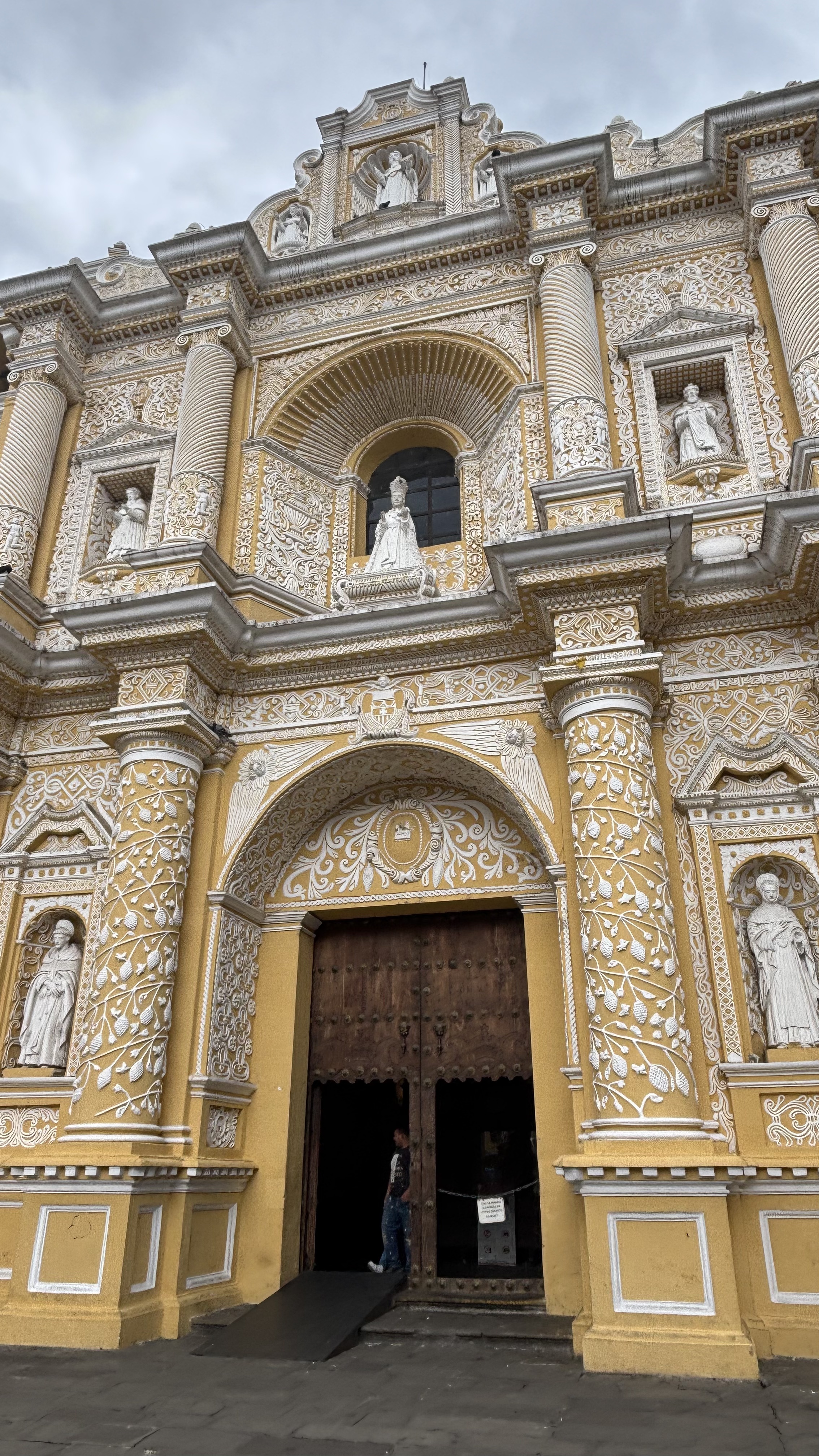

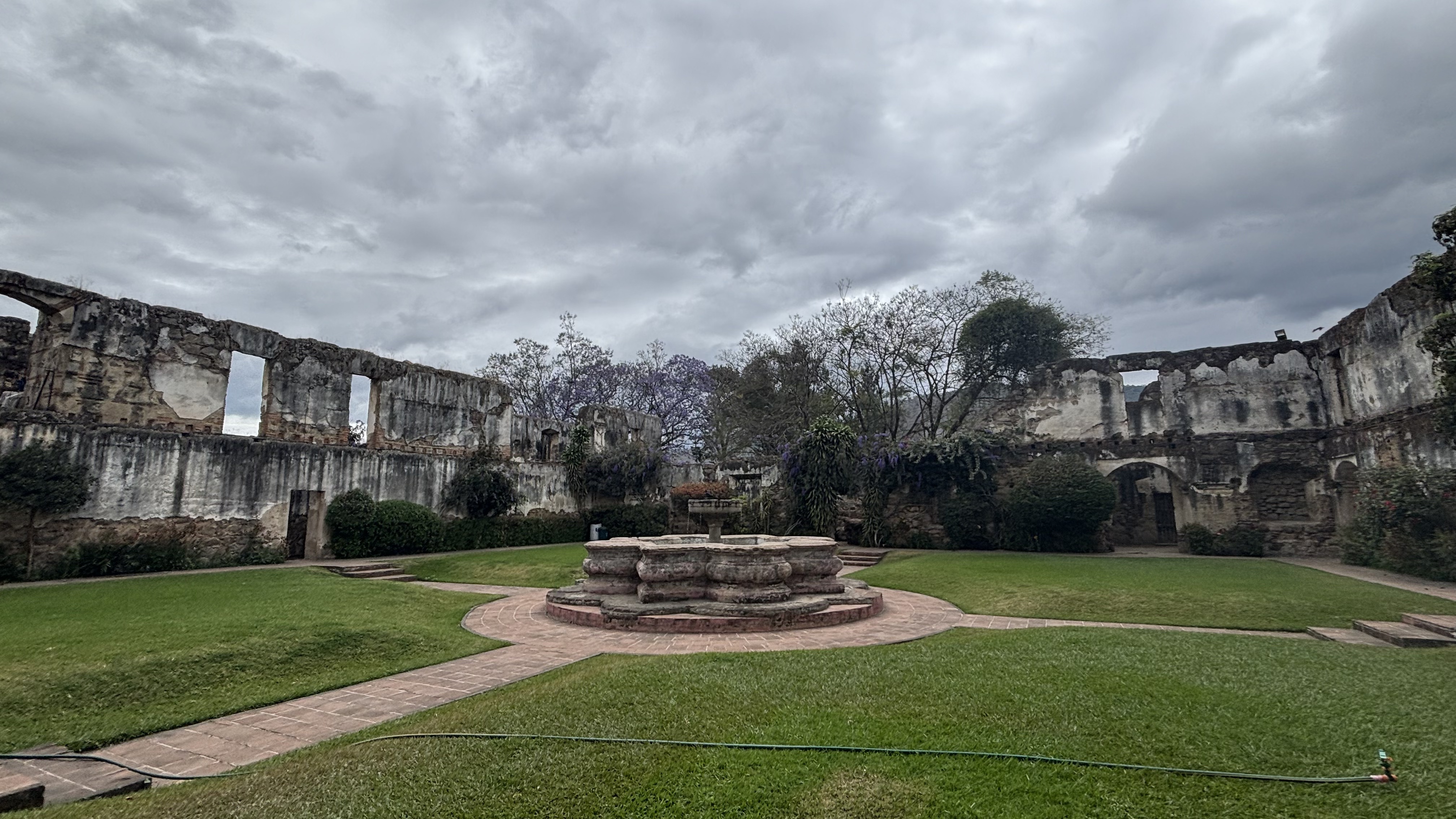
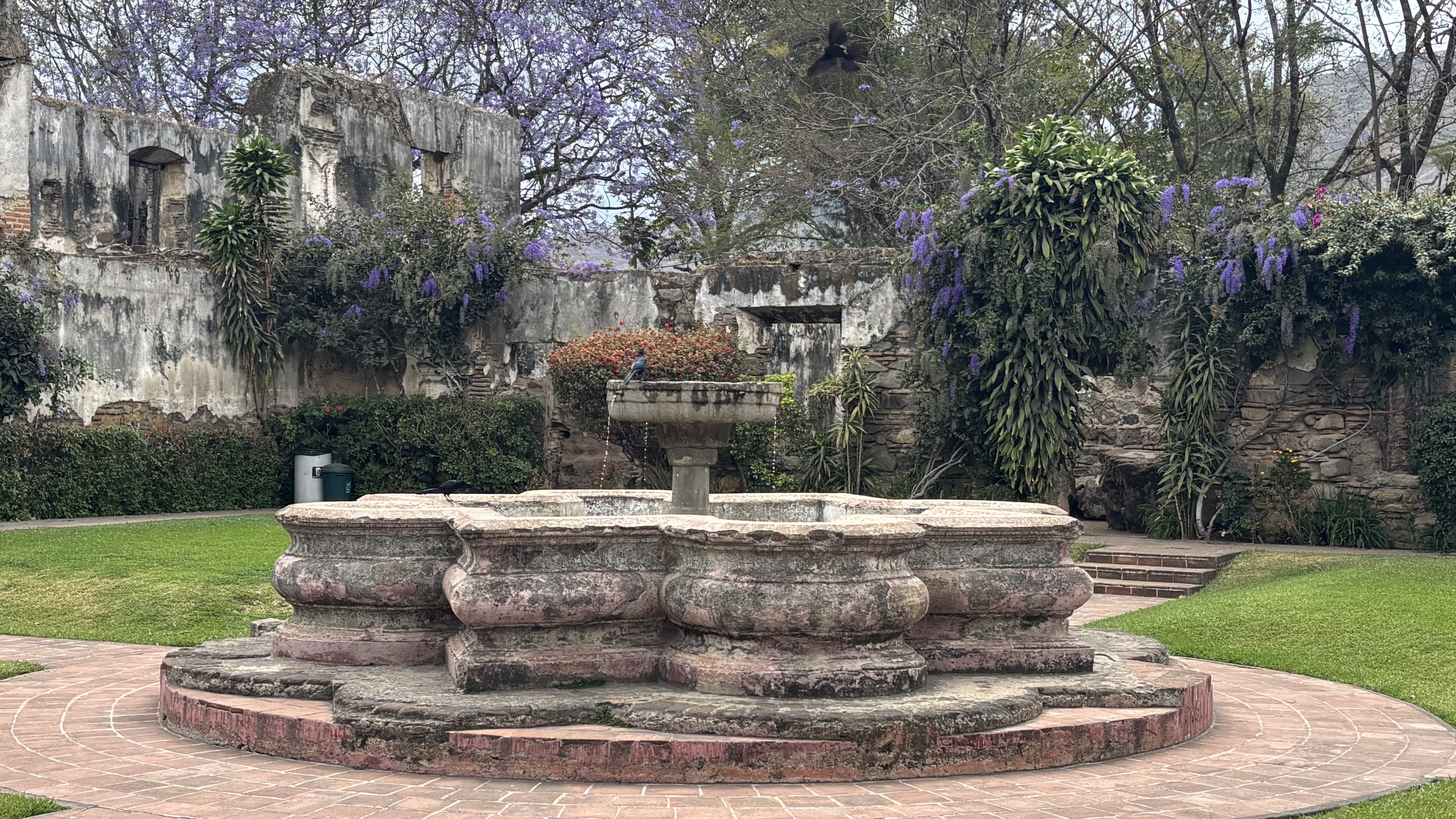
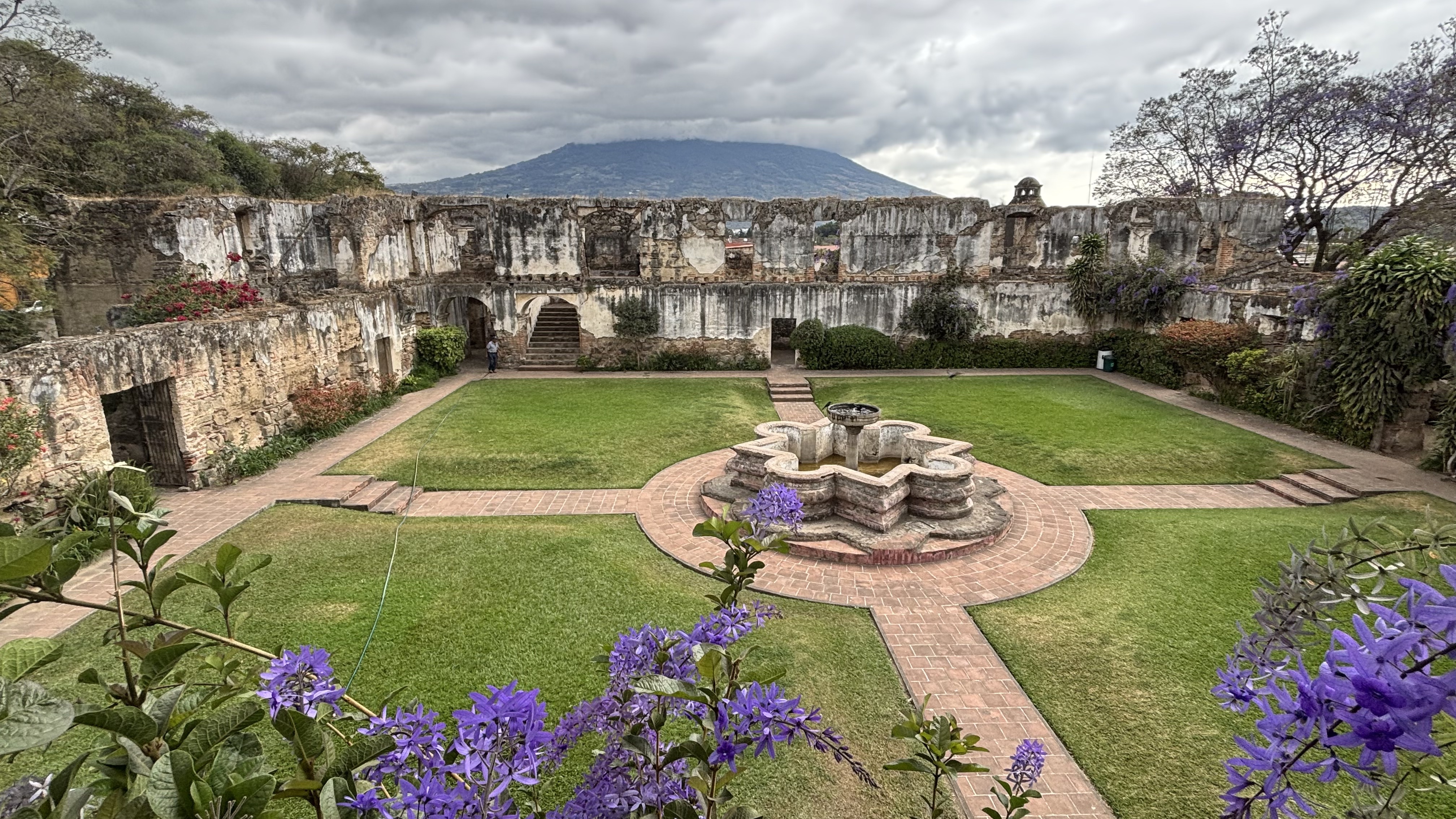
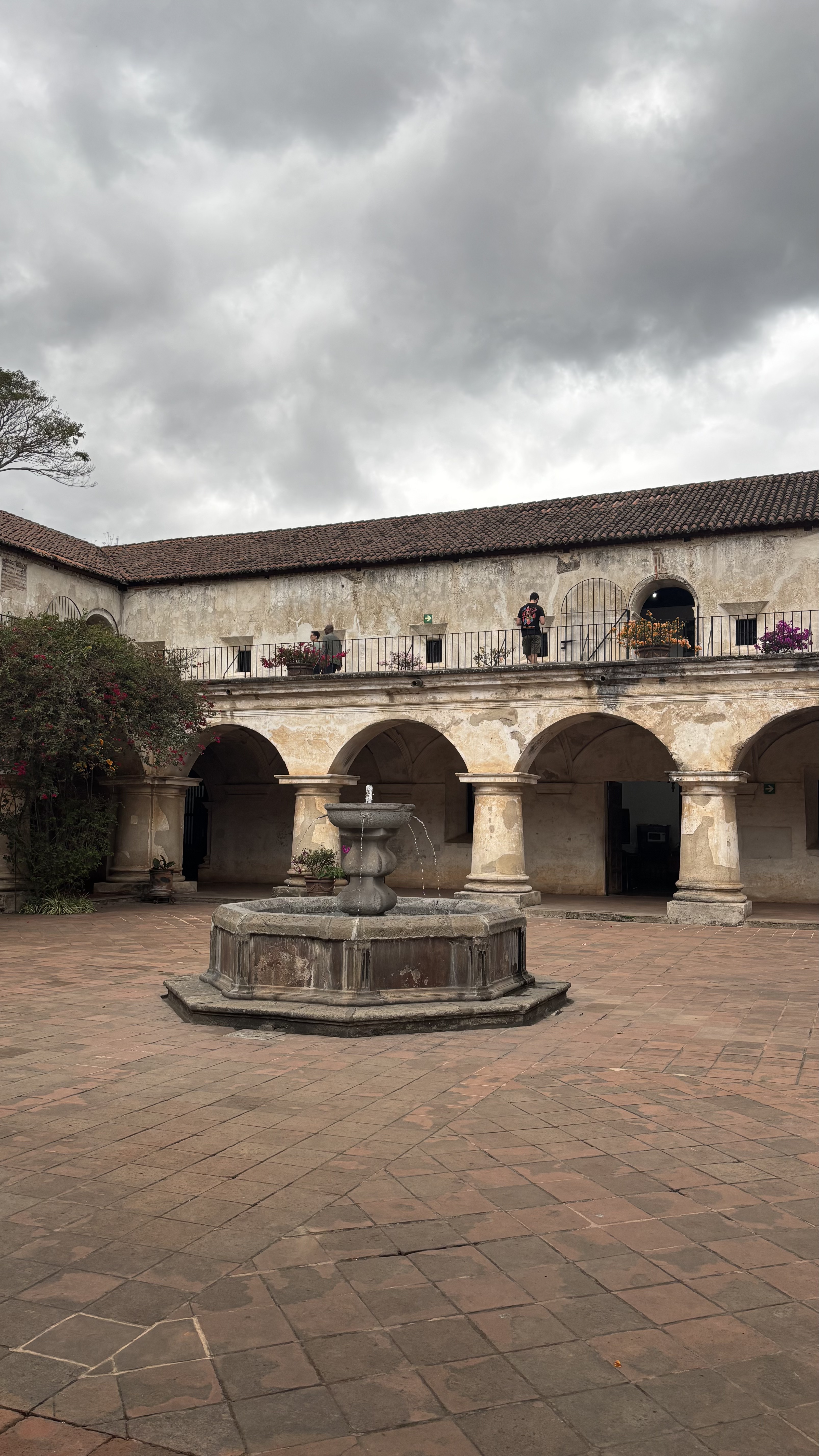
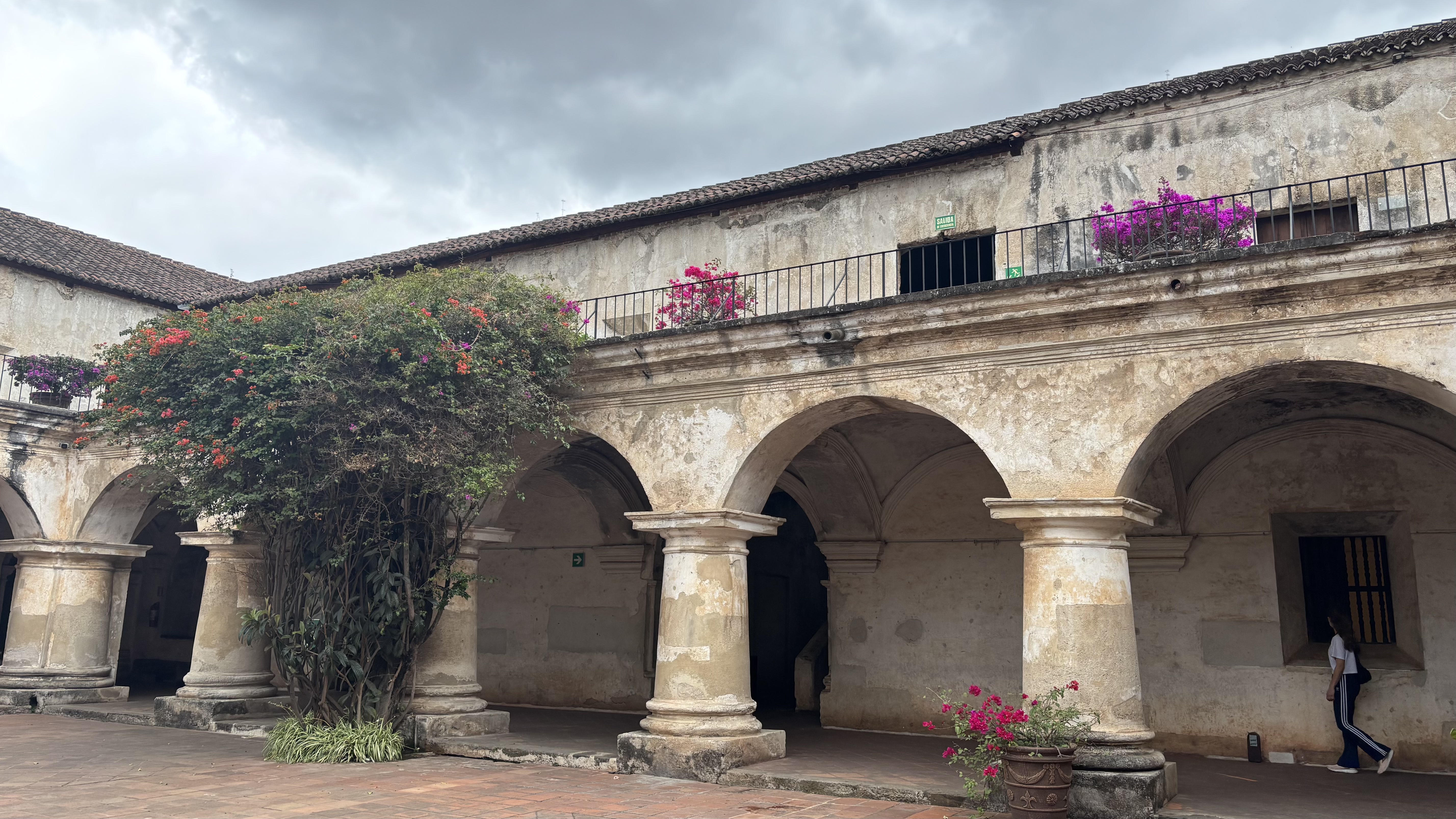
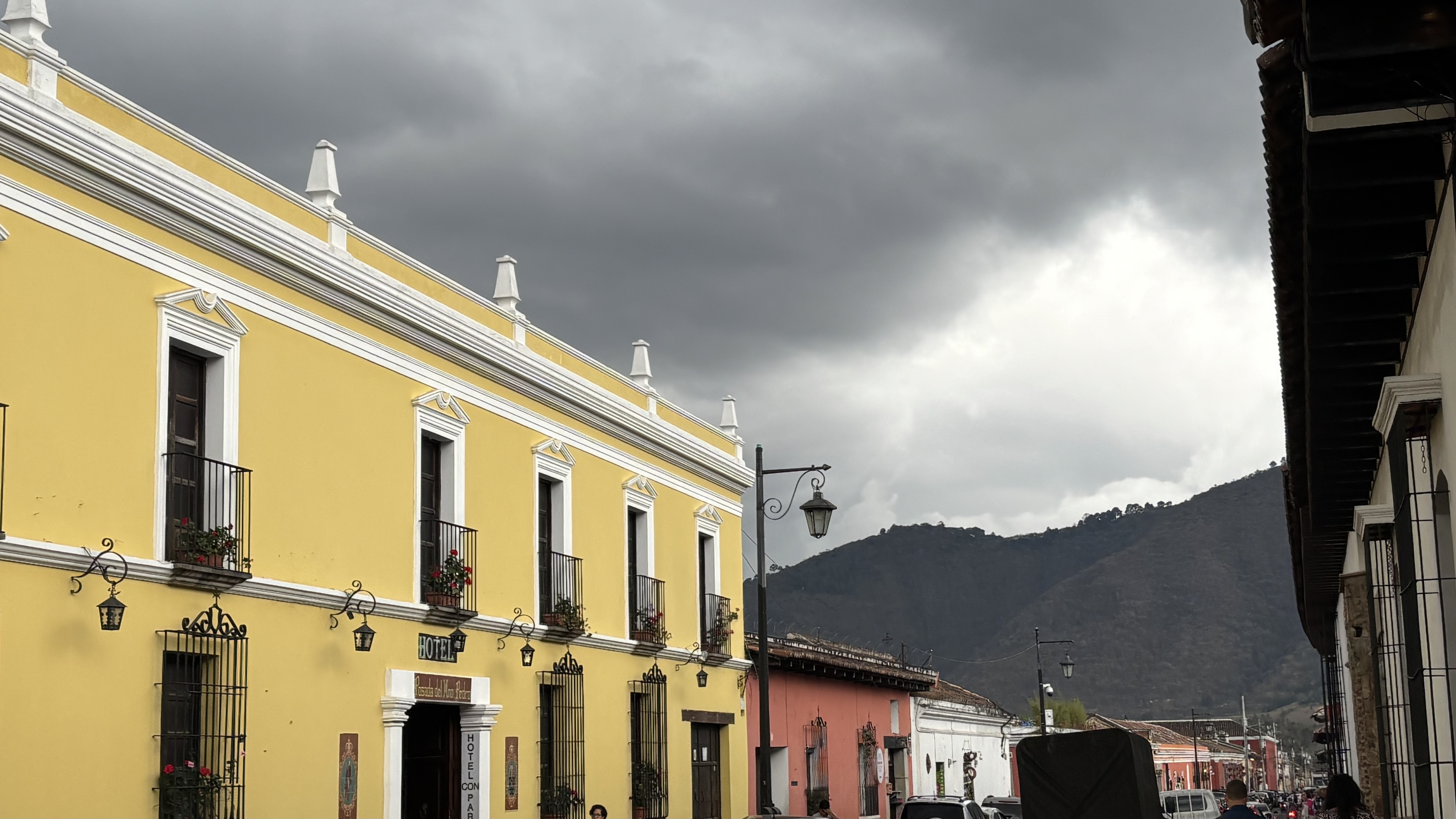
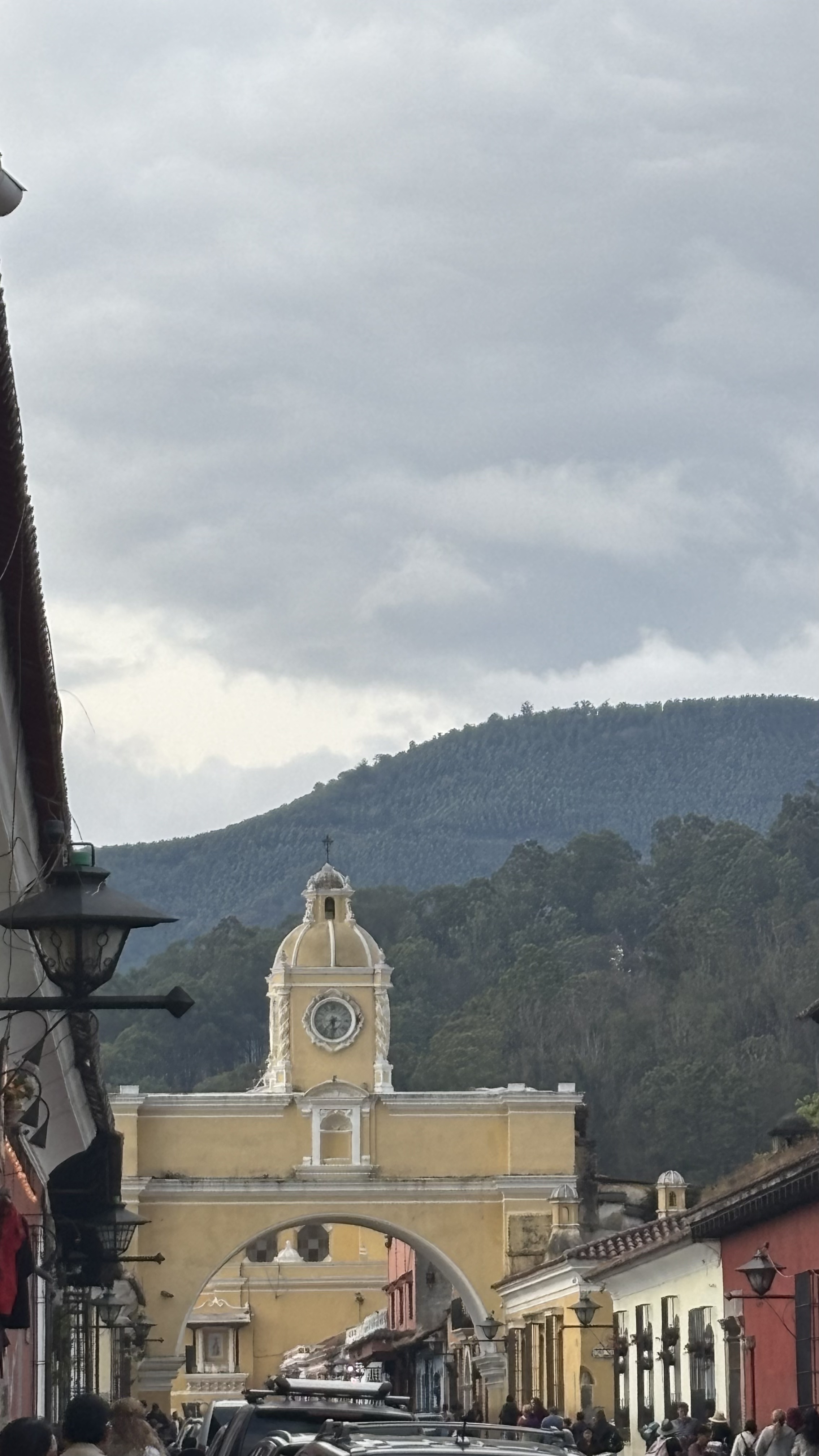
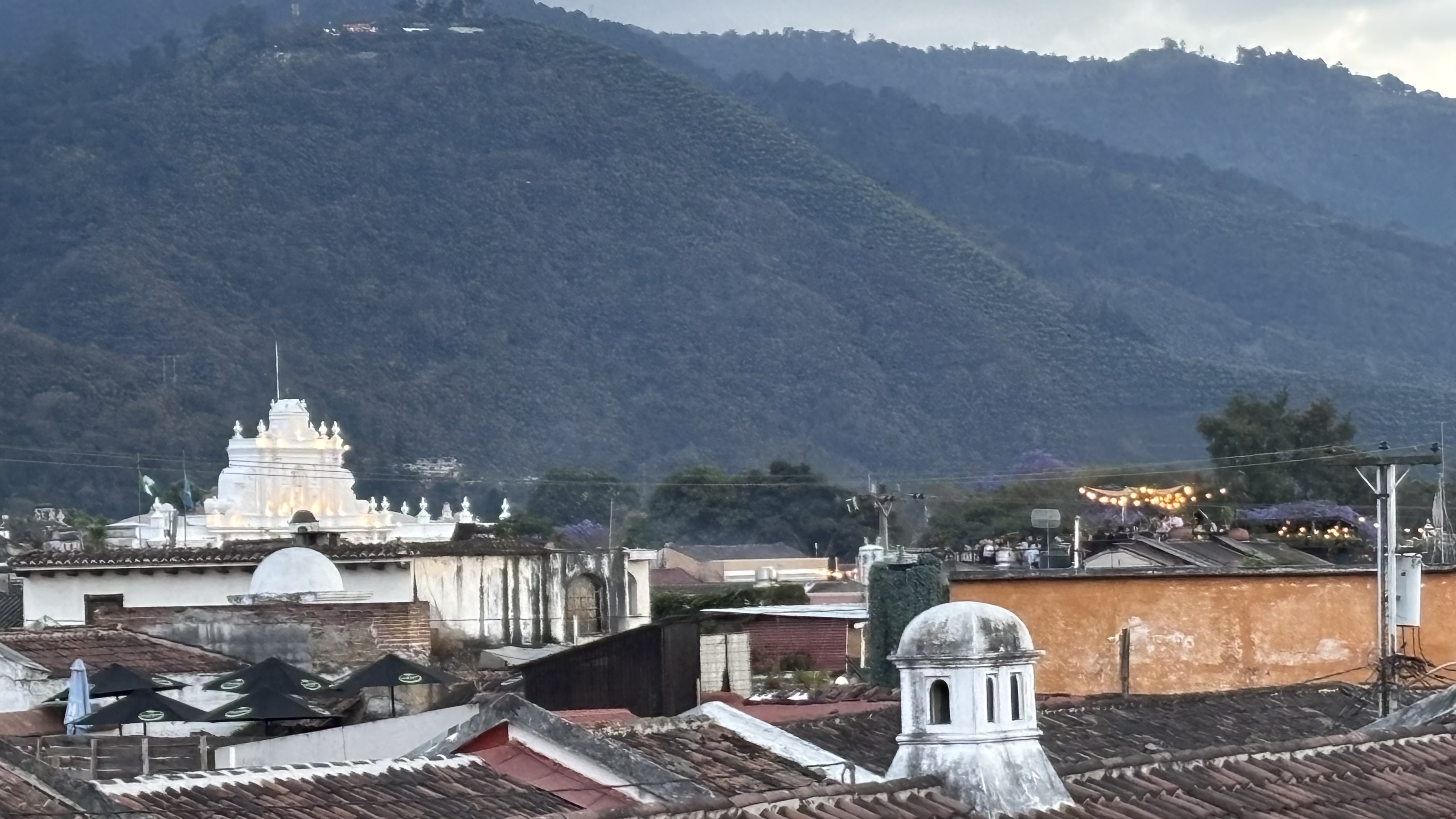
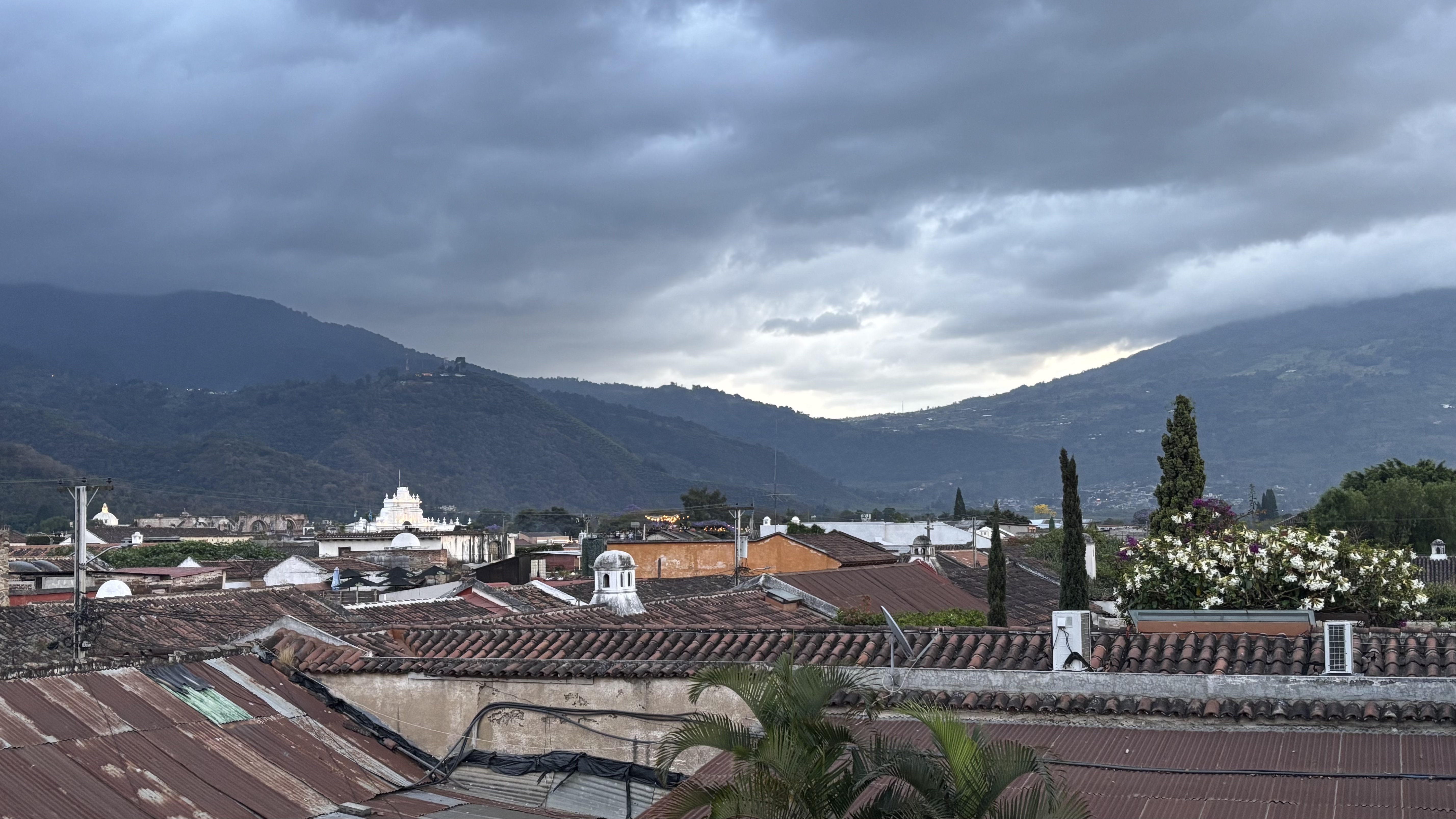
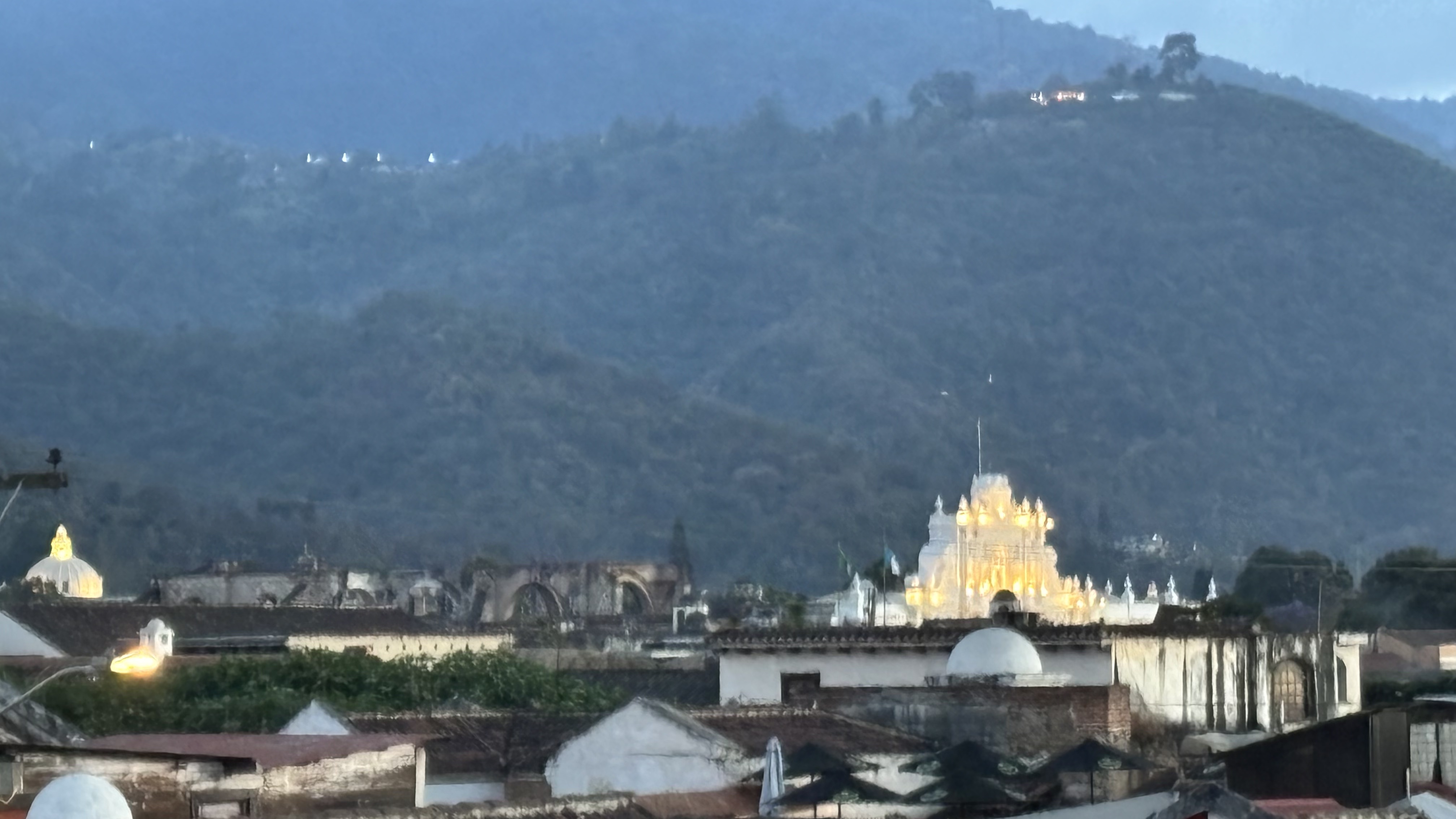
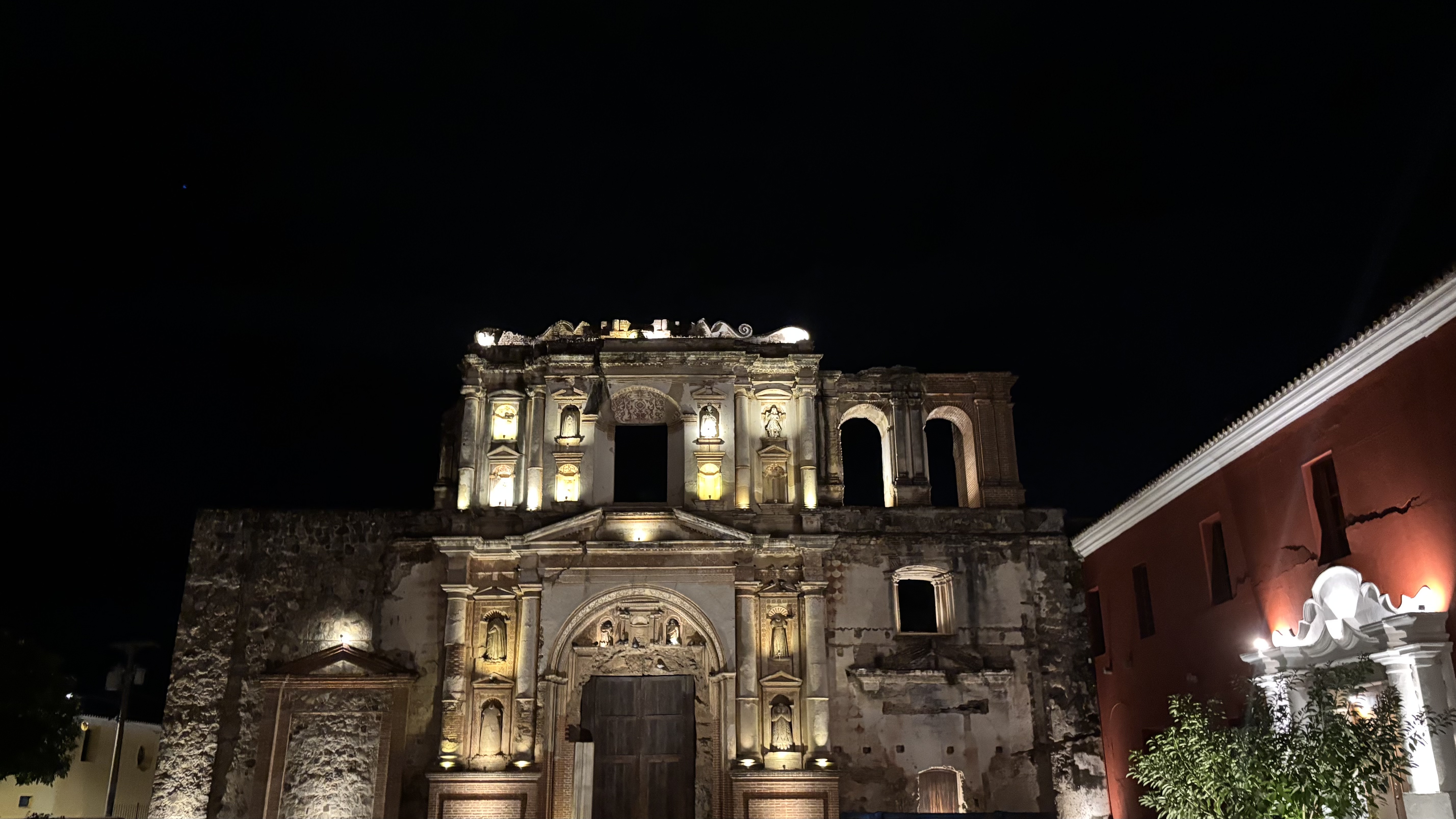
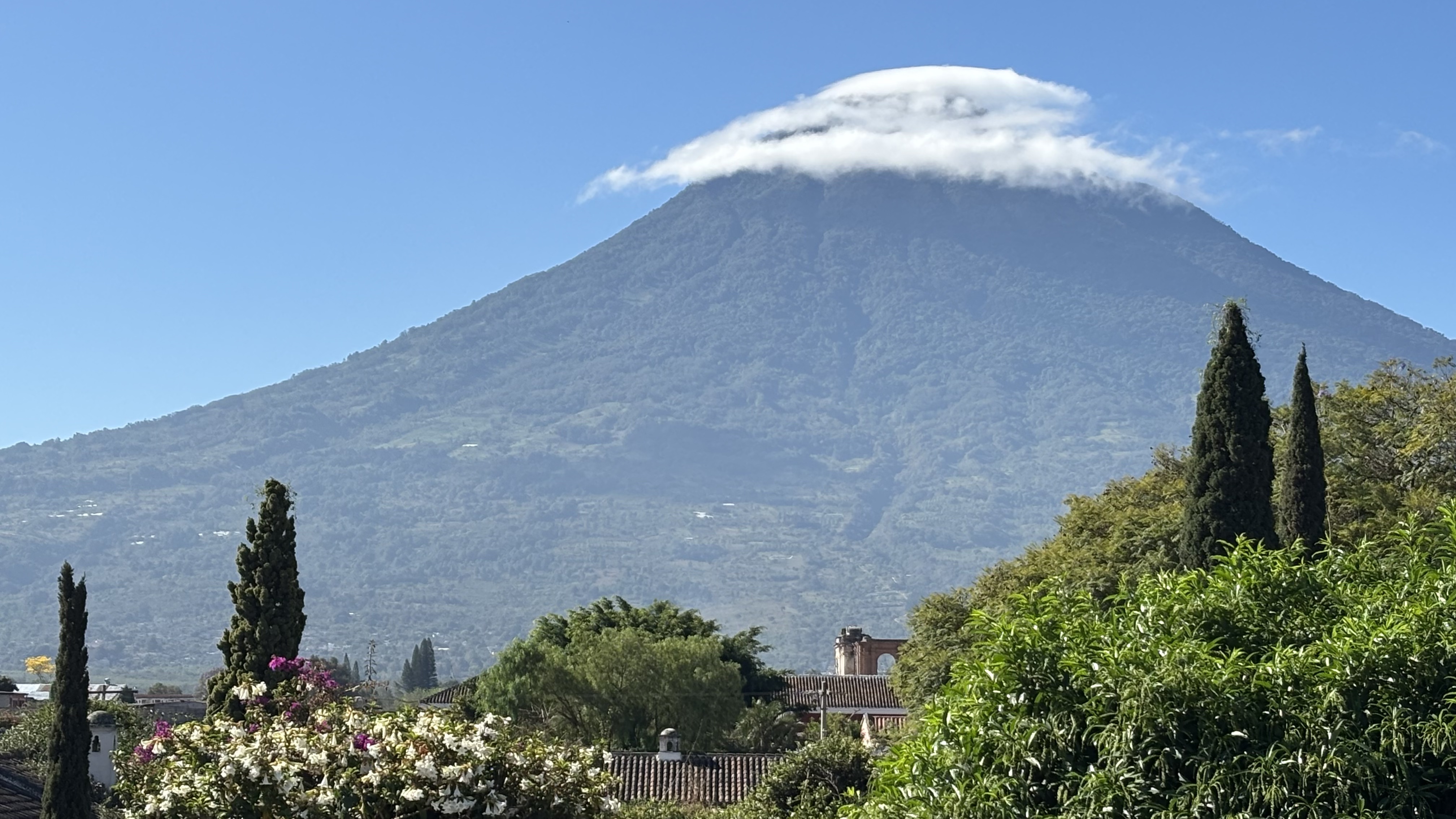
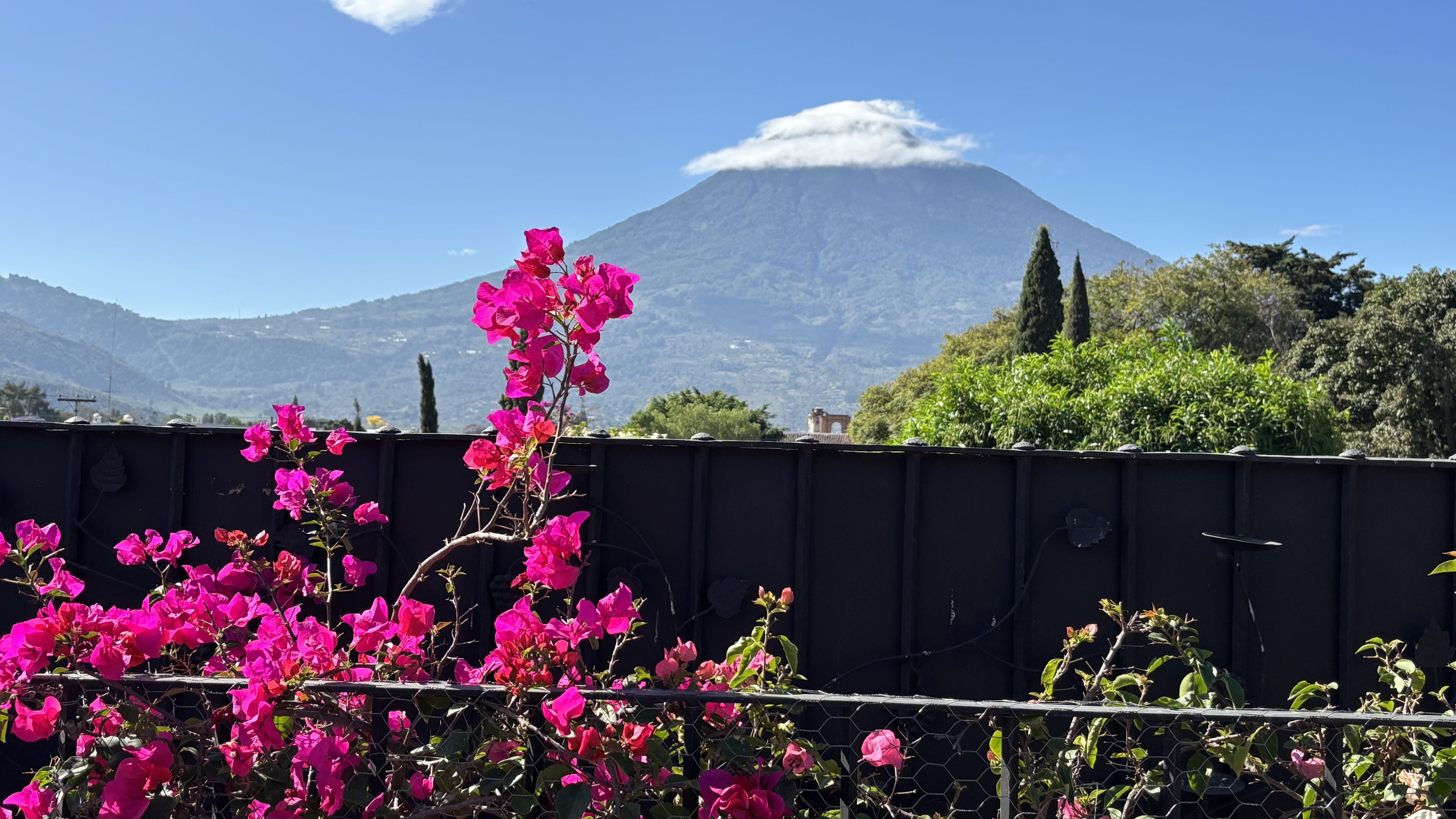
Camera: iPhone 15
Locations: Antigua, Guatemala
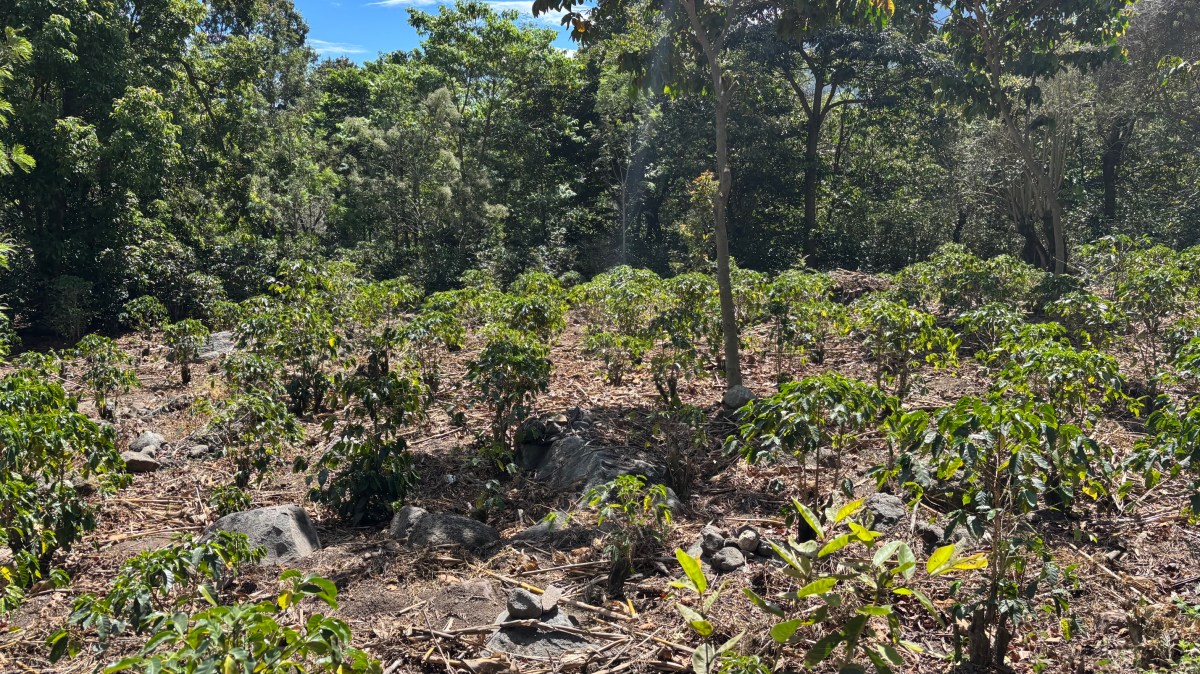
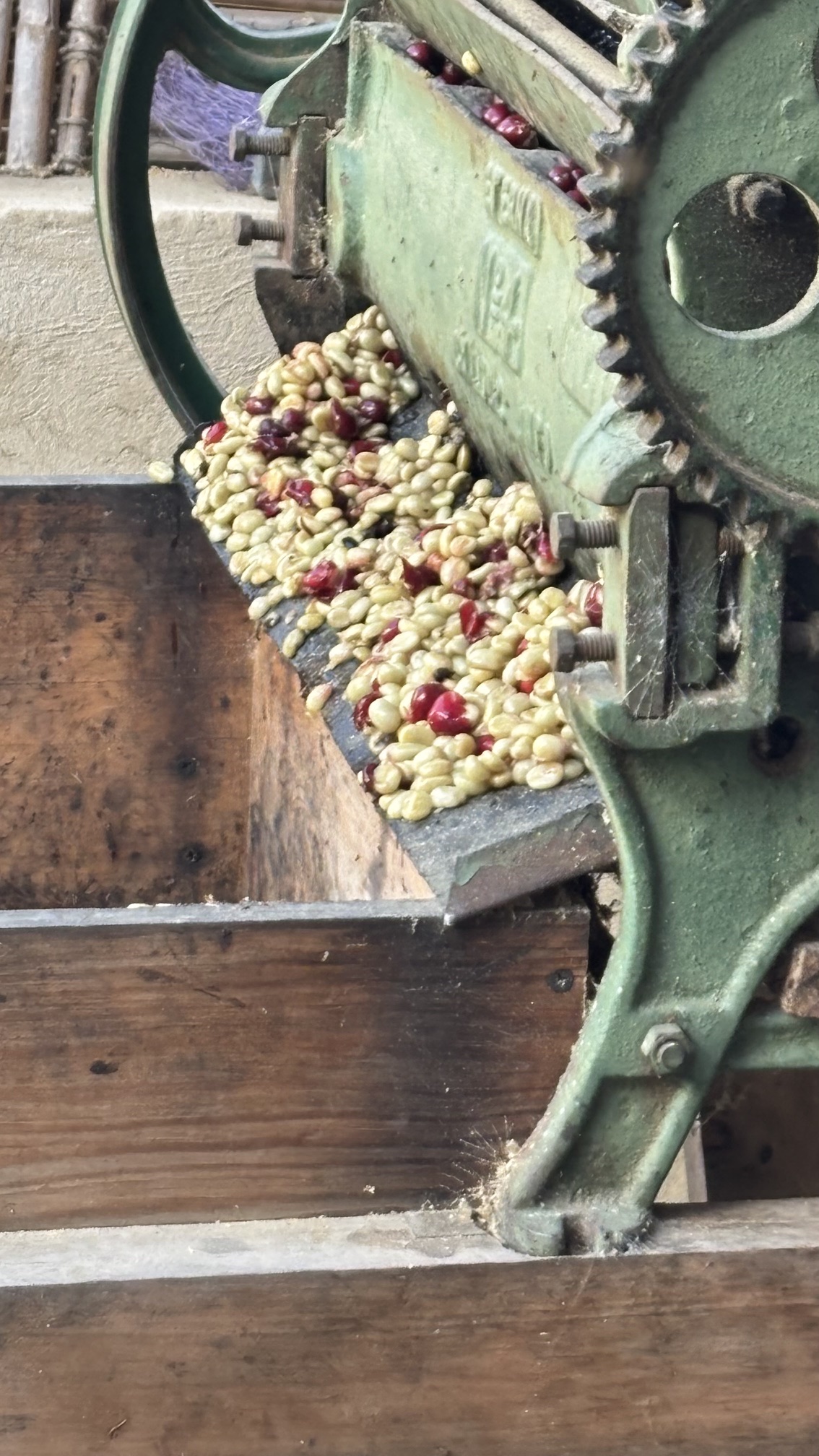
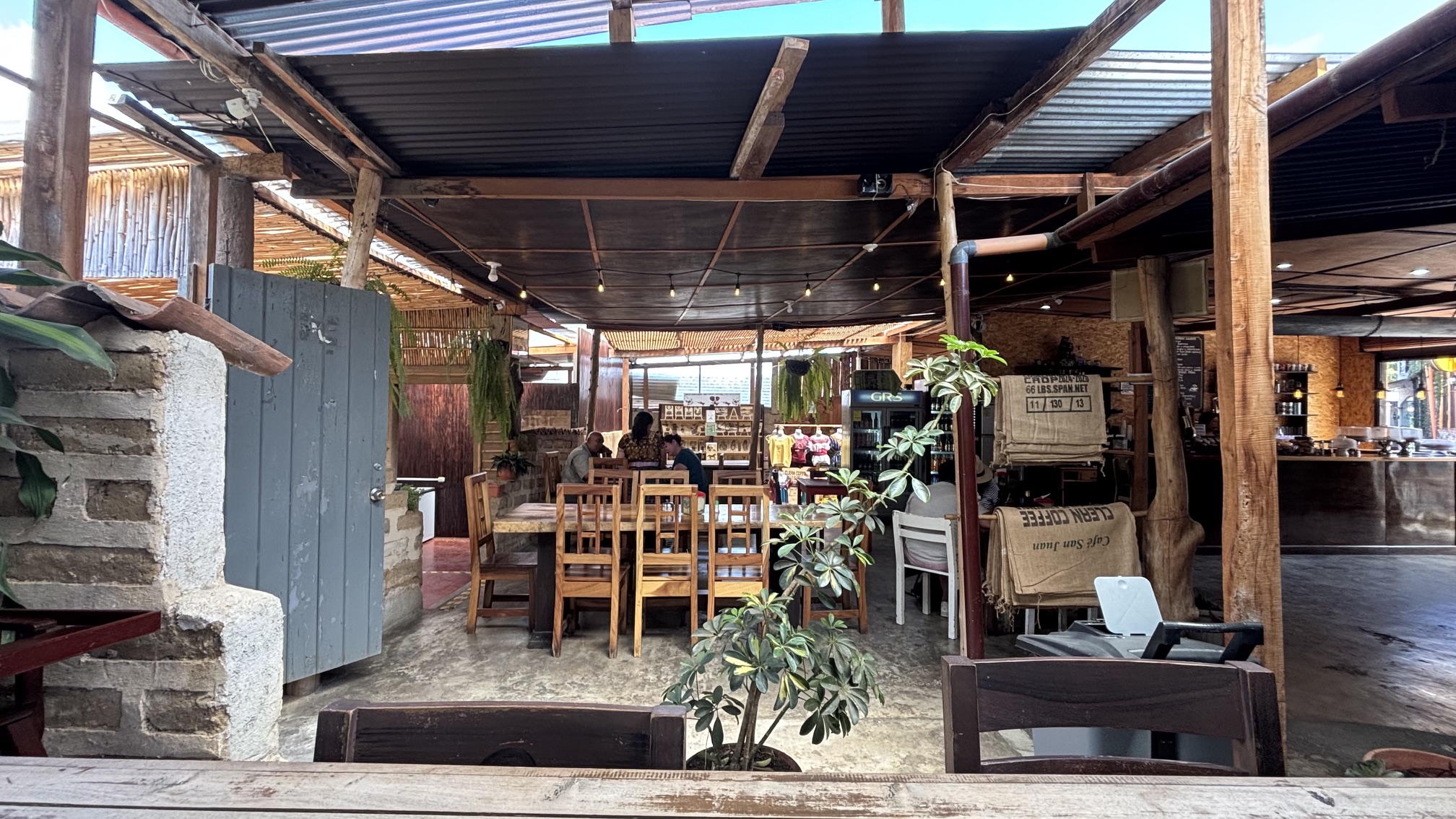
“Explore a local coffee farm in San Pedro La Laguna, Guatemala, and discover how coffee is grown, harvested, processed, and prepared in the Lake Atitlán region.”
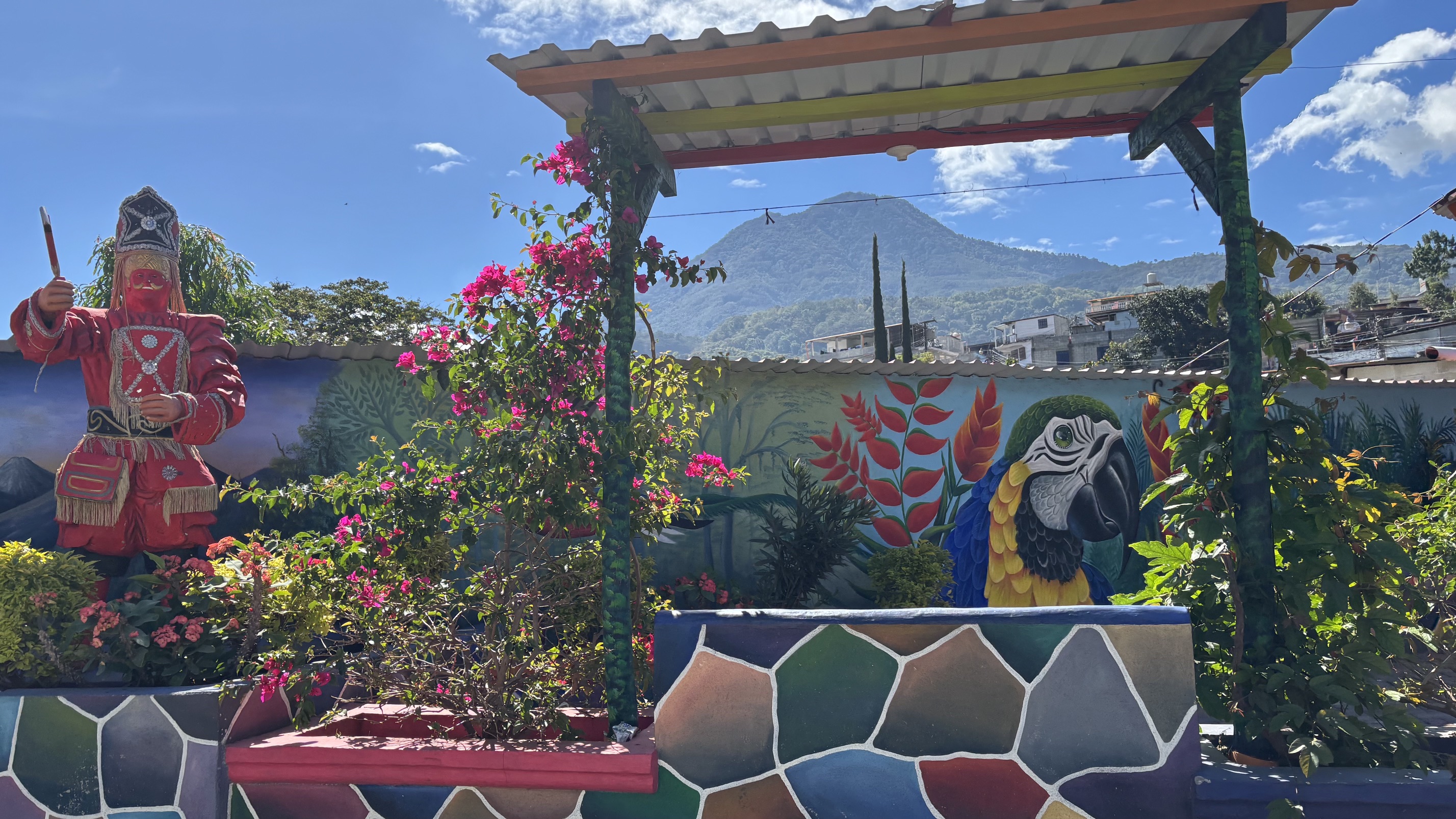


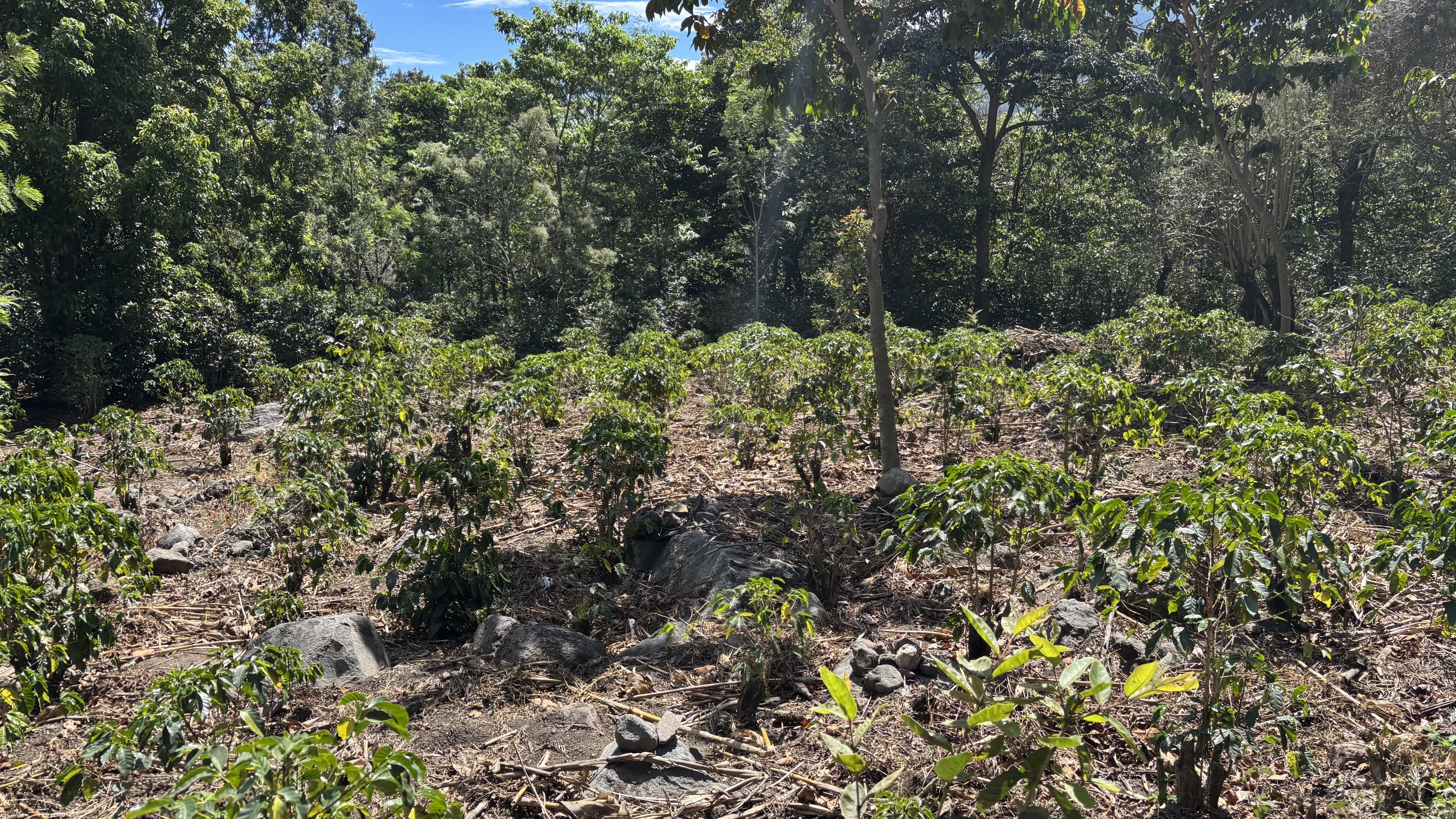

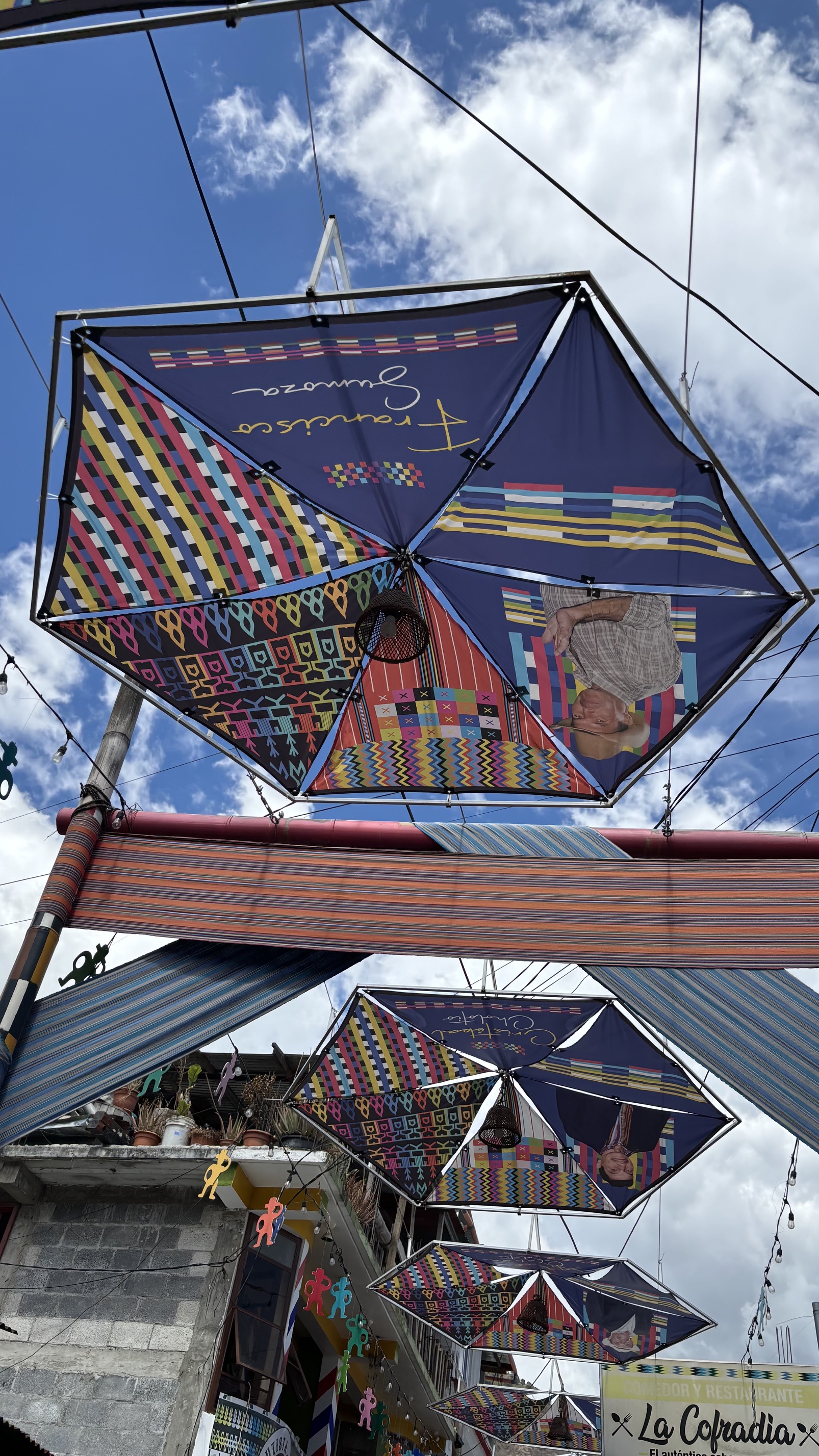

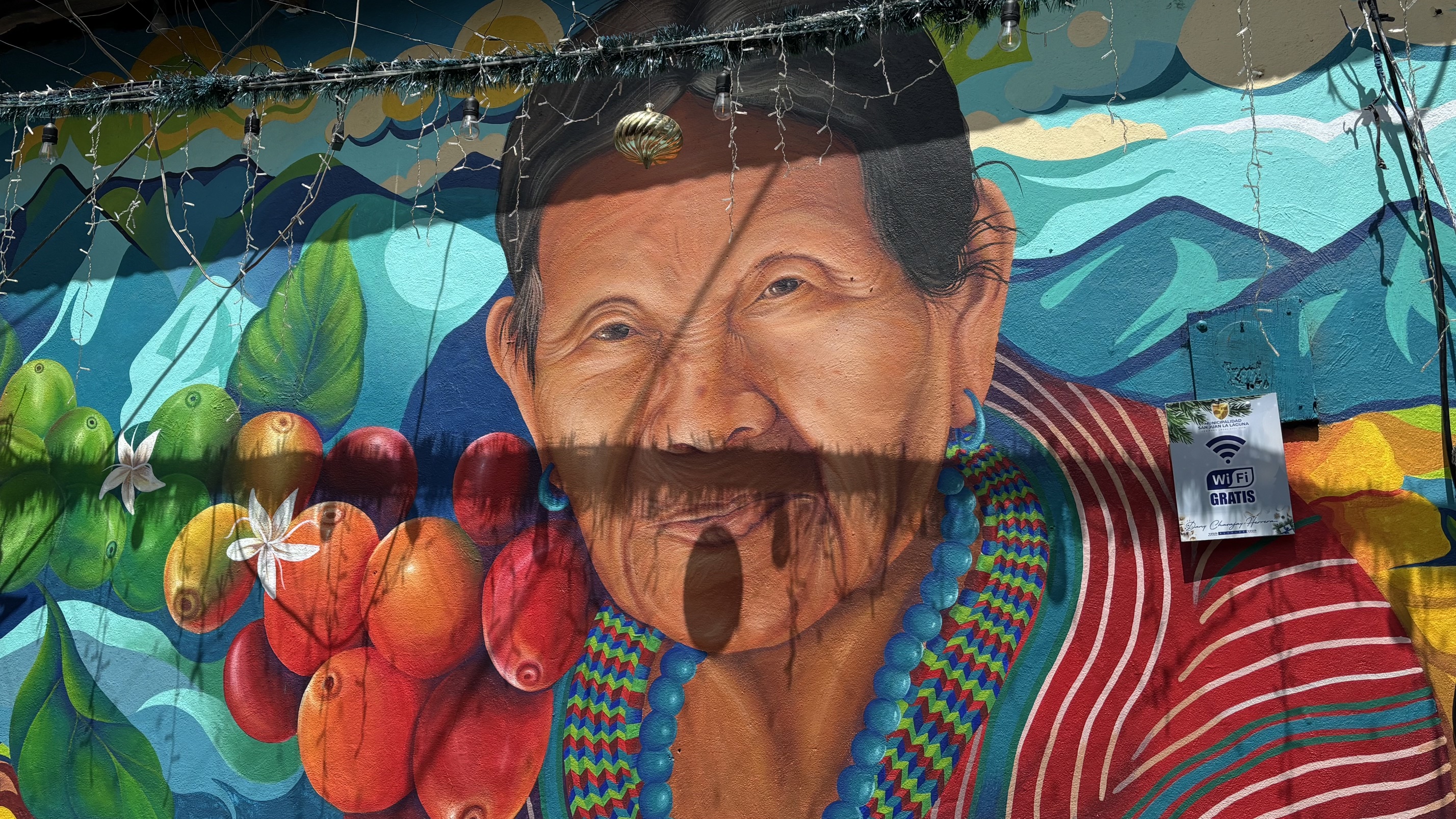






Camera: iPhone 15
Locations: San Pedro La Laguna, Guatemala
“Sadly, this is not an isolated occurrence in the post-COVID world as manners have declined, niceties are becoming rarer, and kind gestures to strangers are less common than before.”
When someone is walking towards you on the sidewalk and you know they’re going to bump into you if you or them don’t change course, what do you do then? In my case, I realize they are in my path as I try to be aware of my surroundings, especially in my city as I’m walking and trying not to be on my phone and I’ll move aside for that person accordingly. While I don’t mind making the gesture myself to avoid a collision with that person unnecessarily, the fact that they don’t make any attempt to move themselves out of our colliding path or at least acknowledge my presence instead of being on their phone or talking to a friend reflects a clear lack of manners and niceties we should expect from one another when in public.
Sadly, this is not an isolated occurrence in the post-COVID world as manners have declined, niceties are becoming rarer, and kind gestures to strangers are less common than before. When you live in a city or an urban area especially, these manners and niceties help make the day much easier even when you’re dealing with a lot more people around you. In rural or suburban areas, the pace is slower and there are fewer people, so these manners are more enforced and easier to take note of than in cities. However, our societal expectations around manners and niceties need a real refresher in terms of what to do and what not to do in public spaces.
I don’t expect the average person to have much awareness of what’s customary and what’s not customary manners wise because it really hasn’t been drilled into them by their family, friends, or even from school or work in years. Therefore, we really must do the basic work again in our own day-to-day lives of setting the example, educating others when feasible, and working towards establishing public service announcements or at least some consistent leadership from those of us who have a bigger microphone or outreach capacity to others.
What are the signs of a lack of manners and niceties these days you may ask? The list is evolving but these are the ones that I was taught never to do and there are some newer ones with technology that have been added to my list as well. When you think of common niceties that make things better for everyone, think about the following examples: not littering, don’t cut the line, don’t have loud conversations in public if you can’t maintain an indoor voice, returning your shopping cart when you’re done using it, saying thank you when someone holds the door or being that person who holds the door for the next person behind you. When it comes to driving a vehicle, never park in the handicapped spot unless you or someone with you is handicapped, not using the HOV lane on the highway if you’re driving by yourself, and not tailgating someone’s vehicle when you can maintain distance from them safely.
In addition, certain behaviors that are encouraged or tolerated now which should go back to being frowned upon again include wearing proper attire out in public like the gym, the airport, or the conference center. Pajamas, athletic wear, and beach wear have their places too but not where they shouldn’t be tolerated for dress. For example, you wouldn’t wear athletic wear to a church like you shouldn’t wear your flip flops to a boardroom meeting, right? Same with pajamas or athletic wear at an airport in my view. You’re flying to Dallas, not going to Planet Fitness for an intense gym session for those of you who may disagree here about the appropriateness of athletic wear.
Beyond that, it’s about being kind and courteous to others by acknowledging their presence, knowing where they are, and both of you moving aside so as not to knock into each other unwittingly because you were on your phone or you just didn’t care to move, which shouldn’t be controversial to prevent from happening. Wearing earphones or headphones at meetings, on the train, or in public is the bare minimum for mature behavior and not a big ask to lower or turn off unwanted noise or music for others around you. It pains me to say this too, but some people today need a refresher course on basic manners and niceties, and it goes even more so for the increased incidences of shoplifting, graffiti, lying while serving in a public role, cheating, and just not being truthful with either your words or your actions.
I understand that no one’s perfect and I have not been the best at times due to looking at my phone while walking, maybe getting in the way of others unnecessarily, or just not being as courteous as I could in public. I can always get better at niceties and manners and so can you. It starts with being aware of yourself, acknowledging others’ presence around you, and learning about what is common courtesy and what is not.
I don’t think it should be controversial to dress properly, move aside for each other on the sidewalk, or be respectful on the road while driving. Without these manners and niceties being consistently observed, it’s an actual sign of societal decline and we will all be worse off for it in the long run. Once these manners and niceties go away, proper behavior becomes rarer and then it’s harder to go to work, to attend school, or to build any trust with other people. Manners and niceties are the foundation of a functioning society, and we could all use refreshers on what that means nowadays.
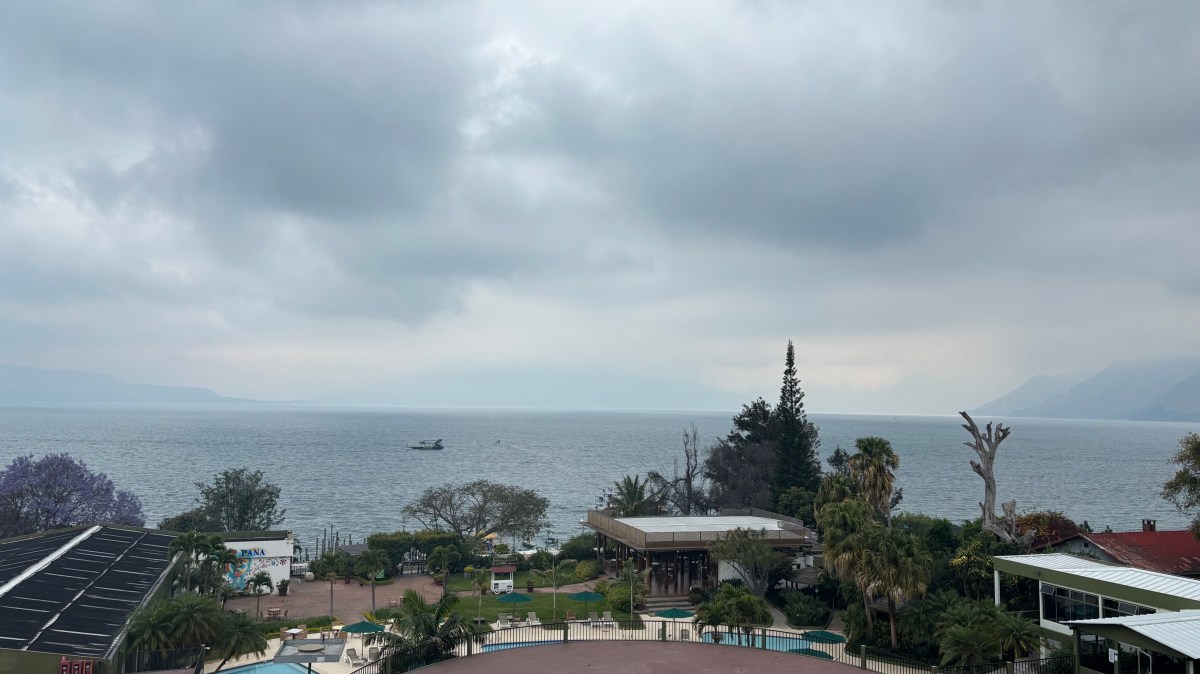
“Explore stunning photography taken in February 2025 showcasing landscapes from Lake Atitlan in Guatemala where volcanoes surround this magnificent lake.”


Camera: iPhone 15
Locations: Lake Atitlan, Guatemala
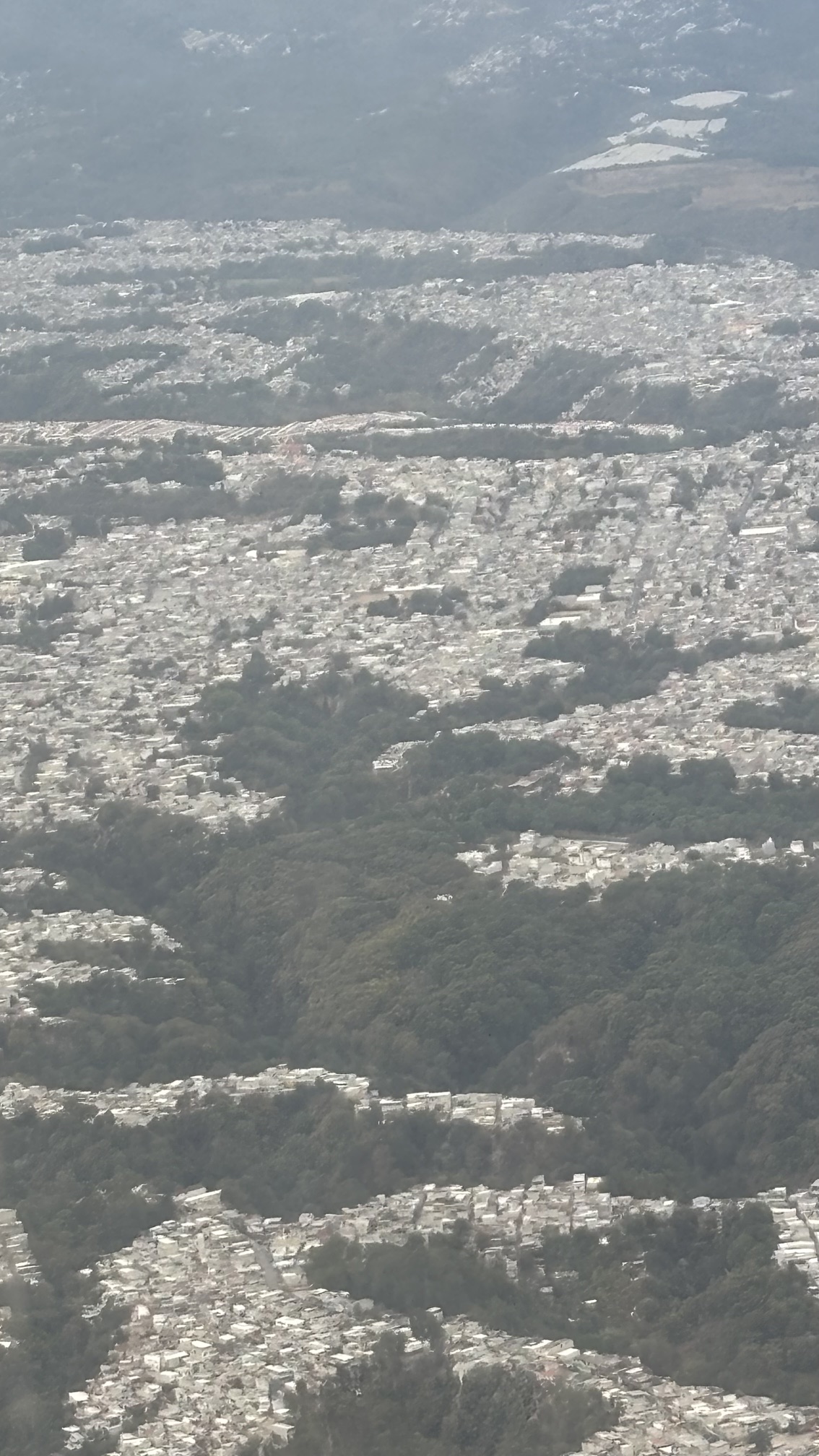
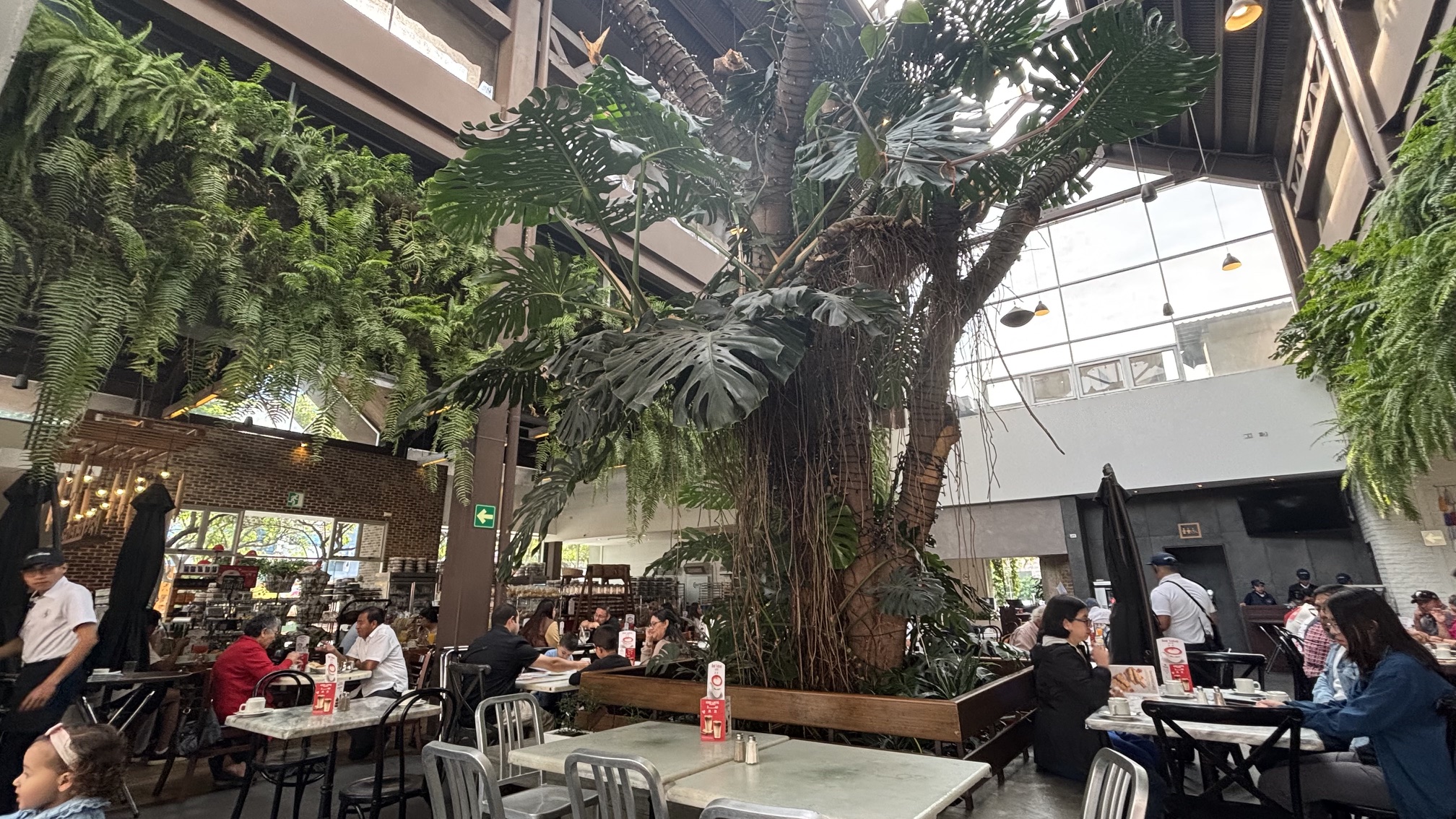
“My first trip to Guatemala and discovering little by little this wonderful country in Central America including its coffee, flowers, and natural beauty.”


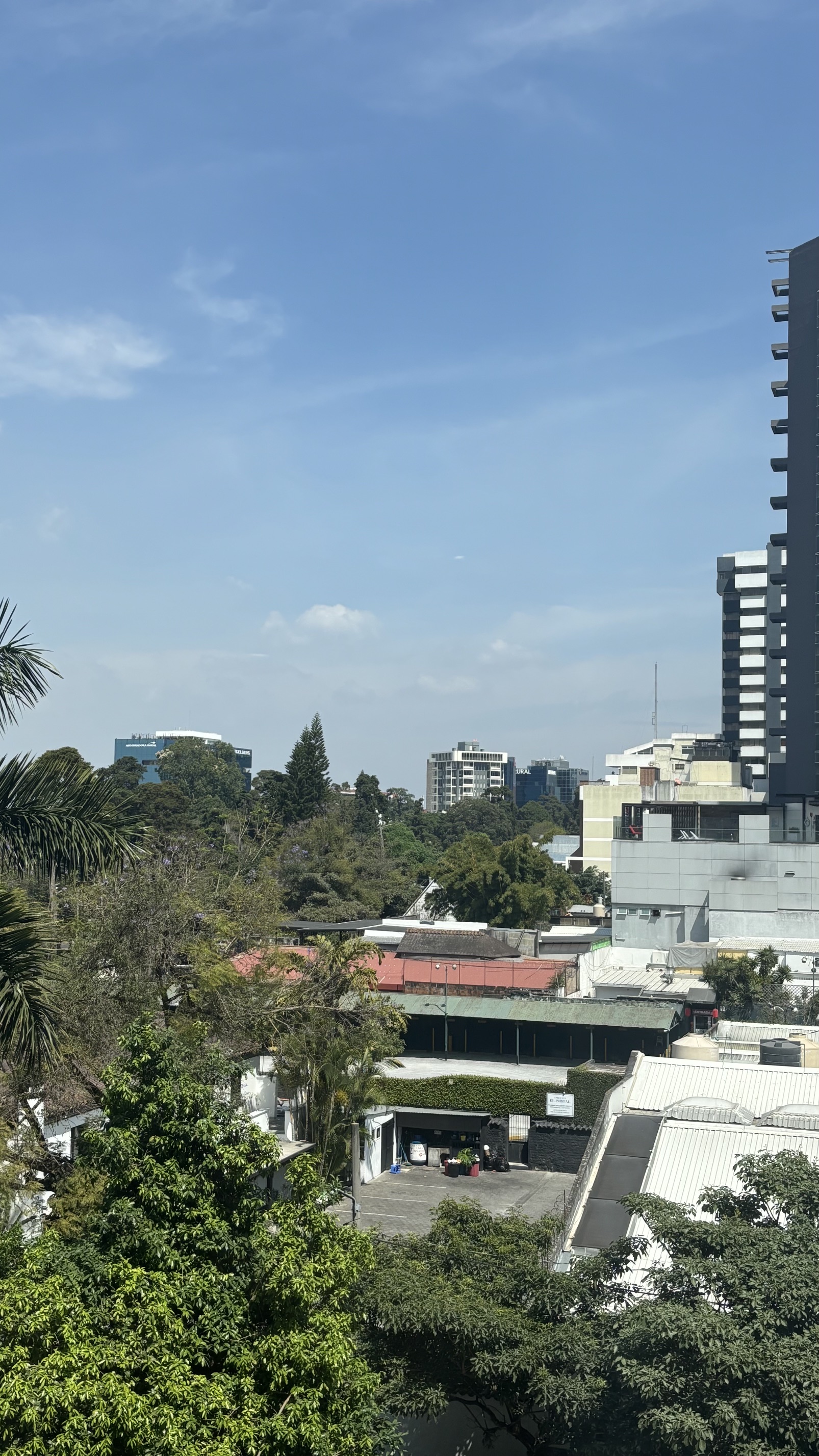
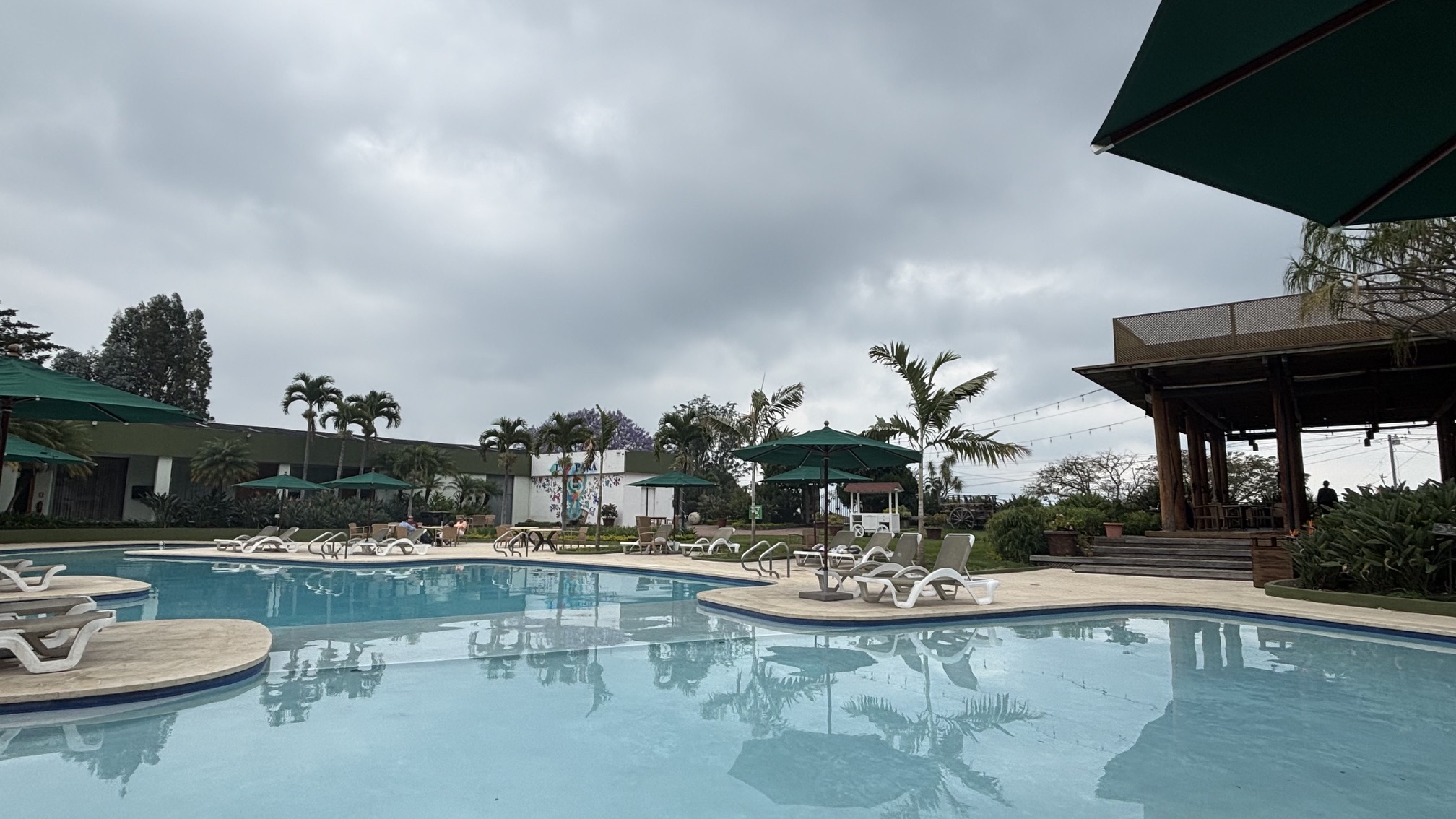
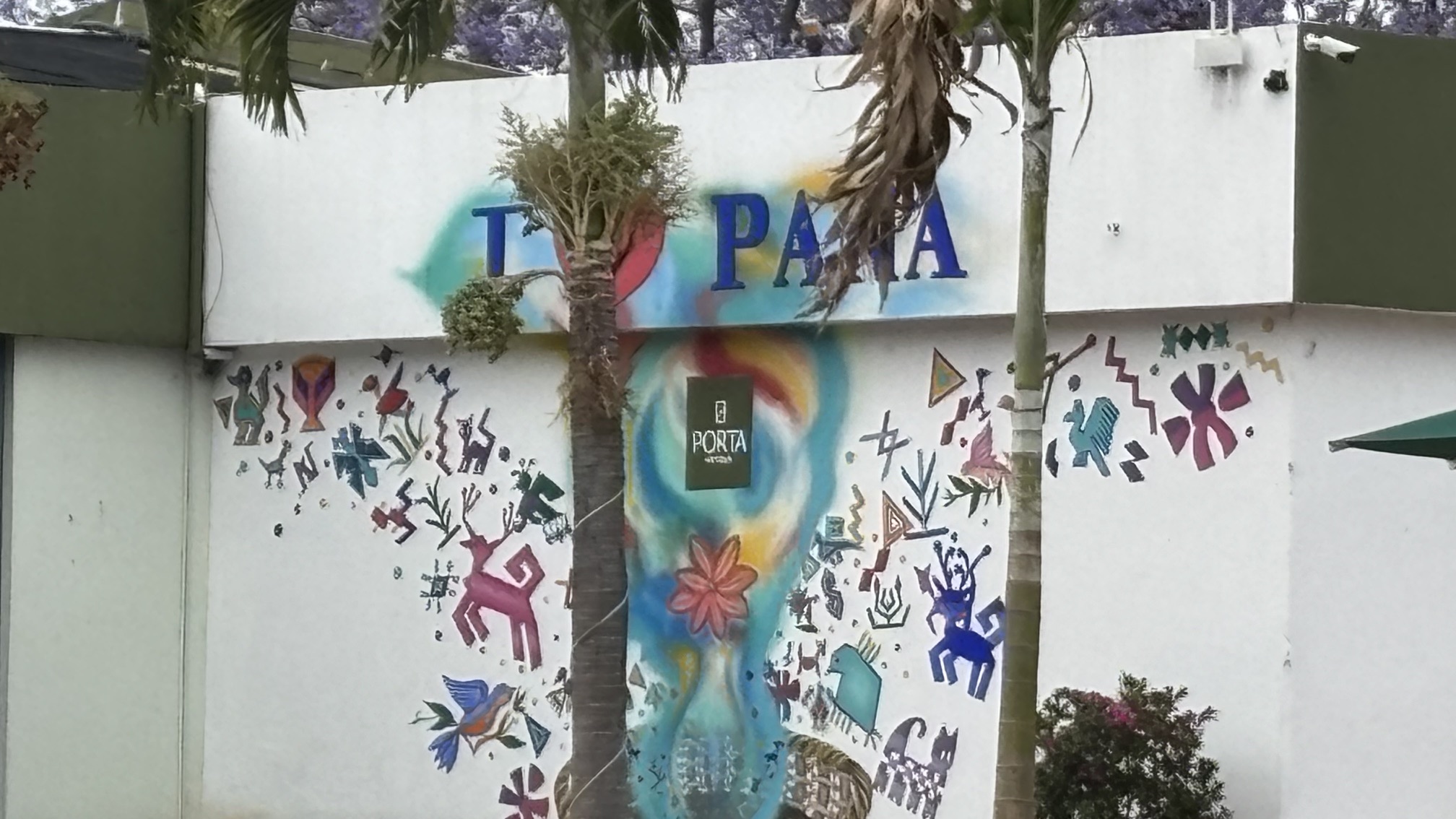
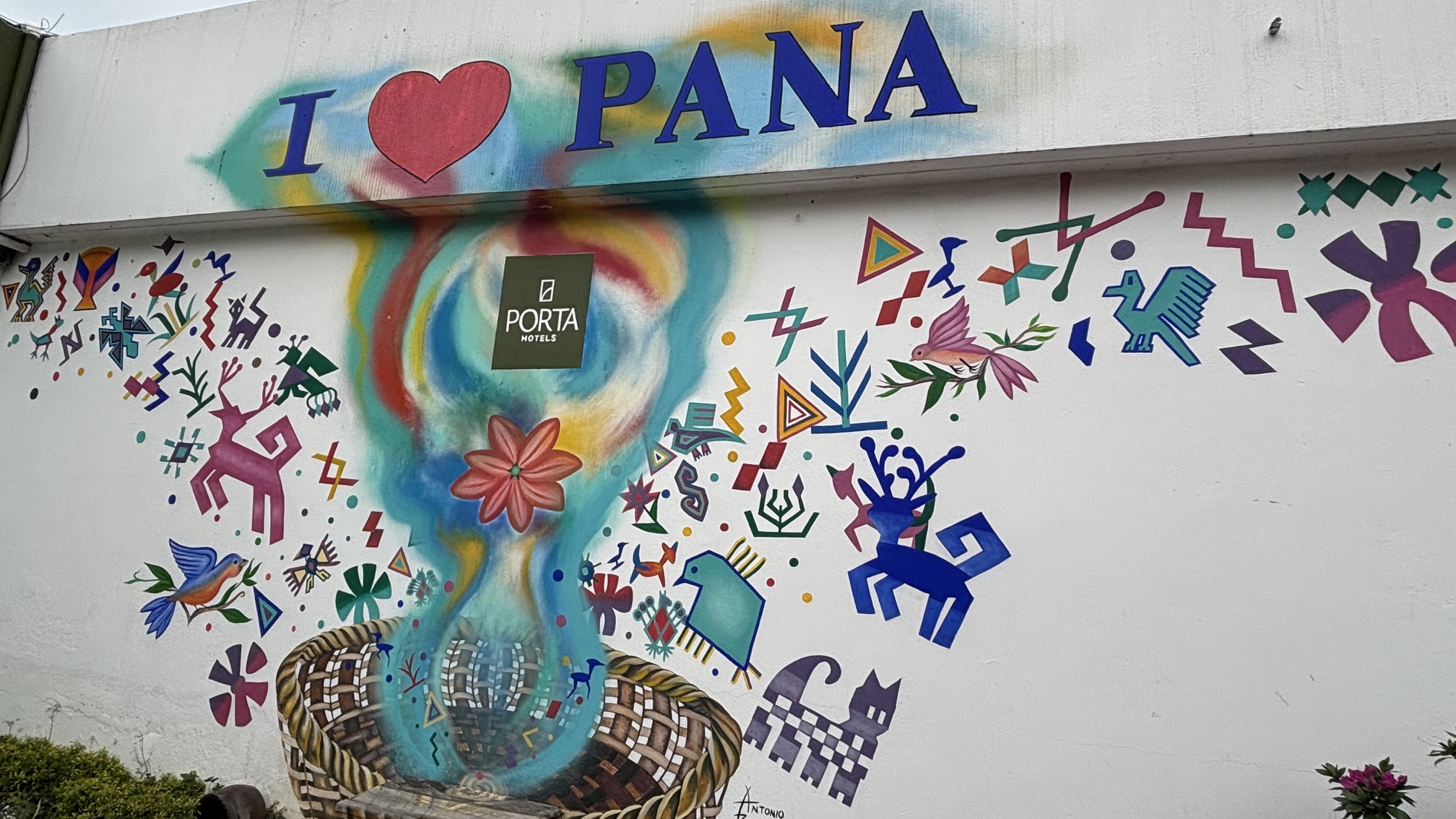

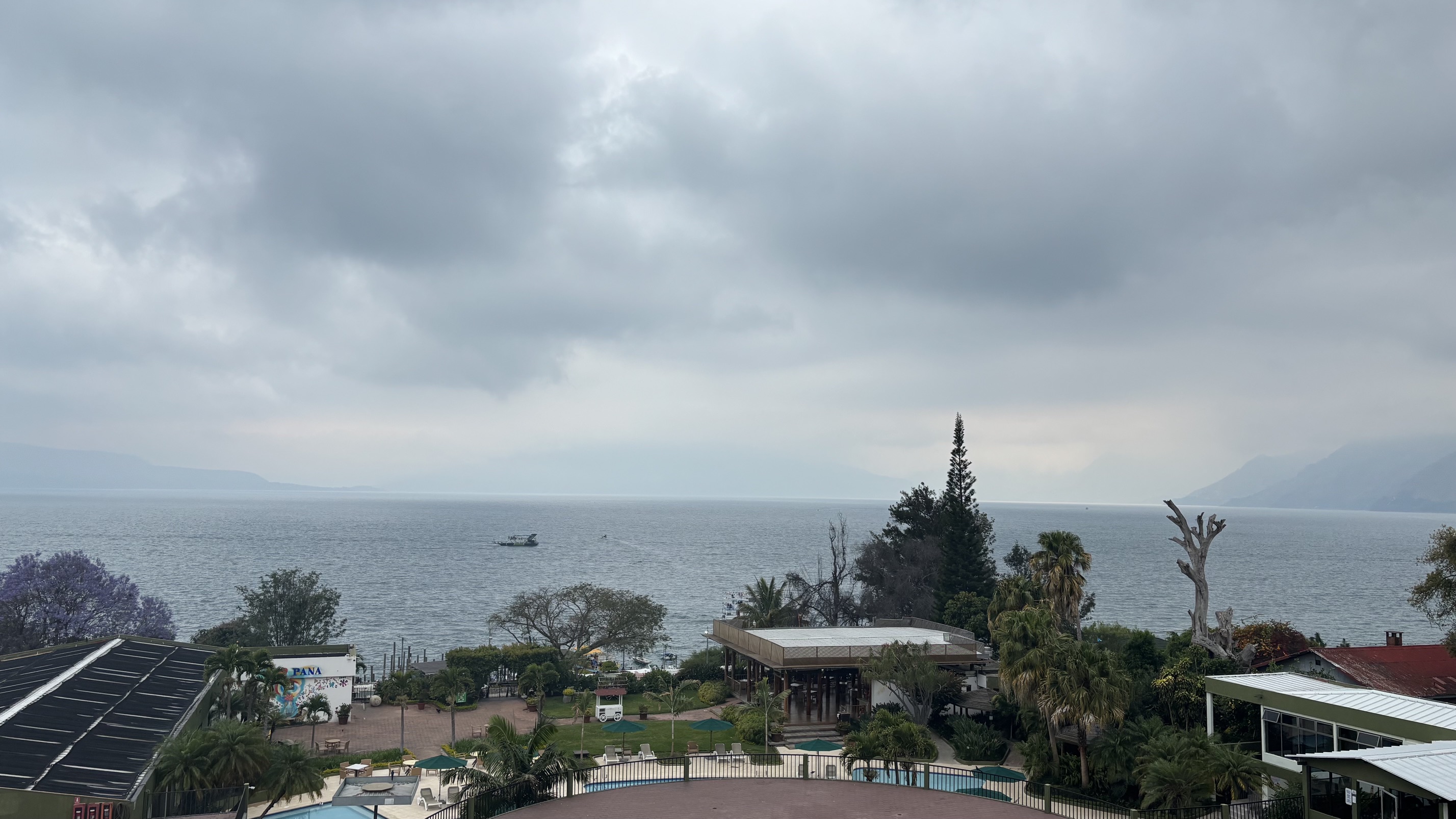
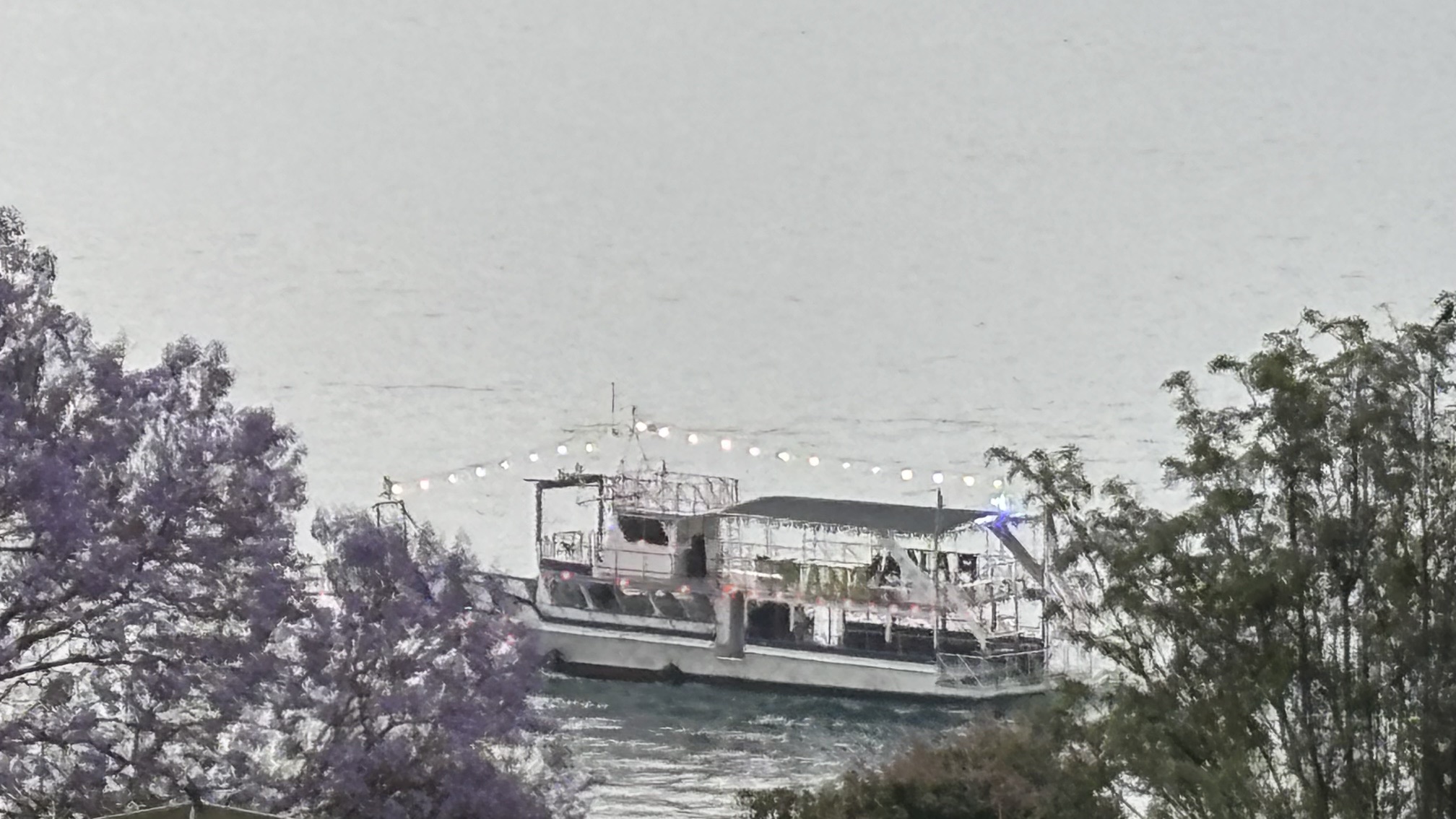
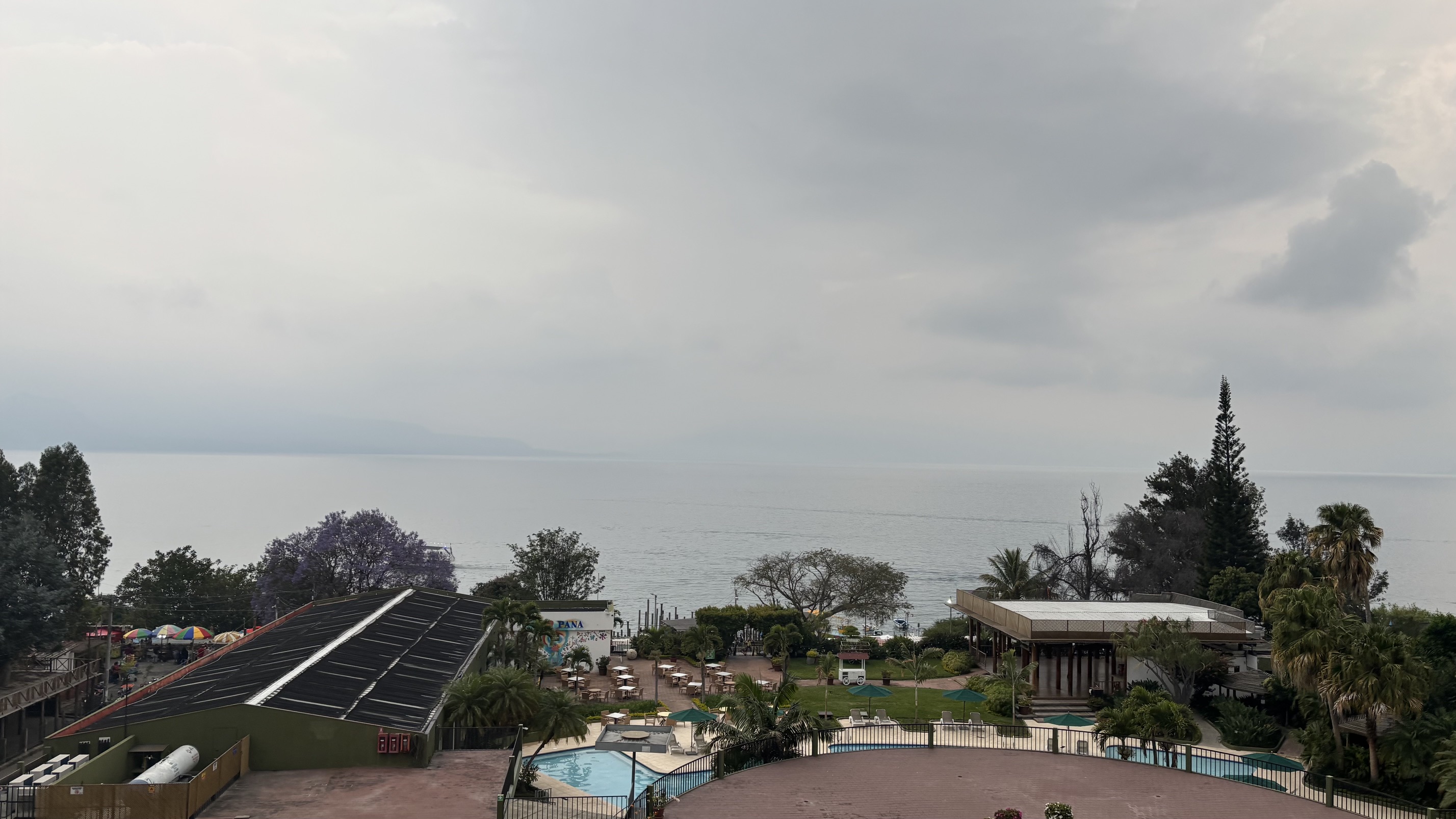
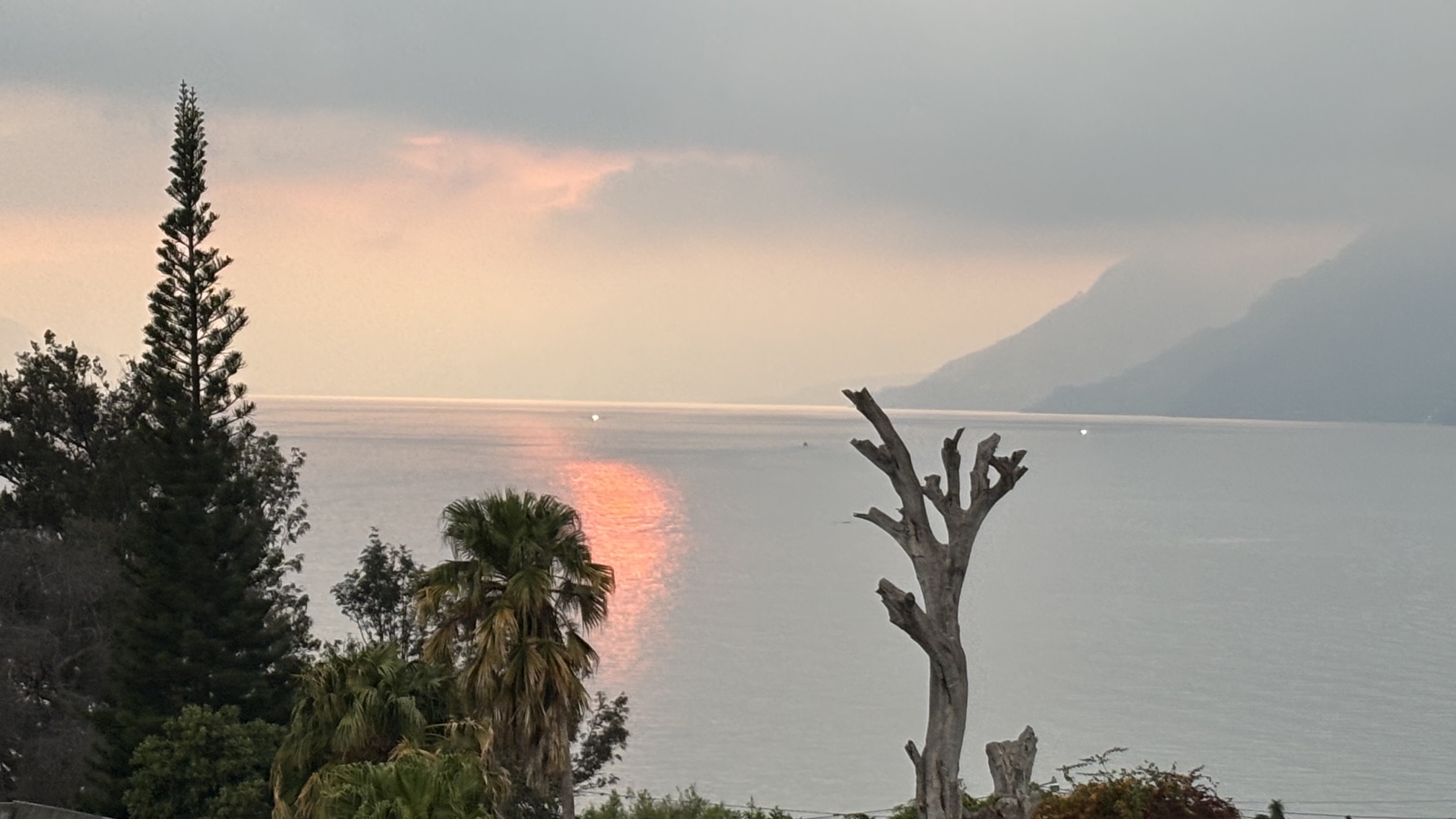



Camera: iPhone 15
Locations: Guatemala City and Panajachel, Guatemala
“Every so often, without warning, life gives us something entirely different. It hands us a scene that could have come straight from a movie.”
Life certainly has its fair share of dreary or uninspiring moments like driving to work in heavy traffic, waiting in the doctor’s office for an appointment, or wandering down grocery store aisles searching for one specific item among hundreds of others. It’s easy to think that life is mostly made up of obligations, routines, and responsibilities. Every so often, without warning, life gives us something entirely different. It hands us a scene that could have come straight from a movie.
We spend so much of our lives chasing milestones: job promotions, weddings, vacations, birthdays, graduations, or other long-awaited accomplishments that we often overlook the quiet moments in between that are just as special. Ironically, those quieter scenes are often the ones that replay in our memory years later. They aren’t memorable because something extraordinary happened. They’re memorable because, for a moment, everything around us seemed perfectly composed, almost as if someone had carefully framed the world through a movie camera lens.
In these cinematic moments, nothing particularly significant happens that affects you deeply. There are no life-changing conversations or dramatic plot twists to go with this kind of cinematic moment. Instead, it simply feels as though everything is exactly as it should be. All your senses become heightened when this happens and you notice sounds that normally blend into the background, appreciate the way the light falls across a street or over a mountain, and become fully present rather than rushing toward whatever comes next.
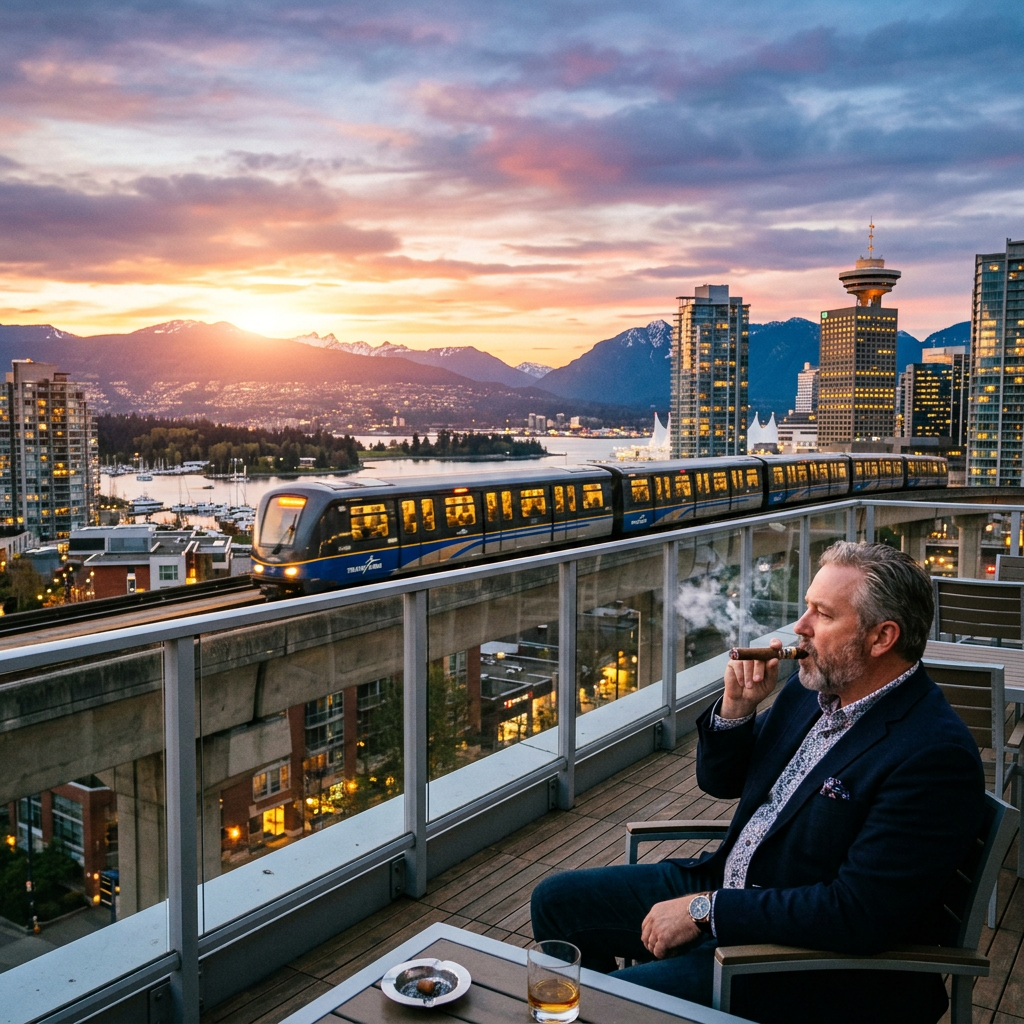
One evening in Vancouver, Canada earlier this summer, I wandered into Richmond’s Chinese food district with no agenda beyond enjoying a late-evening snack at the Yaohan Centre and exploring the different vendor offerings. As the sun slowly sank toward the Pacific, the distant mountains caught the day’s final light, glowing softly against the evening sky. I stepped outside with a cigar I had purchased earlier in the trip, lit it, and settled in to enjoy it while watching the sunset. Above me, the SkyTrain thundered overhead every few minutes as aircraft lined up for takeoff and landing at Vancouver International Airport.
Between bites of dumplings, conversations in Mandarin and Cantonese drifted through the air as cars quietly came and went from the Centre’s parking lot. The city never stopped moving, but for ten minutes, I did. This moment felt less like traveling and more like standing inside a perfectly framed movie scene, where I was somehow both the audience and one of the characters. There was no grand event taking place or resolution occurring for me or anyone else at the time. Nothing about those minutes would have made the local news or anyone else’s travel itinerary. Yet it remains one of the moments I remember most vividly from my time spent in Vancouver.
Looking back, I’ve realized that these cinematic moments are different from life’s highlights. Highlights are the events we intentionally chase throughout our lives. We save money for them, put them on our calendars, and count down the days until they arrive. They are weddings, birthdays, promotions, championship games, graduation ceremonies, concerts, national parks, and bucket-list vacations. They’re often the moments we photograph the most and eagerly share with friends and family. Cinematic moments are something else entirely in life. They aren’t destinations but rather they’re scenes that we set for ourselves, intentionally or otherwise.
The coffee you grab before the concert, where you unexpectedly strike up a conversation and meet someone special, becomes more memorable than the concert itself. The quiet walk back to your hotel late at night, with the city lights guiding your way after visiting a famous landmark, stays with you longer than the attraction itself. The stranger you briefly talk to and instantly connect with on a train for hours telling each other your life story ends up becoming your favorite memory from the trip itself. They are unexpected gifts hidden within ordinary moments that quietly become extraordinary. Highlights tell the story of what we accomplished or where we went. Cinematic moments remind us how life felt along the way within our accomplishments.
The more I’ve traveled, the more I’ve noticed these moments appearing in places I never expected. Walking down a quiet street after an unexpected snowfall with no one else around except the sound of my boots pressing into fresh snow. Enjoying a coffee in a plaza in Medellín while teenagers laughed and shouted encouragement to one another during an impromptu soccer match. Sitting alone on a quiet stretch of beach in Ubatuba, Brazil, listening to nothing but the waves, the wind, and seabirds overhead. Watching the clouds briefly part at Mount Rainier just long enough to reveal the majestic summit before closing again. Even sitting in a busy airport terminal as travelers from every corner of the world cross paths beneath a glowing departure board can unexpectedly feel cinematic and has captivated my full attention many times over.
None of these moments were planned. None of them appeared on a trip itinerary. None of them could have been recreated if I had tried. I’ve come to realize that life’s most cinematic moments rarely announce themselves. They happen beneath train tracks, along airport approach paths, inside neighborhood cafés, on ferry rides, during aimless walks, and in places that most people pass through without a second thought. They last only five or ten minutes before disappearing forever. Perhaps that’s exactly what makes them so meaningful to experience and take note of.
We often measure our lives by the promotions earned, the money made, countries visited, races completed, or milestones reached. These life achievements deserve to be celebrated and remembered. However, I believe life is equally shaped by its quieter scenes, the moments when the lighting is right, the sounds around us blend, and the world briefly feels perfectly composed.
Those moments cannot be scheduled, purchased, or manufactured. Our only responsibility is to slow down enough to recognize them while we’re fortunate enough to still be standing inside the scene and remembering it later. After all, some of the greatest scenes in our lives will never make anyone else’s highlight reel. They’ll simply become part of our own lifelong soundtrack.
“Whether it’s the FIFA World Cup, the NBA Finals, or the Olympics, sports at their best unite a city, a country, and even the world together.”
Beyond politics, religion, and the many divisions that shape our daily lives, sports remain one of humanity’s most powerful ways to gather. What other way can millions of people gather in New York City, Buenos Aires, or elsewhere to celebrate a victory in a major sport? Whether it’s the FIFA World Cup, the NBA Finals, or the Olympics, sports at their best unite a city, a country, and even the world together.
In these divided and turbulent times, events like the World Cup remind us of our common love of sports and competition. Even when nations face off against each other, it’s a great way to get peoples of different backgrounds together to try each other’s foods, to dance together, and to even share a stadium in a peaceful manner even when they might have nothing else in common. Singing, dancing, celebrating in the streets means that it’s more than just about kicking around a football / soccer ball, it’s about bringing a group of people together to have a real feeling of community again.
Yes, there are always controversies about the sporting world, and the World Cup is no different. Like any human endeavor, sports are often flawed and sometimes unfair. However, it is still the best way to bring people together to receive joy, happiness, and sometimes heartbreak. Sports are a microcosm of life as it may not go your way, but it can bring the best out of you and others when it’s at its best. I have nothing against any religion or anyone’s politics, but when you compare them to sports, there’s no contest in how the latter can bring people together, even in the billions of people to pay attention and cheer their team on in a peaceful and joyous manner.
Perhaps the greatest power of sports is that they allow us to experience belonging without requiring agreement on everything else. A person wearing a jersey in Los Angeles, São Paulo, Seoul, or Nairobi may have completely different political beliefs, religious traditions, or life experiences than the person standing next to them even if they are from the same city or country, yet for ninety minutes, four quarters, or three periods, they are connected by a common purpose. They are not strangers anymore. They are teammates in the moment invested in the same game.
Traveling around the world has shown me that sports are often a universal language that anyone can relate to. You may not speak the same language as someone from another country, but you can celebrate a goal, debate a referee’s decision, or laugh together about a missed chance. A simple conversation about a favorite player or a historic match can open the door to a new friendship. Sports create a bridge between cultures around the world, especially with the World Cup, because they start with something everyone understands on a fundamental level: the excitement of competition and the desire to be part of something bigger than yourself.
Some of my most memorable experiences on the road have not come from famous landmarks or tourist attractions, but from being surrounded by thousands of strangers during a sporting event regardless of if it was rugby, soccer, basketball, or tennis. There is something magical about standing in the crowd where everyone is singing the same song, wearing the same colors, and feeling the same emotions. For a moment, individual worries and biases disappear, and everyone becomes part of one collective experience.
That does not mean sports can solve all the world’s problems as sports like humanity are often flawed and imperfect too. A soccer match will not erase ongoing political disagreements, end active conflicts, or fix social or economic divisions. Perhaps that is exactly why sports matter to most of the world’s people. They give humanity a reminder of what is possible and strive for better. They show us that simple competition does not always have to lead to hatred, and that our differences do not have to prevent connection from happening.
At its best, sports are not about defeating another person or team; they are about sharing an unforgettable moment with millions of other people. A championship parade, a World Cup celebration, or an Olympic victory becomes a memory that people carry for decades or even the rest of their lives. Long after the final whistle blows, people remember where they were, who they celebrated with, and how they felt when it happened and they tell their children and even grandchildren about it.
In a world where so many forces try to divide us and cause hatred, sports remain one of the few places where people can still come together naturally. The scoreboard eventually resets, the trophies gather dust, and the players move on to other endeavors. However, the sense of community, joy, and shared humanity that sports create can last far longer than the game itself.
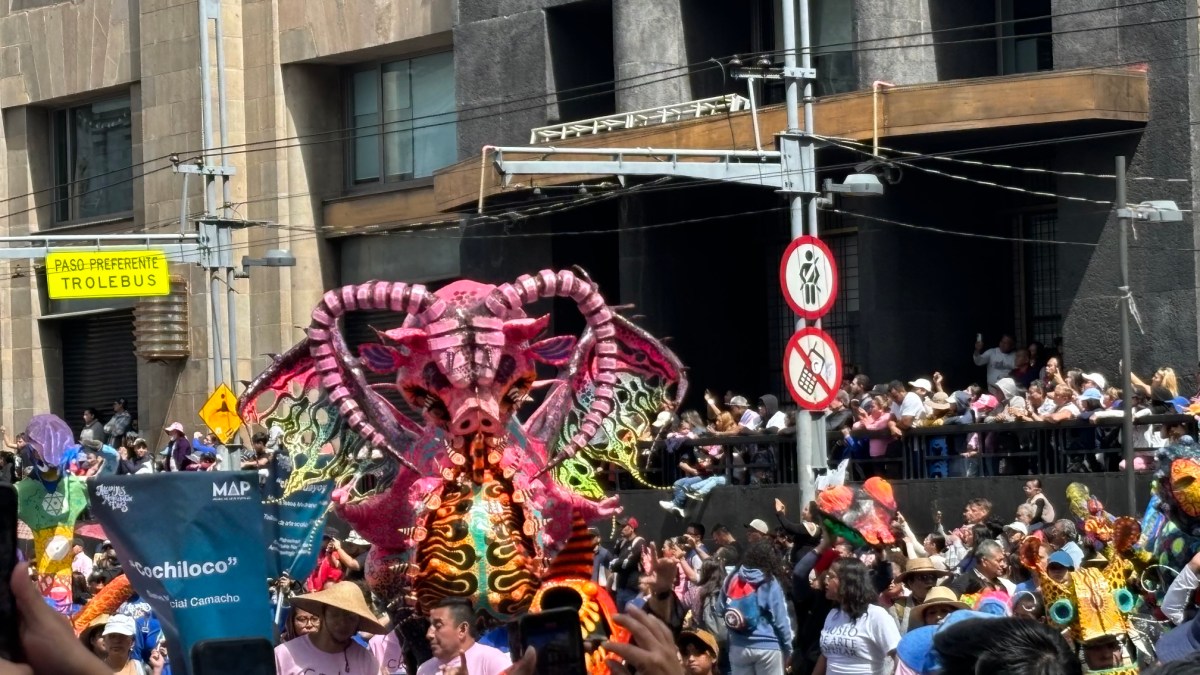
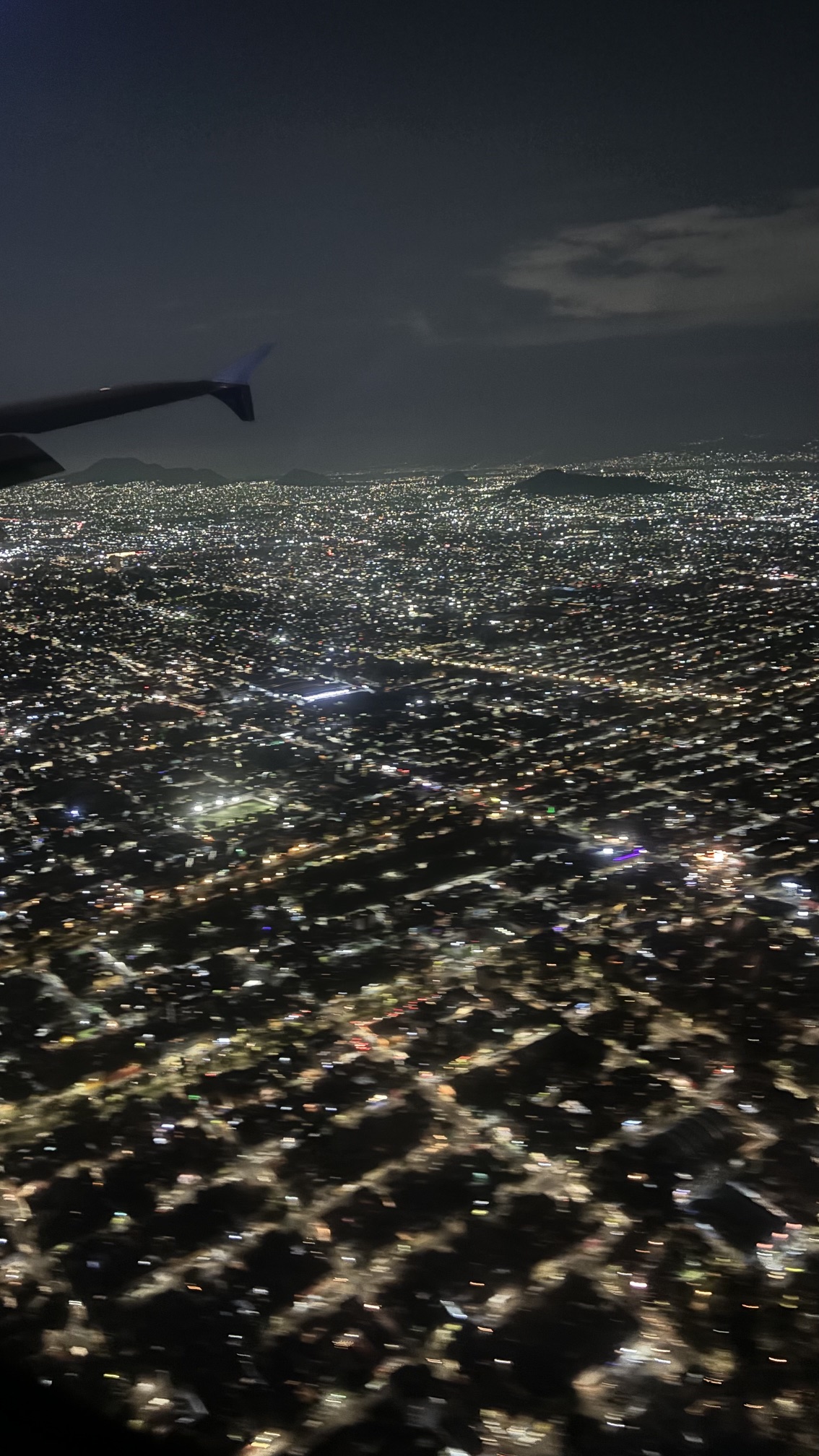
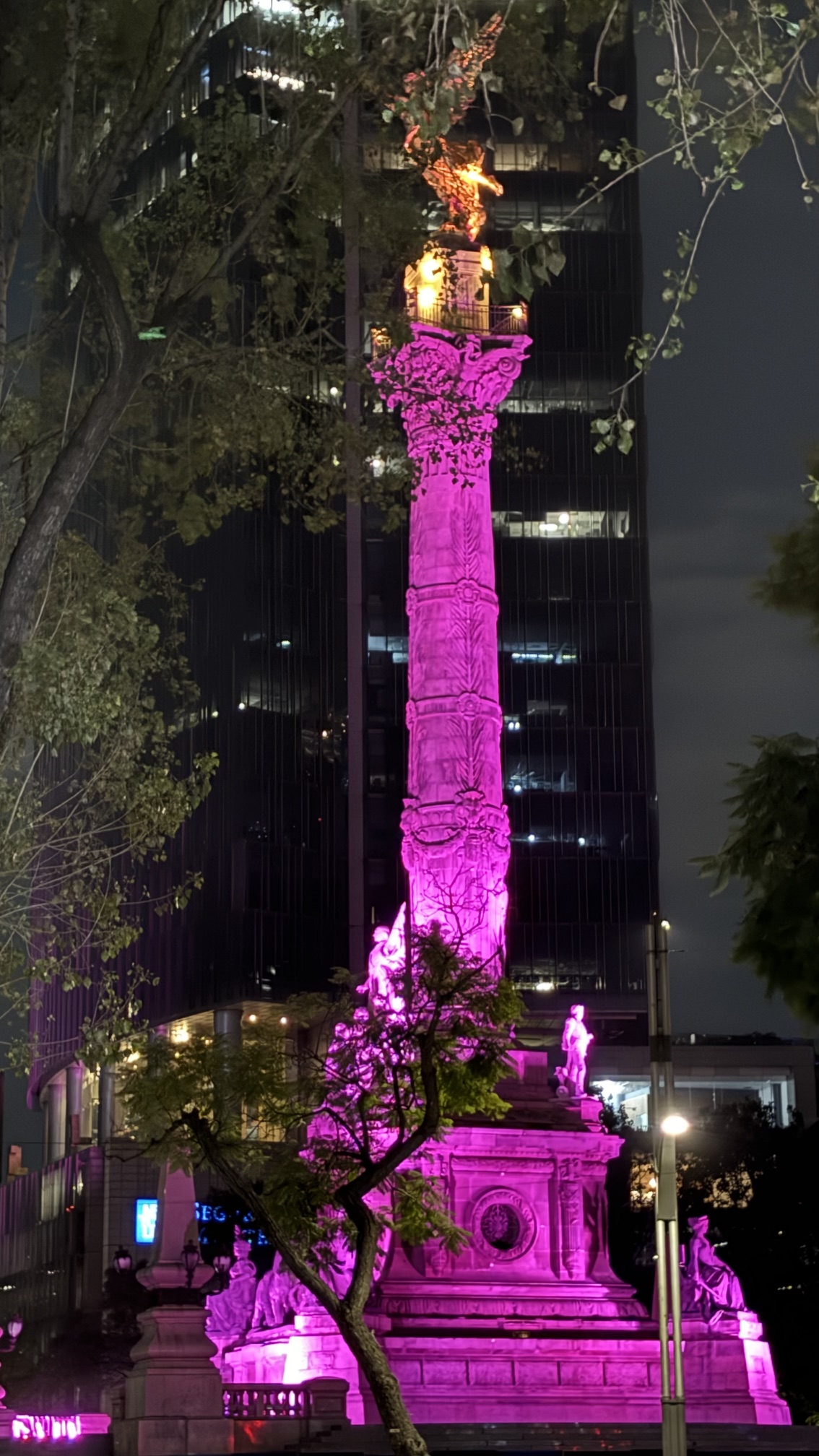
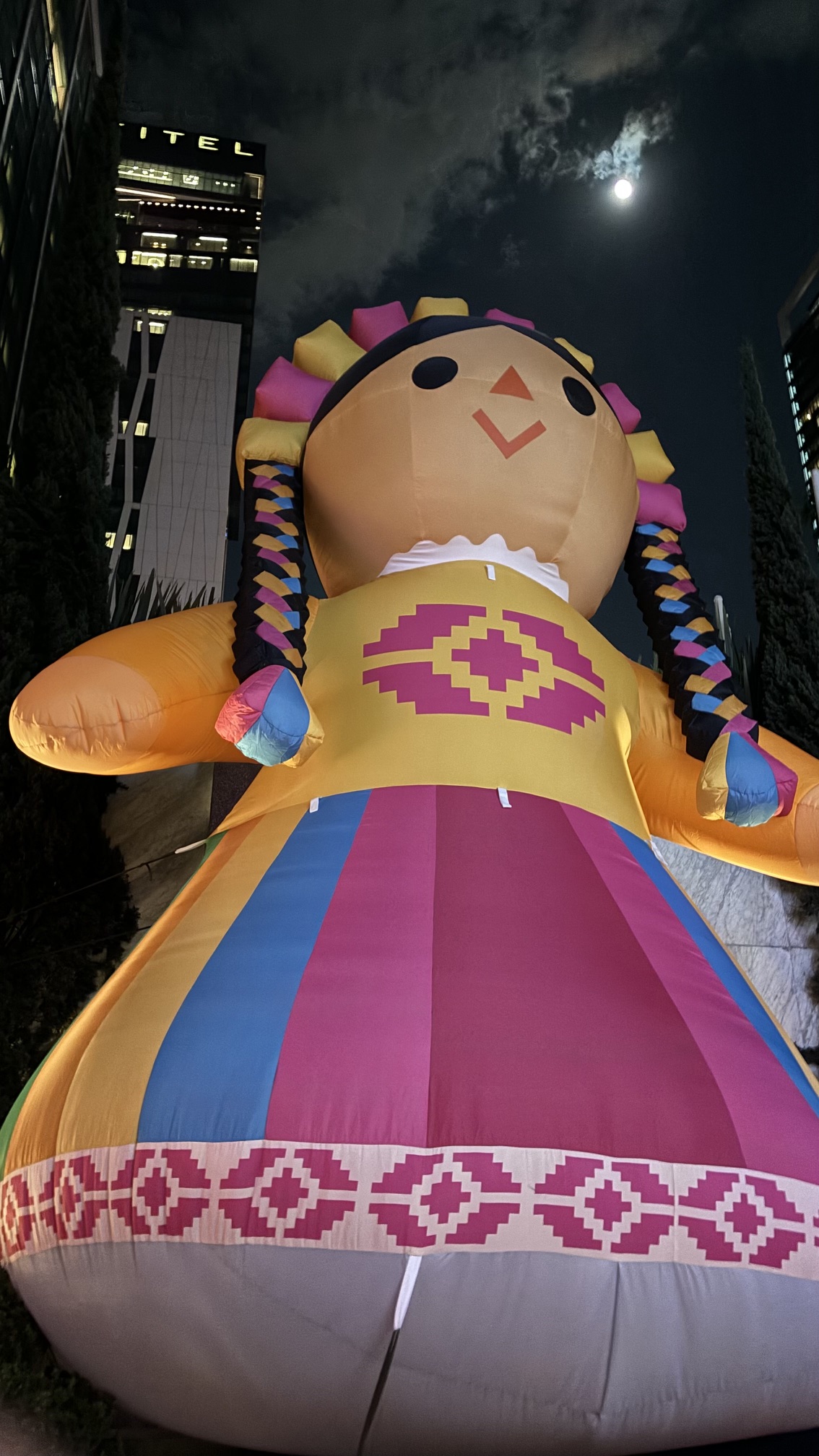
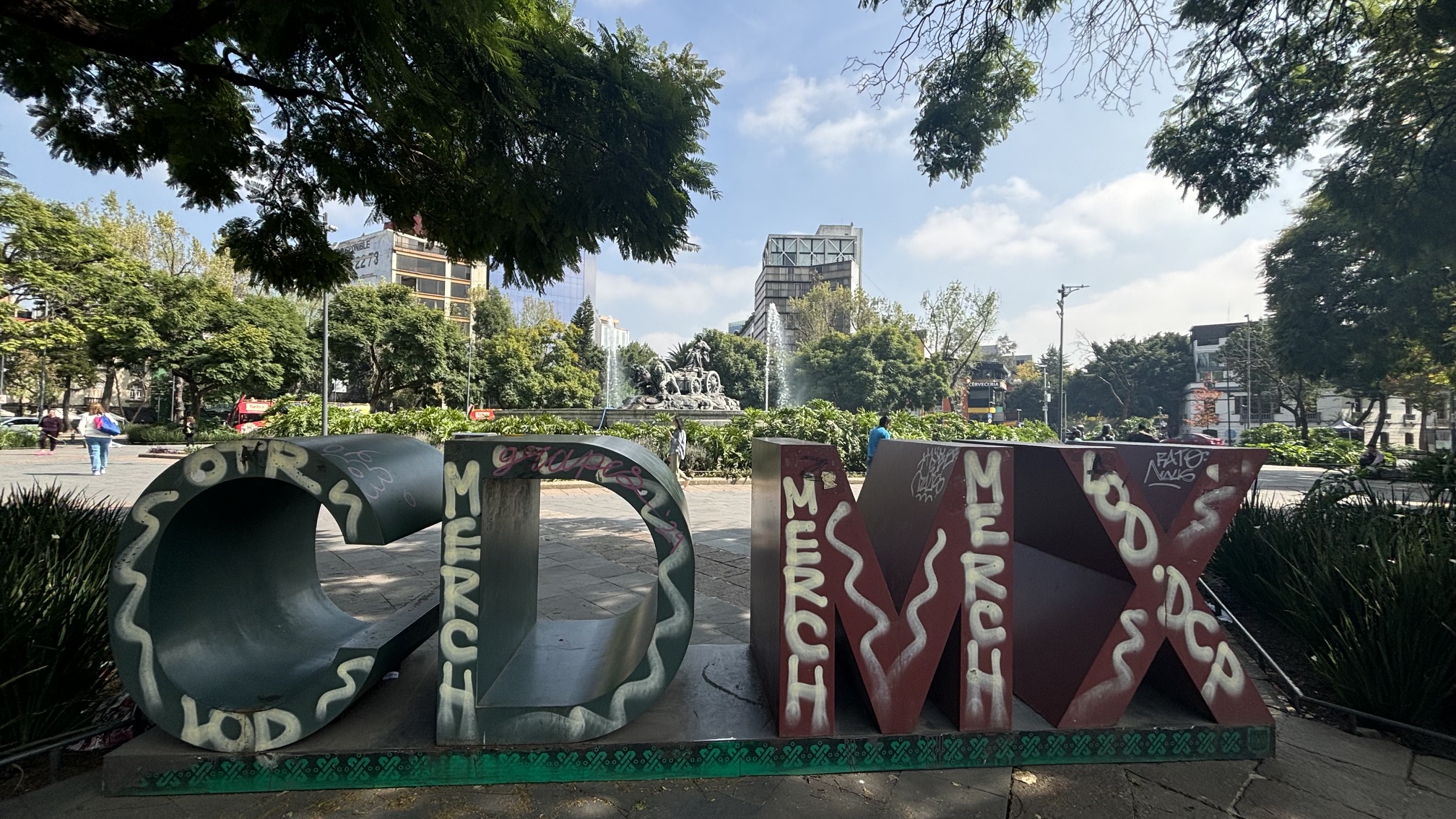
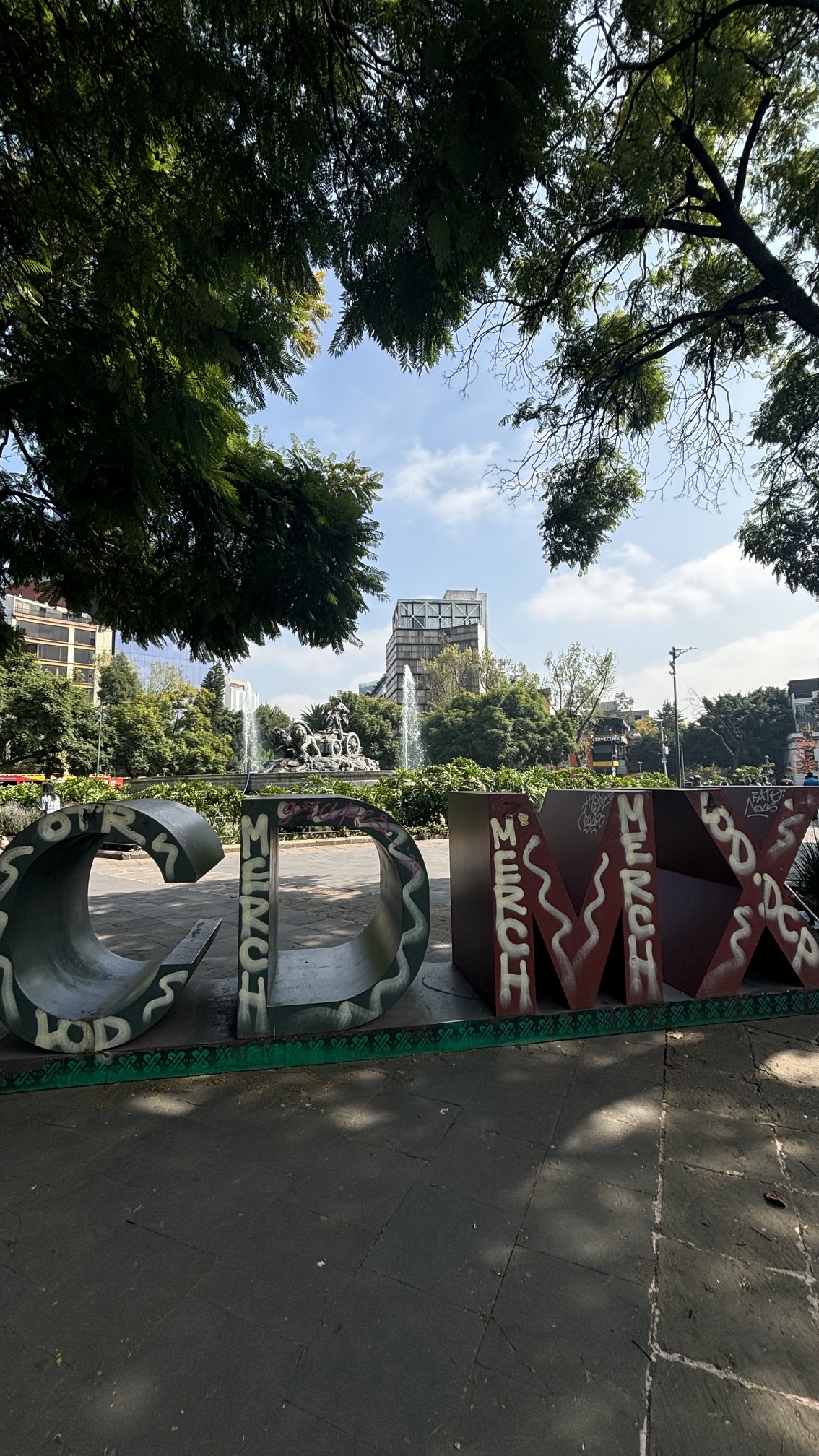
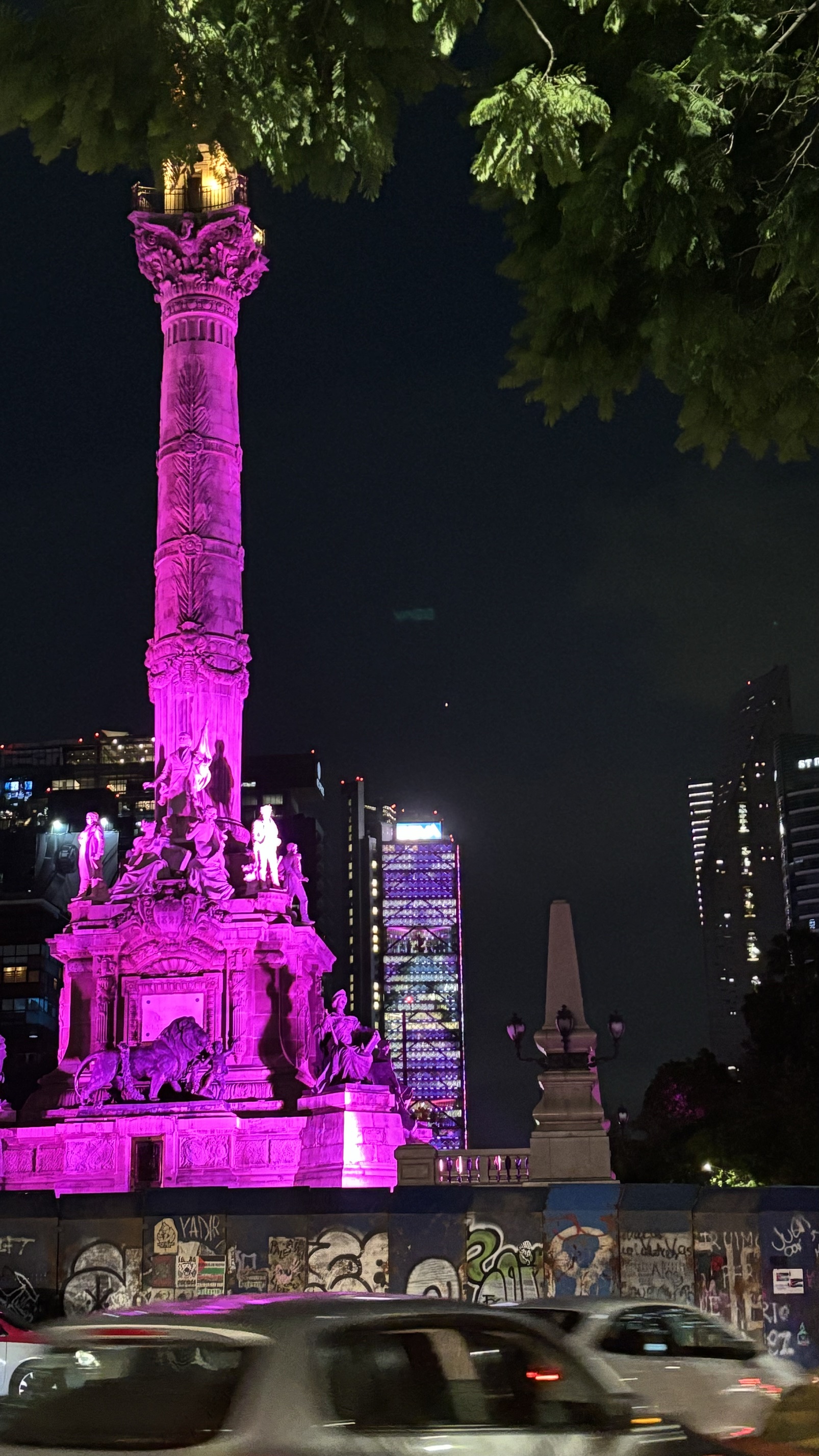
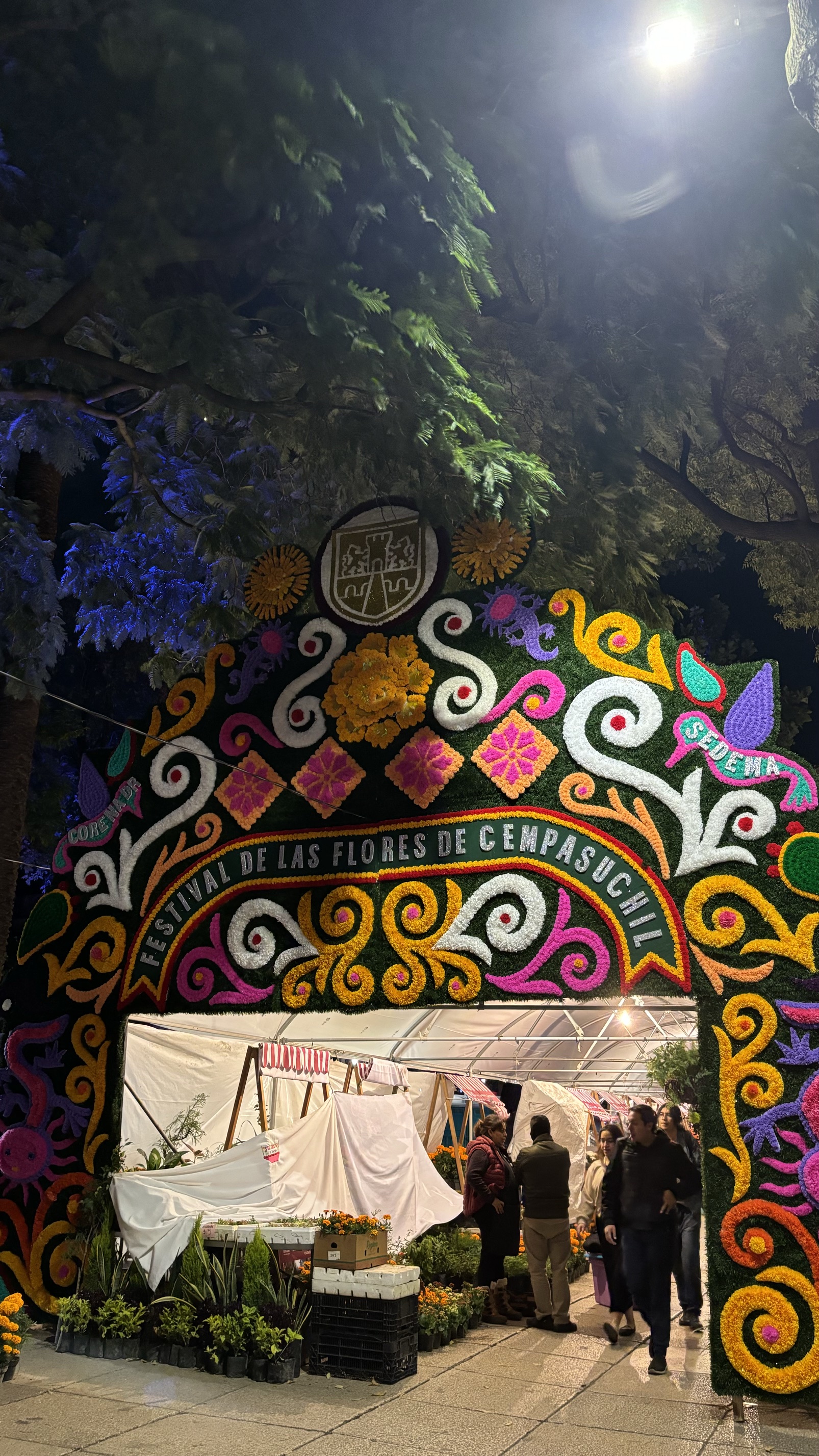
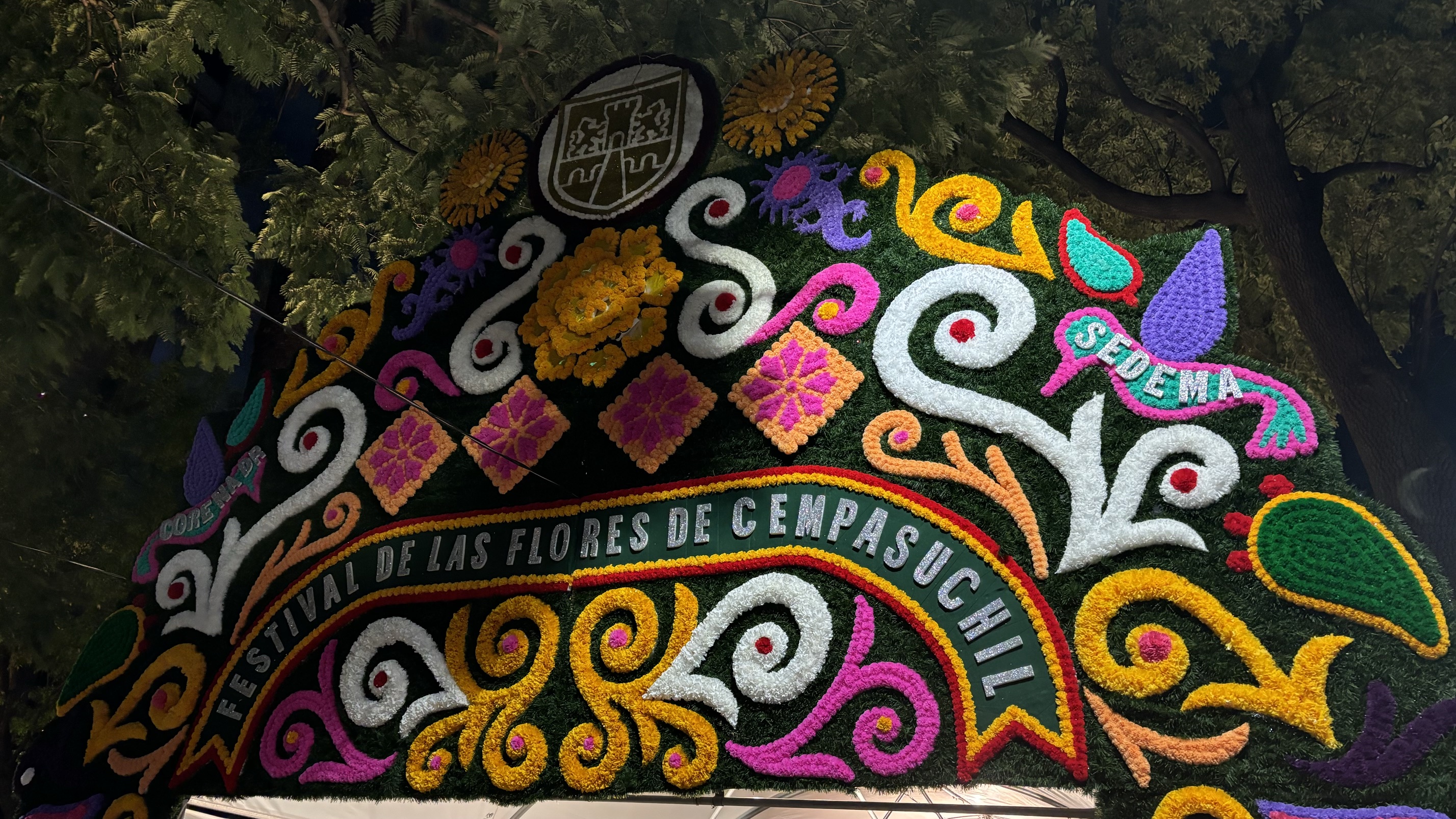
“Enjoying a visit to Mexico City in October 2024 for Day of the Dead festivities including a parade in the historic center.”


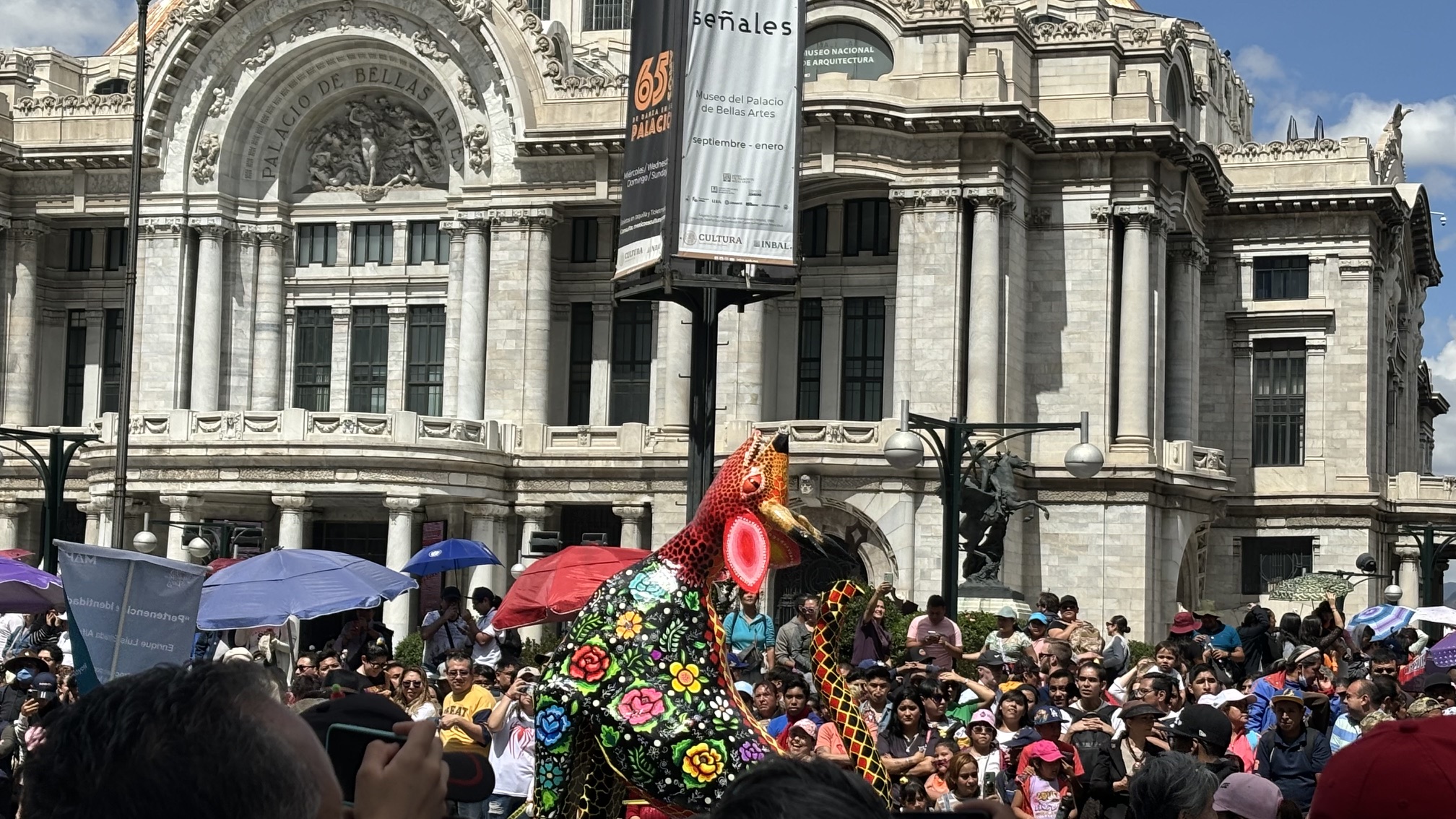
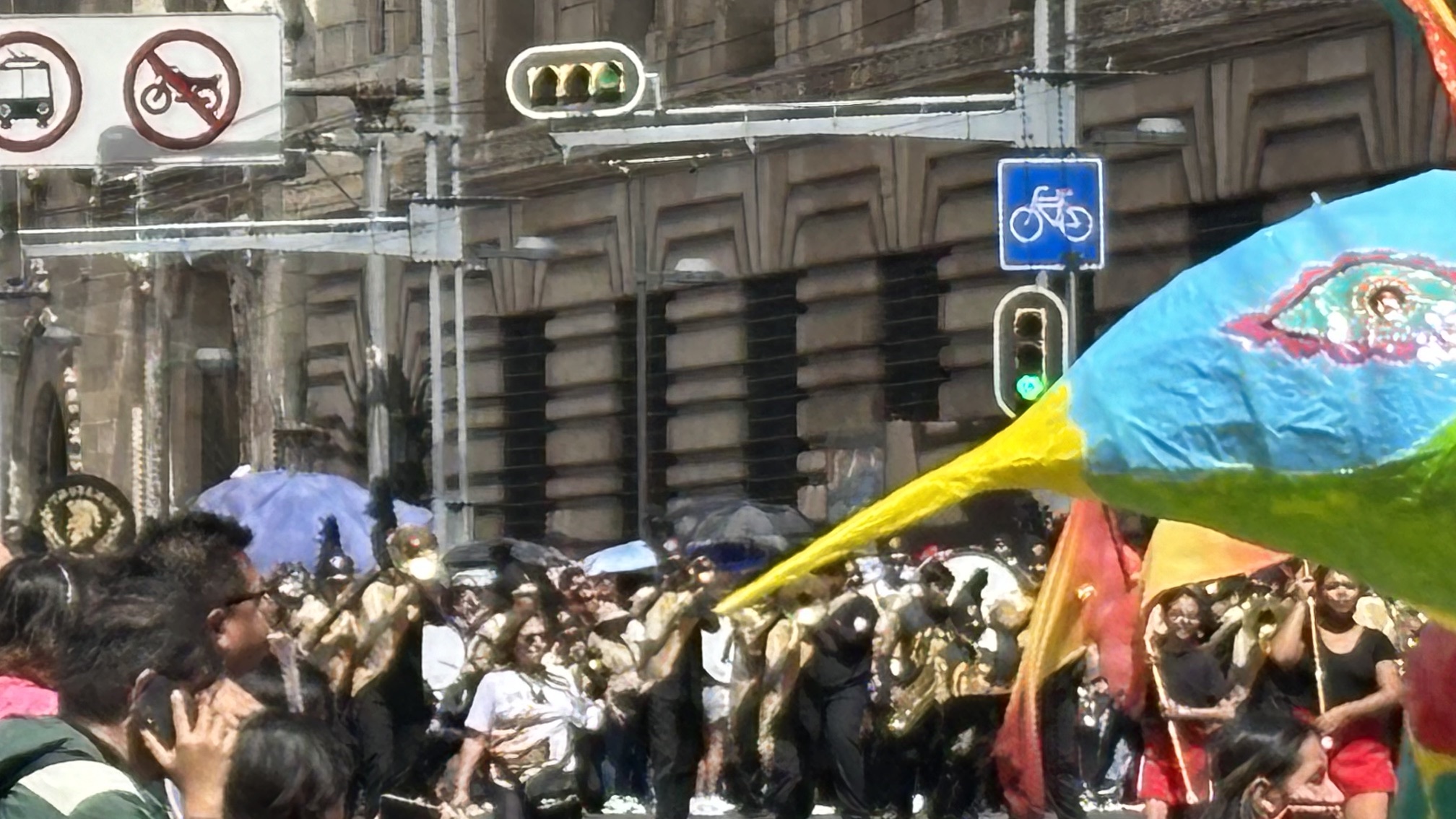
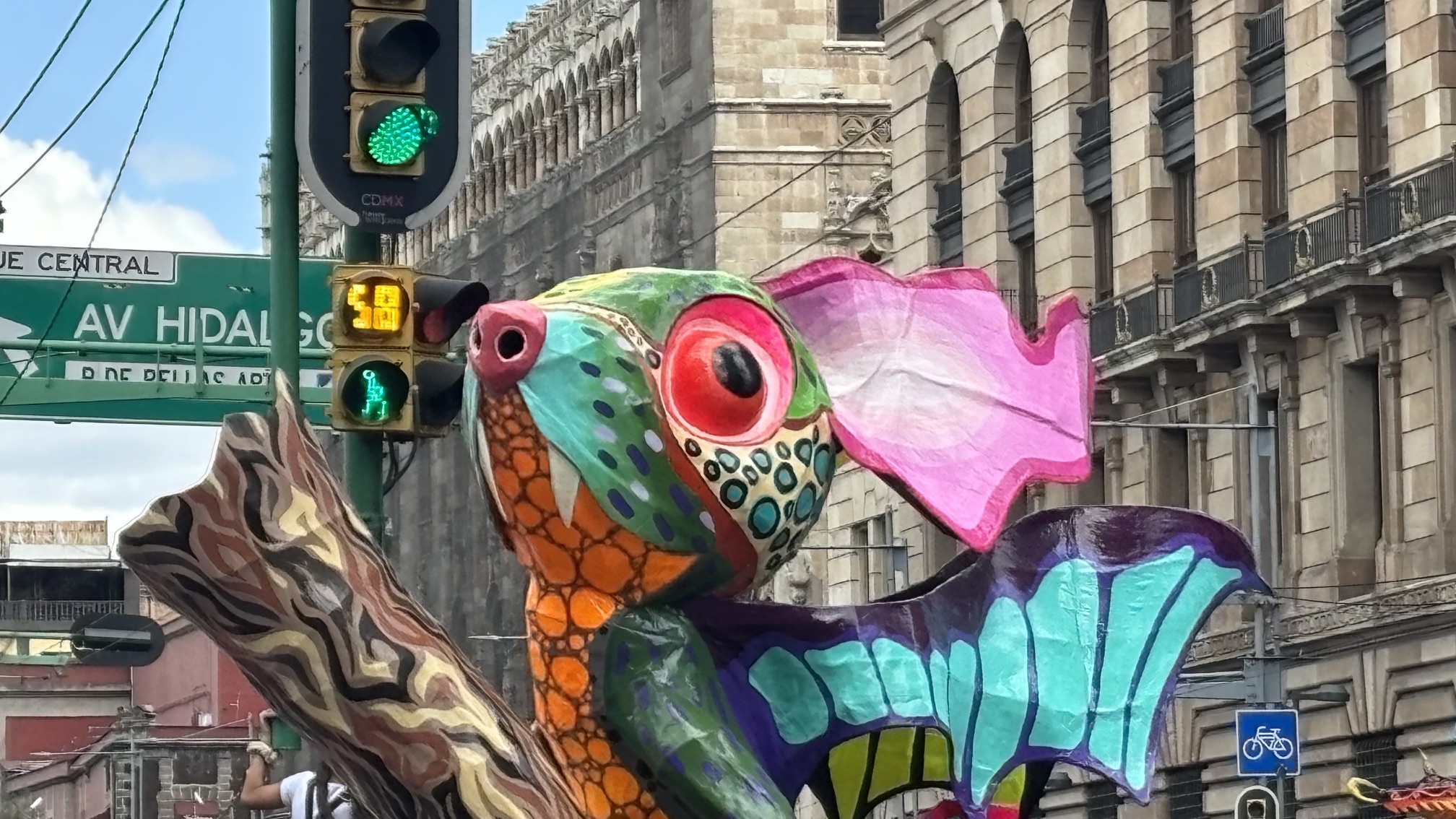
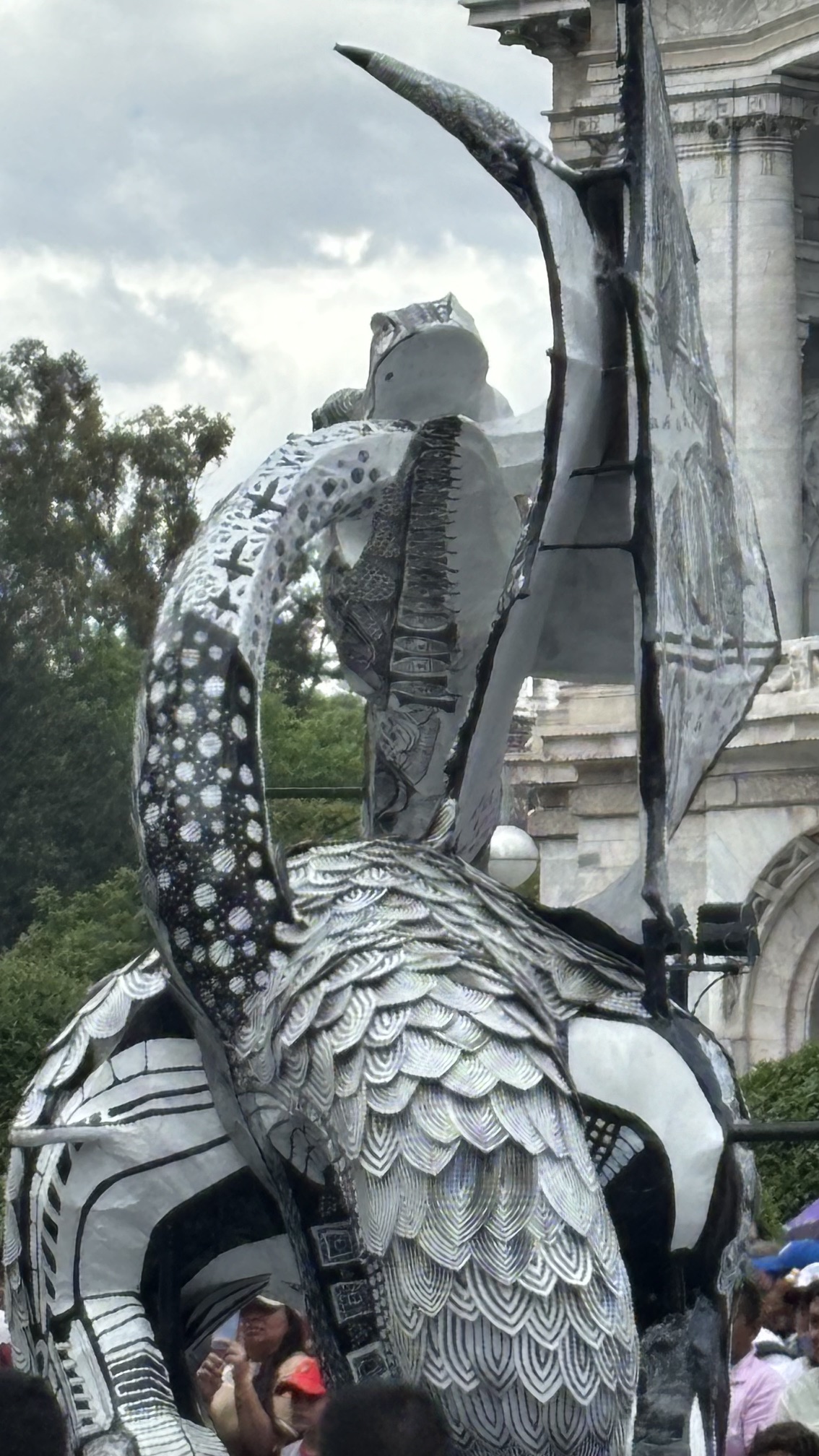


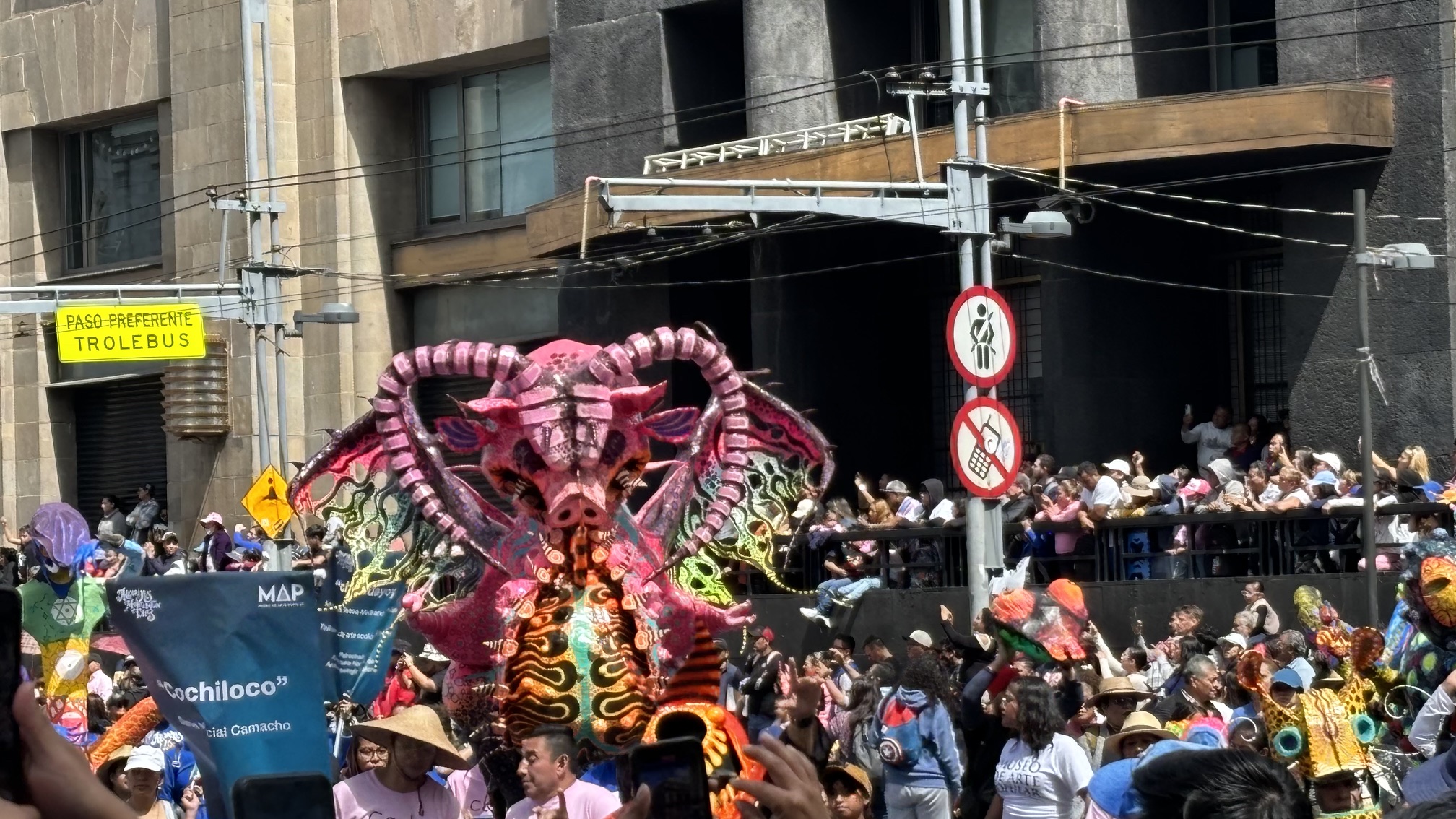
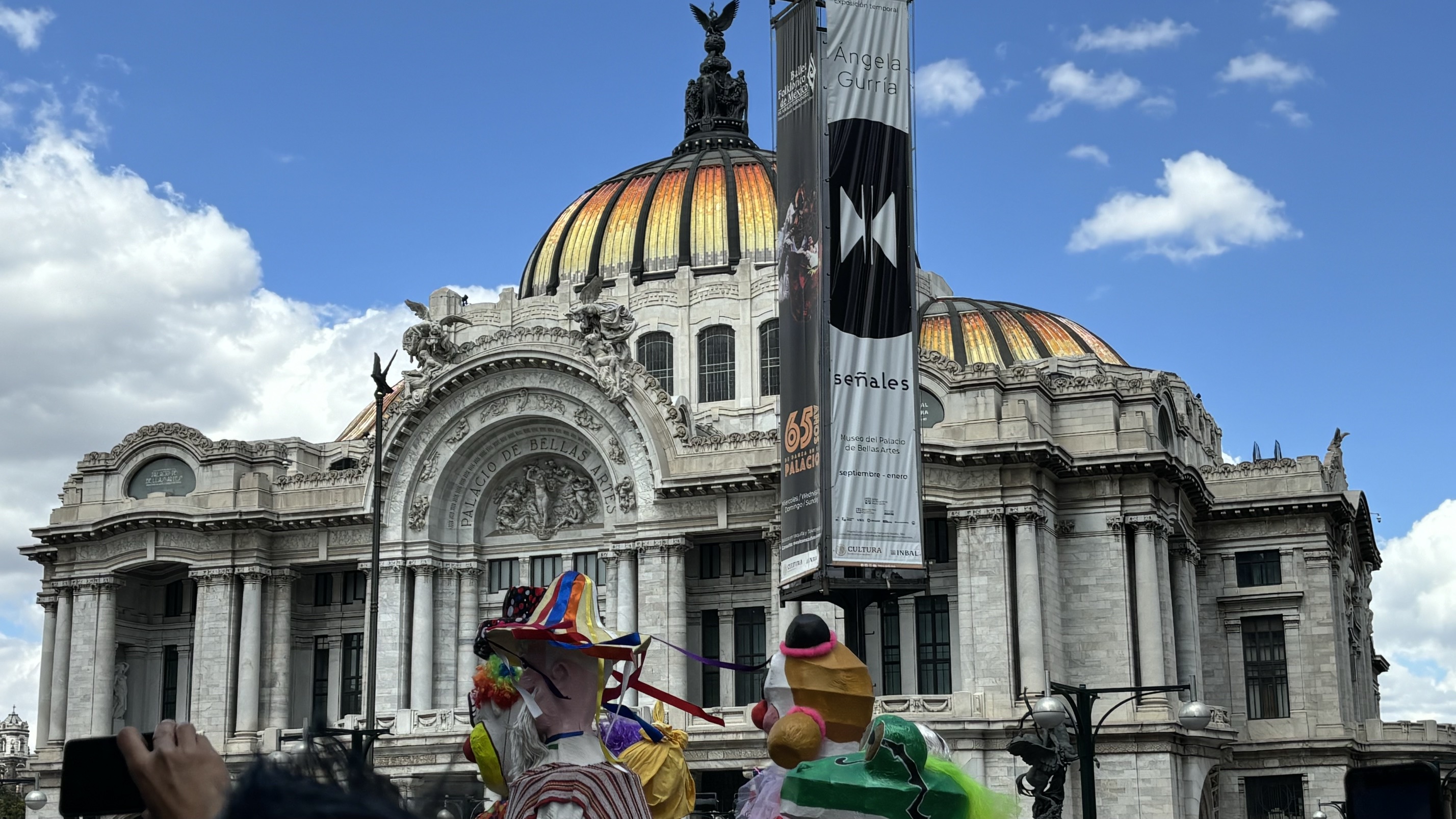
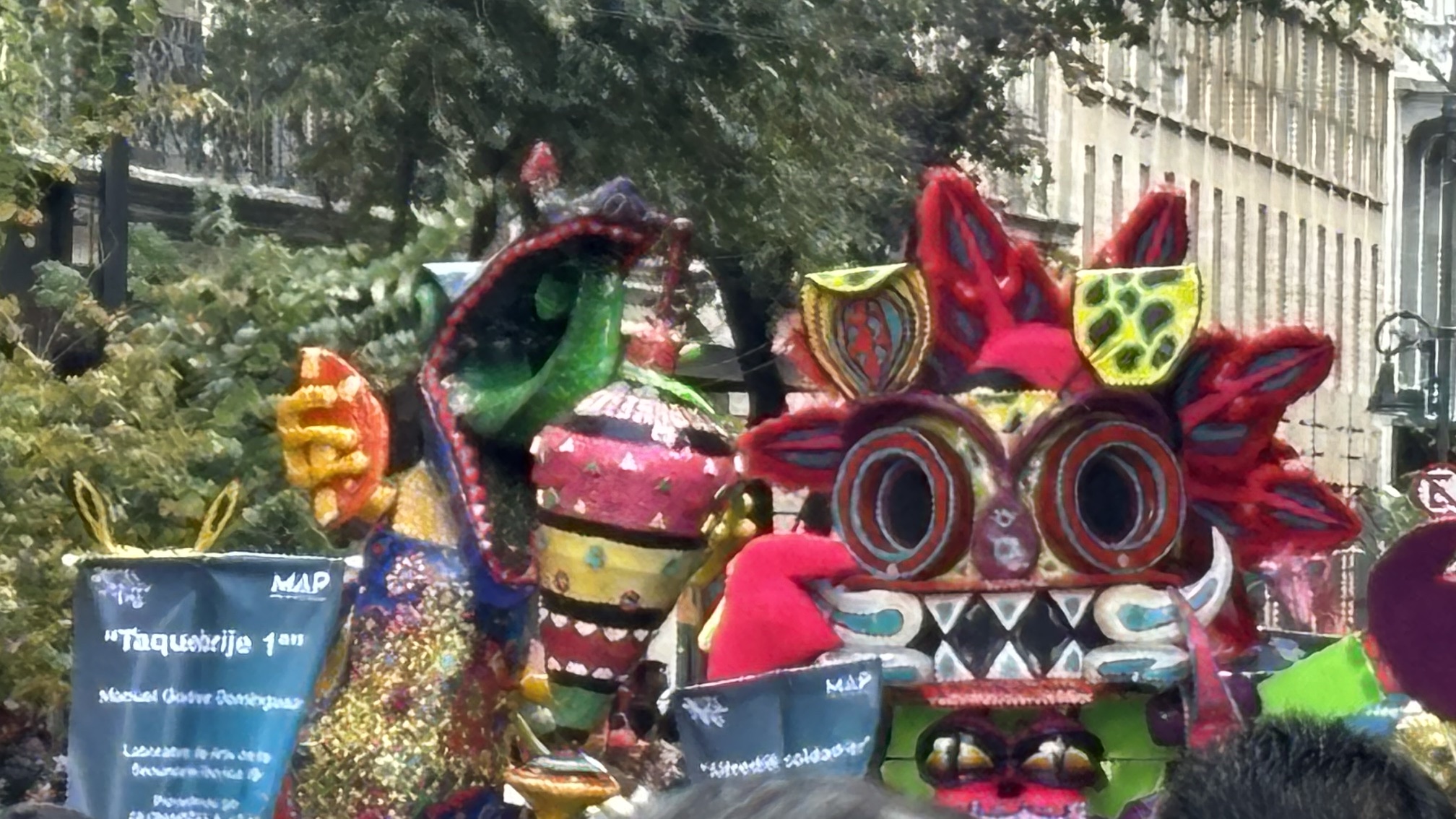
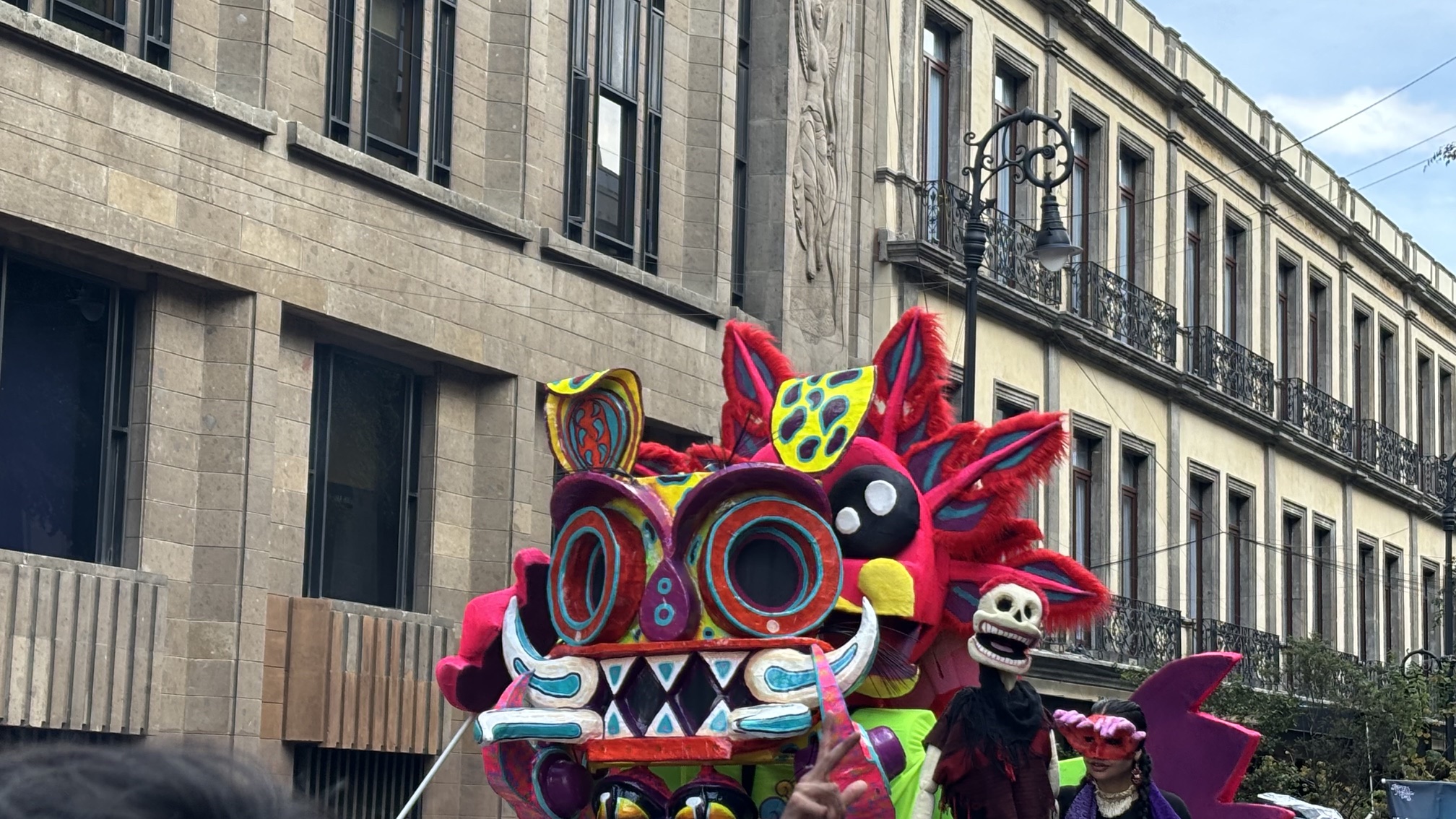
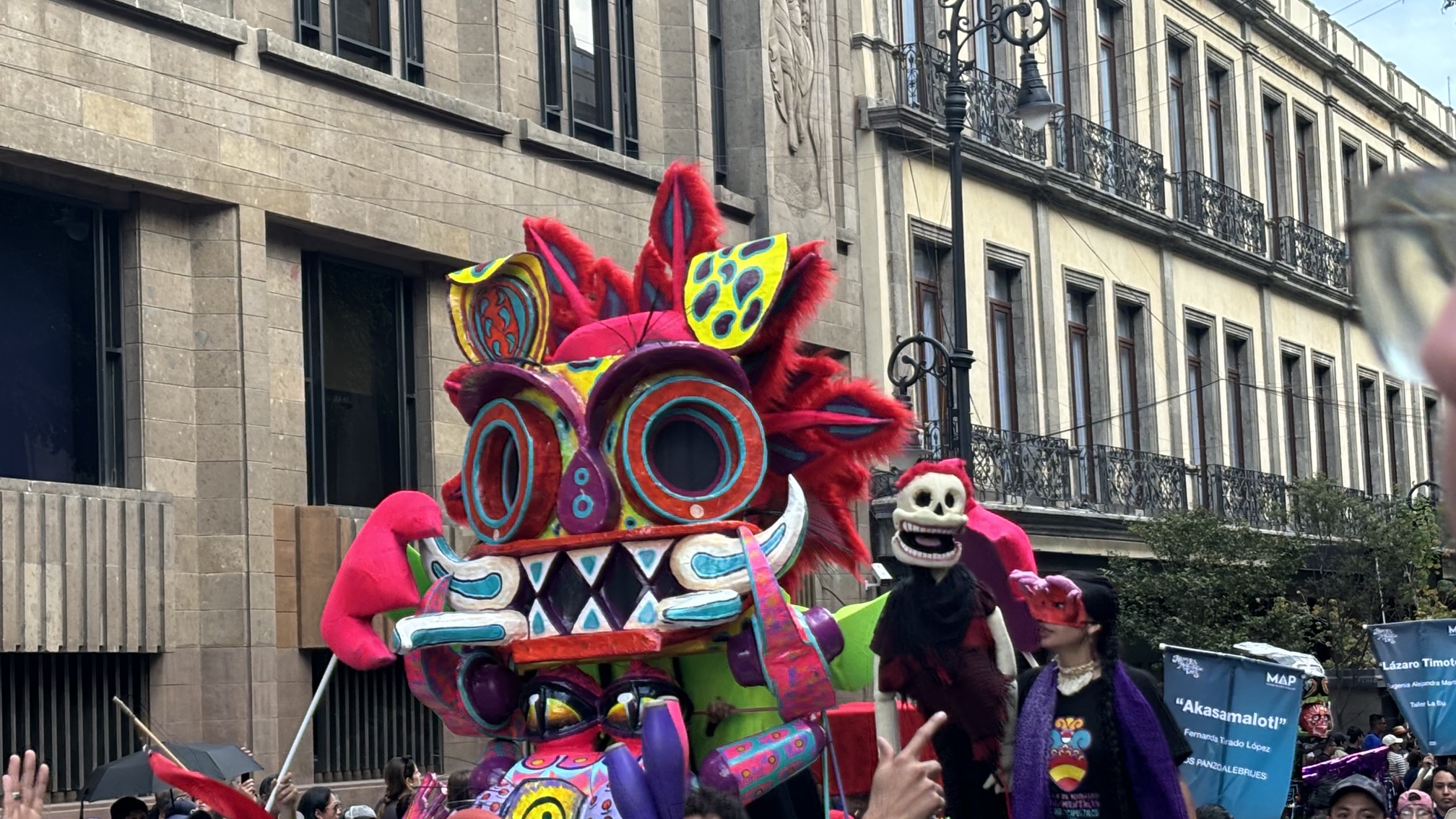
Camera: iPhone 15
Locations: Mexico City, Mexico
“For me, it’s rare to find places like that on the road where you can meditate, relax, and enjoy the surroundings.”
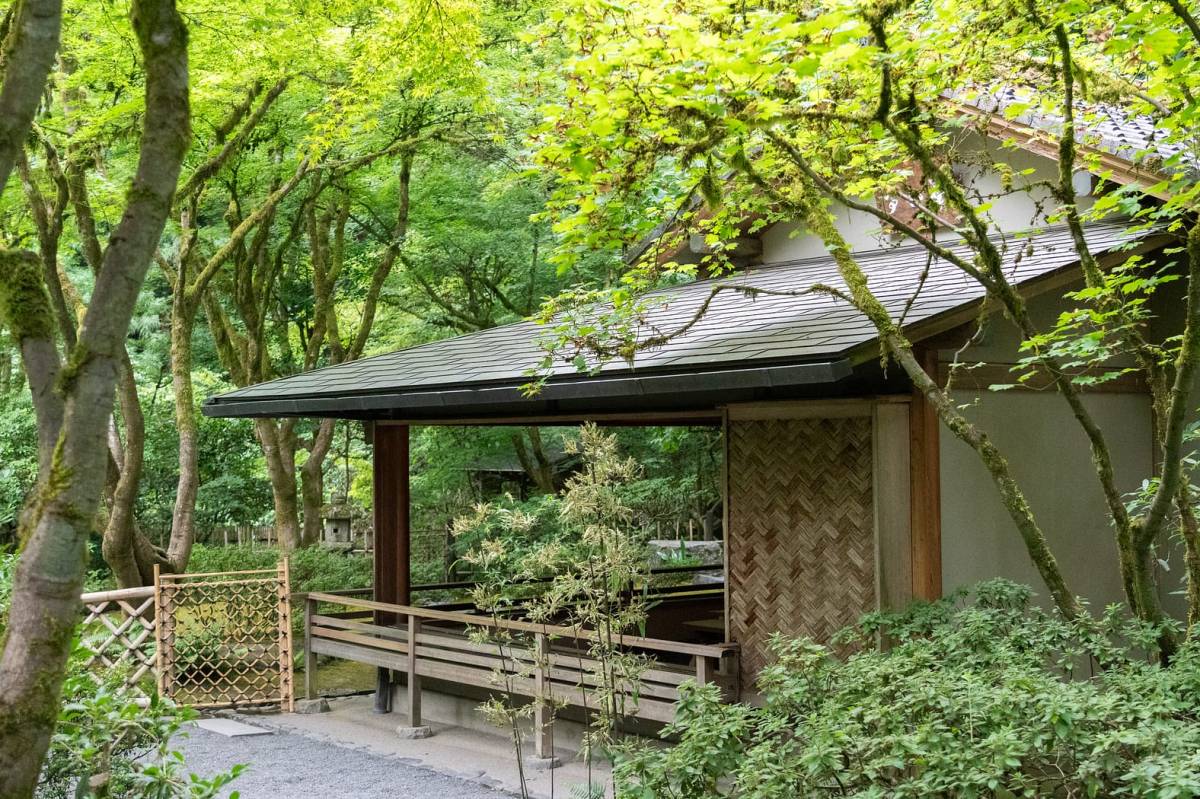
Recently, I was at a famous Japanese garden in Portland, Oregon, known for being the most authentic one outside of Japan, and it was as serene and peaceful as it could be. It was wonderful to experience such a physical space that was optimized for reflection and observation with how it is structured and organized. For me, it’s rare to find places like that on the road where you can meditate, relax, and enjoy the surroundings. To find a Japanese garden in the middle of Portland that made it feel like Kyoto or Sapporo was not what I was expecting. What would have made it even better though would have been for it to be a completely quiet zone for all visitors as the main rule.
You may be thinking that how would that make a difference? Well, it makes a huge difference to be able to enjoy the views, take in the sounds of nature, and observe more closely the koi fish and other wildlife who call the garden home. When you can focus more on enjoying such a beautiful garden, the last thing I want to hear as a solo traveler are other tourists talking about their recent surgery or angling to take the best selfie in front of a waterfall.
‘Quiet Zones’ in today’s America are increasingly rare and I find that rather unfortunate for our society. Whether it’s the beach where you sometimes need to pay the town or state to enjoy and still have to listen to another person’s music to the office where your colleague doesn’t bring headphones so everyone else can hear their conference call, there is a real lack of decorum or respect to lowering the noise level around us. Private places can do what they want in terms of the rules especially if they own the property but in public places or lands or modes of transport, having quiet areas would make a big difference to those of us who want that available option.
In my case, I do my best thinking and my best work when it’s quiet and I don’t believe I am alone in that. How different would things be for our society if quiet zones or places were an option to create, to reflect, to focus, without all the noisy distractions that keep us from doing what we do best? Whether it’s the beach, the airplane, the train, or just in your neighborhood, quiet hours really can do a lot of good, especially when you’re on a tight deadline or just are seeking some peace and time to reflect.
One example of how ‘quiet zones’ can work is on the Amtrak Northeast Regional train that can take you from Washington, DC up to Boston, Massachusetts over seven or so hours and on the Acela high speed rail option. As someone who rides these two trains a couple of times each year, I always do my best to book a seat or find a way to get to the ‘quiet car.’ I don’t mind it when I end up in a non-quiet car as may happen at times but being able to ride the rails in silence is quite a pleasant experience. Now, the ‘quiet car’ is only one train cars out of nine or ten cars usually so it’s not like every car is ‘quiet.’ Sometimes, on Amtrak, in other parts of the United States, there isn’t even a ‘quiet car’ option. I take it for granted due to my Northeastern roots, but why can’t we create that ‘quiet car’ option for all Amtrak trains and in other places we frequent?
Achieving more quiet in the workplace, on public transportation, in public areas, and even at a Japanese garden is possible. America is a loud and boisterous country and that has served us well over 250 years, but I find that it should be balanced out too. Introducing quieter, more introspection, more peaceful harmony with each other and with nature would be good over time and lead to a lot of different psychological and economic benefits.
When you can focus deeply and sit in quiet, whether surrounded by trees, wildlife, or the sound of waves crashing on the beach, it becomes easier to think clearly and create meaningful work. Yet being alone with one’s thoughts is not easy. Many American naturalists and writers, including Henry David Thoreau, Robert Frost, and John Muir, understood this and deliberately sought out solitude in nature to do their most important thinking. It raises a simple question: if they had been constantly interrupted by noise, crowds, and distraction in the 21st century, would their work have been the same or would it have even happened at all?
The landscapes in America that once gave thinkers space to observe and reflect still exist, but they are harder to hear over the noise of modern life. And yet the need remains unchanged: to think clearly, we must sometimes be willing to step out of the crowd and into silence, even if only for a while. Perhaps the real question is not whether great thinkers need silence, but whether we still allow ourselves to have it. In a world filled with constant noise, distraction has become the default setting rather than the exception. The ability to step away from it, even briefly, may not just shape better work, but a clearer way of seeing the world itself.