

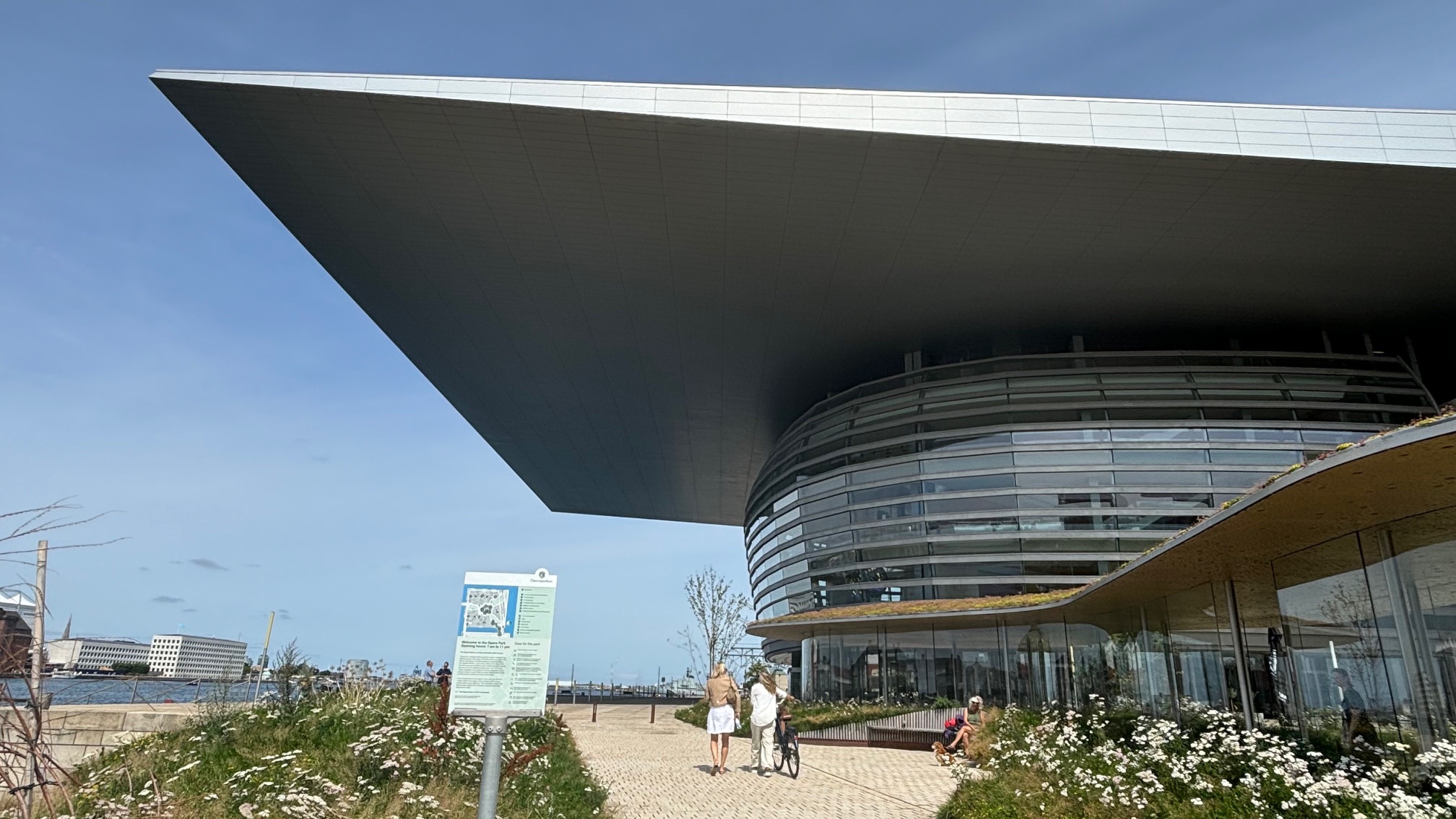
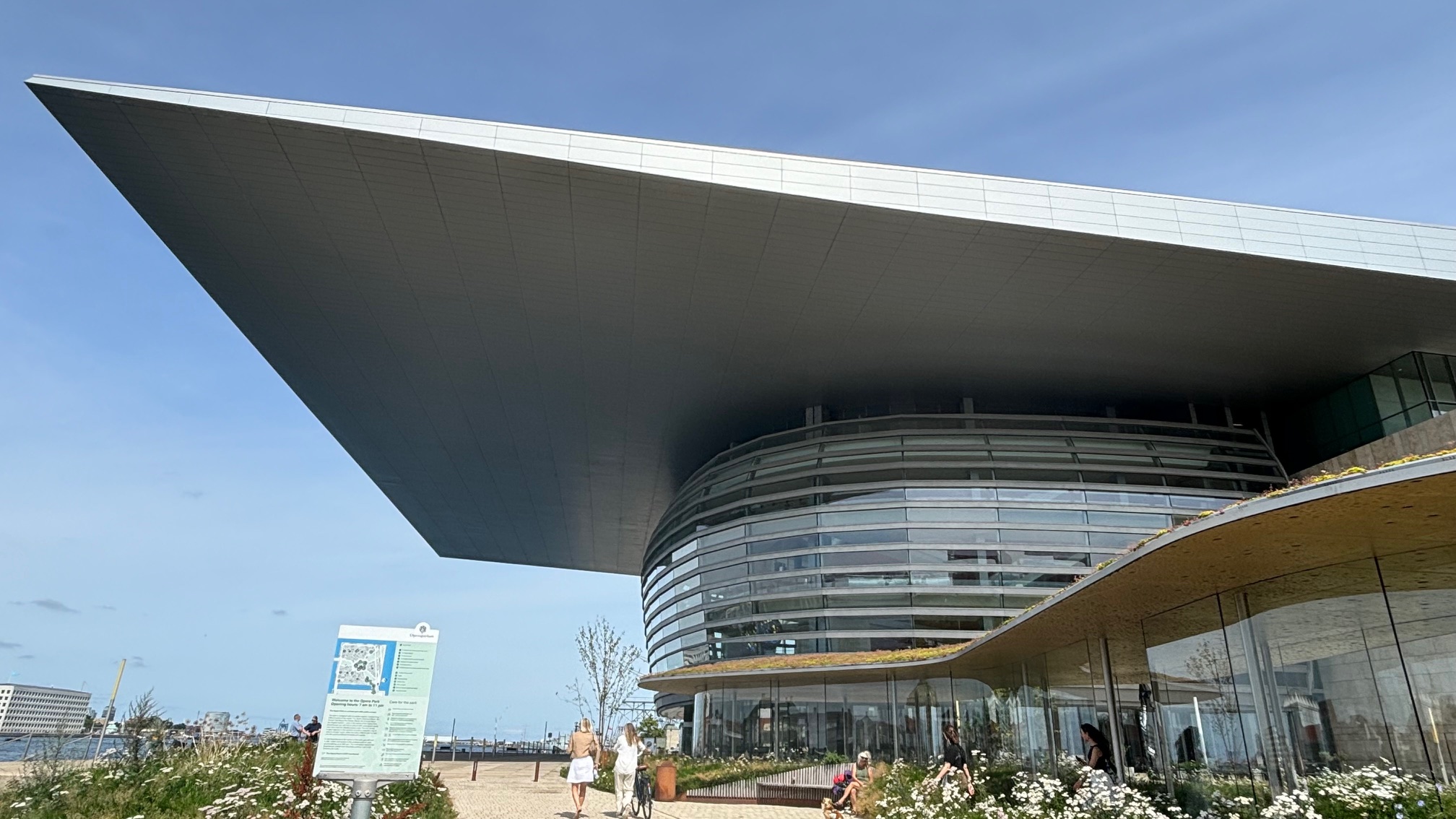
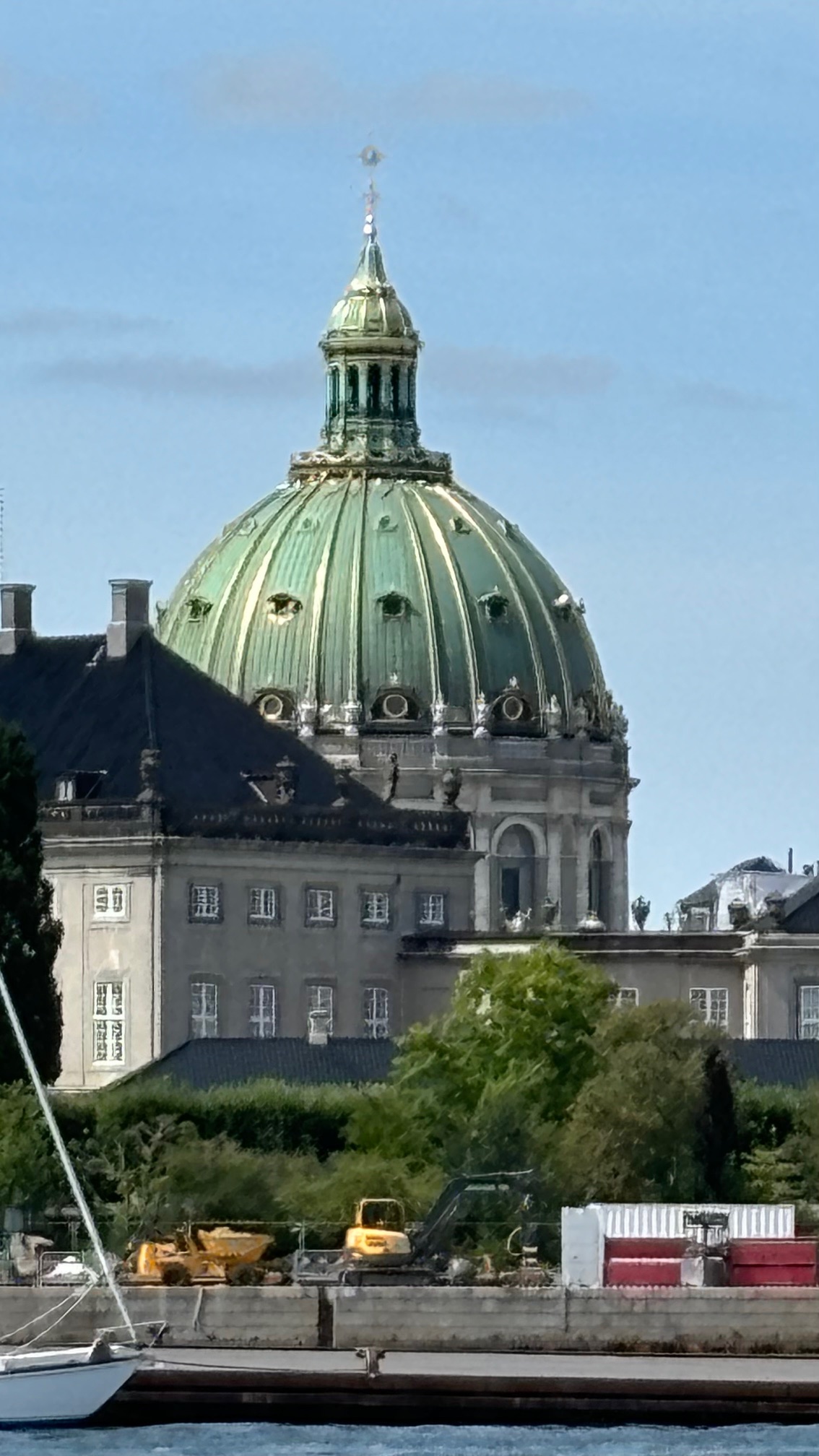
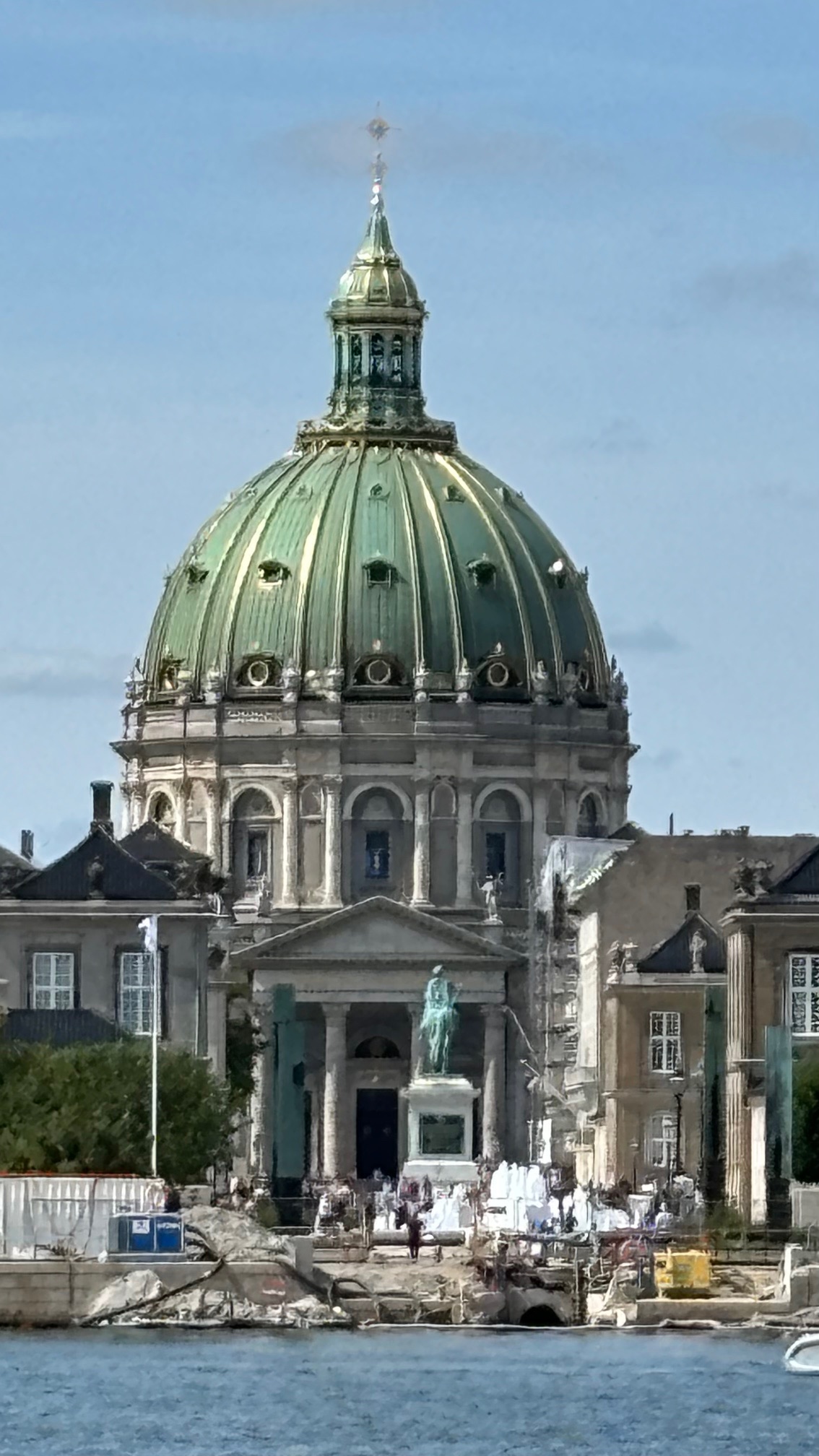

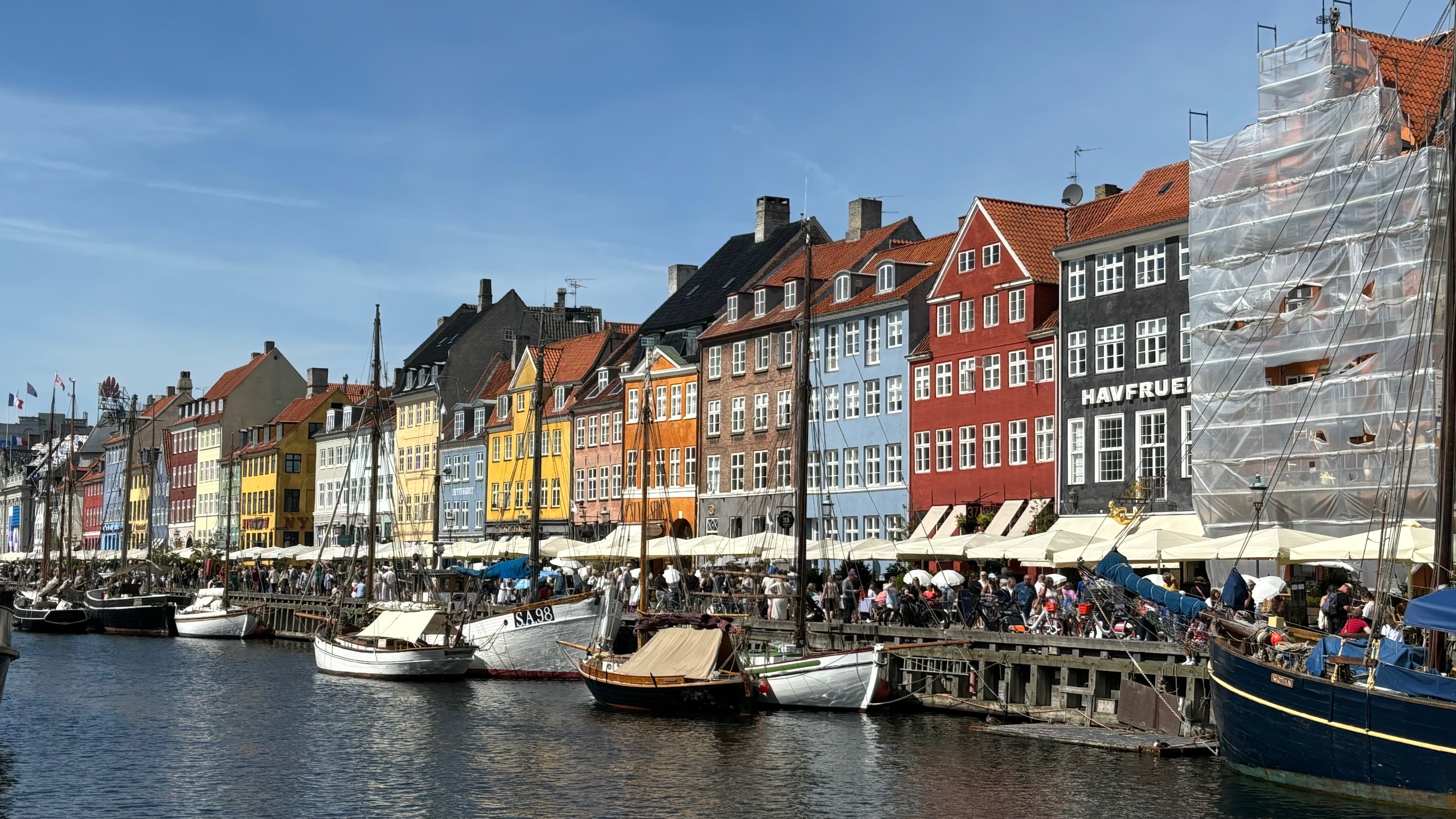
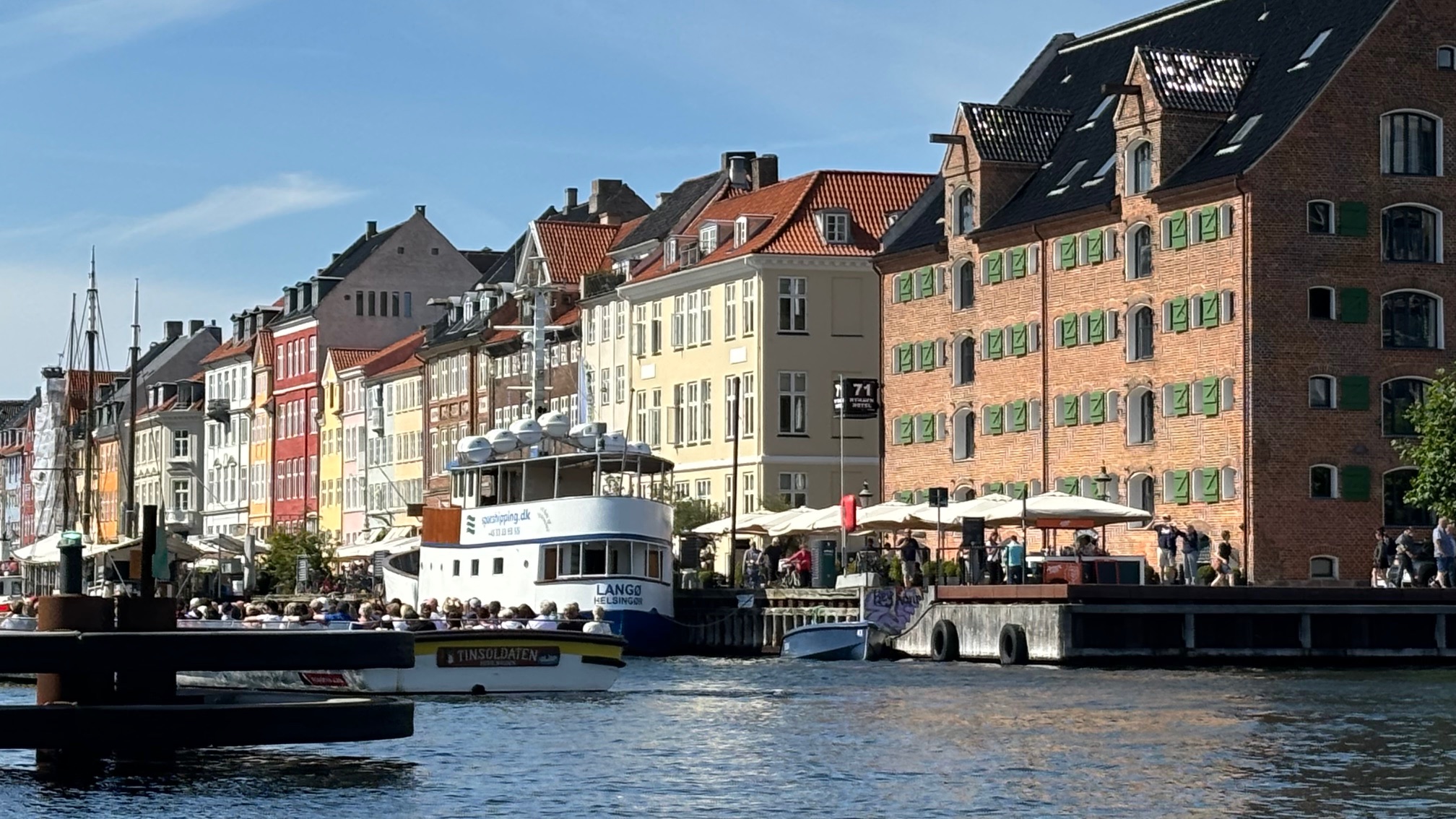
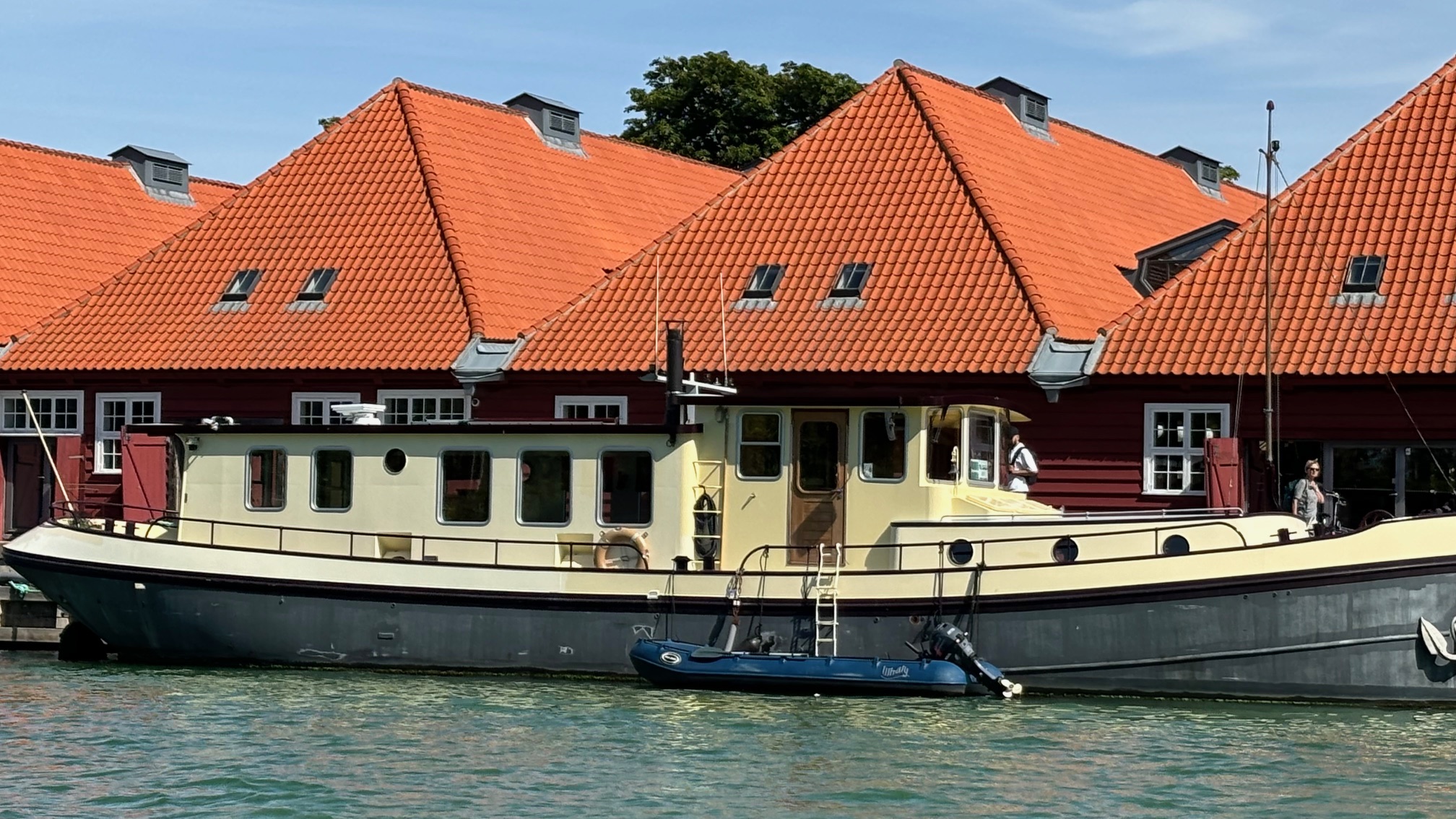
Camera: iPhone 15
Location: Copenhagen, Denmark

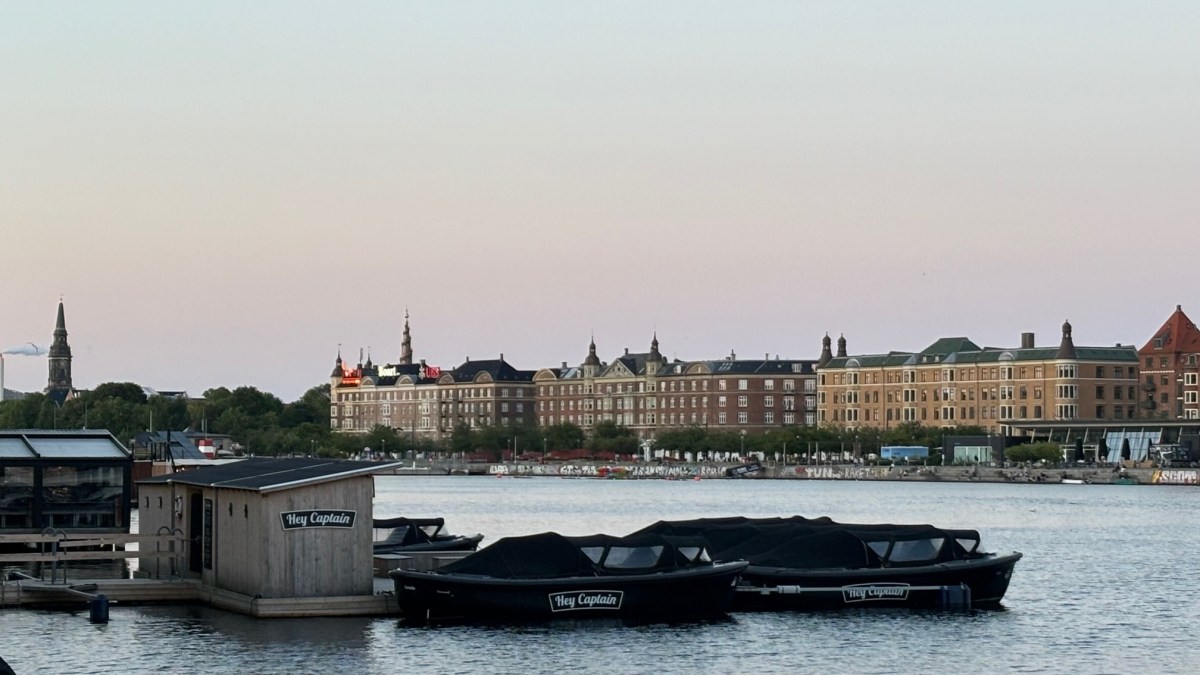
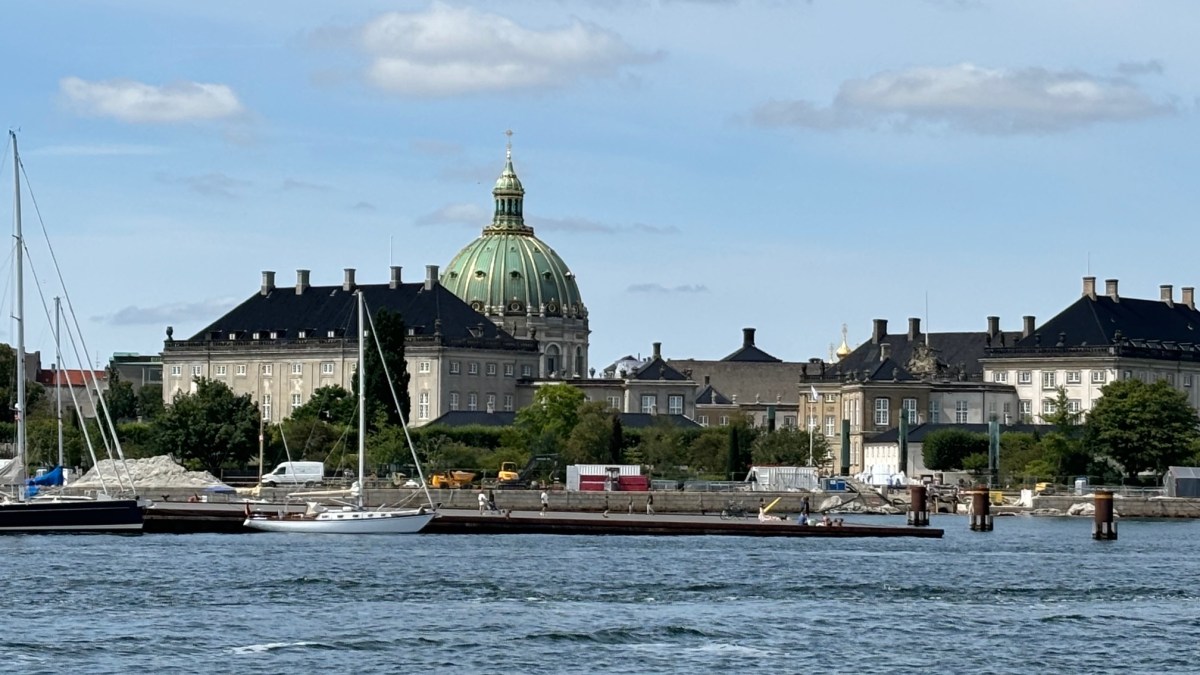
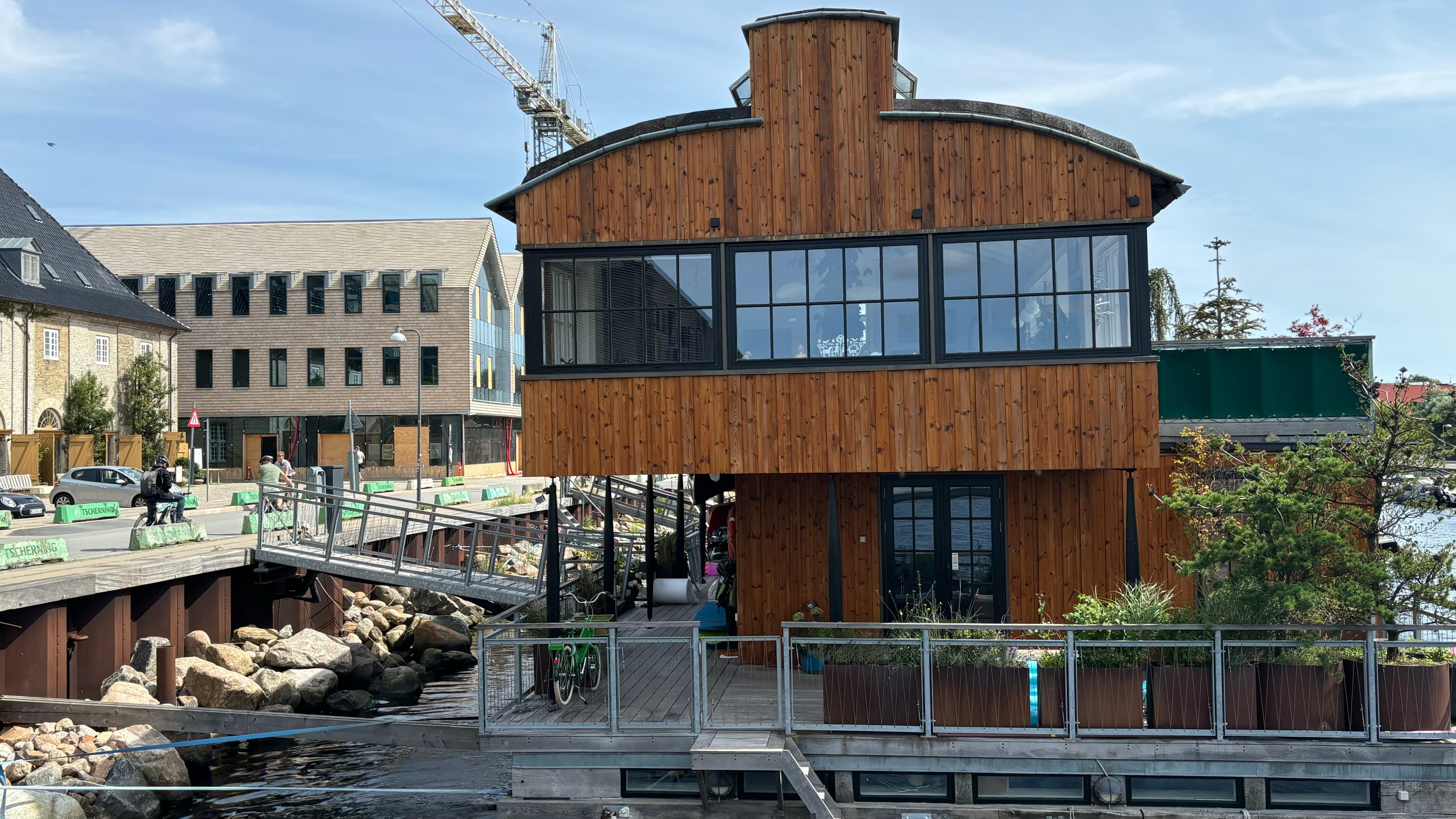
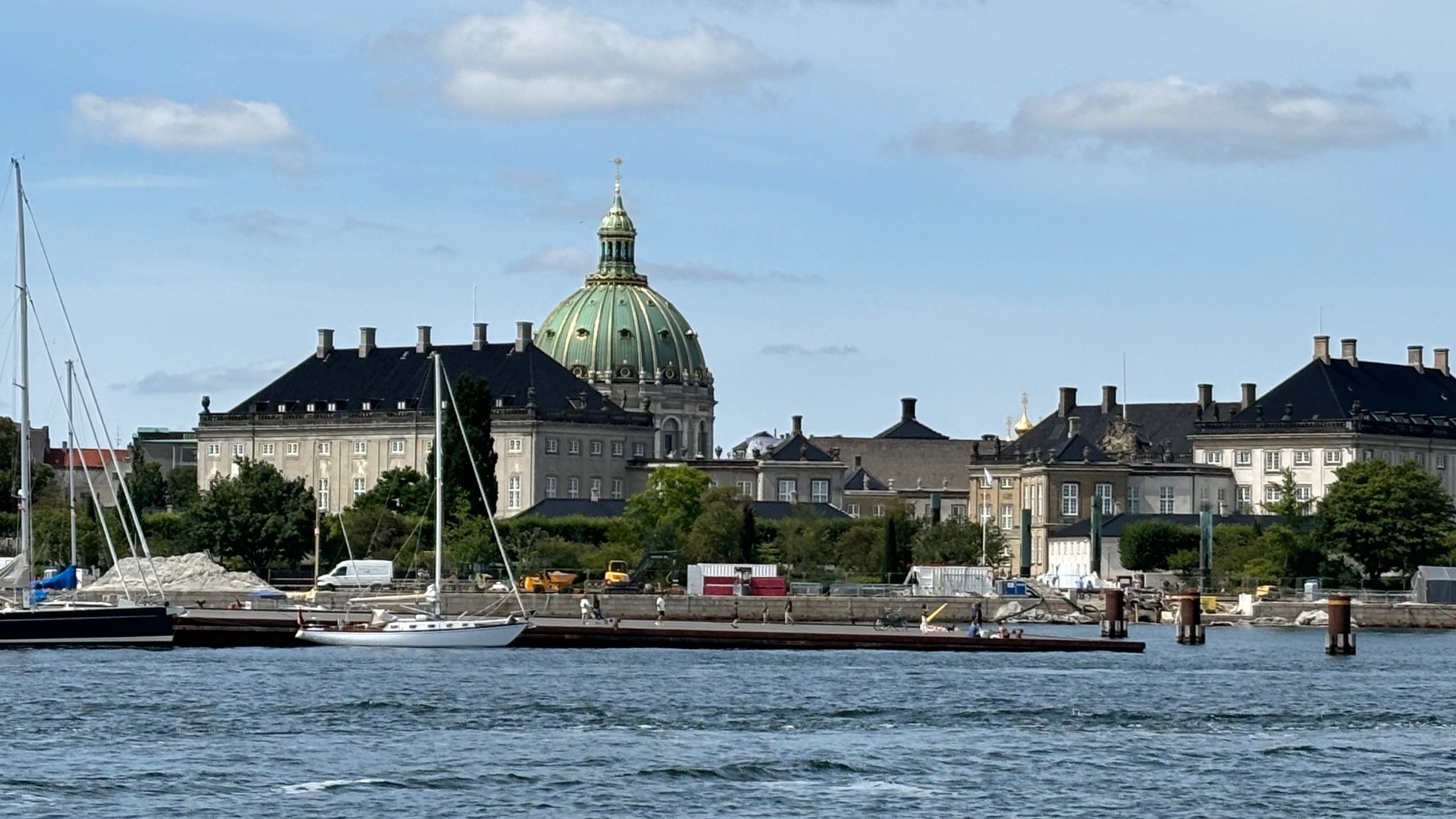
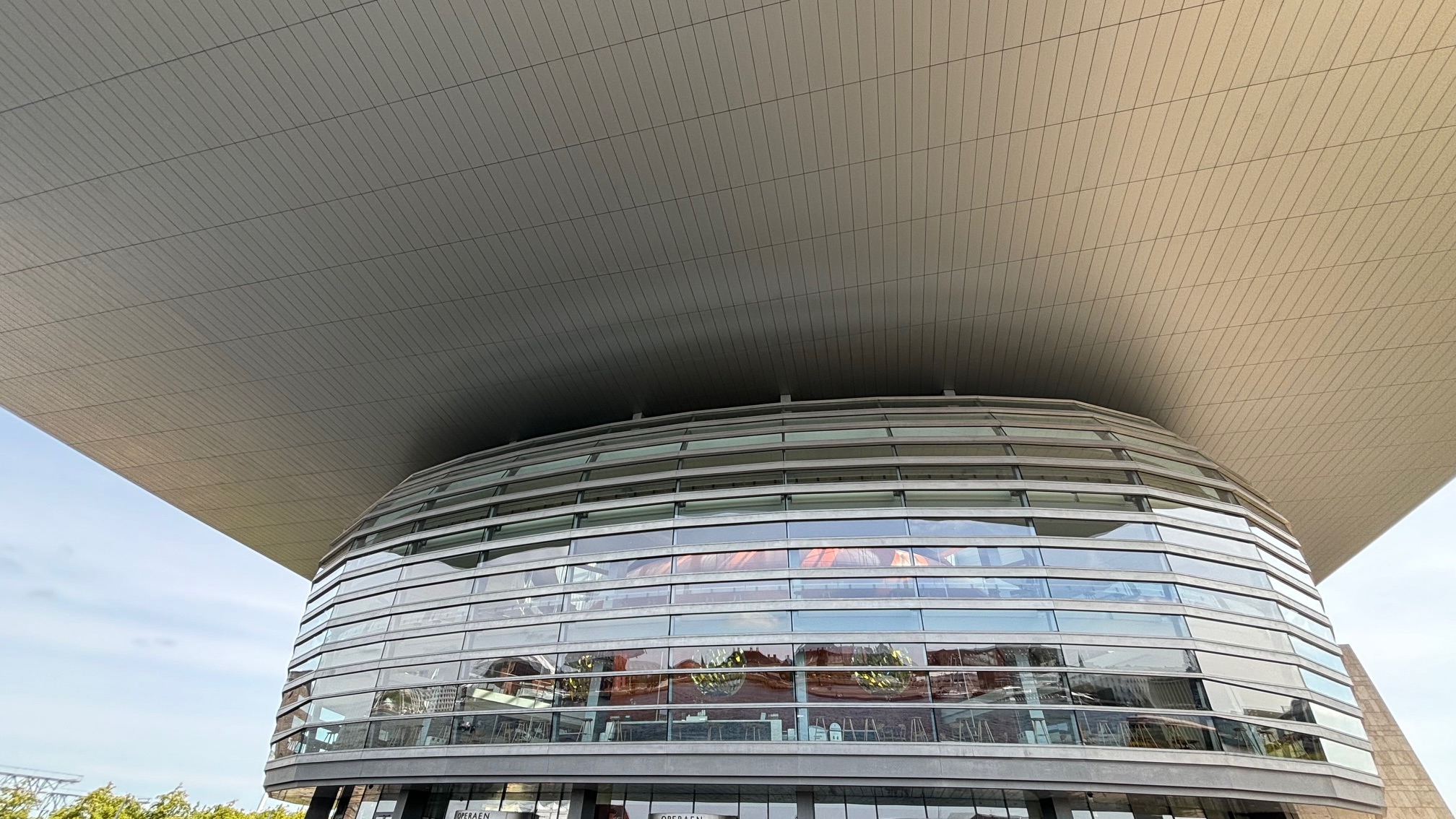
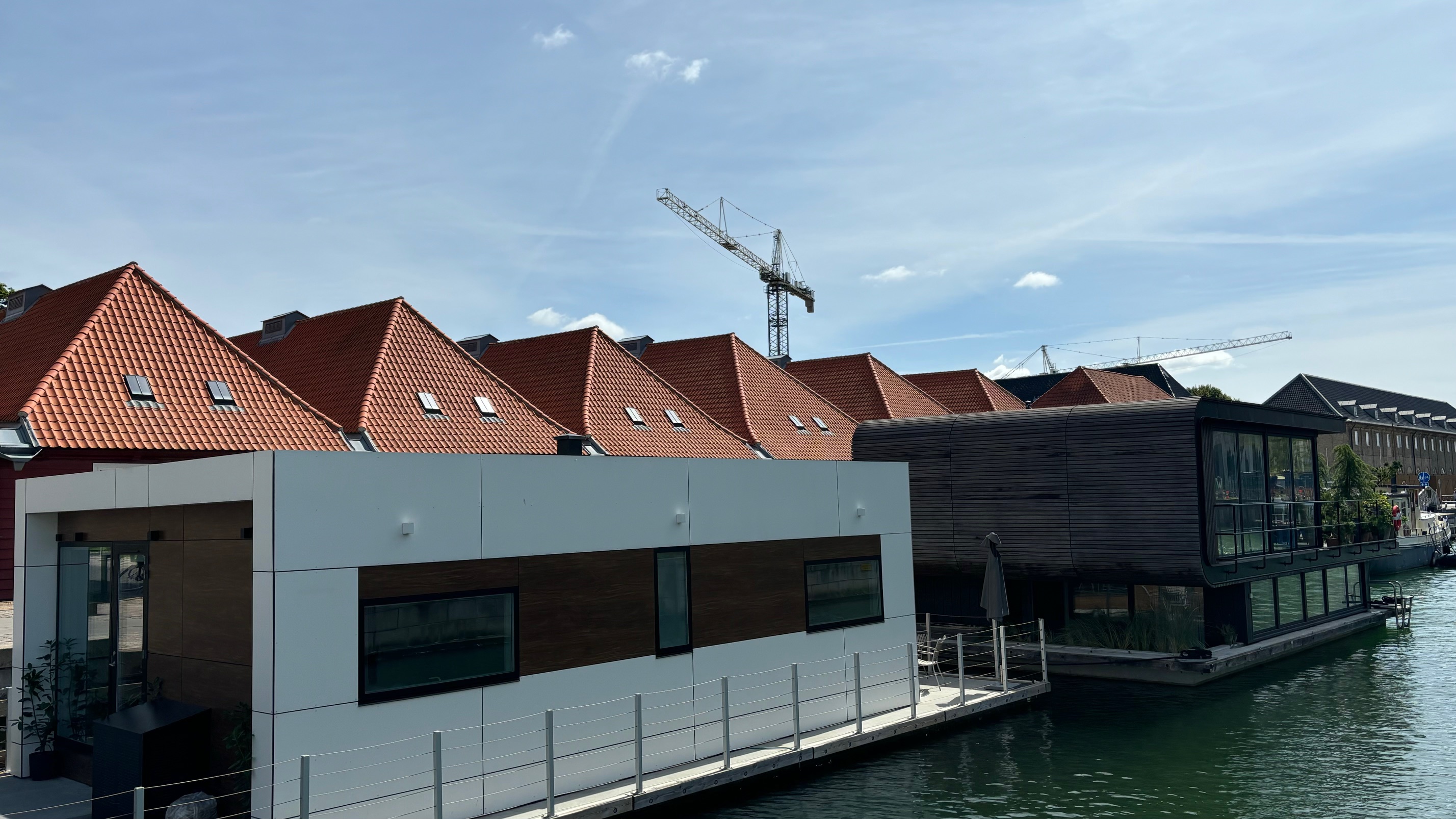
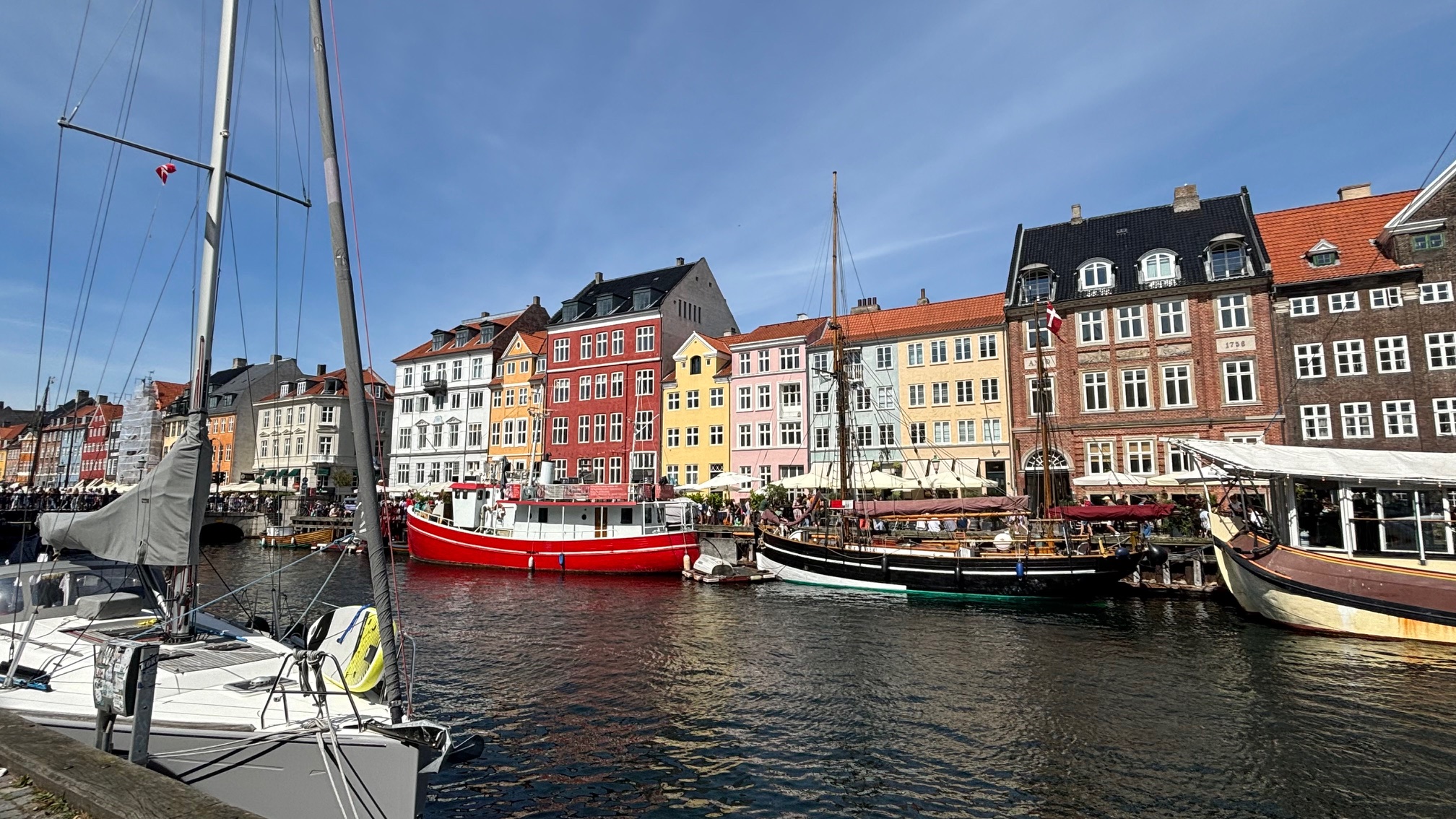
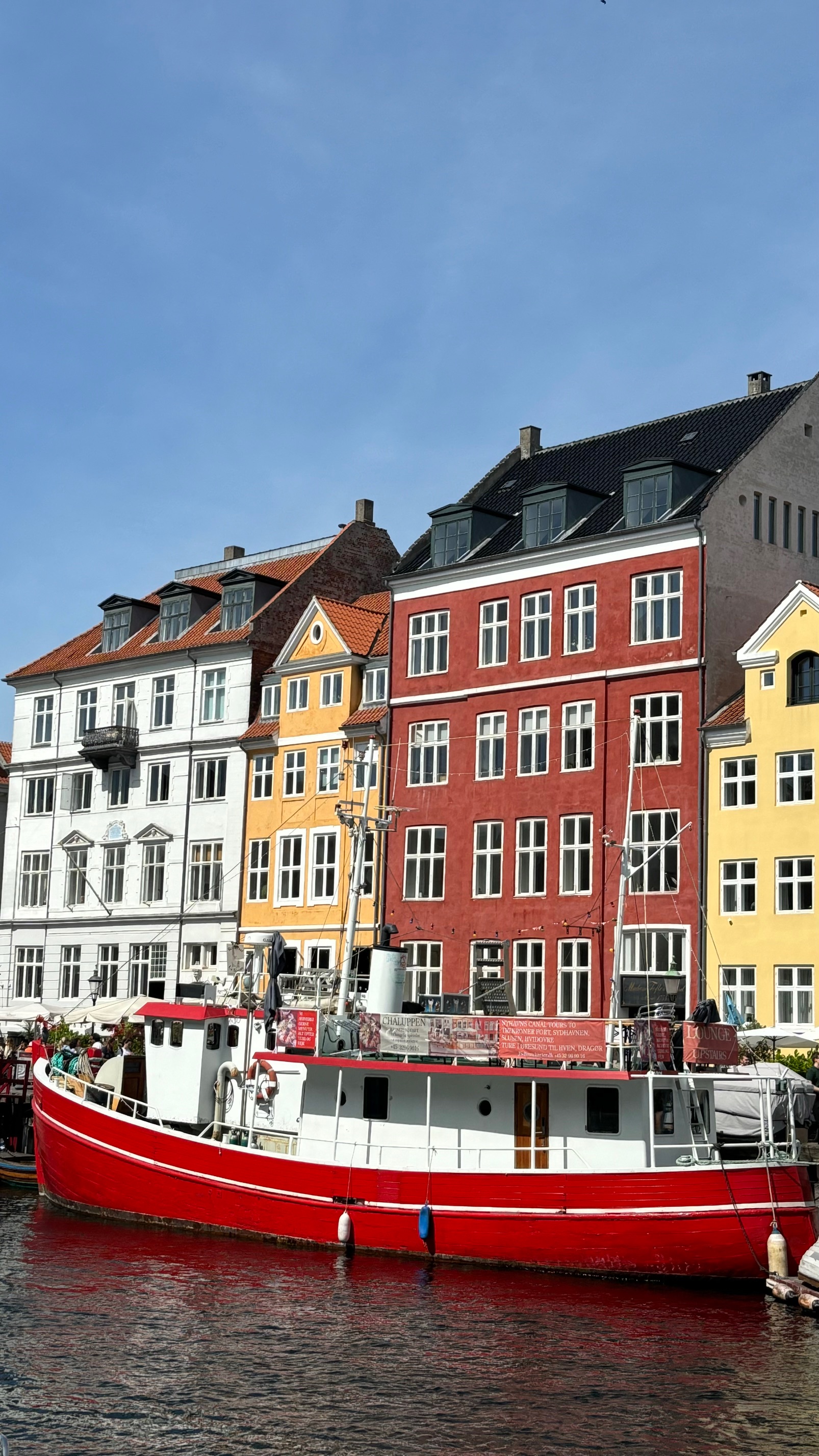
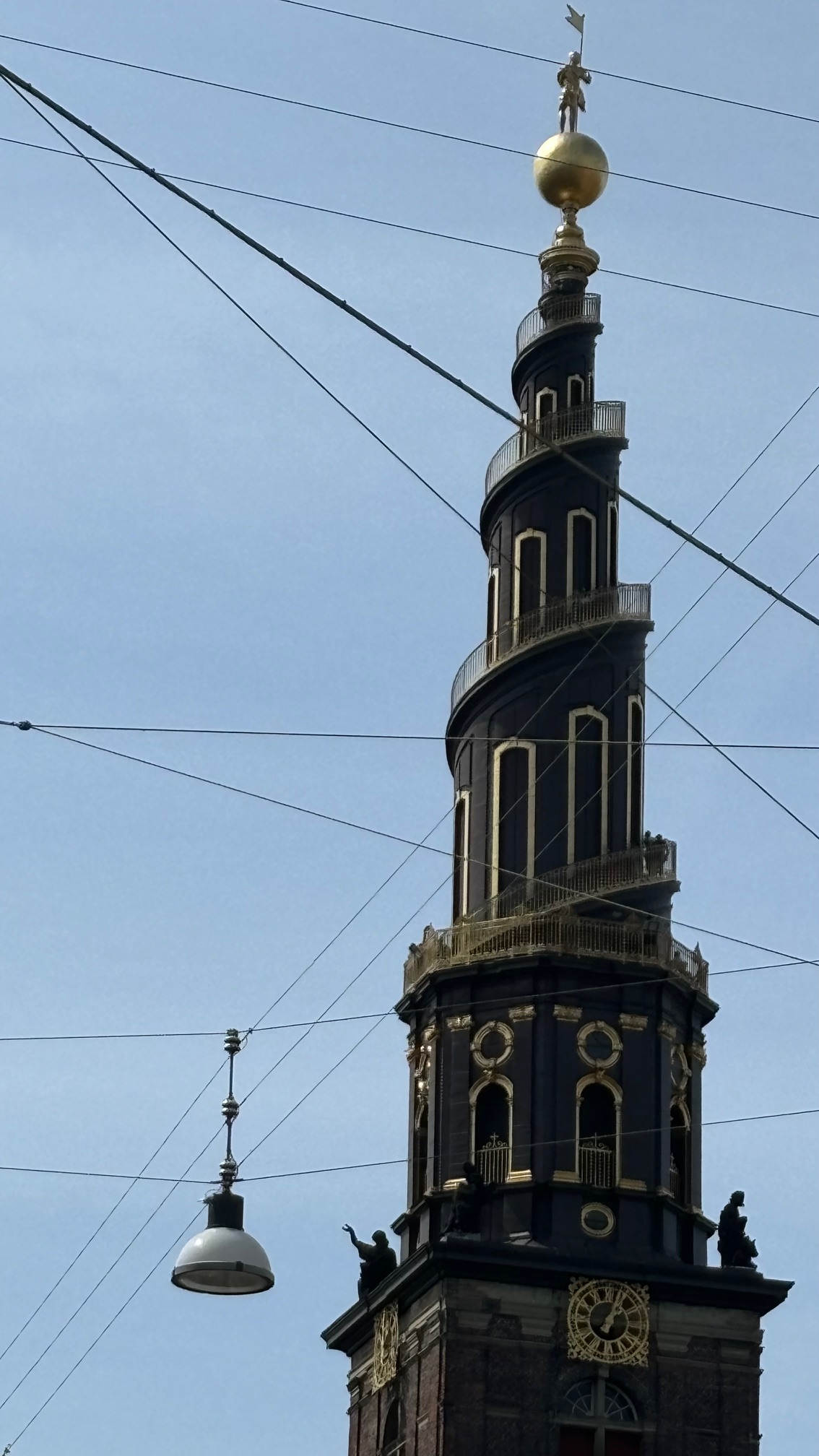
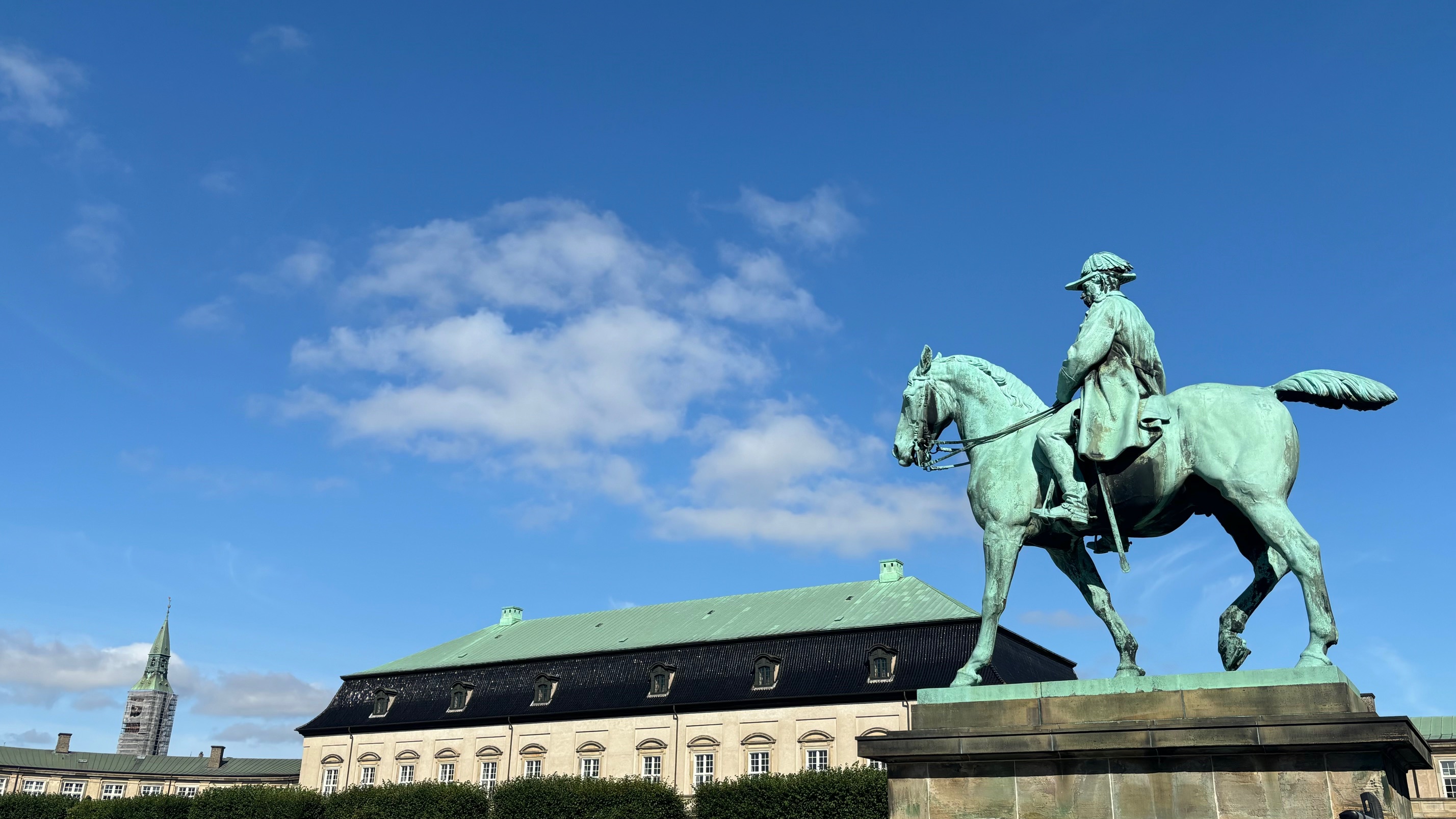
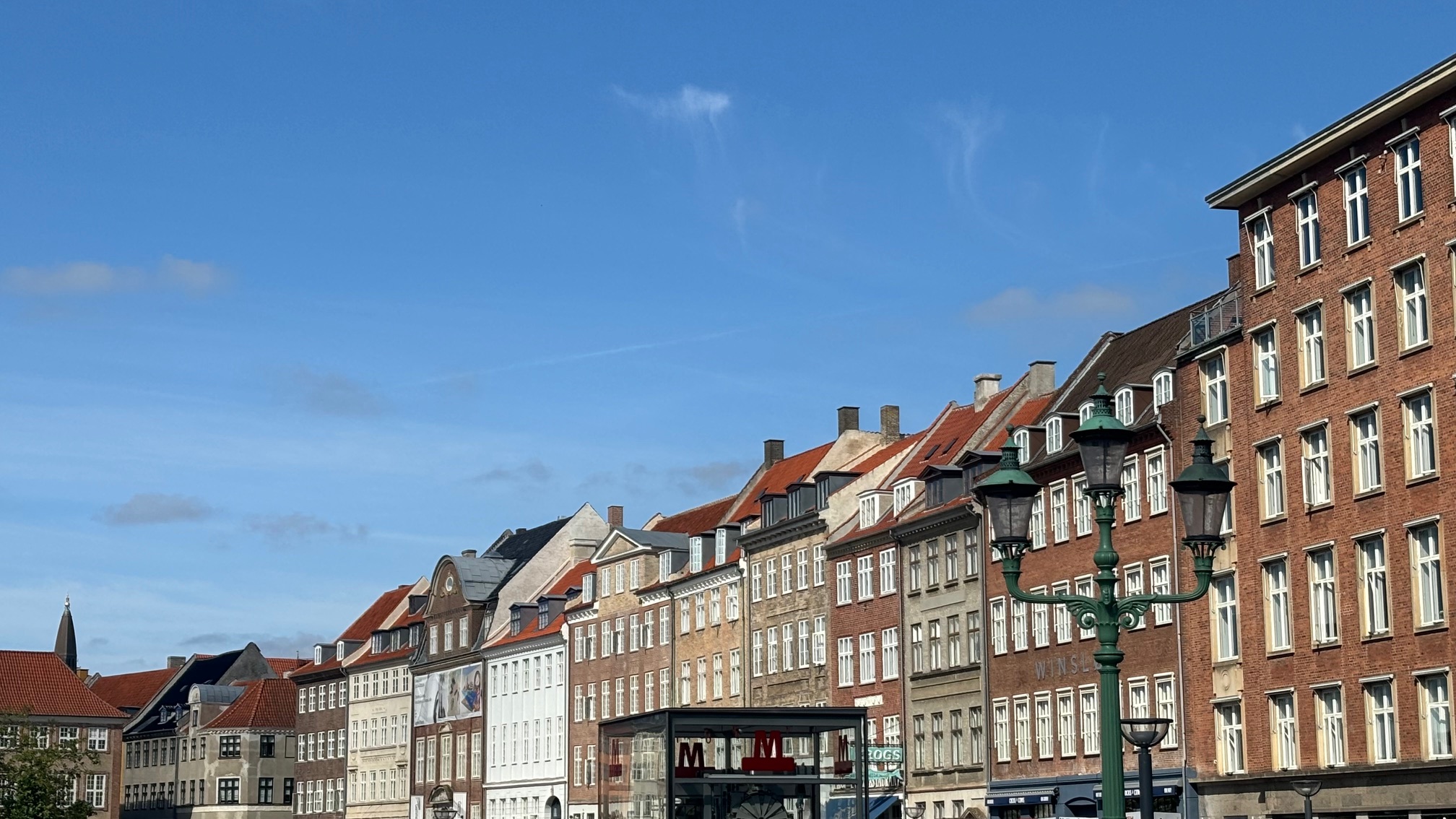
Checking out different architectural styles and designs from different eras in Copenhagen’s history. In addition, exploring the Opera House, Nyhavn, and Frederik’s Church by foot and by boat during my stay in the Summer of 2024.
Camera: iPhone 15
Location: Copenhagen, Denmark
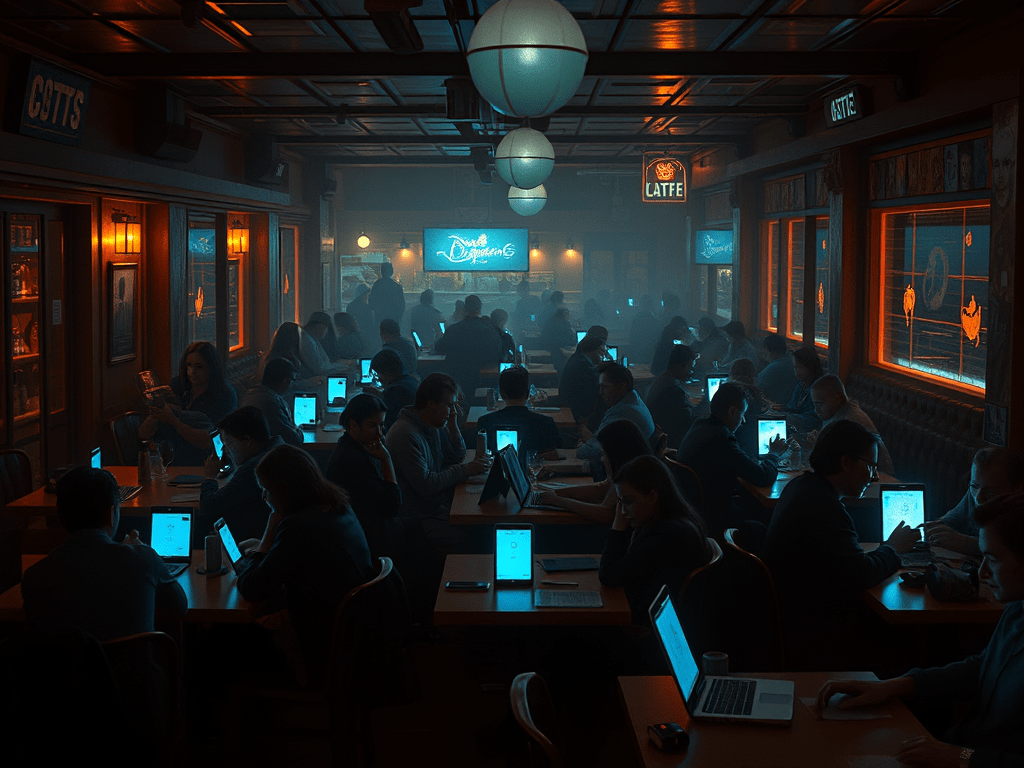
“This surreal experience of mine in the local coffee shop was seeing mostly everyone except for myself wrapped up exclusively in their device, mobile, computer, or another kind of technology rather than interacting with their immediate surroundings.”
Surreal moments often catch you off guard and recently, one hit me in a coffee shop that I like to frequent. These moments are important to reflect on for better or worse though, to see how society has changed immeasurably and perhaps permanently. This surreal experience of mine in the local coffee shop was seeing mostly everyone except for myself wrapped up exclusively in their device, mobile, computer, or another kind of technology rather than interacting with their immediate surroundings.
It was shocking, usually there are a few people browsing their phones casually, catching up on work with their laptops, or just tracking their health data on their digital watch. However, when I looked around and saw that it was basically a sea of screens as each person was locked into their digital world rather than focused on the people there. It was a dystopian scene that is burned into my memory now so much so that I had to explore this societal change further.
In the U.S. especially, it seems like cafes or coffee houses are more for interacting with the digital realm rather than the physical realm, which is quite different from Europe and Latin America where the priority is to meet people or gather with friends or family. It is usually a mix, but in the U.S., cafes seem to have reached a turning point. They focus more on having people be there to work and endure loud or constant music being played in the background, and having people isolated rather than connecting with one another.
While there are still numerous cafes where people are still likely to do poetry slams, play trivia, and are welcoming gathering spaces, my concern is with how eerie it can be when some cafes are solely about work and technology rather than connection and leisure. There are some solutions out there and some bars I’ve heard are even implementing ‘no phones’ as an entry rule to help people to interact with each other rather than their own devices in a shared space.
I personally hope that the ‘no phones’ movement can spread to cafes, community centers, and other third spaces that are increasingly difficult to find in the U.S., especially where you don’t need to pay to sit down, talk, or get to know one another. Having a ‘no technology’ rule for set hours in cafés seems like a great idea to me, especially before or after work hours and making sure that cafes and co-working spaces are not merging to be the same. Community events with no phones would help people sharpen their social skills, minimize distractions, and connect without any devices competing for their attention.
It was jarring for me to see almost the whole café on some sort of device or another except for myself (even though I do tend to check my phone quickly here and there). However, I was meeting someone there so I wanted my attention to be paid to them as much as possible and I am for a technology ban so the connection we would form would be that much easier. Having a rule of ‘no phones’ in cafes or at least ‘no tech’ hours would probably make people happier, more sociable, and allow cafes to sell more to people who would have their undivided attention.
We used to get our dopamine from our social connections and that has been increasingly replaced by responsive AI chatbots, persistent social media notifications, and algorithms focused on our every need. It’s a losing battle right now but we may be at a precipice where people including myself realize that this isn’t sustainable and it isn’t healthy for society to indulge in without limits, even for adults.
One of my favorite shows growing up was ‘Friends’ and ‘Seinfeld’, where the all-American diner or the local café was a spot to hang out, talk, play music, and catch up on each other’s lives. These shows from the 1990s-2000s could not possibly be replicated today because the scenes would be showing almost everyone on their phone or laptop and the dialogues would be flat or lackluster. I want cafés, diners, and bars to be more than background noise for our technological devices. Instead, these places should be spaces to connect, to share, and to find a moment of human interaction in a world increasingly dominated by screens.
Cafés, diners, and bars should be refuges from screens, spaces to connect, share, and find a moment of human interaction in a world dominated by devices. It’s time to reclaim these public places, not just for nostalgia, but for our social health. We still need public places to provide a respite from the hustle and bustle of daily life, to let us express ourselves freely, to meet new people, to practice community, and maybe even make some new friends.
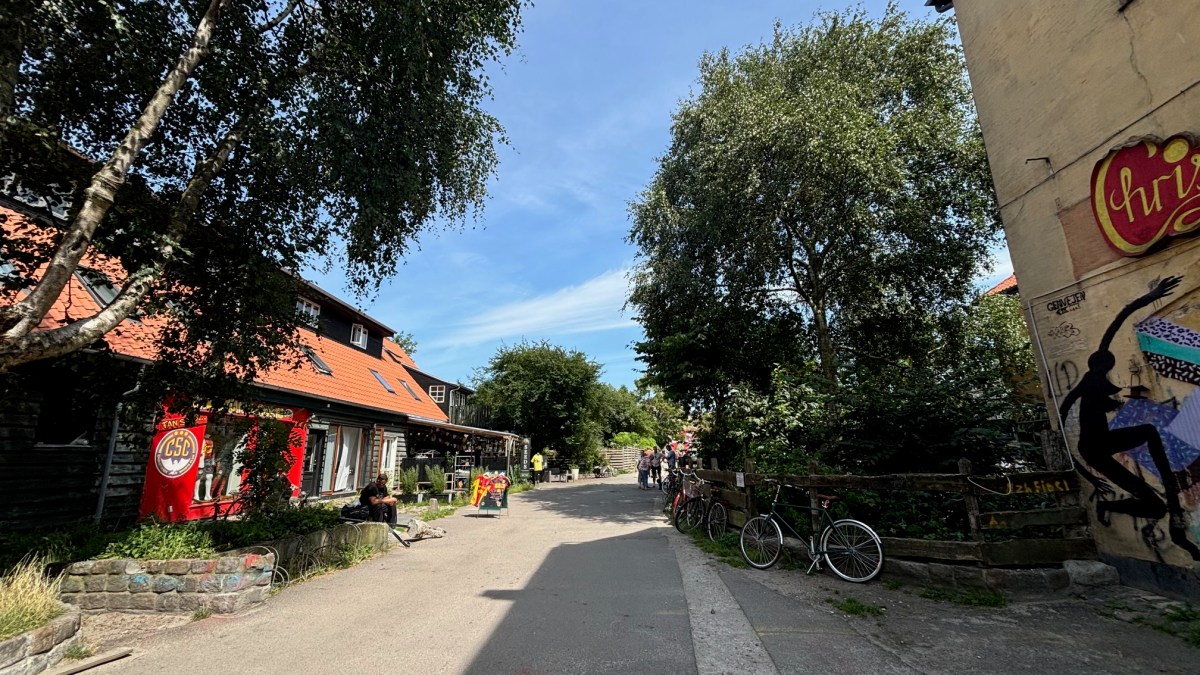
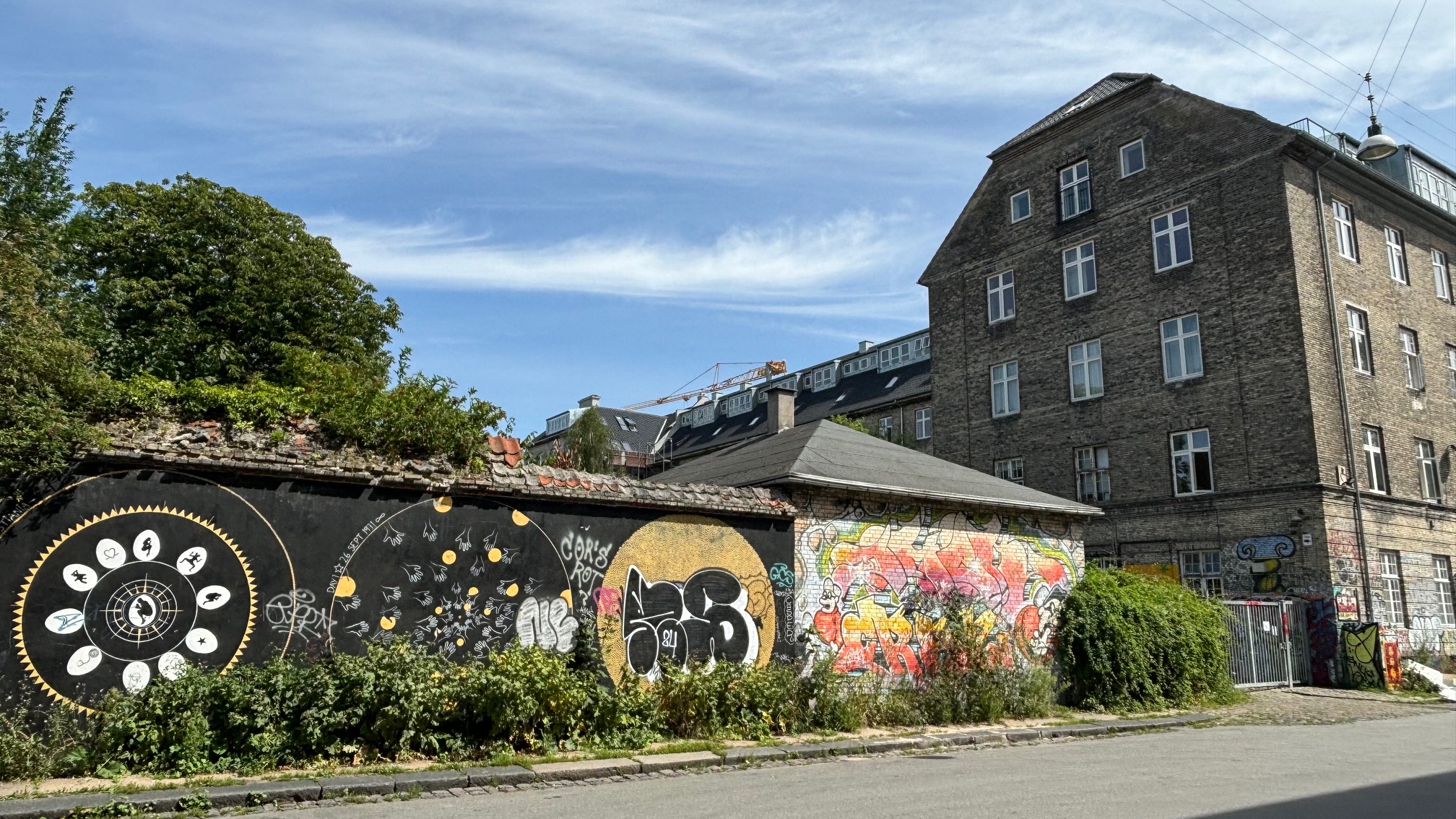
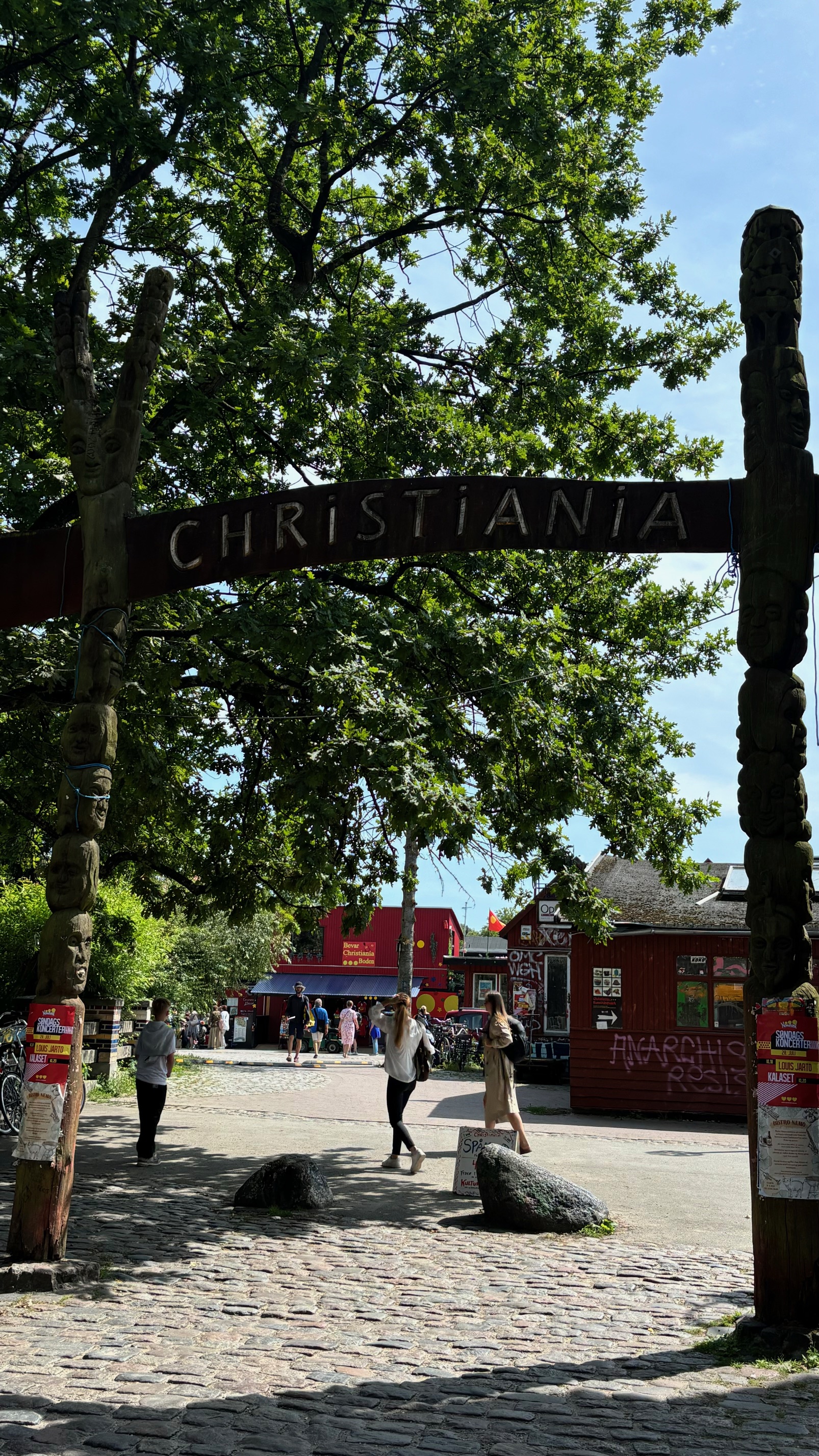
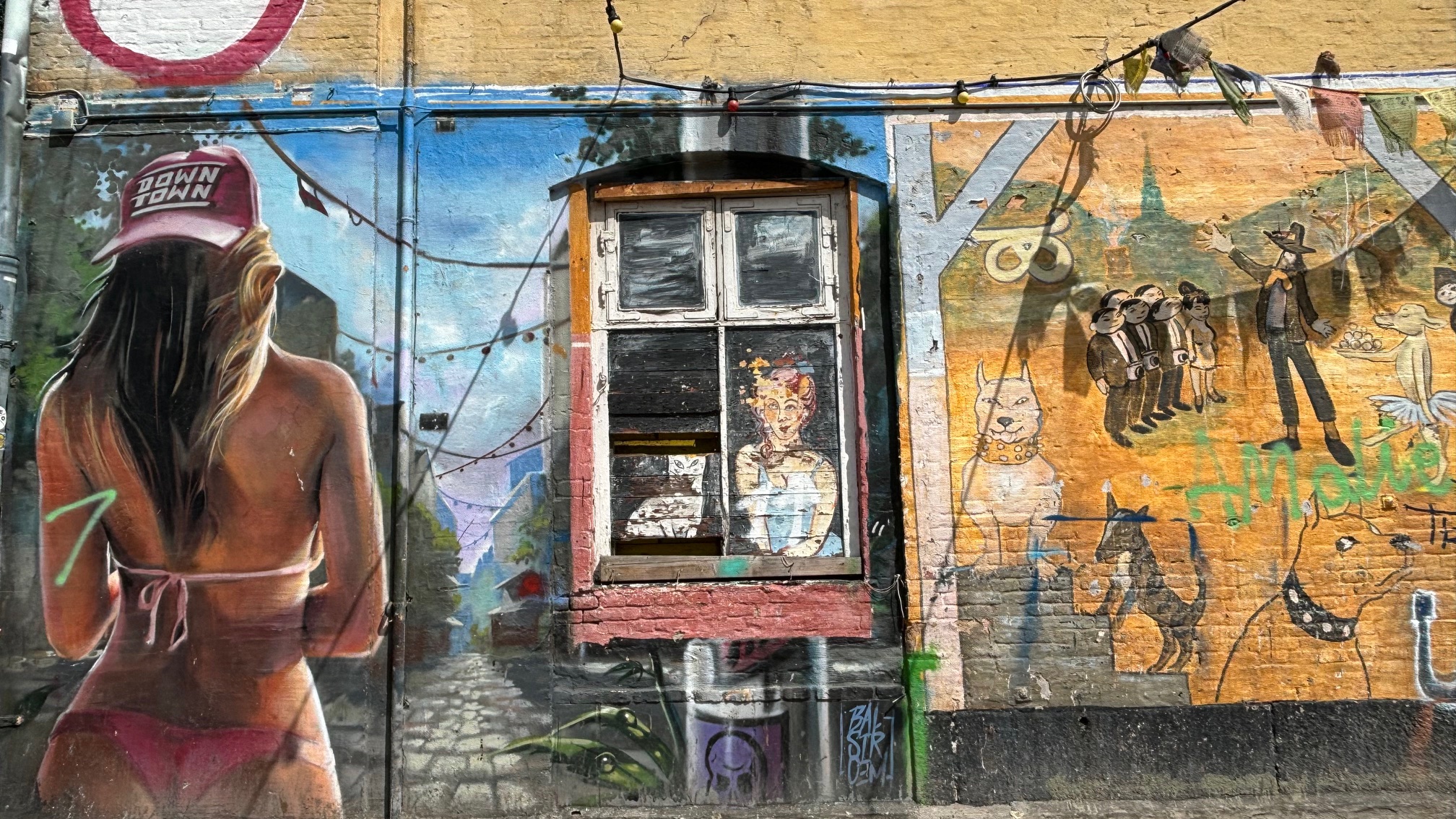
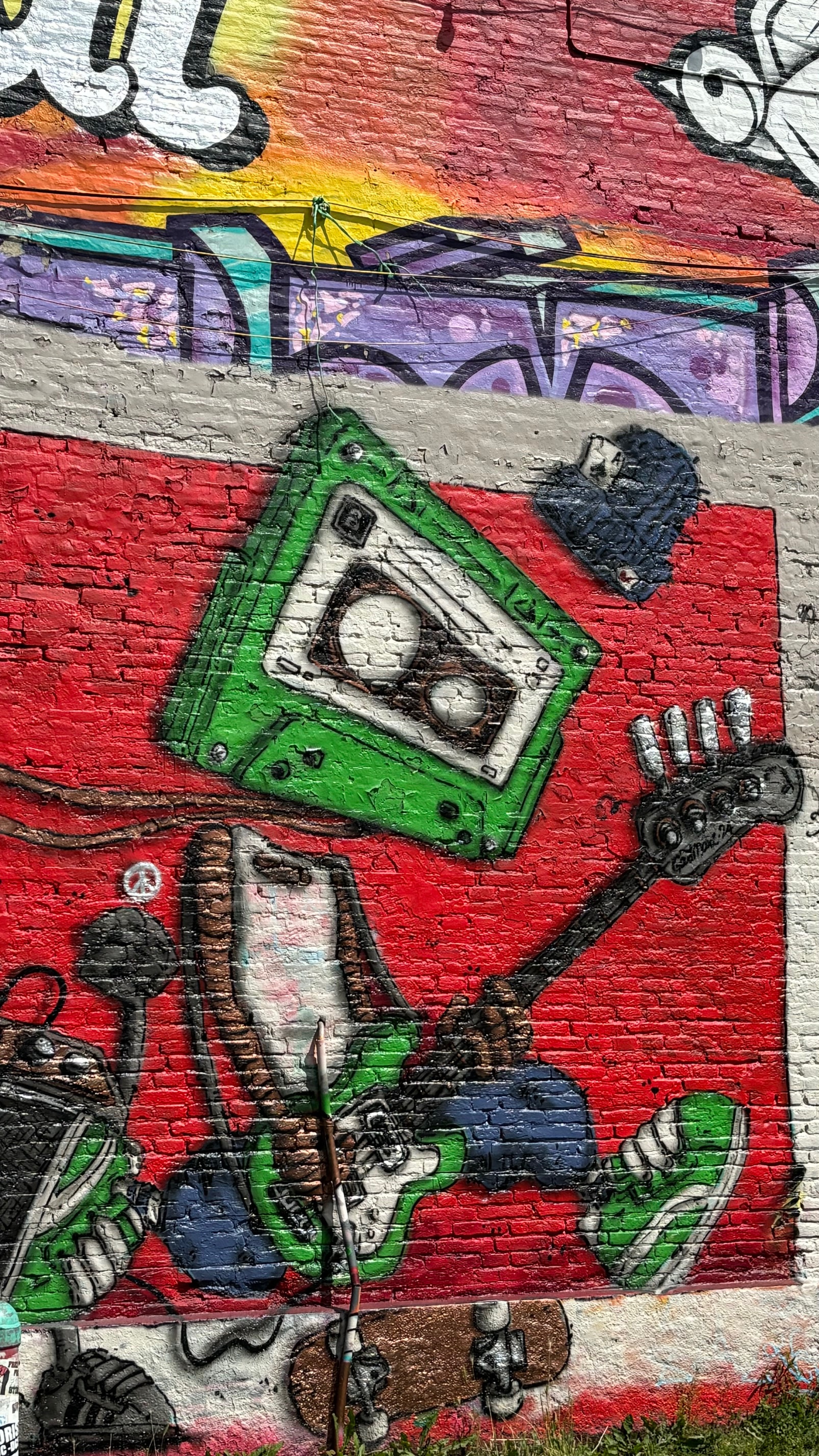
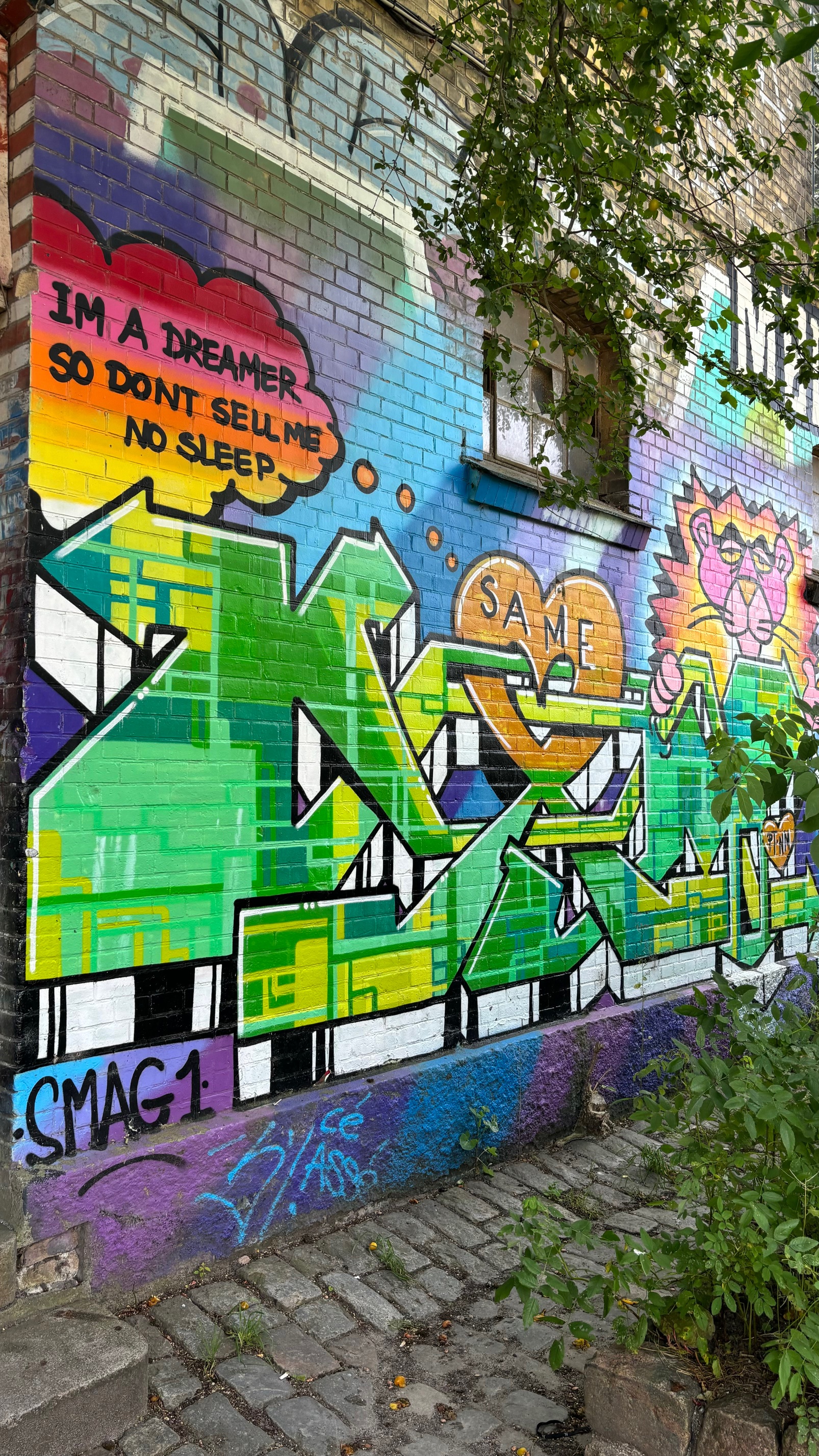
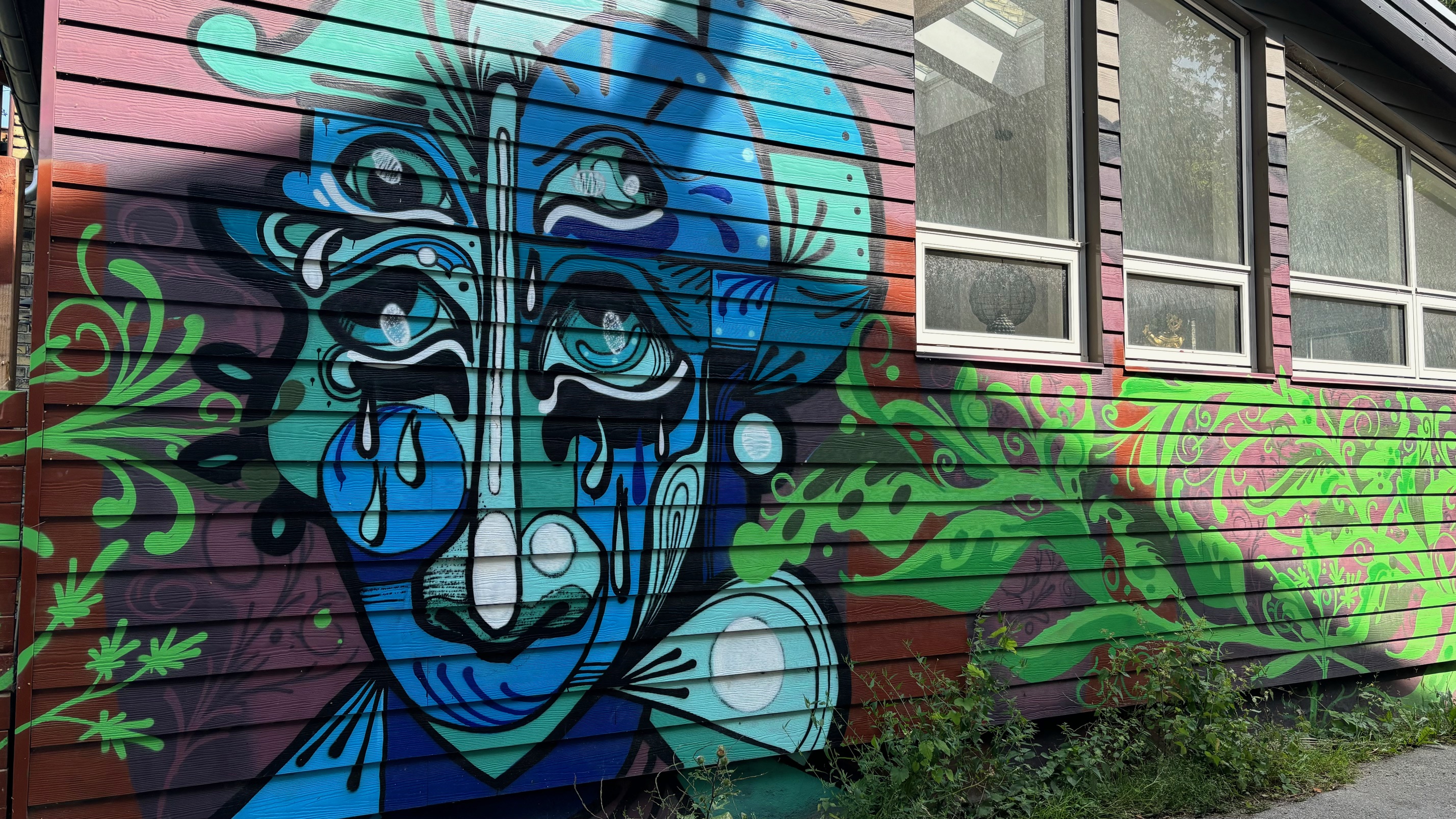
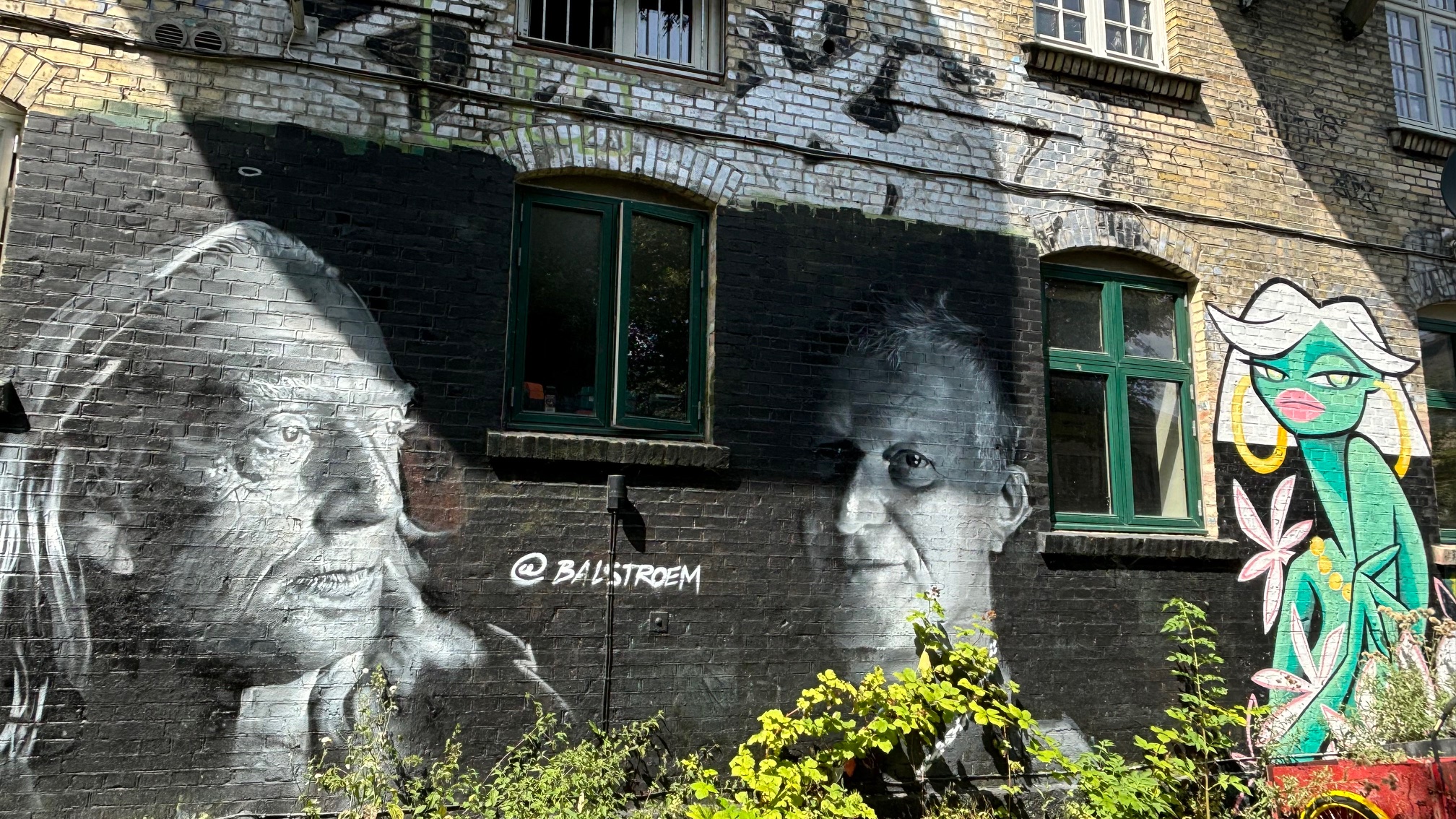
A visit on a beautiful Summer day in July 2024 to Christianshavn neighborhood and the notorious yet highly touristy Freetown Christiania comune in Copenhagen, Denmark.

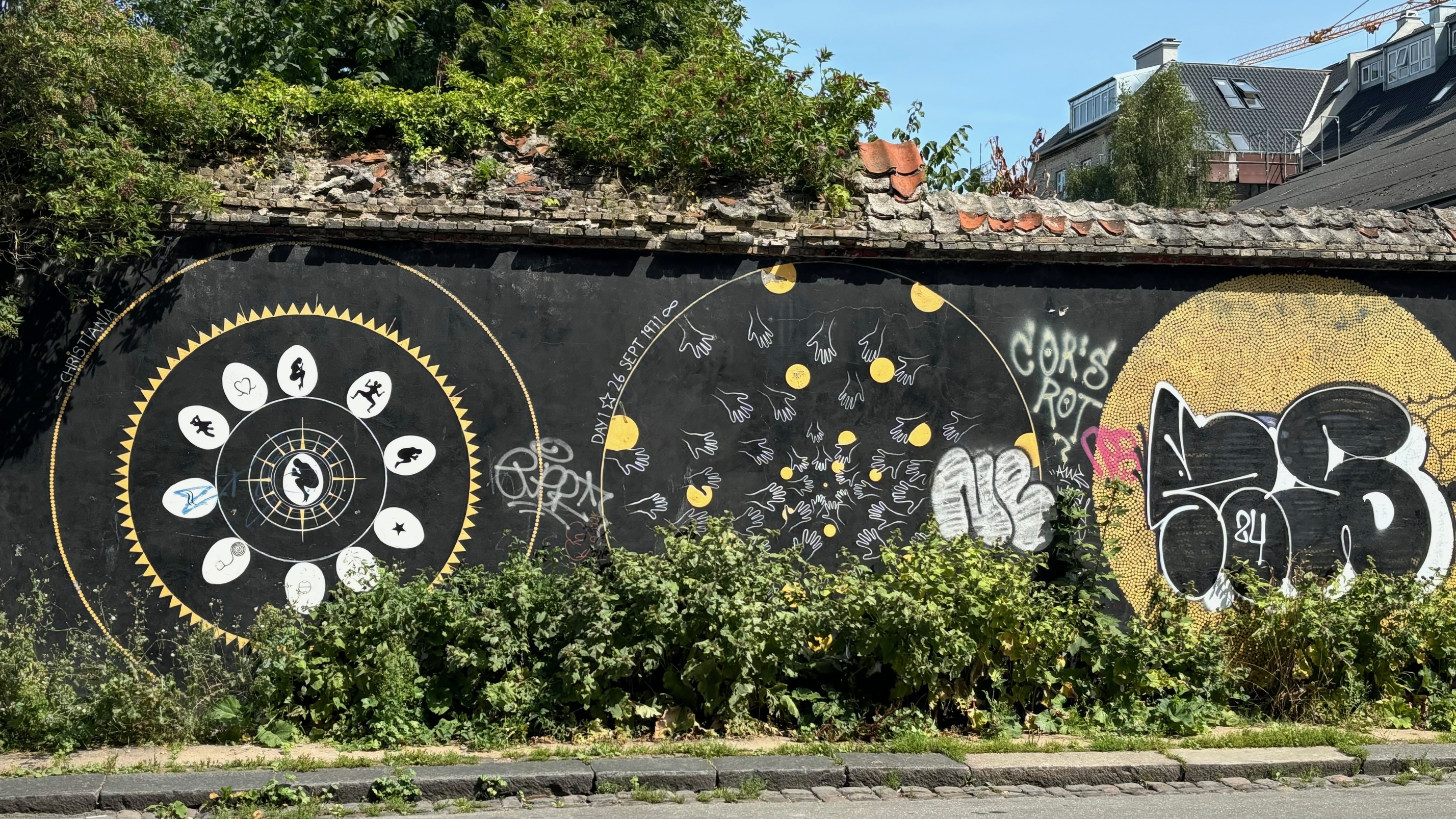

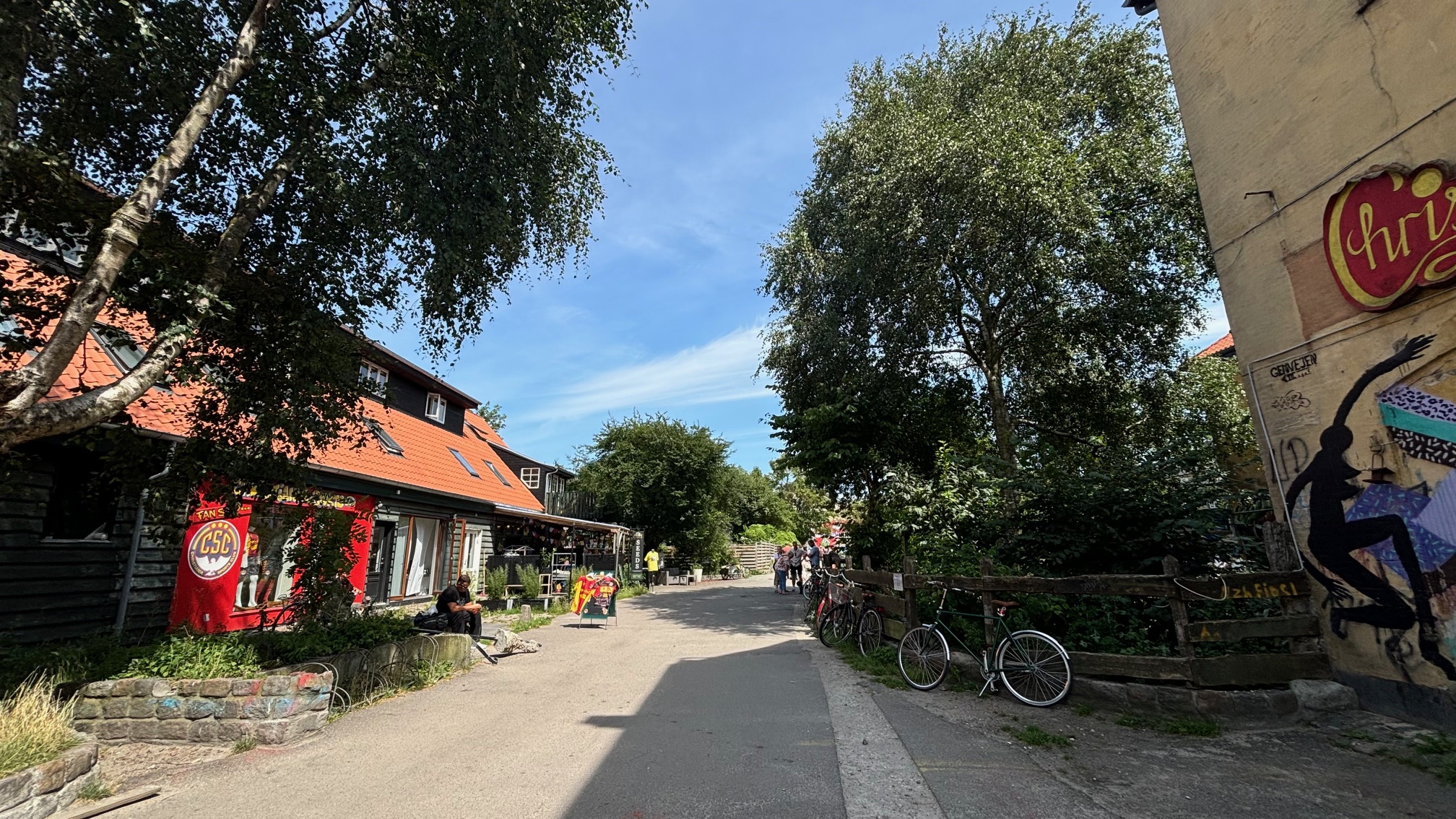
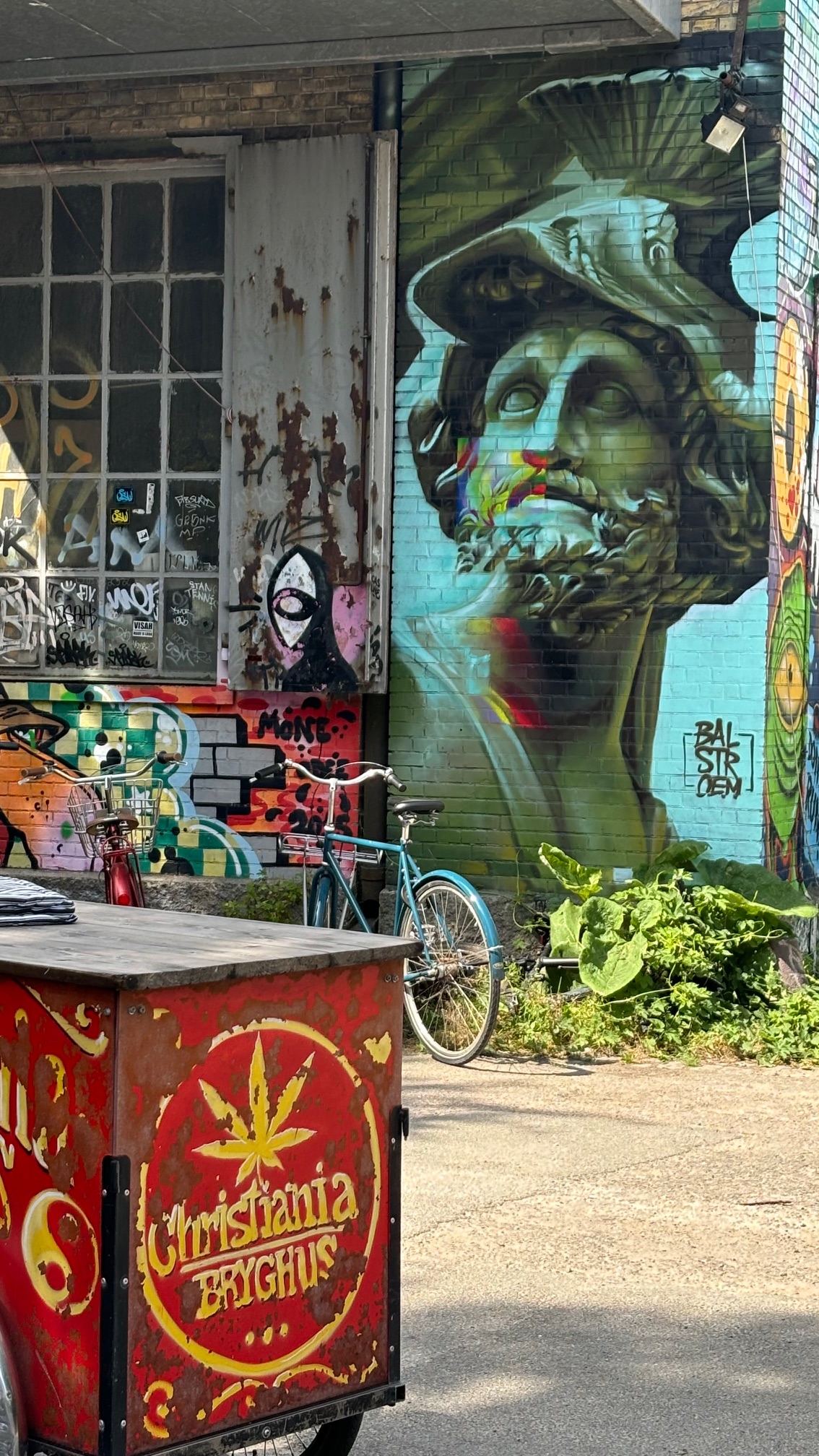
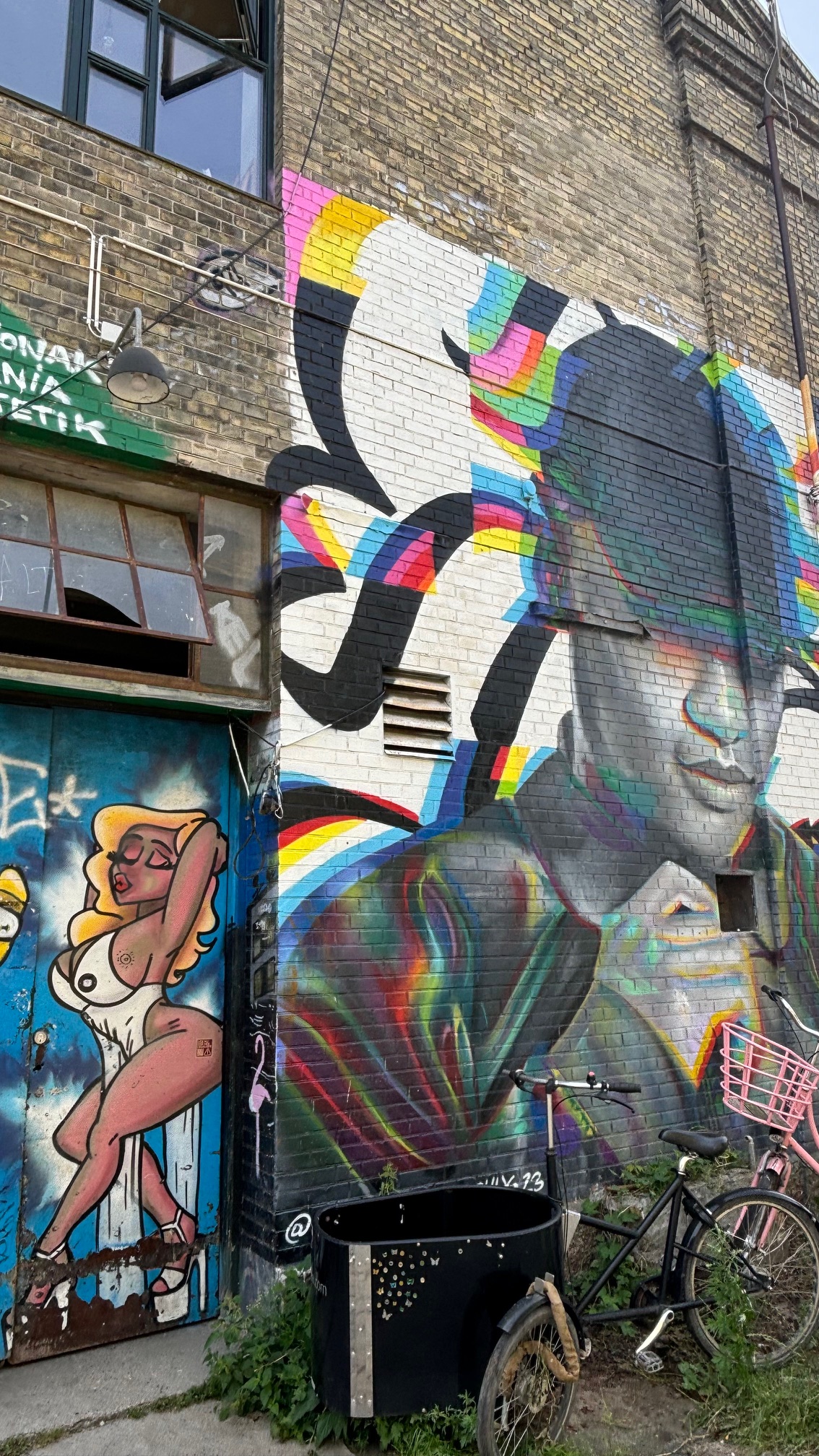

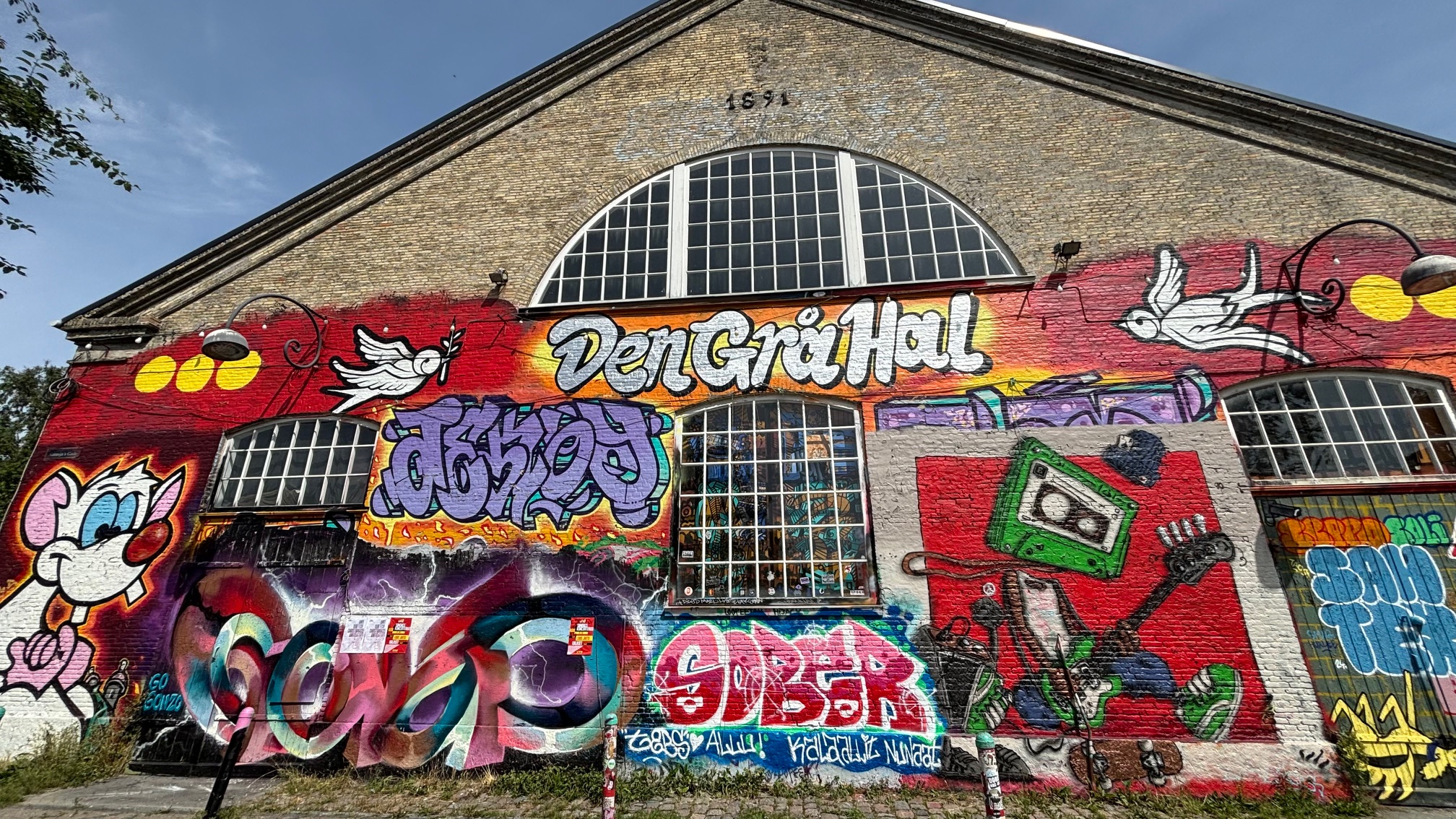

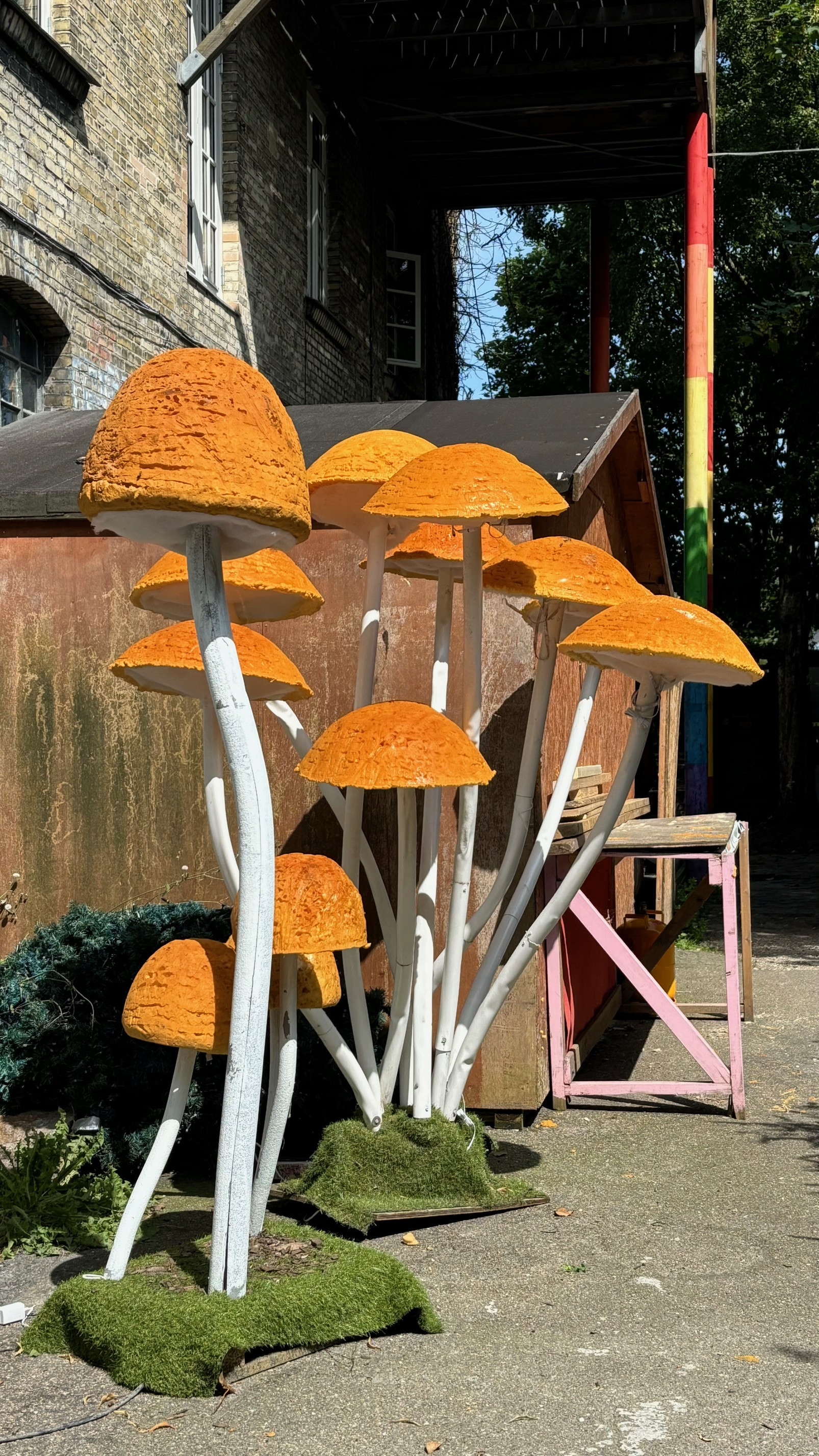
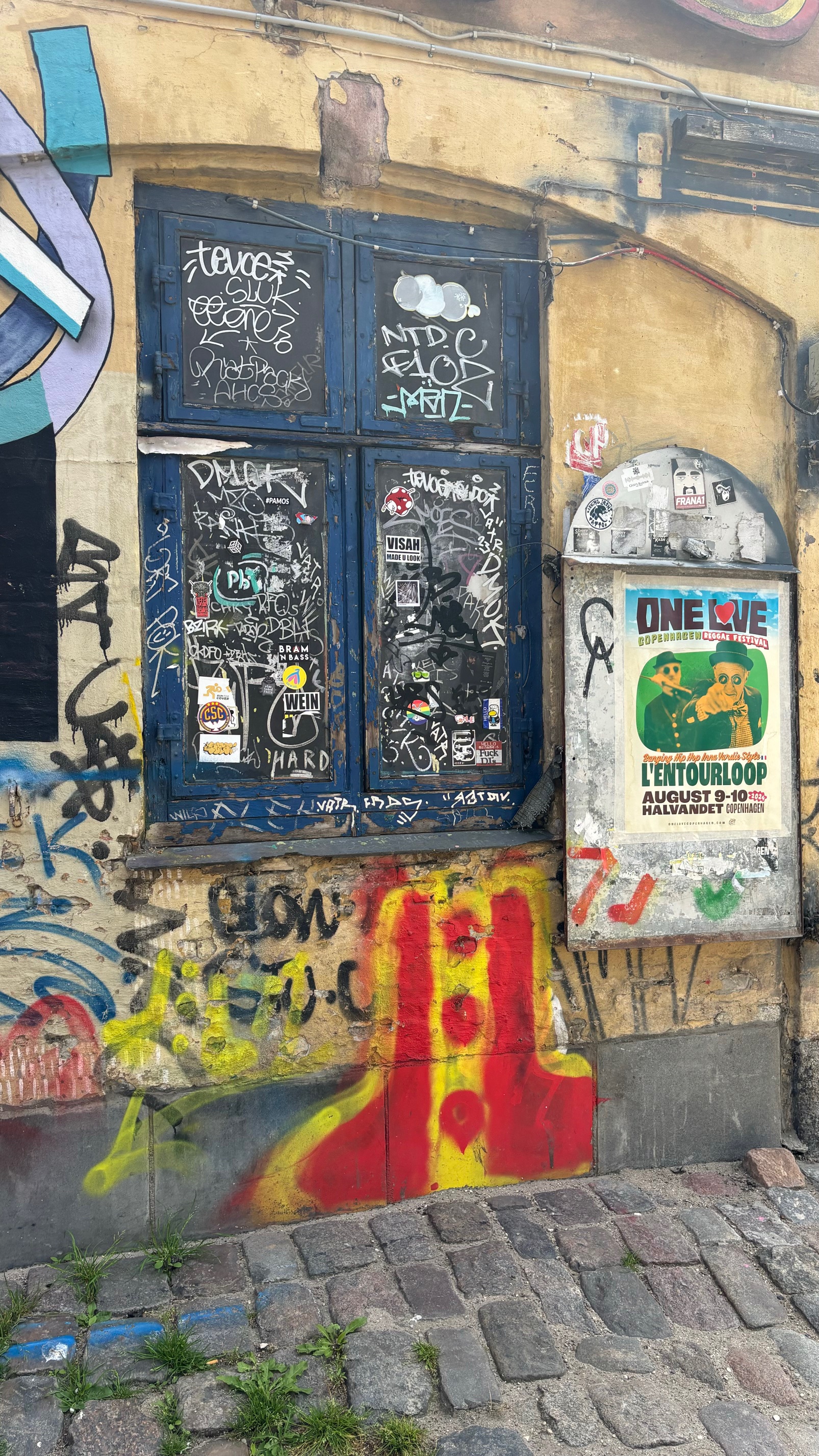
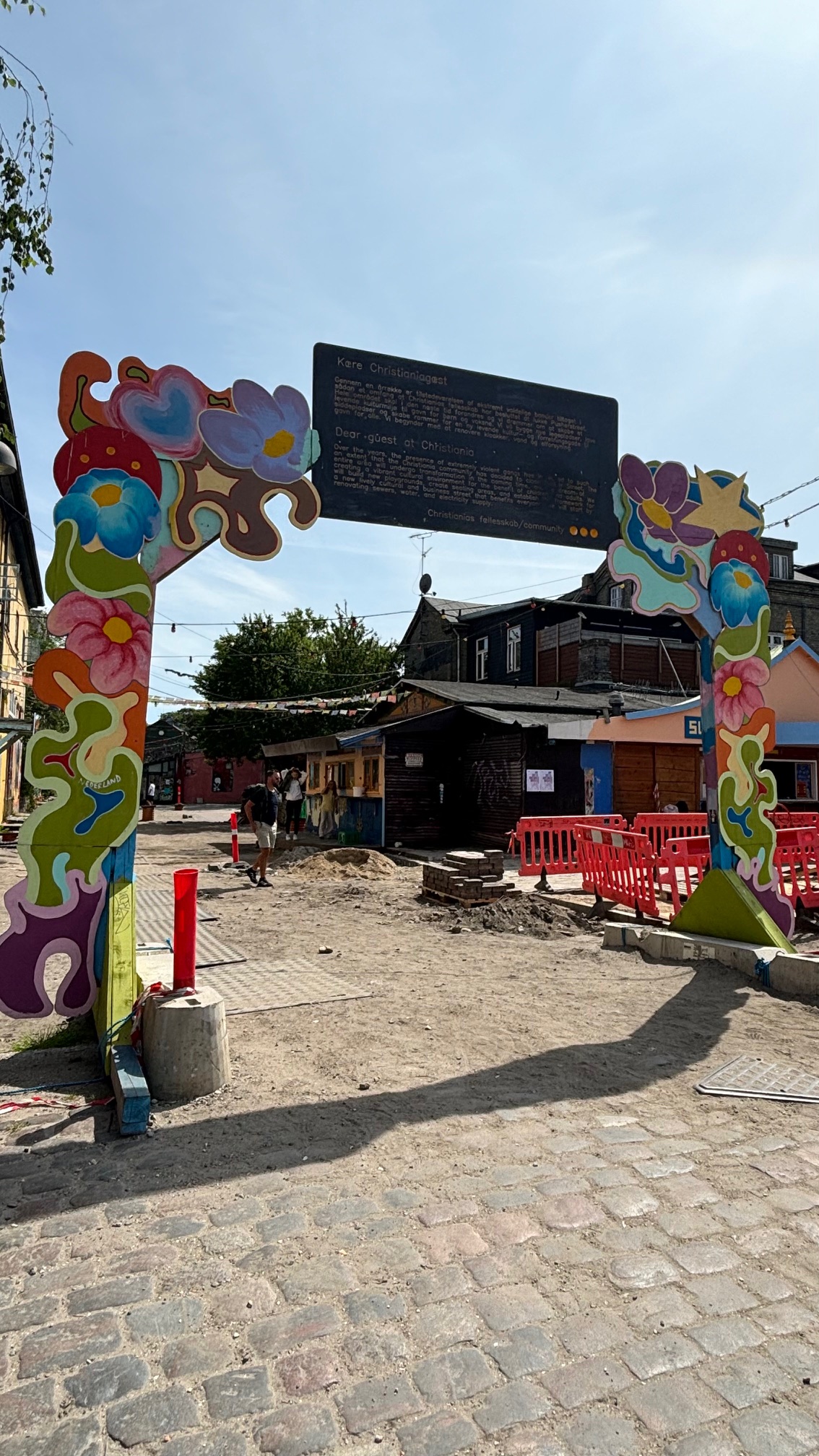
Camera: iPhone 15
Location: Christianshavn and Freetown Christiania; Copenhagen, Denmark
My first visit to Copenhagen, Denmark in the Summer of 2024, which was a really cool experience to explore the city’s food halls, museums, castles, and modern architecture.
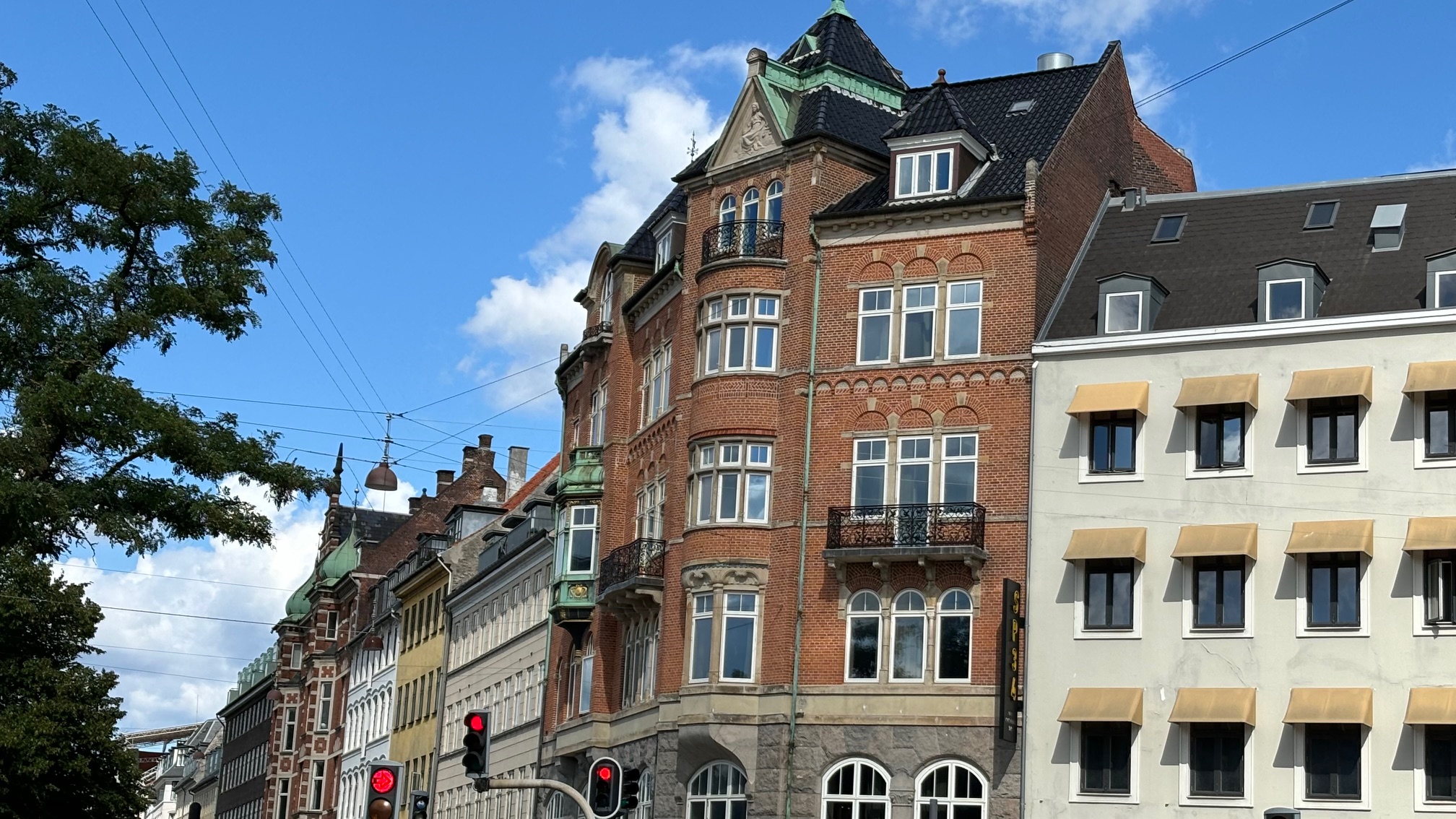
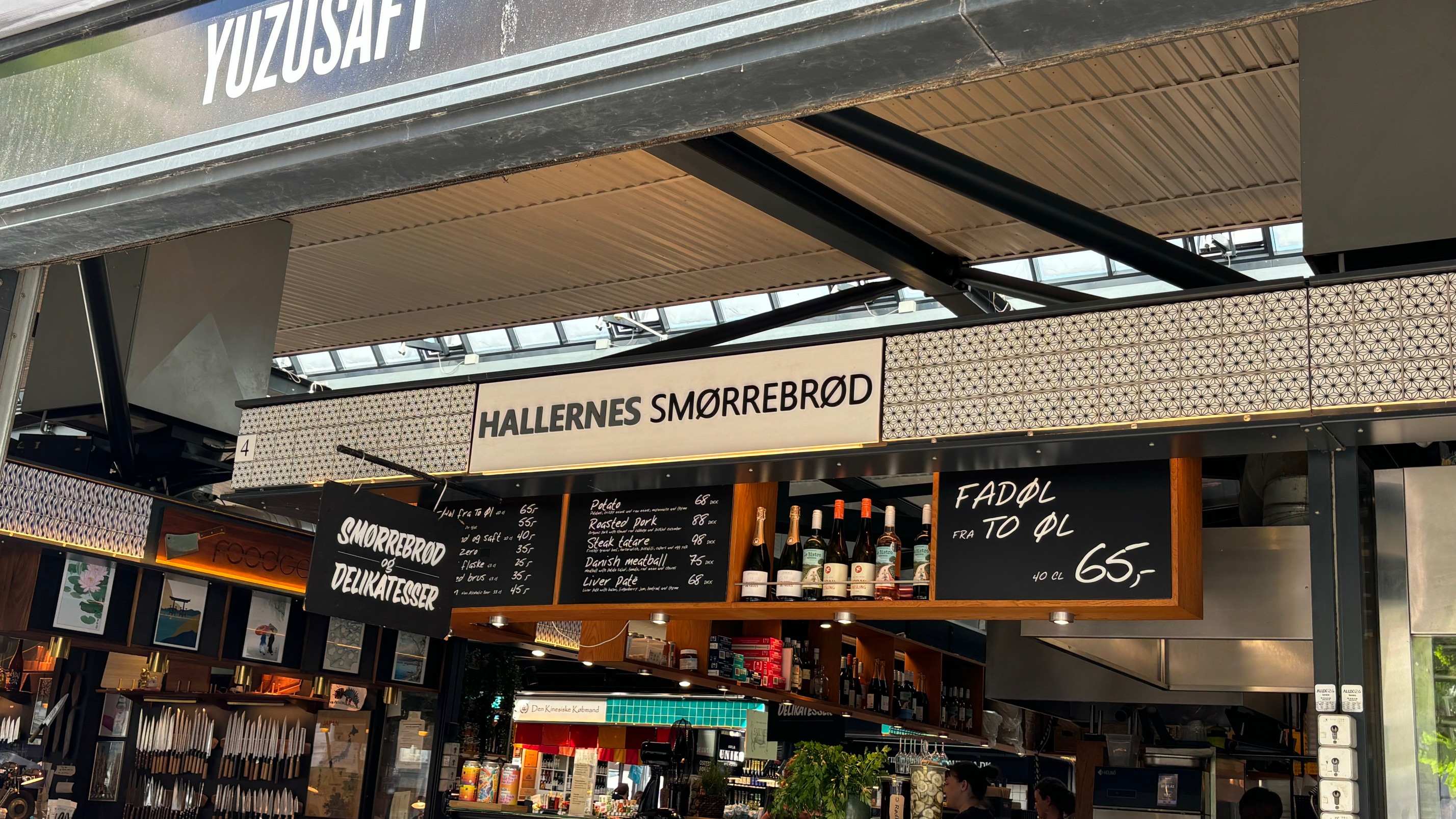
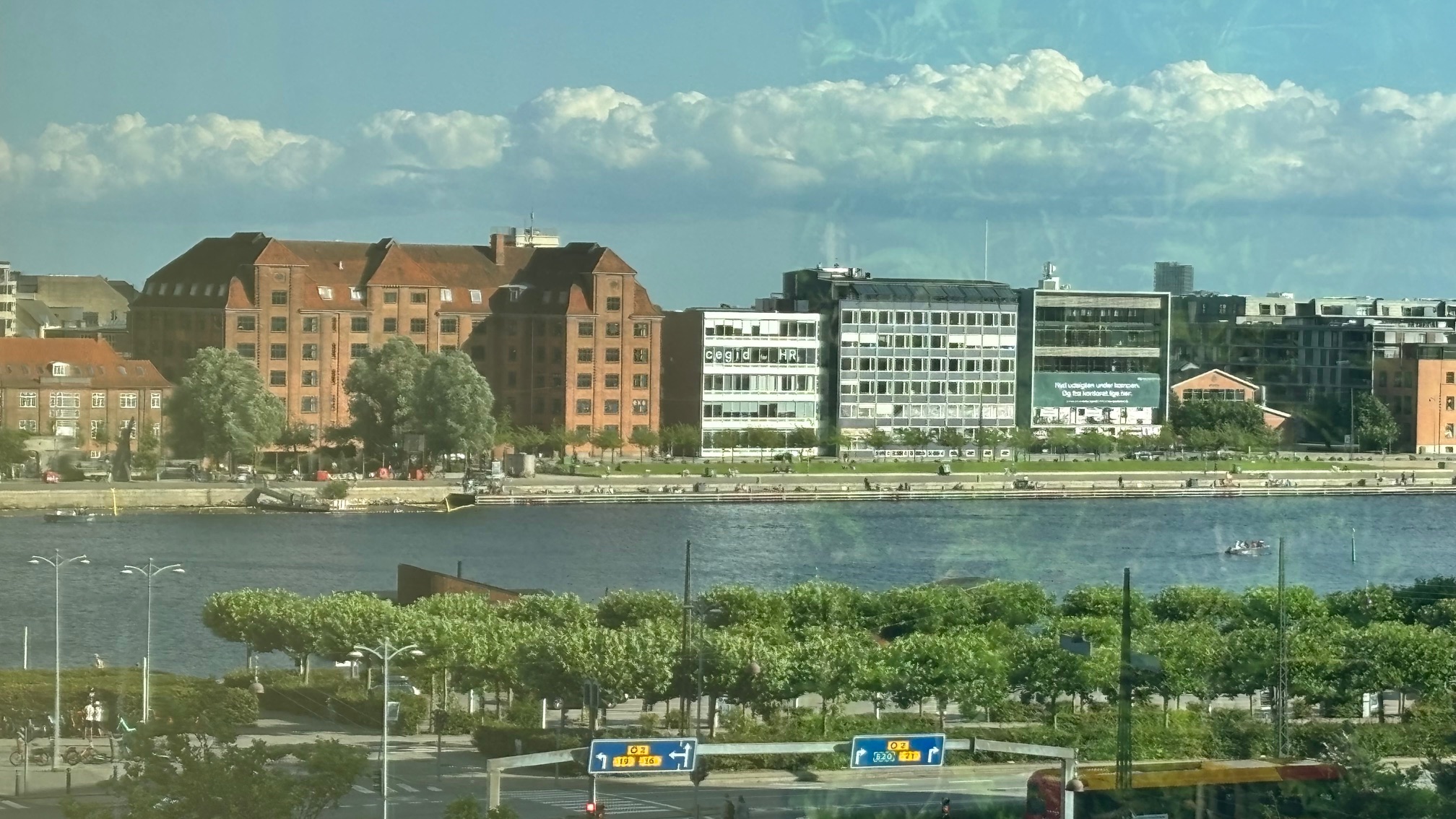
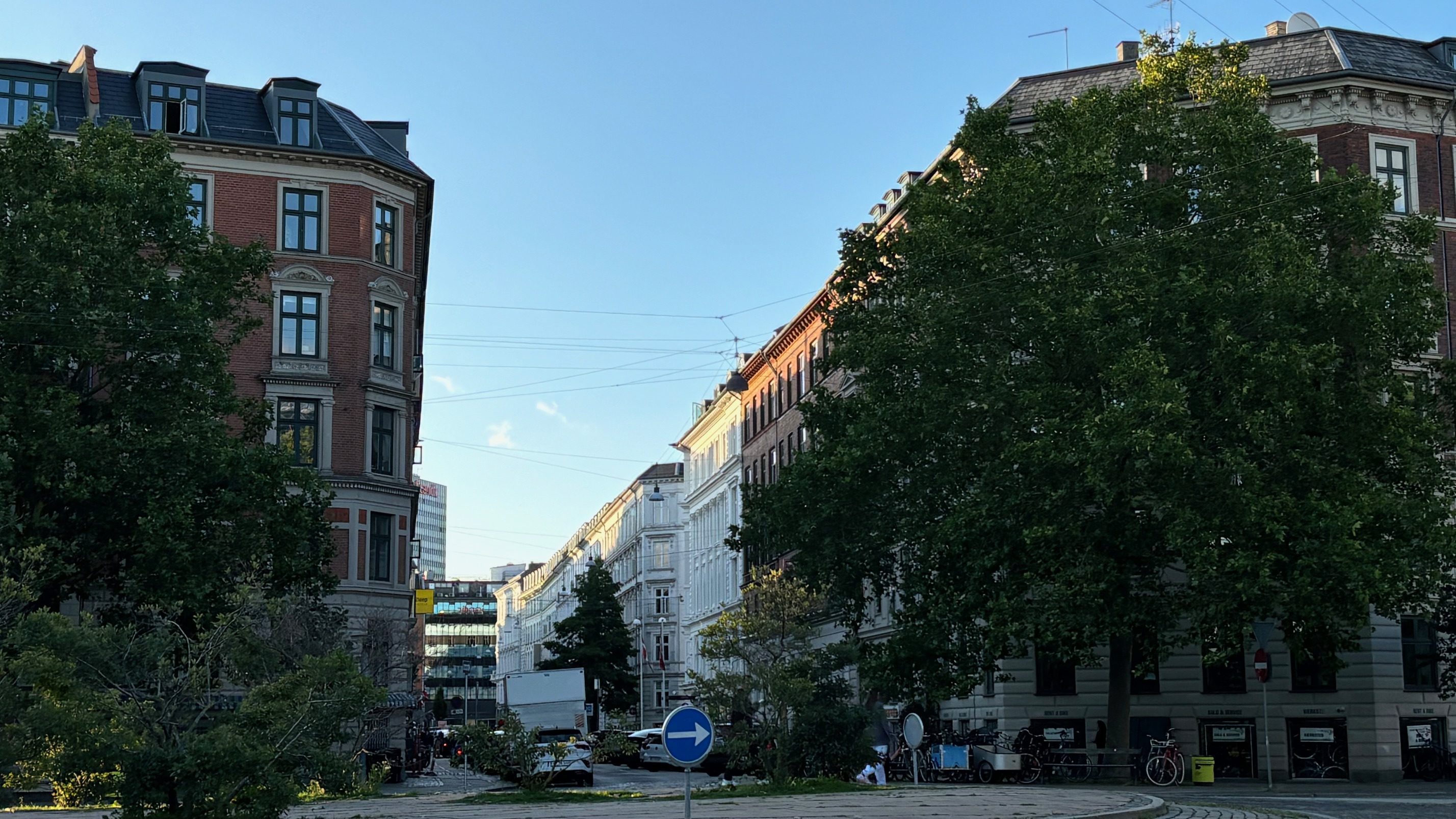

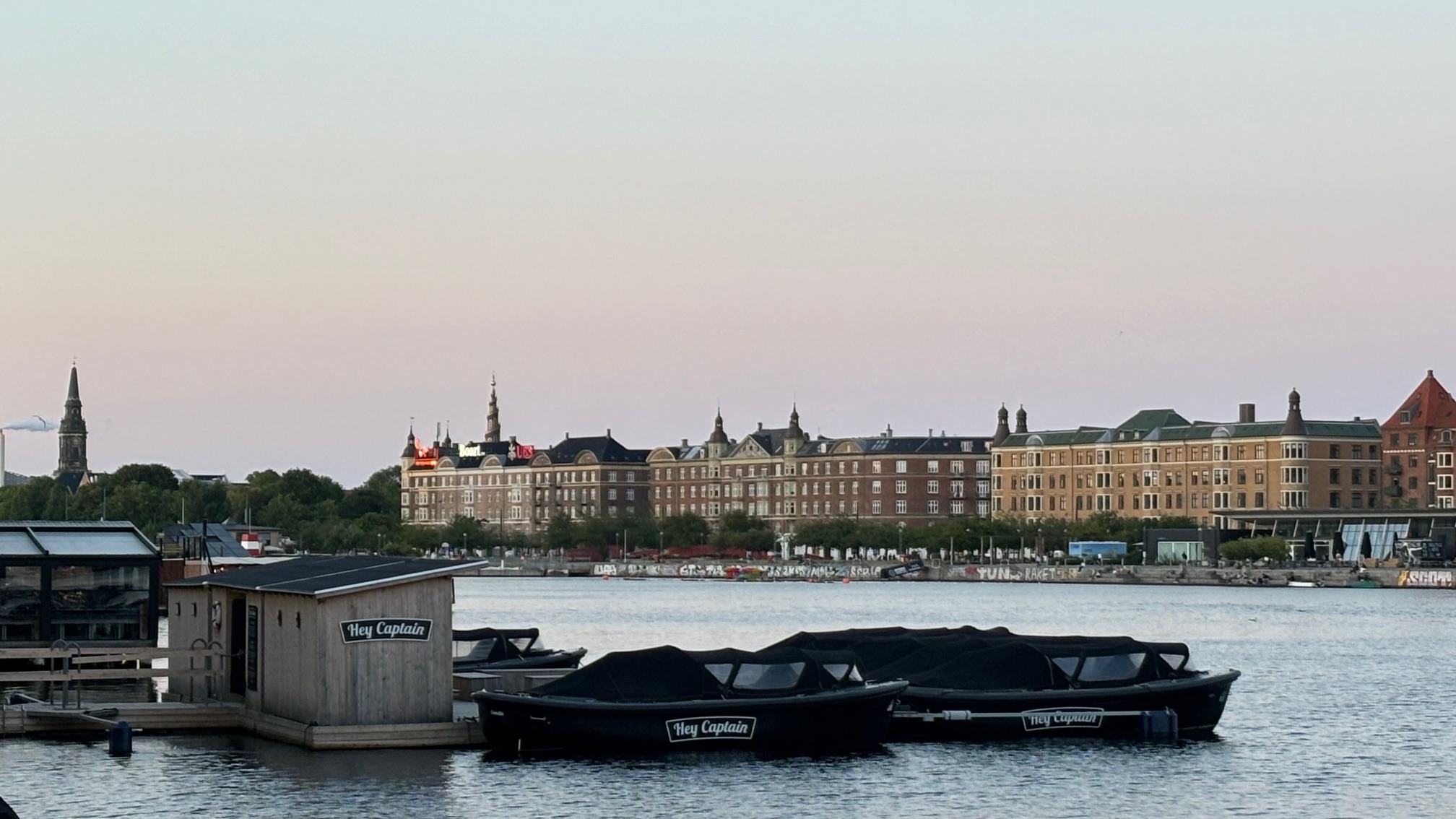
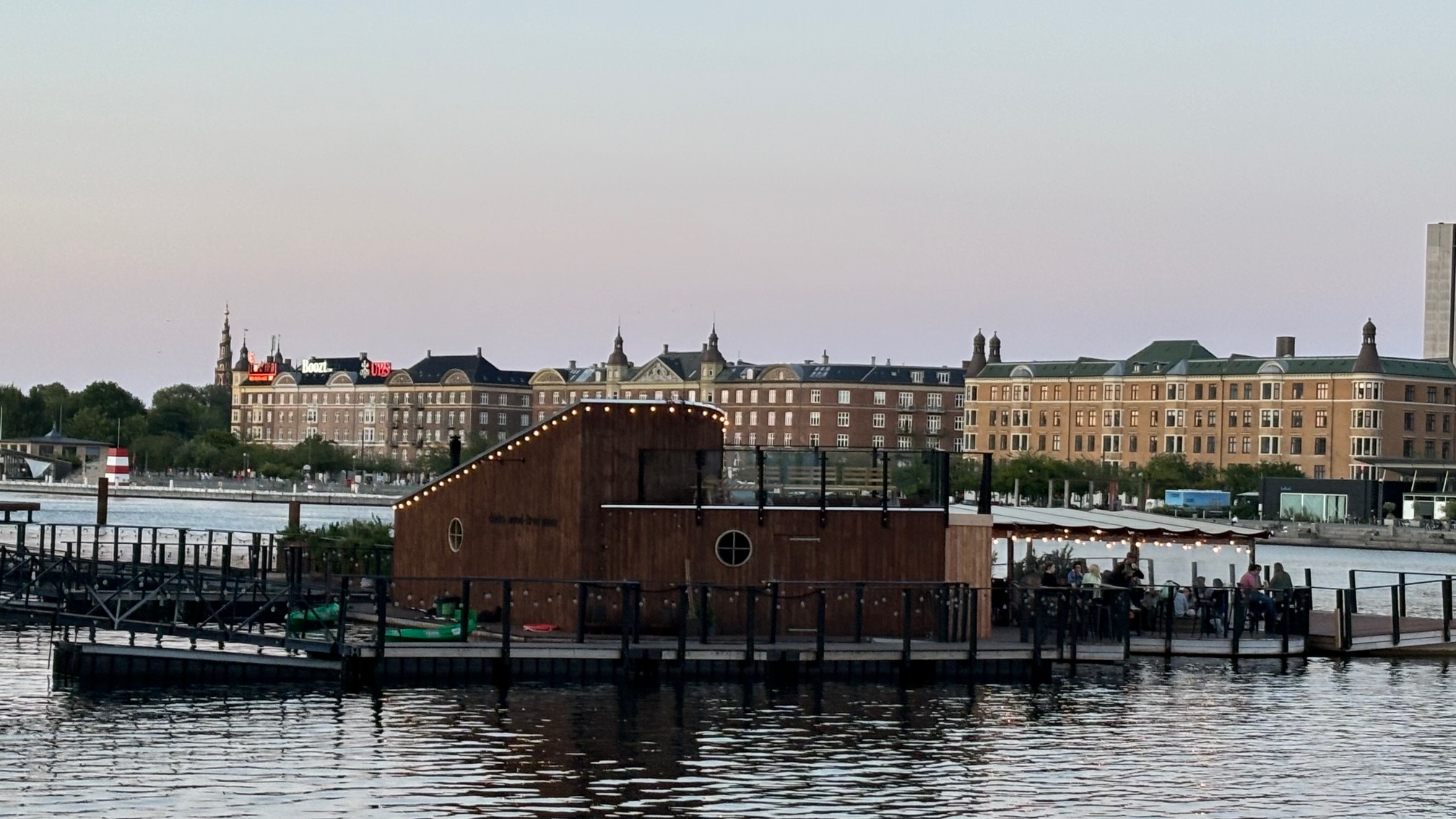
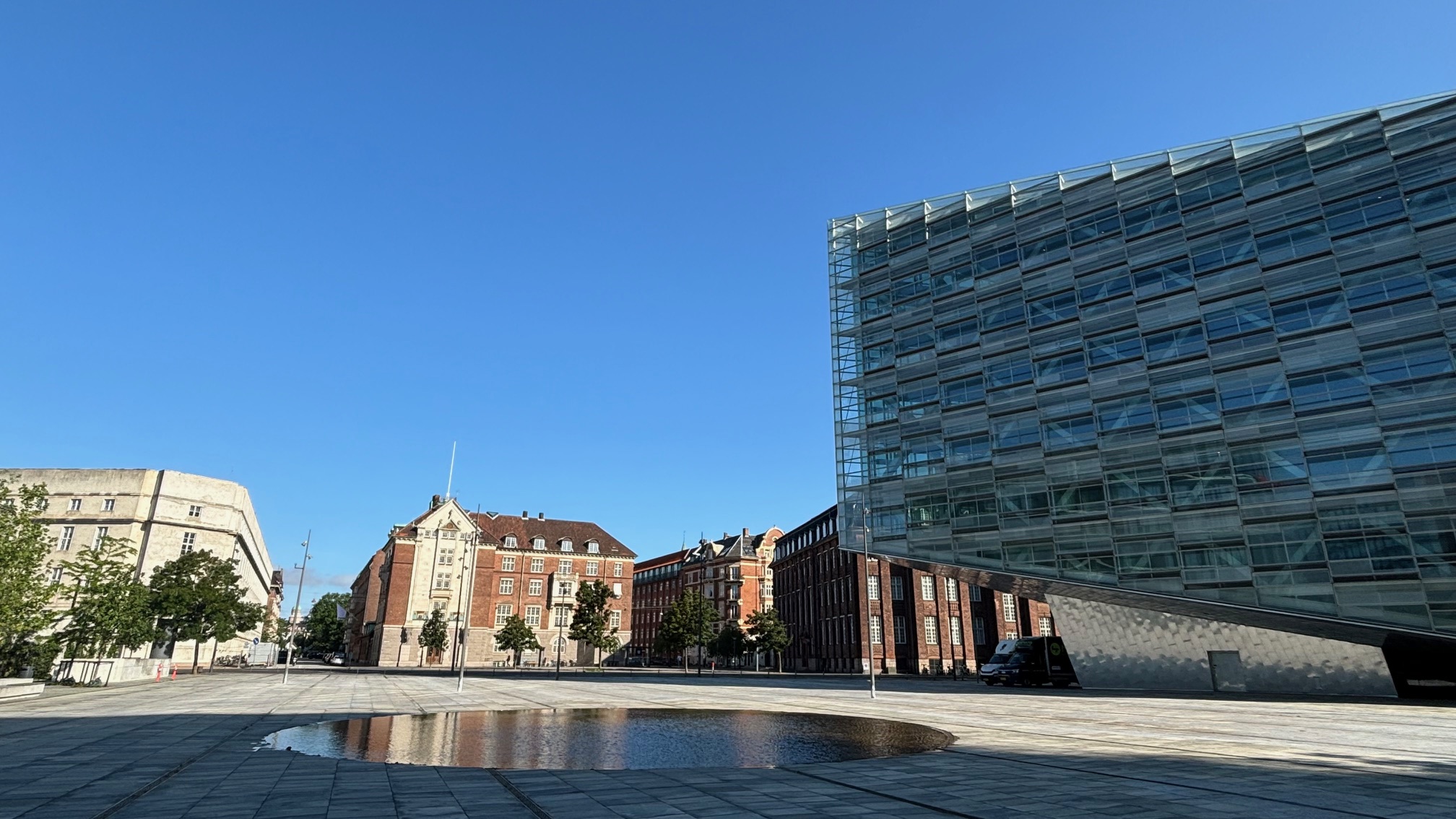
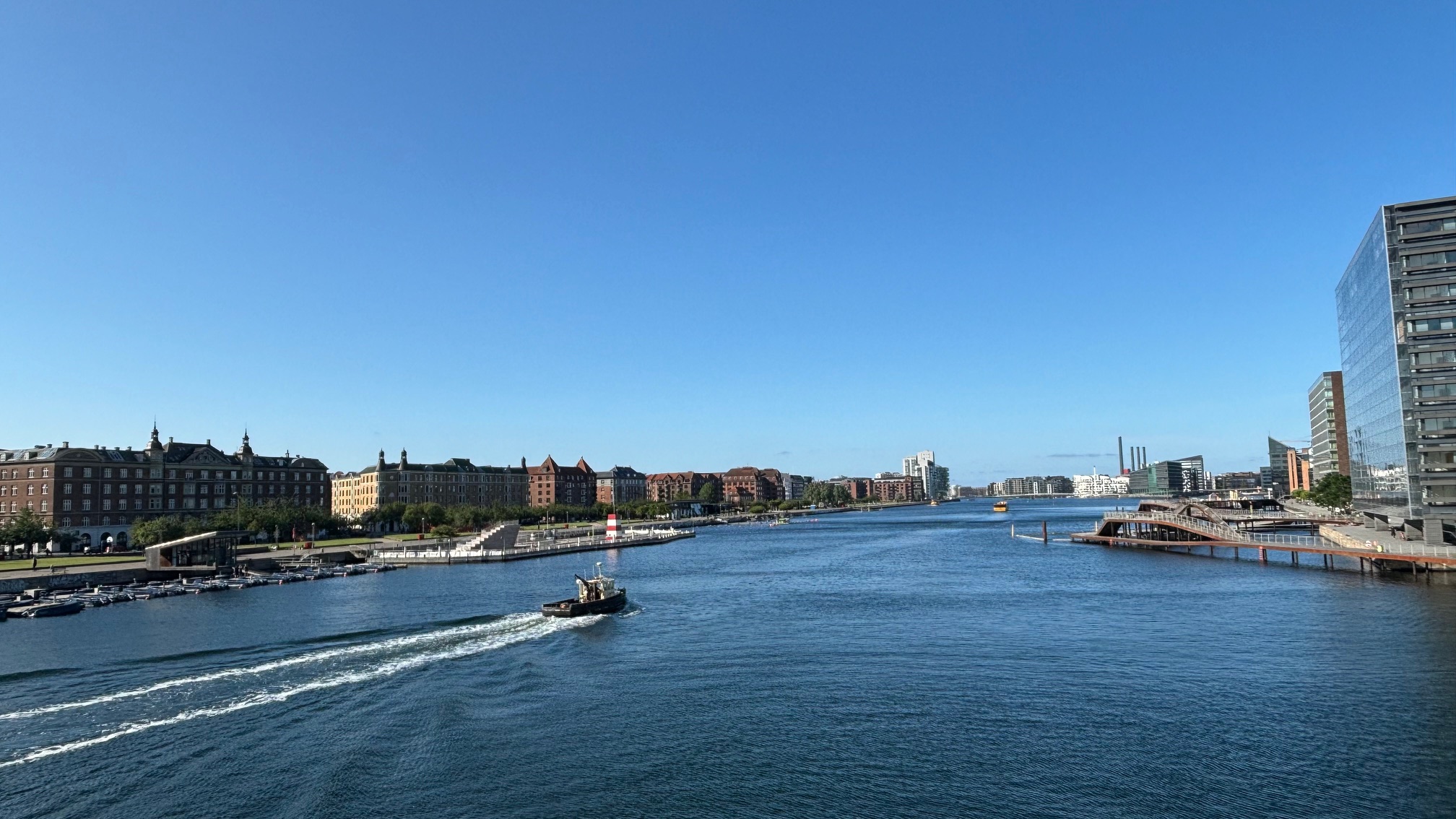
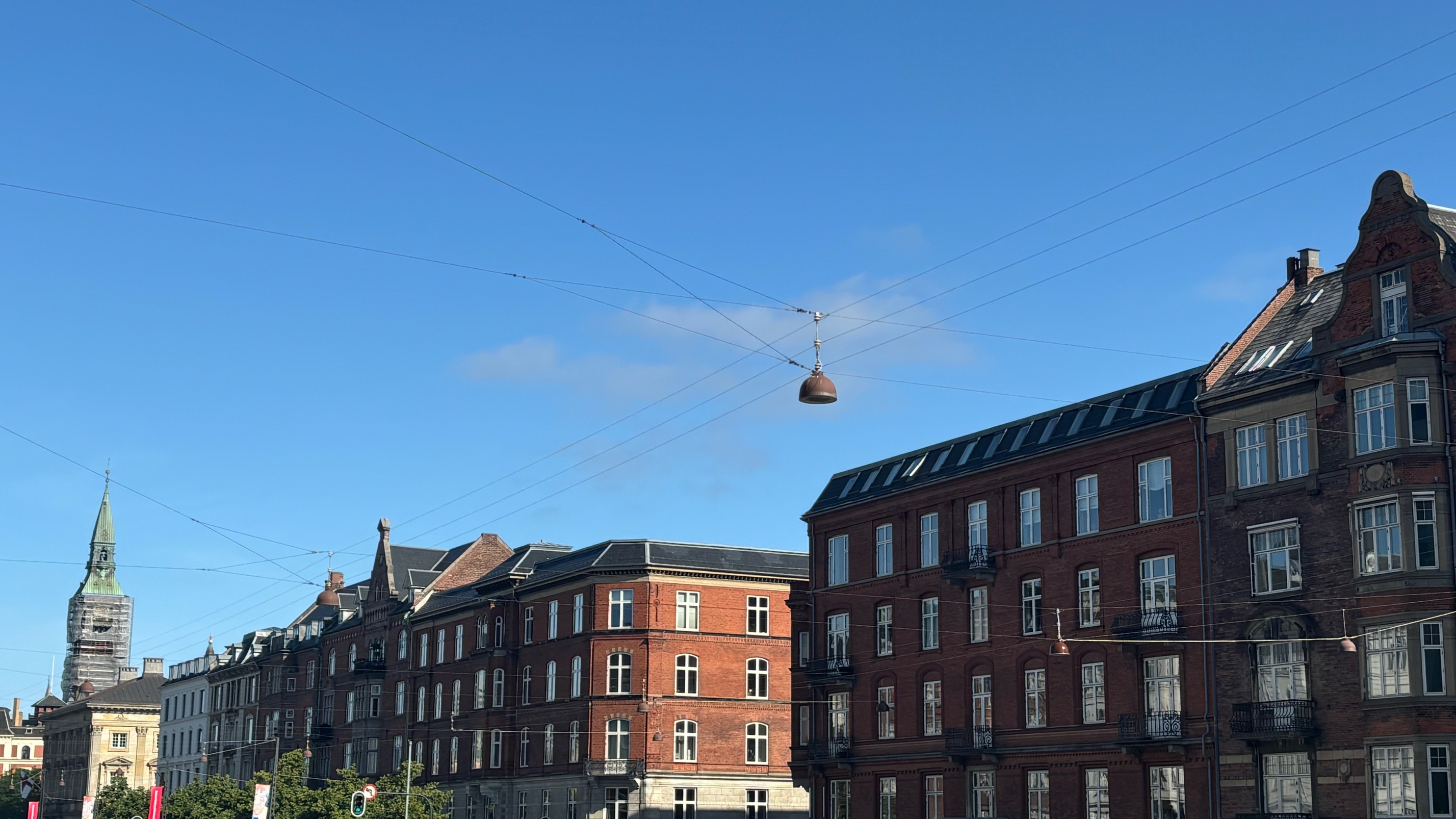
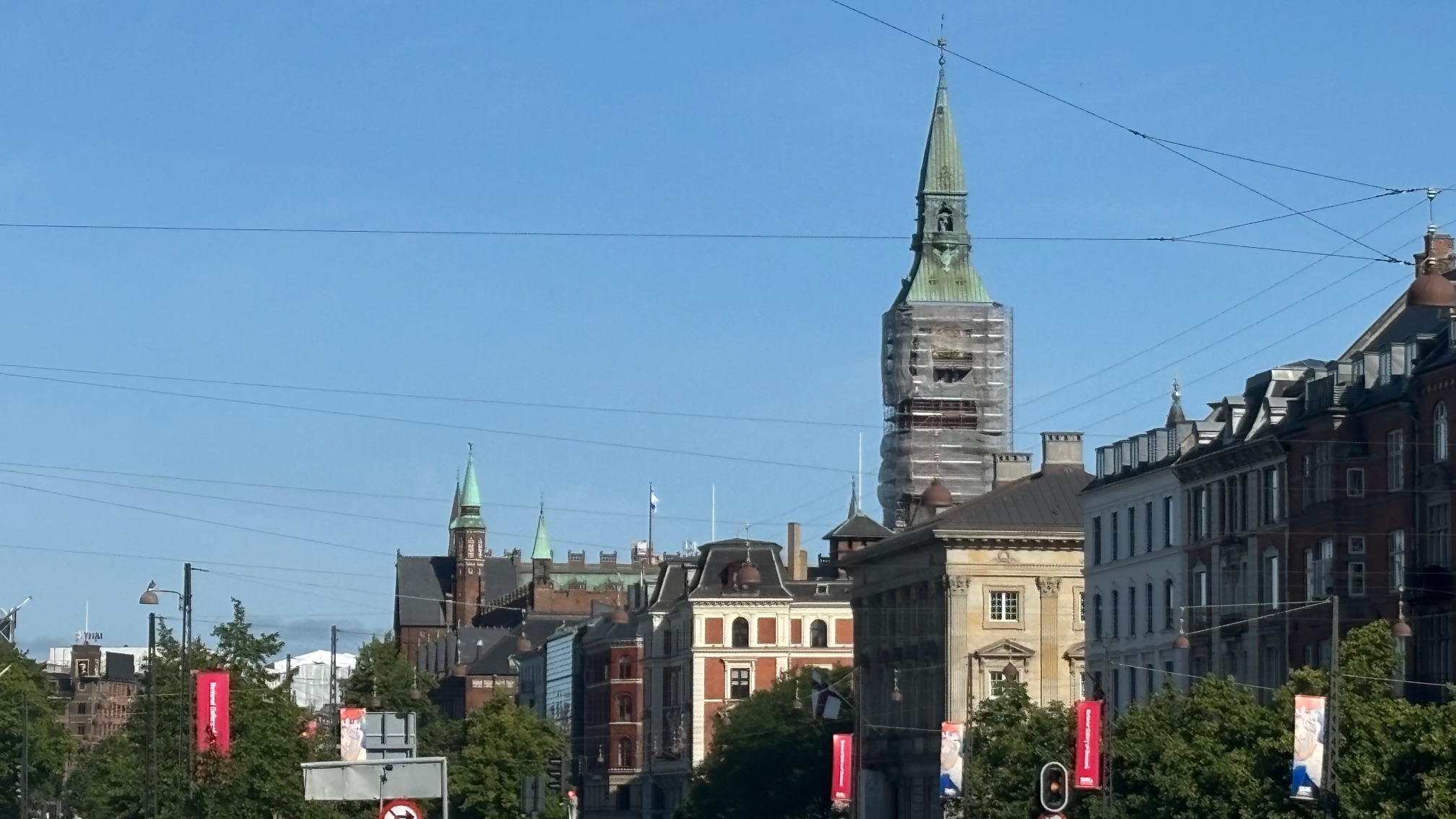
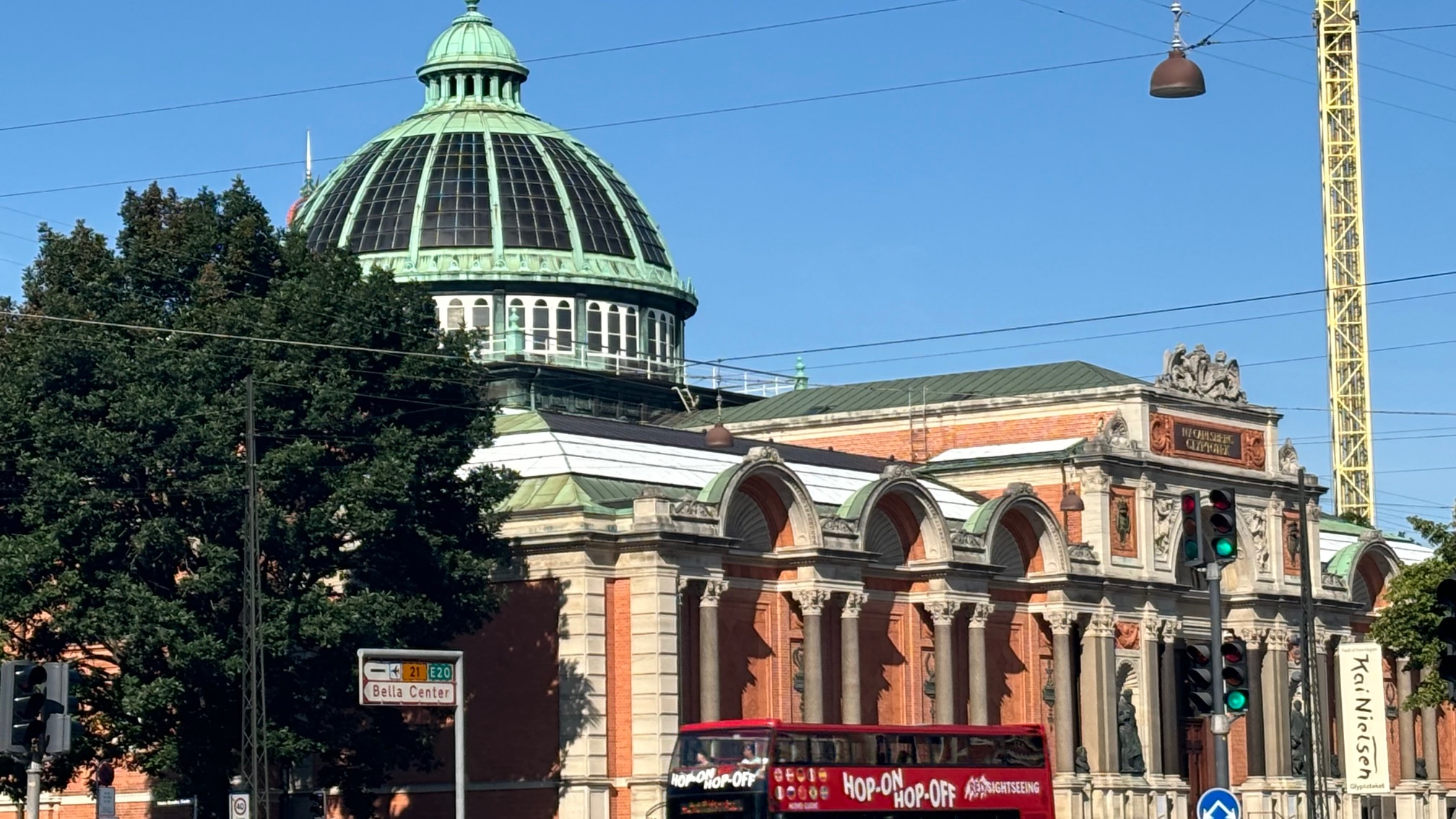
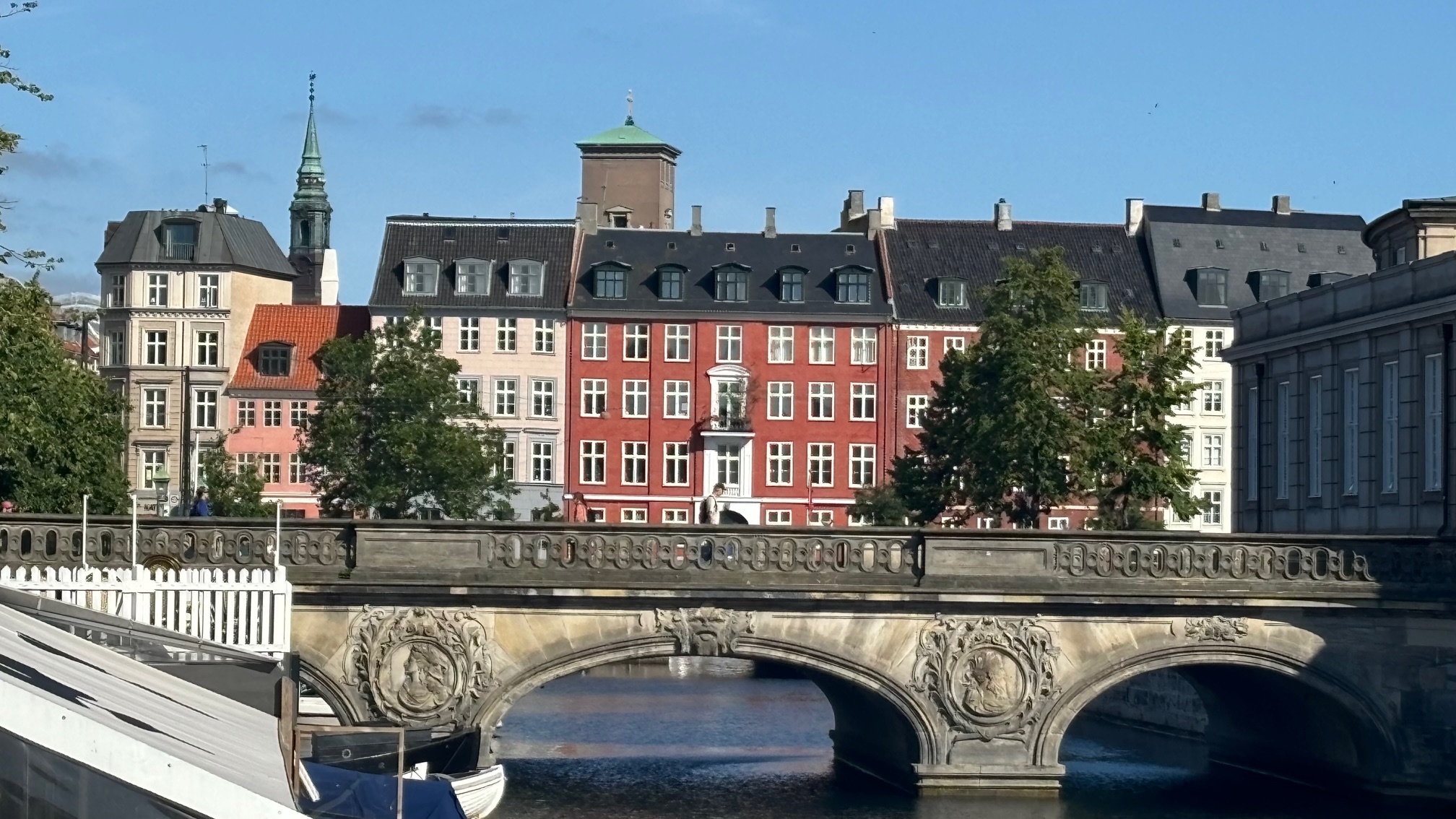
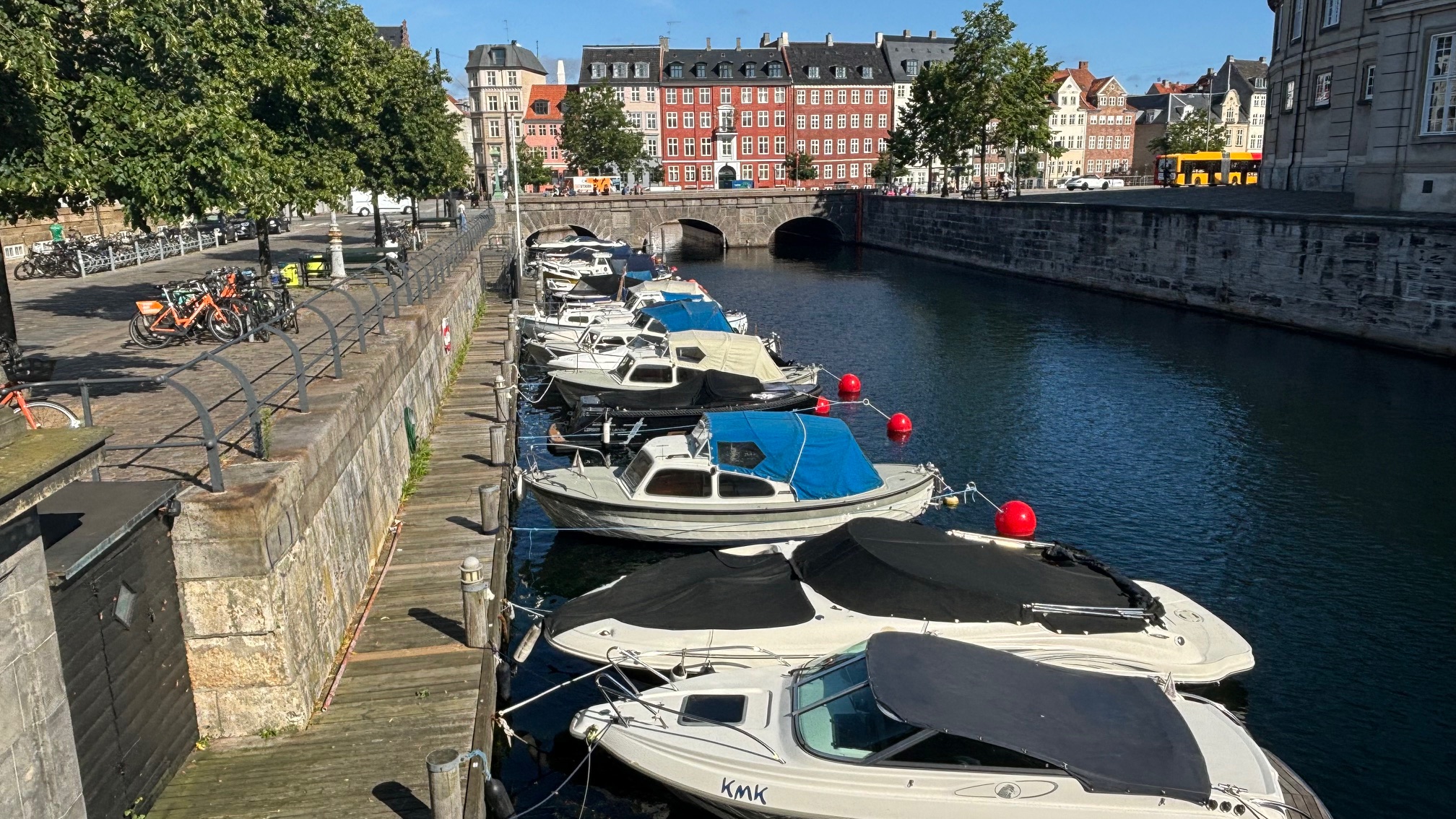
Camera: iPhone 15
Location: Copenhagen, Denmark
“The notion that you must fire back, get heated with your emotions, and lose your cool to do so is an unnecessary one and could end up costing you more.”
Your inner peace matters a lot more than you think. When other people, professionally or personally, try to get a rise out of you, don’t let them do it. Whether they are related to you by blood, or are in the same office building, or just a stranger on an airplane, some people get a kick out of pushing your buttons. It can be hard to not want to push back at them and not also be seen as a push over. The notion that you must fire back, get heated with your emotions, and lose your cool to do so is an unnecessary one and could end up costing you more.
What’s the alternative reaction you might ask? I suggest explaining yourself calmly, giving your side of it, and then moving away from that individual or de-escalating the situation as best as you can. Don’t let yourself be dragged down by their poor attitude, lack of self-awareness, or no emotional control. You deserve to be safe, respected, and not bullied into being quiet. Be firm, state how they made you feel, and then move on.
If that person or group of people won’t stop and keep escalating, you need to remove yourself from them and don’t associate with them as much as possible. If you must deal with them in a professional or personal manner going forward, let them know calmly in a spoken or written manner that you won’t tolerate such behavior from them anymore and you deserve to be treated better than how they have acted to you previously.
Family and friends can sometimes push your buttons more than anyone else, even when they might not even mean any harm or inconvenience. Maybe it’s a sibling who always critiques your life choices, or a parent who insists they know what’s best for you even when you’re an adult. Instead of snapping back or holding in resentment for what they are suggesting, try calmly stating your perspective: “I understand your concern, but this is the decision I’m making for myself.” You don’t need to justify endlessly your choices but rather you can simply acknowledge their opinion while standing firm in your own decisions will help protect your peace and sets a clear boundary with those people closest to you in life.
Not everyone you encounter will treat you with respect or kindness in public, and that’s okay. They’re responsible for their own behavior. If someone cuts you off in traffic, sits in your assigned seat on an airplane pushes ahead in line in front of you, or acts rudely to you for no reason in public, your reaction is the only thing that you can control. Take a breath, respond politely if needed, or simply let it slide.
Protecting your composure doesn’t make you weak; it demonstrates self-control and keeps you from being dragged into unnecessary conflict. If anything, how they react to your calm behavior in response will tell you exactly what you need to know about this person, and you’ll know that you made the right choice not escalating the situation with a stranger who chooses to act out in public instead of acting politely and kindly.
Take my recent flight experience, for example: a lady sat in my assigned seat before I had even boarded the plane. I was also preoccupied with putting my carry-on in the overhead compartment nearby my assigned seat, and then when I got to my seat to settle in finally, she had the audacity to ask me to move to her seat. My first instinct that came to mind? Frustration and disbelief at her social ineptitude.
My better instinct(s) that I acted upon in this case: Take a deep breath, calmly reminded her it’s my seat, and be aware that the airline staff would handle any escalation if necessary. I explained that I paid for the seat and that if she wanted it, she should have asked me first and then the airline staff whether this would be a possibility. She backed down, moved to her correct seat, and I got to handle the rest of the flight without carrying someone else’s chaos.
Online interactions these days are a minefield for drama and bitterness. A heated comment or trolling post can provoke an instant emotional reaction but hitting “reply” while angry often escalates the situation and will make you feel worse for engaging with that person (like an AI bot or fake troll now). A more powerful approach is to pause, step back, and ask whether engagement is truly necessary with someone who wants to waste your time or provoke you into doing something you’ll regret. Sometimes, choosing not to respond is the strongest statement of all. It signals that you refuse to let negativity or vitriol invade your space.
When you feel provoked either offline or online, some mental tools or habits can be surprisingly effective. Count from one to ten. Take a deep breath and visualize a buffer between you and the instigator. You can also silently repeat a mantra like, “This is about them, not me.” These small actions give you a moment to choose a calm response rather than a reactive one. Over time, these actions can train your brain to prioritize your inner peace over the urge to “win” every confrontation or “one up” the other person. Often, the other person is not going to see your point of view, will choose to continue the argument, and it will only make you angrier and more miserable.
Maintaining composure in difficult situations pays off in every area of life. People notice when you stay calm under pressure and it earns respect professionally and personally. Your relationships benefit because you’re setting healthy boundaries, and you preserve your emotional energy for the life moments that truly matter. Most importantly, you gain peace of mind: fewer regrets, less stress, and the knowledge that you’re in control of your reactions, no matter what others do to you or how they act to you. Your calm is your emotional power in life so never give it away to someone else’s chaos.
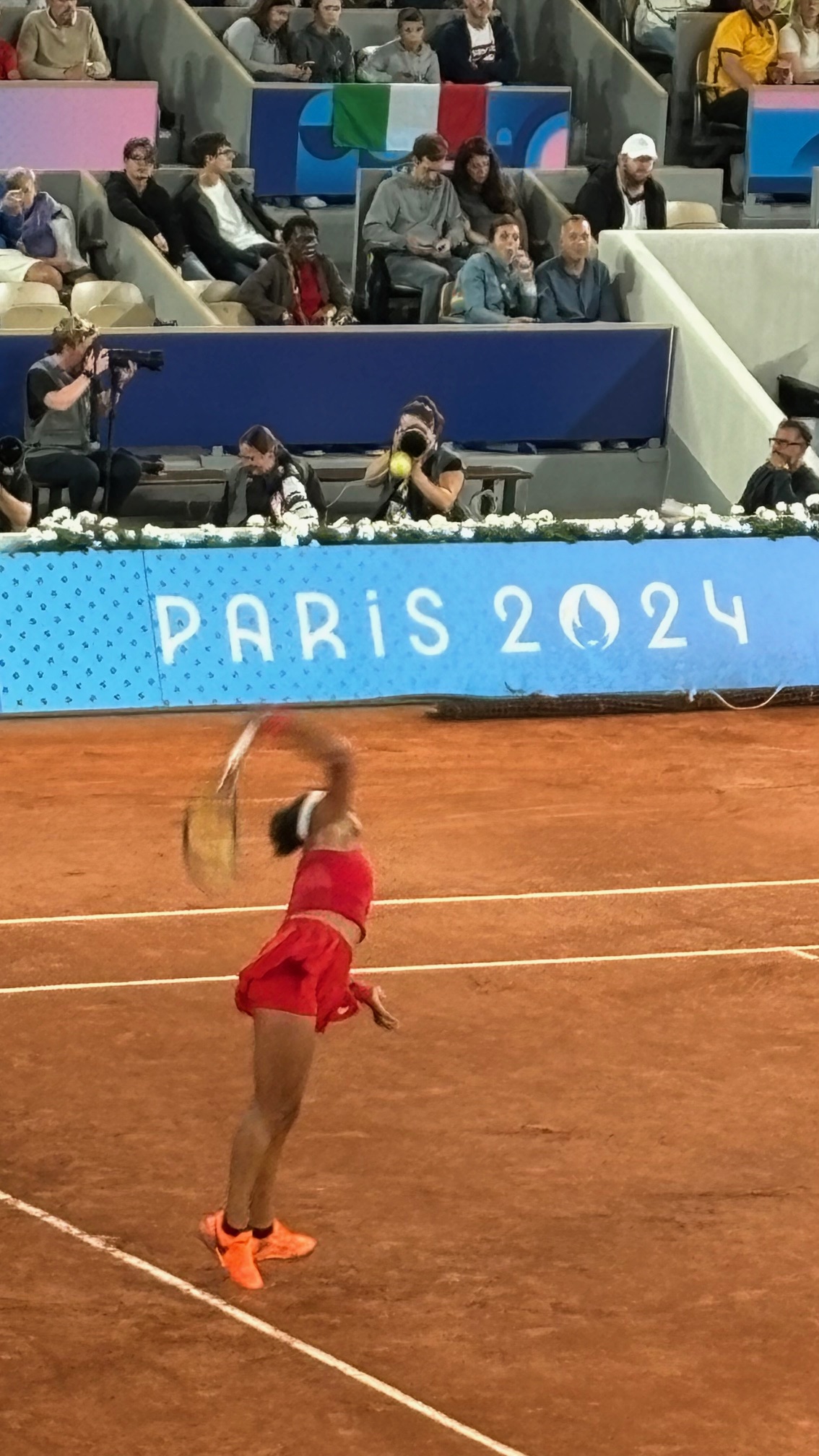
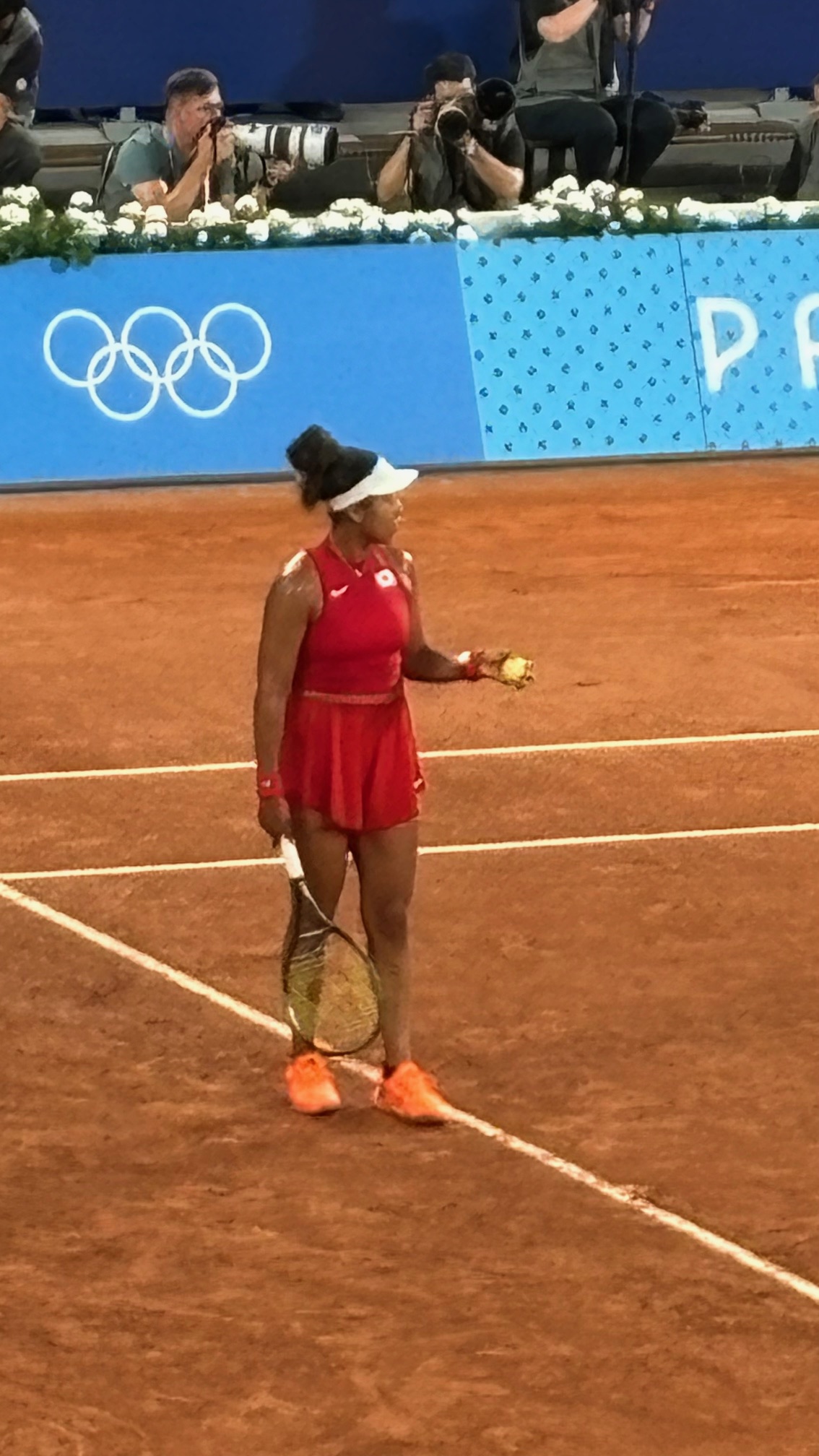
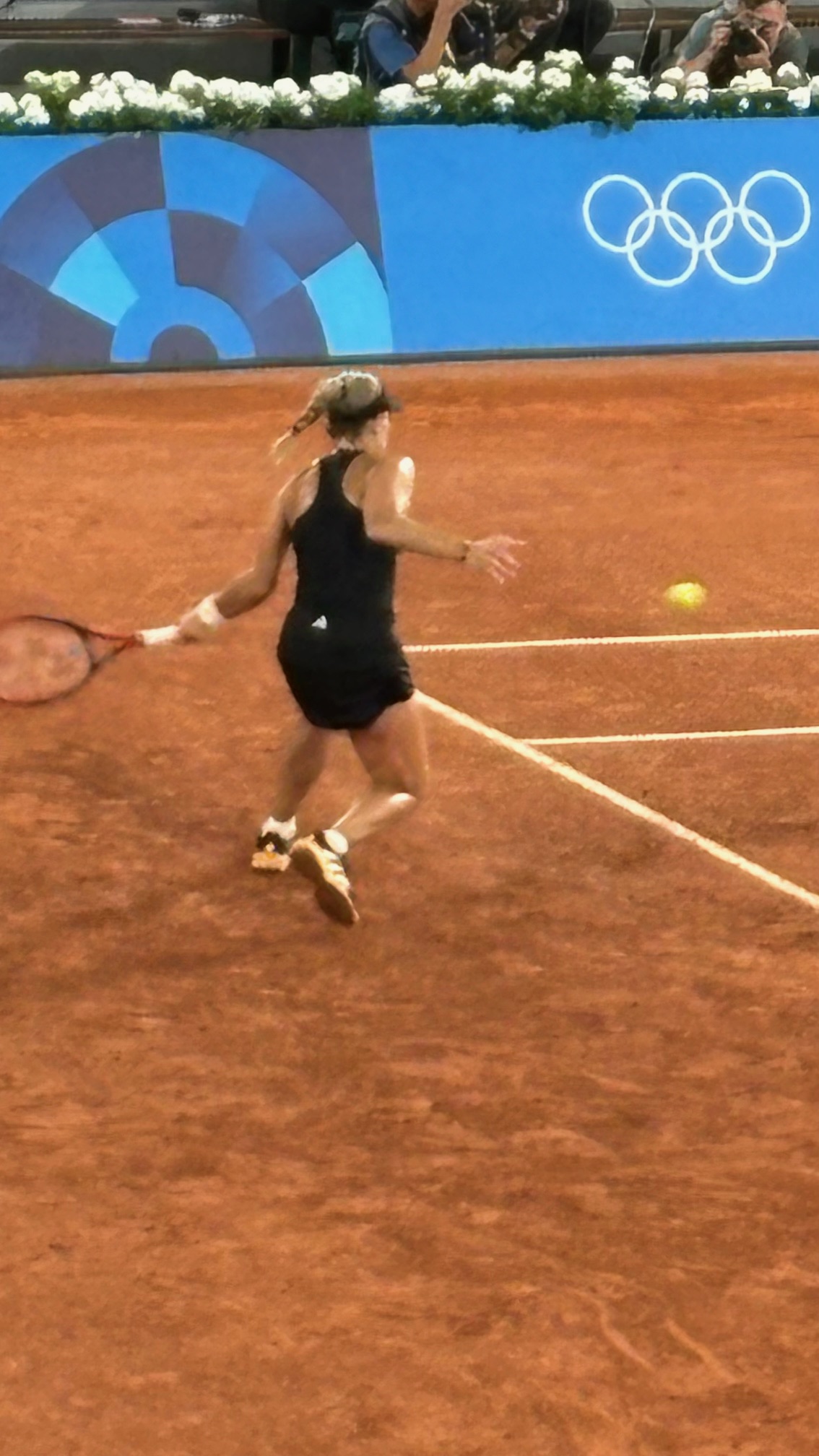
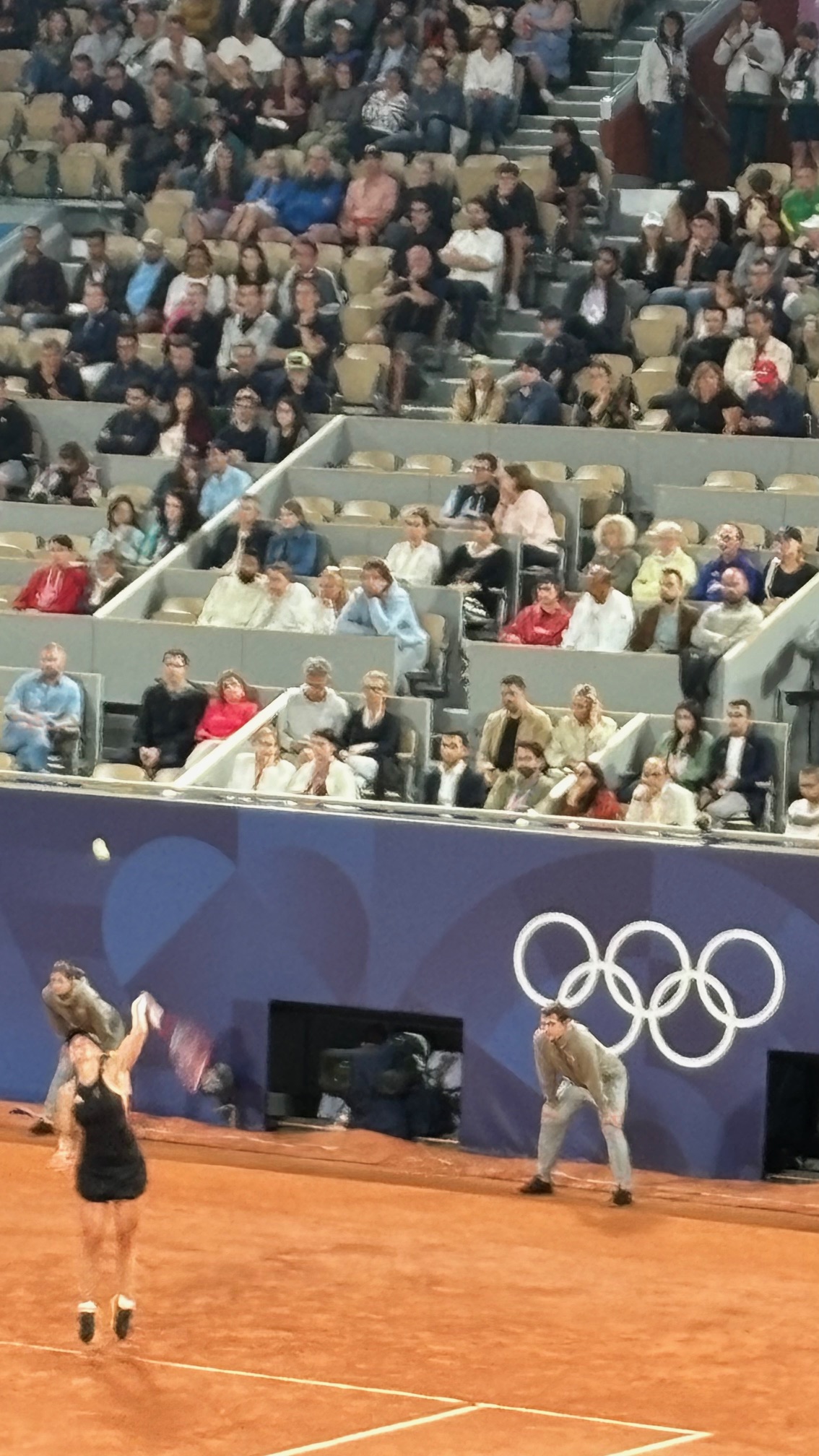
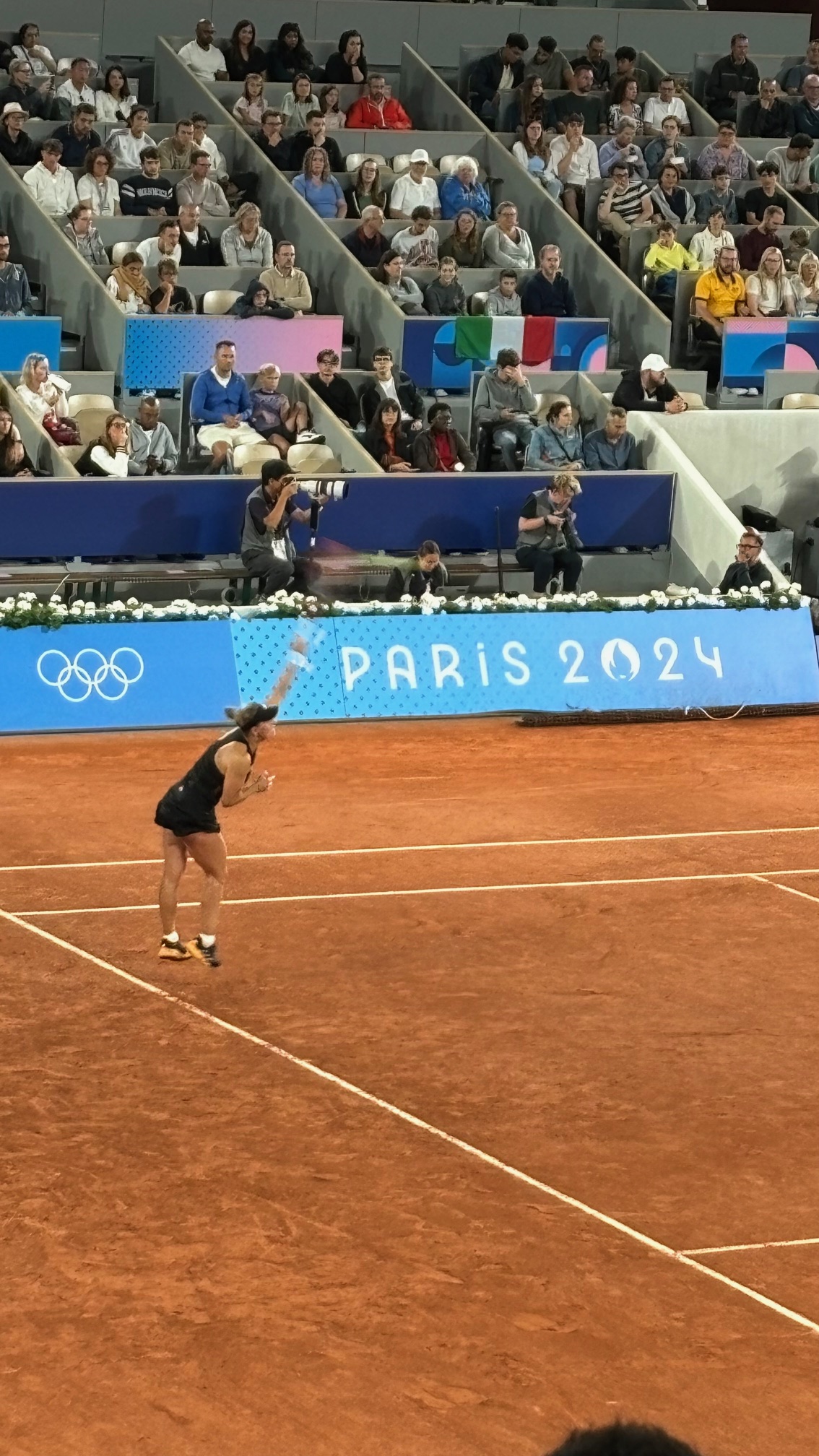
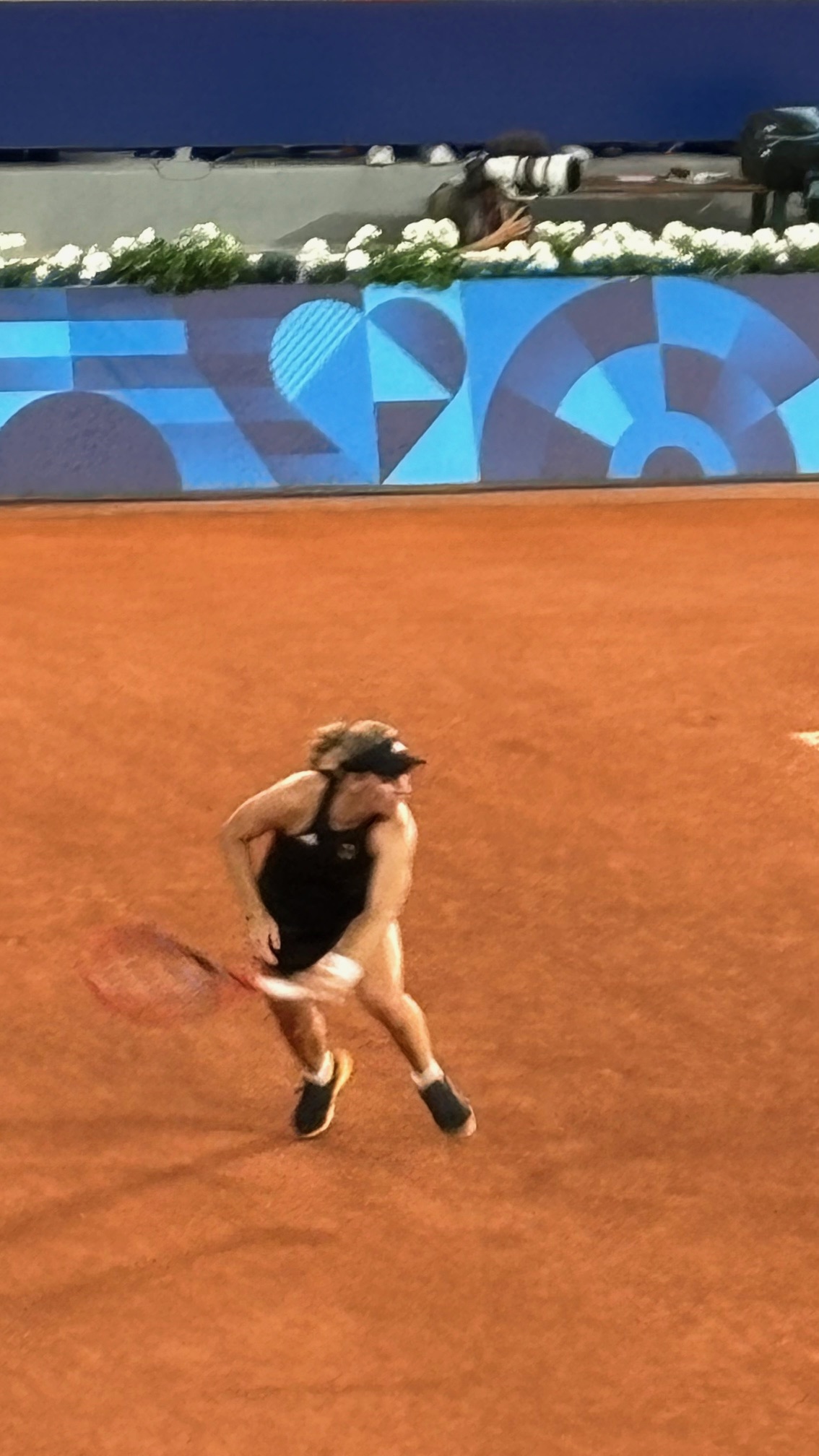
Live Olympics Tennis with German player Angelique Kerber who faced off against Japanese player Naomi Osaka at the Paris 2024 Games at Court Philippe-Chatrier – Roland Garros.


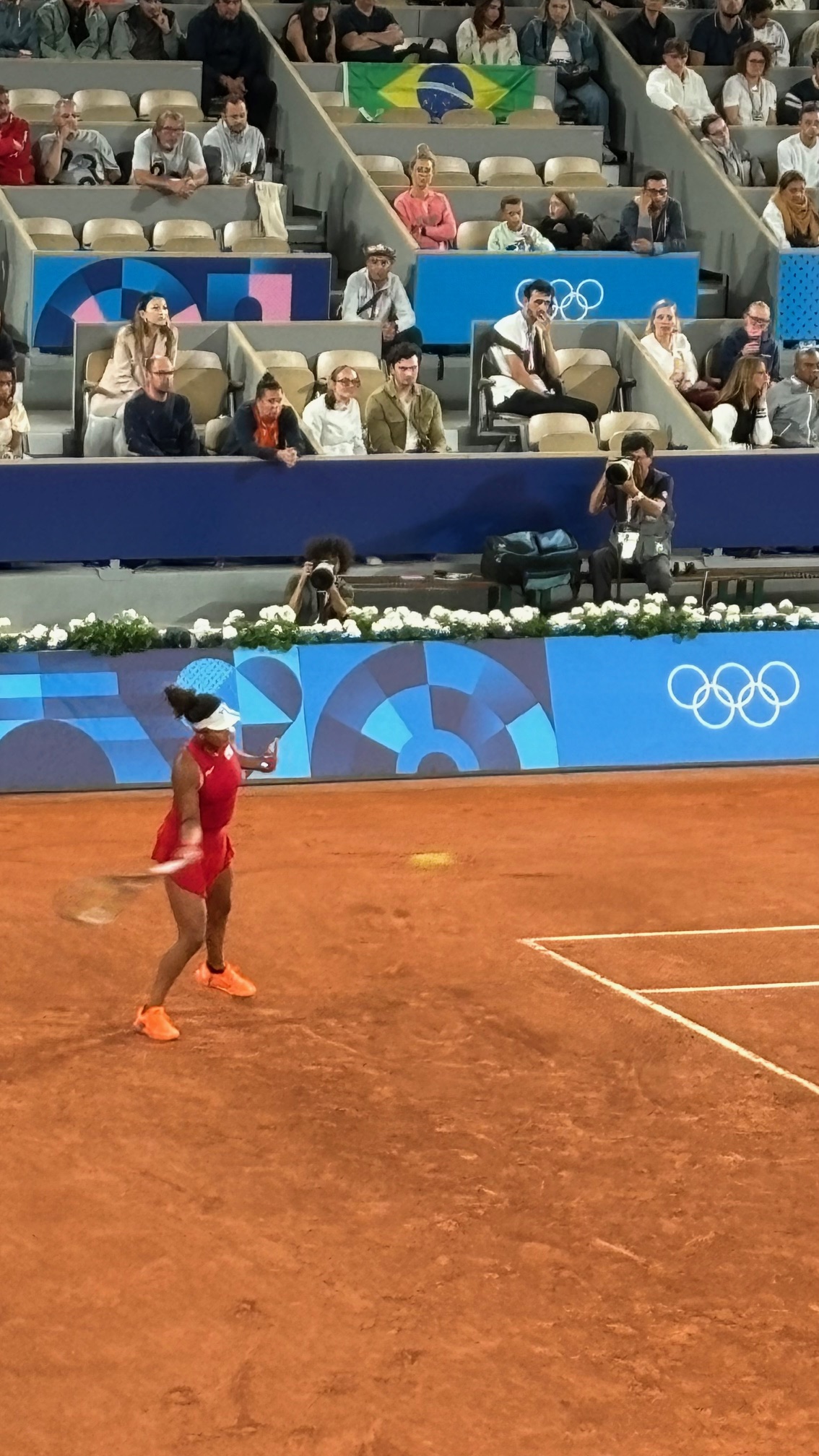




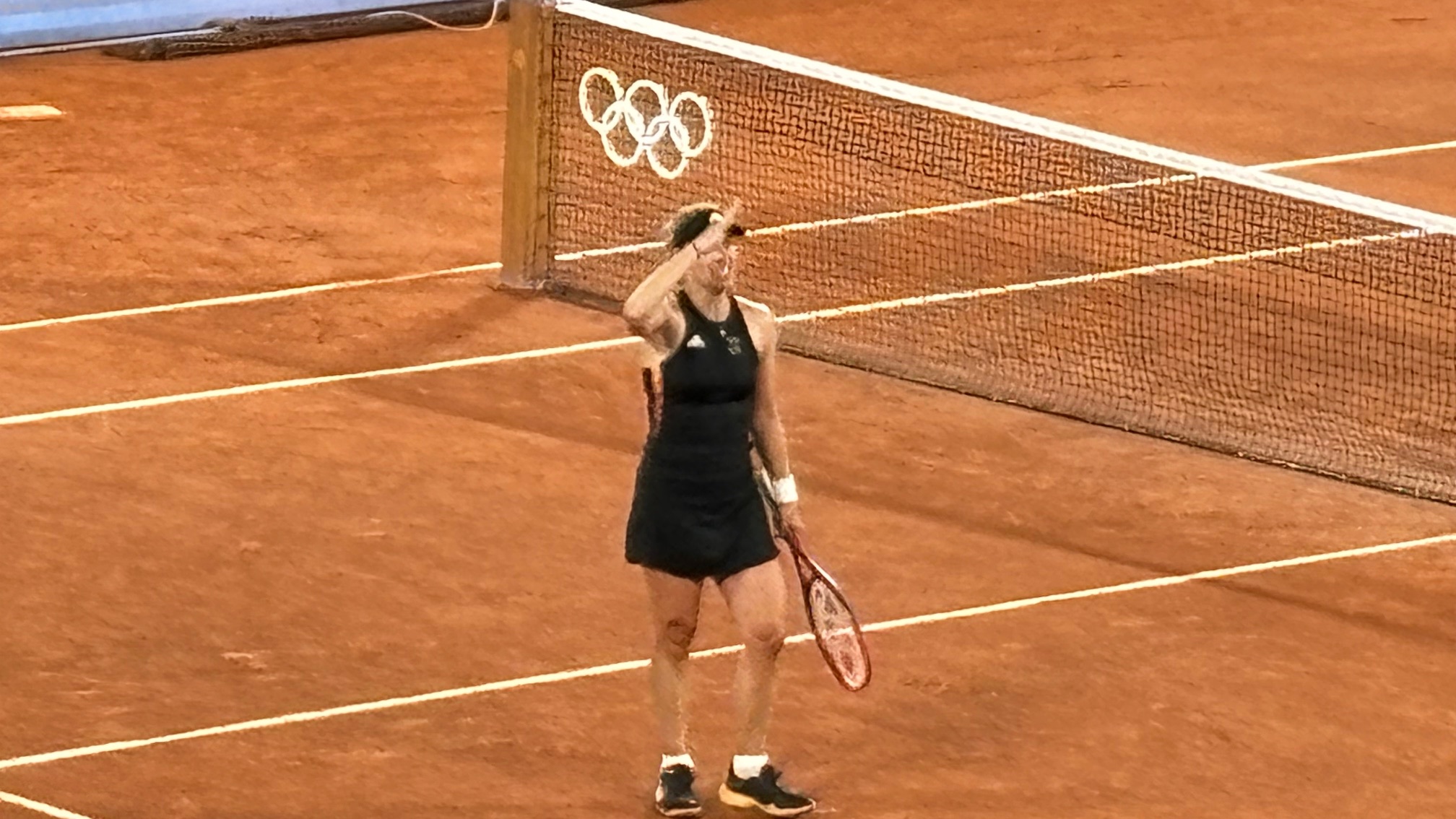


Camera: iPhone 15
Location: Stade Roland Garros; Paris, France during the 2024 Summer Olympics
“Most people aren’t lonely because they lack friends, they’re lonely because nobody truly sees them. In a world of constant interactions, at work, online, or in our daily routines, these moments are often shallow, rushed, and forgettable.”
Most people aren’t lonely because they lack friends, they’re lonely because nobody truly sees them. In a world of constant interactions, at work, online, or in our daily routines, these moments are often shallow, rushed, and forgettable.
One of the best books I’ve read recently on this subject is from New York Times writer and columnist, David Brooks, who authored the book, ‘How to Know a Person: The Art of Seeing Others Deeply and Being Deeply Seen’ in October 2023. The core idea of his book was that you can divide people into two camps of ‘Illuminators vs. Diminishers’, with illuminators making people feel recognized, clearer, more important, and the diminishers who make interactions about themselves or forget about the other person (often not on purpose). If attention is now the primary currency in our lives, giving or receiving quality attention is the key difference in seeing others fully.
Let’s go into what ‘feeling seen’ means in 2025 and what it doesn’t because it can get confusing if you’re new to this concept. Feeling seen is not about just agreeing with someone, praising them effusively, being ‘nice’ or ‘kind’, fixing their problems for them, dumping your own problems or inadequacies on them to compensate in return for them sharing their issues. Rather, feeling seen is about being perceived accurately and without judgment often, having your inner logic understood and how you see the world, and feeling that your emotions are being recognized rather than just analyzed and interpreted.
An example of this in action could be a friend, a spouse, or a co-worker telling you, “I don’t necessarily agree with you here, but I understand why that matters to you and I see your perspective.” Being able to let that person know that you know where they are coming from in their views and why it matters to them makes a huge difference in your personal and professional life.
Technological and other daily distractions aside, there are various reasons why people don’t feel fully seen nowadays. Most people are not patient in waiting for their turn to talk, rehearse their response in advance while you’re still speaking, filtering everything through themselves and what they would do, or just not wanting to understand when they listen. If you are not seeing someone enough, start with listening to understand the other person rather than listening to reply or putting themselves in their shoes right away. You cannot see someone else while you’re playing their role in your own mental movies or thinking through what you would do, say, or behave in their shoes.
Like any social skill, there are ways to make someone feel more seen and to build up that skill like it’s a positive habit. The more you use, repeat, and solidify these response tactics, the more comfortable other people will feel around you. First, listen to the emotion that they are carrying with their words even if they don’t express it outright. Train yourself to hear the ‘fear, anxiety, pride, shame, sadness, frustration, hope, joy, etc. that they exude with their cadence and tone beyond the words they are saying. Being able to voice what emotions they may be expressing to you in their words is very powerful and will make someone feel very seen. For example, “You sound disappointed, not angry, about ____.” As David Brooks wrote about ‘illuminators’, seeing people’s emotions clearly even if they aren’t telling you with their words what exactly they are feeling is a very useful people skill.
Second, I think it’s key to asking expanding questions, rather than extractive or basic ones. Good questions open doors to a deeper and more fulfilling conversation while bad questions can feel like an interview or an interrogation. A good question could be, “What part of your work gives you the most fulfillment?”, which can expand the conversation and take that person through a positive memory or a feeling of contentedness sharing what they do for a living in a specific way. Rather than an extractive question that may not lead anywhere that we often hear a lot as “So, what do you do?” If the question helps them understand better or explains why someone does what they do, you’re doing it the right way.
Additionally, some other ways to make others feel seen is to avoid pivoting to yourself right away. You should want to reflect on the conversation rather than redirect it to be about yourself or what you would do. For example, you could say “What I’m hearing from you is ____”, allowing that person to know that you were paying attention but also that you heard them correctly in terms of their viewpoint. Remember to ask questions that open the conversation, not trap it. Name specific strengths you notice. These small moves make someone feel truly seen. A friend once told me they felt burnt out by their job. In this case, just nodding back wasn’t enough, but I reflected on their frustrations with their work environment, and it completely shifted the conversation
Naming the strength(s) and good qualities of a person is also an excellent way to make them feel seen. Instead of calling someone you respect ‘smart, clever, hard-working’, go deeper than that by taking why you think they are that way and what it is specifically that led you to come to that conclusion about them. At a meeting once, instead of saying “Good point. I said, ‘I see why that approach would make sense given the constraints you’re dealing with.”
Lastly, people are unfinished characters meaning that they are complex, deep, and contradictory at times. Mr. Brooks’s book emphasizes the need to have a ‘moral imagination’ about someone to get beyond who you think they are just because you know their politics, childhood, job, worst moment(s). Assume in good faith that there is a lot more going on in a person’s life than you currently understand and try to hold judgment about them based just on the information that you have available about them.
Being seen by another person deeply is a great feeling and is increasingly rare these days. Seeing others requires courage, dedication, and attention, which is in short supply. The ability to see and be seen demands humility, slowing ourselves down, removing our ego armor, and being present with them fully. It is also worth noting that the people who feel most unseen by others end up being the worst at seeing others in response as it becomes a negative cycle. If you’re not seen at all or at least a little bit, why would you want to do the same for others rather than breaking the cycle?
Making others feel seen changes you for the better as a person. When you see others well, your relationships deepen, you become a better leader, your conflicts soften or end, and your own sense of personal meaning grows as a result. As Brooks writes in ‘How to Know a Person’, “To know other person well is one of the highest forms of love.” I think this is a great lesson worth imparting on us all to try to illuminate other people as often as people and to do so in a consistent manner. I’ve seen it personally in my classrooms, work meetings, or even casual coffee chats as people light up when someone hears them and not just nods along.
Try this once today: make someone feel truly understood. Watch what happens. Whether it’s a comment, a reflection, a thoughtful question, a moment of real attention without distraction, you can make a positive difference in that person’s life, especially if they are going through a tough time. You don’t need grand gestures, just presence, attention, and care. In a world obsessed with being seen, the rarest superpower is knowing how to see.
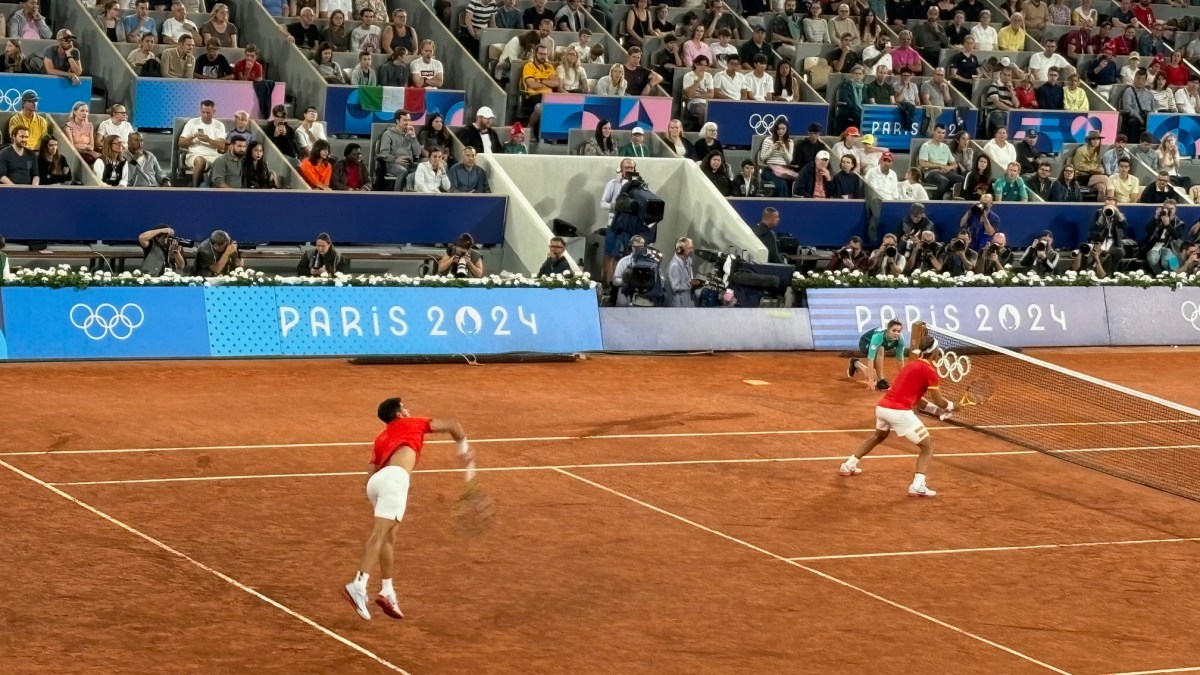
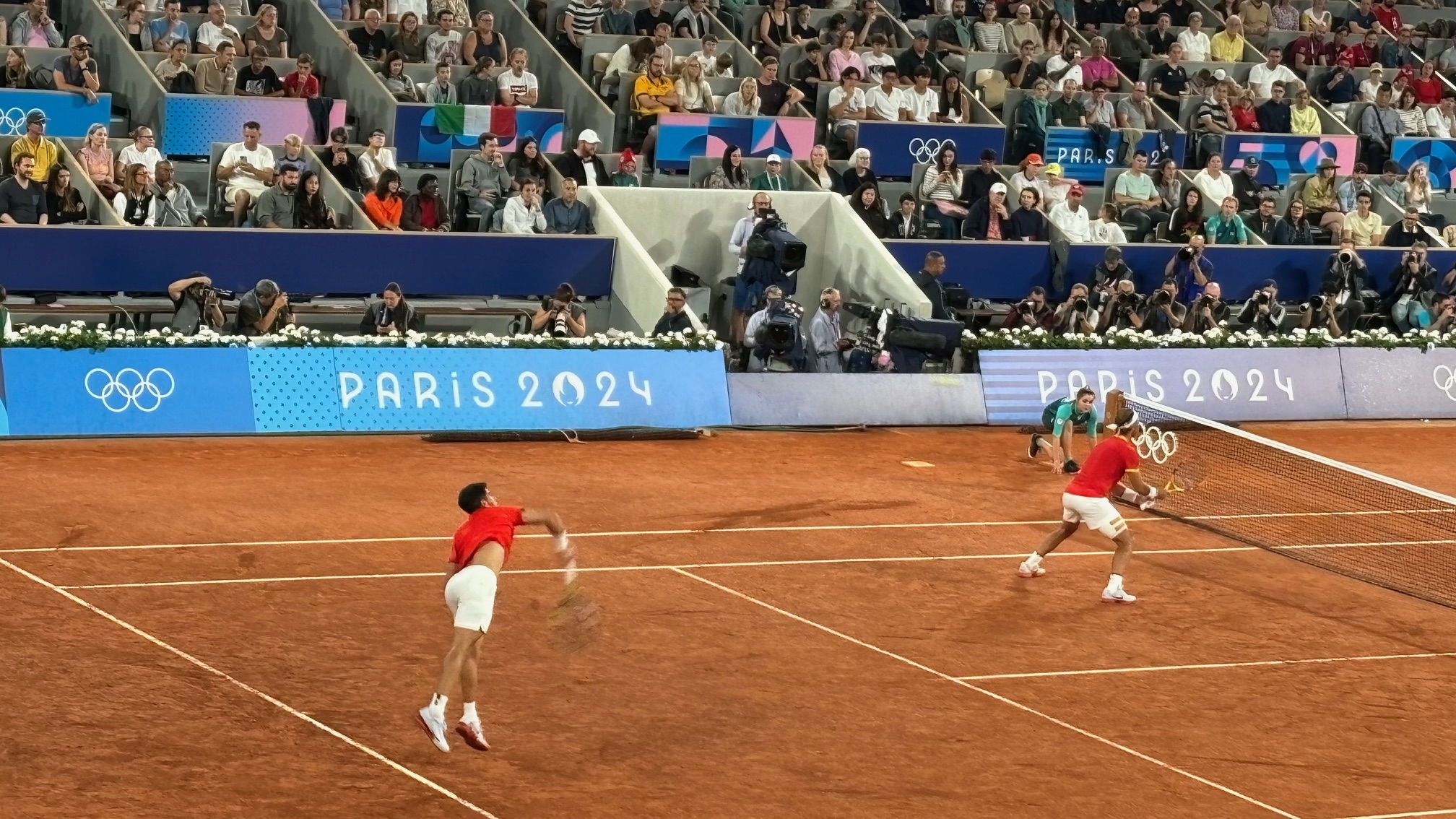
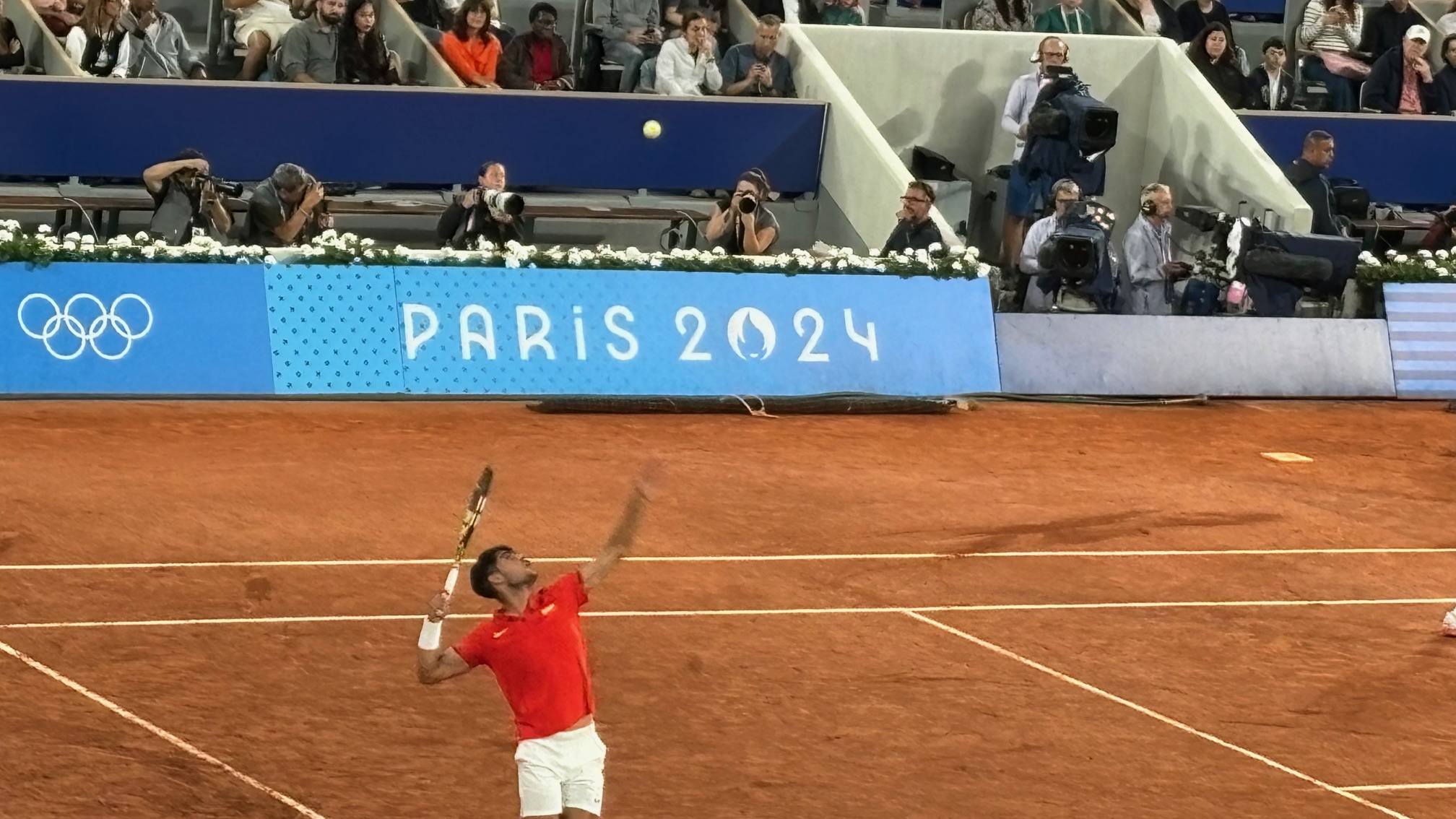
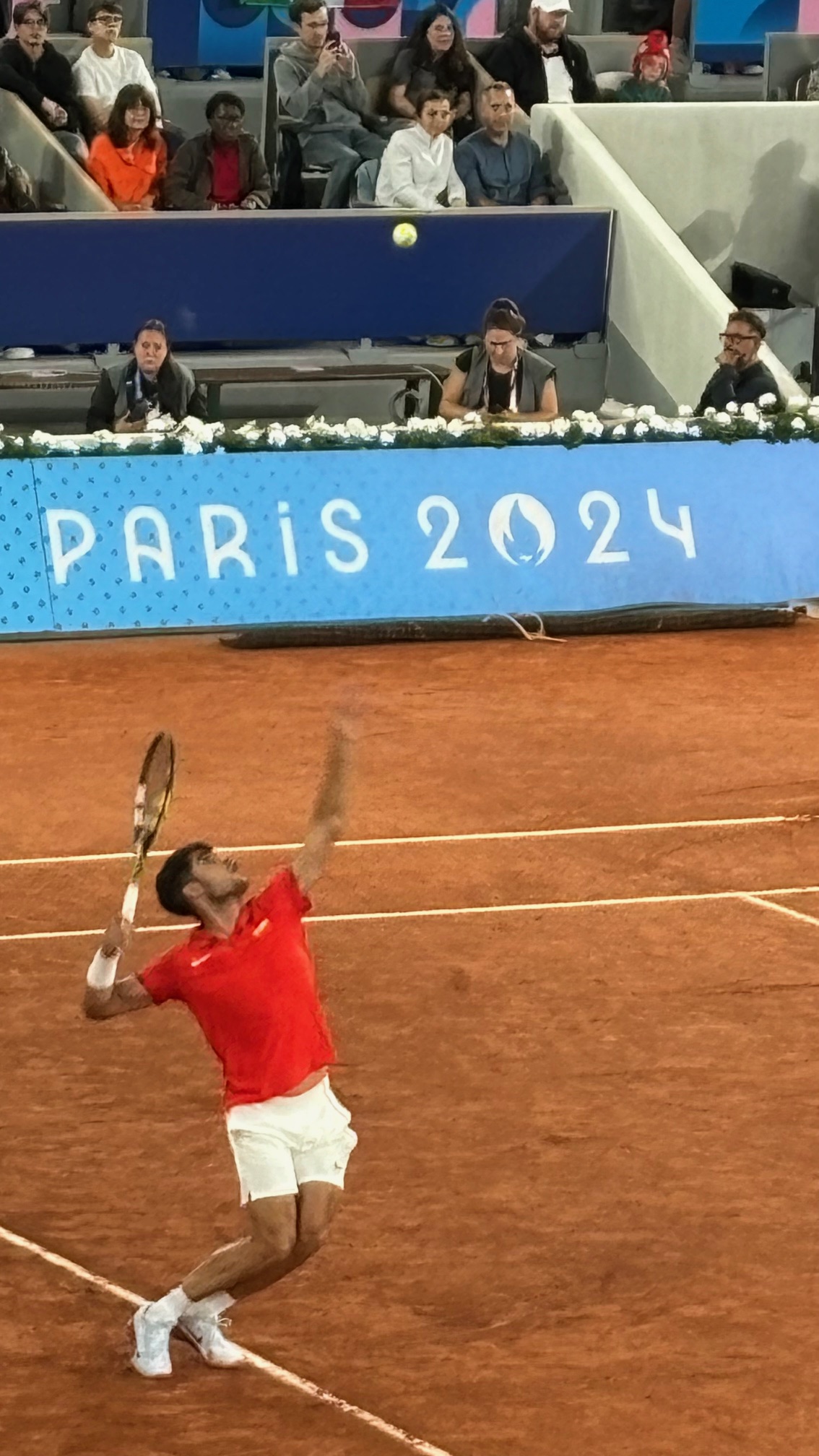
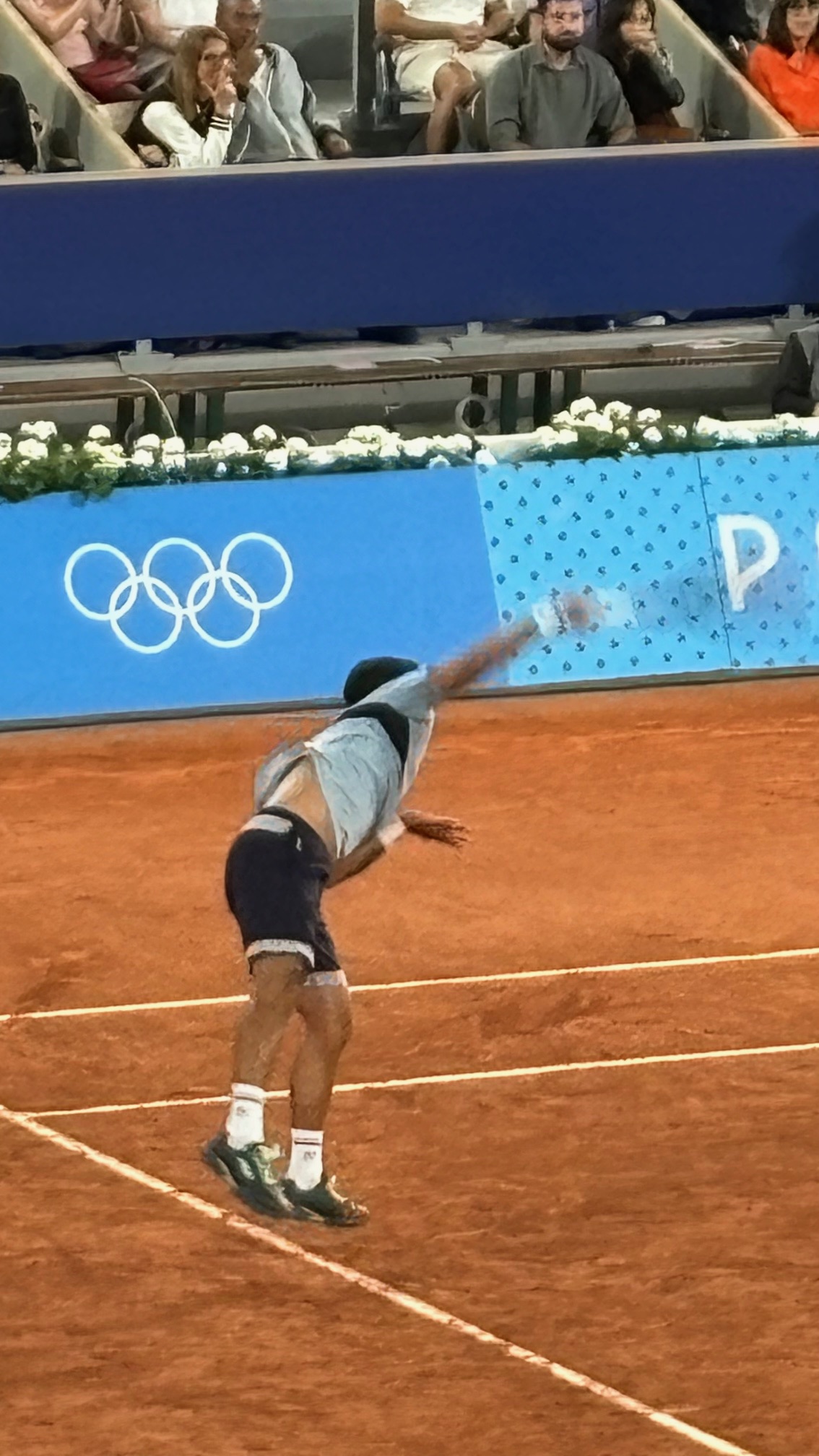
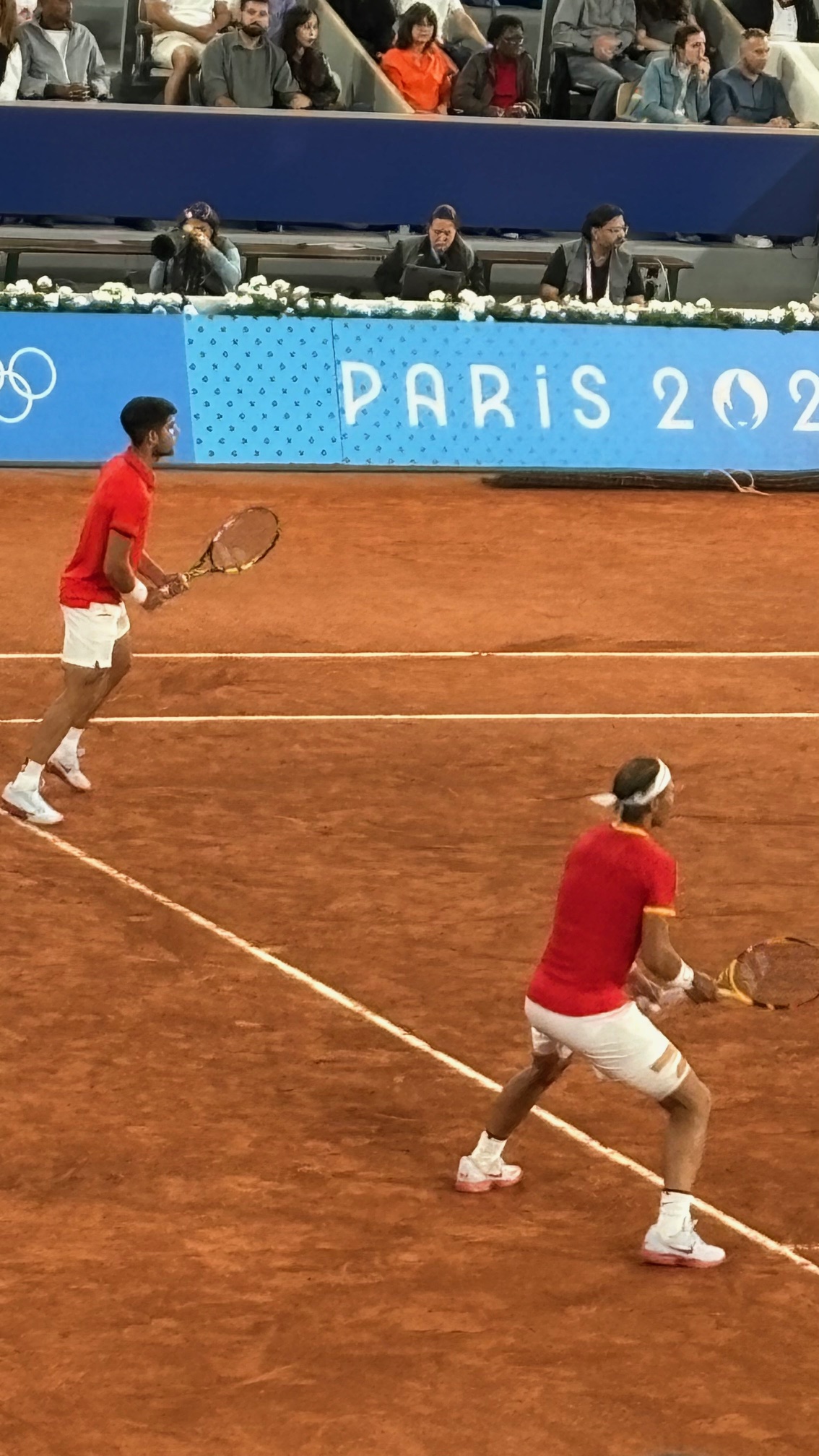
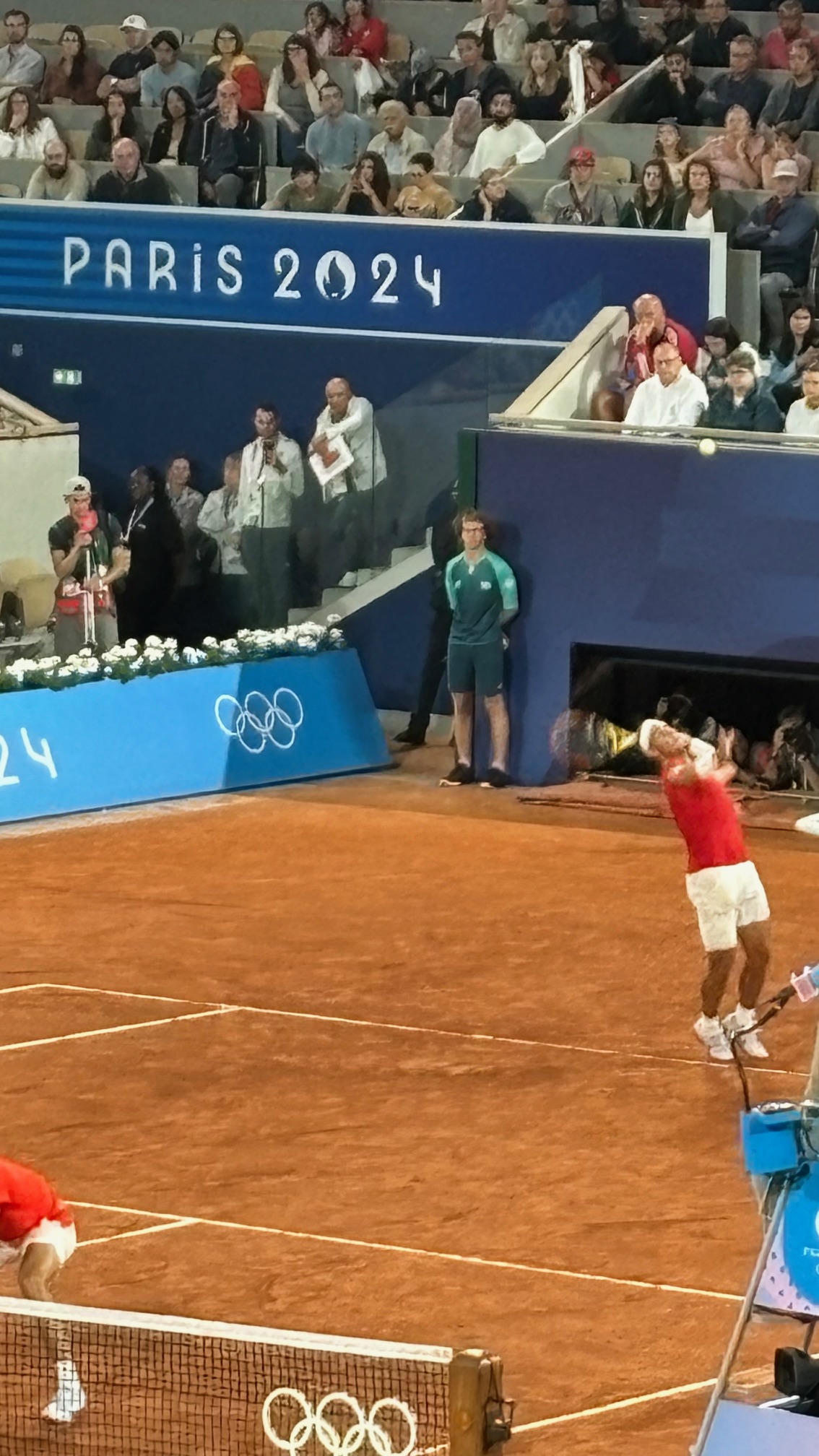
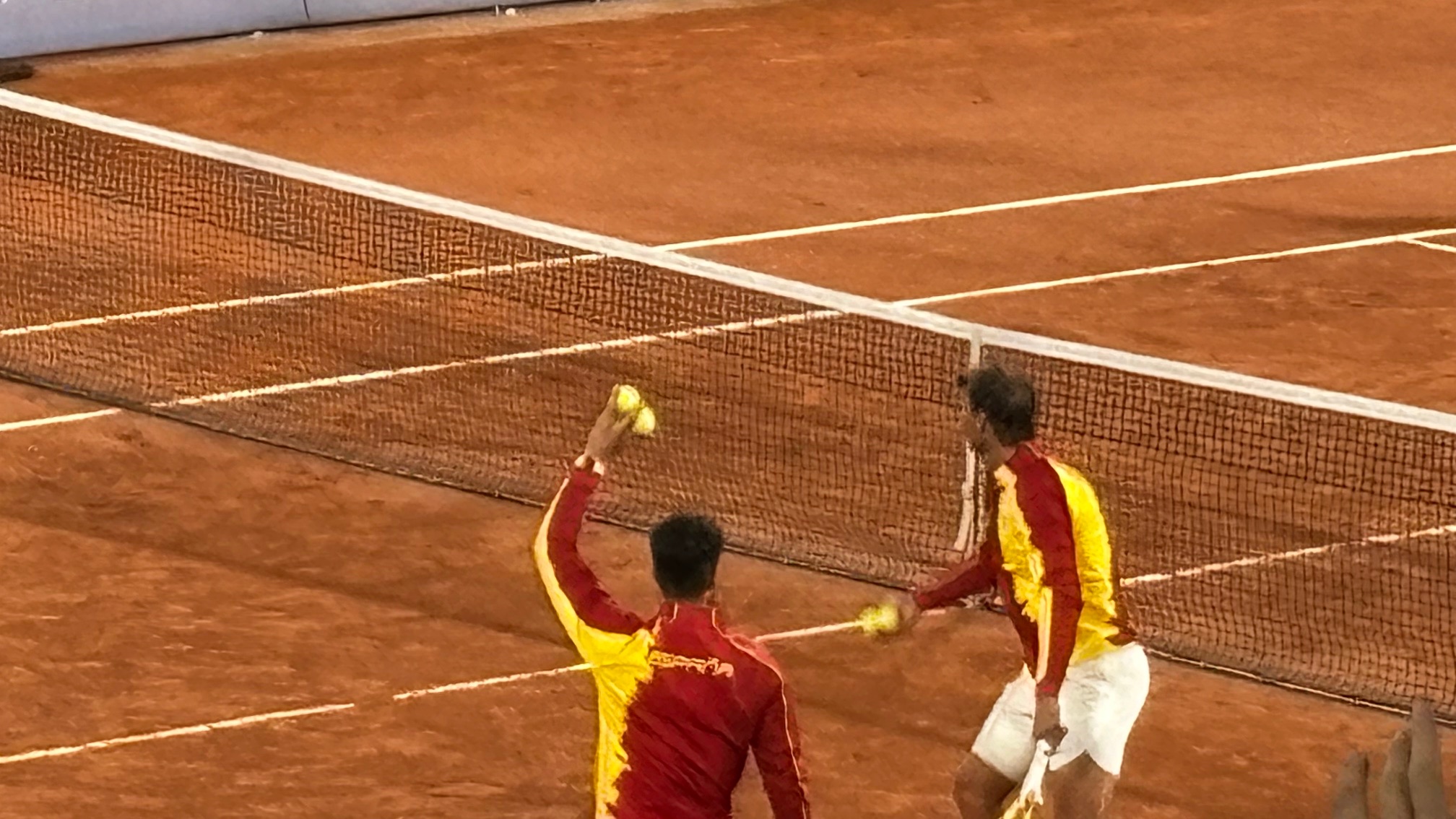
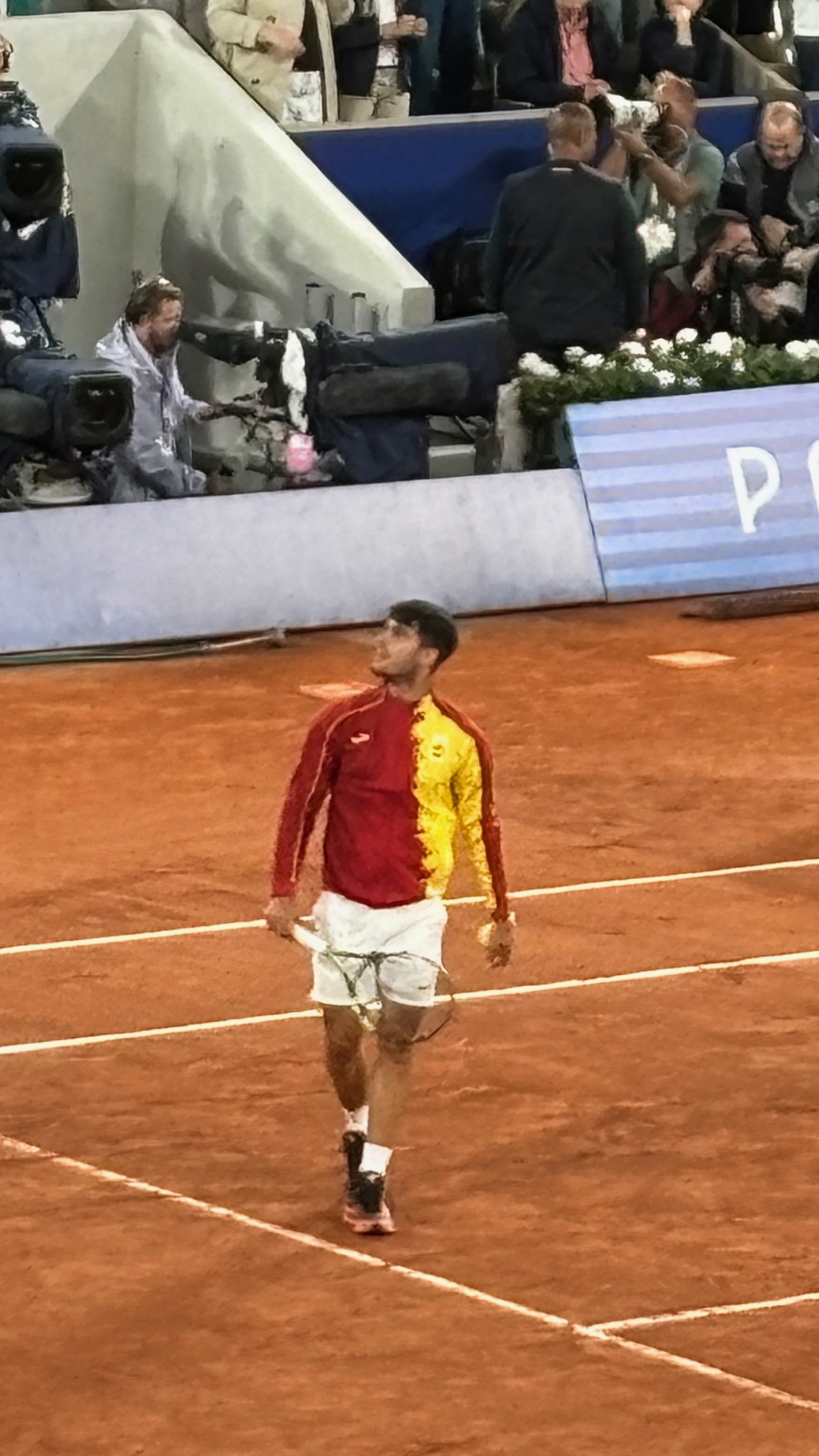
A spectacular doubles match featuring two legends of the tennis court with Rafael Nadal and Carlos Alcaraz playing together for Team Spain at Rolando Garros Tennis Center in Paris, France during the 2024 Summer Olympics.


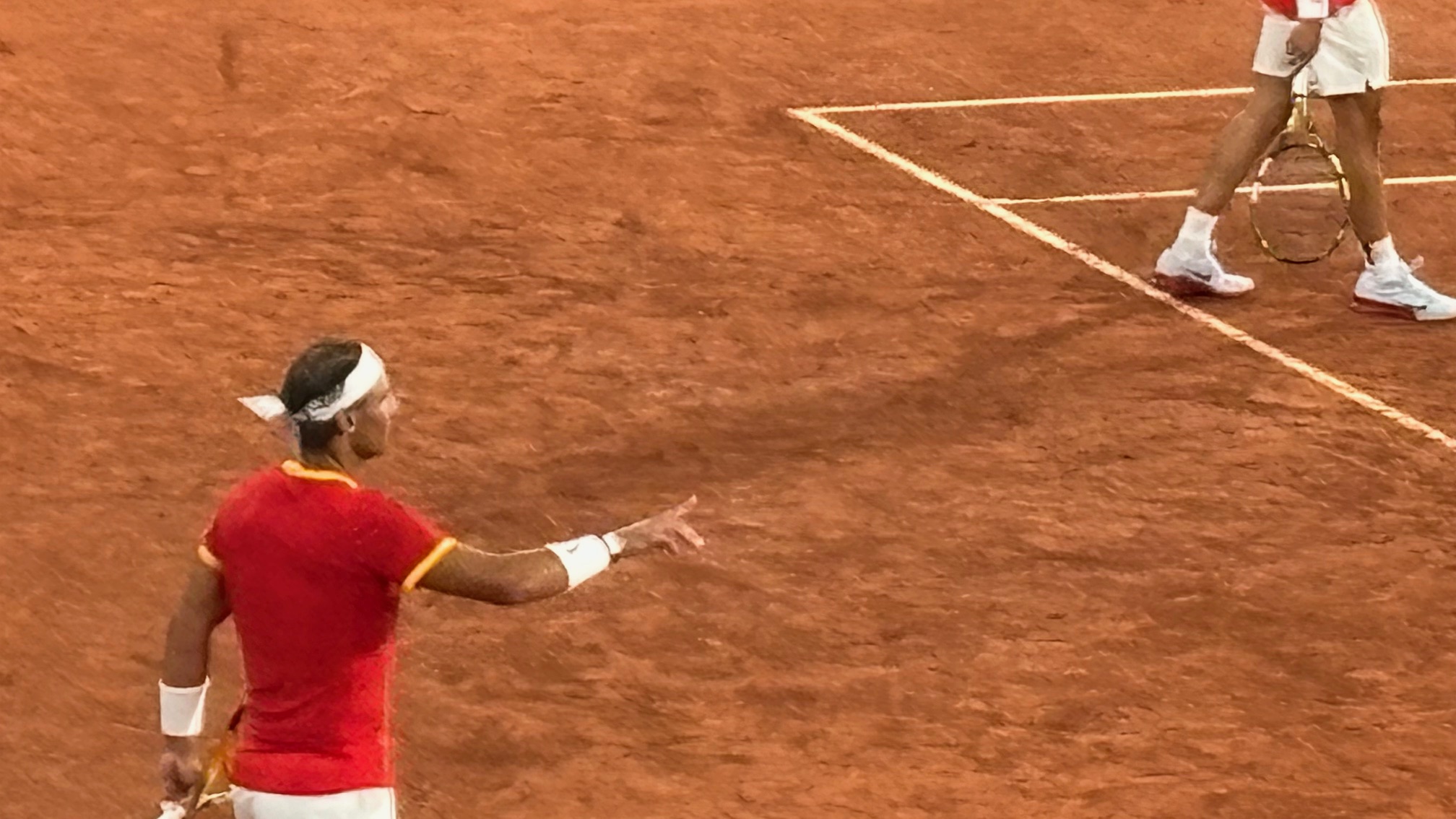
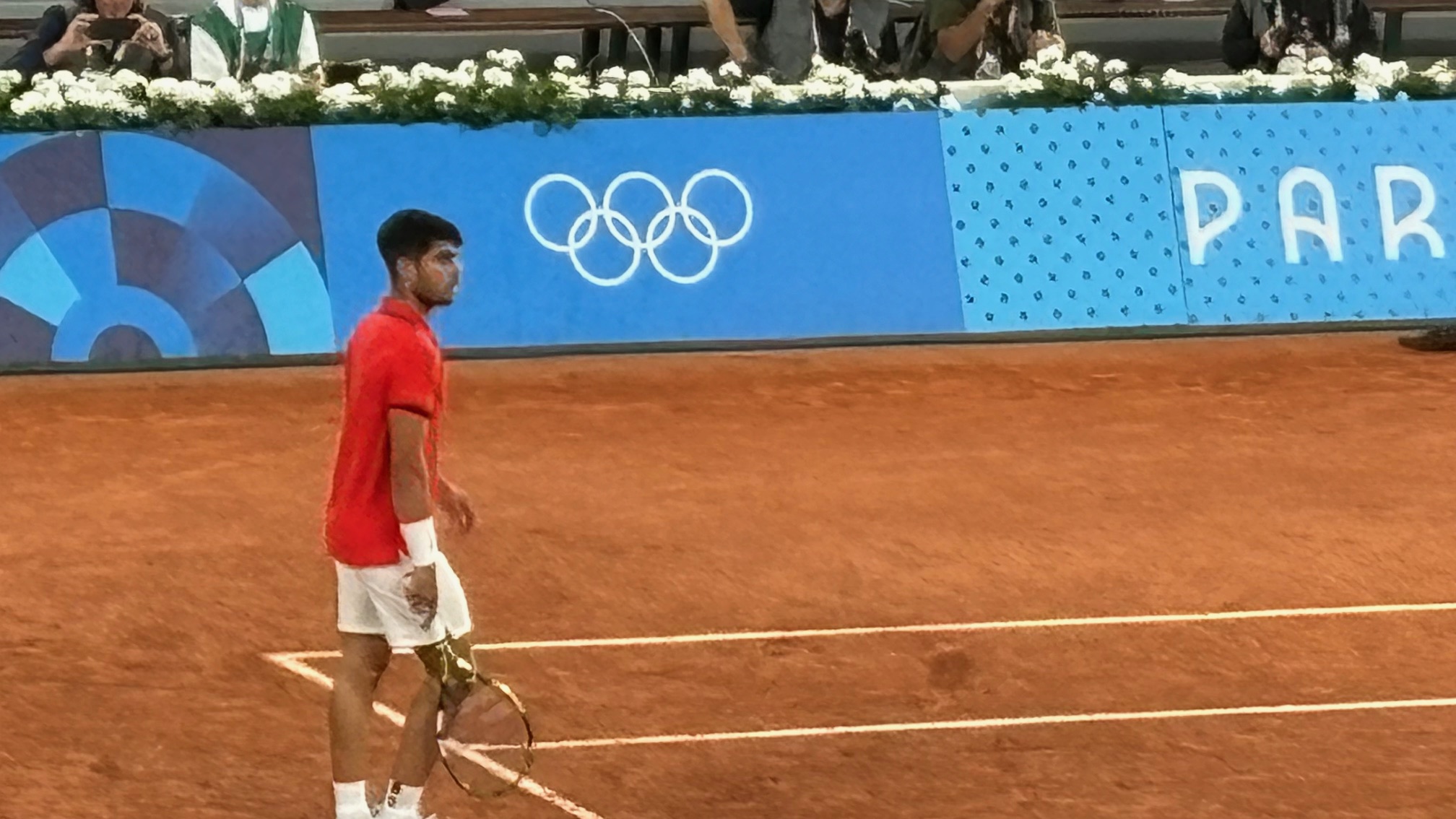







Camera: iPhone 15
Location: Stade Roland Garros; Paris, France during the 2024 Summer Olympics
“When was the last time someone let you merge into traffic or grabbed you a coffee without asking? Too long, right? Small gestures like these can make your day or even your week. We’re taught from a young age that kind words keep the world turning, but words are just the starting point.”
When was the last time someone let you merge into traffic or grabbed you a coffee without asking? Too long, right? Small gestures like these can make your day or even your week. We’re taught from a young age that kind words keep the world turning, but words are just the starting point.
Even rarer than kind words are kind actions. Post-COVID, people’s social skills have atrophied, making everyday courtesies harder to come by. Things like holding the door, walking on the right side of the sidewalk, or letting someone merge on the highway might seem small but they matter far more than words alone, and we could all use more of them.
Having these kinds of gestures be optional instead of compulsory represents an overall reflection of the fracturing of what used to be common courtesy along with the kind of bare minimum expectations we have of one another too often. Instead of kind gestures, we often have the opposite now: people being loud in public places, not using earphones or headphones on their meetings or in the music they listen to, or just not minding their body language or others’ personal space. I value the importance of these basic gestures because they take such little time or self-awareness yet have become harder to find even when I consider them to be increasingly important to societal harmony.
It’s one thing for strangers to abstain from kind gestures or words but it’s entirely another when they come from business associates, colleagues, family, or friends. Taking the initiative and building a two-sided friendship or relationship, professional or personal, doesn’t take much to sustain but it truly can make a world of difference to the other person(s). Such kind gestures mean more than the average word could ever and people really remember those sincere actions more than giving a basic compliment or heaping on effusive praise.
These kind gestures depend on the kind of relationship you have with the person or group in question, but sending business associates a holiday card or remembering their birthday can strengthen the relationship significantly. You could also offer to buy them coffee or tea for providing advice or mentorship with your work or business. With work colleagues, it doesn’t hurt to share your appreciation in giving a kind word for them, but it could mean much more to bring in food or drinks for lunch or help them with a problem they are having on a difficult project. If you’re a manager, kind words are nice to hear but recognizing your employees with a bonus, a promotion, or just an award or other kind of real recognition can make a huge difference with morale building or employee retention at your firm.
With one’s family and friends, it’s always important to say ‘please’, ‘thank you’ and show your appreciation for their presence in your life. However, it’s always better to take the initiative to ask them out for a dinner or a concert or just to give them a call consistently to check-in with them and see how they’re really doing. Keeping a friendship or family relationship in good shape is hard to do but at least making the effort to see each other and to do so in a two-way manner is key to keeping it sustainable.
Being complimentary, supportive, and positive are all great with your words but real actions or gestures will always speak loudest. That’s especially the case when you’ve known that person a long time and have a history together. Sometimes, friendships end out of nowhere and family bonds are breakable by one party or the other, but if you want to make a real effort, make sure to rely on kind gestures primarily because they mean a lot more to someone than your words.
These days, it’s hard to get kind words out of strangers or people you don’t know and even more so when it comes to expecting basic social graces or gestures of kindness. As a result, we are starved for those kinds of gestures and actions that are unprompted, considerate, and relevant to us. We need those friends, family, and even close associates doing kind things for us and for them to be reciprocated as well because it helps foster our happiness, joy, and overall life satisfaction more than we think.
Kindness begets kindness. While words can move the needle, gestures, actions, and time spent together make a world of difference. Remember: kind words are the minimum of a polite society but making kind gestures second nature to you, especially for the people in your orbit, will make your life richer and fuller. Tomorrow, remember to hold the door for someone, send that quick ‘thank you’ note if someone did something kind for you, or buy a mentor or a friend a cup of coffee. Small gestures always make a big impact, which makes life better for everyone.