This second post in the new ‘Cuisine Spotlight’ series will focus on another favorite dish of mine here in Colombia, which is known simply as ‘Cazuela.’ Despite the unassuming name, this popular South American dish is quite diverse in what it can offer you when it comes to mealtime. Depending upon what you’re craving, a good cazuela can be made up of seafood, beef, chicken, etc. as its main base food. ‘Cazuela’ is a Spanish word, which roughly translates into ‘Casserole’ in English.
Similar to a casserole, a cazuela dish is a mix and match of different kinds of foods with tasty results. Usually, cazuela is considered to be a soup made up of different vegetables and meats mixed together. You can’t have cazuela without some flavored cooking stock put in there to form the soup-like appearance. Depending upon which South American country you’re visiting or living in, there will be a different spin on what cazuela looks, smells, and tastes like.
In Chile, cazuela comes with a piece of meat, which can either be turkey, pork, chicken, or beef. Specifically, a leg of chicken or some beef ribs will be the meat in the cazuela dish. Underneath the meat would be a piece of pumpkin and individual pieces of potato with a base of white rice doused in the flavored cooking stock. For the vegetables, it varies depending upon the cook’s preference but there’s usually celery, carrots, green beans, cabbage, etc. that are sliced and diced up to be soaked in the cooking stock and added to the rice and meat. In the summer time, some Chileans will add some sweet corn to the vegetable mix. The Chilean version of cazuela is known as being very similar to the ‘Olla podrida’, which is a colonial dish from Spain that has gained in popularity in Chile and other South American nations.
Cazuela is also quite popular in Peru, the southern neighbor of Colombia. Cazuela is often prepared in the Amazonas region of Peru and is made in different ways depending on which area of the department you’re in. For the meat, there are often more creative choices like hen and sheep that are added to cabbage, rice, carrots, and the broth juice. Usually, this kind of cazuela is cooked over a flame in a sauce pot as its mixed together and served to a large group of people.
Beyond just being a soup or a casserole, Cazuela can also be made into a traditional kind of pie as it is in Puerto Rico. During Christmas season, the Cazuela pie is made up of sweet potato, pumpkin, and coconut milk. It’s quite a popular desert that is easy to make and is popular for its’ sweet flavor and light texture.
Multiple countries in Spain, Ecuador, and Colombia have embraced the ‘Cazuela de Mariscos’, which is made up of a number of different kinds of seafood. The Colombian version is easy to make and is known for being a thick kind of soup and also is rumored to be an ‘aphrodisiac.’ The seafood that comes in the soup includes calamari squid, prawns, clams, shrimp, and small pieces of fish.
The kind of ingredients you want to add are olive oil, salt, pepper, thyme, bay leaves, coconut milk, white wine, some seasoning, heavy cream and minced garlic. To top it off, you need some vegetables including carrots, celery, red pepper, tomatoes, and bouillons. You got to mix up everything together, serve it in a clay pot or bowl, and enjoy the delicious broth and food. Sometimes, you can find that there are cazuelas for shrimp or prawns separately which can come with rice and a heavy broth mixed together with the seafood.
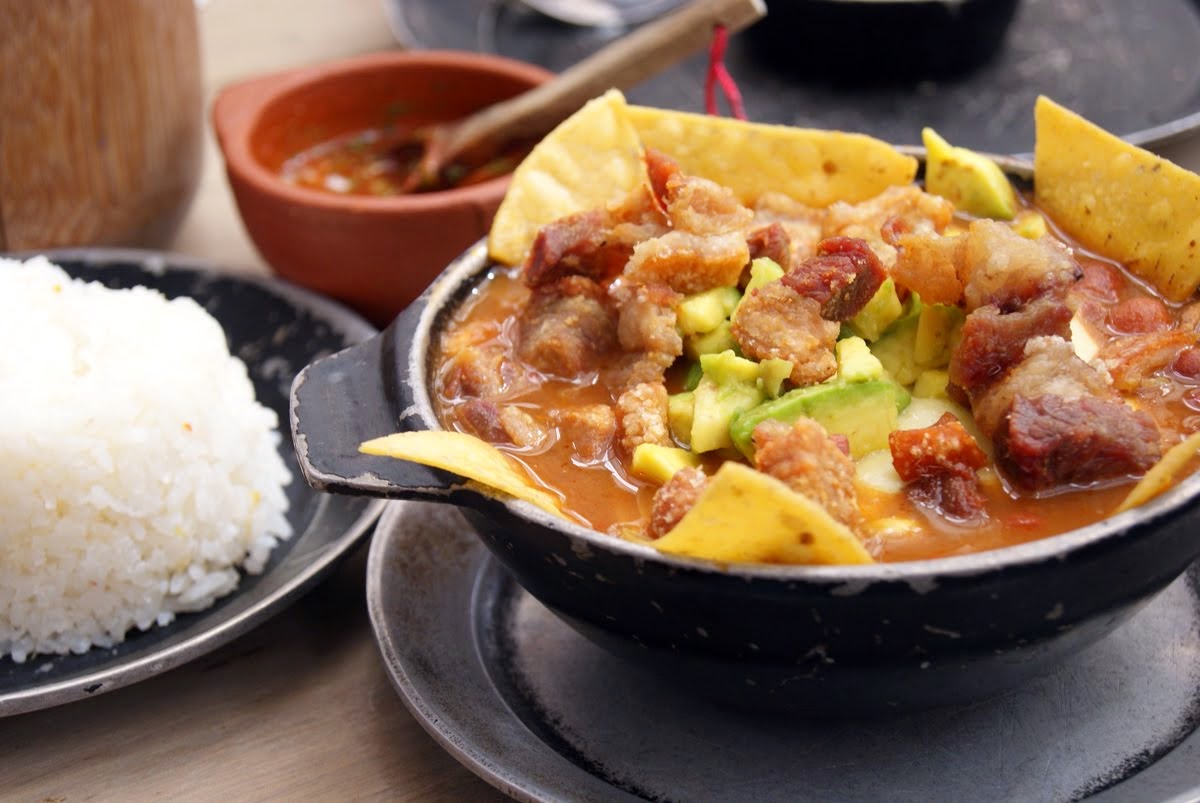
The type of cazuela that I have become most familiar with over the past couple of months is the ‘cazuela antioquena.’ You can find it throughout the department of Antioquia and most commonly in the city of Medellin. I find it to be unique compared to other kinds of cazuelas given the emphasis on ingredients that are known well to Paisas making it a local favorite.
You start with a base of Antioquian brown beans mixed in with some white rice. On top of that is the meat, which are usually ‘chicharron’ or fried pork belly and some cooked chorizo. Instead of more common vegetables like celery and carrot, this favorite dish of Antioquia comes with pieces of avocado and some cut-up sweet plantains. To add some flavor, the Colombian creole sauce known as ‘Hogao’ is mixed among the meat, plantains, avocado, rice, and beans.
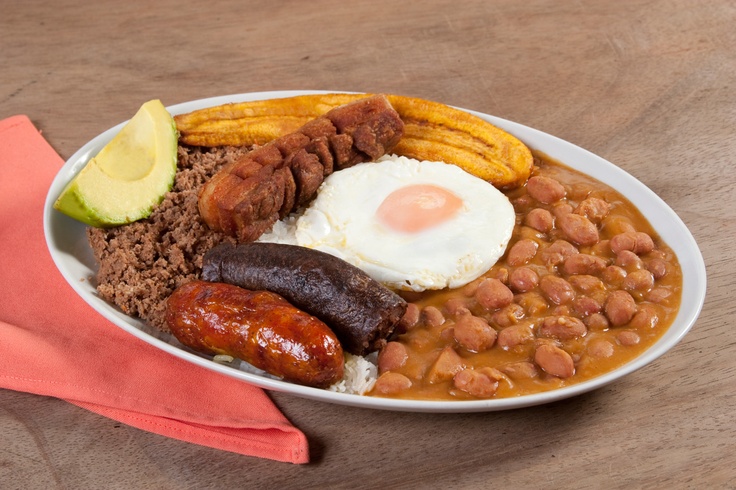
Like many other local dishes here, a small arepa is added to the mix, and placed at the top of the ‘cazuela antioquena’ to be eaten with the rice, beans, chorizo and whatever else would go along well with the arepa. Second only to the ‘Bandeja Paisa’, the ‘cazuela antioquena’ is likely to be a fulfilling dish for lunch that can satisfy your cravings for some local cuisine.
It’s likely that you’ll run into some kind of ‘cazuela’ if you’re traveling or living in South America. The various kinds of cazuela unique to a certain country or region makes it an exciting dish due to its diversity. Whether it’s meat, seafood, vegetables, rice, and beans in the cazuela, it’s important to bring a big appetite to the table because it’s likely to fill you up and leave you satisfied.