

Always Stand Up to Bullies

“We’ve all dealt with bullying in our lives at one point or another. It can range from verbal slights such as biting sarcasm to full on insults to even threats of physical violence, but these actions all harm the bullied person regardless of the severity or extent.”

We’ve all dealt with bullying in our lives at one point or another. It can range from verbal slights such as biting sarcasm to full on insults to even threats of physical violence, but these actions all harm the bullied person regardless of the severity or extent. For myself, I was unfortunately bullied when I was younger and it’s something that you never truly get over even as you grow older, and it starts to recede to the back of your mind.

Still though, words hurt especially when they come from people you trusted such as a family member or even a friend. Bullying from a stranger is bad, but it’s worse when it comes from people who you liked or respected initially. You should never grow comfortable with being bullied even when you are a young person and if it’s happening to someone you know or care about as well, you should always look to stand up for them or make sure they stand up for themselves in front of the bully.

Bullying is never acceptable from a child let alone a fully grown adult, and it continues way too often in our society not only to children but to adults as well. Usually, the person doing the bullying to others was hurt by other bullies and has become insecure as a result, but that does not give them the right to hurt others in the same way they were hurt. They should instead choose to break the cycle of bullying as it really is a cycle that goes from one person to the other. Even when I was bullied, I didn’t want to do that to other people. Instead, I have learned that you must put your foot down and confront the bully directly. I’m not talking about getting into a war of words with the bully or escalating the situation with them. Instead, you call them out on their bullying, tell them you won’t tolerate the abuse or the rhetoric, and make sure you don’t associate with that person anymore.

Now, I will only make an exception if they apologize and promise it won’t happen again especially if it’s from a friend or a family member. You got to be direct with that person who you still care about and basically let them know that what they said is disrespectful and you don’t want to hear it anymore. Jokes or sarcasm can often disguise bullying, but you have to call it out if it hurts your feelings. If you let them get away with it once, you should be prepared for them to do it again because they’ll feel like they have free reign once you let it slide the first time.

I’ve had instances in my own life where a friend or a family member was disrespectful to me either due to my physical appearance or the way I dressed, and I did not tolerate it. I didn’t shout or didn’t insult them back. Rather, I made sure to let them know that wasn’t polite or kind and I took offense to it. Often, they’ll back down when they’re being called out on it and when you make clear that you’re serious that you were offended. If they do it again, it’s best you cut them out of your life completely or begin to maintain distance from them until they get the message and apologize formally.

If they never apologize or keep doing it, you need to have ‘zero tolerance’ for that bullying kind of behavior even when you were close to the person to begin with or have familial ties. Just because you have a history with that person doesn’t mean it gives them license to take advantage of that relationship or friendship to begin bullying you. These days, you really got to put your foot down and stamp out disrespect and incivility when you see it begin to happen to you. It can be hard as you may not want to lose that person but if it’s harming your emotional or mental health, you’ll be better off cutting that person off from you and spending your time around people instead who value you, respect you, and treat you well.

Just as you would not tolerate bullying from a friend or a family member, the same should be said for a colleague at work, a classmate, or even a stranger on the street. Bullies are often cowards who hide behind their words because it makes them feel better because they are insecure themselves about who they are as a person. You always have a choice on how you react to a bully, whoever they are, but make sure to not accept the bullying, never get used to it, and call the bullying out, and get away from that person(s) who bully you.

If it escalates to become harassment, abuse, or worse, you can get a restraining order, sever contact, or even get the legal authorities involved. There are always options to stop bullying and it should never be tolerated by you. If you’ve been bullied, are being bullied, or worry about bullying, make sure to stand up for yourself, have ‘zero tolerance’ for it, and remember that trading insults will bring you down to the bully’s level, which they enjoy doing.

Instead of escalating and trading insults with the bully, make sure to let them know you call them out on their behavior, preferably in front of other peers, extricate yourself from the situation, prevent that person from seeing you or contacting you again, and highlight the verbal or emotional abuse to other people in the bully’s orbit to make them aware of what the bully has done to you.

Bullying sucks and it’s sad that this article must still be written but whether you’re an adult, a teenager, or a child, you should know that bullies do not have control or power over you. Their words may hurt but they are not a reflection of who you actually are as a person. Hurt people like bullies hurt other people to make themselves feel better. You may be bullied sadly at points in your life, but it is not permanent, and you can choose to remove yourself from the situation and call it out clearly when it happens. By doing that, the bully will be shamed and ridiculed for their bad behavior, and they will likely back down from doing it again.

Don’t be afraid to stand up to the bullies of the world and always call them out on their bad behavior when the time comes for it.
The Downsides to Sarcasm

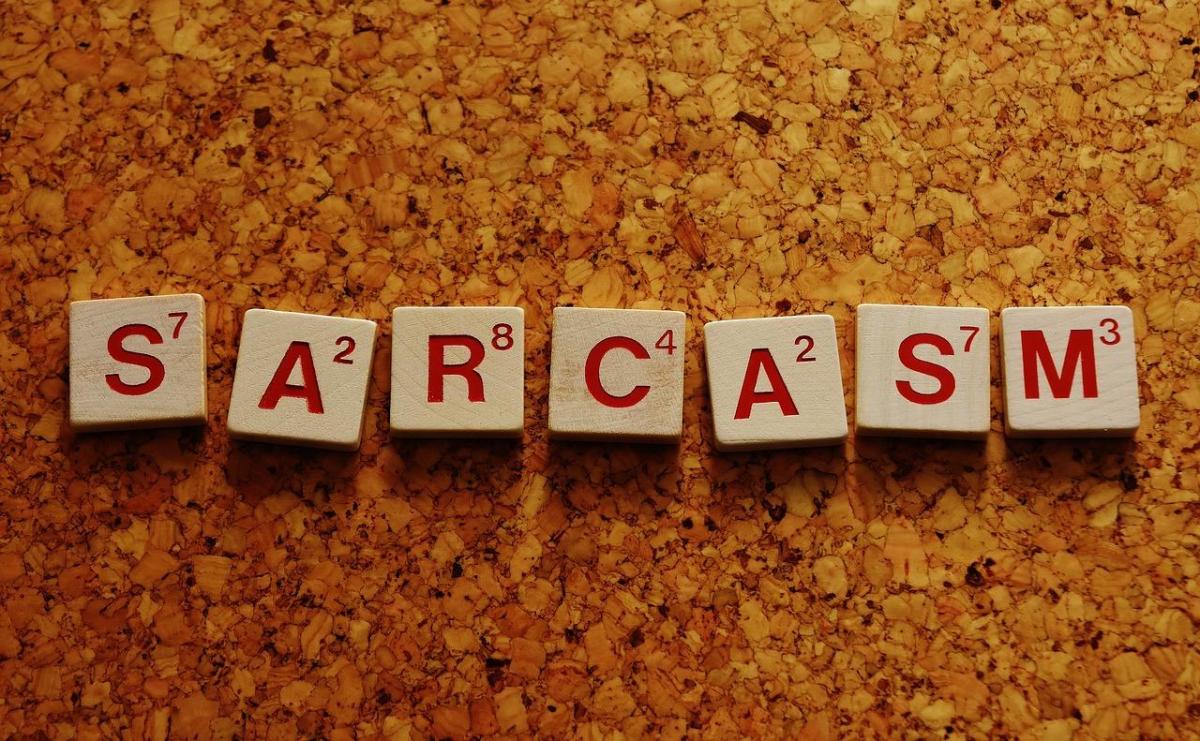
Sarcasm is one of those things in life that should be used fleetingly or in moderation so as to not step on anybody’s toes or to get yourself into trouble. Sarcasm has its place and time but when it is used commonly, so much that you are not even sure of whether you yourself are being serious or sarcastic, then you may start to have problems in your interpersonal relationships. Sarcasm may be considered funny or humorous at times but there are much better ways on how to put a smile on somebody’s face.

How do we define ‘sarcasm’? What exactly does it mean? Well, sarcasm is essentially the using of contempt or irony to mock someone or make fun of someone. Sarcasm is often negative in terms of its usage and while it can be funny to some people you’re not referring to as the focus of the joke; others may be offended by it or not find it tasteful. The thing with sarcasm is that once you start using it on people, you may be liable to consequences where people make fun of you in return using sarcasm. Sarcasm is an unclear form of communication and while it can be considered witty or clever, you’re risking it that the joke may not go over well or that the sarcasm will be turned against you.

You also should be careful about who you are using sarcasm around because some cultures and some peoples are not familiar with this form of humor and will think that you are being serious instead of being aware that you’re joking around. While not limited to only the English language, Sarcasm is considered to be most commonly used in English and is rather foreign to other languages who do not use it as a form of humor.

Sarcasm can often be misconstrued even when it is meant to be funny leading to angst and resentment that can hurt friendships and relationships. The biggest downside to sarcasm is that at the heart of it is dishonesty or a lack of forwardness that can cause mixed emotions or bad feelings over time. When it is used over and over again with the same person, they will not be able to tell if you’re ever being serious or if you’re always being sarcastic instead. When you are hoping to clearly communicate with another person in an honest and frank way, you want to stay far away from using sarcasm at all.

While using sarcasm with friends and family isn’t the worst thing if they are familiar with what it is in terms of humor, you should avoid using it with strangers, employers, or people in official roles. You would not be sarcastic with a firefighter if your house is burning down nor would you do it with a police officer if your car got pulled over for speeding on the highway. These kinds of situations are where you do not want to use sarcasm at all because it could backfire on you in terms of hurting your future.                  Using sarcasm at the office or the workplace is also highly inadvisable especially because of the likelihood that it can be taken the wrong way.

This is especially true if you do not know the person well or know about their sense of humor. Using sarcasm with the wrong people or in the wrong situation could backfire on you severely causing you to lose your job or even lose your friendship when you are not careful about it. Sarcasm with strangers is also not a good idea because they don’t know who you are, or they might not even know what sarcasm which is could put you in potential physical danger if you are not careful. Because of these examples that I have cited, we can conclude that sarcasm should only be used with close friends or family members especially sparingly so as to not cause miscommunication or hurt feelings.

Also, compared to other figures of speech in the English language, sarcasm neither translates well to other languages nor can be written in any real form. You can only use spoken sarcasm usually with humorous or hurtful intent, which means it may be one of the least useful figures of speech to learn and use. Sarcasm is mainly used to mask a true form of communication and is a shortcut or cheap way to undermine being honest and open with other people. People who use sarcasm often and without previous thought run the risk of being seen as emotionally distant or uncaring. They will be perceived by others as putting up walls and not being able to hold a serious conversation. As a result, a lot of sarcasm can cause a lot of harm to one’s personal life and prevent somebody from forming deep, real, and lasting relationships.

Sarcasm, when used in the right way can be very funny, but it is one of those things in life that has a diminishing marginal utility the more it is used. People don’t want to be around someone who is sarcastic all of the time and can’t be trusted to have a serious conversation. Open and honest communication is the antithesis to sarcasm, and I think most people would rather deal with someone who is honest rather than sarcastic. There are also much better and more sincere forms of humor out there that can generate a lot more laughs without hurting someone’s feelings. To poke fun of someone in a real way is alright but to constantly do it will lead to serious problems and broken friendships if the sarcasm does not stop.

Unsurprisingly, sarcasm is most popular with middle school and high school children, but it should be a stage that you grow out of in college and beyond. If you’re a grown man or woman using sarcasm all of the time and never being honest with your co-workers, friends, or family, it is almost certainly going to backfire on you and cause issues in your life. The next time you think of being sarcastic as a grown adult, think deeply before you do it and think about the person or people, you’re making the butt of the joke. If you do not think before you speak, it is likely to end up with negative consequences for you.

Sarcasm is a figure of speech in the English language but to me, it is a mostly unpopular and overrated one that doesn’t translate well or write well either. The next time you hear a sarcastic conversation go on for too long, politely step away and ask to be excused. It’s not worth your time and it’s best you spend your time with other people who are more open, honest, and serious. Being able to handle mature conversations without using sarcasm will set you apart from others and show people that you are a serious adult who is not to be made fun of or messed around with.

Lastly, sarcasm is the lowest form of humor in the English language and as a figure of speech, it leaves a lot to be desired when compared to others such as irony or metaphors. While sarcasm isn’t going away anytime soon, let’s try to limit it down to only being used when a really funny situation arises.