Do You Have A Frame of Reference Here?

“Instead of trusting in the experts and letting them inform the public, those with little to no experience are voicing their opinion on subject(s) that they don’t have any expertise or understanding of. Thus, this brings me to the critical question that rarely gets asked today: Do you have a frame of reference here?”

We live in a time where having an opinion on every single topic is often treated as more important than having an informed one or not having one when you haven’t fully researched the topic at hand. The influence of social media, 24-hour news cycles, and the pressure to ‘weigh in’ constantly have created a culture where silence is mistaken for ignorance and confidence is mistaken for competence in many different areas. Instead of trusting in the experts and letting them inform the public, those with little to no experience are voicing their opinion on subject(s) that they don’t have any expertise or understanding of. Thus, this brings me to the critical question that rarely gets asked today: Do you have a frame of reference here?

A ‘frame of reference’ is built through lived experience, actual study, or meaningful exposure to a subject, regardless of which one it is. Without it, opinions are often shallow, reactive, or based on incomplete information from often unreliable sources. Yet today, many people, especially political leaders, regularly comment on complex issues such as geopolitics, economics, public health, without the necessary context to understand them or any one of these complex topics. This kind of willful arrogance doesn’t just dilute meaningful discourse on the subject being discussed; it can actively mislead others who assume that their confidence equals real credibility.

What’s personally refreshing for me is when a public figure, especially a political leader, admits the limits of their knowledge. When a mayor of a major city recently acknowledged that they were not informed enough to comment on a geopolitical issue involving another country, it stood out to me positively not as a weakness, but as showing intellectual honesty. In a culture that rewards hot takes and instant reactions, restraint is increasingly rare but it’s also responsible and what we should expect more from our leaders.

Real wisdom comes from not needing to be a ‘master of all’ but rather to hone your knowledge base and your life experience on subjects you are confident enough to weigh in on and learn more about others where you have little or no experience with. Focusing on mastering one subject or a few subjects is difficult enough over a period of years or a lifetime, what’s impossible is trying to comment on every little subject you hear about or is making the news.

There’s value in recognizing when something is outside your lane and admitting that you don’t know enough about something to give an opinion on. Deferring to experts, asking questions instead of making declarations, or simply choosing not to comment are all signs of maturity, not ignorance. In fact, the ability to say “I don’t know enough about this” might be one of the most credible statements a person can make, especially those people in positions of power and influence.

Before speaking out loud, it’s worth pausing to ask: Do I understand this? Or am I just participating to hear myself talk? That distinction matters more than ever because not every conversation needs your opinion, and not every opinion needs to be voiced. In practice, this means getting comfortable with a little restraint especially with different audiences. You’re your coworkers, it might look like asking clarifying questions instead of jumping into debate, or saying, “I haven’t looked into that enough to have a strong view.” That doesn’t make you disengaged; it makes you credible. With your friends and family, where emotions tend to run higher, it helps to focus on understanding their viewpoint rather than winning the argument. You don’t need to ‘correct’ every take at the dinner table. Sometimes the better move is letting a moment pass or redirecting the conversation to something more constructive or worthwhile.

If a topic genuinely interests you and you really want to learn more about it to have an informed opinion, there’s nothing wrong with engaging with it further but do it the right way. Take the time to seek out legitimate sources, compare perspectives, and pressure-test what you’re reading to see if it’s credible information. That kind of effort means going beyond sensational headlines, avoiding echo chambers, and giving more weight to subject-matter experts than to loud personalities who bloviate without any substance. Real understanding of any subject takes serious effort, which you may not be able to devote time to. Here’s the part that most people skip: be willing to revise your opinion as you learn more about the topic. Changing your mind isn’t a loss but rather it’s evidence that you’re thinking deeply about it in a constructive way. When you finally do speak about it, do it from a place of informed perspective, not impulse. That kind of discipline doesn’t just make your voice more credible; it makes it worth listening to.

When things get heated with voicing your opinion, especially with strangers, the goal should shift from being right to keeping things from spiraling out of control. You’re not going to out-argue someone who isn’t interested in nuance or subtlety. What you can do instead is lower the temperature of the conversation: acknowledge their perspective without endorsing it outright (“I can see why you’d feel that way”), avoid absolute statements, and step back when the conversation turns into a one-way performance rather than a two-day dialogue. Walking away from that person or people, changing the subject, or simply not engaging further in the discussion isn’t weakness, it’s control of your environment. It’s true that not every verbal battle deserves either your energy or your effort.

At the end of the day, discernment is a key skill for any adult to exercise, especially in our current era. Knowing when to speak, when to listen, and when to opt out entirely of making your opinion heard will earn you more respect than having a take on every single subject. In a world full of noise and bluster, the people who stand out are the ones who choose their words carefully and know when silence says enough.

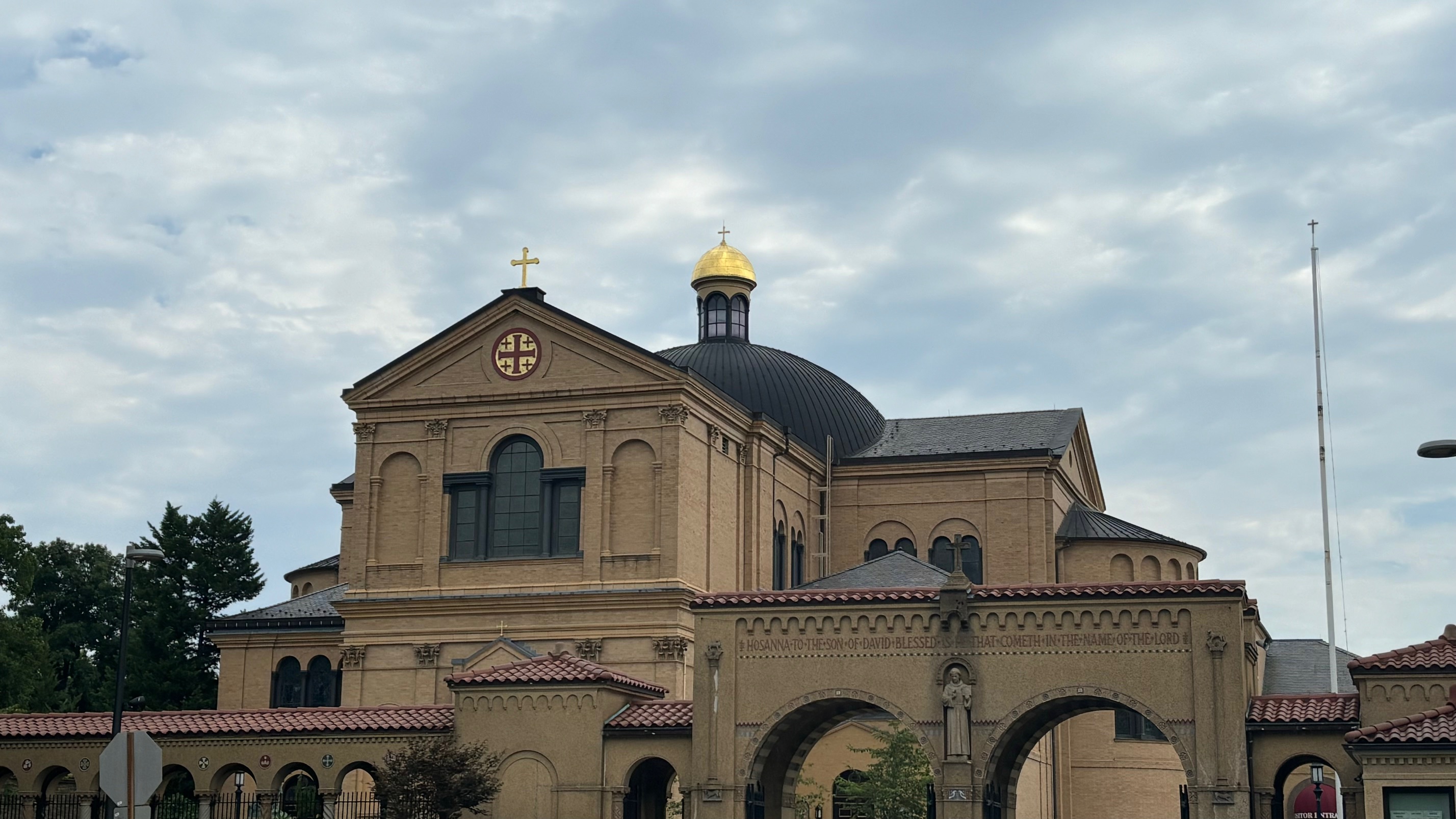
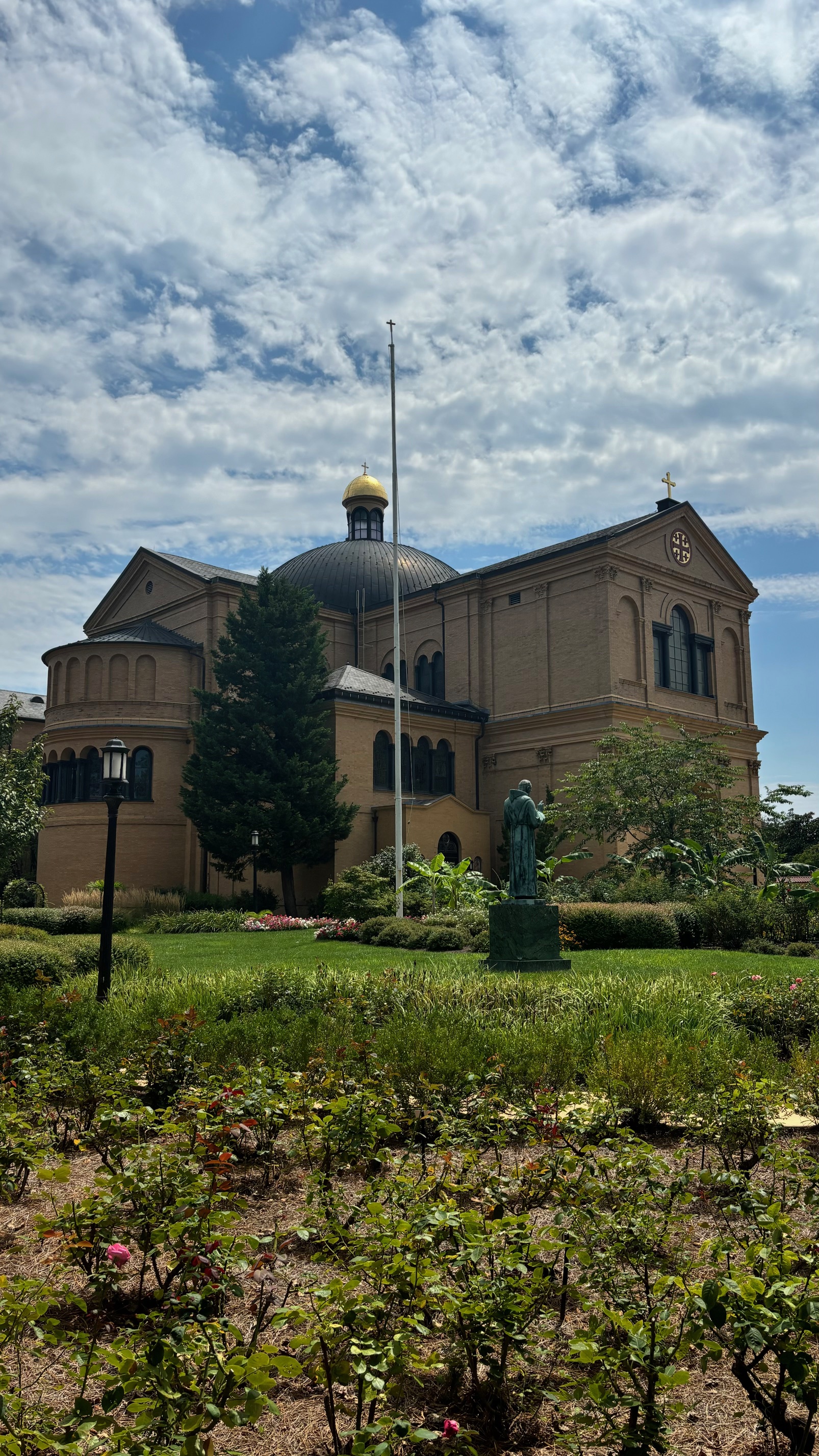
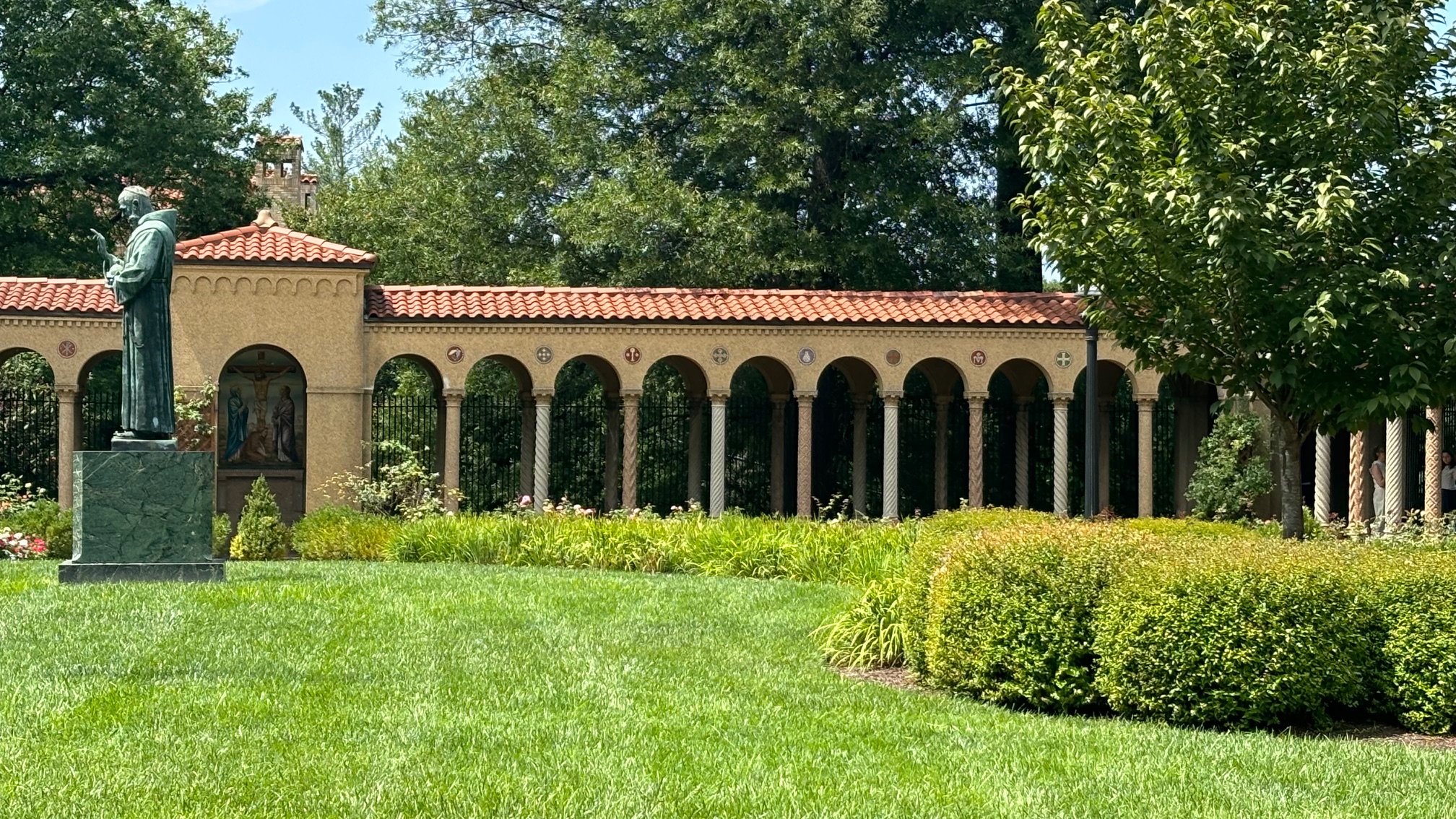
Franciscan Monastery of the Holy Land in America

“Completed in 1899, this historic monastery and gardens of the Franciscan order has welcomed visitors from Washington, DC and around the world including those looking to practice their religion freely.”

Camera: iPhone 15

Location: Franciscan Monastery of the Holy Land in America; Washington, District of Columbia

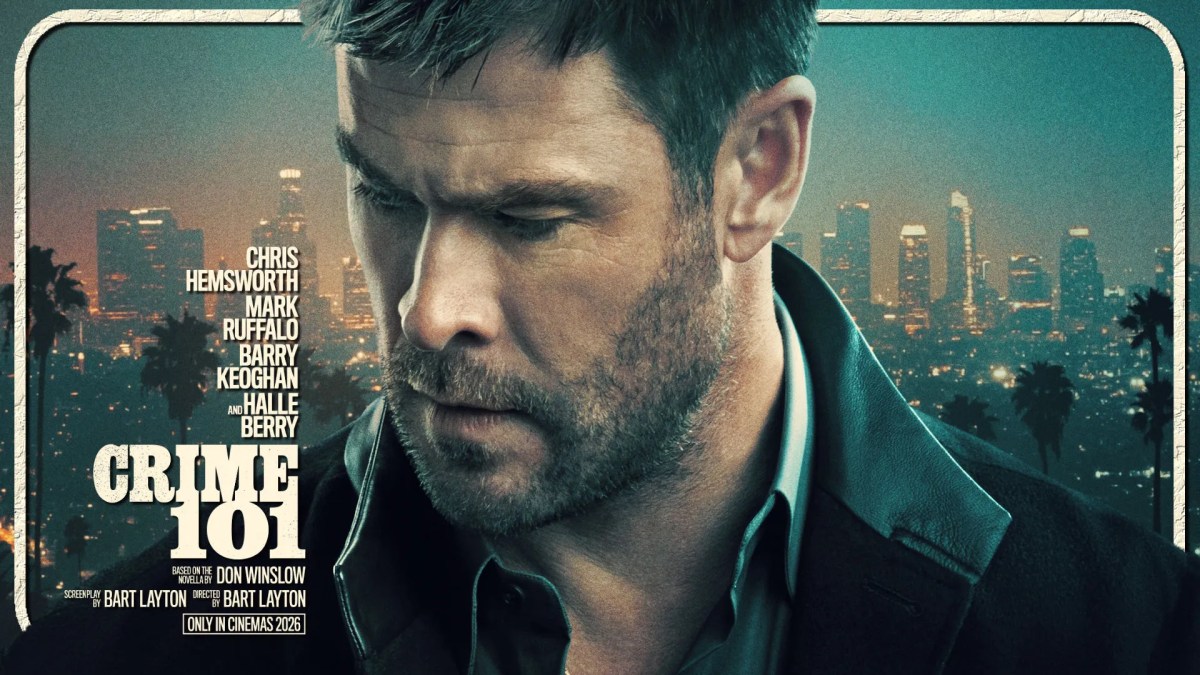
‘Crime 101’ – Film Review and Analysis

“While the film’s title, ‘Crime 101’ seems basic in its premise about a typical jewel thief applying his craft while other characters fight to make their mark in a ‘late stage’ capitalist system, the depth to which each character is brought to life over the film’s runtime and then tied into each other’s destinies convincingly is both good writing and screenplay adaptation.”

Los Angeles, California, just lends itself to being ripe for crime or drama thriller films and this has been the case since the 1990s when ‘Boyz n the Hood’, Heat’ and ‘L.A. Confidential’ came out in theaters. Since then, you’ve got other great films like ‘Training Day, Collateral’ and ‘Crime 101’ (2026). While the film’s title, ‘Crime 101’ seems basic in its premise about a typical jewel thief applying his craft while other characters fight to make their mark in a ‘late stage’ capitalist system, the depth to which each character is brought to life over the film’s runtime and then tied into each other’s destinies convincingly is both good writing and screenplay adaptation.

What could easily have fallen into the well-worn formula of a black-and-white crime thriller instead embraces moral ambiguity, examining how each character navigates the uneasy space between the fate handed to them and the choices they make to escape it. The film adaptation of ‘Crime 101’, a novella by crime novel author is fleshed out over different locations within Los Angeles from LAX to Santa Monica to Beverly Hills, showing that the city itself shapes the story, its characters, and how the action unfolds scene by scene.

The main storyline centers around Mike Davis, who is an experienced jewel thief, who has his own moral code despite robbing and threatening those who stand in his way, including no use of violence and never leaving a discernible trace behind including DNA. He leaves a discernible pattern that not many detectives would pick up on except for LAPD Detective Lou Lubesnick who unlike his younger colleagues, enjoys putting the pieces together, building a case up overtime, and trying to purposely entrap Mike before he lands his next big score. Lou is nearing the end of his career, wanting to still make a name for himself in his department, and the 101-highway jewel robber known as ‘Mike’ may be his best chance to still make a legacy for himself with his lack of recognition for his contributions and chiding he receives from younger superiors.

Sharon, like Mike and Lou, is heading towards a reckoning with her chosen path as she strives to close her biggest deal yet with her being a high-end insurance broker for LA’s wealthy elite, even though she has done so multiple times before, is not her own boss, and is unable to be recognized as a partner at her own firm after many years. Each character becomes honed in on each other because they reflect what they see in themselves as Lou looks to further his career by finding Mike and catching him, Mike needs Sharon to help him land an even bigger robbery of a client of hers, and Sharon realizes she may need both their help to get herself out of her current predicament at her job, which morally tests her and could threaten her financial future.

Each of the film’s major characters is looking to make their most out of the dog-eat-dog world that capitalism forces upon them whether you’re born into poverty and in the foster system like Mike, whether you’re overlooked and disregarded because of your unwilling to play the work status game like Sharon, or if you’re like Mike whose unique perspective and meticulous work is unrecognized by an LAPD looking to clear cases as soon as possible, even when a string of robberies fit a perfect pattern, but yet is overlooked by others for the clear ‘wins’ of the day.

Crime thrillers are a dime a dozen, but ‘Crime 101’ is brilliant in terms of its direction, the screenplay, the usefulness of the LA setting, and the depth of each main character with how you really get to know them over the course of the 2 ½ hour screen time. You’re able to understand the moral predicament of each character, what motivates them each, how the world has let them down in different ways, and what drives them to do what they do. Without giving everything away about each character in the first 20-30 minutes, Director Bart Layton can really bring out the suspense, the tension, and the character development without overdoing it.

The film’s release in 2026 really captures how chasing after increasingly concentrated capital in the hands of a wealthy few leaves each character scrambling to have a piece of the illusive pie, which is largely out of reach without resorting to extreme measures. The current issues of inequality, homelessness, lack of social welfare, really feed into the story and what drives each character as they are overlooked in the grand scheme of LA” s high society. Each of them stands to benefit from choosing to not play the game anymore on other people’s terms, whether for promotion (Sharon), for recognition (Lou), or freedom from a volatile past. (Mike).

Luckily, there are a few twists and turns throughout the film to keep it engaging, especially with great supporting performances by the legendary Nick Nolte (Money) as Mike’s money man and fixer along with Barry Keoghan as ‘Ormon’, a violent and disturbed young biker looking to steal or replicate Mike’s robbery success(es) but without any kind of moral code. Each of the major characters may be resigned to losing their job, their freedom, or their livelihood, but they cling to their chosen craft as a way to keep themselves moving forward in life. They don’t want to let their fate to be left to pure chance, but rather to work with each other in an unlikely way to make sure they can surpass the limits on their futures that society has imposed. You can question the morality of each character’s choices, but ‘Crime 101’ lets us really understand their motivations and why they take the actions they do, and it’s not done in an overly cliché way.

In the end, Crime 101’ stands out not just as another stylish Los Angeles crime thriller from a long history of great ones, but as a character-driven examination of ambition, recognition, and survival in a city where everyone seems to be chasing something just out of reach. By allowing its characters to exist in moral grey zones rather than simple hero-or-villain roles, the film captures the uneasy tension between personal choice and circumstance that defines so many lives in modern Los Angeles. Director Bart Layton builds suspense patiently, letting the intersecting paths of Mike, Lou, and Sharon unfold until their destinies collide in ways that feel both inevitable and tragic. In a genre crowded with forgettable heists and predictable thrillers, ‘Crime 101’ reminds audiences that the best crime stories are ultimately about people, their flaws, their desires, and the risks they are willing to take when the system leaves them with few other options.

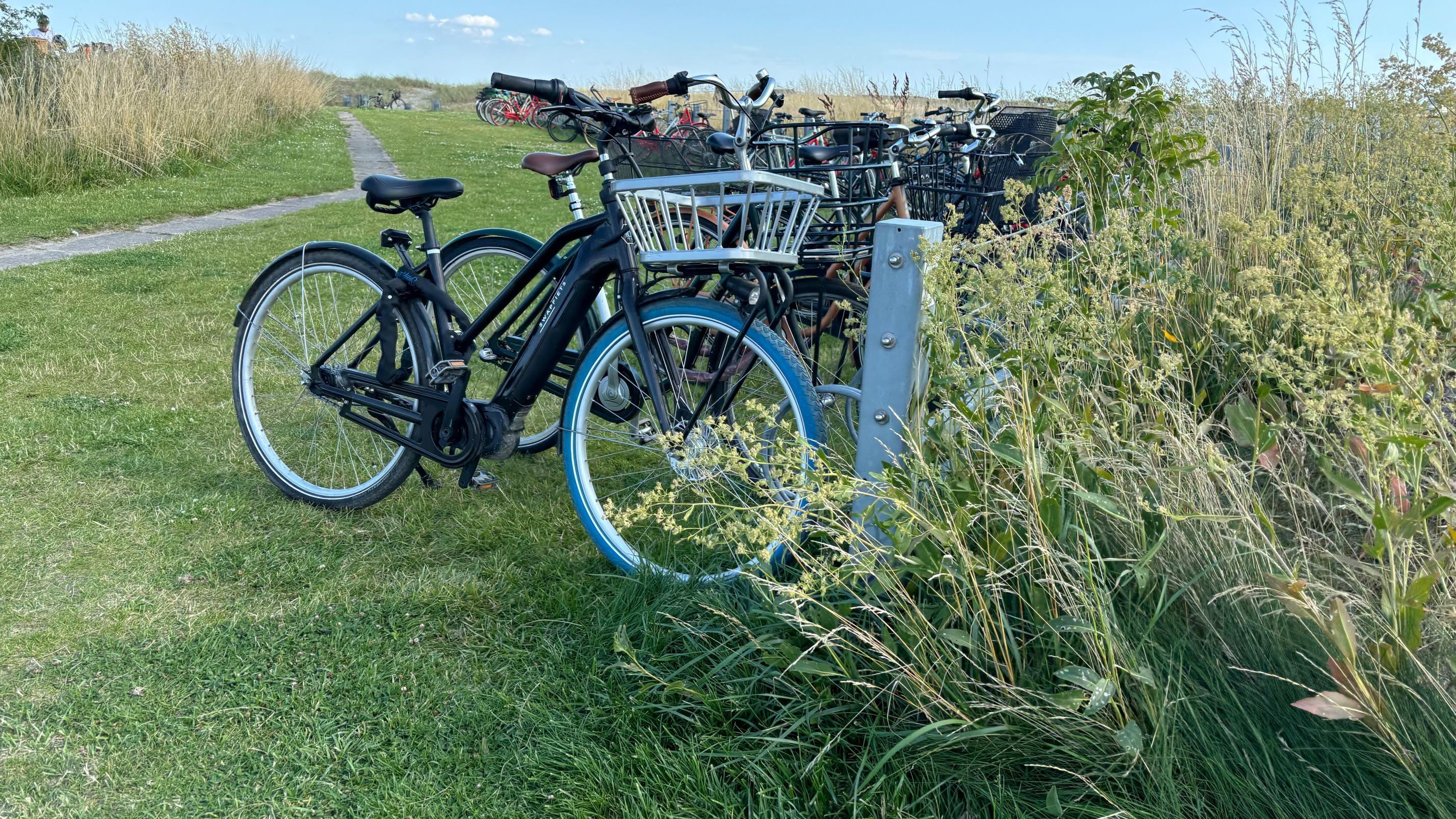
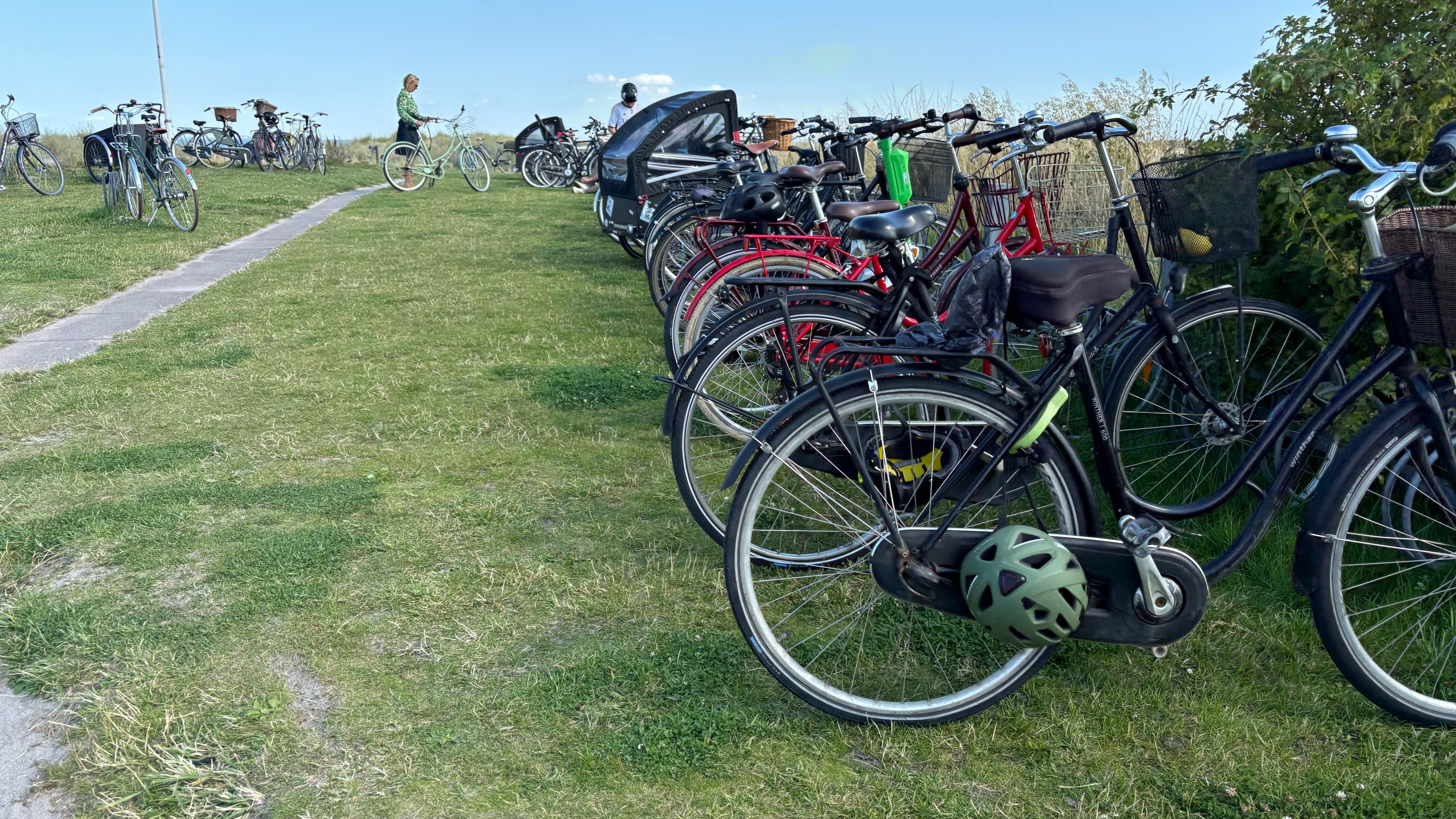
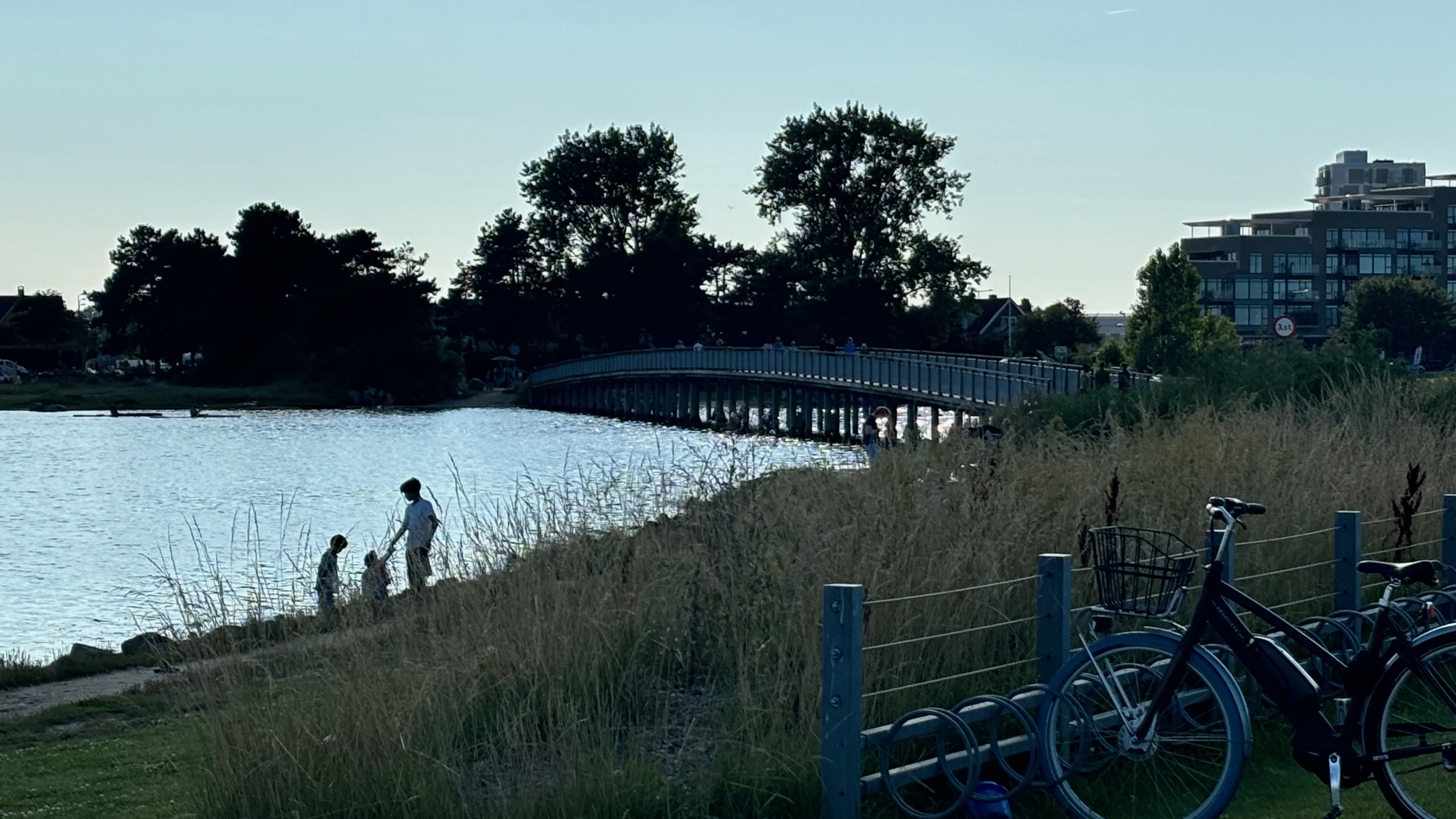
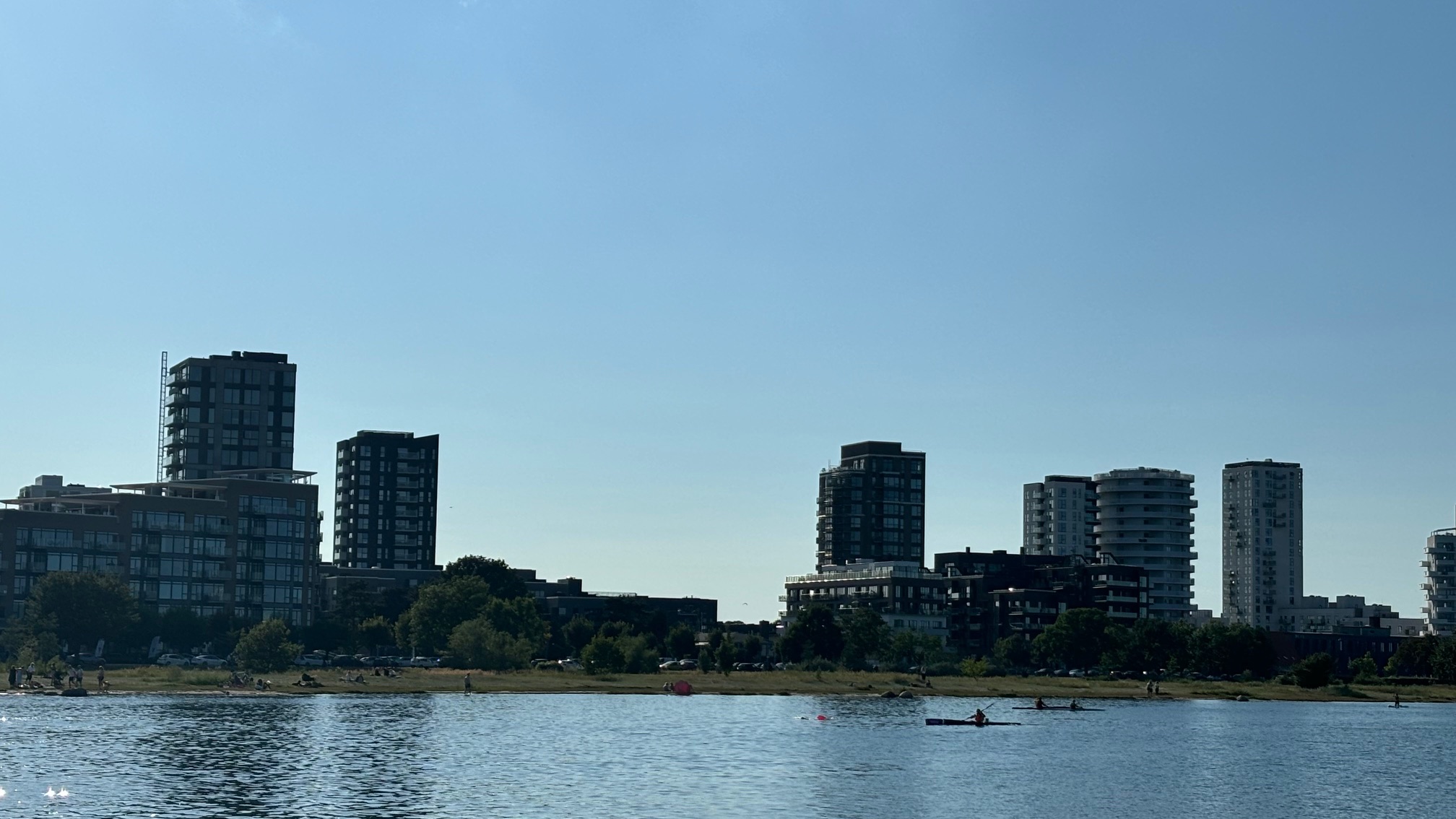
Amager Beachpark

“A quiet stretch of sand just minutes from the heart of Copenhagen, Amager Strand feels like a small escape from the city. On a clear day, the Baltic breeze, cyclists rolling past, and the skyline in the distance make it the perfect place to slow down and soak in Danish summer.”

Camera: iPhone 15

Location: Amager Beachpark (Strand), Denmark

Don’t Sleepwalk Your Way Through Life

“As much as you want to go through life with a constant routine, when you instead establish new habits, hobbies, and places to visit, it’s best to mix it up and do what you can to make the most out of this one life you have.”

Turbulent times have a way of stripping life down to its essentials. It can make you appreciate what you have in life more and not take what you have for granted. When the headlines are gripping and uncertainty lingers each day, you realize how fragile our routines and habits really are. While it’s tempting to go through the motions and drift through our days on autopilot, by going to the same coffee house, driving the same commute, having the same conversations and making the same excuses, you should be taking off the autopilot instead and homing in more on what makes life enjoyable. As much as you want to go through life with a constant routine, when you instead establish new habits, hobbies, and places to visit, it’s best to mix it up and do what you can to make the most out of this one life you have.

I’ve caught myself sleepwalking before in my life. Not physically, but mentally. Waking up, checking my phone, answering emails, going through meetings, making the usual commute, working out at the same gym, eating dinner, scrolling, and sleeping. Productive on paper but not really waking up my senses to the full extent. This kind of routine can sap your spirit over time. It wasn’t that anything was wrong, but it can get boring after a while. That was the problem for me and for many others I suspect. There’s nothing wrong with what I was doing, and I still have my routine that I enjoy. However, nothing in my life was expanding either or challenging me enough. My life was efficient and that efficiency was quietly numbing me.

The truth is that living life on autopilot feels responsible, especially in adulthood. It feels mature and what is expected of us at a certain age. Routine keeps the bills paid and the calendar organized. Routine, when left unchecked, becomes a cage you build yourself and can be suffocating after a while. The brain loves predictability as it conserves its energy. Routine avoids discomfort and novelty unless you force yourself to be different and try new things. True growth doesn’t happen in conservation mode or by playing it safe. Growth demands friction and friction requires intention, which means making the effort to break the routine you impose on yourself.

For myself, it’s always been travel that has exposed the lie of living life on autopilot almost instantly, especially from my solo travels. It’s hard to drift through life when you can’t read the street signs, when you’re ordering food in broken Spanish, Turkish, or German, when you don’t fully understand the cultural cues or conversations around you. You’re alert, present, and living in the moment. The precious moments where you’re slightly uncomfortable but also feeling fully alive are the best for me. I live for those moments every chance I get to experience them even when they’re harder to come by as I get older. The colors and smells you sense feel sharper. Conversations feel deeper and livelier. Time stretches rather than drags me down. It’s not about how each country is magical but rather that you are fully awake and experiencing life more fully.

Waking up and taking yourself off autopilot isn’t dramatic, but it should be a deliberate effort. It’s choosing an unfamiliar conversation instead of a safe one. It’s taking a different route home. It’s signing up for something new you might be bad at but want to try anyway to see how it goes. It’s reading different books and engaging people who may not share the beliefs or views as you. It’s learning twenty new words in a language you don’t “need” but desire to learn to expand your horizons. It’s asking yourself, honestly, “When was the last time I felt truly engaged?”

You don’t need to burn your life down and leave your responsibilities behind, which is a false choice. You need to interrupt it and bring something into your life to make it more enjoyable.

Turbulent times are unsettling and especially at this moment we’re living in around the world. At the same time, they’re clarifying what really should matter to you. They remind you that stability and prosperity are never guaranteed. Political systems shift. Jobs will change. Borders can close. Health falters. Family and friendship ties fade. When you accept that inherent fragility to life, you stop assuming you have endless tomorrows to play around with. When tomorrow isn’t promised, living your life on autopilot becomes a risk you can’t afford to take.

You get one life. No rehearsal. No dress rehearsal. No backup plan for the 2nd one. The world is unpredictable enough so don’t make your inner world predictable too. Refuse to sleepwalk through the years as they go by faster. Shake up your routines. Question your assumptions, values, and beliefs. Chase what unsettles you in a healthy way. Stay curious about the world and the people in it. Stay moving as much as possible. Because the greatest tragedy in life isn’t the inevitable turbulence that will come your way. It’s the numbness you’ll experience if you don’t choose to make this life the best it can be.