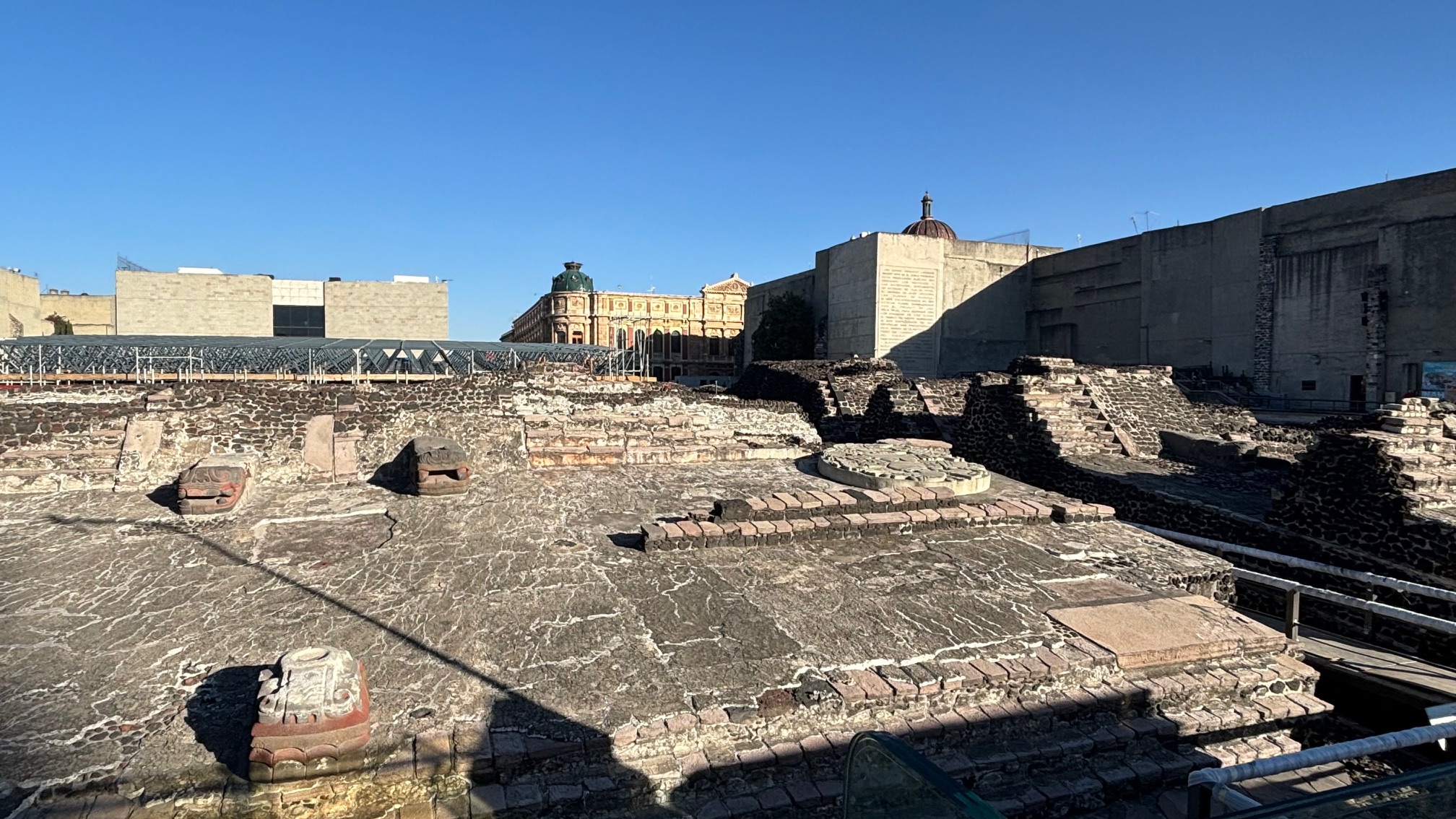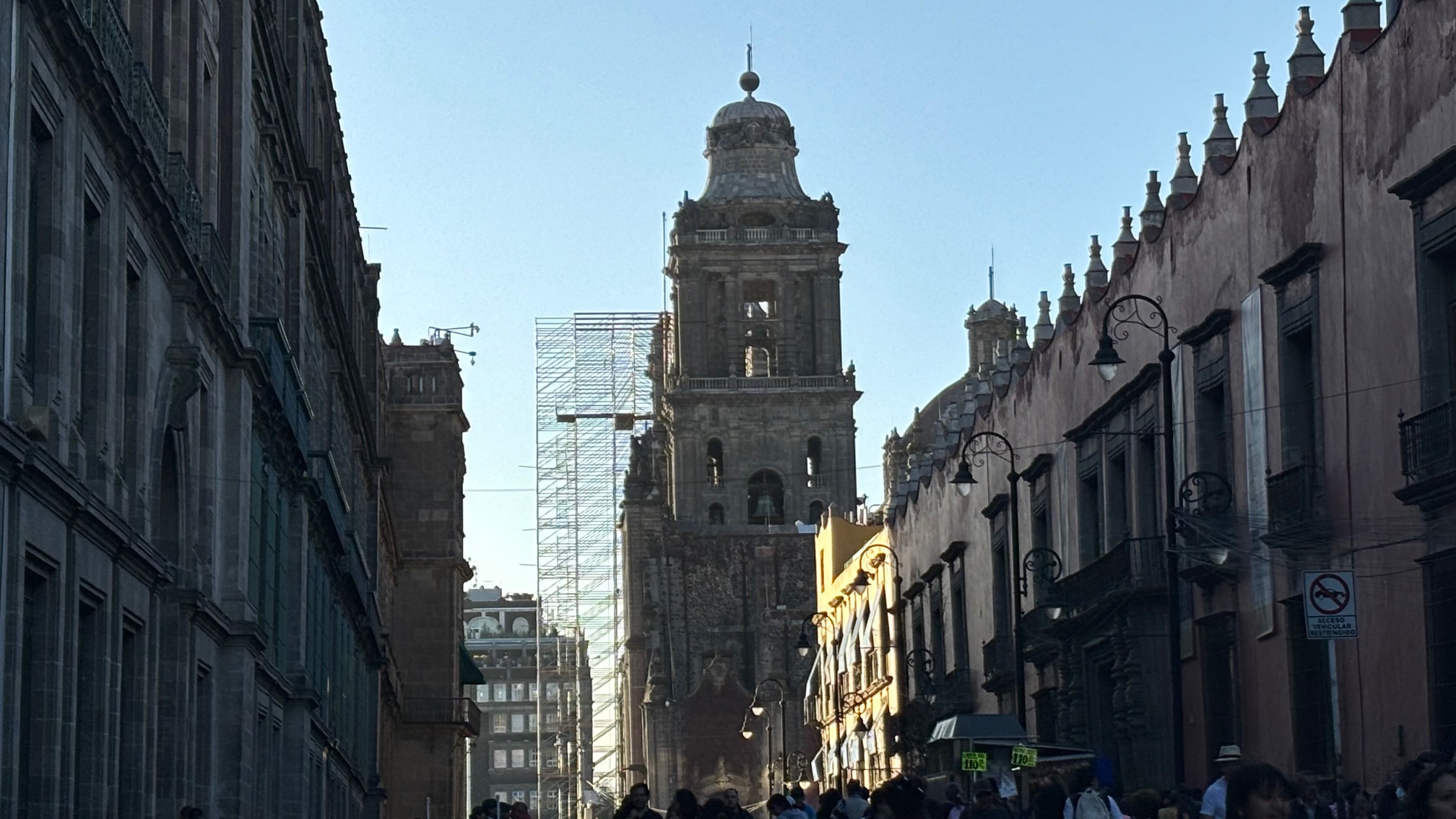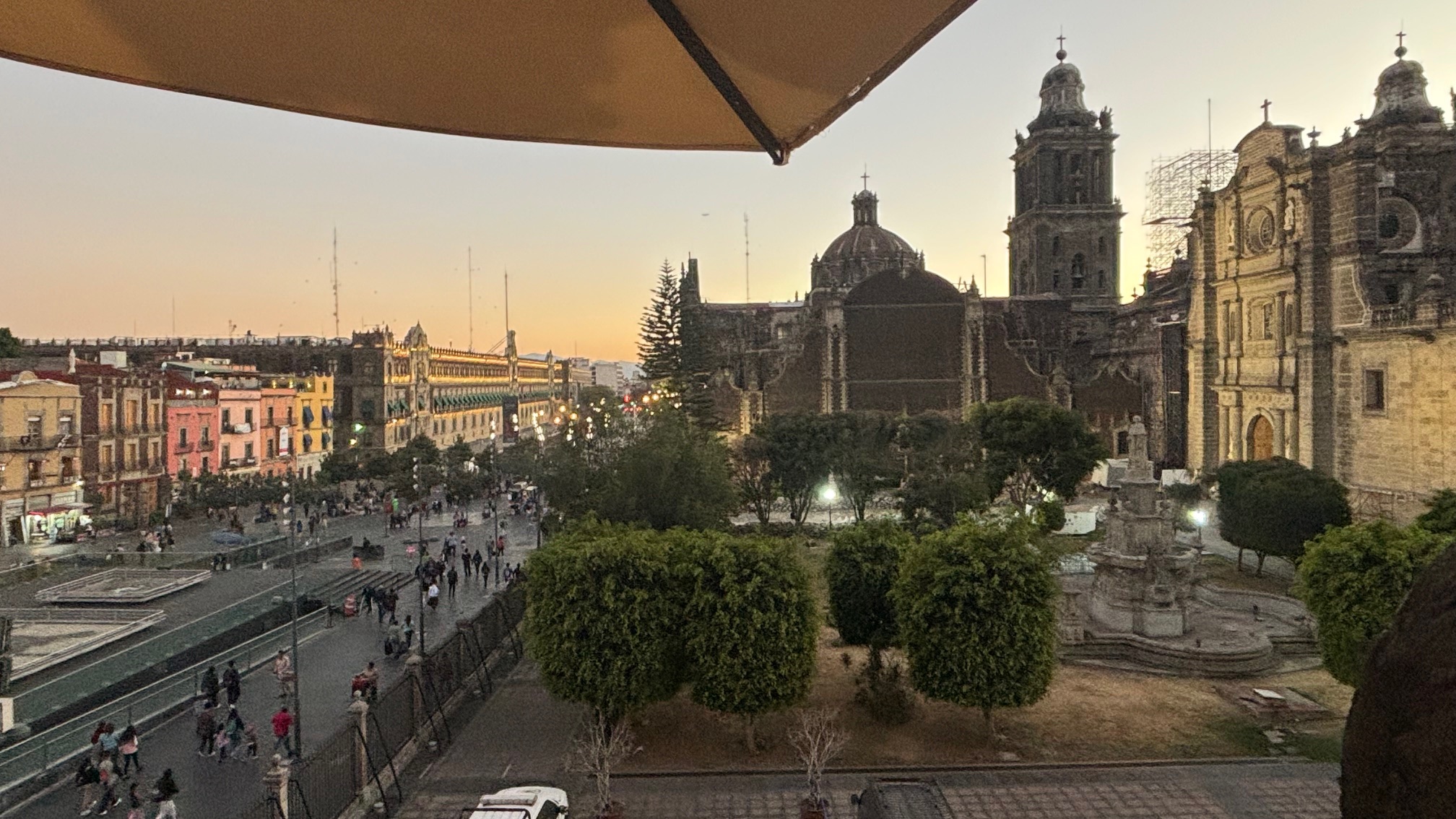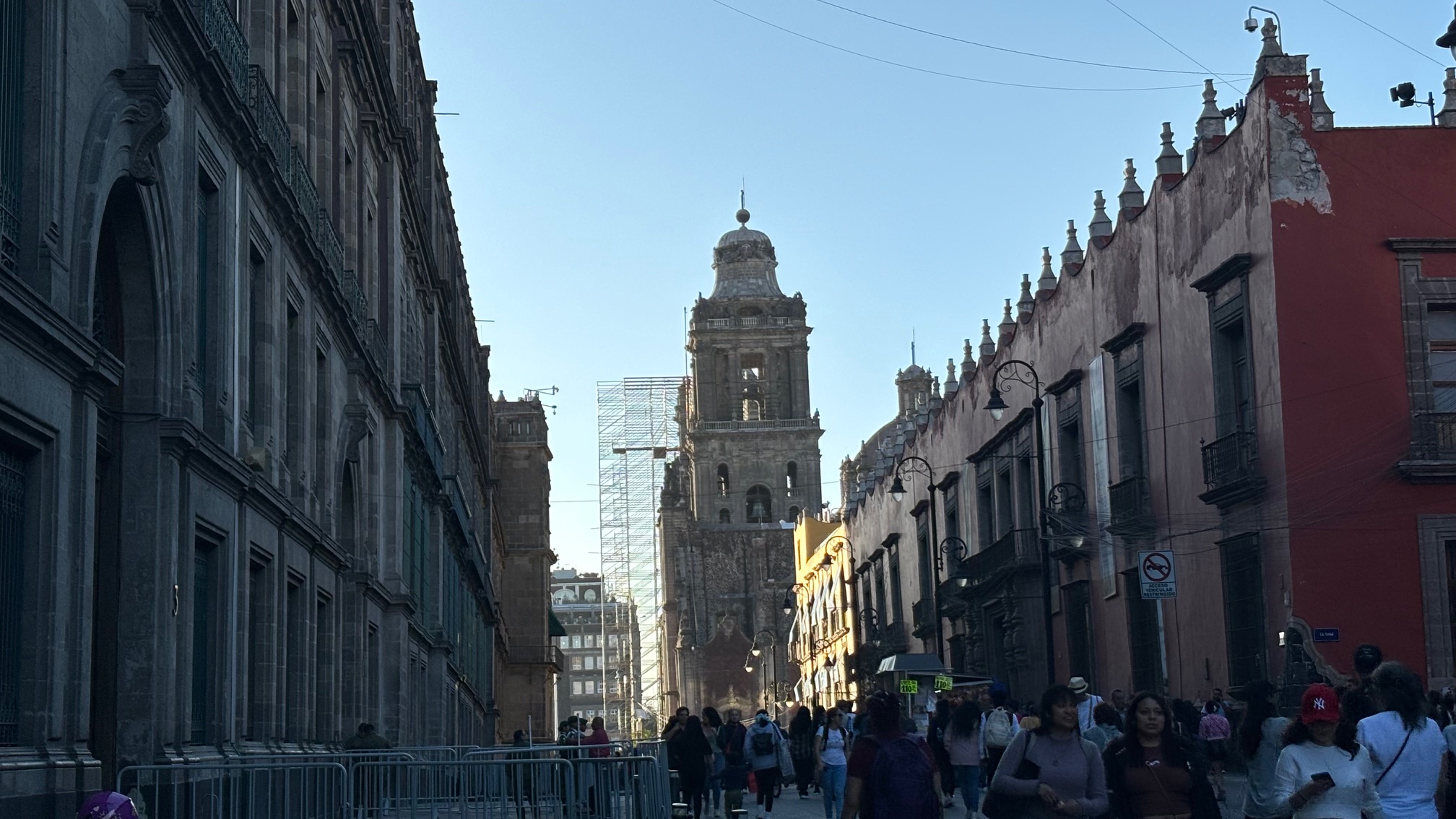






In The Heart of CDMX

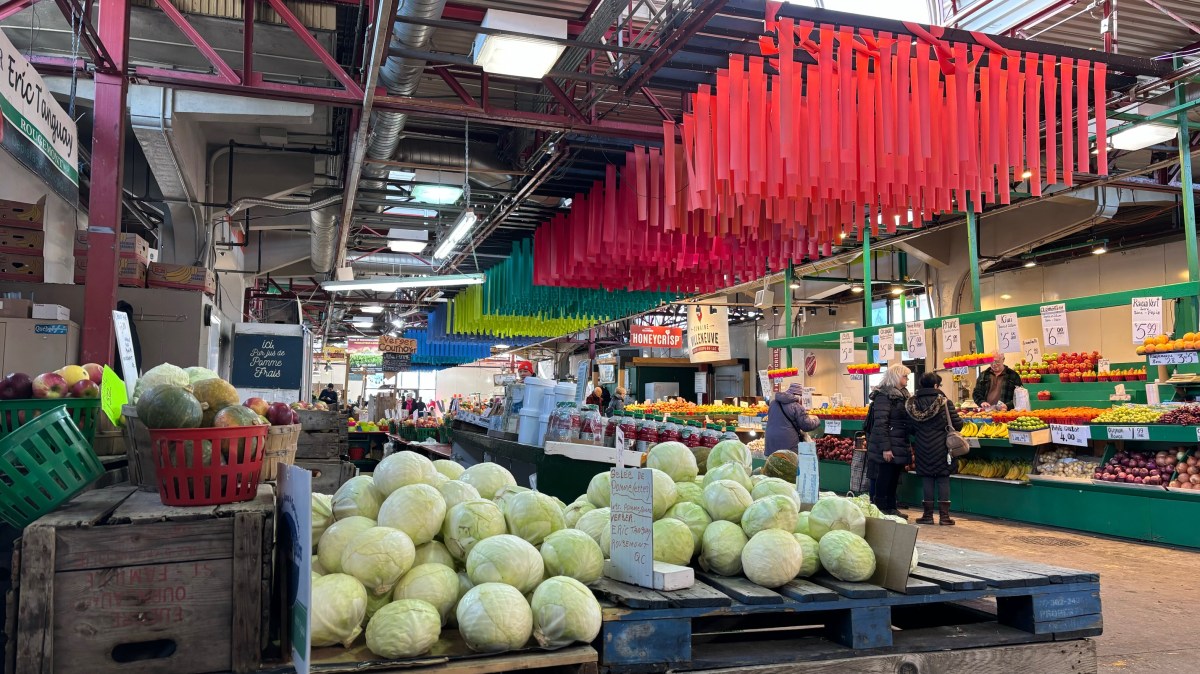
“Walking through downtown Mexico City and visiting the historic center of the city along with museums and the Metropolitan Cathedral.”
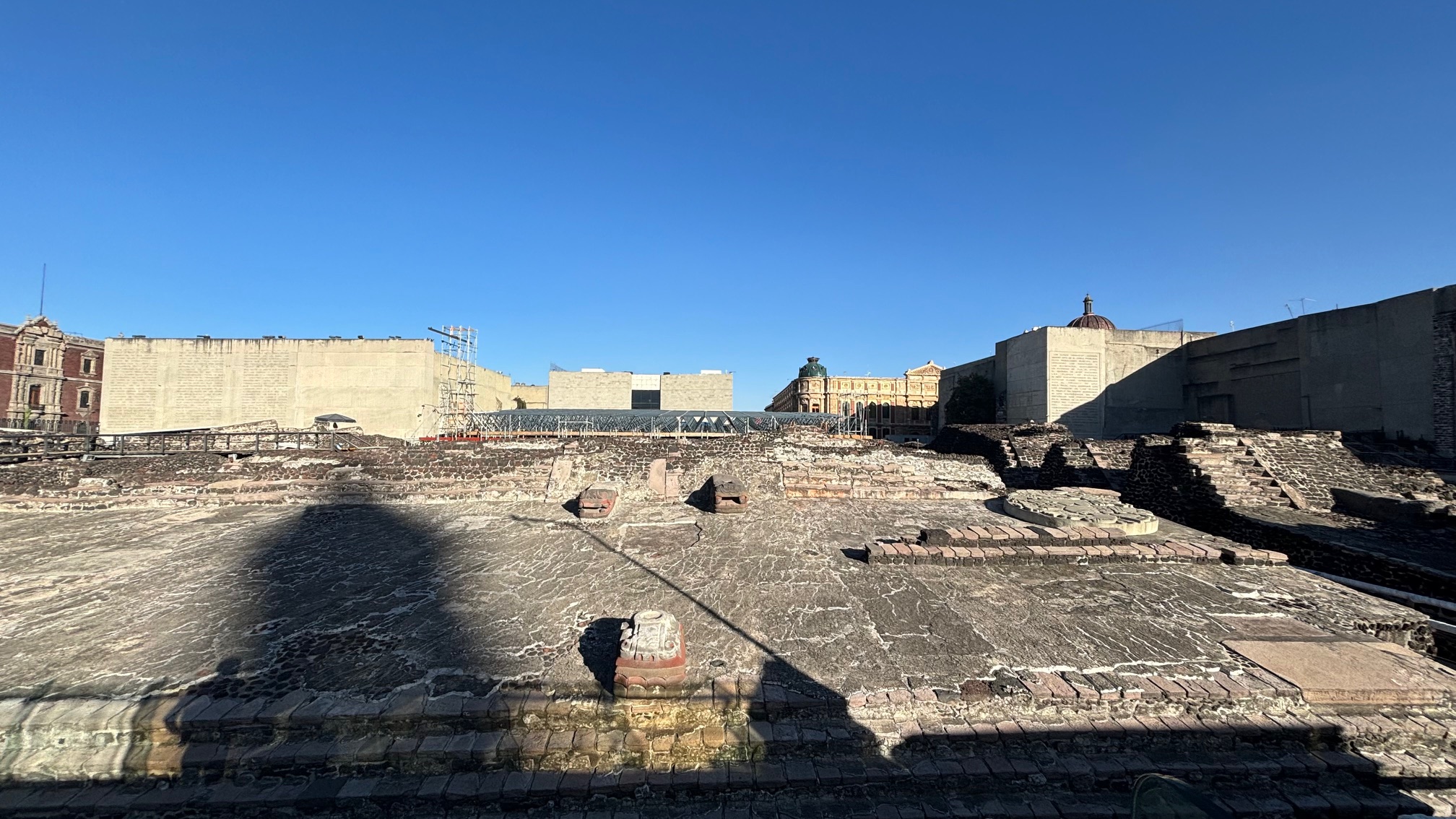
Camera: iPhone 15

Location: Historic Center (Zocalo), Mexico City, Mexico

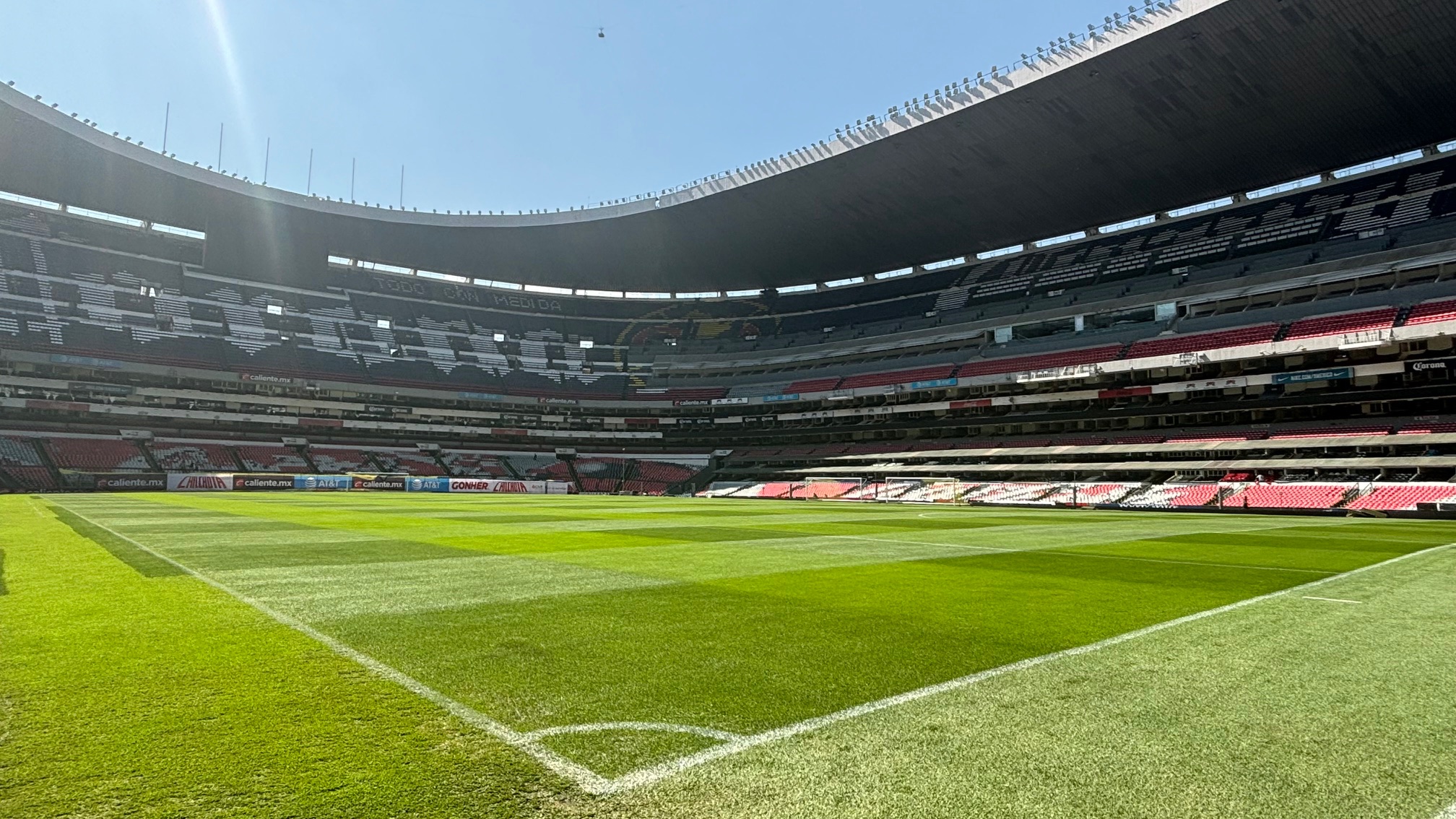
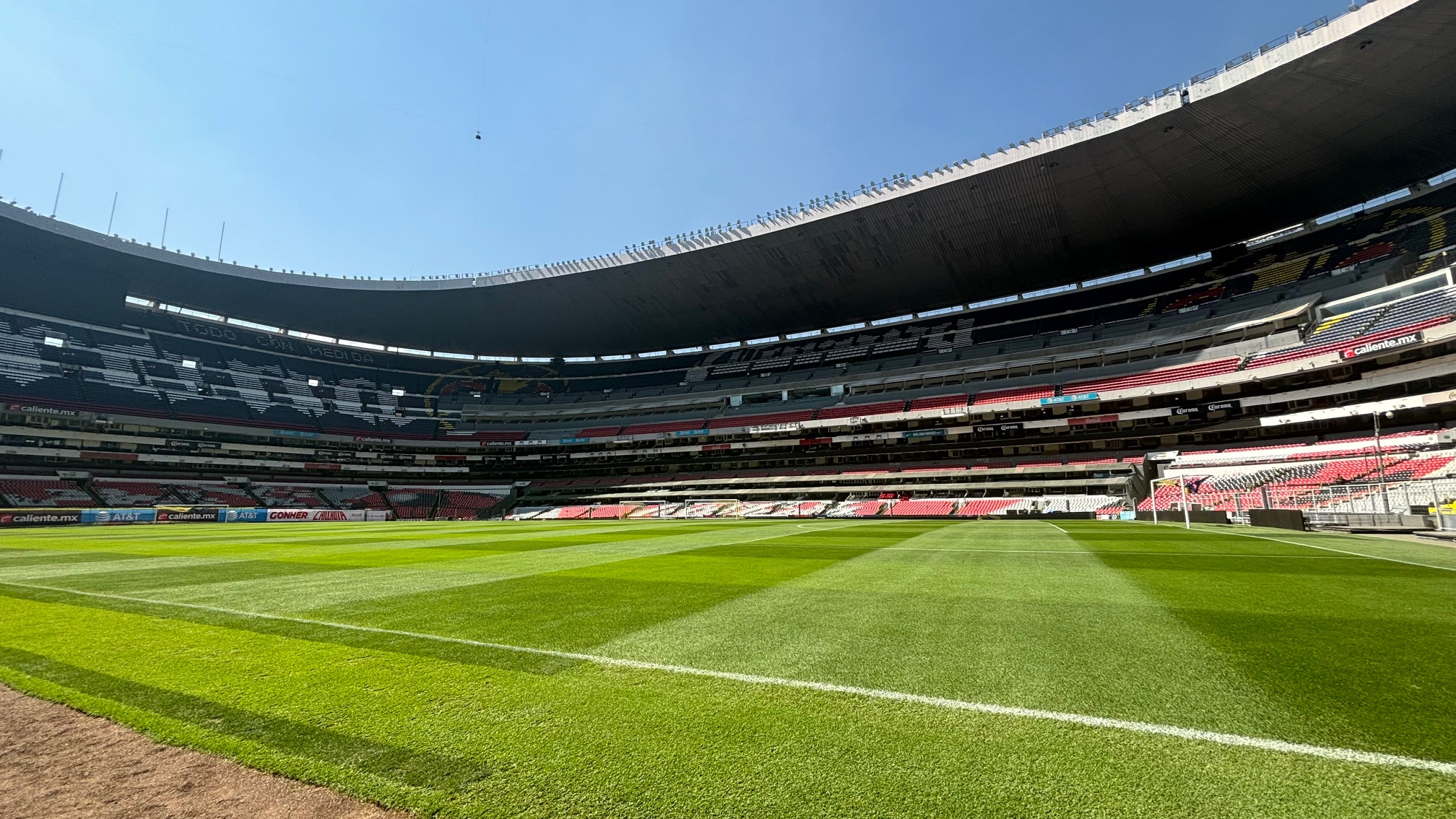
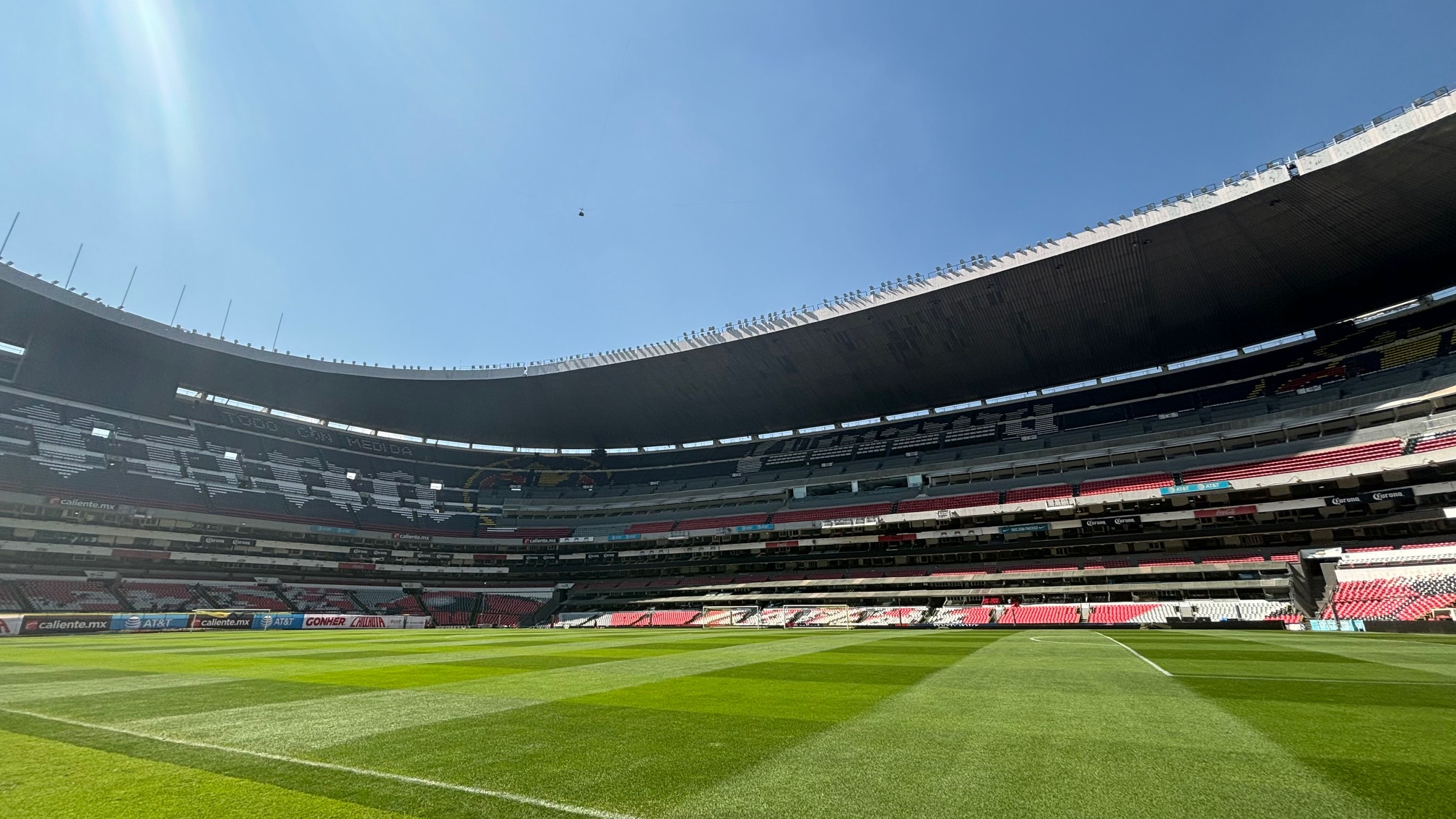
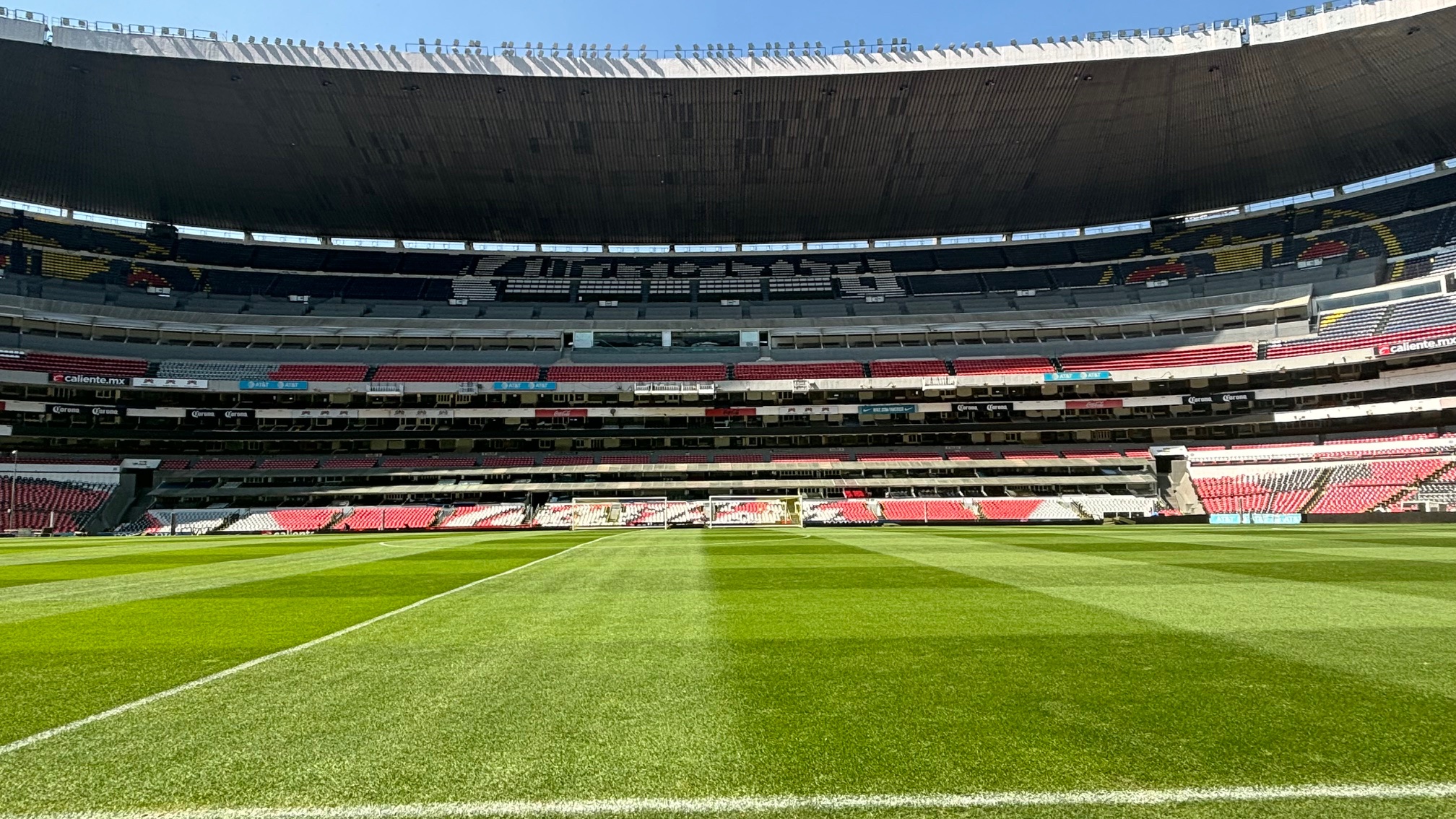
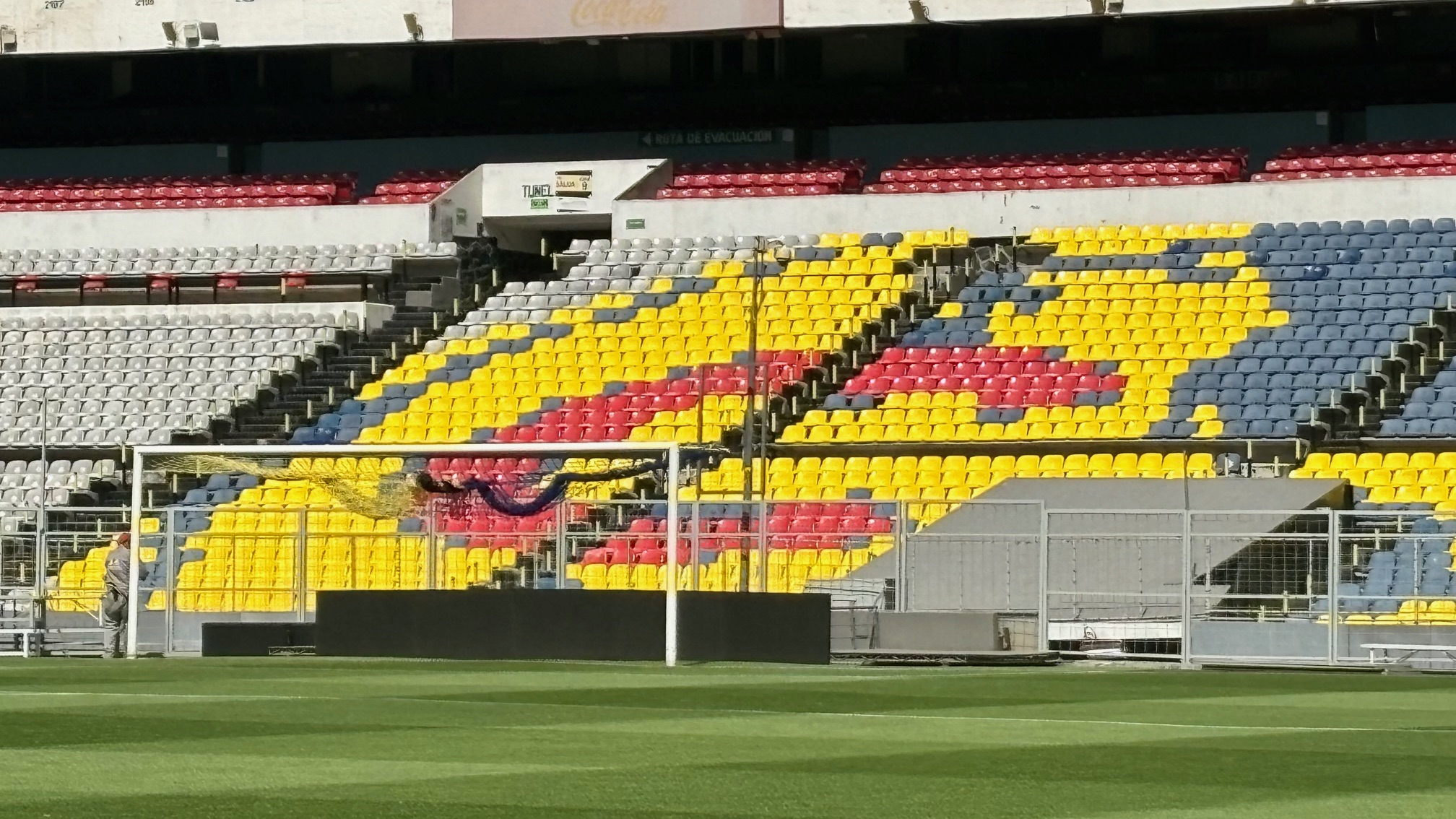
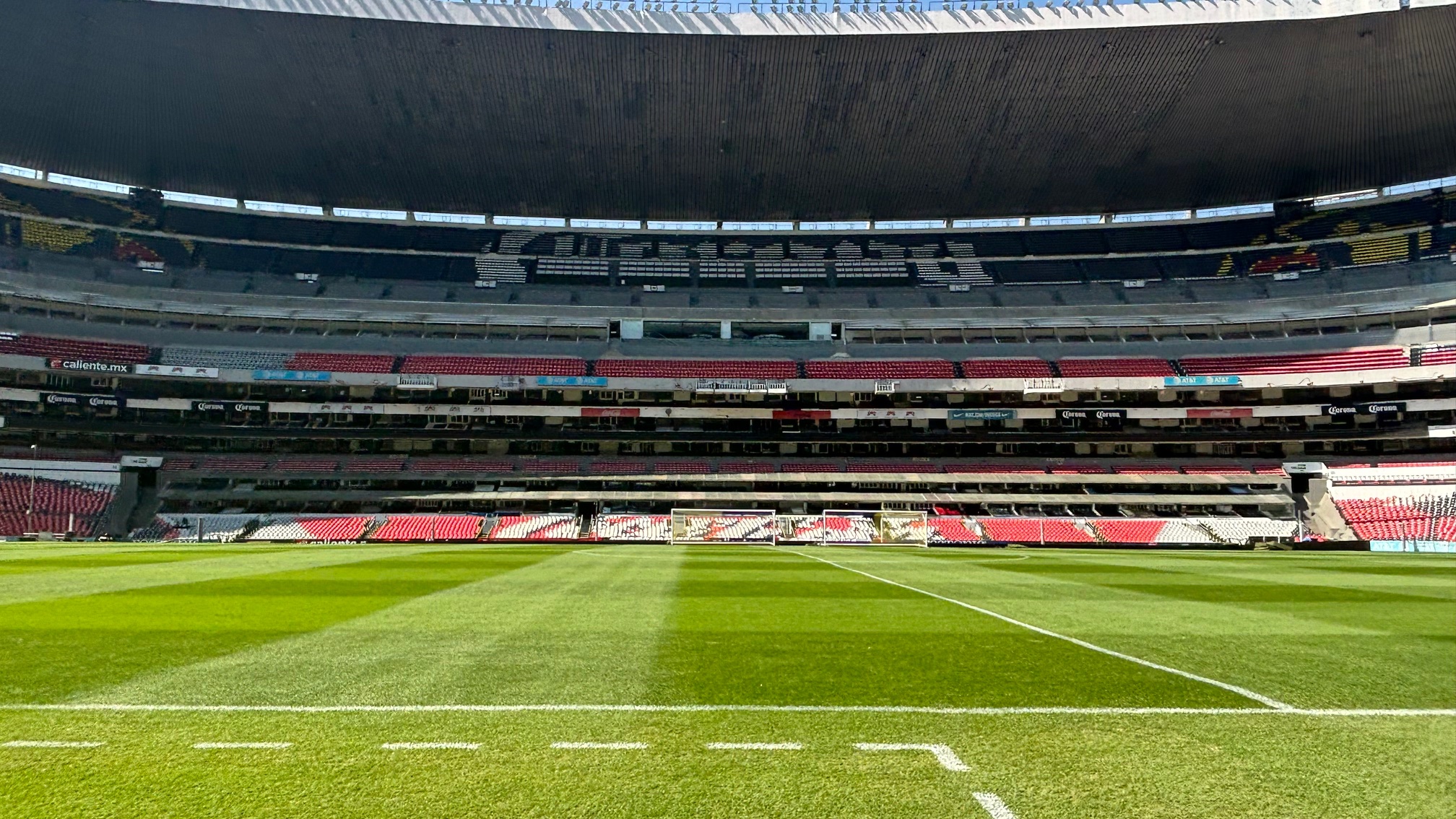
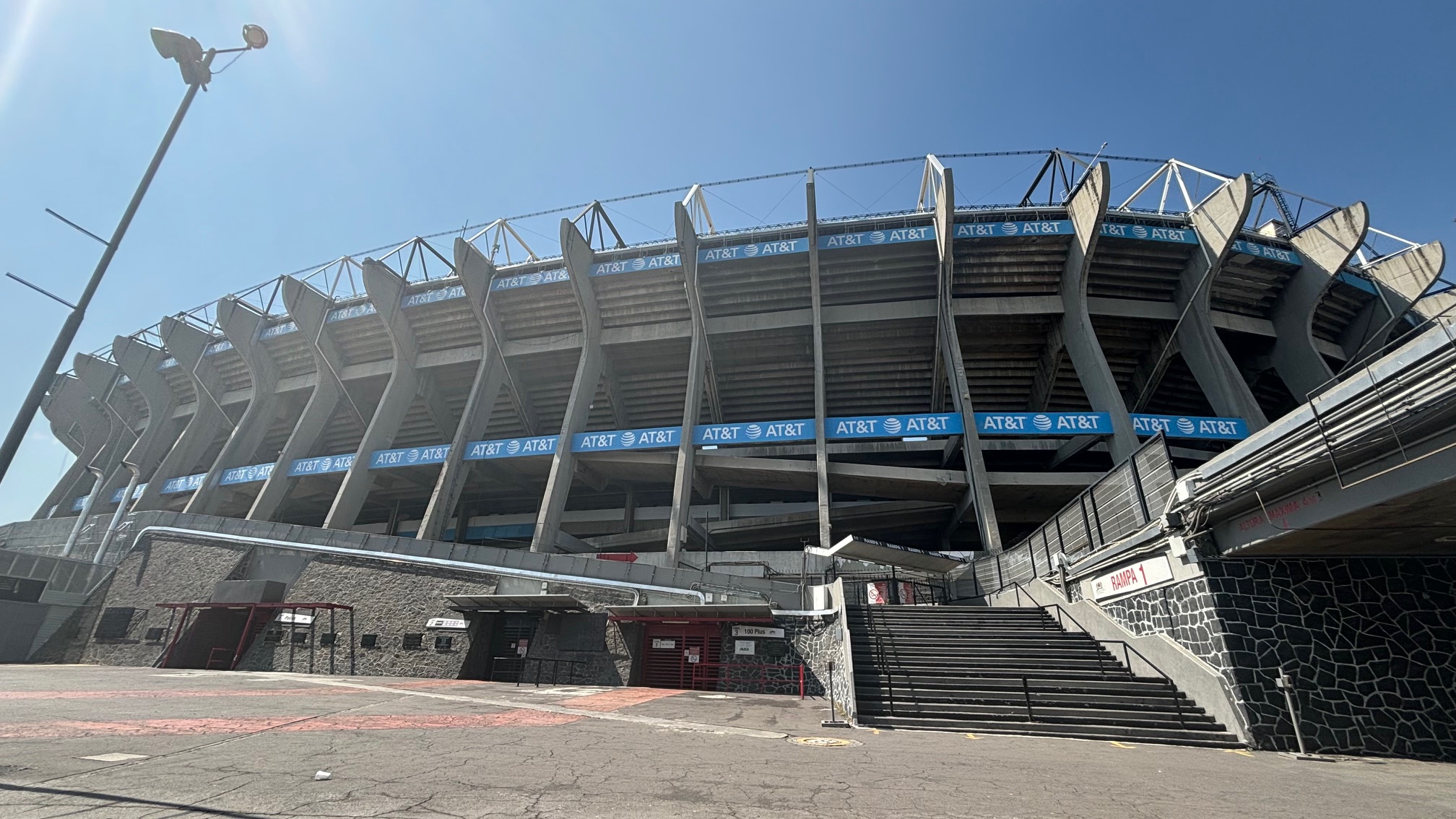
Estadio Azteca

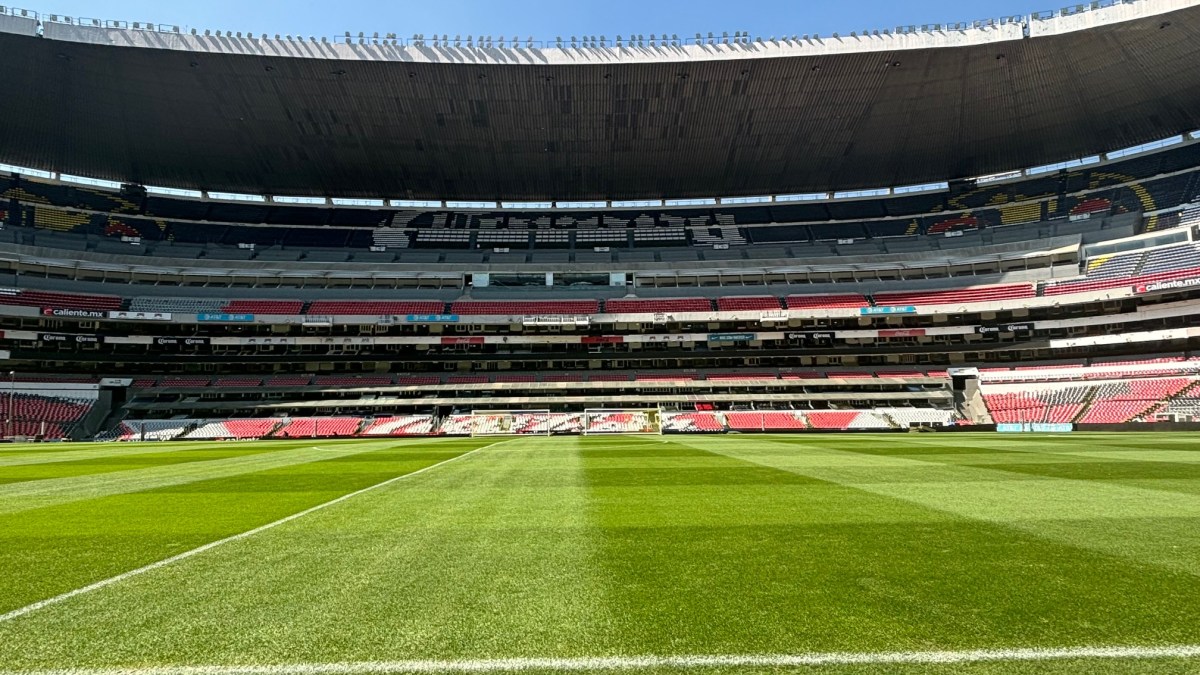
My first visit to the historic Azteca Stadium or Estadio Azteca in Mexico City, Mexico where the opening match of the 2026 FIFA World Cup will be played.

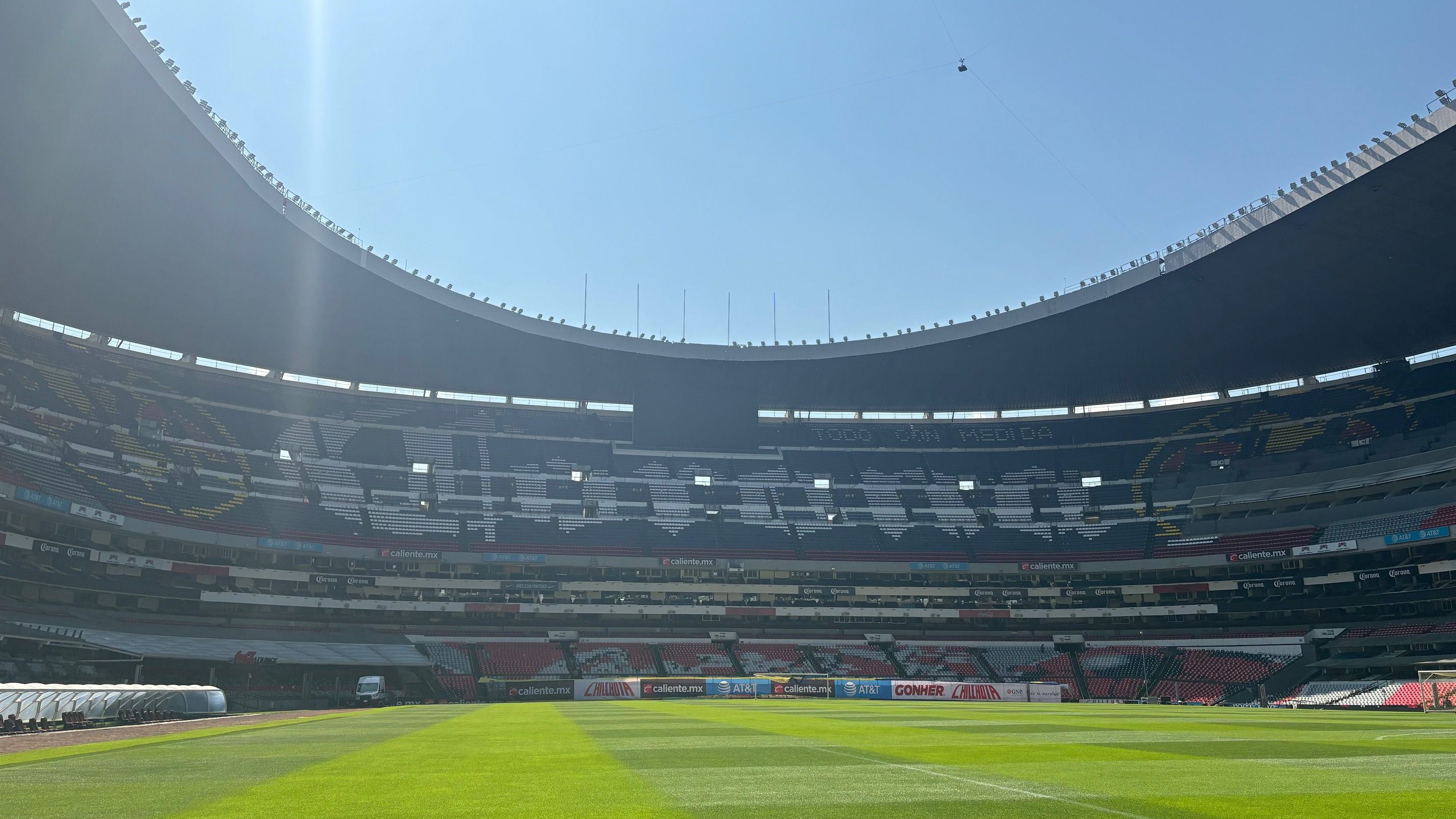
Camera: iPhone 15

Location: Estadio Azteca (Azteca Stadium) Mexico City, Mexico

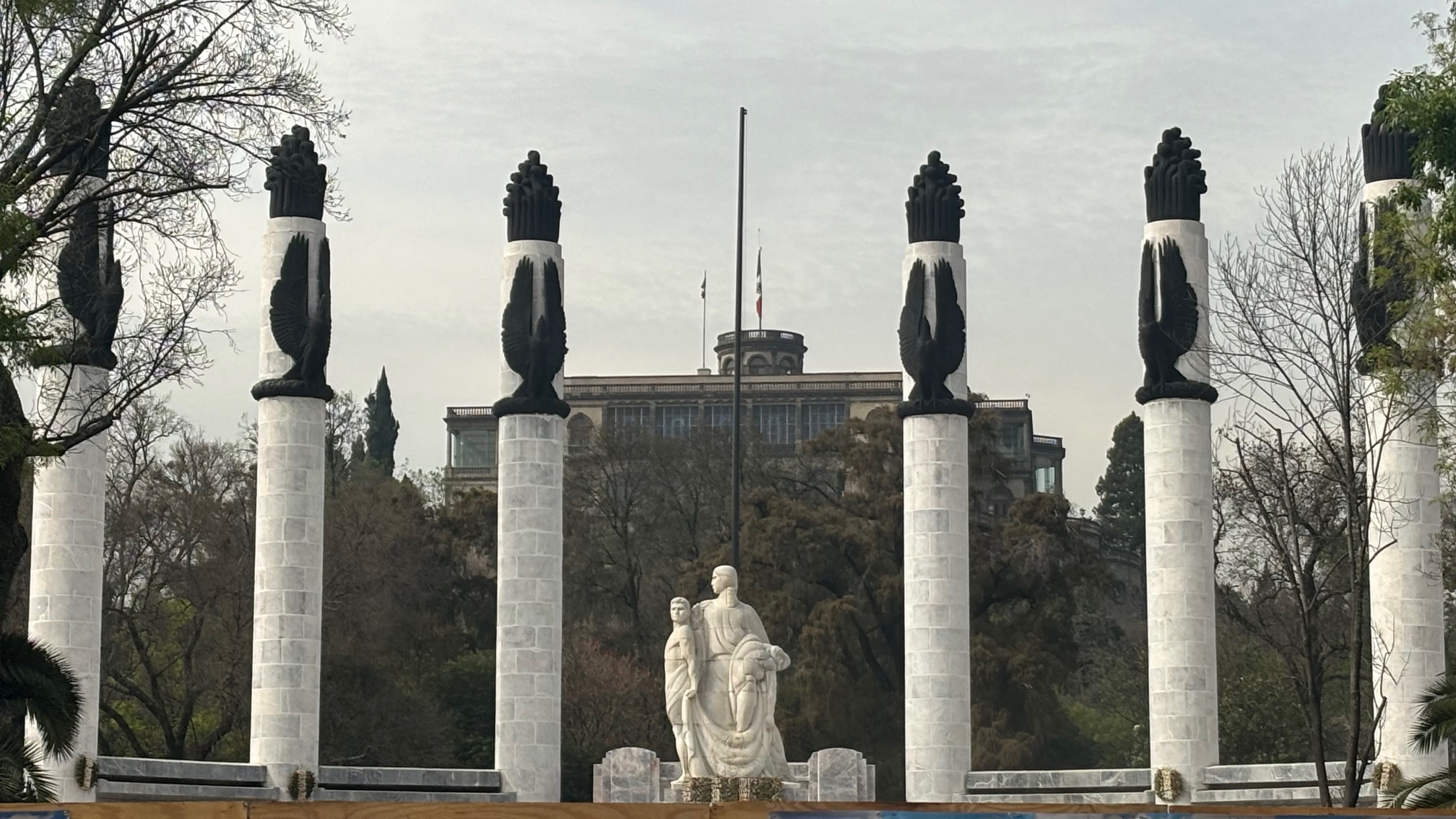
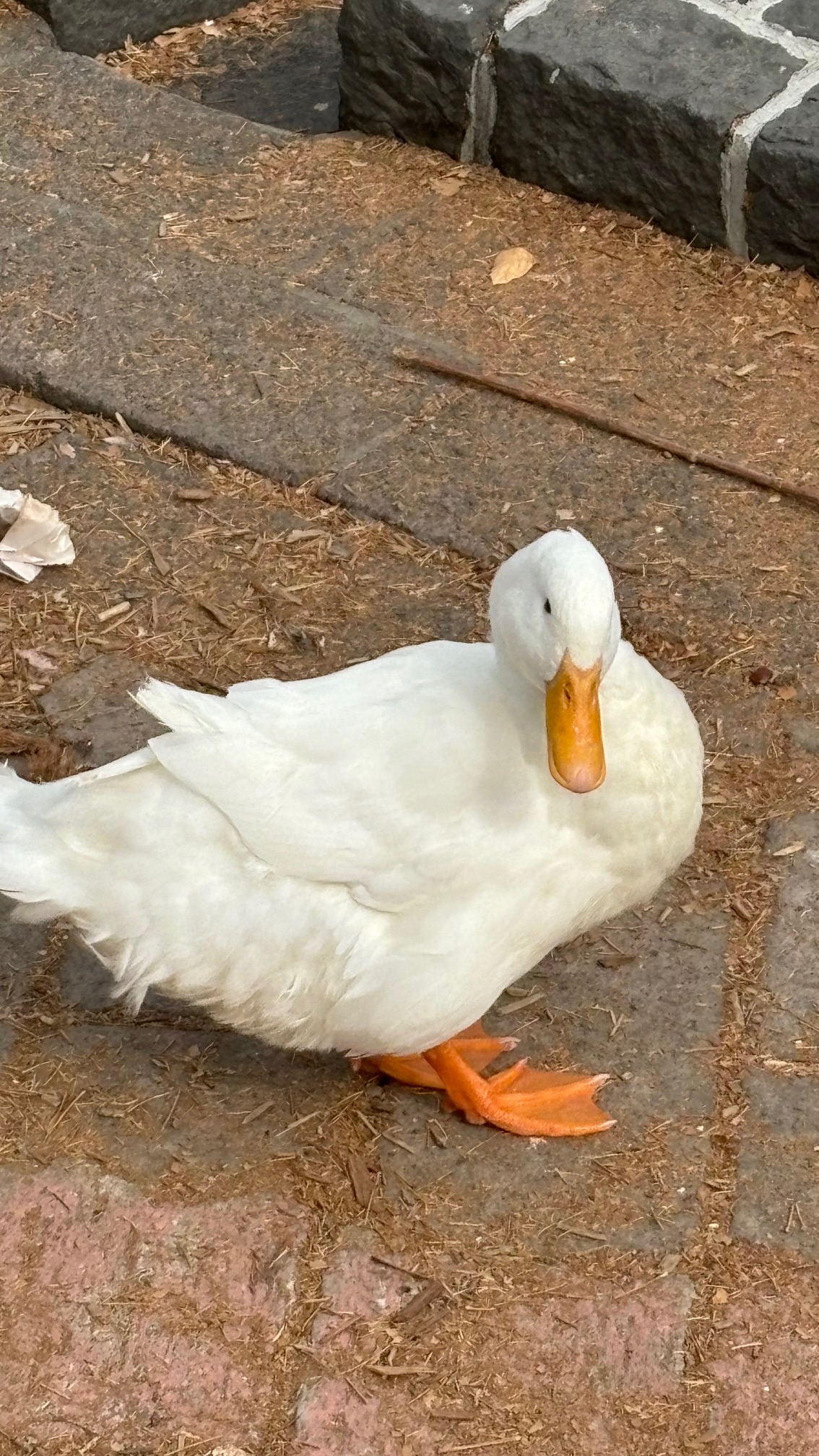
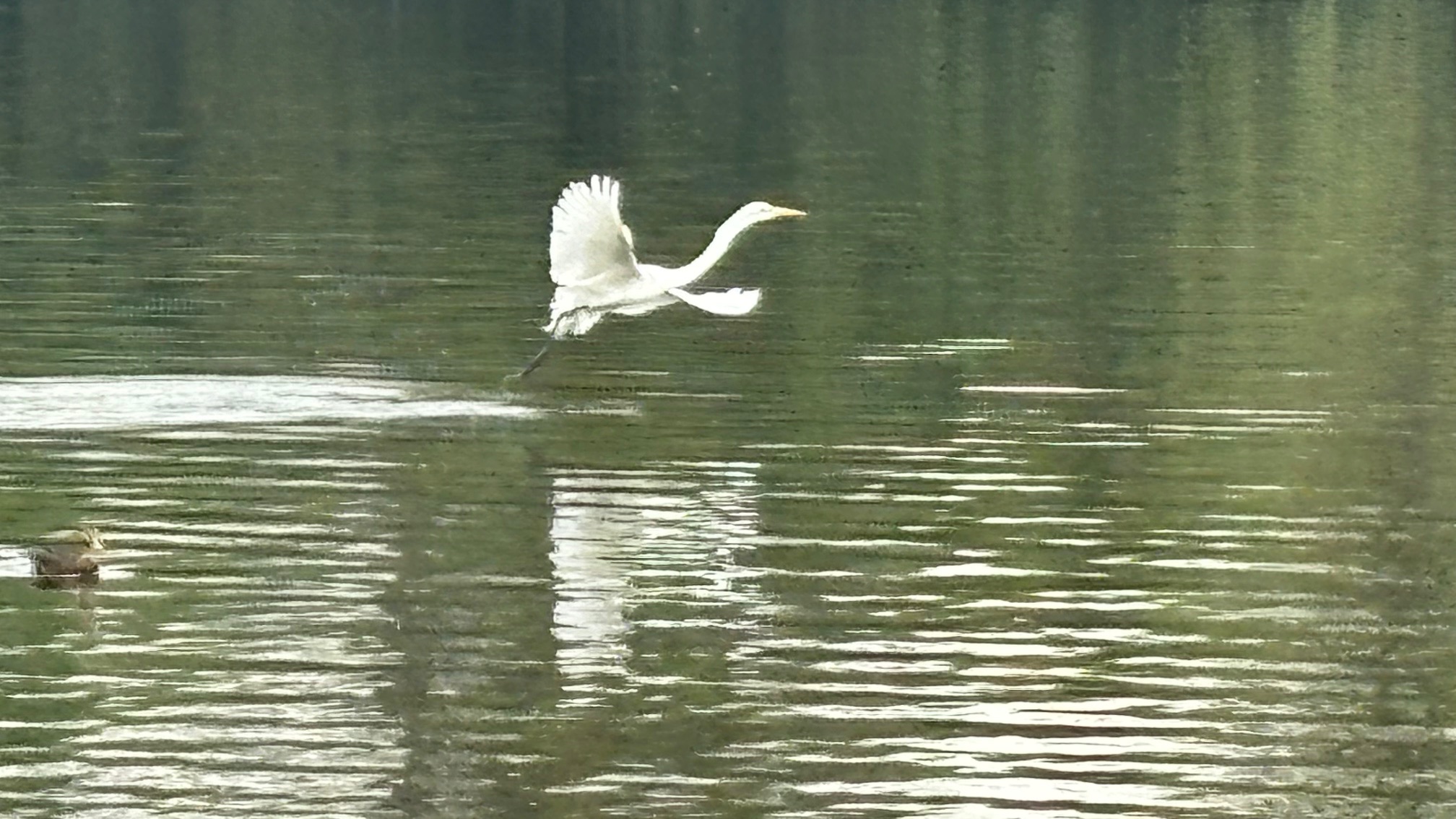
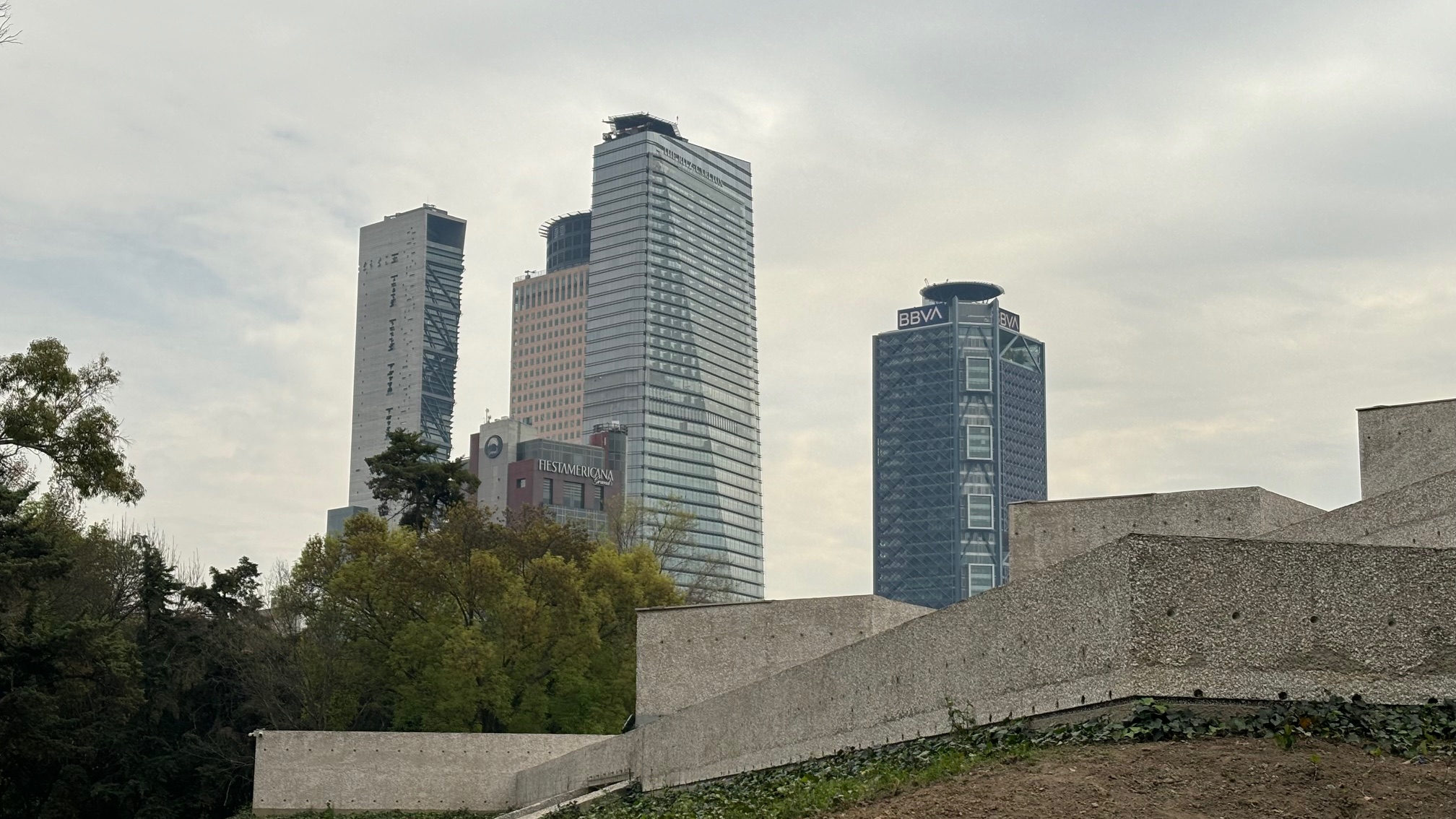
Return to Mexico City

Trip to Mexico City in February of 2024 to enjoy Chapultepec Park and other tourist spots in the city.


Camera: iPhone 15

Location: Mexico City, Mexico

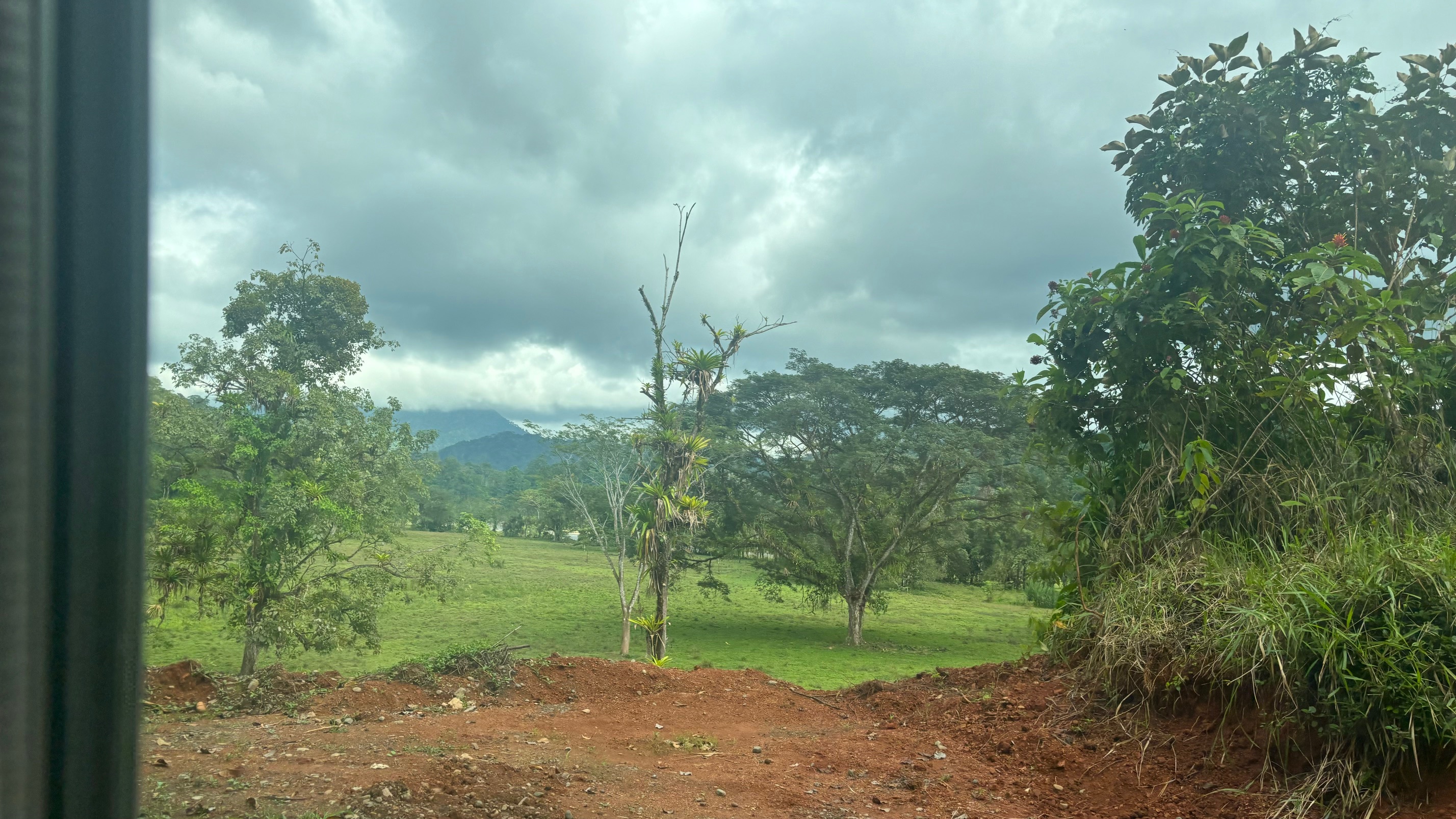
Jungles, Beaches, and Rainbows

Assorted photos of jungles, beaches, and a unique rainbow sighting in San Jose, Costa Rica.

Camera: iPhone 15

Location: Costa Rica

Creatures and Critters of Costa Rica

The various creatures and critters you will encounter in Costa Rica during a trip or visit.

Camera: iPhone 15

Location: Manuel Antonio, Quepos, Costa Rica

Parque Nacional Manuel Antonio (Manuel Antonio National Park)

A visit to Manuel Antonio National Park in the Puntarenas Province in Quepos, Costa Rica. A beautiful place to spend the day swimming and nature hiking.

Camera: iPhone 15

Location: Puntarenas Province, Quepos, Costa Rica

Back In San Jose

My first back to Costa Rica in over 16 years starting in San Jose, the capital of the country!

Camera: iPhone 15

Location: San Jose, Costa Rica

Panama City Skylines

Various photographs of the Panama City skyline taken at different times of the day including morning, evening, and nighttime.

Camera: iPhone 12

Location: Panama City, Panama

How to Evaluate Your Year

“Evaluating the year that has passed can be a valuable exercise for yourself to gain deeper insights, identify growth opportunities for the new year, and celebrate the accomplishments or successes you had.”

2024 is ending soon as I write this article and I do believe it is important to look back on the year that was to evaluate it holistically, such as whether it was good, bad, or a mixed bag. Evaluating the year that has passed can be a valuable exercise for yourself to gain deeper insights, identify growth opportunities for the new year, and celebrate the accomplishments or successes you had.

Reflecting on various aspects of your life, even areas that you can improve upon will help you to set meaningful goals for the year ahead. Here’s a guide I have created on how to evaluate your year comprehensively, focusing on the five major areas of friends, family, relationships, experiences, and work or business.

Friends

Friendships are an essential part of life and key to one’s mental health as a surefire way to stay truly connected and bond over shared activities or hobbies or even lend each other a helping hand. Think about reflecting on your relationships with friends from over the past year. Ask yourself the following questions when doing so:

  1. Giving or Getting Support: Were your friends there for you during challenging times? Were you there for them when they needed you when they were in a rut or needed help? Did they offer emotional or practical support when needed? Could you say the same?
  2. Showing Mutual Effort: Did you invest some effort into maintaining these friendships? Conversely, did your friends reciprocate to make the effort to reach out to you as well?
  3. Quality over Quantity: Did you prioritize meaningful, deep connections over superficial ones with your friends? Were your interactions enriching and positive with your friends?
  4. Encouraging Growth: Did your friendships encourage personal growth or help you broaden your perspective? Did you give each other advice on how to better yourselves?

Document the moments and memories that stood out to you, whether they were fun gatherings, heart-to-heart conversations, or instances where you and your friends supported each other through a difficult time. Evaluate if there were any friendships that became draining or unbalanced and consider whether to address these issues or set boundaries or even cut off the friendship if it isn’t working out.

Family

Family relationships can greatly influence your emotional well-being in both positive but also negative ways depending on your own situation with your family members. I encourage you to reflect on the past year’s interactions with your family members and consider these questions:

  1. Building Connection: Did you spend enough quality time with your family? Were you present and engaged during these moments or were you distracted by your phone or another device?
  2. Conflict Resolution: Were there any unresolved conflicts? How well did you communicate and handle disagreements? Why did those conflicts arise and how can they be avoided next year?
  3. Support System: Did your family serve as a source of strength or encouragement? Were you able to offer the same in return? Did you help each other out in a mutual manner?
  4. Milestones and Memories: Were there any significant events or milestones within your family? How did you contribute to these moments? Did they celebrate your wins this year and did you do the same for them when they had successes?

Think about whether you balanced your time and energy across the various family member dynamics that are constantly evolving each year along with the different personalities that you have in your family. Identify some ways to strengthen bonds with family members next year who may need more of your attention or love than you were able to give up until this point.

Relationships

If you’re in a romantic relationship currently, evaluating this aspect of your life is crucial to keeping it on the right track into next year. Even if you’re single, reflecting on your relationship with yourself or any potential romantic connections is just as important. Ask yourself these questions as you close out the year:

  1. Compatibility: Are you and your partner aligned in your values, goals, and vision for the future? Have you talked about how you felt about the relationships enough in terms of how it is going?
  2. Communication: How effectively did you communicate this year? Were you able to express your needs and listen to your partner’s? Did you handle disagreements respectfully and come to a positive resolution with each other?
  3. Growth: Did your relationship encourage mutual growth? Did you feel supported and loved? Did they support you when you needed it, and have you done the same for them?
  4. Quality Time: How much time did you spend together? Were those moments meaningful and fulfilling? Were you also able to spend time apart in a healthy manner?
  5. Self-Reflection: If you’re single, consider how you’ve nurtured your relationship with yourself. Did you take time to understand your needs, desires, and goals in a potential relationship for next year?

Identify areas where you’ve grown together as a couple or individually when you two were apart. If there were challenges this year, consider how you’ll address them moving forward in your relationship.

Experiences (Travel, Hobbies, Interests, Fun Activities)

Reflect on how you spent your free time outside of work, school, or business and how engaged with life outside of your daily obligations and weekly chores you were. Think about where you went, what you did, what you learned, and how much you enjoyed life beyond the office or the shop or the factory floor. Consider the following in your assessment of your experiences:

  1. Local and International Travel: Did you explore new places, whether locally or internationally? How did these experiences broaden your perspective? What did you learn from the places you traveled to? Would you travel in 2025 and how did you grow as a person in your travels?
  2. Hobbies and Interests: Did you pursue activities that bring you joy or help you grow? Did you try something new? Were you committed to these hobbies and spend enough time on them? What new hobby or interest would you like to try in the new year?
  3. Having Fun and Relaxation: Did you allocate time for leisure and enjoyment? Were you able to strike a balance between work and play? How often were you able to relax yourself?
  4. Making Memories: What were the highlights of your year? Did you attend events, celebrate milestones, or create special moments? Who did you share those memories with?

Take note of the activities, hobbies, interests, etc. that brought you the most happiness and fulfillment. If your year felt monotonous and a bit too routine, think about incorporating more variety or adventure into your life next year. Plan the destinations, places, or cities with regards to travel ahead of time that you hope to visit in the new year.

Work or Business

Your professional or business life is another crucial area to evaluate at the end of any year as it makes up about 80% of our time throughout the year. Reflect on your career or business journey over the past year by asking yourself these questions:

  1. Major Accomplishments: What were your major achievements? Did you meet or exceed your professional goals? What was the process you used to achieve your goals?
  2. Overcoming Challenges: What obstacles did you face, and how did you overcome them? Were there any failures, and what lessons did you learn from them? Who helped you overcome these challenges in your professional or business pursuits?
  3. Professional Growth: Did you acquire new skills, take on new responsibilities, or achieve personal growth in your role? How will these new skills help you next year and beyond?
  4. Managing Work-Life Balance: Were you able to maintain a healthy boundary between work and personal life? Did work leave you feeling fulfilled or drained? Did you take enough time off for vacation or for staying healthy? How did you spend your time outside of work or business?
  5. Establishing Future Goals: Are you satisfied with your current trajectory, or do you feel the need for a change? Did you take steps toward your long-term career aspirations? Will you find a new job next year? Do you plan to launch a new business or company? Will you ask for a raise or promotion and how will you ask this question to your supervisor?

Reflect on whether your work or business aligns with your personal values and passions. If there are gaps in that assessment, start thinking about how to address them in the coming year with regards to making your work or business more personally fulfilling Once you’ve reviewed these areas and answered as many questions in these five major areas as possible, combine your thoughts to identify patterns, strengths, and areas for improvement.

Lastly, think about the following ways generally on how you could make next year the best one yet:

  1. Showing Your Gratitude: What are you most grateful for this year? Acknowledge the people and experiences that enriched your life and made it the year that it was.
  2. Compile Lessons Learned: What did the failures, challenges, and successes of this year teach you? How will these lessons shape your approach to the new year and beyond?
  3. Having Goals for Improvement: What areas need more focus or change from you? How will you set realistic and actionable goals to address these aspects next year?

Evaluating your year holistically gives you a clearer perspective on where you stand in your life and how to move forward in a positive manner. Use this article, the questions I’ve posed and to write a yearly reflection about these five major areas as a substantive foundation for setting meaningful goals and resolutions for the year ahead.

‘A Real Pain’ – Film Review and Analysis

“Traveling with a family member can be an invigorating yet challenging experience, especially when the family member in question has recently faced a potential tragedy, and you’ve become estranged from them.”

Traveling with a family member can be an invigorating yet challenging experience, especially when the family member in question has recently faced a potential tragedy, and you’ve become estranged from them. This is the dilemma faced by the co-protagonist of A Real Pain, David Kaplan (Jesse Eisenberg). On a trip to Poland, David must confront his family’s heritage while dealing with the eccentricities and hyperactive behavior of his cousin, Benji Kaplan (Kieran Culkin).

On the surface, David and Benji share a mutual love for their recently deceased grandmother and the memories they have of her, along with their childhood experiences. They are both nominally Jewish, although the film makes it clear that neither is particularly devout or observant. Benji is outspoken and upfront about his views on almost anything, while David is quiet, observant, and reserved in social settings. Benji seems to have retained the same rambunctious personality he had as a youth, whereas David now has a wife, a child, and a steady career in New York City as a digital marketer.

Following their grandmother’s death, Benji struggles to find his footing in adulthood. He works odd jobs in Binghamton, New York, and lives in his mother’s basement. Though less mature and socially aware than David, Benji is full of life and feels emotions more intensely. He has no filter, makes no apologies for it, and leaves a lasting impression on everyone he meets much to David’s frustration of not being able to do the same.

Despite not seeing each other for months after a distressing event in Benji’s life, the cousins decide to embark on a heritage trip to Poland. They join a group of American Jews to learn more about their ancestry and the circumstances surrounding their family’s departure from Nazi-occupied Poland. The group also includes other descendants of survivors with roots in Poland. The tour is efficiently led by a non-Jewish guide, who does an excellent job recounting the history of Polish Jews before World War II, the lead-up to the Holocaust, and the exodus of those who managed to survive. However, Benji finds the guide’s focus on statistics and dates robotic and disconnected from the lives of the people who were lost.

Benji’s outbursts during the tour seem socially inappropriate to David, displaying a lack of respect for the guide and the other participants. However, Benji’s emotional authenticity eventually wins over the group by the end of the tour. Unlike others on the trip, he refuses to numb himself to the pain of what they are witnessing and expresses his feelings freely without concern for others’ judgment. While his emotional instability troubles some on the tour, it also makes him memorable. Benji turns what could have been a somber and overwhelming experience into something more meaningful reminding everyone what it feels like to be truly alive.

In contrast, David hesitates to smoke a joint on the hotel roof, voice a critique during the tour, or even have a drink to relax after a long day. Meanwhile, Benji has no reservations about doing any of those things. Benji embraces life’s highs and lows, even when it leaves him emotionally unsteady, while David seeks stability and strives to remain even keeled through life’s challenges and opportunities. Despite his efforts, David feels let down by his job and struggles with doubts about how much his family truly loves him. Benji, on the other hand, is too immersed in the moment, sometimes for better, and sometimes for worse. The cousins admire yet resent each other throughout the film. Growing up in similar circumstances, they’ve ended up leading vastly different lives due to their contrasting personalities. While they can enjoy each other’s company, they also tire of one another quickly. Each character envies what the other has but is fiercely protective of their own lifestyle.

A Real Pain explores the concept of pain in a nuanced way: the pain of losing a loved one, the pain of dealing with a challenging family member, and the generational pain of having a family’s future stolen. The film captures how different people cope with these pains: David, Benji, the other tour participants, and even the tour guide, as they confront the events of the Holocaust, visit a Polish Jewish cemetery, and tour the Majdanek concentration camp. The message is clear: to cope with pain healthily, we must face it head-on in our own way. This journey of confronting pain is essential for building our resilience and strength.

Pain is what connects us to our humanity, reminding us that we are truly alive. During the trip, Benji recounts a painful memory: their grandmother once slapped him in a New York City restaurant because he arrived late for dinner. She had dressed up for the occasion, and the public slap left Benji feeling real pain. However, he acknowledges that this act of accountability, though hurtful, came from a place of love. Benji yearns for this kind of tough love from others, particularly from David. He craves someone who can hold him back from his impulsive tendencies, showing him care and affection in the process.

A poignant moment in the film occurs when David and Benji visit their late grandmother’s former house in Poland. The home is now owned by another family, and any traces of the Kaplans’ presence have long vanished. In a touching gesture, David places a stone in front of the house to honor their grandmother’s memory. However, the moment takes a humorous yet bittersweet turn when an elderly Polish man chastises them. He misunderstands their intention, believing the stone was placed maliciously to cause harm to the current elderly resident. Despite their efforts to explain the Jewish tradition of placing stones as a memorial to remember their deceased grandmother, the older man remains unconvinced despite his son’s English to Polish translation of their reasoning for having placed the stone there. Feeling awkward about the entire encounter, David and Benji decide to take the stone with them when they leave Poland.

In a beautifully symbolic gesture upon his return to New York, David later places the stone at the entrance of his Brooklyn home, where he lives with his wife and child. This act underscores the universal idea that “home is where the heart is.” While the memory of the family’s life in Poland has faded, their grandmother’s legacy endures. Her journey as an immigrant to America, striving to build a new life for her family while preserving her Jewish identity, continues to inspire her descendants, including David and Benji.

As the film concludes, the audience is left wondering about the futures of David and Benji’s relationship and their individual paths. The heritage trip and their shared memories of their grandmother seem to strengthen their bond. The film suggests that, despite their differences, family is ultimately the one thing you can rely upon in life. While Benji and David drive each other crazy, they also admire and need each other. The hope is that they will continue to support one another, bringing balance to each other’s lives with David finding more spontaneity and emotional authenticity, and Benji discovering greater stability and purpose.