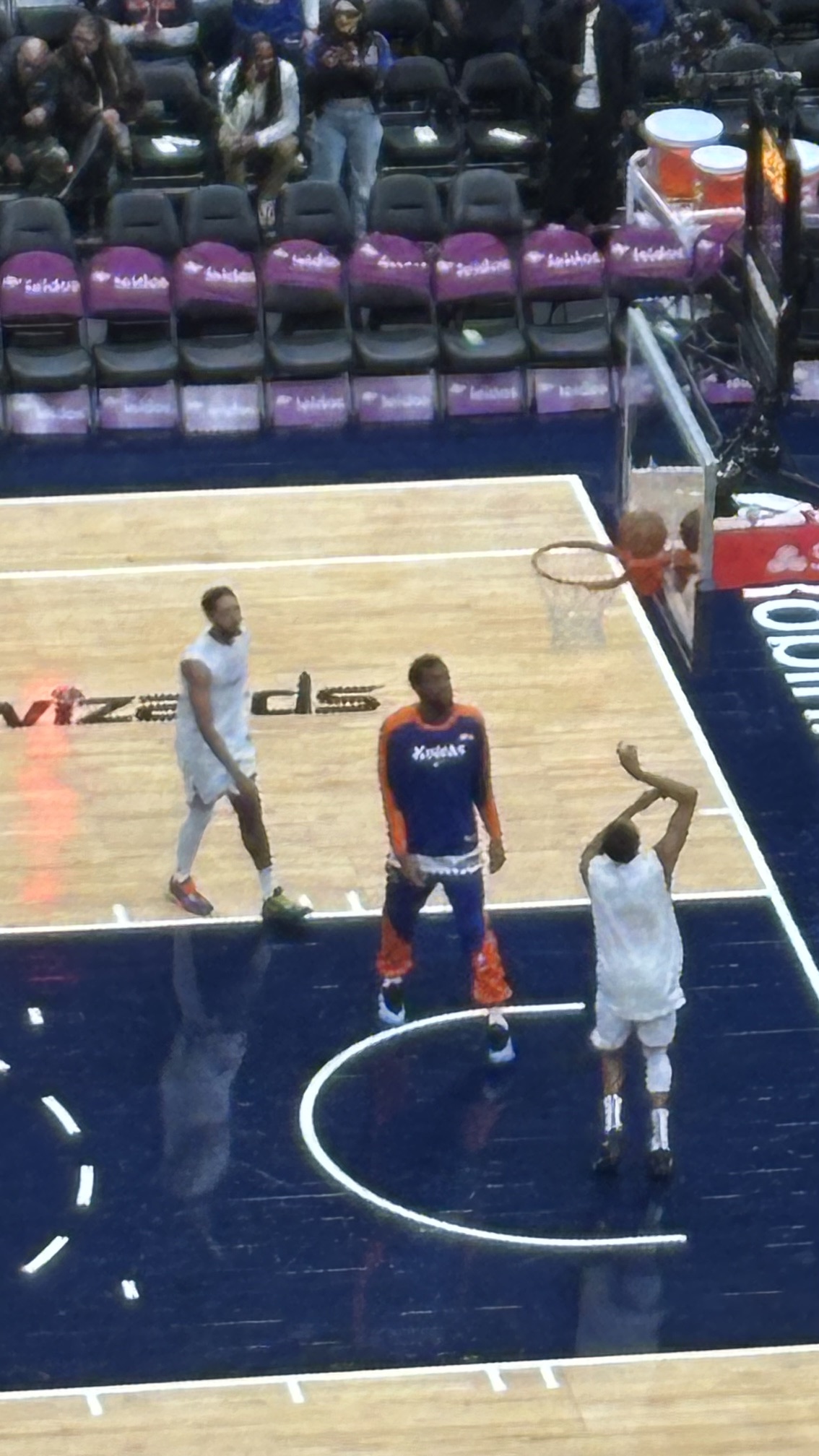
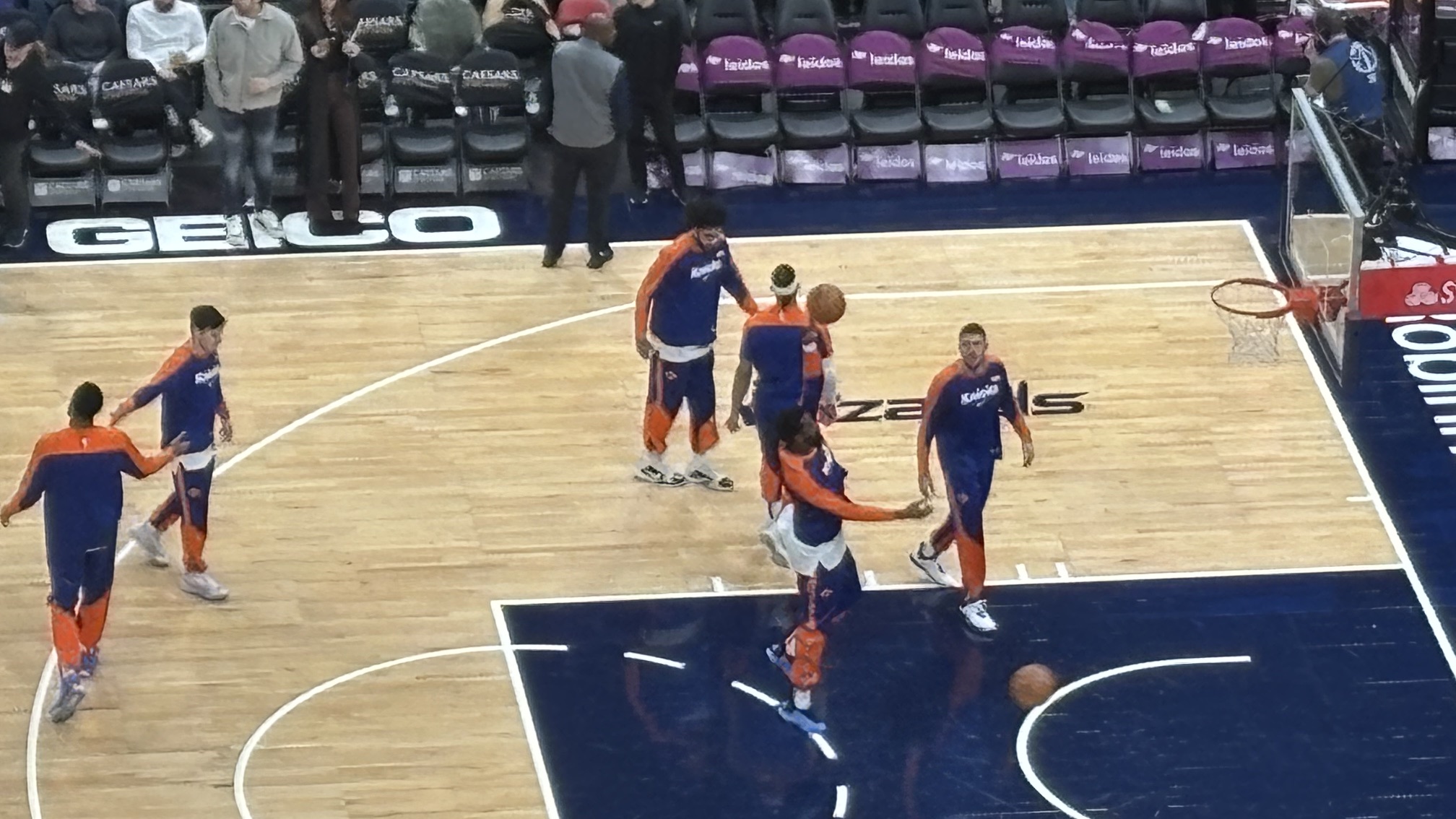
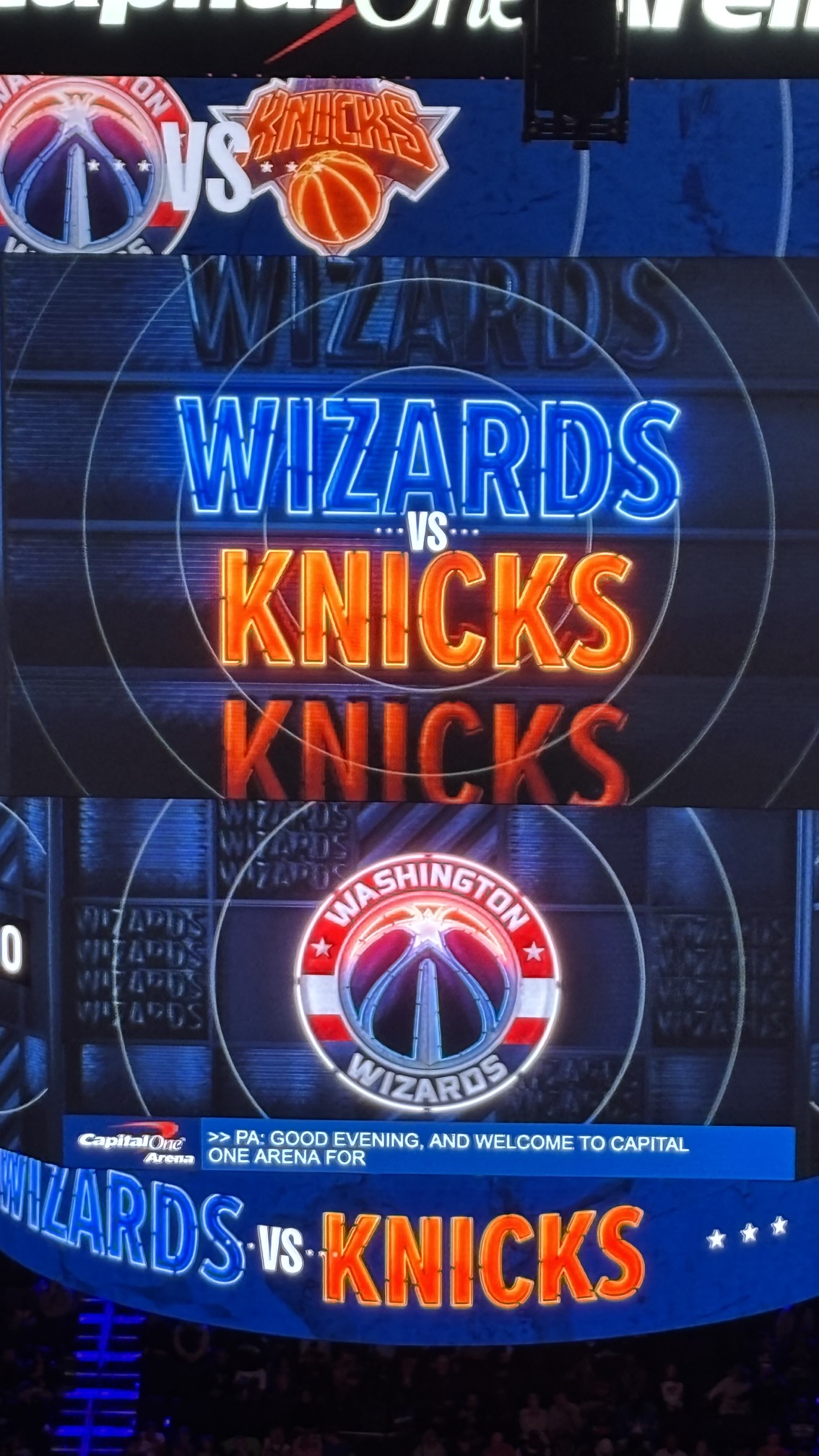
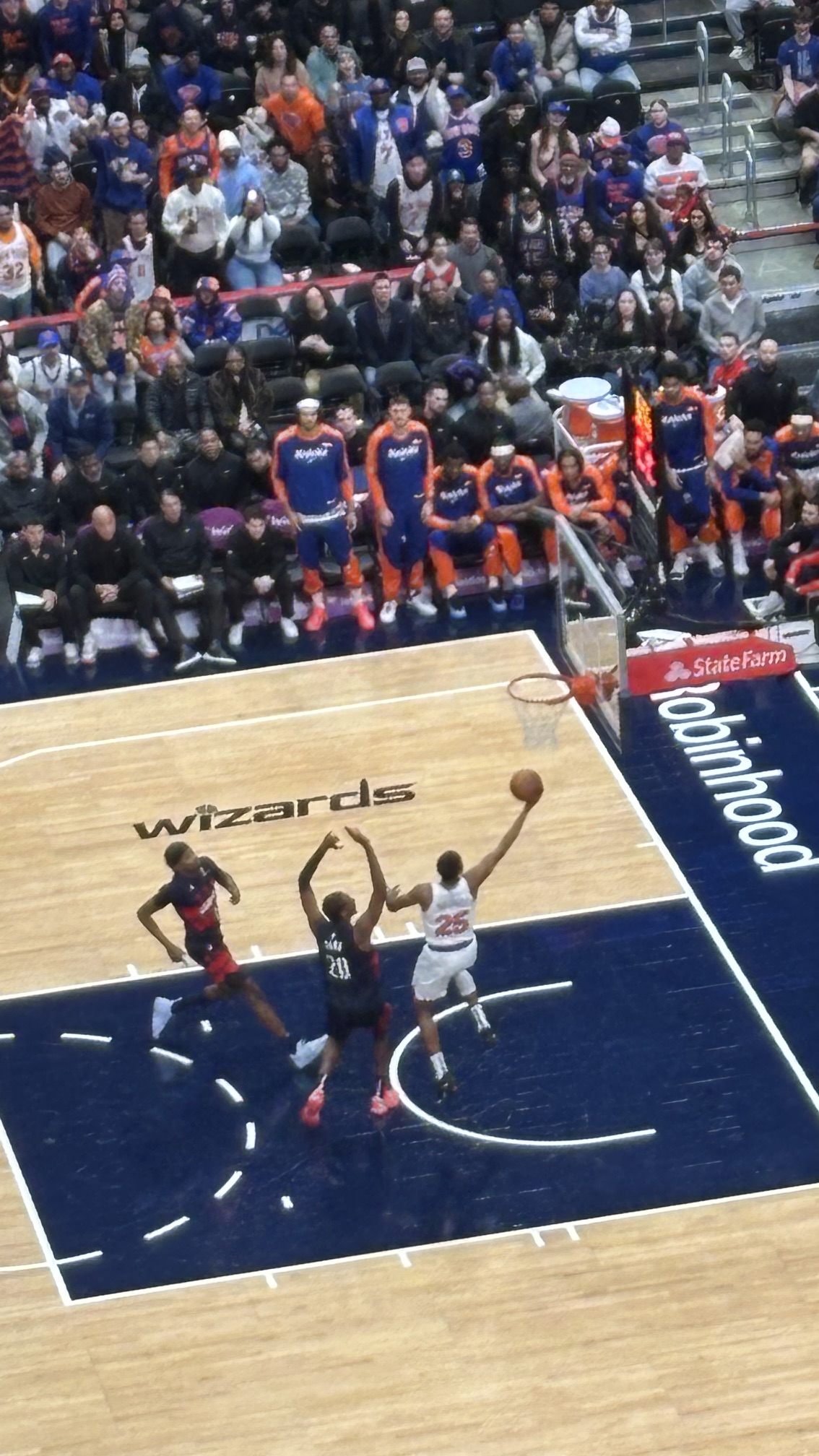
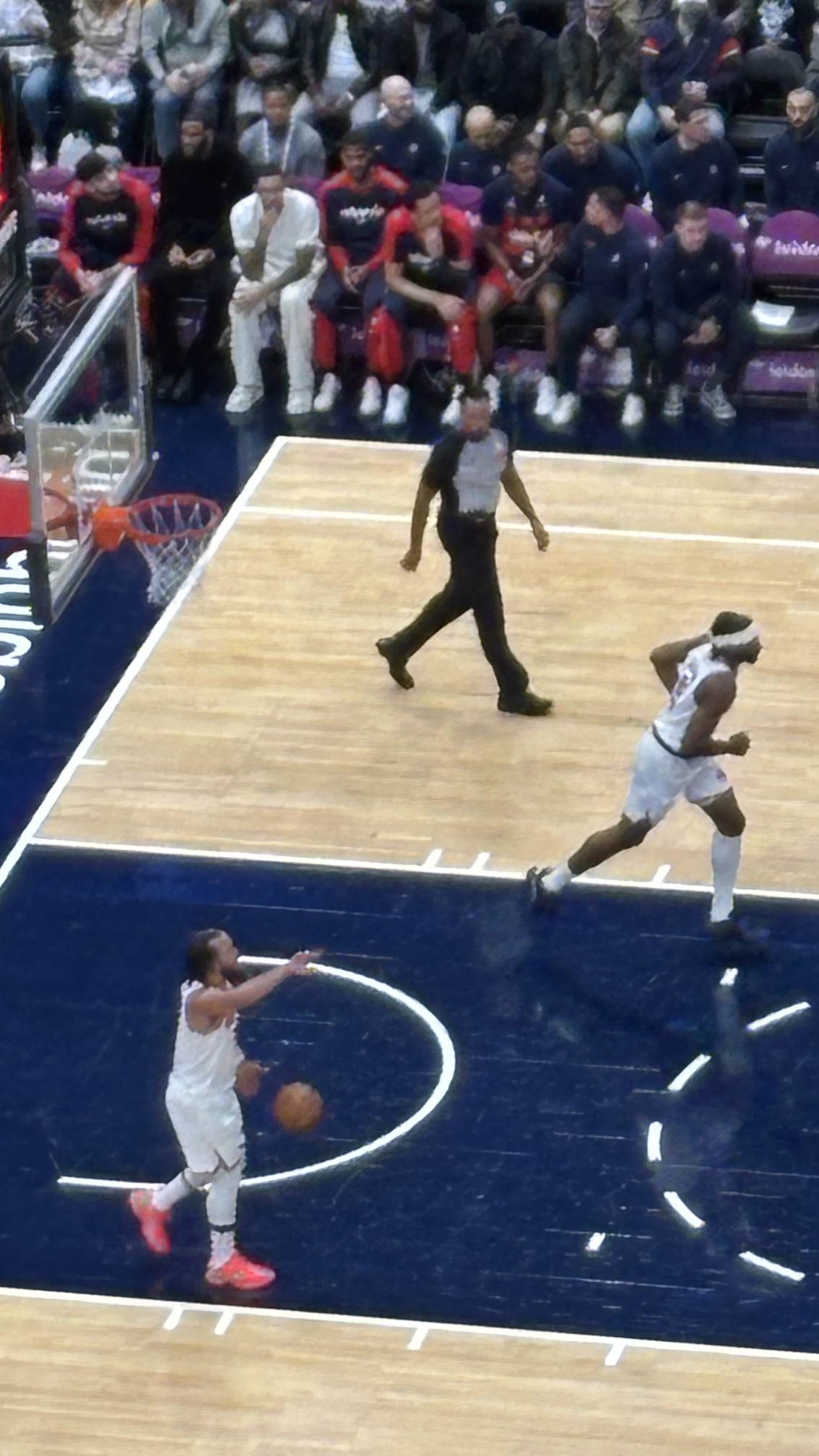
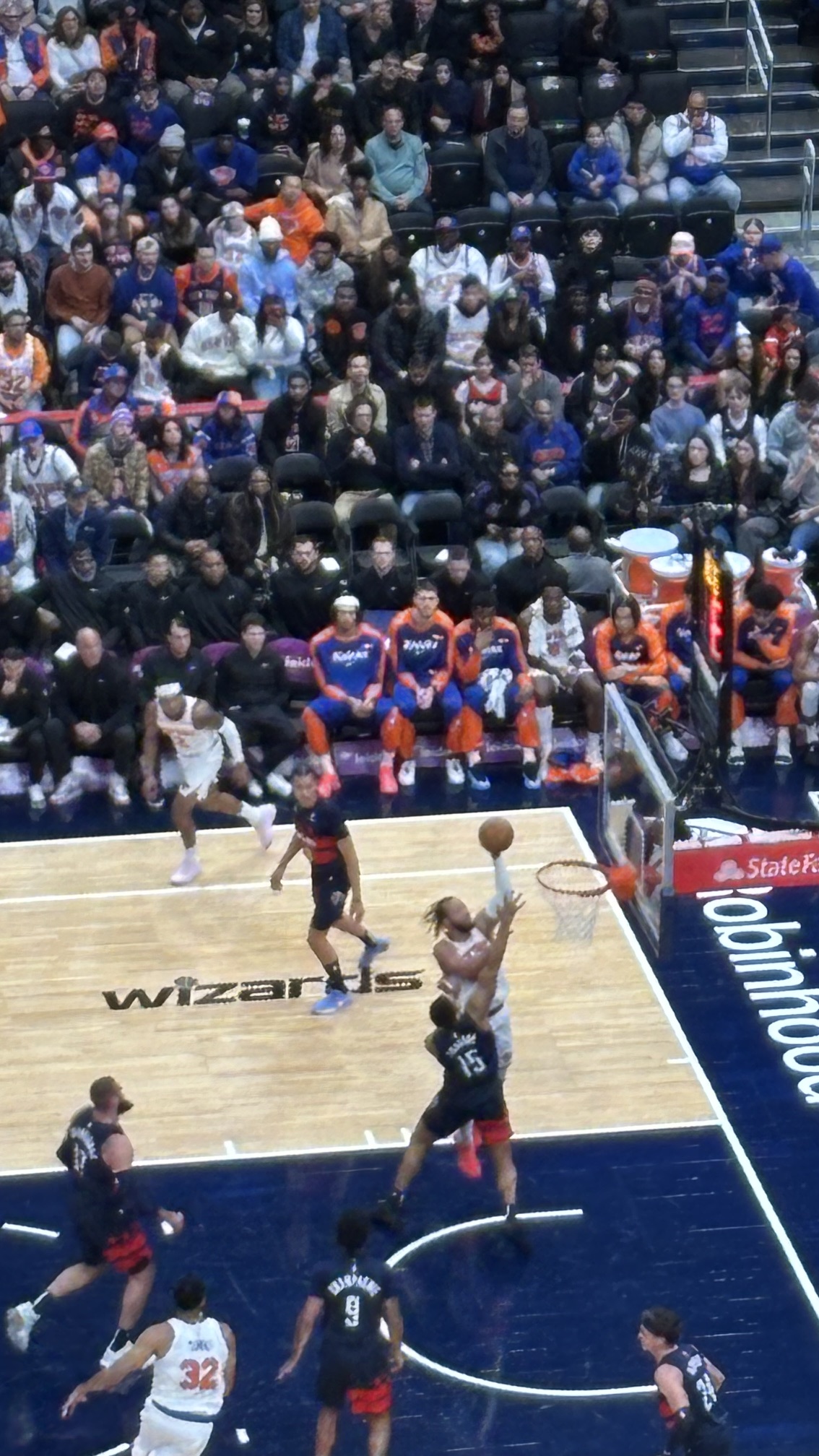
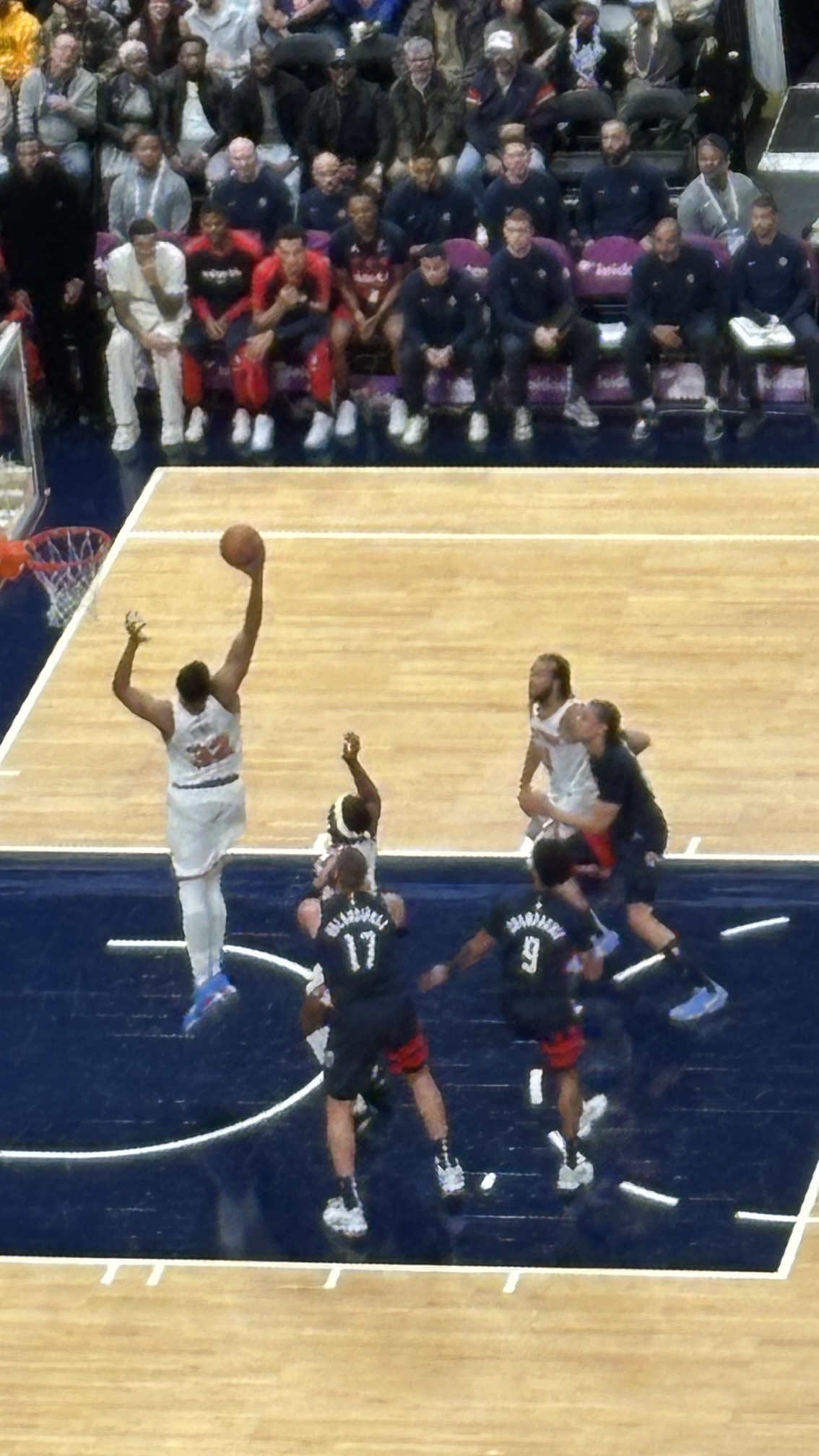
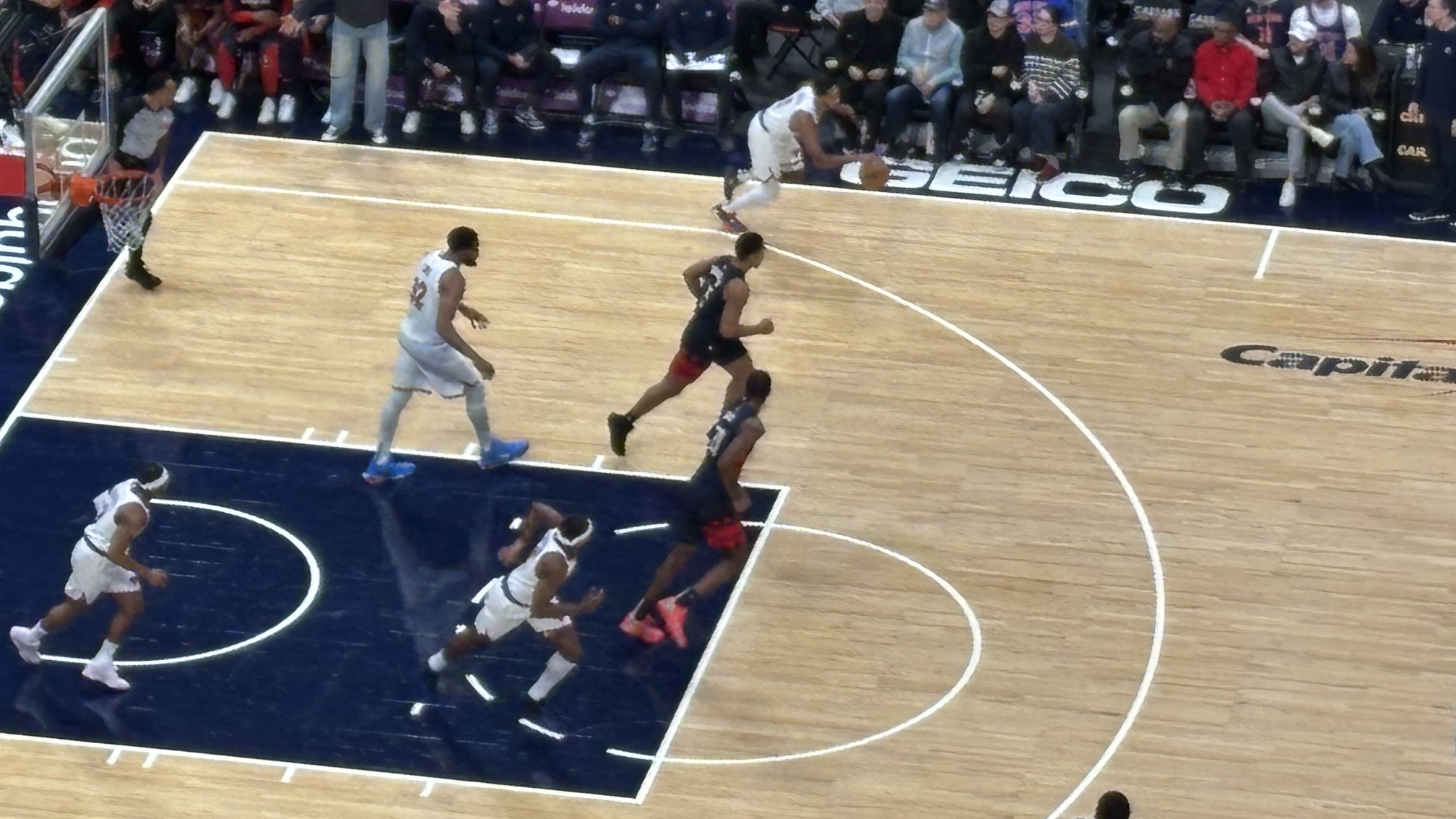
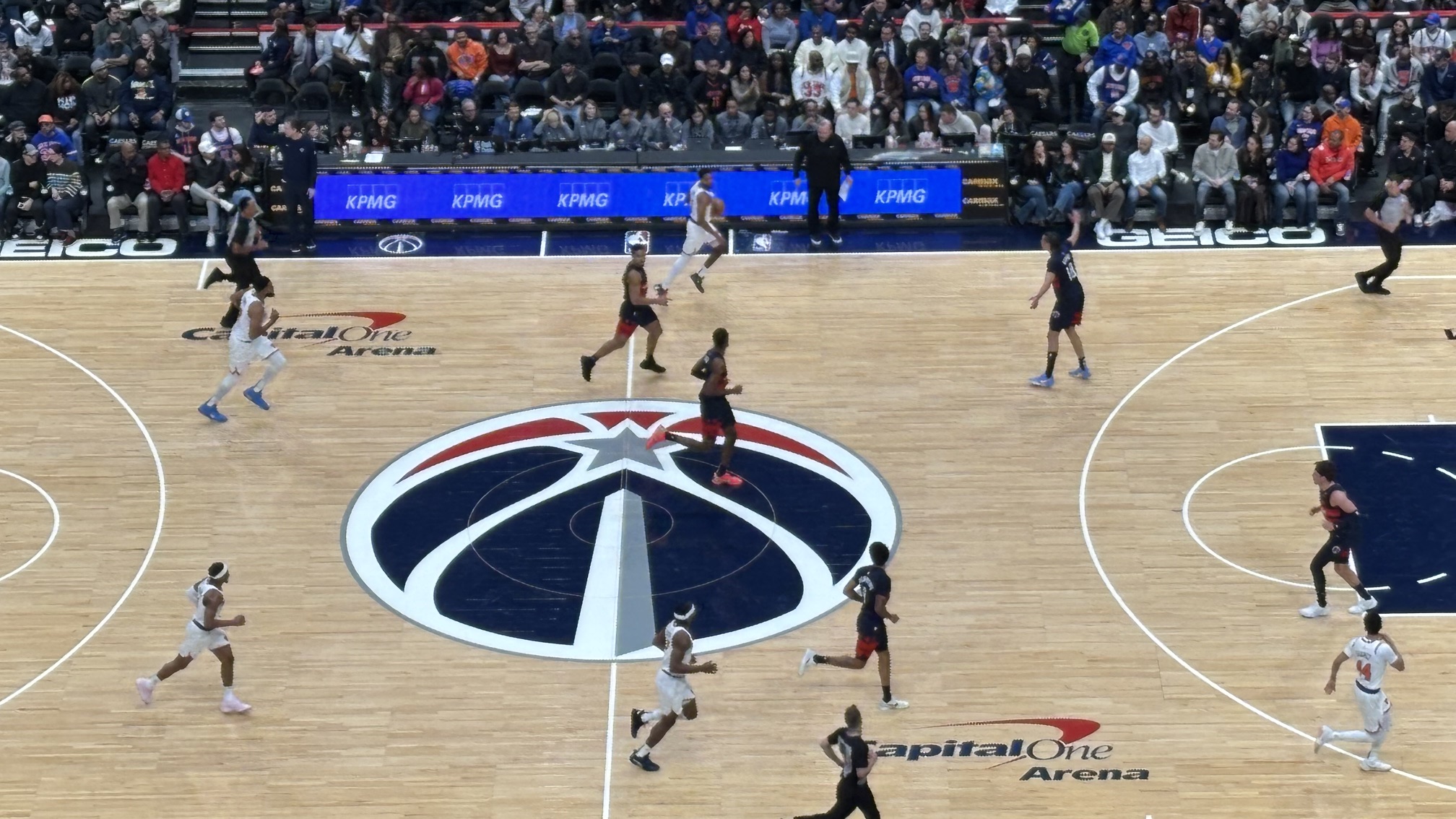
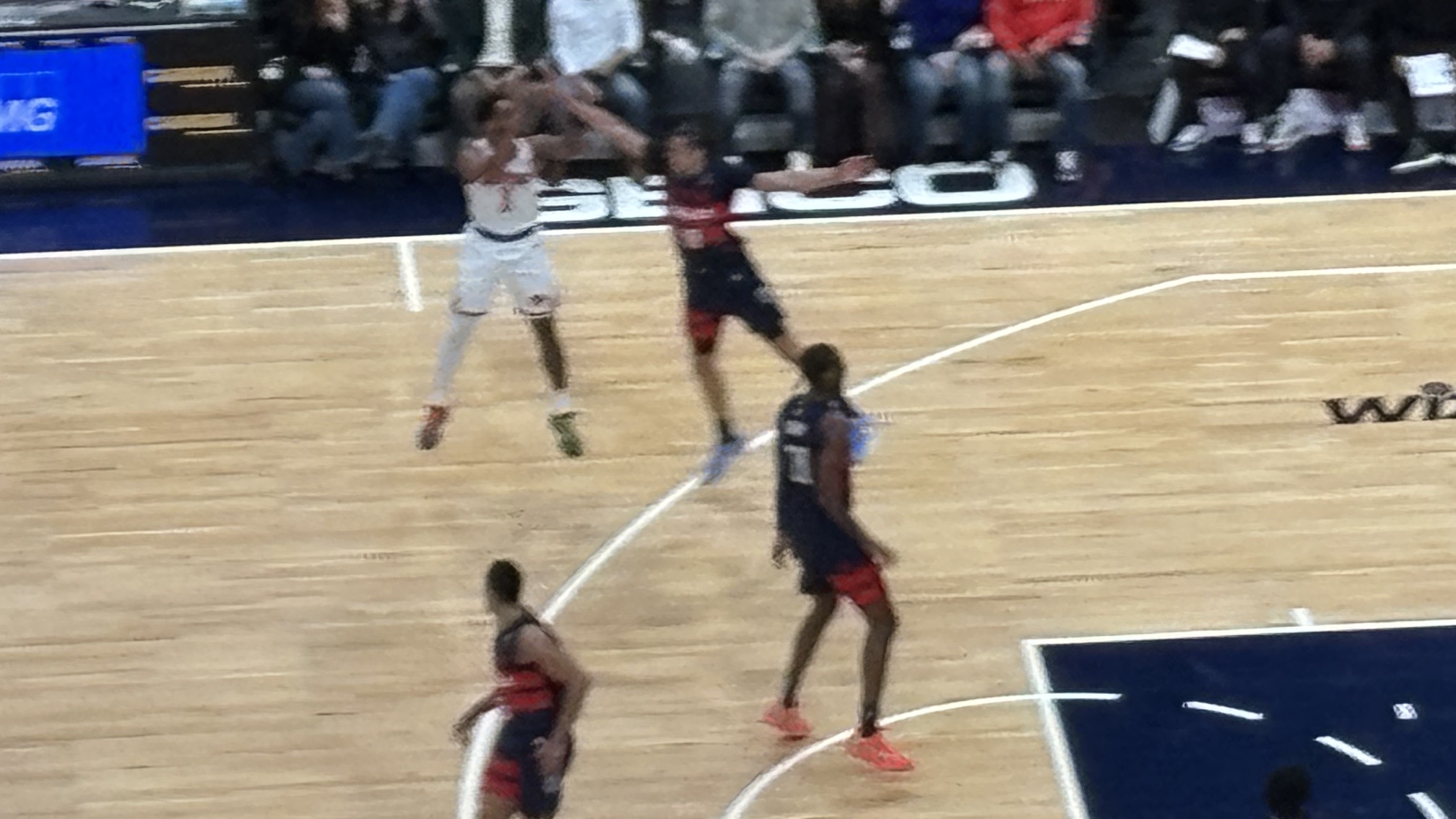
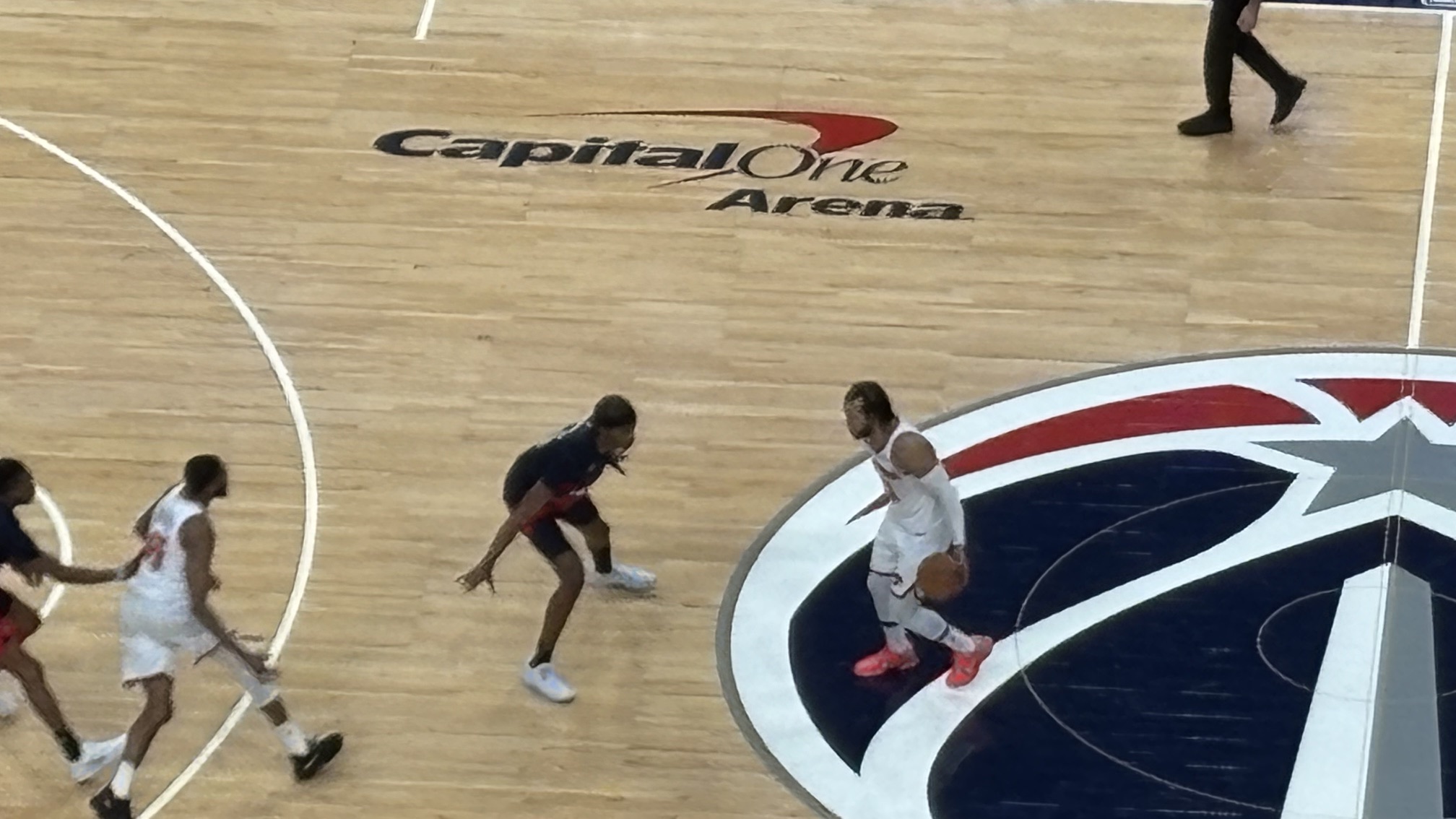

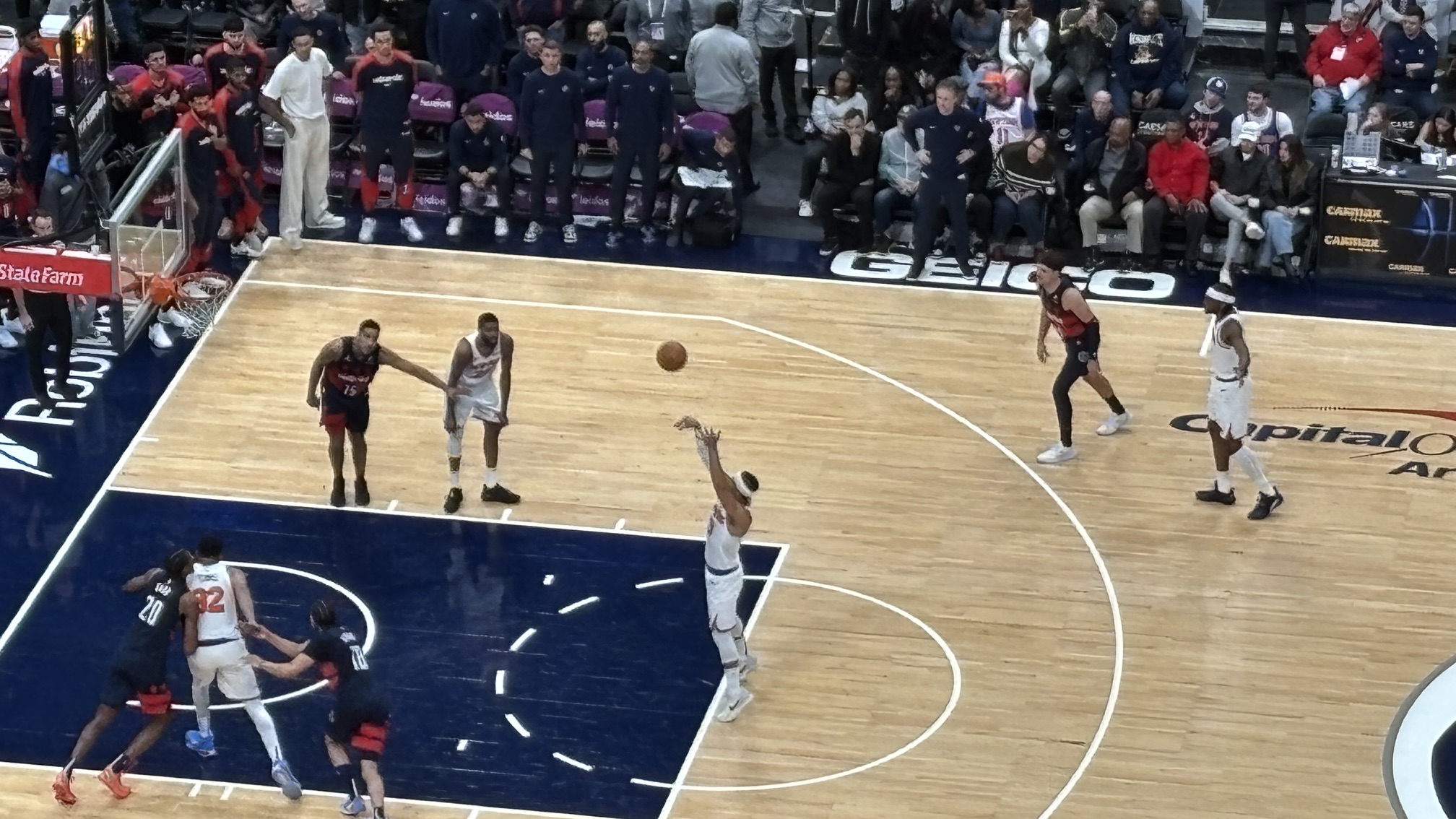
Camera: iPhone 15
Locations: Capital One Arena; Washington, District of Columbia, United States

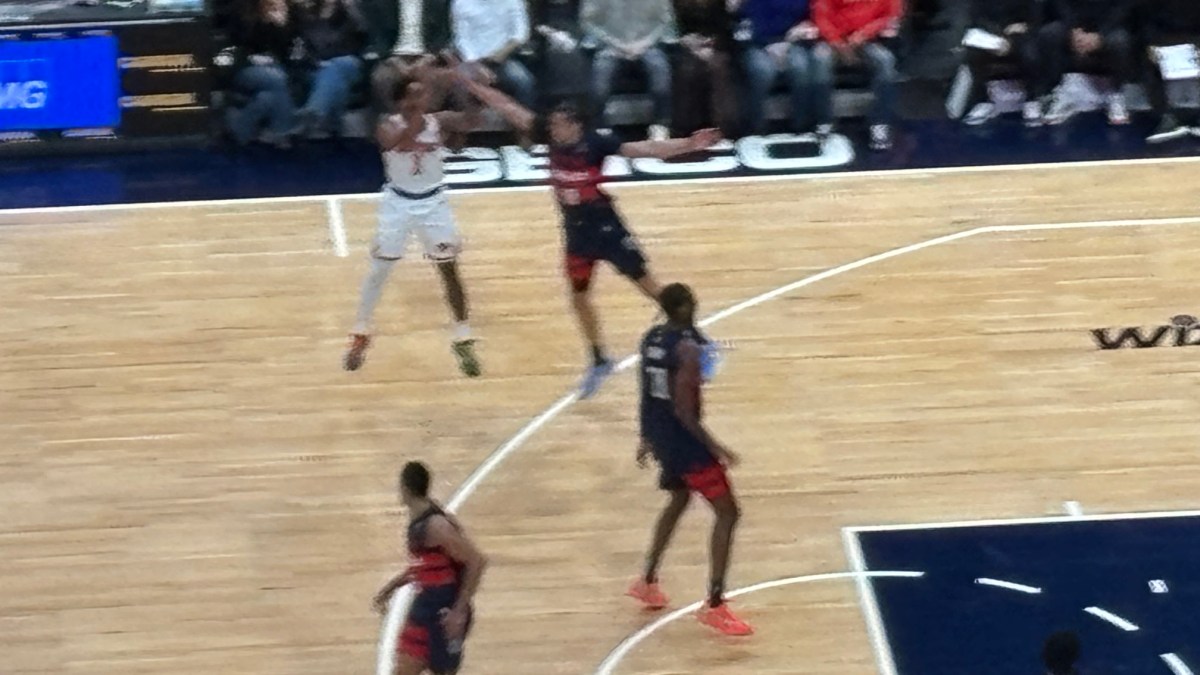
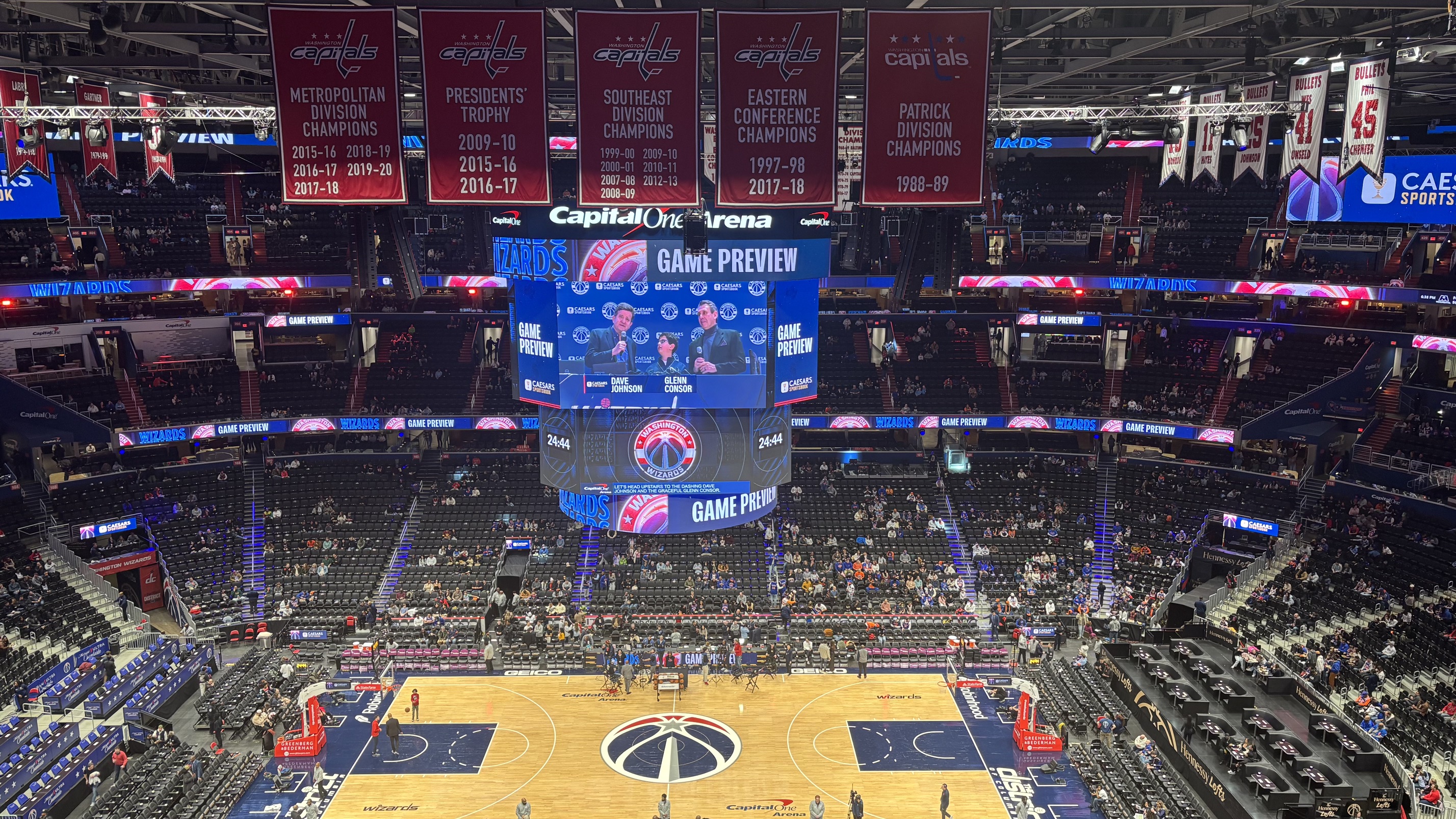
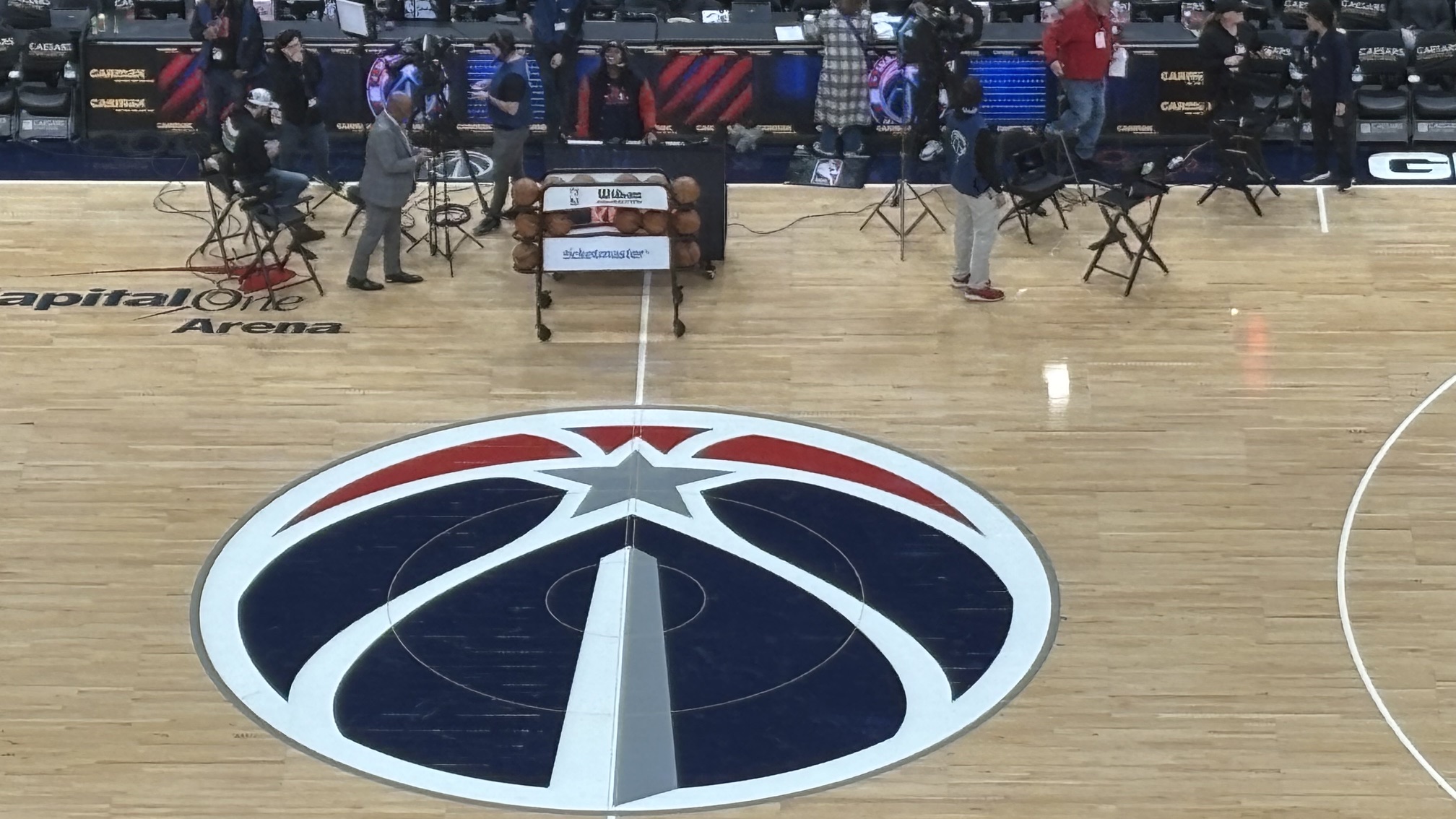
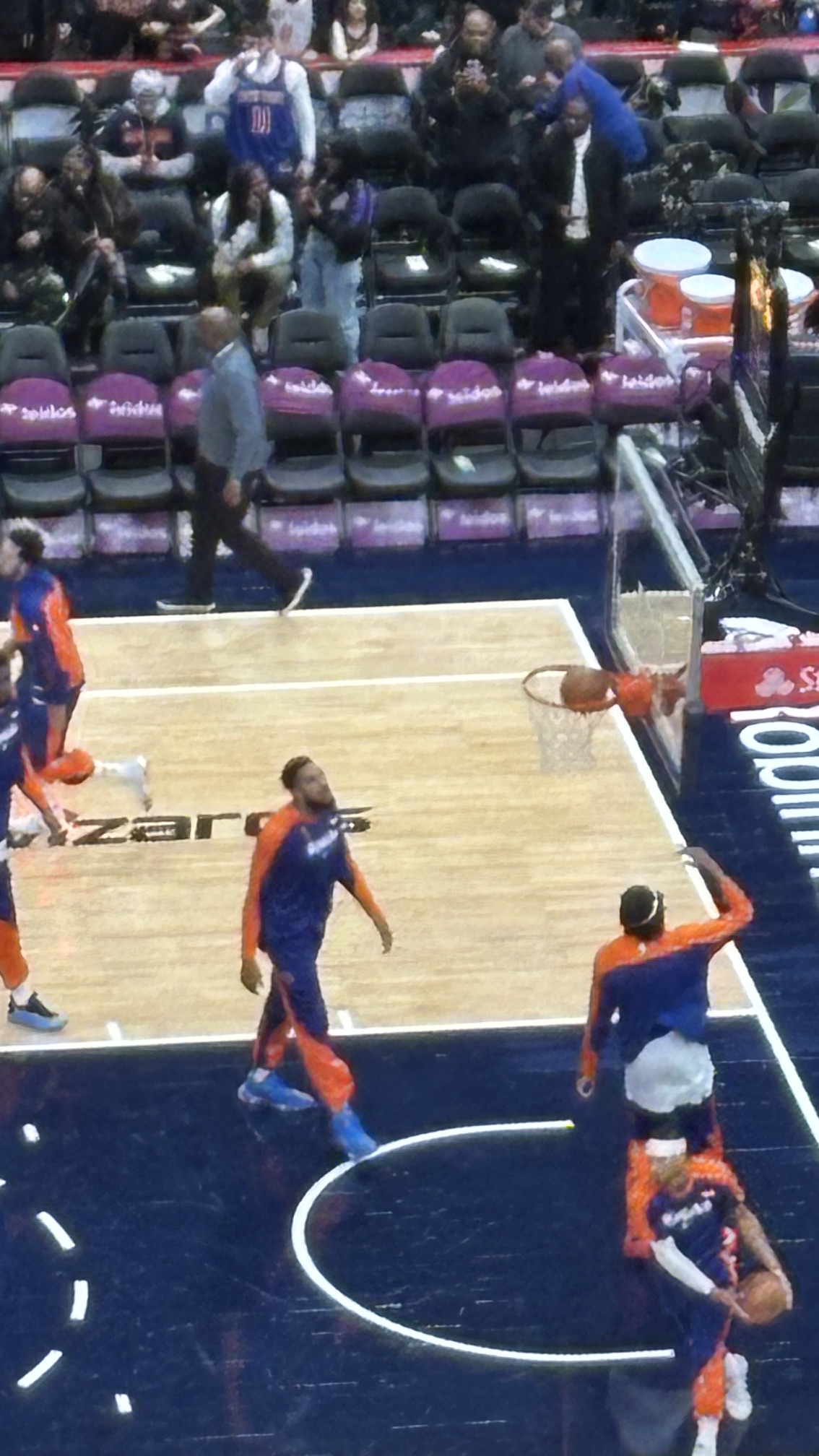
“My annual visit to see my favorite NBA team, the New York Knicks go up against the Washington Wizards in Washington, DC at Capital One Arena with this particular game occurring in late December 2024.”
Camera: iPhone 15
Locations: Capital One Arena; Washington, District of Columbia, United States
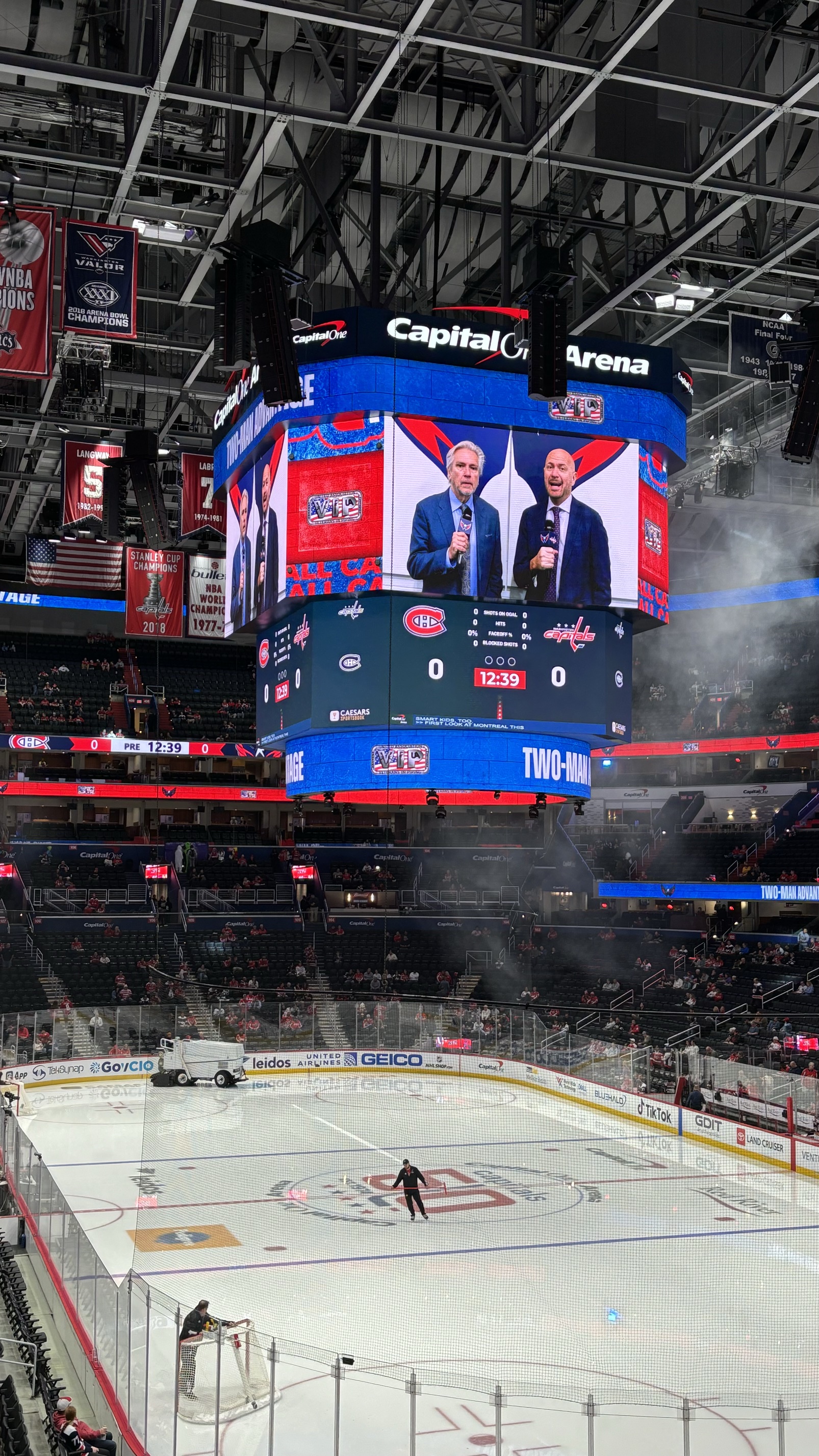
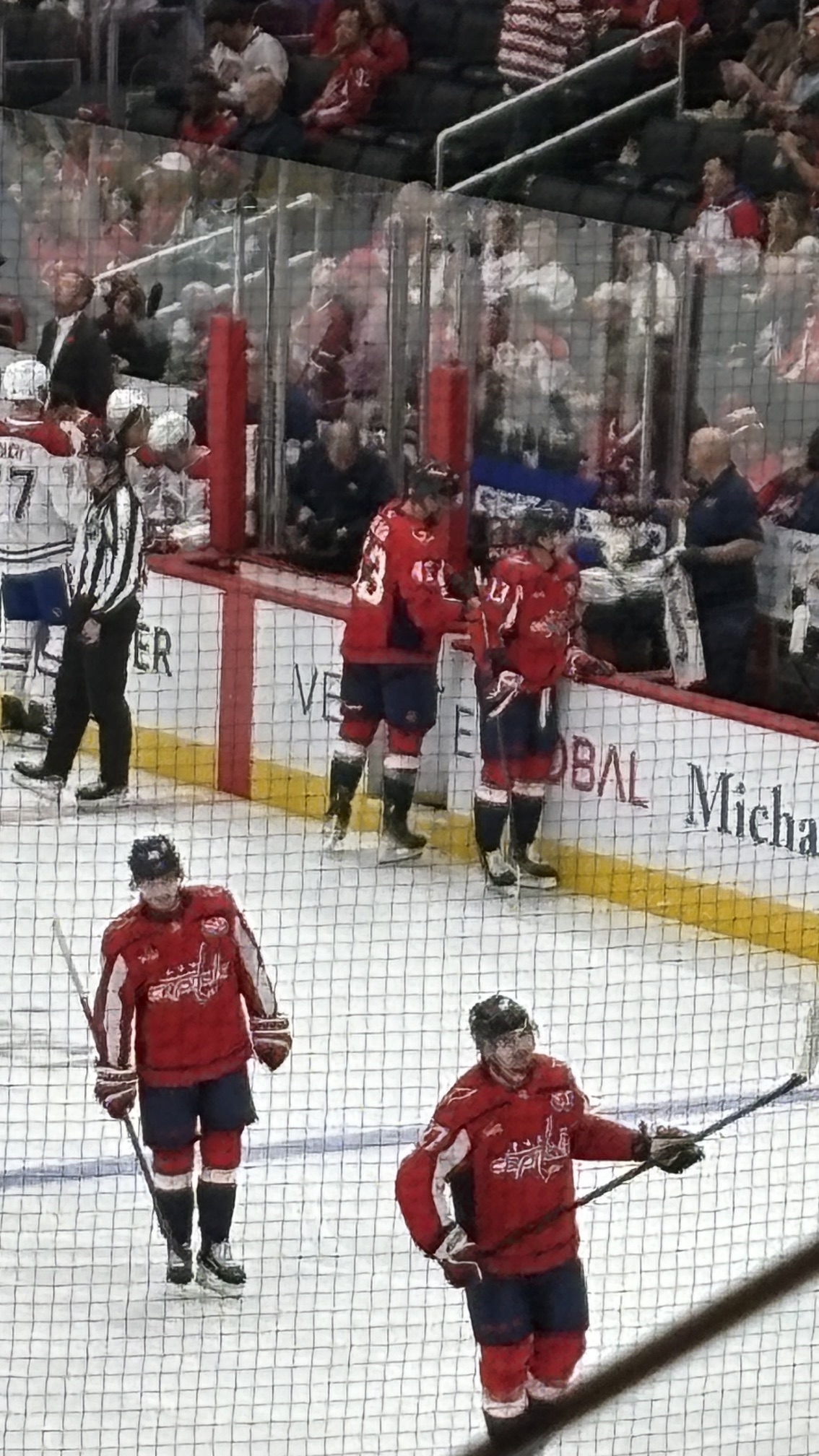
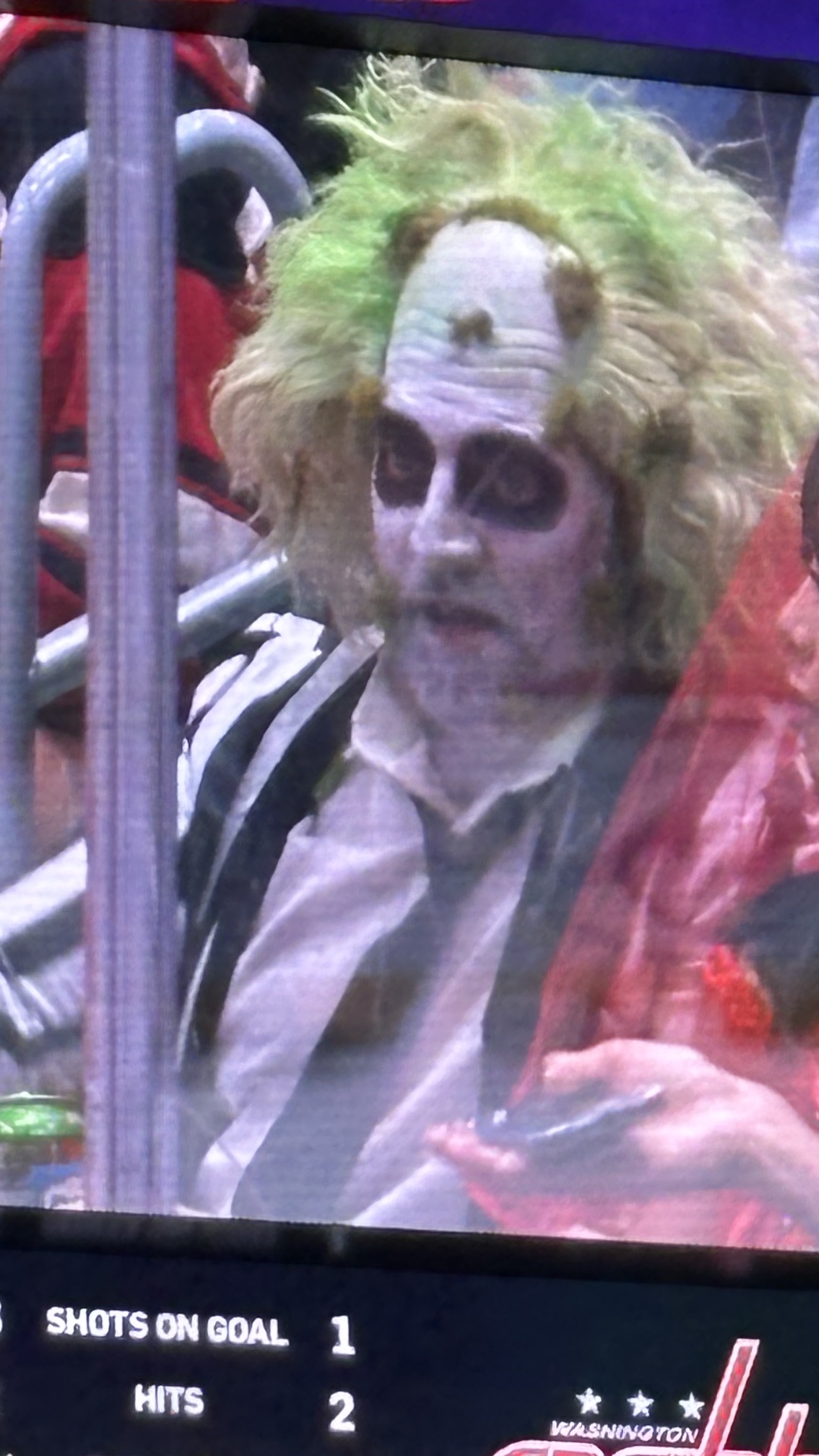
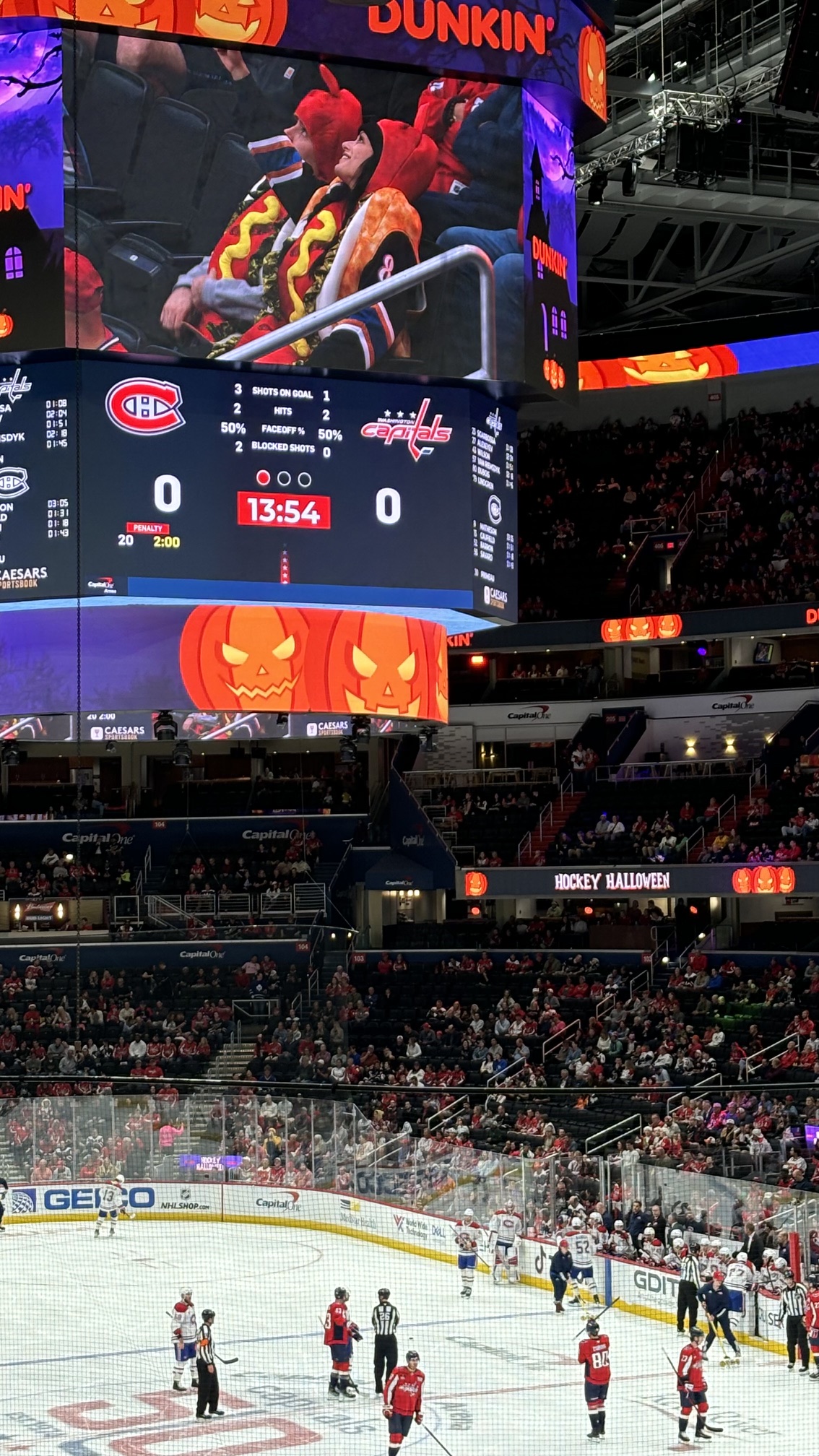
“My first time attending an NHL hockey game on Halloween night and that was a fun one between the Washington Capitals and the Montreal Canadiens at Capital One Arena.”
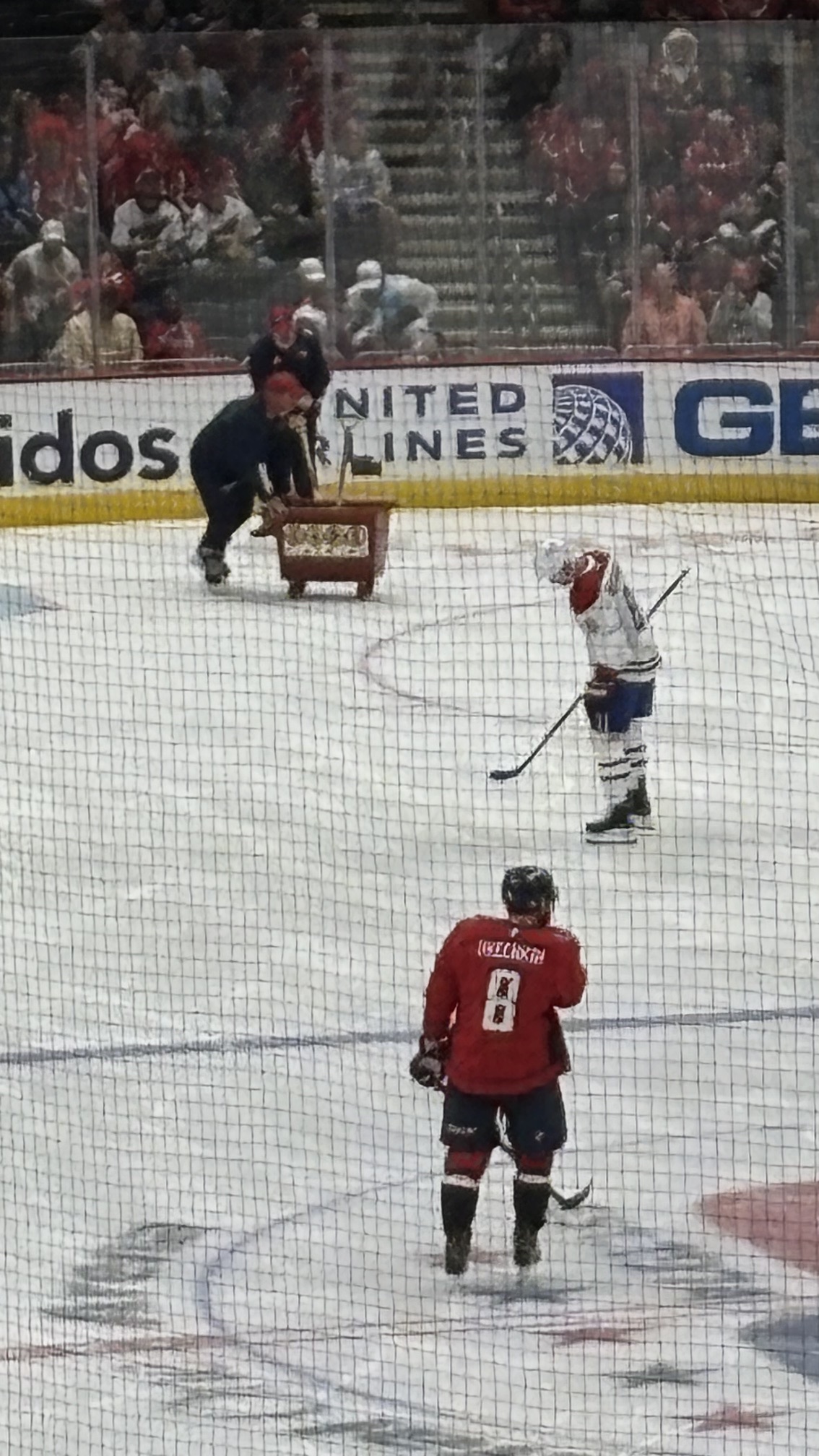
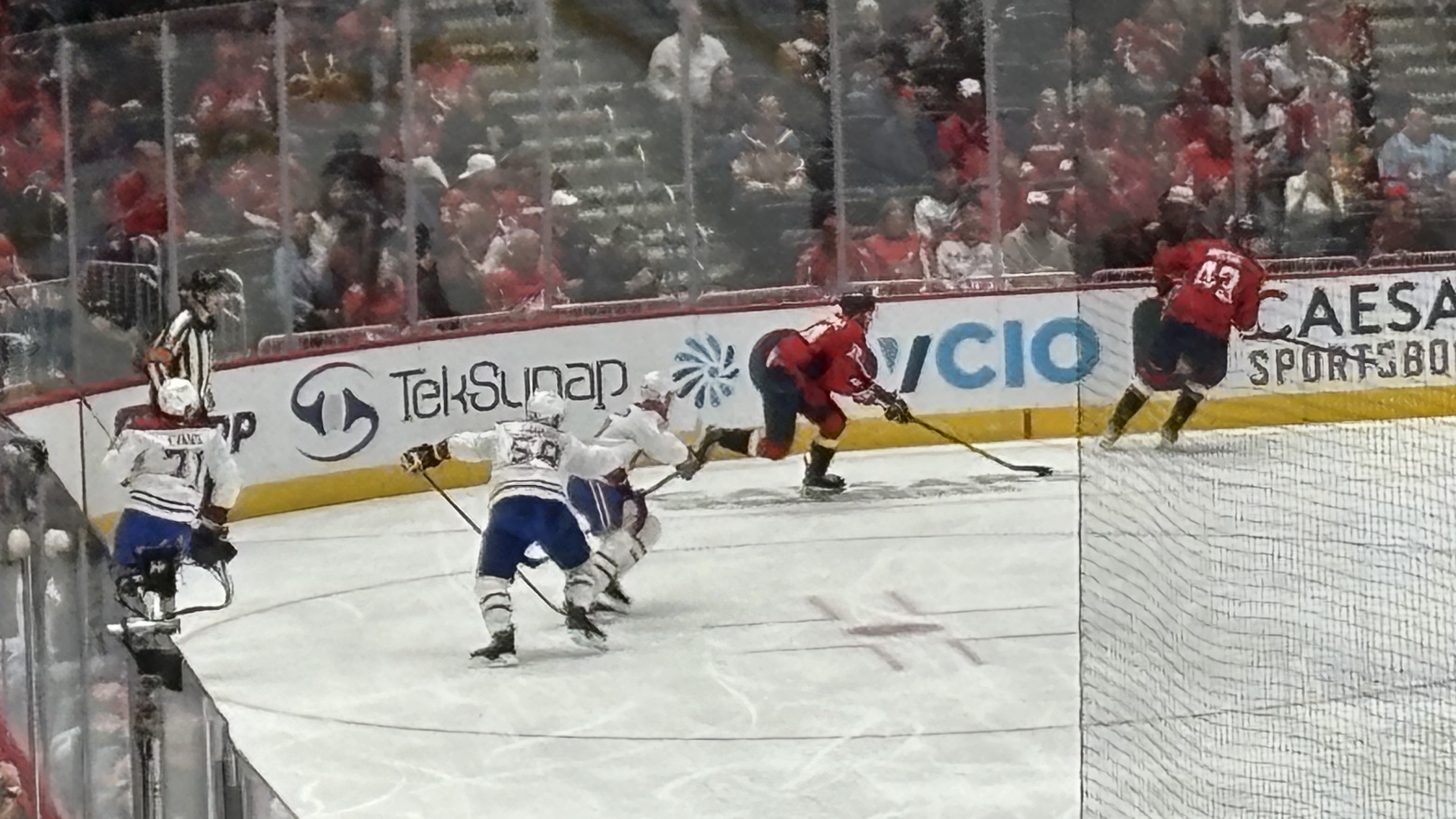

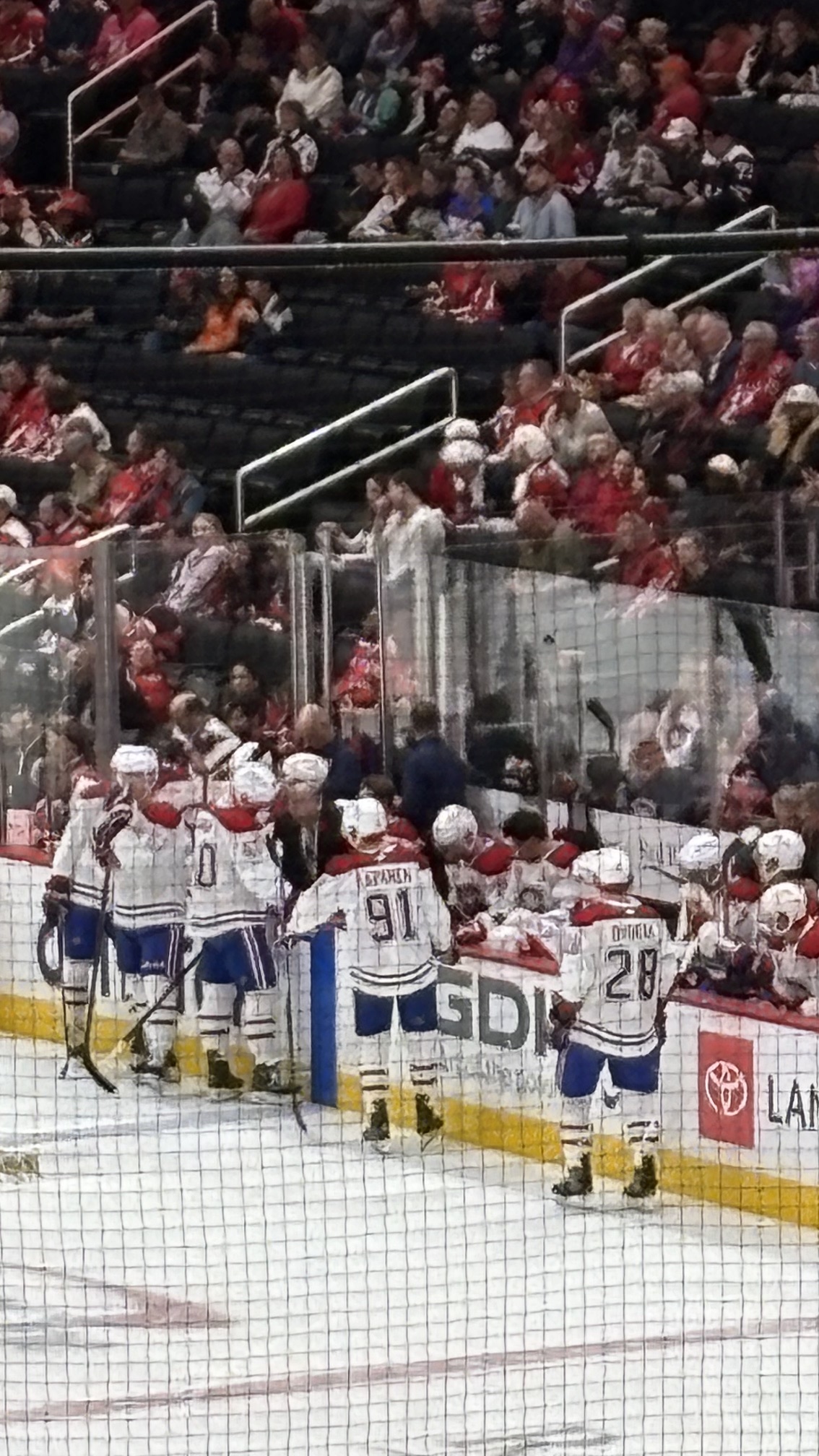
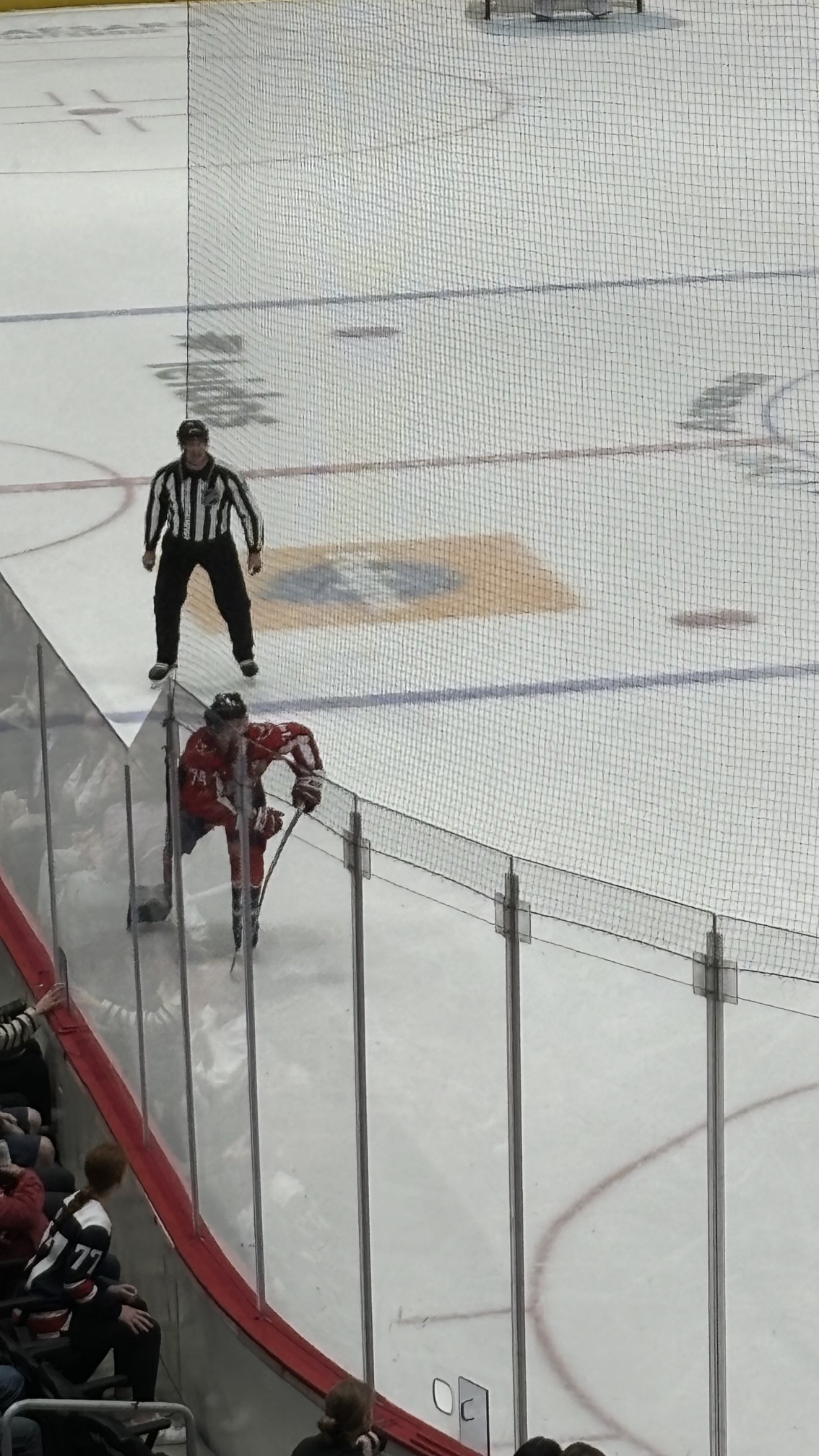
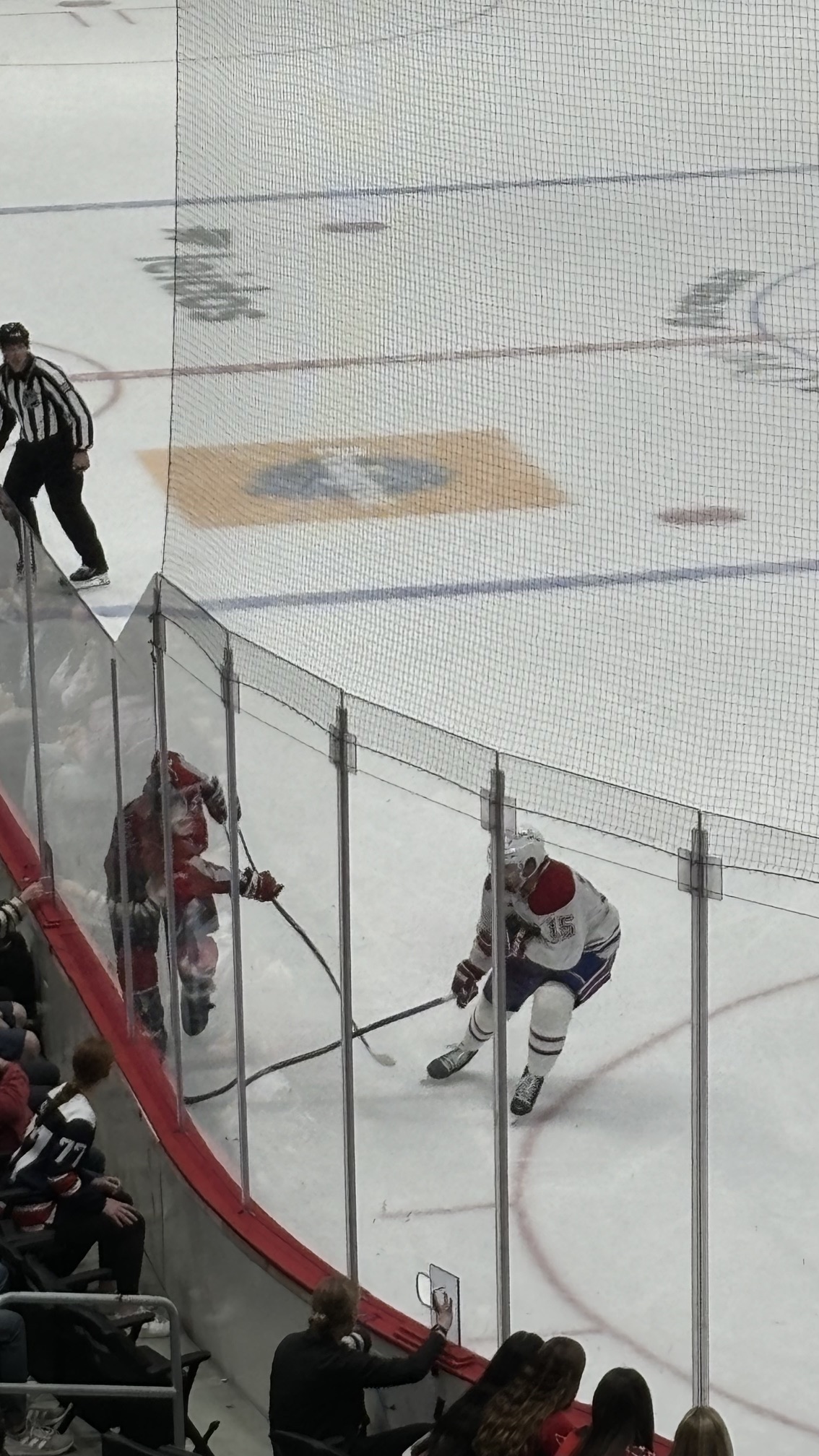
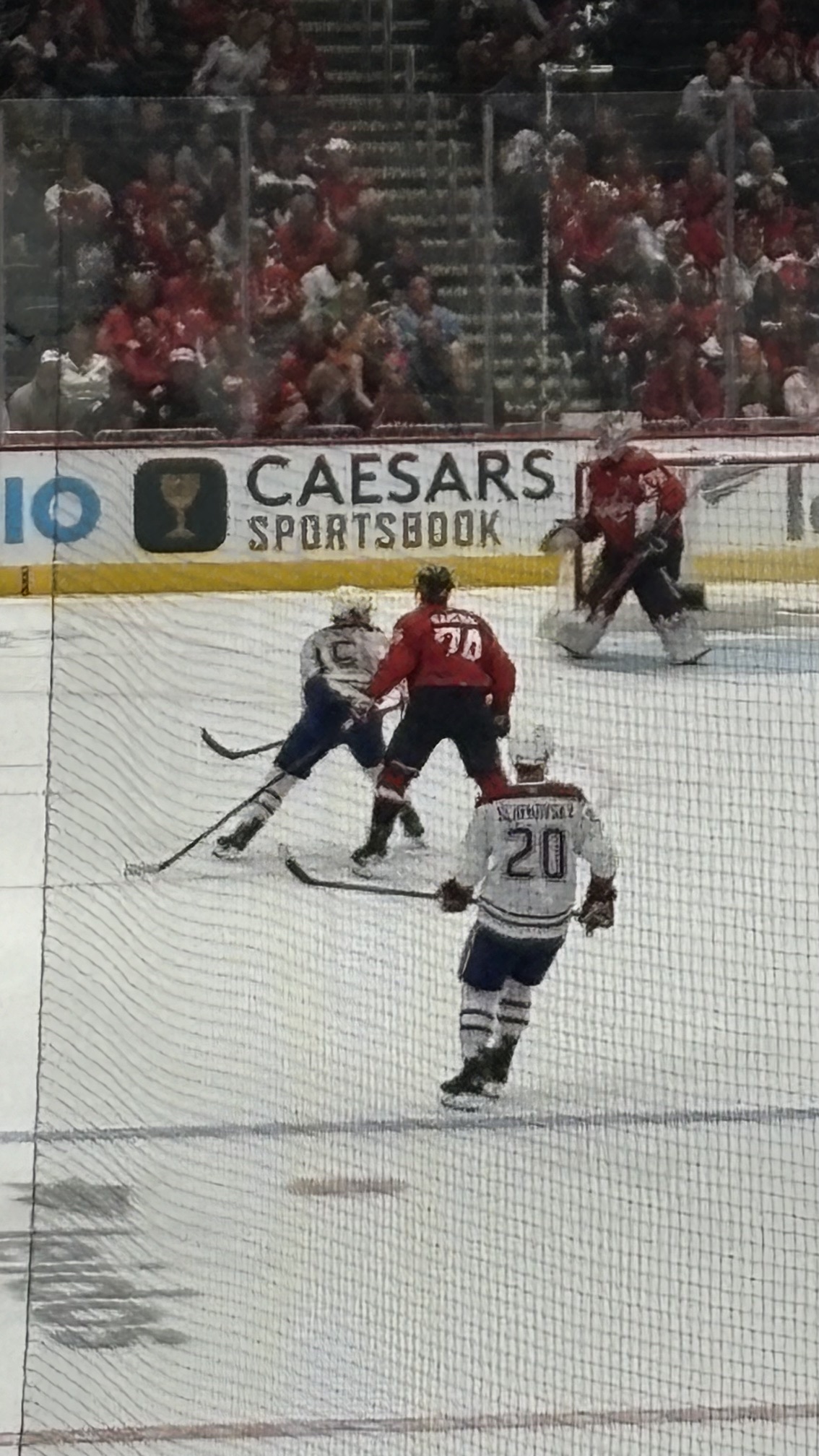
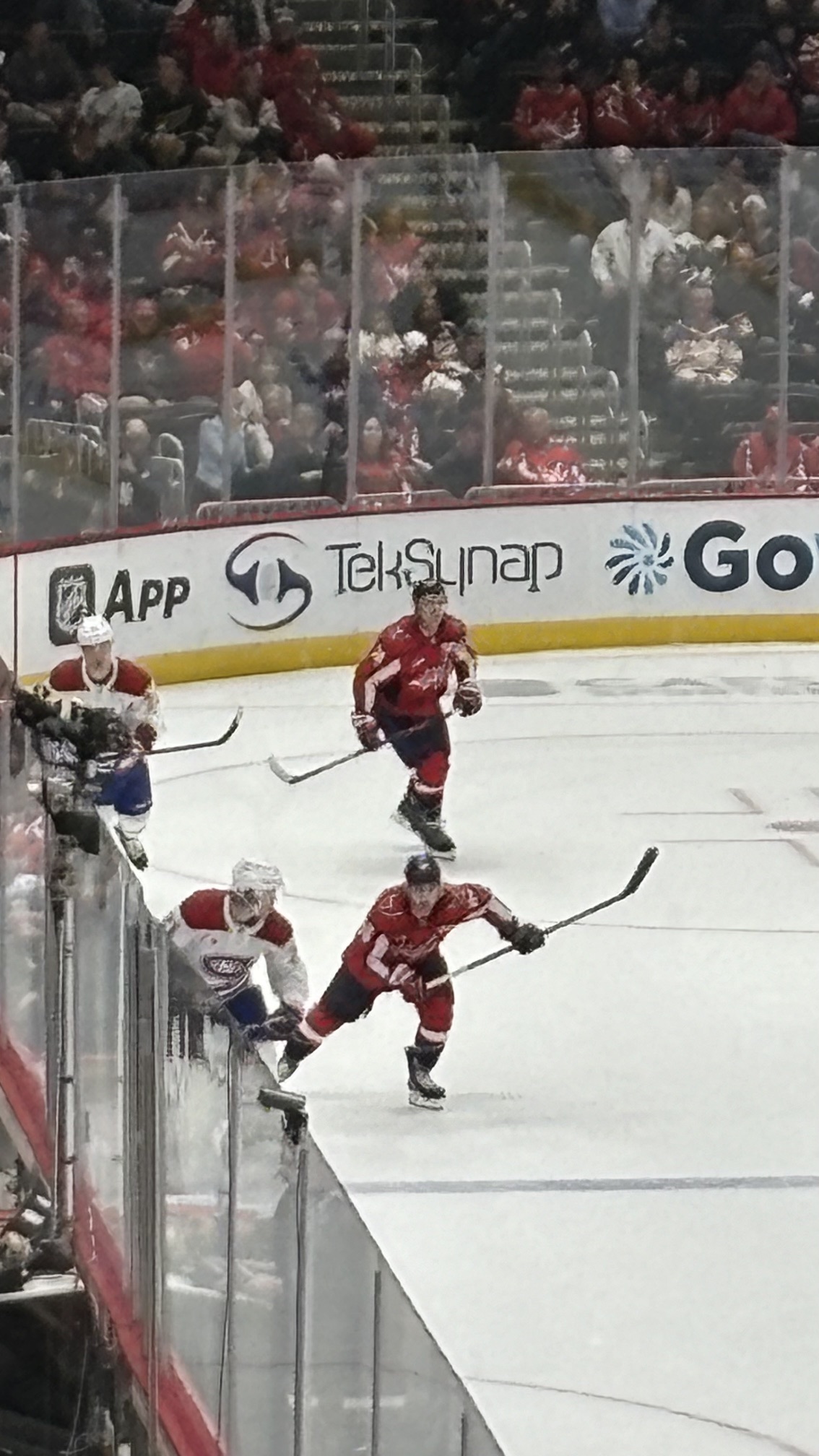
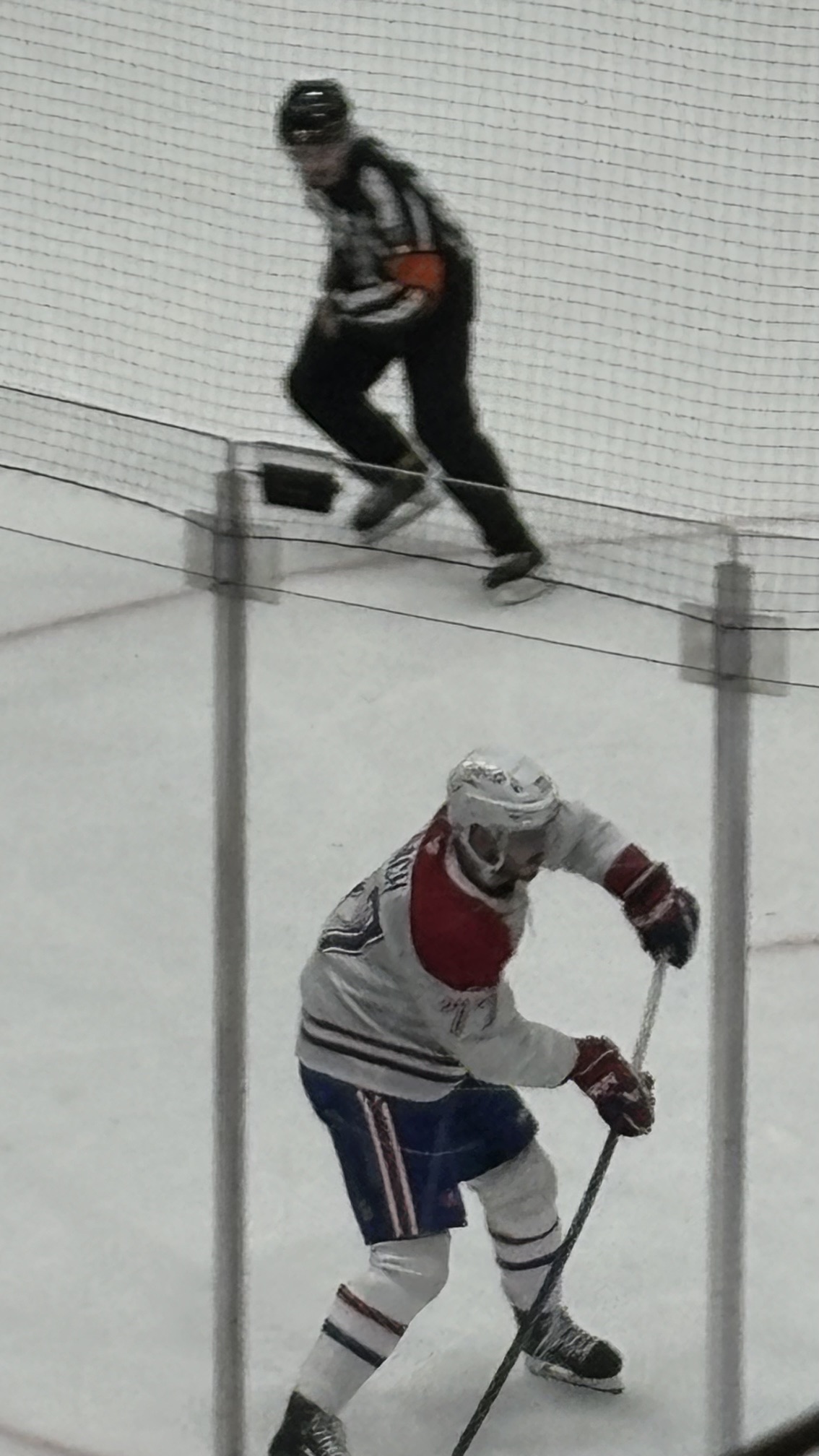
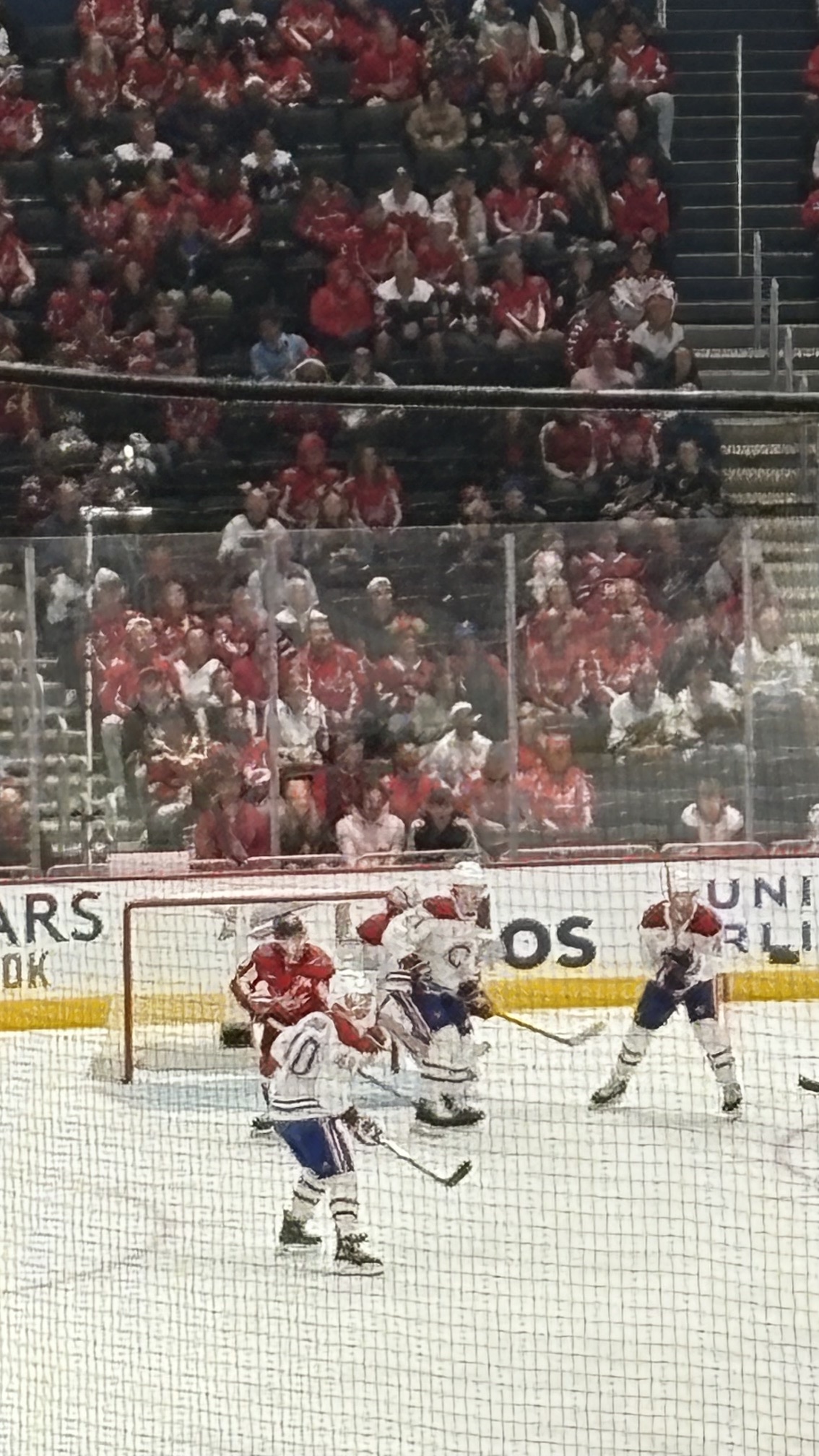
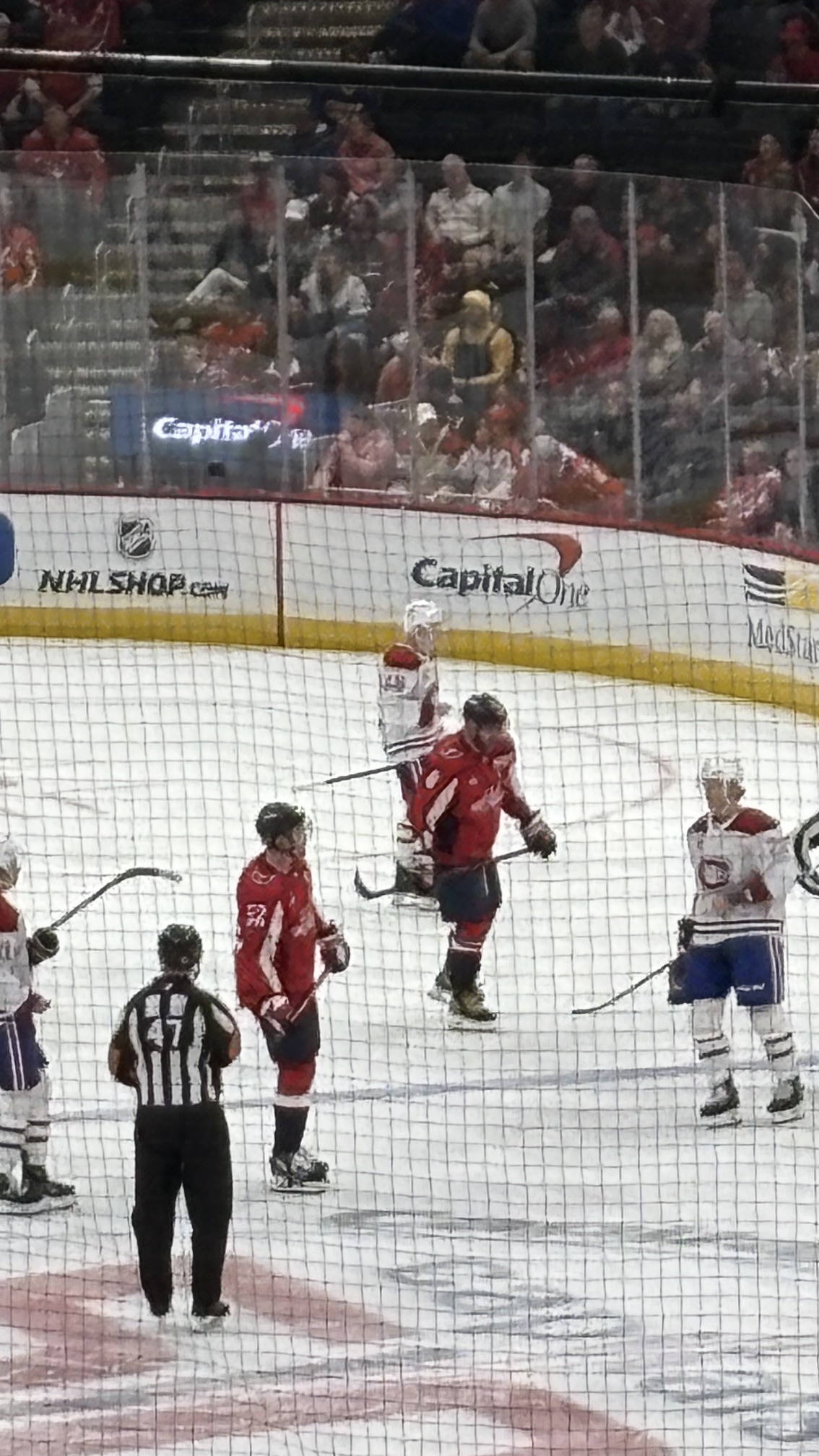
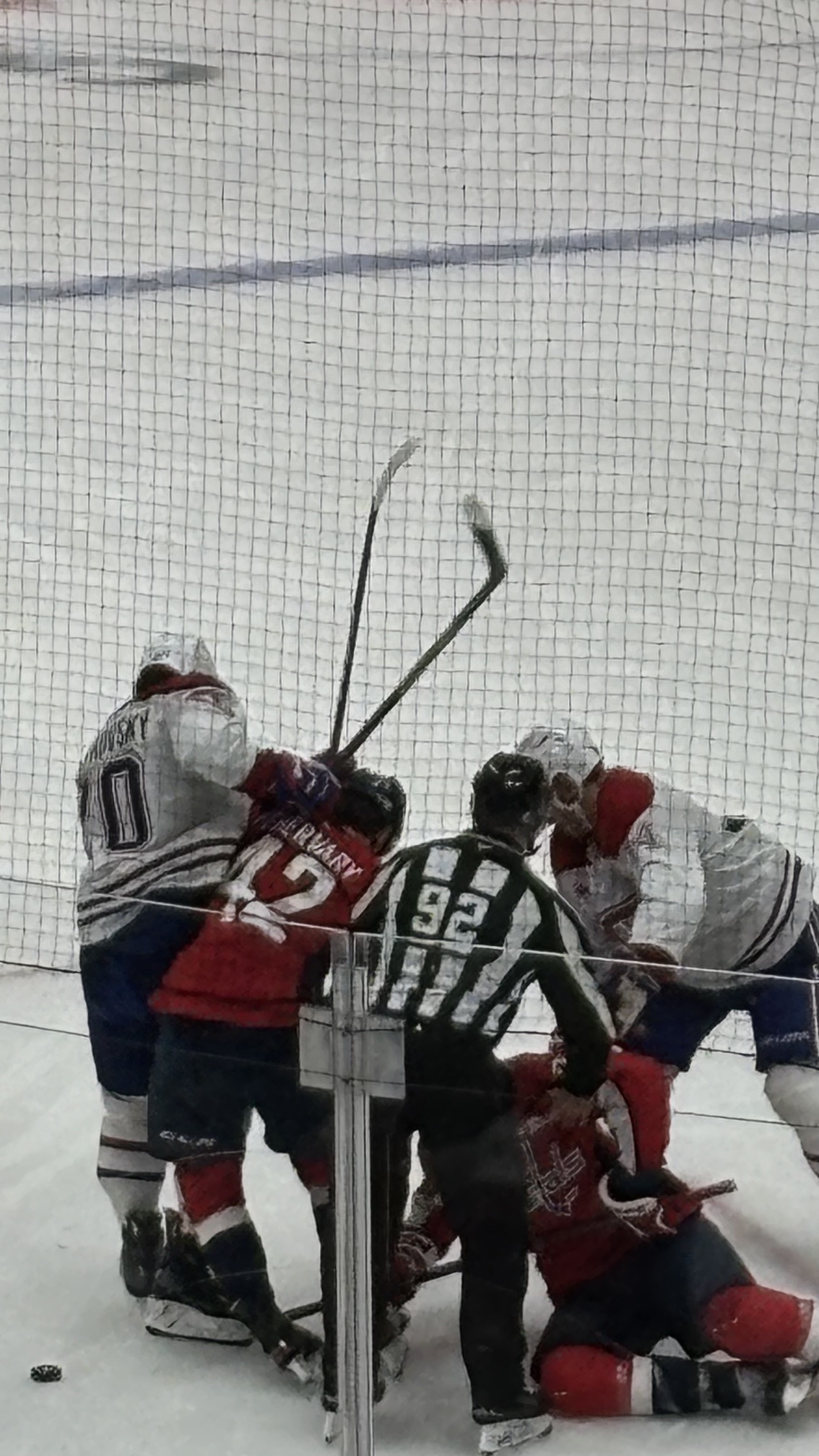
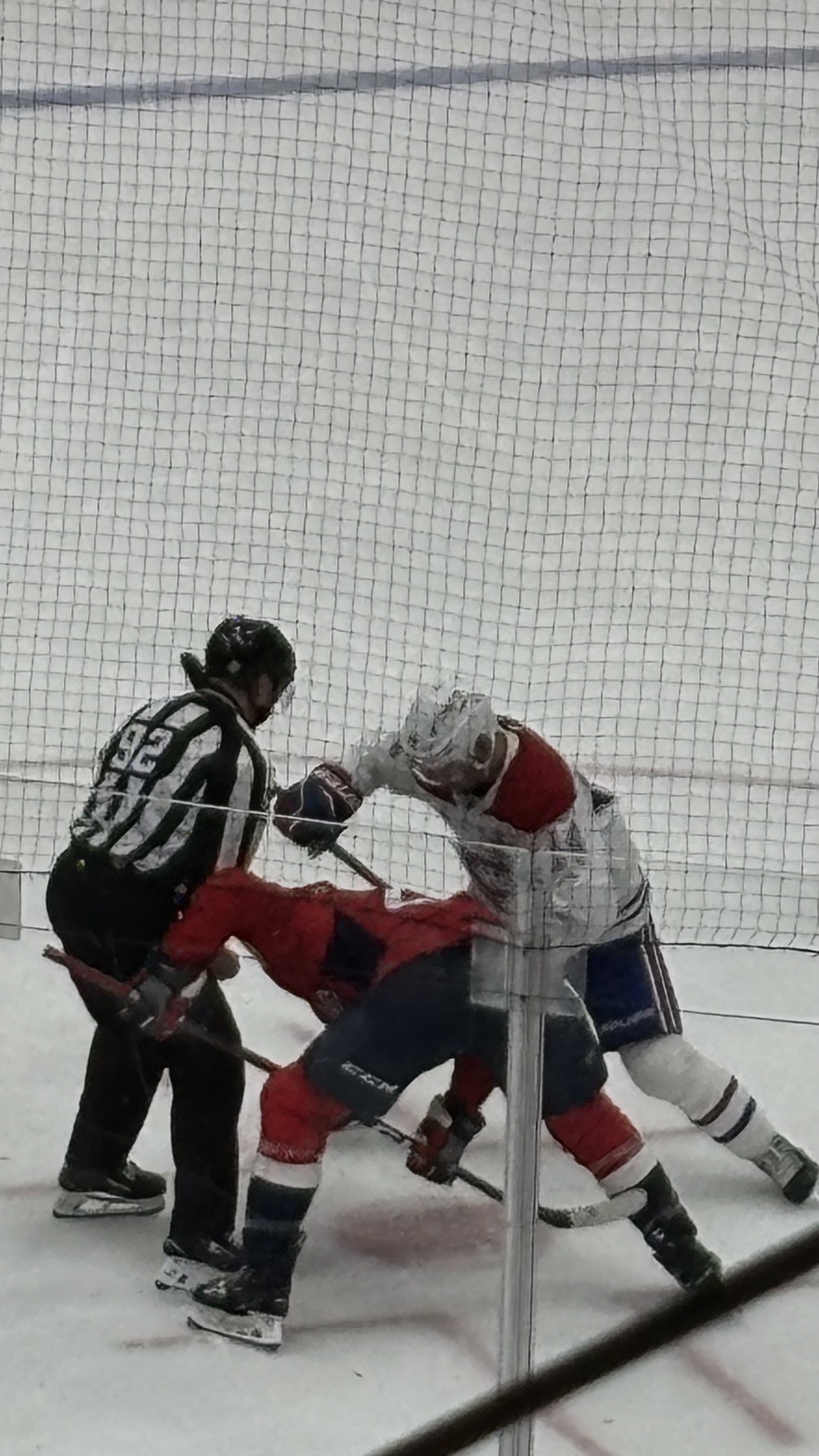
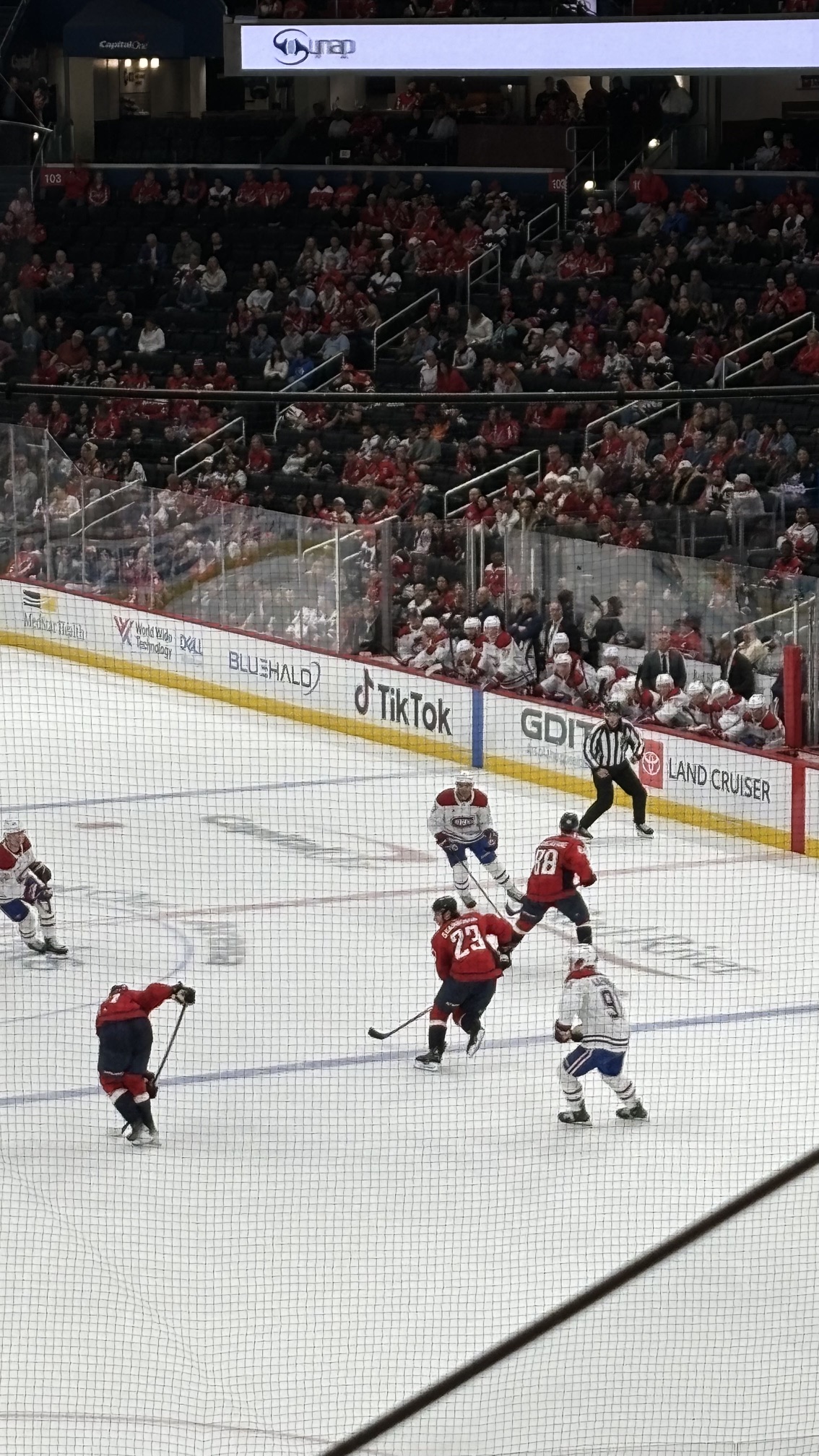
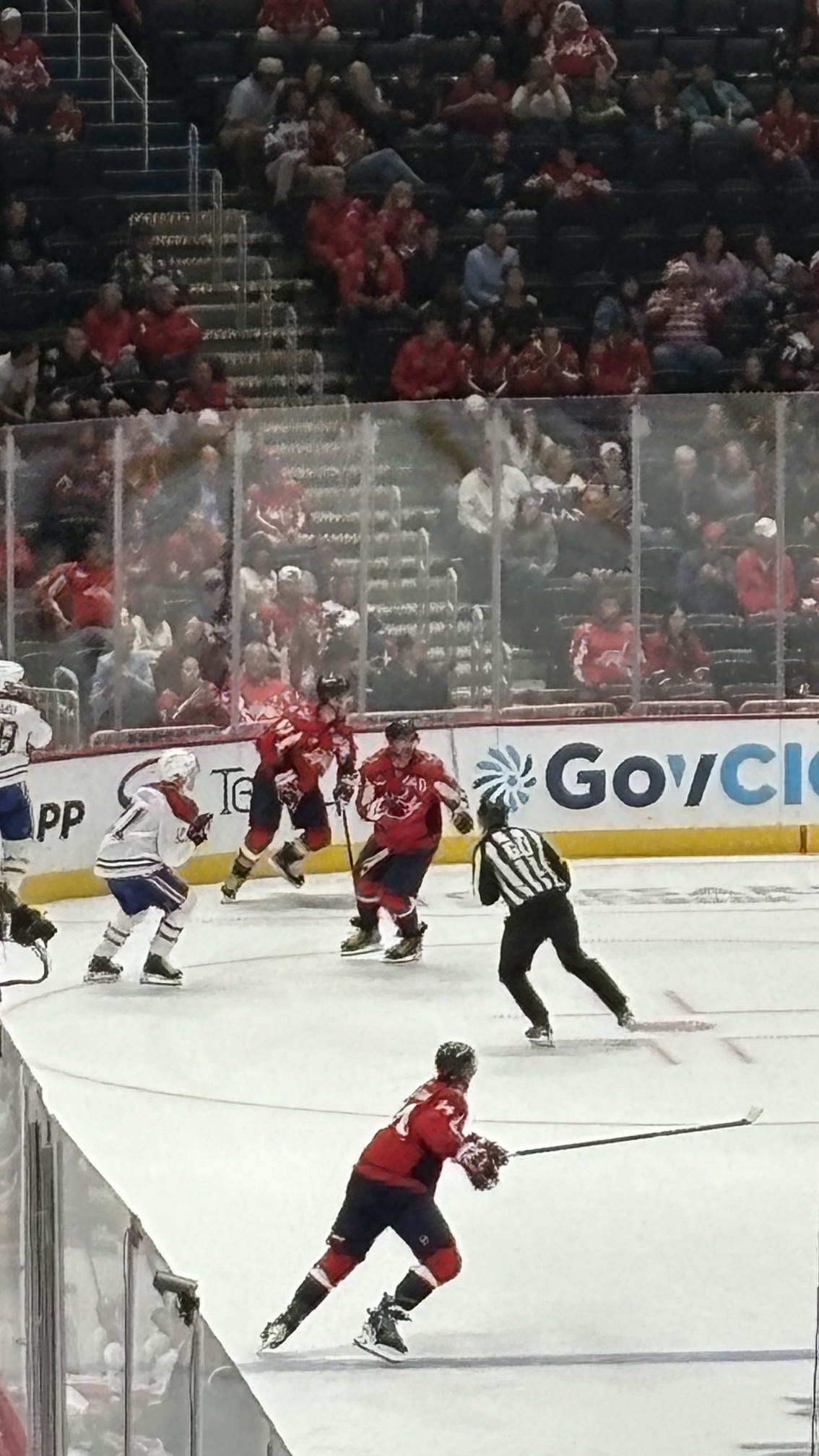
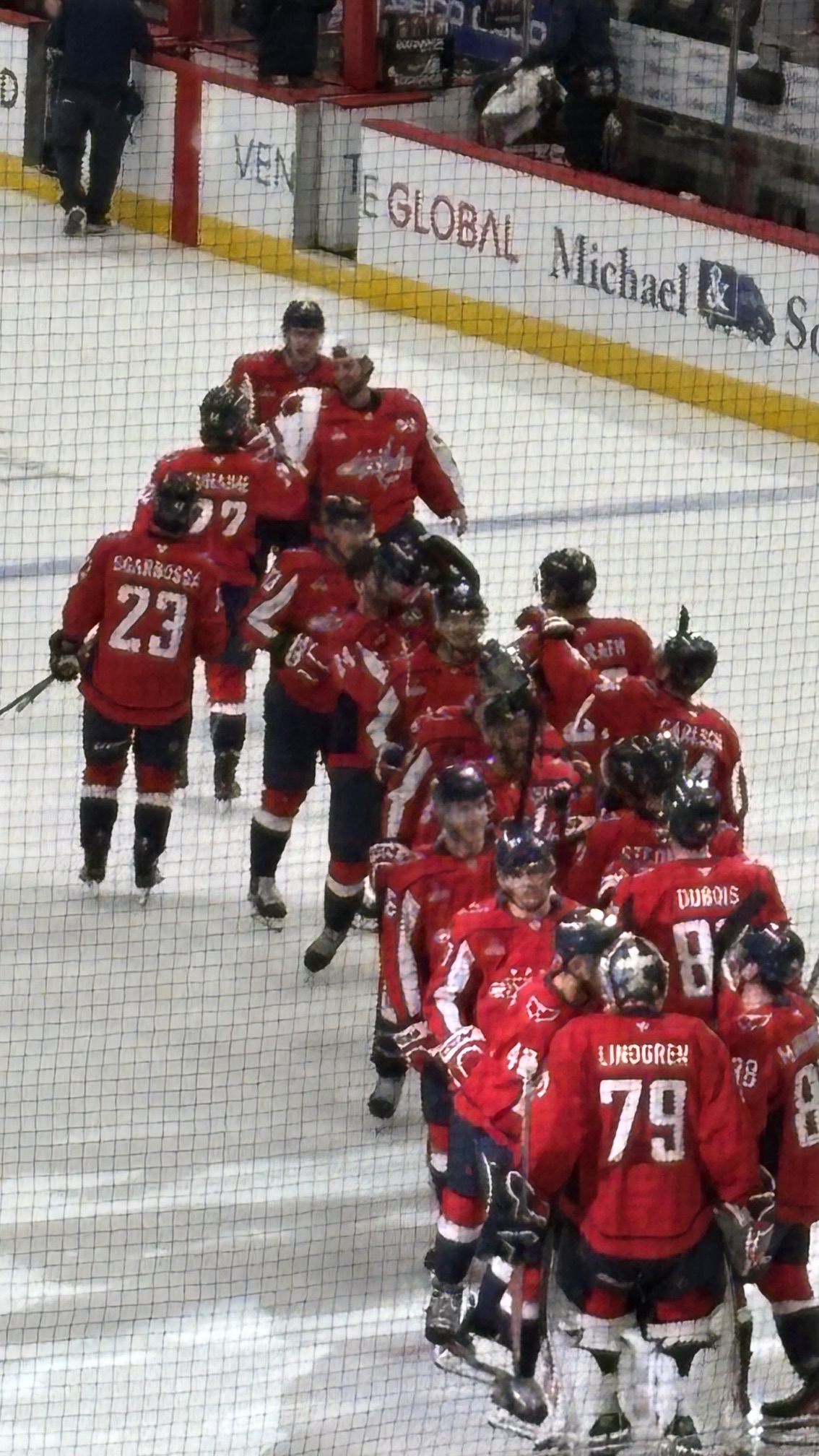
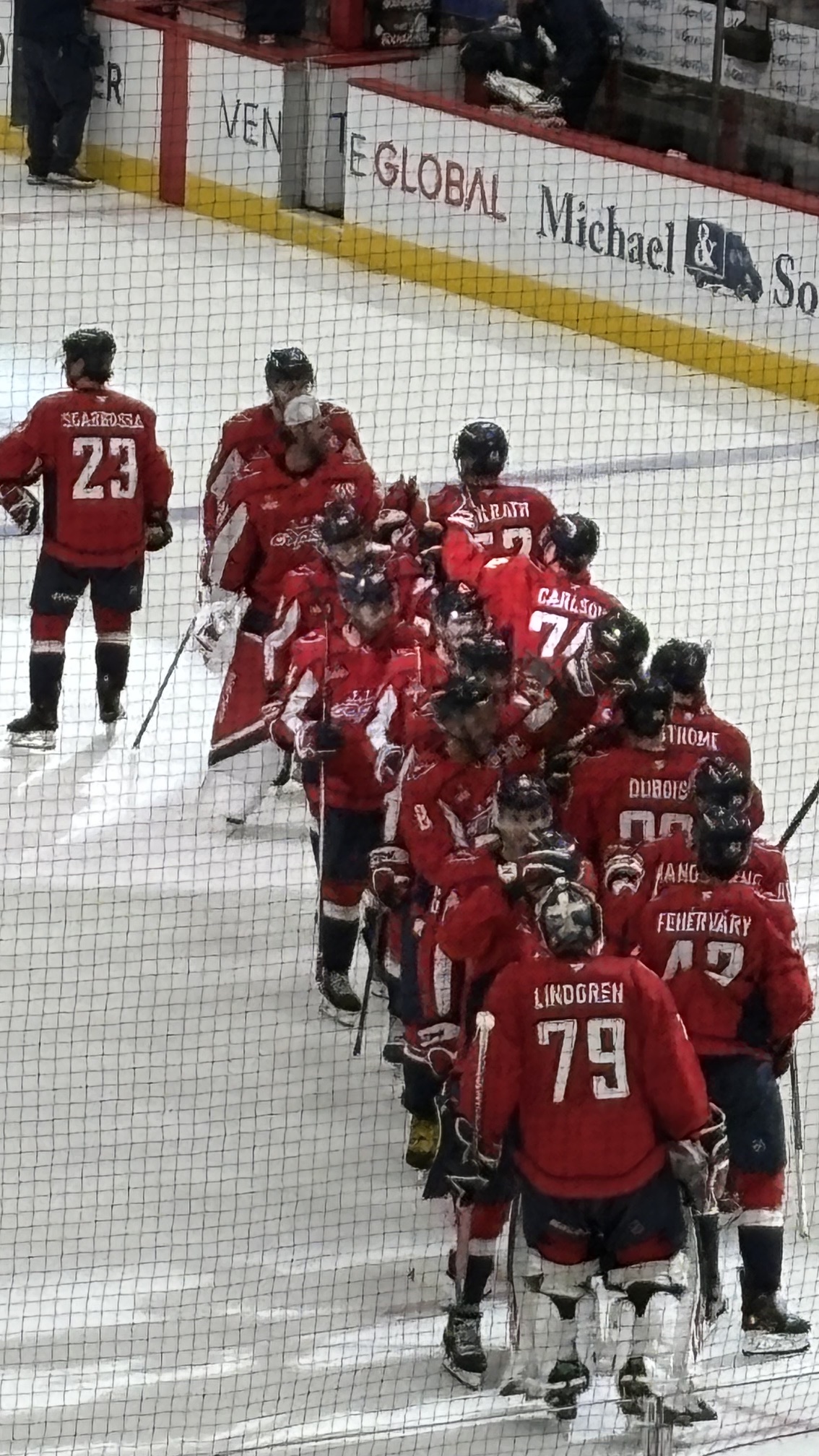
Camera: iPhone 15
Locations: Capital One Arena; Washington, District of Columbia
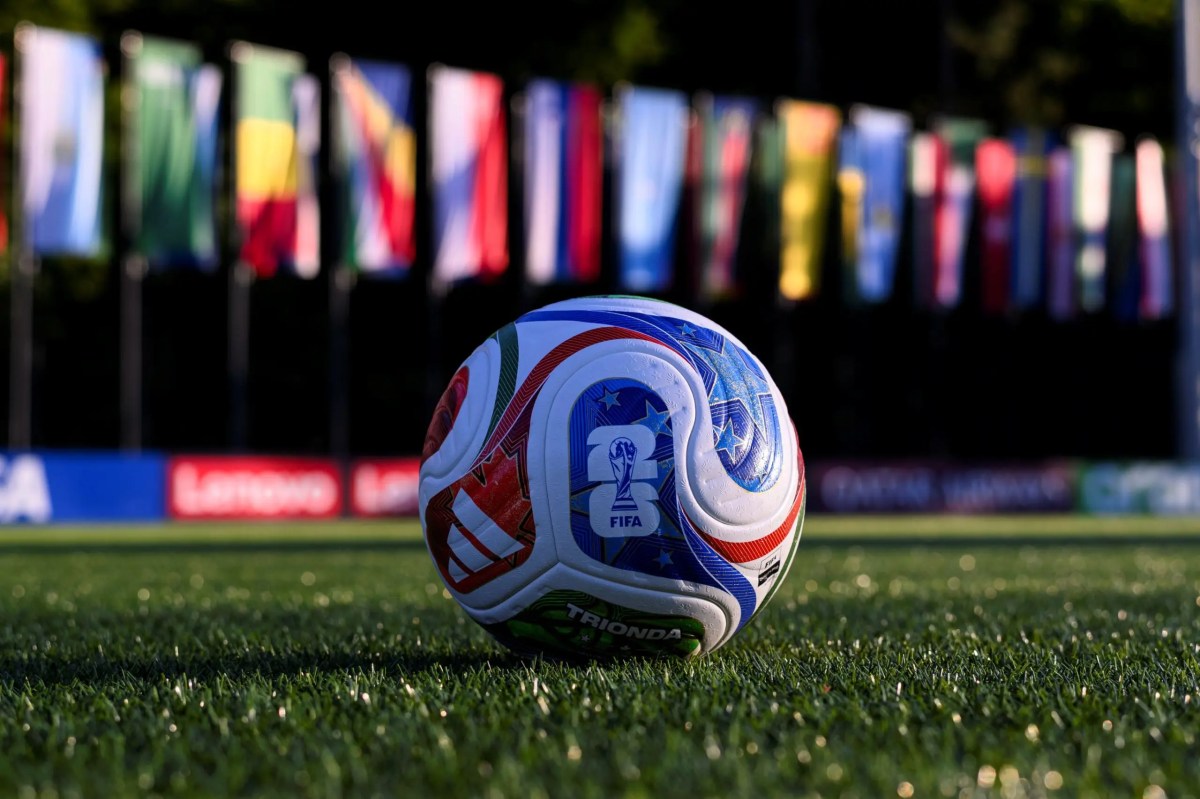
“Whether it’s the FIFA World Cup, the NBA Finals, or the Olympics, sports at their best unite a city, a country, and even the world together.”
Beyond politics, religion, and the many divisions that shape our daily lives, sports remain one of humanity’s most powerful ways to gather. What other way can millions of people gather in New York City, Buenos Aires, or elsewhere to celebrate a victory in a major sport? Whether it’s the FIFA World Cup, the NBA Finals, or the Olympics, sports at their best unite a city, a country, and even the world together.
In these divided and turbulent times, events like the World Cup remind us of our common love of sports and competition. Even when nations face off against each other, it’s a great way to get peoples of different backgrounds together to try each other’s foods, to dance together, and to even share a stadium in a peaceful manner even when they might have nothing else in common. Singing, dancing, celebrating in the streets means that it’s more than just about kicking around a football / soccer ball, it’s about bringing a group of people together to have a real feeling of community again.
Yes, there are always controversies about the sporting world, and the World Cup is no different. Like any human endeavor, sports are often flawed and sometimes unfair. However, it is still the best way to bring people together to receive joy, happiness, and sometimes heartbreak. Sports are a microcosm of life as it may not go your way, but it can bring the best out of you and others when it’s at its best. I have nothing against any religion or anyone’s politics, but when you compare them to sports, there’s no contest in how the latter can bring people together, even in the billions of people to pay attention and cheer their team on in a peaceful and joyous manner.
Perhaps the greatest power of sports is that they allow us to experience belonging without requiring agreement on everything else. A person wearing a jersey in Los Angeles, São Paulo, Seoul, or Nairobi may have completely different political beliefs, religious traditions, or life experiences than the person standing next to them even if they are from the same city or country, yet for ninety minutes, four quarters, or three periods, they are connected by a common purpose. They are not strangers anymore. They are teammates in the moment invested in the same game.
Traveling around the world has shown me that sports are often a universal language that anyone can relate to. You may not speak the same language as someone from another country, but you can celebrate a goal, debate a referee’s decision, or laugh together about a missed chance. A simple conversation about a favorite player or a historic match can open the door to a new friendship. Sports create a bridge between cultures around the world, especially with the World Cup, because they start with something everyone understands on a fundamental level: the excitement of competition and the desire to be part of something bigger than yourself.
Some of my most memorable experiences on the road have not come from famous landmarks or tourist attractions, but from being surrounded by thousands of strangers during a sporting event regardless of if it was rugby, soccer, basketball, or tennis. There is something magical about standing in the crowd where everyone is singing the same song, wearing the same colors, and feeling the same emotions. For a moment, individual worries and biases disappear, and everyone becomes part of one collective experience.
That does not mean sports can solve all the world’s problems as sports like humanity are often flawed and imperfect too. A soccer match will not erase ongoing political disagreements, end active conflicts, or fix social or economic divisions. Perhaps that is exactly why sports matter to most of the world’s people. They give humanity a reminder of what is possible and strive for better. They show us that simple competition does not always have to lead to hatred, and that our differences do not have to prevent connection from happening.
At its best, sports are not about defeating another person or team; they are about sharing an unforgettable moment with millions of other people. A championship parade, a World Cup celebration, or an Olympic victory becomes a memory that people carry for decades or even the rest of their lives. Long after the final whistle blows, people remember where they were, who they celebrated with, and how they felt when it happened and they tell their children and even grandchildren about it.
In a world where so many forces try to divide us and cause hatred, sports remain one of the few places where people can still come together naturally. The scoreboard eventually resets, the trophies gather dust, and the players move on to other endeavors. However, the sense of community, joy, and shared humanity that sports create can last far longer than the game itself.
“There is a clear difference between paying a premium for a rare experience and being priced out of that experience, which most people find themselves facing today.”
If the value of a product or service is in high demand and the supply is limited, you’re going to be paying a lot for that good or service. I accept that inevitable fact of life and have paid that in my own life numerous times, especially for a concert, a sporting event, or even a last-minute show. Performers, artists, and athletes put their blood, sweat, and tears into their craft and they need that consistent revenue from fans for their livelihoods. I’m supportive of this kind of system, but what I am increasingly frustrated by is when dynamic pricing models, monopolistic practices, and sheer lack of affordability across these different types of entertainment have combined to cause inflated prices to occur for the average fan, where you can’t get in the arena.
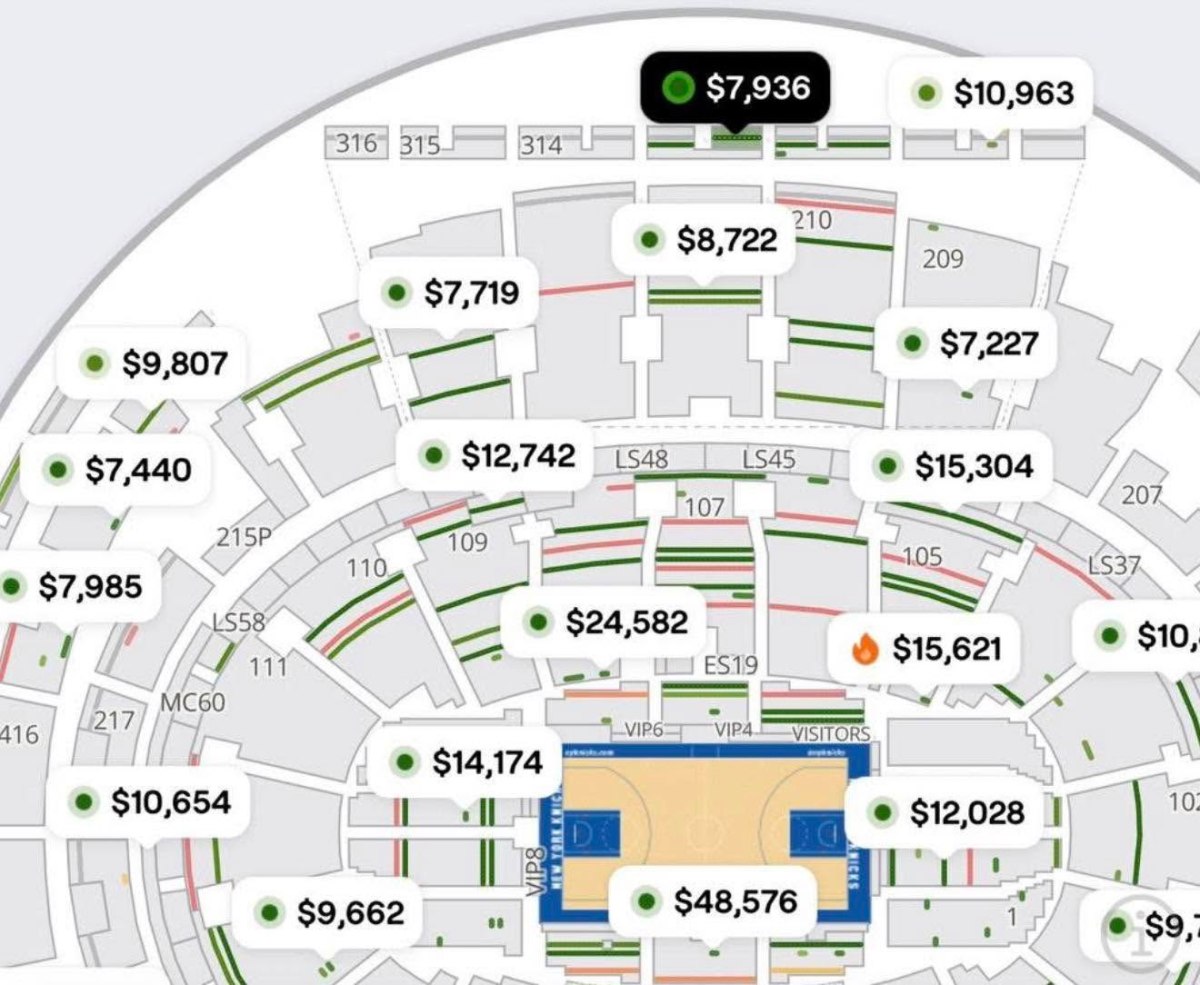
Prices for special events like the Super Bowl, the FIFA World Cip, and the NBA Finals are always going to be inflated, but I find that they have become overinflated. Many special events don’t even match the cost of those events should charge if they matched the inflation-adjusted value compared to the event ten or twenty years ago. For example, When the New York Knicks last reached the Finals against the San Antonio Spurs in 1999, a typical Finals ticket generally ranged from roughly $150–$500 face value, with premium seats running higher. In the secondary market, many tickets sold for hundreds rather than thousands of dollars at that time. Adjusted for inflation, that ticket price would be approximately $300–$950 in 2026 dollars. However, if you look at any secondary market site as I write this article in June 2026, it costs between 3k-10k for nosebleed seats and there’s nothing available under $3,000, showing that these prestigious events are no longer affordable, except for the very wealthy in our society.
The issue is not that prices rise when demand exceeds supply, which is to be expected especially for special concerts or rare sporting events. That is a basic economic reality of supply and demand in a capitalist system. The current issue is that modern ticketing systems have evolved in ways that extract the maximum possible amount of money from consumers through dynamic pricing algorithms, excessive service fees, speculative resale markets, and limited competition among ticketing providers. There is a clear difference between paying a premium for a rare experience and being priced out of that experience, which most people find themselves facing today.
This unfortunate situation is especially the case since there’s nothing available for the average middle-class fan in their price range, including the sections that are further away from the action. Increasingly, average fans of median or lower income are finding themselves out of luck for any special entertainment events and even for regular concerts or theater performances. Notable performers including Taylor Swift, Bruce Springsteen, and Beyonce have taken advantage of the dynamic pricing situation to charge more for their concerts even as their fans find themselves squeezed not just by the ticket prices but also for paying concessions, parking, and even needing to fly or drive to the concert on top of the cost for entry to the event.
One of the most controversial developments in modern entertainment has been the rise of dynamic pricing, which is very much an American phenomenon at this point, but could become popular elsewhere soon. Like airline tickets or hotel rooms, ticket prices can now fluctuate dramatically based on demand. A seat that costs $250 in the morning may cost $750 by the afternoon simply because an algorithm determines that consumers are willing to pay more and track people’s spending patterns over time.
While defenders of dynamic pricing argue that this approach reflects market realities, critics are right to point out that these systems often reward sheer wealth rather than loyalty to the team, the athlete, or the musician. Fans who have supported a team, artist, or event for decades frequently find themselves competing against corporate buyers, professional resellers, and affluent consumers with far deeper pockets. These buyers don’t usually care about the team or the artist and will often surge the pricing to make a profit off the ticket and sell to the highest bidder rather than to lower the price for someone of moderate means who is a true fan or supporter of the event they want to see, but will never get the chance to do so now.
Sports and entertainment have historically served as one of the few places where people from different economic backgrounds could gather and share a common experience together without barriers between them. Yet as prices continue to rise and these kinds of events become geared to the top 1-10% of our society including private suites and with whole parts of the arenas or stadiums blocked off to the wealthiest, these events increasingly resemble luxury products reserved for those people with significant disposable income only.
The danger is not merely economic in terms of fostering greater inequality and already has resulted in a K-shaped economy in the United States as many economists have noted lately. There is cultural damage being done as well, which could be even more damaging to how different social classes relate to each other going forward. When the average fan or supporter can no longer attend a championship game, a major concert, or a global sporting event, something valuable is lost as a result. The shared experiences that once united different communities become increasingly exclusive and reflect a stratified society rather than preserve a rare opportunity to bring everyone together to celebrate an event or a person that unites us together.
The question that policymakers, leagues, promoters, and ticketing companies should be asking is not how much revenue can be extracted from consumers. It is whether future generations of fans will be able to participate in the events they love at all. I have no problem with people making money from what they do and selling at a higher price to reflect the sheer demand and the perceived value of their product. However, pricing a major portion of your supporters and fan base out of these events will ultimately result in growing antipathy toward the sports teams, entertainers, leagues, and ticketing companies involved. Loyal fans are the foundation upon which these brands are built. When lifelong supporters can no longer afford to attend the very events that helped make them successful, a sense of alienation and disenfranchisement begins to replace loyalty. Over time, that erosion of goodwill may prove more costly than any short-term revenue gains generated through excessive and dynamic pricing.
For many New York Knicks fans including myself, the 2026 NBA Finals represent the first championship opportunity of our lifetimes. Yet many lifelong supporters who endured decades of losing cannot afford even the cheapest seat inside Madison Square Garden for a Finals game. When a once-in-a-generation moment becomes inaccessible to the very fans who helped sustain a franchise through its worst years (of which there were many), it is fair to ask whether the pricing system is still serving its intended purpose. While organizations and individual artists may celebrate record profits today, they should remember that every lifelong fan who is priced out is a future customer, advocate, and ambassador lost. The strength of any sports league, artist, or event ultimately depends not on how much money can be extracted from its audience, but on how many people still feel they belong there.
“Life, like the sport of boxing, isn’t about taking punishment, it’s about learning from your mistakes, moving to avoid future errors, reading what the next move(s) could be thrown at you, and responding with precision when you make your counters.”
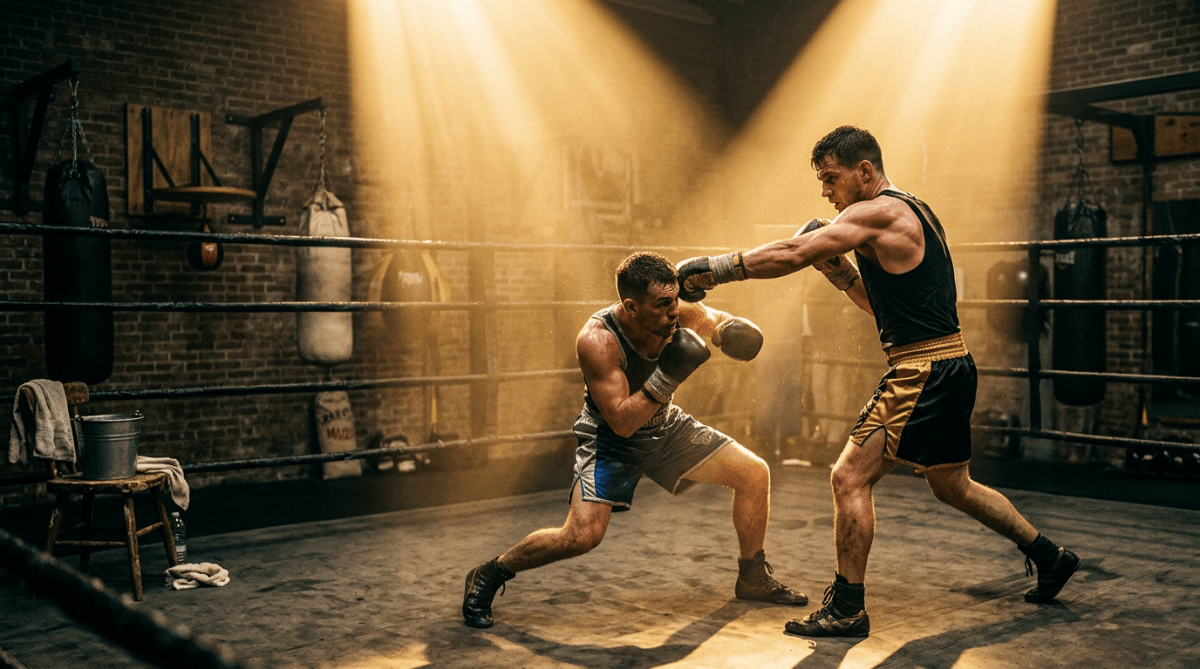
I remember the first time when my trainer told me to stop blocking punches and start slipping and dodging them instead; it rewires your brain to not just try to absorb the punishment but to dodge and counter it with the same enthusiasm. Life, like the sport of boxing, isn’t about taking punishment, it’s about learning from your mistakes, moving to avoid future errors, reading what the next move(s) could be thrown at you, and responding with precision when you make your counters.
You’re not always going to win the fight like you’re not going to always win in life, but if you know to slip, dodge, and counter, you’ll lose less and learn from your mistakes to be better not just at boxing but in life itself. For myself, you can learn more from boxing than you can from a traditional classroom and there’s a lot of justified metaphors for how this unique sport translates over to how to win in life.
Most setbacks in boxing aren’t knockout punches, they’re jabs. They are meant to measure you, test your resolve, and see how you react to them. A jab is like the difference between a crisis and a probe, meant to read what’s being thrown at you. Like overacting to an unfortunate event in life, you don’t want to overreact to a jab in a sparring session or a fight. You don’t want to waste precious mental and physical energy worrying too much about the jab when you should be focused on what could come after it. Burning bridges, making decisions from panic in life will cost you more in the long run instead of pausing, thinking it through, and coming up with your counter. Not every jab deserves a full combination back from you; but you should be sizing up your opponent (life) and figuring out what the next move is going to look like.
The slip, in boxing, isn’t a retreat, its intelligent non-contact, you keep your feet planted and you move your head to avoid the damage. When you apply that approach to life, it’s about knowing which arguments, which jobs, and which people to let pass by cleanly. If you don’t slip and you think you can dodge very blow when you’re flat footed, you’re going to get hit and take shots that you could have avoided making you worse off than before. Don’t let your ego stand in the way of protecting yourself and know that you’re saving yourself for the long struggle in the ring and outside of it, if you know how to slip a punch. This is a very underrated skill of not engaging everything that comes at you or wants a piece of you. You shouldn’t be engaging in contact or giving a response to everything headed your way; something, it’s best to slip it.
In boxing, the counter punch is thrown at the same moment your opponent overextends themselves and life works the exact same way. When you face adversary or a challenge, life should open to you as the moment of disruption can create an equal opportunity as a result. When you counterpunch an opponent in the ring, you’re meeting the moment and taking advantage of an opportunity even while you’re putting yourself at risk. When you counterpunch in practice outside of the ring, you are changing careers, rerouting plans, pivoting to new skills, turning obstacles into reaffirming moments and repositioning yourself for future success. Timing matters though so make sure that when you throw your counter it comes at the right time because if you do it too early or too late, it’s not going to land cleanly and is going to look more like a wild swing out of desperation.
Any boxer will tell you that footwork is pivotal to mastering even before the fight starts and positioning yourself well could end up making the difference. Champions don’t improvise their way through fights; they control the ring before the first punch lands and are always moving their feet to be in the best position possible. In life, you have got to build skills, relationships, and options for yourself even during the calm periods so you’re not scrambling to make progress when things get hard or when you need immediate success. Good footwork is about optionality and always having somewhere to move to or from and not backing yourself into a counter. Being light on your feet, agile, and not getting caught flatfooted by comfort, complacency, or cockiness will help you win the fight and in your life.
When someone or something seems impenetrable, you have got to shift your attack and rethink your approach. You must be able to play the long game when you can’t get through your opponent’s guard. You must be persistent, shift your strategy, and choose different pressure points to wear down your opponent. Slow, consistent pressure will win over dramatic gestures or do the same thing repeatedly to expect a different result. Boxing and life both require mental discipline by delaying your own gratification and using sustained effort to get the wins that you are seeking. If your opponent is blocking one approach, you have got to go for a different strategy and try to find a weakness or opening elsewhere. Shift your approach when it calls for it and don’t keep trying without mixing it up to get the success you are fighting for.
You will get hit. You will get bruised. You are going to fail. The question is whether you’re falling forever or rolling with the punches. ‘Rolling with the punches’ is known as the physical technique of being able to deal with getting hit and absorbing blows with some difficulty without catastrophizing the effect of getting hit to prevent you from fighting back. Resilience in the ring and outside of it is about knowing when you can take the hit and keep moving forward and you must get back to the center after it by reset, breathe, drink some water, find your focus and your range again, and stay in the fight. Only throw in the towel when you know the hit has changed the fight and you’re not continuing out of sheer stubbornness. Sometimes, you know you’ve lost the fight when you’ve taken too many hits and it’s better to call it quits to fight another day than to lose everything in that one night.
Even the greatest fighters in boxing don’t go the three-minute rounds alone; they have someone cutting the swelling during rounds, giving timely advice, and cheering you on from your corner. We need coaches in boxing just like we need mentors, honest friends, and trusted advisors who tell you what’s happening rather than what you want to hear from them. Be wary of having a ‘yes man’ in your corner in the ring or in your life. A corner that is not truthful with you and only hypes you up will get you knocked out because they fail to take account of your weaknesses as well as your strengths. You got to build your corner up wisely over the years and have good people you can rely on who will tell you the truth, support you through thick and thin, and know when the fight is over to save you from yourself sometimes.
Any good boxer knows how to make some adjustments in the middle of fight and to change their game plan when it comes to their opponent. The fighter who can’t adapt gets figured out by round four and usually doesn’t win the match. It can be hard to invest in something you’ve put days, weeks, months, or even years into developing but you need to have the discipline to abandon a pursuit, strategy, or plan even after investing heavily into it. When we think of a sunk cost in boxing, the mistake is like throwing a hundred punches the same way even when they aren’t landing in each round and that strategy is costing you to lose the fight. Be prepared to constantly pivot as you would in the real world whether it’s professionally, personally, or geographically because doing the same thing again and expecting a different result is lunacy and it shows up both in boxing and in your life.
You don’t train to be a boxer to avoid any difficulty that you’ll face, you train to be someone who can handle it when it arrives, and that also goes for any facet of your life. You dodge and counter not just as well-known tactic in boxing but as a mindset for your entire life. You don’t dodge and then not counter, any action deserves a response, but it must be measured, appropriately, and done patiently. You should always be moving forward but with the wisdom that sometimes, you’re going to have dodge a punch like you would dodge a toxic person, a bad boss, an unfortunate upbringing, and be able to counter by moving towards a result and a life that you can be proud of.
As someone who enjoys boxing, I’m always thinking about how I’m going to slip the next punch and what counter I can set up as a result to move forward in the contest. Think about this for yourself: what ‘punch’ are you slipping right now in your life, and what counter are you setting up? Life, like boxing, can be difficult sometimes, but if you can slip, dodge, and counter, you’ll be able to handle any adversity, meet any challenge head on, and be successful in whatever you put your mind and body to.
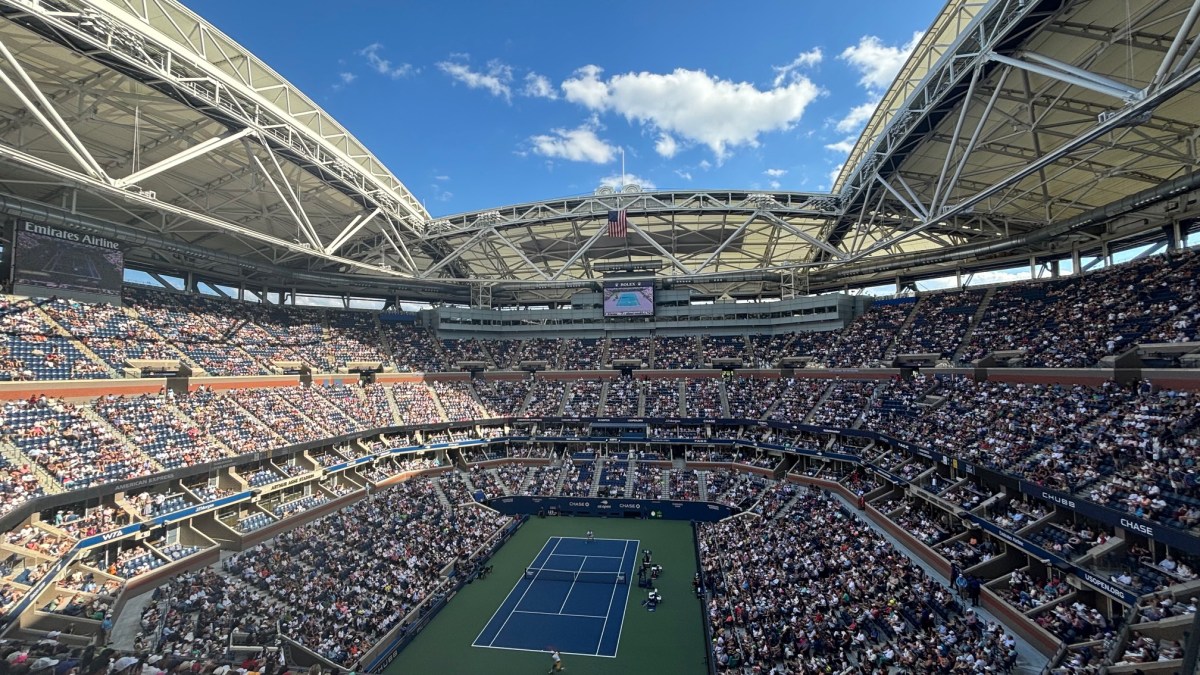
“A return trip to Queens, New York in the Summer of 2024 to enjoy the U.S. Tennis Open in Flushing Meadows on a beautiful Summer Day. From Arthur Ashe to Louis Armstrong Stadium, a very full day of great professional tennis spectating.”
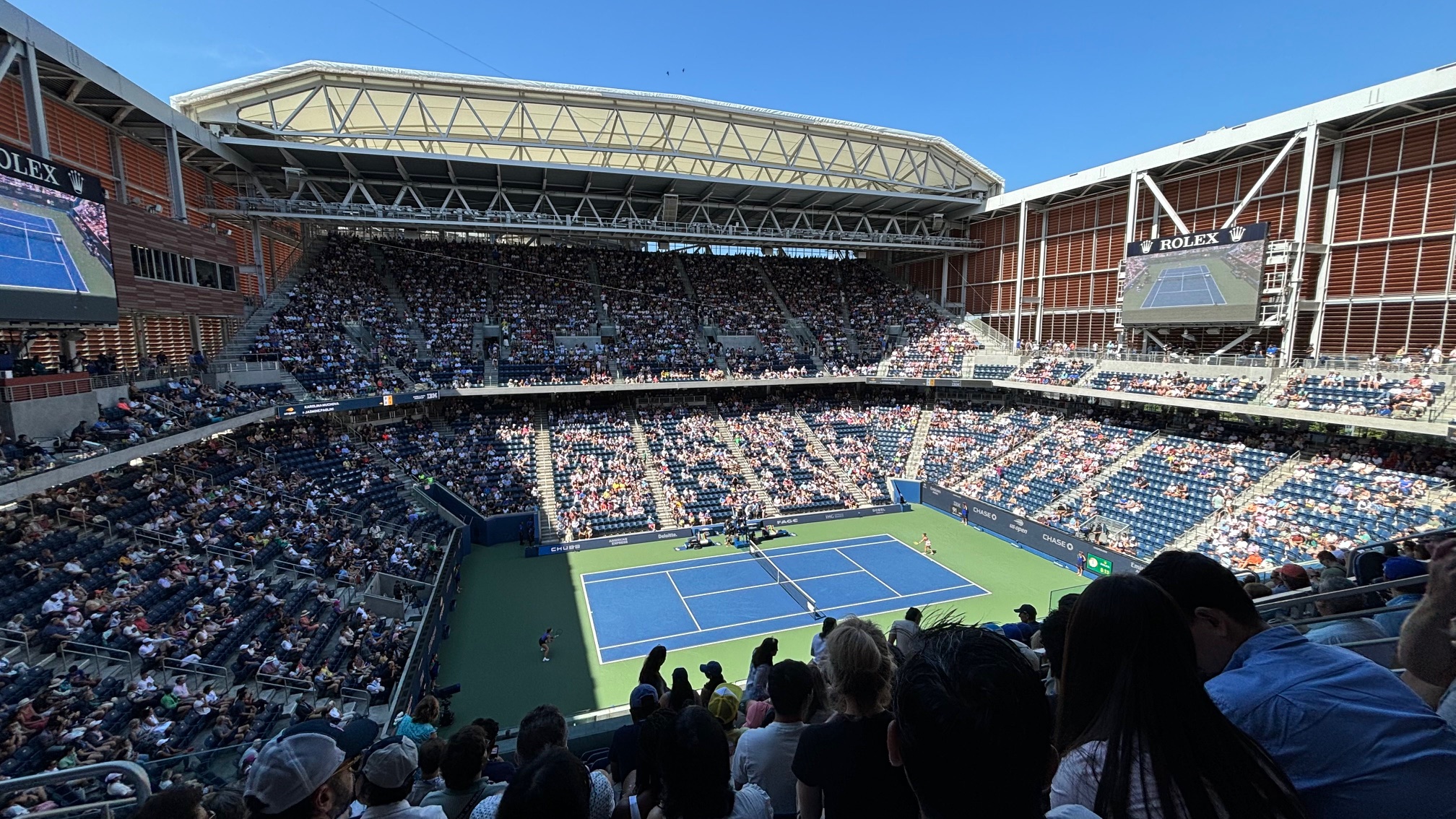
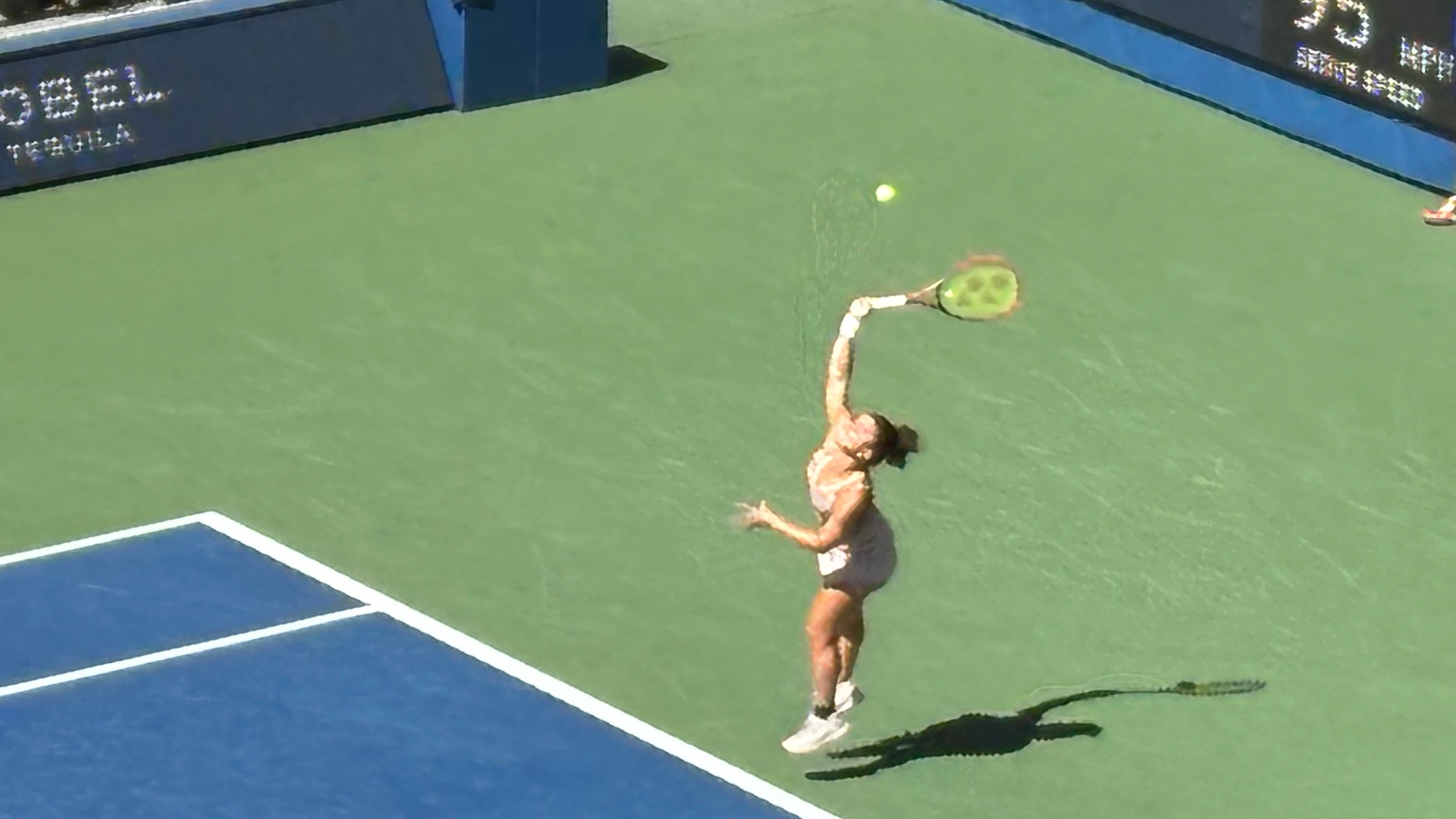
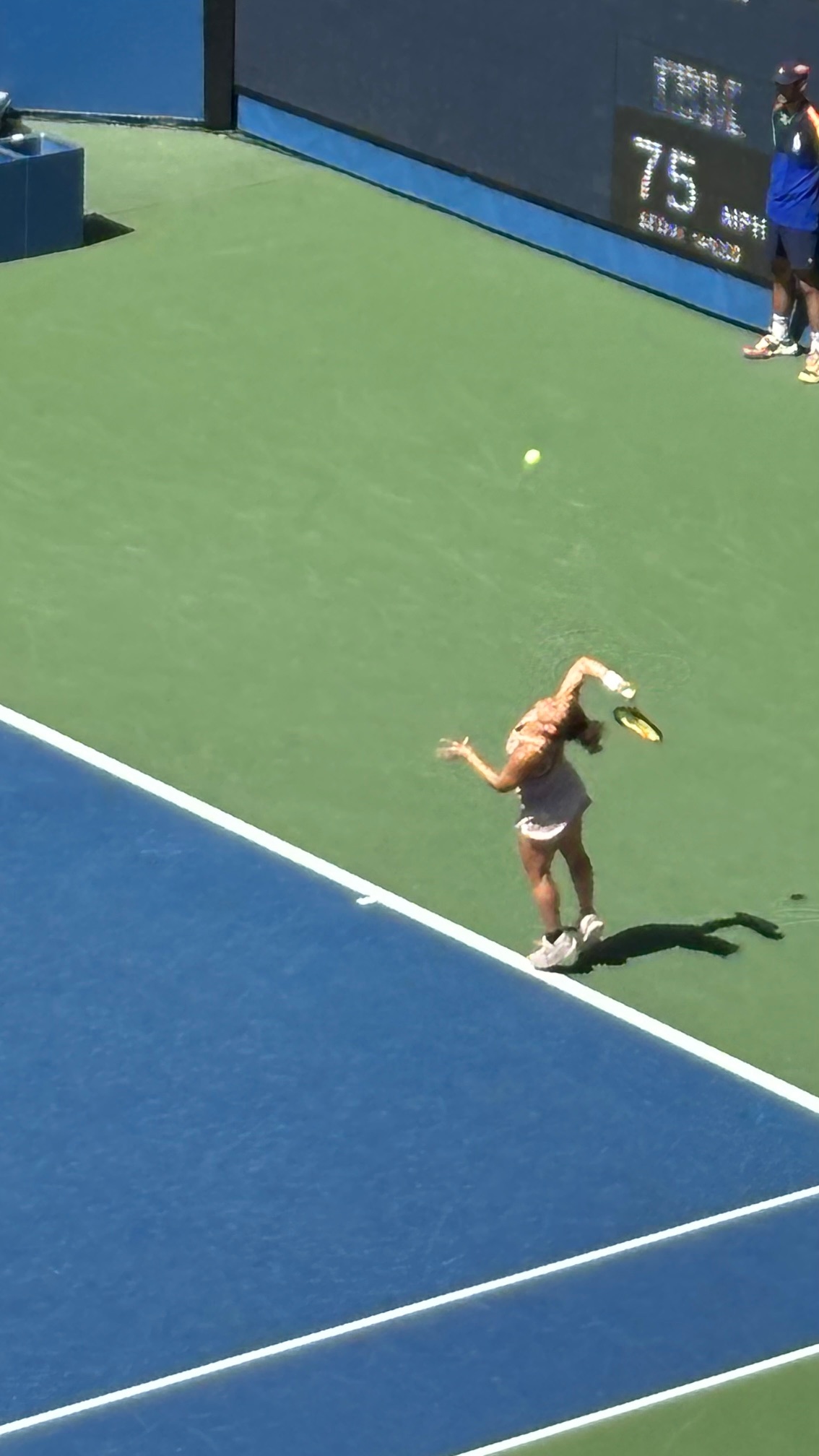
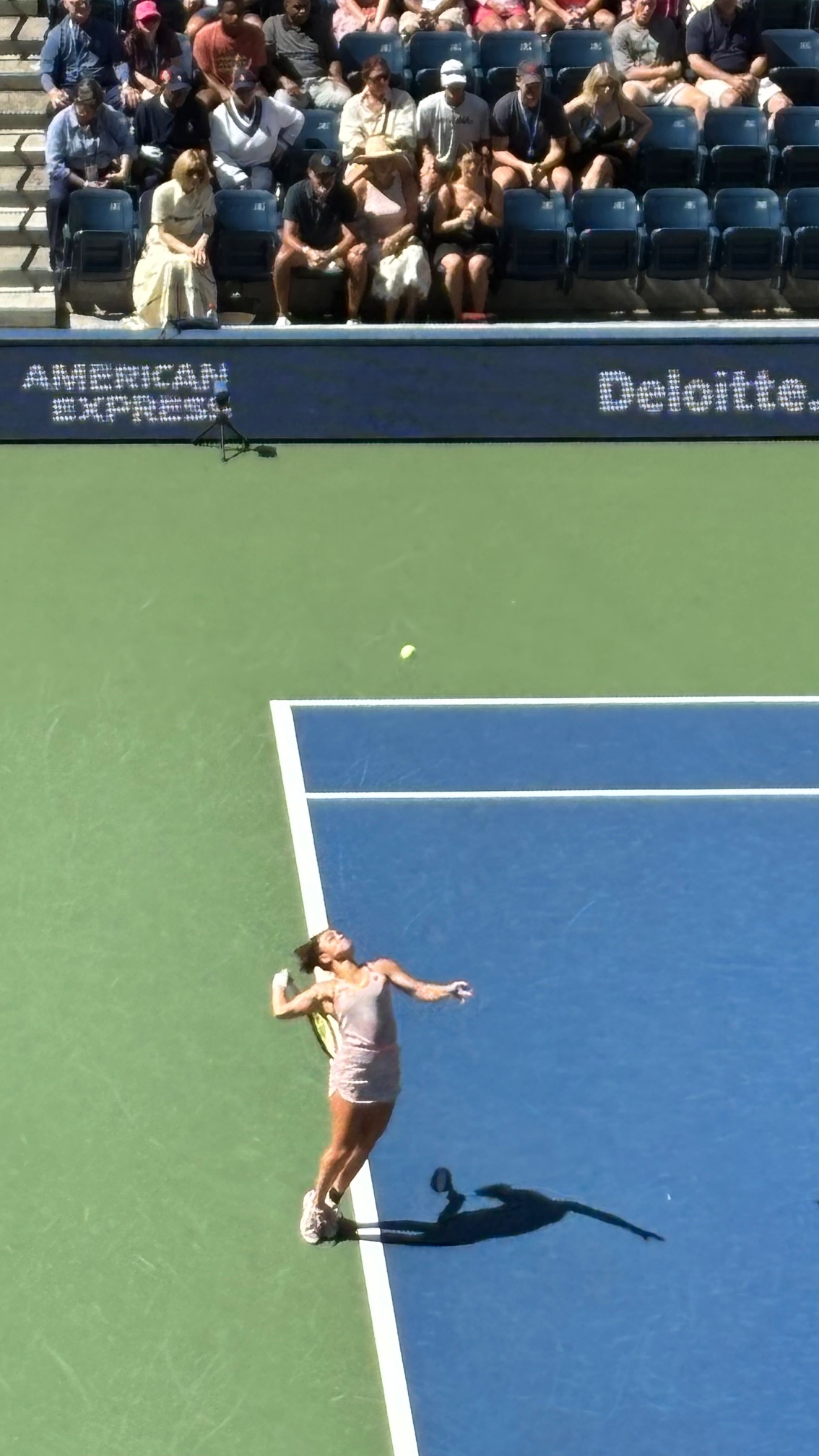
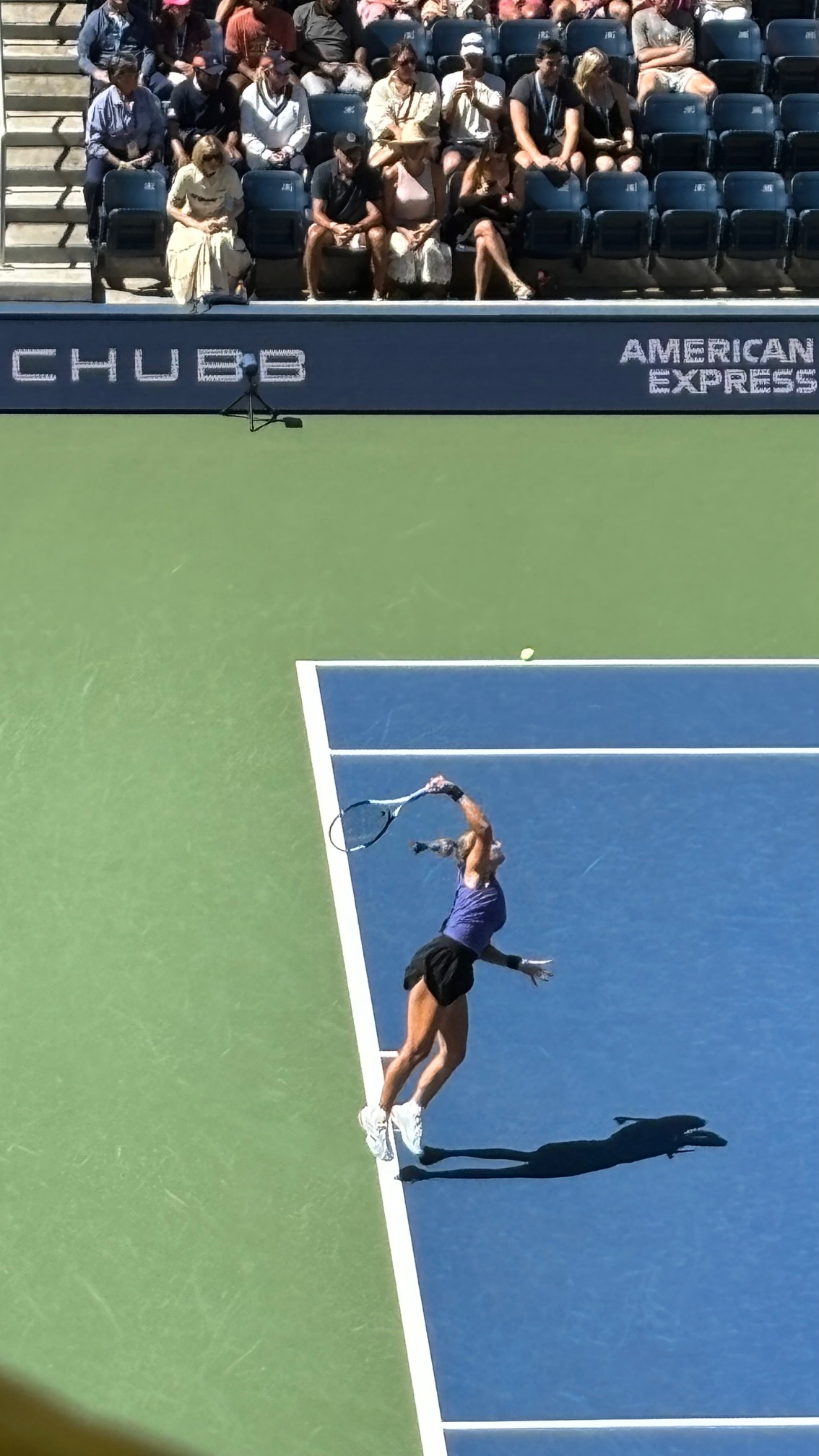
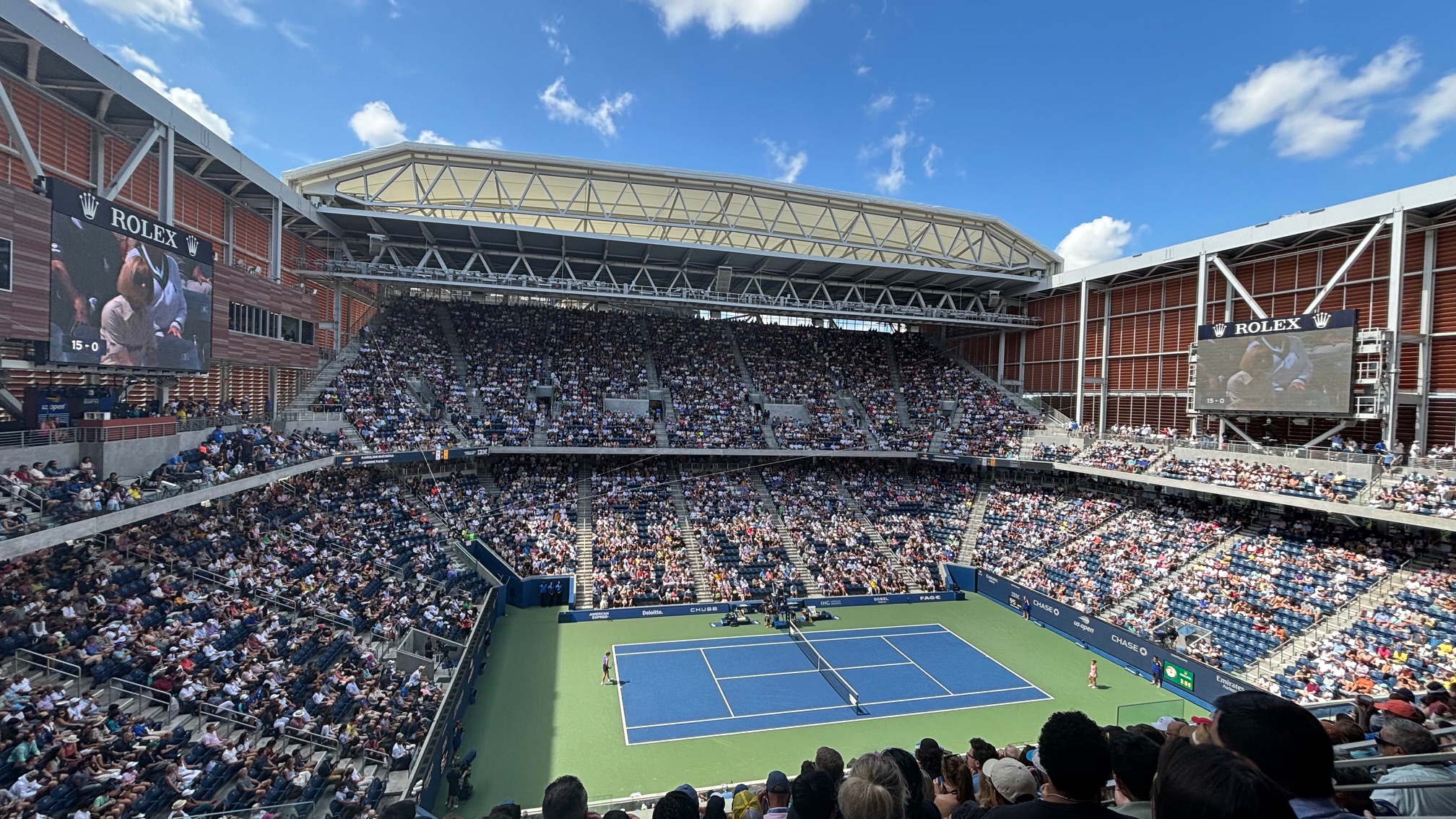
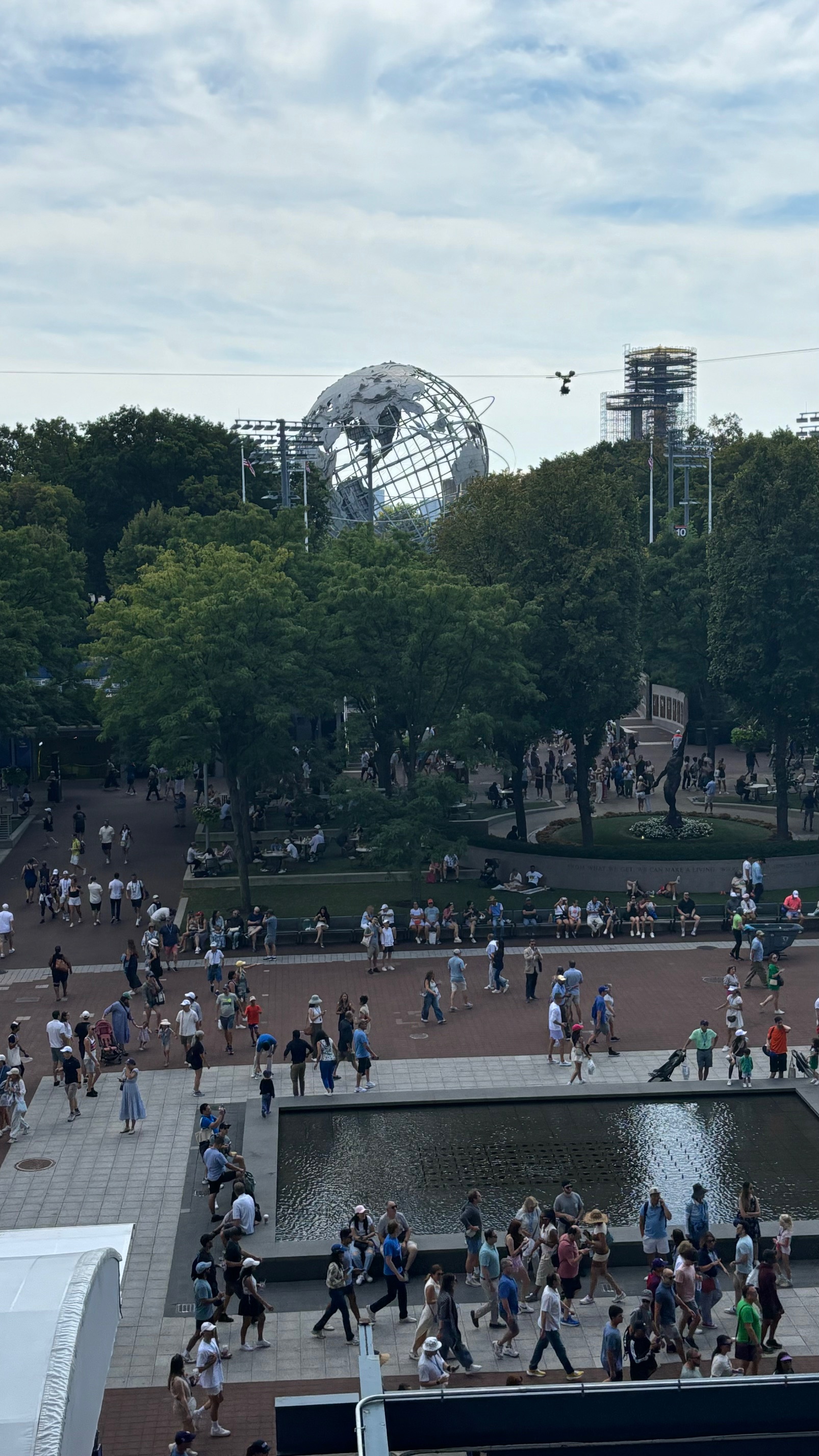
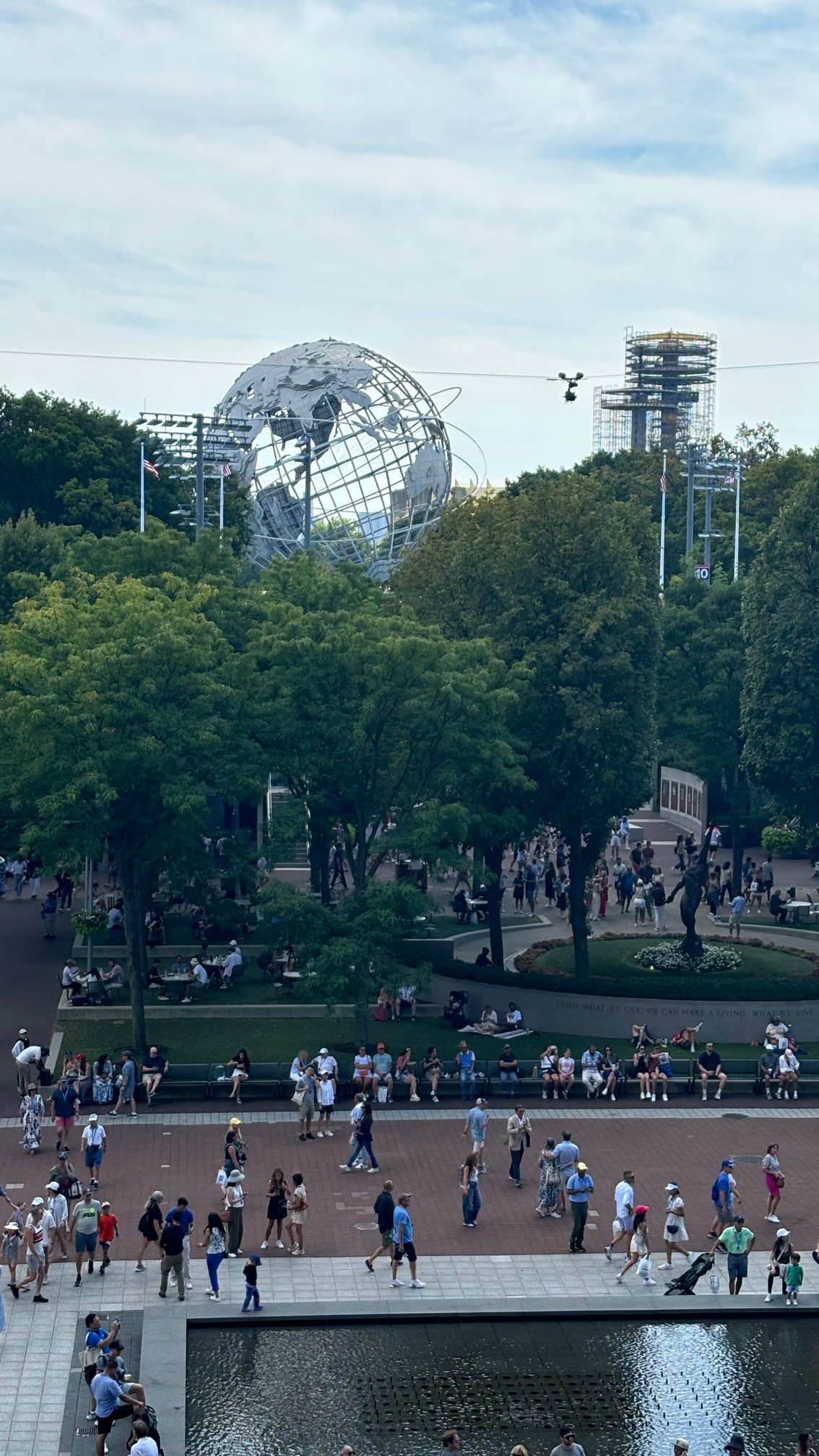
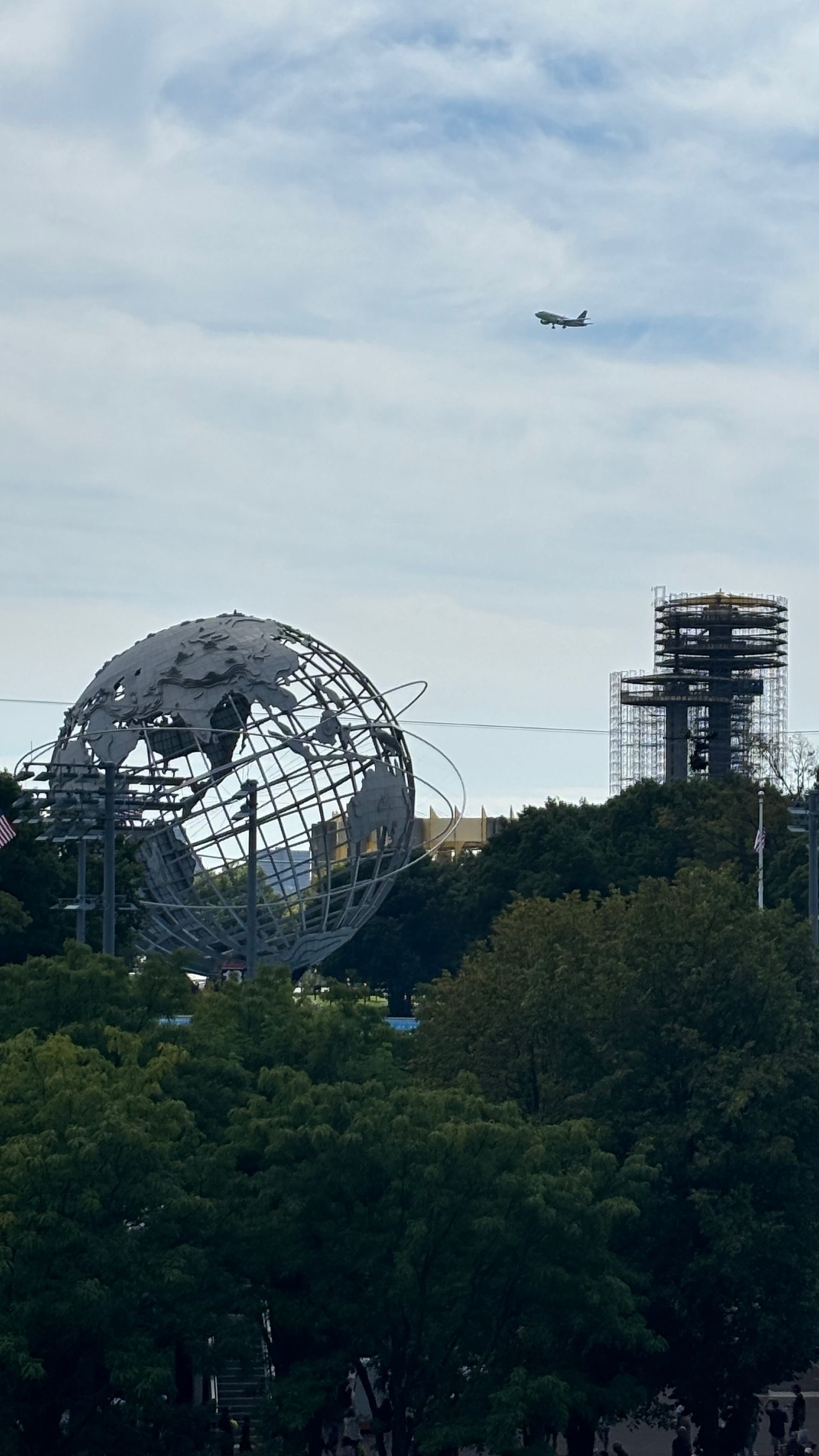
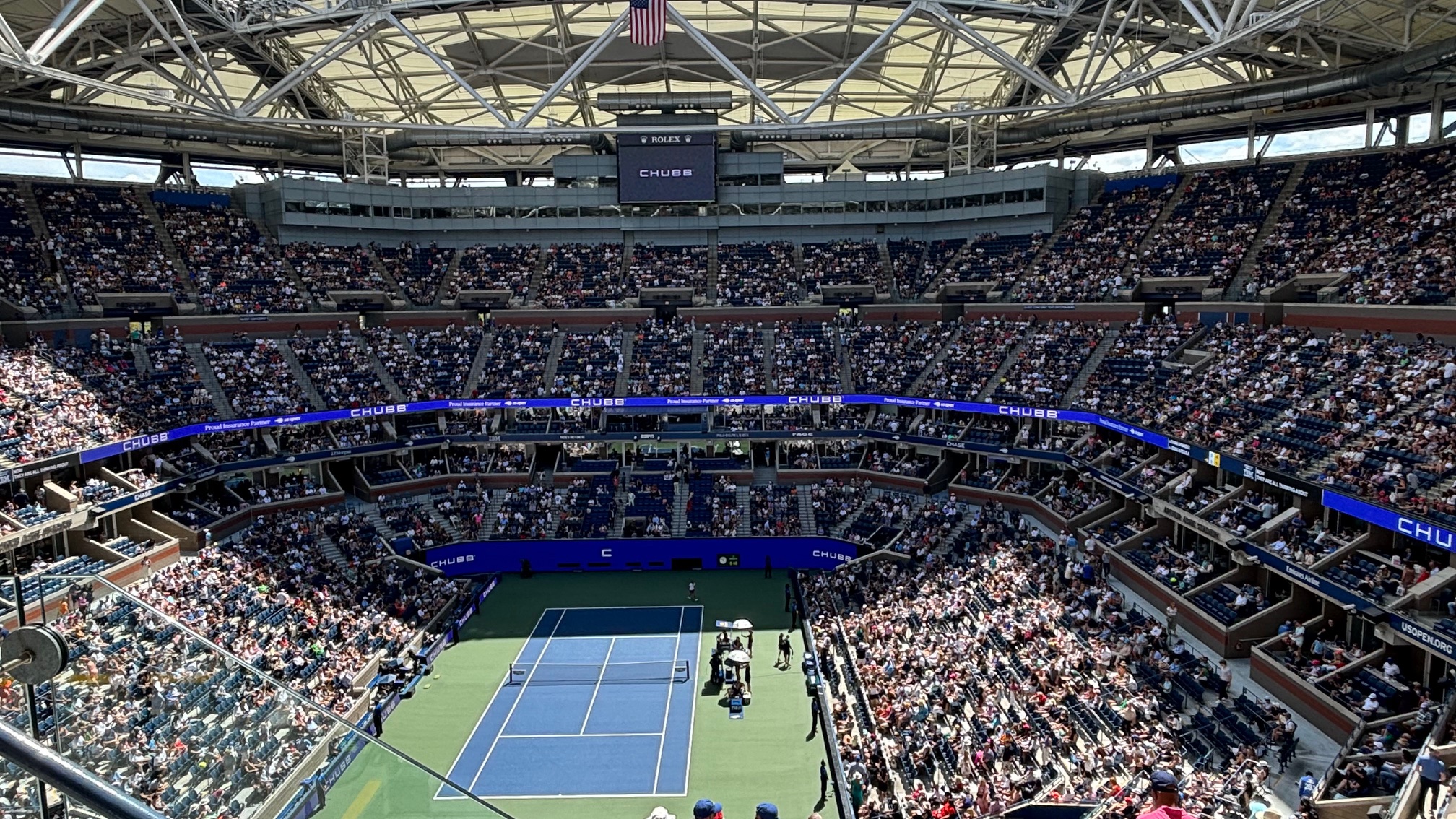
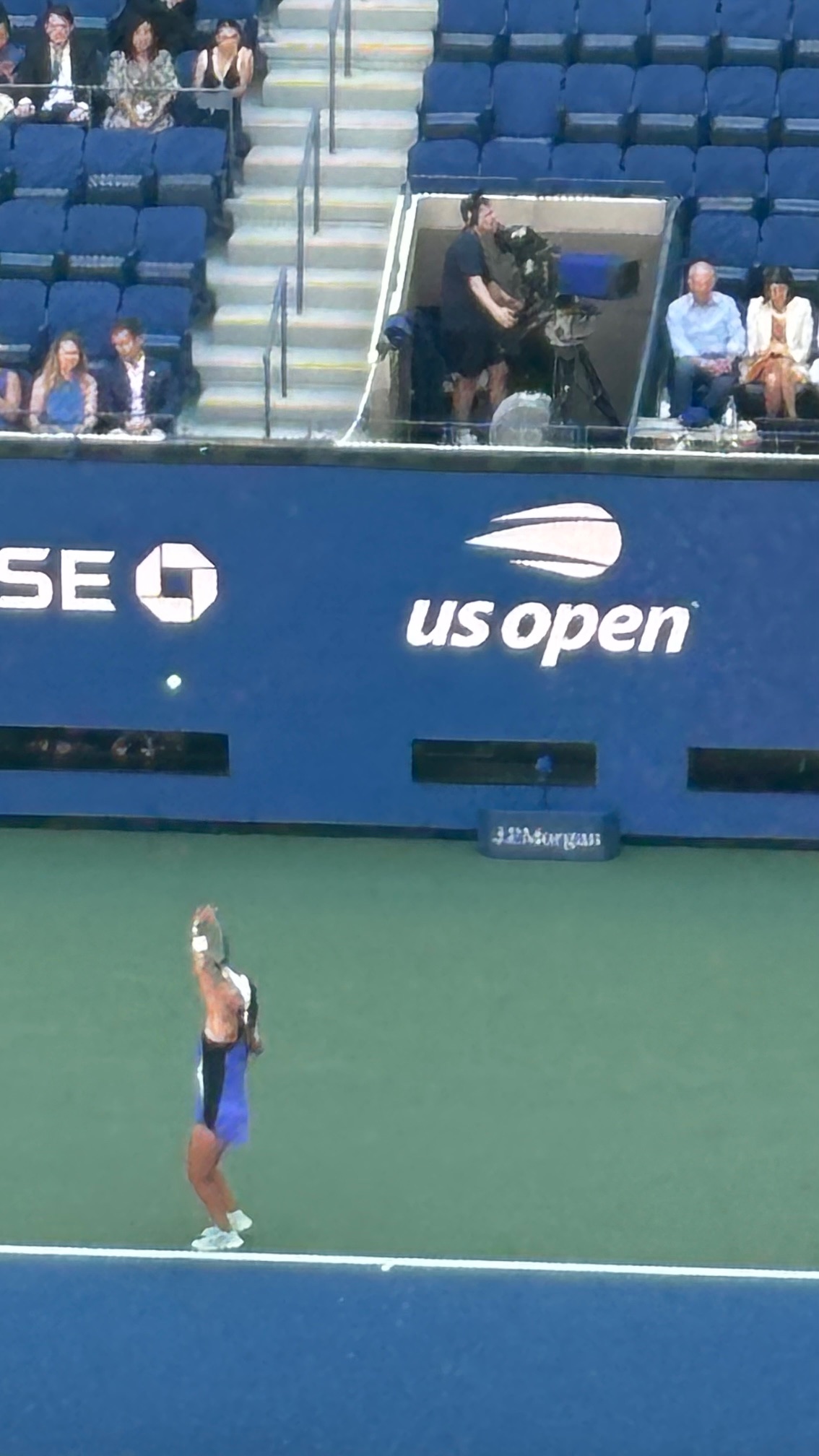
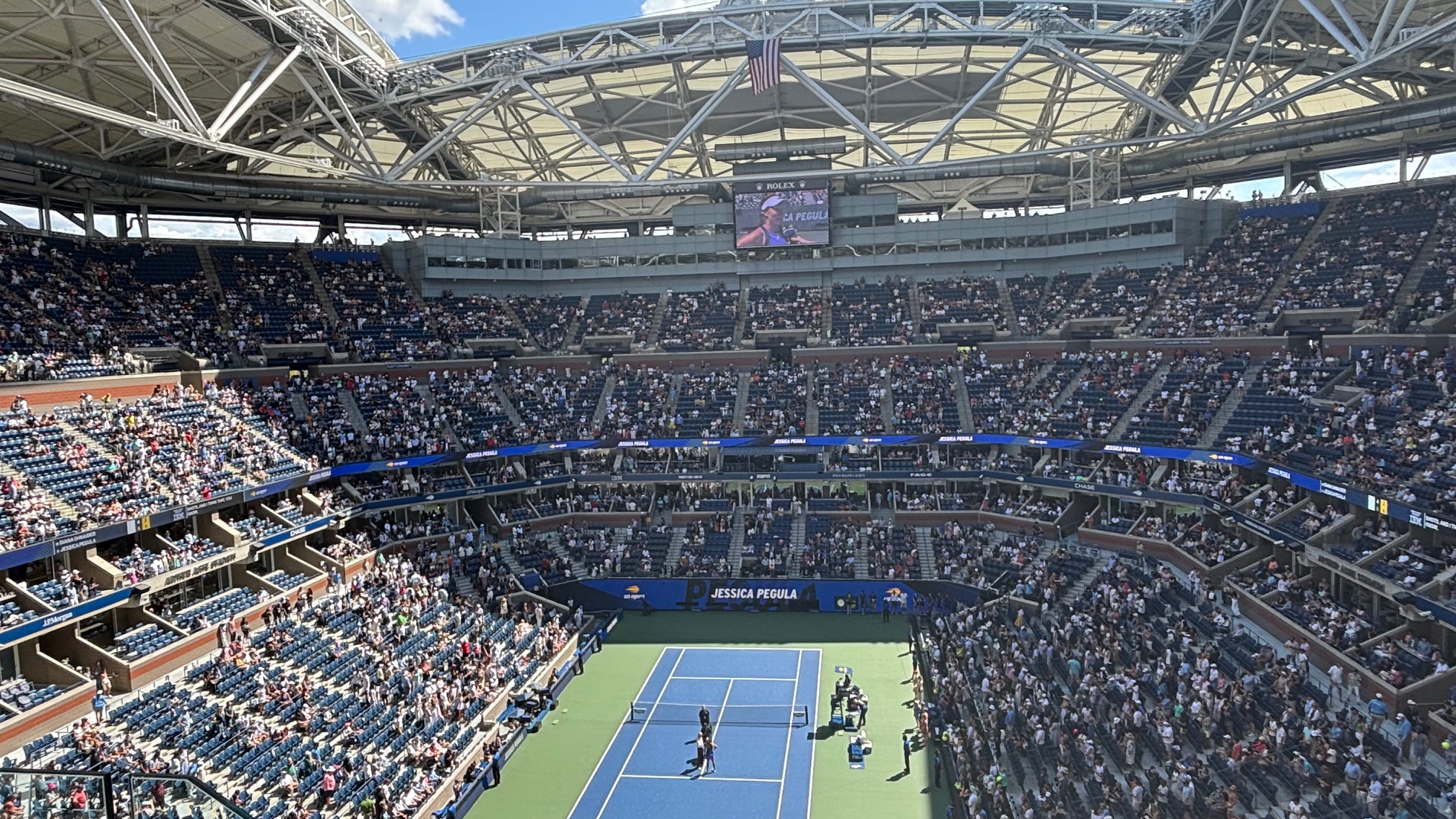
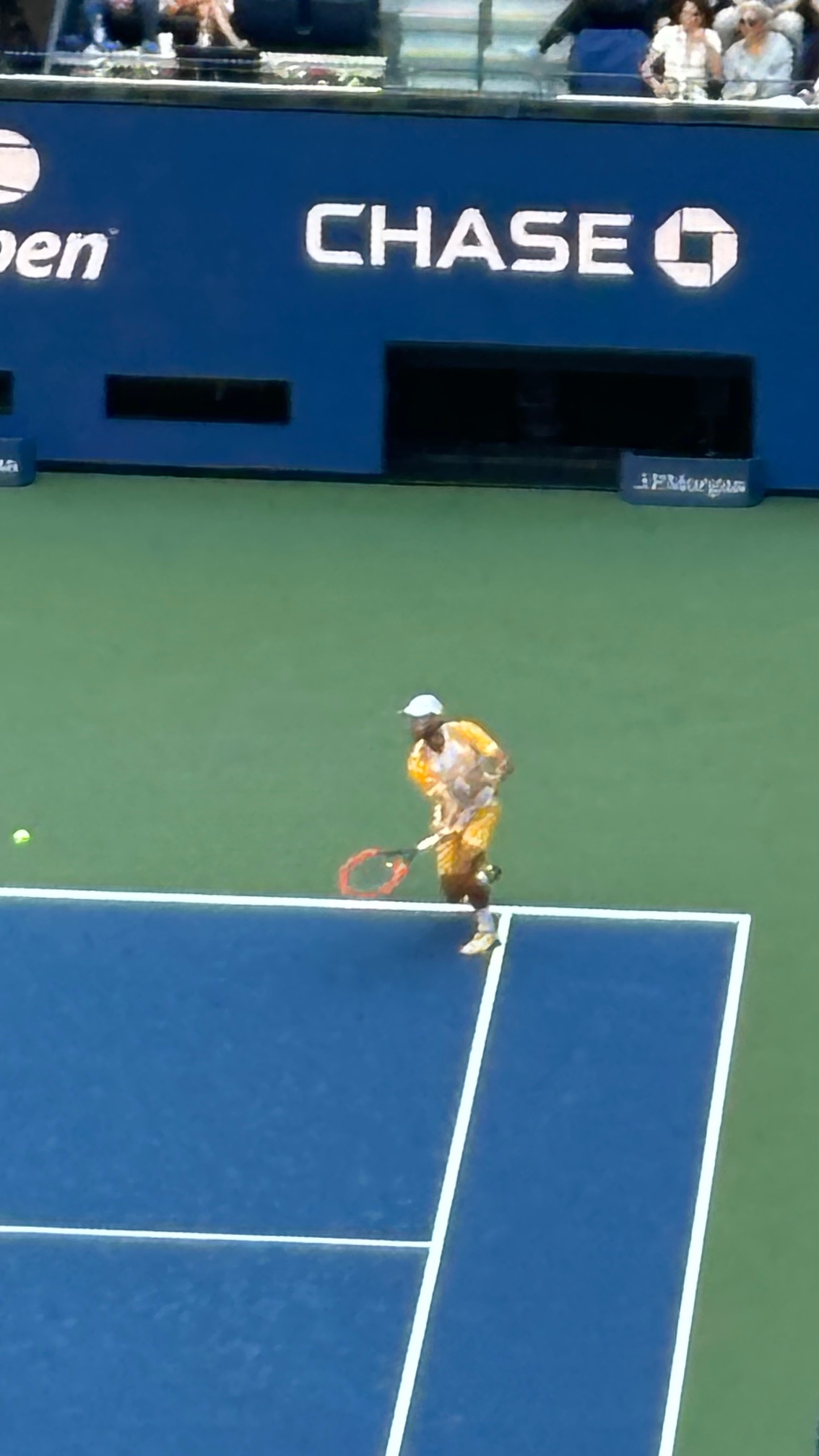
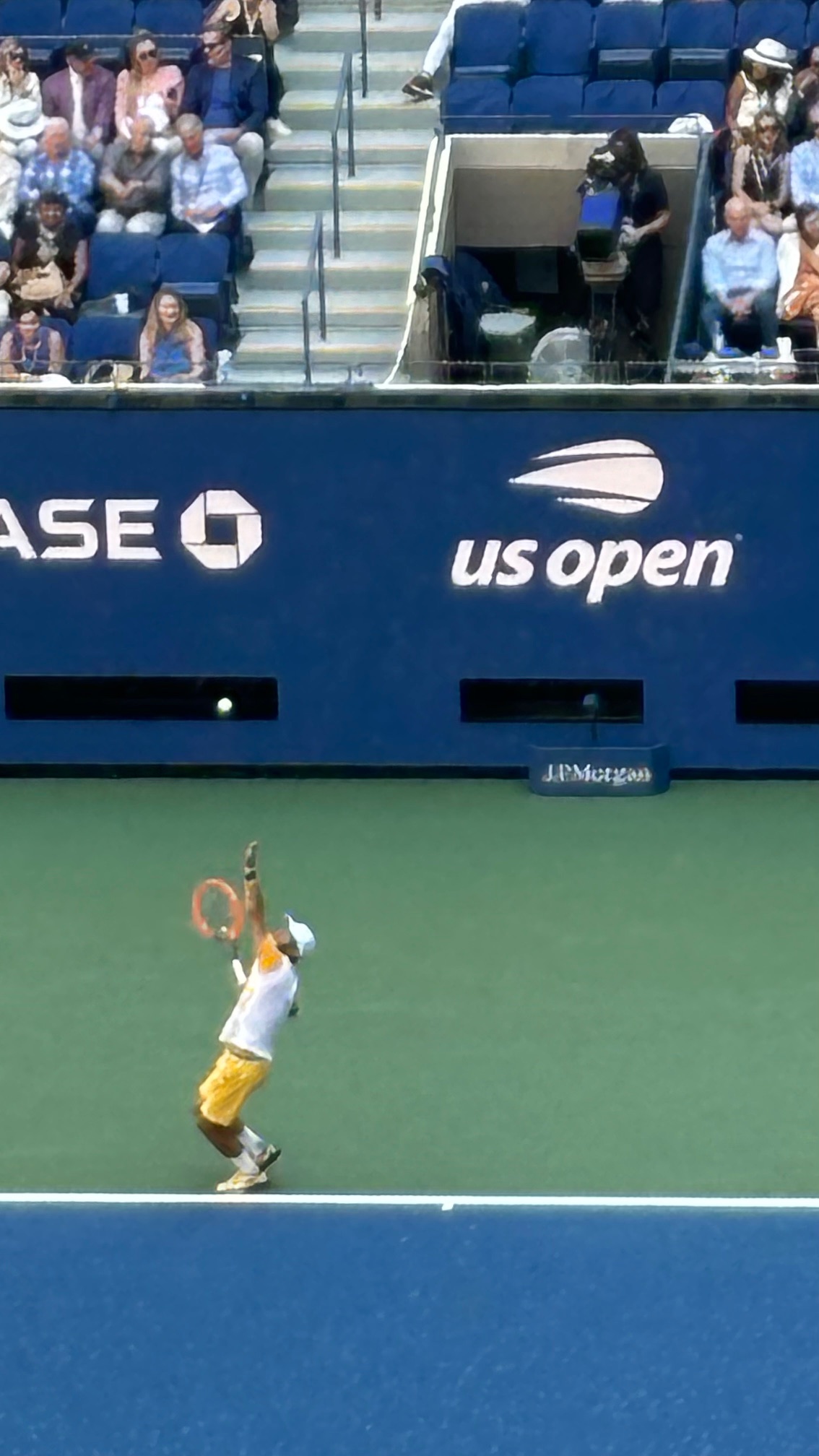
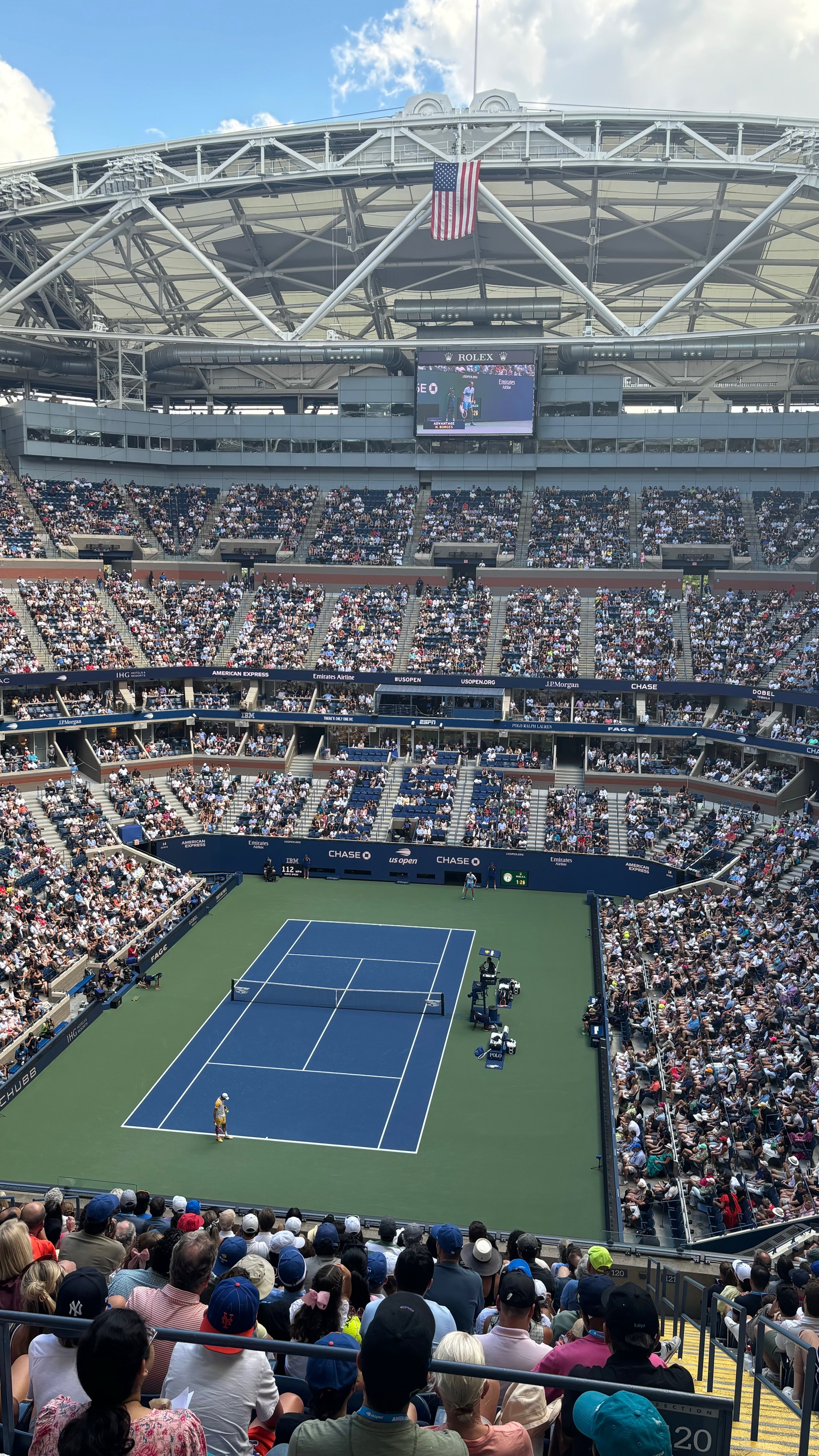
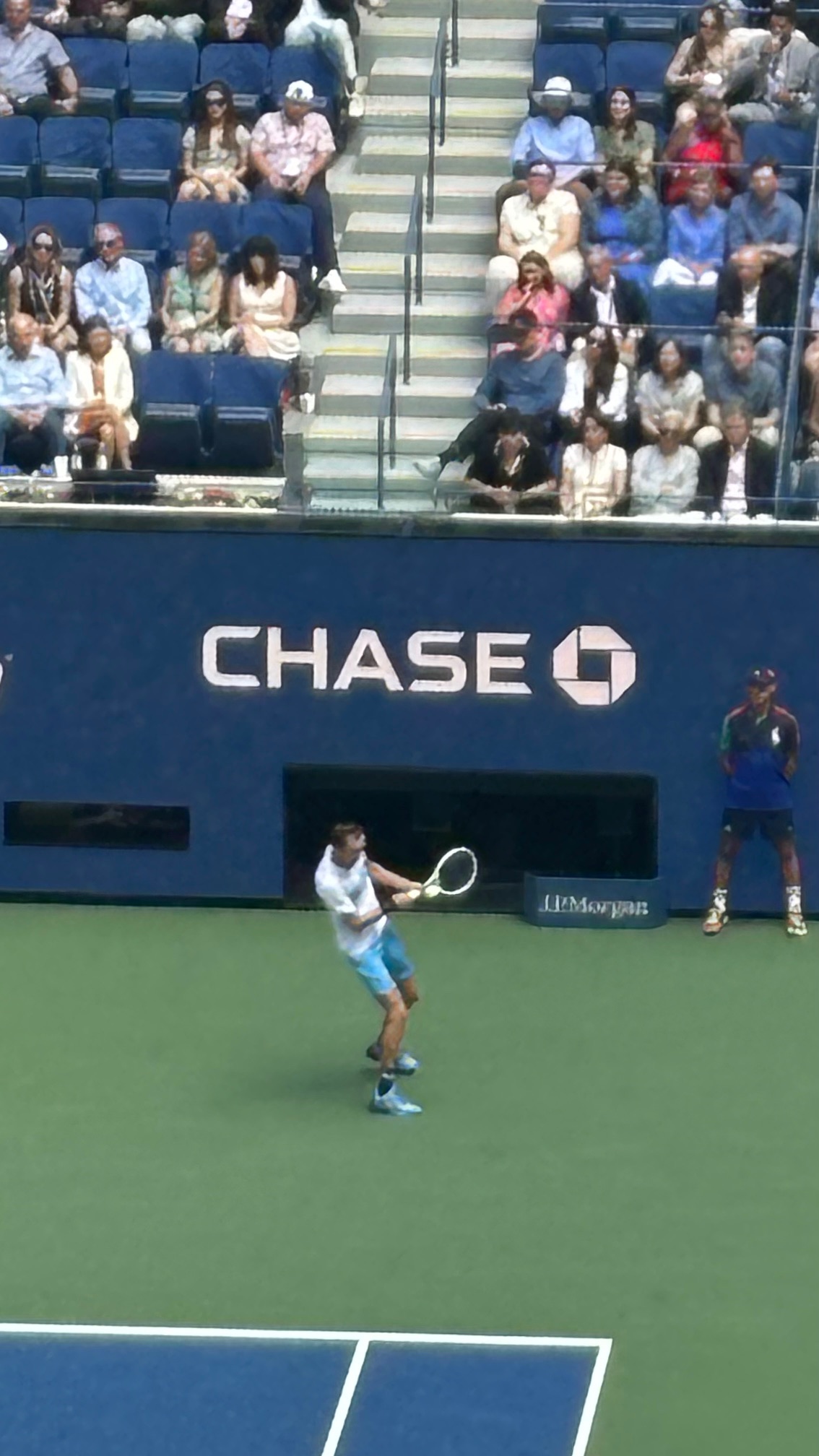
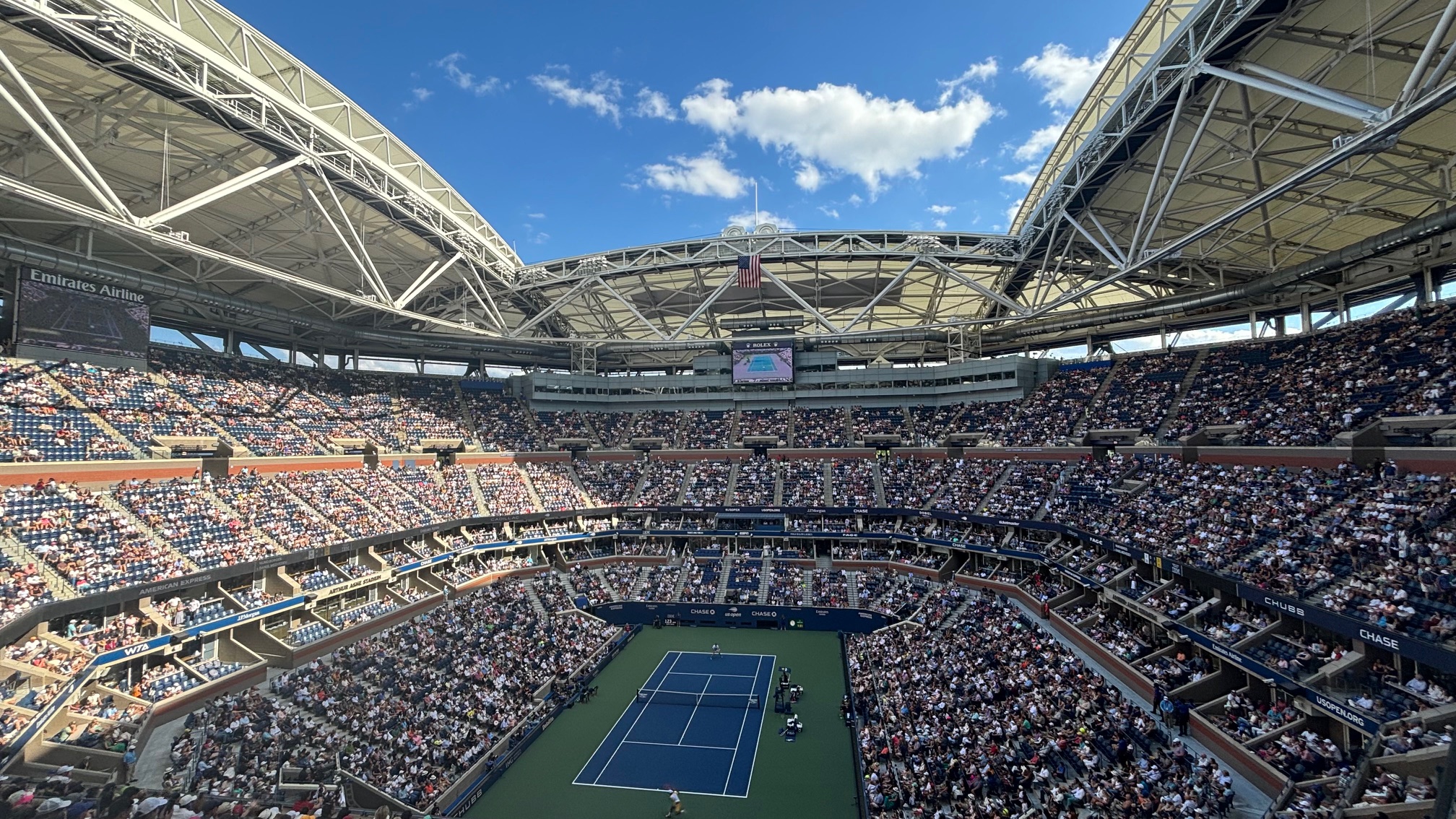
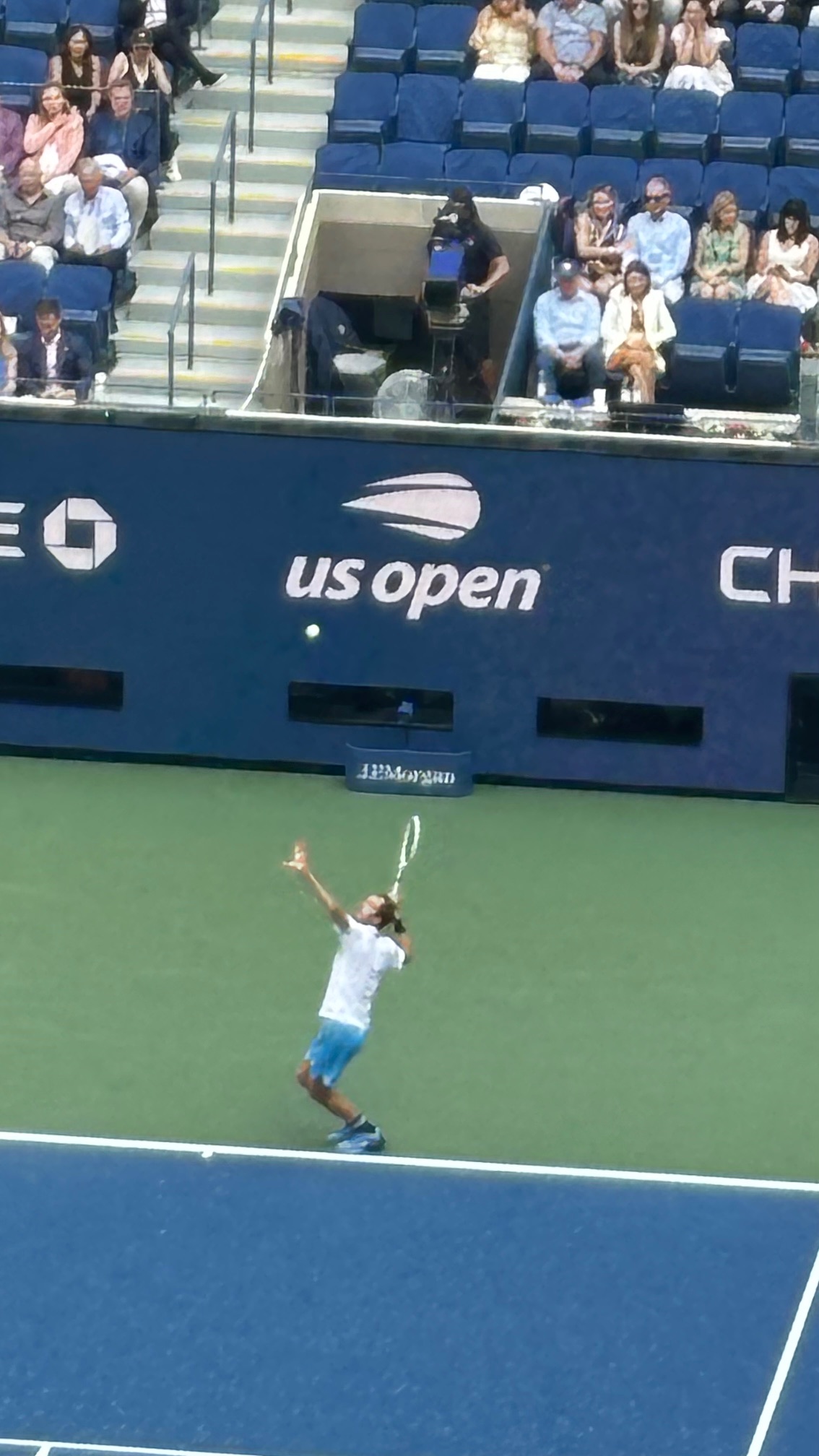
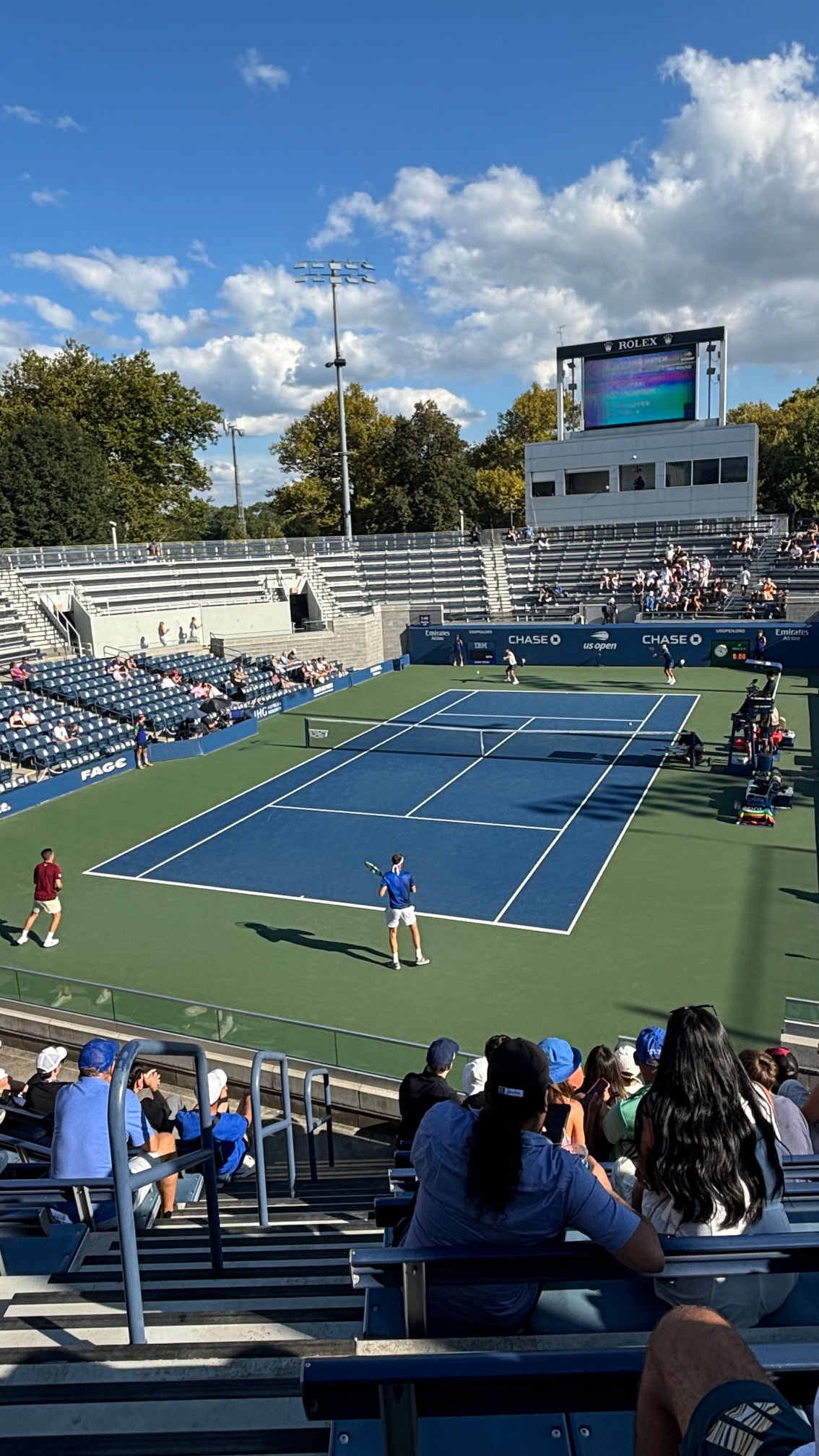
Camera: iPhone 15
Location: Billie Jean King US Tennis Association Center; Flushing Meadows, Queens, New York, United States
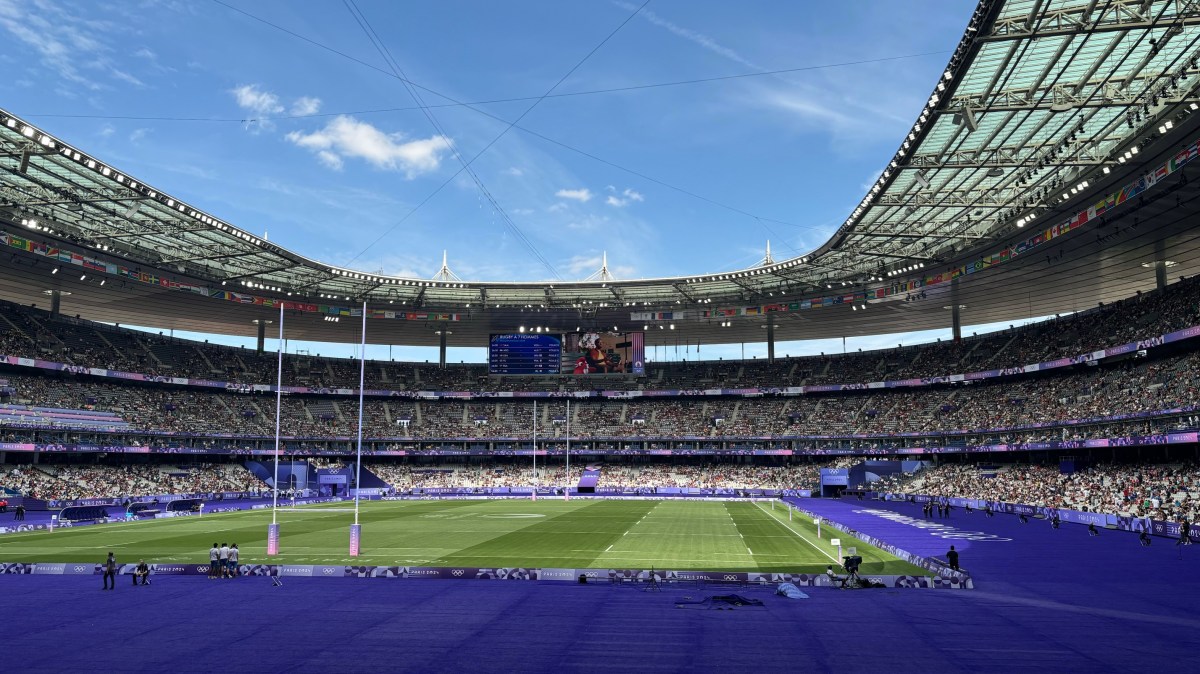
“From Saint-Denis to the world stage: Rugby Sevens lit up the Stade de France during the 2024 Olympics. All images shot on an iPhone 15, capturing the intensity on the pitch and the pulse of the Olympic crowd.”
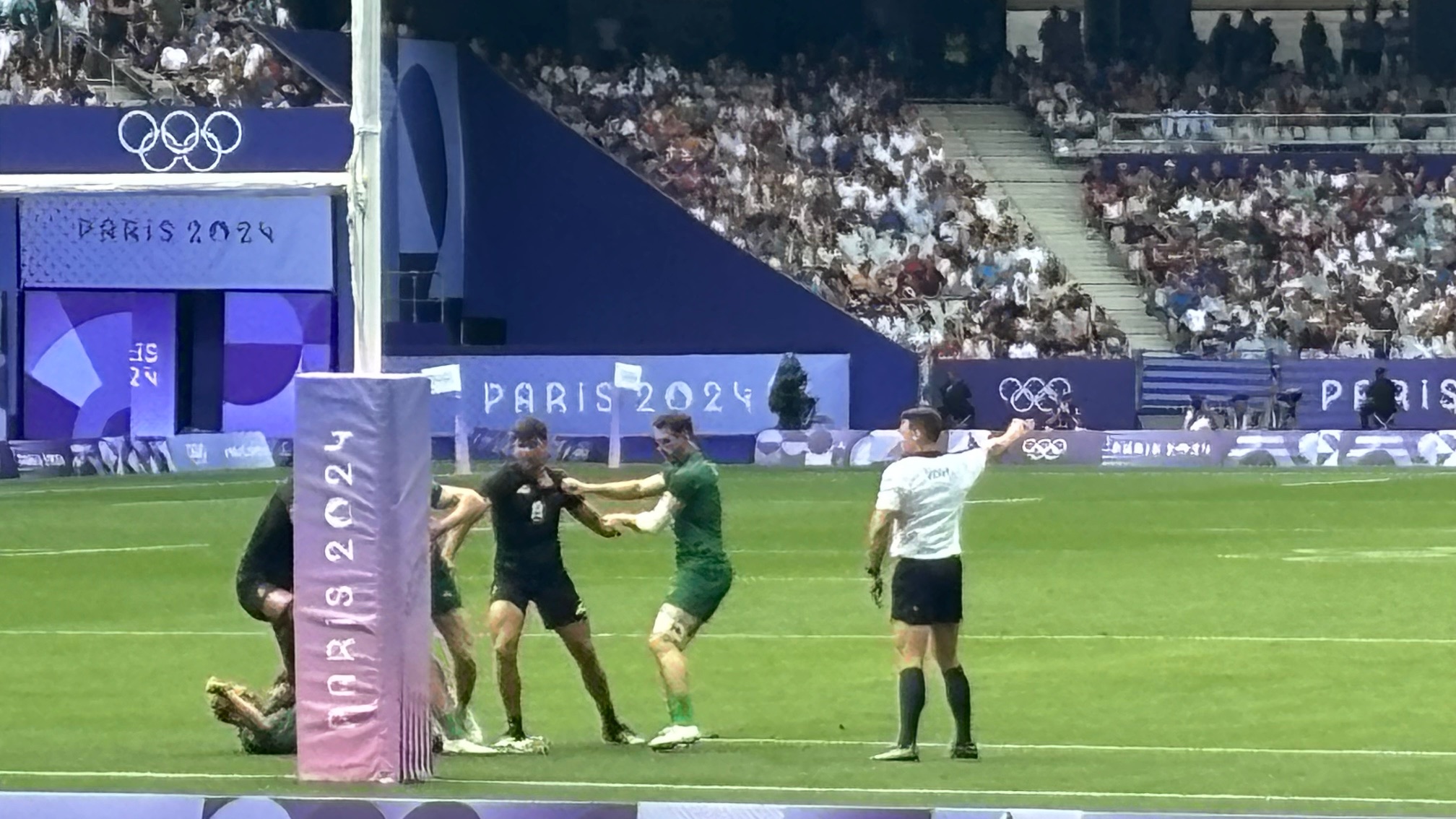
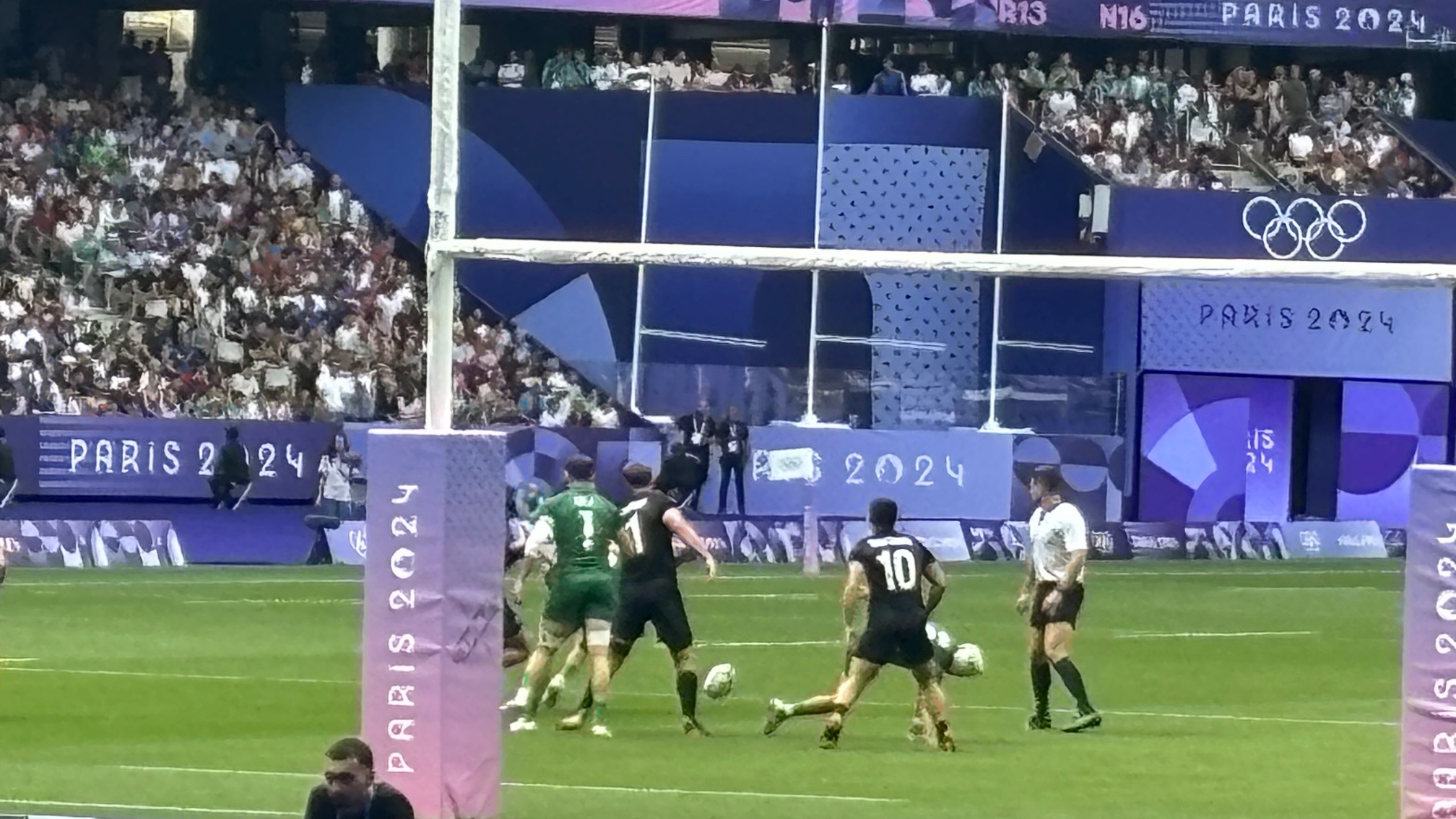
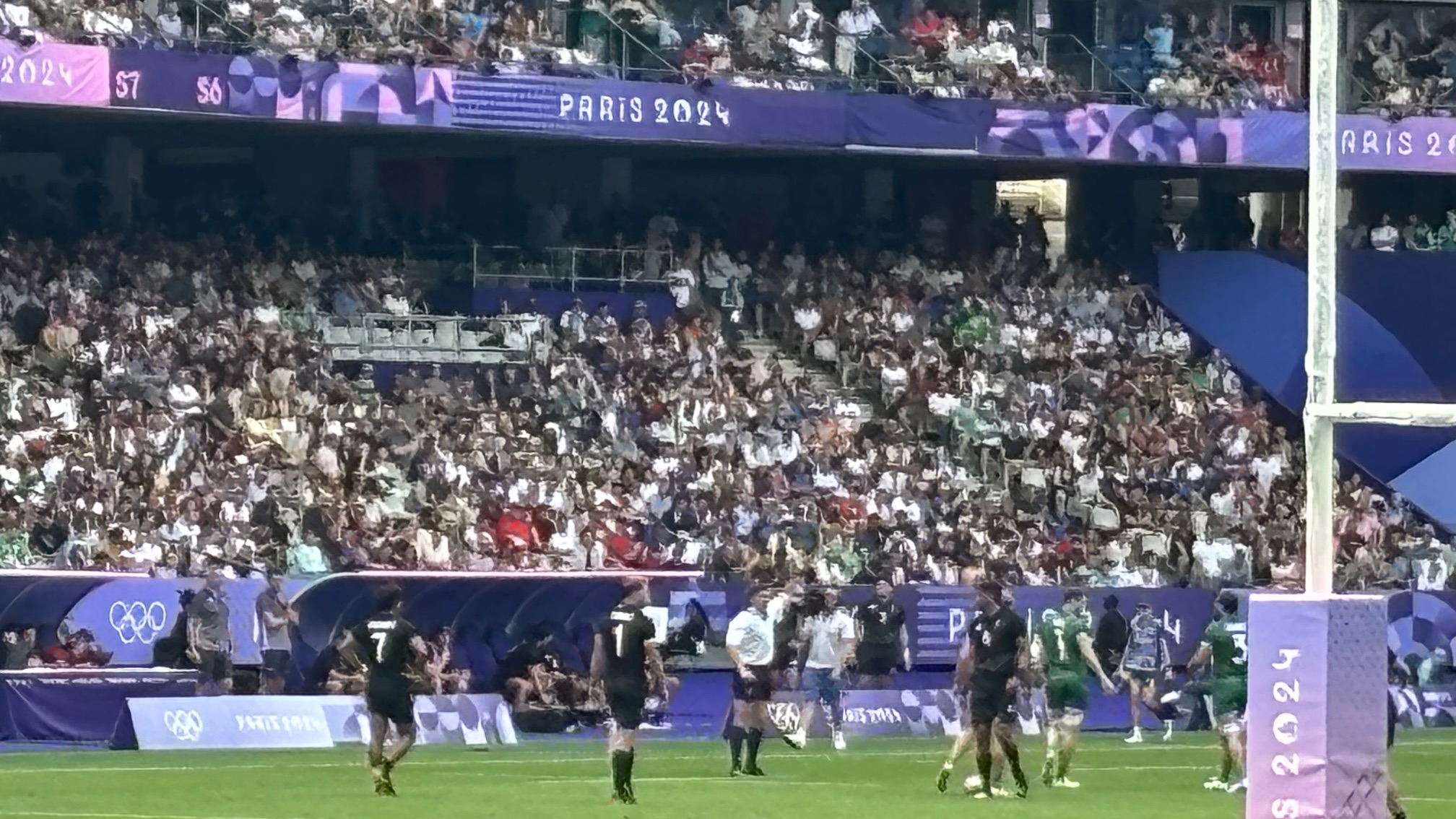

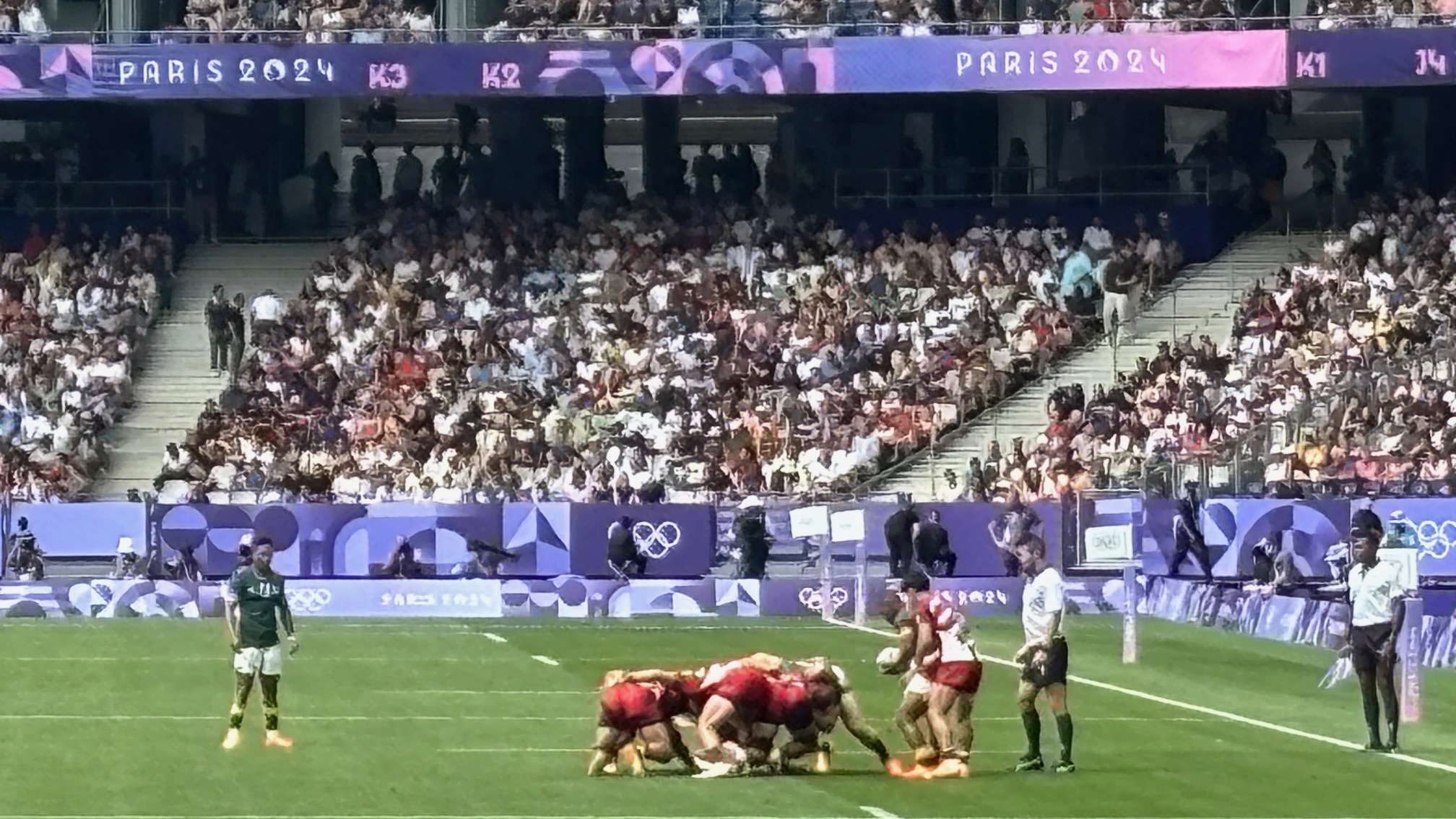
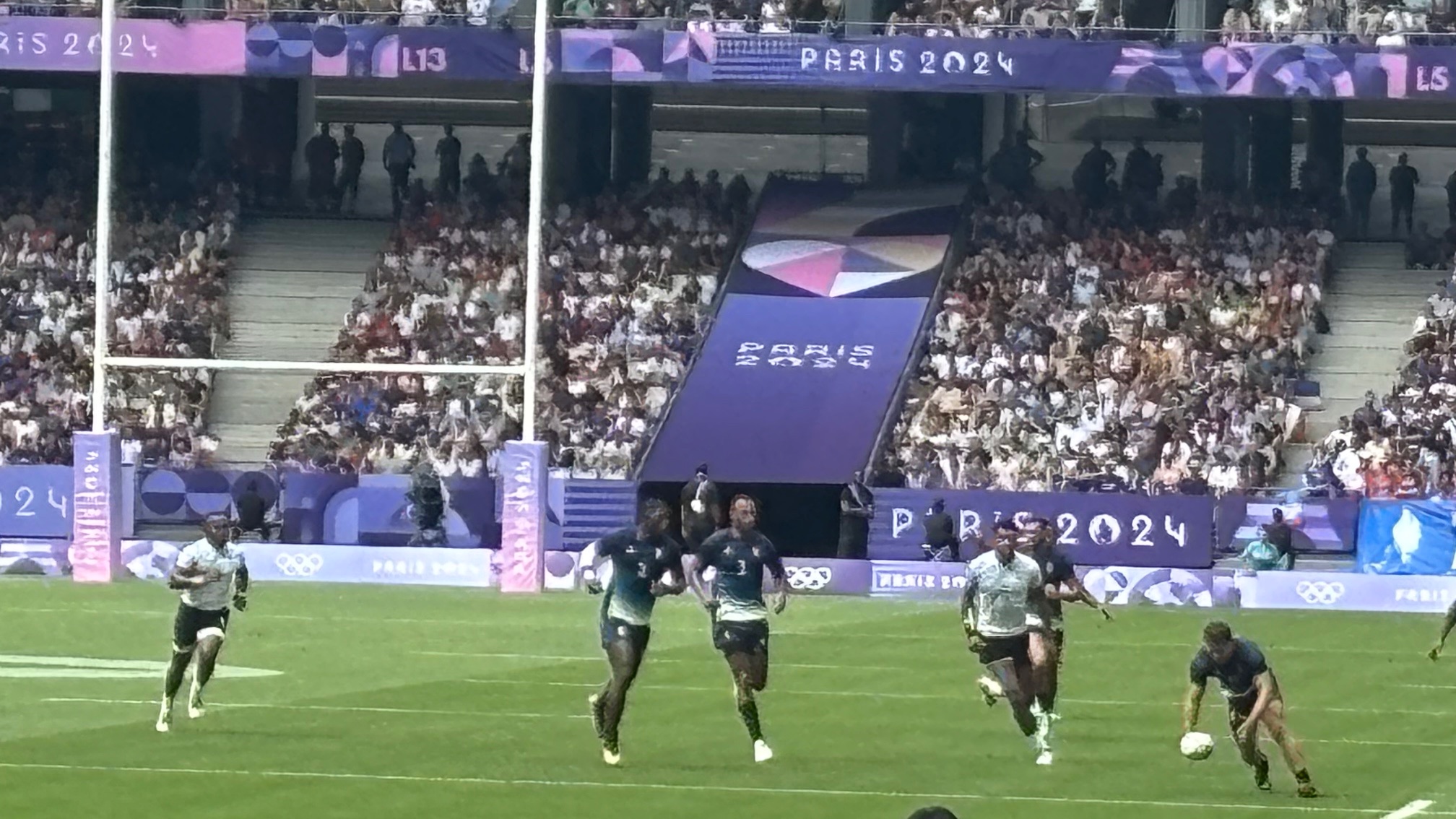


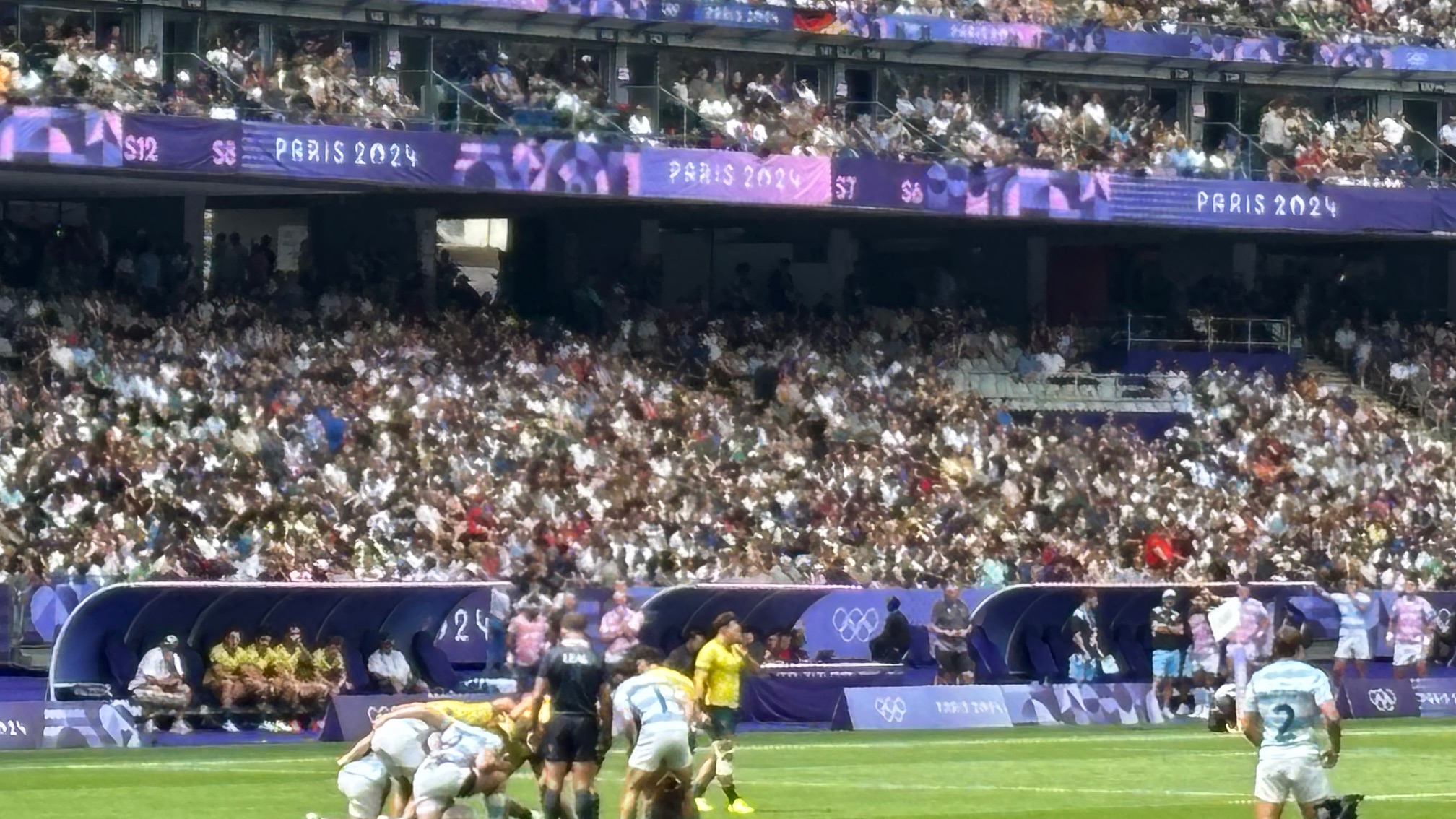


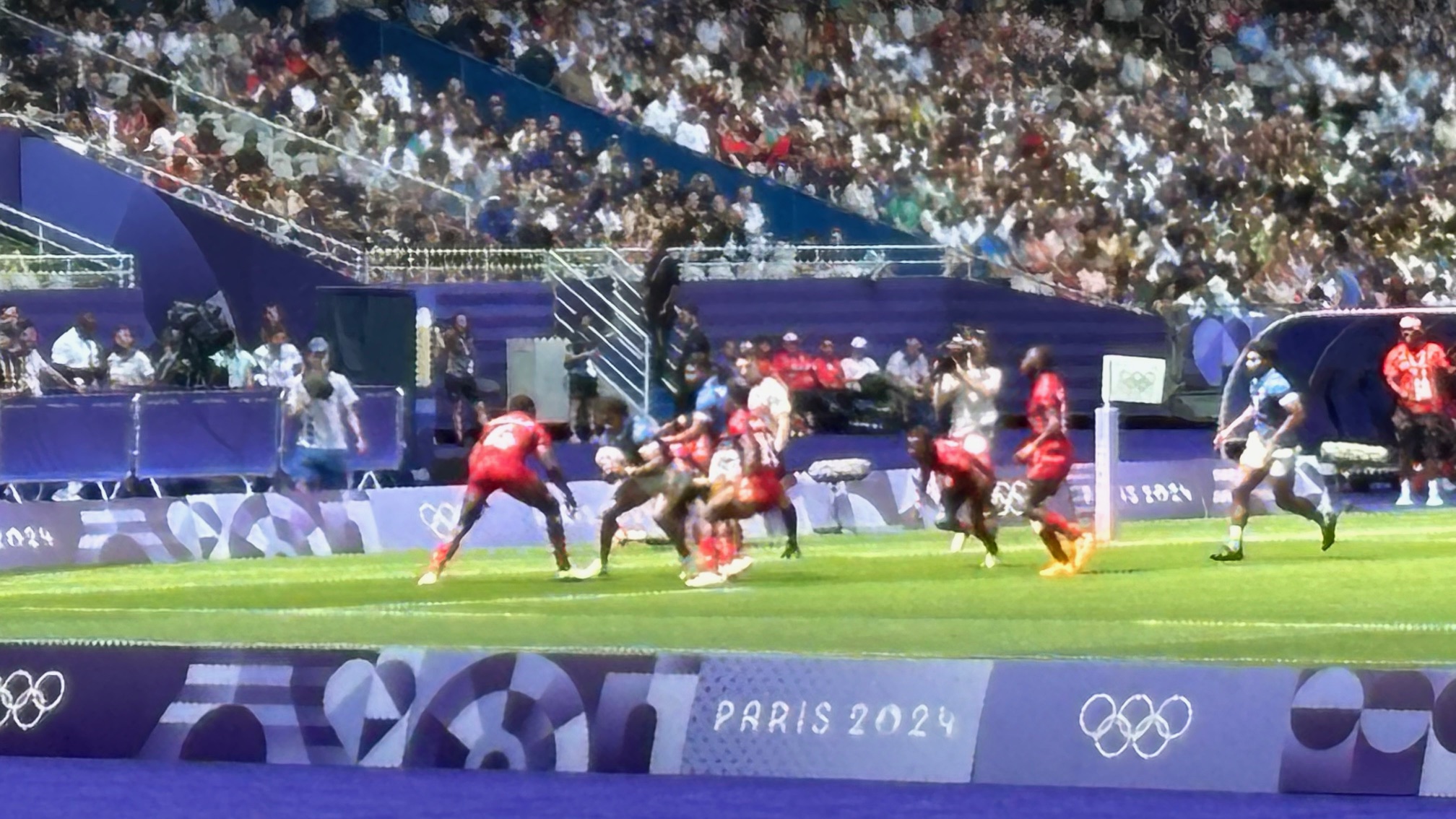
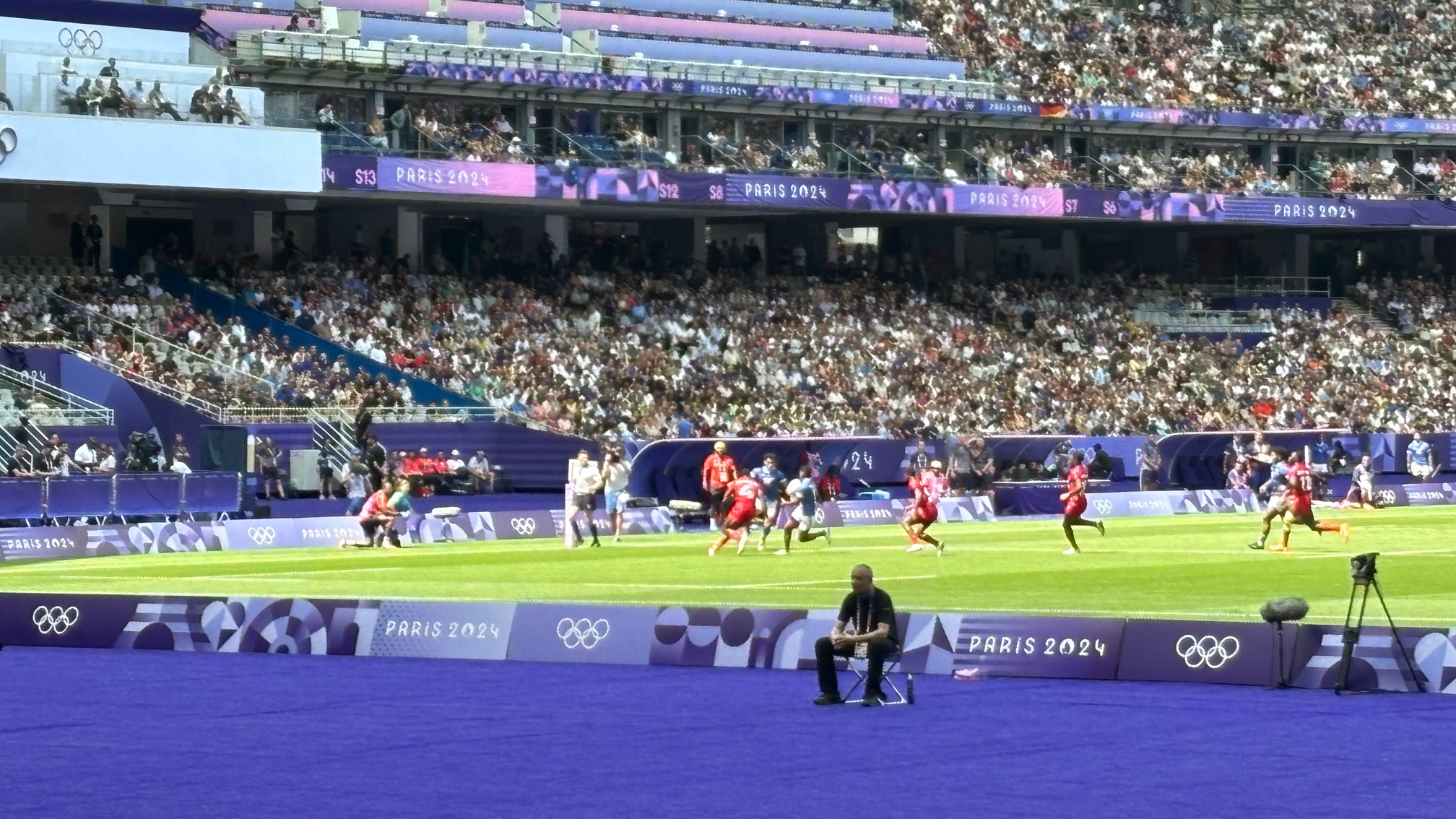
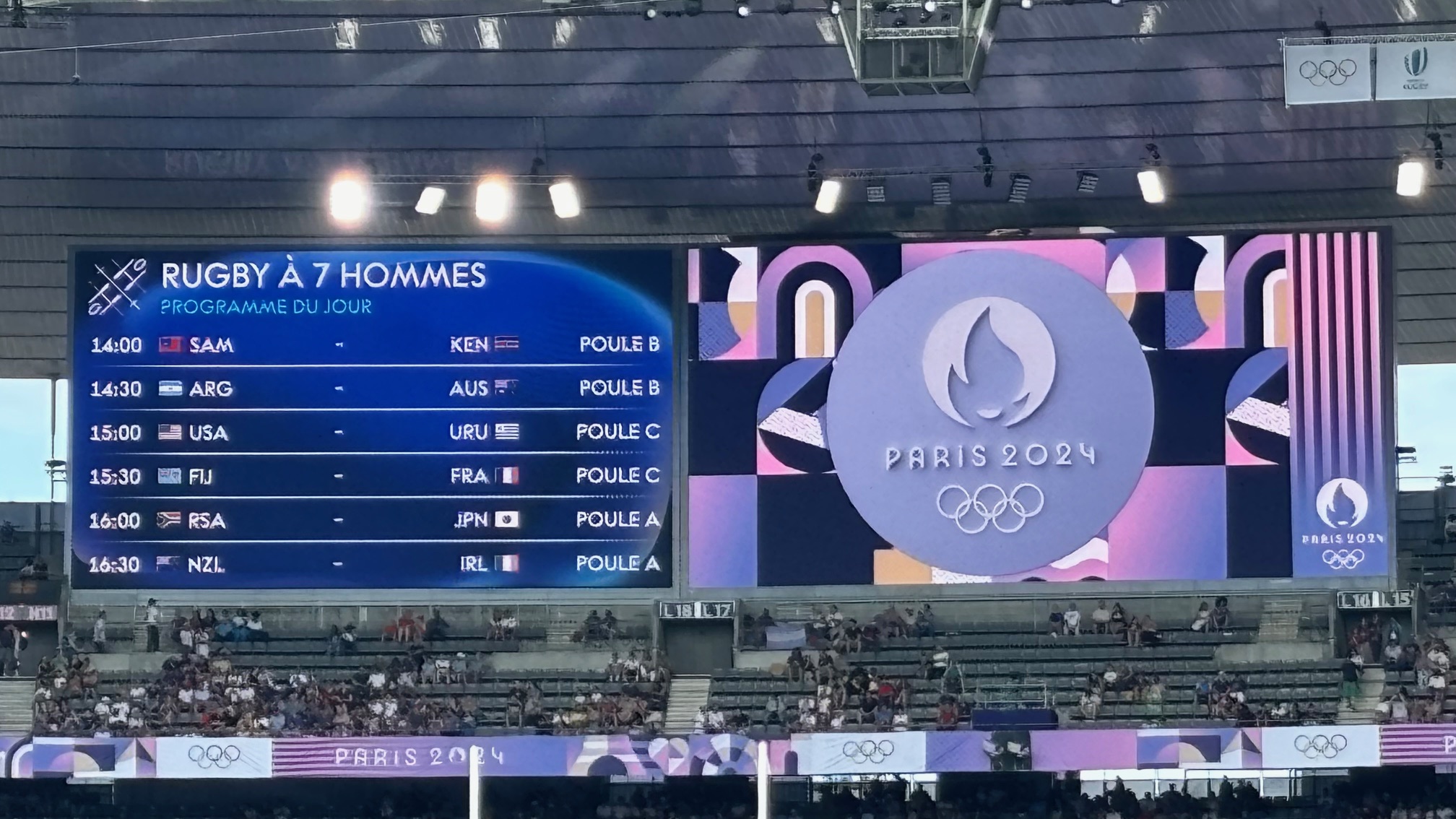
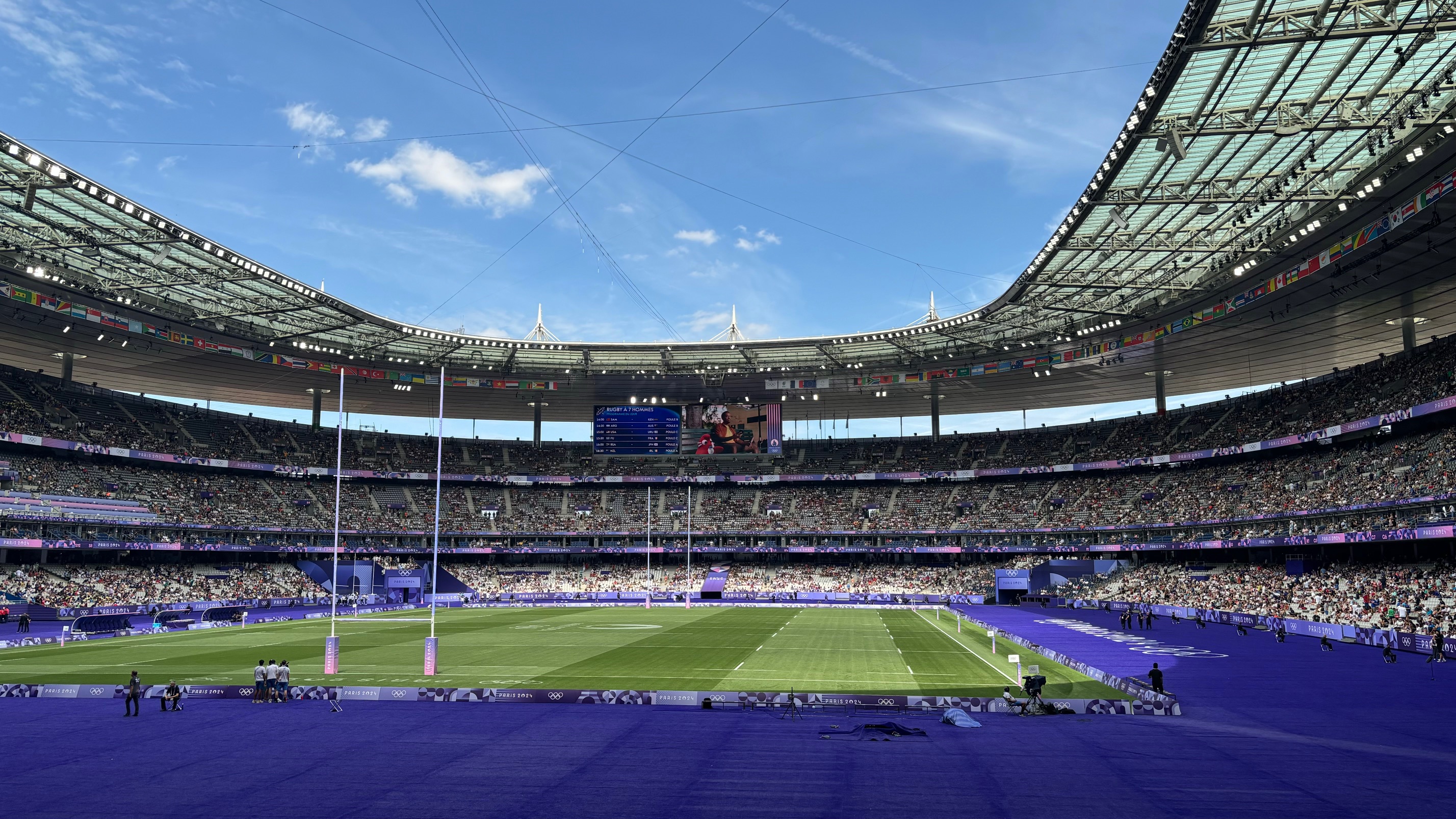
Camera: iPhone 15
Location: Stade de France – 2024 Summer Olympics, Multiple Men’s Rugby Sevens Matches; Saint-Denis, France
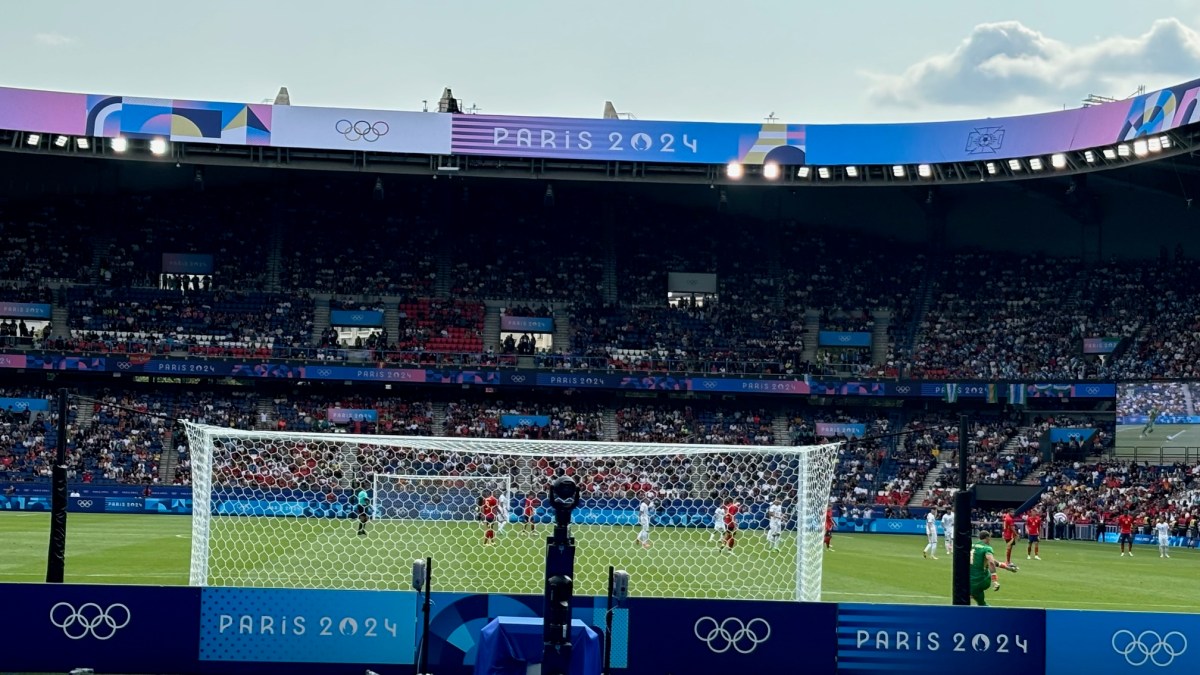
“Standing inside Parc des Princes during the 2024 Summer Olympics felt like being plugged directly into the heartbeat of world football. Spain vs. Uzbekistan wasn’t just a match, it was a collision of styles, chants, and raw Olympic energy bouncing off the old Parisian stands.”
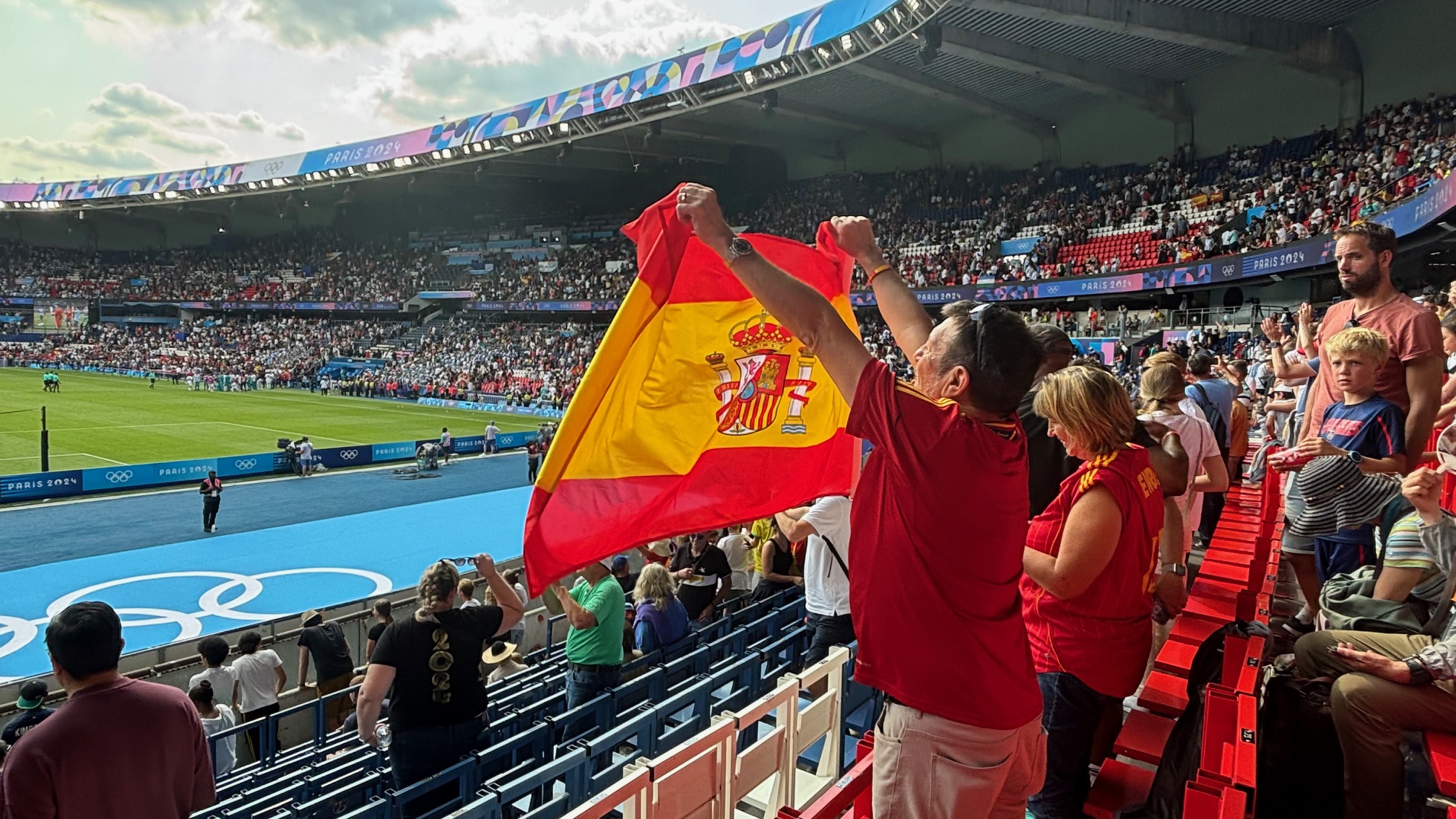
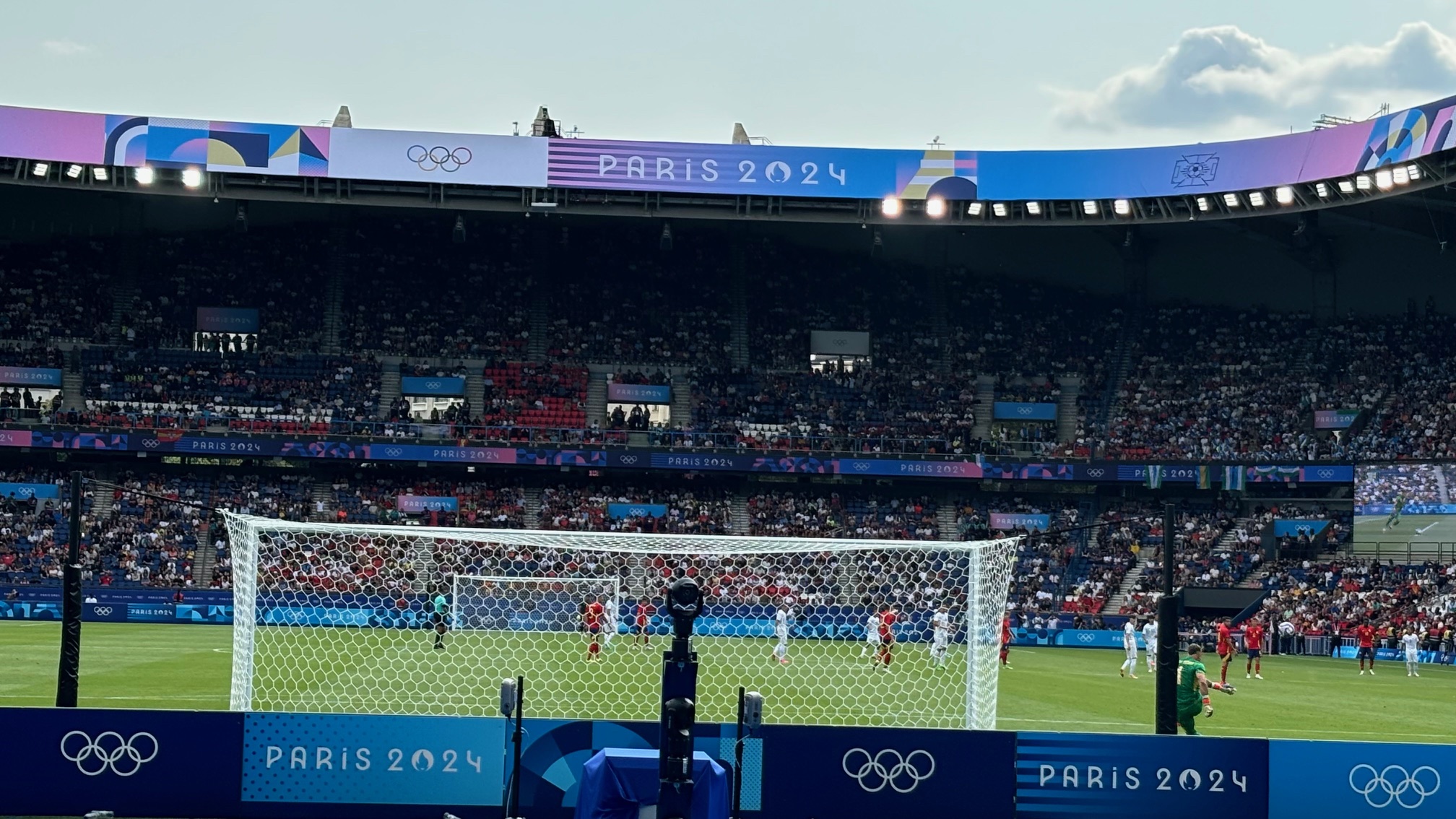


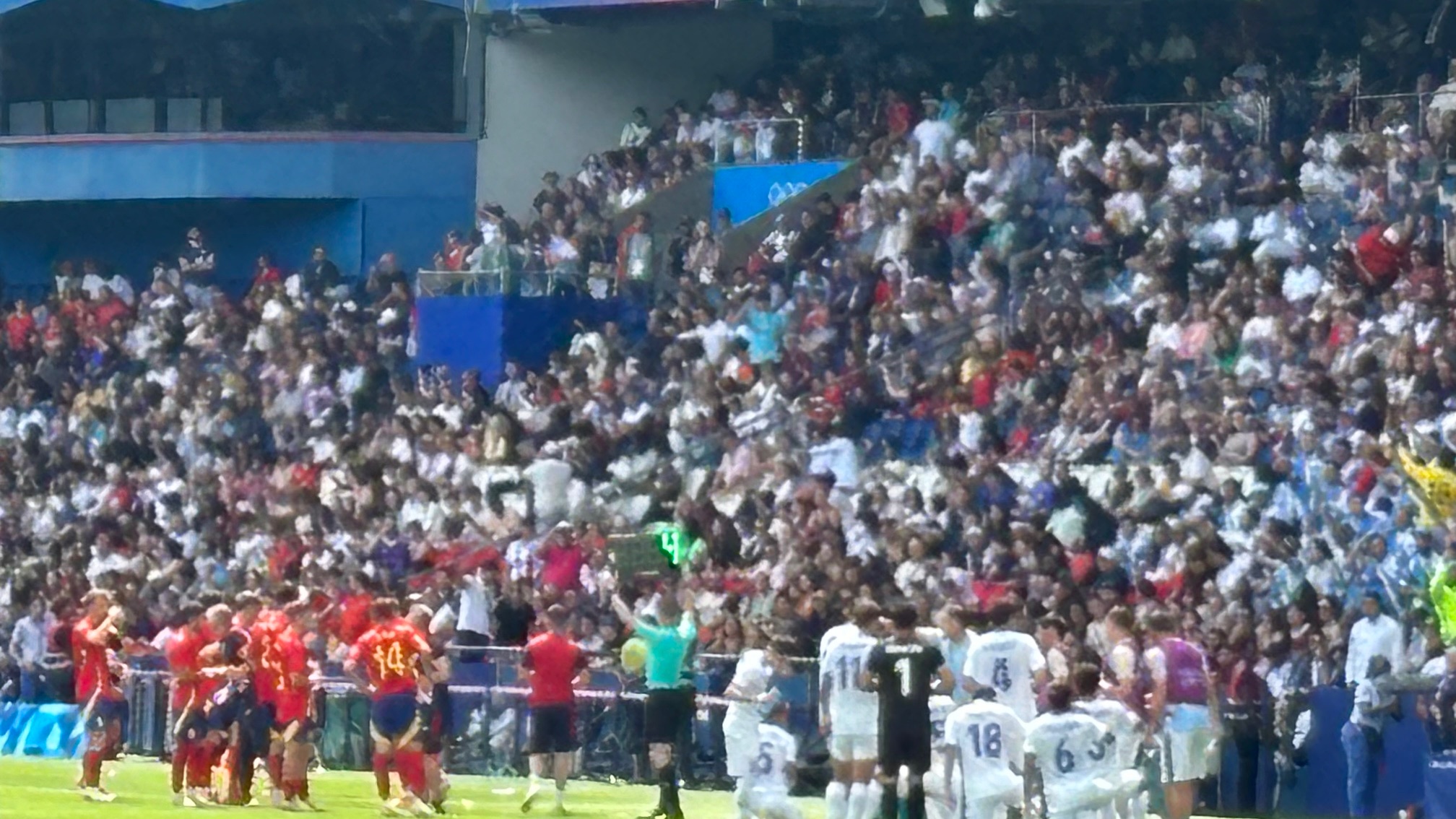

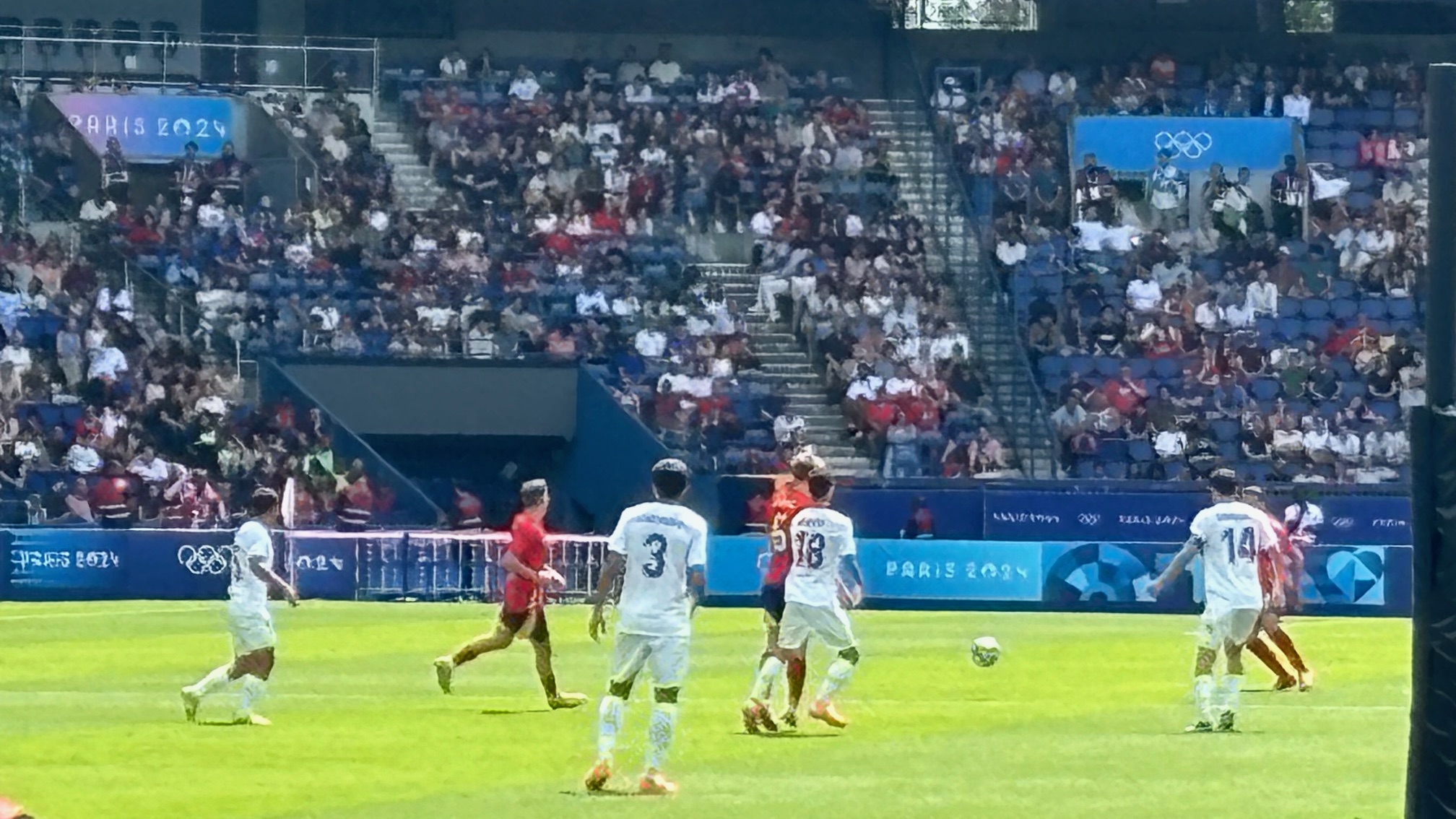
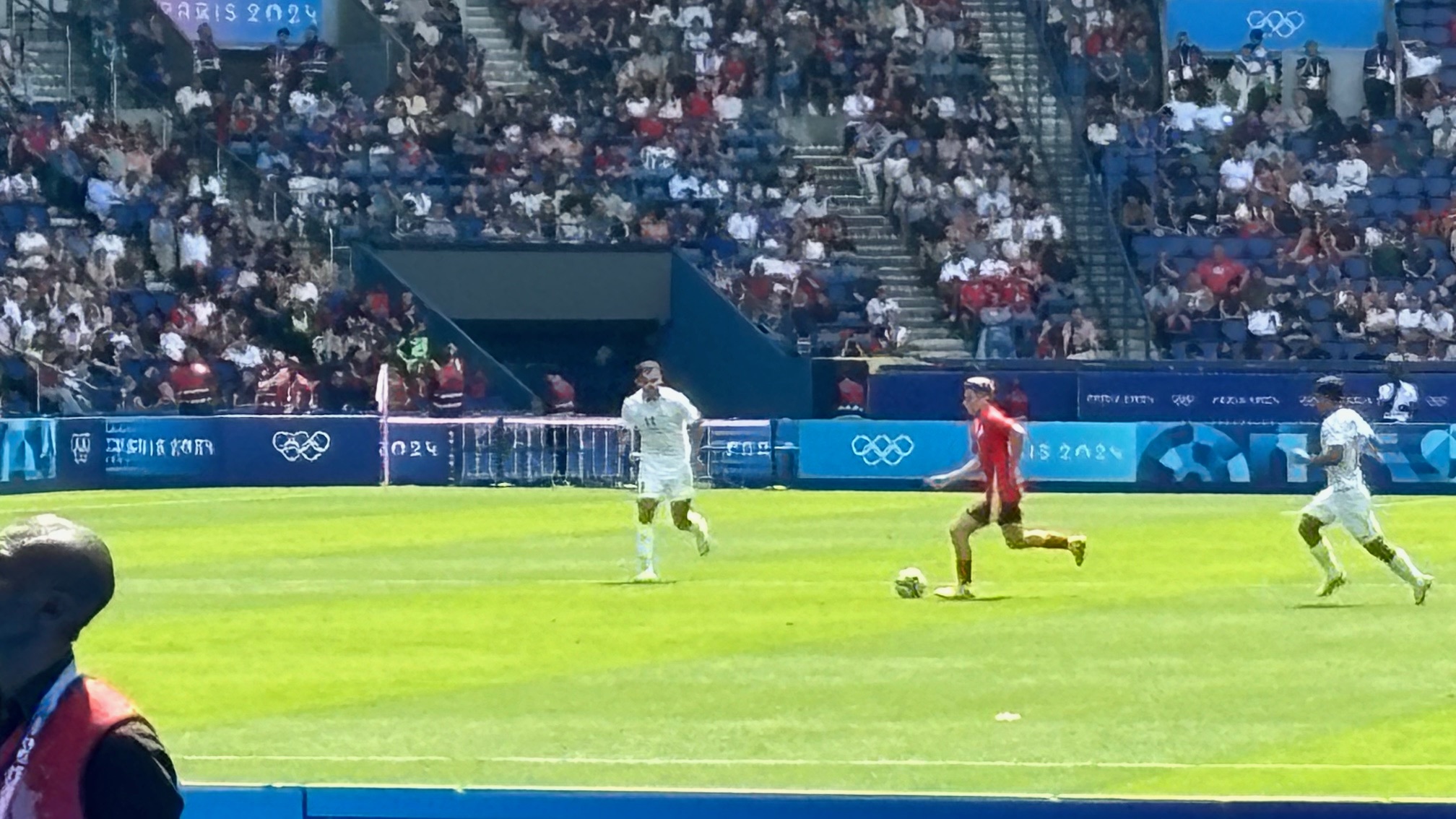


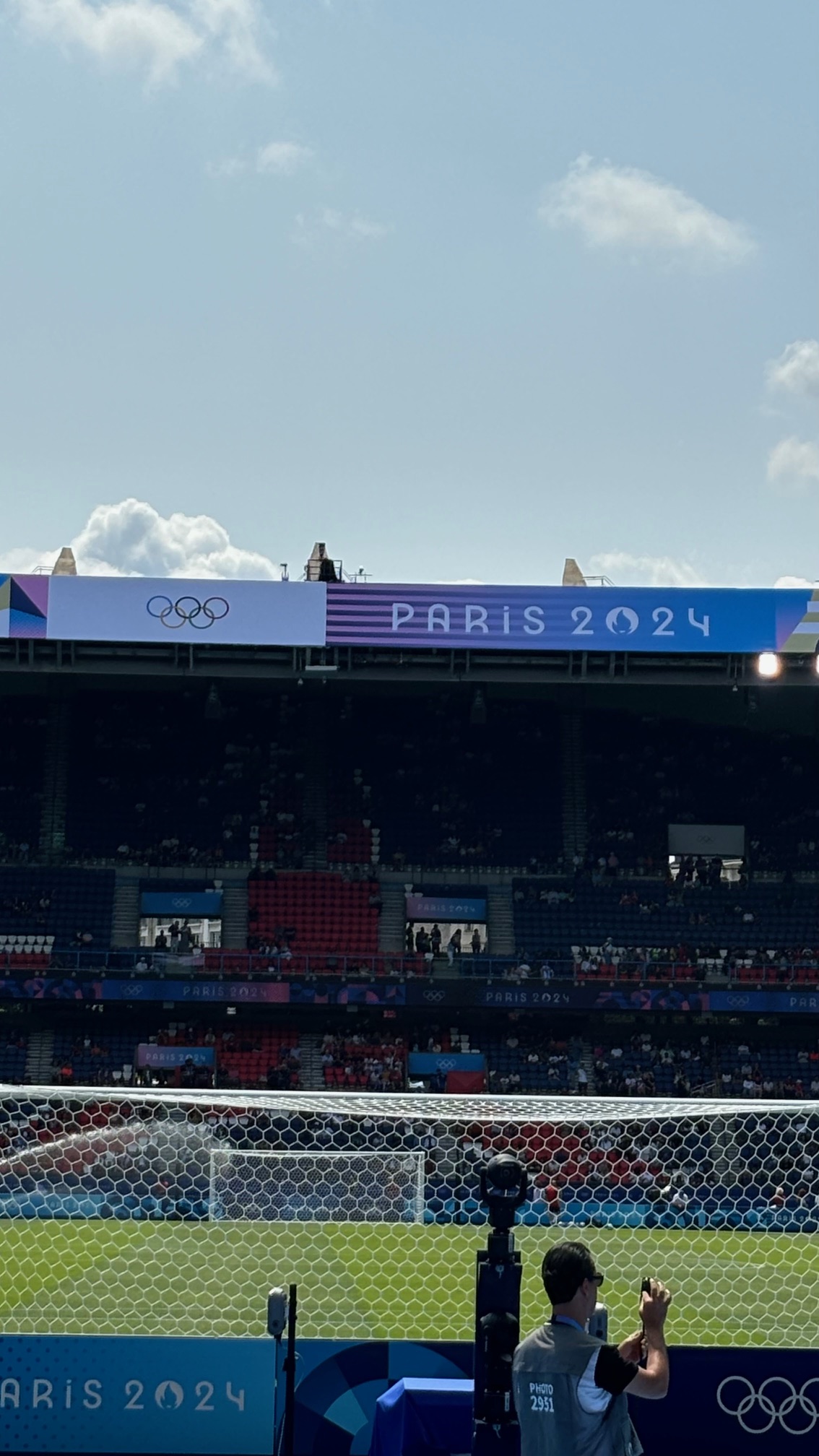
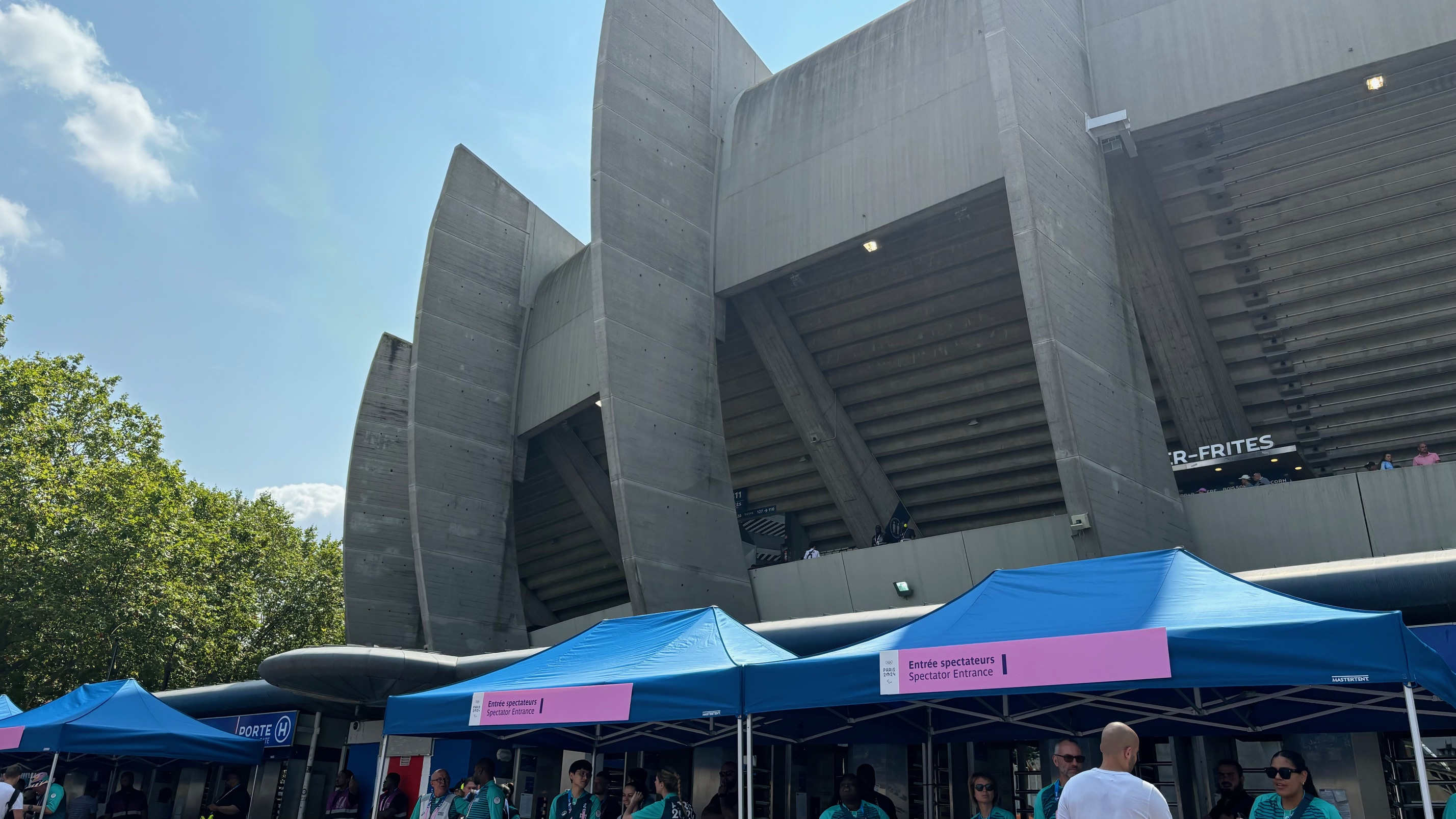
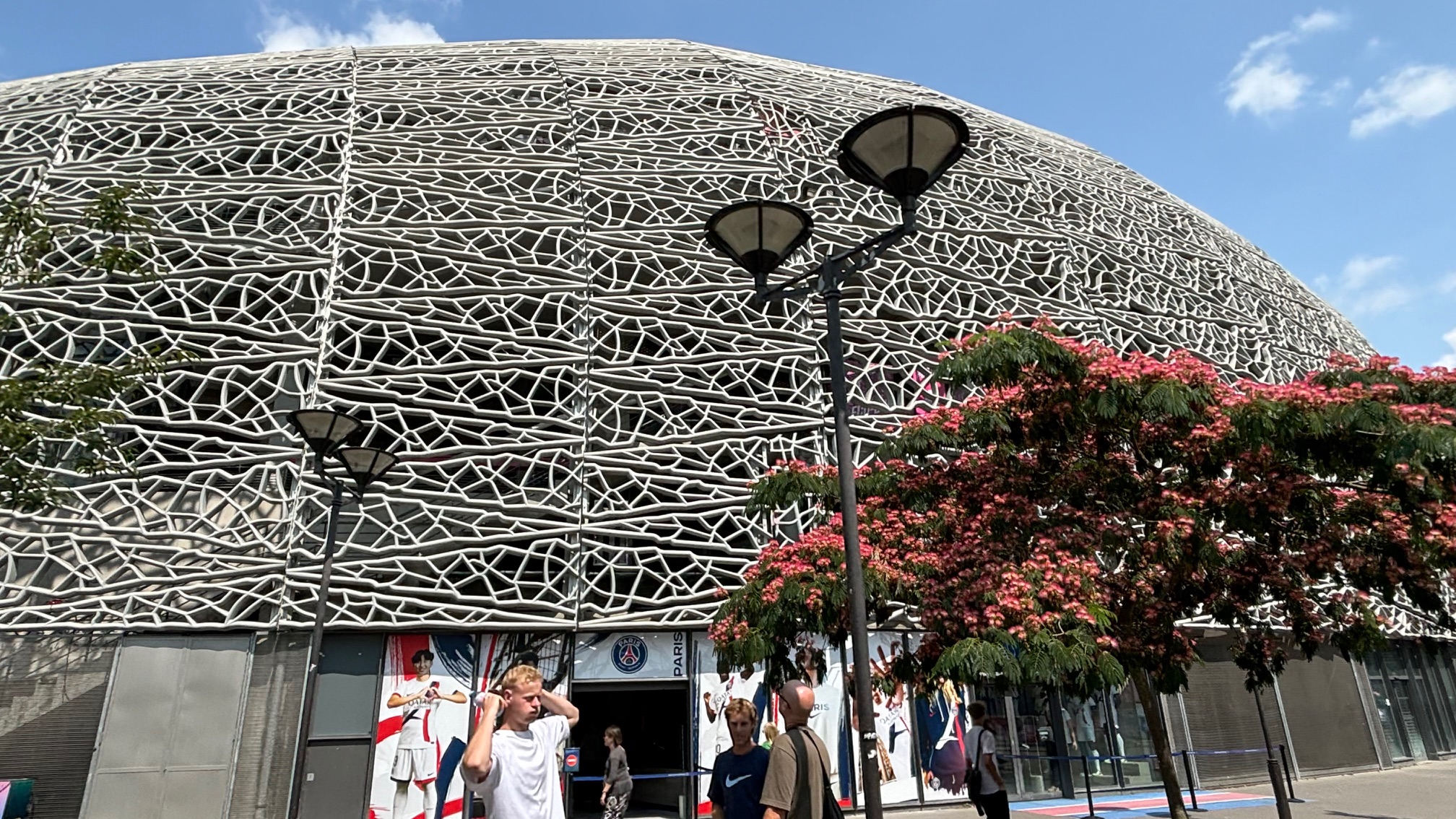

Camera: iPhone 15
Location: Parc des Princes – 2024 Summer Olympics, Spain vs. Uzbekistan; Paris, France
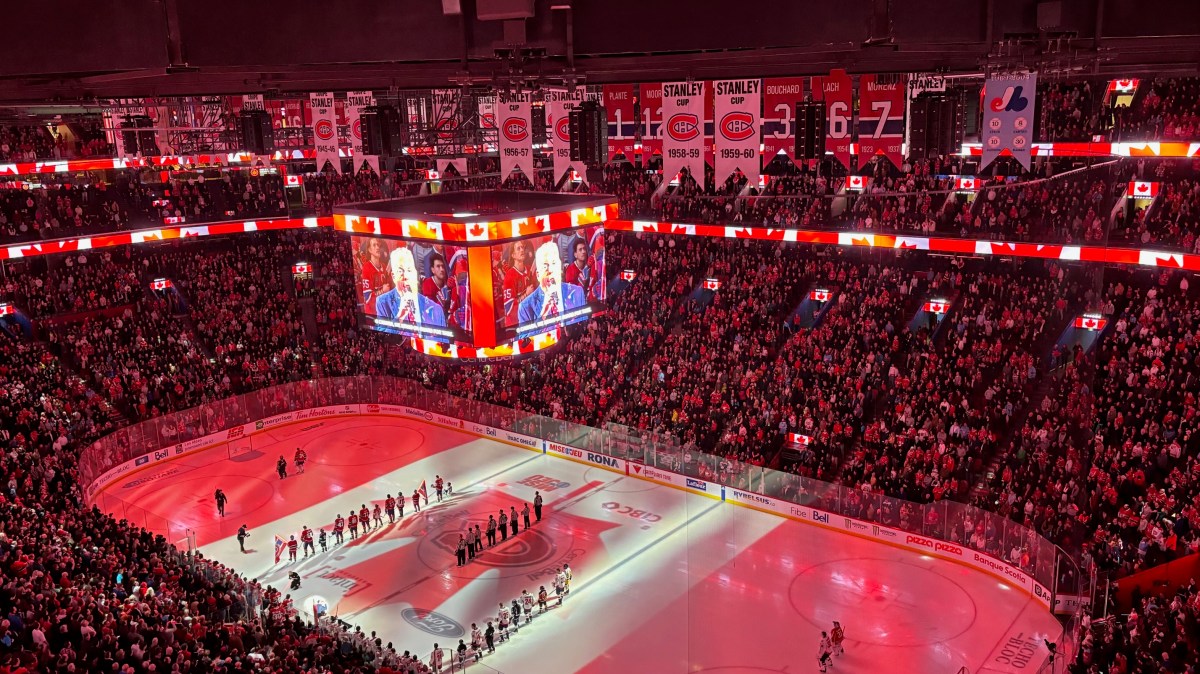
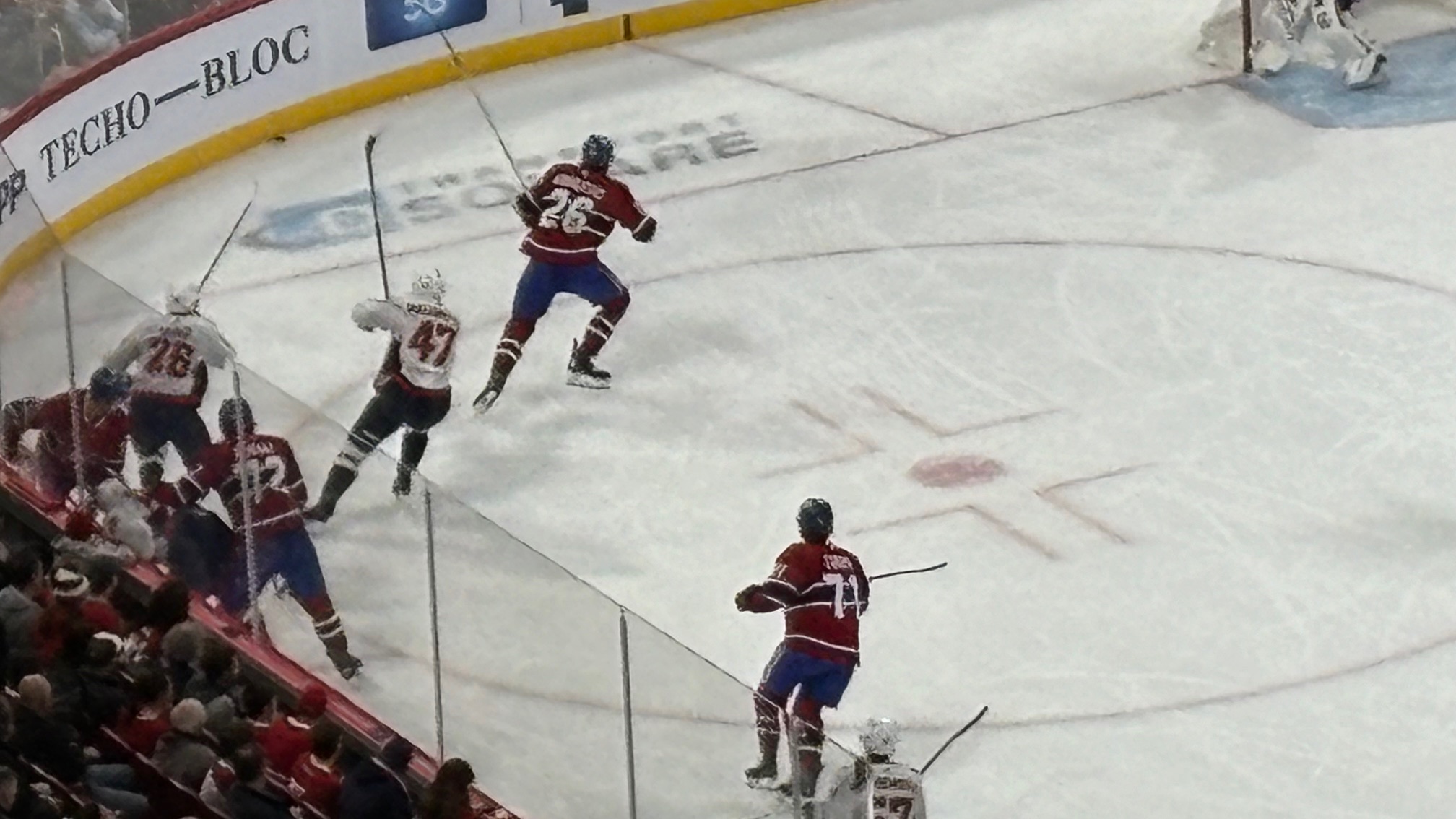
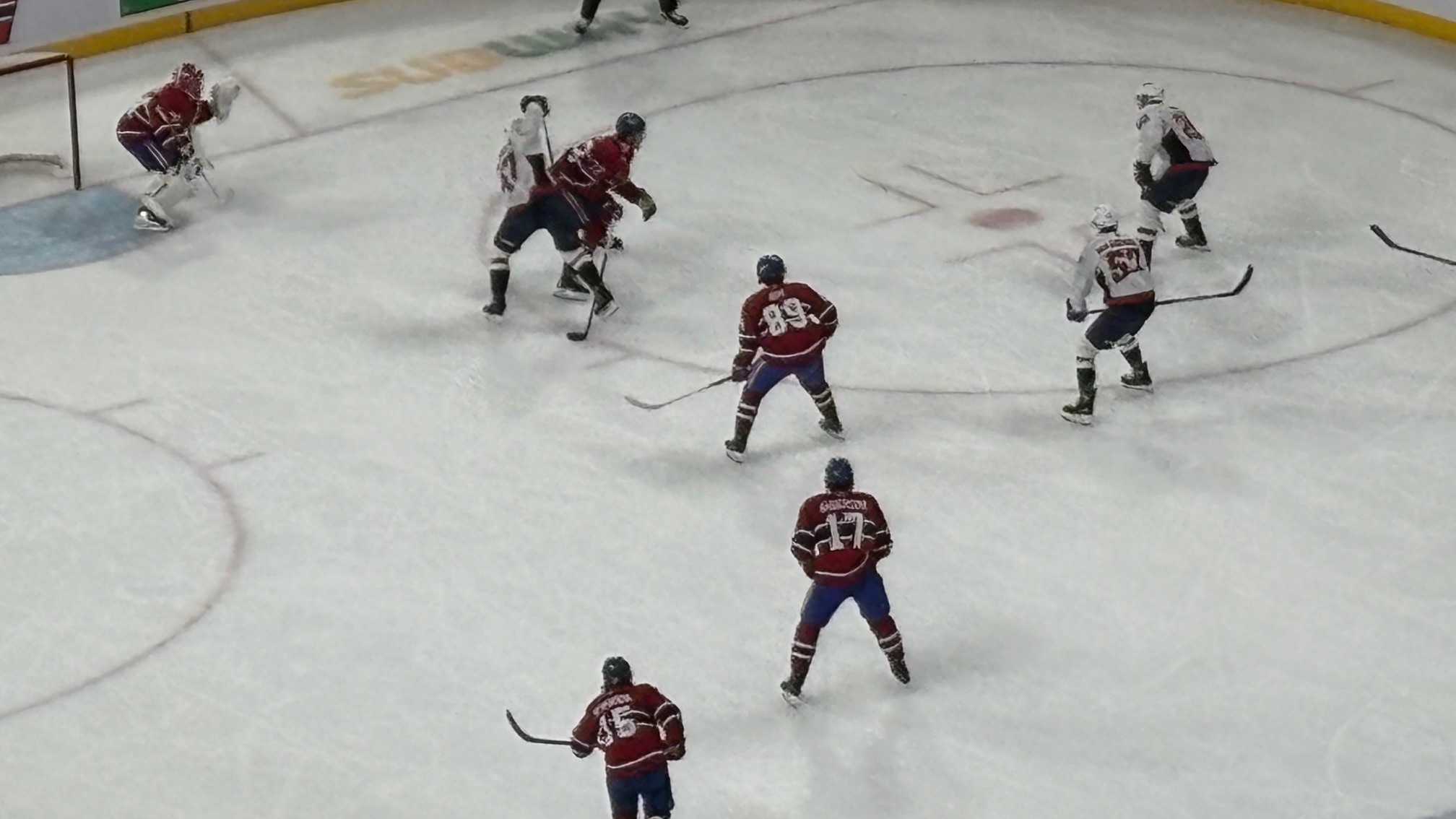
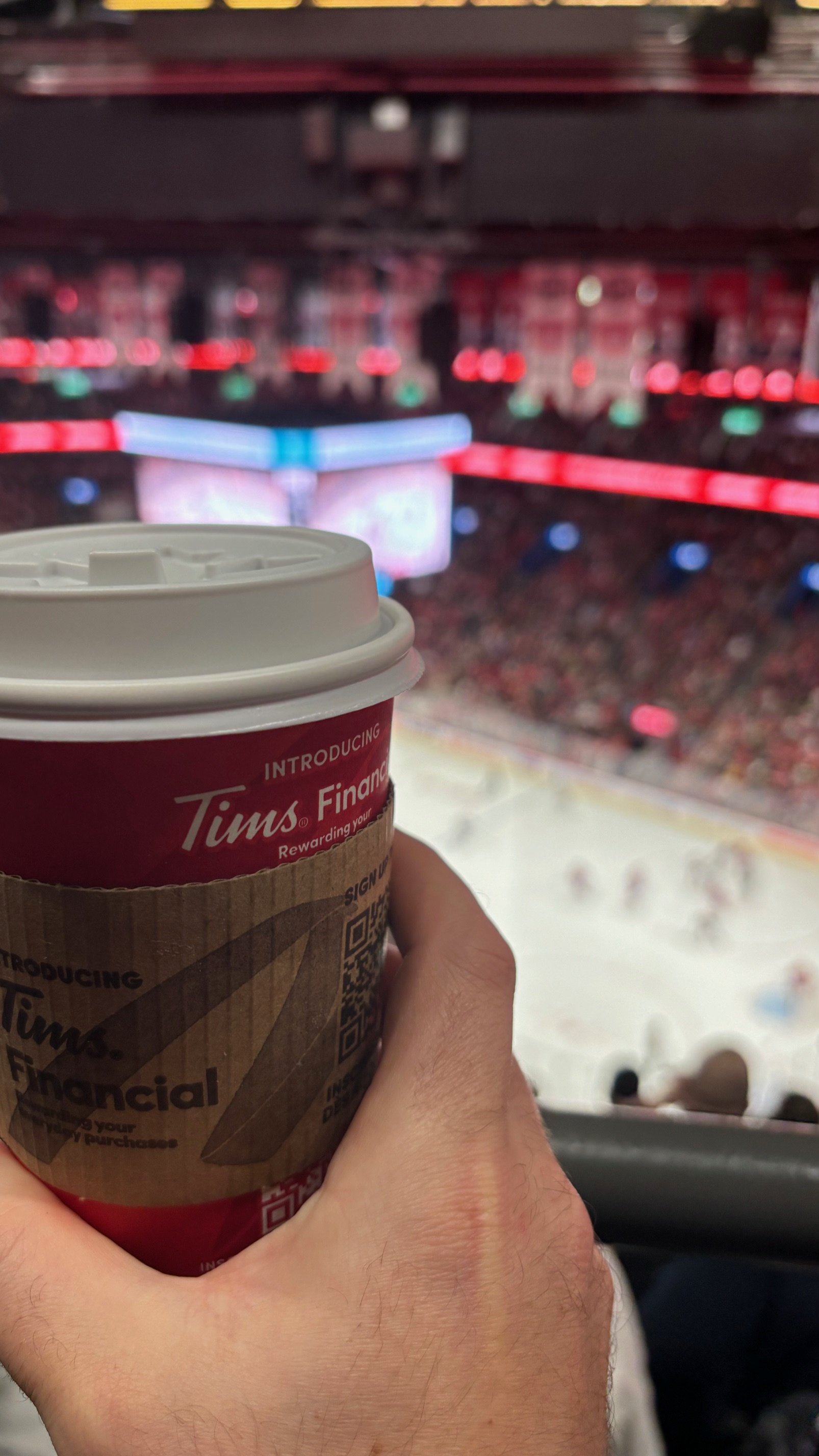
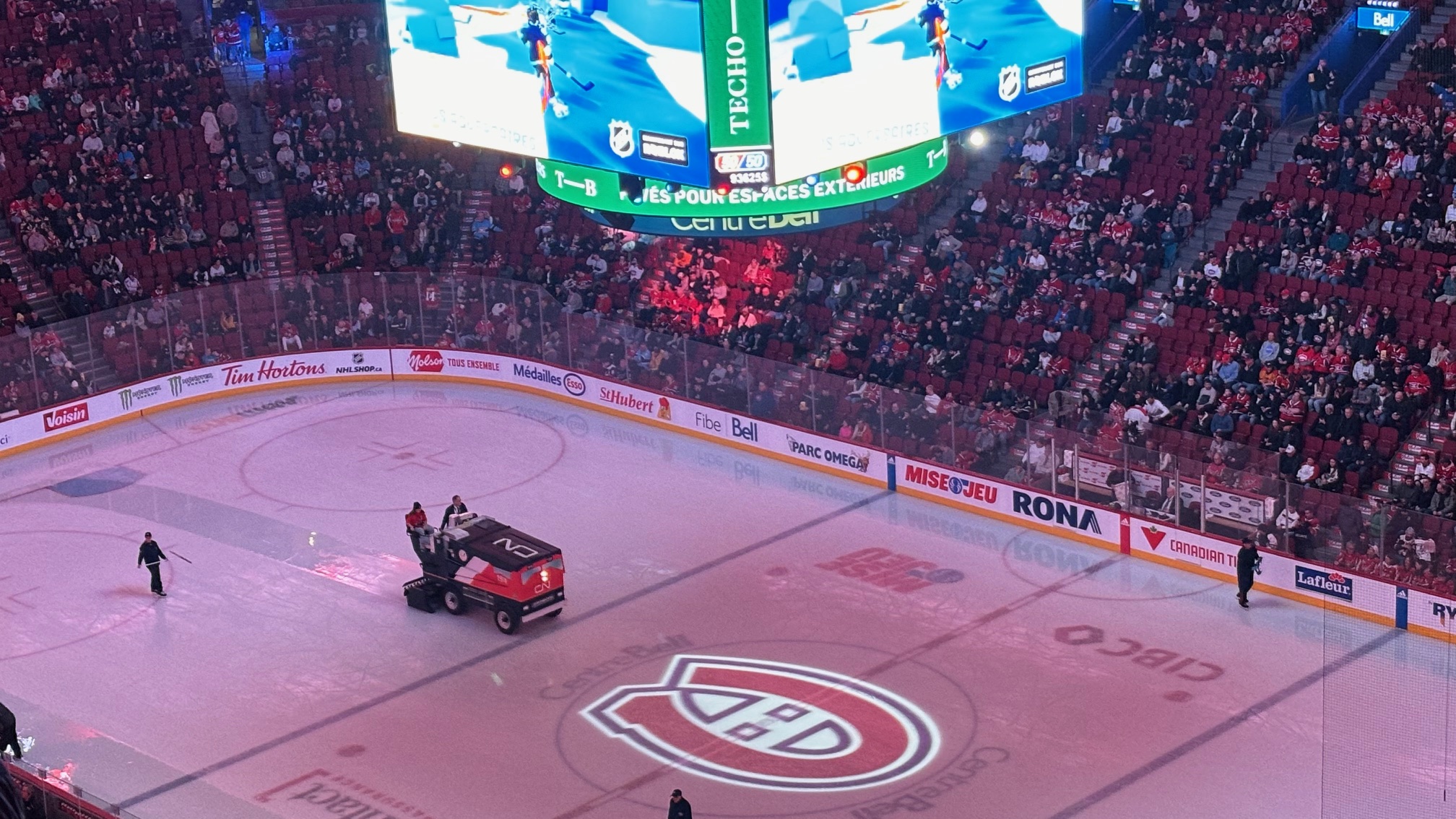
“My first live Hockey game in Canada to see the Montreal Canadiens face off against the Washington Capitals at the Bell Centre in Montreal.”

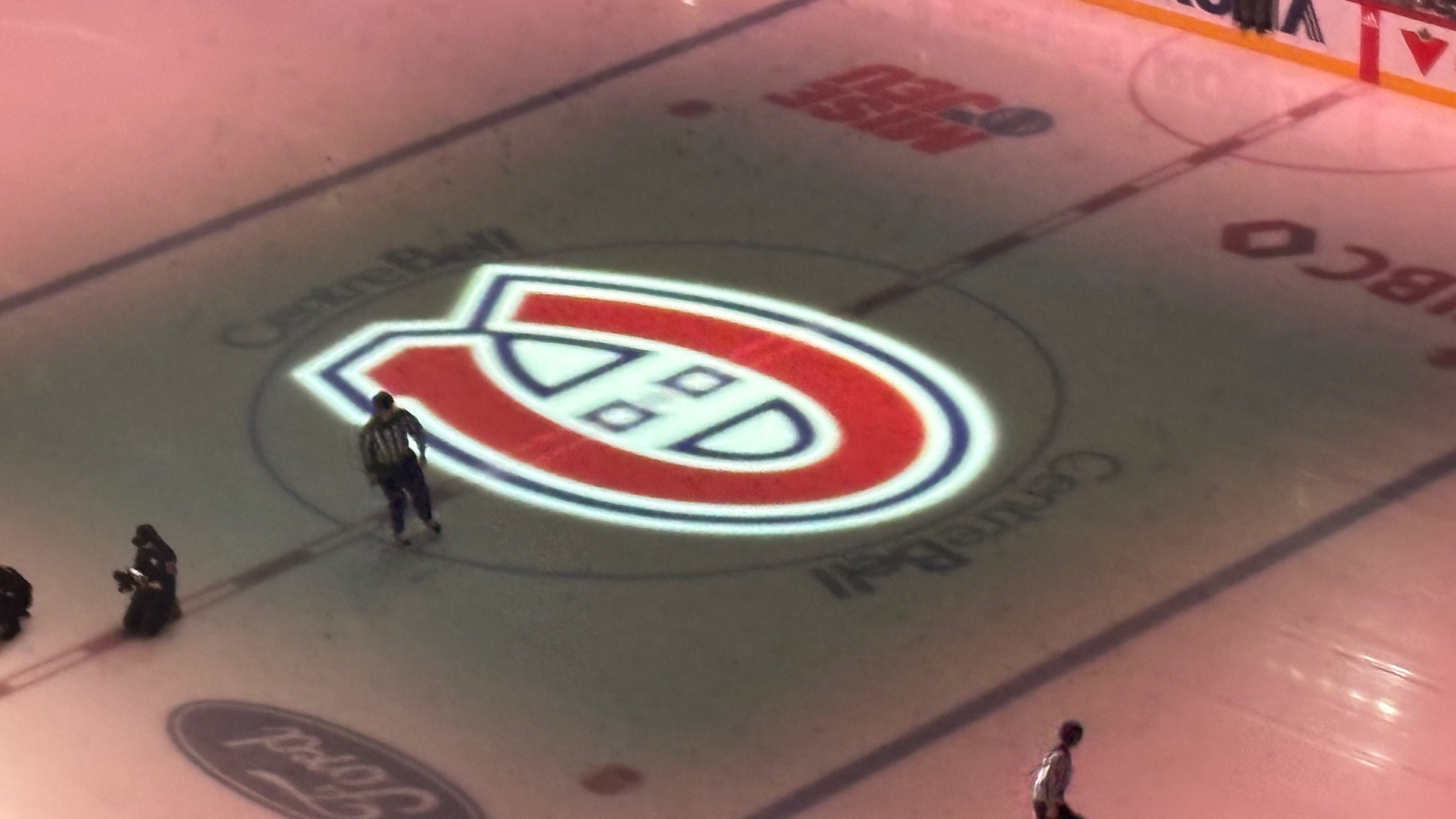


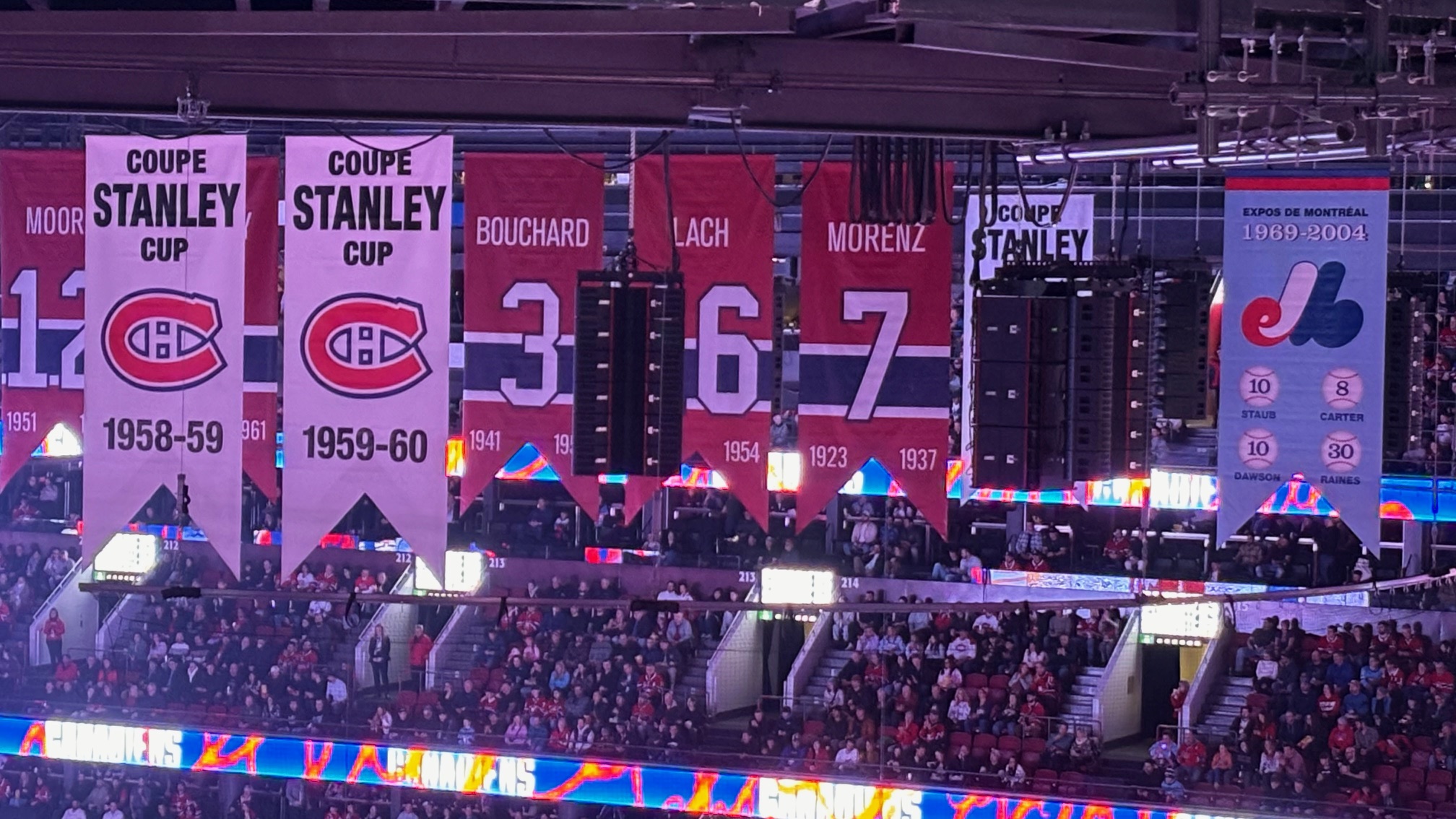
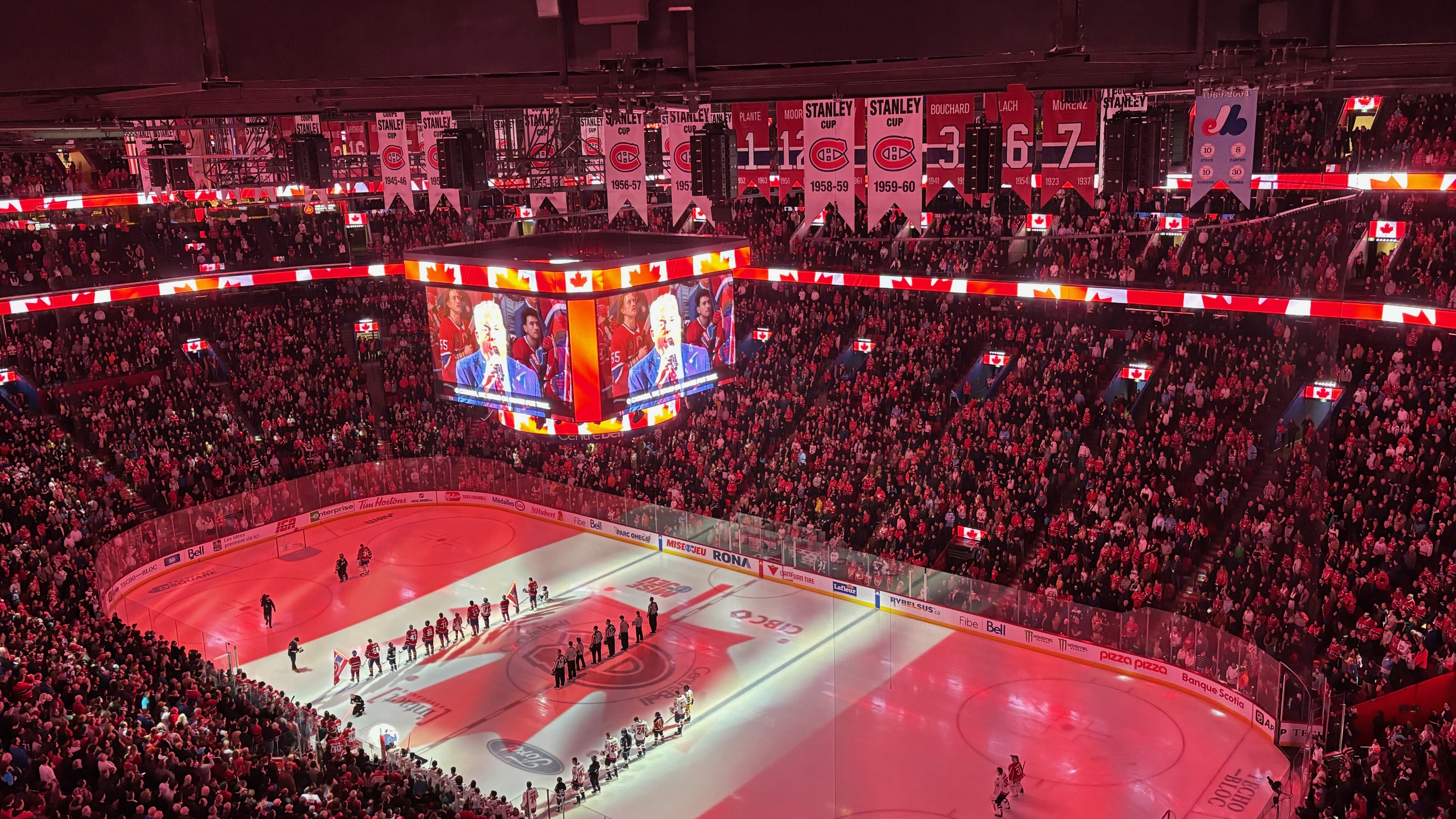




Camera: iPhone 15
Location: Bell Centre; Montreal, Quebec, Canada
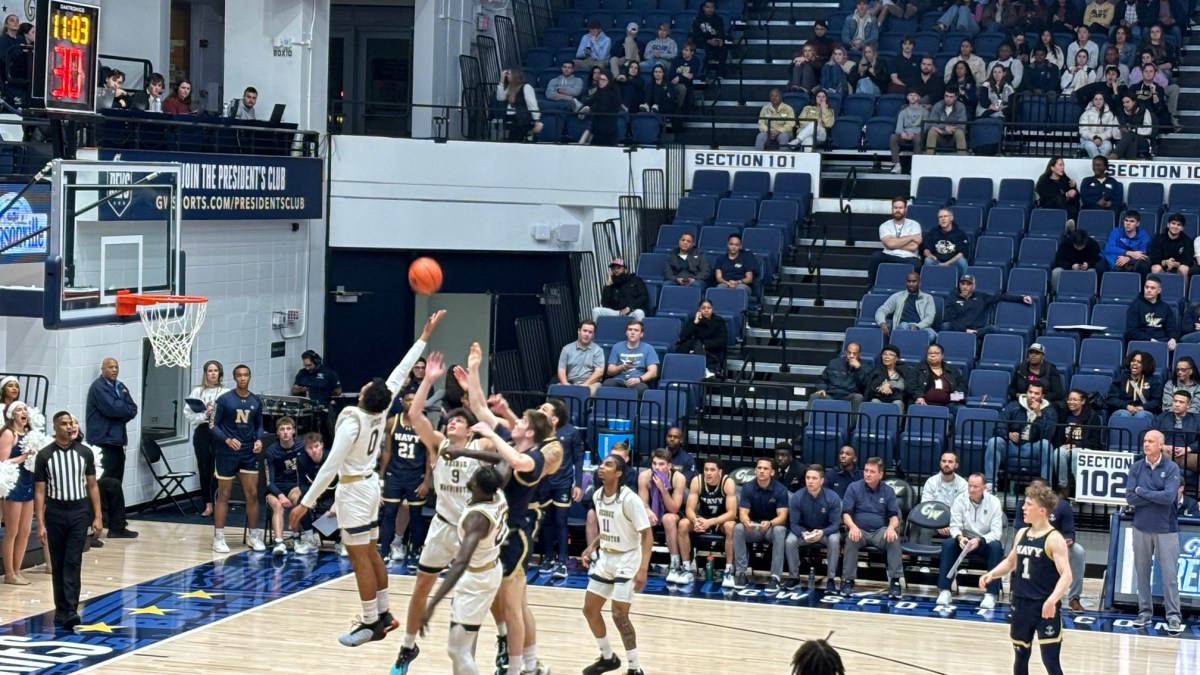
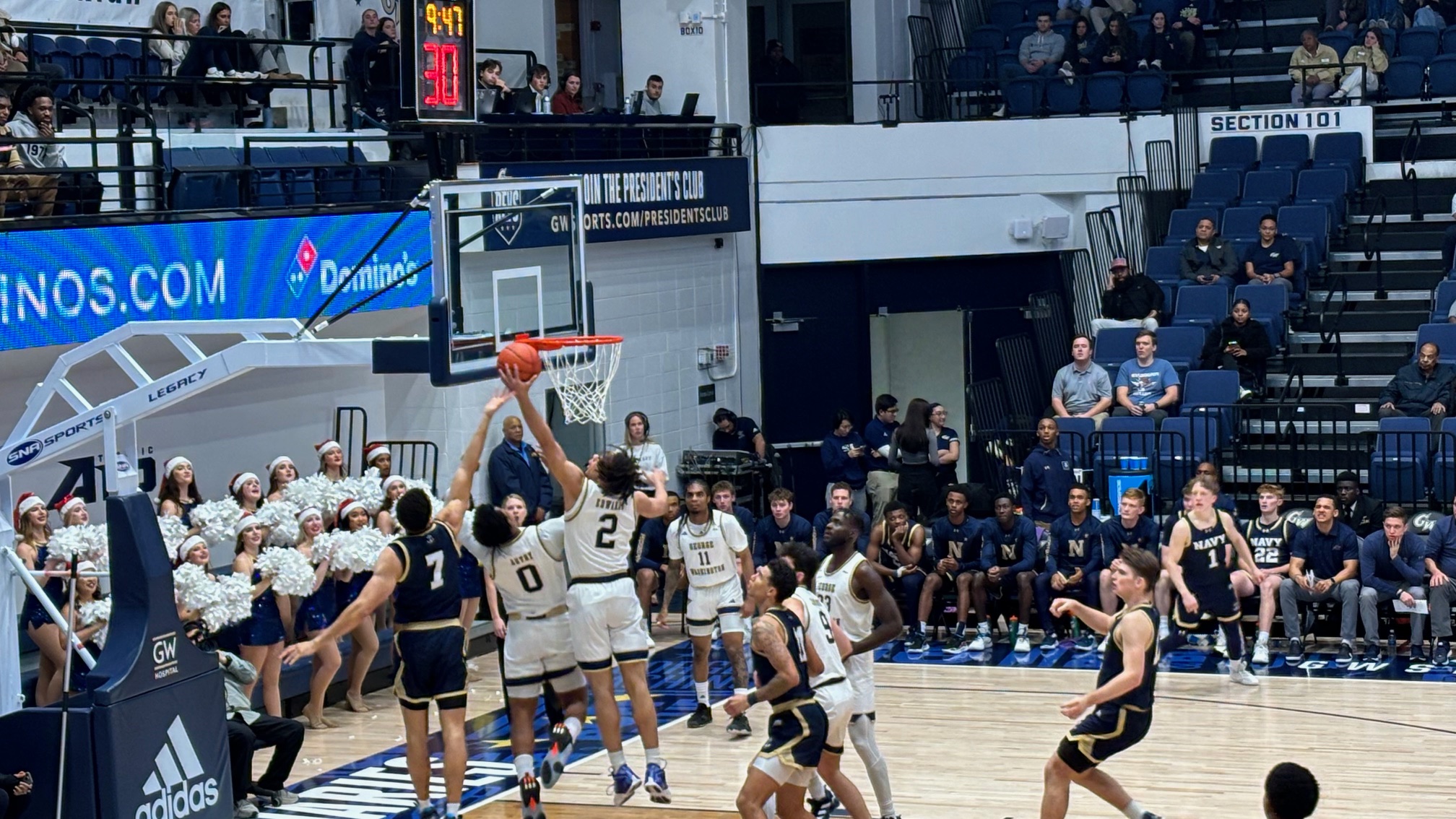
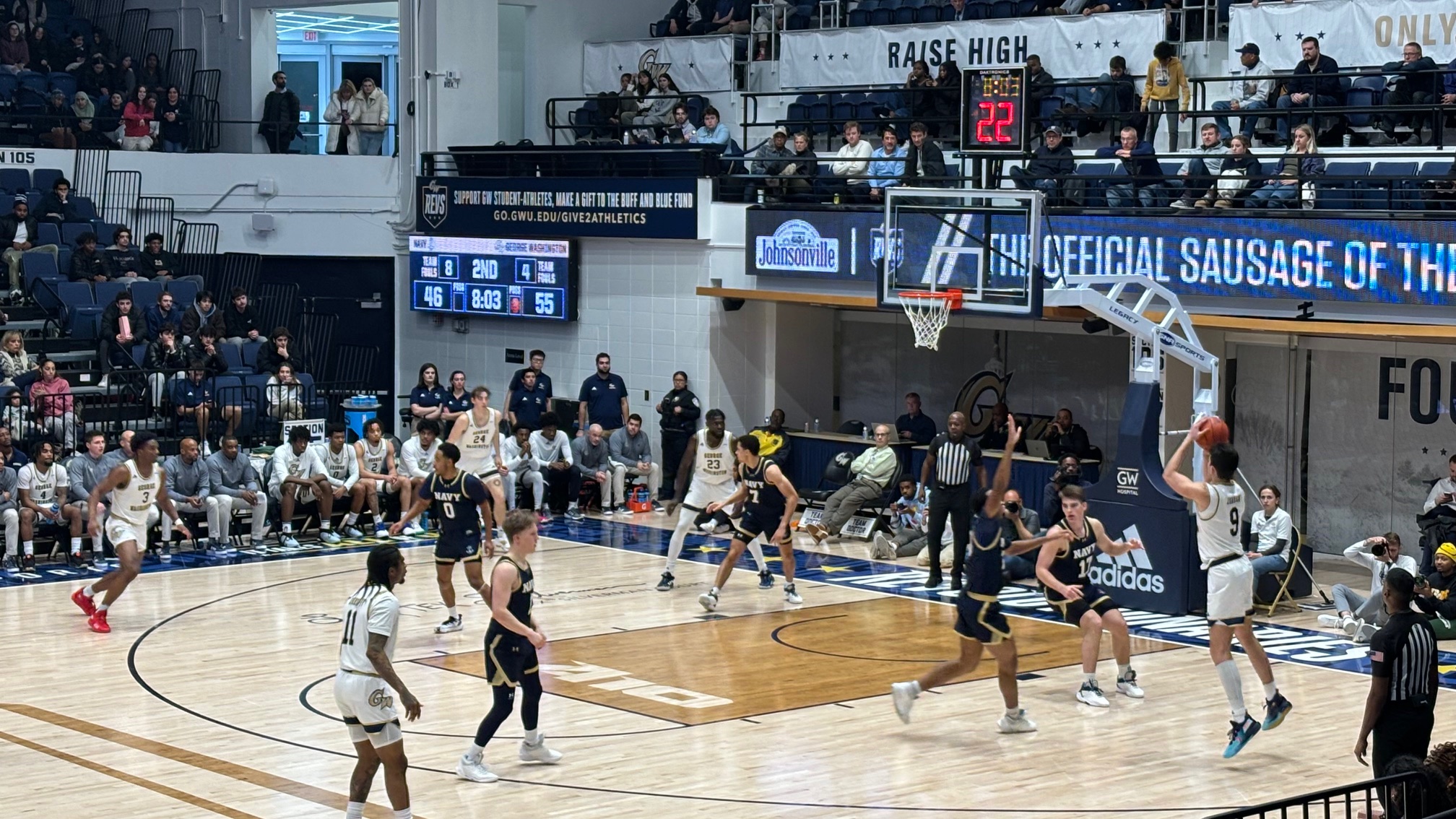
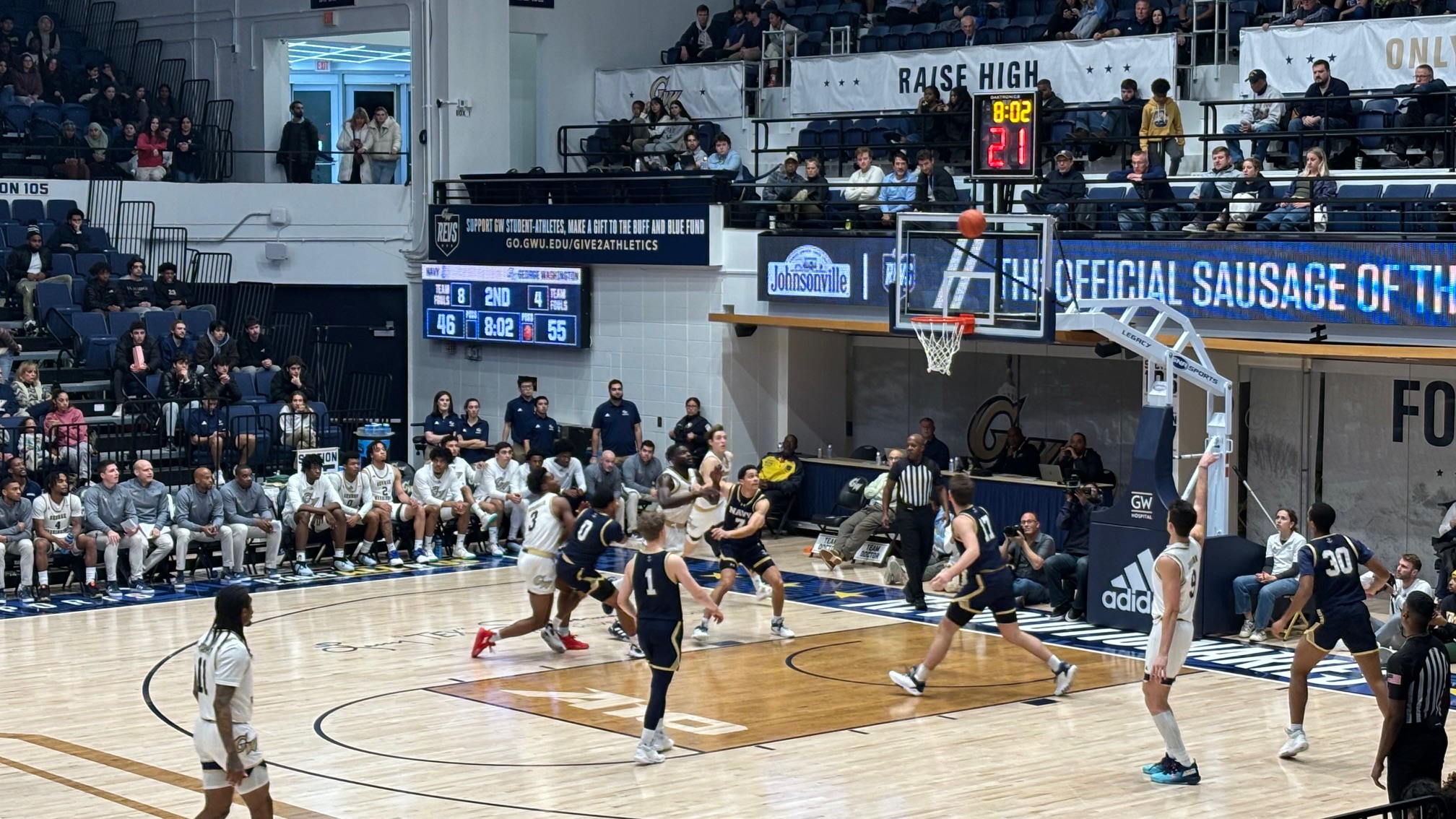
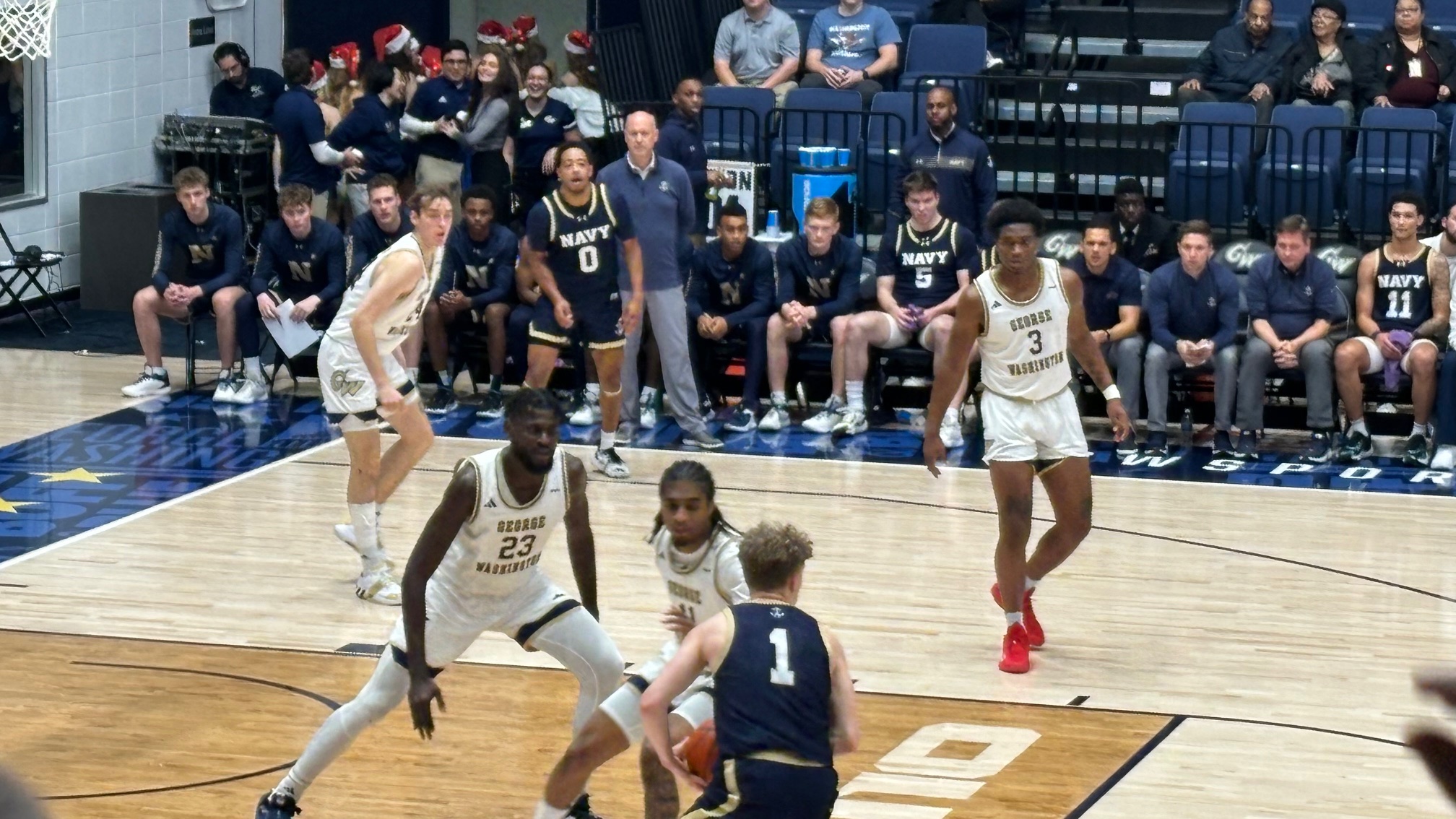
Watching a George Washington University Revolutionaries Basketball Game at the Charles E. Smith Center.
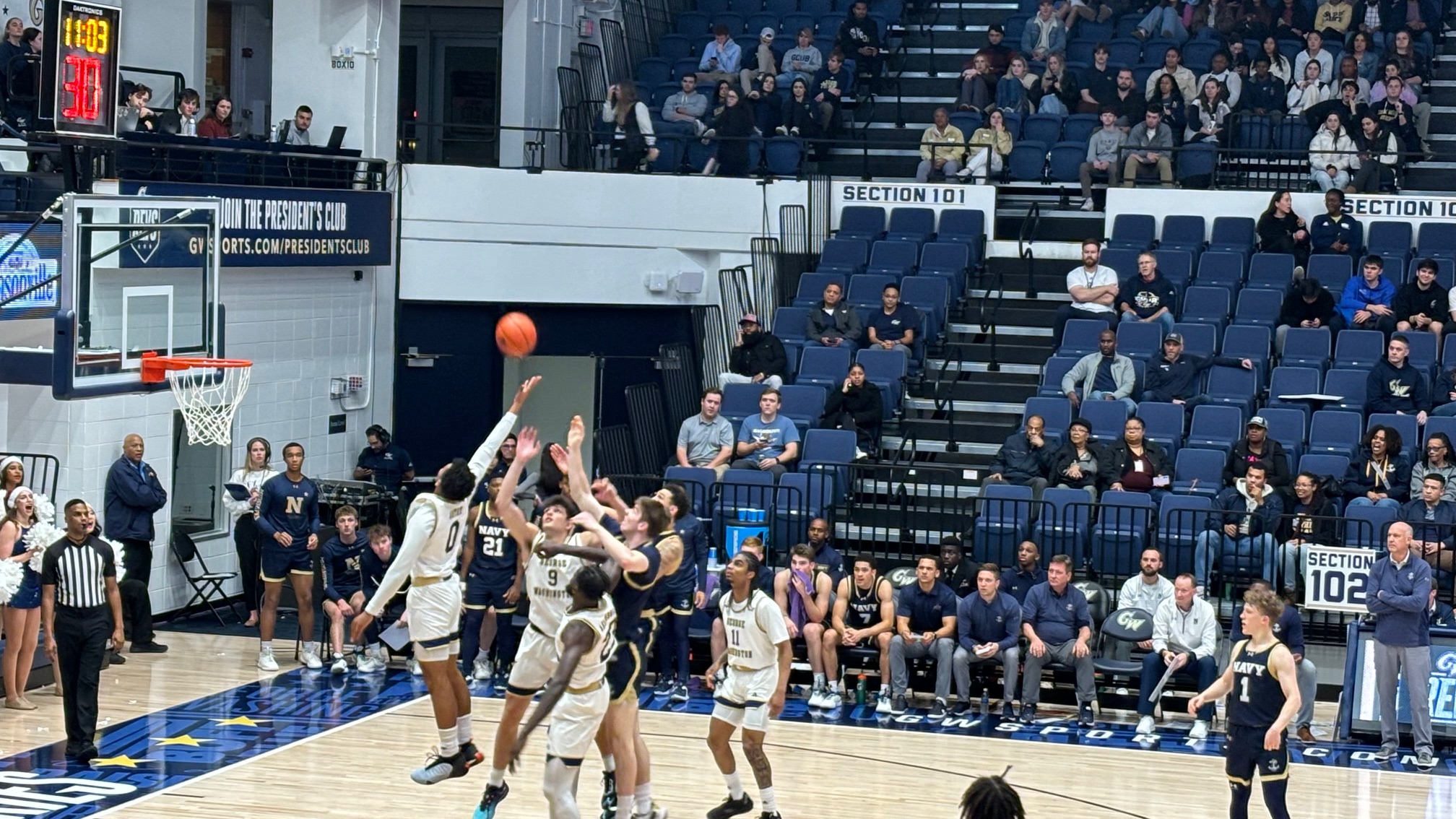

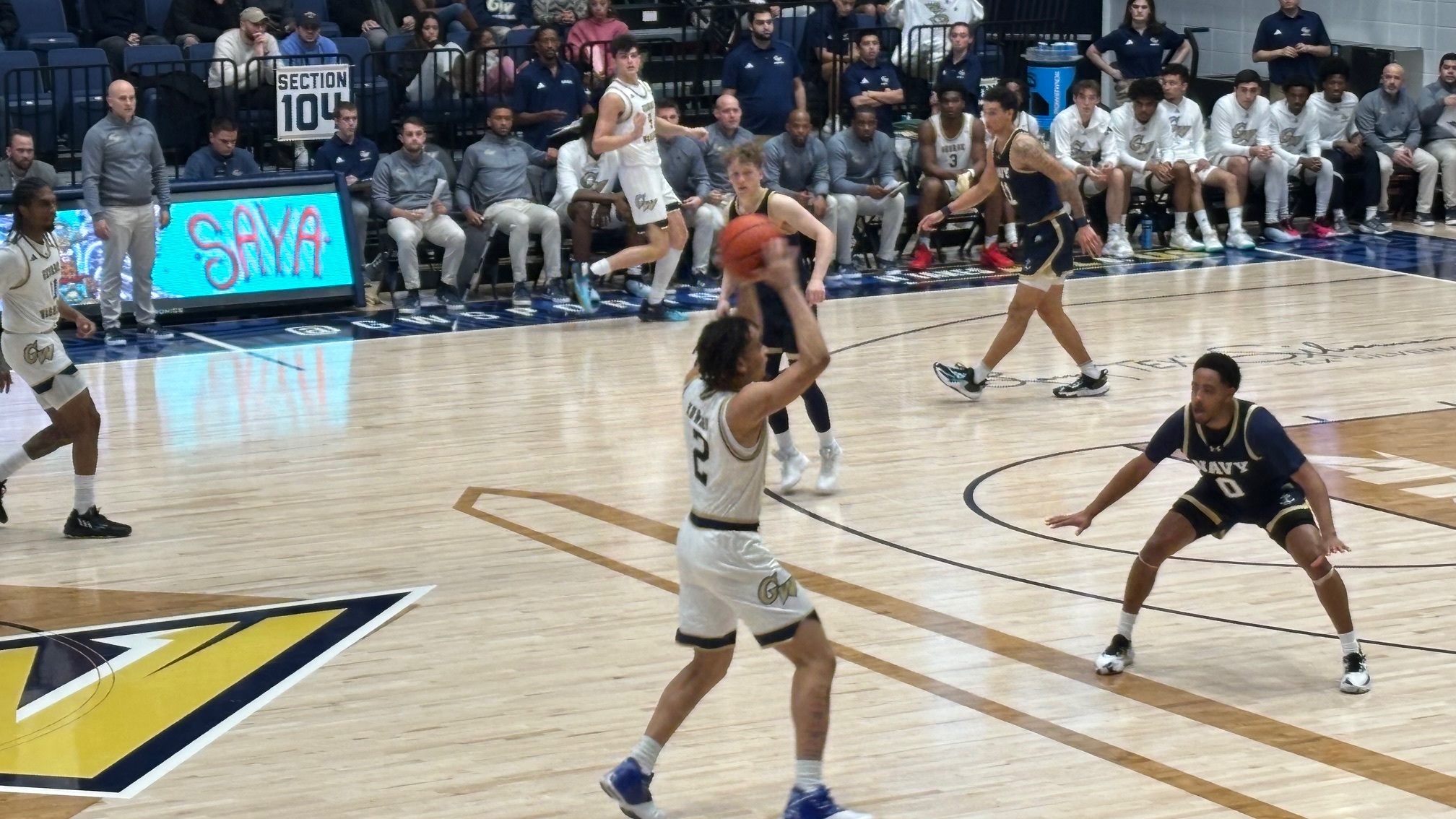
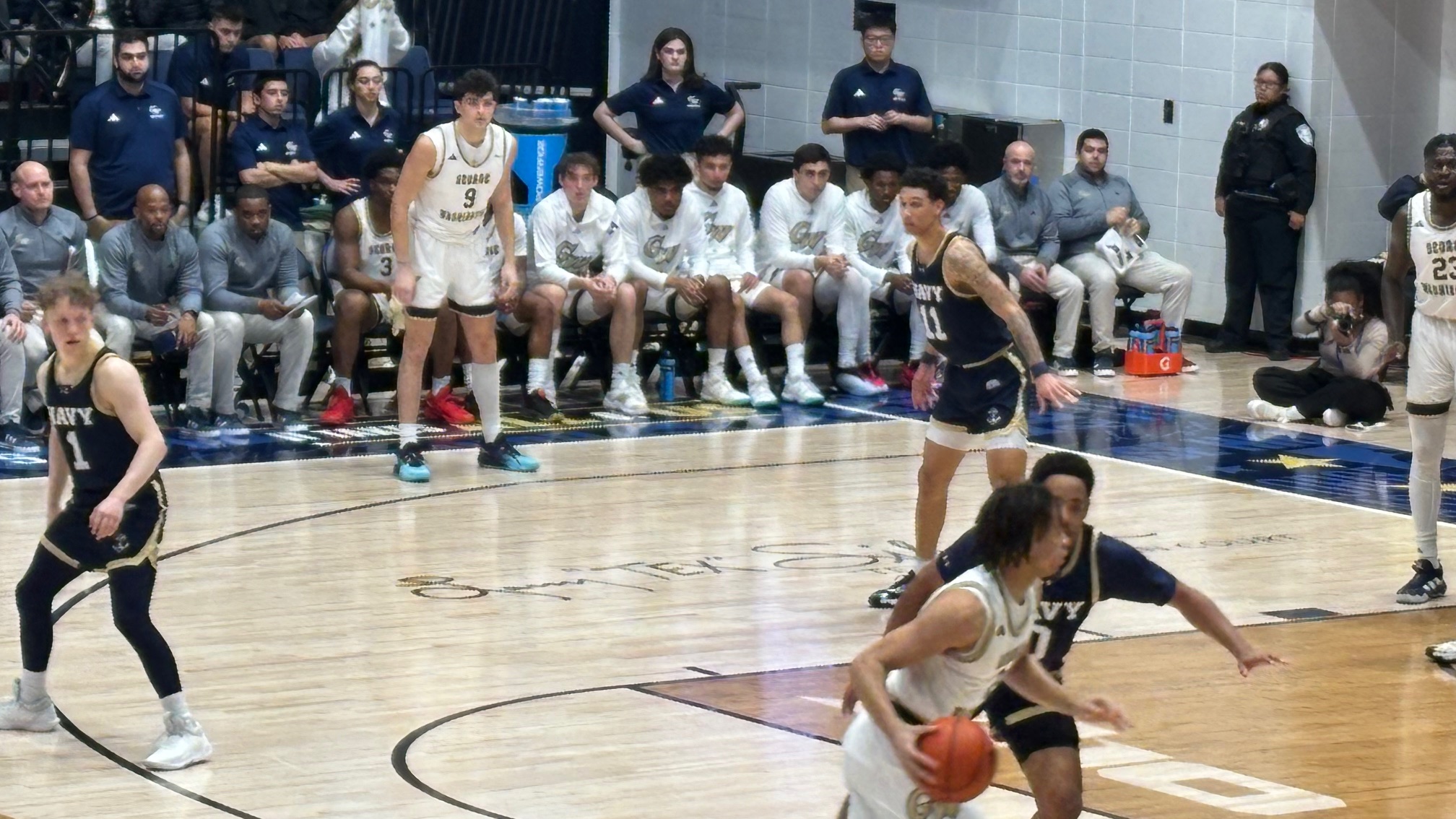
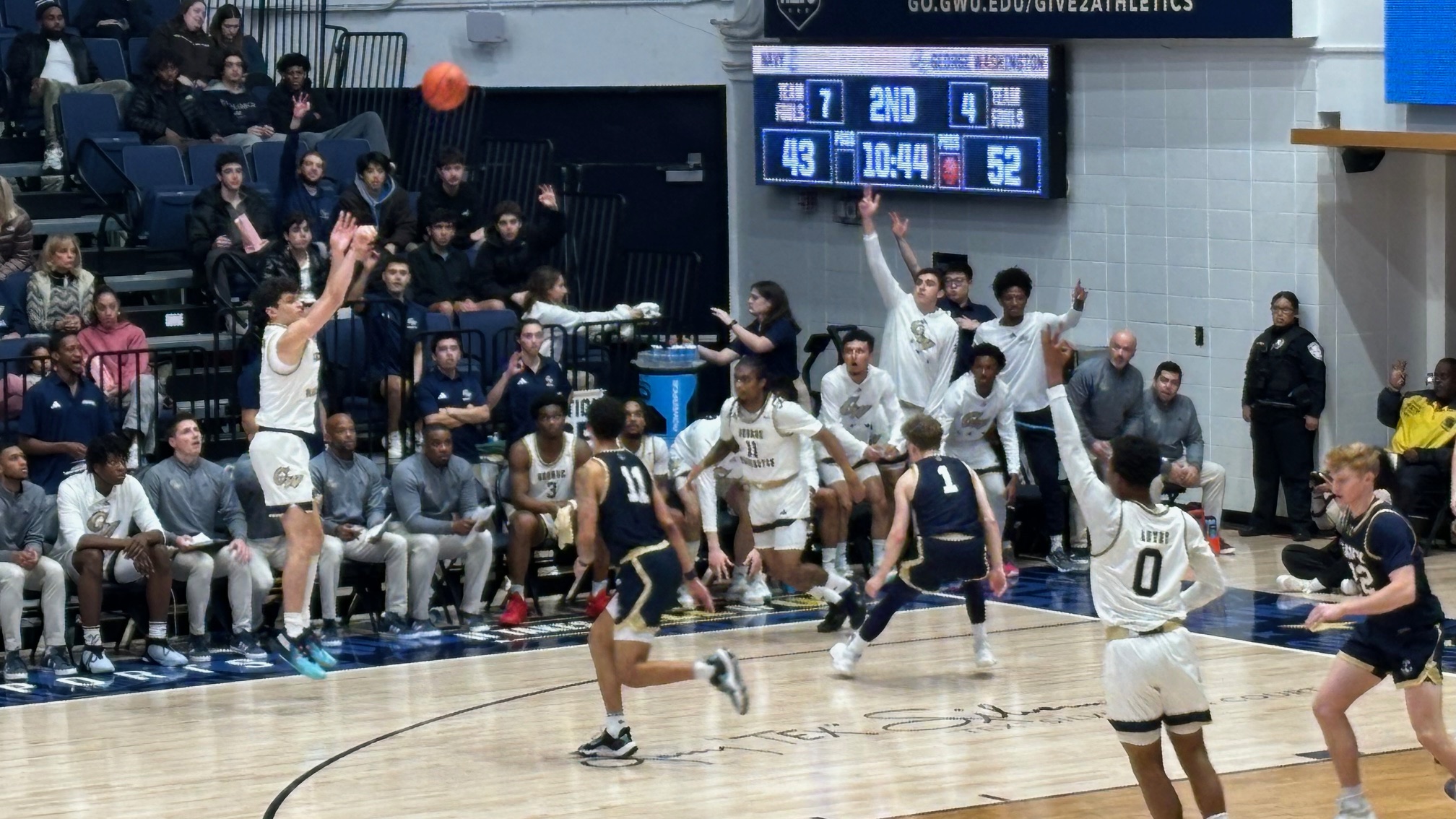

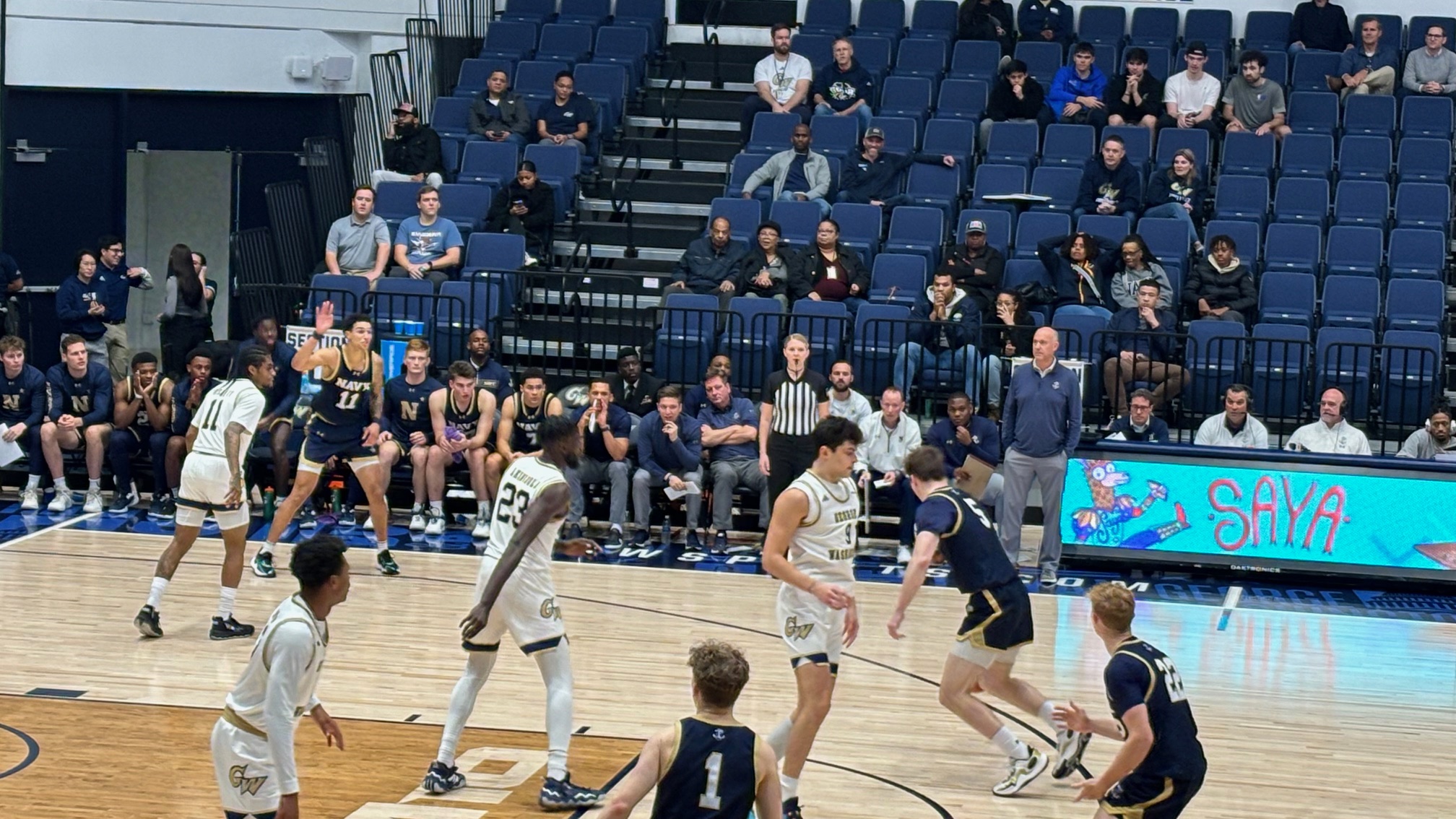
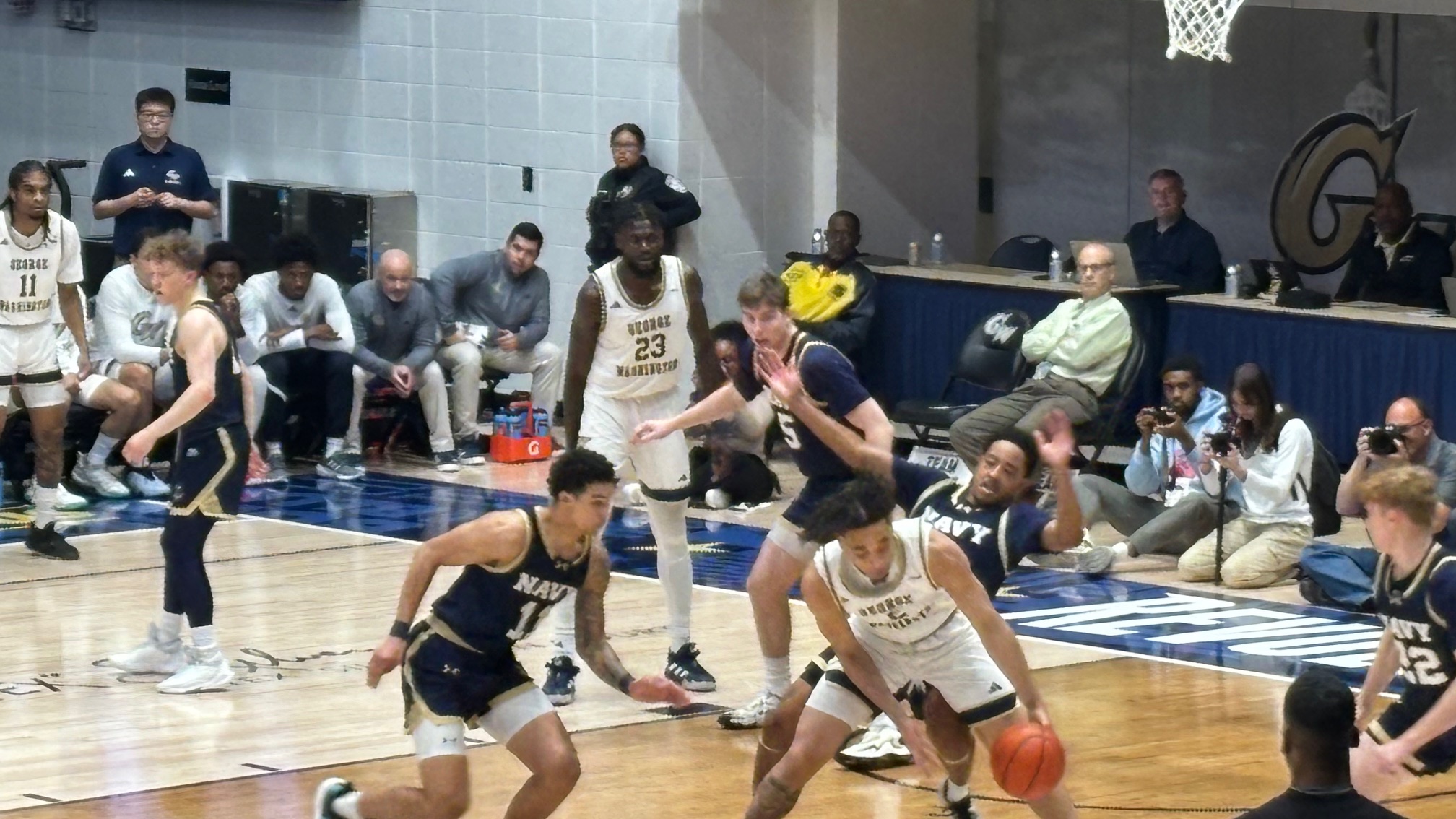
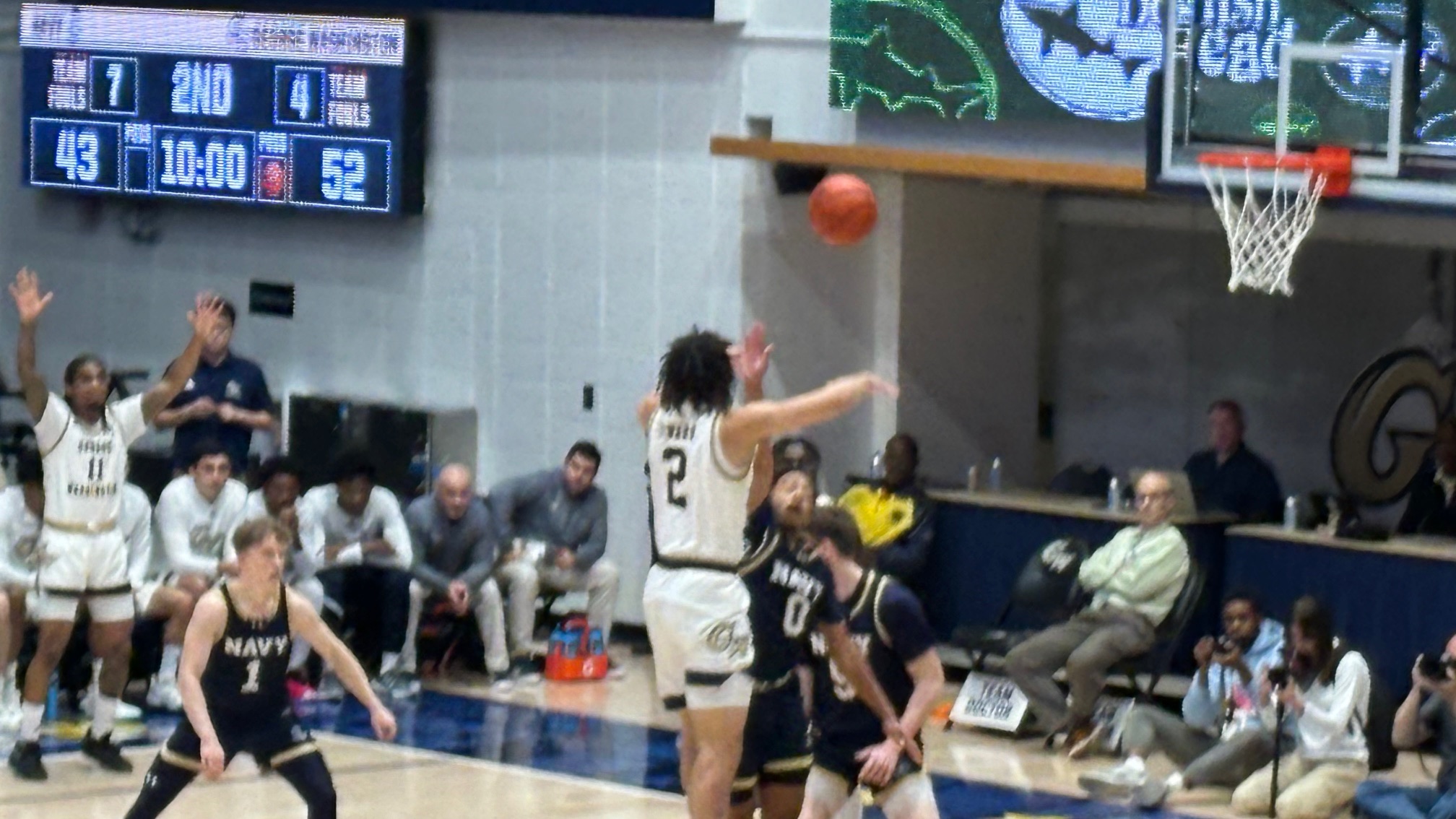
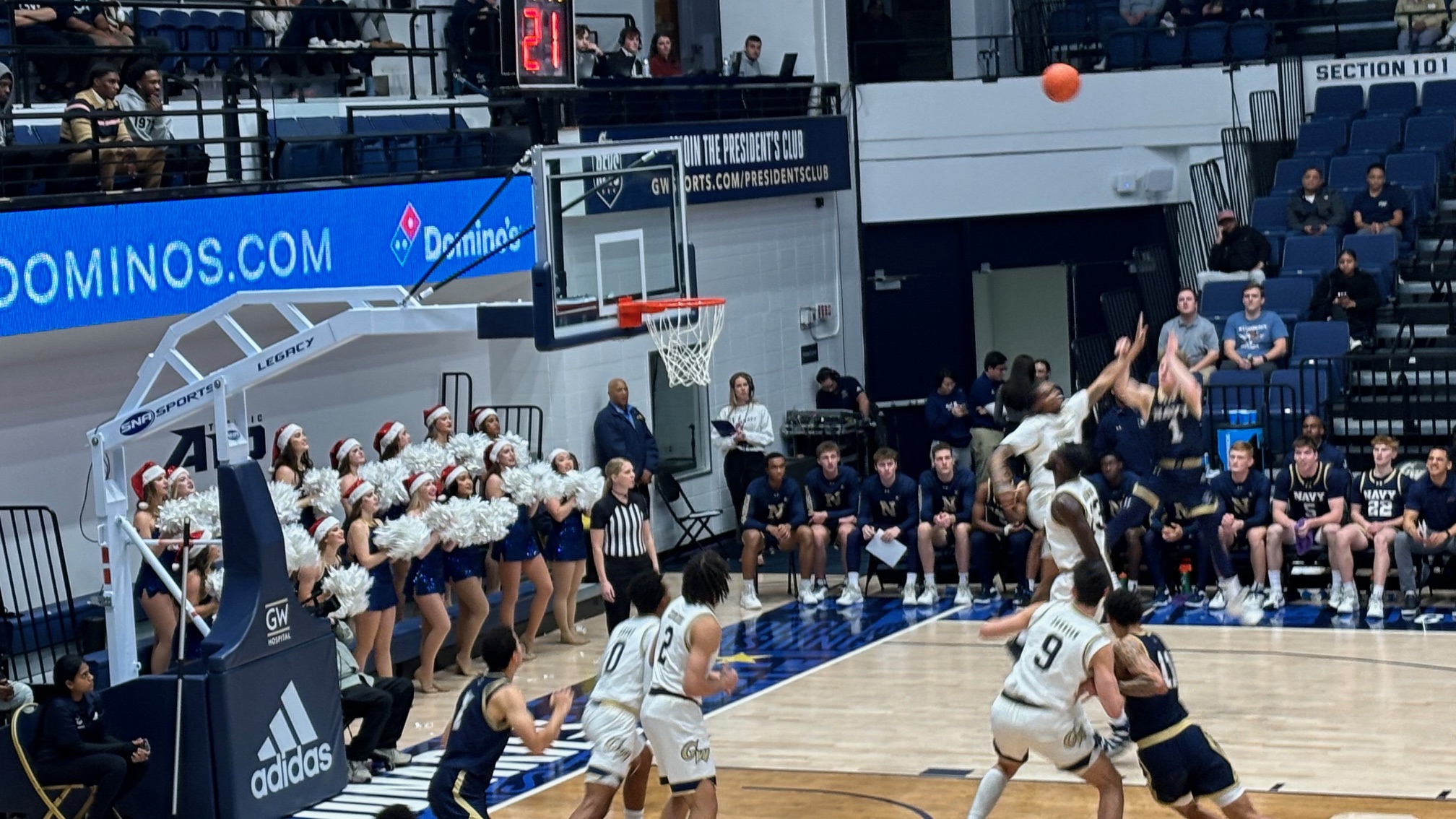

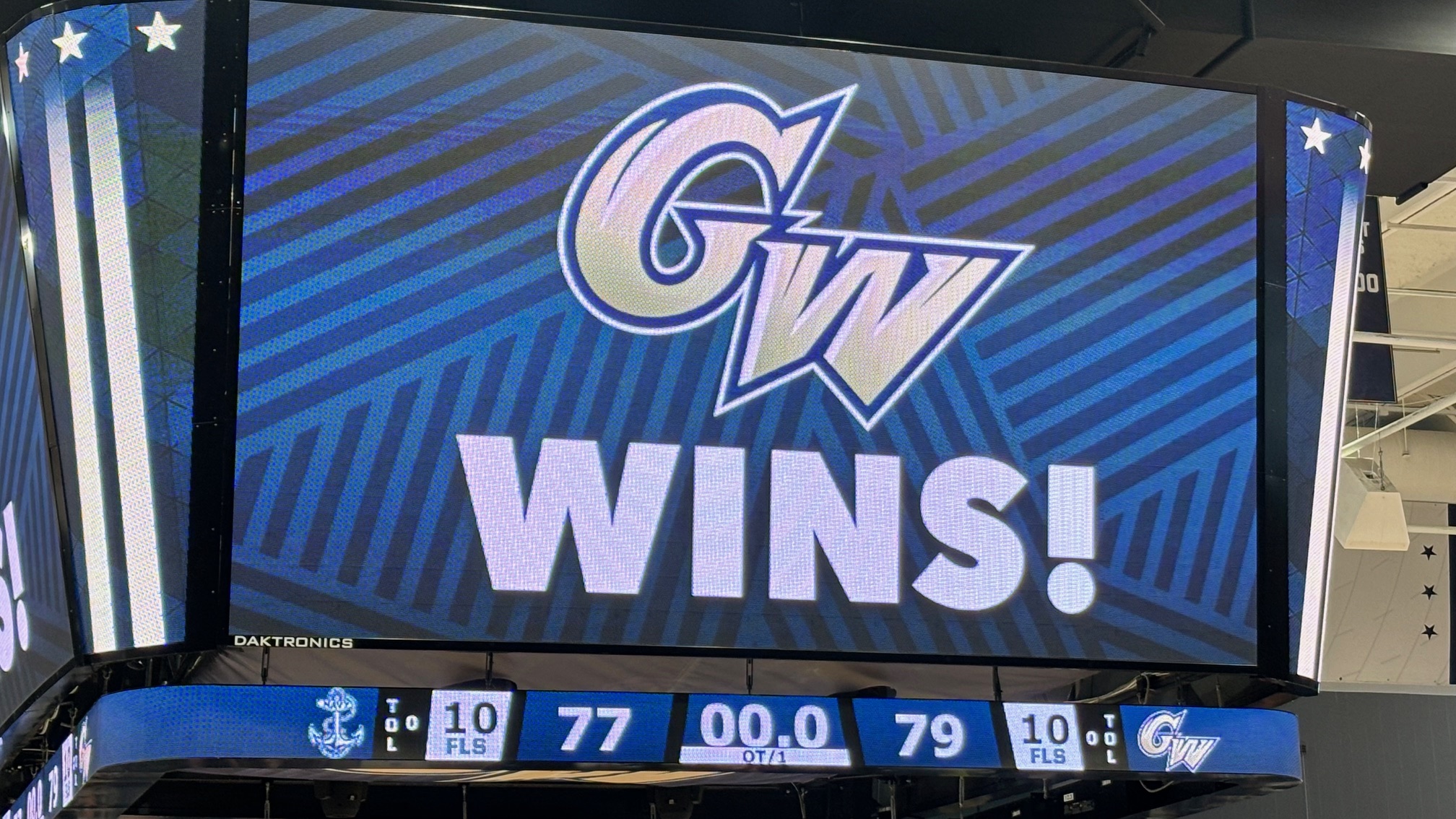
Camera: iPhone 12
Location: Charles E. Smith Center; Washington, District of Columbia, United States