

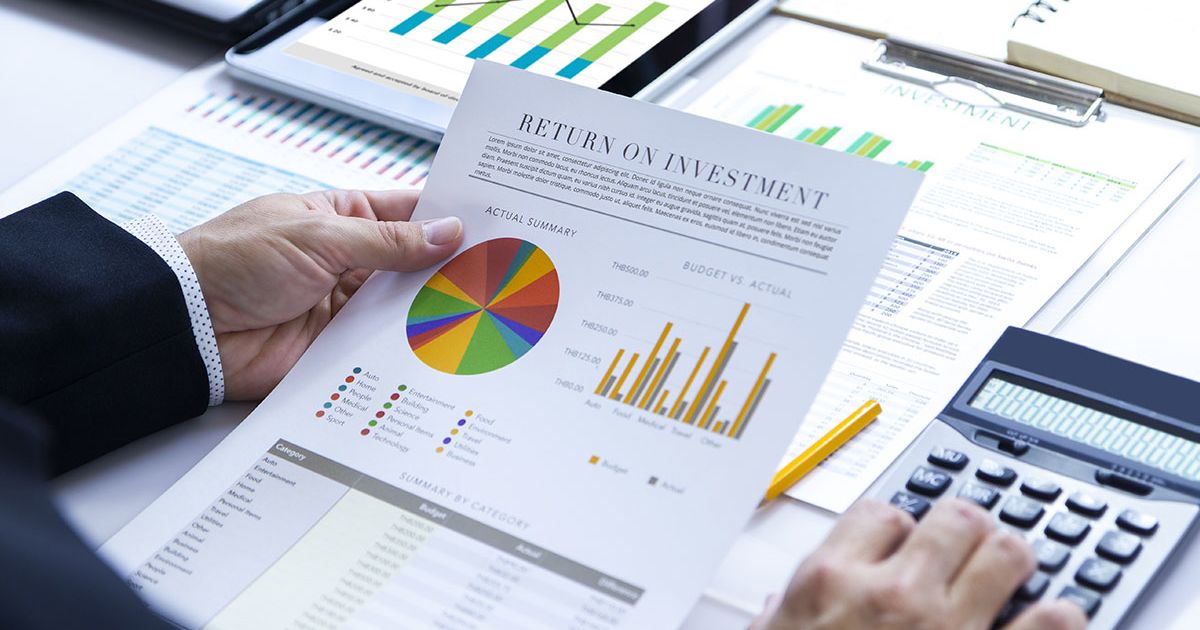
What Is The Real Rate of Return on Investment?

“As you get older, you realize just how valuable time as a commodity is. You tend to start measuring the cost-benefit analysis or the return on investment that you are receiving not just regarding finances and how you spend or invest your money but also on how you spend your time.”

As you get older, you realize just how valuable time as a commodity is. You tend to start measuring the cost-benefit analysis or the return on investment that you are receiving not just regarding finances and how you spend or invest your money but also on how you spend your time. Unfortunately, this is a topic that we do not prioritize or learn about very well at a young age. Often, you must figure out what are the best ways to use your time wisely and your money.

There are numerous tools out there to help guide you find the real rate of return on your investment, but you must be the one making the decision on what you prioritize. We know for a fact that our time on this Earth is limited from the day we are born. Having such knowledge shouldn’t be morbid or despairing, but rather help us to prioritize how we spend our lives in search of a good use of our time, our money, and much more.

Now, not everything that we do in life should be correlated with a ‘cost-benefit analysis’ or ‘opportunity cost’ involved. Such behavior should be discouraged if you’re obsessing over how you spend every waking minute each day. You should be leaving some room for spontaneous actions that you enjoy regardless of if it’s geared towards health, wealth, and personal satisfaction. There are times each day where we have to commit to actions that take time when we would rather be doing something else and that is what adulthood entails sometimes.

The true focus is what can we do with our time that is free, which will help us in the long-term. If we have goals of wealth, health, and pursuing our own happiness, your time should be spent in looking in investing each day in building yourself up in each of these areas. For example, when we look at investing in our health, we know there are concrete things that can be done, which will help us with a return on having a healthier body, a healthier mind, and managing our stress and anxiety.

We may have to join a gym, change our diet, sleep more, and make time for exercising, and these are the kinds of investments, if done consistently, that can pay off in the long-term. These investments that I cite will not guarantee a longer life, but it is giving yourself the best possible chance of living a healthier life, especially if you are focusing on multiple investments.

In this case, the real return on investment may not be seen right away but you are likely to see some results if you’re consistent with your investments on a long-term basis. You can measure how your diet is helping you lose weight, how your sleep patterns have changed, and how much time you spend at the gym, the yoga studio, or in playing sports. These investments are measurable but the results on these investments will eventually show up in a real rate of return that will put you on a path that leads to a healthier life in the long-term. Returns are not guaranteed but if you are putting in the work over a long enough period, I believe the chances are good that you will be better off than you were years or even decades ago.

Similarly, how we save and invest financially for our long-term financial future, we can do the same with our health and our happiness. Everyone has different financial goals, and I won’t talk about specific investment advice to give, but you can always estimate to a degree what kind of percentage return you’re likely to get from your investments over a year or a decade or a century in terms of growth. These real returns will come to you but if you’re not consistently investing in building your wealth, those real returns will not be as impactful or as fruitful as you would have hoped. It goes to show that with either health, wealth, and happiness, that the earlier you invest in those facets of life and the more that you invest in them, the better off that you will be.

What makes someone truly happy is complicated and will differ depending on your emotional state, but I do believe spending more time with those who care about you, and you who care about them, enjoying more time spent doing the hobbies and interests that give you joy, and being able to invest time in learning new skills, exploring new places, or investing in your home and community, those kind of investments will have real returns on making you happier in the long-run. There will be times when what you did or do no longer makes you happy and that is alright. The key here is to keep trying out new things, keep meeting people, keep trying to be involved in areas of life that you think will make you happier, that is key in continuing to make those investments in building your happiness into the future to keep producing better and better returns.

Time is fleeting and you must prioritize health, wealth, and happiness in my view, which will give you those real returns in your life to enjoy and take joy in. Most of all, you have to know the difference as you get older between what’s give you actual returns for your hard work and efforts, and what you have to stop doing that is giving you no real returns. It is important to prioritize more of what will pay off in the future throughout your life and increasingly avoid those activities that produce a negative return and will leave you worse off.

It is one thing to be able to invest well in activities that bolster your life satisfaction, but you should also remember to avoid those other ways of spending the time that lower your real returns or negate them entirely. Be sure to know what a waste of your time is, if you can cut that activity out or lower your exposure to it and be able to replace the time spent on that activity with a good alternative. which you can take part in to continue to invest in building a life and a future that will make you healthy, wealthy, and happy.
The Cigarette and The Mask

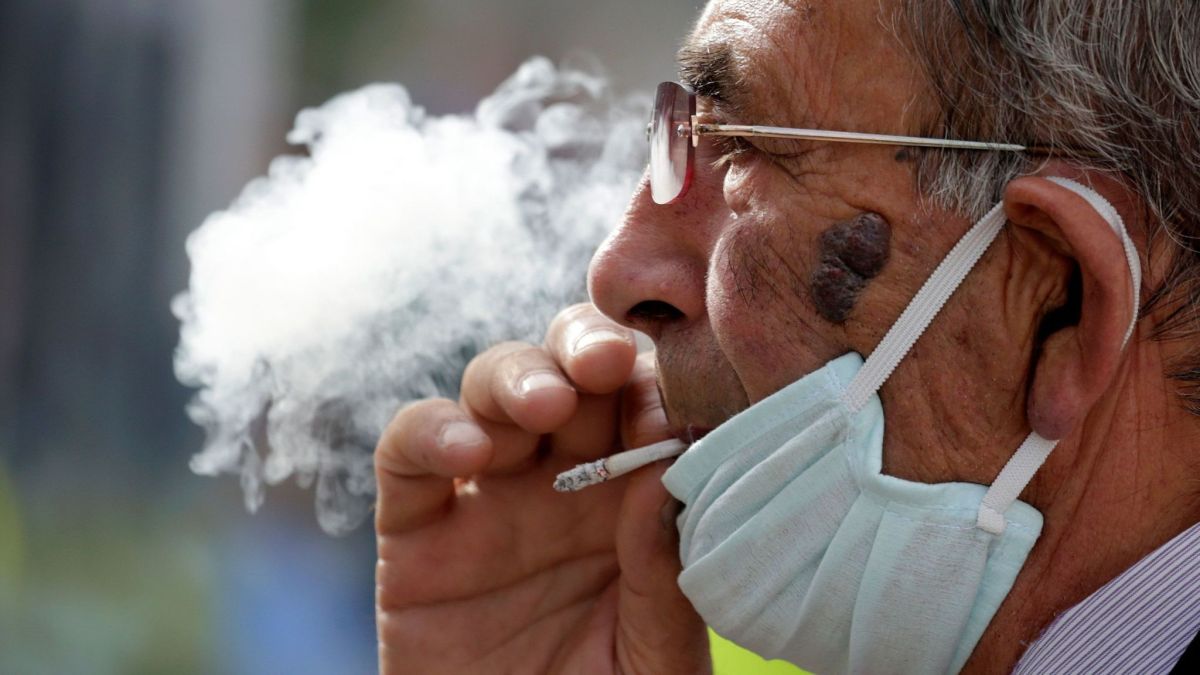
“Just as I catch my bags and see if I’ve been clipped, I noticed that he’s wearing sunglasses on with his surgical mask pulled down below his chin and has an unlit cigarette in his mouth.”

While I walk back to my apartment with bags full of groceries under my arms, I stop at the cross section waiting for the walking signal to light up, seemingly unaware of the bike screeching by me. “Hey, watch out, man!”, the bicyclist yells as he peddles past me almost knocking into my groceries. He speeds by just narrowly missing oncoming traffic as he heads downtown. Just as I catch my bags and see if I’ve been clipped, I noticed that he’s wearing sunglasses on with his surgical mask pulled down below his chin and has an unlit cigarette in his mouth.

Now, I would hope that he was not getting ready to smoke while biking, but it sure looked like he had smoked a few or more cigarettes. We were both outside at the time, of course, and I could assume that he maybe just likes to wear a mask indoors and would rather smoke a cigarette while he biked or afterwards to enjoy the rush while getting some needed fresh air. The confluence of events of almost getting hit by this biker along with the scene of him having an unlit cigarette in his mouth, a mask under his chin, and no helmet on as he sped through foot traffic without regard for anybody else was so laden with irony that I couldn’t happen to notice all the ironies afoot.

If a commercial could be made about this bicyclist, it would be quite entertaining. “Protect yourself from COVID in the short-term, but don’t forget about the long-term risks to one’s health!” In that commercial, it would show the bicyclist being transformed from having a cigarette in his mouth to having none with a nicotine patch or gum if it’s anti-smoking or if it’s pro-safety to have him properly wearing a biking helmet rather than not having one.

These kind of public health or public safety campaigns are quite common in our culture especially when it comes to the dangers of smoking and the dangers of not wearing a helmet while cycling or biking. Now, after almost two years, we now have quite substantive public health messages around wearing a face mask or adequate face covering, especially while indoors, to prevent the further spread of the Coronavirus. The same public health messaging was quite prevalent at first when it came to social or physical distancing before the arrival of tested and approved vaccines.

Undoubtedly, these public health messages have saved thousands of lives and done much to further the progress of the current vaccination campaigns. We now know society-wide how masks can help prevent the spread of viruses just as we knew starting in the 1980s and later in the 1990s the harm that smoking can do long-term to one’s health. It took a few decades but now smoking is much less prevalent than it used to be, and the risks are well-known. The same could be said about wearing a protective helmet when biking or riding a motorcycle. It took a while for these messages to be ingrained in our society, but they protect not only our health long-term but also our safety in the short-term.

The advent of mask wearing in a pandemic has not fully set in for some people but for most people, the public health messages had a massive impact and after some initial confusion and the lack of supplies for protective gear, almost two years later, that public health messaging has set in across society. You could argue if the advent of mask wearing in public will have the same longevity or the same need years from now as anti-smoking campaigns would. While virus and diseases can become endemic, they can also possibly burn out much quicker than the long-term health risks that will remain with us after the pandemic such as smoking or drinking alcohol.

While the public health and safety messages around mask wearing, helmet wearing, and not smoking especially near a building have made people healthier and safer, I fear that other health warnings or messaging has been rather lackluster especially during the pandemic. Wearing a mask and not picking up a cigarette are easy enough for society to adopt, but the messaging should not end there.

In the age of the Internet, social media, and seemingly endless modes of messaging mediums, I have not noticed any uptick in making the public aware about the benefits of exercising daily or multiple times per week. I also have not noticed an effort to educate people on what a well-balanced diet looks like or what foods to avoid that are both addictive and unhealthy. Smoking is a bad habit but so is not having a proper diet. I am not saying that people should be told what to eat and what to drink but I don’t see the harm in sharing more messaging about what a healthy breakfast, lunch, or dinner looks like or to give examples to adults, especially young people in college or in their 20s.

In addition to a proper diet, bringing to people’s attention the need to exercise has never been a real part of public health messaging. The lack of public and/or outdoor gyms provided by towns and cities has contributed to other health issues that have reared their head during the pandemic. COVID-19 may be with us now but other health issues like obesity, diabetes, and heart disease are not going away anytime soon.

For the almost two years of the pandemic, there was a real opportunity that was squandered for the public to hear about other ways to stay healthy and well. Viruses make people fearful and anxious but instead of just saying “wear a mask!” and “be socially distant!”, other messages about sleeping 7-8 hours a night, reducing our time staring at screens, maintaining a healthy diet, and making sure to exercise each day or most days was rarely ever thought of to be entered into public consciousness.

Even something as simple as telling people who were mainly indoors to take their vitamins each day especially both Vitamins C and D, which some people are deficient in especially in wintertime was completely neglected. I usually refrain from commenting on matters of public health but having done all these things for myself as many others do on their own accord, I don’t see why this kind of public health messaging hasn’t caught on. It doesn’t take more than a minute or two to discuss proper habits to build such as having more hours of sleep, what goes into a healthy diet, why exercise is important, or what are the benefits of vitamins.

I am not sure of how much money has been spent on anti-smoking, anti-drunk driving campaigns over the years but I’m sure it’s much more than what could also been address to the public. Now, in addition to the ills of drinking, smoking, we know now why mask wearing is important during a pandemic with an infectious virus that spreads easily. I don’t think that we should stop there and to keep trying to advocate for other commonly known public health matters that sadly still go largely ignored in terms of messaging campaigns.

From the local to the national level, after the pandemic is over, I would strongly recommend investing much more money, time, and even public infrastructure (outdoor gyms, for example) in building awareness of different public health matters that have remained largely unaddressed. From sleep to diet to exercise to even how to manage anxiety and stress properly, these important messages will affect people’s long-term health positively.

We know messages have worked in the past as I mentioned with wearing a helmet, not smoking in public places, and wearing a mask when others are near you. Lives have been saved and society has been improved because of those messages. When it comes to everyone’s long-term health, I would ask us all to think bigger to improve messaging around other public health needs, so we don’t end up only receiving advice on protecting the public’s health during a once-in-a-century global pandemic.