If They Don’t Provide You with Peace, Don’t Indulge Them Further

“You must protect your time as much as possible, including who you decide to give it to or with whom you spend it. Time is a finite resource and it’s important to be a bit selfish with regards to who you give that time to.”

You must protect your time as much as possible, including who you decide to give it to or with whom you spend it. Time is a finite resource and it’s important to be a bit selfish with regards to who you give that time to. You have to be decisive in this part of life, especially as you get older. While it’s important to spend time with family, friends, or acquaintances outside of work or business, you should also be intentional about who receives your time and energy.

Life is hard enough as it is on its own without other people adding to your stress. Some friction is inevitable in any friendship or relationship and it’s important to work through it as responsible adults. However, the difference in when knowing not to indulge them further or cut ties with them is if every interaction or meetup leaves you feeling emotionally taxed or if they didn’t bring any positive impact to you all getting together. This is especially important when you’re thinking about being friends or a romantic partner with someone long-term. You want to leave them feeling better than you did when you first saw them or began seeing each other. If every interaction with them consistently leaves you emotionally drained, frustrated, or questioning why you continue giving this person your time, that’s worth paying attention to and trusting your instincts about whether to keep seeing them or not.

You don’t want to use that person as an emotional punching bag either to vent or to complain but you should be able to express yourself freely without judgment or needing to mask your emotions. We each do that enough during the day with strangers, with work colleagues, or in general. You should be able to be vulnerable and true to heart with someone who can provide you peace by listening to you, giving you real feedback and advice, or just being there when you’re going through both good times and bad times.

Peace, however, doesn’t necessarily mean convenience. Someone can provide you with peace because they are agreeable and never challenge you, but that doesn’t necessarily make them a good friend or romantic partner. A healthy relationship isn’t one where you always agree or never frustrate one another. In fact, someone can occasionally frustrate you, challenge your thinking, or even disagree with you and still be an incredibly valuable person in your life. The difference is how you handle those disagreements and how you feel about the relationship’s progression overall.

It may be worth asking yourself three simple questions when thinking about keeping the relationship going or letting it end on a good note: Can I be myself around this person? Can we disagree without disrespecting one another? And after spending time with them consistently, do I generally feel better or worse? Your answers to those questions can tell you a great deal about whether a friendship or a relationship provides genuine peace or simply avoiding conflict.

If you find that you’re not really getting along well with them consistently, maybe either or both of you have changed since you first got together, it may be useful to evaluate whether it’s worth moving forward with them in the future. Friendships and relationships often have a beginning and an end due to several factors and it’s important to end things honestly and on a good note, if possible. Just because they don’t provide you with peace or comfort anymore doesn’t mean there have to be bitter feelings at the end of it for both parties.

The main thing to keep in mind is that each time you get together, you can be open and honest with them while not being combative, dismissive, or confrontational for no discernible reason. Peace and harmony in any relationship or friendship is absolutely the minimum you should strive for and when it’s constantly not like that regardless of the frequency of getting together, you may need to either limit the interactions with that person or cut them off entirely.

There’s an oft-used statement that’s used for adults in that you must be willing to ‘protect your peace’ because the mental strain and emotional toll a bad friendship or a toxic relationship can have on you is never worth it. Sometimes, you have to distance yourself from someone not to punish them, but because continuing the relationship is no longer healthy for you. Perhaps you can forgive them and go back to the way things were, but you must also be willing to move on and not indulge them further with your valuable time or presence. Protecting your peace isn’t about expecting every relationship to be easy; it’s about recognizing when maintaining a relationship has become more harmful than healthy.

As we get older, part of growing up is realizing that not every relationship or friendship is meant to last forever. Some people are meant to accompany us for a season, teach us something, share an experience with us, and eventually move on. There doesn’t have to be hatred or resentment involved on either side. Sometimes the healthiest thing you can do for yourself and ultimately for them is simply stop indulging in a relationship that no longer brings out the best in either of you.

Earth Before Mars – Why Humanity Must Solve Today’s Crises First

“We continue to dream about colonizing Mars and visiting the Moon again while ignoring the rising Oceans and hungry mouths here on Earth.”

We continue to dream about colonizing Mars and visiting the Moon again while ignoring the rising Oceans and hungry mouths here on Earth. I read a recent headline that summed this contrast up for me when it was reported that ‘record heat of 2024 triggered a surge in sea level rise’, which is a headline that should give us all some pause going forward as Earth is and will remain our only place in the universe that is habitable for the foreseeable future. Still, we push forward with satellite launches, planned manned missions to the Moon and Mars, and developing other capabilities in the space realm.

Now, I have no issue with organizations and companies that seek to reach the next frontier of Space and there are real benefits for science and technology along with fomenting further international cooperation in this area. However, it is worrisome when we take our collective eye off the ball regarding real man-made issues that we have yet to solve here on Planet Earth that either are lacking attention entirely or continue to get worse (climate, poverty / inequality, wars, famine, etc.) Humanity should always dream big and continue to push ourselves forward intellectually. It is good to devote oneself to a mission when it involves curiosity, knowledge, and progress.

Space travel, universal Internet access (via Starlink, for example), breakthroughs with artificial intelligence, developing the cities of the future, etc. At the same time, we should not risk ignoring or downplaying the real urgent problems in front of us, of which there are many left unsolved. Progress matters and that has been the case throughout human history, but survival, justice, and shared prosperity should be first and foremost in terms of our priorities going forward.

There has been a trend in recent years towards apathy or not putting enough resources to end hunger, homelessness, or poverty in favor of space travel for the privileged few, colonizing planets including Mars where life, more than likely, cannot be sustained there, and mining asteroids and planets for crucial minerals and other resources of interest. There’s nothing wrong with romanticizing exploration beyond Earth and dreaming of what future generations could achieve beyond our planet one day.

Still though, that day is many decades or centuries away and right now, Planet Earth needs more of our attention than those faraway planets and solar systems. Those of great wealth, popularity, fame, and notoriety are pouring more money and resources to interplanetary dreams for themselves (most likely) rather than helping their fellow man or woman who could use their help instead. Some of the wealthy and privileged in our society seem to be hypnotized increasingly about seeking out these distant dreams rather than being part of the solutions here on Earth.

We need a reality check for everyone, including those of superior means, that there are major issues on our planet that are not going away and are getting worse in recent headlines. Whether it is climate change, wealth inequality, political instability, crumbling infrastructure, possible pandemics, wars and conflict, these are the primary issues that should capture all our attention. If we cannot make Earth a livable, sustainable, and safe place for future generations, then we do not deserve to leave the planet to colonize other planets nor set foot on Mars to begin with. All of these issues on Earth are solvable still in my view but we have to keep creating attention to these different yet interconnected problems, and to me, it is not a question of money or resources, as if we have enough money for manned missions to Mars in 5 years then there is no reason why we can’t eliminate poverty or hunger on this planet first.

Prioritizing our present and future on Earth is also not anti-progress for humanity. I am not against dreaming big or for resources to go to space travel. However, it’s about sequencing our collective priorities better going forward. Before we build a new boat, let us fix the leaks in the current boat before we sink and must abandon ship for that new boat.

There is not just innovation to be found in this current space race but I do believe also that solving present issues can accelerate innovation here on Earth. Whether it’s AI tools leading to new health cures, developments in clean energy technology building new industries here, or eliminating hunger allowing children to learn better, retain more information, and create more educated professions to solve the next challenges here on Earth. Humanity must handle survival, stability, prosperity, and justice for our baser levels before we move on to higher-level pursuits, similarly to ‘Maslow’s Hierarchy of Needs’ on a planetary scale.

We are not just dealing with one or two current issues on a humanity scale right now. I can name at least five major issues that are still unresolved and are either stagnating in terms of progress or getting worse currently.

  1. Climate Change & Environmental Collapse – the most existential issue of our time and a threat to all life on the planet, more immediate mitigation is needed and on a scale of global effort to avoid the worst kind of consequences that are likely to happen in my lifetime.
  2. Global Inequality and Poverty – Billions of people still lack clean water, enough food, or a basic education, and we have the money available on the planet to solve these challenges, yet our financial capital is being spent towards other dreams like space travel.
  3. Conflict and Authoritarianism – Recent conflicts or wards along with rising political extremism threaten to destabilize humanity’s future and saps our ability to come together to solve these other problems on my list. We also run the risk of turning against each other rather than rallying our resources together to solve issues on a global scale.
  4. Public Health and Pandemics – COVID-19 showed us all the importance of pandemic preparedness, investing in science and research, and establishing early warning systems to alert the public when a pandemic takes hold. Are we prepared for another pandemic? I am not so sure and believe this is an area where more collective action is needed.
  5. Infrastructure and Governance – Crumbling systems whether its infrastructure, health care, schools, or other vulnerable institutions that fail us leave nations and peoples behind and causes inequality to grow among us. Investing in our collective futures starts with investing in our public systems in different areas so that each of us is given the best chance to succeed and contribute to society.

There is a cost to ignoring or downplaying the issues of today because we will eventually be paying for them in the future. Runaway climate change, more wars, growing inequality, dysfunctional public institutions will all impose a heavy burden on us here on Earth and technological dreams become pointless if society stagnates, ruptures, or collapse beneath the sheer weight of these issues. Space travel isn’t so great when nobody can afford to go, the Earth the astronauts come back to isn’t so pleasant, or when there’s no money to continue funding the dream because other issues became so severe, space travel couldn’t be afforded anymore. A colony on Mars won’t help any of us if we can’t figure out how to keep power grids running here or how to keep our cities from flooding from further projected sea level rise.

Let’s continue to invest in space exploration because of what good it can do for humanity but let us also not sacrifice fixing the problems here on Earth not yet solved because we want to colonize Mars or other planets. We should weigh better as a society our collective priorities and how much funding, talent, and attention we will give to our problems here on Earth vs. our future dreams on a planet far, far away.

Governments, businesses, and individuals can each play a role by changing our priorities to focus first on fixing the problems of today rather than solely focusing on the dreams of tomorrow. We should continue to vote for leaders who prioritize our current Earthly issues, participate civically in helping to draw attention to these issues, and live sustainably to start to shift attention and resources to these issues that I’ve highlighted, which affect all of us today, whether directly or indirectly.

If we devote ourselves to fixing Earth today and into the future, we won’t just survive, we will then be strong enough to reach for the stars while comfortably knowing that we have a thriving and prosperous planet that our astronauts would be returning to, with their heads held high. Ask yourself this question too: what is the one issue of our time that you can help fix today, before we start building the future on another planet many years from now? I think you’ll find that we have more power and influence than we think and that our actions today will inspire others to also act in shaping a better planet where we can both live out our days here and still dream of a space-bound future one day for generations to come.

A Little Solitude Can Be Good for You

“As much as it is important to socialize and be around friends, it can also be good to be alone, focus on yourself, and enjoy a little solitude.”

Sometimes, it’s good to recharge your batteries alone. We all need real social connection and friendship, that is for certain, but there is nothing wrong with seeking out solitude to enjoy your alone time. Everybody has a different tolerance for how much time alone they can handle before they seek out a social event, gathering, or activity to dust off the cobwebs and not let one’s social skills atrophy. As much as it is important to socialize and be around friends, it can also be good to be alone, focus on yourself, and enjoy a little solitude.

Solitude often has a negative connotation, and it is often associated with having it imposed on you or having it done without consent such as the similar phrasing of ‘solitary confinement.’ That kind of solitude is denigrating to one’s spirit and causes one to mentally break over time. Just like endless solitude is harmful to one’s health, I also think that is true for the opposite side of the spectrum when you are constantly surrounded by other people, some of them mere acquaintances or coworkers for which you are forced to be around and whose company you do not enjoy. There are many forms of loneliness, and it is true that you can be as lonely by yourself as you can in a room full of people who don’t care for you, or you don’t care for them.

If you are around people who constantly want something from you or need something from you, that can be as draining as it is to have no one to talk to or to share life with. Just as a balance of having some social activity is good for you, it is as important to be on your own sometimes and enjoy one’s own company. There have been times in my own life where I have sought to be on my own deliberately, not because I didn’t enjoy being around others, but that I needed the time alone to meditate, to think, to reflect, to problem solve, and to more fully observe the world around me. In extroverted cultures including in the United States, this kind of activity can be thought of as strange or unusual, but I find that my best ideas or my most relaxing moments can be on my own and even when doing nothing but just the art of being present in the world.

We constantly are having our attention pulled to the next meeting, the next call, the next trip, the next gathering that we can forget to take the time to be on our own in whatever form that may take. Solitary kind of activities have gone out of style lately for some people whether that is reading, writing, walking, meditating, or just doing nothing (looking at your phone doesn’t count here). While these things can be done in concert with other people around, these activities are best done alone in my view and help me to recharge so I can be more present and engaged when seeing friends or family members.

You shouldn’t wait on other people to live your life too even if it’s by yourself. If you must be alone for a little while on a trip, at a concert, in the library, and generally out in public by yourself, it is not the end of the world. No one is judging you for doing life solo sometimes and it can be healthy to do so. Rather than giving too many people too little of your attention or having it split too often, why not focus all of your attention on something singular such as the footsteps you take on a walk, the thoughts in your head as you absorb a good book, and the clacking of a keyboard as you work on your novel.

Being alone all the time is not healthy, I want to make that clear, but it’s also not healthy either to be surrounded by people all the time. Part of being a healthy adult is working to have a little solitude, a little social life, and mix it all together to rewarding yet refreshing lifestyle. By being on your own sometimes, you’ll be more reflective, more observant, more self-aware, and treasure those social moments more when you’re more present, more engaged, and happier to have that social muscle stimulated.

I’ve always been an advocate for a moderate and balanced life and that is why solitude should not always be shunned for someone to progress as a person. Our deepest thoughts, our brightest ideas, our healthiest habits aren’t always cultivated around other people, which is why it is important to use one’s solitude to see if you can think deeper, live better, and build more because your attention is focused inwards rather than outwards. Find out what your tolerance for solitude is and then see what it can give you when you’re alone, because you would be surprised how relaxing and necessary it can be, especially when you put that solitary time to good use.

How Iceland Replenishes the Mind, Body, and Soul

“Iceland is one of those countries that can combine stunning landscape contrasts with sheer natural beauty, putting the average traveler at ease and offering you unique opportunities to rejuvenate physically, mentally, and spiritually through its landscapes, culture, and way of life.”

Few places on Earth these days can put you in supremely natural environments for which you can really feel at ease in nature that has been properly conserved and taken care of. You can be far away from technology, city life, and cover a wide variety of landscapes in just a few hours. Iceland is one of those countries that can combine stunning landscape contrasts with sheer natural beauty, putting the average traveler at ease and offering you unique opportunities to rejuvenate physically, mentally, and spiritually through its landscapes, culture, and way of life.

It hits you the moment to fly into Keflavik International Airport like you stepped on to a new planet that is both desolate but alluring in its other worldly landscapes. You see the molten rocks, the green moss, and the blue lagoons, and think to yourself, where did I just end up? The whole country can captive you on a trip like few others can by offering ways to put your mind, body, and soul at ease. Away with the office, away from the hustle and bustle, and able to tap fully into nature and your surroundings like few other places I’ve ever been to personally.

Being able to hike, swim, kayak, rock climb, and engage in a variety of other outdoor activities throughout the year makes Iceland a physical playground to enjoy. You can rest or exert yourself or do both to give your body a healthy experience on top of being able to put your mind at ease by being away from your devices by tapping into your natural surroundings because they are just that engaging and varied. Iceland provides your soul a reset where you can forget your own troubles and that of the world’s for a while to focus on feeling better, relaxing, or living in the moment, and experiencing what it is to be disconnected.

When it comes to reinvigorating yourself physically, you have a wide variety of ways to do so while in Iceland. You can enjoy a large variety of geothermal pools and hot springs such as the Blue Lagoon, Secret Lagoon, Sky Lagoon, etc. In the Summer months, there are also several pools around the country that may be open to the public including tourists to relax and enjoy the long summer nights, where daylight is every present. After having partook in a few lagoon visits in my recent trip, I can say for sure that your body feels cleaned and refreshed after soaking in the mineral-rich waters and combining that with the country’s culture of saunas, steam houses, and the occasional cold plunge.

It is an impressive combination of thermal relaxation letting you fully destress and decompress for a few hours but with residual health benefits for months or years to come. In addition, Iceland prides itself on healthy, local, and pesticide-free cuisine from fresh seafood to Skyr yogurt, as well as farm-to-table and greenhouse-to-table dishes. As mentioned earlier, there are tons of outdoor activities promoting physical health such as hiking, golfing, swimming, horseback riding, and rock climbing among others.

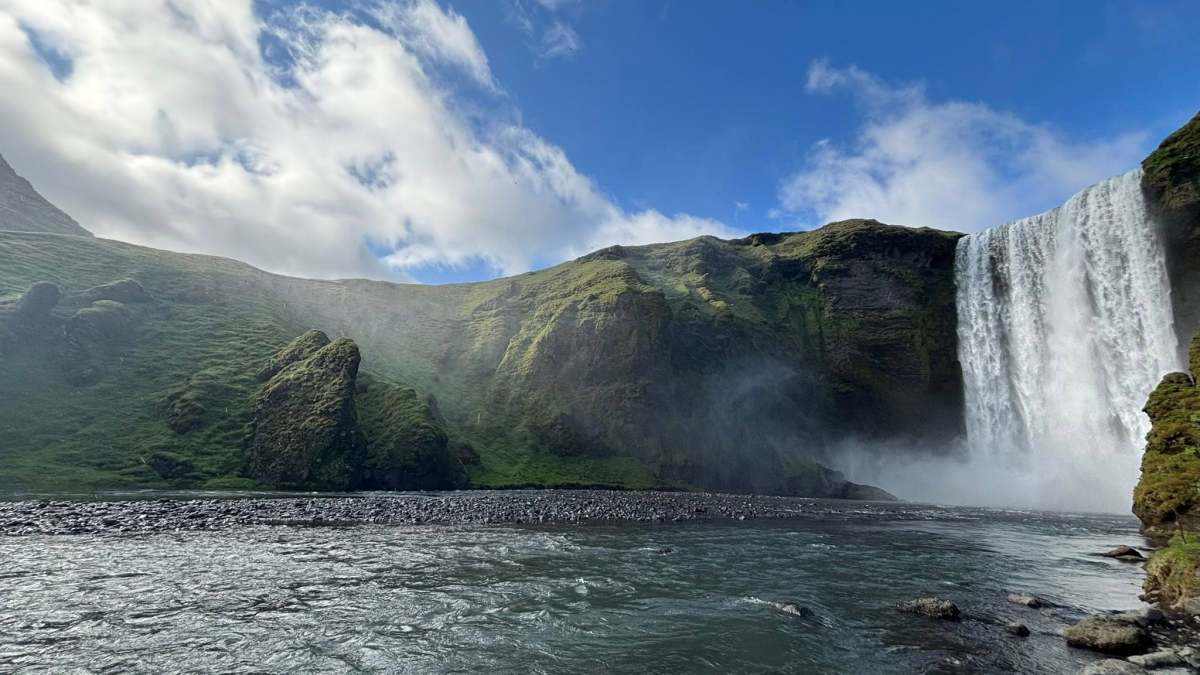
Everyone needs peace and quiet in their life and Iceland provides that in spades. I believe the country can nourish the mind by allowing you to bask in the solitude that you can find in Iceland’s varied landscapes from waterfalls, glaciers, black sand beaches, and fjords. There are numerous psychological benefits to disconnect every now and then from modern technology and the stresses of urban life and I felt a lot better not being on my phone during my time in Iceland. Though I did need my phone for photos and GPS, the beautiful surroundings allowed me to put my phone away and really live in the moment to enjoy the gorgeous landscapes I was able to visit.

The pace of life is also much slower in Iceland and there is a cultural emphasis on being mindful, engaging with other people, and slow living. When you drive there, you don’t see road rage, people yield to each other in traffic, and the rules of the road are observed since there is no ‘rushing around’ without end that you find in other cultures. Because of the natural beauty and slower pace of life, there are many more opportunities to reflect and think while enjoying the expansive natural visits. Taking time away from technology and the ‘hustle and bustle’ can allow you to reflect on life and enjoying the moment more fully.

Our soul needs to experience awe and joy. I believe Iceland’s natural phenomena and beauty from the Northern Lights to the Midnight Sun really can provide that to each person who visits. This kind of perspective is reflected in Icelandic sagas, myths, and folklore about having reference for nature, being in touch with those people in your life who matter to you and living in a sustainable or balanced way with nature. Iceland is an extremely environment conscious country and should be commended for being clean, approaching net zero carbon emissions, and working to be sustainable in its relationship with nature.

People in Iceland live in harmony with each other and with nature from what I noticed and are a progressive nation in that they are tight knit, looking out for their neighbors, and want everyone to be lifted in their society. These kinds of actions culturally are good for the soul and the soul of any nation. While the weather can be rather unpredictable, costs can be high to visit, and the lack of sun in the Winter is challenging, Iceland is a spectacularly beautiful and welcoming country that I hope to visit in the future.

Iceland is a holistic country to visit that can really make you better off in mind, body, and soul for having spent some time there. It is a rejuvenating kind of travel experience that I hope you’ll consider giving a chance for yourself. We need these kinds of retreats in life where you have real time to relax, reflect, disconnect and focus on yourself without outside distractions. Whether its soaking in the blue lagoon, hiking on top of a glacier, or going fishing on a charter boat to catch fresh seafood for your next meal, Iceland is a country where you can really be at ease with yourself and the world around you. Take a week or two from your busy schedule and come discover the land of Fire and Ice; I promise you won’t regret it.

The Woeful Encouragement of Slothful Behavior

“There’s always been the drive to encourage people to gamble, to smoke, to drink, to eat (and quite a lot of eating), or for prescription pills, but I don’t remember a time in my life where it was so present or in your face.”

It seems as if lately popular advertising and commercials are geared towards encouraging ‘slothful’ or lazy behavior. How many times have you seen marketing focused on satiating one’s appetite whether that’s for sports betting, general gambling, fast food, alcohol, or other forms of indulgence?

Instant gratification seems to rule the day in terms of today’s popular media and advertising, which didn’t use to be case as much in past years. There’s always been the drive to encourage people to gamble, to smoke, to drink, to eat (and quite a lot of eating), or for prescription pills, but I don’t remember a time in my life where it was so present or in your face.

Now, I have nothing against people indulging here and there especially as responsible adults and I do think moderation rather than total abstention or condemnation of legal indulgences should be preferred in terms of popular messaging. However, I don’t believe it should be as prominent as it is today or as how much it is in our faces today without any serious acknowledgement of how addictive or abusive these behaviors can be.

For example, sports betting and gambling used to be quite limited to in person casinos or only certain areas or jurisdictions where it’s legal, but now it’s widespread and being actively encouraged through big business and even with live updates on betting possibilities during many sporting events. Yes, there is messaging about gambling or betting addictions but those kinds of preventative messages about the dangers of that kind of addiction are heavily outweighed by how easy it’s become to place a bet or multiple bets, and how openly encouraged it has become by the mass media. It used to be much harder to bet or to gamble especially on sports and it required a real effort or at least something you had to do in a physical location or area, but now it’s captured the digital world and can take milliseconds to make a bet or place a wager.

I do think it is a morally troubling area in our society now, where sporting venues, companies, or sports TV channels are encouraging sports betting and gambling and while it’s legal, I do think many young people, especially young men, are being taken advantage of as a result. While I encourage legal pursuits of pleasure and sustenance for food, drink, or gambling, what I do not like is how pervasive it has become and how it can become predatory with the amount of advertising, marketing, commercials, and societal pressure that is being put on people to indulge as much as possible and as often as possible.

There is a clear difference in my view between making something legal to do and making it overtly available and powerful as a lobby or industry. With addictive behaviors around food, drink, gambling, or other pleasures, there must be stricter regulations involved especially surrounding how big business these areas are and how much advertising and marketing can be done for them and in which venue(s) or place(s). There has to be a much better job done with enforcing limits, regulations, and where the advertising can be done. I also think the dangers of addiction need to have more airtime or attention as a result if these behaviors are to be marketed freely.

Similarly to smoking, restricting where you can smoke, increasing the price for smoking cigarettes, cigars, or vapes, and then placing strong notices about the physical harms of smoking has helped regulate that kind of industry successfully in my view without making it entirely illegal or condemning it fully. People can still smoke responsibly but they know today more than ever the dangers involved and the risks to one’s health as well as it being an addictive habit. You also don’t see as many commercials or advertisements for smoking as you did twenty or thirty years ago. You still do have the advertising to some degree, but I think it’s an area of our society where the regulations, awareness of the risks and dangers, and the potential side effects are quite clear compared to other vice industries today.

Additionally, if it can be done for what was a titanic industry like smoking cigarettes and other tobacco products, there is no reason why those same regulations and rules can’t be brought in for advertising of gambling, sports betting, prescription drugs, unhealthy foods, or alcohol. There has been a lax recently for those industries especially for prescription drugs, which the U.S. is one of the few countries in the world, which allows TV and radio advertisements for prescription drugs. Many of these drugs may be approved by a regulatory agency but the actual side effects and risks are not clearly stated in public advertising and the risks are also not known to potential customers as much as they should be. Like those prescription drugs being advertised freely with the side effects and risks being shortchanged in advertising, that is where we are today with legal sports betting and gambling.

I do think there has to be more action taken to regulating these growing vice or pleasure industries with less advertising out in the open, more acknowledgement by those companies selling these services on the clearly known risks and addictions and making sure that the sports teams or venues themselves and the TV / radio partners cannot market these companies either. Fast food, alcohol, and increasingly legal marijuana are also areas of vice that could do a much better job of highlighting their risks of addiction, abuse, or the dangers of too much use to one’s health.

Lastly, with better regulation of vice industries, there should be a countermovement in my view of encouraging healthy forms of behavior in our popular media and advertising. Yes, you have some advertisements for the gym or health clubs, but rarely do you see healthy foods being advertised or how to be mentally fit in difficult times, or how to have use better judgment in our financial lives, our relationships and friendships. These kinds of messages may need more public service announcements (PSAs) rather than your typical free market advertisements, but companies and especially the popular media should be encouraging people to both be healthier mentally and physically overindulging in vices that when not moderated, can encourage slothful behavior.

Where we are today as a society in our popular media is not healthy. Instead of openly encouraging these vices, we should be prioritizing healthier behaviors and more productive uses of our time. I’m not using against these legal vices, but I think their presence has been too much, too soon, and there needs to be more regulation of them in popular media and advertising going forward.

While these vices are fun for people to indulge in responsibly, the messages corporations and individuals are sending us are too much in terms of encouragement of these vices without equally talking about potentials risks, harms, or negative consequences of possible abuse if not carefully used. I hope we can start to encourage more positive forms of media and advertising with regards to keeping people healthier, fitter, and with better behaviors in how they both spend their time and their money.

The Need to Revive Third Spaces

“In our current era where technology bridges vast distances across the globe in the blink of an eye but isolates more and more people within their own digital silos, the need to revive “third spaces” in society has never been more relevant.”

In our current era where technology bridges vast distances across the globe in the blink of an eye but isolates more and more people within their own digital silos, the need to revive “third spaces” in society has never been more relevant. The rapid rise of social media, virtual teleconferencing, and remote work, while convenient, has inadvertently eroded the fabric of community life across the world. People now spend more time in their private homes or virtual worlds, leaving little room for real-world, in-person interaction and causing our social skills to atrophy.

This new reality has led to a society that feels increasingly fragmented, even though we are more “connected” than ever before. Reviving ‘third spaces’ as places that are neither at home nor at work, is crucial for fostering more community, improving overall mental well-being, and re-establishing a sense of belonging that is rapidly slipping away.

The concept of third spaces was first introduced by the sociologist Ray Oldenburg in the 1980s. Mr. Oldenburg argued that people need separate spaces outside of their homes (the first space) and workplaces (the second space) to relax, socialize, and build relationships. These third spaces are at the heart of community life, where casual encounters can lead to meaningful connections, new ideas can be exchanged, and civic engagement can flourish. Historically, third spaces have included places like cafés, libraries, public parks, community centers, and even religious institutions—venues that offer a neutral ground where everyone is welcome, and no one is excluded.

Third spaces are characterized by several key attributes: they are easily accessible to the public, offer a low barrier to entry, and are often inexpensive or free. The atmosphere is typically relaxed, informal, and conducive to spontaneous interactions. Unlike at work or even at home to some extent, people can let their guard down in these third spaces, making it easier to build authentic friendships and relationships. These third places provide a vital counterbalance to the isolated routines of home and work life, which can serve as anchors for community cohesion.

In the 2020s thus far, third spaces have been steadily disappearing from our society or transforming in ways that reduce their community-building potential. Many cafés and bars have morphed into workspaces, filled with patrons glued to their laptops, headphones in, and social interactions minimized. It doesn’t help when the music is blaring, and the focus is on making a profit rather than stoking conversation and comraderie.

Libraries, once vibrant hubs of communal activity, are often silent, with the rise of digital media and one-click access to books, music, movies, etc. These technological changes have reduced the need for people to physically gather there at the library even when they enjoy the nostalgia of it. Public parks are underfunded and sometimes ignored, and community centers struggle to keep their doors open amidst tight budgets and a lack of spreading the word around the town or city they want to appeal to.

The COVID-19 pandemic further accelerated this decline in third spaces. Lockdowns, social distancing, and remote work have made public gathering spaces feel risky, unappealing, or unnecessary. Even as restrictions have now eased or gone away completely, the habits formed during the pandemic continue to persist. People are increasingly content to stay home, order food and goods online, and engage with others through screens. This societal shift has left communities more disconnected and less resilient, especially to misinformation and polarization.

To address this growing disconnection, I believe that a society needs to reinvest in and revitalize these third spaces. Several types of third spaces are particularly worth reviving including the following:

  1. Community Cafés: Cafés have long been the quintessential third spaces, but they need to reclaim their role as social hubs rather than workstations. Imagine local coffee shops with community tables, guest speakers, encouraging conversation between strangers, or hosting regular events like poetry readings or discussion groups. These spaces should foster interaction and connection, not isolation.
  2. Public Libraries: Libraries are one of the few remaining third spaces that are truly accessible to all, regardless of one’s socio-economic status. Modern libraries should expand their role as community centers by offering more than just books. They can host workshops, film screenings, art exhibits, and civic meetings on important issues going on within the community. Libraries can serve as the epicenter of a community’s cultural and intellectual life. They should also include events for people of different generations or even cut across generations for communal meetups.
  3. Public Parks and Outdoor Spaces: Parks and outdoor spaces provide the setting for unstructured play, exercise, and relaxation. These spaces should be maintained and expanded, with facilities that encourage community use—such as picnic areas, playgrounds, sports courts, and outdoor stages for performances. In urban areas, the creation of pocket parks or pedestrianized streets can make a big difference in encouraging public gatherings. I have always liked the idea of having street fairs that encourage artistic and musical expression from those people within a community. Outdoor exercise areas for adults are also a great way to get people out of the home especially when they don’t pay a price to take care of their physical health.
  4. Cultural Centers: Places that celebrate local arts, traditions, and multicultural experiences can serve as vibrant third spaces. These centers can host exhibitions, live performances, and hands-on workshops that bring diverse groups together. By emphasizing inclusivity and creative expression, cultural centers help bridge societal divides and foster a sense of shared identity. I would also extend the appeal of these centers to include a focus on learning different languages, having potlucks or dinner events where different cultures can express themselves to the community, they have a presence in.
  5. Co-Working and Maker Spaces: While many co-working spaces have become more like isolating offices, there is still a potential to redesign them as collaborative third spaces. These spaces can blend work and socialization by offering communal areas for shared projects, networking events, and skill-sharing sessions. Similarly, maker spaces—where people can create, build, and invent—can foster a strong sense of community among innovators, entrepreneurs, and hobbyists. Having night classes or bootcamp sessions for adults looking to reskill or to improve their skillsets is also a way of making co-working spaces appealing not only in the daytime but at night as well. If these places can lower their costs to the public or be free to a community, it would make a huge difference to those people who need its services.

Third spaces are more than just locations for socializing and learning new things, but they also play a fundamental role in the overall health and vitality of a community.

Here’s how that is the case in various ways:

  1. Strengthening Social Bonds: Third spaces foster relationships between people who might not otherwise cross paths or meet each other. These spaces allow for casual, spontaneous interactions that can lead to friendships, collaborations, and support networks. By creating environments where people can come together and engage with each other without the profit motive in the way, third spaces will help reduce feelings of loneliness and social isolation, which are on the rise in many parts of the world.
  2. Encouraging Civic Engagement: Third spaces often serve as venues for community discussions, grassroots organizing, and public forums. These spaces make it easier for individuals to get involved in local issues, volunteer, or participate in civic activities. When people feel connected to their community through shared spaces, they are more likely to take an active role in improving it. It provides a way for their voices to be heard and not ignored by those who hold power or hold public office.
  3. Promoting Diversity and Inclusion: In an increasingly polarized and divided world, third spaces can help bridge divides between people. These are the places where people from different backgrounds, professions, and viewpoints can come together on neutral ground to discuss important topics that matter to the community. In inclusive third spaces, everybody is welcome to partake, and everyone has an equal opportunity to participate, which can break down barriers between us and foster mutual understanding.
  4. Enhancing Mental and Physical Well-Being: The act of simply being around other people in a relaxed, welcoming environment can have significant benefits for one’s mental health. Third spaces offer a respite from the pressures of work and home life where you are always expected to play a role and do your part. Being able to provide people opportunities for recreation, relaxation, and emotional support away from those other two spaces is key to a healthier life. Physical third spaces like parks and recreation centers also encourage healthy lifestyles through outdoor activities and sports that everyone is welcome to join and use.
  5. Revitalizing Local Economies: Vibrant third spaces can breathe life into local economies regardless of whether it’s for a town or a city. When communities invest in their parks, cultural centers, and other public spaces, they attract traffic and interest to surrounding businesses. Small businesses like cafés, bookstores, and boutiques often thrive when they are near popular third spaces, creating a positive economic ripple effect.

In today’s disconnected age, the need to revive third spaces is essential for building healthier, more connected communities, which are lacking in many towns and cities these days. These ‘third spaces’, which are neither at home nor at work, provide crucial opportunities for socialization, civic engagement, and personal well-being.

By reimagining and reinvesting in community cafés, public libraries, parks, cultural centers, co-working spaces, and even new types of third spaces, we can restore the fabric of community life that is increasingly being frayed. In a time when loneliness and polarization are rampant, third spaces offer a powerful antidote—one that is more important than ever in the 2020s. Reviving these spaces is not just a nostalgic pursuit; it is a necessary step toward a more inclusive, resilient, and vibrant society.

Managing Life’s Risks is a Balancing Act

“While risks often bring about growth, innovation, and personal growth, it is crucial to acknowledge that not all risks are created equal, nor do they have the same level of probability of occurring.”

What is life without a little risk involved? Life itself is an intricate and colorful tapestry woven with uncertainties, challenges, and opportunities. In navigating this profound tapestry, one cannot escape the reality that risks are an inherent part of the human experience and cannot be 100% avoided no matter how hard we try to do so. While risks often bring about growth, innovation, and personal growth, it is crucial to acknowledge that not all risks are created equal, nor do they have the same level of probability of occurring.

Therefore, it is key that your priority should be to strike a delicate balance between embracing risks for personal and professional growth and mitigating those risks that could pose threats to your health, safety, and livelihood, which is paramount to keep in mind. It is necessary to explore the importance of embracing risks to some extent, while highlighting the need for discernment and smart risk mitigation strategies.

Embracing risks is synonymous with embracing the unknown, and it is in these uncharted territories that personal and professional growth often thrives in that space. Taking risks fosters resilience, adaptability, and the ability to confront and overcome challenges in one’s life. It is through risk-taking that individuals discover their true capabilities, push their boundaries, and expand the limits of what they thought was possible.

Innovation, a driving force behind societal progress, is born from calculated risks that inventors, visionaries, and leaders have pushed for. History is filled with examples of individuals and organizations that embraced risks, leading to groundbreaking discoveries, technological advancements, and societal transformations. From the pioneering spirit of explorers venturing into the unknown waters to the entrepreneurial risk-takers who fueled economic growth; risks have been an essential ingredient in the human condition.

However, it is important to differentiate between positive risks that contribute to growth and innovation to those that can jeopardize well-being. Striking this balance requires a thoughtful approach to risk-taking, where one acknowledges the potential rewards while also recognizing the potential pitfalls.

Here are some steps to keep in mind to control or manage one’s risk-taking:

  1. Making a Risk Assessment and Evaluation: Before embarking on any venture or decision involving risk, it is imperative to conduct a thorough risk assessment. Identify potential outcomes, both positive and negative, and evaluate the likelihood of each scenario occurring. By understanding the risks involved, individuals can make informed decisions about whether the potential rewards outweigh the potential consequences involved.
  2. Set Clear Objectives and Goals: Establishing clear objectives and goals provides a framework for risk-taking. Knowing what one hopes to achieve allows for a more focused and calculated approach to risks. By aligning risks with specific objectives, individuals can better gauge the potential benefits and make decisions that align with their overarching aspirations or goals.
  3. Continuous Learning and Adaptability: Embracing risks necessitates a commitment to having continuous learning and showing adaptability. Staying informed about potential challenges and being open to adjusting strategies based on feedback and evolving circumstances are key components of smart risk-taking. This iterative process allows individuals to refine their approach while mitigating potential risks along the way.
  4. Diversification of Risks: In both personal and professional contexts, diversifying risks is a prudent strategy. This involves spreading your risks across different areas or investments rather than putting all resources or net worth into one venture. By diversifying the risks, individuals can reduce the impact of potential failures in one area, which helps with increasing overall resilience.
  5. Financial Planning and Contingency Measures: Financial stability is often at the core of risk mitigation. Developing a robust financial plan and having contingency measures in place provide a safety net in the face of unforeseen challenges. This preparation not only cushions the impact of potential setbacks but also instills a sense of confidence and security, enabling you to take calculated risks.
  6. Seeking Professional Advice: In complex situations, seeking advice from professionals in the relevant field of expertise can be invaluable. Whether it’s financial advisors, personal development mentors, or industry experts, consulting with those people who have years or decades of experience can provide insights that may not be apparent to the person who is taking the risk. Learning from the experiences and expertise of others can contribute to smarter and more informed decision-making.
  7. Prioritize Health and Well-being: Not all risks are worth taking in life, especially those that could compromise physical or mental health. Prioritizing well-being physically and mentally is non-negotiable, and any risk that poses a threat to your health should be approached with extreme caution. Buying a motorcycle to drive on the highway going 100 MPH may be a once-in-a-lifetime experience, but ask yourself beforehand, is it worth potentially risking life and limb to have that kind of experience? That is just one example of prioritizing health and well-being before jumping into a risk that could affect one’s body and mind. Recognizing the value of a healthy and vigorous life is integral to making wise decisions about the risks one is willing to embrace physically and mentally.

In the great arena that is life, risks are the threads that we weave together through moments of triumph, growth, and self-discovery. Embracing risks, to some extent, is essential for both our progress and personal development. However, it is equally important to exercise prudence and discernment, avoiding risks that could compromise one’s health, safety, and livelihood.

The steps that I outlined above provide a roadmap for keeping your risk-taking under control. From thorough assessment and goal setting to continuous learning and seeking professional advice, these strategies empower individuals to navigate the delicate balance between embracing risks and mitigating potential harm. In the pursuit of a fulfilling and successful life, it is not about avoiding risks altogether, but instead it is about making informed and smart choices that lead to personal growth, greater innovation, and increased well-being.

What Is The Real Rate of Return on Investment?

“As you get older, you realize just how valuable time as a commodity is. You tend to start measuring the cost-benefit analysis or the return on investment that you are receiving not just regarding finances and how you spend or invest your money but also on how you spend your time.”

As you get older, you realize just how valuable time as a commodity is. You tend to start measuring the cost-benefit analysis or the return on investment that you are receiving not just regarding finances and how you spend or invest your money but also on how you spend your time. Unfortunately, this is a topic that we do not prioritize or learn about very well at a young age. Often, you must figure out what are the best ways to use your time wisely and your money.

There are numerous tools out there to help guide you find the real rate of return on your investment, but you must be the one making the decision on what you prioritize. We know for a fact that our time on this Earth is limited from the day we are born. Having such knowledge shouldn’t be morbid or despairing, but rather help us to prioritize how we spend our lives in search of a good use of our time, our money, and much more.

Now, not everything that we do in life should be correlated with a ‘cost-benefit analysis’ or ‘opportunity cost’ involved. Such behavior should be discouraged if you’re obsessing over how you spend every waking minute each day. You should be leaving some room for spontaneous actions that you enjoy regardless of if it’s geared towards health, wealth, and personal satisfaction. There are times each day where we have to commit to actions that take time when we would rather be doing something else and that is what adulthood entails sometimes.

The true focus is what can we do with our time that is free, which will help us in the long-term. If we have goals of wealth, health, and pursuing our own happiness, your time should be spent in looking in investing each day in building yourself up in each of these areas. For example, when we look at investing in our health, we know there are concrete things that can be done, which will help us with a return on having a healthier body, a healthier mind, and managing our stress and anxiety.

We may have to join a gym, change our diet, sleep more, and make time for exercising, and these are the kinds of investments, if done consistently, that can pay off in the long-term. These investments that I cite will not guarantee a longer life, but it is giving yourself the best possible chance of living a healthier life, especially if you are focusing on multiple investments.

In this case, the real return on investment may not be seen right away but you are likely to see some results if you’re consistent with your investments on a long-term basis. You can measure how your diet is helping you lose weight, how your sleep patterns have changed, and how much time you spend at the gym, the yoga studio, or in playing sports. These investments are measurable but the results on these investments will eventually show up in a real rate of return that will put you on a path that leads to a healthier life in the long-term. Returns are not guaranteed but if you are putting in the work over a long enough period, I believe the chances are good that you will be better off than you were years or even decades ago.

Similarly, how we save and invest financially for our long-term financial future, we can do the same with our health and our happiness. Everyone has different financial goals, and I won’t talk about specific investment advice to give, but you can always estimate to a degree what kind of percentage return you’re likely to get from your investments over a year or a decade or a century in terms of growth. These real returns will come to you but if you’re not consistently investing in building your wealth, those real returns will not be as impactful or as fruitful as you would have hoped. It goes to show that with either health, wealth, and happiness, that the earlier you invest in those facets of life and the more that you invest in them, the better off that you will be.

What makes someone truly happy is complicated and will differ depending on your emotional state, but I do believe spending more time with those who care about you, and you who care about them, enjoying more time spent doing the hobbies and interests that give you joy, and being able to invest time in learning new skills, exploring new places, or investing in your home and community, those kind of investments will have real returns on making you happier in the long-run. There will be times when what you did or do no longer makes you happy and that is alright. The key here is to keep trying out new things, keep meeting people, keep trying to be involved in areas of life that you think will make you happier, that is key in continuing to make those investments in building your happiness into the future to keep producing better and better returns.

Time is fleeting and you must prioritize health, wealth, and happiness in my view, which will give you those real returns in your life to enjoy and take joy in. Most of all, you have to know the difference as you get older between what’s give you actual returns for your hard work and efforts, and what you have to stop doing that is giving you no real returns. It is important to prioritize more of what will pay off in the future throughout your life and increasingly avoid those activities that produce a negative return and will leave you worse off.

It is one thing to be able to invest well in activities that bolster your life satisfaction, but you should also remember to avoid those other ways of spending the time that lower your real returns or negate them entirely. Be sure to know what a waste of your time is, if you can cut that activity out or lower your exposure to it and be able to replace the time spent on that activity with a good alternative. which you can take part in to continue to invest in building a life and a future that will make you healthy, wealthy, and happy.

The Bill Always Comes Due

“It is an inevitability that we all must face and even when we try to push it out of our mind, that responsibility is there to provide lest we face any consequences that comes with not paying the bill.”

When we think about the moment of slight anxiety or stress involved with sitting in a restaurant, you’re satiated from a great meal of great food and drinks, maybe you’re surrounded by friends and family on a special night together, in all that joy and happiness, you still have that thought in the back of your mind, “the bill always comes due.”

There is no way of avoiding it and you’re going to have to pay it, one way or another. It is an inevitability that we all must face and even when we try to push it out of our mind, that responsibility is there to provide lest we face any consequences that comes with not paying the bill.

While you are under the expectations that any food, drinks, or other service at a restaurant always will come at a cost, we as consumers try to not think about that at all to be here and now in the present to enjoy what we have ordered with the company that we keep. It is a key characteristic of human nature that we often avoid thinking about the future even when we do at present is likely to carry its own kind of consequences. I use ‘the bill coming due’ as an anecdote for how what we choose to do, how we act, what we focus on and prioritize, will lead to what kind of bill we end up paying in the future.

Just like you would not want to pay a restaurant bill you cannot afford by understanding your budget and what you can afford to order off the menu of that particular reasonably priced restaurant, we should be aware of the fact that there are other ‘bills’ that can come due in the future that can cost us more than we bargained for if we are not careful about it. What we do in the present can help us manage our bills and how we handle our future by dealing with it in a responsible and mature manner now.

Let’s think about our health and how we manage it as there will be some kind of ‘bill’ handed down to us as we get older. It can be a clean ‘bill’ of health as your physician or doctor will tell you if everything goes well or it can instead be an array of expensive tests, surgeries, or procedures that lead to a hefty medical ‘bill’ that will cost us dearly beyond what we can afford, even if you have some form of insurance. How do we avoid this kind of ugly ‘bill’ of health? Well, I won’t dive into specifics as I am not a medical physician but how you eat, if you exercise, whether you stay active in your daily life, can help us pay off that ‘bill’ in advance or make it that much smaller to manage in the long run. There are common sense ways to manage the ’bill’ of health as it will come due at some point, and you have a measure of control over it in the present to make sure it does not bankrupt you or cost you with your health in the future.

In a similar way, one’s ‘wealth’ and how you manage it in the present can help you pay the various ‘bills’ that come due on a monthly, yearly, or longer basis. When you use part of your paycheck and weekly or monthly earnings to pay down outstanding debt or to save up for an emergency or to help yourself learn an employable skill, you are making sure that you will be able to pay for any bill that can come due because you have accrued your wealth and investments in a way where you will never be broke from these ‘bills’ coming due.

If you make other choices instead where you spend every dollar you make and beyond that, get into debt with various bill collectors including the credit cards and other loans you have taken out, the bills that come due will be beyond your accrued means, and you may be struggling for the rest of your life to get out from the ‘bills’ coming due that you have to pay or face serious financial consequences.

You do not want your health, wealth, or ability to earn a living to suffer because you cannot handle both present and future bills to come. You should make sure to think of the future to save, invest, and earn for a ‘rainy day’ fund that can overcome an unforeseen or unexpected bill coming due. Again, I am not making any specific financial recommendations to you as I am neither a financial planner or investor, but I do want to impart some common sense and wisdom in how to avoid future ‘bills’ by planning to save and invest for the future in some measurable way so the bills coming due will be paid for entirely without any stress or anxiety.

Lastly, it is unfortunate where we live in a society where it can cost exorbitant amounts to educate oneself for the workforce and for financial success, indebting ourselves in the process. I believe education is worth investing in if you are able to afford the bills to come due, but if you are in a cycle where you can’t get out of accrued bills or debt because you went for higher or professional education, please make sure that the investment that you make in the present will help pay off the debt in the future. The worst thing to do is invest in an education that does not end up paying for itself later and help with all the bills coming due to that investment.     

Make sure you focus on those employable skills or to be a subject matter expert or practitioner, in an important area that will pay off because you invested in your education in a useful area. I know of a lot of people who cannot get themselves out of a debt or pile of bills, even with their extra years of education, because what they learned what not useful for the job market, and now they are stuck with bills that will never be paid off.

I am not against the idea of paying for more education but please make sure it is aligned with your future career or business goals. If you are not sure of what you want to invest financially in an education, there are many free tools and videos that can help you understand better of what opportunities are out there. I think it’s important to think hard about what bills you want to take on for your education because it is no good to have a debt burden that will prevent you from future job or educational opportunities because you have bills coming due that you must sacrifice your ideal career or business for.

Whether it is health, wealth, or education, you will have to pay the bills that come due, even if they come at an unknown future date. Make sure you invest in each area within reason that you will be able to afford to do so without suffering later for bills or obligations that you took on that you found were beyond your capacity.

Do not sacrifice your future by what you do in the present. Make sure you practice good health habits, invest in your wealth accrual with whatever route that you find is best for your goals, and to reasonably access educational opportunities that can create excellent business or career opportunities that you will not have to sacrifice either your health or your wealth to achieve. Remember that the bill(s) always come due at the end, but that does not mean life should not be enjoyed or taken advantage of, but to do so in responsible manner, where your present is secured in each of these three areas, and as a result, your future is prosperous, healthy, and full of opportunities.

What is ‘True Wealth’?

“I believe the key is being able to maximize wealth in both facets as much as possible without sacrificing one or the other too much.”

There is a standard definition of ‘wealth’ as a concept: An abundance of valuable possessions, money, or other resources to the degree that it causes prosperity. However, what is prosperity to you may not be prosperity to others. I like to think of wealth is not an abundance not just of material possessions or of money or of how much you can acquire but also how much you value what inherently belongs to you. What I mean by that is your time, your health, and your freedom. While building wealth is key to having success in life, there are other facets to wealth that we can neglect if you are not careful.

Wealth will come with sacrifices whether it is your time, your freedom, or your health as there are tradeoffs involved. You’ll find that to become more prosperous, you may have to sacrifice time, freedom, or health to build that wealth up whether in the form of money, resources, or material possessions. I believe the key is being able to maximize wealth in both facets as much as possible without sacrificing one or the other too much.

In order to gain more money, you may have to sacrifice your time in the sense that you exchange your time to earn money or you are not as free to do what you want each day because you have to work a job, grow your business, or learn new skills in order to earn the money to become wealthy. The same could be said of your health whereas you may have to sacrifice the time you could use to invest in your own health to build material or resource wealth with the time you put in to earn money or other assets. That time that could be used to be spent at the gym, on a run, going on a hike, or practicing a sport could go to your job or your business or investing into a new asset.

If you can find out what you truly value and what you want to maximize in terms of your wealth, make sure you prioritize it to have true wealth for you. For example, if fancy cars, big houses, and a lot of material possessions appeal to you, maybe you don’t mind putting a lot more time into working for that, putting your health on the backburner, and sacrificing certain freedoms to do what you must instead of what you want to. On the contrary, if you care less about possessions, material wealth, but still want to be comfortable in terms of money or investments, then maybe you can work less, focus on your health and free time more, and exercising more freedoms to do what you want with the extra time you have as a result.

You should decide what kind of wealth is best for you. What truly will make you happy, what you are passionate about in life, and what you want to get most out of life, you’ll be able to build that true wealth. I think the key for anyone is to maximize the 24 hours in a day, 7 days in a week as much as possible. If you can build your wealth passively to get some of your time back, that is a key advantage in my view to having true wealth too. When you can be financially successful by having multiple sources of income, multiple options to build wealth, and with some or a lot of autonomy in your work or business pursuits, that really can be an advantage in not only being successful but happy too.

Wealth is not just about being financially well off but also about being well off in other areas including health, time, and exercising freedom in what you do and how you do it. There is a distinct difference between someone who must rely on others for their wealth building and someone who is able to create their own opportunities or build their own means of wealth in a business, in real estate, or in investments that can create more freedoms rather than slowly eliminate them.

You can have as many possessions as possible, houses, cars, and money in the world but if you have no free time, no health, or no autonomy in what you do or how you earn that wealth, then you may need to reassess if that is the true wealth that you want out of life. I hope that you’ll rethink what wealth means to you because only you can decide what you would like to prioritize as you build it. You must consider that sacrifices will have to be made, that time, money, and health are all commodities that can be saved or lost depending on what you prioritize these days.

I only ask that you realize that having the freedom to do what you want and when you want is underrated. It is a form of wealth within itself along with keeping your health in good shape as long as possible even if you must sacrifice some time or freedom as a result. Consider that you can be very wealthy in the material sense but if you are unhealthy, working all the time, and have to answer to others in order to keep building that wealth, are you truly wealthy or is it only one kind of wealth that you have?

Think about what you are willing to sacrifice, what you are willing to earn, and how to passively build on the wealth you want to earn to save more time and freedoms that can be used for health, time spent with family and/or friends, or enjoying what the world has to offer outside of your own wealth building. Wealth takes many forms as I mentioned so remember that while we often think of money, cars, houses, and other assets, we should remember that wealth can be time spent away from an office to enjoy a vacation, wealth can be an extra hour in the day to use the gym or go for a hike, wealth can be starting businesses that matter to you with hours of work that you set for yourself and only you can hold yourself accountable for. Think about the wealth that you want to build throughout your life and how you want to make it work for you.