

Why It’s Important to Romanticize Life a Little (While Not Losing Your Grip on Reality)

“When I say romanticize life, it’s about choosing a balance between being aware of suffering and cruelty in all its forms but not letting it steal our joy or every drop of beauty we should experience during our short time we are living on this planet.”

A star-filled sky, a sunset that looks like a colorful painting come to life, a delicious cup of coffee on a patio or rooftop, a smile from a stranger, or a song that just puts you in a good mood; romanticizing life itself is important to maintaining one’s contentedness. Romanticizing life itself isn’t about deluding oneself about the ills of our troubled world or denying that life has its problems, but it’s about choosing meaning, joy, and pleasure in a chaotic thing that we call existence. When I say romanticize life, it’s about choosing a balance between being aware of suffering and cruelty in all its forms but not letting it steal our joy or every drop of beauty we should experience during our short time we are living on this planet.

What does it mean exactly to romanticize life itself? For me, it’s about viewing life not only through its troubles, struggles, and effort, but also about embracing wonder in all its forms, keeping your imagination going, and living life with intention to observe joy and be appreciative of being able to exist in this moment. Being able to romanticize life does not come easy and we can lose track of how precious life really is. However, you can appreciate life more when you’re able to enjoy the small rituals and little moments that bring you a sense of calm and contentedness.

Maybe it’s your morning coffee or your daily walk around the neighborhood. If you’re a parent, maybe it’s the sound of your child’s laughter or if you’re married, your partner smiling at you. In those precious moments, you are left with a sense of what the good stuff in life is and that it can be good. You know those moments don’t last forever so it’s important to recognize them when they happen and to find enjoyment in them. I also think romanticizing life is about embracing yourself as the ‘main character’, which I have written about in a previous article. Being able to embrace new places, new foods, new cultures, and new adventures can give your life much more volume of good memories, meaningful connections, and some amazing stories to tell upon your return.

Life isn’t perfect and neither is your own, but it’s important to remind yourself daily of the good stuff even if it’s minor things in your routine and daily rituals. Even if life seems bad, I always think there’s the ‘little’ things in life to be grateful for and to remind yourself of what to be fortunate for even if things can look bleak at times. Romanticizing life matters even more in today’s world in my view. Modern life is designed to overwhelm us seemingly everyday and can drain our joy completely if we are not careful.

A lot of us are burnt out from work, overstimulated by 24/7 news cycles, and overwhelmed by the technological change going on around us. Romanticizing life is not about ignoring these changes going on around us but to remember exactly why life is still beautiful and how to find out what inspires us, moves us, and allows us to embrace the good things in our world.

It is also a good antidote to apathy, nihilism, and numbness to the problems in our society because remembering the good things in life and what’s worth fighting for. We cannot control the world or right every wrong, but we can control how we experience and move through the world in our own way. Being able to romanticize life and the good it can offer us encourages positive feelings of gratitude, mindfulness, and presence especially when there are so many distractions around that can cause us to lose sight of what we really should be focusing on.

While I advocate for romanticizing life, I’ll never shy away from acknowledge the pain and suffering we all inevitably go through in life. However, we cannot let ourselves be consumed by the pain we experience or seek to escape reality in unhealthy ways. Remember to be able to hold the good and the bad of life in you, the joy and the grief, stress and peace, happiness and sadness.

Don’t romanticize life to escape your problems or the pain you experience but instead use it as a tool to ground yourself, to have perspective, and to think in a more balanced way rather than ‘everything is terrible’ or ‘everything is perfect.’ For some examples of this you may experience in life, you can still pay your bills and light a candle for a nice dinner in the same day. You can still enjoy Paris while it’s raining down on you and you’re late for a tour. You can still have a bad day and still journal your thoughts down while being grateful for the good things you have in your life overall.

As the famous philosopher Albert Camus once wrote, “There is no love of life without despair of life.” To me, this quote represents that you can still be in touch with life’s beauty and joy without being broken by the pain and sorrow you experience that’s a part of life too. This is the kind of perspective that you should be cultivating like Mr. Camus in that you need to be romanticizing the ordinary and mundane of life and to find some beauty in it if you can.

How to do this exactly? Well, I like to write and observe to romanticize and find joy in the world. For others, it could be reading literature, watching films, or learning about art. Even better than that is to create these types of output yourself and to collaborate and work with others because building out human connection through these endeavors makes life more enjoyable and makes it easier to romanticize it all.

Romanticizing life does not mean broadcasting for the world every photo you take, every meal you consume, or every sunset you enjoy. It’s about living in the moment, not being performative or fake about what you experience, and taking the time to really embrace beauty wherever it can be found. It’s about being intentional in how you embrace life, little by little, the good and the bad. You need to have perspective in that things are never as bad as they seem nor as good as they seem. Romanticizing life is not about pretending bad things don’t exist or that good things don’t exist, but it’s about believing in that there is good in the world still and it’s worth taking pleasure in.

If you’re into romanticizing life through travel and adventure, do more of that, and for others it could be the comfort of family and friends, while others can do it more simply with watching the passing of a cloud or the blossoming of a flower, you need to find one small way each day to bring some good energy to your life and to uplift oneself when you can. Life is not meant to be an endless grind where we are meant to struggle endlessly without taking some time to reflect, be present, embrace beauty when we see it, and to live life with as much passion  as you can muster when we find things worth enjoying, both big and small, both random and planned, and above all else, reminds us that while life can be tough, it can also be beautiful too.

The Weight of The Past

“Similar to the past’s effects on people, I believe that places with a history to them do leave an imprint to cause different emotions to bubble to the surface based on what occurred in those places.”

Similar to the past’s effects on people, I believe that places with a history to them do leave an imprint to cause different emotions to bubble to the surface based on what occurred in those places. People are often affected or morphed by what happened in their past though they are not defined by the past alone. The same could be said for those places you visit who spark up powerful emotions within us based on what happened there during its usage by people. However, when you visit a place that is a couple of decades old or even hundreds or thousands of years old, it leaves a mark on the visitor where you can feel the actual ‘weight’ of that place based on the history of what occurred there.

For some examples, places like Disneyworld, Universal Studios, or your average local street fair or amusement park, which elicit emotions out of us such as joy, wonder, excitement, and general happiness. In a similar way, your average local restaurant, community center, or place of religious worship tend to give off those same positive emotions based on their shared history of bringing people together for a common cause or common purpose.

However, you also have the opposite in terms of certain places in the world where you can feel the several mixed emotions that can arise from visiting there such as a historic fort or a castle or a battlefield. Where two sides fought to the death, there is a lot of pain, tragedy, and regret but also there are emotions surrounding the victory, triumph, or even the thrill of survival that would emerge from such places. A few examples from my own life that I could cite include the beaches and military cemeteries in the Normandy region of France, the expensive battlefield of Gettysburg during the American Civil War, and the grasslands that cover the previous battlefield of Waterloo during the Napoleonic Wars in Belgium.

There are also a few places in the world which involve such universal pain and human suffering that the weight of being there to witness the places in person where atrocities against people no different from you and I occurred can be almost overwhelming in terms of the emotional pain. To see the concentration camps of Auschwitz in Poland or Dachau in Germany and to also be on the grounds of a plantation where enslaved men, women, and children had their futures and freedom stolen from them to be used as expendable economic tools can make you sick to your stomach.

Such vile places need to be seen to be believed but you can feel the emotional weight of being there to know that dozens, hundreds, or thousands of people were brutally treated, beaten, or even murdered there can chill your spine while you’re there. While it can be difficult to go out of one’s way to visit such dark places where the worst of people is on display, we must go to such places despite the negative emotions you’ll feel while being there to prevent new places like that from ever popping up again in our world.

We must not only focus on those places that give us a sense of joy and happiness but recognize that we have to also go to those places that are infamous for their cruelty, hatred, and pain as well. There is a duality in terms of humanity that we have to reckon with in that we can better appreciate the good in life but realizing that there is also the ugly side to human nature that has been controlled and held in check whenever possible.

It is not just to feel the emotional weight of going to places where slavery, murder, torture, and pain were a daily occurrence for the men, women, and children who experienced it but to also realize that you need to pay witness to such places to make sure that we witness them in person so that other people cannot deny that those places even exist or that any evil did not happen there. By paying witness, we commit ourselves to the need to defend against such horrible places popping up in the future and by also instructing the next generations of young people about what happened there and why such places are left intact for them to visit. It would be great to demolish any mention of a plantation, a concentration camp, or even a battlefield but to do so would to be creating a sense of whitewashing the past and making it easier for such atrocities or violations against humanity from happening again in the future. We cannot risk the history being wiped away, which includes getting rid of any physical semblance of those places or the information, research, and facts along with it.

Now, I’m not saying you should go out of your way to visit historically traumatic places, but we need to be on our guard against those people who would deny that those places ever existed or what atrocities were committed there. I think this is especially important for students of different ages when they are old enough to go on class trips to such battlefields, plantations, concentration camps to witness the worst of humanity so that we can better ensure that ‘history does not repeat itself.’ It is not easy to convince parents or teachers of the utility of such visits, but part of life is realizing that not every place is like Disneyworld, and we have to understand the importance of highlighting the weight of places, both good and bad, and not ignoring one or the other.

One trip to such traumatic places is good enough as it can be deeply disturbing for people to go there and see the photos, watch the videos, and see the physical evidence of such atrocities in person. Such visits should be done with respect, attention, and long enough where the full impact of the emotional weight can be felt by those visitors. Most folks will never forget what emotions they were feeling when they were there and about hearing the history be brought to life for them so they realize it is not such pictures or information on pages in a book but real places in the world that we can point to and are being preserved.

For as long as I live, I will always remember the winter chill of being inside the gates of what was Auschwitz death camp in southern Poland and seeing the camps that stretched for what looked like miles. It was brutally cold, and snow covered the ground. You can only imagine how the innocent men, women, and children there would freeze to death in such conditions while they were huddled together in the bunks of those camps to keep warm while they were given barely any clothing, food, or water. The elderly Polish woman emphasized to us the importance of remembering what we witness on our tour of the death camps and how the people who don’t visit Auschwitz will also deny there ever was a Holocaust or that this camp even existed.

She made it clear to us that we as visitors and the entire world have the responsibility to make sure another Auschwitz never happens again because sadly, as she noted, it can happen again and has happened in other parts of the world. Wherever people’s freedom is snuffed out, where their human rights are denied, and where people are beaten, mistreated, or killed for who they are, what they believe, and where they came from, the lessons of Auschwitz and other dark places in our world will never be learned. She lowered her head and said a silent prayer at the end of our tour for the dearly departed.

Crave Discomfort

The mountain looks intimidating. You’re chilled to the bone as you make the final ascent. You didn’t think you were prepared for this moment but you wanted to push yourself to the physical limit. You made this hike not because it was easy but because it was hard. In order to understand your mentality and physicality better, you had to put yourself to the test.

There’s no other way to know what you are capable of than to test yourself and to do it often. It does not matter if you are cold, you are tired, you are hungry, you are sweaty, or you are sleepy, there are times in life when you must simply crave discomfort because you know deep down that you will be more fulfilled from pushing yourself than from having played it safe.

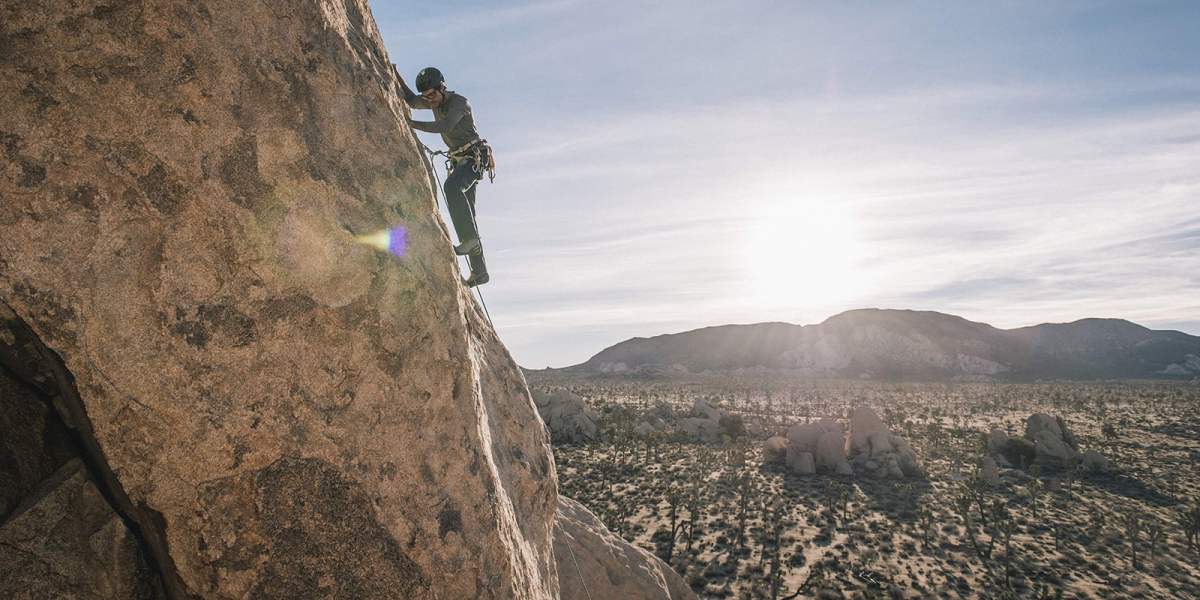
Imagine being on the side of that same mountain and you are rock climbing to get your way to the top. Each move that you make must be analyzed quickly so you don’t make a mistake. It’s likely that you will have a harness or some kind of restraint to catch you if you fall but that’s not always the case. You’re under a large amount of emotional stress and personal discomfort but you feel invigorated when you successfully climb or hike your way to the top. You’ll never regret those times when you put yourself out of your comfort zone especially when you are able to push yourself past those previously held limits that you thought you had.

There is no such thing as a challenge-free life. Putting yourself out there is going to be uncomfortable and you are going to be vulnerable. However, you may find that you will be the most fulfilled emotionally and physically when you challenge yourself. Discomfort as a concept may seem unappealing but it is in those moments or those times of discomfort where we advance the most.

Having the means of comfort may give short-term happiness but it is definitely unlikely to lead to long-term fulfillment. The only way to achieve satisfaction or fulfillment is to acclimate yourself to dealing with discomfort and being able to overcome it again and again. Being able to handle uncertainty will set you apart from other people and give you a level of maturity that will make you a stronger and more resilient person.

Discomfort does not only show up in the form of physical challenges but also in the realm of mental obstacles. Keeping your mind active by putting it to the test will improve you in numerous ways. Whether it’s reading a 400-page book, writing a research paper, or studying a foreign language, these mental challenges will definitely cause some discomfort and that’s a good thing. These personal projects will be very uncomfortable at first, but you will notice results when you stick with them, little bit by bit, and you’ll realize that the discomfort was worth it because of how far you have advanced with your mental development.

Living a life of ease and pleasure is not going to lead you to be the best person that you can become. Only by overcoming obstacles and meeting challenges will you be able to develop yourself fully. It’s good to kick back every now and then to relax and enjoy life yet that kind of pleasure is temporary. True personal growth lies in craving discomfort in whatever form it may yield the highest rewards for you. Whether it’s running a marathon or climbing a mountain to reach new physical capabilities or to writing a thesis paper for your doctorate or solving a complex physics equation, both our body and our mind need these challenges.

If you are ever feeling lethargic or lost, you should evaluate whether or not you are challenging yourself enough. Giving yourself personal goals to work towards will make you uncomfortable but you will also be able to greater fulfillment and longer lasting happiness. Being able to put yourself out there, use your physical and/or mental abilities, and logically think through and solve problems will get you out of your self-imposed funk.

Having a deeper purpose in life that is fulfilling and meaningful is necessary for everyone to pursue. Everybody will struggle at first to find out what exactly they were meant to do. Instead of doing nothing about it, I think it is best to try out different things that are uncomfortable to find out which challenges make you feel the most engaged and willing to overcome. Doing a bunch of different things to keep yourself active is better than to do nothing at all. Time is limited so it’s best to challenge yourself in a variety of ways first before you settle on the one or two major challenges in life that you want to succeed at.

Craving that discomfort is a necessary part of this part of self-development. Failure is possible and you may not ultimately succeed. However, if you fail, you will learn from having tried your hand at it and you will be the better person for it. Once you try at something, even without ultimate success, you know that you have the ability to take on challenges and eventually you’ll meet them without unease and with greater confidence. It is far better to have failed one hundred times and to have succeeded on your 101st try, then to have failed only once and then give up entirely without trying again.

Many people today shy away from being uncomfortable at all, even for a minute, but this is much to their detriment. Being in discomfort and going through painful times is part of being human. Without experiencing that pain and that discomfort, you won’t be able to become a stronger person. The person who has been through several trials by fire is the person you want around in times of discomfort and distress. You don’t want to be around a person who only indulges in pleasures and shies away from any pain.

Having physical toughness and mental fortitude to meet challenges head on are traits that you should want to make part of yourself for the rest of your life. Putting your fear and your doubts aside to climb that mountain, write that book, learn that language, or solve that Math problem will give you an advantage over others who deny themselves discomfort. You have to want to engage in the discomforts in life because in today’s day and age, it is easier than ever to avoid discomfort. Those who pursue discomfort will be rewarded long after the challenge(s) you set for yourself have been overcome.