
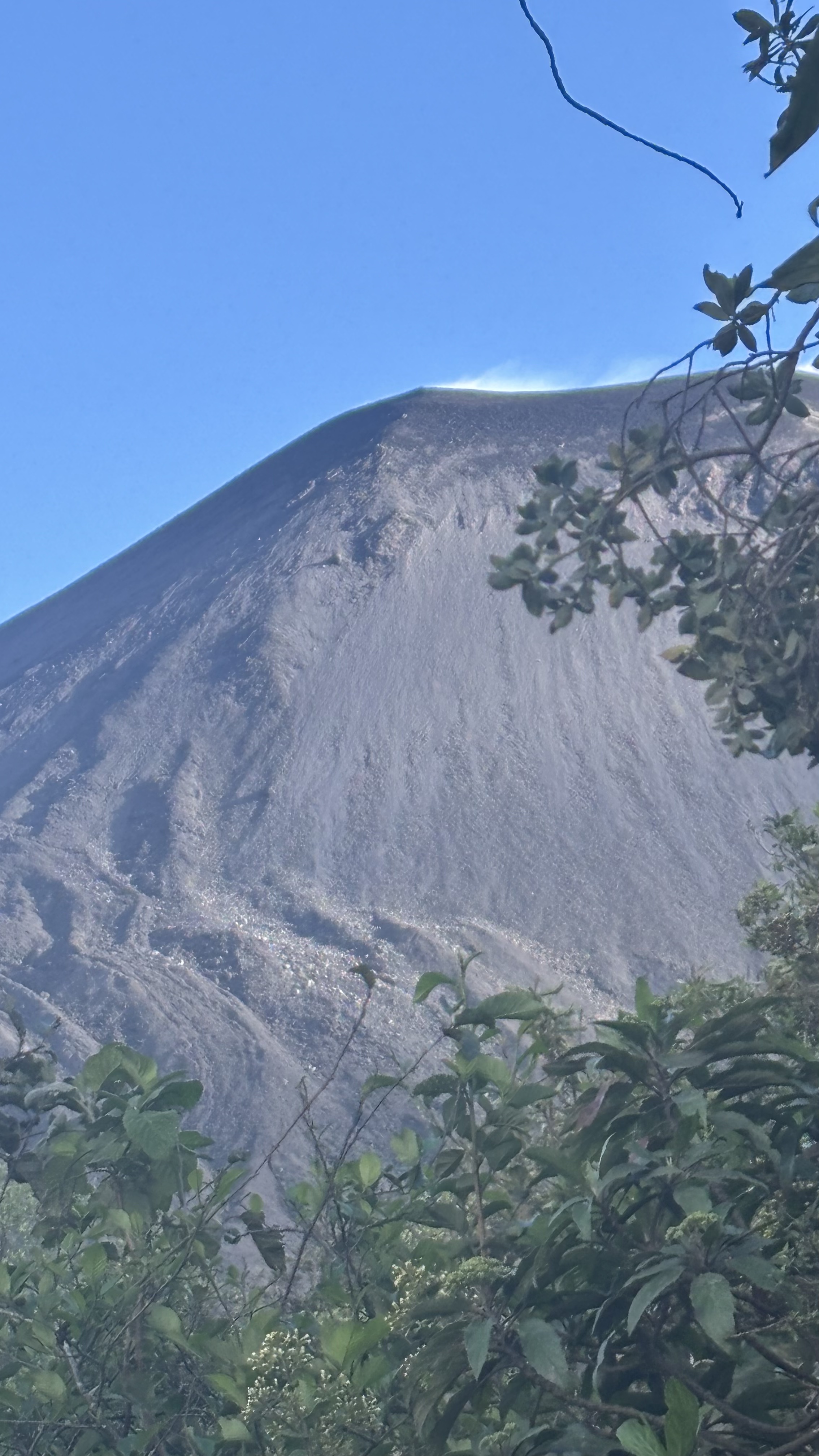







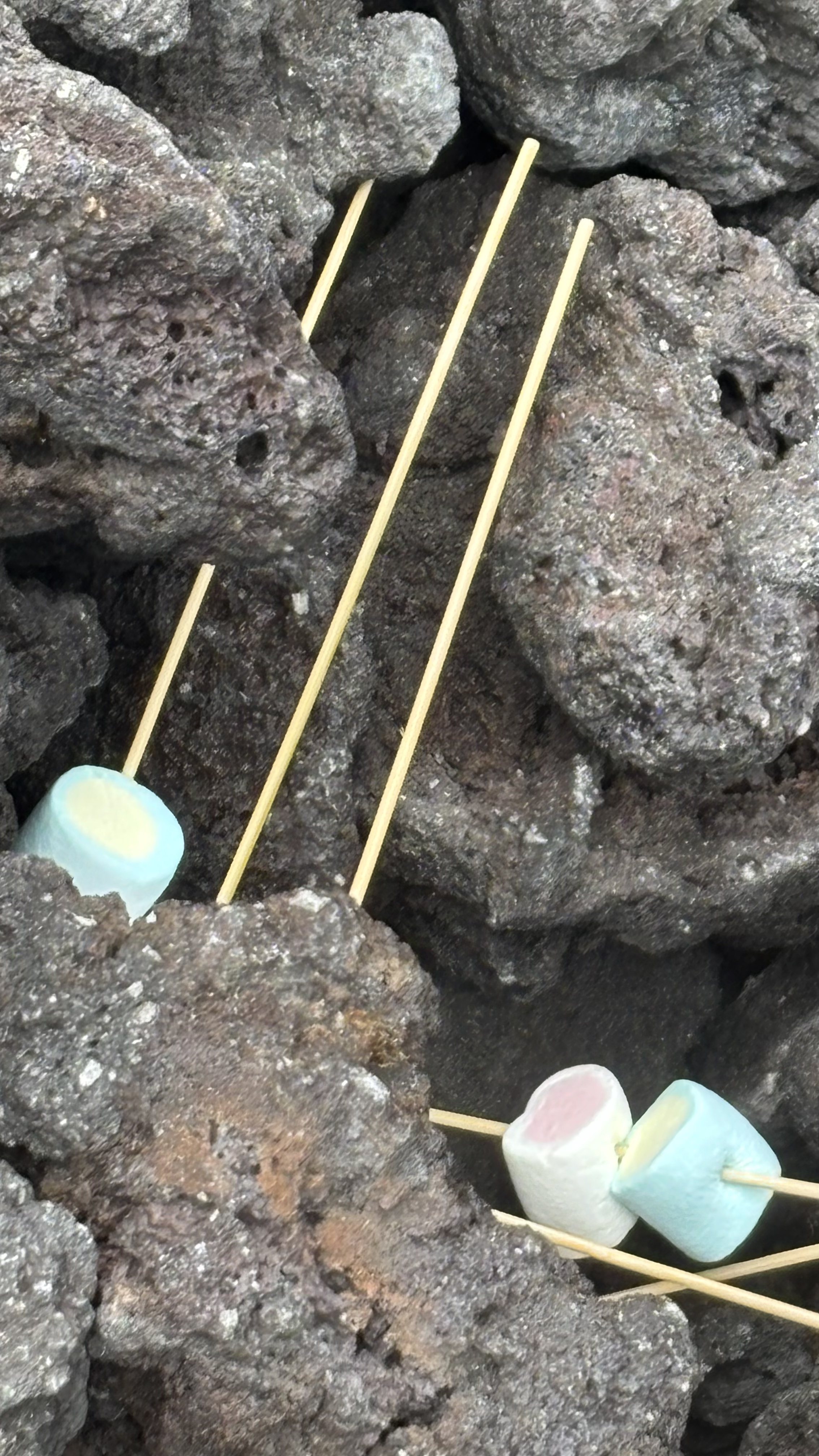
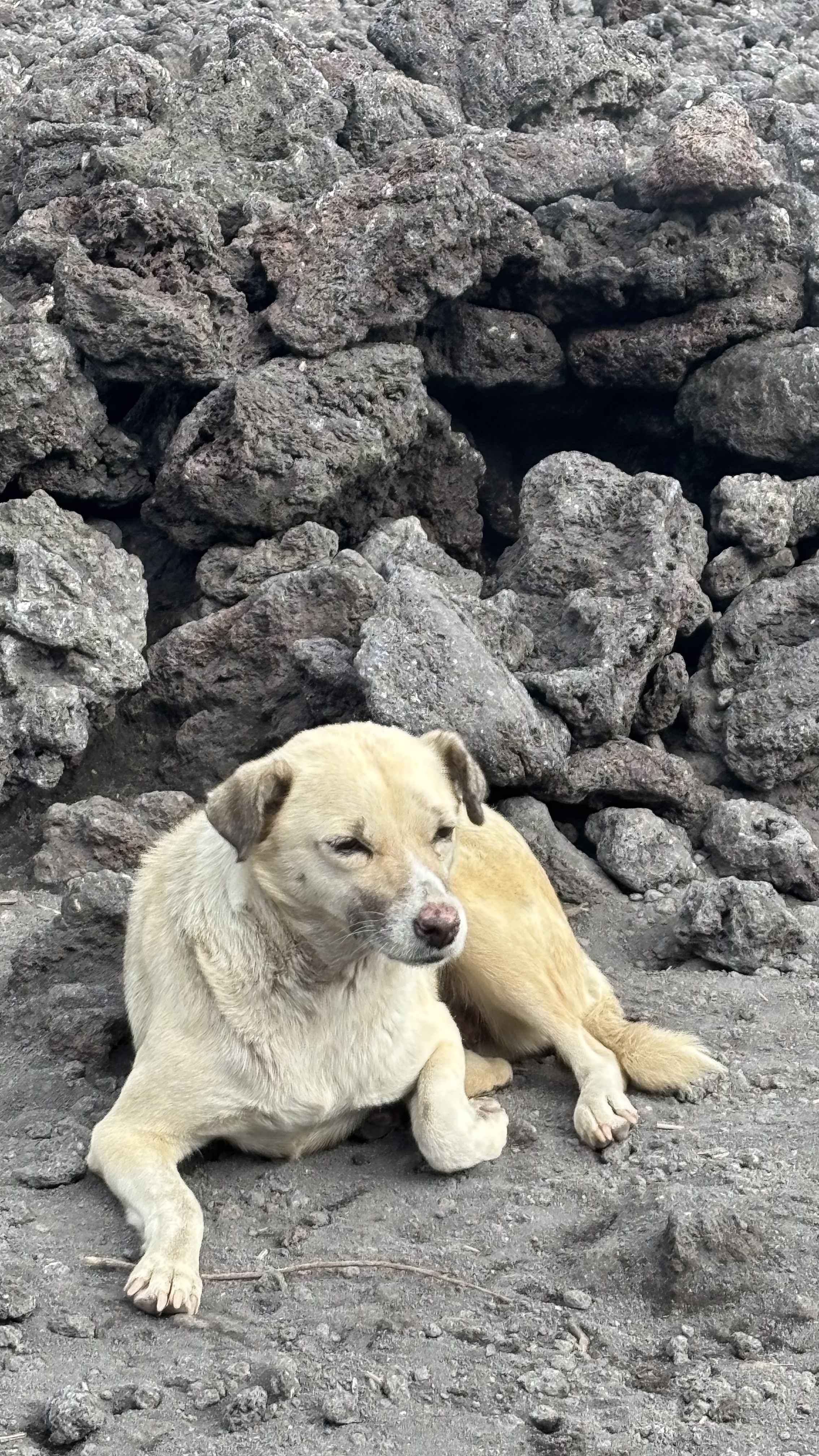

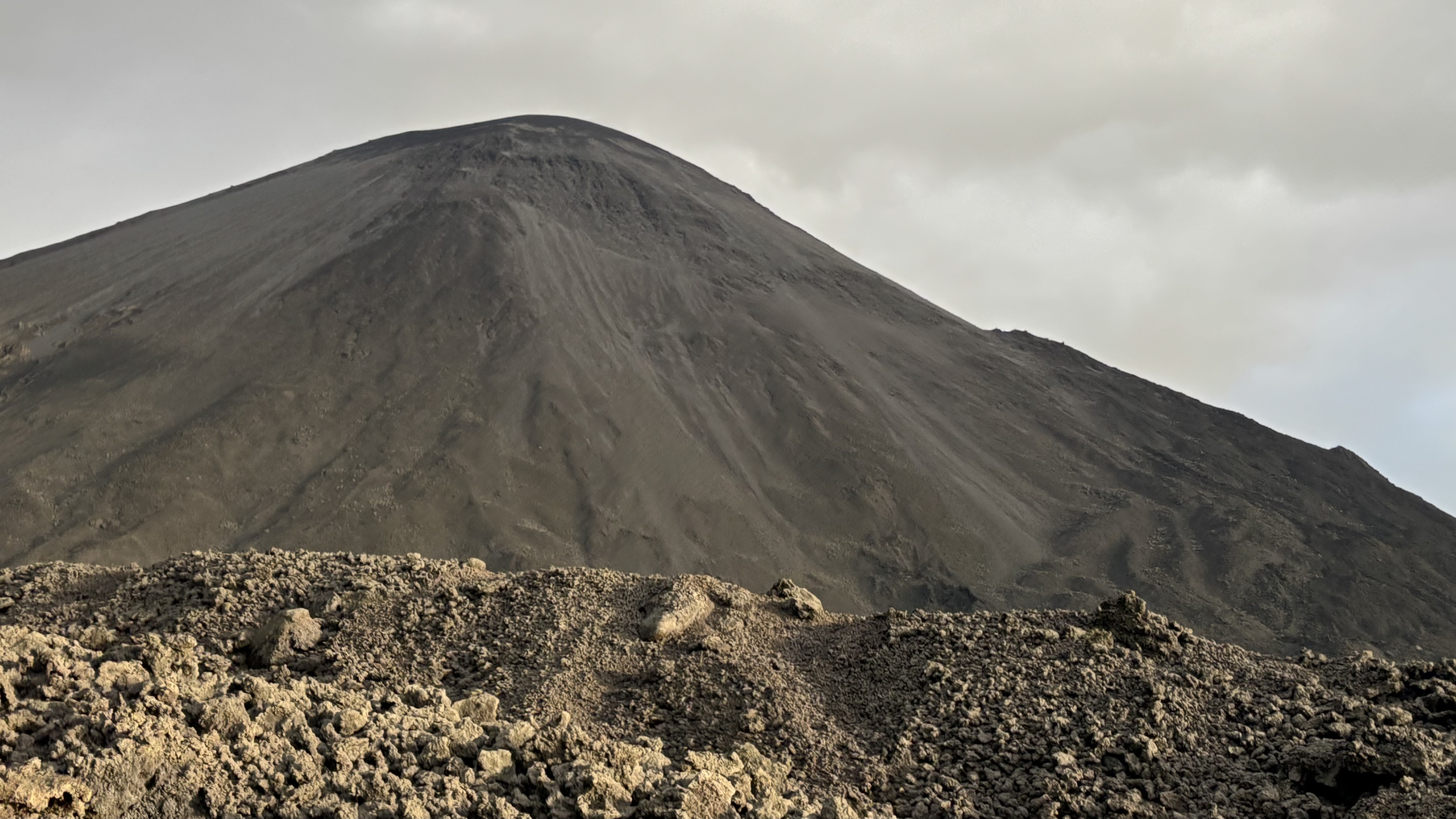

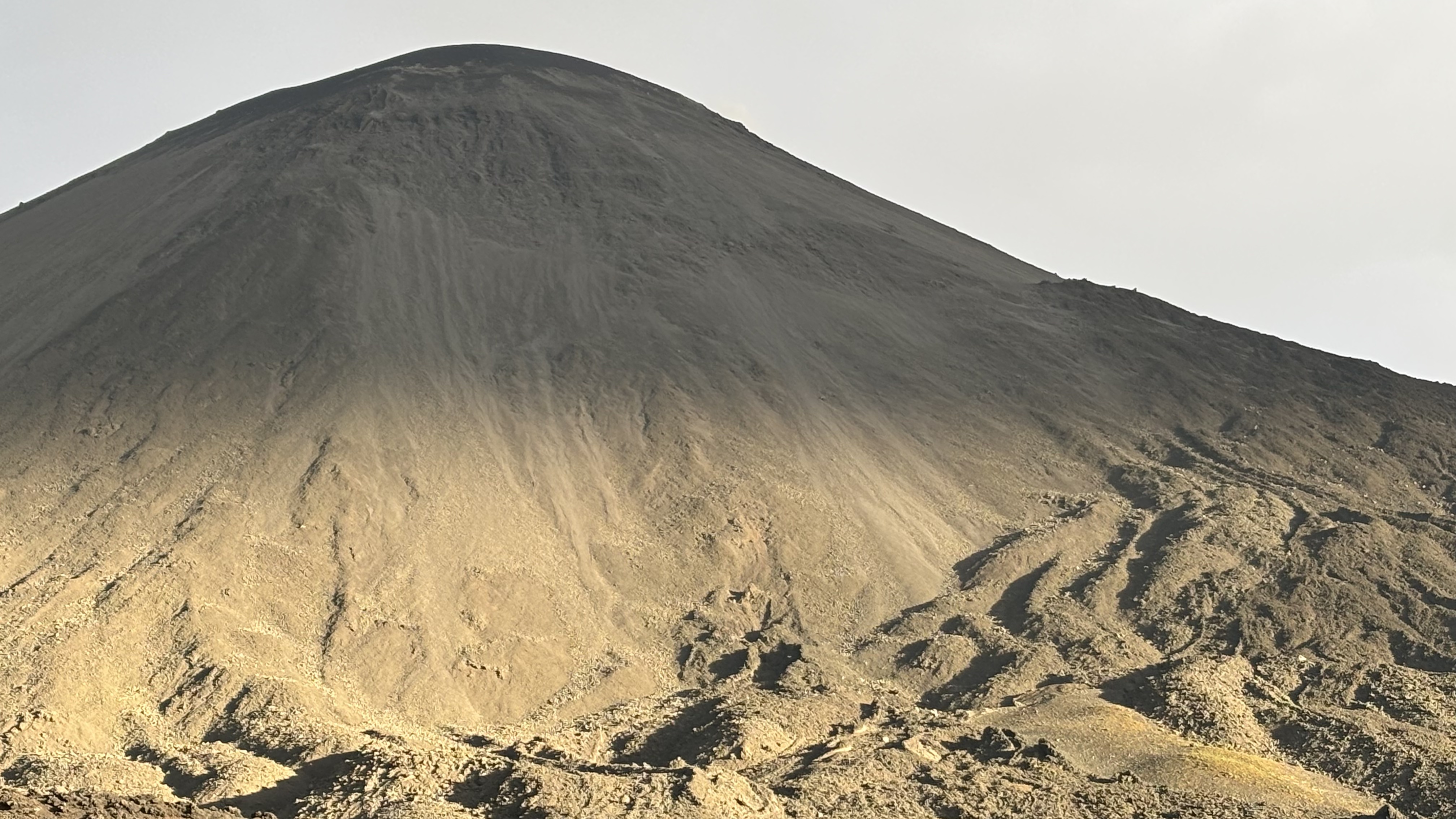

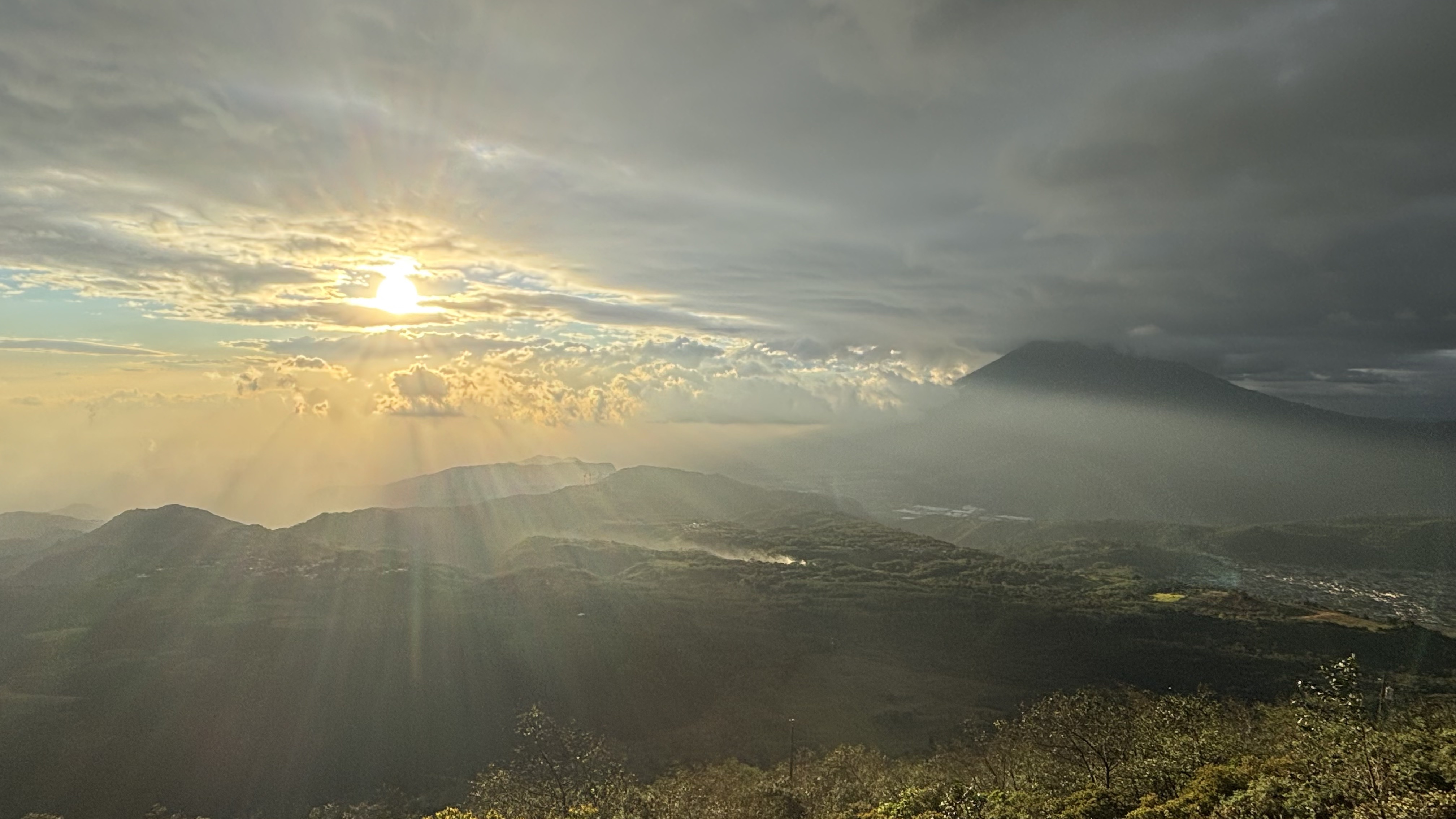


Camera: iPhone 15
Locations: Volcán de Pacaya, Escuintla Department, Guatemala

“Explore Guatemala’s Pacaya Volcano on a February 2025 trek. Discover stunning volcanic landscapes, rugged trails, and photography highlights from the adventure.”
Camera: iPhone 15
Locations: Volcán de Pacaya, Escuintla Department, Guatemala
“Exploring Antigua, Guatemala, through travel photography capturing its colorful colonial streets, historic architecture, volcano views, and vibrant local culture.”











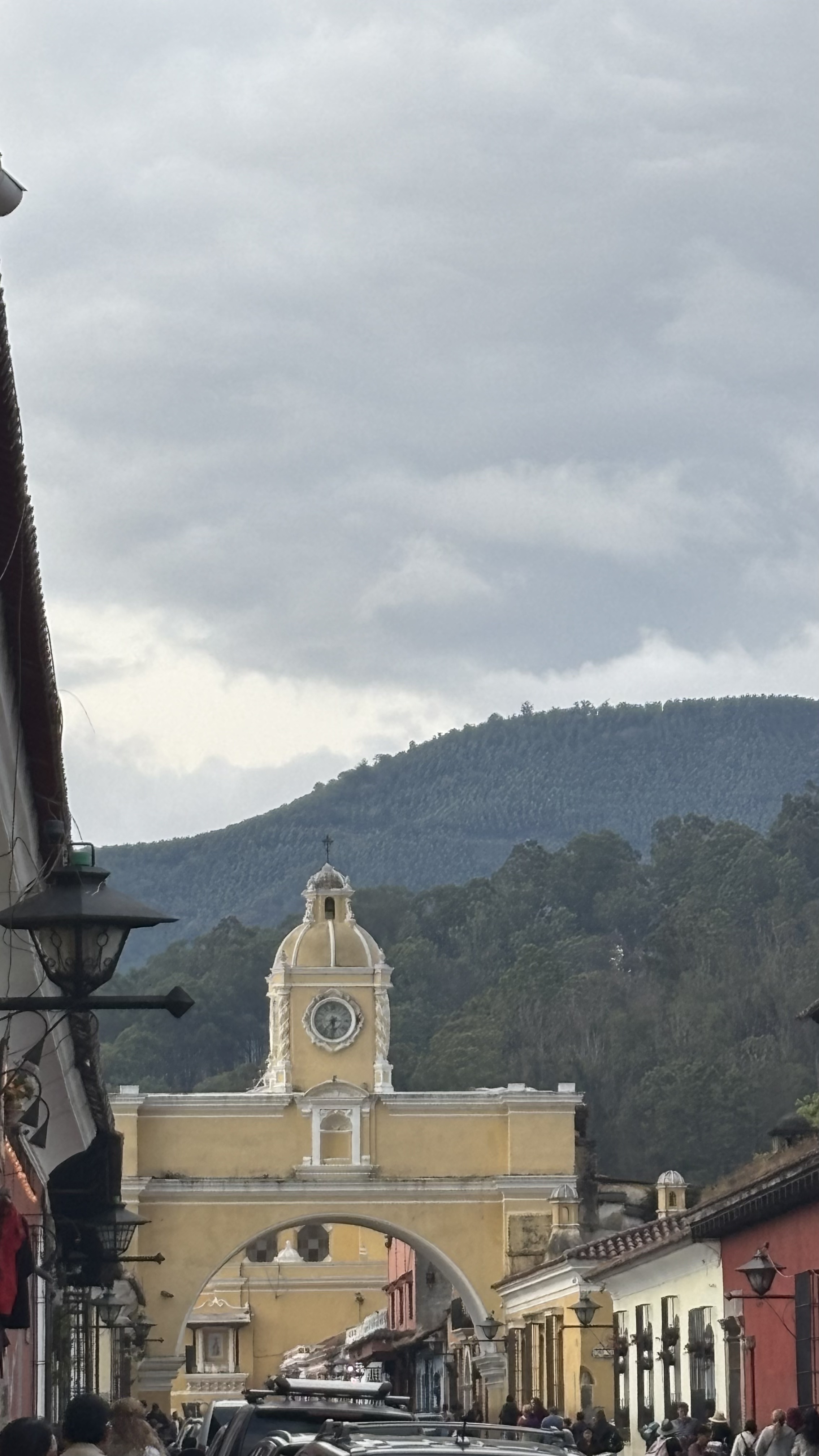





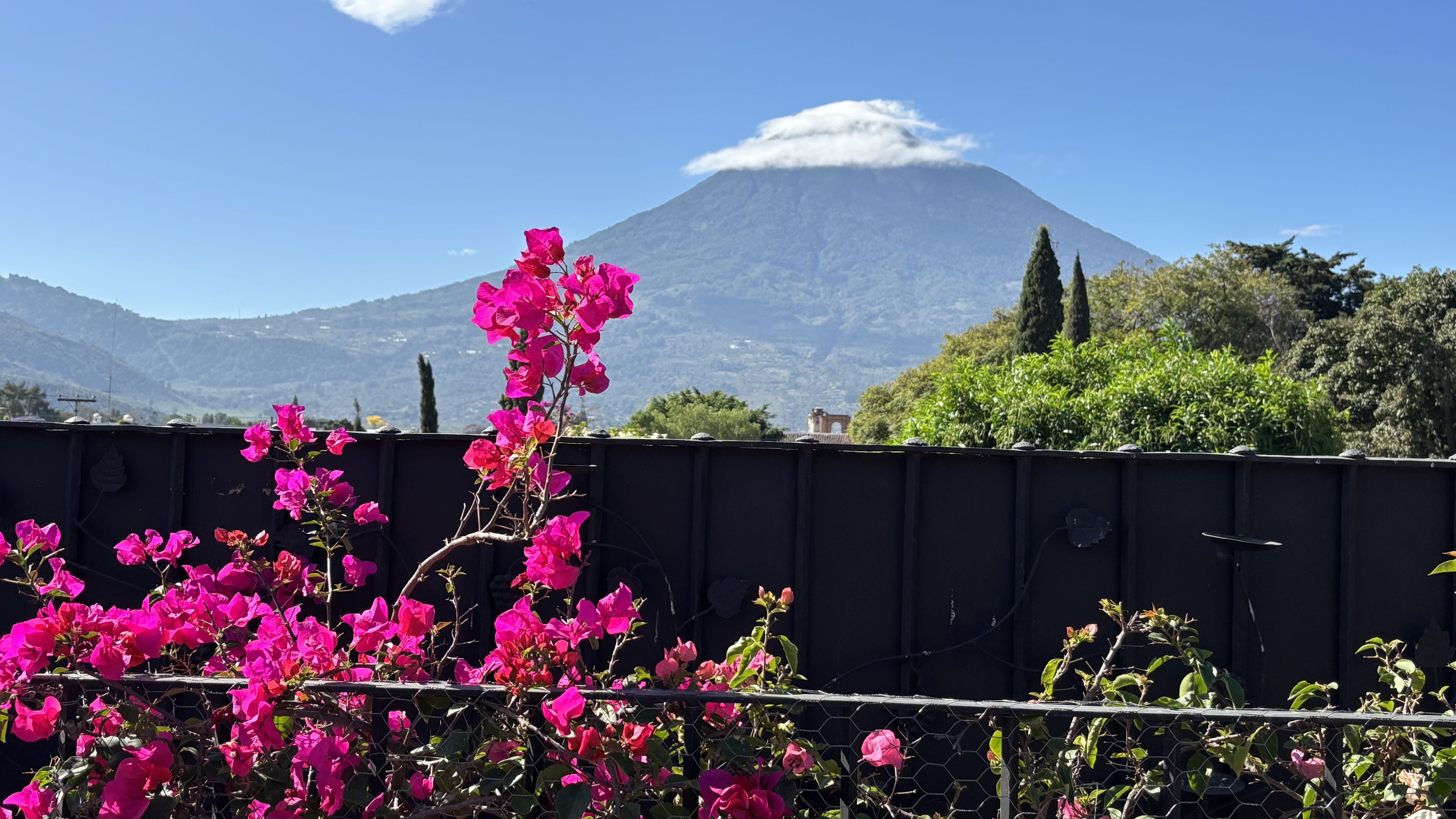
Camera: iPhone 15
Locations: Antigua, Guatemala
“Wander through the lush trails of Atitlán Nature Reserve, where waterfalls, wildlife, and tropical forests surround spectacular views of Lake Atitlán in Guatemala.”

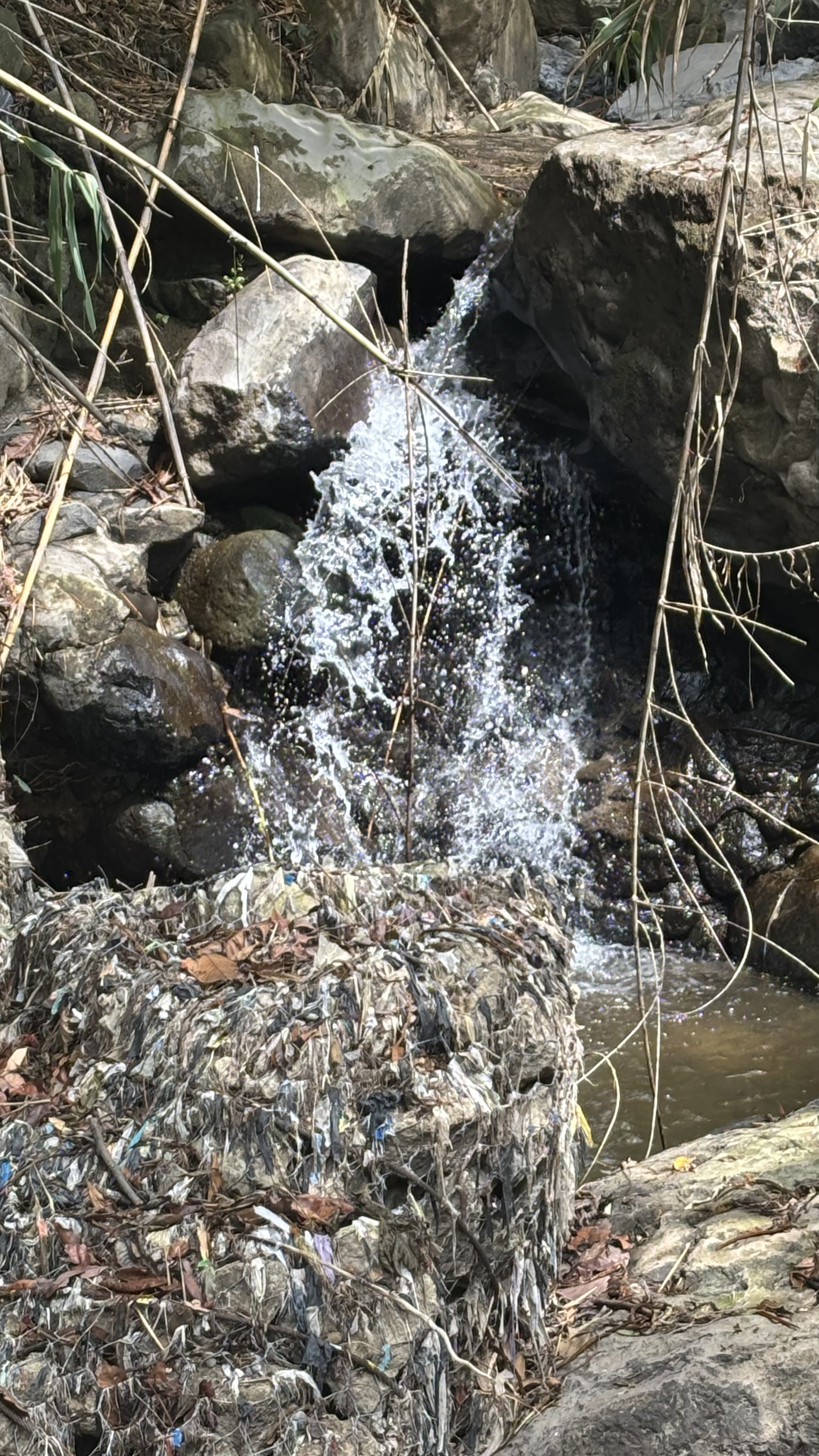

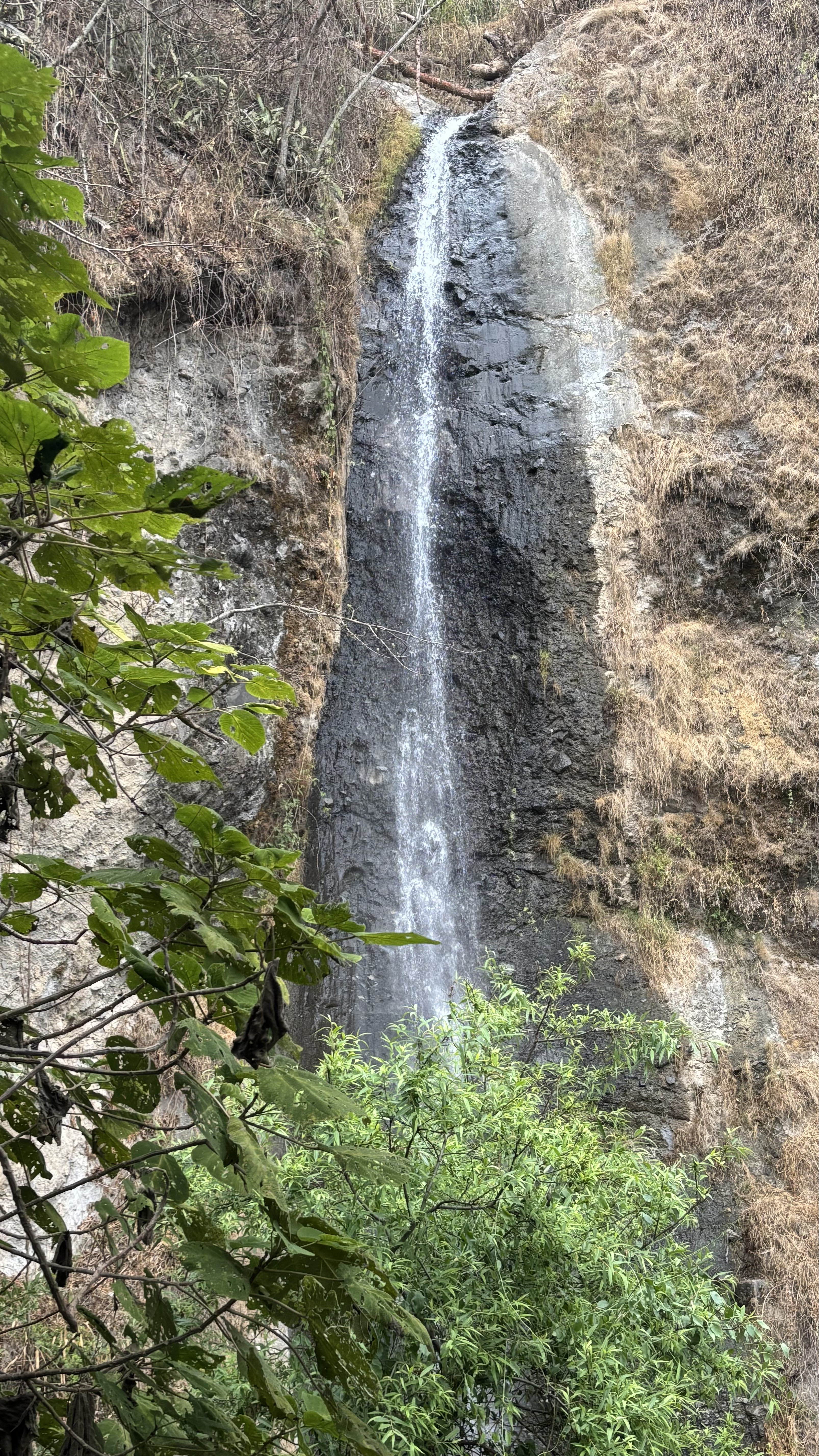

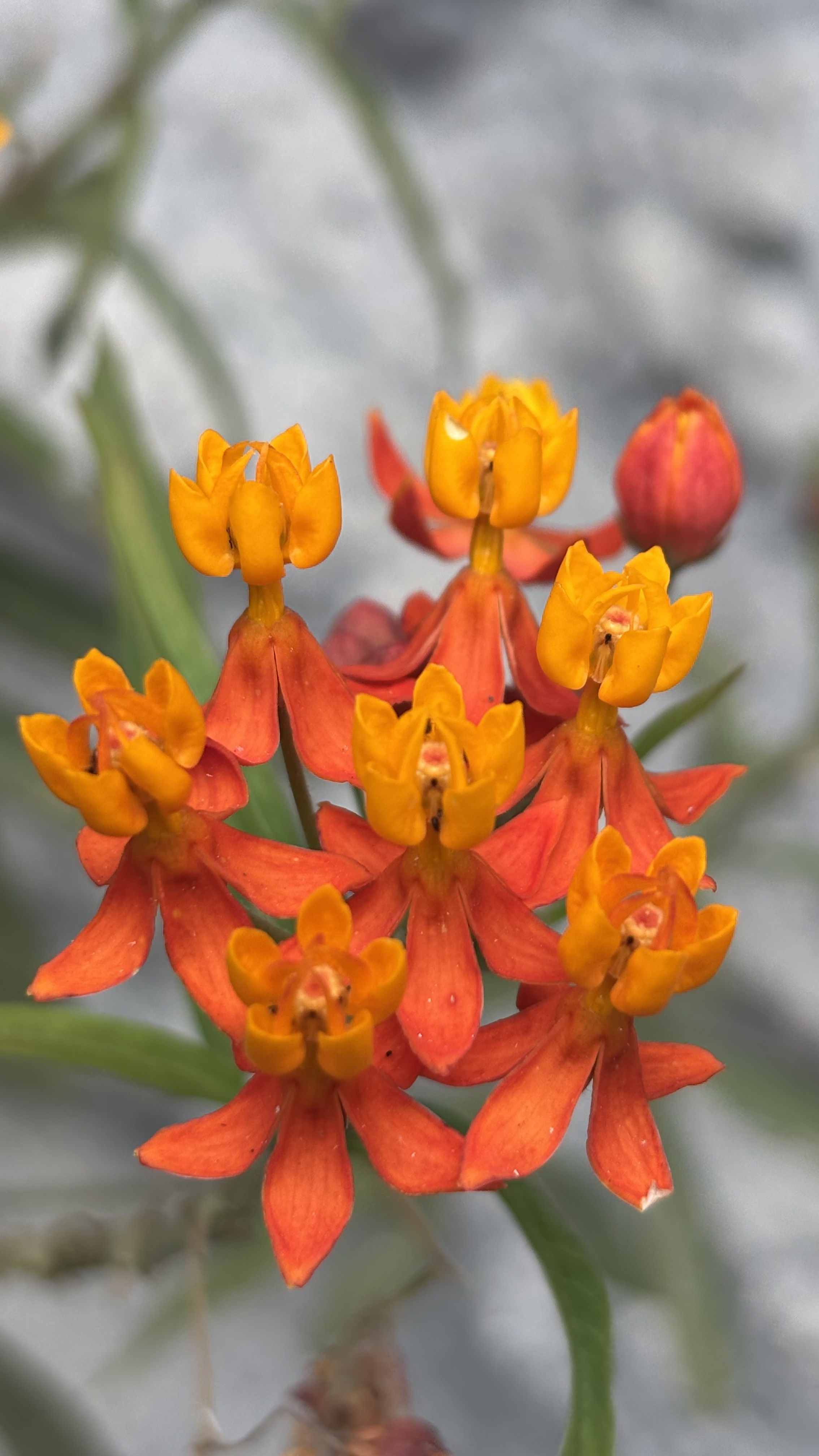
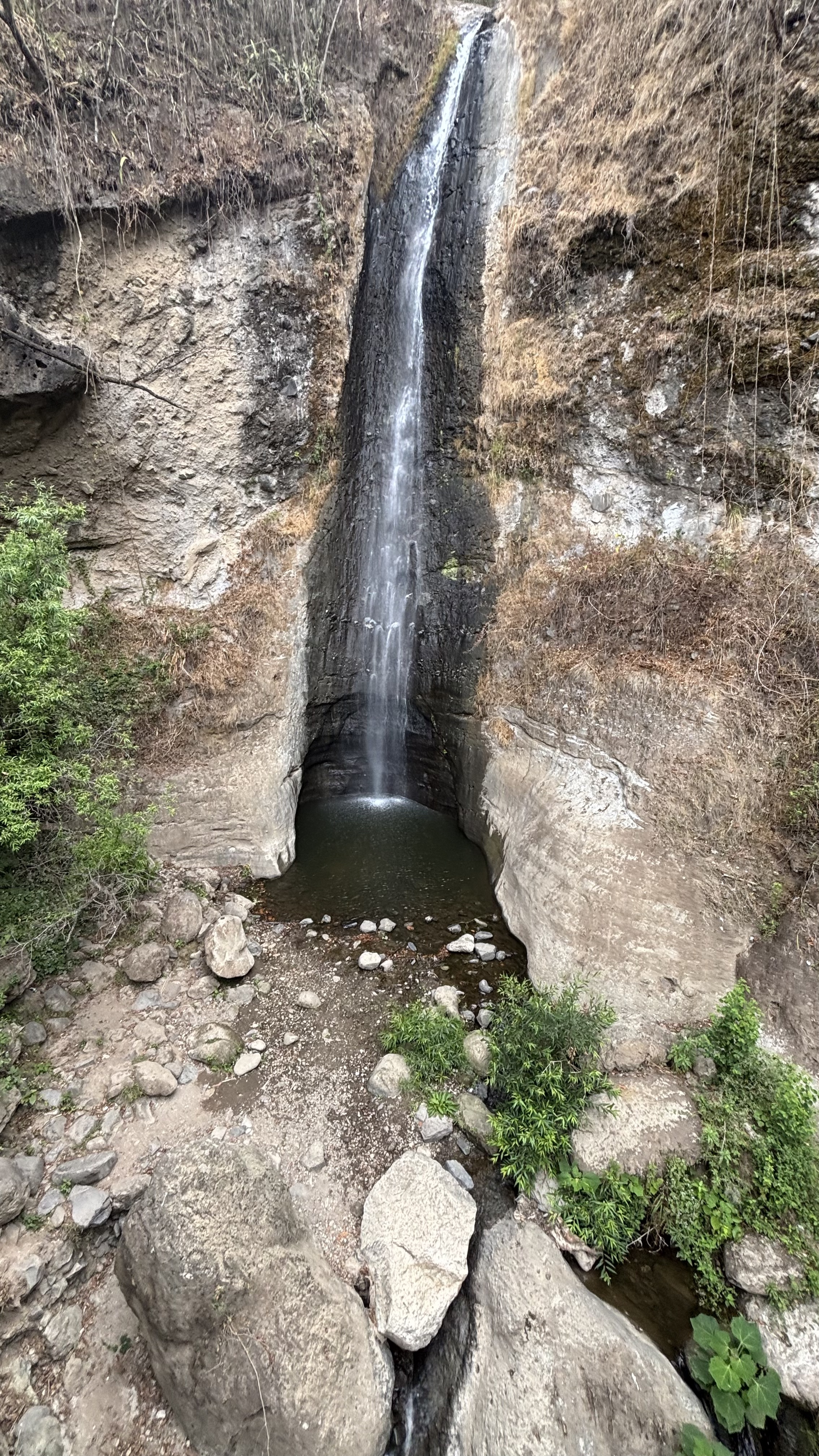
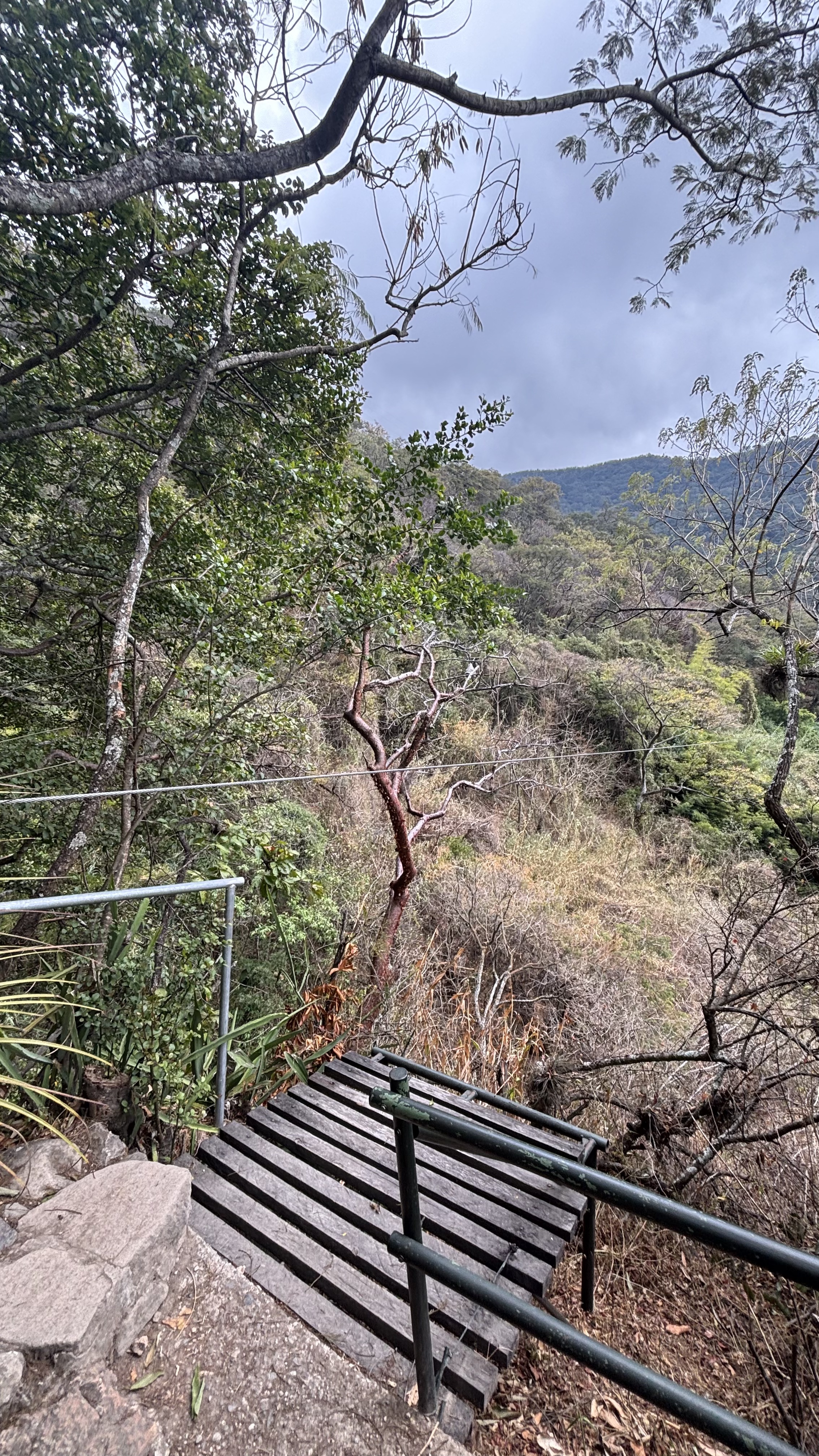


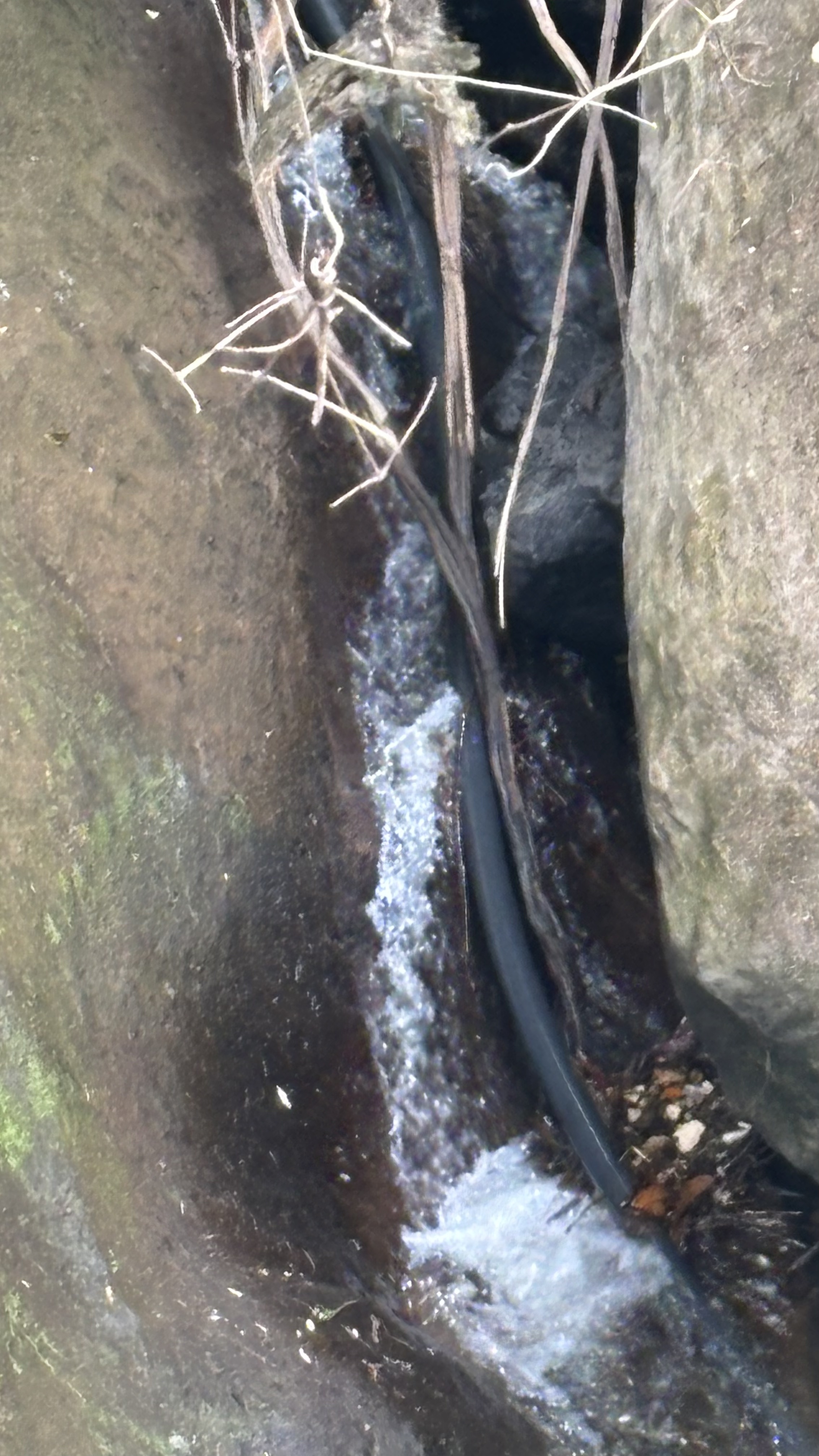


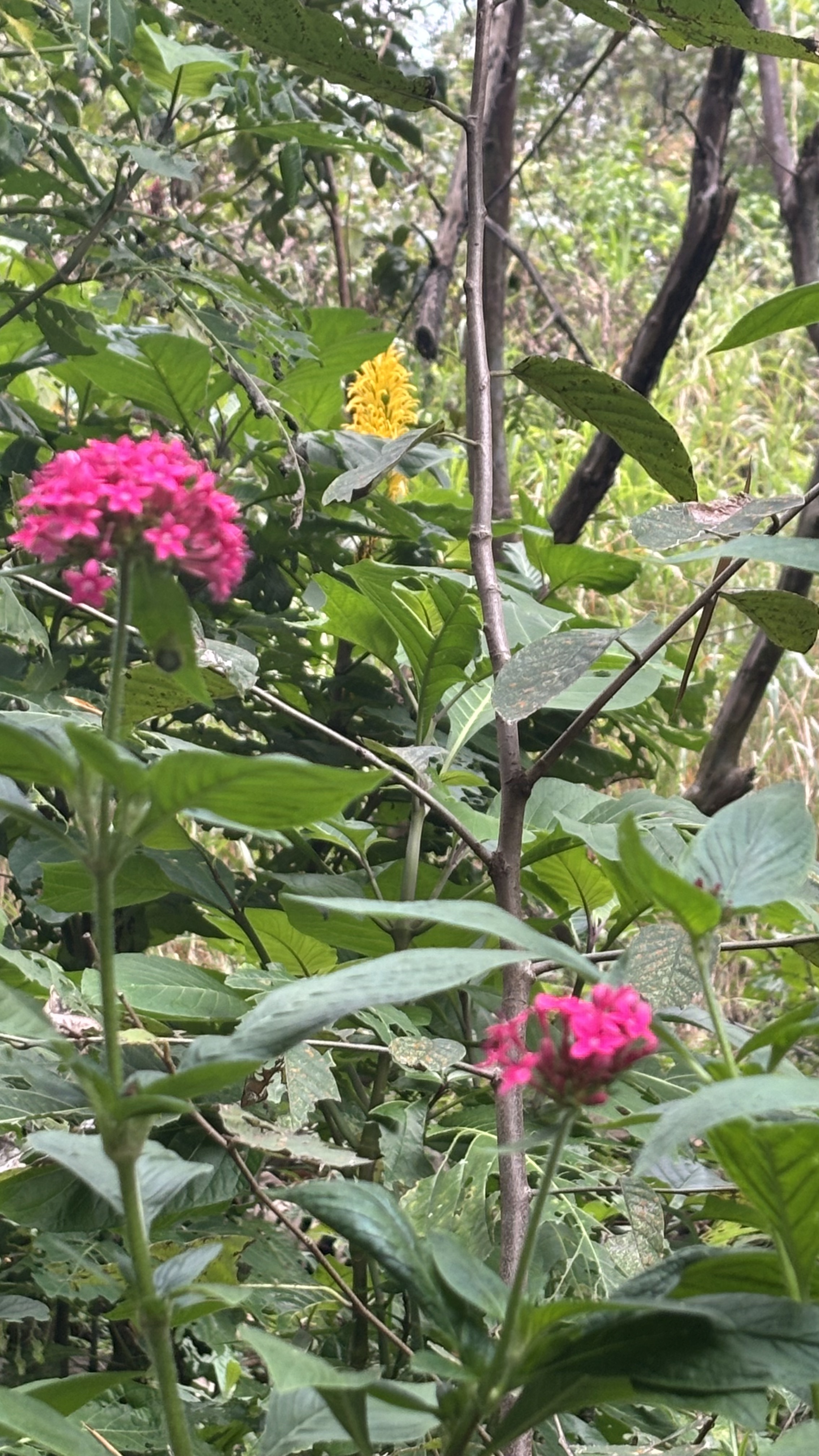
Camera: iPhone 15
Locations: Atitlan Nature Reserve; Panajachel, Guatemala
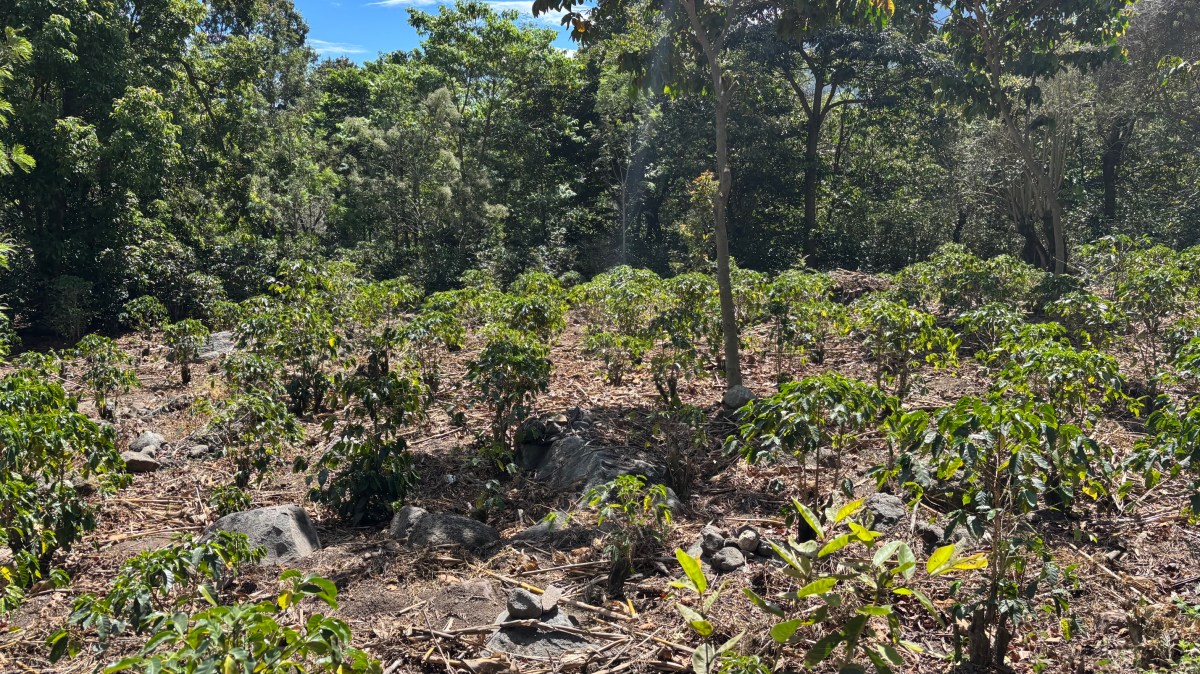
“Explore a local coffee farm in San Pedro La Laguna, Guatemala, and discover how coffee is grown, harvested, processed, and prepared in the Lake Atitlán region.”

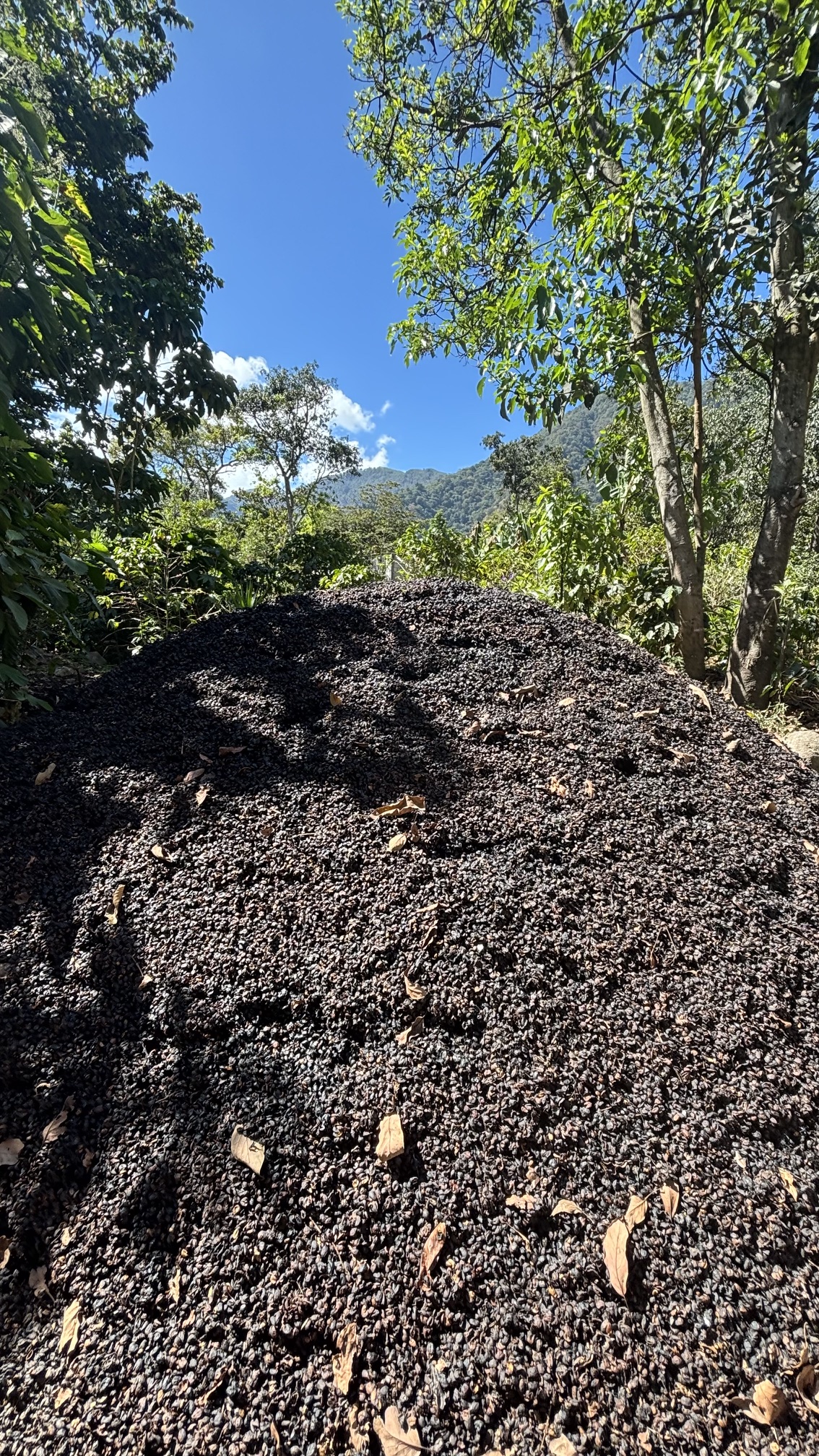
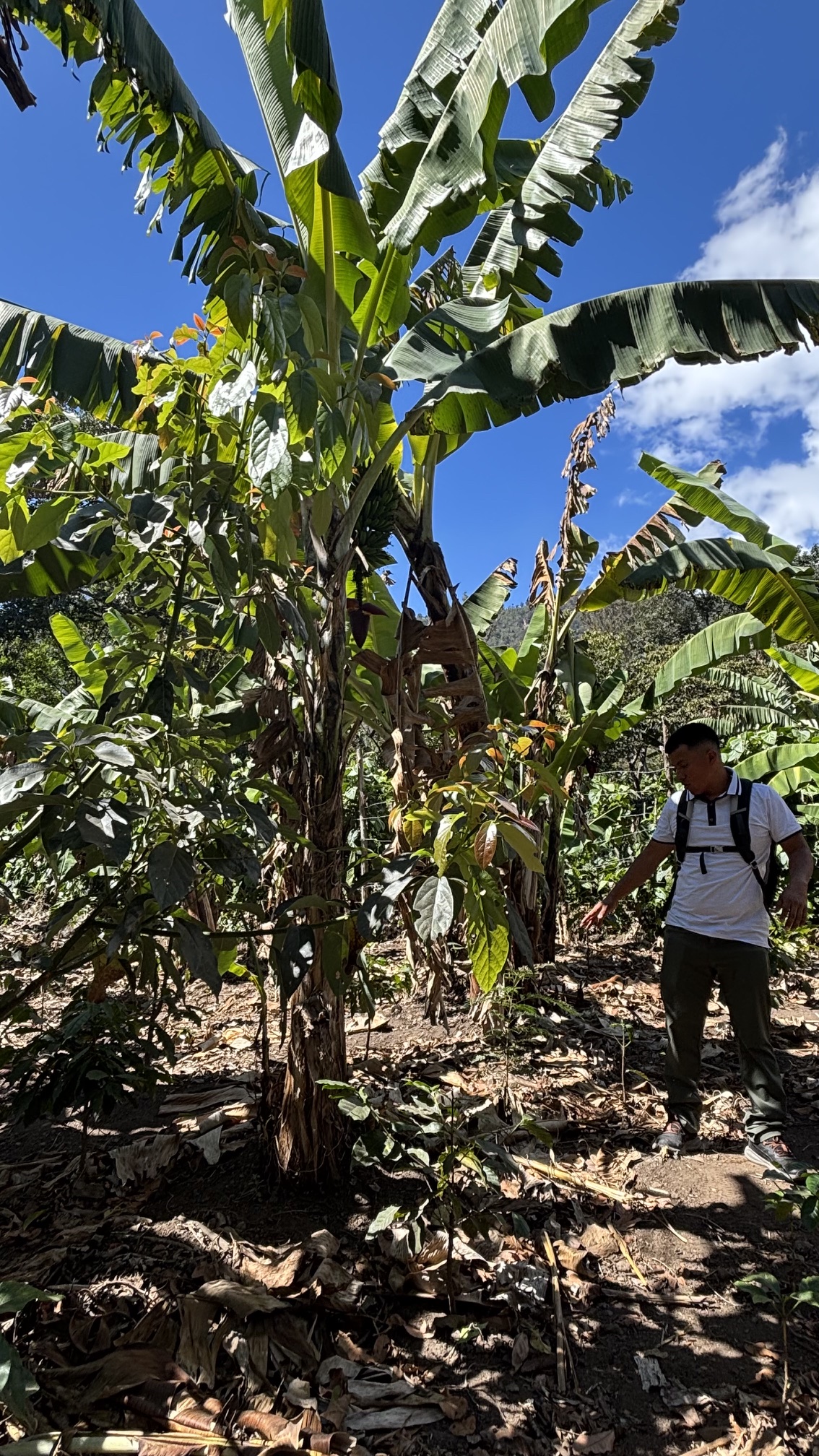
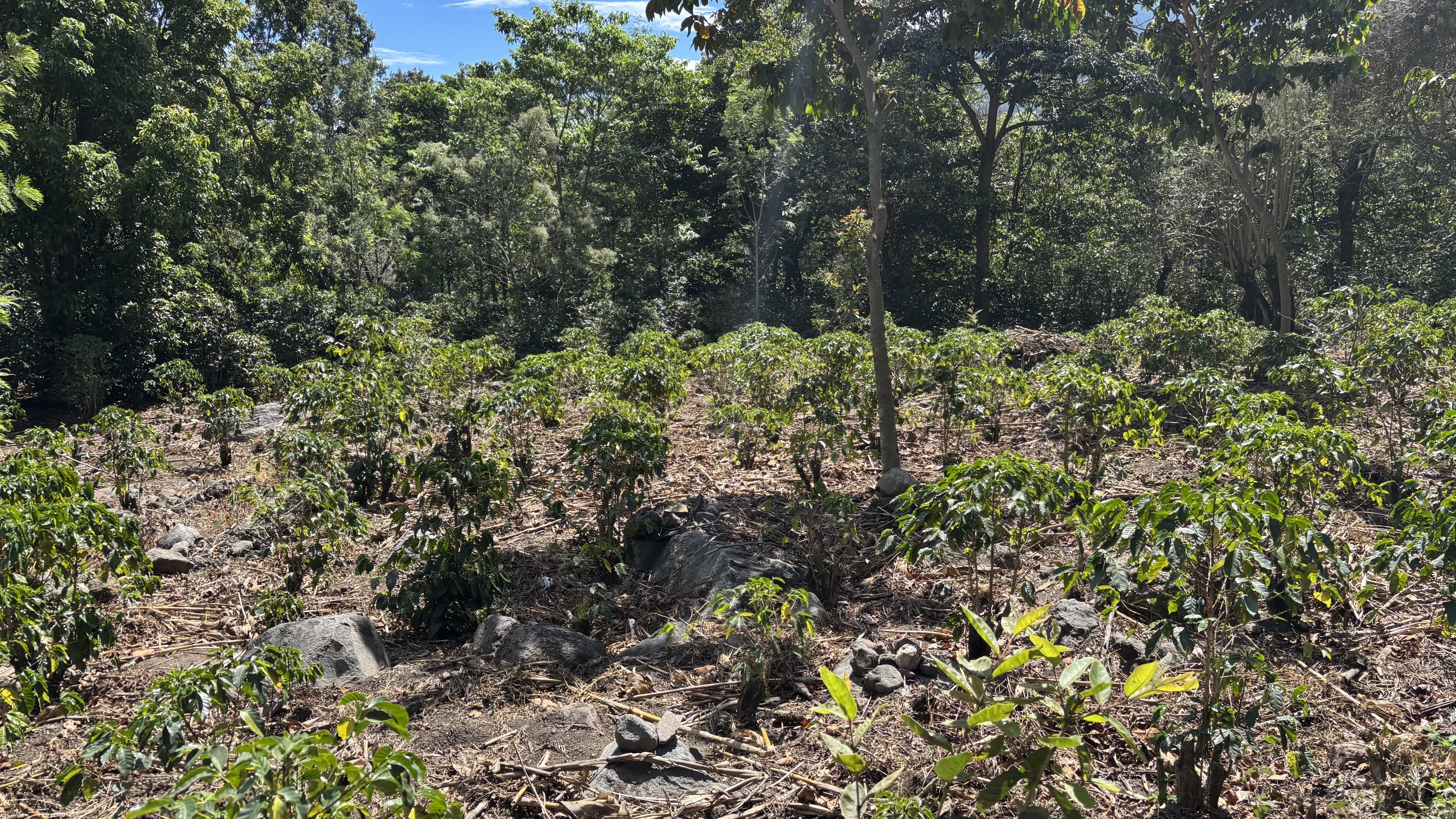
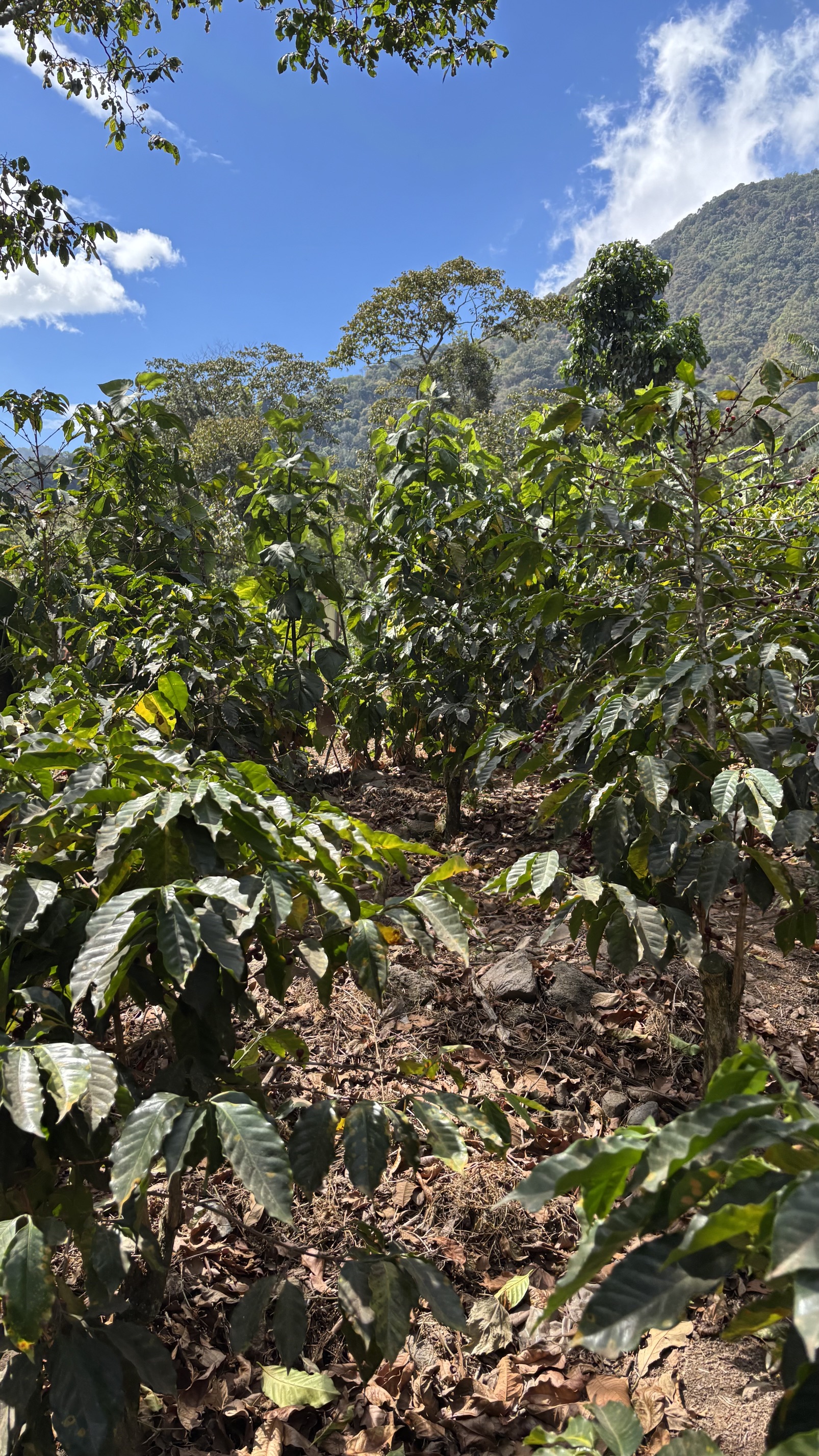



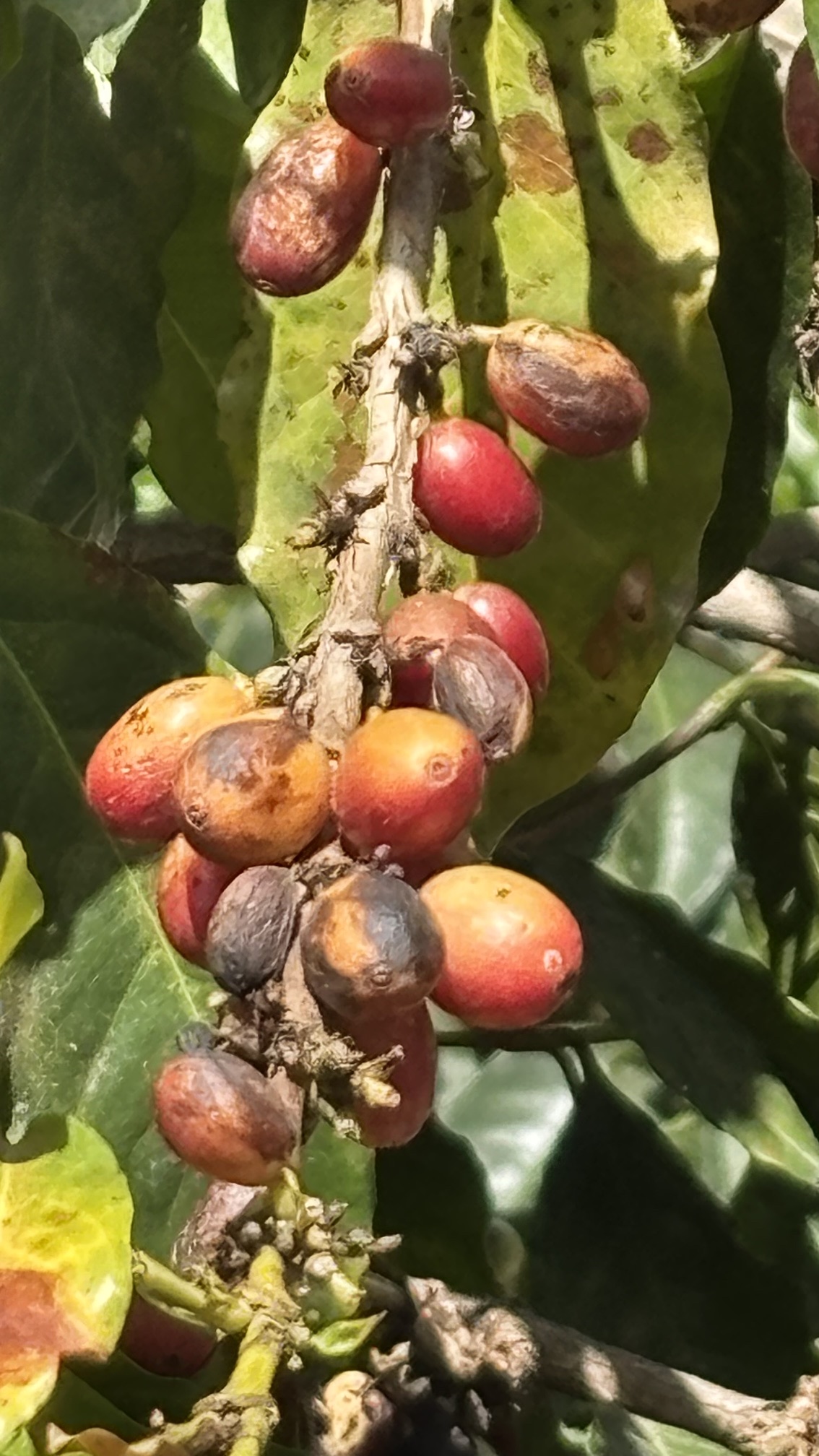
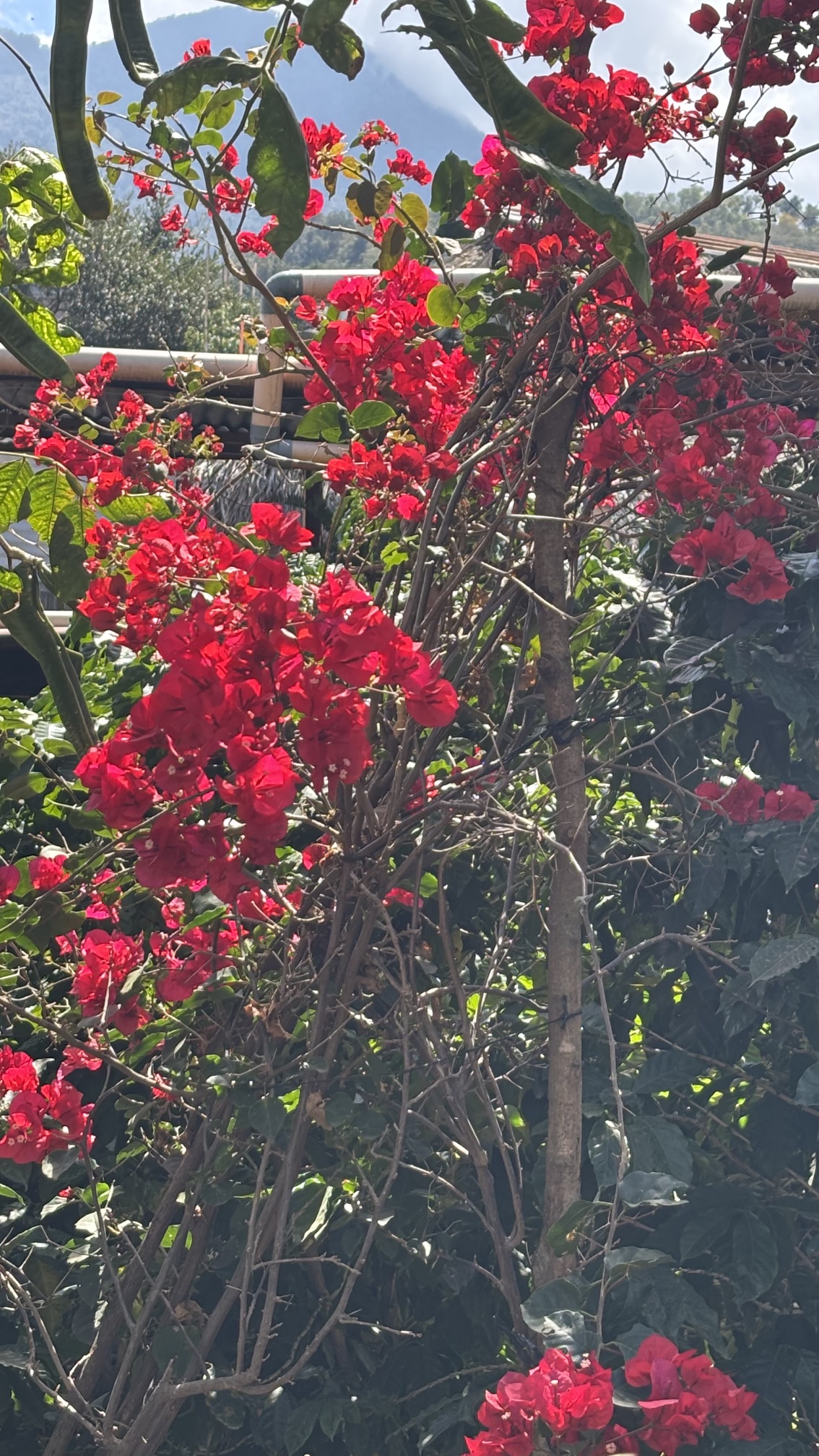
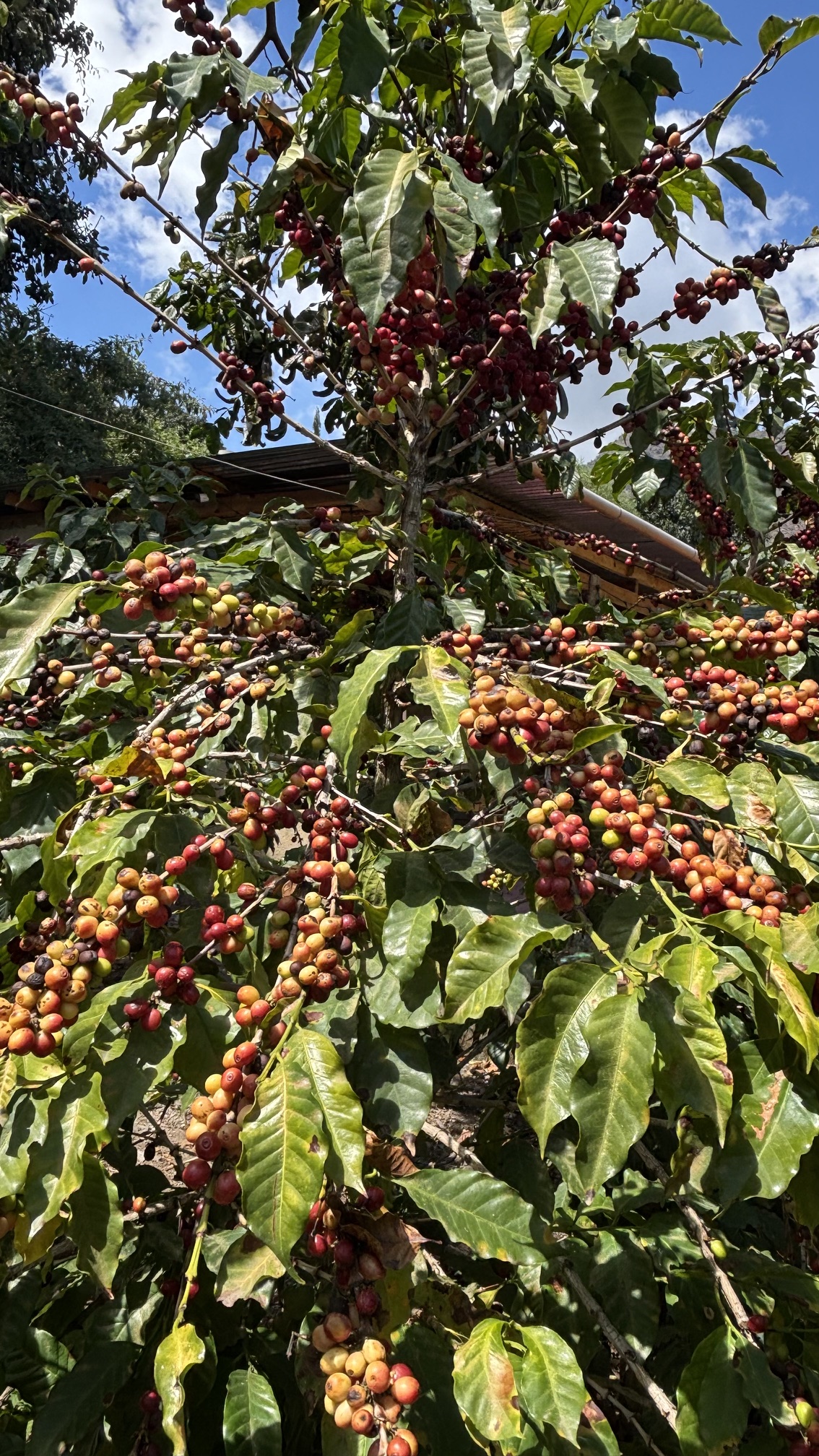
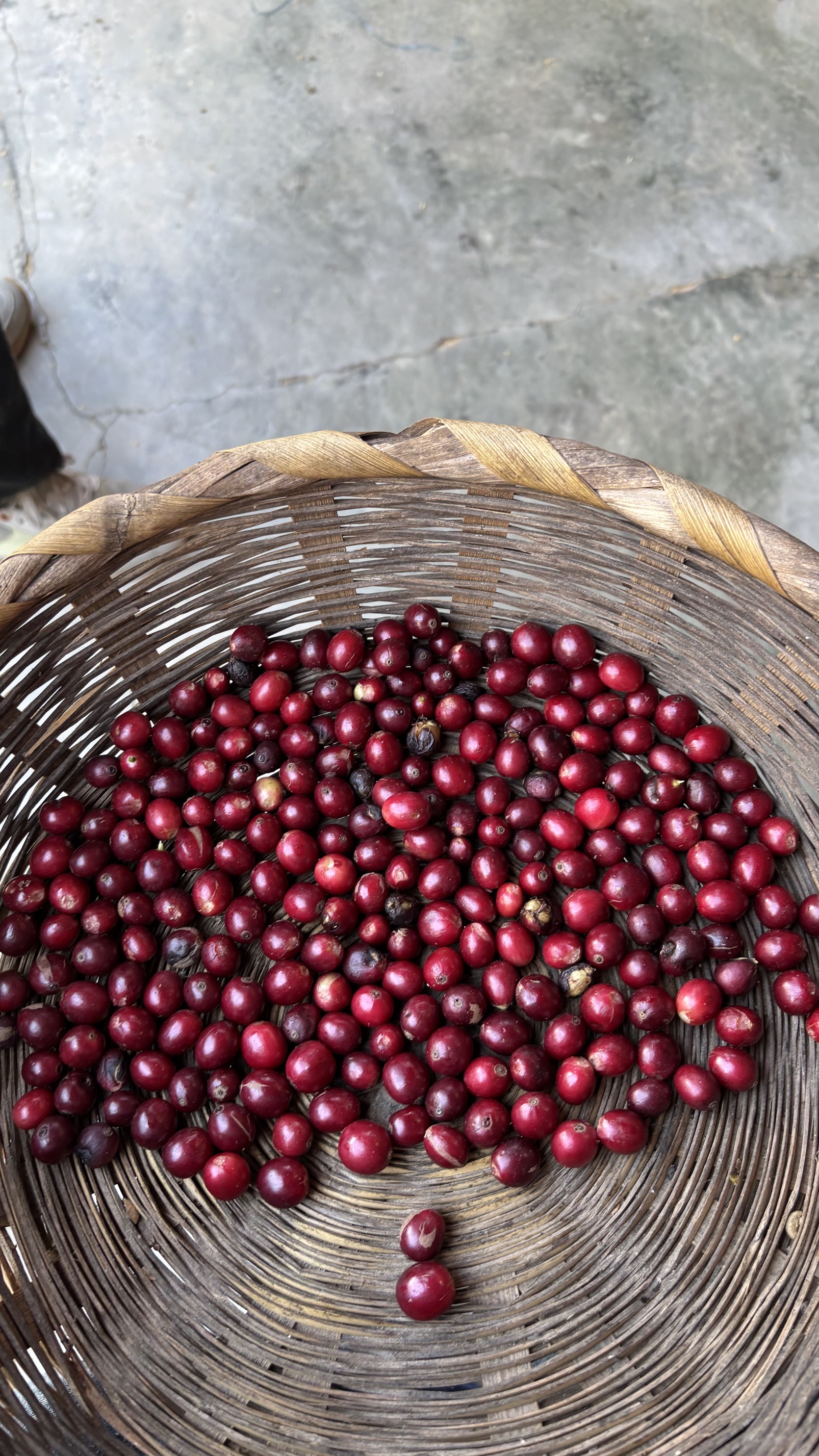
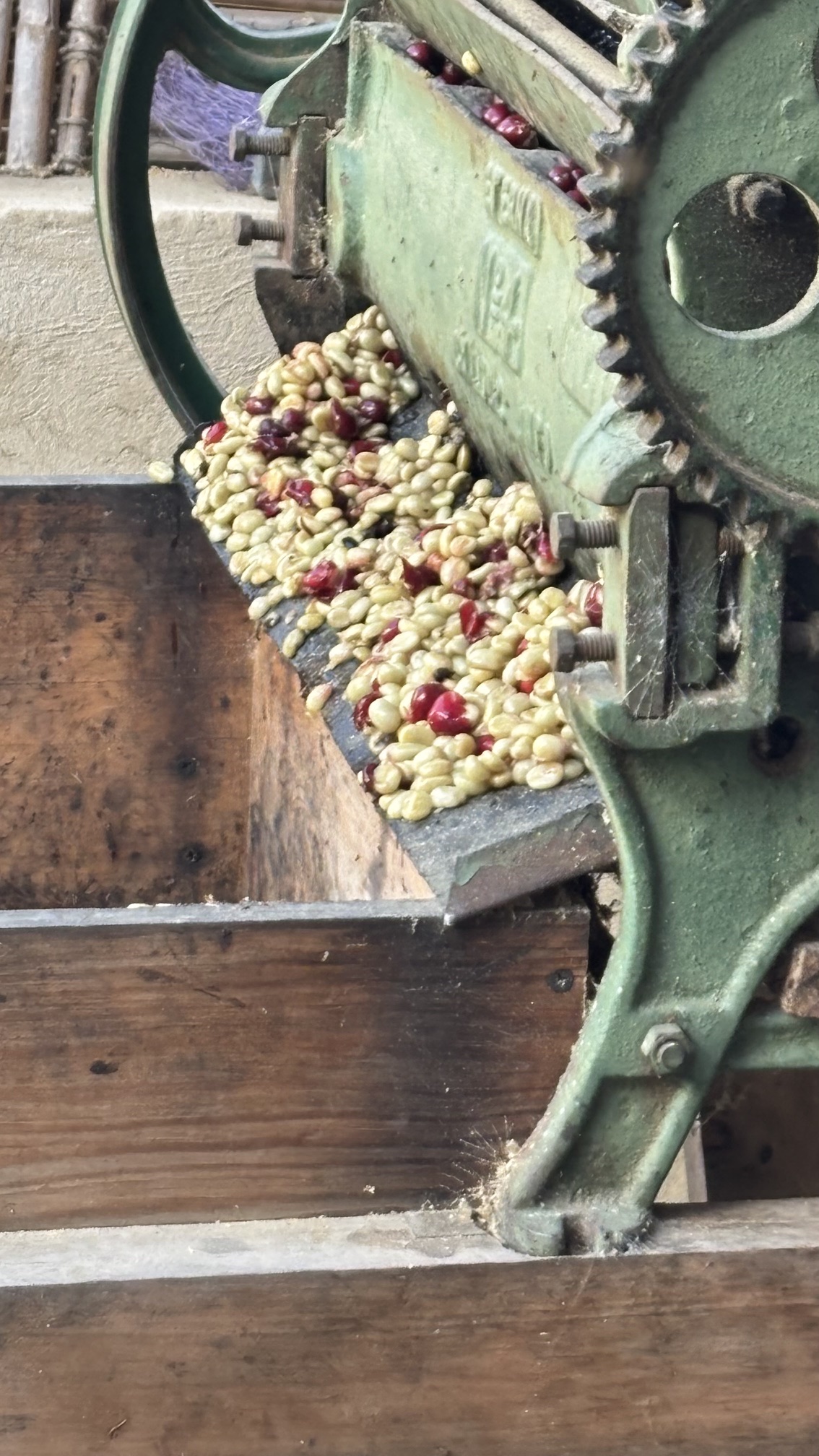
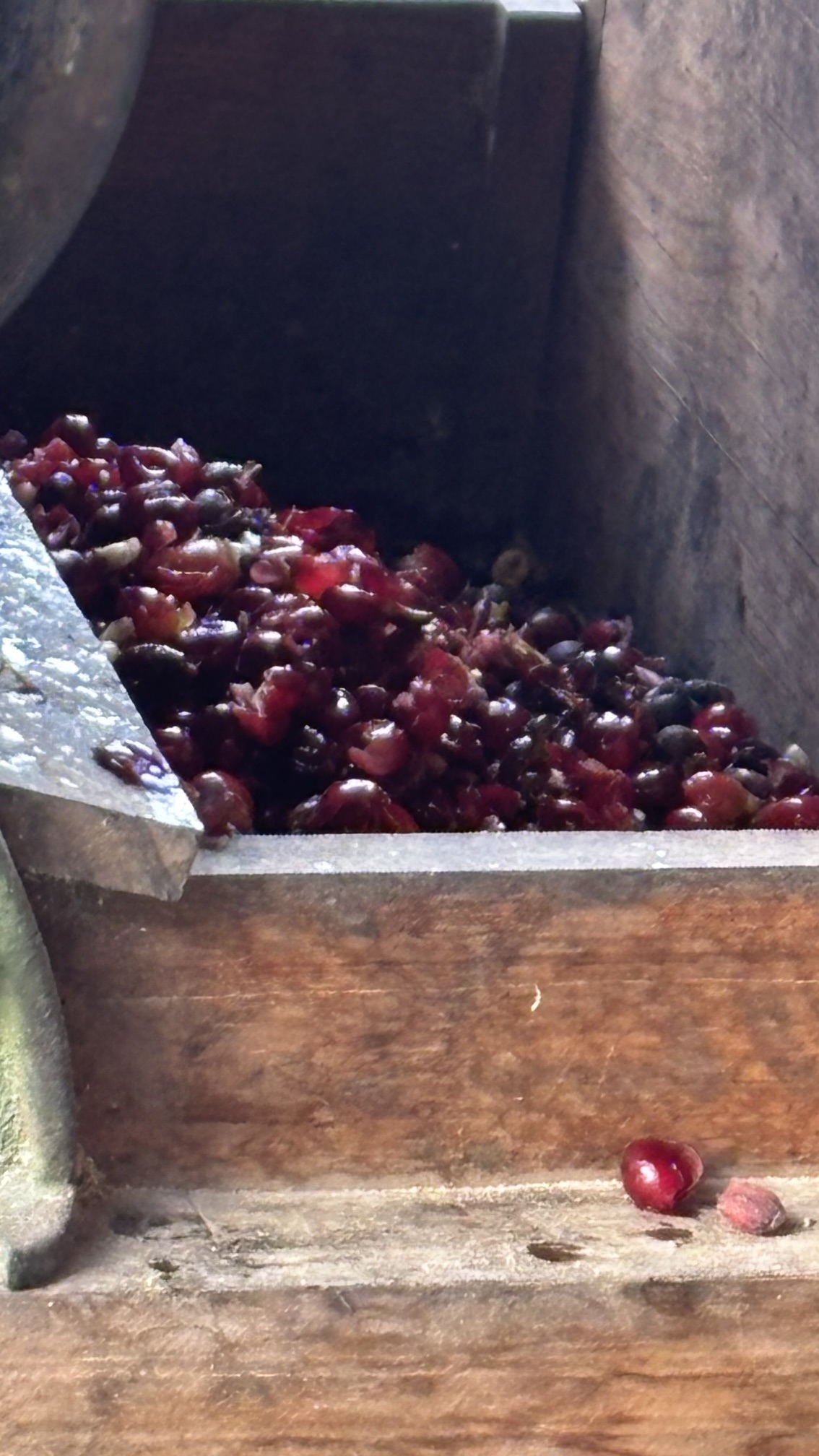
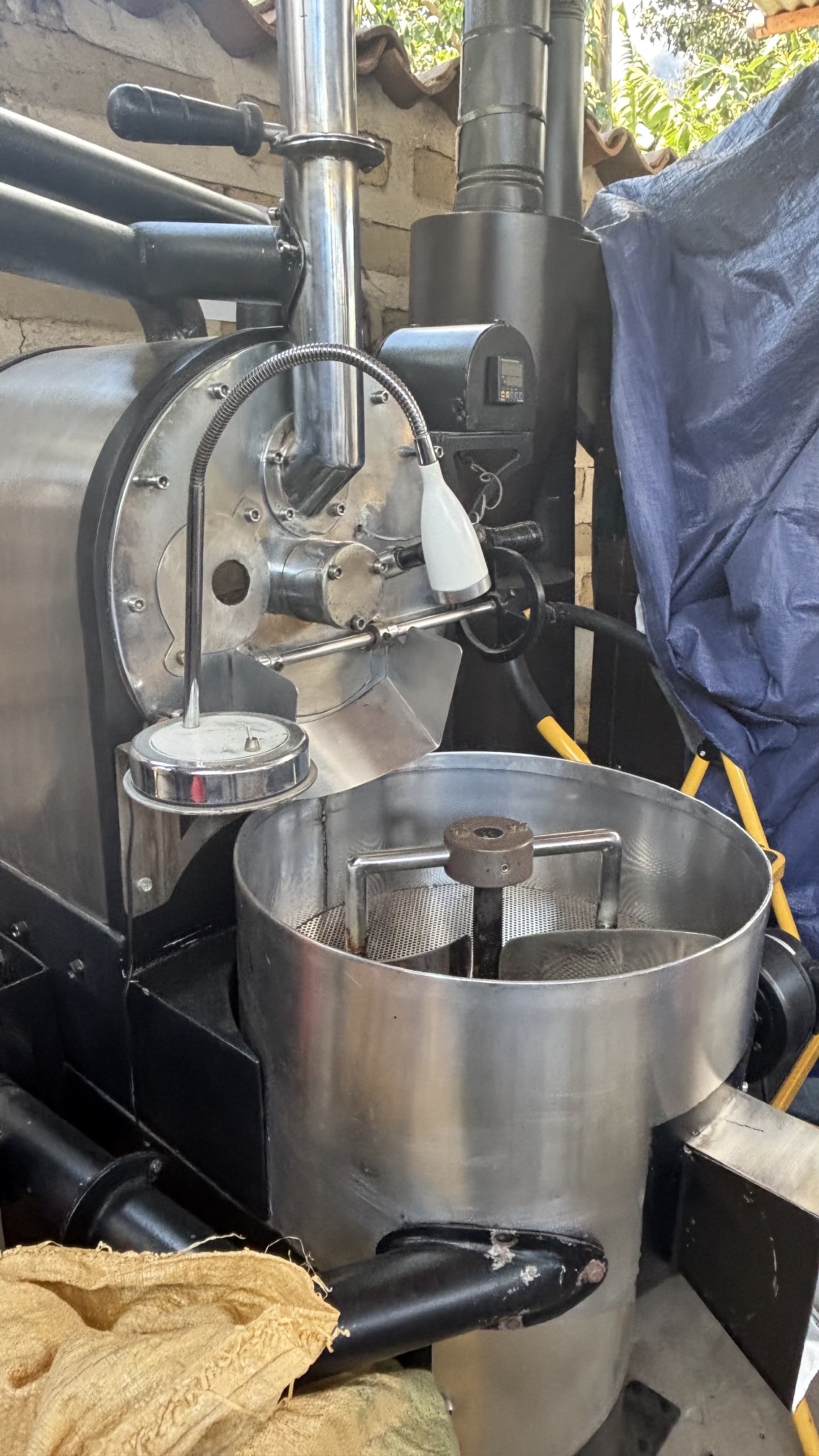
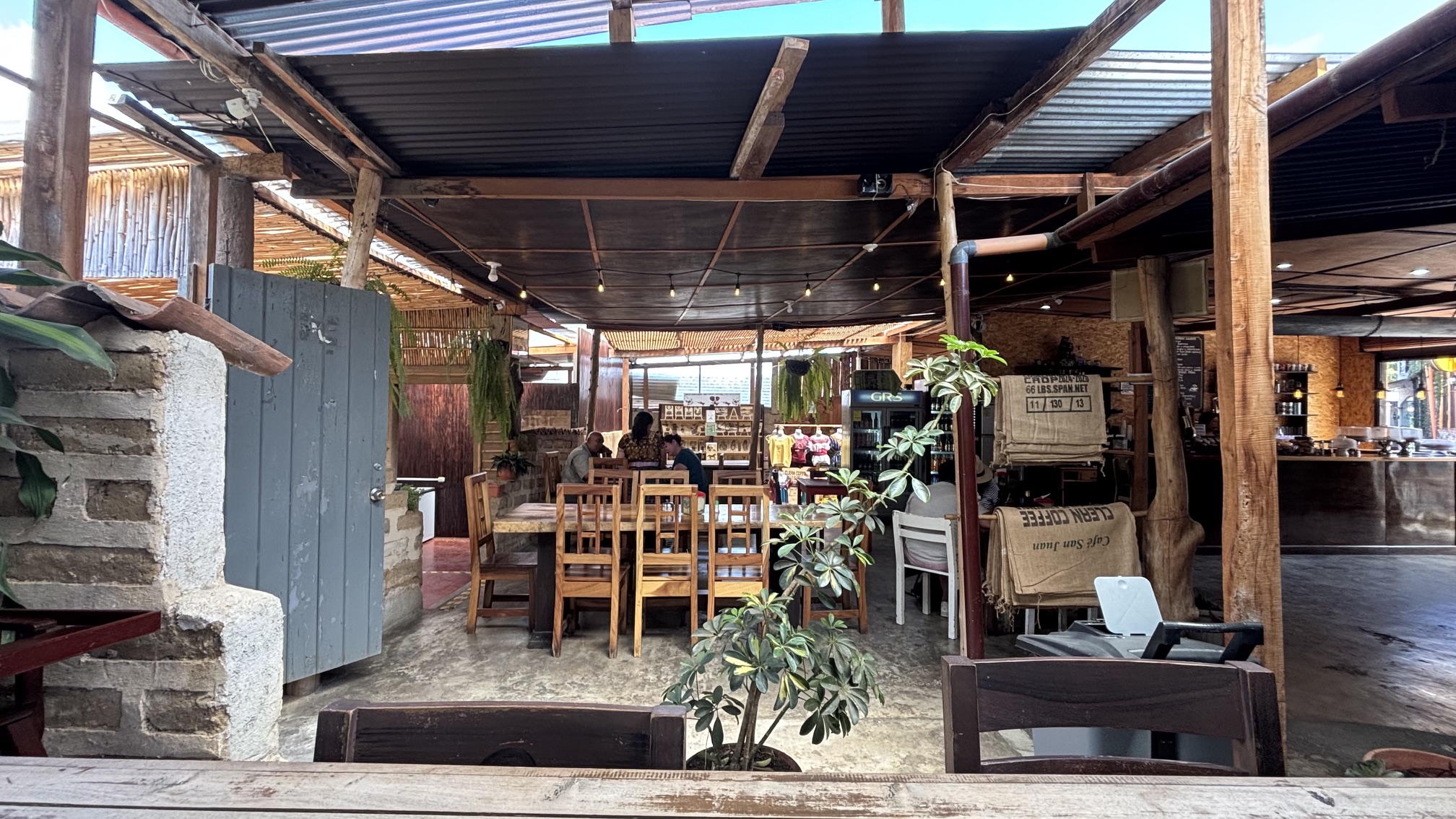
Camera: iPhone 15
Locations: San Pedro La Laguna, Guatemala
“Explore stunning photography taken in February 2025 showcasing landscapes from Lake Atitlan in Guatemala where volcanoes surround this magnificent lake.”


Camera: iPhone 15
Locations: Lake Atitlan, Guatemala
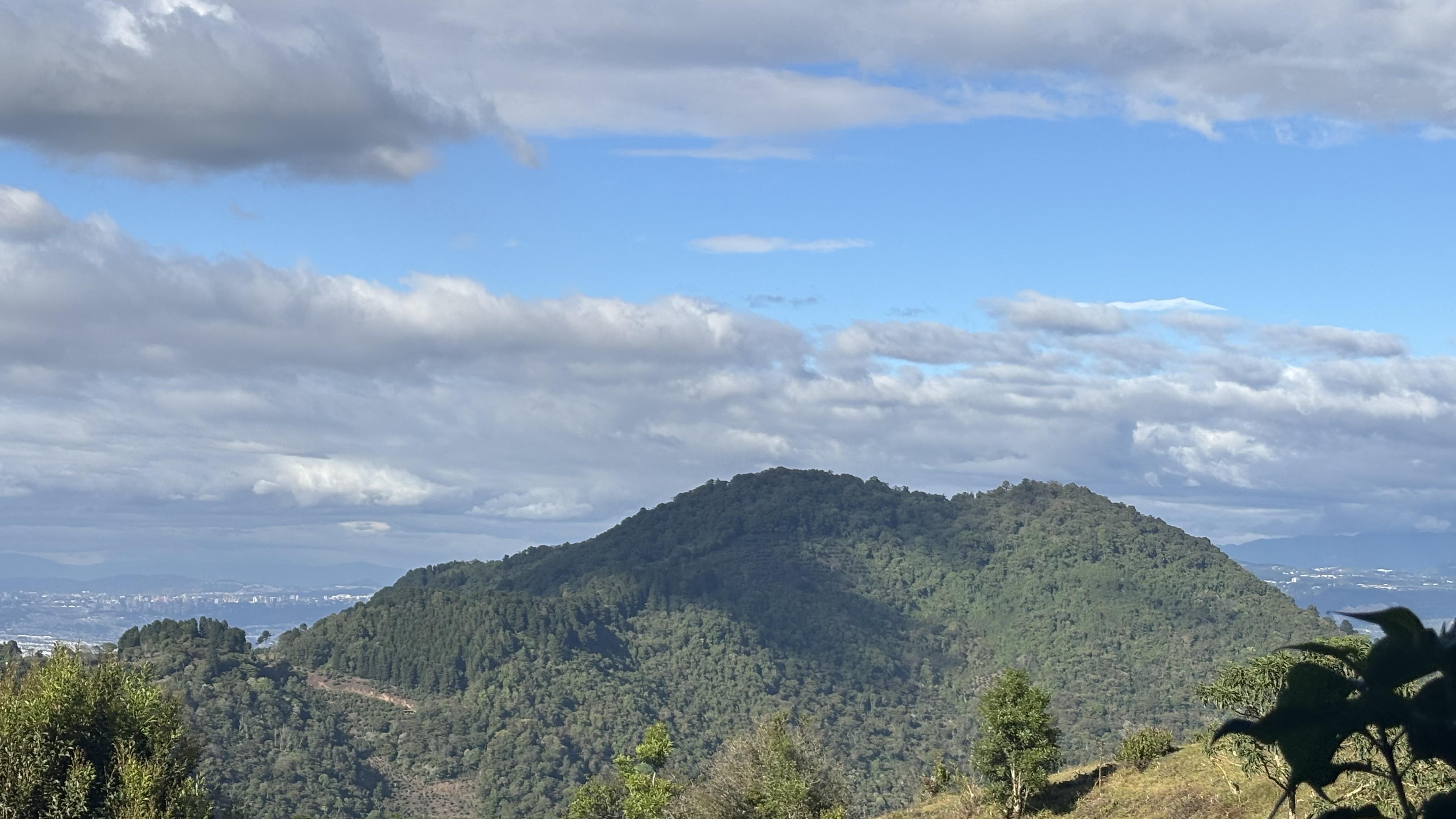
“My first trip to Guatemala and discovering little by little this wonderful country in Central America including its coffee, flowers, and natural beauty.”


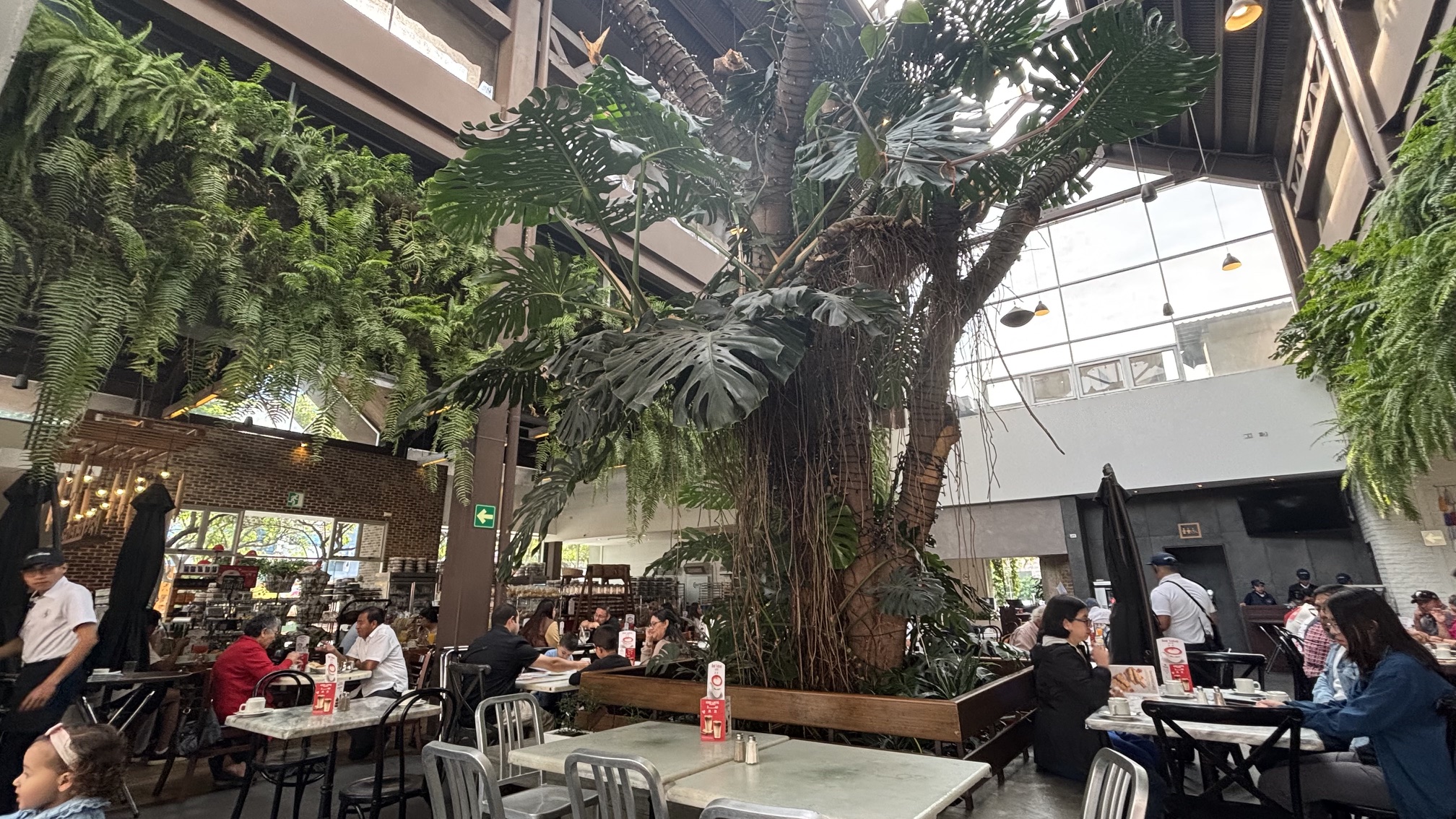
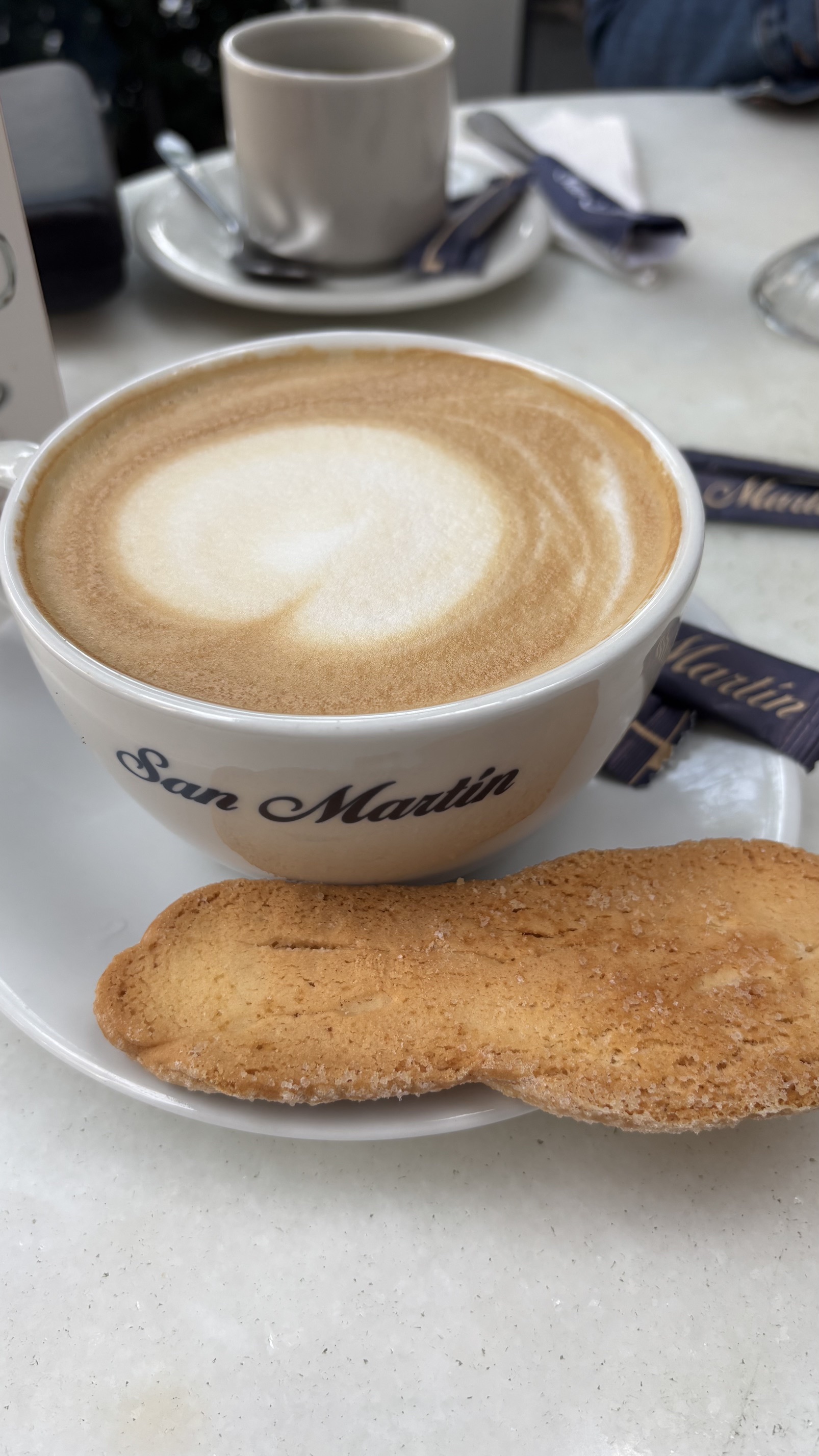



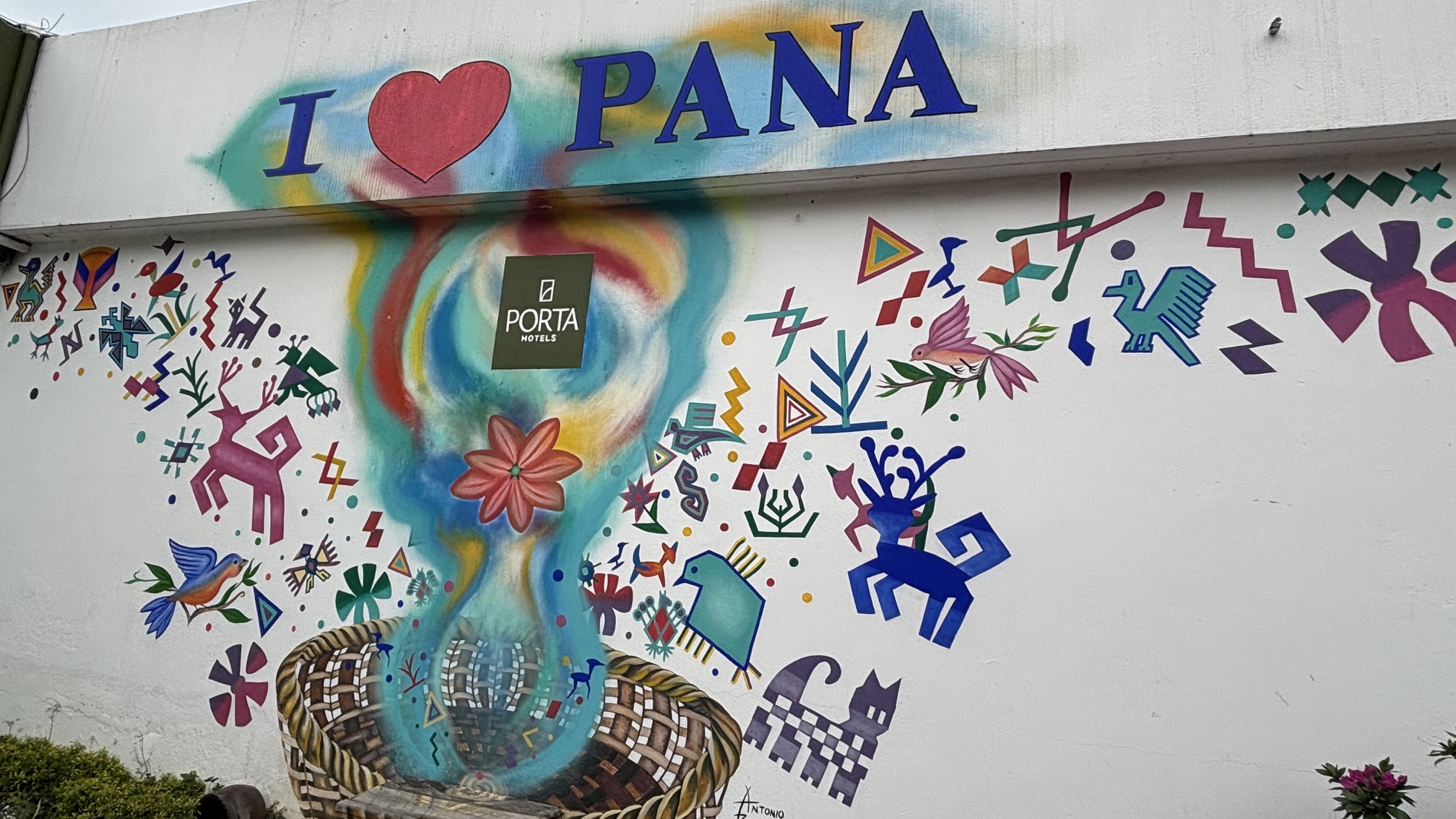
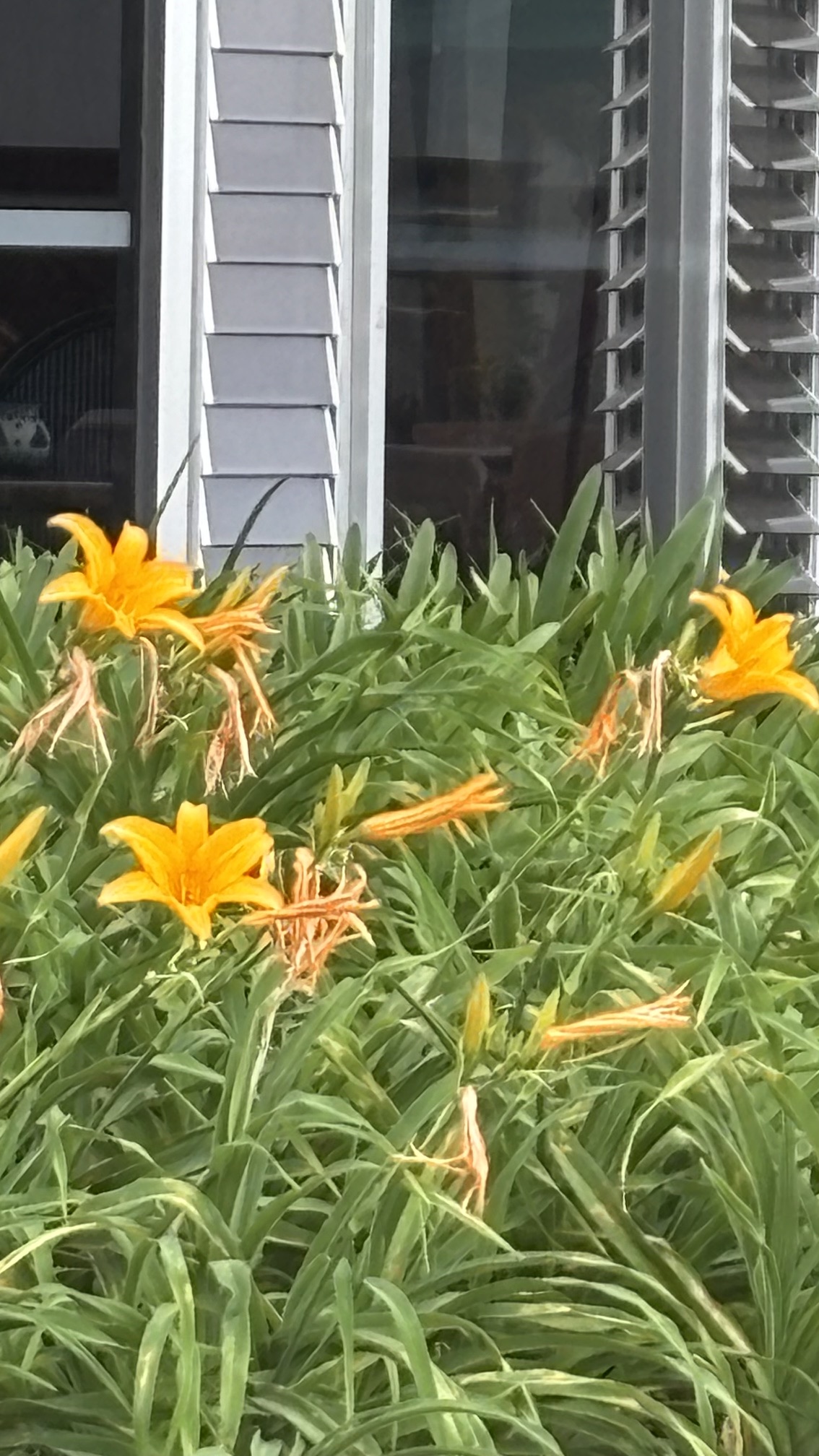

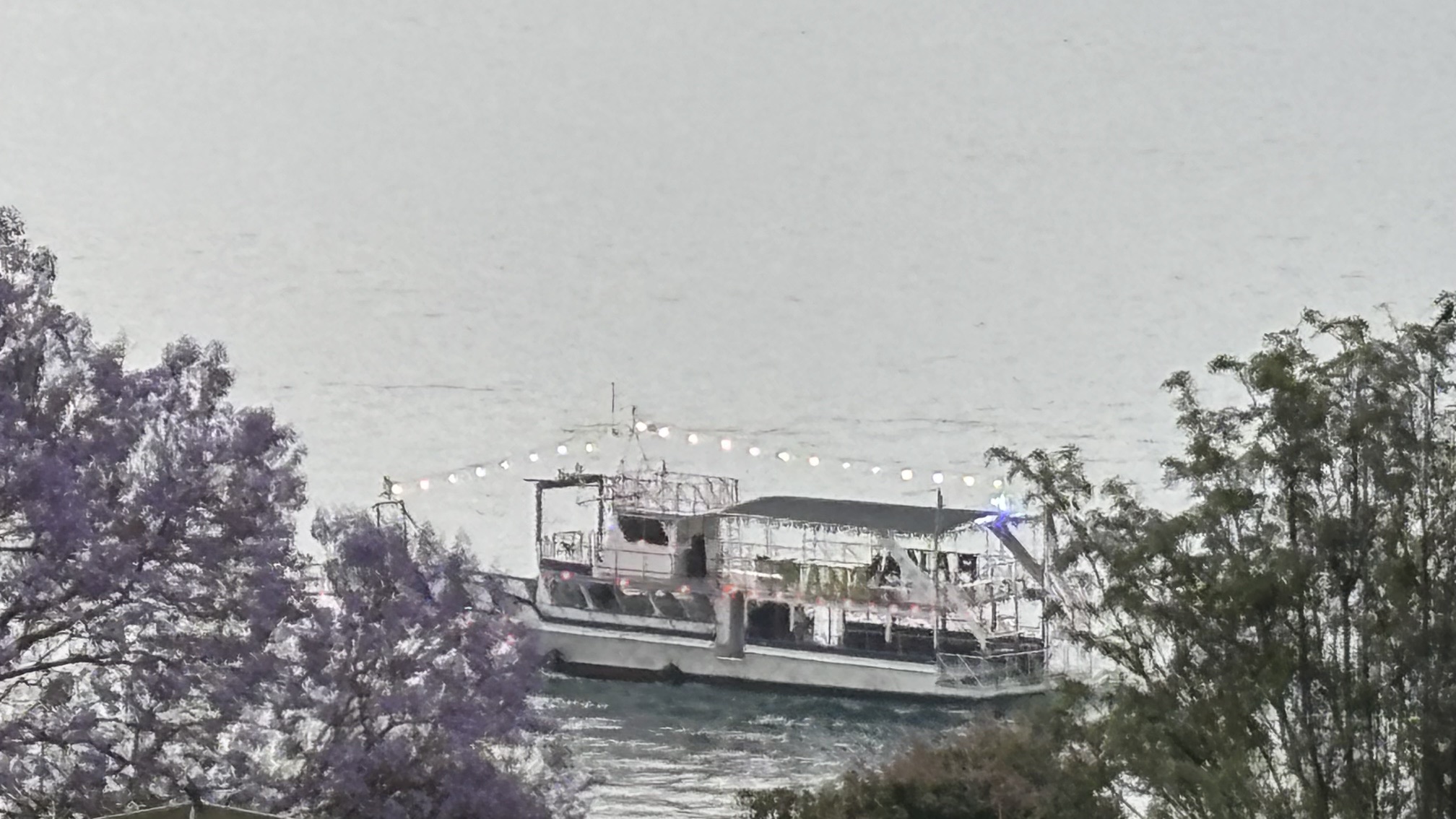



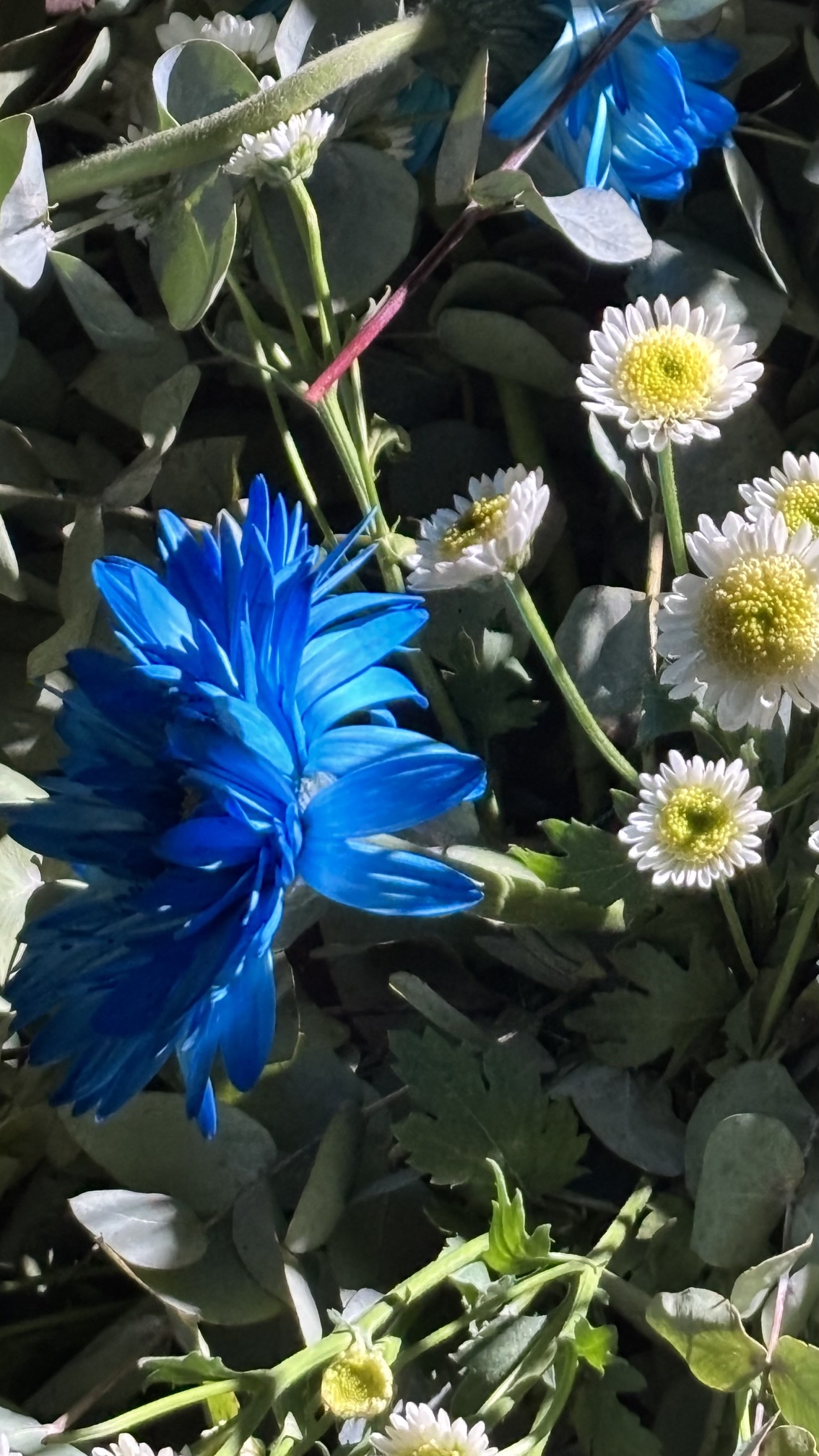
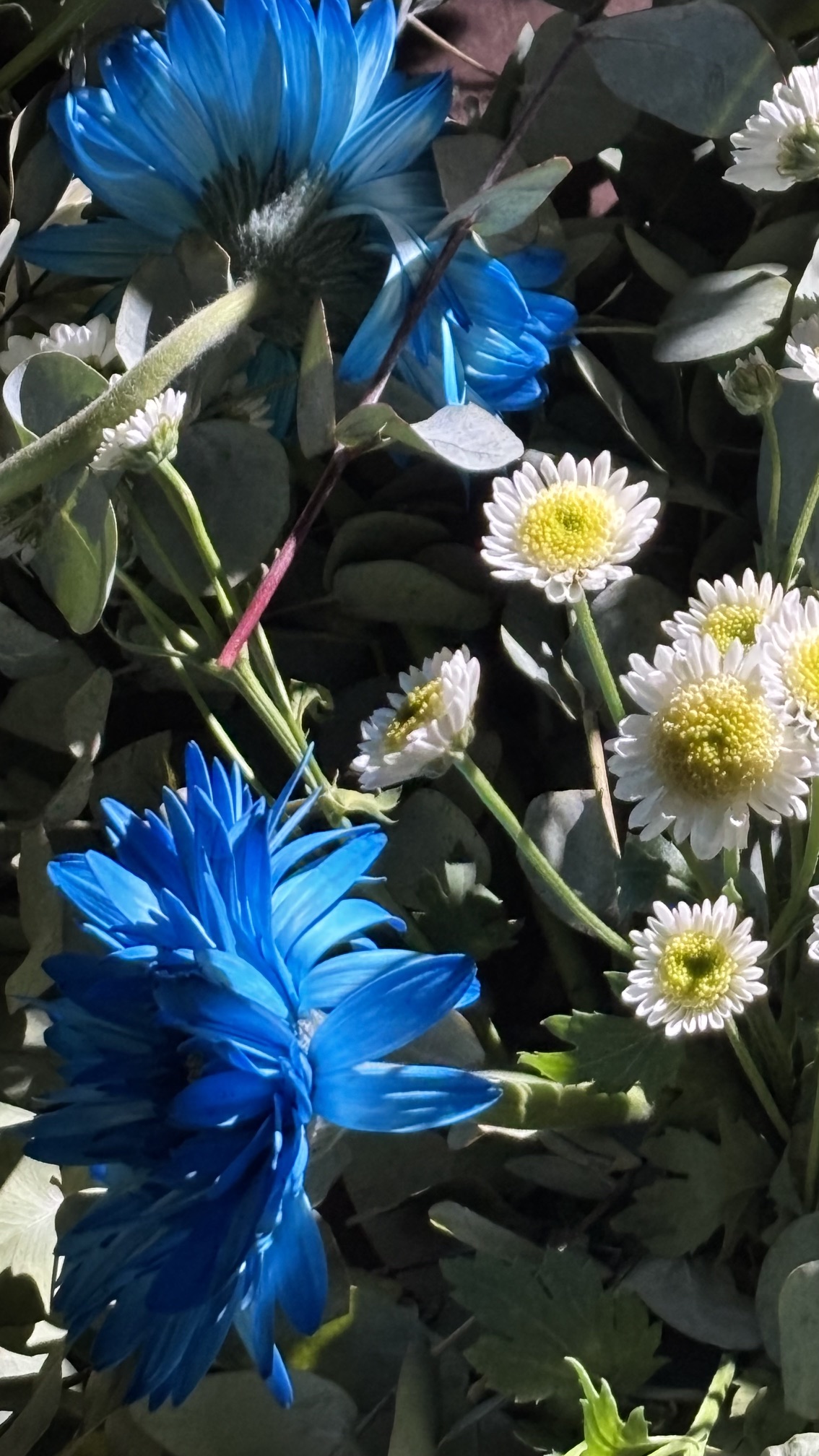
Camera: iPhone 15
Locations: Guatemala City and Panajachel, Guatemala
“The notion that you must fire back, get heated with your emotions, and lose your cool to do so is an unnecessary one and could end up costing you more.”
Your inner peace matters a lot more than you think. When other people, professionally or personally, try to get a rise out of you, don’t let them do it. Whether they are related to you by blood, or are in the same office building, or just a stranger on an airplane, some people get a kick out of pushing your buttons. It can be hard to not want to push back at them and not also be seen as a push over. The notion that you must fire back, get heated with your emotions, and lose your cool to do so is an unnecessary one and could end up costing you more.
What’s the alternative reaction you might ask? I suggest explaining yourself calmly, giving your side of it, and then moving away from that individual or de-escalating the situation as best as you can. Don’t let yourself be dragged down by their poor attitude, lack of self-awareness, or no emotional control. You deserve to be safe, respected, and not bullied into being quiet. Be firm, state how they made you feel, and then move on.
If that person or group of people won’t stop and keep escalating, you need to remove yourself from them and don’t associate with them as much as possible. If you must deal with them in a professional or personal manner going forward, let them know calmly in a spoken or written manner that you won’t tolerate such behavior from them anymore and you deserve to be treated better than how they have acted to you previously.
Family and friends can sometimes push your buttons more than anyone else, even when they might not even mean any harm or inconvenience. Maybe it’s a sibling who always critiques your life choices, or a parent who insists they know what’s best for you even when you’re an adult. Instead of snapping back or holding in resentment for what they are suggesting, try calmly stating your perspective: “I understand your concern, but this is the decision I’m making for myself.” You don’t need to justify endlessly your choices but rather you can simply acknowledge their opinion while standing firm in your own decisions will help protect your peace and sets a clear boundary with those people closest to you in life.
Not everyone you encounter will treat you with respect or kindness in public, and that’s okay. They’re responsible for their own behavior. If someone cuts you off in traffic, sits in your assigned seat on an airplane pushes ahead in line in front of you, or acts rudely to you for no reason in public, your reaction is the only thing that you can control. Take a breath, respond politely if needed, or simply let it slide.
Protecting your composure doesn’t make you weak; it demonstrates self-control and keeps you from being dragged into unnecessary conflict. If anything, how they react to your calm behavior in response will tell you exactly what you need to know about this person, and you’ll know that you made the right choice not escalating the situation with a stranger who chooses to act out in public instead of acting politely and kindly.
Take my recent flight experience, for example: a lady sat in my assigned seat before I had even boarded the plane. I was also preoccupied with putting my carry-on in the overhead compartment nearby my assigned seat, and then when I got to my seat to settle in finally, she had the audacity to ask me to move to her seat. My first instinct that came to mind? Frustration and disbelief at her social ineptitude.
My better instinct(s) that I acted upon in this case: Take a deep breath, calmly reminded her it’s my seat, and be aware that the airline staff would handle any escalation if necessary. I explained that I paid for the seat and that if she wanted it, she should have asked me first and then the airline staff whether this would be a possibility. She backed down, moved to her correct seat, and I got to handle the rest of the flight without carrying someone else’s chaos.
Online interactions these days are a minefield for drama and bitterness. A heated comment or trolling post can provoke an instant emotional reaction but hitting “reply” while angry often escalates the situation and will make you feel worse for engaging with that person (like an AI bot or fake troll now). A more powerful approach is to pause, step back, and ask whether engagement is truly necessary with someone who wants to waste your time or provoke you into doing something you’ll regret. Sometimes, choosing not to respond is the strongest statement of all. It signals that you refuse to let negativity or vitriol invade your space.
When you feel provoked either offline or online, some mental tools or habits can be surprisingly effective. Count from one to ten. Take a deep breath and visualize a buffer between you and the instigator. You can also silently repeat a mantra like, “This is about them, not me.” These small actions give you a moment to choose a calm response rather than a reactive one. Over time, these actions can train your brain to prioritize your inner peace over the urge to “win” every confrontation or “one up” the other person. Often, the other person is not going to see your point of view, will choose to continue the argument, and it will only make you angrier and more miserable.
Maintaining composure in difficult situations pays off in every area of life. People notice when you stay calm under pressure and it earns respect professionally and personally. Your relationships benefit because you’re setting healthy boundaries, and you preserve your emotional energy for the life moments that truly matter. Most importantly, you gain peace of mind: fewer regrets, less stress, and the knowledge that you’re in control of your reactions, no matter what others do to you or how they act to you. Your calm is your emotional power in life so never give it away to someone else’s chaos.
“When was the last time someone let you merge into traffic or grabbed you a coffee without asking? Too long, right? Small gestures like these can make your day or even your week. We’re taught from a young age that kind words keep the world turning, but words are just the starting point.”
When was the last time someone let you merge into traffic or grabbed you a coffee without asking? Too long, right? Small gestures like these can make your day or even your week. We’re taught from a young age that kind words keep the world turning, but words are just the starting point.
Even rarer than kind words are kind actions. Post-COVID, people’s social skills have atrophied, making everyday courtesies harder to come by. Things like holding the door, walking on the right side of the sidewalk, or letting someone merge on the highway might seem small but they matter far more than words alone, and we could all use more of them.
Having these kinds of gestures be optional instead of compulsory represents an overall reflection of the fracturing of what used to be common courtesy along with the kind of bare minimum expectations we have of one another too often. Instead of kind gestures, we often have the opposite now: people being loud in public places, not using earphones or headphones on their meetings or in the music they listen to, or just not minding their body language or others’ personal space. I value the importance of these basic gestures because they take such little time or self-awareness yet have become harder to find even when I consider them to be increasingly important to societal harmony.
It’s one thing for strangers to abstain from kind gestures or words but it’s entirely another when they come from business associates, colleagues, family, or friends. Taking the initiative and building a two-sided friendship or relationship, professional or personal, doesn’t take much to sustain but it truly can make a world of difference to the other person(s). Such kind gestures mean more than the average word could ever and people really remember those sincere actions more than giving a basic compliment or heaping on effusive praise.
These kind gestures depend on the kind of relationship you have with the person or group in question, but sending business associates a holiday card or remembering their birthday can strengthen the relationship significantly. You could also offer to buy them coffee or tea for providing advice or mentorship with your work or business. With work colleagues, it doesn’t hurt to share your appreciation in giving a kind word for them, but it could mean much more to bring in food or drinks for lunch or help them with a problem they are having on a difficult project. If you’re a manager, kind words are nice to hear but recognizing your employees with a bonus, a promotion, or just an award or other kind of real recognition can make a huge difference with morale building or employee retention at your firm.
With one’s family and friends, it’s always important to say ‘please’, ‘thank you’ and show your appreciation for their presence in your life. However, it’s always better to take the initiative to ask them out for a dinner or a concert or just to give them a call consistently to check-in with them and see how they’re really doing. Keeping a friendship or family relationship in good shape is hard to do but at least making the effort to see each other and to do so in a two-way manner is key to keeping it sustainable.
Being complimentary, supportive, and positive are all great with your words but real actions or gestures will always speak loudest. That’s especially the case when you’ve known that person a long time and have a history together. Sometimes, friendships end out of nowhere and family bonds are breakable by one party or the other, but if you want to make a real effort, make sure to rely on kind gestures primarily because they mean a lot more to someone than your words.
These days, it’s hard to get kind words out of strangers or people you don’t know and even more so when it comes to expecting basic social graces or gestures of kindness. As a result, we are starved for those kinds of gestures and actions that are unprompted, considerate, and relevant to us. We need those friends, family, and even close associates doing kind things for us and for them to be reciprocated as well because it helps foster our happiness, joy, and overall life satisfaction more than we think.
Kindness begets kindness. While words can move the needle, gestures, actions, and time spent together make a world of difference. Remember: kind words are the minimum of a polite society but making kind gestures second nature to you, especially for the people in your orbit, will make your life richer and fuller. Tomorrow, remember to hold the door for someone, send that quick ‘thank you’ note if someone did something kind for you, or buy a mentor or a friend a cup of coffee. Small gestures always make a big impact, which makes life better for everyone.
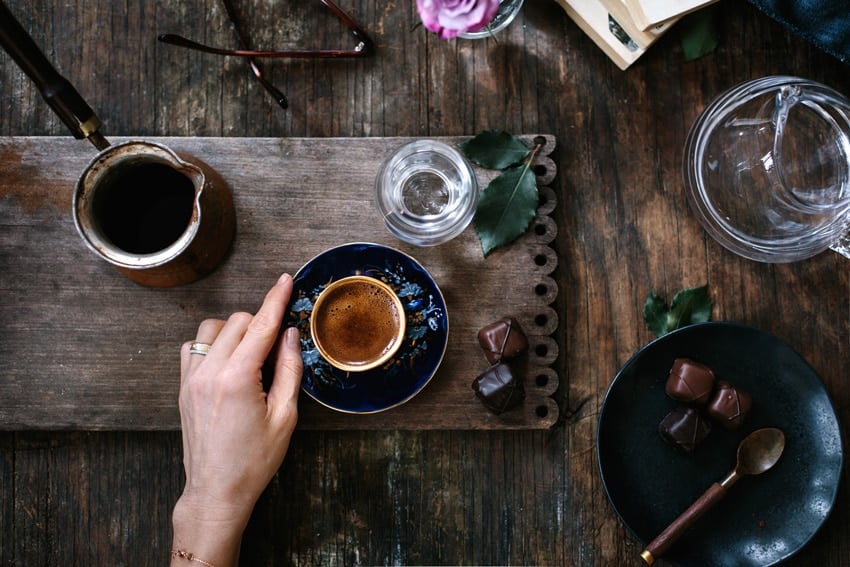
“Similarly to life itself, I find that the Turkish coffee experience is a lot like life and perhaps even more so than a box of chocolates (no offense to any Forrest Gump fans).”
I love Turkish coffee. Its roast, its scent, its strength, and subtle sweetness that I can’t get enough of. I don’t even mind the times I drink too much, leaving bitter remains on my tongue. I’m not too bothered by it because sometimes you must taste the bitter ends to get the sweetness out of most of the coffee you drink. Turkish coffee is unique, the jolt and caffeine rush unlike any other I’ve experienced in the world. Similarly to life itself, I find that the Turkish coffee experience is a lot like life and perhaps even more so than a box of chocolates (no offense to any Forrest Gump fans).
Preparing Turkish coffee to be served is an art, requiring patience, precision, and care, qualities life demands from us as well. The finely ground beans must be measured just right, water poured with attention, and heat applied slowly to coax out the perfect brew without letting it boil over. A slight misstep can change the flavor entirely, just as small choices in life can ripple into large consequences. Stirring the coffee gently, watching the foam rise, and letting it rest before serving mirrors the need to pause, reflect, and nurture the moments that matter most. In both coffee and life, the effort put into preparation shapes the richness of the experience and skipping the process only leaves you with a bitter, incomplete taste.
Just like a cup of Turkish coffee is carefully prepared with time and attention, life rewards those who pause to notice the details. The swirling patterns at the bottom of the cup hint at what’s to come, just as small choices ripple into larger consequences. Sometimes, life surprises you with unexpected flavors like a hint of cardamom, a twist of fortune, and other times it’s a sharp bitterness that makes you wince. But every sip, whether sweet or strong, shapes the experience and reminds you that the richness of life comes from paying attention, savoring the moment, and accepting the unknown.
When you first taste Turkish coffee, it’s like a jolt of pure energy and a rush that I would liken to the sun hitting your face as you wake up from a dream and when your consciousness first stirs in the morning. You try to recapture that feeling with each sip, chasing the sweetness that lingers consistently. You can even add a bit of sugar, stir it around to keep the bitterness at bay, and prolong the experience as much as you can. Life like a Turkish coffee cup is pretty small and the portion is not as big as you would expect. It’s a concentrated dose of caffeine and is a high-quality batch of brew.
Like life itself, you got to enjoy it to the fullest but also savor it at the same time. No matter your age, life rushes by, just like the last sip at the bottom of a Turkish coffee cup. Bitterness is inevitable in a Turkish coffee experience as it’s mixed in with the rest of the sweet flavor. There are bitter times in life to be had mixed in with the sweet times and as much as you try to avoid it or abstain from it, you need the bitter parts of life to truly realize how sweet the overall experience was. The bitterness reminds you to savor the good times and to not let it affect your perception of the life you had as a whole. Coffee, like life, can be bitter or strong at times, but that doesn’t mean we should stop living or stop drinking it.
Especially towards the end of life, the bitterness is unavoidable and comes on strong. As health wanes and loved ones are lost, life goes on and you sip, and you savor it while it lasts. A good Turkish coffee is enjoyed ideally by a body of water like the Bosphorus Strait in Istanbul but ideally, it can be with a view of the ocean, the mountains, or even just on your back patio with the quiet of the day. Life, like Turkish coffee, should be embraced in all its sweetness, bitterness, and everything in between. You really don’t want to miss out on the whole experience having never fully lived it to the most extent. Don’t miss it. Drink it all.