







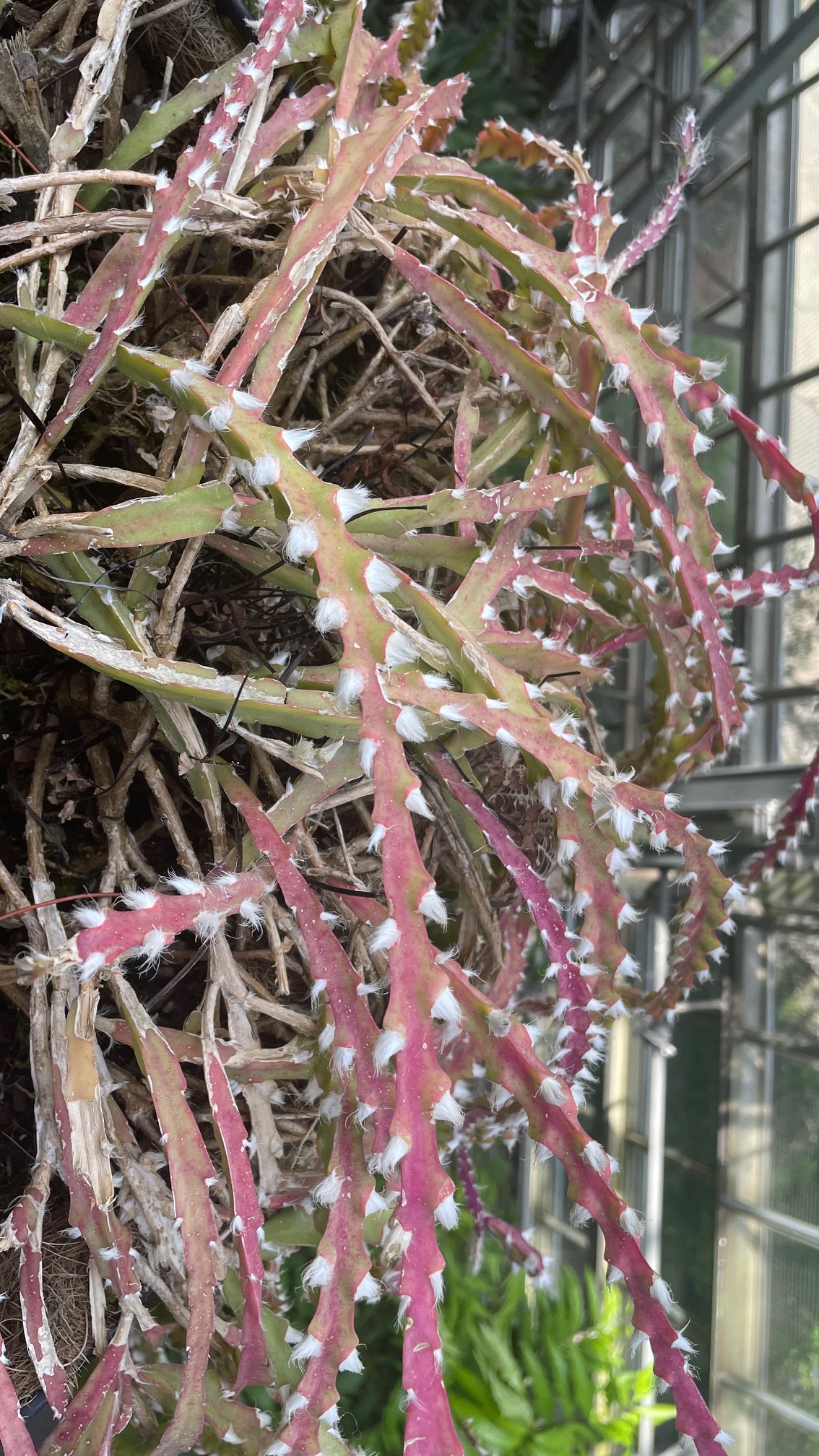

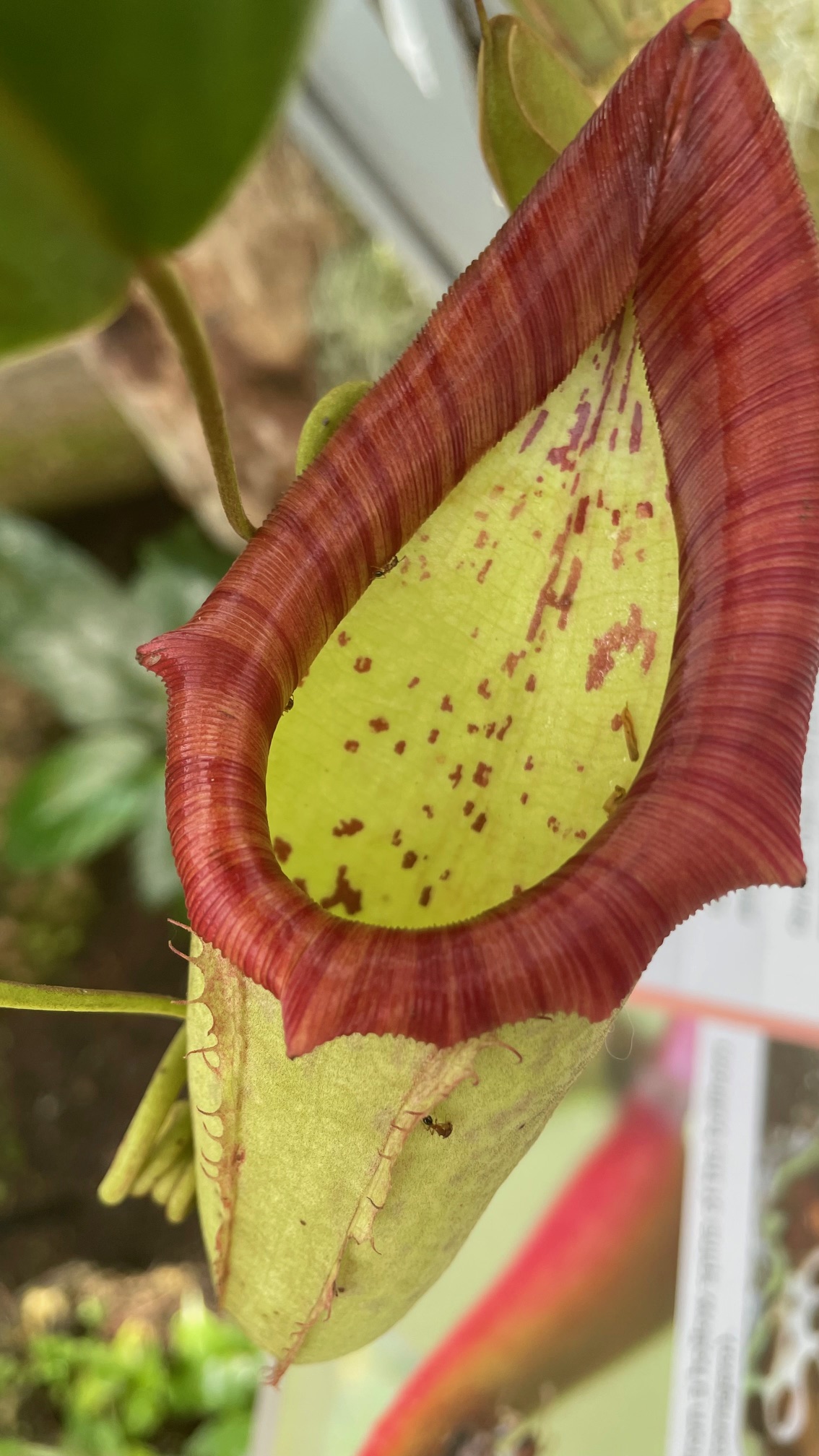


Camera: iPhone 12
Location: United States Botanic Garden; Washington, District of Columbia, United States

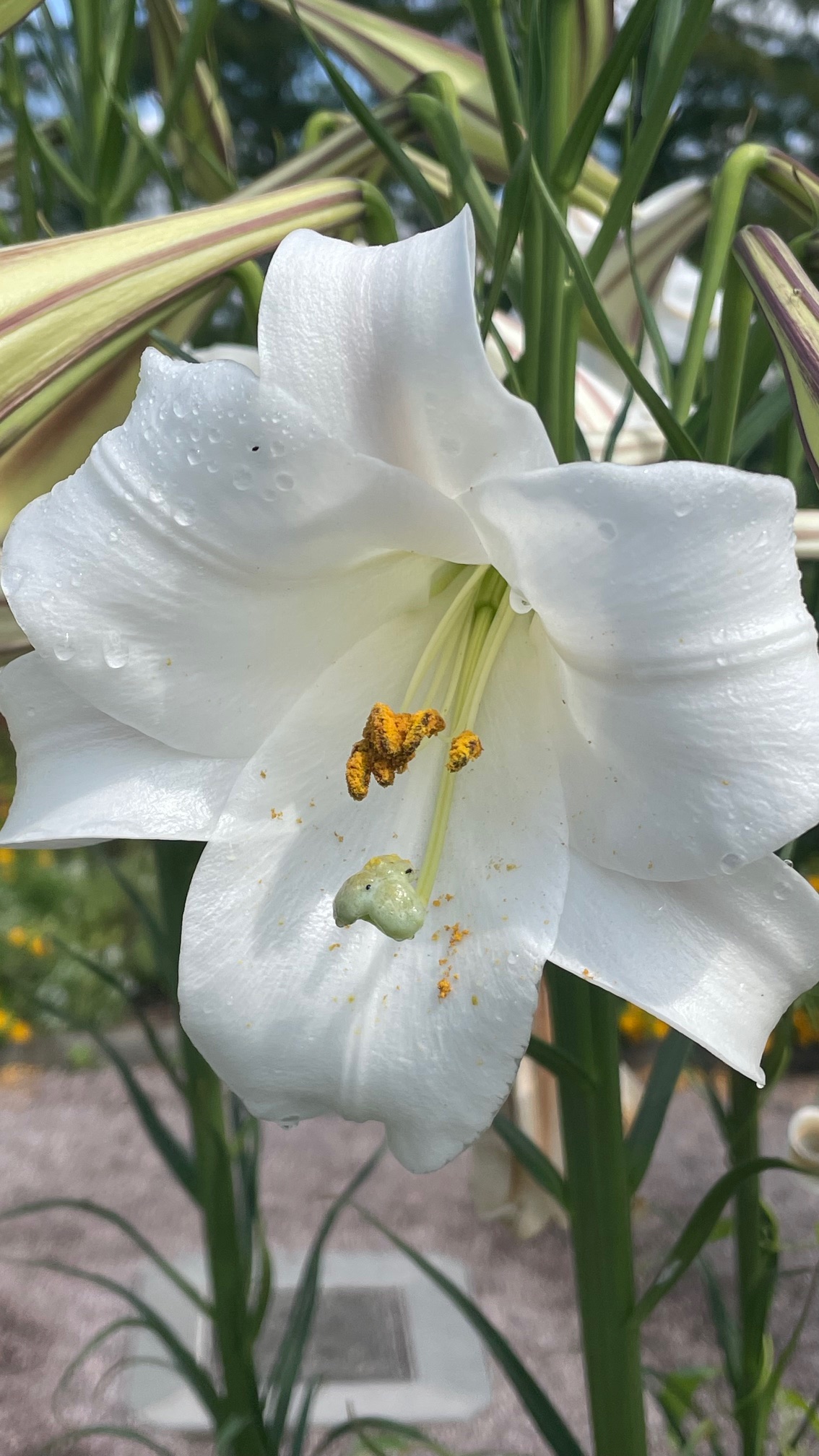
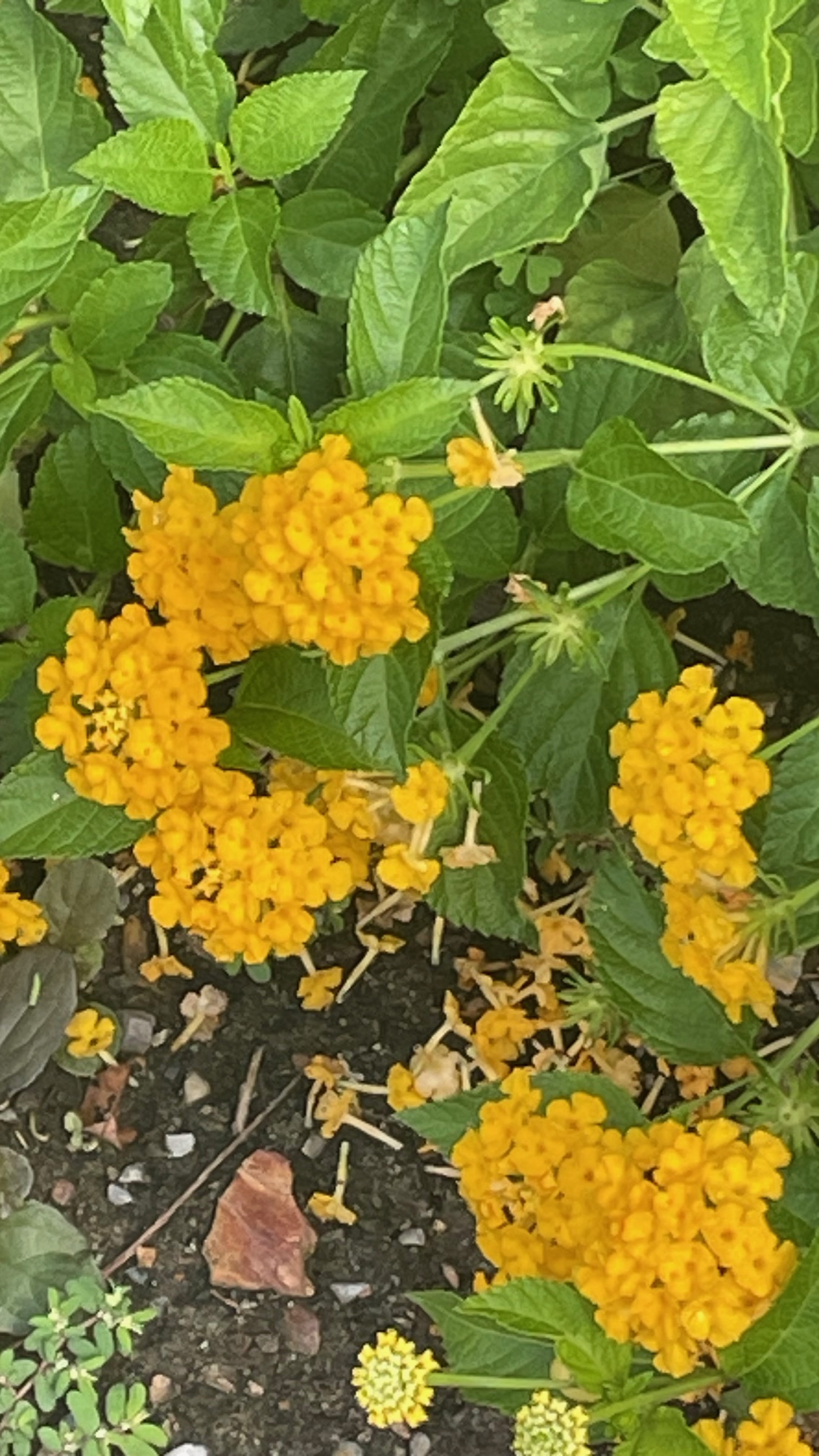
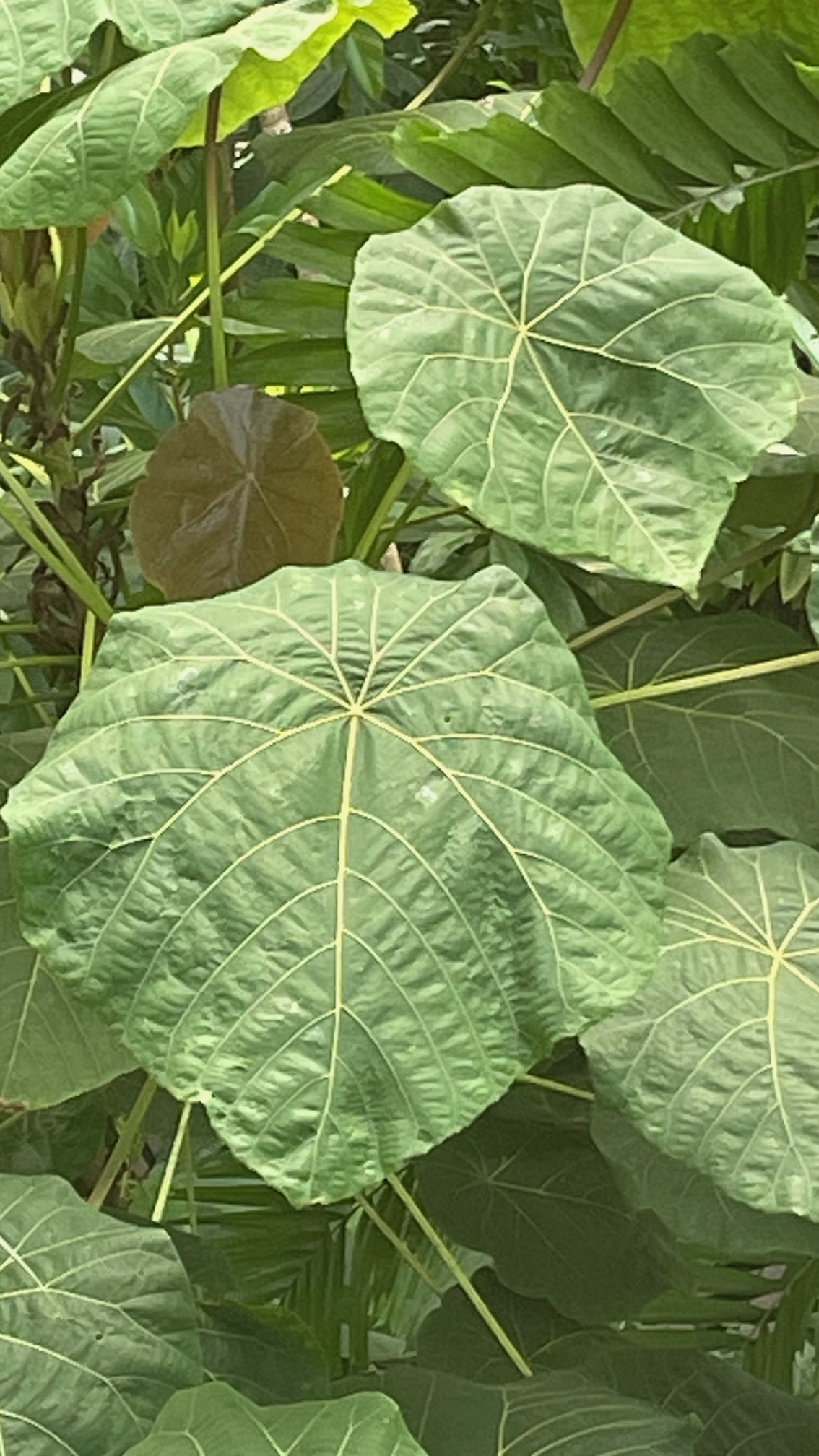
A visit to the United States Botanic Garden, a national botanical garden in the heart of Washington, DC.
Camera: iPhone 12
Location: United States Botanic Garden; Washington, District of Columbia, United States
Feijoada: The National dish of Brazil. It is delicious, fulfilling, savory, and tasty. There are not enough adjectives in the English language to describe this scrumptious plate of goodness. While also prepared in other parts of the Portuguese-speaking world such as Portugal, Angola, Cape Verde, and Mozambique, Brazilian Feijoada is more than just beans and pork. It has a little bit of everything to make it a unique dish that has protein, carbs, and even sugar to satisfy one’s taste buds. The Brazilian Feijoada was born in Recife and developed in Rio de Janeiro but has now spread across the entire country reflecting its status as a beloved national dish.
From Salvador to Sao Paulo and from Recife to Rio, every Thursday and/or Saturday, the hearty Feijoada dish is prepared for families and friends to enjoy together. While there is some variation in terms of what is to be offered on your plate, you can definitely expect to find a big clay pot bubbling with black beans, different pork and beef parts including oxtail and tripe, as well as tongue perhaps. In the Northeast of the country, the clay pot can also include different vegetables such as kale, potatoes, okra, carrots, etc.
The side dishes can vary across the country, but it is quite common to serve couve, a kind of collard greens dish that is chopped up and stir fried adding to its overall flavor. You also can have chicken steak with fried yucca (mandioca) as well as fried plantains (bananas) as a kind of dessert or sweet tooth necessity if you still have room. To mix with the black beans and the couve, you also have cooked white rice, which is nicely mixed together with the meats as well to create a beautiful plate of both Brazilian history and culture.
To clean your palate afterwards, some fresh orange slices can also be added to the plates offered in order to help with digestion. Beforehand, usually, you will be offered a cup of savory black bean broth, kind of like the soup, to slurp down ahead of the feijoada, which can also be added to the dish if you so choose to. Of course, you have baked pieces of bread as well that can soak up the juices and the broth to add on to an already gigantic plate of heavenly food.
What you need to keep in mind about Feijoada before diving in is that you need to eat it on an empty stomach and to clear your schedule for the day because chances are good that you will need a nap and a glass of water after diving in. For those of you who get the ‘meat sweats’, it’s good to take your time and eat slowly. The Feijoada dish is very heavy so it’s good to relax, have a beer or caipirinha, talk with your friends, and make sure you pace yourself since you will be likely not to do anything else for the rest of the day.
This is not a national dish for vegetarians and Brazil is not the easiest country to be a vegetarian in. You can have Feijoada without the pork parts and the beef stew, but it is really not the same in my opinion. Vegetarians can join in on this delicious dish, but they are definitely not getting the same experience as meat lovers sadly enough. I do love that Feijoada is only offered once or twice per week showing that it’s kind of a national pastime to have it specifically on a Saturday and then you can take the rest of the weekend off as you will probably need to after gaining a few pounds or kilograms.
You can have Feijoada for lunch or for dinner, but it usually is only eaten one day a week. The only thing you should really plan to do after eating Feijoada is perhaps watching the big football match of the weekend and perhaps relaxing with a few glasses of water. You can compare it to the Colombian dish of Bandeja Paisa in a way, but the amount of different foods represented in Feijoada is definitely impossible to beat. You could compare it to the ‘soul food’ cuisine of the Southern United States but there’s still no dish from the American South that quite compares to Feijoada. Similar to the traditions of ‘soul food’, there is a complicated and rough history behind the beginnings of Feijoada which just goes to show how resilient people in very difficult situations regarding food can make a beautiful, tasty dish out of almost nothing or the scraps made available to them on purpose. In order to really know Feijoada, it’s important to dive into the history of the dish as well and what exactly makes it unique to Brazil.
From what I have learned, the origins of Feijoada are up for date but since this kind of stew with pork and beans was quite popular among European settlers, it can be inferred that it was brought over by the Portuguese during the colonization period. However, it seems that the dish was expanded upon by the slaves in Brazil who would add other ingredients such as the couve, the arroz (rice), and the mandioca as these were other foods available to them. Gathering all of these foods together and putting them as a mixture on a big plate would be a hearty yet simple meal to have when it came time to preparing it before or after a long day of work in the fields or farms. While slaves were restricted to rice and beans, special occasions such as holidays allowed them to get different pork parts or beef parts considered less desirable by their masters and to throw them together in a stew to help them feed themselves and get more protein as they worked in the kitchens. From the kitchens to the fields to the cities, Feijoada has earned its status as the national dish of Brazil.
Feijoada is very much a creative and improvisational dish where you have to do the best you can with what you have and put it all together when you don’t have much time to prepare a flashier meal. What Feijoada lacks in flashiness, it more than makes up for it in the sheer number of flavors and food groups the dish makes up. Between the rice and beans, the meats, the greens, and the after-meal delight of an orange slice or a shot or two of cachaça and you will definitely be satisfied with one of the greatest meals you could ever have in Brazil.

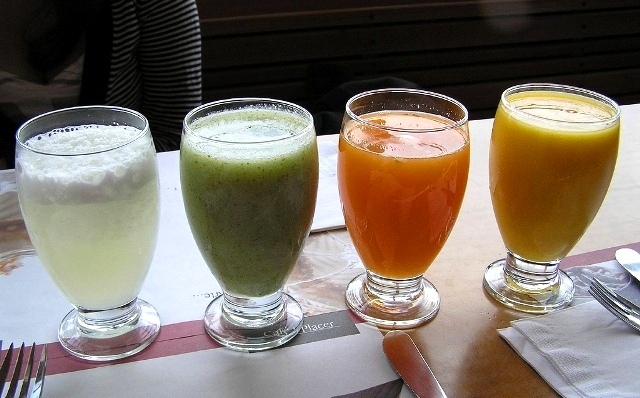
One of the joys of living here in Colombia is the diverse and plentiful selection of fruits to choose from. The choices are quite abundant and it is an integral part of the culture to imbibe in a cold and tasty fruit juice at the end of a long day.
As I mentioned before in my blog post titled, ‘The Heat Is On’, one of the best ways to deal with the heat and humidity is to cool down with a delicious fruit juice. It is also much healthier and refreshing than having soda or coffee instead. Over the past two months, I have done a great job of sampling the different choices of fruit juices and which ones I have a preference for. I’ve listed below the common fruit juices available here on the Atlantic coast and have also highlighted my personal favorites. The one juice that I have not tried thus far is the ‘Zanahoria’ or Carrot juice but I’m willing to give it a shot during the rest of my time here.
I hope that for those of you who plan on traveling to Colombia in the future will consider this ‘fruit juice’ list as a helpful guide to you. It can be a very hard choice to make when you’re at the ‘Fruteria’ and there are ten choices available but you’re not sure which one will be most refreshing.
Honestly, you can’t go wrong with any of the choices detailed below. Colombian fruit juices are freshly blended together rather than squeezed as is the case in the U.S. and elsewhere. In addition, the fruits are mixed with water or milk (smoothies) and topped off with a little bit of sugar. What results is a very fresh and tasty drink to keep you cool during those hot days and humid nights. The Colombian people take their fruit juices seriously and so do I.
While I only listed ten fruits / fruit juices to indulge in, there are over dozens of unique fruits here in Colombia to try out. Some of the most exotic and sought-after fruits reside here in Colombia and you usually can’t find them anywhere else. A lot of the fruits I mentioned in this post have great health benefits and are packed with nutrients. Different than the apple, banana, and grape, these ‘superfruits’ can cure ailments, keep you well, and give you more energy. If you decide to ever visit Colombia, eat the fruits and try the fruit juices. I promise you won’t regret it.