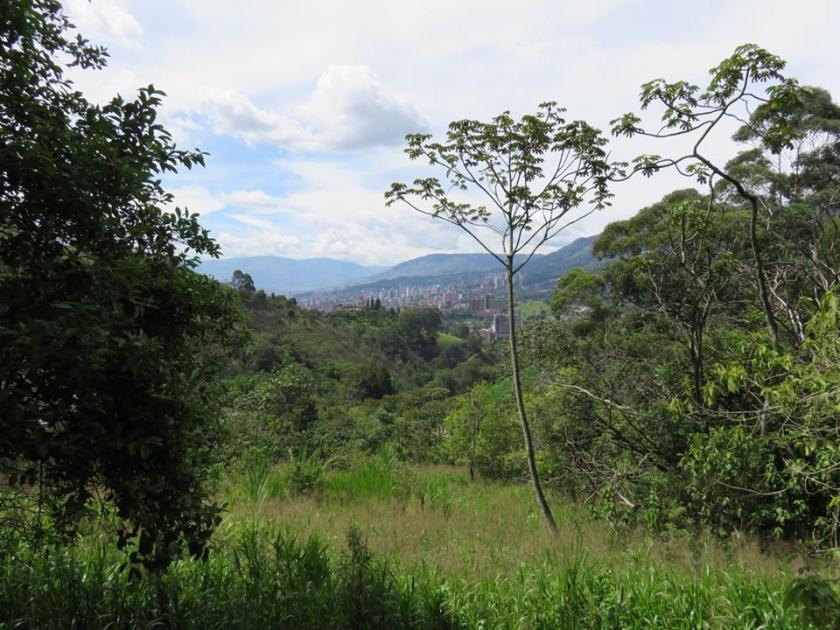




Camera: Canon PowerShot SX710 HS
Location: Envigado, Antioquia, Colombia

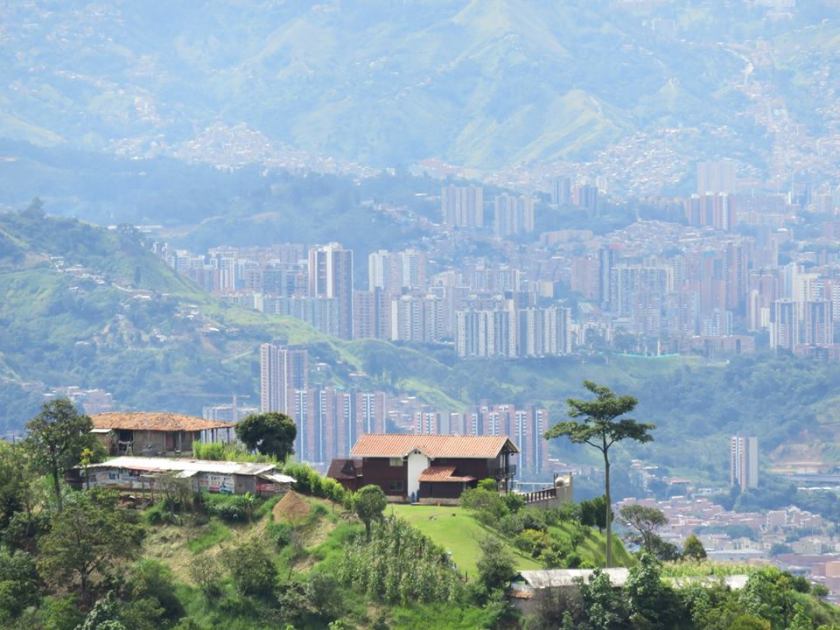
Camera: Canon PowerShot SX710 HS
Location: Envigado, Antioquia, Colombia
After a five-month break, I’m back with another edition of “Book Recommendations.” I’ve had some free time on my hands lately which has allowed me to read these really great books. I would like to share my latest selections with my visitors and hope that you will check these books out for yourself.
Note: I have also posted the links to these books so you can check them out on Amazon.com. You simply need to click on the books’ images below in order to be re-directed to the Amazon page of the book itself. Enjoy.
1.) And Then All Hell Broke Loose: Two Decades In The Middle East by Richard Engel, Chief Foreign Correspondent for NBC News
As someone who has studied the Middle East region extensively in college and has made a few trips to the region (Turkey, Israel, Jordan), I continue to enjoy learning about this tumultuous part of the world despite its rough past and present.
This book by Richard Engel is excellent because it comes from someone who understands the complexities and historical background of the region. He is also a great correspondent and storyteller who weaves his own history of working in the Middle East alongside the tumultuous events over the past two decades, which have fundamentally transformed the region.
Mr. Engel has been a foreign correspondent in the Middle East for over twenty years now. In this book, he clearly displays his vast knowledge of its’ history, culture, societies, and the troubles that continue to plague the region. Engel is fluent in Arabic, Italian, and Spanish. He has worked for NBC News and other major news organizations for over two decades. He re-tells his firsthand experiences and stories of starting out as a freelance journalist for the Agence France-Presse in the late 1990’s during the time of Mubarak’s Egypt. He goes on to discuss his experiences of working and living in Iraq during the collapse of Saddam’s regime and the subsequent U.S. occupation of Iraq.
In addition, Mr. Engel has also spent a lot of time covering the fall of Muammar Gaddafi in Libya and the recent civil war in Syria. Richard Engel has also endured some trauma during his career as he was captured and kidnapped by ISIS in late 2012. For the readers of his book, we get personal insight into the hellish situations he has been drawn into through his accounts of witnessing the deaths and injuries of many of his journalist colleagues over the past twenty years. This book is fundamentally a more personal story as he recounts how his 20 years of covering the Middle East had affected his marriage, his friendships, and his mental state.
What I like most about this book is that Mr. Engel gives you the historical background and the straight facts of what happened in the region and why it happened. You can tell that he was both physically and emotionally affected by the wars and insurgencies that he bravely covered for the U.S. media. More than anything else, it is a well-written account of what it means to be a journalist in a very difficult region of the world for journalists. Richard Engel doesn’t preach about what should have happened or what could have been different in terms of the politics but he simply relays his past experiences for those of us who want a more personal, firsthand account of what it is like to cover the Middle East.
2.) Kitchen Confidential: Adventures in the Cultural Underbelly by Anthony Bourdain
A world-renowned traveler, famous television show host, coolest American alive over 50 years of age. You can also add best selling-author to this list as if it wasn’t long enough. These are just a few of the titles that Mr. Bourdain has earned over the course of his life. However, most people forget that he was a very successful chef in New York City and elsewhere during the 1980’s and 1990’s. He is especially known for being the executive chef at the famed restaurant of ‘Les Halles’ in Manhattan, NY.
Due to his years in the kitchen, Kitchen Confidential is an in-depth, intriguing look into the actual process of how the food we eat in restaurants ends up on our plates. You may not feel very hungry after reading this book due to the expose on some food industry practices that could be considered unsatisfactory in terms of health regulations. I know now that I won’t ever order fish or any other seafood from a restaurant if it’s a Monday.
This book is an unfiltered look into life as a cook and Bourdain hilariously delves into stories from his past and the characters he encounters in the various kitchens he’s worked in. He discusses how he worked alongside drug dealers, degenerates, thieves, loose cannons, etc. in the kitchen but that didn’t detract from the excellent chefs that they made themselves out to be. If anything, Bourdain argues, their eccentricities and attention to details help make these people into great cooks.
Kitchen Confidential is also useful in that Bourdain gives tips and advice to his readers on how to cook and prepare food better. His advice ranges from what kind of knives are best to which simple gadgets make the most difference in having a decent kitchen to cook in. If you like his travel shows and his antics as a TV host, you will most certainly enjoy this book.
3.) Connectography: Mapping The Future of Global Civilization by Parag Khanna
The race to win the 21st century will not be a race between militaries, or of competing arms but of overall connectivity. Mr. Khanna argues that whichever country becomes the most connected to the global supply chains of trade, finance, technology, infrastructure, etc. will stand to benefit most in our current globalized world. A geopolitical strategist, consultant, and world traveler, Mr. Khanna displays his in-depth knowledge of international affairs and geopolitics from his past travels and from his extensive research.
From Ukraine to the UAE and from China to Nigeria, Mr. Khanna details how national borders are no match for the global supply chains that are increasingly emerging. Physical boundaries of geography are becoming less important than the priorities of developing high-speed rail lines, building intercontinental pipelines, expanding the World Wide Web, along with increasing energy outputs and resource trading among many different nations.
While some prominent figures in politics are advocating for resurgent nationalism and wall-building, Mr. Khanna understands that this perspective is detrimental in a world which is becoming more fundamentally connected. In the 21st century, countries and continents need each other now more than ever. With ten trillion dollars and growing being spent per year on infrastructure, transportation, energy, and communications, this trend is likely to continue unabated.
Among the notable ideas in this great book that Mr. Khanna highlights are the emerging North American Union with related maps in the book showing how the United States, Canada, and Mexico are becoming more interdependent. China is also connecting itself to many of its neighbors in Eurasia through gas, oil pipelines and freight rail networks.
In Connectography, Mr. Khanna gives us an in-depth perspective on the world’s growing interdependence and how its’ affecting our everyday lives. While there are numerous challenges to this worldwide trend, which are also highlighted in the book, Mr. Khanna strikes on a final note of optimism. Even with the difficulties and struggles of climate change, terrorism, civil wars, etc., only a more inclusive, connected global society can meet these challenges head on and succeed together.

With the constant temptations of technology, the Internet, endless entertainment options, and other distractions, it is all too easy nowadays to get caught up in work, school, and other commitments without ever taking time for yourself. It’s been scientifically and medically proven that your body and your mind need some time away from your daily stressors. It doesn’t have to be a long amount of time for solitude away from your home, or your workplace but just enough minutes or hours where you can re-charge your energy and re-capture your focus. When it comes to seeking out solitude and alone time, our options these days are becoming increasingly limited.
Some people choose yoga classes while other folks enjoy long workouts at the gym. While these activities in particular are healthy and enjoyable, they do not provide true solitude and quietness. Meditation can clear your head and allow you to control your thoughts better but it is not an active form of peace and serenity. For myself, to enjoy solitude, quiet, and a place to think; nothing truly beats a simple walk in the park for an hour or two. Clearly, I am not the first person to advocate for the joys and benefits of being in nature.
Henry David Thoreau, considered to be “the father of nature writing”, wrote many books including the famous novel, Walden, a reflection on the simplicities of living among nature in his cabin near Walden Pond in rural Massachusetts. In addition, his friend and fellow writer Ralph Waldo Emerson helped found the Transcendentalist movement partly due to the independence and intellectual stimulation, which he received from his retreats into the world of nature.
Whether you’re walking, jogging, running, or hiking in the park, it is going to be highly beneficial to you and your state of mind. It’s okay if you do it with a friend or a family member but it’s even better to do it by yourself. Taking a walk in the park or in the local nature preserve will allow you to clarify your thoughts, experience some solitude, and enjoy the world around you.
When you heed my advice from this blog post and decide to go for a walk in the park, remember to take the following steps before you go through with this idea:
In conclusion, instead of that Sunday afternoon you spend at the bar watching your favorite sports team or at home catching up on the latest Netflix series, why not go to your local park instead? Do some walking or some jogging and eventually rest your legs to sit down at the nearest park bench. Take in the sights, sounds, and even the smells to remind yourself that there is more to life than just work or school. You’re apart of this world and the world is apart of you.
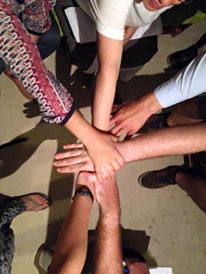
As apart of my training program to become a Volunteer for Peace Corps – Colombia, my fellow trainees and I have worked hard over these past weeks and months in developing and implementing mini-projects in partnership with our community here in different ways.
Overall, there have been three community projects that we have been working on over these past two months. All of us trainees together have worked on a ‘Limpieza La Comunidad’ or ‘Cleaning up the Community’ project with local citizens in an effort to make the parks and the local river here cleaner and safer for everyone. So far, we have conducted two clean-ups so far during the weekends which have at the central park of our town and then most recently at the ecological park and the area near the football stadium.
It has been a real joy to work with the young people of the community especially. The children and teenagers, who have helped us with the clean-up process the most. They have been extremely enthusiastic and willing to pitch in to assist and work with us. I have worked with one child in particular, named Jesus, age eight, who has helped me specifically with picking up the trash and sweeping the leaves. For both times where we have had our clean-up project in different parks, Jesus has been there to be my partner and help me with my big trash bag. I hope that after we leave for our volunteer sites in mid-April that the children, teenagers, and young people of our current community will become the next leaders of this clean-up effort and will continue these projects and make a sustainable difference in their town.
In addition, my colleagues and I have been able to create two mini-projects related to English education here in the community. A few of my fellow trainees have started a ‘reading buddies’ after-school program where they have read books alongside children and teenagers over the past couple of weeks. Others and myself have worked hard to create a community English class based around conversation lessons that have taken place on Thursday nights and during the weekends.
My fellow trainees and I have split the hours of teaching between ourselves and now provide about three hours a week between the three of us in giving conversational lessons in basic English to those members of the community who want to learn and expressed sincere interest to us in attending our classes. I have been very pleased with the turnout for my community class on Thursday nights and the hard work, engagement that my students have had so far for learning conversational English.
Eight adults showed up for my first class last week and I hope that they will continue coming to class over the next few weeks. For this program, I also hope to designate a leader(s) to continue having English classes within the community. If possible, I will select an adult with the English skills necessary in order to teach his fellow Colombians and keep the class going into the future. I always think back about how lucky I was in the past to pursue my passion for foreign languages and how I was able to take Turkish and Arabic classes at night and also attend Spanish conversation groups as well. It has been great giving that same opportunity to those adults interested in learning my language and developing their conversational proficiency.
Lastly, my fellow trainees and I have successfully completed recently two separate training sessions for the English teachers in our community. The topics have focused around creating speaking and listening activities for their students in an interactive way, as well as working on the pronunciation of difficult sounds in the English language. Both ‘charlas’ or teacher training sessions have been well attended; the teachers were enthusiastic about sharing what they had learned from us and applying this knowledge in their classrooms for the future.
As our first projects finish up over the next few weeks, I can say that we made a meaningful impact in our community during our training program. Each of the trainees has worked hard, provided a lot of time and effort, and have developed good relationships with the local community too. I believe that we can hold our heads up high as we head into April 2016 and the beginning of our formal volunteer service here in Colombia.
“I shall be telling this with a sigh, somewhere ages and ages hence: Two roads diverged in a wood, and I – I took the one less traveled by, and that has made all the difference.”
-Robert Frost (1874-1963)

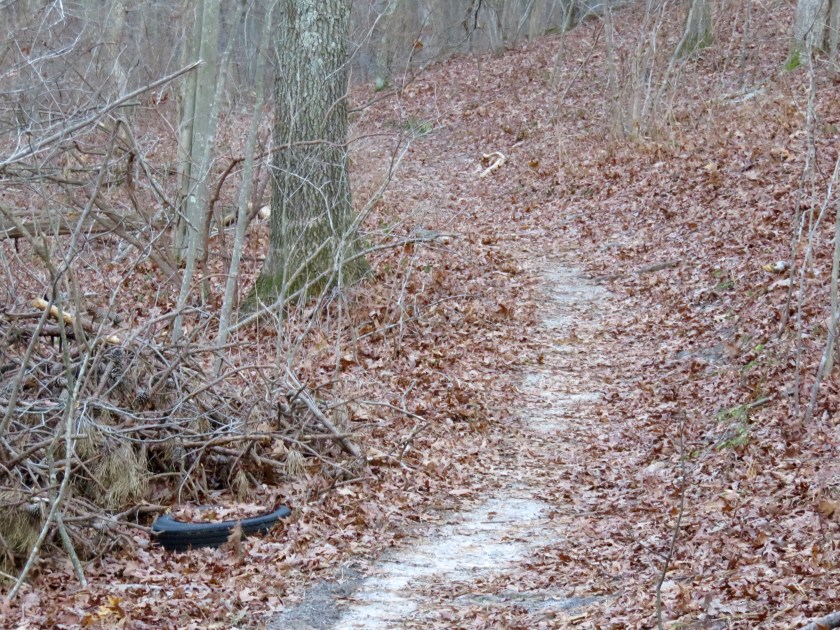
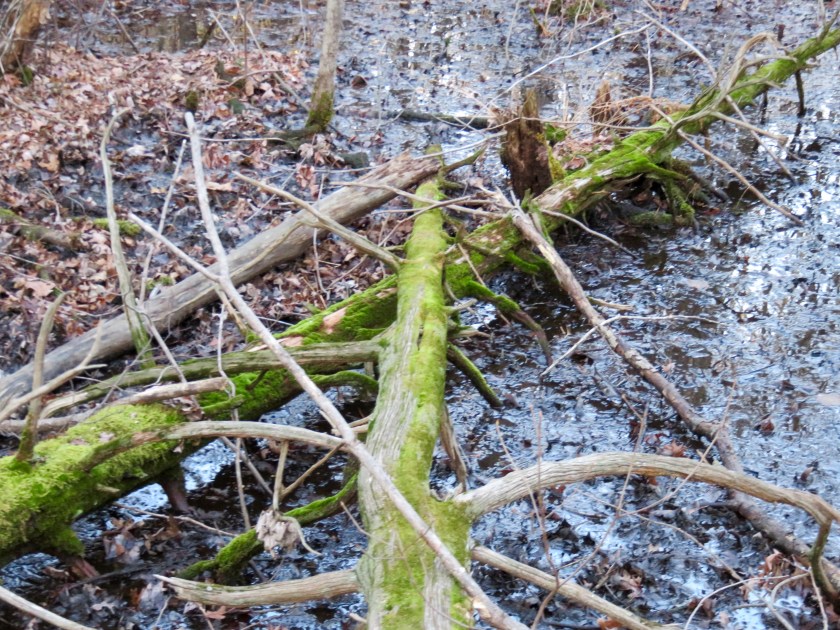
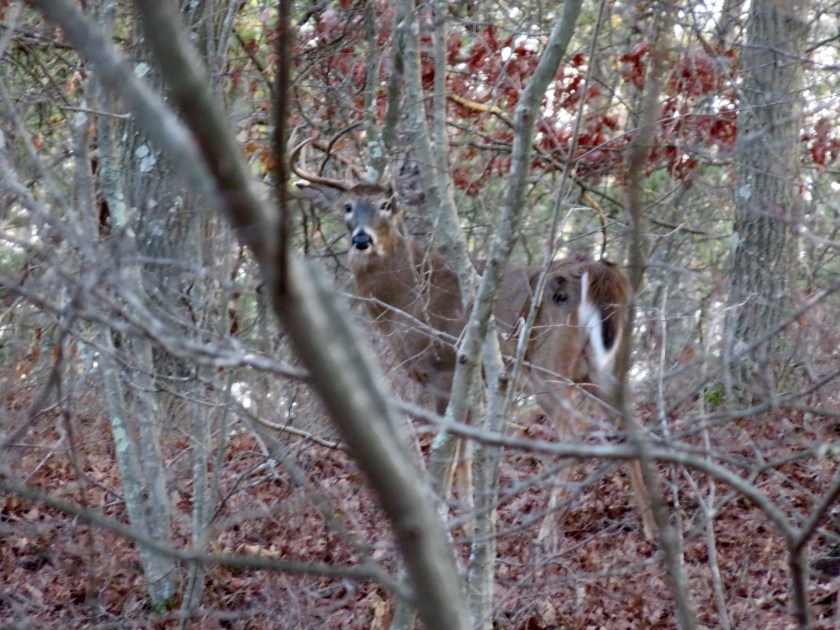

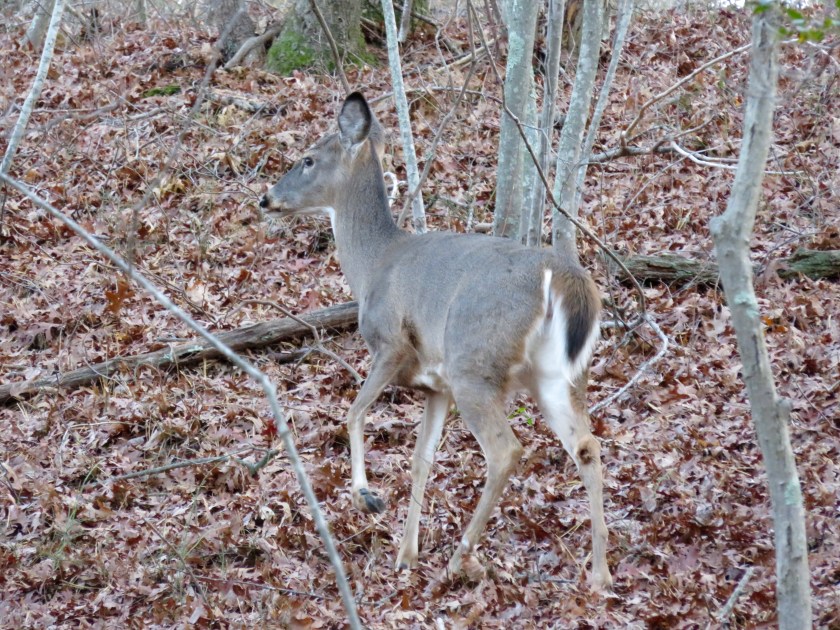
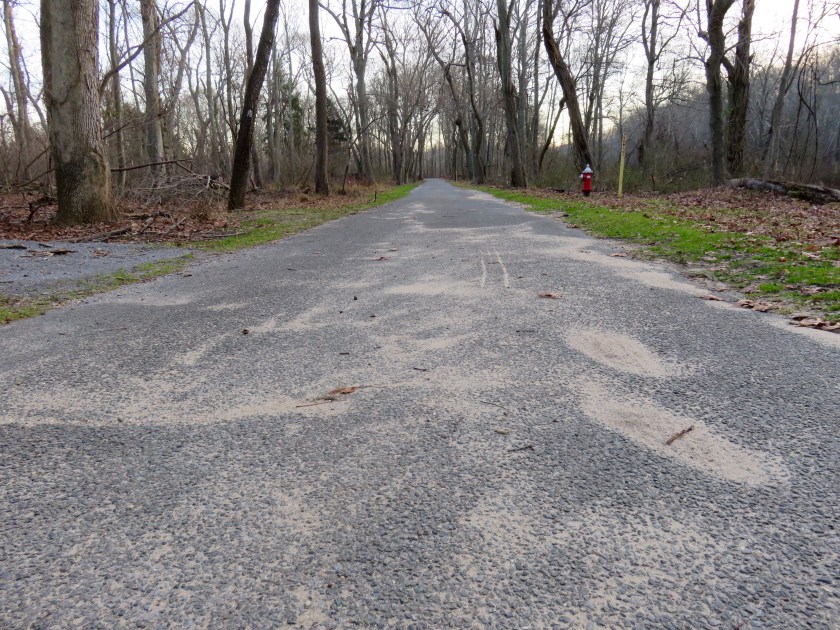
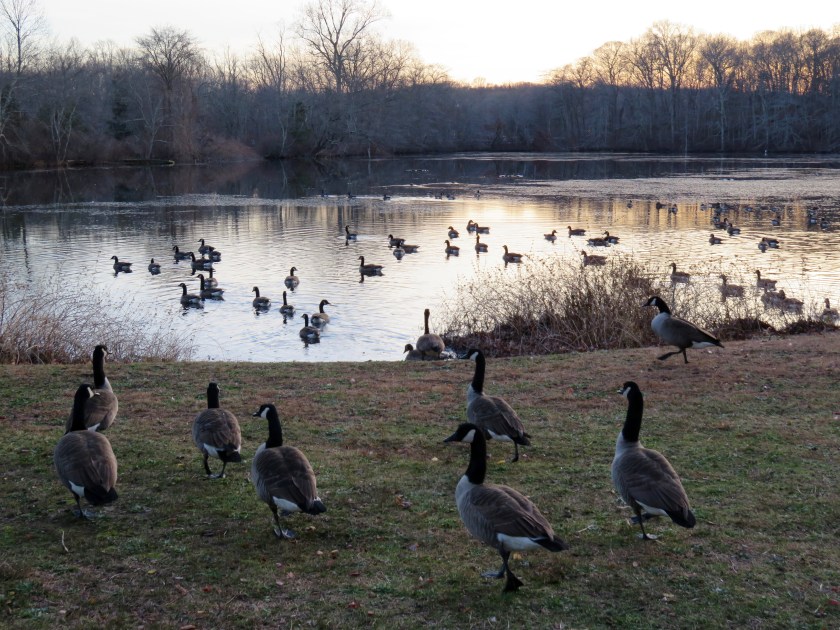

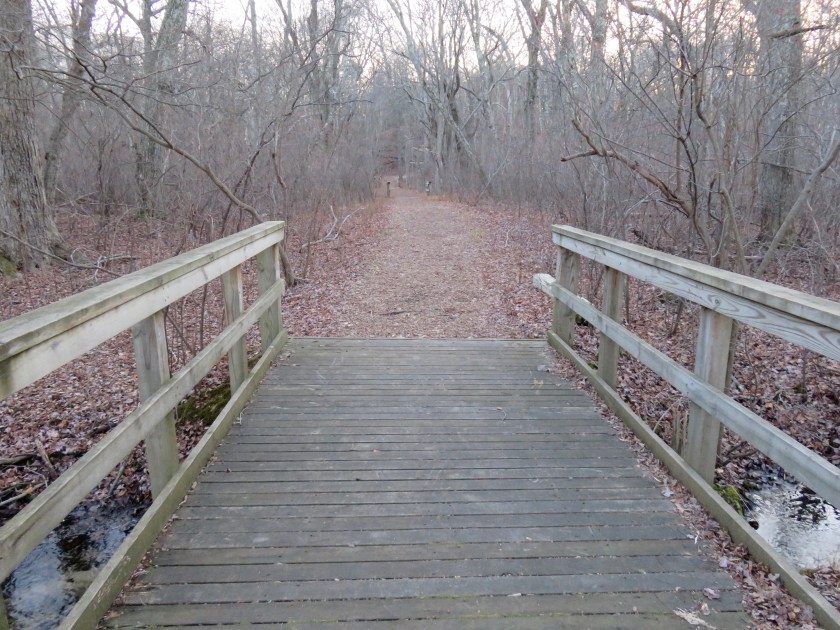
Camera: Canon PowerShot SX710 HS
Location: Caleb Smith State Park, New York

The airplane starts to whirl its engines and ascend slowly up into the atmosphere. I’m as calm as a Hindu cow trying to remain unaware of what I’m about to do. My instructor who is tied at the hip straps me in as tight as possible as a necessary safety precaution. I am still in denial about what is about to happen to me but it’s too late now. There is simply no way to turn back now.
It was my 22nd birthday and I wanted to do something special for it. I told my parents, my friends, and others what I wanted to do to celebrate the occasion. They all thought I was crazy but it was the daredevil in me that wanted to make this become a reality. The head pilot of the small Cessna plane indicates that they’ve reached a cruising altitude of 13,000 Feet (4,000 Meters) and it’s time for us to jump out.
One of the instructors opens the plane door and gives the go-ahead to his colleagues who are doing practice jumps like it was the most natural task in the world. You have to be somewhat crazy to be a skydiving instructor and do this day-in and day-out but 15 minutes later; I will completely sympathize with why they do what they do for a living. My instructor taps me on the shoulder and says that, “it’s go time!” We both stand up and move intermittently to the door opening.
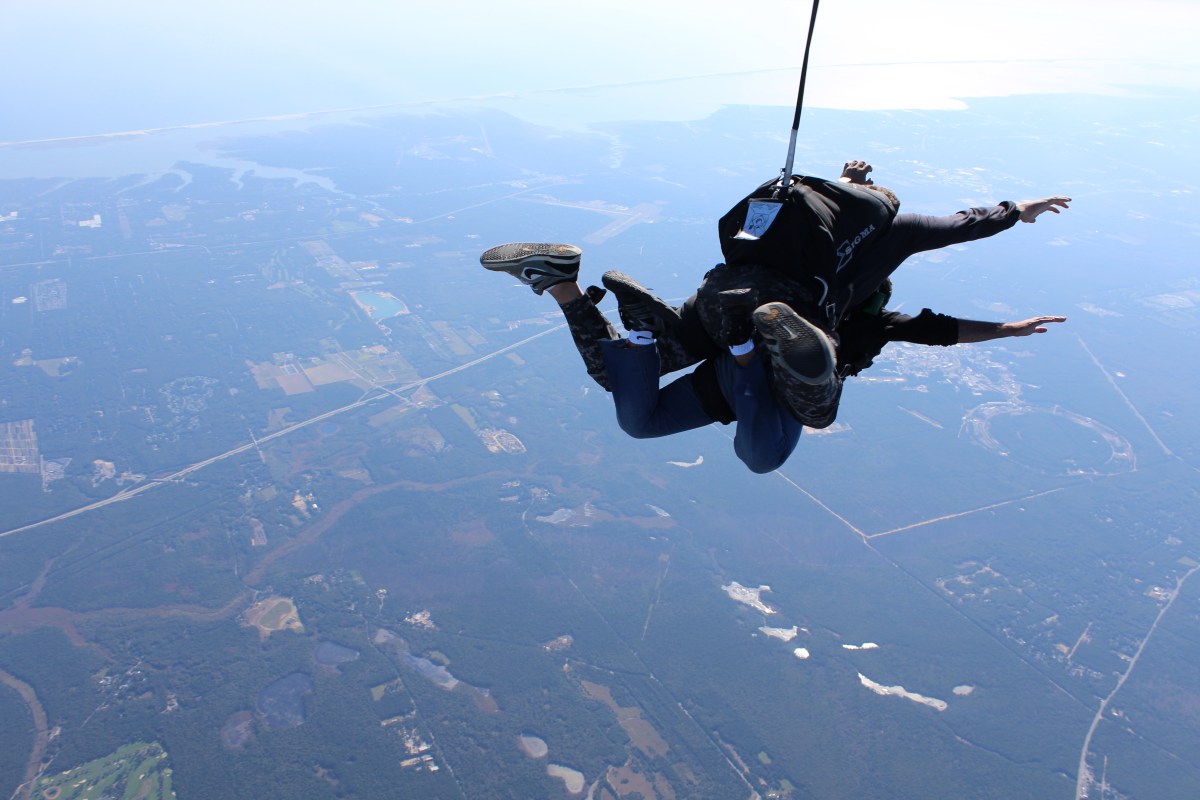
I’m in the front with him secured to my back. I can’t help but peer out into the abyss below and realize what I’m about to do. The only actual moment of sheer terror I had was when we were about to jump out of the plane. My mere mortality is on the line and the cold air and wind of the Atlantic Ocean hits me like a brick. My instructor and I push ourselves out into the deep blue sky at a top speed. The feeling was similar to what’s been said before in movies about how in the deep reach of space, “No one can hear you scream.”
That is also true at the altitude of 13,000 feet (4000 meters). Shock and bewilderment leads to joy and exhilaration within seconds as I cascade down towards the vast and beautiful scenery below me. The vast Atlantic Ocean is to my left, Long Island with its’ sandy beaches and green parks right below, and the outline of New York City’s skyline is in the far distance to my right. It’s an absolutely picaresque view and is amazingly beautiful to behold. I have never felt more alive in my life and the rush of adrenaline pulses throughout my body. Nothing has come close to this moment before now and nothing has replicated it since then. I’ve never felt so free as you scream, yelp into the air the sounds and vibrations that no one will ever hear. Those two or three minutes of descent before the parachute is deployed last for what seemed like an eternity as I take in the view and remain at peace among the loud blowing of the wind, and the clear blue sky.
After the parachute successfully opens up, I hang on tight as I come down smoothly with my instructor from the highs of launching myself out of a moving plane, and come to the realization of how the sea, the land, and the greenery really is. It’s the closest I’ll get to playing the role of an astronaut and that’s fine with me. What I have done is mundane compared to the years of training, and expertise, which they must achieve before being able to fly into space.
The instructor asks me about how I’m doing during the descent back to the landing zone and I simply reply, “Amazing. Absolutely amazing.” To see from the air where I grew up and spent my formative years from so high up is a great perk added on to this wild and unique experience. Descending to the ground was probably the trickiest part but it was incredible to be able to parachute down to our landing spot in only seven minutes time. My father meets me down near the landing zone where we took off only twenty minutes ago and asks me, “Well…How was it?” I tell him that it was, “The rush of a lifetime.”
It has been over two years ago now when I first decided to try my hand at skydiving. I don’t regret it and I look back on the experience very fondly. It is inherently risky and I do not recommend it to everyone. If you are not a thrill-seeker or a risk-taker, then it may not be for you to begin with. However, if you want to feel the most alive you’ve ever been, conquer a fear of heights, experience a breath-taking view or to really try something new, I cannot recommend skydiving enough. I’ll always remember the exhilaration and jubilation that I felt when I landed from being thousands of feet in the air mere minutes ago.
I’ve been lucky enough to ride in a hot air balloon while watching the sunrise, or parasail close to a group of islands, and drive a jetski at 60 MPH (100 km/h) but none of these experiences still compare to the thrill of skydiving. It’s one of the greatest thrills that you can ever have and I highly recommend this activity to my readers. Just remember to be safe, choose a reputable company, take deep breaths, and make sure you know what you’re getting into. I promise you that you won’t regret the experience or forget the memories that you made from going through with it. If the elderly folk in their 60’s and 70’s who were in my group on that sunny day in October two years ago can skydive at their advanced age, then so can you!