Picture this scenario: one person is screaming, “I love my country” while wrapping the flag around them at a rally and dressed up in that country’s colors, while another person nearby in the same city or town is quietly volunteering to mentor at a local school or makes a habit of voting in each election. Who is the patriot here? While you might say, “well, they both love their country and they’re both patriotic.” I would say in response, yes, they’re both patriotic but only one of them is performing real patriotism compared to performative patriotism. In today’s hyper-visual and hyper-fast world, it is usually the performative type of patriotism being showcased as a badge to wear or a symbol to show off.
This contrasts with how real patriotism is more about showcasing the values to live by which the nation stands for and in providing acts of service to your nation, in whatever way you can contribute. There’s nothing wrong with waving the flag, wearing your country’s colors, or showing love for one’s country in whatever way you deem fit but it’s not the same kind of patriotism as real acts that take blood, sweat, and sometimes tears in the work done to better one’s nation. I will explore the fundamental differences in terms of real and performative patriotism, and why real acts of patriotism are needed more than ever before.
Let me define first what I mean by real patriotism and performative patriotism. Both forms of patriotism do have a love of country as I had mentioned earlier. However, real patriotism as I define it is a love of country demonstrated through actions, responsibilities, sacrifice, and a willingness to critique the nation when necessary and work to improve it too. Performative patriotism, by contrast, involves loud declarations of loyalty, proudly showing symbol displays, and actions that focus on mainly visually promoting the nation as it is rather than working to improve or better the nation in some real way.
The tenets of real patriotism show up in different ways and are varied depending on the nation itself. However, real patriotism often focuses primarily on service to one’s community and the country, having constructive criticism and acknowledging the country’s faults, being a responsible and engaged citizen over making symbolic acts, and promoting unity and common ground rather than stoking division and distrust.
Whether it is military service, civil service in government, volunteering time and/or money to a cause, being civically engaged about the issues of the day, these are all different ways to serve your country responsibly. No country in the world is perfect but being able to criticize one’s nation freely is an act of patriotism because you care enough to acknowledge your home country’s flaws and desire to make it better. Being an activist and standing up for basic rights in one’s country, being a whistleblower, or a public reformer are all acts of patriotism that we should consider both real and integral.
It is one thing to wave a flag and shout your country’s name and it’s a whole other commitment to vote in every election regardless of whether it’s a local or national election. In addition, being educated about the civics process and your country’s government is key along with being a taxpayer of course and protecting the rights of your fellow man or woman. Any of these real actions as a citizen drive a country forward and make it a better place for all citizens. One quality of real patriotism that I find is overlooked is bringing people together, especially of different backgrounds, ethnicities, or religions. Real patriots do not tear their fellow citizens down or make their lives worse. Real patriots promote common ground, working together, and trying to find real solutions to the nation’s issues, whatever they may be.
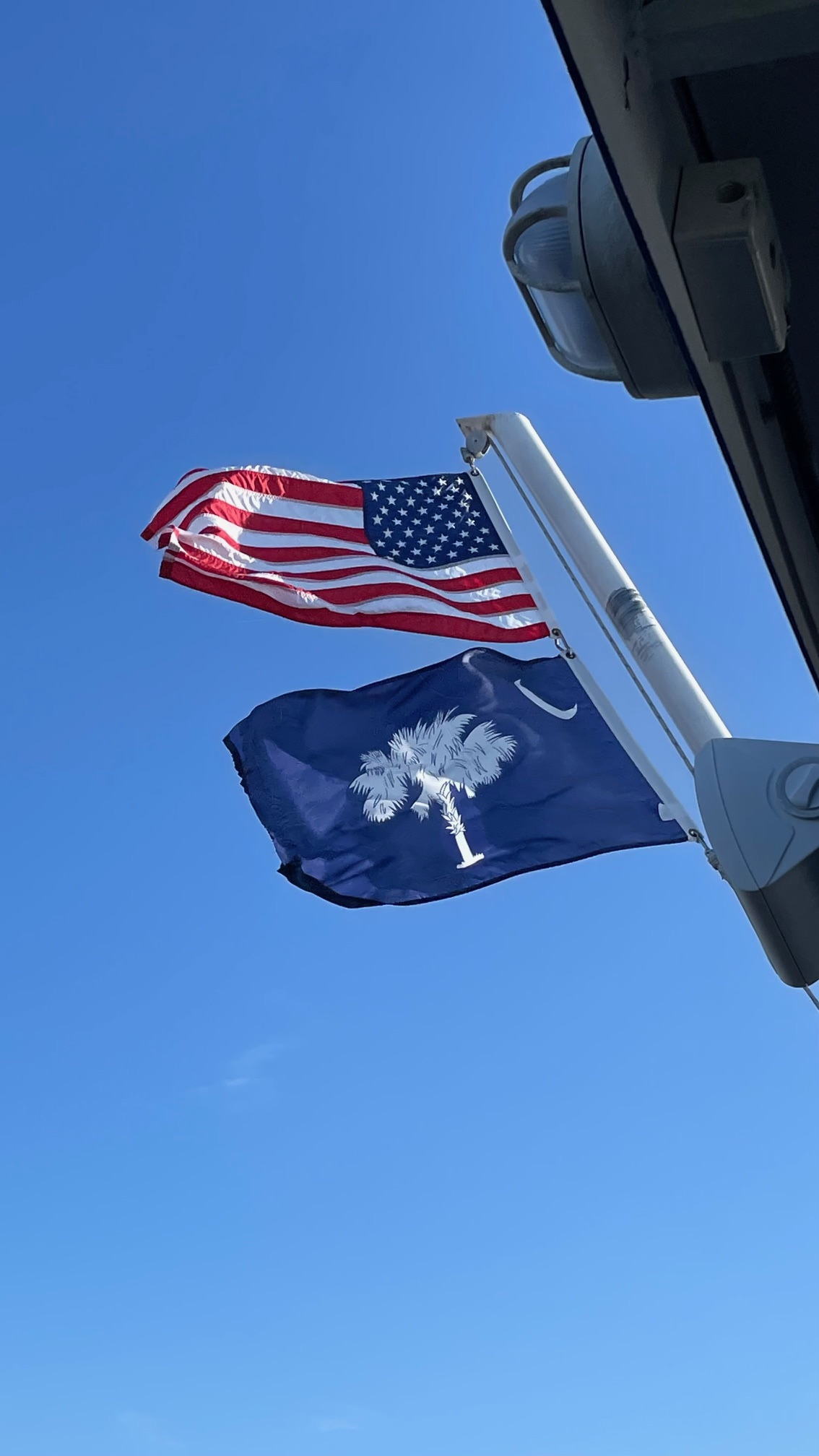
Performative Patriotism has its time and place but if you are only performing and not putting in the real work around patriotism then you cannot be a patriot. Wearing flags, singing the anthem, making a pledge is all well and good but being able to put substantive action behind those symbolic gestures and will make a bigger difference than these performative acts. It has also become popular to virtue signal love of country on social media or at political events, to be seen showing off your patriotism rather than to do the hard work that takes days, months, weeks, and even years at a time to make the country better.
Supporting one’s country is great but the “my country, right or wrong” mindset also discourages admitting flaws, working to progress the country forward, and discourages actual dissent too. In addition, using divisive language that pits citizens against each other or scapegoats them for the problems that the nation is facing is not patriotism at all and is unjust and wrong. Patriotism should not be associated with exclusionary or divisive language but sadly that seems to be the case in the modern era.
Examples of real patriots for me include the civil rights movement during the 1960’s in the United States who worked to open the doors of opportunity and justice for every American and fought and sometimes bled to make America a more just and fair country. Teachers, health care workers, civil servants, and veterans are all real patriots who work jobs that improve and better the nation because of the work that they do. It’s also the volunteers who perform acts of service each day to clothe people, feed and shelter the homeless, and clean our streets, towns, and cities who are real patriots who often are not recognized for the work that they do.
Examples of performative patriots who say they care about the country but don’t put the work in are those who hide behind the flag without putting acts of service or work in to make the nation better. Protestors who act violently against their fellow citizens in clashing protests who claim they do it out of love of the country but who fan the flames of hatred, discord, and division. It’s also the companies and people who believe they are patriots by supporting political candidates but spend untold amounts of money to tip the scales in their favor because they know they can and think they are doing the right thing even when they are gaming the political system because of their wealth and influence.
Why should this classification of real vs. performative patriotism matter? Because I’ve found that in recent years performative patriotism has been used to divide people, rather than unite people for betterment of their country. This is not an isolated issue, and it isn’t going away. People need to start equating patriotism with real acts of duty, service, and sacrifice rather than thinking that flag waving and wearing or being loud about your opinion is being patriotic instead of focusing on the responsibilities of citizenry.
I believe that symbolic acts and gestures, while they have their place, have taken priority over actions that would unite people in a common cause, make their country better, and improve the state of their communities too. Social media, sports, and entertainment tend to focus on performative patriotism rather than real patriotism too partly because performative patriotism is loud, quick, and anyone can do it easily. Real patriotism takes hard work, sacrifice, and consistent efforts that often go unnoticed and unappreciated.
How do we spread real patriotism instead of performative patriotism? I think it’s important to dive into the full history and politics of a country rather than shying away from certain events or certain ways of thinking. It’s important to not only focus on the myths of a nation but the messy truths and sometimes ugly events which we need to learn from. If we forget the ugly parts of a country’s history, it is more than likely the nation itself will be doomed to repeat them in one form or another. It is also key to promote acts of civic engagement like voting in each election (making it easier for citizens to vote too), supporting local activism that is peaceful rather than vilifying it, and increasing access to community work and volunteering opportunities, which is something I think 99% of us, maybe universally, would support in our respective countries.
Additionally, we should not only honor military members and recognize veterans but also remember those people working in the public sector who do the hard work behind the scenes to keep a country running and who work hard to better it each day too. Whether it is civil servants, police, firefighters, teachers, doctors, nurses, and sanitation workers, they each are doing their patriotic duty each day even if we don’t recognize them as patriots, they are. Real patriotism is often quiet, not loud. You don’t need to scream and shout to show you love your country deeply.
Real patriotism is rather about showing up each day, doing the work well, and contributing to the betterment of society and the country. Let’s not mistake flag waving and noise making as solely showing love of one’s country going forward. A flag in your yard or waving on your porch means nothing if your neighbor is suffering and you do nothing about it to lend a hand to him or her. Real patriots acknowledge and fix what’s broken about a nation. They do the hard work and can still wave the flag too if they want to because they put in the effort and can say they have invested the blood, sweat, and tears to make their nation better. Can a performative patriot say the same? I don’t believe so.