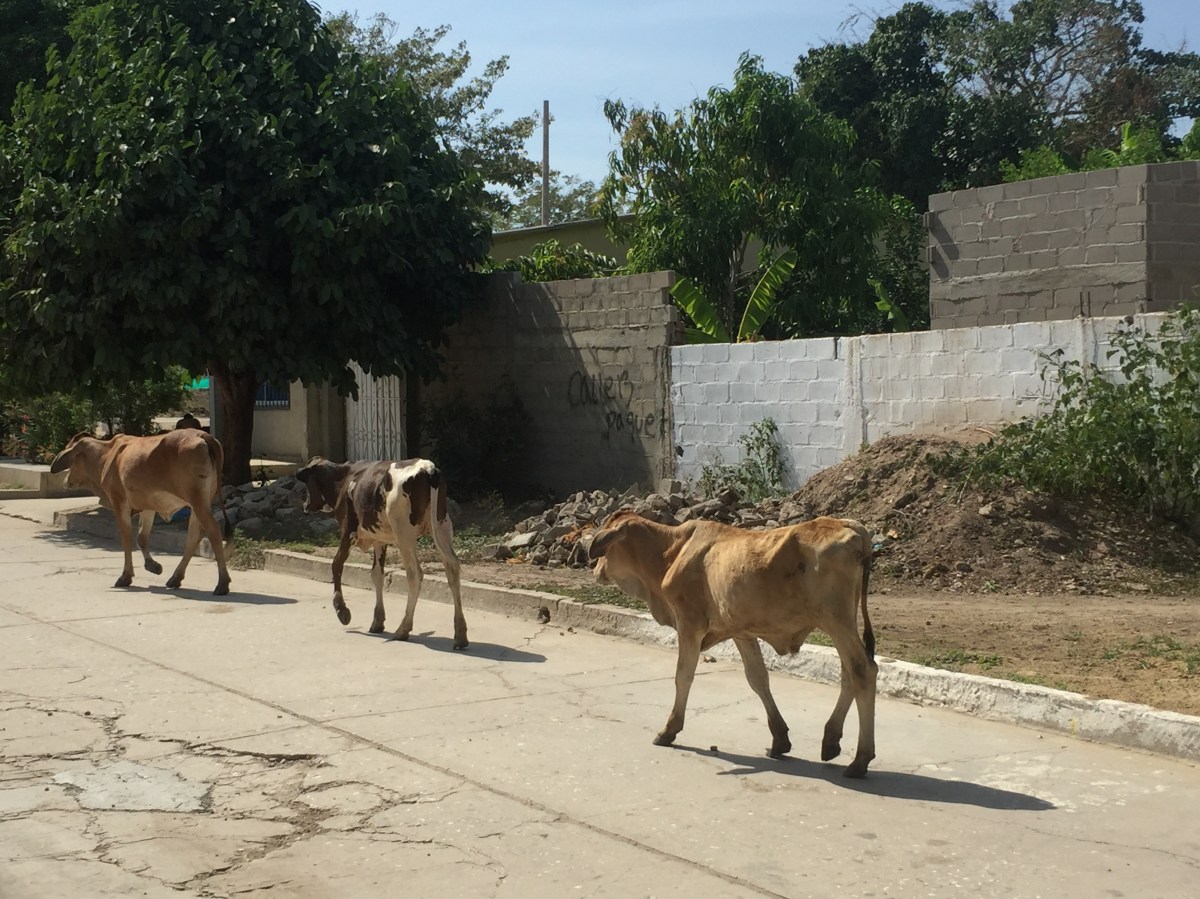
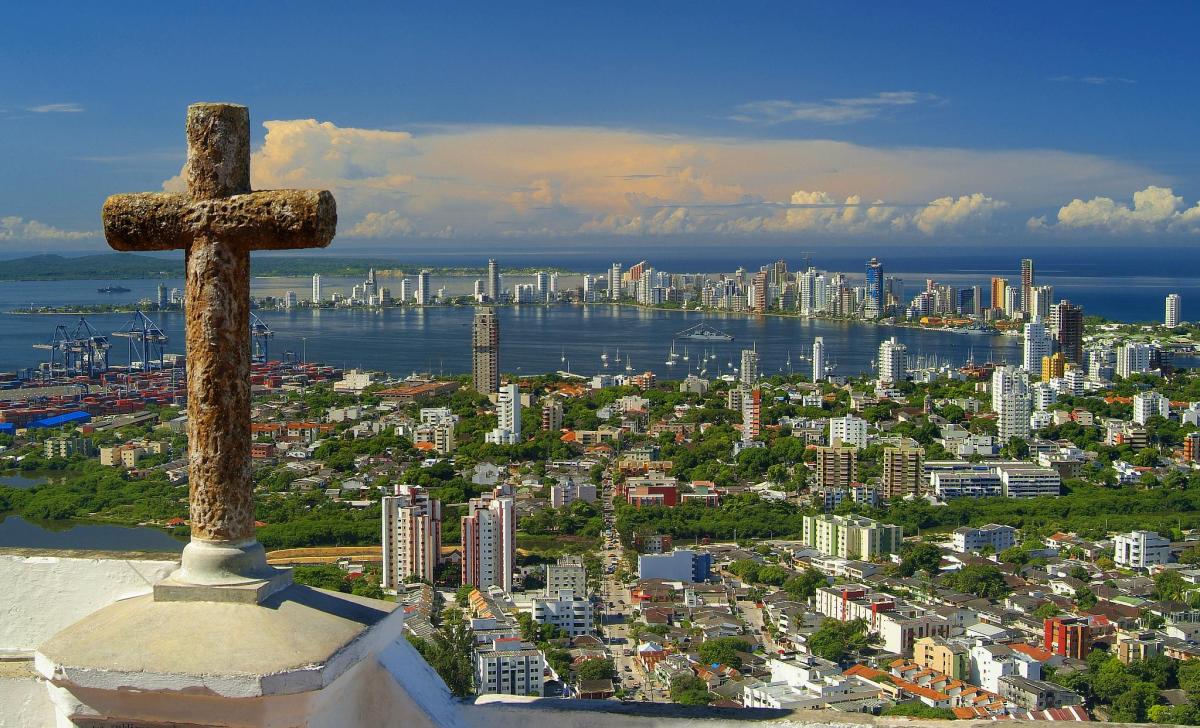
Location: Magdalena Department, Colombia.
Photos taken with the iPod Touch, 6th Generation.


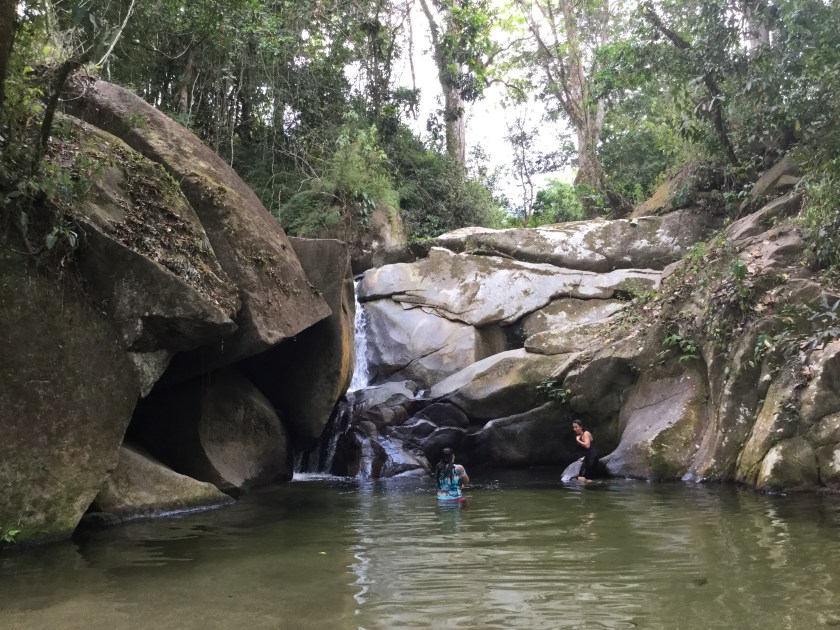





Location: Magdalena Department, Colombia.
Photos taken with the iPod Touch, 6th Generation.
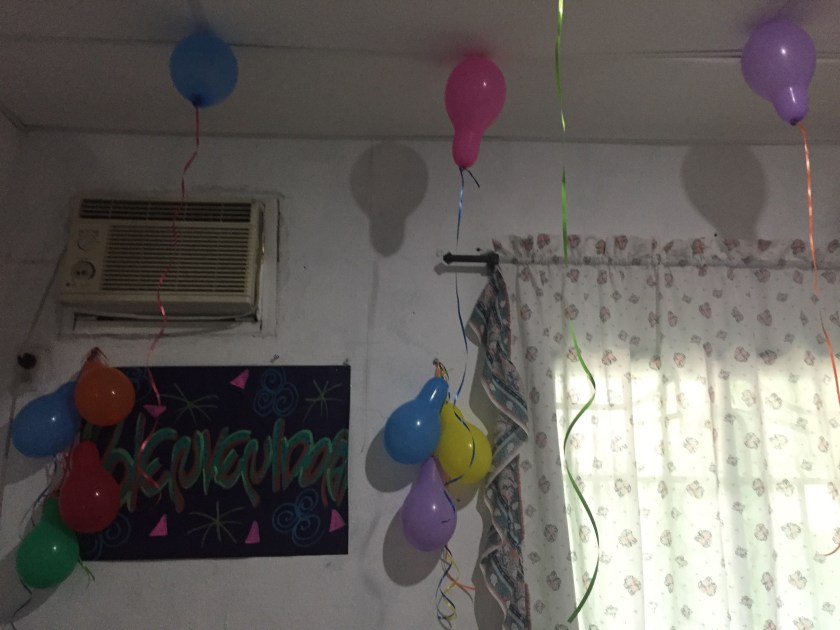
Over a week has passed since I arrived in Barranquilla, Colombia with the other Peace Corps Trainees from our CII-8 group but it seems like more time than that with all of the changes and moving around that we have done in such a short amount of time. Each of us has since relocated to different rural towns and communities outside of Barranquilla where we were each introduced and have become acquainted with our first host families here in Colombia for the first three months of our training.
The Atlantico department of Colombia has an interesting climate to say the least. It is very hot and humid here but the rainy season here is not slated to begin until around April or May. However, this month and hopefully in February, there is a very strong wind breeze coming from the coast that cools down the temperature a little bit which is a very welcome relief. From what I have heard from others, this is only temporary and does not stick around for the rest of the calendar year. Oh well.
I can’t speak for the other trainees but I have been extremely happy with my 1st host family here and how they have received me so far. They have been very hospitable, kind, and helpful to me especially when it comes to improving my Spanish and preparing excellent food for me. I currently live with a grandmother, her husband, and her grandson. Besides the Spanish classes that we are enrolled in as part of our training, I have enjoyed conversing with my host family in Spanish and learning the local slang words and phrases. The locals here known as Costeños, (People from the Caribbean coast of Colombia) tend to speak very quickly so it’s quite the challenge sometimes to understand everything but it will only help me in the long run to develop my fluency.
It’s been a real pleasure meeting the people in my community so far and sharing with them where I’m from, who I am, and why I’m here in Colombia. The locals in my community are very curious about the Peace Corps and what we are all about. This is the first time for many of them with meeting an American so I hope to make a good impression on behalf of my country and its people. In addition to Spanish classes, I hope to get involved in some community projects during my three-month stay here. My fellow Peace Corps trainees and I were lucky enough to meet some local officials along with the Mayor and we hope to be of any assistance to the community if it is necessary.
Families live within walking distance of each other and the bond between neighbors is much stronger and closer than what I’ve seen in the United States. That’s one of the first things that struck me about my community as well. Everybody knows each other pretty well and they each look out for one another. It’s really cool to see families hanging out and children playing together when the heat lets up and the sun sets down.
One thing that I underestimated before coming to Colombia was the sheer passion and love that the people have here for the game of football (futbol). It doesn’t matter what age you are or which neighborhood you are from. All you need is a few friends, a sturdy ball, your feet, and a makeshift goal/net and you have yourself a game. I have enjoyed bonding with my younger neighbors and other kids in the community by playing some football with them at the local field (cancha) or in the park. Regardless of language miscommunications that are bound to happen, football has a universal language that everyone can enjoy at the end of the day.
For the Colombians who are living in rural communities, access to the Internet is not easy to come by. I was very pleased to see that the local government here has recently set up a new Internet (Wi-fi) cafe with laptops for locals to share and use for a very minimal cost per hour. In addition, there is a small conference center for meetings, and a room for young people to hang out and play some video games after school lets out. From what I have noticed so far, there is a lot of construction going on and a lot of development, which is exciting to see.
In addition to the many motorcycles, motorcars that take families and friends from place to place within and outside our community, there are also these large buses that transport Colombians to and from Barranquilla. They remind me a lot of the dolmuşes that I used during my time living in Istanbul where for a small cost, they would ferry the stuffed in passengers from neighborhood to neighborhood. However, the difference here in Colombia is that these buses are a little bigger than the dolmuşes that I used there and they also are much more colorful. Each bus is unique in the colors that it has, the symbols and pictures that are used, and also with the kind of music that is being played through the speakers. It seems to me that these are buses that you would only find to be used in Colombia though. Some symbols are religious in meaning on the buses as they would be on the dolmuşes but other symbols represent cartoons, historical figures, etc. The cool fact of it is that each bus has a different name, different colors, and has a different saying for its passengers to read and enjoy.
In a way, these buses could represent the Colombian people. Colorful, full of life, and not shy when it comes to avoid a traffic jam at rush hour. One week in and I am starting to understand why Colombians are often ranked as one of the happiest, if not the happiest people in the world. More entries from me to come in the near future. Until then, “Que le vaya bien!”

The day has finally come and I have made it safely to Colombia. It has been an extremely eventful week so far and I am very happy to be apart of the CII-8 volunteer trainee group as apart of the U.S. Peace Corps. Everyone in my cohort has been extremely friendly and helpful so far and I look forward to training with them over the next three months so that we can be sworn in as official Volunteers serving in Colombia. It’s a real pleasure for me to meet all of the great people from around the United States who have committed themselves to the Peace Corps for the next 27 months.
The only bad part of this trip so far was the rather tedious and stressful flight from New York to Miami on American Airlines which provides much better international service than domestic service. I arrived in Miami on Monday afternoon after a tumultuous morning but I was happy to be reunited with a good friend of mine from college who showed me around the Miami Beach area.
The anticipation and excitement had caused me to lose sleep over these past few days and that built up to a crescendo when I arrived to the hotel on Tuesday morning for ‘Staging’ with the other volunteers-to-be. After a long day of orientation, icebreakers, and getting to know my fellow invitees to Peace Corps Colombia, I capped off the ‘Staging’ event by going to an excellent Cuban restaurant called “La Rosa” which I would recommend to anyone reading this blog. Fantastic food and a great atmosphere.
Finally, the moment had arrived yesterday when we gathered our many bags and backpacks and headed off together to the Miami Airport. After checking-in, going through security, and arriving at the gate, we were on our way to Colombia. Compared to my usual flights overseas, this was extremely easy to handle as it was only a 3-hour flight and the service, hospitality is much improved for an international trip from American Airlines thankfully.
Since arriving, the other invitees and I have been extremely busy with meetings, paperwork, and briefings designed to help ease our transition into life in Colombia. This is necessary for us to all take part in because this weekend, we will be moving out to small pueblos outside of Barranquilla to begin our three months of technical and language training before we can be sworn-in as official volunteers.
I am extremely grateful and pleased with the support of all of the staff and the current Peace Corps volunteers. Those currently serving have been a great resource to us in answering our questions and helping us out. I was especially pleased with how enthusiastically and warmly we were greeted at the airport by the current staff and volunteers here in Colombia.
Barranquilla seems like a very nice city from what I’ve seen so far and reminds me a lot of Miami although much more humid and down-to-earth. Thankfully, there is a very nice wind breeze coming in from the Caribbean Sea to the north of us so the hot weather is much more bearable during this month although this is likely to change in the Spring. This will only be a short-stay here in the city before we meet our Colombian host families for the next three months.
Lastly, I am excited to begin my training to become an official Volunteer and am committed to my mission and goals here in Colombia. It’s been a long journey to get to this point but I am ready for the work to begin and I am very happy to be here.

In just one week from now, I will begin my training to become a Volunteer for the United States Peace Corps in Colombia starting in mid-January of 2016. For my three months of training, I will be living in a town called Santo Tomas, which is about 45 minutes outside of Barranquilla. For my work and living situation, after I’m sworn in as a Peace Corps Volunteer, I will be located in a site close to the Atlantic Coast of Colombia close to the cities of either Barranquilla, Santa Marta, or Cartagena. The school where I will be teaching and the community that I will be living in has not been announced yet due to the fact that I haven’t completed my training yet.
This will not be my first time living overseas for an extended period of time. Previously, I lived in Istanbul, Turkey last year as an ESL teacher at a private high school. I also studied for a semester at Bogazici University in Istanbul as well when I was in college. My first overseas living experience occurred when I was 16 years old in Costa Rica where I studied Spanish for a summer there in a language homestay program. I have become quite comfortable with adjusting to a new lifestyle and territory by now. However, it still may take me a few months to adapt to the new culture and hot climate.
My family and my friends have been very supportive of my decision over the past year and a half to pursue service in the U.S. Peace Corps. It’s not easy to be away from your family and friends for a long period of time but they all know about the good work that I will be doing in Colombia. They understand the importance of volunteering and serving. I would not be where I am today without the support of my father, mother, and my brother especially. They have been great to me throughout the whole application and selection process.
My main project while serving in Colombia will be developing, and improving upon the ‘Teaching English for Livelihoods’ program. I hope to work with local Colombian teachers to advance the English curriculum and materials that they are using to teach the students. I believe that with hard work and effort, we can make real progress in creating an effective way of teaching English and improving the English proficiency levels of the Colombian students. I also would like to expand upon tutoring and after-school programs related to English learning and making sure that the students see learning English as fun and useful to them.
I look forward to being apart of a new school and a new community. I am excited to explore my surroundings and to learn about the Colombian culture and their customs. I will be very happy to work with my Colombian colleagues as well at the school and hope that I can make a real difference in improving the English level of the students that I hope to help during my service. I want to immerse myself in becoming fluent in Spanish, learning the local dances, and tasting the Colombian cuisine as well.
My motivation to join Peace Corps was because of a number of different factors. I had a desire to volunteer and serve a purpose greater than myself. I felt that I could contribute a lot to the Peace Corps’ Education sector given my previous background and experiences as an ESL teacher. I wanted to explore a new country and a new culture as well. Spanish was the first foreign language that I learned as well so I hope to use this exciting opportunity to become fluent and to connect more easily with the locals in my community. It was also important to me to volunteer and contribute to the wider world in some way. I hope I can be an example to other Americans who want to be part of something bigger than themselves but are not sure where to begin.
When I leave Colombia, I want to leave behind a school and community that is better off than it was before I arrived. My main goal is to help the local teachers to develop an effective English language curriculum that will last for many years after I depart them. I hope to foster better relations between Americans and Colombians through my actions and my relationships that I hope to build between our two peoples.
I wish to help as many students as possible with their English language skills whether its through tutoring, after-school programs, etc. so that they can become bilingual and have a brighter future. Above all else, I would like to make new, lasting friendships and to be considered an honorary member of their community by the time I leave.
I leave in less than a week and I’m excited to begin and complete my training over the next three months. All I have left is the final packing of my bags and I’m off to Miami for the staging event!
There will be a change of focus for my blog from this point forward as I will focus on writing about my experiences and adventures living in Colombia. I hope to write about the cuisine, customs, culture, and food of my adopted country for the next 27 months. I hope that you will follow me on this exciting journey. Thank you very much for your continuing viewership and support. (Muchas Gracias y Saludos para todos! Vamonos!)
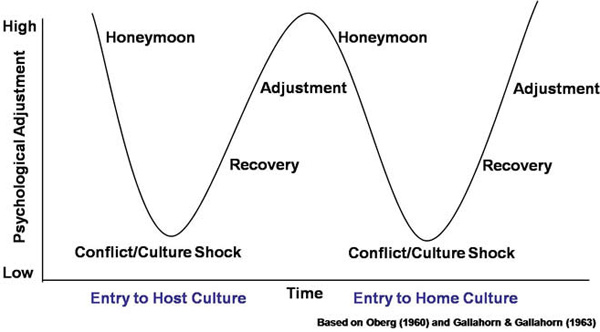
After being away from the United States, my home country, for the past year, I have been dealing with ‘reverse culture shock’ since I have returned as many people who come back to their home culture experience after an extended time overseas. There is a natural recovery and adjustment process but it takes time to get back into the swing of things. As a writer, I like to gather my thoughts on paper about what I have noticed about my home country since returning from my time spent overseas. These observations have helped me to deal with my ‘reverse culture shock’ so far and to comment on what could be improved or changed to make my country better. I have traveled to 20 other countries, and have lived in Turkey and Costa Rica thus far so I believe I have some knowledge about how the U.S. compares to the rest of the world in different ways.
I would like to note that I do love my country and have enjoyed being born and growing up here. The United States is a great country and I only wish to see it become better and better in the future. I intend to use this blog post to merely bring up some outstanding issues and problems that the U.S. must deal with as a whole. No country I’ve lived in or have been to will ever be perfect and every country has different flaws/issues to work out. That’s part of the reason why I love to travel and explore the world. It’s interesting to see the variation among cultures and societies along with how they tackle their own internal and external problems to make their own countries better. Listed below are the items that I write in detail about which have caused me some ‘reverse culture shock’ since my return to the United States in late July of 2015.

Learning a foreign language often gets overlooked by those people who like to travel to different countries and have fun adventures, unique experiences but refuse to learn the local tongue while they are traveling. However, A large part of truly integrating yourself into a foreign culture when living overseas is to develop a working proficiency in the local language. When you make the effort to learn the language, it truly makes a difference both to those in the new community and/or country in which you’re residing. If you consider yourself to be a worldly person who likes to travel, you must also seek to become well-versed in foreign languages.
The locals will respect you more and you also stand out from the other tourists and expatriates who only know the basic phrases and words even though some of them have been there for a longer period of time than you. Especially in a professional context, learning foreign languages makes you stand out in many different types of businesses and industries today. I’ve met so many people from around the world during my recent experience of living overseas who are very successful and are fluent in three to four global languages including English, French, Spanish, etc. One of my personal goals in life is to be fluent in three to four languages excluding my native tongue of English.
I’ve been pretty successful thus far in developing a good proficiency in Spanish, Turkish, and with some basic knowledge of German and Arabic. I hope to keep improving my foreign language background as I go through my 20’s. One of the best things about language learning is that it’s never too late to start and to see how far you can develop your proficiency in it. I’ve heard that it does get harder though as you become older and that it takes more and more work to learn a foreign language starting in your 30’s and beyond. Even if you don’t want to really become fluent, it makes all the difference really in just having those basic 25–50 words and phrases that you learned and memorized before you head off for your travels to new countries and foreign locales.
There are a lot of cognitive benefits to knowing more than one language and there is a lot of research to back this statement up. (For example; Source –http://www.actfl.org/advocacy/what-the-research-shows) It helps your mind stay sharp and it allows you to see the world in a different way. It’s hard to describe but by thinking in multiple languages, it makes your mind much more agile and able to think creatively, and to analyze thoughts much more deeply.
I think that every person should learn a foreign language even if it’s just the basic phrases and sayings. There are so many free and cheap ways to learn a foreign language these days. For example, Duolingo is an excellent web application that is free to try and use. There are also many websites nowadays where you can hire a native speaker of a foreign language to tutor you in a private lesson for an hour for only $15–20 which is quite affordable.
The fact that foreign language learning goes neglected sometimes in the United States is a real shame. However, regardless of where you’re from, even though you may have never picked another language up when you were younger doesn’t mean it’s not still possible.(http://qz.com/453297/many-european-kids-…cans-zero/) Hopefully, everyone who reads this blog entry will think hard and long about giving foreign languages another go of it and to make it part of your personal development. It’s challenging yet rewarding and there are many benefits to it, both professionally and personally.