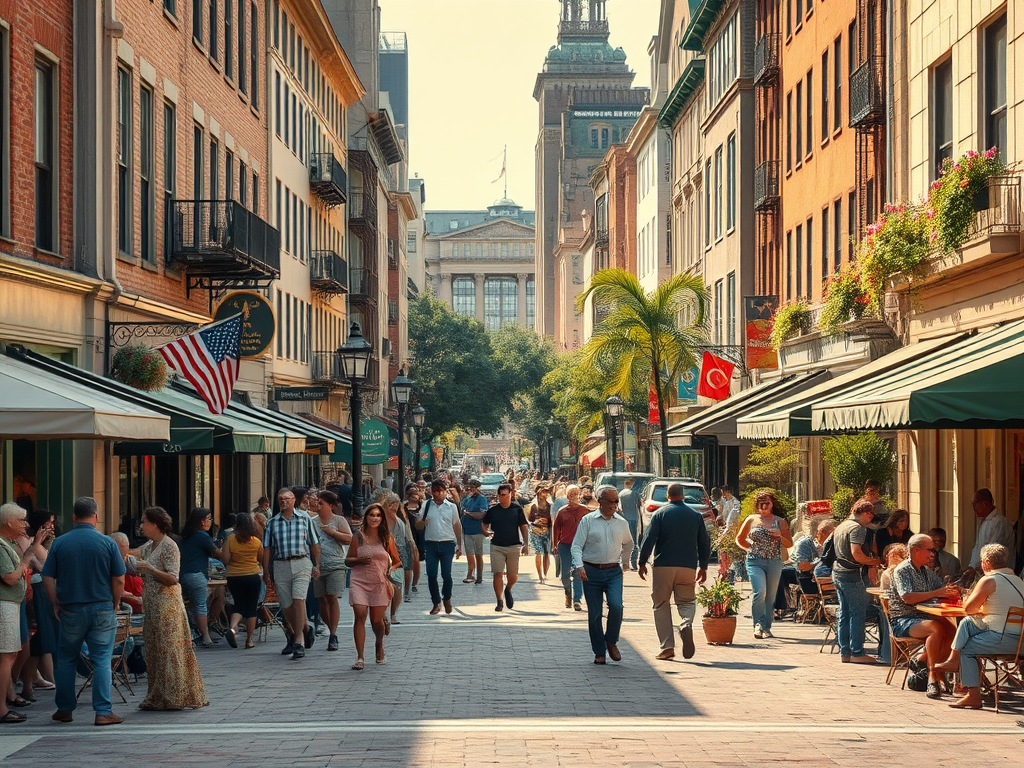
American cities were once defined by the energy of their streets and plazas across the country from big cities to small towns as places where people didn’t just pass through, but lingered, interacted, and built a sense of real community. Today, many of those same streets feel transactional at best and empty at worst. Instead of being corridors of activity, fun, and expression, streets have become corridors rather than the destinations. Public life has thinned out and become increasingly atomized in 2026 and this societal change here was done on purpose beginning in the 1950s and its effects still linger today in 2026. This shift in American daily life raises a deeper question: when did public life in the United States begin to disappear, and what would it take to bring it back?
The answer begins with the structural changes made to the design of our cities and towns in America during the 2nd half of the twentieth century. For the past few decades, American cities have been built around cars rather than people. The decline of street and plaza life in the United States is rooted in politicians catering to the automobile industry with car-first urban planning being prioritized above all else. With the expansion of the suburbs and the ‘American Dream’ having been tied to home ownership, rigid zoning policies meant that you could no longer walk out your door by foot and enjoy being in a lively community.
Wide roads, sprawling suburbs, and strict zoning laws have separated from where people live, work, and socialize with one another. In prioritizing having efficiency and convenience for the needs of the ‘nuclear family’, which is increasingly on the decline in today’s America, most cities and towns unintentionally eliminated the very conditions that made spontaneous human interaction possible and enjoyable. This seismic shift in public policy did not change just how American cities look and were laid out, it changed how each American related to each other, especially their neighbors.
This societal transformation has had a real human cost in this country. Public spaces are not just physical environments to move through but ideally, but they are also meant to be social ecosystems. Without their presence, opportunities for casual interaction shrink, and communities become more fragmented or isolated. As loneliness and social isolation rise across the country and has become a modern epidemic, the absence of vibrant ‘third places’, spaces outside of home and work has become increasingly noticeable. People are more connected digitally than ever yet often feel more disconnected in real life. Part of that solution is revitalizing what is common in other countries from Denmark to Colombia and from Spain to Turkey.
When I lived car-free across different countries and cities, my quality of life was inexorably more enjoyable and easier to get to know people. Making friends, running errands, and exploring is possible with a car but I found that exploring my new surroundings on foot and being able to get tea, coffee, or some food by foot in my local neighborhood made life in that new country or city much richer and more fun. Not needing a car was better for the environment and less expensive for my lifestyle and with having ride-sharing and good public transit options for where I was living in Istanbul, Medellin, or Mexico City, street and plaza life in each city across three continents was something I truly enjoyed taking full advantage of.
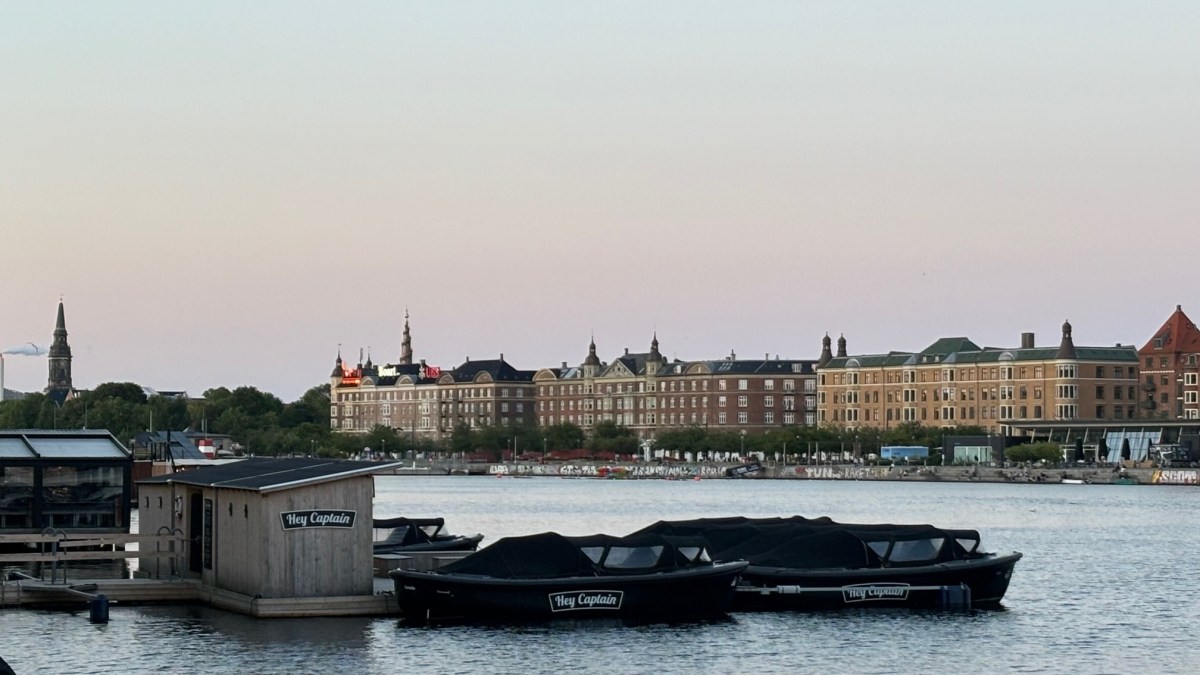
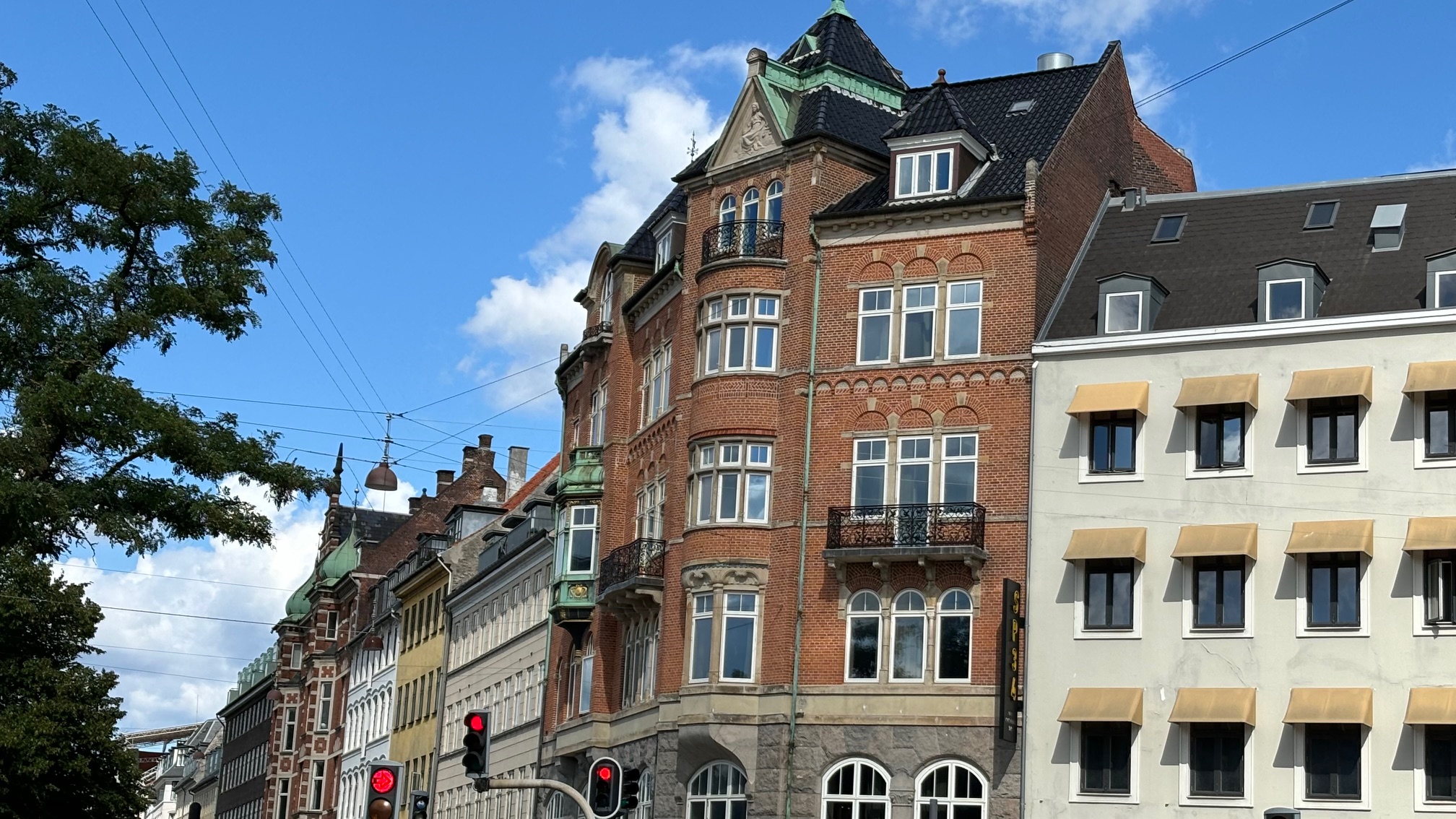
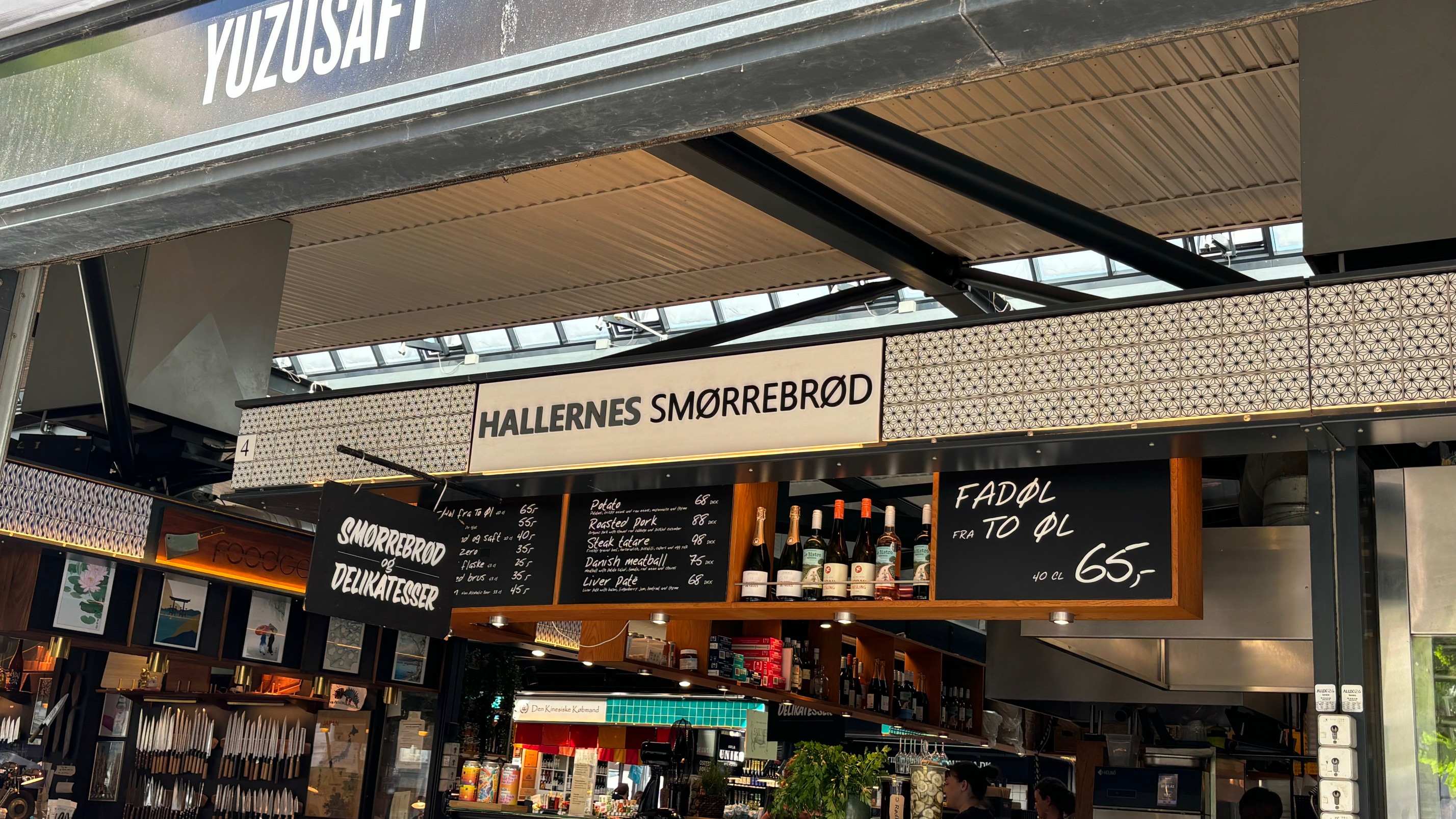
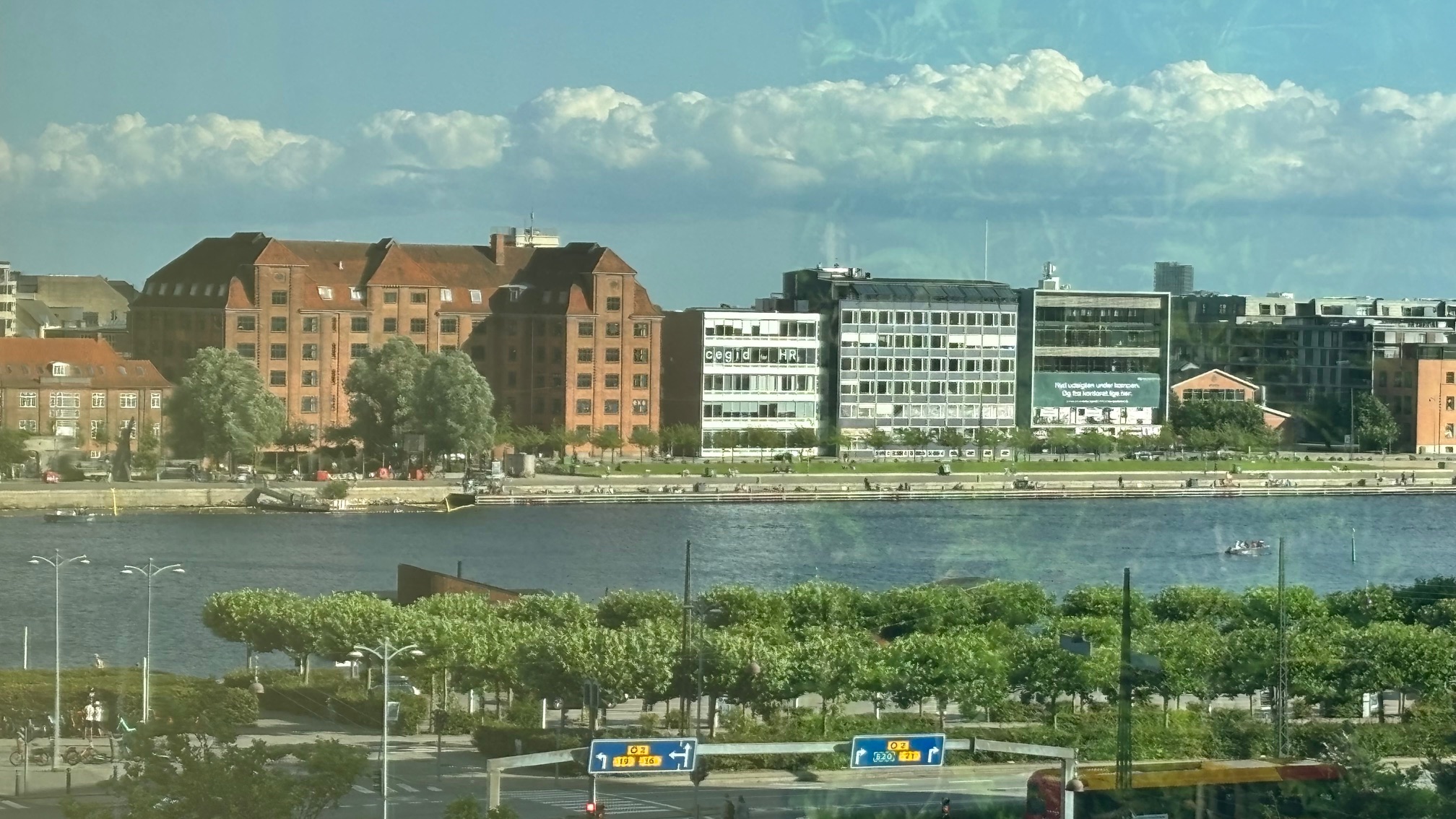
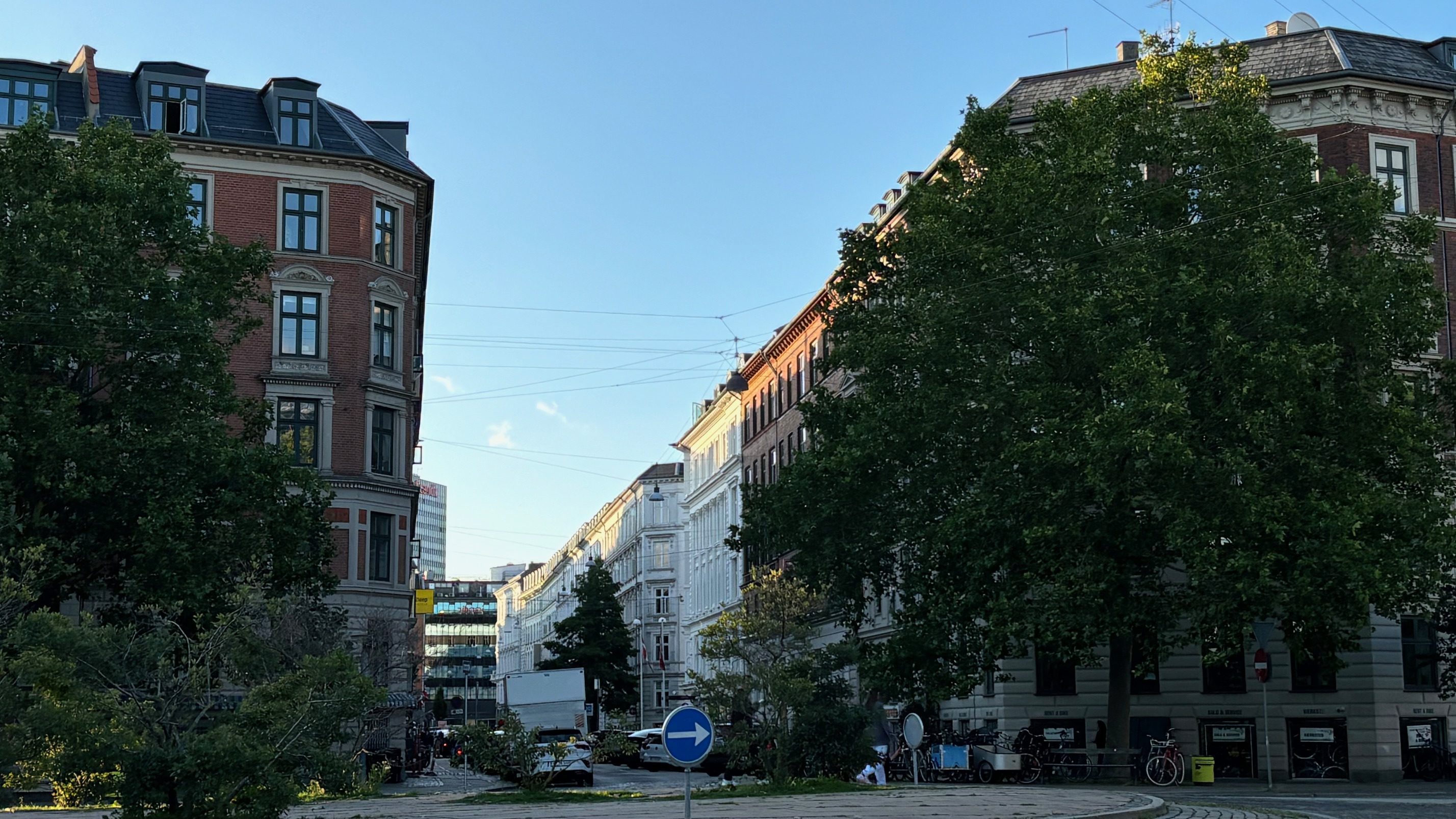
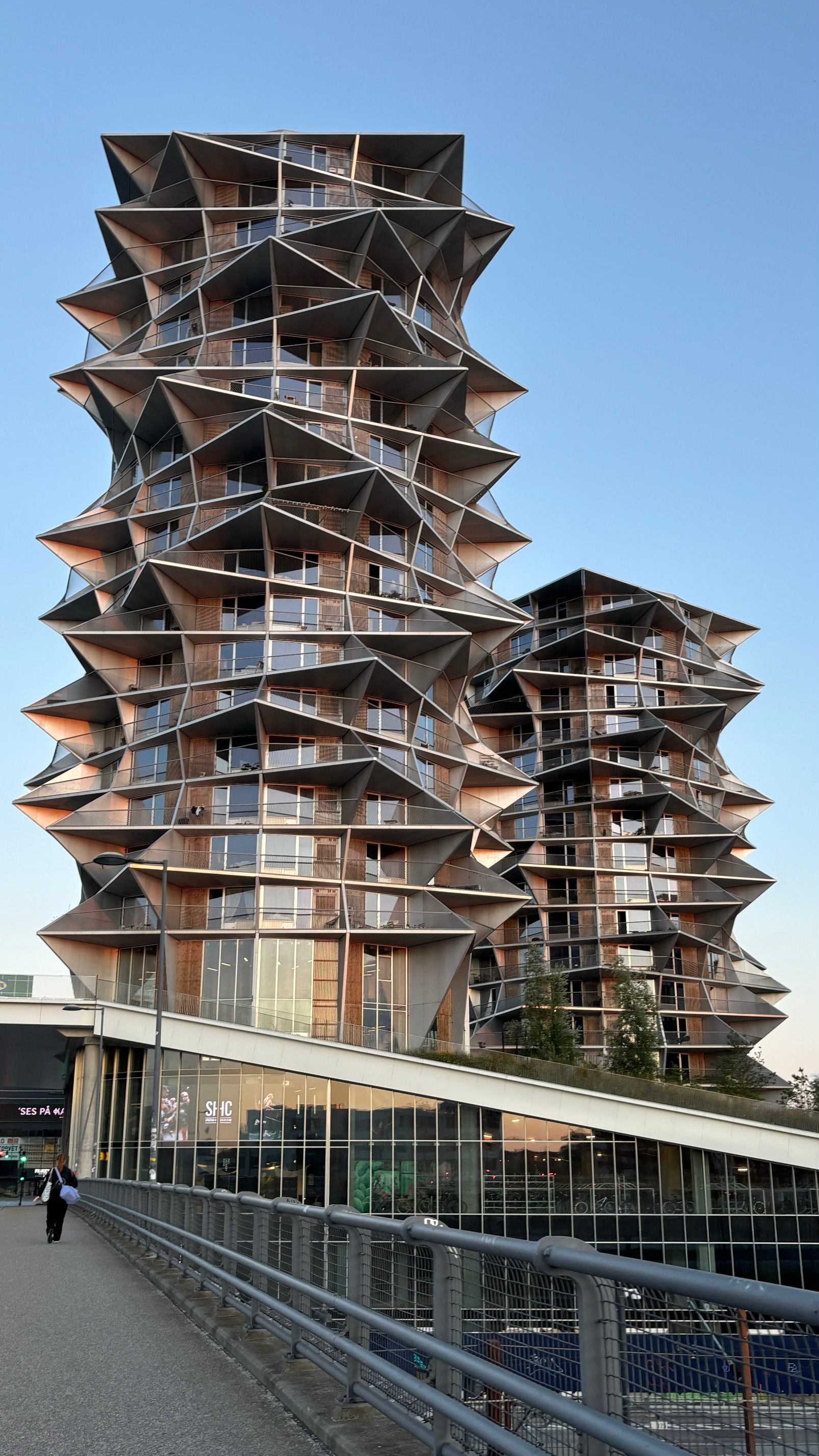
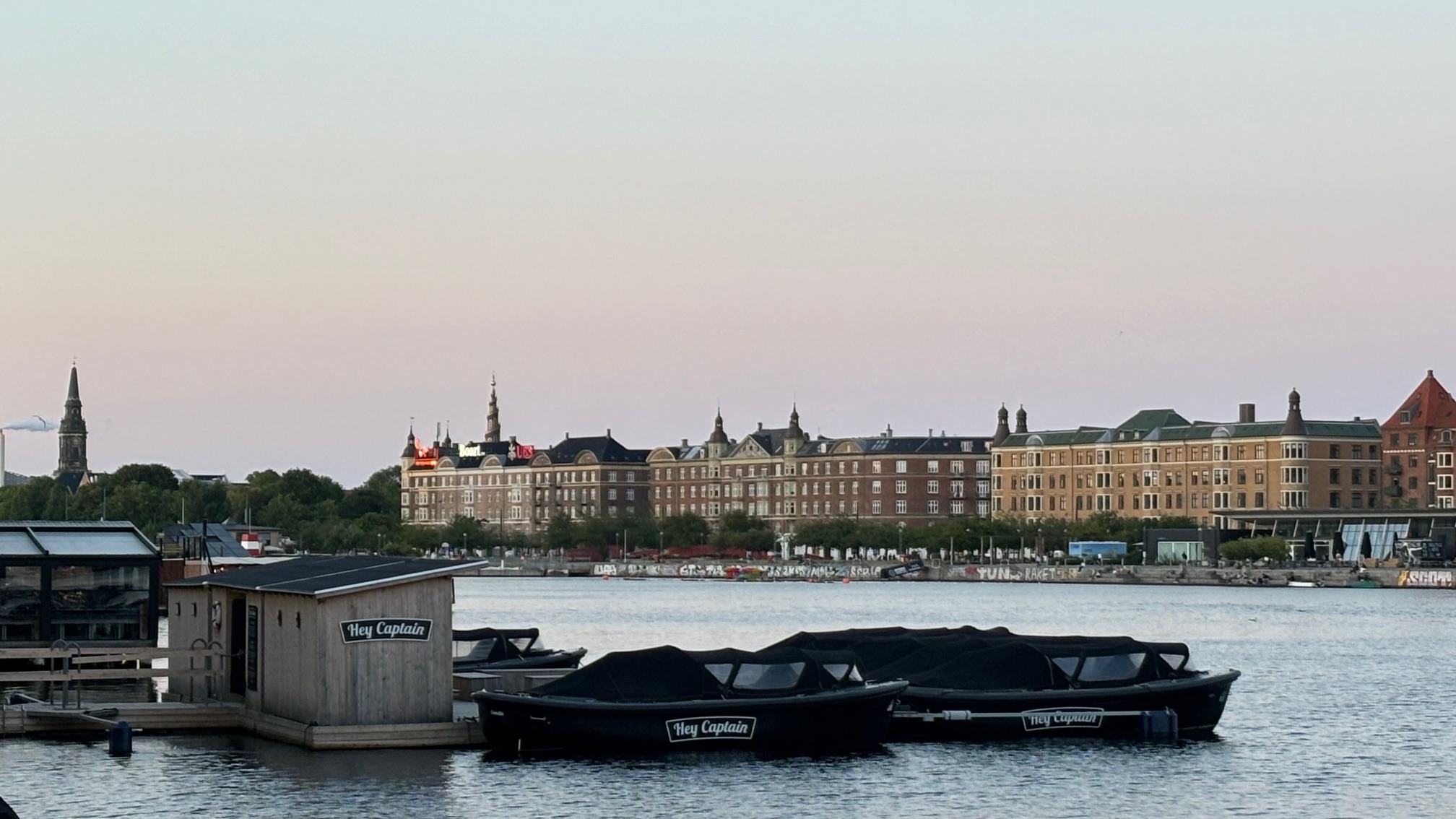
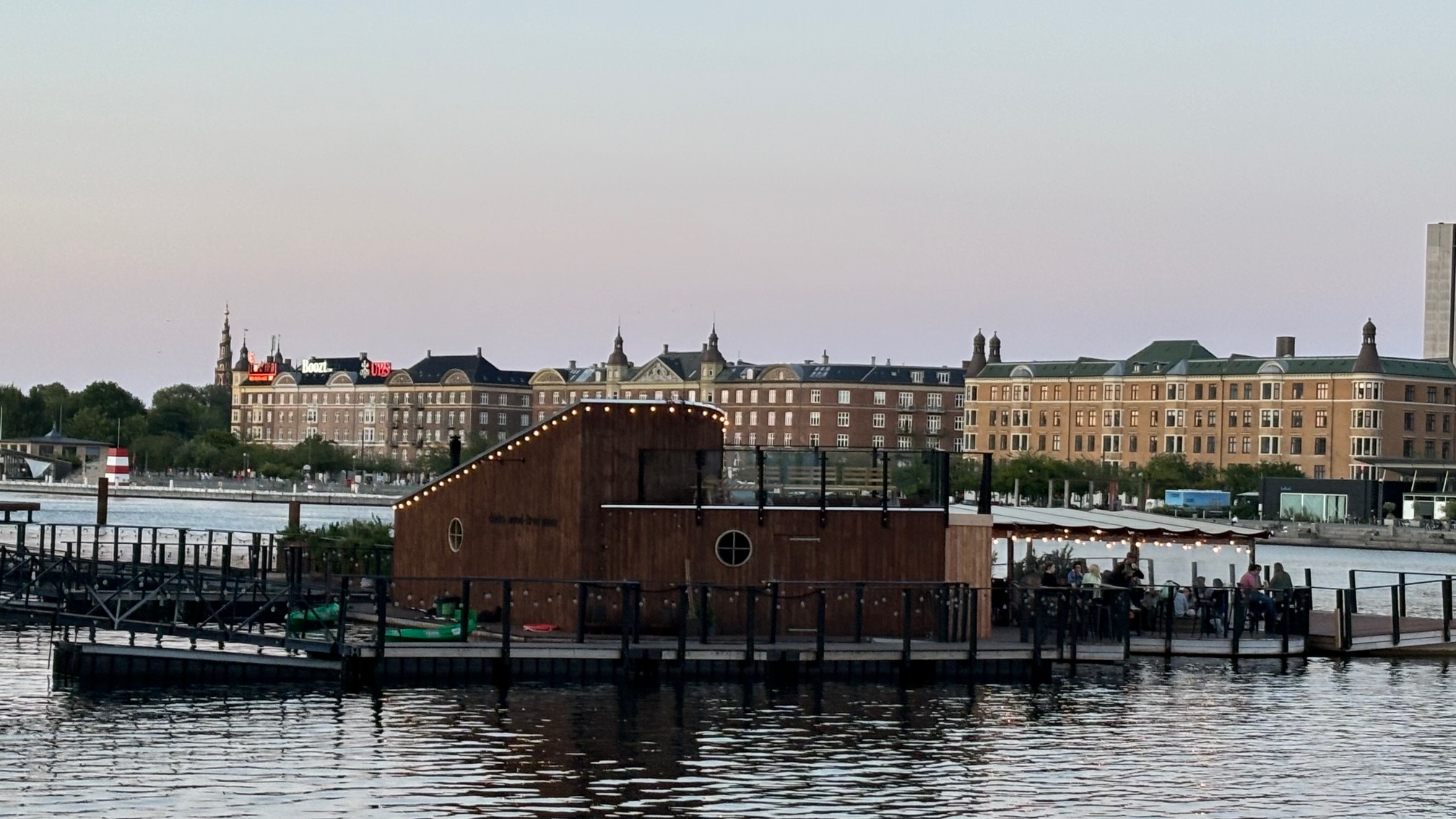
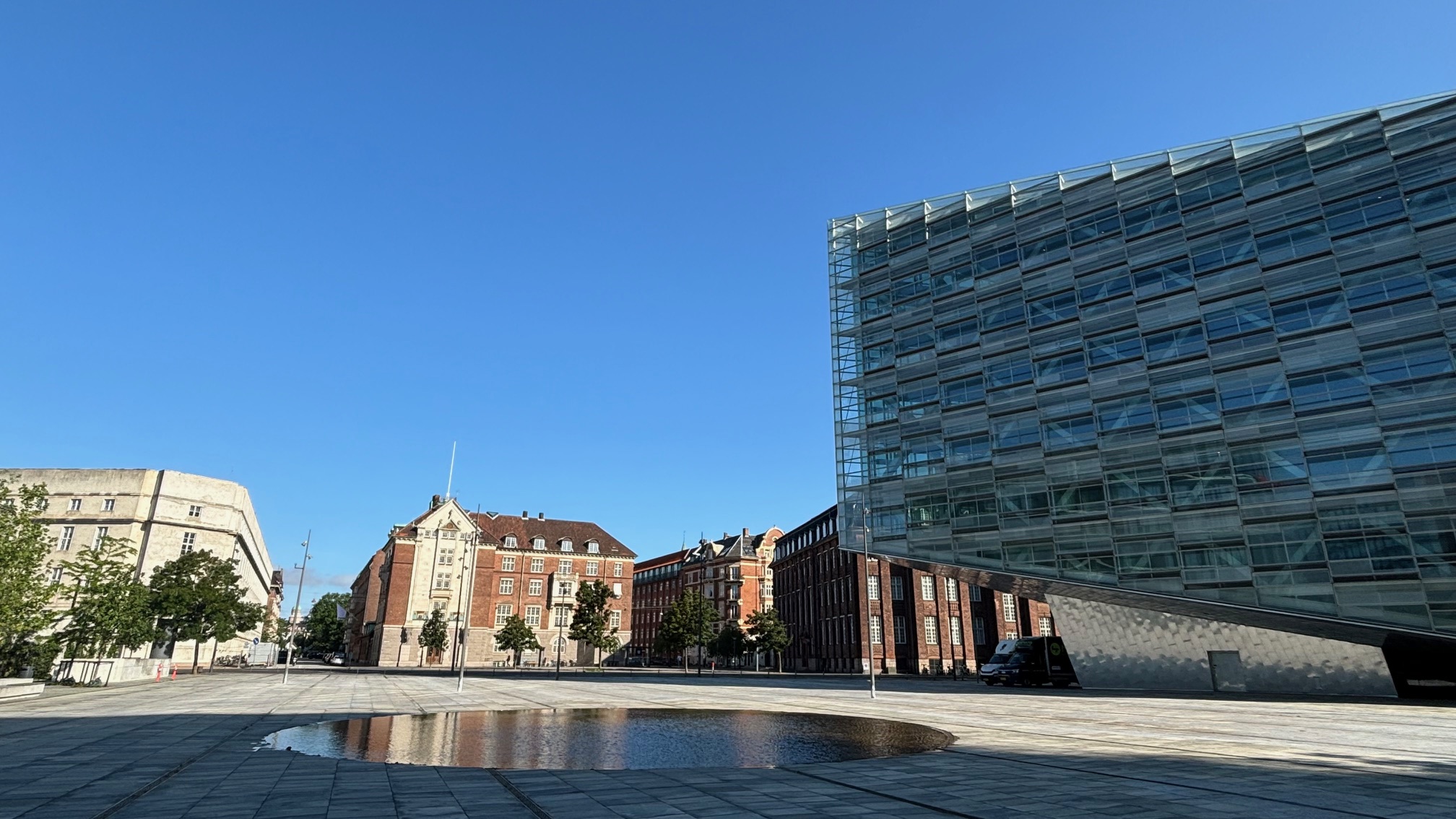
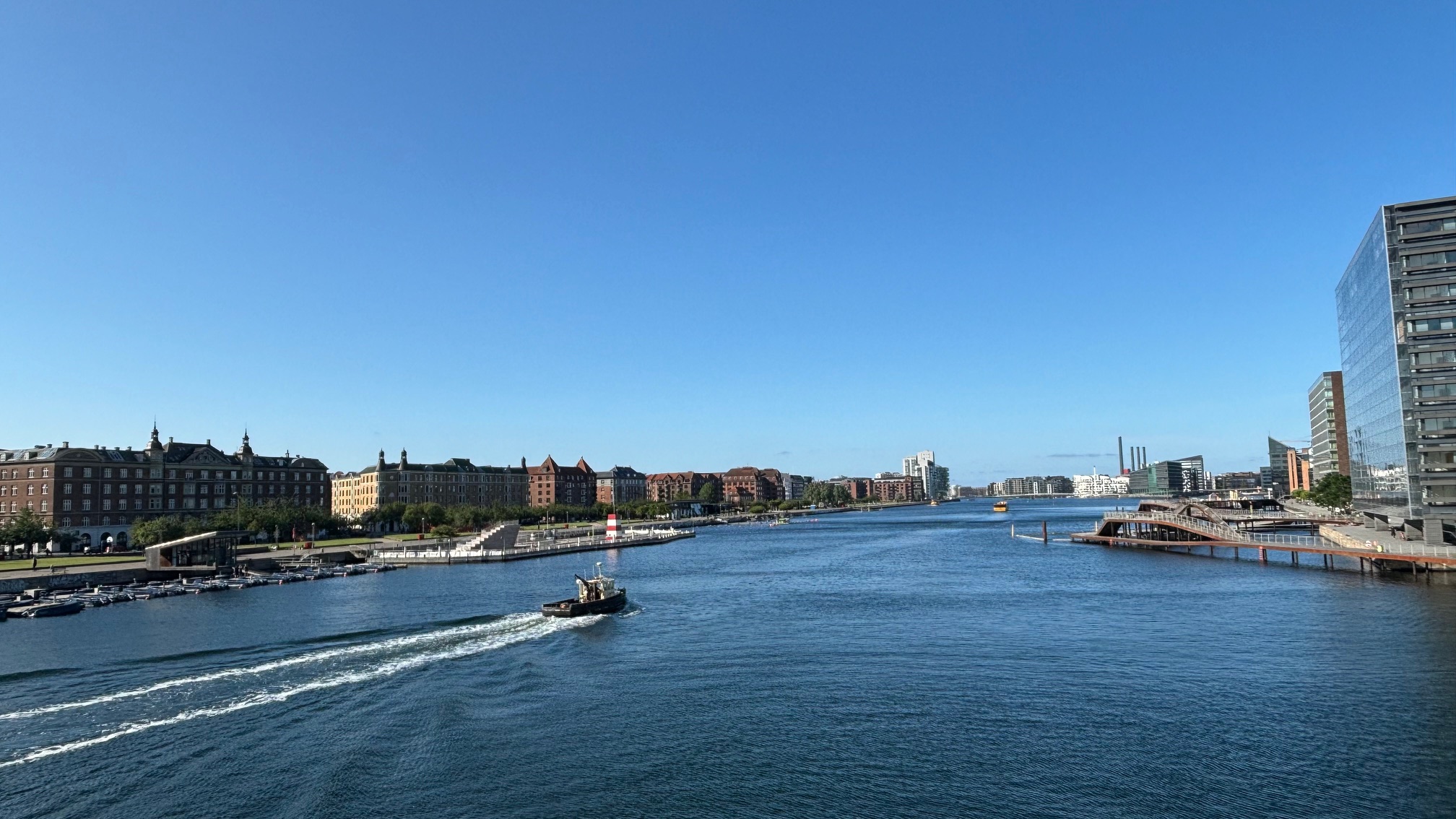
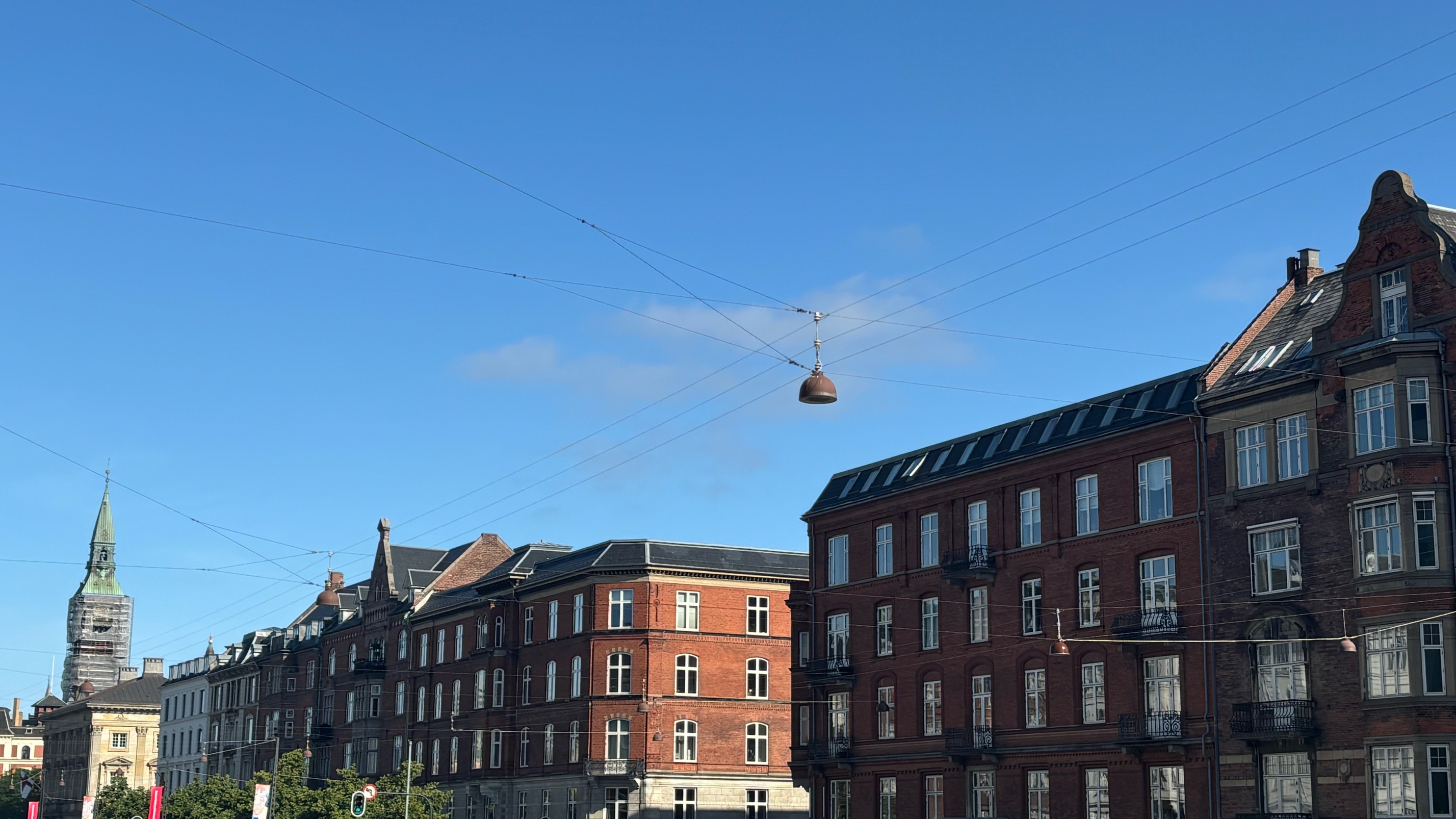
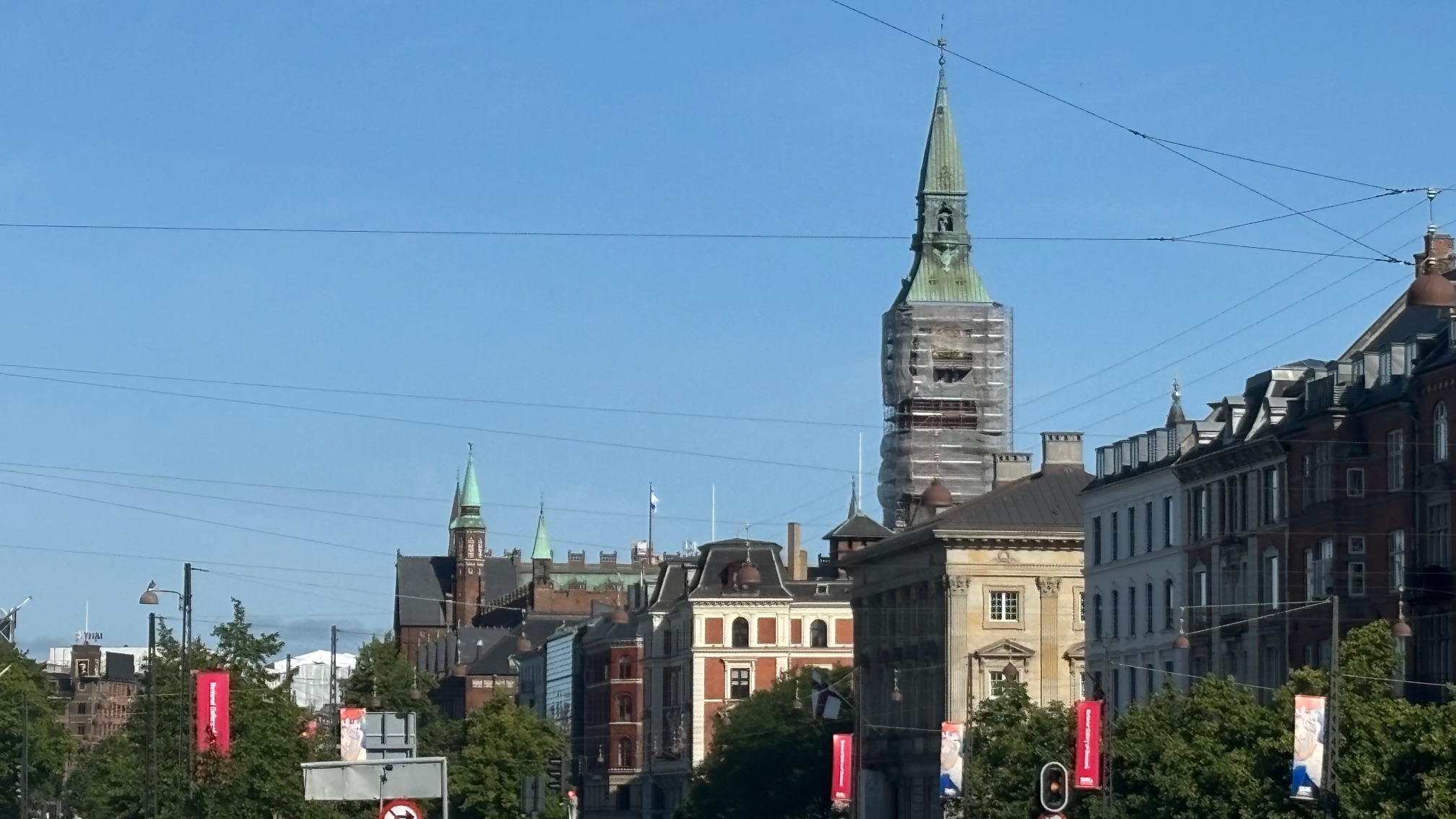
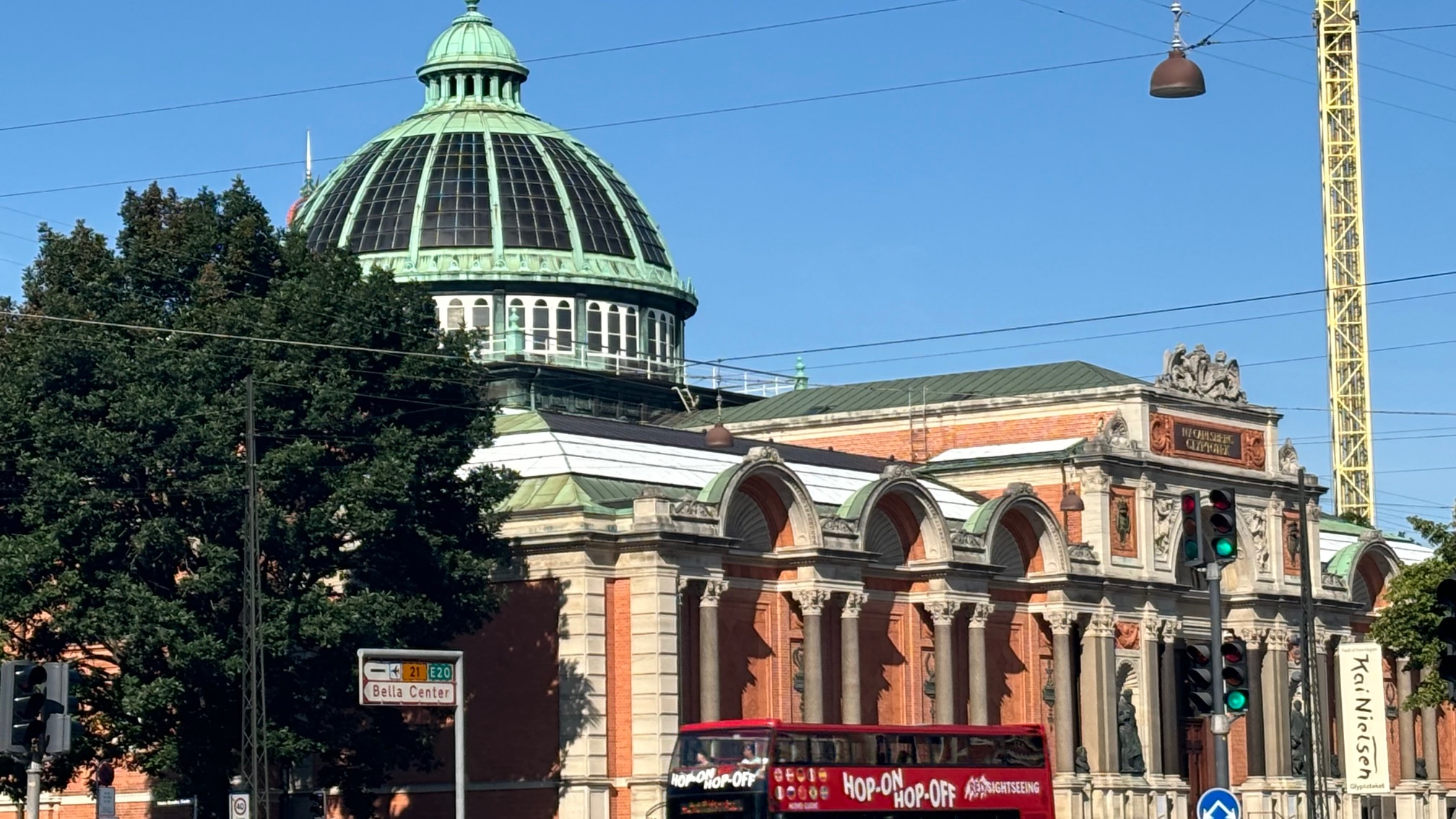
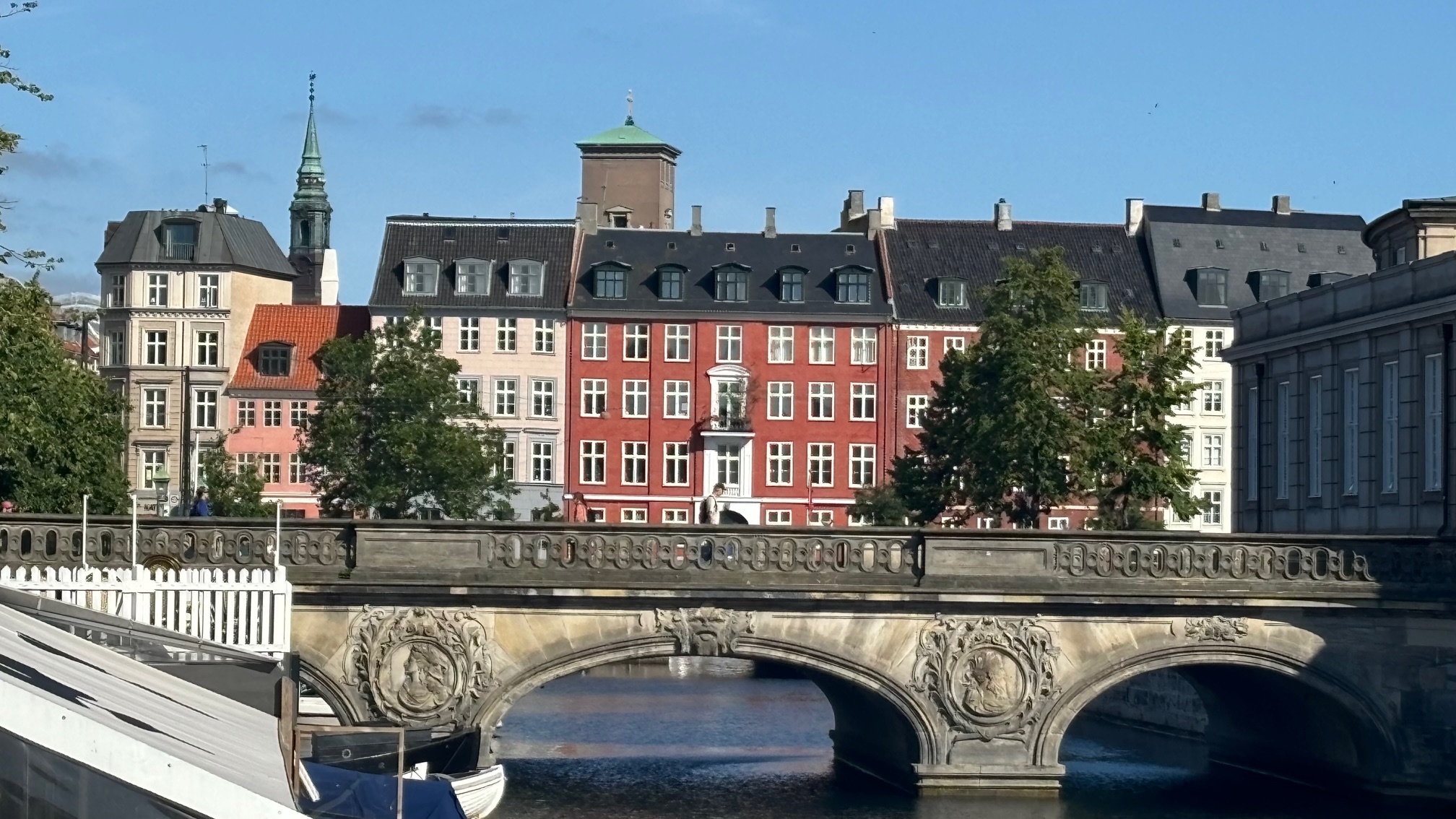
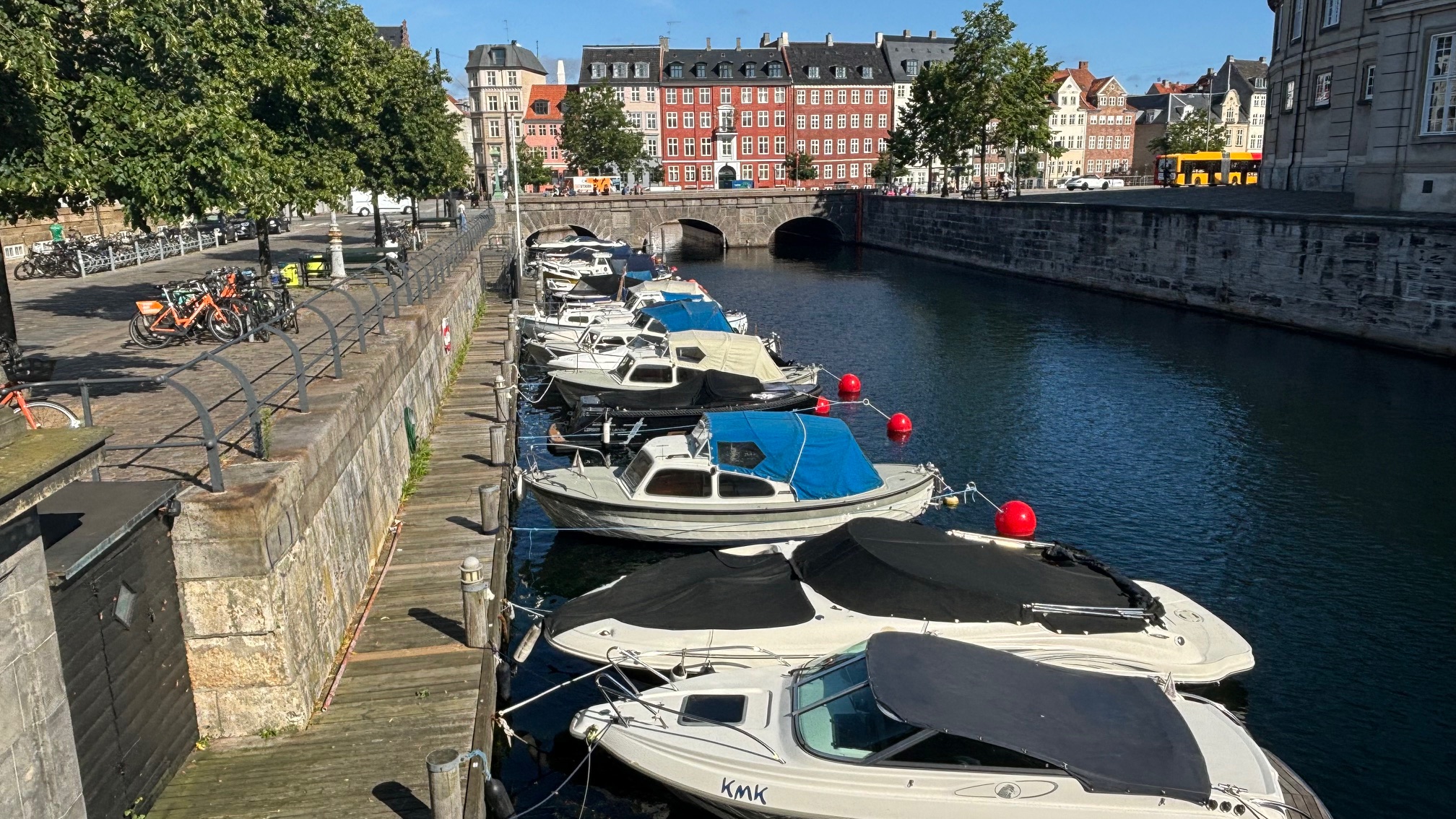
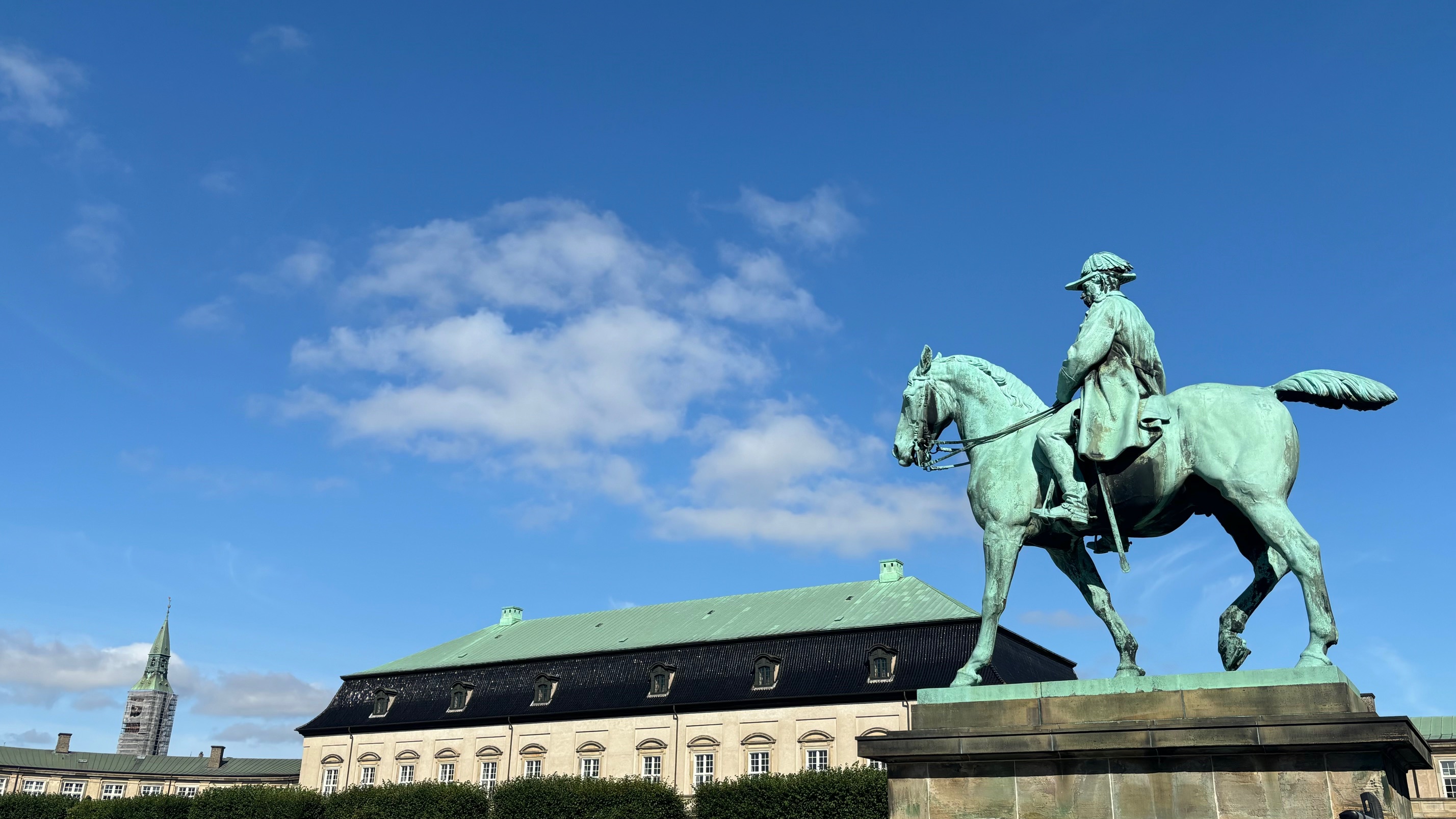
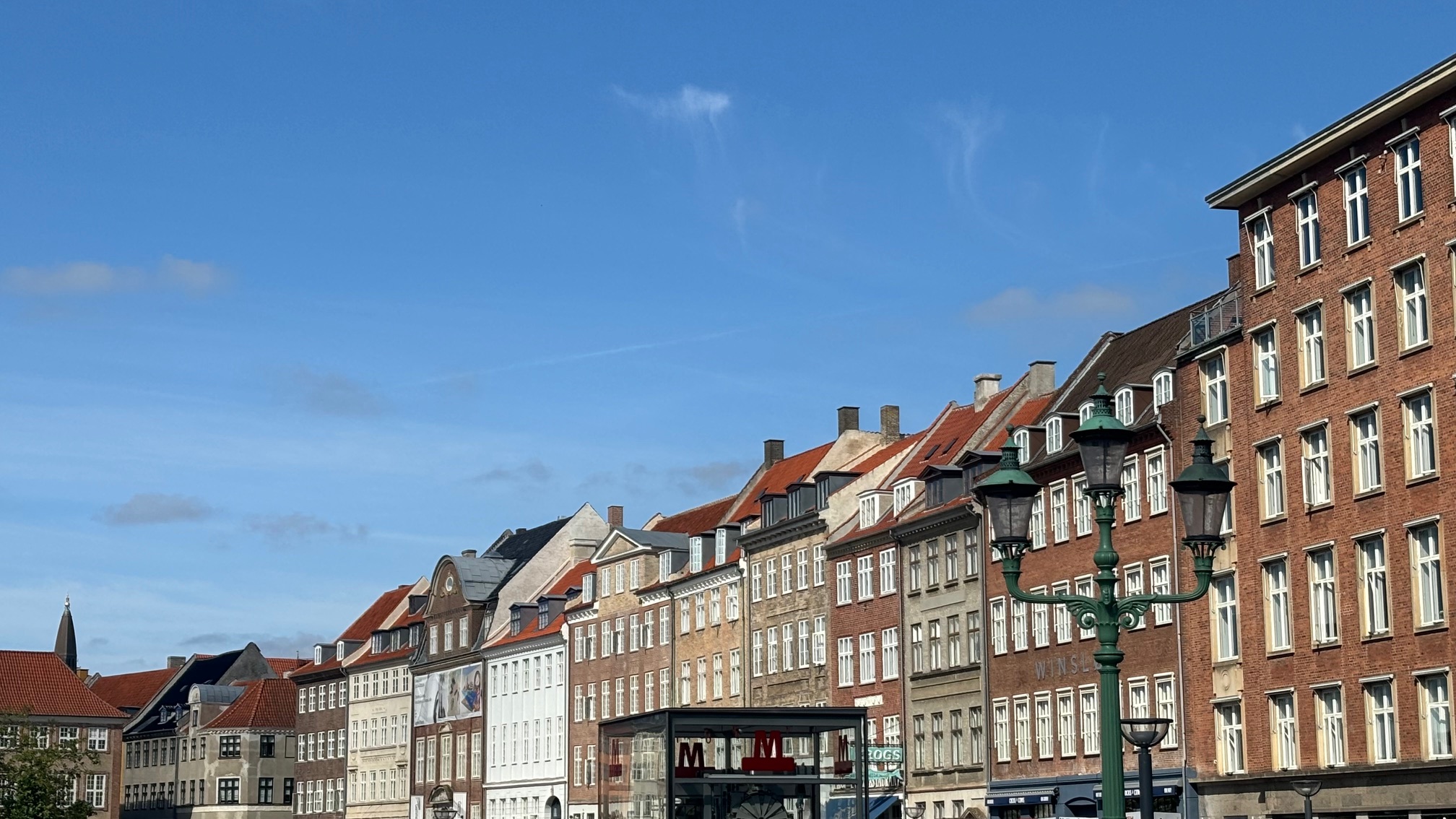
Other parts of the world often offer a clear contrast to how the U.S. has chosen to use its empty public spaces. In cities like Barcelona and Copenhagen, public space is treated as essential social infrastructure. Pedestrian-friendly streets, mixed-use neighborhoods, and a strong culture of outdoor living create environments where daily life naturally spills into the open regardless of what time of year it is, rain or shine. These cities are not necessarily more complex than U.S. cities, but they are simply designed with human behavior in mind including being able to walk, bike, or ride a scooter to where you need to go, which is much more environmentally friendly and cost-effective than needing to drive everywhere. There is real cultural emphasis on encouraging outdoor social life including showcasing musical performances, selling food and drinks in the open, and having benches, chairs, and tables for free gathering places at any time of the day or night.
You may be asking at this point: why has the United States struggled to follow suit in this way? The barriers are not just physical, but cultural and political. Car dependency is deeply ingrained in terms of cultural habits, and concerns around safety, public disorder, and accessibility often shape public opinion on encouraging street and plaza life to flourish without restrictions. At the same time, bureaucratic hurdles and zoning restrictions make it difficult to experiment with new ideas. The re-design and re-orientation of our physical landscapes would take decades or generations to construct including major financial costs and it would involve expanding transit and pedestrian friendly options, but I believe it would be worth it for future generations. Change is possible over time here, but it primarily requires a shift in cultural mindset and public policy.
Where progress has been made in the U.S. so far, the strategies are surprisingly straightforward. Expanding pedestrian zones and adding dedicated bike lanes in major cities, supporting street vendors and local businesses with easier permitting processes, and introducing outdoor dining and public events can quickly transform underused areas into vibrant gathering spaces. Small temporary interventions, often referred to as ‘tactical urbanism’, allow cities to test ideas before committing to permanent change. Importantly, good design alone is not enough. A well-designed plaza without any meaningful activity will remain empty; consistent programming and consistent use are what bring these unused spaces to life and keep people going there over time.
At a deeper level, successful public spaces tap into the psychology of place. People gather where they feel comfortable, stimulated, and welcomed. Elements like music, food, movement, and visual identity all contribute to whether a space feels alive or sterile. Safety matters, but so does the atmosphere where it’s welcoming, open, and engaging. A space can be technically safe yet feel uninviting if it lacks energy or purpose. Instead of holding events in asphalt parking lots or in lackluster fields without trees or any discernible nature will not stimulate the activity needed or generate the buzz needed so that the public spaces are going to need to thrive in the long run.
This is why revitalizing public space is about more than changes to urban planning; it is about rebuilding civic life in areas where it’s gone dormant or extinct entirely. Streets and plazas provide a shared environment where people from different backgrounds can coexist, interact, and develop a sense of mutual trust. In an increasingly polarized and digital society on top of being in a country where people don’t like to leave their vehicles or houses easily, these everyday interactions play a quiet but essential role in maintaining social cohesion and furthering progress for the town or city where locals and visitors are gathering.
In 2026, the urgency of this issue is only growing in terms of relevance. Hybrid and remote work arrangements have reshaped daily routines, leaving more flexibility for how and where people spend their time. At the same time, there is a growing desire, especially among younger generations, for experiences that feel authentic and communal, away from their phones and devices to reconnect with one another. American cities and towns that adapt to these shifts by prioritizing walkability, accessibility, and human-centered design will be better positioned for the future and achieve a higher quality of life for its residents and would help keep them living there for the long-term.
Revitalizing street and plaza life in the United States is not about copying other countries or eliminating cars entirely as part of our cultural memory. It is about restoring balance by creating welcoming spaces where people can once again gather, linger, and feel part of something larger than themselves and make new friends and acquaintances by doing so. When that happens consistently, streets stop being just pathways and start becoming places where life unfolds spontaneously.