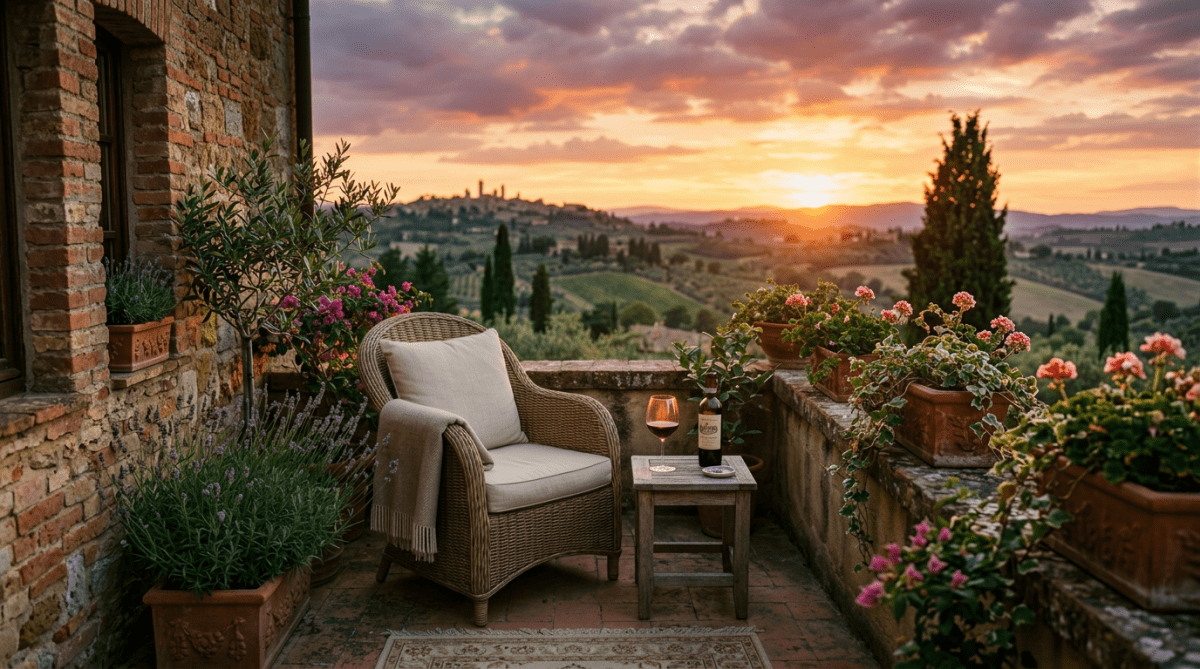
Bringing a Slice of ‘La Dolce Vita’ Into Your Daily Life

“The actual concept is far more radical, and far more boring: it’s a daily, granular insistence that pleasure, beauty, presence, and human connection are not rewards to be earned after the work is done. They are the work, in the sense that they’re the point of being alive. Everything else is logistics.”

There’s a particular look on the face of an American tourist watching Italians eat lunch. It’s a mix of envy, suspicion, and quiet panic — like the expression a border collie makes when the sheep stop moving. “Why are they sitting down? Why is there wine? Why does this take ninety minutes on a Tuesday?” The American instinct is to assume this is somehow unserious, a charming inefficiency that explains why “they” don’t run the world anymore. The Italian instinct, watching the American eat a sad desk salad over a keyboard as they still scroll through their Outlook inbox, is roughly the same look in reverse, except theirs comes with pity.

La dolce vita‘ or ‘the sweet life’ in English has been so thoroughly merchandised by travel magazines and Instagram that the phrase now mostly evokes linen pants and Aperol spritzes against a Positano sunset. That version is a vacation, not the culture itself. The actual concept is far more radical, and far more boring: it’s a daily, granular insistence that pleasure, beauty, presence, and human connection are not rewards to be earned after the work is done. They are the work, in the sense that they’re the point of being alive. Everything else is logistics.

Americans have a complicated relationship with this idea of work-life balance, and it seems to have regressed since the COVID pandemic has ended. We’ve built an entire economy, geography, and moral framework on the opposite premise that leisure is suspicious until proven to enhance productivity, that meals are fuel stops rather than meals to be enjoyed, that beauty is a luxury good rather than a daily requirement, and that the highest compliment you can pay a person is ” he’s / she’s so busy” or “he / she is such a hard worker at their job.” Adopting even fragments of la dolce vita or ‘the sweet life’ mentality in this context isn’t a lifestyle tweak. It’s mild cultural sedition, which is exactly why it’s worth doing.

Before going further, it’s worth clearing away what the phrase has become. La dolce vita in its current English usage is mostly a marketing layer like a vibe sold by linen brands, boutique hotels, and travel writers who need a shorthand for “expensive Mediterranean leisure.” The Fellini film that gave us the phrase was really about decadence and spiritual emptiness, which is a delicious irony nobody mentions when they’re captioning a photo of a Negroni.

The real thing, as practiced rather than performed, is less photogenic and more philosophical. It rests on a handful of assumptions that quietly contradict the American cultural operating system. First, that pleasure is not a reward but a baseline, something that deserves to be woven into ordinary days, not stored up for vacations. Second, meals are social and temporal events and should linger for a while, not refueling stops mostly spent alone or with people you are forced to have lunch with. Third, that beauty in your immediate environment like the cup you drink from, the square you walk through, the shirt you put on for no reason is a daily necessity, not a luxury. Fourth, that time spent with other people you care about, in person, without a professional or otherwise hidden agenda, is not “downtime” but the substance of a life. And fifth, perhaps most foreign to American ears: that being unproductive is not a moral failure, but rather slowing things down for a bit to savor life for what it is.

What ‘la dolce vita’ is not and what has been mistaken for: laziness, hedonism, anti-ambition, or a rejection of work. Italians work just as hard as anyone. Plenty of them work too much. However, work shouldn’t colonize every other category of existence. There’s a fence around it. Americans tend to assume the fence is the problem and that it prevents greatness. The Italian counterargument is that without the fence, you don’t get greatness; you just get a tired, lonely person who answers emails and makes spreadsheets until they die.

The American resistance to this kind of approach isn’t personal weakness or laziness but rather it’s structural, and it goes back centuries. The Protestant work ethic, however secularized, still runs underneath the culture like plumbing. Work isn’t just what you do; it’s evidence of your moral standing. Rest, by the same logic, requires justification. You don’t see your life as time to be inhabited; you see it as productivity to be optimized, with leisure as the reward you’ve theoretically earned but rarely can take because you feel guilty about it.

Layer on top of that is the physical environment. Postwar America bulldozed walkable neighborhoods, especially in most major cities, and built the suburbs, which is a geography that makes spontaneous social life functionally impossible. You cannot accidentally bump into a friend on your way home from the bakery if there is no bakery, no sidewalk(s), and no home you arrive at except by car. The “third place” in a walkable town or community like the café, plaza, pub, or stoop where unstructured human contact happens has been largely engineered out of American daily life. What remains is home and work, with a windshield between them.

Then, there’s the cultural premium on busyness as identity and with being identified by “what do you do?” that defines “who you are” as an individual. “How are you?” “Busy!” and we hear this as a thing to brag about, not a confession that we are overworked. We’ve inverted the older signal: in most of human history, leisure denoted status. In America, exhaustion does. Even our leisure has been infected as we optimize our hobbies, track our sleep, gamify our walks, turn vacations into itineraries that require recovery afterward or a vacation from our vacation.

The cruelest part is how this gets internalized in our overall outlook on life. Sitting at a café for an hour without a laptop, a book, or a goal feels actively wrong to most Americans. There’s a faint moral itch; shouldn’t I be doing something with my time? that Italians and other cultures simply do not have. Recognizing that itch as a disease rather than a virtue is step one.

You cannot import Rome, Italy into Bethesda, Maryland. However, you can import behaviors, and the behaviors are surprisingly portable. Some of my fondest memories are of long afternoons drinking tea by the Bosporus Strait in Istanbul, savoring freshly made coffee on a farm in Colombia, and passing the hours with no destination on evening strolls through major European and Latin American cities. Remember to start small and start with things that don’t require permission from your employer, your spouse, or your municipality.

The proper coffee ritual. Stop drinking coffee in the car or taking your coffee ‘to go’ from a drive-thru or on an application. Drink it sitting down, in a real cup (no Styrofoam), for ten minutes minimum, doing nothing else. That’s the challenge I ask you. This single change reframes the morning from a launch sequence into an actual beginning, where the world slows down and you can really think deeply without distractions. No use of the phone for ten minutes is a bonus if you can have that kind of self-control too.

The ‘passeggiata’ or ‘after meal walk’. The Italian after-dinner walk has no destination, no fitness target, no podcast, no phone. You walk because it’s evening, because digestion exists, because the neighborhood is worth being in. Twenty minutes minimum and make sure you can do it in a walkable area first. Bring a person if you have one and preferably do it around sunset.

Lunch, that isn’t sad. Eating at your office desk is the single most depressing American workplace practice and it produces measurably worse afternoons as a result. Leave the building or the facility, if you can. Eat something you’d describe to a friend that you would recommend to him or her. If you work from home, set the table and eat well. Yes, even for one.

Aperitivo hour. The deliberate transition from work-self to evening-self. A drink (doesn’t have to be alcoholic), a snack, sitting down, no screens, ideally with another human. It marks the day’s end and the night’s beginning. Without this kind of transition, work bleeds into dinner bleeds into Netflix bleeds into bed.

Sundays as actual Sundays. Not “meal prep and laundry and grocery run” day. Make sure to save time for at least one long meal, a walk, a nap, a book, and time with people you like. The protestant pull will be strong; resist it at least once a month.

Fare niente. “The art of doing nothing.” Sit. People watch. Meditate. Interact with nature. Look out the window. Touch grass, as the kids say. Don’t optimize each moment. This is the hardest one for many Americans because it triggers the productivity itch most acutely, which is precisely why it’s the most valuable to incorporate into your life.

Remember that you may be on your own when you adopt your own slice of ‘la dolce vita’ as best as you can. Your job will not endorse this. American work culture treats “I’m taking my full lunch” as either rebellion or weakness. Salaried knowledge workers have absorbed an unspoken rule that being reachable is the job. Carving out an actual hour in the middle of the day requires either seniority, audacity, or a willingness to be slightly misunderstood and possibly all three.

Your friends are also overscheduled. The ‘passeggiata’ works in Italy partly because everyone else is also outside at the same time, doing the same thing. In an American suburb, you are walking alone past dark houses where people are inside watching television. Building the social density that makes these rituals feel natural rather than performative is a lifelong project, not an average Tuesday decision. Your built environment is hostile. If you live somewhere designed for cars, you will have to drive to the place where you sit and have coffee. The friction is real, and it explains why these practices feel easier when you travel as the environment is doing half the work.

The shame response is the deepest obstacle. Most Americans, sitting at a café for an unhurried hour, will feel a low hum of guilt within twenty minutes. I should be answering that email. I should be at the gym. I should be using this time. That voice is not your conscience. It’s cultural conditioning, and it will get quieter only with repetition. Finally, here’s an honest admission:  Some elements of la dolce vita genuinely require structural conditions such as walkable cities, shorter workweeks, robust social ties, strong labor protections that no individual American can produce alone. You can adopt fragments of this lifestyle, but you cannot adopt the whole lifestyle unless these conditions adapt to foster better work-life balance in the greater society.

Given all these obstacles, the move is not “transform your life” but “claim one hour back.” A practical sequence for someone trying this without quitting their job or moving to Tuscany:

Pick one ritual, not all of them at once. The most common mistake is trying to overhaul the morning, the lunch, the evening, and the weekend simultaneously. Choose one part of the day to make yours again. Master it. Let it become unremarkable before adding the next part to be more enjoyable.

Start with the meal you control most. For most people, this is breakfast or dinner. Lunch is usually hostage to a workplace, especially when you’re forced into an office. If you can make one meal a day a non-optimized, sit-down, non-screen affair, you’ve already changed something structural about your lifestyle.

Find or create one third place within walking distance of you. A café, a bar, a park bench, a library, a bookstore; somewhere that isn’t home and isn’t at work, where you can be a regular patron. If nothing exists within walking distance, this becomes a clue about whether your geography is serving you and whether you and your neighbors can get together to change these structural conditions working against you in your own community.

Build one non-negotiable hour per day for yourself. Same time, same boundary. Not “when I have time” as that hour will never appear. Treat it like a meeting with someone you respect and don’t want to let down. It’s healthy for you, your family, and your health long-term.

Audit your current “relaxation” patterns. Be honest with yourself: is scrolling on your phone for an hour restful, or is it just numbing you? La dolce vita draws a sharp distinction between rest that restores you and consumption that sedates you. Most American leisure is the latter pretending to be the former. Please understand the difference to actually ‘rest well’ and do so consistently.

Accept the awkward phase at first. The first few weeks of this approach will feel slightly wrong, and you’ll catch yourself reaching for the phone, the emails, the drive to maximize productivity. That discomfort is the old operating system protesting this lifestyle change. Let it protest. Sit through it. On the other side is a version of your daily life that you might want to be inside of and that you look forward to each week.

Living ‘La Dolce Vita’ is not just a lifestyle but also a mindset for how you choose to spend your free time and with whom you spend it with. It’s not optimizing every moment but rather making the most of them by living in them and not just thinking about one moment leads to the next. Anyone should go to Italy if they have the chance to experience it for themselves but even if you don’t ever get to, you can experience ‘the sweet life’ by savoring more about life whether it’s a well-cooked meal, a delicious coffee in a park, and spending time just with your own thoughts and watching the world pass you by. It takes time to adjust to this kind of mentality, but you’ll end up finding that there is just as much beauty in doing nothing as there is in doing something.
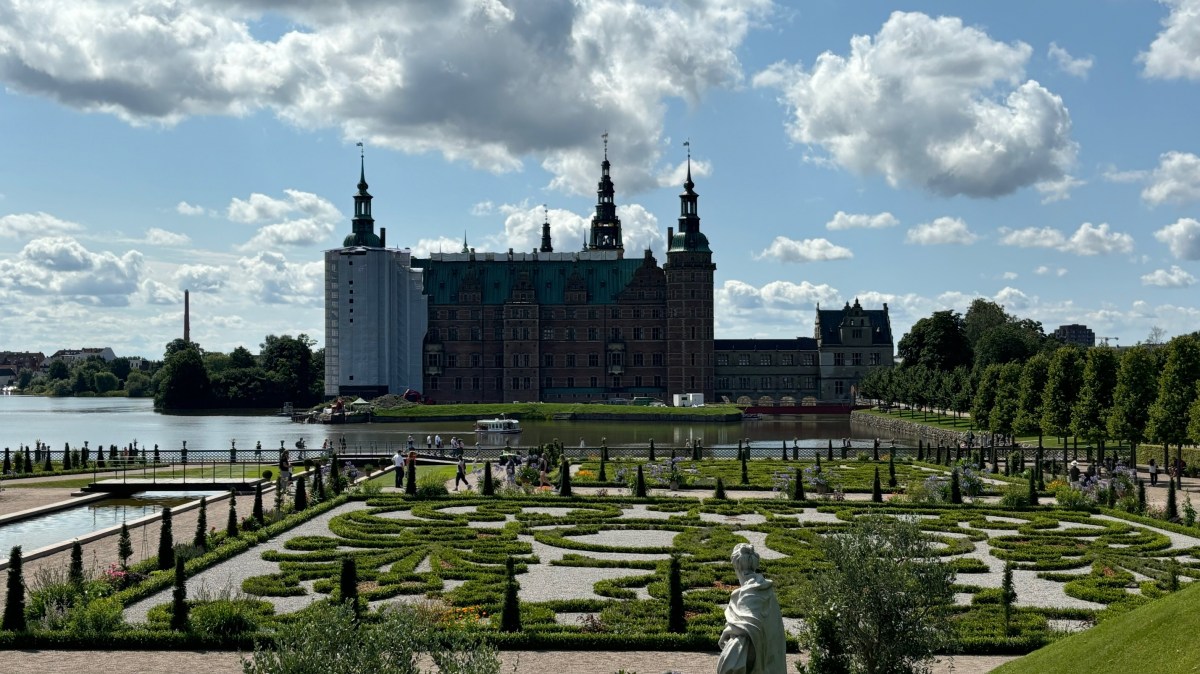
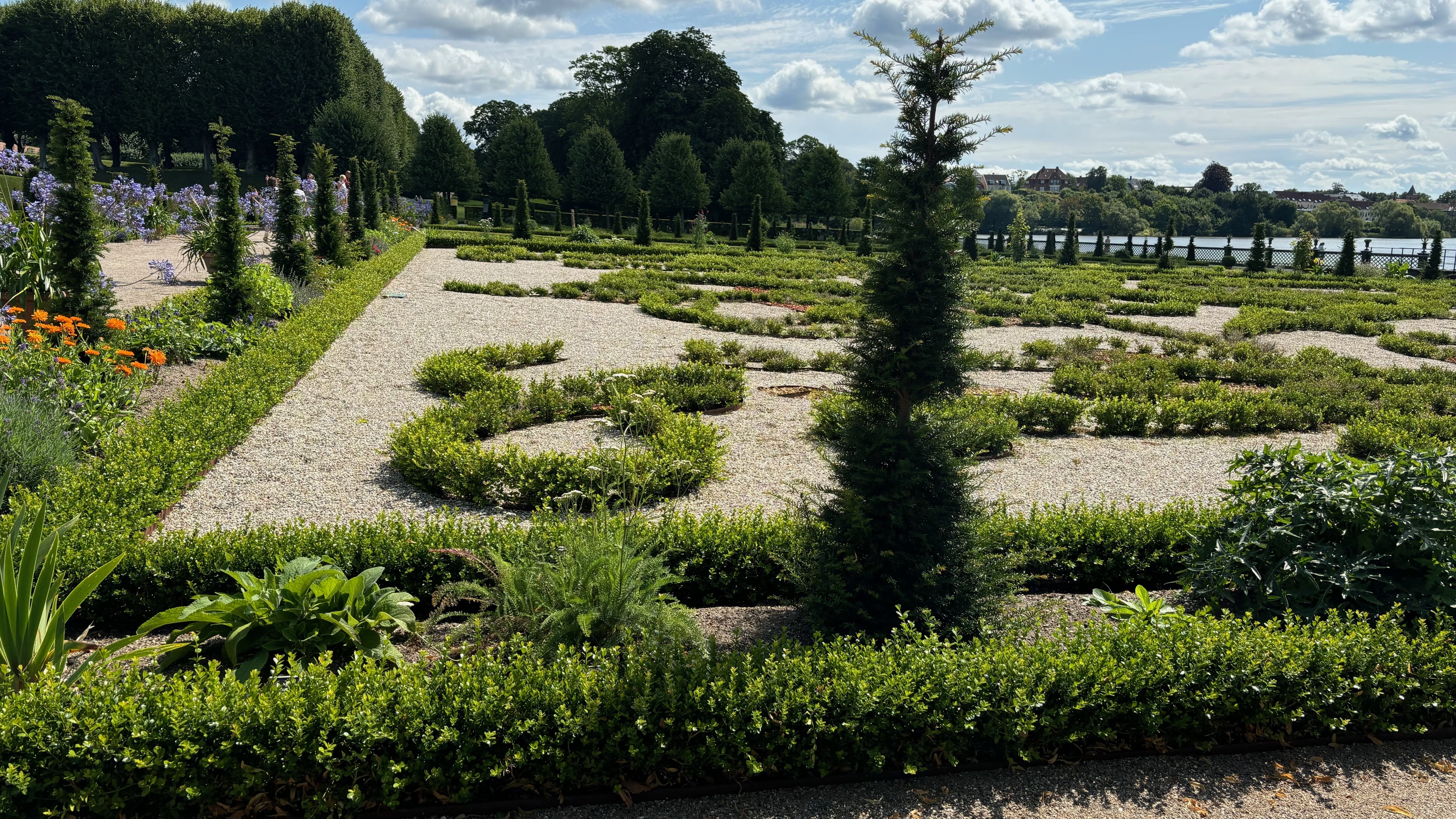
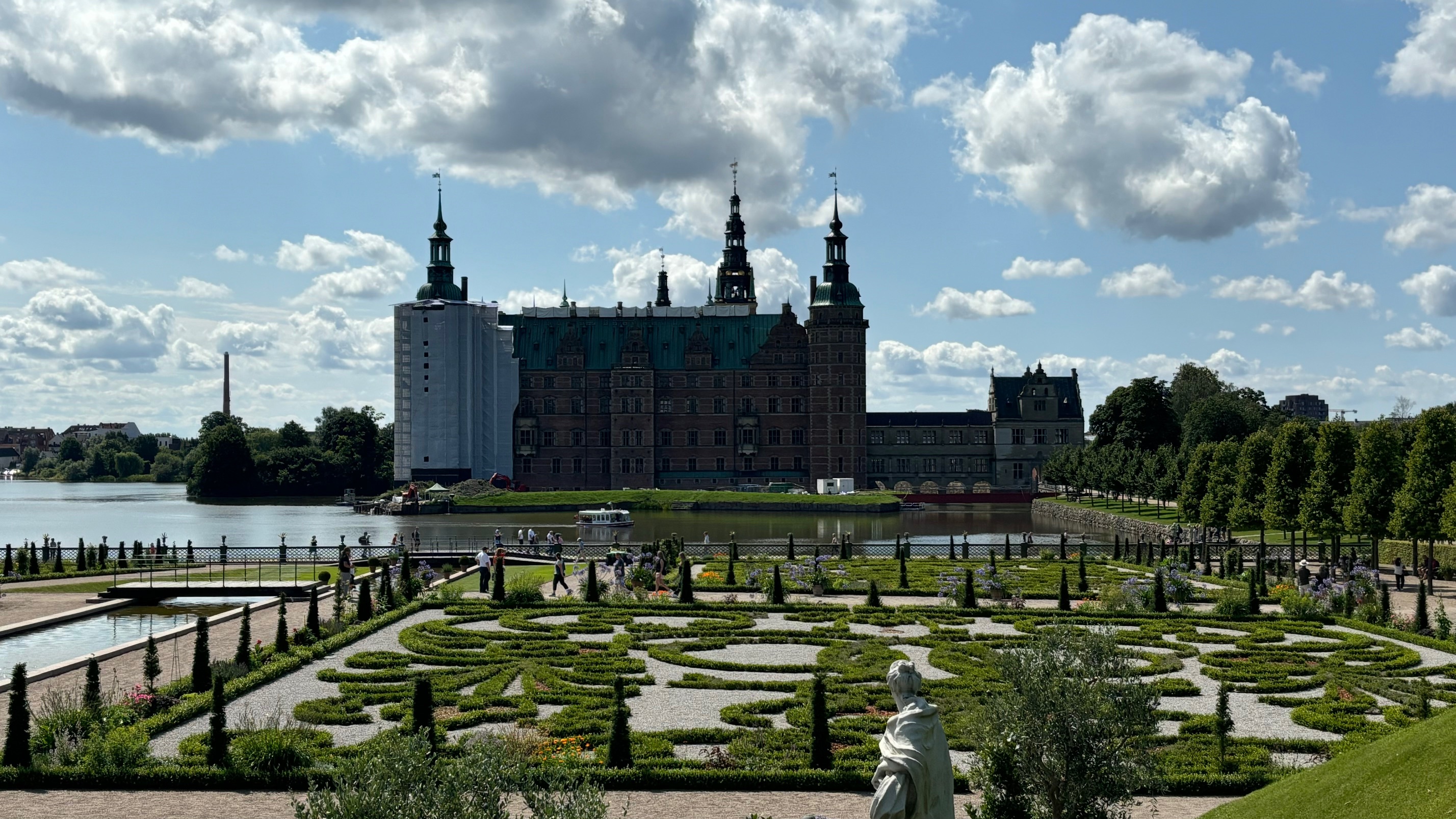
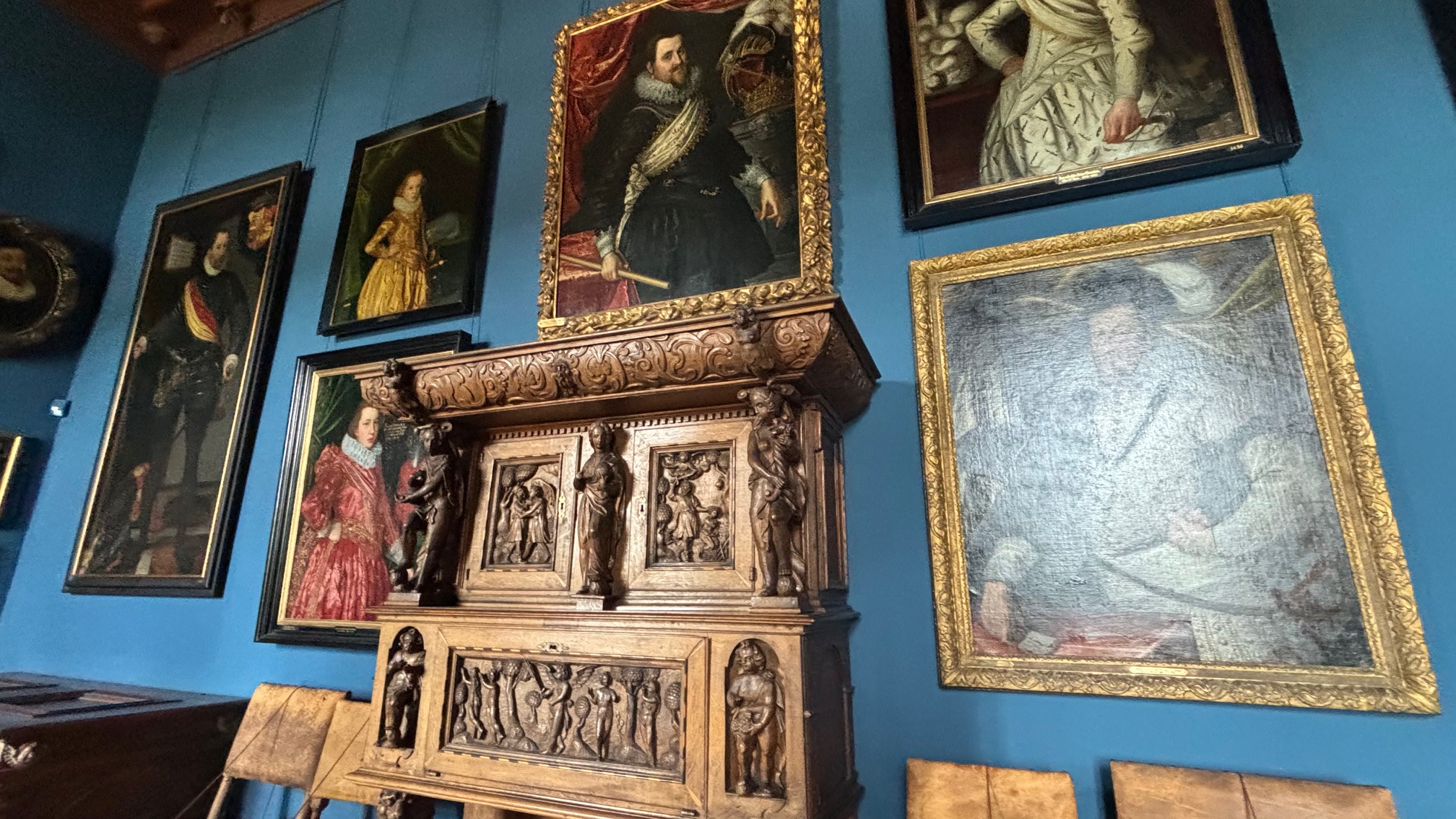
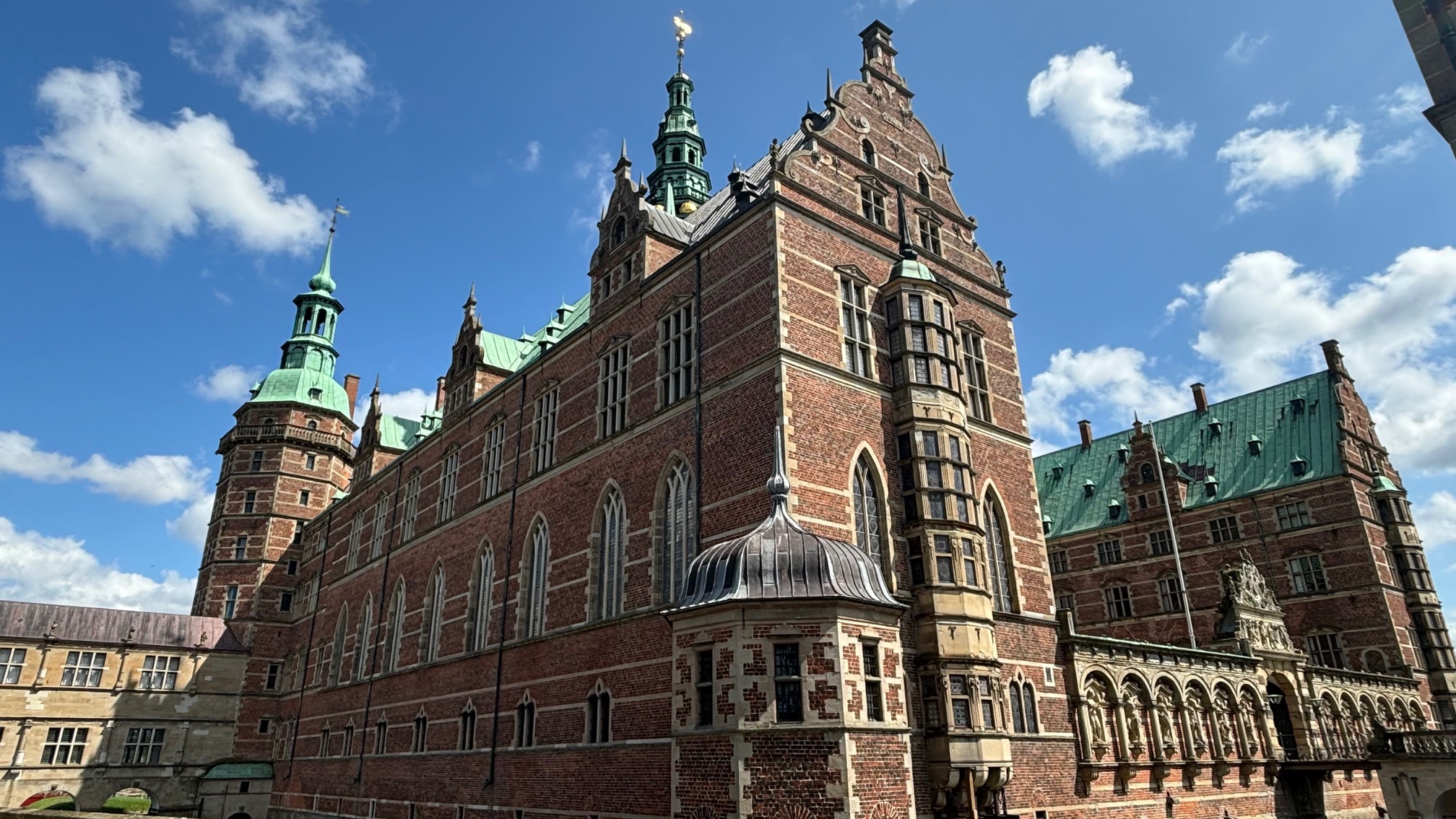
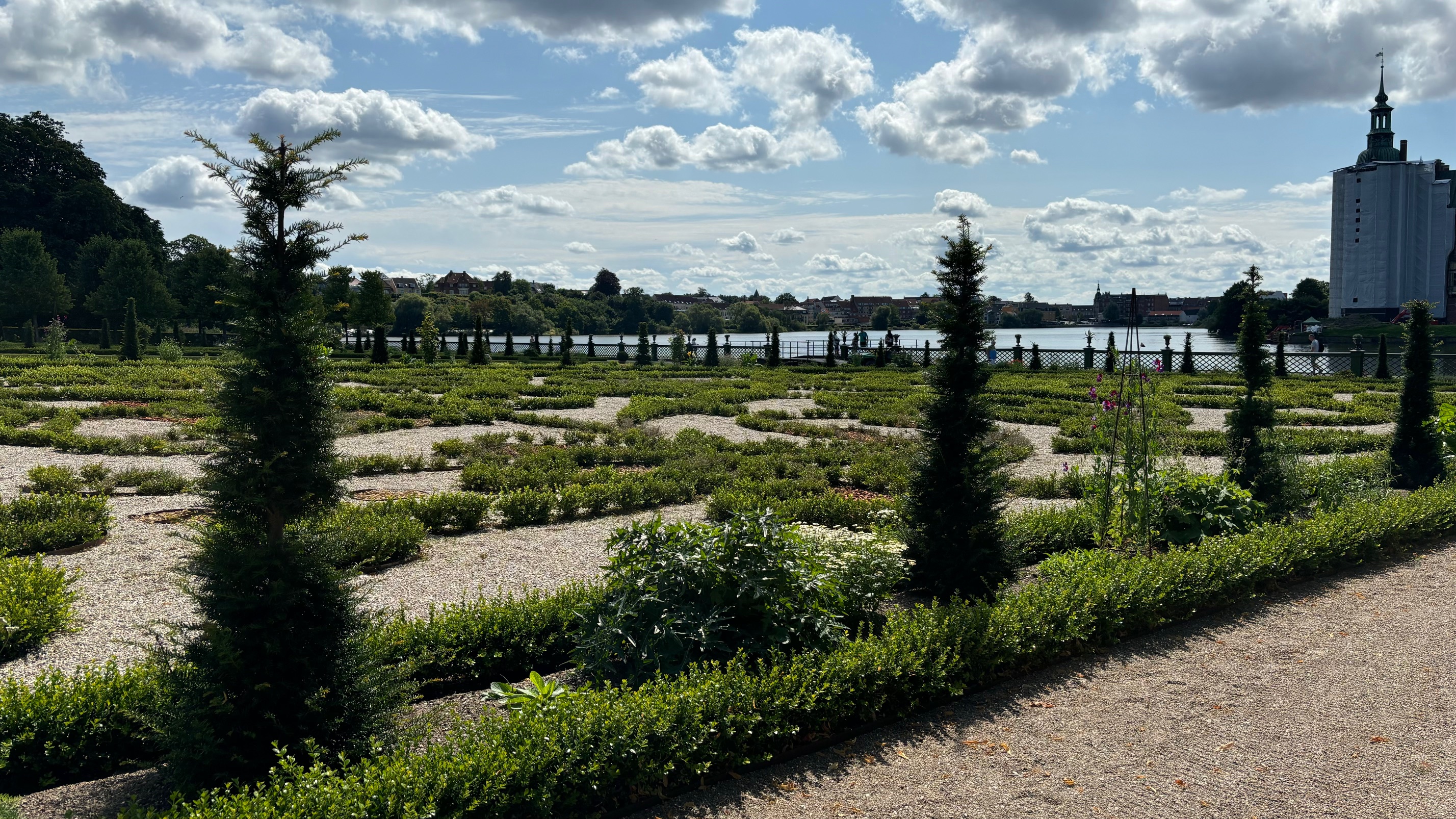
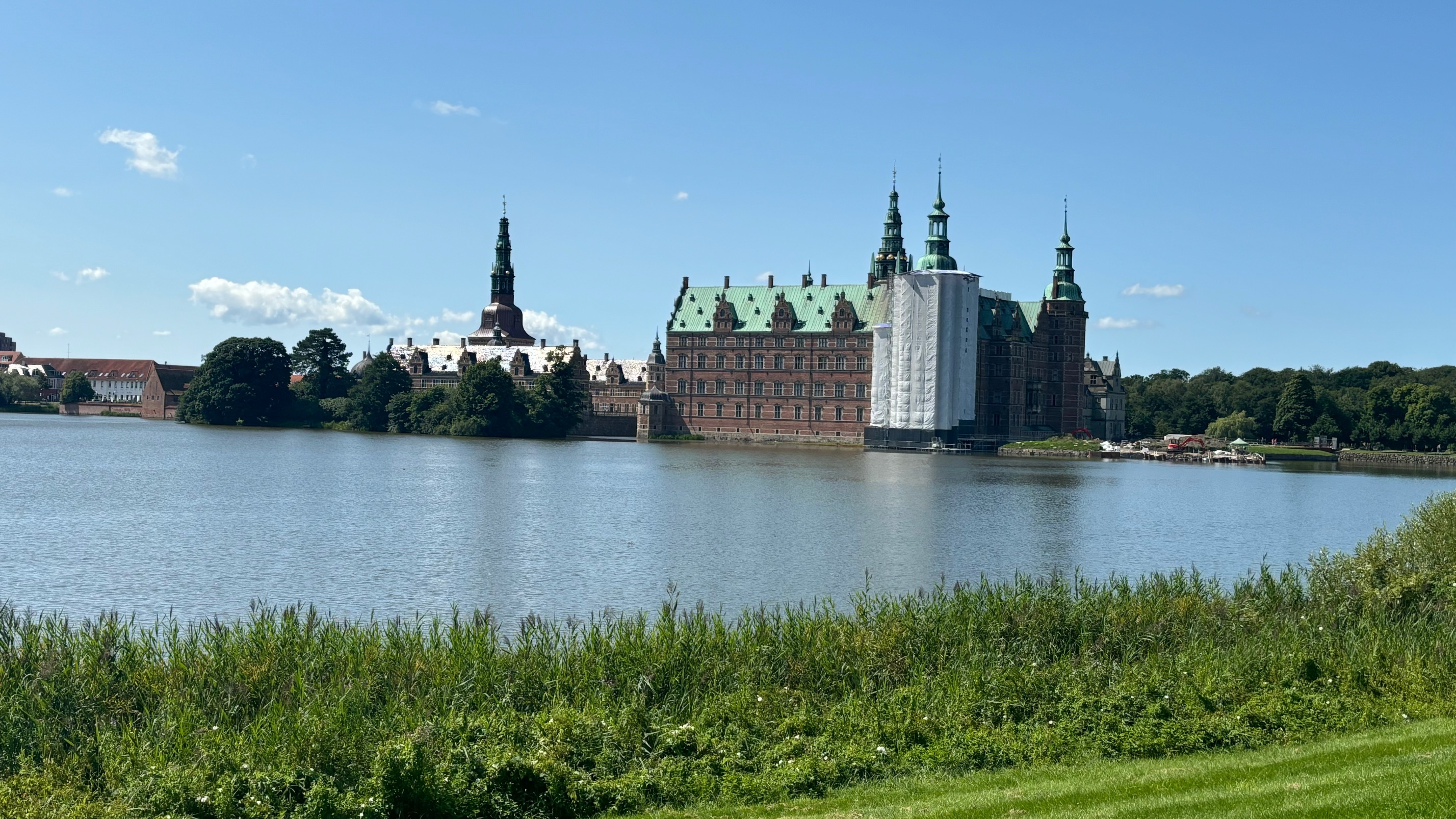
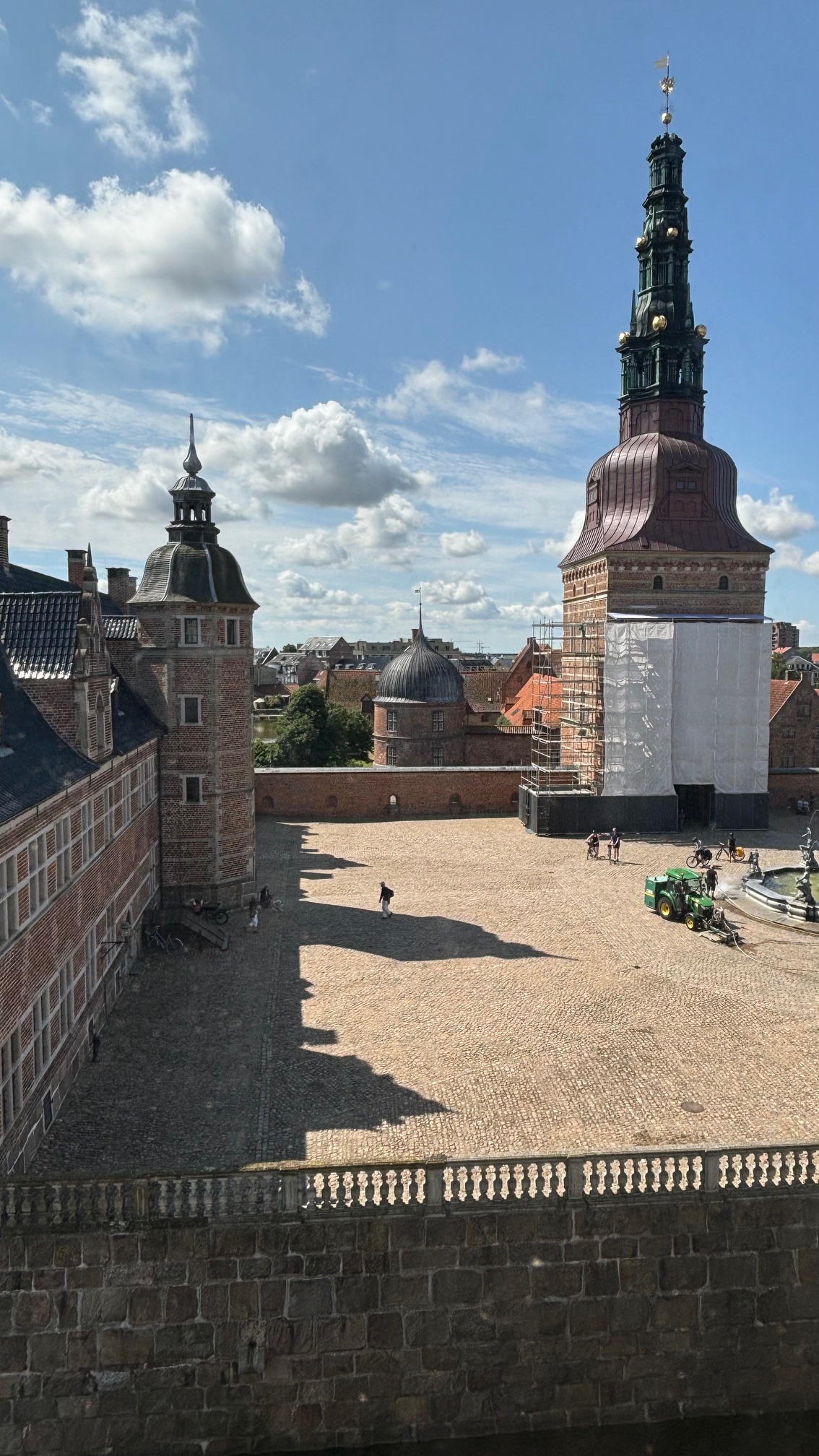
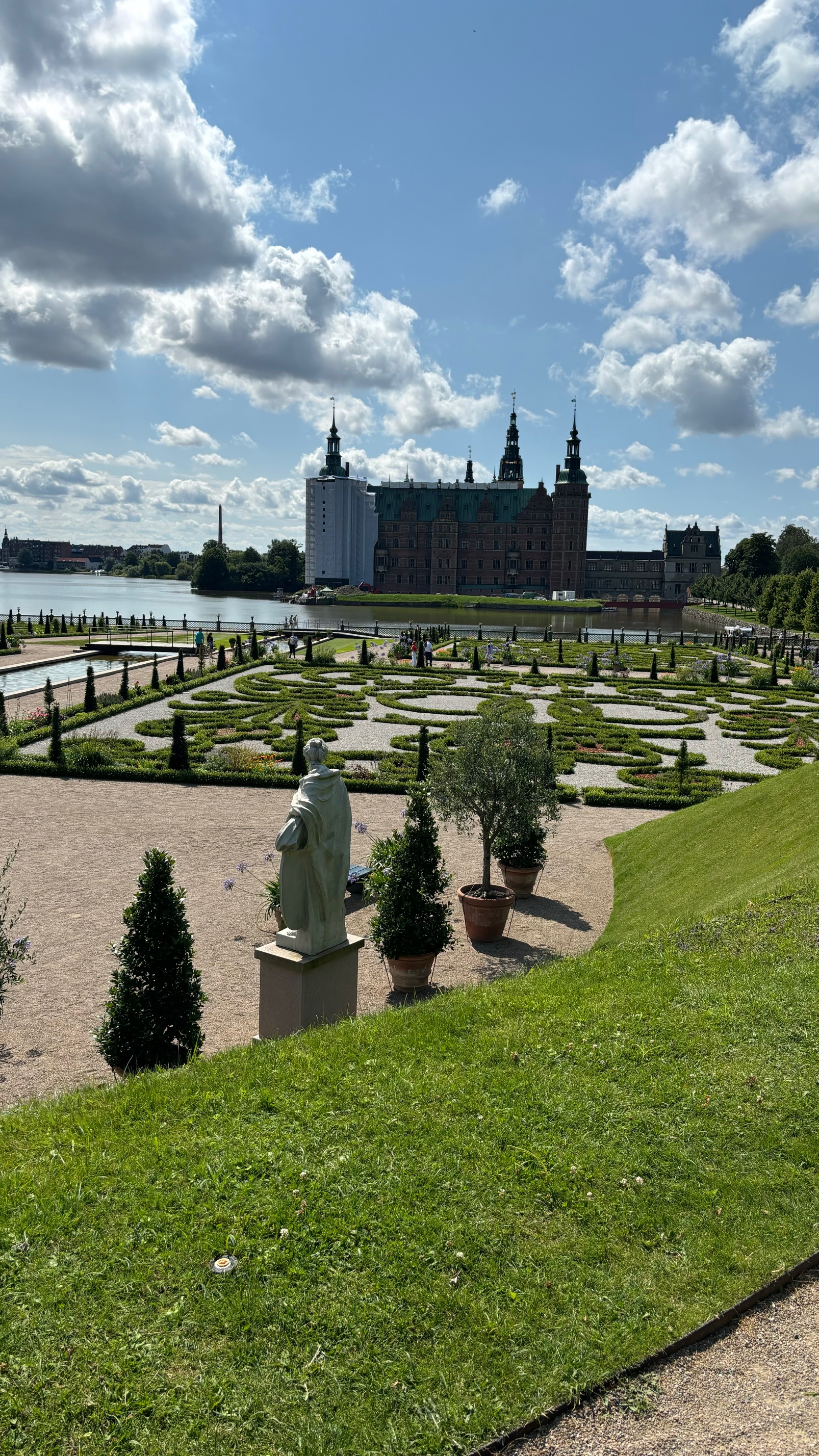
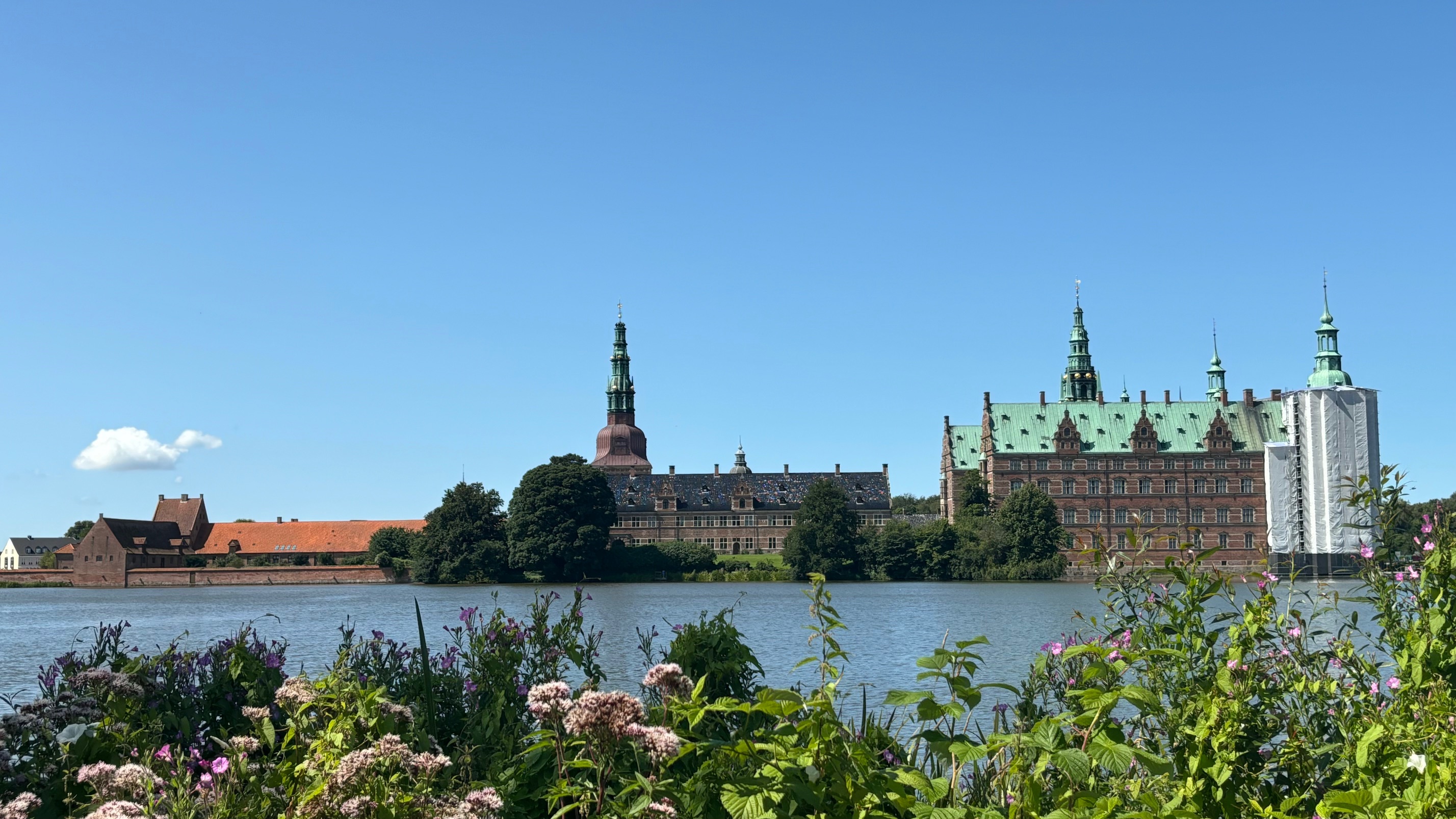
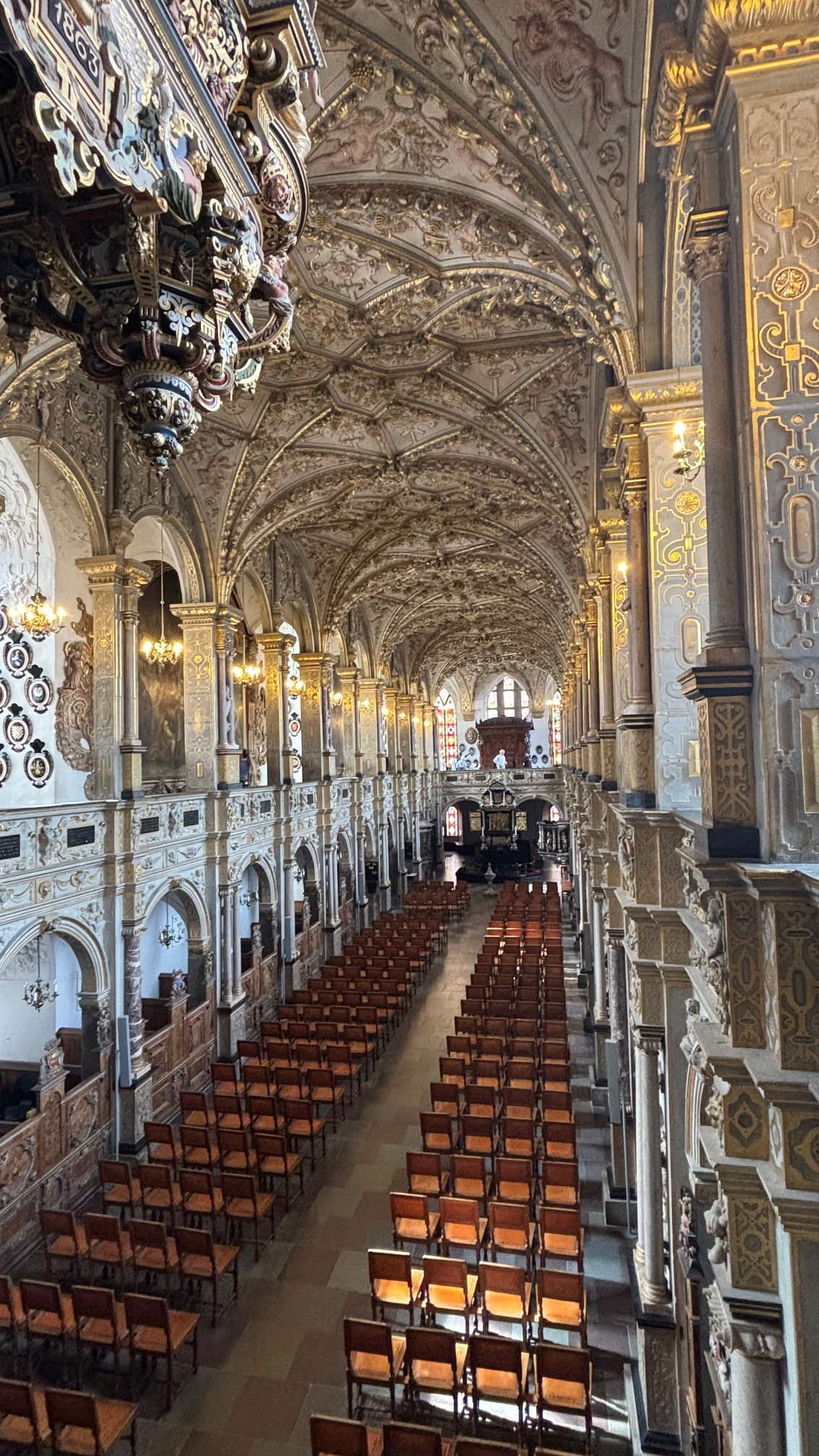
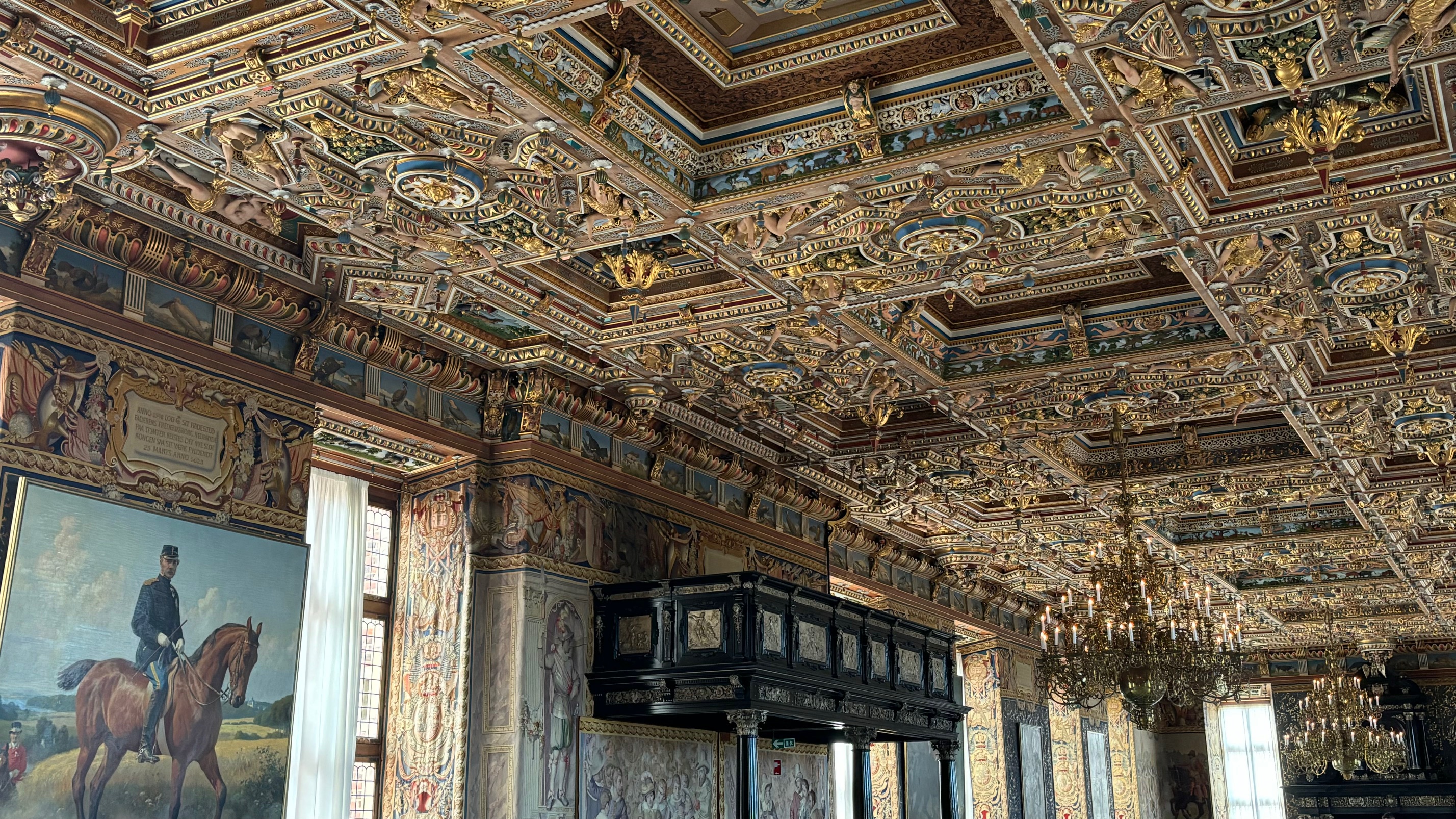
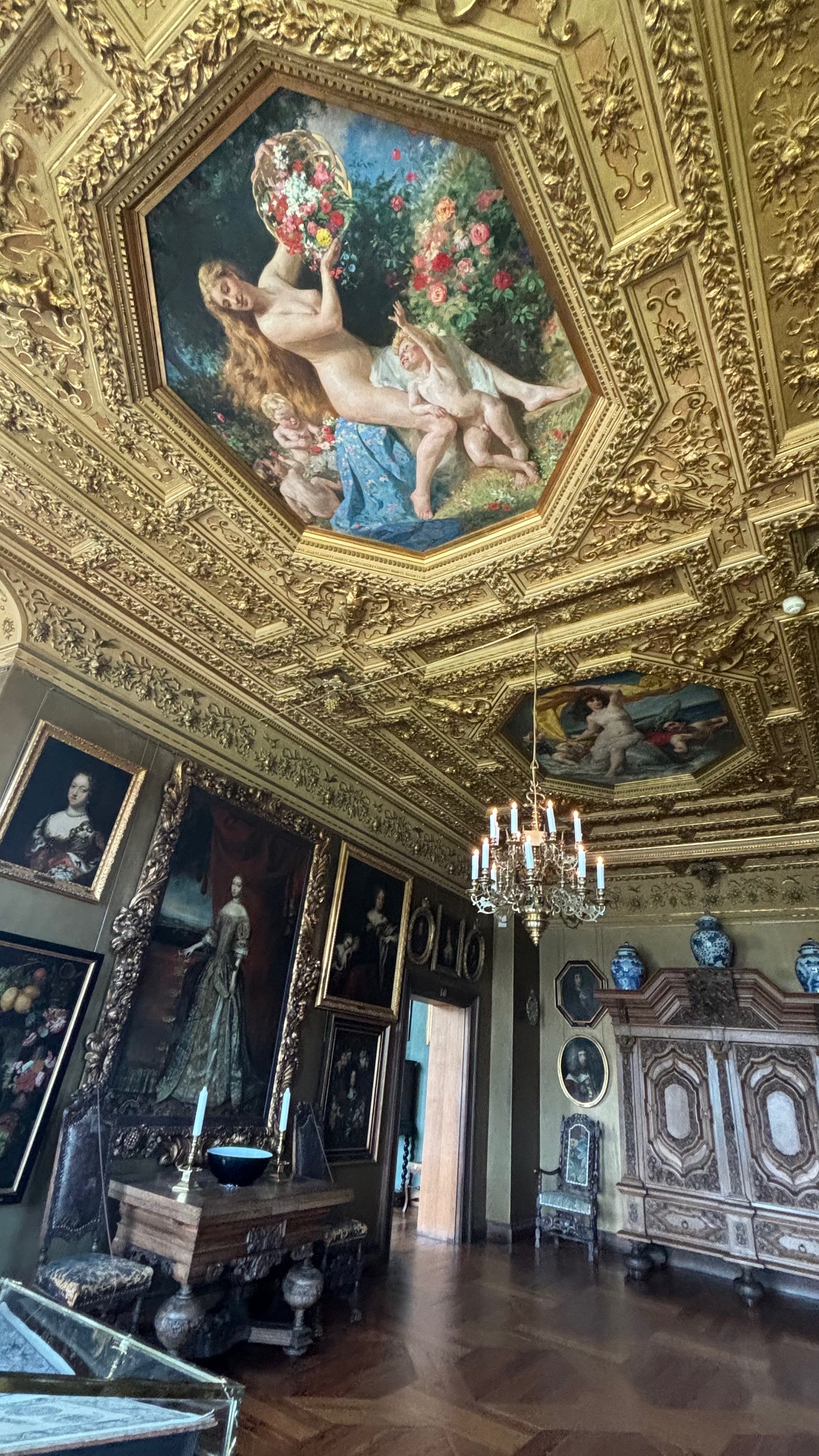
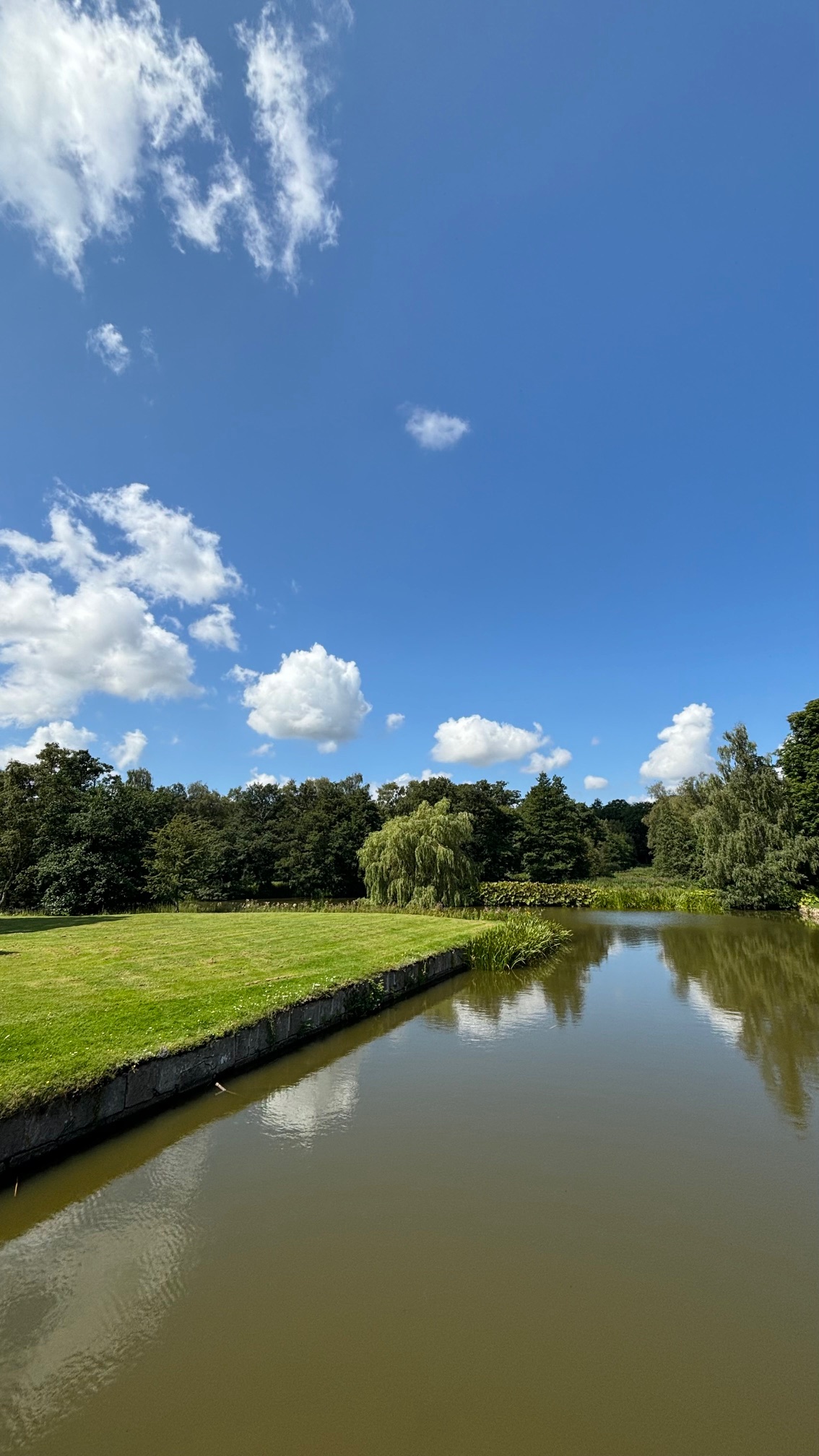
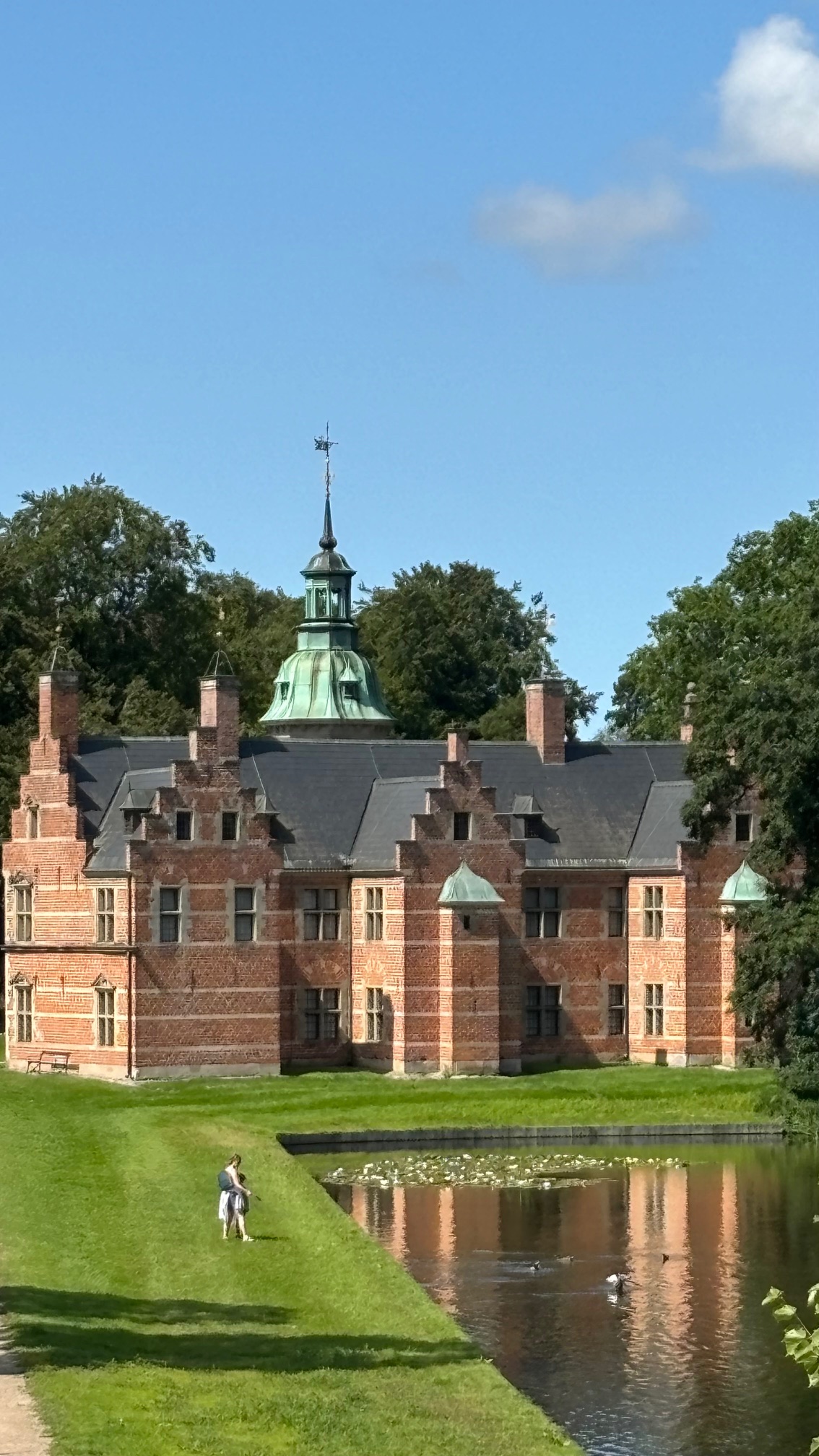
Frederiksborg Castle

“Frederiksborg Castle in Hillerød, Denmark – a Renaissance masterpiece framed by water, silence, and centuries of Danish history.”

Camera: iPhone 15

Location: Frederiksborg Slot (Castle), Hillerød, Denmark

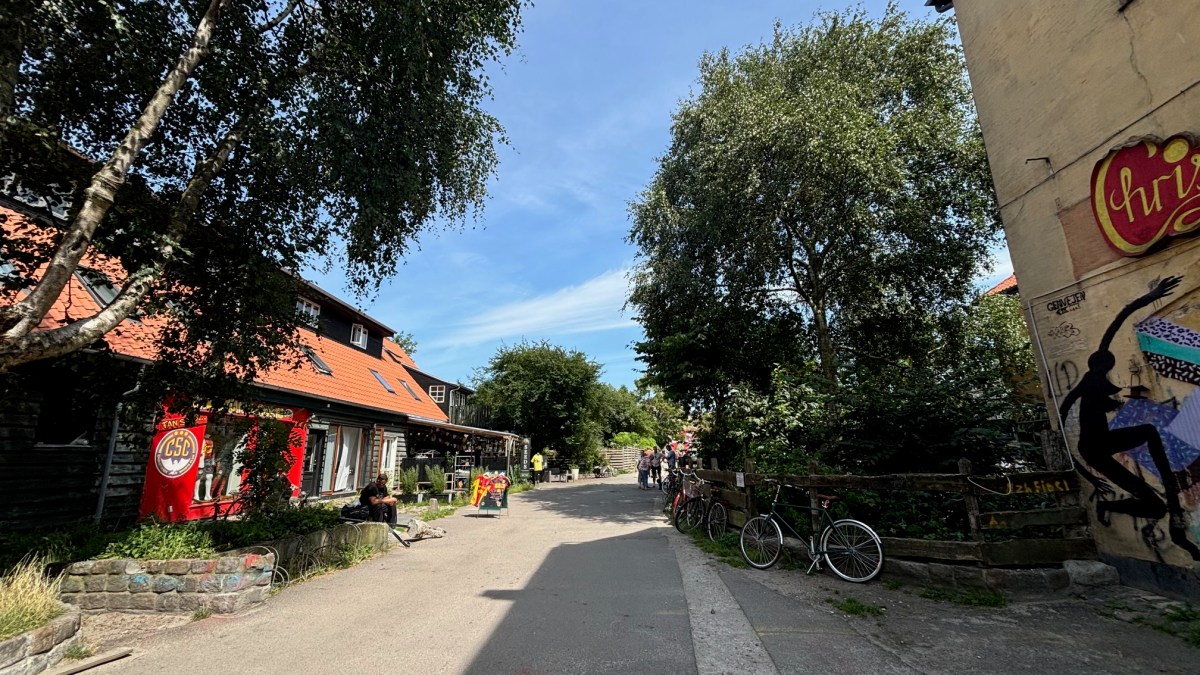
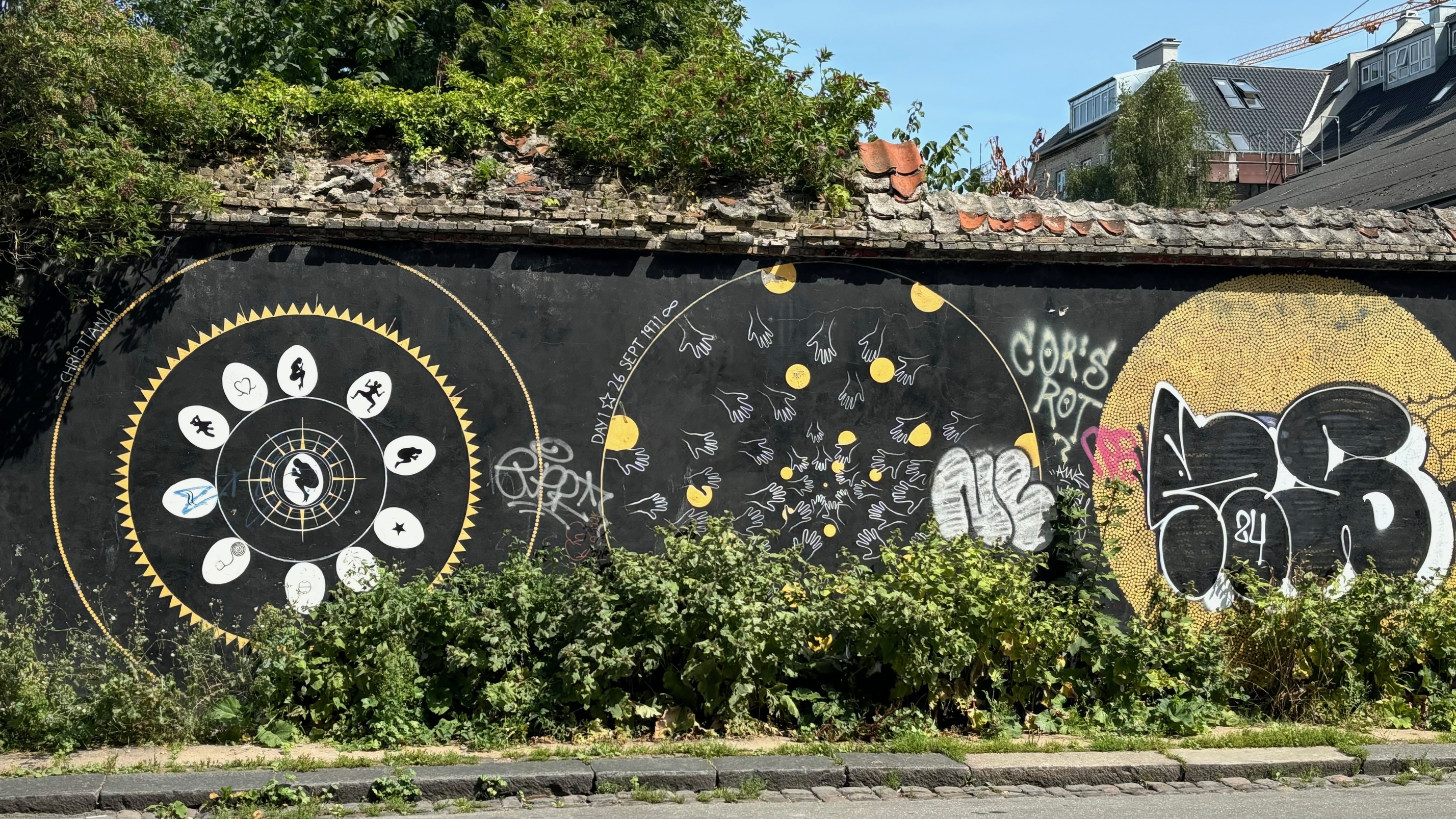
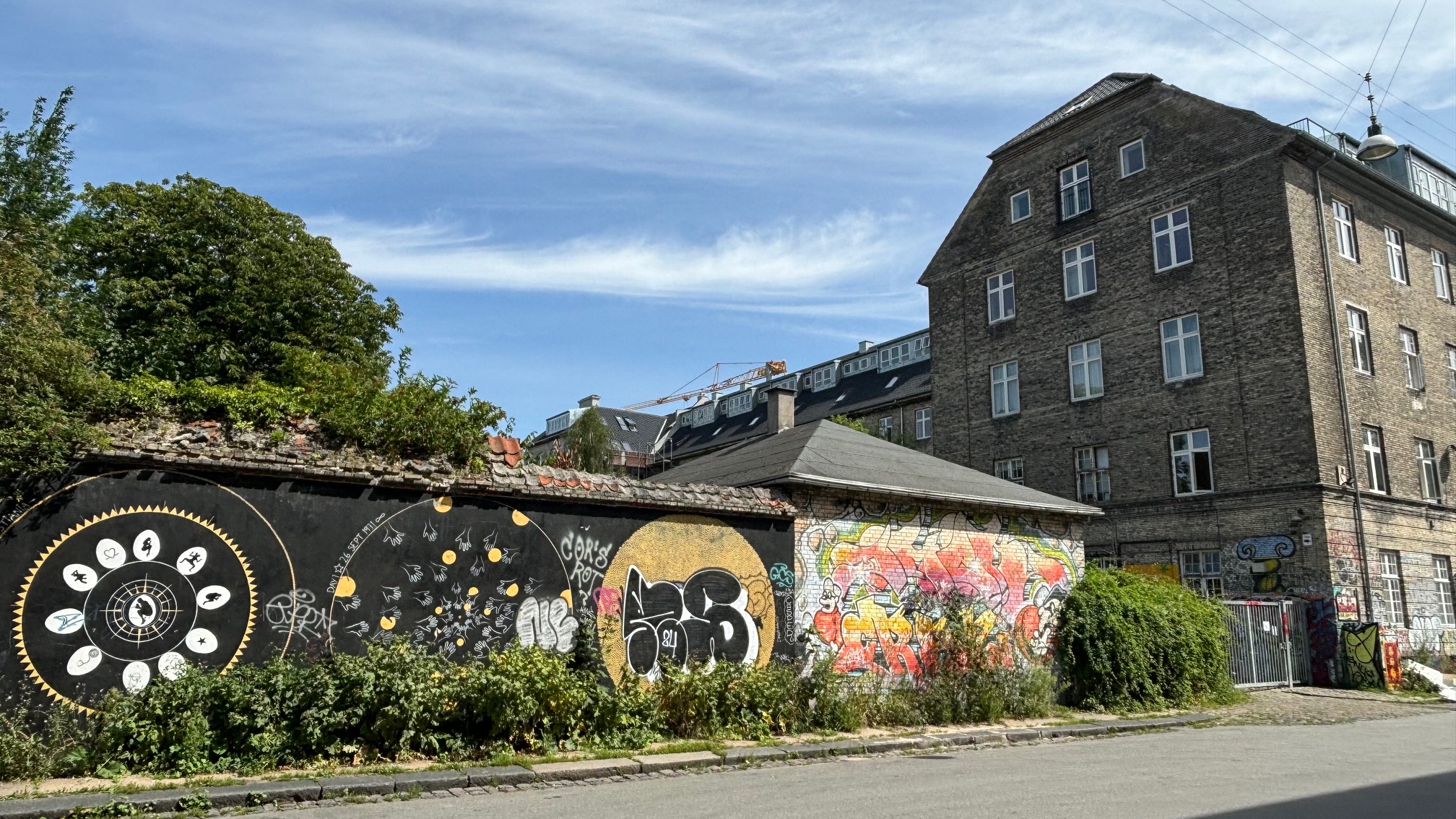
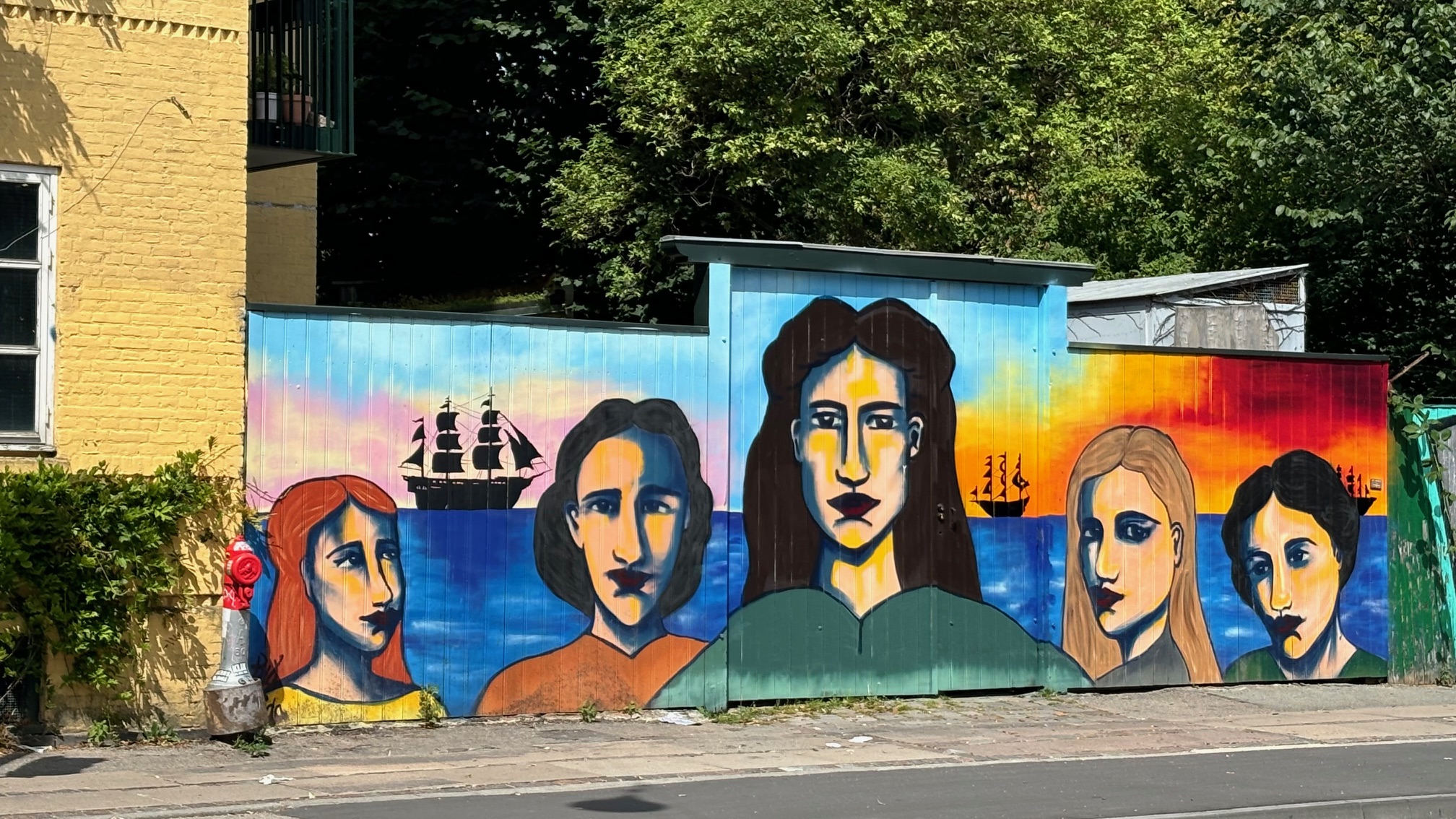
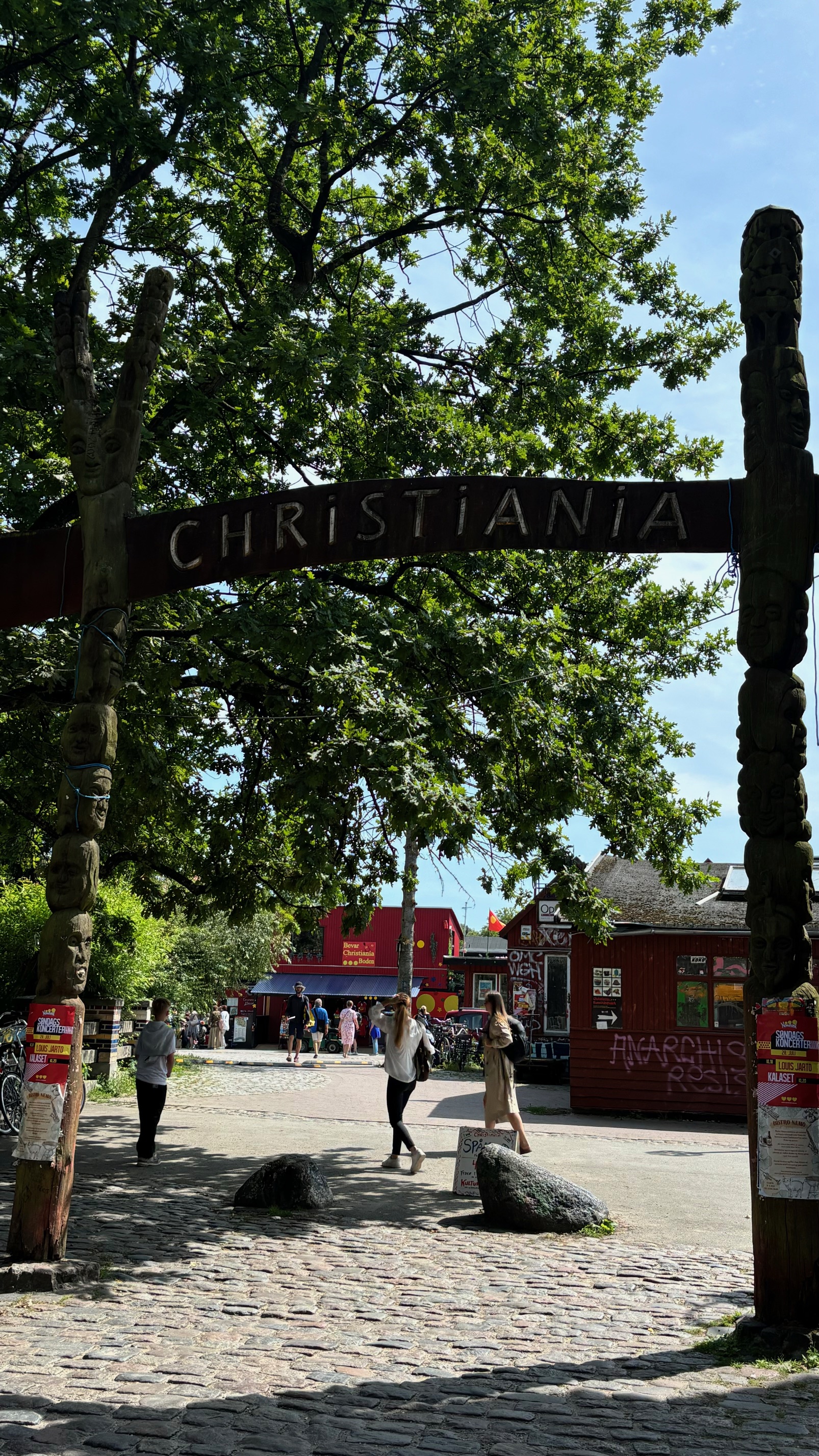
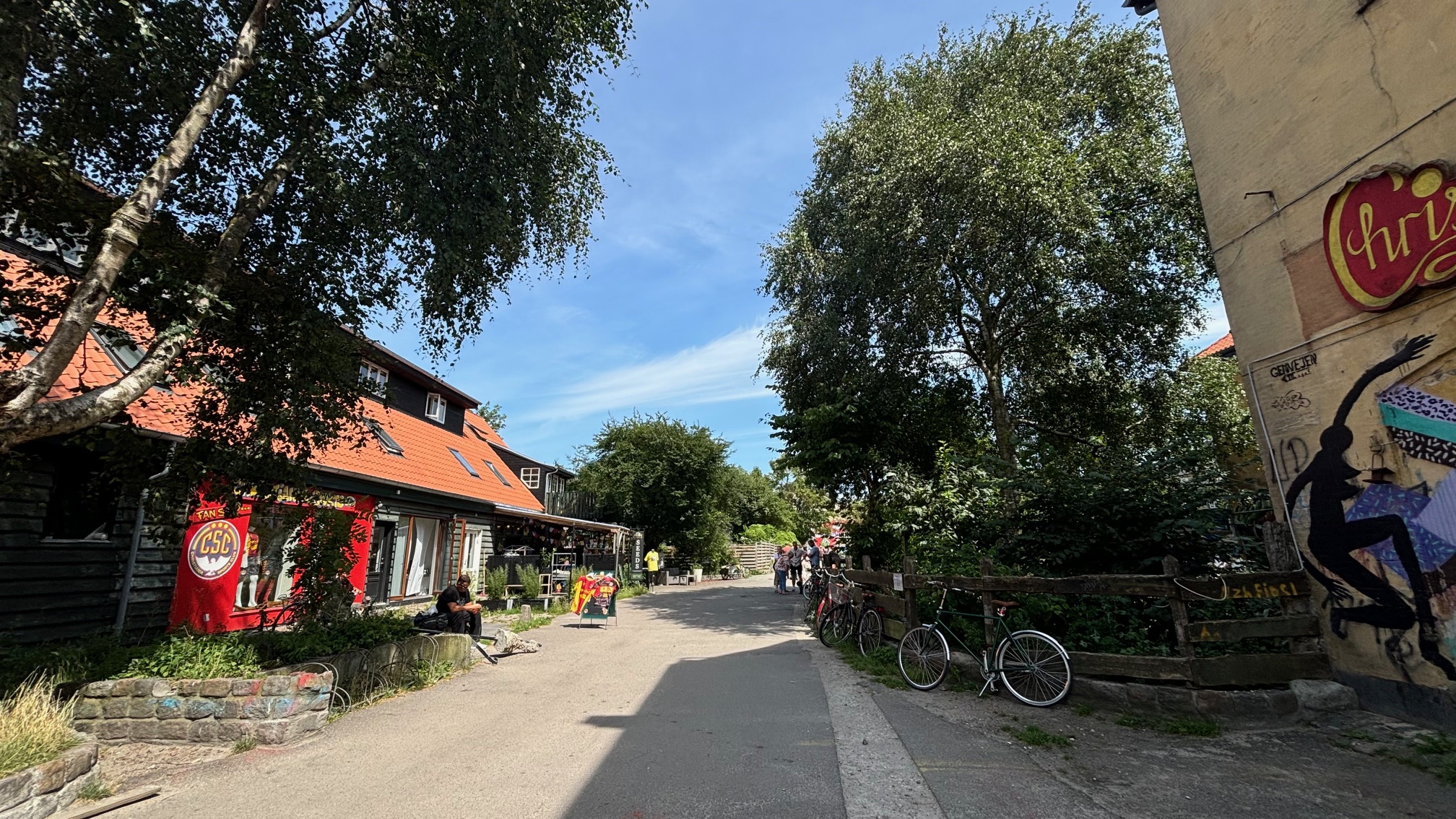
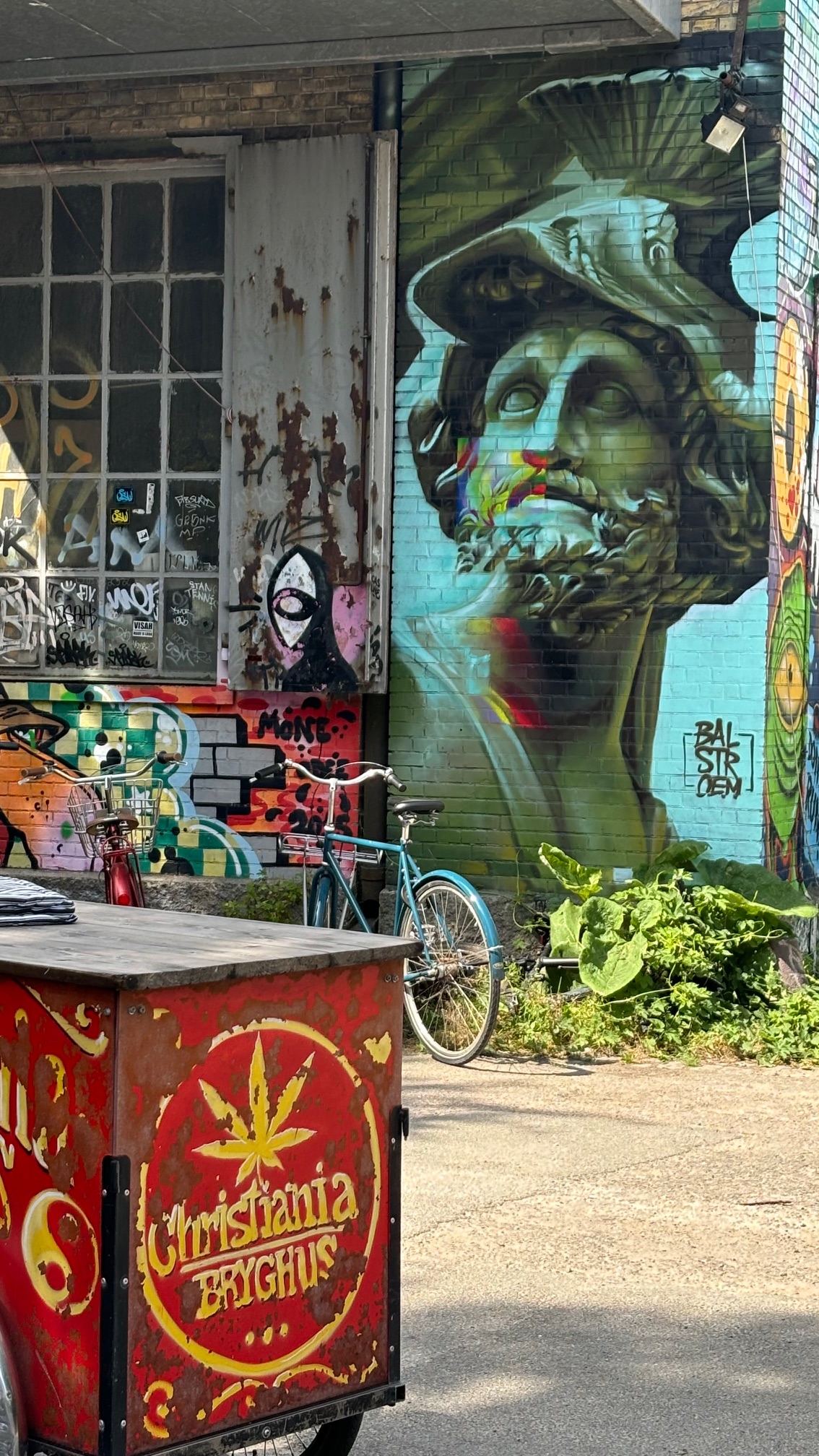
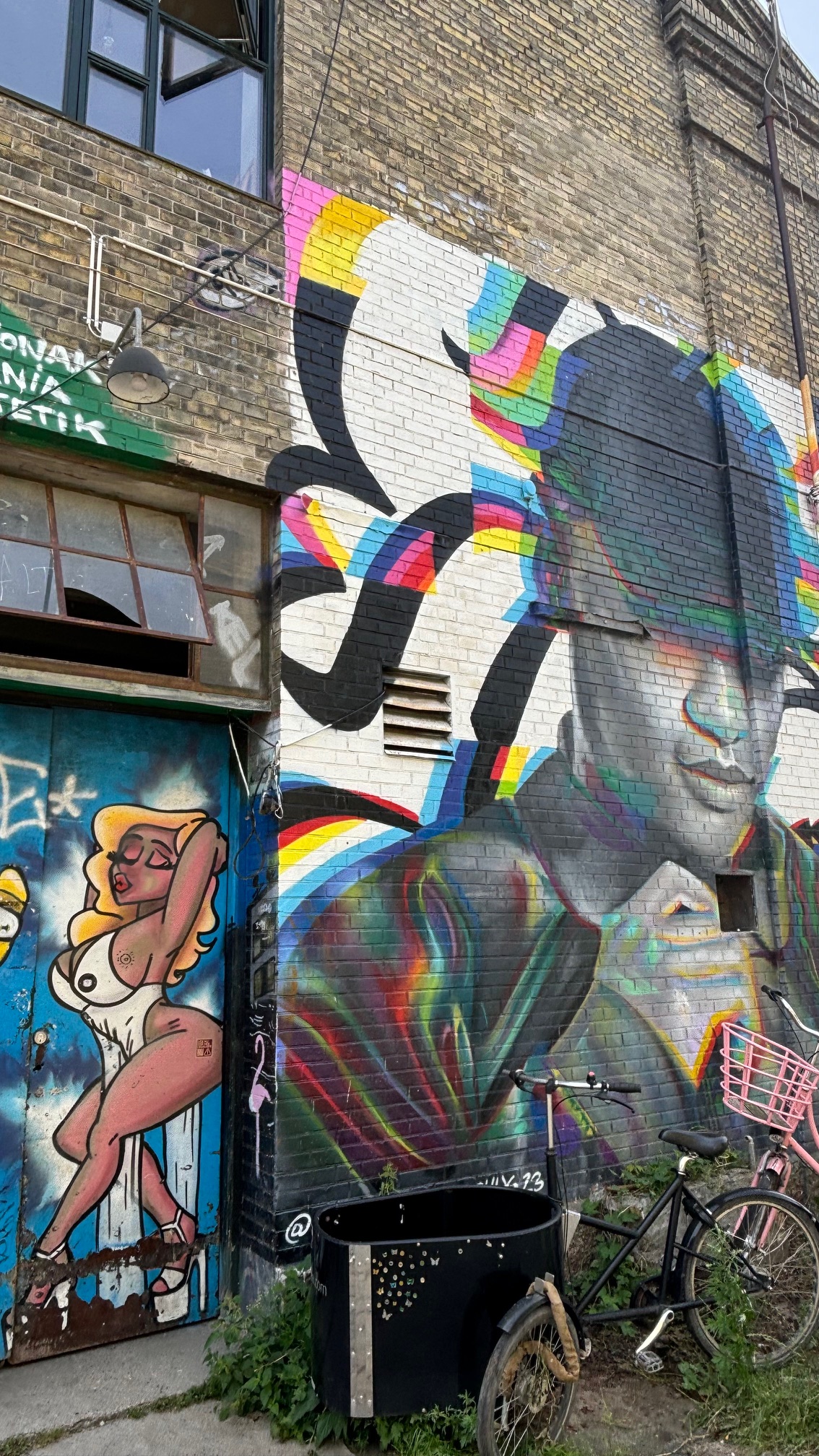
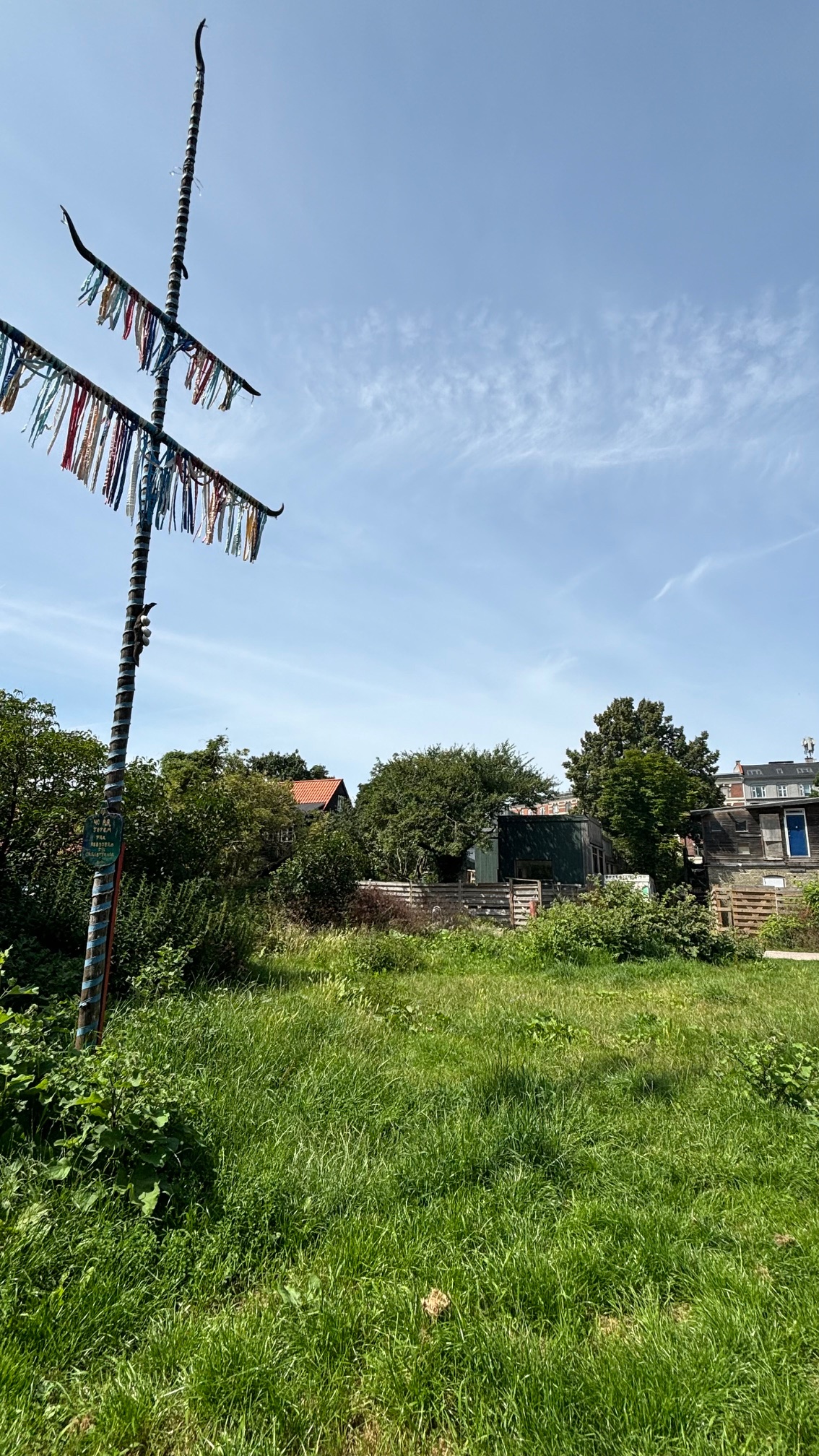
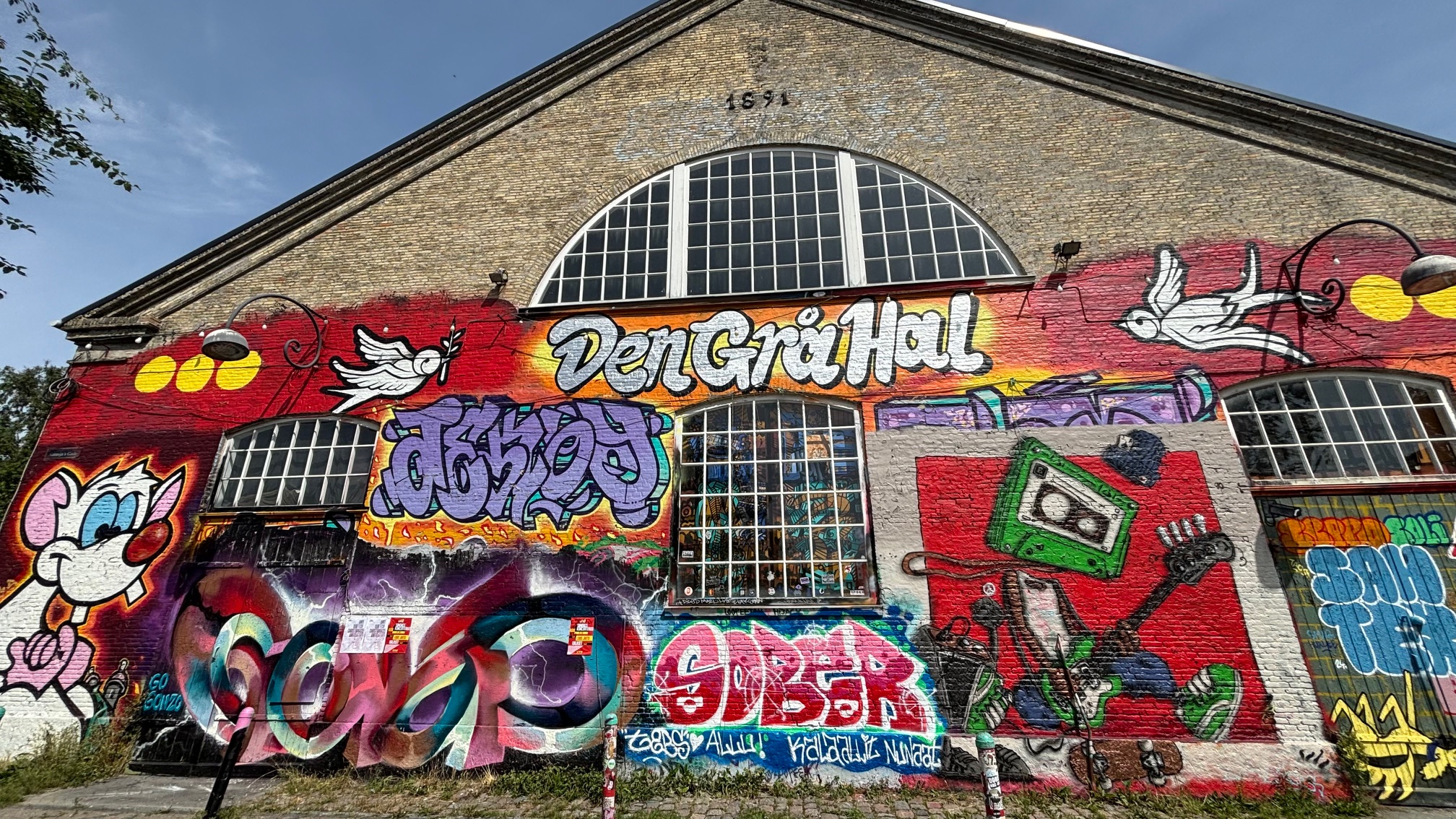
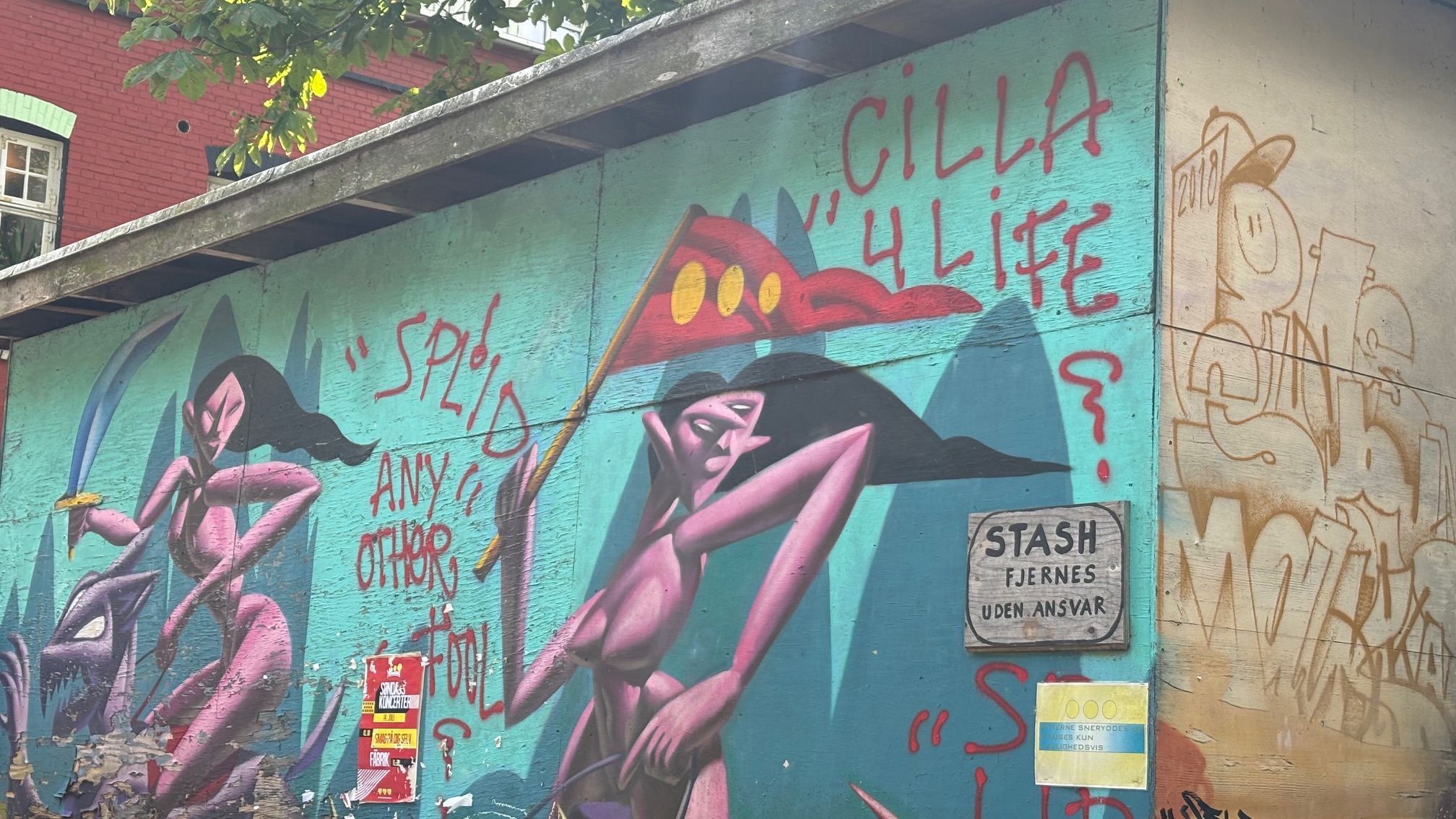
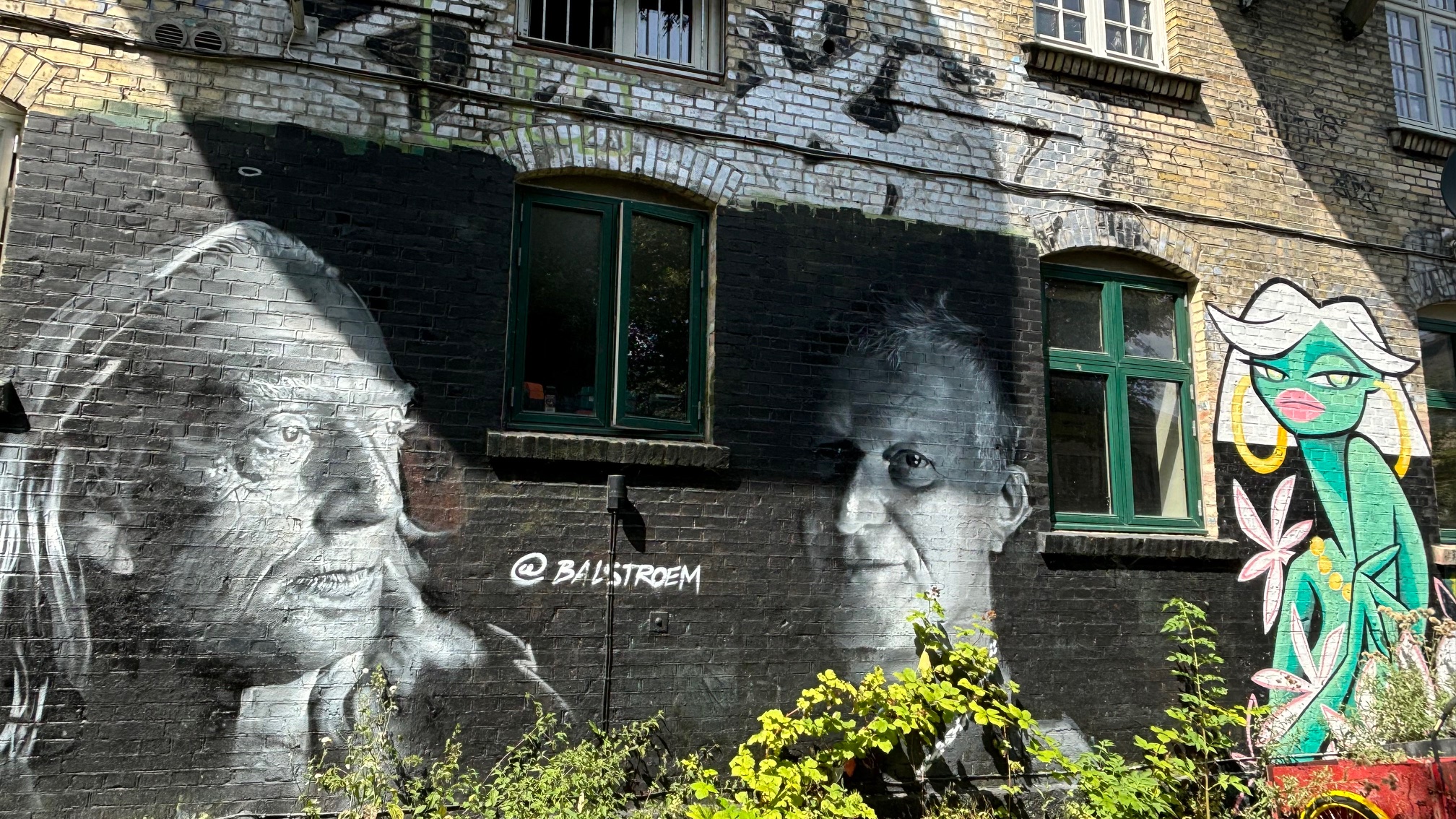
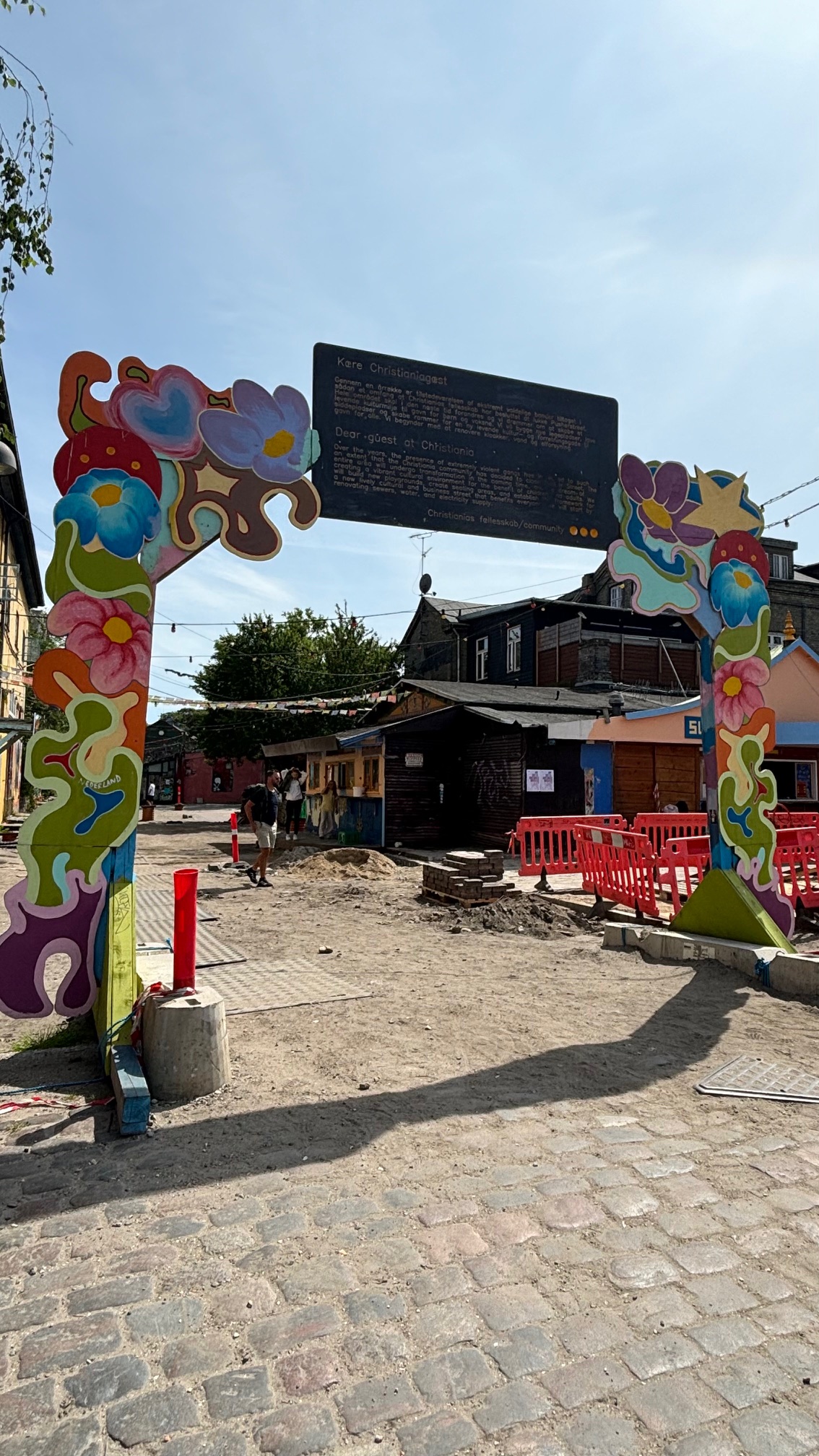
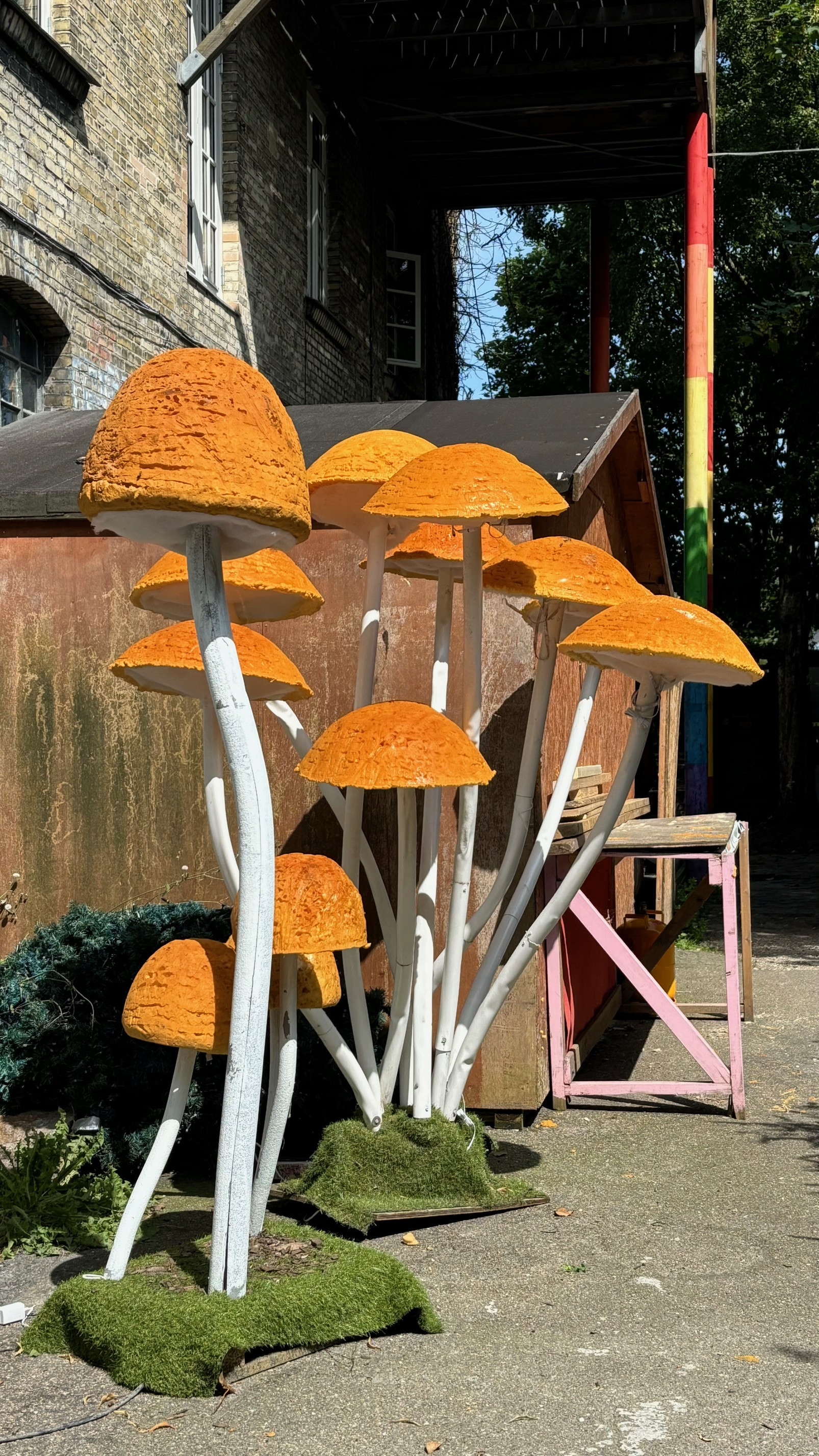
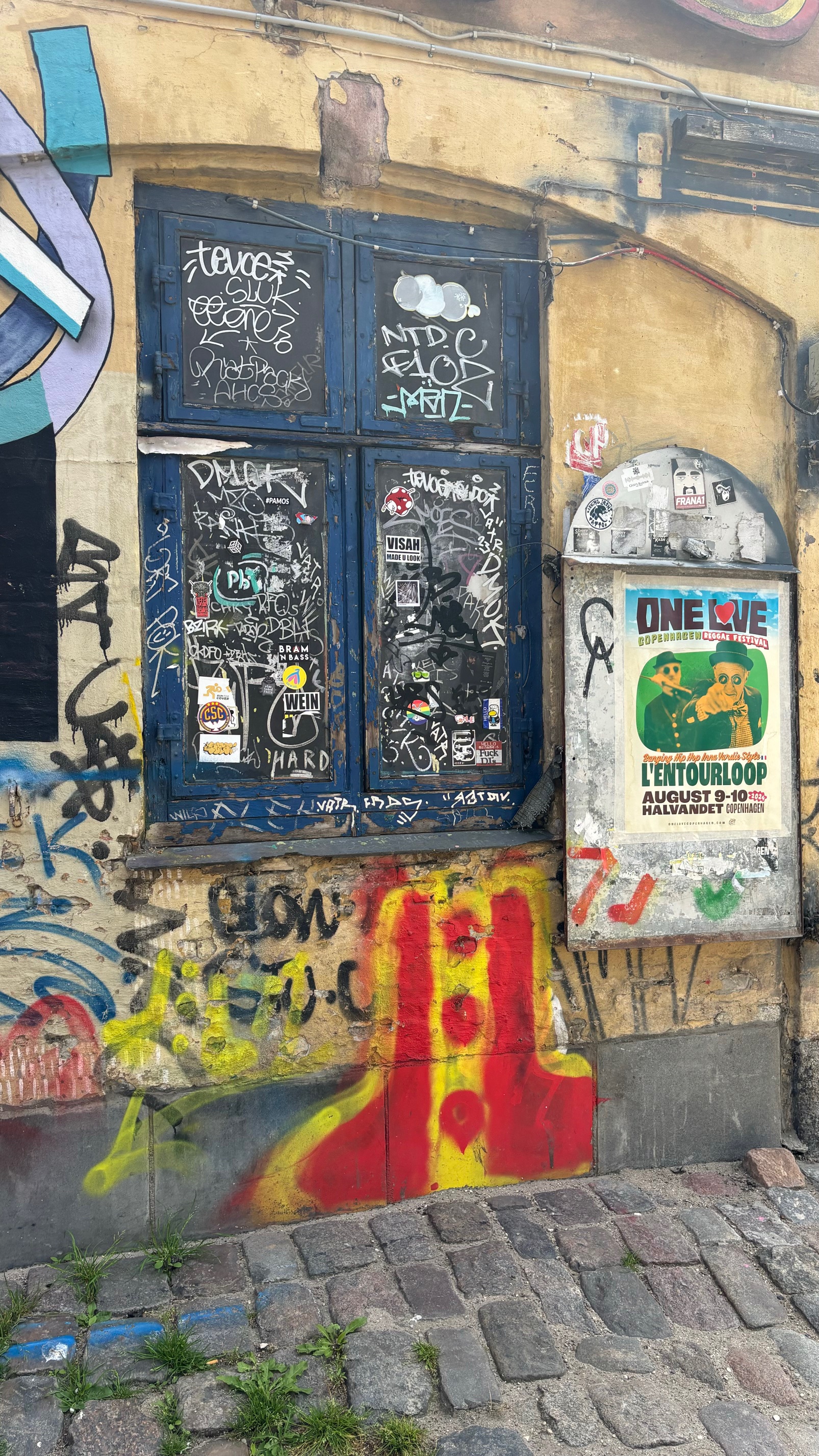
Christianshavn and Freetown Christiania

A visit on a beautiful Summer day in July 2024 to Christianshavn neighborhood and the notorious yet highly touristy Freetown Christiania comune in Copenhagen, Denmark.

Camera: iPhone 15

Location: Christianshavn and Freetown Christiania; Copenhagen, Denmark

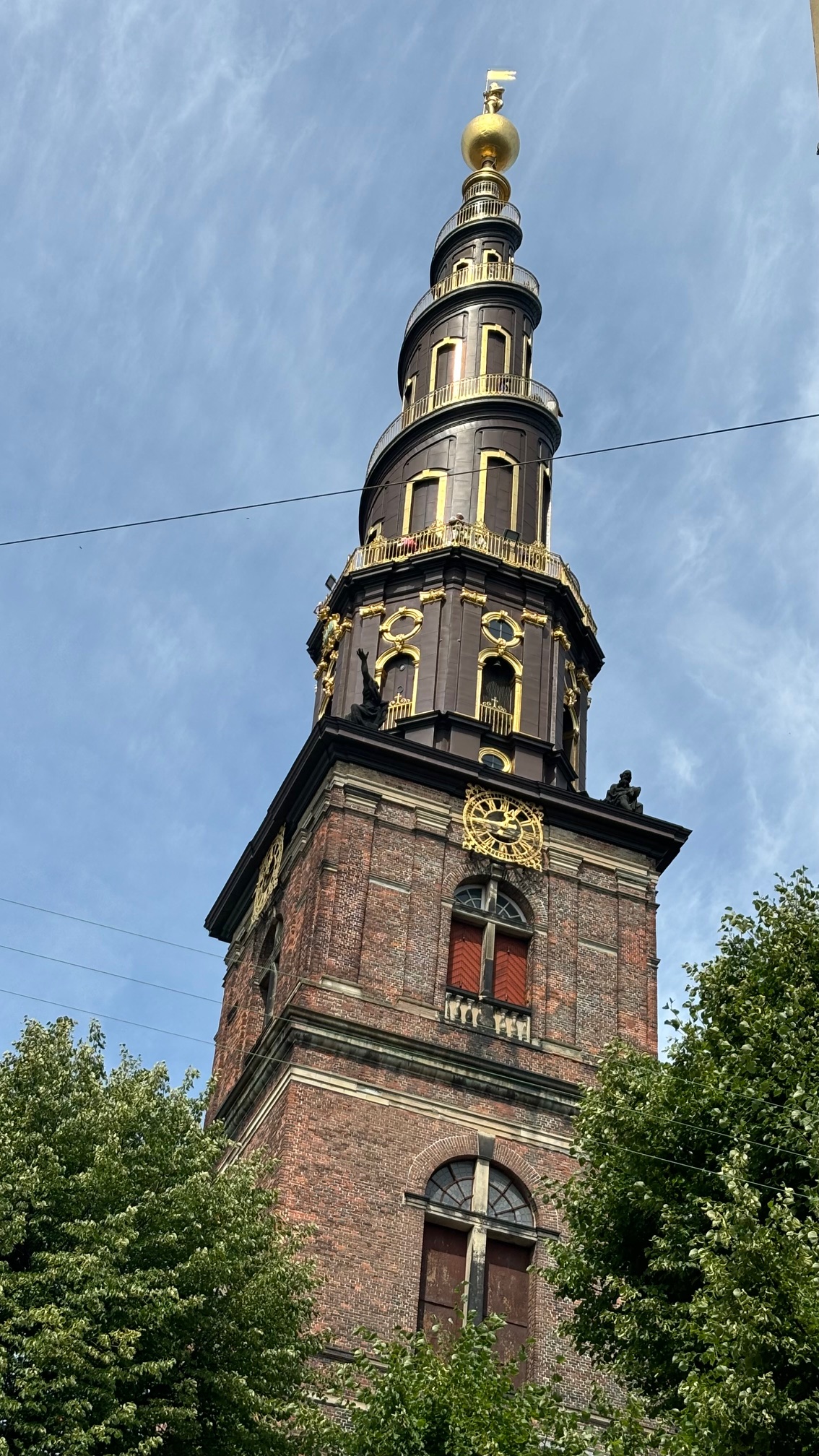
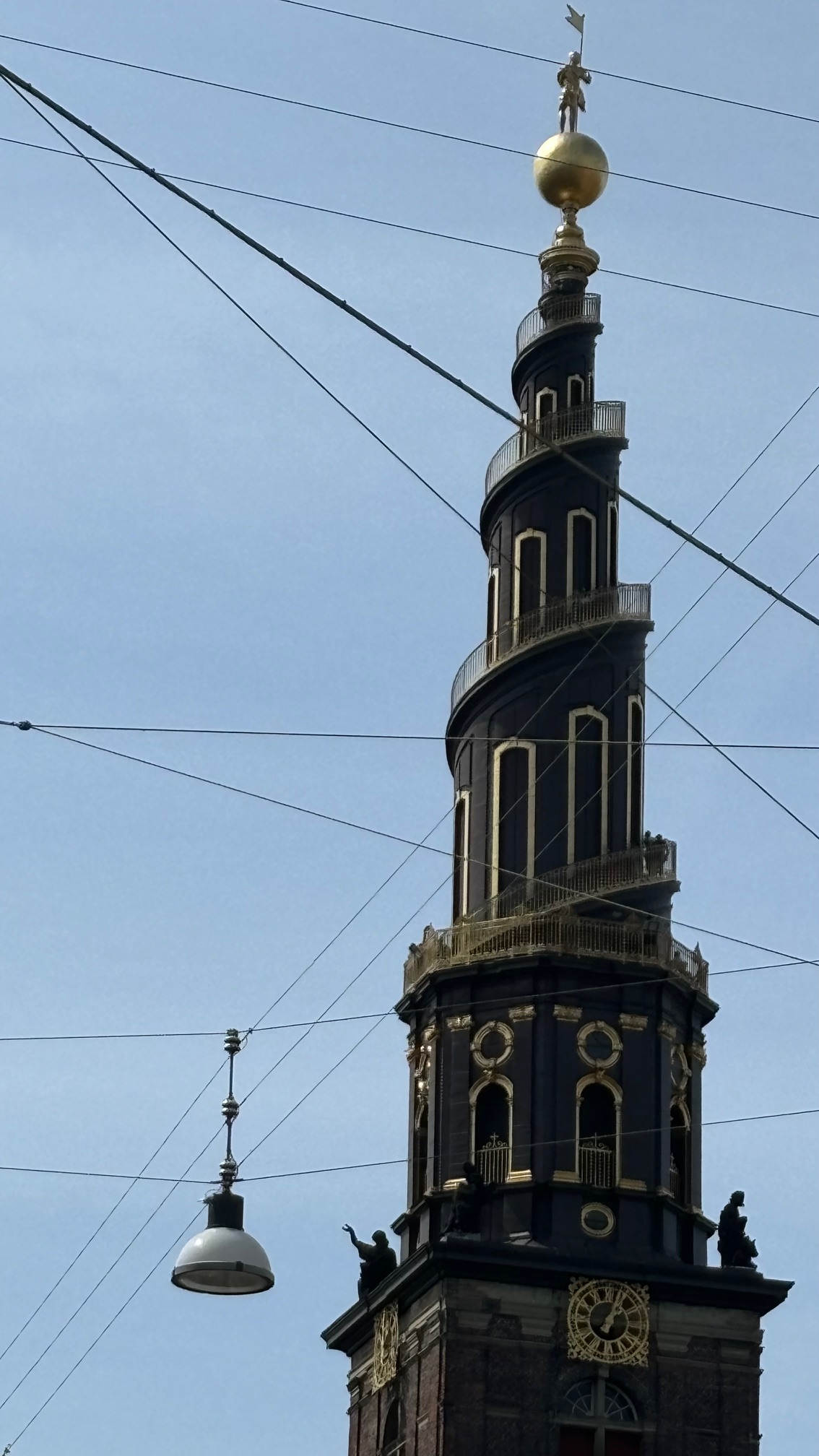
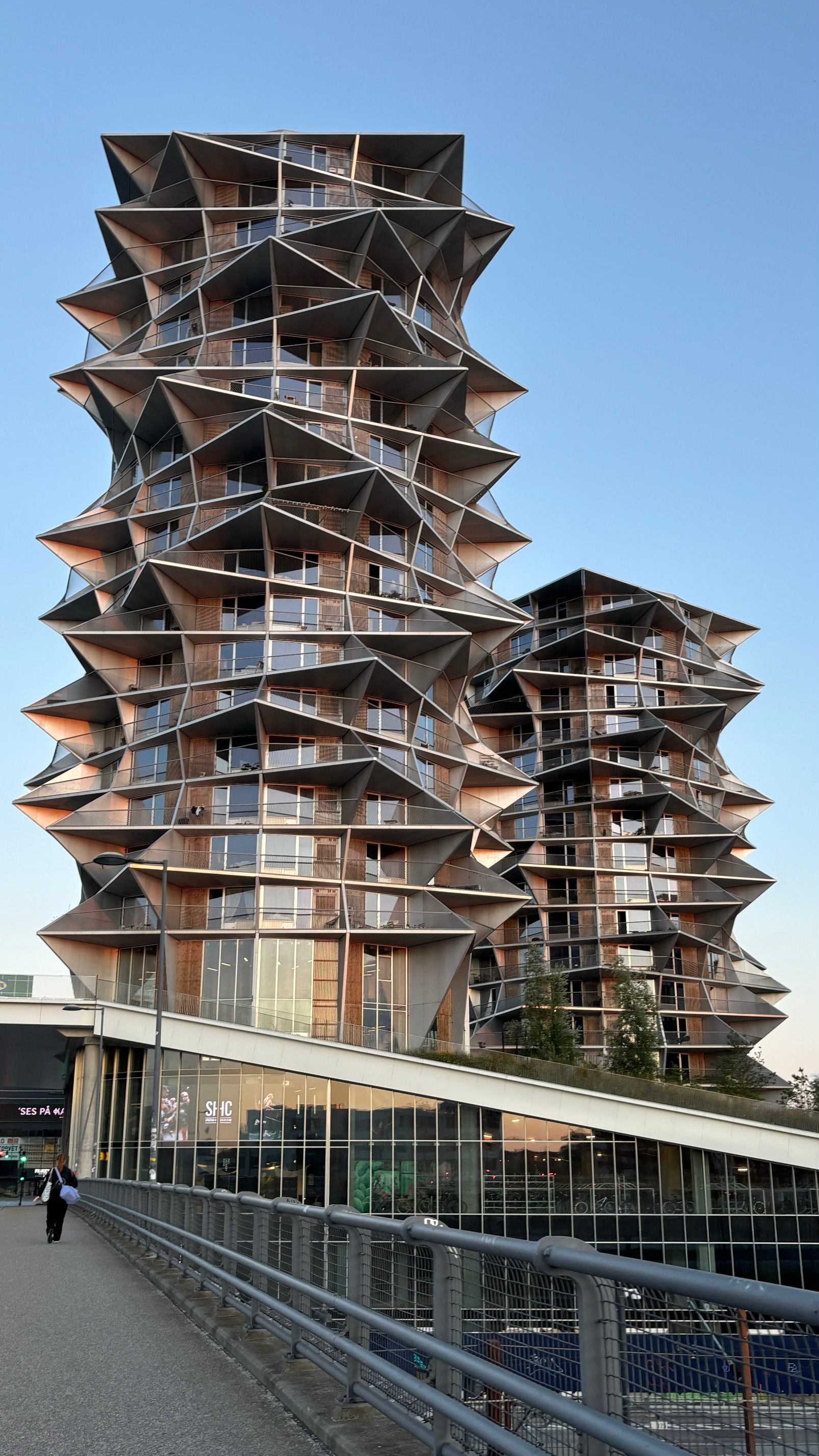
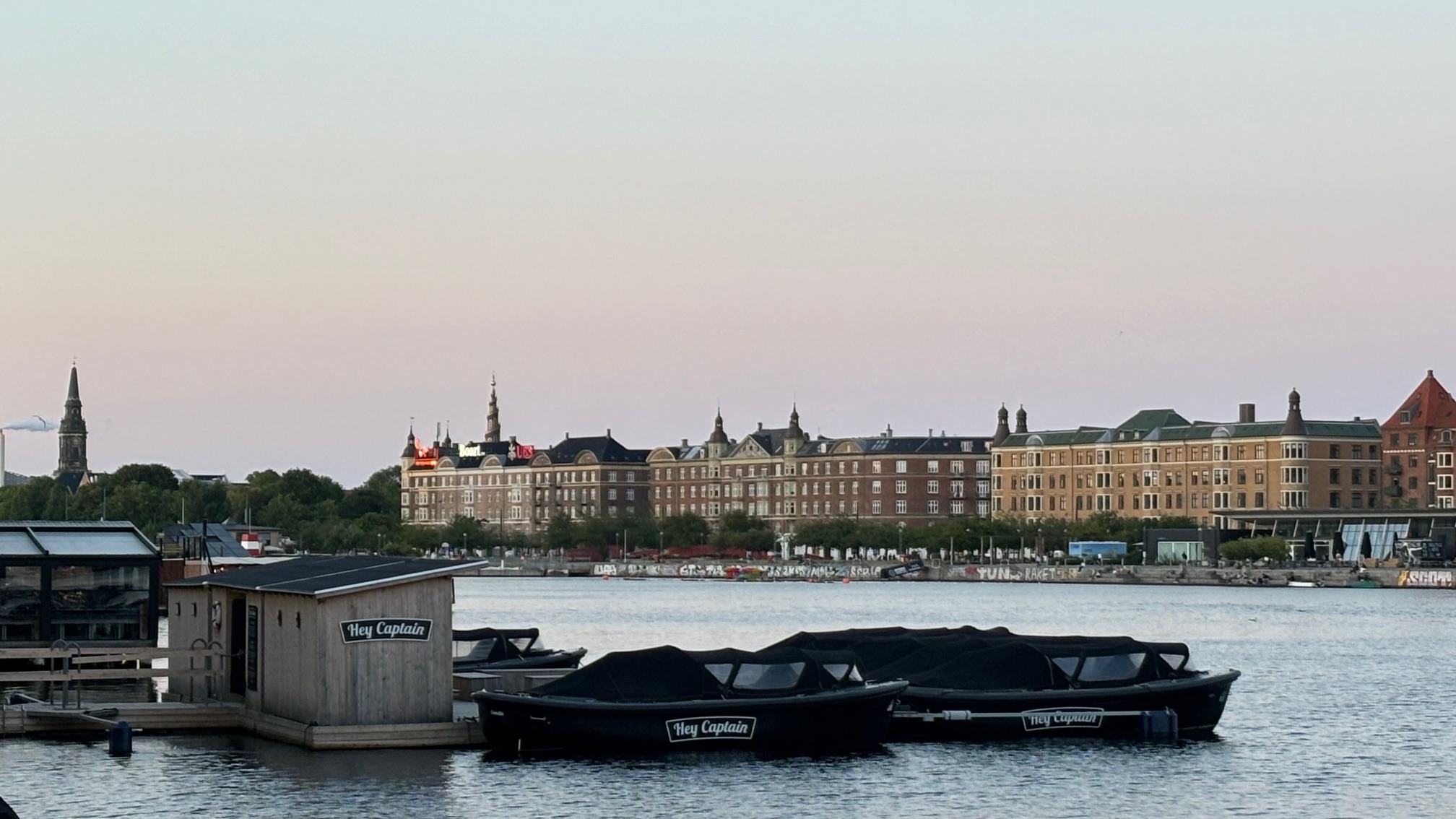
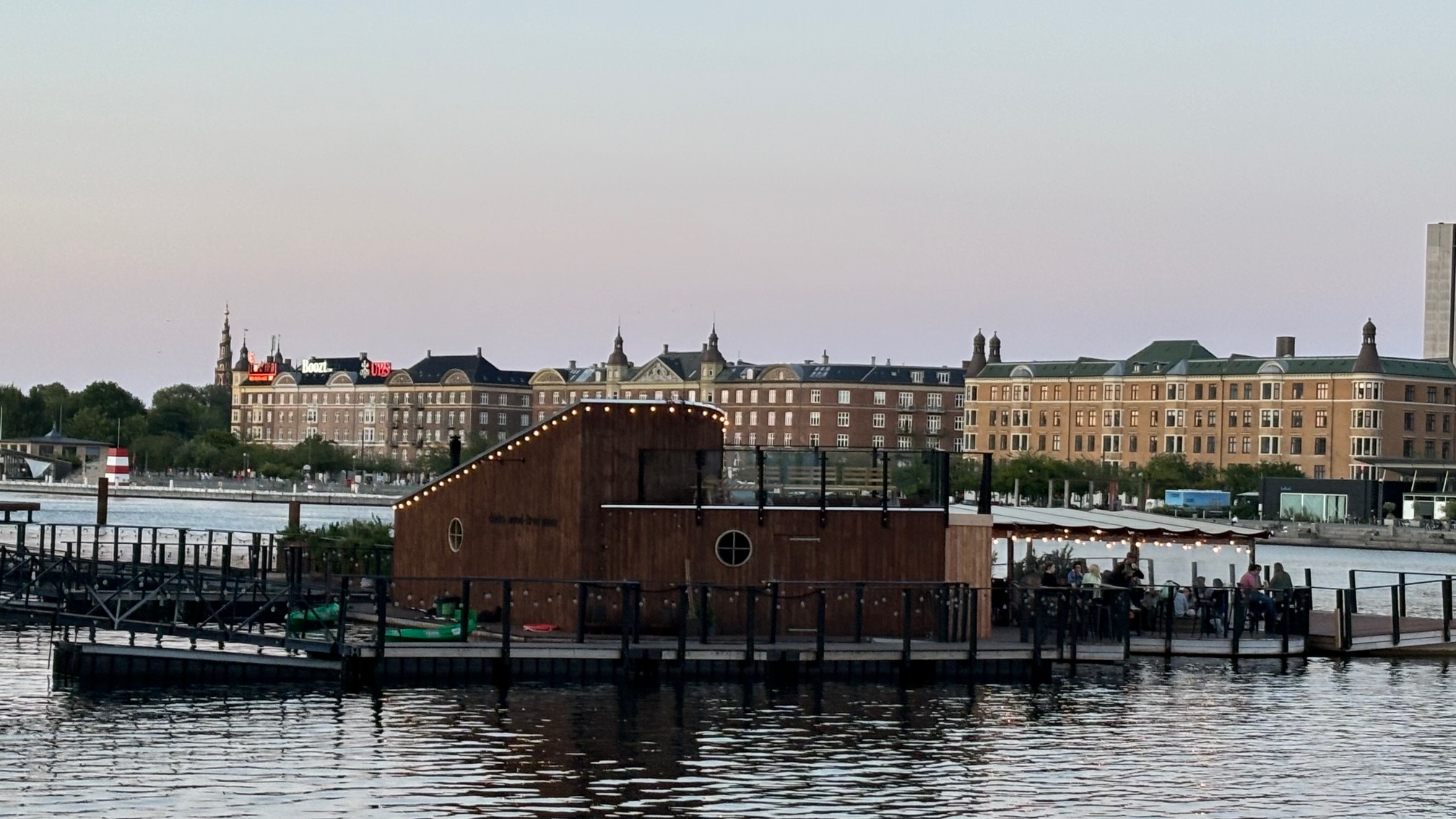
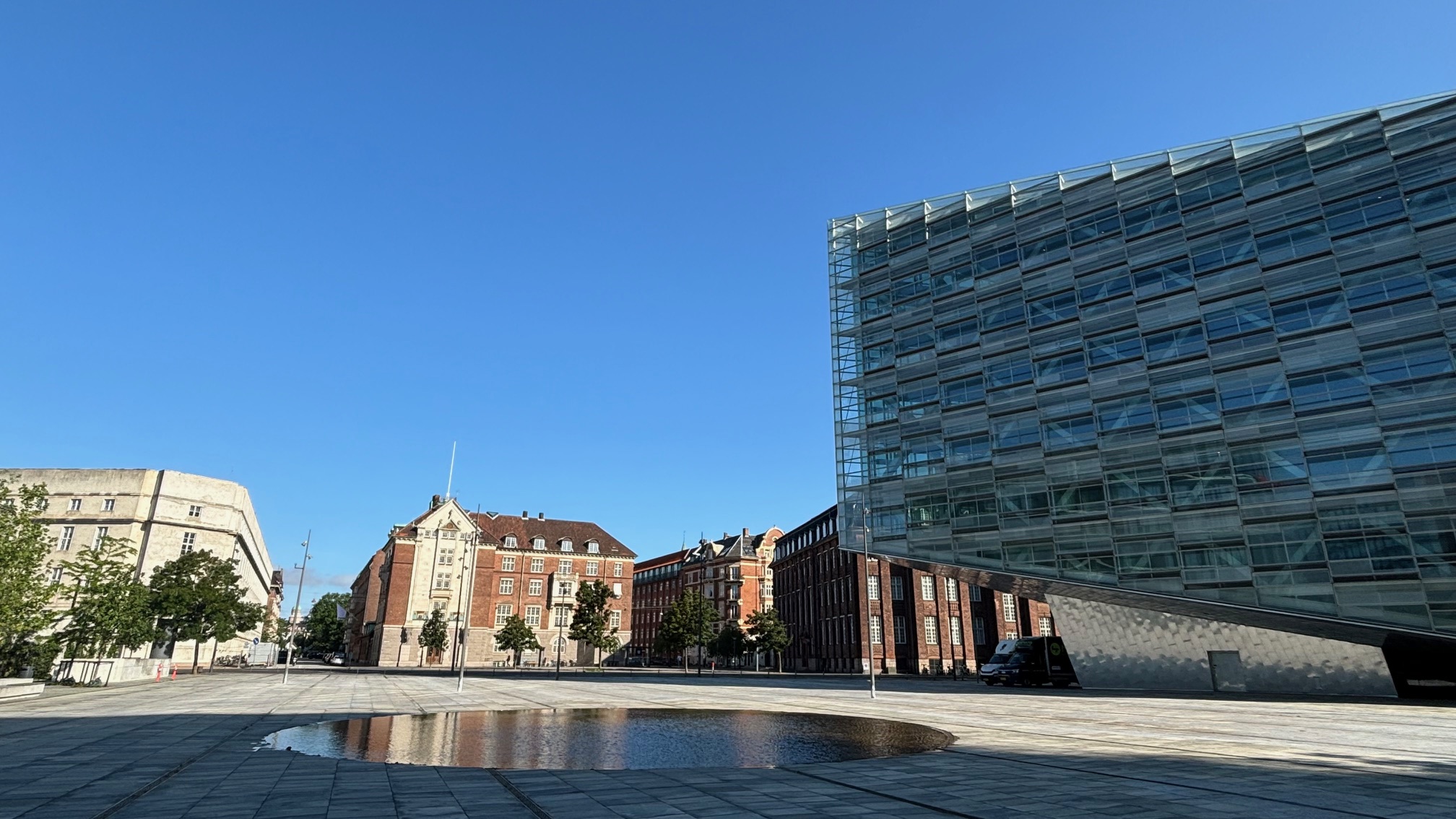
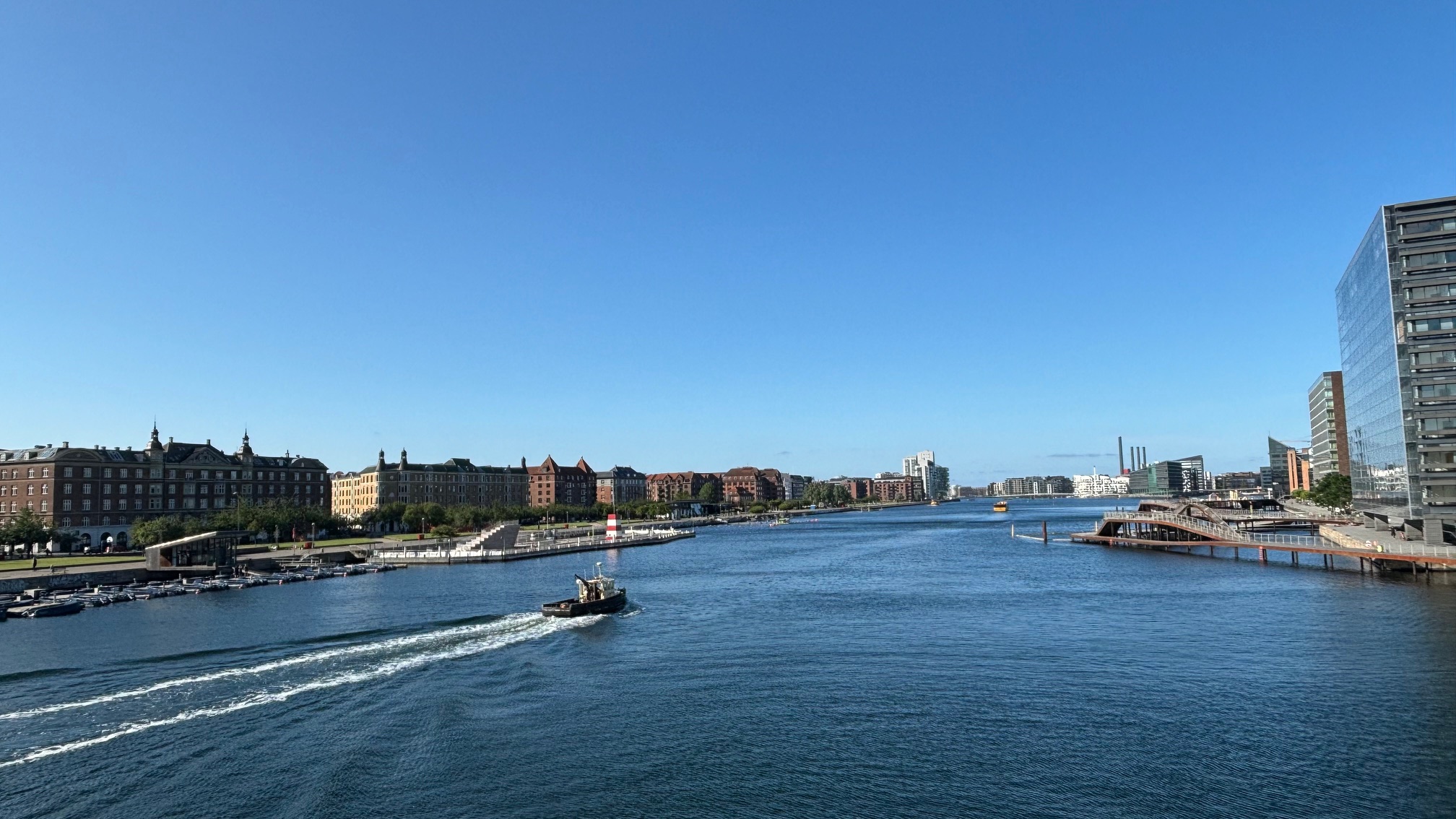
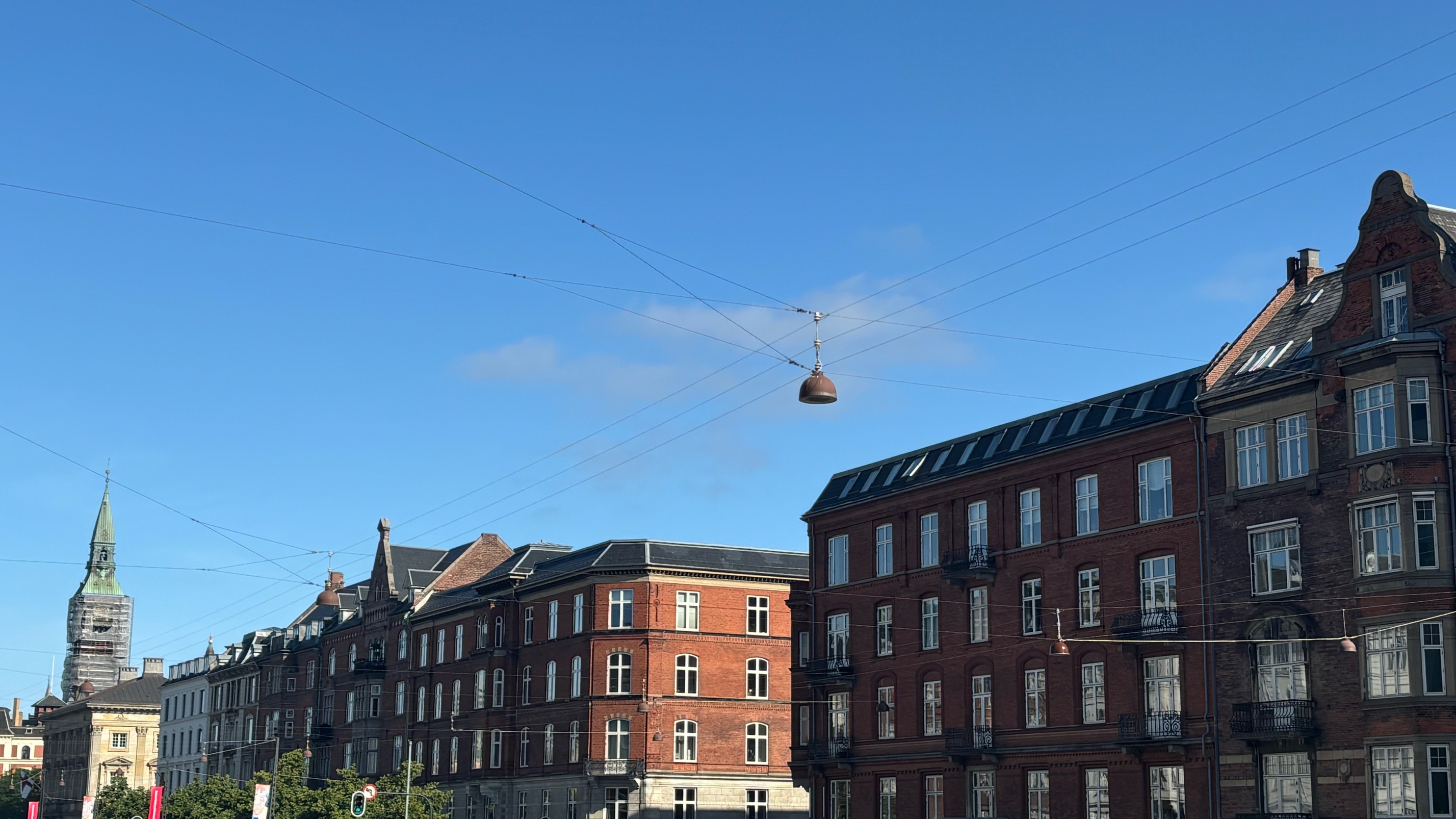
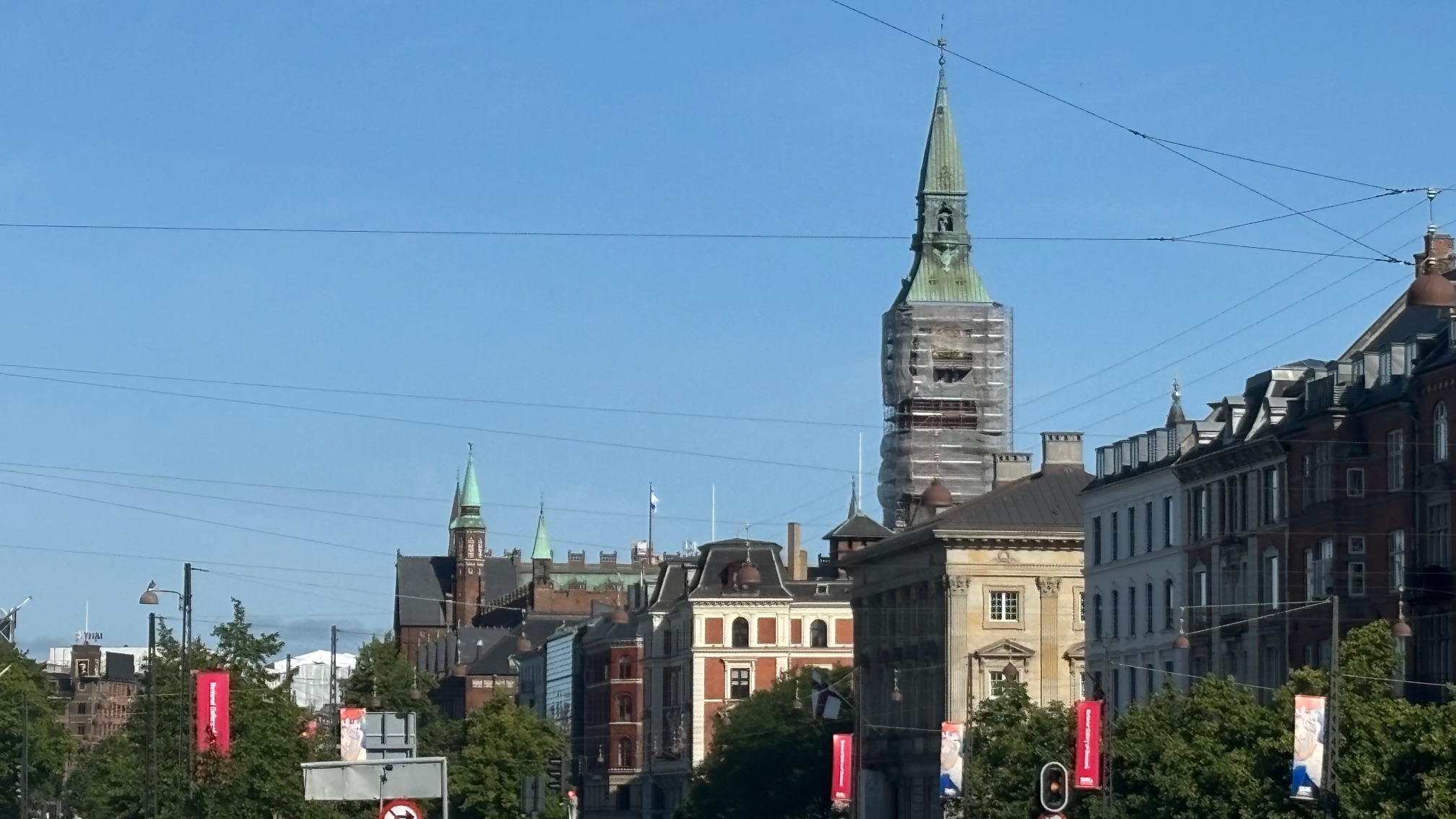
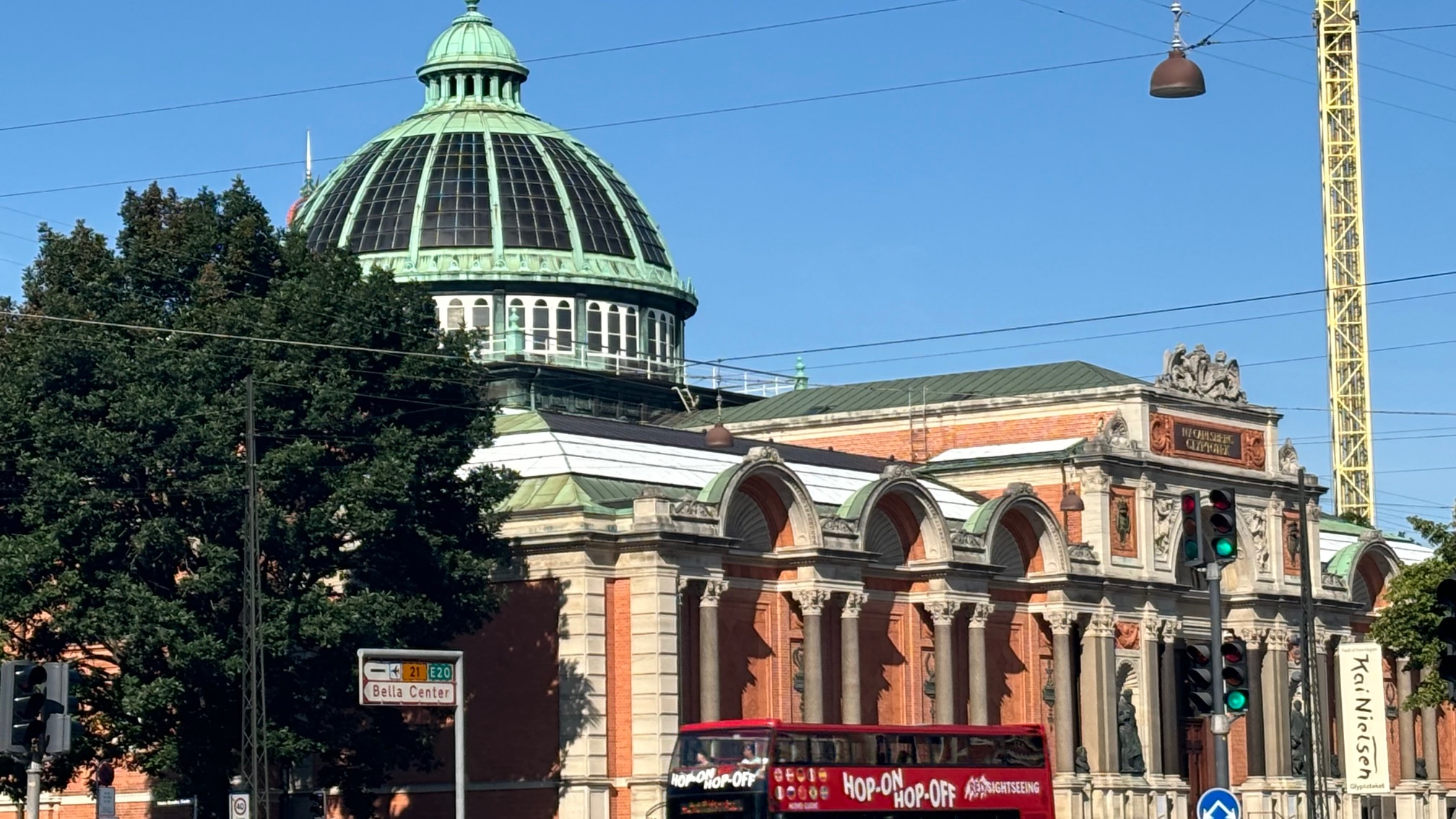
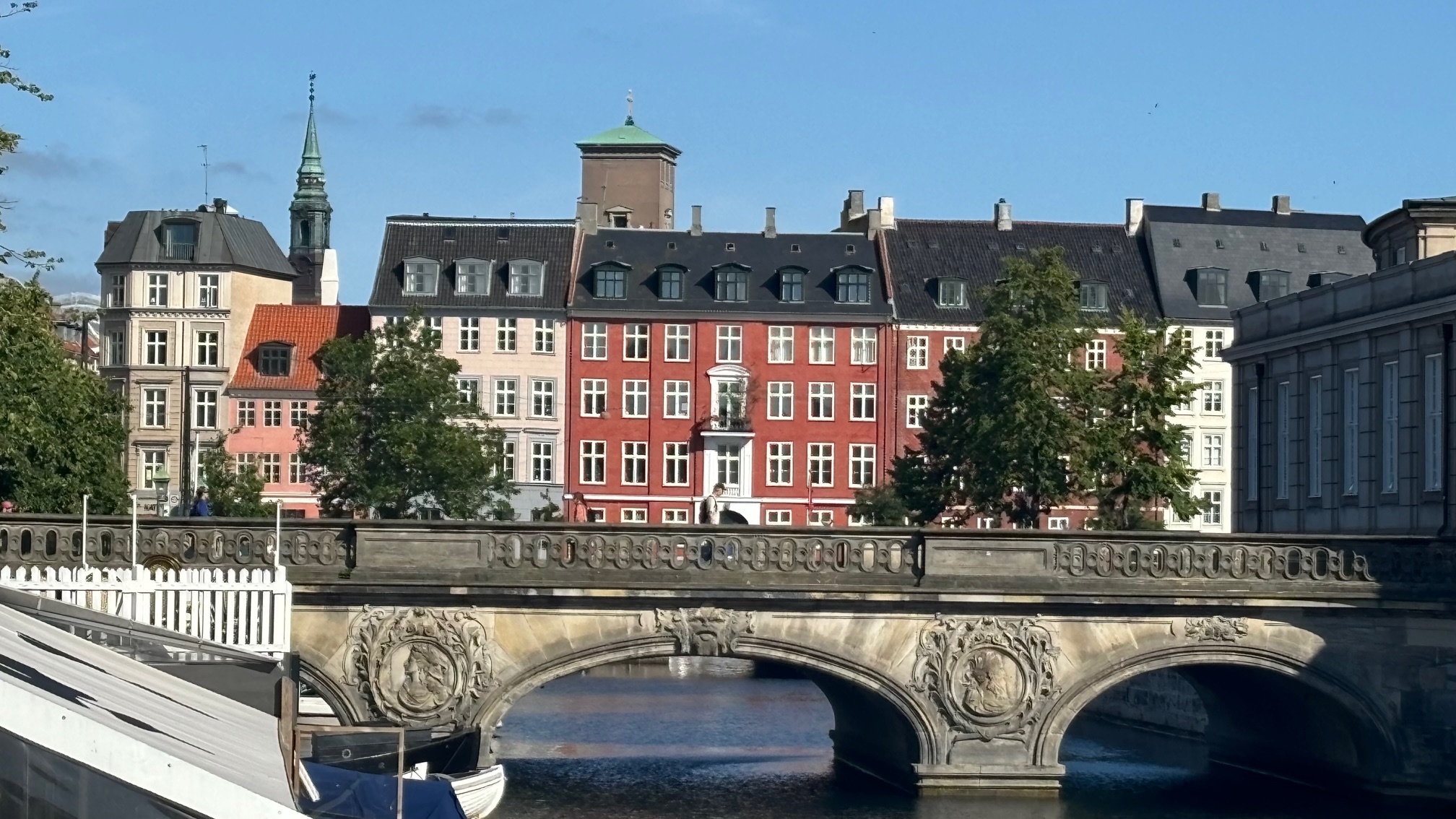
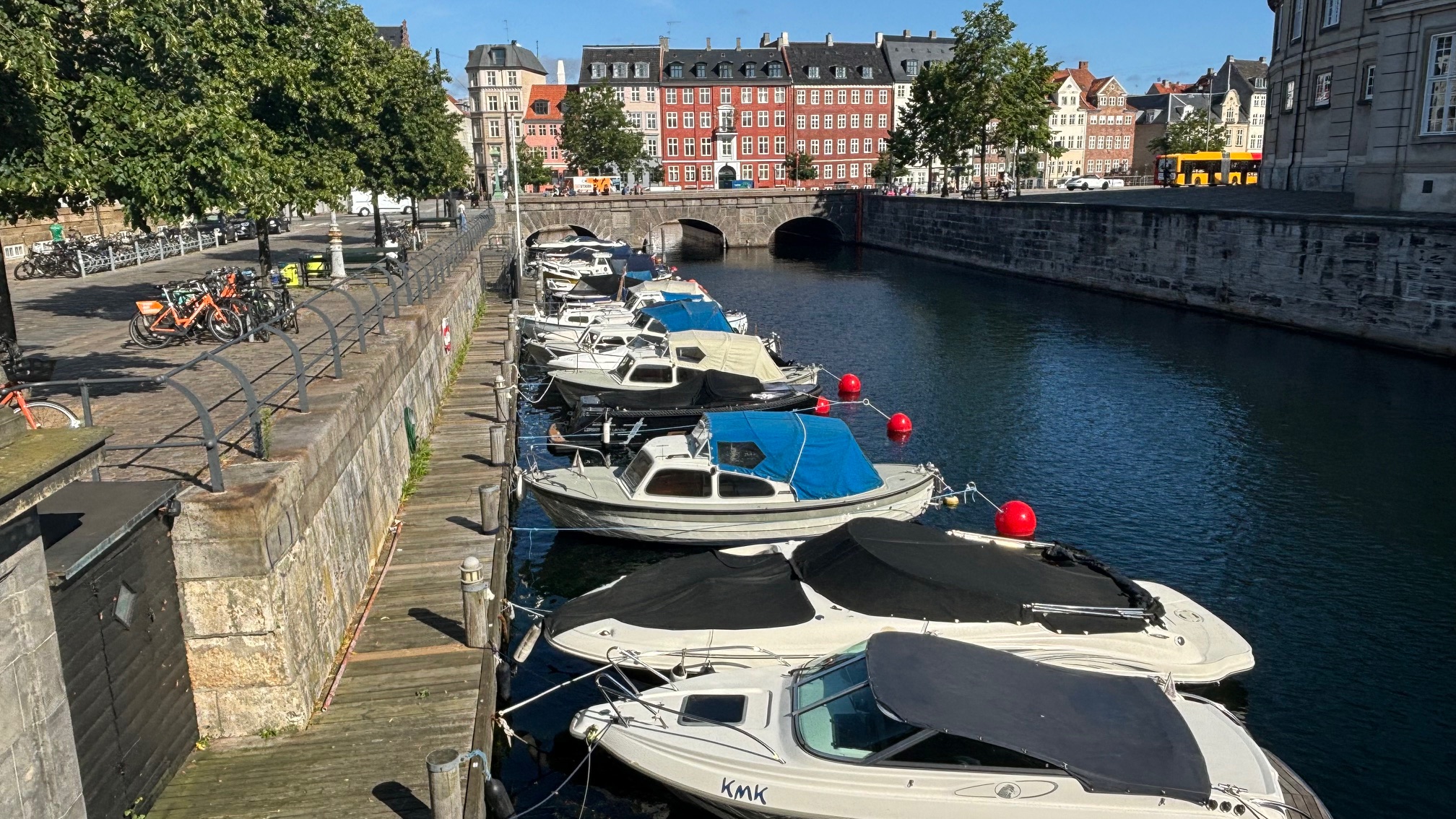
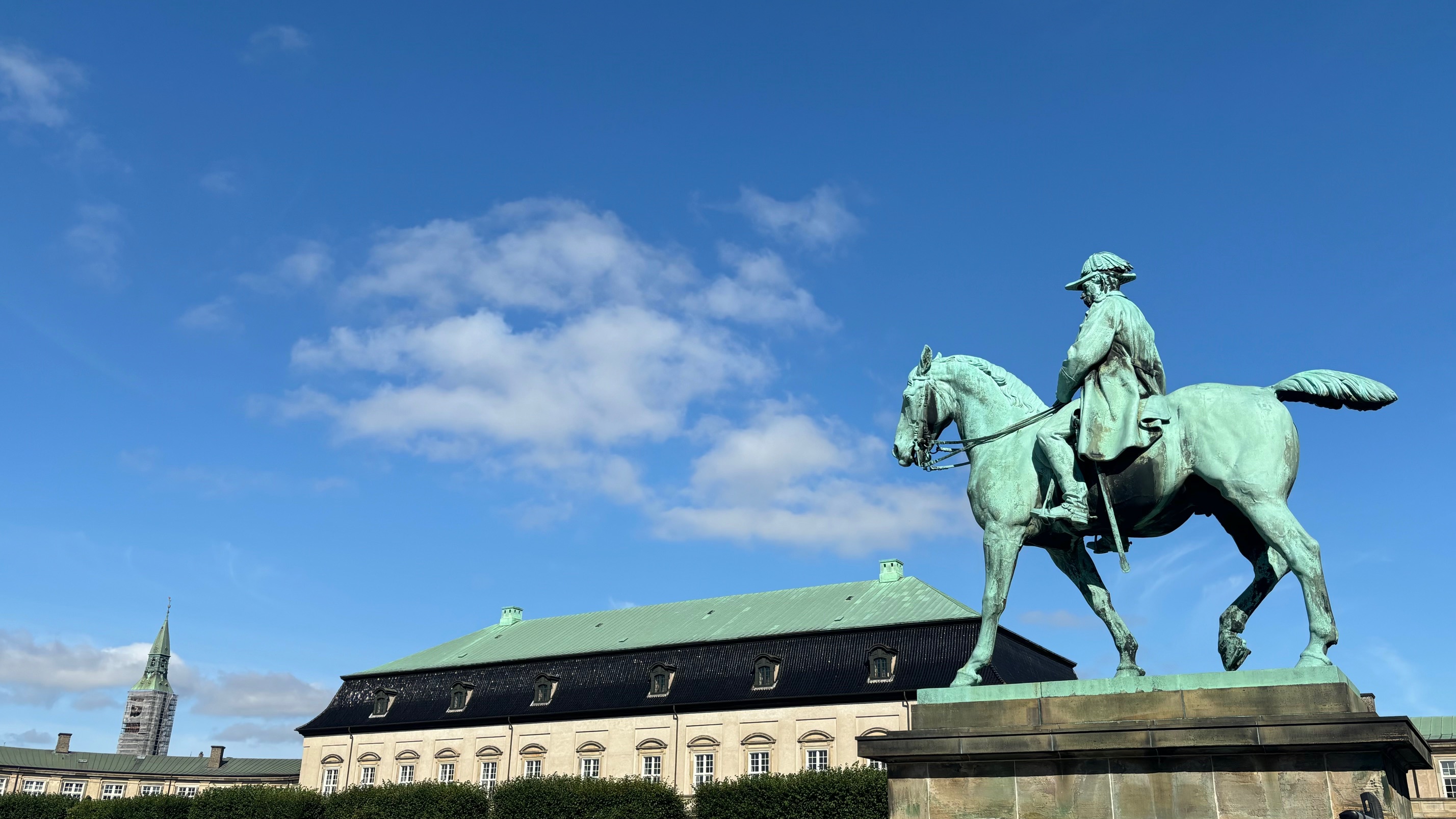
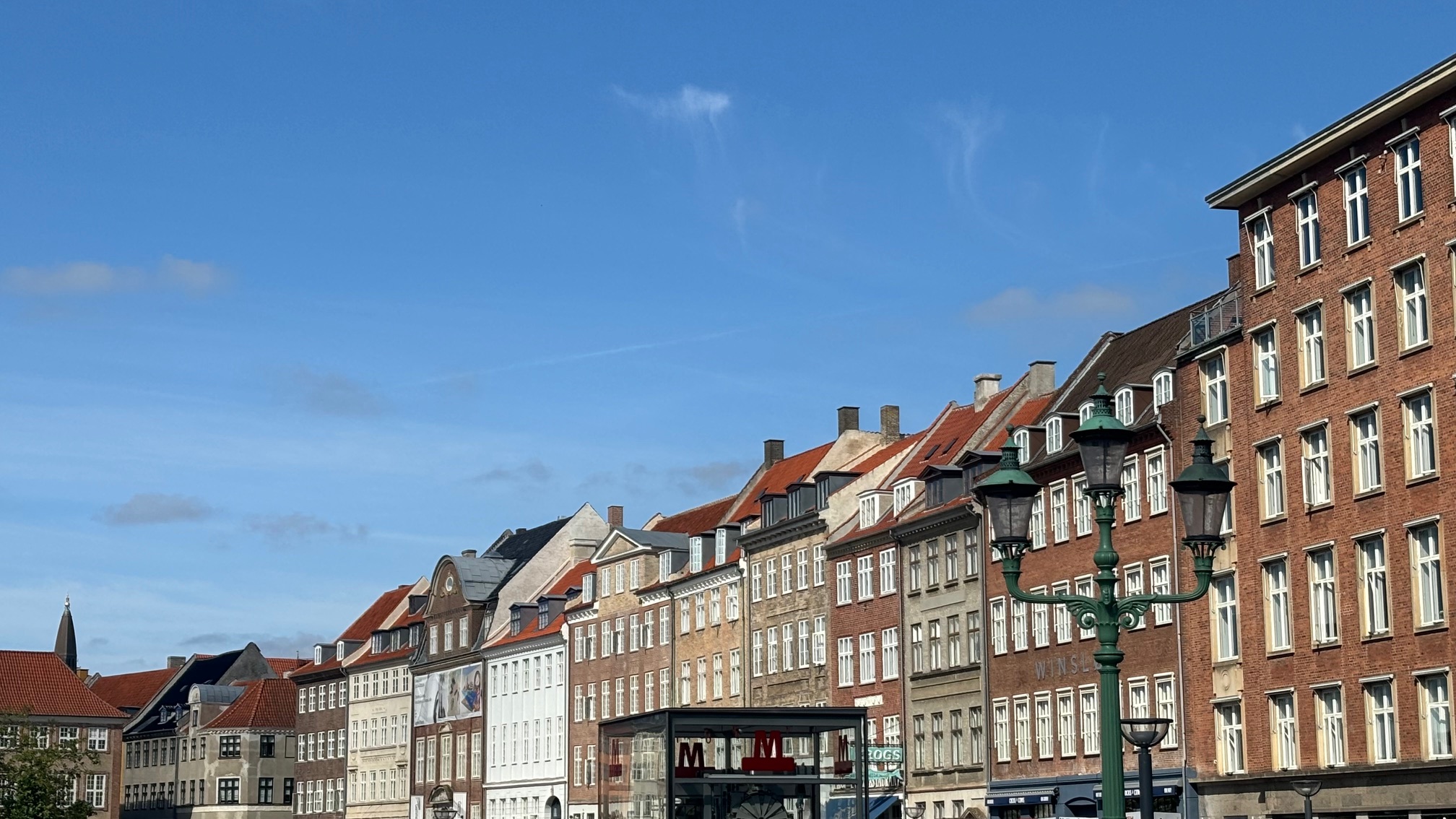
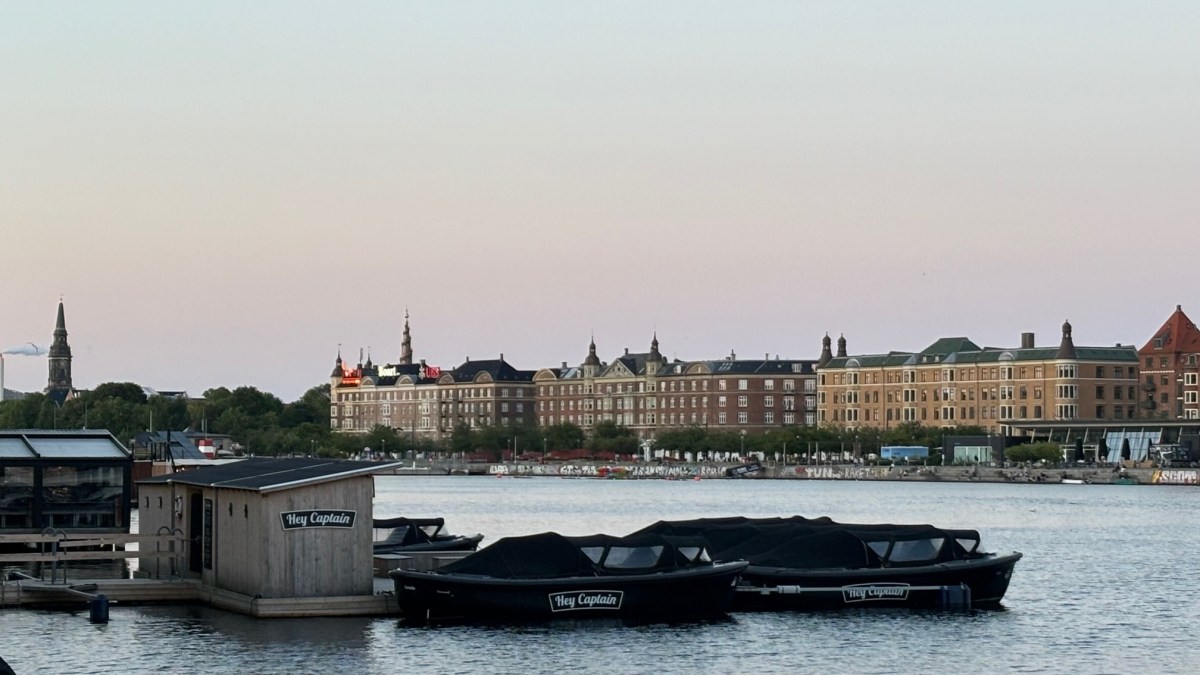
Welcome to Copenhagen

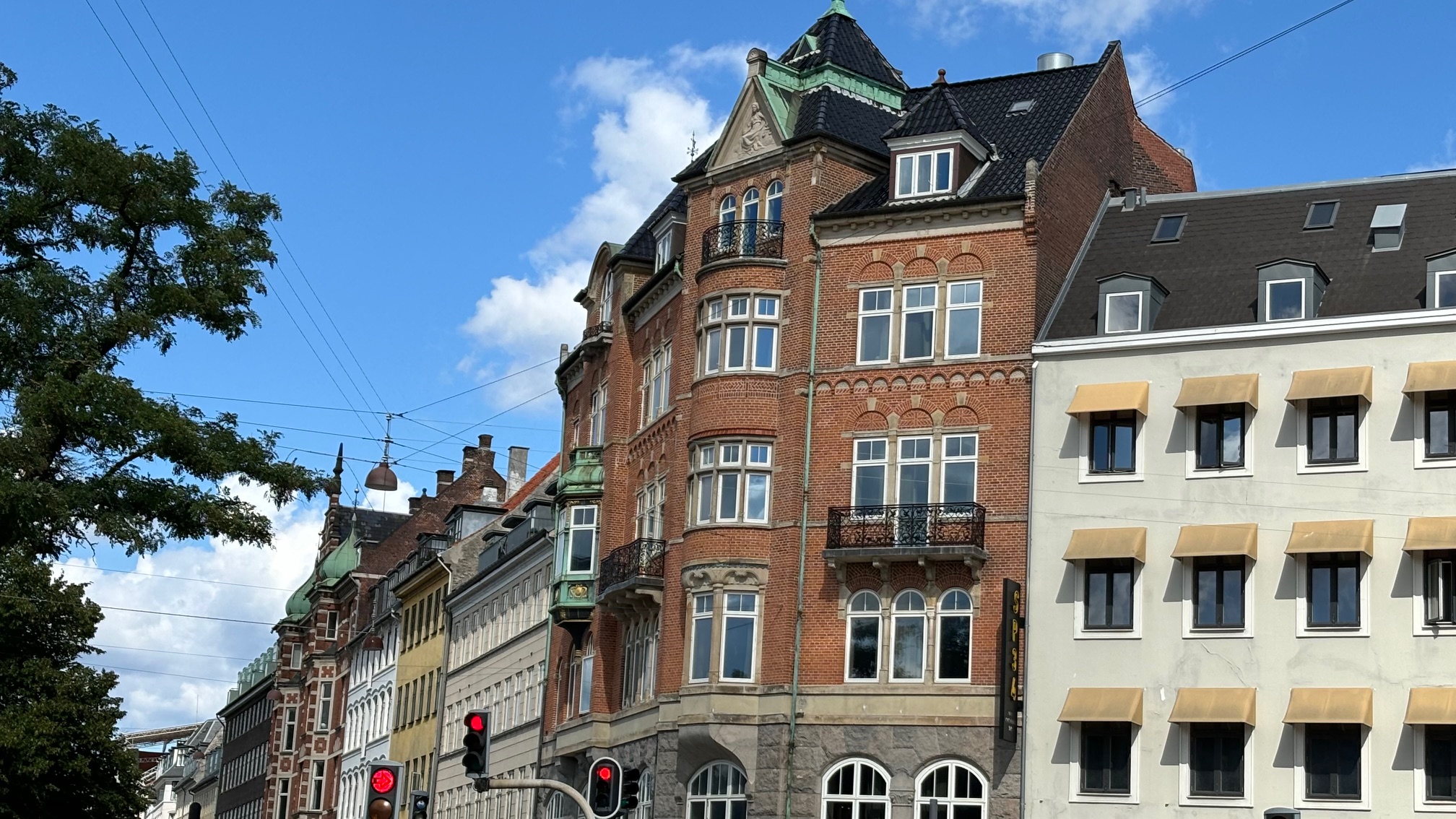
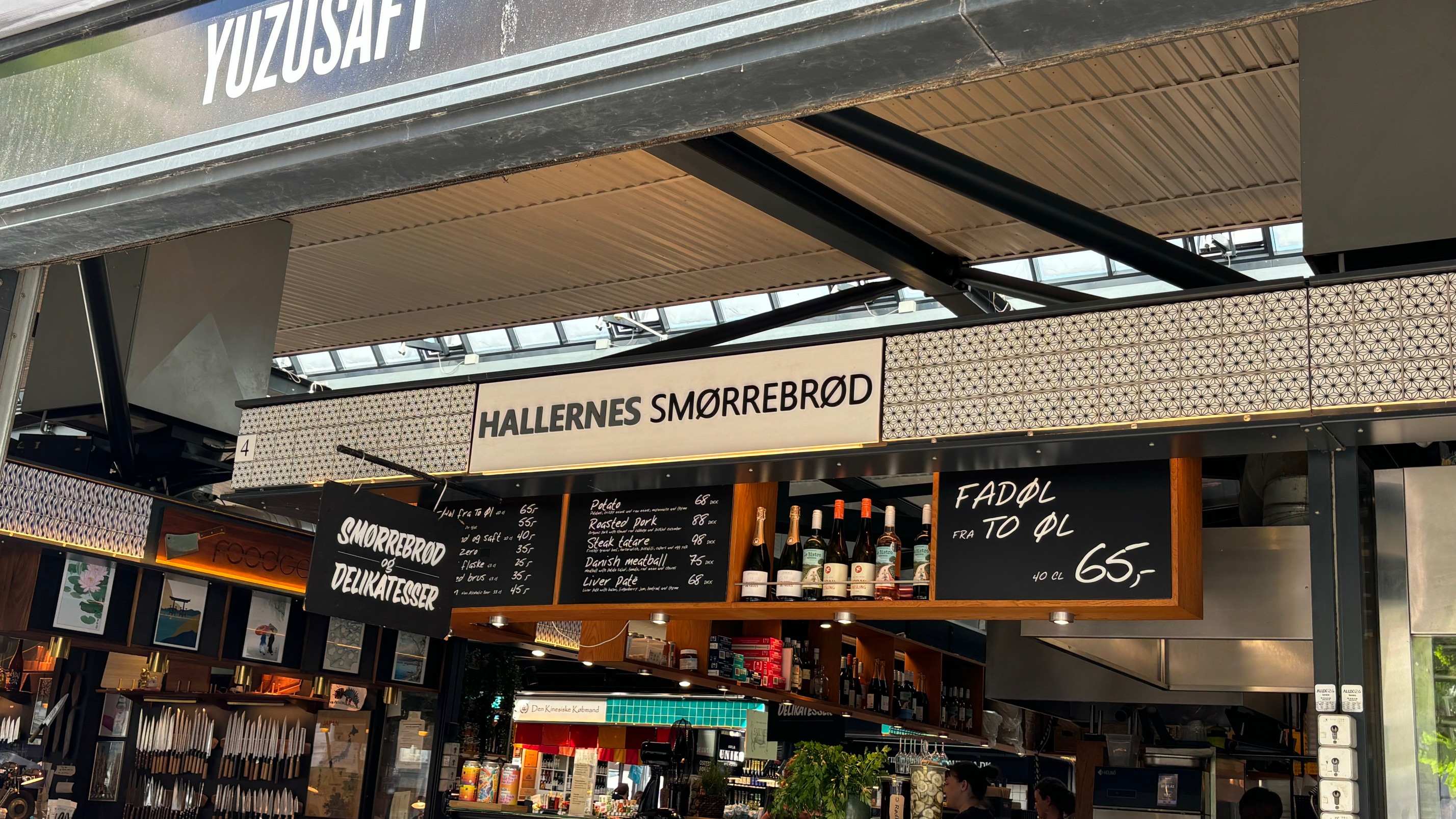
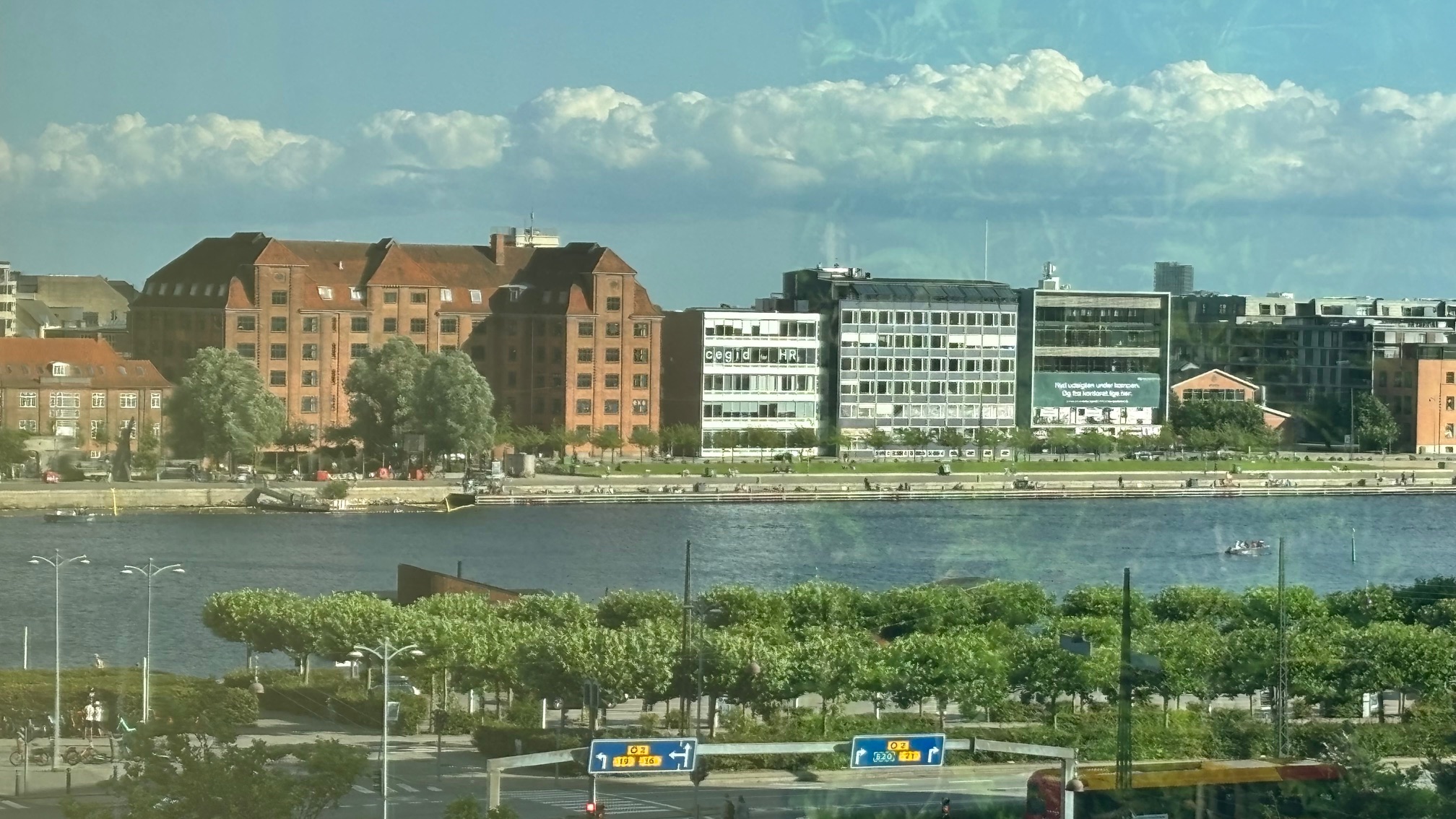
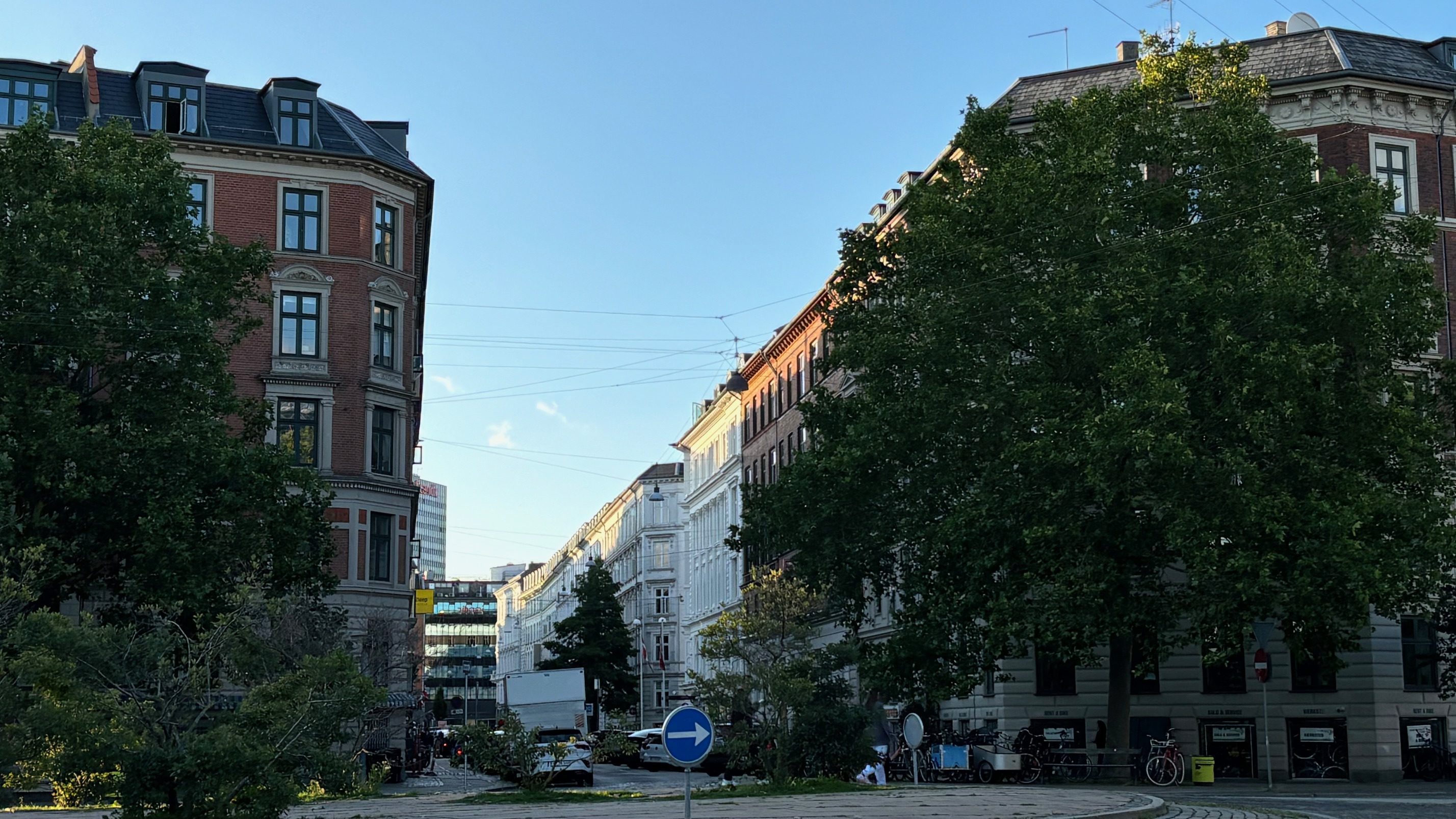
My first visit to Copenhagen, Denmark in the Summer of 2024, which was a really cool experience to explore the city’s food halls, museums, castles, and modern architecture.

Camera: iPhone 15

Location: Copenhagen, Denmark

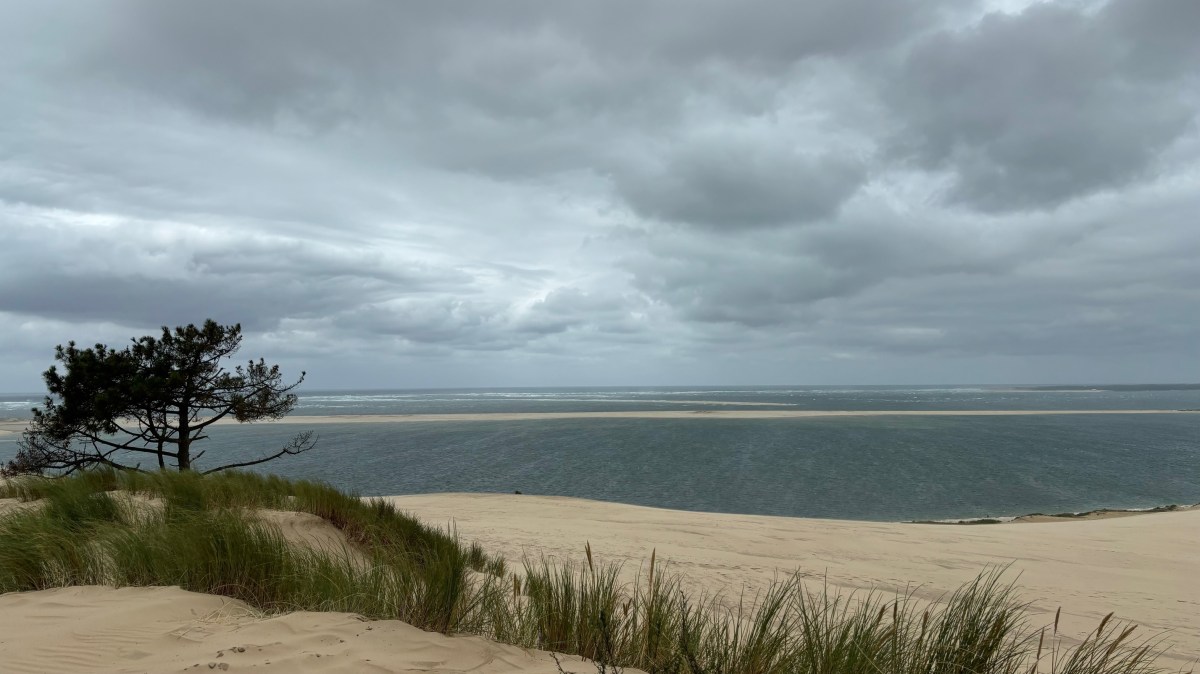
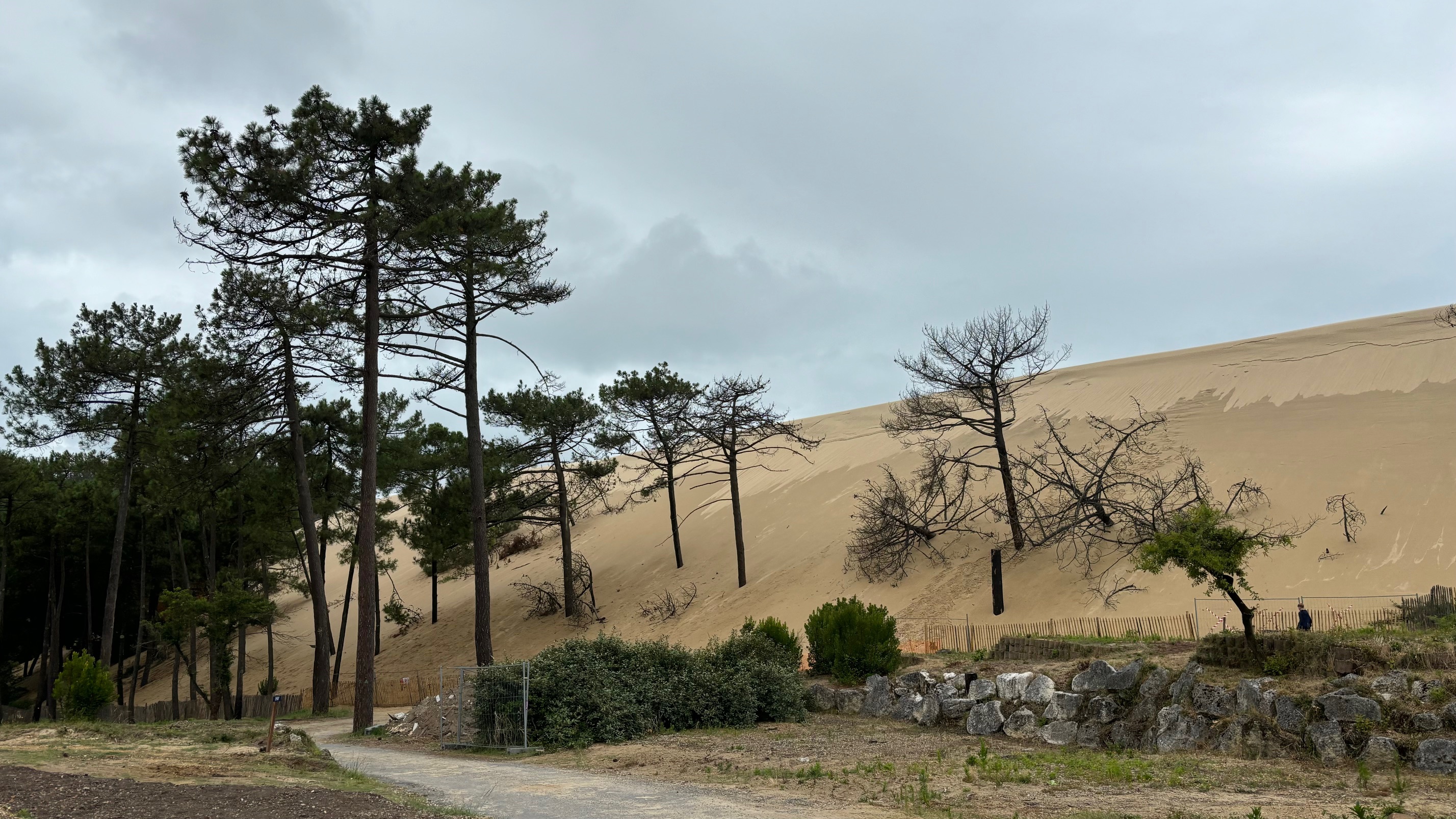
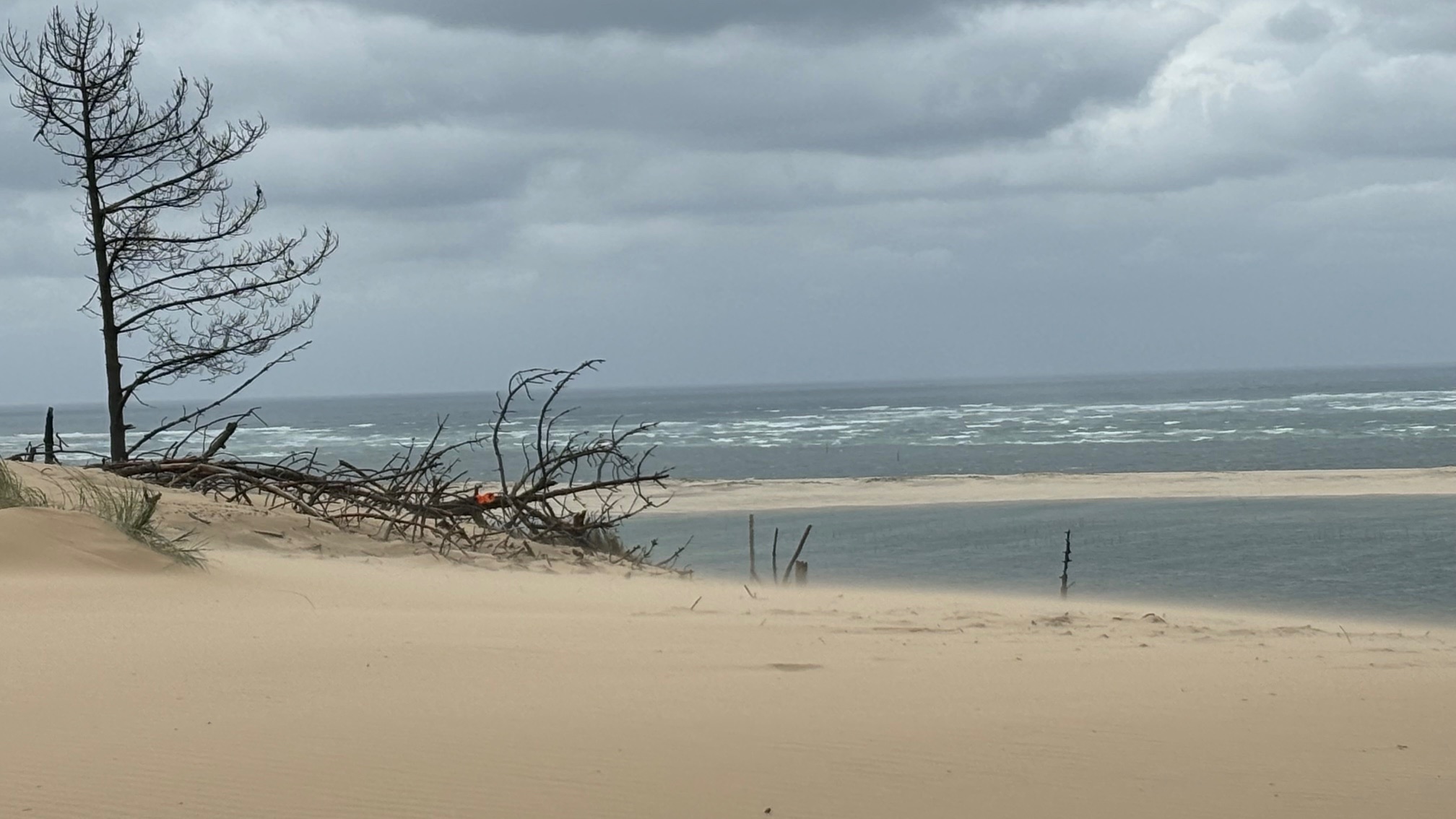
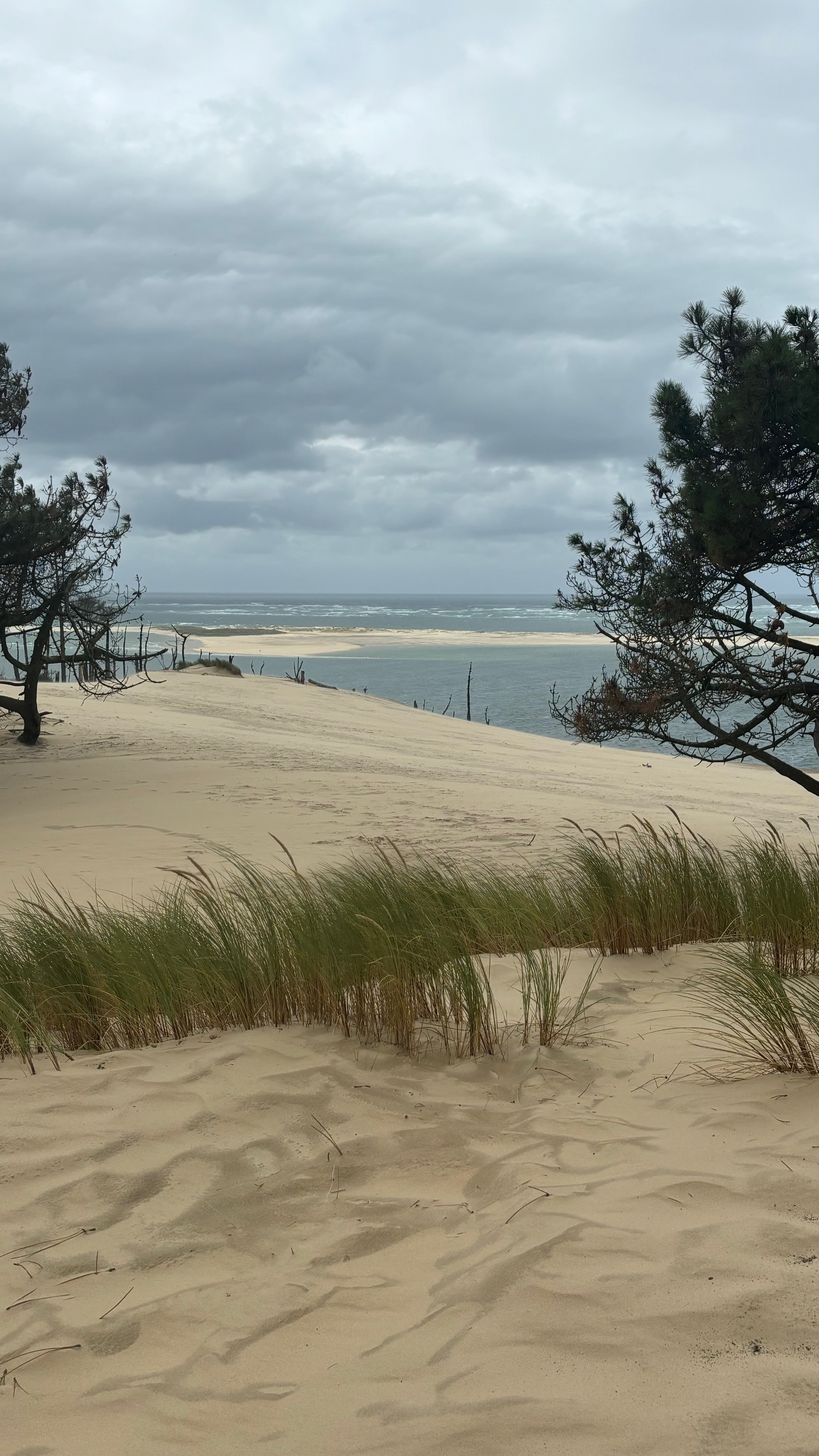
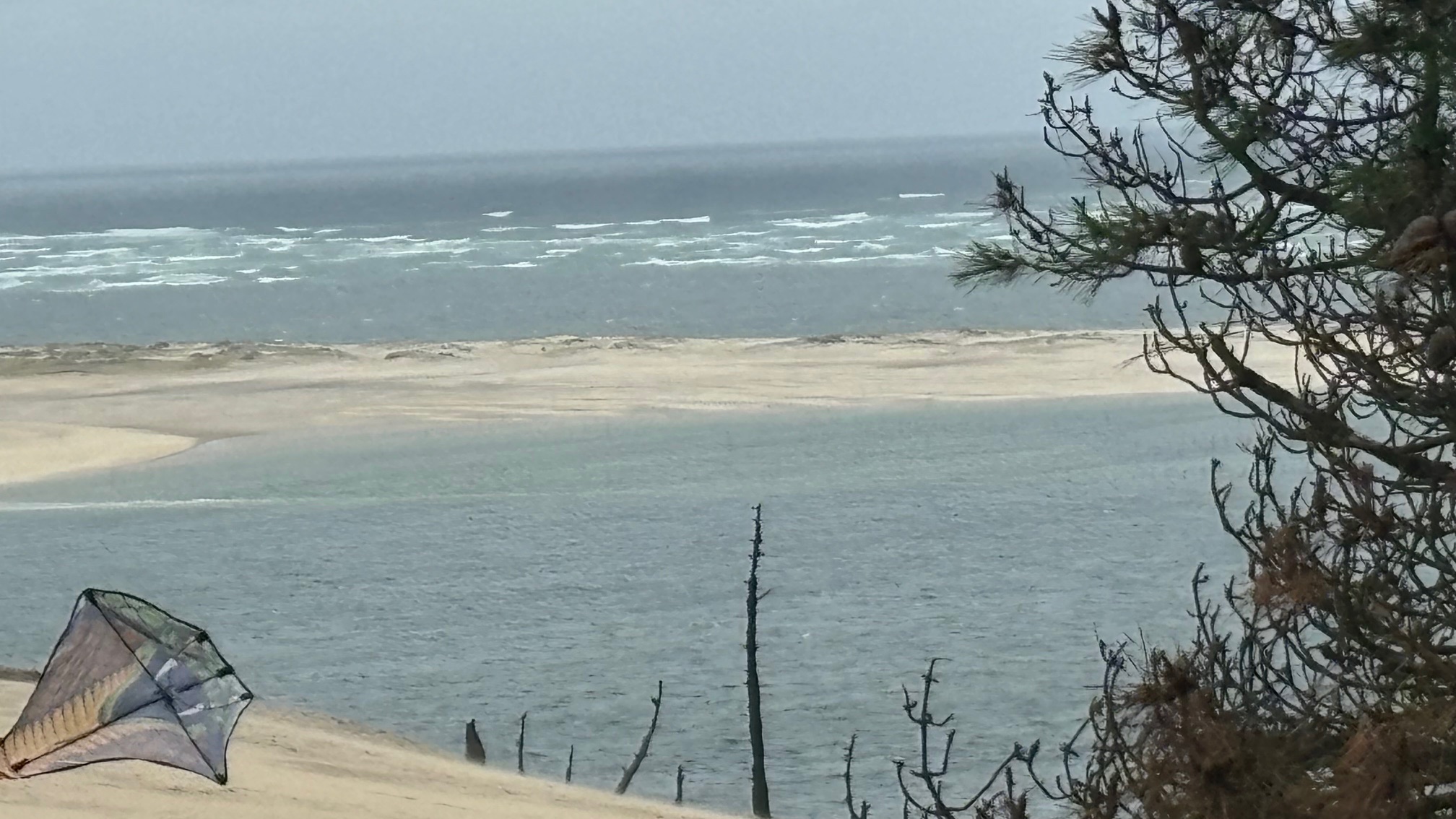
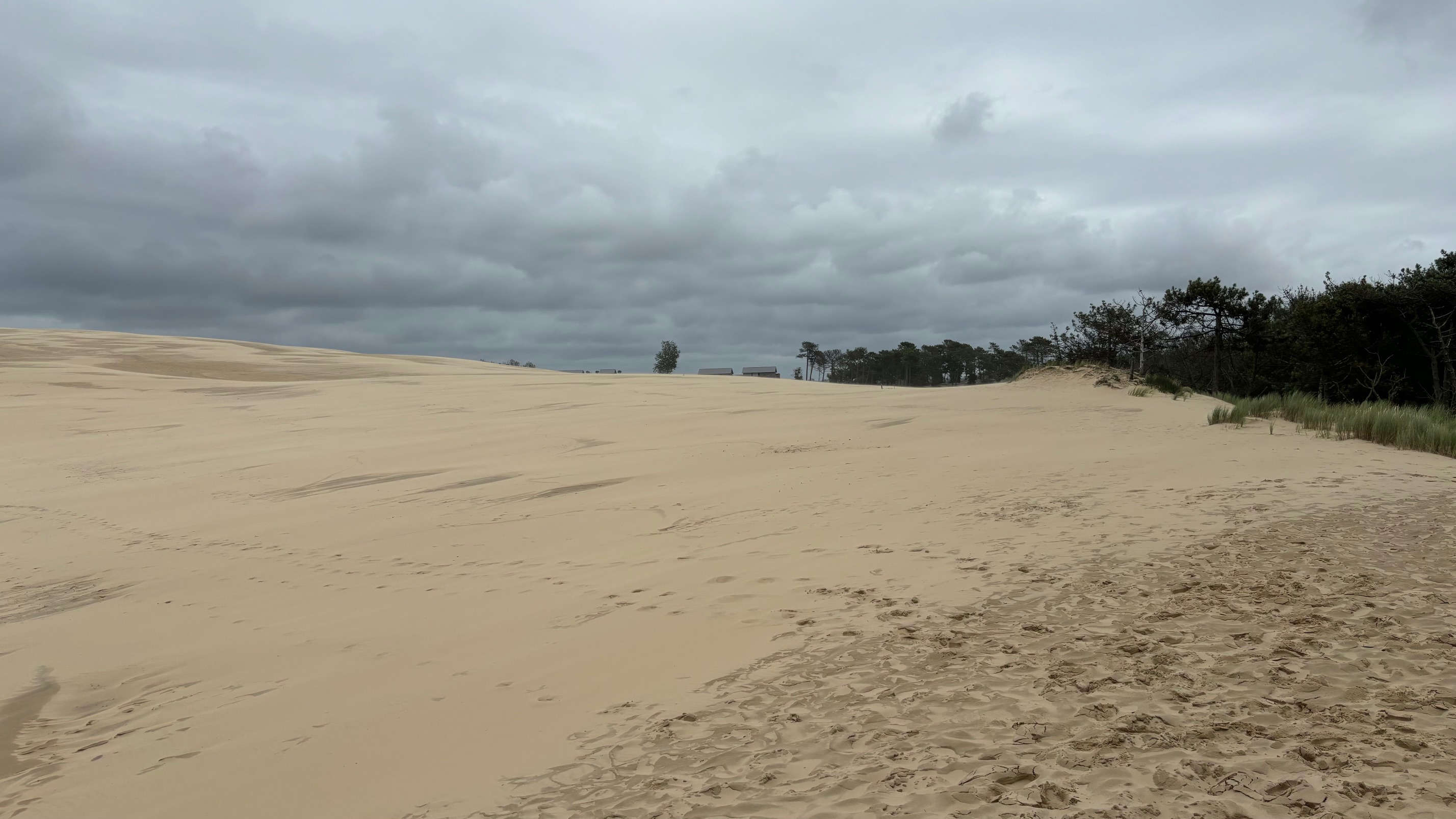
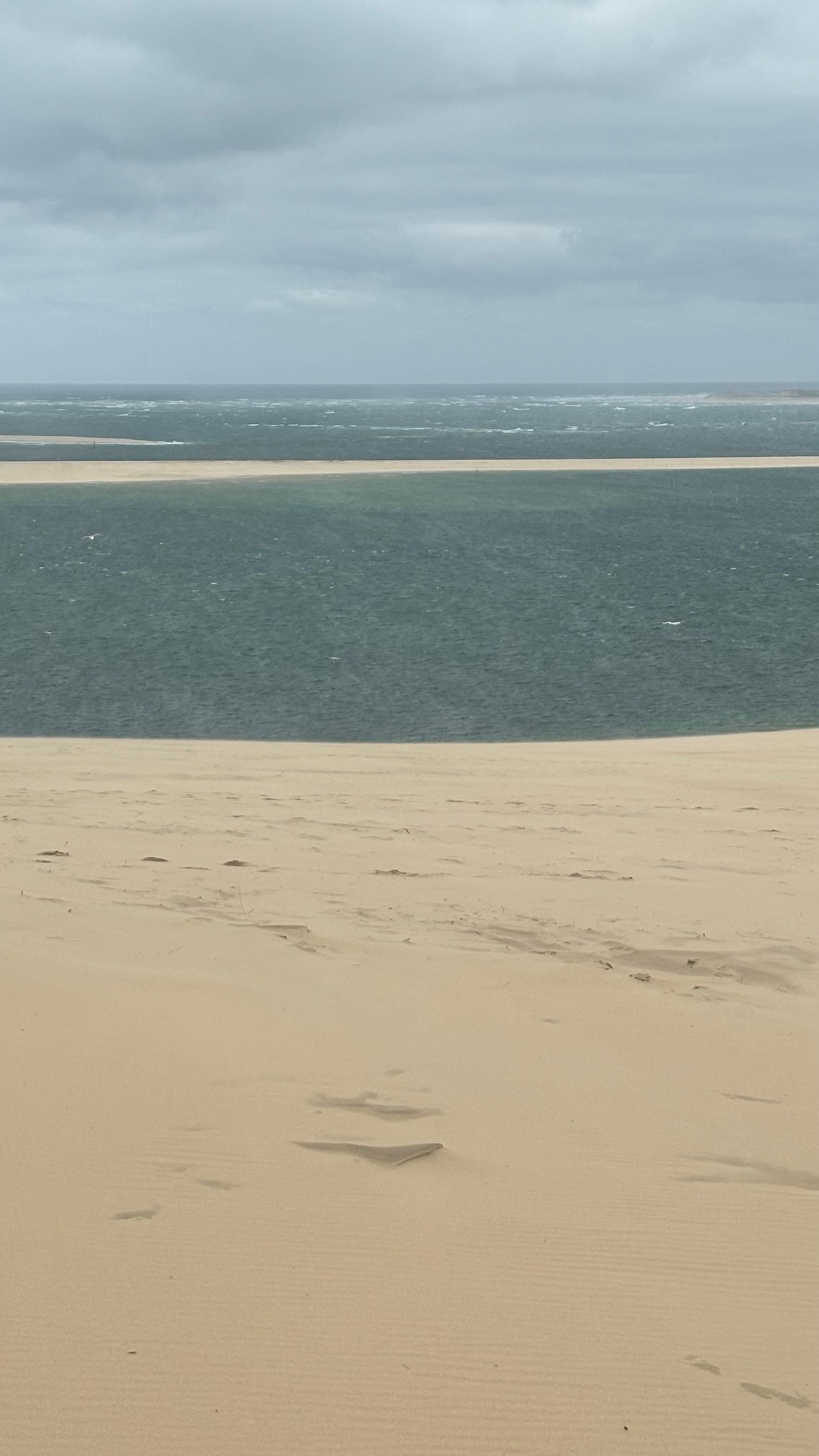
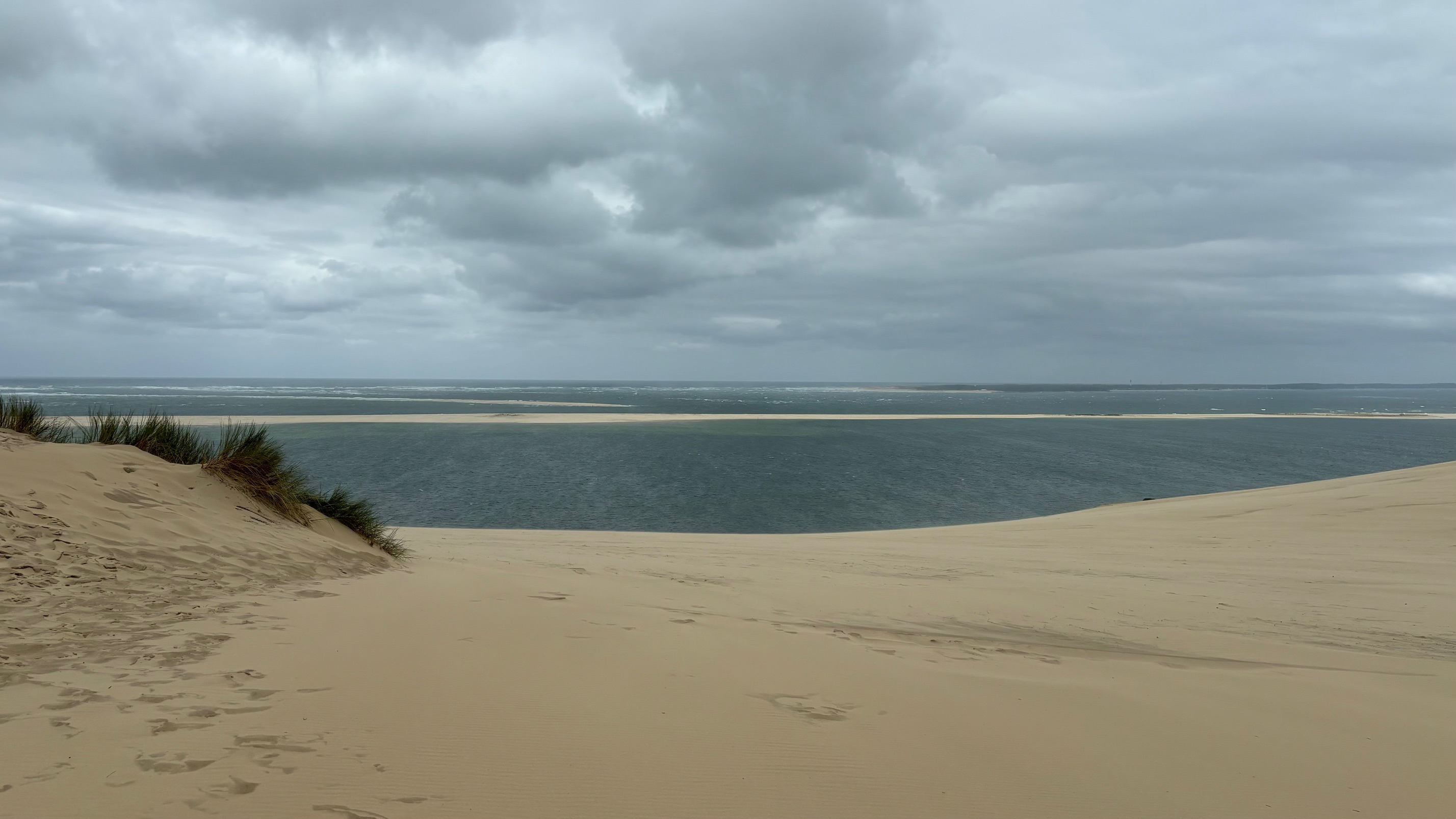
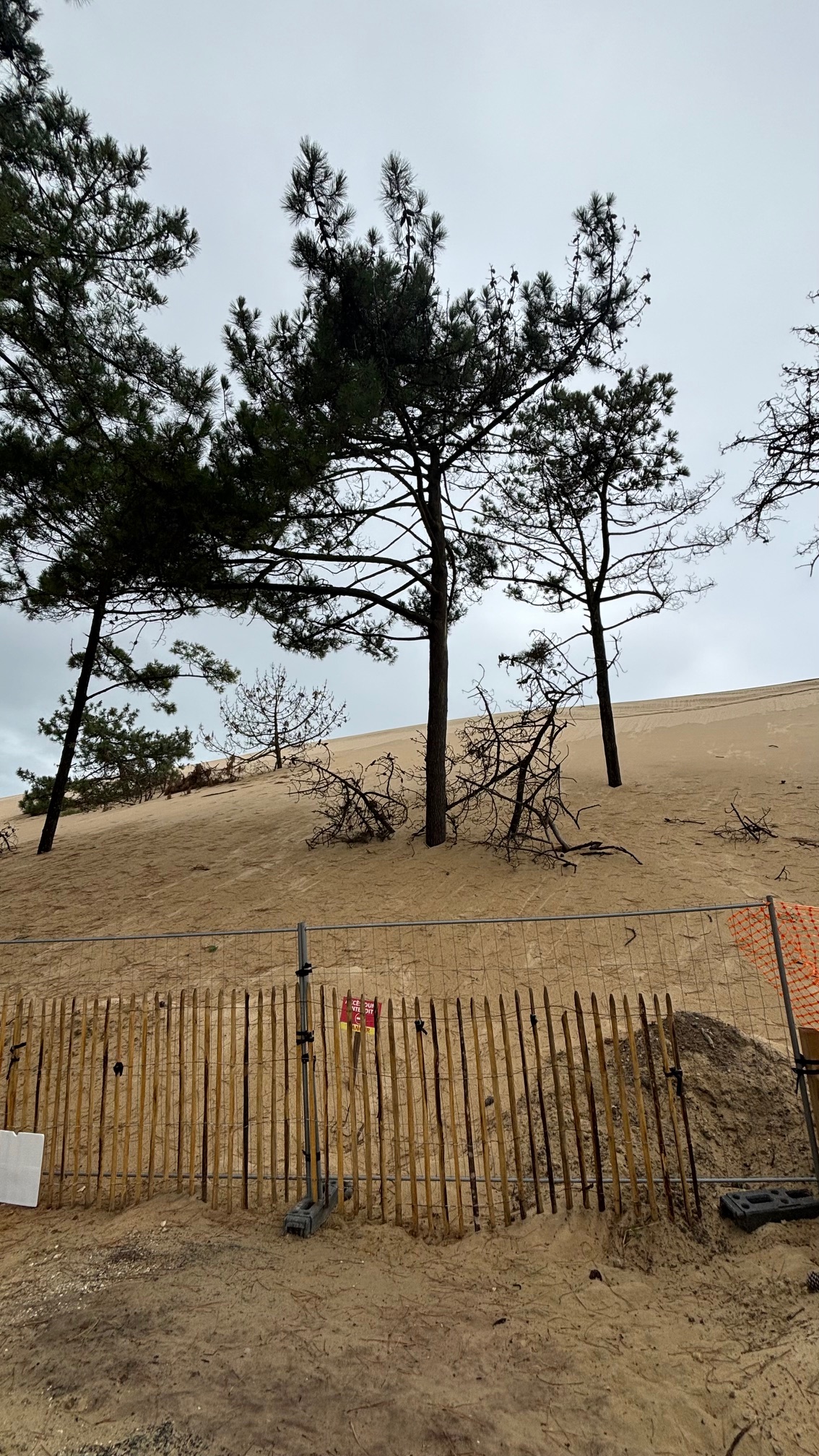
Grande Dune du Pilat (The Great Dune of Pilat)

Enjoyed a visit to one of France’s most visited natural destinations, which is the highest and largest sand dunes in Europe. Photos taken in July of 2024 during my visit there.

Camera: iPhone 15

Location: Dune du Pilat; Arcachon, France

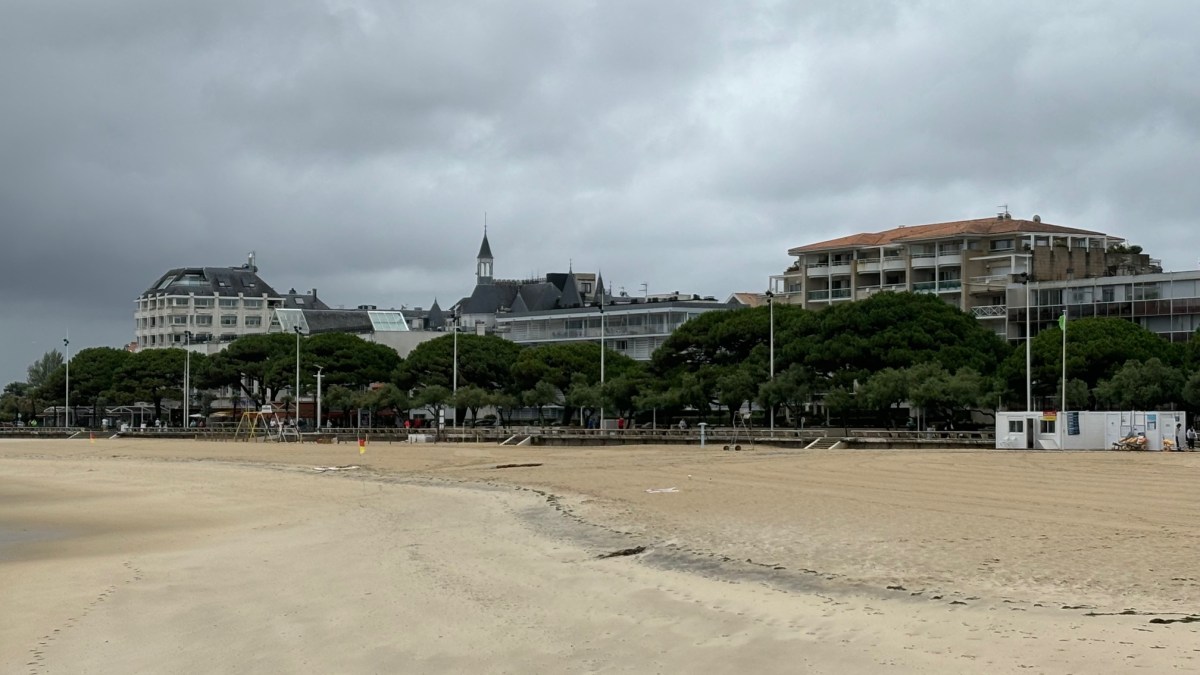
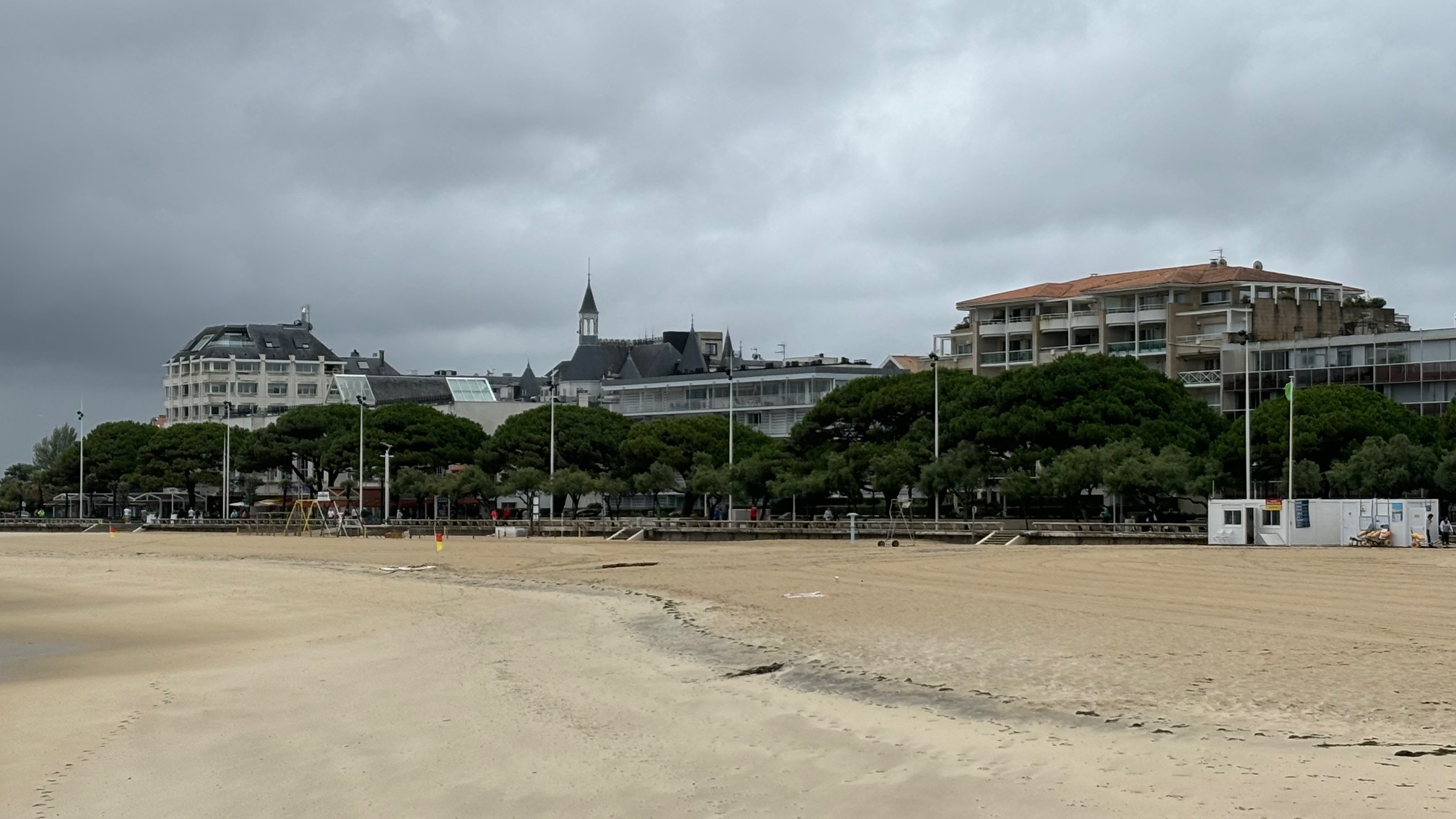
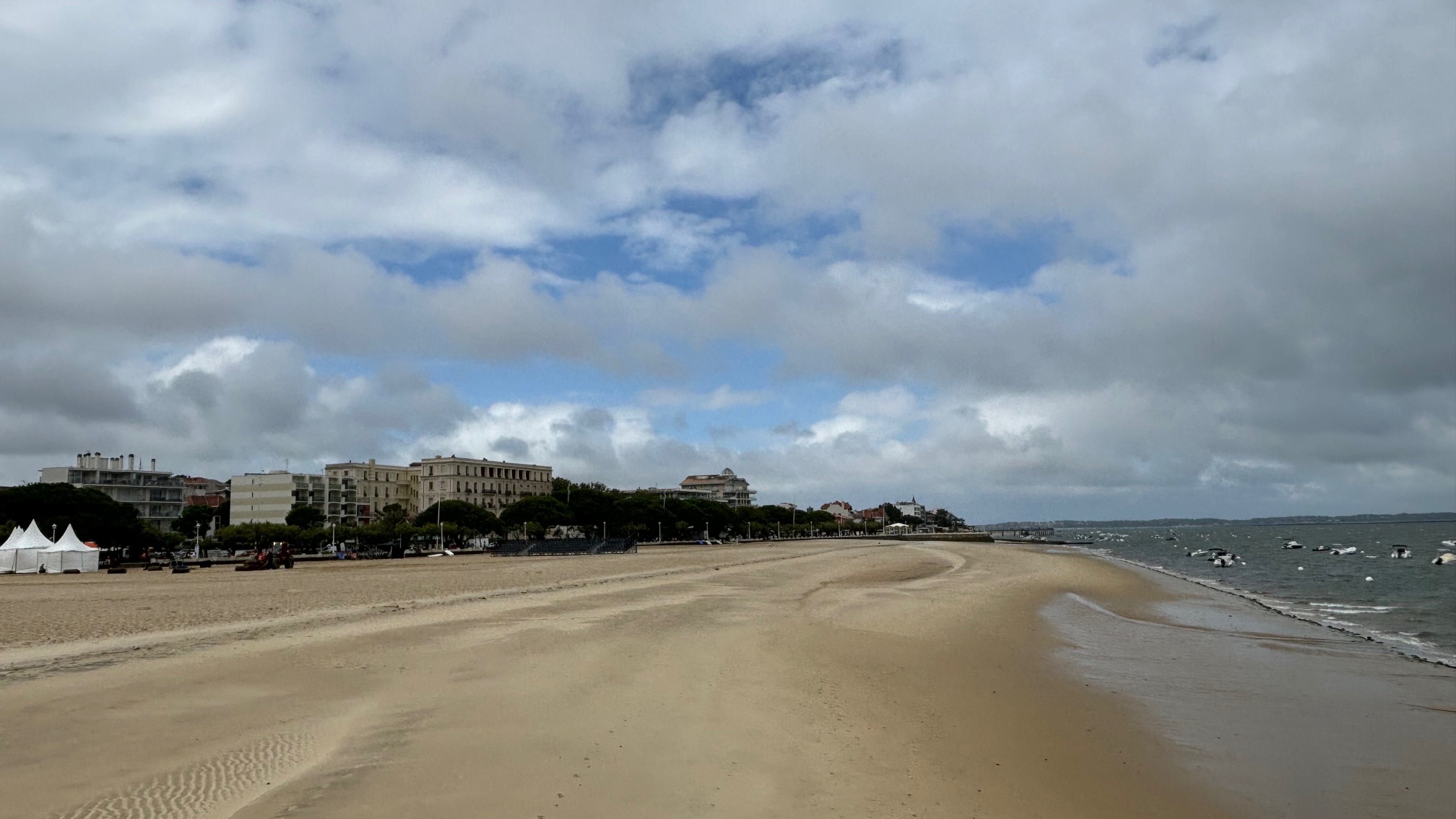
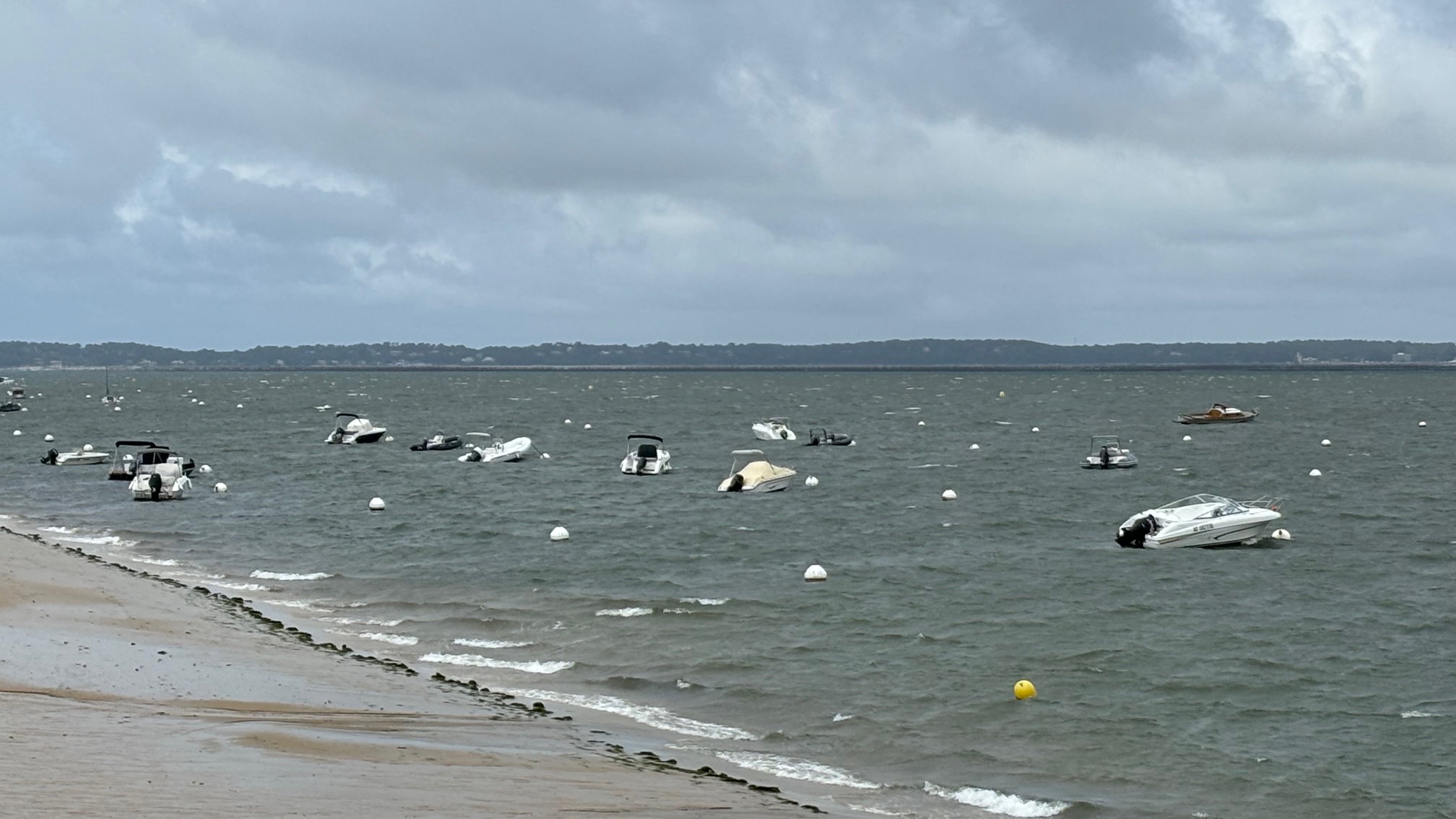
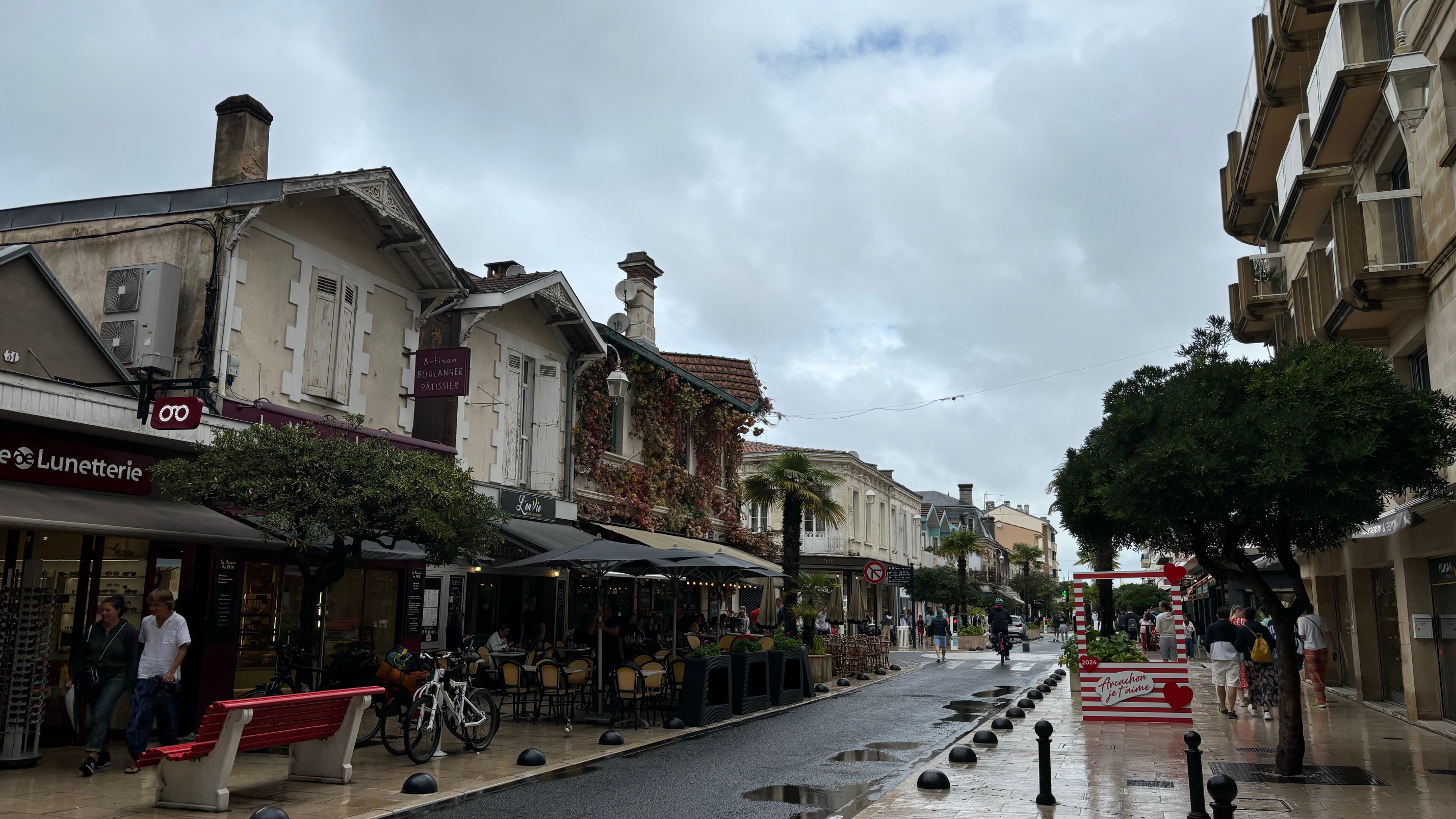
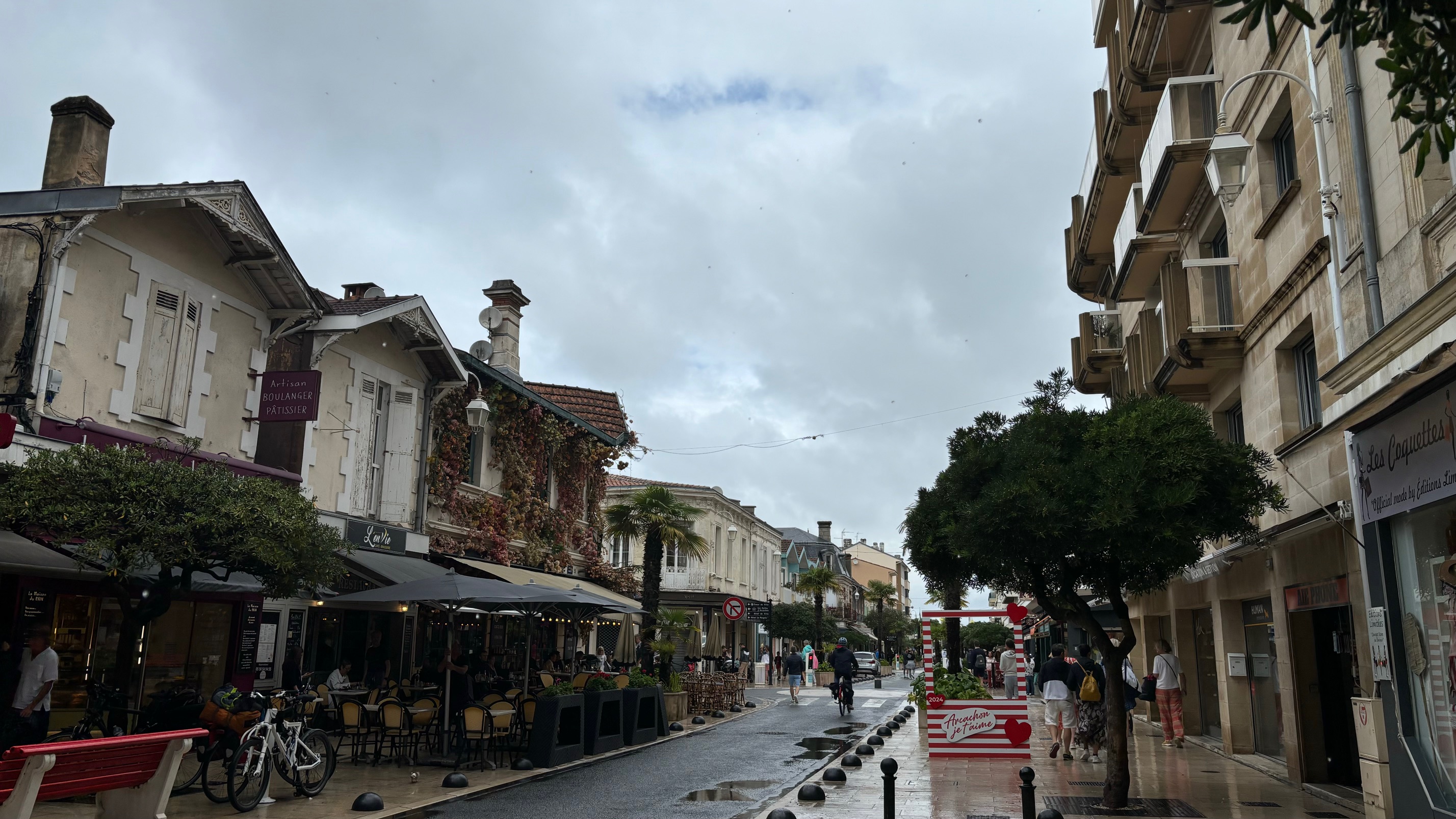
Arcachon, France

A daytime summer visit and stroll through the southwestern seaside town known as Arcachon, France, with a beautiful beach, great mussels, and friendly people.

Camera: iPhone 15

Location: Arcachon, France

America Off Track – Why It Needs a Nationwide High-Speed Rail Network

“In an age where it’s hard to agree about anything, I do think having nationwide high-speed rail as the rule rather than the exception is something most Americans would support if given a choice of whether to fund it.”

Introduction: Connectivity Beyond Broadband and Rocket Ships

Connectivity in the modern age is more than high speed broadband or rocket ships that can go to the Moon or Mars, it can be as simple as connecting major towns and cities together. It is a simply an economic win-win when you think about having high speed rail being as common as any kind of subway, commuter rail, or streetcar. It is an economic investment that pays for itself over time and is a great way to support local to national economies. It is the exact kind of rail that I believe America is lacking outside my home region of the Northeast and which continues to be neglected despite the benefits far outweighing the costs. In an age where it’s hard to agree about anything, I do think having nationwide high-speed rail as the rule rather than the exception is something most Americans would support if given a choice of whether to fund it.

From Railroad Pioneers to Going Off the Rails

Long ago, the United States was the leader in rail across the board especially when the transcontinental railroad was first established connecting the continental nation together from east to west in the late 1860s. Fast forward to the mid-20th century, America decisively turned away from rail and embraced cars and planes as symbols of modernity and freedom. The construction of the Interstate Highway System in the 1950s, along with generous federal subsidies for aviation, made driving and flying faster, cheaper, and more convenient than taking the train. As families moved to the new and sprawling suburbs, car ownership exploded, and passenger rail ridership collapsed.

Meanwhile, freight railroads, struggling with shrinking margins, often abandoned or neglected passenger services. Amtrak’s creation in 1971 was a last-ditch effort to save intercity rail travel, but chronic underfunding, outdated equipment, and lack of political will left it unable to compete with well-funded highways and airports. This shift cemented a car-and-plane culture in the United States, relegating trains to a niche role in the American transportation landscape rather than the preferred mode of transportation. Unfortunately, today, it continues to be a disappointing national story as trains and train speeds here are some of the slowest, most infrequent, and bordering on dysfunctional in the modern era.

There are a whole host of factors and finger pointing to go around in terms of how we got to where we are as a nation in 2025 from NIMBYism to the airline and auto lobbies to cost overruns that drain support for any of these high-speed rail projects. However, I’d like to focus first on where America stands now compared to other developed nations and how far the U.S. needs to go to catch up to other nations who have surpassed us in this key area of development.

China Leads, Europe Excels

China is currently the world leader in high-speed rail with the biggest network of high-speed trains on Earth with top speeds clocking in at around 220 miles per hour (350 kilometers an hour). If you look at any map of Chinese high-speed rail, all major cities are connected to each other by a train and often for one day, multiple trains serve each city at different times a day making it a better option than flying within the country. Many more cities in China are connected by high-speed rail than American cities and the trains are much faster by comparison.

Unfortunately, this is not only the case in China but in also much of the European Union. France, Germany, Spain, and Italy all have high speed rail networks that are extensive, fast, and reliable, whose coverage far exceeds the U.S. when you do an overlay of their networks compared to the regional networks in the U.S. or per capita in terms of access despite the size difference. Other major players in high-speed rail include Japan, South Korea, Indonesia, with Thailand, Vietnam, and India looking to start building their ‘bullet’ trains in the 2020s. Even developing nations in Africa such as Morocco have invested in having their own high-speed rail with Morocco’s Al-Boraq line between Casablanca and Tangier having opened in 2018, which is the first high speed train in Africa (approx. 180 miles per hour / 300 kilometers per hour) and not likely to be the last.

High-Speed Rail: A 21st Century Economic Engine

As we get close to being well into the second half of the 2020s-decade, high speed rail investment makes more sense and not less sense. It is a win-win to me economically when you can create jobs in construction, project management, and other related industries. As more economies pivot to clean energy, I find that high speed rail is a more efficient, less polluting form of travel that is also extremely safe and reliable if run well. Regional and local economies can flourish more especially when high speed rail comes to their communities’ bringing tourists and possibly new businesses to set up shop there.

Business travel can expand as well when you don’t have the options of only relying on renting a car, taking a bus, or flying on a plane to get to a conference or a meeting in another city in the same day. Cutting carbon emissions is a goal almost universally shared in 2025 so a keyway to do it is embracing forms of travel that are better for the environment such as high-speed rail. Multiple studies in Europe show that every dollar or euro spent on high-speed rail returns multiple dollars in long-term economic gains. The overall return on investment speaks for itself and that’s why more than ever, nationwide high-speed rail efforts should become a national priority.

America’s Missed Opportunities in High Speed Rail

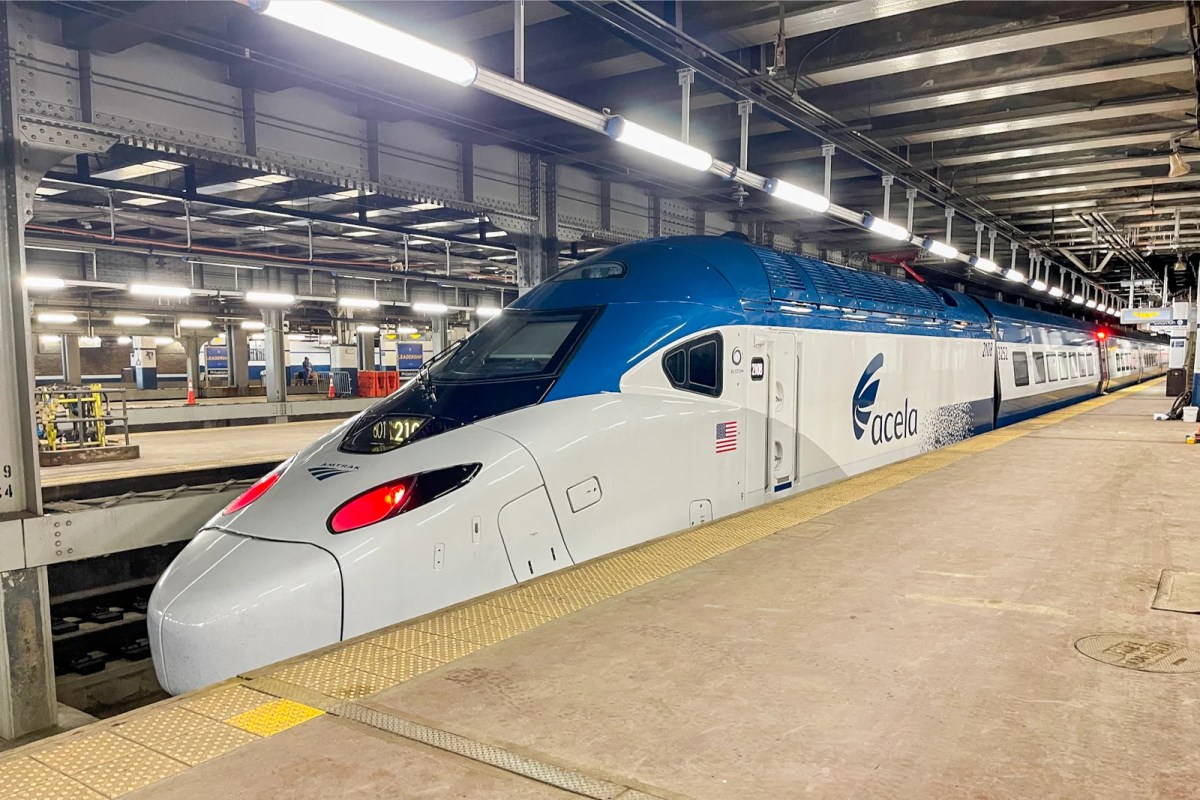
My love for the Northeast’s Amtrak lines as someone who rides multiple times a year, especially the Acela and Northeast Regional, comes from knowing how liberating it feels to speed past gridlocked highways and soul-crushing airport security. However, I would like to be clear in that what we have in the Northeast United States is the exception, not the rule. The rest of the nation is left with woefully inadequate or non-existent passenger rail options, especially no high-speed rail train options.

California’s notorious and still unfinished high-speed rail project, originally envisioned to connect Los Angeles and San Francisco in under three hours, has become a cautionary tale of political infighting, spiraling costs, and endless delays, now more than fifteen years since voters approved it, the line remains incomplete as of this writing. Texas’ proposed Dallas-to-Houston bullet train, based on Japan’s Shinkansen technology, has been mired in lawsuits and land disputes, while Florida’s once-promising plan for a Tampa-Orlando-Miami high-speed corridor was killed by politics despite federal funding being on the table. These failures aren’t just isolated missteps; they’re a systemic reflection of America’s inability to plan, fund, and execute transformative infrastructure projects in the 21st century.
A Vision of a More Connected America

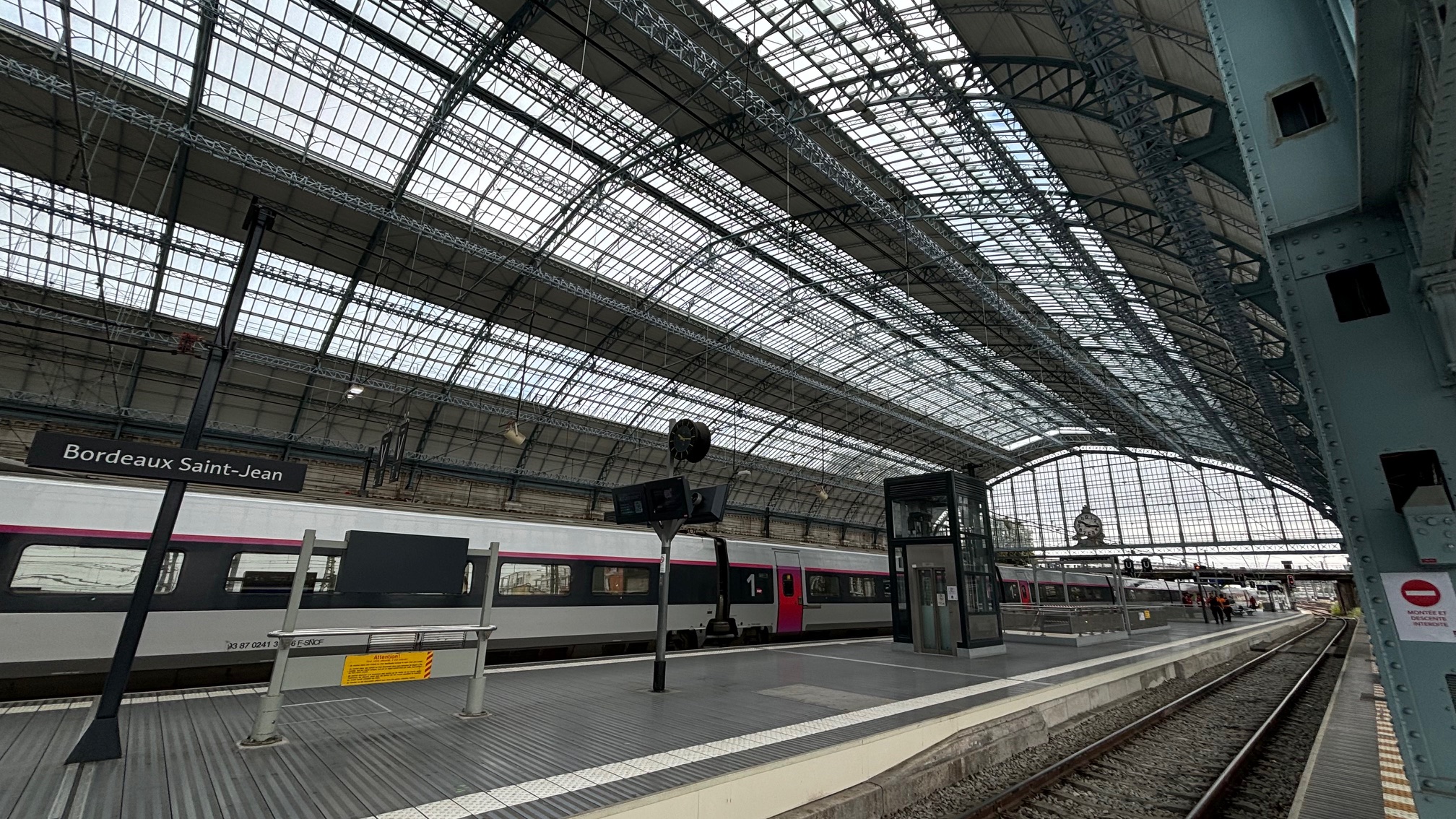
Imagine for me now a future United States where a high school student in Indianapolis could visit Washington, D.C. on a field trip by getting there in 4-5 hours, or where a business traveler could commute between Atlanta and Charlotte in 90 minutes, turning what’s now a grueling four-hour drive into a swift and productive journey. France’s TGV system, which I have been lucky enough to ride from Bordeaux to Paris has long proven that high-speed rail is profitable and competitive with air travel for distances up to 600 miles, drawing millions of passengers who might otherwise fly or drive in that country.

China’s network, the world’s largest as mentioned earlier, has shrunk travel times dramatically: for example, the 819-mile Beijing–Shanghai route, once a ten-hour slog by conventional train, now takes just four and a half hours. A similar Chicago–New York high-speed line, roughly the same distance, could cut today’s fourteen-hour Amtrak ride by more than two-thirds if it were ever developed and invested in.

The creation and development of a nationwide rail grid could connect major population centers such as Houston, Dallas, Austin, Chicago, Detroit, Miami, Atlanta, Denver, and Los Angeles with frequent, fast trains. This would wholeheartedly reshape the American economy as we know it and foster new hubs of innovation, tourism, and opportunity in cities both large and mid-sized, and if smaller cities can be added to a more local line with more stops, that’s a positive as well.

Overcoming America’s High Speed Rail Barriers

There’s no denying the hurdles that exist and will continue to slow the development of a nationwide high speed network: federal and state governments have rarely aligned on rail priorities; outdated regulations, such as the Federal Railroad Administration’s archaic crash standards, make it difficult to adopt off-the-shelf European or Asian trainsets; and NIMBYism often turns local communities into fierce opponents of new rail lines.

However, none of these obstacles are insurmountable if America learns from the examples set by other nations. Spain’s national AVE system, for instance, was built with robust public support and clear national commitment, resulting in more than 2,000 miles of high-speed track in a country with less than a seventh of America’s population. Japan’s initial Shinkansen line was completed in just five years, transforming travel patterns permanently, and this is despite being a mountainous island nation where political gridlock can also occur.

America could adopt federal legislation to streamline permitting, incentivize public-private partnerships, and dedicate a long-term funding mechanism like the Highway Trust Fund to ensure reliable and consistent investment. Beyond these present technicalities, it will take real leadership willing to communicate to the American voter that high-speed rail is not a luxury for a developed nation, but a real necessity for economic growth, energy security, and national competitiveness in the 21st century.

Conclusion: It’s Time to Board the Train of Real Progress

I am writing this article on an Amtrak Northeast regional train to Washington, DC ironically but not intentionally because as someone who treasures the unique sense of freedom and connection offered by train travel in the Northeast United States, I believe deeply that every American deserves the same opportunity. This should be the case whether they live in Houston, Detroit, or Los Angeles. We have the financial resources, the technology, and the know-how; what we lack is the political resolve to make high-speed rail a reality nationwide.

Our tax dollars should be able to build systems that make our daily lives better, and there are few investments more transformative than modern, fast, reliable trains that knit together our cities and regions. High-speed rail would give Americans more options, less stress, and cleaner air, while restoring our global reputation as a nation of builders and innovators. It’s time for the United States to leave the station of outdated thinking, board the train of progress, and embrace a future where high-speed rail is not the rare exception, but the expectation for every American traveler.

Note: The views expressed in this article are entirely my own and do not reflect the opinion(s) of any outside organization, firm, or entity.

Works Cited / Endnotes (MLA)

  1. “China’s High-Speed Rail Development.” China Railway Corporation, 2023, www.china-railway.com.cn/en/high-speed-rail/.
  2. “TGV: The French High-Speed Train.” SNCF, 2024, www.sncf.com/en/trains/tgv.
  3. International Union of Railways (UIC). “High-Speed Rail in Europe: A Competitive Advantage.” UIC Publications, 2023, uic.org/IMG/pdf/high-speed-rail-in-europe.pdf.
  4. “Al Boraq, Africa’s First High-Speed Train.” Office National des Chemins de Fer (ONCF), 2019, www.oncf.ma/en/Projects/High-Speed-AlBoraq.
  5. Hurst, Dana. “Morocco Opens First High-Speed Rail Line in Africa.” BBC News, 15 Nov. 2018, www.bbc.com/news/world-africa-46227056.
  6. California High-Speed Rail Authority. “Project Update Report to the Legislature.” CHSRA, March 2024, www.hsr.ca.gov/docs/about/legislative_reports/2024_Project_Update_Report.pdf.
  7. Swarts, Jonathan. “Texas’ Bullet Train Faces Legal, Financial Roadblocks.” Texas Tribune, 20 Apr. 2024, www.texastribune.org/2024/04/20/texas-high-speed-train-lawsuits/.
  8. United States Government Accountability Office (GAO). “Intercity Passenger Rail: Amtrak’s Challenges in Implementing High-Speed Rail.” GAO-21-480, Sept. 2021, www.gao.gov/assets/gao-21-480.pdf.
  9. International Energy Agency. “The Future of Rail: Opportunities for Energy and the Environment.” IEA, 2019, www.iea.org/reports/the-future-of-rail.
  10. European Commission. “White Paper on Transport: Roadmap to a Single European Transport Area.” Publications Office of the European Union, 2011, ec.europa.eu/transport/themes/strategies/2011_white_paper_en.
  11. Pew Research Center. “Most Americans Support Investments in Infrastructure, Including Public Transit.” 15 June 2021, www.pewresearch.org/2021/06/15/public-views-on-infrastructure/.
  12. American Public Transportation Association (APTA). “Economic Impact of High-Speed Rail.” APTA Reports, 2022, www.apta.com/research-technical-resources/research-reports/economic-impact-of-high-speed-rail/.

How Iceland Replenishes the Mind, Body, and Soul

“Iceland is one of those countries that can combine stunning landscape contrasts with sheer natural beauty, putting the average traveler at ease and offering you unique opportunities to rejuvenate physically, mentally, and spiritually through its landscapes, culture, and way of life.”

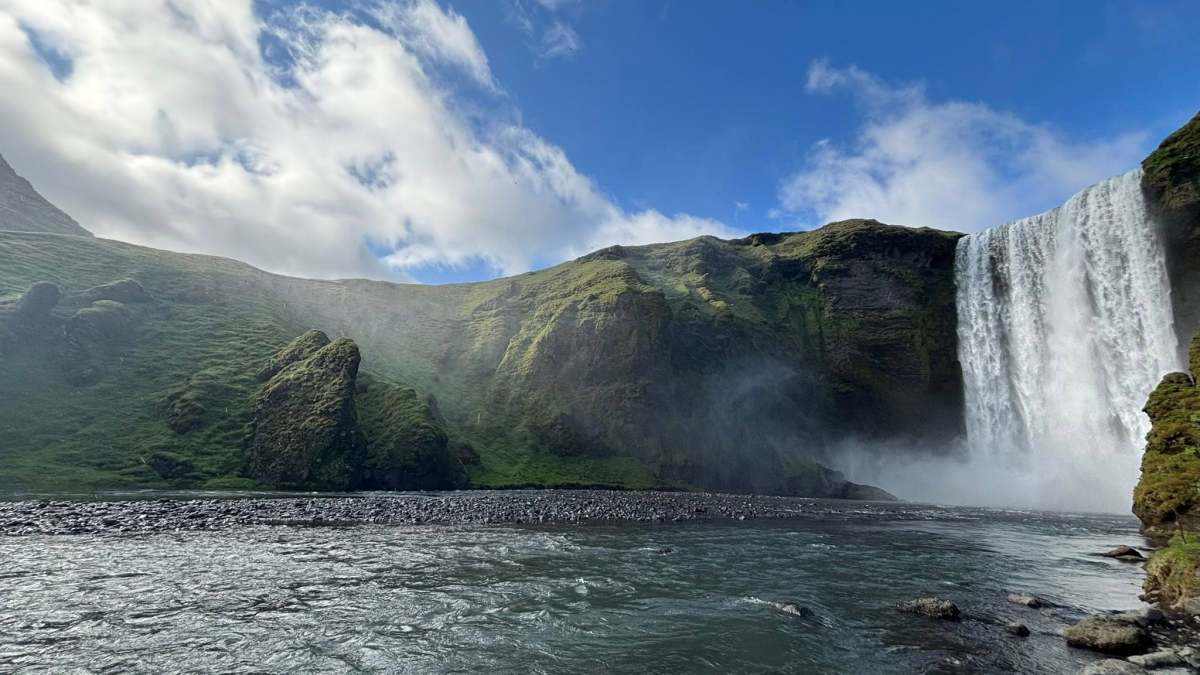
Few places on Earth these days can put you in supremely natural environments for which you can really feel at ease in nature that has been properly conserved and taken care of. You can be far away from technology, city life, and cover a wide variety of landscapes in just a few hours. Iceland is one of those countries that can combine stunning landscape contrasts with sheer natural beauty, putting the average traveler at ease and offering you unique opportunities to rejuvenate physically, mentally, and spiritually through its landscapes, culture, and way of life.

It hits you the moment to fly into Keflavik International Airport like you stepped on to a new planet that is both desolate but alluring in its other worldly landscapes. You see the molten rocks, the green moss, and the blue lagoons, and think to yourself, where did I just end up? The whole country can captive you on a trip like few others can by offering ways to put your mind, body, and soul at ease. Away with the office, away from the hustle and bustle, and able to tap fully into nature and your surroundings like few other places I’ve ever been to personally.

Being able to hike, swim, kayak, rock climb, and engage in a variety of other outdoor activities throughout the year makes Iceland a physical playground to enjoy. You can rest or exert yourself or do both to give your body a healthy experience on top of being able to put your mind at ease by being away from your devices by tapping into your natural surroundings because they are just that engaging and varied. Iceland provides your soul a reset where you can forget your own troubles and that of the world’s for a while to focus on feeling better, relaxing, or living in the moment, and experiencing what it is to be disconnected.

When it comes to reinvigorating yourself physically, you have a wide variety of ways to do so while in Iceland. You can enjoy a large variety of geothermal pools and hot springs such as the Blue Lagoon, Secret Lagoon, Sky Lagoon, etc. In the Summer months, there are also several pools around the country that may be open to the public including tourists to relax and enjoy the long summer nights, where daylight is every present. After having partook in a few lagoon visits in my recent trip, I can say for sure that your body feels cleaned and refreshed after soaking in the mineral-rich waters and combining that with the country’s culture of saunas, steam houses, and the occasional cold plunge.

It is an impressive combination of thermal relaxation letting you fully destress and decompress for a few hours but with residual health benefits for months or years to come. In addition, Iceland prides itself on healthy, local, and pesticide-free cuisine from fresh seafood to Skyr yogurt, as well as farm-to-table and greenhouse-to-table dishes. As mentioned earlier, there are tons of outdoor activities promoting physical health such as hiking, golfing, swimming, horseback riding, and rock climbing among others.

Everyone needs peace and quiet in their life and Iceland provides that in spades. I believe the country can nourish the mind by allowing you to bask in the solitude that you can find in Iceland’s varied landscapes from waterfalls, glaciers, black sand beaches, and fjords. There are numerous psychological benefits to disconnect every now and then from modern technology and the stresses of urban life and I felt a lot better not being on my phone during my time in Iceland. Though I did need my phone for photos and GPS, the beautiful surroundings allowed me to put my phone away and really live in the moment to enjoy the gorgeous landscapes I was able to visit.

The pace of life is also much slower in Iceland and there is a cultural emphasis on being mindful, engaging with other people, and slow living. When you drive there, you don’t see road rage, people yield to each other in traffic, and the rules of the road are observed since there is no ‘rushing around’ without end that you find in other cultures. Because of the natural beauty and slower pace of life, there are many more opportunities to reflect and think while enjoying the expansive natural visits. Taking time away from technology and the ‘hustle and bustle’ can allow you to reflect on life and enjoying the moment more fully.

Our soul needs to experience awe and joy. I believe Iceland’s natural phenomena and beauty from the Northern Lights to the Midnight Sun really can provide that to each person who visits. This kind of perspective is reflected in Icelandic sagas, myths, and folklore about having reference for nature, being in touch with those people in your life who matter to you and living in a sustainable or balanced way with nature. Iceland is an extremely environment conscious country and should be commended for being clean, approaching net zero carbon emissions, and working to be sustainable in its relationship with nature.

People in Iceland live in harmony with each other and with nature from what I noticed and are a progressive nation in that they are tight knit, looking out for their neighbors, and want everyone to be lifted in their society. These kinds of actions culturally are good for the soul and the soul of any nation. While the weather can be rather unpredictable, costs can be high to visit, and the lack of sun in the Winter is challenging, Iceland is a spectacularly beautiful and welcoming country that I hope to visit in the future.

Iceland is a holistic country to visit that can really make you better off in mind, body, and soul for having spent some time there. It is a rejuvenating kind of travel experience that I hope you’ll consider giving a chance for yourself. We need these kinds of retreats in life where you have real time to relax, reflect, disconnect and focus on yourself without outside distractions. Whether its soaking in the blue lagoon, hiking on top of a glacier, or going fishing on a charter boat to catch fresh seafood for your next meal, Iceland is a country where you can really be at ease with yourself and the world around you. Take a week or two from your busy schedule and come discover the land of Fire and Ice; I promise you won’t regret it.

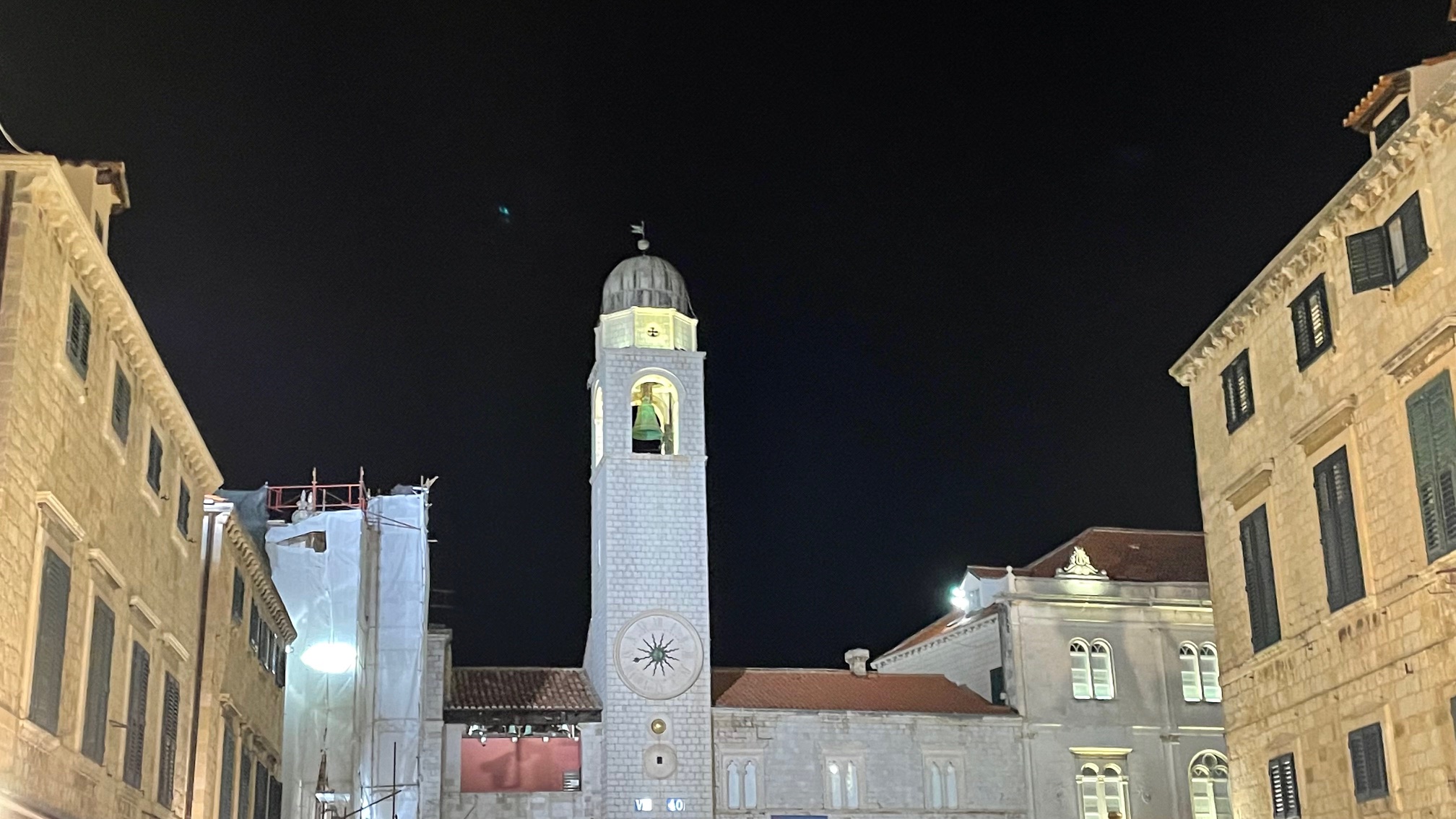
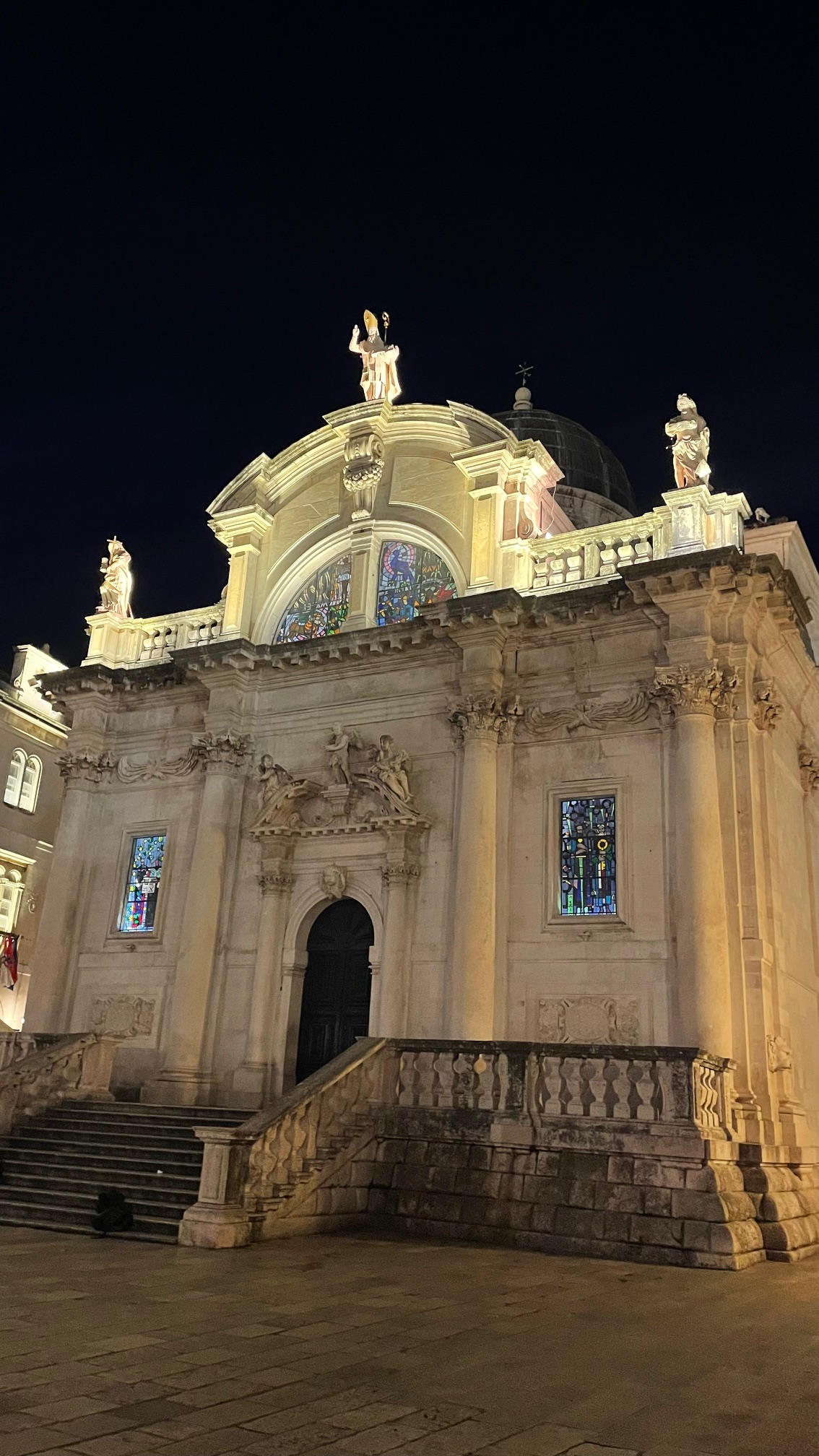
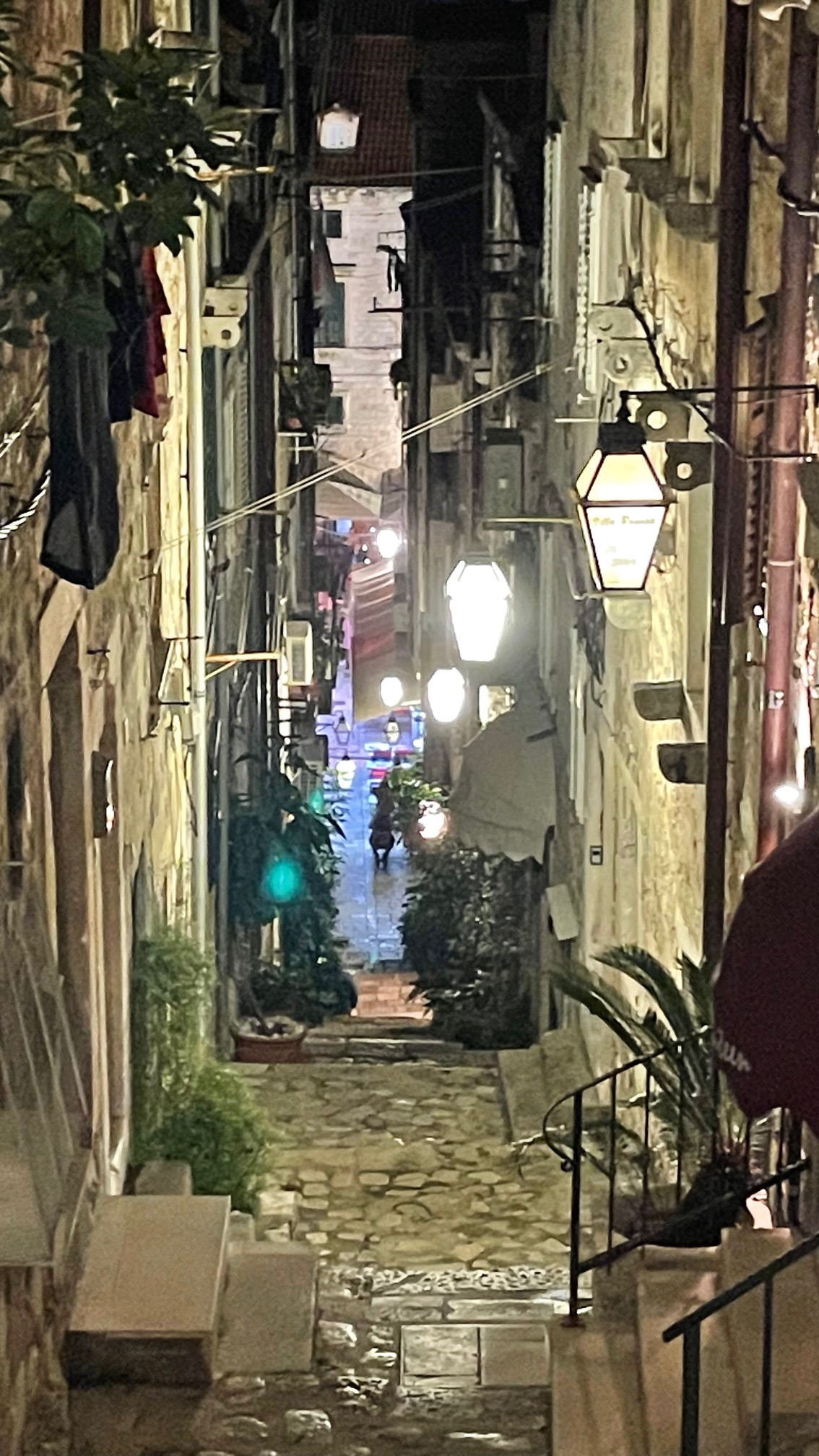
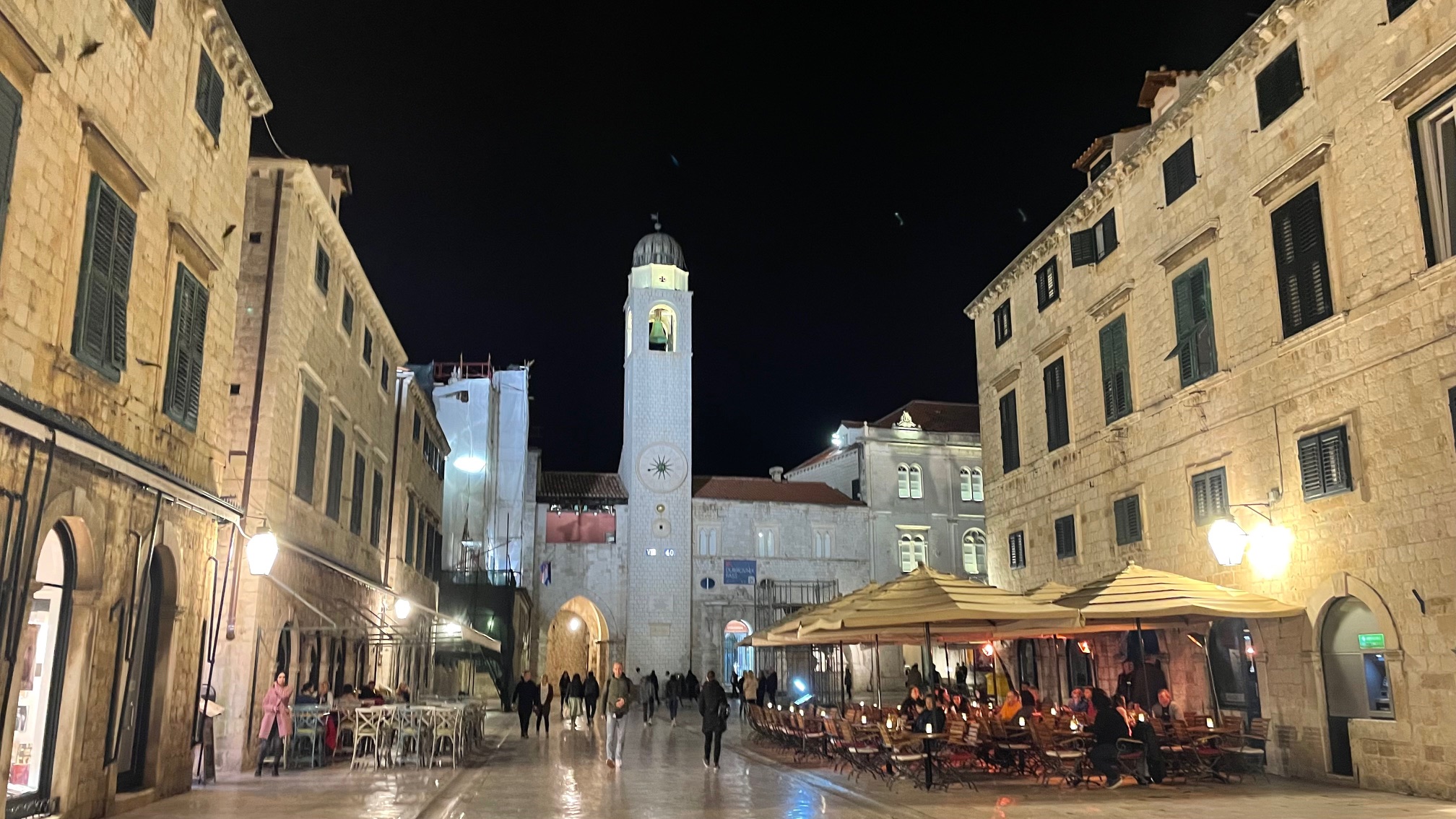
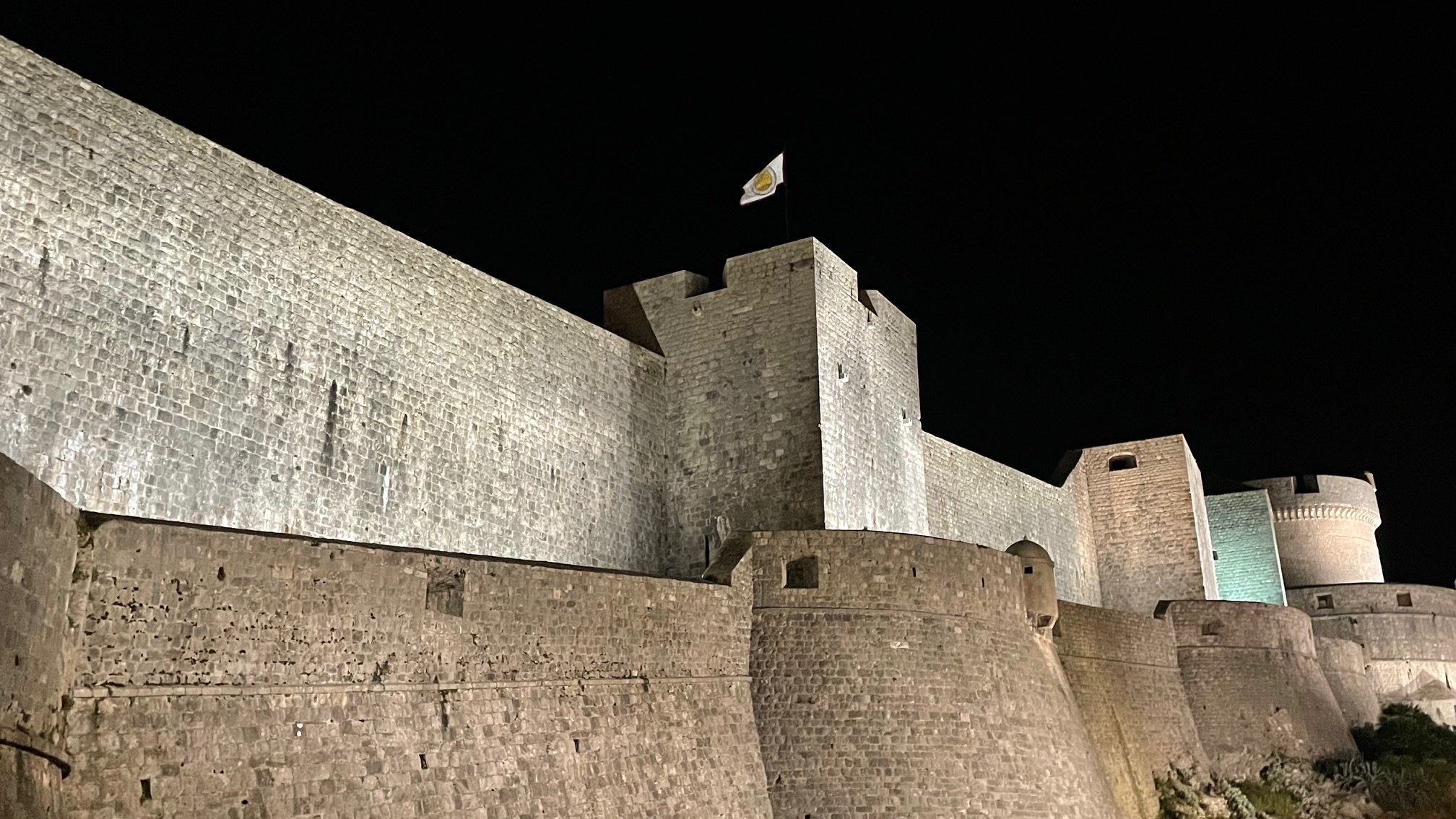
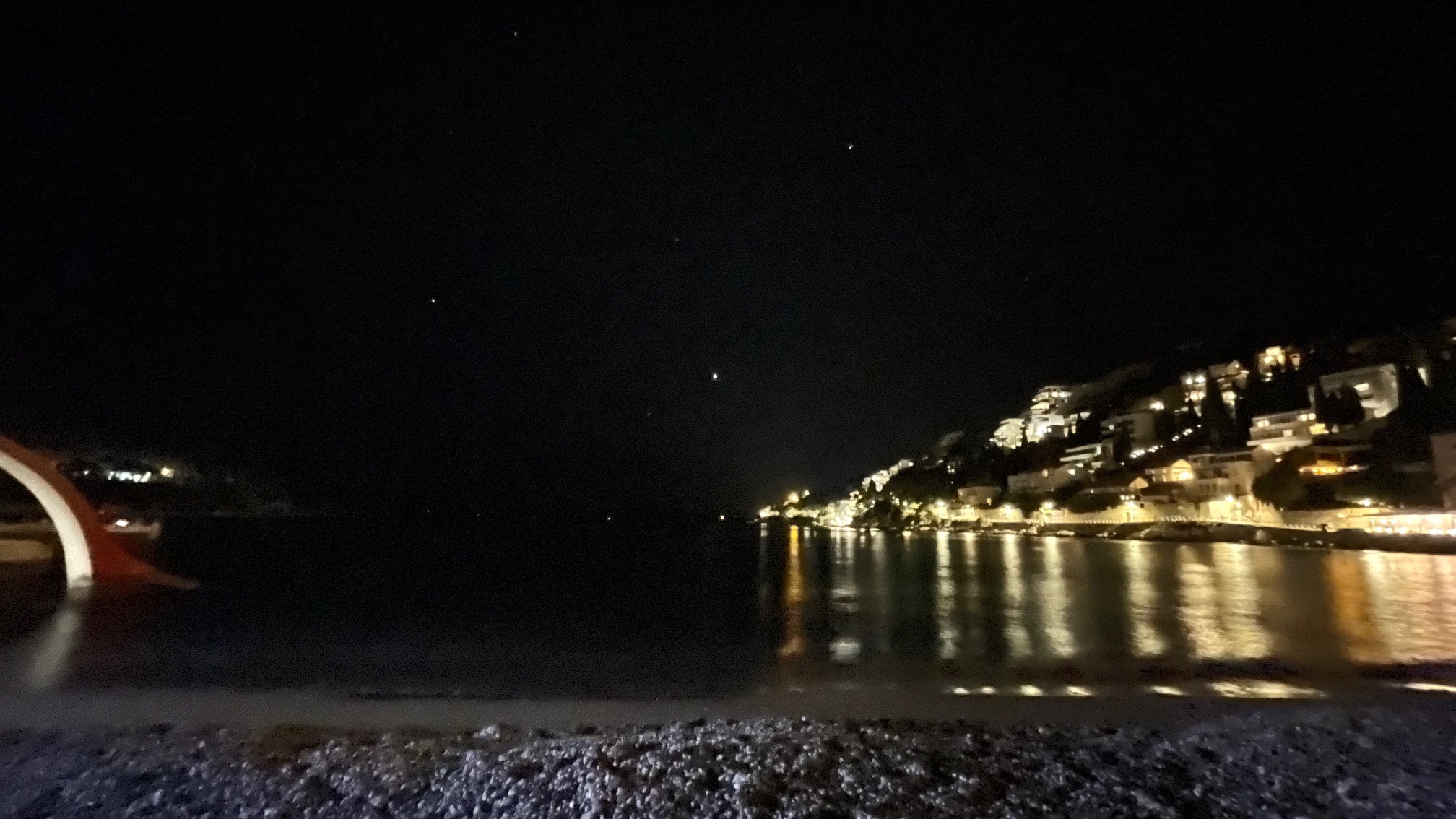
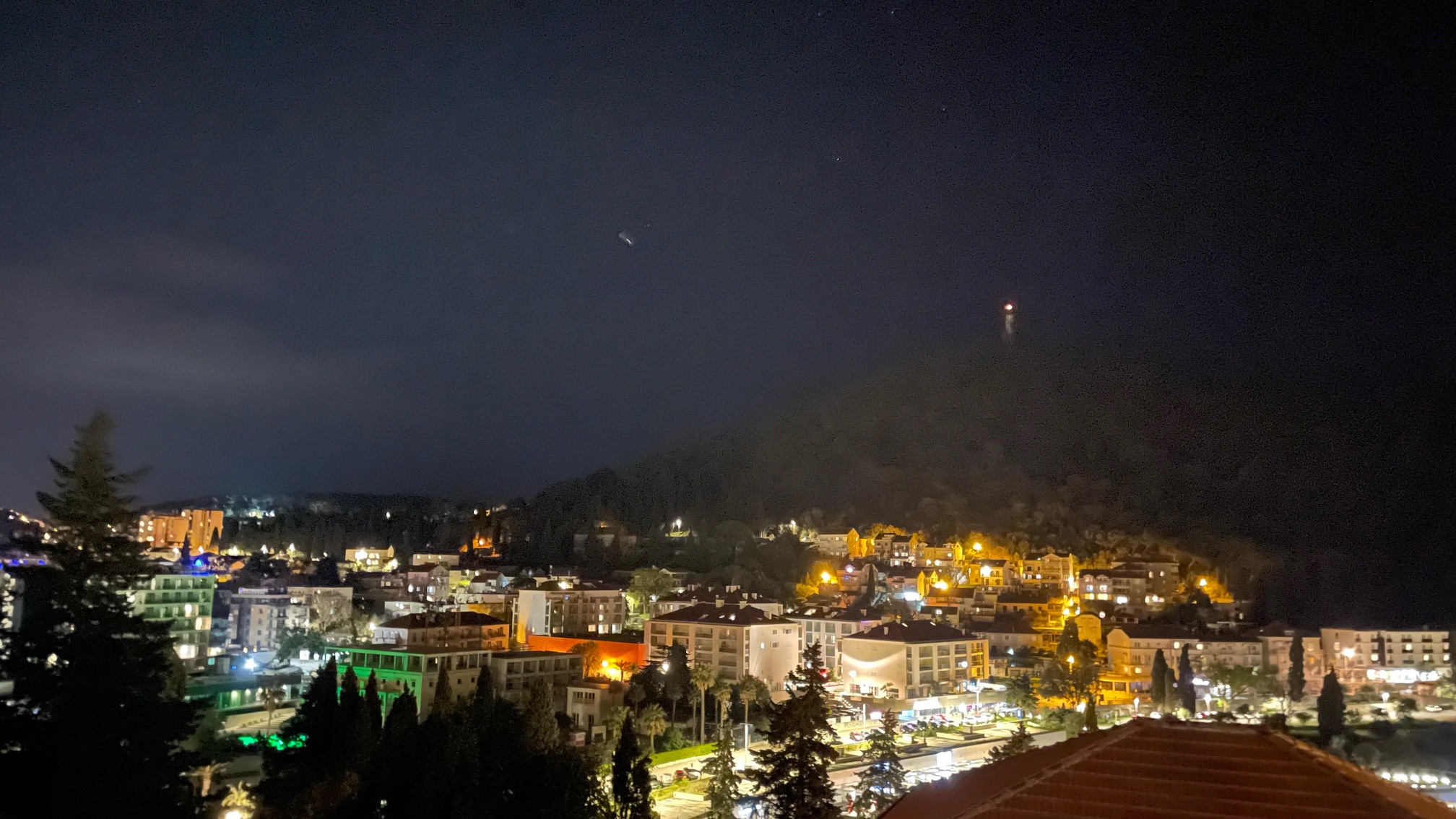
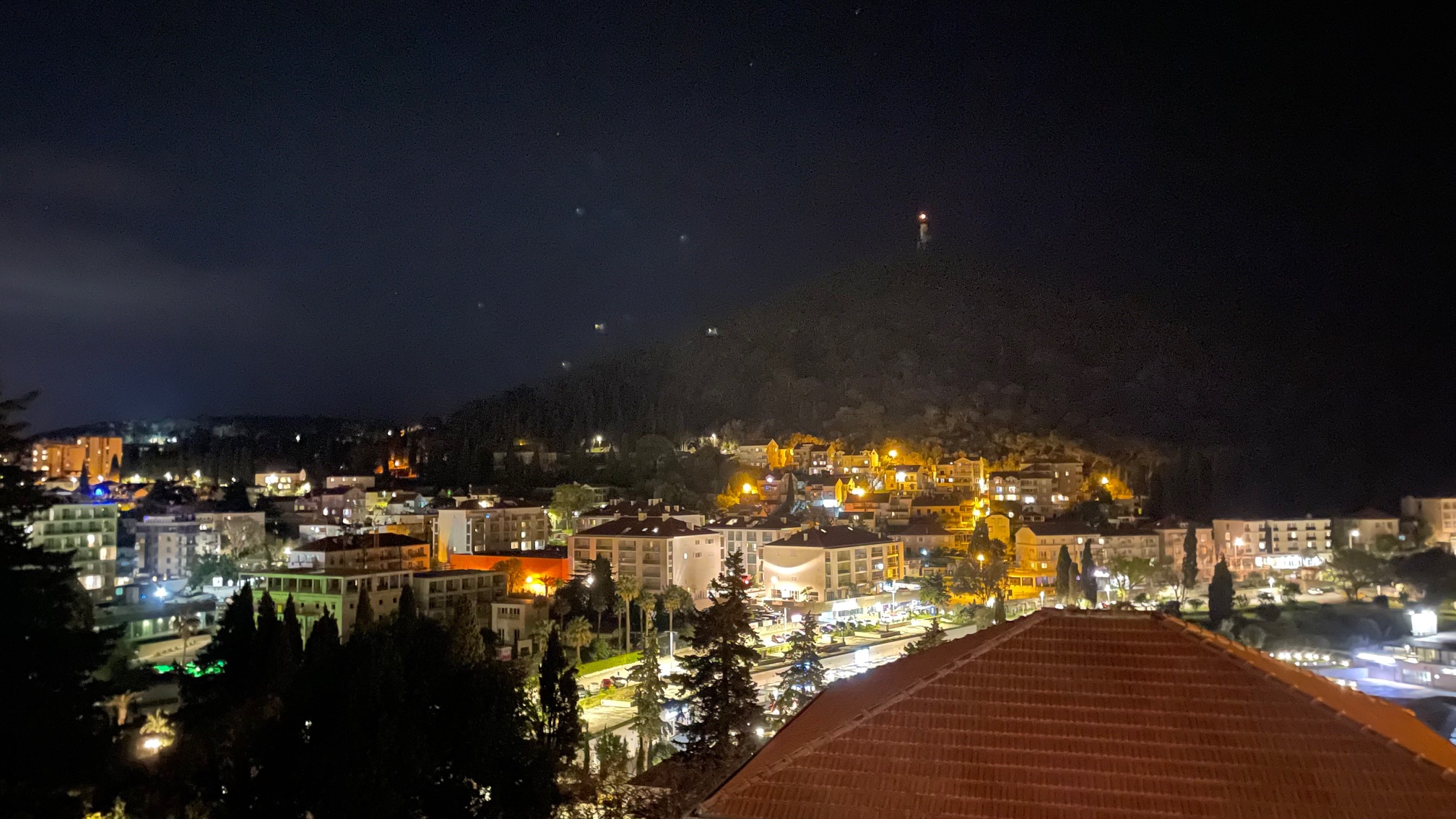
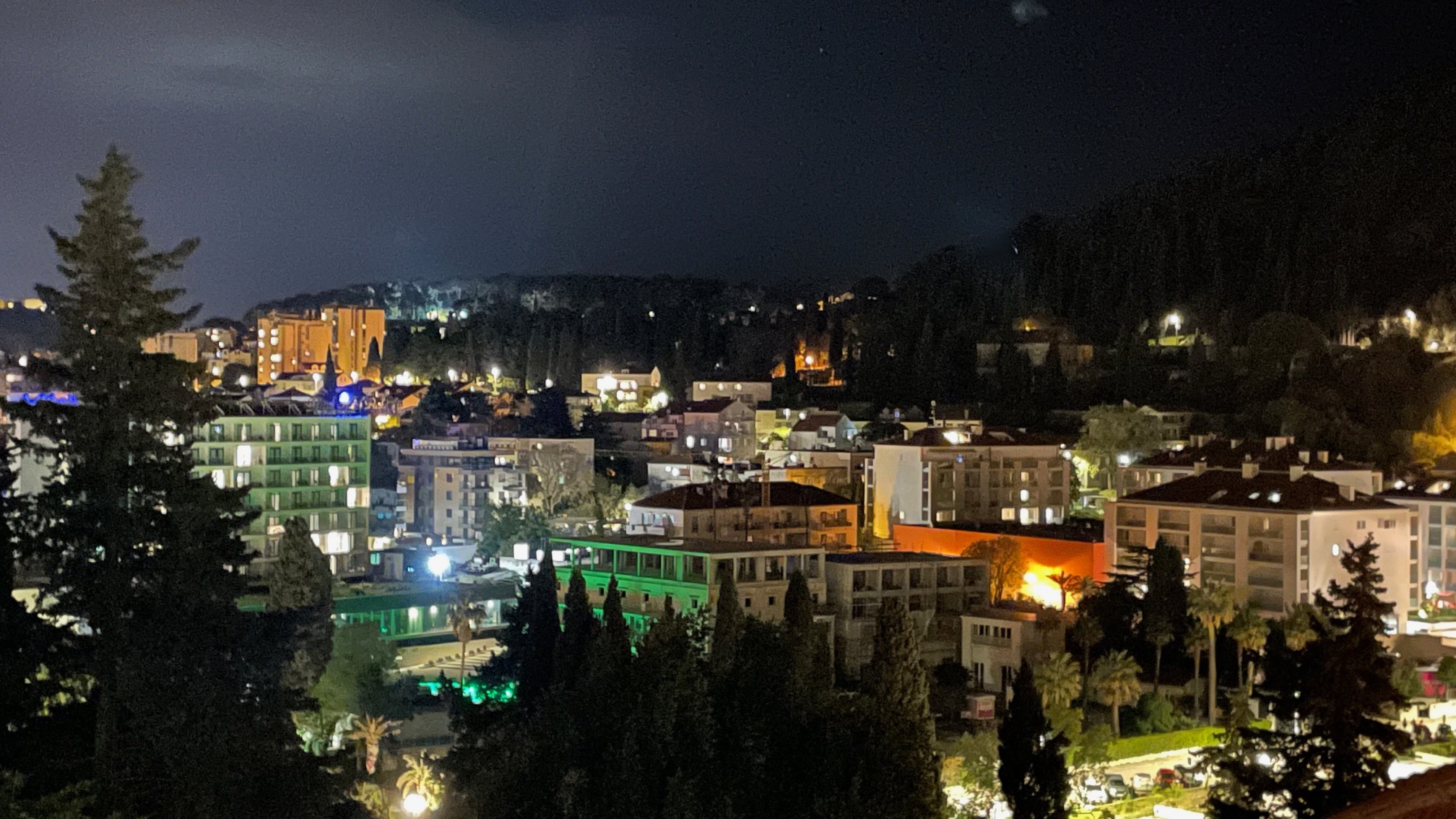
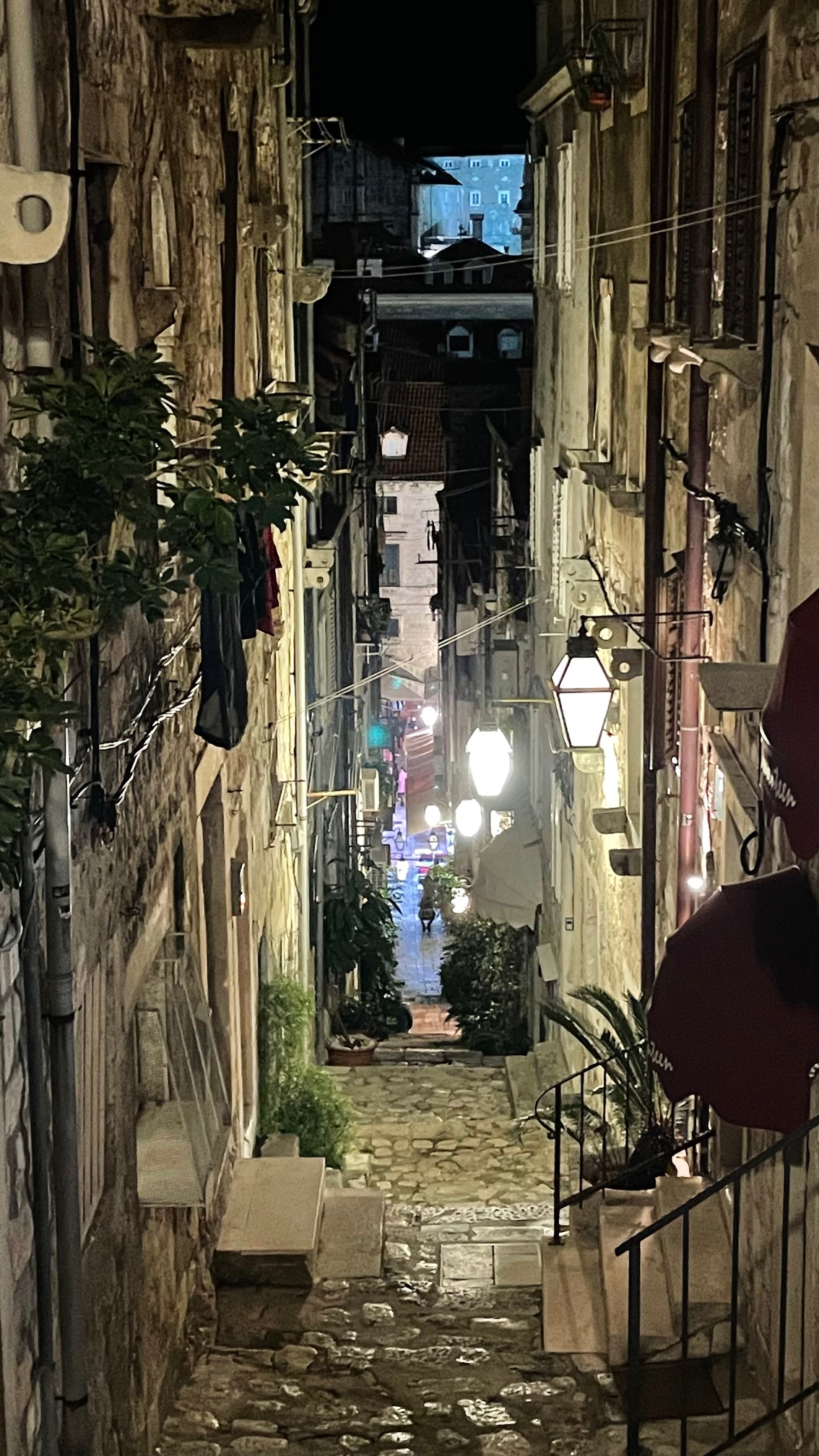
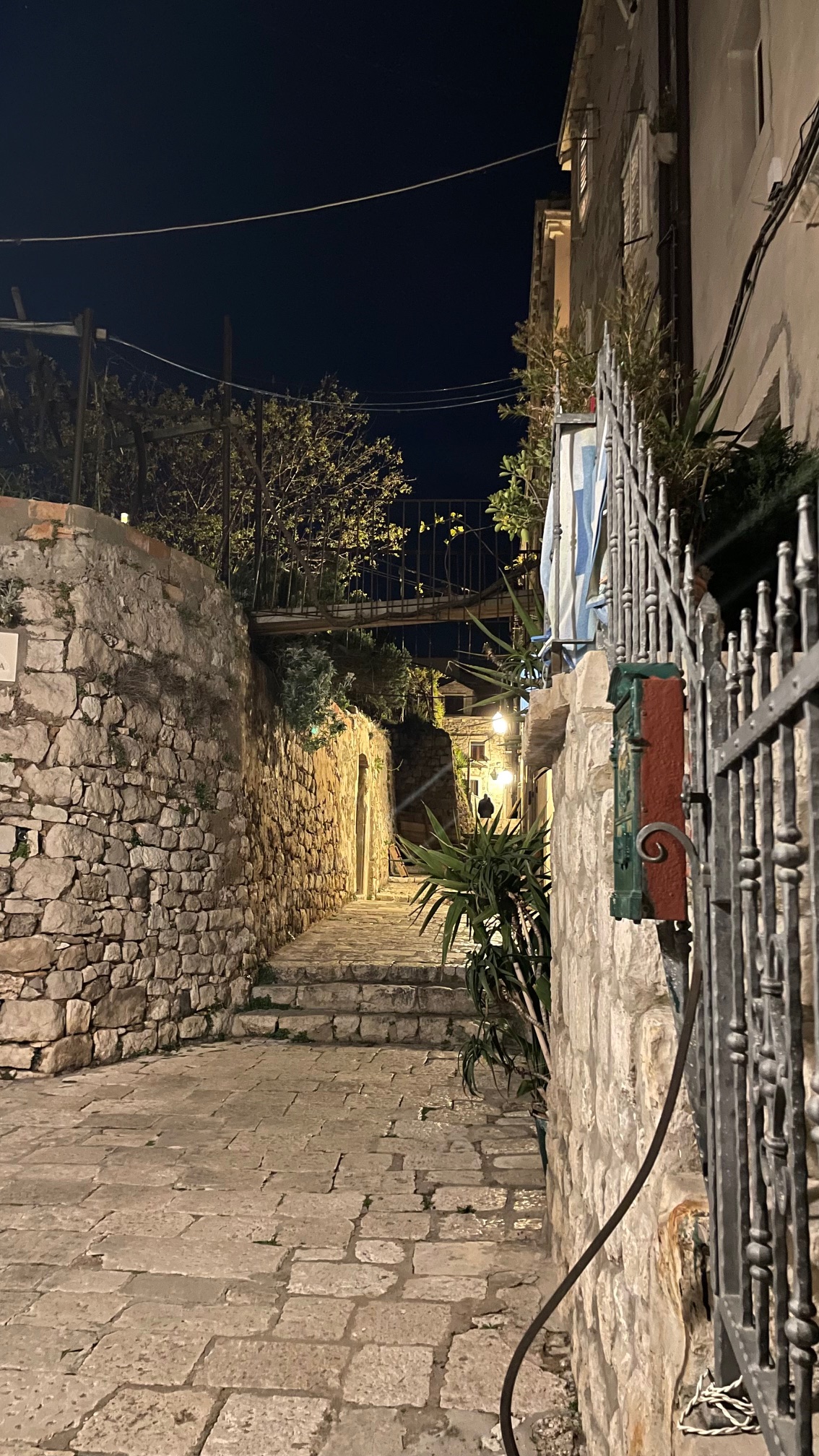
Dubrovnik At Night

Dubrovnik At Night

Camera: iPhone 12

Location: Dubrovnik, Croatia

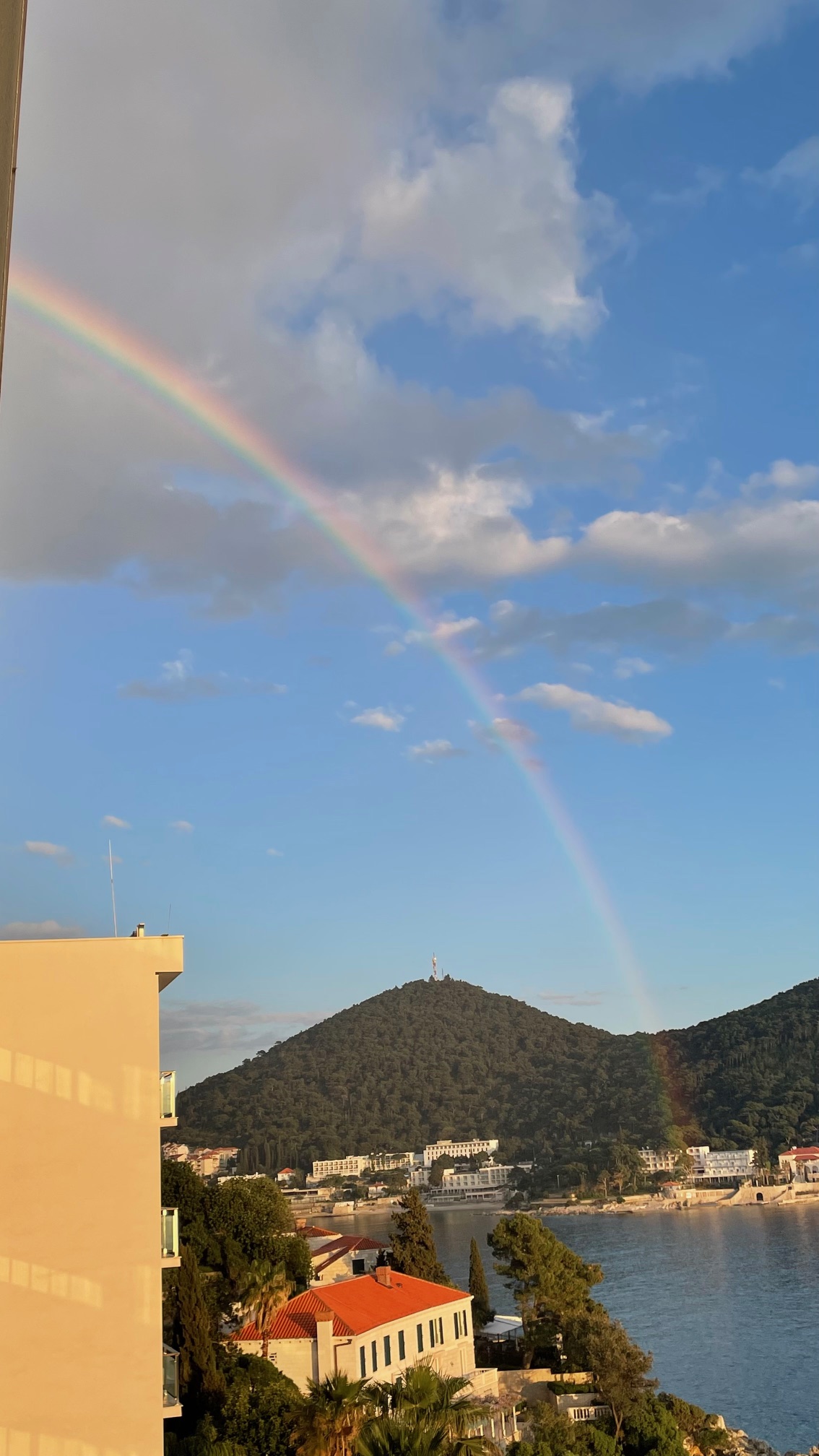
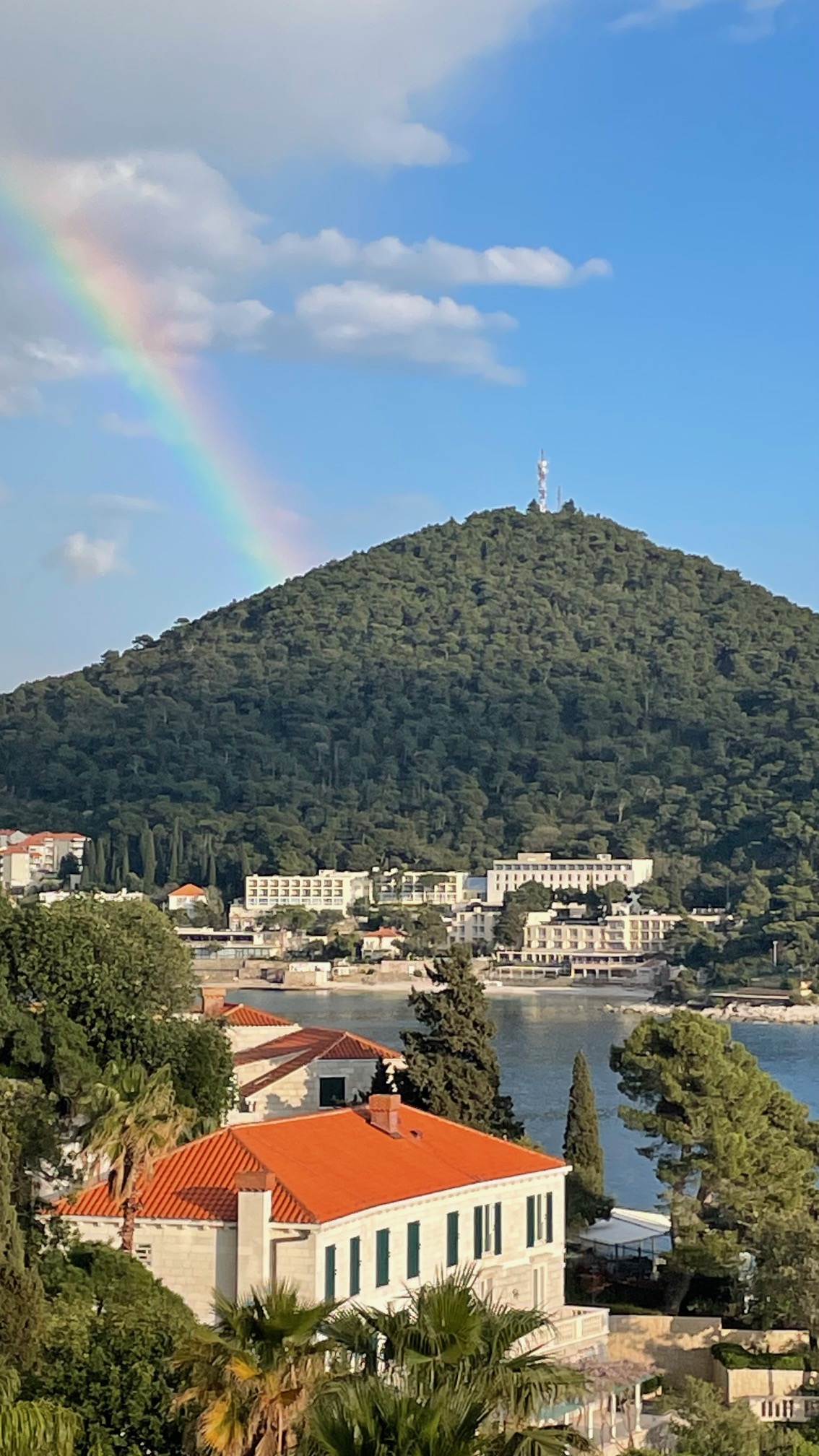
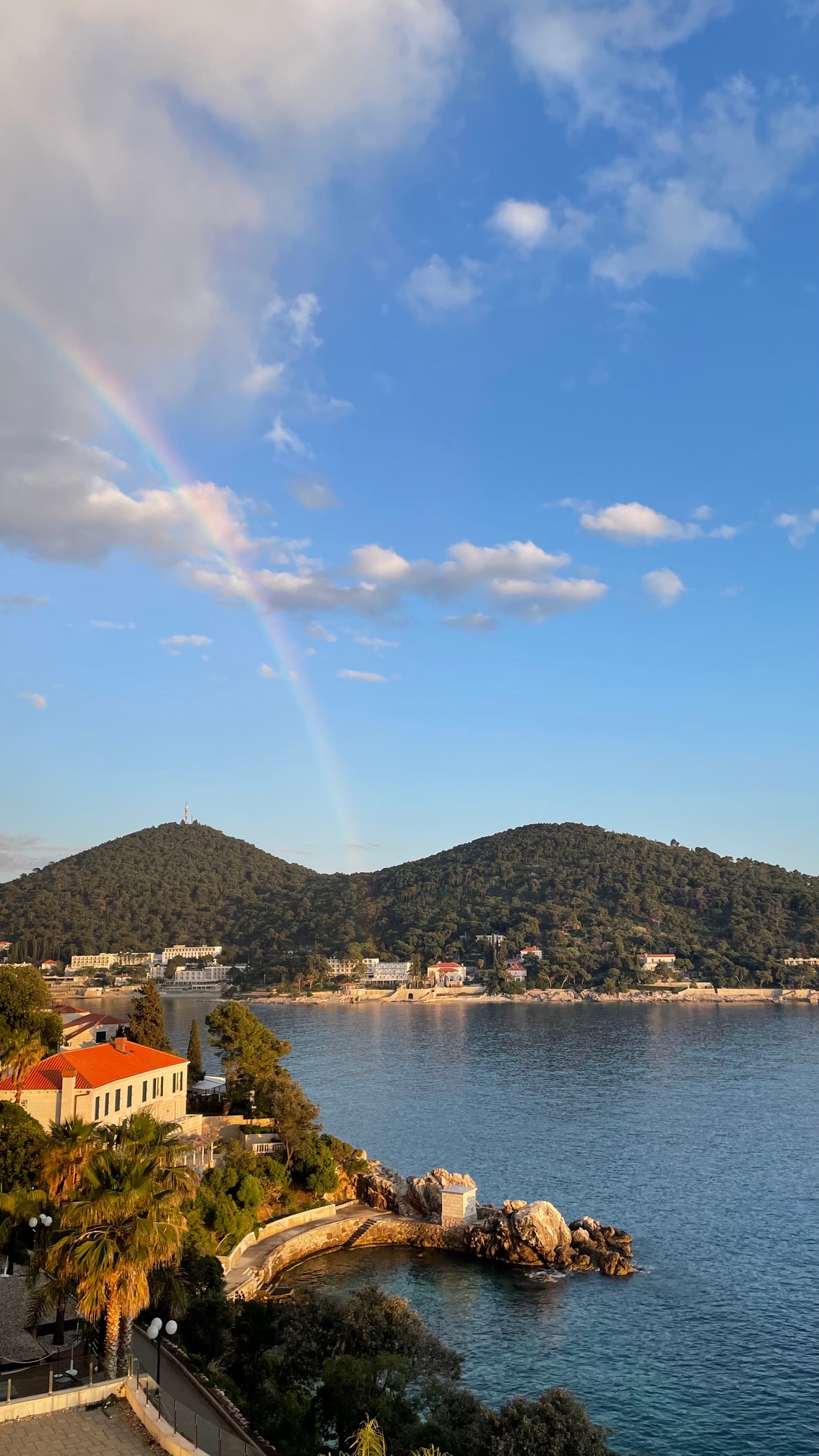
Adriatic Rainbow

Rainbow over the Adriatic Sea

Camera: iPhone 12

Location: Dubrovnik, Croatia