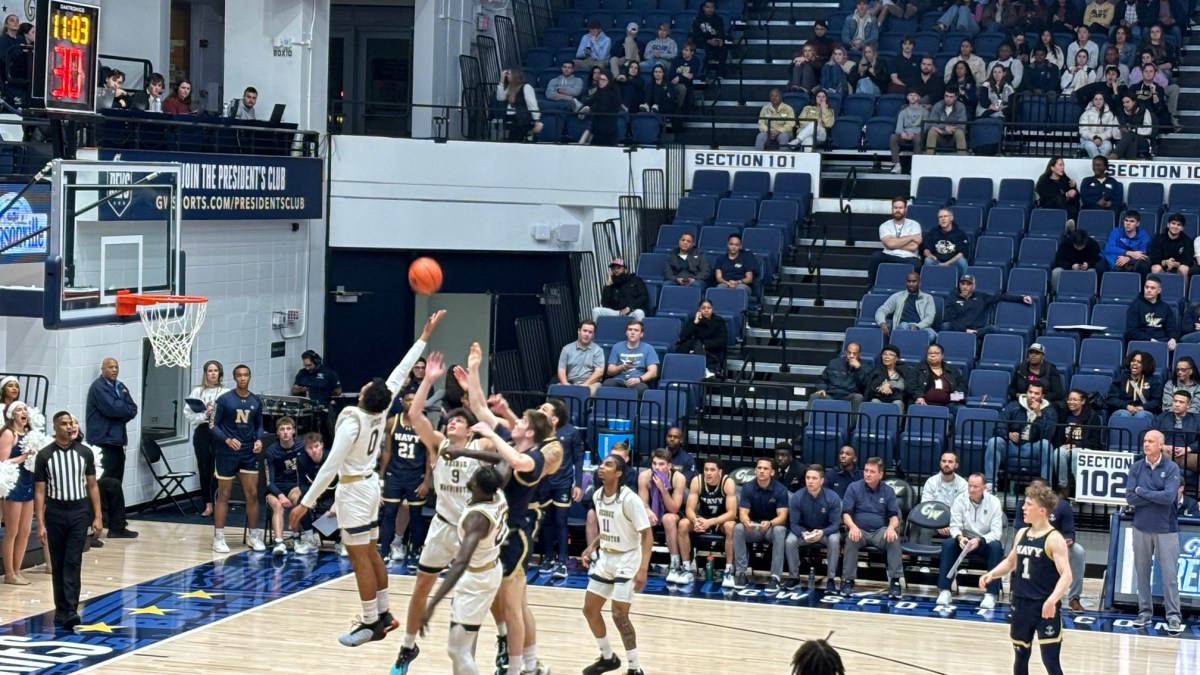
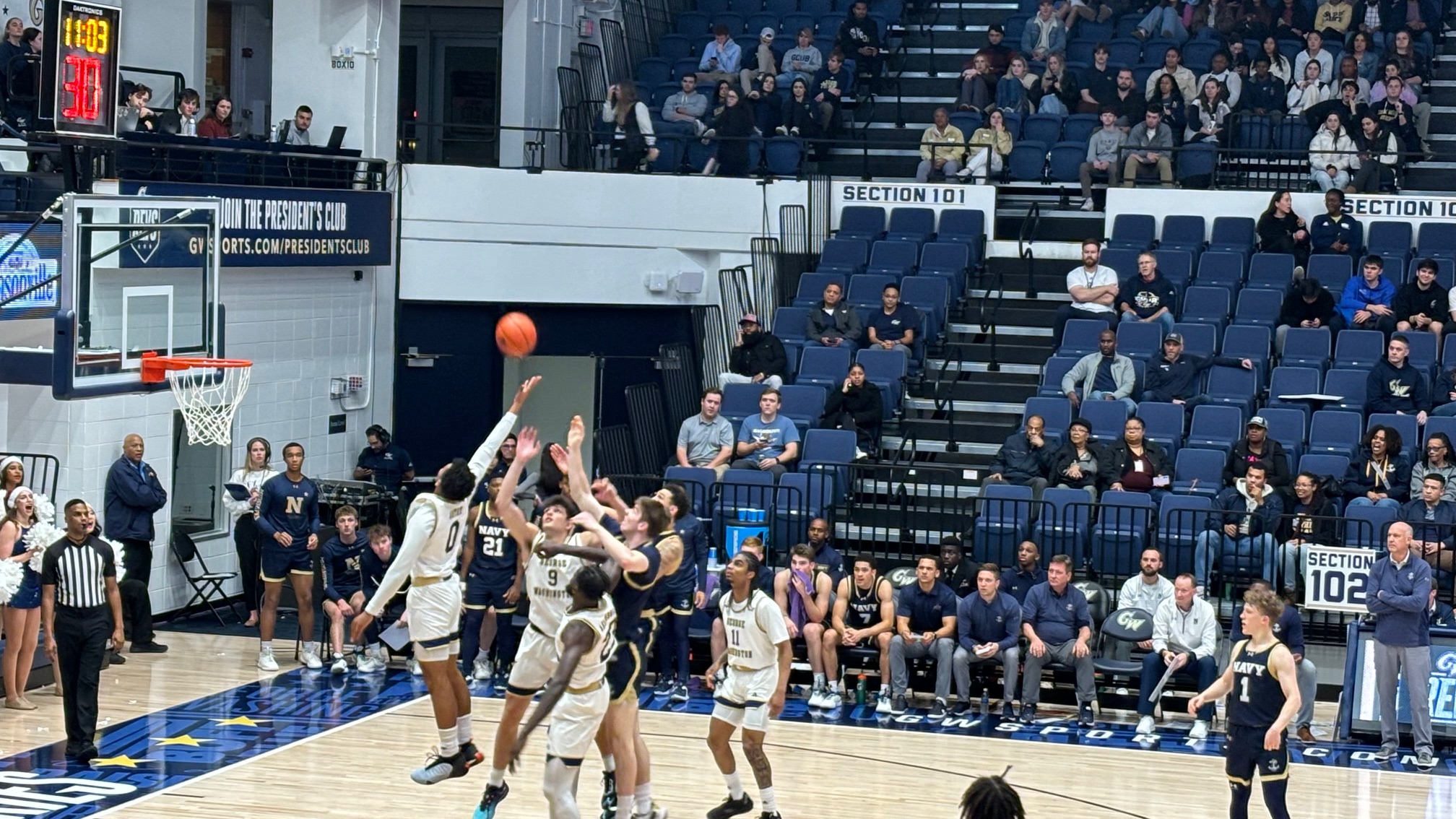

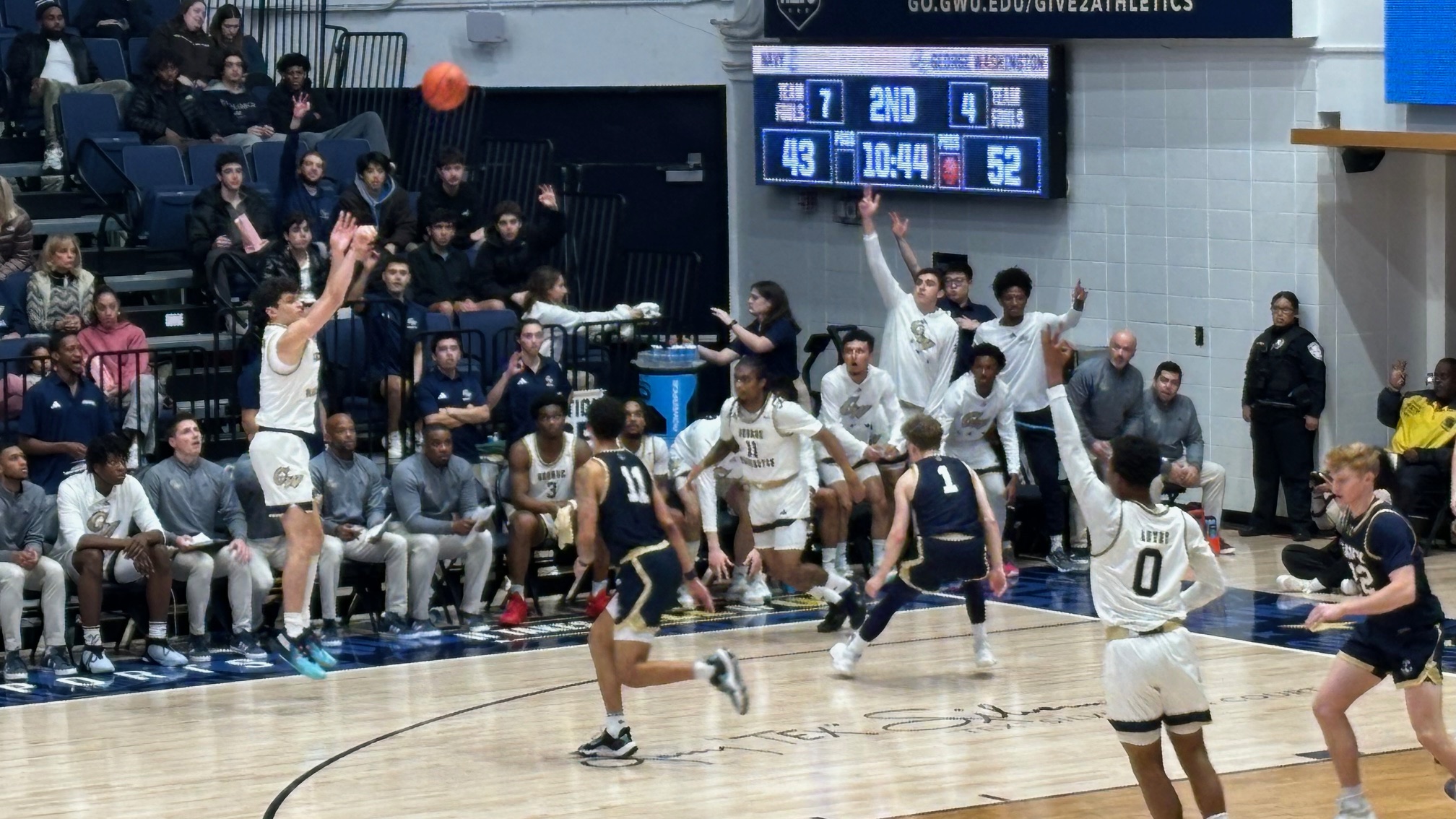

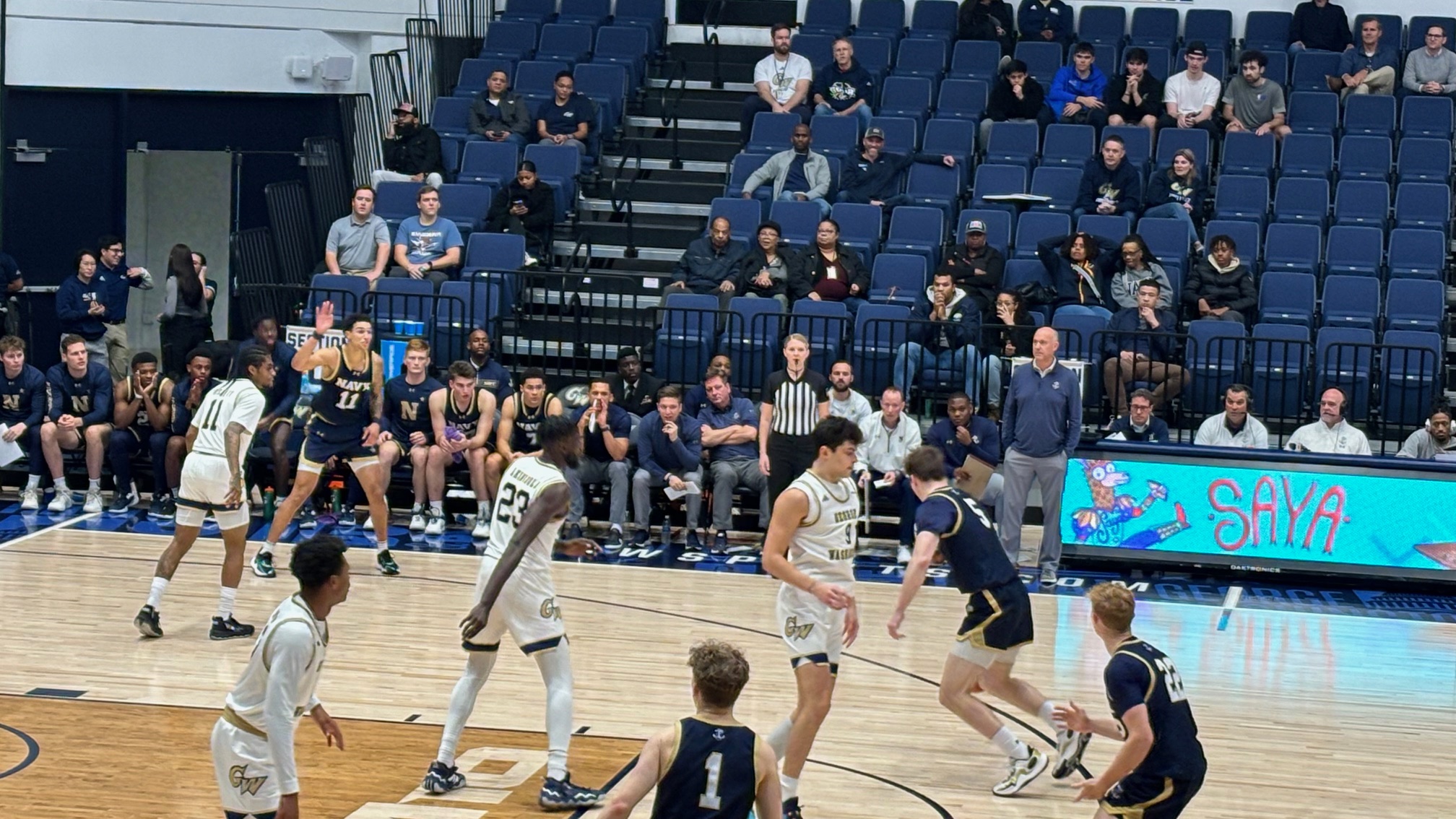
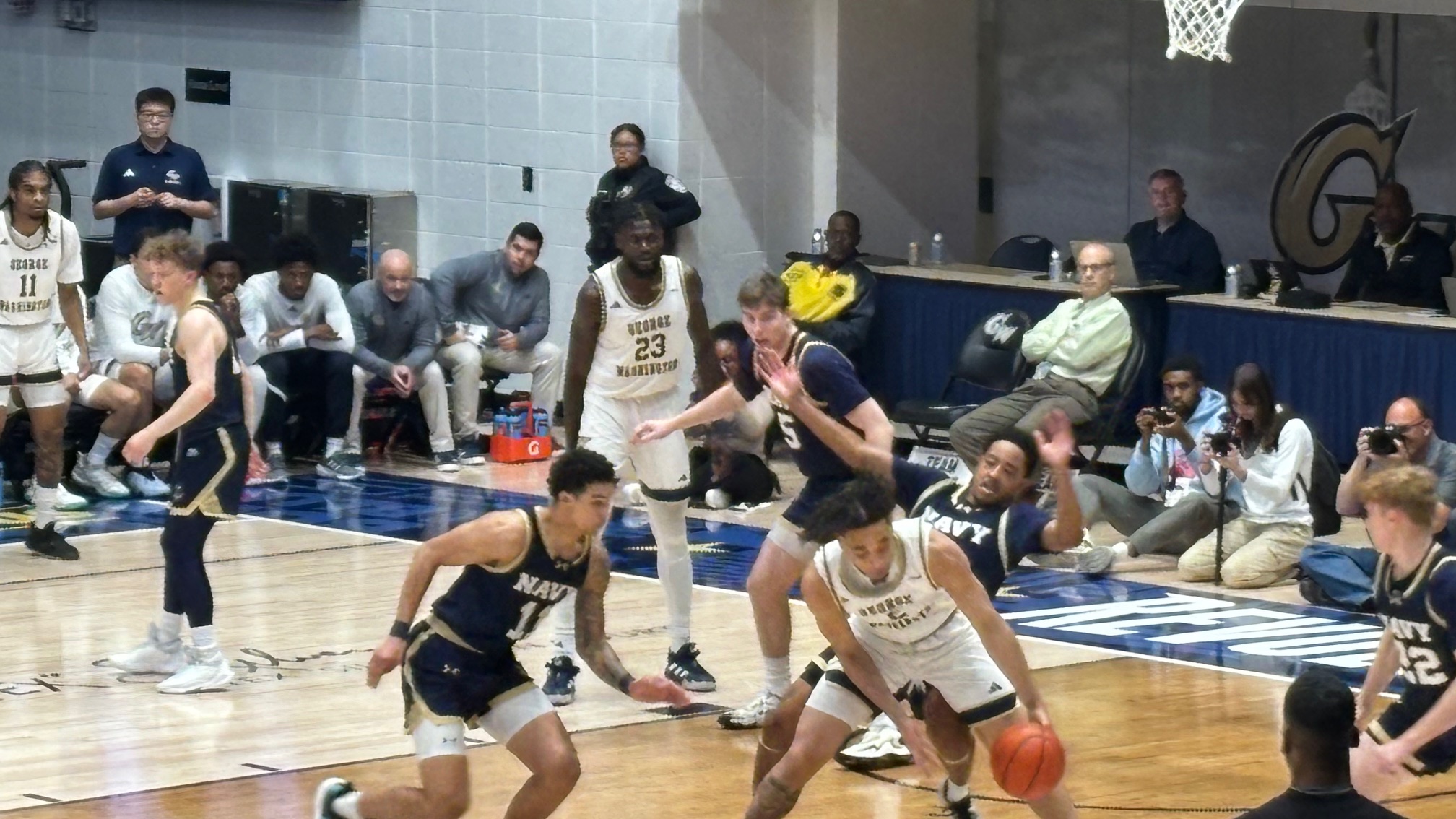

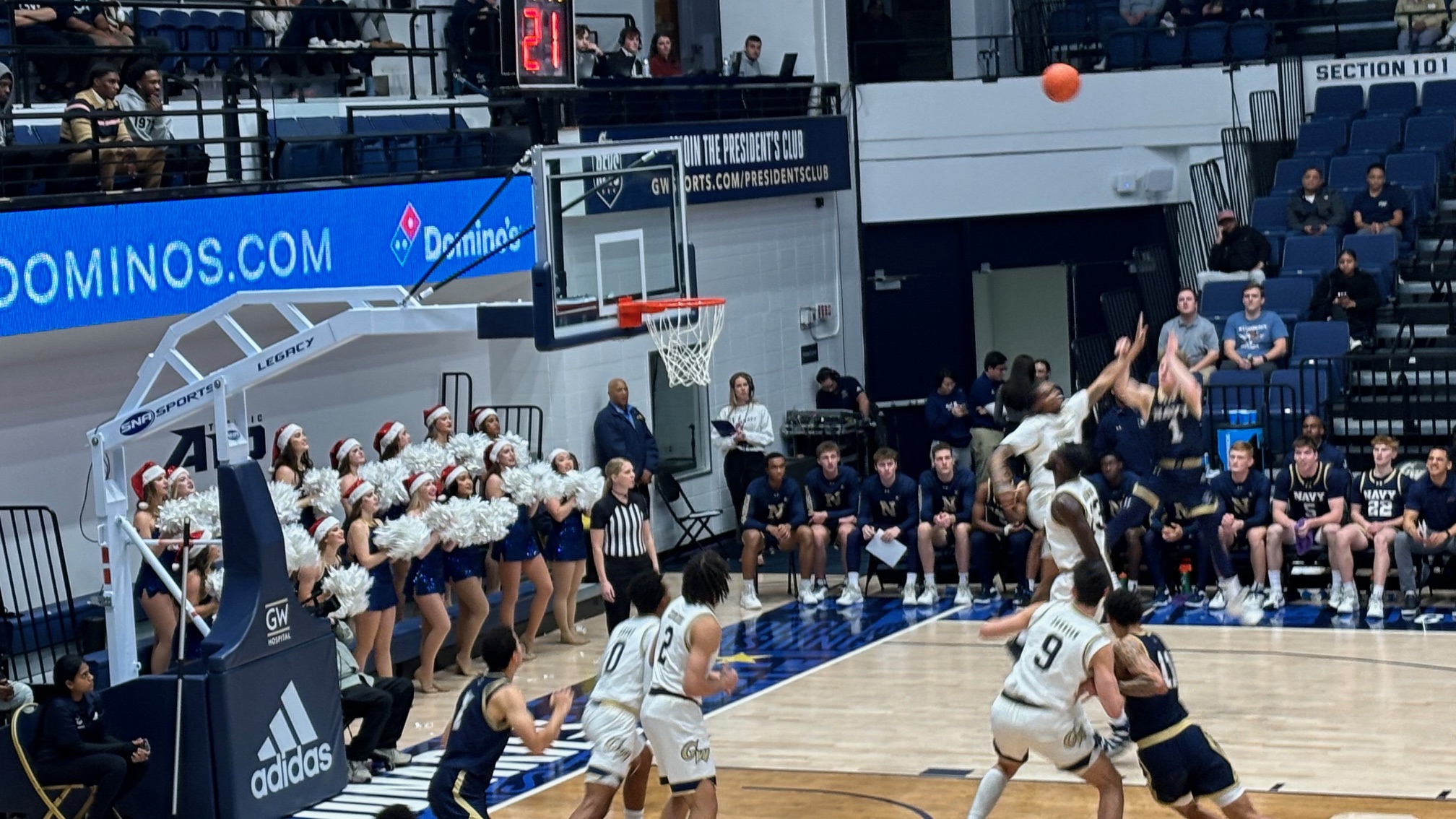
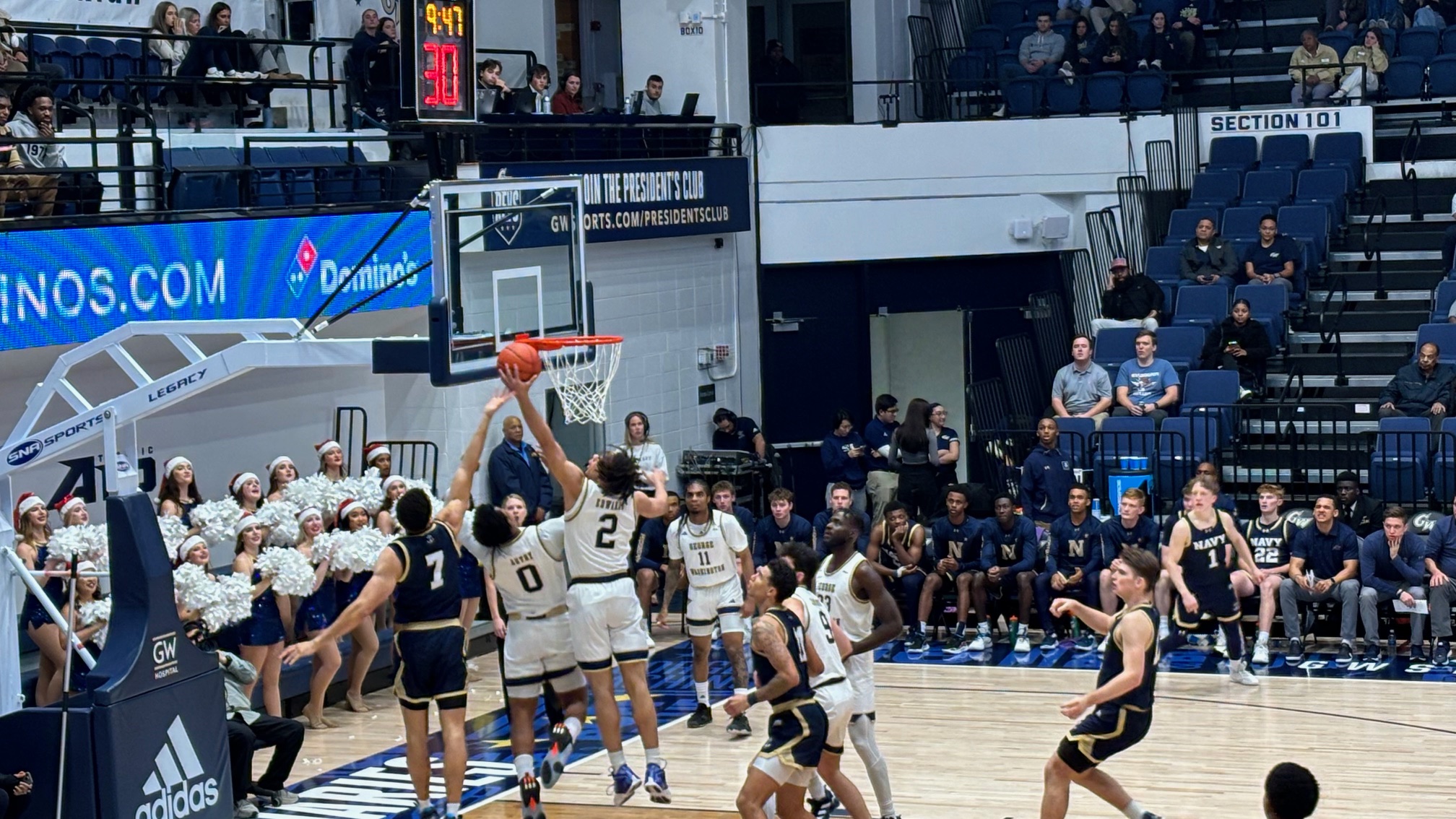
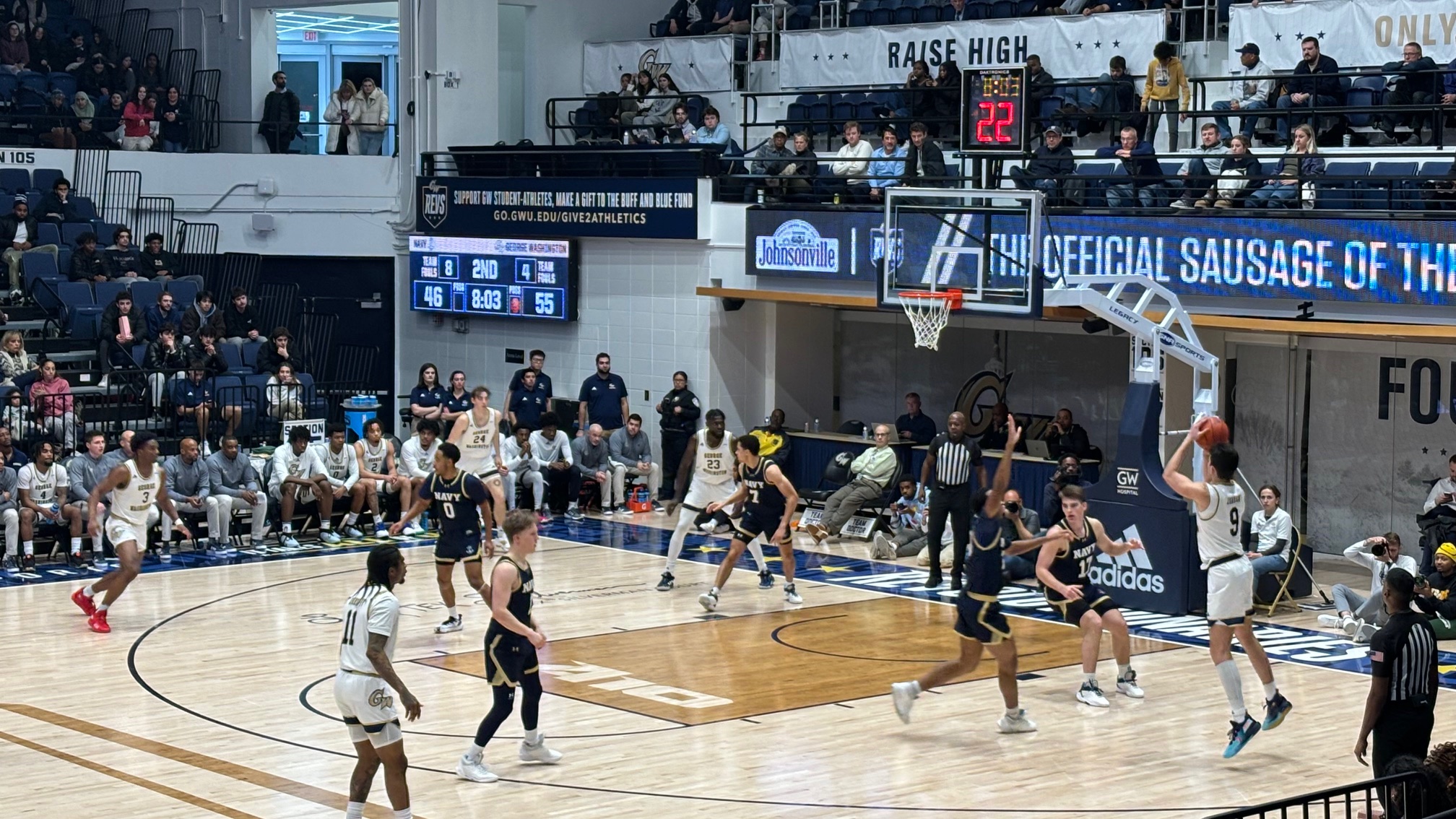
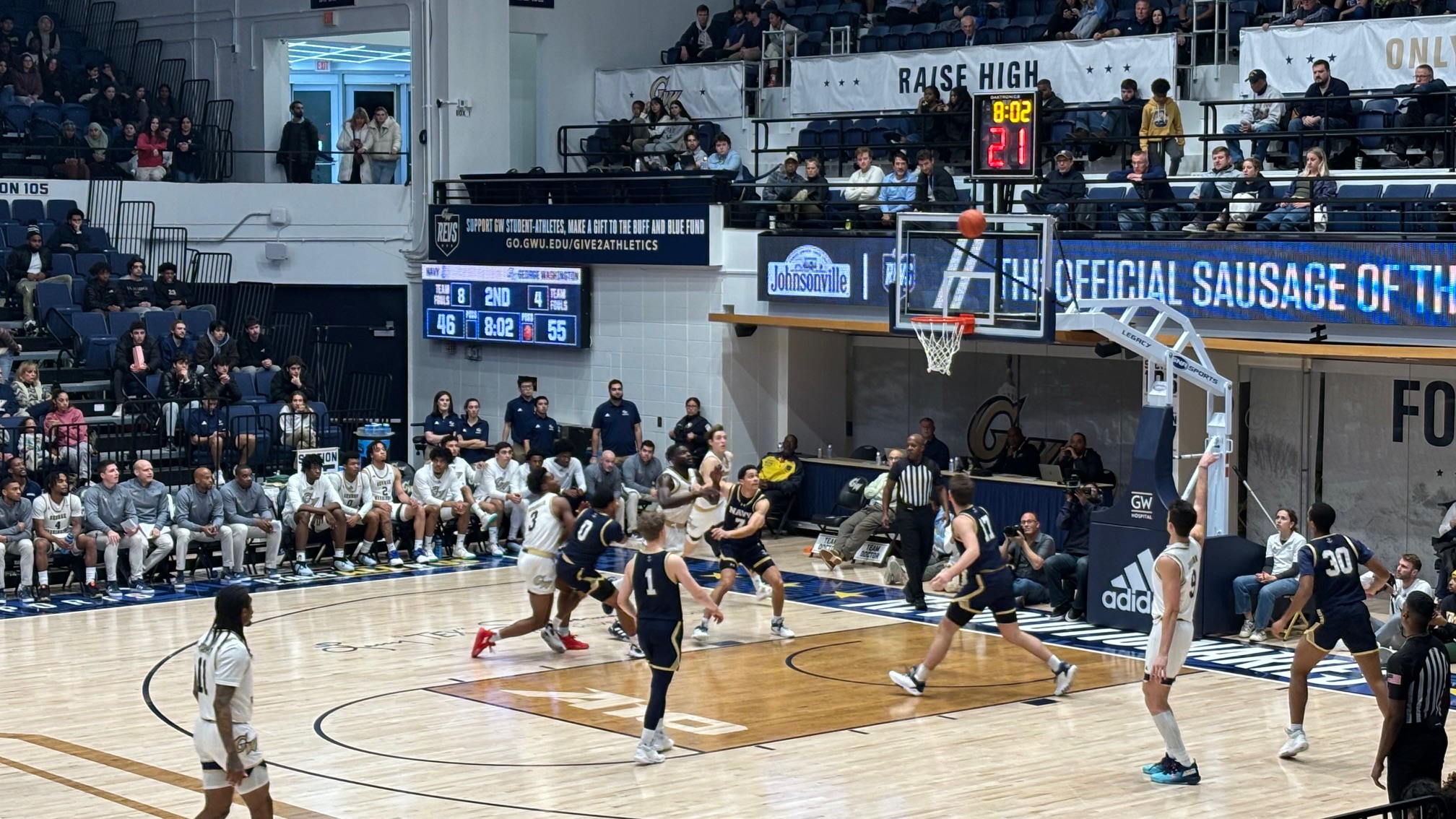
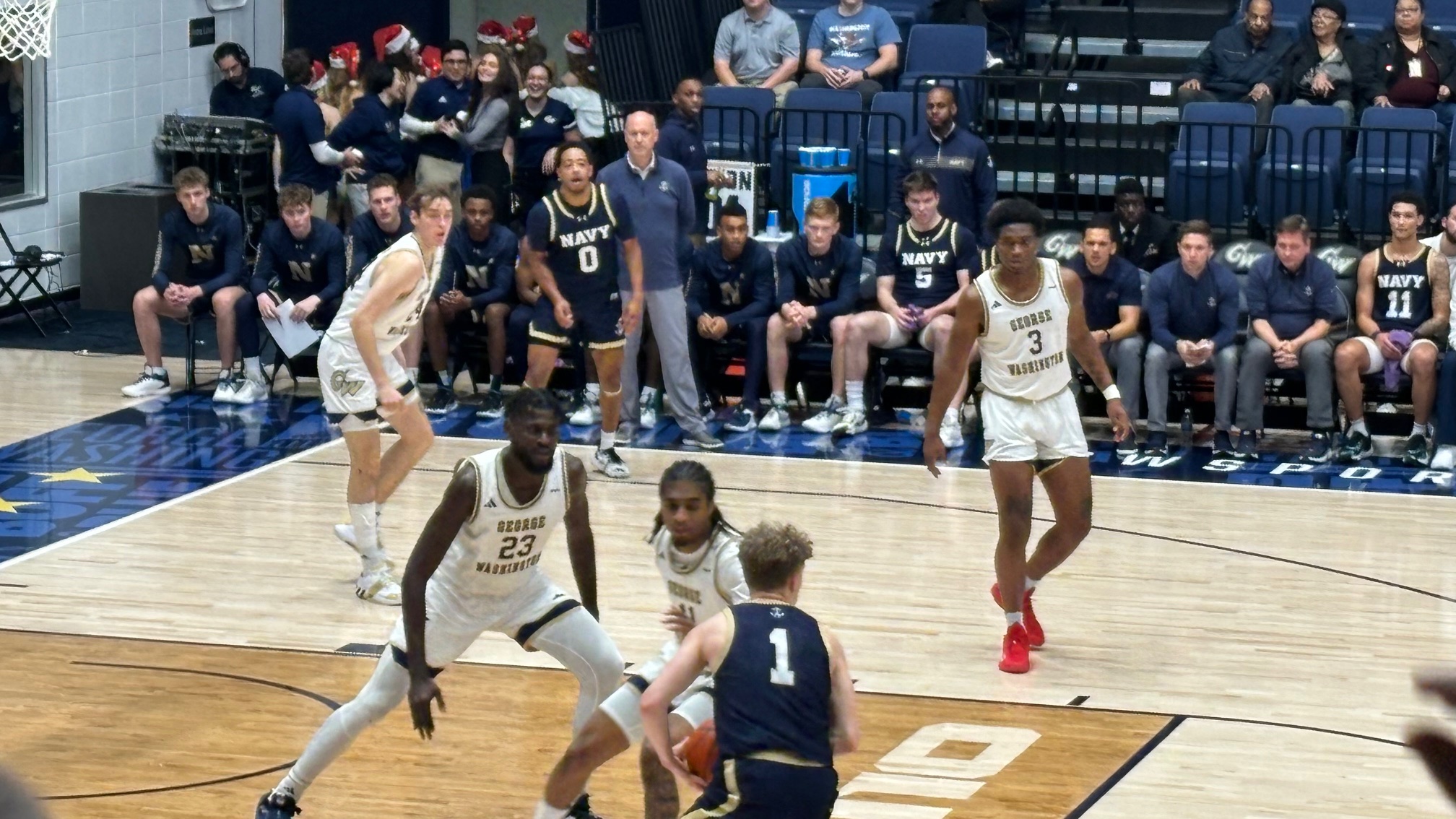

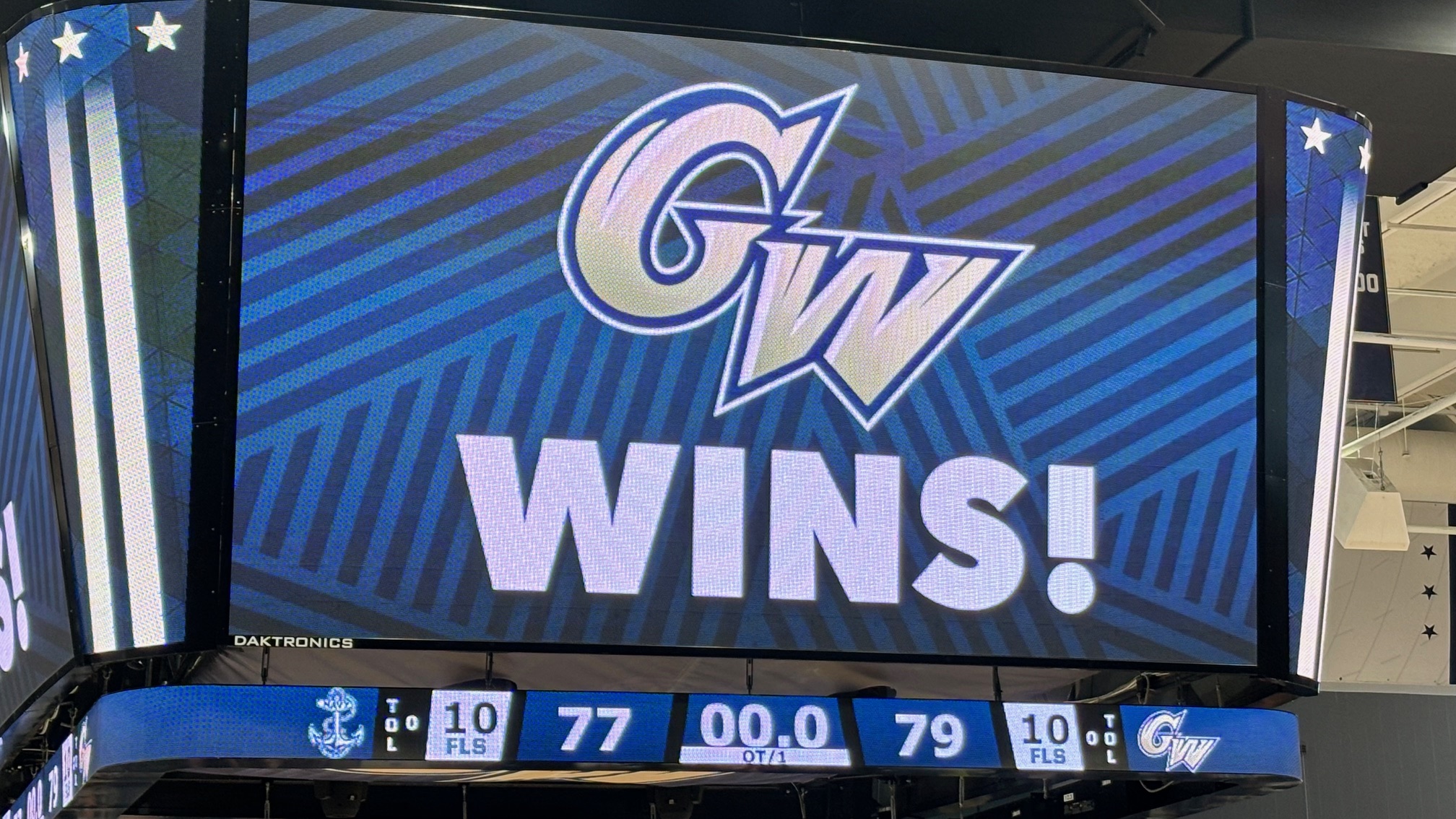
Camera: iPhone 12
Location: Charles E. Smith Center; Washington, District of Columbia, United States

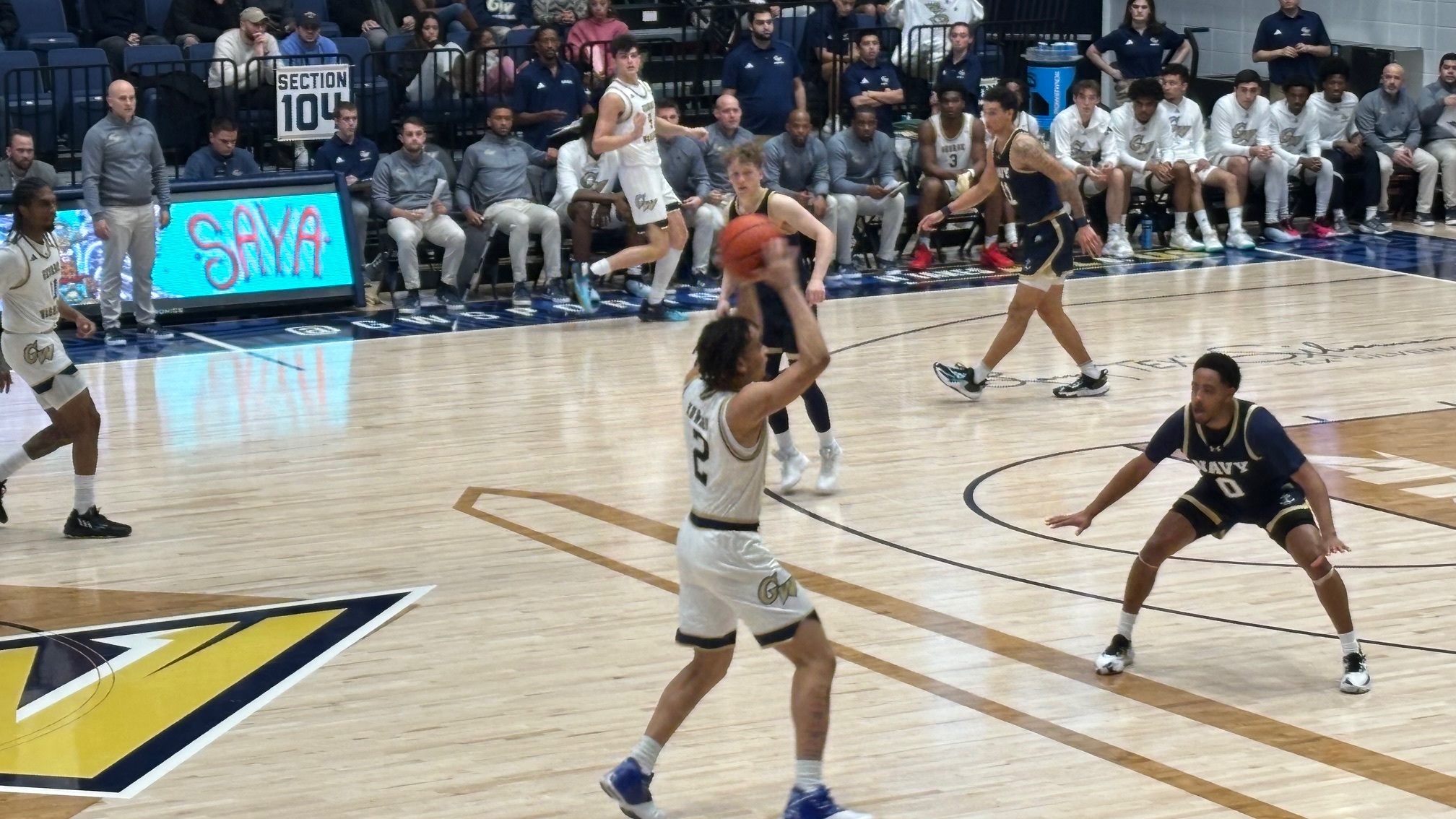
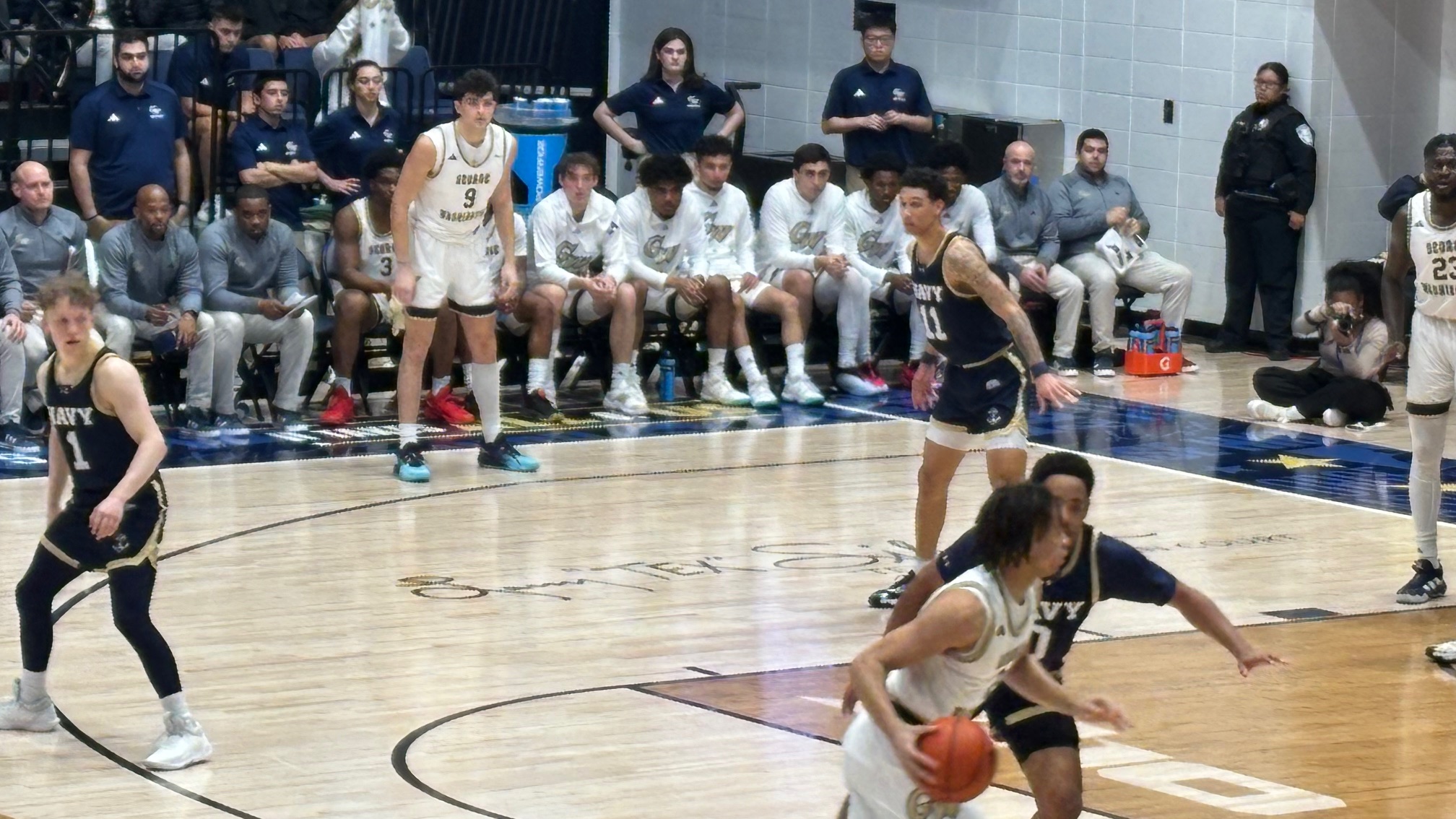
Watching a George Washington University Revolutionaries Basketball Game at the Charles E. Smith Center.
Camera: iPhone 12
Location: Charles E. Smith Center; Washington, District of Columbia, United States
“Sadly, that is no longer the case even though some people seem to be blind to this change in our expectations of people’s professional qualifications.”
As you go through your professional and career pursuits, you realize more and more each year the need to continually invest in your skills. It used to be whereas a high school and more recently a college degree would set you on a path for sustained success whatever field you would enter. Sadly, that is no longer the case even though some people seem to be blind to this change in our expectations of people’s professional qualifications.
More than ever, ‘skills pay the bills’ so even though you may be formally educated, it is simply not enough to compete 5-10-20 years down the line. Technology and the world of work continues to rapidly change, whether you wear a blue collar or a white collar, many types of work nowadays ask you to stay up to date with the latest trends, innovations, and developments including new skills you’ll need to succeed.
This is not advice you are likely to hear as much if you’re a young person reading this article or just having been fresh out of college. You must continually be learning as much as you can and as related to your career interests long-term. Unfortunately, I don’t think our traditional education system from K-12 or at the university level have realized this as much yet to provide skills in the trades or in different areas like STEM, project management, cybersecurity, artificial intelligence, cloud computing, etc.
Hopefully, your employer or your university can provide those skills to you as part of your employment or as part of your time as a student but that is not always the case for us. In our working life, you will often have to take the initiative in learning new skills or building upon your current skillsets to pay the bills especially as you get older and move up the career ladder.
They may even pay for training or for your exam and/or course, but if that’s not in the cards, I do recommend seeking out those skillsets on your own that are marketable to add to your repertoire. It may be financially unaffordable or difficult, but I do recommend at least taking a few low-cost courses or no-cost videos to at least learn on your own. We still live in a day and age with seemingly unlimited access to information, whether online, or in your public library to learn new skills. Learning new skills and being certified or credentialed is worth the financial investment as well if you can save up money for it or at least work your way towards accreditation.
It does not hurt to show initiative to ask directly of your boss or other employees about ways to learn from them or see if you can shadow them to learn a new skill. You can also politely let them know the benefits that you could bring to your workplace from them having invested in your new skillsets over time. It may not take much to convince them, and you would be surprised how your argument could change their mind(s) when they realize the benefits to the company or the organization.
Still, if that does not happen, always, always invest in yourself. Jobs may change, bosses will change, but the skills you learn could last for the life of your career. Try out different skills here and there to see how much you want to invest in it financially and time wise. It can take a while to find out which skill(s) you would like to use for a living. I ask that you keep trying out different skills, learn new ones, and do it for yourself first. It is helpful in keeping yourself mentally sharp too because we can tend to stagnate after our formal education is over whether it was high school, college, or even after an advanced degree.
It is great to test ourselves not only in our teens in 20s, but in our 30s, 40s, 50s, and even beyond that. The current job market is not easy as I can tell so you need to keep investing in your skillsets to stand out amongst stiff competition regardless of what career field, you’re in. Please do not let yourself stagnate and rest on your laurels forever. I do agree it is good to take a break from learning here and there to give yourself time to think about what you want to learn.
However, you won’t be as competitive in your career pursuits if you aren’t improving your skills or learning new ones. The economy is so dynamic and changing rapidly due to advancements in different technologies that you constantly need to adapt to keep up with the job market. I barely mentioned the future of work, but I can say for sure that the future of work will go well for those of us who work hard, stay flexible, learn new skills with or without the support of our employers, and for whom of us have an open mind and a thirst for knowledge that cannot ever be quenched. Keep investing in yourself because as the saying goes, “skills pay the bills.”

There has been no other time in human history than in today’s era where the average person with access to the Internet can seemingly have unlimited amounts of information available to him or her. When you truly think about the magnitude of it, untold amounts of data are being created every day. According to IBM, “The current estimate is 2.5 quintillion bytes of data per day and over 90% of the data in the world today has been created in the past two years alone.”
A common response nowadays from both family and friends when I ask a question to them about a random query is not a straight-forward answer but rather an off-handed suggestion to “Google it.” Living in this era of ‘Big Data’ can be quite overwhelming to the average person but one could also look into it as an opportunity to gain knowledge and further ones’ understanding on a limitless amount of subjects with the simple click of a mouse. The Internet is an amalgamation of thousands of libraries of Alexandria at the beck and call of one’s fingertips.
Compared to past ages when information and knowledge was more exclusive and harder to come by, today’s era allows everyone with an Internet connection to search and find information to their heart’s content. Instead of going to a library to find what you need on a subject, websites like Google, Wikipedia, and other online encyclopedias have largely replaced the main role of the physical library. I remember when I was younger and in my high school days having to seek out certain books in order to write a research paper or complete a book report.
However, now more than ever, you can easily find the sources of information you need online in order to facilitate your research and evidence. While I love libraries and hope that they never go out of style, the reality is that online encyclopedias and eBooks are largely replacing their original purpose. In order for libraries to stay relevant, they need to start incorporating computers, free Wi-Fi, and technical classes in order to remain useful.
From the 18th to the 20th centuries, universities and colleges across America were the standard bearers and purveyors of higher education. Originally for the elite, wealthy, and well connected, those students who were able to get accepted and afford undergraduate and graduate studies believed that they would have an advantage in the job market and in achieving the American Dream. More recently, as colleges and universities have become more inclusive than exclusive, tuition prices have inversely risen as well.
While higher education has become accessible to more and more young Americans, it also has become more expensive especially over the past decade. These events have led to an ongoing debate as to whether college is really worth the price tag and whether the average student gains anything from earning a four-year degree. With student loan debt at an all-time high of $1.3 trillion in 2015 in the United States and tuition rates at both public and private universities continuing to rise, people are beginning to look for alternatives to the current higher education system.
Over the past decade, there has been a drastic proliferation of massive open online courses (MOOCs) provided by both private companies and traditional universities. At a much lower price and sometimes free, people from all over the world can sign-up for these courses and partake in lectures, tests, quizzes, and papers as if they were actual enrolled undergraduate and graduate students at the physical form of the university. As the credentials and certifications bestowed upon these courses continue to increase and become more widely accepted, we may begin to see ‘the end of college’ as we know it.
Examples like Khan Academy, edX, Coursera, Udacity, etc. and other MOOCs have leveled the playing field. Tech entrepreneurs from Silicon Valley have allowed students from all over the world to access unlimited online courses to further their academic knowledge at a lower price. With the subsequent rise in online university programs for undergraduates and graduates, the physical college experience of dormitories, lecture halls, football stadiums, etc. may become less appealing to students as tuition prices continue to increase. While the social and networking benefits of college life are numerous, they may not be enough to compete with this era of free information that we are living in.
Compared to past decades, we’re living in a time when access to the Internet is at an all-time high and is increasingly rapidly due to the rise of mobile technology. Traditional havens of knowledge such as the library or the public university will have to adapt to stay relevant in this unlimited information age. In a worldwide job market that is evolving rapidly and where the average child today will work in an industry not yet created, the free exchange of knowledge must continue to spread through the worldwide web.
Countless others and I have benefited from taking online coding courses on ‘Codeacademy’ to learning new languages on ‘Duolingo.’ As MOOCs and online universities continue to develop their courses and credentials, we may begin to see an era where the average person can earn a degree or two without breaking the bank. MOOCs are cheaper, less time intensive, and can adapt more easily to the rapidly changing employment market.
A well-educated population is now more possible now than ever with the wealth of knowledge and information that is available. That fact is evident but it also is up to the individual to be willing to search for that information and actually apply it. Instead of getting frustrated with people asking me to ‘Google’ the answer, I find that it’s worth the hassle because it’s often true that I will find the answers I’m looking for and in greater detail than if I were to ask a friend or family member for a quick description. That’s the power of the Internet. That’s the wealth of knowledge that we are able to take advantage of.
Sources
Sites Mentioned