Guatemala is a land of vibrant colors, where every shade seems to tell a story. The country’s deep appreciation for color is reflected not just in the clothing and jewelry its people wear but also in the landscapes, architecture, and cultural traditions that define it. From the intricately woven textiles of the Mayan people to the pastel-hued colonial facades of Antigua, Guatemala’s beauty is a feast for the eyes. Whether through its breathtaking nature, rich history, or enduring traditions, color is woven into the very fabric of daily life.
Nowhere is Guatemala’s love for color more evident than in its exquisite, handwoven textiles. Crafted primarily by Mayan women, these intricate pieces are a testament to patience, skill, and artistic expression. Some pieces take days, weeks, or even months to complete, each stitch infused with care and tradition. One of the most striking examples is the huipil, the traditional blouse worn with pride by many Guatemalan women. These garments are vibrant, highly detailed, and often feature complex patterns unique to different regions and communities.
Textiles remain a vital industry in Guatemala, just as they have been for centuries. Some of the best-known weaving towns include Chichicastenango, San Antonio Aguas Calientes, and Sololá, each producing distinctive patterns with deep cultural significance. Every color and motif have a meaning, and every artisan has a story to tell about the inspiration behind their designs.
Beyond textiles, Guatemala’s markets are an explosion of color and sensory delight. Stalls overflow with handmade pottery, carved wooden masks, beaded jewelry, and an array of fresh tropical produce in every imaginable shade. Walking through the bustling markets near Lake Atitlán, I was struck by the sheer variety of handcrafted goods, each piece reflecting a mix of indigenous Mayan and Spanish influences. The pride artisans take in their work is unmistakable, and the markets offer a chance not just to buy something beautiful but to connect with the people behind the craftsmanship.
The colorful beauty of Guatemala extends beyond textiles and markets to its historic cities, particularly Antigua. This colonial gem is a showcase of pastel-colored buildings that have stood for centuries, ranging from soft blues and warm yellows to rich pinks and deep reds. The cobblestone streets, designed for horse-drawn carriages rather than cars, add to the old-world charm, while churches, monasteries, and convents stand as remnants of a bygone era.
One of the most iconic sights in Antigua is the Santa Catalina Arch, its bold yellow hue standing in striking contrast against the deep greens and grays of the surrounding mountains. Whether wandering through hidden courtyards or admiring the fading frescoes of ancient ruins, it’s impossible not to be enchanted by the layers of color and history in this well-preserved city.
Guatemala’s natural beauty is just as vibrant as its culture. Towering volcanoes covered in lush greenery contrast with the turquoise waters of Lake Atitlán, creating a breathtaking mosaic of colors. In the heart of the country, Semuc Champey’s cascading pools shimmer in shades of blue and emerald, while the deep green of the Tikal rainforest hides ancient Mayan ruins beneath its dense canopy. Even Guatemala’s volcanic past contributes to its visual diversity, with dark gray and black lava fields standing as reminders of the earth’s raw power.
Adding to the country’s natural splendor are its abundant flowers, which seem to bloom everywhere thanks to Guatemala’s spring-like climate. Whether at sunrise or sunset, when the sky is painted in warm oranges, purples, and pinks, the country’s landscapes come together like a living masterpiece.
Guatemala’s love for color is also expressed through its festivals and public art. While I didn’t get to experience Semana Santa, the country’s most famous religious festival, I’ve learned about the breathtaking alfombras—intricate carpets made of dyed sawdust, flowers, and other materials, laid out in the streets as part of the celebrations.
Another spectacular event is the Giant Kite Festival in Sumpango, held on Día de los Muertos (Day of the Dead). During this tradition, enormous hand-painted kites, some reaching up to 60 feet in diameter, are flown as a tribute to ancestors. The designs are intricate and colorful, showcasing a blend of artistic skill and spiritual meaning.
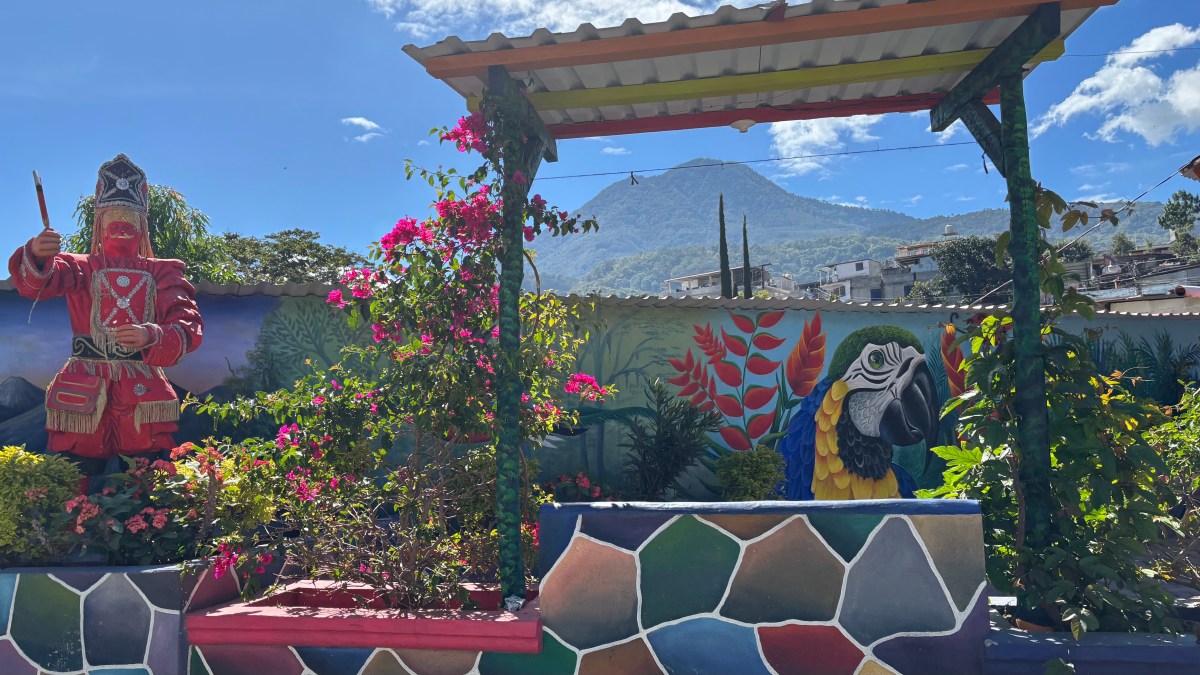
Street art is another way color finds its way into Guatemala’s cultural fabric. Throughout Guatemala City and smaller towns, murals and graffiti depict everything from indigenous folklore to contemporary social issues, adding even more vibrancy to the urban landscape.
Guatemala’s color palette isn’t limited to what you see—it extends to its cuisine as well. The country’s traditional dishes are as visually striking as they are flavorful. Pepián, a deep red stew made with chicken or beef, and jocón, a green chicken stew flavored with tomatillos and cilantro, are just two examples of dishes that showcase the country’s bold use of color.
Tortillas, a staple of Guatemalan cuisine, come in shades of yellow, red, and even blue, depending on the type of corn used. Plates are often filled with black beans, golden plantains, white rice, and vibrant fruits like pitaya (dragon fruit), jocote, rambutan, and bananas. Before taking a bite, it’s tempting to just sit back and admire the array of colors on the plate, each meal is a work of art.
I could write endlessly about each of these colorful aspects of Guatemala, but what ties them all together is how deeply color is embedded in the country’s identity. The vibrant landscapes, clothing, and celebrations reflect the warmth and spirit of the Guatemalan people. If you love having your senses awakened and crave a destination that will captivate your eyes as much as your soul, Guatemala is a place you need to experience firsthand. Let the colors of this incredible country leave their mark on you, just as they have on me.