














Camera: iPhone 12
Location: Fort Sumter; Charleston, South Carolina

Camera: iPhone 12
Location: Fort Sumter; Charleston, South Carolina
“During these inevitable down days that we all go through, when challenges seem insurmountable, and the losses keep piling up, it is essential to cultivate your internal mental strength to navigate through the storm.”
Life inevitably has its various peaks and valleys, days filled with various successes and other days where nothing goes your way. During these inevitable down days that we all go through, when challenges seem insurmountable, and the losses keep piling up, it is essential to cultivate your internal mental strength to navigate through the storm. Being mentally strong doesn’t mean avoiding any hardship and making sure no problems ever find you; rather, it involves developing the resilience and coping mechanisms necessary to face your adversity head-on.
Everybody has down days in their life, and it is better for you to acknowledge and accept the down days, face them rather than run from them, understand the factors contributing to building up your mental strength, and adopting the practical strategies to emerge stronger and better on the other side.
As the popular English saying goes, “when it rains, it pours.” I’ve found that things tend to go wrong in bunches similarly to how when things go well, they tend to go well all at once. You must be able to brace yourself for these tough times and to look for the positives where you can during the down days. The first step towards bolstering your mental strength during challenging times is acknowledging and accepting the existence of down days.
Denying or suppressing negative emotions can exacerbate the situation, leading to prolonged stress and anxiety for every challenge that comes your way. You should not shy away from the reality of difficult moments as it will allow for a healthier processing of your emotions. It is essential to recognize that everyone faces hardships in life, and experiencing these lows is an integral part of what makes us human.
In addition, acknowledging the down days in life doesn’t equate to having a weakness. On the contrary, it is a testament to having both emotional intelligence and self-awareness. By accepting the presence of challenges that you are facing, you can better understand your emotional state and take proactive steps towards building up resilience.
Mental strength is not a fixed trait but a skill that can be developed through intentional efforts and experiences. Understanding the components of mental strength is crucial for cultivating resilience during tough times. If you can manage your emotions, have a positive mindset despite your circumstances, and still build healthy habits, you will be able to meet the down days head on instead of letting them consume you.
Effective emotional management is a cornerstone of one’s mental strength. It involves acknowledging and expressing emotions in a healthy manner. Suppressing your emotions can lead to a buildup of stress, anxiety, and other negative feelings. When things are going wrong, you should work even harder to navigate your emotions, seek healthy outlets such as writing, playing sports, talking to a friend or family member, or engaging in fun activities. Don’t let an argument, a disagreement, a difference of opinion make your down day worse than it needs to be.
Cultivating a positive mindset doesn’t mean denying the existence of your problems but rather in adopting an optimistic perspective to getting through them. This involves reframing those challenges as actual opportunities for growth and learning. Practicing gratitude, focusing on the solutions rather than the problems only, and surrounding yourself with positive influences can all help contribute to the development of a resilient mindset.
Our Mental strength is closely tied to our daily habits. It is key to keeping your routines going that prioritize physical health, such as regular exercise and sufficient sleep, which positively impacts mental well-being especially during down times. Additionally, I believe that incorporating mindfulness practices, such as practicing meditation, yoga, or deep breathing exercises, can help manage your stress, anxiety and enhance your resilience.
While understanding the components of our mental strength is crucial during rough periods of time, you should be thinking of practical strategies for navigating the down days of life. Here are some strategies that can come in handy when you are going through a tough time and may not know where to go for sustained support:
Life’s down days are an inevitable part of being human, but they need not define us. Building mental strength to make it through the down days involves a combination of acknowledging the challenges, understanding the different components of resilience, and implementing practical strategies to navigate adversity and stress. By cultivating a strong support system, setting realistic goals, embracing change, practicing self-compassion, learning from adversity, and seeking professional help when needed, you can develop the mental fortitude necessary to weather life’s storms.
In the journey that is life, it is not the absence of challenges that defines us but our ability to rise above the ones we face. Mental strength is a skill that can be honed, a muscle that grows stronger with intentional dedication, effort, and practice. By embracing the down days and seeing them as possible opportunities for growth and self-discovery, you can emerge from adversity not only intact from having overcome them but also having been strengthened and made more resilient than ever before.
Charleston, SC, USA


Camera: iPhone 12
Location: Charleston, South Carolina, United States
“As you get older, you realize just how valuable time as a commodity is. You tend to start measuring the cost-benefit analysis or the return on investment that you are receiving not just regarding finances and how you spend or invest your money but also on how you spend your time.”
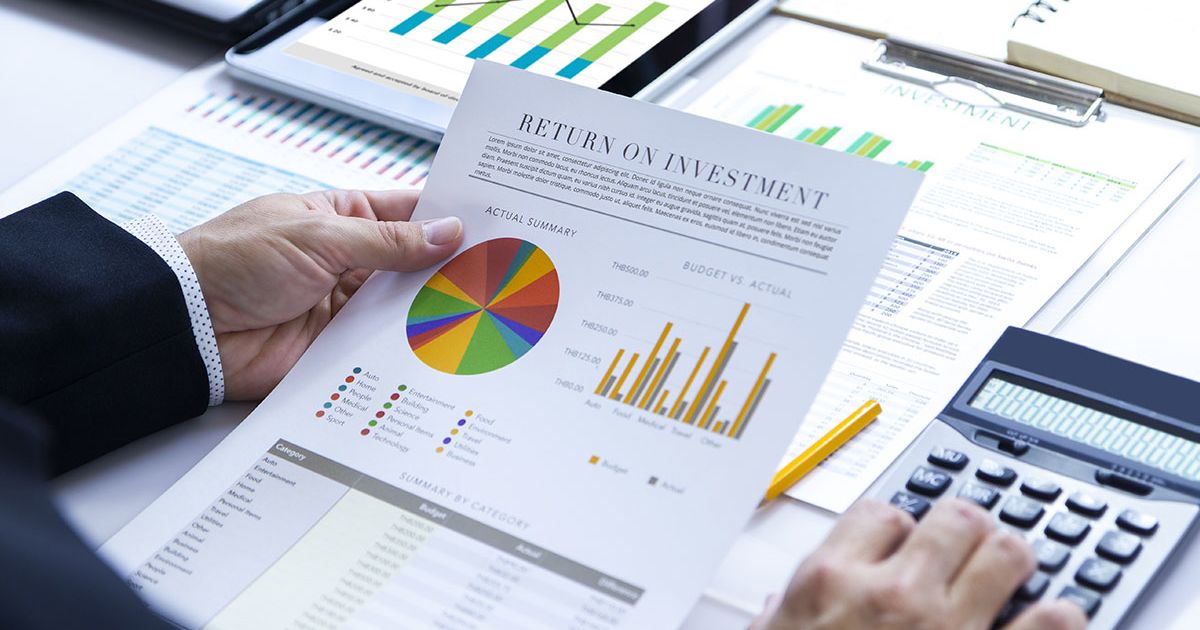
As you get older, you realize just how valuable time as a commodity is. You tend to start measuring the cost-benefit analysis or the return on investment that you are receiving not just regarding finances and how you spend or invest your money but also on how you spend your time. Unfortunately, this is a topic that we do not prioritize or learn about very well at a young age. Often, you must figure out what are the best ways to use your time wisely and your money.
There are numerous tools out there to help guide you find the real rate of return on your investment, but you must be the one making the decision on what you prioritize. We know for a fact that our time on this Earth is limited from the day we are born. Having such knowledge shouldn’t be morbid or despairing, but rather help us to prioritize how we spend our lives in search of a good use of our time, our money, and much more.
Now, not everything that we do in life should be correlated with a ‘cost-benefit analysis’ or ‘opportunity cost’ involved. Such behavior should be discouraged if you’re obsessing over how you spend every waking minute each day. You should be leaving some room for spontaneous actions that you enjoy regardless of if it’s geared towards health, wealth, and personal satisfaction. There are times each day where we have to commit to actions that take time when we would rather be doing something else and that is what adulthood entails sometimes.
The true focus is what can we do with our time that is free, which will help us in the long-term. If we have goals of wealth, health, and pursuing our own happiness, your time should be spent in looking in investing each day in building yourself up in each of these areas. For example, when we look at investing in our health, we know there are concrete things that can be done, which will help us with a return on having a healthier body, a healthier mind, and managing our stress and anxiety.
We may have to join a gym, change our diet, sleep more, and make time for exercising, and these are the kinds of investments, if done consistently, that can pay off in the long-term. These investments that I cite will not guarantee a longer life, but it is giving yourself the best possible chance of living a healthier life, especially if you are focusing on multiple investments.
In this case, the real return on investment may not be seen right away but you are likely to see some results if you’re consistent with your investments on a long-term basis. You can measure how your diet is helping you lose weight, how your sleep patterns have changed, and how much time you spend at the gym, the yoga studio, or in playing sports. These investments are measurable but the results on these investments will eventually show up in a real rate of return that will put you on a path that leads to a healthier life in the long-term. Returns are not guaranteed but if you are putting in the work over a long enough period, I believe the chances are good that you will be better off than you were years or even decades ago.
Similarly, how we save and invest financially for our long-term financial future, we can do the same with our health and our happiness. Everyone has different financial goals, and I won’t talk about specific investment advice to give, but you can always estimate to a degree what kind of percentage return you’re likely to get from your investments over a year or a decade or a century in terms of growth. These real returns will come to you but if you’re not consistently investing in building your wealth, those real returns will not be as impactful or as fruitful as you would have hoped. It goes to show that with either health, wealth, and happiness, that the earlier you invest in those facets of life and the more that you invest in them, the better off that you will be.
What makes someone truly happy is complicated and will differ depending on your emotional state, but I do believe spending more time with those who care about you, and you who care about them, enjoying more time spent doing the hobbies and interests that give you joy, and being able to invest time in learning new skills, exploring new places, or investing in your home and community, those kind of investments will have real returns on making you happier in the long-run. There will be times when what you did or do no longer makes you happy and that is alright. The key here is to keep trying out new things, keep meeting people, keep trying to be involved in areas of life that you think will make you happier, that is key in continuing to make those investments in building your happiness into the future to keep producing better and better returns.
Time is fleeting and you must prioritize health, wealth, and happiness in my view, which will give you those real returns in your life to enjoy and take joy in. Most of all, you have to know the difference as you get older between what’s give you actual returns for your hard work and efforts, and what you have to stop doing that is giving you no real returns. It is important to prioritize more of what will pay off in the future throughout your life and increasingly avoid those activities that produce a negative return and will leave you worse off.
It is one thing to be able to invest well in activities that bolster your life satisfaction, but you should also remember to avoid those other ways of spending the time that lower your real returns or negate them entirely. Be sure to know what a waste of your time is, if you can cut that activity out or lower your exposure to it and be able to replace the time spent on that activity with a good alternative. which you can take part in to continue to invest in building a life and a future that will make you healthy, wealthy, and happy.