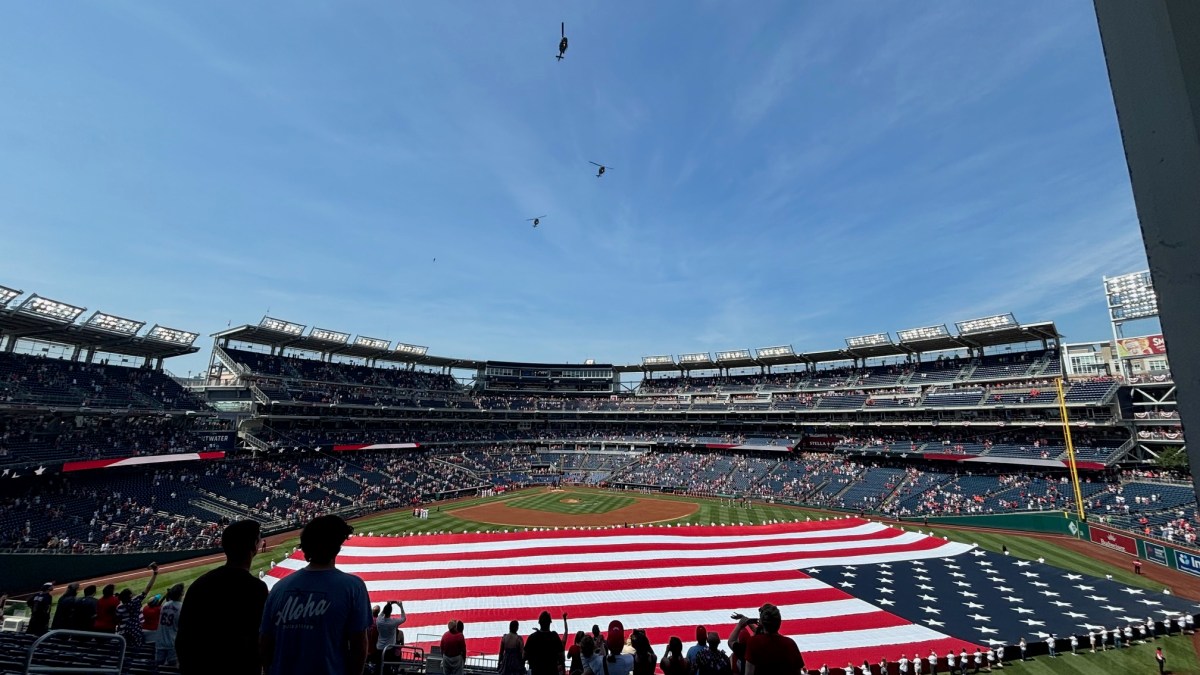
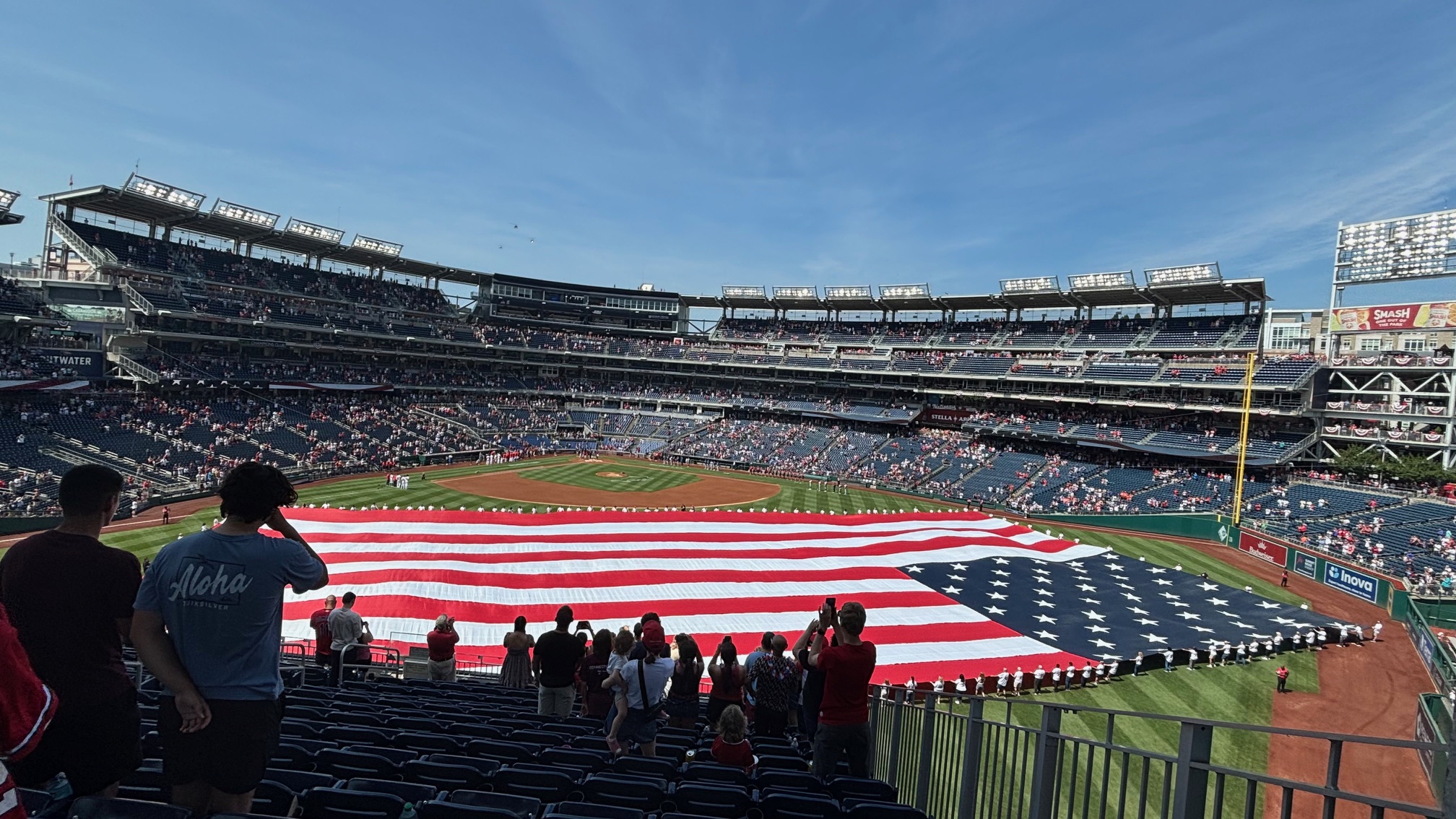














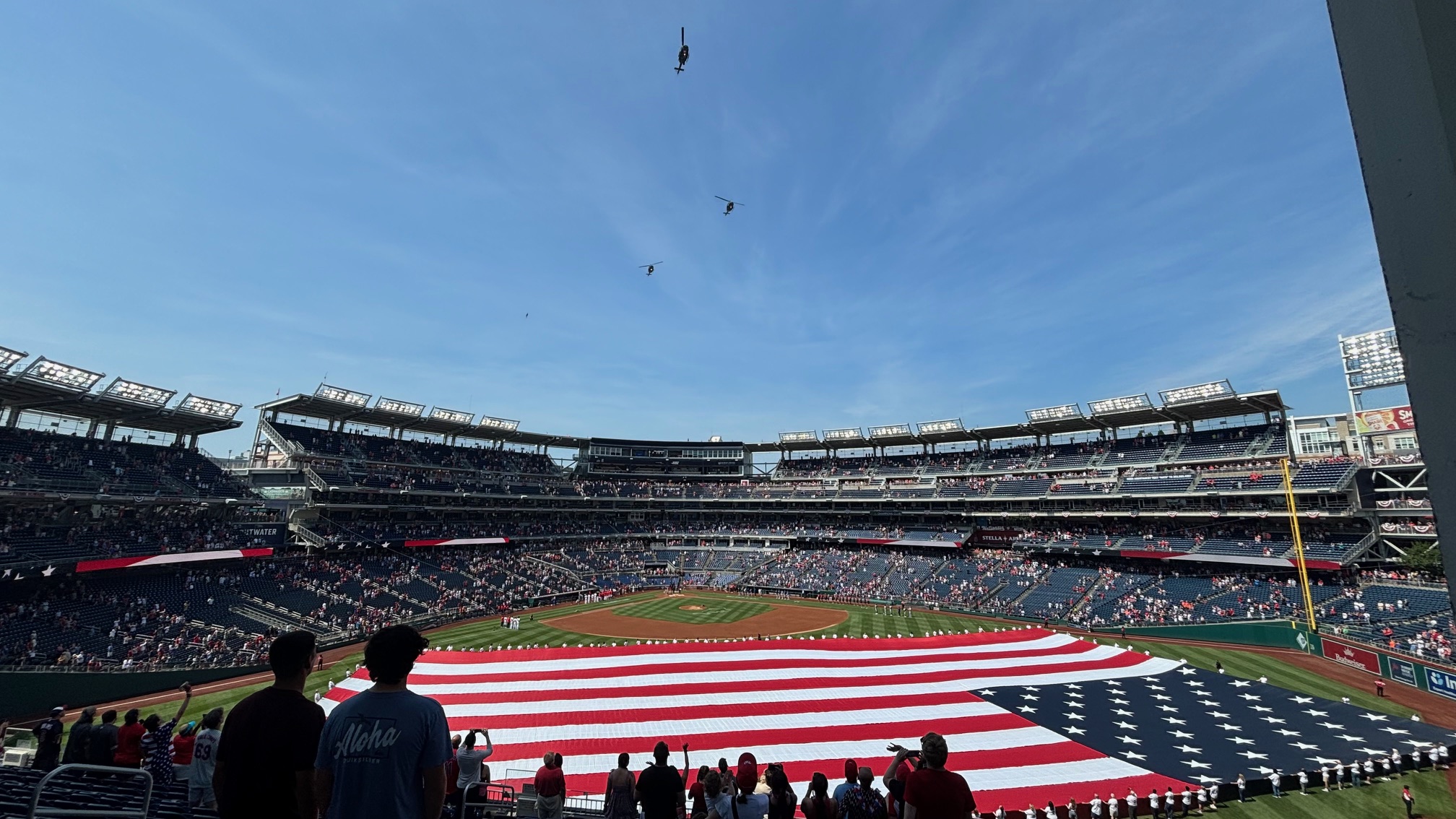
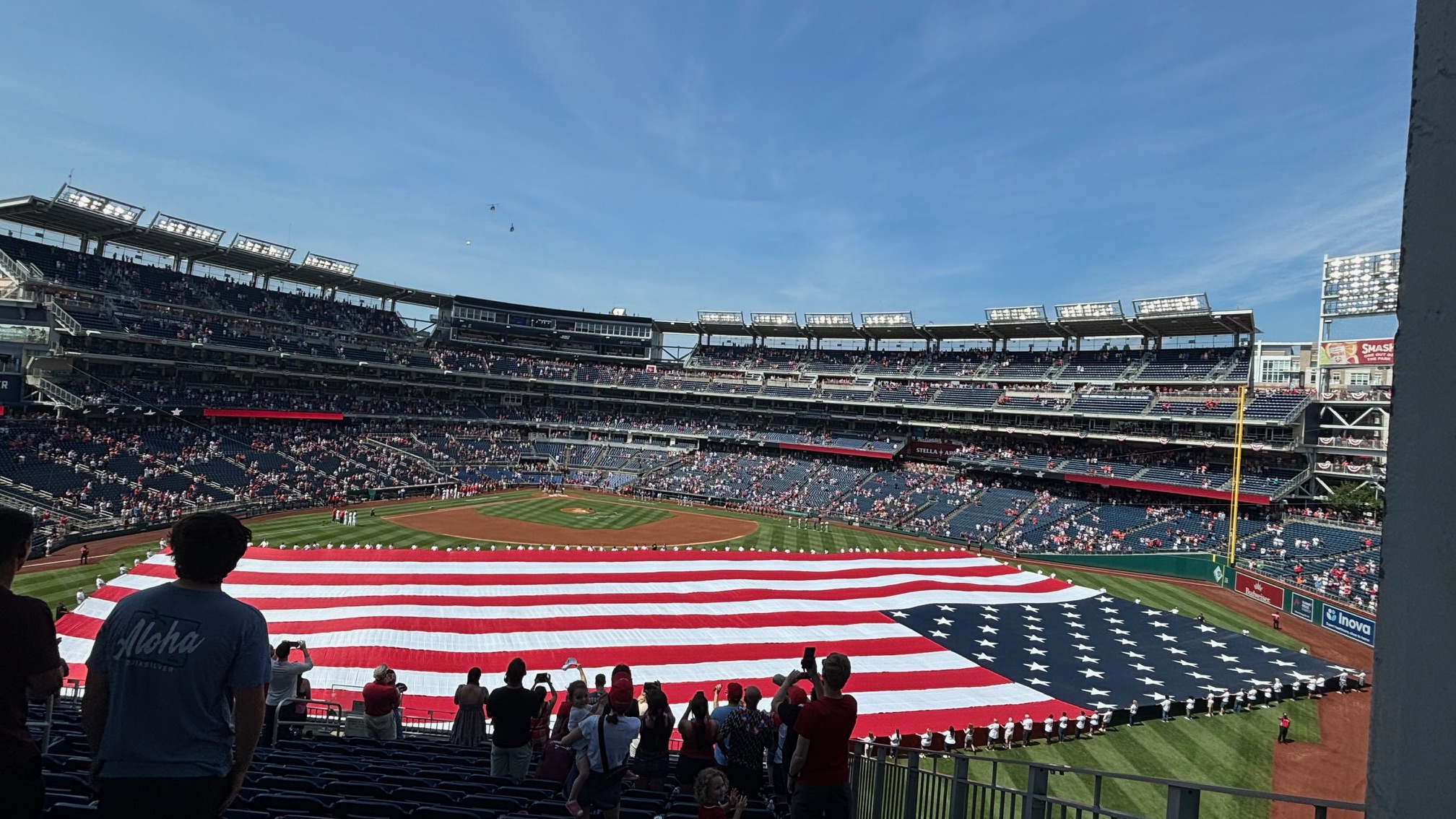
Camera: iPhone 15
Location: Navy Yard and Nationals Park; Washington, District of Columbia

Enjoying an early baseball at Nationals Park followed in the evening with rooftop fireworks in Navy Yard for July 4th, 2024 in Washington, DC.
Camera: iPhone 15
Location: Navy Yard and Nationals Park; Washington, District of Columbia
“We all should be striving to succeed but if you find yourself cheering for a success story that could have been avoided in the first place had there been a stable safety net and to have prevented the problem from arising in the first place, that is where more of our attention should be focused on as people.”
Look, I love a feel-good story as much as the next guy. I like it when someone can pull themselves out of poverty or difficult circumstances to achieve wild success for themselves and their next of kin. This is the kind of positive story that is often reported on in American media and popular culture. We love the story of the underdog rising above challenges to achieve something great. It seems to be practically embedded in our national DNA. However, the Achilles heel that we often refuse to acknowledge or focus on as a nation is how dysfunctional it can be to rise above a broken or fractured safety net to escape poverty, homelessness, or even medical debt. We all should be striving to succeed but if you find yourself cheering for a success story that could have been avoided in the first place had there been a stable safety net and to have prevented the problem from arising in the first place, that is where more of our attention should be focused on as people.
I bring this issue up as this has been the kind of a ‘feel-good yet kind of messed up’ story that garners sympathy and appreciation from the average person throughout my life. For example, I was watching a nationally televised baseball game recently as I like to do sometimes and heard the television commentators for this game focus on the rags-to-riches story of one of the players on the field who has become wildly successful after going through tough times that involved both him and his family.
The baseball player in question had a newborn son arrive around the time of the COVID pandemic’s outbreak, who suffered from a series of seizures, which required a lengthy hospital stay and weekly checkups from the doctors there. The player himself could not play baseball due to cancellation of the MLB season at the time in 2020 and lost his health insurance at the same time his newborn son’s seizures started occurring. Because health insurance is tied to employment in America, the baseball player lost his health insurance at the worst possible time. They did not have enough money left over for housing after paying out of pocket costs for the medical care for their son. As a result, the baseball player and his family were rendered homeless for a while, living out of their family car in a Wal-Mart parking lot at one point in central Florida.
Luckily, even in this case of the dysfunctional health care system failing both this player and his family, having been left in the dust for a while, professional baseball, being the national pastime resumed a few months later in 2020, the baseball player regained his medical insurance and was able to pay off the medical debt due to his success in Major League Baseball over the past few years. I admire this player and his family’s resilience in the face of adversity and am glad his son is doing well now. The player is now a naturalized U.S. citizen also and visits children’s hospitals in the area where he plays to support families going through similar ordeals.
While this story in America had a happy ending after much sadness and anxiety for the family in question, I can’t help but think of the TV commentators’ from this baseball game’s lack of awareness about the societal dysfunction that leads to a whole family living out of their car in a Wal-Mart in central Florida with no safety net to speak of because one of them lost their job, through absolutely no fault of their own, which was tied to their health insurance coverage. It bothered me a great deal personally to not hear from the TV commentary to not mention at all the lack of universal health care in this country or the fact that you can incur thousands of dollars or more of medical debt so a son or daughter can get the treatments or surgeries needed to overcome seizures or other major medical issues.
While this story had a happy ending due to the player’s evolving skillset and MLB’s massive popularity, there are millions of Americans suffering out there currently due to a lack of a durable safety net to fill in the gaps in health and education. Come back stories to break through adversity are great and make for nice commentary but not everyone has had such luck and success navigating the American health care system.
Whether it’s GoFundMe or another online platform, many families have to rely on the kindness of strangers to help them pay down massive medical, educational, or other debt, which is never an enviable position to be in. We should not have to rely on complete strangers to fund necessary medical procedures or to get life-saving medications paid for in the United States. No one should have to forgo their home or apartment to go homeless to pay for medical bills either and be forced to live with their family in a car or on the street. I’m all for people striving to make the best of their abilities in their chosen profession but layoffs, firings, or other unfortunate events can happen leaving us jobless and without health insurance directly as a result.
I’m not going to discuss which kind of system to have regarding how insurance or how higher education can run in America but I do know that you shouldn’t have to rely on having a job at all times to get affordable health care and if you don’t have insurance when a procedure is needed, you should never go bankrupt trying to pay off your medical bills. We can argue forever about the size, scope, and scale of how a universal health care system can support the country while everybody pays their fair share into its functionality, but we should never reach the point where a platform like GoFundMe is needed to fill in the gap when it comes to someone’s health care coverage. The point of this article is not to discuss how such a new system would work or how it can be implemented but rather to address how this current dysfunctional system (or lack thereof) has been allowed to fester and continue without any solutions or improvements recently.
Lastly, feel-good stories are a good way for average people to relate to one another regardless of if you’re a professional baseball player or a janitor, but we should be taking the right lessons from these stories. We should be applauding the person and family’s resilience and their success in navigating the massive challenge, but we should also question on how we could let such dysfunction run a key part of our society or how we can allow this system to continue given that it bankrupts average people because they lost their job through no fault of their own.
Sometimes, in life, you must ask hard questions and those can include how we fix societal dysfunction and how we can be part of the solution in our own way as citizens. Asking these kinds of questions, holding our political leaders accountable, and focusing on the ‘why it happened?’ rather than the ‘how it happened?’ will help to cause some real change to happen and for these stories to become rarities in American society rather than sadly, all too common place, that we hear almost every day here.
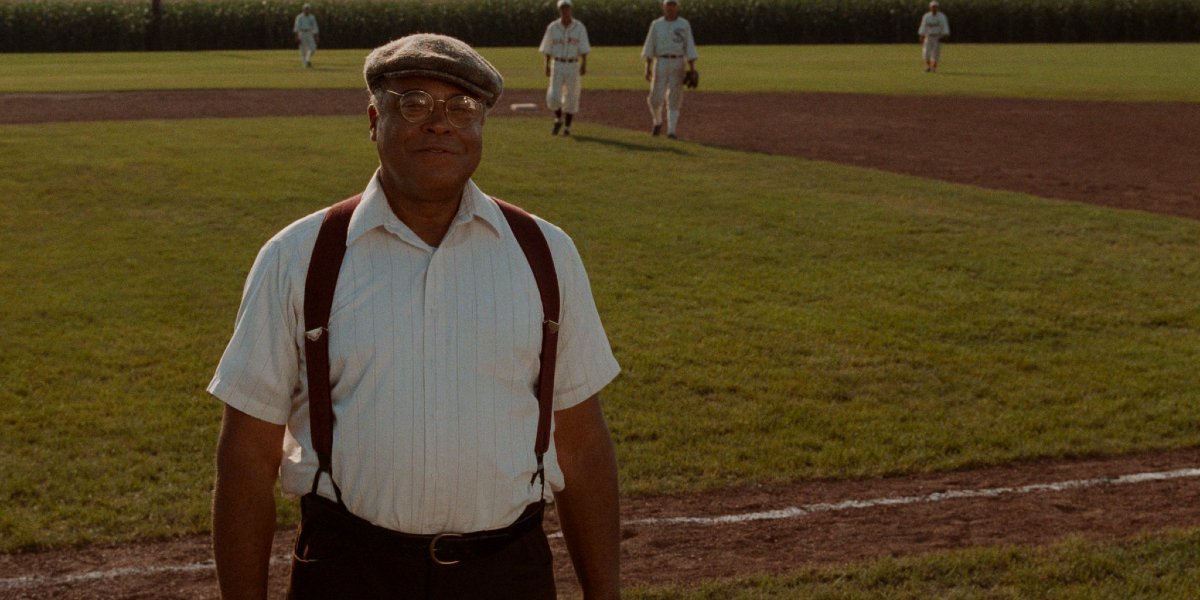
“It’s very rare in movies where a monologue becomes a classic and is quoted and re-quoted throughout the decades. That is most definitely the case nowadays with James Earl Jones’s famous monologue playing Terence Mann in the 1989 American movie, ‘Field of Dreams.’”
It’s very rare in movies where a monologue becomes a classic and is quoted and re-quoted throughout the decades. That is most definitely the case nowadays with James Earl Jones’s famous monologue playing Terence Mann in the 1989 American movie, ‘Field of Dreams.’ Now over 35 years old and counting, Field of Dreams’ and this legendary scene focus on the timeless appeal of Baseball in America, whose monologue has become iconic culturally not just for baseball fans and movie lovers but for what America can represent to the world when it taps into its best impulses.
“Ray, people will come, Ray. They’ll come to Iowa for reasons they can’t even fathom.” Baseball isn’t just a sport in this scene; it is the heartbeat of a nation’s spirit and resilience. The sport embodies the essence of the American Dream where everyone regardless of background, race, or ethnicity, can find a chance to succeed and belong, on and off the field. The monologue by Terence Mann (played by the legendary James Earl Jones) taps into the idea of America thriving on belief, on hope, and on the idea that greatness is around the corner if you dare to dream about it and fight for it.
Terence Mann isn’t just selling the idea of a baseball field and game to Ray Kinsella (Kevin Costner) on his farm but rather the idea of the possibility of uniting people and bringing them together. The message of his monologue is clear to viewers: If you build something meaningful in life, whatever that may be including a baseball field, people will be drawn to it because hope, enjoyment, and belief are powerful magnets.
Ray’s struggle to manage this baseball field and bring closure to a rough chapter in his life unresolved with his estranged father is emblematic of the struggles we all go through in this life. This scene with Ray is emblematic of a universal human quest to search for inner peace amidst chaos, uncertainty, and doubt. Terence’s monologue offers Ray and the audience a kind of calm assurance, a spiritual yearning, reminding everyone that the future isn’t handed to us, and it’s what we create and what we work towards to stay true to our vision, whatever that may be. It’s not about instant gratification in the form of a house or a car, it’s also about believing in your values, your vision, and knowing that the work you do is meaningful, especially if it connects to the past, family, baseball, or otherwise.
This scene also highlights how baseball has functioned and continues to function as a unifying thread through America’s social fabric. In the face of division, segregation, bias, and greed, baseball still brings people together around the country, crossing lines of race, class, and background. It’s a shred language that can bring Americans together, a communal ritual that reminds us that we’re all in this together as a people. When Terence says, “people will come, Ray…”, it’s a promise that no matter how ugly the world gets, how divided America may be, that promise will endure no matter the obstacles that face us. Sports, and in this case, baseball, has the unique power to draw people together in a collective experience that transcends our differences and can unite us to bring joy, happiness, and excitement with comradery and sportsmanship leading the way.
In this famous monologue, the actor playing Terence Mann, James Earl Jones’ delivery is everything and has made it such an iconic scene throughout the years. He is calm, measured, yet deeply convincing in summing up the power of the game of baseball. His voice here carries the weight of baseball’s history and that of America, of unspoken truths, of healed traumas, of future possibilities. He’s not just a supporting character in the movie; he’s also a narrator and a guide from the past.
He’s a sage sent into Ray’s life to remind him (and the audience) of a timeless truth: building anything worthwhile takes patience, faith, and a belief in the everlasting power of human connection. His words echo beyond the scene and the entire movie into the realm of business, relationships, goals, and our life’s purpose. He reinforces the idea that success comes from persistence and the courage to believe in what you put out into the world.
The scene is also a nod to the resilience embedded in American culture and its people. There is a strong “keep going no matter what” mentality that is deeply embedded into the cultural landscape and is also about leaning into “reinventing oneself” if you must that creates hope after hardship and how collective belief can overcome turning to cynicism and despair. In its essence, the monologue is a microcosm of American optimism, delivered through the poetic cadence of Jones’ voice and the symbolism of baseball as a sport that has gone through trials and tribulations like the country that birthed it.
Ray’s field or stadium to be in Iowa isn’t just about bringing baseball players from the past or present there to play a regular game. It sells the idea instead that America’s greatness is rooted in shared dreams and the belief that when you create something authentic and true, people will come…and not just to watch the game unfold, but for sharing a connection with each other, hoping for better days ahead, and finding community in a shared love of the game, America’s pastime.


Camera: iPhone 12
Location: Citizens Bank Park; Philadelphia, Pennsylvania, United States
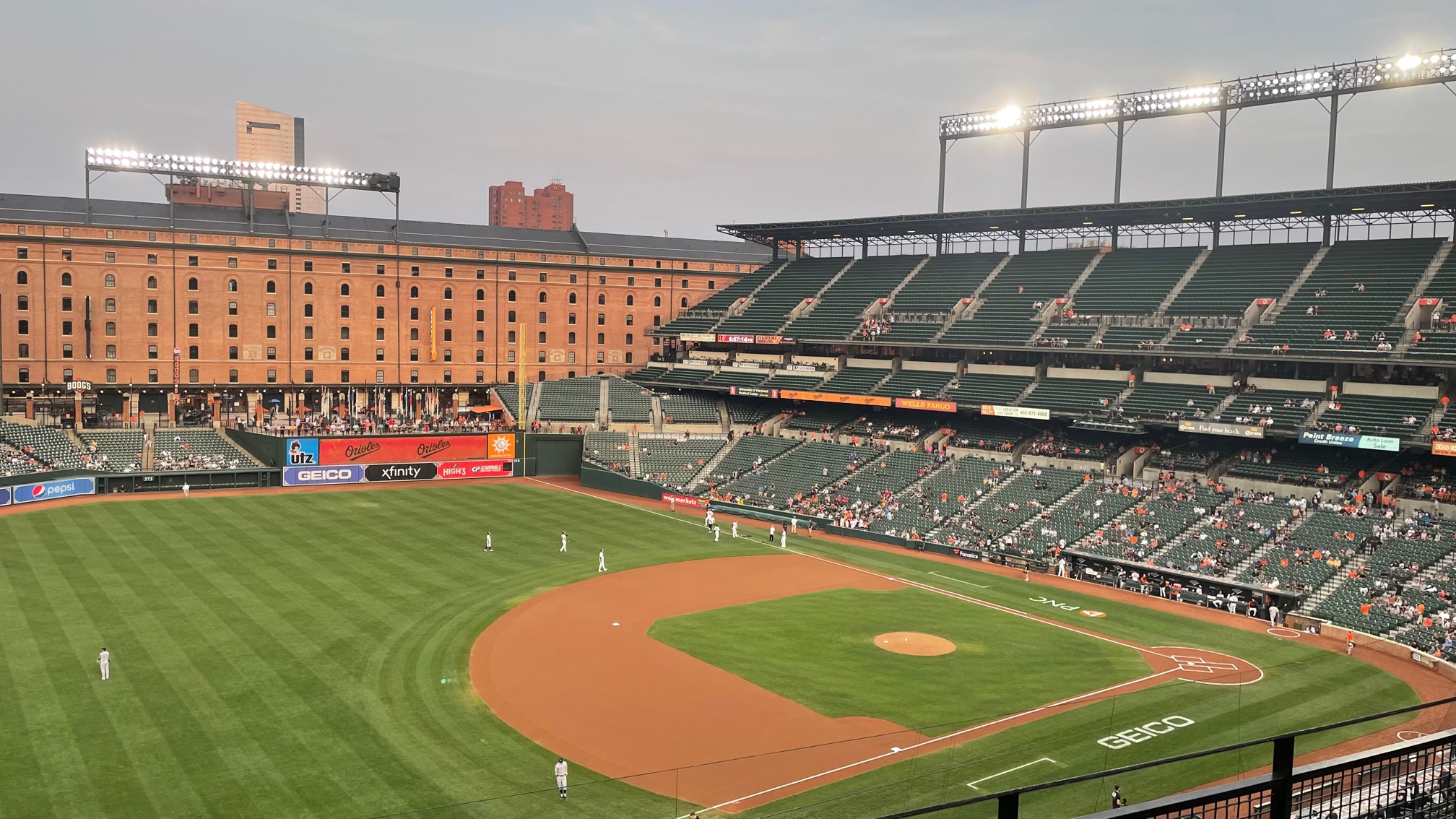

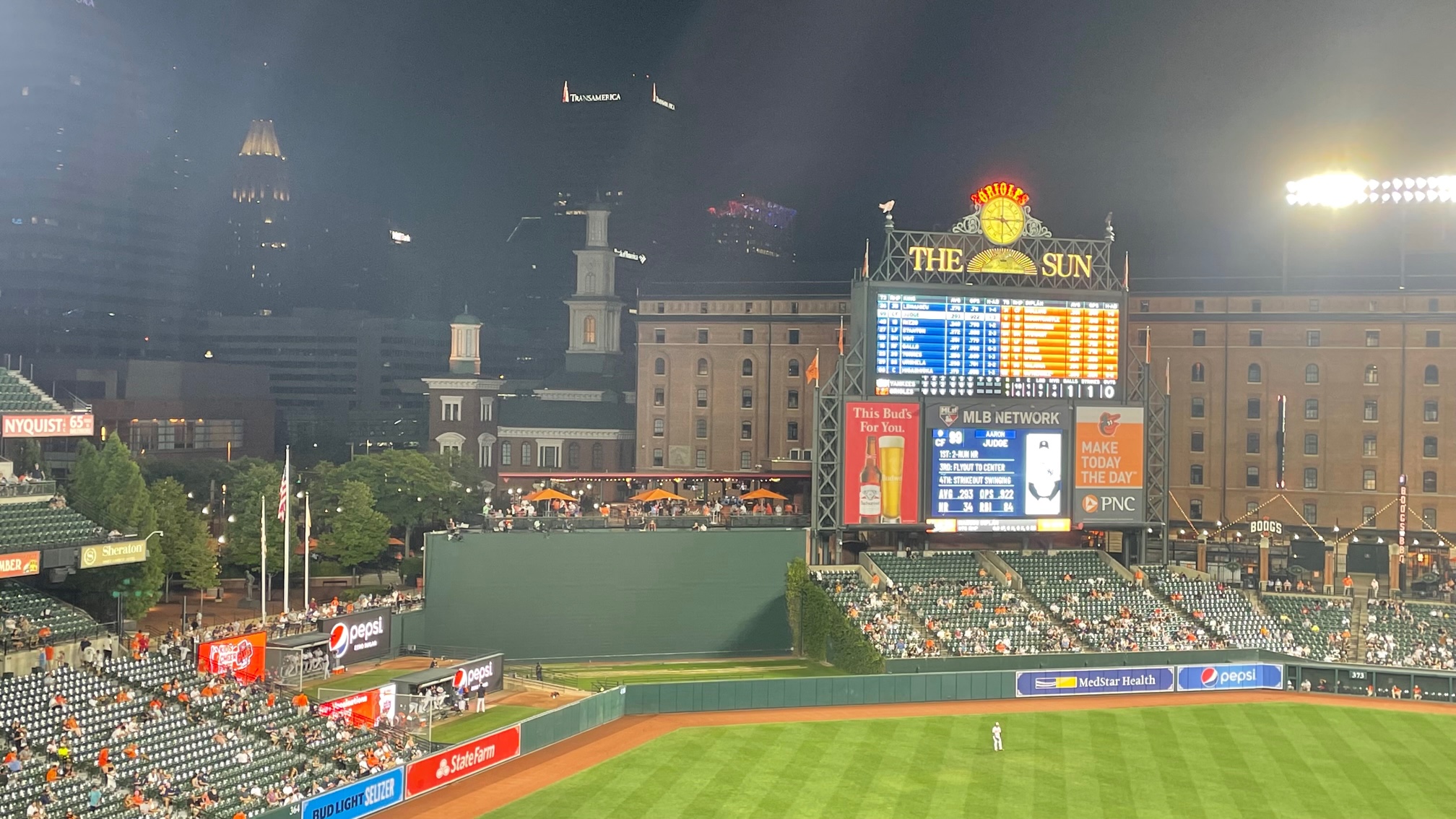
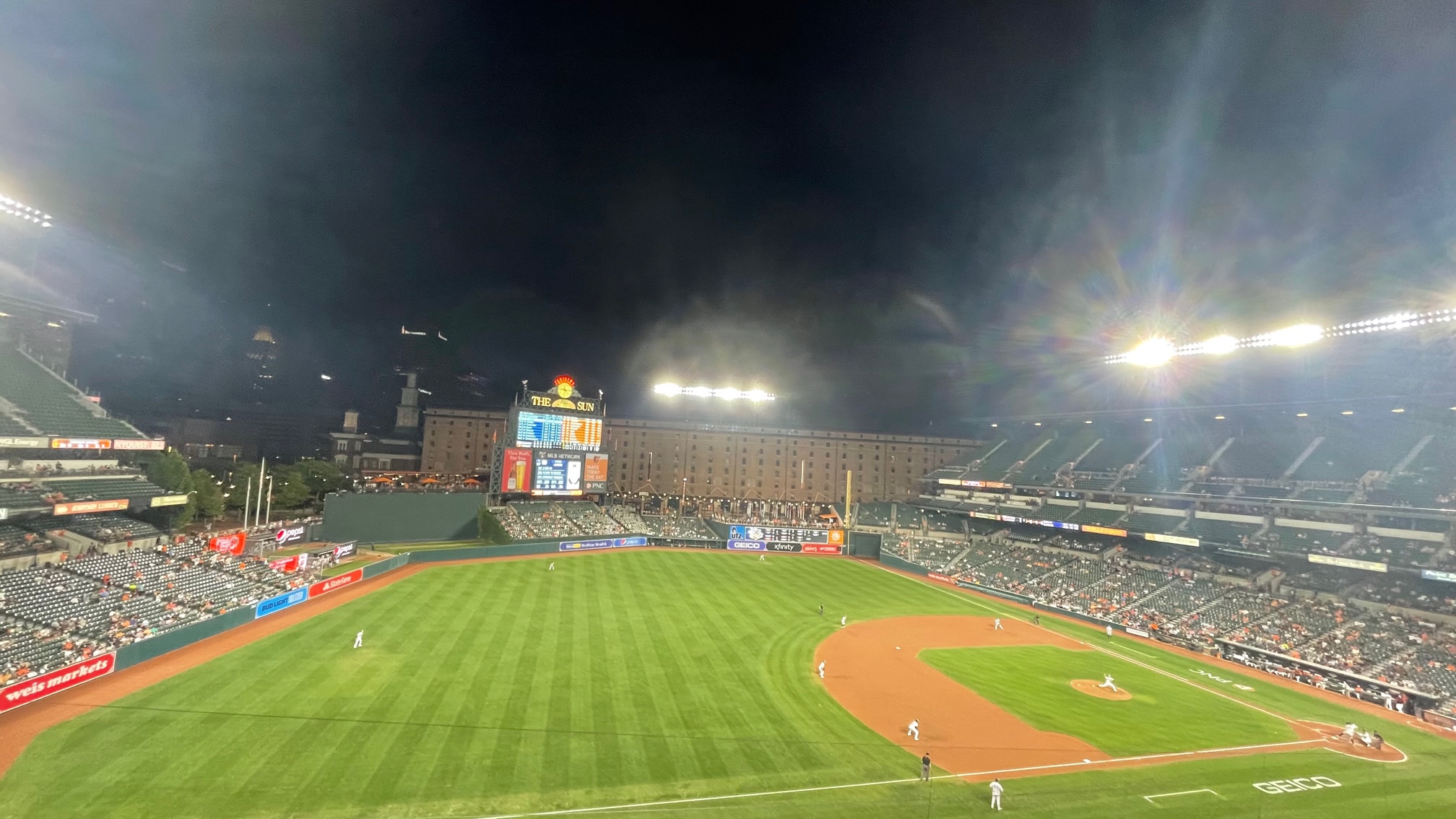
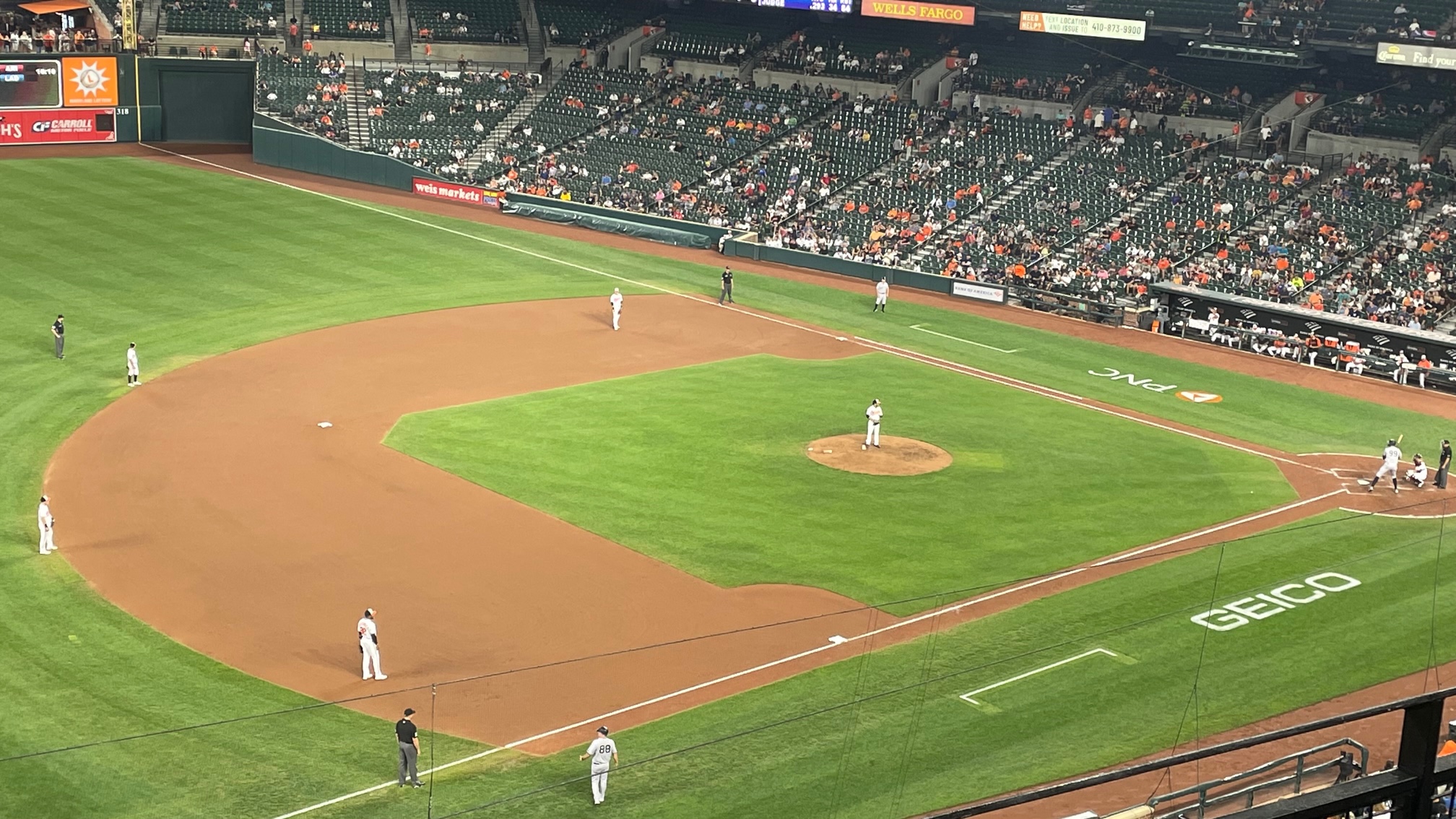
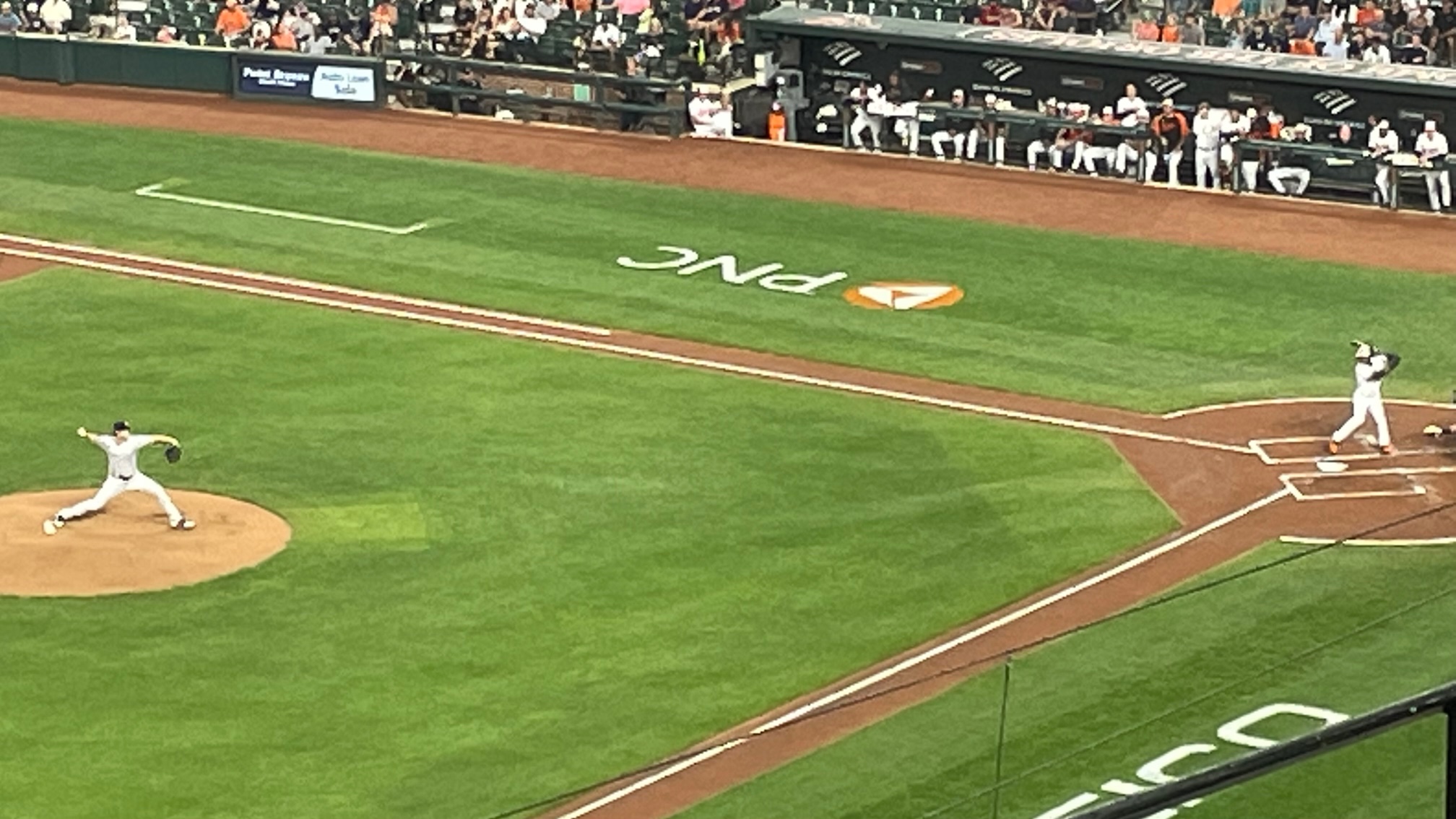
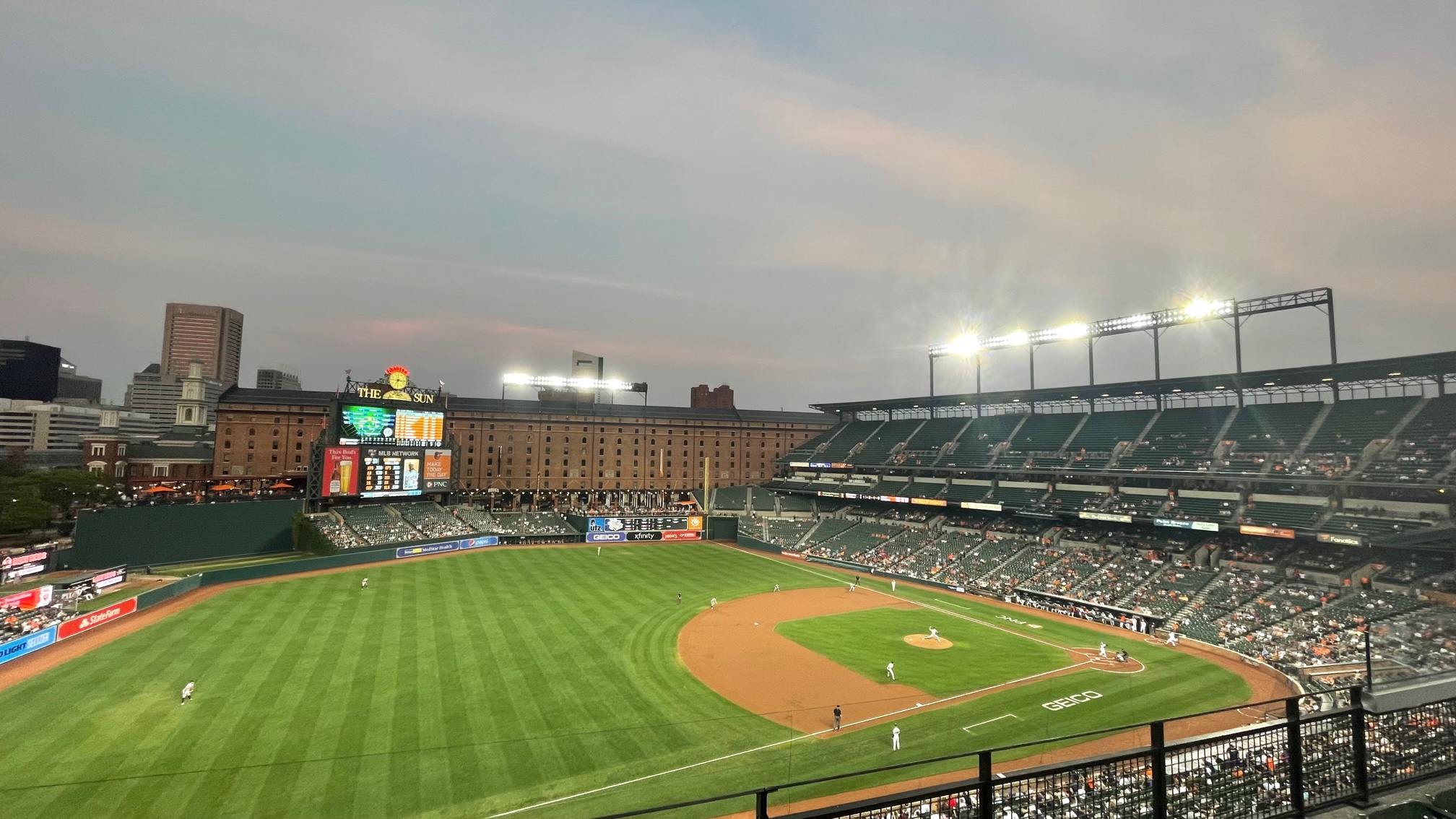
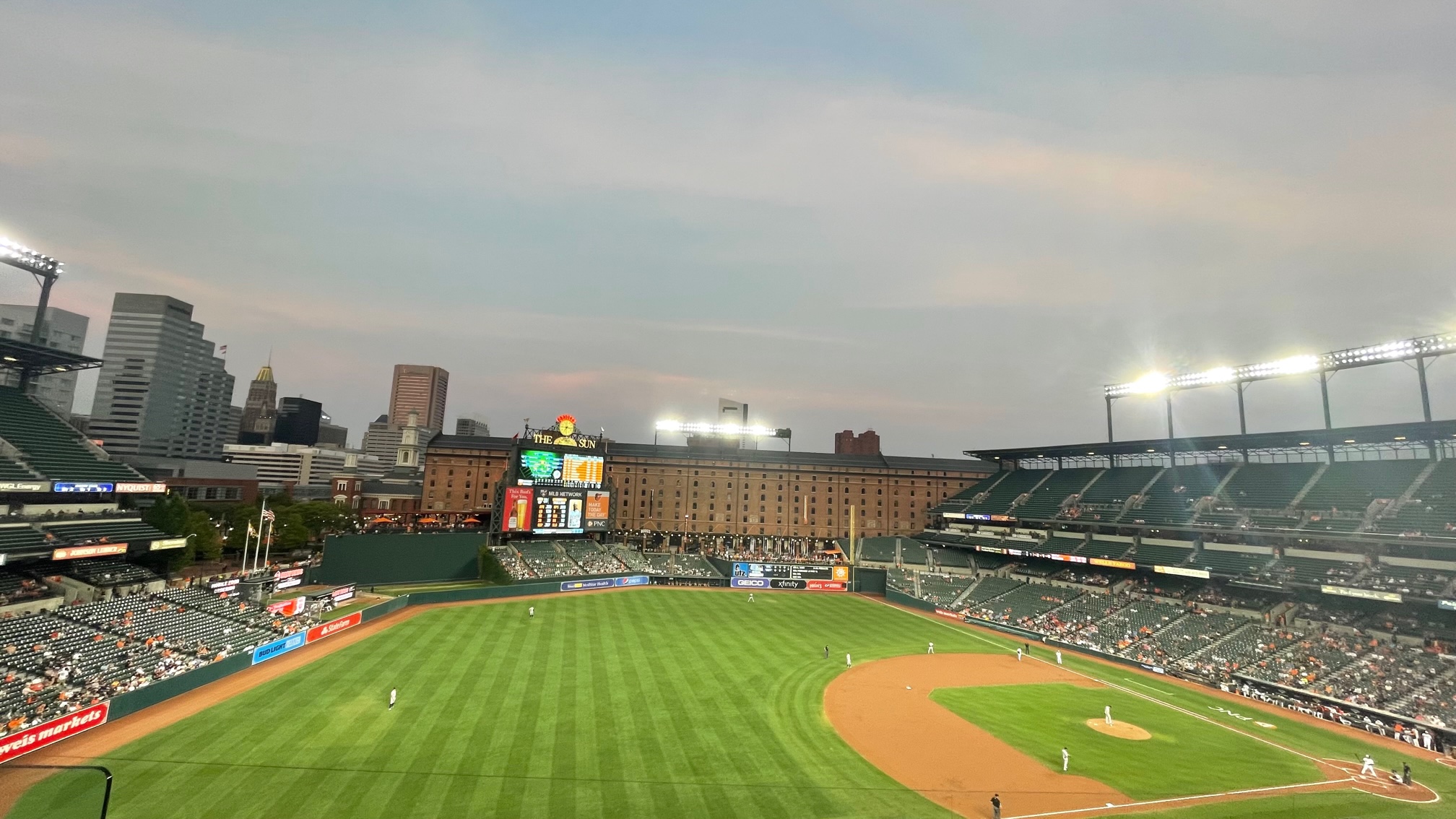
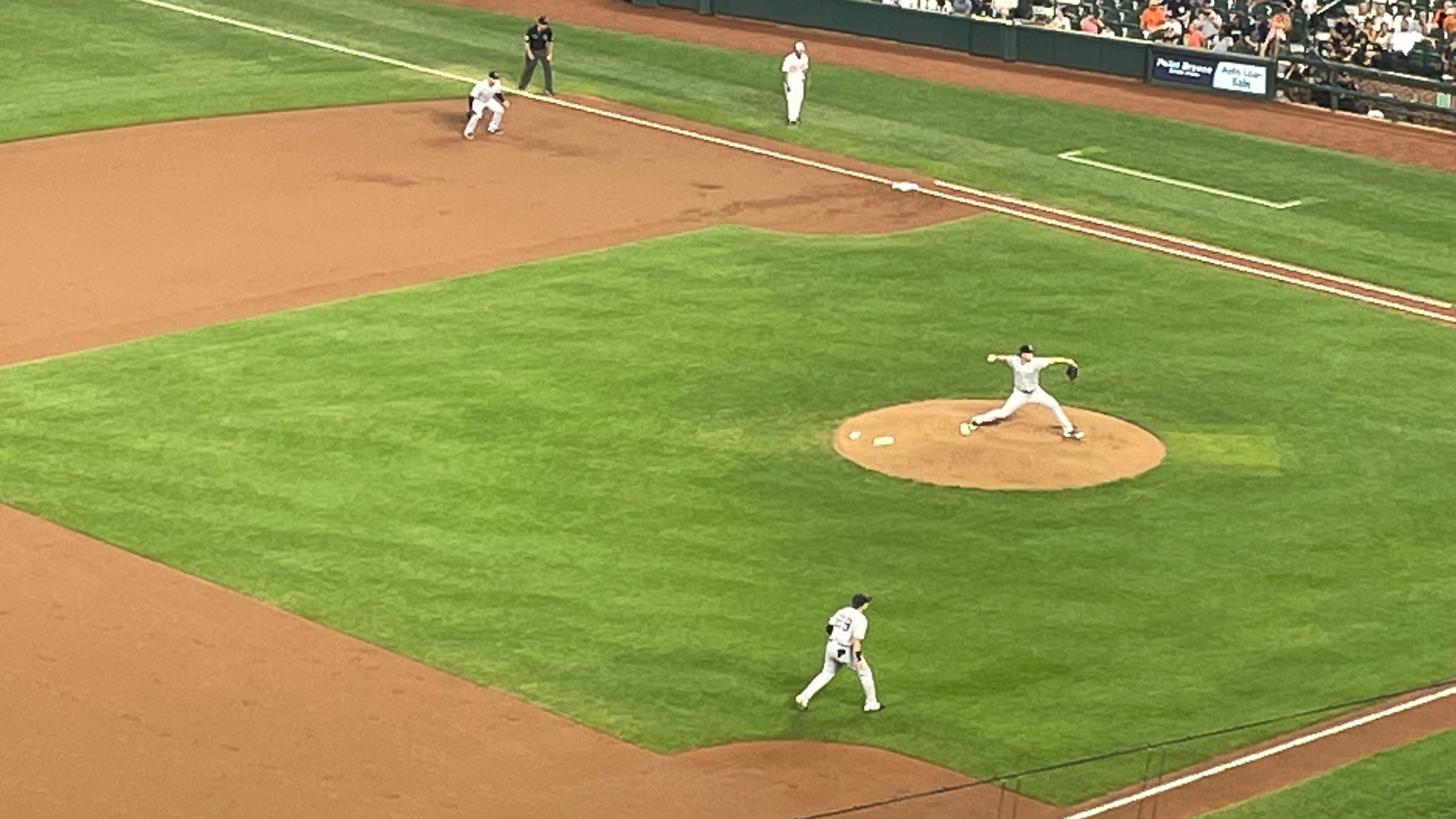
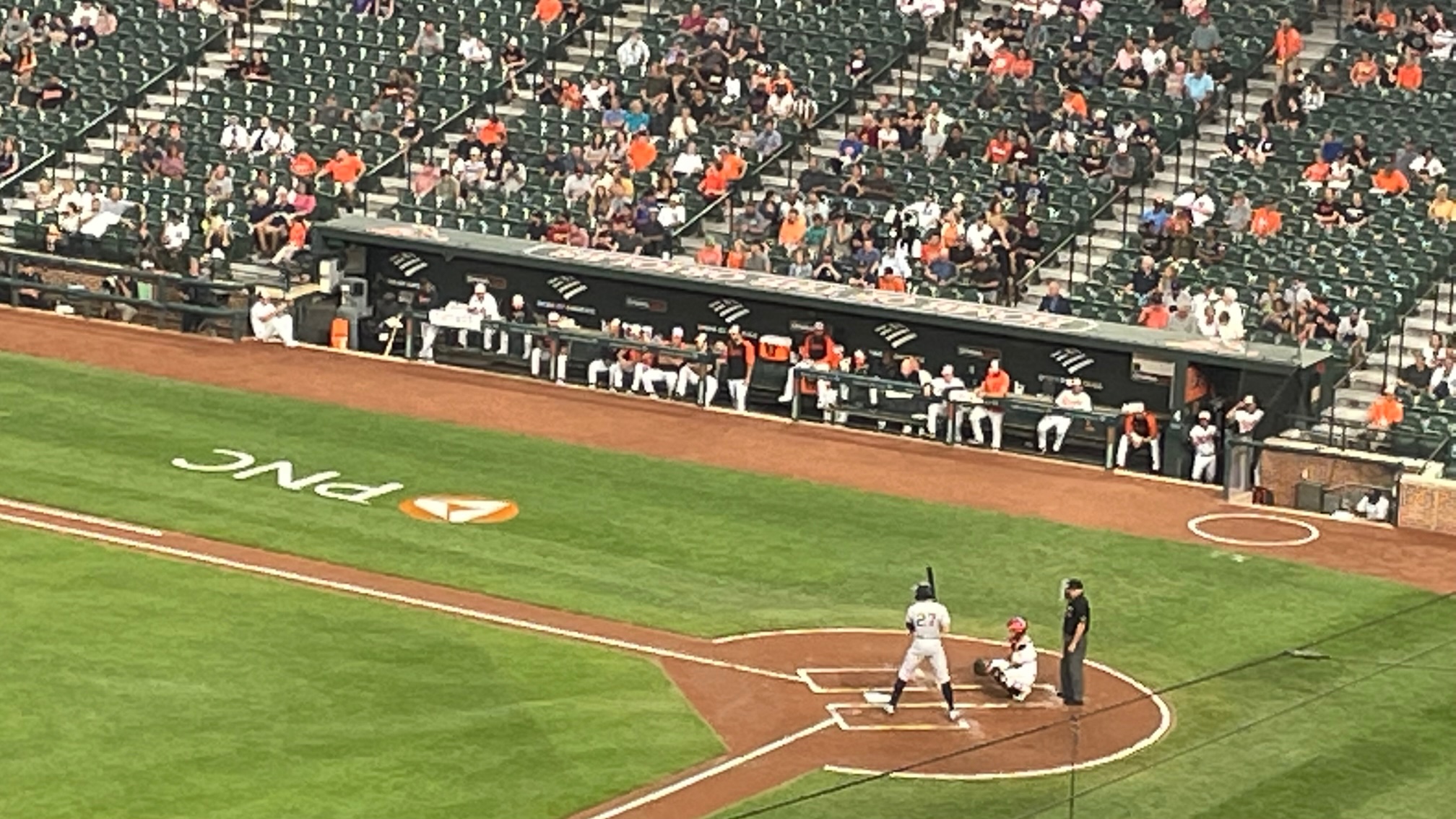

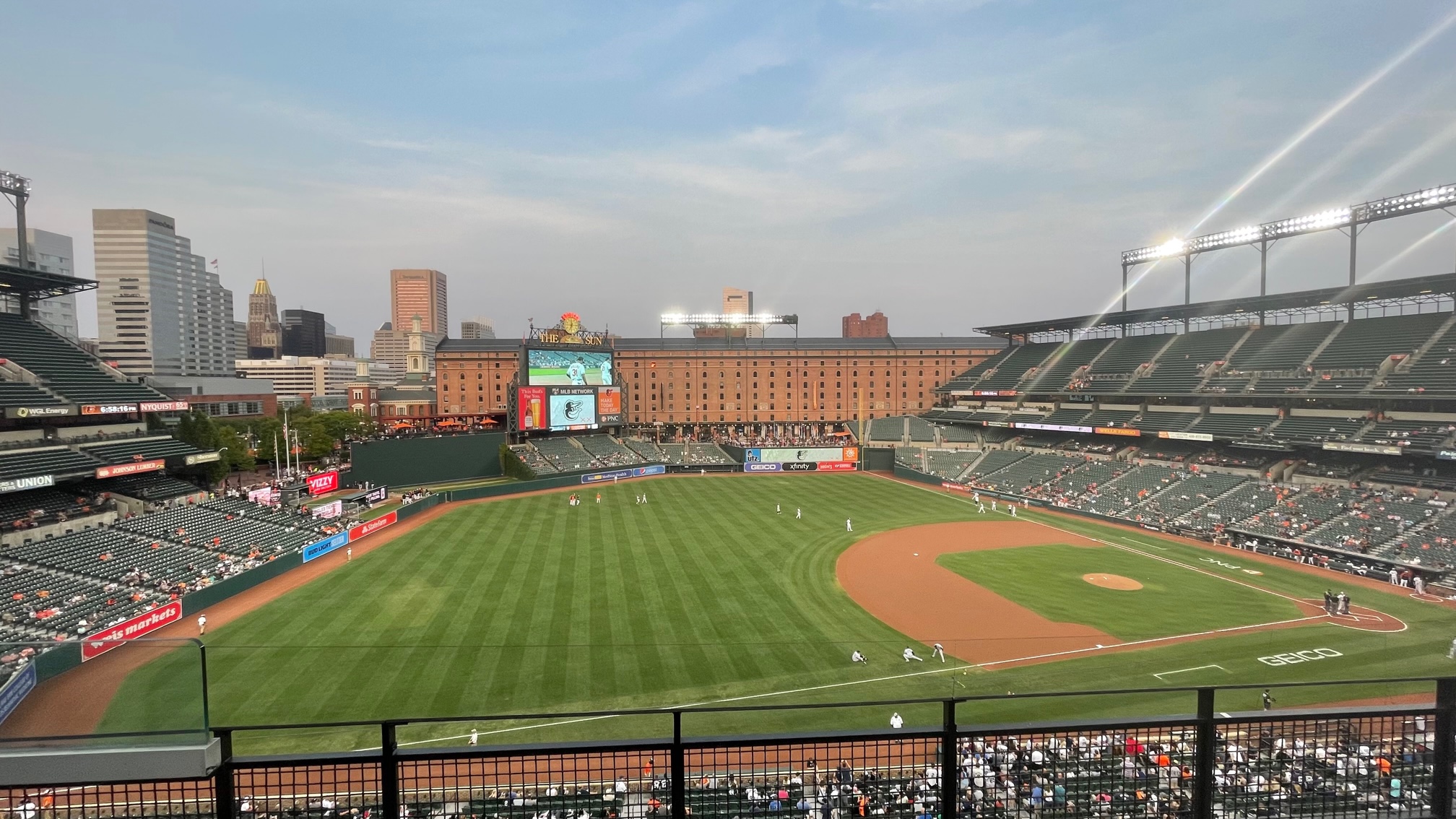

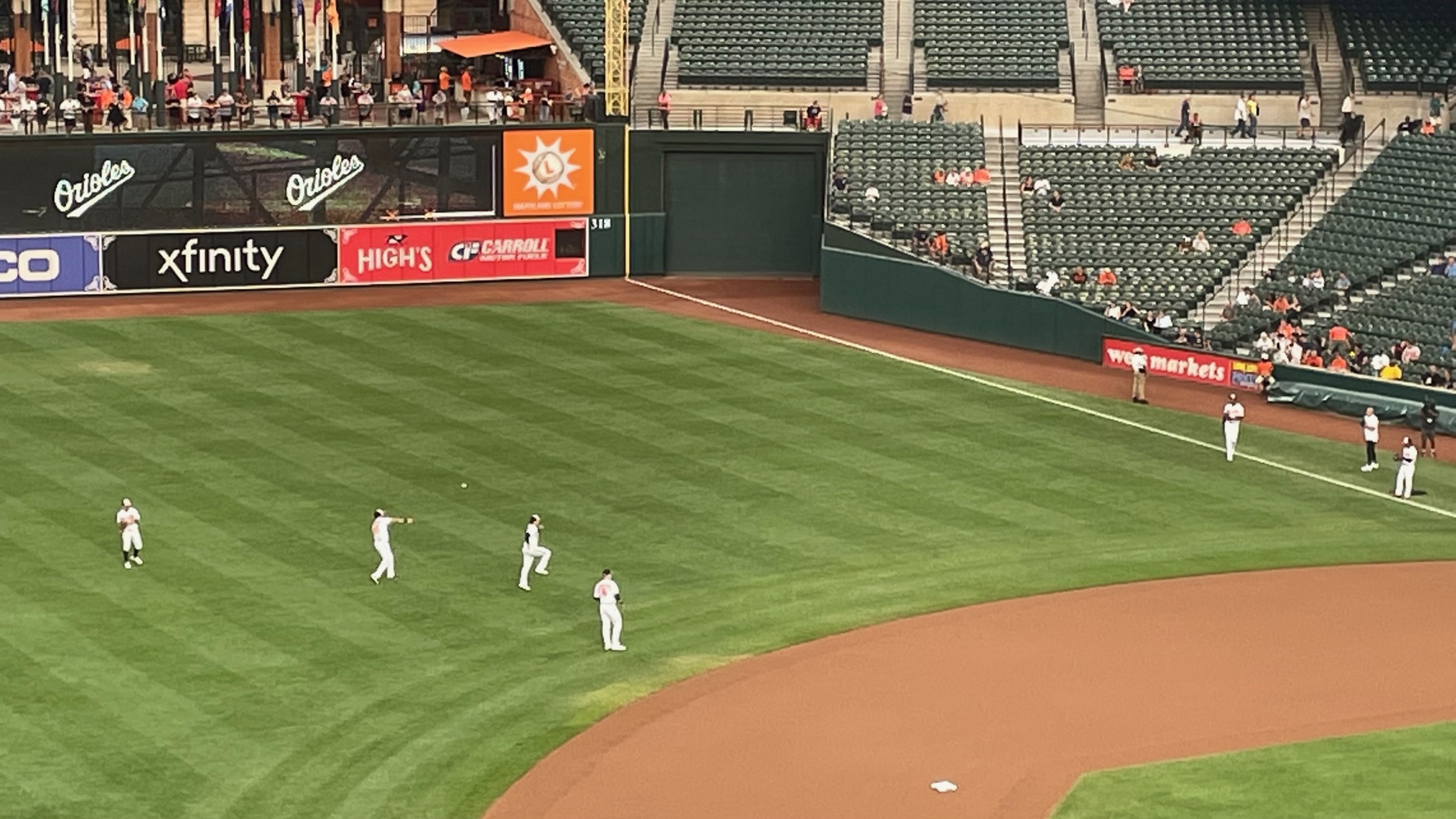
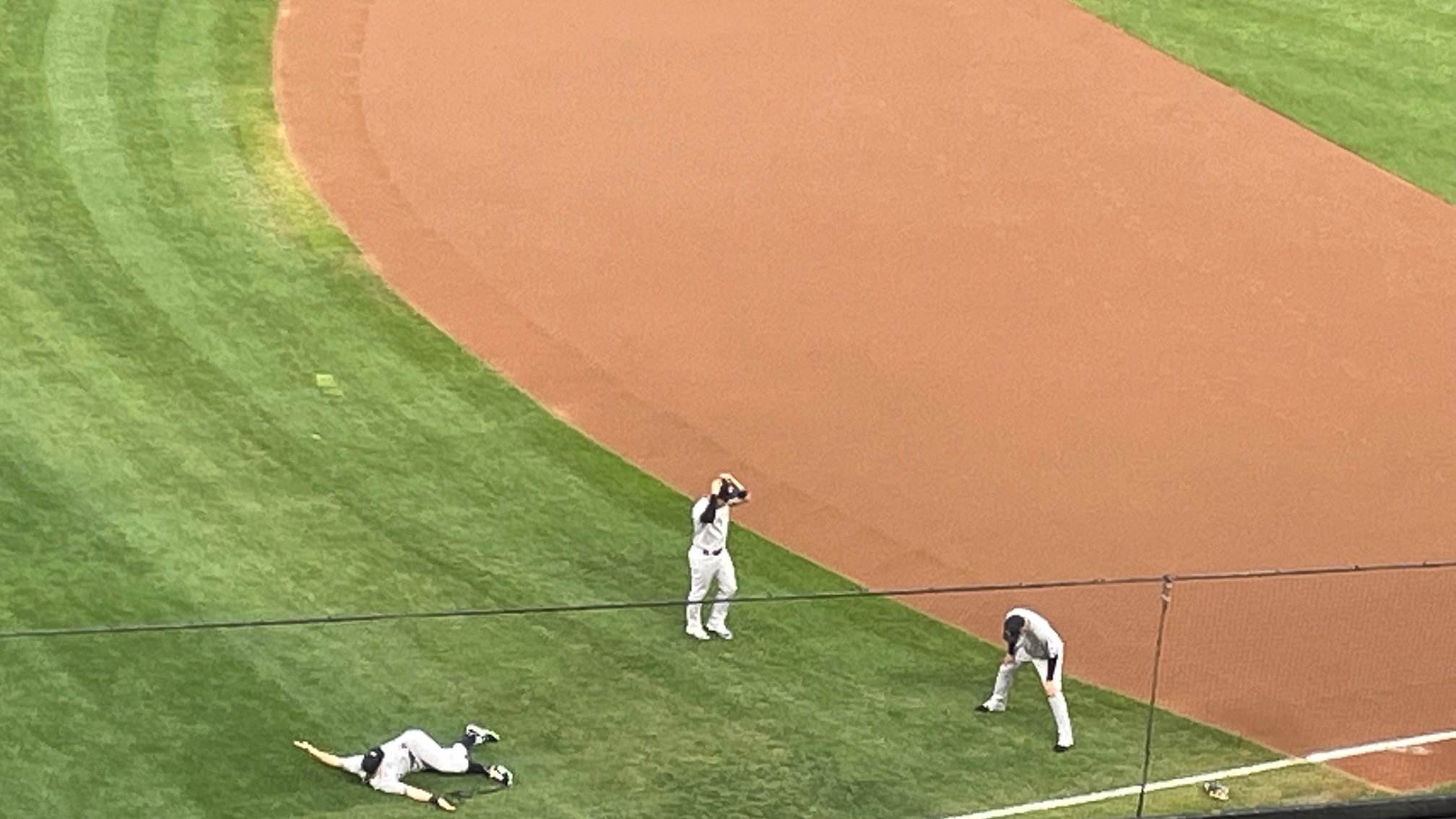
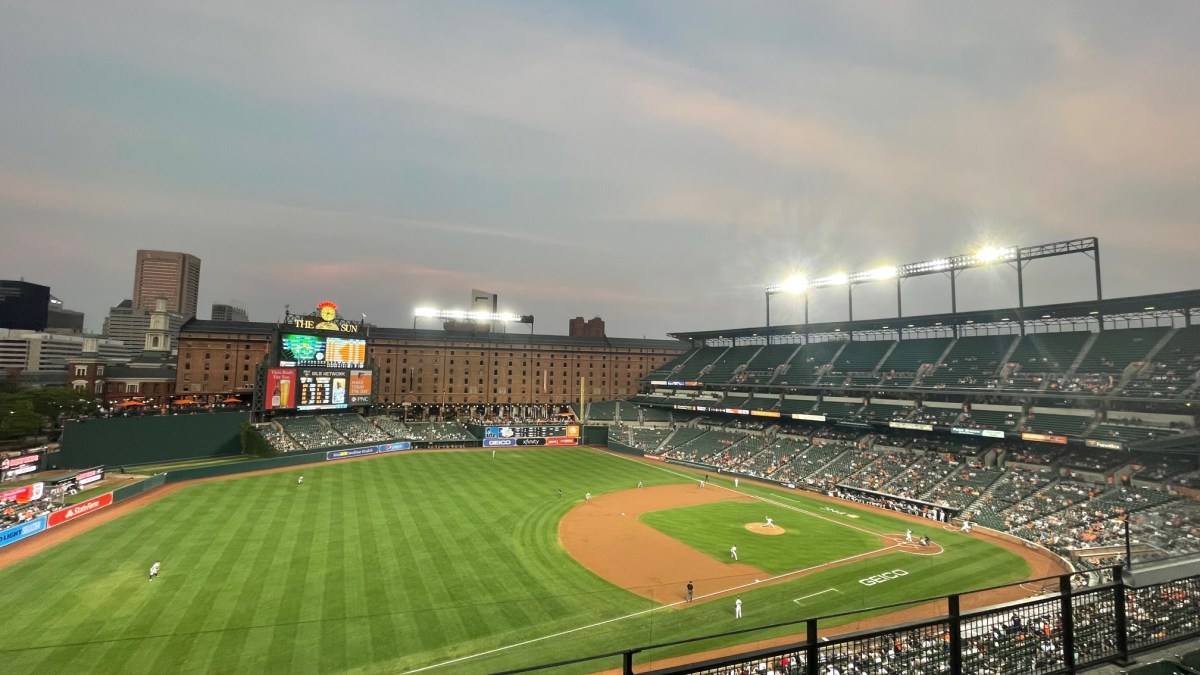
Camera: iPhone 12
Location: Orioles Park at Camden Yards; Baltimore, Maryland, United States
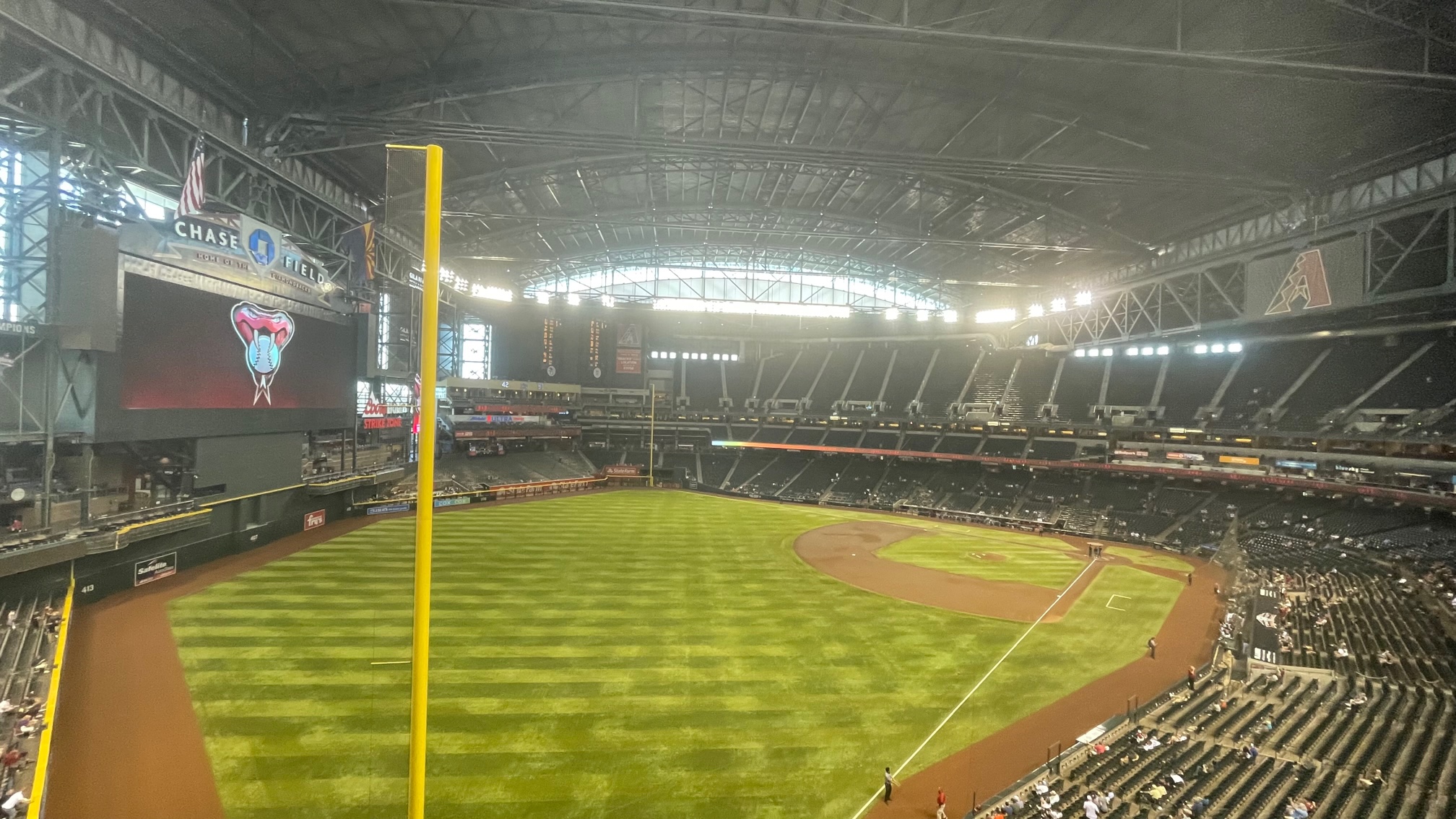
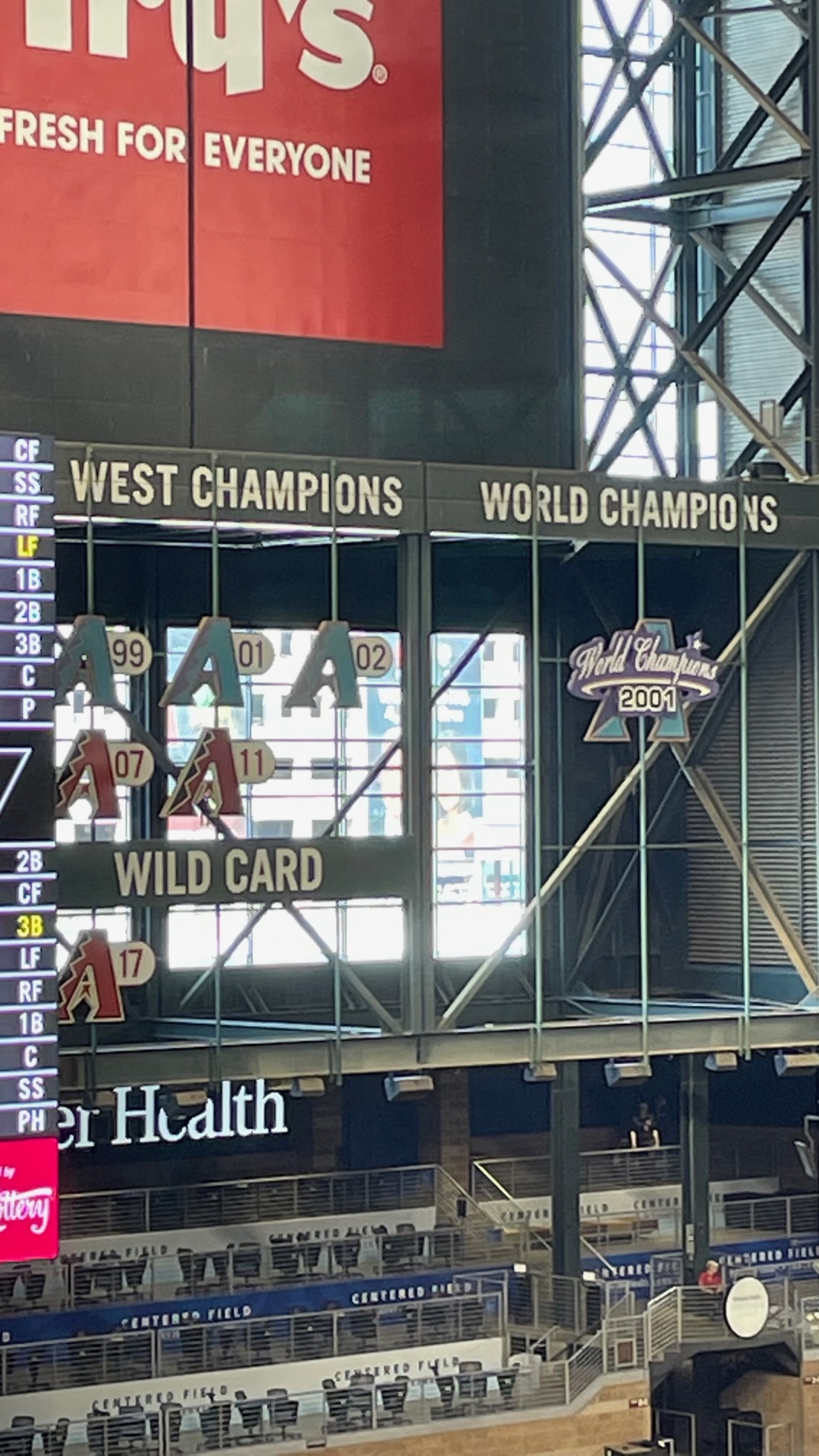
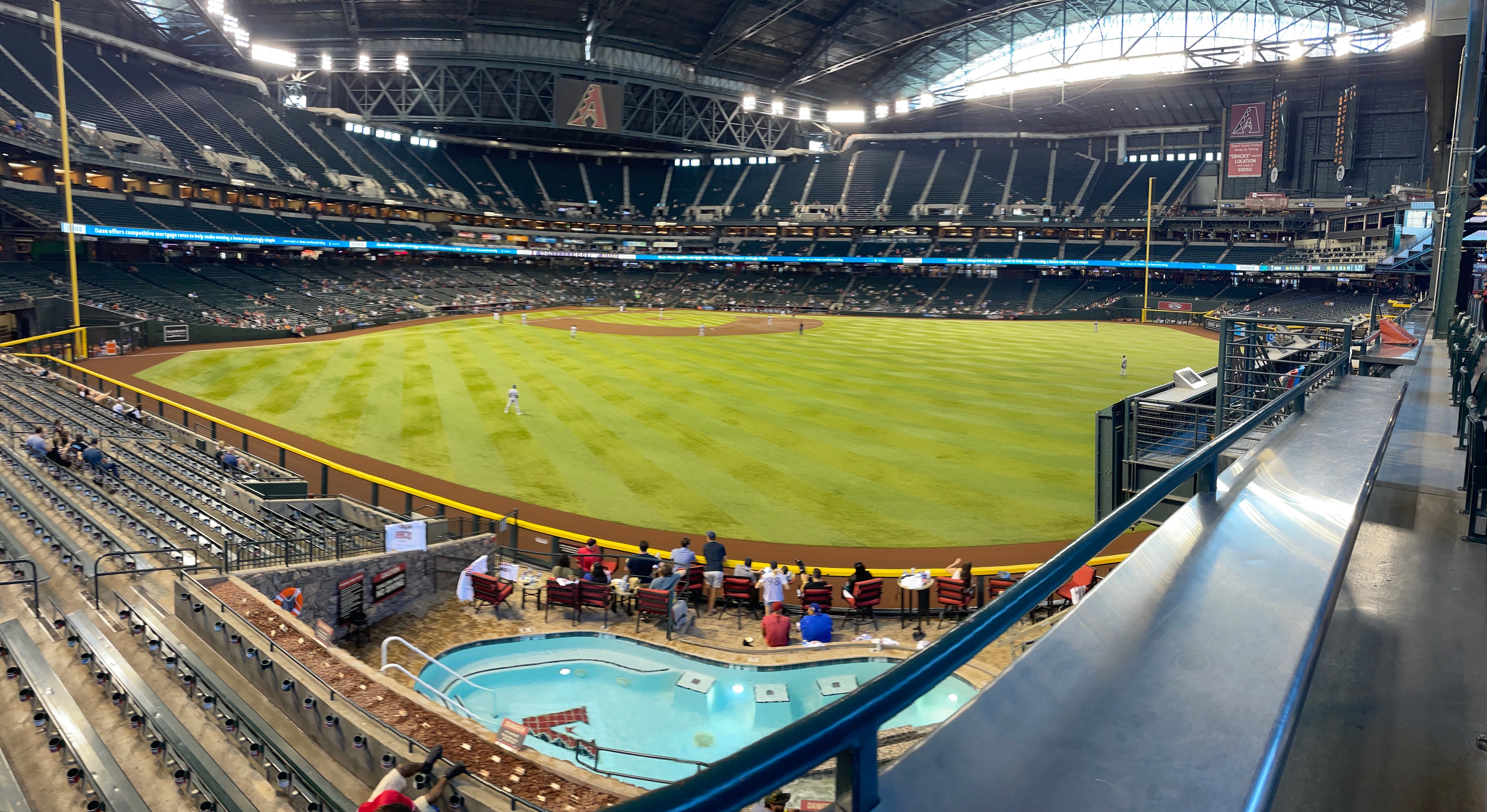
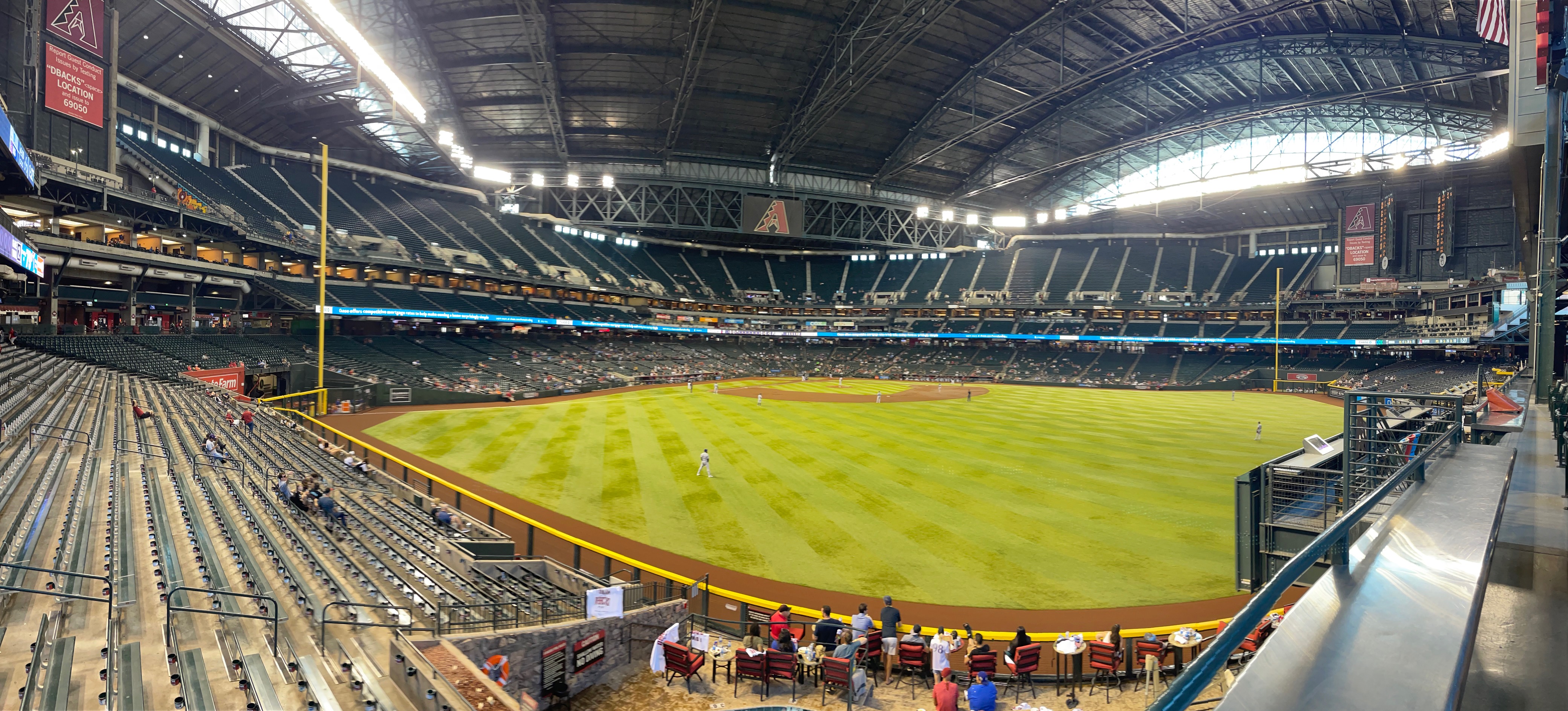

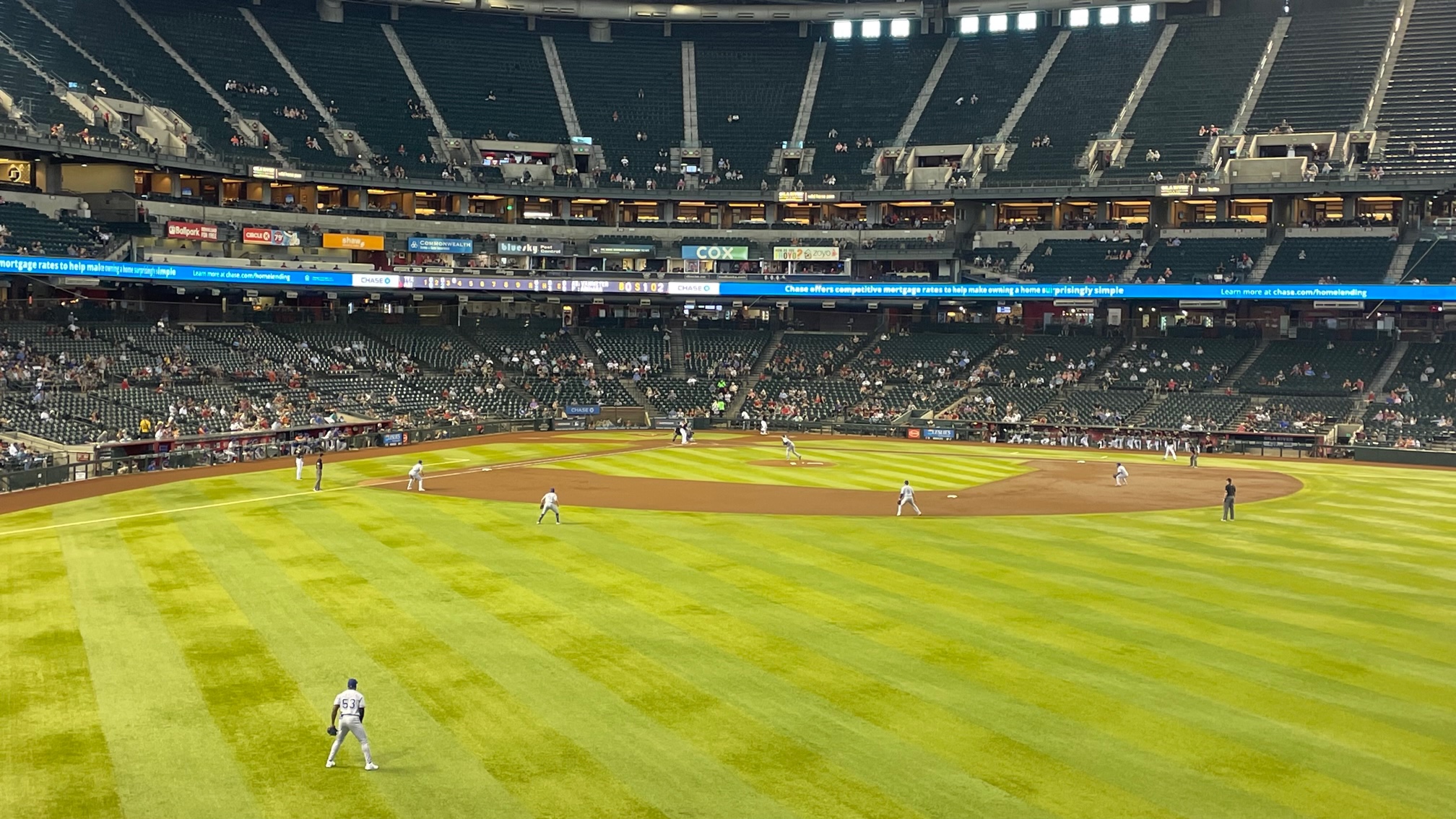

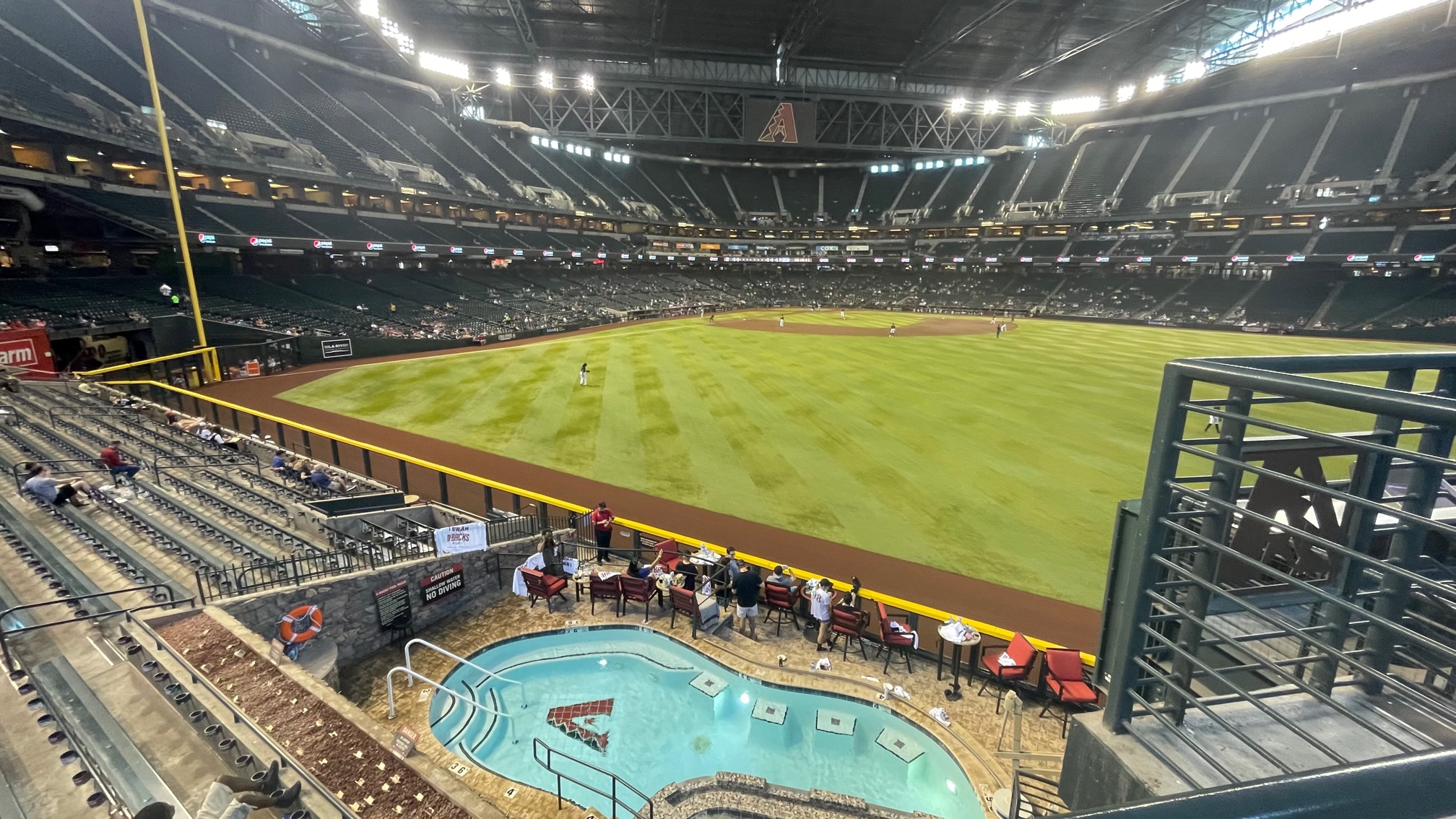
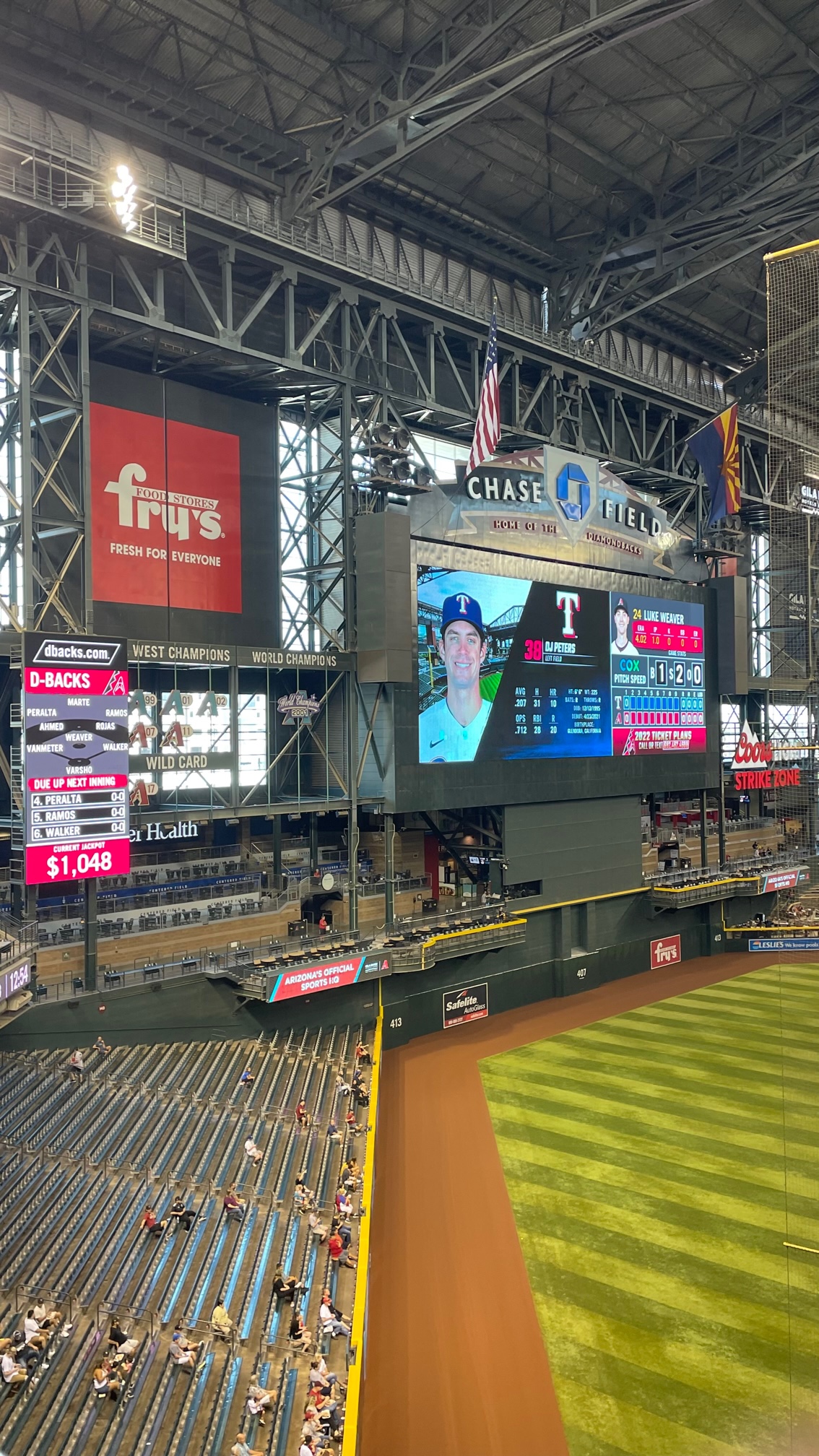
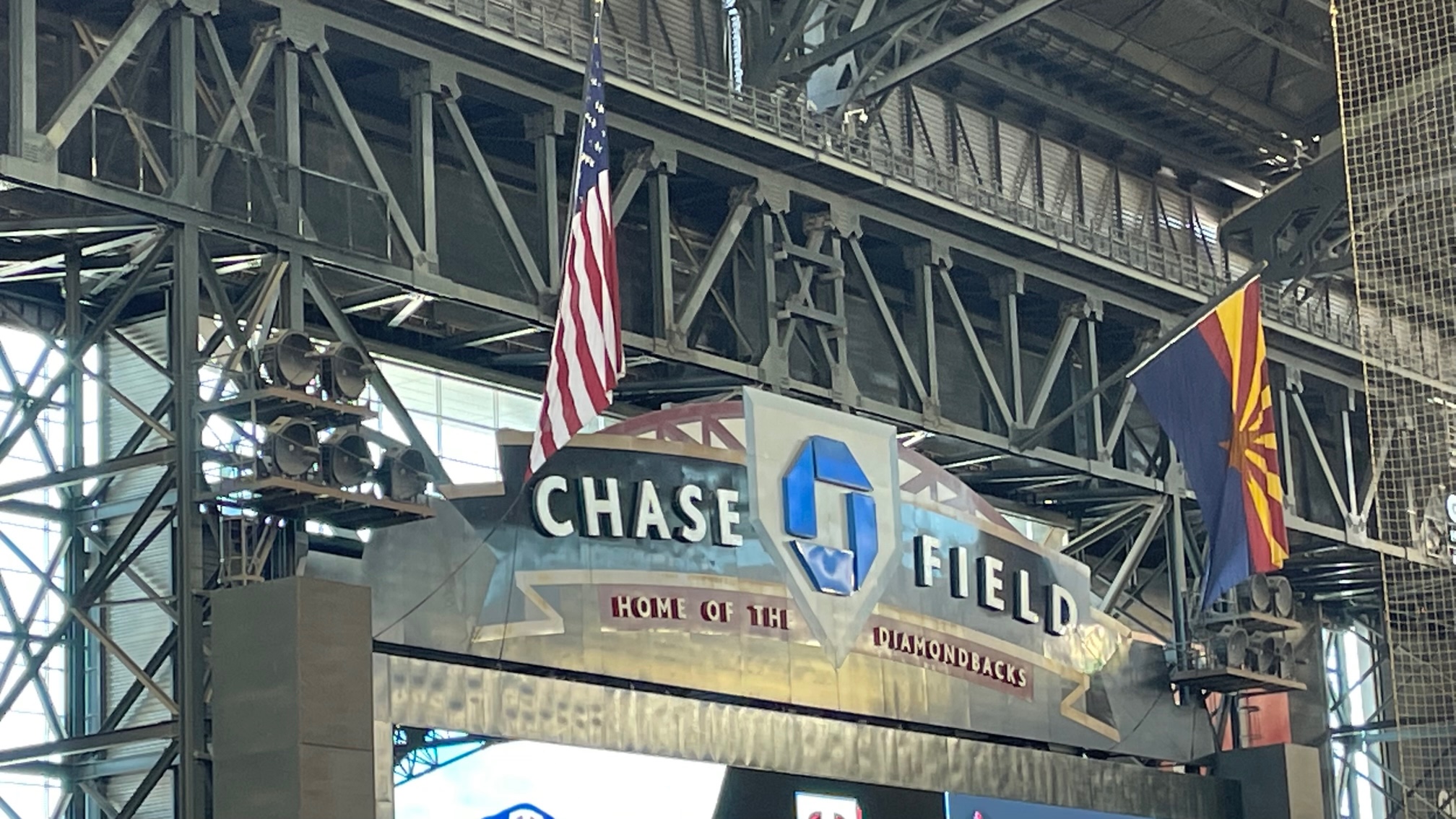



Camera: iPhone 12
Location: Chase Field; Phoenix, Arizona, United States
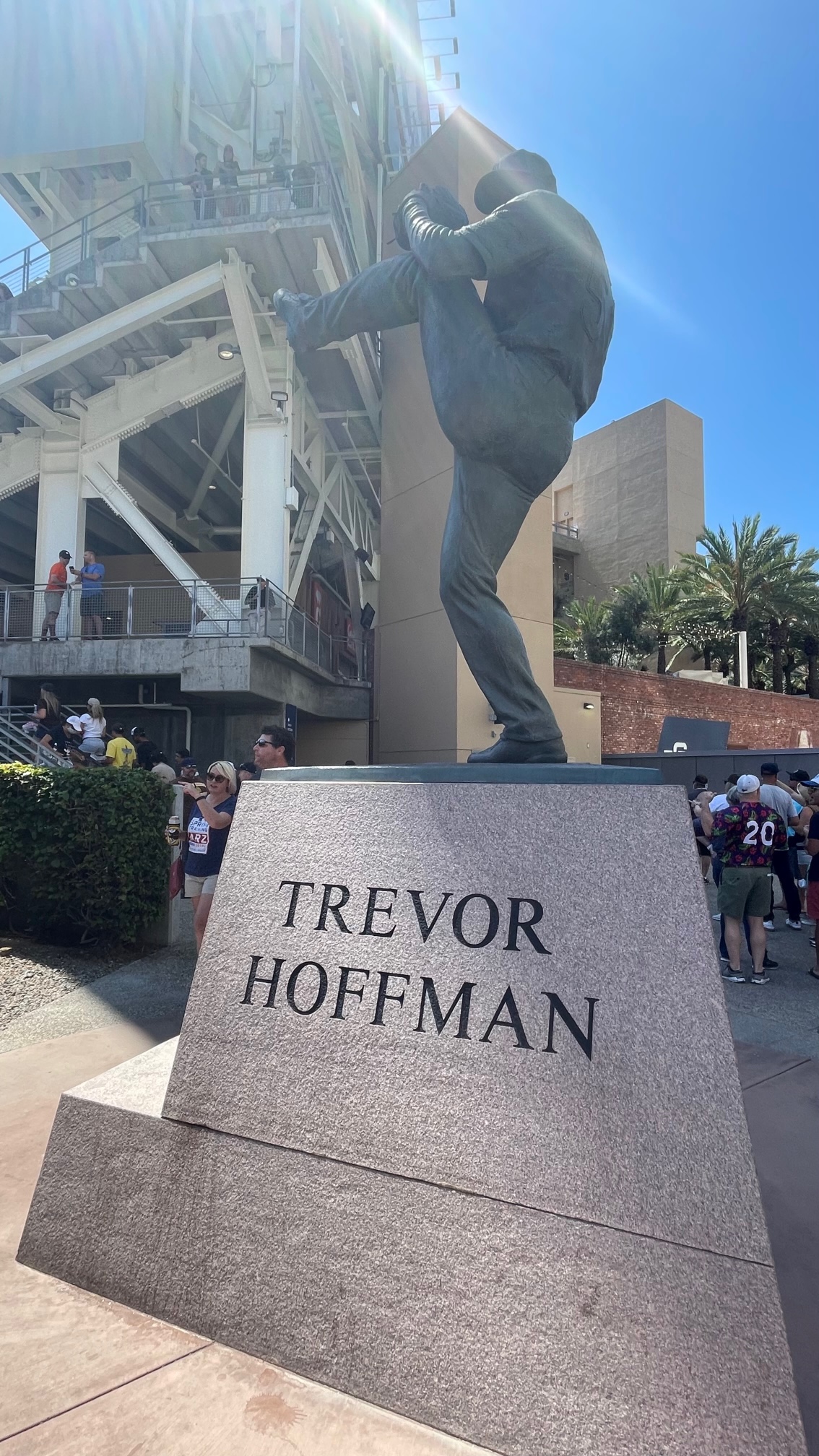
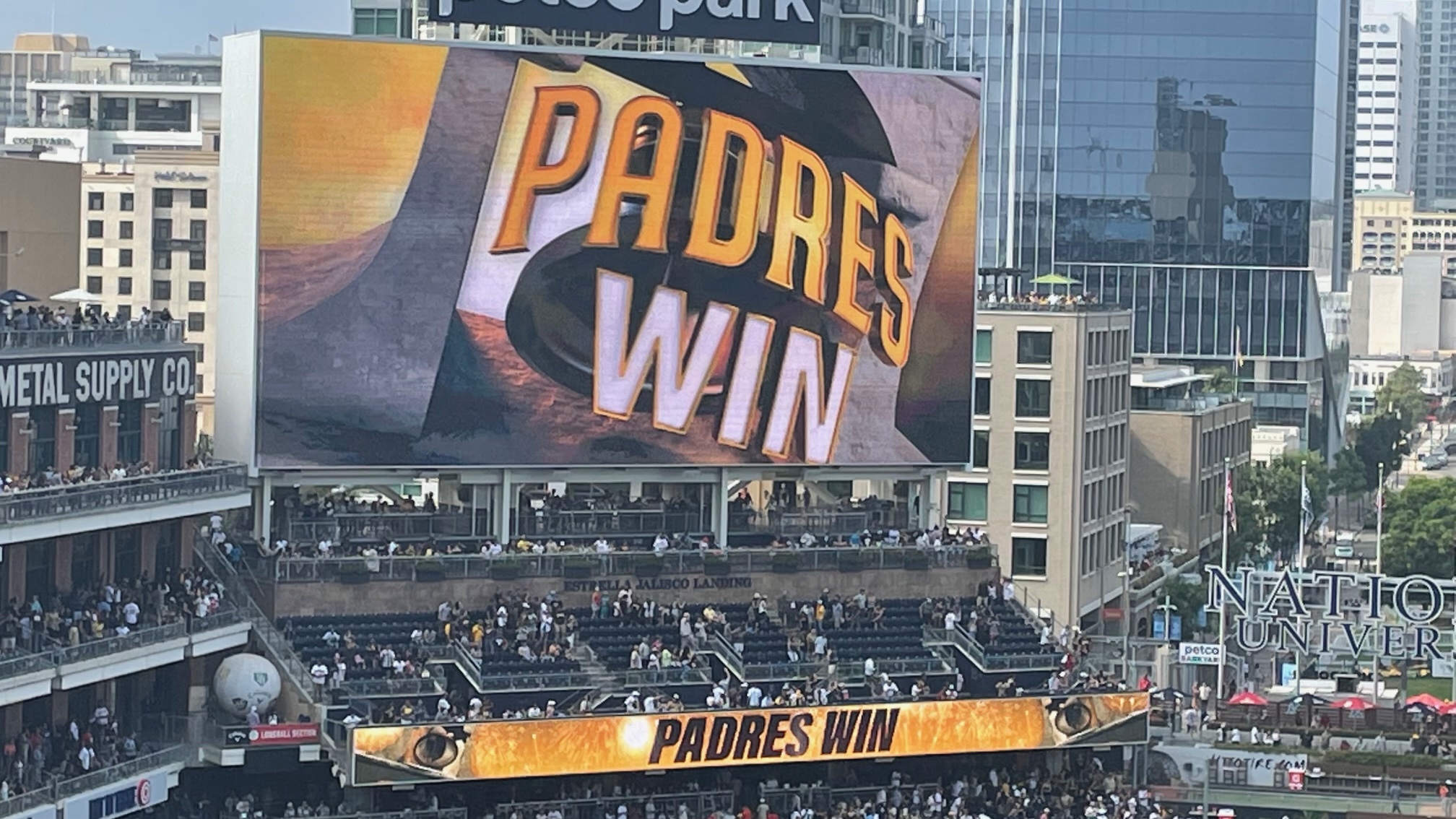
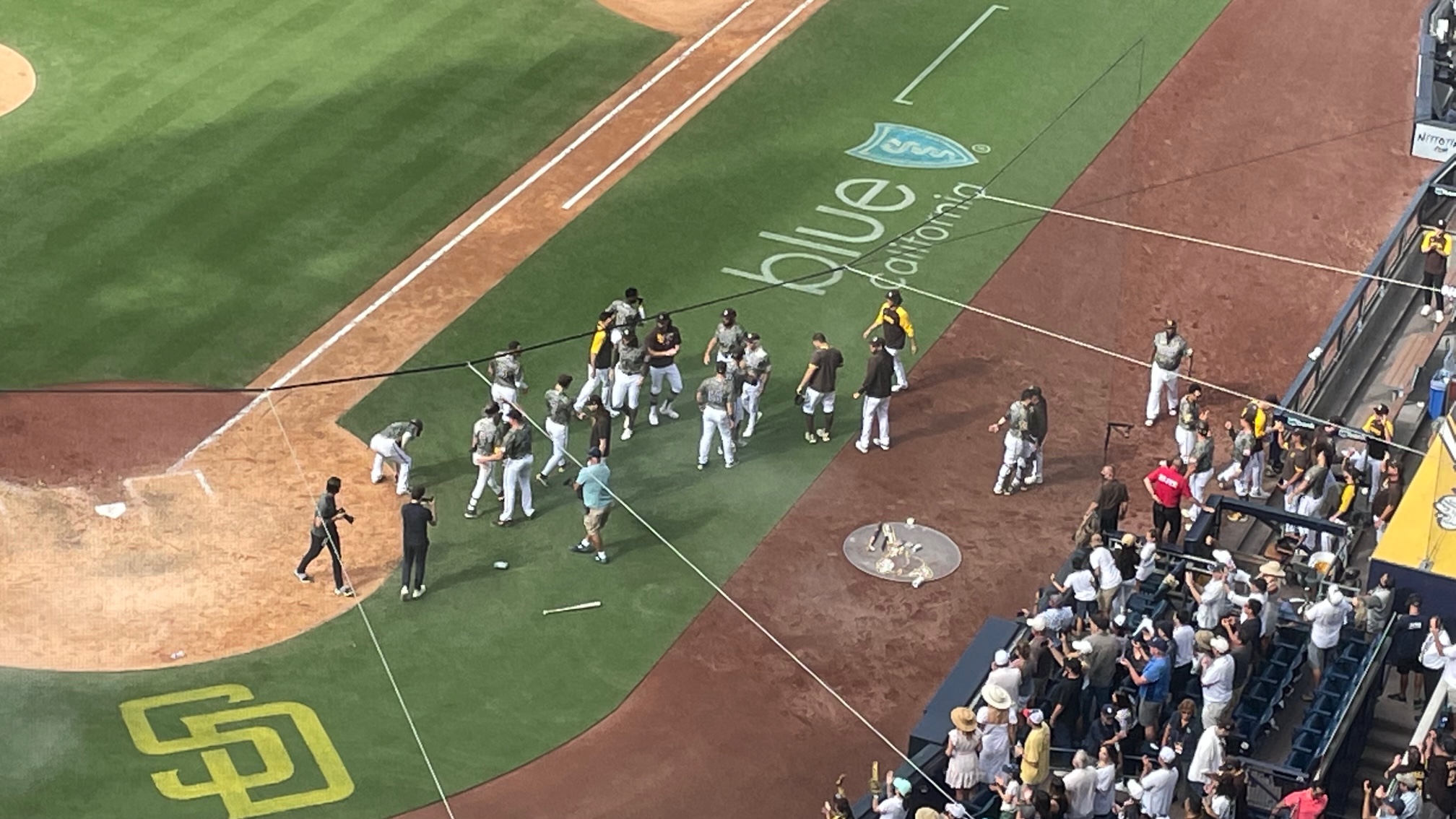




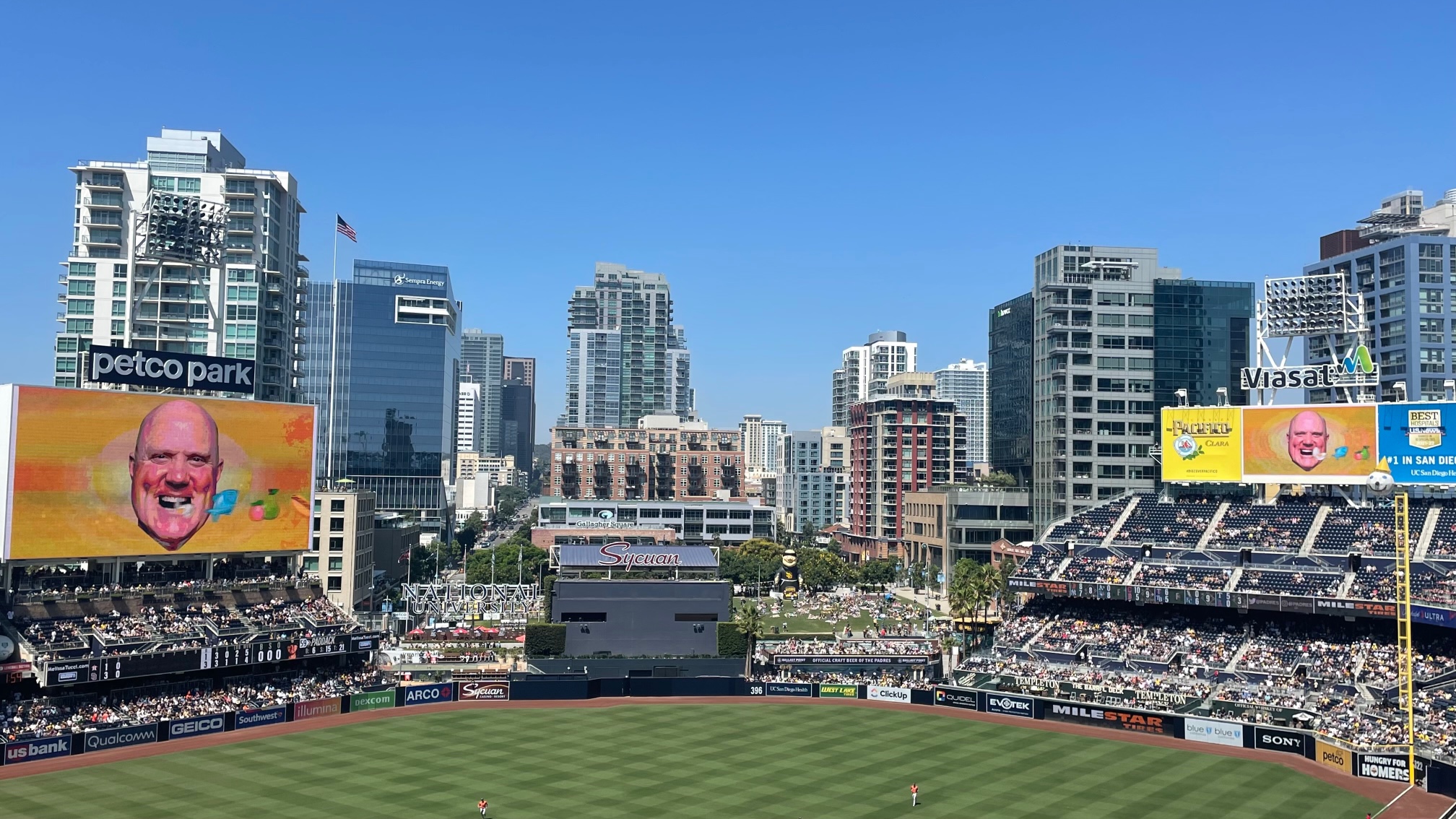


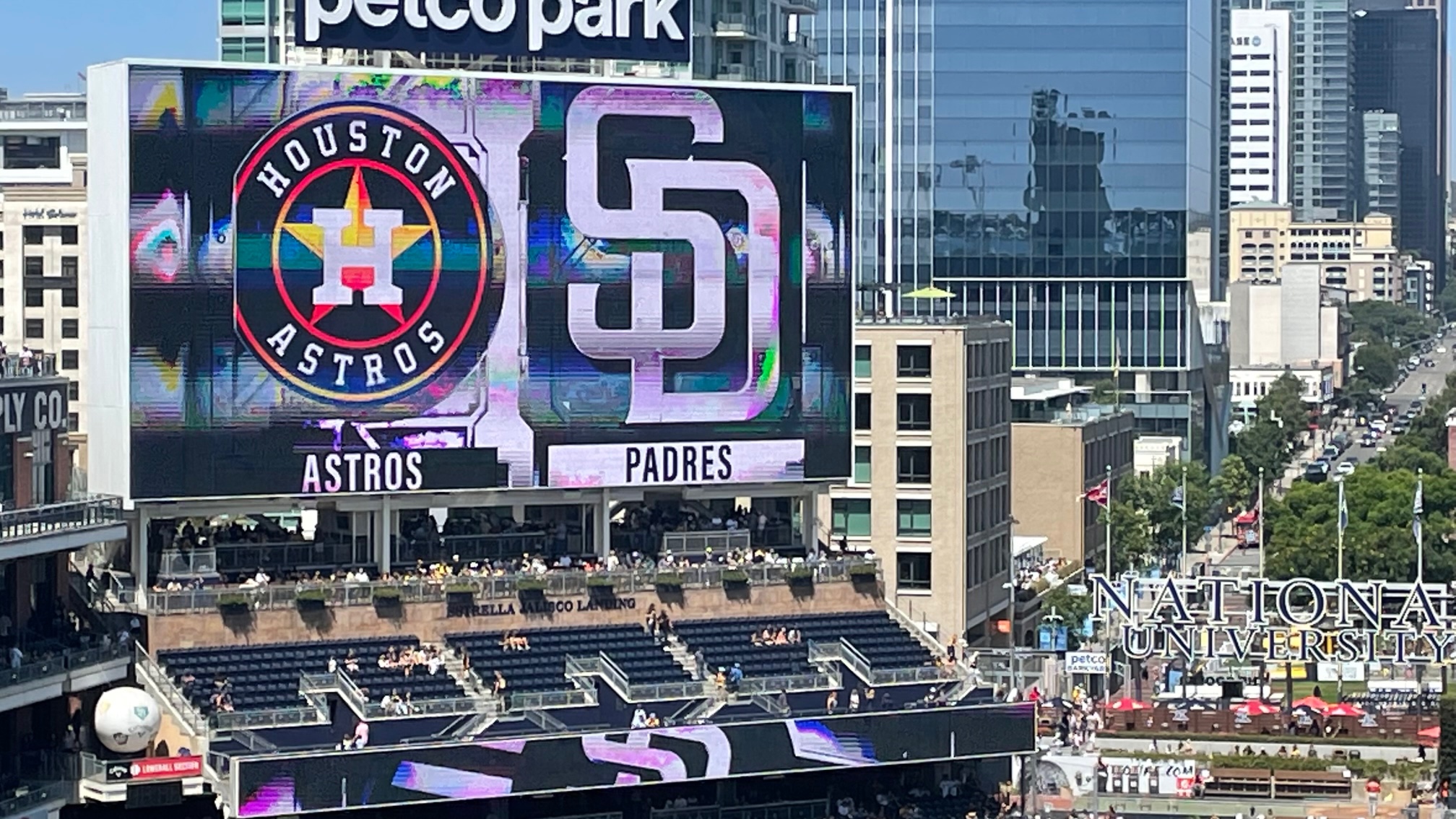
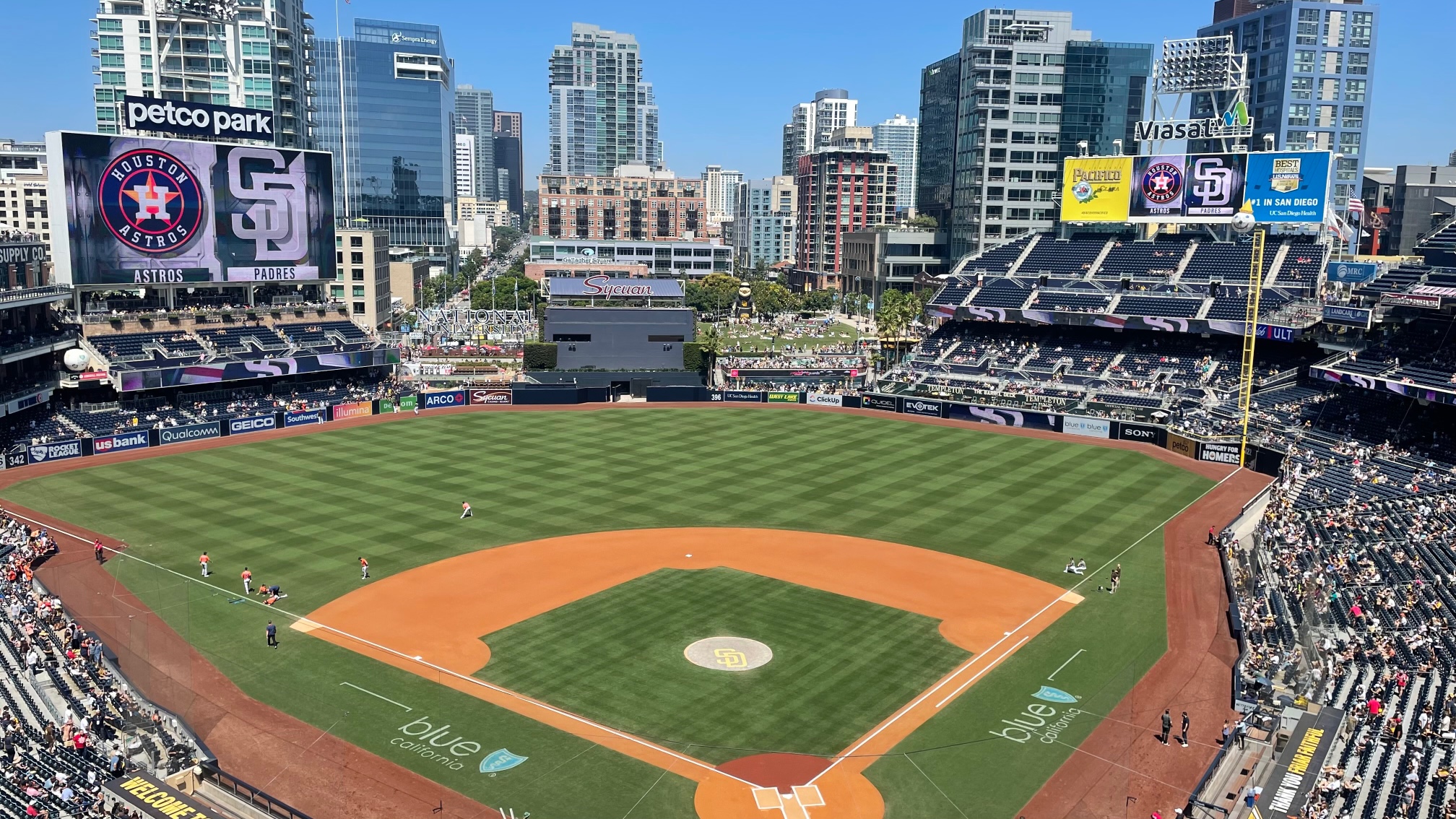




Camera: iPhone 12
Location: San Diego, California, United States

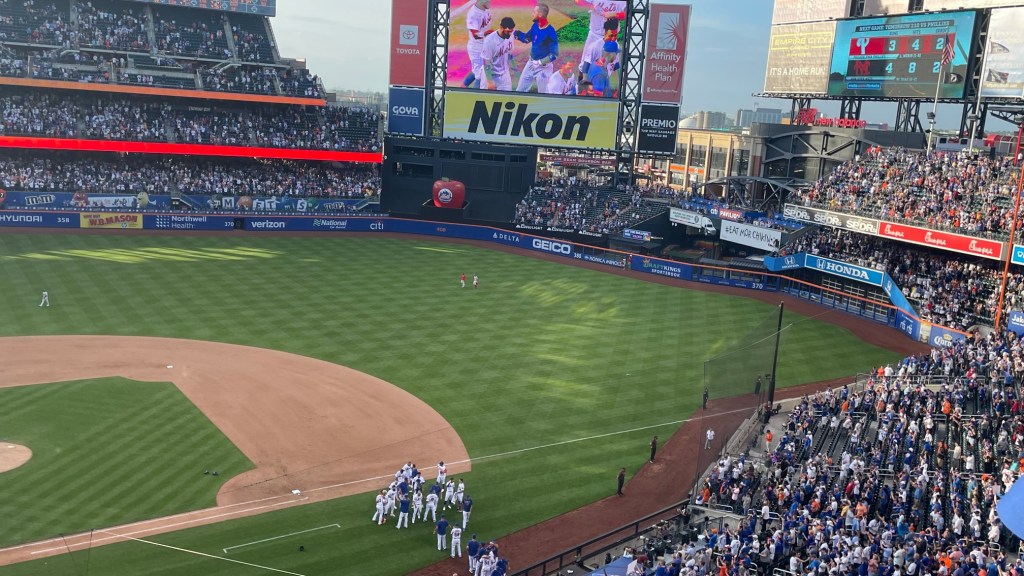






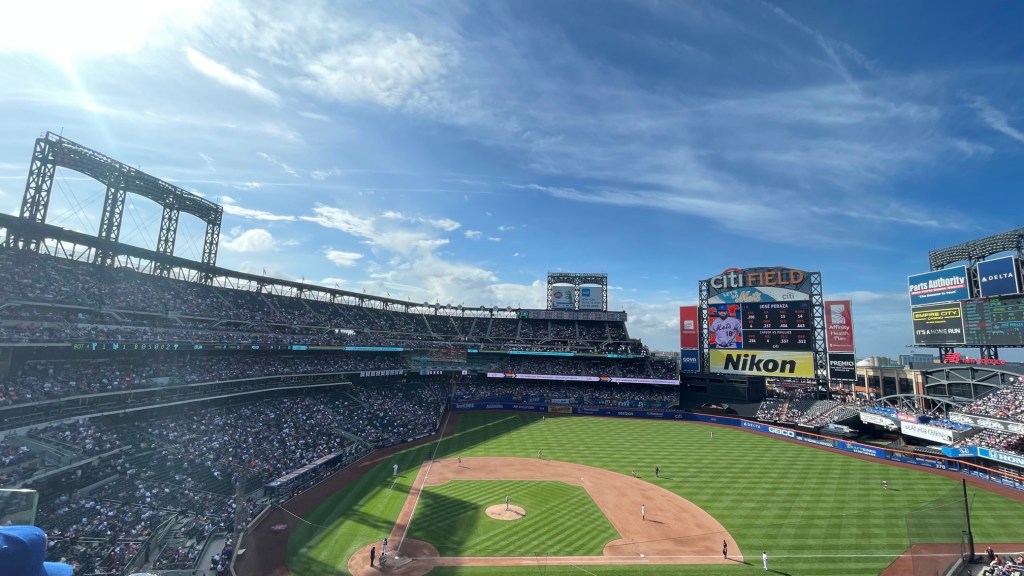



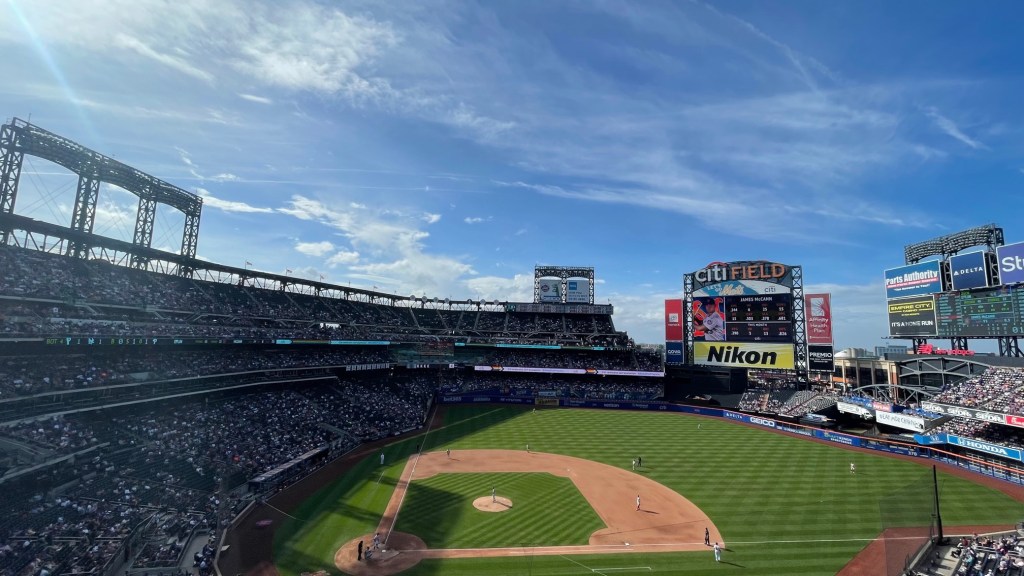


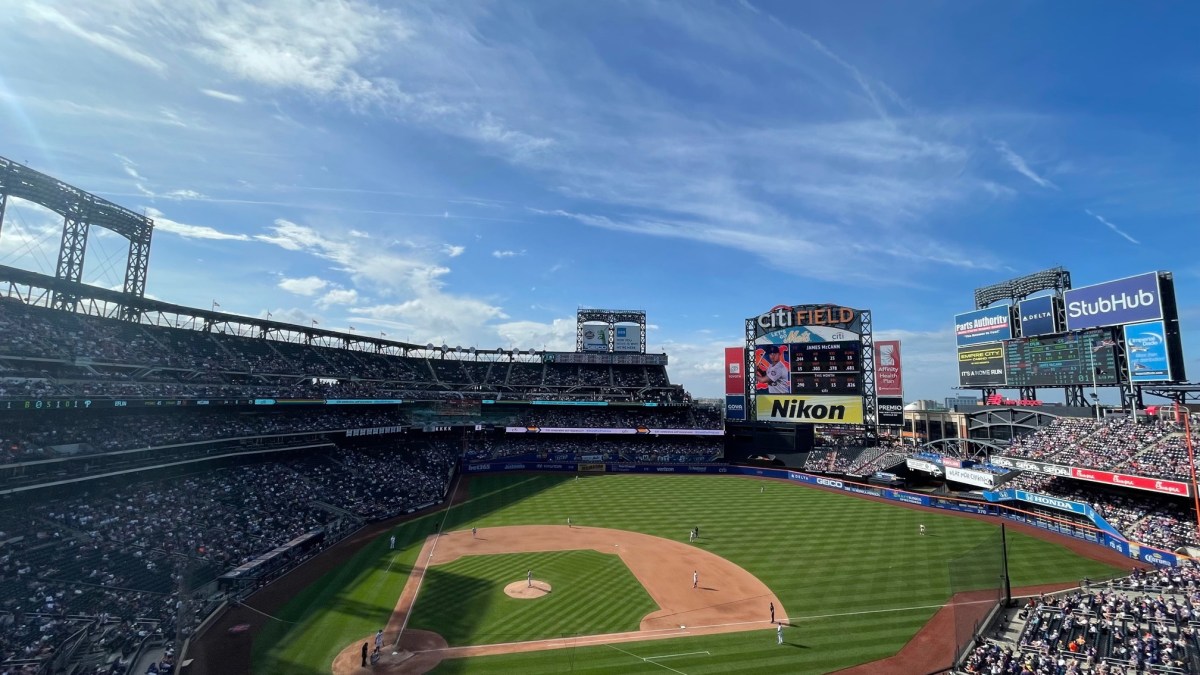
Camera: iPhone 12
Location: Citi Field; Queens, New York City, USA
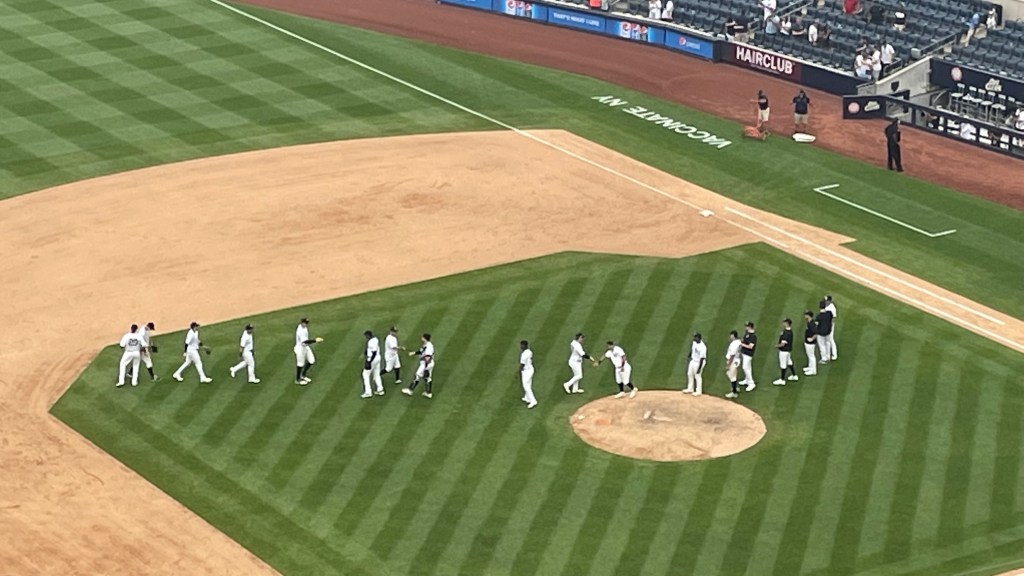





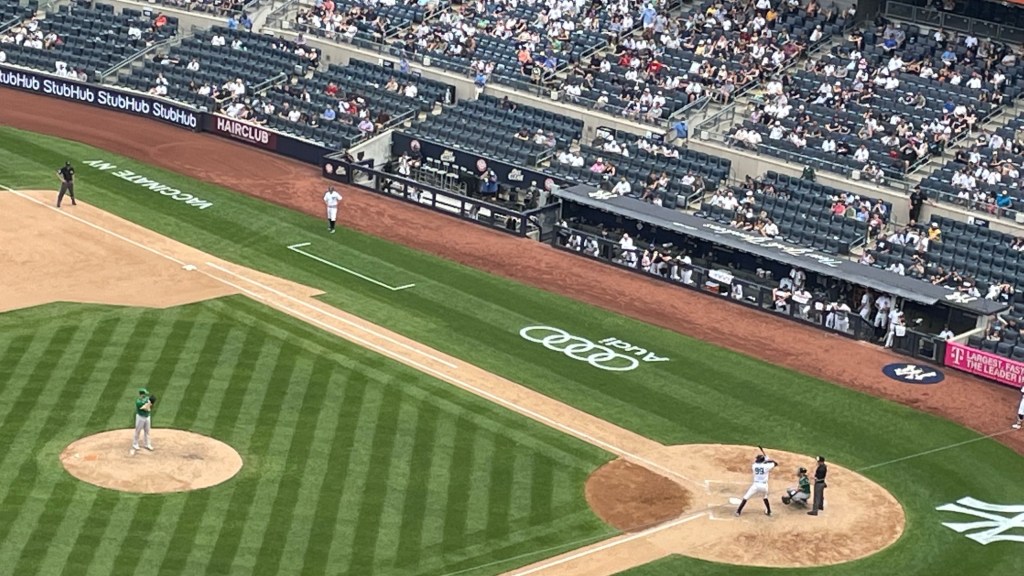
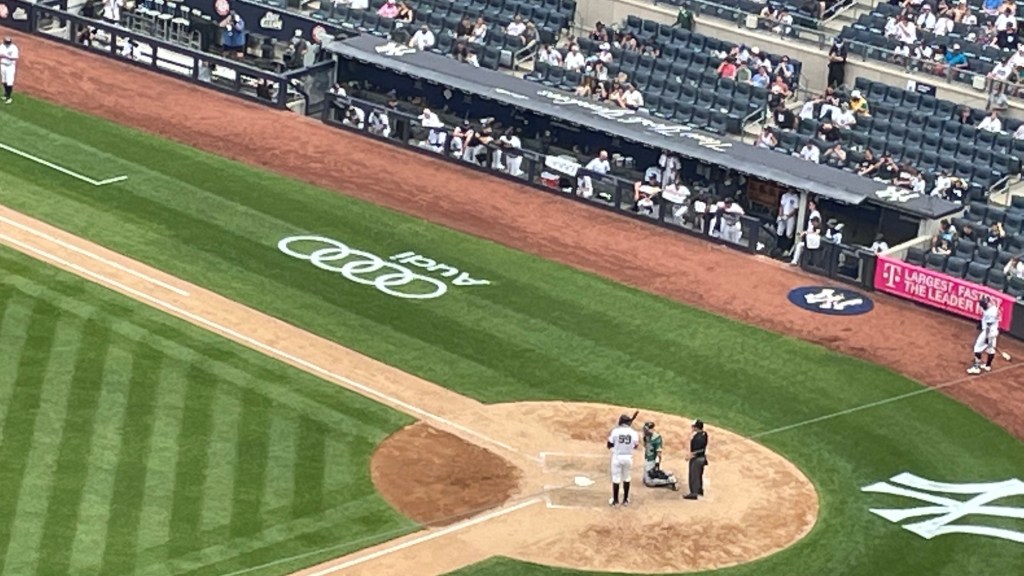



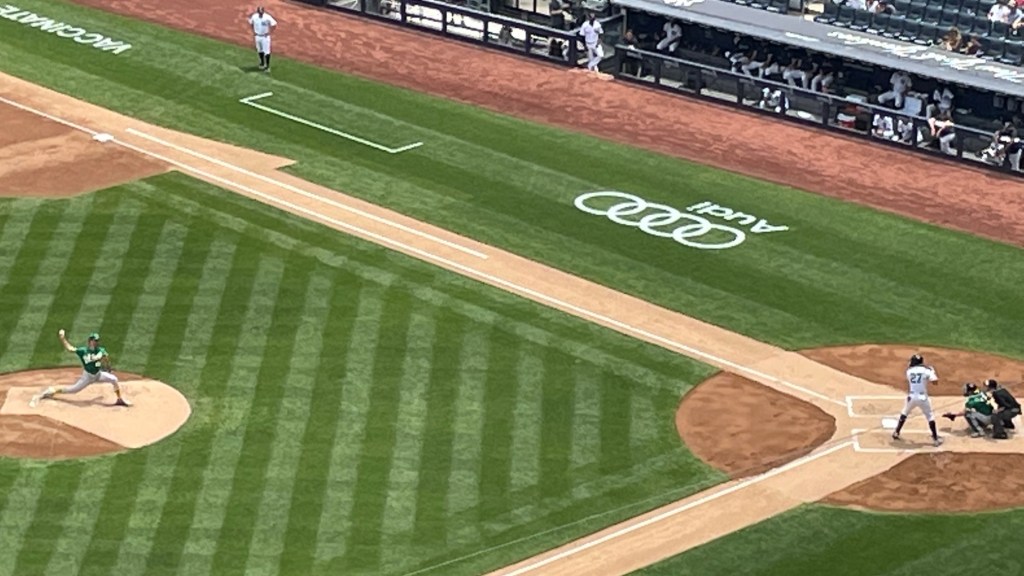


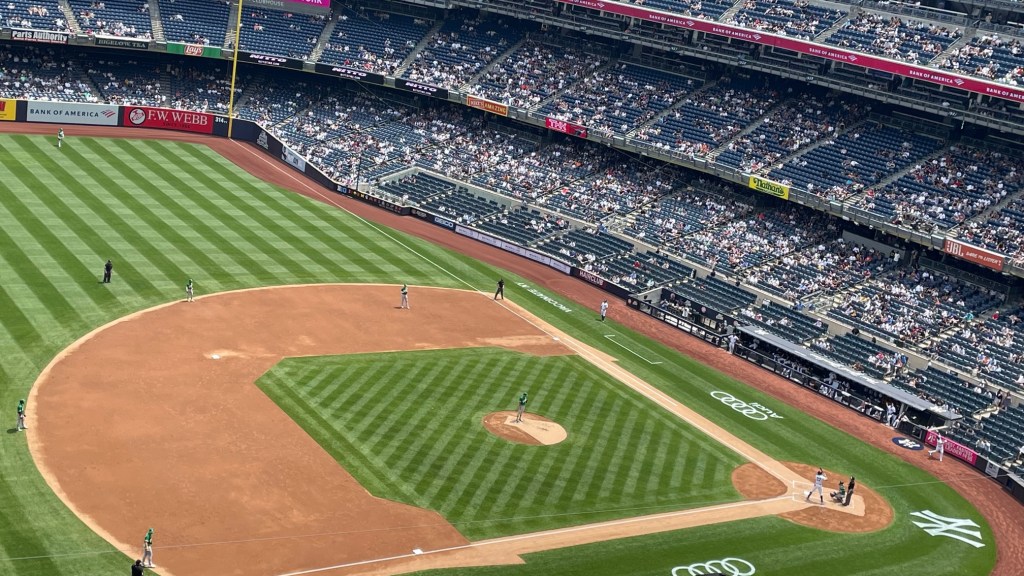

Camera: iPhone 12
Location: Yankee Stadium; The Bronx, New York City, USA

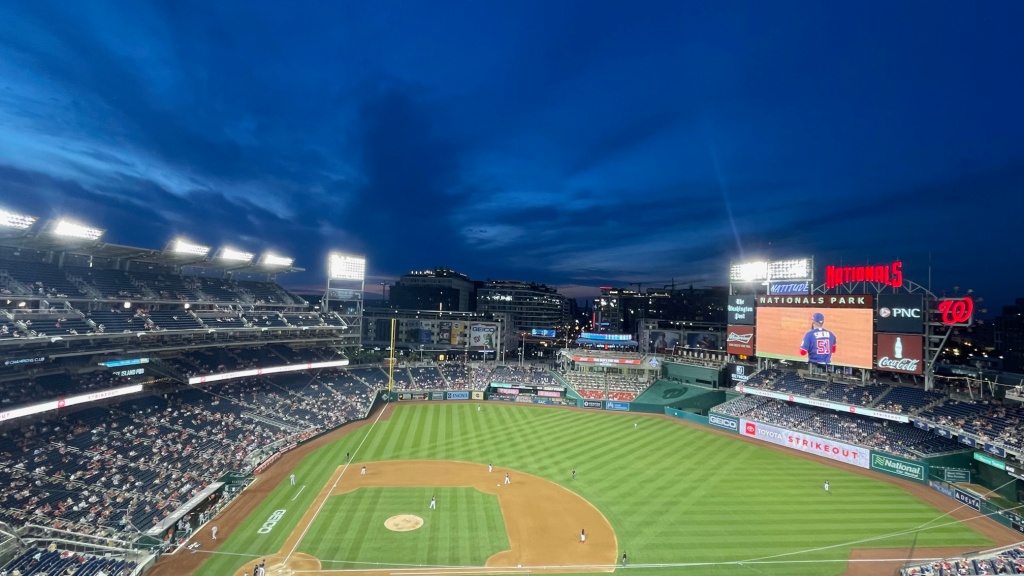


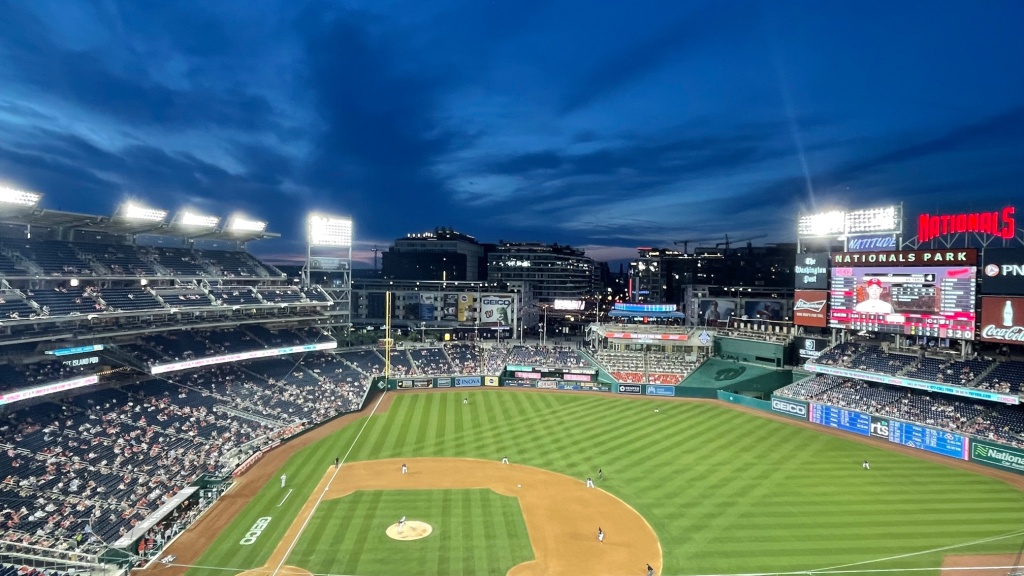



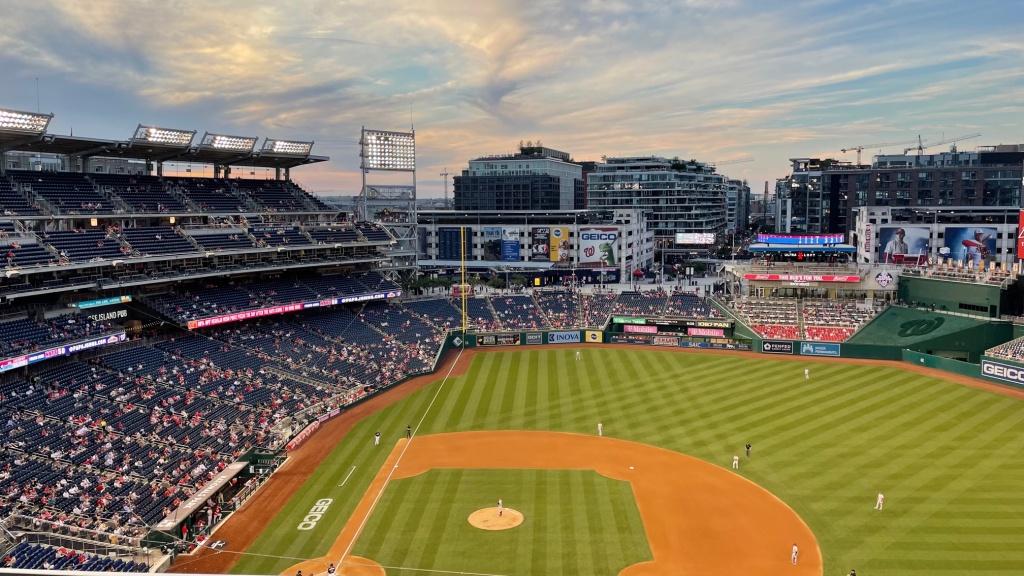
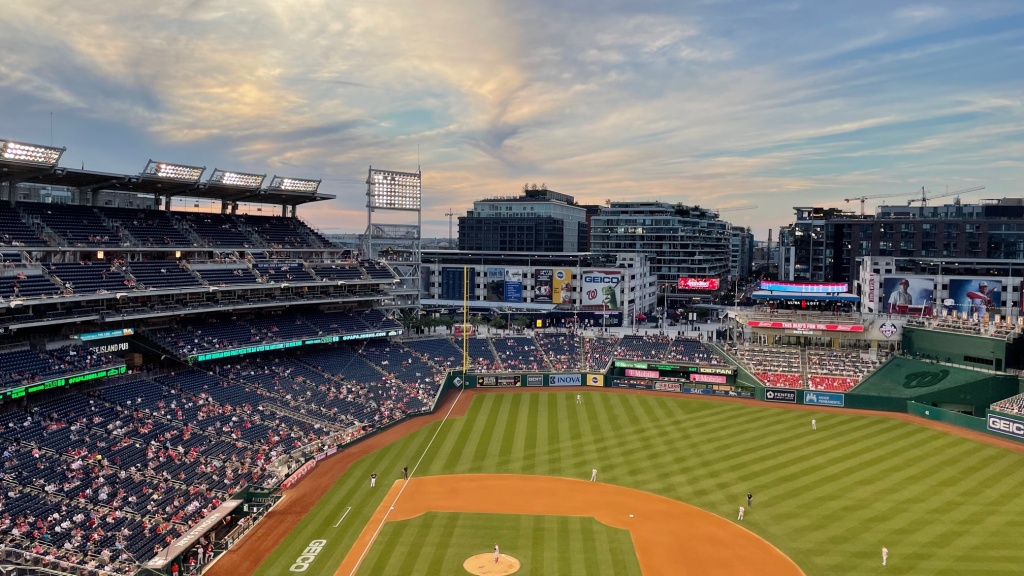

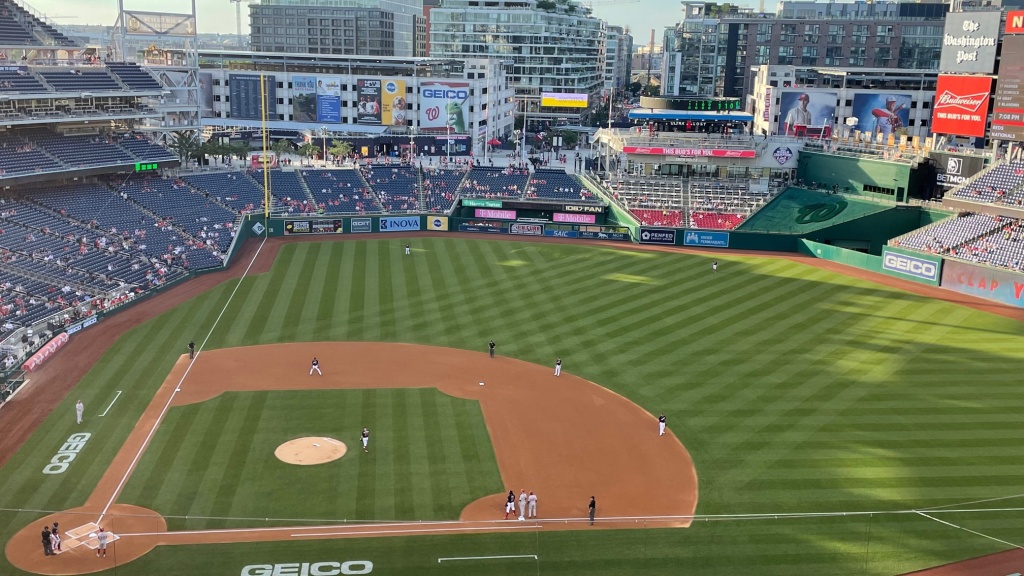


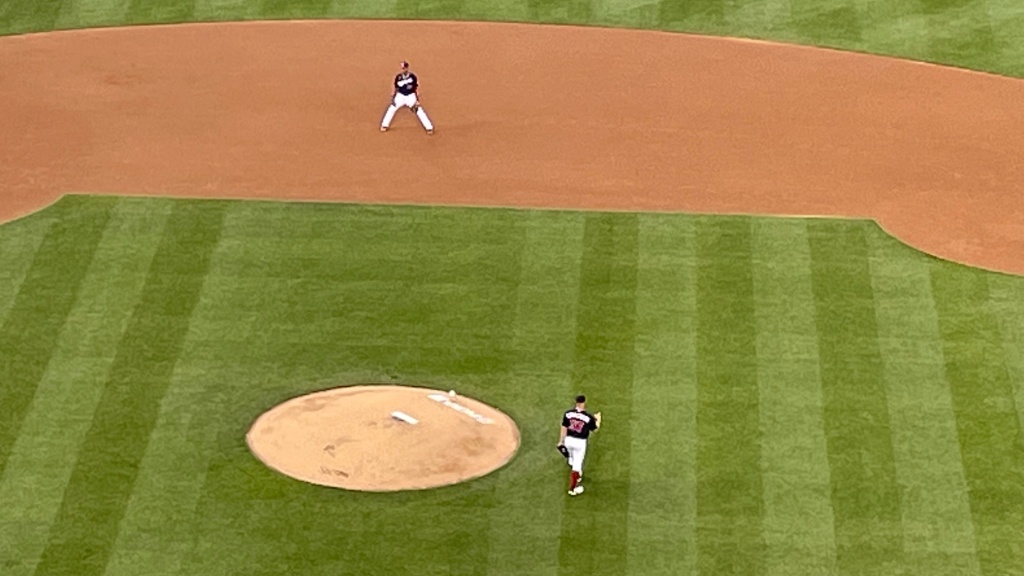
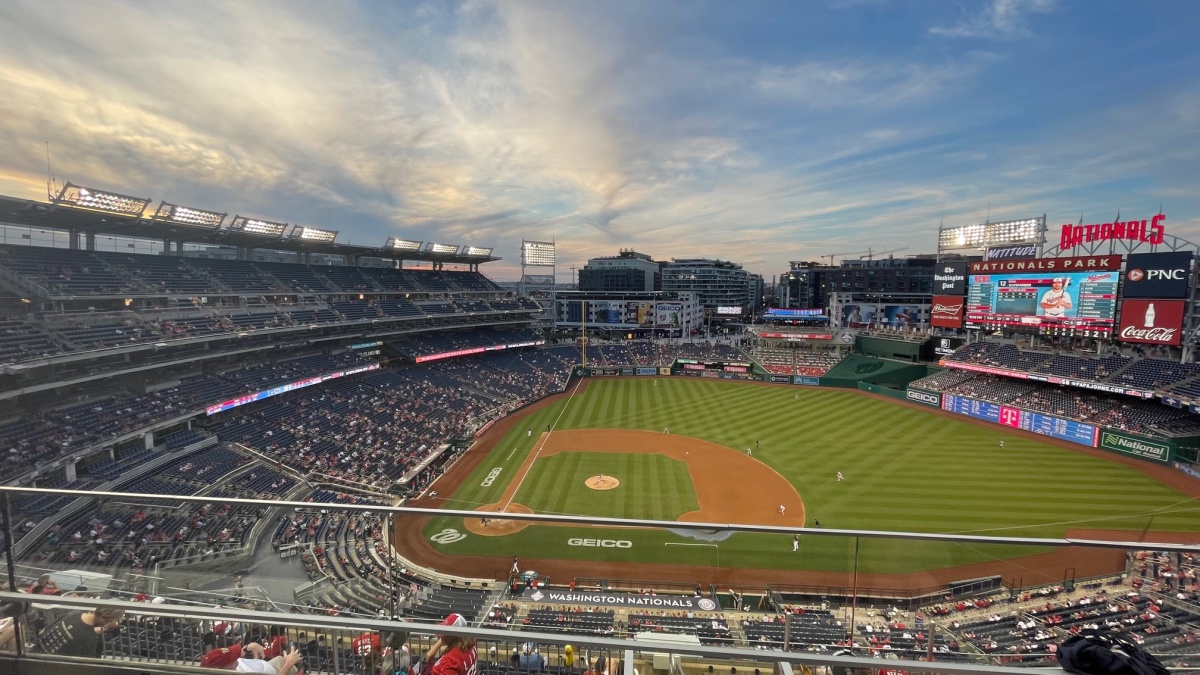
Camera: iPhone 12
Location: Nationals Park; Washington, District of Columbia, USA