Creating Something Out Of Nothing

“The greater the ownership over an idea, a product, a thing, or a concept that you create, the more investment you’re likely to have over it.”

Every one of us has a creative impulse that should not be ignored. It is important to tap into it throughout our lives to create something out of nothing. What better gift to share with the world than something that comes from within us alone and can bring something of utility to another person. I personally find that being able to create something that you made or built or established from your own hard work is the most fulfilling thing that one can do in life. It is beyond rewarding to see something that started from just an idea alone come to fruition through your own efforts.

While it can be exciting or interesting to help someone else build their dream into reality or help be part of that team that executes another person’s idea or vision, it simply does not compare to making your own idea into reality and having others work on that idea to help you develop it into something real. Fulfillment can come in many forms, but I find that making something of your own and having it go out in the world to be a successful product, service, or thing that will be used for months, years, or generations is one of the greatest joys that one can experience in one’s life.

The greater the ownership over an idea, a product, a thing, or a concept that you create, the more investment you’re likely to have over it. When you are the owner or the founder rather than an employee or a team member, the feeling of accomplishment that you have when it happens or becomes something that is fully realized, it is hard to go back to being in that complementary role going forward.

It is good to start small when you are creating something, and to set your expectations within reason. You don’t have to start building a massive business or a large product to feel its joyful effects. It’s best to start with a small project like an eBook, a small product you designed or built, or some kind of freelance service that you alone provide. Once you start to advertise, market, or sell that small product or service you built, it will give you that needed boost of confidence that can propel you forward with other ideas to implement.

When it comes to the act of creation, you must stick with it for a while whether it is an invention, a business, or a service because it will need some tweaking, refinement, or even a rebuild especially if people aren’t buying what you are selling. Sometimes, you’ll need to start over again with a different idea and other times, you’ll need to do a lot of revisions or tweaks to make it more palatable to your audience. Any creation has a strong possibility of failure but even if it does fail, you should rest easy knowing that the act of creating anything is something that not many people can do or even try it at all.

If you can create anything at all, that’s taking a step that most people are not comfortable with doing themselves. You may think that if you create or build something that isn’t successful that you failed entirely but that is not the case at all. If you take that pivotal step in creating something out of nothing, you went further than most people are willing to go. You should keep your spirits up by knowing that just because what you built, made, or created wasn’t exactly financially profitable or sold a lot of units, it does not mean your efforts were wasted.

When you build something from scratch, you gain valuable skills in that process that you would not get otherwise as an employee or team member. Creating something takes innovation, critical thinking, subject matter knowledge, and knowledge of the components of that product or service. Additionally, any kind of creation often involves website development, shipping / delivery, sales, marketing, advertisement, content creation, and networking with other people in that area of expertise. If what you first created did not reach your own goals or hopes, don’t stop creating.

Be bold enough to create something else and to keep trying new inventions, new products, or new services. I am a believer in a creator’s ability to keep tinkering with new ideas, trying out different ideas, and being able to revise their ideas to build something even better. Many inventors including Thomas Edison, one of the greatest creators in history, had to submit hundreds of inventions and establish hundreds of patented creations, before he was able to establish and market the early version of the incandescent light bulb, the phonograph, and the motion picture camera.

Any great creator from Thomas Edison to Steve Jobs to Elon Musk did not just stop with their one creation or one product or one invention, they used their talents and their ideas to propel themselves forward into different creative areas. You should build on a small success and use that fuel to try out other ideas in your area of expertise. If you can create something that generates a little bit of success, that motivation will carry you forward in being able to develop other ideas that may be even more successful. Do not be afraid to fail either. If you can be one of those people who can create, can invent, or can build something from nothing, you should know that you are a unique individual who is changing the world in a small yet measurable way. Even if you are not the next Thomas Edison, you are a creator in the world and that is quite the personal achievement.

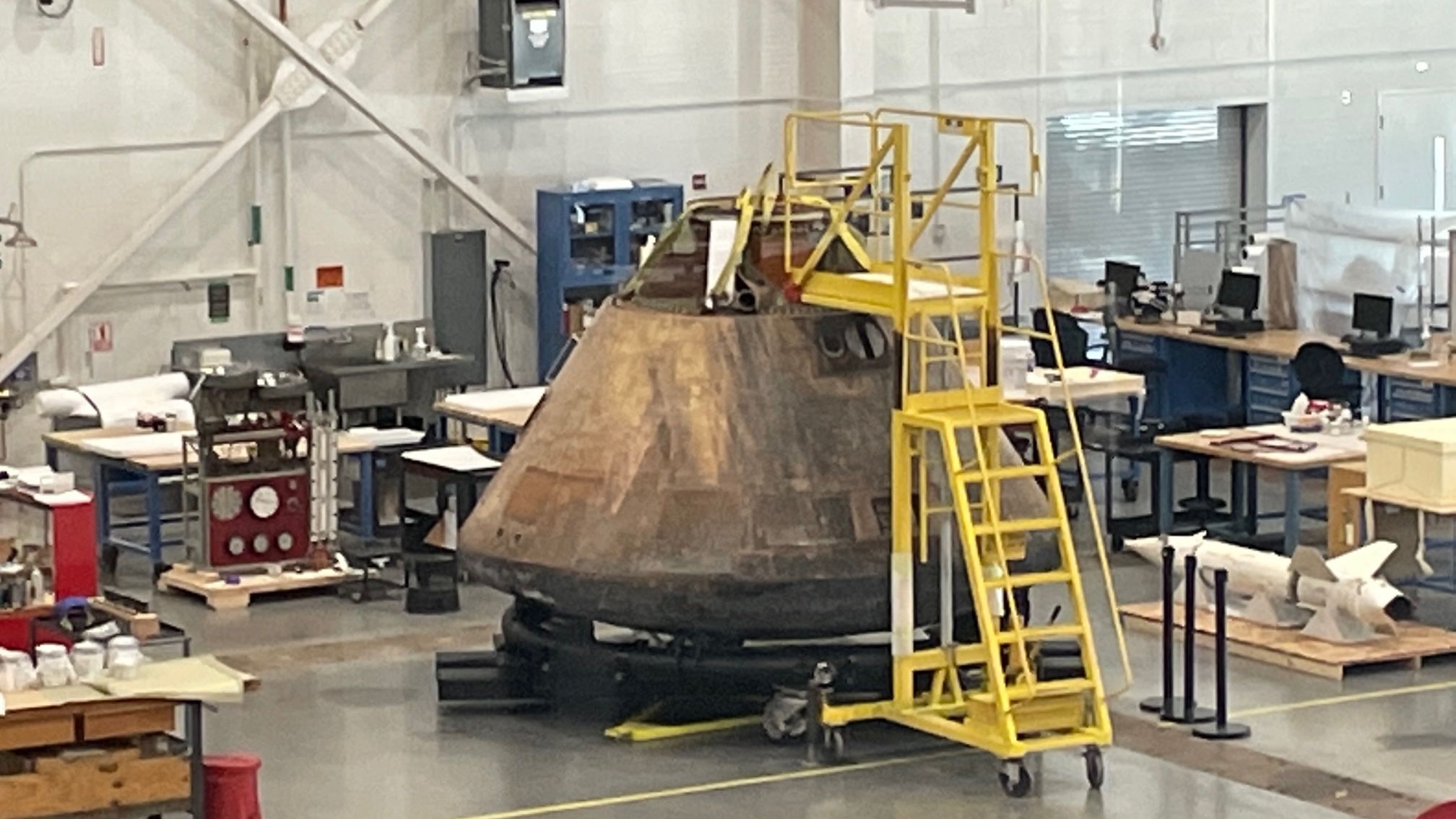
The Steven F. Udvar-Hazy Air and Space Center

Camera: iPhone 12

Location: Steven F. Udvar-Hazy Center, Air and Space Museum Annex; Chantilly, Virginia, United States

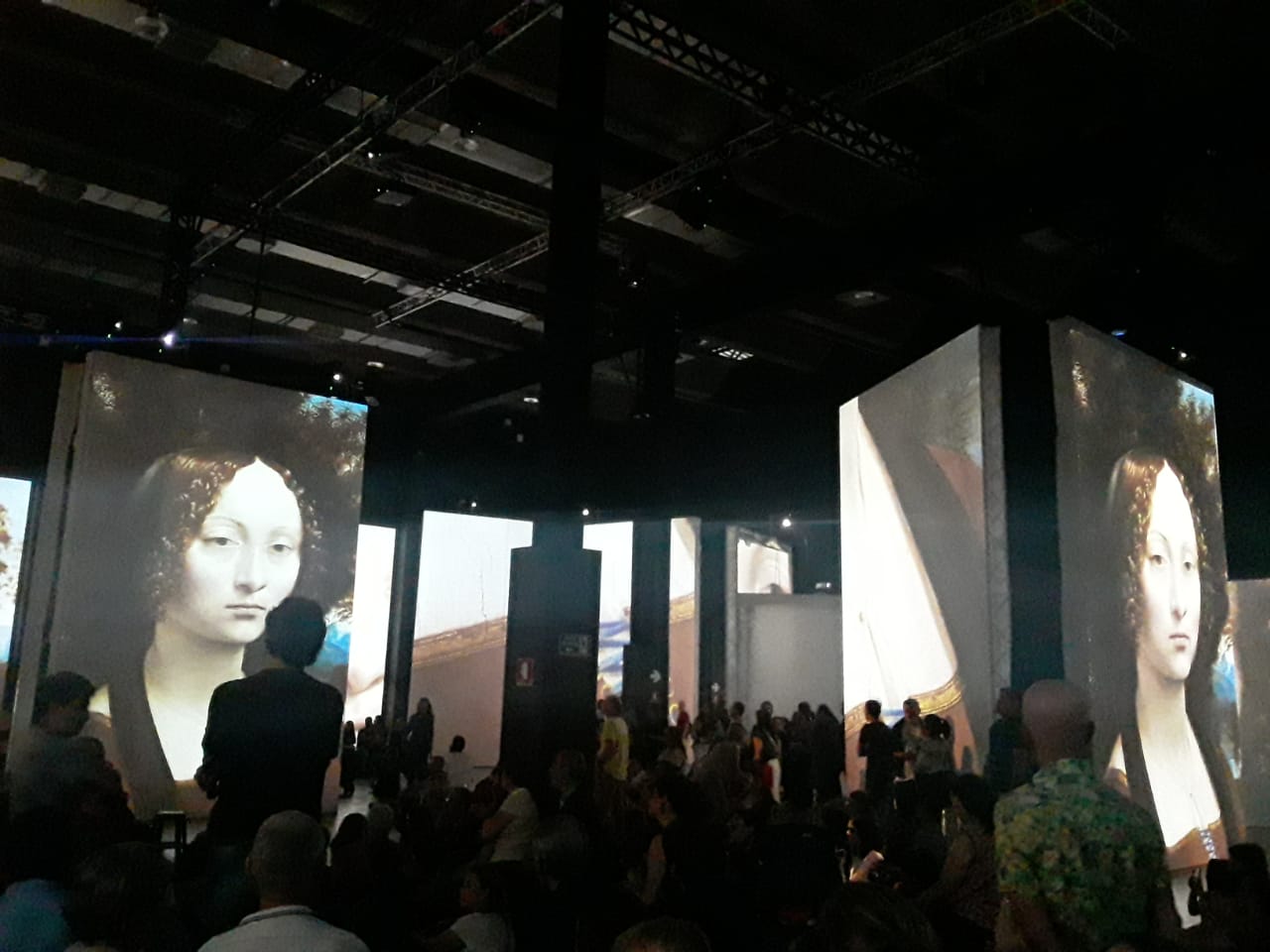
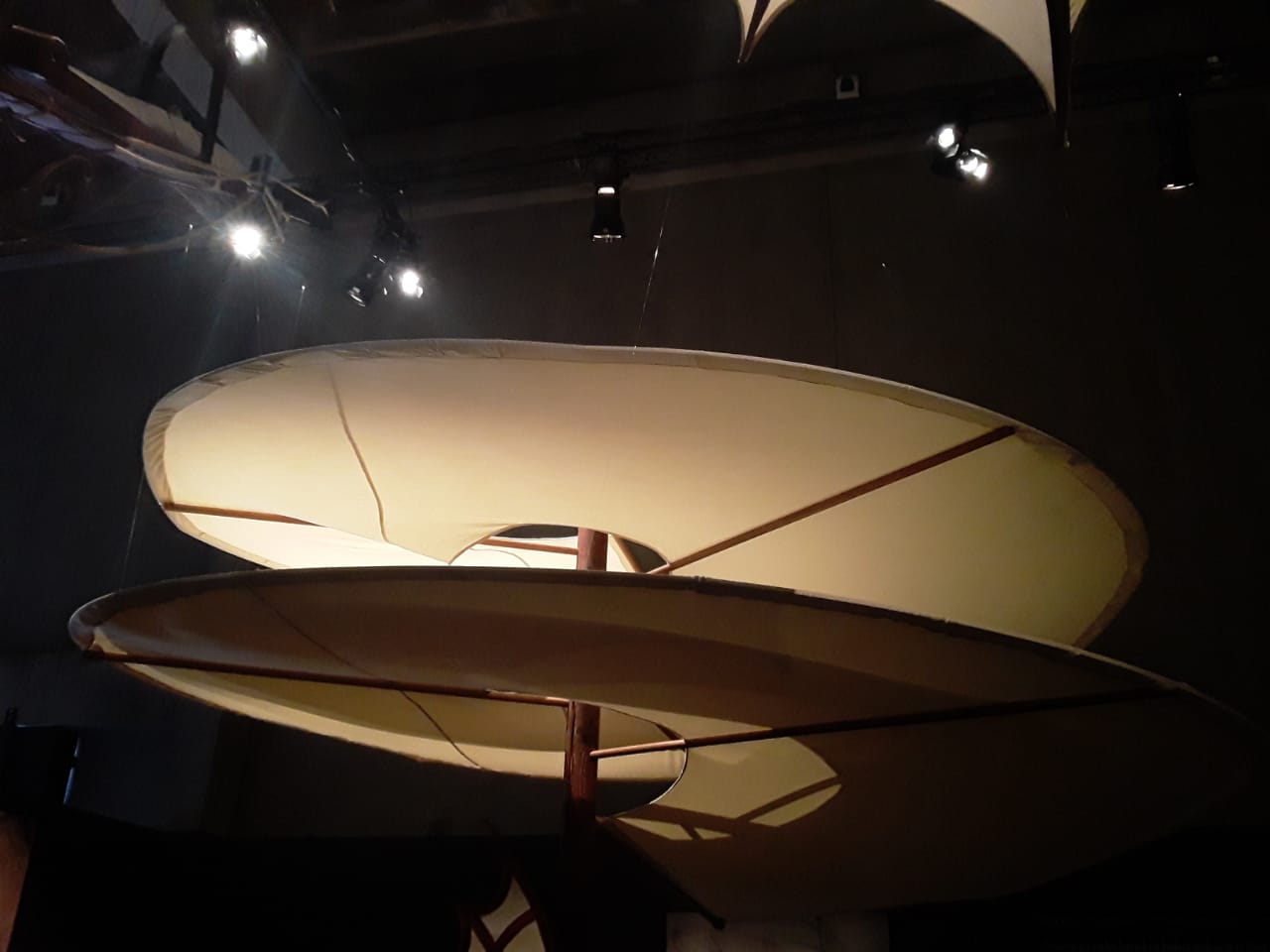
500 Years of Da Vinci

PHOTO-2019-12-11-20-23-51 (2)PHOTO-2019-12-11-20-23-51PHOTO-2019-12-11-20-23-50PHOTO-2019-12-11-20-23-49PHOTO-2019-12-11-20-23-48 (1)PHOTO-2019-12-11-20-23-48PHOTO-2019-12-11-20-23-47 (2)PHOTO-2019-12-11-20-23-47 (1)PHOTO-2019-12-11-20-23-47PHOTO-2019-12-11-20-23-45 (1)PHOTO-2019-12-11-20-23-45 (2)PHOTO-2019-12-11-20-23-45PHOTO-2019-12-11-20-23-44PHOTO-2019-12-11-20-23-44 (1)PHOTO-2019-12-11-20-23-43

Camera: Samsung Galaxy J2 Core

Location: 500 Years of Da Vinci Exhibit; São Paulo, Brazil

The Power of An Idea

According to the University of Southern California’s Laboratory of Neuroimaging, the average person has about 70,000 thoughts per day. That is about 45 thoughts per minute and 2,700 thoughts per hour. Most likely, 90% of those thoughts are focused on the day-to-day habits and responsibilities that we take upon ourselves out of necessity. Where we go to eat, where we go shop for food, what to clean and how to clean it, and the need to brush, dress, and groom ourselves so that we look presentable to the world. However, what makes us stand out as a species is our ability to pull a few ideas from these thousands of thoughts that end up changing the world in some measurable way.

Thoughts can be random, scattered, and hard to quantify but with concentrated effort and documentation, these thoughts become ideas that later can become a reality. How does an idea turn into a real thing? Well, one part of making an idea real is jotting it down on paper or even on a smartphone today and really spending a lot of time focusing on the plausibility of it. Ideas can make the best sense in the world to you but if they are not popular or don’t transcend just your belief in them, they will go nowhere fast.

Ideas are meant to be tested, changed, and optimized so that people believe in them, for better or for worse. The paradox that is inherent with ideas is that they are very similar to human nature. They can be used for the greatest good or the greatest evil. Ideas are so powerful that wars have been waged over them, millions have lost their lives, and untold amounts of money have been spent to promote or degrade them.

When you really think about it, ideas that are put into action have caused changes to human civilizations throughout the millennia. Whether its education, health, infrastructure, scientific advancement, community building, ideas are at the forefront of upending the status quo and changing human lives, sometimes for the better or sometimes for worse. While I just mentioned the positive advancements that come from ideas, it is also valid that ideas have led to war, poverty, inequality, destruction, and multiple isms that have caused conflict and strife among nations, races, and religions.

You may be reading this article and wondering that maybe it’s best to not contribute your ideas to the world in some way. I think this is a false dichotomy because I like to think that if your ideas are not harming people, are not harming the planet, and can lead to a better community, country or world, then you should try out your ideas and see what happens. The key part to realizing an idea of yours is to see how other people react to it. Are they happier because of your idea? Are they healthier because of it? Are they better educated because of your idea?

You should be asking yourself: Is my idea doing some sort of measurable good for the world and how can I improve upon it? Ideas start out as being imperfect but once you start acting to make those ideas a reality in the world, you will soon learn that implementation of those ideas will take serious hard work and effort. Getting feedback from unbiased users or participants is a key step to see whether the idea is worth merit and whether it is sustainable or not in the long-term. Imposing your idea on the world without substantive feedback or without understanding how your idea fits in to your specific niche will end up in failure.

If you have an idea, remember to write it down and construct how it could work and whether it would be worth pursuing. Similar to starting a business or launching a campaign, you have to test drive the idea first to see if people would be interested in what you have to offer whether they are paying customers or voters from the town you are running your campaign in. Careful assessment and fleshing out of your idea will make a better idea and will make your idea stand out from others that are similar or may be able to usurp yours.

Ideas do not always have to be original but there must be some added benefit or advantage that hasn’t been tried before or could change the status quo in some positive way. There is a rightful stigma against ideas, but it is important to realize that our faith in ideas is crucial to keeping civilization going even when some ideas turn out to be bad for us. Our shared belief in ideas is what leads to massive companies like Google or Apple becoming the most influential or profitable in the world and has led to nation-states forming in the past few centuries such as the United States of America or the United Kingdom.

Without thoughts that turned into ideas which turned into actions, where would humanity be? Our ability to analyze, process, and think about how to change the world or how to introduce something new in the world is what sets us apart from other species on the planet. Essentially, the story of human progress could be argued to revolve around how to maximize the impact and spread of good ideas and how to minimize the influence and the source of bad ideas. Most of us tend to shy away from sharing our ideas or trying them out but I think having a more entrepreneurial and innovative vision is a key part of being self-actualized as a person.

Having a sense of belief in your ideas and how you can leave the world better than you found it is extremely powerful. While working on the ideas of others and promoting them to the world is also very useful, I tend to think that each and every one of us has a good idea that could be fleshed out, tried out, and implemented with the help of others, which would play a key part in making the world a better place.

Because the world is so interconnected, ideas spread so rapidly that it can be overwhelming with how much is out there. However, the ideas that stick around are the ones that take time to develop, that are tweaked with, that refine their logic and their execution, and for which have gained a solid following of people who believe in those ideas. An idea that has a powerful story which resonates with people can also withstand the test of time.

The next time you have an idea, think deeply about it. Maybe you’re on your commute to work or you’re in the bathroom, or you’re on a walk in the local park, but don’t let it slip away if you think that it can serve a positive purpose and if it is actionable. Ideas can come and go in a millisecond so being able to concentrate on the idea, remember it, and write it down as soon as possible could pay off in a big way. Another way to let your ideas form is to focus on the impact that it could have and how people could benefit from the idea(s). I believe that the more observant you are of your surroundings, the better your ideas will be. Another part of gaining traction with your ideas is reading books, whether they were entrepreneurs, inventors, politicians, and reformists from different eras of history.

You may find that your idea is not so unique and may date back a few decades or even a few centuries but maybe that idea never took off. You are eager to learn more about that so you do your research, you find out more about the history of the idea, and you decide why it may be right for the present and into the future based on changes to society. Just because an idea failed in the past doesn’t mean it can’t make a return with a few useful tweaks. From the electric car to virtual reality to smartphones, these kinds of ideas have their roots buried firmly in previous unsuccessful efforts in the past only to be revived because of inventors and thinkers who thought of how to adapt these inventions to the modern era.

Ideas are powerful because of are shared belief in them and how they can change the world. However, without serious action, commitment, and hard work, ideas of ours will just stay like that as ideas alone. Ideas without belief or without support from others will go nowhere. The key to implementing good ideas in our era is that they have been tested, have some measurable benefit to humanity, and have staying power because of their relevance to our societies. If you are not sure that you are an ‘ideas’ person, try to concentrate on your thoughts and remember whether there are any of them in your daily life that could become a reality.

You must decide if any of these ideas of yours could be written down, planned out, implemented, and eventually supported by the work of others. Once you go through that chronological checklist, you will be ready to start putting those ideas into action. Your ideas may ultimately fail and you may get discouraged but if your idea(s) were able to have a kind of positive impact on someone or something because of that thought that you first had go through your mind, you will know that it will have been worth the effort of carrying it out in the first place.

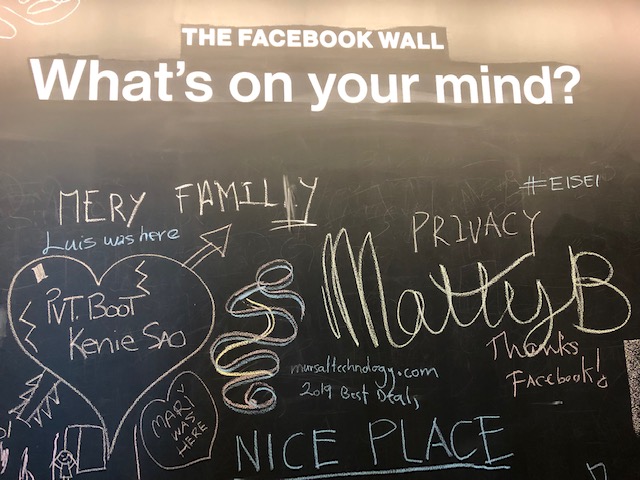
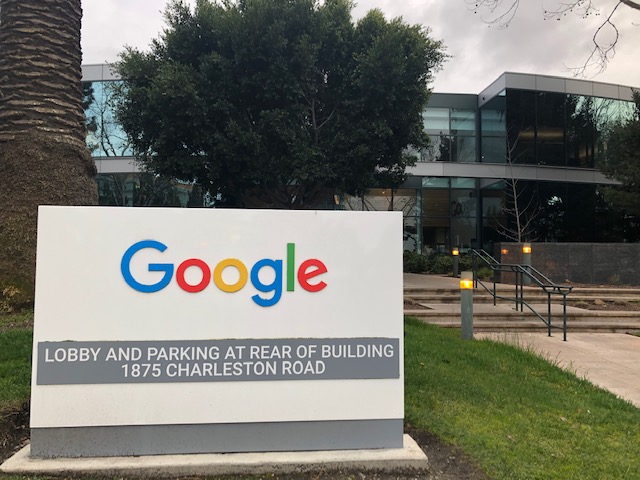
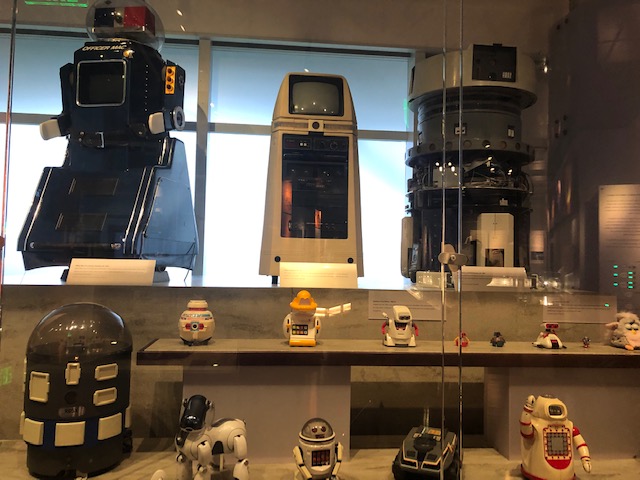
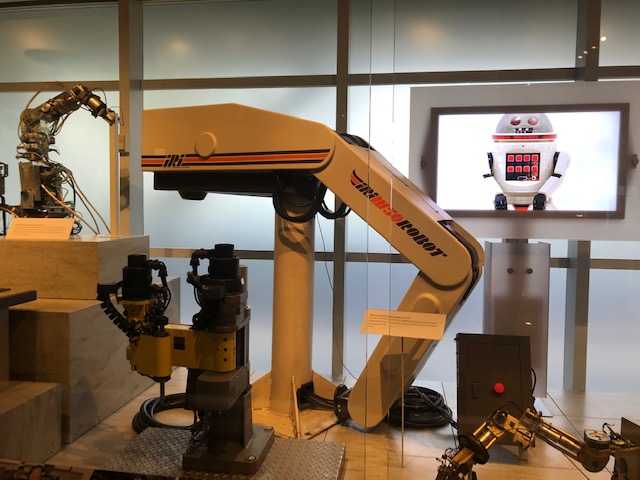
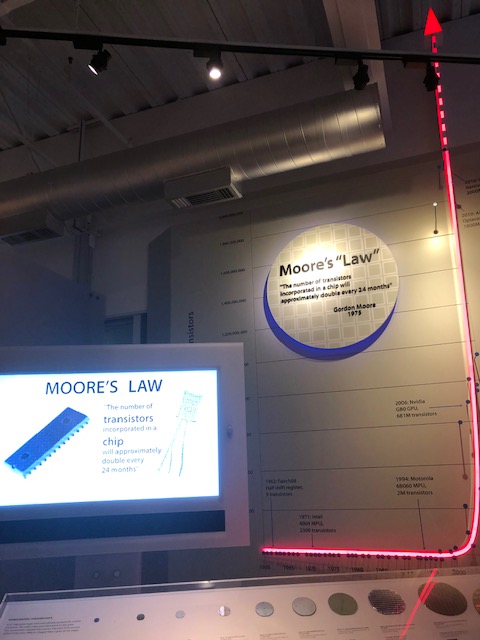
Silicon Valley

IMG_1590IMG_1788IMG_1750IMG_1649IMG_1647IMG_1646IMG_1645IMG_1643IMG_1642IMG_1639IMG_1636IMG_1595IMG_1594IMG_1593IMG_1592

IMG_1648

Camera: iPhone 8

LocationBay Area, California (Silicon Valley)