

In 2026, there are still certain places in society, both indoors and outdoors, where all of us should be on our best behavior. With standards, norms, and basic courtesy often increasingly disregarded in shared public settings, from libraries and Metro stations to the workplace, we should make a particular effort to uphold them in the places dedicated to worship, remembrance, and reflection. Our most sacred spaces deserve better from all of us because those spaces are meant to be respected the most.
One of those spaces where the highest standards must be upheld and often enforced is at Arlington National Cemetery, a hollowed and sacred place where hundreds of thousands of American soldiers, sailors, airmen, marines, and their spouses are buried in their final resting place in sight of the nation’s capital. Anyone who visits Arlington should understand that many of those laid to rest there served our country, and some made the ultimate sacrifice in that service. Their service and sacrifice helped preserve a nation founded on the ideals of freedom and representative government; ideals that we must continue to uphold for all its citizens. The least we can do when visiting their final resting place is to show the quiet, reverence, and respect their memory deserves.
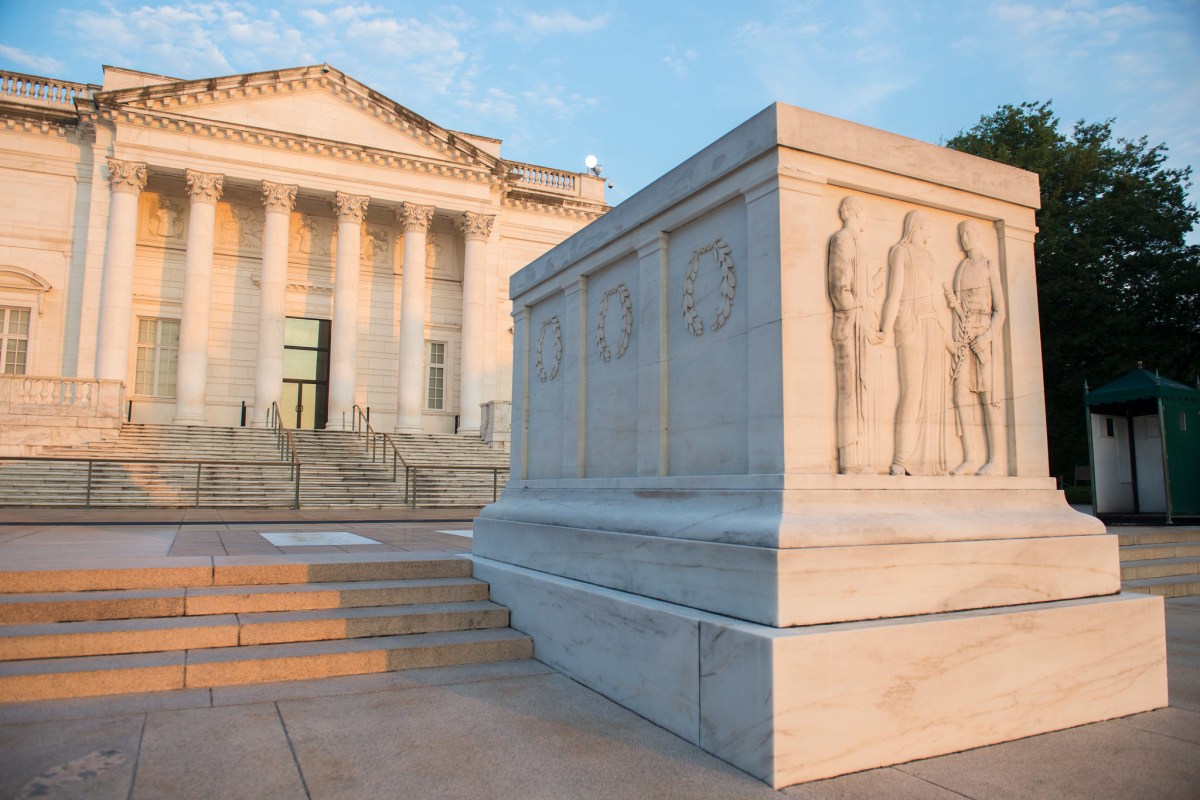
I have visited Arlington National Cemetery a few times in my life, and each visit has been a powerful reminder of the men and women who have served our country and the many lives lost in that service throughout our nation’s history. Looking across the rows of headstones, I think about the sacrifices made to protect the freedoms and liberties we continue to enjoy today. Arlington is a sobering place that calls for the utmost respect, reverence, and quiet reflection. A recent example of why enforcing the standard of respect at these hallowed spaces is so important came on Veterans Day this year at the Tomb of the Unknown Soldier in Arlington National Cemetery, just outside of Washington, DC.
After laughter and talking was heard from a group of people that included senior U.S. military leadership in the presence of the Tomb, Army Specialist Thomas Iglesias, the sentinel on duty, firmly reminded the visitors: “All visitors will maintain an atmosphere of silence and respect at all times.” His message was a reminder that the standards at a place like the Tomb of the Unknown Soldier should apply to everyone, regardless of their military rank or position. The following day, Specialist Iglesias was awarded a medal for carrying out his duties without any reservation even though some observers of the incident had worried that Iglesias might have cost himself his sentinel guard role or had harmed his future career prospects.
Closer to home, I have noticed fellow congregants wearing baseball caps inside my own house of worship, which is something I would never do myself or be okay with any family member or friend doing so in my presence either. They may mean no disrespect, but I believe a religious head covering, such as a kippah, or no hat at all where a congregation’s customs permit it, is more appropriate for such a setting. What we wear and how we carry ourselves can reflect the care we have for a place and the people around us.
Regardless of whether you are religious or not, you still must respect the norms and rules when entering any house of worship, whether you are a visitor, a congregant, or an invited guest. I would never wear a ball cap, a cowboy hat, or any kind of head covering that wasn’t appropriate for a house of worship, and it is a standard that we all should respect. Unfortunately, I did not have the courage to call the person out on it, as we were in a group of people for a class. What I wish I had done was pull the person aside after class and tell him politely that the baseball cap should be left at home next time.
I do hope to be able to help enforce this standard in the future, but as I am not a member of the clergy or a staff member, it is also not primarily my responsibility to enforce it. In a sacred space, whether it’s a cemetery, a house of worship, or a memorial, the rules must be clearly stated and enforced firmly and consistently by its leadership and staff. Otherwise, they risk becoming just words on a piece of paper or signs that people feel free to ignore. Once behavioral norms and standards are allowed to erode, they can be difficult to restore. When disrespectful behavior goes unaddressed, it can gradually become accepted as normal, even in sacred spaces.
Whether we are honoring those who served our country or gathering with others for worship, our actions matter in holding each other accountable. If these spaces mean something to us, then the standards that help preserve their dignity should mean something to us, too. Over my lifetime, I have seen many norms, rules, and standards in shared public spaces diminish or disappear in American life, but we should draw a firm line when it comes to our most sacred gathering places. Holding ourselves to a high standard in these places shows that we still care about respect, about holding one another accountable for our behavior, and about preserving a free and tolerant country for the future.
