


Camera: iPhone 15
Locations: Mexico City, Mexico

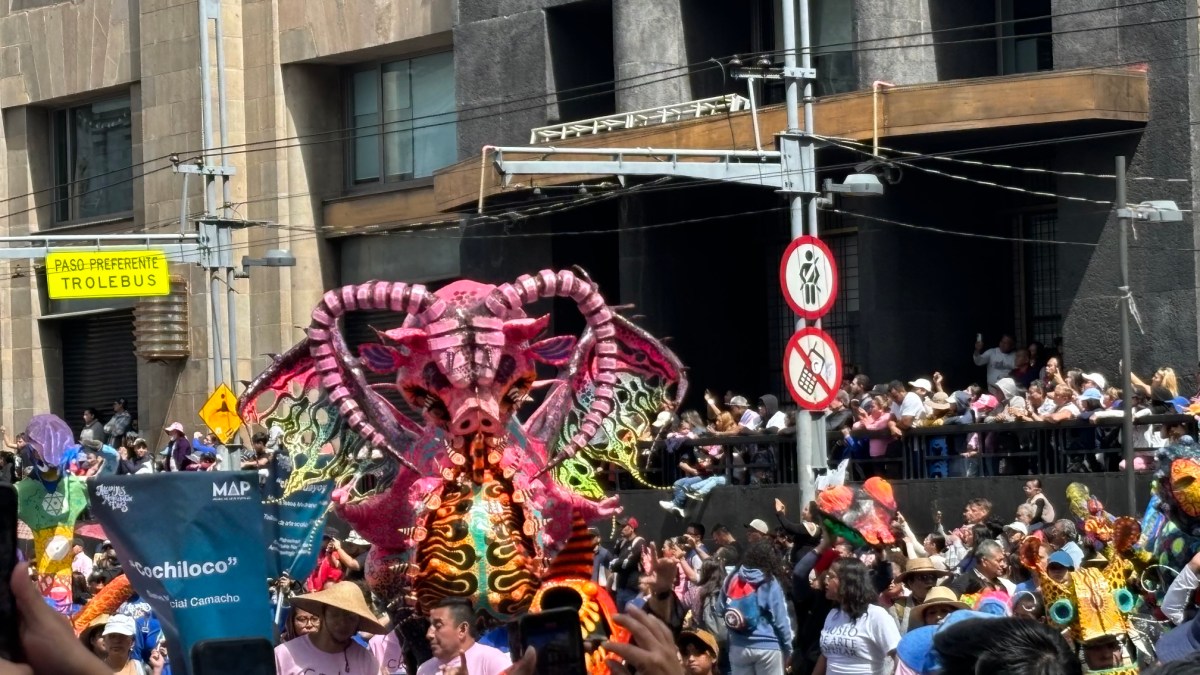
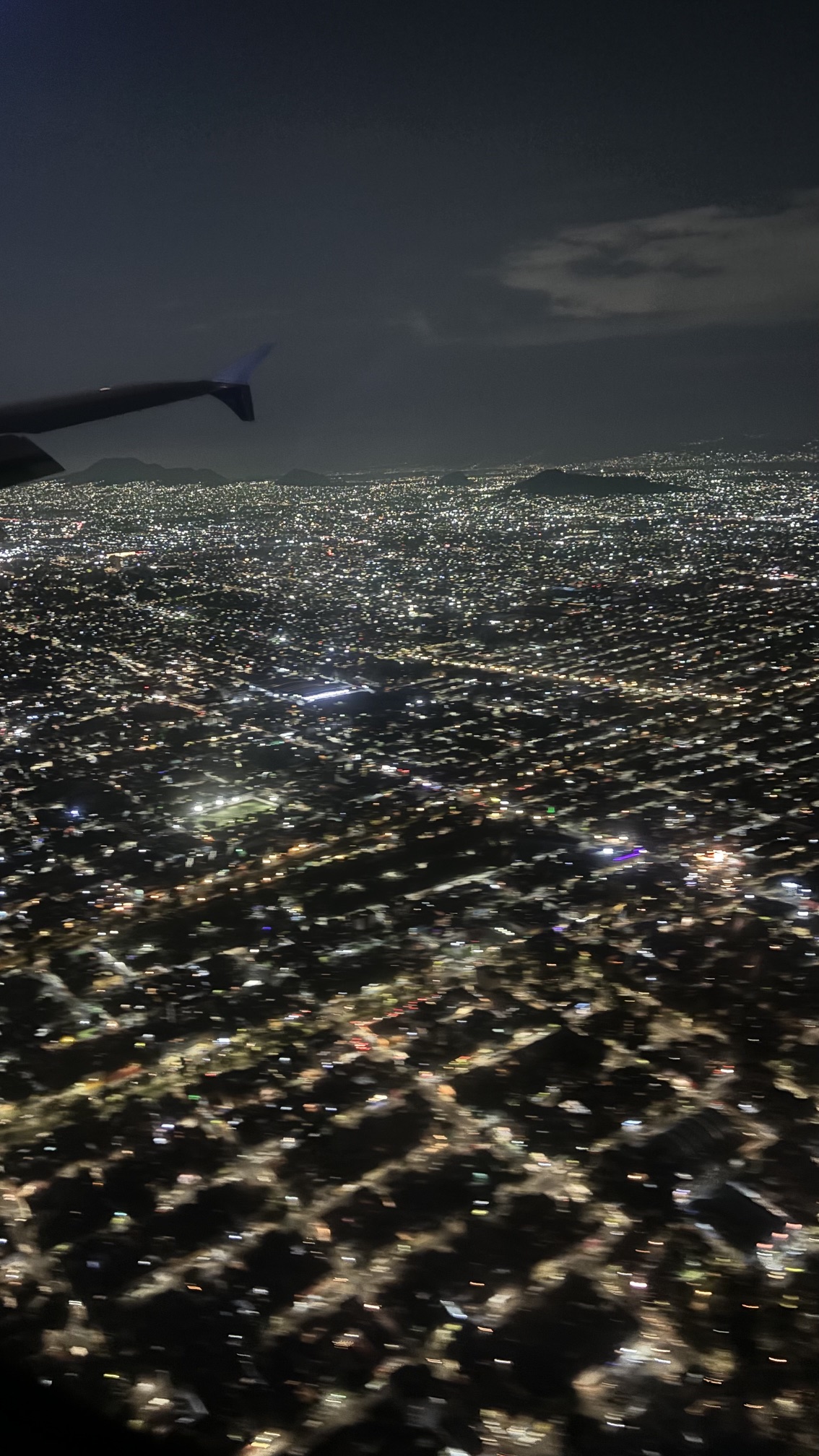
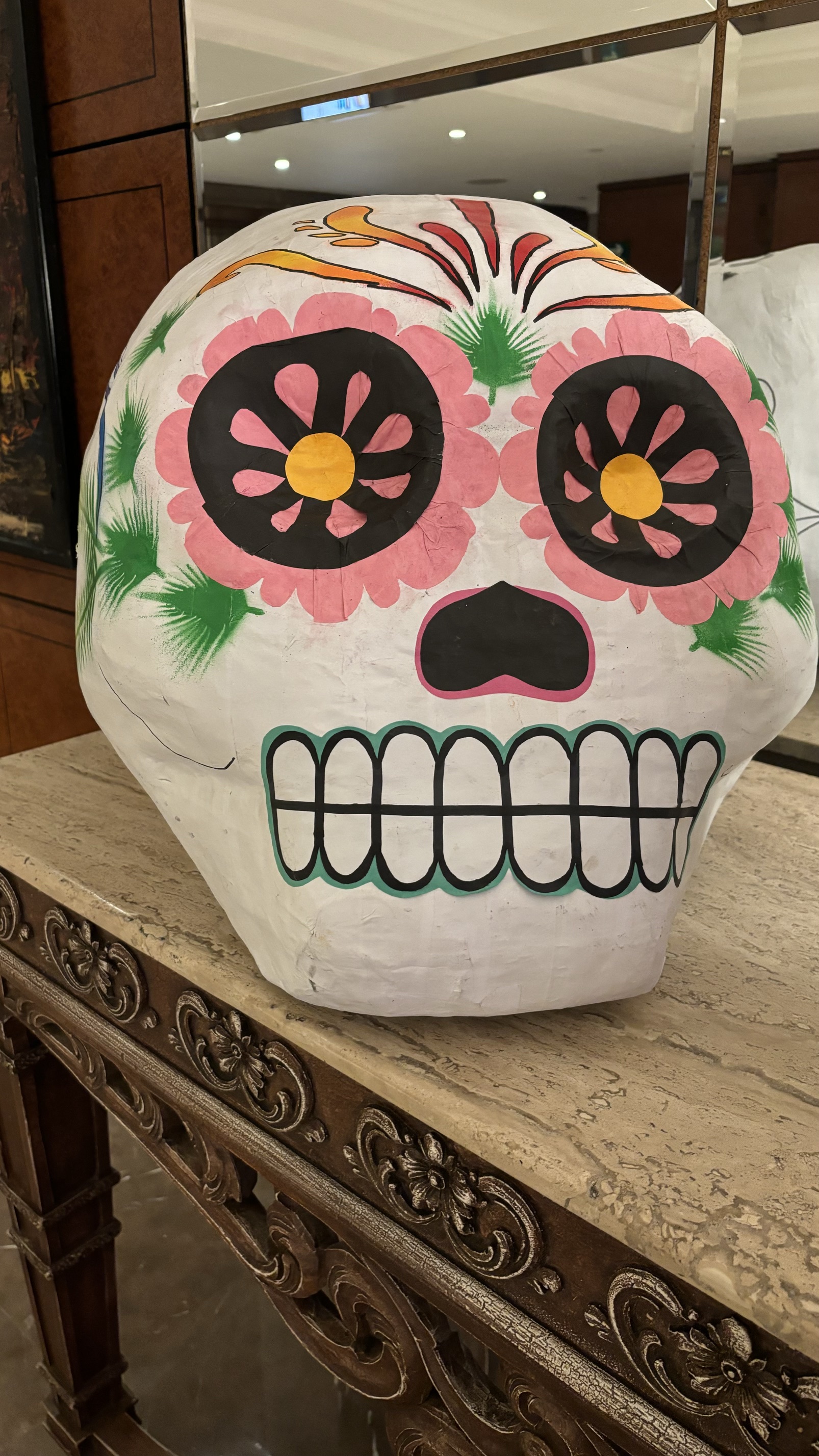
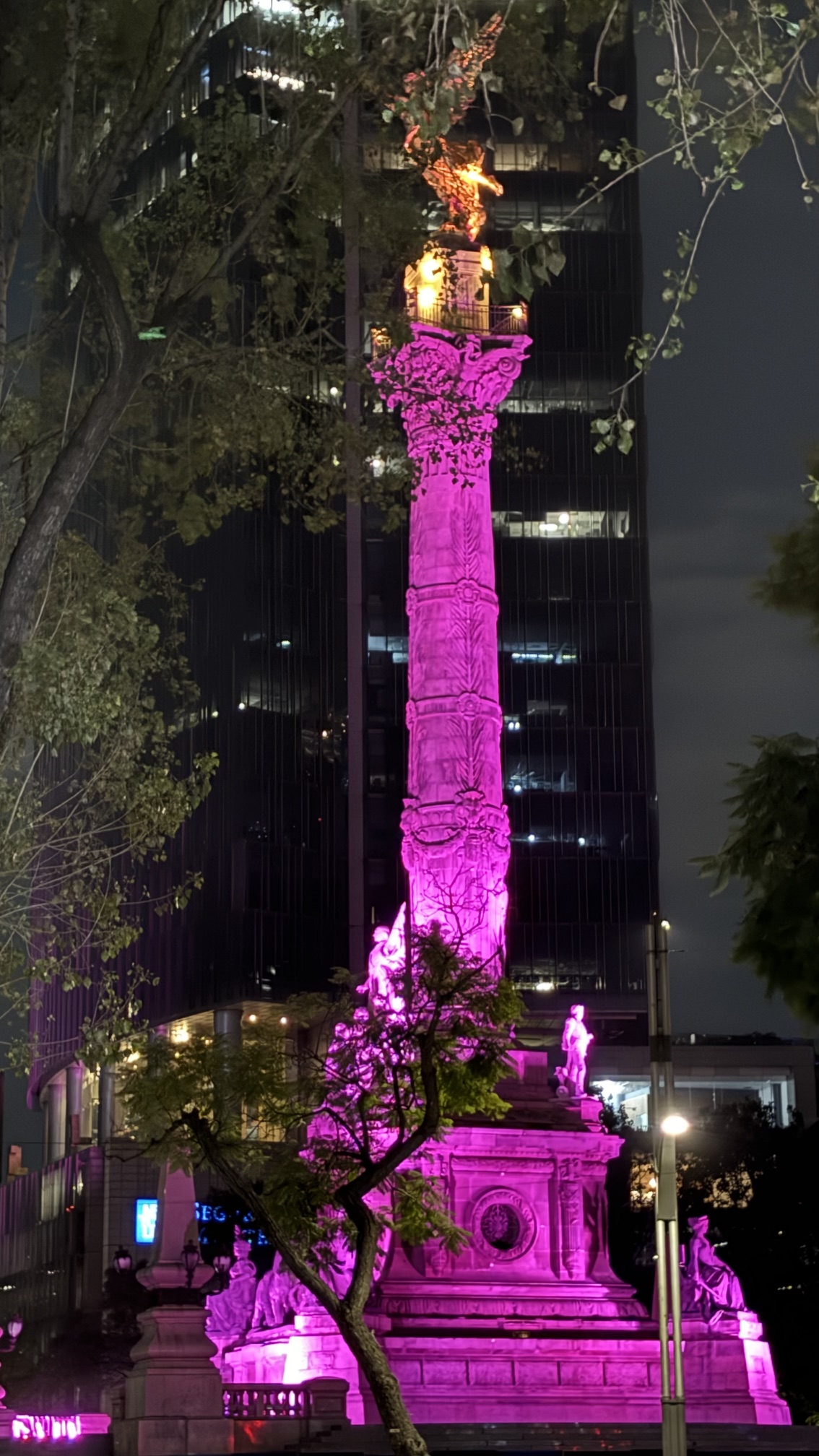
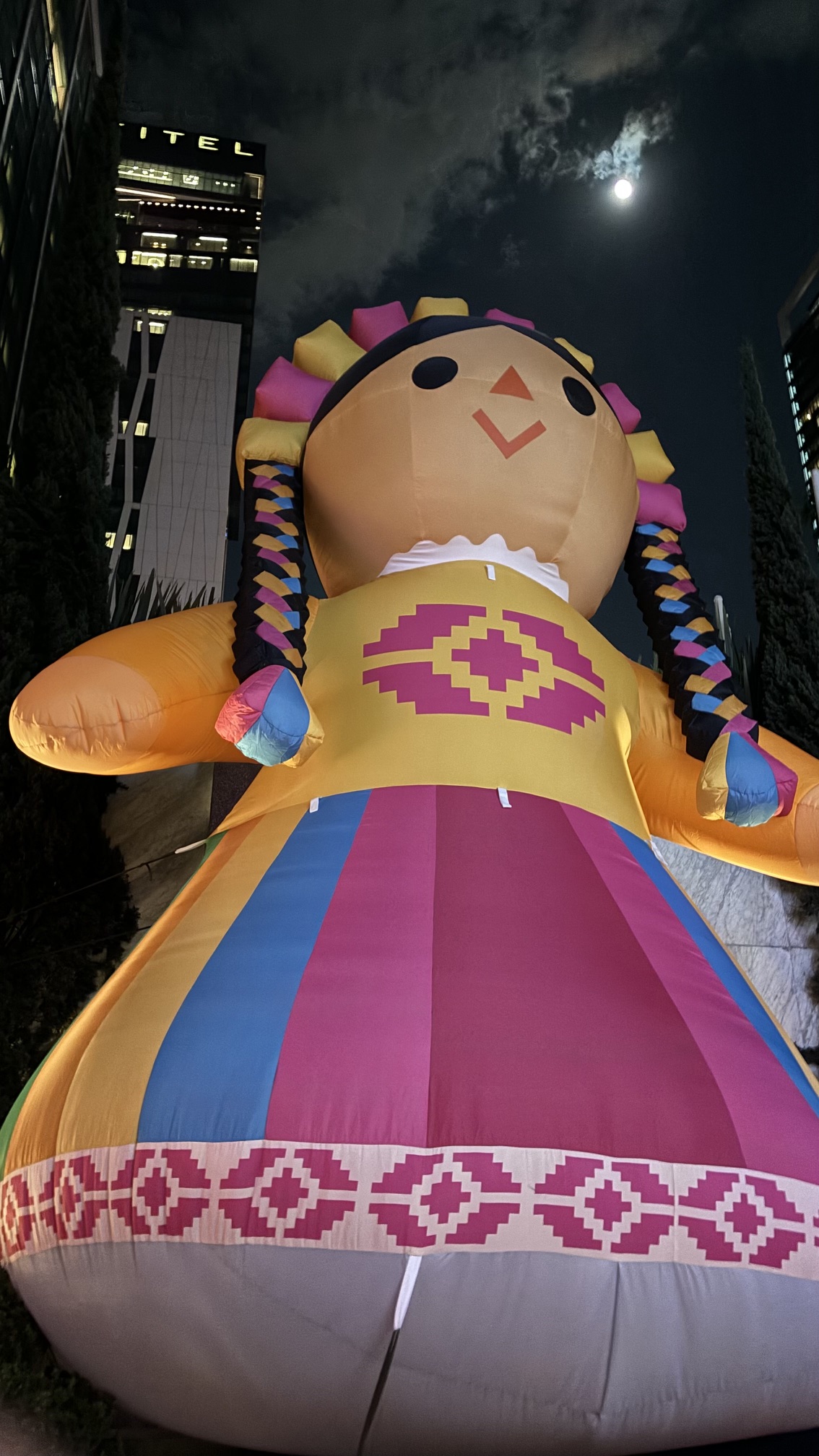
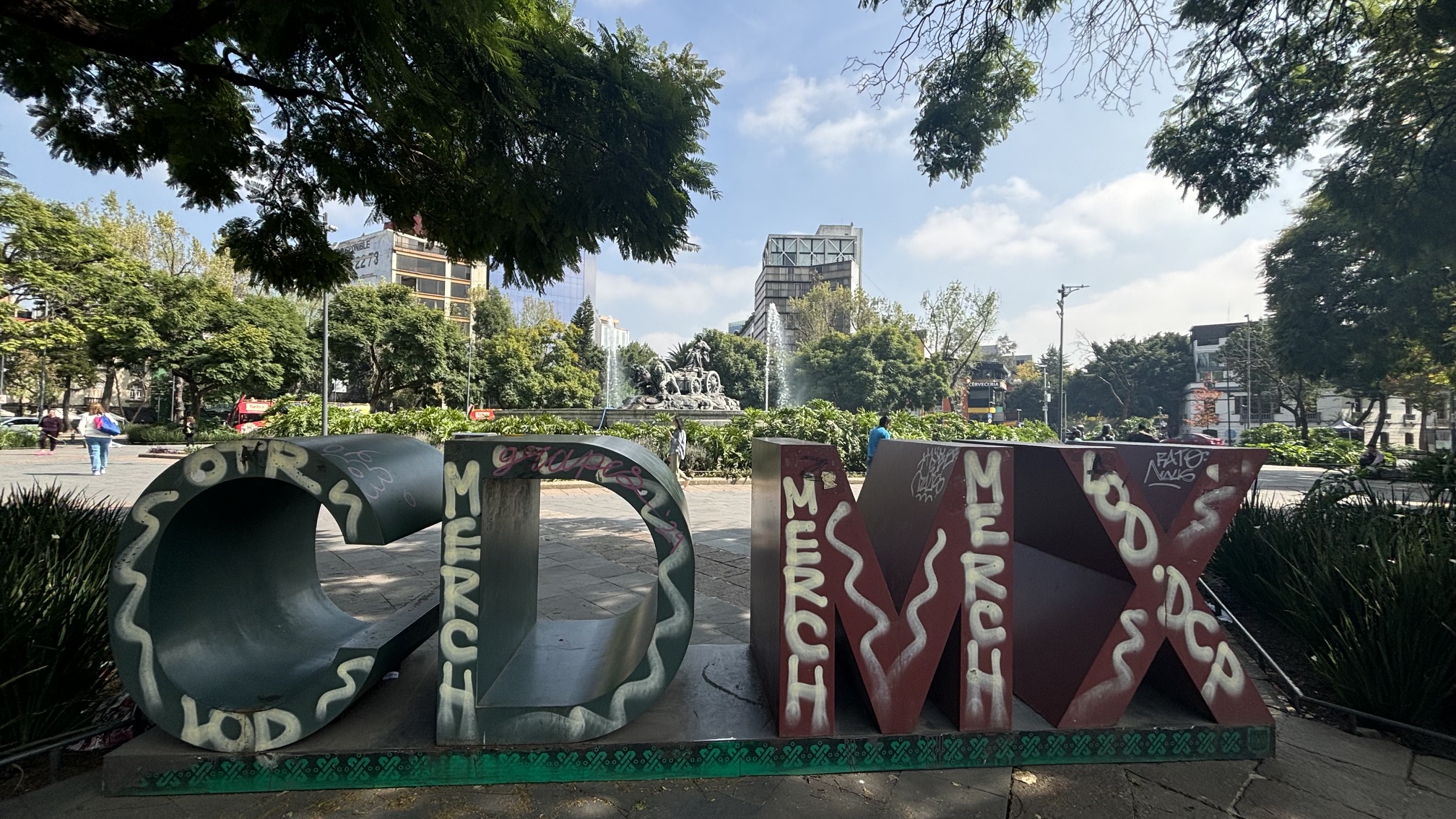
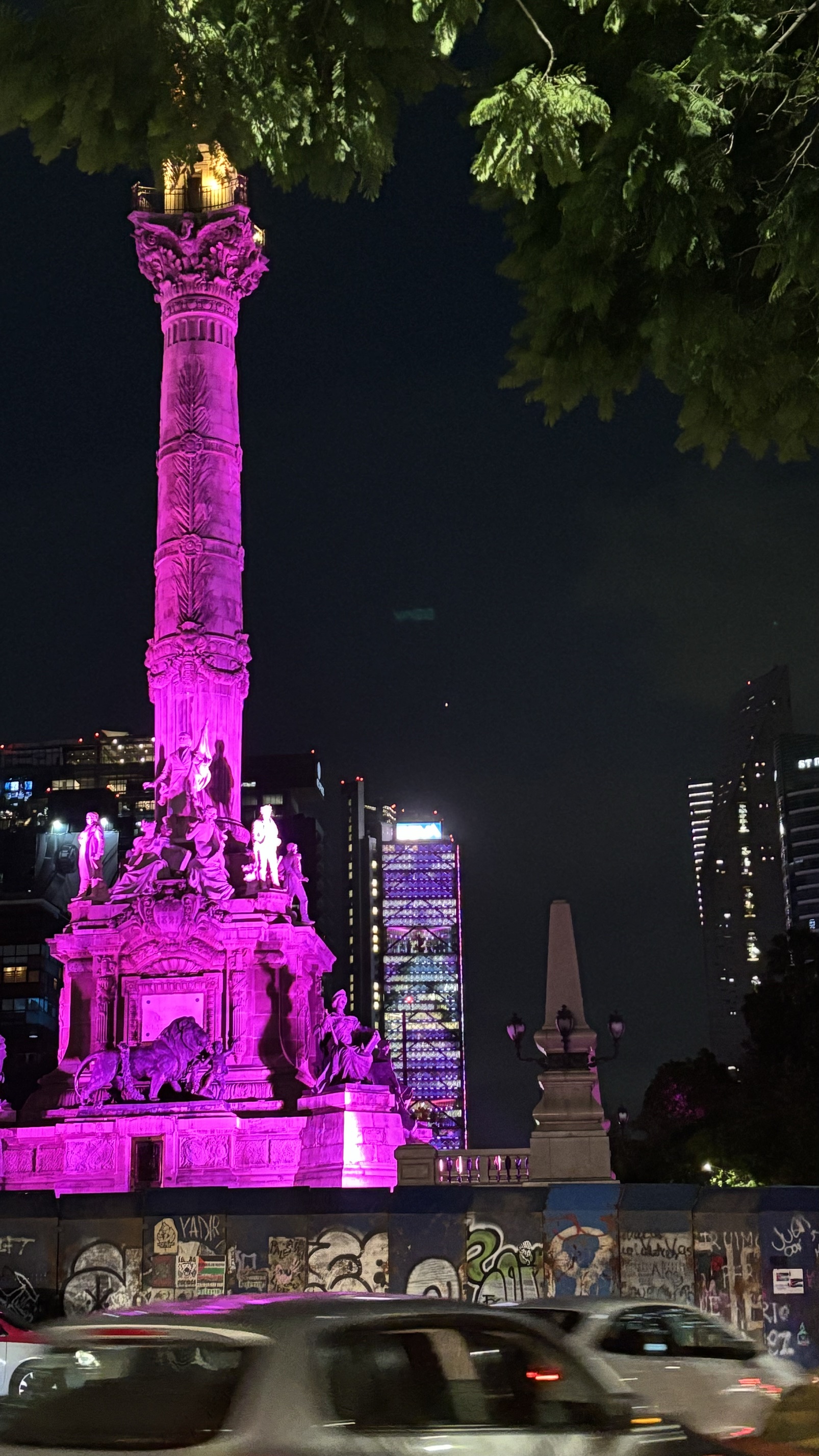
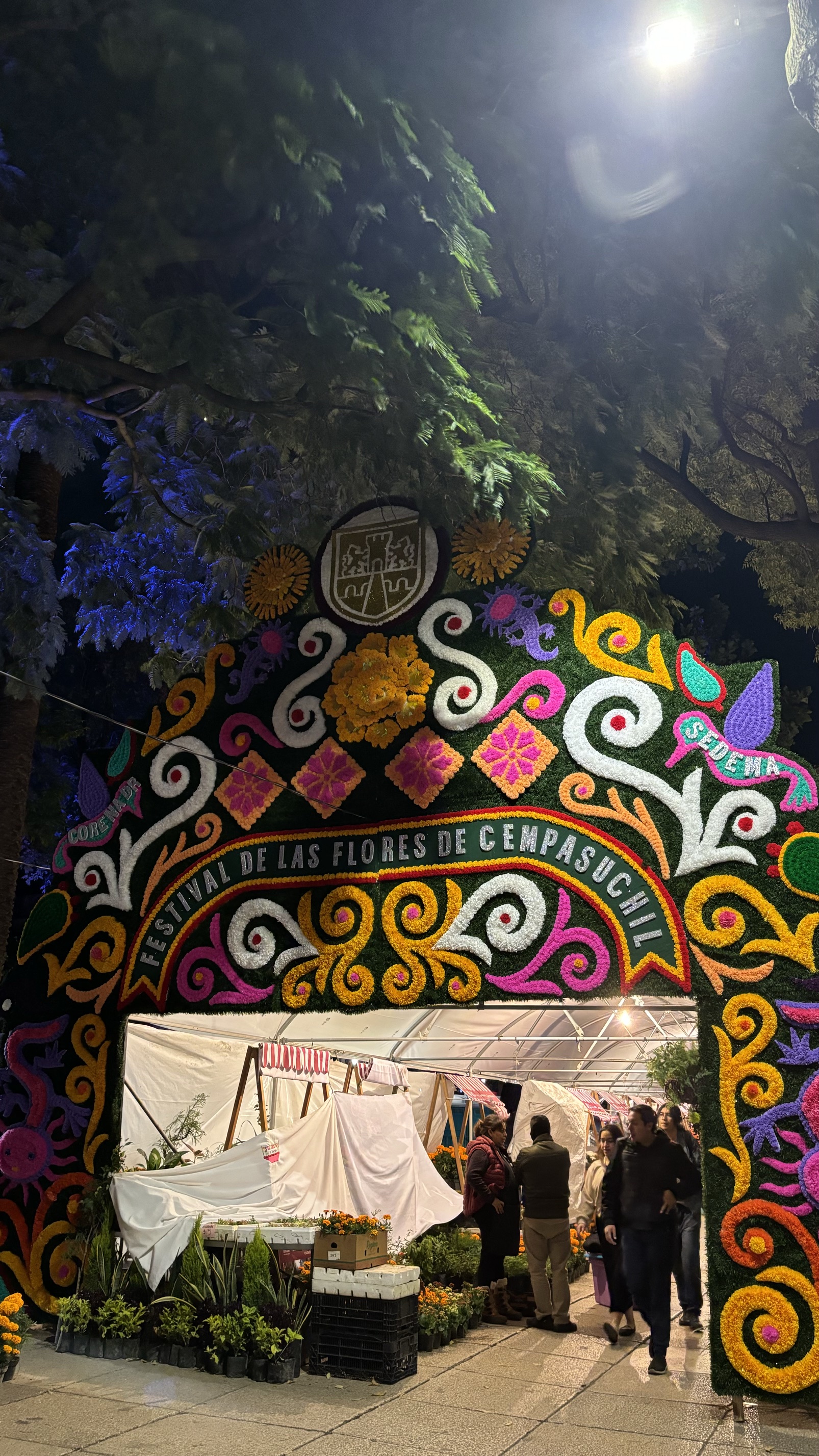
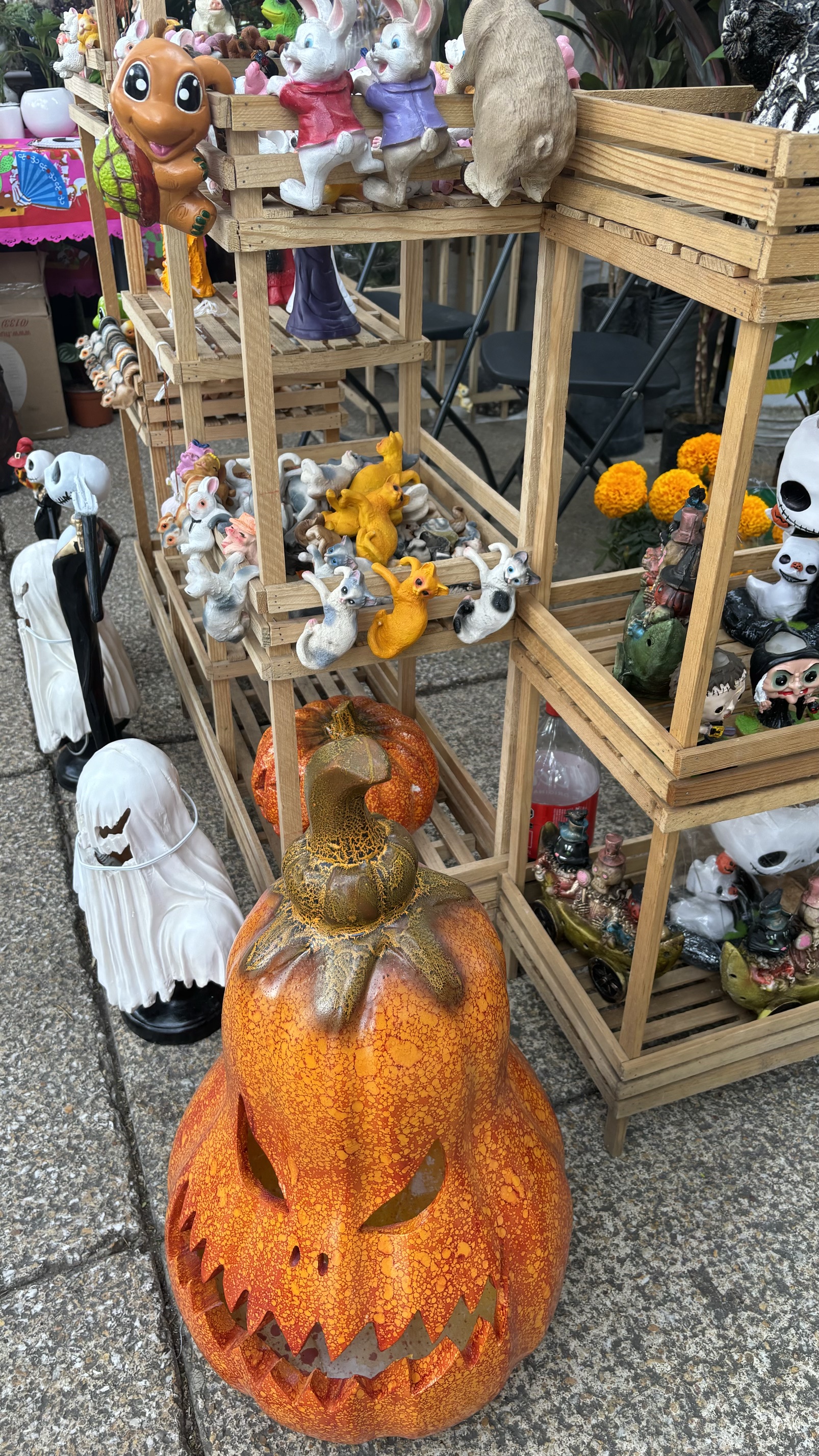
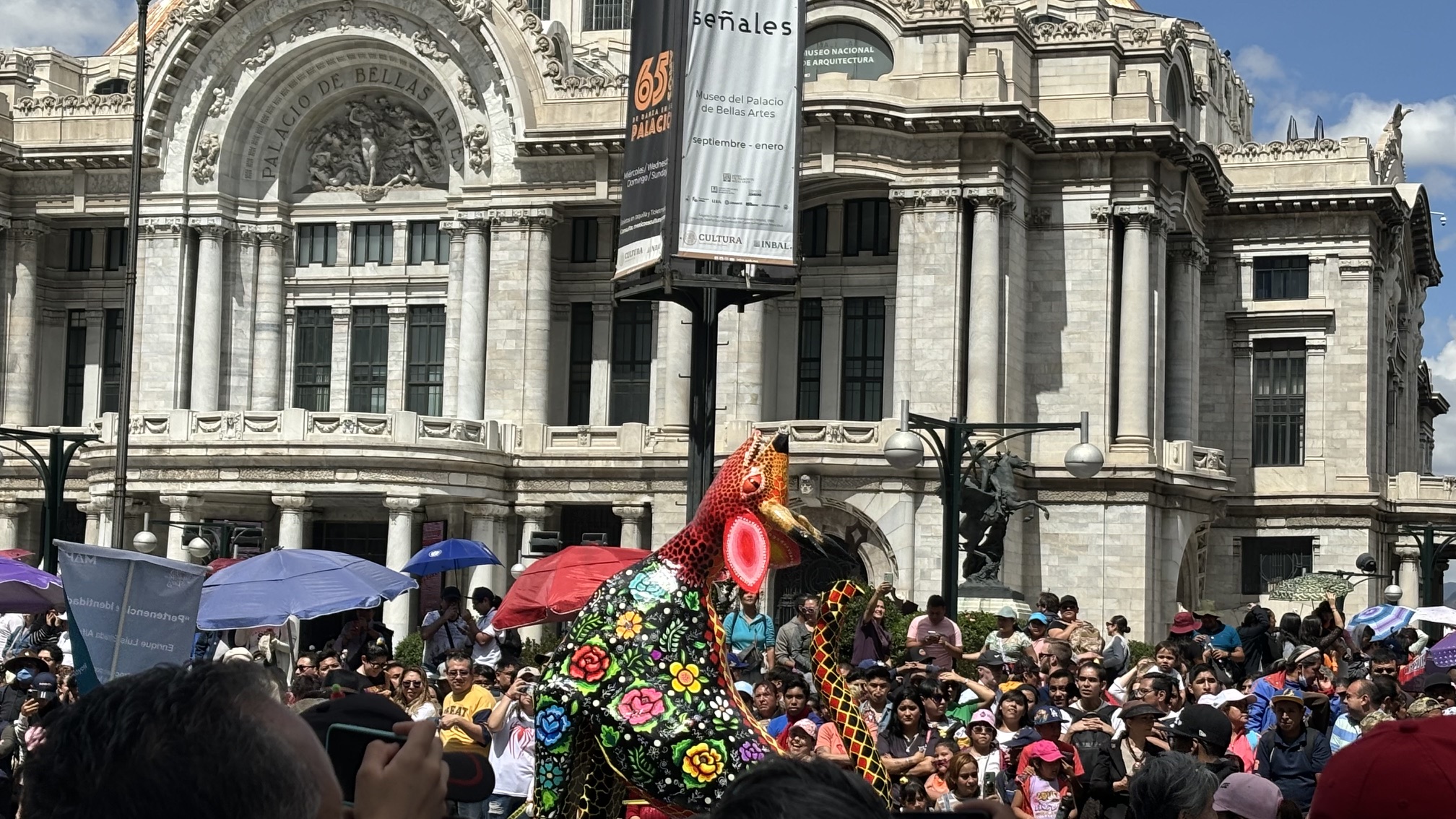
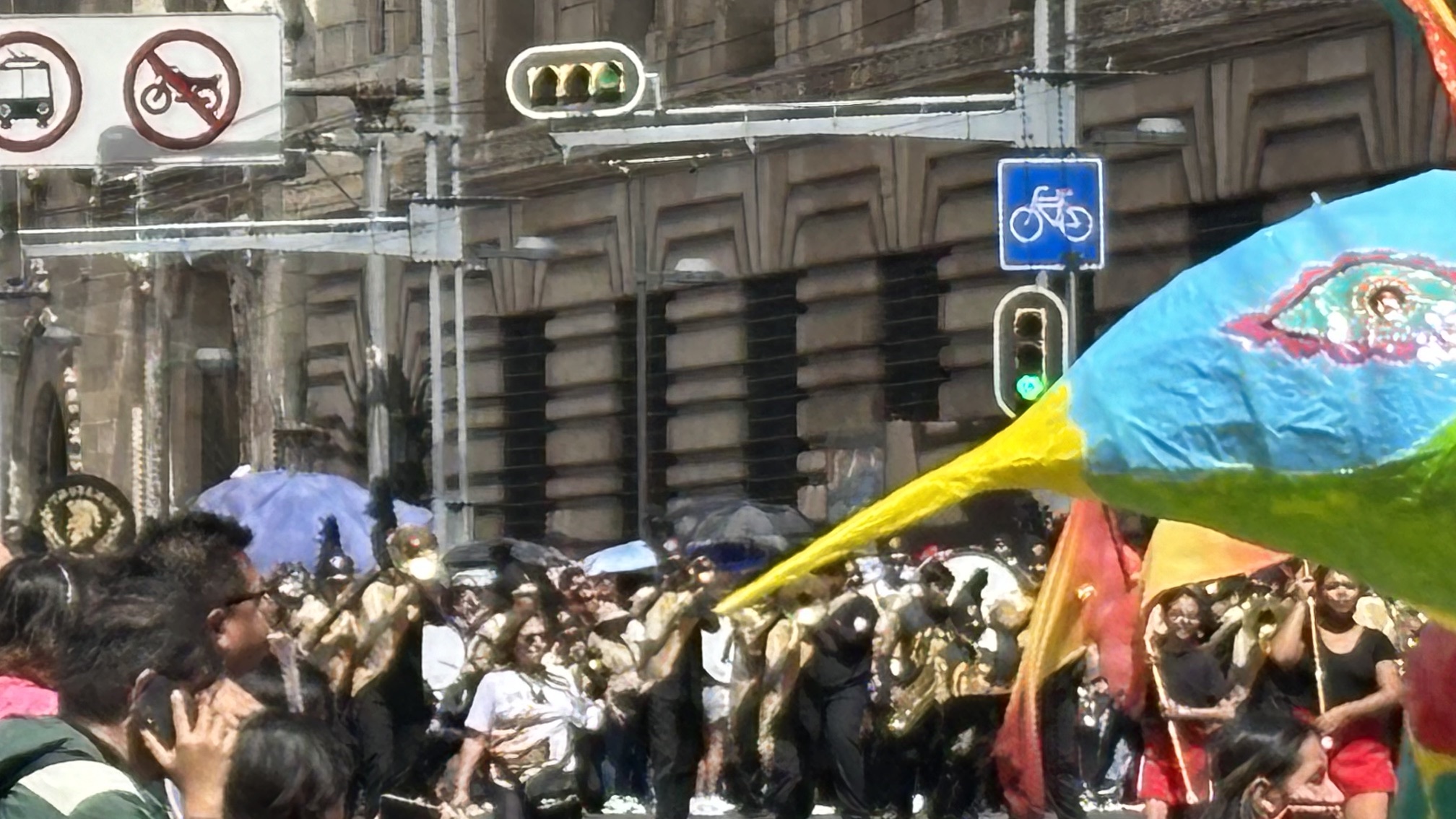
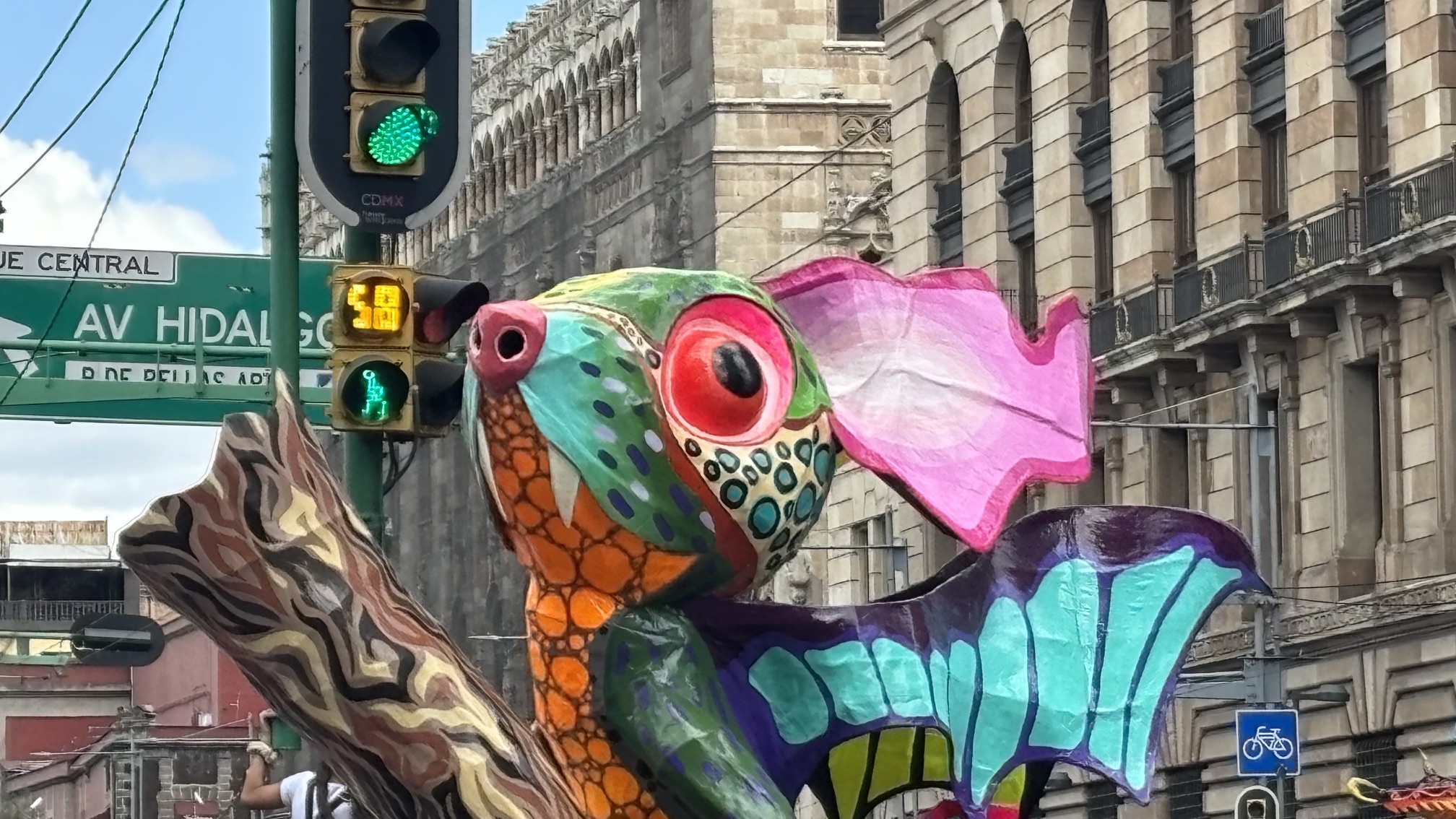
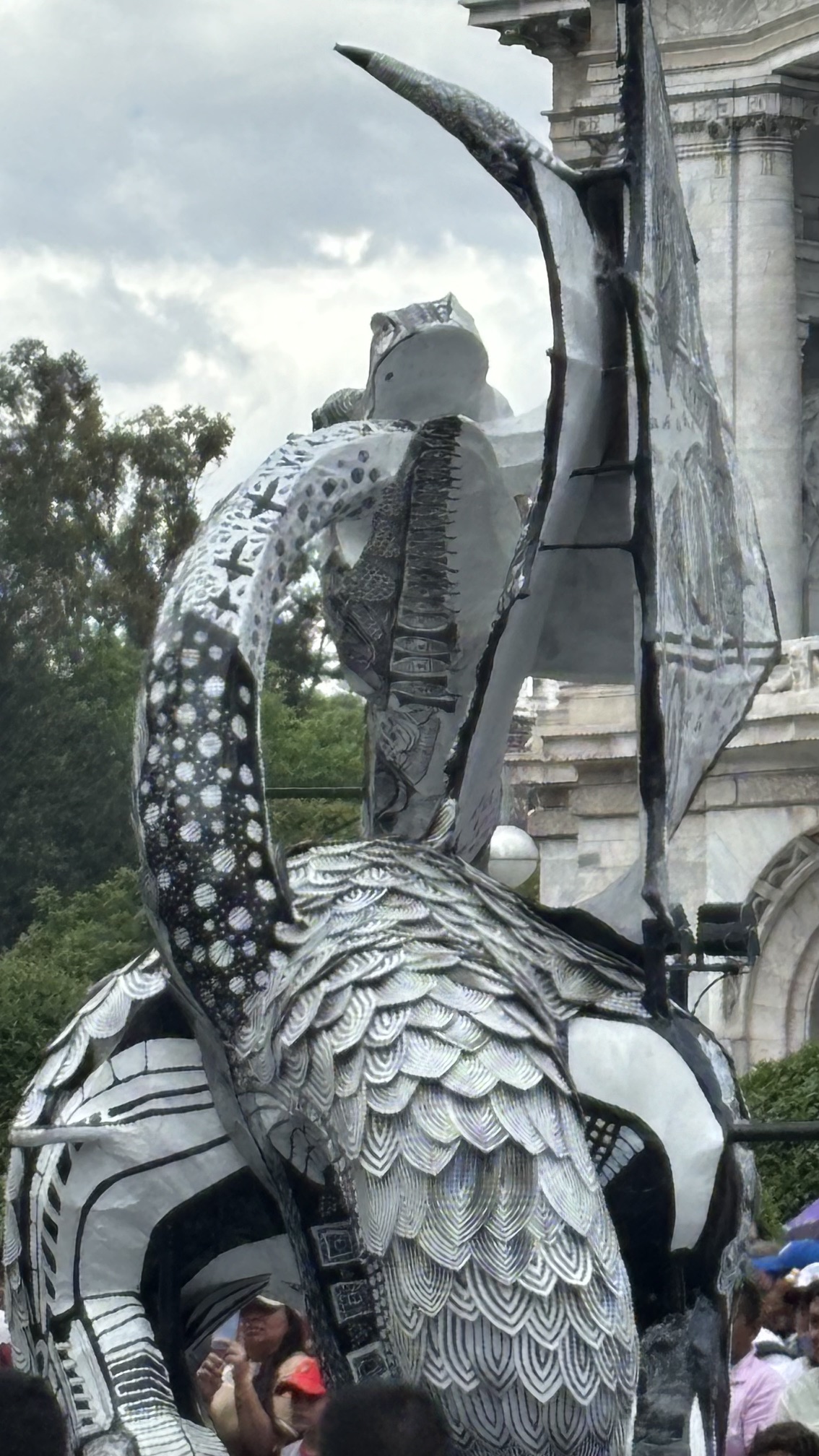
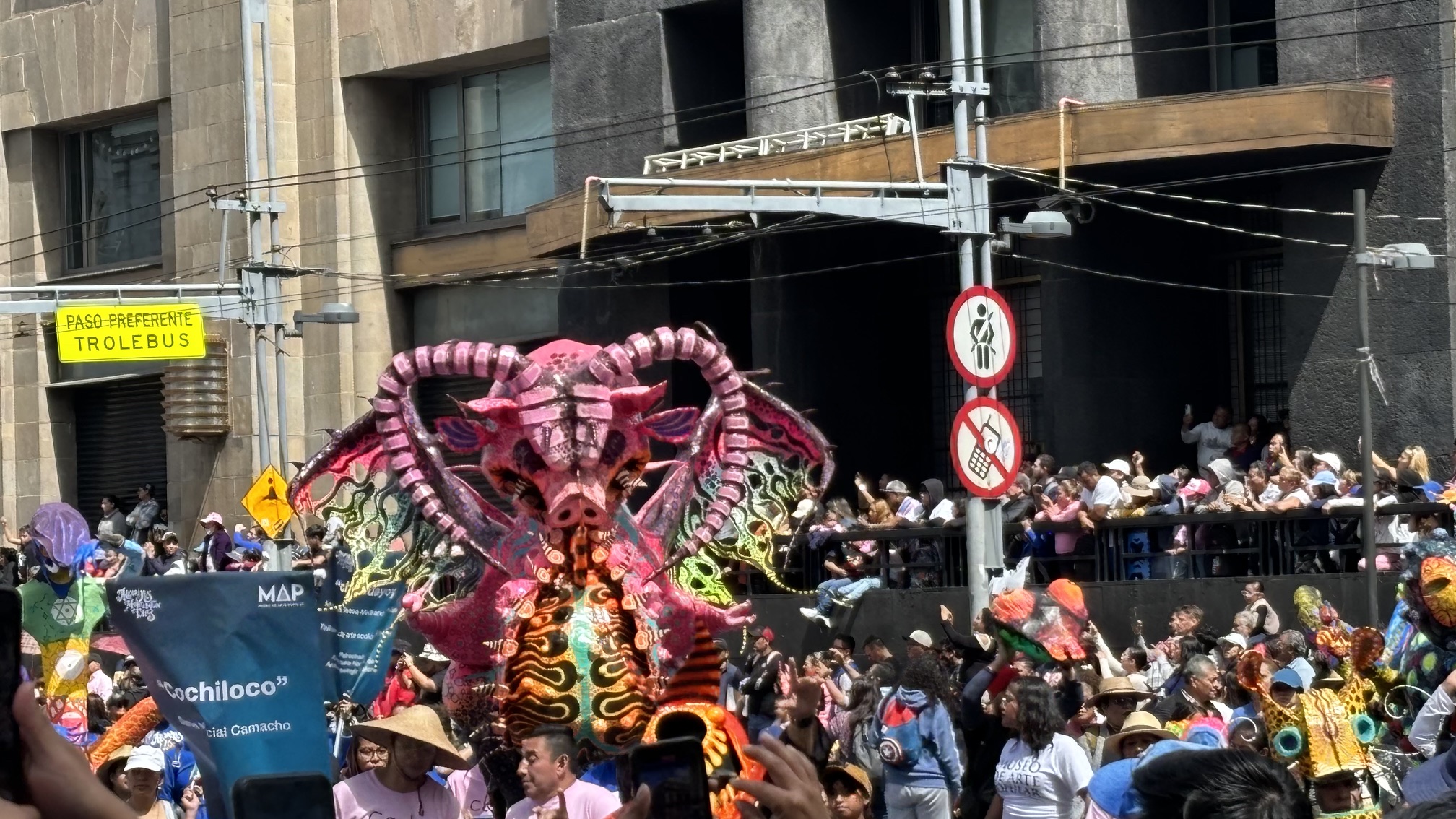
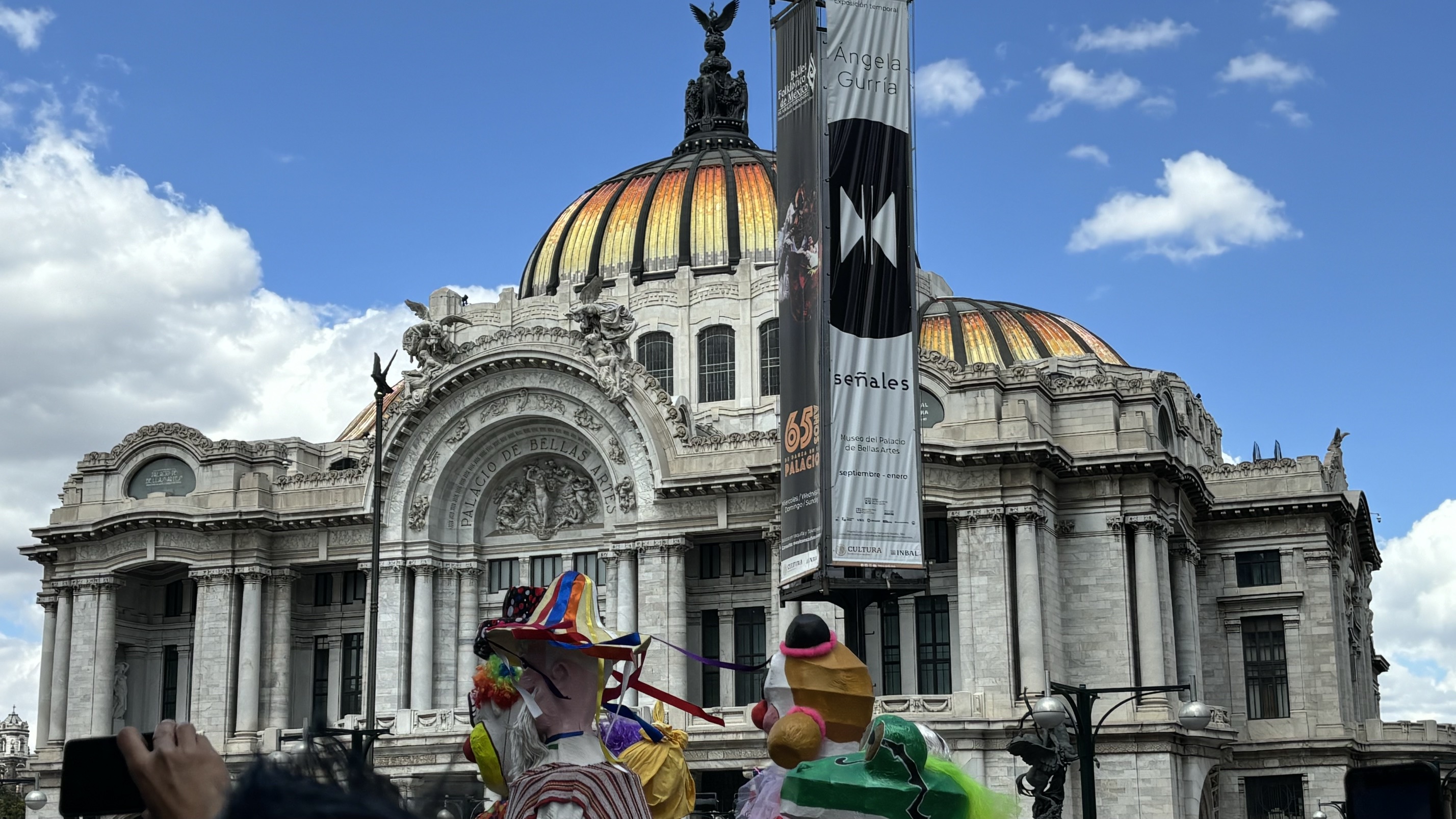
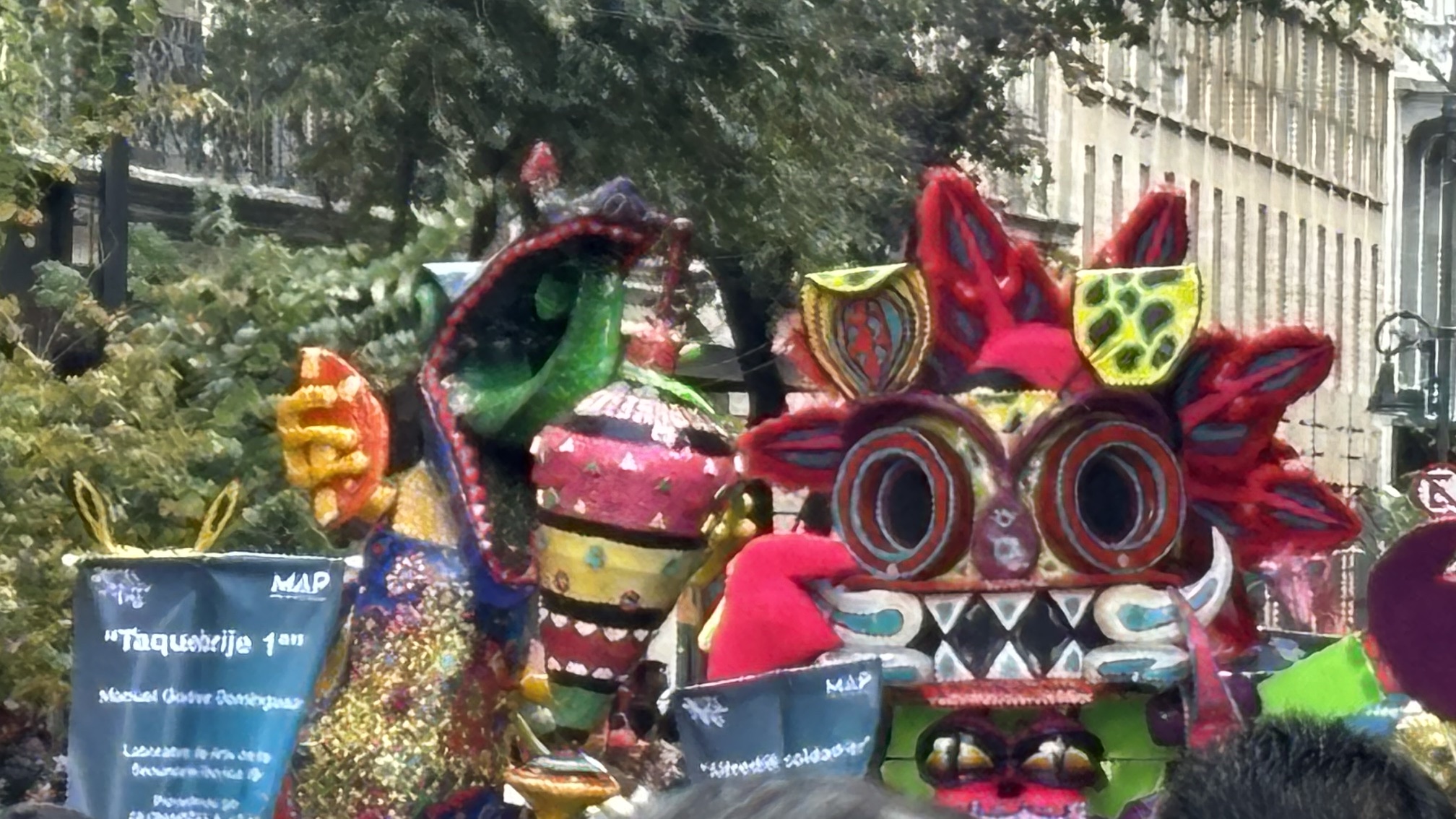
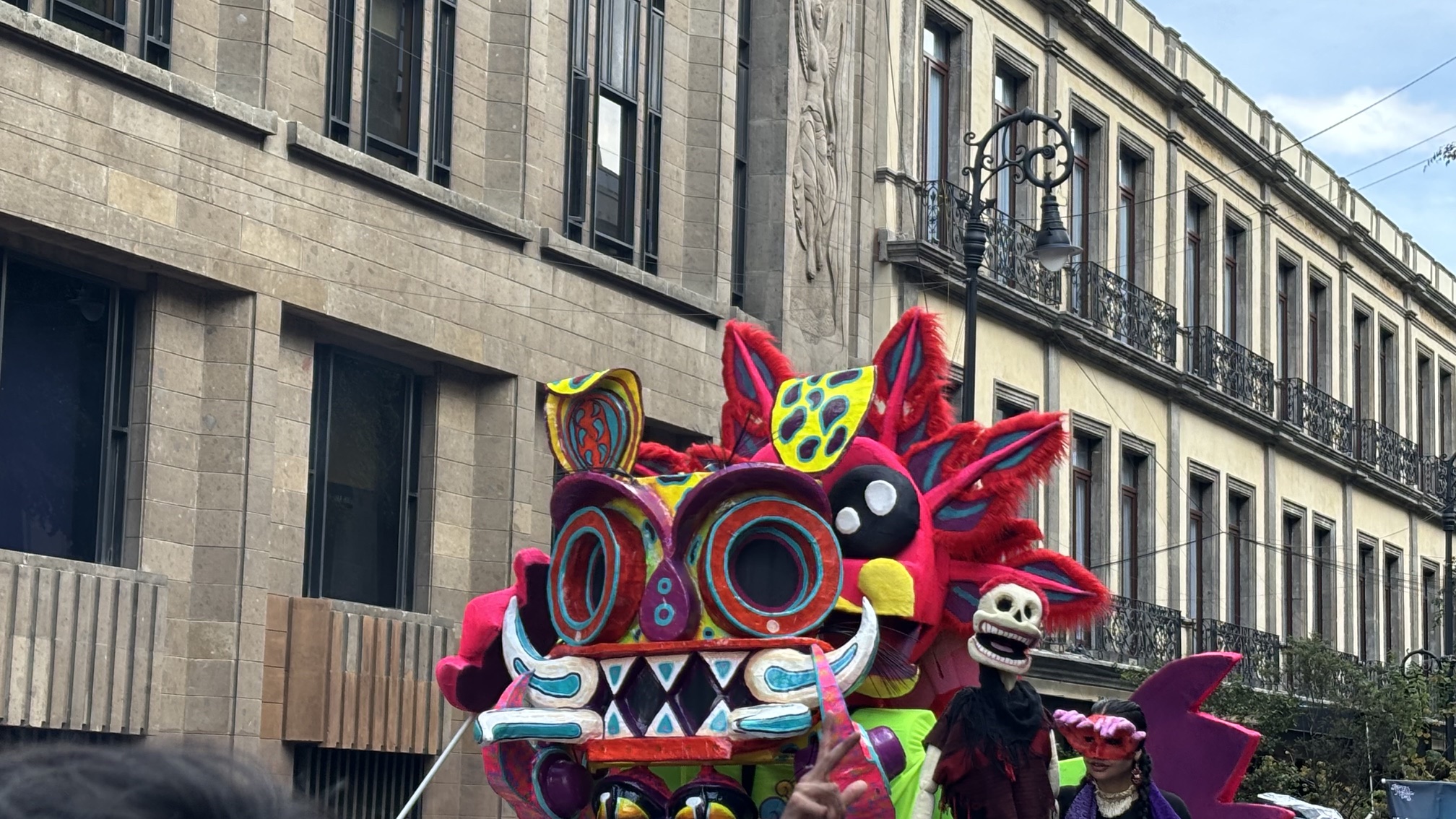
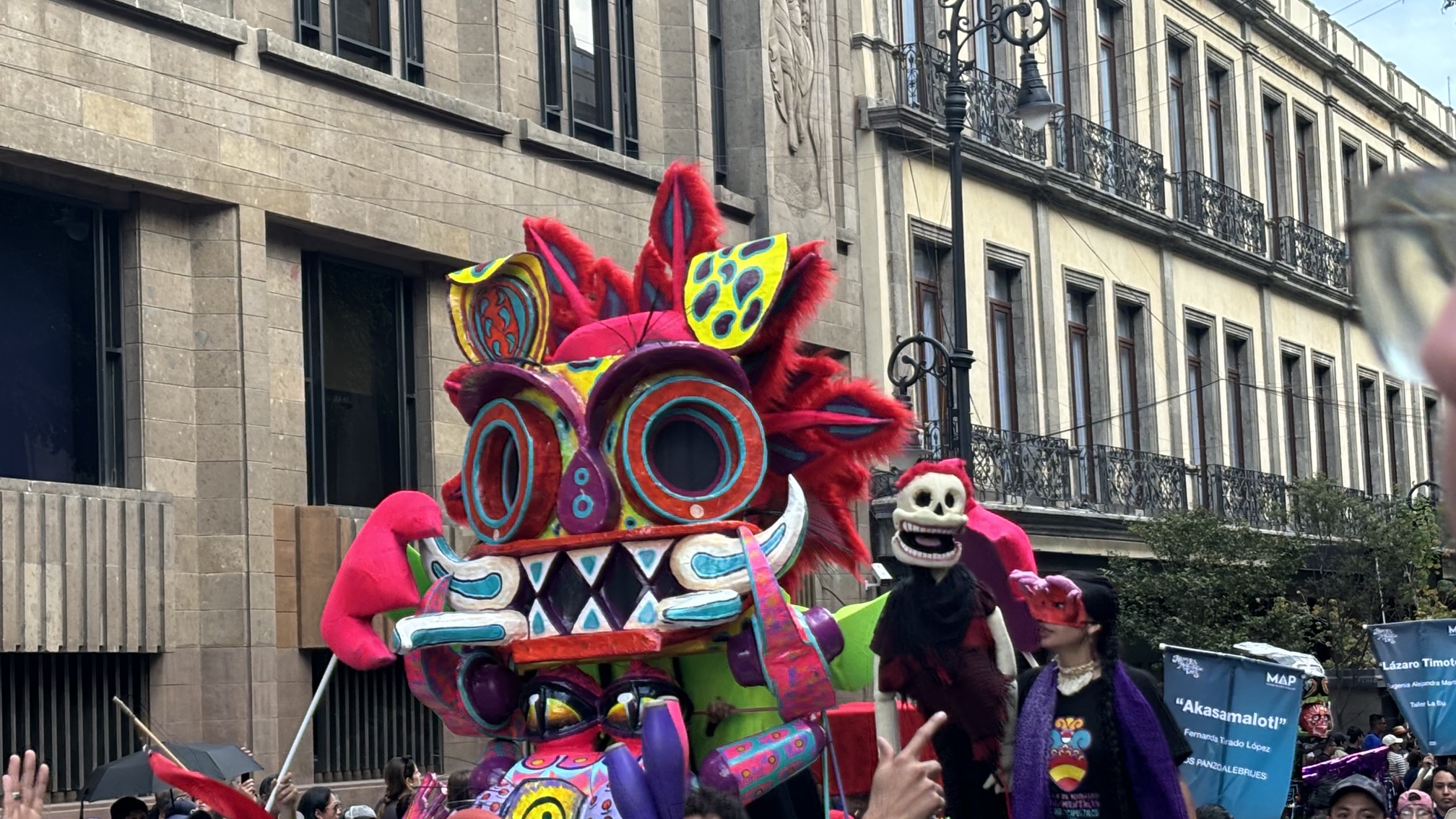
“Enjoying a visit to Mexico City in October 2024 for Day of the Dead festivities including a parade in the historic center.”
Camera: iPhone 15
Locations: Mexico City, Mexico
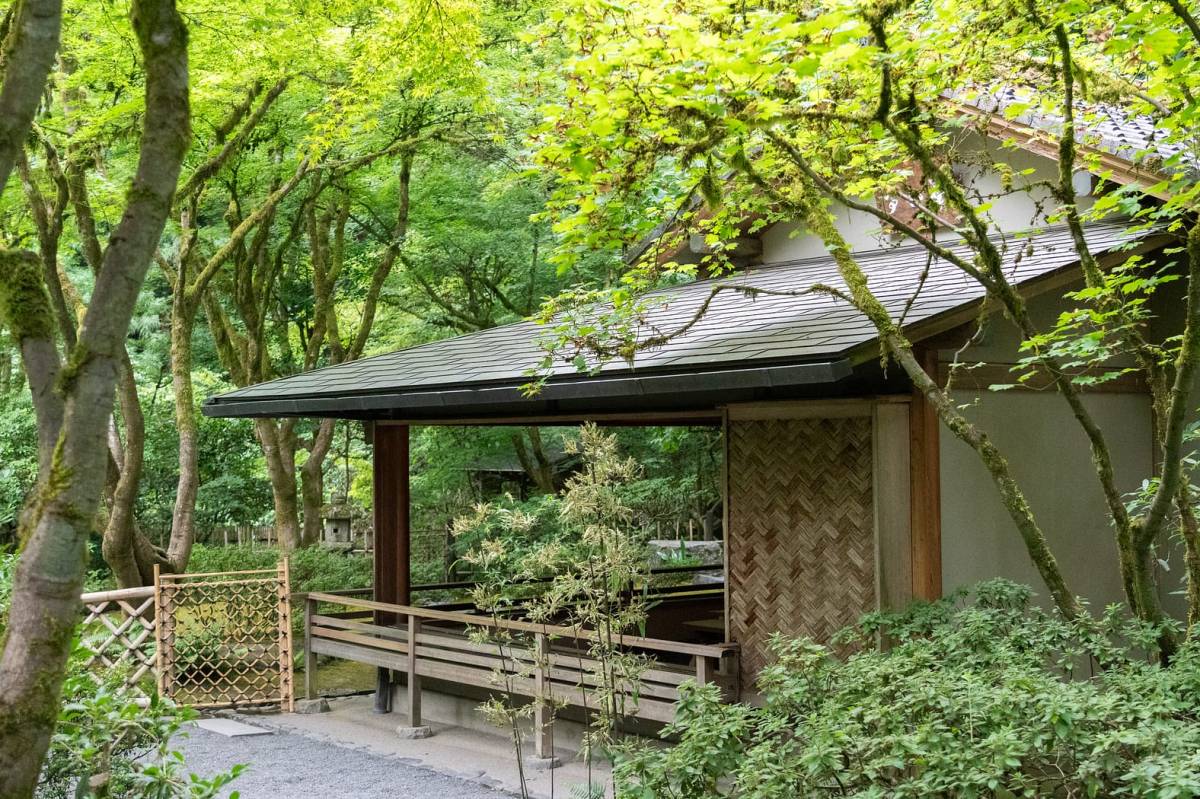
“For me, it’s rare to find places like that on the road where you can meditate, relax, and enjoy the surroundings.”
Recently, I was at a famous Japanese garden in Portland, Oregon, known for being the most authentic one outside of Japan, and it was as serene and peaceful as it could be. It was wonderful to experience such a physical space that was optimized for reflection and observation with how it is structured and organized. For me, it’s rare to find places like that on the road where you can meditate, relax, and enjoy the surroundings. To find a Japanese garden in the middle of Portland that made it feel like Kyoto or Sapporo was not what I was expecting. What would have made it even better though would have been for it to be a completely quiet zone for all visitors as the main rule.
You may be thinking that how would that make a difference? Well, it makes a huge difference to be able to enjoy the views, take in the sounds of nature, and observe more closely the koi fish and other wildlife who call the garden home. When you can focus more on enjoying such a beautiful garden, the last thing I want to hear as a solo traveler are other tourists talking about their recent surgery or angling to take the best selfie in front of a waterfall.
‘Quiet Zones’ in today’s America are increasingly rare and I find that rather unfortunate for our society. Whether it’s the beach where you sometimes need to pay the town or state to enjoy and still have to listen to another person’s music to the office where your colleague doesn’t bring headphones so everyone else can hear their conference call, there is a real lack of decorum or respect to lowering the noise level around us. Private places can do what they want in terms of the rules especially if they own the property but in public places or lands or modes of transport, having quiet areas would make a big difference to those of us who want that available option.
In my case, I do my best thinking and my best work when it’s quiet and I don’t believe I am alone in that. How different would things be for our society if quiet zones or places were an option to create, to reflect, to focus, without all the noisy distractions that keep us from doing what we do best? Whether it’s the beach, the airplane, the train, or just in your neighborhood, quiet hours really can do a lot of good, especially when you’re on a tight deadline or just are seeking some peace and time to reflect.
One example of how ‘quiet zones’ can work is on the Amtrak Northeast Regional train that can take you from Washington, DC up to Boston, Massachusetts over seven or so hours and on the Acela high speed rail option. As someone who rides these two trains a couple of times each year, I always do my best to book a seat or find a way to get to the ‘quiet car.’ I don’t mind it when I end up in a non-quiet car as may happen at times but being able to ride the rails in silence is quite a pleasant experience. Now, the ‘quiet car’ is only one train cars out of nine or ten cars usually so it’s not like every car is ‘quiet.’ Sometimes, on Amtrak, in other parts of the United States, there isn’t even a ‘quiet car’ option. I take it for granted due to my Northeastern roots, but why can’t we create that ‘quiet car’ option for all Amtrak trains and in other places we frequent?
Achieving more quiet in the workplace, on public transportation, in public areas, and even at a Japanese garden is possible. America is a loud and boisterous country and that has served us well over 250 years, but I find that it should be balanced out too. Introducing quieter, more introspection, more peaceful harmony with each other and with nature would be good over time and lead to a lot of different psychological and economic benefits.
When you can focus deeply and sit in quiet, whether surrounded by trees, wildlife, or the sound of waves crashing on the beach, it becomes easier to think clearly and create meaningful work. Yet being alone with one’s thoughts is not easy. Many American naturalists and writers, including Henry David Thoreau, Robert Frost, and John Muir, understood this and deliberately sought out solitude in nature to do their most important thinking. It raises a simple question: if they had been constantly interrupted by noise, crowds, and distraction in the 21st century, would their work have been the same or would it have even happened at all?
The landscapes in America that once gave thinkers space to observe and reflect still exist, but they are harder to hear over the noise of modern life. And yet the need remains unchanged: to think clearly, we must sometimes be willing to step out of the crowd and into silence, even if only for a while. Perhaps the real question is not whether great thinkers need silence, but whether we still allow ourselves to have it. In a world filled with constant noise, distraction has become the default setting rather than the exception. The ability to step away from it, even briefly, may not just shape better work, but a clearer way of seeing the world itself.
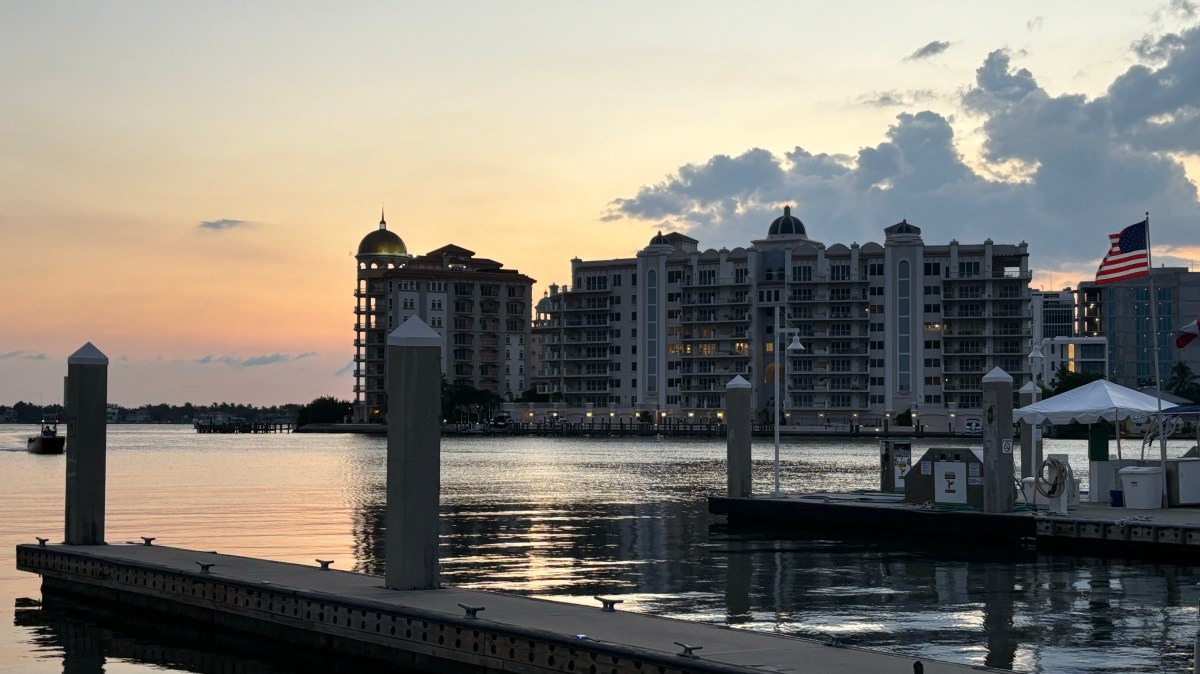
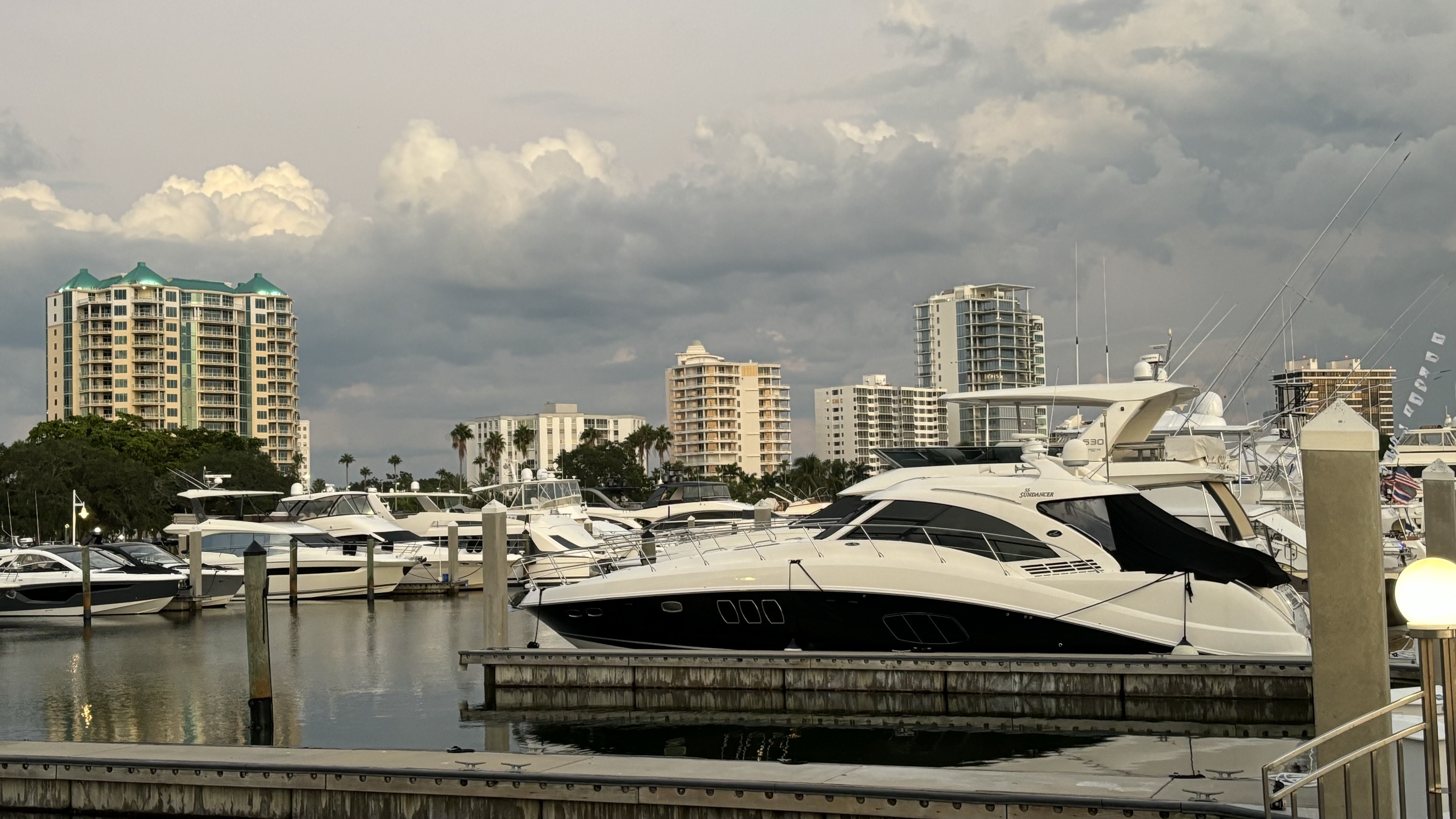
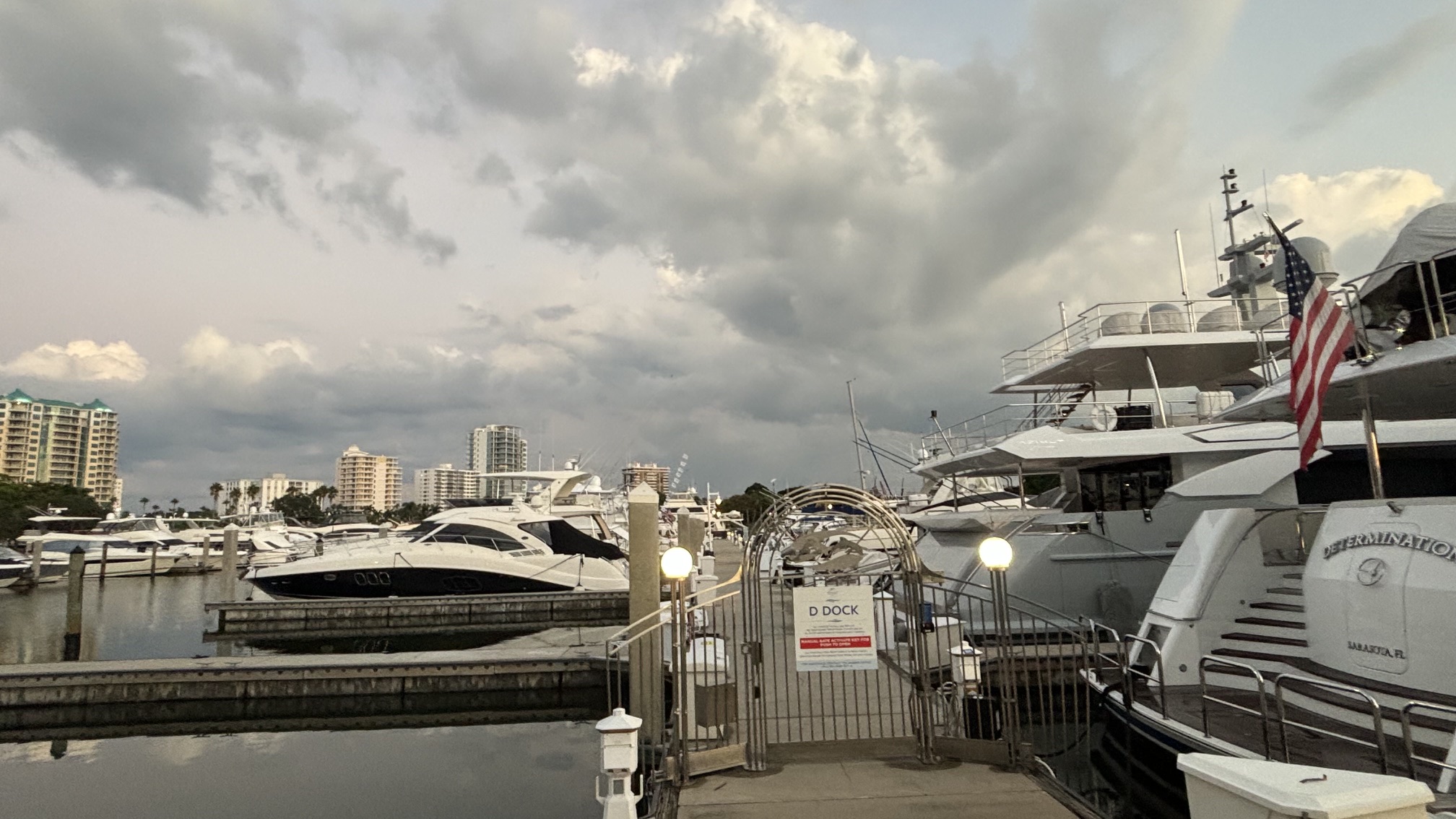
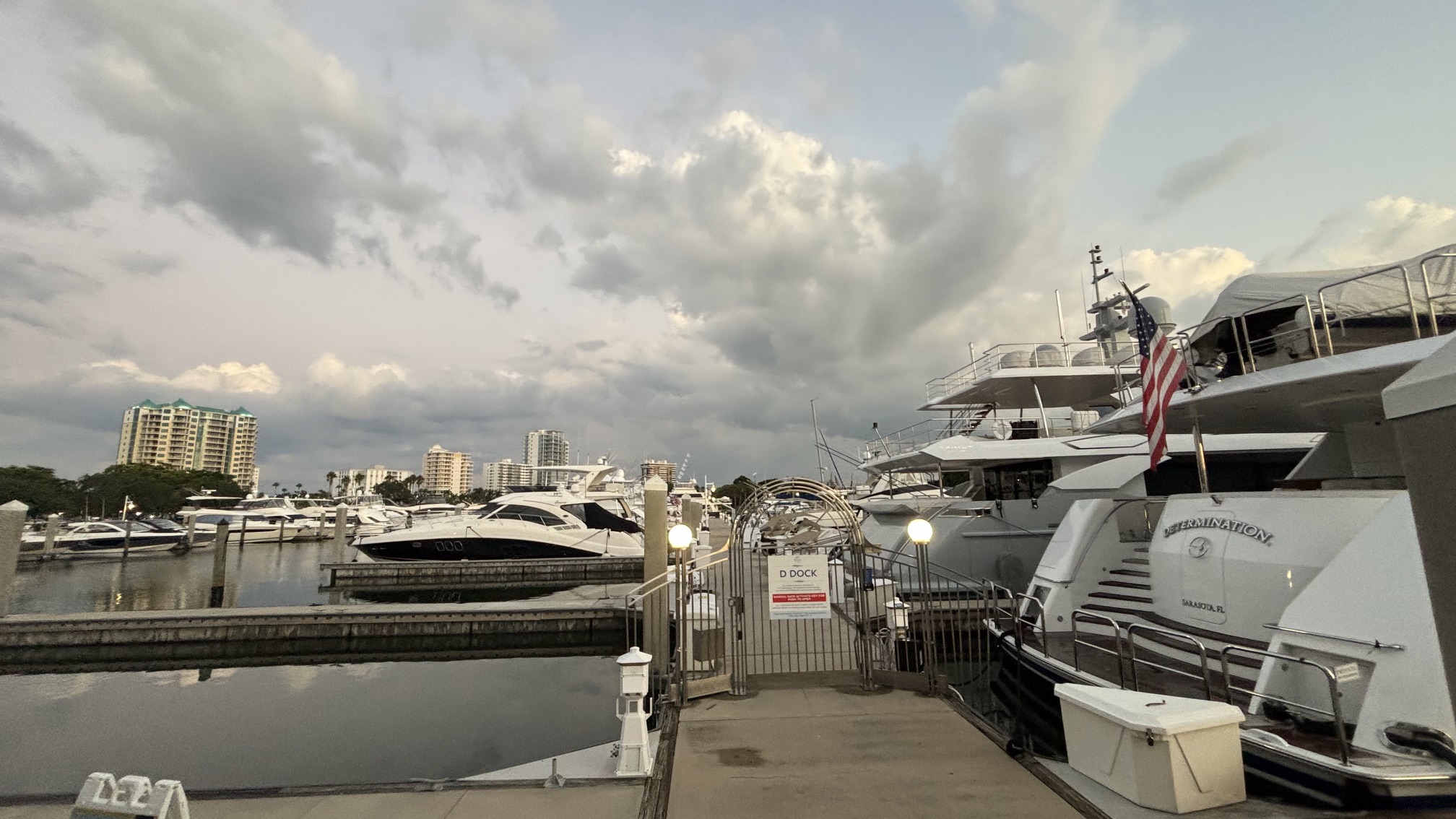
“Visiting Sarasota, Florida for the first time and enjoying the scenery and a brilliant sunset there over the Gulf of Mexico.”
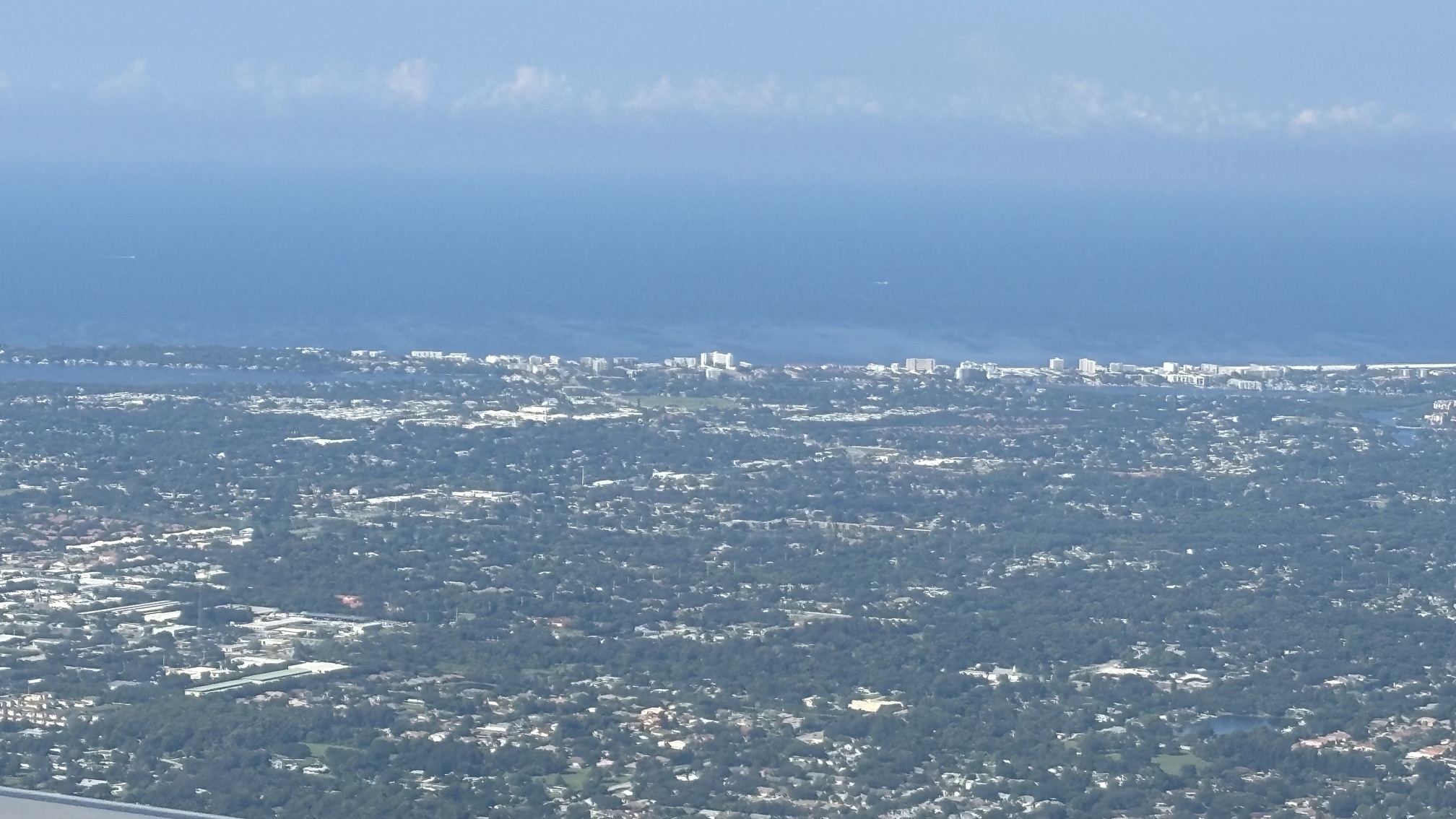
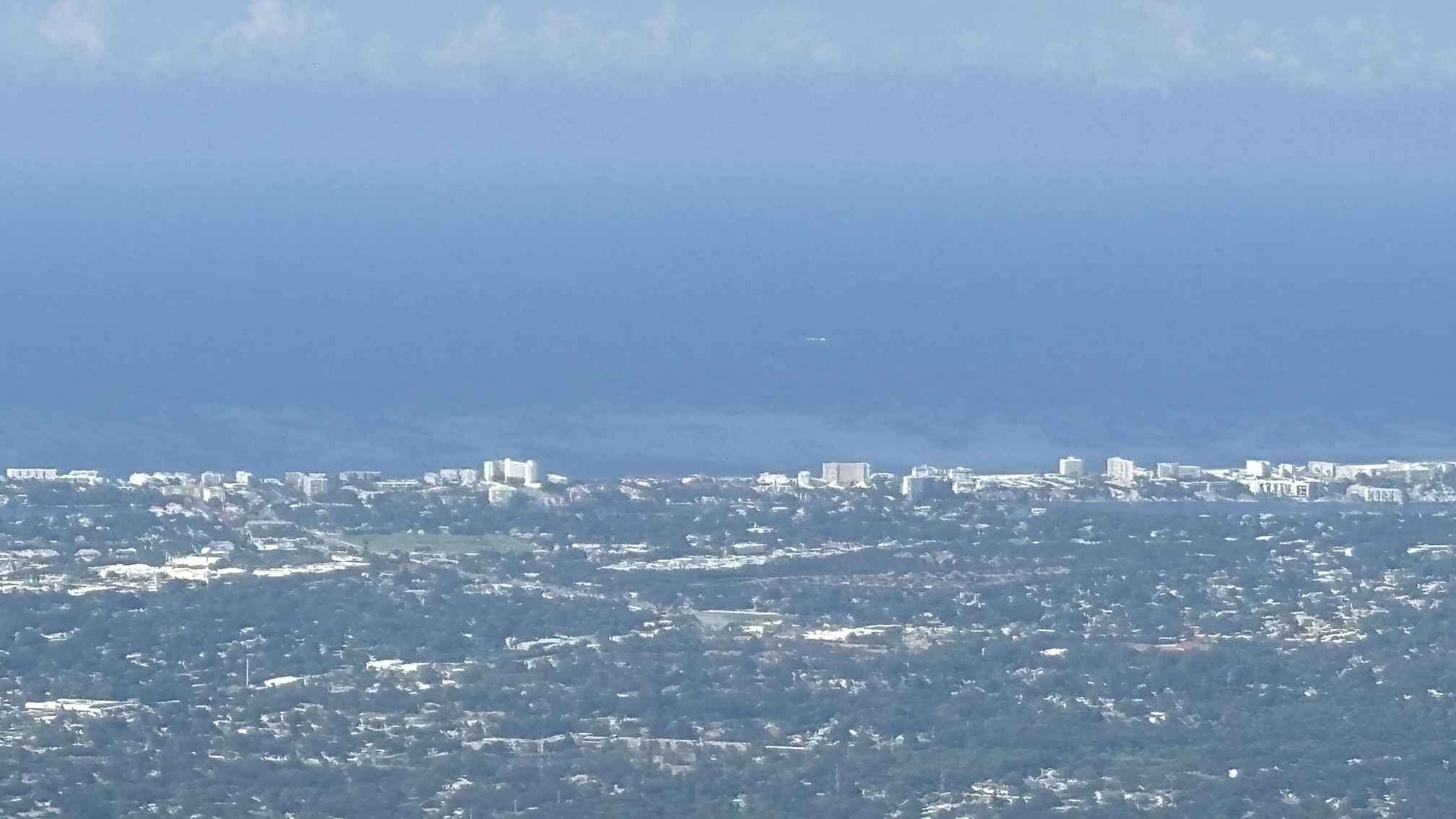
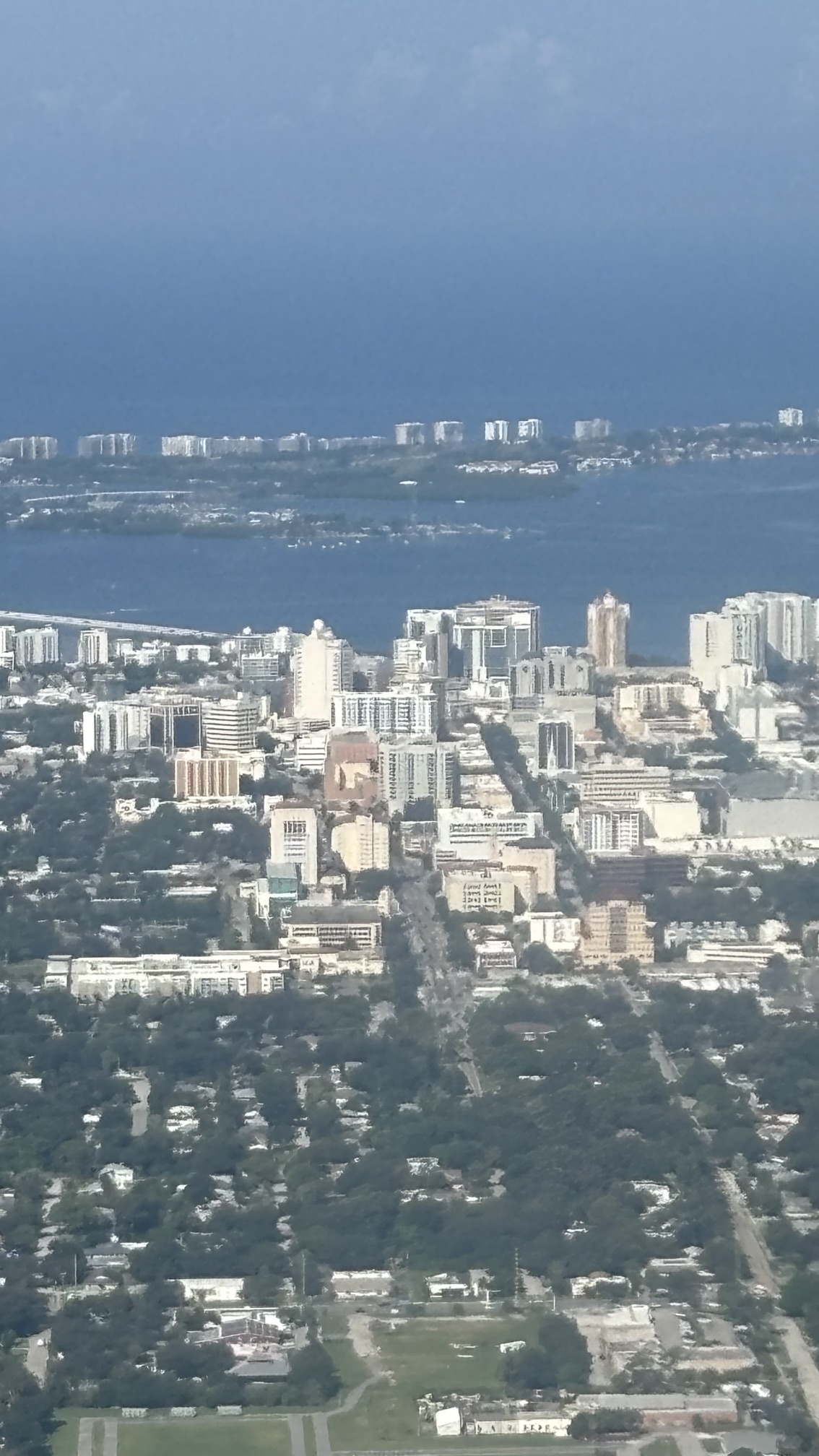
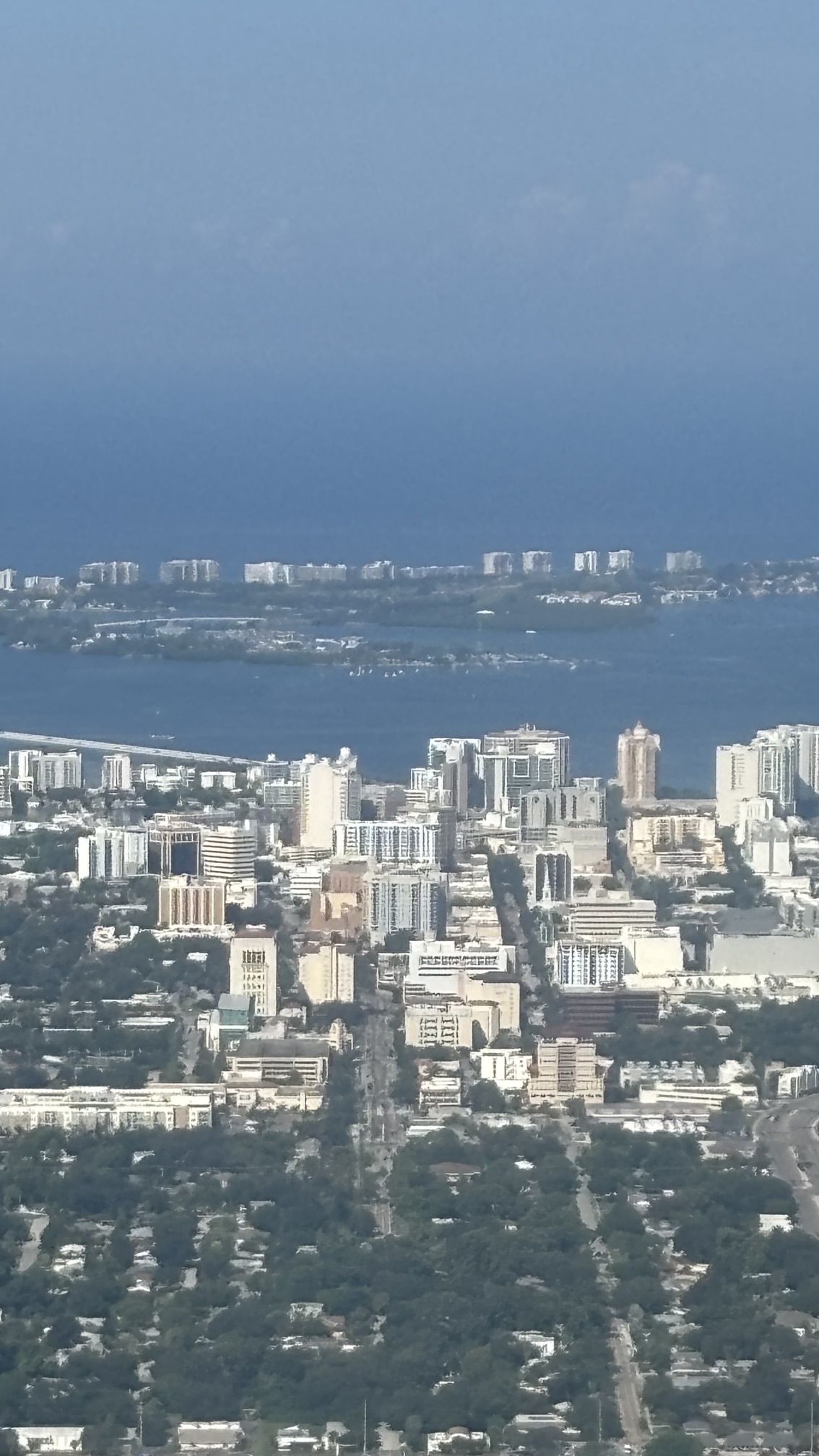
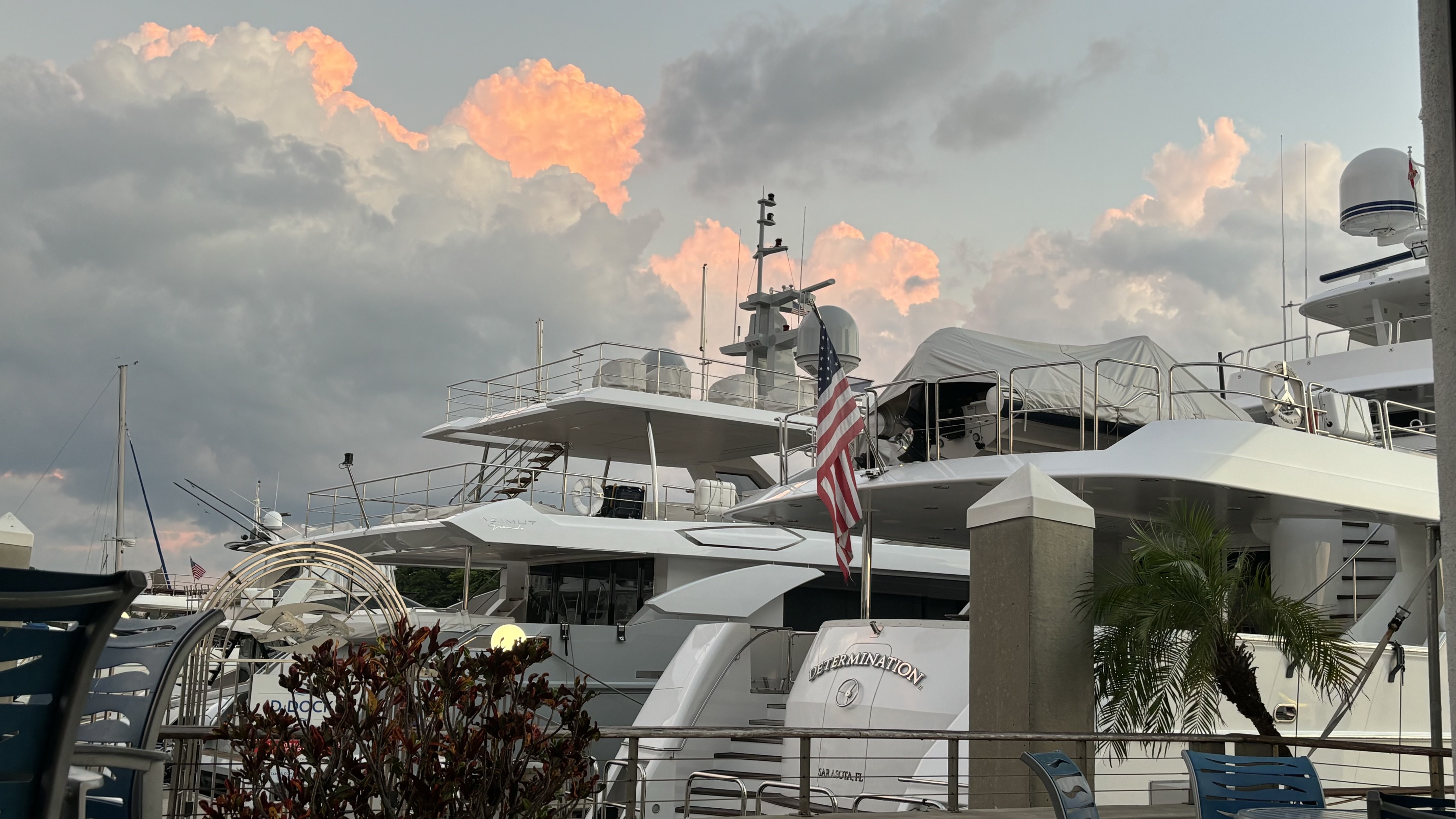
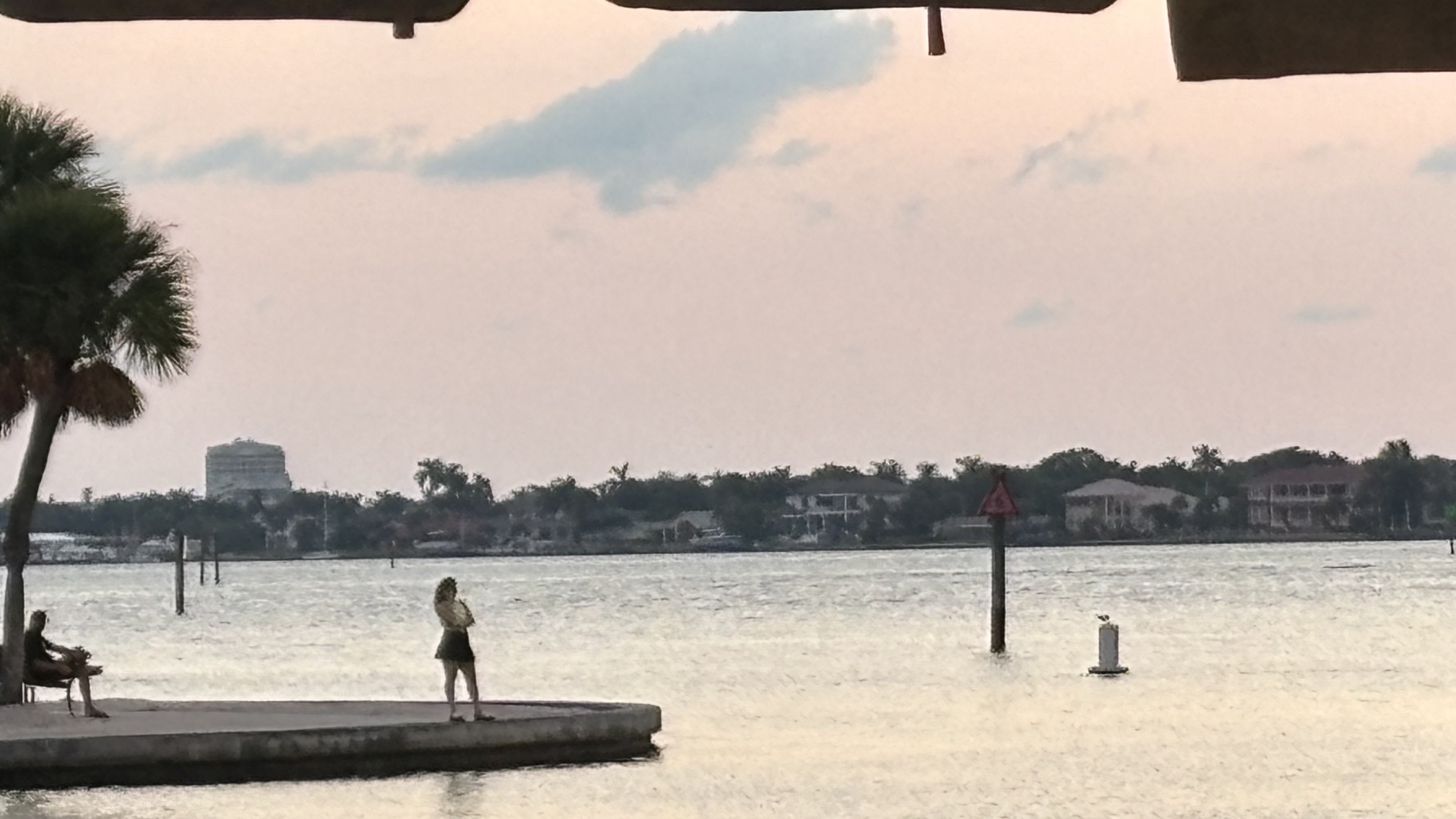
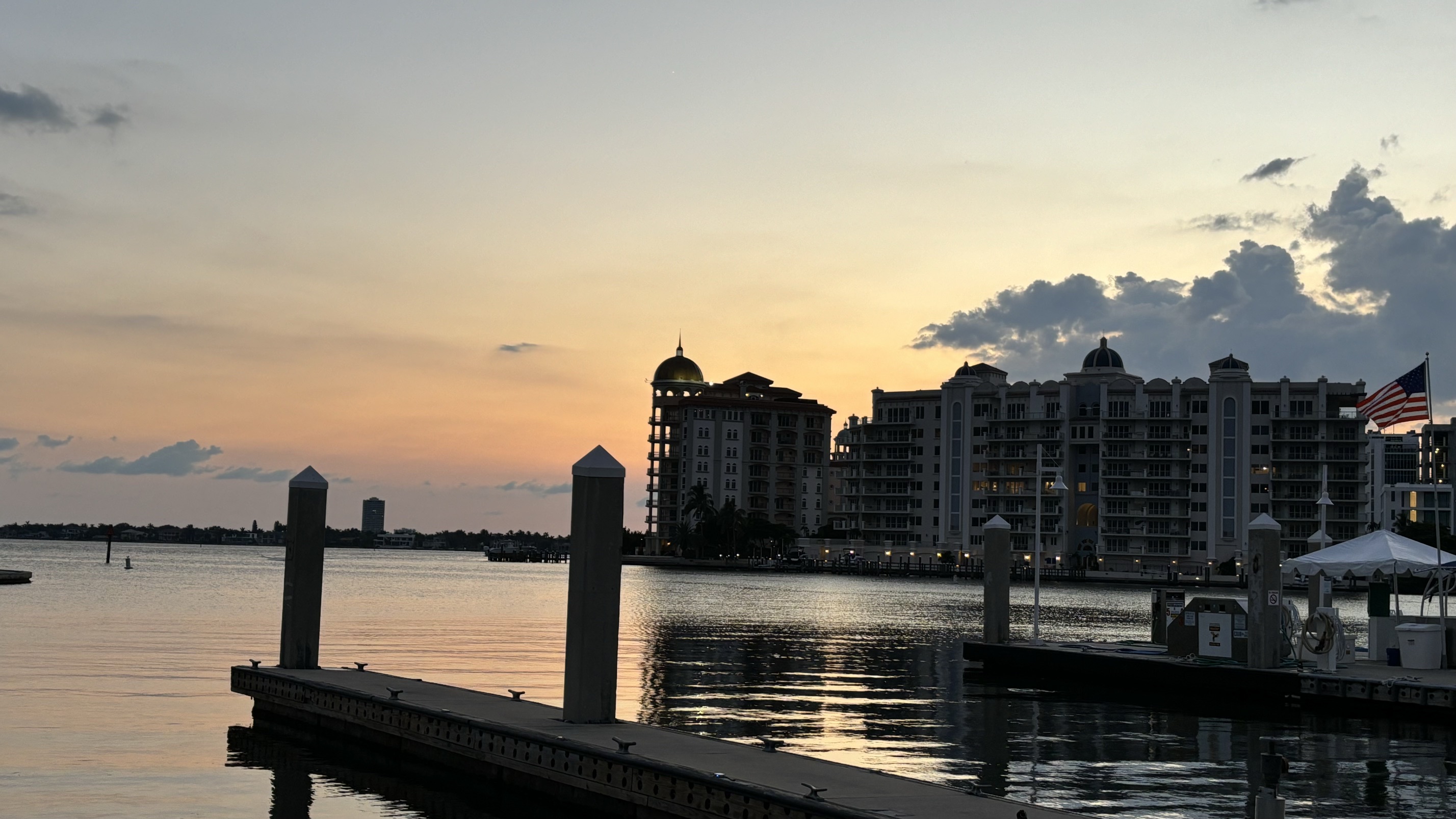
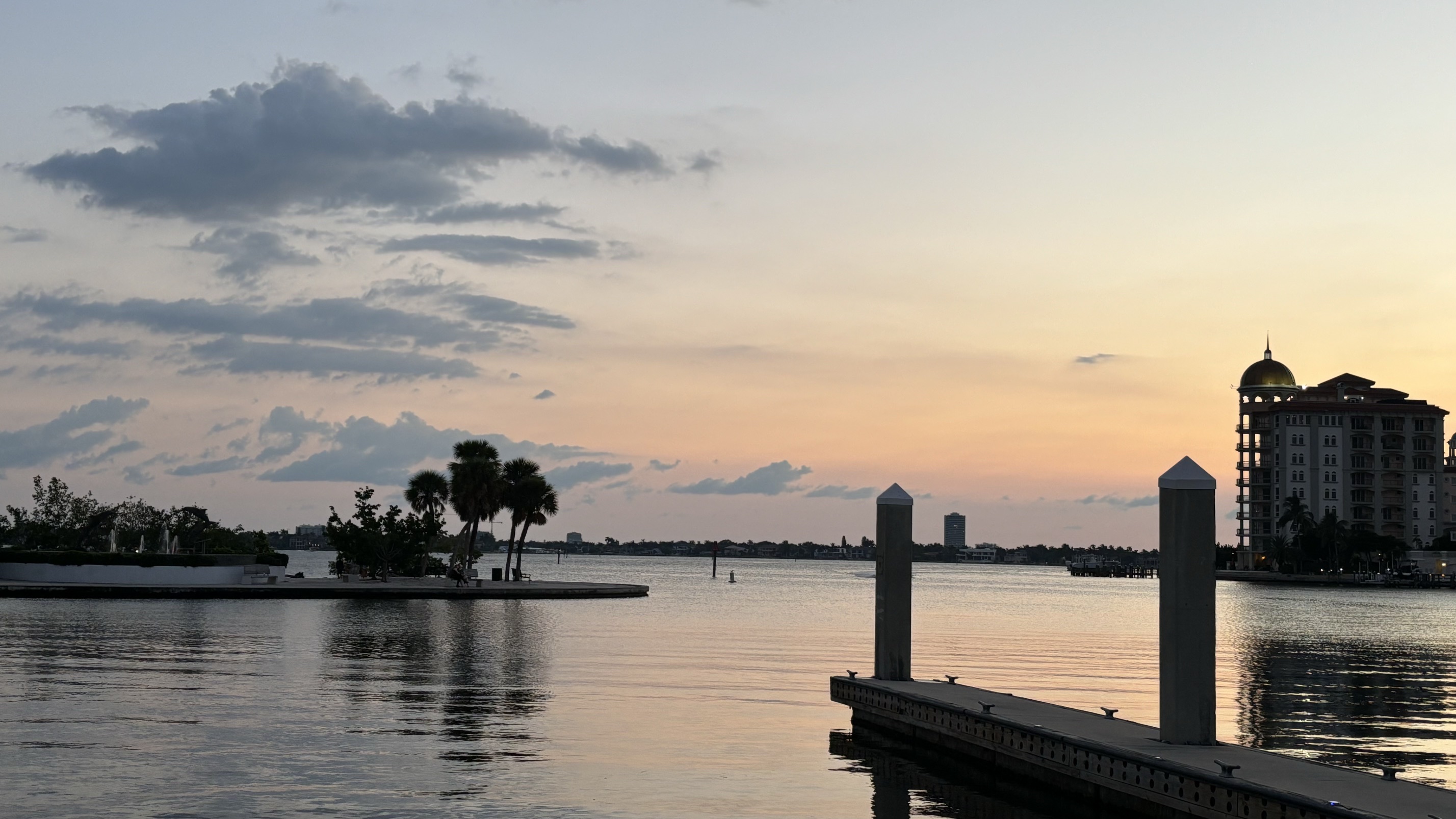
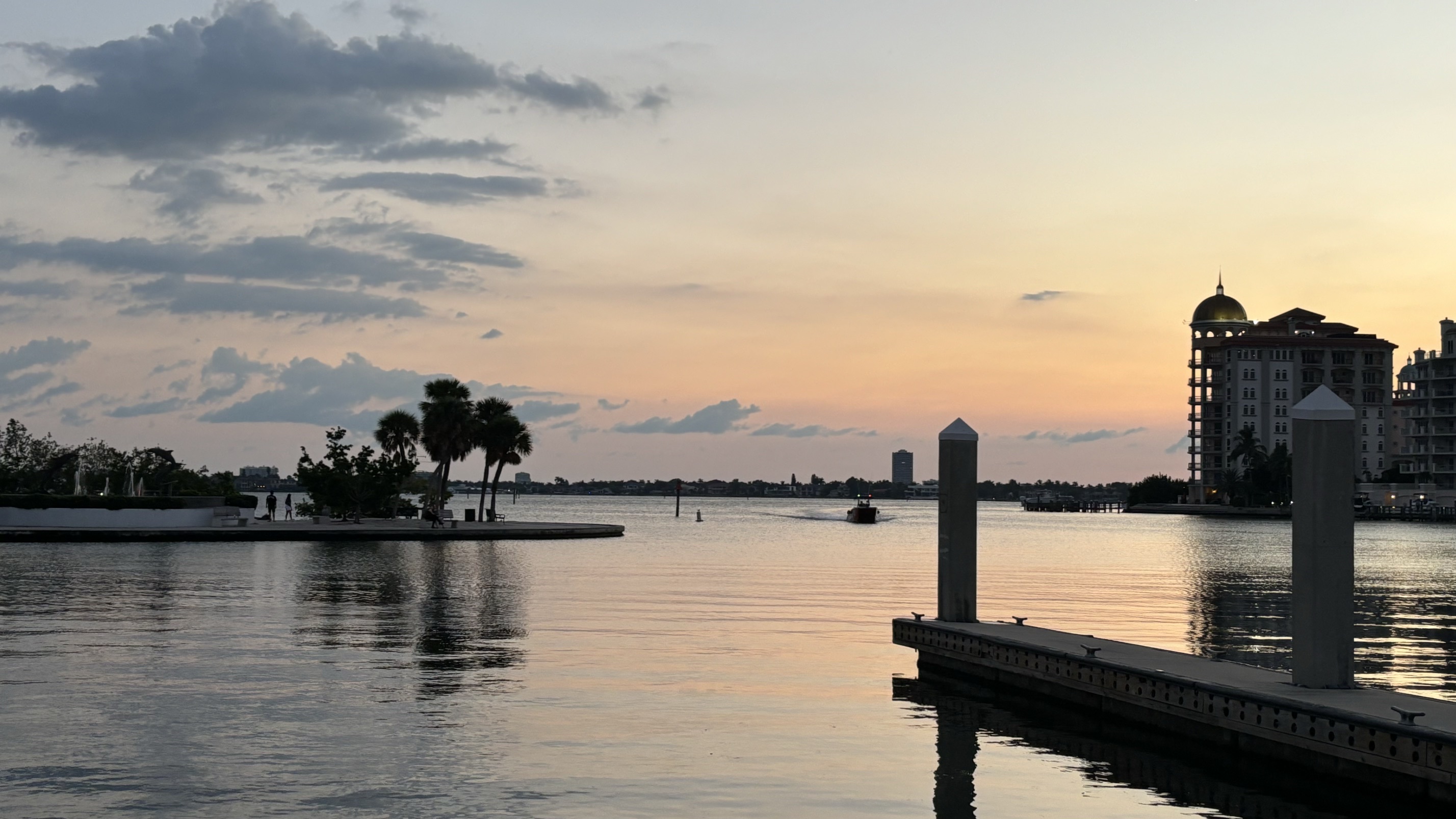
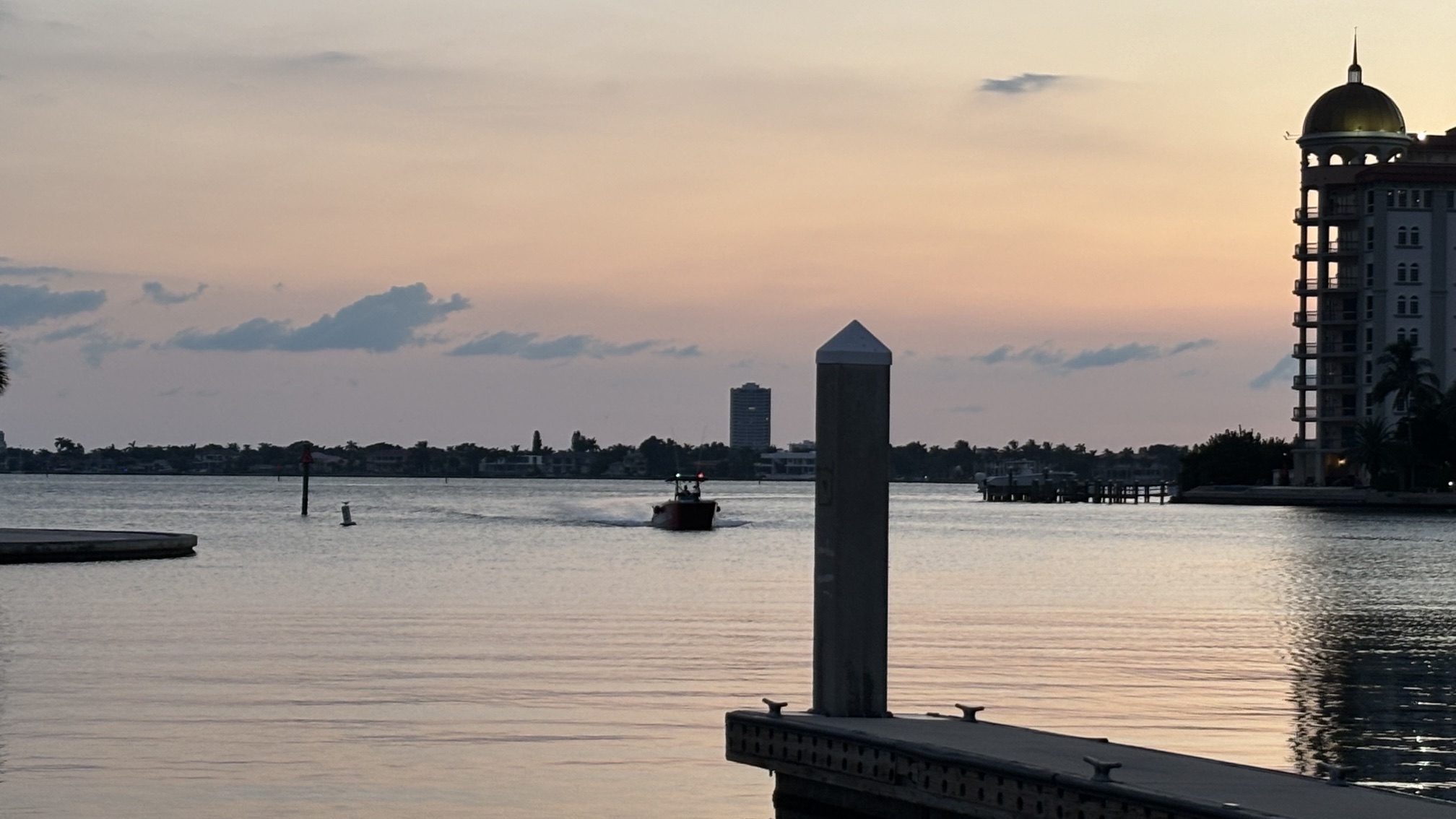
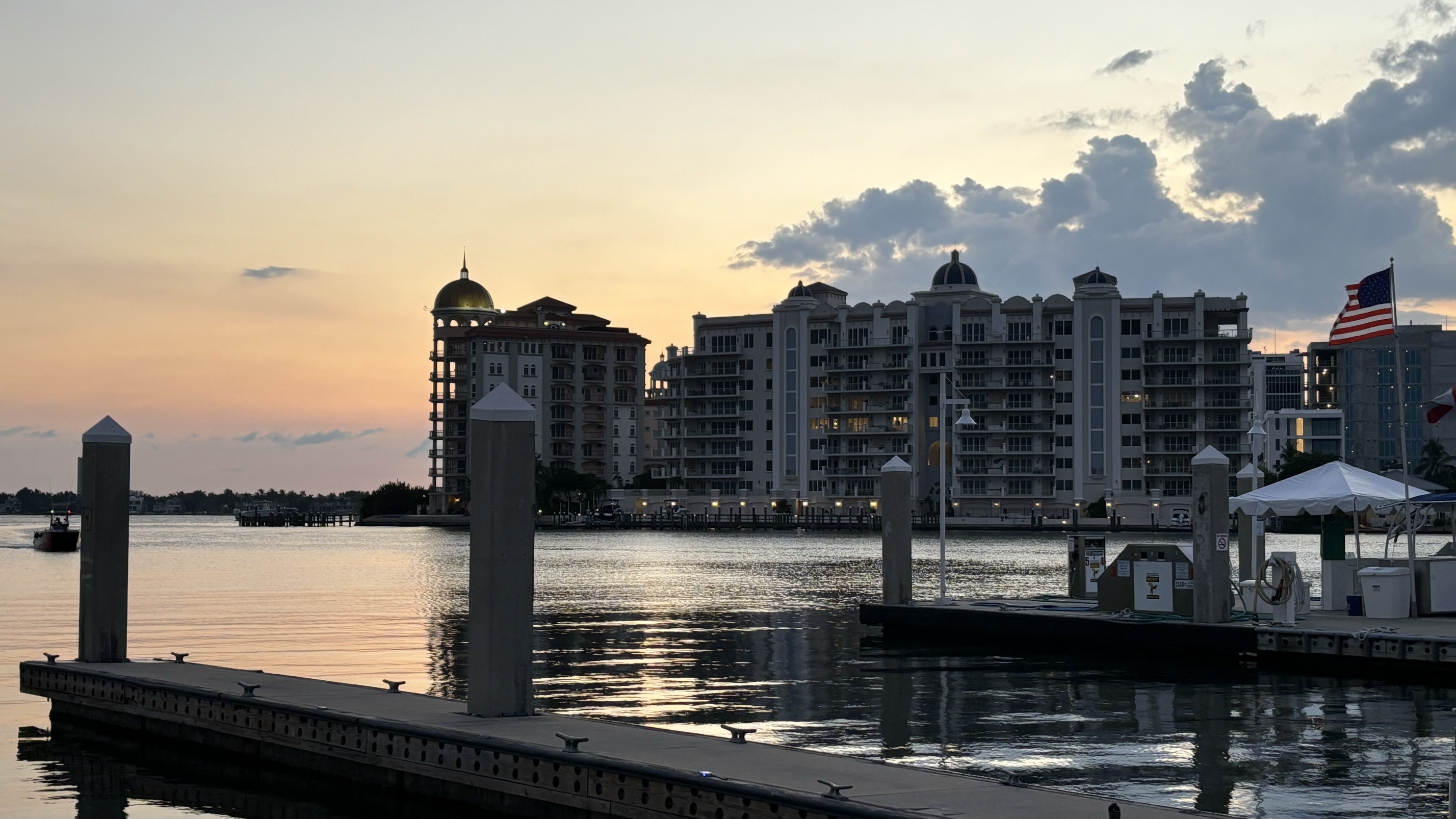
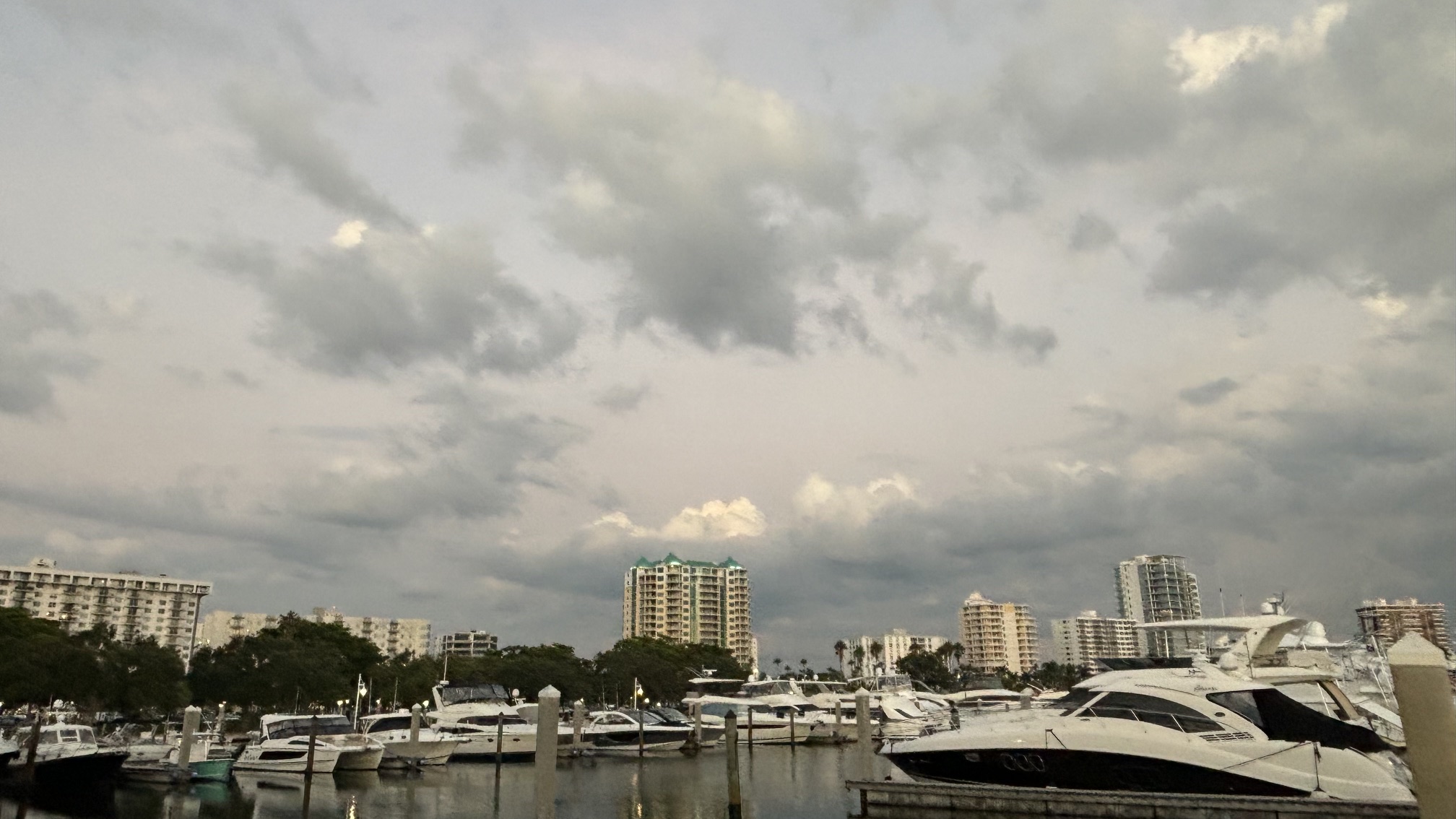
Camera: iPhone 15
Locations: Sarasota, Florida, United States
“There is a clear difference between paying a premium for a rare experience and being priced out of that experience, which most people find themselves facing today.”
If the value of a product or service is in high demand and the supply is limited, you’re going to be paying a lot for that good or service. I accept that inevitable fact of life and have paid that in my own life numerous times, especially for a concert, a sporting event, or even a last-minute show. Performers, artists, and athletes put their blood, sweat, and tears into their craft and they need that consistent revenue from fans for their livelihoods. I’m supportive of this kind of system, but what I am increasingly frustrated by is when dynamic pricing models, monopolistic practices, and sheer lack of affordability across these different types of entertainment have combined to cause inflated prices to occur for the average fan, where you can’t get in the arena.
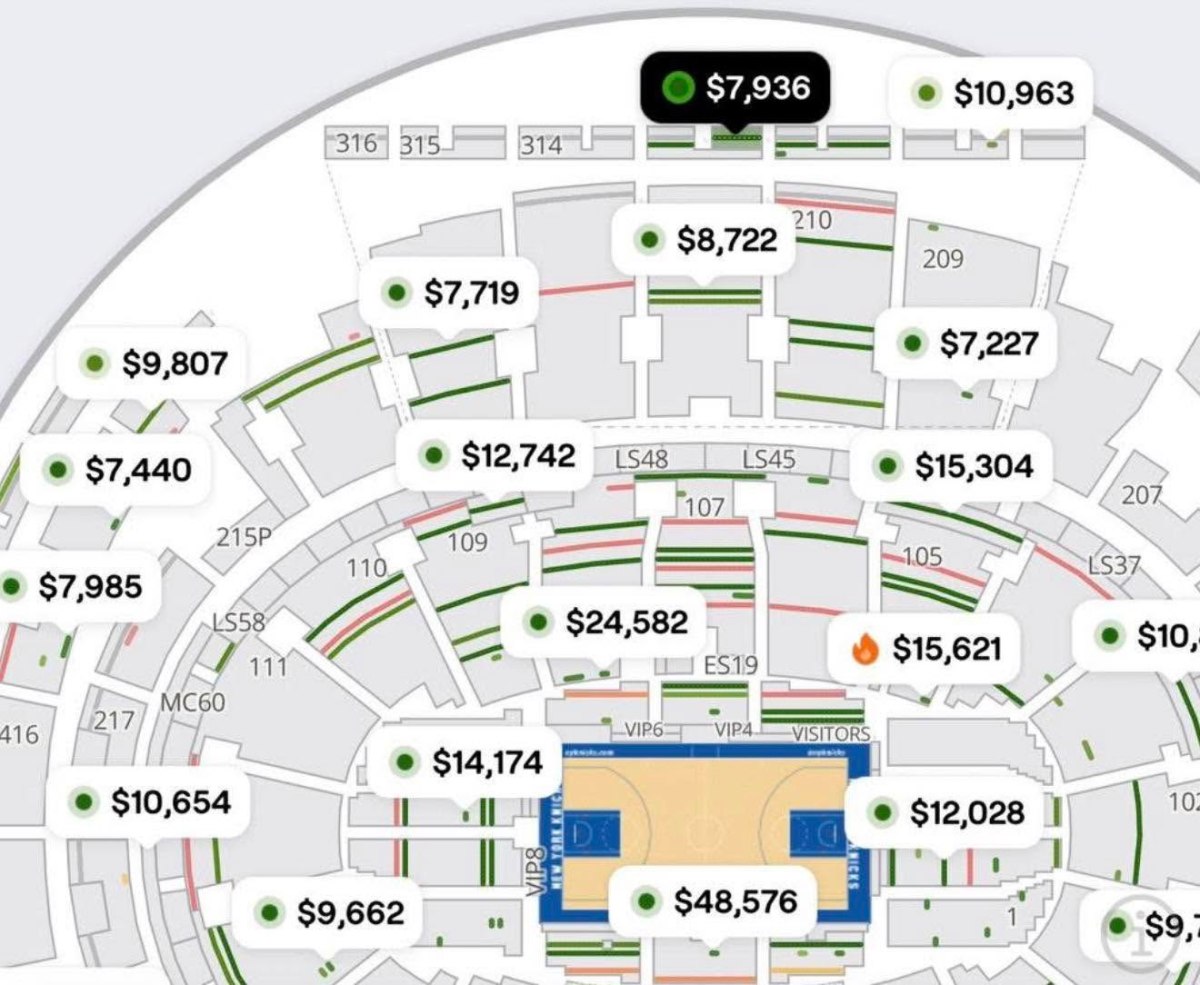
Prices for special events like the Super Bowl, the FIFA World Cip, and the NBA Finals are always going to be inflated, but I find that they have become overinflated. Many special events don’t even match the cost of those events should charge if they matched the inflation-adjusted value compared to the event ten or twenty years ago. For example, When the New York Knicks last reached the Finals against the San Antonio Spurs in 1999, a typical Finals ticket generally ranged from roughly $150–$500 face value, with premium seats running higher. In the secondary market, many tickets sold for hundreds rather than thousands of dollars at that time. Adjusted for inflation, that ticket price would be approximately $300–$950 in 2026 dollars. However, if you look at any secondary market site as I write this article in June 2026, it costs between 3k-10k for nosebleed seats and there’s nothing available under $3,000, showing that these prestigious events are no longer affordable, except for the very wealthy in our society.
The issue is not that prices rise when demand exceeds supply, which is to be expected especially for special concerts or rare sporting events. That is a basic economic reality of supply and demand in a capitalist system. The current issue is that modern ticketing systems have evolved in ways that extract the maximum possible amount of money from consumers through dynamic pricing algorithms, excessive service fees, speculative resale markets, and limited competition among ticketing providers. There is a clear difference between paying a premium for a rare experience and being priced out of that experience, which most people find themselves facing today.
This unfortunate situation is especially the case since there’s nothing available for the average middle-class fan in their price range, including the sections that are further away from the action. Increasingly, average fans of median or lower income are finding themselves out of luck for any special entertainment events and even for regular concerts or theater performances. Notable performers including Taylor Swift, Bruce Springsteen, and Beyonce have taken advantage of the dynamic pricing situation to charge more for their concerts even as their fans find themselves squeezed not just by the ticket prices but also for paying concessions, parking, and even needing to fly or drive to the concert on top of the cost for entry to the event.
One of the most controversial developments in modern entertainment has been the rise of dynamic pricing, which is very much an American phenomenon at this point, but could become popular elsewhere soon. Like airline tickets or hotel rooms, ticket prices can now fluctuate dramatically based on demand. A seat that costs $250 in the morning may cost $750 by the afternoon simply because an algorithm determines that consumers are willing to pay more and track people’s spending patterns over time.
While defenders of dynamic pricing argue that this approach reflects market realities, critics are right to point out that these systems often reward sheer wealth rather than loyalty to the team, the athlete, or the musician. Fans who have supported a team, artist, or event for decades frequently find themselves competing against corporate buyers, professional resellers, and affluent consumers with far deeper pockets. These buyers don’t usually care about the team or the artist and will often surge the pricing to make a profit off the ticket and sell to the highest bidder rather than to lower the price for someone of moderate means who is a true fan or supporter of the event they want to see, but will never get the chance to do so now.
Sports and entertainment have historically served as one of the few places where people from different economic backgrounds could gather and share a common experience together without barriers between them. Yet as prices continue to rise and these kinds of events become geared to the top 1-10% of our society including private suites and with whole parts of the arenas or stadiums blocked off to the wealthiest, these events increasingly resemble luxury products reserved for those people with significant disposable income only.
The danger is not merely economic in terms of fostering greater inequality and already has resulted in a K-shaped economy in the United States as many economists have noted lately. There is cultural damage being done as well, which could be even more damaging to how different social classes relate to each other going forward. When the average fan or supporter can no longer attend a championship game, a major concert, or a global sporting event, something valuable is lost as a result. The shared experiences that once united different communities become increasingly exclusive and reflect a stratified society rather than preserve a rare opportunity to bring everyone together to celebrate an event or a person that unites us together.
The question that policymakers, leagues, promoters, and ticketing companies should be asking is not how much revenue can be extracted from consumers. It is whether future generations of fans will be able to participate in the events they love at all. I have no problem with people making money from what they do and selling at a higher price to reflect the sheer demand and the perceived value of their product. However, pricing a major portion of your supporters and fan base out of these events will ultimately result in growing antipathy toward the sports teams, entertainers, leagues, and ticketing companies involved. Loyal fans are the foundation upon which these brands are built. When lifelong supporters can no longer afford to attend the very events that helped make them successful, a sense of alienation and disenfranchisement begins to replace loyalty. Over time, that erosion of goodwill may prove more costly than any short-term revenue gains generated through excessive and dynamic pricing.
For many New York Knicks fans including myself, the 2026 NBA Finals represent the first championship opportunity of our lifetimes. Yet many lifelong supporters who endured decades of losing cannot afford even the cheapest seat inside Madison Square Garden for a Finals game. When a once-in-a-generation moment becomes inaccessible to the very fans who helped sustain a franchise through its worst years (of which there were many), it is fair to ask whether the pricing system is still serving its intended purpose. While organizations and individual artists may celebrate record profits today, they should remember that every lifelong fan who is priced out is a future customer, advocate, and ambassador lost. The strength of any sports league, artist, or event ultimately depends not on how much money can be extracted from its audience, but on how many people still feel they belong there.
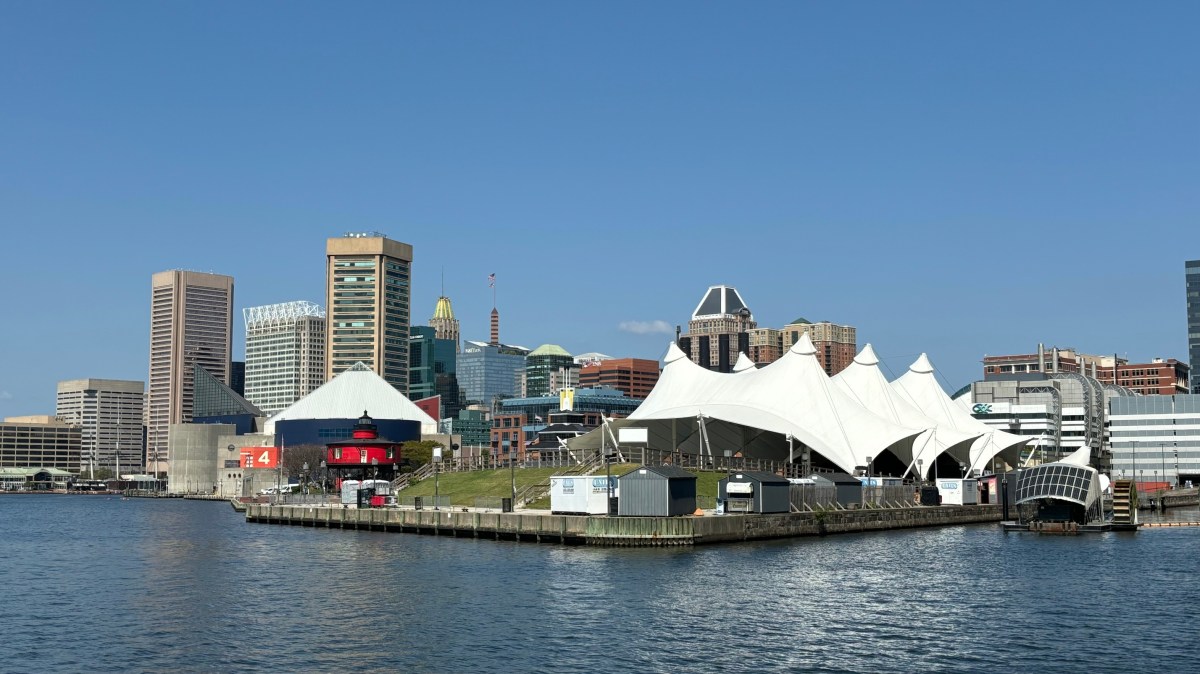
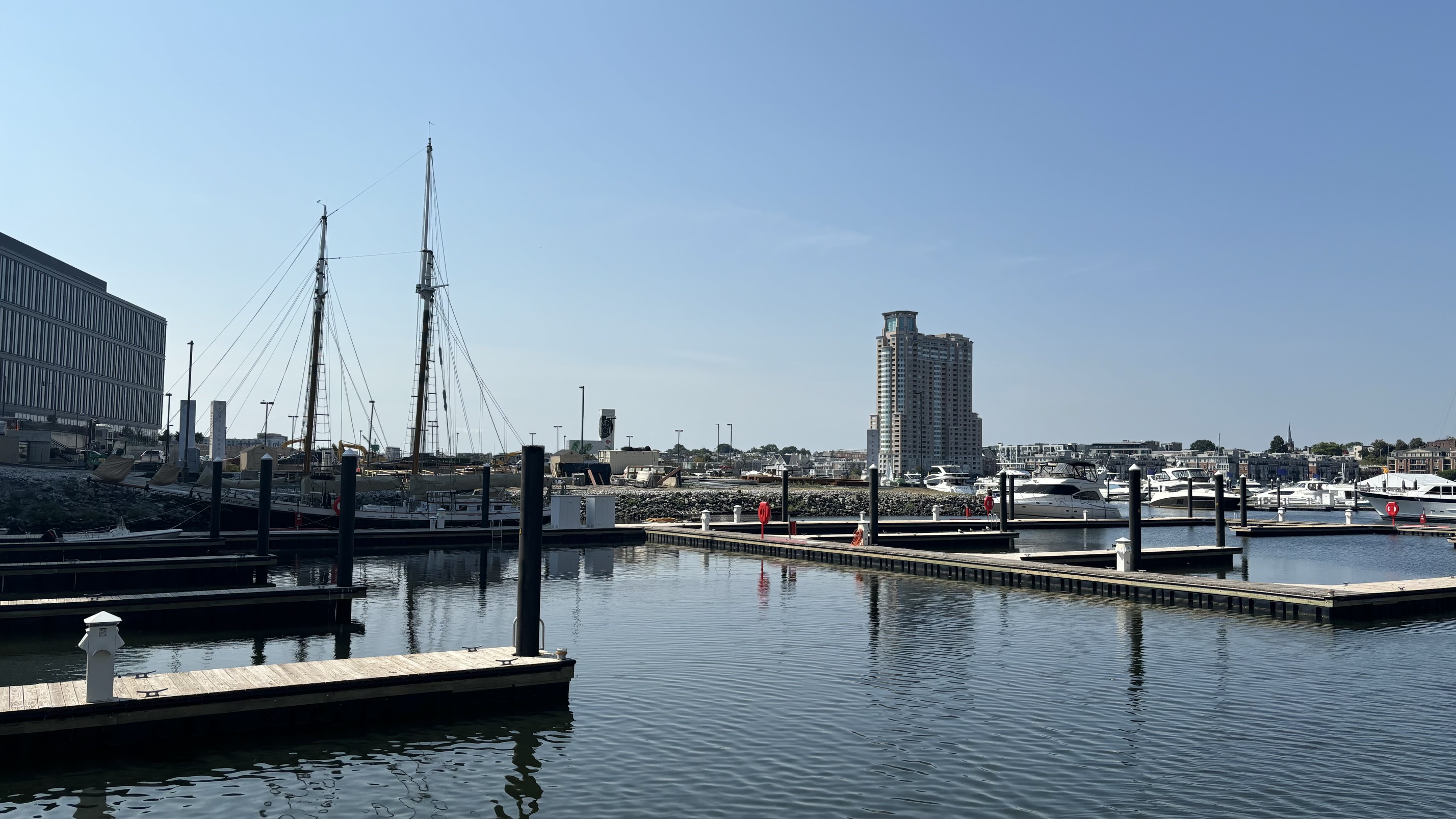
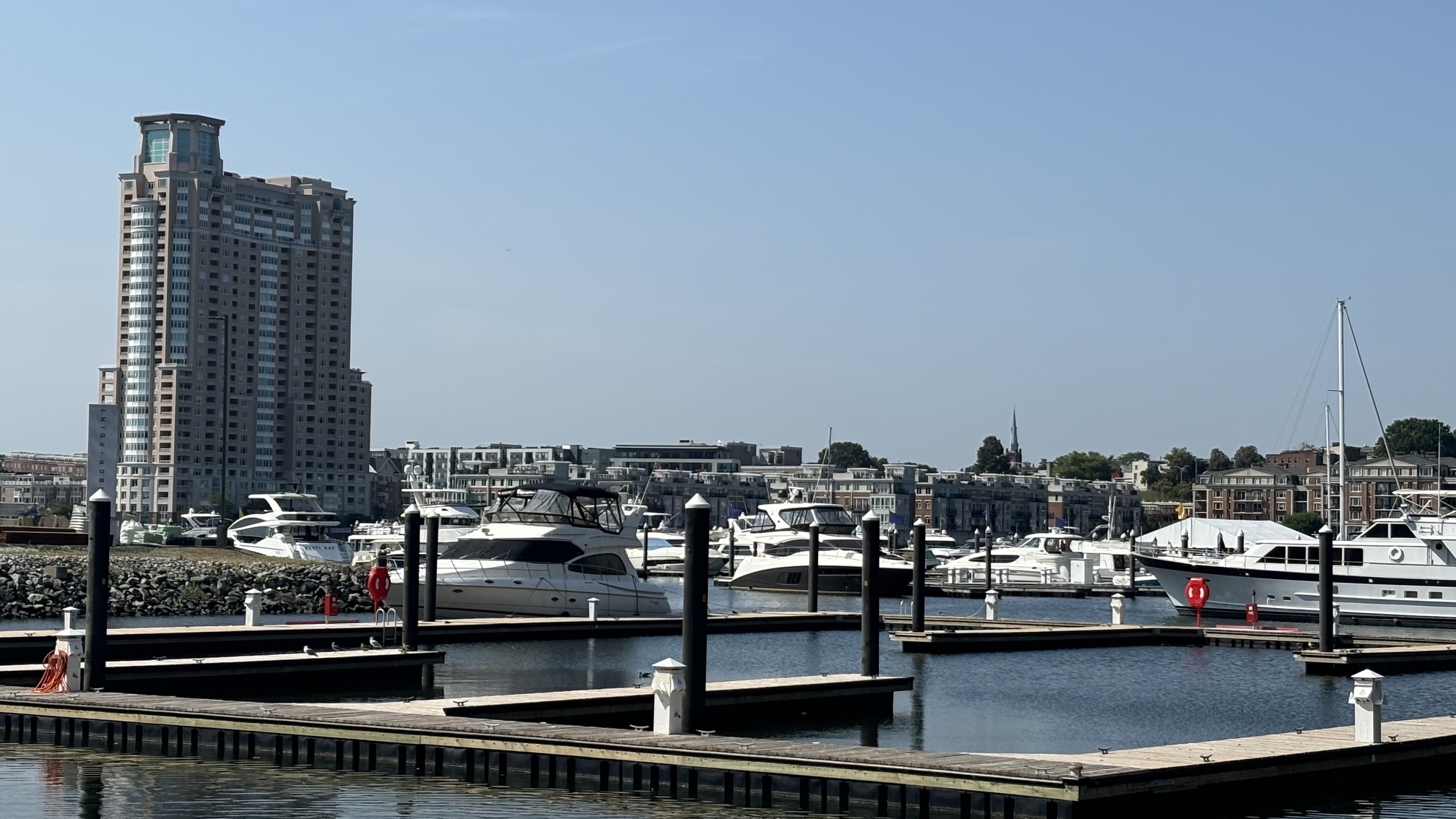
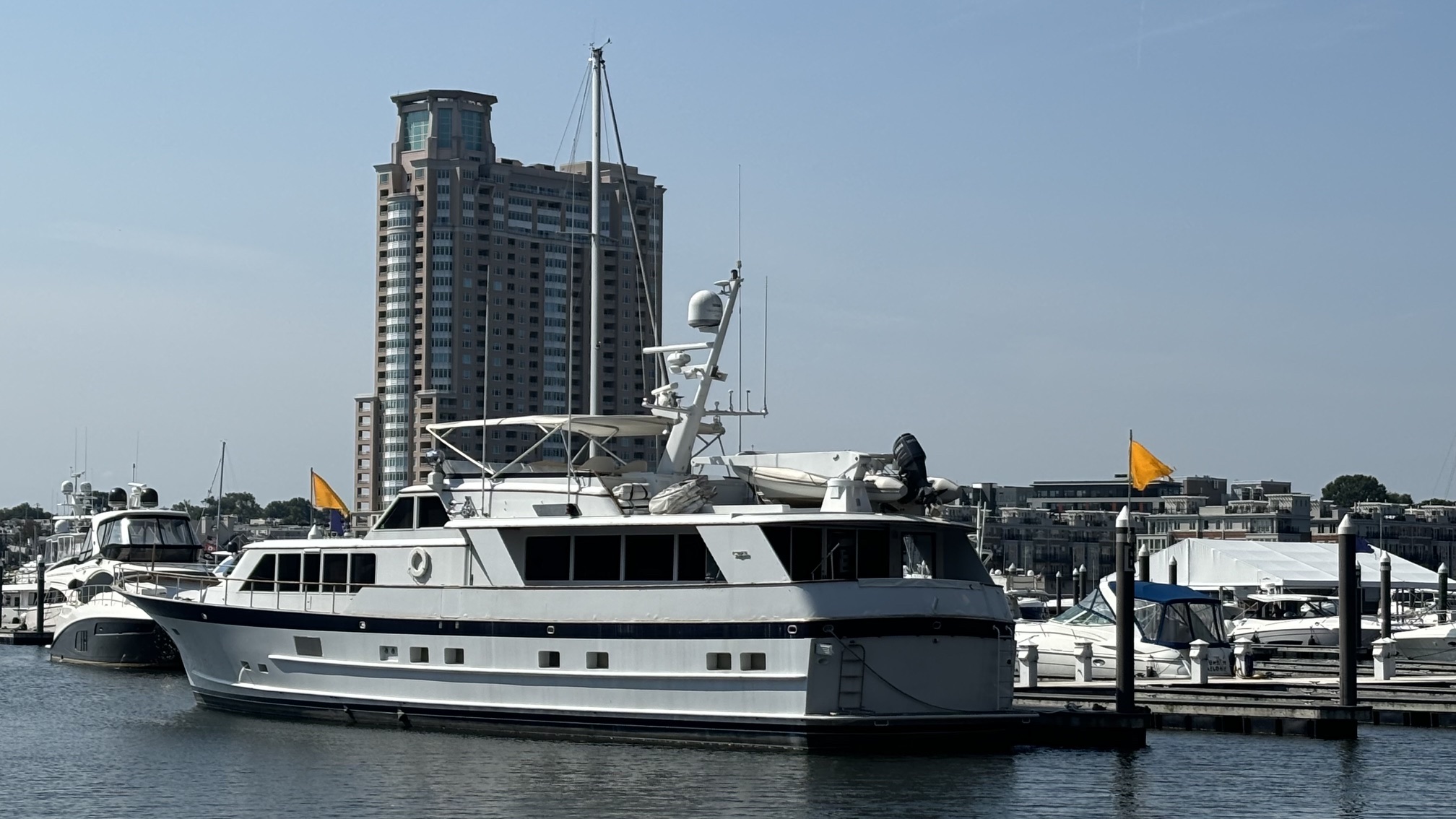
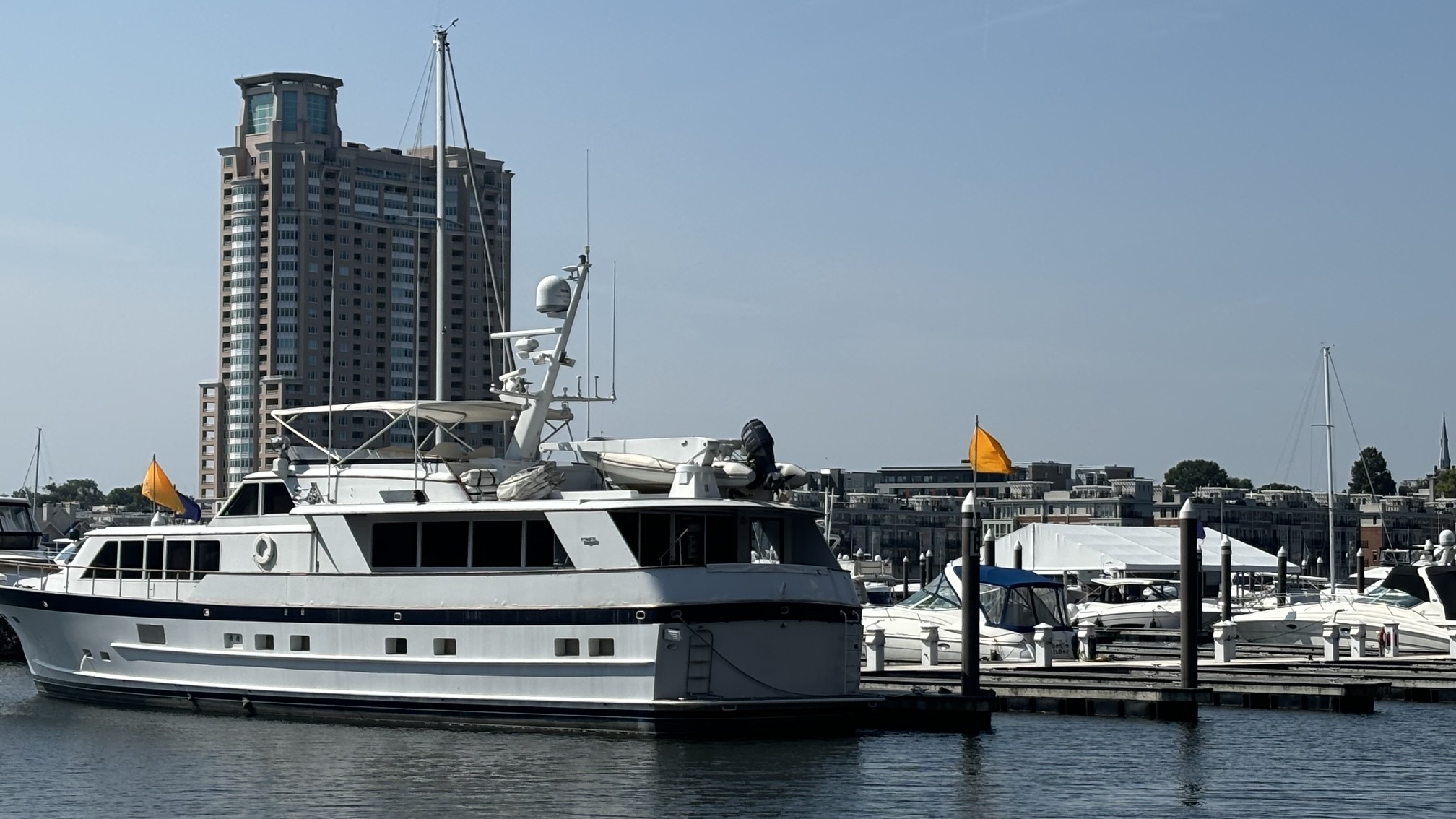
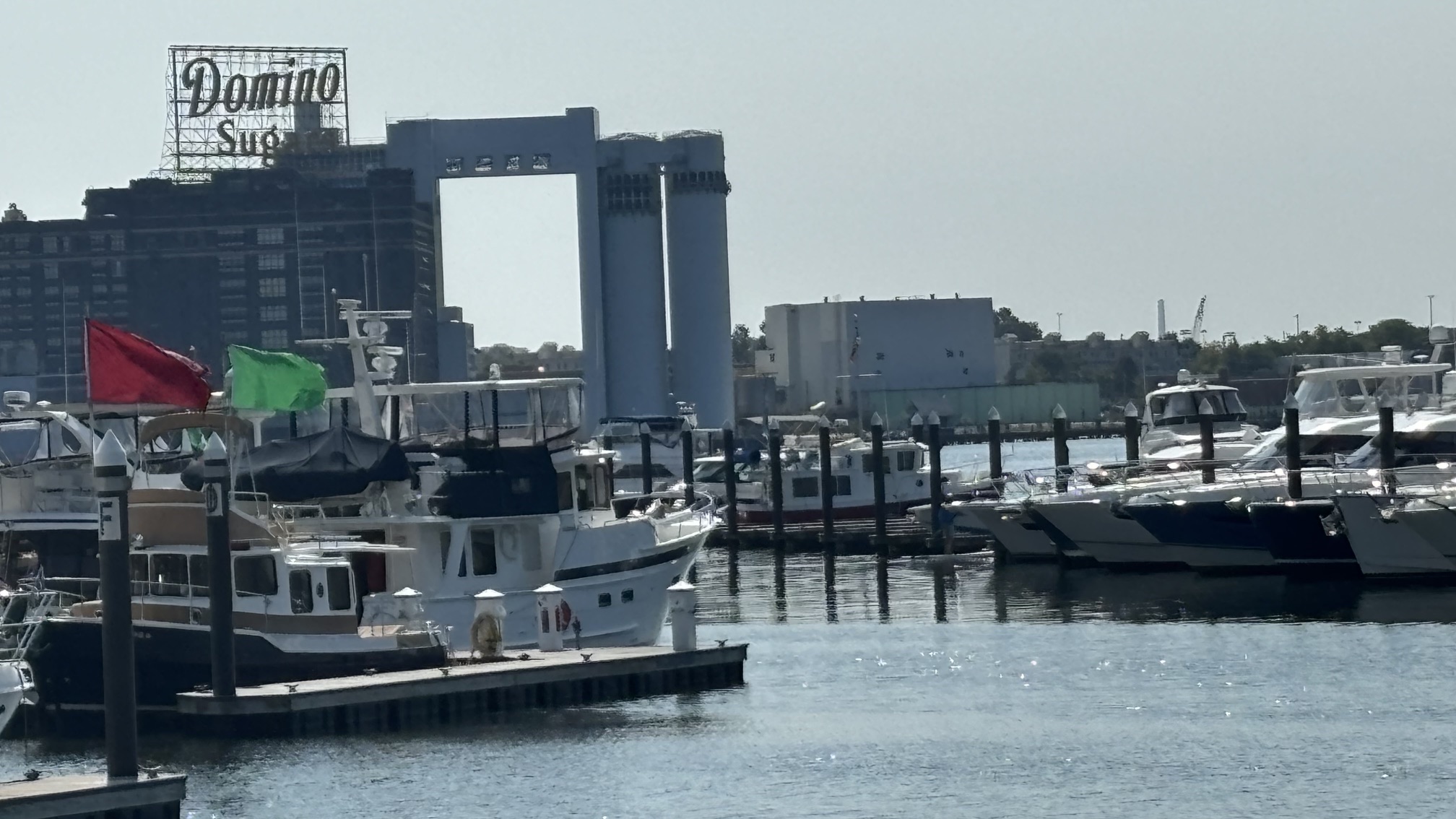
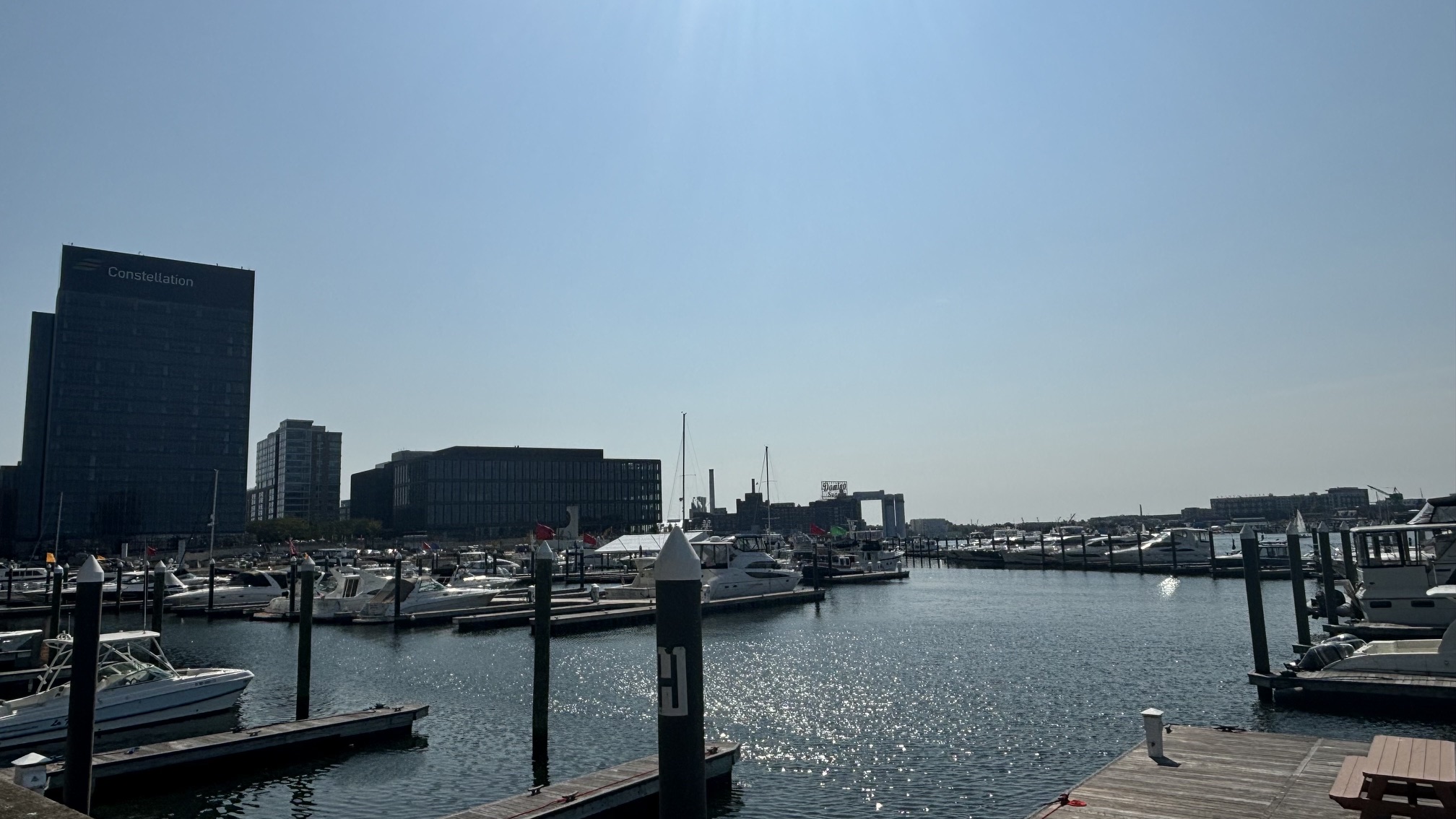
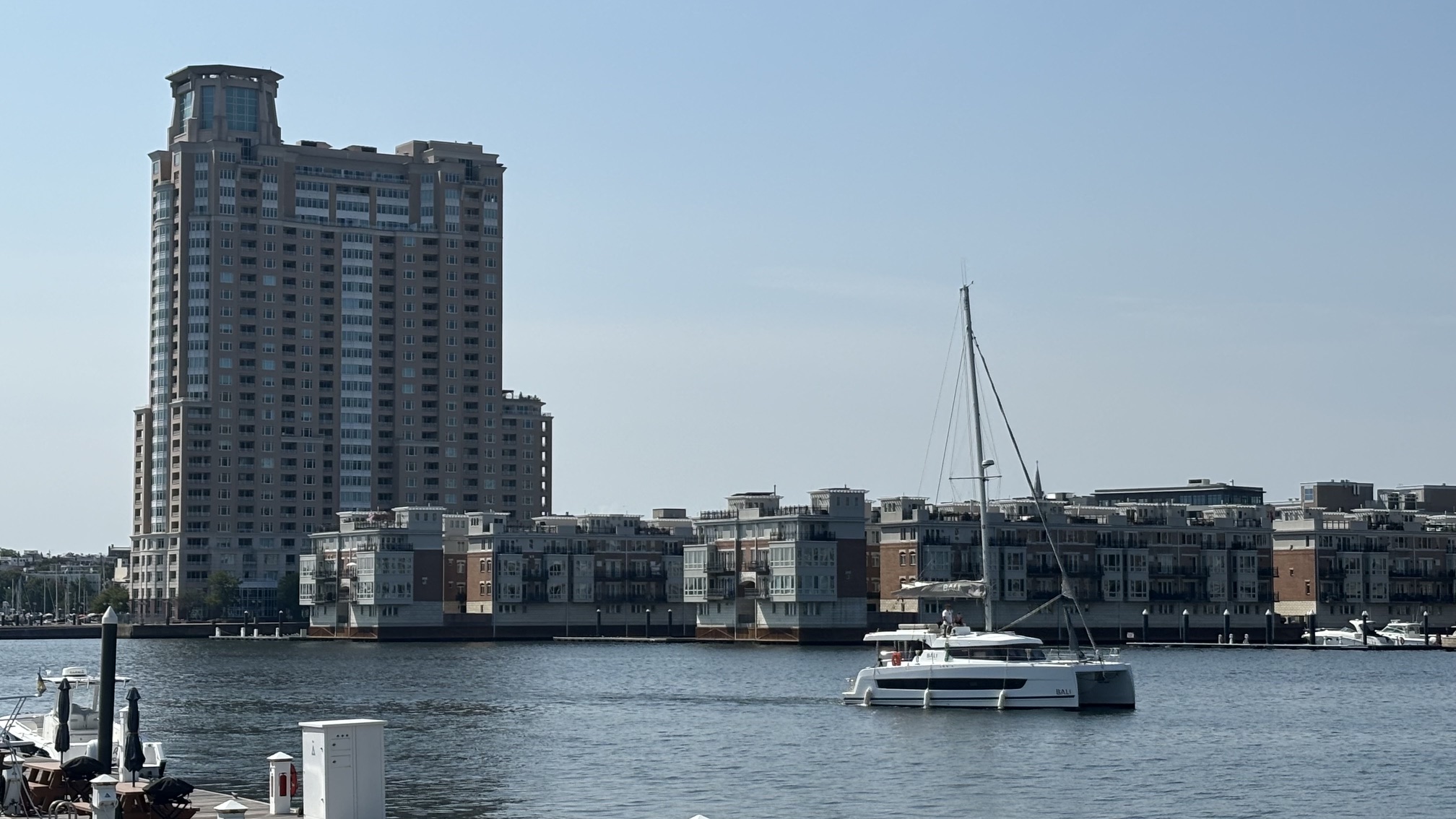
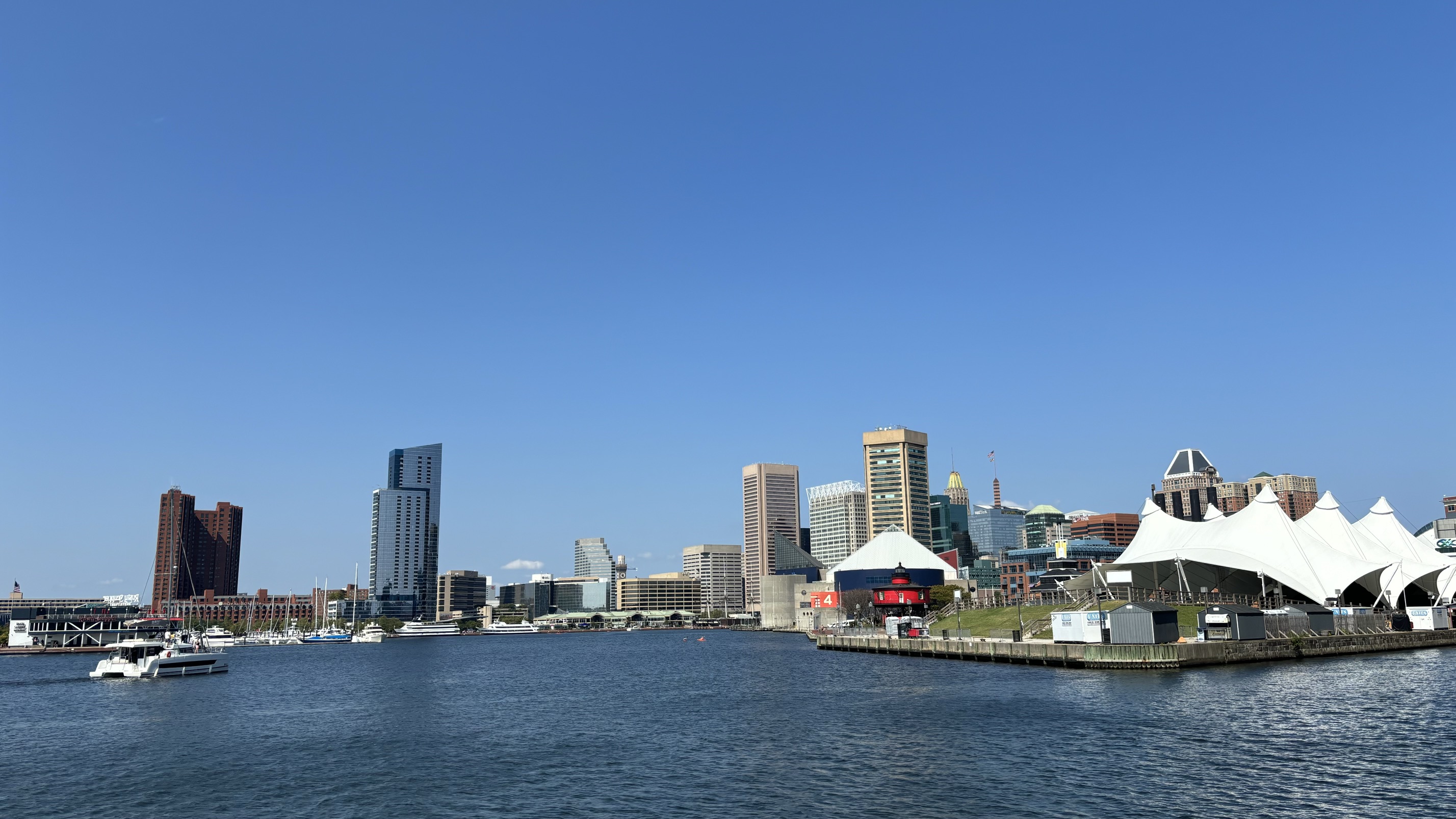
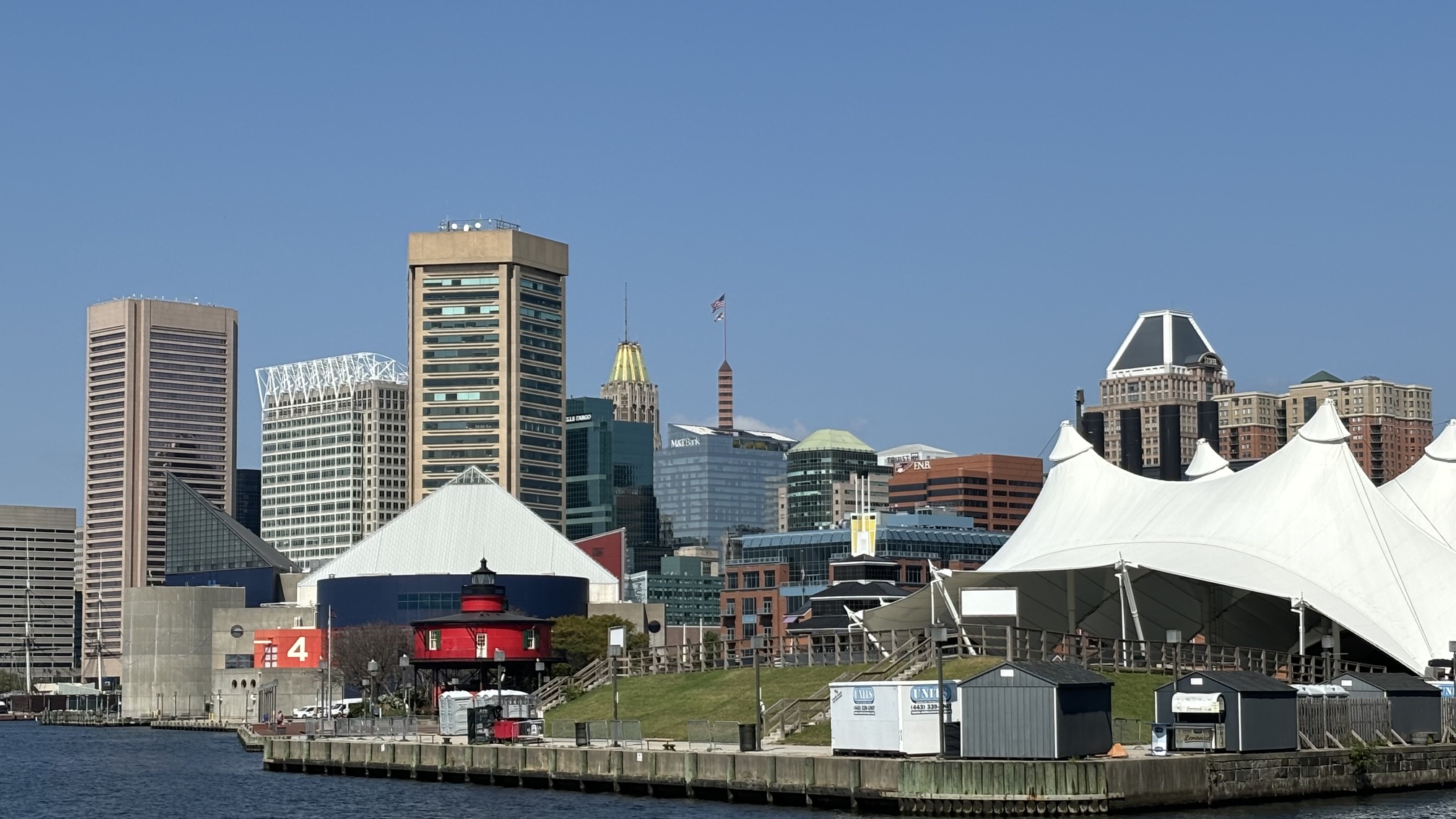
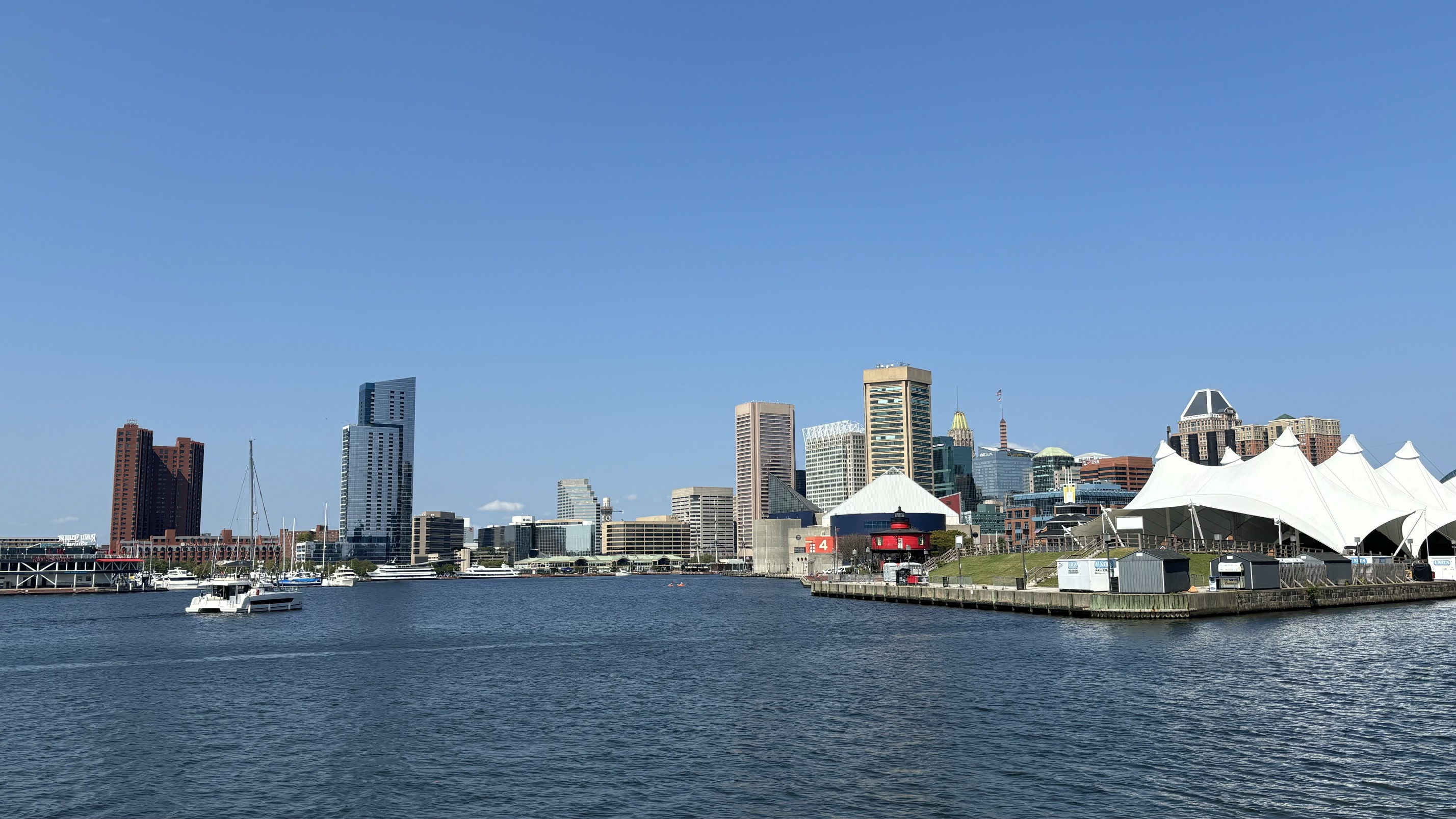
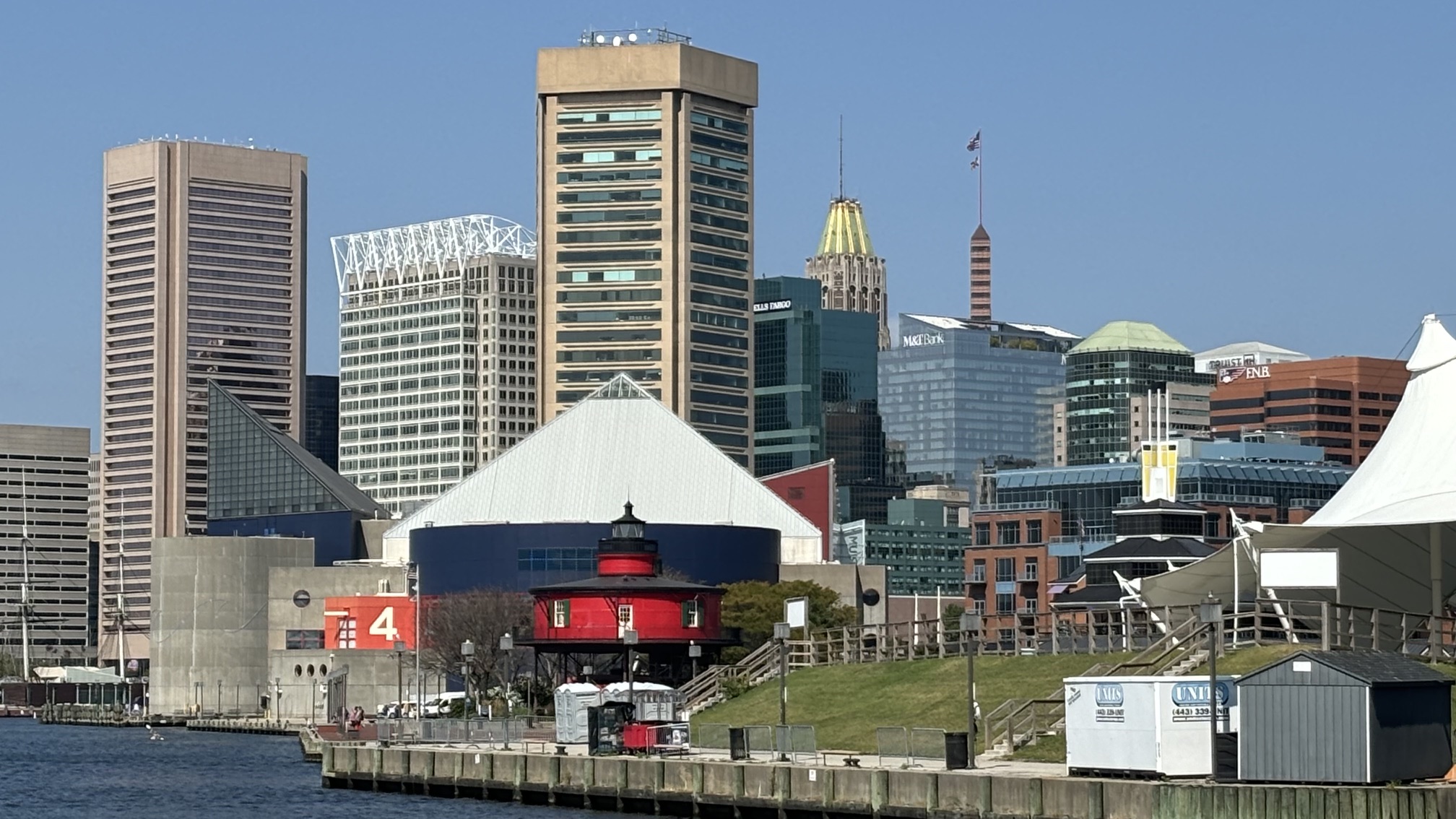
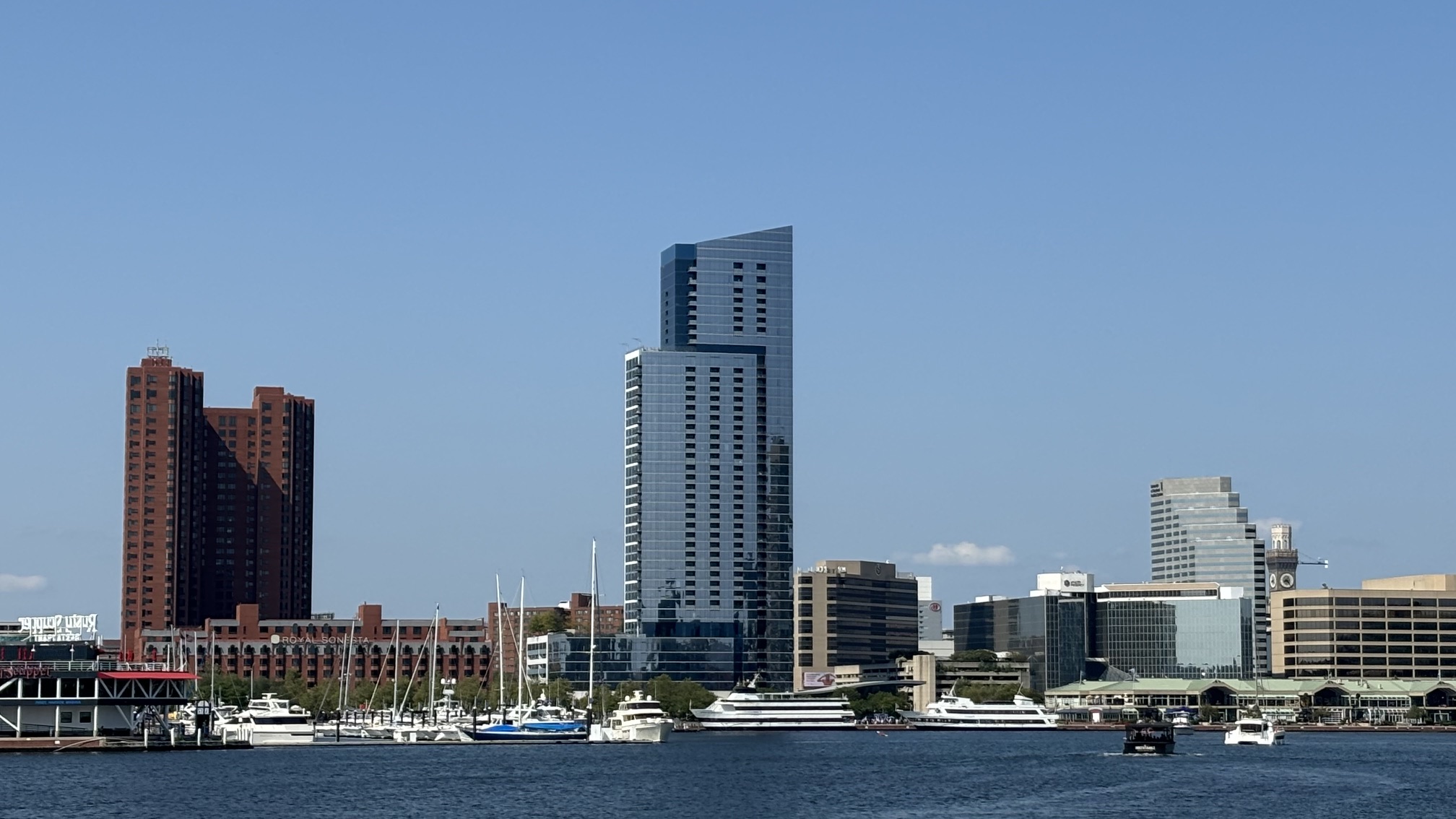
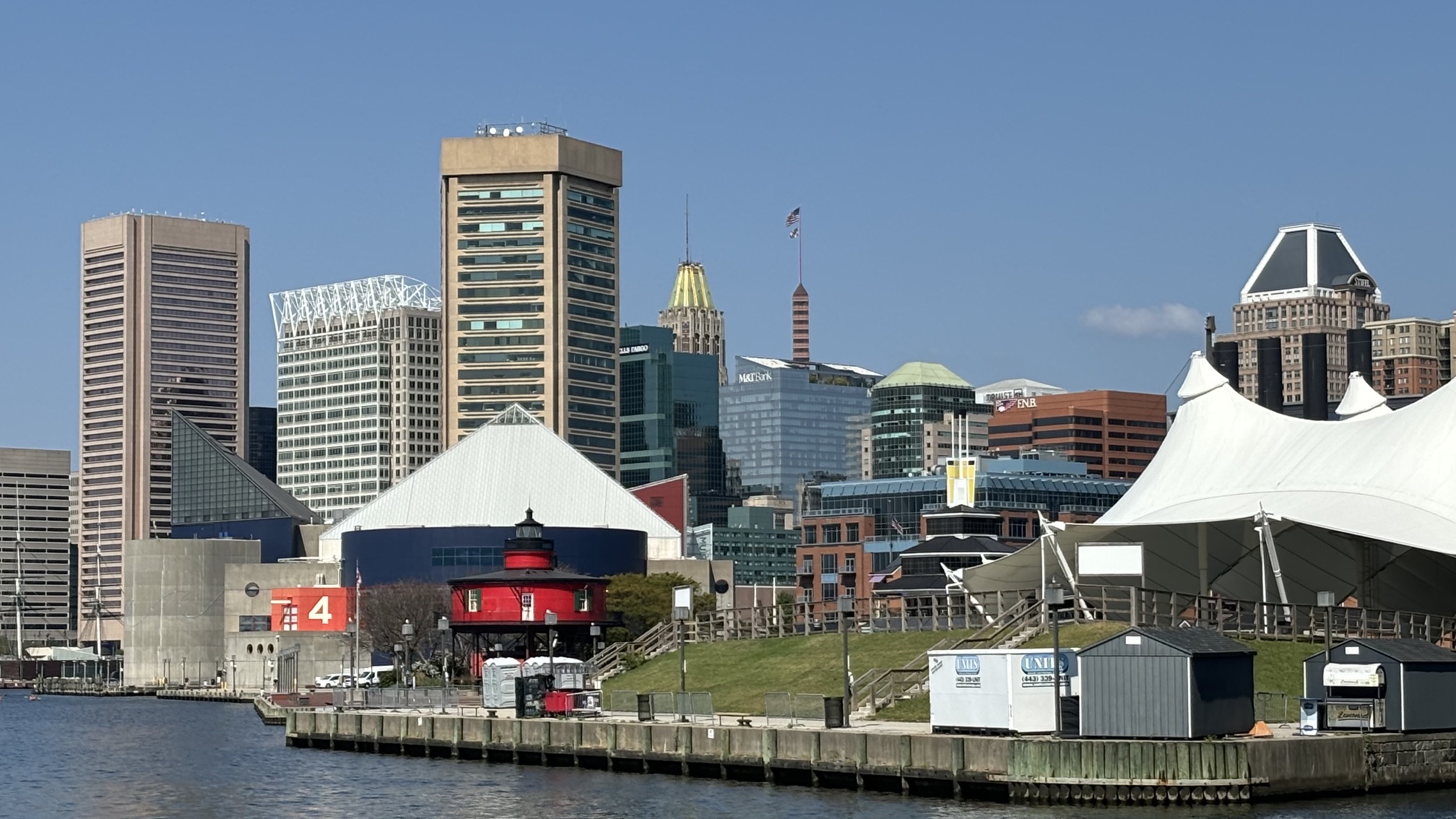
“Having a nice stroll on a sunny morning around the Inner Harbor leading out to the Chesapeake Bay in Baltimore, Maryland, USA.”
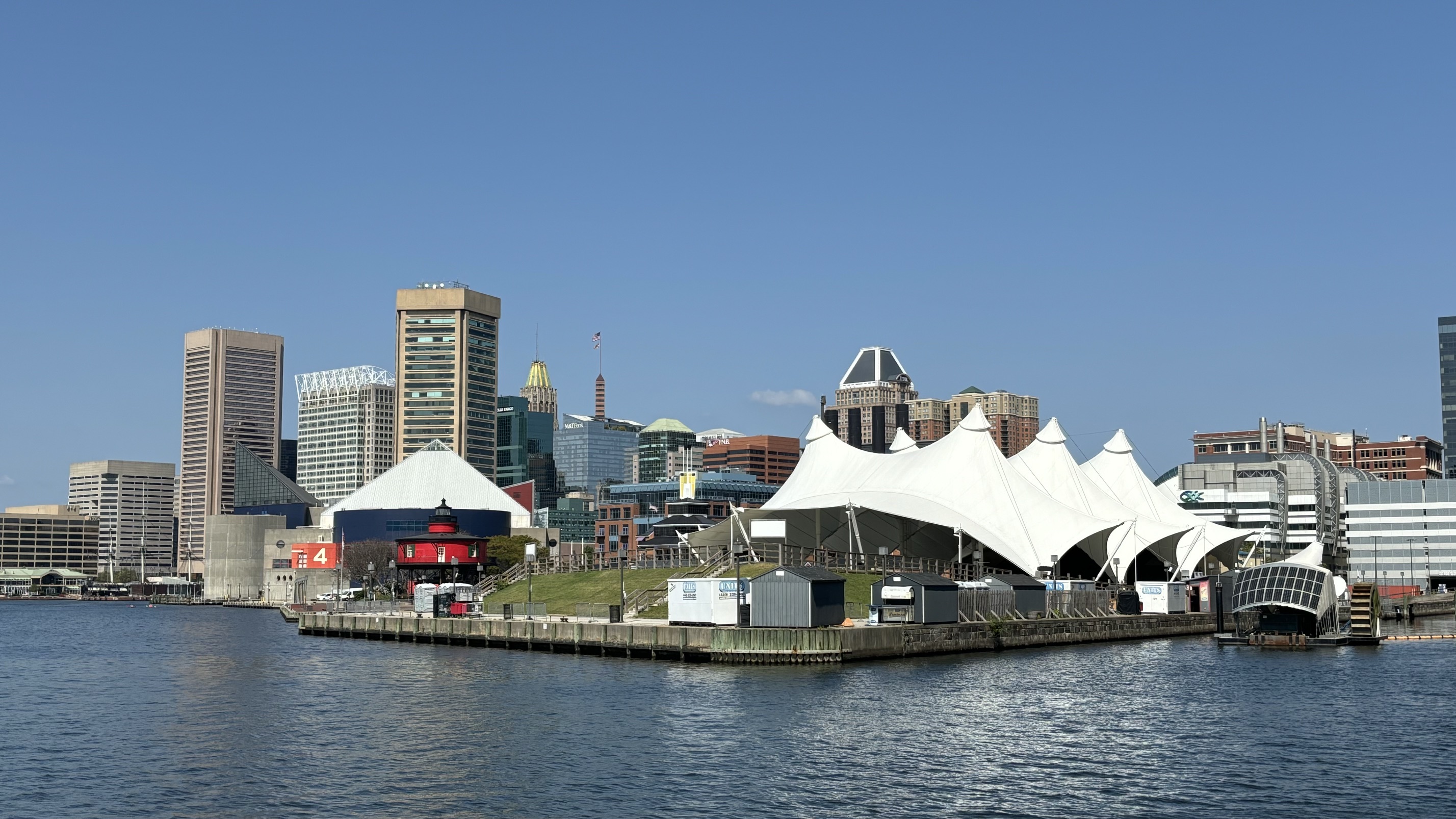
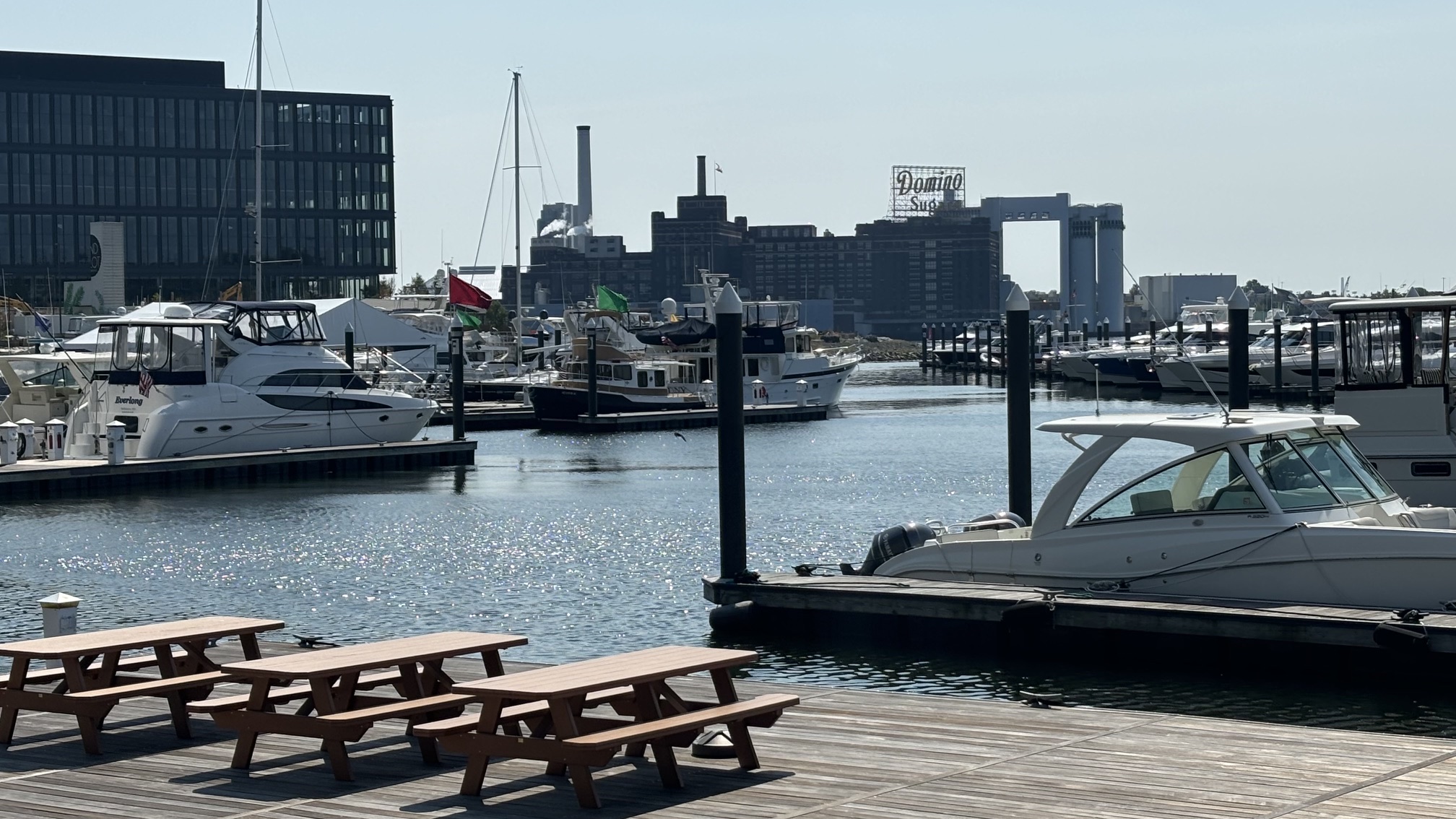
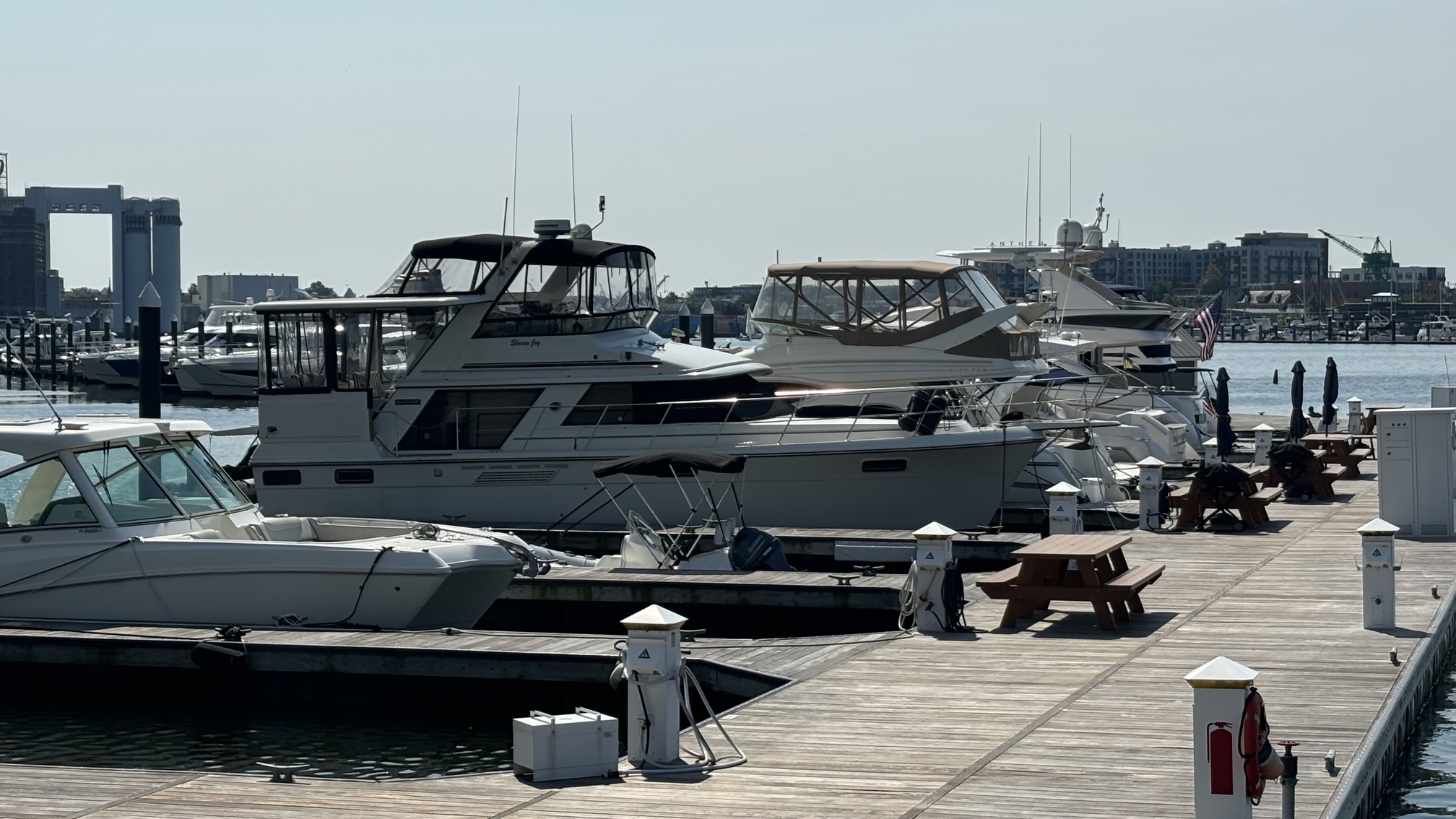
Camera: iPhone 15
Locations: Inner Harbor; Baltimore, Maryland, United States
“When you erase, bulldoze, or alter these symbols forever, you change how a place is understood and strip future generations of history they would otherwise have witnessed firsthand.”
A civilization’s monuments, memorials, and symbols are its autobiography, chiseled in stone, cast in bronze, arranged in plazas and squares where citizens walk daily. They are not neutral objects and are often contested in terms of meaning and relevance. Each carries weight: the pride of founding, the grief of loss, and the uncomfortable truths of contested history. That historical weight is precisely why they matter, and precisely why they should not be altered, removed, or rewritten by any single political moment or leader.
One man or one woman should not have sway over the monuments, memorials, and symbols that dot the landscape of a country, nor should institutions be swayed by the whims of that person regardless of what public office or status they occupy. When the institutions entrusted with safeguarding national heritage defer to one executive’s preferences rather than the greater public’s, they abandon the very mandate that justifies their existence. The public and the representatives elected to speak for them should be the only ones with the power to change, remove, or replace the symbols and monuments that define a town, city, or nation. When you erase, bulldoze, or alter these symbols forever, you change how a place is understood and strip future generations of history they would otherwise have witnessed firsthand.
The impulse to reshape public memory is understandable as values and priorities shift with each passing generation, just as society itself does. Every historical era believes its moral clarity superior to the last. However, there is a meaningful difference between a society collectively working through its commemorative landscape, through legislation, local governance, and democratic deliberation, and a leader or institution beholden to one person rather than the public at large.
The latter uses executive authority to redecorate or revert the national story according to personal preference, by passing elected representatives and any meaningful public input on the proposed changes. The former is how mature democracies handle living history, with the consent of those being governed as the most important factor above all else. The latter is how authoritarian states operate when they revise a nation’s living memory as they see fit, without prior consultation or approval.
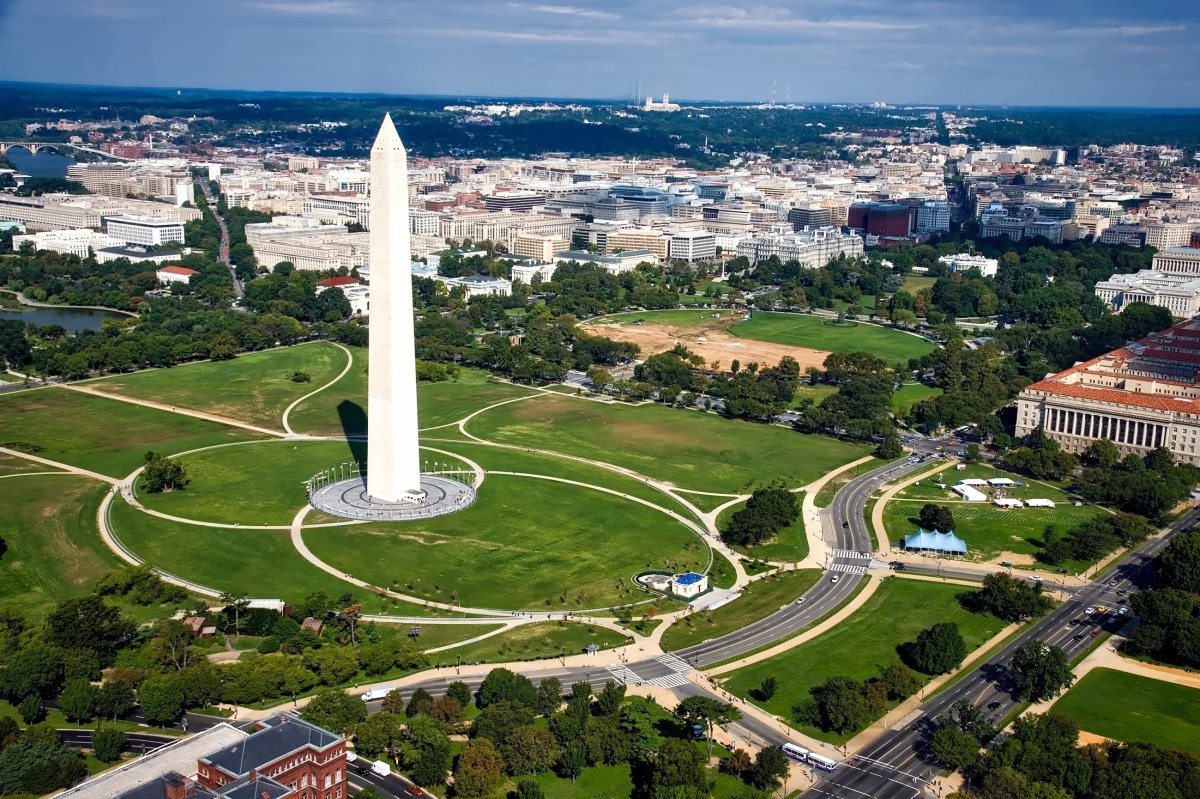
In Washington, D.C., the stakes feel particularly acute given the relatively short history of the city compared with other nations’ capitals that date back thousands of years. As the United States celebrates its 250th year as a sovereign nation, the capital’s memorials and monuments are not simply decorative; they are civic infrastructure at the heart of what makes this country’s history legible to its own people and the world.
The Lincoln Memorial, the Vietnam Wall, the MLK Memorial, the World War II Memorial, etc., these are foundational places where Americans of radically different politics and background go to grieve, to reconcile, to protest, to gather, and to feel something collectively true. Visitors travel from across the country and around the world to stand before these national landmarks in person, having known them only through photographs or screens. They deserve to find them intact, not altered or diminished without public consent.
When these symbols and monuments become pawns in a culture war, renamed, relocated, or removed at the stroke of a pen, something beyond stone and brick is damaged. The precedent it sets is equally corrosive: if any administration or political party can reshape national memory at will, then no symbol is truly secure. Preservation does not mean uncritical veneration or unobjective support. Controversial symbols have been removed or replaced before in the United States and in other countries, but those decisions carried weight because the people saw them as clearly divisive, racist, or unworthy of public honor. In those documented cases, no single leader or institution acted alone; the change was voted upon by the people or by their elected representatives who had to live alongside those symbols in their own communities.
Having reverence for national monuments and symbols means insisting that changes to shared symbolic space deserve public process and genuine review, not political expedience or unilateral decree. History, including its uncomfortable chapters, belongs to all of us, not to whichever administration or party currently holds the lease on the capital or controls the institutions managing these national heirlooms. The stroke of a pen that rewrites monuments and memorials today can just as easily be turned against the ones you hold dear tomorrow. Remember that and always stand up to those who would erase or alter a nation’s history without the support and consent of the citizenry.