














Camera: iPhone 15
Location: Coast Guard Beach; Cape Cod National Seashore (Cape Cod), Eastham, Massachusetts, United States

Golden Hour before Sunset at Coast Guard Beach on the Cape Cod National Seashore in Eastham, Massachusetts.
Camera: iPhone 15
Location: Coast Guard Beach; Cape Cod National Seashore (Cape Cod), Eastham, Massachusetts, United States
“The difference between these two scenes isn’t about cleanliness, it’s about culture, responsibility, and what we believe we owe to each other.”
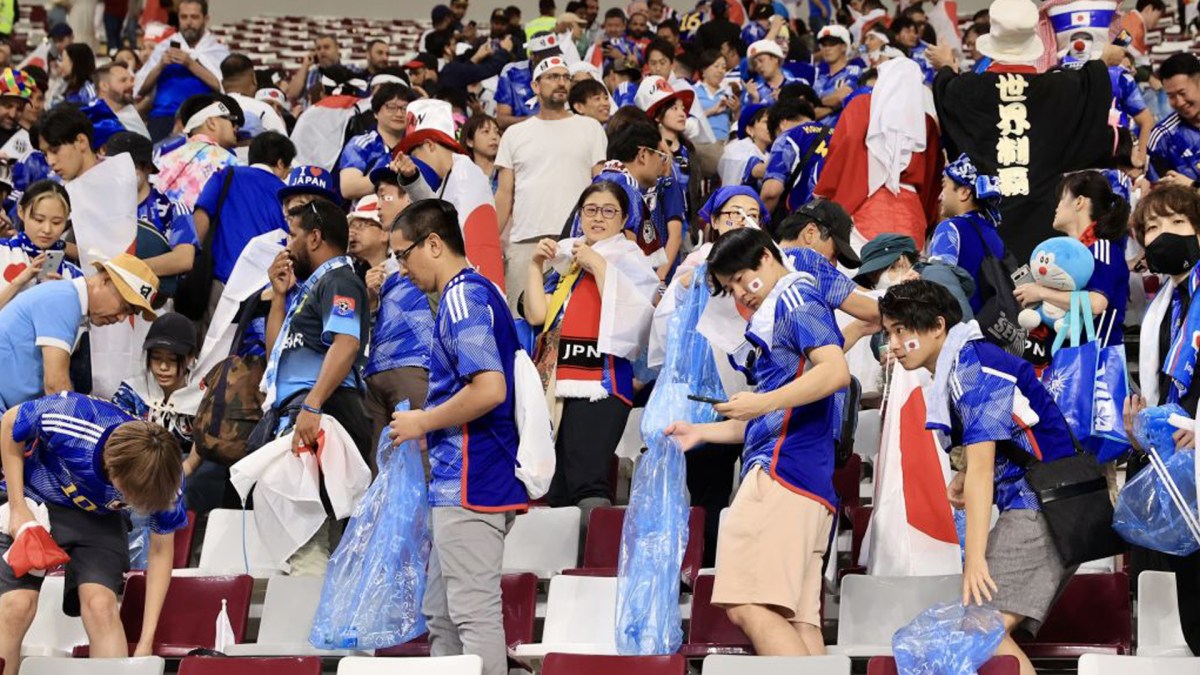
The final whistle blows at an international stadium as tens of thousands of fans rise, cheer, and file out either in celebration or in dismay about their national team’s performance at the Olympics or World Cup. However, in one section, something extraordinary happens. A group stays behind and does not leave their trash behind. Instead, they pull out trash bags. They start cleaning and not just their own mess, but everyone else’s too. This isn’t a publicity stunt. It’s not a requirement. It’s just normal for them. Meanwhile, across the world, another kind of crowd leaves behind a different legacy: half-eaten popcorn, plastic cups, and the quiet assumption that someone else will deal with it later. The difference between these two scenes isn’t about cleanliness, it’s about culture, responsibility, and what we believe we owe to each other.
When I think of Japanese culture, what stands out to me is about the internalized responsibility to each other and to the greater society. I’ve seen videos and photos of it at international sporting events, but I’d imagine that responsibility is ingrained from an early age and while I haven’t been to Japan yet, I do believe there is a key distinction that separates their culture of cleanliness from others including my own. Recently at the 2026 Oscars, a photo went viral after Hollywood’s biggest night when popcorn boxes, candy wrappers, and soda cups were left behind at the Dolby Theatre, and instead of depositing the waste in trash bins after the awards ceremony was over, a lot of folks chose instead to let the custodians handle it. They could have deposited their trash themselves but in my view, American-style messiness (especially at large events or in public places) reflects an opposite culture of outsourced responsibility.

From my research, Japanese students from a young age are taught to pick up after themselves including in the classroom and in the workplace. Instead of relying on janitors or custodians, there is the ‘Osouji’ (cleaning) system where values like ownership, respect for shared space, forming good habits are emphasized by authority figures. While Americans including myself were taught to ‘don’t litter’, Japanese kids were also taught that ‘this is your mess and you are responsible for also taking care of it yourself.’ Another Japanese expression I have learned about known as ‘Atarimae’, which is the cultural expectation that cleanliness is both normal and expected from everyone. Even if they are not in Japan for a sporting event, Japanese fans will often clean up after themselves and their section after pure habit because it was ingrained in them from such an early age.
These fans don’t see themselves doing anything out of the ordinary or exceptional and while they are admired for it by other nationalities especially as guests or visitors, the Japanese fans often shrug and remark how it’s just a normal cultural practice for them even when they are not mandated to clean up after themselves in these stadiums. Often times in Western culture, we praise those who clean our streets, stadiums, and public areas, but we often pay them little for their hard work and instead of asking everyday citizens to pitch in to do it more often or to pay our custodians and cleaning staff better, we do neither and wonder why there is less communal responsibility as a result here.
In Japanese culture, especially in sporting culture, it doesn’t matter if their team won or lost, cleanliness and having respect for your surroundings is non-negotiable. This attitude also extends to the players themselves who clean their locker rooms, leave thank you notes to their hosts, and leave their space better than they found it, inspiring others with their example going forward. Character often shows itself most when nobody else is watching or expecting someone to go above and beyond but that’s exactly what these fans, players, and supporters are doing. Collectively, cleaning is seen as respect for the shared space and for other people around you. In these sporting events, the Japanese fans will not just clean their own immediate space but for others’ as well and work together as a team in the section or in the whole stadium.
Oftentimes, in Japan, “This is our space and we should take care of it together.” I’ve found that in the U.S. we ask others with pay or to volunteer to help solve the issue rather than see it as a collective responsibility. The Japanese proverb that is often cited focuses on “don’t leave a place worse than when you depart from it.” I believe this is something that while Japanese in origin should apply to the rest of us too. This one idea alone could help cities and countries adapt more, especially when it comes to reducing pollution or helping our growing waste problem. Incentivizing people to clean up after themselves, to not leave shared space messy, and to start imparting that message from a young age should not be specific to one culture but about promoting a global consciousness around this important issue.
In my own country, cleanliness can vary widely but there have been multiple times where I’ve seen trash left behind in stadiums, people don’t flush after themselves or leave the bathroom in good shape, concerts have sticky floors from spilled alcohol, overflowing bins in my neighborhood because the city doesn’t have enough of them or they are not held onto until the tourists go home, etc. I could go on and on but the dominant cultural mindset is that “there’s staff or people who will clean up after me” and while that is true, I still think it’s in poor form to not throw things out, to make a mess and not clean it up, and to pass on the problem to somebody else. I have been guilty of this myself and I’m not proud of it in terms of leaving trash behind in a stadium or movie theater, and I recognize that now. I hope to get better at it and tell friends and family politely to do the same as me.
When responsibility is outsourced to others, behavior will follow accordingly in this case. When we internalize a new behavior or see others change theirs, culture can shift over time especially regarding cleanliness. When people are seen to clean up after themselves especially foreigners in a football stadium who practice what they preach, others will follow this example and set a new trend. Culture isn’t something to be enforced but it can be mirrored when we see others who have expectations of themselves that we didn’t even think would be possible in our own culture.
Not everyone is perfect and I don’t want to stereotype a whole country regarding cleanliness practices, which can vary depending on the individual context. Social pressure and conformity expectations do have their own drawbacks in certain areas but I do believe that encouragement can be healthy in terms of promoting trash pickup, leaving a place better than you found it, and taking responsibility for your actions in a public place, these are not negative behaviors to me and I think we’d all be better off for encouraging these positive actions like the Japanese fans at a World Cup stadium.
Having lived in other countries, every country has a different relationship to cleanliness and what constitutes civic responsibility, but I do believe that a healthier, happier society is one where the individual thinks more of him or herself in a social context and is in harmony with their environment. We are not an island unto ourselves and what we do has an effect not only on our surroundings but on the wider planet we all share together. The question to summarize isn’t why Japanese fans clean stadiums. The question is why the rest of us don’t and what it would take to make that kind of behavior feel just as normal. Because culture doesn’t change through rules, regulations, or fines, it changes when enough people decide that leaving a place better than they find it isn’t extraordinary, it’s just what you choose to do.
“Exploring Pilgrim Heights along the Cape Cod National Seashore on a beautiful Summer day in Massachusetts during Labor Day weekend in 2024.”














Camera: iPhone 15
Location: Pilgrim Heights; Cape Cod National Seashore (Cape Cod), Massachusetts, United States
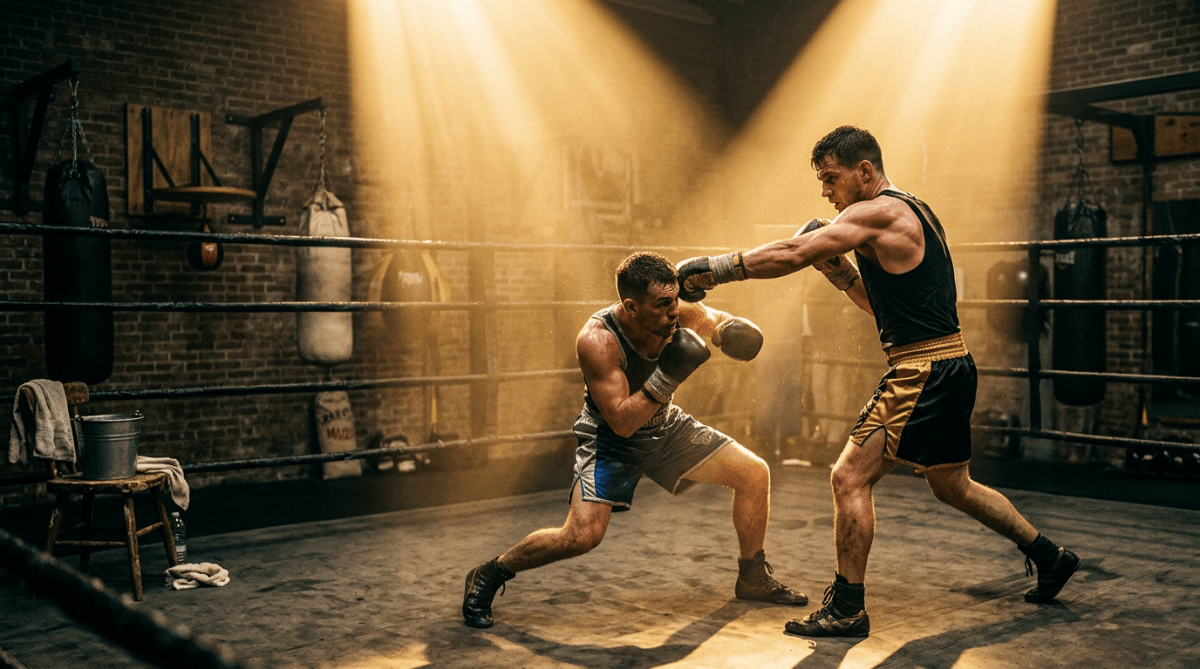
“Life, like the sport of boxing, isn’t about taking punishment, it’s about learning from your mistakes, moving to avoid future errors, reading what the next move(s) could be thrown at you, and responding with precision when you make your counters.”
I remember the first time when my trainer told me to stop blocking punches and start slipping and dodging them instead; it rewires your brain to not just try to absorb the punishment but to dodge and counter it with the same enthusiasm. Life, like the sport of boxing, isn’t about taking punishment, it’s about learning from your mistakes, moving to avoid future errors, reading what the next move(s) could be thrown at you, and responding with precision when you make your counters.
You’re not always going to win the fight like you’re not going to always win in life, but if you know to slip, dodge, and counter, you’ll lose less and learn from your mistakes to be better not just at boxing but in life itself. For myself, you can learn more from boxing than you can from a traditional classroom and there’s a lot of justified metaphors for how this unique sport translates over to how to win in life.
Most setbacks in boxing aren’t knockout punches, they’re jabs. They are meant to measure you, test your resolve, and see how you react to them. A jab is like the difference between a crisis and a probe, meant to read what’s being thrown at you. Like overacting to an unfortunate event in life, you don’t want to overreact to a jab in a sparring session or a fight. You don’t want to waste precious mental and physical energy worrying too much about the jab when you should be focused on what could come after it. Burning bridges, making decisions from panic in life will cost you more in the long run instead of pausing, thinking it through, and coming up with your counter. Not every jab deserves a full combination back from you; but you should be sizing up your opponent (life) and figuring out what the next move is going to look like.
The slip, in boxing, isn’t a retreat, its intelligent non-contact, you keep your feet planted and you move your head to avoid the damage. When you apply that approach to life, it’s about knowing which arguments, which jobs, and which people to let pass by cleanly. If you don’t slip and you think you can dodge very blow when you’re flat footed, you’re going to get hit and take shots that you could have avoided making you worse off than before. Don’t let your ego stand in the way of protecting yourself and know that you’re saving yourself for the long struggle in the ring and outside of it, if you know how to slip a punch. This is a very underrated skill of not engaging everything that comes at you or wants a piece of you. You shouldn’t be engaging in contact or giving a response to everything headed your way; something, it’s best to slip it.
In boxing, the counter punch is thrown at the same moment your opponent overextends themselves and life works the exact same way. When you face adversary or a challenge, life should open to you as the moment of disruption can create an equal opportunity as a result. When you counterpunch an opponent in the ring, you’re meeting the moment and taking advantage of an opportunity even while you’re putting yourself at risk. When you counterpunch in practice outside of the ring, you are changing careers, rerouting plans, pivoting to new skills, turning obstacles into reaffirming moments and repositioning yourself for future success. Timing matters though so make sure that when you throw your counter it comes at the right time because if you do it too early or too late, it’s not going to land cleanly and is going to look more like a wild swing out of desperation.
Any boxer will tell you that footwork is pivotal to mastering even before the fight starts and positioning yourself well could end up making the difference. Champions don’t improvise their way through fights; they control the ring before the first punch lands and are always moving their feet to be in the best position possible. In life, you have got to build skills, relationships, and options for yourself even during the calm periods so you’re not scrambling to make progress when things get hard or when you need immediate success. Good footwork is about optionality and always having somewhere to move to or from and not backing yourself into a counter. Being light on your feet, agile, and not getting caught flatfooted by comfort, complacency, or cockiness will help you win the fight and in your life.
When someone or something seems impenetrable, you have got to shift your attack and rethink your approach. You must be able to play the long game when you can’t get through your opponent’s guard. You must be persistent, shift your strategy, and choose different pressure points to wear down your opponent. Slow, consistent pressure will win over dramatic gestures or do the same thing repeatedly to expect a different result. Boxing and life both require mental discipline by delaying your own gratification and using sustained effort to get the wins that you are seeking. If your opponent is blocking one approach, you have got to go for a different strategy and try to find a weakness or opening elsewhere. Shift your approach when it calls for it and don’t keep trying without mixing it up to get the success you are fighting for.
You will get hit. You will get bruised. You are going to fail. The question is whether you’re falling forever or rolling with the punches. ‘Rolling with the punches’ is known as the physical technique of being able to deal with getting hit and absorbing blows with some difficulty without catastrophizing the effect of getting hit to prevent you from fighting back. Resilience in the ring and outside of it is about knowing when you can take the hit and keep moving forward and you must get back to the center after it by reset, breathe, drink some water, find your focus and your range again, and stay in the fight. Only throw in the towel when you know the hit has changed the fight and you’re not continuing out of sheer stubbornness. Sometimes, you know you’ve lost the fight when you’ve taken too many hits and it’s better to call it quits to fight another day than to lose everything in that one night.
Even the greatest fighters in boxing don’t go the three-minute rounds alone; they have someone cutting the swelling during rounds, giving timely advice, and cheering you on from your corner. We need coaches in boxing just like we need mentors, honest friends, and trusted advisors who tell you what’s happening rather than what you want to hear from them. Be wary of having a ‘yes man’ in your corner in the ring or in your life. A corner that is not truthful with you and only hypes you up will get you knocked out because they fail to take account of your weaknesses as well as your strengths. You got to build your corner up wisely over the years and have good people you can rely on who will tell you the truth, support you through thick and thin, and know when the fight is over to save you from yourself sometimes.
Any good boxer knows how to make some adjustments in the middle of fight and to change their game plan when it comes to their opponent. The fighter who can’t adapt gets figured out by round four and usually doesn’t win the match. It can be hard to invest in something you’ve put days, weeks, months, or even years into developing but you need to have the discipline to abandon a pursuit, strategy, or plan even after investing heavily into it. When we think of a sunk cost in boxing, the mistake is like throwing a hundred punches the same way even when they aren’t landing in each round and that strategy is costing you to lose the fight. Be prepared to constantly pivot as you would in the real world whether it’s professionally, personally, or geographically because doing the same thing again and expecting a different result is lunacy and it shows up both in boxing and in your life.
You don’t train to be a boxer to avoid any difficulty that you’ll face, you train to be someone who can handle it when it arrives, and that also goes for any facet of your life. You dodge and counter not just as well-known tactic in boxing but as a mindset for your entire life. You don’t dodge and then not counter, any action deserves a response, but it must be measured, appropriately, and done patiently. You should always be moving forward but with the wisdom that sometimes, you’re going to have dodge a punch like you would dodge a toxic person, a bad boss, an unfortunate upbringing, and be able to counter by moving towards a result and a life that you can be proud of.
As someone who enjoys boxing, I’m always thinking about how I’m going to slip the next punch and what counter I can set up as a result to move forward in the contest. Think about this for yourself: what ‘punch’ are you slipping right now in your life, and what counter are you setting up? Life, like boxing, can be difficult sometimes, but if you can slip, dodge, and counter, you’ll be able to handle any adversity, meet any challenge head on, and be successful in whatever you put your mind and body to.