
When Respect Has Rules – Why Standards Still Matter in Sacred Spaces

“With standards, norms, and basic courtesy often increasingly disregarded in shared public settings, from libraries and Metro stations to the workplace, we should make a particular effort to uphold them in the places dedicated to worship, remembrance, and reflection.”

In 2026, there are still certain places in society, both indoors and outdoors, where all of us should be on our best behavior. With standards, norms, and basic courtesy often increasingly disregarded in shared public settings, from libraries and Metro stations to the workplace, we should make a particular effort to uphold them in the places dedicated to worship, remembrance, and reflection. Our most sacred spaces deserve better from all of us because those spaces are meant to be respected the most.

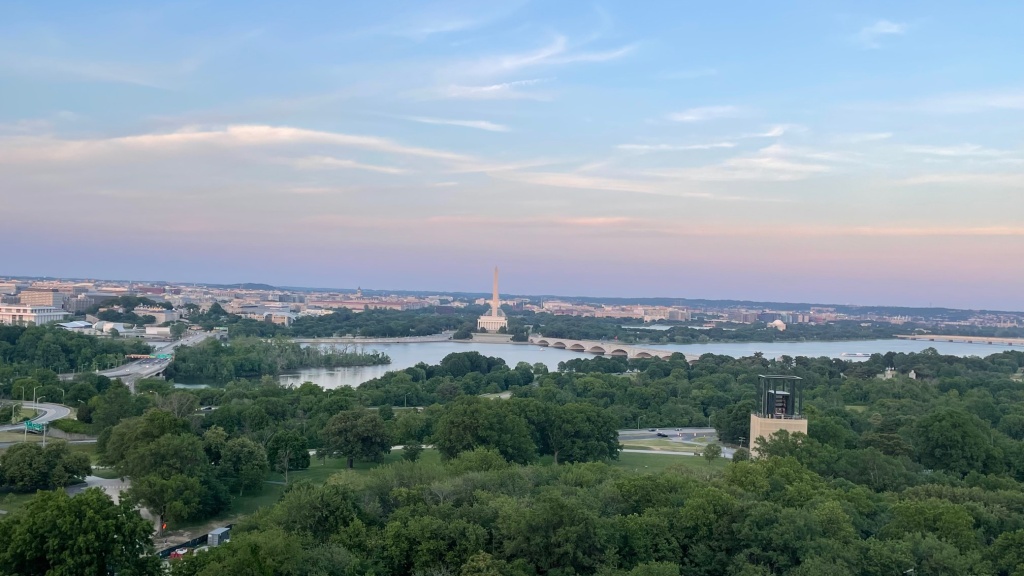
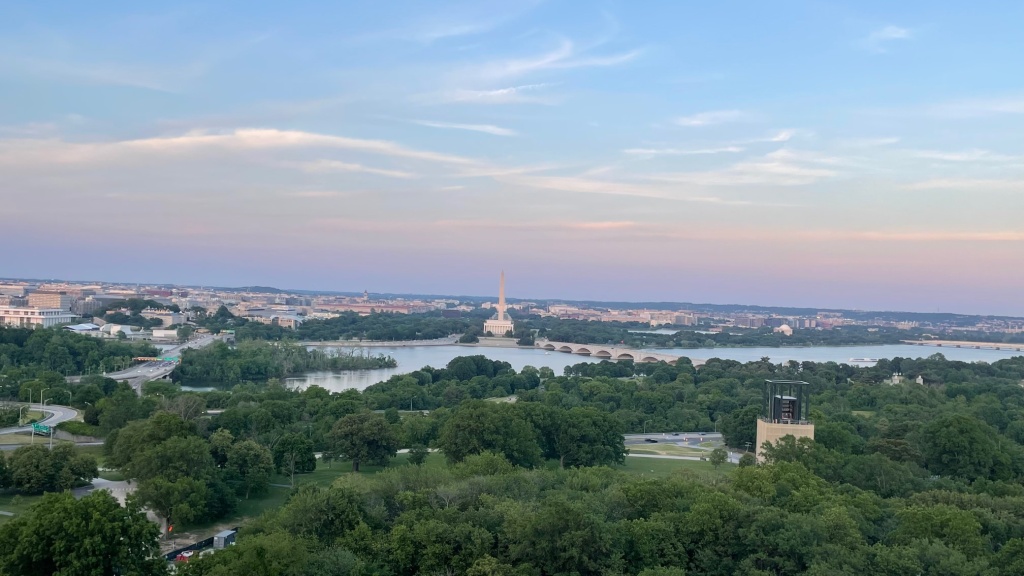
One of those spaces where the highest standards must be upheld and often enforced is at Arlington National Cemetery, a hollowed and sacred place where hundreds of thousands of American soldiers, sailors, airmen, marines, and their spouses are buried in their final resting place in sight of the nation’s capital. Anyone who visits Arlington should understand that many of those laid to rest there served our country, and some made the ultimate sacrifice in that service. Their service and sacrifice helped preserve a nation founded on the ideals of freedom and representative government; ideals that we must continue to uphold for all its citizens. The least we can do when visiting their final resting place is to show the quiet, reverence, and respect their memory deserves.

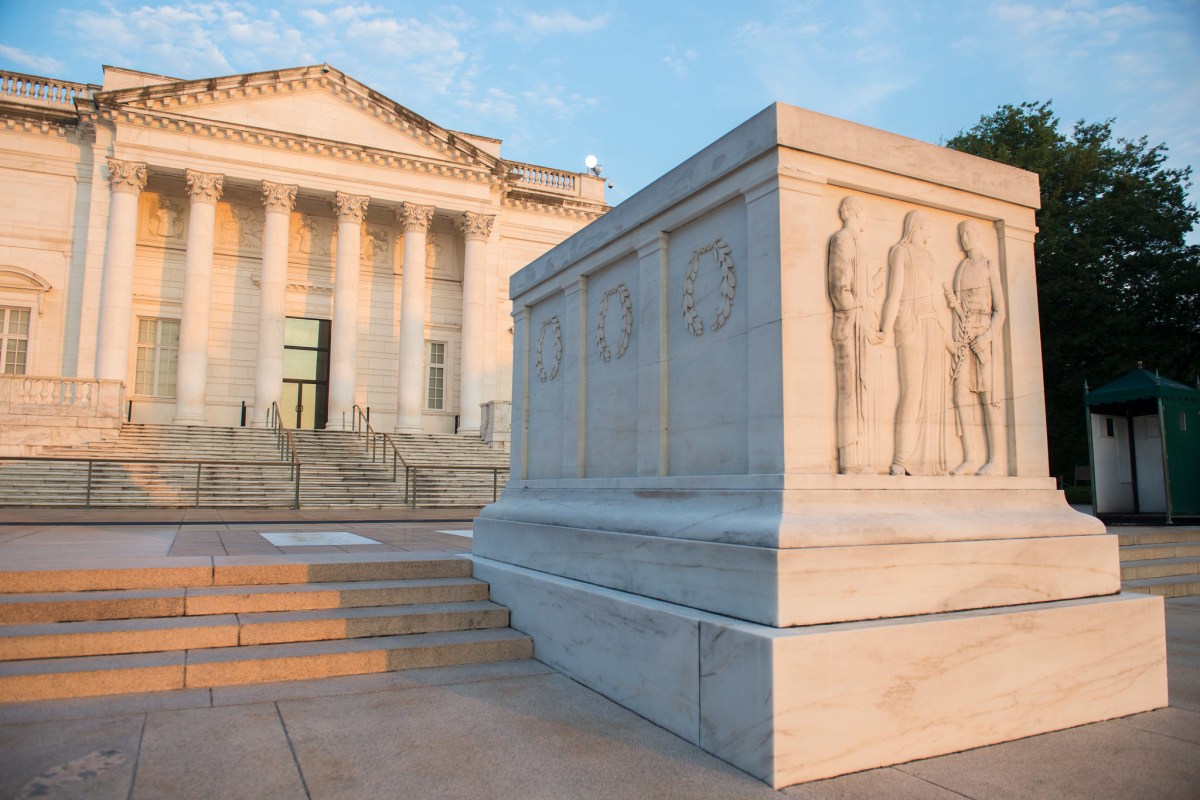
I have visited Arlington National Cemetery a few times in my life, and each visit has been a powerful reminder of the men and women who have served our country and the many lives lost in that service throughout our nation’s history. Looking across the rows of headstones, I think about the sacrifices made to protect the freedoms and liberties we continue to enjoy today. Arlington is a sobering place that calls for the utmost respect, reverence, and quiet reflection. A recent example of why enforcing the standard of respect at these hallowed spaces is so important came on Veterans Day this year at the Tomb of the Unknown Soldier in Arlington National Cemetery, just outside of Washington, DC.

After laughter and talking was heard from a group of people that included senior U.S. military leadership in the presence of the Tomb, Army Specialist Thomas Iglesias, the sentinel on duty, firmly reminded the visitors: “All visitors will maintain an atmosphere of silence and respect at all times.” His message was a reminder that the standards at a place like the Tomb of the Unknown Soldier should apply to everyone, regardless of their military rank or position. The following day, Specialist Iglesias was awarded a medal for carrying out his duties without any reservation even though some observers of the incident had worried that Iglesias might have cost himself his sentinel guard role or had harmed his future career prospects.

Closer to home, I have noticed fellow congregants wearing baseball caps inside my own house of worship, which is something I would never do myself or be okay with any family member or friend doing so in my presence either. They may mean no disrespect, but I believe a religious head covering, such as a kippah, or no hat at all where a congregation’s customs permit it, is more appropriate for such a setting. What we wear and how we carry ourselves can reflect the care we have for a place and the people around us.

Regardless of whether you are religious or not, you still must respect the norms and rules when entering any house of worship, whether you are a visitor, a congregant, or an invited guest. I would never wear a ball cap, a cowboy hat, or any kind of head covering that wasn’t appropriate for a house of worship, and it is a standard that we all should respect. Unfortunately, I did not have the courage to call the person out on it, as we were in a group of people for a class. What I wish I had done was pull the person aside after class and tell him politely that the baseball cap should be left at home next time.

I do hope to be able to help enforce this standard in the future, but as I am not a member of the clergy or a staff member, it is also not primarily my responsibility to enforce it. In a sacred space, whether it’s a cemetery, a house of worship, or a memorial, the rules must be clearly stated and enforced firmly and consistently by its leadership and staff. Otherwise, they risk becoming just words on a piece of paper or signs that people feel free to ignore. Once behavioral norms and standards are allowed to erode, they can be difficult to restore. When disrespectful behavior goes unaddressed, it can gradually become accepted as normal, even in sacred spaces.

Whether we are honoring those who served our country or gathering with others for worship, our actions matter in holding each other accountable. If these spaces mean something to us, then the standards that help preserve their dignity should mean something to us, too. Over my lifetime, I have seen many norms, rules, and standards in shared public spaces diminish or disappear in American life, but we should draw a firm line when it comes to our most sacred gathering places. Holding ourselves to a high standard in these places shows that we still care about respect, about holding one another accountable for our behavior, and about preserving a free and tolerant country for the future.
The Nation’s Memory Is Not Yours to Rewrite

“When you erase, bulldoze, or alter these symbols forever, you change how a place is understood and strip future generations of history they would otherwise have witnessed firsthand.”

A civilization’s monuments, memorials, and symbols are its autobiography, chiseled in stone, cast in bronze, arranged in plazas and squares where citizens walk daily. They are not neutral objects and are often contested in terms of meaning and relevance. Each carries weight: the pride of founding, the grief of loss, and the uncomfortable truths of contested history. That historical weight is precisely why they matter, and precisely why they should not be altered, removed, or rewritten by any single political moment or leader.

One man or one woman should not have sway over the monuments, memorials, and symbols that dot the landscape of a country, nor should institutions be swayed by the whims of that person regardless of what public office or status they occupy. When the institutions entrusted with safeguarding national heritage defer to one executive’s preferences rather than the greater public’s, they abandon the very mandate that justifies their existence. The public and the representatives elected to speak for them should be the only ones with the power to change, remove, or replace the symbols and monuments that define a town, city, or nation. When you erase, bulldoze, or alter these symbols forever, you change how a place is understood and strip future generations of history they would otherwise have witnessed firsthand.

The impulse to reshape public memory is understandable as values and priorities shift with each passing generation, just as society itself does. Every historical era believes its moral clarity superior to the last. However, there is a meaningful difference between a society collectively working through its commemorative landscape, through legislation, local governance, and democratic deliberation, and a leader or institution beholden to one person rather than the public at large.

The latter uses executive authority to redecorate or revert the national story according to personal preference, by passing elected representatives and any meaningful public input on the proposed changes. The former is how mature democracies handle living history, with the consent of those being governed as the most important factor above all else. The latter is how authoritarian states operate when they revise a nation’s living memory as they see fit, without prior consultation or approval.

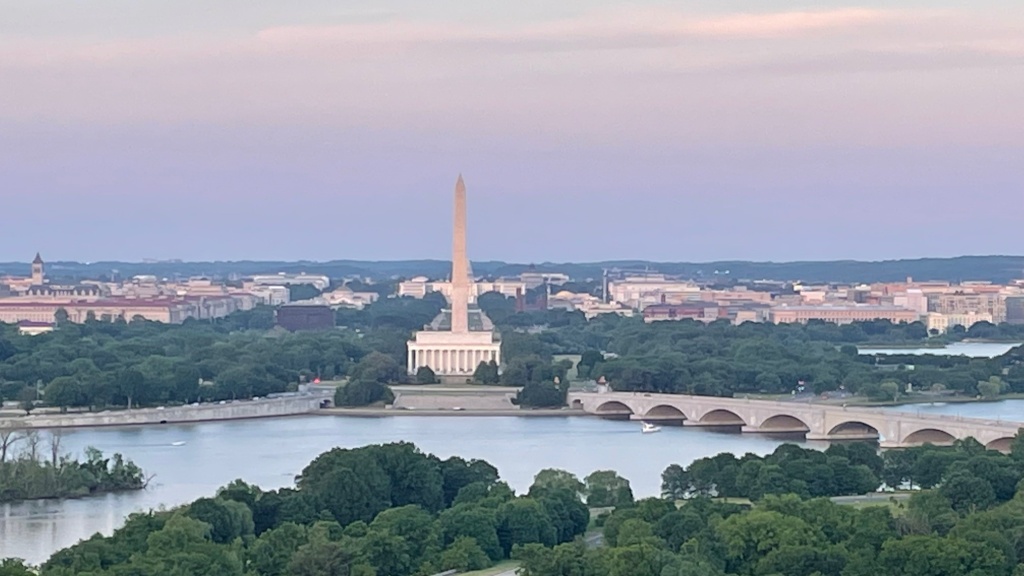
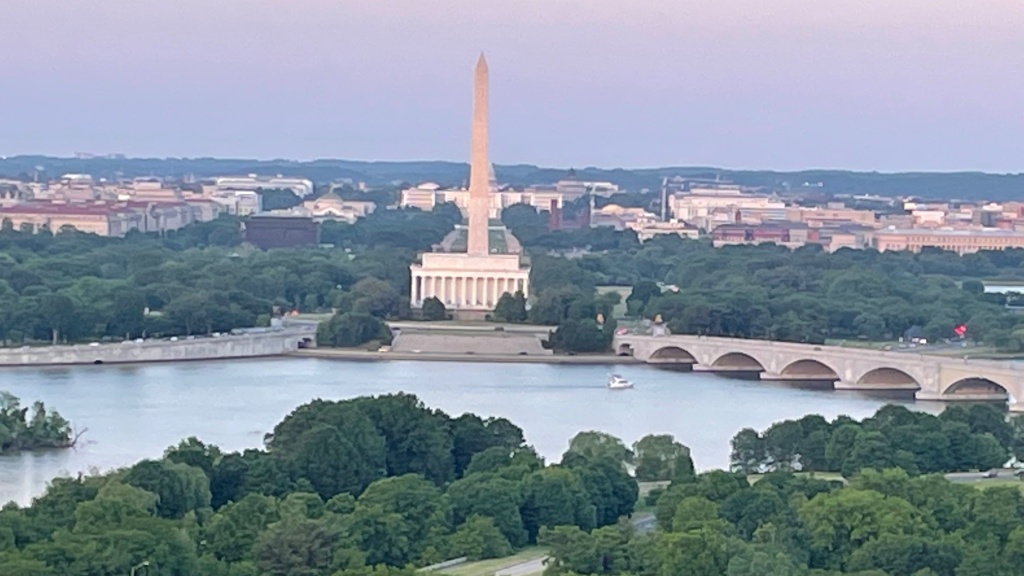
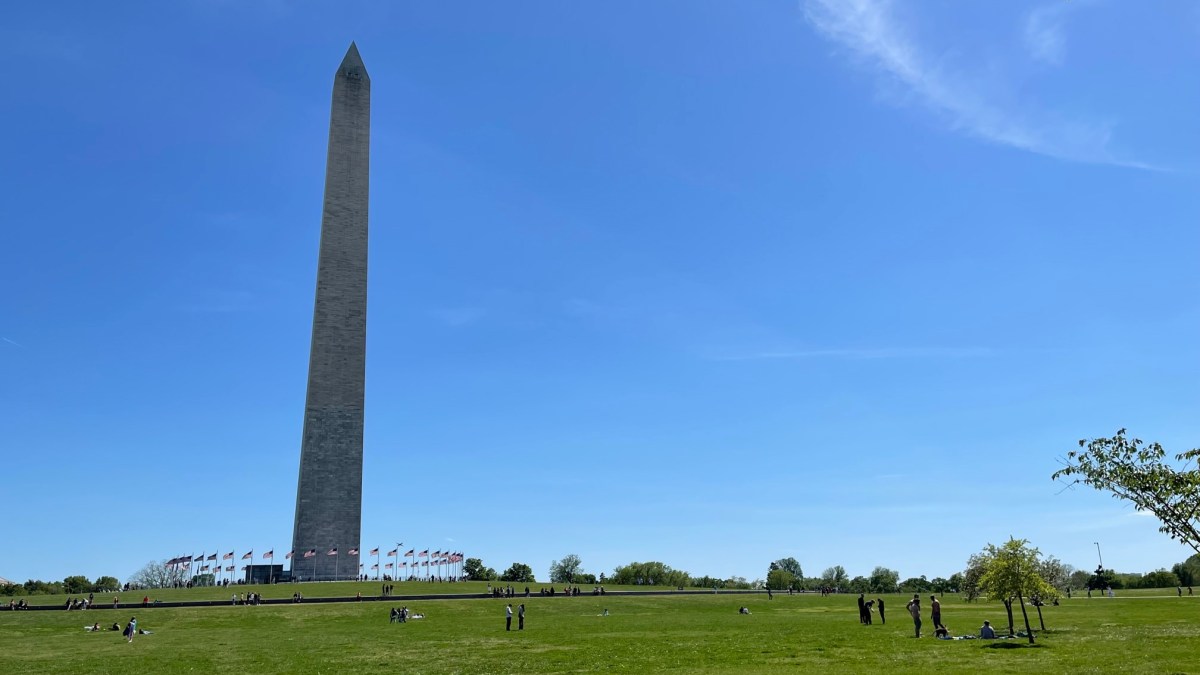
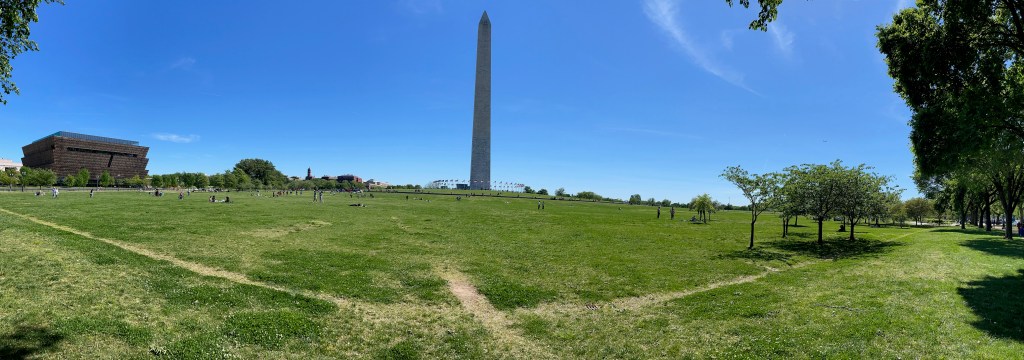
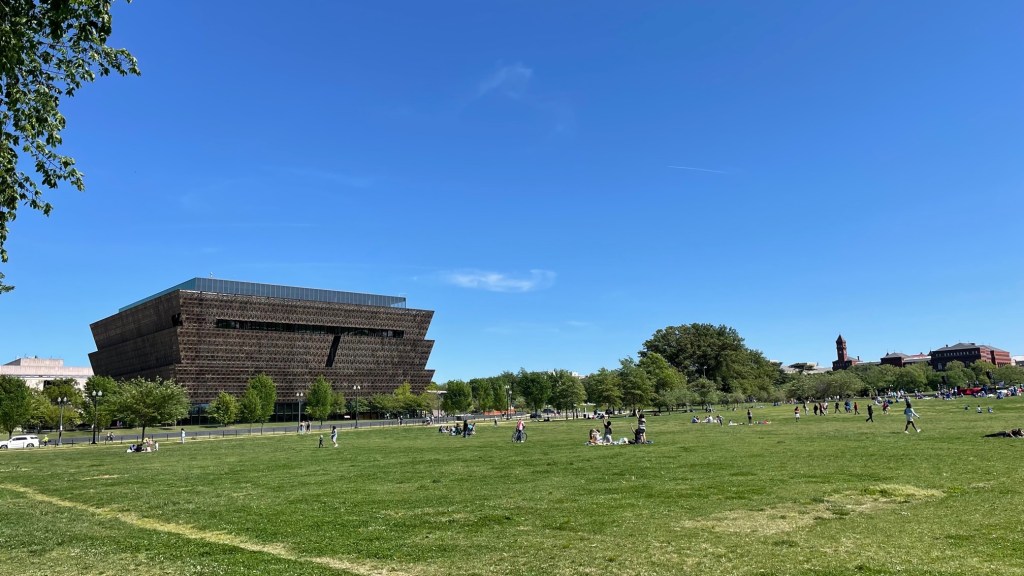
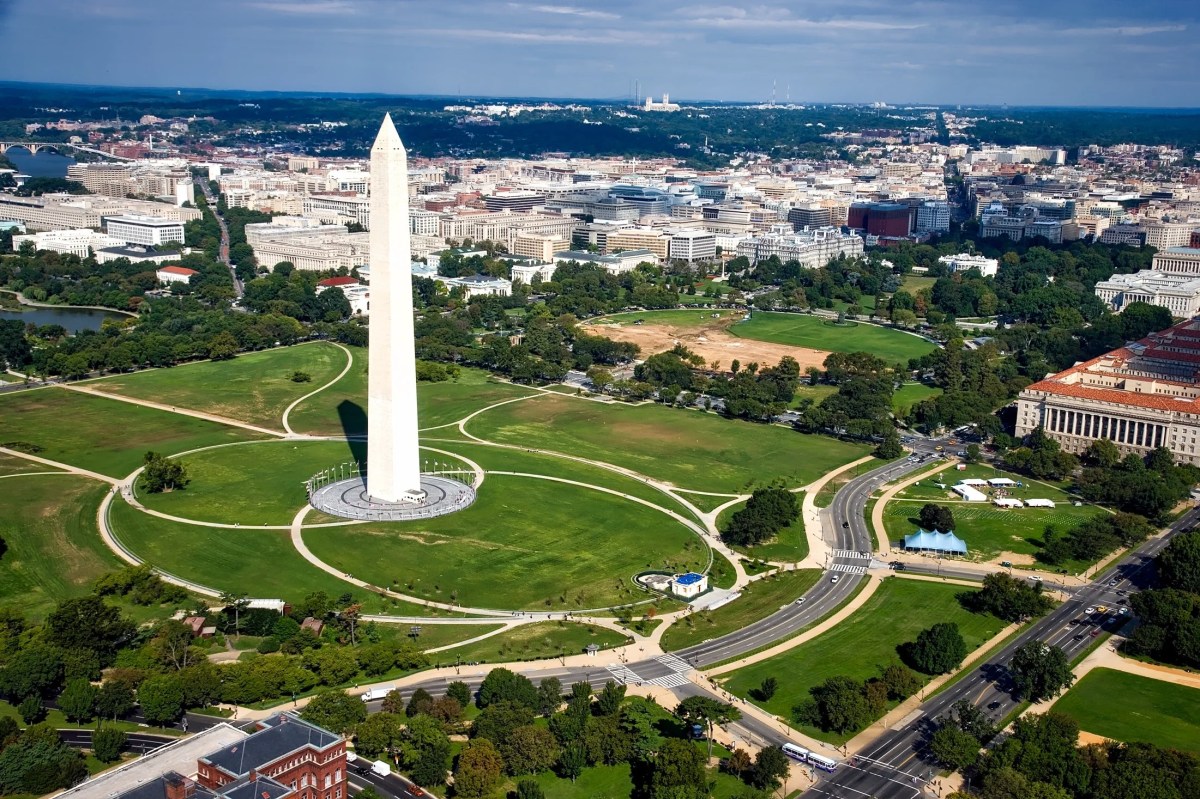
In Washington, D.C., the stakes feel particularly acute given the relatively short history of the city compared with other nations’ capitals that date back thousands of years. As the United States celebrates its 250th year as a sovereign nation, the capital’s memorials and monuments are not simply decorative; they are civic infrastructure at the heart of what makes this country’s history legible to its own people and the world.

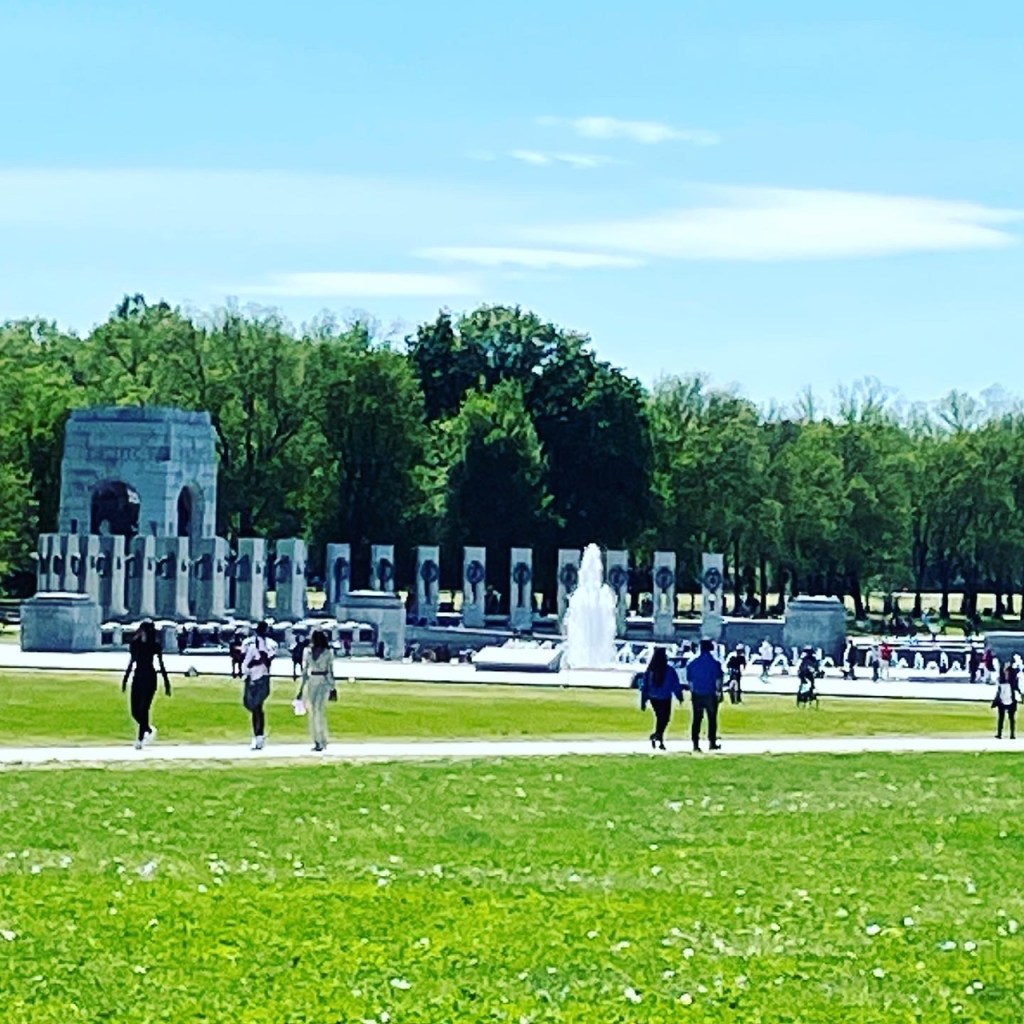
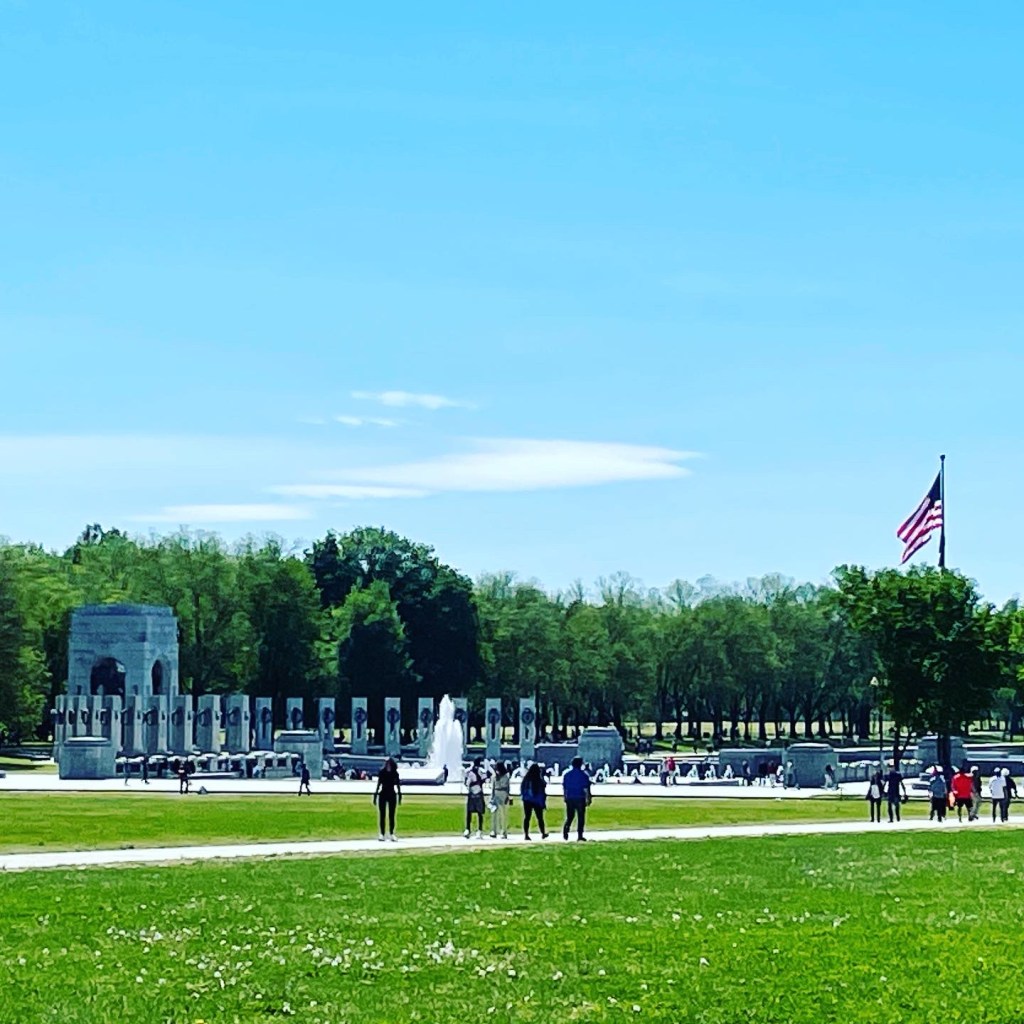
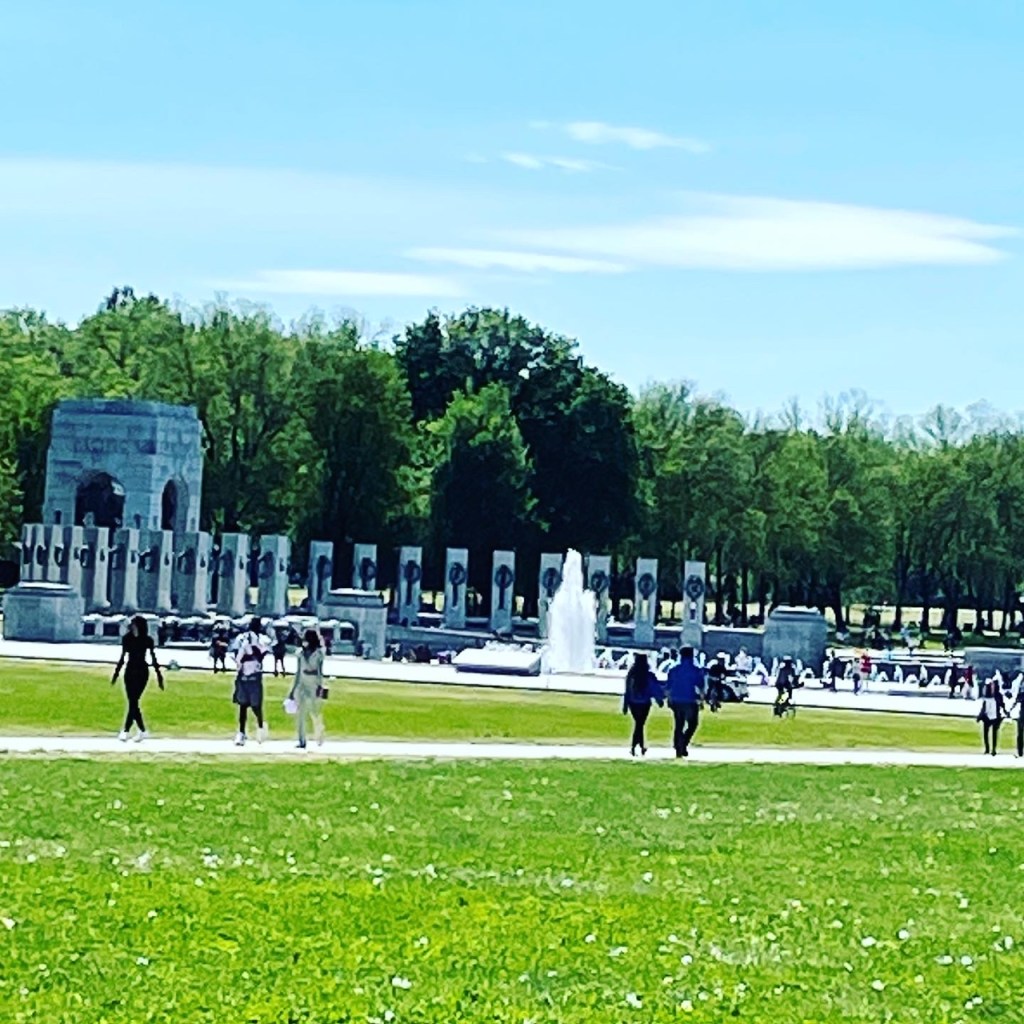
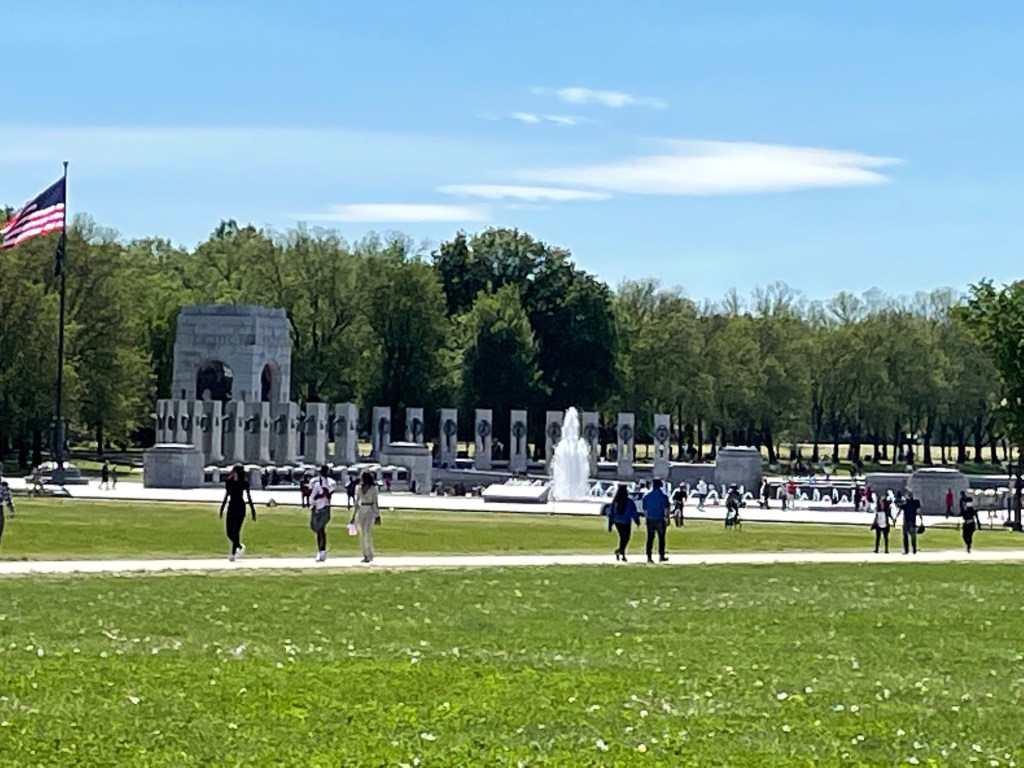
The Lincoln Memorial, the Vietnam Wall, the MLK Memorial, the World War II Memorial, etc., these are foundational places where Americans of radically different politics and background go to grieve, to reconcile, to protest, to gather, and to feel something collectively true. Visitors travel from across the country and around the world to stand before these national landmarks in person, having known them only through photographs or screens. They deserve to find them intact, not altered or diminished without public consent.

When these symbols and monuments become pawns in a culture war, renamed, relocated, or removed at the stroke of a pen, something beyond stone and brick is damaged. The precedent it sets is equally corrosive: if any administration or political party can reshape national memory at will, then no symbol is truly secure. Preservation does not mean uncritical veneration or unobjective support. Controversial symbols have been removed or replaced before in the United States and in other countries, but those decisions carried weight because the people saw them as clearly divisive, racist, or unworthy of public honor. In those documented cases, no single leader or institution acted alone; the change was voted upon by the people or by their elected representatives who had to live alongside those symbols in their own communities.

Having reverence for national monuments and symbols means insisting that changes to shared symbolic space deserve public process and genuine review, not political expedience or unilateral decree. History, including its uncomfortable chapters, belongs to all of us, not to whichever administration or party currently holds the lease on the capital or controls the institutions managing these national heirlooms. The stroke of a pen that rewrites monuments and memorials today can just as easily be turned against the ones you hold dear tomorrow. Remember that and always stand up to those who would erase or alter a nation’s history without the support and consent of the citizenry.
Springtime in DC

Camera: iPhone 12

Location: The Tidal Basin; Washington, District of Columbia, USA

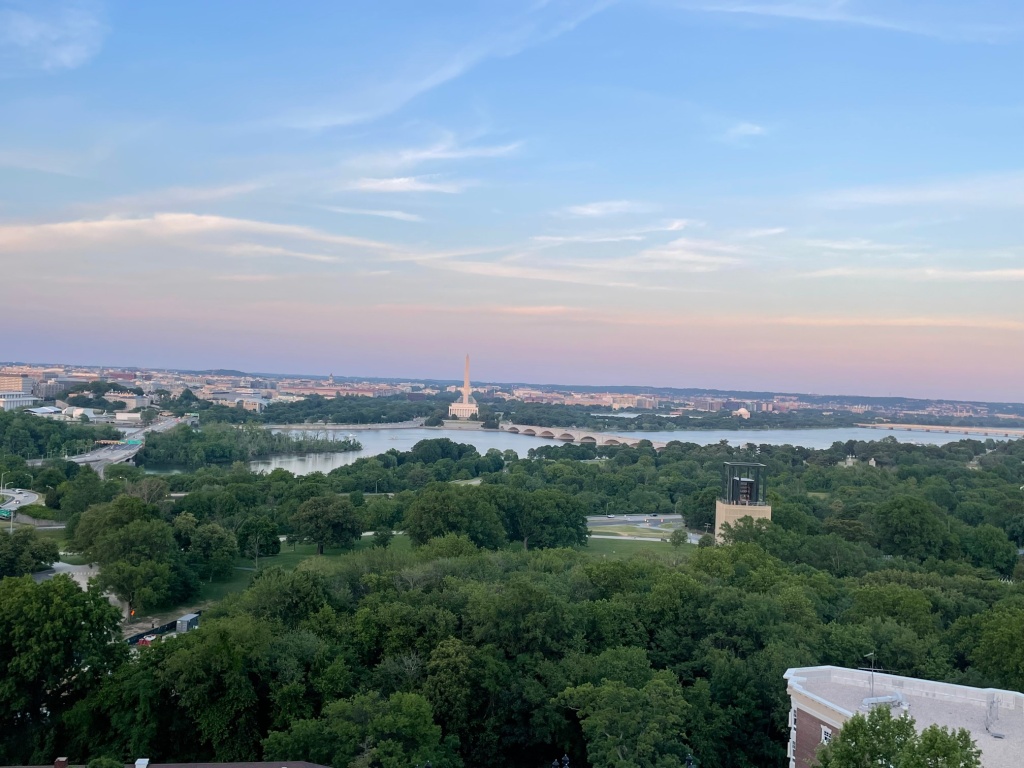
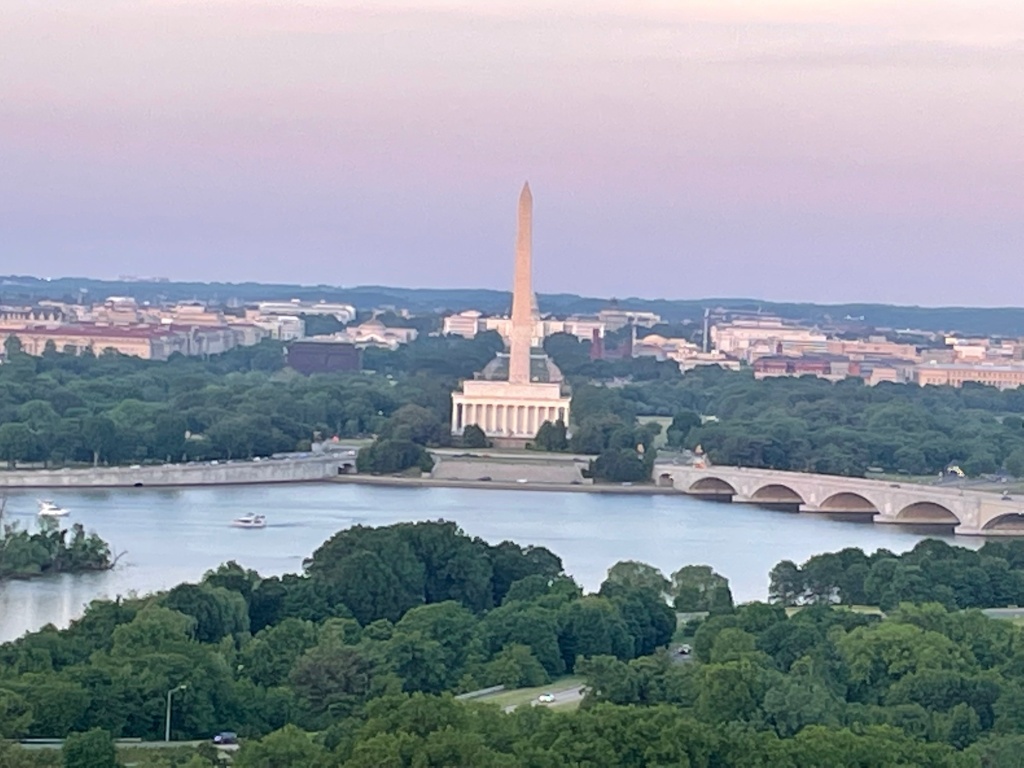
Sunset Over The Monuments

Camera: iPhone 12

Location: Arlington, Virginia, USA

A Day on The National Mall

Camera: iPhone 12

Location: Washington, District of Columbia, United States

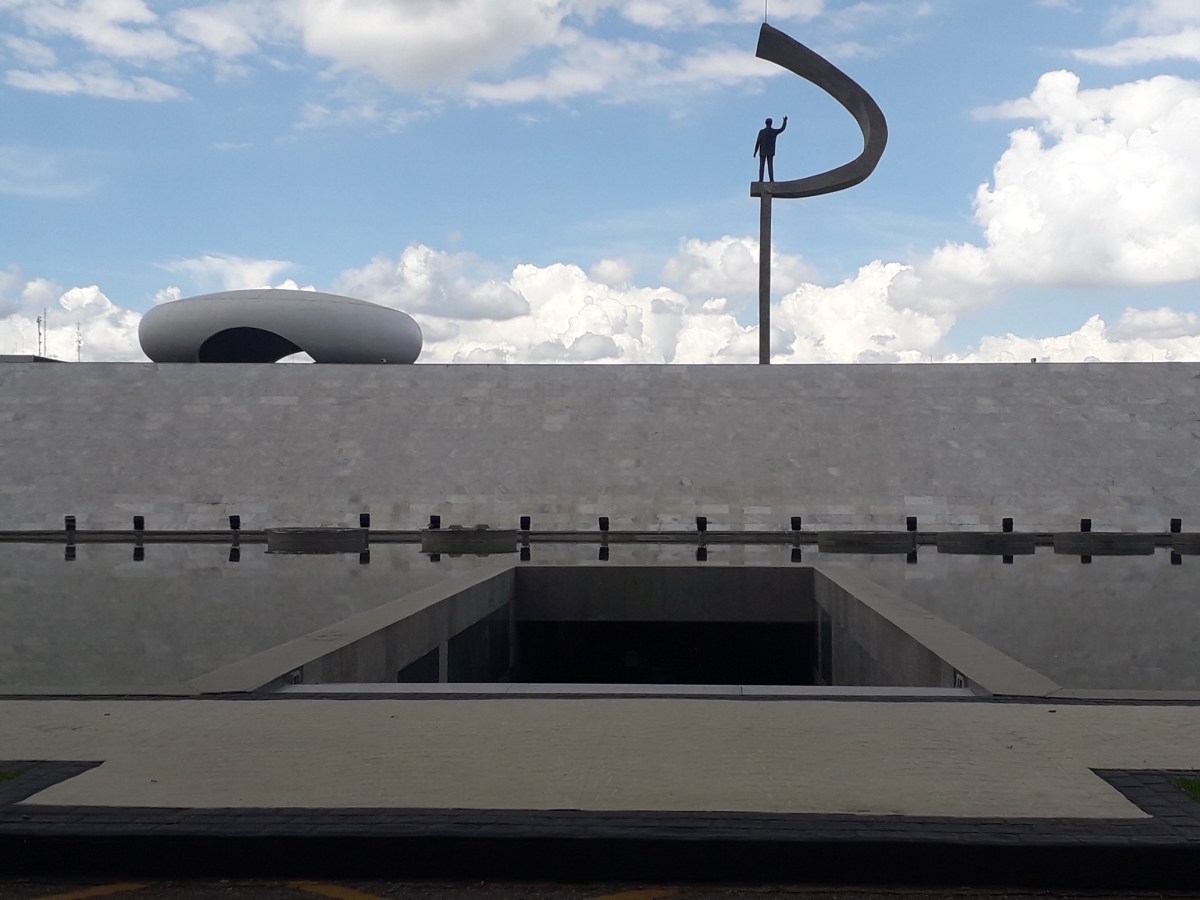
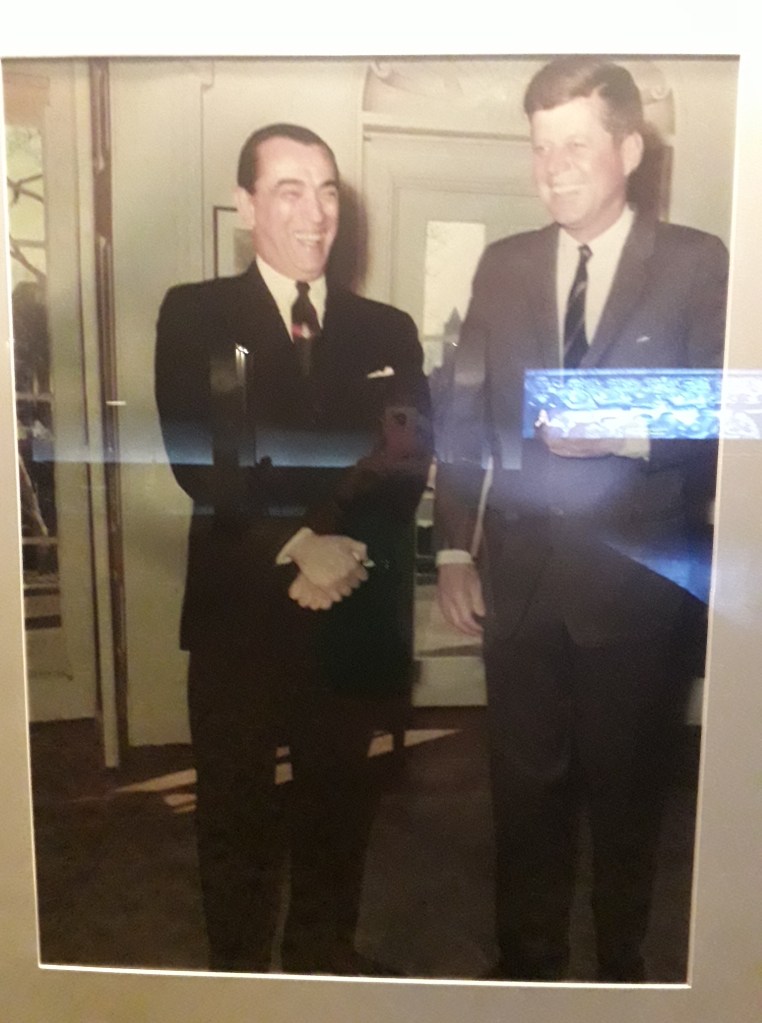
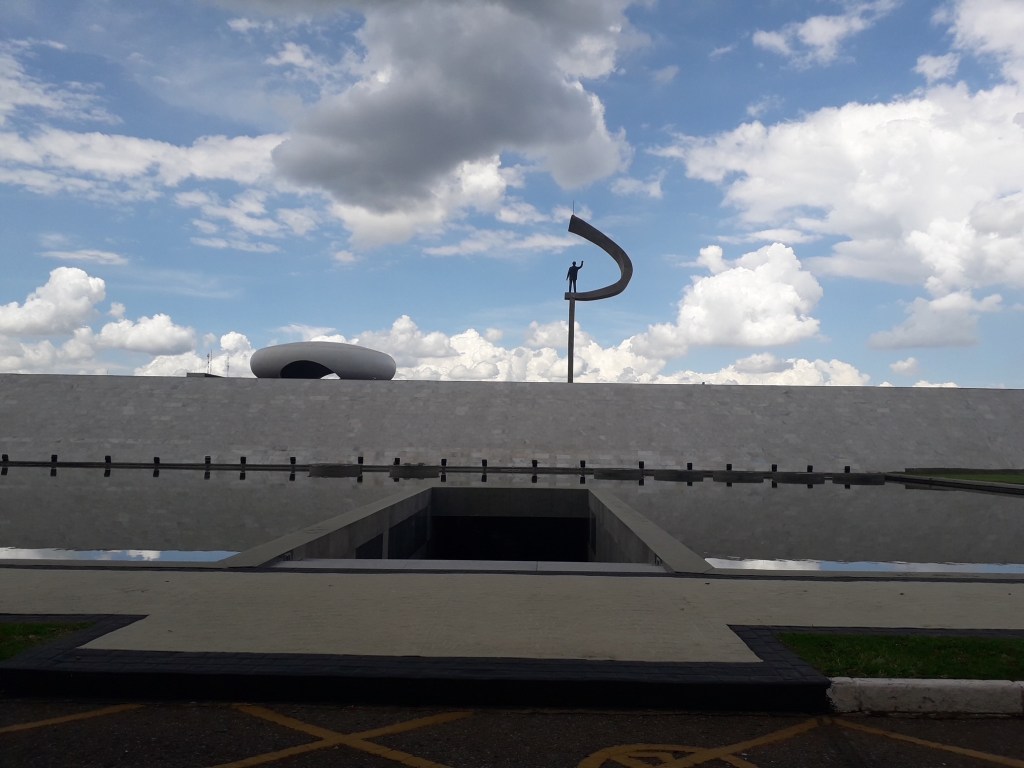
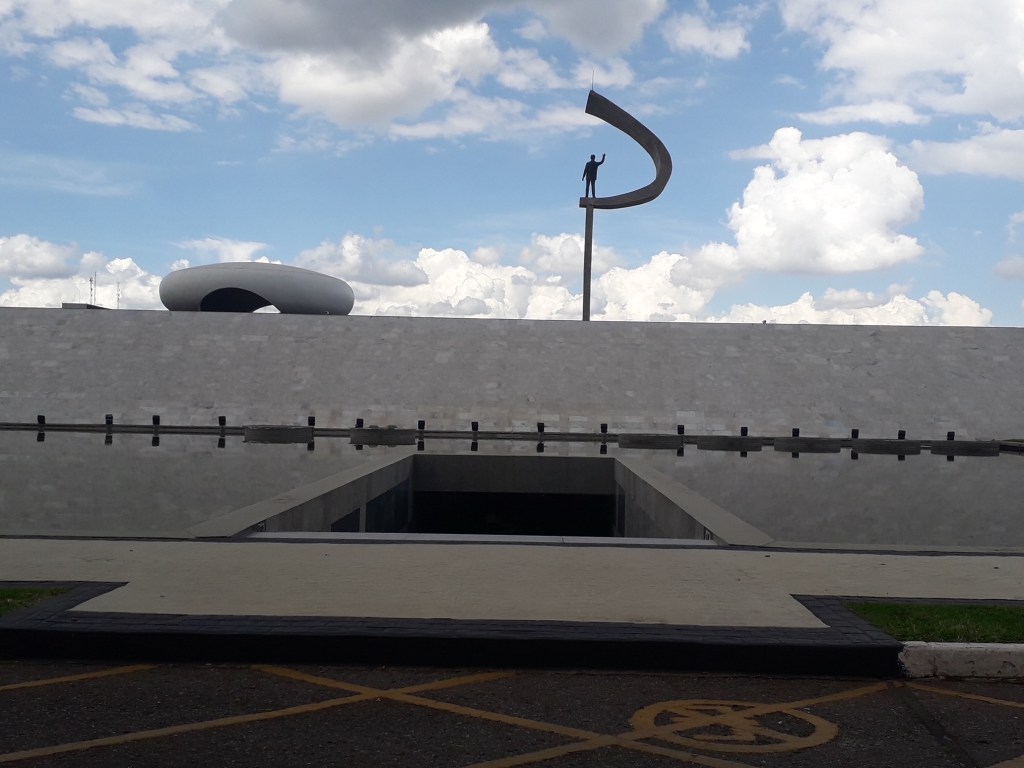
Juscelino Kubitschek Memorial and Museum

Camera: iPhone 12

Location: Juscelino Kubitschek Memorial and Museum; Brasilia, Federal District (DF), Brazil