
When Respect Has Rules – Why Standards Still Matter in Sacred Spaces

“With standards, norms, and basic courtesy often increasingly disregarded in shared public settings, from libraries and Metro stations to the workplace, we should make a particular effort to uphold them in the places dedicated to worship, remembrance, and reflection.”

In 2026, there are still certain places in society, both indoors and outdoors, where all of us should be on our best behavior. With standards, norms, and basic courtesy often increasingly disregarded in shared public settings, from libraries and Metro stations to the workplace, we should make a particular effort to uphold them in the places dedicated to worship, remembrance, and reflection. Our most sacred spaces deserve better from all of us because those spaces are meant to be respected the most.

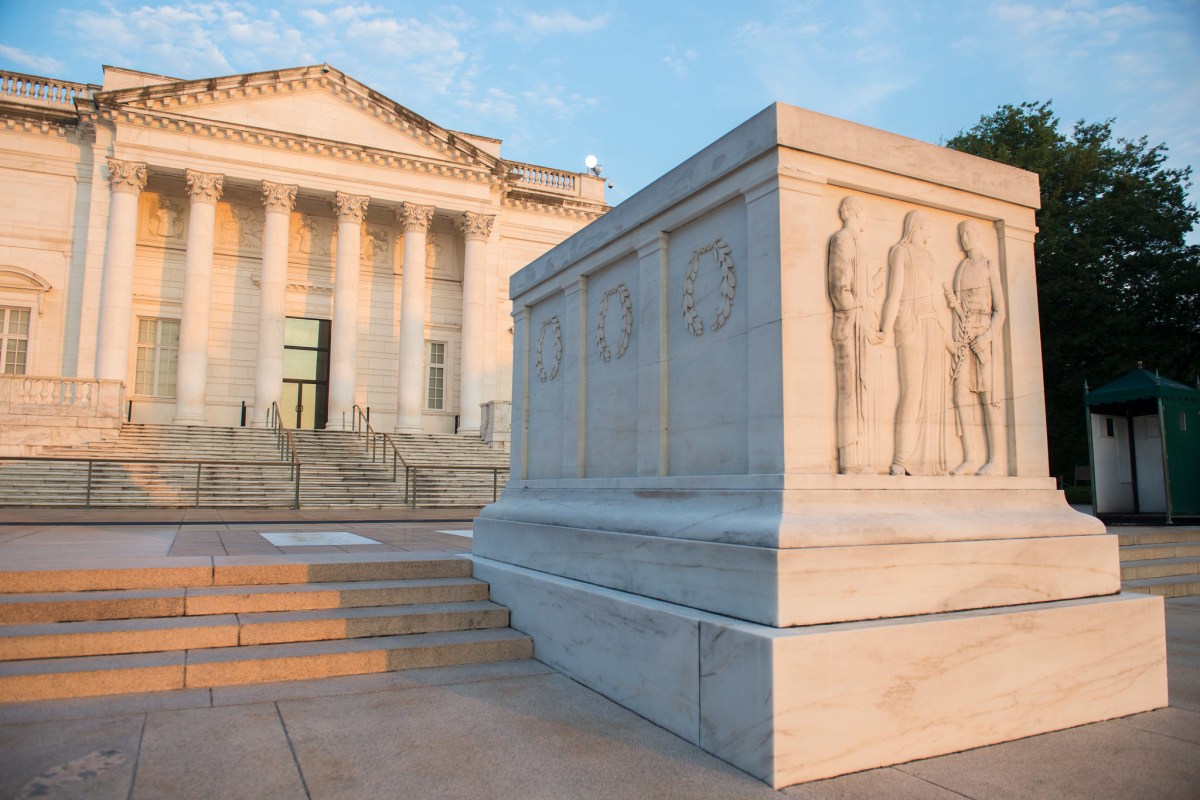
One of those spaces where the highest standards must be upheld and often enforced is at Arlington National Cemetery, a hollowed and sacred place where hundreds of thousands of American soldiers, sailors, airmen, marines, and their spouses are buried in their final resting place in sight of the nation’s capital. Anyone who visits Arlington should understand that many of those laid to rest there served our country, and some made the ultimate sacrifice in that service. Their service and sacrifice helped preserve a nation founded on the ideals of freedom and representative government; ideals that we must continue to uphold for all its citizens. The least we can do when visiting their final resting place is to show the quiet, reverence, and respect their memory deserves.

I have visited Arlington National Cemetery a few times in my life, and each visit has been a powerful reminder of the men and women who have served our country and the many lives lost in that service throughout our nation’s history. Looking across the rows of headstones, I think about the sacrifices made to protect the freedoms and liberties we continue to enjoy today. Arlington is a sobering place that calls for the utmost respect, reverence, and quiet reflection. A recent example of why enforcing the standard of respect at these hallowed spaces is so important came on Veterans Day this year at the Tomb of the Unknown Soldier in Arlington National Cemetery, just outside of Washington, DC.

After laughter and talking was heard from a group of people that included senior U.S. military leadership in the presence of the Tomb, Army Specialist Thomas Iglesias, the sentinel on duty, firmly reminded the visitors: “All visitors will maintain an atmosphere of silence and respect at all times.” His message was a reminder that the standards at a place like the Tomb of the Unknown Soldier should apply to everyone, regardless of their military rank or position. The following day, Specialist Iglesias was awarded a medal for carrying out his duties without any reservation even though some observers of the incident had worried that Iglesias might have cost himself his sentinel guard role or had harmed his future career prospects.

Closer to home, I have noticed fellow congregants wearing baseball caps inside my own house of worship, which is something I would never do myself or be okay with any family member or friend doing so in my presence either. They may mean no disrespect, but I believe a religious head covering, such as a kippah, or no hat at all where a congregation’s customs permit it, is more appropriate for such a setting. What we wear and how we carry ourselves can reflect the care we have for a place and the people around us.

Regardless of whether you are religious or not, you still must respect the norms and rules when entering any house of worship, whether you are a visitor, a congregant, or an invited guest. I would never wear a ball cap, a cowboy hat, or any kind of head covering that wasn’t appropriate for a house of worship, and it is a standard that we all should respect. Unfortunately, I did not have the courage to call the person out on it, as we were in a group of people for a class. What I wish I had done was pull the person aside after class and tell him politely that the baseball cap should be left at home next time.

I do hope to be able to help enforce this standard in the future, but as I am not a member of the clergy or a staff member, it is also not primarily my responsibility to enforce it. In a sacred space, whether it’s a cemetery, a house of worship, or a memorial, the rules must be clearly stated and enforced firmly and consistently by its leadership and staff. Otherwise, they risk becoming just words on a piece of paper or signs that people feel free to ignore. Once behavioral norms and standards are allowed to erode, they can be difficult to restore. When disrespectful behavior goes unaddressed, it can gradually become accepted as normal, even in sacred spaces.

Whether we are honoring those who served our country or gathering with others for worship, our actions matter in holding each other accountable. If these spaces mean something to us, then the standards that help preserve their dignity should mean something to us, too. Over my lifetime, I have seen many norms, rules, and standards in shared public spaces diminish or disappear in American life, but we should draw a firm line when it comes to our most sacred gathering places. Holding ourselves to a high standard in these places shows that we still care about respect, about holding one another accountable for our behavior, and about preserving a free and tolerant country for the future.
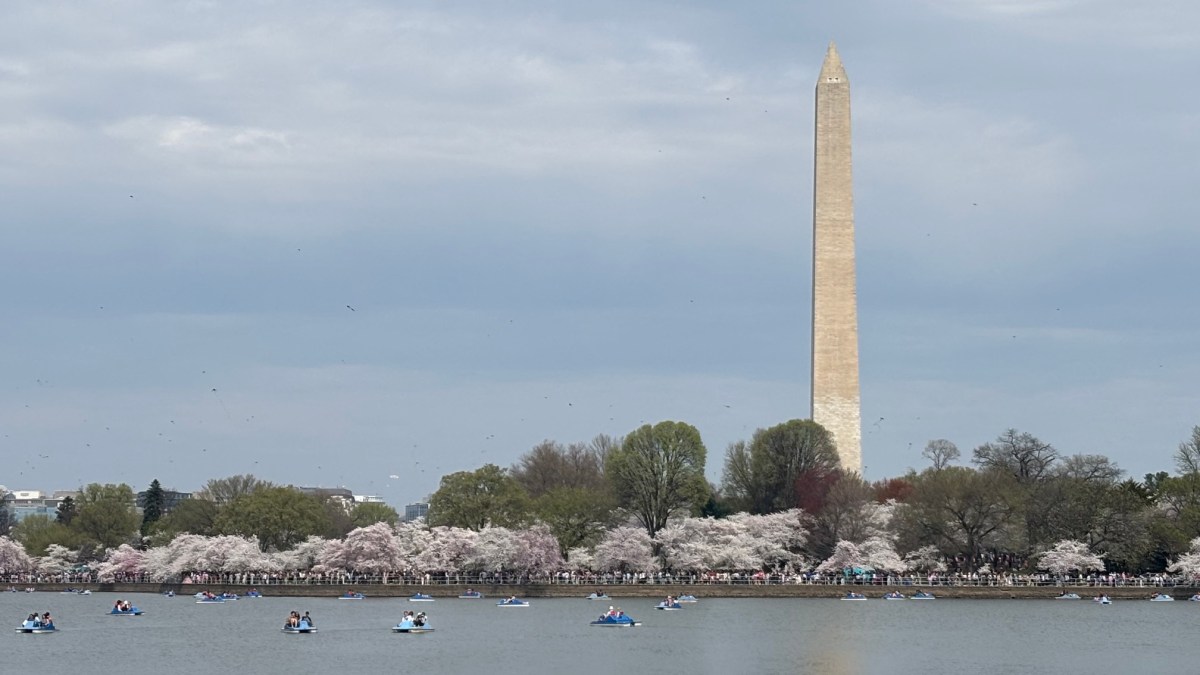
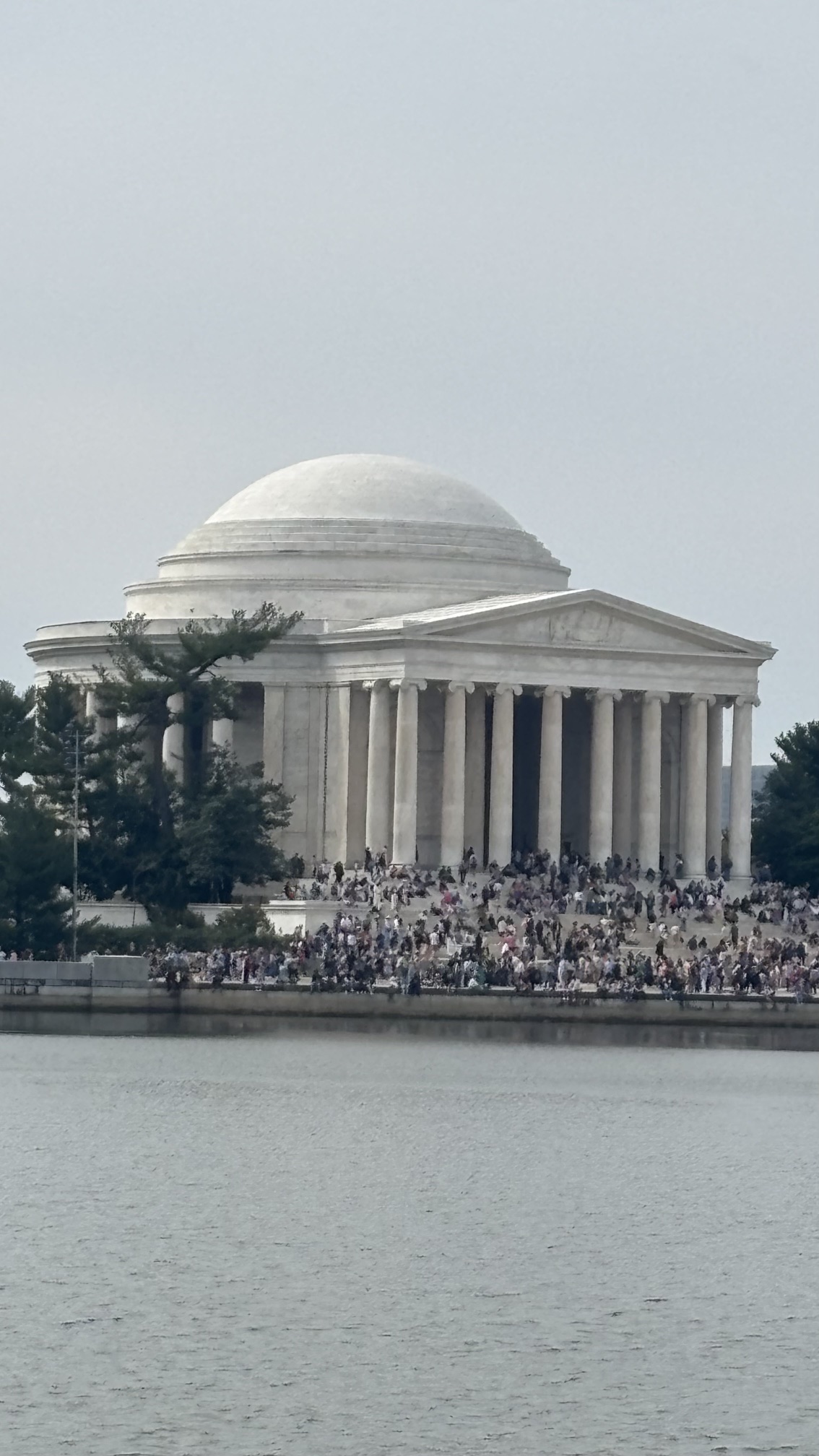
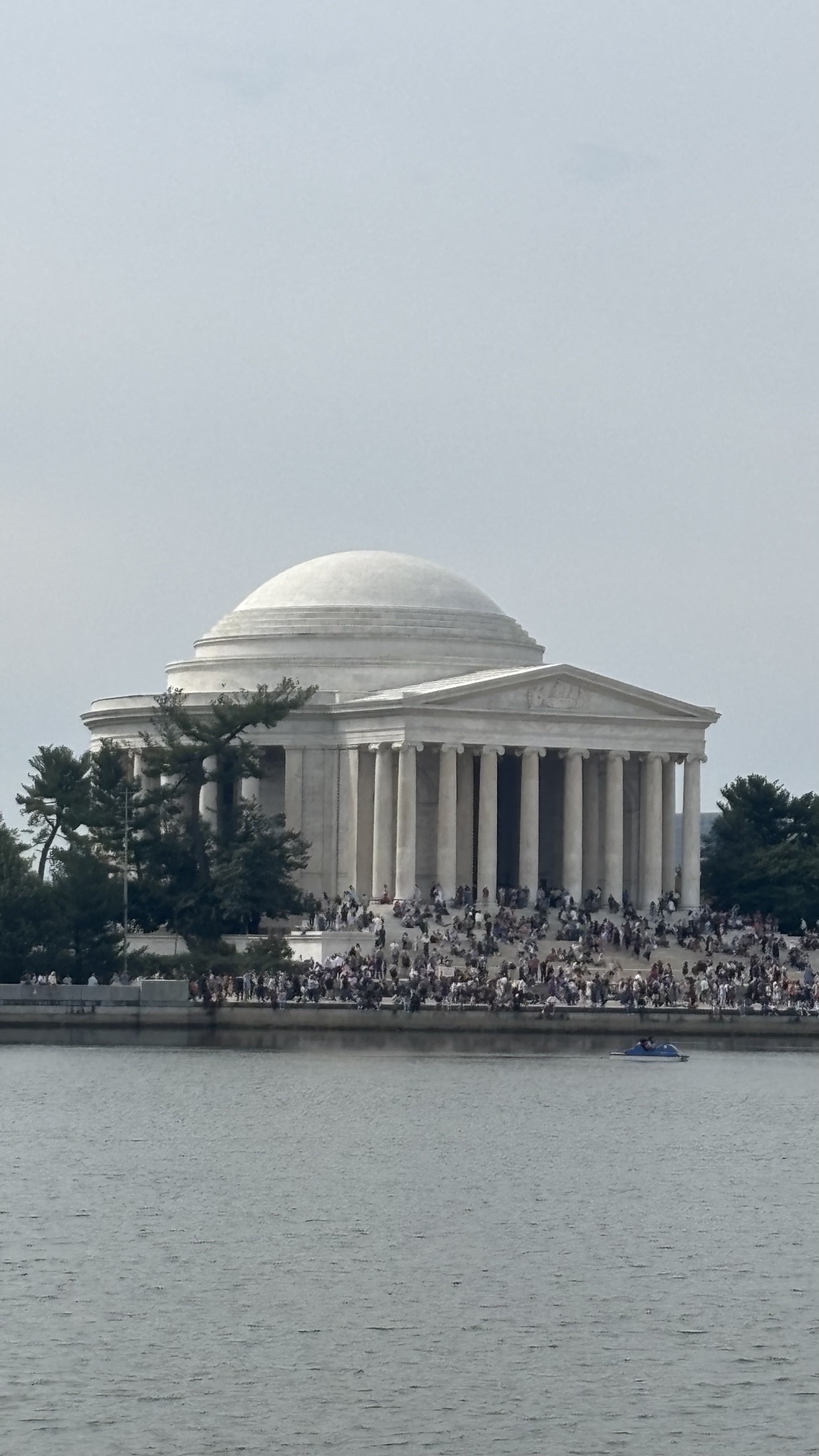
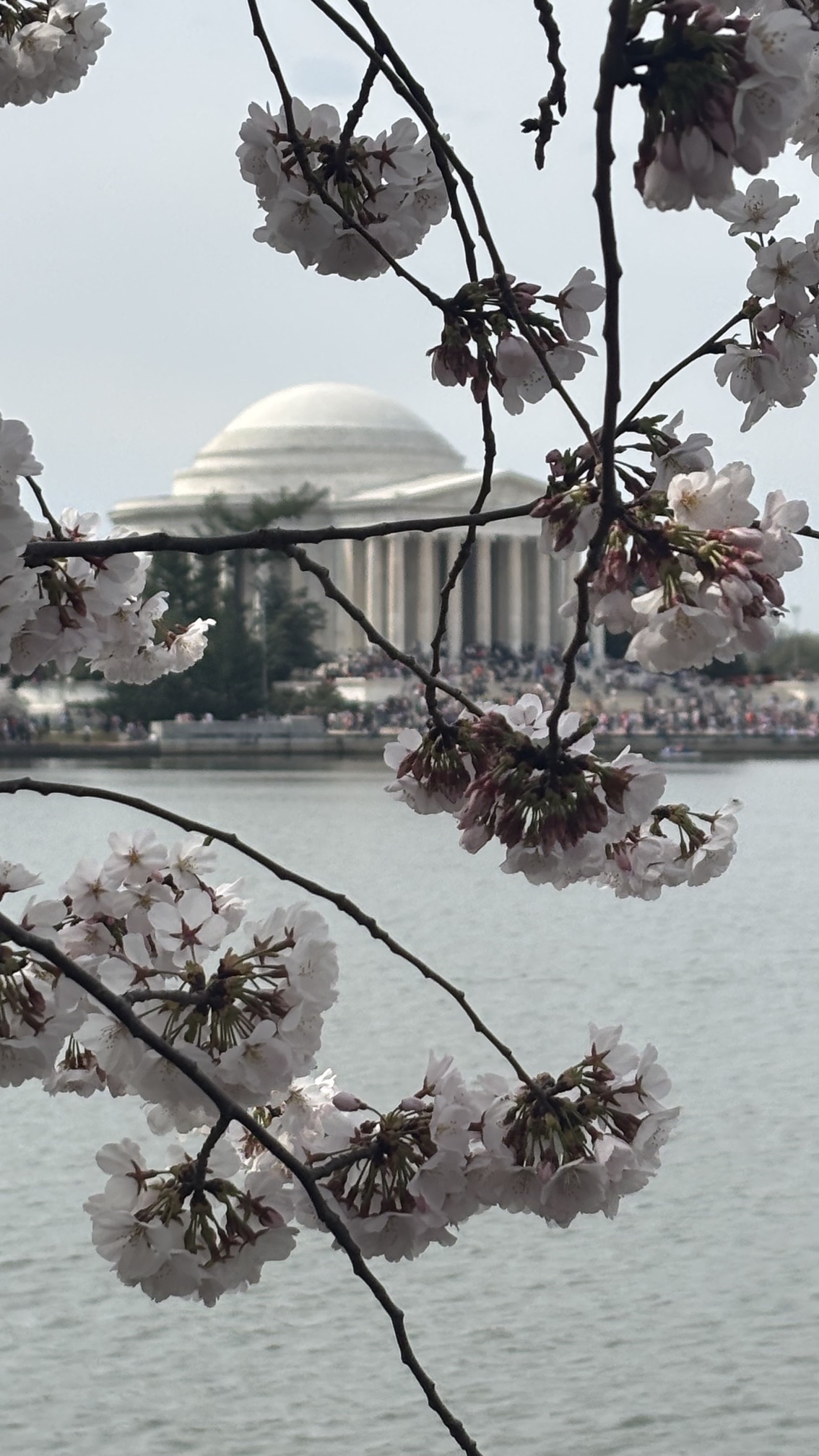
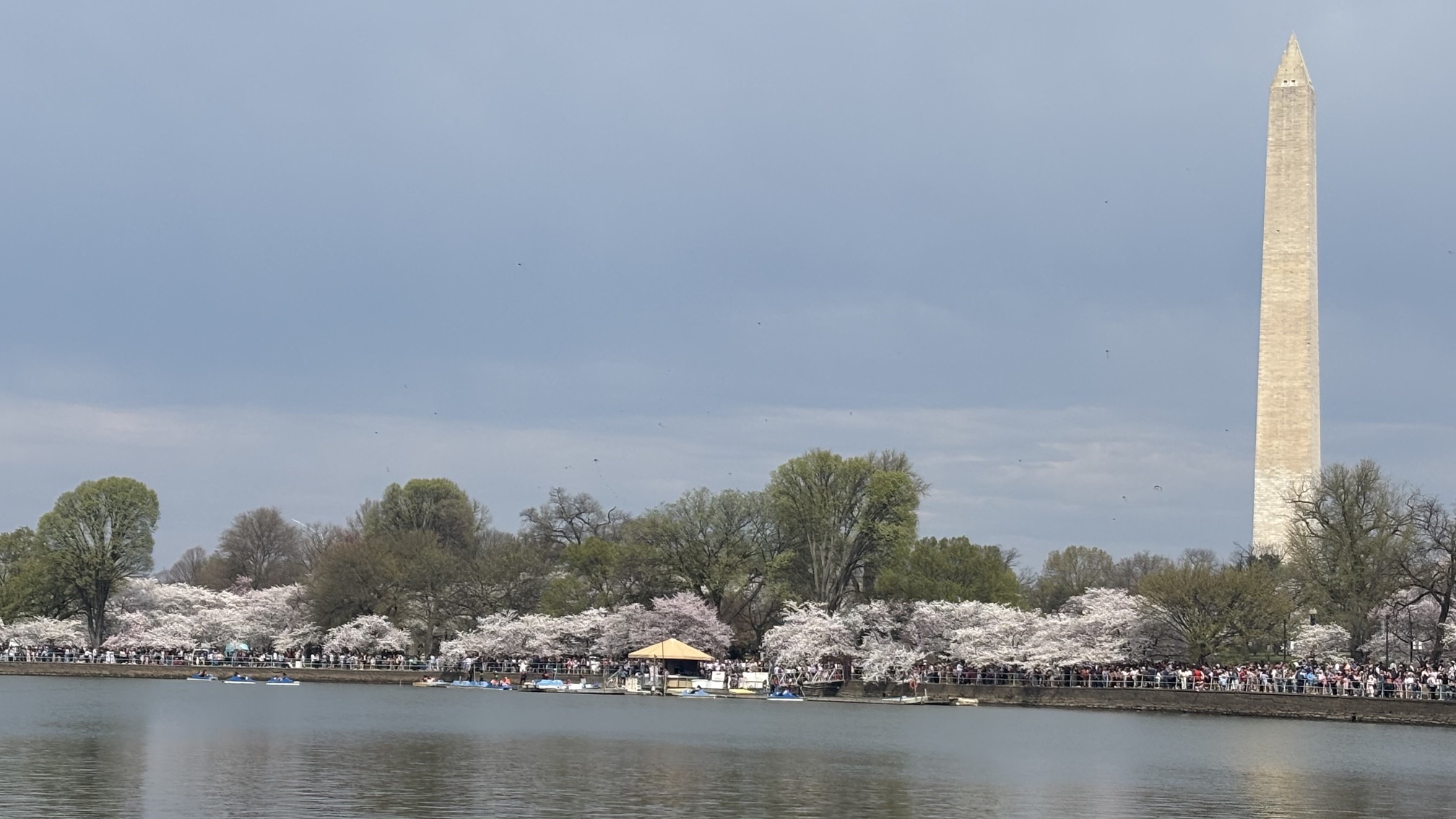
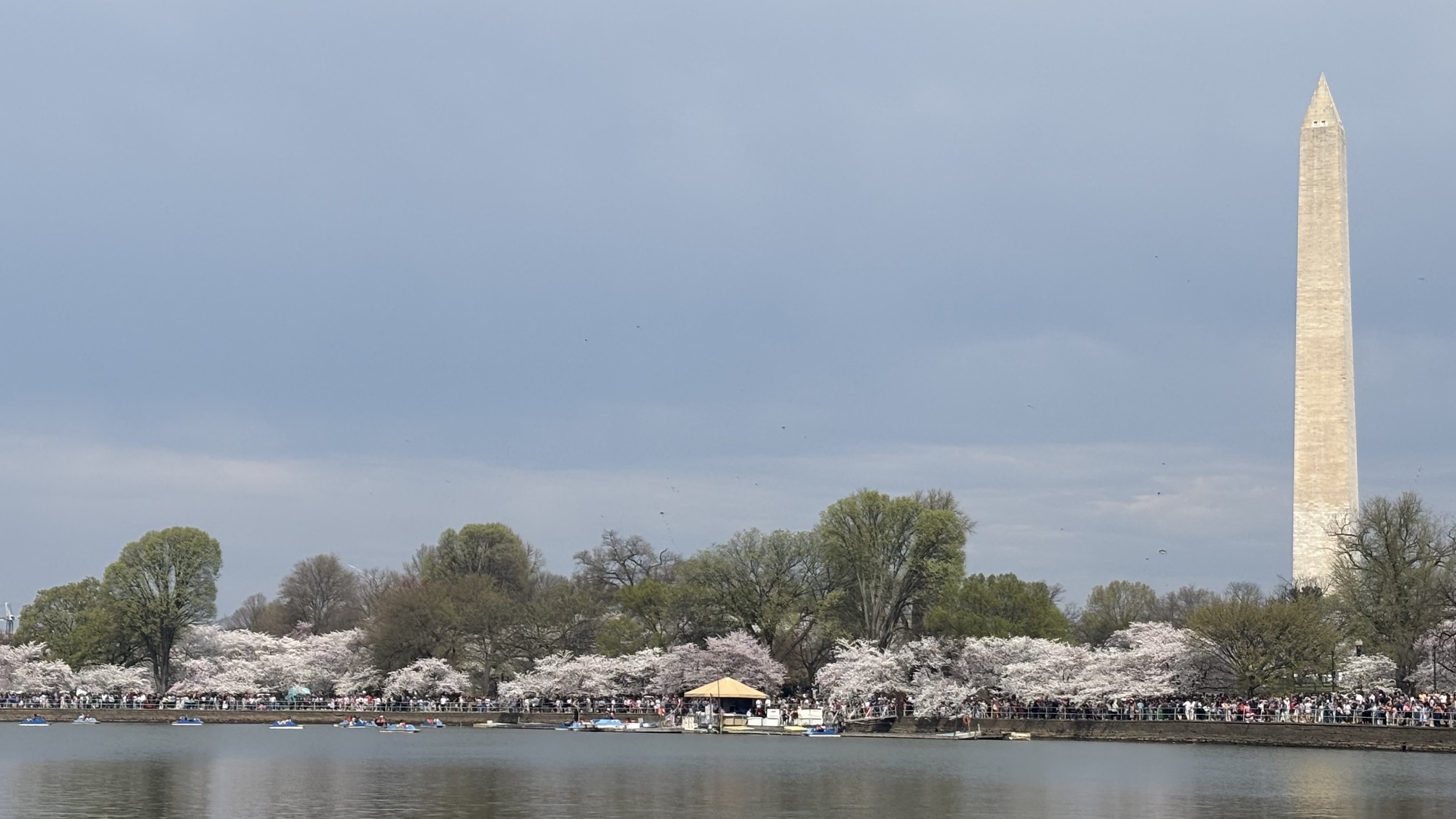
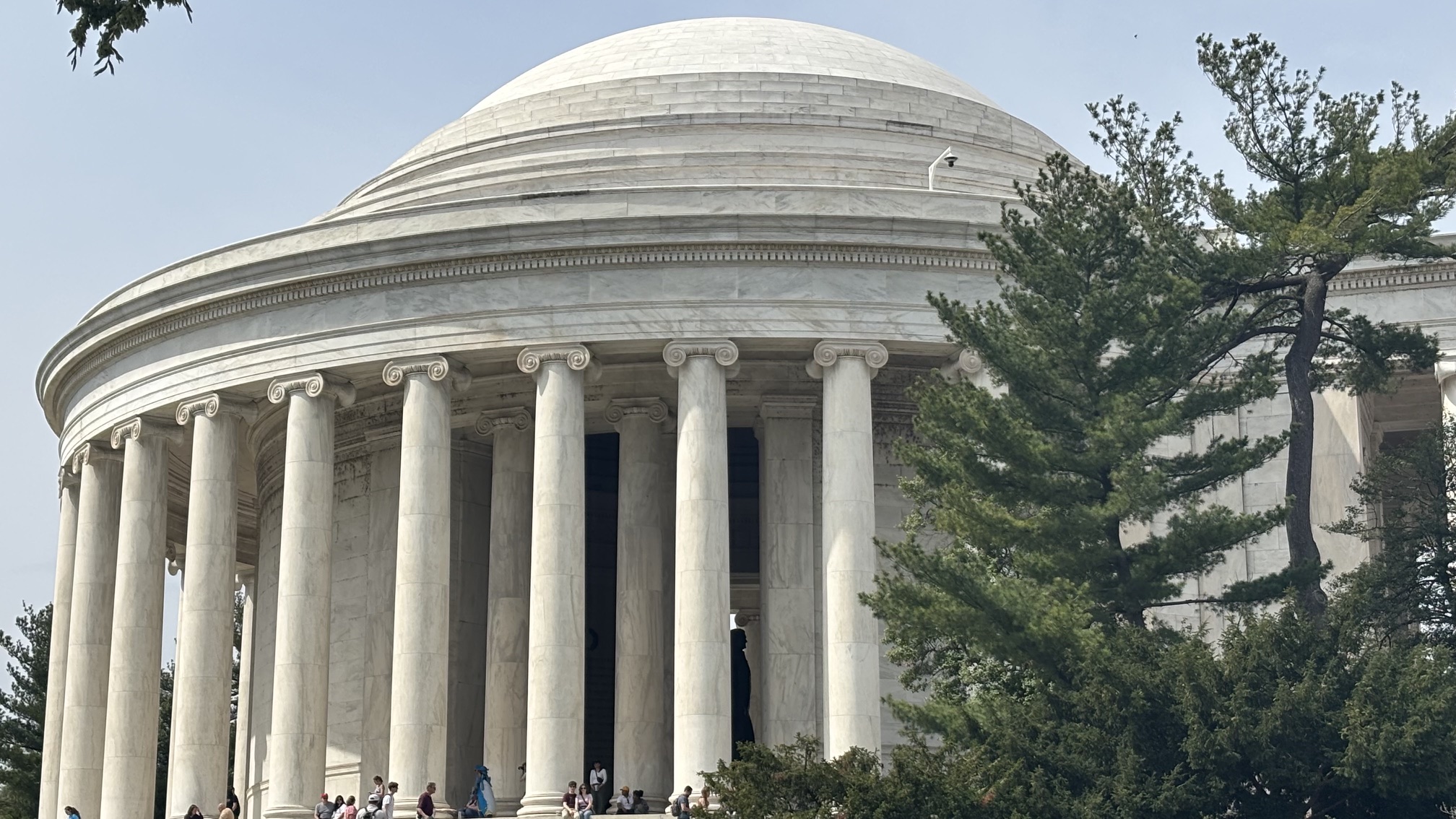
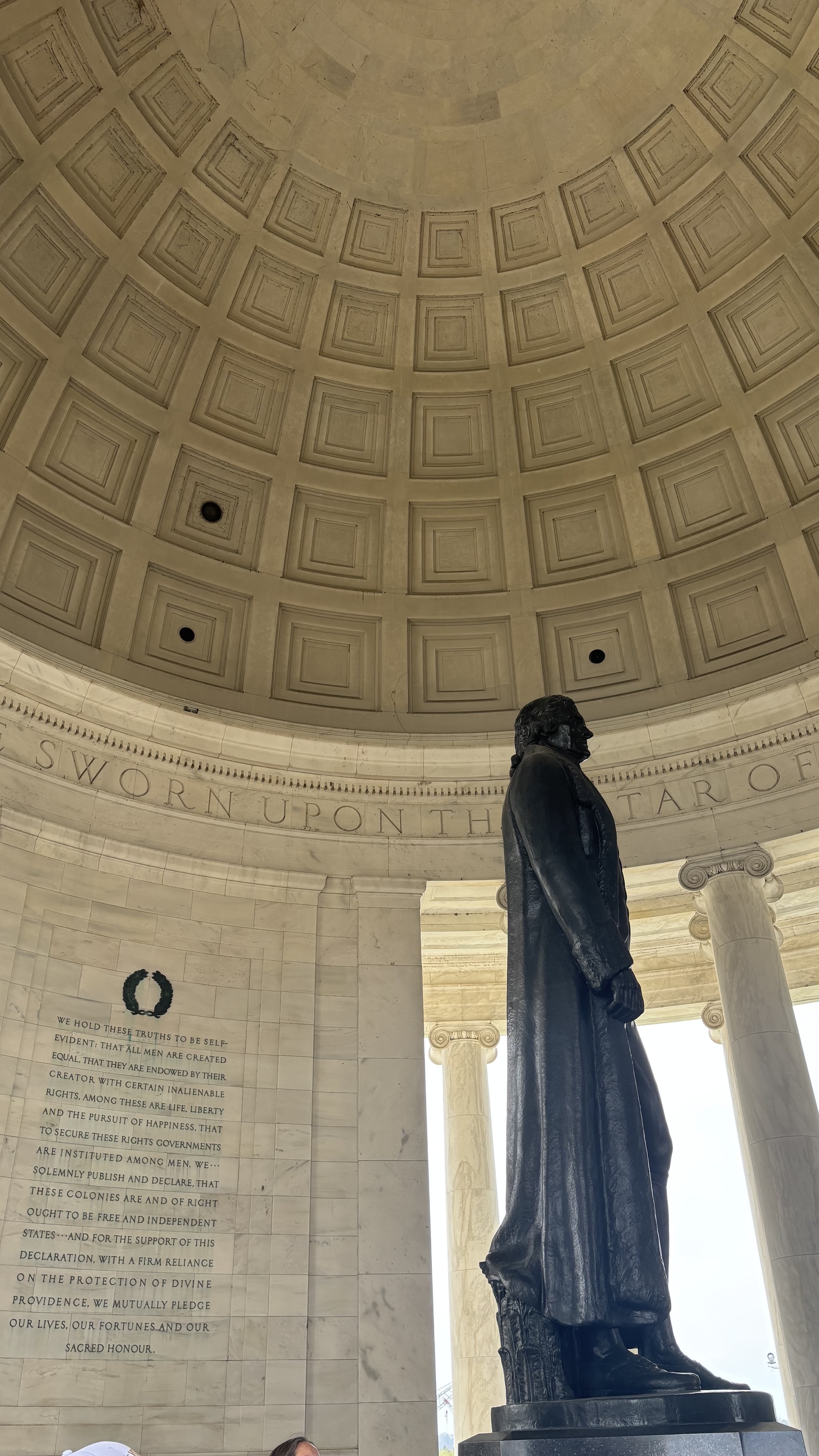
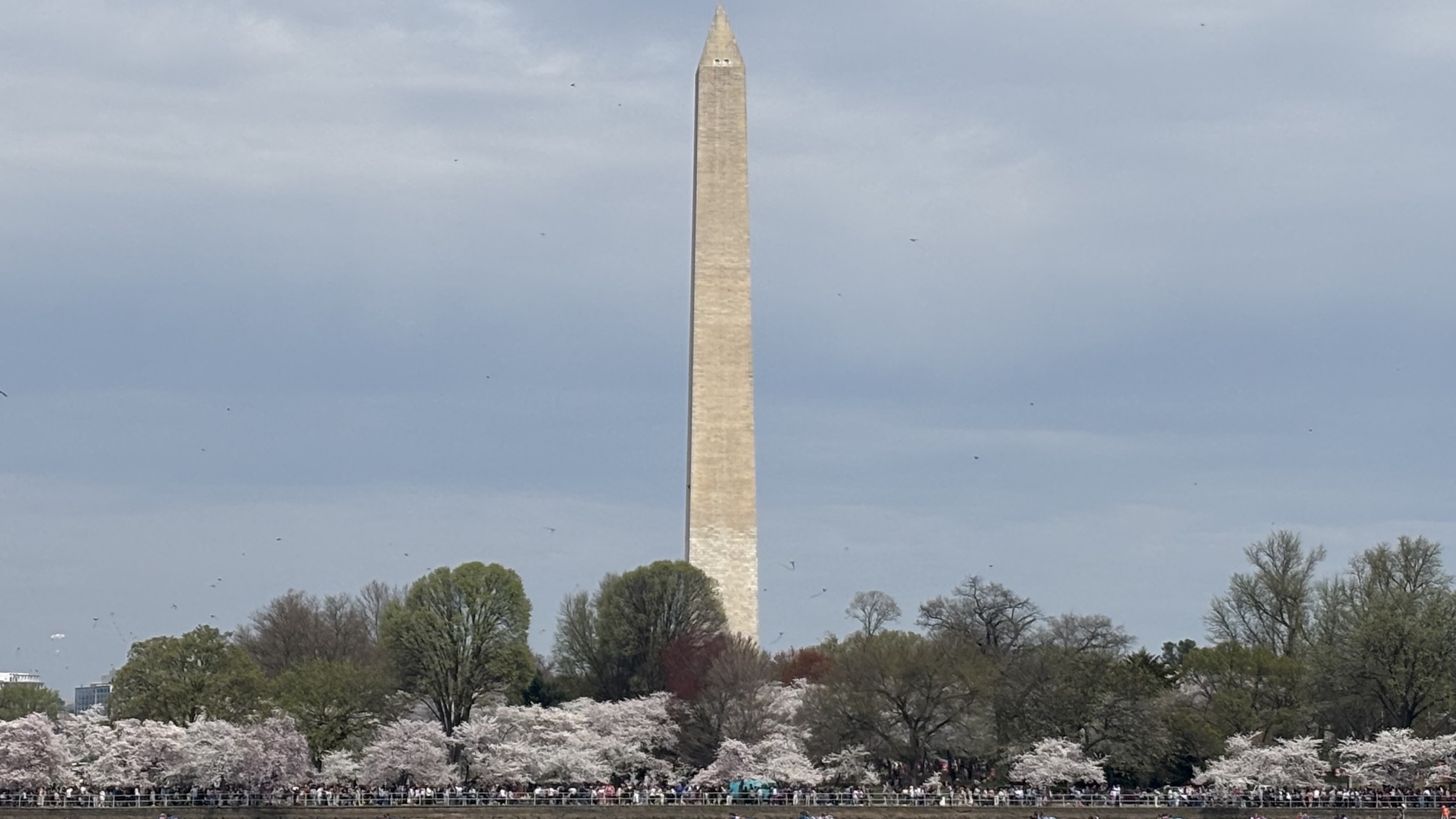
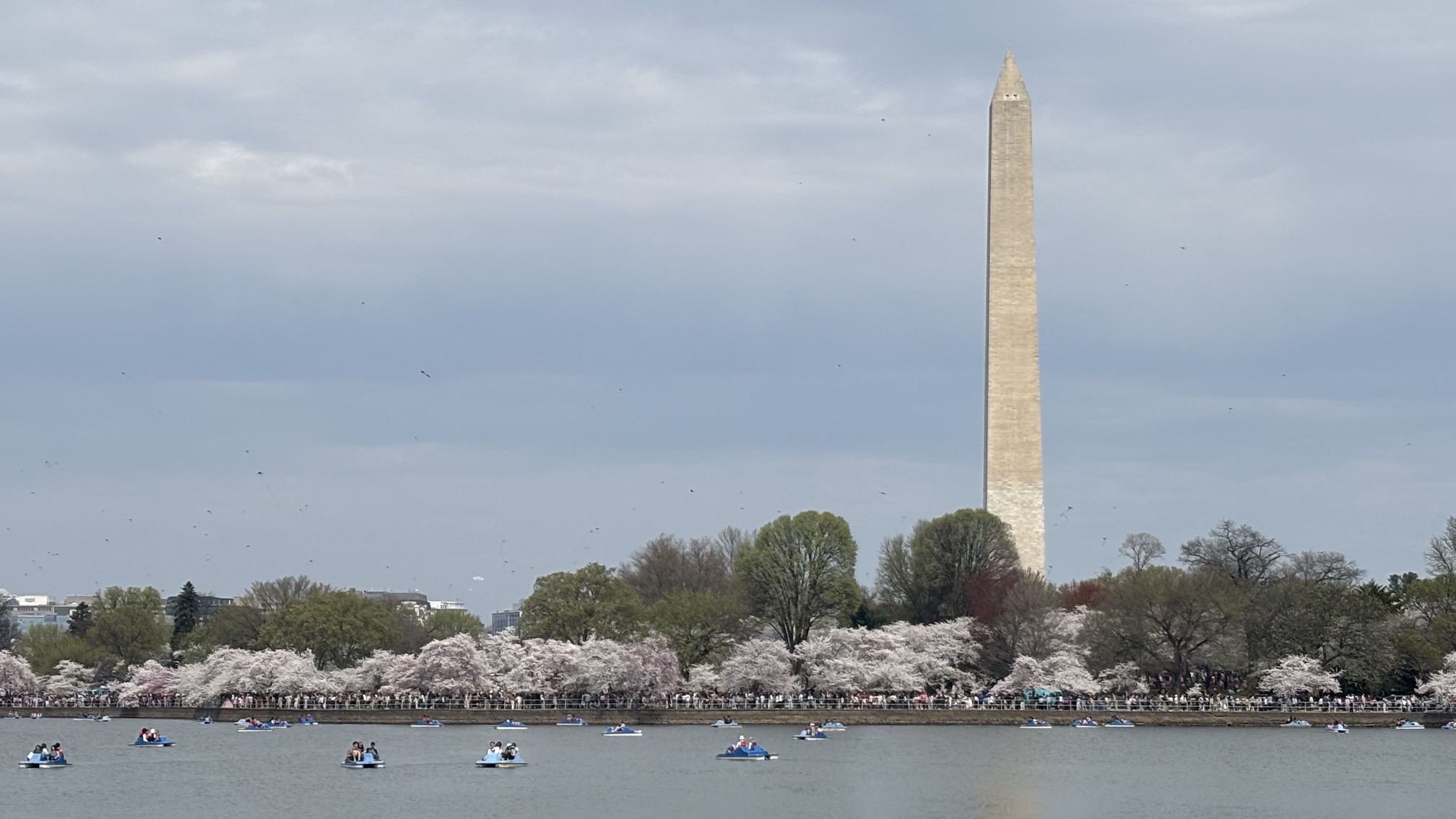
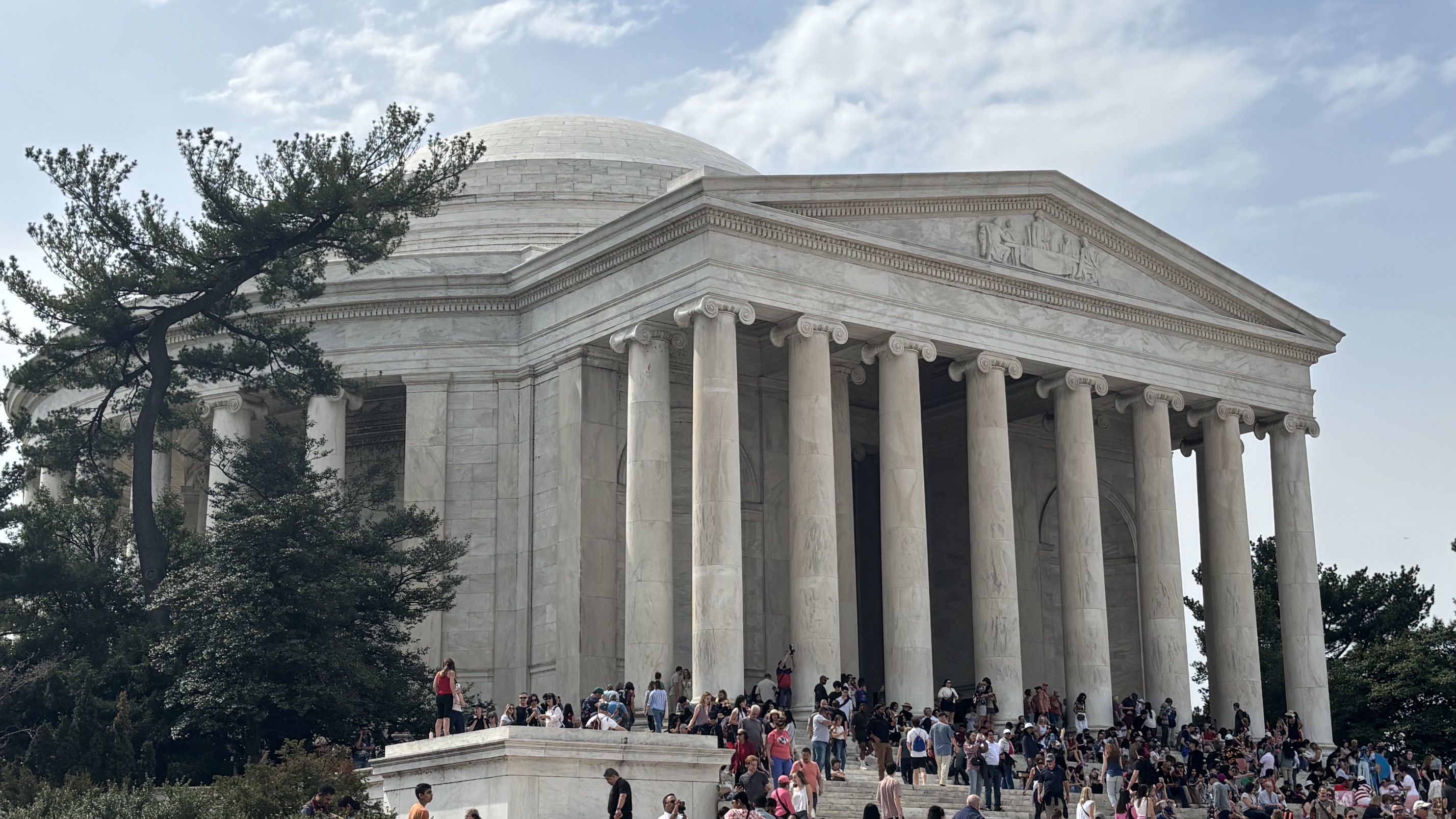
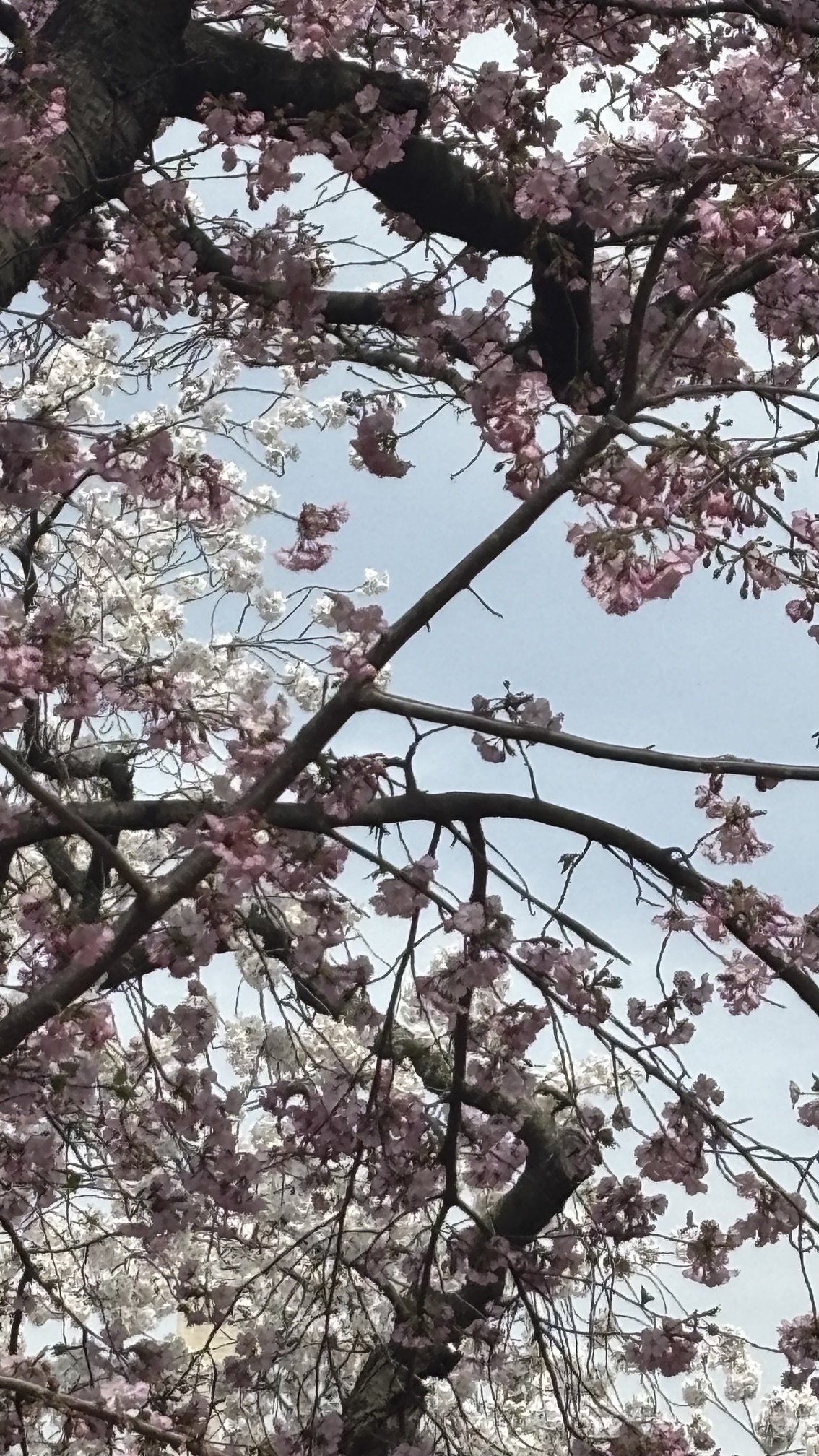
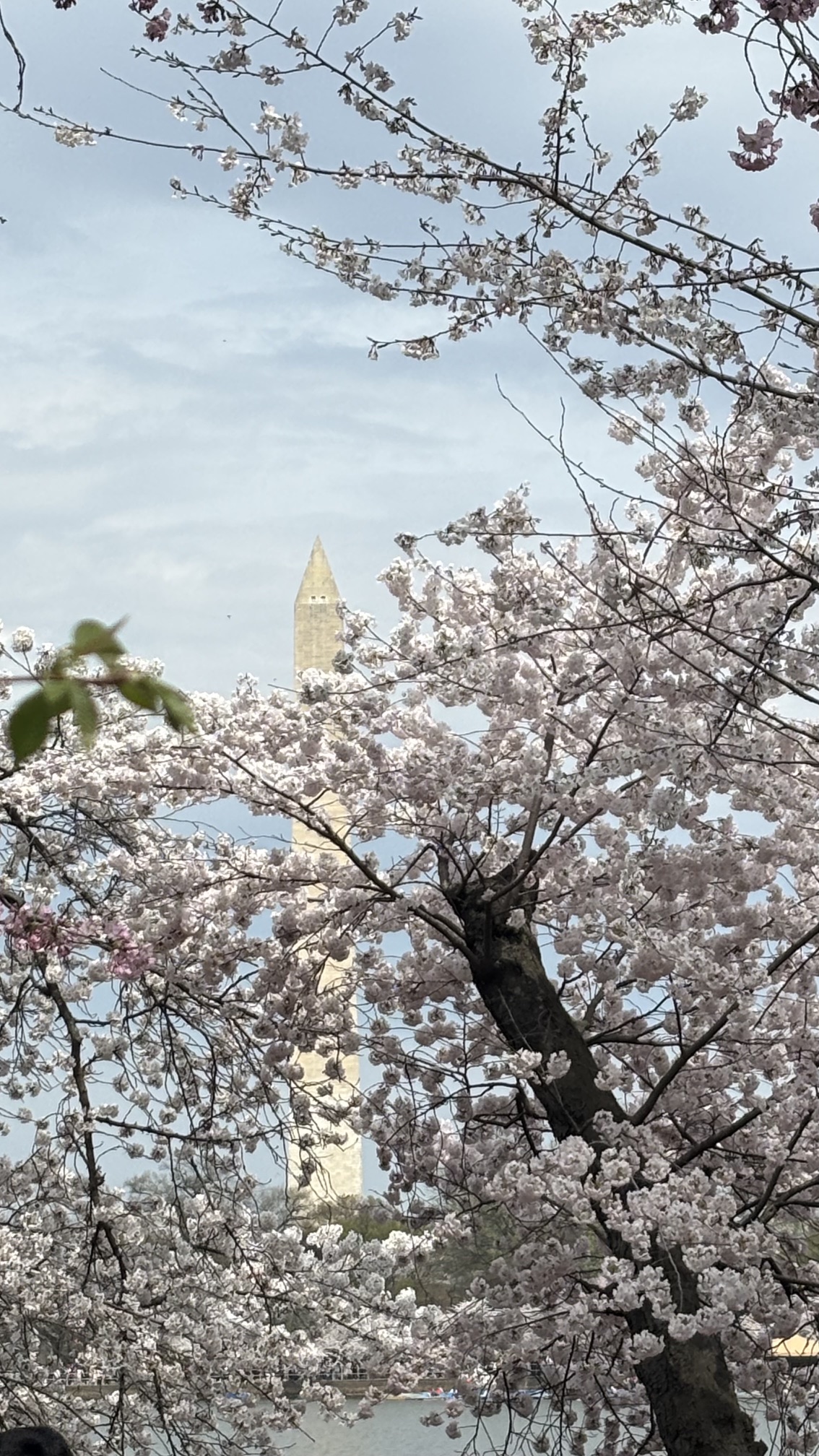
Washington DC National Cherry Blossom Festival – March 2025

“Explore my high resolution photos from the 2025 National Cherry Blossom Festival in Washington, DC, capturing the beauty of this special spring event in the nation’s capital.”

Camera: iPhone 15

Locations: The Tidal Basin and the Thomas Jefferson Memorial; Washington, District of Columbia, United States

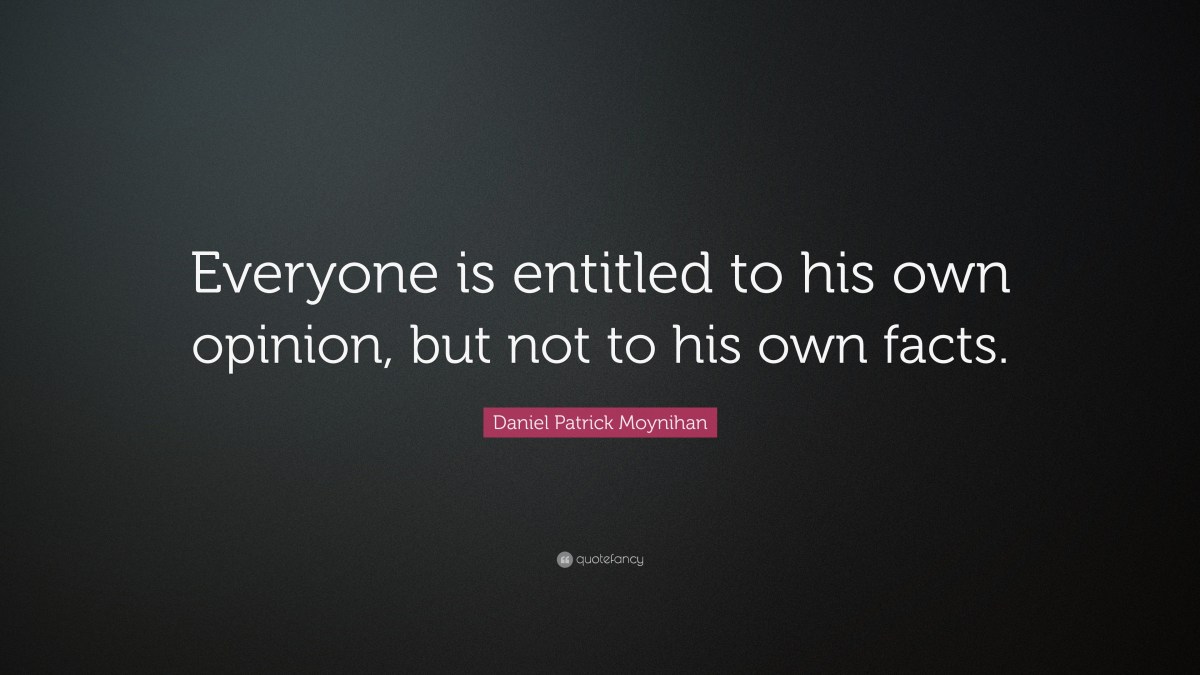
You Don’t Need to Have an Opinion on Everyone or Everything

“Whether the topic is politics, culture, someone else’s life, or the latest story making headlines, there always seems to be pressure to weigh in even when they know they shouldn’t.”

We live in a time when it can feel like everyone is expected to have an opinion on everything under the sun and to share it immediately. Whether the topic is politics, culture, someone else’s life, or the latest story making headlines, there always seems to be pressure to weigh in even when they know they shouldn’t.

Having the right to express an opinion also means having the choice to pause, listen, and decide whether you have something worthwhile to add or not. There is real value in recognizing when you lack a frame of reference, especially when other people have spent years or decades studying a subject or have firsthand experience that you don’t.

In this vlog, the first on ‘The Life and Times of Ben Weinberg’, I discuss why listening and learning can be more productive than feeling the need to comment on every issue or individual. I also reflect on how constantly reacting to the world around us can take time and energy away from the subjects we know best and the areas where our personal or professional experience can make a real contribution.

Being curious about something new is always worthwhile. We can ask questions, seek out knowledgeable perspectives, and develop a more informed view over time. Sometimes, saying “I don’t know enough about that yet” is the most honest place to begin.

Watch the video above with my thoughts, and let me know what you think: When have you found it more valuable to listen than to share your opinion? For more of my thoughts on this subject, read my blog article on the related topic of “Do You Have A Frame of Reference Here?”

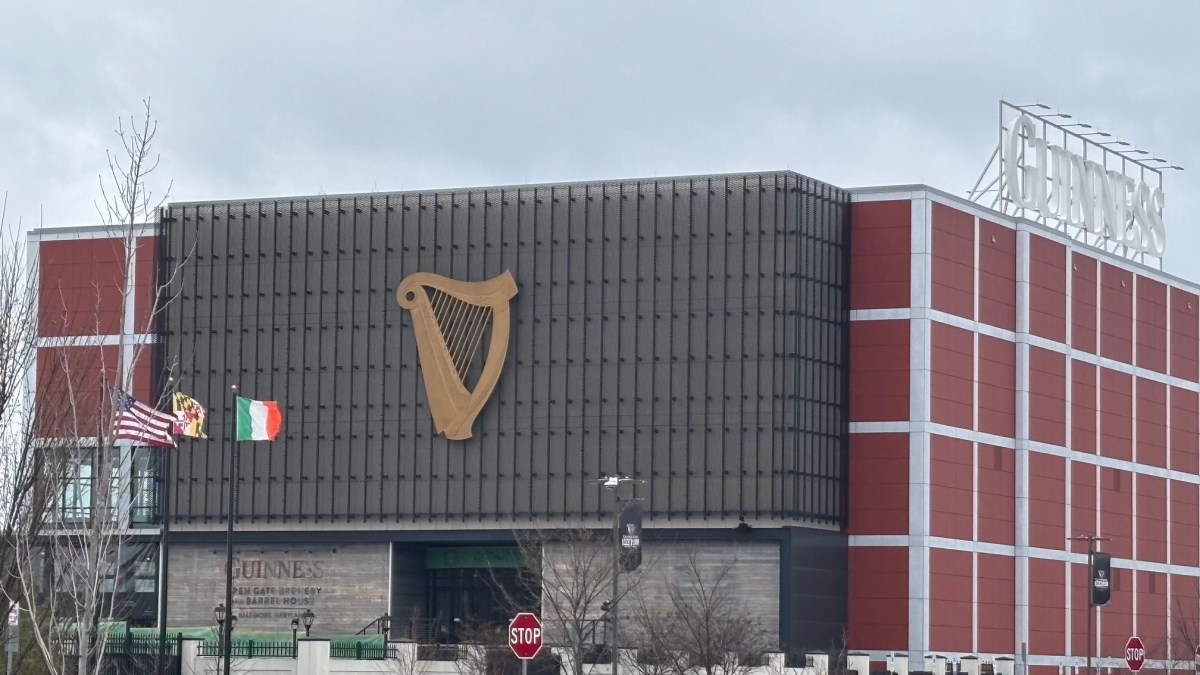
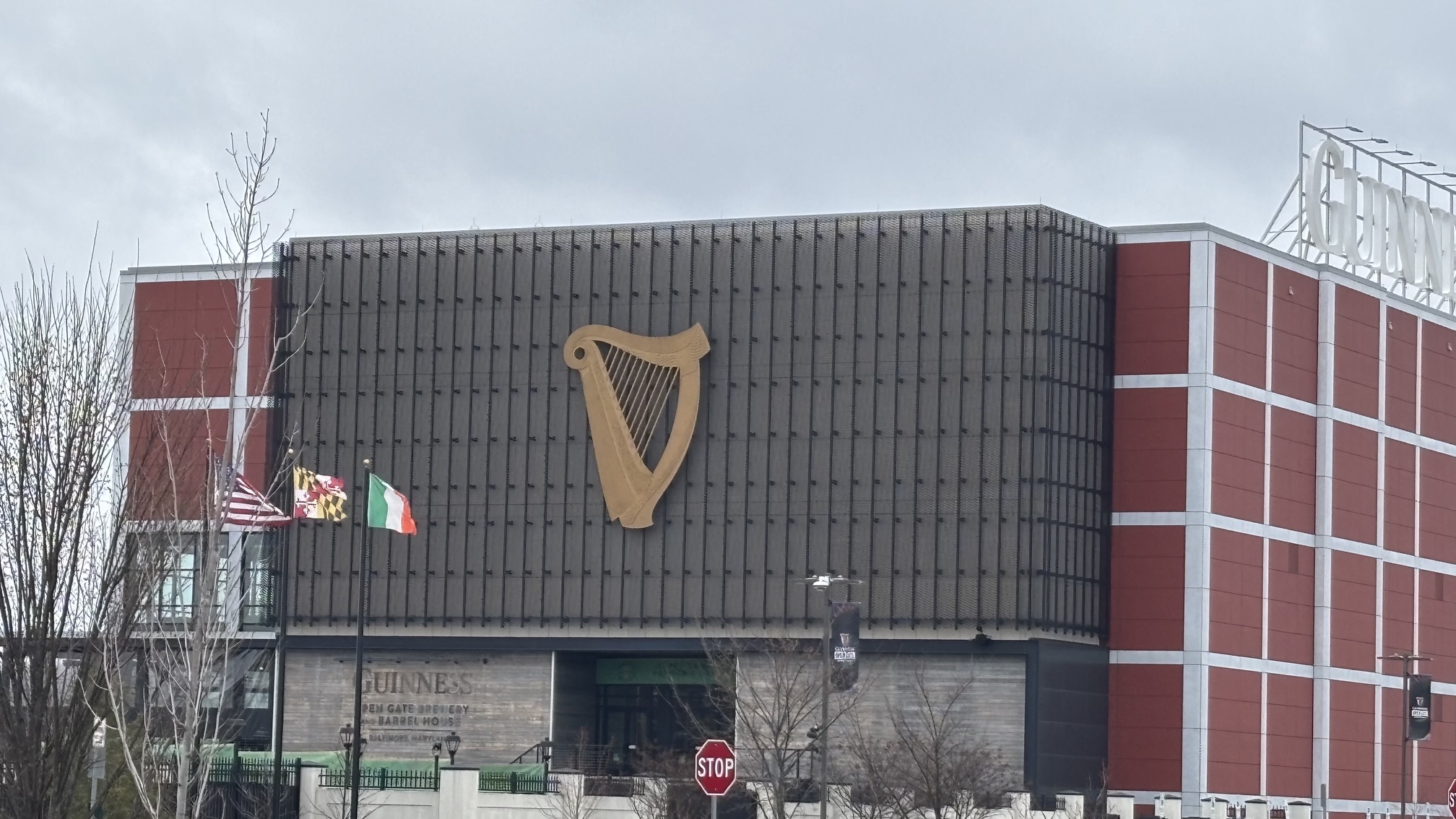
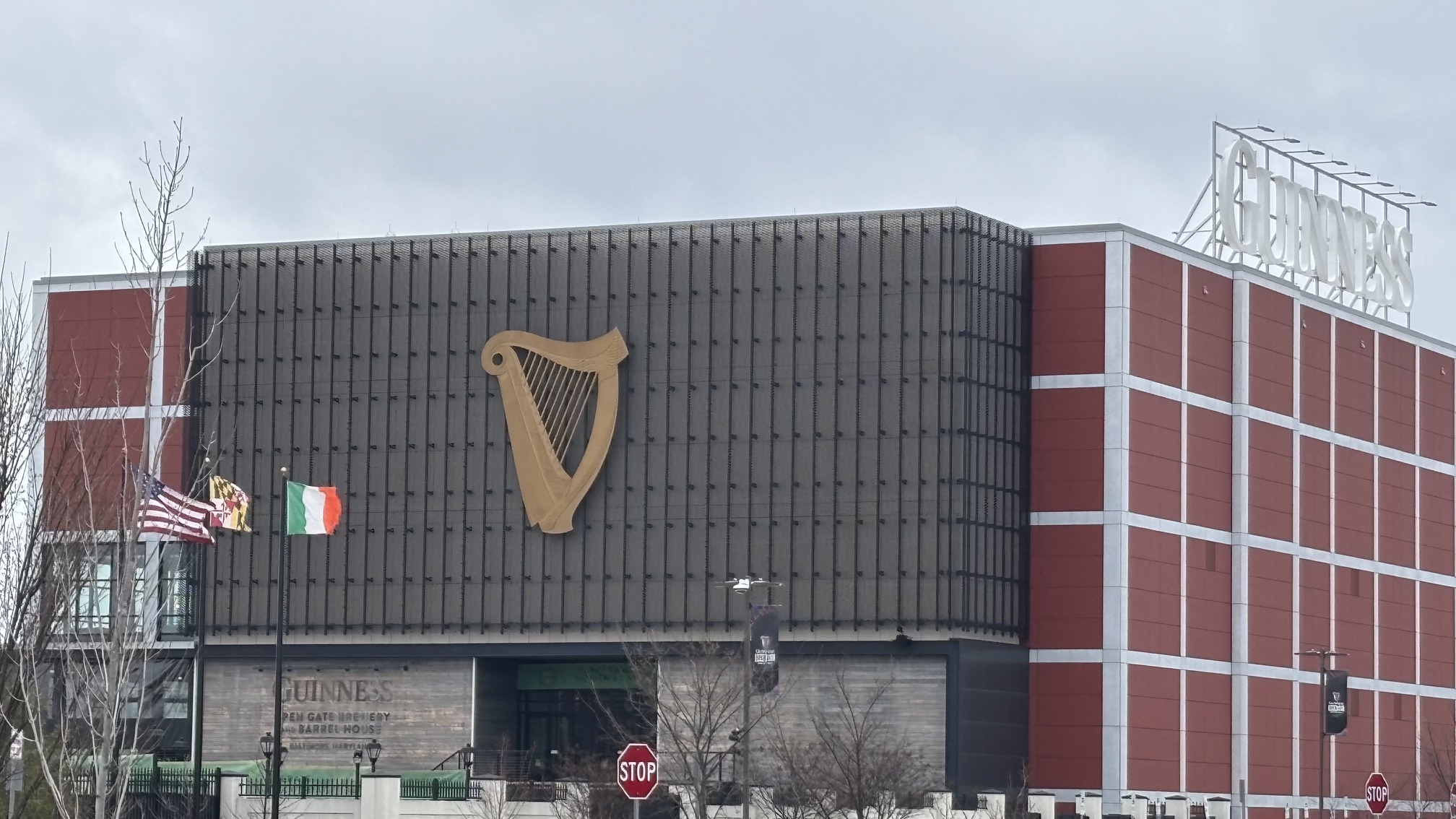
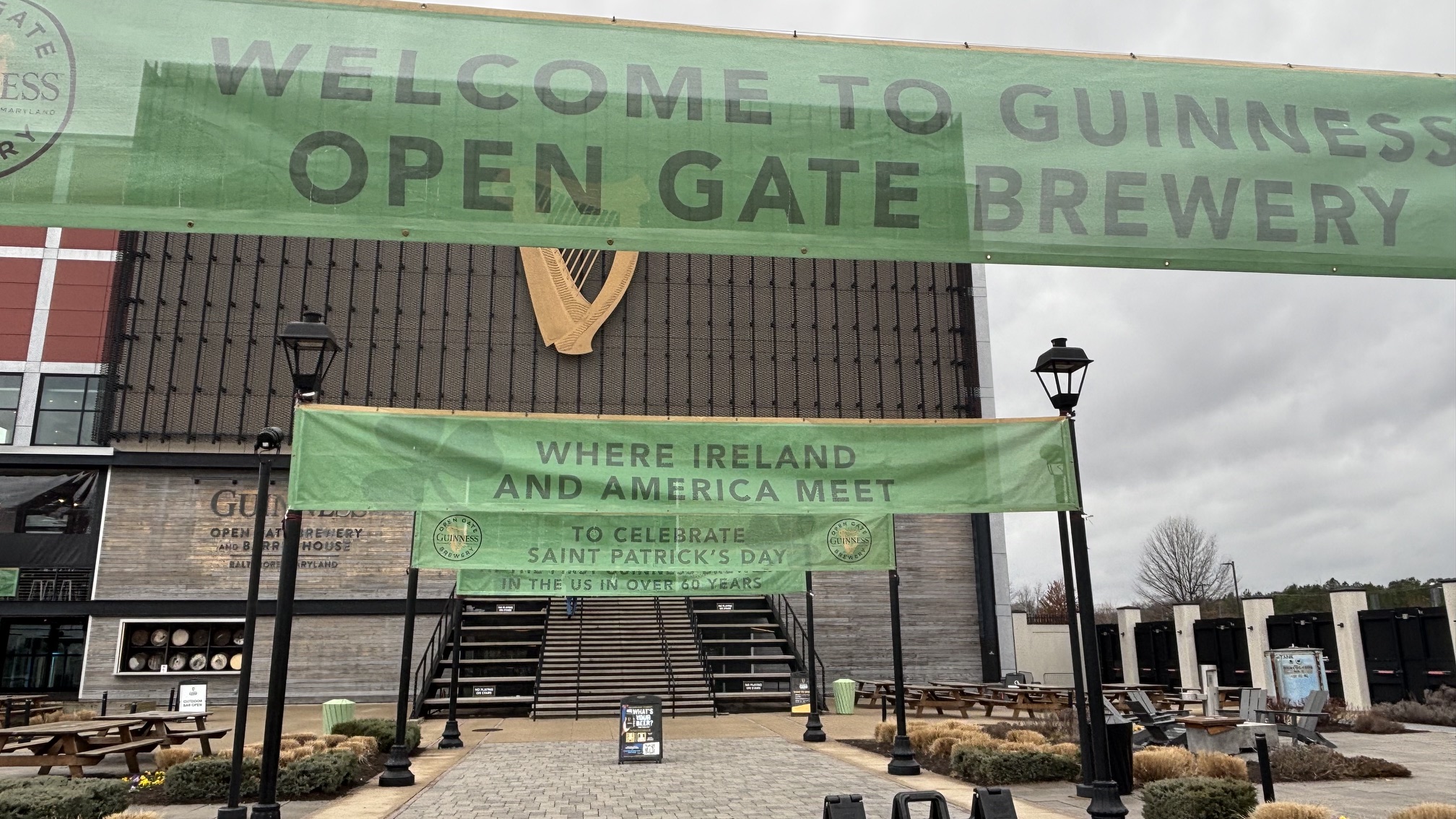
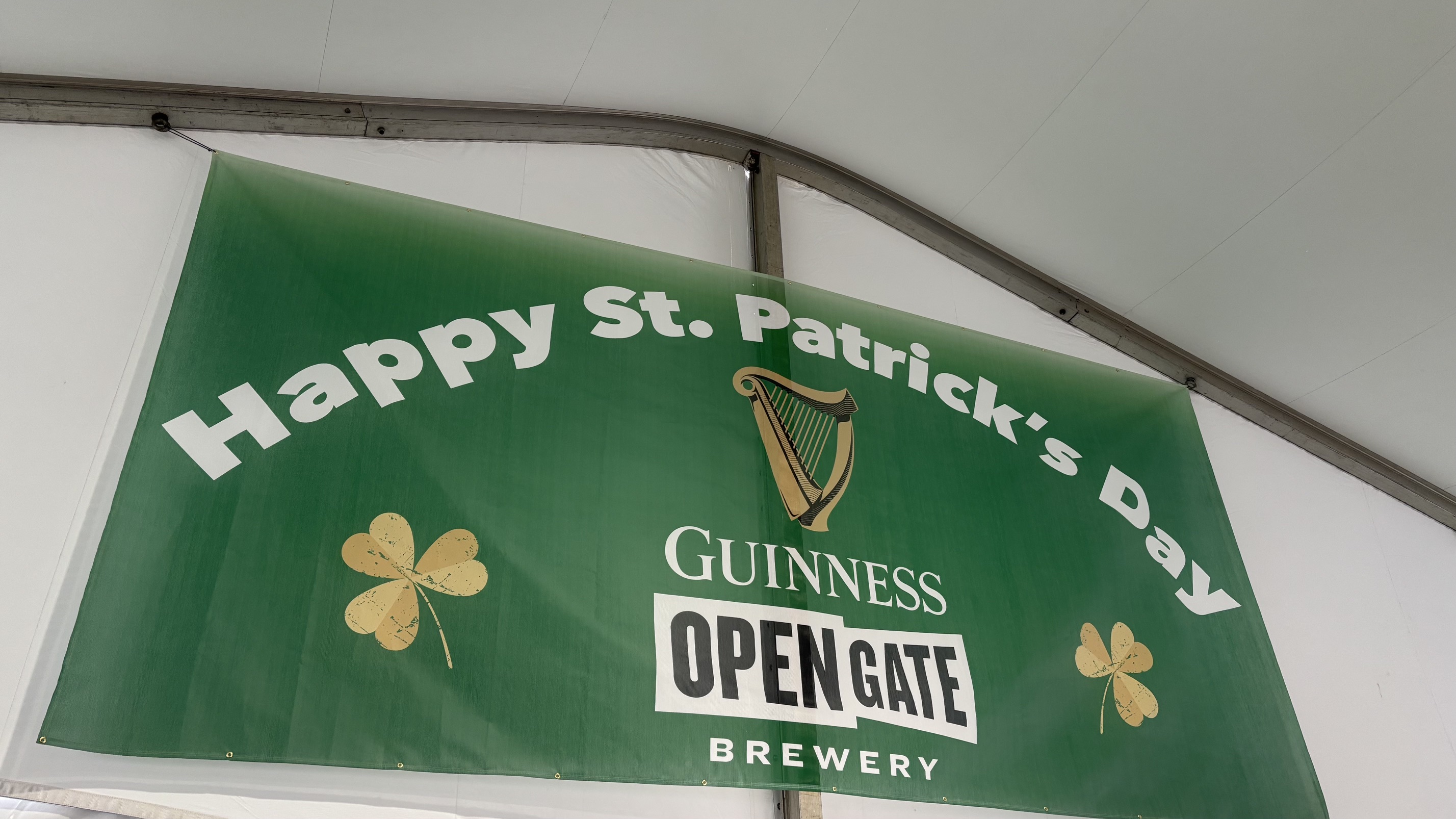
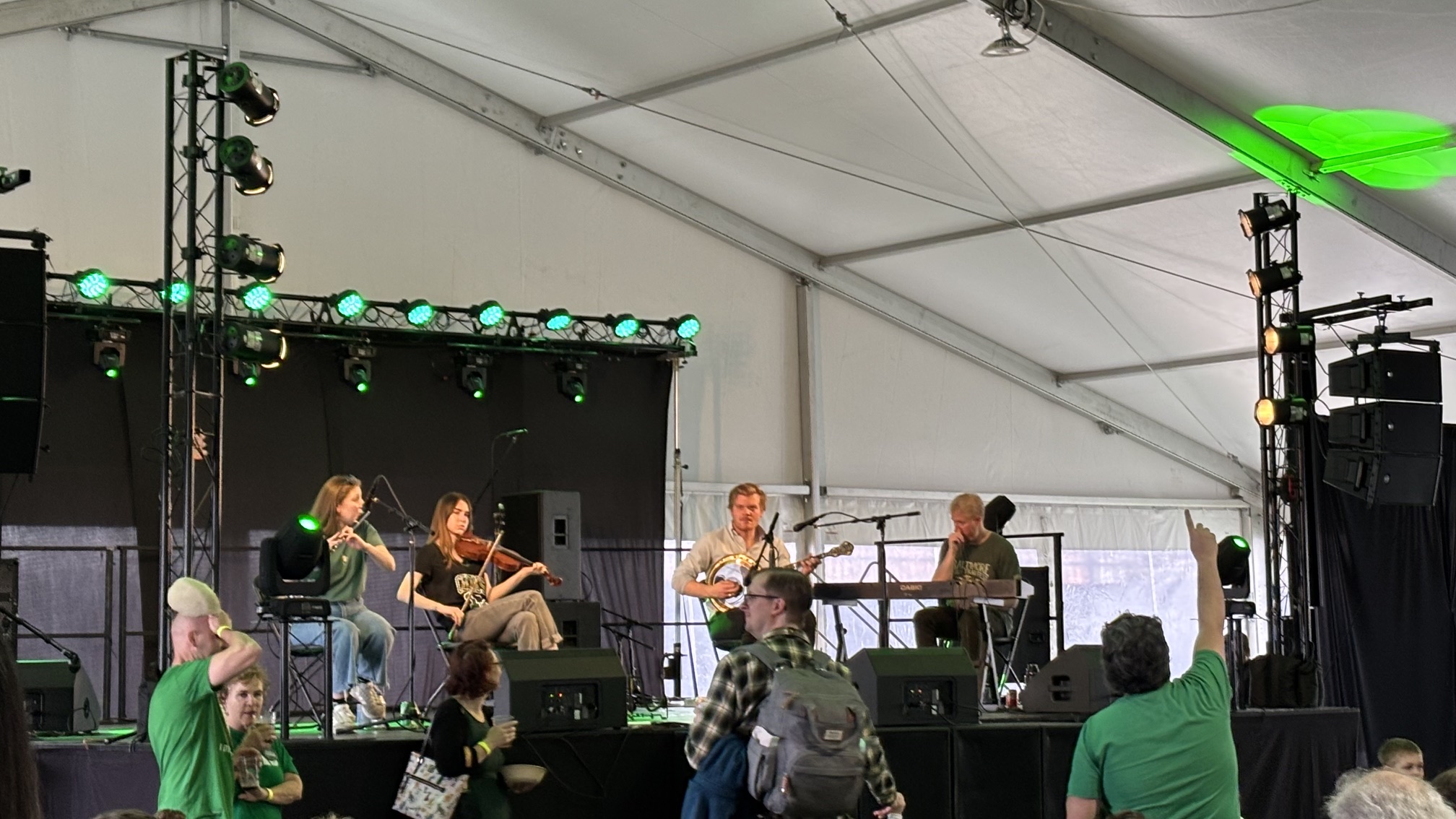
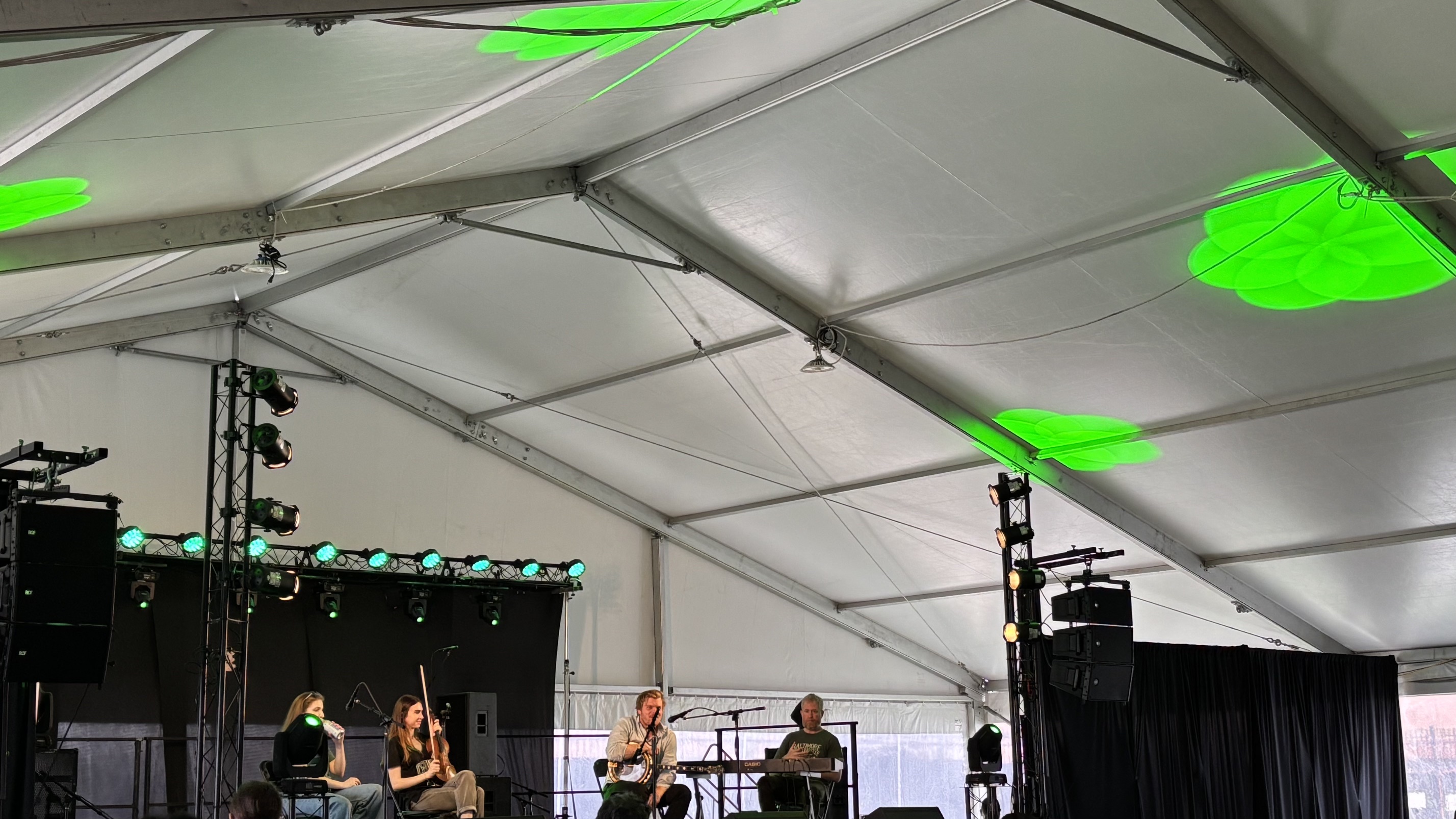
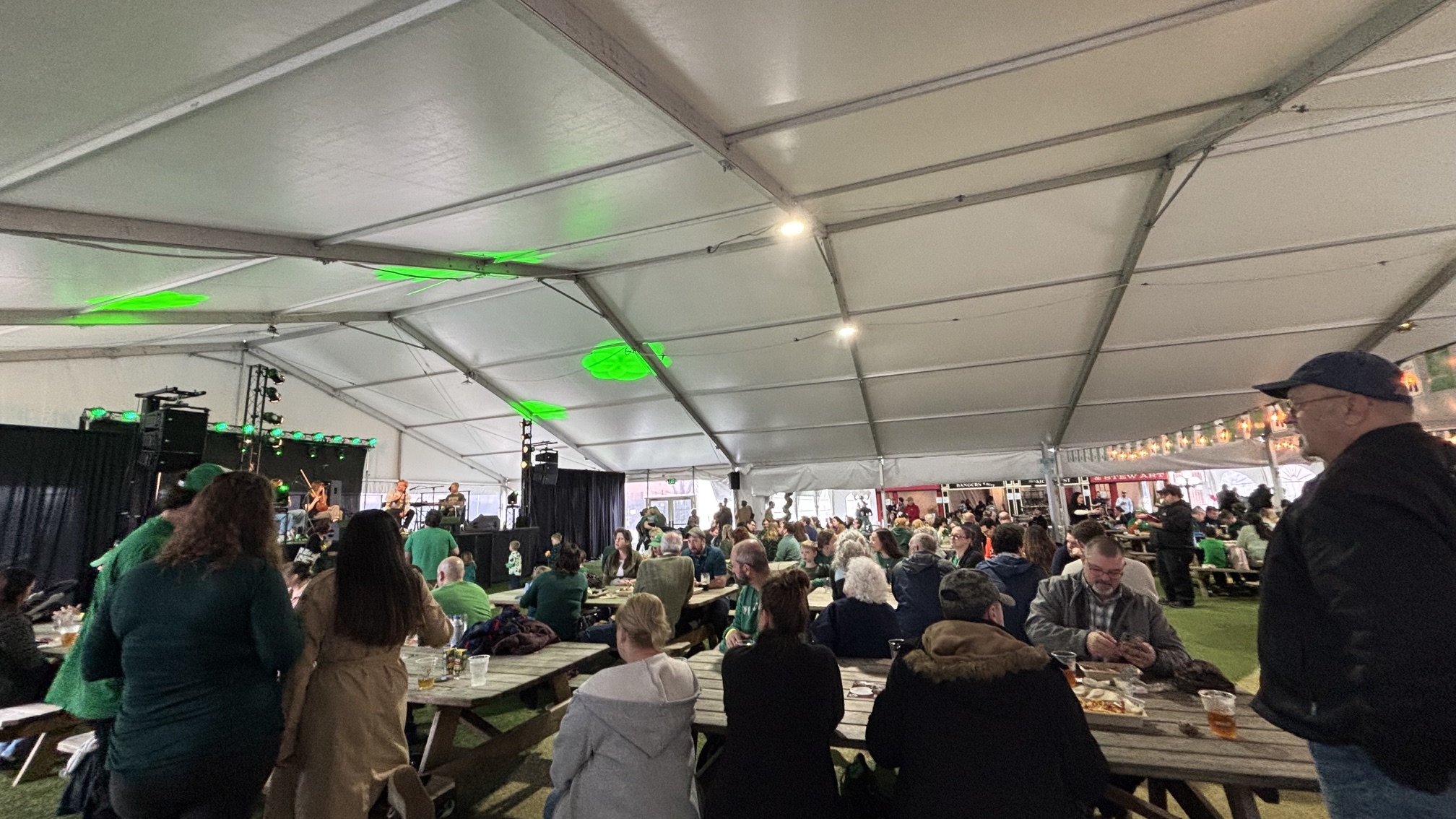
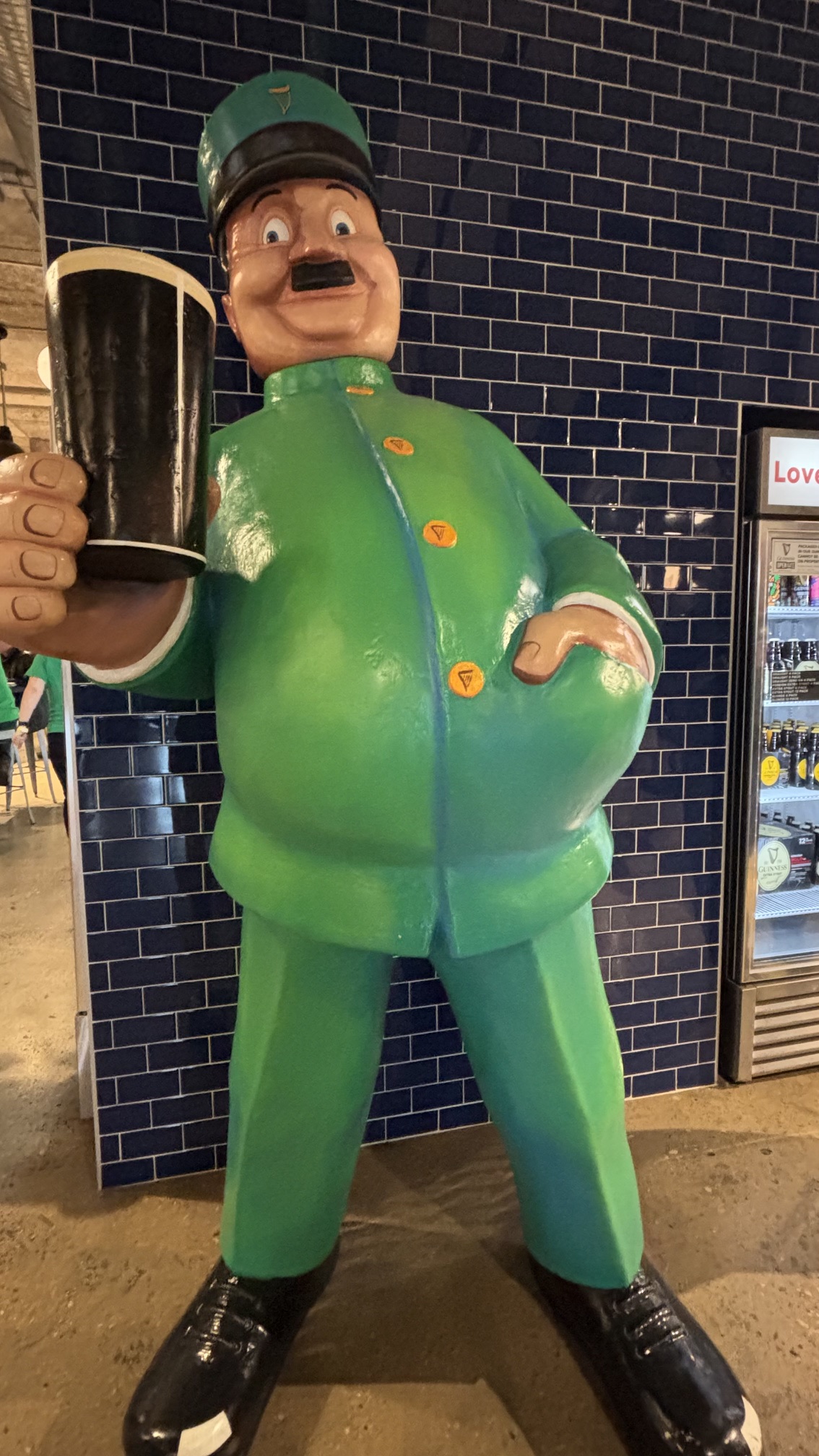
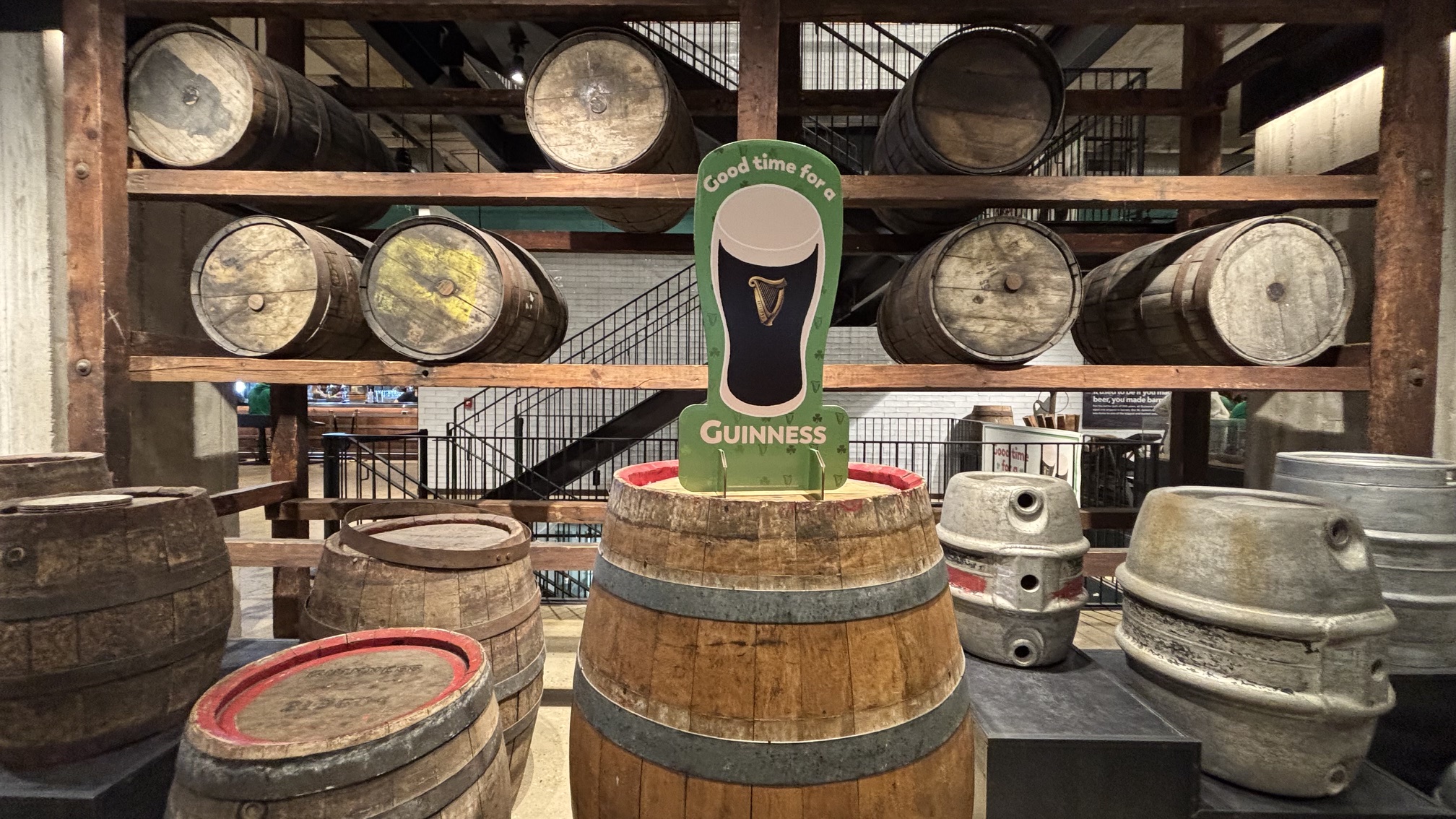
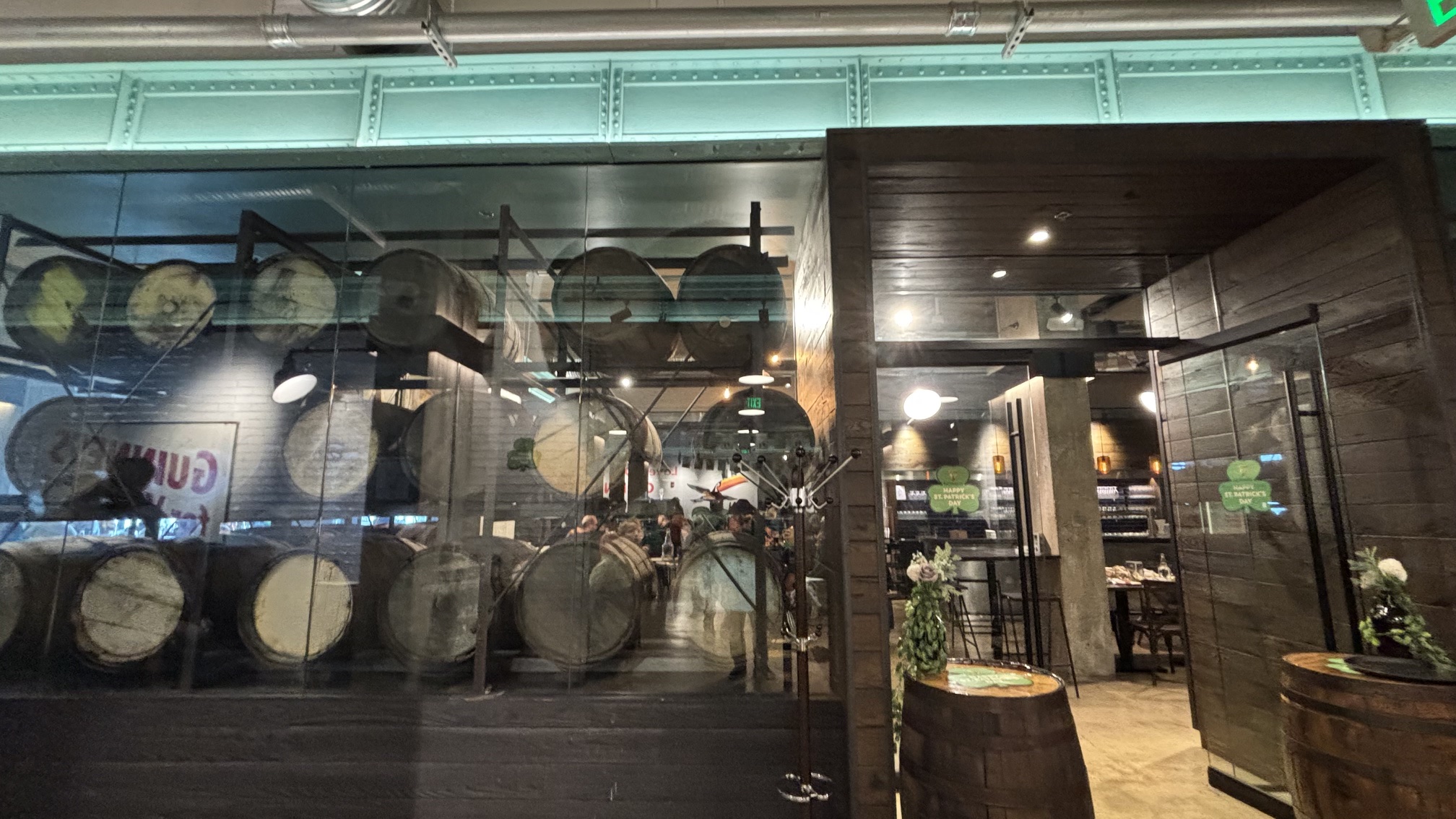
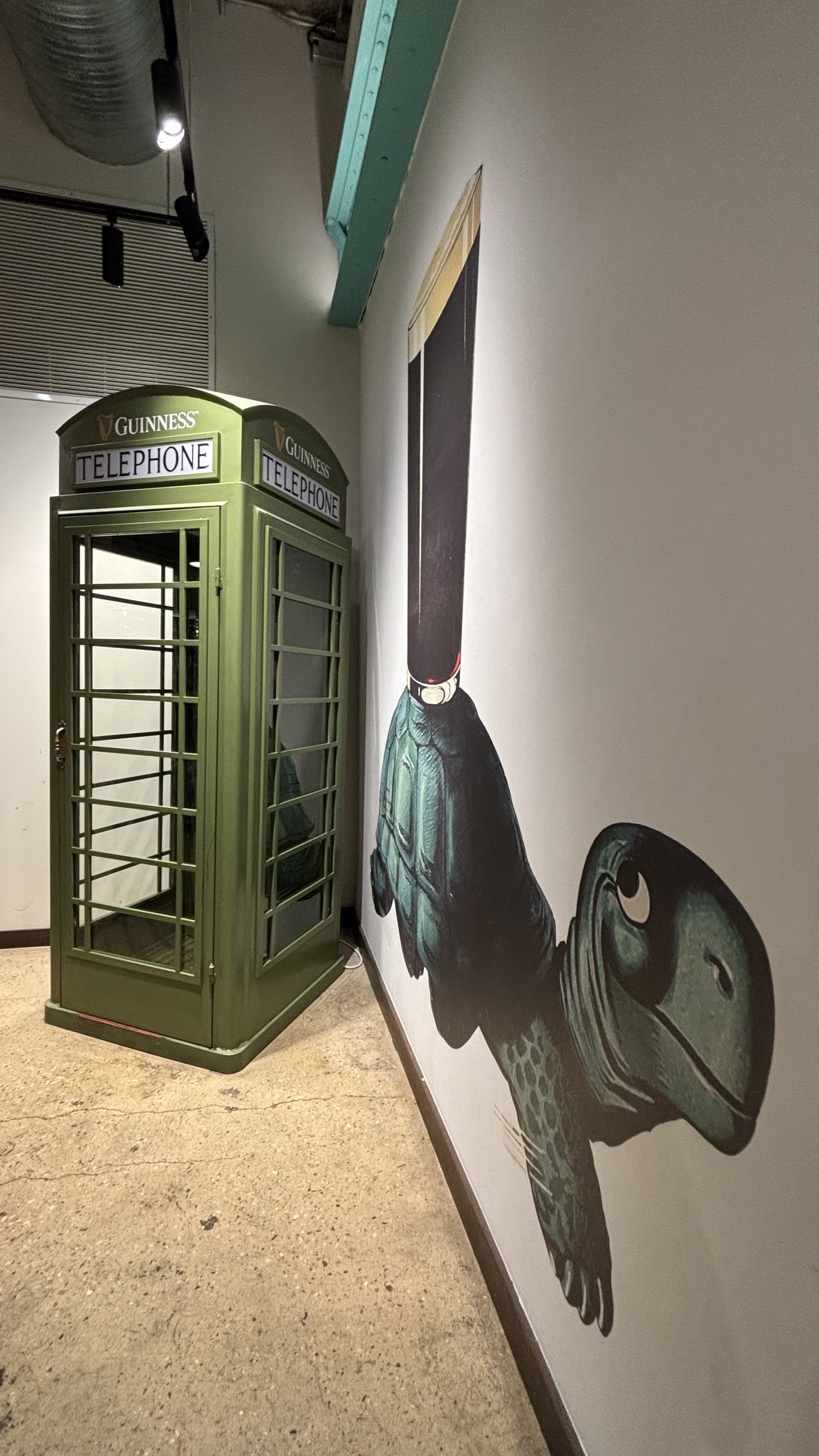
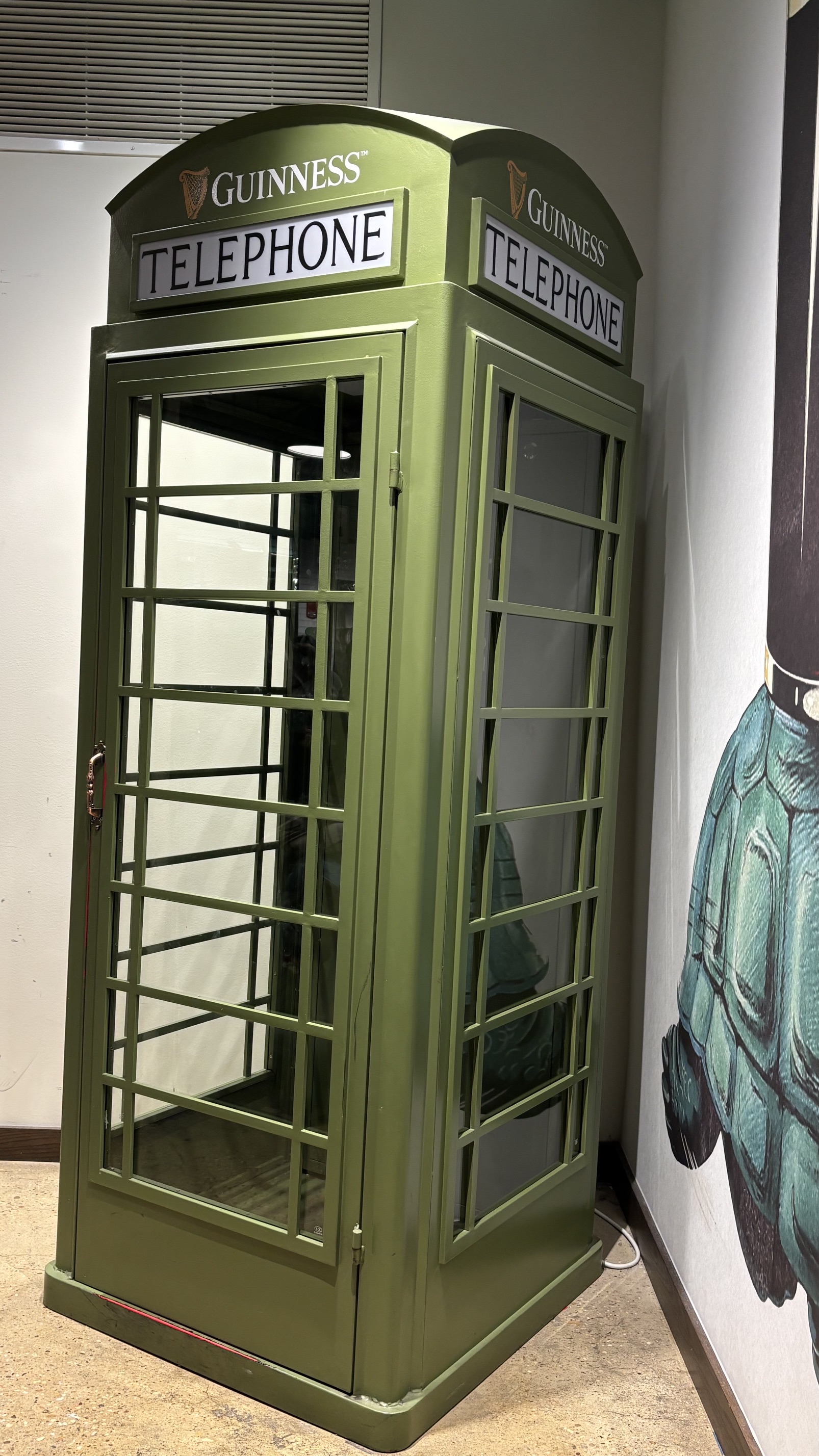
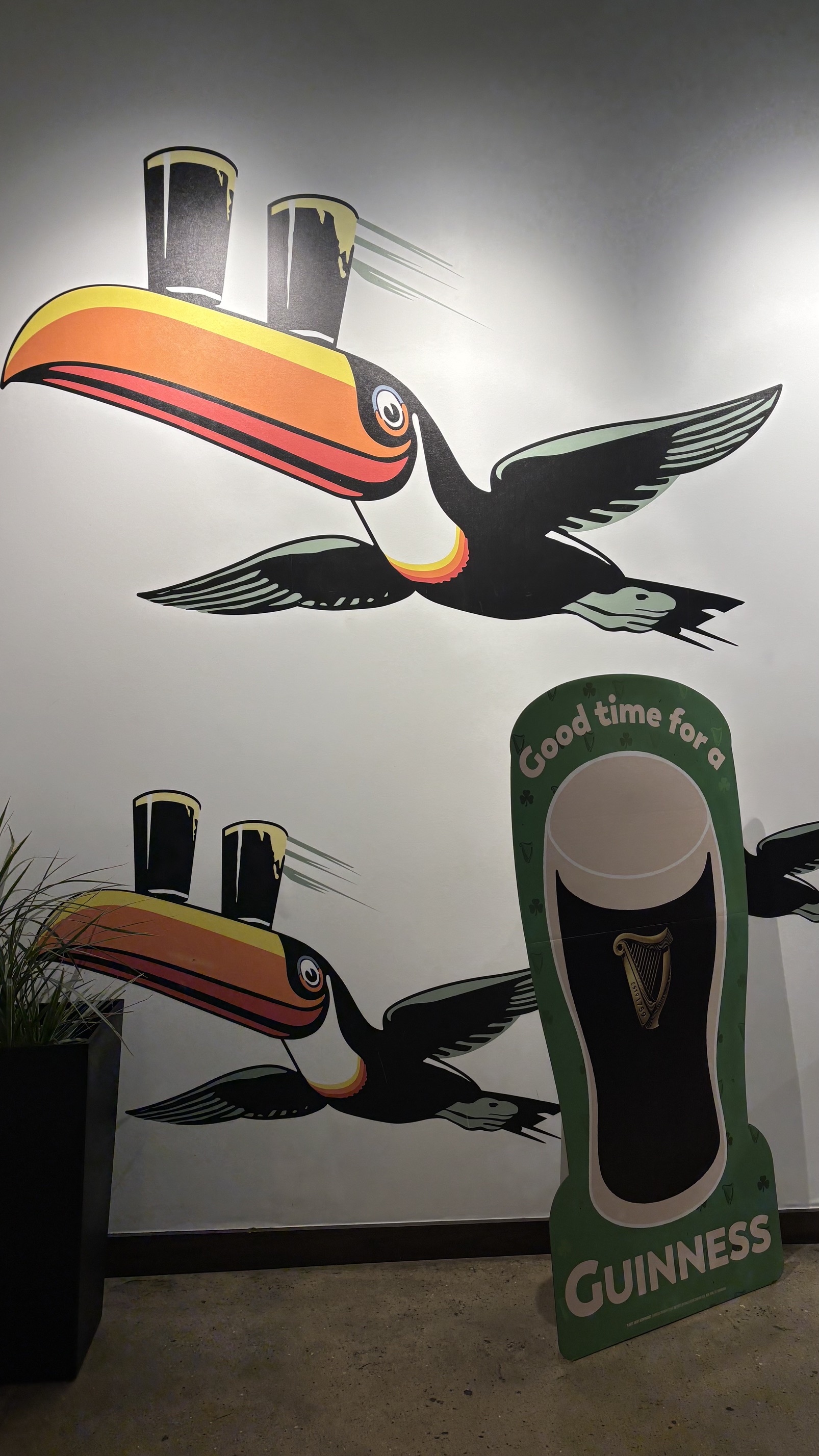
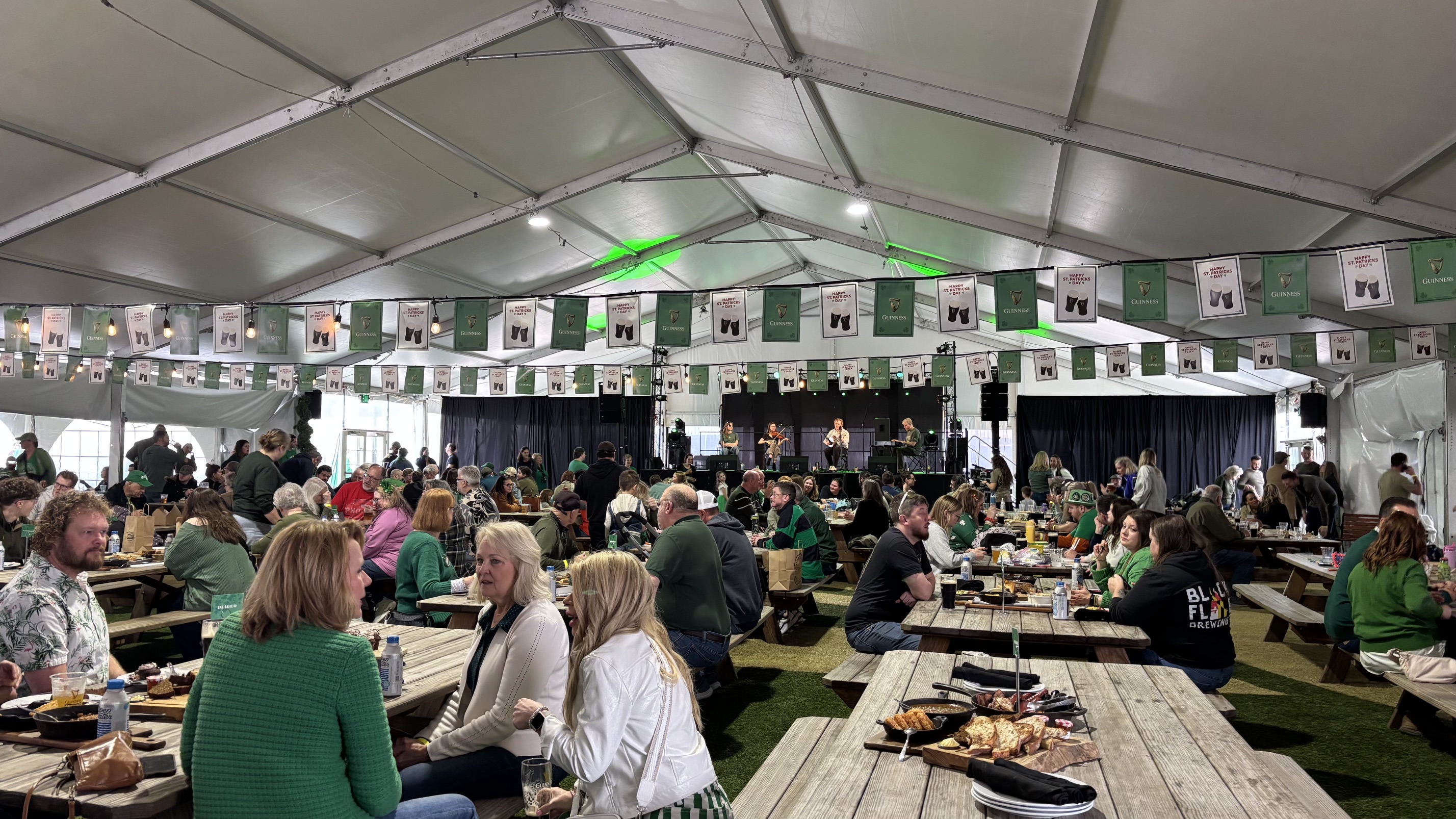
Saint Patrick’s Day at Guinness Open Gate Brewery in Maryland

“Celebrate Saint Patrick’s Day at Guinness Open Gate Brewery in Halethorpe, Maryland, USA through a photoblog capturing Irish spirit, festive moments, and memorable pints.”

Camera: iPhone 15

Locations: Guinness Open Gate Brewery; Halethorpe, Maryland

When You Can, Leave The Phone At Home

“However, the result of that ease and efficiency given to us by the modern phone is also a curse where we are never out of reach or always expected to be ‘on’. Constant availability, being addicted to notifications that come up, and having our attention span scattered causes us to sometimes lose sight of what’s important to focus on.”

Having your phone on you all the time, like many of us do these days, seems like both a blessing and a curse. It’s easier now than ever to do everything you could want from your phone whether it’s call friends or family, order groceries or items for your home, answer work or personal emails and texts, or just play Candy Crush and other games. That is a blessing in the sense that you can get a lot more done with one mobile phone now in a few minutes that it used to take a day or more to do with different means.

However, the result of that ease and efficiency given to us by the modern phone is also a curse where we are never out of reach or always expected to be ‘on’. Constant availability, being addicted to notifications that come up, and having our attention span scattered causes us to sometimes lose sight of what’s important to focus on.

This kind of constant dependence that we have on our phones in 2026 became apparent to me during a recent live comedy show featuring Jerry Seinfeld. Each guest was asked to voluntarily have their phone metaphorically locked away or at least stored in a plastic Yondr pouch that you can’t open without someone else helping you with the magnetic lock opener. You can still take your phone with you, but you don’t get the magnetic lock opener, and it’s stored in a pouch that you can either carry or put around your neck. Comedians obviously don’t want their live act or ‘bits’ to be recorded and spread around for free on YouTube or another platform and so it is a phone-free zone for at least 1-2 hours.

Since there is only so much observational comedy that Jerry Seinfeld can do without repeating his act repeatedly, the phone-free zone is key, so he doesn’t have any leaks of his new and older materials to audiences who don’t appreciate his legendary style of humor. Similar to live comedy shows, more places are becoming phone-free zones like certain bars, restaurants, and even nightclubs. This idea seems to have gained traction in the last year or two but especially now in 2026 as people are beginning to realize just how much we check out phones each day and how it takes away from our ability to do much else.

Why practice guitar when you can doomscroll your phone? Why buy a book when you can just use Audible? Why go to the grocery store when you can just order through DoorDash? The phone just seems to be crowding out everything else in modern life and I, for one, am glad that there’s some push back. While comedians like Seinfeld are just looking to preserve the act, putting the phone away for an hour or two really helps preserve one’s piece of mind as a side effect. You feel lighter once that attendant snaps your Yondr pouch shut with no means for you to get it open.

While many people succumbed to leave Jerry Seinfeld’s recent comedy show I was at to go out into the lobby to check their phone and satiate the burning desire to stare at the glowing screen of temptation, I felt much relieved instead. Leaving your phone off, in a pouch, or just at home is a real weight off your proverbial shoulders and I think this trend is only going to get more popular in the future. When you consider some schools banning phones in the classroom and certain restrictions at the office about which applications your phone can access, there is a balance that needs to be struck in terms of reachability vs. anonymity.
I believe it’s healthy to take a break from being with your phone all the time. You should leave it in the other room when you sleep, turn it off when you are with friends or family, and leave it at home when you go for a hike, walk, or run. I guarantee you’ll feel better instantly though the withdrawal can hit hard like it did for my fellow Seinfeld fans at the comedy show. You start to make eye contact with people, be more outwardly social and engaging, and feel better about the world when you see it through your eyes instead of through your screen.

Despite being more connected than ever, we are still more isolated from each other as ever before. The phone is to blame for both these factors but while the phone can never go away completely or should never suck up all our attention, we should be more conscientious of where and when to use the phone. If there’s a phone-free zone or event, leave it at home and I’m sure you won’t miss it. If there’s an emergency that comes up, I’m sure there will be ways for you to get in touch with the outside world without your phone too. It doesn’t have to be a long time away from the phone but putting it away or leaving it home for at least 1-2 hours a day is a healthy balance.

Throughout 99% of recorded human history, we did just fine in not having a mobile device on us 24 / 7 years ago and I think we were much less anxious and maybe even happier because of that. We will never go back to the pre-mobile phone days, but we can work to reduce the bandwidth that it takes up in our lives every day. Use your best judgment, enjoy some phone-free events that pop up, and remember you did fine without a mobile device earlier in life and you’ll be fine without it for a few hours if you decide to leave it at home or in a Yondr pouch.