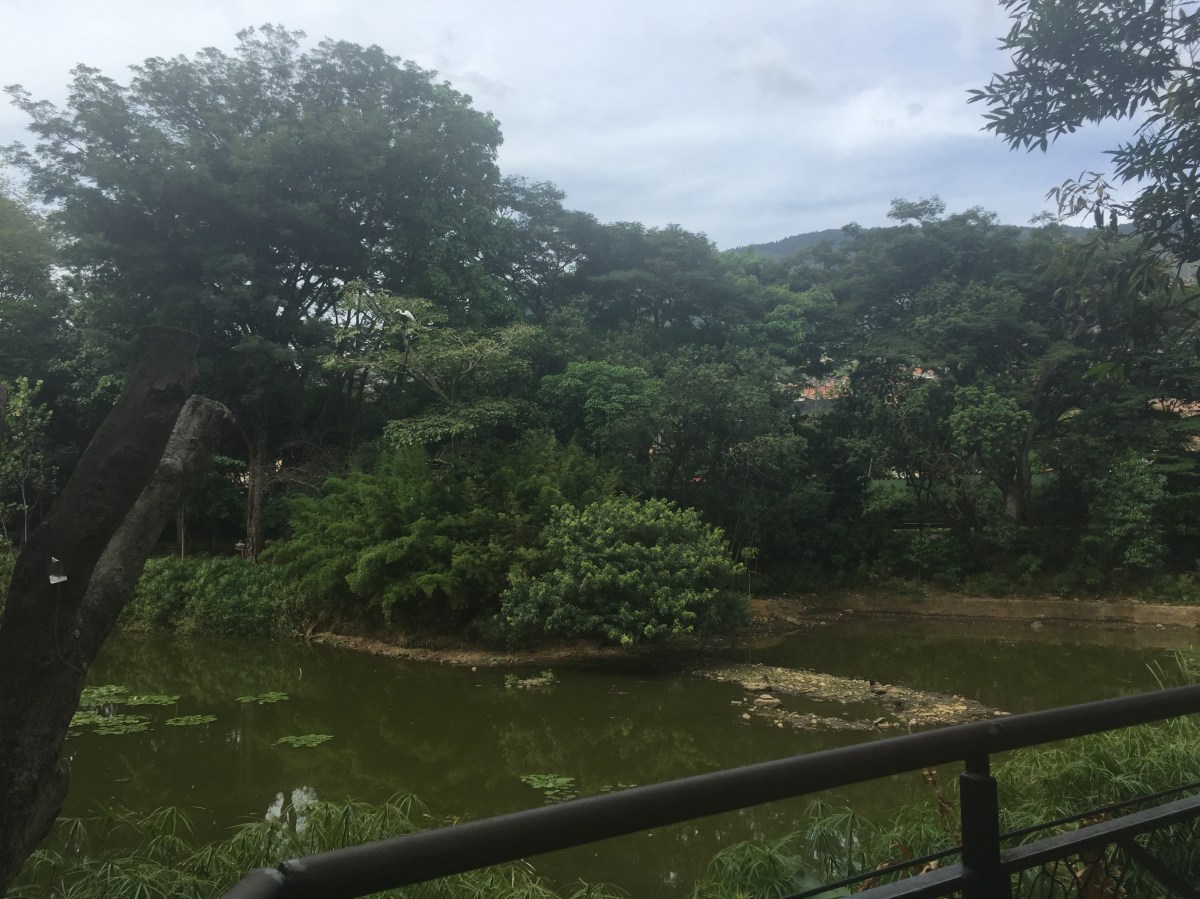
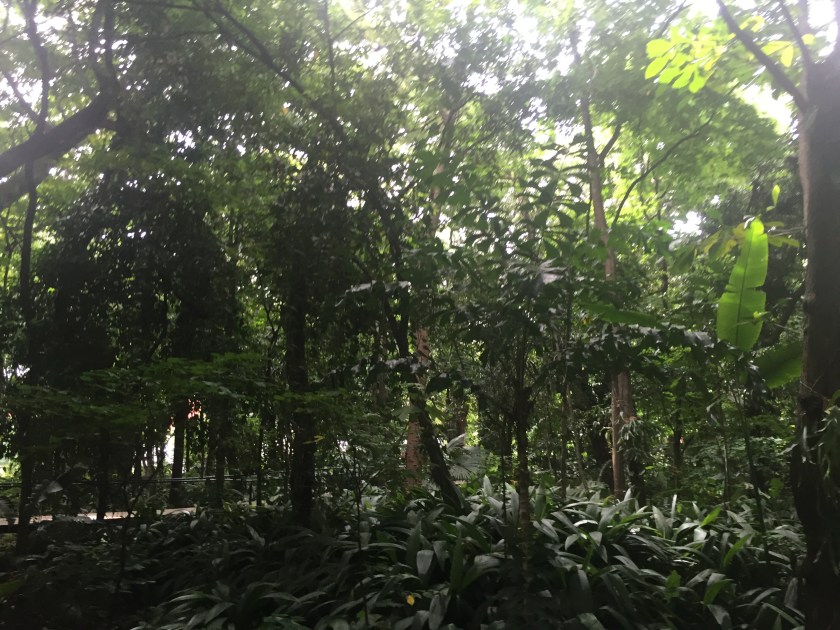
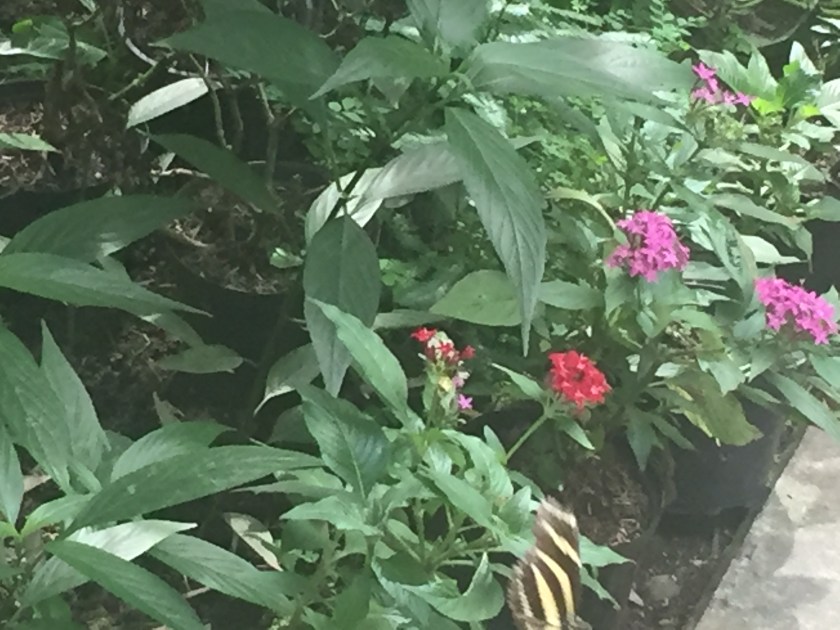
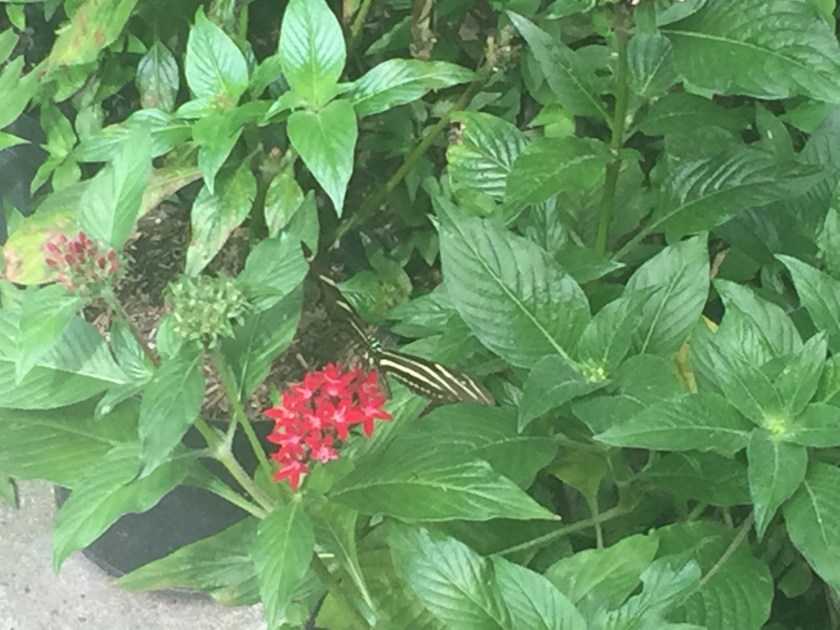
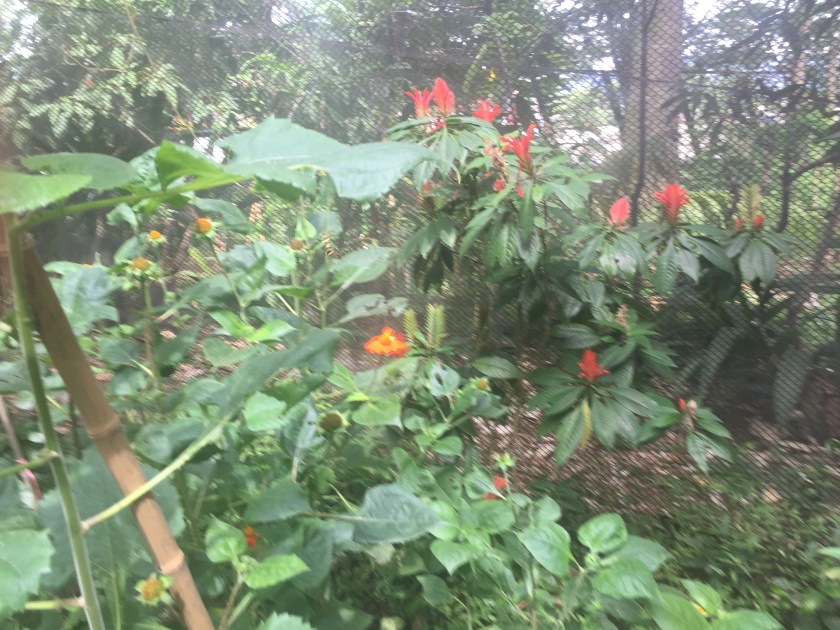
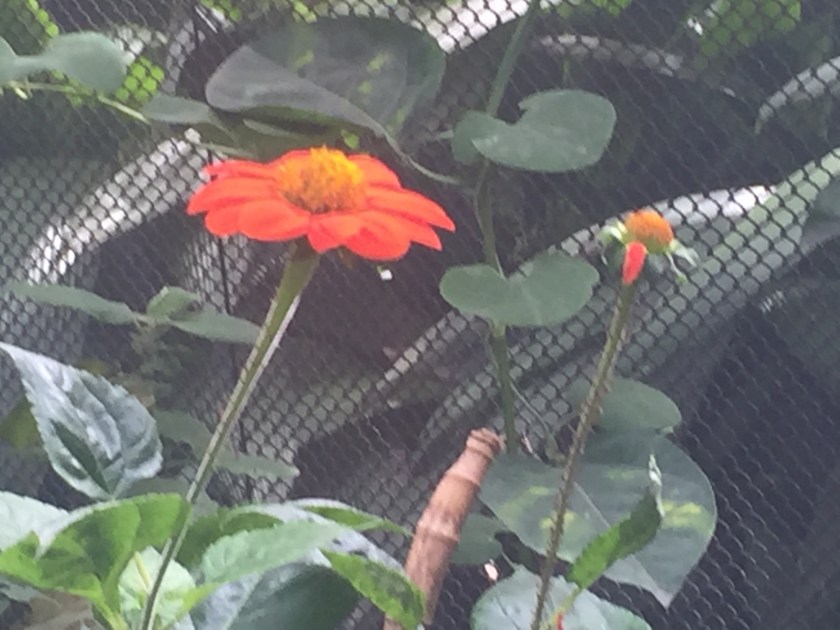
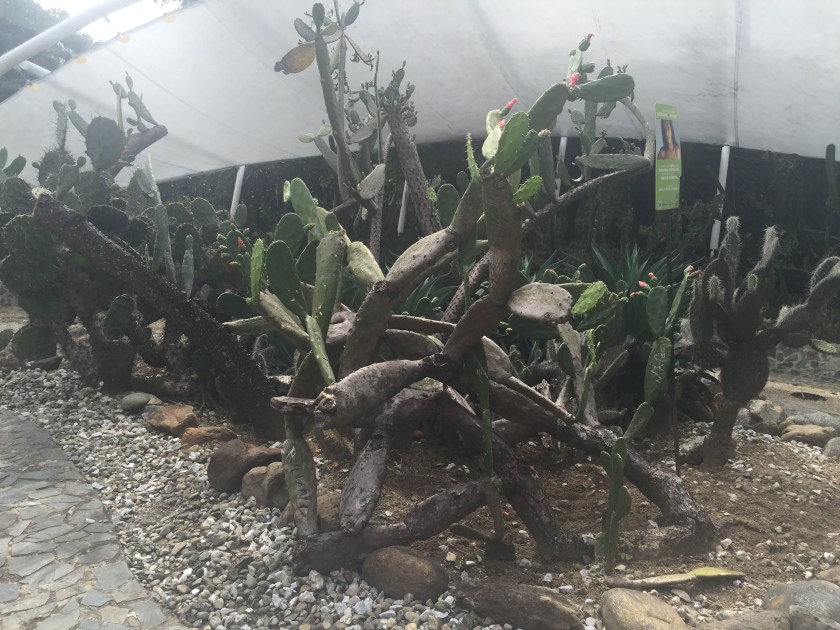
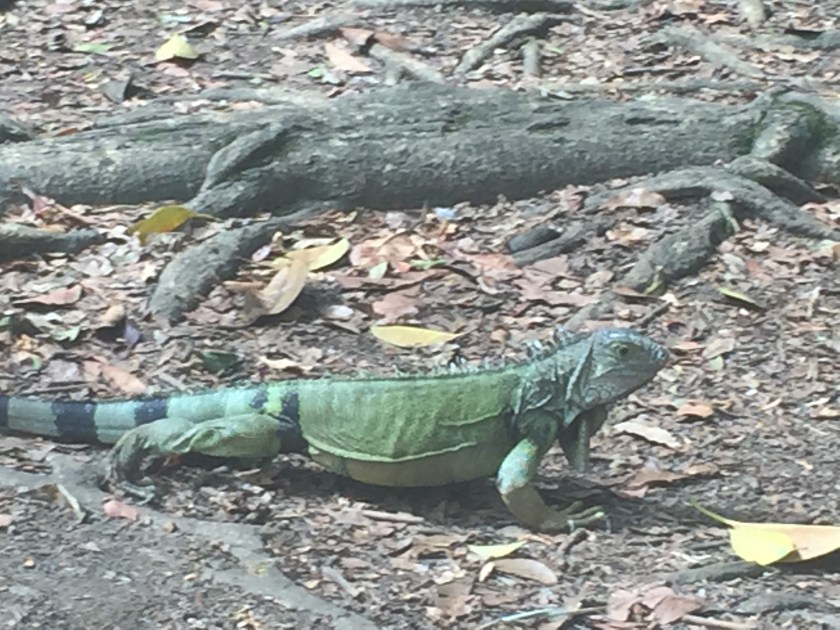
Botanical Garden

IMG_0761

IMG_0762

IMG_0763

IMG_0764

IMG_0765

IMG_0767

IMG_0769

IMG_0770

IMG_0771

IMG_0772IMG_0773

IMG_0775

IMG_0777

IMG_0779

IMG_0781

CameraiPhone 6 

Location: Medellin, Colombia

Book Recommendations – Volume III

After a five-month break, I’m back with another edition of “Book Recommendations.” I’ve had some free time on my hands lately which has allowed me to read these really great books. I would like to share my latest selections with my visitors and hope that you will check these books out for yourself.

Note: I have also posted the links to these books so you can check them out on Amazon.com. You simply need to click on the books’ images below in order to be re-directed to the Amazon page of the book itself. Enjoy.

1.) And Then All Hell Broke Loose: Two Decades In The Middle East by Richard Engel, Chief Foreign Correspondent for NBC News

As someone who has studied the Middle East region extensively in college and has made a few trips to the region (Turkey, Israel, Jordan), I continue to enjoy learning about this tumultuous part of the world despite its rough past and present.

This book by Richard Engel is excellent because it comes from someone who understands the complexities and historical background of the region. He is also a great correspondent and storyteller who weaves his own history of working in the Middle East alongside the tumultuous events over the past two decades, which have fundamentally transformed the region.

Mr. Engel has been a foreign correspondent in the Middle East for over twenty years now. In this book, he clearly displays his vast knowledge of its’ history, culture, societies, and the troubles that continue to plague the region. Engel is fluent in Arabic, Italian, and Spanish. He has worked for NBC News and other major news organizations for over two decades. He re-tells his firsthand experiences and stories of starting out as a freelance journalist for the Agence France-Presse in the late 1990’s during the time of Mubarak’s Egypt. He goes on to discuss his experiences of working and living in Iraq during the collapse of Saddam’s regime and the subsequent U.S. occupation of Iraq.

In addition, Mr. Engel has also spent a lot of time covering the fall of Muammar Gaddafi in Libya and the recent civil war in Syria. Richard Engel has also endured some trauma during his career as he was captured and kidnapped by ISIS in late 2012. For the readers of his book, we get personal insight into the hellish situations he has been drawn into through his accounts of witnessing the deaths and injuries of many of his journalist colleagues over the past twenty years. This book is fundamentally a more personal story as he recounts how his 20 years of covering the Middle East had affected his marriage, his friendships, and his mental state.

What I like most about this book is that Mr. Engel gives you the historical background and the straight facts of what happened in the region and why it happened. You can tell that he was both physically and emotionally affected by the wars and insurgencies that he bravely covered for the U.S. media. More than anything else, it is a well-written account of what it means to be a journalist in a very difficult region of the world for journalists. Richard Engel doesn’t preach about what should have happened or what could have been different in terms of the politics but he simply relays his past experiences for those of us who want a more personal, firsthand account of what it is like to cover the Middle East.

2.) Kitchen Confidential: Adventures in the Cultural Underbelly by Anthony Bourdain

A world-renowned traveler, famous television show host, coolest American alive over 50 years of age. You can also add best selling-author to this list as if it wasn’t long enough. These are just a few of the titles that Mr. Bourdain has earned over the course of his life. However, most people forget that he was a very successful chef in New York City and elsewhere during the 1980’s and 1990’s. He is especially known for being the executive chef at the famed restaurant of ‘Les Halles’ in Manhattan, NY.

Due to his years in the kitchen, Kitchen Confidential is an in-depth, intriguing look into the actual process of how the food we eat in restaurants ends up on our plates. You may not feel very hungry after reading this book due to the expose on some food industry practices that could be considered unsatisfactory in terms of health regulations. I know now that I won’t ever order fish or any other seafood from a restaurant if it’s a Monday.

This book is an unfiltered look into life as a cook and Bourdain hilariously delves into stories from his past and the characters he encounters in the various kitchens he’s worked in. He discusses how he worked alongside drug dealers, degenerates, thieves, loose cannons, etc. in the kitchen but that didn’t detract from the excellent chefs that they made themselves out to be. If anything, Bourdain argues, their eccentricities and attention to details help make these people into great cooks.

Kitchen Confidential is also useful in that Bourdain gives tips and advice to his readers on how to cook and prepare food better. His advice ranges from what kind of knives are best to which simple gadgets make the most difference in having a decent kitchen to cook in. If you like his travel shows and his antics as a TV host, you will most certainly enjoy this book.

3.) Connectography: Mapping The Future of Global Civilization by Parag Khanna

The race to win the 21st century will not be a race between militaries, or of competing arms but of overall connectivity. Mr. Khanna argues that whichever country becomes the most connected to the global supply chains of trade, finance, technology, infrastructure, etc. will stand to benefit most in our current globalized world. A geopolitical strategist, consultant, and world traveler, Mr. Khanna displays his in-depth knowledge of international affairs and geopolitics from his past travels and from his extensive research.

From Ukraine to the UAE and from China to Nigeria, Mr. Khanna details how national borders are no match for the global supply chains that are increasingly emerging. Physical boundaries of geography are becoming less important than the priorities of developing high-speed rail lines, building intercontinental pipelines, expanding the World Wide Web, along with increasing energy outputs and resource trading among many different nations.

While some prominent figures in politics are advocating for resurgent nationalism and wall-building, Mr. Khanna understands that this perspective is detrimental in a world which is becoming more fundamentally connected. In the 21st century, countries and continents need each other now more than ever. With ten trillion dollars and growing being spent per year on infrastructure, transportation, energy, and communications, this trend is likely to continue unabated.

Among the notable ideas in this great book that Mr. Khanna highlights are the emerging North American Union with related maps in the book showing how the United States, Canada, and Mexico are becoming more interdependent. China is also connecting itself to many of its neighbors in Eurasia through gas, oil pipelines and freight rail networks.

In Connectography, Mr. Khanna gives us an in-depth perspective on the world’s growing interdependence and how its’ affecting our everyday lives. While there are numerous challenges to this worldwide trend, which are also highlighted in the book, Mr. Khanna strikes on a final note of optimism. Even with the difficulties and struggles of climate change, terrorism, civil wars, etc., only a more inclusive, connected global society can meet these challenges head on and succeed together.


Interconnected

interconnected
“Will humanity become more or less interconnected during the 21st century?”

When the 21st Century is over and becomes apart of the history books, it will be known as the first truly interconnected, interdependent, and entangled era of human history. Compared to past eras, borders are more open, long-distance travel is common place due to modern aviation, and global commerce is more free than it ever has been. Globalization as a phenomenon has been made possible not just through open borders and advances in aviation but also due to the wonders of the Internet.

While many human beings can not physically cross borders or take modes of transport to other countries, the Internet has helped to minimize that gap of connection by allowing people from around the world to connect virtually at an increasing frequency. As the technology continues to improve and advance, the Internet has made our planet interconnected on a scale once considered unthinkable a generation ago.

I woke up one morning in New York, had my breakfast and juice, and then was able to log-in to Skype and chat with my good friend who is living in Beirut, Lebanon about his work there and how he has adjusted to living in the Mediterranean metropolis. After that, I sat down to have lunch and finished some homework for a 1:30 PM Spanish lesson with my teacher who is originally from Mexico but currently lives in Italy. Somehow, we were able to make the six-hour time difference work between me in New York and her in Italy. Before the day was over, I had two more Skype and Google Hangout based English lessons with my students from countries like Saudi Arabia and South Korea. Satisfied with my day of both teaching and learning, I settled the rest of my affairs and went down to the kitchen to prepare my dinner for the evening.

None of these lessons or exchanges of information would be possible between persons of different countries and backgrounds without the invention of the Internet. Too often, the average person either takes for granted the capabilities that allow us to stay connected on a worldwide scale or doesn’t take advantage of using this technology to bolster their abilities personally or professionally.

Professionally, as an ESL teacher, the fact that I have been able to use the Internet and web applications such as Skype, Google+, etc. to connect with numerous students from around the world virtually has been a real treat for me. Sometimes, my students with whom I’m working with online do not have the means or ability to work with a native English speaker / teacher in person in their own city or country. Those of us language teachers who commit time out of our lives to help others learn our native languages should be commended for making this a possibility. It is truly enjoyable for me to work with those students online from different countries who will share with me interesting tidbits about their cultures and societies.

Personally, I have been able to stay in touch and meet up again with friends of mine from different regions of the world thanks to staying connected through social media websites like Facebook, CouchSurfing, Twitter, etc. The Internet has allowed me to stay connected with international friends, both new and old, thanks to the rise of social media and its applications. It is funny to think that only fifty to hundred years ago, or even before the advent of the Internet, twenty years ago, the best that you could do is send a handwritten letter by mail or make an expensive call to any location overseas. Now, such communication to an international location is often very cheap or even free of charge depending on which application you decide to use.

While the advent of globalization has its positives and negatives, which are often debated and discussed endlessly, I believe that one net positive from globalization has been how the Internet and the “world wide web” has made humanity interconnected. This one trend of “Interconnectedness” for the 21st century is one that isn’t going to reverse course anytime soon and is going to be hard pressed to find itself limited in total amount of users or overall global popularity.

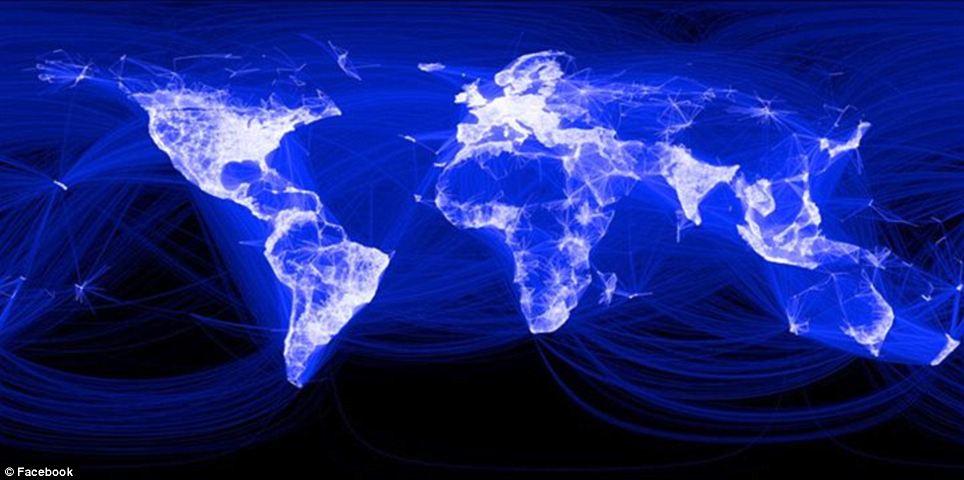
According to the World Bank’s recent report titled “World Development Report 2016: Digital Dividends”, the number of people worldwide who have access to the Internet has tripled from about 1 billion people in 2006 to about 3.5 billion people in 2016. This recent development is an extraordinary occurrence. This means that over 40% of humanity now has some type of access to the Internet which has become increasingly possible due to rise of mobile technology and the spread of 3G and 4G cellular networks.

As more and more people connect to digital markets of e-commerce, become new entrepreneurs and start to create their own small businesses, this will also allow more students to connect and learn with me here in New York and other teachers around the world to learn English or another foreign language. The possibilities of eventually having everyone connected to the Internet would be truly endless. It could lift millions more people out of poverty and create new economic opportunities where there were none before.

Some of the big questions to be answered in the coming decades is how do we as a global community work together to connect the remaining 60% of humanity to the Internet? How do we work together as governments, NGOs, and individuals to give people the means virtually to benefit economically and personally from the advent of the Internet? These are not easy questions to answer let alone solve. However, if humanity is to continue advancing and developing into the future, we must continue to become more interconnected to each other. That is a fundamental truth of the 21st century for which we all must be aware of.

Sources:

1.)  http://www.theguardian.com/technology/2016/jan/13/internet-not-conquered-digital-divide-rich-poor-world-bank-report

2.) http://www.worldbank.org/en/publication/wdr2016

Colombian Fruits and Juices

paloquemao-bogota-colombia-fruit
“So many choices to choose from, so little time.”

One of the joys of living here in Colombia is the diverse and plentiful selection of fruits to choose from. The choices are quite abundant and it is an integral part of the culture to imbibe in a cold and tasty fruit juice at the end of a long day.

As I mentioned before in my blog post titled, ‘The Heat Is On’, one of the best ways to deal with the heat and humidity is to cool down with a delicious fruit juice. It is also much healthier and refreshing than having soda or coffee instead. Over the past two months, I have done a great job of sampling the different choices of fruit juices and which ones I have a preference for. I’ve listed below the common fruit juices available here on the Atlantic coast and have also highlighted my personal favorites. The one juice that I have not tried thus far is the ‘Zanahoria’ or Carrot juice but I’m willing to give it a shot during the rest of my time here.

I hope that for those of you who plan on traveling to Colombia in the future will consider this ‘fruit juice’ list as a helpful guide to you. It can be a very hard choice to make when you’re at the ‘Fruteria’ and there are ten choices available but you’re not sure which one will be most refreshing.

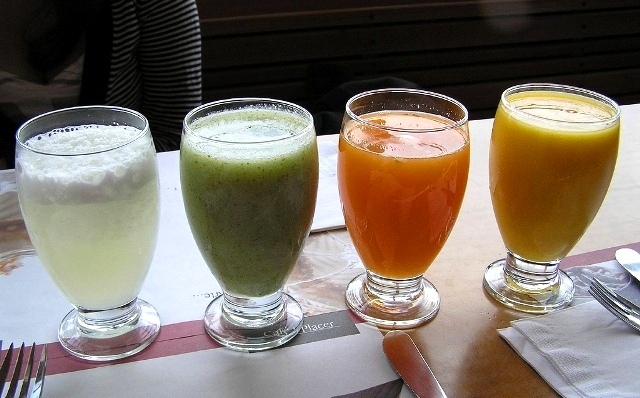
Honestly, you can’t go wrong with any of the choices detailed below. Colombian fruit juices are freshly blended together rather than squeezed as is the case in the U.S. and elsewhere. In addition, the fruits are mixed with water or milk (smoothies) and topped off with a little bit of sugar. What results is a very fresh and tasty drink to keep you cool during those hot days and humid nights. The Colombian people take their fruit juices seriously and so do I.

  • Lulo: Orange on the outside with green and yellow pulp on the inside, Lulo has a citrus flavor that is very sour to eat. However, jugo de lulo, mixed with some sugar, is perhaps the most popular juice here on the Atlantic coast. Also known as Naranjilla in other parts of Latin America, the fruit is related to the tomatillo and some people would describe its flavor as somewhere between green apple, and lime. It’s up there with being one of my favorite juices here.
  • Guanabana: Another one of Colombia’s most popular fruit juices. Its’ thorny green skin is filled with white filling and black seeds, similar in appearance to the fruit known as the cherimoya. Its juice has a creamy flavor with hints of strawberry and pineapple, and goes well with water, milk, and sugar.
  • Tomate de Arbol: The ‘tomato of the tree’ in English is an egg-shaped fruit with a yellow filling that is distinct from the typical red tomato that you would find in the supermarket. It has one of the most unique flavors I’ve ever tasted, and is similar to a mix of passion fruit and tomato, and supposedly has many health benefits. I enjoy its unique flavor and its refreshing qualities.
  • Granadilla: This fruit is a close relative of the well-known passion fruit. On the outside, it looks like a small orange or mandarina, but when it is cracked open, it contains a gelatinous pulp filled with black seeds. The flavor is similar to that of the passion fruit, but sweeter, and the seeds are easily disposable by spitting them out amidst the delicious juices. When turned into a fruit juice, it’s pulpy yet satisfying on a hot and humid day.
  • Mamoncillo: On the outside, this fruit looks like a lime, but when cracked open, it reveals a pinky-orange flesh similar to that of a lychee. The flavor is a mix of the tartness of a lime with the mild sweetness of the lychee. When blended into a juice, it looks like an iced tea and has a light orange/beige color.
  • Maracuya: Another part of the passion fruit family along with the Granadilla. It has an oval-shape, can look a bit wrinkly, and makes for a delicious juice or ice cream flavor as well. Maracuya is a great source of Vitamin C and is also known to be a natural sedative too. It also is known to aid digestion of food in the stomach. Extremely similar to the look of orange juice, Maracuya has a yellow-orange color when turned into a juice.
  • Gulupa: A cousin of the aforementioned Maracuya and another passion fruit. It has a dark purple skin that becomes wrinkled when it is ripe for eating or drinking. Along with Maracuya, it has plenty of Vitamin C and can help ease stress and tension in the body. When blended into a juice, it has a yellow color and looks very similar to orange juice.
  • Zapote: One of Colombia’s toughest and most durable fruits. It can grow very fast and is resistant to heavy wind and drought conditions. Zapote is full of minerals and antioxidants and can help with ailments ranging from irritable bowel syndrome to gastritis. It is very high in fiber so be careful not to eat too many as it does act as a natural laxative. Like other fruits here, it goes well with sugar and has a pink-orange color in juice/smoothie form.
  • Borojo: Known to be a ‘Love Juice’, and possessing some aphrodisiac qualities, this juice has been well-known for centuries and can act like a natural Viagra if you’re in the mood. Nutritionists have claimed that ‘Borojo’ is one of the most nutrient-rich fruits in the world can help combat malnutrition. When mixed and blended into a fruit juice, it gives off a dark to light brown color.
  • Mora: Known as ‘Blackberry’ in English, this is my favorite juice to have here in Colombia. Rich in Vitamin C, antioxidants, and nutrients, it is the most refreshing drink I’ve encountered thus far. I also enjoy the dark red color of the juice and enjoy it after a long day outside. While not an exotic fruit or drink, it gets the job done and I enjoy the simplicity yet refreshing qualities of the juice itself.

While I only listed ten fruits / fruit juices to indulge in, there are over dozens of unique fruits here in Colombia to try out. Some of the most exotic and sought-after fruits reside here in Colombia and you usually can’t find them anywhere else. A lot of the fruits I mentioned in this post have great health benefits and are packed with nutrients. Different than the apple, banana, and grape, these ‘superfruits’ can cure ailments, keep you well, and give you more energy. If you decide to ever visit Colombia, eat the fruits and try the fruit juices. I promise you won’t regret it.

Carnaval!


IMG_0055
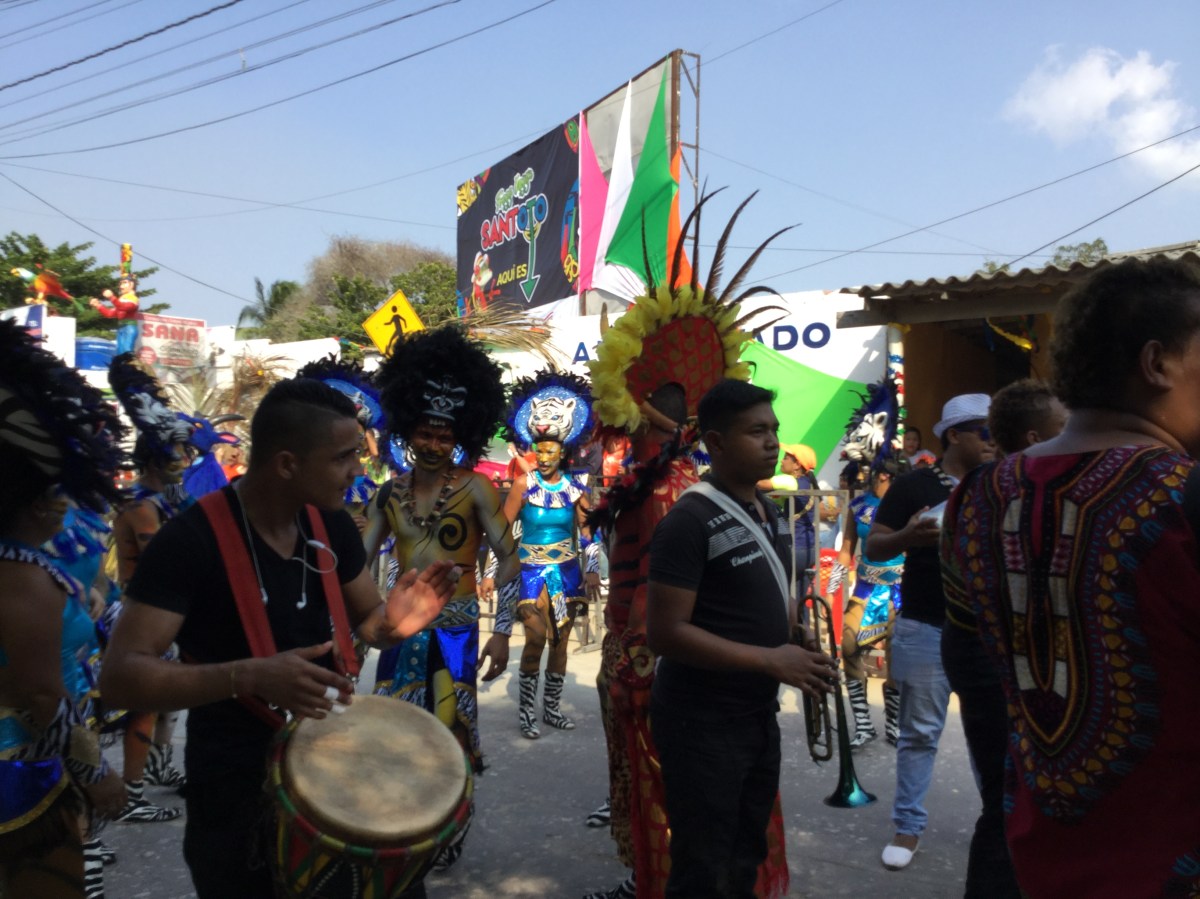
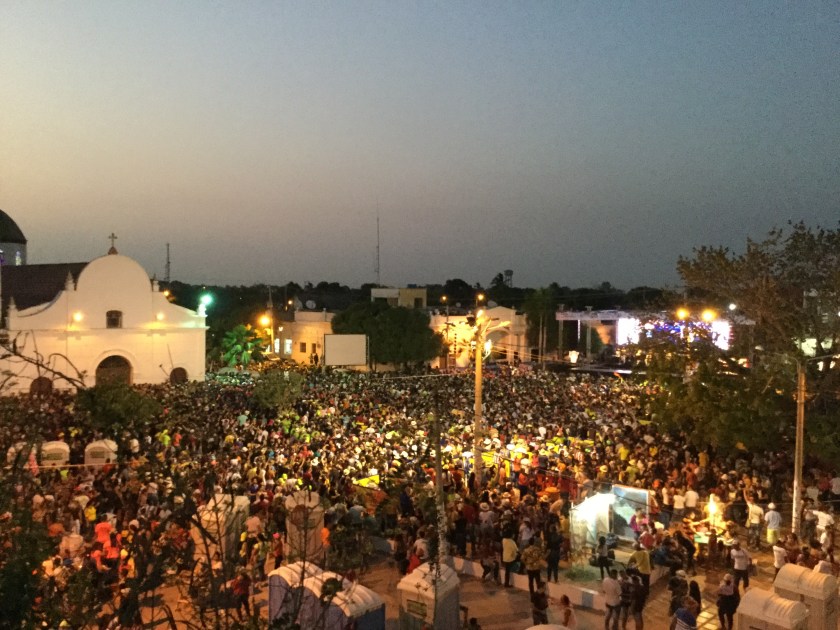
“A large crowd gathers to dance, listen to music, and enjoy the beginning of Carnaval 2016 here in Colombia.”

Carnaval Season here in Colombia has officially come and gone. Life here is starting to return to normalcy and I’m sure some of the locals are already beginning to count down to when Carnaval will be back in 2017. This was my first Carnaval ever and I can firmly say that it was some of the most fun I’ve had in a while. In addition to the festive parades and diverse costumes, there were also the live concerts, the neighborhood parties, and the street foods/drinks to add to the already festive atmosphere. Unfortunately, I was unable to make it to Barranquilla’s Carnaval this year but I still was able to enjoy myself by attending other parades, parties, and festivities in the Atlántico department.

The biggest highlight for me during the Carnaval celebrations was attending ‘La Gran Parada’ in one of the major towns located outside of Barranquilla. It was really cool to experience the parade from the seats and be able to enjoy a cold beverage and a warm snack while both the kids and adults danced, sang in their unique costumes as they came streaming down the main parade route.

Historically, Carnaval has been known as the main celebration associated with the Christian festive season that occurs before the period of Lent. There are many Carnaval festivals that happen around the world. The most famous one takes place in Rio de Janeiro, which attracts about a 1 million visitors to Brazil each year. Carnaval in Barranquilla is the 2nd largest in the world and brings in hundreds of thousands of tourists, partygoers as well. For those of us from the United States, we are more familiar with the Mardi Gras celebration and the infamous ‘Fat Tuesday’ which is also known for its size and scope of partying as well.

Before ‘Ash Wednesday’ and the beginning of Lent and the Easter season for Christians around the world, Carnaval represents a shedding of inhibitions, and an enjoyment of the pleasures in life. Some people see it as indulgent in heavy drinking, eating greasy foods, and fraternizing with the opposite sex but other people see it as a way to reconnect with their diverse culture, spending quality time with their family and friends, and enjoying a break from work and the daily grind. For my first Carnaval, I spent the festivities mainly meeting new people in my community, enjoying the company of new friends and my host family, and checking out the cool costumes and cultural dances that make up this very unique holiday.

I also had to deal with the tradition of young children and adults throwing great amounts of Maizena (corn starch) and white foam spray all over random strangers. It occurred multiple times where my clothes and my body, face would be covered with both substances during the festivities. Needless to say, I had to wash my clothes extra hard in order to get the cornstarch / spray out of my clothes and hair as best as I could. Besides getting messy, it was nice to drink a beer in public, eat some good food, watch the parade, and then reconnect with my fellow Peace Corps trainees later to celebrate together.

Carnaval was originally introduced to Colombia and Latin America from the Spaniards during the early days of the colonization hundreds of years ago. However, the celebration has evolved over hundreds of years to reflect the diversity in Colombian culture. In addition to European elements, Carnaval combines those traditions with those of the African, Amerindian indigenous cultures. It is a really interesting mix of cultures combined together and is reflected in the costumes, music, and dancing styles that are put on display in events like ‘La Gran Parada’ and ‘La Batalla de Flores.’ As for the types of music, they are various and diverse.

They include the popular Cumbia, Rumba, Vallenato, Reggaeton, Porro, Mapale, and African Congo music. Finally, it wouldn’t be Carnaval without the King and Queen of the festivities being anointed. For each town and city that is involved in the celebrations here in Carnaval, they must appoint a King and Queen to lead the main parade, to dance up a storm, and to wave to the partygoers in the stands. As far as I can tell in Colombia, being the King or Queen of Carnaval (Rey / Reina) is a huge honor and is very competitive between the young men and women vying for the title to represent their town or even the city of Barranquilla.

After experiencing my first Carnaval, it’s going to be difficult to top that kind of day party in the future. It truly was one of the best times I ever had in terms of celebrating a holiday. The only way I could top it in 2017 and beyond is if I was able to spend some free time and head to Barranquilla for the big kahuna there. I don’t know if it will be logistically possible but we’ll see what happens. If not, there’s always the biggest carnaval in Rio but that can wait until after I finish my Peace Corps service.


A Trip to Minca

IMG_0123.JPG

This past weekend, I was able to make my first road trip here in Colombia with a few fellow Peace Corps trainees. When I found out that we would be going to visit a current volunteer in the Magdalena department, a different and very unique, beautiful part of Colombia that is much different from where I have been currently living in Atlántico.

It was quite the trip for the four of us trainees, as we had to use three different modes of transportation such as cars, taxis, and buses in order to get to our final destination. However, the scenery and landscape changes that we were able to see and enjoy could not be matched. Going from the savanna/dry flatlands of Atlántico to the lush tropical mountains and hillsides of Magdalena was quite fascinating for me. It was almost as if we had transported ourselves to a different country but in fact, we were only four or so hours away from our original starting point.

This small road trip was able to put into perspective for me just how biodiverse and unique Colombia is as a nation. I have only seen a little bit of the wide range of landscapes and scenery that this country has to offer but I have been really impressed with how different it is even when just describing the Atlantic coast. Along with China and the United States, Colombia ranks as one of the most bio-diverse and naturally rich countries in the world, which is amazing considering its size compared to those two aforementioned countries. I really do hope to see as much as Colombia as I can and to be able to see how diverse and unique it really is.

Getting back to the trip, it was smooth traveling for us all even when we had to take a car halfway up the mountain to about an altitude about 1,000 meters. Our host, a current Peace Corps volunteer in Colombia was generous, gracious, and showed us around the town of Minca and all it has to offer. When you’re up in the Sierra Nevada Mountains, you can indulge in a lot of different outdoor activities.

Minca recently has become a more popular tourist hotspot with cafes, restaurants, and small hostels being filled with French, German, and other European tourists. It is difficult to conclude whether or not the locals of Minca have benefited or not from this influx of tourists who have come to see the natural sights and sounds. I would argue that this is part of a growing trend for Colombia as more and more tourists come to explore the country given that the safety and security situation has been improving.

During our short stay in Minca, we were able to meet some of the locals who have benefited from the Peace Corps’ volunteer being there to help with their English. In addition to working full-time at the school, the volunteer here gives English lessons to adults and also those business owners who would like to have a decent level of proficiency for dealing with the incoming tourists. I really admired the hard work and effort that the volunteer has put in to the community there and the close comradery, affection that the local people have for the volunteer too.

In addition, the teachers and students at the school in Minca welcomed us with open arms and allowed us to observe their lessons, answer their questions, and answer our many questions as well. I believe that it will be vitally important for myself, as a volunteer-to-be is to establish a productive and successful working relationship with my Colombian counter-part. It’s also important to really get to know all of the students in the school on some level and be able to interact with them, which should help when it comes to classroom learning.

We were truly lucky to spend a day with a current Peace Corps volunteer and to observe them at work and at home to see what kind of life may await us for our two years of service. Minca is a really peaceful, unique town nestled in the Sierra Nevada Mountains. The beautiful vistas, and the cascading waterfalls will stay in my memory for a long time.

Even if my site placement puts me far from that type of location and environment, I definitely hope to be able to visit the Magdalena department of Colombia soon again. If for anything else for the fact that I really enjoy hiking up the mountains, breaking into a sweat, and then cooling off by diving into the cool, refreshing waters of the many waterfalls to be found there. Stay tuned for more road trips in the future. Colombia is a very big country and I hope to visit more places here in the future.

New Year’s Resolutions

LFP-Resolutions
“It’s that time of year again…”

When the clock strikes midnight in a few hours from now, I will be very happy to see the end of 2015 and to look forward to beginning of 2016. Overall, 2015 was a very challenging yet rewarding year for me with many new experiences, new perspectives on life, and changes to my lifestyle.

I immersed myself in traveling to different cities and countries, becoming better at being a teacher, and developing my abilities as a writer through this blog that I’ve been experimenting with for the last few months. I think that I have grown as a person into someone more mature, wise, and knowledgeable.

2016 is going to be another big, life-changing year for me and over the next few weeks, I will be divulging about how my life will be different soon and what changes will be made to this burgeoning blog of mine as well.

I have never really been that big on New Year’s Resolutions but I think that it is an admirable concept to try your best to set goals and make improvements for the coming year. As human beings, we must always try to improve and better ourselves in any way that we can. Without further ado, here are my personal resolutions in 2016:

1) Continue to improve my Spanish language skills and reach an advanced level of proficiency.

2) Develop the layout, style, and substance of my blog and develop a stricter and more refined posting schedule.

3) Improve and become better as an English as a Second Language Teacher so that my students can continue to benefit from my knowledge and expertise.

4) Working out at the gym, running, and other forms of exercise are important to do for myself three to four times per week. This also goes along with maintaining a good diet and nutrition in order to stay healthy.

5) Make an effort to stay in touch with my family and my close friends around the world wherever they are.

6) Learn how to dance Salsa and develop some moves. I’m really serious about this one in particular.

7) Keep traveling, exploring new places, and gaining a better appreciation for different cultures and ways of life. This will prove to be key for me in 2016.

To all of my readership and those who support my blog, Thank you very much and I want to wish everyone a very happy and healthy new year. Here’s to a great 2016!