


Is ‘The Grass Always Greener’ On The Other Side?

“There is a sense of whimsy about wishing what would your life be like if you had made a different decision or if a different opportunity had come your way.”

The popular English language expression on ‘the grass is always greener on the other side’ is a common refrain when discussing the possibilities of where one could see themselves in a different reality or circumstance other than their own. There is a sense of whimsy about wishing what would your life be like if you had made a different decision or if a different opportunity had come your way. You may even want to switch places with someone else you know or someone you admire or someone you read about. Beyond that, it could also be wanting to live in a different city or country or to experience a different culture or set of customs other than the one you were born into or grew up in.

I find that there is nothing wrong with daydreaming about the possibilities for change or how to make your life better or more successful. I do think it is a good thing to be reflective as well on how others live, what you can take from their example or even discard based on your own perspective, and to not be afraid to even experiment with making different choices in life based on what others have done ahead of you. It is good to be inspired by other people, read about their lives, and to change your own approach to how you live, where you work, how you act, and what you can be within reason.

I think, however, that it is important to not be fantasizing all the time about how others live or envious of other people without knowing the full story. Being obsessed with mimicking or copying other people is also a recipe for disaster in my view. It is okay to be influenced by others around you who are making a positive impact and living life in a successful and moral manner. However, it does not justify being a ‘copycat’ or a ‘sycophant.’ Often, we must think for ourselves, make our own decisions, and to live a life true to our own morals, values, and code. Doing what others do just because they think it is ‘popular’, ‘cool’ or ‘successful’ is not what a mature individual should be following.

You may think that the other person or group of people has it all figured out, but the reality is much more complicated than that. You may envy the house, the car, the lifestyle, or the personality they have but often, you only know the surface of what you can see about that person. The same goes for endlessly admiring another city, country, or culture. It is okay to admire and adopt those customs, the food, the language, and the beliefs, but it’s important to take a step back to see what is compatible with you and what you would rather not adapt as your own self-expression.

As another saying goes, ‘walk a mile in another person’s shoes’, that is not a bad thing to do in life. Still, to automatically wish to live like them, be like them, and change who you are entirely is losing your own conception of self in the process. I am a fan of learning about other people, their backgrounds, their cultures, and their viewpoints, but that should be a way for you to more fully accentuate who you are as a result rather than change you are entirely. It’s good to see how others live, why they live like that, and be the more educated and worldly for it, but there’s a limit to how much we can live like those people.

Instead, use those variety of experiences, either lived or learned, to water ‘your own grass’ to be ‘greener and livelier.’ Instead of envy, jealousy or obsession, be more concerned with how to live a life that’s truer to yourself and what you wish to achieve. Think about what you’ve learned, seen, or heard, to adapt that to benefit your own life. Adopt those practices that will make your life better and make you a better person. Use your expansive knowledge based on living in different places, meeting different people, or studying different topics to make your life much more fulfilling and richer. We never truly have all the information regarding the lives of others and often we just see a snapshot of it rather than the full picture.

This is the same when we visit a place or even live there for a little bit of time. Even with that knowledge of a place and a people, we are not born there, or grew up there, and it limits our perception of what is going on there to some degree. Regardless of if you’re envious, apprehensive, dismissive, or neutral about a person, place, or culture, you should not automatically think that where you are or the ‘grass’ on your side is better or worse than theirs because you really can’t even make a real judgment.

You can always ‘walk in other’s person’s shoes’ for some time but you’ll never fully live in their shoes as they do. The same goes with where, why, and how we live and comparing it to others’ lives we learn about as they may want to have our life and we may want to have theirs, but we should remember that we will never have the full picture regarding their life’s circumstances. Instead of envying the ‘grass on the other side’ that we are constantly exposed to in person and online, you should remember to focus primarily on watering, fixing, and shaping your own ‘grass’ under your own feet and in your life to make it a more fulfilling, joyful, and happy kind of life to live.  
Having The Zero-To-Zero Mindset

“Essentially, it is a perspective that encourages us to start fresh, wipe the slate clean, and approach each day with the determination to put wins on the board.”

As the calendar flips to the new year of 2024, many of us find ourselves eager to leave behind the challenges and setbacks of the past year and embark on a fresh journey. It’s a time when our New Year’s resolutions are made, goals are set, and aspirations run high. However, sustaining the motivation throughout the year can be a daunting task, especially when faced with the inevitable obstacles that life throws our way.

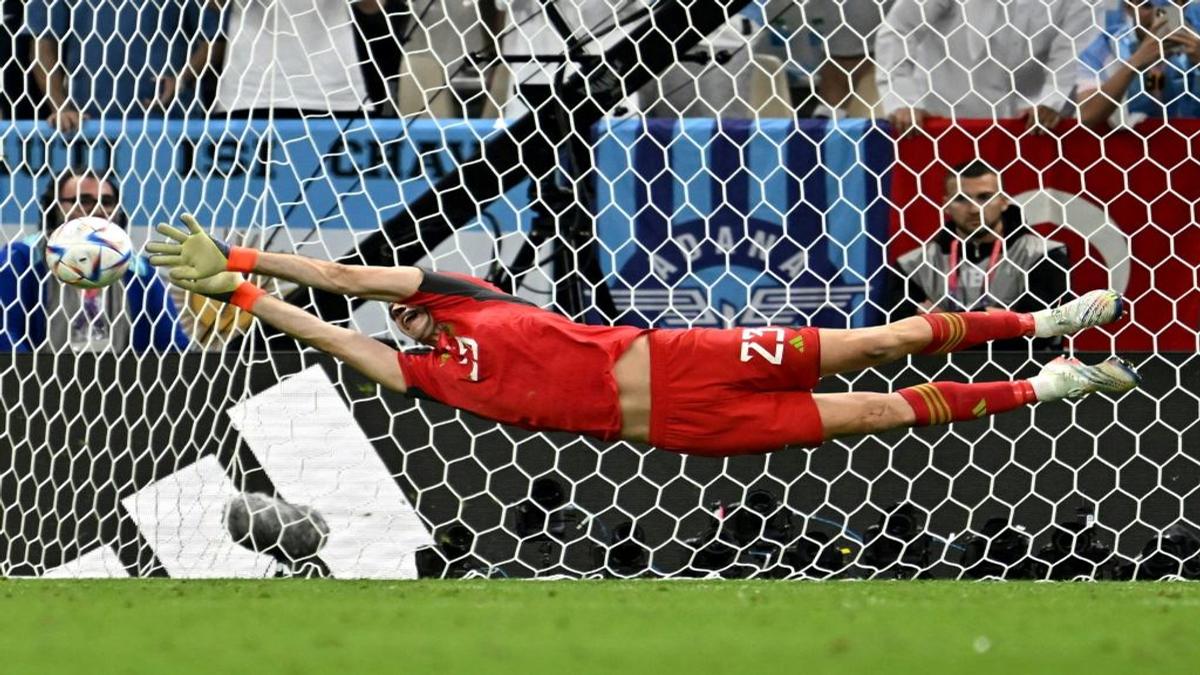
I am going to discuss the concept of what a goalkeeper I know from a previous recreational soccer league I played in, introduced me to the term of having a “zero-to-zero” mindset. Essentially, it is a perspective that encourages us to start fresh, wipe the slate clean, and approach each day with the determination to put wins on the board. Drawing inspiration from the world of sports, particularly the role of the goalkeeper in soccer, I will focus on the strategies to stay motivated and persevere, even when the odds seem insurmountable.

The zero-to-zero mindset involves viewing each day as a new opportunity, unburdened by the failures or successes of the past, like putting a bad or good soccer game behind you. It’s about adopting a mindset where the scoreboard resets to zero every morning, allowing us to focus on the present and the potential for success in the day ahead. This perspective enables us to shed the weight of past mistakes, disappointments, or even our achievements, fostering a sense of renewal and revitalization.

In the context of personal development and goal setting, the zero-to-zero mindset encourages a forward-thinking approach. Rather than dwelling on our past failures or basking in the glory of previous triumphs, we can channel our energy into the actions required to achieve their objectives. This mindset promotes resilience, adaptability, and a willingness to learn from both successes and setbacks.

To better understand the essence of the zero-to-zero mindset, we can draw parallels from the world of football or as I like to call it, soccer. The role of the goalkeeper in a soccer match is analogous to the individual striving to stay motivated and achieve their goals.

Any goalkeeper’s primary responsibility is to prevent the opposing team from scoring goals. They are the last line of defense, and their performance often determines the outcome of the game. Importantly, a goalkeeper maintains a constant vigilance, irrespective of the score line itself. Whether their team is ahead by two, five, or ten goals or vice versa on the losing end, a goalkeeper understands that complacency can lead to a sudden turnaround in fortune.

In applying this analogy to personal development, we can draw valuable lessons from the goalkeeper’s mindset. Just as the goalkeeper stays focused on thwarting any attempts to score, individuals pursuing their goals must remain vigilant against complacency and overconfidence. The zero-to-zero mindset encourages a relentless commitment to progress, acknowledging that even a comfortable lead can be eroded if one loses sight of the bigger picture.

The concept of putting wins on the board encapsulates the proactive and strategic approach required to achieve goals. Rather than waiting for success to come to us, adopting the zero-to-zero mindset prompts us to actively pursue victories, no matter how small, to build momentum and confidence. Just as a goalkeeper makes critical saves to keep their team in the game, individuals must make strategic decisions and take deliberate actions to secure wins in their personal and professional pursuits.

To put wins on the board in soccer and in life itself, it is crucial to break down larger goals into smaller and more manageable tasks. These incremental goals serve as milestones that provide a sense of accomplishment and progress. Achieving these smaller victories contributes to a person’s overall success and reinforces the zero-to-zero mindset by emphasizing the importance of each step in the journey.

Recognizing and celebrating small victories is essential for maintaining motivation. Whether it’s completing a challenging task at work, learning a new skill at school, or overcoming a physical or mental obstacle, acknowledging these accomplishments reinforces a positive mindset in your life. Celebration acts as a motivator and encourages individuals to persist in their efforts and build on their successes.

The zero-to-zero mindset recognizes that setbacks are inevitable in life as in soccer. Instead of viewing failures as insurmountable obstacles, individuals should approach them as opportunities to learn and grow from them. Like a goalkeeper analyzing the opponent’s goals to improve their technique, people can glean valuable insights from their failures, which can refine and further shape their strategies for future successes.

Flexibility and adaptability are essential components of the zero-to-zero mindset. Just as a goalkeeper adjusts their tactics based on the opposing team’s moves, one must be willing to adapt their approach in response to changing circumstances. This flexibility ensures a dynamic and resilient pursuit of goals, even in the face of unexpected challenges.

Embracing a growth mindset is foundational to the zero-to-zero mentality. Individuals with a growth mindset perceive challenges as opportunities to develop their abilities rather than being seen as threats to their competence. This perspective fosters a love of learning, resilience in the face of setbacks, and a belief that hard work and sheer effort will lead to improvement.

In soccer, the goalkeeper is not alone in their quest to prevent goals. They work in tandem with a defensive line that shares the responsibility of thwarting the opponent’s attacks. Similarly, in the pursuit of personal and professional goals, everybody can benefit from a support network that includes their friends, family, mentors, and colleagues. The zero-to-zero mindset extends beyond the individual, urging not only oneself, but others to embrace the spirit of renewal and progress.

Just as a goalkeeper communicates with the defense to coordinate strategies, people should engage with their support network. Open communication fosters collaboration, allowing individuals to share their goals, seek advice, and receive constructive feedback. This collective effort enhances the likelihood of success and reinforces the zero-to-zero mindset for everyone.

The goalkeeper not only focuses on their own performance but also encourages and motivates their teammates consistently to maintain a collective defensive effort. Similarly, individuals should inspire and support those around them in their pursuits. By fostering a positive and encouraging environment like teammates on the soccer field do for each other, we can contribute to a shared sense of purpose and motivation within our friend groups and social circles.

Goalkeepers often serve as leaders on the field, like a general or a commander, setting an example for their teammates through their dedication and work ethic. Similarly, the average person, when they step into a leadership role, can inspire others by embodying the zero-to-zero mindset in their own actions and behaviors. Leading by example involves demonstrating resilience, embracing challenges, celebrating victories, and above all else, motivating others to adopt a similar approach in their own endeavors.

In the journey of personal and professional fulfillment, the zero-to-zero mindset serves as a powerful tool for staying motivated to achieve one’s goals. Drawing inspiration from the goalkeeper’s role in soccer, everybody can approach each day as a new opportunity to put wins on the board or getting goals in the net. By setting incremental goals, celebrating small victories, learning from failures, being adaptable, and cultivating a growth mindset, anyone can actively shape their path to success and achievement.

Lastly, the zero-to-zero mindset extends beyond our individual efforts, because when we urge collaboration, encourage motivation, and practice good leadership, we can help create a supportive and strengthened community. Just as a goalkeeper communicates with their defense to thwart the opposing team’s attacks, each person can benefit from engaging with their support network to amplify their collective efforts to achieving something great together.

As we embrace the new year with the zero-to-zero mindset, let us recognize the great potential for growth, renewal, and success that each day ahead of us holds in 2024. By adopting this promising perspective, we empower ourselves to navigate the challenges ahead, put wins on the board, and make the most of the opportunities that arise in our personal and professional lives.

The Boiling Frog Analogy

“Whether you are a frog in a pot of water or a person in a society, you should monitor the temperature around you meaning you have to understand what is going on around you in terms of your surroundings.”

It’s likely you may have heard of the old analogy of a frog who was put in a pot of cold water where it was moving and bouncing around happily. The frog was content with the temperature of the water and was content to be there even though it was constrained by the pot of water it found itself in. However, what the frog doesn’t know but as the analogy describes, the pot of water was controlled by a person who could raise the temperature quite quickly or increase the heat slowly and see the frog’s reaction.

In an experiment related to its own survival, the person experimenting with the frog wanted to see if they were aware of their surroundings enough to survive a test of their mobility and their survival instinct. The analogy describes the person not as cruel but wanting to measure how aware a frog would be of a pot of water in two different scenarios of change. The first scenario is where the temperature of the pot is raised slowly over minutes where the frog would not have a keen enough awareness that it would eventually be too hot for him or her to swim in and jump out before it would be boiled alive. The second scenario involves the pot of water being raised immediately in terms of heat causing the frog to jump out immediately to save itself since it is not accustomed to such a rapid change in temperature causing an abrupt reaction that would be self-preserving like any other creature would do.

The first scenario of this analogy means how easily a frog or even a person can be lulled into a false sense of security before it’s too late to change their surroundings. When things decline or worsen, you can rationalize it away or just be ignorant of the changes enough so you can be too complacent causing your own success or survival to be jeopardized. A rapid change of any kind will jolt us awake or spur us into action right away especially if left unaddressed could be fatal. When the temperature is continually raised by 5 degrees, we don’t really notice especially if it is done over a long enough period, causing us to adapt but not realize when the temperature is not going back down or being at a comfortable number again.

However, when you push the temperature or the pressure by 25 degrees right away, that will be enough warming to cause a change of behavior to preserve a sense of normalcy and safety. A frog will jump out of that pot of water with a 25-degree temperature rise but will probably stick around much longer when the temperature increases 5 degrees each hour until those 25 degrees may be too hot but by then it would be too late. Why use this boiling frog analogy and what does it matter to the person reading this? Well, it is an important reminder to not let things get out of control in your life or in the society that you live in before it is too late. Having constant vigilance and a keen sense of societal awareness is extremely important especially when you at least want to have some sense of control over a rapidly changing world. Whether it is having some survival skills, being able to take care of basic needs when disaster strikes or knowing how to get yourself out of potentially bad situations without any consequences, these are vitally important abilities to not overlook but to rather embrace for the rest of your life.

Whether you are a frog in a pot of water or a person in a society, you should monitor the temperature around you meaning you have to understand what is going on around you in terms of your surroundings. If things are getting steadily worse, you may have to make an adjustment to your life such as quitting that job, moving to another city, or even changing your habits. You can’t control external factors on your life, but you should be actively managing them. You shouldn’t be in risky situations or put yourself unnecessarily at risk. To use an idiomatic expression, if you do not like the way the wind is blowing, don’t go along with the currents. It’s better to be footloose than tied down to a situation that there is no exit from. Similarly, having an exit strategy or a Plan B is especially key to protect you, your family, and your loved ones. Whether it’s a natural disaster caused by climate change, a cyberattack that causes you to lose electricity or water where you live or a global pandemic that shuts down everything leaving you without many resources, you must make sure you prepare for these unlikely yet unfortunate events, which can occur, and to have a serious plan if the worst-case scenario were to occur.

It’s easy to be like your average frog and think that the water is always going to stay the same and you’ll always have that deep sense of security of your surroundings, but life is unfortunately not like that. Life and society itself can go hot or cold slowly and catch you off guard like the boiling frog. When a devastating event happens, it’s hard to not be caught flat footed but if you plan for it in advance, you can avoid the worst. However, if you do not plan at all for its possibility and end up like the frog being completely ignorant of events or situations getting progressively worse over time, you won’t be able to get out of that worst case scenario because you haven’t planned for it at all.

Like the frog jumping out of a big pot of water to survive frigid or scalding hot temperatures, you must be able to do the same if life or society throws you some serious adversity. You may not come out completely unscathed but if you maintain your awareness, plan for different possibilities in advance, and stay informed, vigilant of what’s always going on around you, you should be fine in the end.