

Reading Between The Lines Is A Key Skill

“When you ‘read between the lines’, you understand better what someone means even when they may not be outright saying or expressing it.”

‘Reading Between the Lines’ is a popular expression or phrase that really holds a lot of weight to it when you think of the meaning. When you ‘read between the lines’, you understand better what someone means even when they may not be outright saying or expressing it. Beyond simply verbally conveying their thoughts or feelings, the key ability to perceive how someone really feels through other factors such as their tone, their body language, their interaction(s) with the environment around them, this can really make a difference in how well you read them and what they really mean.

Culturally, indirect speech, behavior, or communication is quite common and what is not said is as important or if not more so important than what is said. You can save yourself a lot of trouble in life by reading between the lines and inferring what is meant or indicated than what is vaguely said or stated to you directly. Maybe you will be able to grasp a basic idea of what someone means through their speech or their mannerisms, but you will often have to look at not just those factors but also the environment for which it was said, the context for which it was given, the body language of the person(s) involved, and the tone of voice that they used to convey the message.

Because of trying to protect sensitivities or not disrupt group harmony or not wanting to ‘rock the boat’, another similar expression, either professionally or personally, you will be asked to read between the lines of what is written and what is said throughout life. Knowing the difference and how to understand what is directly implied to you but indirectly stated will save you a lot of confusion, disappointment, and time above all else. I’ve written before about how important it is to mind your surroundings, and that ties into why it is key to notice the environment you’re in when the speech is given, or where the meeting happens.

Some factors that come into play when it comes to reading between the lines of a speech or a public discourse that is happening, the speaker(s) body language, tone, and whether they are really conveying their true feelings or beliefs in what they are saying. If they are masking what they truly believe or feel, you should be able to pick that up through steady practice. It is not just about the spoken word but also about the written word and this can be crucial when it comes to important legal, medical, or financial documents.

You should constantly be noting the who / when / where / what / why / how of the author and who is the audience they are addressing. It is also necessary to ask are they writing with a specific tone and do they have a personal bias or an agenda that shows through their written piece. It is much easier to read between the lines when you are with that person in the same room and they are speaking to you directly or indirectly in an audience because you can hear the tone, see the body language, and watch their emotional state. It is much harder yet no less important to be able to pick that up through writing whether it is a text message from a friend or a legal contract from a lawyer.

This kind of skill is not taught to many people, but it is a vital skill to have especially when you are trying to tell if someone is being truthful, if they have your best interests at heart, and if they really understand what you are telling them. If you are listening intently, absorbing what you are hearing or reading, and able to come to your own conclusions after putting some thought into it, you will be ahead of other people. Reading between the lines is a skill that takes not only additional concentration but patience as well. You should not be interrupting when you do this verbally, be distracted by another task or person to mix up your attention, really watching the person(s) talking and observing how they act in the environment they’re in, and most importantly, what is your relation to the person, how long have you known them for, and if you know anything about their background for which you can infer something about who they are.

It is easier to know someone’s true thoughts, feelings, or beliefs when you are giving them your undivided attention. You also have an advantage if you know a little bit about them beforehand, their background, what their personality is like, and what their point of view is likely to be based on all those factors. This kind of perspective can make a big difference especially professionally because you’ll know better of who you’re dealing with, where they’re coming from, and what they might be like when they meet and talk with you.

There are going to be crucial points in your life where you’ll need to read between the lines such as during an intense negotiation, dealing with business meetings, and just making sure in your day-to-day life that you’re not being taken advantage of. It can be hard to trust other people at times and you really must screen them hard to see if they are giving you the truth, embellishing a little bit, or outright lying. Being able to read between the lines will not only help with the major events in life but also in small day-to-day interactions as well. Most importantly, if you carry yourself well, give steady eye contact, listen without interrupting, speak clearly and in a steady tone, avoid distractions when you’re reading or listening, you will have a much easier time being able to read people.

You likely won’t be anywhere near 100% successful in thinking you know the person or people you’re reading in terms of body language, behavior, and their actions but you’ll be much better off than before if you at least try. Indirect communication can be a real pain to navigate but it is quite common in our culture and our society. To remedy that, make sure you do your best to read between the lines, make an assessment, and carry forward with the best intentions. I think it is quite likely you’ll be in a better position than you were before by adopting this skill and making it a priority in your life.

Being The Bigger Person

“If you are not direct with someone about the issue and decide to go behind their back, they may think less of you and to not apologize or at least make the effort to because they will be surprised that there was even an issue to begin with.”

Sadly, some people never grow out of the ‘high school’ or ‘college’ phase of their lives. They become accustomed to gossiping or making conjecture about other people behind their backs and without their knowledge. This is often childish behavior and should be called out as such. If you have a problem or an issue with someone, you should address it in a mature manner, and directly if feasible as an adult. To not do so and to opt to gossip or slander someone’s reputation, even if justified, can often make the situation worse, not better.

There’s nothing wrong with speaking out about a kind of grievance or a specific problem you may have with another person but to do so in terms of gossip or hearsay is wrong. When you decide to ‘go through the grapevine’, it can often insult the person on top of the problem you already have with them and cause the problems to escalate rather than to be solved. If you are not direct with someone about the issue and decide to go behind their back, they may think less of you and to not apologize or at least make the effort to because they will be surprised that there was even an issue to begin with.

If the issue is valid and there is a real concern there, the best way to do it as adults is directly or with a third party directly involved to the ease the tension. If you go through a third party or a third person and then the person you have an issue with hears about it from them, I tend to think that will make them think less of you for having told a third person or party about the problem rather than going to that third party and to you at the same time. To do so professionally can cause problems but to do so in your personal life in the wrong manner can rupture a friendship or a family tie even worse.

When it comes to interpersonal relations, if someone has an issue with you, justly or unjustly, you should always advocate for that issue to be worked on directly whether with just the two parties involved or with a third party, who is supposed to be neutral in weighing the arguments or grievances from both parties. When you have someone as a third party who only hears one side of the story and then already makes a judgment without consideration of the other person’s perspective or viewpoint, then that is also a cause for concern in alleviating the situation.

Indirect grievances or gripes, conveyed to a third party indirectly, with the person or people you have issue with not even hearing from you about it at all can cause further annoyance especially when they feel that their reputation or their livelihood is at risk. I am an advocate for direct communication as much as possible even when the matter at hand can cause offense. It is simply better for both parties to hear each other out and to see if a resolution can be had, especially with a third party as an intermediary who does not make a premature judgment before both persons can be heard fairly.

If one side is not playing fair and is distorting the truth or completely lying about you or what happened, you have the right to defend both your honor and your reputation. You should air your side of the story and make sure the truth is heard. You should not gossip in retaliation or spread falsehoods ever about that person to get even if they have lied or gossiped or spread slander about you. That is what ties into the notion of ‘being the bigger person’ in interpersonal relations. You should not look to score cheap points or to get even or to go down to their level.

You must rise above their childish or teenage behavior and to be the only adult in the room if it comes to that. People’s perception of you or of your reputation does matter a lot especially if you’re a leading member of a community, a state / region, or a country. Even if what you think is gossip or conjecture should not be taken seriously or with a ‘grain of salt’, other people may not take it the same way and your reputation will be harmed as a result. Indirect complaints or problems can often cause bigger issues to emerge because it creates a toxic atmosphere of distrust or ill will especially when one person’s side of the story is not being heard at all, or they can’t find a neutral third party to issue a conclusion or a verdict, or when they would prefer to deal with the problem or issue at hand directly.

It’s often harder to be the ‘bigger person’ in any dispute or issue because some folks want to commit childish actions because they know it will be popular to do so. As odious as ‘gossiping’ is, some adults never grow out of that stage and act like children still even if they are of middle age or even elderly. They want to bring you down to their level in a way and get you to do the same kind of indirect gossip and conjecture as they do, but you should avoid that at all costs.

If you can make a dispute directly with that person in return or find fault with their argument(s), make sure you find a neutral third party to hear you out especially if they heard from that other party without you even knowing. It’s important to not let your guard down in a dispute and protect your reputation to the best of your ability and use the truth and the facts to outweigh the gossip and the falsehoods you may encounter. Being the bigger person is never easy, but it will show to others that you are able to deal with criticism in a healthy and mature manner.

Overreacting by getting upset or using the same ill-advised gossip as they do is a recipe for disaster and for that one issue to lead to multiple other issues. Resolve any dispute or issue that you may find yourself in with the truth of the matter, the straight facts, and to deal with the other party directly. Do not rely upon hearing something suspect, through the ‘grapevine’ as some others prefer to do and accept it without any reservations or questions. Those who accept this kind of conjecture without any pushback or evidence or getting the facts from both sides shows that they may not have matured as much as they think even after having left their high school grounds or their college campus.

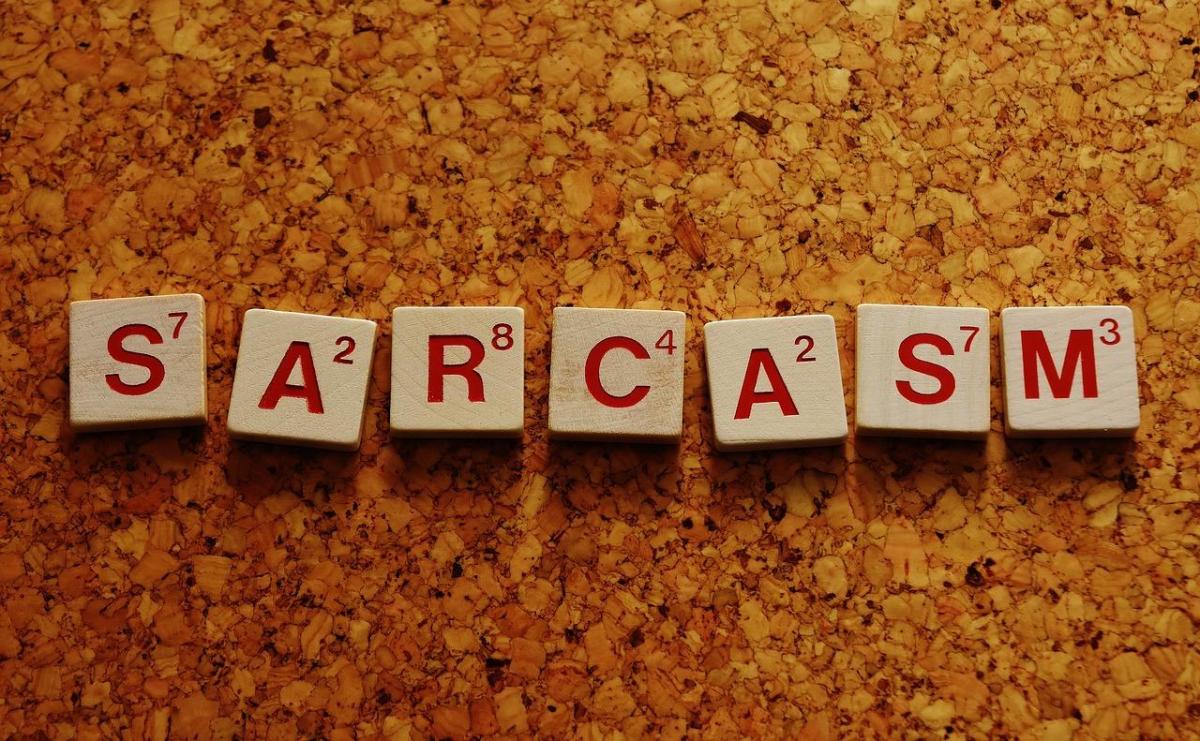
The Downsides to Sarcasm

Sarcasm is one of those things in life that should be used fleetingly or in moderation so as to not step on anybody’s toes or to get yourself into trouble. Sarcasm has its place and time but when it is used commonly, so much that you are not even sure of whether you yourself are being serious or sarcastic, then you may start to have problems in your interpersonal relationships. Sarcasm may be considered funny or humorous at times but there are much better ways on how to put a smile on somebody’s face.

How do we define ‘sarcasm’? What exactly does it mean? Well, sarcasm is essentially the using of contempt or irony to mock someone or make fun of someone. Sarcasm is often negative in terms of its usage and while it can be funny to some people you’re not referring to as the focus of the joke; others may be offended by it or not find it tasteful. The thing with sarcasm is that once you start using it on people, you may be liable to consequences where people make fun of you in return using sarcasm. Sarcasm is an unclear form of communication and while it can be considered witty or clever, you’re risking it that the joke may not go over well or that the sarcasm will be turned against you.

You also should be careful about who you are using sarcasm around because some cultures and some peoples are not familiar with this form of humor and will think that you are being serious instead of being aware that you’re joking around. While not limited to only the English language, Sarcasm is considered to be most commonly used in English and is rather foreign to other languages who do not use it as a form of humor.

Sarcasm can often be misconstrued even when it is meant to be funny leading to angst and resentment that can hurt friendships and relationships. The biggest downside to sarcasm is that at the heart of it is dishonesty or a lack of forwardness that can cause mixed emotions or bad feelings over time. When it is used over and over again with the same person, they will not be able to tell if you’re ever being serious or if you’re always being sarcastic instead. When you are hoping to clearly communicate with another person in an honest and frank way, you want to stay far away from using sarcasm at all.

While using sarcasm with friends and family isn’t the worst thing if they are familiar with what it is in terms of humor, you should avoid using it with strangers, employers, or people in official roles. You would not be sarcastic with a firefighter if your house is burning down nor would you do it with a police officer if your car got pulled over for speeding on the highway. These kinds of situations are where you do not want to use sarcasm at all because it could backfire on you in terms of hurting your future.                  Using sarcasm at the office or the workplace is also highly inadvisable especially because of the likelihood that it can be taken the wrong way.

This is especially true if you do not know the person well or know about their sense of humor. Using sarcasm with the wrong people or in the wrong situation could backfire on you severely causing you to lose your job or even lose your friendship when you are not careful about it. Sarcasm with strangers is also not a good idea because they don’t know who you are, or they might not even know what sarcasm which is could put you in potential physical danger if you are not careful. Because of these examples that I have cited, we can conclude that sarcasm should only be used with close friends or family members especially sparingly so as to not cause miscommunication or hurt feelings.

Also, compared to other figures of speech in the English language, sarcasm neither translates well to other languages nor can be written in any real form. You can only use spoken sarcasm usually with humorous or hurtful intent, which means it may be one of the least useful figures of speech to learn and use. Sarcasm is mainly used to mask a true form of communication and is a shortcut or cheap way to undermine being honest and open with other people. People who use sarcasm often and without previous thought run the risk of being seen as emotionally distant or uncaring. They will be perceived by others as putting up walls and not being able to hold a serious conversation. As a result, a lot of sarcasm can cause a lot of harm to one’s personal life and prevent somebody from forming deep, real, and lasting relationships.

Sarcasm, when used in the right way can be very funny, but it is one of those things in life that has a diminishing marginal utility the more it is used. People don’t want to be around someone who is sarcastic all of the time and can’t be trusted to have a serious conversation. Open and honest communication is the antithesis to sarcasm, and I think most people would rather deal with someone who is honest rather than sarcastic. There are also much better and more sincere forms of humor out there that can generate a lot more laughs without hurting someone’s feelings. To poke fun of someone in a real way is alright but to constantly do it will lead to serious problems and broken friendships if the sarcasm does not stop.

Unsurprisingly, sarcasm is most popular with middle school and high school children, but it should be a stage that you grow out of in college and beyond. If you’re a grown man or woman using sarcasm all of the time and never being honest with your co-workers, friends, or family, it is almost certainly going to backfire on you and cause issues in your life. The next time you think of being sarcastic as a grown adult, think deeply before you do it and think about the person or people, you’re making the butt of the joke. If you do not think before you speak, it is likely to end up with negative consequences for you.

Sarcasm is a figure of speech in the English language but to me, it is a mostly unpopular and overrated one that doesn’t translate well or write well either. The next time you hear a sarcastic conversation go on for too long, politely step away and ask to be excused. It’s not worth your time and it’s best you spend your time with other people who are more open, honest, and serious. Being able to handle mature conversations without using sarcasm will set you apart from others and show people that you are a serious adult who is not to be made fun of or messed around with.

Lastly, sarcasm is the lowest form of humor in the English language and as a figure of speech, it leaves a lot to be desired when compared to others such as irony or metaphors. While sarcasm isn’t going away anytime soon, let’s try to limit it down to only being used when a really funny situation arises.