The Woeful Encouragement of Slothful Behavior

“There’s always been the drive to encourage people to gamble, to smoke, to drink, to eat (and quite a lot of eating), or for prescription pills, but I don’t remember a time in my life where it was so present or in your face.”

It seems as if lately popular advertising and commercials are geared towards encouraging ‘slothful’ or lazy behavior. How many times have you seen marketing focused on satiating one’s appetite whether that’s for sports betting, general gambling, fast food, alcohol, or other forms of indulgence?

Instant gratification seems to rule the day in terms of today’s popular media and advertising, which didn’t use to be case as much in past years. There’s always been the drive to encourage people to gamble, to smoke, to drink, to eat (and quite a lot of eating), or for prescription pills, but I don’t remember a time in my life where it was so present or in your face.

Now, I have nothing against people indulging here and there especially as responsible adults and I do think moderation rather than total abstention or condemnation of legal indulgences should be preferred in terms of popular messaging. However, I don’t believe it should be as prominent as it is today or as how much it is in our faces today without any serious acknowledgement of how addictive or abusive these behaviors can be.

For example, sports betting and gambling used to be quite limited to in person casinos or only certain areas or jurisdictions where it’s legal, but now it’s widespread and being actively encouraged through big business and even with live updates on betting possibilities during many sporting events. Yes, there is messaging about gambling or betting addictions but those kinds of preventative messages about the dangers of that kind of addiction are heavily outweighed by how easy it’s become to place a bet or multiple bets, and how openly encouraged it has become by the mass media. It used to be much harder to bet or to gamble especially on sports and it required a real effort or at least something you had to do in a physical location or area, but now it’s captured the digital world and can take milliseconds to make a bet or place a wager.

I do think it is a morally troubling area in our society now, where sporting venues, companies, or sports TV channels are encouraging sports betting and gambling and while it’s legal, I do think many young people, especially young men, are being taken advantage of as a result. While I encourage legal pursuits of pleasure and sustenance for food, drink, or gambling, what I do not like is how pervasive it has become and how it can become predatory with the amount of advertising, marketing, commercials, and societal pressure that is being put on people to indulge as much as possible and as often as possible.

There is a clear difference in my view between making something legal to do and making it overtly available and powerful as a lobby or industry. With addictive behaviors around food, drink, gambling, or other pleasures, there must be stricter regulations involved especially surrounding how big business these areas are and how much advertising and marketing can be done for them and in which venue(s) or place(s). There has to be a much better job done with enforcing limits, regulations, and where the advertising can be done. I also think the dangers of addiction need to have more airtime or attention as a result if these behaviors are to be marketed freely.

Similarly to smoking, restricting where you can smoke, increasing the price for smoking cigarettes, cigars, or vapes, and then placing strong notices about the physical harms of smoking has helped regulate that kind of industry successfully in my view without making it entirely illegal or condemning it fully. People can still smoke responsibly but they know today more than ever the dangers involved and the risks to one’s health as well as it being an addictive habit. You also don’t see as many commercials or advertisements for smoking as you did twenty or thirty years ago. You still do have the advertising to some degree, but I think it’s an area of our society where the regulations, awareness of the risks and dangers, and the potential side effects are quite clear compared to other vice industries today.

Additionally, if it can be done for what was a titanic industry like smoking cigarettes and other tobacco products, there is no reason why those same regulations and rules can’t be brought in for advertising of gambling, sports betting, prescription drugs, unhealthy foods, or alcohol. There has been a lax recently for those industries especially for prescription drugs, which the U.S. is one of the few countries in the world, which allows TV and radio advertisements for prescription drugs. Many of these drugs may be approved by a regulatory agency but the actual side effects and risks are not clearly stated in public advertising and the risks are also not known to potential customers as much as they should be. Like those prescription drugs being advertised freely with the side effects and risks being shortchanged in advertising, that is where we are today with legal sports betting and gambling.

I do think there has to be more action taken to regulating these growing vice or pleasure industries with less advertising out in the open, more acknowledgement by those companies selling these services on the clearly known risks and addictions and making sure that the sports teams or venues themselves and the TV / radio partners cannot market these companies either. Fast food, alcohol, and increasingly legal marijuana are also areas of vice that could do a much better job of highlighting their risks of addiction, abuse, or the dangers of too much use to one’s health.

Lastly, with better regulation of vice industries, there should be a countermovement in my view of encouraging healthy forms of behavior in our popular media and advertising. Yes, you have some advertisements for the gym or health clubs, but rarely do you see healthy foods being advertised or how to be mentally fit in difficult times, or how to have use better judgment in our financial lives, our relationships and friendships. These kinds of messages may need more public service announcements (PSAs) rather than your typical free market advertisements, but companies and especially the popular media should be encouraging people to both be healthier mentally and physically overindulging in vices that when not moderated, can encourage slothful behavior.

Where we are today as a society in our popular media is not healthy. Instead of openly encouraging these vices, we should be prioritizing healthier behaviors and more productive uses of our time. I’m not using against these legal vices, but I think their presence has been too much, too soon, and there needs to be more regulation of them in popular media and advertising going forward.

While these vices are fun for people to indulge in responsibly, the messages corporations and individuals are sending us are too much in terms of encouragement of these vices without equally talking about potentials risks, harms, or negative consequences of possible abuse if not carefully used. I hope we can start to encourage more positive forms of media and advertising with regards to keeping people healthier, fitter, and with better behaviors in how they both spend their time and their money.

Anatomy of a Scene – ‘Capital Gains’ (The Wire)

“Additionally, the subplot involving one of the show’s lead characters, Jimmy McNulty, taking a bribe adds depth to the show’s narrative, reflecting the complex moral compromises made by the working class to survive in a system that often leaves them behind and without any viable mobility upwards.”

The opening scene of “The Wire” Season Two serves as a powerful commentary on socio-economic disparities that continue in modern-day America. This scene that I would like to highlight, through both its characters and setting, sets the tone for exploring themes of economic hardship, corruption, and the American Dream’s elusive nature. Additionally, the subplot involving one of the show’s lead characters, Jimmy McNulty, taking a bribe adds depth to the show’s narrative, reflecting the complex moral compromises made by the working class to survive in a system that often leaves them behind and without any viable mobility upwards.

The scene itself opens with a bleak view of the channel leading to the port of Baltimore, which various imagery reflecting the industrial decline and economic stagnation affecting the middle class of the city. Characters are introduced through their mundane yet telling actions, highlighting their struggles and aspirations. Jimmy McNulty’s character, a police detective with a perennial professional chip on his shoulder amid his own set of personal challenges, becomes embroiled in a morally dubious activity by the end of the scene, further complicating the framing of certain characters being ‘purely good’ and others being ‘purely bad.’ With ‘The Wire’, there are many shades of gray in morality and understanding the reasoning behind characters’ actions.

The cinematography of this scene uses dark, muted tones to emphasize the grim reality of the workers’ lives. The ambient sounds of the port’s gray and murky waters, combined with a somber soundtrack of foreboding ahead, enhance the sense of despair and frustration with the status quo. These visual and audio elements work in tandem to create an atmosphere that underscores the themes of economic hardship and moral compromise that permeates the iconic show’s second season.

The central theme of this scene revolves around the precipitous decline of traditional industries such as manufacturing, shipbuilding, and longshoring in Baltimore, and its deleterious impact on the middle class there from its decline. The scene underscores the economic disparities and the futile chase for financial stability, a stark contrast to the wealth and power depicted elsewhere in the series and for which the middle class is forced to shield the wealthy or protect them from the errors of their poor decision making. McNulty’s acceptance of a bribe is a poignant example of the lengths to which some individuals without economic security will go to make ends meet, even if it means compromising their ethics in the face of financial malaise and stagnation.

The middle-class workers, portrayed prominently in season two, with a sense of resignation to their fates and perseverance despite the odds, contrast sharply with the wealthy individuals who appear disconnected from these struggles including in this scene as they dance, drink, and party onwards. The boat that they drift across the deteriorating port and city channel is aptly named ‘Capital Gains’ for which they profit off selling those companies and laying off the works who help make the economy run. They get rich from the assets, stocks, bonds, and other ‘capital gains’ they trade and sell while the working class shoulder the increasingly large burden of doing the hard, dirty, and often unappreciated work that is the real ‘labor’ keeping the economy and the nation moving forward without enough money to show for their hard work and efforts.

These interactions between the characters in this scene and elsewhere in the show highlight the inherent power imbalance and the lack of upward mobility for the middle class. McNulty’s character epitomizes the moral gray areas navigated by those who find themselves caught between maintaining their integrity and dealing with the necessity of surviving economically. His own willingness to take a bribe reflects a broader theme of systemic corruption and the desperate measures taken by the working class to stay afloat when the rest of the economy gets hollowed out all for more ‘capital gains’ and ‘stock buybacks.’

Officer Jimmy McNulty’s involvement in taking a bribe exemplifies the complex dynamics of survival within the working class. Faced with limited options and a pressing need to provide for themselves and their families, individuals like McNulty often resort to unethical practices. This subplot highlights the pervasive nature of corruption and the moral compromises made by those who feel trapped by their circumstances. It illustrates how the working class is sometimes complicit in perpetuating a system that exploits them, driven by the necessity to secure their economic survival.

The scene mirrors contemporary issues such as job insecurity, wage stagnation, and the shrinking middle class. It critiques the capitalist system that often leaves the working class in a perpetual state of struggle while the wealthy thrive. McNulty’s actions can be seen as a microcosm of larger societal issues, where individuals are forced to compromise their values due to economic pressures. This reflects the broader reality of modern-day America, where financial hardship can lead to ethical lapses and the erosion of moral standards.

From that opening scene onwards, season two of “The Wire” further delves into the lives of dock workers in Baltimore, painting a vivid picture of the economic decline faced by the American working class. The season explores themes of globalization, the loss of blue-collar and good-paying jobs, and the resulting social and economic fallout. The working class is depicted as being left behind in the wake of economic shifts, with their traditional livelihoods eroded by technological advancements and policy changes favoring the wealthy and corporate interests.

The narrative highlights the systemic failures that contribute to the marginalization of the working class. Characters are often portrayed as victims of circumstances beyond their control, struggling to navigate a landscape where opportunities are scarce, and the cost of living continues to rise. The season’s portrayal of the working class serves as a critique of the socio-economic structures that perpetuate inequality and hinder social mobility.

Since “The Wire” first aired on HBO, the American Dream has continued to remain elusive for many people in the United States. The show brought these emerging issues to light in the early 2000s, highlighting the struggles of the working class in a society increasingly marked by economic inequality and technological upheaval. “The Wire” was ahead of its time in addressing these themes, as income inequality has only worsened since then.

The gap between the rich and the poor has not been alleviated, and the systemic issues the show portrayed are still prevalent today. The depiction of the working class’s plight and the moral compromises they make to survive reflects ongoing societal challenges, not just in the U.S. but around the world. The show’s foresight in presenting these issues has made it a timeless piece, resonating with audiences who continue to witness the widening economic divide in modern America.

This scene from “The Wire,” coupled with McNulty’s own moral compromise, is a microcosm of the broader socio-economic issues facing modern-day America. Through its poignant depiction of the middle class’s struggles and the ethical dilemmas they face, it offers a critical perspective on the elusive nature of the American Dream. Season Two’s exploration of these themes highlights the systemic challenges that continue to affect the working class, underscoring the need for a deeper understanding and more equitable solutions to address these persistent economic and social disparities.

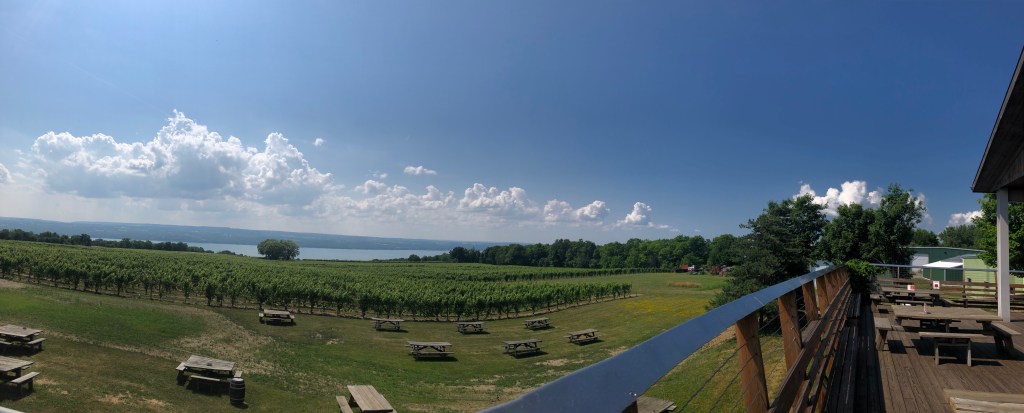
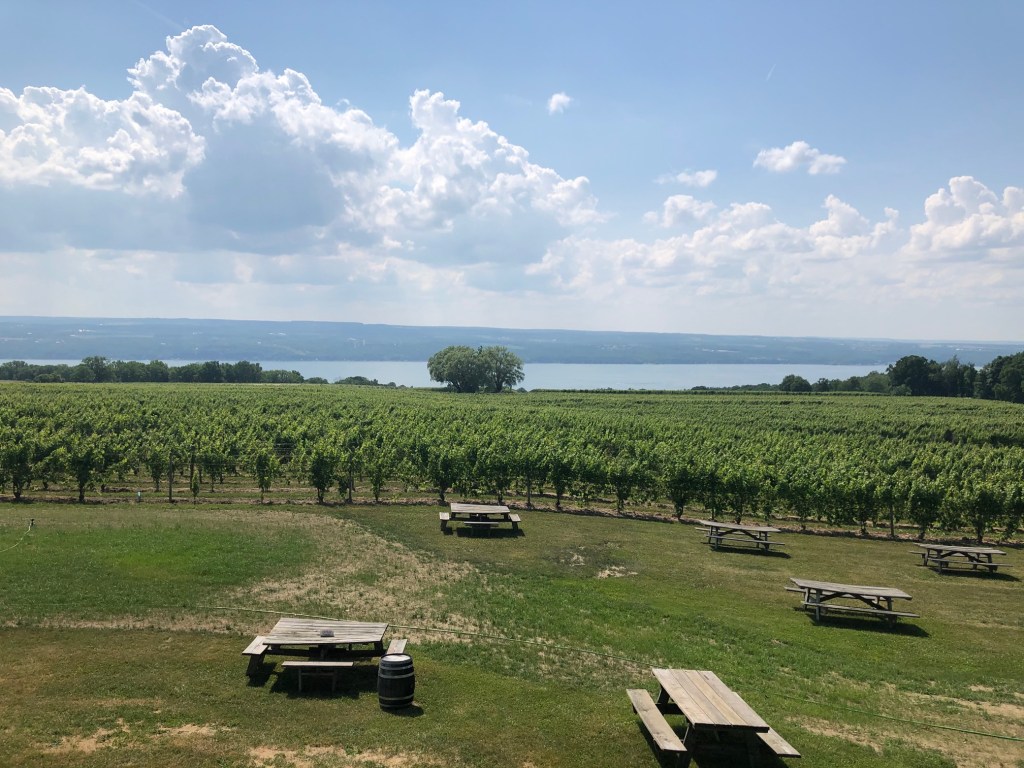
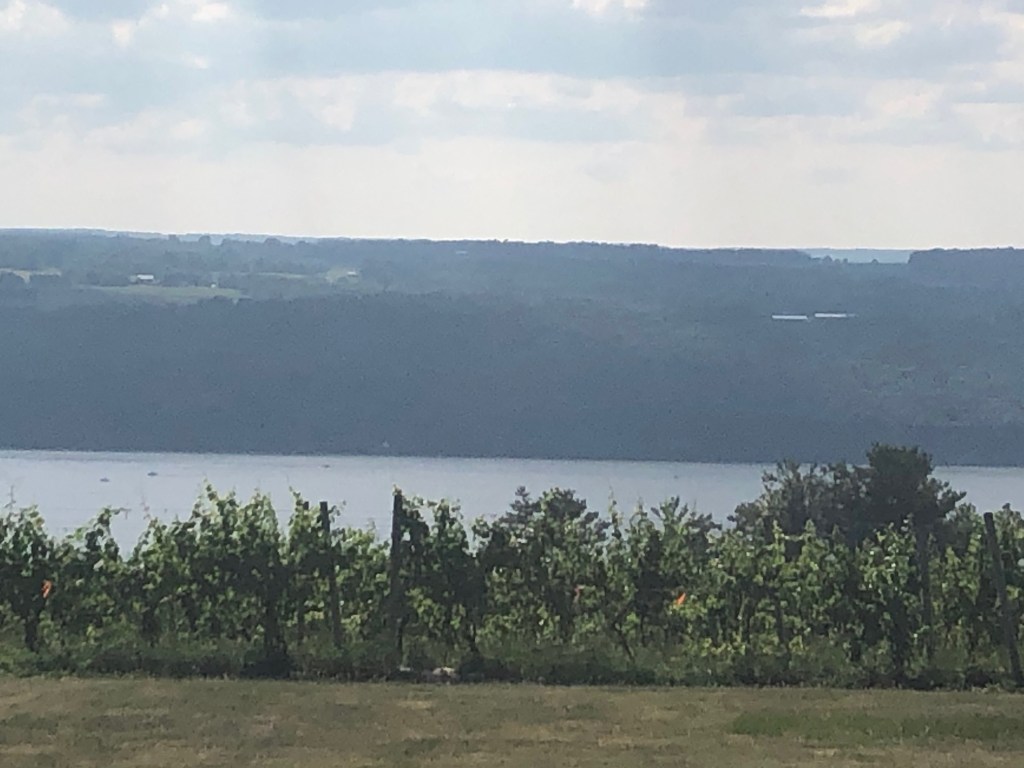
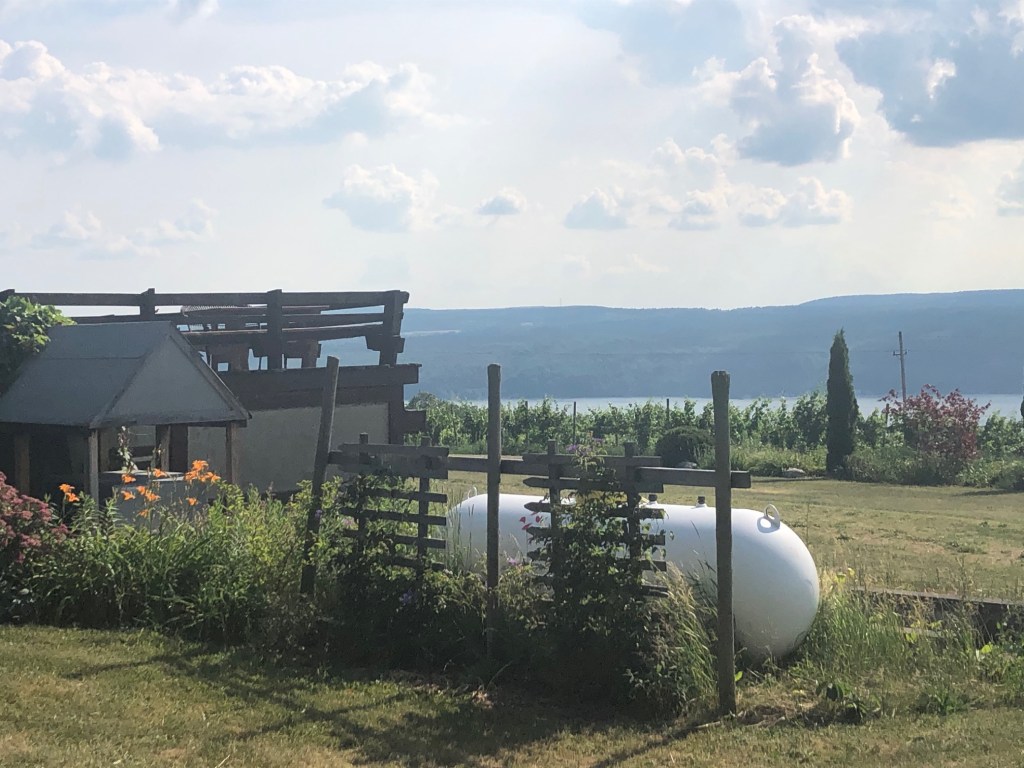
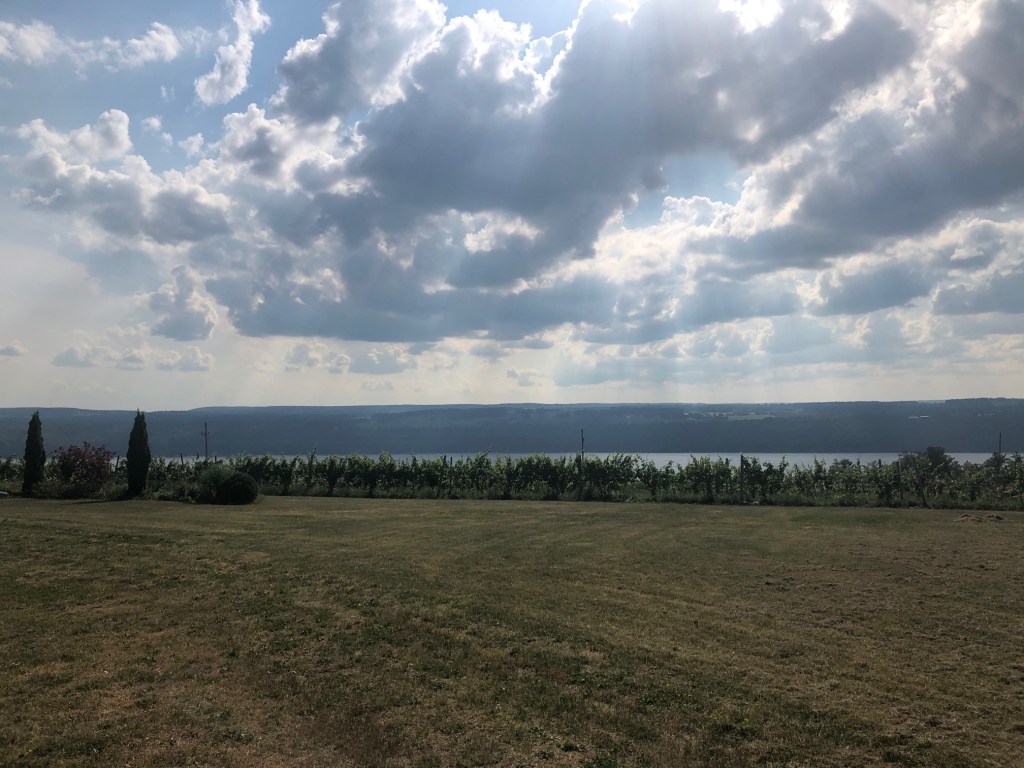
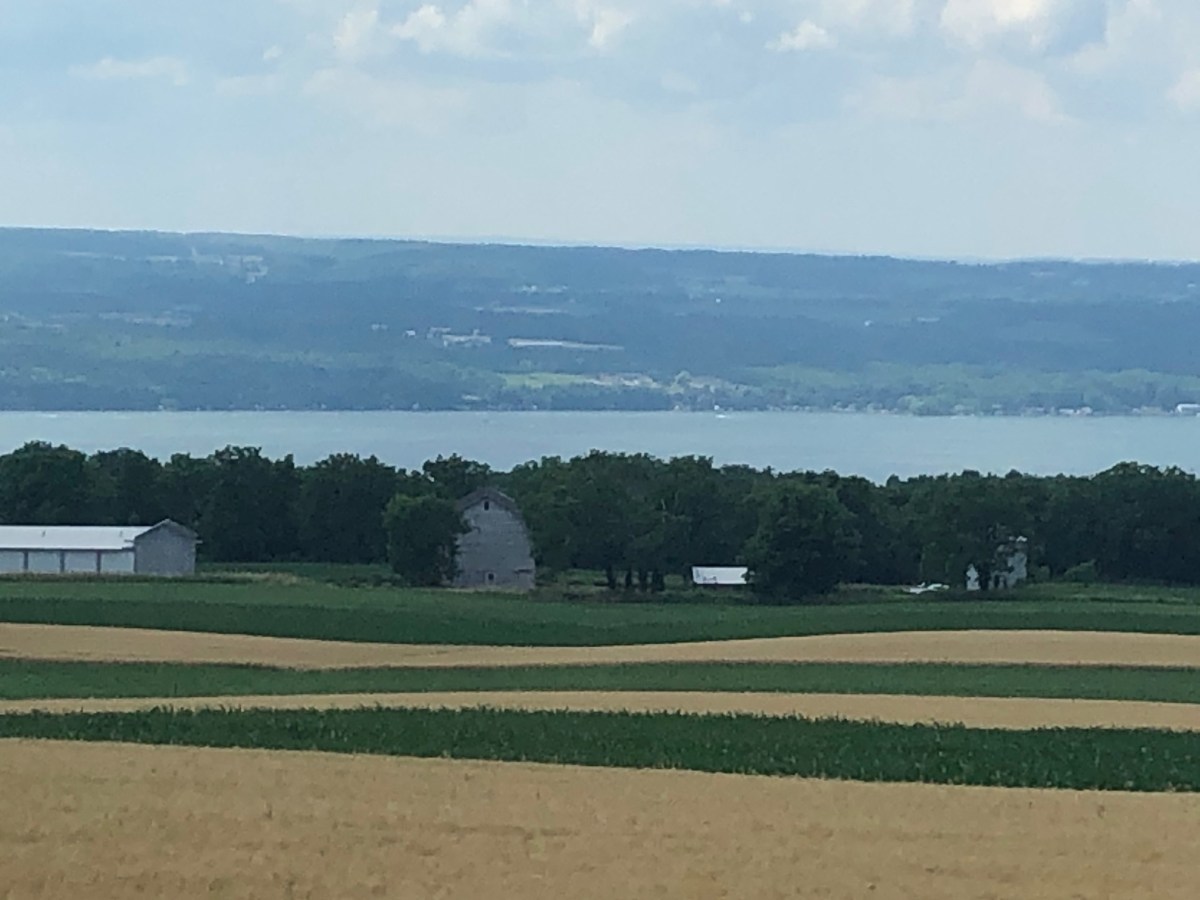
Finger Lakes Wineries

Camera: iPhone 8

Location: Finger Lakes Wineries; Ithaca, New York

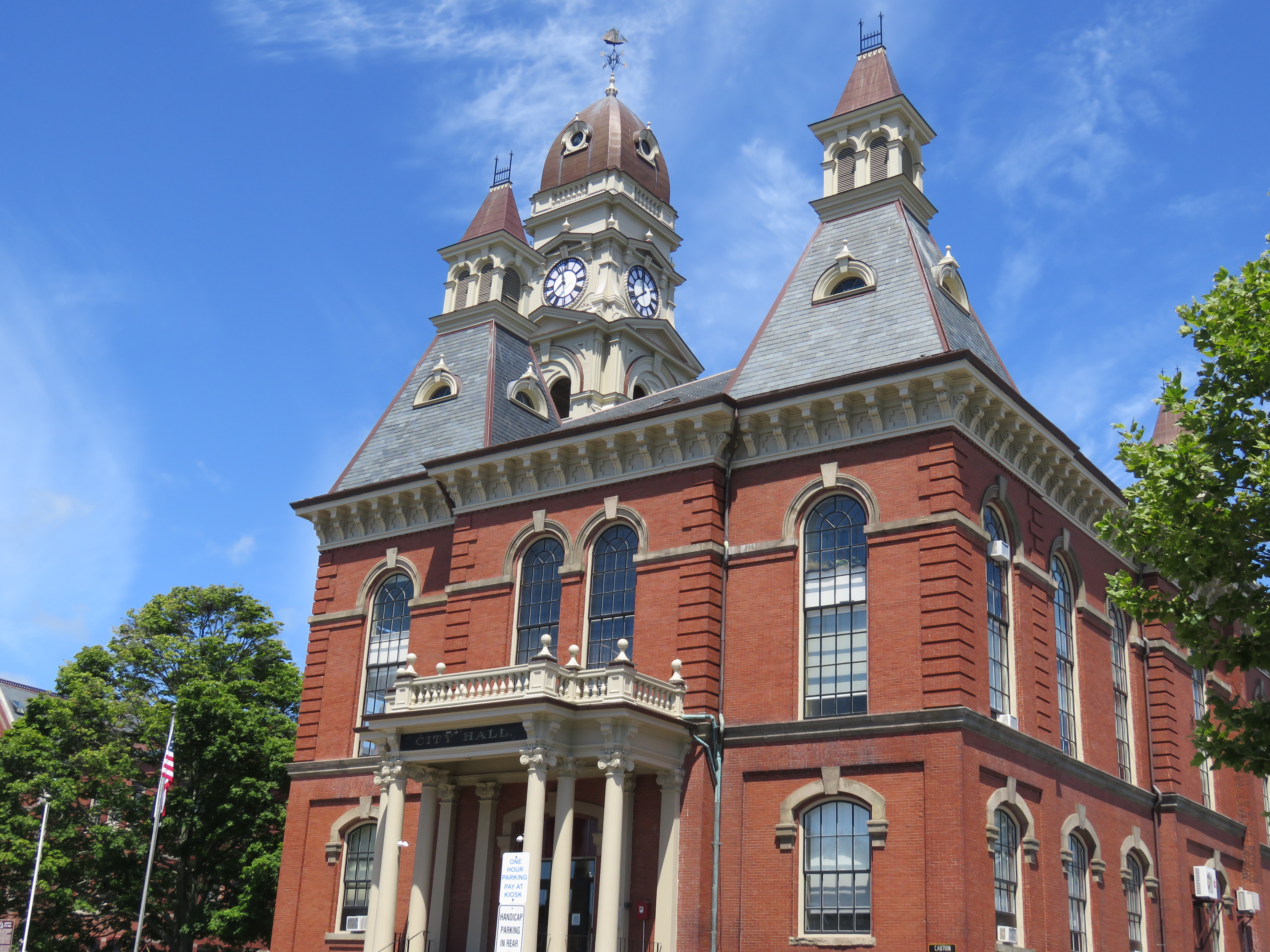
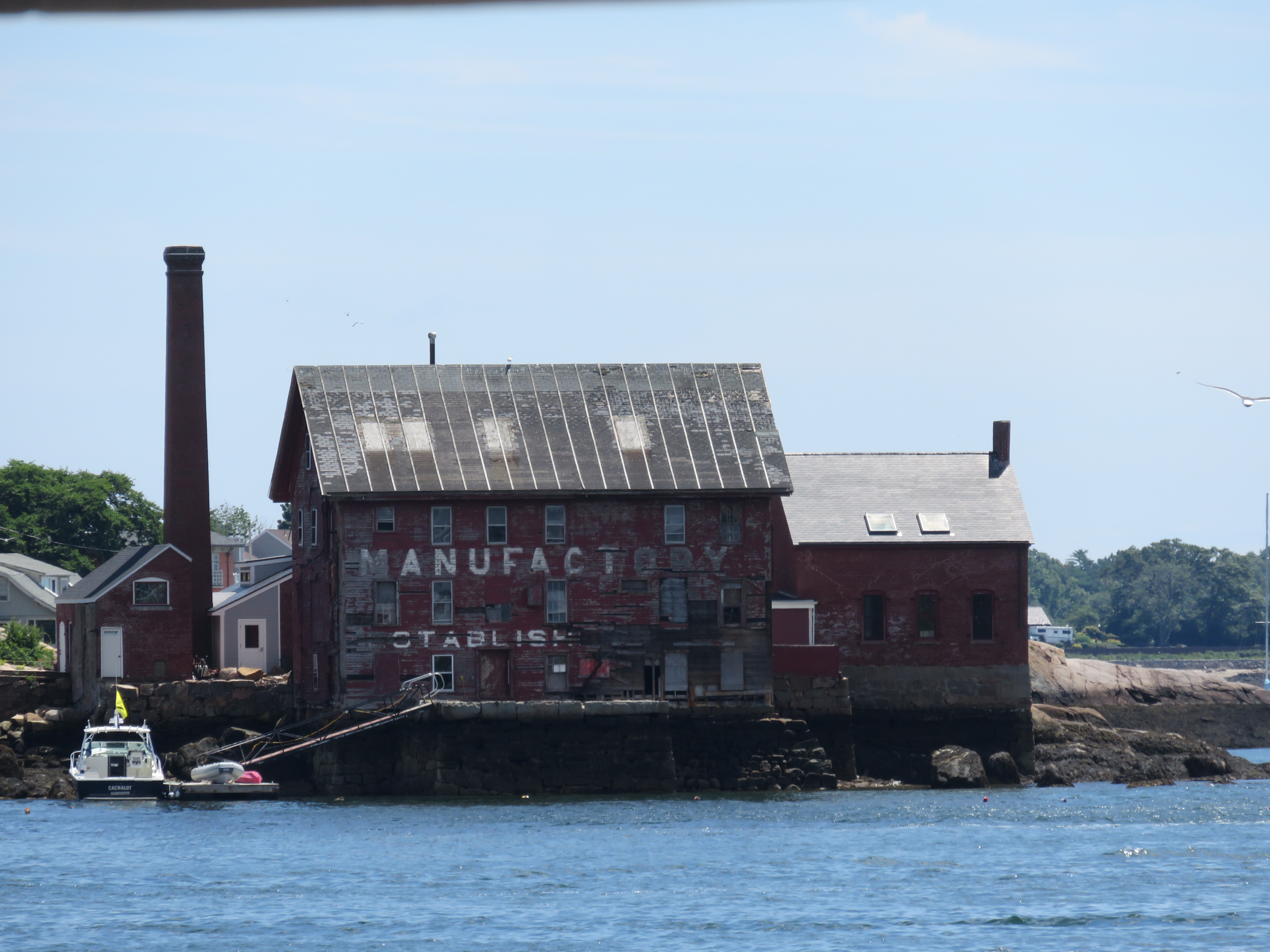
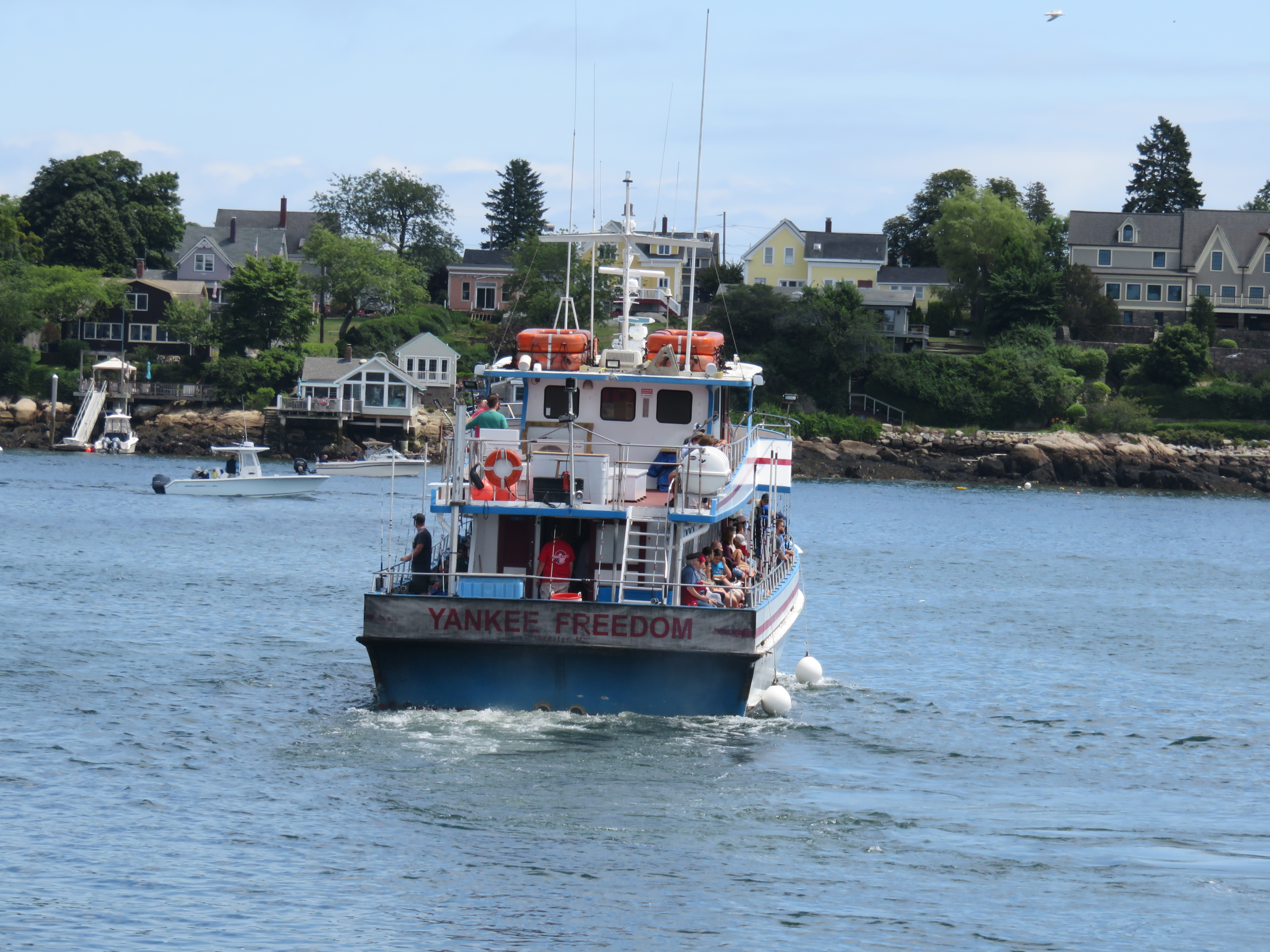
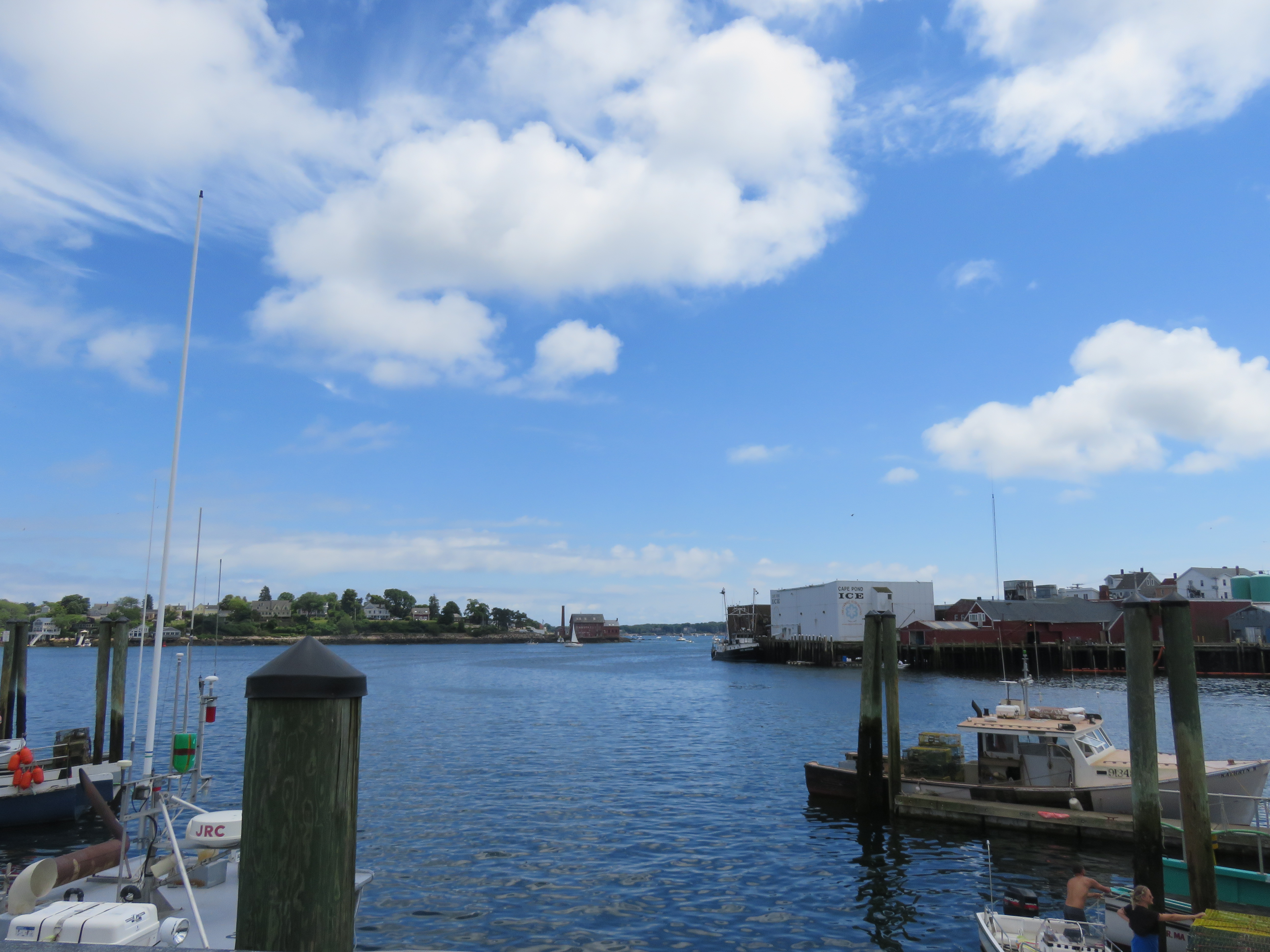
Gloucester

IMG_3198IMG_3199IMG_3201IMG_3202IMG_3204IMG_3206IMG_3209IMG_3214IMG_3218IMG_3220IMG_3224IMG_3226IMG_3229IMG_3234IMG_3238

CameraCanon PowerShot SX710 HS 

LocationGloucester, Massachusetts, United States