

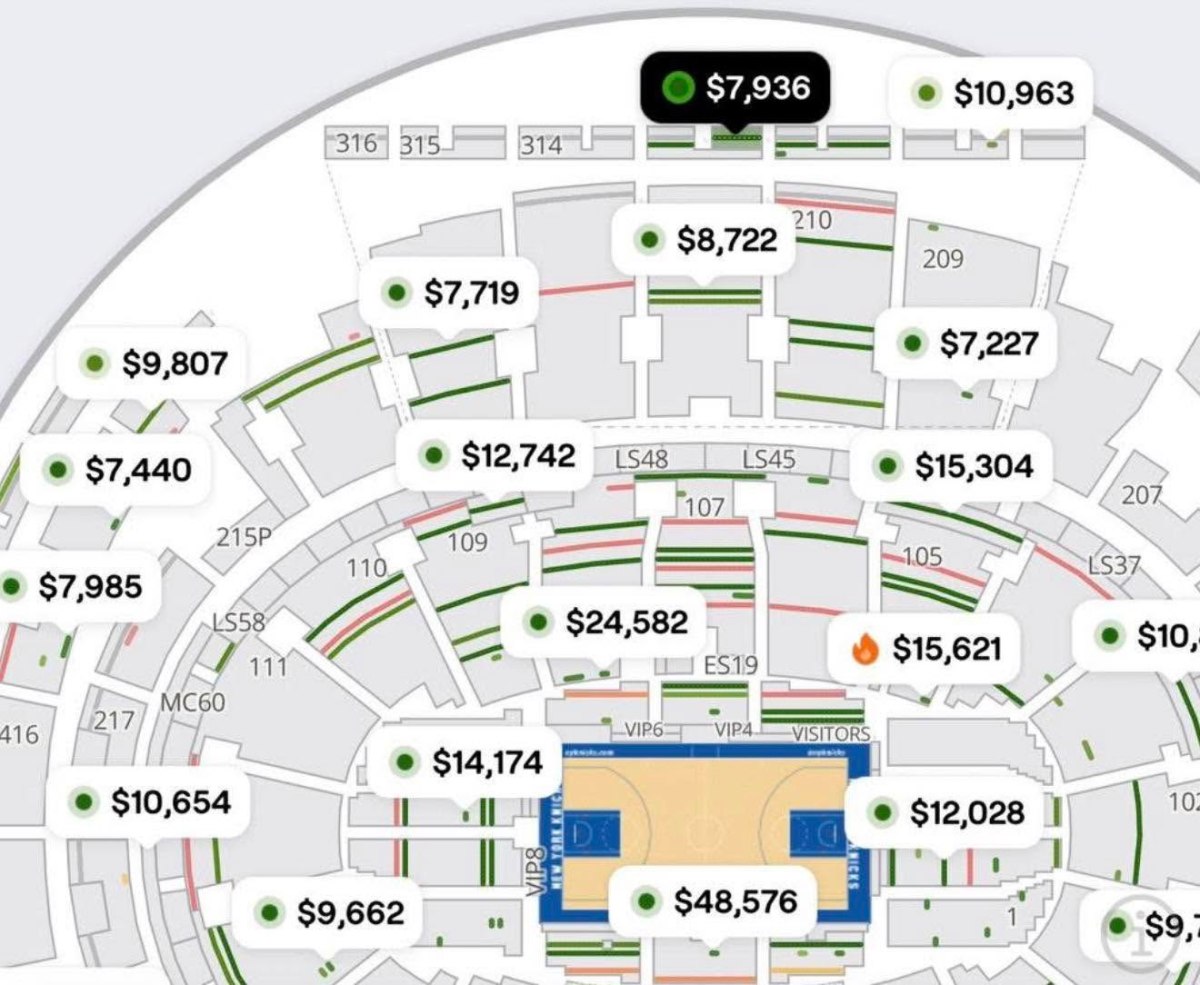
If the value of a product or service is in high demand and the supply is limited, you’re going to be paying a lot for that good or service. I accept that inevitable fact of life and have paid that in my own life numerous times, especially for a concert, a sporting event, or even a last-minute show. Performers, artists, and athletes put their blood, sweat, and tears into their craft and they need that consistent revenue from fans for their livelihoods. I’m supportive of this kind of system, but what I am increasingly frustrated by is when dynamic pricing models, monopolistic practices, and sheer lack of affordability across these different types of entertainment have combined to cause inflated prices to occur for the average fan, where you can’t get in the arena.
Prices for special events like the Super Bowl, the FIFA World Cip, and the NBA Finals are always going to be inflated, but I find that they have become overinflated. Many special events don’t even match the cost of those events should charge if they matched the inflation-adjusted value compared to the event ten or twenty years ago. For example, When the New York Knicks last reached the Finals against the San Antonio Spurs in 1999, a typical Finals ticket generally ranged from roughly $150–$500 face value, with premium seats running higher. In the secondary market, many tickets sold for hundreds rather than thousands of dollars at that time. Adjusted for inflation, that ticket price would be approximately $300–$950 in 2026 dollars. However, if you look at any secondary market site as I write this article in June 2026, it costs between 3k-10k for nosebleed seats and there’s nothing available under $3,000, showing that these prestigious events are no longer affordable, except for the very wealthy in our society.
The issue is not that prices rise when demand exceeds supply, which is to be expected especially for special concerts or rare sporting events. That is a basic economic reality of supply and demand in a capitalist system. The current issue is that modern ticketing systems have evolved in ways that extract the maximum possible amount of money from consumers through dynamic pricing algorithms, excessive service fees, speculative resale markets, and limited competition among ticketing providers. There is a clear difference between paying a premium for a rare experience and being priced out of that experience, which most people find themselves facing today.
This unfortunate situation is especially the case since there’s nothing available for the average middle-class fan in their price range, including the sections that are further away from the action. Increasingly, average fans of median or lower income are finding themselves out of luck for any special entertainment events and even for regular concerts or theater performances. Notable performers including Taylor Swift, Bruce Springsteen, and Beyonce have taken advantage of the dynamic pricing situation to charge more for their concerts even as their fans find themselves squeezed not just by the ticket prices but also for paying concessions, parking, and even needing to fly or drive to the concert on top of the cost for entry to the event.
One of the most controversial developments in modern entertainment has been the rise of dynamic pricing, which is very much an American phenomenon at this point, but could become popular elsewhere soon. Like airline tickets or hotel rooms, ticket prices can now fluctuate dramatically based on demand. A seat that costs $250 in the morning may cost $750 by the afternoon simply because an algorithm determines that consumers are willing to pay more and track people’s spending patterns over time.
While defenders of dynamic pricing argue that this approach reflects market realities, critics are right to point out that these systems often reward sheer wealth rather than loyalty to the team, the athlete, or the musician. Fans who have supported a team, artist, or event for decades frequently find themselves competing against corporate buyers, professional resellers, and affluent consumers with far deeper pockets. These buyers don’t usually care about the team or the artist and will often surge the pricing to make a profit off the ticket and sell to the highest bidder rather than to lower the price for someone of moderate means who is a true fan or supporter of the event they want to see, but will never get the chance to do so now.
Sports and entertainment have historically served as one of the few places where people from different economic backgrounds could gather and share a common experience together without barriers between them. Yet as prices continue to rise and these kinds of events become geared to the top 1-10% of our society including private suites and with whole parts of the arenas or stadiums blocked off to the wealthiest, these events increasingly resemble luxury products reserved for those people with significant disposable income only.
The danger is not merely economic in terms of fostering greater inequality and already has resulted in a K-shaped economy in the United States as many economists have noted lately. There is cultural damage being done as well, which could be even more damaging to how different social classes relate to each other going forward. When the average fan or supporter can no longer attend a championship game, a major concert, or a global sporting event, something valuable is lost as a result. The shared experiences that once united different communities become increasingly exclusive and reflect a stratified society rather than preserve a rare opportunity to bring everyone together to celebrate an event or a person that unites us together.
The question that policymakers, leagues, promoters, and ticketing companies should be asking is not how much revenue can be extracted from consumers. It is whether future generations of fans will be able to participate in the events they love at all. I have no problem with people making money from what they do and selling at a higher price to reflect the sheer demand and the perceived value of their product. However, pricing a major portion of your supporters and fan base out of these events will ultimately result in growing antipathy toward the sports teams, entertainers, leagues, and ticketing companies involved. Loyal fans are the foundation upon which these brands are built. When lifelong supporters can no longer afford to attend the very events that helped make them successful, a sense of alienation and disenfranchisement begins to replace loyalty. Over time, that erosion of goodwill may prove more costly than any short-term revenue gains generated through excessive and dynamic pricing.
For many New York Knicks fans including myself, the 2026 NBA Finals represent the first championship opportunity of our lifetimes. Yet many lifelong supporters who endured decades of losing cannot afford even the cheapest seat inside Madison Square Garden for a Finals game. When a once-in-a-generation moment becomes inaccessible to the very fans who helped sustain a franchise through its worst years (of which there were many), it is fair to ask whether the pricing system is still serving its intended purpose. While organizations and individual artists may celebrate record profits today, they should remember that every lifelong fan who is priced out is a future customer, advocate, and ambassador lost. The strength of any sports league, artist, or event ultimately depends not on how much money can be extracted from its audience, but on how many people still feel they belong there.
