

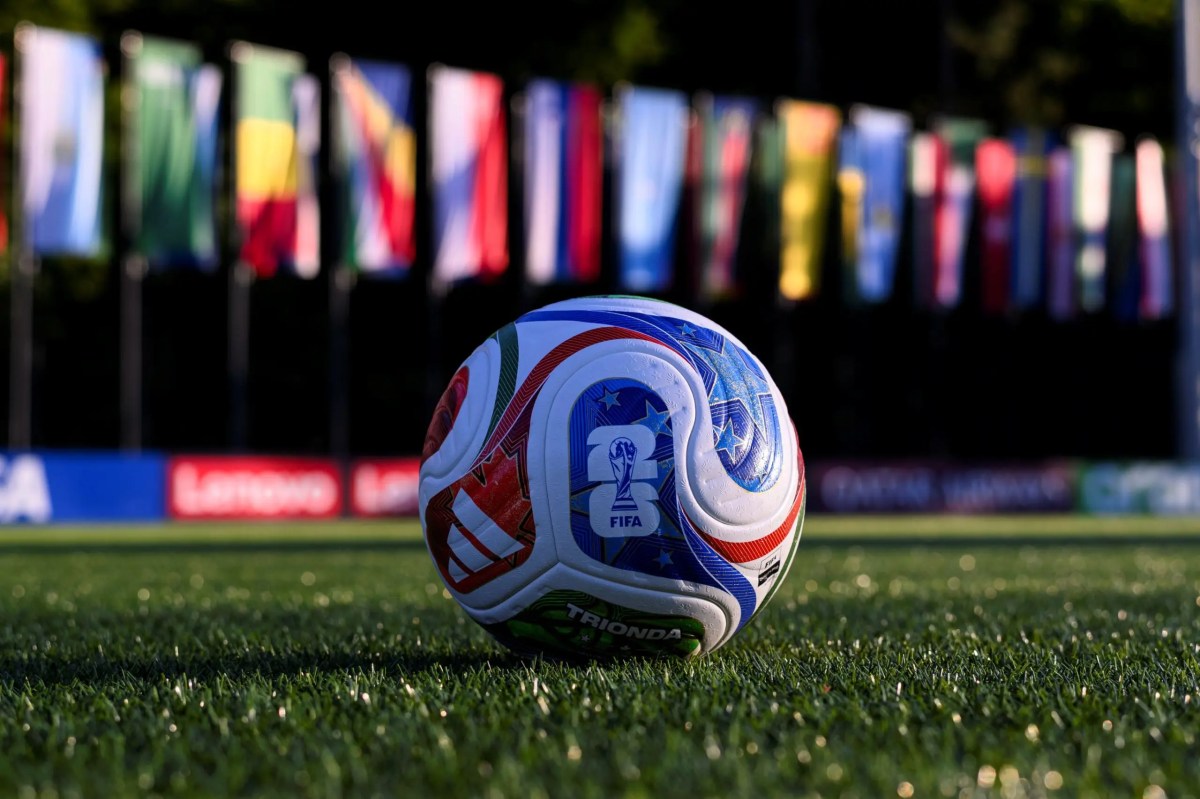
Beyond politics, religion, and the many divisions that shape our daily lives, sports remain one of humanity’s most powerful ways to gather. What other way can millions of people gather in New York City, Buenos Aires, or elsewhere to celebrate a victory in a major sport? Whether it’s the FIFA World Cup, the NBA Finals, or the Olympics, sports at their best unite a city, a country, and even the world together.
In these divided and turbulent times, events like the World Cup remind us of our common love of sports and competition. Even when nations face off against each other, it’s a great way to get peoples of different backgrounds together to try each other’s foods, to dance together, and to even share a stadium in a peaceful manner even when they might have nothing else in common. Singing, dancing, celebrating in the streets means that it’s more than just about kicking around a football / soccer ball, it’s about bringing a group of people together to have a real feeling of community again.
Yes, there are always controversies about the sporting world, and the World Cup is no different. Like any human endeavor, sports are often flawed and sometimes unfair. However, it is still the best way to bring people together to receive joy, happiness, and sometimes heartbreak. Sports are a microcosm of life as it may not go your way, but it can bring the best out of you and others when it’s at its best. I have nothing against any religion or anyone’s politics, but when you compare them to sports, there’s no contest in how the latter can bring people together, even in the billions of people to pay attention and cheer their team on in a peaceful and joyous manner.
Perhaps the greatest power of sports is that they allow us to experience belonging without requiring agreement on everything else. A person wearing a jersey in Los Angeles, São Paulo, Seoul, or Nairobi may have completely different political beliefs, religious traditions, or life experiences than the person standing next to them even if they are from the same city or country, yet for ninety minutes, four quarters, or three periods, they are connected by a common purpose. They are not strangers anymore. They are teammates in the moment invested in the same game.
Traveling around the world has shown me that sports are often a universal language that anyone can relate to. You may not speak the same language as someone from another country, but you can celebrate a goal, debate a referee’s decision, or laugh together about a missed chance. A simple conversation about a favorite player or a historic match can open the door to a new friendship. Sports create a bridge between cultures around the world, especially with the World Cup, because they start with something everyone understands on a fundamental level: the excitement of competition and the desire to be part of something bigger than yourself.
Some of my most memorable experiences on the road have not come from famous landmarks or tourist attractions, but from being surrounded by thousands of strangers during a sporting event regardless of if it was rugby, soccer, basketball, or tennis. There is something magical about standing in the crowd where everyone is singing the same song, wearing the same colors, and feeling the same emotions. For a moment, individual worries and biases disappear, and everyone becomes part of one collective experience.
That does not mean sports can solve all the world’s problems as sports like humanity are often flawed and imperfect too. A soccer match will not erase ongoing political disagreements, end active conflicts, or fix social or economic divisions. Perhaps that is exactly why sports matter to most of the world’s people. They give humanity a reminder of what is possible and strive for better. They show us that simple competition does not always have to lead to hatred, and that our differences do not have to prevent connection from happening.
At its best, sports are not about defeating another person or team; they are about sharing an unforgettable moment with millions of other people. A championship parade, a World Cup celebration, or an Olympic victory becomes a memory that people carry for decades or even the rest of their lives. Long after the final whistle blows, people remember where they were, who they celebrated with, and how they felt when it happened and they tell their children and even grandchildren about it.
In a world where so many forces try to divide us and cause hatred, sports remain one of the few places where people can still come together naturally. The scoreboard eventually resets, the trophies gather dust, and the players move on to other endeavors. However, the sense of community, joy, and shared humanity that sports create can last far longer than the game itself.
Discover more from The Life and Times of Ben Weinberg
Subscribe to get the latest posts sent to your email.

