At Its Best, Sports Unites the World

“Whether it’s the FIFA World Cup, the NBA Finals, or the Olympics, sports at their best unite a city, a country, and even the world together.”

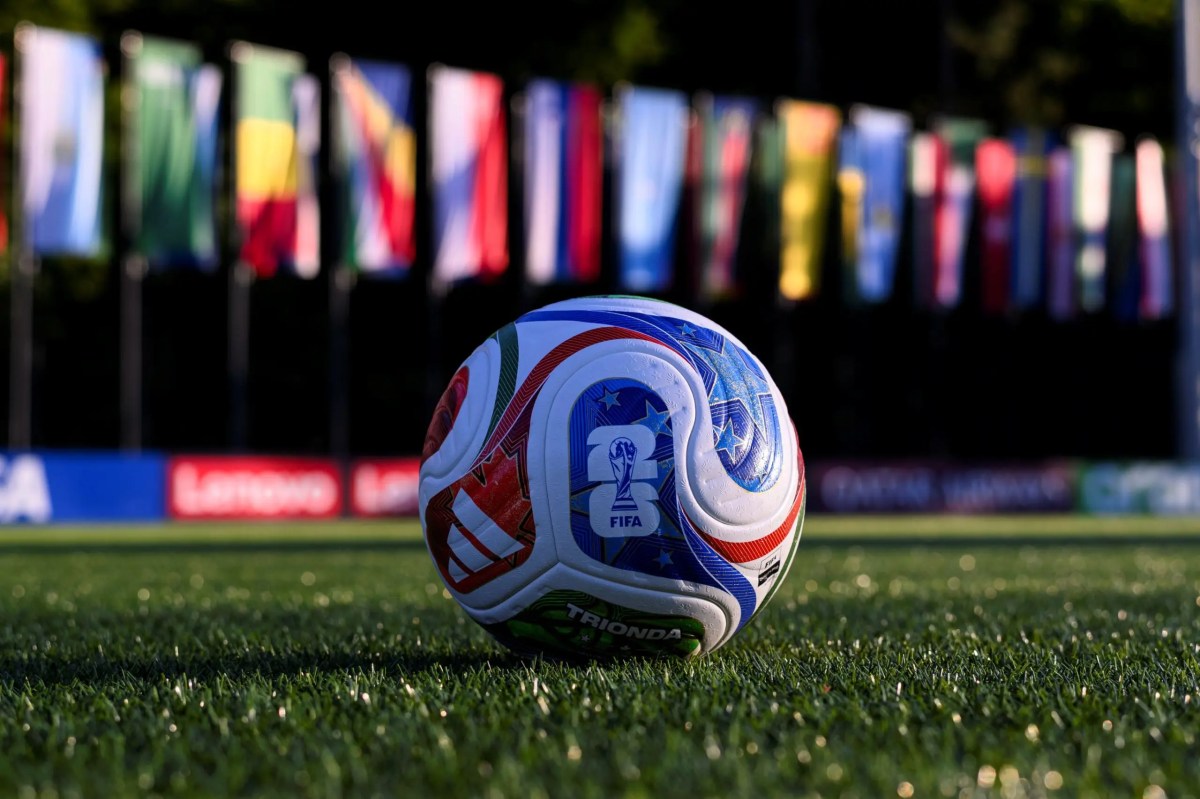
Beyond politics, religion, and the many divisions that shape our daily lives, sports remain one of humanity’s most powerful ways to gather. What other way can millions of people gather in New York City, Buenos Aires, or elsewhere to celebrate a victory in a major sport? Whether it’s the FIFA World Cup, the NBA Finals, or the Olympics, sports at their best unite a city, a country, and even the world together.

In these divided and turbulent times, events like the World Cup remind us of our common love of sports and competition. Even when nations face off against each other, it’s a great way to get peoples of different backgrounds together to try each other’s foods, to dance together, and to even share a stadium in a peaceful manner even when they might have nothing else in common. Singing, dancing, celebrating in the streets means that it’s more than just about kicking around a football / soccer ball, it’s about bringing a group of people together to have a real feeling of community again.

Yes, there are always controversies about the sporting world, and the World Cup is no different. Like any human endeavor, sports are often flawed and sometimes unfair. However, it is still the best way to bring people together to receive joy, happiness, and sometimes heartbreak. Sports are a microcosm of life as it may not go your way, but it can bring the best out of you and others when it’s at its best. I have nothing against any religion or anyone’s politics, but when you compare them to sports, there’s no contest in how the latter can bring people together, even in the billions of people to pay attention and cheer their team on in a peaceful and joyous manner.

Perhaps the greatest power of sports is that they allow us to experience belonging without requiring agreement on everything else. A person wearing a jersey in Los Angeles, São Paulo, Seoul, or Nairobi may have completely different political beliefs, religious traditions, or life experiences than the person standing next to them even if they are from the same city or country, yet for ninety minutes, four quarters, or three periods, they are connected by a common purpose. They are not strangers anymore. They are teammates in the moment invested in the same game.

Traveling around the world has shown me that sports are often a universal language that anyone can relate to. You may not speak the same language as someone from another country, but you can celebrate a goal, debate a referee’s decision, or laugh together about a missed chance. A simple conversation about a favorite player or a historic match can open the door to a new friendship. Sports create a bridge between cultures around the world, especially with the World Cup, because they start with something everyone understands on a fundamental level: the excitement of competition and the desire to be part of something bigger than yourself.

Some of my most memorable experiences on the road have not come from famous landmarks or tourist attractions, but from being surrounded by thousands of strangers during a sporting event regardless of if it was rugby, soccer, basketball, or tennis. There is something magical about standing in the crowd where everyone is singing the same song, wearing the same colors, and feeling the same emotions. For a moment, individual worries and biases disappear, and everyone becomes part of one collective experience.

That does not mean sports can solve all the world’s problems as sports like humanity are often flawed and imperfect too. A soccer match will not erase ongoing political disagreements, end active conflicts, or fix social or economic divisions. Perhaps that is exactly why sports matter to most of the world’s people. They give humanity a reminder of what is possible and strive for better. They show us that simple competition does not always have to lead to hatred, and that our differences do not have to prevent connection from happening.

At its best, sports are not about defeating another person or team; they are about sharing an unforgettable moment with millions of other people. A championship parade, a World Cup celebration, or an Olympic victory becomes a memory that people carry for decades or even the rest of their lives. Long after the final whistle blows, people remember where they were, who they celebrated with, and how they felt when it happened and they tell their children and even grandchildren about it.

In a world where so many forces try to divide us and cause hatred, sports remain one of the few places where people can still come together naturally. The scoreboard eventually resets, the trophies gather dust, and the players move on to other endeavors. However, the sense of community, joy, and shared humanity that sports create can last far longer than the game itself.

English Corner – Creating a Cover Letter

What is a cover letter? Why is it important for an English learner to know about it and also how to create a good one? Well, a good cover letter can make the difference between landing that dream job or hitting refresh on the search results again to find the next job opportunity. Your experience and your professional background need to be succinct and summed up in a well-written way and the cover letter is your best way of doing that. It is an excellent way in which for you to improve your English writing skills and to prove that you can handle your future job’s writing components which there is likely to be many of them since you are a worker during an age of e-mails, 24 hour communications, and instant messaging services.

A cover letter is an opportunity for you to go into more detail about yourself and your experience(s) and background, both professionally and personally. However, your cover letter should focus on the job you are applying for as well as why you are interested in the particular company that you intend to work for. Your cover letter should be a balance of who you are as a professional, what you can offer for the job you’re applying to, and what your interest in the company is. It’s a balancing act between these two objectives and you should remember to personalize your cover letter depending on where you are applying to.

You may be asking yourself as you read this blog post: Why do I need a cover letter and what benefit(s) do I get from creating a worthwhile one? Well, there are a number of reasons for it which I will list below but be sure to note that it’s more than just a chance to land a good job but it’s a chance for yourself to become a better writer and know how to sell your abilities and skills.

Your cover letter is different from the resume in that it allows you to go more in-depth about yourself and why you’re a good fit for the job. Instead of short bullet points, you can highlight your experiences in broader detail. Employers will also expect why you would like to work for their company and how your skills line up with their requirements. It’s a chance to tell your story to them while interweaving how their company or organization aligns with your professional goals. In addition, you have the ability to showcase how good of a writer you are because the cover letter is more grammatically, and vocabulary focused than your resume.

Action words will make up a large component of your cover letter’s sentences so please be sure to put these verbs to good use. Here below are just a sampling of them listed below but remember that there are hundreds that can be used within the context of a regular cover letter. Try not to repeat yourself too much and to keep your usage of action words fresh and consistent throughout the letter.

Sample Action Words

  • Activate
  • Compose
  • Communicate
  • Develop
  • Direct
  • Manage
  • Organize
  • Review
  • Systemize
  • Test
  • Verify
  • Value

Note: Remember to add –d or –ed to the end of the action verb if using it for the past tense.

In addition, you have to be able to choose and use some phrases and sentences that will come in handy either at the beginning or end of the cover letter so that you will come off as being both professional and serious. You do not have to use all of them but there are a number of them that are cordial in nature that a potential employer will expect from you to see when they read it during their evaluation.

Here are some key useful phrases/sentences that you can use for your average cover letter:

  • Dear Sir or Madam…
  • I am applying for this ________________ opening with _______________ for the purpose of __________________________________.
  • This job appeals to me because ________________________.
  • Your company / organization / firm is my top choice because ____________________________________.
  • I believe that I offer a lot to this position based on my skills and qualifications.
  • For example, last year, I was tasked with ____________________________________ and I was able to help by ______________________________________.
  • Please do not hesitate to let me know if you have any questions or comments about my application.
  • Thank you for your consideration of my application for this _________________ position with ________________ and I look forward to hearing from someone soon.
  • Sincerely, __________________ (Your Name).

To give you reading at home a better idea of what the content and the structure of a cover letter looks like, I have included two sample cover letter excerpts that will show you how it can be written and what to write about potentially if you are still struggling for ideas as to how the cover letter should be shaping up.

Sample Cover Letter Excerpts

  • “I have over five years of management experience and led my team of software developers to develop a successful mobile application. This mobile application was instrumental in connecting doctors with patients in an online booking system that took out the middle man from participating in this previously onerous process.”
  • “I believe your company, Syntax Inc., has been successful in implementing various infrastructure projects related to bridges and tunnels throughout the Middle East. These kind of projects are related to what I hope to do with my career and I think that this work is very important to the future.”

Remember that you should know who your audience is and tailor your phrases to reflect who you are writing the cover letter for. Always use formal language such as sir, madam, sincerely, respectfully, please, thank you, etc. Go into detail about the job you are applying for and give different reasons on what you bring to the table for the position opening. Structure the cover letter into multiple paragraphs with an introduction, body paragraph(s), and a conclusion. The cover letter is a formal piece of writing so it should be structured as a formal letter whereas a resume is less substantive and more general.

In the introduction of the cover letter, remember to always put your full name, your current mailing address, your cell phone number, and your e-mail address at the header of the cover letter. The date at which you are sending out the cover letter should go next in the left hand part of the cover letter below your header. Then, you should begin the cover letter with “Dear Sir or Madam..” or “To Whom It May Concern”, or “Dear Mr. or Mrs. ________” if you know who specifically the cover letter should be addressed to. The introduction should be a paragraph or two focusing on what position you are applying to, the company associated with the position, and for which reasons you are applying for this specific position. You can also add the person or place that referred you to this job application especially if the person works for the company you’re applying to.

The body paragraph(s) of the cover letter should be a few paragraphs in total length but not be too lengthy or repetitive. Each paragraph should cover a different part of your professional or educational background and highlight what these experiences meant to you and what skills you developed. You should give a few examples of where you showed leadership, where you completed a successful project, and what you took from the experience. Do remember to not discuss every professional experience or educational program you’ve gone to but instead highlight the relevant ones related to the job application in question. Always use complete sentences for this part of the cover letter and check it over for grammatical coherence and correct vocabulary usage.

When it comes to a cover letter’s conclusion, you’ll want to re-state again why you are applying to this particular position and company. Discuss which characteristics, skills, and personal traits you have that will make you stand out as a job candidate. The conclusion of your cover letter should indicate gratitude and thankfulness for being able to apply and that you hope to hear back soon from the employer. Sign off with a salutation such as Sincerely, Best regards, Warm regards, Best wishes, Cordially, etc. and re-state your full name at the end of the cover letter. Don’t be too presumptuous that you will land the position but let your experiences, skills, and qualifications speak for themselves.

Your cover letter is what you make of it really and if you want the job bad enough, it will come through in your writing and in your sincerity. The point of becoming a better English learner is to put yourself to the test and to make the most of your abilities in this language and developing a good cover letter is a great way to do that. If you follow this advice, practice until there are few if no mistakes at all, and revise multiple times what you have written, you will be well on your way to having better success in your professional career in the English-speaking world.

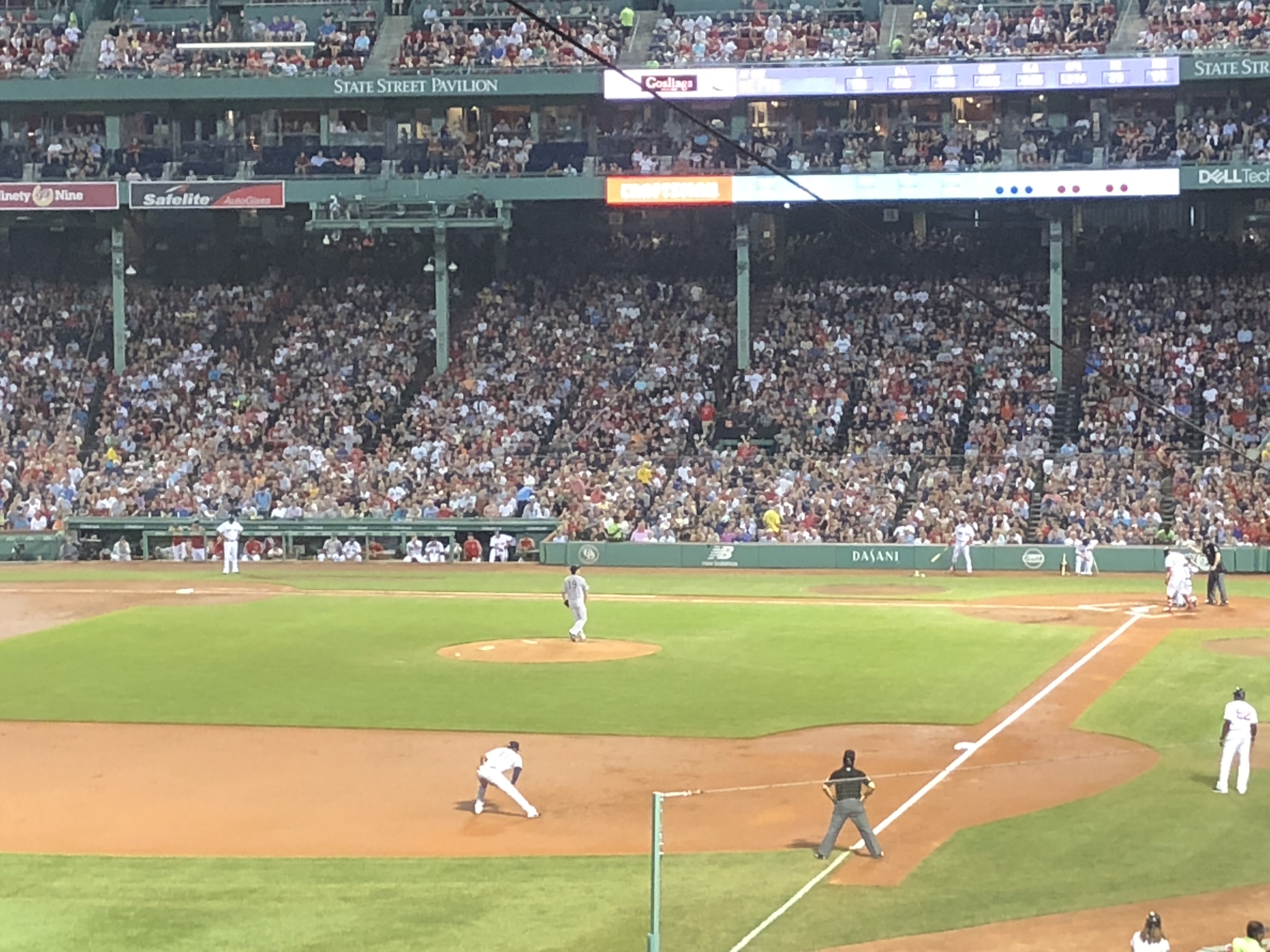
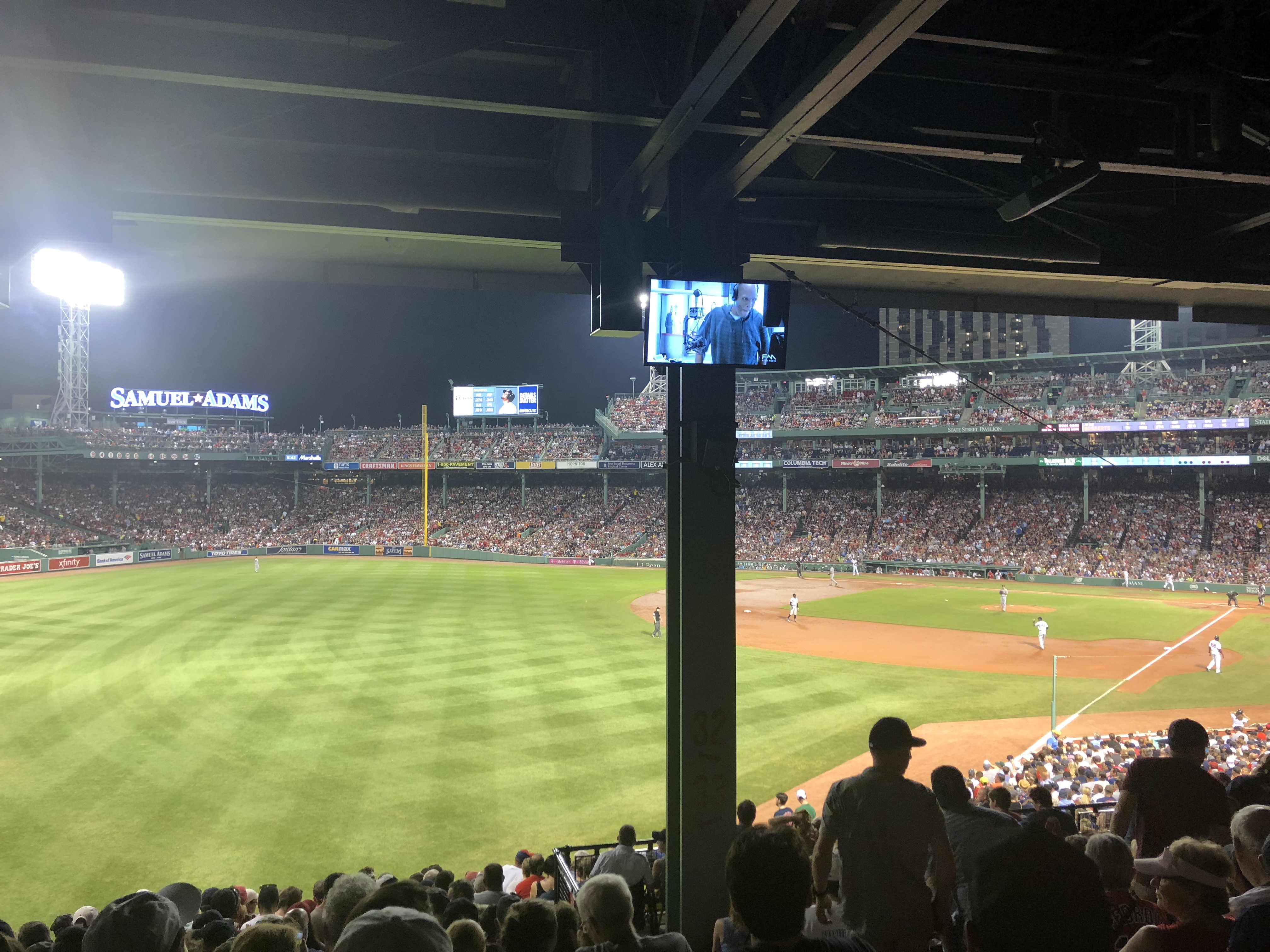
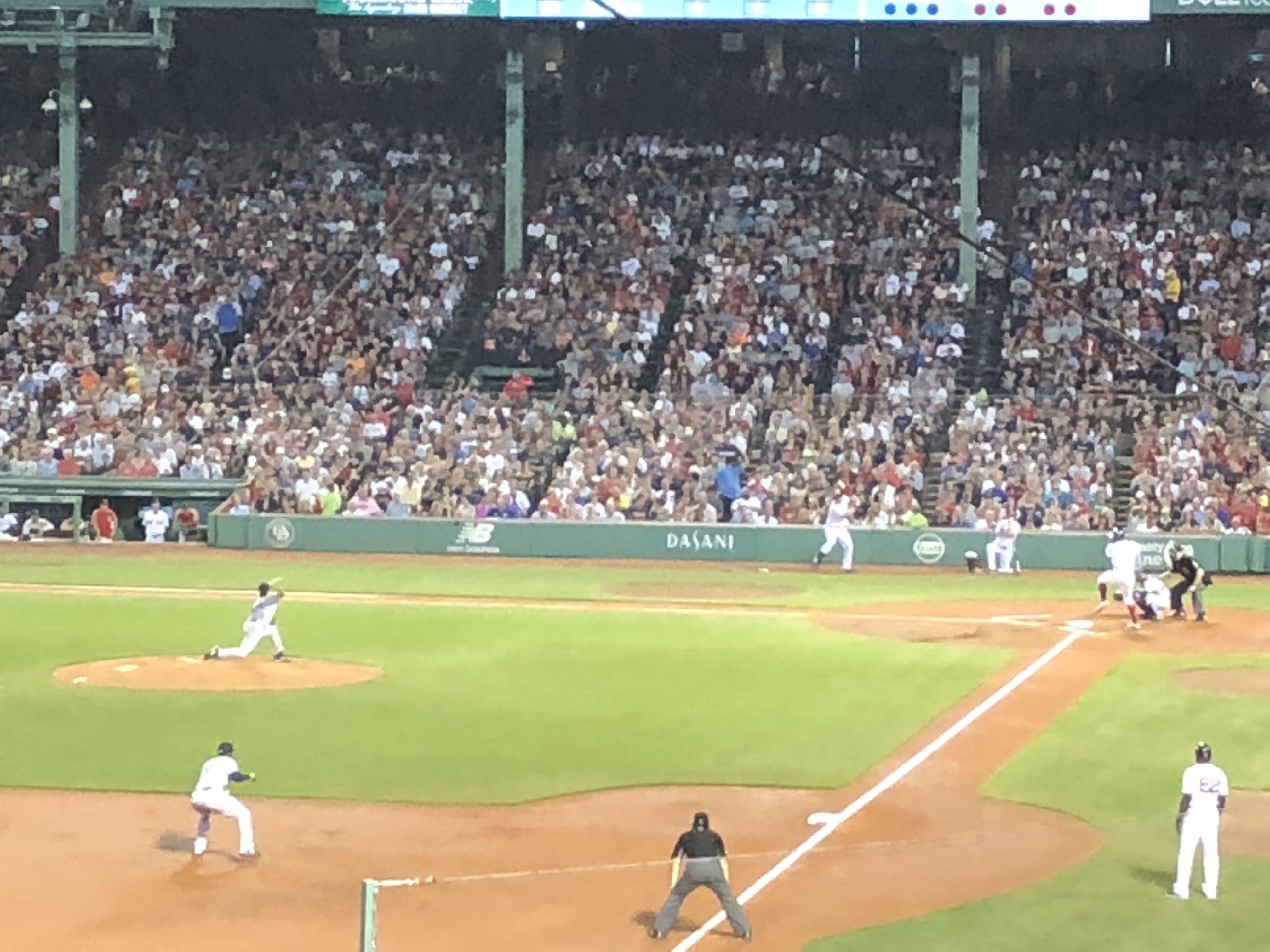
Yankees v. Red Sox

Phy5T0ofQlubh5ocN8%%fgMAEbD%dQR46Mg3ss+433bQ7BmwwvK0QjajHwVVAeBwEAtinCajQcTFSxS2YZCtP75wN80x8GDmRb2se2y+9c0pkwQdK5SAfrRT2%klVxOOaRkgtq8mXsSOSeOtQNKwOHhyyA4eoWlISfQge5j73XRbC%iAC7mMRePJT6azW0G2IVQRRQHnx87XcfTEqdrIfEaocJxg

CameraiPhone 8

Location: Fenway Park; Boston, Massachusetts, United States