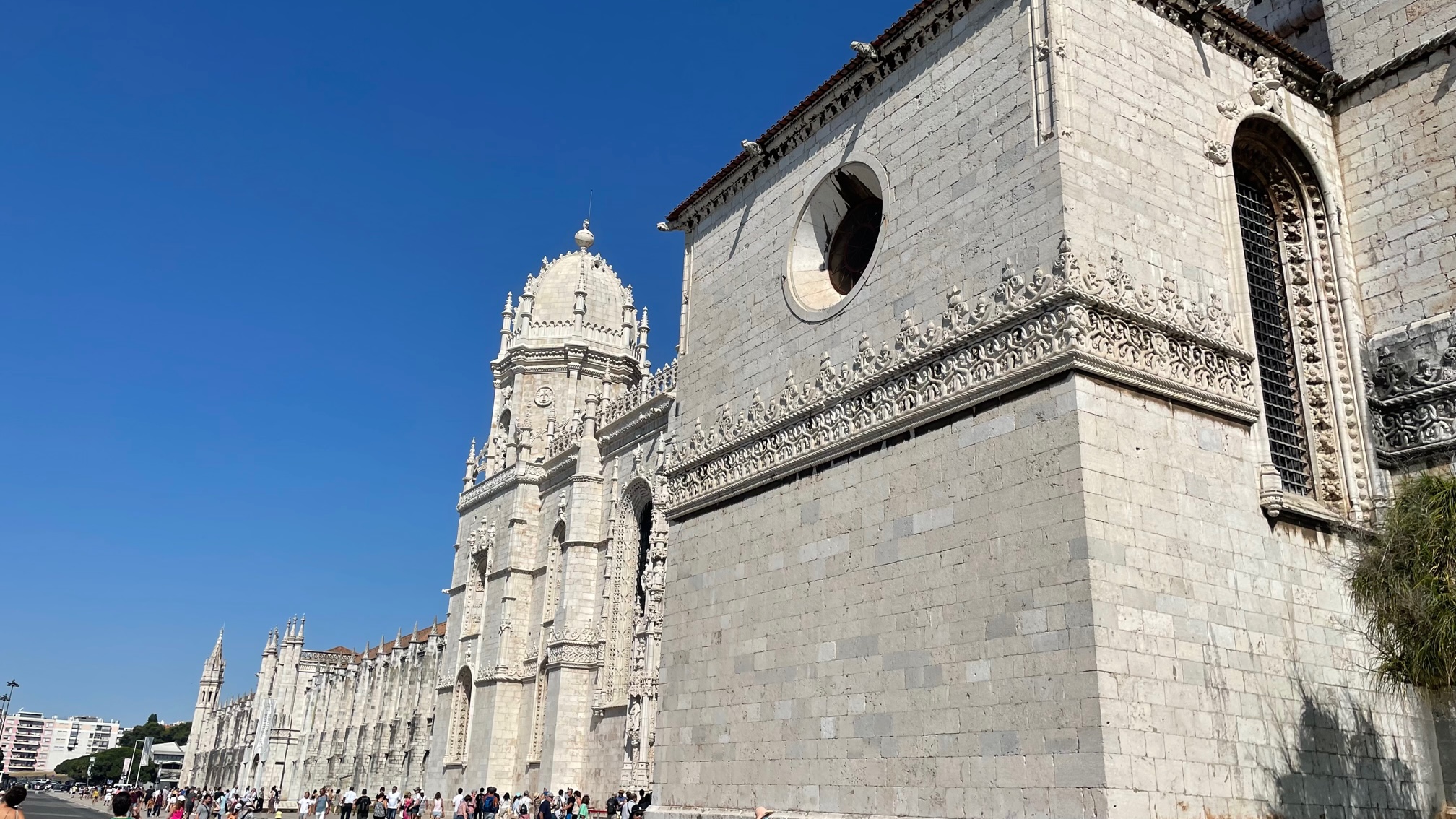

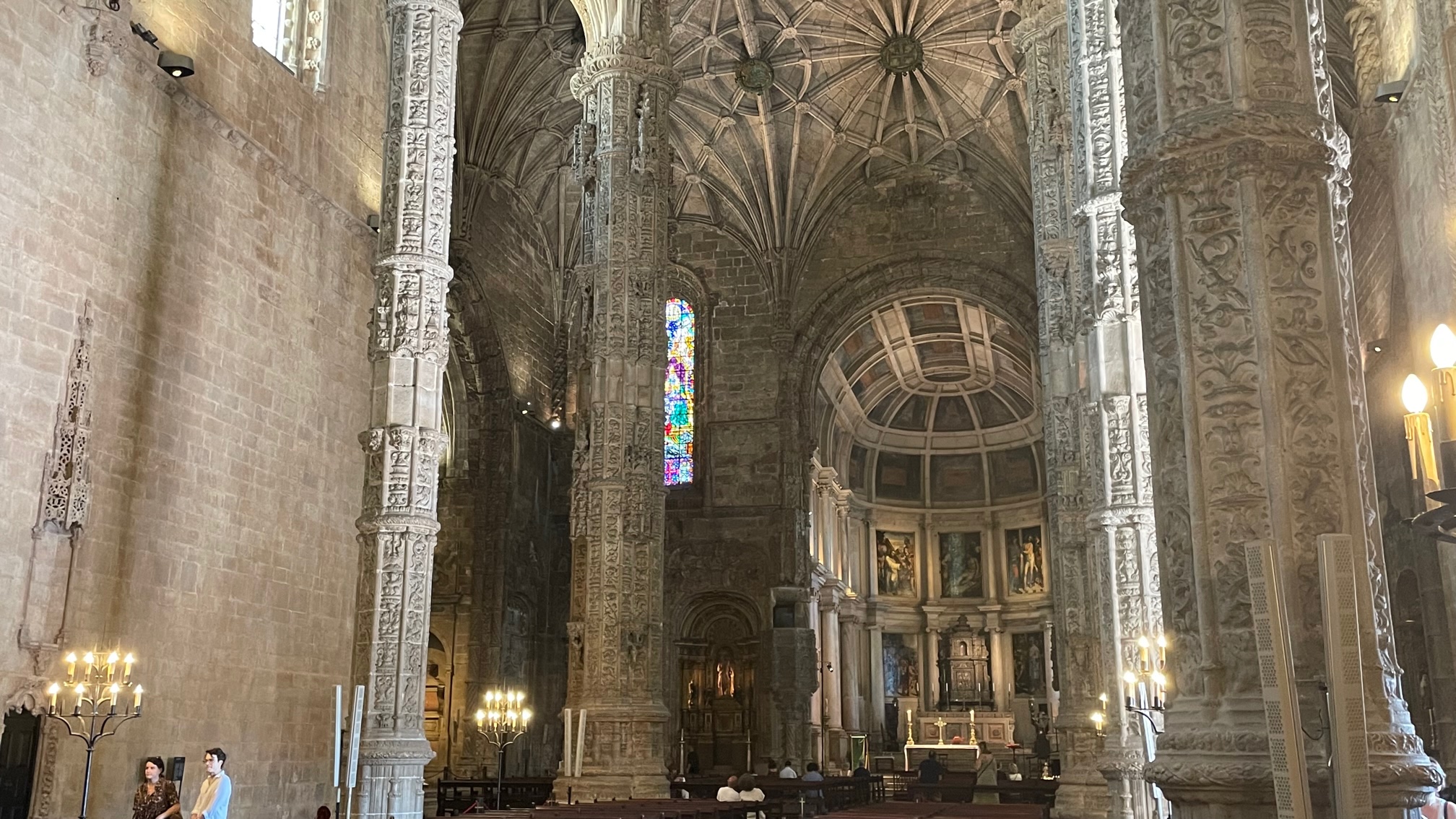
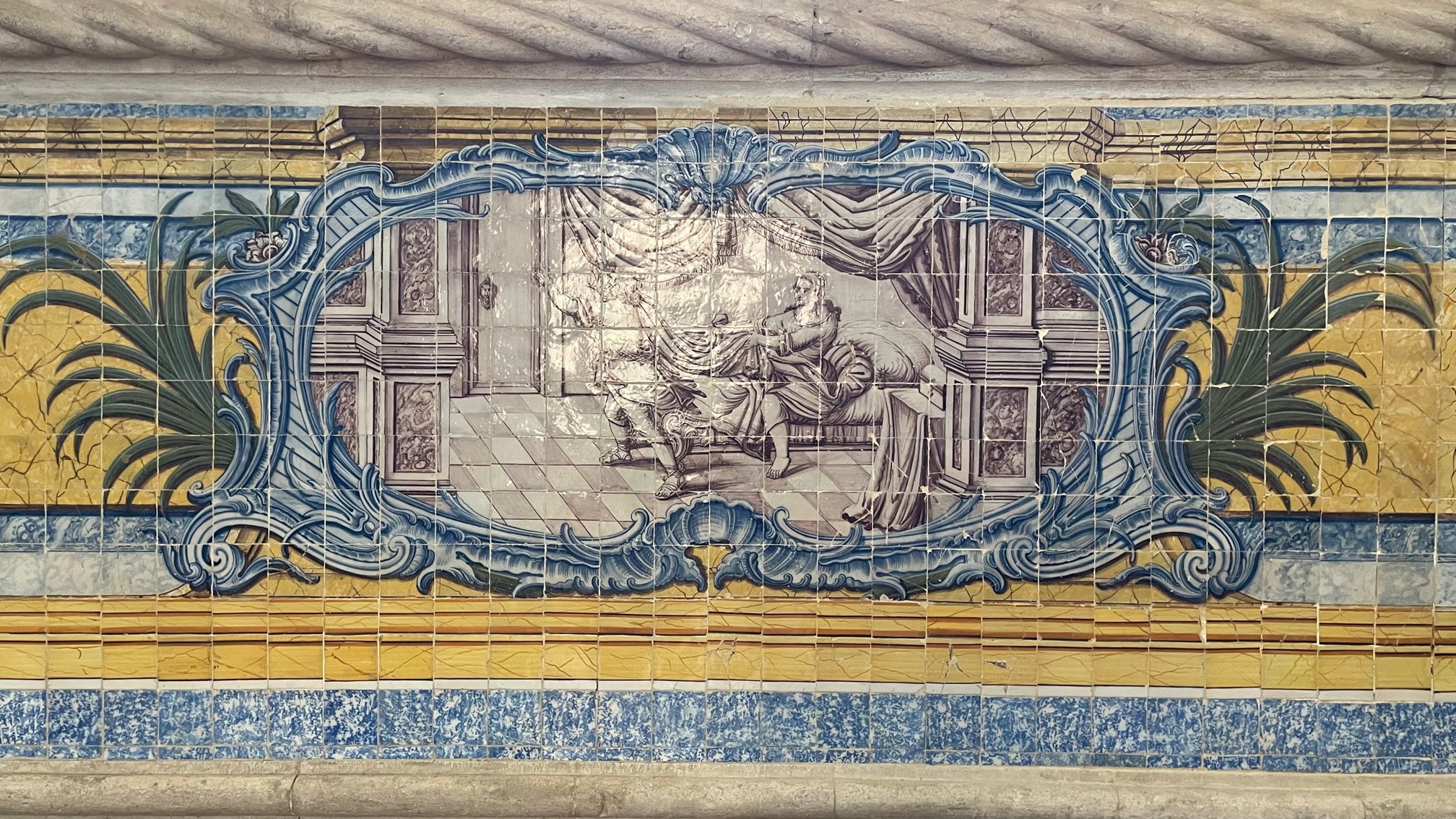

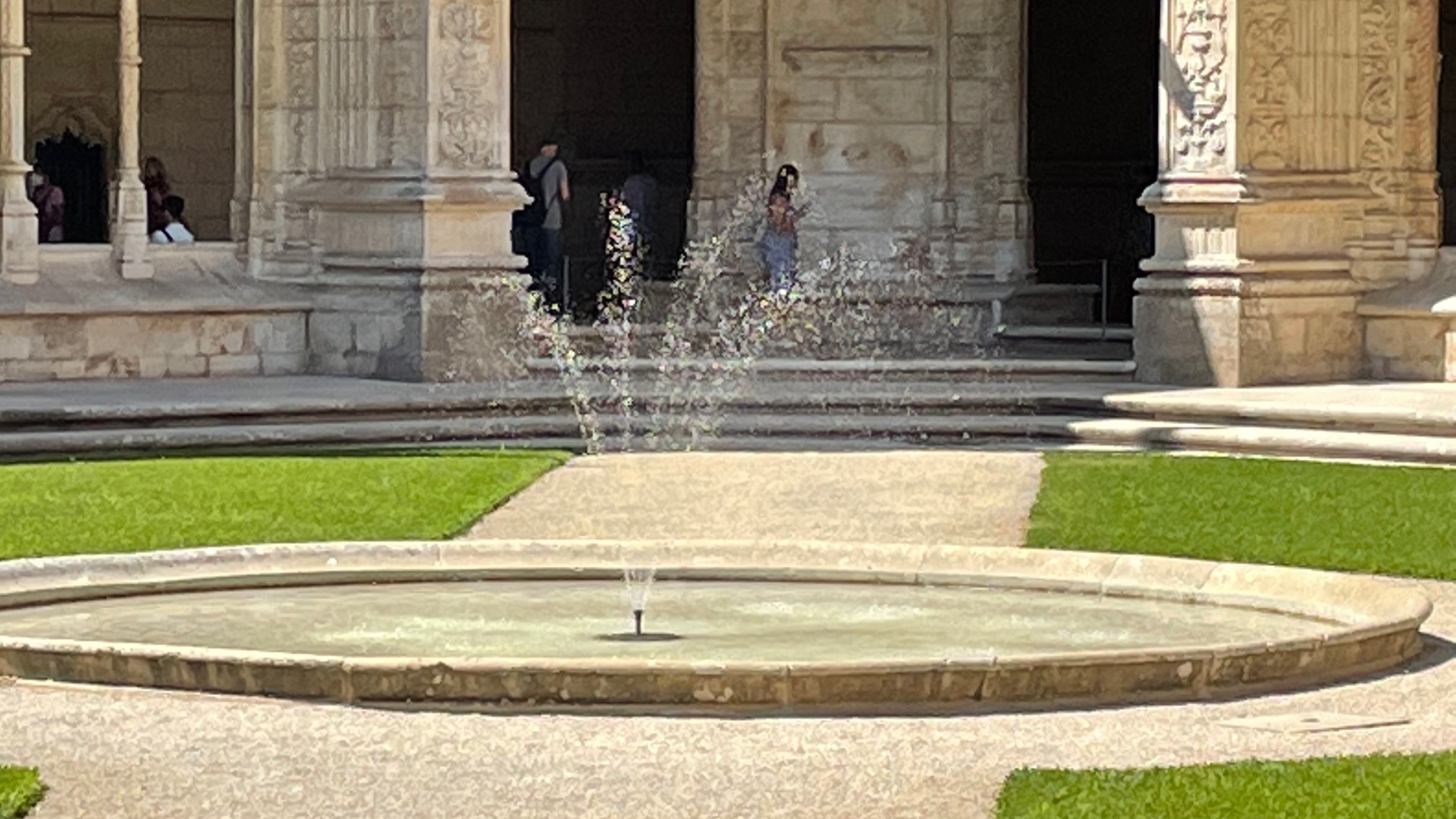
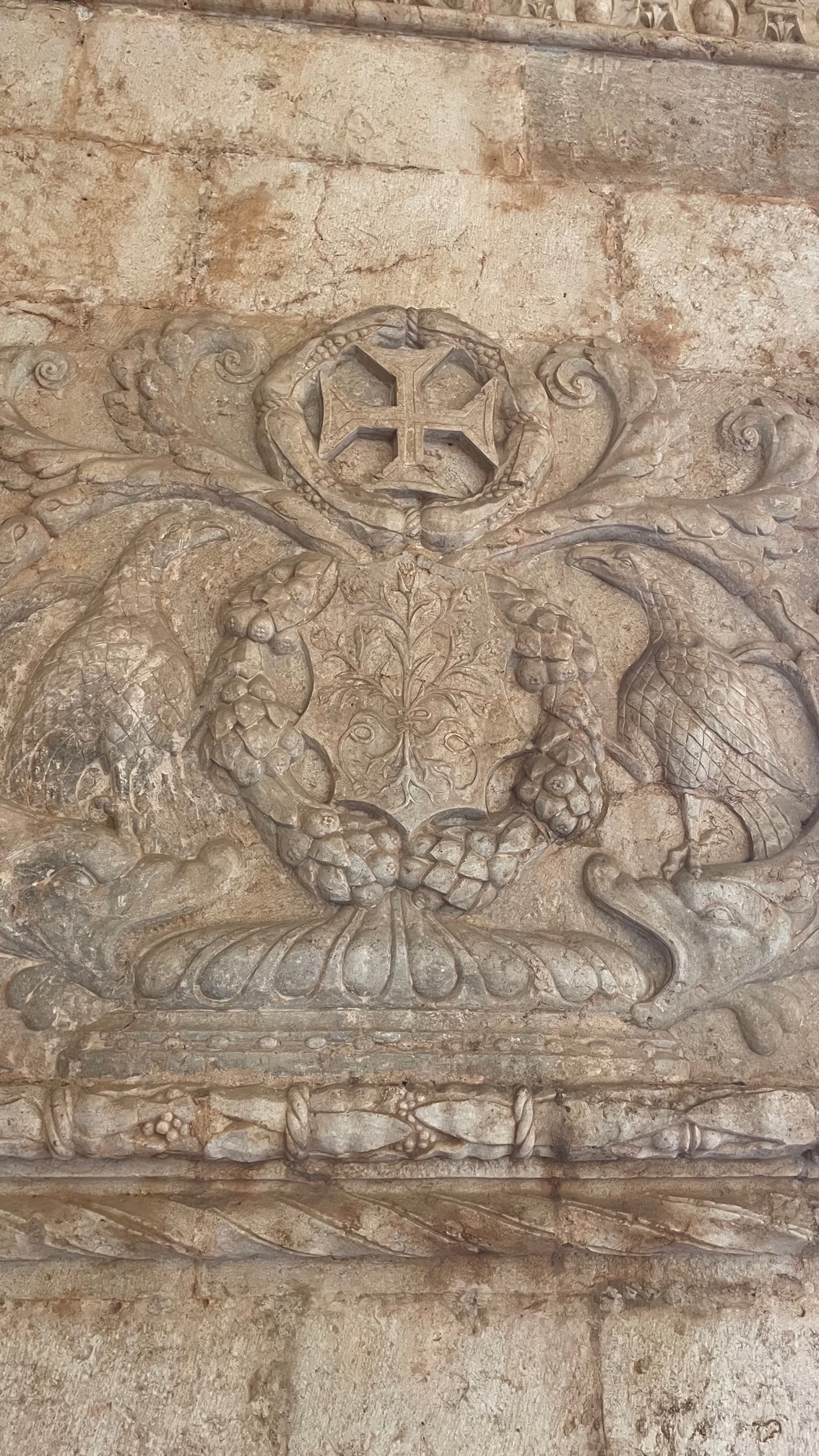

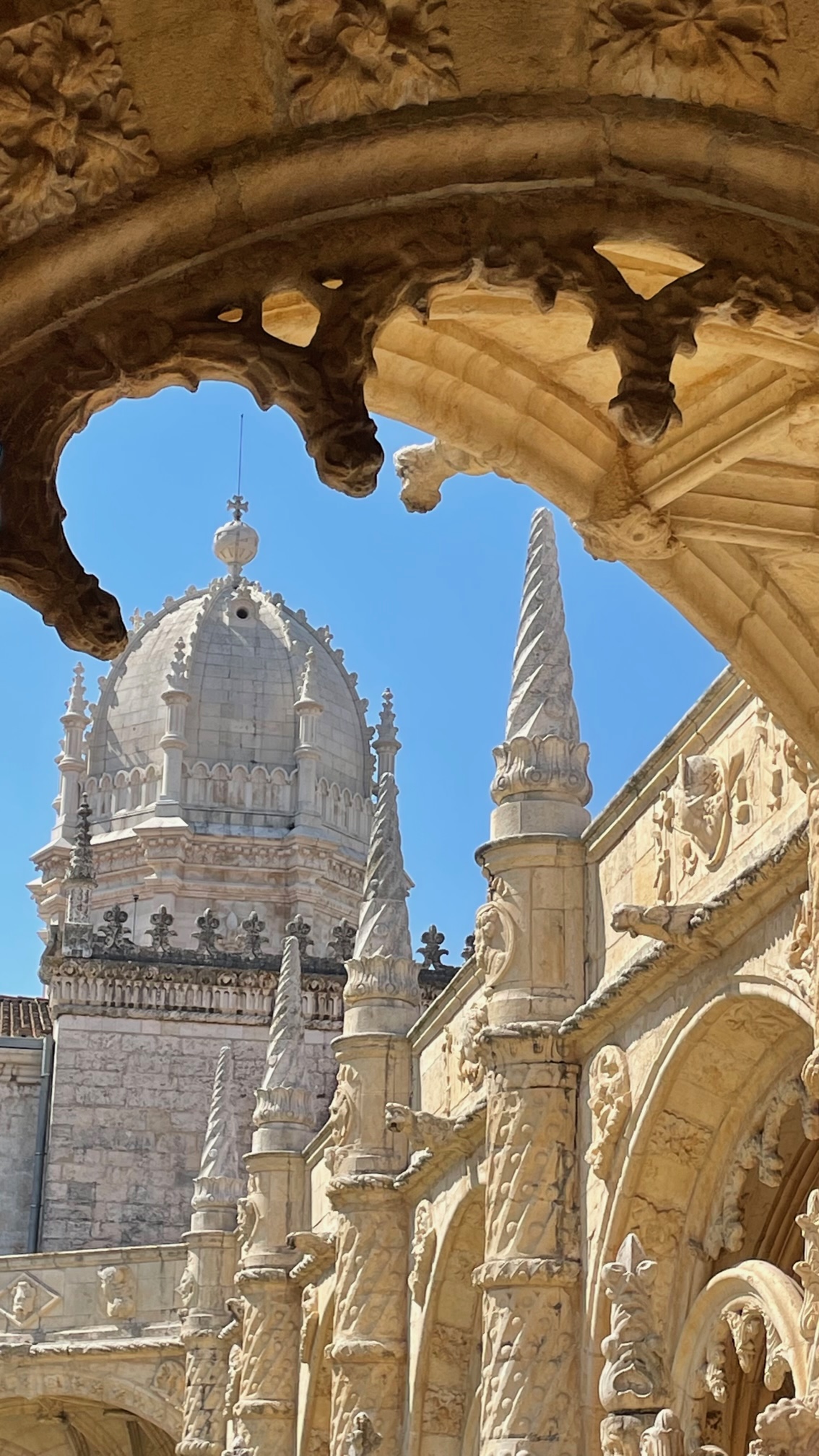



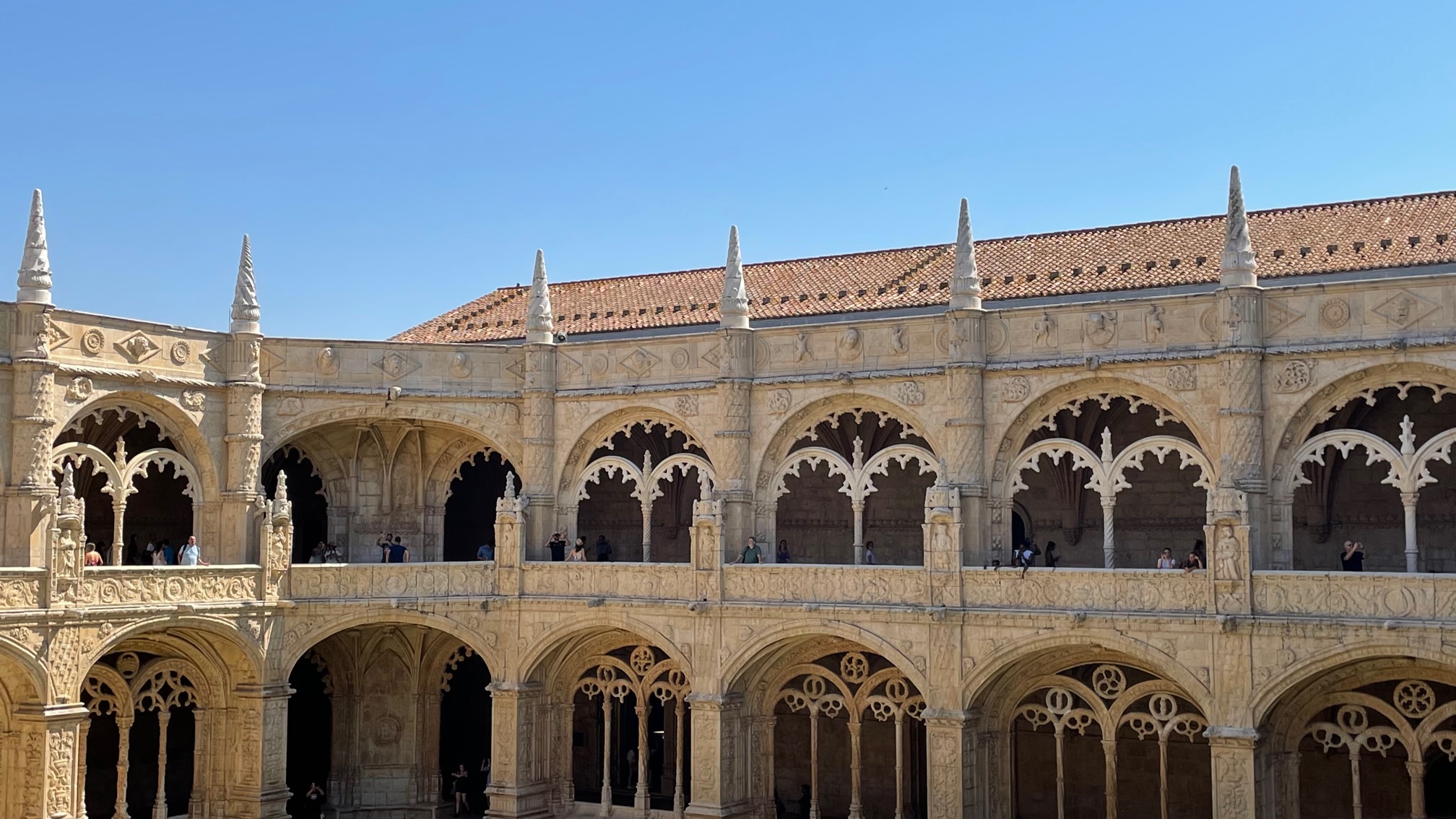
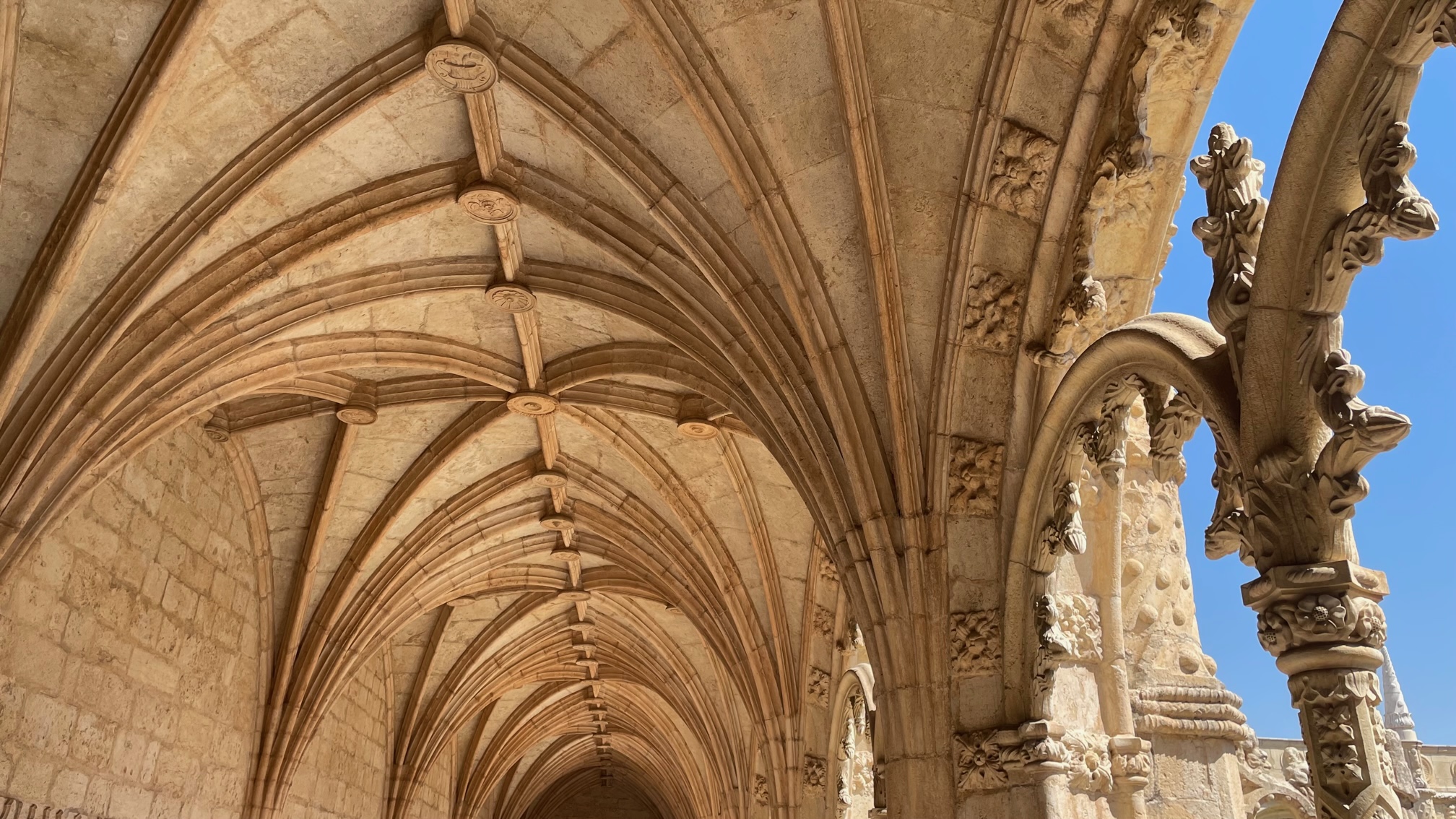
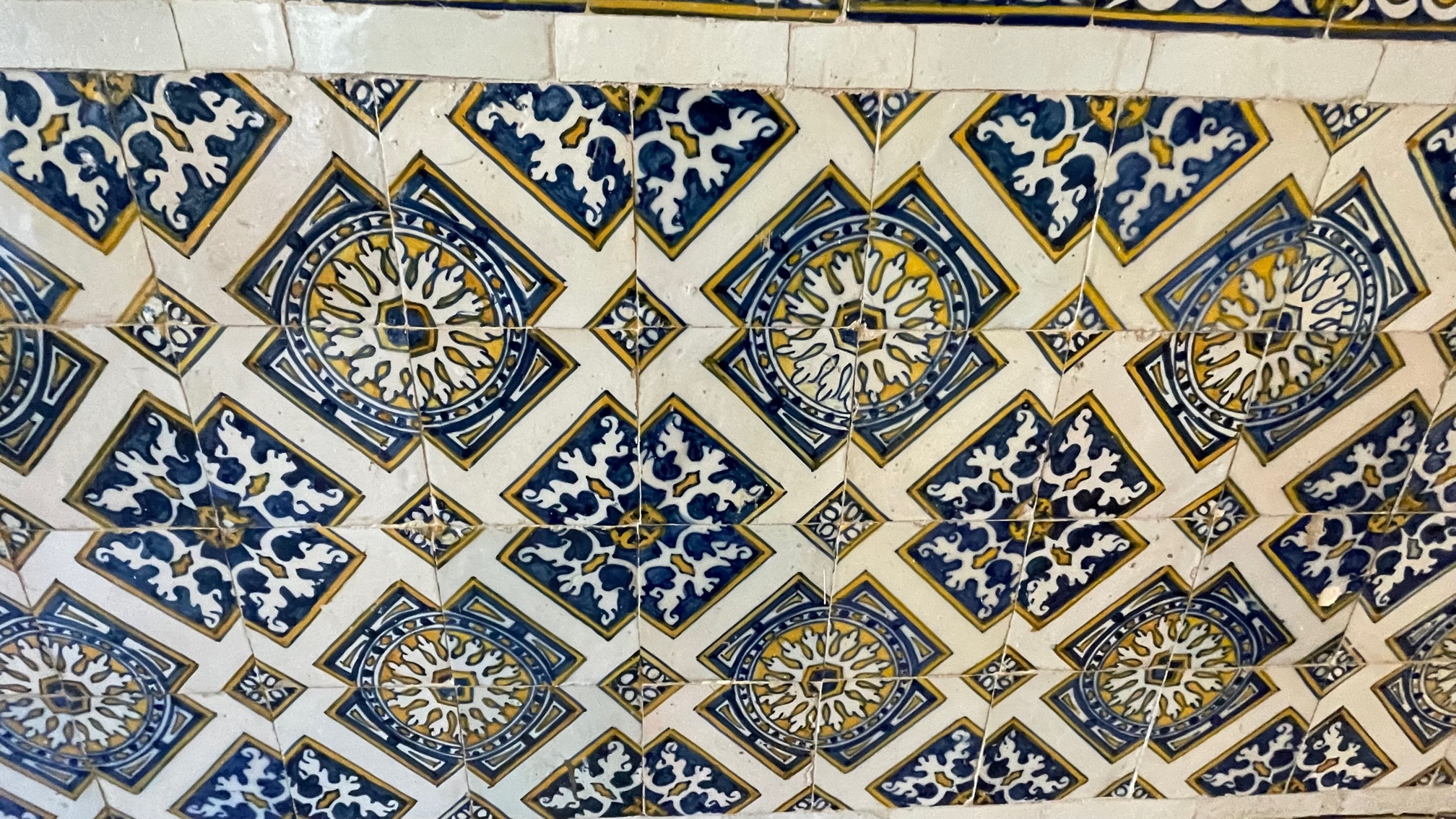
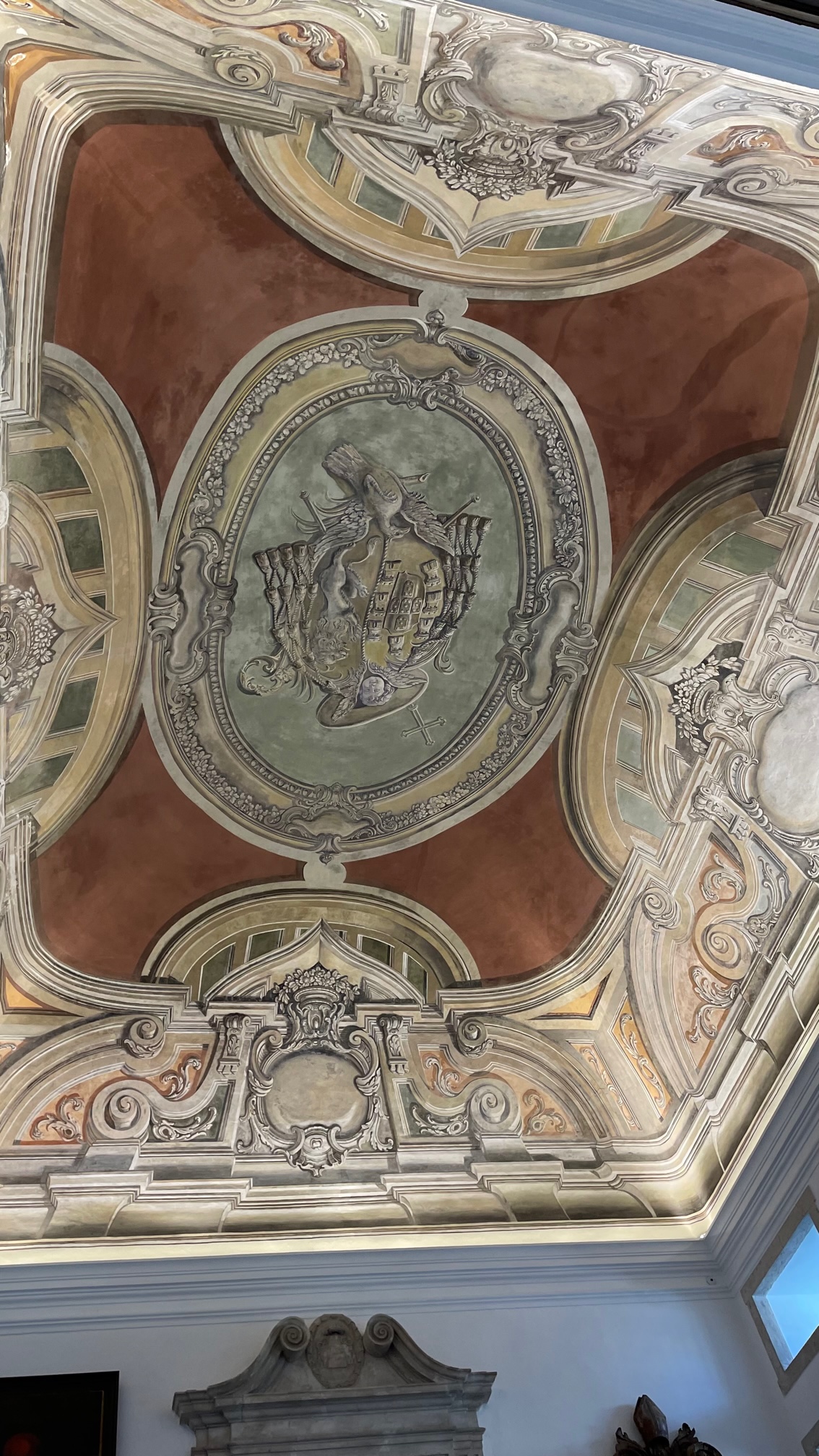

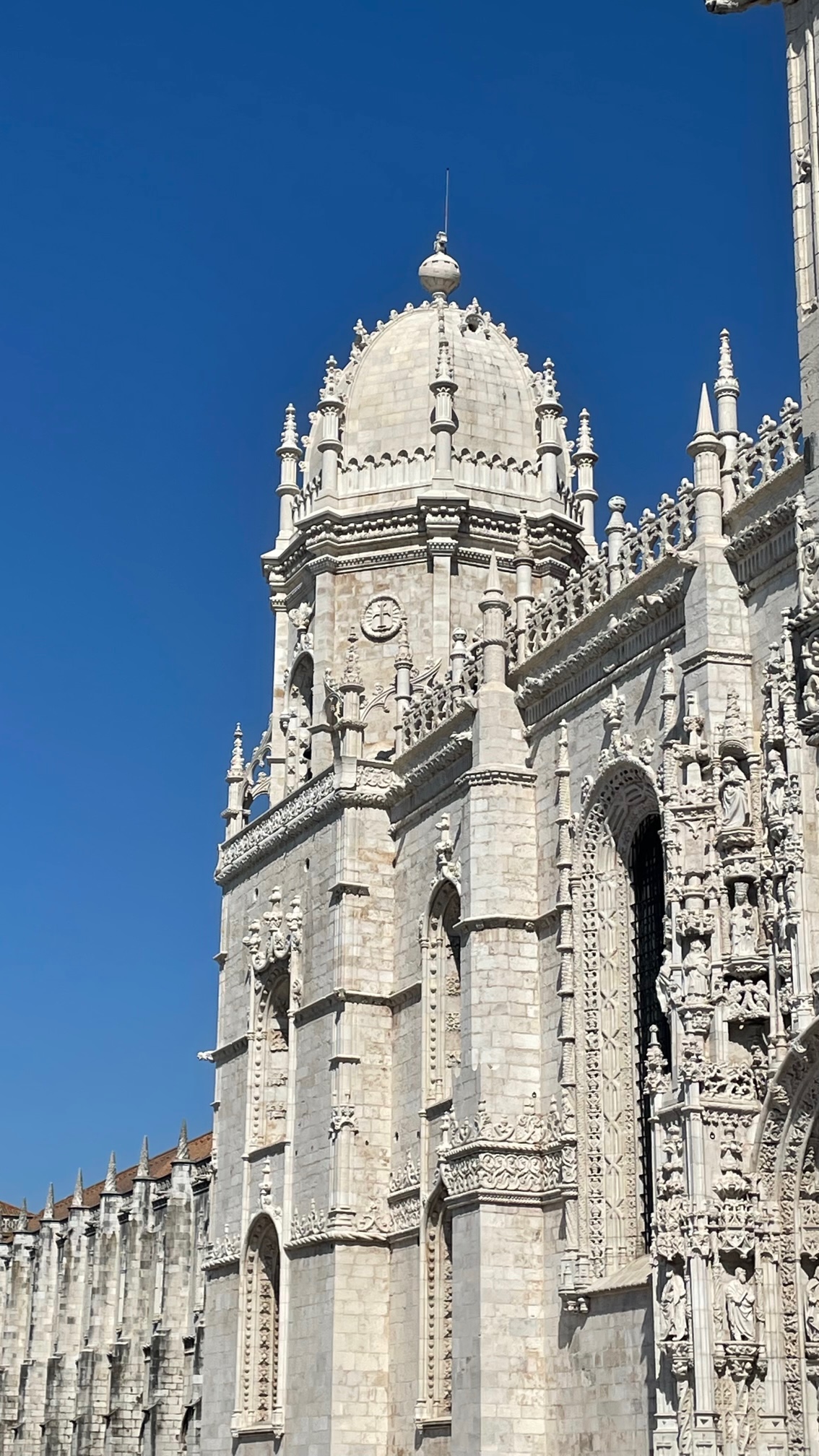
Camera: iPhone 12
Location: Jeronimos Monastery; Lisbon, Portugal

Camera: iPhone 12
Location: Jeronimos Monastery; Lisbon, Portugal
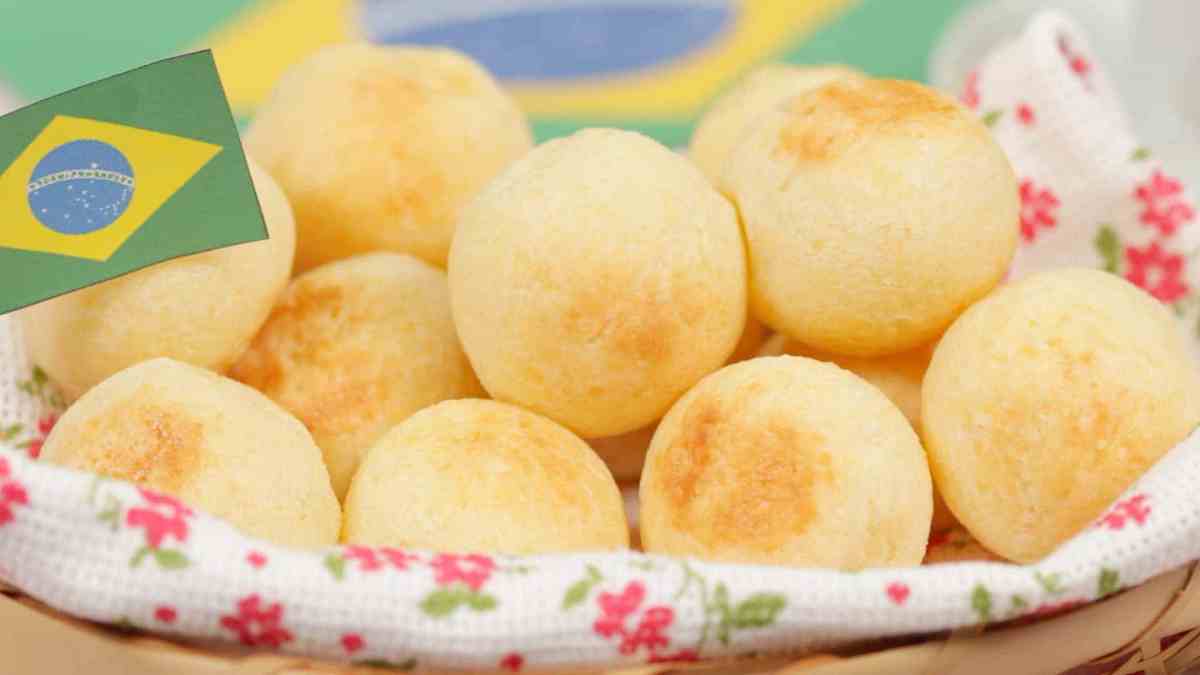
“Brazilian cheese bread or ‘Pao de queijo’ is a delicious snack that is truly delightful to have whether it’s in the morning, afternoon, or even at night.”
Brazilian cheese bread or ‘Pao de queijo’ is a delicious snack that is truly delightful to have whether it’s in the morning, afternoon, or even at night. While often served as part of a traditional Brazilian breakfast (café da manha), you can have it as an appetizer, a snack, or even as a side dish with some meals depending on your preference. I do believe it is best served with come coffee or tea to wash down the bread. It really is a traditional Brazilian staple with interesting ingredients as well as a deep and culturally rich history to go with this practical dish. You should be aware though that it is hard to have just one of the cheese bread pieces and it is likely you will eat six or seven in one try.
While there are various forms of cheese bread, the Brazilian ‘pao de queijo’ is perhaps the most famous in the world and for which has the longest history. Originally from the state of Minas Gerais, ‘pao de queijo originates back to the early 18th century when many enslaved African people who worked in the local mines would make the bread as a staple food while migrating from the Northeast of Brazil to the Southeast such as the historical city of Ouro Preto in the modern-day state of Minas Gerais.
The mining cycle and lifestyle caused staple food production to increase such as for rice, beans, cornmeal, pork, but also cheese. In Minas Gerais, farmers and cooks would use starch or cassava as a substitute for wheat to bake as a wheat substitute for form the bread for the cheese. With cheese chips or pieces mixed into the cassava or starch, the cheese bread would be made for the farmers by the slaves or for themselves as miners as they mined for gold in the colonial era.
Wheat never took hold in terms of forming the bread needed especially since the climate was not suitable for Northeast Brazil, which was instead imported from Europe later on for the King and his royal adherents. Instead, cassava tuber was used as a substitute in making ‘pao de queijo’ as a staple food. The cheese would be grated and hardened inside the cassava flour and rise after being baked in the oven to become the popular cheese bread food it is today across Brazil.
Today, there are many different variations on ‘pao de queijo’ making it a fun dish to make depending upon your preference of starch, of cheese, and of temperature to bake it at. You can use both sweet or sour starch or cassava as is traditionally done. You also can choose from different types of cheeses as well from mozzarella to parmesan to cheese which is native to the state of Minas Gerais and has its own unique flavor. Adding egg to the recipe also adds flavor and needed color to the final product as well. Also, as an option, you can smear a bit of fat whether it is butter, margarine, lard, or vegetable oil on the cheese bread to make it more elastic and stretchable to eat pieces of at a time.
Some recipes can add meat inside with the cheese or potato as well although I confess that this kind of ‘pao de queijo’ is not that popular. I think it is important to keep in mind that the cheese can also be pre-boiled to add to its overall flour before baking too although it is not necessary. As for the cheese, it is good to use the traditional ‘Minas’ cheese if you’re in Brazil but if you don’t have it available, mozzarella or parmesan are good substitute options to have.
You cannot have ‘pao de queijo’ without having the texture down, so you need to have the cassava starch as part of the main ingredients. The balls need to be an inch or two (3-5 cm in diameter) and need to be in that form before you bake them. Unlike other cheese breads, you are using unleavened bread for this snack dish so the dough will expand due to small pockets of air that are left to grow during the baking process. Tapioca starch is also used for the ‘pao de queijo’ as well and it is quite common to add dipping sauces or additions like catupiry (Brazilian cream cheese), Guava sauce, dulce de leche (caramel sauce) as well to have as a dessert.
When you come to Brazil, you will find this popular snack almost everywhere including convenience stores, delicatessens, restaurants, snack bars, etc. The locals will encourage to at least have a few of them and sometimes up to eight or ten. It is the perfect snack to have with friends, with family, or over a coffee with a new acquaintance. A simple yet delicious staple food of Brazilian cuisine: You haven’t experienced all of Brazil until you have had a bite of ‘pao de queijo.’
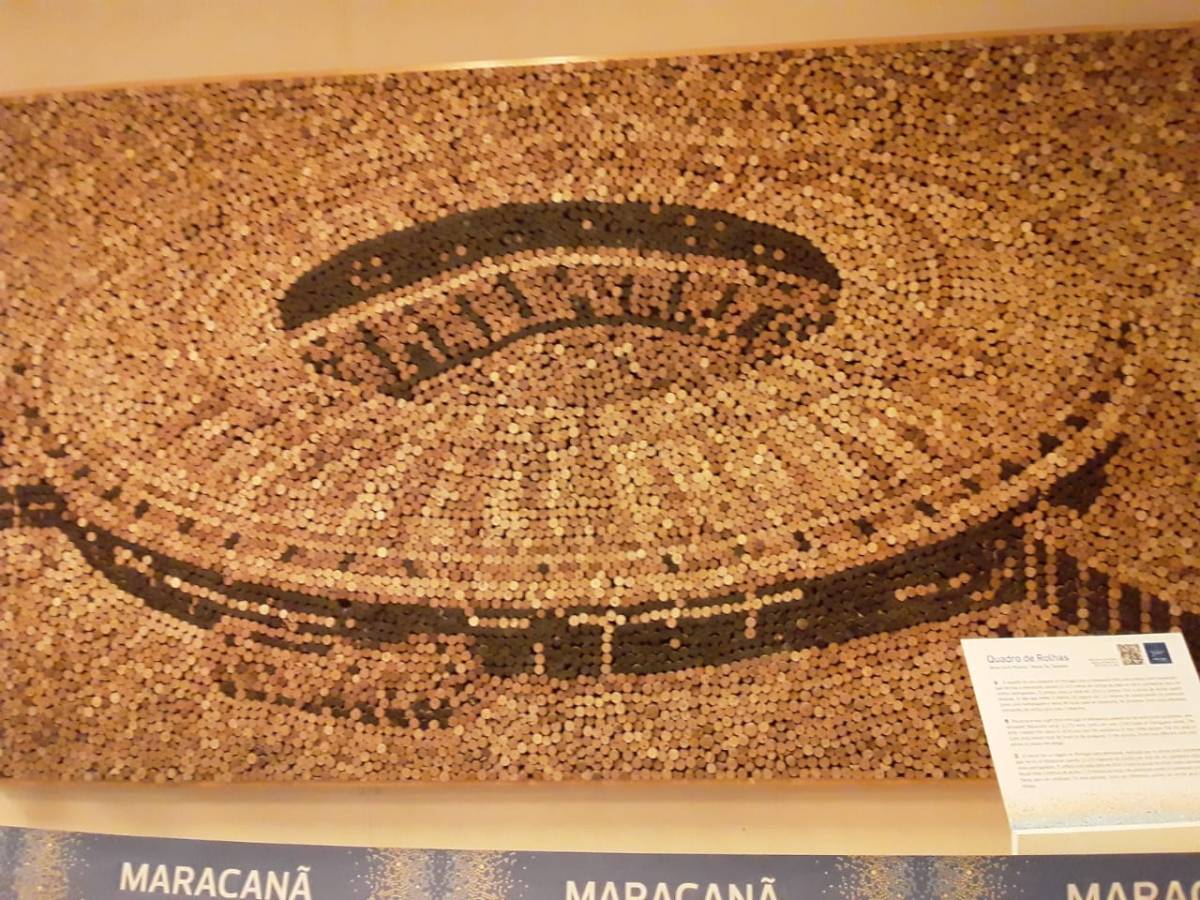
“One of the most famous football stadiums in the world and which was featured in the 2010 FIFA World Cup in Rio de Janeiro, Brazil.”















Camera: Samsung Galaxy J2 Core
Location: Maracana Stadium or Estádio Jornalista Mário Filho; Rio de Janeiro, Brazil
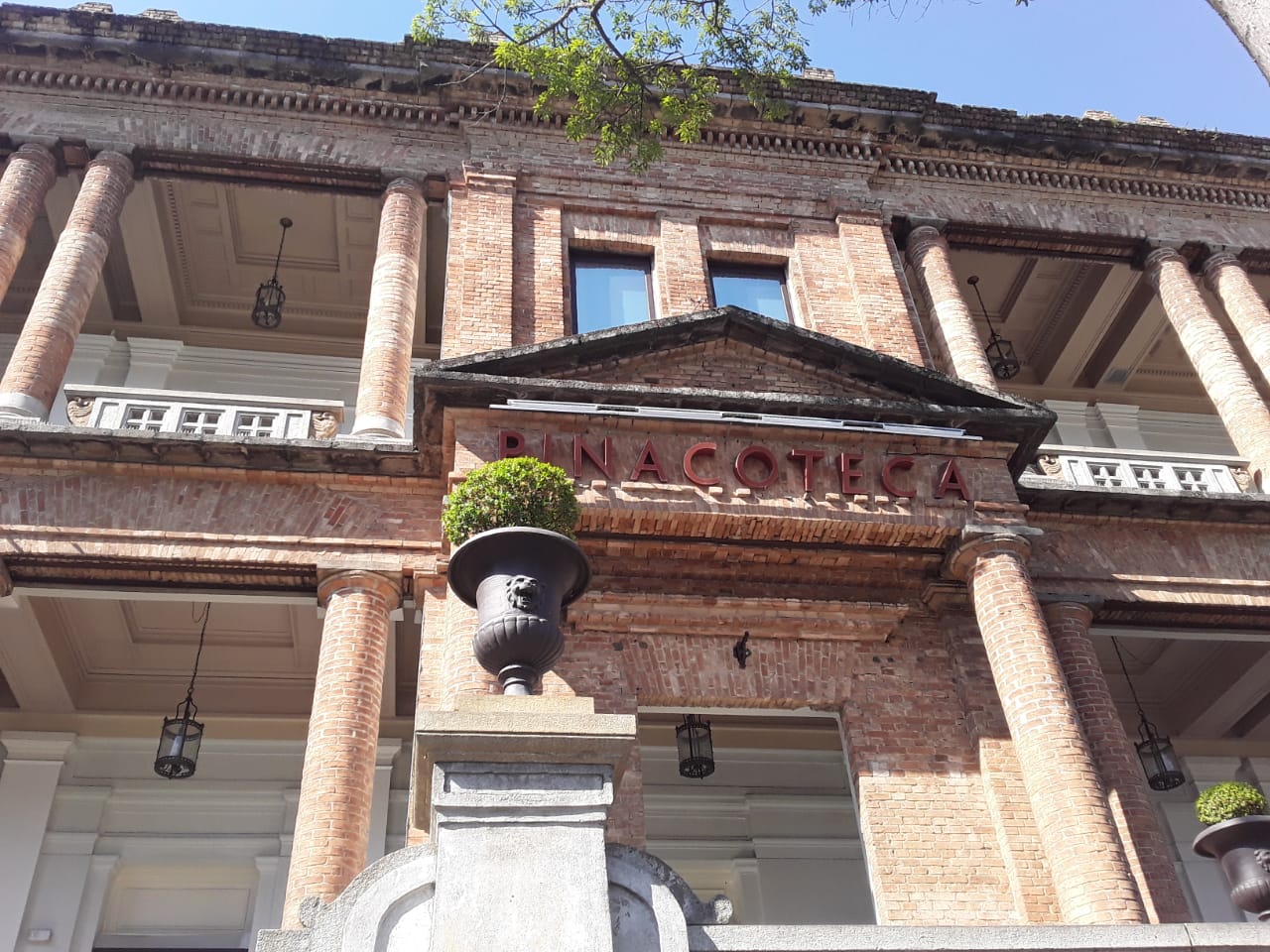









Camera: Samsung Galaxy J2 Core
Location: Pinacoteca do Estado de São Paulo; São Paulo, Brazil












Camera: Samsung Galaxy J2 Core
Location: Downtown São Paulo, São Paulo, Brazil
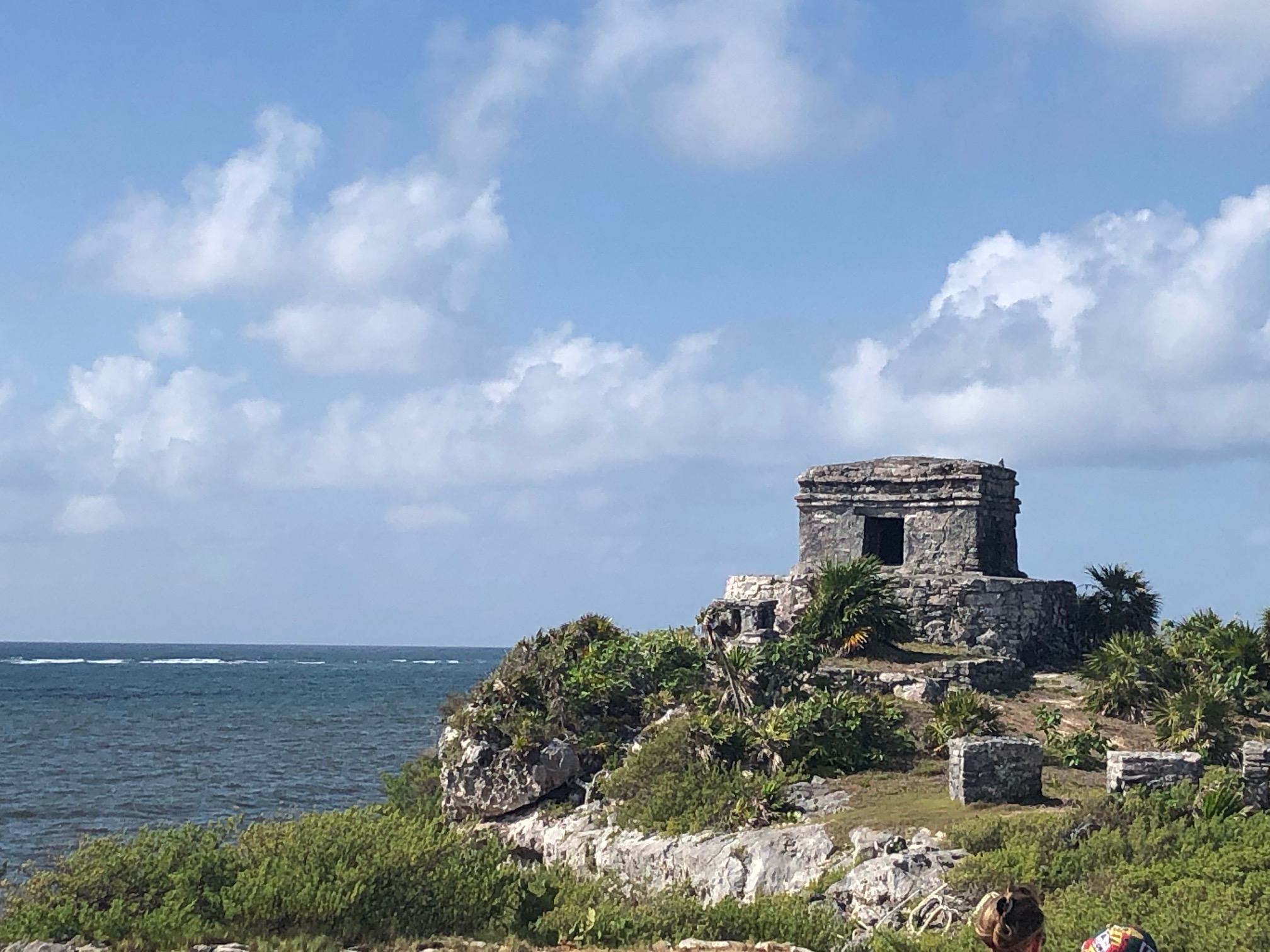


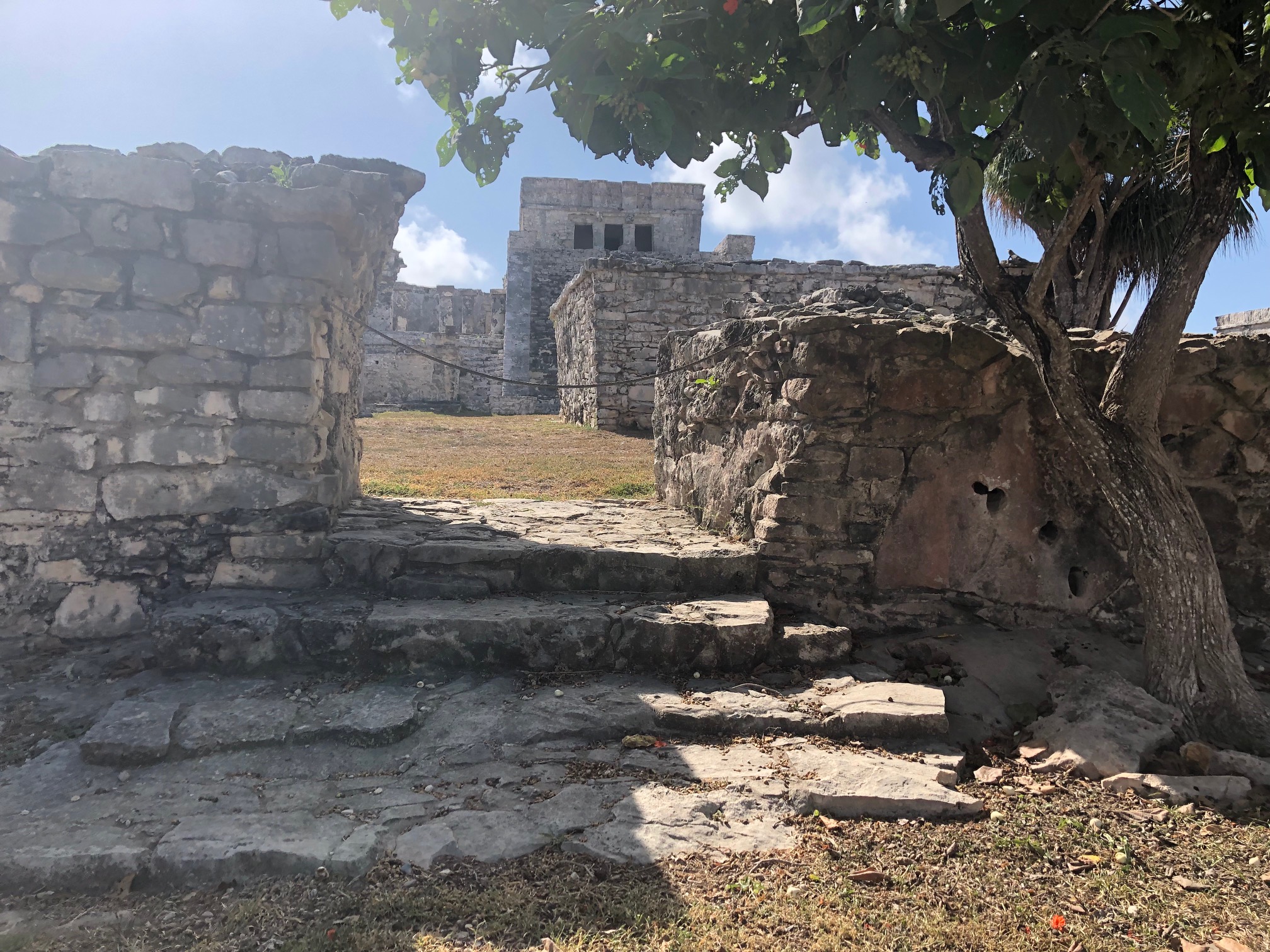
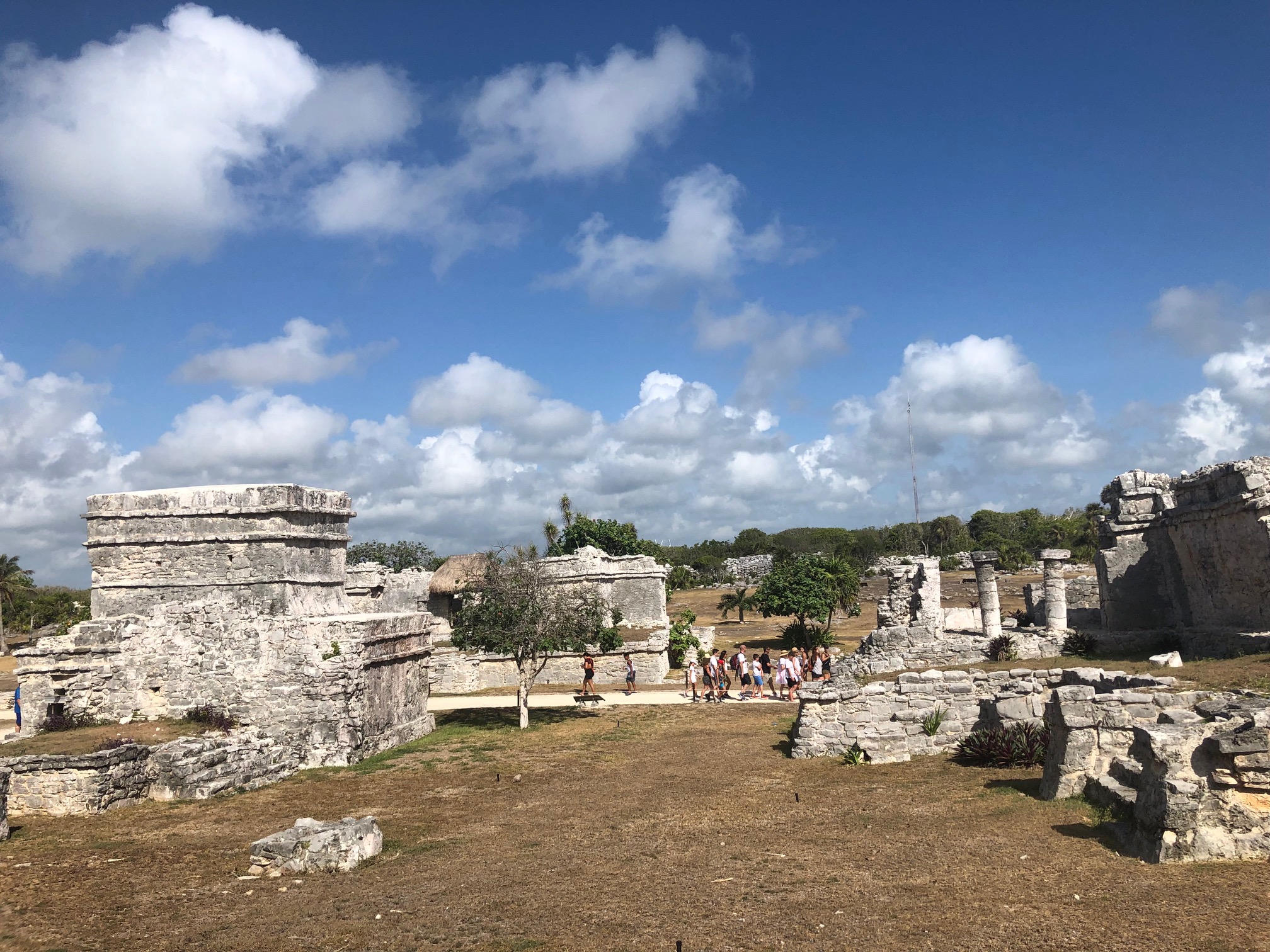



Camera: iPhone 8
Location: Tulum, Quintana Roo, Mexico





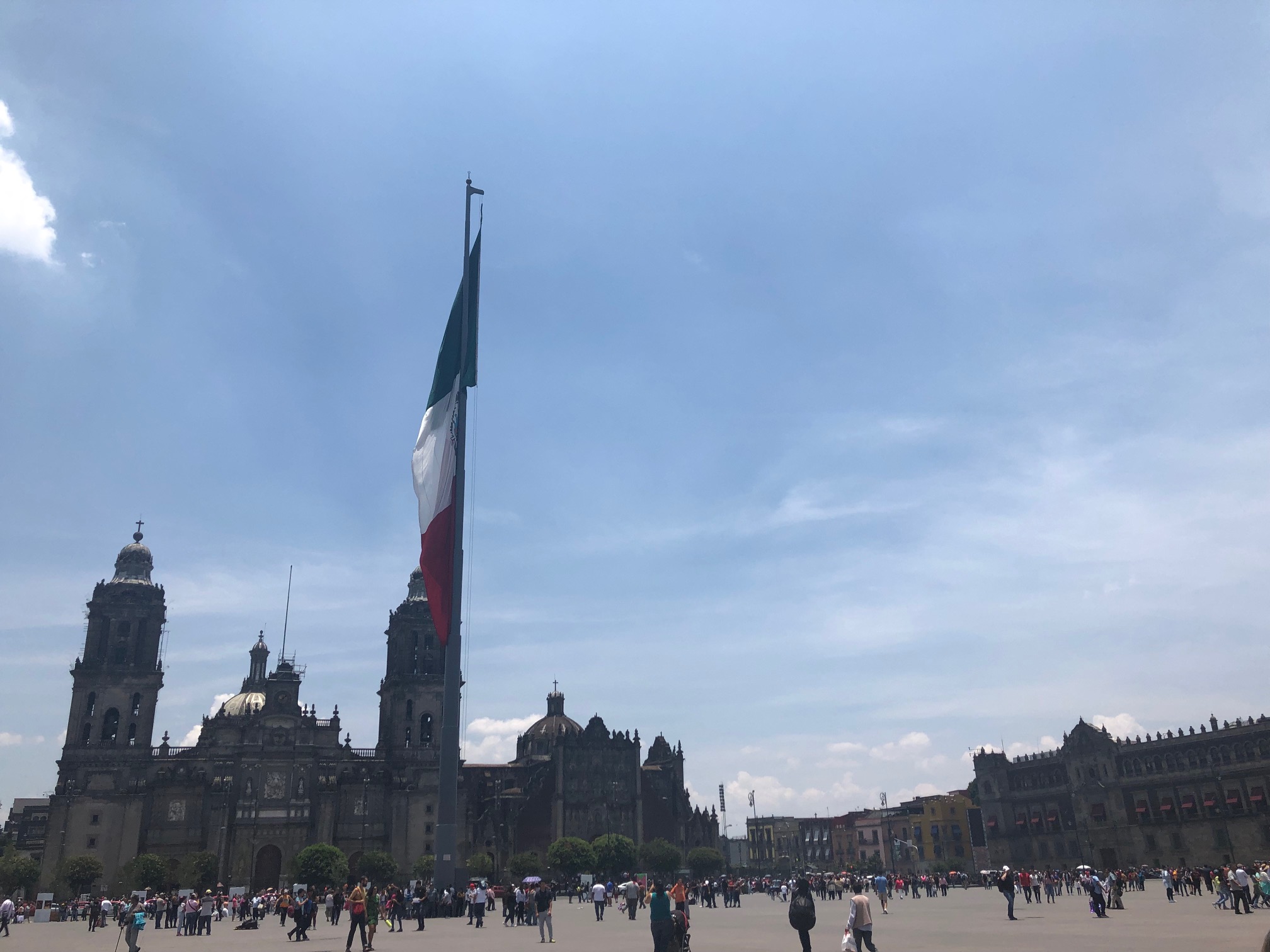




Camera: iPhone 8
Location: Mexico City, Mexico
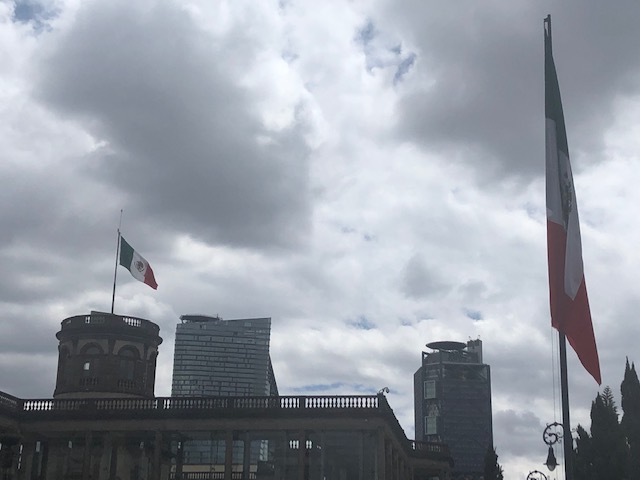
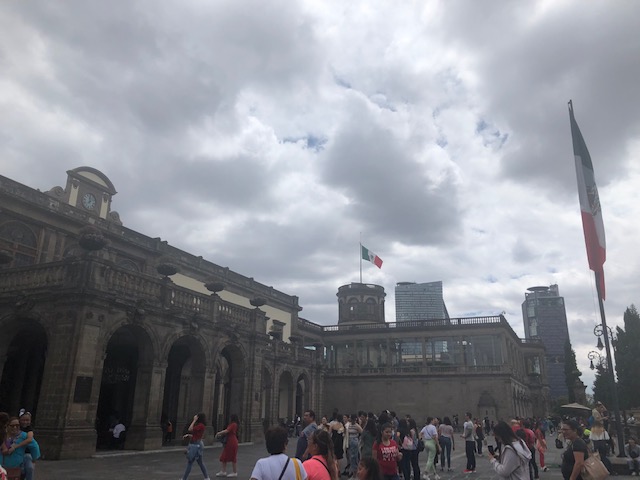




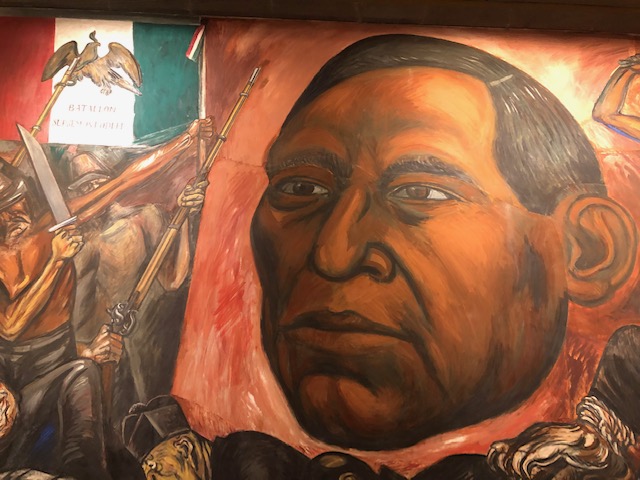
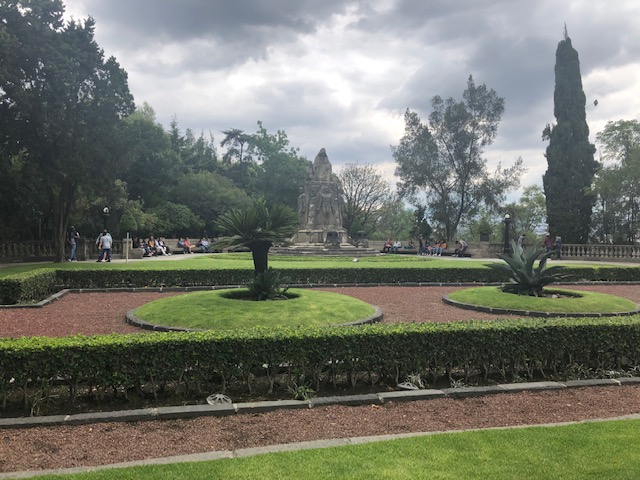

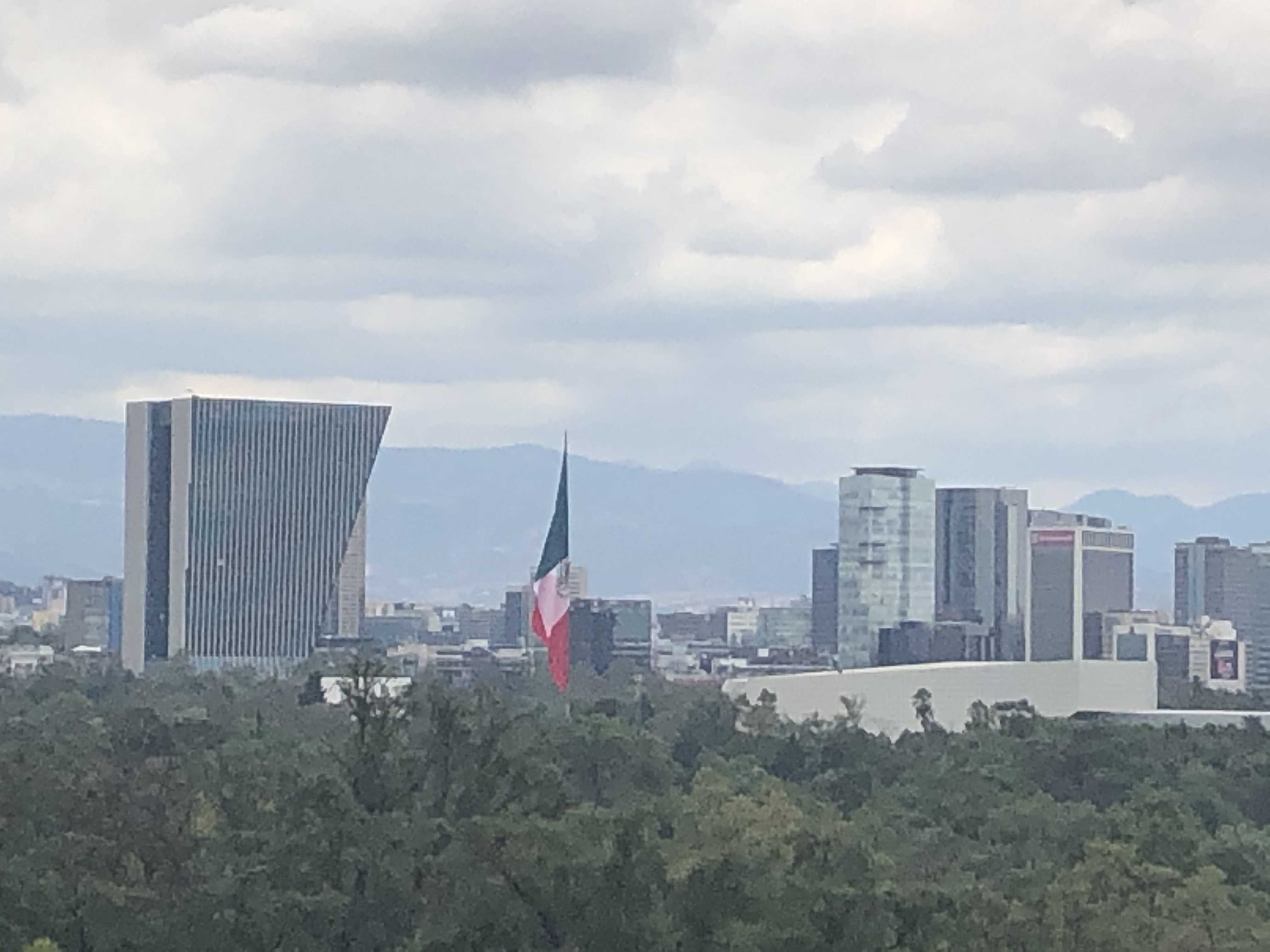
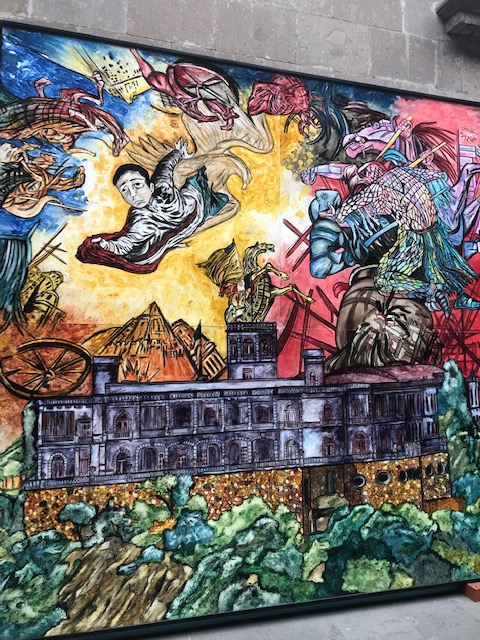
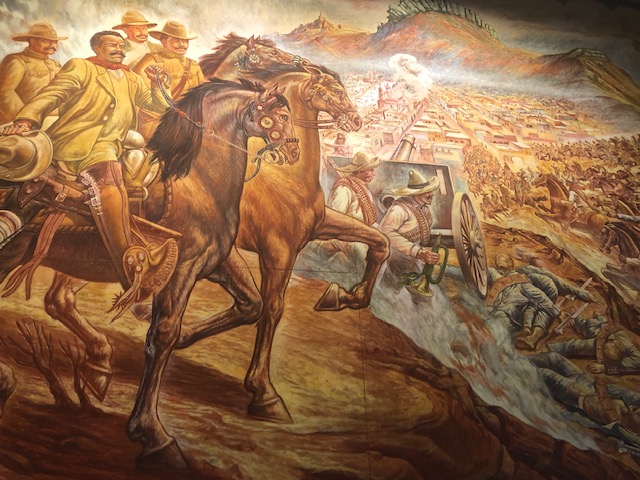
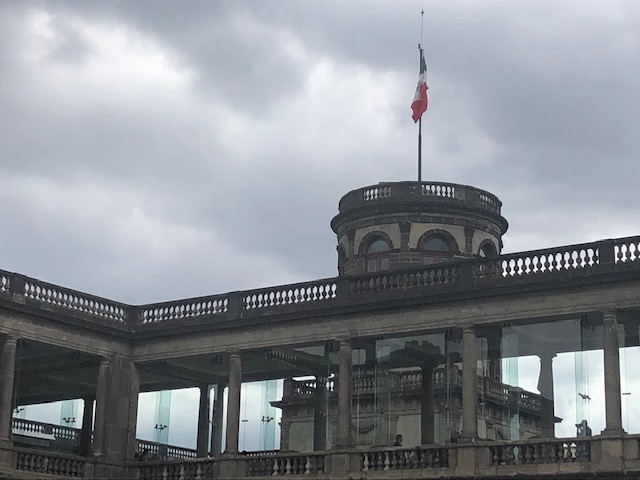


Camera: iPhone 8
Location: Mexico City, Mexico




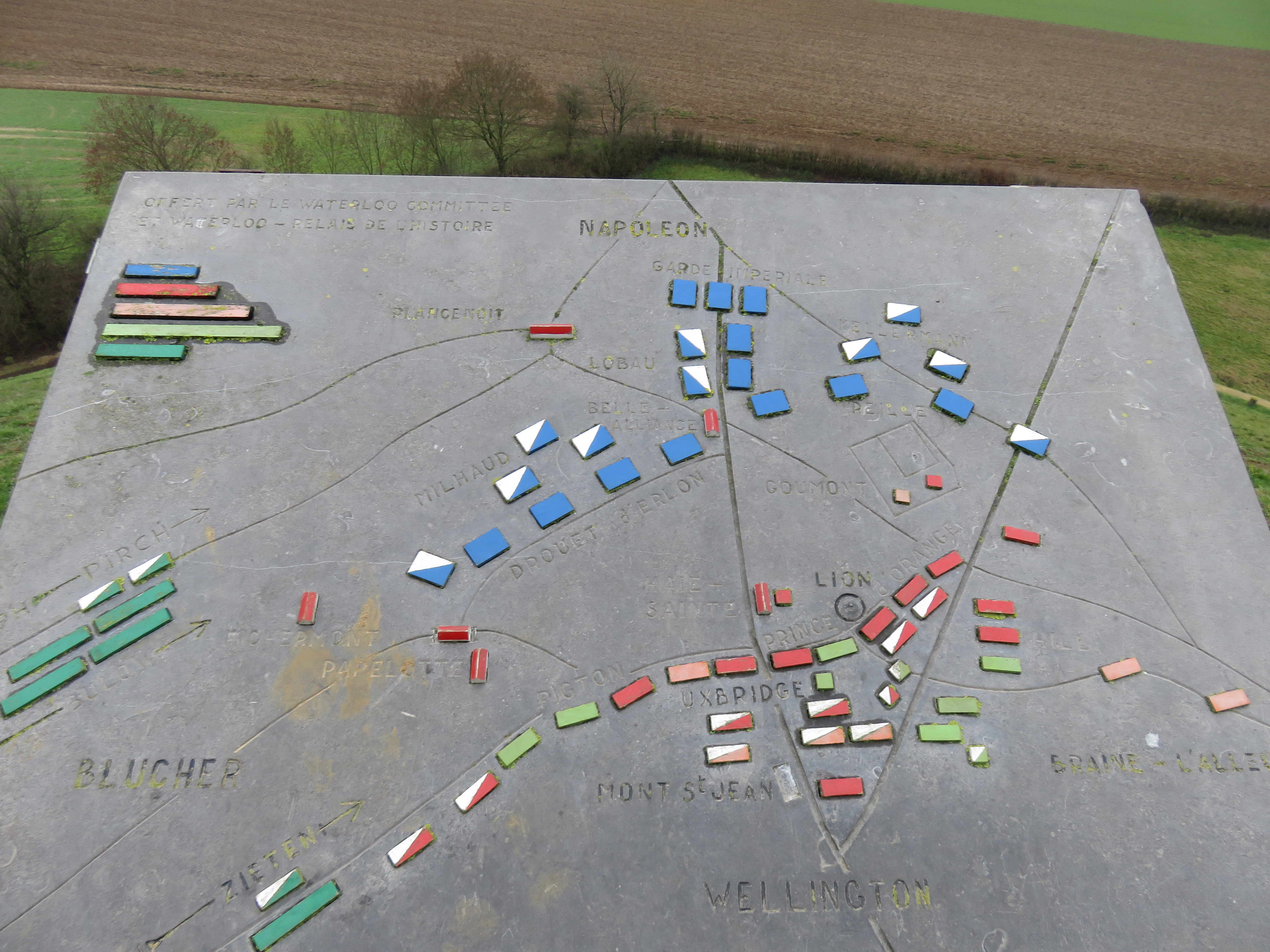









Camera: Canon PowerShot SX710 HS
Location: Waterloo, Belgium










Camera: Canon PowerShot SX710 HS
Location: Bruges, Belgium