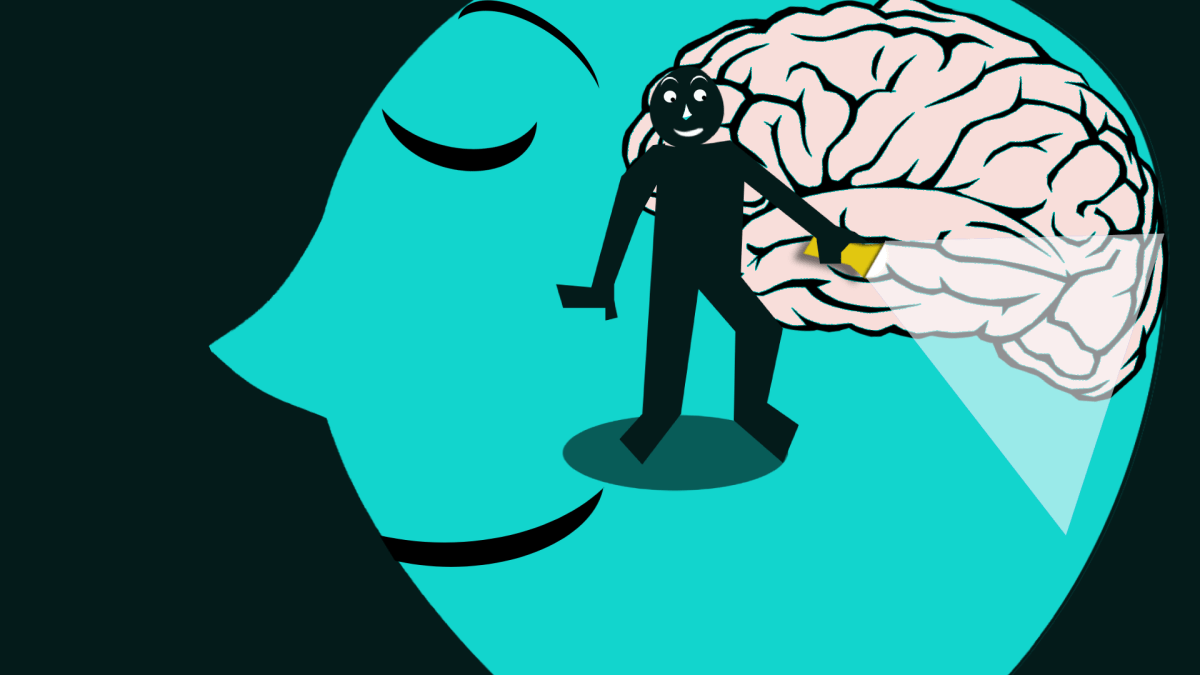
In a world where everyone has an opinion on every imaginable topic, but very few people have genuine self-awareness, that quality now feels like a rare mineral. True self-awareness is valuable, hard to find, and even harder to refine if you do not cultivate it like copper or silver. At its core, self-awareness is simply understanding your thoughts, emotions, habits, and personal blind spots without flinching or ignoring them. It’s the ability to see yourself honestly instead of through the fog of ego, insecurity, or willful ignorance. That sounds simple, but anyone who’s confronted with their own emotional patterns knows that simple isn’t easy. In terms of personal traits that will serve you well at home, in the workplace, or in public, exercising self-awareness makes a huge difference and is a net positive in one’s life.
Self-awareness is rare today for a few reasons. First, distraction is the default setting of modern life. Between social media, nonstop notifications, and the pressure to perform instead of looking inward about their behavior, most people never slow down long enough to reflect or contemplate who they are or how they act. Secondly, ego protection kicks in for many of us. It’s uncomfortable to recognize that you might be wrong, inconsistent, reactive, or stuck in old habits that drain you or other people. Thirdly, our individualistic culture rewards projection over introspection and putting on an act over being yourself. Being loud, visible, and “on brand” is praised more than being grounded or honest with oneself. The result is a society full of people acting on autopilot, repeating the same behavioral patterns, and wondering why life keeps giving them the same lessons. Introspection is hard to do but it could help get you off an autopilot setting.
When life turns upside down, that’s exactly when self-awareness becomes most valuable. When the world is chaotic, clarity becomes a superpower. The more you understand yourself along with your triggers, your strengths, your weaknesses, your values, the better decisions you will make. You react less to external circumstances and respond more from a place of self-assurance by knowing who you are and what you want to be. Your relationships improve because you’re paying attention to how your behavior affects others. Even your career trajectory changes: self-aware people take feedback well, adapt quickly, and build trust, which quietly but consistently pushes them upward.
The good news for us all in this? Self-awareness isn’t fixed and it’s a muscle you can train. It’s a skill you can cultivate intentionally but you must make a consistent effort to do so successfully. At work, start doing quick “post-project or post-task reviews” for yourself: what went well, what drained you, what you’d do differently, what could be better next time, and how well did you work with others. Ask trusted people for feedback and instead of defending yourself, listen to what they have to say first and what they are genuinely telling you. Notice your stress triggers and learn to pause before reacting, whether it’s in meetings, emails, or elsewhere in your workplace.
I’ve had my own moments at work where I reacted prematurely instead of responding thoughtfully, only to later realize that having self-awareness could’ve saved me a headache. Instead of interrupting, acting abrasive, and preventing a real discussion, think about where they are coming from and why they think of you the way that they do. Focus on the ways that you can improve when they have legitimate critiques and suggestions for improvement in your work performance.
In your personal life, carve out time for your own reflection. Making that kind of effort will pay off tenfold by turning inwards to discover more about your mindset, your thought process, and your personal habits, good or otherwise. Even five minutes of journaling can reveal emotional patterns you never noticed. Try also meditation or silence at the beginning or end of your day and in just ten uninterrupted minutes, it can be surprisingly revealing. Pay attention to your relationships and friendships as well: where you feel energized, where you feel defensive, and where conflicts repeat with the people in your life. Life is too short to be around people who avoid self-awareness. If you are making the effort to be introspective and try to be a better person with self-awareness, you should gravitate to those people in your life who are making that effort too, friends, family or acquaintances especially.
Ultimately, self-awareness isn’t about perfection; it’s about alignment with who you are and how others see you. The more honest you are with yourself, the easier it becomes to make choices that fit the life you want. Know yourself deeply. Pause often for self-reflection. The world will stop dictating your path and you finally begin choosing it.