







Camera: Samsung Galaxy J2 Core
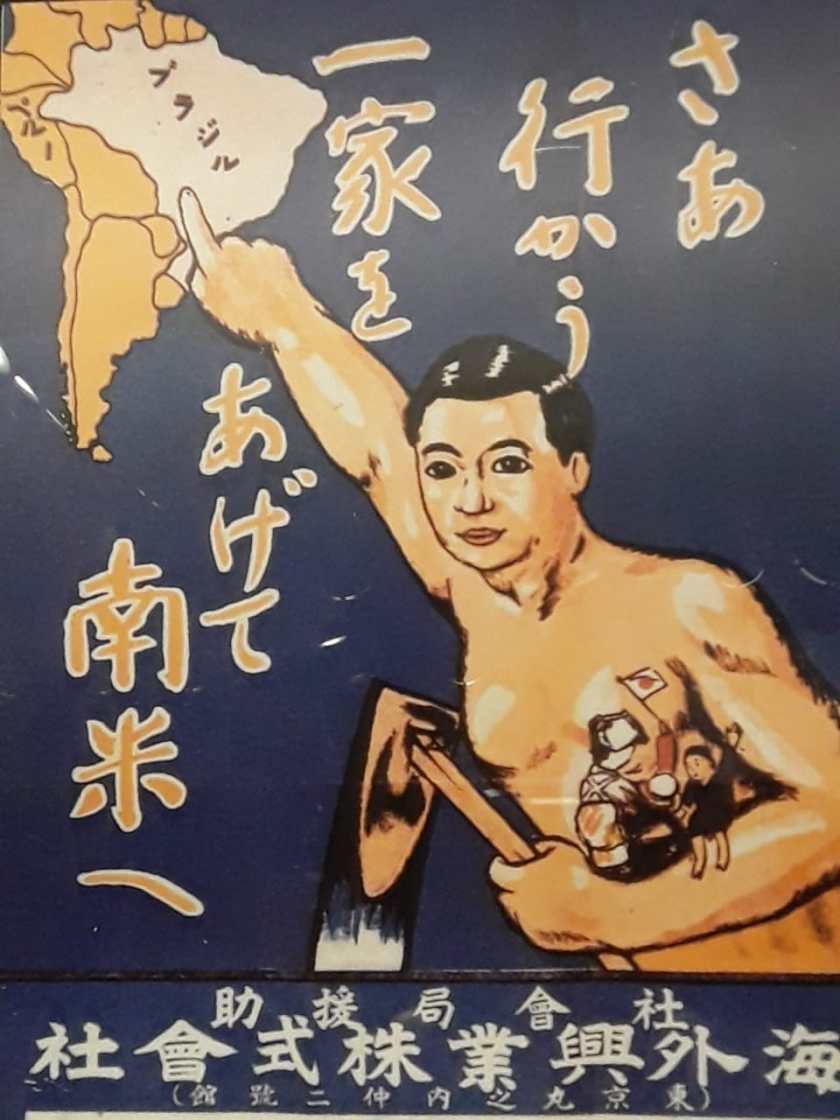
Location: Historical Museum of Japanese Immigration; São Paulo, Brazil

Camera: Samsung Galaxy J2 Core
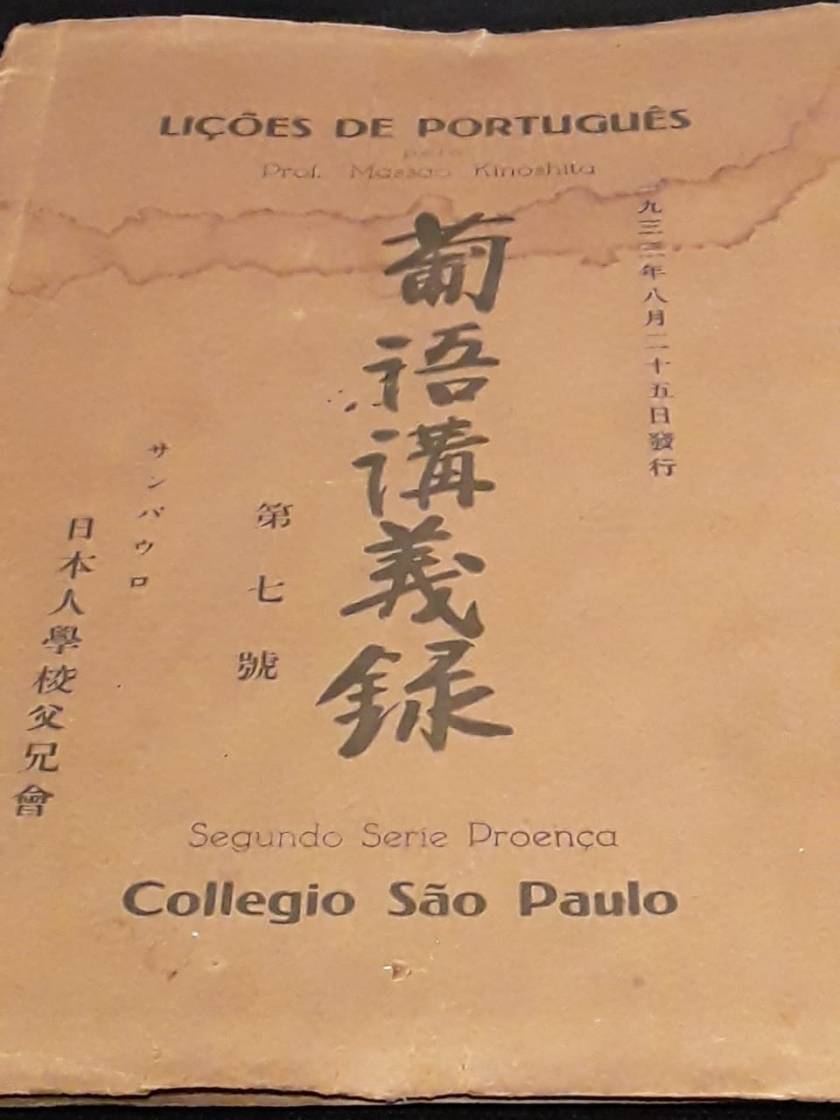
Location: Historical Museum of Japanese Immigration; São Paulo, Brazil
No one country does the festivities of ‘carnaval’ quite like Brazil. A festival that is just more than ‘Fat Tuesday’, it has become more than a month of celebrations beginning in early February and ending in early March even after ‘Ash Wednesday’ has passed by. The word ‘carnaval’ or ‘carnival’ comes from the Latin word ‘carnelevare’, which means to remove or to raise meat signifying how Roman Catholics would give up meat or poultry during the 40-day period of Lent before the Easter holiday. Because of the significance of Lent and not just for giving up meat but for other earthly pleasures as well, ‘Carnaval’ is a chance to enjoy some of those pleasures before the time of Lent and to revel in both culinary and cultural traditions.
Nowhere are these cultural traditions more proudly represented than in Brazil where the whole country has some form of celebration or observation of the Carnaval holiday. From the state of Pernambuco in the North to Bahia in the Northeast all the way down the Brazilian coastline to Sao Paulo and Rio de Janeiro, each year there is an informal competition to see which city can put on the best Carnaval and whose parades are the biggest.
Each city is different regarding how they celebrate Carnaval in Brazil but there are some similarities such as having huge street parades where crowds can dance and march to the bands and drum groups assembled as they go through the city. There are a huge variety of costumes, music styles represented but the most common one would have to be ‘Samba.’ In Brazil, Afro-Brazilian culture is heavily apart of Carnaval celebrations from the music being played to the design of the costumes. There are a number of variations of samba represented and they are all represented in the popular ‘samba schools.’
These small groups of performers sometimes prepare for the whole year before carnaval begins and are competing against each other in the ‘Sambadrome’, which are huge parade grounds and spectator events where these groups are being judged based on a number of factors against other schools. The biggest Sambadromes are in Rio de Janeiro and Salvador along with Sao Paulo and these competitions take places over a period of four nights at the height of the carnaval celebrations. Not only are these groups being judged on their music style and quality but also their coordination, their rhythm, the theme of their performance, and the costumes, which can be quite elaborate and also quite expensive.
While there are different types of samba music involved, there are also lesser known music styles that are represented in Brazilian carnaval. They include ‘Frevo’, which is originally from Recife and Olinda in the state of Pernambuco and ‘Axe’, which is originally from Salvador in the Bahia state which combines different popular Afro-Caribbean music genres together such as calypso, marcha, and reggae. All of these popular music types mentioned have their roots in African cultures and diaspora influences.
In the 19th century, it was quite difficult for Afro-Brazilians to dance, sing, or even parade through the streets of Brazilian cities during Carnaval to express their cultural heritage but today, these forms of song and dance are the heart of the Carnaval celebrations. To put it simply, you cannot have carnaval without samba or costumes or drumlines. In a way, Carnaval is not just a celebration of indulgence and pleasure but of expressing your culture and your heritage. I found Brazilian carnaval to be also about celebrating the diversity and unity of the country itself and how that can bring people together despite past historical injustices.
In order to celebrate Carnaval in Brazil, one does not have to go to a Sambadrome or to march in a formal parade or even wear an elaborate costume. You do have to sing, dance, and even drink or eat a little more than you normally would. The easiest way to celebrate especially as a foreign visitor is to check out some of the ‘blocos’ or block parties. They take place each and every day during Carnaval in different neighborhoods at different times. Each ‘bloco’ has different themes ranging from a celebration of ‘The Beatles’ to ‘R&B and hip hop.’ The blocos can also have ‘electric trios’ which are large trucks with huge sound systems where musicians on top of them sing famous samba or forro tunes to the crowd who often sing along with them as they cruise down an informal parade route.
These ‘electric trio’ trucks or floats can also include drum line groups or instrumental bands who walk down the parade route with these musicians. Each bloco has supporters who have specific shirts or costumes on to represent the theme of the block party as well. The trio truck or float is another symbol of Carnaval in Brazil similar to the block parties themselves, which can last from early in the morning until late at night.
While there is endless debate about where to go to celebrate Carnaval in Brazil, my hunch is that you won’t be disappointed if you go to either Rio de Janeiro, Salvador, or Recife. The great thing about Brazilian carnaval is each city is likely to have a different feel to it as well as different types of music as well as different kinds of blocos represented. Rio de Janeiro’s carnaval is the largest in the world but you may want to go with the carnaval in Salvador to see unique forms of samba and other music styles represented. If you want a somewhat more subdued carnaval experience, going to Sao Paulo may be what you’re looking for.
Carnaval in Brazil is not just about coastal cities as there are celebrations that are lower key and smaller in the state of Minas Gerais, located in the interior as well as in smaller cities such as Manaus, Porto Alegre, and Florianopolis. This month-long celebration has something for everyone and while I have celebrated carnaval before a few years ago in Colombia, I have never seen such a unifying event that brings a whole country together as it does in Brazil. If you are expecting to see a lot of tourist sites and enjoy some museums here, you may want to wait until after Carnaval to do just that. Instead, bring your best costume, study up on your Samba moves, and get ready to buy those tickets way in advance if you want to see the Sambadrome in all of its glory when you visit.
Experiencing Carnaval in Brazil is a really unique experience and opportunity that I would recommend to everybody who enjoys dancing, singing, listening to good music, and experience one of the most joyous celebrations in the world.
Feijoada: The National dish of Brazil. It is delicious, fulfilling, savory, and tasty. There are not enough adjectives in the English language to describe this scrumptious plate of goodness. While also prepared in other parts of the Portuguese-speaking world such as Portugal, Angola, Cape Verde, and Mozambique, Brazilian Feijoada is more than just beans and pork. It has a little bit of everything to make it a unique dish that has protein, carbs, and even sugar to satisfy one’s taste buds. The Brazilian Feijoada was born in Recife and developed in Rio de Janeiro but has now spread across the entire country reflecting its status as a beloved national dish.
From Salvador to Sao Paulo and from Recife to Rio, every Thursday and/or Saturday, the hearty Feijoada dish is prepared for families and friends to enjoy together. While there is some variation in terms of what is to be offered on your plate, you can definitely expect to find a big clay pot bubbling with black beans, different pork and beef parts including oxtail and tripe, as well as tongue perhaps. In the Northeast of the country, the clay pot can also include different vegetables such as kale, potatoes, okra, carrots, etc.
The side dishes can vary across the country, but it is quite common to serve couve, a kind of collard greens dish that is chopped up and stir fried adding to its overall flavor. You also can have chicken steak with fried yucca (mandioca) as well as fried plantains (bananas) as a kind of dessert or sweet tooth necessity if you still have room. To mix with the black beans and the couve, you also have cooked white rice, which is nicely mixed together with the meats as well to create a beautiful plate of both Brazilian history and culture.
To clean your palate afterwards, some fresh orange slices can also be added to the plates offered in order to help with digestion. Beforehand, usually, you will be offered a cup of savory black bean broth, kind of like the soup, to slurp down ahead of the feijoada, which can also be added to the dish if you so choose to. Of course, you have baked pieces of bread as well that can soak up the juices and the broth to add on to an already gigantic plate of heavenly food.
What you need to keep in mind about Feijoada before diving in is that you need to eat it on an empty stomach and to clear your schedule for the day because chances are good that you will need a nap and a glass of water after diving in. For those of you who get the ‘meat sweats’, it’s good to take your time and eat slowly. The Feijoada dish is very heavy so it’s good to relax, have a beer or caipirinha, talk with your friends, and make sure you pace yourself since you will be likely not to do anything else for the rest of the day.
This is not a national dish for vegetarians and Brazil is not the easiest country to be a vegetarian in. You can have Feijoada without the pork parts and the beef stew, but it is really not the same in my opinion. Vegetarians can join in on this delicious dish, but they are definitely not getting the same experience as meat lovers sadly enough. I do love that Feijoada is only offered once or twice per week showing that it’s kind of a national pastime to have it specifically on a Saturday and then you can take the rest of the weekend off as you will probably need to after gaining a few pounds or kilograms.
You can have Feijoada for lunch or for dinner, but it usually is only eaten one day a week. The only thing you should really plan to do after eating Feijoada is perhaps watching the big football match of the weekend and perhaps relaxing with a few glasses of water. You can compare it to the Colombian dish of Bandeja Paisa in a way, but the amount of different foods represented in Feijoada is definitely impossible to beat. You could compare it to the ‘soul food’ cuisine of the Southern United States but there’s still no dish from the American South that quite compares to Feijoada. Similar to the traditions of ‘soul food’, there is a complicated and rough history behind the beginnings of Feijoada which just goes to show how resilient people in very difficult situations regarding food can make a beautiful, tasty dish out of almost nothing or the scraps made available to them on purpose. In order to really know Feijoada, it’s important to dive into the history of the dish as well and what exactly makes it unique to Brazil.
From what I have learned, the origins of Feijoada are up for date but since this kind of stew with pork and beans was quite popular among European settlers, it can be inferred that it was brought over by the Portuguese during the colonization period. However, it seems that the dish was expanded upon by the slaves in Brazil who would add other ingredients such as the couve, the arroz (rice), and the mandioca as these were other foods available to them. Gathering all of these foods together and putting them as a mixture on a big plate would be a hearty yet simple meal to have when it came time to preparing it before or after a long day of work in the fields or farms. While slaves were restricted to rice and beans, special occasions such as holidays allowed them to get different pork parts or beef parts considered less desirable by their masters and to throw them together in a stew to help them feed themselves and get more protein as they worked in the kitchens. From the kitchens to the fields to the cities, Feijoada has earned its status as the national dish of Brazil.
Feijoada is very much a creative and improvisational dish where you have to do the best you can with what you have and put it all together when you don’t have much time to prepare a flashier meal. What Feijoada lacks in flashiness, it more than makes up for it in the sheer number of flavors and food groups the dish makes up. Between the rice and beans, the meats, the greens, and the after-meal delight of an orange slice or a shot or two of cachaça and you will definitely be satisfied with one of the greatest meals you could ever have in Brazil.




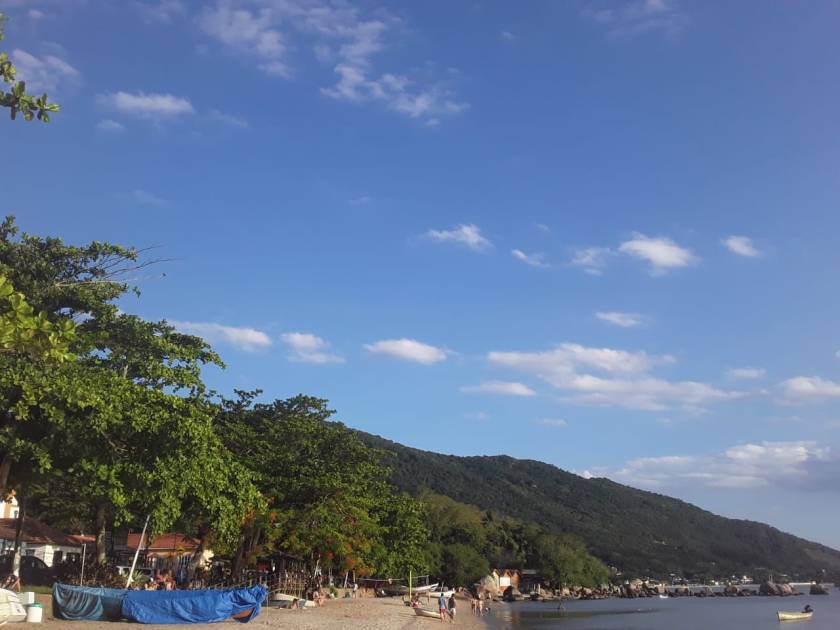








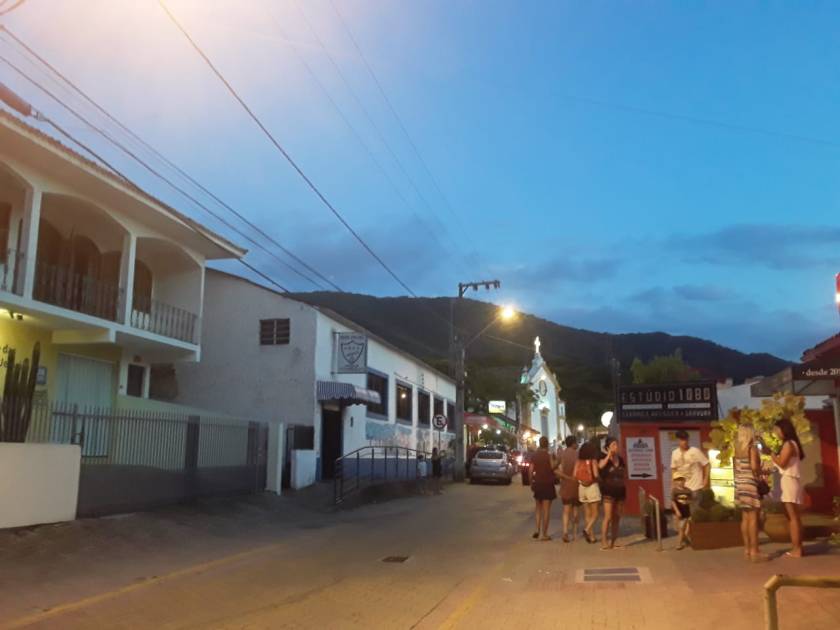
Camera: Samsung Galaxy J2 Core
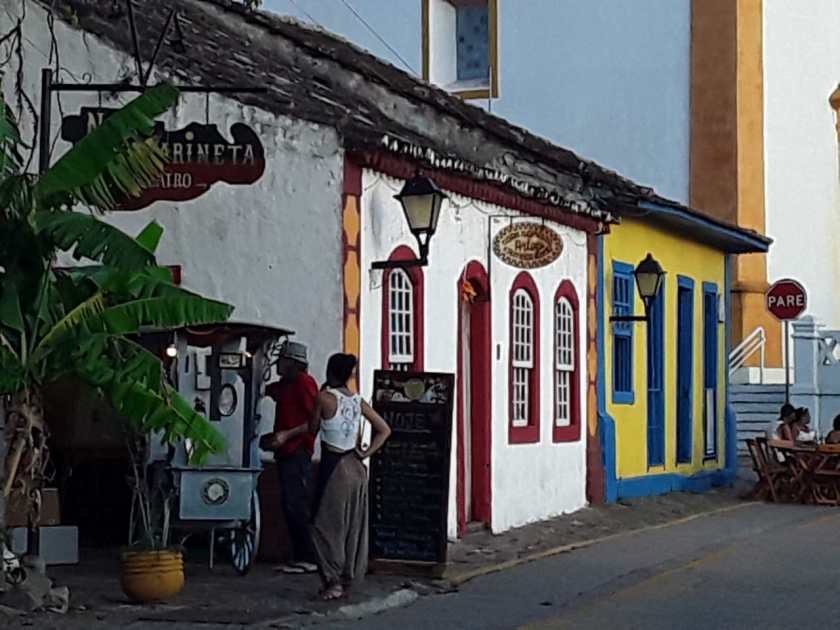
Location: Santo Antonio de Lisboa; Florianopolis, Brazil
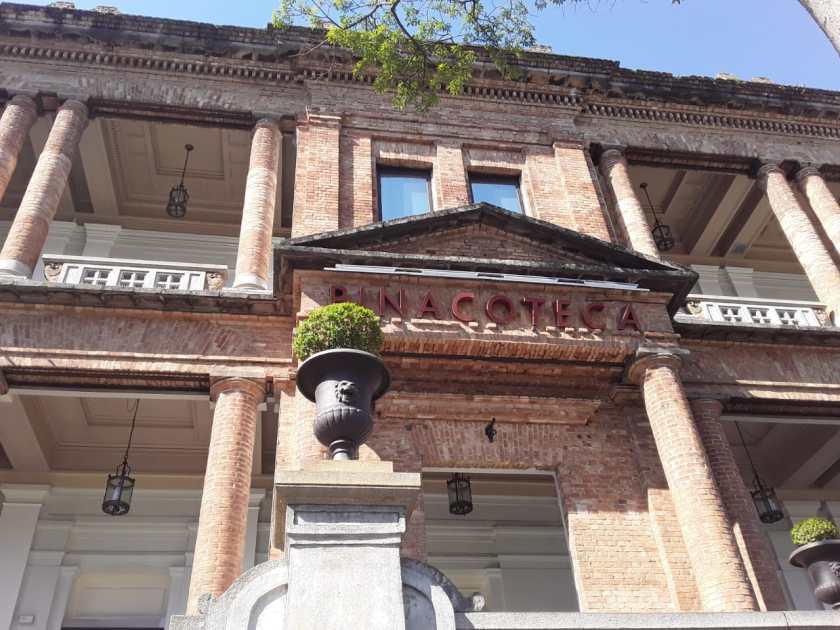











Camera: Samsung Galaxy J2 Core
Location: Pinacoteca do Estado de São Paulo; São Paulo, Brazil

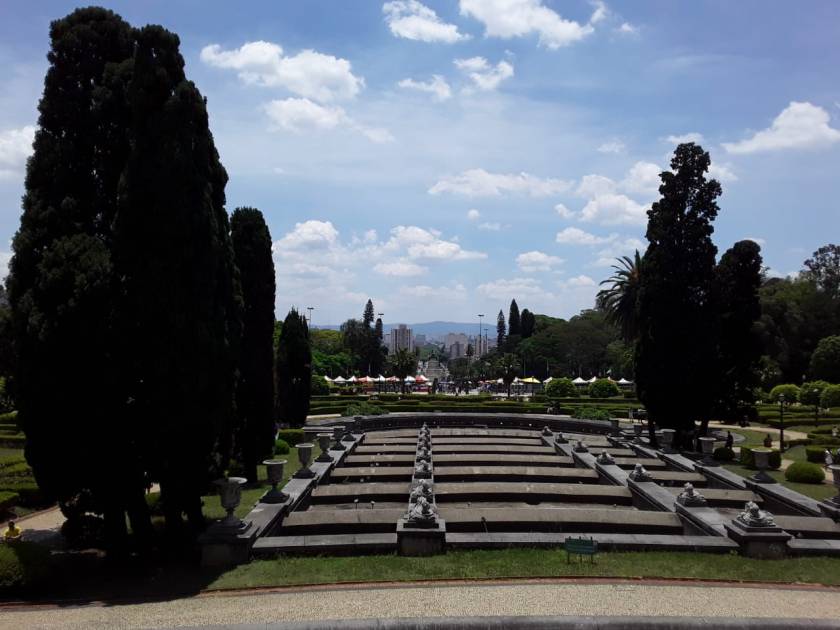

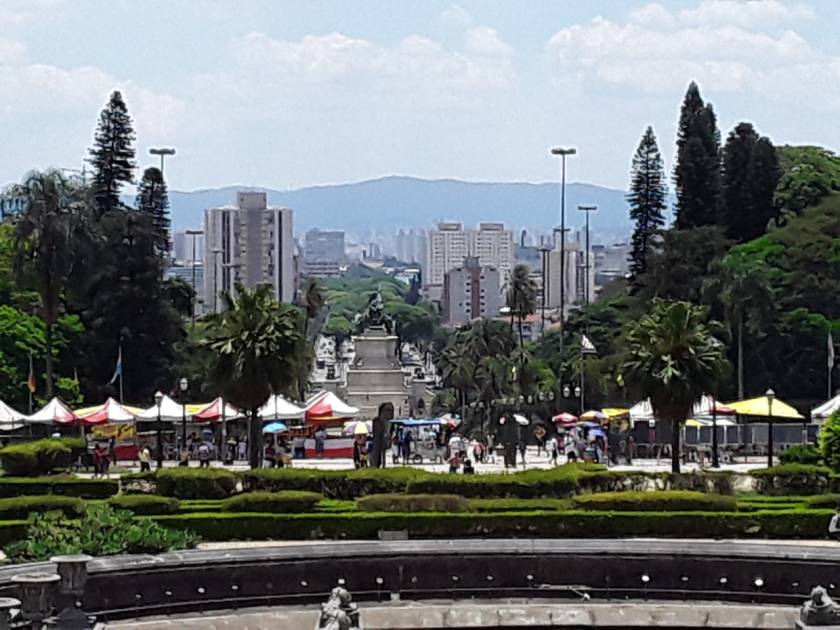

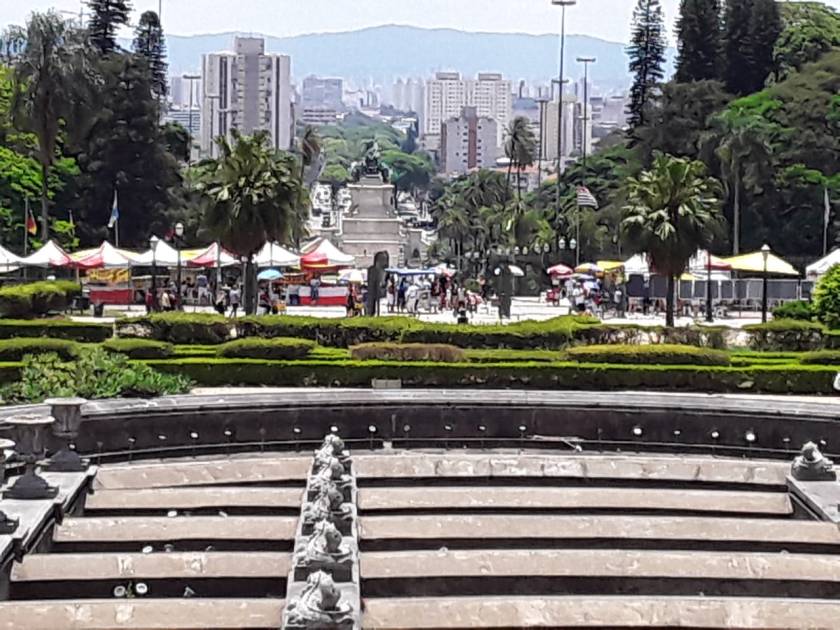
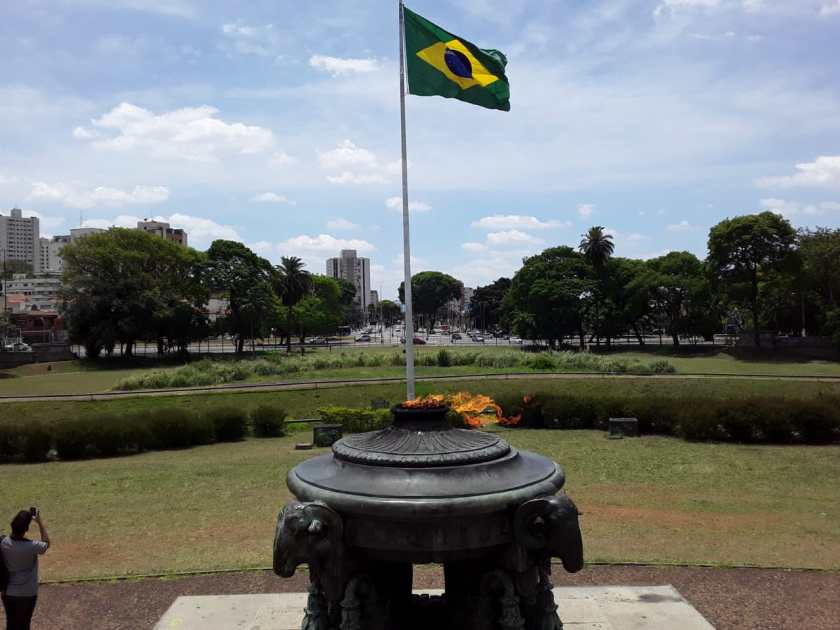




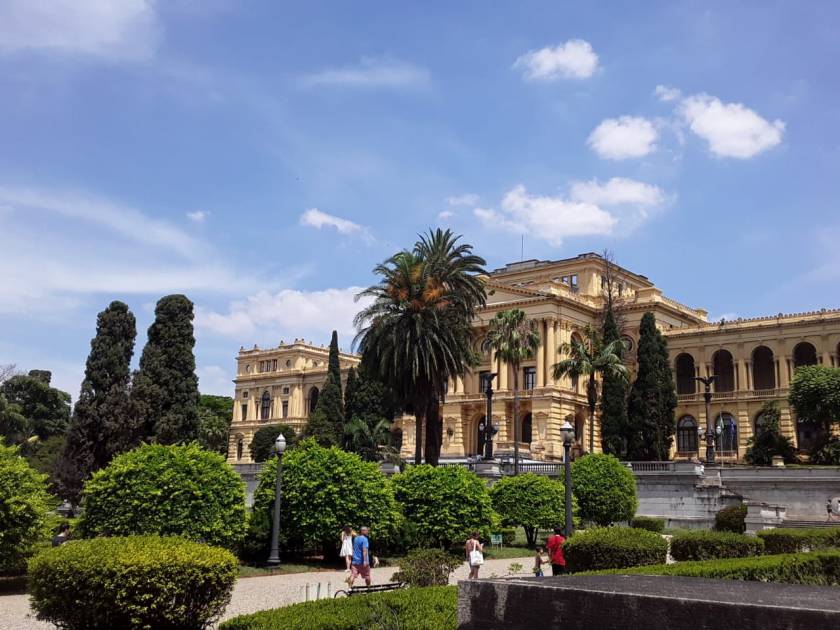
Camera: Samsung Galaxy J2 Core
Location: Independence Park; Ipiranga, São Paulo, São Paulo State, Brazil
Acai is my favorite thing about Brazil. It is difficult to choose a favorite thing here, but it is the first item on the list that comes to mind. Something so tasty and so nutritious is definitely worthy of my #1 spot. Difficult to find outside of the country and definitely not of the same flavor, taste or variety, Acai is a unique treat that Brazil is rightly known for. Whether it’s made into ice cream, a shake, a juice, or even yogurt, Acai is healthy for you and full of antioxidants. In addition, it really is a kind of superfood that boost your energy levels once you taste it and finish your fill.
If you are having an off day which happens sometimes, you may want to drop the coffee and put down the red bull and make a nice acai juice instead. You are likely to be glad you did. That extra energy boost can give you hours of extra productivity and even added focus allowing you to do your work better and faster. Be careful not to each too much acai as it is full of calories but if you want to substitute a meal like breakfast or lunch, having acai instead may not be the worst option to consider.
The acai berries come from the acai palm tree. The berries are small, round, and have a black-purple color. The acai palm tree is mainly found in the Amazonian region of both Brazil and Peru and has been a staple food in those areas since the 18th century. I would say that the fruit has gained popularity not only in urban cities within Brazil recently but even internationally as demand for the delicious superfood has skyrocketed due to the variety of health benefits.
The acai palm is usually harvested twice a year between January and June and then August and December making it more readily available than other Amazonian fruits. Acai has been part of the Amazon River for centuries and wasn’t only just used for food. Its other uses include a type of cooking oil or for salad dressing as well as being used for certain cosmetics or for grain alcohol or dietary supplements. The palm tree that acai comes from has been also used for hats, baskets, brooms, roof thatch for homes from the leaves of the tree and the wood trunk.
While its health benefits are not clearly known, it has a higher level of antioxidants than other fruits such as oranges, apples or cranberries. One bowl of acai with granola or a fruit like a banana is more than just a snack but rather a full meal that can pack up to 550 calories. What is definitely known about acai is that it has a high amount of carbohydrates, fats, and proteins as well as Vitamin A, Vitamin C, Iron, and Calcium content. Part of the reason why Acai can give you a boost of energy is that it is full of nutrients that we need to have each and every day.
Acai may not have the best taste even if it does contain sugar, but it tastes like something that really is of the Earth and can be drank or consumed naturally without any harmful additives. You can tell from the first time you taste it how unique a flavor it has and to feel the energy it gives you just a few minutes after you have the first bite or the first sip. I would not have acai every day but compared to coffee, tea, or other energy boosting products, this one may be the healthiest for you.
Acai does not have a lot of sugar when it is eaten naturally and is high in fats which is good for the body especially after you’ve been hitting the gym or playing a sport for an hour or two. If you need to replenish your calorie intake and to do so in a healthy way, acai may be one of the best options out there. If you can mash up acai fruit into a pulp, you may be able to get the most antioxidants out of consumption compared to a watered-down juice. The antioxidant content of acai can help someone by neutralizing the negative effects of ‘free radicals’, which to those who don’t know are uneven or unstable atoms that damage cells and cause illnesses and/or premature aging.
Having acai and other superfoods in terms of daily or weekly intake may help in preventing cancer, heart disease, and other serious ailments. Acai can also lower a person’s blood cholesterol level although more research is needed from what I have been reading. The plant compounds that are active in Acai can also assist in improving memory and boosting brain function partially because the antioxidant content can counter inflammation of these parts of the body and provide further clean-up of toxic cells that no longer function well.
While not a perfect snack, the high level of fats, proteins, and vitamins as well as active antioxidants can make acai a good choice especially when you are in Brazil for a visit or a longer stay. I would just be aware of the sugar content and to be aware if there are any other ingredients which could diminish the nutritious content. Acai berries do not last very long so many people have to eat acai after it’s been watered-down or sugared-up as opposed to its natural form. If you can have an acai puree or pulp instead of a smoothie or an ice cream bowl, that may be the best option if you can’t get it directly from the Amazon.
Acai is a flexible kind of food so you can always add more nuts and berries to it or even other ice cream, but you have to watch carefully to make sure you are making the food more nutritious and not full of sugar. Due to its healthy content of fats, fiber, protein, and vitamins, you would not go wrong if you find yourself in Brazil and want to try one of its greatest natural resources, the acai berry. You will be glad you gave it a try and may want your friends to try it too.












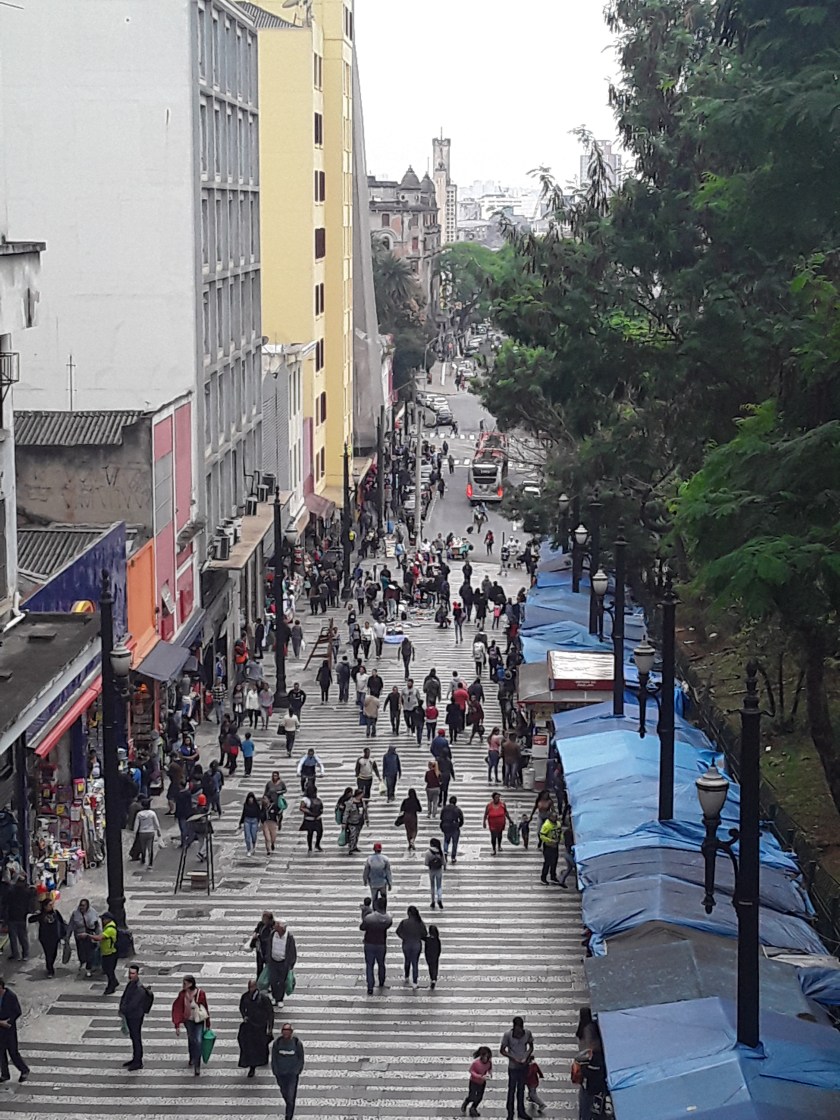

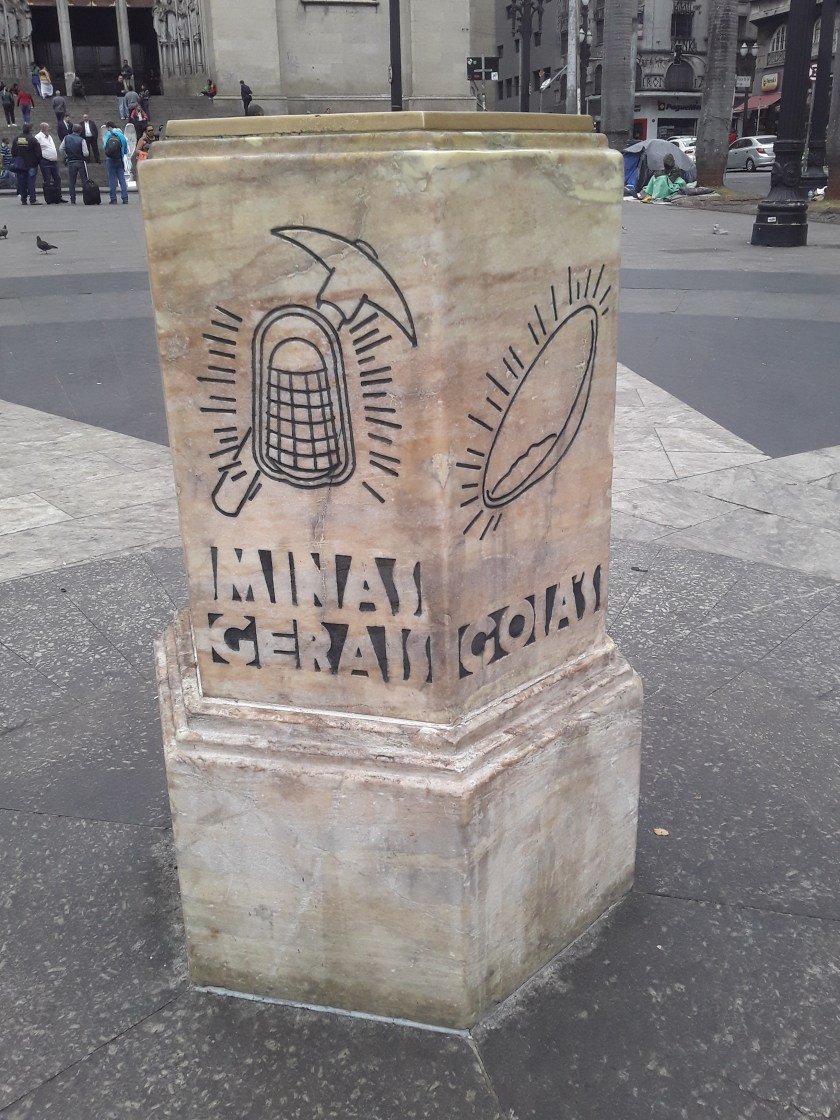
Camera: Samsung Galaxy J2 Core
Location: Downtown São Paulo, São Paulo, Brazil


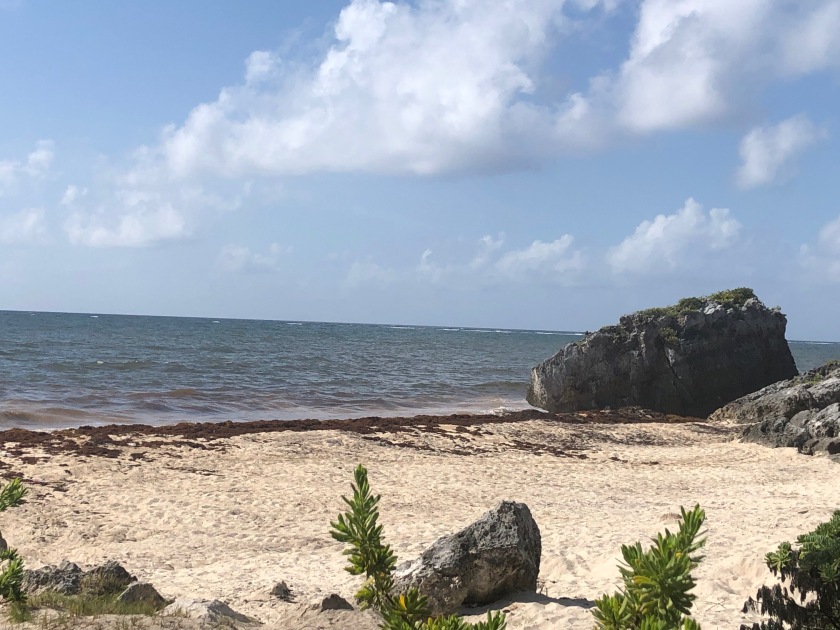

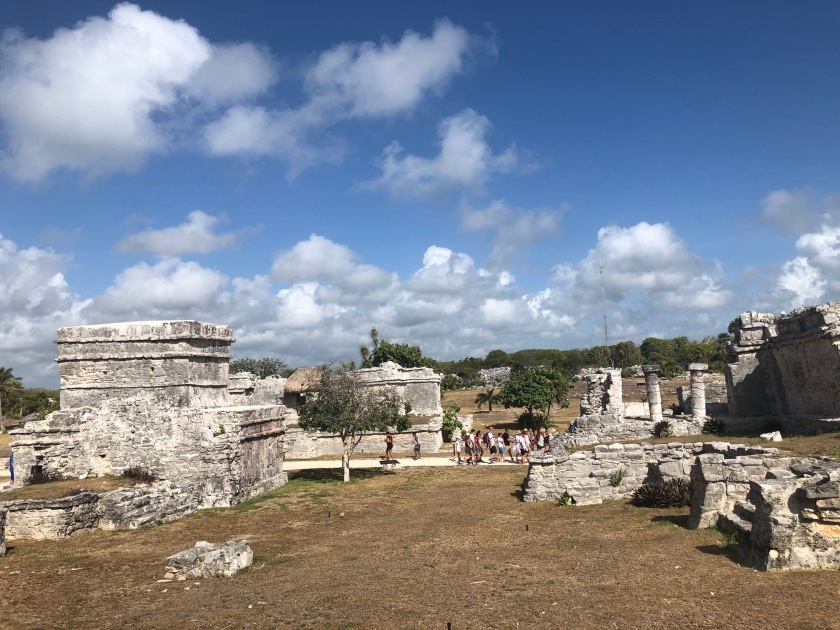




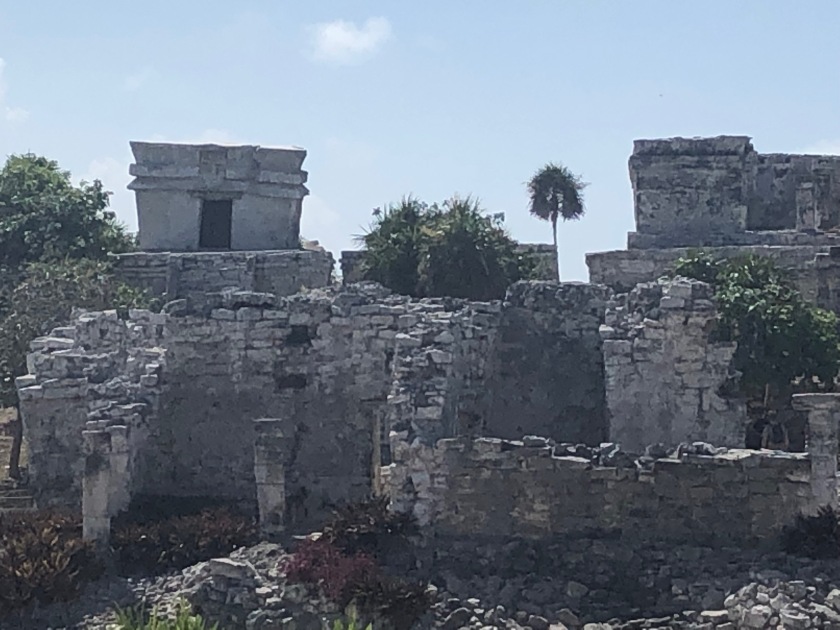

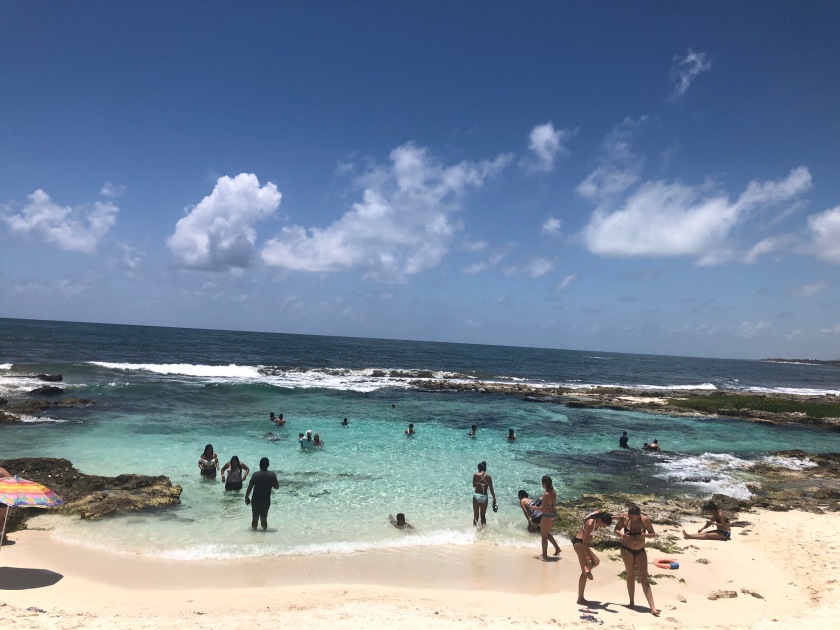
Camera: iPhone 8
Location: Tulum, Quintana Roo, Mexico




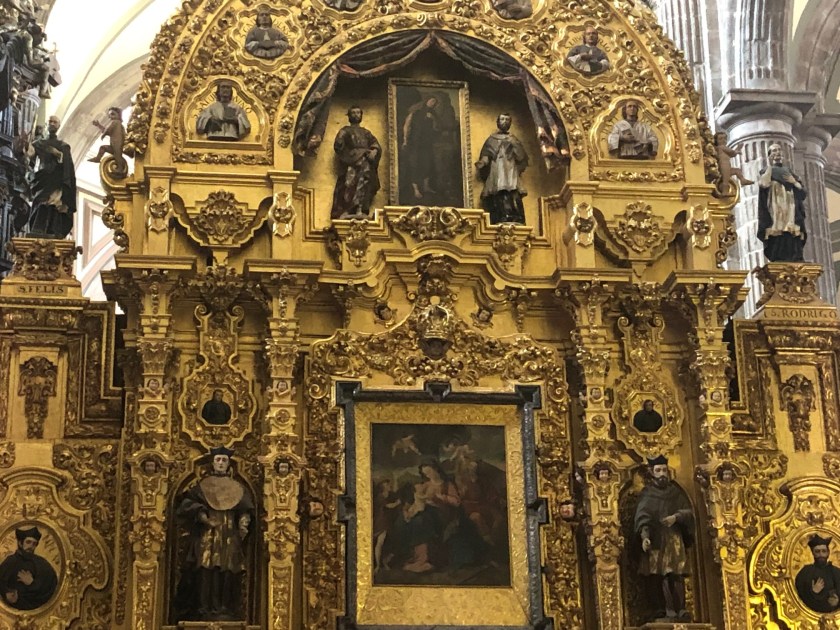
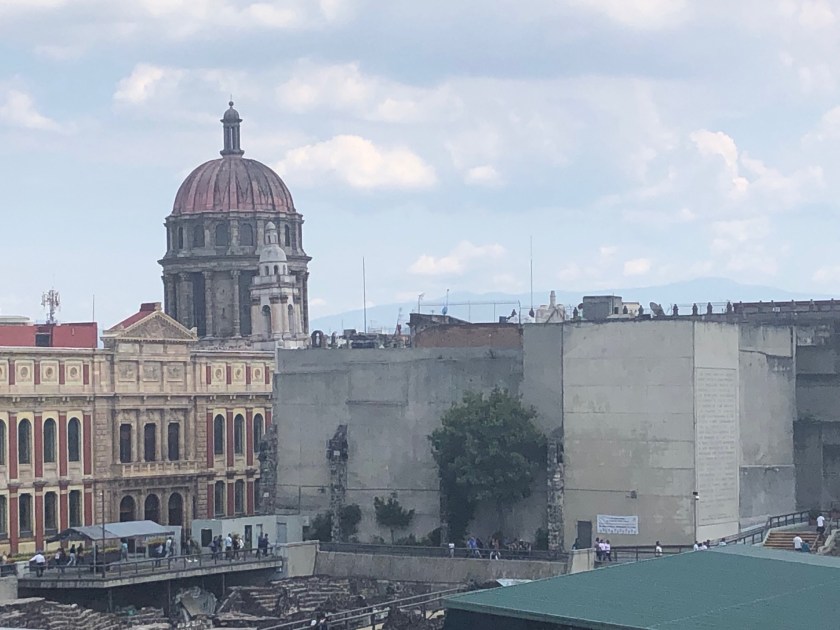


Camera: iPhone 8
Location: Mexico City, Mexico