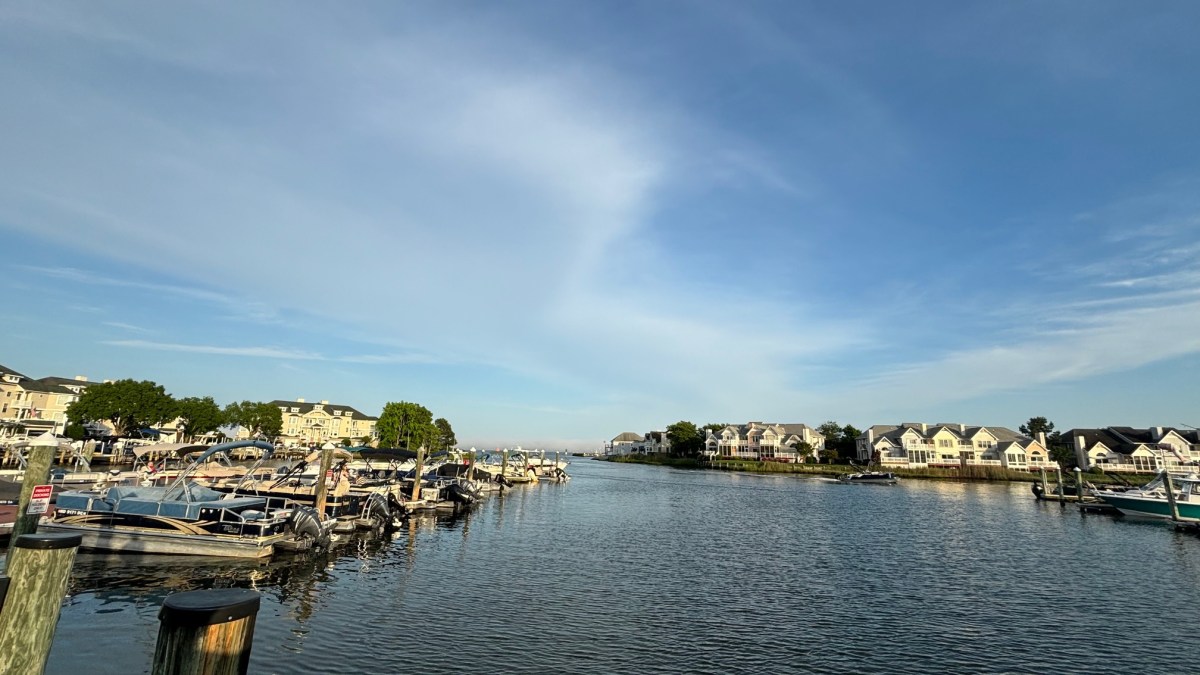
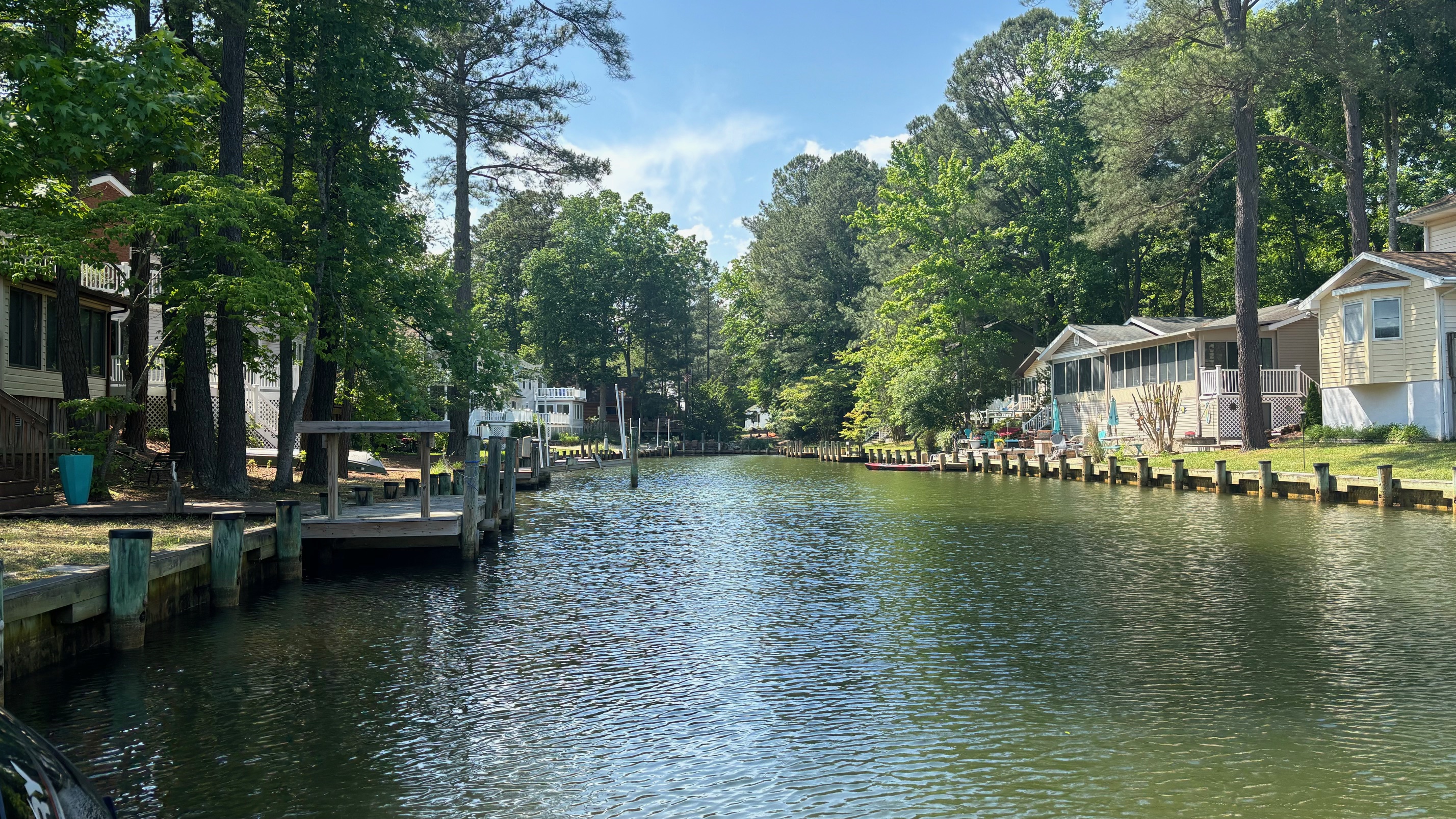
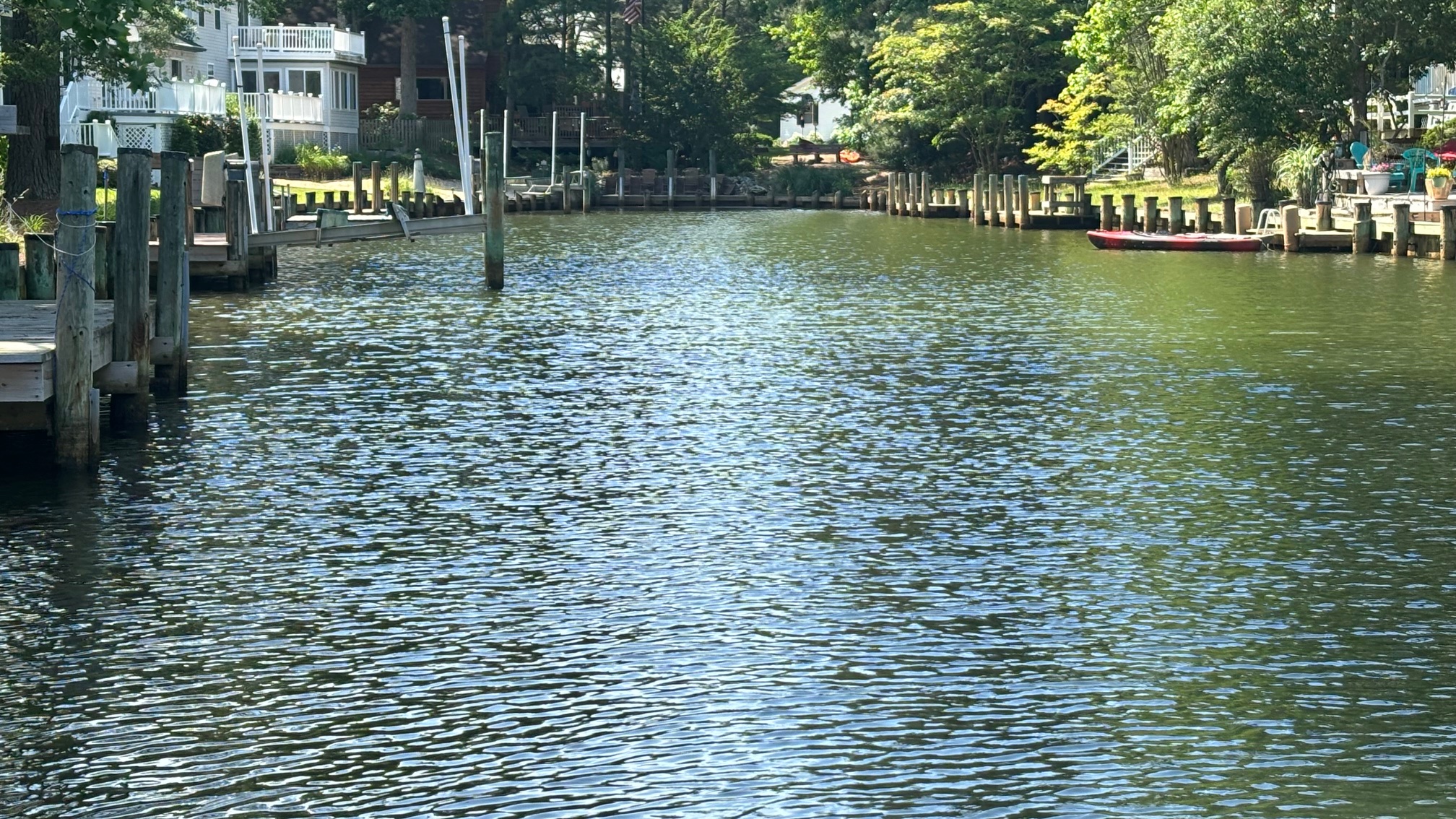
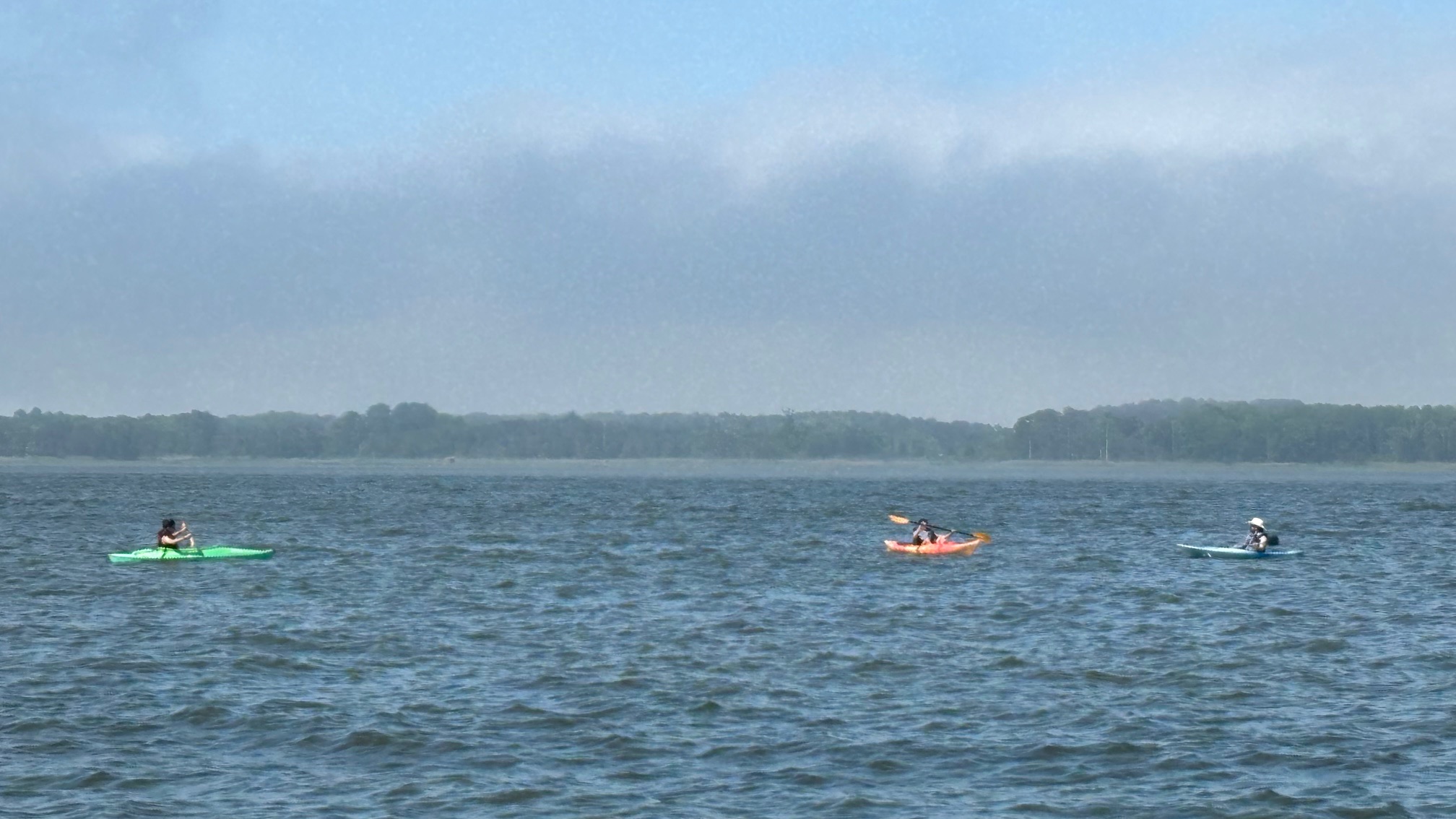
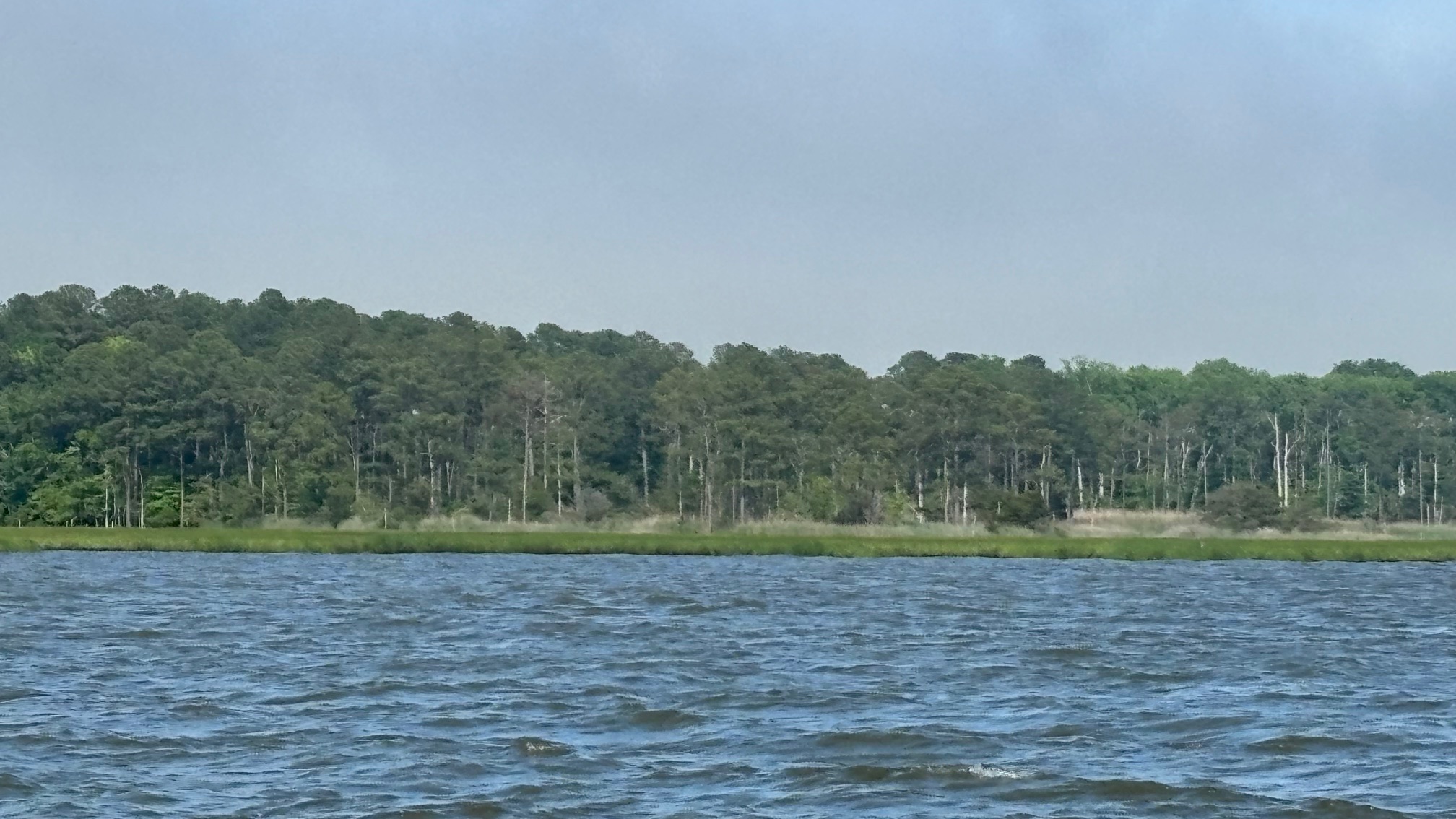
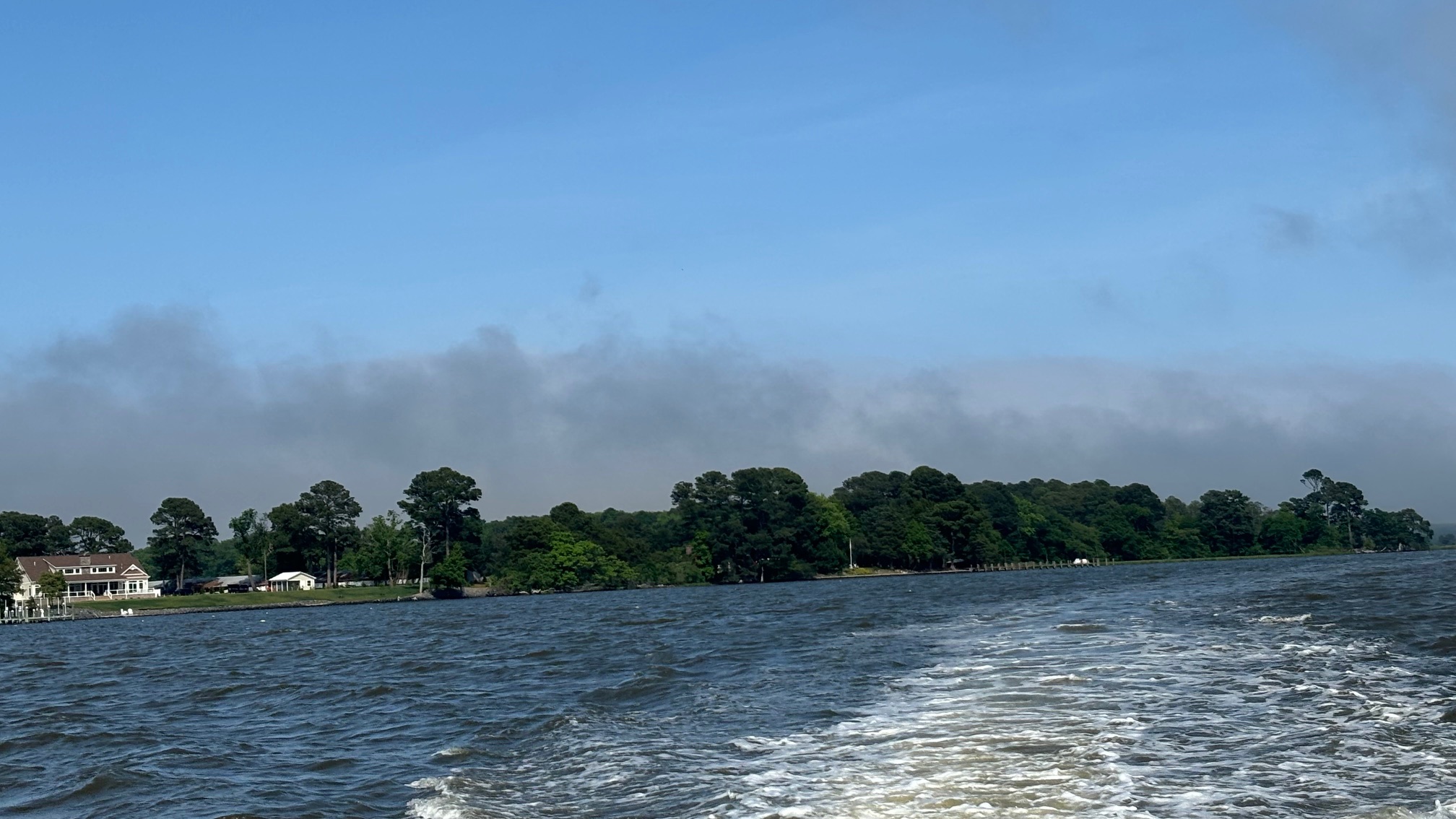
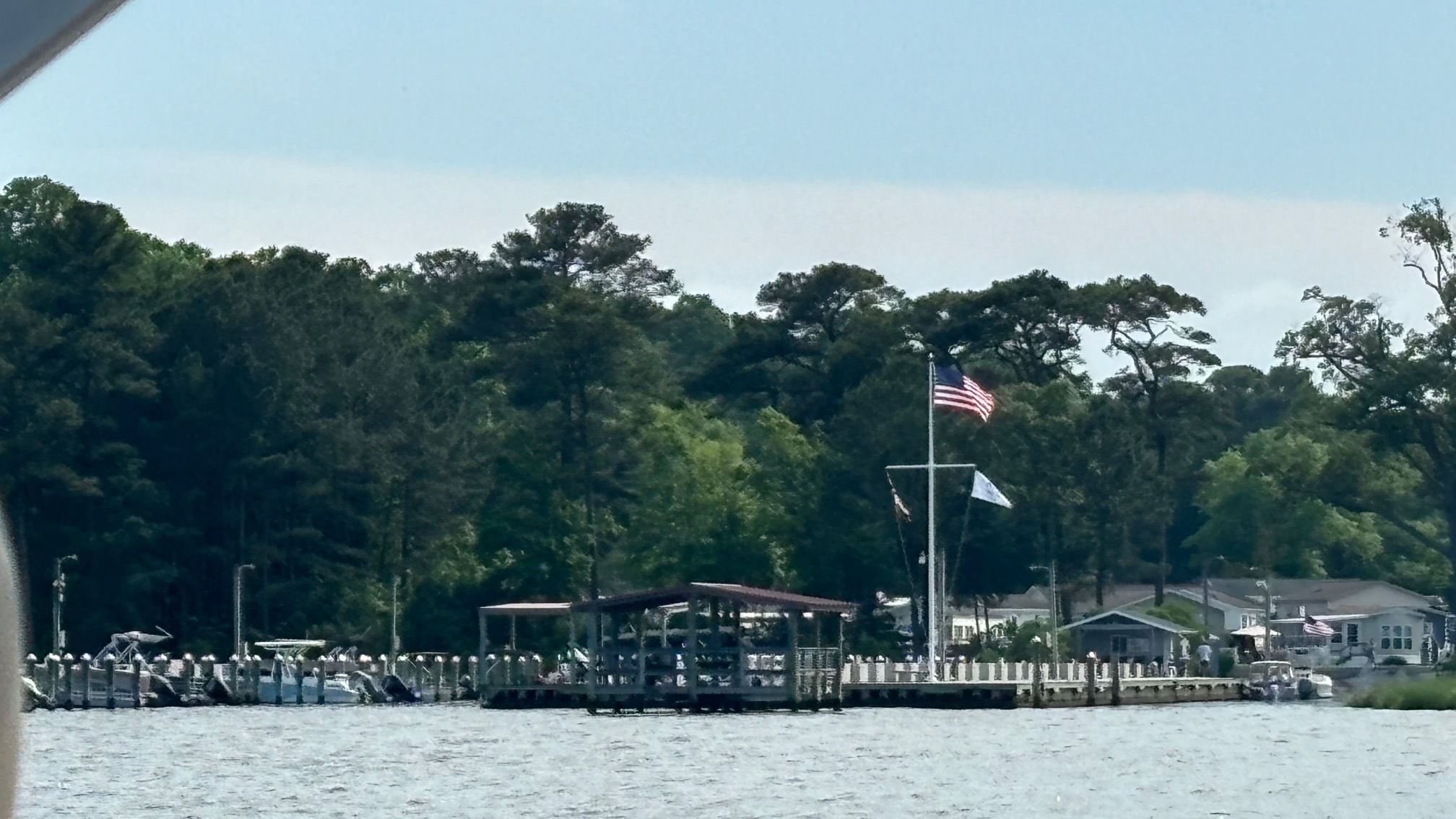
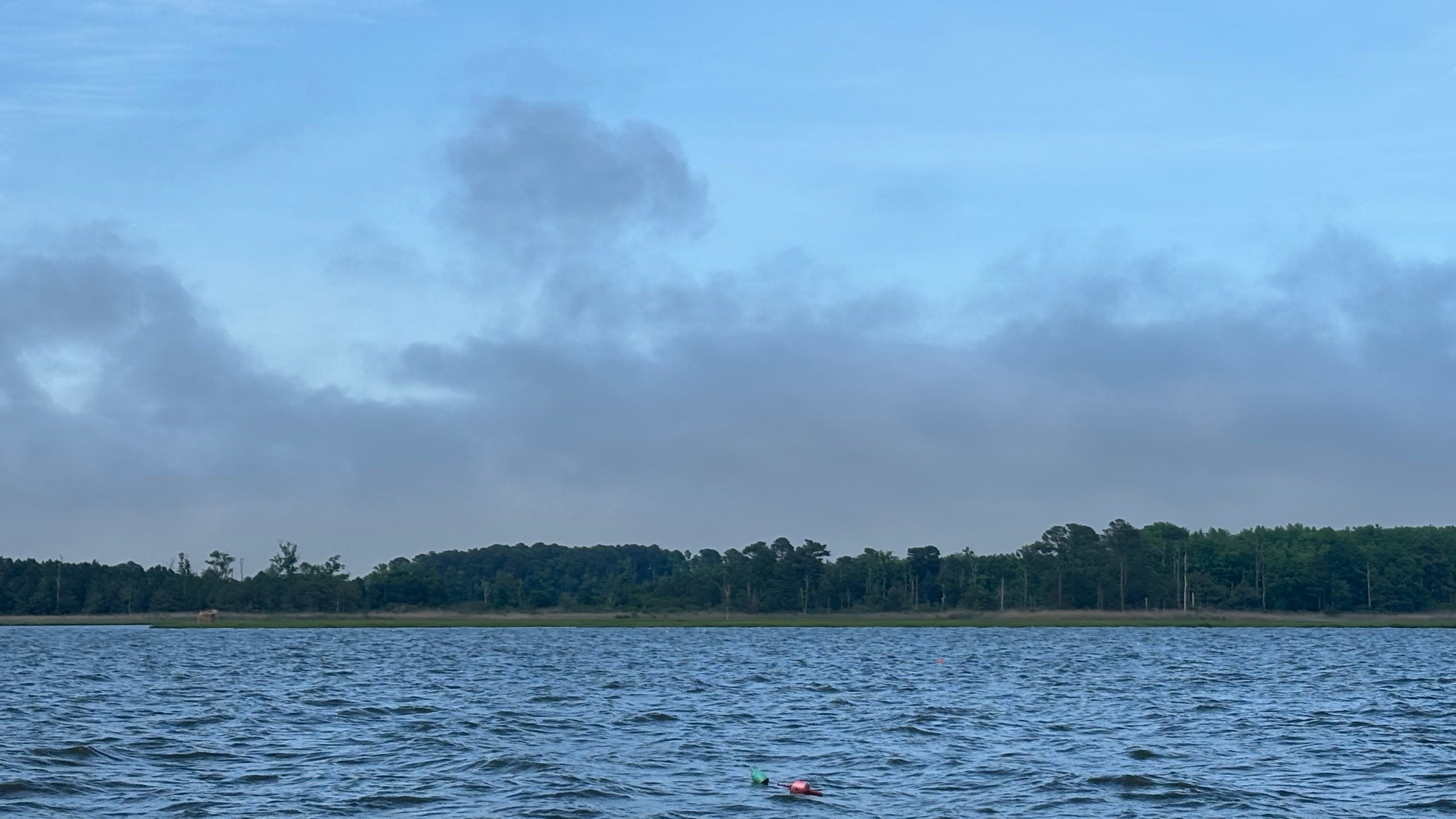
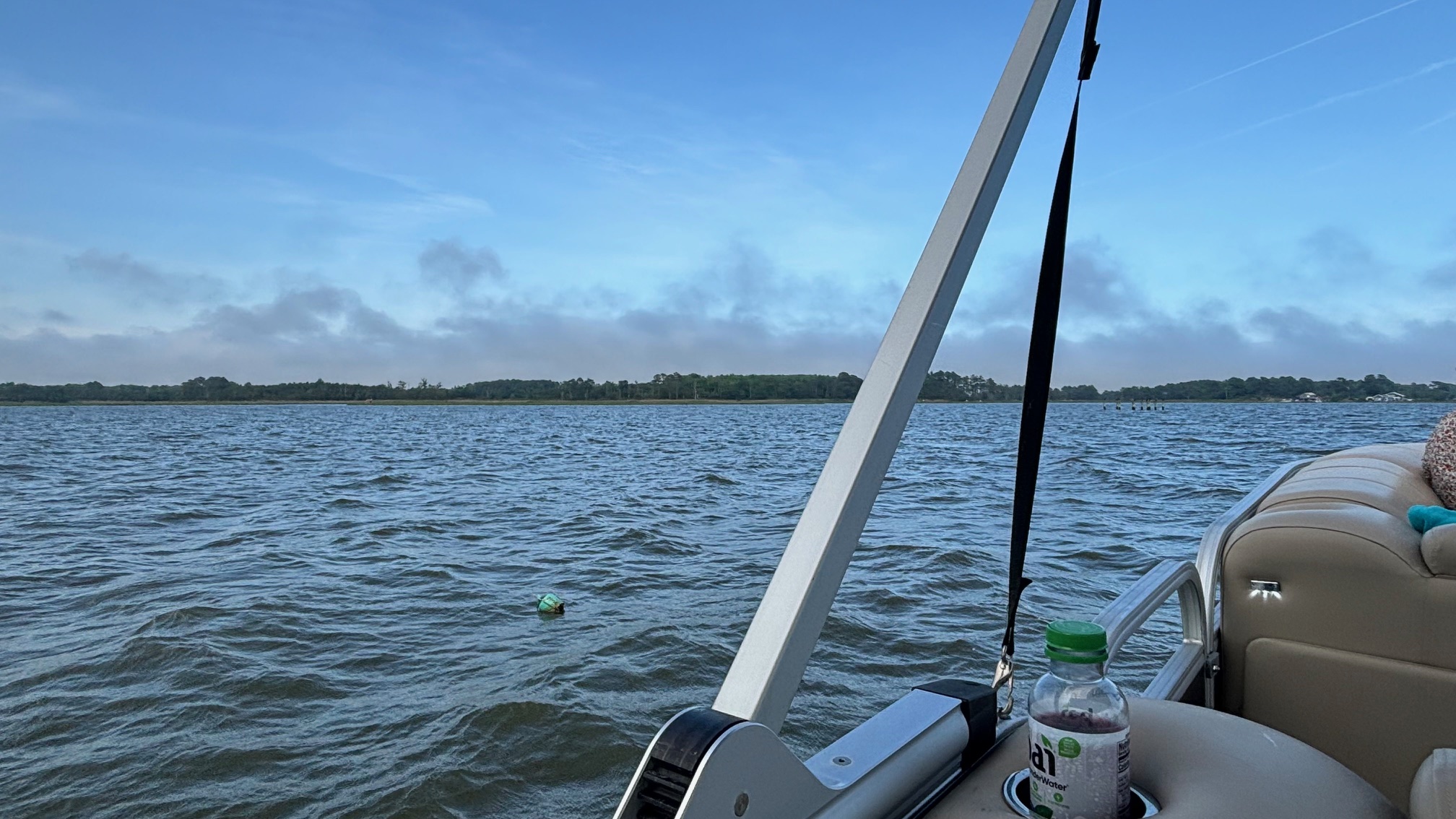


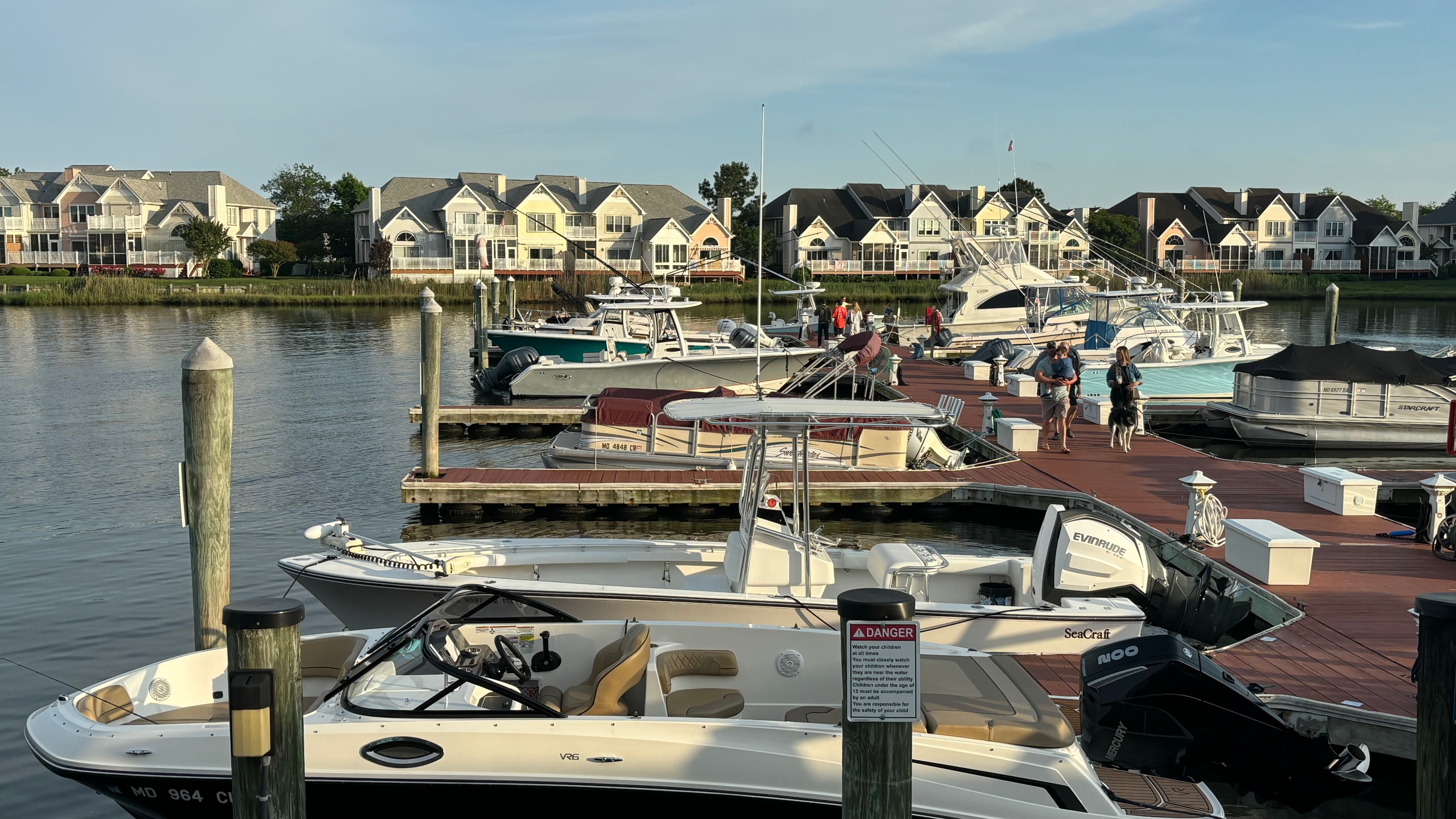
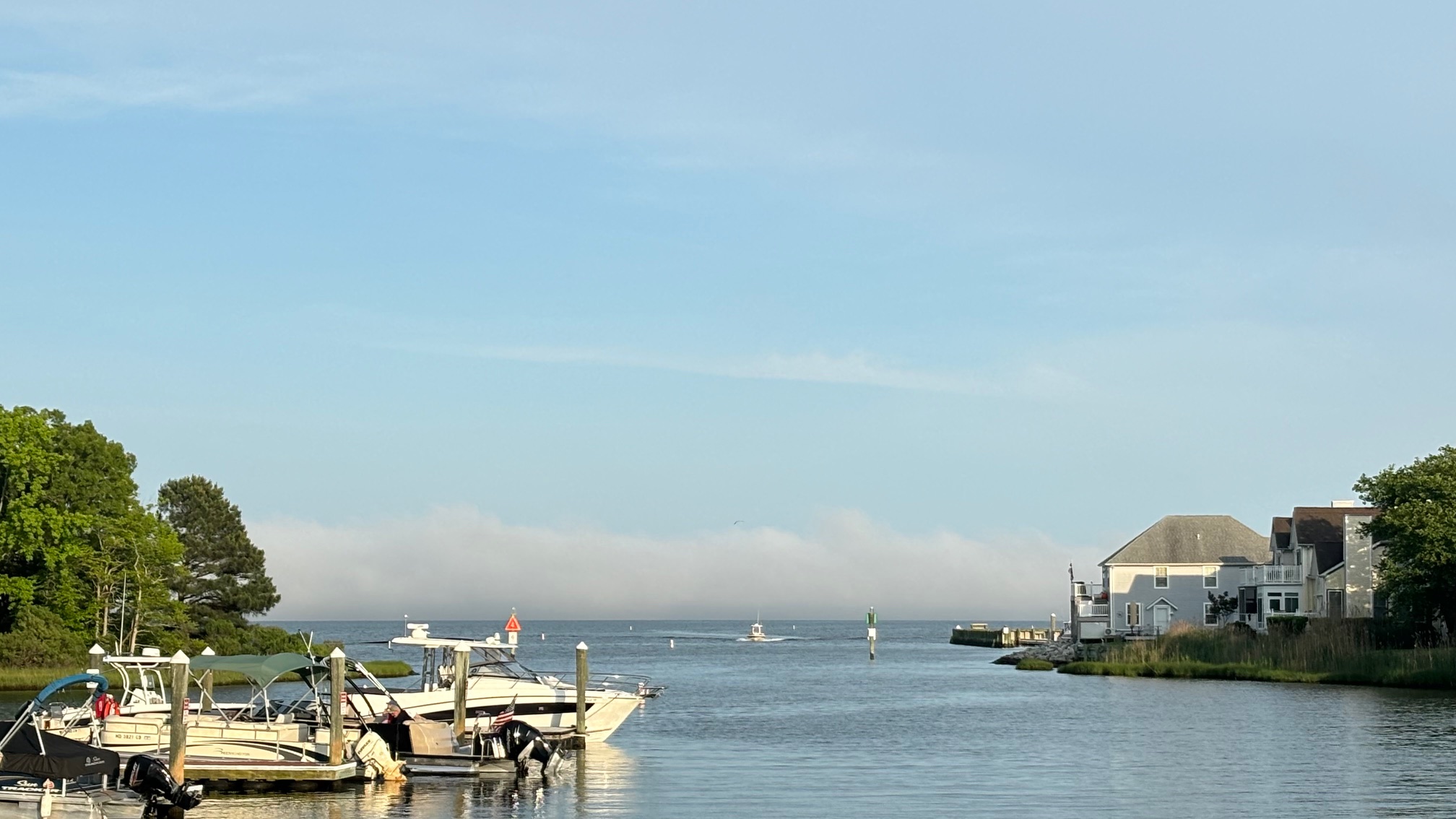

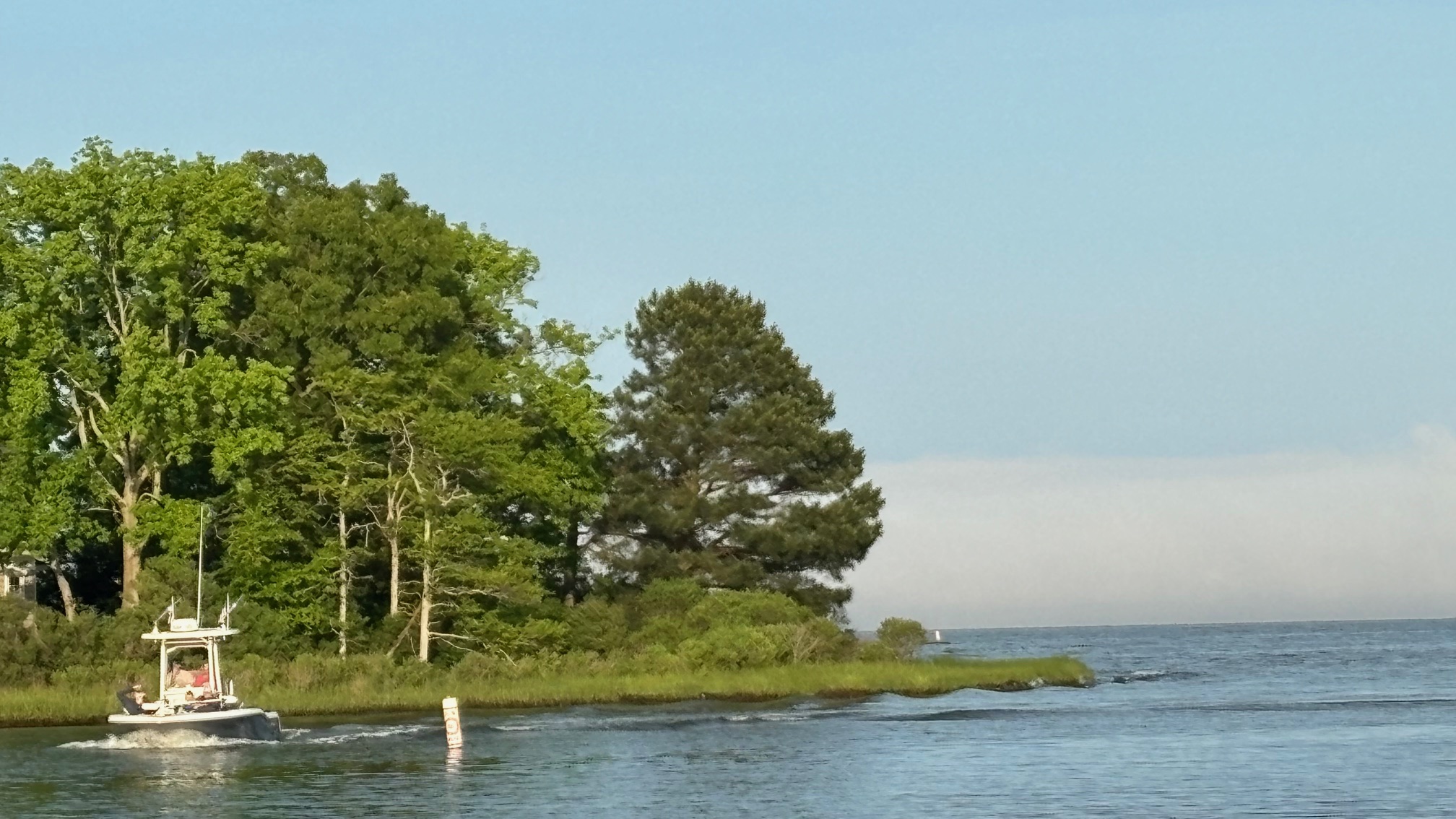
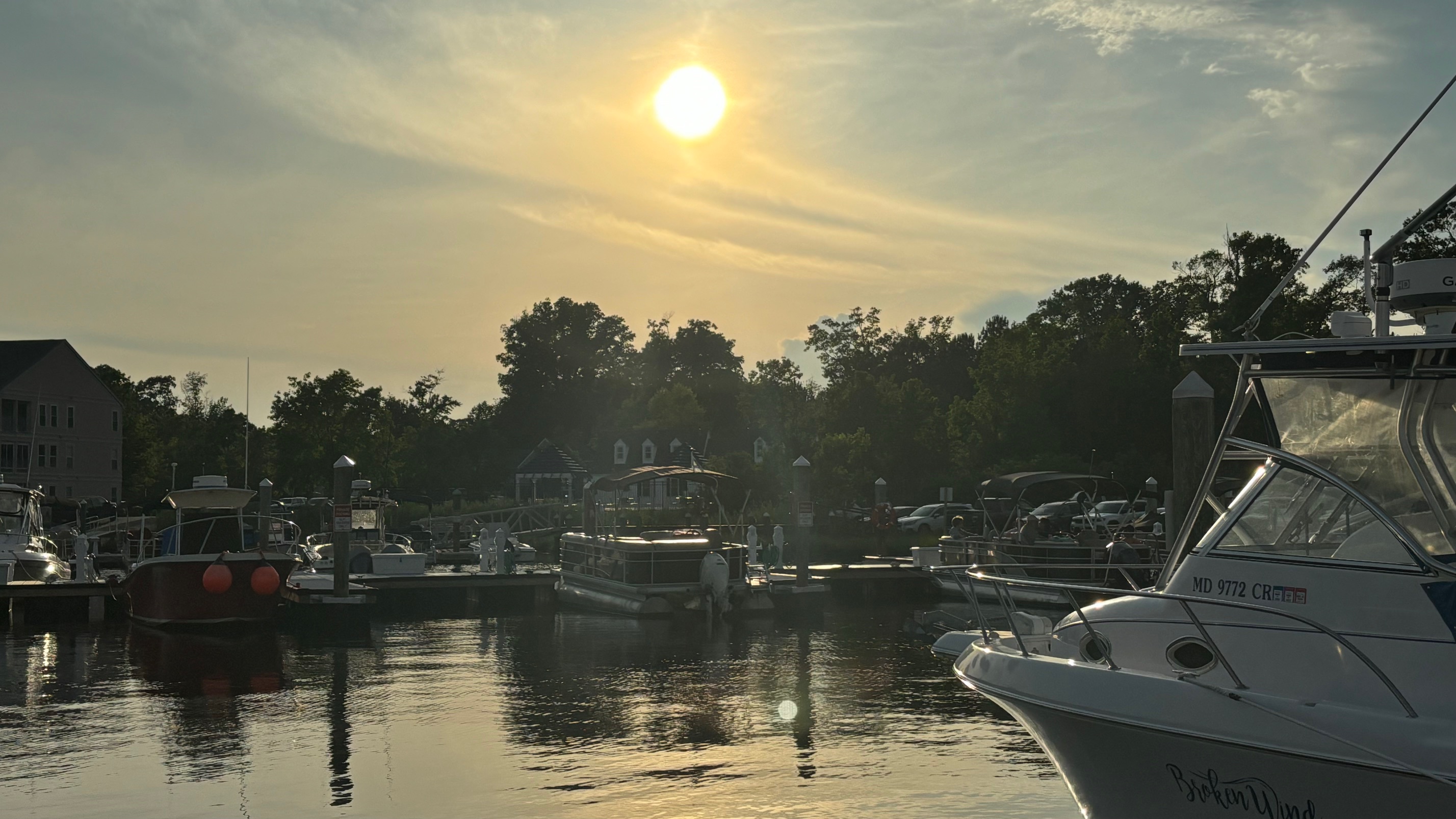
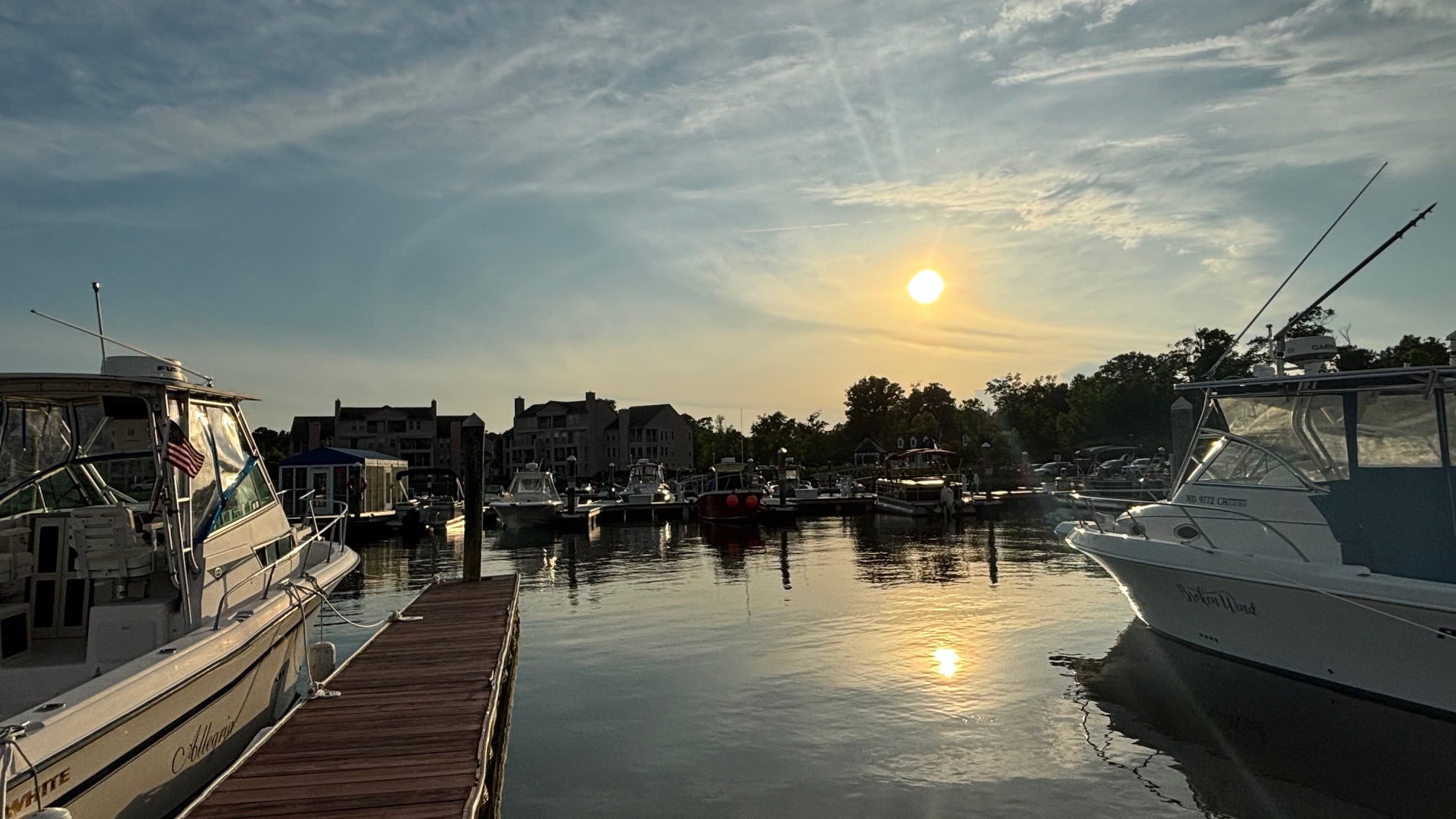
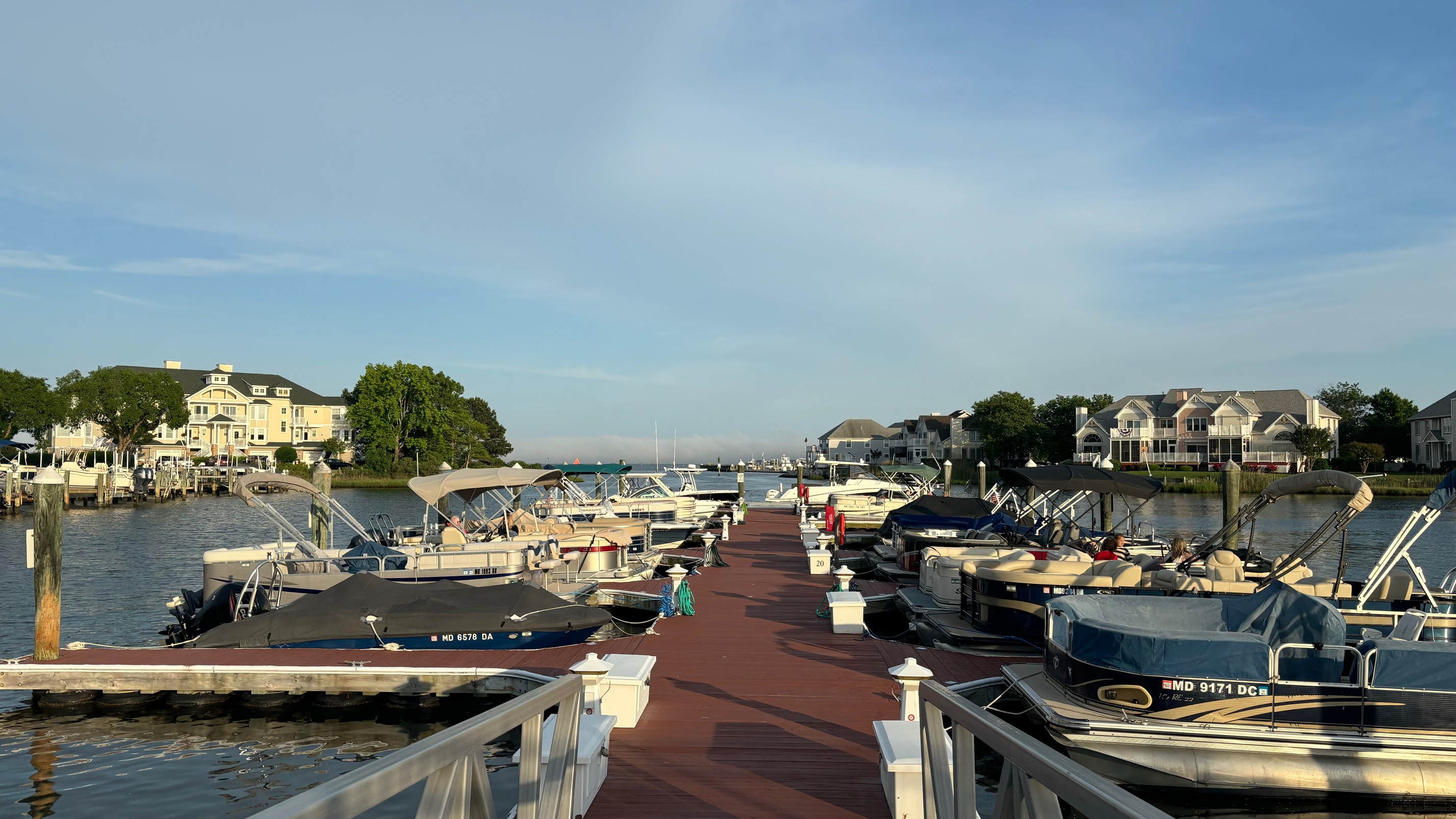
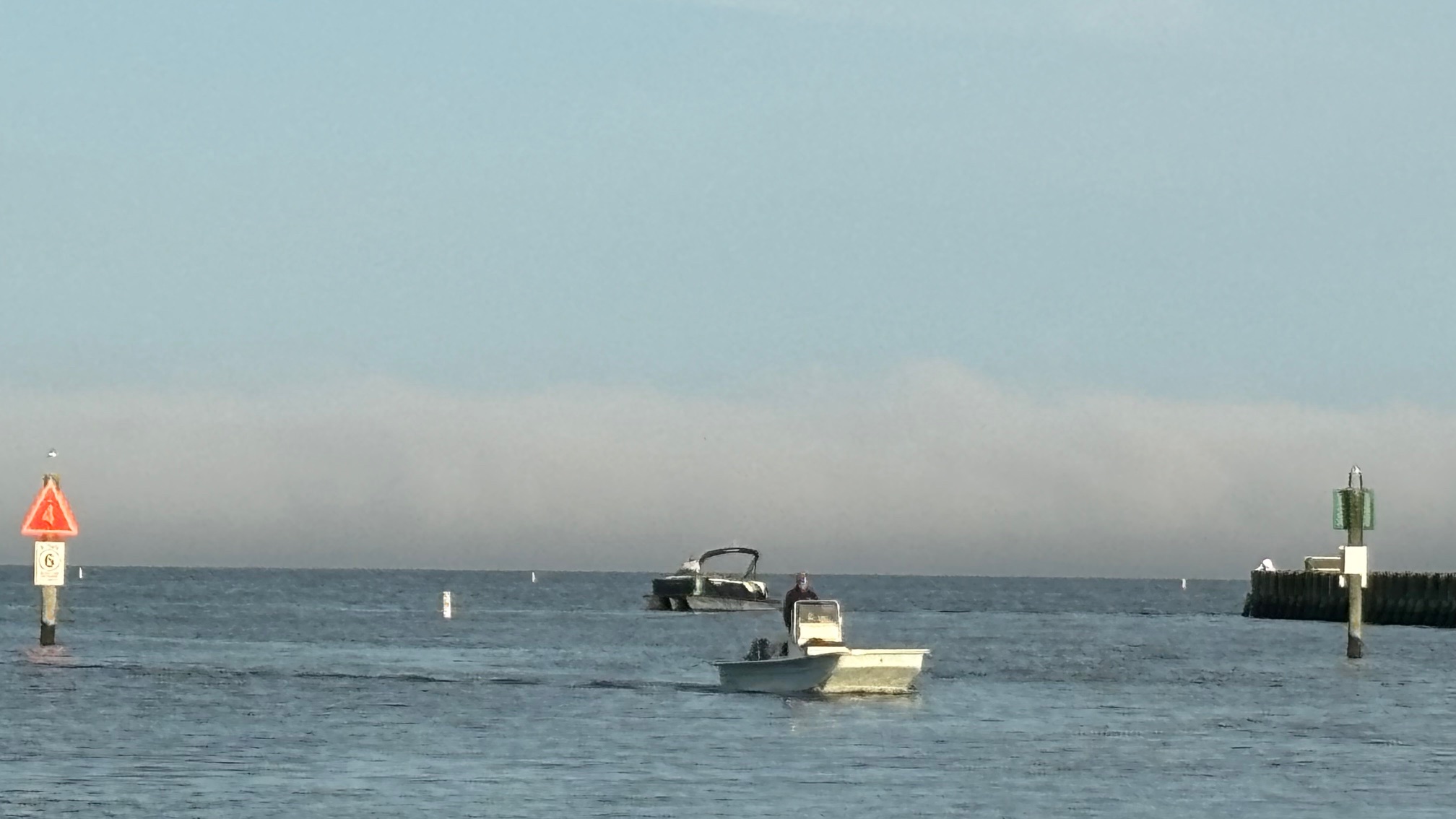
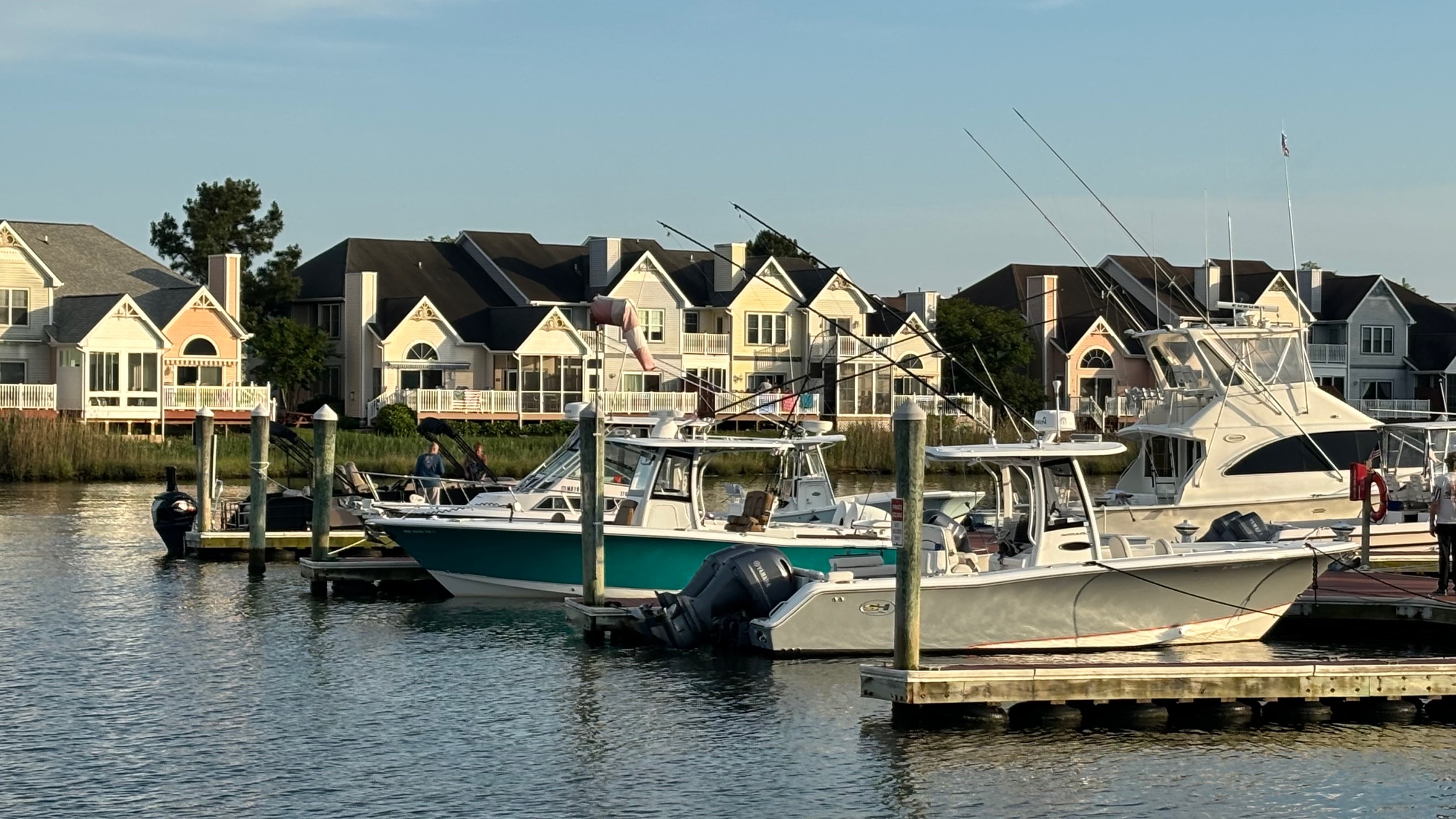
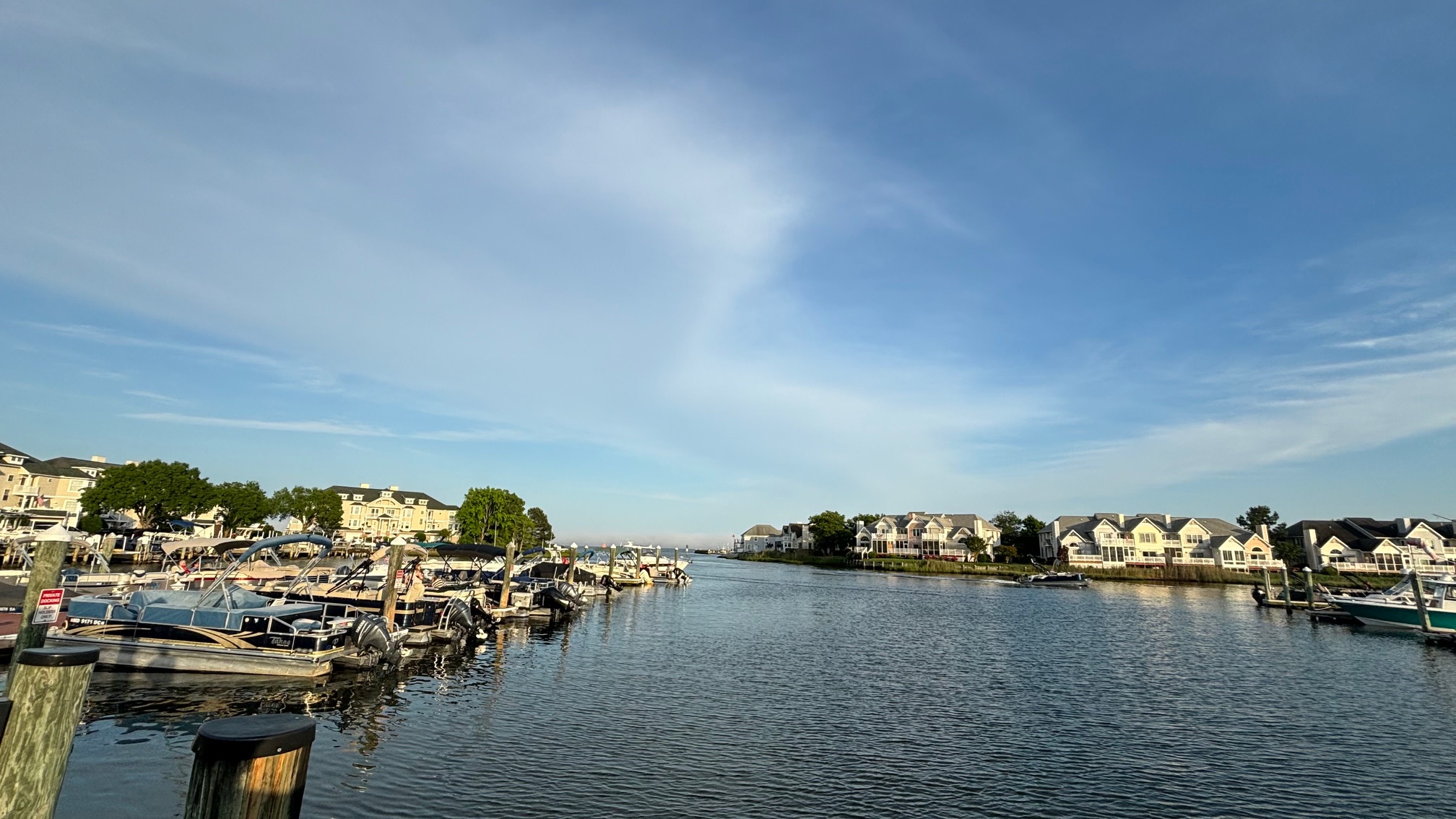
Camera: iPhone 15
Location: Chesapeake Bay, Maryland

Enjoying a nice scenic boat ride out on the Chesapeake Bay on Maryland’s Eastern Shore. The tides were calm and the wind was fierce but a good time was had by all.
Camera: iPhone 15
Location: Chesapeake Bay, Maryland
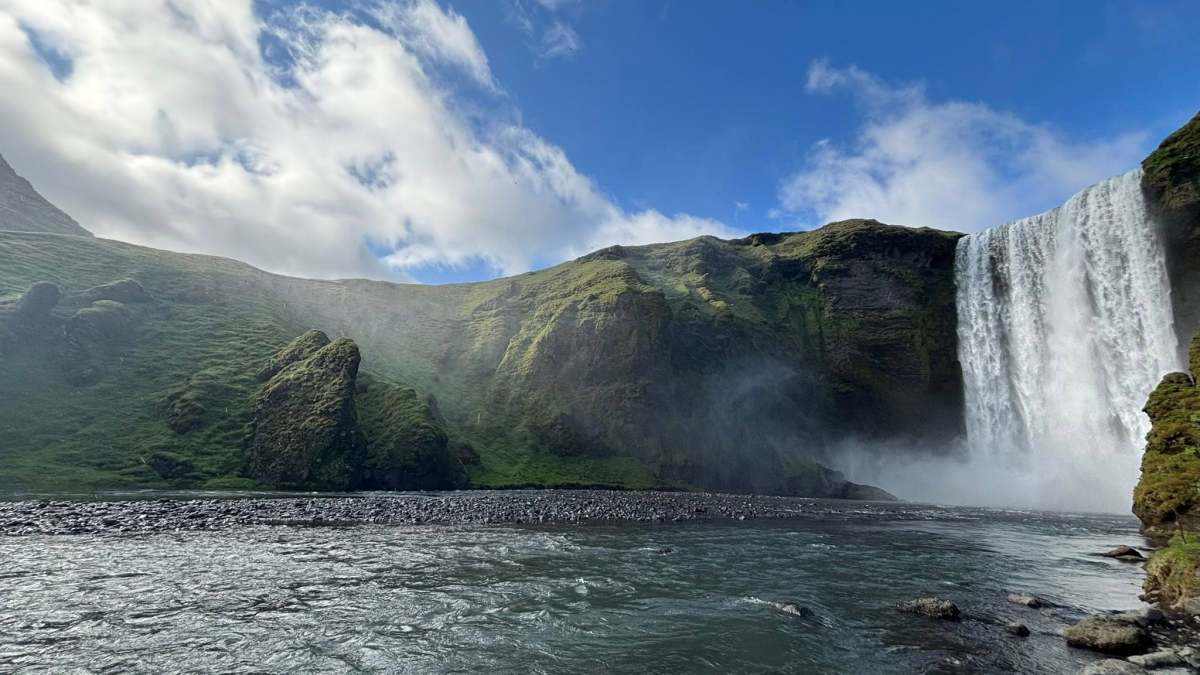
“Iceland is one of those countries that can combine stunning landscape contrasts with sheer natural beauty, putting the average traveler at ease and offering you unique opportunities to rejuvenate physically, mentally, and spiritually through its landscapes, culture, and way of life.”
Few places on Earth these days can put you in supremely natural environments for which you can really feel at ease in nature that has been properly conserved and taken care of. You can be far away from technology, city life, and cover a wide variety of landscapes in just a few hours. Iceland is one of those countries that can combine stunning landscape contrasts with sheer natural beauty, putting the average traveler at ease and offering you unique opportunities to rejuvenate physically, mentally, and spiritually through its landscapes, culture, and way of life.
It hits you the moment to fly into Keflavik International Airport like you stepped on to a new planet that is both desolate but alluring in its other worldly landscapes. You see the molten rocks, the green moss, and the blue lagoons, and think to yourself, where did I just end up? The whole country can captive you on a trip like few others can by offering ways to put your mind, body, and soul at ease. Away with the office, away from the hustle and bustle, and able to tap fully into nature and your surroundings like few other places I’ve ever been to personally.
Being able to hike, swim, kayak, rock climb, and engage in a variety of other outdoor activities throughout the year makes Iceland a physical playground to enjoy. You can rest or exert yourself or do both to give your body a healthy experience on top of being able to put your mind at ease by being away from your devices by tapping into your natural surroundings because they are just that engaging and varied. Iceland provides your soul a reset where you can forget your own troubles and that of the world’s for a while to focus on feeling better, relaxing, or living in the moment, and experiencing what it is to be disconnected.
When it comes to reinvigorating yourself physically, you have a wide variety of ways to do so while in Iceland. You can enjoy a large variety of geothermal pools and hot springs such as the Blue Lagoon, Secret Lagoon, Sky Lagoon, etc. In the Summer months, there are also several pools around the country that may be open to the public including tourists to relax and enjoy the long summer nights, where daylight is every present. After having partook in a few lagoon visits in my recent trip, I can say for sure that your body feels cleaned and refreshed after soaking in the mineral-rich waters and combining that with the country’s culture of saunas, steam houses, and the occasional cold plunge.
It is an impressive combination of thermal relaxation letting you fully destress and decompress for a few hours but with residual health benefits for months or years to come. In addition, Iceland prides itself on healthy, local, and pesticide-free cuisine from fresh seafood to Skyr yogurt, as well as farm-to-table and greenhouse-to-table dishes. As mentioned earlier, there are tons of outdoor activities promoting physical health such as hiking, golfing, swimming, horseback riding, and rock climbing among others.
Everyone needs peace and quiet in their life and Iceland provides that in spades. I believe the country can nourish the mind by allowing you to bask in the solitude that you can find in Iceland’s varied landscapes from waterfalls, glaciers, black sand beaches, and fjords. There are numerous psychological benefits to disconnect every now and then from modern technology and the stresses of urban life and I felt a lot better not being on my phone during my time in Iceland. Though I did need my phone for photos and GPS, the beautiful surroundings allowed me to put my phone away and really live in the moment to enjoy the gorgeous landscapes I was able to visit.
The pace of life is also much slower in Iceland and there is a cultural emphasis on being mindful, engaging with other people, and slow living. When you drive there, you don’t see road rage, people yield to each other in traffic, and the rules of the road are observed since there is no ‘rushing around’ without end that you find in other cultures. Because of the natural beauty and slower pace of life, there are many more opportunities to reflect and think while enjoying the expansive natural visits. Taking time away from technology and the ‘hustle and bustle’ can allow you to reflect on life and enjoying the moment more fully.
Our soul needs to experience awe and joy. I believe Iceland’s natural phenomena and beauty from the Northern Lights to the Midnight Sun really can provide that to each person who visits. This kind of perspective is reflected in Icelandic sagas, myths, and folklore about having reference for nature, being in touch with those people in your life who matter to you and living in a sustainable or balanced way with nature. Iceland is an extremely environment conscious country and should be commended for being clean, approaching net zero carbon emissions, and working to be sustainable in its relationship with nature.
People in Iceland live in harmony with each other and with nature from what I noticed and are a progressive nation in that they are tight knit, looking out for their neighbors, and want everyone to be lifted in their society. These kinds of actions culturally are good for the soul and the soul of any nation. While the weather can be rather unpredictable, costs can be high to visit, and the lack of sun in the Winter is challenging, Iceland is a spectacularly beautiful and welcoming country that I hope to visit in the future.
Iceland is a holistic country to visit that can really make you better off in mind, body, and soul for having spent some time there. It is a rejuvenating kind of travel experience that I hope you’ll consider giving a chance for yourself. We need these kinds of retreats in life where you have real time to relax, reflect, disconnect and focus on yourself without outside distractions. Whether its soaking in the blue lagoon, hiking on top of a glacier, or going fishing on a charter boat to catch fresh seafood for your next meal, Iceland is a country where you can really be at ease with yourself and the world around you. Take a week or two from your busy schedule and come discover the land of Fire and Ice; I promise you won’t regret it.
“Cooking, beyond its practical necessity to prepare food to eat without making yourself sick or worse, offers a unique blend of relaxation, creativity, and control that benefits our well-being if you put the time and effort in.”
Cooking may be stressful to some people, but to me, it’s relaxing. In our fast-paced, distraction-filled world, finding an activity that genuinely relaxes yet focuses my mind is a tough challenge. Cooking, while appearing ordinary and mundane on the surface, when approached with mindfulness, can be restorative and even therapeutic to engage in. Cooking, beyond its practical necessity to prepare food to eat without making yourself sick or worse, offers a unique blend of relaxation, creativity, and control that benefits our well-being if you put the time and effort in.
Cooking engages all of one’s senses, creating an immersive kind of experience that naturally draws attention away from other worldly distractions and to focus only on the present moment. The sizzle of garlic sautéing in a pan, the vibrant colors and shapes of fresh vegetables, the aromatic scents of herbs and spices mixing, the pleasure of melting olive oil and butter, and the first to last tastes of a carefully prepared dish – these kinds of inputs anchor the mind in the here and now. This immersion in cooking creates a state of being more mindful, like the effects of doing meditation or taking a yoga class.
The repetitive, rhythmic actions involved in cooking – chopping, stirring, arranging – provide a soothing and almost hypnotic effect. These repetitive actions can be incredibly calming to me, much like the rhythmic movement of playing notes on a guitar or the repetitive strokes of painting a canvas. The predictability of these actions creates a sense of stability and tranquility, allowing the mind to unwind and the stress of the day to dissipate, whatever that may be.
Cooking has always been to me a form of creative expression, offering endless possibilities to create, experiment, and innovate. Unlike many aspects of life that are governed by rules and regimen, cooking allows for a kind of freedom to embrace creativity. This creative aspect can be immensely satisfying and relaxing, which lends to providing a sense of accomplishment and fulfillment. Whether it’s experimenting with new recipes, combining unexpected ingredients, or presenting food in aesthetically pleasing ways, the creative process in cooking is what I’ve grown to enjoy over the years, especially since I started taking it more seriously in the wake of the COVID-19 pandemic.
Cooking requires total attention to detail and concentration, which naturally diverts the mind from other worries and distractions. Following a recipe, measuring the ingredients, timing the cooking process – these tasks demand focus and precision. This kind of attention serves as a mental break from the constant barrage of thoughts, worries, and concerns that often plague our minds. By channeling our cognitive focus into the cooking process instead, we can create a mental space free from our external stressors, promoting a sense of peace and clarity.
In a world where aspects of our lives feel beyond our control on a day-to-day basis, cooking offers one domain where we can exercise complete authority over the outcome. From selecting ingredients to purchasing the kind(s) of food to deciding how to prepare and present the dish, cooking is a personal endeavor where we are responsible for making all the decisions. This kind of control can be empowering and reassuring, providing a counterbalance to the uncertainties and overall unpredictability of life. By mastering the culinary process, we can gain more confidence and a sense of competence, which can extend to other areas of our lives over time.
While cooking can be a solitary activity, it also has the power to foster more connection and strengthen a community. Preparing and sharing meals with your loved ones strengthens social bonds and creates a unique sense of belonging. The act of cooking for other people can be a form of nurturing and care, enhancing feelings of empathy and compassion for the whole group. Additionally, by participating in communal cooking activities, such as cooking classes or potluck dinners, we can expand our social networks and provide opportunities for meaningful interactions.
Cooking more often leads to more mindful eating, a practice that encourages us to savor and appreciate our food fully and to know where it comes from. Mindful eating involves paying attention to the taste, texture, and smell of each bite, as well as acknowledging the effort and care that went into preparing the meal. This practice enhances our enjoyment of food and promotes a healthy relationship with food, reducing tendencies towards mindless or emotional eating or by ordering whatever you’re craving. By focusing on the present meal with the people around you at the dinner table, I believe we can cultivate mindfulness and gratitude for the food we eat.
Cooking is a key life skill that is always evolving, which means that even if you get a meal wrong and it’s a stressful outcome, you will have many other days and nights to grow in your abilities while having endless opportunities for further learning and growth. I particularly enjoy taking the time to experiment with new recipes, cuisines, and techniques, which can expand my culinary knowledge. The process in cooking of learning and improving over one’s life can be satisfying and motivating, providing a sense of both purpose and achievement. Additionally, even if you always find cooking relaxing, it’s good to have a little bit of stress involved. You can do this by finding new challenges in cooking like mastering a difficult recipe or perfecting a technique you learned which builds other skills like resilience and problem-solving.
The preparation process in cooking can be seen as a daily ritual that signals a necessary transition from the busyness of the day to a more relaxed state. Setting up the kitchen, gathering the ingredients, putting the tableware together, and arranging the utensils can be a meditative kind of practice that prepares the mind and body for the act of cooking. This ritualistic aspect of cooking creates a sense of anticipation and intention, enhancing the overall experience, and promoting a mindful approach to the task at hand of feeding yourself. The hungrier you are in my view too, the better of a cook you will be that evening if I can speak from personal experience.
In my opinion, cooking is much more than just a means to an end; it is a therapeutic kind of effort that offers a myriad of benefits for one’s mental well-being. By engaging each of the five senses in a deep way, providing a creative outlet, fostering total focus, offering us a sense of control, and promoting a greater connection to the food we buy and then eat, cooking becomes a powerful tool for both relaxation and mental clarity. In our world filled with constant distractions and stress, the simple act of preparing a meal for oneself and for your loved ones can bring profound peace, happiness, and joy. By embracing the art of cooking, it allows us to nourish not only just our bodies but also our minds and souls.
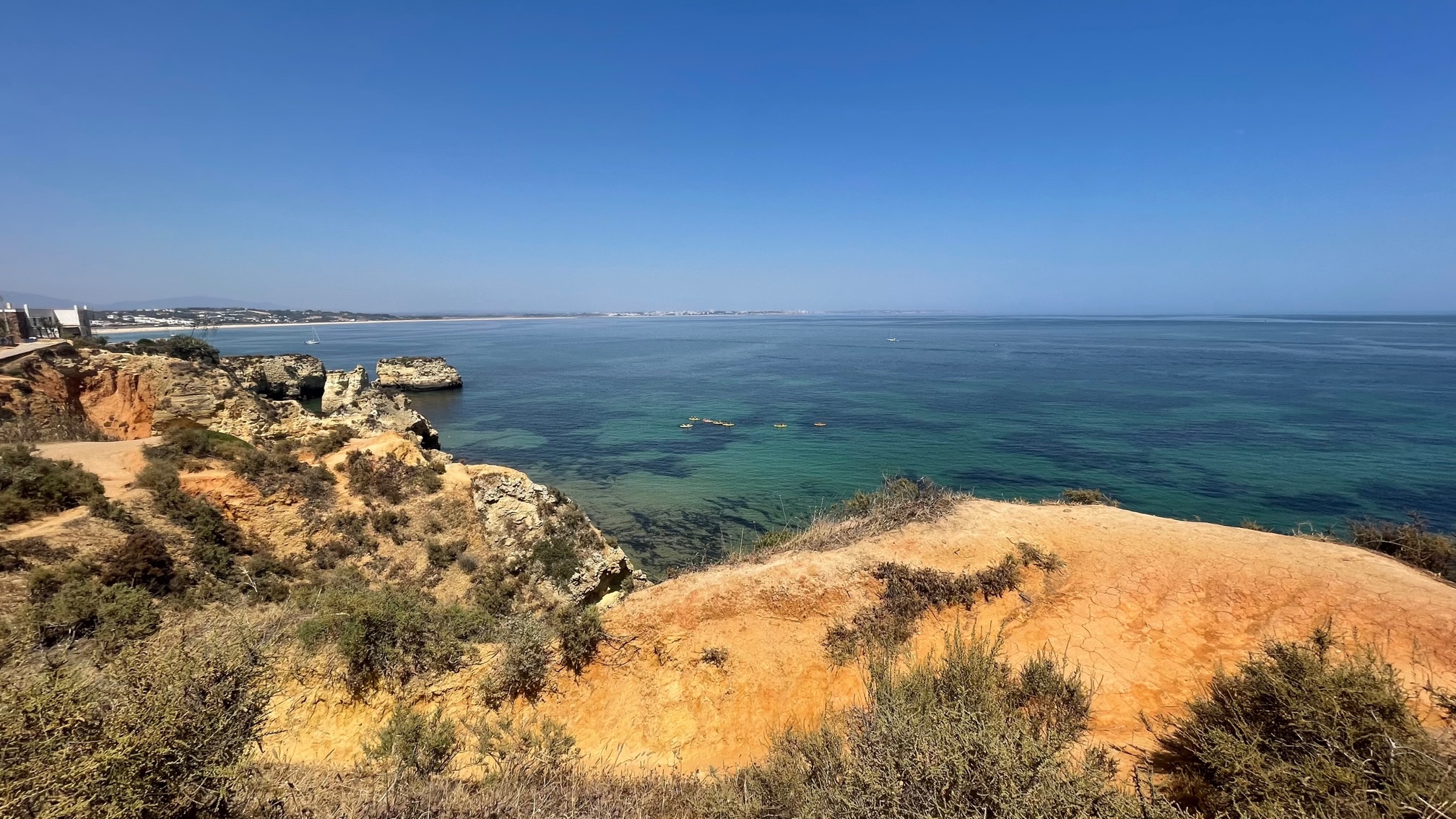
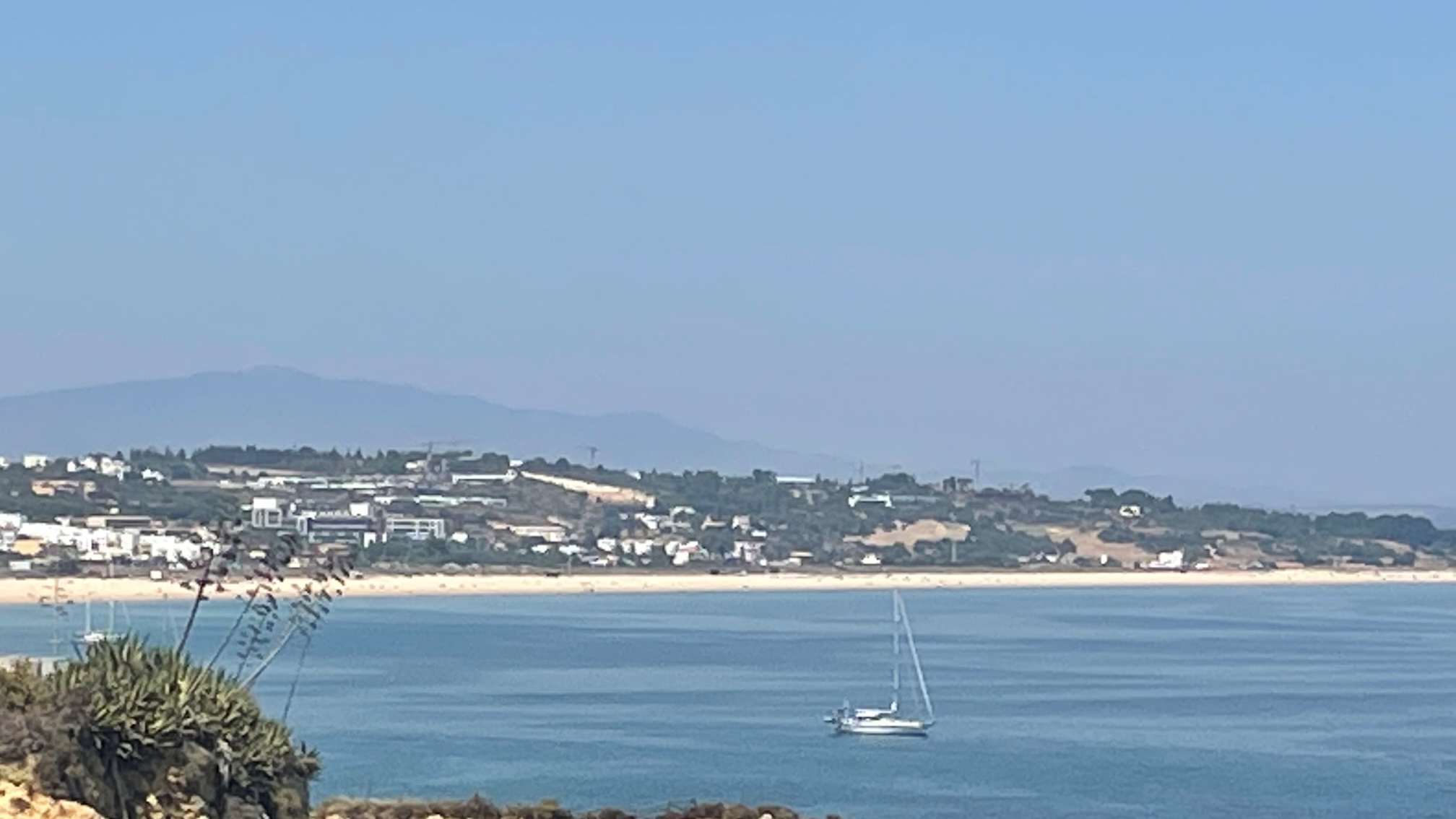
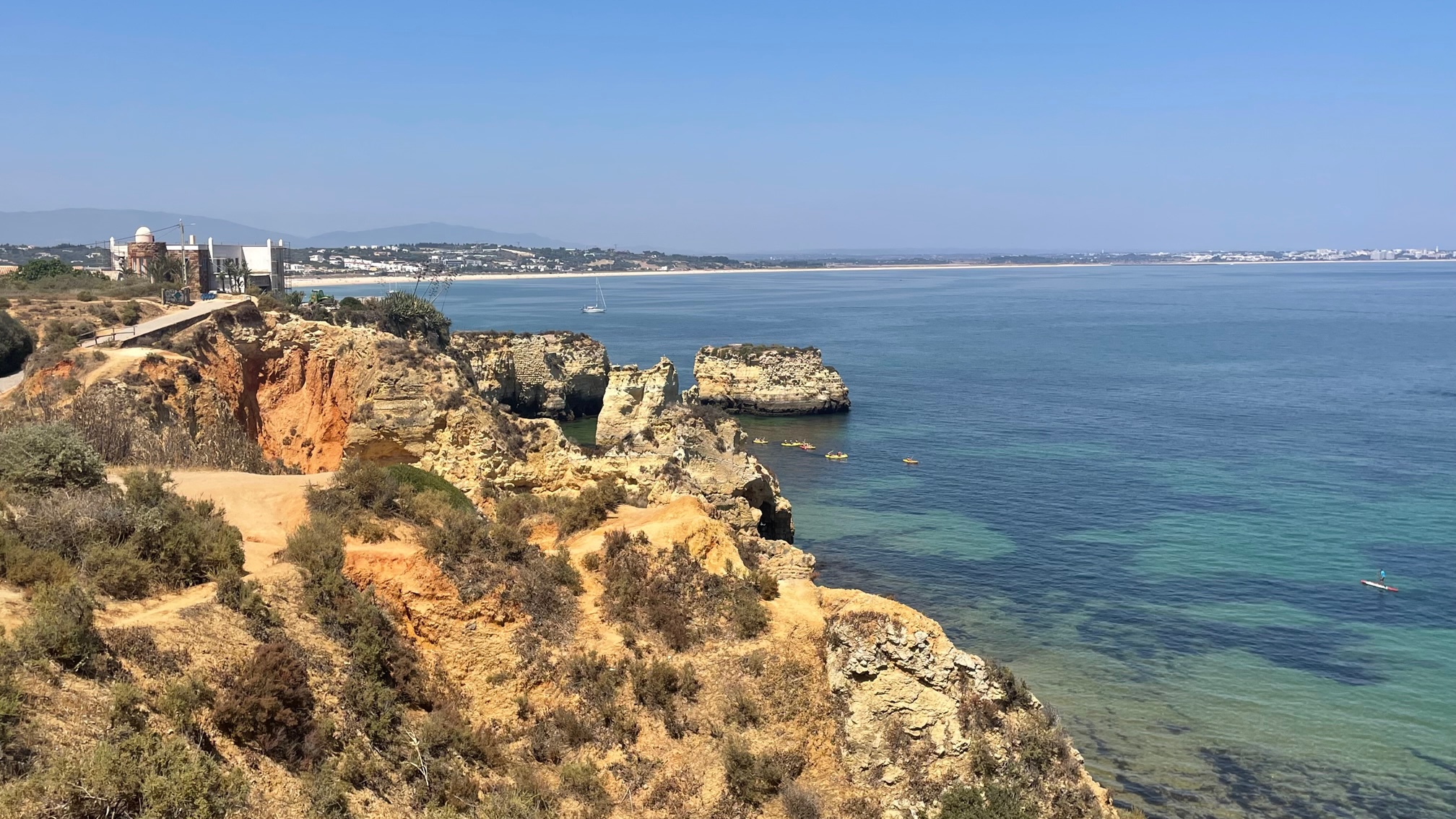
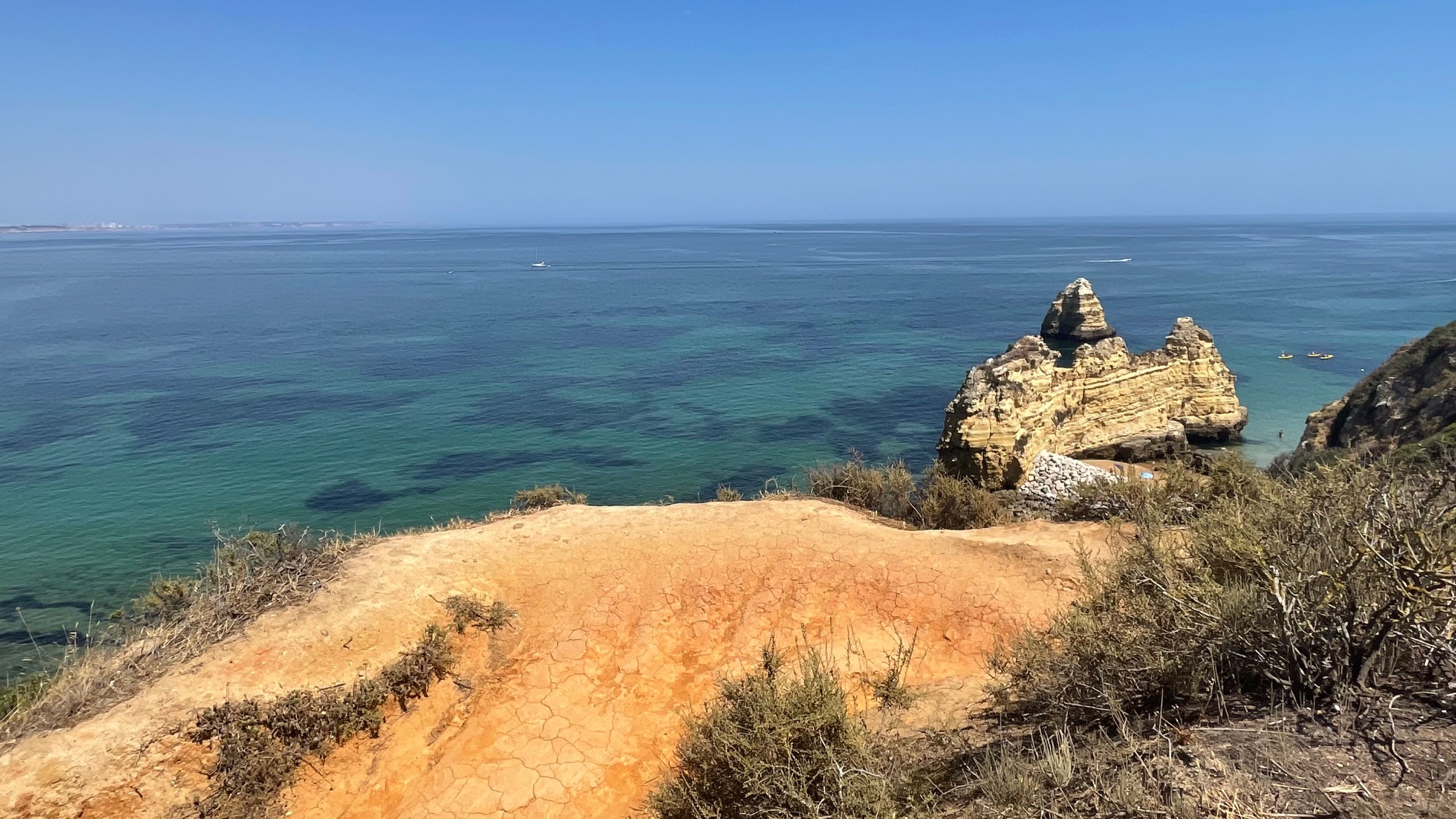
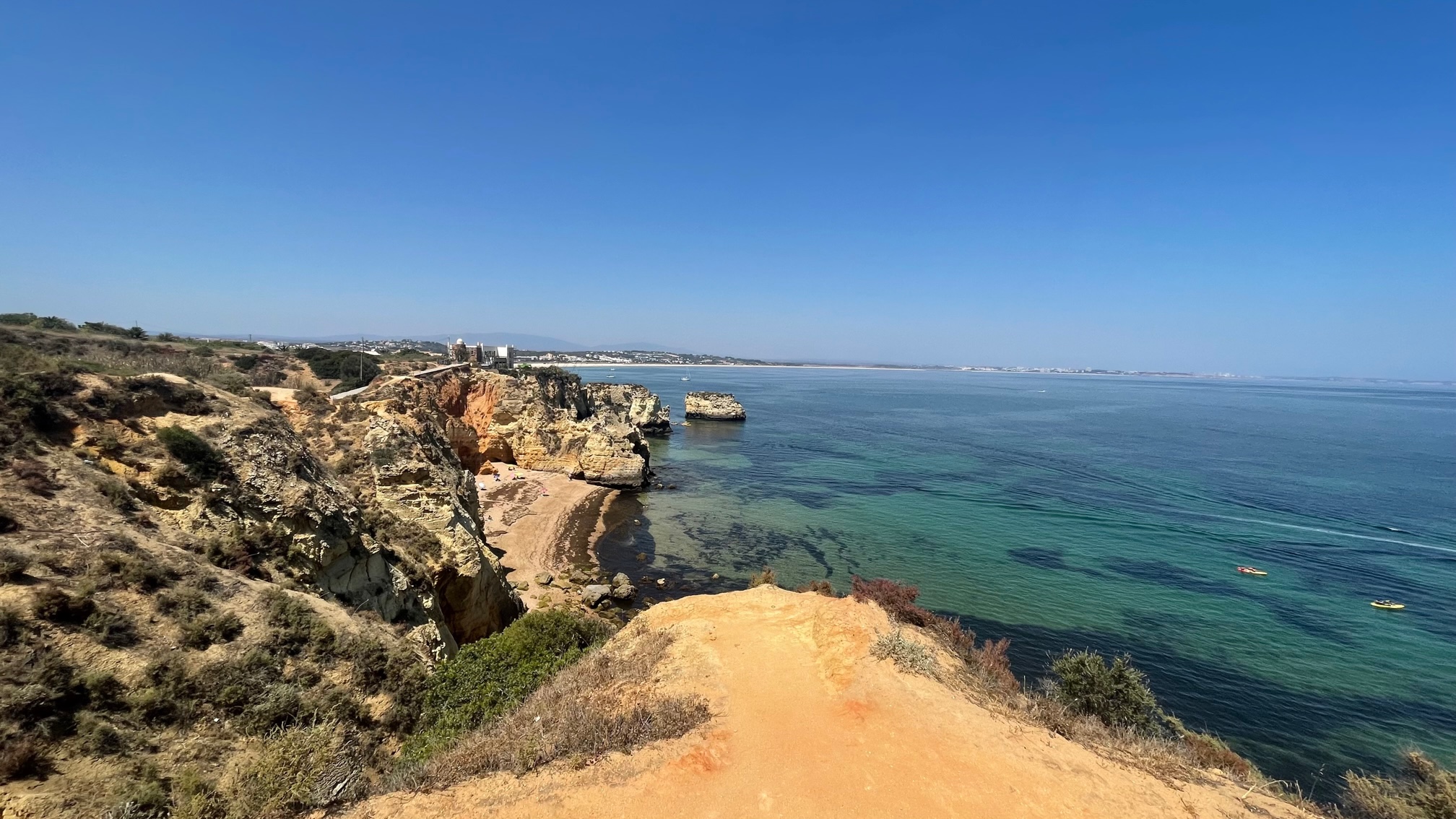
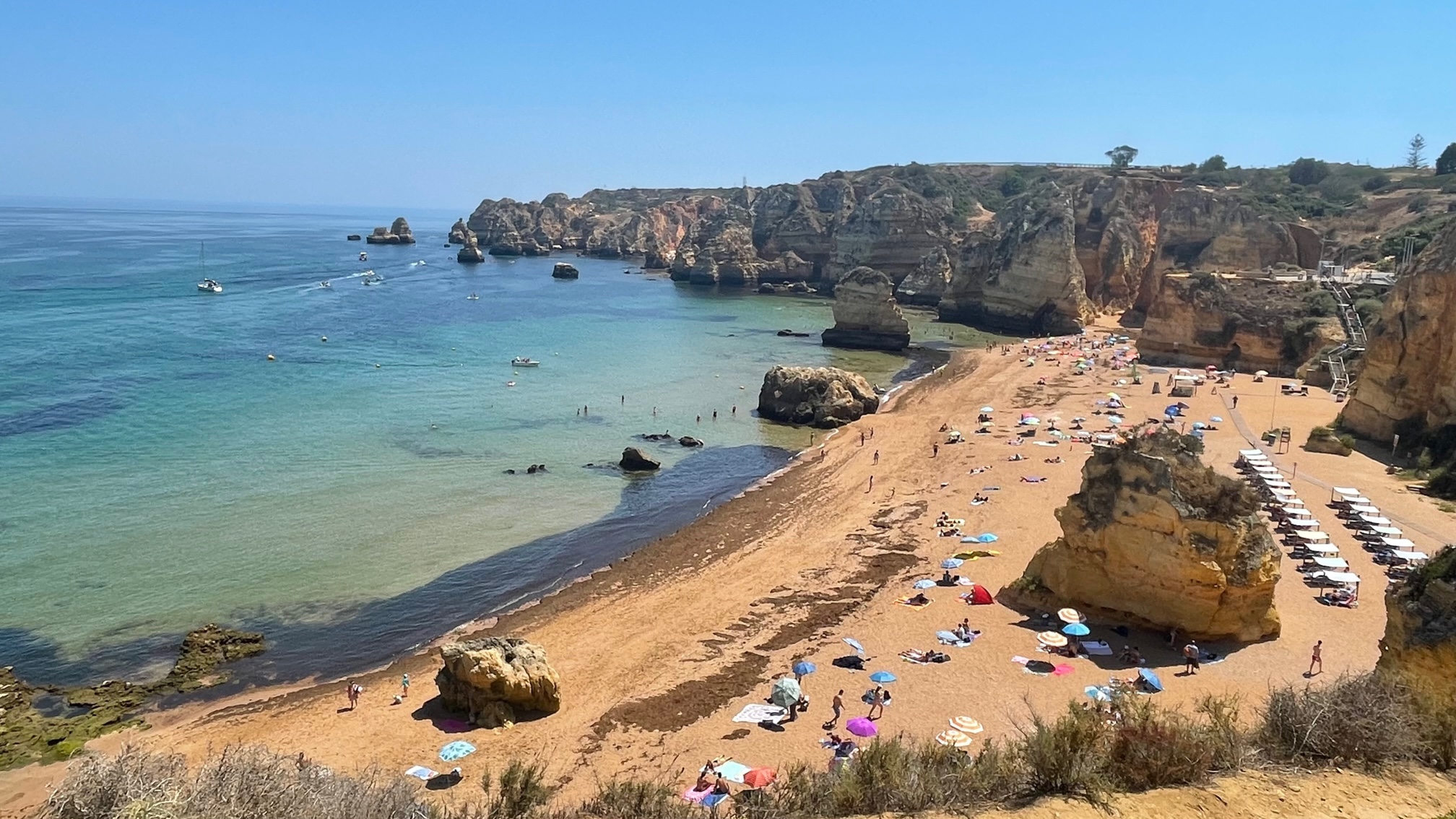
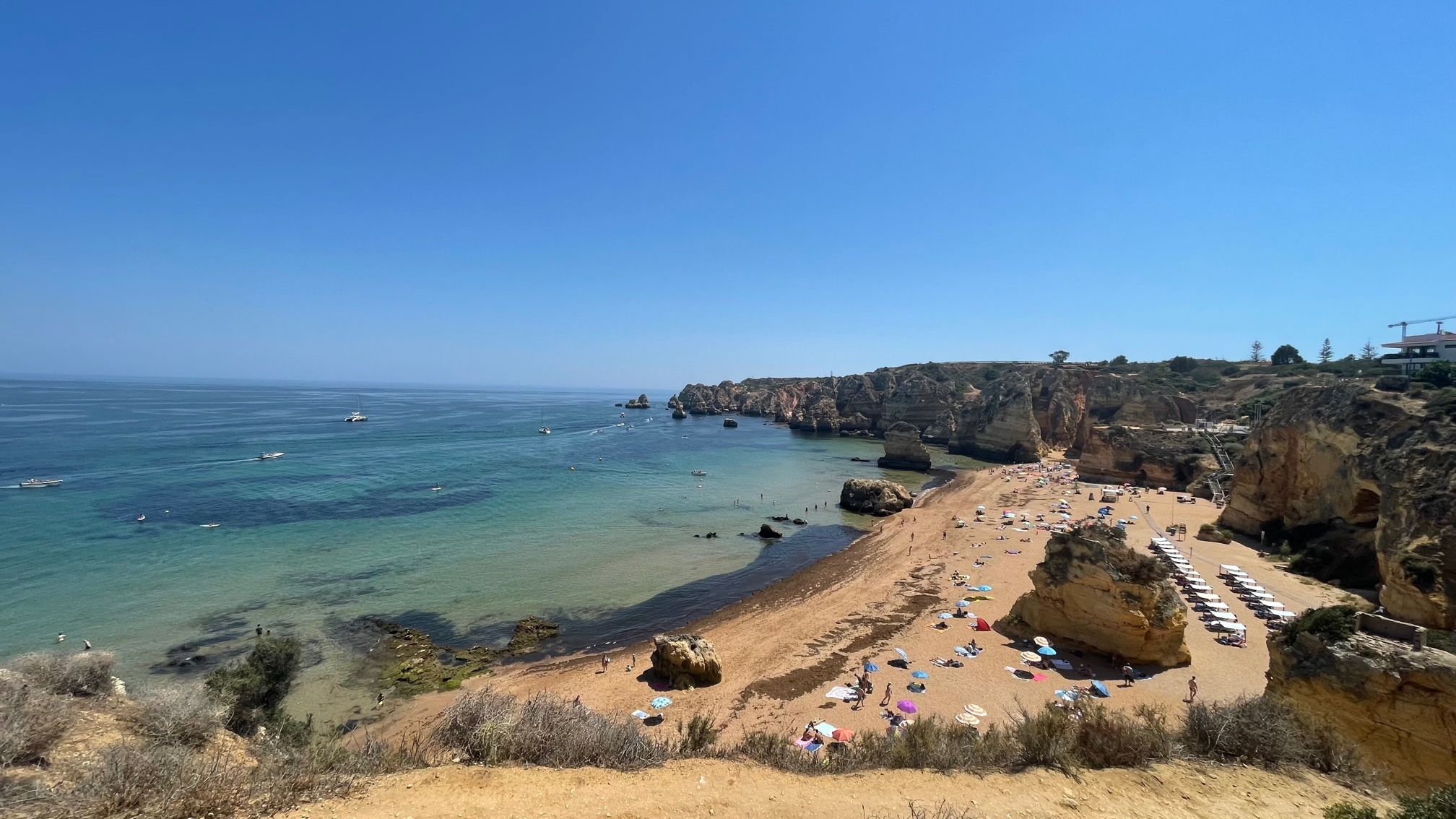
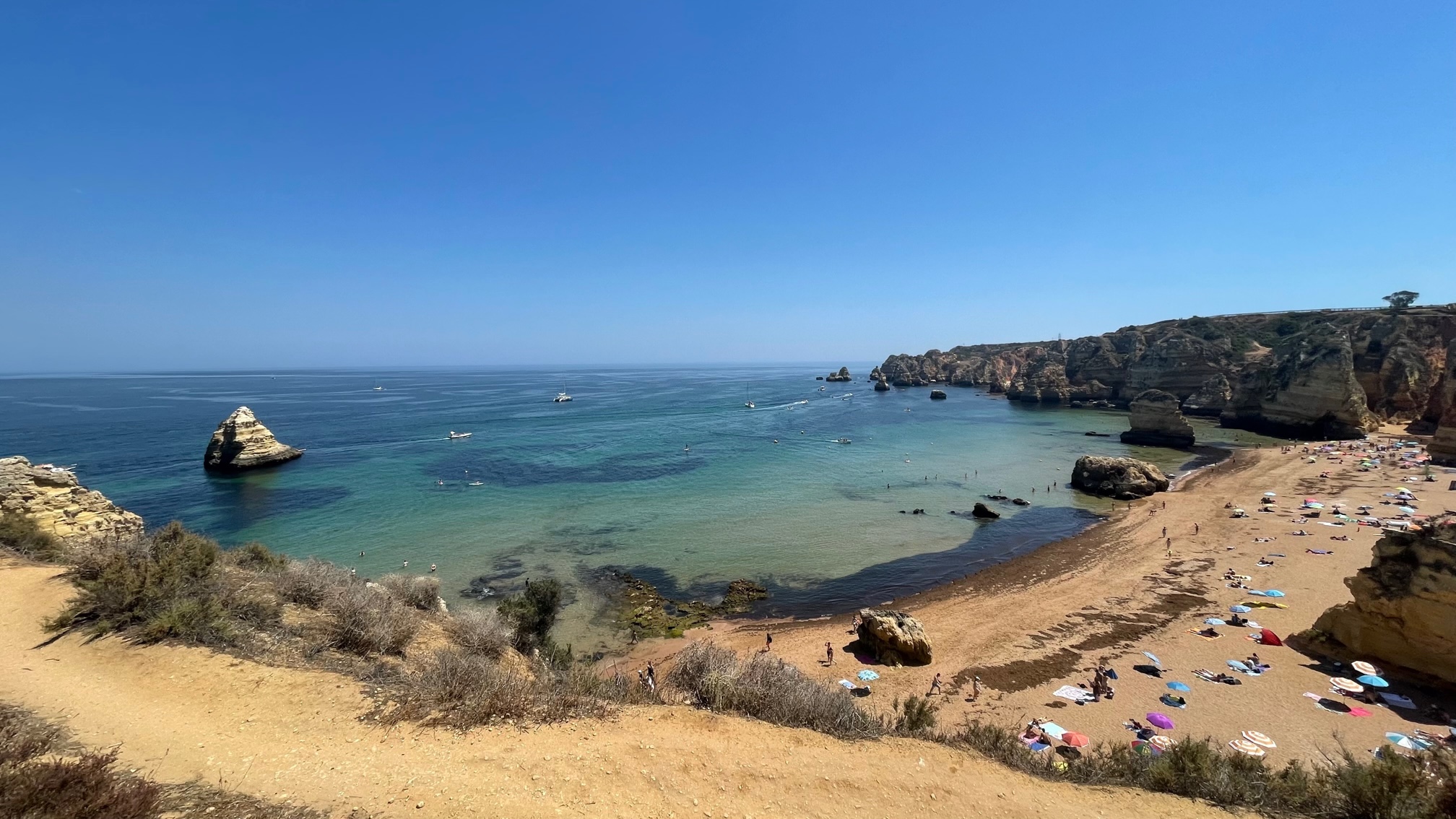
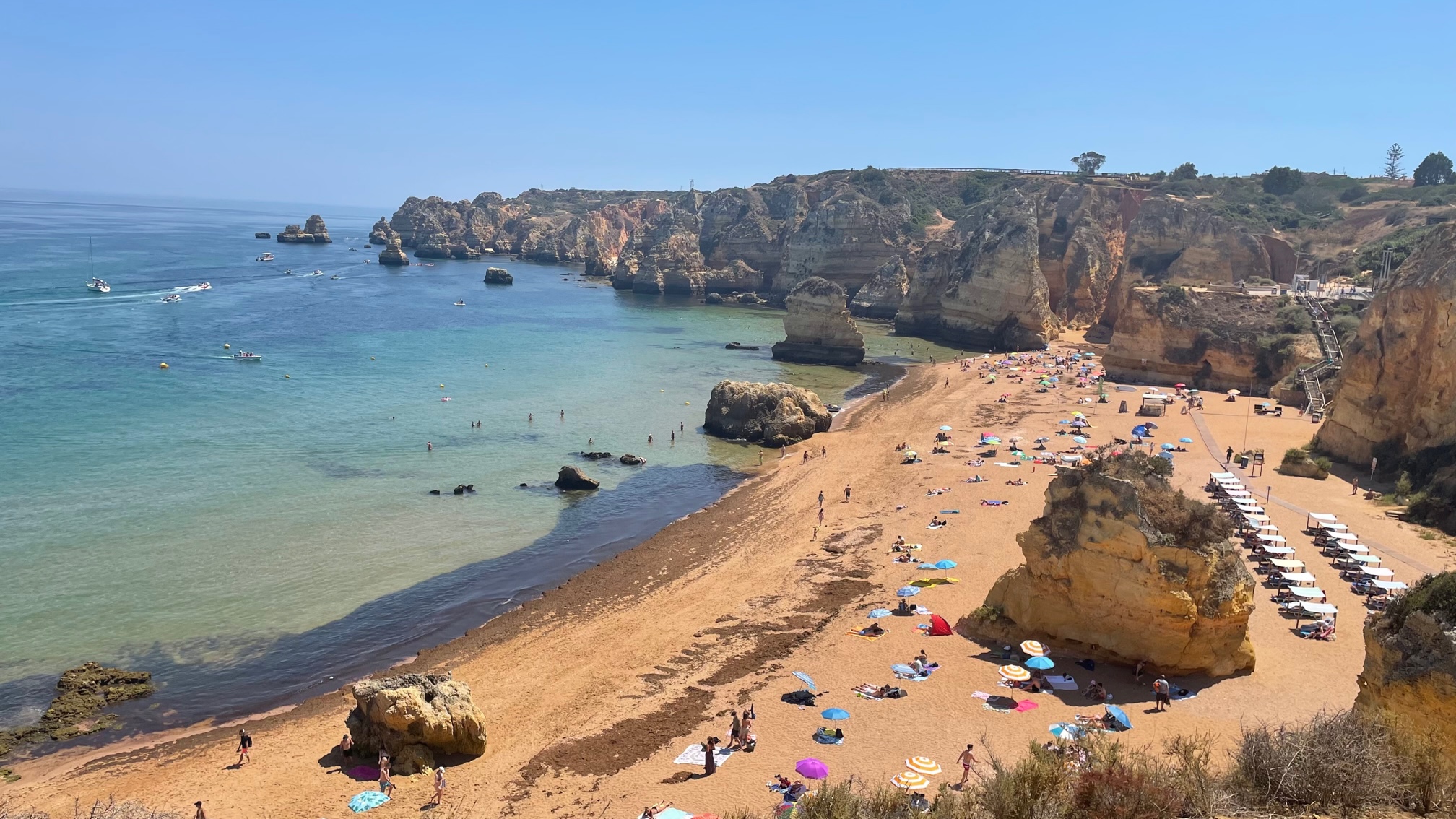
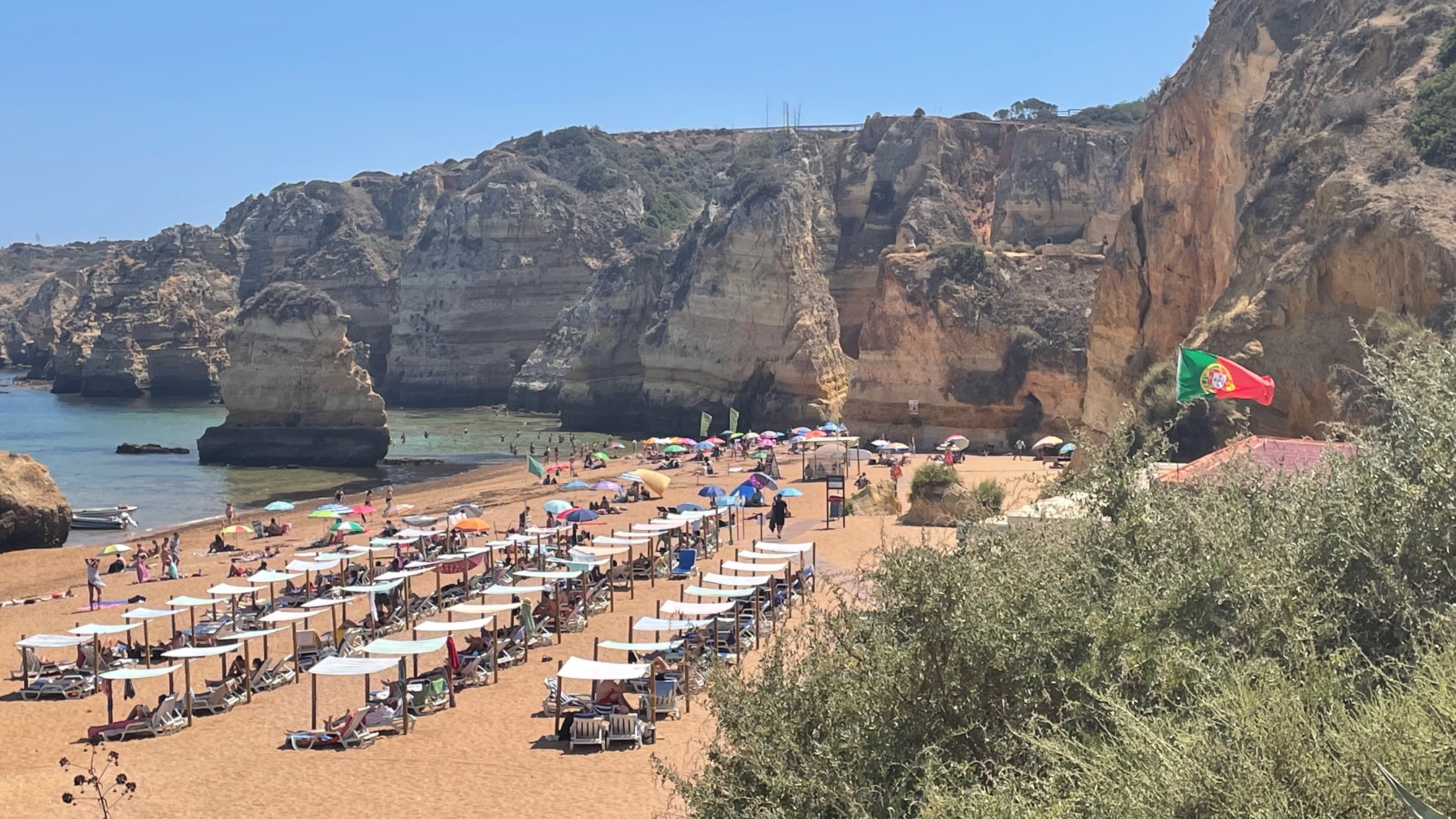
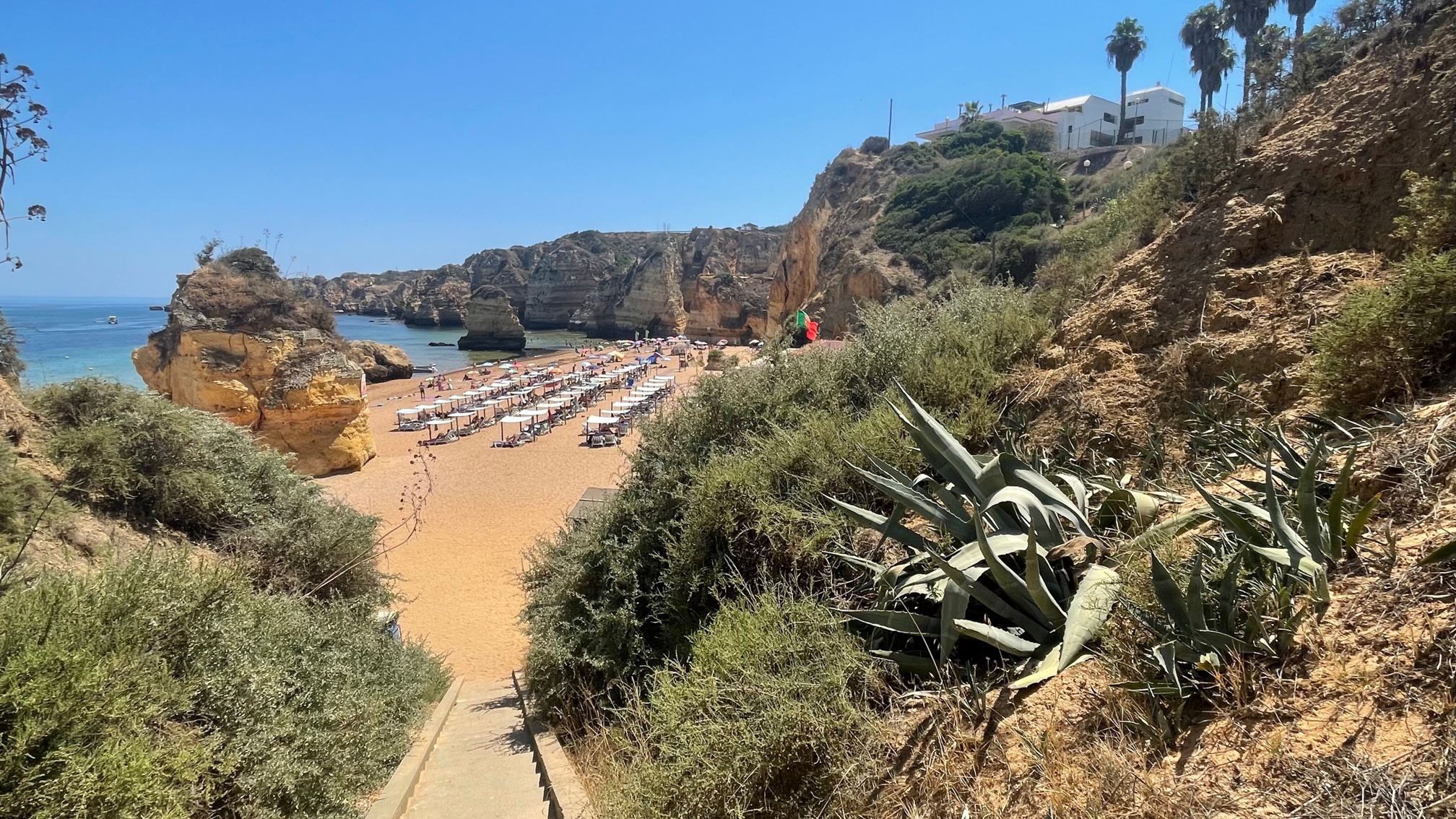
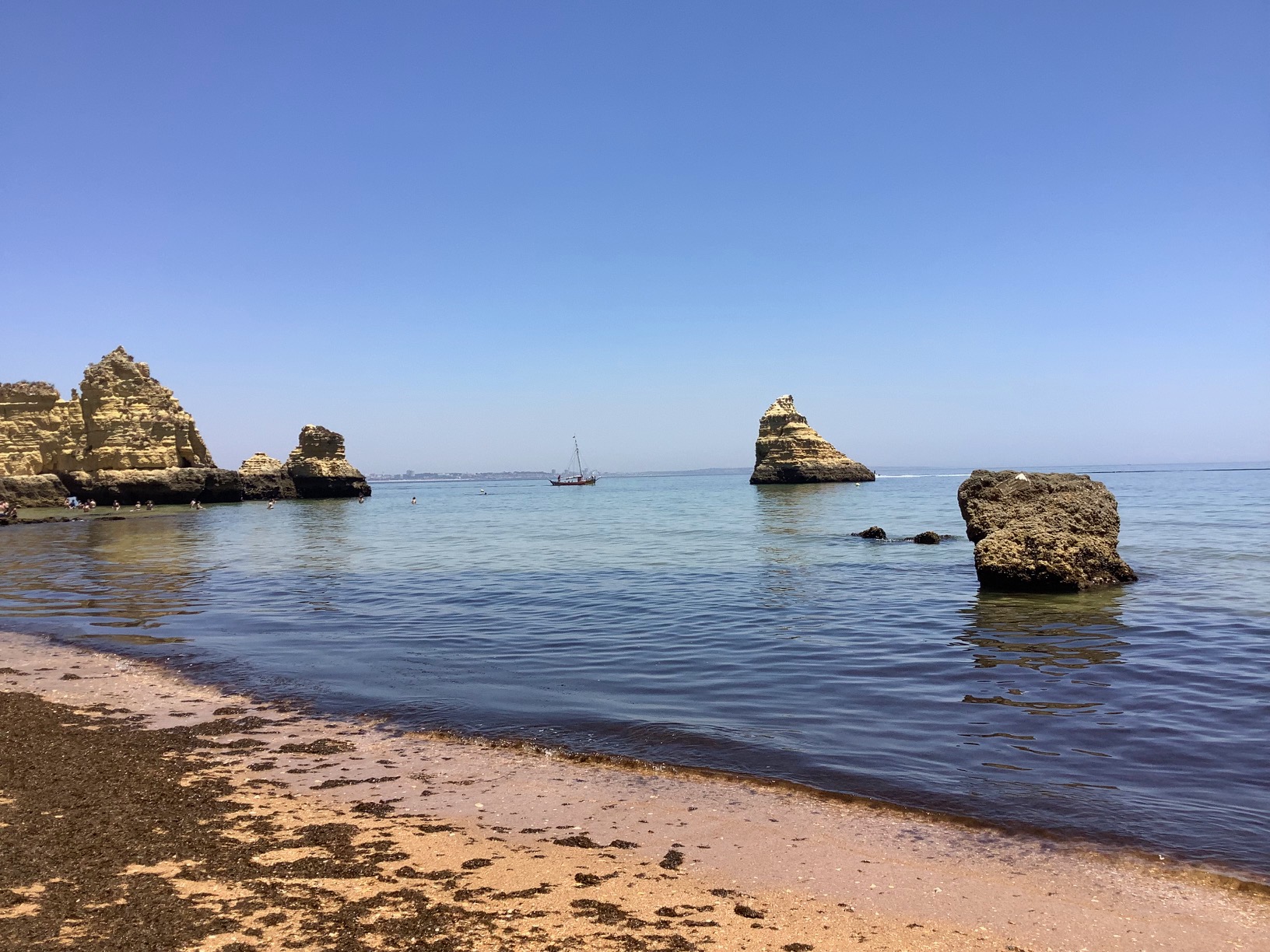
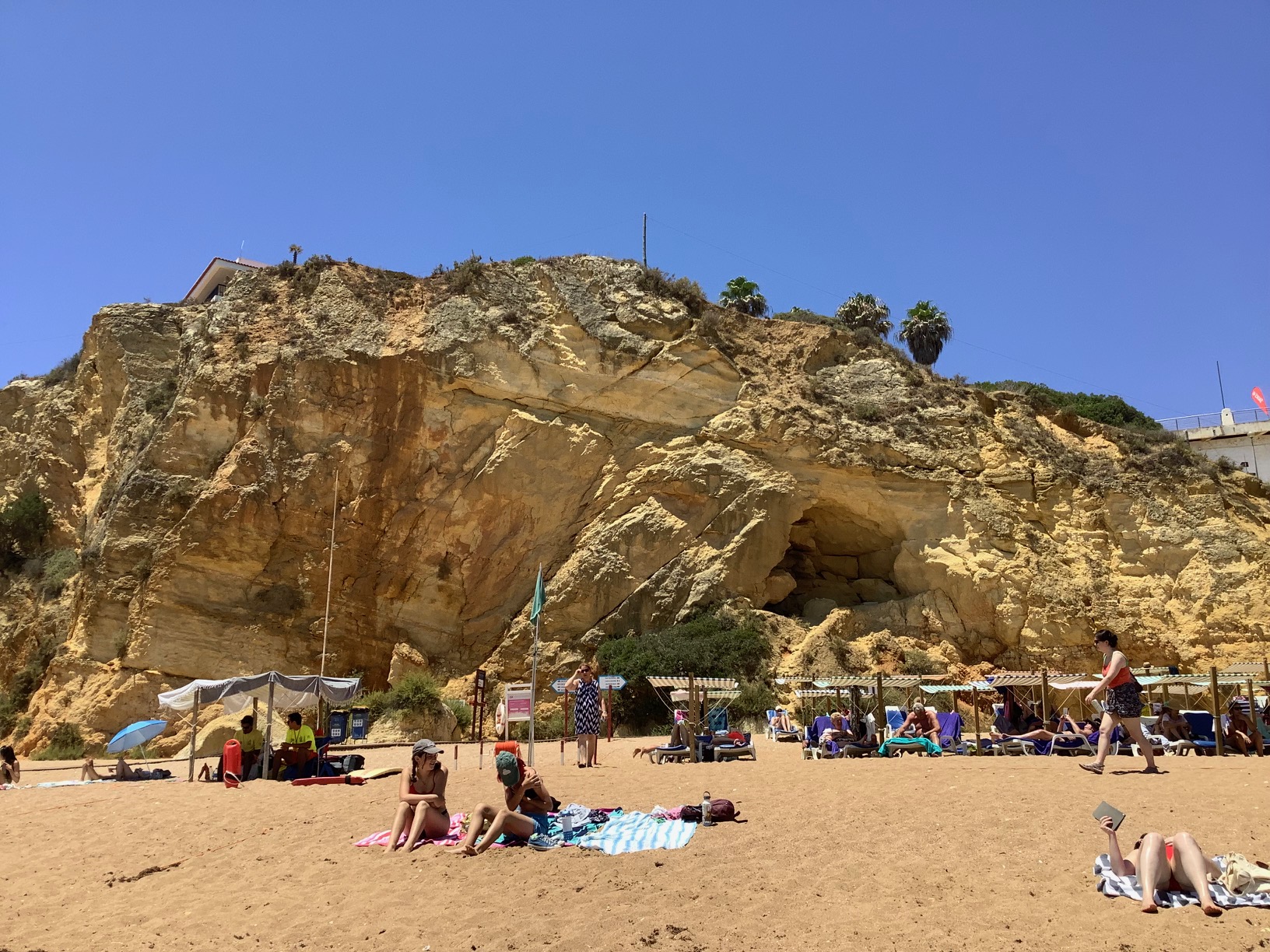
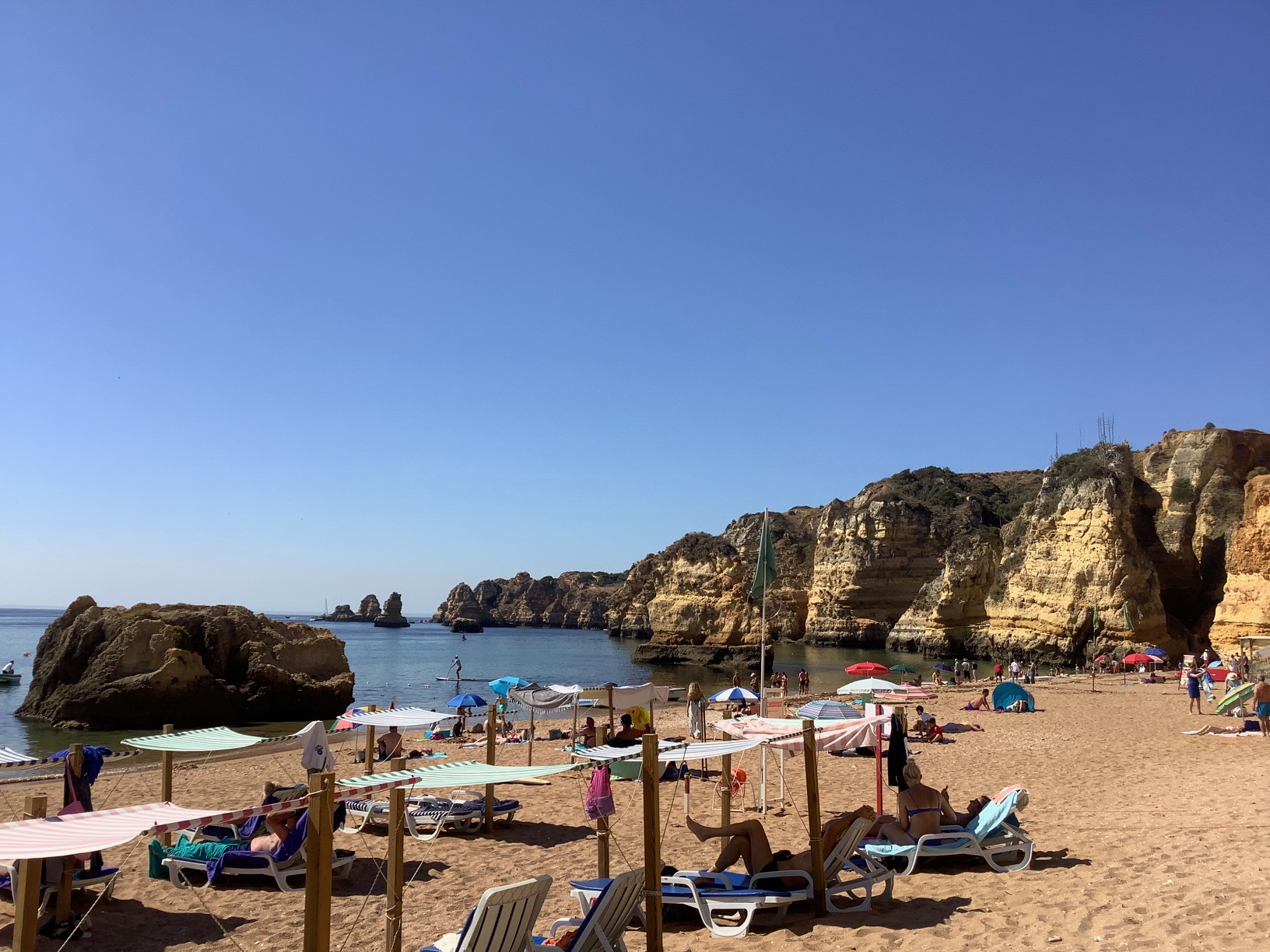
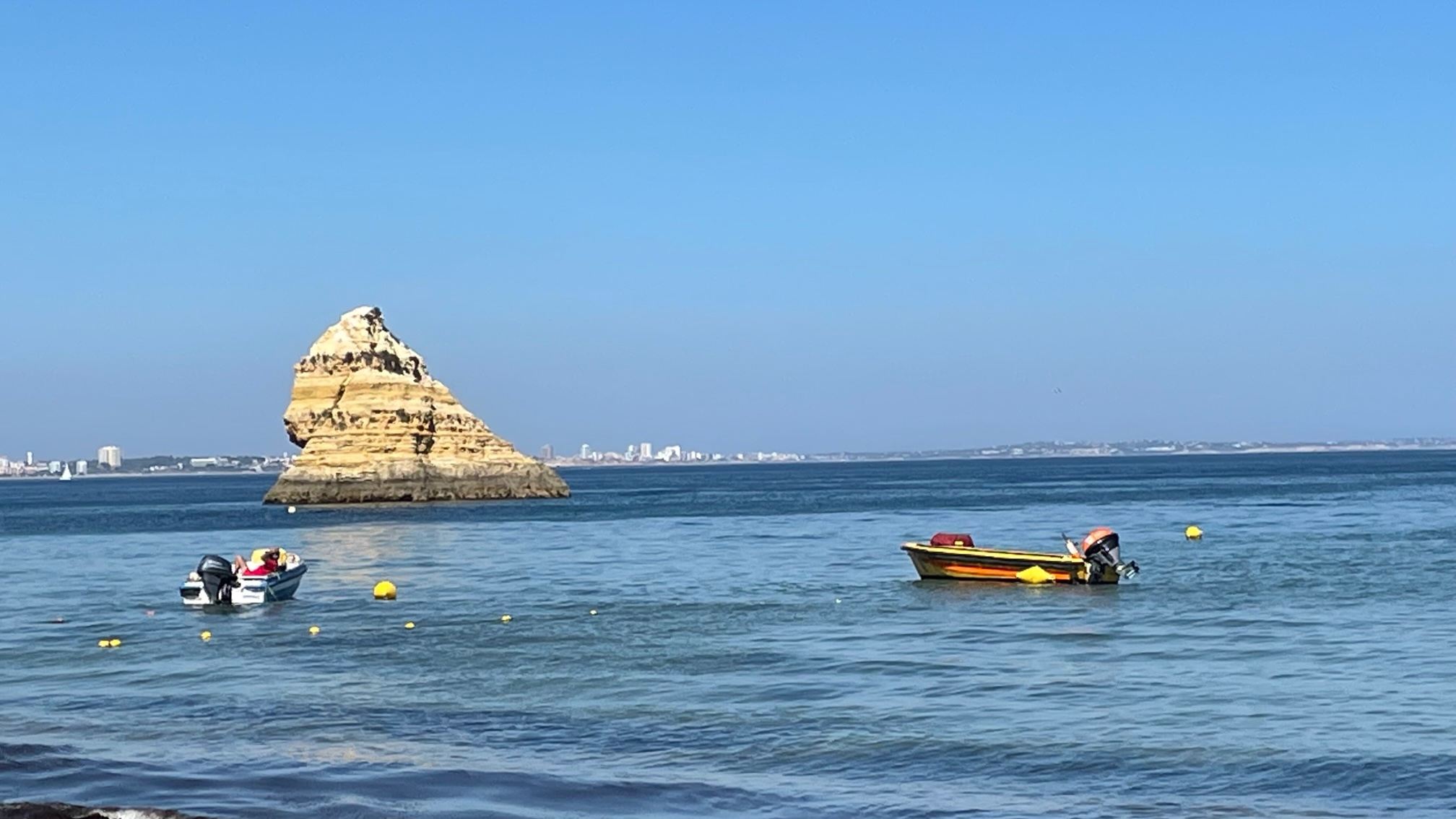
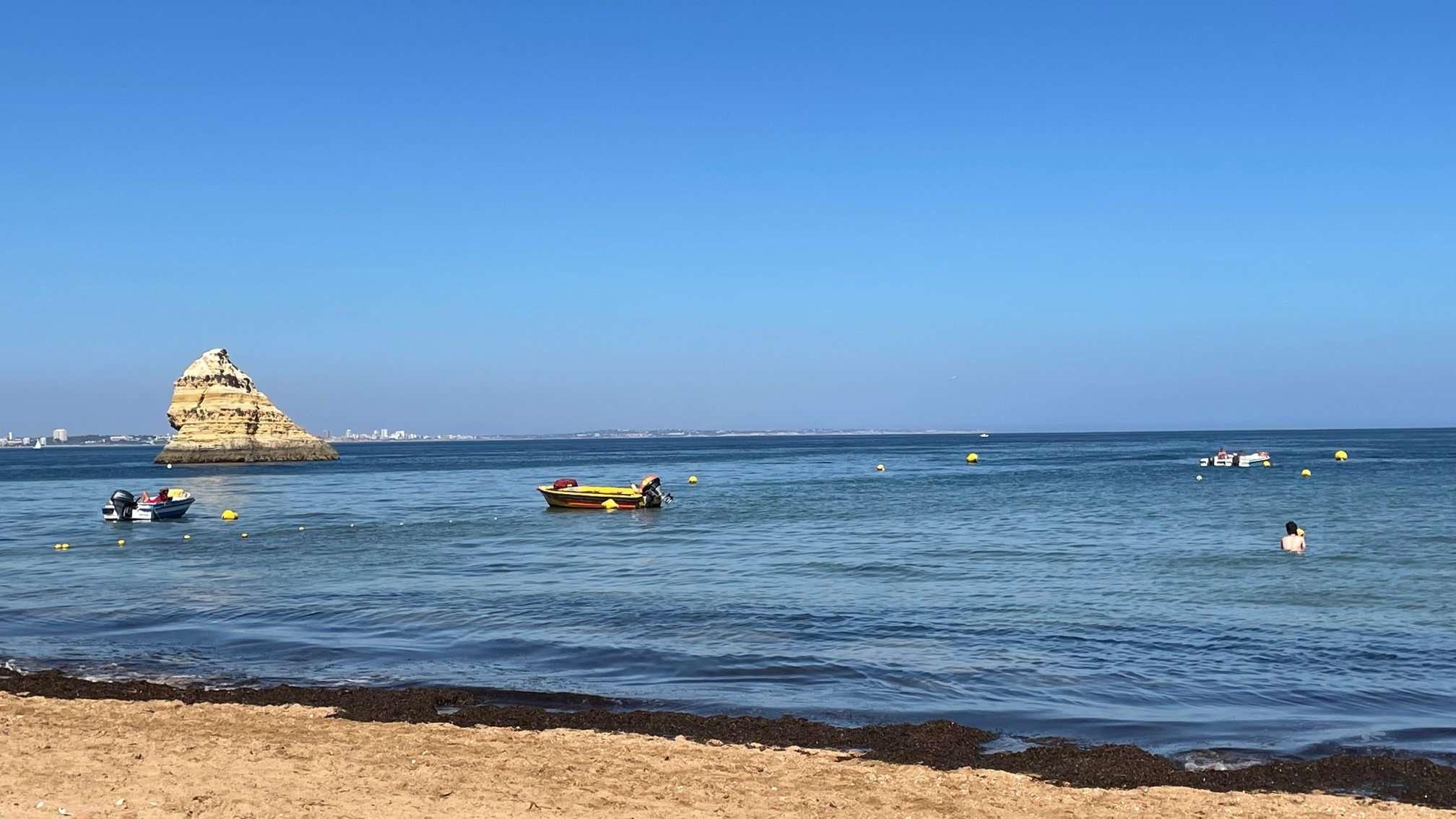
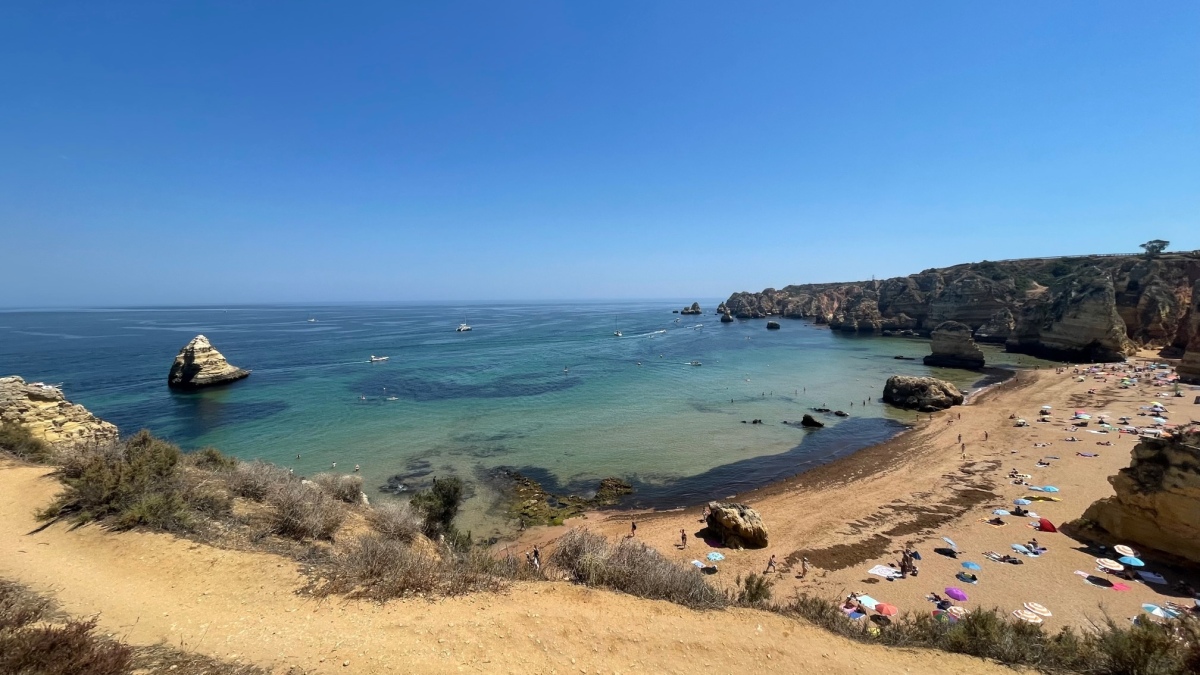
Camera: iPhone 12
Location: Lagos, the Algarve, Portugal (Praia da Dona Ana)
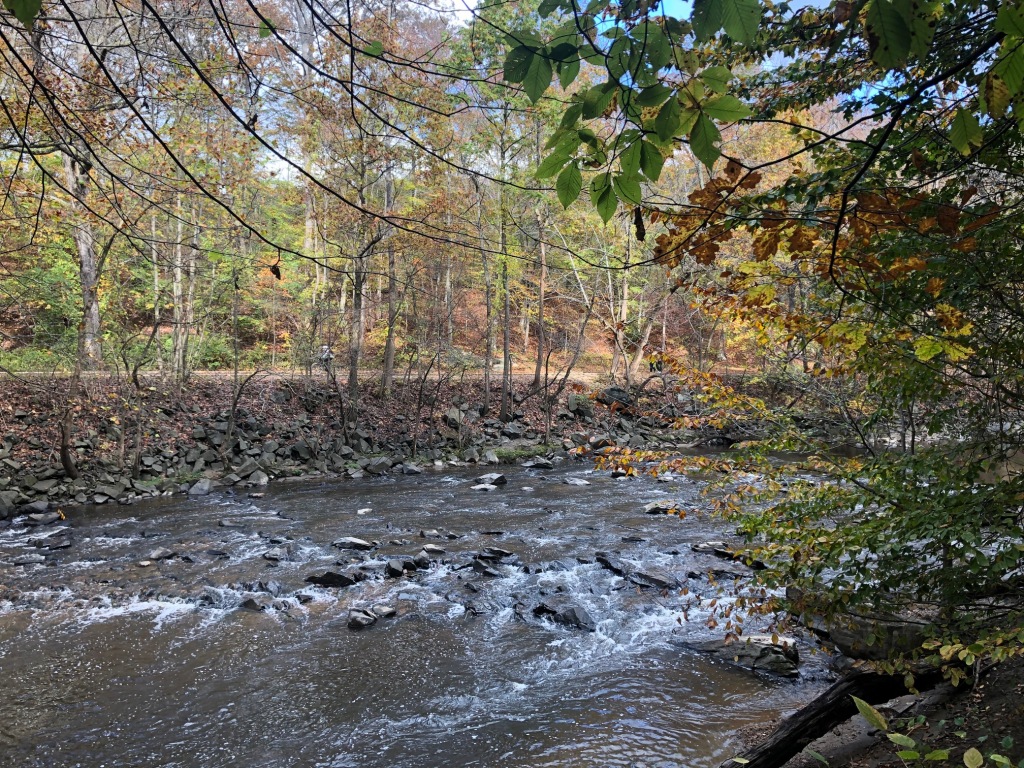
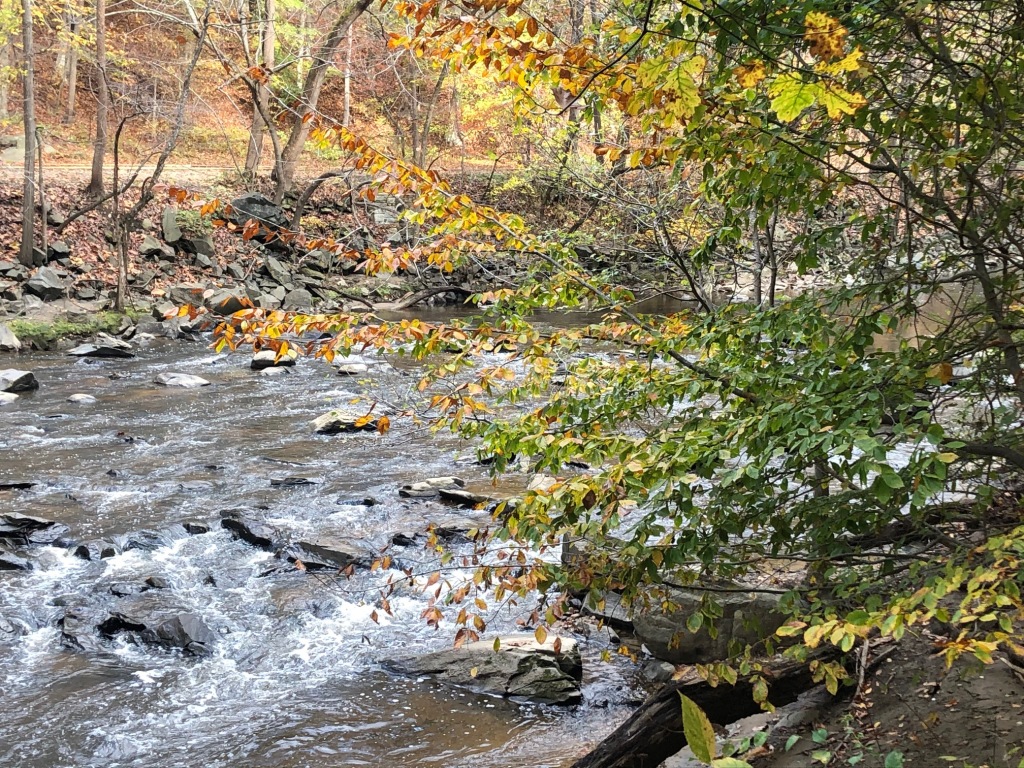
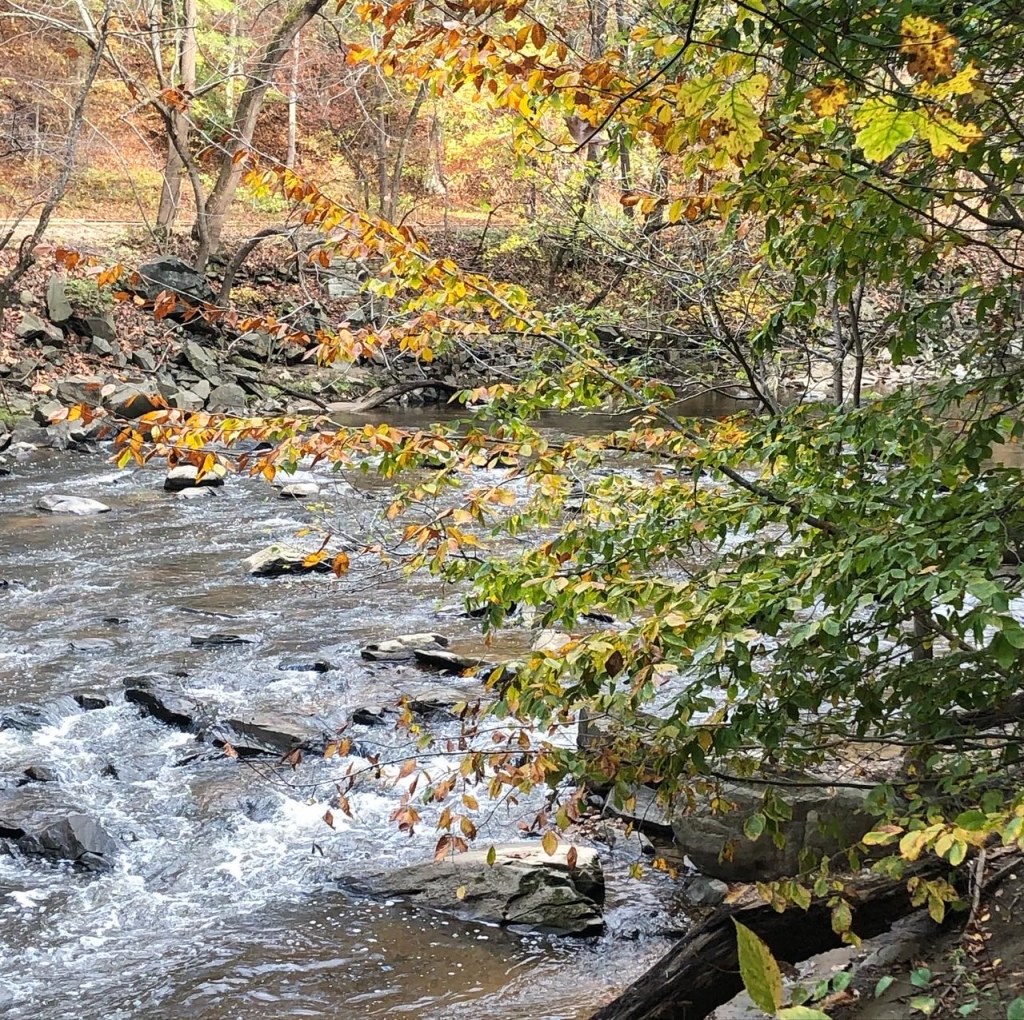


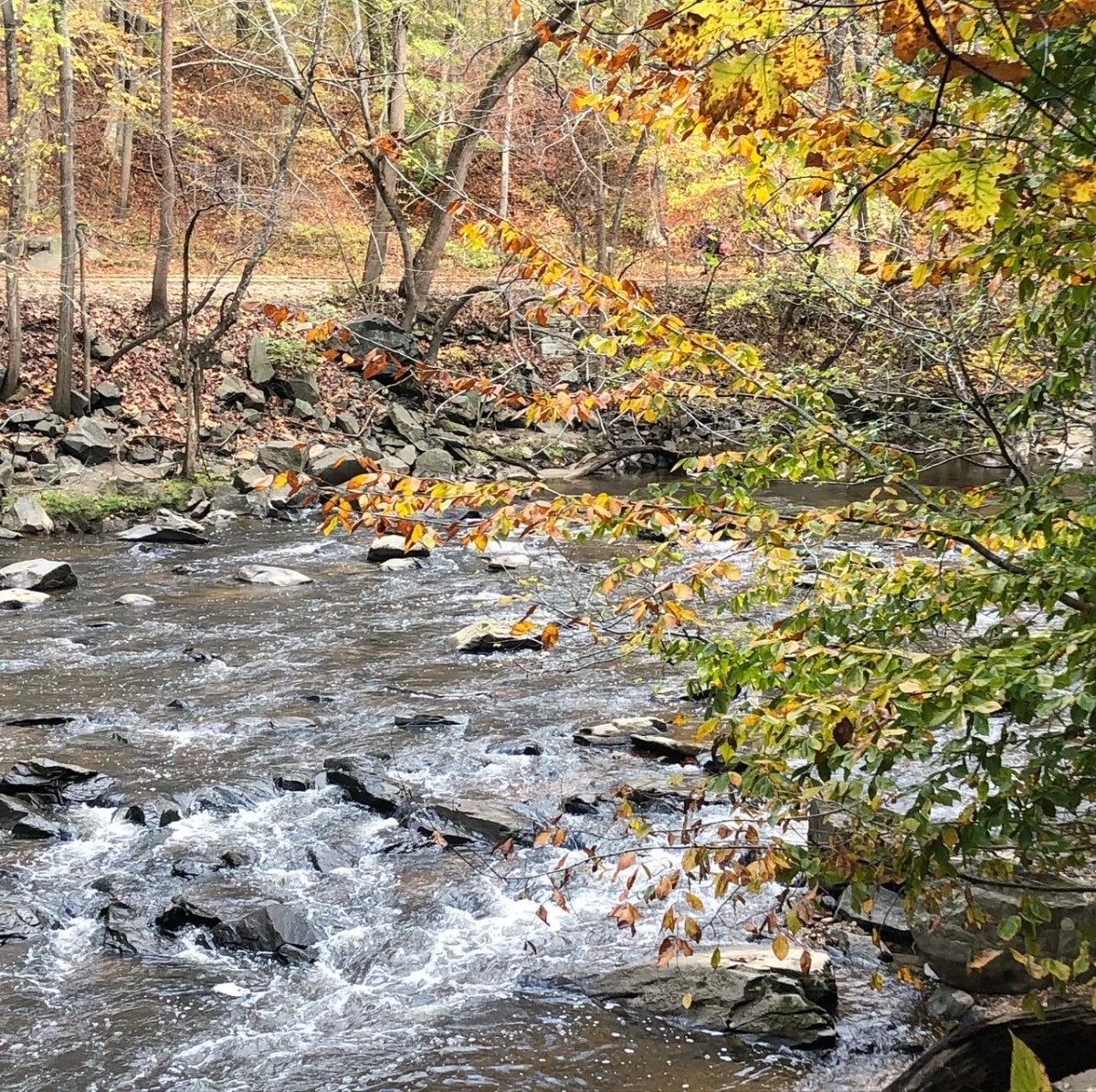
Camera: iPhone 8
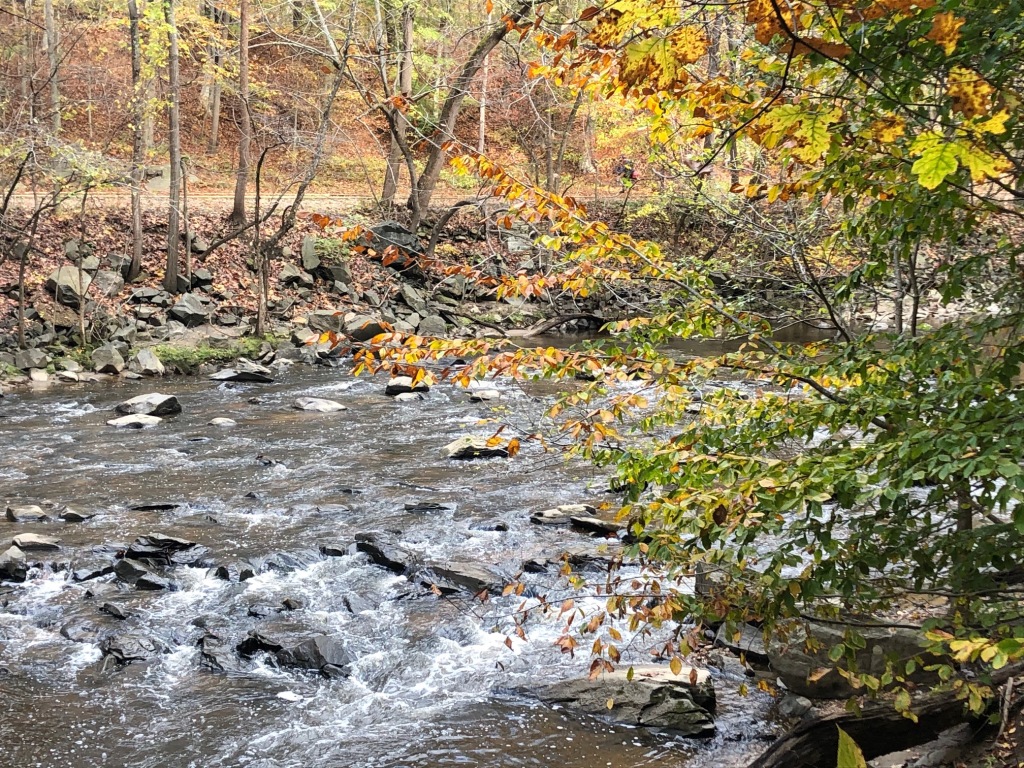
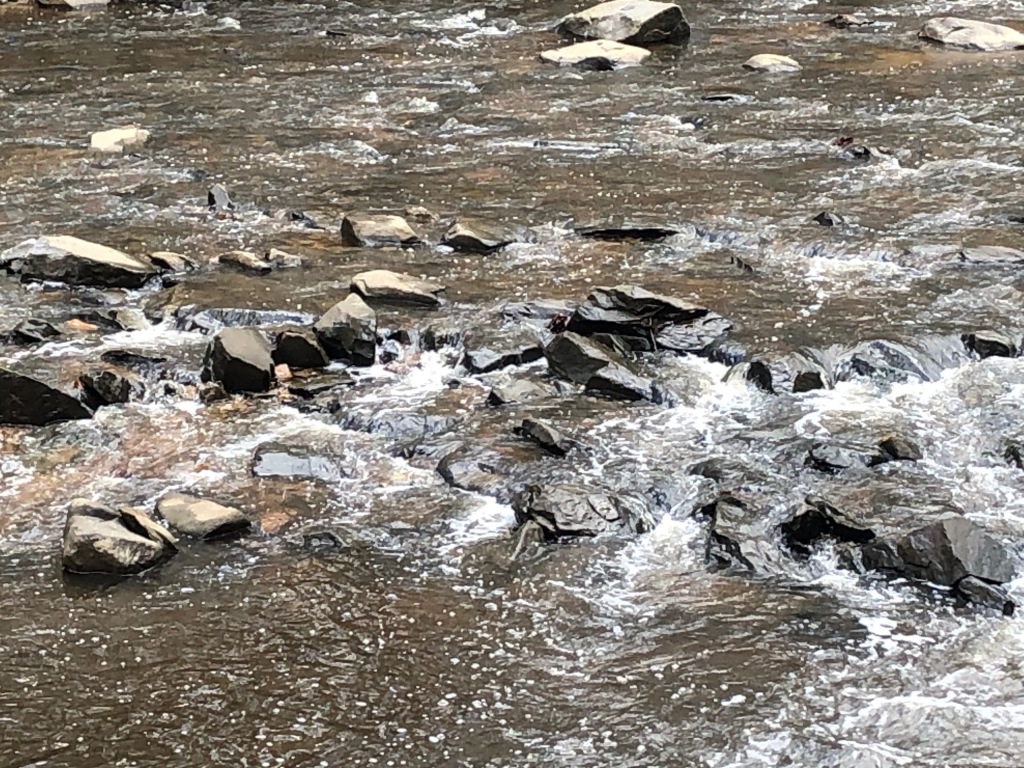
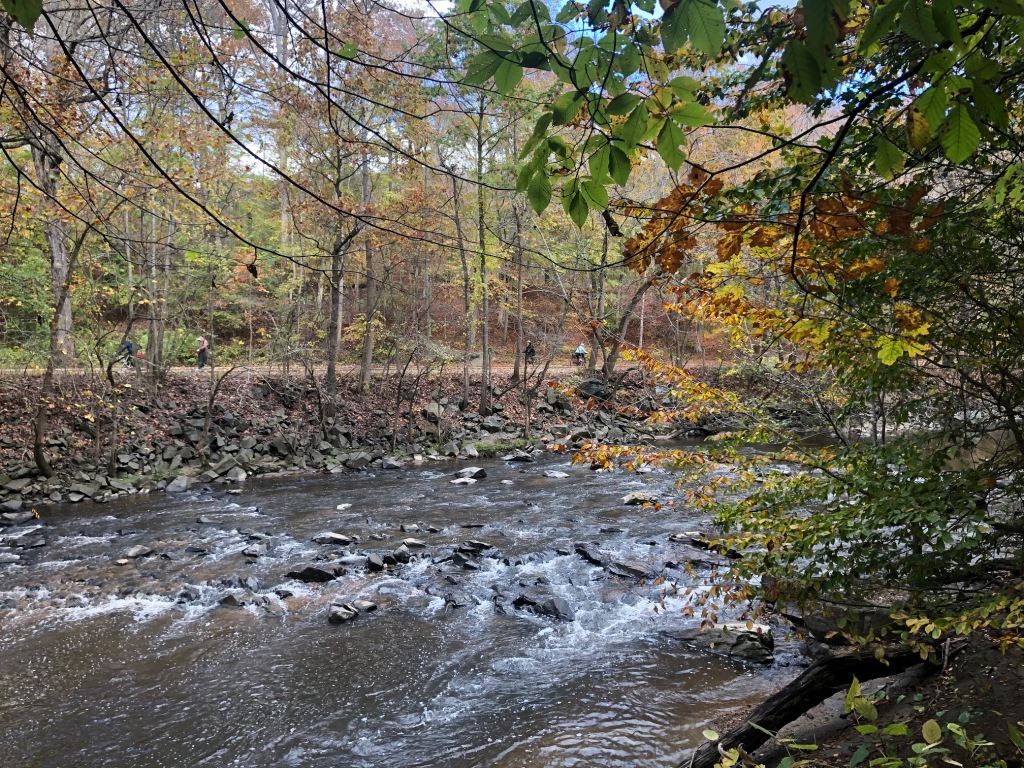
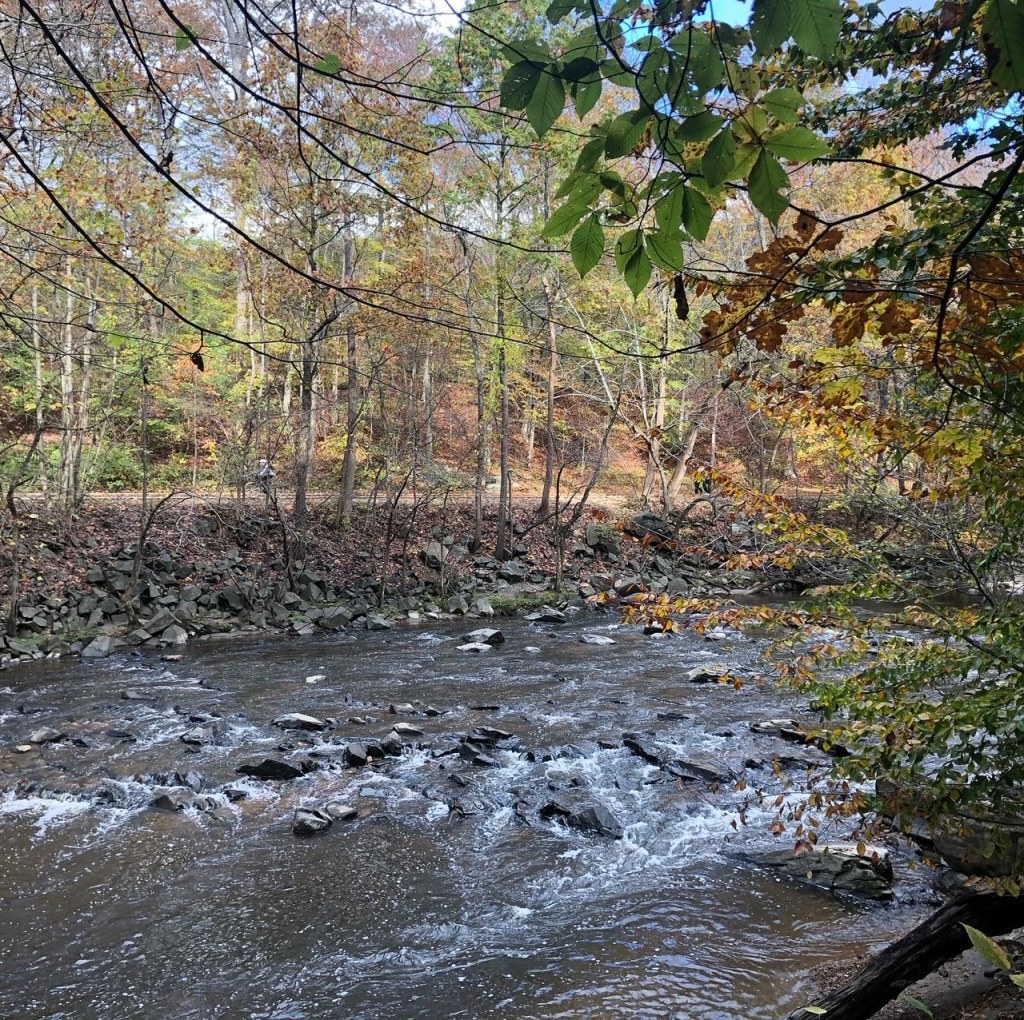
Location: Rock Creek Park; Washington, District of Columbia, United States