If They Don’t Provide You with Peace, Don’t Indulge Them Further

“You must protect your time as much as possible, including who you decide to give it to or with whom you spend it. Time is a finite resource and it’s important to be a bit selfish with regards to who you give that time to.”

You must protect your time as much as possible, including who you decide to give it to or with whom you spend it. Time is a finite resource and it’s important to be a bit selfish with regards to who you give that time to. You have to be decisive in this part of life, especially as you get older. While it’s important to spend time with family, friends, or acquaintances outside of work or business, you should also be intentional about who receives your time and energy.

Life is hard enough as it is on its own without other people adding to your stress. Some friction is inevitable in any friendship or relationship and it’s important to work through it as responsible adults. However, the difference in when knowing not to indulge them further or cut ties with them is if every interaction or meetup leaves you feeling emotionally taxed or if they didn’t bring any positive impact to you all getting together. This is especially important when you’re thinking about being friends or a romantic partner with someone long-term. You want to leave them feeling better than you did when you first saw them or began seeing each other. If every interaction with them consistently leaves you emotionally drained, frustrated, or questioning why you continue giving this person your time, that’s worth paying attention to and trusting your instincts about whether to keep seeing them or not.

You don’t want to use that person as an emotional punching bag either to vent or to complain but you should be able to express yourself freely without judgment or needing to mask your emotions. We each do that enough during the day with strangers, with work colleagues, or in general. You should be able to be vulnerable and true to heart with someone who can provide you peace by listening to you, giving you real feedback and advice, or just being there when you’re going through both good times and bad times.

Peace, however, doesn’t necessarily mean convenience. Someone can provide you with peace because they are agreeable and never challenge you, but that doesn’t necessarily make them a good friend or romantic partner. A healthy relationship isn’t one where you always agree or never frustrate one another. In fact, someone can occasionally frustrate you, challenge your thinking, or even disagree with you and still be an incredibly valuable person in your life. The difference is how you handle those disagreements and how you feel about the relationship’s progression overall.

It may be worth asking yourself three simple questions when thinking about keeping the relationship going or letting it end on a good note: Can I be myself around this person? Can we disagree without disrespecting one another? And after spending time with them consistently, do I generally feel better or worse? Your answers to those questions can tell you a great deal about whether a friendship or a relationship provides genuine peace or simply avoiding conflict.

If you find that you’re not really getting along well with them consistently, maybe either or both of you have changed since you first got together, it may be useful to evaluate whether it’s worth moving forward with them in the future. Friendships and relationships often have a beginning and an end due to several factors and it’s important to end things honestly and on a good note, if possible. Just because they don’t provide you with peace or comfort anymore doesn’t mean there have to be bitter feelings at the end of it for both parties.

The main thing to keep in mind is that each time you get together, you can be open and honest with them while not being combative, dismissive, or confrontational for no discernible reason. Peace and harmony in any relationship or friendship is absolutely the minimum you should strive for and when it’s constantly not like that regardless of the frequency of getting together, you may need to either limit the interactions with that person or cut them off entirely.

There’s an oft-used statement that’s used for adults in that you must be willing to ‘protect your peace’ because the mental strain and emotional toll a bad friendship or a toxic relationship can have on you is never worth it. Sometimes, you have to distance yourself from someone not to punish them, but because continuing the relationship is no longer healthy for you. Perhaps you can forgive them and go back to the way things were, but you must also be willing to move on and not indulge them further with your valuable time or presence. Protecting your peace isn’t about expecting every relationship to be easy; it’s about recognizing when maintaining a relationship has become more harmful than healthy.

As we get older, part of growing up is realizing that not every relationship or friendship is meant to last forever. Some people are meant to accompany us for a season, teach us something, share an experience with us, and eventually move on. There doesn’t have to be hatred or resentment involved on either side. Sometimes the healthiest thing you can do for yourself and ultimately for them is simply stop indulging in a relationship that no longer brings out the best in either of you.


‘Tikkun Olam’ – Why Healing the World Matters More Than Ever

“In a world that often feels fractured, chaotic, divisive, and downright overwhelming when it comes to making positive changes reverberate, the ancient Jewish concept of Tikkun Olam – “repairing the world”, rings out like a timeless call to action in 2025.”

In a world that often feels fractured, chaotic, divisive, and downright overwhelming when it comes to making positive changes reverberate, the ancient Jewish concept of Tikkun Olam – “repairing the world”, rings out like a timeless call to action in 2025. This ancient idea in Judaism isn’t stuck in dusty scrolls or isolated in synagogue sermons alone, as it is a timeless principle that challenges every one of us, of any religion or non-religion, to take ownership of the cracks in our communities, the inequities in our cities, the damage being done to our planet, and even healing the wounds within ourselves. Rarely, if ever, have I written about religion and my own faith background but the need for practicing Tikkun Olam is something in Judaism I’ve always held dear not just for myself but for others to participate in, regardless of their own religious or other background.

What is ‘Tikkun Olam’ and Why Does It Matter?

Literally, Tikkun from the Hebrew language means “repair” or “healing,” and Olam (also from Hebrew) means “world.” It’s an invitation to actively make the world a better, more just, and more whole place, even if it is just a small action you partake in individually to counteract the evils and injustices taking place at the same time. Originating in Jewish thought, this concept for lending a hand to fight injustice and to do some good in the world, has evolved into a broader ethical framework that resonates far beyond Judaism. It’s a powerful reminder that healing for humanity, whether social, environmental, economic or personal is not someone else’s job. It starts with all of us, and we must all do our own part, whatever form that may be. As Mahatma Gandhi famously said, “Be the change that you wish to see in the world.”

Why does Tikkun Olam Matter More Than Ever in 2025?

Look around what’s going on around the world today: climate change threatens our very survival as a species on this planet, social inequality keeps millions trapped in poverty and continues to increase (especially in the United States), countless thousands have died in recent wars and conflicts from Eastern Europe to the Middle East to Sub-Saharan Africa and political polarization fractures communities worldwide leading to extremism and increasing stress on democratic values and freedoms. It’s tempting to feel helpless with all the ills taking place around the world, like the problems are too big and complex for any single person to fix any of them.

However, Tikkun Olam flips that script on itself. It says: the world isn’t going to heal by itself and no one person can do it alone. It requires active participation by more people, conscious choices on how to commit good acts, and collective courage to stand up against known evils and injustices. As Margaret Mead wisely put it, “Never doubt that a small group of thoughtful, committed citizens can change the world; indeed, it’s the only thing that ever has.” History has shown us repeatedly that when regular people mobilize consistently for change, are organized around their cause that they know is just, then their collective power can indeed make things better if it is sustained and united.

Healing Isn’t One-Dimensional for Humanity


Tikkun Olam asks us to think holistically about how we heal as humanity. Healing the world means tackling injustice across the board, whether racial, economic, or social, because inequality weakens the social fabric whatever form it may take. It means protecting the environment, our shared home, from exploitation and neglect, and coming up with solutions that keep it that way for future generations. Perhaps most importantly, it means looking inward to heal our own biases, fears, and prejudices. Because how can we fix the world if we’re broken ourselves or unwilling to be honest about our own healing process? The philosopher William James said it well, “Act as if what you do makes a difference. It does.”

How Do We Live Tikkun Olam in 2025?

The beauty of Tikkun Olam is that it doesn’t require grand gestures or heroic feats because collective power to create change will always usurp that of any individual. While the average political leader, environmental activist, and social critic, can influence change with their platform they have, it’s not enough if no one else believes in your cause and will work with you to implement it together.

It’s in the everyday actions that really push change across the finish line: volunteering at a local shelter, voting for political leaders who will represent your beliefs and values, feeding and clothing the homeless with your donations, supporting sustainable businesses, speaking up against injustice in your community, or simply educating ourselves about the issues at hand. Small choices as well that we have heard about since we were children like reducing, recycling, or reusing your waste (if possible), donating time or money to causes that make positive change, or listening with empathy and kindness accumulate into real change.

The Road to Change is Never Easy but It’s Necessary

Good intentions sometimes falter no matter how much work and effort we can put into positive change. Activism can lead to burnout due to lack of support or funding. The world’s problems can feel like a tidal wave threatening to pull us all under. Tikkun Olam doesn’t promise a quick fix or painless journey towards being successful in seeing the world get better. It demands persistence, consistency, and resilience from everyone involved.

Here’s the truth of the matter: when you commit to healing some aspect of the world, you’re also joining a community of changemakers worldwide who believe in the power of repair and that is powerful to be in good company with other citizens wanting to better the world. As the novelist Paulo Coelho reminds us, “The world is changed by your example, not by your opinion.”

Looking Ahead: Hope for Action in a Fractured World

The future of Tikkun Olam or ‘healing the world’ lies in believing in global citizenship, recognizing that we’re all interconnected to one another despite our ever-present divisions. What happens halfway around the world affects us as much as what happens down the street from us. It’s about continuing to use technology, education, and cross-cultural understanding for good and work to bridge growing divides, learn from other’s advocacy to fuel our own, and inspire sustainable solutions that benefits humanity for the foreseeable future. The healing starts small but grows exponentially, like cascading ripples in a pond, momentum that starts in one town or city and spreads globally because of how universally justice, peace, and compassion can be applied. Reverend Martin Luther King Jr.’s words guide us here: “Injustice Anywhere is a Threat to Justice Everywhere.”

Why Waiting on Change Will Never Lead to It

If you are waiting on the world to change on its own, you’ll be waiting until your dying day. The world is crying out for repair from every one of us, and the clock is ticking. Tikkun Olam is more than a spiritual ideal from Judaism; it’s a practical roadmap for living with purpose in a fractured world. The question isn’t whether you can make a difference, amplify your impact by combining your efforts with others to create collective change on top of individual change to create that ‘ripple effect’ it’s whether you’re ready to start and what problem(s) do you want to start tacking first. So, what’s your first step? The world is waiting on you.

Finding Your Personal Sanctuary in Modern Life

“With how hectic and chaotic modern life can be, it’s more important now than ever to find your own sanctuary where you can be at peace.”

With how hectic and chaotic modern life can be, it’s more important now than ever to find your own sanctuary where you can be at peace. It’s a place that you only know ideally but if not, it is a quiet place where you can be at ease. We all deal with a lot of stressors each day and it is key to find your own sanctuary where you can be yourself, be by yourself, and enjoy being at peace. It is increasingly hard to do these days when there are so many distractions, commitments, or other things to take care of in our day-to-day lives.

Still though, for one’s own mental health, it is more important now than ever to find your own place, secluded in nature or just somewhere you can call your own, public or private, where you can be free to relax and enjoy some peace. Each person’s sanctuary will look differently from another person’s, but it must be a place where you can rest easy, relax fully, and away from work, chores, or other commitments. You should be focused on this place being good for not only your mind and your body but your soul. It is a place that you can choose to be by yourself but also that you can let other people enjoy as well should you choose to.

When I think of these places of sanctuary, it can vary in terms of setting and background. I have always loved being near the sea or the ocean. It calms me down, lets me focus, or just lets me relax and be at ease. I can leave my earthly troubles for a while and just focus on the birds, the sound of the waves, and the sand beneath my feet. I can also think more clearly when I’m just looking at the water crashing down on the beach or to be watching a seal, dolphin, or birds in the distance. There’s something relaxing about a natural setting like the ocean that may not take my problems away but where I can take a break from them instead and realize also how insignificant and temporary they are. I also love to go in the ocean, to walk on the sand, or to play a sport there a bit like volleyball or some football.

If it’s not the ocean, I have discussed the beauty of a walk in the woods or a hiking trek through the mountains to ease one’s stress and provide some clarity through life’s stressors. If you have a park or a mountain, or even just some nature nearby, a place of sanctuary can be found there as well in nature. Being able to camp or to hike or just to walk in nature, preferably by yourself in a deserted area for a while can do a lot of good for mind, body, and soul.

A sanctuary is one that you decide for yourself, and it can range from a mountain pass, a walk through the flat woods, a serene beach by an ocean or the sea, or a local park at sunset where you’re the only one there. You can let people into your own sanctuary, or you can keep it private as it should be up to you. I do believe that we all need our own sanctuary away from people now and then.

It does not mean I am recommending being a social recluse, but we do need a place where we can rest, relax, and recharge to face our challenges again, whatever they may be. We need that alone time to ourselves in a public or private setting where we can truly think freely, feel different emotions, and let us get in touch with nature.

Now, if you have not decided on what your sanctuary is yet, do not be discouraged. You have time to figure out a place in the world where you like to go and is quiet for you to be free in. There are a lot of places to choose from but the key thing to keep in mind is that it is quiet, solitary, and where you can do some reflection. If you cannot find your sanctuary to call your own, it’s important to find a private room, a private garden, or just a private setting in general, where you can be by yourself for a while to give yourself time to relax and reflect amid your days of hustle and bustle.

Your own sanctuary is what you make of it. You must decide how it looks, where it is, and how often you go there. The main thing to take away from having a sanctuary is that wherever or whatever it is, you can call it your own and it is quiet enough where it provides some solitude and peace. Others can join you there, but they don’t have to if you don’t want them to. Make sure your sanctuary is never disturbed and that is always welcoming regardless of whatever may be going on in your life, both good and bad. A sanctuary is where we find true peace in this world, and I hope you’ll find your own one day.

The Unfortunate Rise of Anti-Social Behavior

“Clearly, I am not happy with the recession in societal norms and values and fear it is becoming all too common these days as a lot of people have forgotten to know how to act in public in a civilized and dignified manner.”

How many times have you been on a plane, a train, or a bus recently and noticed someone on a loud phone call, listening to loud music without headphones, or even kicking your seat and not apologizing? I would say it’s happened to most of us at some point, but these kinds of rude behaviors seem to become more common post-pandemic. The receding of the pandemic did not just cause the deaths of millions of people, long-lasting economic damage, but most recently an erosion in social norms and values. Clearly, I am not happy with the recession in societal norms and values and fear it is becoming all too common these days as a lot of people have forgotten to know how to act in public in a civilized and dignified manner.

As the pandemic has receded, selfish and unruly behavior has increased in my view, and it has been well documented in popular forms of media. How many videos or audio clips have you seen of airline passengers fighting with flight attendants or gate agents? There have also been scenes of people stealing and looting from stores in mass causing chain stores and the local mom and pop shop to have armed and unarmed security patrolling the toiletries aisle. For the rest of us who play by the rules, it’s unfortunate that we must deal with the agitation of greater security and more surveillance because others have to act in such a selfish and anti-social manner.

While there is some blame to go around including growing wealth inequality, the cost-of-living crisis that continues to worsen, and a lack of proper education in the school system on basic behavior and etiquette, it does not excuse being negligent of how to behave in public especially for an adult who should know better. I would like to think that we all are taught whether by parents, guardians, or by teachers themselves the difference between right and wrong, how to behave oneself when others are around, and that stealing, cursing, and dismissing others in public as unseemly behavior. The pandemic has worn a lot of us down physically, mentally, and financially but it does not excuse anti-social acts and/or behaviors against your fellow man or women.

Together, in a society, we should remember both the spoken and unspoken rules of how to behave and it seems like a few of us need to re-learn that or we have to strengthen these rules in our institutions and in our laws to fight against this rising tide in unseemly behavior. There are consequences to your actions and while we should continue to notice these anti-social behaviors and call them out, there must be a strengthening in terms of preventing those from breaking these rules and to hold them accountable when they happen.

A good example of an anti-social behavior I’ve noticed is in major U.S. cities including New York City and Washington, DC. Fare beating and or jumping the gate to avoid paying the fares to keep our transit system from functioning well is something I condemn strongly. Unfortunately, since the pandemic, there has been a spike in people not wanting to pay their transit fare and getting caught on camera while not doing so. Multiple times, the station agents and transit police do not apprehend these individuals to cite them for the fines or at least verbally reprimand them for their actions. If you do not enforce the fines or at least the rules, it emboldens this kind of anti-social behaviors and people will keep them doing them.

Recently, increasing the fines and changing the fare gates to be more difficult to physically jump or avoid has become a solution to this fare beating issue, but it is more than just changing the gates or enforcing the fines, there should be more ways to let people know in public service announcements (PSAs) or through schools, community centers, or in the home that this behavior is not tolerable.

I very much encourage free transit programs for those of lower economic status and for young people who are going to school or work as an alternative way to invest in those people who need the financial assistance and may not understand how fare beating is unacceptable. Increasing fines and security presence for stealing, farebeating, loud music in public, is not so much a solution, but rather a band-aid on anti-social behavior that may discourage these actions but won’t go fare in terms of ending it.

In a society, I believe people need both ‘the carrot and the stick’ in the sense that good behaviors should be encouraged and even rewarded such as cleaning up after yourself, lining up in a proper manner, helping the elderly and disabled. We should do as much to encourage healthy social behaviors as much as discouraging and shaming unhealthy anti-social behaviors.

For myself, I have a pet peeve of people playing music in public places in my near vicinity without earphones or headphones or keeping it to a low volume at the minimum. It gives me no great pleasure to call anyone out on this kind of behavior, but it was never acceptable before the pandemic to do so, and it should not become a new norm in this post-pandemic world. If it bothers me or causes me to not focus on my reading or my work, I will be happy to call this selfish kind of behavior out. It’s up to the individual on how they act but it used to be a given that you wouldn’t disturb others’ peace in public and keep your music, gossip, or phone calls to yourself or at a low volume. I’m not exactly for policing of rules or regulations as an ordinary citizen but if it disturbs my peace or my ability to enjoy my train, plane, or bus ride, I do have to call it out or let someone know of the issue.              

My overall hope on this rise in anti-social behavior is just as much as we focus on enforcement and punishment to a reasonable degree of these actions that we do a much better job as well on teaching people in society why we have these rules, how they benefit us all in a public setting, and to educate people why we have fares, quiet hours, no music in public places, etc. so the average person will know why they have to act in this way for the betterment and peace of us all.

Finding Your Place of Zen

“What do I mean by finding your place of Zen? Well, I am glad that you asked. A place of Zen is your own little corner of the Earth where you can relax, think to yourself, listen to the birds or the trees or the whistling of the wind.”

In an increasingly fast-paced and tumultuous world, it can be quite difficult to find a place of calm, quiet, and serenity. You may find you are in a big city or a large town and can’t have a moment’s worth of peace.

You are also being constantly bombarded by visual stimuli through the forms of advertisement, phone pings, car honks, and loud talking. You can’t seem to think through all the noise that you are constantly surrounded by without a needed pause. It can be almost impossible to get away from it all unless you are actively looking for a place of Zen.

What do I mean by finding your place of Zen? Well, I am glad that you asked. A place of Zen is your own little corner of the Earth where you can relax, think to yourself, listen to the birds or the trees or the whistling of the wind. Only you and you alone know about it, and you only decide to share it with those people closest to you, if anyone at all. It can be a pond or a lake or a bay dock. It can be a mountain overlook or a nearby stream. It can even be a field of grass tucked away from sight and for which you only know how to reach. If you are really being creative, even going up in a tall tree or taking some time out in the desert sands may be your own place of Zen.

The key word to keep in mind here is the ‘Zen’ involved. Does your own place that you can seek out serenity or calm or quiet give you a bit of inner peace? Does it quell your anxieties, your fears, or your doubts? Does it allow you to think deeply about your past, your present, or your future or generally whatever is on your mind?

If the answer to all these questions is a strong ‘Yes’, then you have found your place of Zen. Just 5-10 minutes there will improve your day in my view. I believe that we all need some time alone to recharge, to destress, and to come back better than ever after taking a break in our place of Zen. If you have a few minutes per week or ideally each day to visit this place of Zen, you will be better off for having been able to go there.

‘Zen’ involves total concentration, total awareness, and a dedication to come back there again and again. If you are not consistently able to go there and is out of reach for you, then you should consider finding a new place. To maintain that Zen beyond your own special place and to stay calm, cool, and collected when you are not actually there, you must be able to visit there at least once a week. I do not think it is enough to only go there once a month or once every other week, you should be able to take the time and the effort to go there at least once a week to get the various positive results out of your visits.

There’s nothing inherently wrong with wanting to keep your place of Zen a secret to others. The world can be a crowded place sometimes and we all need our own little space to think, to relax, to observe, and to reflect without anyone joining us. It’s important to have our own secret space to come back to and find if anything has changed there besides you as you go through the years of your life.

I have written before about how ‘a walk in the woods’ has been beneficial to my life and how it has calmed me, kept me centered, and allowed me to reflect. I have found my own place of Zen that I hope to have for many years to come. You can have more than once place of Zen if you’re lucky but if you find other people constantly there or intruding on your time spent there; it may be best to find a new place to find that brings you Zen-like relief. The good thing is that if you’re reading this article, you already crave to have that special place to call your own where you can be more Zen-like and improve your life at the same time. Zen does not come to those who do not seek it out to begin with.

While the world is likely to get more chaotic, more unpredictable, and perhaps more crowded as well, having our own place of quiet, serenity, and peace that only you know and appreciate will become even more important. The world can be a rough and tumble place where it is not easy to catch your breath, to refocus yourself, to be at ease, and to relax fully in the quiet around you but I believe it is vital to do your best to find your own place of Zen. It may not be easy to do so but I think the journey to find that place of Zen will be worth the effort you put into it. Good luck.

The Japanese Friendship Garden

Camera: iPhone 12

Location: Japanese Friendship Garden in Balboa Park; San Diego, California, United States

Peace of the Ocean

“Some folks prefer the mountains, others prefer the river, but I prefer the ocean. As the saying goes, “The ocean has no memory.” It doesn’t care who we are or where we come from, it’s just glad that we are there.”

Witness the waves splashing down on the sand, hear the wind swirling throughout the beach, feel the coolness of the water lapping up against your feet, and experience the solitude that you gain from being by yourself at dusk or dawn with a full view of the brilliant ocean. These are just a few ways that the peace of the ocean can captivate us and keep us coming back for more tranquility. Some folks prefer the mountains, others prefer the river, but I prefer the ocean. As the saying goes, “The ocean has no memory.” It doesn’t care who we are or where we come from, it’s just glad that we are there.

In this increasingly fast-paced world based around complex technology that can be both addictive and time consuming, it’s truly peaceful to get away from it all if only for a short while by taking time to go to the ocean. You don’t even have to get in the ocean but by being near it, I believe it refreshes us, it calms us, and allows us to be left with our thoughts and our memories.

Some folks like to swim, some like to surf, others like to fish, while some enjoy lounging on the beach; in all, there are dozens of options on how to interact with the ocean allowing us to find our own peace by being in the ocean or nearby it. The beauty of the ocean is that every time is a little bit different for the person who goes there. The setting may be the same, but you’ve changed as a person and so do your thoughts, feelings, and desires upon coming to the ocean. You grow older, you change jobs, you move places, you bring new people with you, but the ocean and its bounty never truly changes.

How you interact with the ocean may change too and what you decide to get from it will also adapt but nothing that ever changes is that we all seek peace of our own from this beautiful locale. Regardless of the activity involved, the ocean recharges our batteries, lets us relax, keeps us honest, and allows us to leave our troubles behind for a little while. Because of its restorative powers, it is no wonder why millions of people live by the ocean and why billions around the planet seek to visit it year in and year out.

The ocean is such a powerful part of human nature that we bury our dead there at times, that we memorialize people who made a living from it, and that we honor those who preserved peace when wars were fought over access to it. Humanity is always linked to the ocean and if we do not protect and preserve the ocean, a part of our humanity would be lost in the process. The ocean is a living and breathing thing providing us with the oxygen, nutrients, and food that we need to survive each day.

In return for the calm, tranquility, and overall peace that it brings us, we must do our part to keep it clean, keep its inhabitants from becoming endangered, and making sure that it is around for future generations. When we can no longer fish the waters, swim in the waves, or relax ourselves at pristine beaches, we will lose a piece of ourselves, and we will lose our own inner peace that the ocean cultivates in those of us who go there to rejuvenate and restore ourselves each time.

The ocean gives us peace of mind, peace of body, and peace of spirit. It’s only fair that we strive to give back as best as we can by taking care of it and letting it be enjoyed far into the future. Acidification, pollution, loss of natural habits and pockets of floating trash threaten not only the ocean but the rest of the planet too. We will not be able to have as much as peace if the ocean is dying. When we can no longer fish the waters responsibly, swim in clean waves, or go boating with clean energy, we will suffer a true lack of peace. Our minds and our bodies won’t be at ease if the ocean is not at ease.

The climate change crisis is not just about preserving the planet, but it is also about preserving our own mental peace of mind. The ocean allows us to feel better about ourselves, improve our social relationships, and spend quality time away from work or other commitments. If we lose the chance to enjoy the ocean, that lack of peace will hurt us as human beings. If we can no longer enjoy one of our best natural environments, we will lose a great way to relax, rejuvenate, and recharge ourselves to deal with life’s challenges and opportunities. I hope we can do better in the future to keep the ocean beautiful, clean, and vibrant because I enjoy the peace that it brings me in return.

Gross Domestic Product v. Gross National Happiness

“Most of us know what Gross Domestic Product (GDP) is having learned it at some point in high school or in college. The total value of all finished goods, products, and services produced within a country’s borders over a specific time period such as a quarter (three months) or a year. Economists commonly use GDP as a model for economic health when it comes to an individual country.”

Most of us know what Gross Domestic Product (GDP) is having learned it at some point in high school or in college. The total value of all finished goods, products, and services produced within a country’s borders over a specific time period such as a quarter (three months) or a year. Economists commonly use GDP as a model for economic health when it comes to an individual country. If GDP grows positively or increases over time, then generally you could assume that the economy is doing well or is at least maintaining its equilibrium. However, when the GDP of a country is declining or has been stagnant for multiple years, economists are likely to assume there is a problem of some sort.

There are economic terms related to Gross Domestic Product as a recession (two straight quarters of negative GDP growth) leading to an economy to contract rather than grow. We also know of an economic depression where an economy contracts for years and is often associated with double-digit negative growth and/or high unemployment, inflation rates. What is less talked about is how do we measure the health and well-being of citizens within a country’s borders.

What other measurement besides GDP could measure a country on a national scale? While GDP measures the economic health, the actually mental health of a country’s citizens has been measured by a little-known survey conducted by the small land-locked, mountainous country of Bhutan, which is a Buddhist kingdom that is located at the eastern part of the Himalaya mountains. This national survey is given out only every five years to the citizens of Bhutan, of which there are only 750,000 people living in the small country. Instead of a simple 0 to 10 survey on if you are happy on a scale, the survey is quite comprehensive in its questions.

The government of Bhutan asks over 300 questions in the survey and can take multiple hours to complete. Questions are compensated a day’s working wage to answer the questions and it strives to measure all forms of human capital and not just the economic capital measured by GDP. The survey has nine different domains, 33 social indicators, and hundreds of variables. The categories of the survey include education, health, culture, time use, psychological well-being, community development, environmental practices, and overall living standards. This GNH survey has become a cornerstone of Bhutan’s presence on the world stage and has gained notoriety since it was introduced in 1998 as a form of alternative human development.

About 8,000 households in Bhutan answer the survey every five years, which is conducted by the Centre for Bhutan Studies and GNH research. Questions can range from being general about prayer and/or meditation habits to being specific about if you ‘trust your neighbors’ to if you ‘fight with your family at all.’ The measuring of the country’s happiness began in 1972 when the fourth king of Bhutan, Jigme Singye Wangchuck, declared that the “Gross National Happiness is more important than gross domestic product” for the country.

Bhutan has seen numerous changes over almost fifty years since the movement towards measuring GNH began. The same king helped ensure a parliamentary democracy was established in 2008 with the constitution and political reforms putting him in a more ceremonial role. Bhutan has strived to actually use the survey to help improve certain aspects of the lives of its citizens such as having free education, health care, and getting electricity at no extra cost. Bhutan’s new democracy is messy like any young democracy would be, but Bhutan is known for attracting increased numbers of tourists before the COVID-19 pandemic began and for being largely self-sufficient in terms of food production and for being a peaceful, inwardly looking nation.

The concept of Gross National Happiness is related to the country’s prominent religion of Buddhism with the focus on being content with less, not being so concerned with materialism or economic gains, and to be calm, cool, and collected when facing life’s many challenges. Seeking harmony with one’s friends, family, and neighbors is also another key part of the GNH survey. Bhutan is a beautiful, land-locked country, which has provided its citizens with a number of basic needs such as education, health care, and peaceful relations with its neighbors with having a smaller GDP than many other nations.

The paradox of a country such as Bhutan is that it may be the only country to internally measure happiness in some formal way, but it still ranks in the median in terms of national happiness by outside surveys. Norway was ranked 1st by the United Nation in its 2020 World Happiness Report, which had a different format and questioning style than Bhutan’s, but for which is a relatively new kind of survey that Bhutan’s GNH survey helped to inspire. While Norway topped the list, Bhutan ranked 97th out of the 153 nations surveyed, which may not inspire much confidence, but the country does face ongoing challenges especially with its GDP.

Bhutan ranks as a ‘least developed’ country by the United Nations and is dealing with the effects of climate change, high income inequality, increasing youth unemployment, and an uncertain energy future due to the effects of environmental degradation. Bhutan’s GDP is only $2.2 billion and while material wealth and economic growth are not integral to the GNH survey, it likely has a role to play in affecting the happiness of its citizens.

The 2015 GNH Survey by Bhutan reported that “91.2% of people reported experiencing happiness, and 43.4% of people said that they are deeply happy.” From my reading of the survey, Bhutan is committed to improving the happiness of its people by having such an insightful and detailed survey and while their national happiness has room for improvement, they have taken that crucial first step to actually evaluating if its citizens are happy or not, which is quite unique when compared to other nations around the world.

The first step to solving the problem is realizing there is one. If a country focuses only on GDP as a measure not only for economic health but for the health of their citizens in other ways, then they are making a false dichotomy. Economies are naturally going to rise and fall in growth rates but the same can be said of people’s own happiness over time. The key is to first be aware of how happy people are by having a comprehensive yet accessible way to measure that elusive emotion as best as you can. Bhutan is a model for not seeing only its Gross Domestic Product as a sign of national progress.

Any nation can be wealthy and still be extremely unhappy and a nation can be poor but still be happy. The same could be also for a poor nation being unhappy as a rich nation being very happy. The key to 21st century economics will be to figure out how to find that balance between economic success and people’s happiness. You can have the average citizen make a lot of money and be considered a ‘success’ but what if the schools in their town are lousy, the health care is too expensive and of low quality, and the community is distrustful of one another.

Bhutan has taken the initiative as a country for seeing happiness as being an important part of a nation’s well-being, which can be measured in various ways. While their GDP is very small, they recognize that economic growth is not simply everything that a country should be known for. If you have a certain amount of money in the economy, where are you putting the national product towards? How will you know how to spend the money gained from your citizens through taxes without knowing what their grievances are and what they unhappy with?

Having Gross National Happiness be part of a country’s consciousness involves asking difficult yet necessary questions from the population on different aspects of their lives. Bhutan has taken that crucial step towards asking their citizens what they are happy with, what they are not happy with, and what could be improved in their lives. When you have that necessary information coming in, the government can then take steps to allocate the tax money and other revenue they have available to put it towards where its’ needed most. If government services need to be improved, they’ll know from their citizenry that it’s a priority. If living standards need to be improved such as providing more housing, better food, or less pollution, they will have that awareness from knowing more from the GNH data that they are receiving.

Lastly, a government like Bhutan’s can work closely with the parliament, civil servants, non-governmental organizations, and civil society leaders to take the survey’s results and work together on a common set of facts and figures to start to improve the country in needed areas where people are unhappy about. If other governments can learn from Bhutan when it comes to Gross National Happiness, it’s that it can be measured from your citizens in a comprehensive way and that each government can learn from its citizens how their people’s lives can be improved and in what ways beyond just how much money their people are producing each year.

Sources:

https://www.npr.org/sections/parallels/2018/02/12/584481047/the-birthplace-of-gross-national-happiness-is-growing-a-bit-cynical

https://www.grossnationalhappiness.com

https://www.happiness-report.s3.amazonaws.com/2020/WHR20.pdf

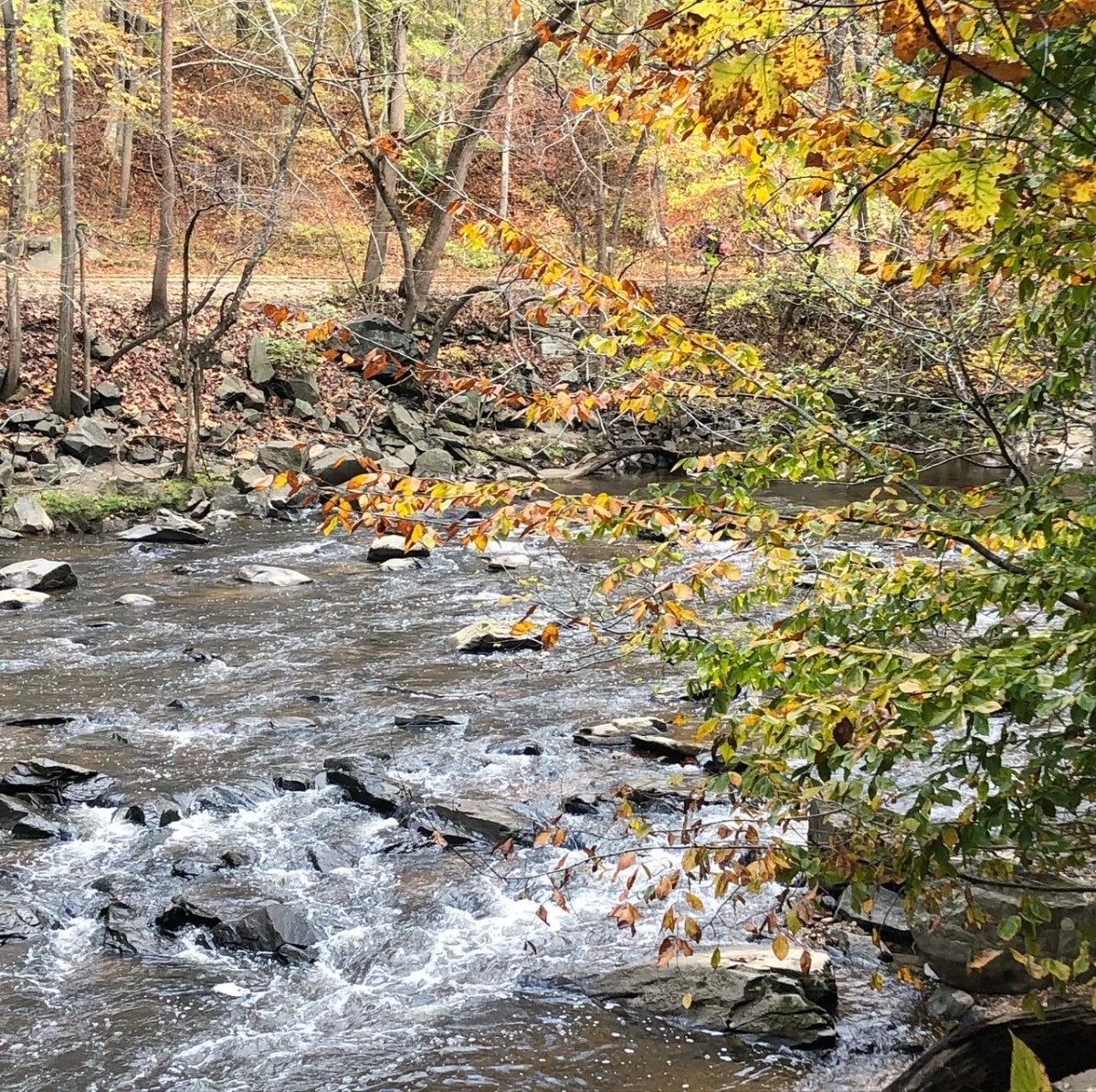
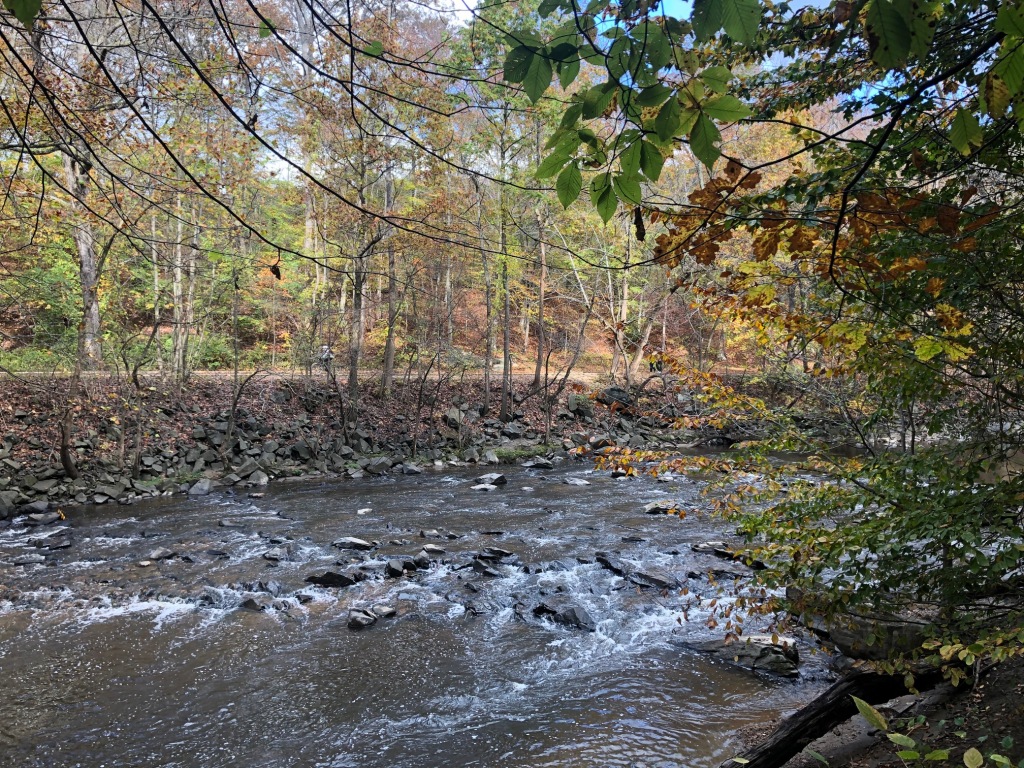
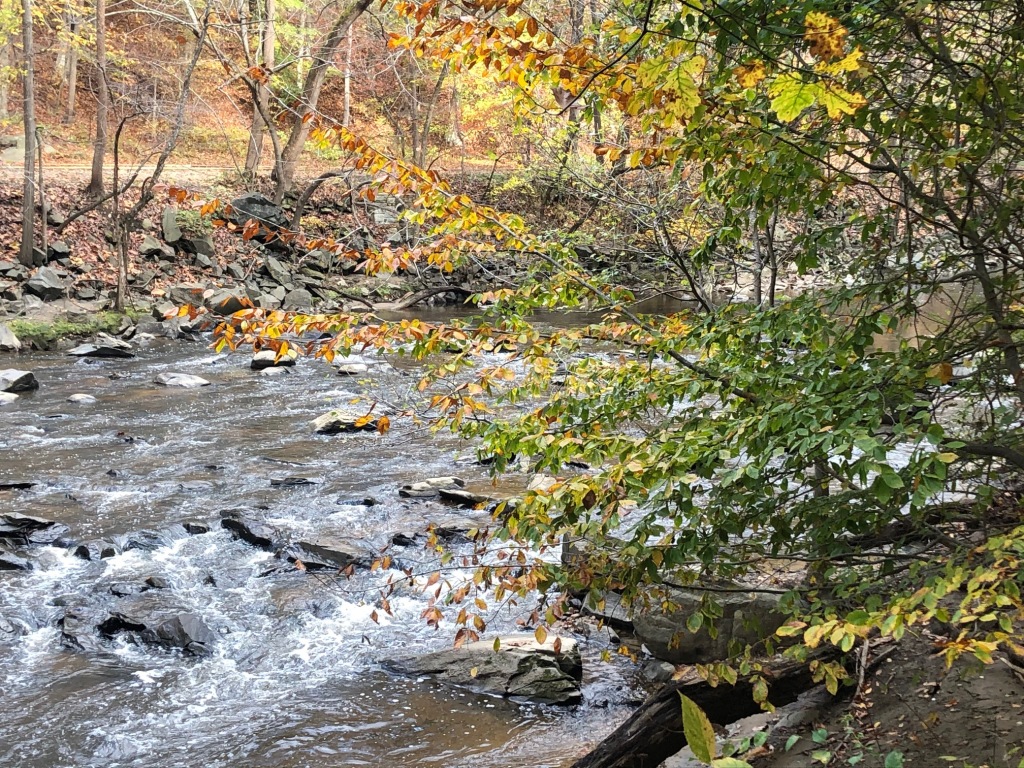
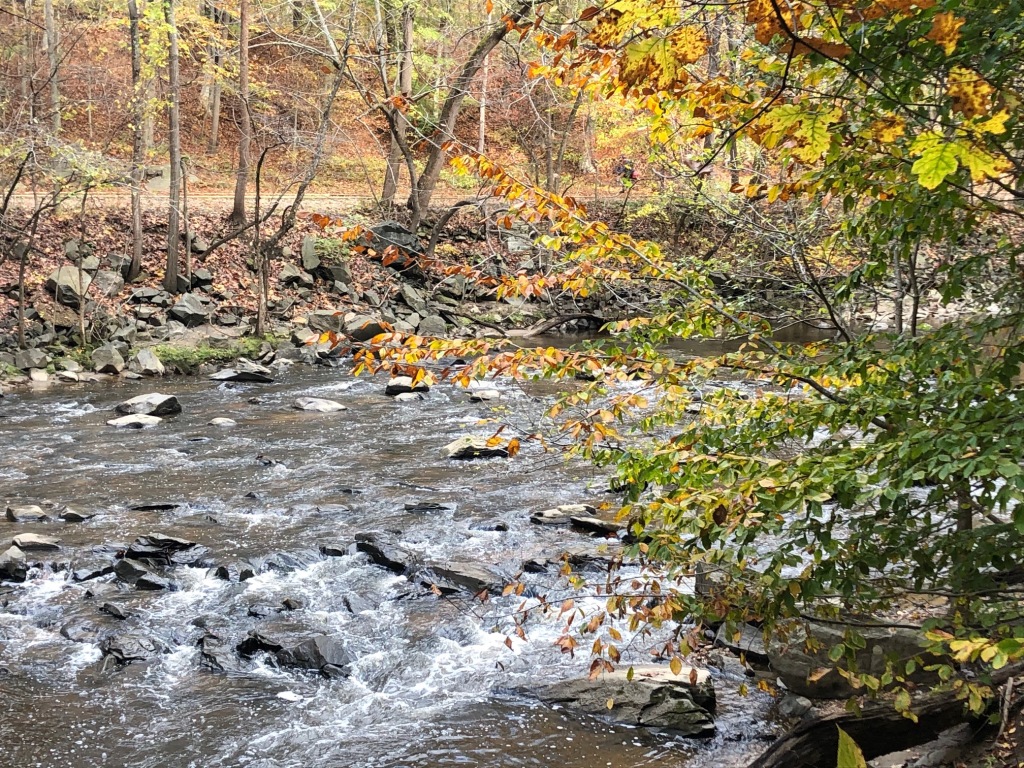
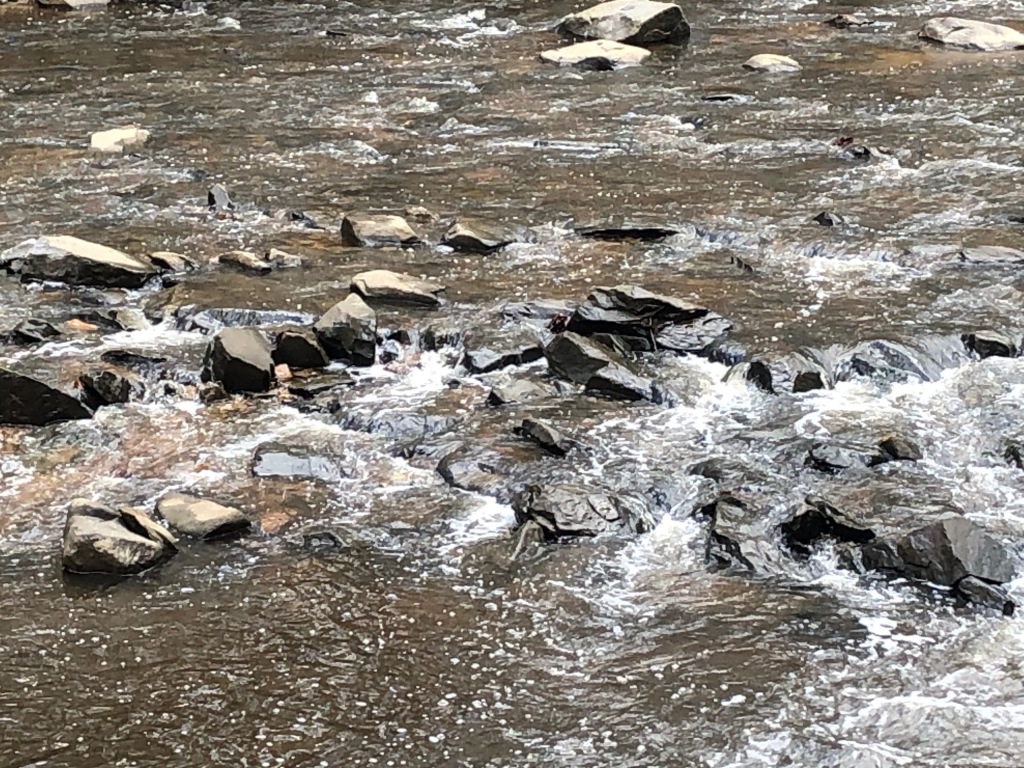
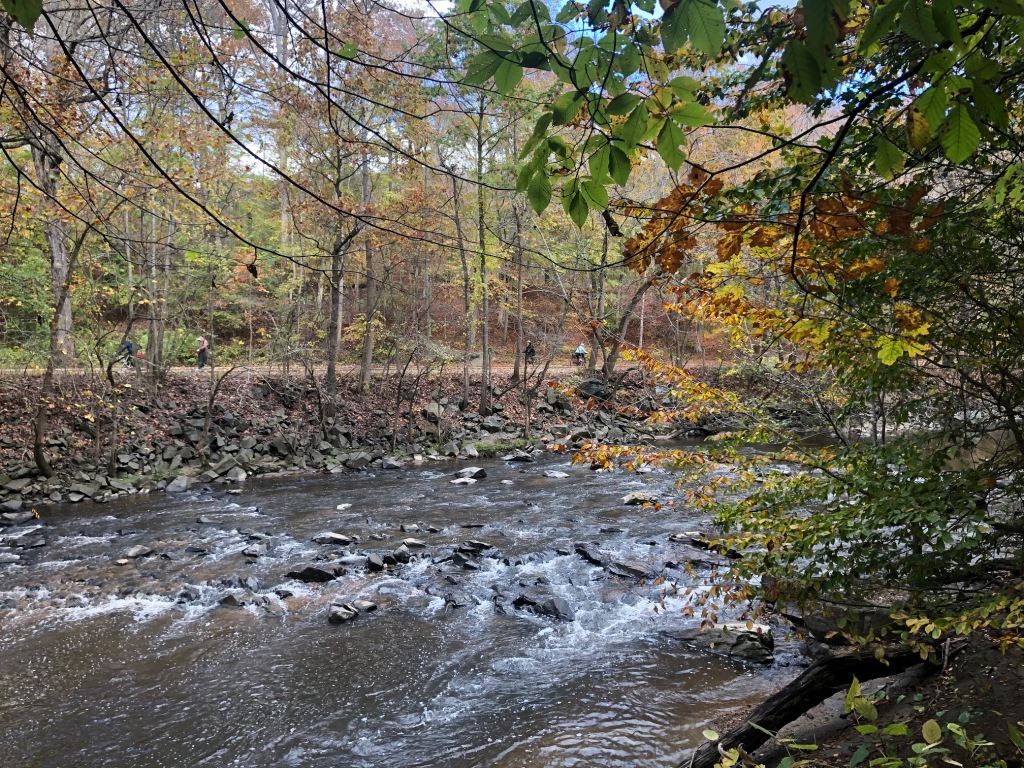
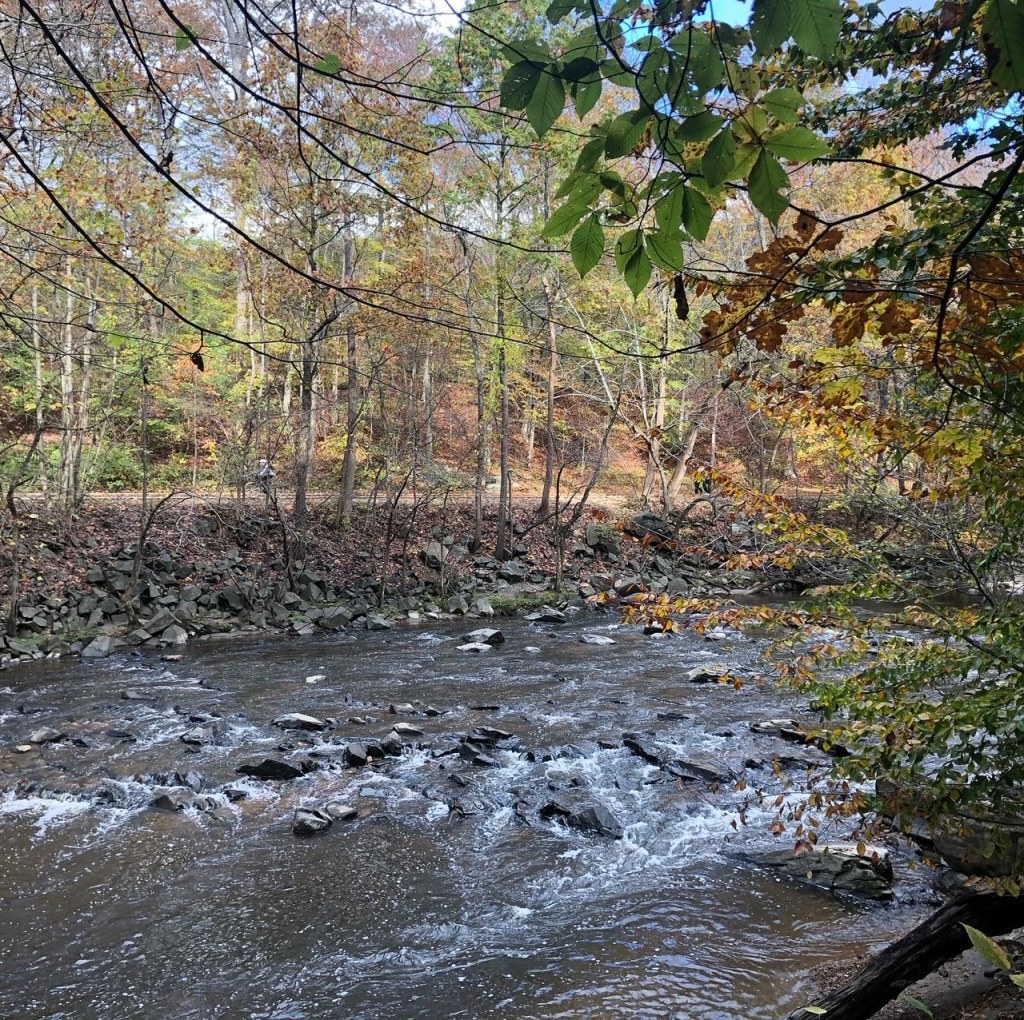
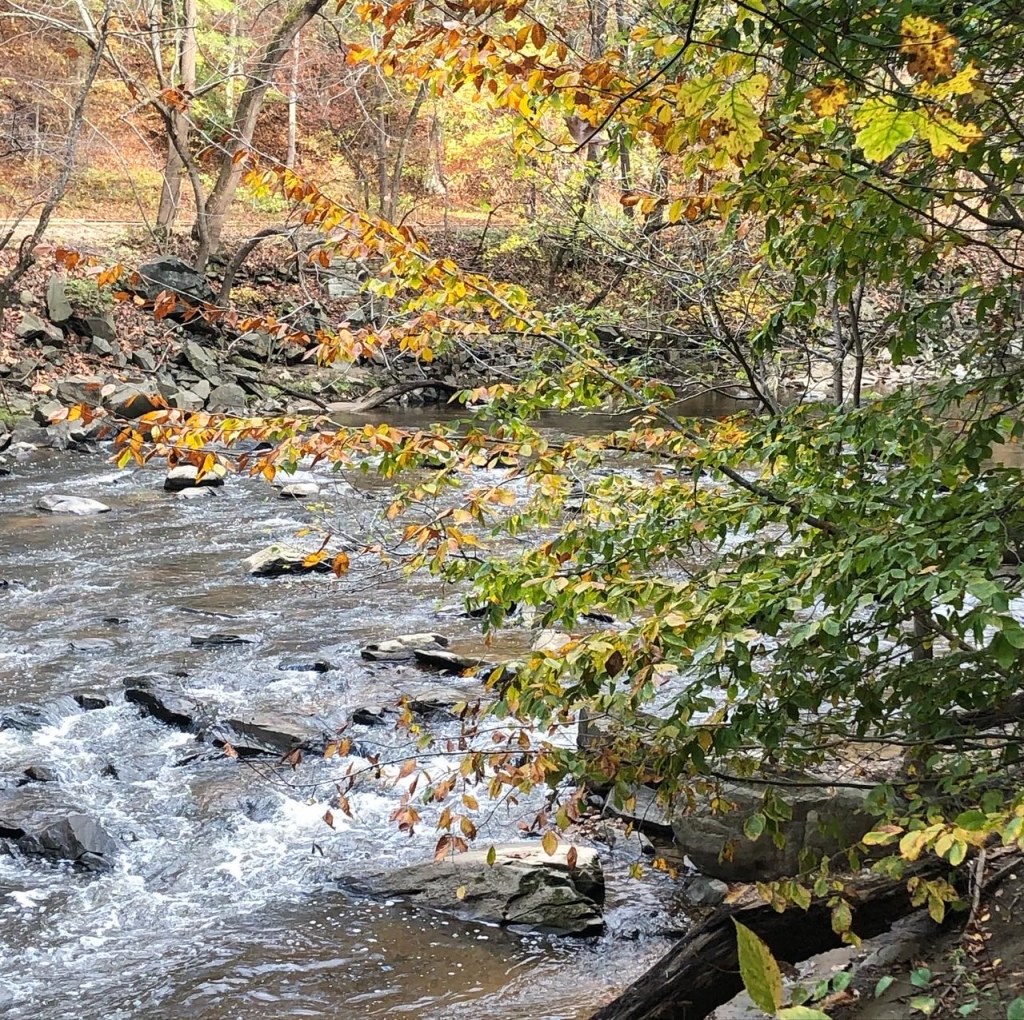
Fall Foliage at Rock Creek

Camera: iPhone 8

Location: Rock Creek Park; Washington, District of Columbia, United States

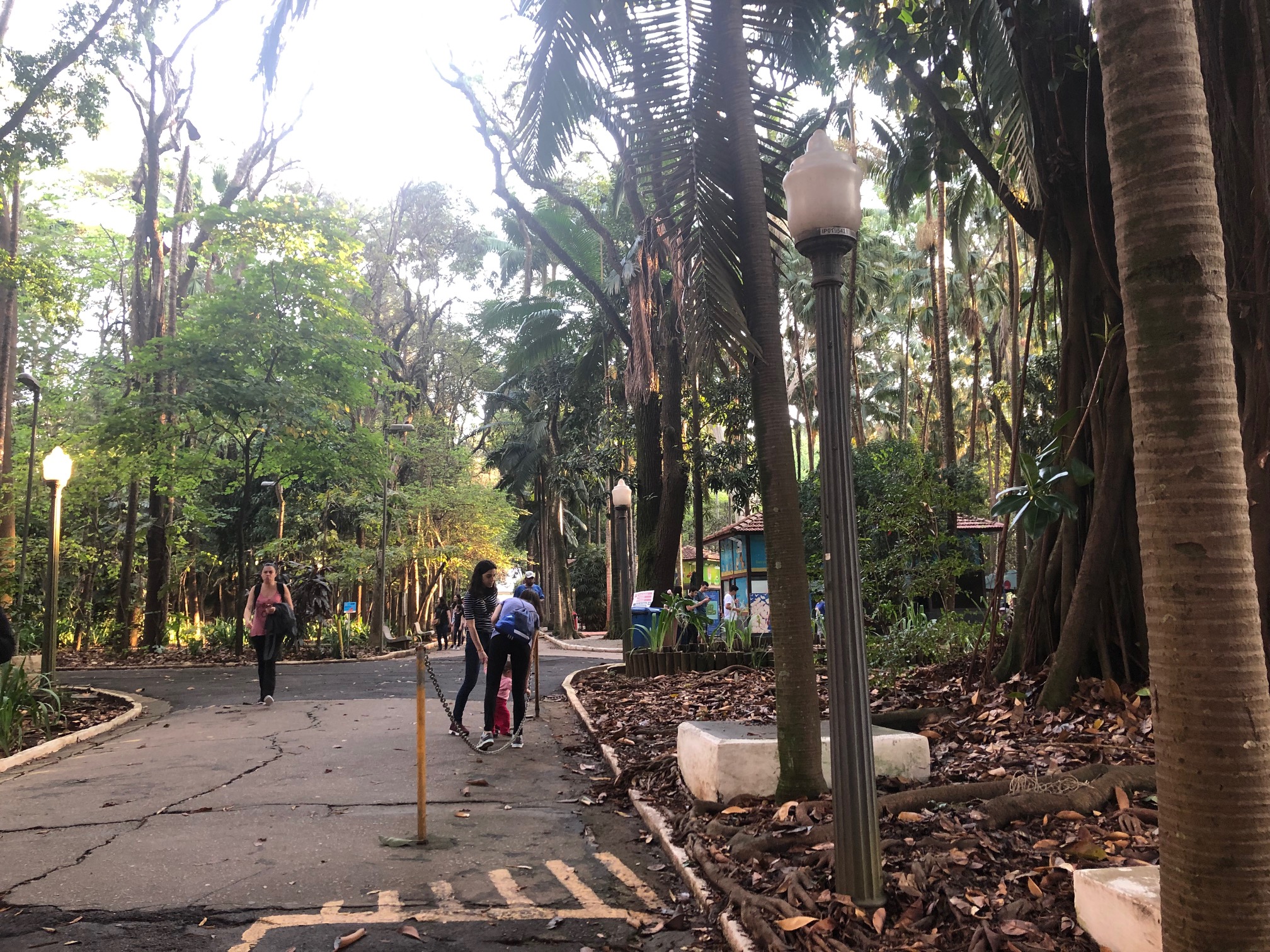
Agua Branca Park

IMG_3335IMG_3336IMG_3337IMG_3338IMG_3341IMG_3343IMG_3346IMG_3347IMG_3349IMG_3352

Camera: iPhone 8

Location: Parque Agua Branca, Sao Paulo, Brazil