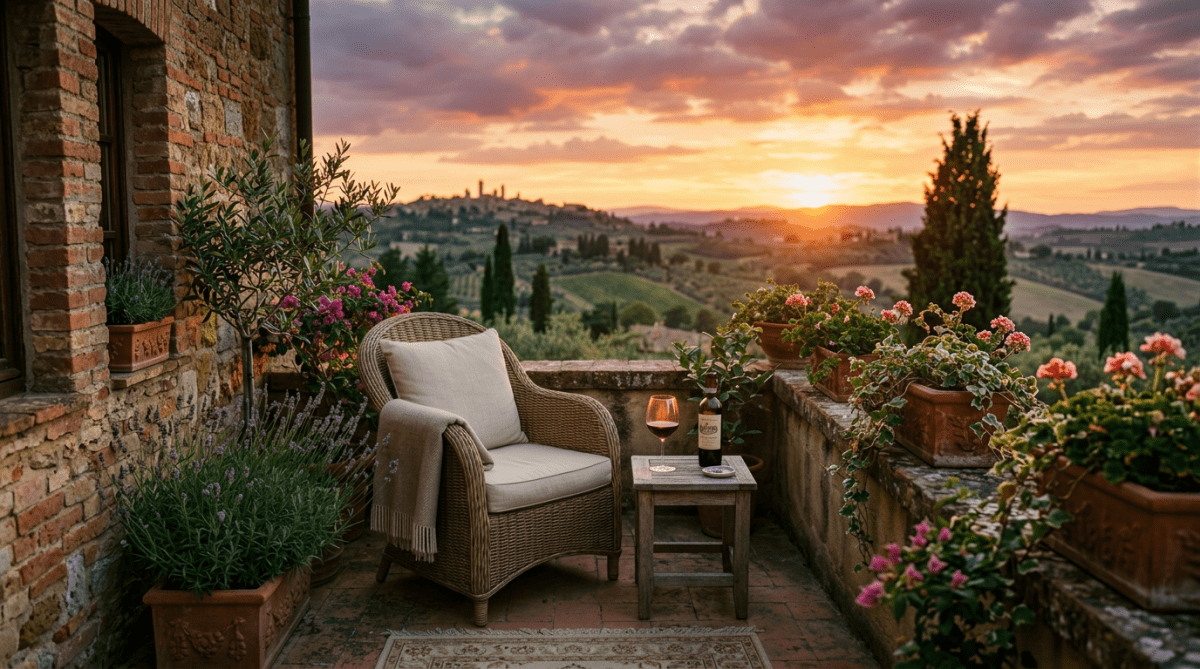
Bringing a Slice of ‘La Dolce Vita’ Into Your Daily Life

“The actual concept is far more radical, and far more boring: it’s a daily, granular insistence that pleasure, beauty, presence, and human connection are not rewards to be earned after the work is done. They are the work, in the sense that they’re the point of being alive. Everything else is logistics.”

There’s a particular look on the face of an American tourist watching Italians eat lunch. It’s a mix of envy, suspicion, and quiet panic — like the expression a border collie makes when the sheep stop moving. “Why are they sitting down? Why is there wine? Why does this take ninety minutes on a Tuesday?” The American instinct is to assume this is somehow unserious, a charming inefficiency that explains why “they” don’t run the world anymore. The Italian instinct, watching the American eat a sad desk salad over a keyboard as they still scroll through their Outlook inbox, is roughly the same look in reverse, except theirs comes with pity.

La dolce vita‘ or ‘the sweet life’ in English has been so thoroughly merchandised by travel magazines and Instagram that the phrase now mostly evokes linen pants and Aperol spritzes against a Positano sunset. That version is a vacation, not the culture itself. The actual concept is far more radical, and far more boring: it’s a daily, granular insistence that pleasure, beauty, presence, and human connection are not rewards to be earned after the work is done. They are the work, in the sense that they’re the point of being alive. Everything else is logistics.

Americans have a complicated relationship with this idea of work-life balance, and it seems to have regressed since the COVID pandemic has ended. We’ve built an entire economy, geography, and moral framework on the opposite premise that leisure is suspicious until proven to enhance productivity, that meals are fuel stops rather than meals to be enjoyed, that beauty is a luxury good rather than a daily requirement, and that the highest compliment you can pay a person is ” he’s / she’s so busy” or “he / she is such a hard worker at their job.” Adopting even fragments of la dolce vita or ‘the sweet life’ mentality in this context isn’t a lifestyle tweak. It’s mild cultural sedition, which is exactly why it’s worth doing.

Before going further, it’s worth clearing away what the phrase has become. La dolce vita in its current English usage is mostly a marketing layer like a vibe sold by linen brands, boutique hotels, and travel writers who need a shorthand for “expensive Mediterranean leisure.” The Fellini film that gave us the phrase was really about decadence and spiritual emptiness, which is a delicious irony nobody mentions when they’re captioning a photo of a Negroni.

The real thing, as practiced rather than performed, is less photogenic and more philosophical. It rests on a handful of assumptions that quietly contradict the American cultural operating system. First, that pleasure is not a reward but a baseline, something that deserves to be woven into ordinary days, not stored up for vacations. Second, meals are social and temporal events and should linger for a while, not refueling stops mostly spent alone or with people you are forced to have lunch with. Third, that beauty in your immediate environment like the cup you drink from, the square you walk through, the shirt you put on for no reason is a daily necessity, not a luxury. Fourth, that time spent with other people you care about, in person, without a professional or otherwise hidden agenda, is not “downtime” but the substance of a life. And fifth, perhaps most foreign to American ears: that being unproductive is not a moral failure, but rather slowing things down for a bit to savor life for what it is.

What ‘la dolce vita’ is not and what has been mistaken for: laziness, hedonism, anti-ambition, or a rejection of work. Italians work just as hard as anyone. Plenty of them work too much. However, work shouldn’t colonize every other category of existence. There’s a fence around it. Americans tend to assume the fence is the problem and that it prevents greatness. The Italian counterargument is that without the fence, you don’t get greatness; you just get a tired, lonely person who answers emails and makes spreadsheets until they die.

The American resistance to this kind of approach isn’t personal weakness or laziness but rather it’s structural, and it goes back centuries. The Protestant work ethic, however secularized, still runs underneath the culture like plumbing. Work isn’t just what you do; it’s evidence of your moral standing. Rest, by the same logic, requires justification. You don’t see your life as time to be inhabited; you see it as productivity to be optimized, with leisure as the reward you’ve theoretically earned but rarely can take because you feel guilty about it.

Layer on top of that is the physical environment. Postwar America bulldozed walkable neighborhoods, especially in most major cities, and built the suburbs, which is a geography that makes spontaneous social life functionally impossible. You cannot accidentally bump into a friend on your way home from the bakery if there is no bakery, no sidewalk(s), and no home you arrive at except by car. The “third place” in a walkable town or community like the café, plaza, pub, or stoop where unstructured human contact happens has been largely engineered out of American daily life. What remains is home and work, with a windshield between them.

Then, there’s the cultural premium on busyness as identity and with being identified by “what do you do?” that defines “who you are” as an individual. “How are you?” “Busy!” and we hear this as a thing to brag about, not a confession that we are overworked. We’ve inverted the older signal: in most of human history, leisure denoted status. In America, exhaustion does. Even our leisure has been infected as we optimize our hobbies, track our sleep, gamify our walks, turn vacations into itineraries that require recovery afterward or a vacation from our vacation.

The cruelest part is how this gets internalized in our overall outlook on life. Sitting at a café for an hour without a laptop, a book, or a goal feels actively wrong to most Americans. There’s a faint moral itch; shouldn’t I be doing something with my time? that Italians and other cultures simply do not have. Recognizing that itch as a disease rather than a virtue is step one.

You cannot import Rome, Italy into Bethesda, Maryland. However, you can import behaviors, and the behaviors are surprisingly portable. Some of my fondest memories are of long afternoons drinking tea by the Bosporus Strait in Istanbul, savoring freshly made coffee on a farm in Colombia, and passing the hours with no destination on evening strolls through major European and Latin American cities. Remember to start small and start with things that don’t require permission from your employer, your spouse, or your municipality.

The proper coffee ritual. Stop drinking coffee in the car or taking your coffee ‘to go’ from a drive-thru or on an application. Drink it sitting down, in a real cup (no Styrofoam), for ten minutes minimum, doing nothing else. That’s the challenge I ask you. This single change reframes the morning from a launch sequence into an actual beginning, where the world slows down and you can really think deeply without distractions. No use of the phone for ten minutes is a bonus if you can have that kind of self-control too.

The ‘passeggiata’ or ‘after meal walk’. The Italian after-dinner walk has no destination, no fitness target, no podcast, no phone. You walk because it’s evening, because digestion exists, because the neighborhood is worth being in. Twenty minutes minimum and make sure you can do it in a walkable area first. Bring a person if you have one and preferably do it around sunset.

Lunch, that isn’t sad. Eating at your office desk is the single most depressing American workplace practice and it produces measurably worse afternoons as a result. Leave the building or the facility, if you can. Eat something you’d describe to a friend that you would recommend to him or her. If you work from home, set the table and eat well. Yes, even for one.

Aperitivo hour. The deliberate transition from work-self to evening-self. A drink (doesn’t have to be alcoholic), a snack, sitting down, no screens, ideally with another human. It marks the day’s end and the night’s beginning. Without this kind of transition, work bleeds into dinner bleeds into Netflix bleeds into bed.

Sundays as actual Sundays. Not “meal prep and laundry and grocery run” day. Make sure to save time for at least one long meal, a walk, a nap, a book, and time with people you like. The protestant pull will be strong; resist it at least once a month.

Fare niente. “The art of doing nothing.” Sit. People watch. Meditate. Interact with nature. Look out the window. Touch grass, as the kids say. Don’t optimize each moment. This is the hardest one for many Americans because it triggers the productivity itch most acutely, which is precisely why it’s the most valuable to incorporate into your life.

Remember that you may be on your own when you adopt your own slice of ‘la dolce vita’ as best as you can. Your job will not endorse this. American work culture treats “I’m taking my full lunch” as either rebellion or weakness. Salaried knowledge workers have absorbed an unspoken rule that being reachable is the job. Carving out an actual hour in the middle of the day requires either seniority, audacity, or a willingness to be slightly misunderstood and possibly all three.

Your friends are also overscheduled. The ‘passeggiata’ works in Italy partly because everyone else is also outside at the same time, doing the same thing. In an American suburb, you are walking alone past dark houses where people are inside watching television. Building the social density that makes these rituals feel natural rather than performative is a lifelong project, not an average Tuesday decision. Your built environment is hostile. If you live somewhere designed for cars, you will have to drive to the place where you sit and have coffee. The friction is real, and it explains why these practices feel easier when you travel as the environment is doing half the work.

The shame response is the deepest obstacle. Most Americans, sitting at a café for an unhurried hour, will feel a low hum of guilt within twenty minutes. I should be answering that email. I should be at the gym. I should be using this time. That voice is not your conscience. It’s cultural conditioning, and it will get quieter only with repetition. Finally, here’s an honest admission:  Some elements of la dolce vita genuinely require structural conditions such as walkable cities, shorter workweeks, robust social ties, strong labor protections that no individual American can produce alone. You can adopt fragments of this lifestyle, but you cannot adopt the whole lifestyle unless these conditions adapt to foster better work-life balance in the greater society.

Given all these obstacles, the move is not “transform your life” but “claim one hour back.” A practical sequence for someone trying this without quitting their job or moving to Tuscany:

Pick one ritual, not all of them at once. The most common mistake is trying to overhaul the morning, the lunch, the evening, and the weekend simultaneously. Choose one part of the day to make yours again. Master it. Let it become unremarkable before adding the next part to be more enjoyable.

Start with the meal you control most. For most people, this is breakfast or dinner. Lunch is usually hostage to a workplace, especially when you’re forced into an office. If you can make one meal a day a non-optimized, sit-down, non-screen affair, you’ve already changed something structural about your lifestyle.

Find or create one third place within walking distance of you. A café, a bar, a park bench, a library, a bookstore; somewhere that isn’t home and isn’t at work, where you can be a regular patron. If nothing exists within walking distance, this becomes a clue about whether your geography is serving you and whether you and your neighbors can get together to change these structural conditions working against you in your own community.

Build one non-negotiable hour per day for yourself. Same time, same boundary. Not “when I have time” as that hour will never appear. Treat it like a meeting with someone you respect and don’t want to let down. It’s healthy for you, your family, and your health long-term.

Audit your current “relaxation” patterns. Be honest with yourself: is scrolling on your phone for an hour restful, or is it just numbing you? La dolce vita draws a sharp distinction between rest that restores you and consumption that sedates you. Most American leisure is the latter pretending to be the former. Please understand the difference to actually ‘rest well’ and do so consistently.

Accept the awkward phase at first. The first few weeks of this approach will feel slightly wrong, and you’ll catch yourself reaching for the phone, the emails, the drive to maximize productivity. That discomfort is the old operating system protesting this lifestyle change. Let it protest. Sit through it. On the other side is a version of your daily life that you might want to be inside of and that you look forward to each week.

Living ‘La Dolce Vita’ is not just a lifestyle but also a mindset for how you choose to spend your free time and with whom you spend it with. It’s not optimizing every moment but rather making the most of them by living in them and not just thinking about one moment leads to the next. Anyone should go to Italy if they have the chance to experience it for themselves but even if you don’t ever get to, you can experience ‘the sweet life’ by savoring more about life whether it’s a well-cooked meal, a delicious coffee in a park, and spending time just with your own thoughts and watching the world pass you by. It takes time to adjust to this kind of mentality, but you’ll end up finding that there is just as much beauty in doing nothing as there is in doing something.
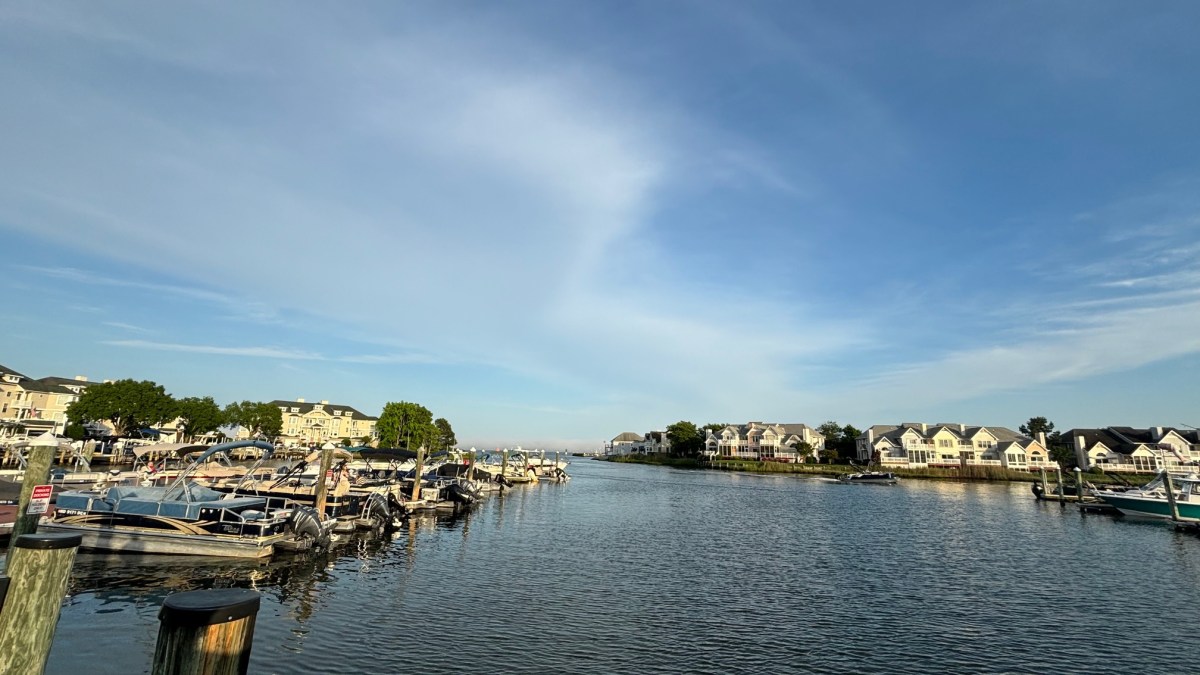
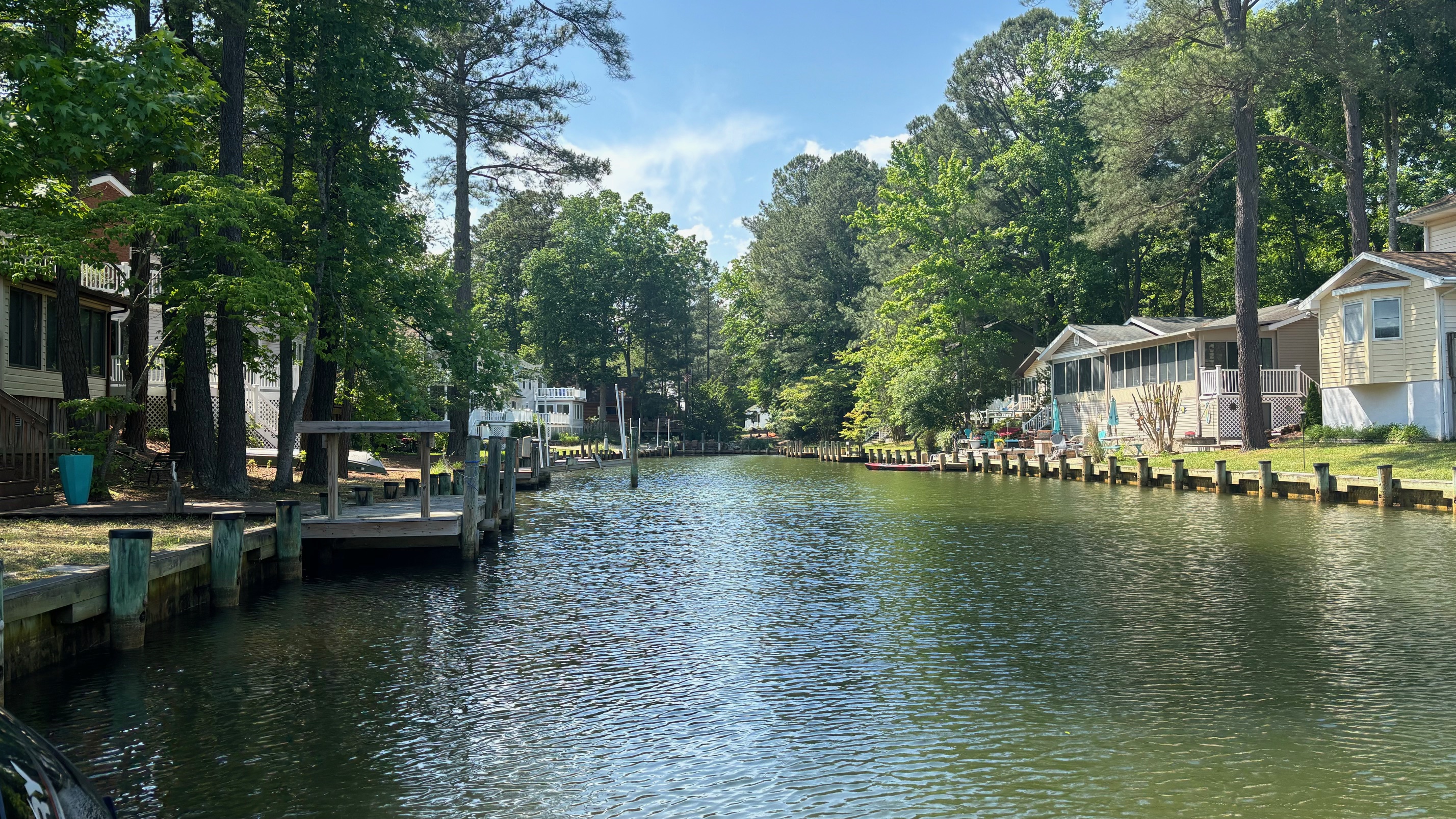
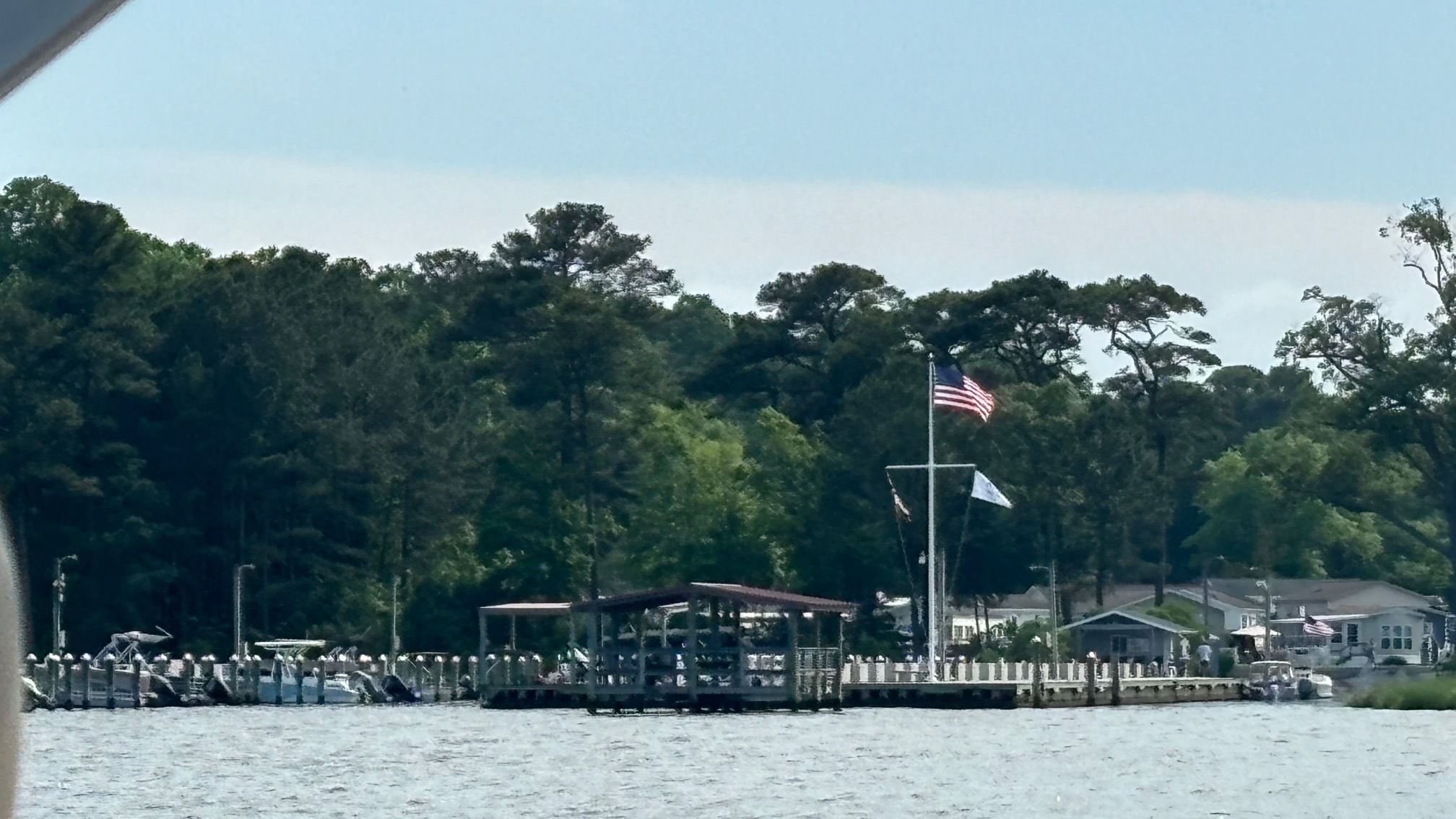
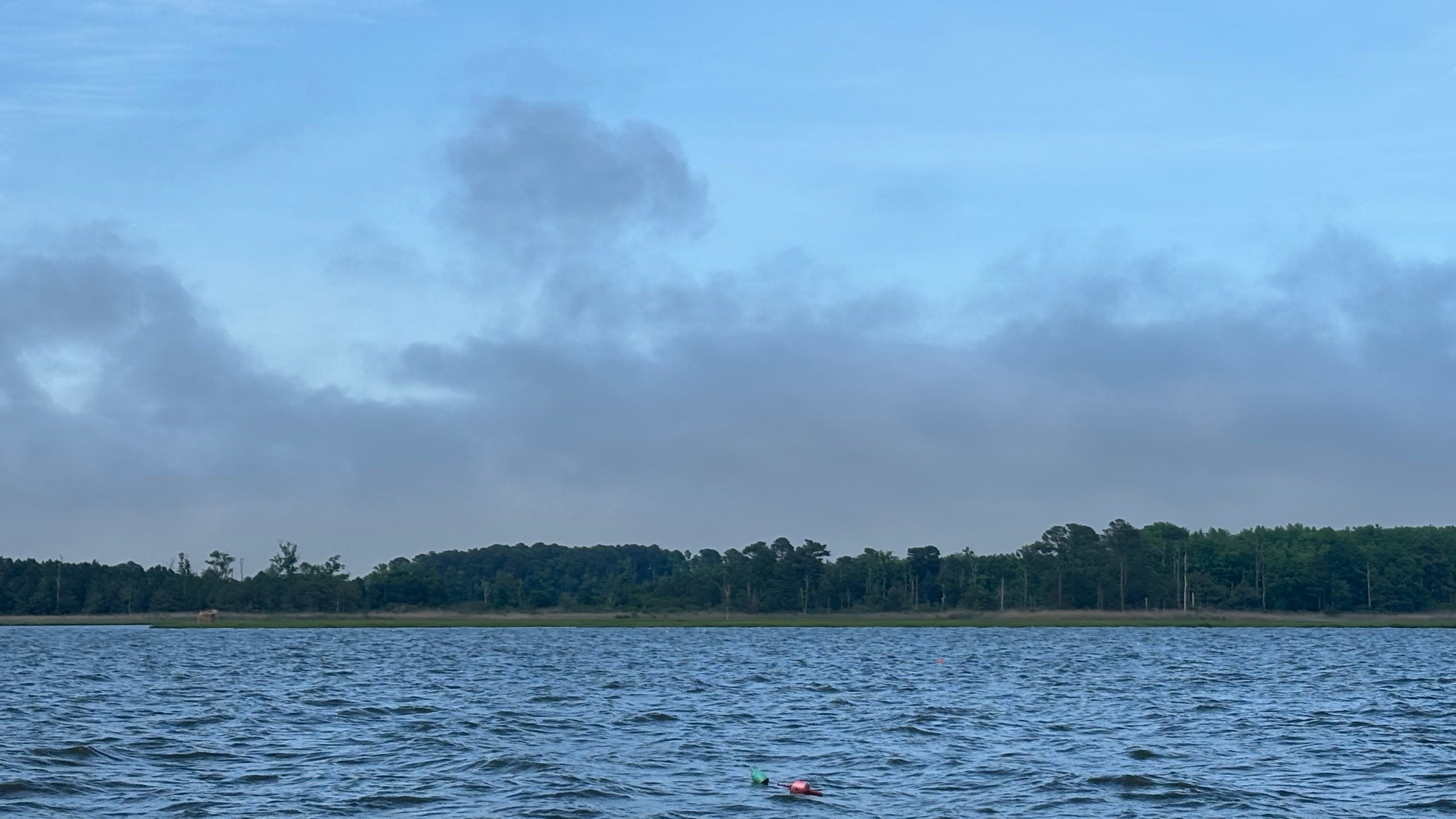
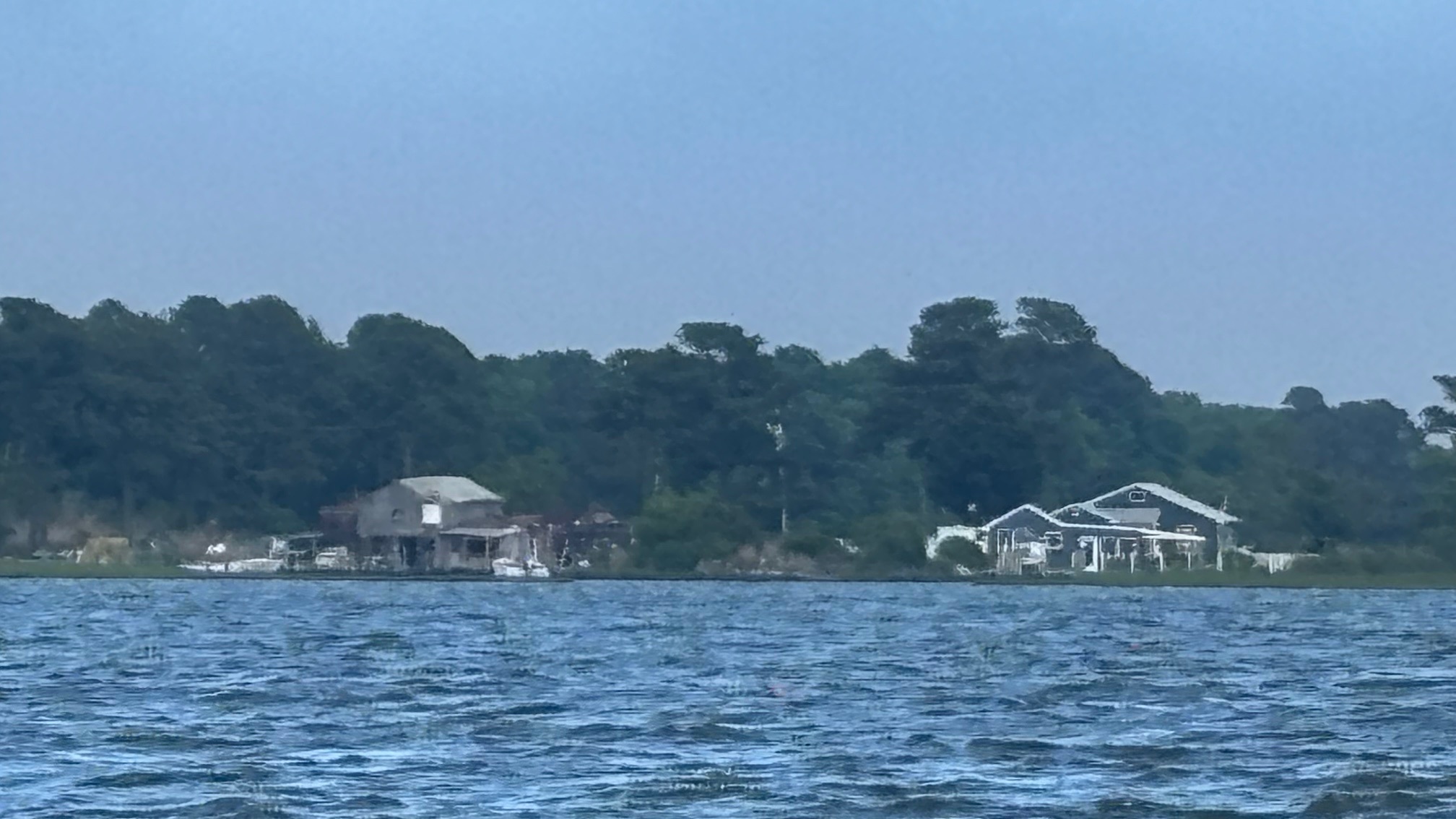
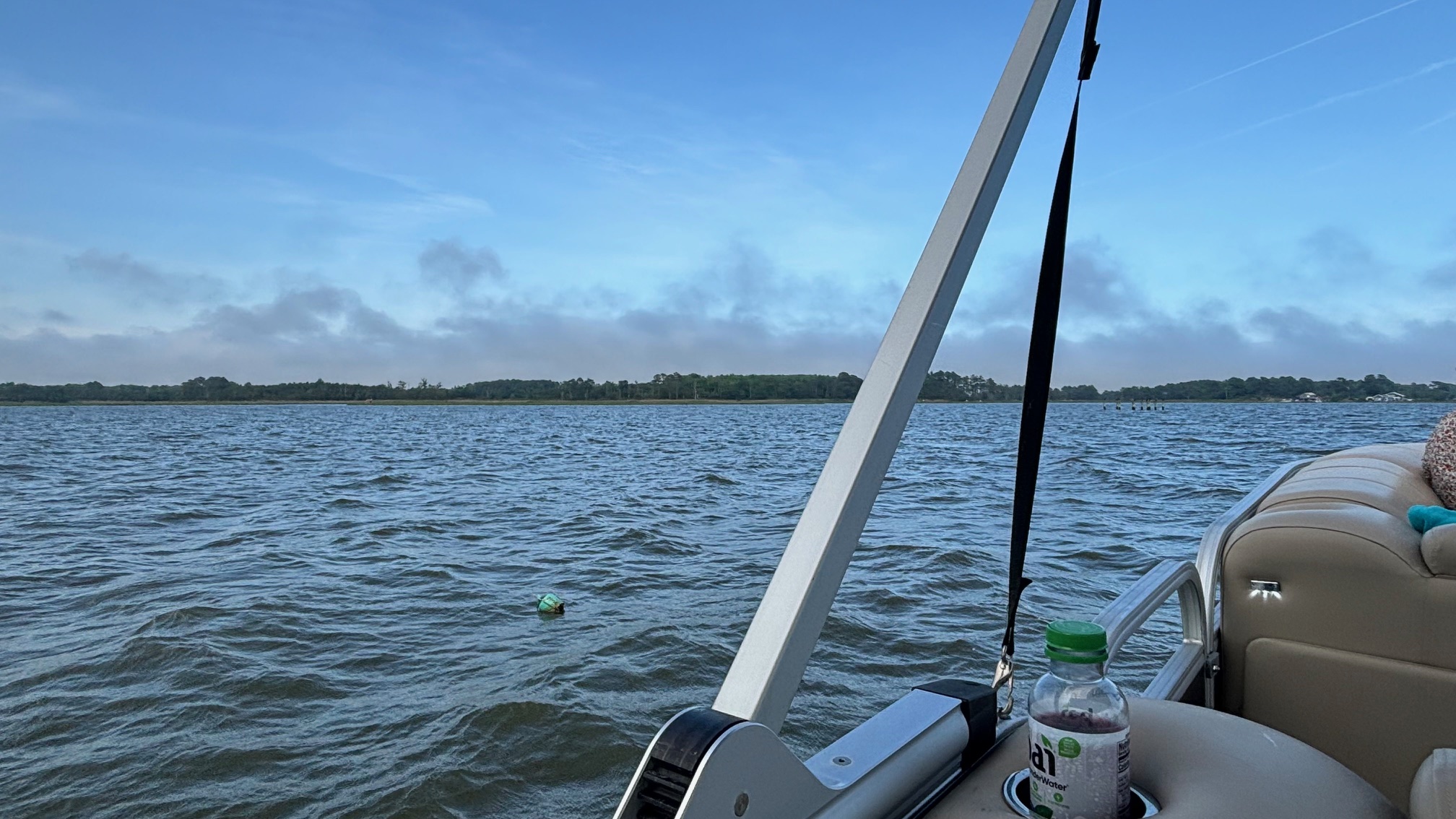
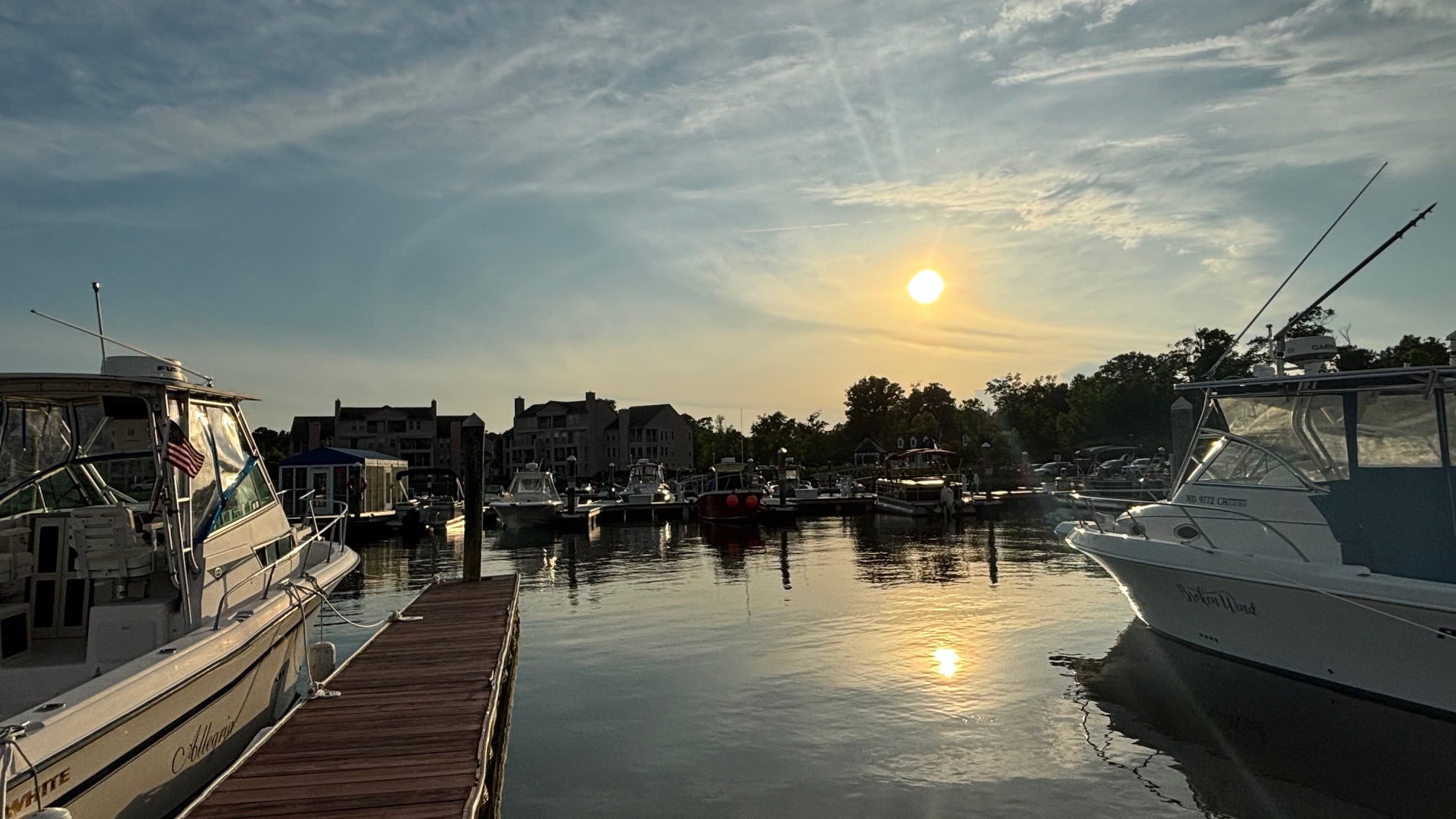
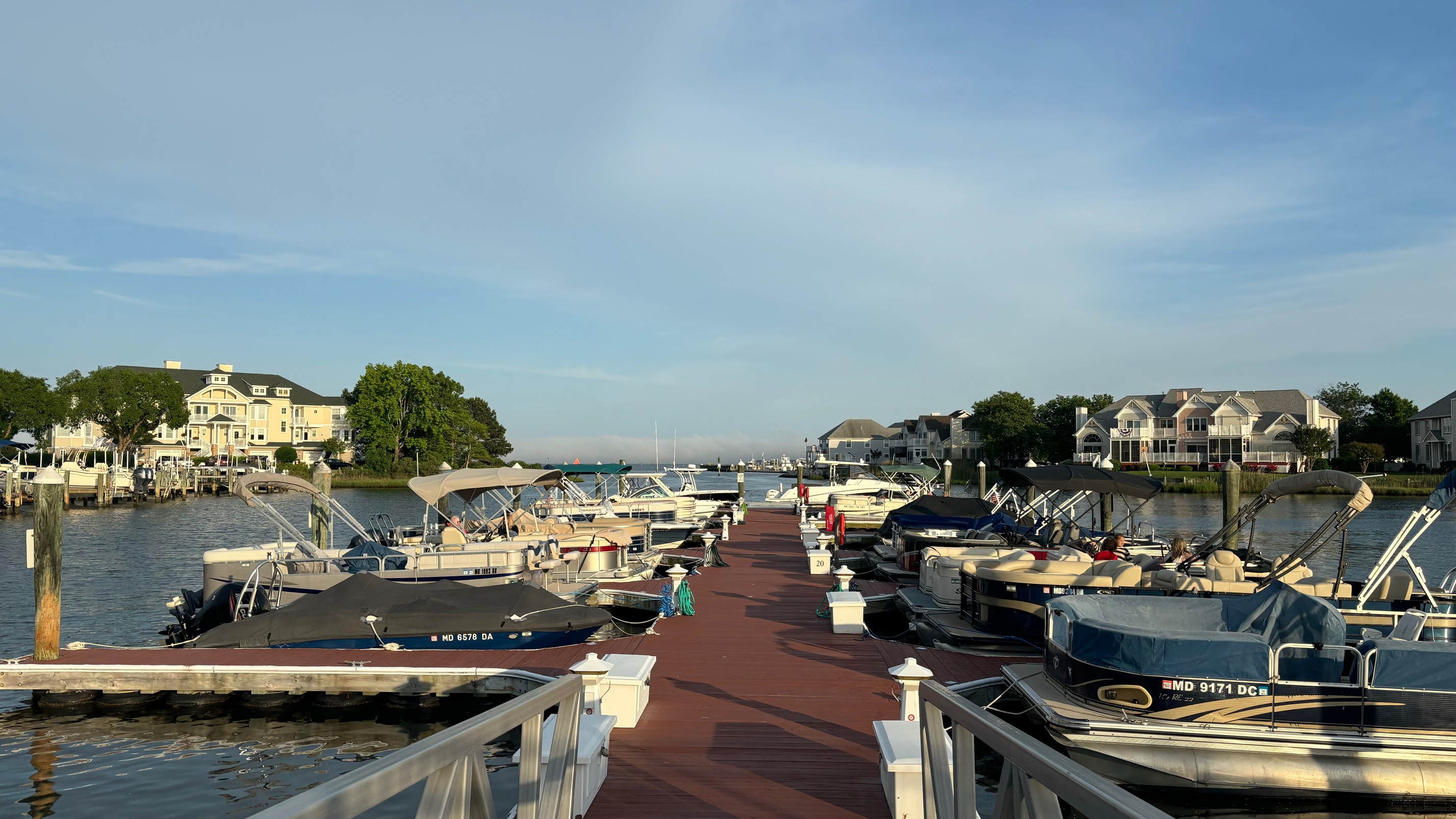
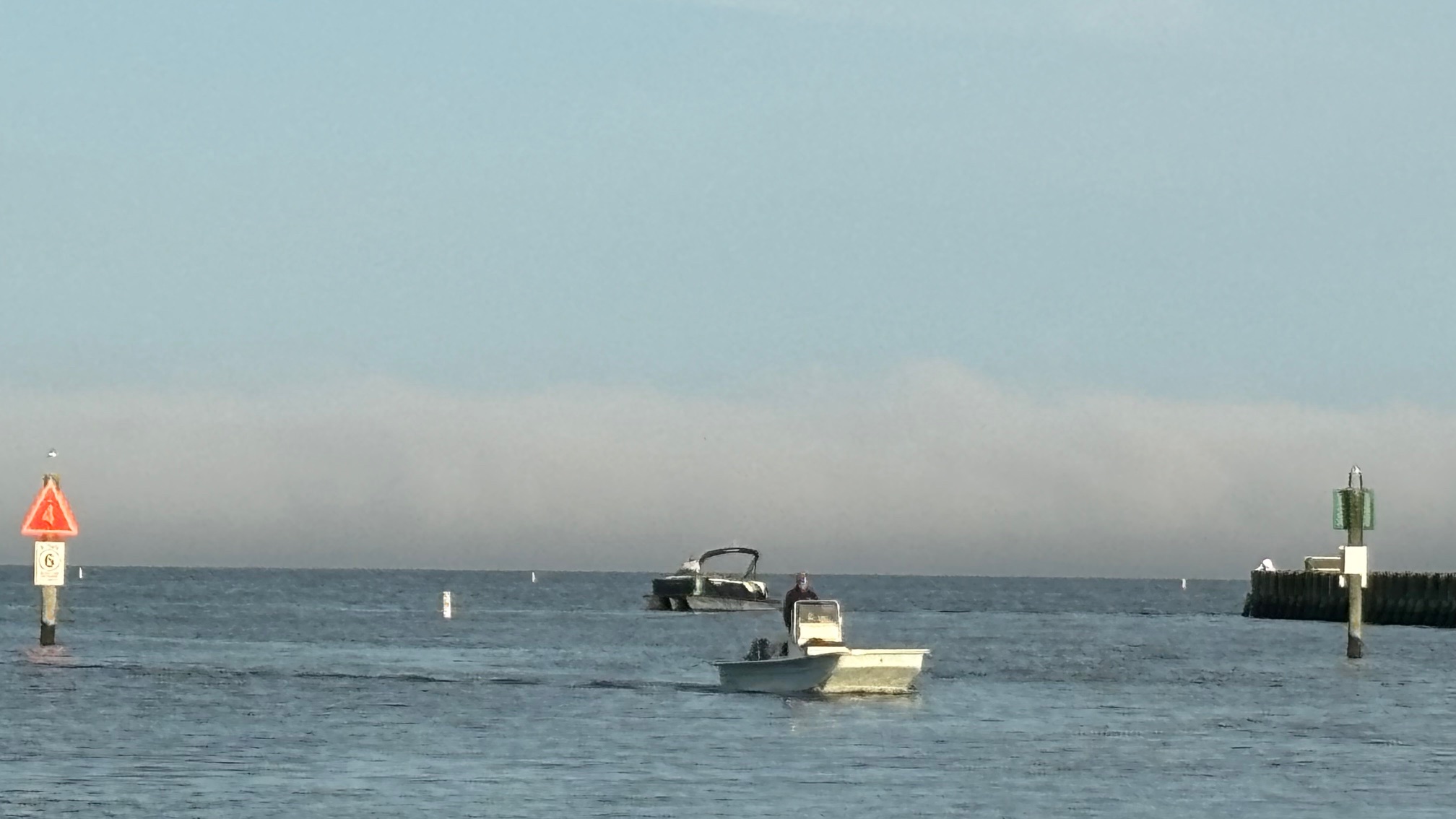
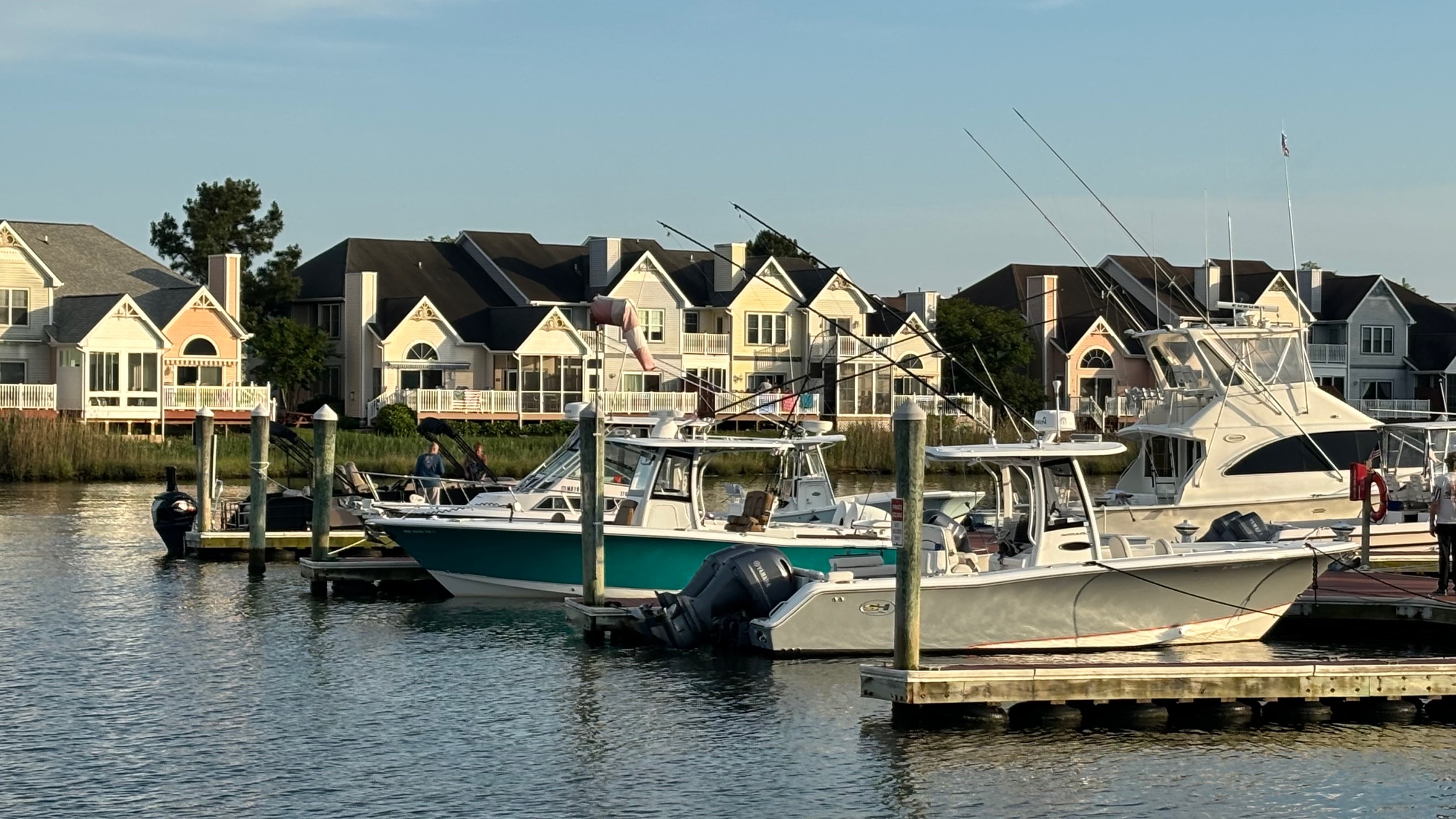
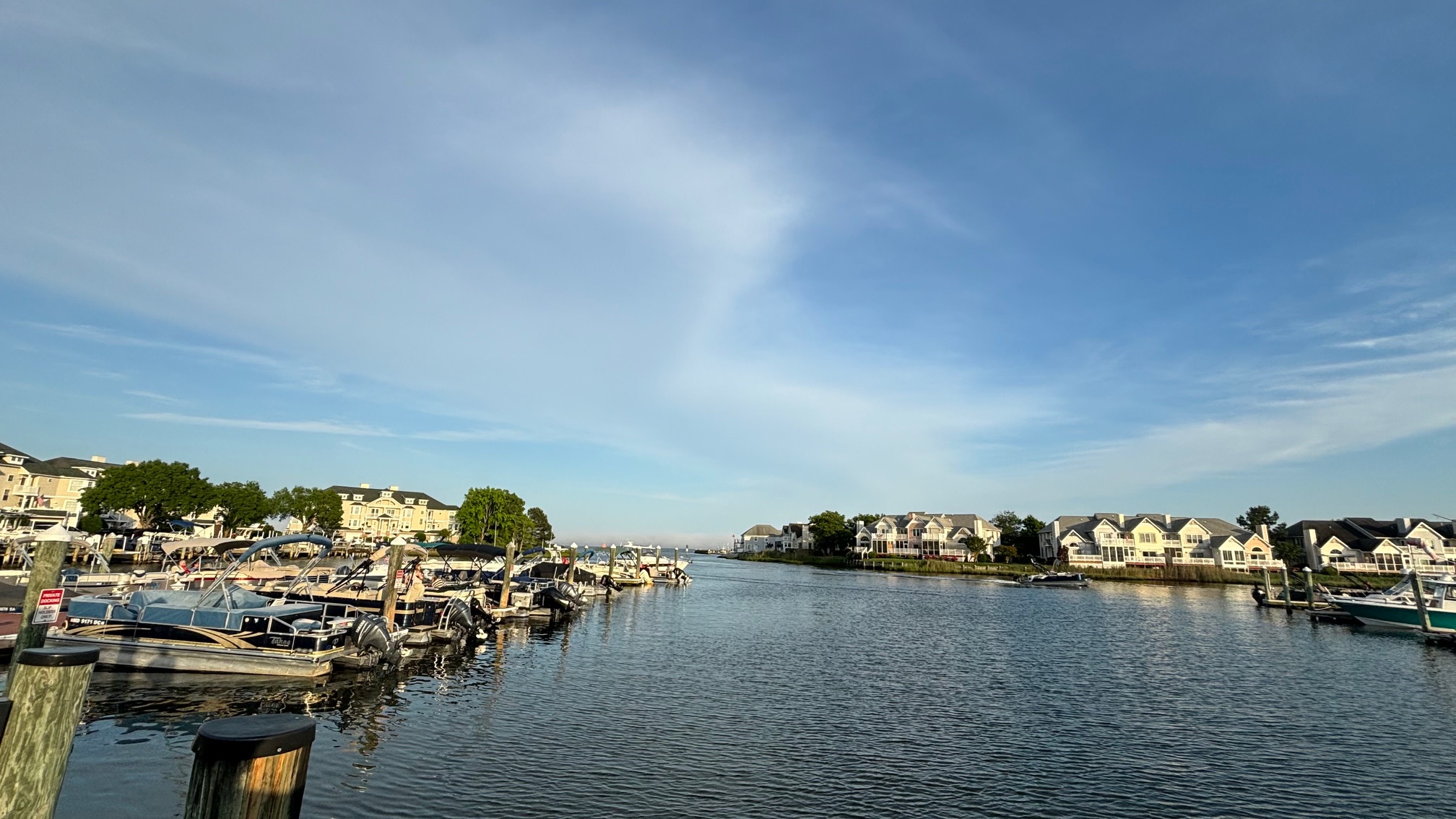
Out on the Mighty Chesapeake Bay

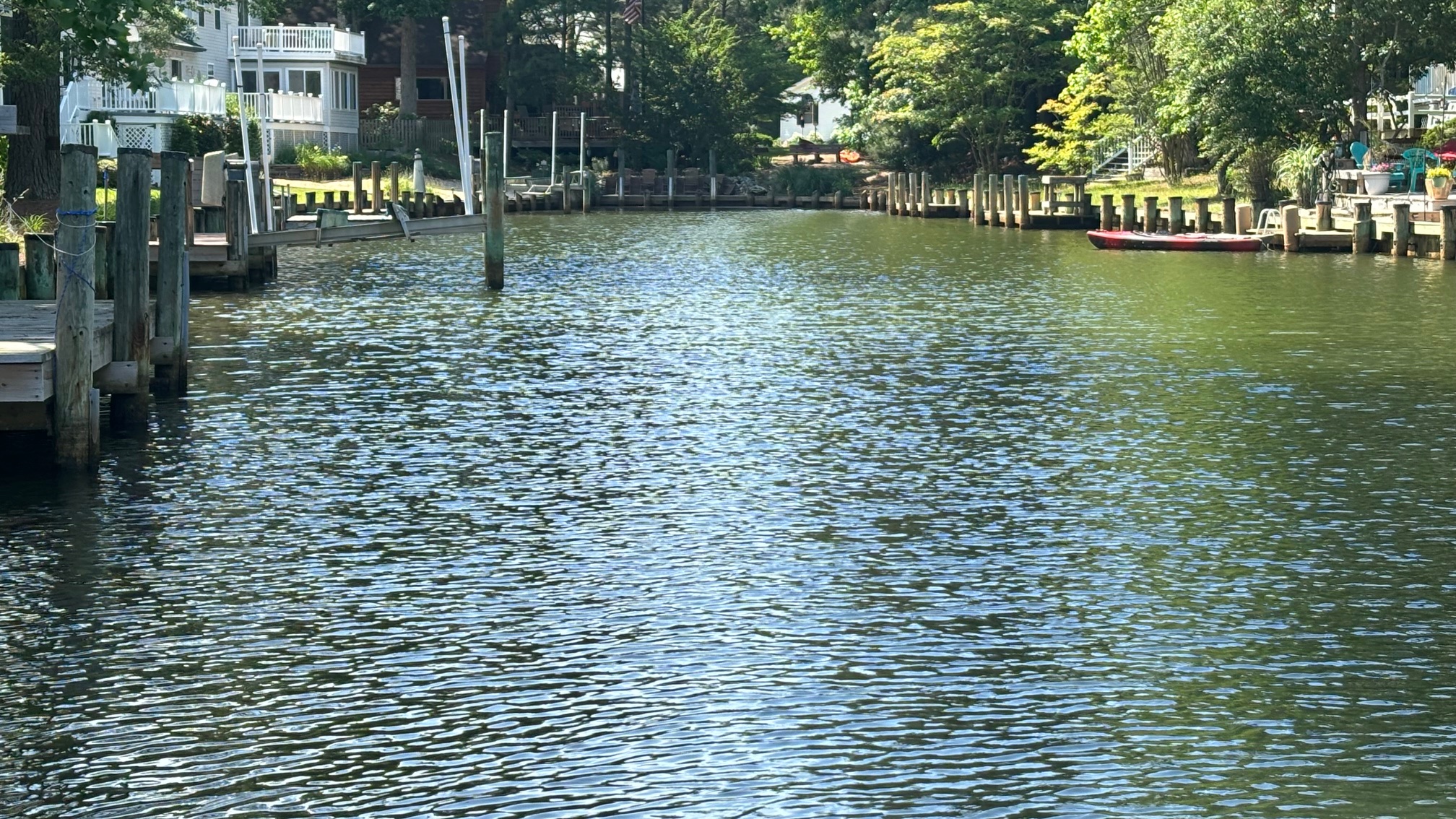
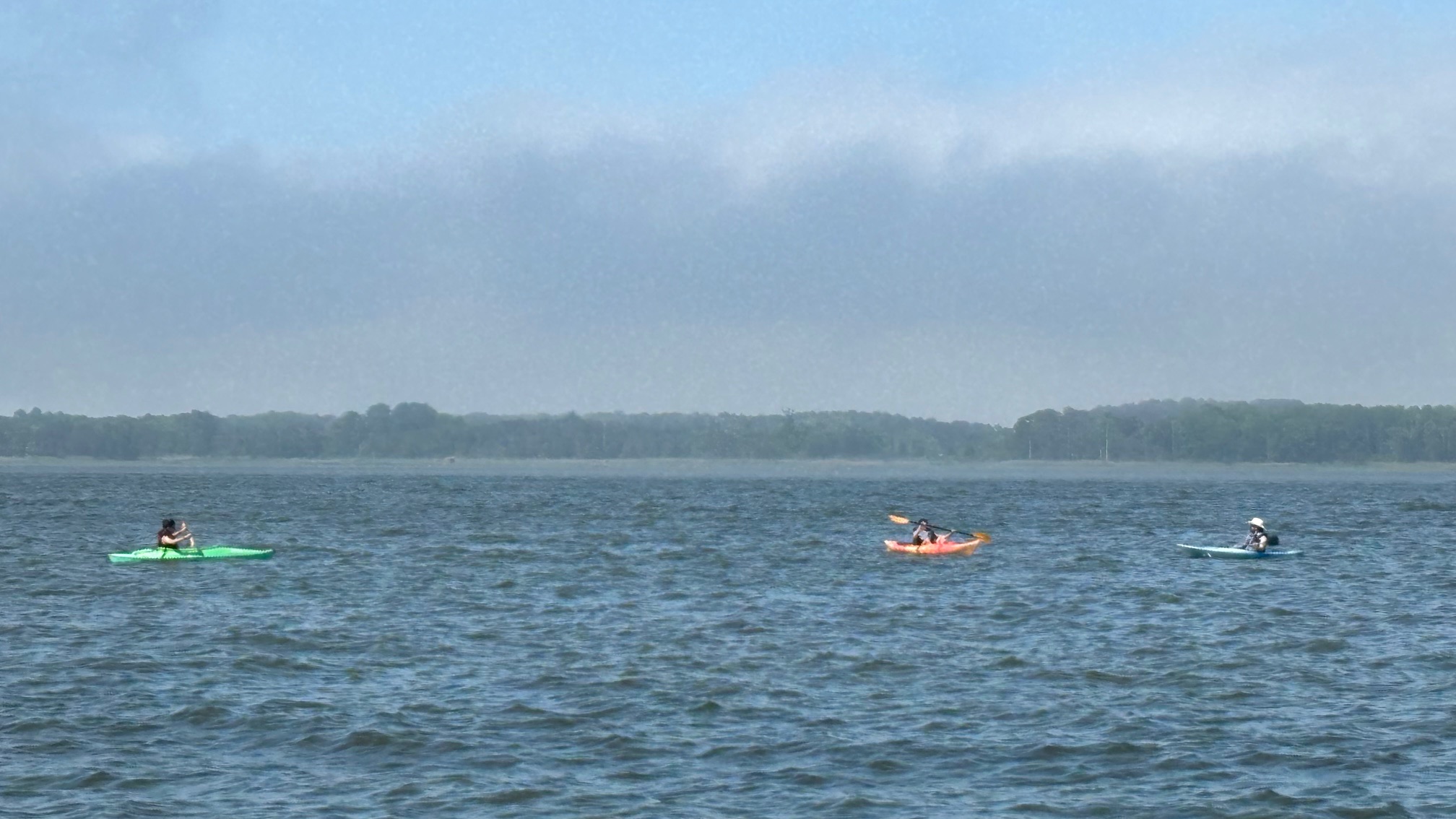
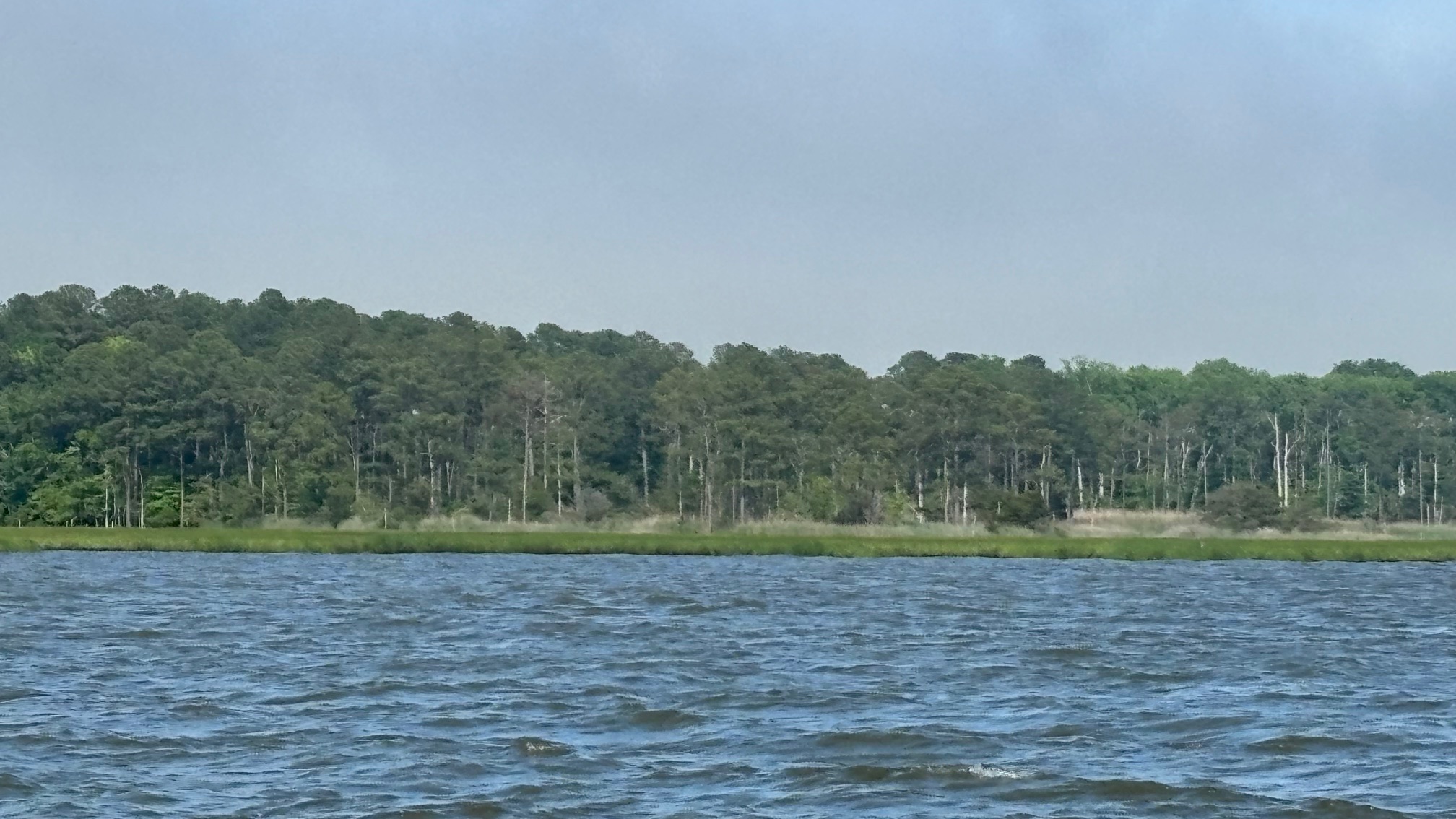
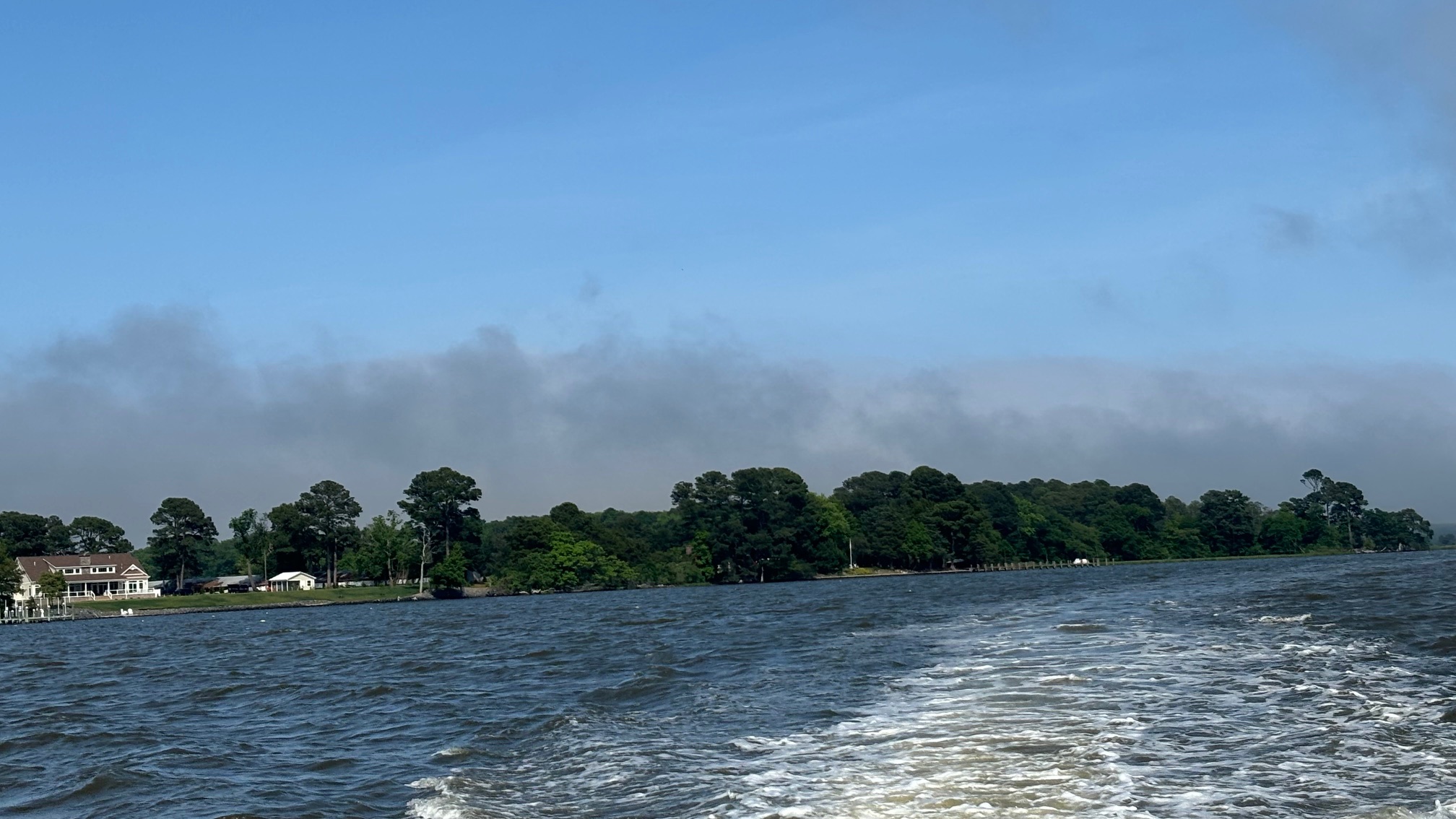
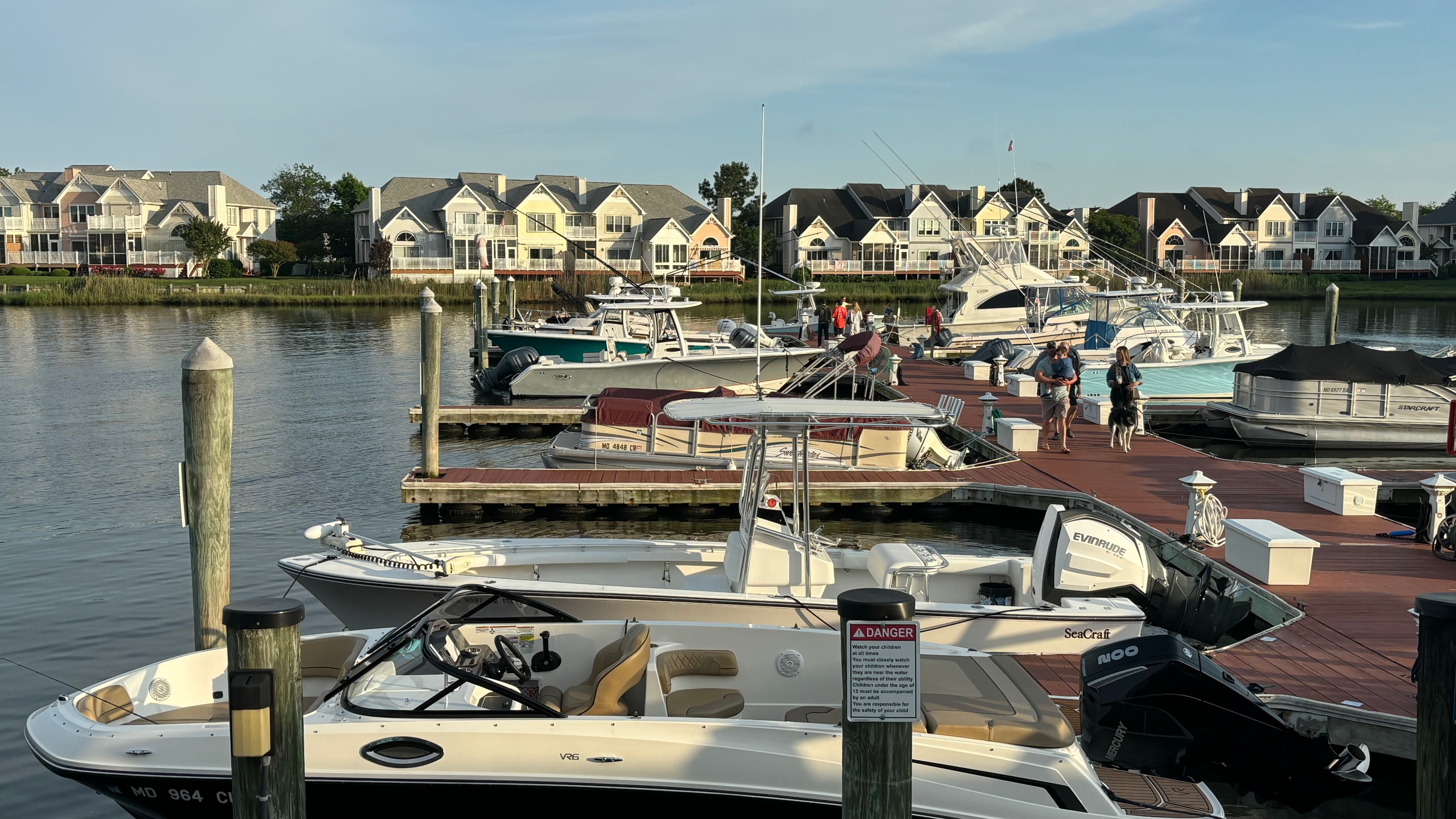
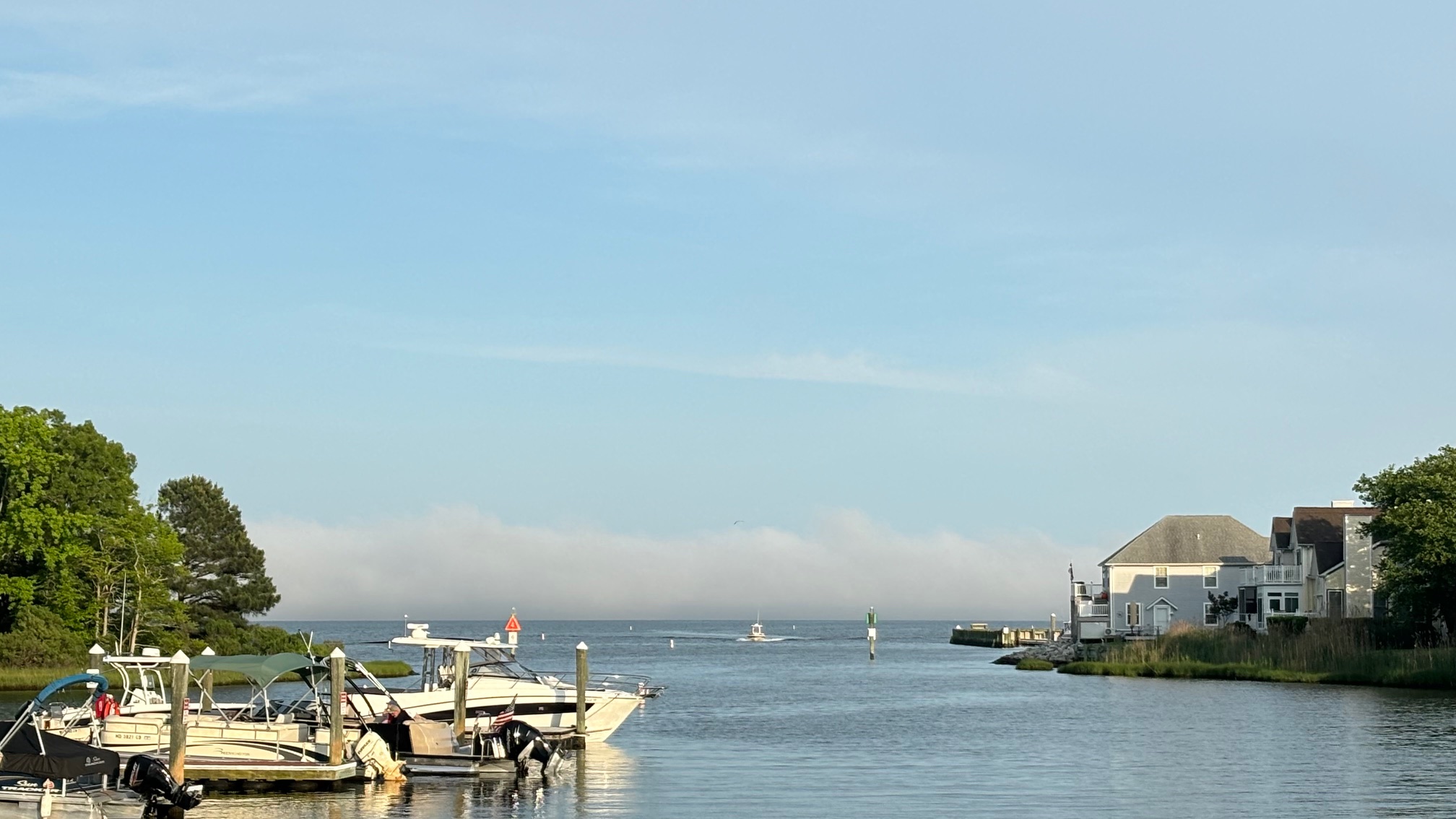
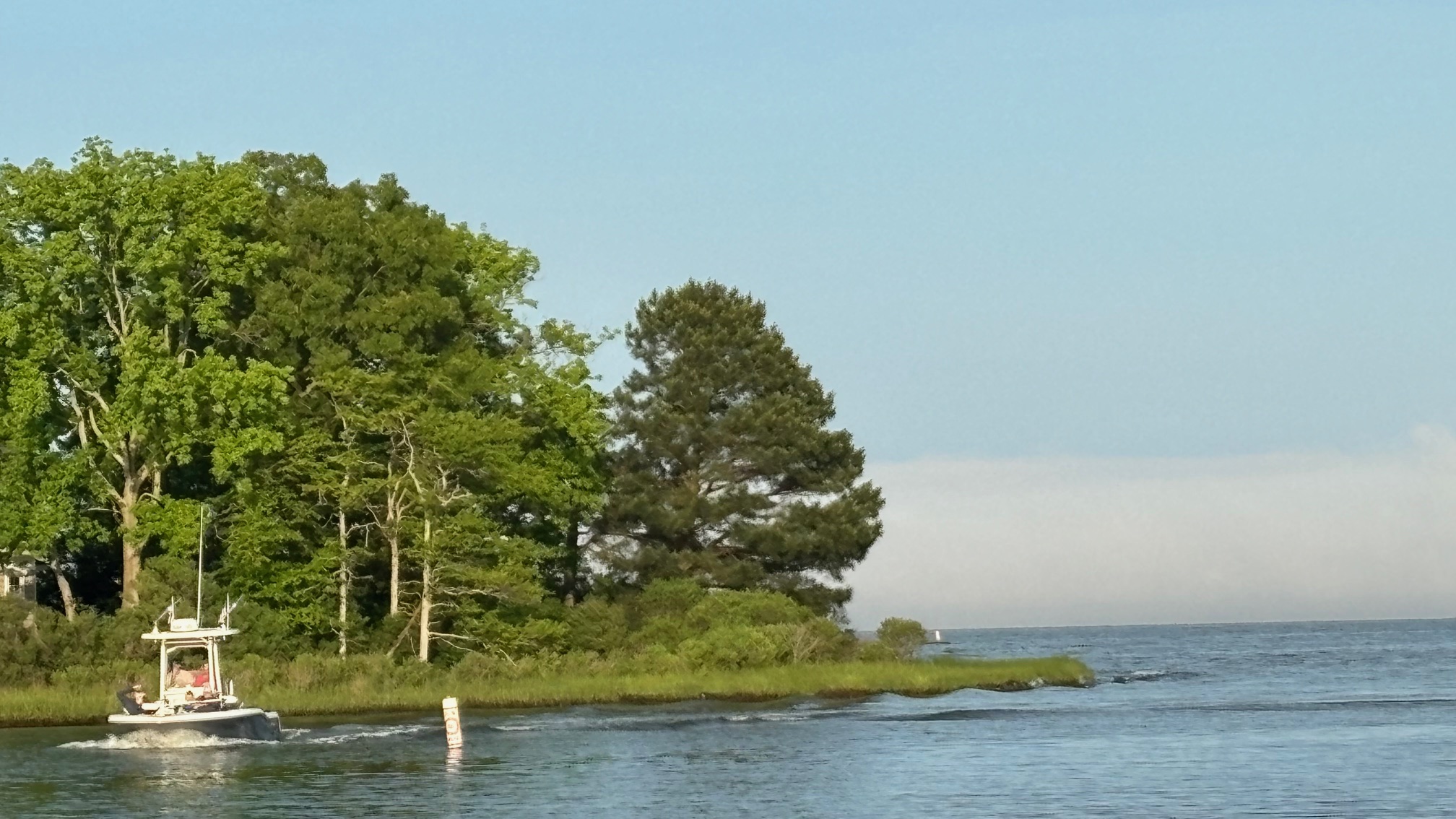
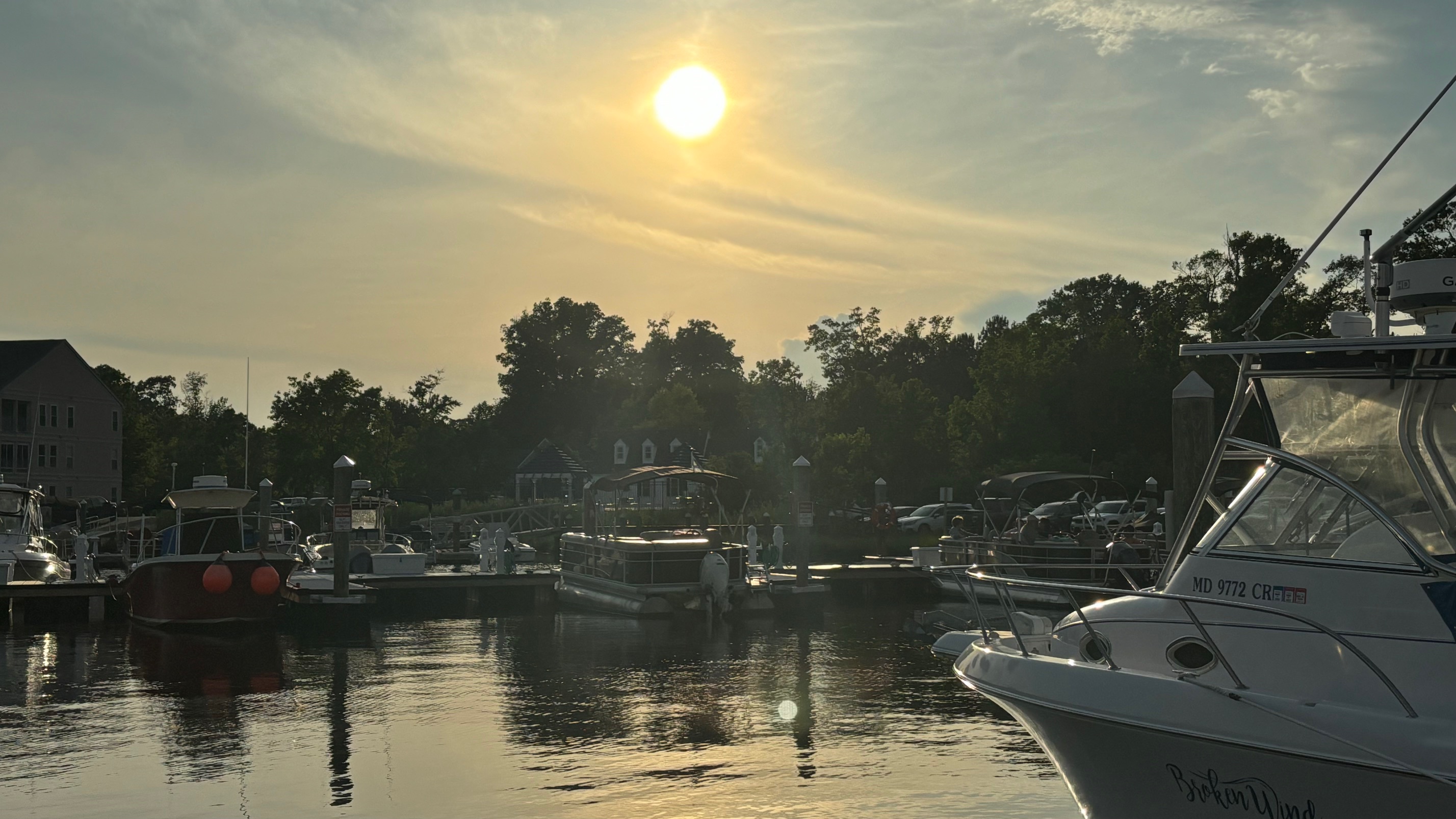
Enjoying a nice scenic boat ride out on the Chesapeake Bay on Maryland’s Eastern Shore. The tides were calm and the wind was fierce but a good time was had by all.

Camera: iPhone 15

Location: Chesapeake Bay, Maryland

How Iceland Replenishes the Mind, Body, and Soul

“Iceland is one of those countries that can combine stunning landscape contrasts with sheer natural beauty, putting the average traveler at ease and offering you unique opportunities to rejuvenate physically, mentally, and spiritually through its landscapes, culture, and way of life.”

Few places on Earth these days can put you in supremely natural environments for which you can really feel at ease in nature that has been properly conserved and taken care of. You can be far away from technology, city life, and cover a wide variety of landscapes in just a few hours. Iceland is one of those countries that can combine stunning landscape contrasts with sheer natural beauty, putting the average traveler at ease and offering you unique opportunities to rejuvenate physically, mentally, and spiritually through its landscapes, culture, and way of life.

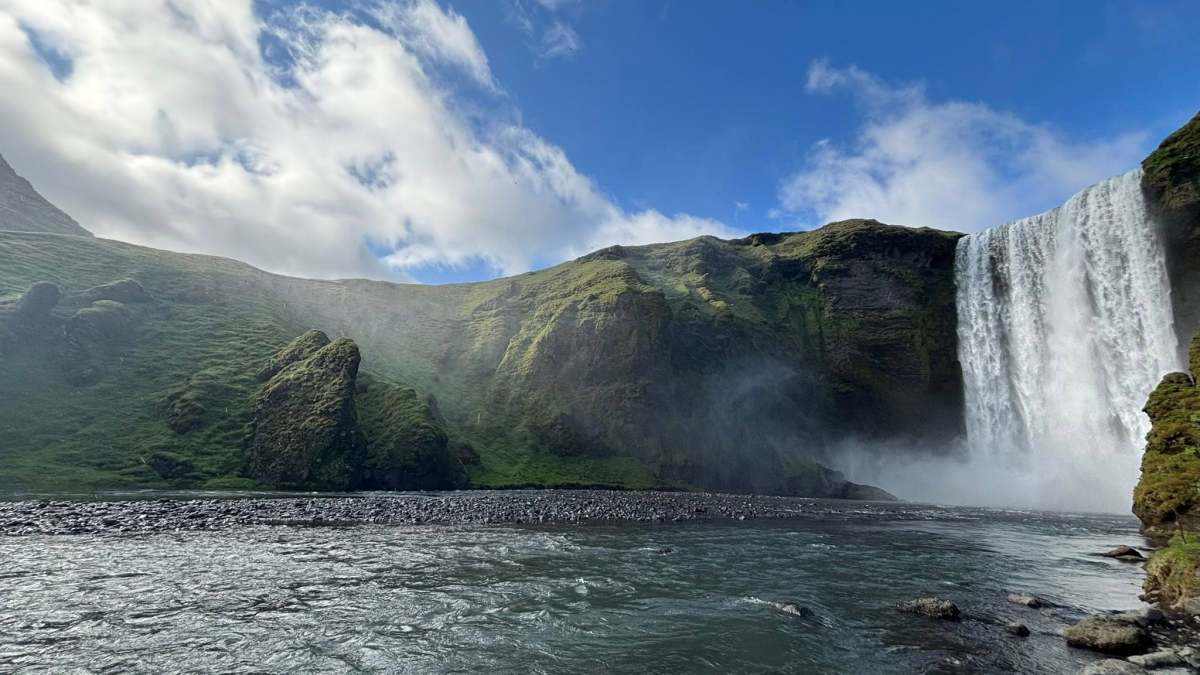
It hits you the moment to fly into Keflavik International Airport like you stepped on to a new planet that is both desolate but alluring in its other worldly landscapes. You see the molten rocks, the green moss, and the blue lagoons, and think to yourself, where did I just end up? The whole country can captive you on a trip like few others can by offering ways to put your mind, body, and soul at ease. Away with the office, away from the hustle and bustle, and able to tap fully into nature and your surroundings like few other places I’ve ever been to personally.

Being able to hike, swim, kayak, rock climb, and engage in a variety of other outdoor activities throughout the year makes Iceland a physical playground to enjoy. You can rest or exert yourself or do both to give your body a healthy experience on top of being able to put your mind at ease by being away from your devices by tapping into your natural surroundings because they are just that engaging and varied. Iceland provides your soul a reset where you can forget your own troubles and that of the world’s for a while to focus on feeling better, relaxing, or living in the moment, and experiencing what it is to be disconnected.

When it comes to reinvigorating yourself physically, you have a wide variety of ways to do so while in Iceland. You can enjoy a large variety of geothermal pools and hot springs such as the Blue Lagoon, Secret Lagoon, Sky Lagoon, etc. In the Summer months, there are also several pools around the country that may be open to the public including tourists to relax and enjoy the long summer nights, where daylight is every present. After having partook in a few lagoon visits in my recent trip, I can say for sure that your body feels cleaned and refreshed after soaking in the mineral-rich waters and combining that with the country’s culture of saunas, steam houses, and the occasional cold plunge.

It is an impressive combination of thermal relaxation letting you fully destress and decompress for a few hours but with residual health benefits for months or years to come. In addition, Iceland prides itself on healthy, local, and pesticide-free cuisine from fresh seafood to Skyr yogurt, as well as farm-to-table and greenhouse-to-table dishes. As mentioned earlier, there are tons of outdoor activities promoting physical health such as hiking, golfing, swimming, horseback riding, and rock climbing among others.

Everyone needs peace and quiet in their life and Iceland provides that in spades. I believe the country can nourish the mind by allowing you to bask in the solitude that you can find in Iceland’s varied landscapes from waterfalls, glaciers, black sand beaches, and fjords. There are numerous psychological benefits to disconnect every now and then from modern technology and the stresses of urban life and I felt a lot better not being on my phone during my time in Iceland. Though I did need my phone for photos and GPS, the beautiful surroundings allowed me to put my phone away and really live in the moment to enjoy the gorgeous landscapes I was able to visit.

The pace of life is also much slower in Iceland and there is a cultural emphasis on being mindful, engaging with other people, and slow living. When you drive there, you don’t see road rage, people yield to each other in traffic, and the rules of the road are observed since there is no ‘rushing around’ without end that you find in other cultures. Because of the natural beauty and slower pace of life, there are many more opportunities to reflect and think while enjoying the expansive natural visits. Taking time away from technology and the ‘hustle and bustle’ can allow you to reflect on life and enjoying the moment more fully.
Our soul needs to experience awe and joy. I believe Iceland’s natural phenomena and beauty from the Northern Lights to the Midnight Sun really can provide that to each person who visits. This kind of perspective is reflected in Icelandic sagas, myths, and folklore about having reference for nature, being in touch with those people in your life who matter to you and living in a sustainable or balanced way with nature. Iceland is an extremely environment conscious country and should be commended for being clean, approaching net zero carbon emissions, and working to be sustainable in its relationship with nature.

People in Iceland live in harmony with each other and with nature from what I noticed and are a progressive nation in that they are tight knit, looking out for their neighbors, and want everyone to be lifted in their society. These kinds of actions culturally are good for the soul and the soul of any nation. While the weather can be rather unpredictable, costs can be high to visit, and the lack of sun in the Winter is challenging, Iceland is a spectacularly beautiful and welcoming country that I hope to visit in the future.

Iceland is a holistic country to visit that can really make you better off in mind, body, and soul for having spent some time there. It is a rejuvenating kind of travel experience that I hope you’ll consider giving a chance for yourself. We need these kinds of retreats in life where you have real time to relax, reflect, disconnect and focus on yourself without outside distractions. Whether its soaking in the blue lagoon, hiking on top of a glacier, or going fishing on a charter boat to catch fresh seafood for your next meal, Iceland is a country where you can really be at ease with yourself and the world around you. Take a week or two from your busy schedule and come discover the land of Fire and Ice; I promise you won’t regret it.

Why Cooking is Relaxing to Me (and Can Be for You Too)

“Cooking, beyond its practical necessity to prepare food to eat without making yourself sick or worse, offers a unique blend of relaxation, creativity, and control that benefits our well-being if you put the time and effort in.”

Cooking may be stressful to some people, but to me, it’s relaxing. In our fast-paced, distraction-filled world, finding an activity that genuinely relaxes yet focuses my mind is a tough challenge. Cooking, while appearing ordinary and mundane on the surface, when approached with mindfulness, can be restorative and even therapeutic to engage in. Cooking, beyond its practical necessity to prepare food to eat without making yourself sick or worse, offers a unique blend of relaxation, creativity, and control that benefits our well-being if you put the time and effort in.

Cooking engages all of one’s senses, creating an immersive kind of experience that naturally draws attention away from other worldly distractions and to focus only on the present moment. The sizzle of garlic sautéing in a pan, the vibrant colors and shapes of fresh vegetables, the aromatic scents of herbs and spices mixing, the pleasure of melting olive oil and butter, and the first to last tastes of a carefully prepared dish – these kinds of inputs anchor the mind in the here and now. This immersion in cooking creates a state of being more mindful, like the effects of doing meditation or taking a yoga class.

The repetitive, rhythmic actions involved in cooking – chopping, stirring, arranging – provide a soothing and almost hypnotic effect. These repetitive actions can be incredibly calming to me, much like the rhythmic movement of playing notes on a guitar or the repetitive strokes of painting a canvas. The predictability of these actions creates a sense of stability and tranquility, allowing the mind to unwind and the stress of the day to dissipate, whatever that may be.

Cooking has always been to me a form of creative expression, offering endless possibilities to create, experiment, and innovate. Unlike many aspects of life that are governed by rules and regimen, cooking allows for a kind of freedom to embrace creativity. This creative aspect can be immensely satisfying and relaxing, which lends to providing a sense of accomplishment and fulfillment. Whether it’s experimenting with new recipes, combining unexpected ingredients, or presenting food in aesthetically pleasing ways, the creative process in cooking is what I’ve grown to enjoy over the years, especially since I started taking it more seriously in the wake of the COVID-19 pandemic.

Cooking requires total attention to detail and concentration, which naturally diverts the mind from other worries and distractions. Following a recipe, measuring the ingredients, timing the cooking process – these tasks demand focus and precision. This kind of attention serves as a mental break from the constant barrage of thoughts, worries, and concerns that often plague our minds. By channeling our cognitive focus into the cooking process instead, we can create a mental space free from our external stressors, promoting a sense of peace and clarity.

In a world where aspects of our lives feel beyond our control on a day-to-day basis, cooking offers one domain where we can exercise complete authority over the outcome. From selecting ingredients to purchasing the kind(s) of food to deciding how to prepare and present the dish, cooking is a personal endeavor where we are responsible for making all the decisions. This kind of control can be empowering and reassuring, providing a counterbalance to the uncertainties and overall unpredictability of life. By mastering the culinary process, we can gain more confidence and a sense of competence, which can extend to other areas of our lives over time.

While cooking can be a solitary activity, it also has the power to foster more connection and strengthen a community. Preparing and sharing meals with your loved ones strengthens social bonds and creates a unique sense of belonging. The act of cooking for other people can be a form of nurturing and care, enhancing feelings of empathy and compassion for the whole group. Additionally, by participating in communal cooking activities, such as cooking classes or potluck dinners, we can expand our social networks and provide opportunities for meaningful interactions.
Cooking more often leads to more mindful eating, a practice that encourages us to savor and appreciate our food fully and to know where it comes from. Mindful eating involves paying attention to the taste, texture, and smell of each bite, as well as acknowledging the effort and care that went into preparing the meal. This practice enhances our enjoyment of food and promotes a healthy relationship with food, reducing tendencies towards mindless or emotional eating or by ordering whatever you’re craving. By focusing on the present meal with the people around you at the dinner table, I believe we can cultivate mindfulness and gratitude for the food we eat.

Cooking is a key life skill that is always evolving, which means that even if you get a meal wrong and it’s a stressful outcome, you will have many other days and nights to grow in your abilities while having endless opportunities for further learning and growth. I particularly enjoy taking the time to experiment with new recipes, cuisines, and techniques, which can expand my culinary knowledge. The process in cooking of learning and improving over one’s life can be satisfying and motivating, providing a sense of both purpose and achievement. Additionally, even if you always find cooking relaxing, it’s good to have a little bit of stress involved. You can do this by finding new challenges in cooking like mastering a difficult recipe or perfecting a technique you learned which builds other skills like resilience and problem-solving.

The preparation process in cooking can be seen as a daily ritual that signals a necessary transition from the busyness of the day to a more relaxed state. Setting up the kitchen, gathering the ingredients, putting the tableware together, and arranging the utensils can be a meditative kind of practice that prepares the mind and body for the act of cooking. This ritualistic aspect of cooking creates a sense of anticipation and intention, enhancing the overall experience, and promoting a mindful approach to the task at hand of feeding yourself. The hungrier you are in my view too, the better of a cook you will be that evening if I can speak from personal experience.

In my opinion, cooking is much more than just a means to an end; it is a therapeutic kind of effort that offers a myriad of benefits for one’s mental well-being. By engaging each of the five senses in a deep way, providing a creative outlet, fostering total focus, offering us a sense of control, and promoting a greater connection to the food we buy and then eat, cooking becomes a powerful tool for both relaxation and mental clarity. In our world filled with constant distractions and stress, the simple act of preparing a meal for oneself and for your loved ones can bring profound peace, happiness, and joy. By embracing the art of cooking, it allows us to nourish not only just our bodies but also our minds and souls.

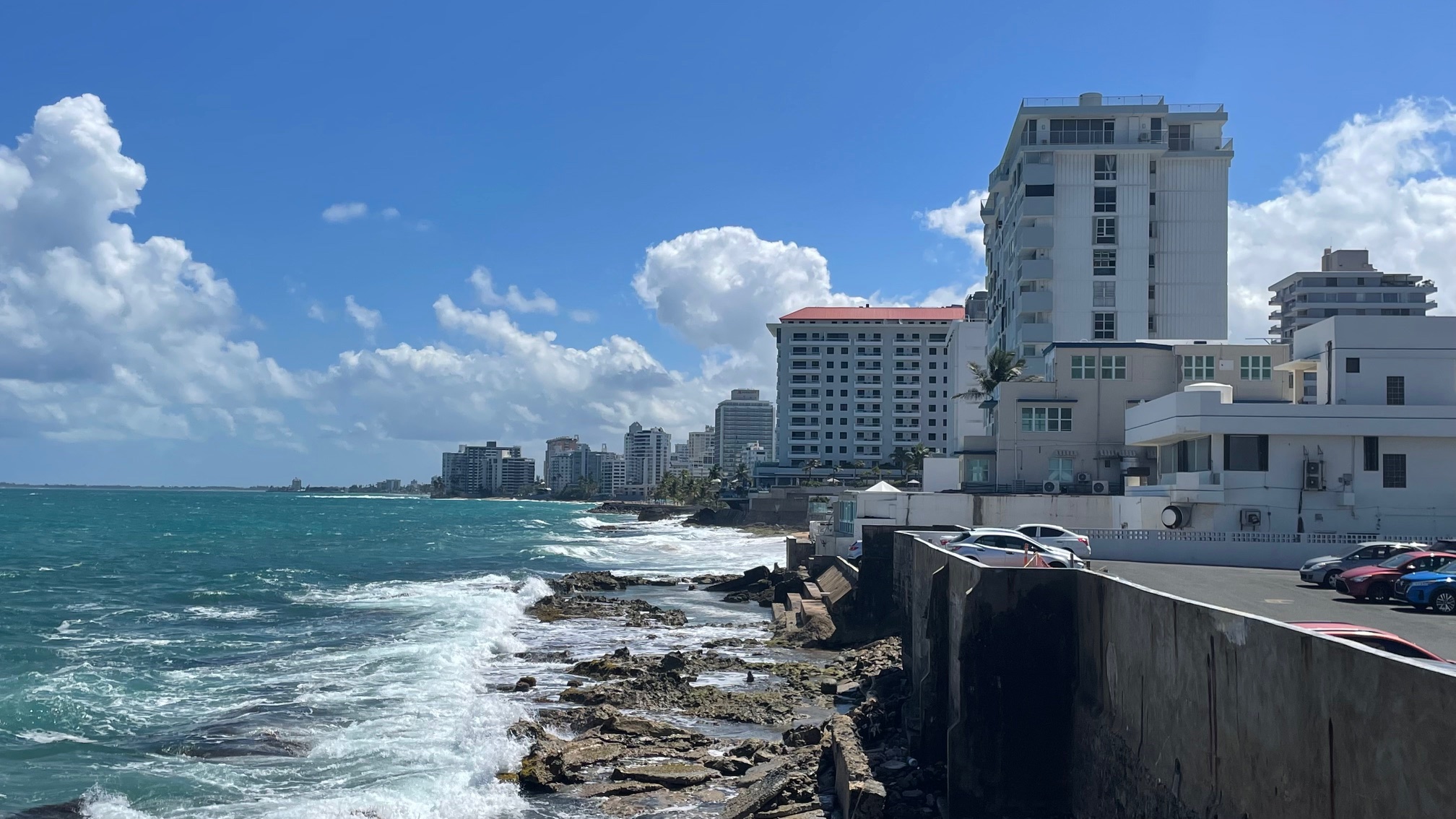
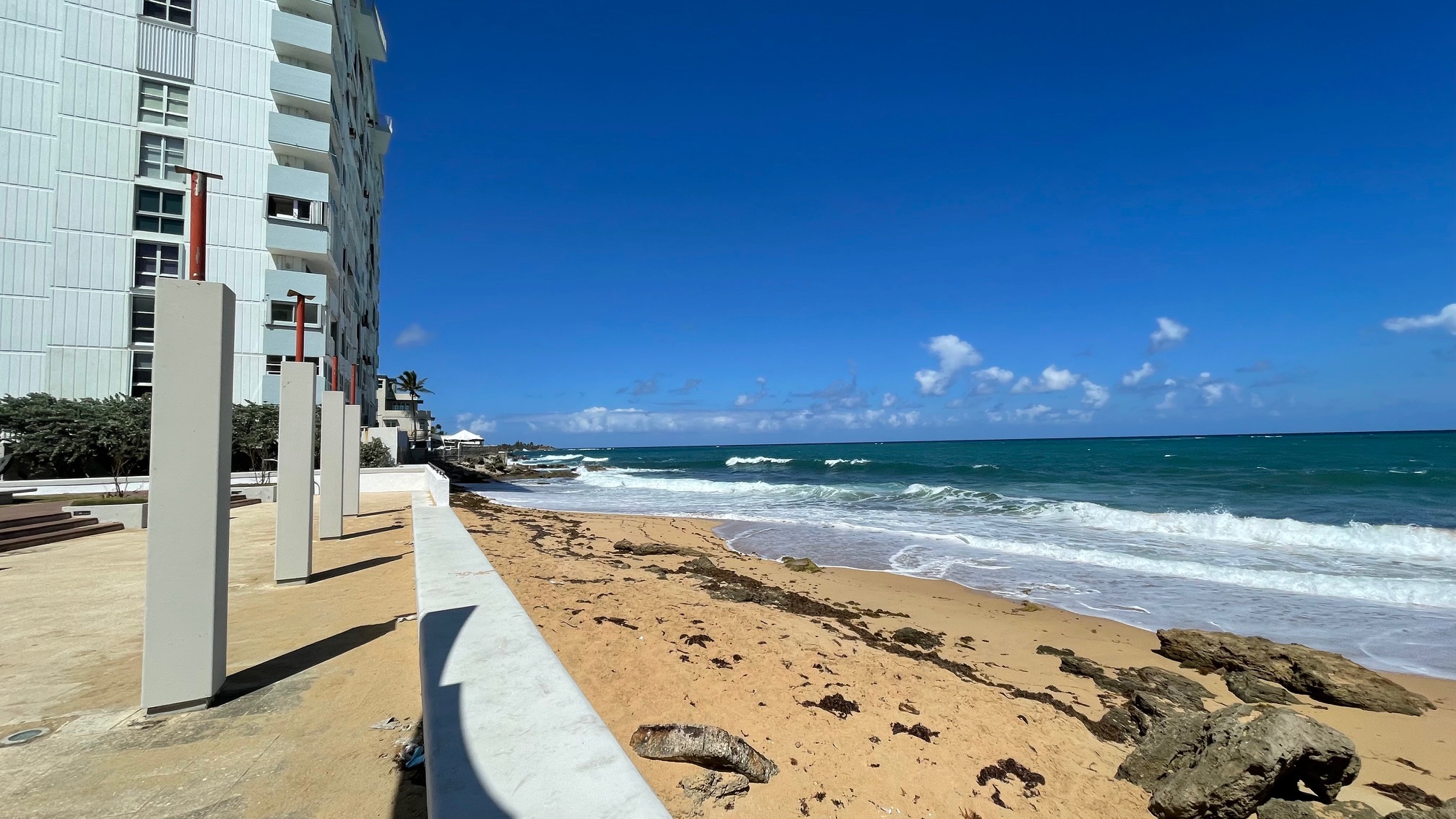
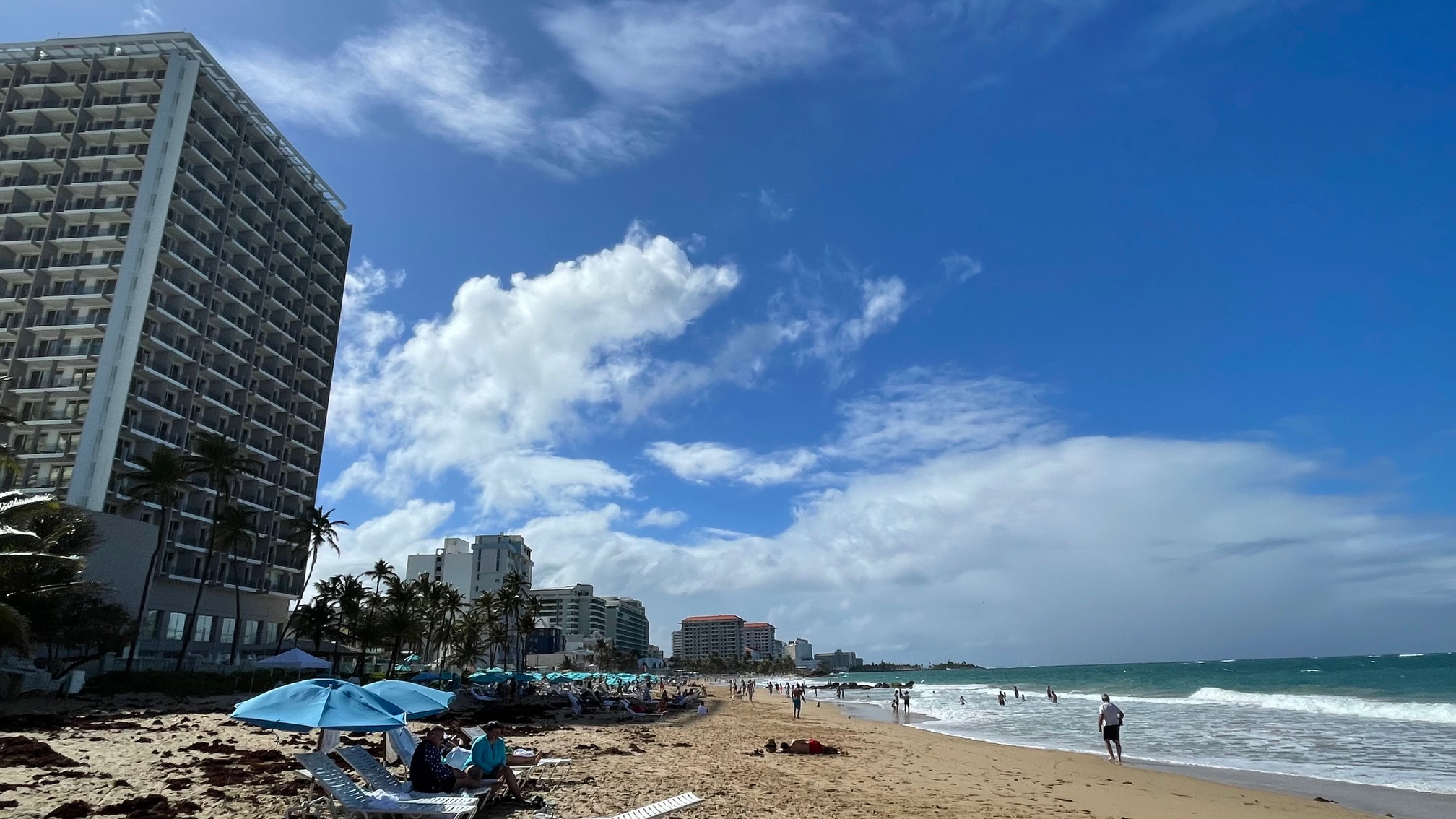
Condado Beach

Condado Beach

Camera: iPhone 12

Location: Condado Beach; San Juan, Puerto Rico

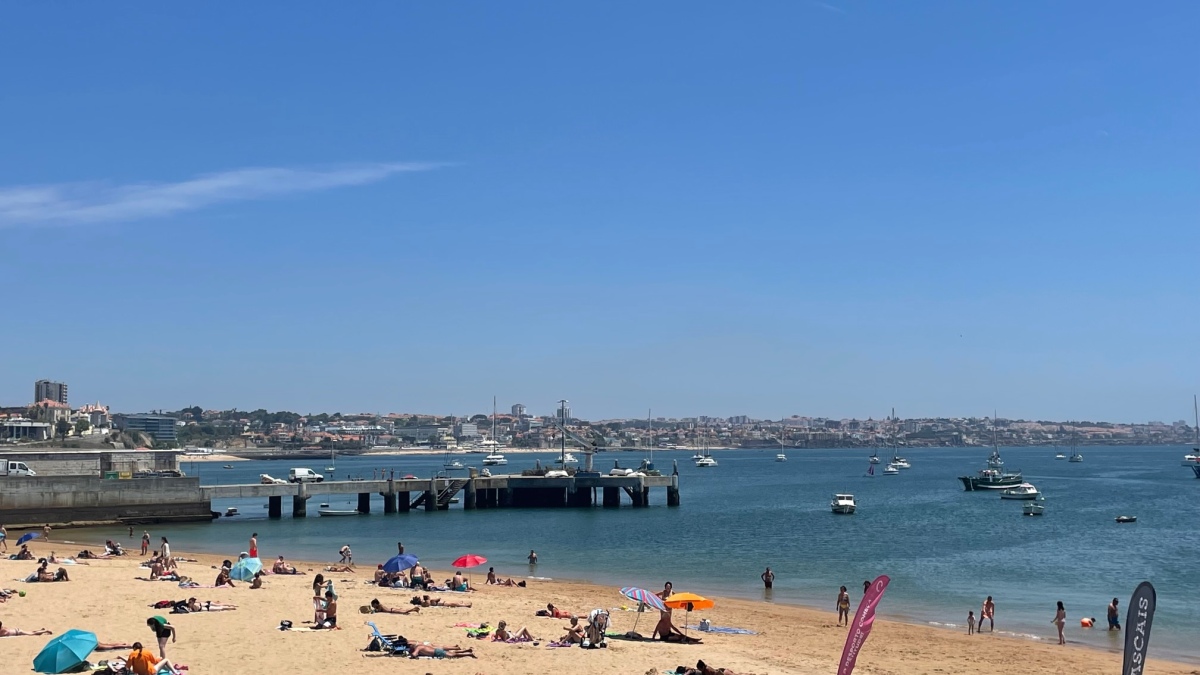
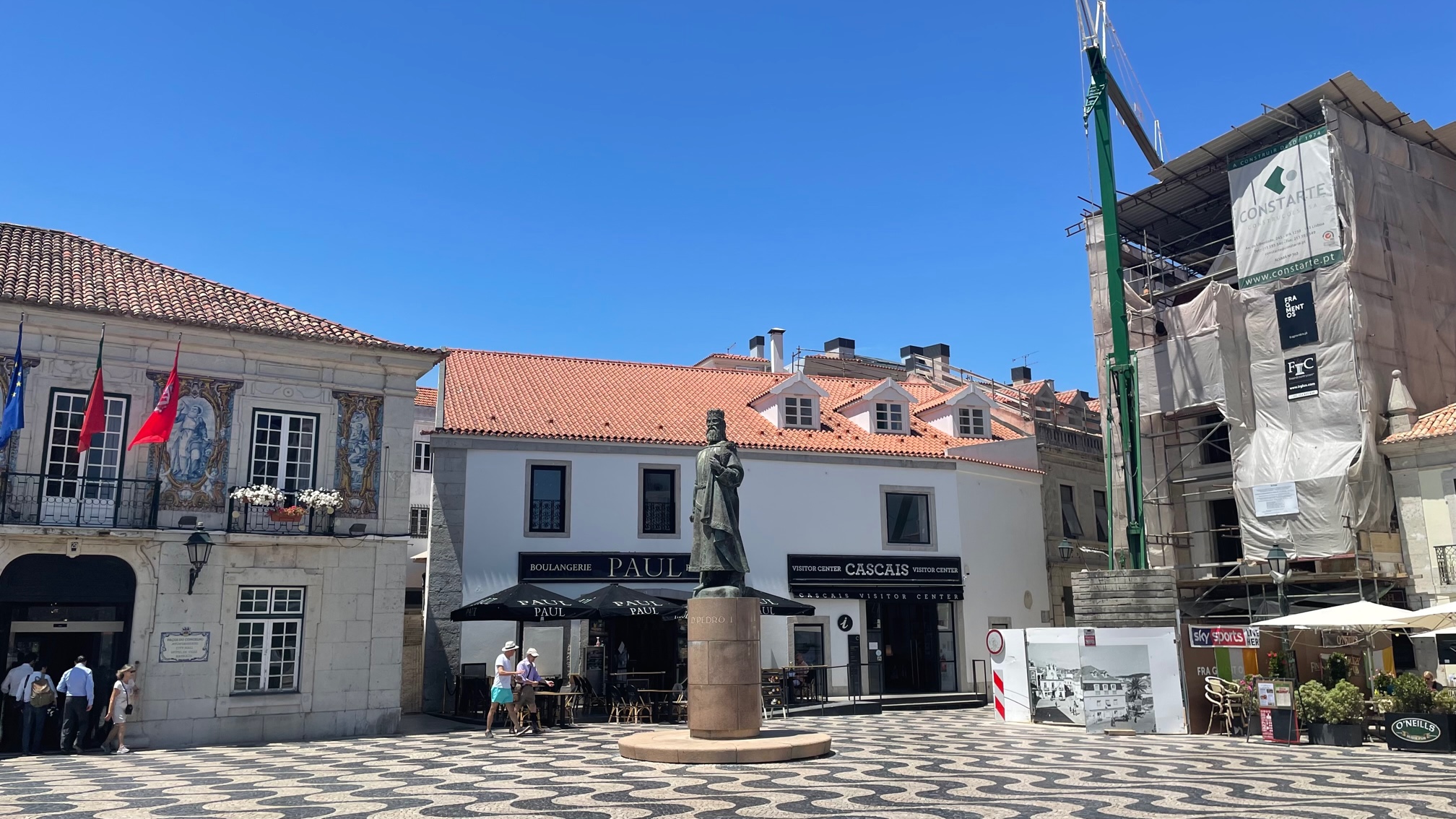
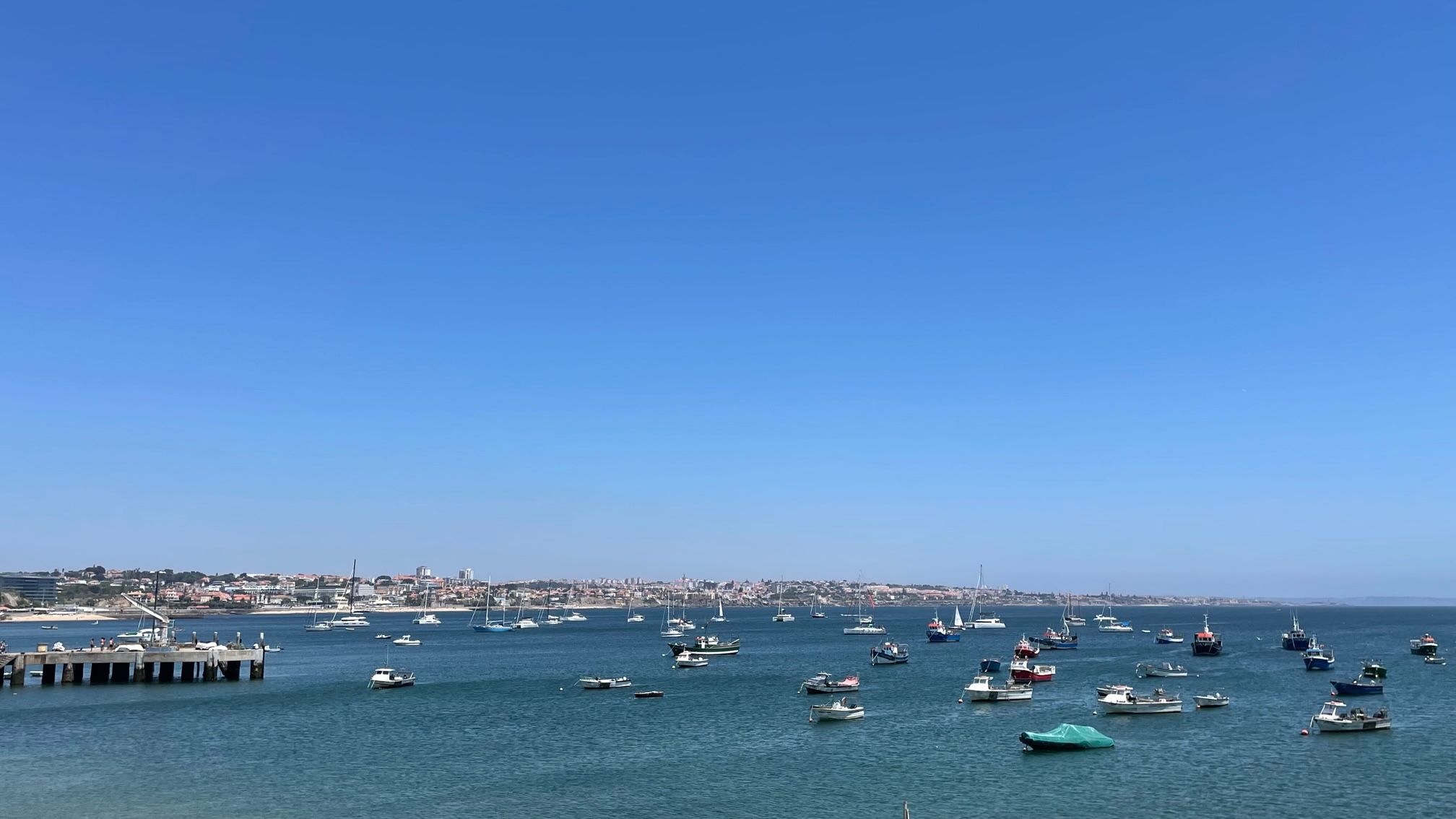
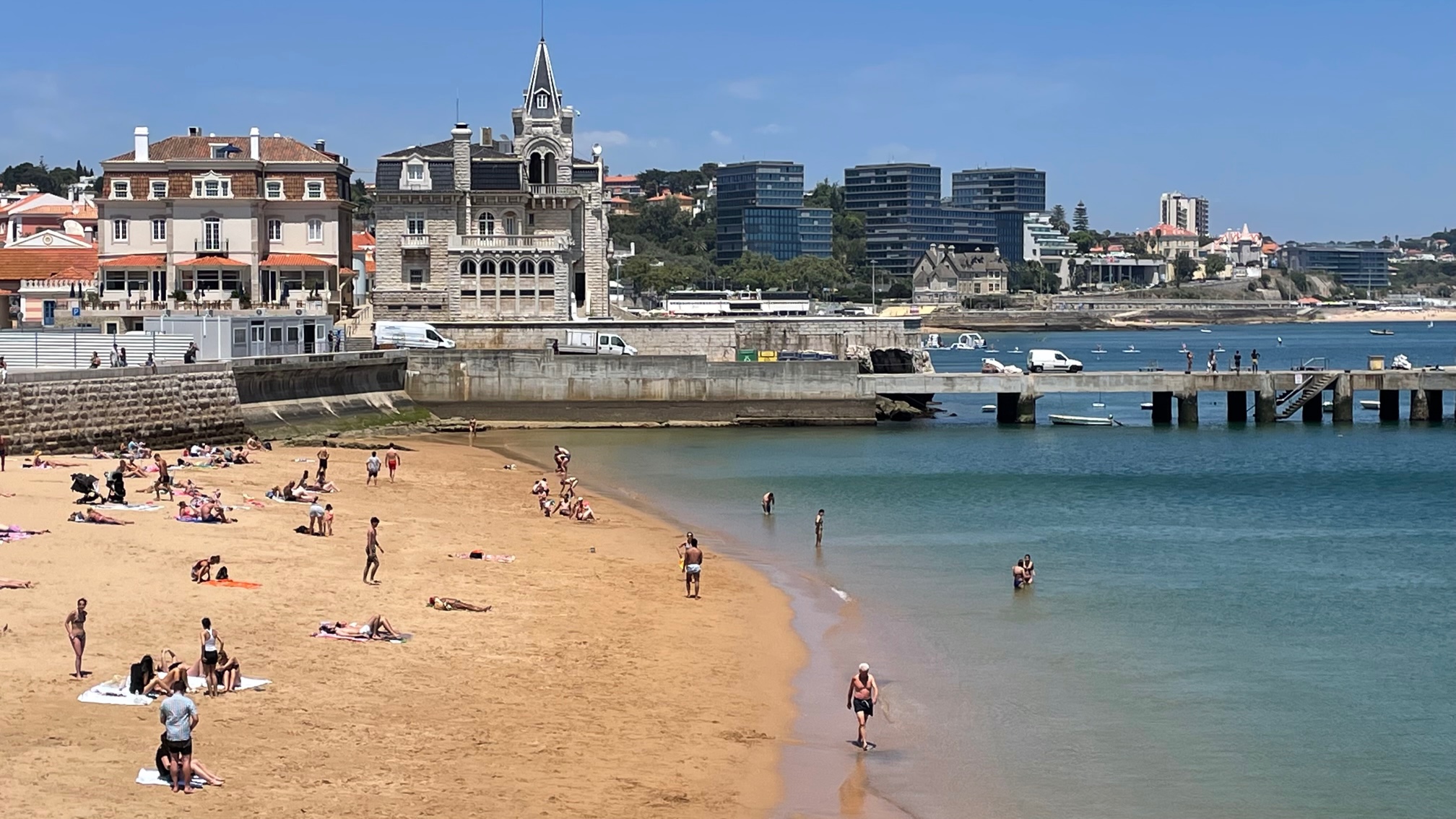
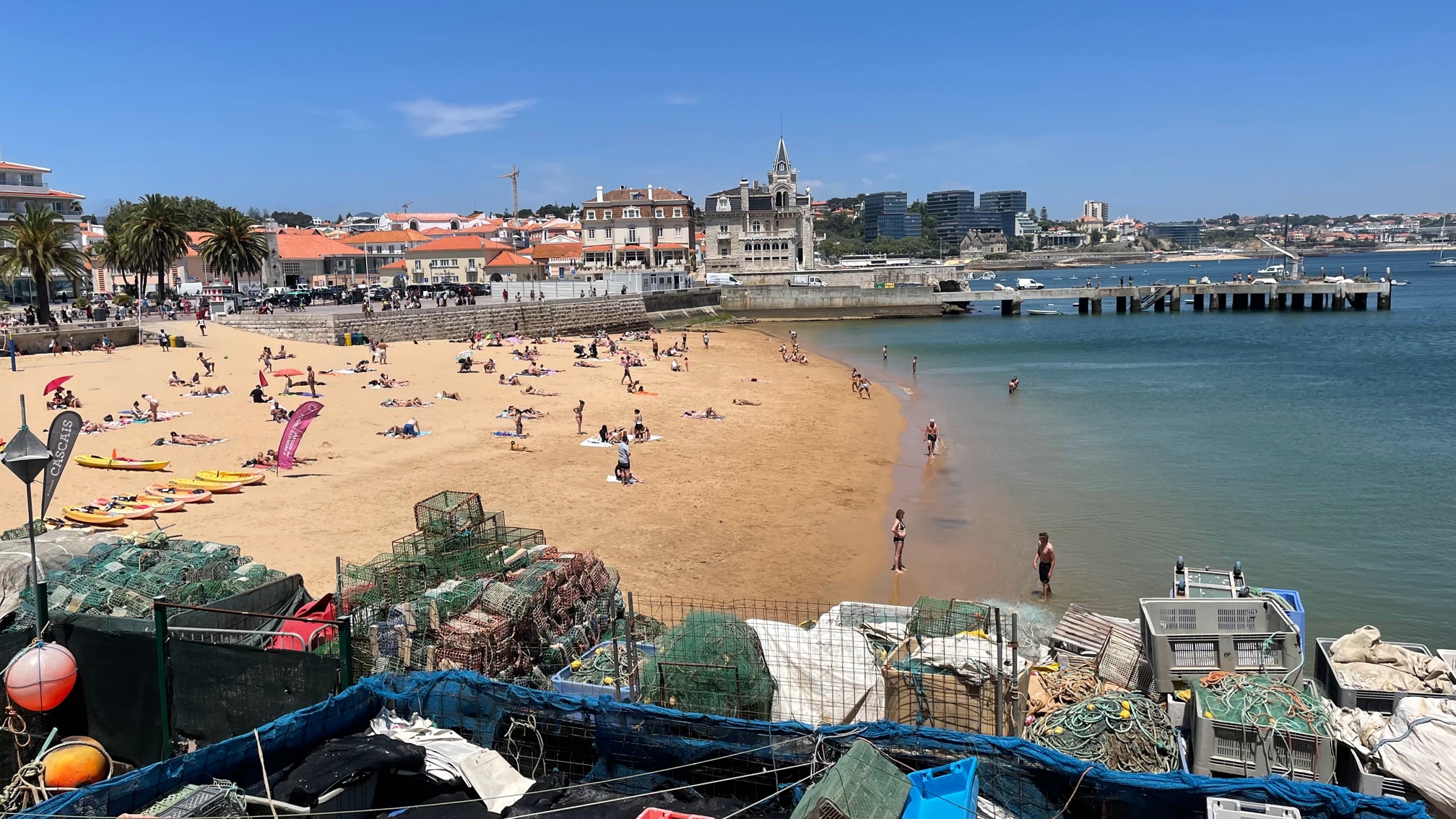
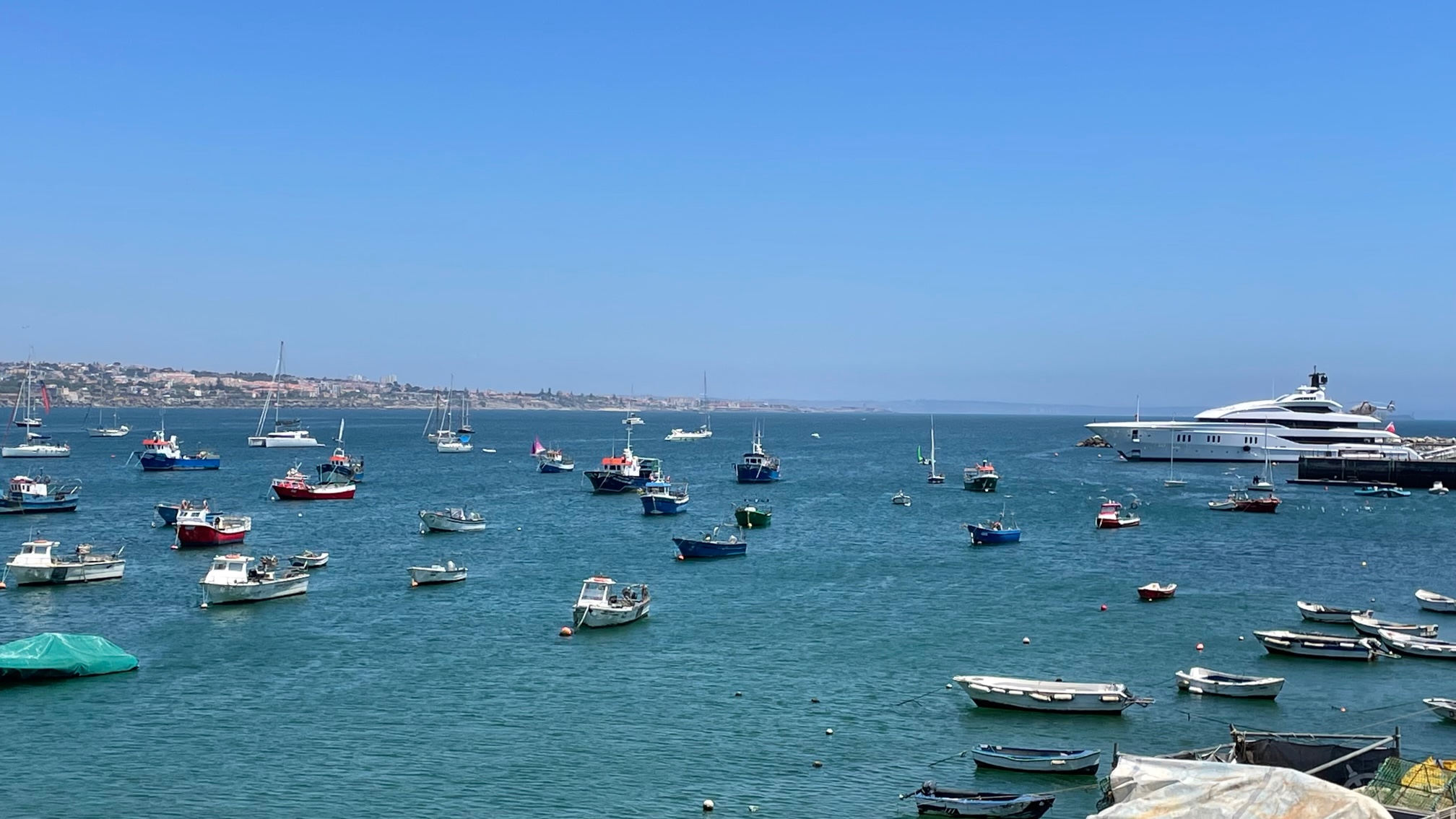
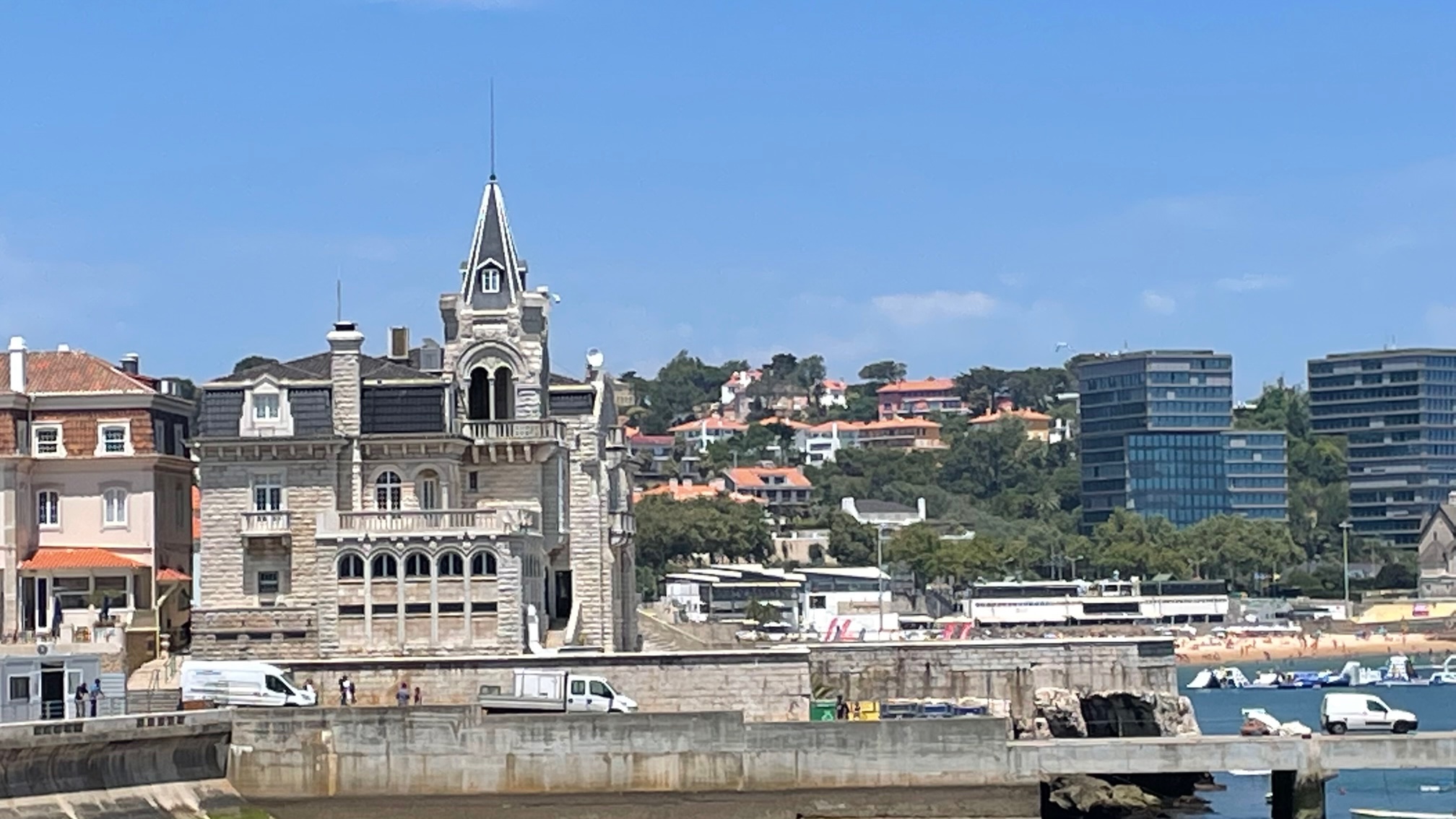
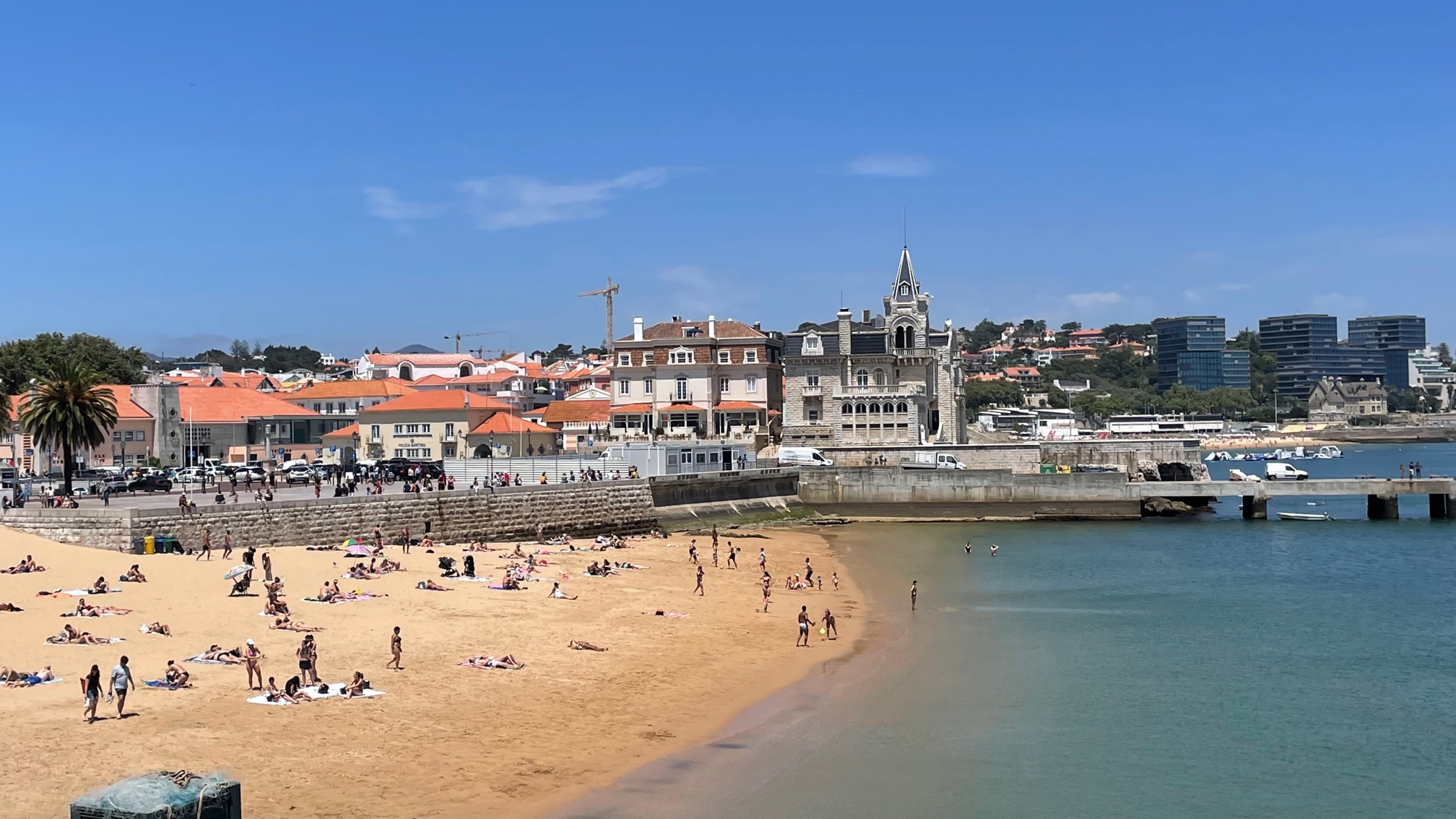
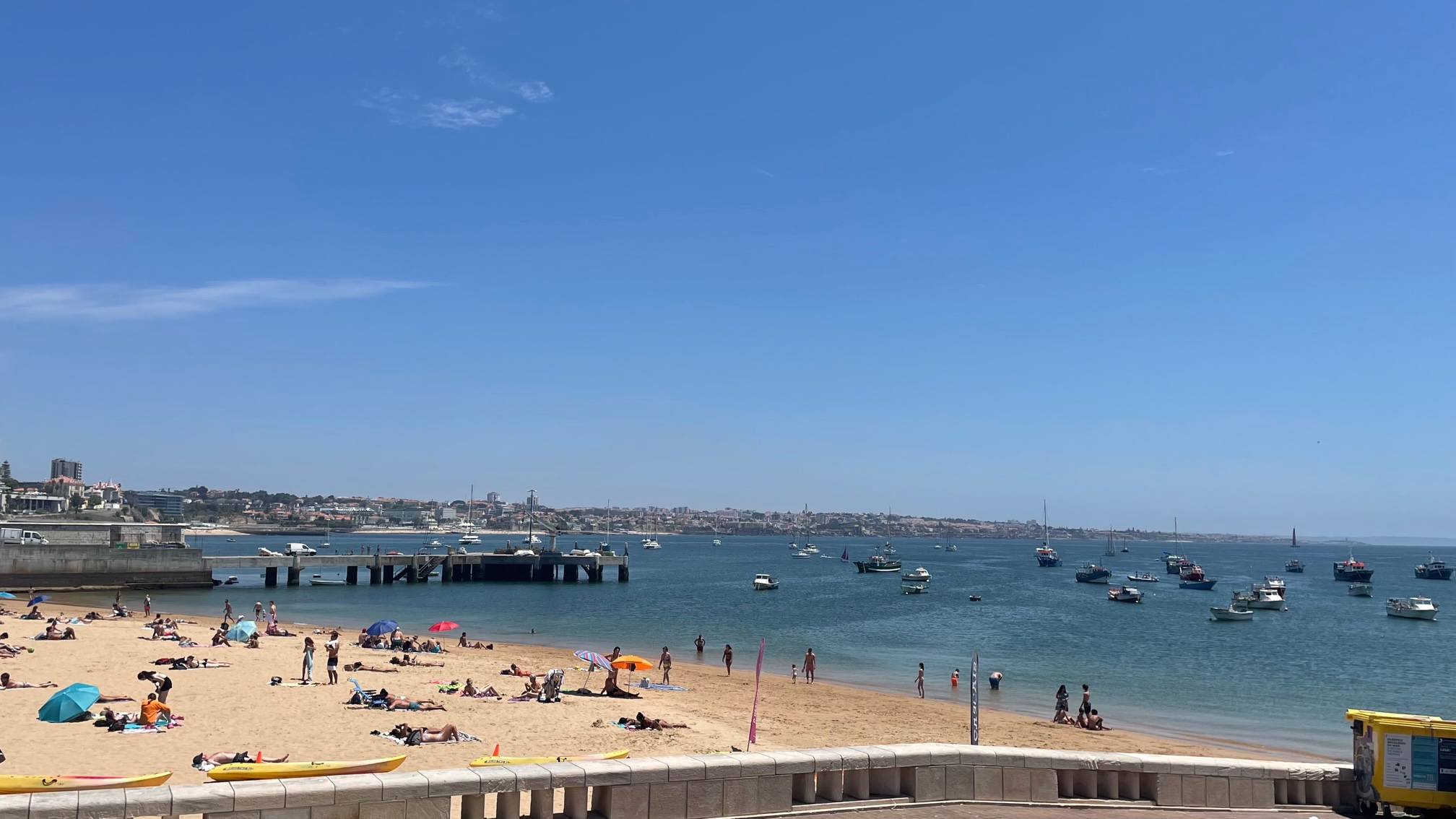
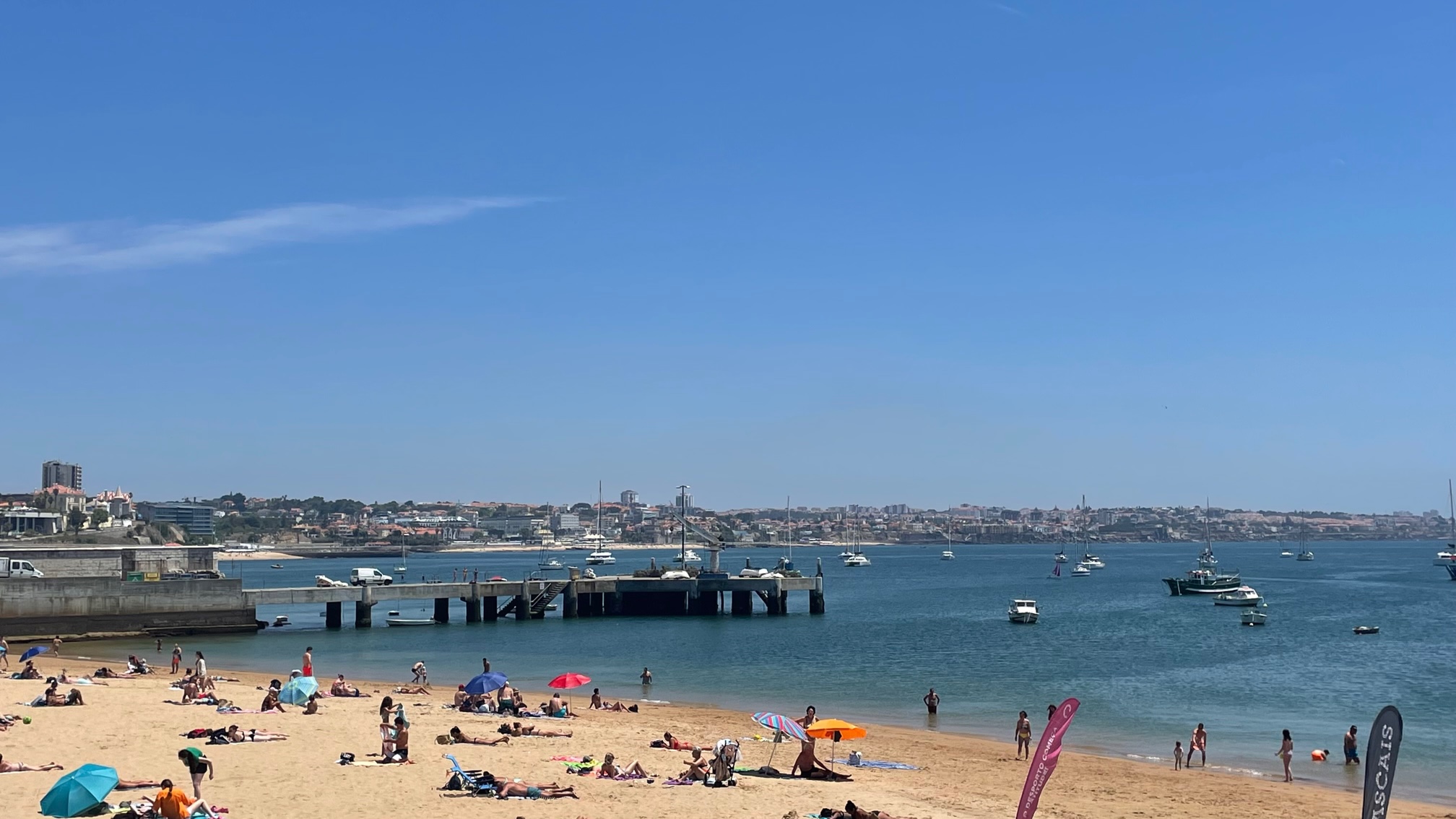
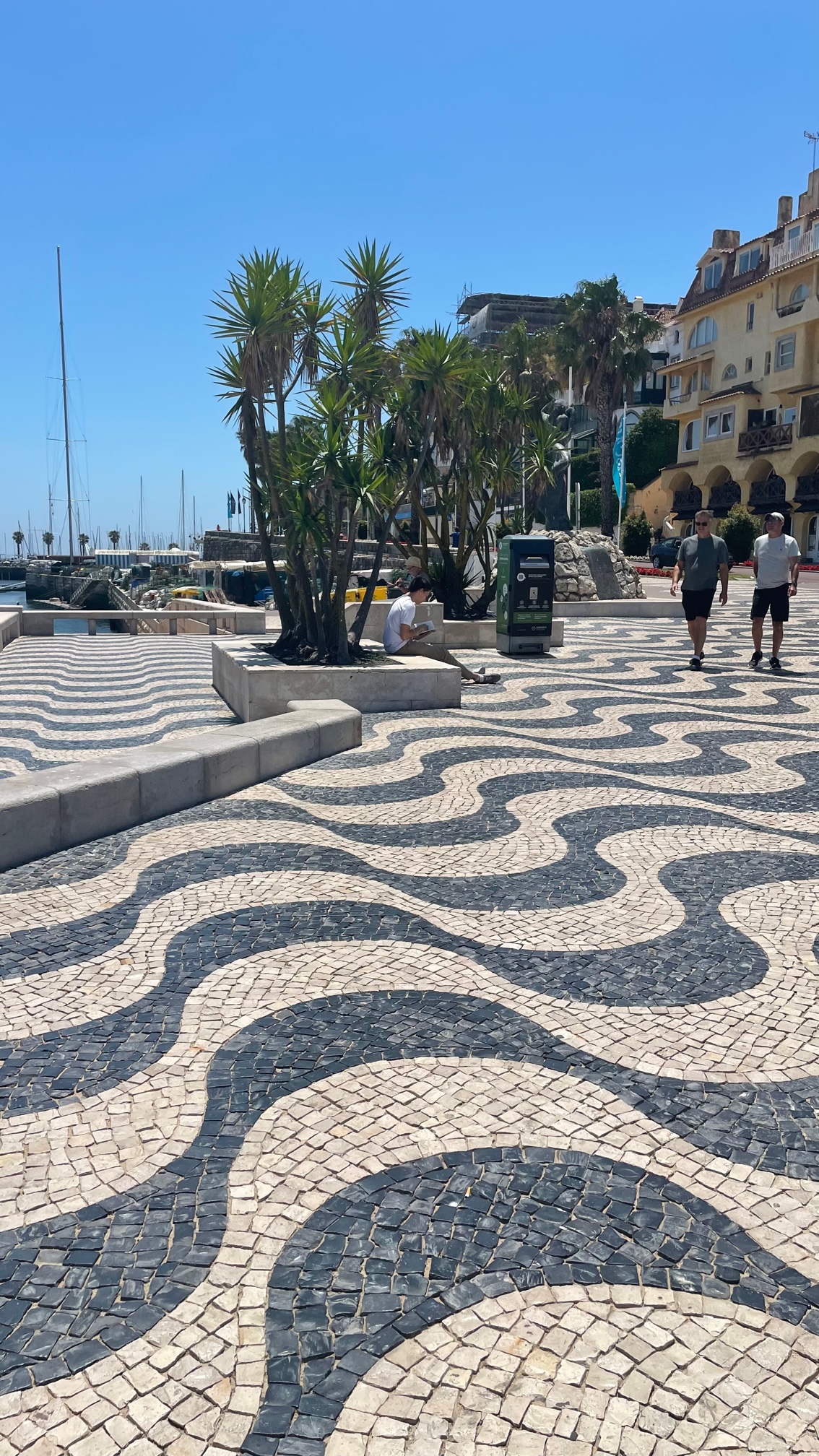
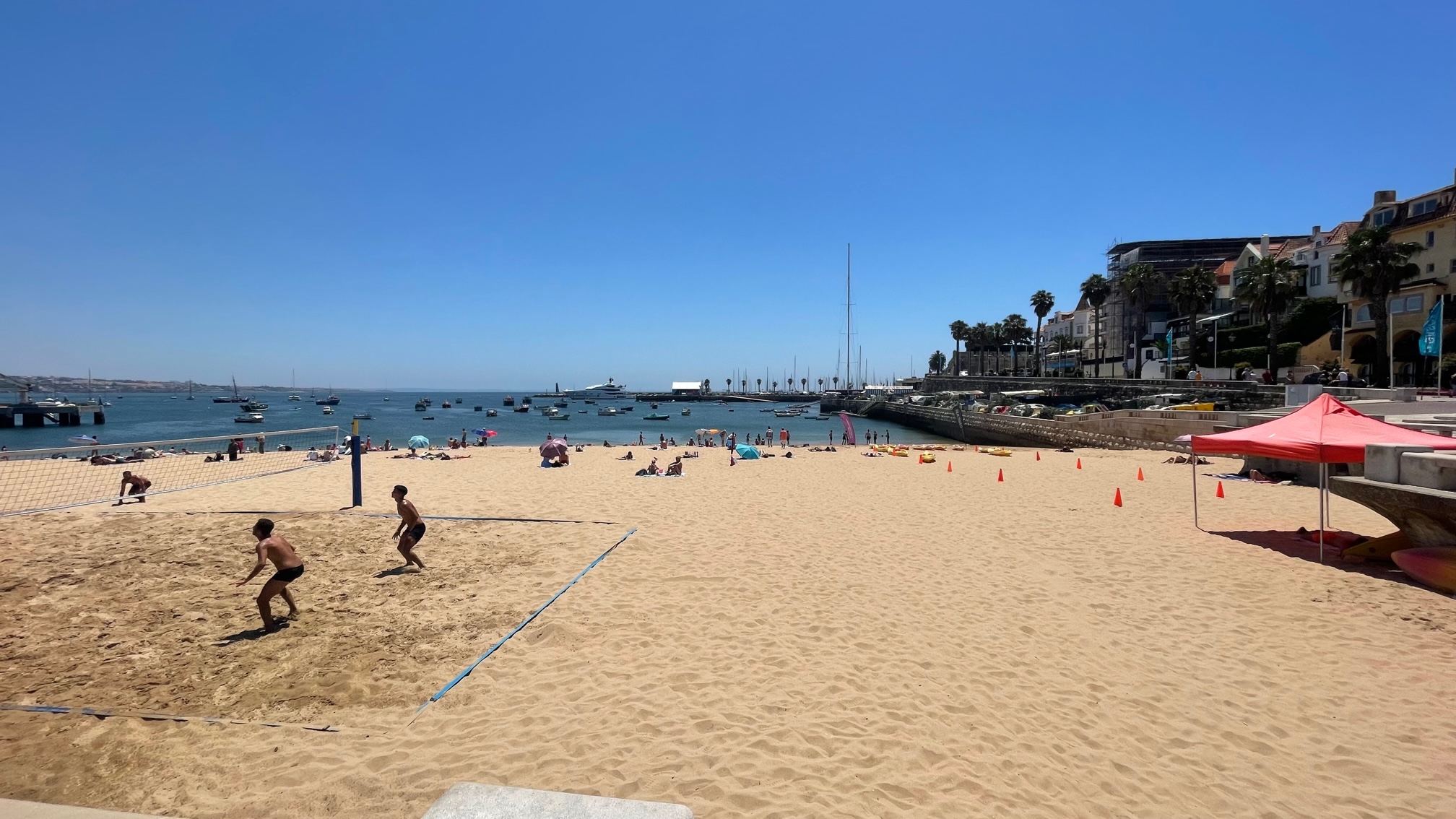
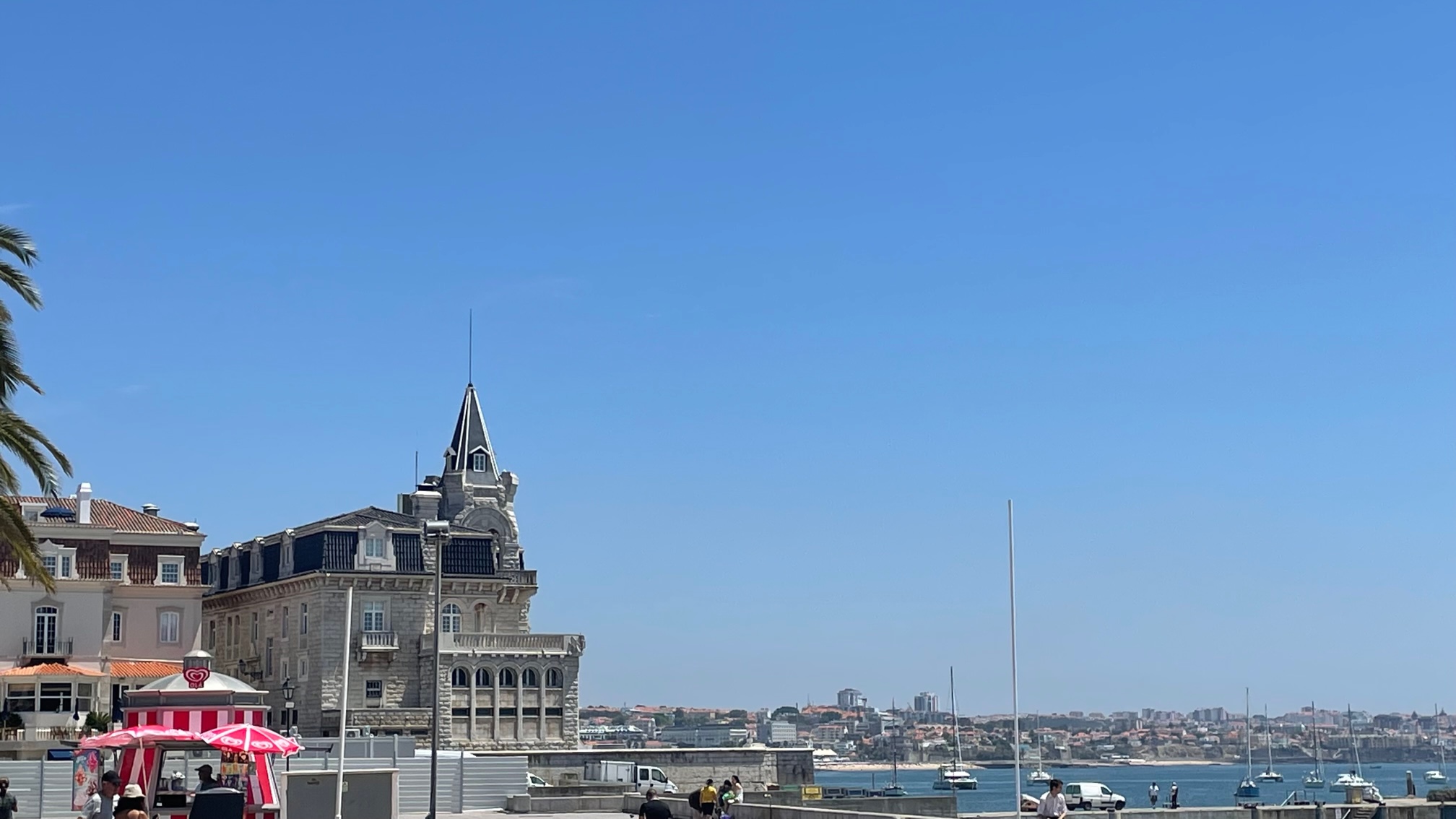
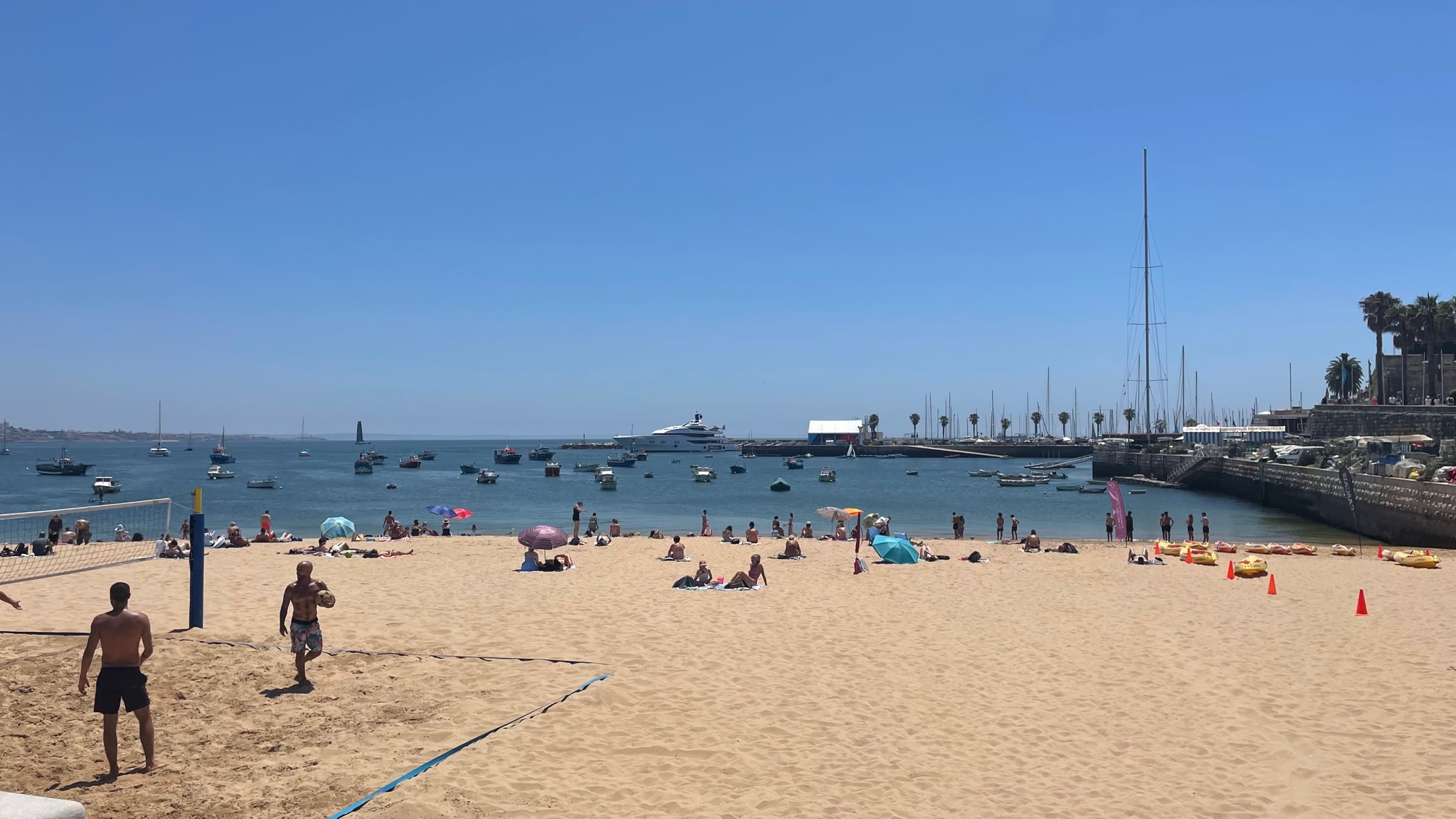
Cascais

Camera: iPhone 12

Location: Cascais, Portugal

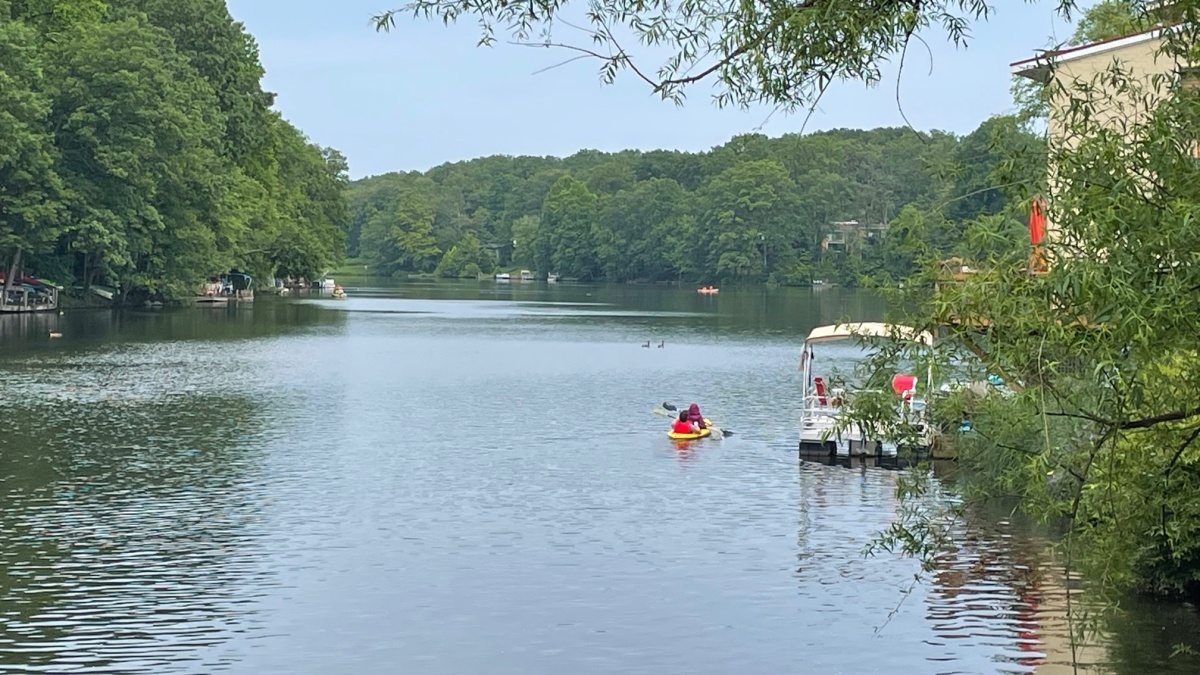
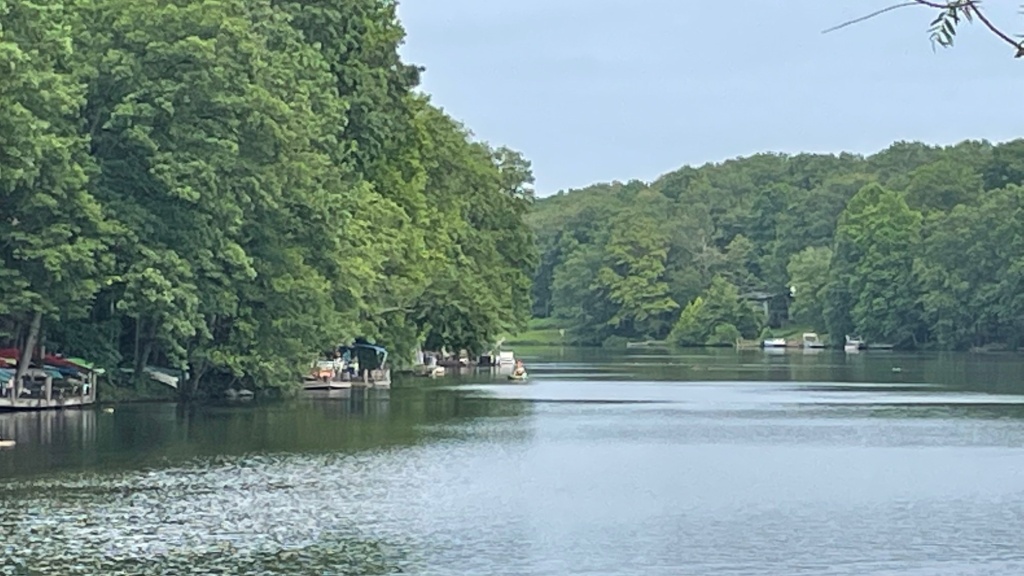
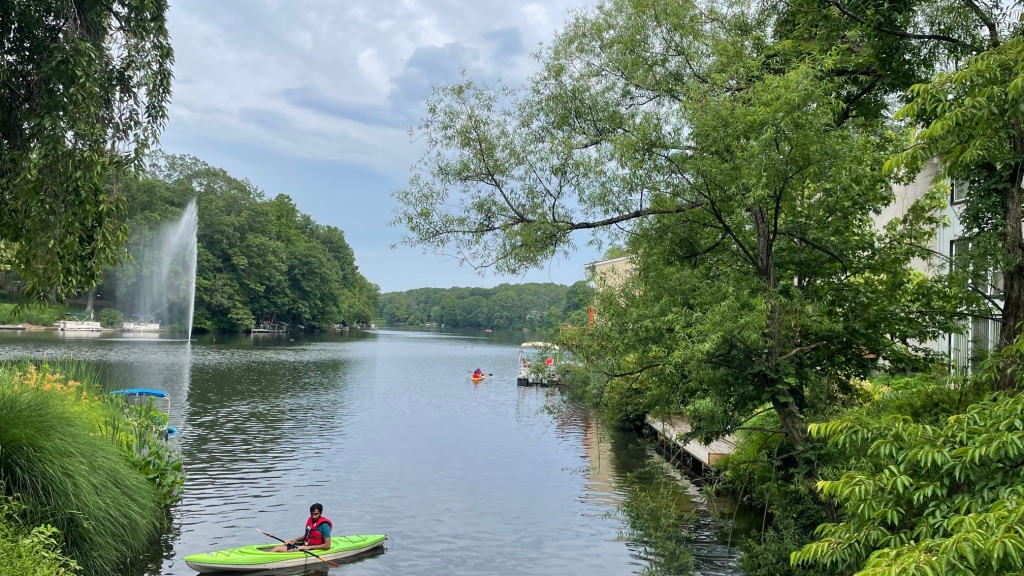
Lake Anne

Camera: iPhone 12

Location: Reston, Virginia, USA

Peace of the Ocean

“Some folks prefer the mountains, others prefer the river, but I prefer the ocean. As the saying goes, “The ocean has no memory.” It doesn’t care who we are or where we come from, it’s just glad that we are there.”

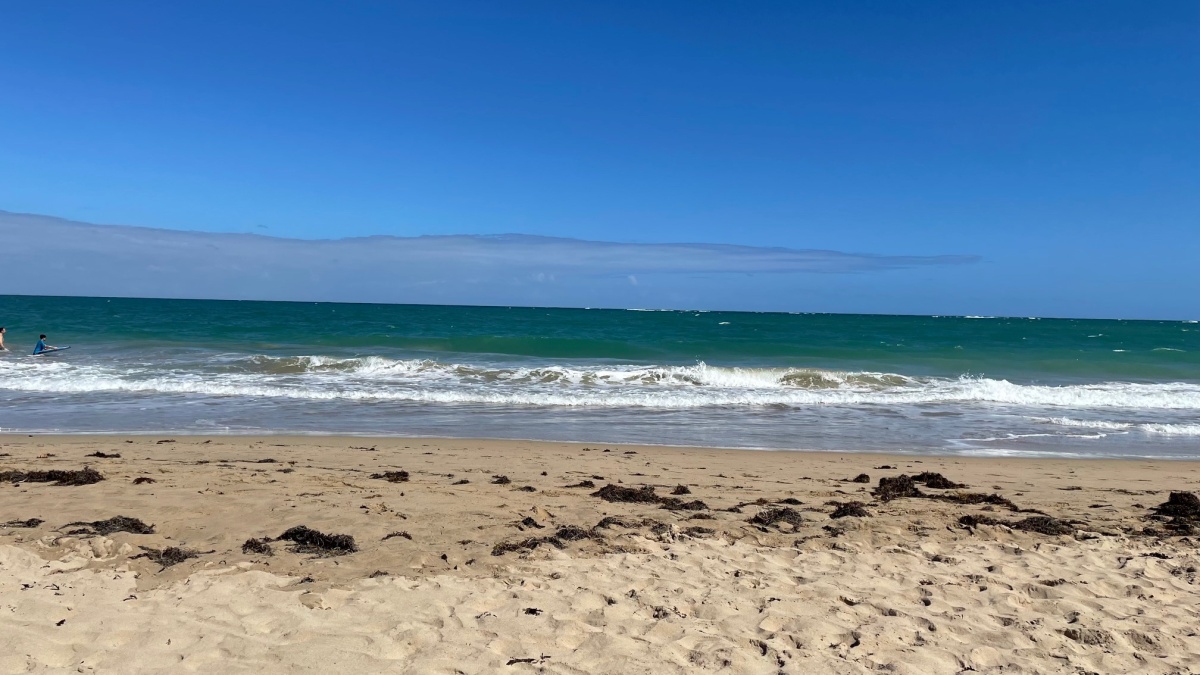
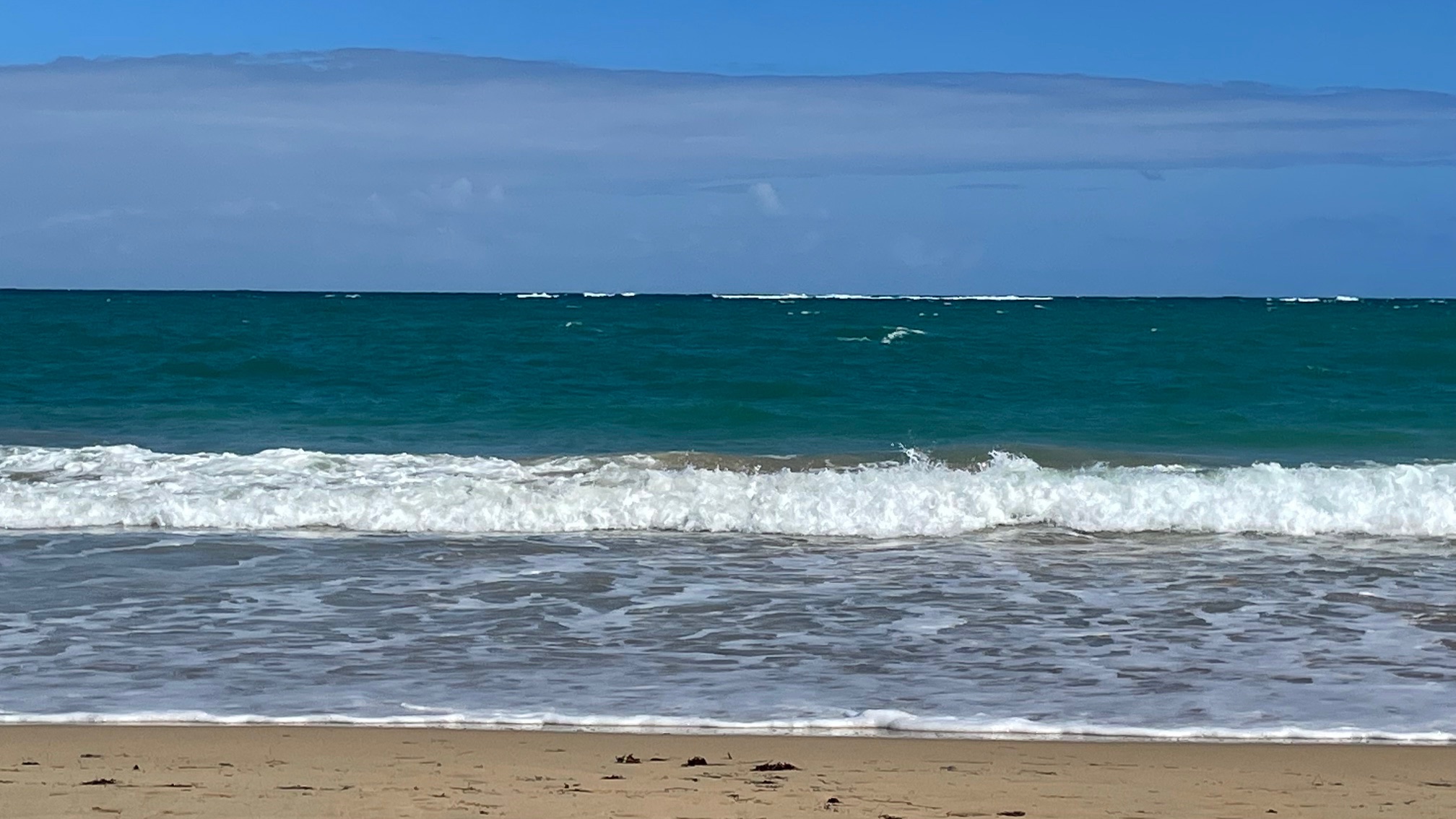
Witness the waves splashing down on the sand, hear the wind swirling throughout the beach, feel the coolness of the water lapping up against your feet, and experience the solitude that you gain from being by yourself at dusk or dawn with a full view of the brilliant ocean. These are just a few ways that the peace of the ocean can captivate us and keep us coming back for more tranquility. Some folks prefer the mountains, others prefer the river, but I prefer the ocean. As the saying goes, “The ocean has no memory.” It doesn’t care who we are or where we come from, it’s just glad that we are there.

In this increasingly fast-paced world based around complex technology that can be both addictive and time consuming, it’s truly peaceful to get away from it all if only for a short while by taking time to go to the ocean. You don’t even have to get in the ocean but by being near it, I believe it refreshes us, it calms us, and allows us to be left with our thoughts and our memories.

Some folks like to swim, some like to surf, others like to fish, while some enjoy lounging on the beach; in all, there are dozens of options on how to interact with the ocean allowing us to find our own peace by being in the ocean or nearby it. The beauty of the ocean is that every time is a little bit different for the person who goes there. The setting may be the same, but you’ve changed as a person and so do your thoughts, feelings, and desires upon coming to the ocean. You grow older, you change jobs, you move places, you bring new people with you, but the ocean and its bounty never truly changes.

How you interact with the ocean may change too and what you decide to get from it will also adapt but nothing that ever changes is that we all seek peace of our own from this beautiful locale. Regardless of the activity involved, the ocean recharges our batteries, lets us relax, keeps us honest, and allows us to leave our troubles behind for a little while. Because of its restorative powers, it is no wonder why millions of people live by the ocean and why billions around the planet seek to visit it year in and year out.

The ocean is such a powerful part of human nature that we bury our dead there at times, that we memorialize people who made a living from it, and that we honor those who preserved peace when wars were fought over access to it. Humanity is always linked to the ocean and if we do not protect and preserve the ocean, a part of our humanity would be lost in the process. The ocean is a living and breathing thing providing us with the oxygen, nutrients, and food that we need to survive each day.

In return for the calm, tranquility, and overall peace that it brings us, we must do our part to keep it clean, keep its inhabitants from becoming endangered, and making sure that it is around for future generations. When we can no longer fish the waters, swim in the waves, or relax ourselves at pristine beaches, we will lose a piece of ourselves, and we will lose our own inner peace that the ocean cultivates in those of us who go there to rejuvenate and restore ourselves each time.

The ocean gives us peace of mind, peace of body, and peace of spirit. It’s only fair that we strive to give back as best as we can by taking care of it and letting it be enjoyed far into the future. Acidification, pollution, loss of natural habits and pockets of floating trash threaten not only the ocean but the rest of the planet too. We will not be able to have as much as peace if the ocean is dying. When we can no longer fish the waters responsibly, swim in clean waves, or go boating with clean energy, we will suffer a true lack of peace. Our minds and our bodies won’t be at ease if the ocean is not at ease.

The climate change crisis is not just about preserving the planet, but it is also about preserving our own mental peace of mind. The ocean allows us to feel better about ourselves, improve our social relationships, and spend quality time away from work or other commitments. If we lose the chance to enjoy the ocean, that lack of peace will hurt us as human beings. If we can no longer enjoy one of our best natural environments, we will lose a great way to relax, rejuvenate, and recharge ourselves to deal with life’s challenges and opportunities. I hope we can do better in the future to keep the ocean beautiful, clean, and vibrant because I enjoy the peace that it brings me in return.

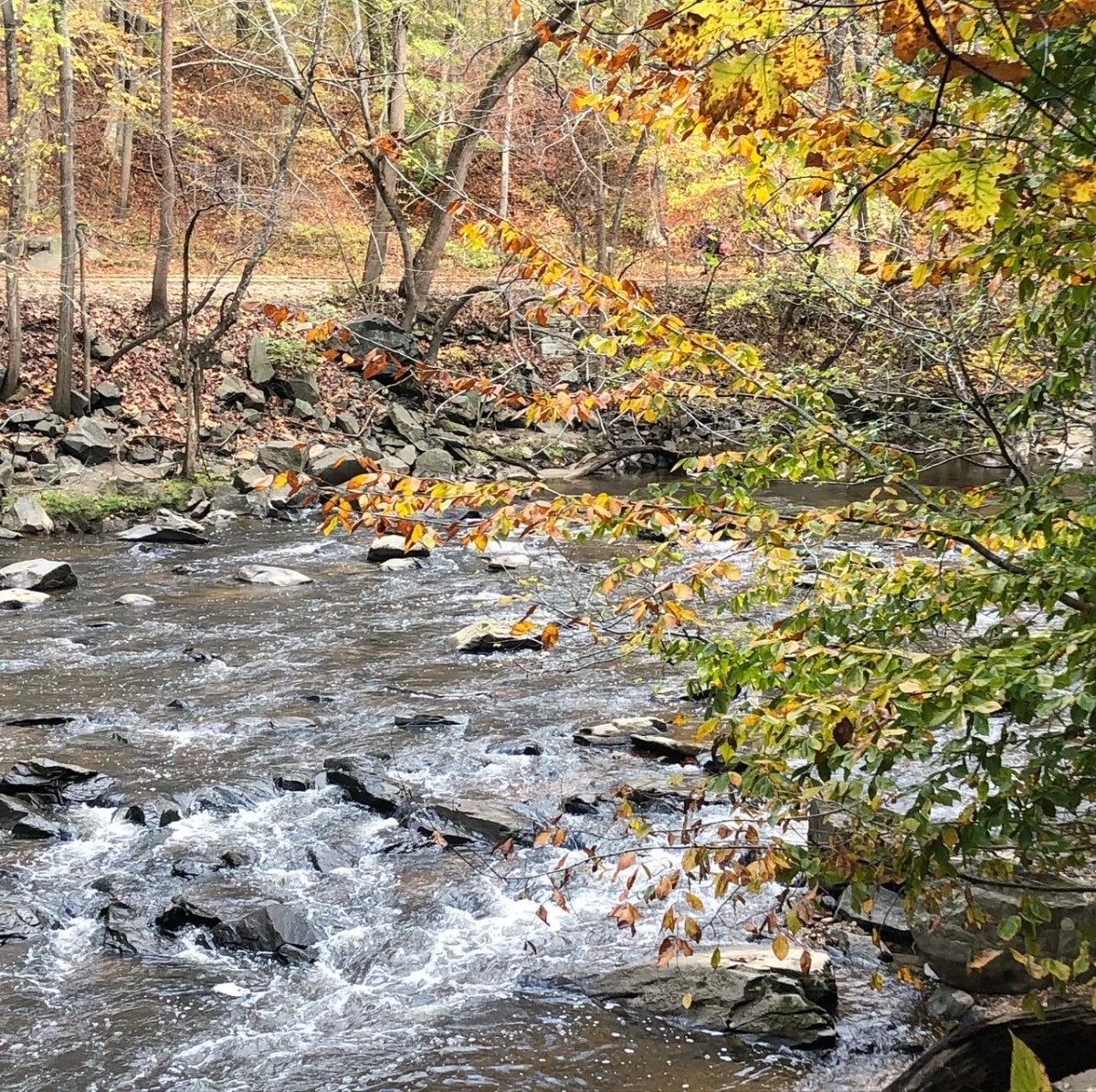
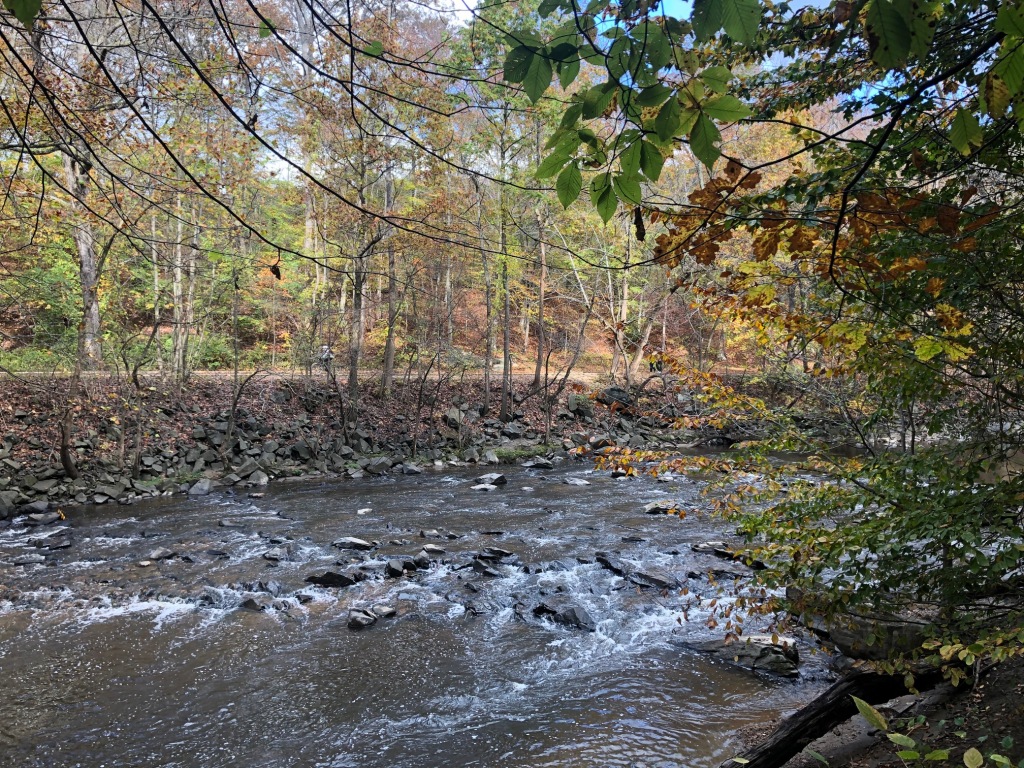
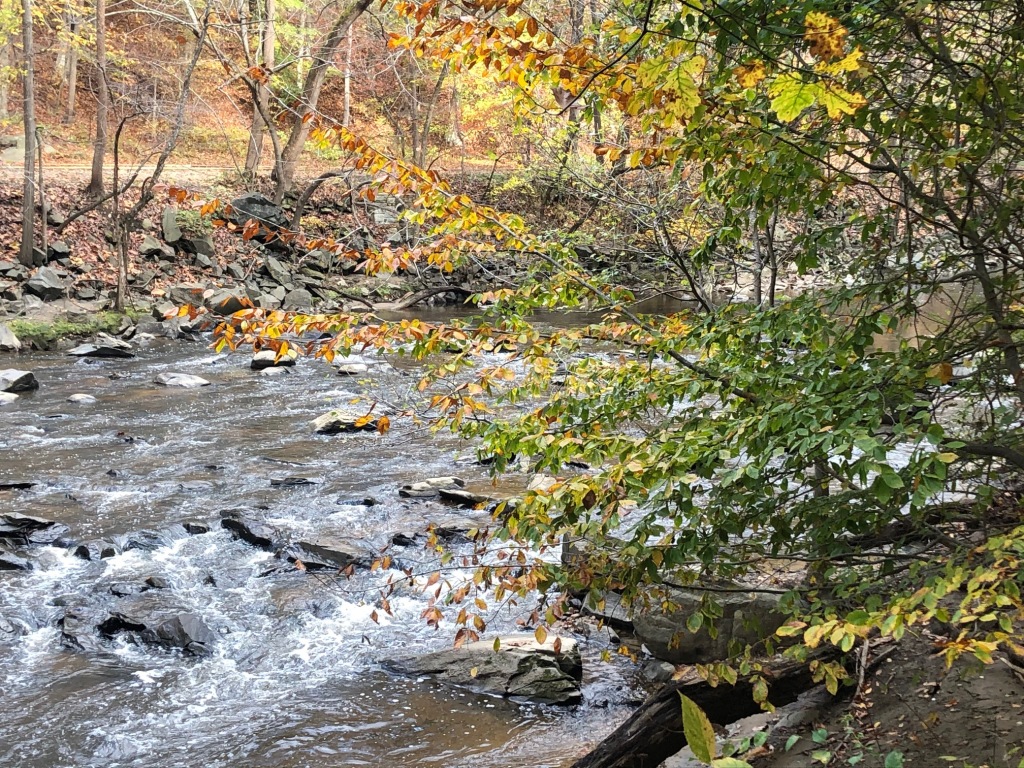
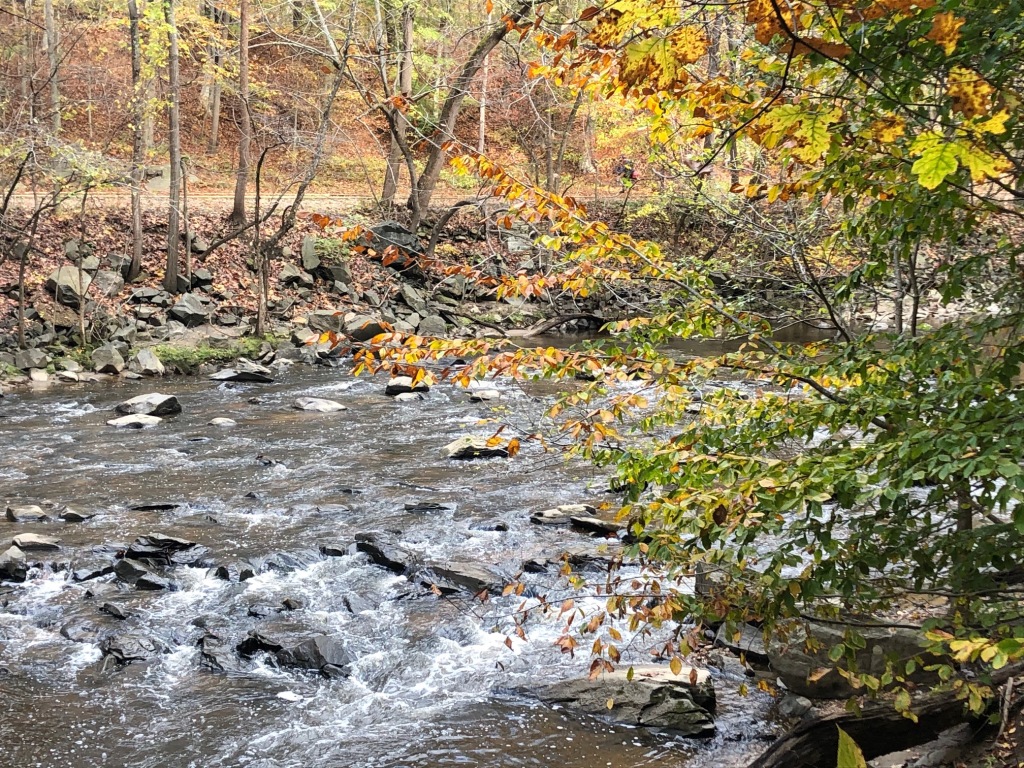
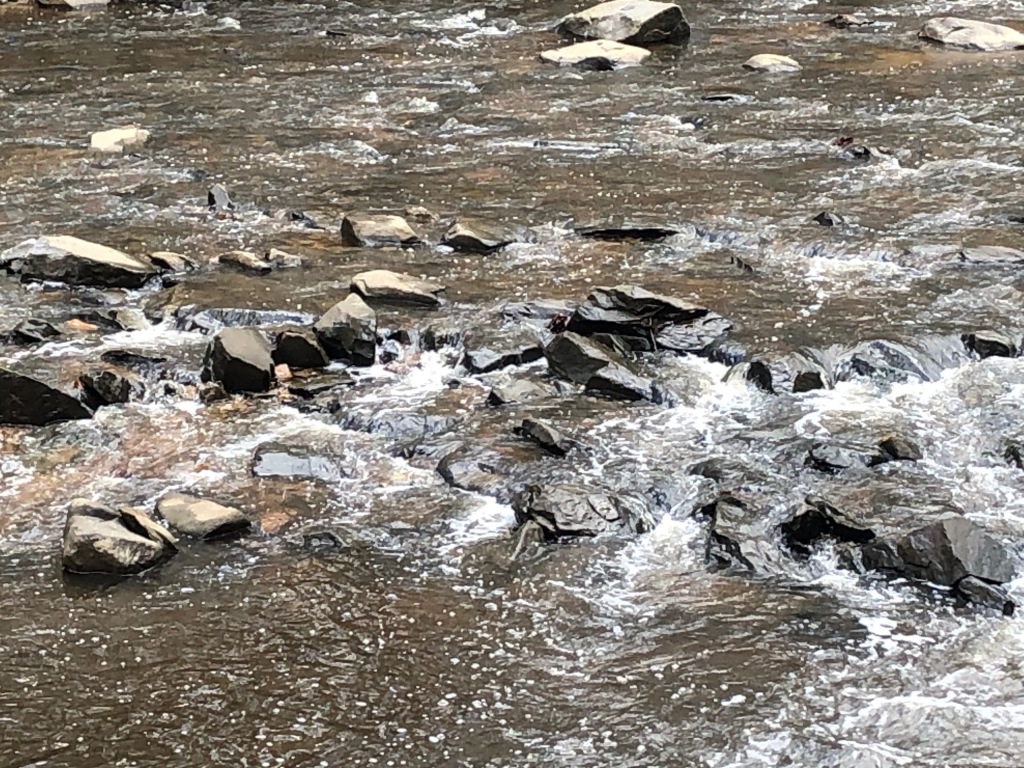
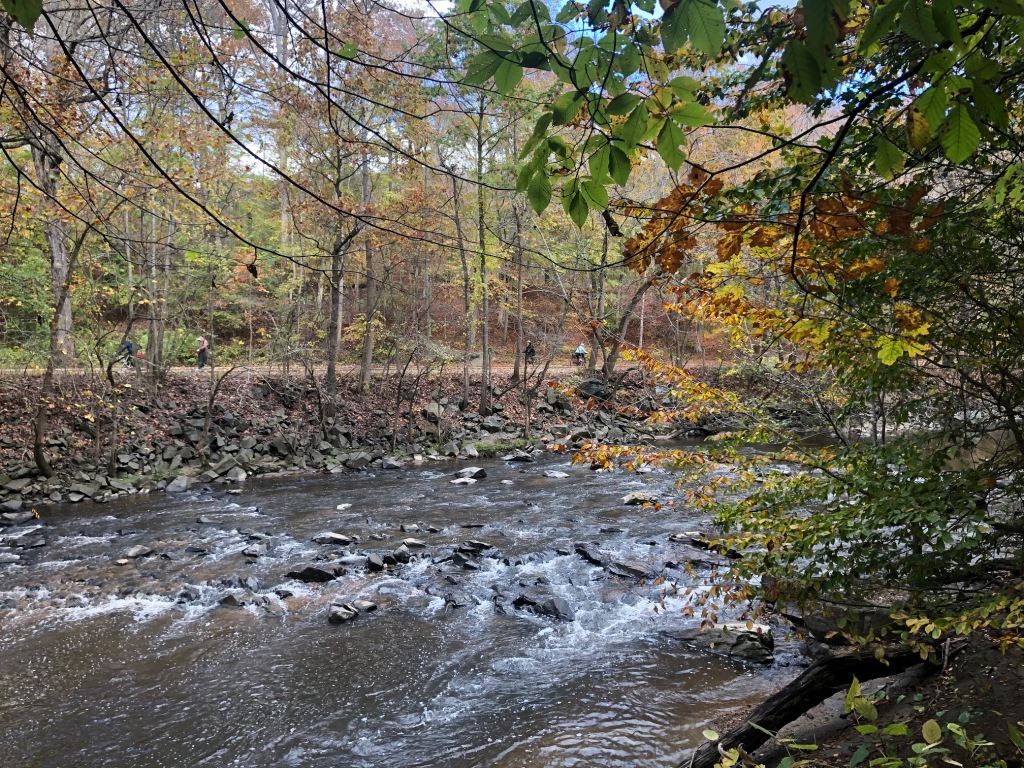
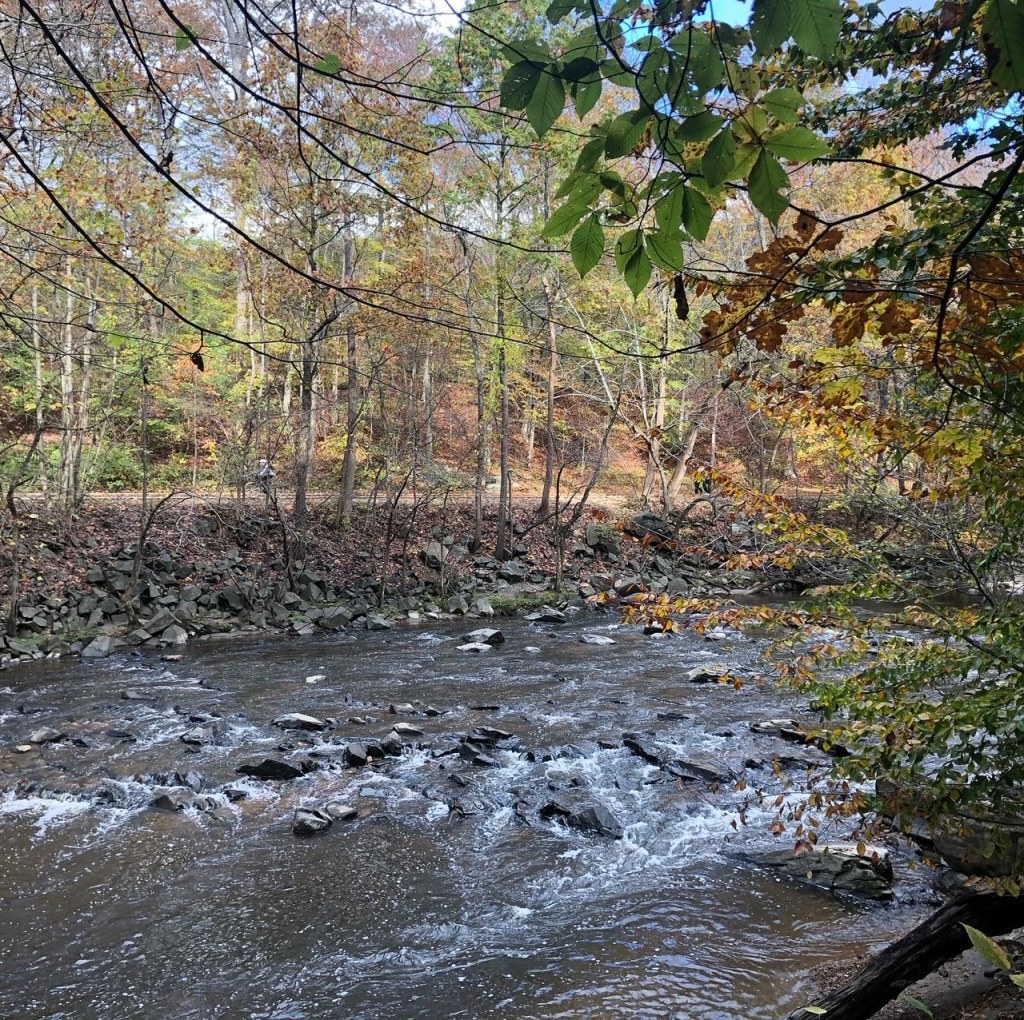
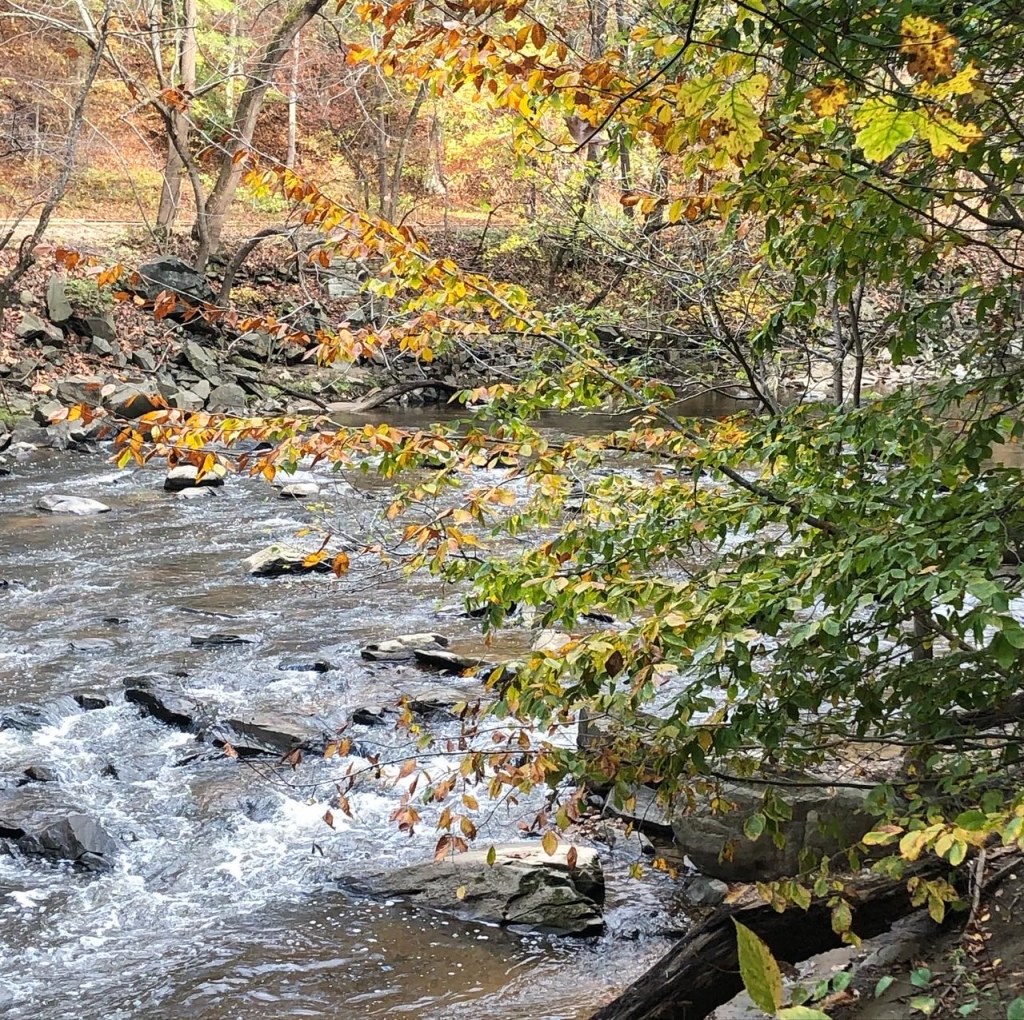
Fall Foliage at Rock Creek

Camera: iPhone 8

Location: Rock Creek Park; Washington, District of Columbia, United States