

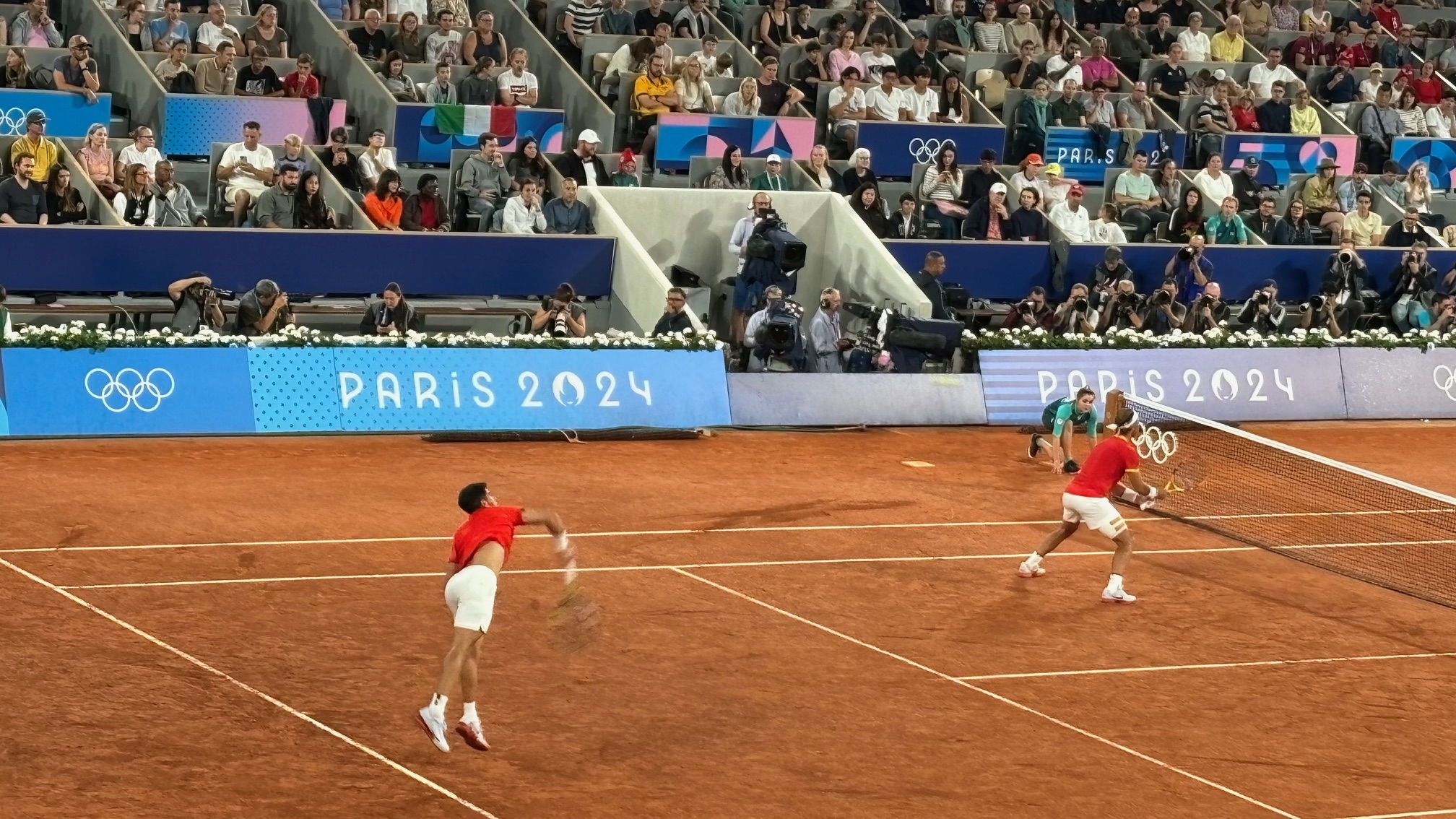
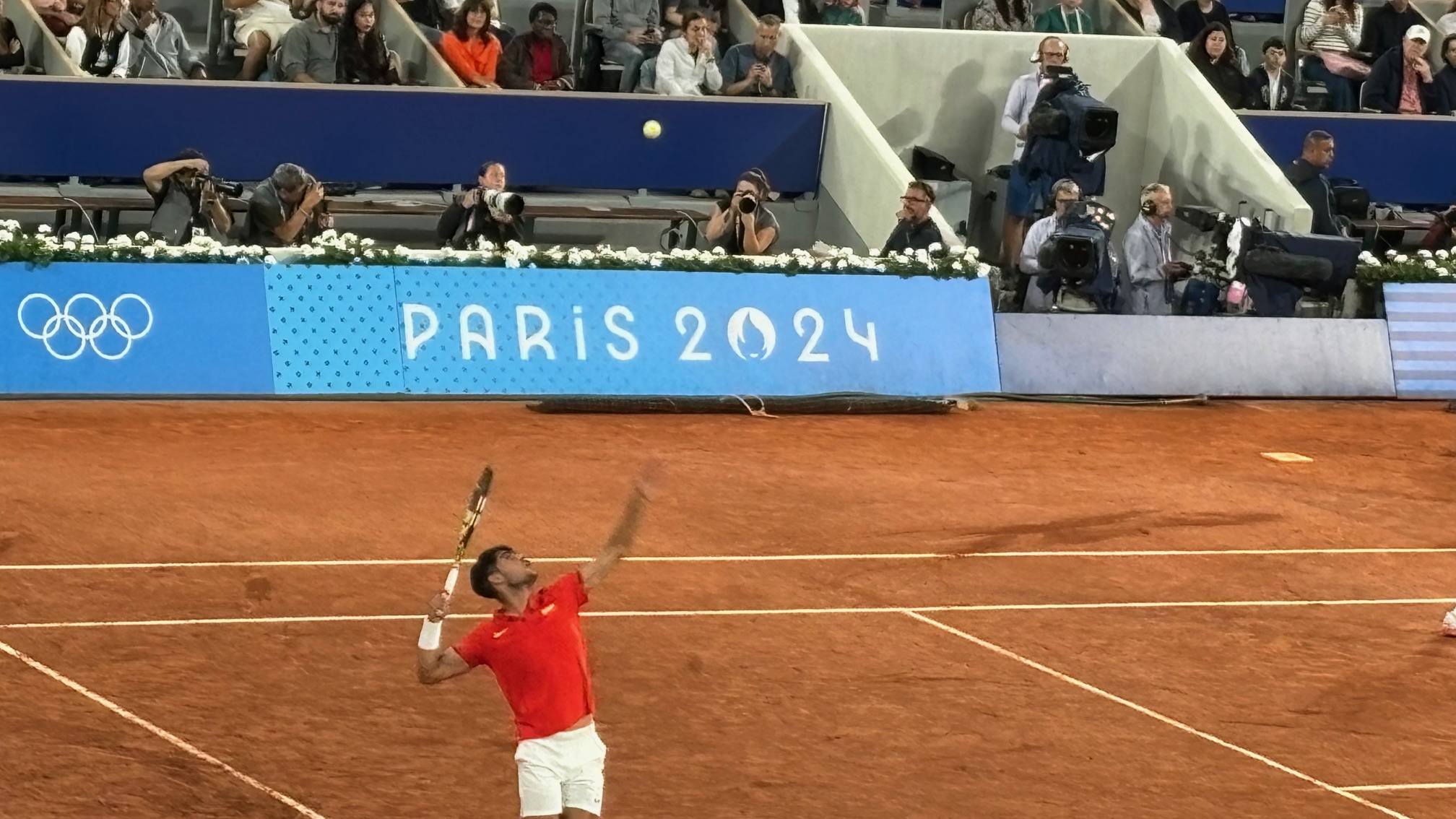
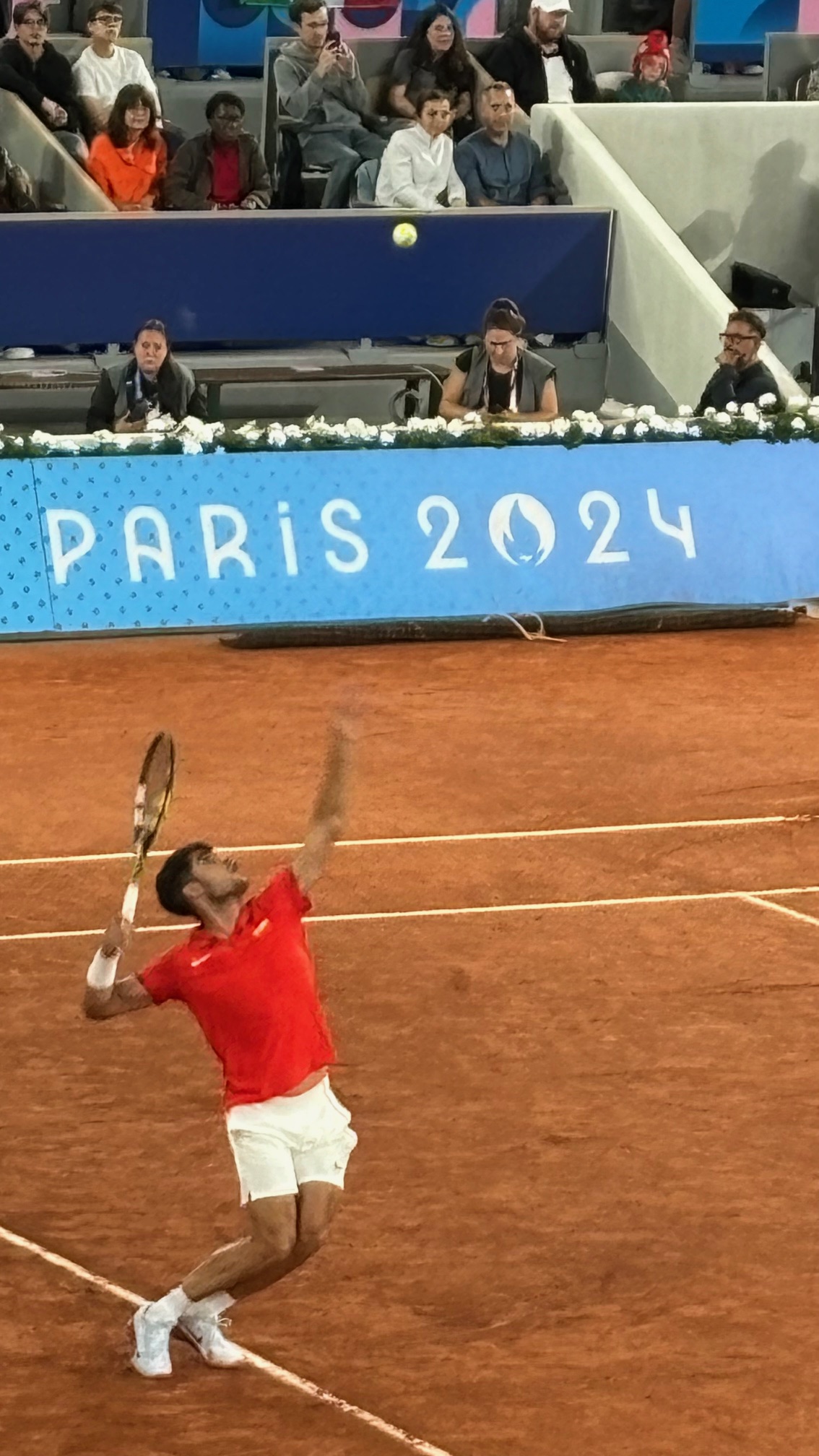
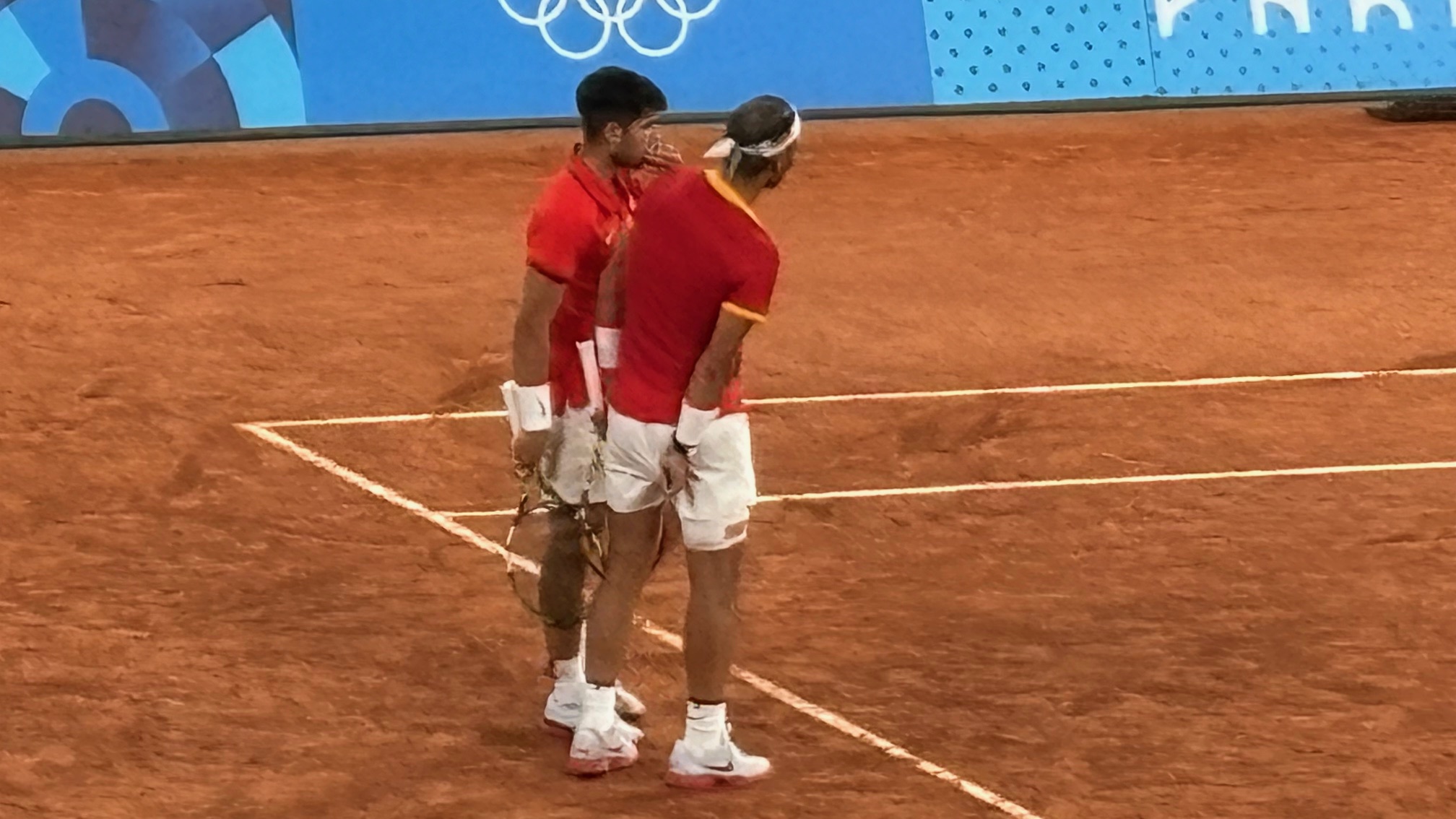

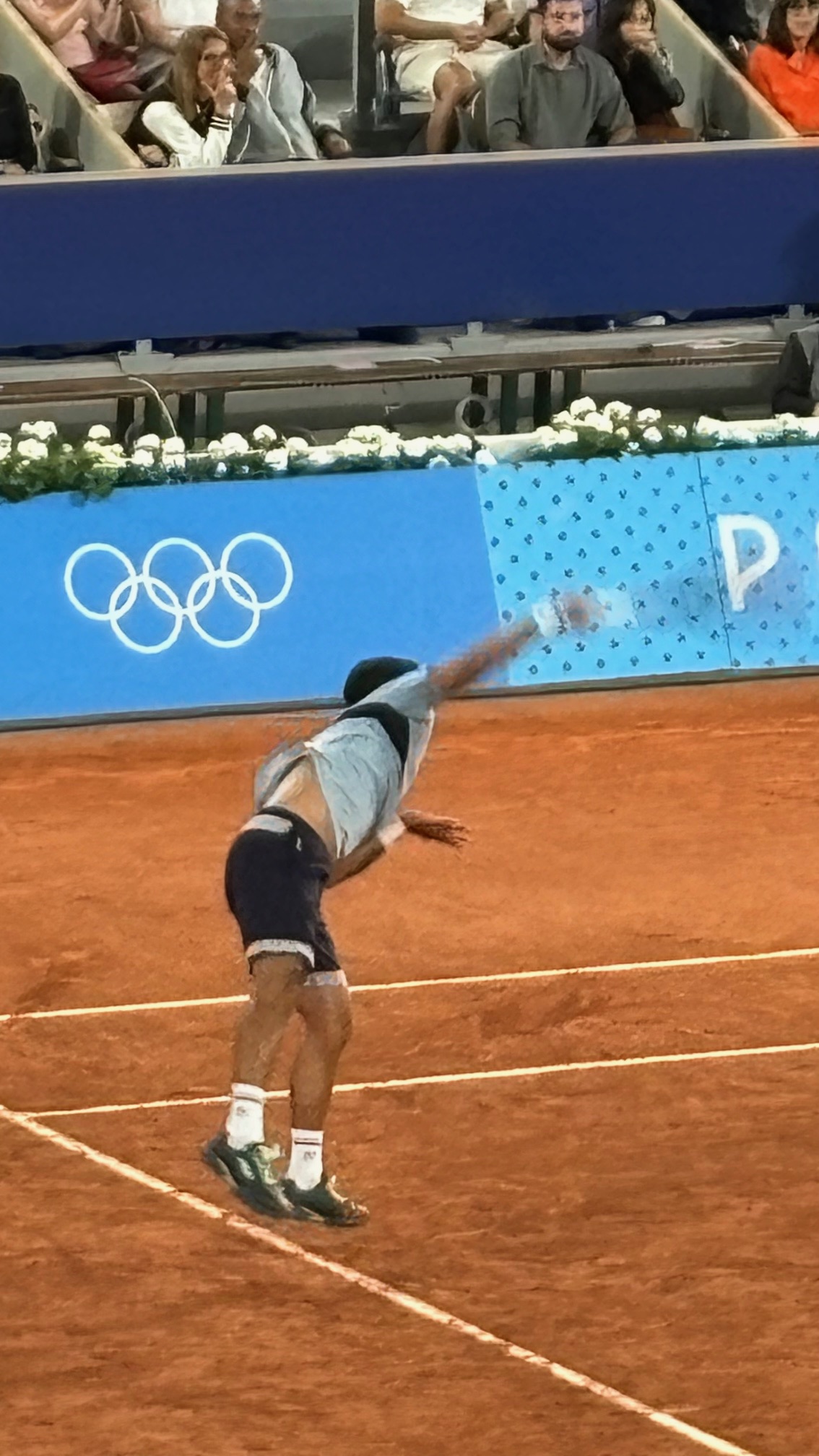
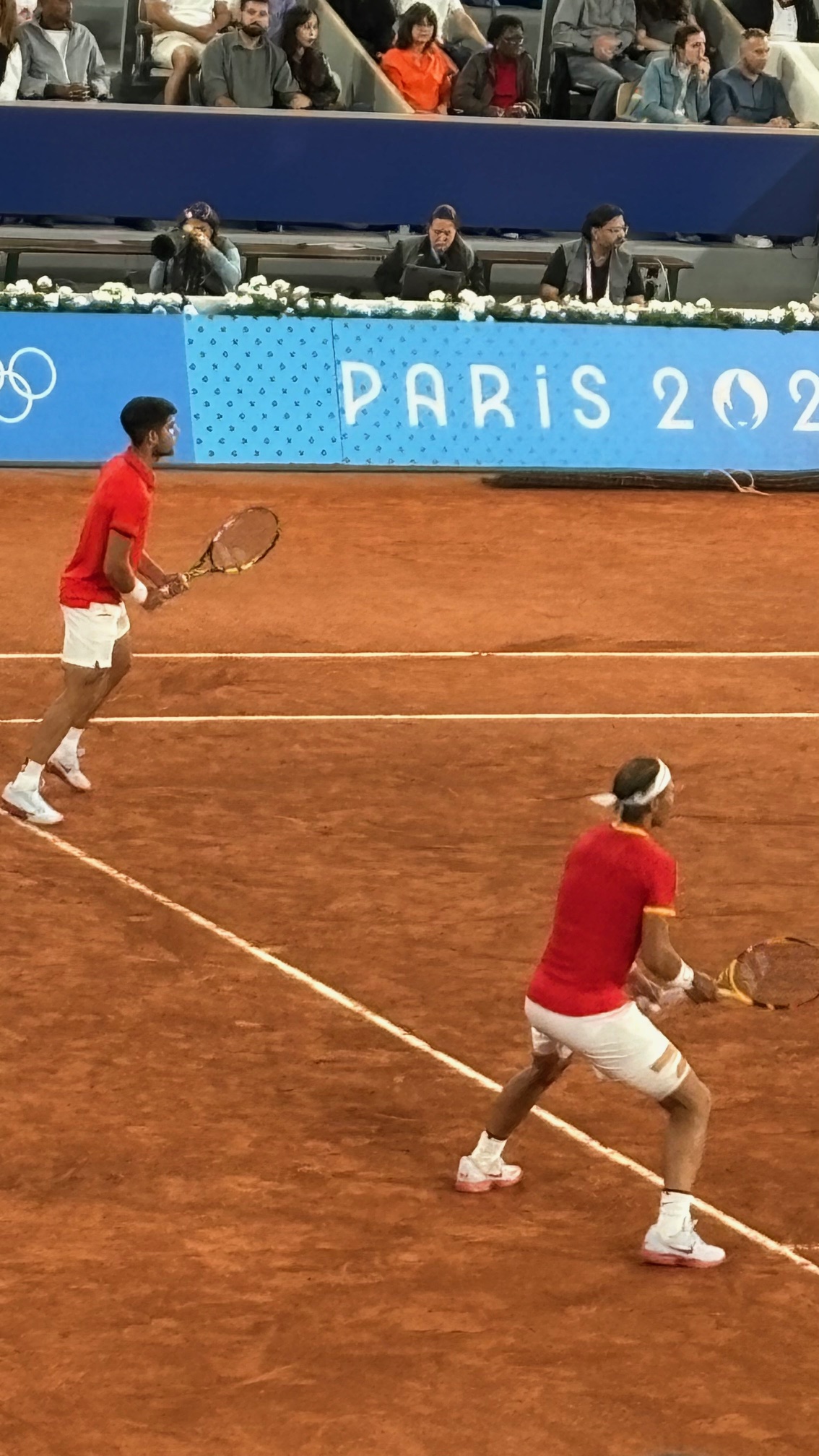


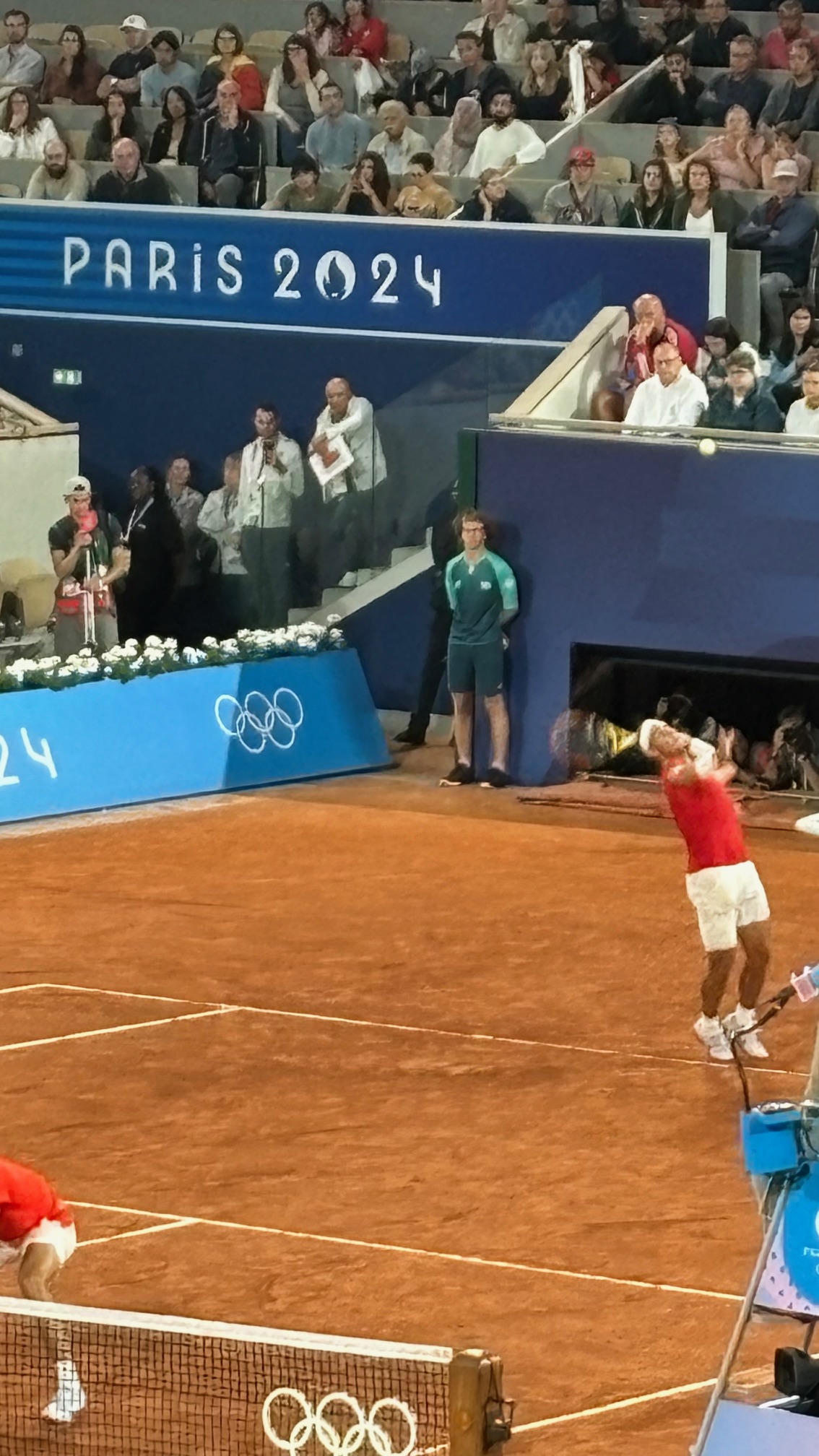
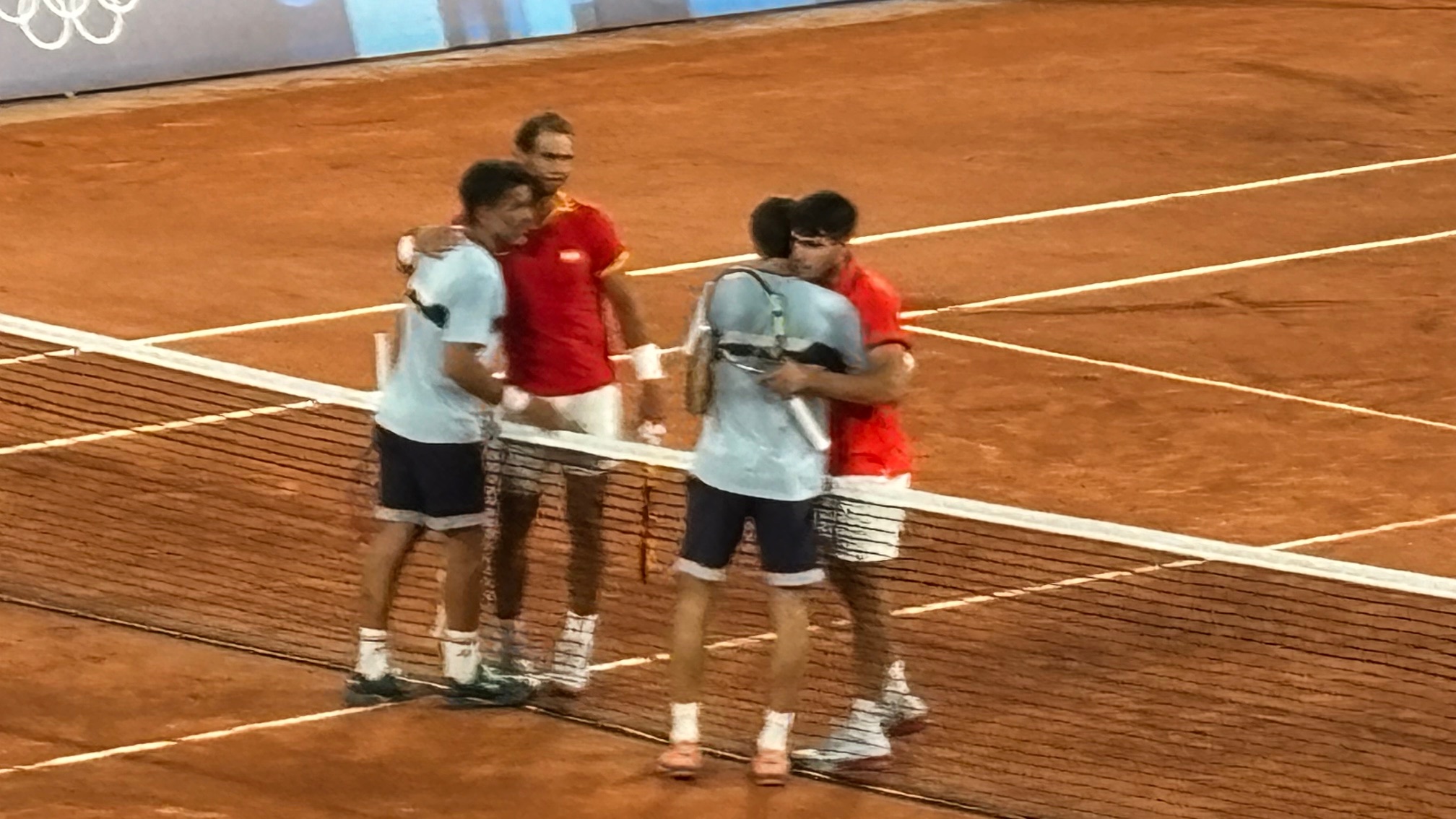
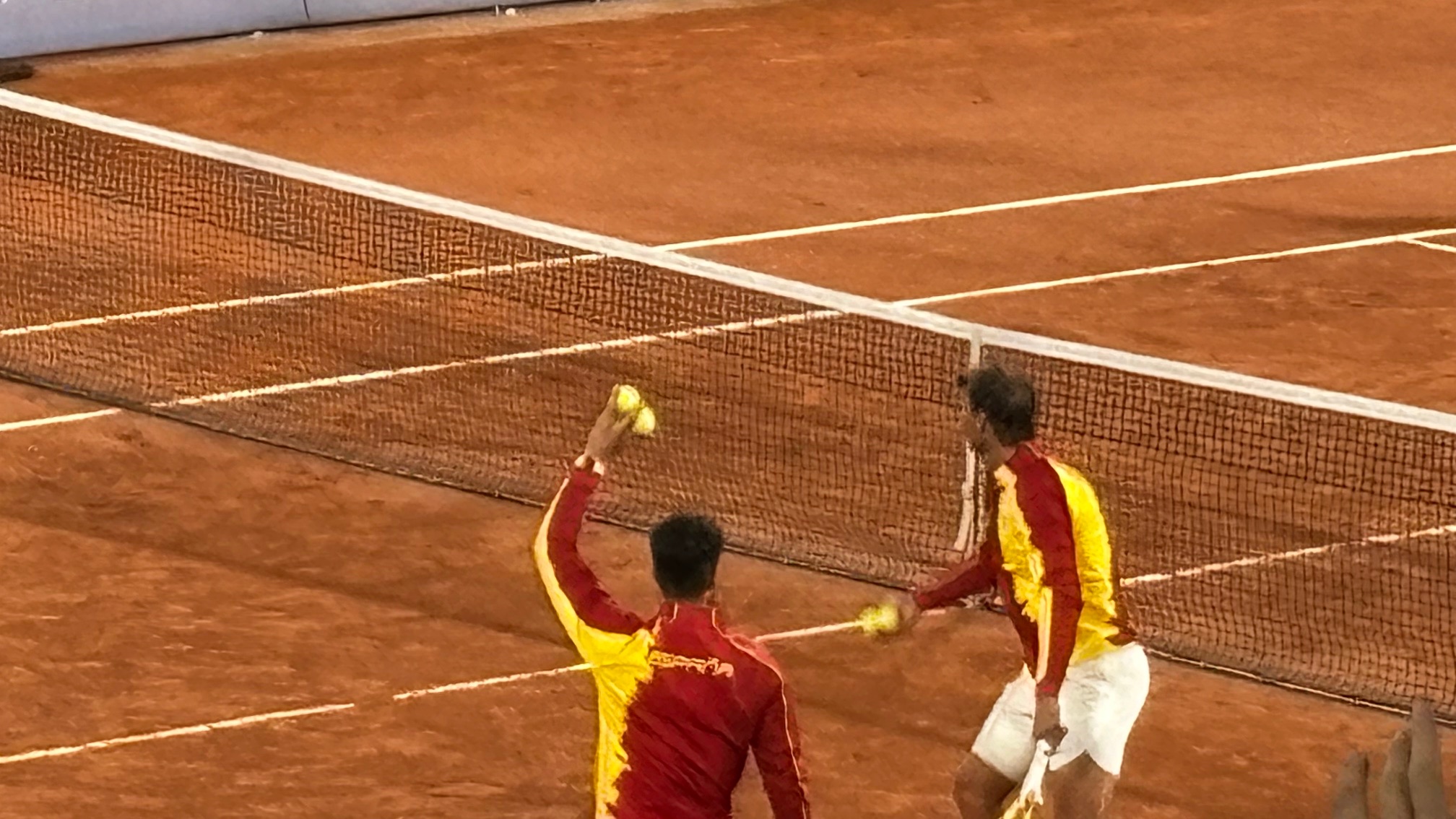
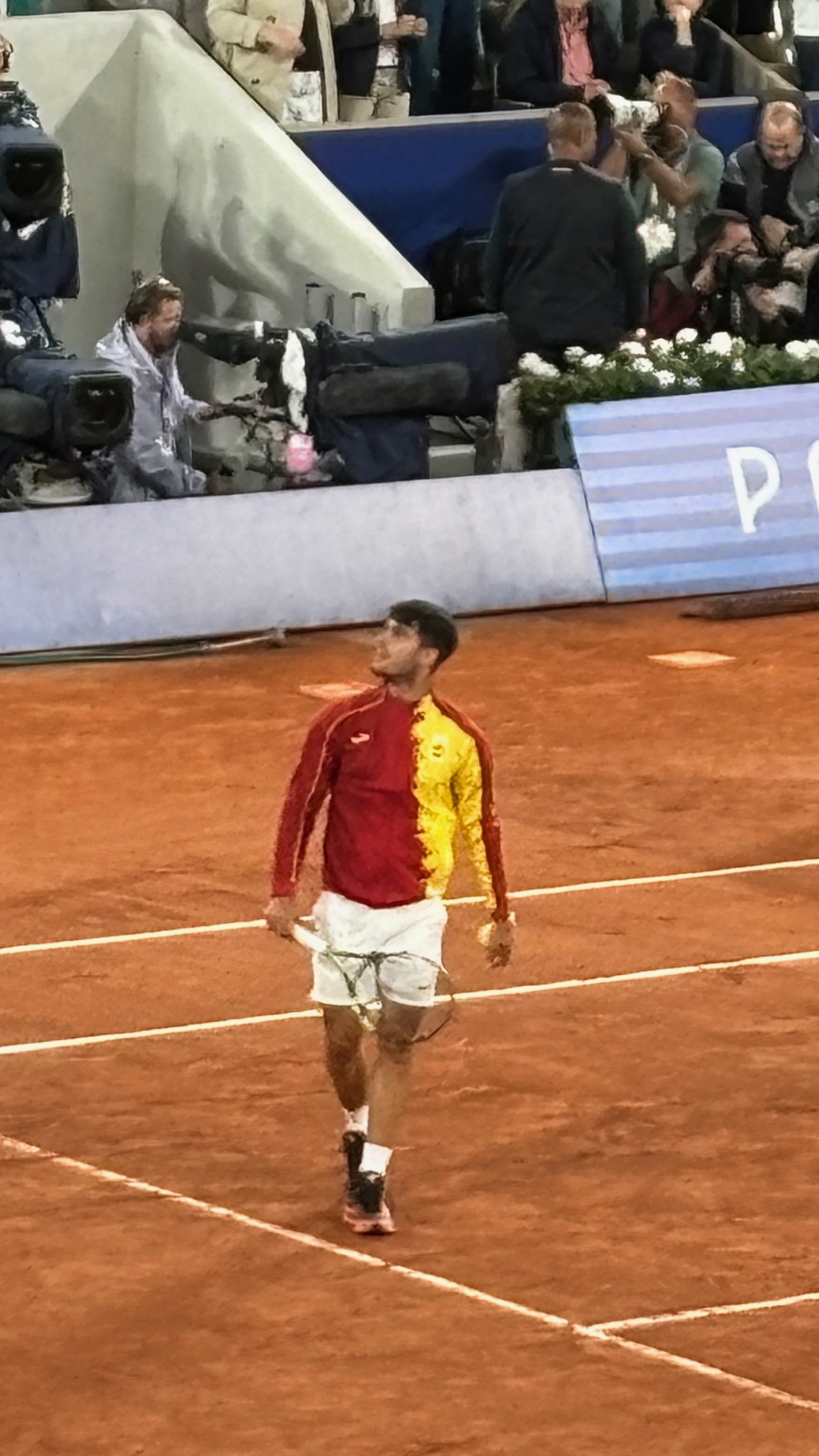


Camera: iPhone 15
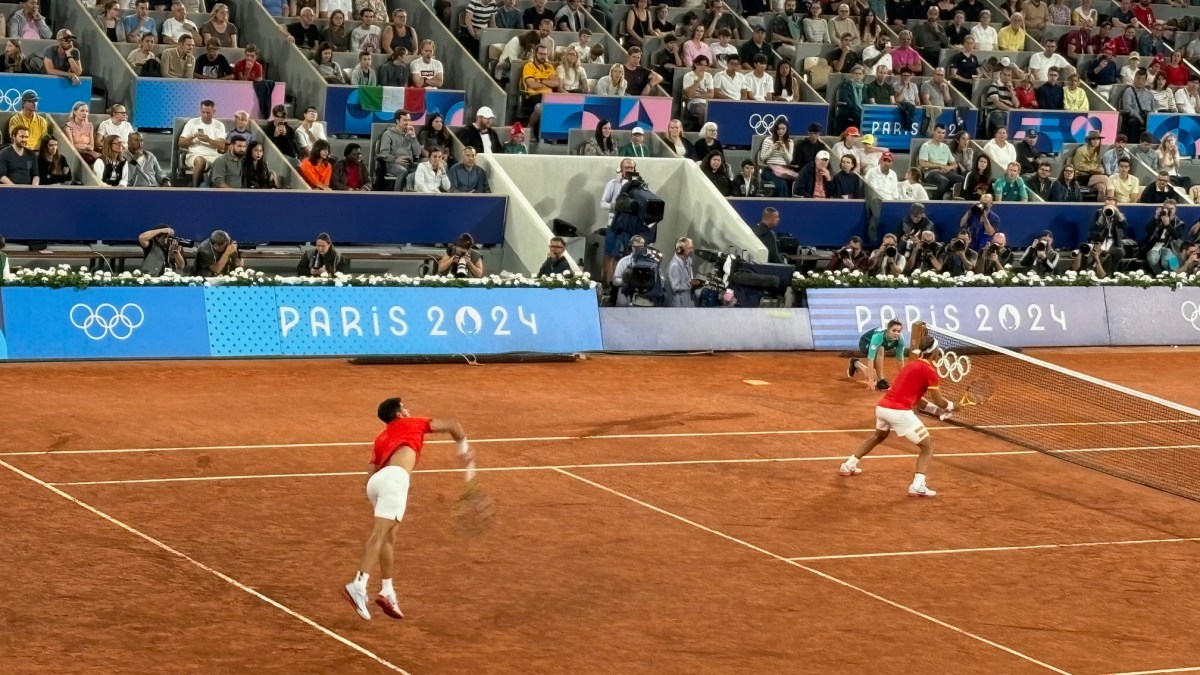
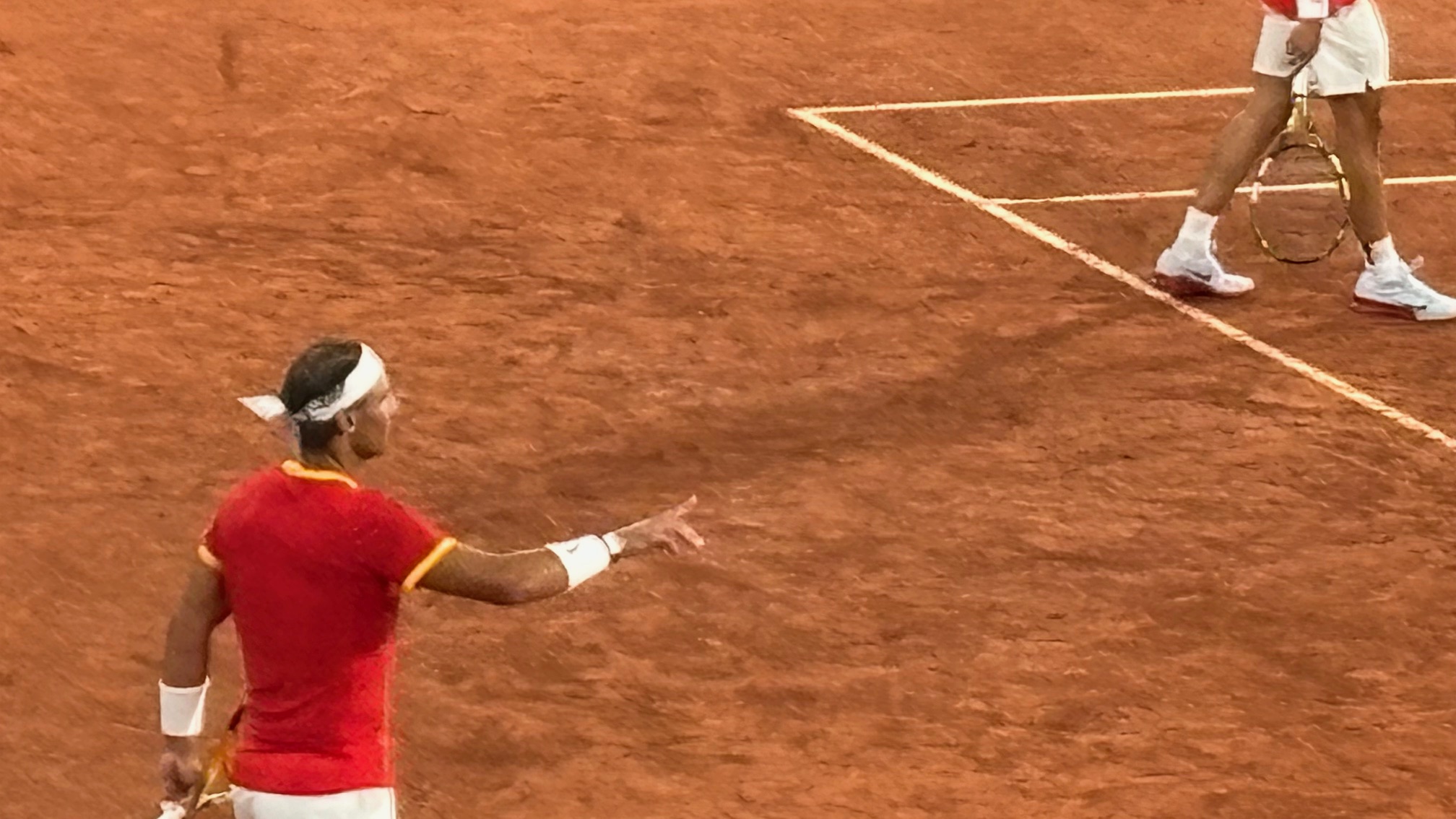
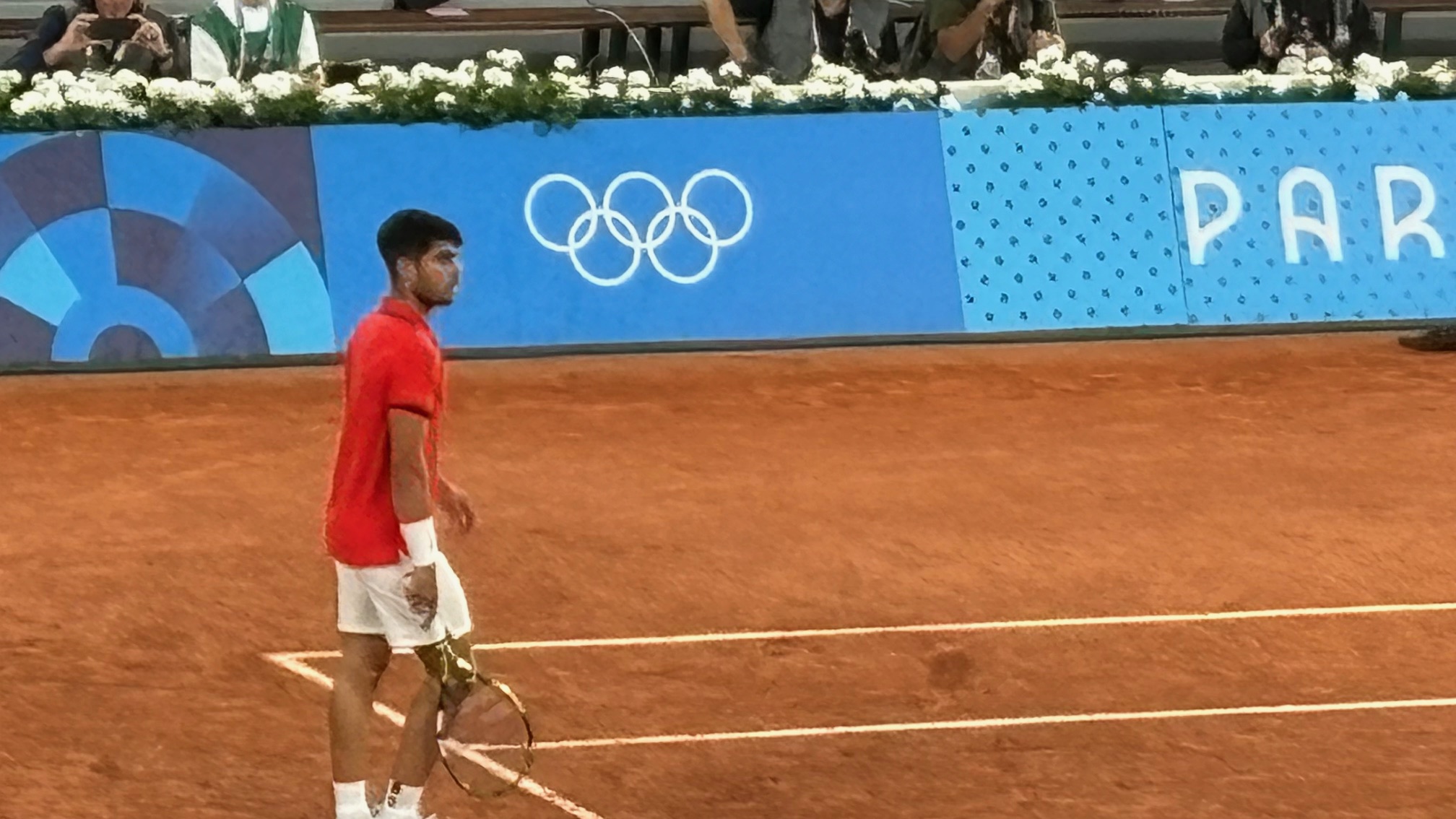
Location: Stade Roland Garros; Paris, France during the 2024 Summer Olympics

A spectacular doubles match featuring two legends of the tennis court with Rafael Nadal and Carlos Alcaraz playing together for Team Spain at Rolando Garros Tennis Center in Paris, France during the 2024 Summer Olympics.
Camera: iPhone 15
Location: Stade Roland Garros; Paris, France during the 2024 Summer Olympics
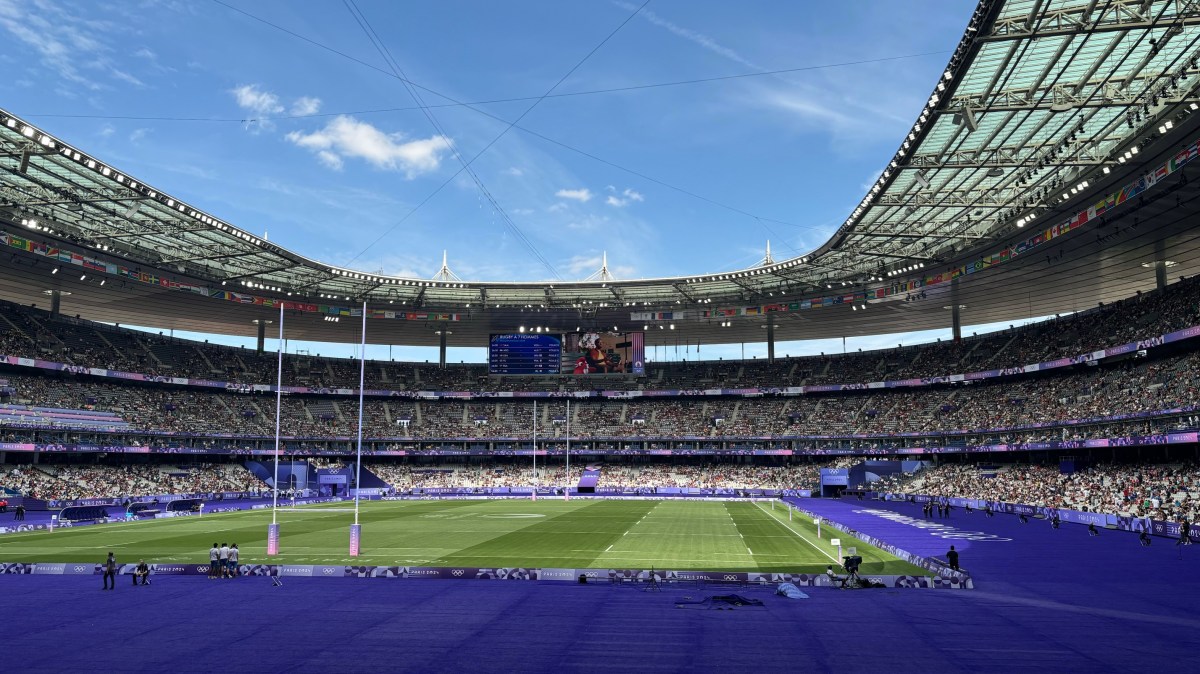
“From Saint-Denis to the world stage: Rugby Sevens lit up the Stade de France during the 2024 Olympics. All images shot on an iPhone 15, capturing the intensity on the pitch and the pulse of the Olympic crowd.”
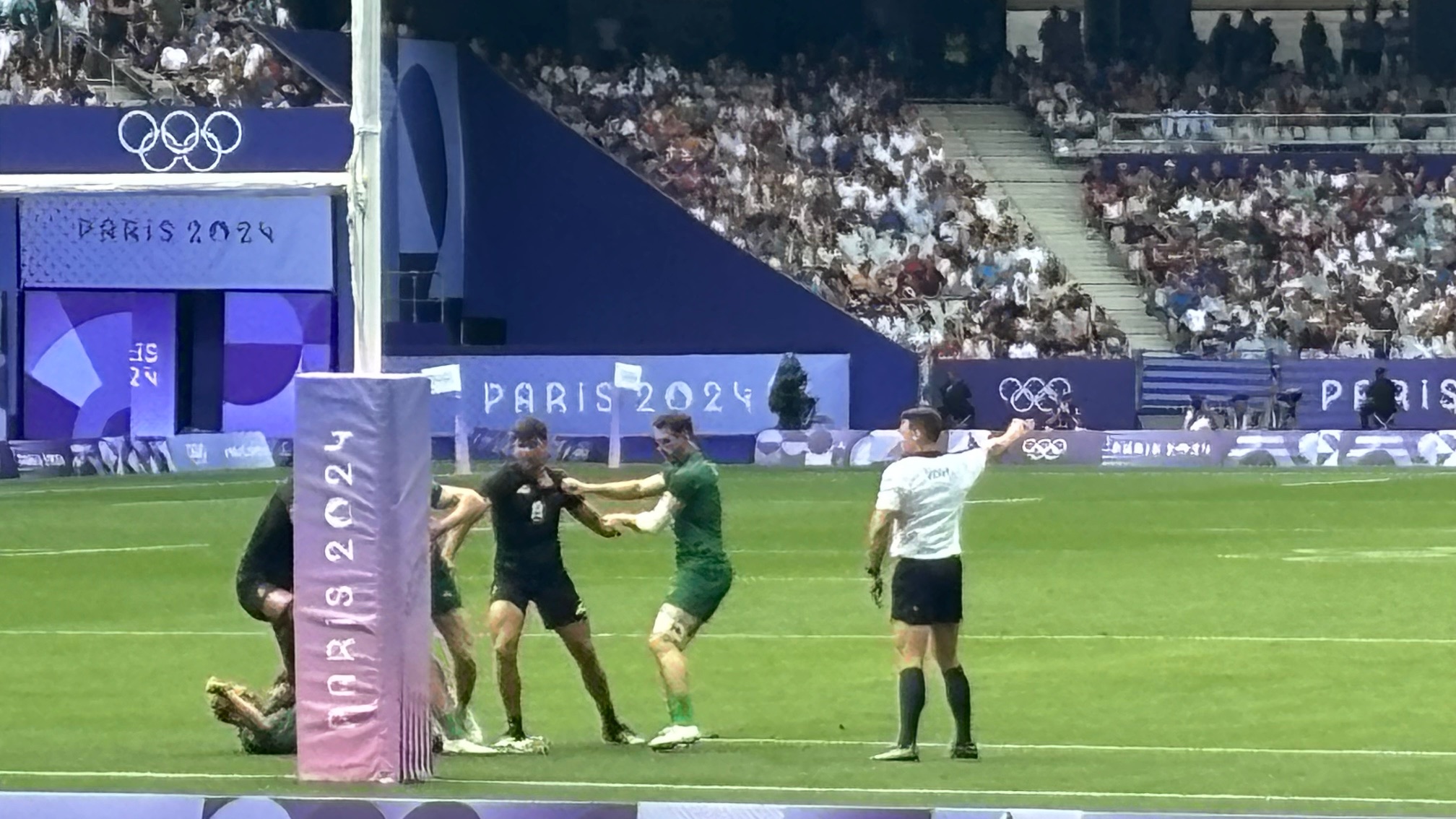
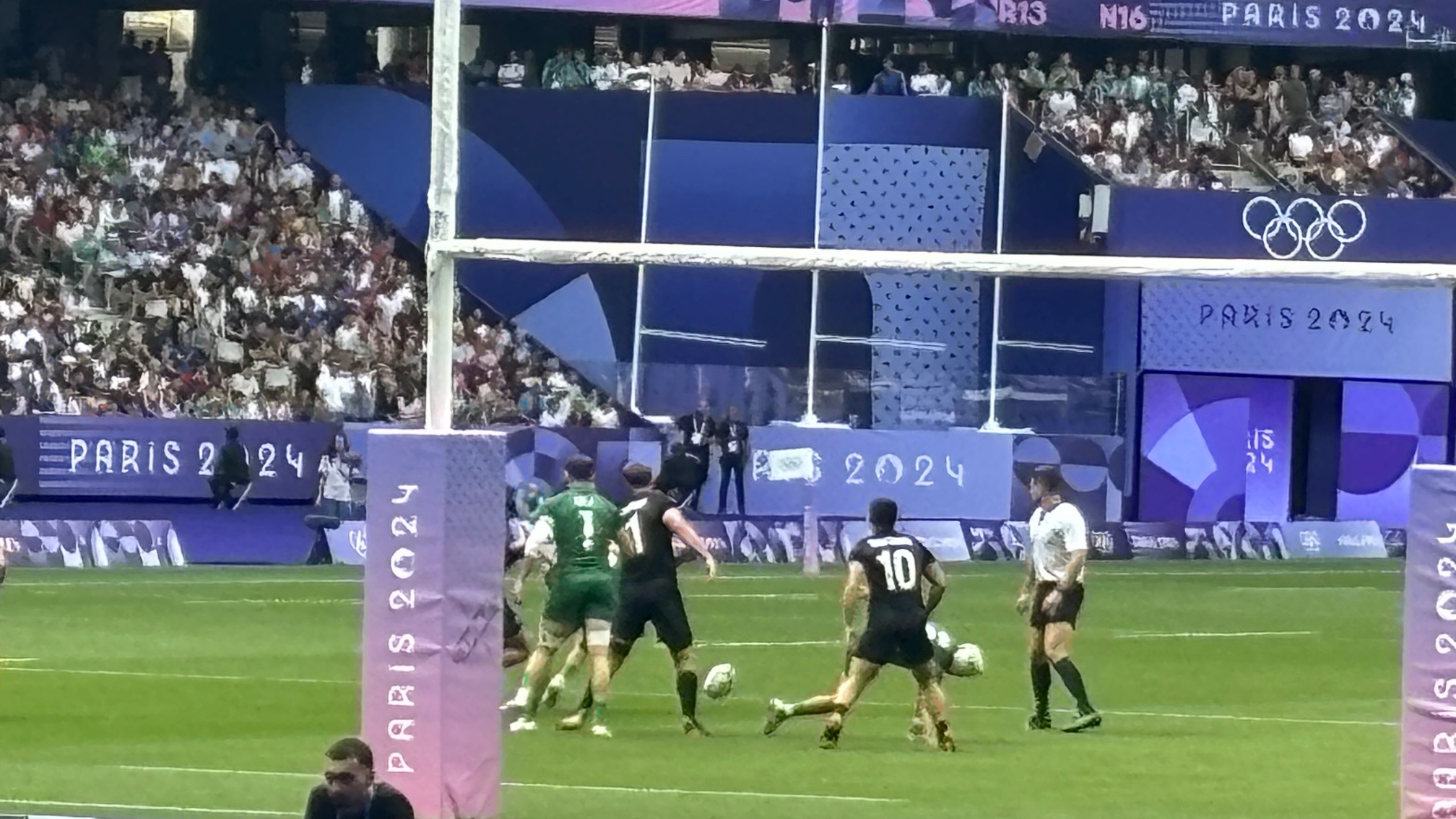
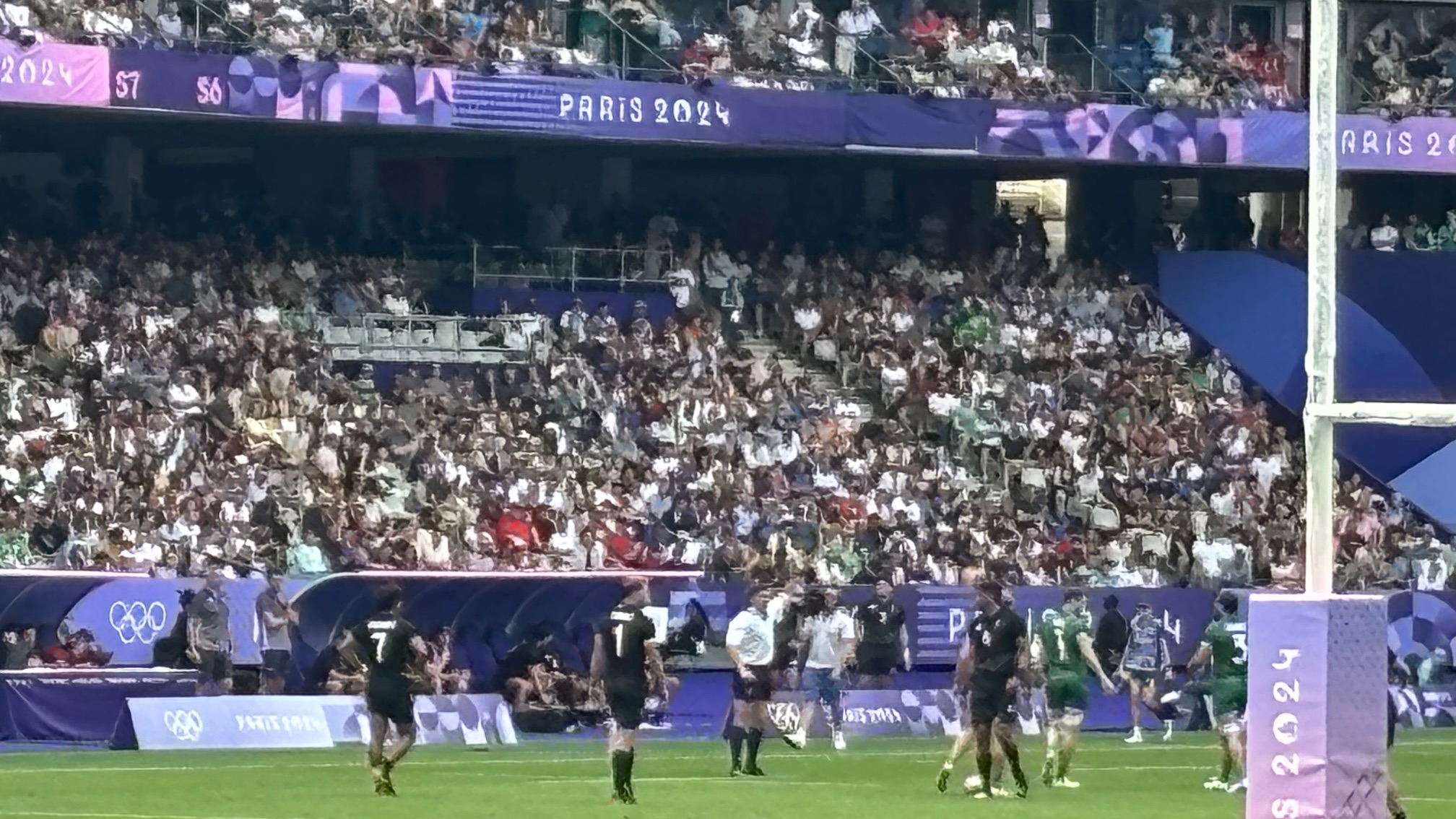

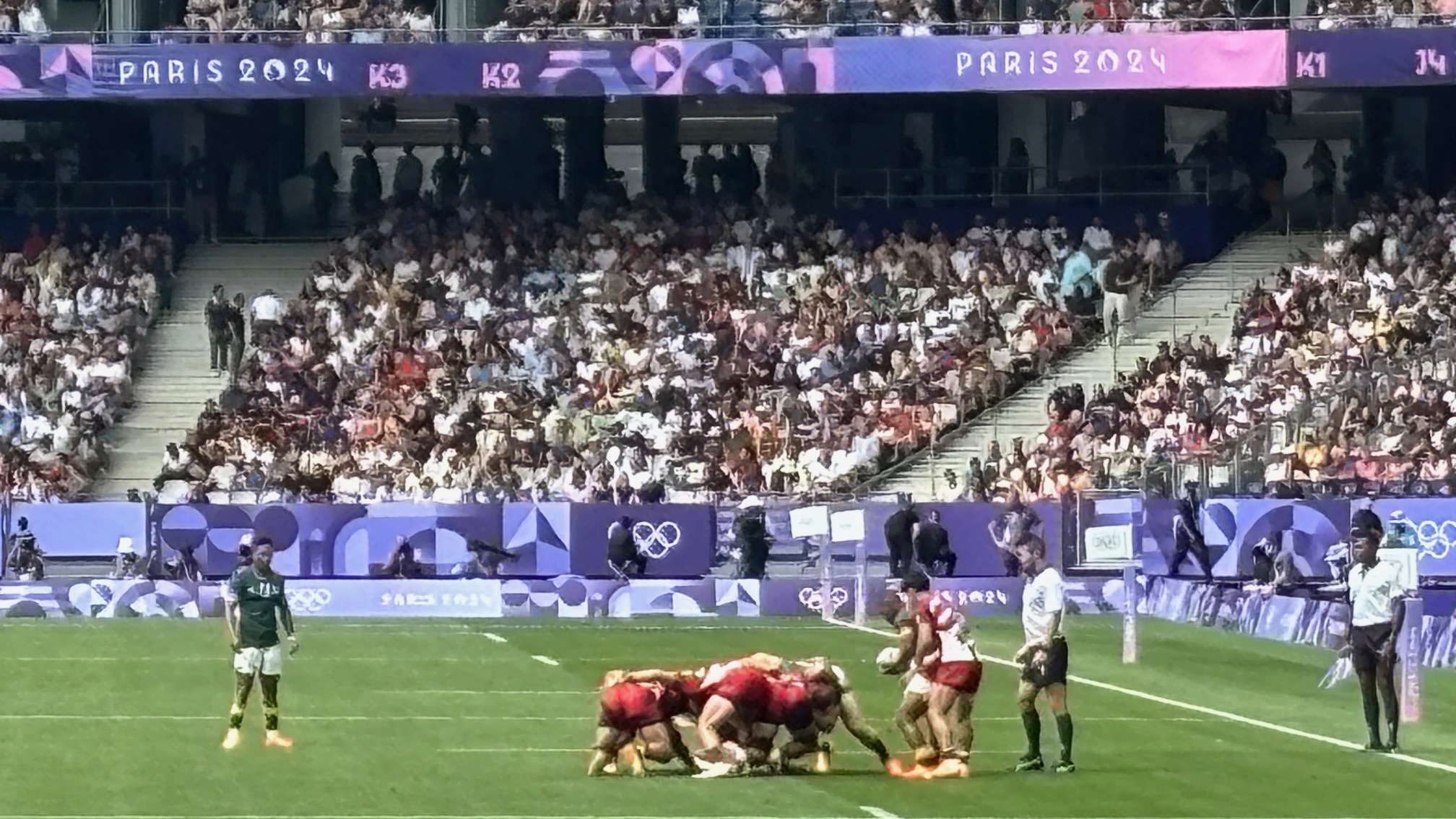
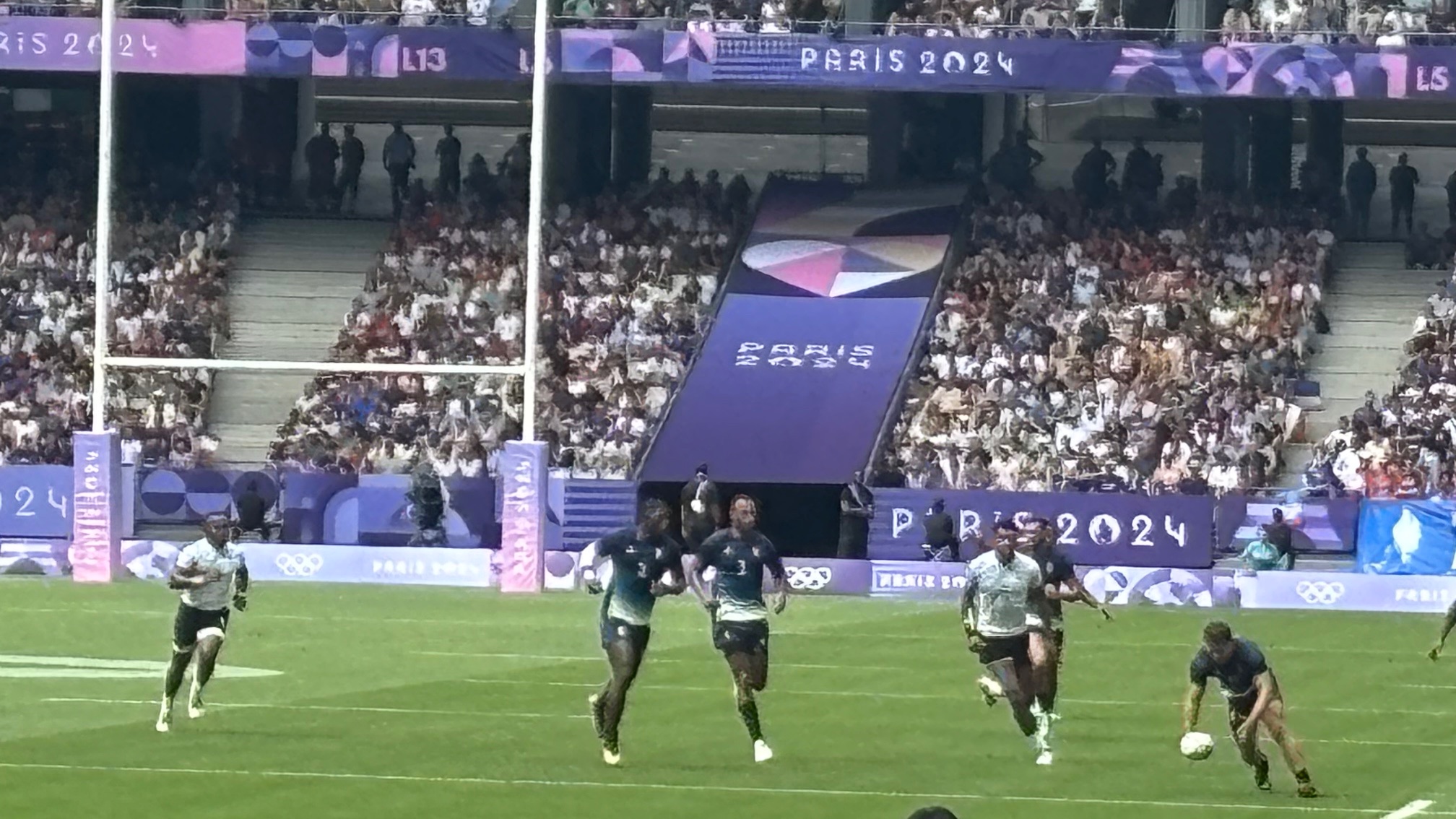


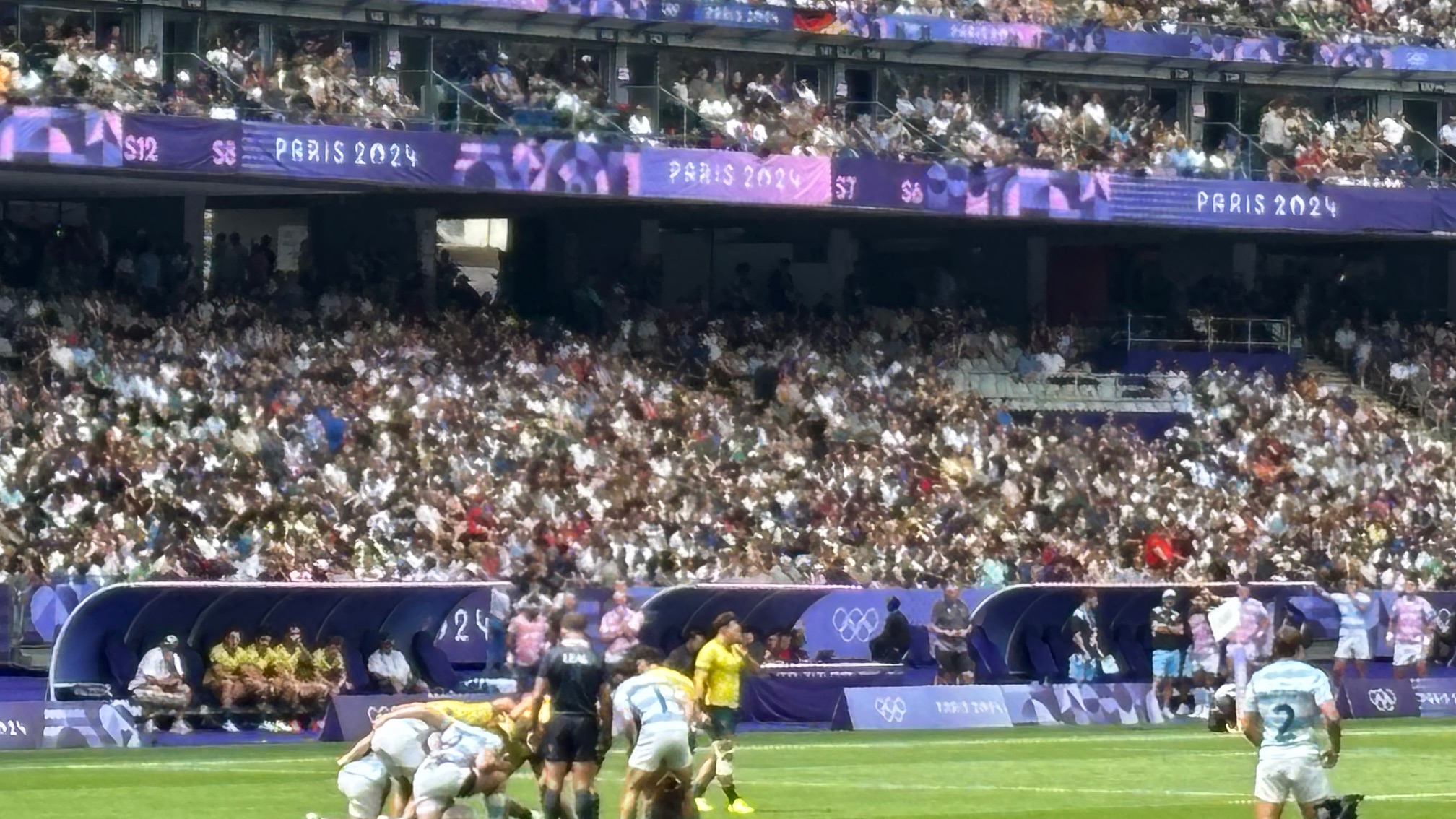


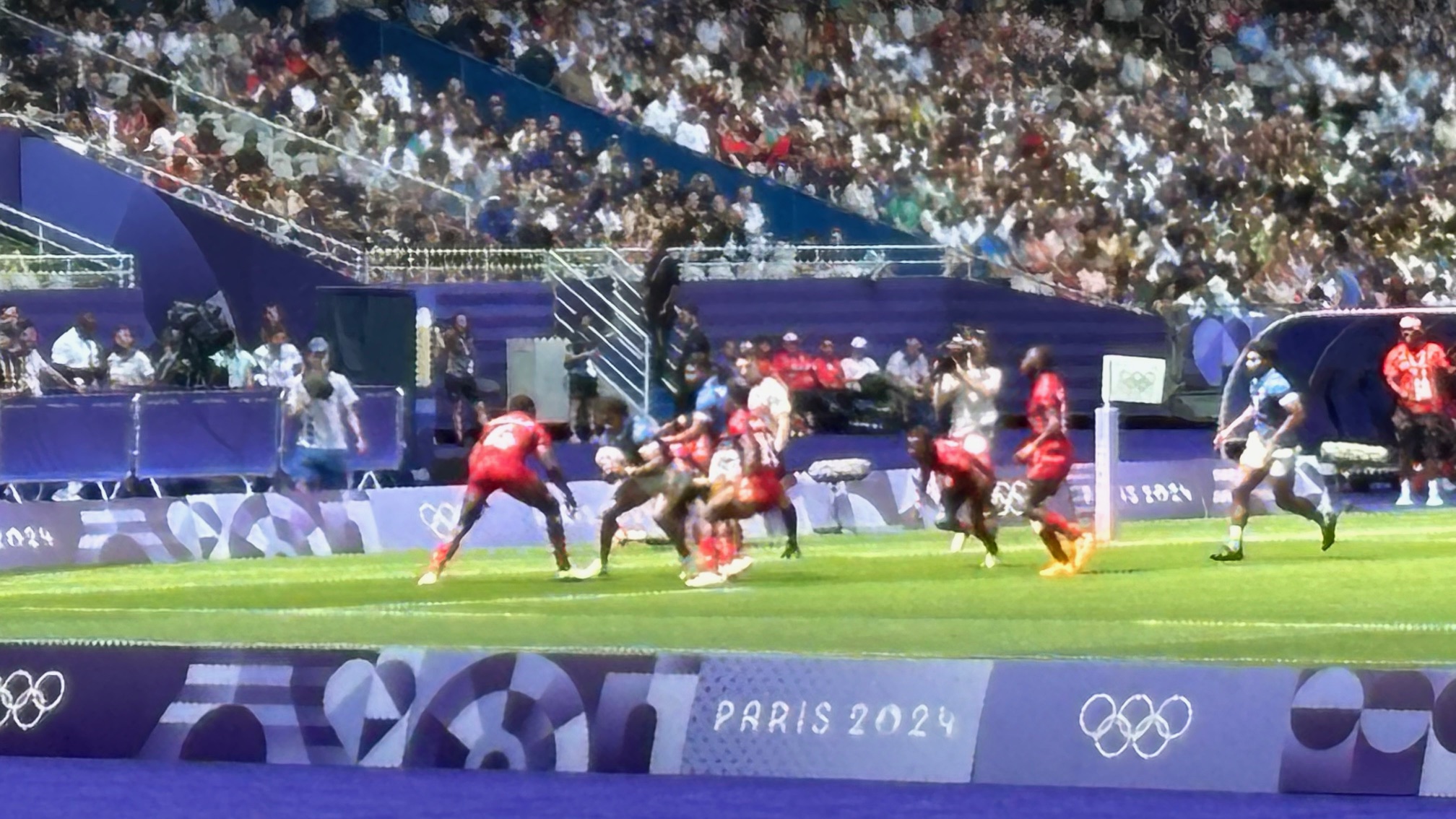
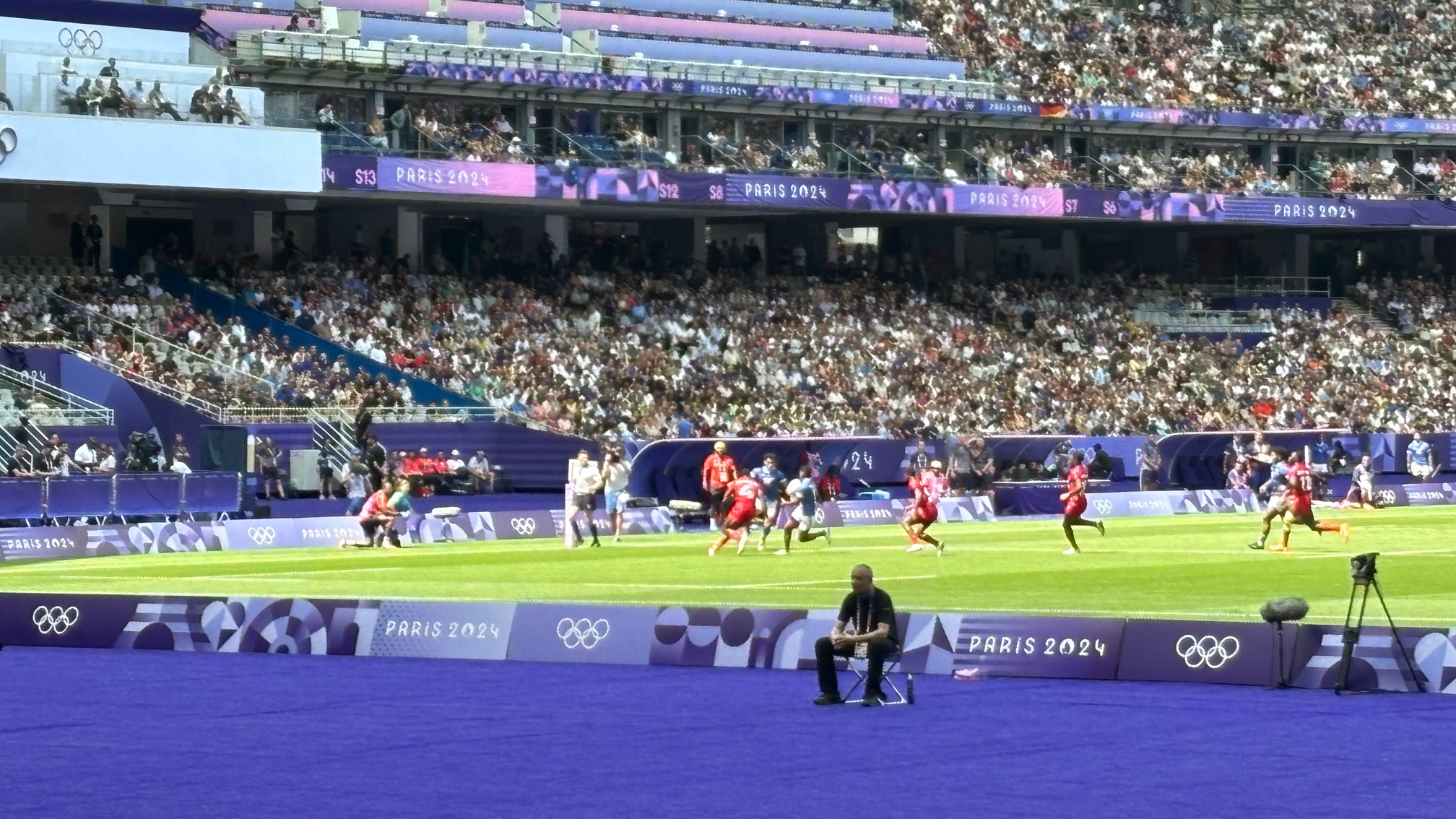
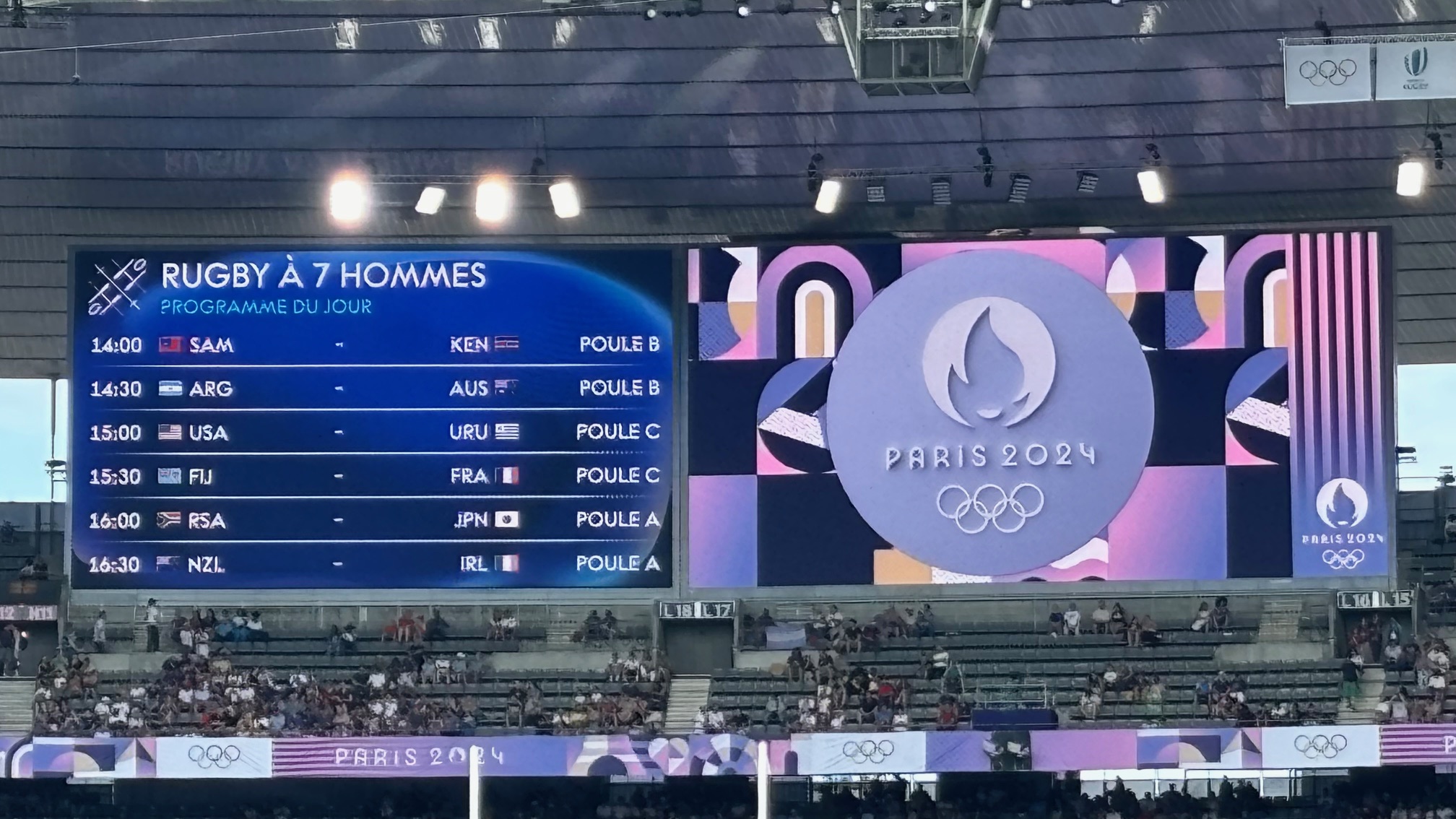
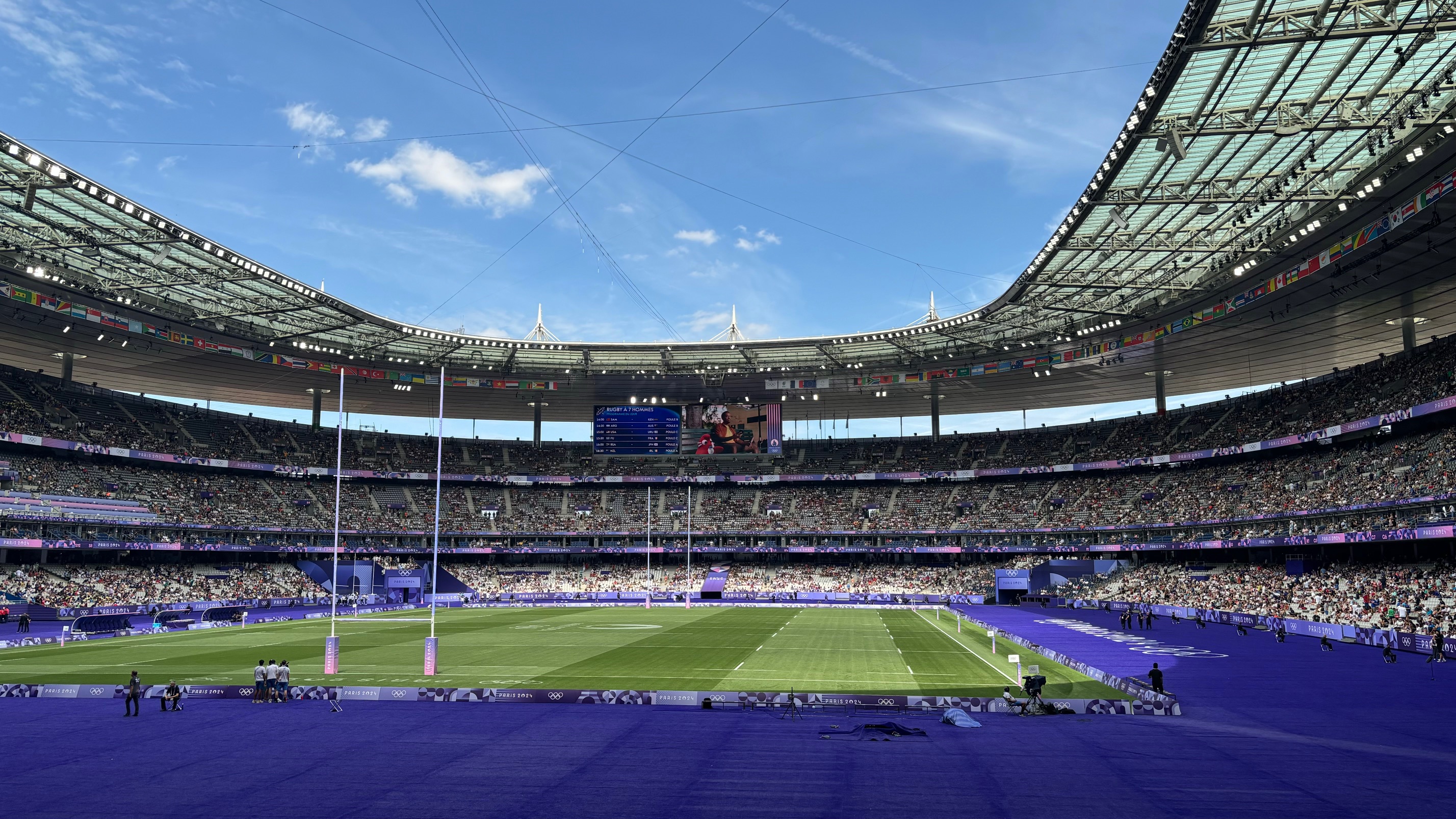
Camera: iPhone 15
Location: Stade de France – 2024 Summer Olympics, Multiple Men’s Rugby Sevens Matches; Saint-Denis, France
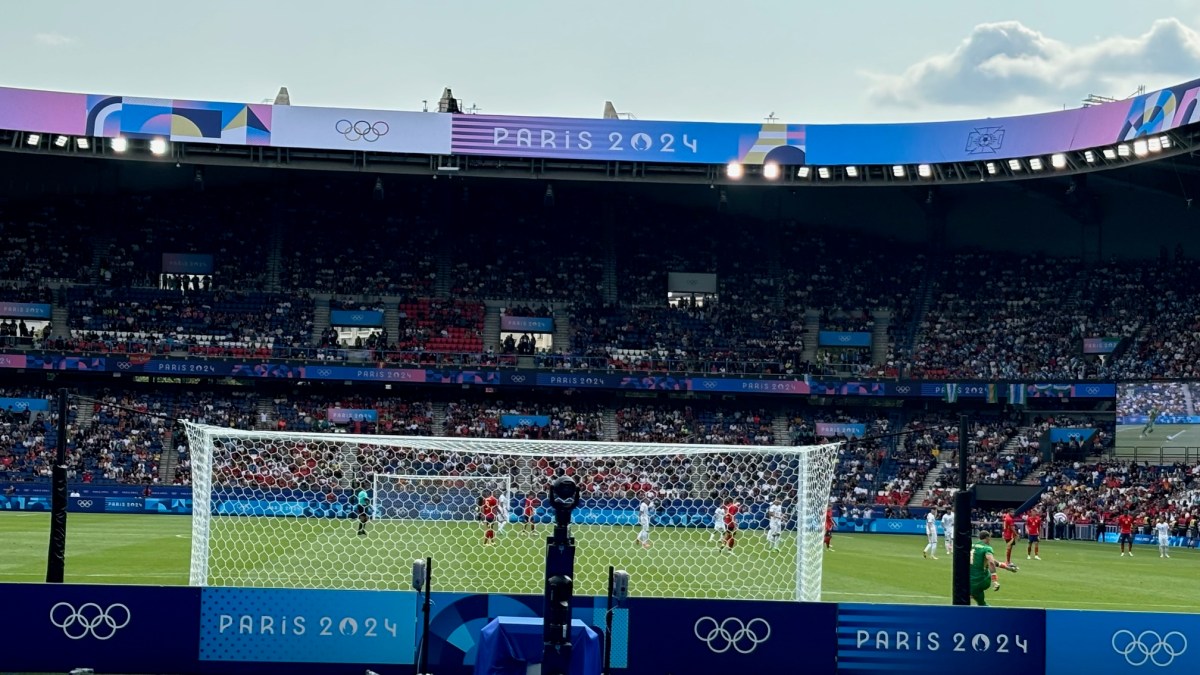
“Standing inside Parc des Princes during the 2024 Summer Olympics felt like being plugged directly into the heartbeat of world football. Spain vs. Uzbekistan wasn’t just a match, it was a collision of styles, chants, and raw Olympic energy bouncing off the old Parisian stands.”
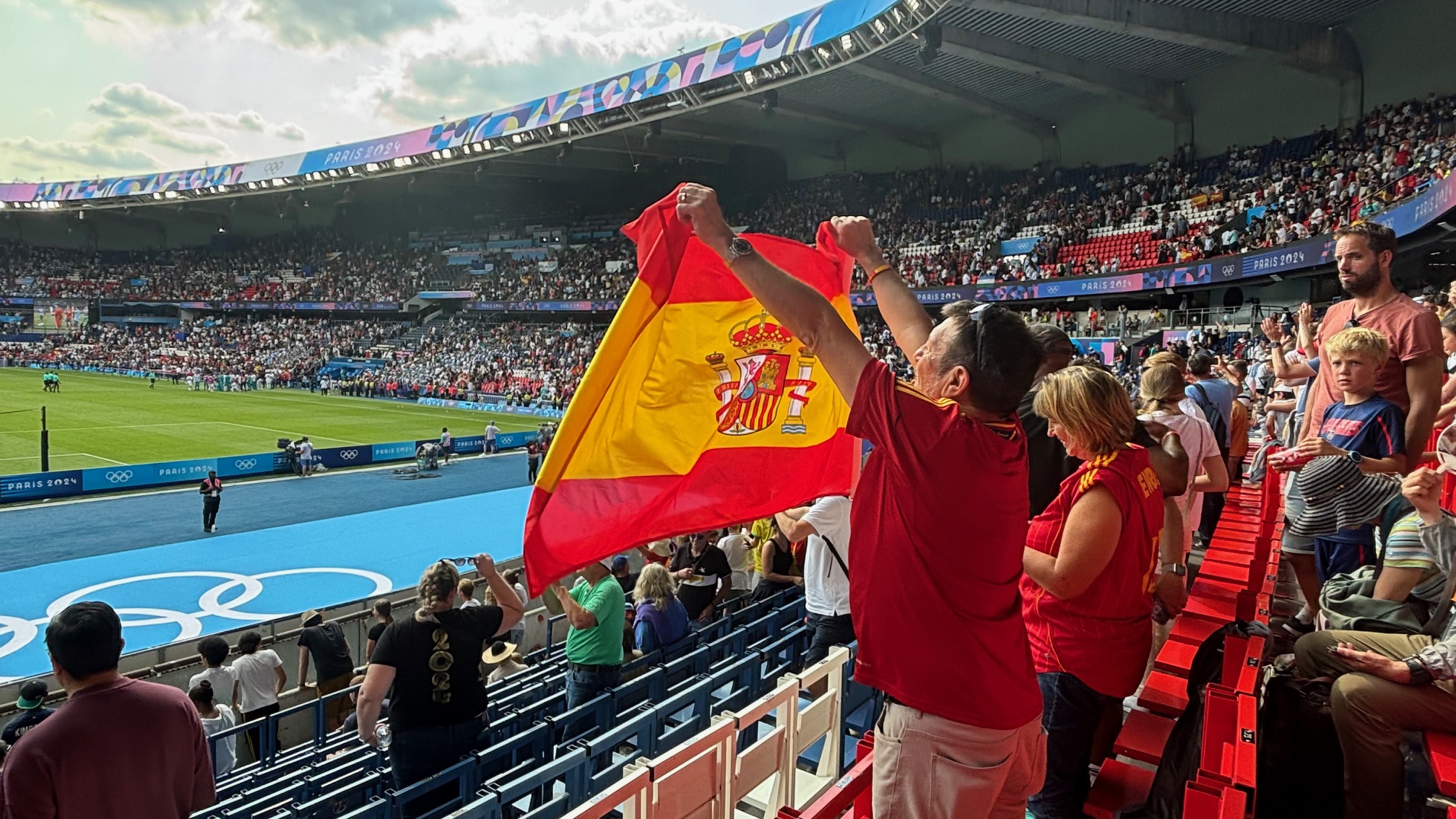
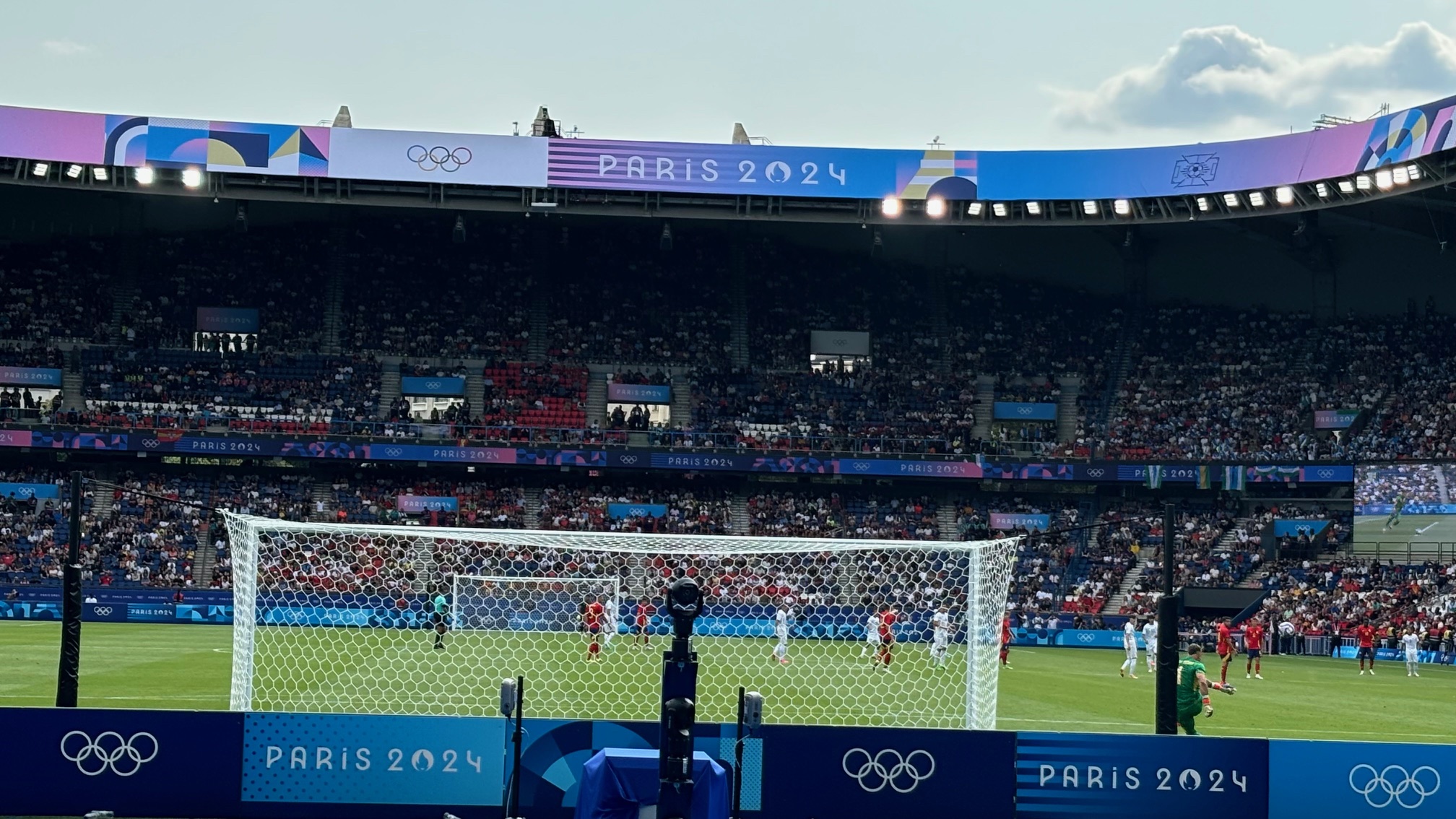


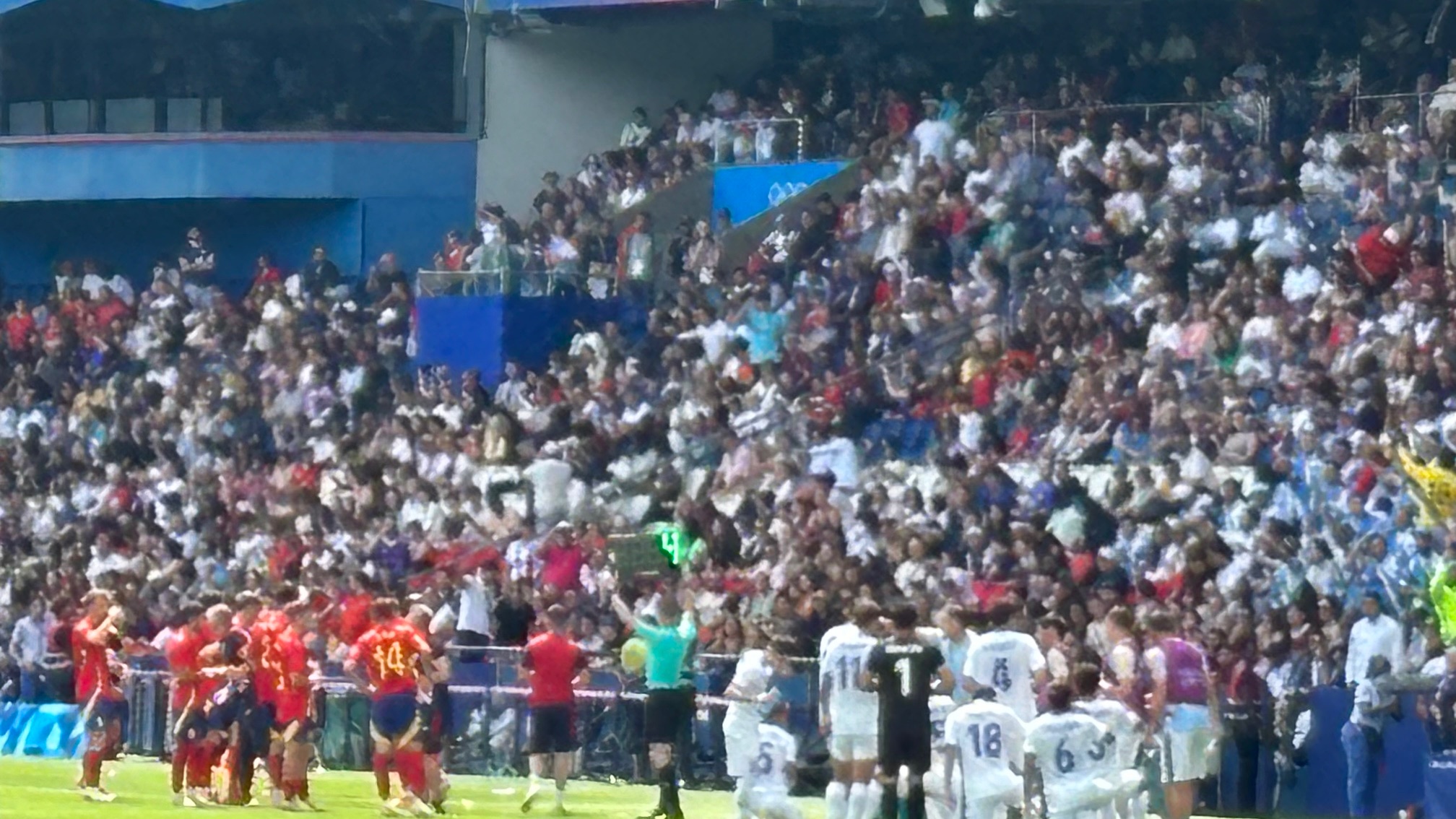

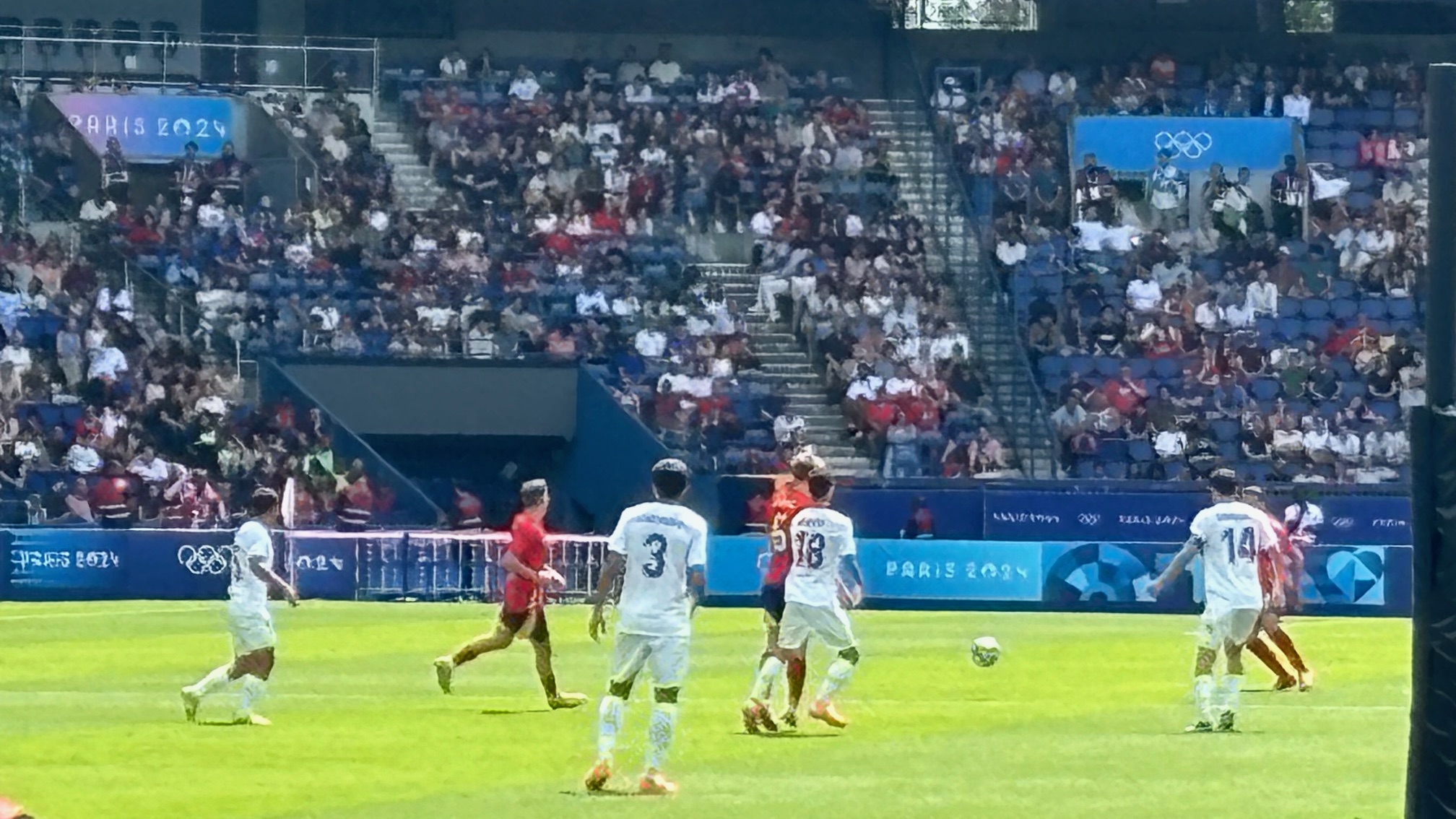
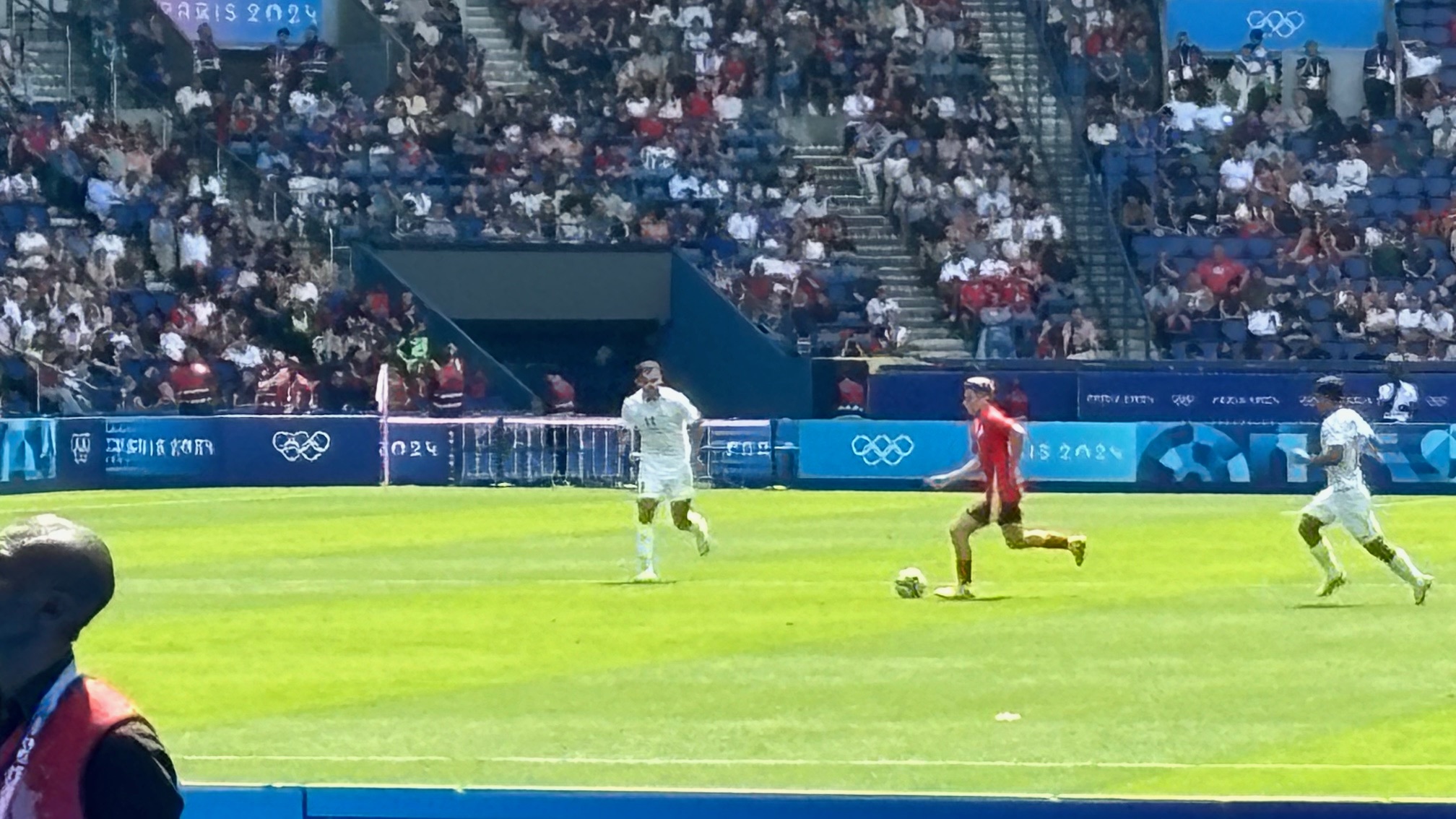


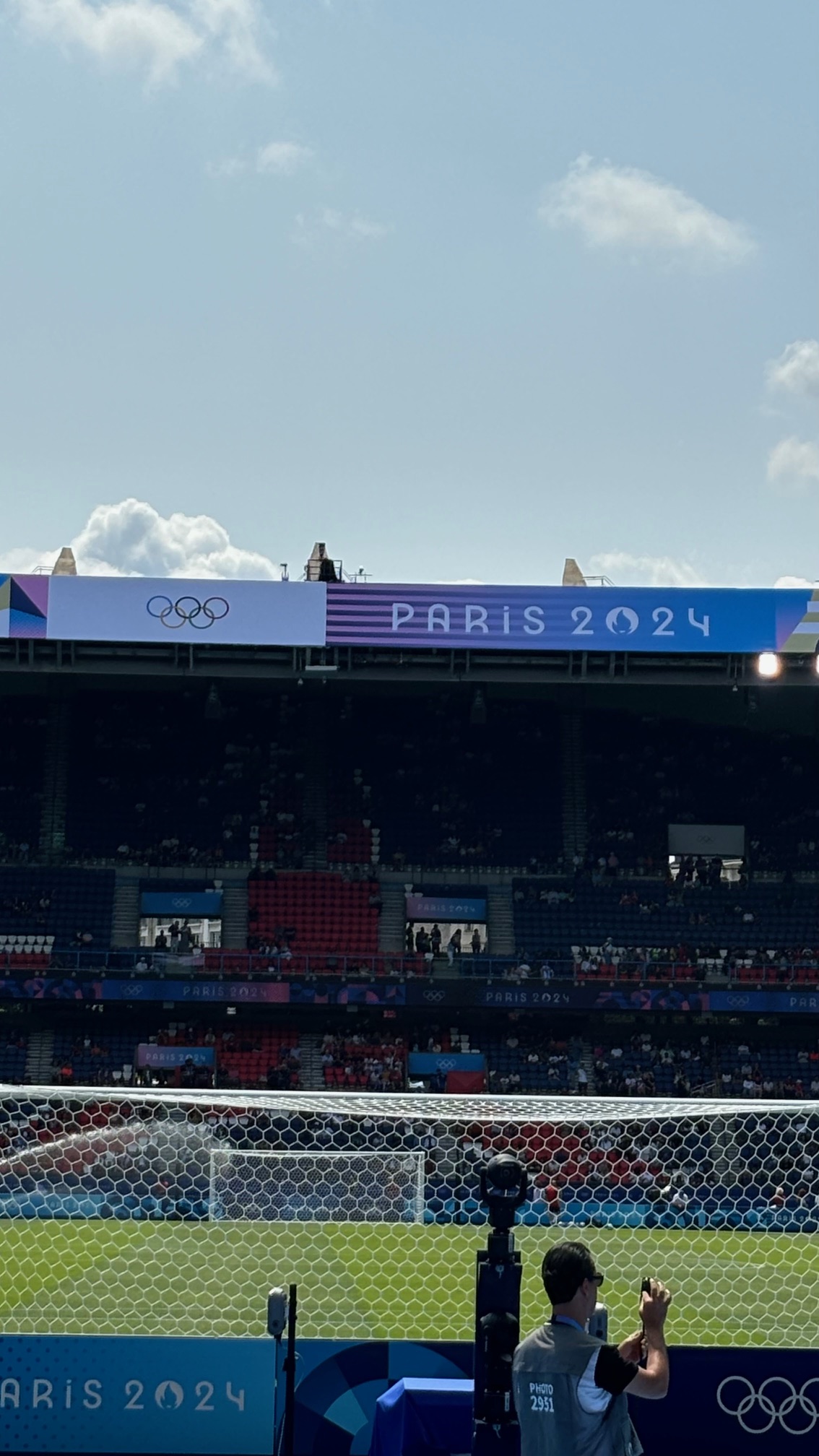
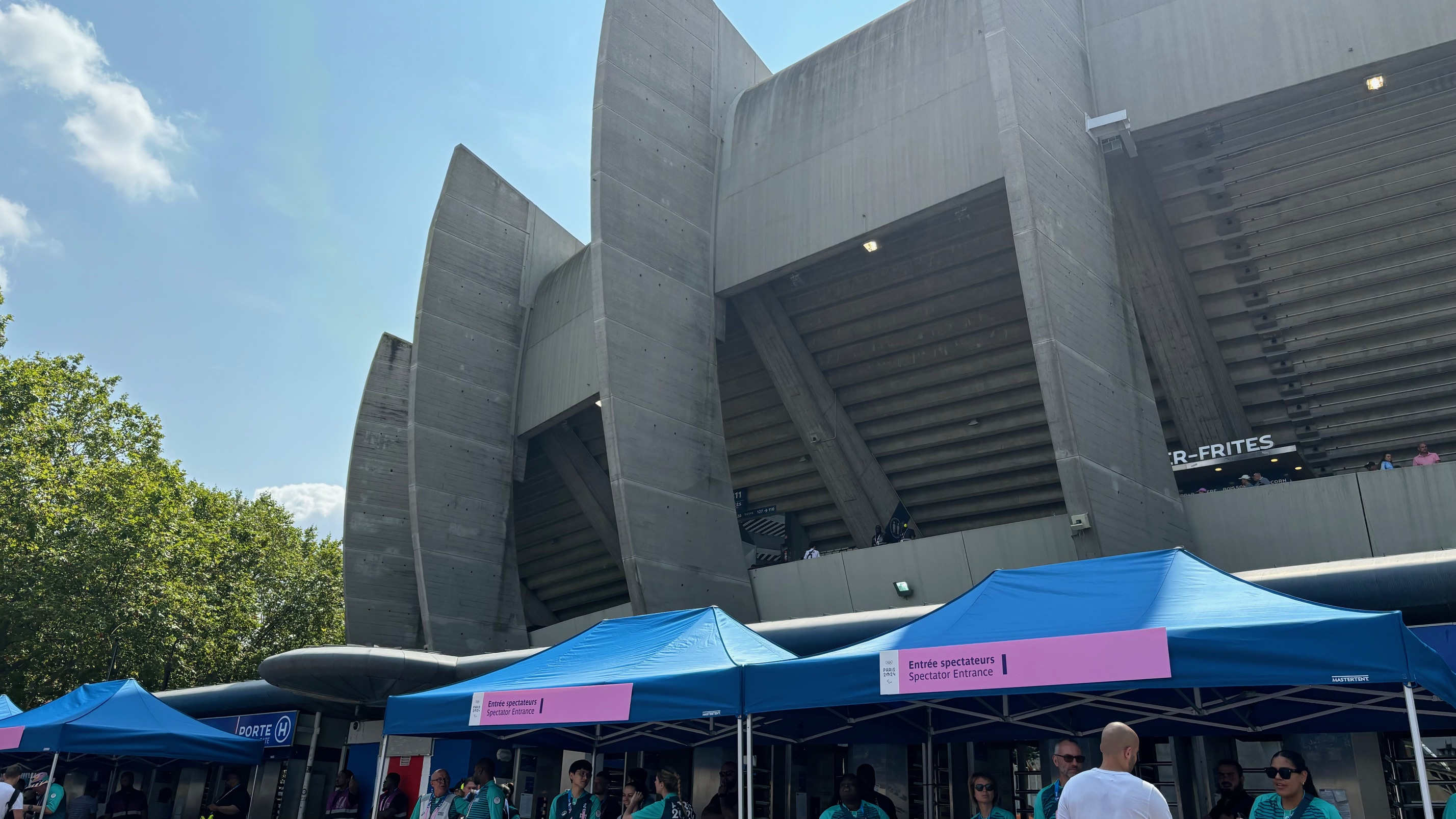
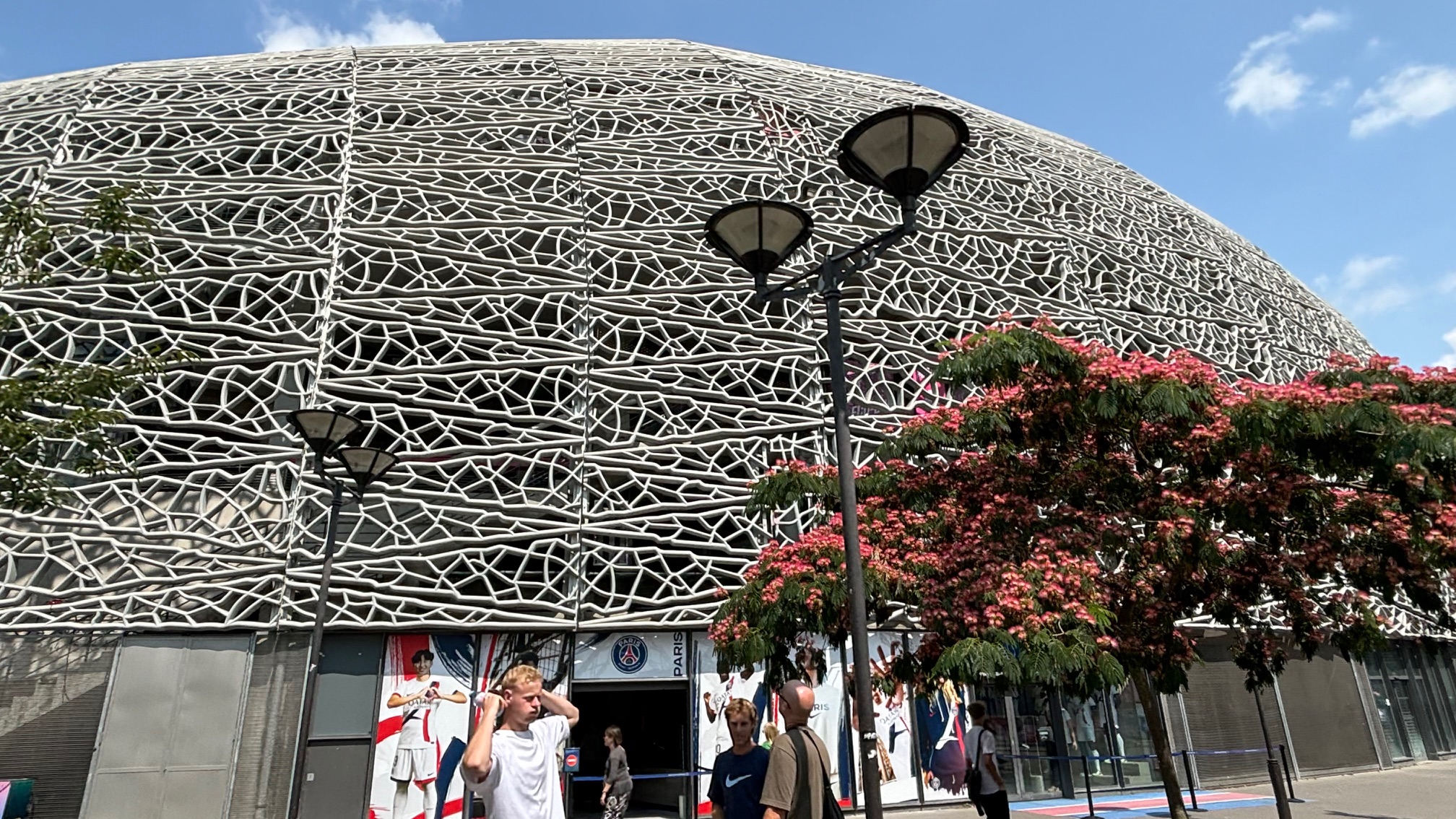

Camera: iPhone 15
Location: Parc des Princes – 2024 Summer Olympics, Spain vs. Uzbekistan; Paris, France
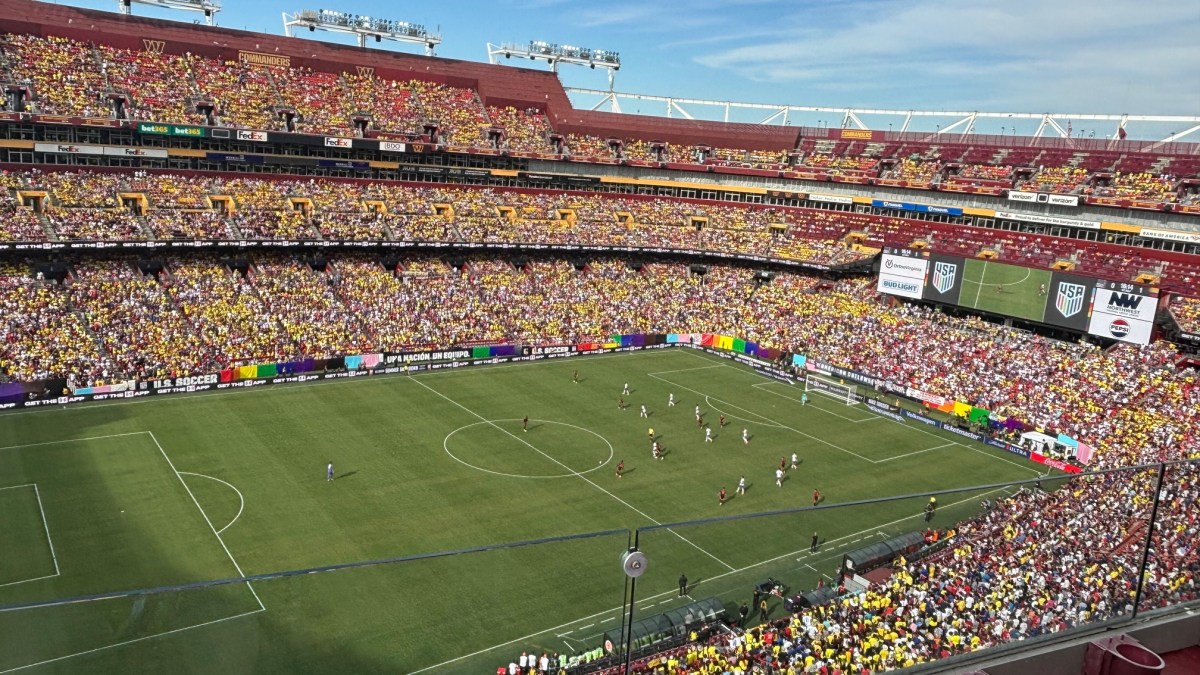
A USMNT vs. Colombia friendly soccer match from June 2024 in which Colombia won handily in front of. a close to sellout crowd at Northwest Stadium in Landover, Maryland.

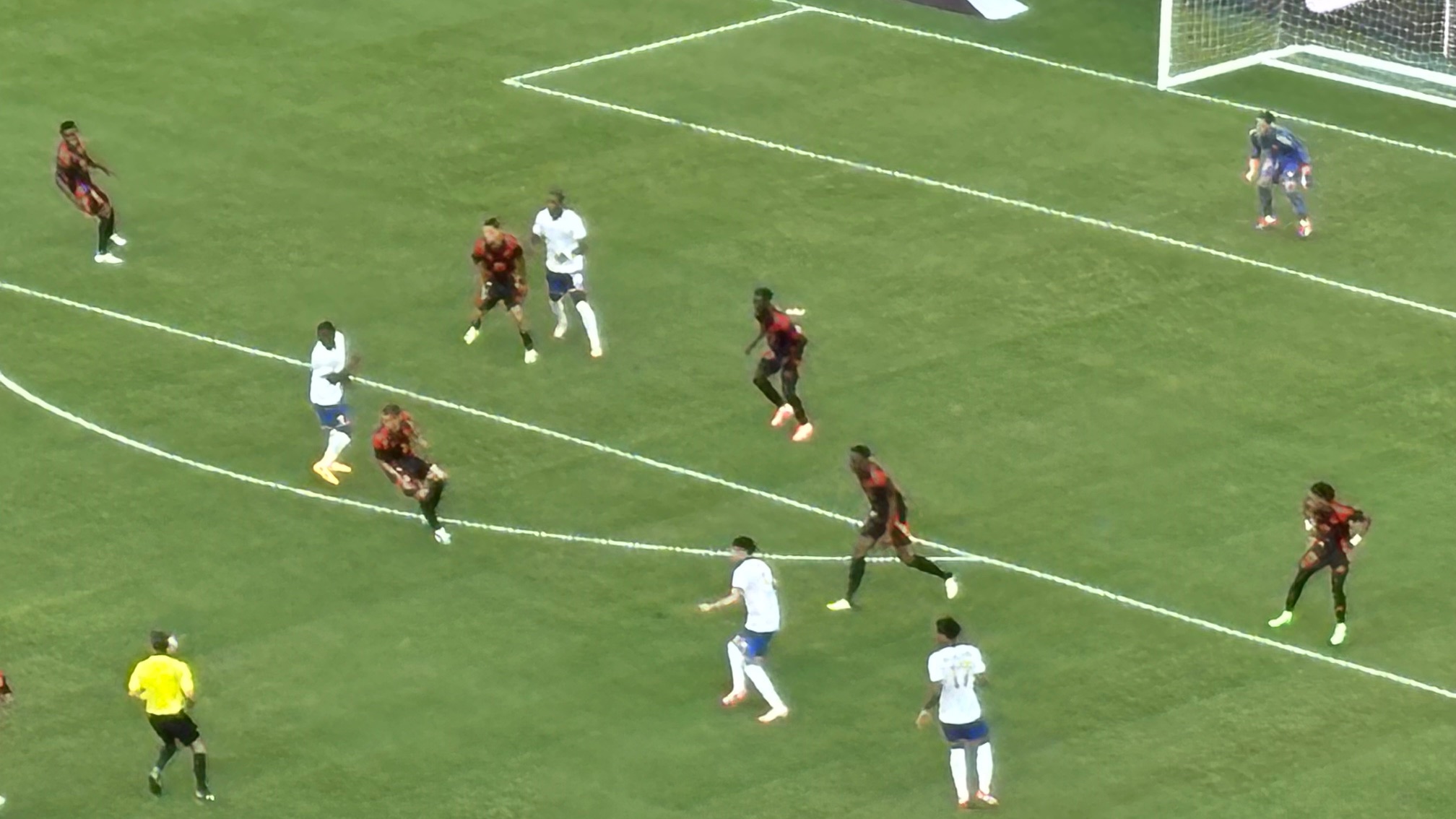

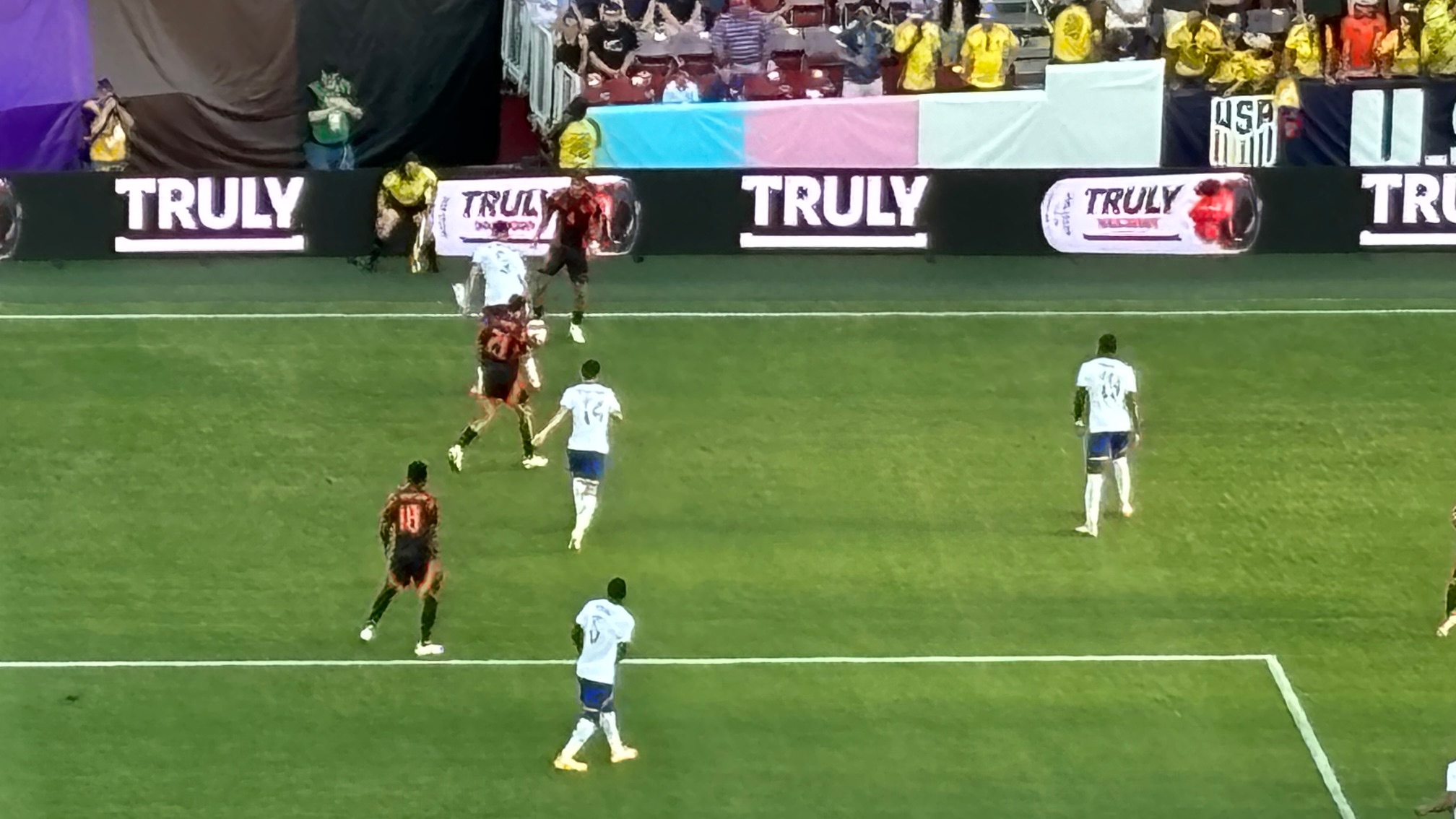
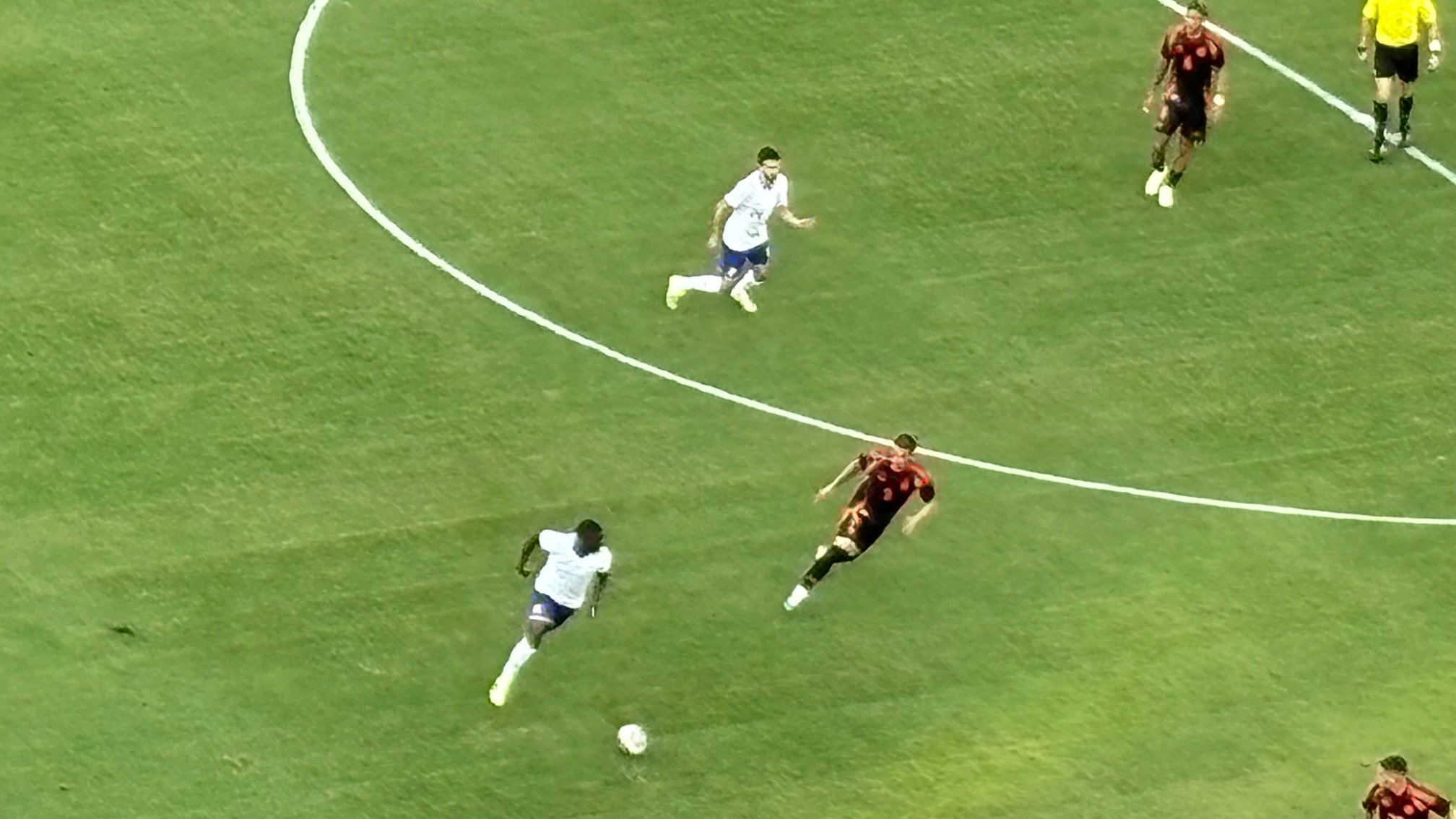


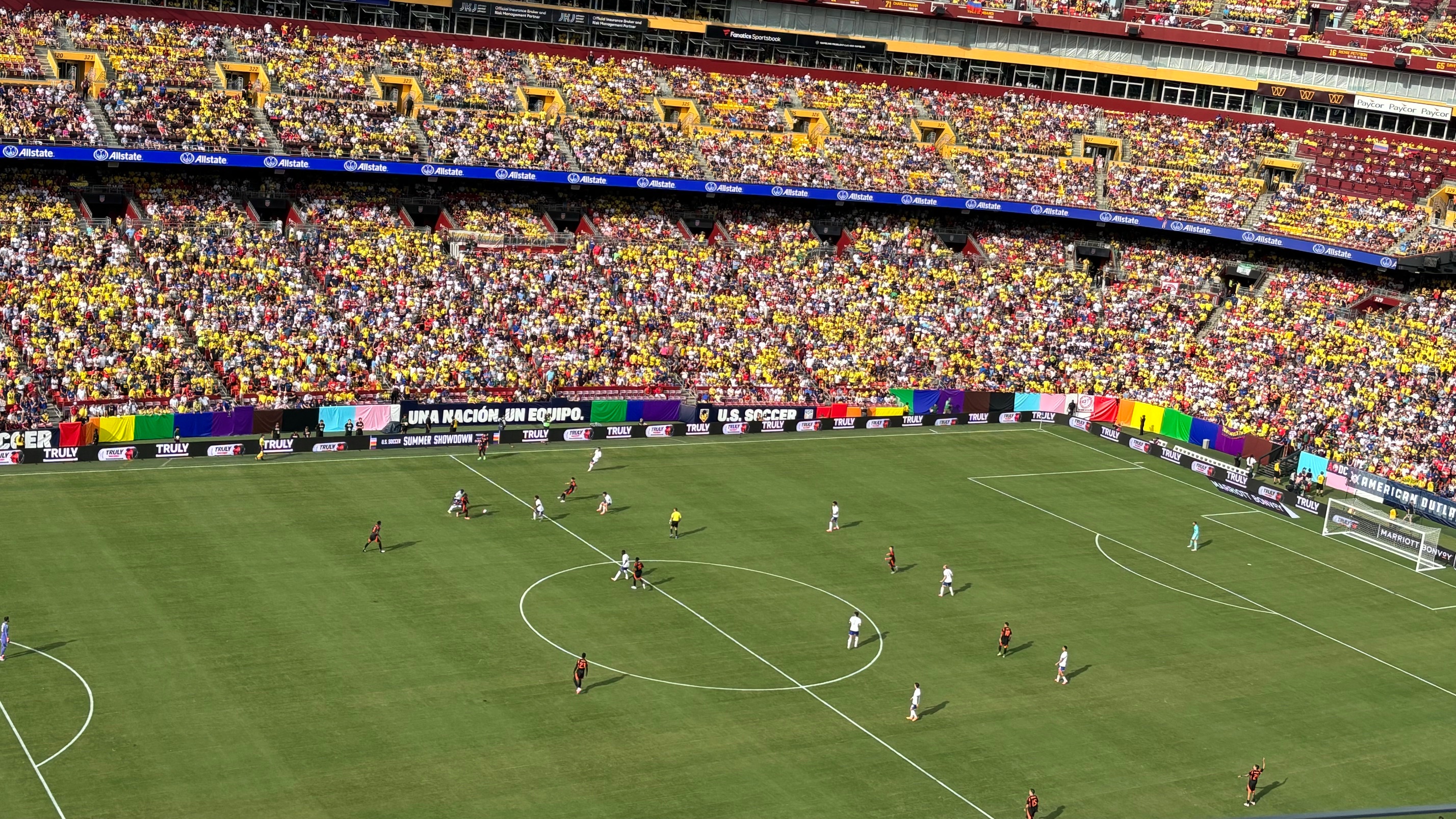
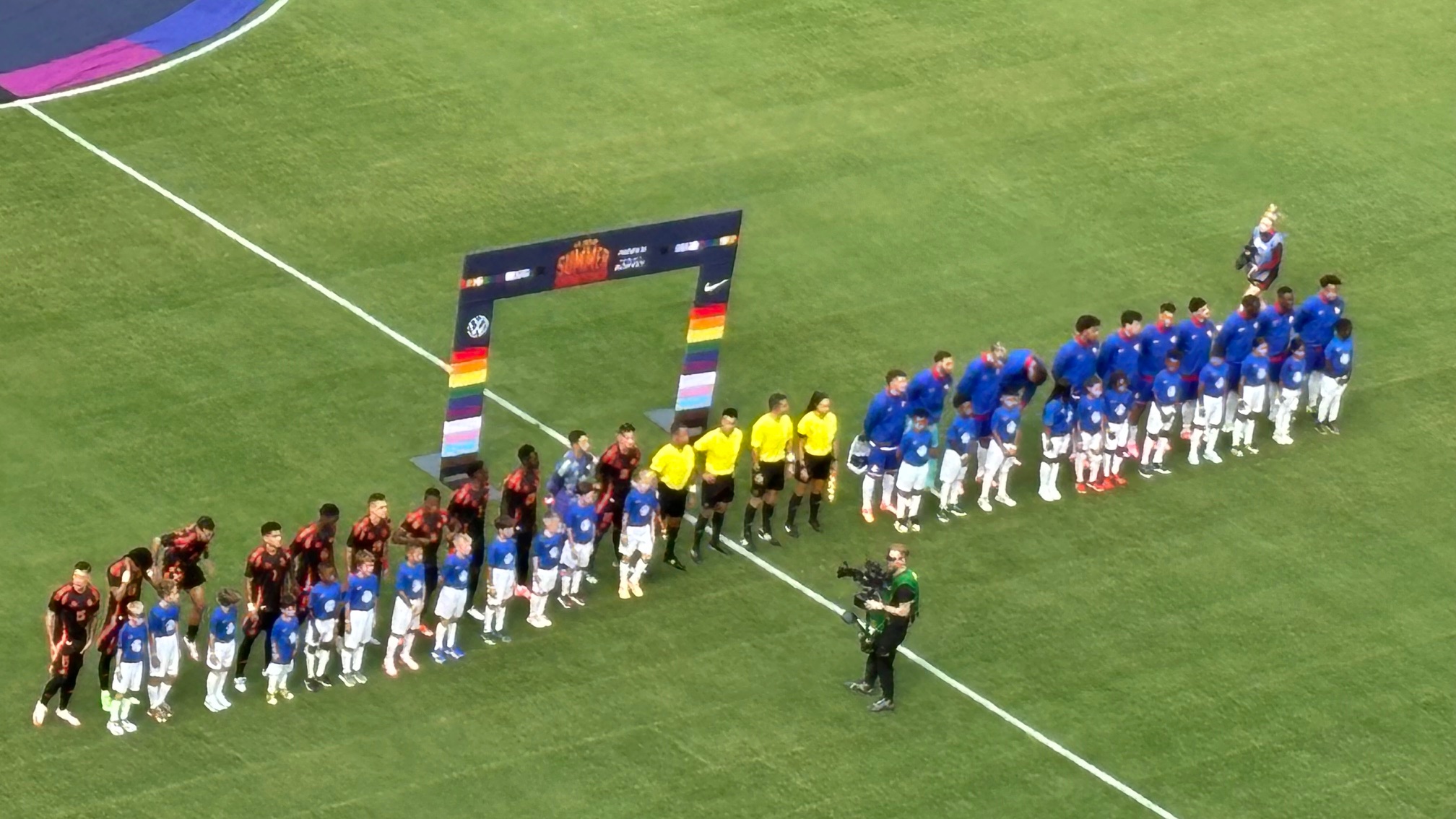
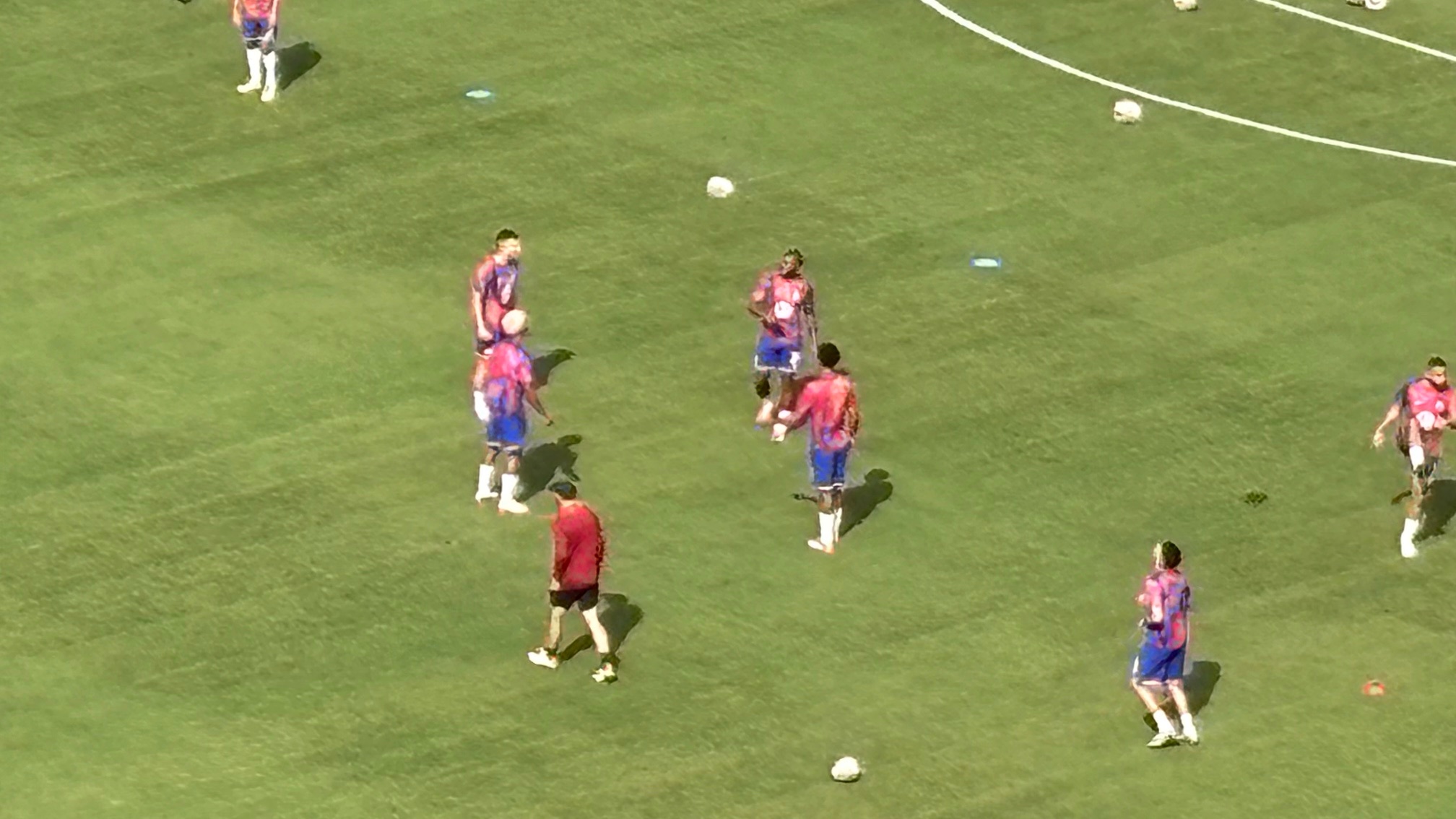






Camera: iPhone 15
Location: Northwest Stadium; Landover, Maryland
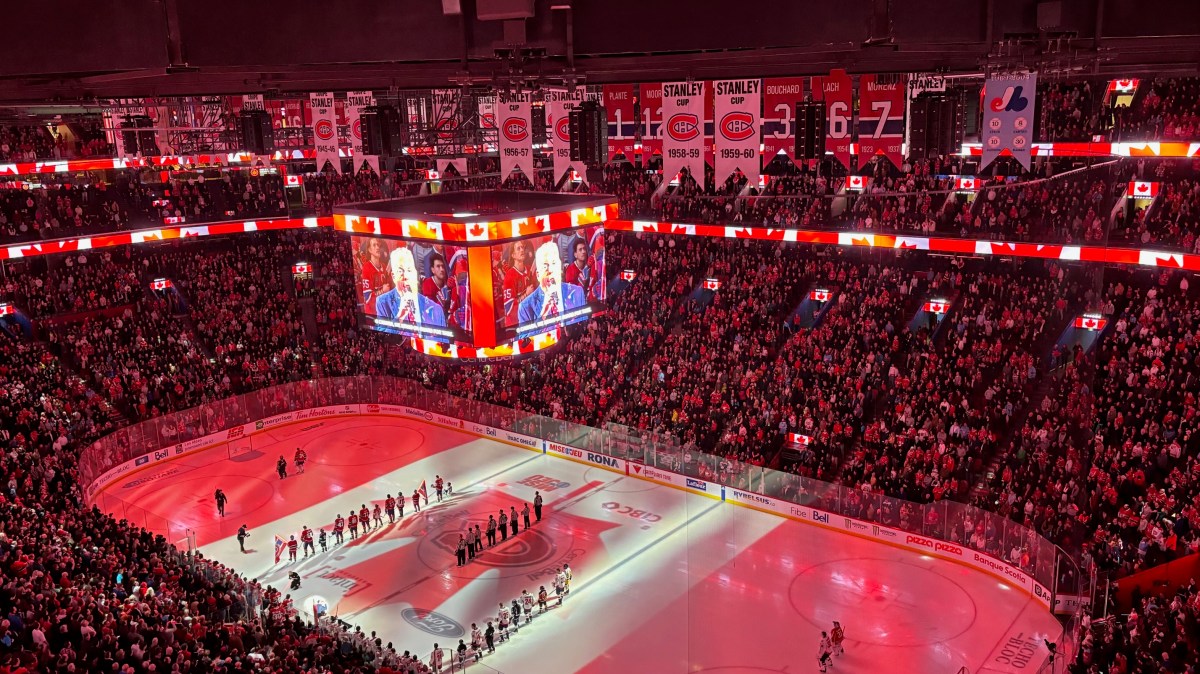
“My first live Hockey game in Canada to see the Montreal Canadiens face off against the Washington Capitals at the Bell Centre in Montreal.”

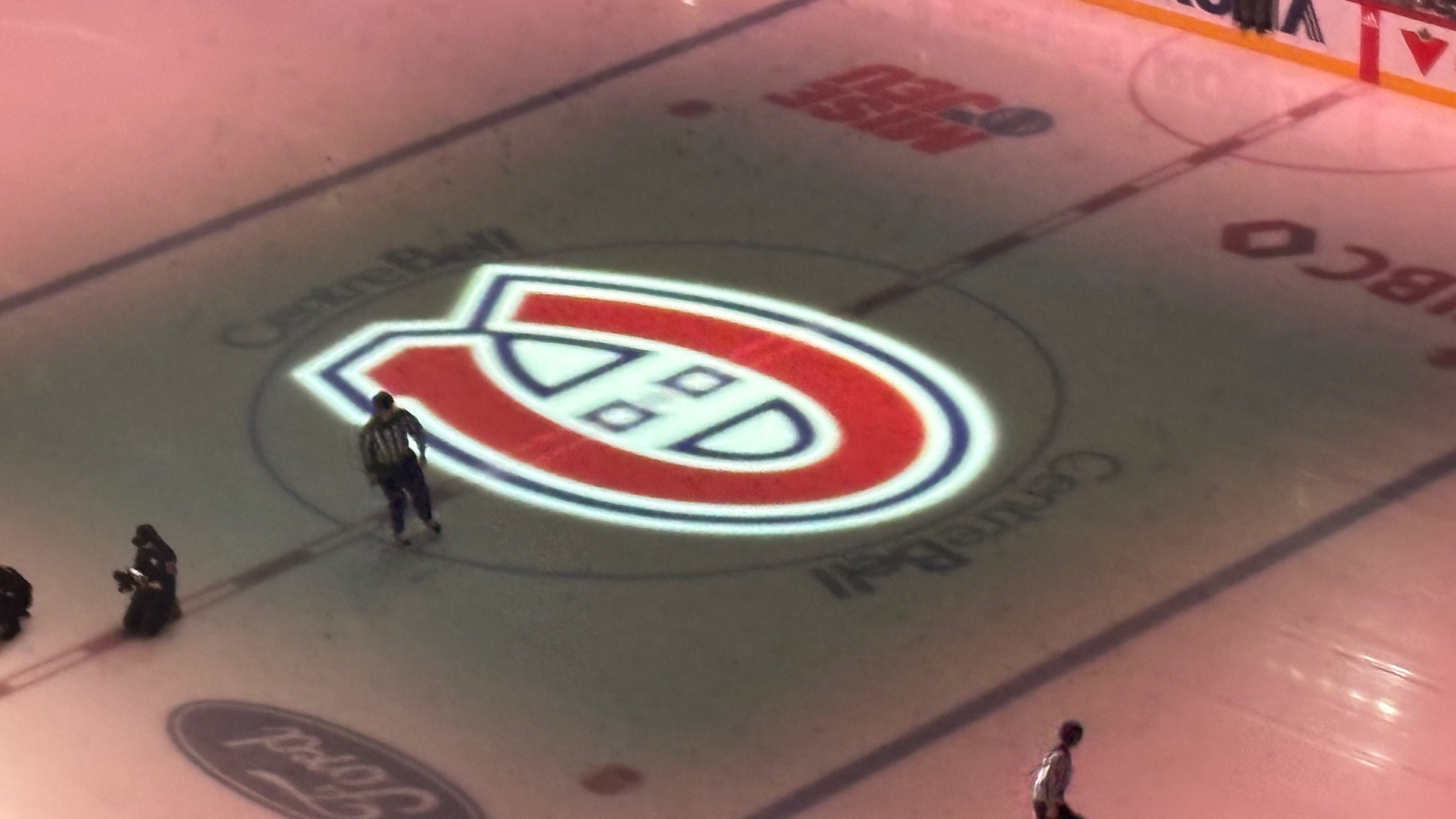


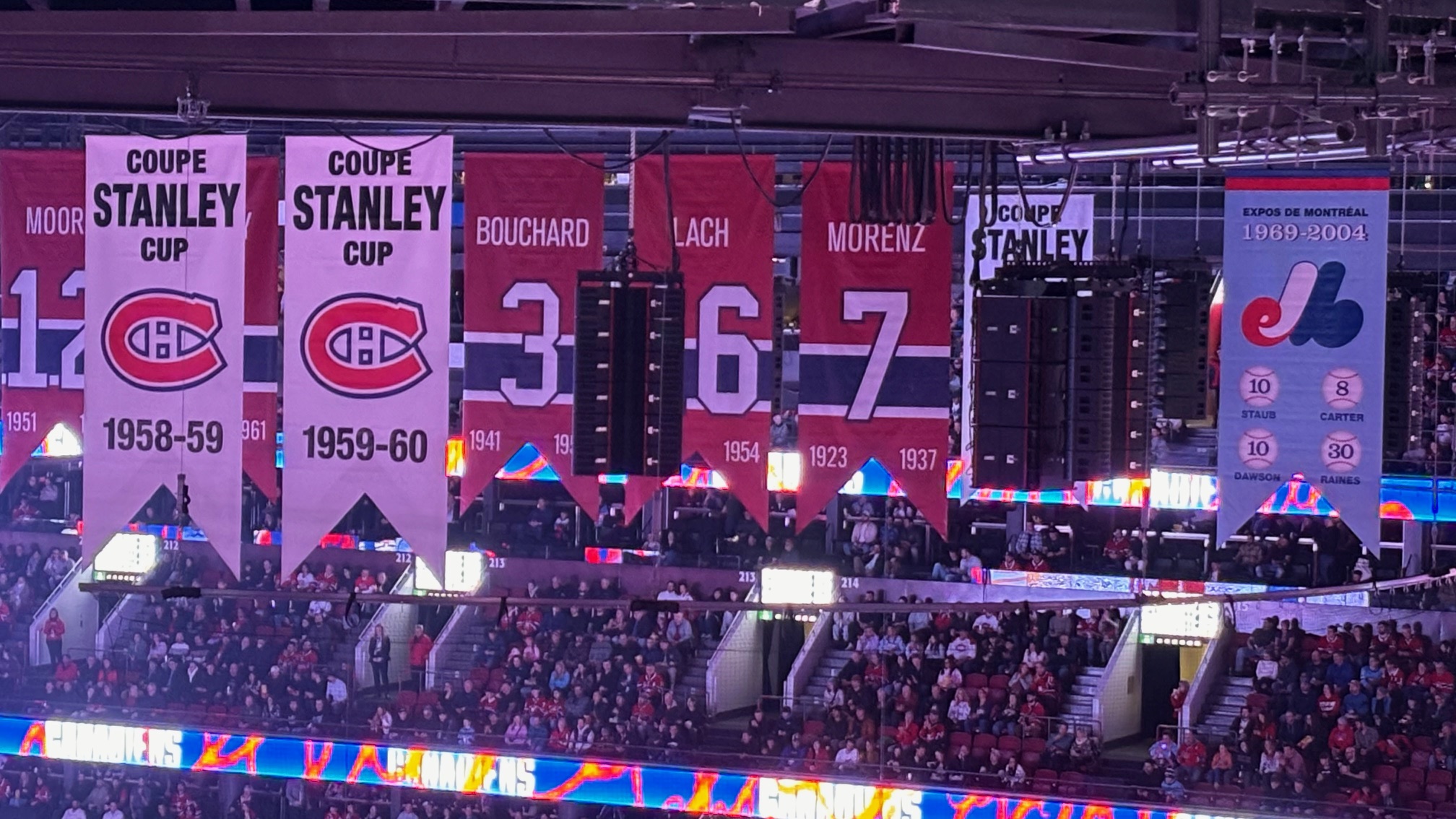
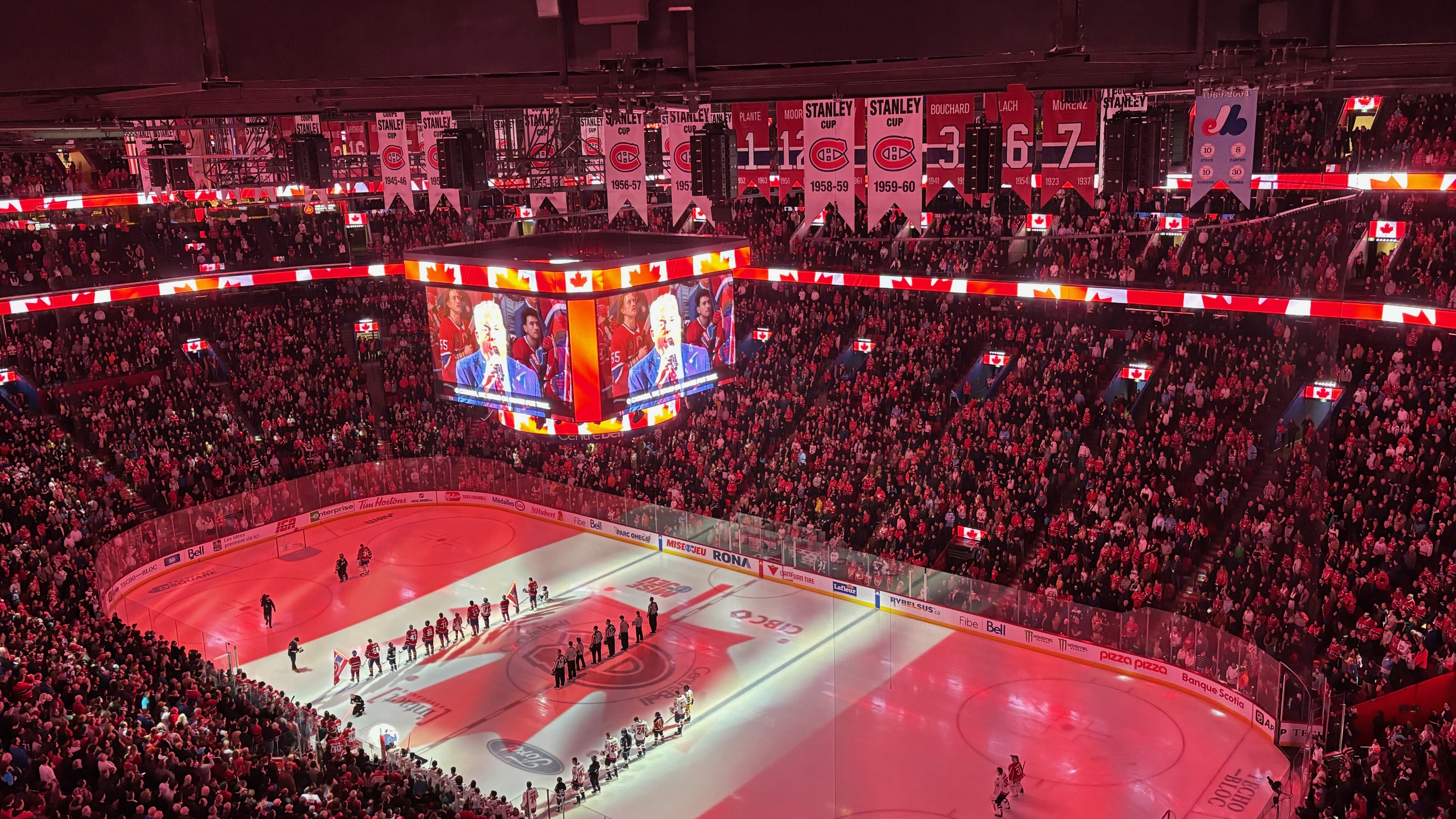





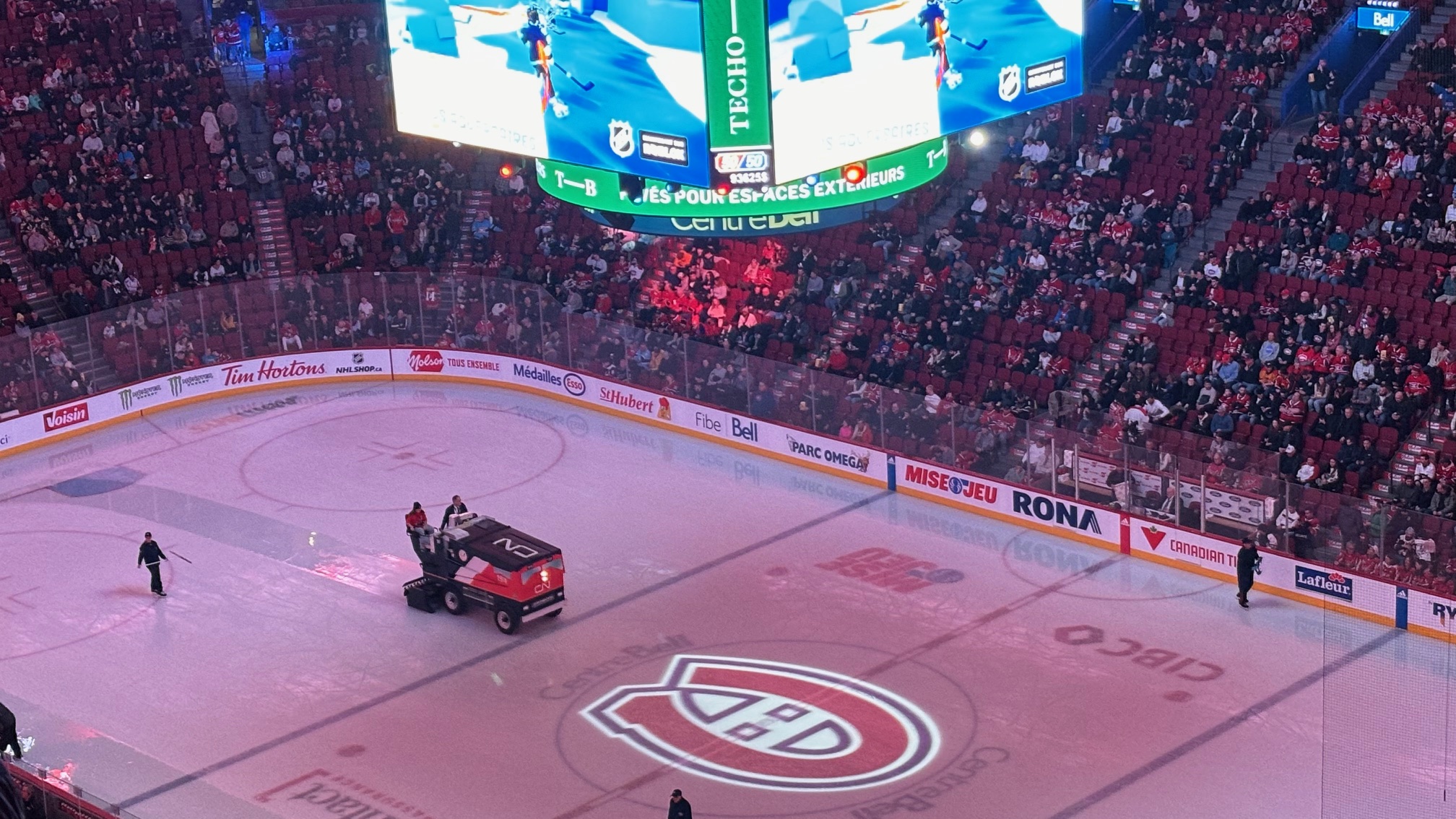


Camera: iPhone 15
Location: Bell Centre; Montreal, Quebec, Canada
“There’s nothing wrong with distractions and wanting to enjoy an event, a spectacle, or indulge a bit but in the times that we’re living in, it’s important to realize that focusing only on ‘bread and circuses’ is something we can no longer afford to do.”
Who doesn’t enjoy sports or entertainment or both? People since the dawn of time have enjoyed being entertained or have been spectators or participants in games, sports, or other spectacles. At best, it is a thrilling adrenaline rush to be part of it to the roar of hundreds or thousands of people. At worse, it is a pleasant distraction from the humdrum of our daily life and our routines. There’s nothing wrong with distractions and wanting to enjoy an event, a spectacle, or indulge a bit but in the times that we’re living in, it’s important to realize that focusing only on ‘bread and circuses’ is something we can no longer afford to do.
The concept and phrasing of “bread and circuses or in Latin known as, “panem et circenses”, comes from the Roman Empire and belongs to the Roman poet Juvenal. Juvenal criticized how the Roman leadership would use free food such as bread and grant entertainment such as the gladiator events and other spectacles of the coliseum to distract the citizenry from societal and economic decay. While the Roman empire declined and fell as all empires do, today, in our modern world, we have major sporting events such as the FIFA World Cup and the NFL Super Bowl. Reality Television shows remain quite popular, and the media spends hours on celebrity scandals and gossip rather than focus on systemic issues affecting each of us daily.
Why is this an issue today as it was almost 200 years ago? I would argue that we are living through an era of upheaval including political instability, economic inequality, the effects of climate change, and the rise of authoritarianism. Distraction such as ‘bread and circuses’ help to keep people distracted from these ongoing issues and is a powerful tool to be utilized by those holding power. While sports and entertainment can be healthy outlets, it does not go well for a society when it is all-consuming, and people are overly reliant on it each day for fulfillment or pleasure. An active citizenry must remain focused on issues that affect them and their families as if they are paying attention and are engaged, positive change is more likely to occur as a result.
Political leaders can use major sporting events to help push their agendas forward as the times surrounding such events are the easiest to enact policies that are controversial but in which public attention is directed elsewhere. Politicians and leaders can also engage in controversies surrounding sporting events and how it related to ‘culture wars’ and ‘celebrity feuds’ to divert from ongoing political scandals or economic problems. Major sporting events are also used to stir national pride in a country and can be used to distract from real issues that the country is facing as well.
Sports and entertainment are big money for corporations and for wealthy individuals. Sports can reflect ongoing economic inequalities especially when multimillion-dollar commercials are paid for by a company rather than in investing in their own workforce’s compensation. Money spent in the billions of dollars each year on sports betting, gambling, or on tickets could have been funneled towards programs focusing on social well-being in health care, education, or infrastructure.
Celebrities and athletes should be compensated well for the work they do but there is an issue when ordinary workers who help make events, games, and other spectacles run smoothly are not paid a living wage. Thousands of workers are making decent pay, but it pales in comparison to what the ‘stars’ are making especially when they are the one preparing their food, keeping them safe with security measures, and helping stock the shelves and sell the merchandise.
There is also the ongoing debate in society about taxpayer money funding massive students and events that are not benefiting the surrounding community or the city itself. A lot of that money gets funneled to corporations in the ‘naming rights’ and to the ‘billionaires’ who see their net worth grow up as the sports franchise becomes more valuable over the years. A society where income inequality is high and is rising will be reflected in sports and entertainment as well. While there are some economic benefits to be made by the average person in these industries, a large sum of the gains to go to the wealthiest owners, players, and stars while the wealth does not ‘trickle down’ much, if at all.
While some of these issues do get coverage in the media although increasingly sparingly, I would argue that general news media, especially in recent years, has become sensationalistic and has focused on ‘click bait’ content rather than on serious investigative journalism. News outlets have prioritized celebrity feuds, sports gossip, and other trivial controversies that pale in comparison in terms of importance compared to real issues going on with the wider society. Viral content gets more clicks and eyeballs, especially on social media, and that’s where the focus has turned especially in recent years. Too much information at one time also presents most people from being able to decipher of what’s real vs. what’s fake and what to pay attention to because ‘information overload’ makes it hard to pinpoint what is likely to affect them the most and is worth paying attention to.
Similarly to the issues I’ve mentioned that ‘bread and circuses’ distract from each day, one issue that is the most immediate and wide scale in terms of ongoing effects is the accelerating climate crisis. Major sports and entertainment events all have an environmental cost and leave a sizable carbon footprint. When you tally up, the travel emissions, energy consumption because of the game or event, and the waste involved from having thousands of people in attendance, communities who support the events or games must deal with the aftermath, including both the financial and environmental costs.
While these massive events like the Super Bowl, the FIFA World Cup, and the Olympics due to pledge to be more sustainable and environmentally friendly, many companies do not end up footing the bill for the carbon emitted or the energy used. They can do so because the companies help sponsor the events and contribute enough money to them, so they aren’t as liable to help with the environmental aftereffects. Looking at two recent examples with the 2016 Rio Olympics and the 2022 FIFA World Cup in Qarar, these two events led to increased carbon emissions (FIFA) and environmental aftereffects. (Olympics)
While I am supportive of sports and entertainment and have been a fan of both, I still recognize the need to tone it back these days because excessive consumption of either will not help our society and our world be better. Sports and reality TV may seem as important as real issues, but they are not and never will be. People must stay engaged in what’s going on in their community, their country, and their world. As consumers of news, we also have the individual and collective power to choose which news outlets we give our time and our money to as well. If frivolities and ‘bread and circuses’ is all a news organization is offering, then it’s not a real news organization to begin with.
Advocating for solutions to real issues, being a reliable voter, and volunteering in your community consistently can help keep the ‘bread and circuses’ to a more tolerable level. We all want to experience gratification and rewards in our lives and sports, or entertainment do both in providing that kind of dopamine hit but it’s a cheap one, and it’s not something we do ourselves. Political activism, working for social change, and developing our problem-solving abilities is real gratification in whatever issue you want to work on in our world. It’s not as instant and far from being easy but improving anything in society will take effort, discomfort, patience, and a lot of perseverance. Make sure you advocate for what you care about because celebrities and sports figures may not do the same, if at all.
You should stay focused on what’s important in the news, be civically engaged and encourage others in your life to do so. Remember to balance your consumption of entertainment and sports along with awareness of the issues and problems affecting you, your families, and your communities. Watching the Super Bowl is fine and I just did so recently as I have most years of my life, but if we continue to ignore political scandals, economic problems, and societal injustices, there won’t be much to celebrate in our society beyond that one day of the calendar year, where two teams of millionaires play a game that you can’t even be part of or even afford to go to.
The 2023 Mubadala Citi Open in Washington, DC for Men’s and Women’s Tennis
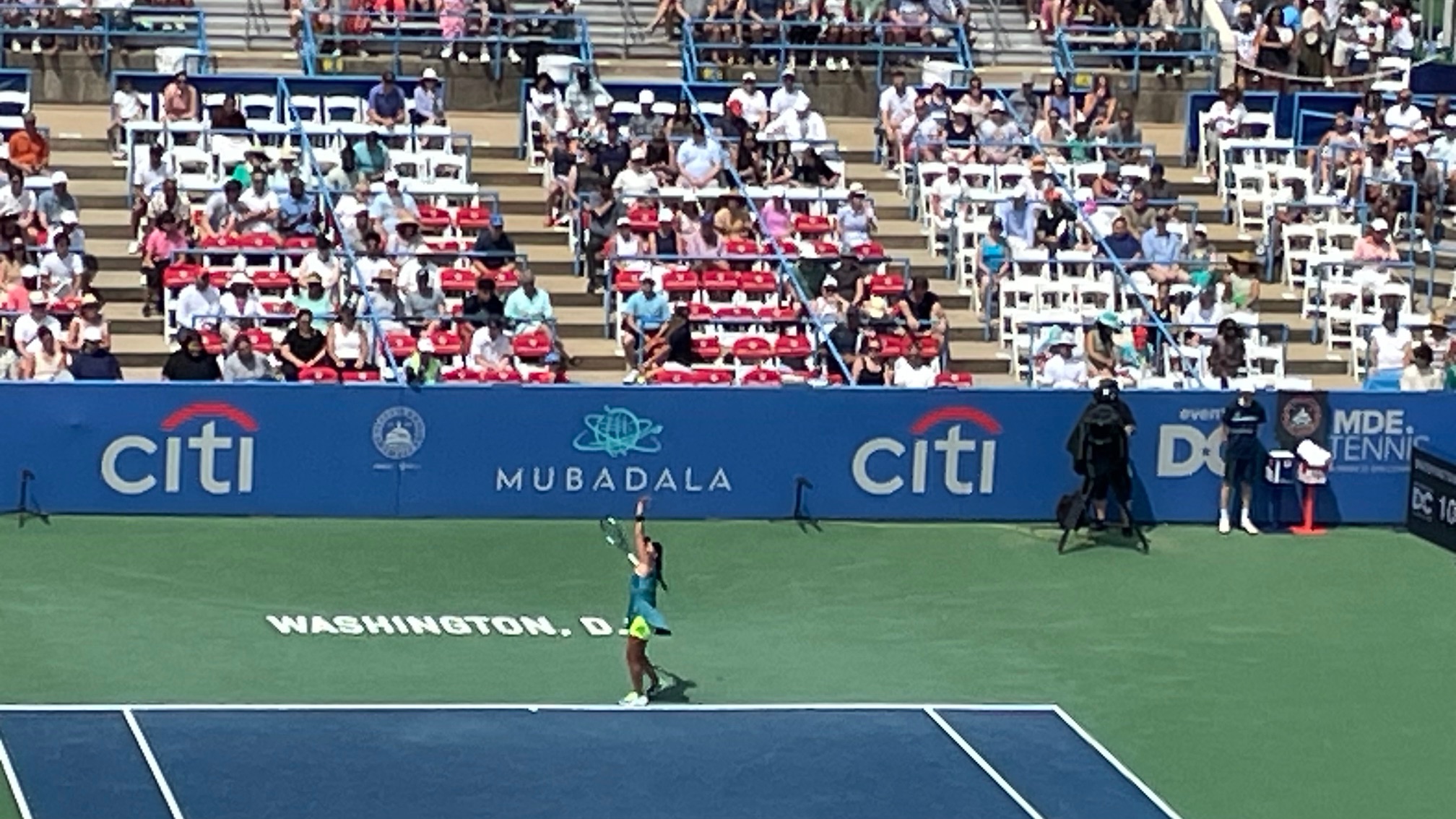

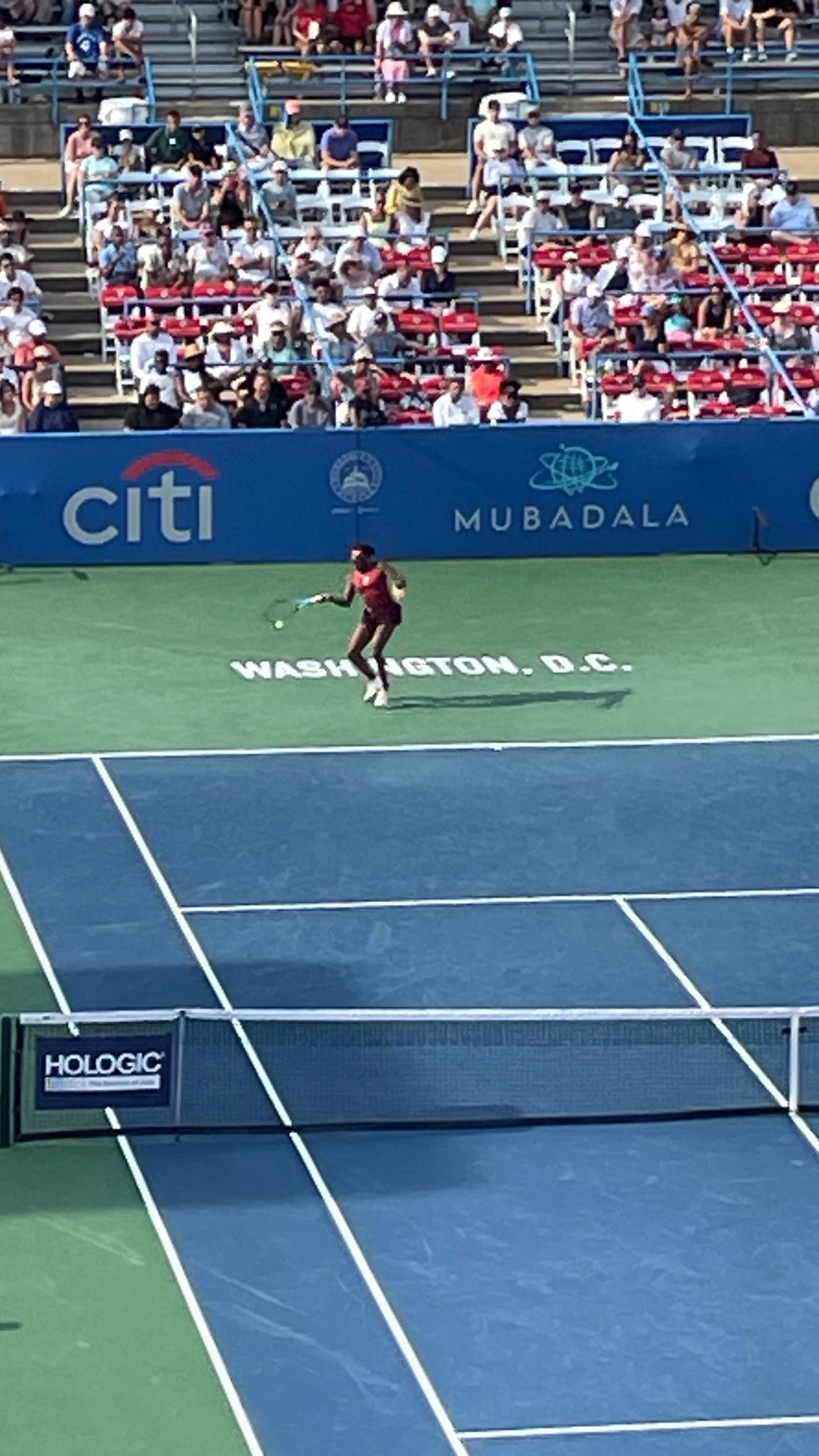
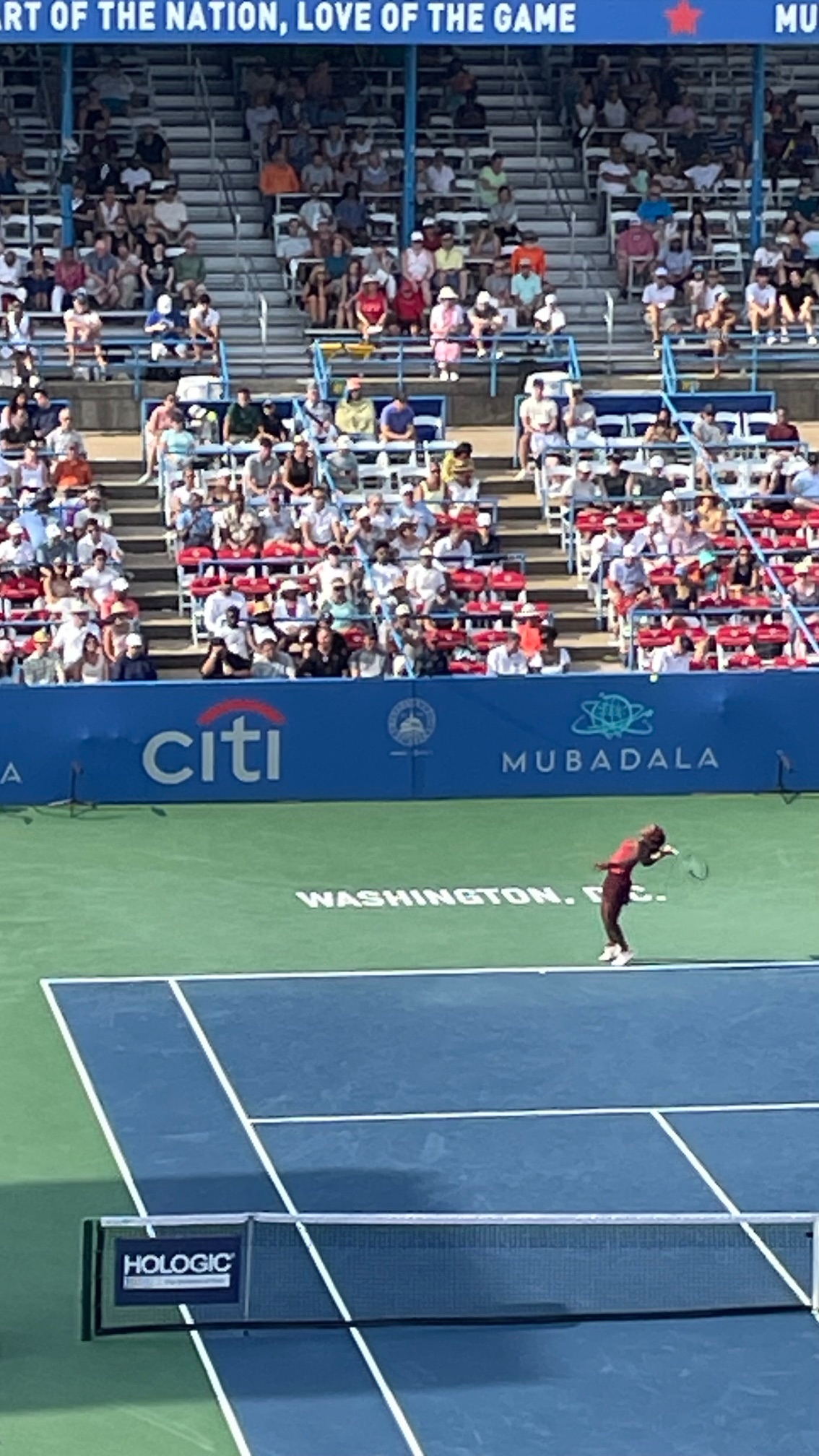

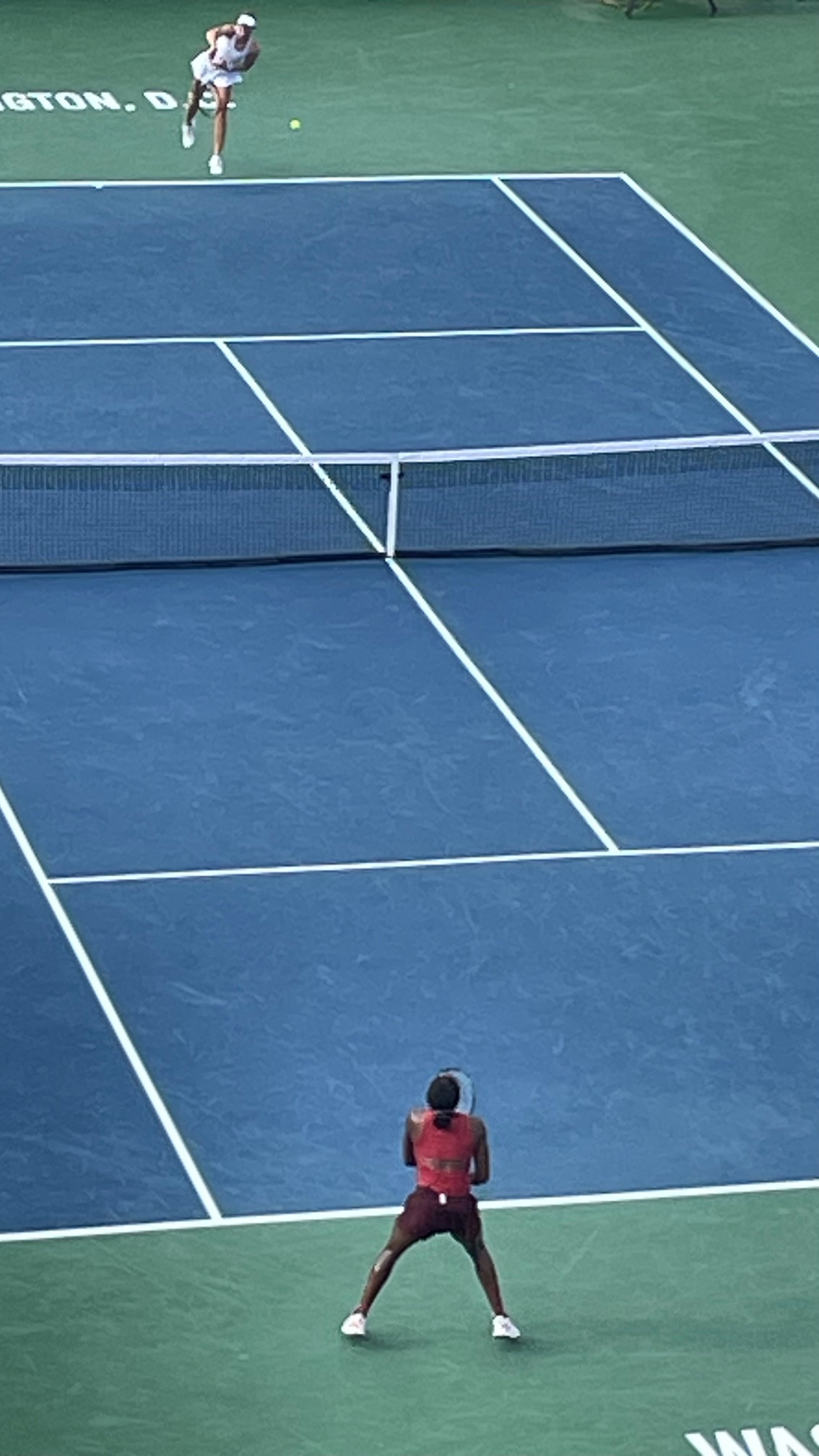
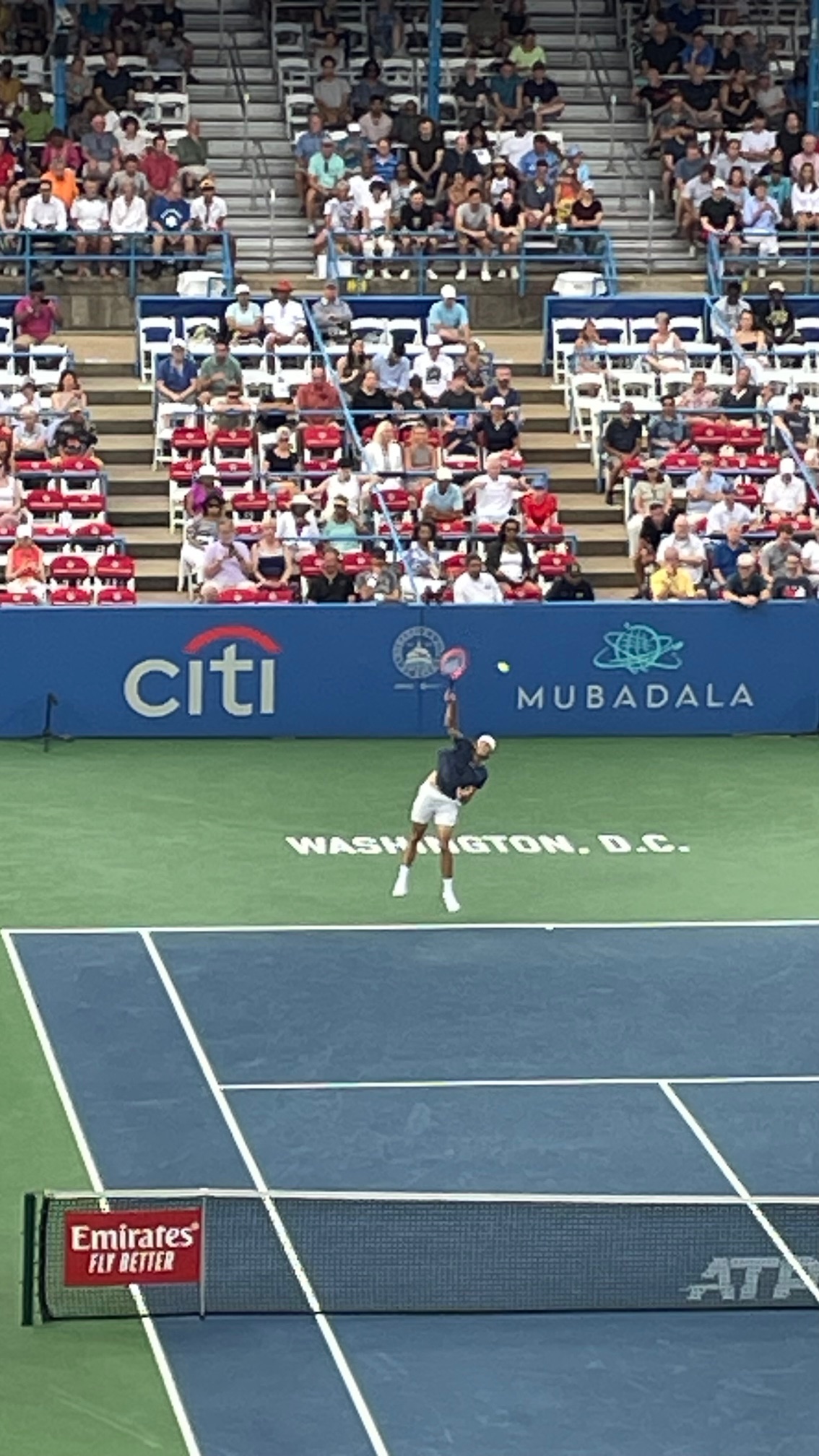

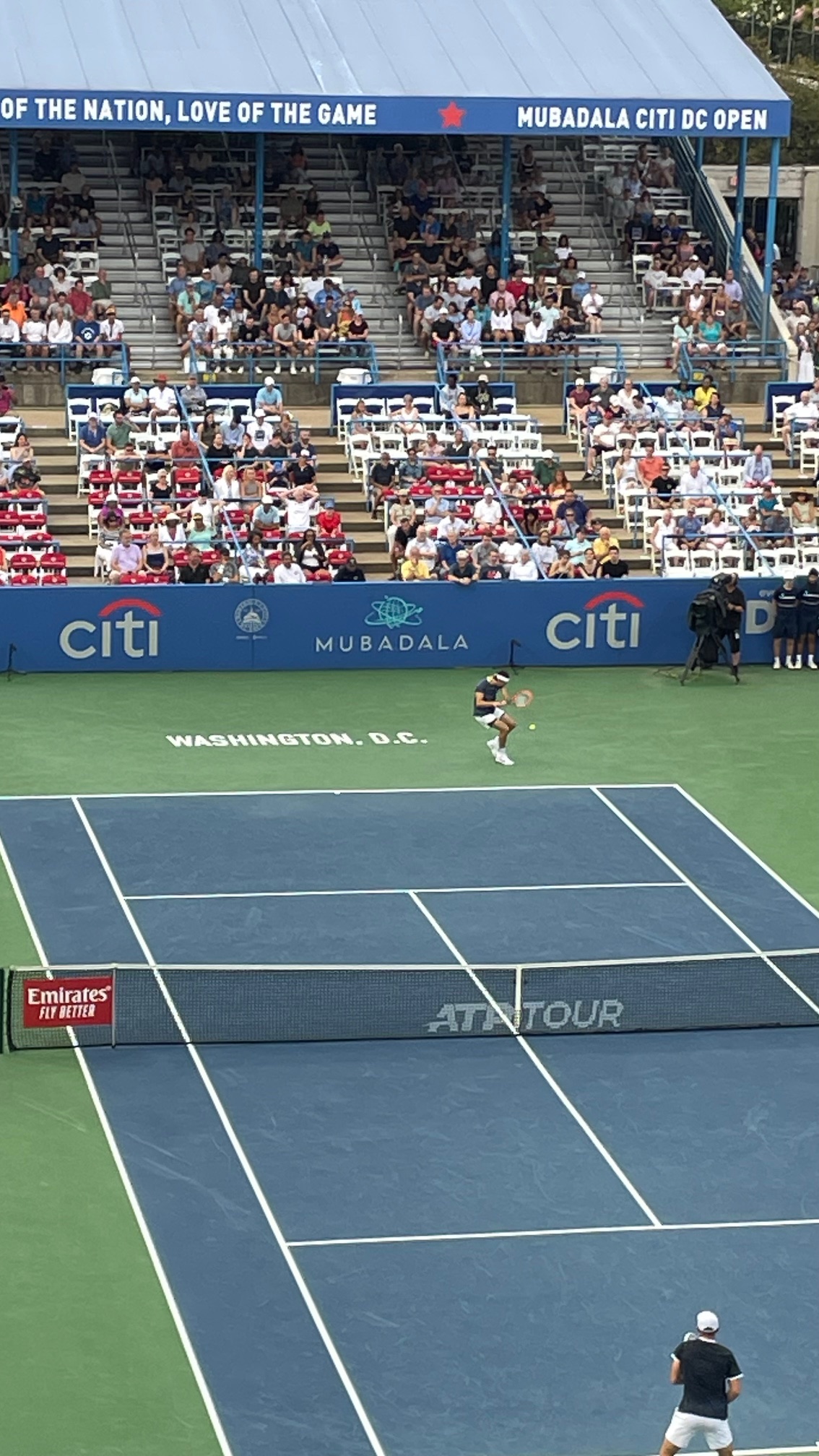
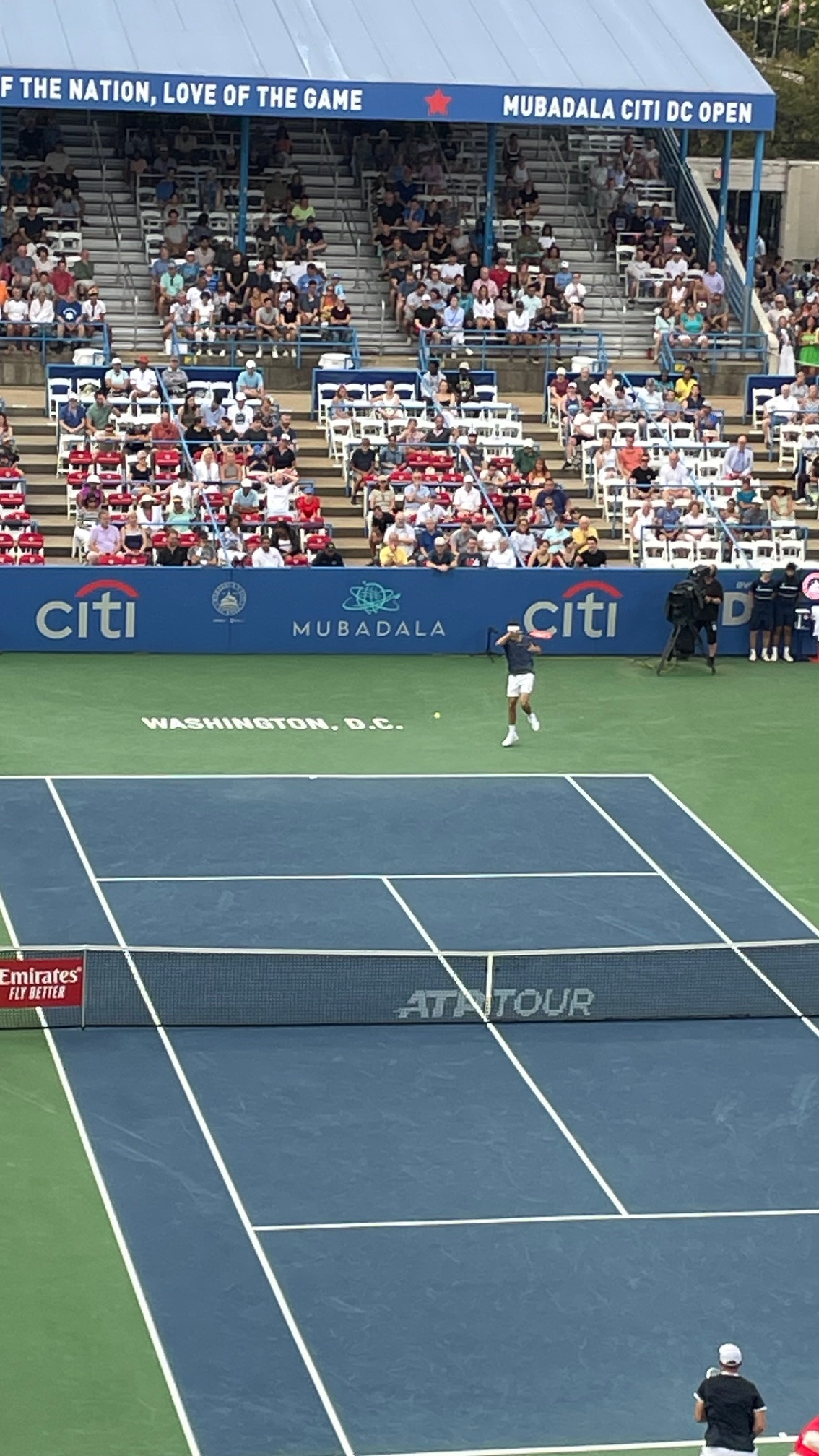


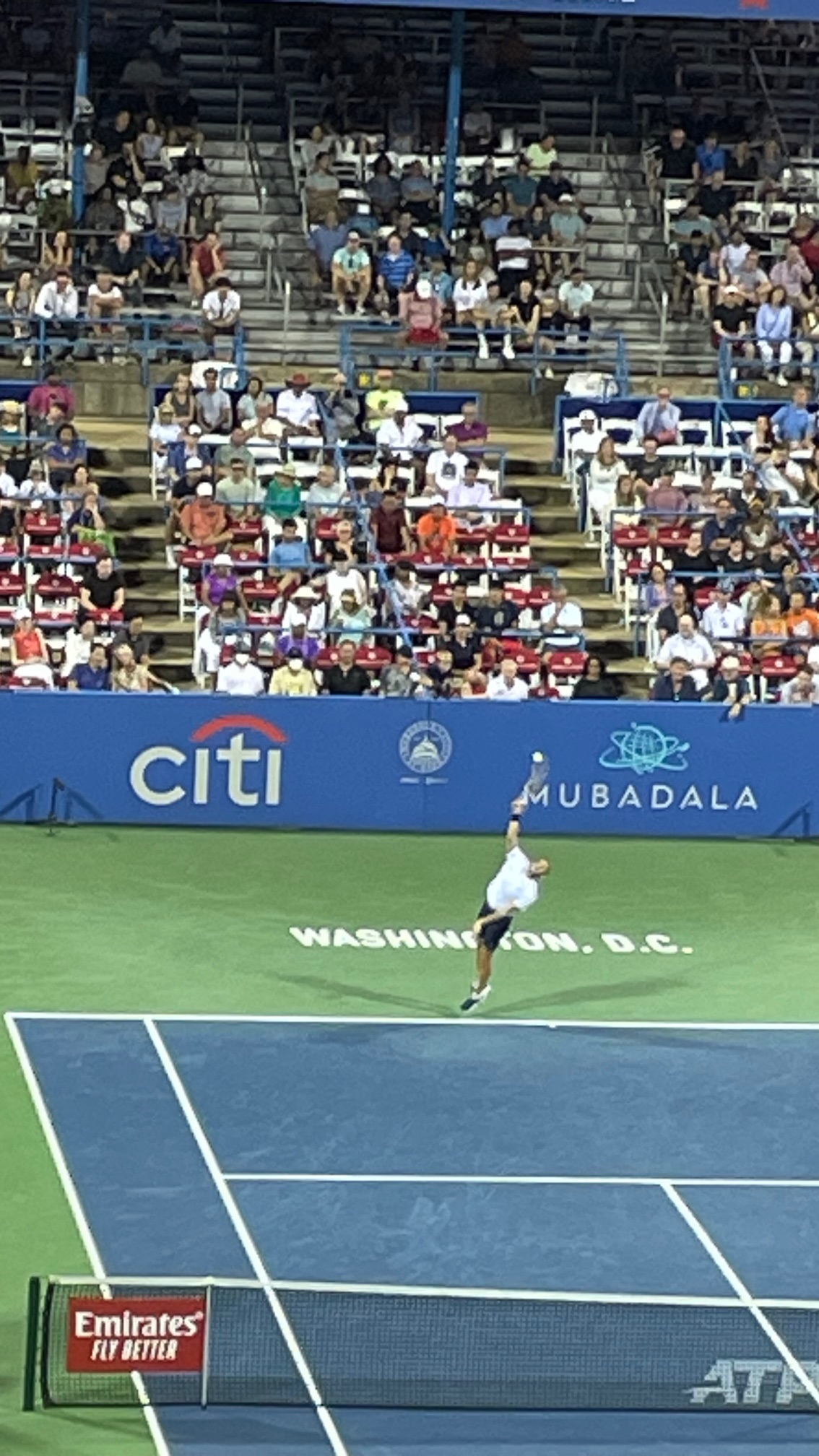
Camera: iPhone 12
Location: Washington, District of Columbia
Pike’s Place Market, The Space Needle, Museum of Popular Culture and More Seattle Landmarks!

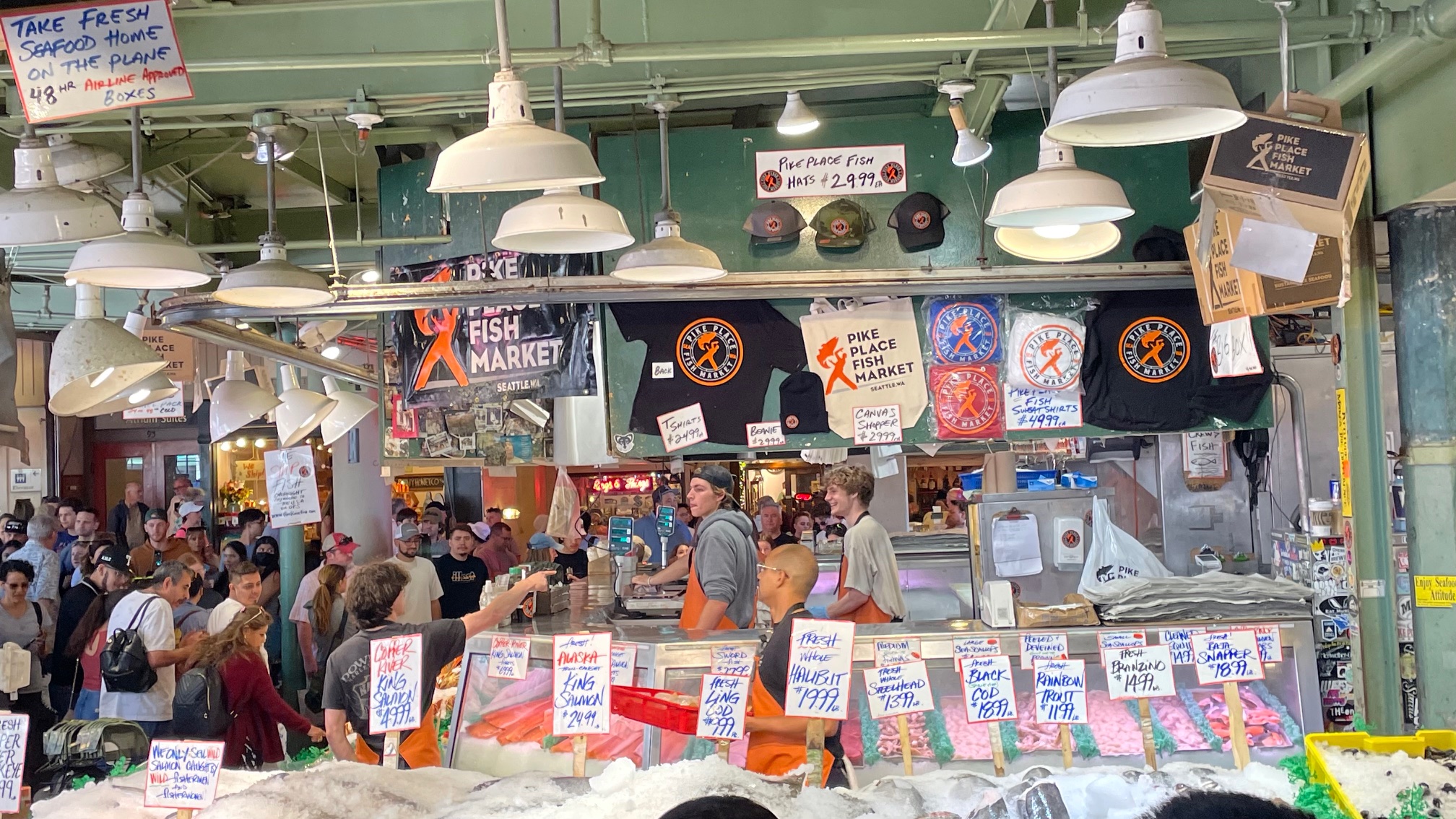

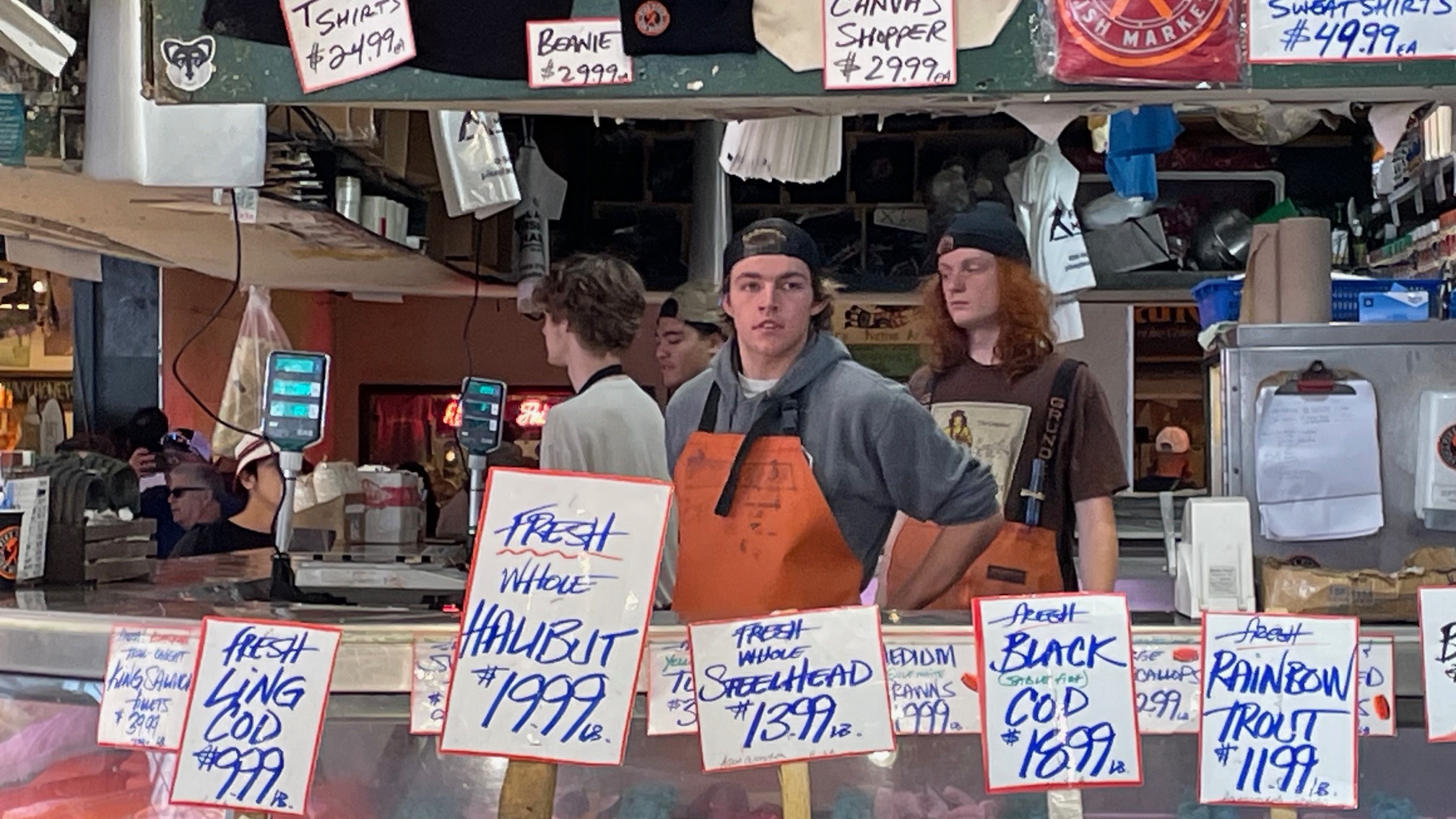




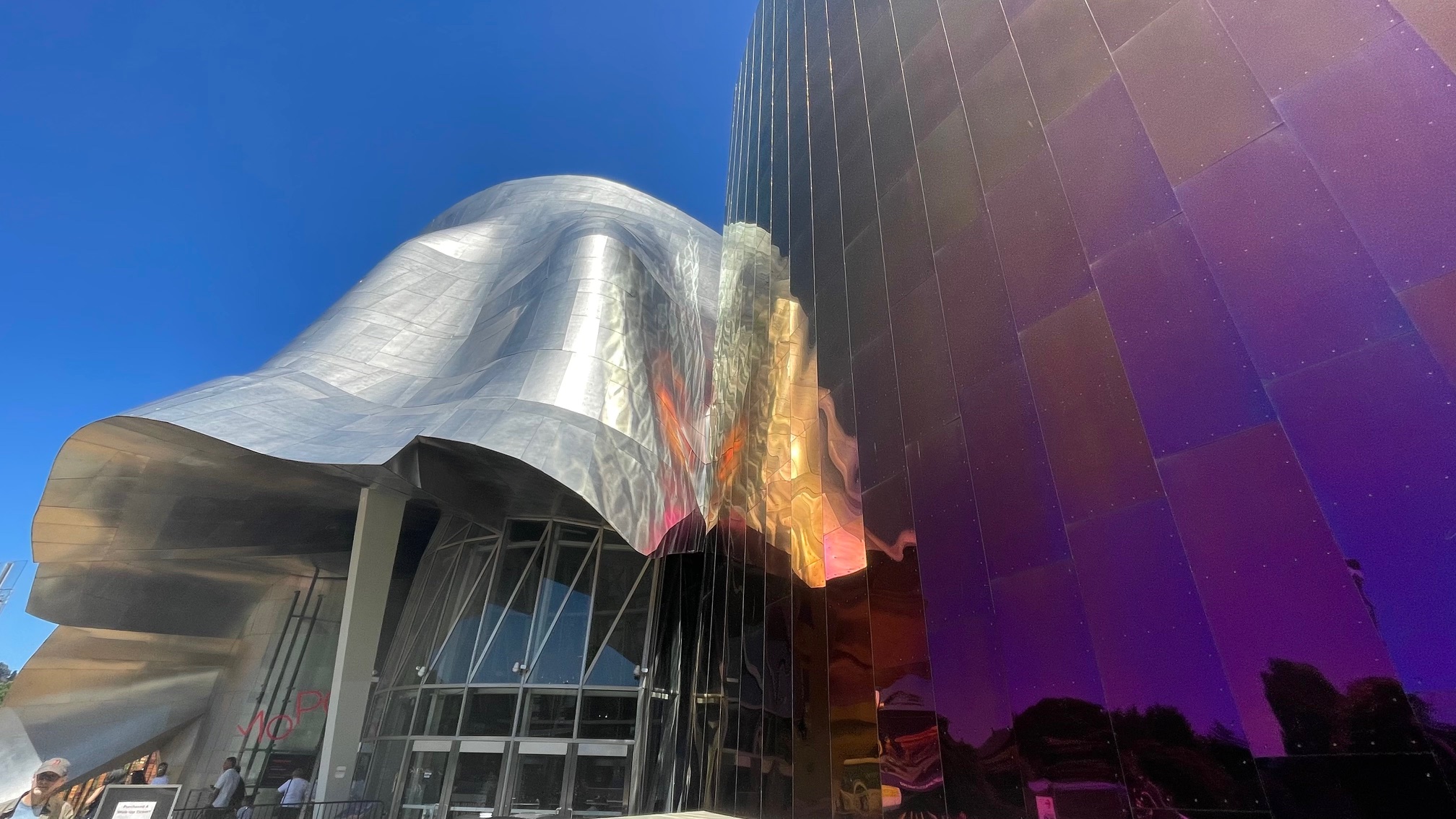



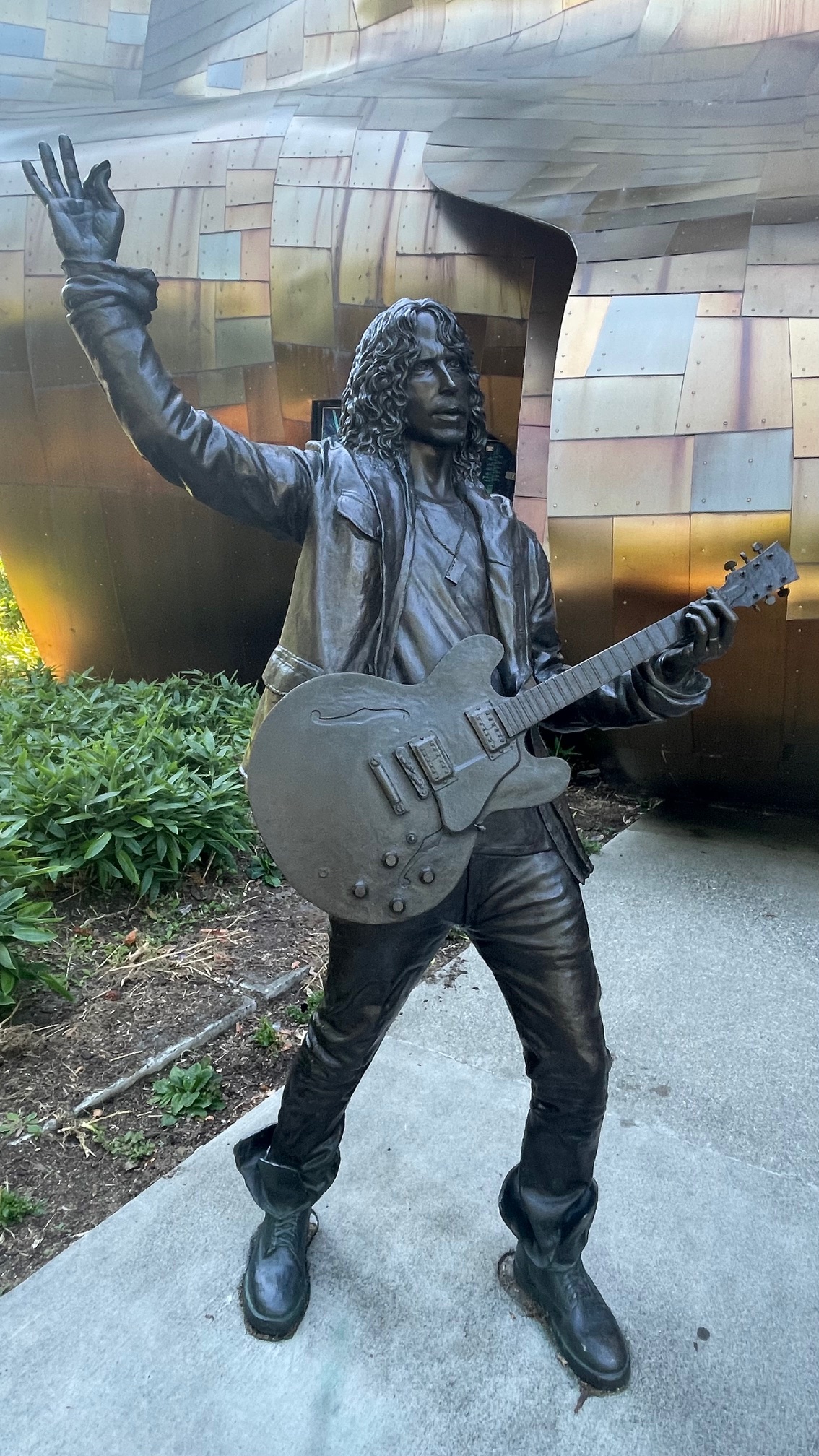







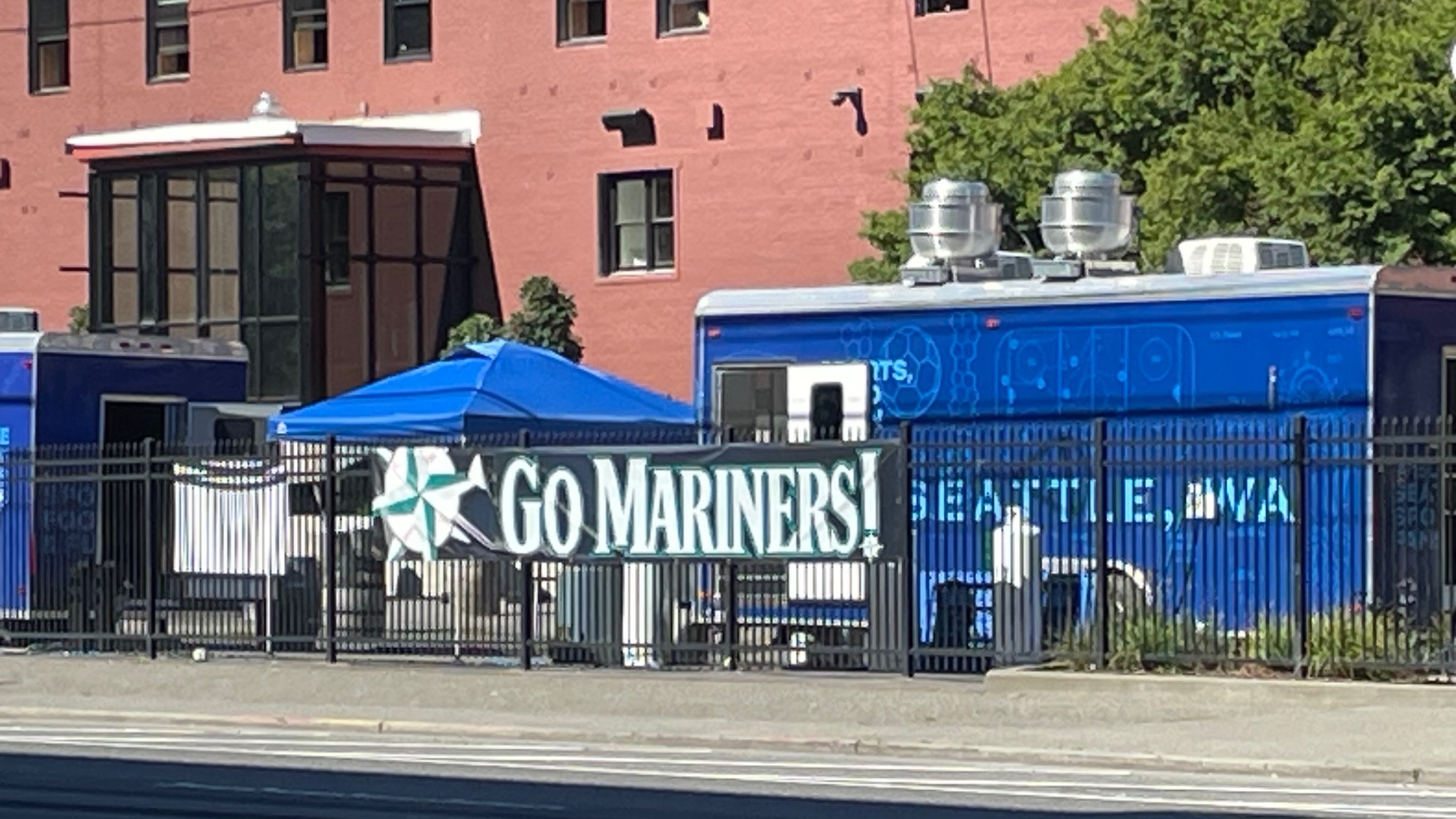
Camera: iPhone 12
Location: Seattle, Washington, United States
Capitals and Wizards in 2023


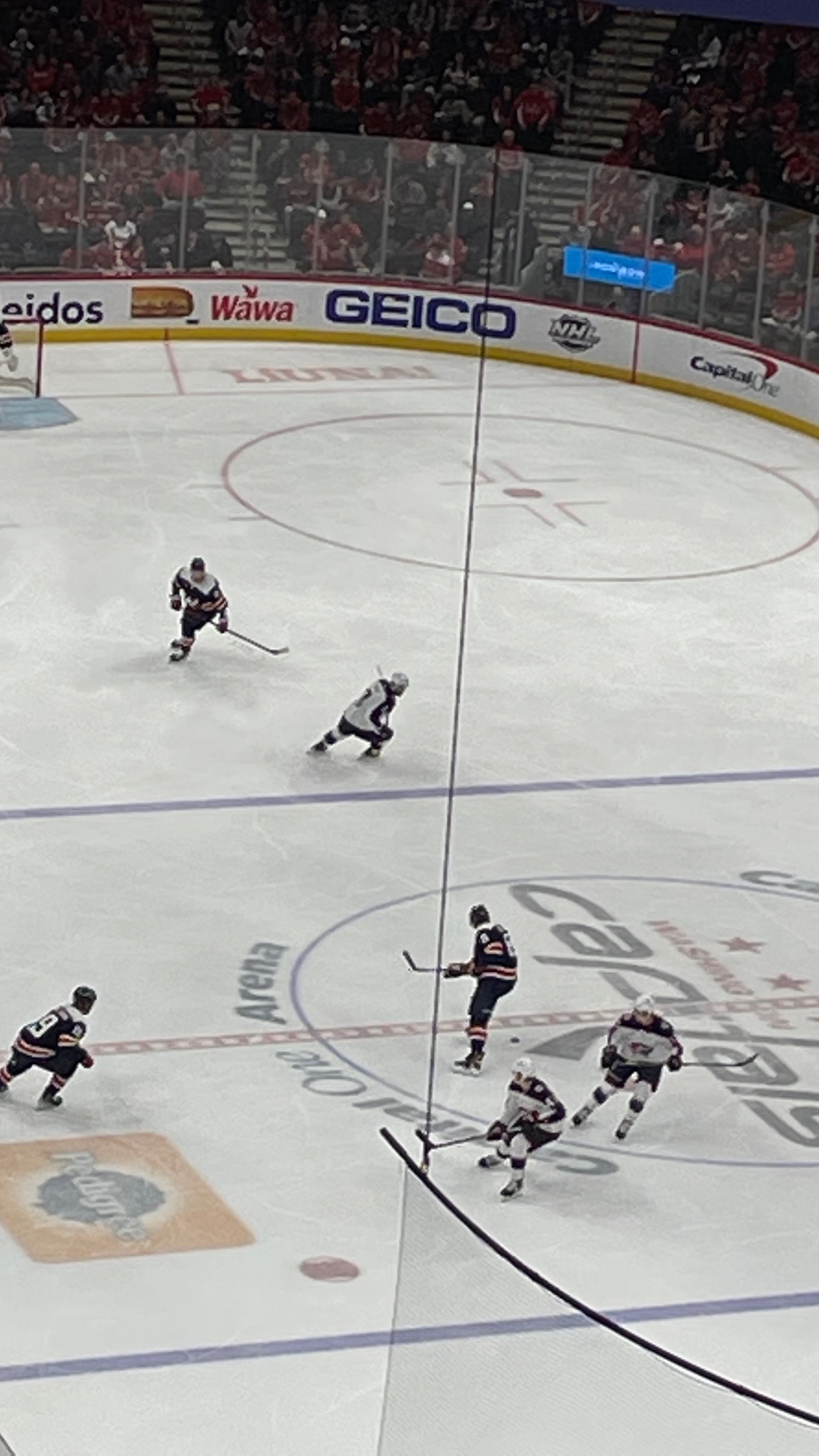

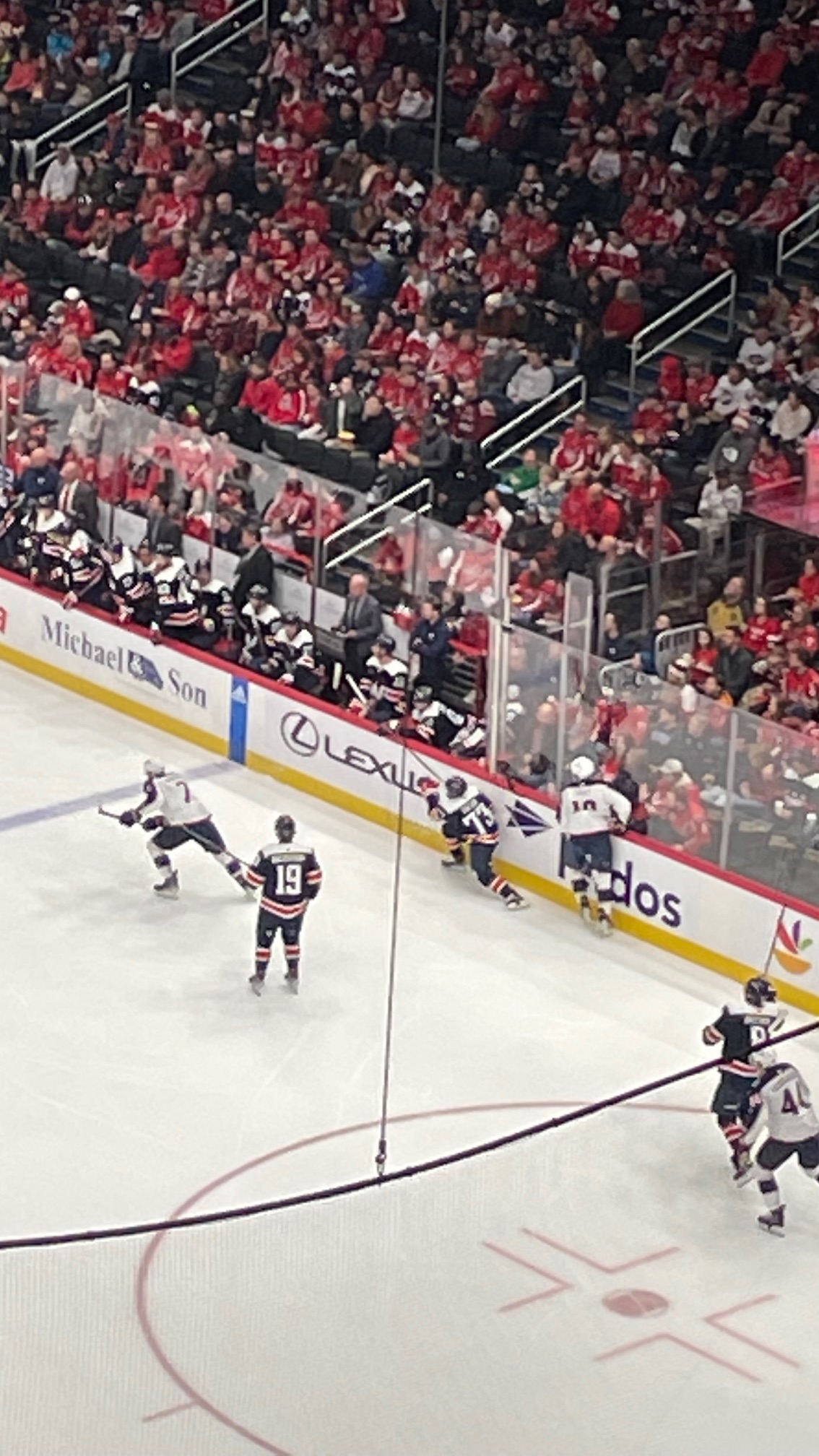
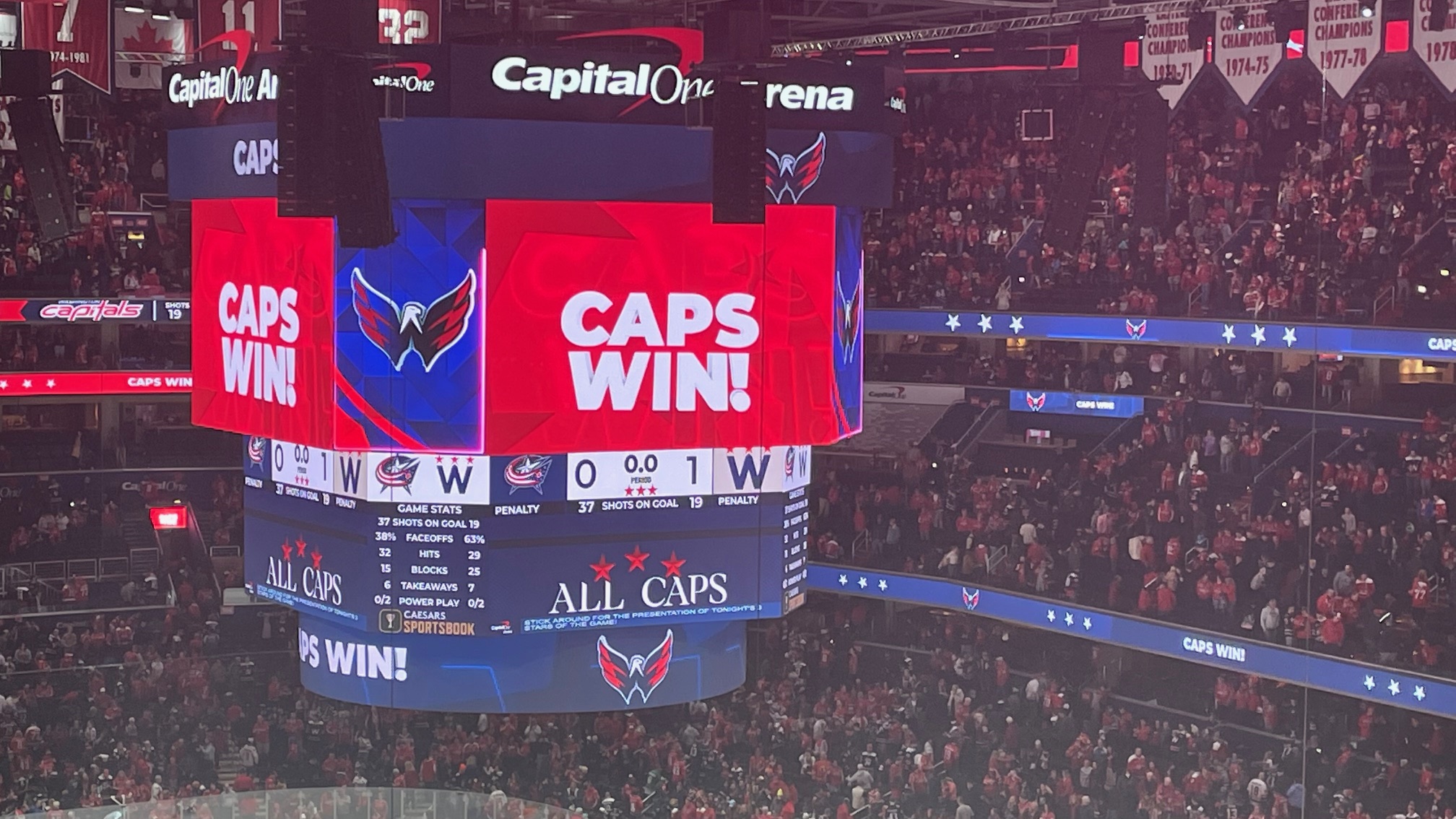


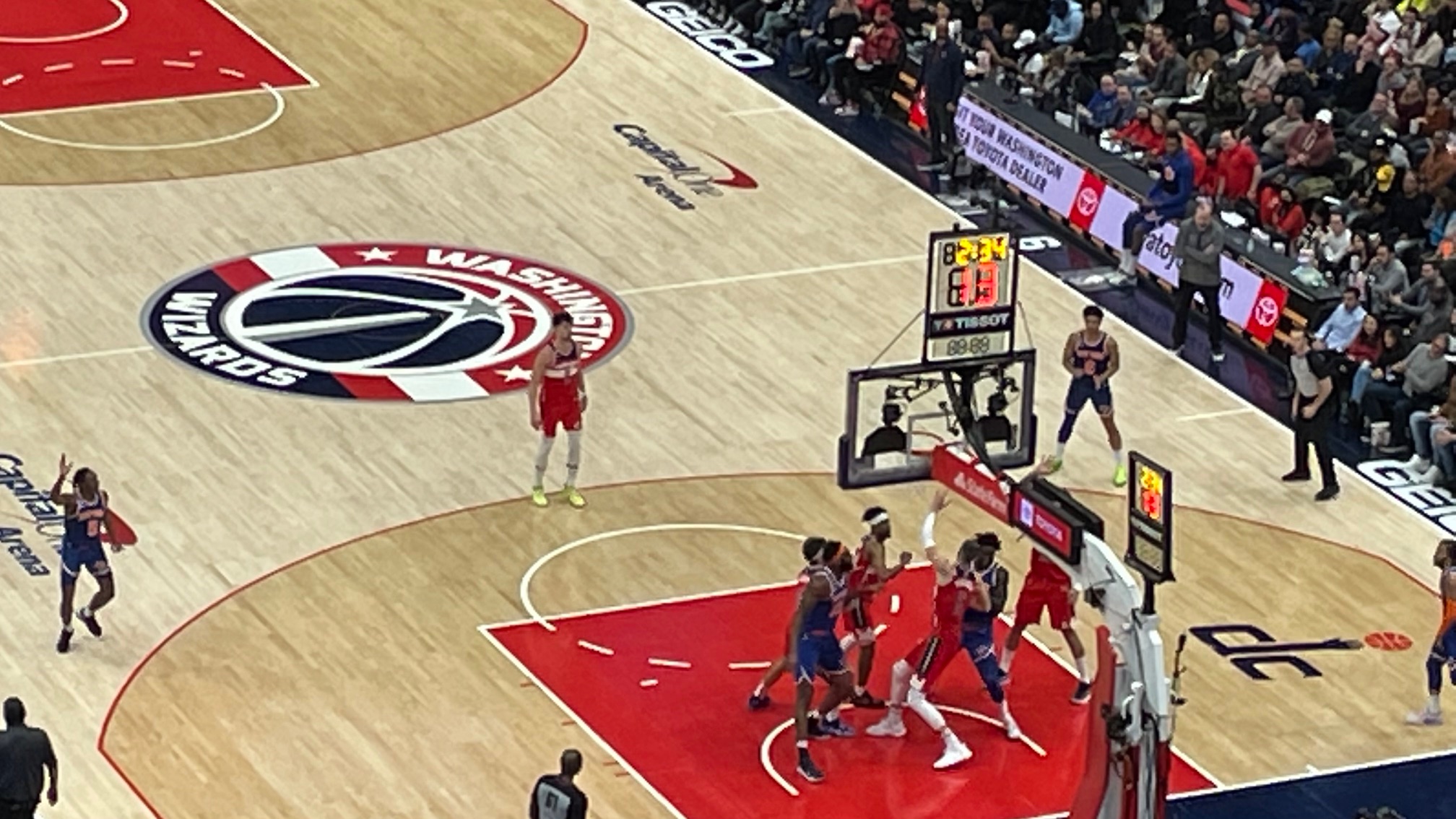

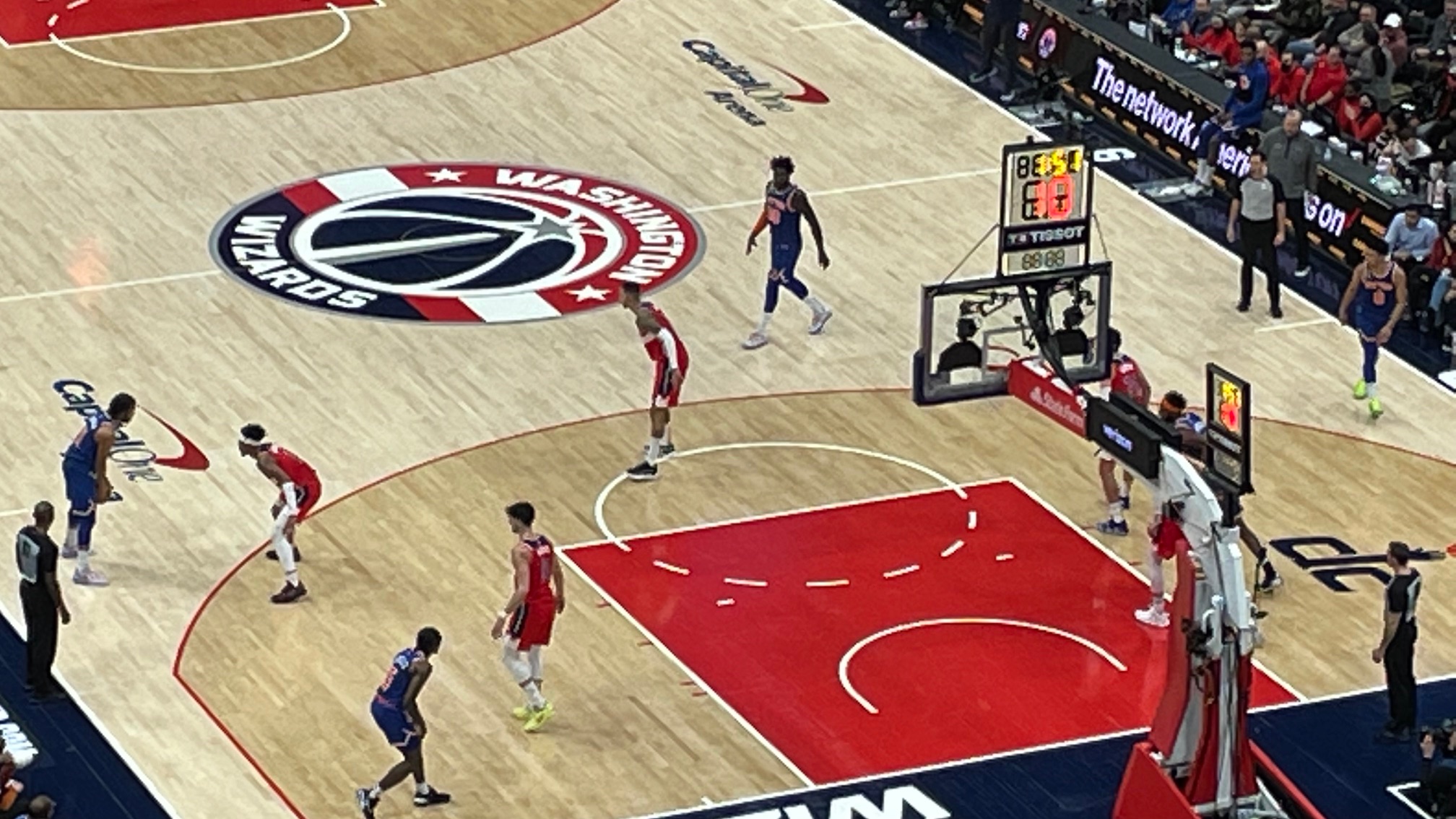
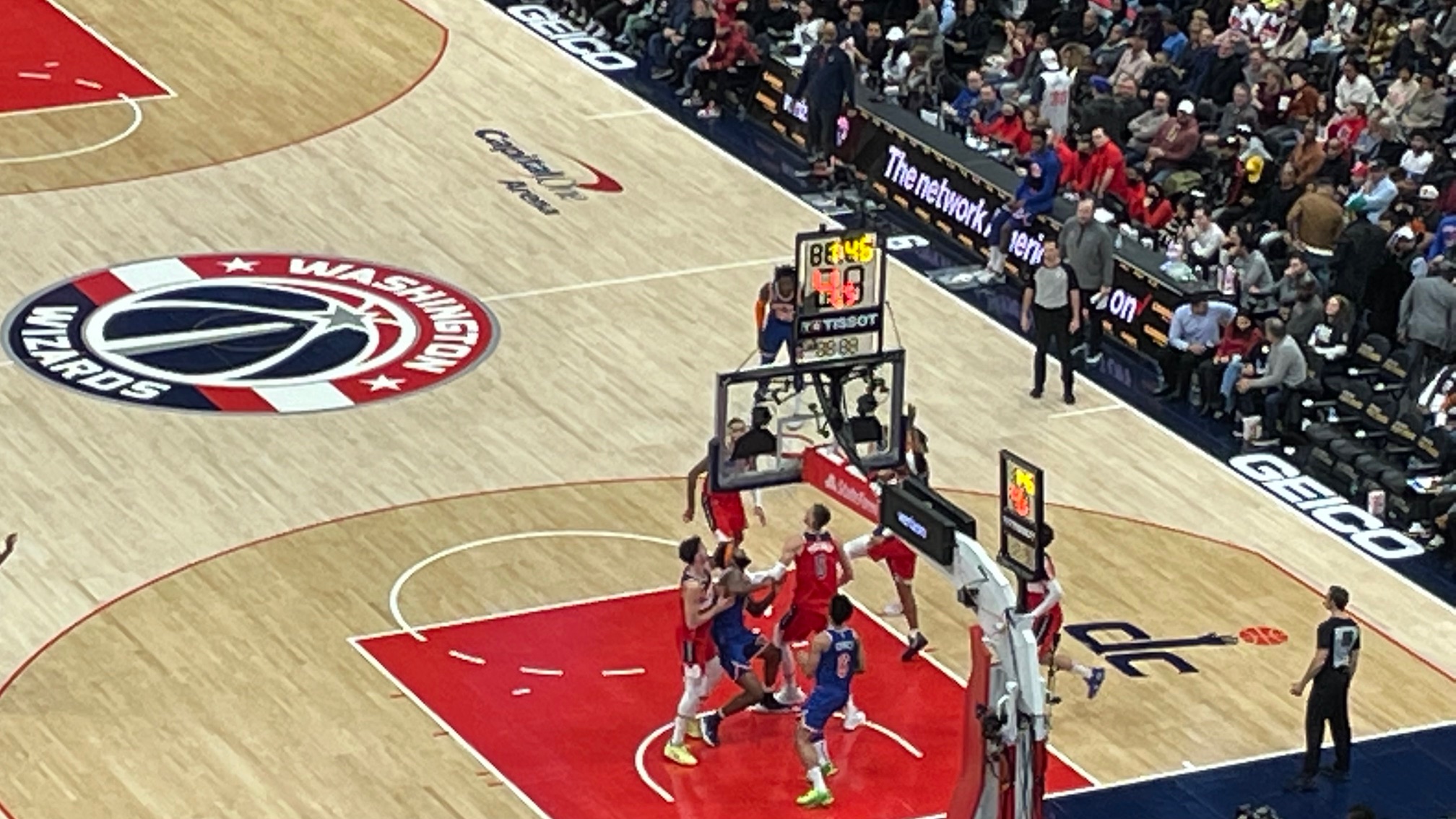


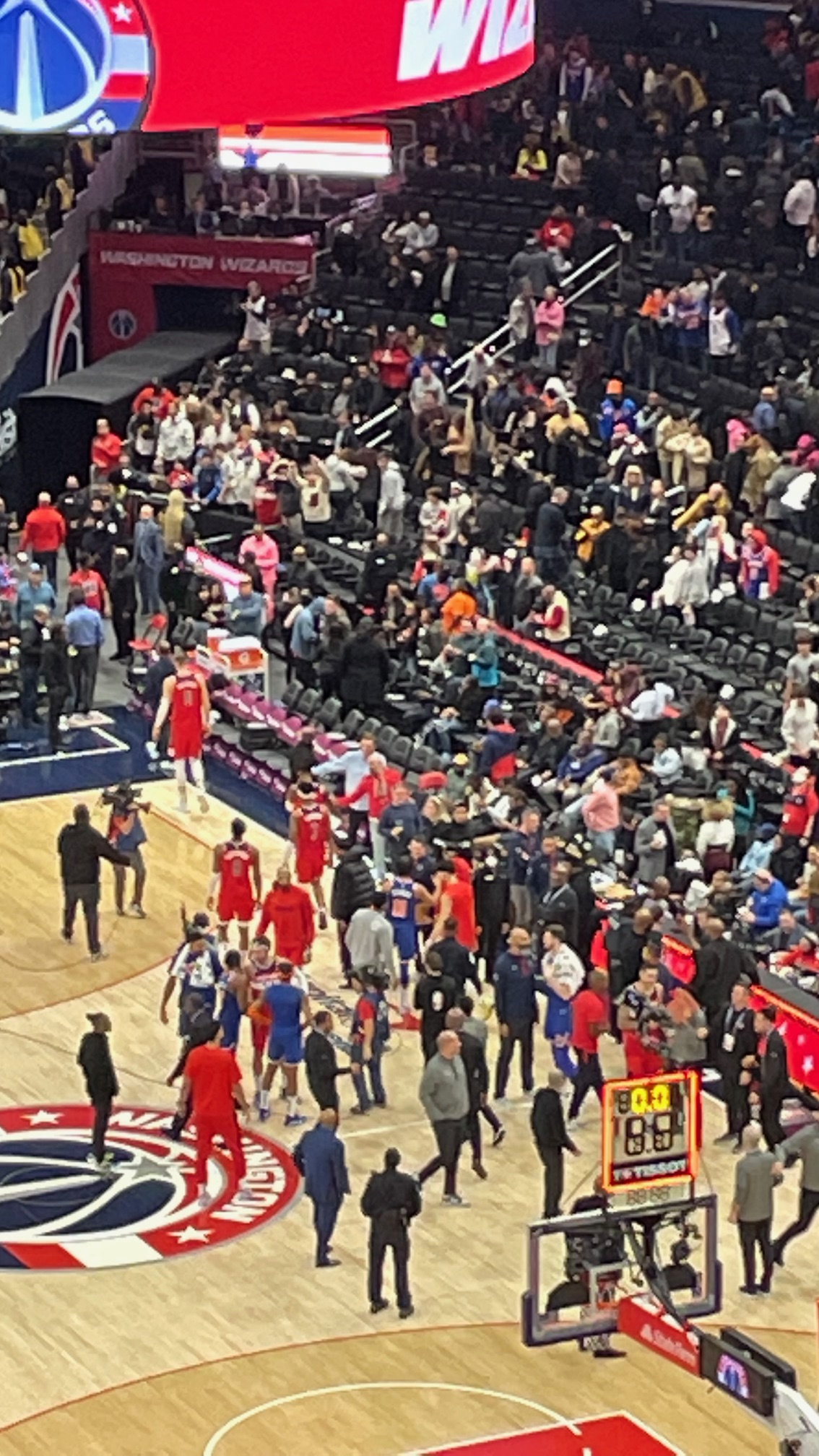
Camera: iPhone 12
Location: Capital One Arena; Washington, District of Columbia, USA
“Essentially, it is a perspective that encourages us to start fresh, wipe the slate clean, and approach each day with the determination to put wins on the board.”
As the calendar flips to the new year of 2024, many of us find ourselves eager to leave behind the challenges and setbacks of the past year and embark on a fresh journey. It’s a time when our New Year’s resolutions are made, goals are set, and aspirations run high. However, sustaining the motivation throughout the year can be a daunting task, especially when faced with the inevitable obstacles that life throws our way.
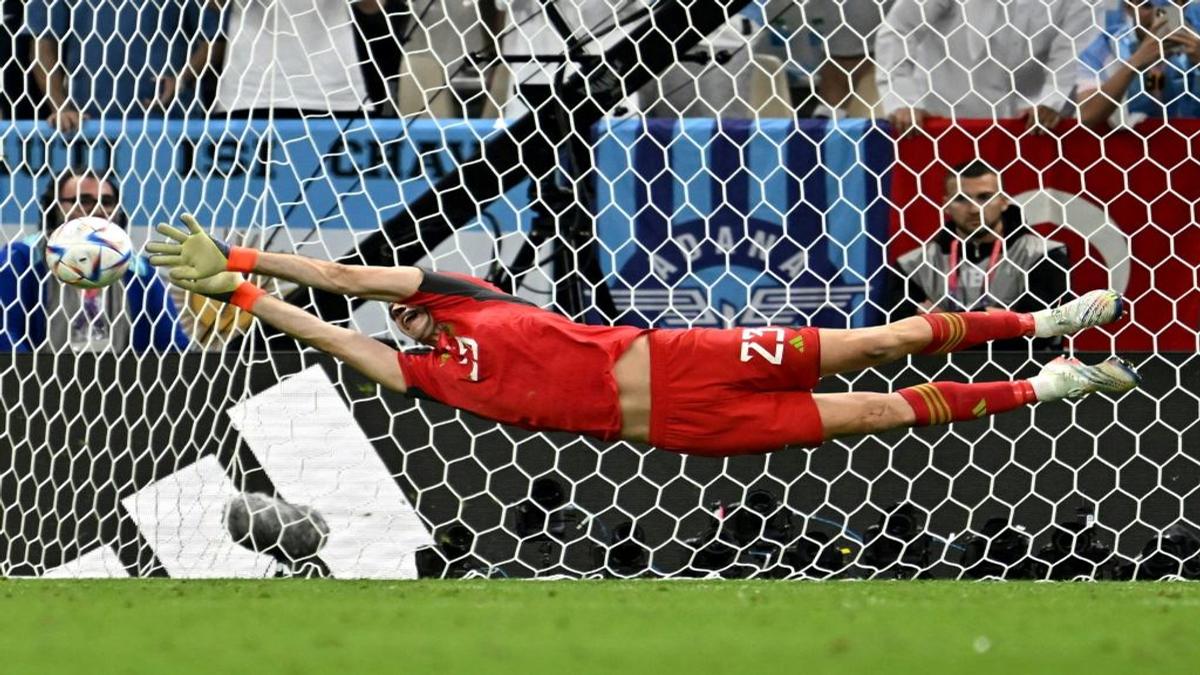
I am going to discuss the concept of what a goalkeeper I know from a previous recreational soccer league I played in, introduced me to the term of having a “zero-to-zero” mindset. Essentially, it is a perspective that encourages us to start fresh, wipe the slate clean, and approach each day with the determination to put wins on the board. Drawing inspiration from the world of sports, particularly the role of the goalkeeper in soccer, I will focus on the strategies to stay motivated and persevere, even when the odds seem insurmountable.
The zero-to-zero mindset involves viewing each day as a new opportunity, unburdened by the failures or successes of the past, like putting a bad or good soccer game behind you. It’s about adopting a mindset where the scoreboard resets to zero every morning, allowing us to focus on the present and the potential for success in the day ahead. This perspective enables us to shed the weight of past mistakes, disappointments, or even our achievements, fostering a sense of renewal and revitalization.
In the context of personal development and goal setting, the zero-to-zero mindset encourages a forward-thinking approach. Rather than dwelling on our past failures or basking in the glory of previous triumphs, we can channel our energy into the actions required to achieve their objectives. This mindset promotes resilience, adaptability, and a willingness to learn from both successes and setbacks.
To better understand the essence of the zero-to-zero mindset, we can draw parallels from the world of football or as I like to call it, soccer. The role of the goalkeeper in a soccer match is analogous to the individual striving to stay motivated and achieve their goals.
Any goalkeeper’s primary responsibility is to prevent the opposing team from scoring goals. They are the last line of defense, and their performance often determines the outcome of the game. Importantly, a goalkeeper maintains a constant vigilance, irrespective of the score line itself. Whether their team is ahead by two, five, or ten goals or vice versa on the losing end, a goalkeeper understands that complacency can lead to a sudden turnaround in fortune.
In applying this analogy to personal development, we can draw valuable lessons from the goalkeeper’s mindset. Just as the goalkeeper stays focused on thwarting any attempts to score, individuals pursuing their goals must remain vigilant against complacency and overconfidence. The zero-to-zero mindset encourages a relentless commitment to progress, acknowledging that even a comfortable lead can be eroded if one loses sight of the bigger picture.
The concept of putting wins on the board encapsulates the proactive and strategic approach required to achieve goals. Rather than waiting for success to come to us, adopting the zero-to-zero mindset prompts us to actively pursue victories, no matter how small, to build momentum and confidence. Just as a goalkeeper makes critical saves to keep their team in the game, individuals must make strategic decisions and take deliberate actions to secure wins in their personal and professional pursuits.
To put wins on the board in soccer and in life itself, it is crucial to break down larger goals into smaller and more manageable tasks. These incremental goals serve as milestones that provide a sense of accomplishment and progress. Achieving these smaller victories contributes to a person’s overall success and reinforces the zero-to-zero mindset by emphasizing the importance of each step in the journey.
Recognizing and celebrating small victories is essential for maintaining motivation. Whether it’s completing a challenging task at work, learning a new skill at school, or overcoming a physical or mental obstacle, acknowledging these accomplishments reinforces a positive mindset in your life. Celebration acts as a motivator and encourages individuals to persist in their efforts and build on their successes.
The zero-to-zero mindset recognizes that setbacks are inevitable in life as in soccer. Instead of viewing failures as insurmountable obstacles, individuals should approach them as opportunities to learn and grow from them. Like a goalkeeper analyzing the opponent’s goals to improve their technique, people can glean valuable insights from their failures, which can refine and further shape their strategies for future successes.
Flexibility and adaptability are essential components of the zero-to-zero mindset. Just as a goalkeeper adjusts their tactics based on the opposing team’s moves, one must be willing to adapt their approach in response to changing circumstances. This flexibility ensures a dynamic and resilient pursuit of goals, even in the face of unexpected challenges.
Embracing a growth mindset is foundational to the zero-to-zero mentality. Individuals with a growth mindset perceive challenges as opportunities to develop their abilities rather than being seen as threats to their competence. This perspective fosters a love of learning, resilience in the face of setbacks, and a belief that hard work and sheer effort will lead to improvement.
In soccer, the goalkeeper is not alone in their quest to prevent goals. They work in tandem with a defensive line that shares the responsibility of thwarting the opponent’s attacks. Similarly, in the pursuit of personal and professional goals, everybody can benefit from a support network that includes their friends, family, mentors, and colleagues. The zero-to-zero mindset extends beyond the individual, urging not only oneself, but others to embrace the spirit of renewal and progress.
Just as a goalkeeper communicates with the defense to coordinate strategies, people should engage with their support network. Open communication fosters collaboration, allowing individuals to share their goals, seek advice, and receive constructive feedback. This collective effort enhances the likelihood of success and reinforces the zero-to-zero mindset for everyone.
The goalkeeper not only focuses on their own performance but also encourages and motivates their teammates consistently to maintain a collective defensive effort. Similarly, individuals should inspire and support those around them in their pursuits. By fostering a positive and encouraging environment like teammates on the soccer field do for each other, we can contribute to a shared sense of purpose and motivation within our friend groups and social circles.
Goalkeepers often serve as leaders on the field, like a general or a commander, setting an example for their teammates through their dedication and work ethic. Similarly, the average person, when they step into a leadership role, can inspire others by embodying the zero-to-zero mindset in their own actions and behaviors. Leading by example involves demonstrating resilience, embracing challenges, celebrating victories, and above all else, motivating others to adopt a similar approach in their own endeavors.
In the journey of personal and professional fulfillment, the zero-to-zero mindset serves as a powerful tool for staying motivated to achieve one’s goals. Drawing inspiration from the goalkeeper’s role in soccer, everybody can approach each day as a new opportunity to put wins on the board or getting goals in the net. By setting incremental goals, celebrating small victories, learning from failures, being adaptable, and cultivating a growth mindset, anyone can actively shape their path to success and achievement.
Lastly, the zero-to-zero mindset extends beyond our individual efforts, because when we urge collaboration, encourage motivation, and practice good leadership, we can help create a supportive and strengthened community. Just as a goalkeeper communicates with their defense to thwart the opposing team’s attacks, each person can benefit from engaging with their support network to amplify their collective efforts to achieving something great together.
As we embrace the new year with the zero-to-zero mindset, let us recognize the great potential for growth, renewal, and success that each day ahead of us holds in 2024. By adopting this promising perspective, we empower ourselves to navigate the challenges ahead, put wins on the board, and make the most of the opportunities that arise in our personal and professional lives.