Cultural Spotlight – Salsa

El_Cantante
Hector Lavoe, ‘El Cantante’ (1946 – 1993)

If you’re walking in any city in Colombia or in most parts of Latin America and you start to feel the rhythm and the beat to some up-tempo music that sounds as if jazz and ‘son cubano’ had a baby, it would be known to the world as ‘Salsa.’ Salsa music has only been around for over five decades but has had a lasting impact on the world of music and its’ popularity has stayed consistent in the countries and regions where it was first introduced. While some folks may argue that old-school music genres like jazz, swing, and the blues are on the decline these days; that is simply not the case when it comes to Salsa.

Contrary to popular belief, Salsa did not originate in Puerto Rico, Cuba, or even Colombia. This form of music came out of the communities of immigrants in New York City during the 1960s from Cuba to Puerto Rico who wanted to introduce a new take on ‘son cubano’ music that had been around for a few decades and to bring it to new audiences before who had never been exposed to that kind of genre before.

The music of Salsa has been highly influenced by previous Cuban genres such as ‘son cubano, son montuno, guaracha, mambo, bolero, etc. as well as certain Puerto Rican genres such as ‘bomba, and plena.’ It also should be noted that Salsa was heavily influenced by the American musical genre of Jazz and certain experts have noted Salsa as being a form of Latin jazz. Salsa is a very flexible genre and can incorporate many different forms of music together in order to be innovative and unique. Even rock, r&b, blues, and funk have found their way into the rhythms, beats, and lyrics of Salsa music.

If there were a form of musical expression to represent the Americas whether it was North America or South America, it would be jazz. Salsa music would not be what it is today without previous music genres influencing the sounds and songs to change and adapt as the decades passed by. However, without the early Salsa bands made up of newcomer immigrants from the Cuban and Puerto Rican communities who came to New York City and America for a better life, Salsa would also not be the popular genre that it has become today. From the 1930s to the 1960s, these new immigrants brought joy, happiness, and excitement to both their local communities and cities from Boston to Cali.

From the streets of the South Bronx to the barrios of Cali, Salsa would spread from New York City to Colombia to Peru to all over Latin America. Salsa has become a global music genre today with people all over the world sharing together their passion and love for this unique form of self-expression. You can find Salsa classes and music clubs in most major cities all over the world. It doesn’t matter where you’re from, if you’re new to dancing, or can’t understand the lyrics, Salsa is a music genre open to everybody. Some of the big names in Salsa are Johnny Pacheco, creator of the Fania all-stars band, Hector Lavoe, Willie Colon, Bobby Valentin, Eduardo Palmieri, Marc Anthony, etc.

The instrumentation used in Salsa music is incredibly diverse and can really depend on what kind of style you’re going for whether it’s ‘salsa romantica’ or ‘salsa dura.’ It also depends upon how fast the tempo is and what the chord / verse arrangement is too. The most popular kinds of instruments used in Salsa music are percussion and brass instruments. It’s very rare where string instruments are used unless its’ an acoustic or electric guitar. When it comes to the most widely used instruments, they are usually the piano, the bongo drums, the congas, trumpet, trombone, claves, and different guitars.

Since the genre of Salsa has spread to many parts of the Western Hemisphere, there are many different styles of Salsa dancing that make the music more enjoyable for people to participate in by moving their bodies in various ways. While there is no clear consensus on which style of Salsa is the best or most popular, there’s the Cuban style, the New York style, Puerto Rican style, Los Angeles style, and Cali style from Colombia. Each style of Salsa is a little bit different from each other so once you master one of these types, there is another one out there to learn in order to keep your knowledge up to date. There are few parts of the world that haven’t been touched by Salsa music, which makes it one of the most fun and enjoyable kinds of dances to learn. Whether you’re in Peru, Colombia, Cuba, the Dominican Republic or the United States, you’ll have a chance to dance Salsa if you look hard enough.

By listening to Salsa music and learning how to dance to the rhythms and the beats of this genre, you really learn a lot about Latin American culture. Listen carefully to the lyrics, study the history of both the song and dance, and you’ll be able to gain insight as to why this has become one of the most popular music genres on the planet today. Few things make the average person happier than being able to cut loose on the dance floor and Salsa as a genre succeeds in doing that beyond measure.

During my time here in Colombia, I’ve enjoyed going out to learn Salsa in some classes, and putting the moves I’ve learned into practice when I go out on Saturday nights to a Salsa club. It’s really a joy to dance and sing to the point of exhaustion until your feet can’t move anymore while the beads of sweat roll down your neck. Salsa, to me, is a celebration of living life to the fullest and expressing the movements of your body the way you’re supposed to do. If you haven’t given Salsa music or dancing a chance yet, start to do so today. I promise you won’t regret the experiences you gain by enjoying this popular genre.

Steve Jobs – ‘On Failure’

It’s not often when the average person can gleam some wisdom or some insight from a YouTube video but there are exceptions to this fact when you start to dig deeper. One of these videos that I enjoyed viewing focuses on the late Steve Jobs, the innovative and driven entrepreneur, who was the co-founder of Apple Inc. and for the later half of the 20th century and the beginning of the 21st century helped lead the computer and smartphone revolution around the world. While most people may know him from his appearances at developers’ conferences where he would unveil Apple’s latest invention or innovation, there is a side to Steve Jobs that some folks may overlook.

Steve Jobs wasn’t always a great success and had many failures throughout his life. Fired by the company he co-founded and having gone through product setbacks such as with the Apple III and the NeXT computer, not everything went the right way for the legendary entrepreneur at first. However, these setbacks and failures are obscured today but the massive amount of success and innovation he would bring to the world by sticking to his principles and by always taking the initiative to ‘stay hungry’ for more.

The YouTube video I’m referencing in this blog post is titled, “Steve Jobs on Failure” has over one million unique views and has been up on the website for over six years. In the video, most likely set in the 1990’s, a young Steve Jobs talks about one particular time where he took the initiative that was driven by his innate curiosity. At the beginning of the video, Jobs talks about the fact that most people don’t have the experiences they should because they never ask or inquire about them to begin with. Mr. Jobs hints at the fact that he was never afraid to ask for help from other people, especially if they were in his field of work and would be able to assist him in some way by giving him advice or by mentoring him in some capacity.

The adult Steve Jobs in the video recounts how when he was only twelve years old, he called up Bill Hewlett, the engineer and co-founder behind the massively successful information technology company known worldwide as Hewlett Packard or HP, which similarly to Apple Inc., is also based out of Silicon Valley in California. The twelve-year old Jobs introduced himself to Mr. Hewlett and simply asked him directly for help with building a frequency counter. Little Steve asked Mr. Hewlett for some spare parts that could be used in order to build an effective frequency counter. The young Steve Jobs left quite an impression on Mr. Hewlett, so much so that the co-founder of HP gave him the spare parts as well as a summer job working on an assembly job working with the nuts and bolts that help make the frequency counters at Hewlett Packard work effectively.

You can tell the way from the way that Steve reacts to Mr. Hewlett’s genuine help and generosity with giving him a job and a start to his future in information technology that it meant a lot to him both personally and professionally. Certain moments like that in our lives when somebody really gives a chance and helps us along the way to having a brighter future is a lasting memory that simply does not go away. We can only speculate what might have happened if Mr. Hewlett had instead just hung up the phone on young Steve and not helped him out at all. The world could very much be a different place had Steve not gotten that positive feedback and mentorship that we all seek in our own lives.

“I’ve never found anyone who said ‘No’ or hung up the phone when I called…I just asked.” Steve knew that there was a chance at failure when it came to reaching out to others in his field but he knew also that he had to try in order to get ahead in his life. He had to put himself out there, make connections, and learn from others in order to build his company and create successful products. I think Steve realizes that he would not be where he was as an adult without the help he received from others throughout his life. The video shows his sense of gratitude for that assistance and that he is wise enough to remember to give back to other people as well who want to be in his position one day or to be successful like he was.

“Most people never pick up the phone and call…most people never ask.” Steve is right in his assertion that those who don’t reach out for help or don’t seek out opportunities will never get to where they want to be in life. He makes the correct distinction between those people who take the initiative and those other people who let opportunities pass them by. You can dream and wish for things to happen for yourself but unless you put the pen to the paper or put your phone to your ear, you won’t accomplish that much.

Lastly, Steve notes in this video that ‘you have to be willing to fail…you got to be willing to crash and burn.” Steve Jobs like many other inventors and innovators had multiple failures beset them but they did not give up and they were not afraid to fail. Through failure, we learn from our mistakes and we get better and better at what we are trying to accomplish. With enough hard work and effort, we can push forward to achieve what we set out to do originally and so much more. When an Apple product failed to gain traction or when he was forced out of his own company, Steve Jobs like many other successful men and women did not give up and go home. They learned from their mistakes and became better at what they do.

“If you’re afraid of failing, you won’t get very far.” To put it bluntly, failure happens to everybody. Nobody in the world succeeds 100% of the time at everything they do. People like Steve Jobs recognize that this is all too true but it doesn’t deter them from their goals because they won’t stop until they achieve what they want to accomplish. In order to turn those failures into successes, you need to have an indomitable will and to let nothing stand in your way.

Instead of blaming your failures on others or giving up after a few bumps in the road, you should continue to embrace the learning process and seek help from those other people who have been successful in their lives and would be willing to offer their help to you. Steve Jobs did not become one of the most important men of the 20th century by being afraid of failure or from doing it all on his own. He sought the advice and counsel of others while never giving up even when things looked pretty bleak. That kind of mindset that he explains in the video helps us to understand why he became so successful in his life and how we can learn from his words to become successful in our own lives.

‘Forrest Gump’ – Film Review and Analysis

chocolates
“Life is like a box of chocolates, Forrest, you never know what you’re gonna get.”

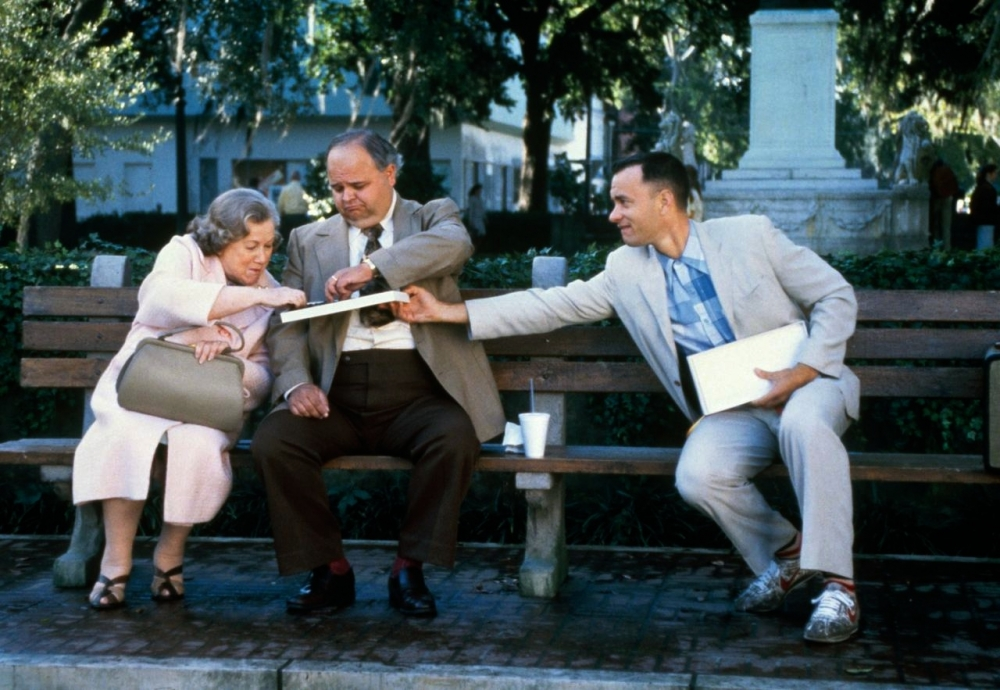
One film that captures both your imagination and your heartstrings is the classic American film, Forrest Gump. Released in theaters over two decades ago in 1994, it has become one of the most beloved films of all time and enjoyed high amounts of praise from both critics and moviegoers alike. The film was notable for the fact that it won many different awards and accolades such as the Academy Awards for Best Picture, Best Director for Robert Zemeckis, Best Actor for Tom Hanks, among many other distinctions. I would argue that this film along with Big helped to launch Tom Hanks as one of Hollywood’s rising stars and set him on a monumental acting career, which included many future box office hits. Five years ago, the U.S. Library of Congress recognized Forrest Gump as being a film that is historically, culturally, and aesthetically significant and selected it for preservation in the United States National Film Registry.

Forrest Gump is about an everyman who has a slight disability of not being as smart as everyone else with an IQ of 75. However, despite him learning this fact as a child and being bullied about it, he manages to not let this handicap ruin his life but instead learns to preserve and make the most of things. The story of Forrest Gump takes place over the tumultuous and transformative decades of the 1950s, 1960s, 1970s, and 1980s when America went through a number of political, social, and economic changes. One of the true delights of this film is seeing how many of these changes Forrest witnesses and is actually apart of.

During the film, we see him shaking his hips with Elvis Presley at his mom’s guesthouse in Alabama, serving in the U.S. Army after being drafted in the Vietnam War, starting a fight during the midst of a Black Panther group meeting, and meeting Presidents Kennedy, Johnson, and Nixon. Despite his lack of formal intelligence, Forrest does not let that stop him from being an ‘All-American’ college football player, a veteran of the Vietnam War, a shrimp boat, a wealthy man due to his investments in a little company called Apple Inc, and lastly and most important, a loving son, friend, father, and husband. In addition to serving in Vietnam and witnessing Elvis Presley in person, Forrest also helps a black woman become the first African-American to integrate into an all-white school, helps to break the seal on the Watergate scandal when he sees people breaking into DNC headquarters, and becomes an international ping-pong star while helping to improve relations between the United States and the People’s Republic of China. He’s an every man who takes life as it comes regardless of the good or bad and finds himself involved in extraordinary events that shape American history.

As Forrest gets wrapped up in these events over the course of the film, he takes an almost child-like innocence to them even in the cases of war, violence and prejudice. He’s aware of these things and knows right from wrong but tries to live a simple and uncomplicated life despite all he’s been through. He wants to be a good son to his mother; he desires to be with the love of his life, Jenny, to have good friendships with his fellow soldier Bubba and Lieutenant Dan, and to be a responsible father to his son at the end of the movie. He may lack intelligence in terms of critical thinking and solving problems; he has the ability to display maturity, show emotional intelligence and is able to show kindness and love towards others despite his differences with them.

While he may not know his father, and his wife Jenny disrespected and left him in the cold over the years when she was dealing with her own demons, he has the ability to look past these grievances and live a good and fulfilling life. Forrest endures other traumas and heartbreak in the Vietnam War when he sees his fellow soldiers and friends killed or disabled like his good friend Bubba and his lieutenant, Dan Taylor. While he could have given up on life or become bitter and disenchanted, Forrest instead finds new purposes in playing ping-pong around the world, starting a very profitable shrimp boat company with his old Lieutenant Dan, and runs around the United States for three years straight to help get past those losses and betrayals that has haunted him. Forrest is an example of a man who never gives up and keeps moving forward despite his past. He simply does not let his past define him. Like all of us, he’s been giving good and bad fortune but he makes the best of things regardless of the circumstances.

During the long run scene of Forrest’s, people become inspired by his example and ask him for advice and guidance. He doesn’t have much to say to them but they happen to find comfort in the fact that he’s doing this just for its’ own sake. Forrest simply can’t help them all figure life as they have to each follow their own path and find inspiration wherever they can. Once one path ends, another one opens up to be explored afterwards. As Forrest states when reporters ask him why he’s running, “I just felt like running.” Sometimes, you don’t need a reason to be doing something if you feel like it.

While many other people are inspired and are given hope from Forrest’s example, Forrest is inspired by other people such as his mother played by the wonderful Sally Field, along with his fellow soldier Bubba and his Lieutenant Dan. His mother teaches him about love, respect, and finding your own path in life. She gives Forrest a quote on her death-bed that he takes to heart and has become one of the most famous movie quotes of all-time. “Life is like a box of chocolates, Forrest, you never know what you’re gonna get.” Forrest asks his mom what his destiny may be. She tells him that he can’t answer that for him and ask he needs to figure that out for himself. She does let him know that it was her destiny to be his momma and that she’s very proud of the man that he has become.

Forrest’s relationship throughout the film with Jenny is complicated and unfortunate as the ways their lives converge and diverge leads to pain and heartbreak but also compassion and understanding. Jenny is Forrest’s first and only love. They grow up together and spend time getting to know each other. Forrest is a breath of fresh air for Jenny who has to deal with an abusive father at home. Even through college, they remain close but still friends.

Jenny’s path through life takes her to some lonely places and she deals with abusive boyfriends, drug abuse, and hostile friends like the Black Panther party. Even with her flaws, Forrest still loves her as always and asks her to marry him. She eventually agrees to be his bride making him the happiest man in the world. Tragically, their marriage is cut short by the fact that Jenny has HIV/AIDS and has become really sick. However, the love that Jenny shares for Forrest allows them to have a son together before she passes away. While a devastating loss for Forrest like it was to lose his mother and Bubba, his best friend, Forrest’s destiny is renewed in the love he has for his son, Forrest Jr. as he takes care of him after Jenny’s death.

Forrest Gump is a special movie that has resonated with millions of people around the world. Many folks have been inspired by the message of this movie and have gone to improve their lives in enumerable ways. The story of Forrest Gump is a story of hope, love, perseverance, respect, and tolerance. Anybody who watches Forrest Gump will get something out of the movie because of its’ overall message. Like the feather that floats by Forrest at the beginning and ending of the film, you make the most of what we’re dealt with in life and it’s you alone who can shape your destiny through the choices you make, the people you befriend, and the impact you create. We may all be floating on the breeze like a feather unsure of where we’re going but we can steer the direction of that feather to new places and new conclusions.

Forrest Gump is a special character in a special movie that rekindles for viewers what they love about the big screen by showing our capacity as human beings to love, cry, laugh, and share good times and bad with those friends and family as Forrest does. Anybody who watches Forrest Gump can relate to Forrest and what he goes through. That is what makes this movie such an endearing, popular film and why it will last for many more years as one of the most iconic pieces of work in American cinema.

‘The Shawshank Redemption’ – Film Review and Analysis

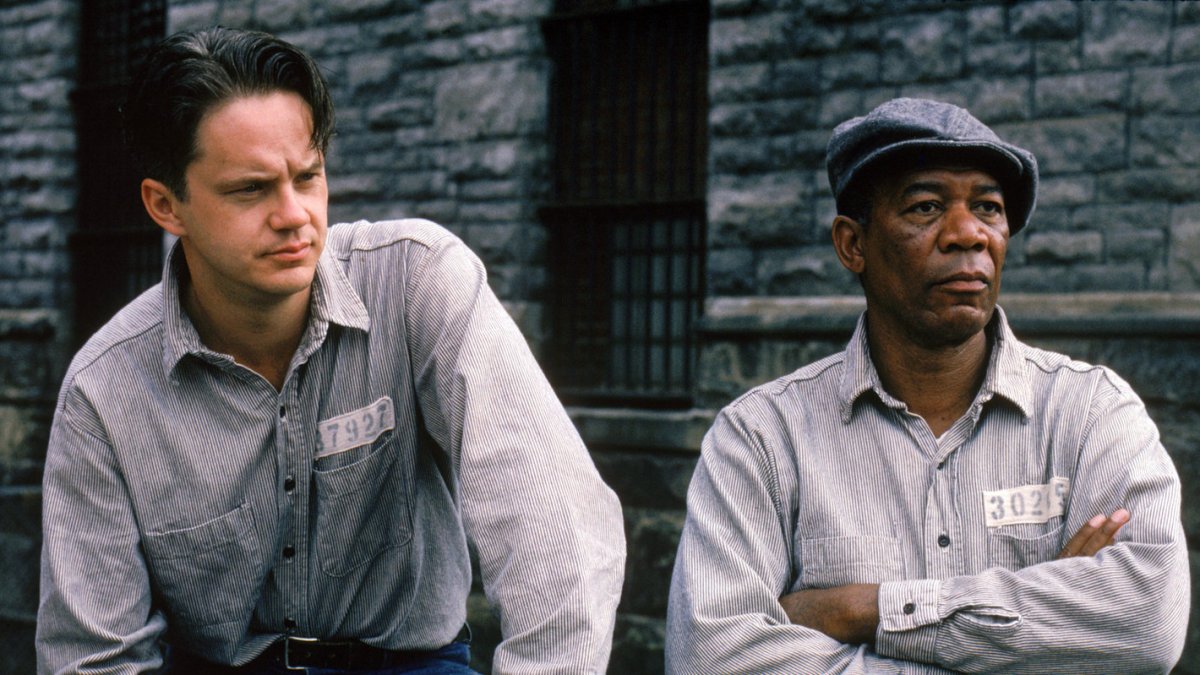
Few other modern films capture the power of the human spirit more than The Shawshank Redemption. Directed by Frank Darabont, released originally in 1994, and starring Morgan Freeman as Ellis ‘Boyd’ Redding, Tim Robbins as Andy Dufresne; this film was not originally successful in movie theaters when it was released to the general public.

However, since then, The Shawshank Redemption has become a cult classic which has skyrocketed in popularity even after its’ release twenty years later. It is often considered by film critics to be one of the best Hollywood movies of the 20th century. Personally, I have watched this film multiple times and consider it to be my all-time favorite movie. If I’m channel surfing late at night and I see that The Shawshank Redemption is on AMC, HBO, or another movie network, I’ll often stop what I’m doing to watch the film already in progress. It’s that good of a movie and is timeless in its’ themes and its’ overall message.

More so than just the brilliant acting by Mr. Freeman and Mr. Robbins, along with the great directing by Frank Darabont, the cinematography is quite flawless and the film has a consistent flow to it. It also has an engaging plot and setting that suits the overall themes quite well. The Shawshank Redemption is a very human story with a lot of powerful, and emotional scenes that have captivated millions of viewers. It’s rare to come across a film today that can tug at your heartstrings and make you really feel deep emotions about a fictional story and characters. The Shawshank Redemption is able to pass that test and remind you of what it means to be human. The film highlights the triumphs, the tragedies, and the deeper meaning that we seek within our own lives.

Andy Dufresne is a young, smart, and ambitious banker in Portland, Maine who is accused and later convicted of murdering his wife and her extramarital lover. At first, he appears to the audience as a cold, detached, and remorseless person who very well could have committed that awful crime. The other main character, Ellis ‘Boyd’ Redding, a long-time prisoner at Shawshank state prison is unimpressed by Andy’s appearance at first sight and remarks how “a stiff breeze would blow him over.” As the saying goes though, “Don’t judge a book by its’ cover.”

Throughout the film, we learn through the eyes of Red more about Andy and what he’s like in terms of his true personality and character. We don’t know whether he killed his wife or not because he pronounces his innocence to Red and the other prisoners. Red is resigned to his life in prison and tries to make the best of it by being ‘the guy who can get you things.’ His friendship with Andy blossoms due to a simple, haphazard moment when Andy asks Red for a rock hammer to carve chess pieces. It’s an unusual request but it gets the two men to talk to each other and to break down the stereotypes that Red has of Andy, and Andy has of Red.

Andy must deal as best as he can with his new life as a prisoner whom may in fact be innocent of the crime that he was convicted of. As Red states knowingly in the film, “Prison is no fairy tale world.” Andy has to cope with the vindictive warden of Shawshank prison, played by Bob Gunton as well as the malicious head prison guard, Captain Byron Hadley, who is played by Clancy Brown. He also must fend off some sadistic fellow prisoners who wish him physical harm and sexual violence. It is clear to the viewer that Andy, despite the injustices he has encountered in Shawshank and outside of Shawshank prison, maintains the ‘hope’ that he’ll survive his ordeal and eventually win his freedom. Despite his friend, Red, warning him about the dangers of seeking hope in a place where none can be found, Andy reminds Red that “Hope is a good thing, maybe even the best of things, and no good thing ever dies.”

The most memorable scenes of this film still stick out to me after all of these years. My favorite is the famous ‘Suds on the Roof’ scene when Andy risks his life to give his fellow prisoners a one-time allowance of beers while they tar the roof of a factory by giving the prison guard, Hadley, some financial advice on how to deal with the IRS. Andy knew how much it would means to his fellow prisoners if they could enjoy a beer or two while doing hard work in the hot Maine summer sun. In that scene, he also showed a lot of bravery by confronting Hadley about if “he trusts his wife with money or not.”

Another notable scene that stands out to me is how Andy continuously asks the state of Maine for extra money to give to the Shawshank prison in order to build a memorial library in honor of another prisoner, Brooks Hatlen, who committed suicide regrettably after finishing up his sentence. Andy keeps writing letters for months on end but finally receives the funds he needs after a few years to build the memorial library. Because of this library, many prisoners like young Tommy Williams, who Andy takes a liking to, end up reading books and even receiving their High School GEDs (General Equivalency Degree).

Lastly, there is an extremely beautiful scene where Andy is collecting records for the prison library and ends up putting an Italian opera record over the loudspeakers for all of the prisoners to hear. He locks himself in the room so the guards and the warden can’t get to him. For a few minutes, the opera music flows openly through the walls and the bars of the prison. As Red puts it succinctly in the movie, “For the briefest of moments, every last man in Shawshank felt free…”

After nineteen years in prison and many tumultuous events, Andy knows that his destiny no longer is meant just for the walls and bars of Shawshank prison. He dreams of a coastal city in Mexico known as Zihuatanejo, where he can run a hotel and begin his life anew. Andy implores Red to join him one day and help him out with his business since he’s a man who “knows how to get things.” While Andy remains hopeful and optimistic even when his future seems grim, Red is skeptical and dismissive of Andy’s “pipe dream.”

Despite the long odds, Andy doesn’t let the negativity get him down and puts effort toward realizing his dream of getting out of Shawshank and making his way to Mexico. This courage and perseverance shown by Andy has a lasting effect on Red by the end of the movie as they have become close friends who have known each other for almost twenty years. Red realizes the innate truth behind Andy’s belief in everlasting hope and to “get busy livin’ or get busy dyin.’”

Some people who have not taken the time to watch The Shawshank Redemption regard it naively as just another prison movie. However, this summarization is far from the truth. Similar to The Green Mile, it’s a story about finding hope in the least hopeful of places and never giving up on life when it seems rather cruel or unjust. It also has a constant theme about the power of male friendship and how Andy and Red have bonded together over the years despite their initial differences.

The Shawshank Redemption was never a summer blockbuster or a critically acclaimed behemoth of a film but it is widely regarded now as one of the best American films of all-time. Many people have cited this movie as having changed their lives for the better when they were going through difficult times in their personal or professional lives. Above all else, The Shawshank Redemption is a story about one man’s ability to remain hopeful during the most difficult and harsh circumstances. As Red states at the end of the film, “Get busy livin’ or get busy dyin.’ That’s goddamn right.”


‘Lost In Translation’ – Film Review and Analysis

suntory-time
“For a relaxing time, make it…Suntory time.”

One of the great films of the 2000’s, Lost In Translation is a film that is often underrated but which deserves a lot of praise and acclamation. Directed and produced by Sofia Coppola, daughter of the highly acclaimed director Francis Ford Coppola, Lost In Translation is the story of two Americans of different ages who are visiting Japan for different reasons but who are struggling with similar existential crises.

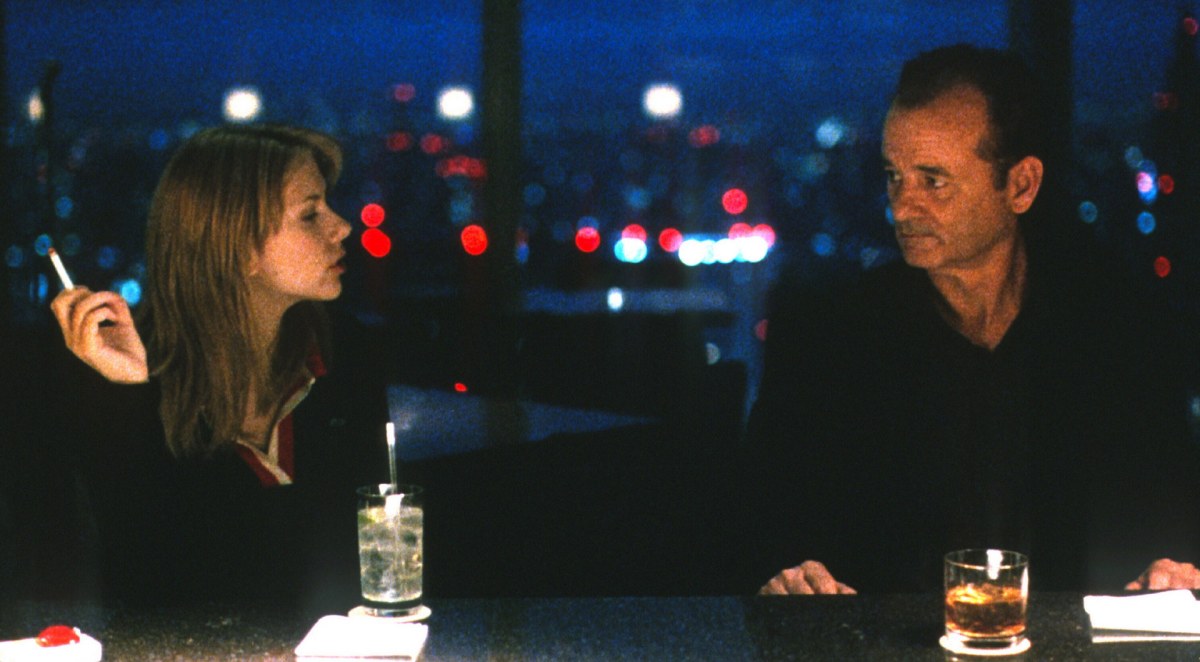
Bob Harris, played by the wonderful Bill Murray, is an aging actor and movie star from Hollywood who is struggling with a mid-life crisis. He comes to Tokyo to film whiskey commercials and appear on some popular Japanese talk shows. In one of her first roles on film, the talented Scarlett Johansson plays Charlotte, a young college graduate from Yale, who is struggling to figure out what she wants to do in her life.

While Bob and Charlotte come from different backgrounds and are of different ages, they are both struggling with adult concerns such as marriage, work, and the search for overall meaning. Bob has been married for twenty-five years whereas Charlotte has only been marries for two years. While they are at different stages in their marriages, both of them have doubts about being or staying with their partners. In addition, once they meet each other in the hotel lounge for the first time, they are drawn to each other’s personality, humor, and the fact that they are adjusting to Japanese culture for the first time.

One of the best things about Lost In Translation is the way Tokyo, Japan becomes a character in the film. The city is a sprawling metropolis with a population of over twenty million people that seems to go on forever. Since Charlotte’s husband is a director and is busy shooting for a new film and Bob’s wife is five thousand miles away, they both find time to explore and immerse themselves in the bright lights and diverse sounds of Tokyo.

The most illustrative scenes in describing the developing relationship of Bob and Charlotte take place in the karaoke bars and the hibachi restaurants where they try to adapt to the culture shock and the persistent jet-lag together. Despite being married, they feel alone and unhappy in their relationships for different reasons.

They take solace and comfort in each other’s company as they navigate the intricacies of Japanese language and culture. They start off as complete strangers in the hotel bar but then become friends over the course of their stay. Bob also acts as a life mentor to Charlotte who is in her early 20’s by giving her lessons on life, marriage, and what it’s like to have children. Bill Murray’s character comes across as someone who’s halfway through life and is honest to Charlotte about the ups’ and downs’ of it all.

Charlotte’s youth and curiosity about the world helps to change Bob too as he rediscovers the joys and thrills of being care-free and being able to laugh with someone who puts no pressure on him. After appearing on cheesy talk shows and doing uninspiring whiskey commercials, Bob is able to have fun and enjoy himself around Charlotte. From the one-sided phone conversations you hear from Bob and his wife back in Los Angeles, neither of them seem happy or fulfilled about their marriage. I don’t want to spoil the ending for those of you who haven’t watched the film but it is possible that Bob and Charlotte will find romance or love when they least expected it to happen.

I have to admit that the first time I saw Lost In Translation, it made me really want to visit Japan. The nightlife and crowded streets of Tokyo interest me quite a bit. I was also intrigued by a scene from the movie that was set in Kyoto, where Charlotte takes a high-speed train to the city to see the Shinto temples and the beautiful cherry blossoms. The cinematography and settings of the film are very moving and beautiful. Lost In Translation has a reputation of being a serious and deep film with little humor mixed in.

However, I would disagree with this assessment because there are a lot of scenes of light-hearted humor especially when Bob Harris, Bill Murray’s character is on the set for a Japanese commercial. Many things are ‘lost in translation’ as he looks for guidance and help from his translator but she never gives him the full story of what the Japanese director wants. There are other humorous scenes where Bob appears as a guest on a goofy talk show with a quirky host. Another classic moment is when a Japanese escort is sent to Bob’s hotel room and asks Mr. Bob Harris to “lip her stockings.” It’s a subtle English faux pas but I found it hilarious the first time I watched it.

Two strangers who meet in a hotel bar and get to know each other over a drink is not a new movie concept. However, the relationship that develops after that chance meeting is what makes Lost In Translation a great film. The on-screen chemistry between the two great actors, Bill Murray and Scarlett Johansson also draws the viewers in to the plot. There can be few other cities as magical, crazy, and hypnotizing as modern Tokyo.

The neon lights, huge skyscrapers, and hoards of people make it a unique setting, which is rarely used in Hollywood films. Lost In Translation isn’t your typical romance movie and it doesn’t have a clear-cut ending. What it does offer the viewer are the special moments of two lost souls making a deep connection with each other in a foreign city, and enjoying those experiences during the short time that they have together.


The Rolling Stones: A Retrospective

mickjagger
72 years old and still going. Amazing.

For more than 50 years, The Rolling Stones have been the mainstays and stewards of the Rock n’ Roll universe. Founded in 1962, this English band transformed the music world, sold hundreds of millions copies of their albums, and have sold out countless arenas, stadiums, and concert halls. The original grouping of Mick Jagger (vocals), Keith Richards (guitar), Brian Jones (guitar), Bill Wyman (bass), Charlie Watts (drums), and Ian Stewart (piano) together help lead the emergence of Rock n’ Roll as the pre-eminent form of Western music during the 1960’s and 1970’s. Legendary and famous albums such as Let It Bleed (1969), Sticky Fingers (1971), and Exile on Main Street (1972) helped cement their legacy as ranking among the greatest live acts in Rock n’ Roll history.

When people ask me: Beatles or Stones? I simply reply, why do we have to choose between them? Why not appreciate both of these groups and appreciate how similar and how different they are. Both bands helped to represent the countercultural movement that took place in the 1960’s in both the United Kingdom and the United States. They represented the youth of the generation and the hopes for a better, freer, and more open world where you could listen, dance, and have some fun as you listen to their tunes.

While The Beatles aired on the side of creativity, experimenting with new genres, and sticking to the studio to express their musical talents, The Rolling Stones were and still are brash, bold, and loud. As a group, the blues and R&B genres heavily influenced them during their early years. Taking their cues from legends such as Chuck Berry, Lil’ Richard, and Buddy Holly, the Rolling Stones would not become the massive success they have been over the pasty fifty years without those blues pioneers who came before them.

Due to front man Mick Jagger’s exuberance, high energy, and eccentric dance moves, the Rolling Stones also gained a reputation for being an amazing live act that sold out stadiums and arenas around the world. It also helps that long-standing guitar legend Keith Richards has stayed by Jagger’s side all this time to play alongside him and the rest of the band.

With the talented support and musical stylings of the late, great Brian Jones, and Charlie Watts, the Rolling Stones have stuck together through many ups and downs over their long history. While many rock acts from The Beatles to The Eagles to The Doors have broken up due to untimely deaths, heated feuds between members, and egos clashing, The Rolling Stones have been an exception to the rule and have produced high-quality music and toured extensively without losing who they are and what they represent to the world.

While The Rolling Stones have gained all the money and fame, they still care about the fans. This band always gives their best effort regardless if they are playing in Rio de Janeiro or London. It’s a testament to their popularity where they have been able to play in all six continents of the world without skipping a beat. Their global reach was on display recently when they played a huge outdoor concert in their first trip to Havana, Cuba.

Over 500,000 people attended to see the Stones live in the flesh. Perhaps, most notable, the concert was free for all attendees so everyone could attend who wanted to without paying a high price. During the Castro years, bands like The Rolling Stones had their music bootlegged and spread throughout the Cuban isle even when the Castro government officially outlawed it. Mick Jagger declared the occasion to be “A new time” for Cuba signaling that the free expression of live music was going to continue and expand.

Whenever I listen to The Rolling Stones, their songs always lift my spirits up and instantly put me in a good mood. Tunes like “Jumping Jack Flash”, “Wild Horses”, “Start Me Up”, “Brown Sugar”, and “Satisfaction” will never go out of style and hopefully inspire future generations to pick up the guitar and sing into the microphone. Whenever I hear one of their songs, I still get the urge to dance and sing along.

Even though this is a retrospective post for a musical group that is still active and going strong, I think after fifty years of being legends of Rock n’ Roll, it is a good occasion to reflect on their wide-ranging impact on the world. To this day, I regret to inform my readers that I still have to yet to see The Rolling Stones live in concert. My hope is to make it happen before the band calls it quits for good. Given that Mick, Keith, Charlie, and Ronnie show no signs of slowing down even though they’re septuagenarians, I keep my hopes up that I’ll be rocking out to them in a live setting soon enough. Until then, let us all hope that they make it to their 60th anniversary as a band in 2022.


‘The Godfather’ – Film Review and Analysis

don-vito
“I’ve spent my life trying not to be careless. Women and children can be careless, but not men.”

One of the great classic American films of the 20th century, The Godfather, directed by the legendary Francis Ford Coppola and based off of the novel of the same title by Mario Puzo is often considered to be the most influential film that created the ‘organized crime’ or mafia/gangster genre in cinemas.

Since its’ release in theaters in 1972, it has garnered a cult following among fans who led to ‘The Godfather’ becoming a trilogy with Parts Two and Three both released in following years. Because of its significance culturally and historically, the Library of Congress preserved it in the United States National Film Registry in 1990. Because of its success at the box office and with film critics alike, ‘The Godfather’ garnered many Academy Award nominations and won four Academy Awards including ‘Best Actor’ for Marlon Brando and ‘Best Picture’.

In addition to adding to the legendary career of Brando, ‘The Godfather’ also introduced to Hollywood a young Al Pacino and a very talented Robert Duvall. Both men would have extremely successful careers in American film but I believe that it was ‘The Godfather’ which helped catapult their early careers into noteworthy stardom.

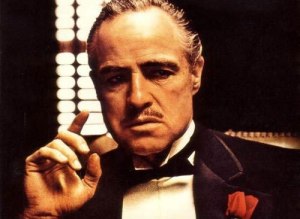
Drawing parallels to the real life ‘Five Families’ of New York that dominated the Italian mafia during the 20th century, the fictional Corleone family, led by Don Vito Corleone, is highlighted as being the ‘pariah’ and at odds with the other crime families throughout the film. Vito Corleone, played by Marlon Brando, acts like the quintessential mob boss whose cunning and intellect has made him to this day a very quotable character that has become apart of American popular culture.

In The Godfather, we see Vito nearing the end of his reign as boss of the family and looking for his eventual successor. Vito has three sons: Sonny, the oldest whose lack of foresight and hotheaded temper makes him a liability albeit is the favorite initially to replace Vito as Don of the Corleone family. Fredo is the middle child and is a consistent womanizer. Considered neither to be reliable nor intelligent, Fredo is kept to the side often and is not a suitable person to lead the family due to his lack of cunning and intellect. Michael, a U.S. Army Veteran and the youngest child of Vito Corleone is portrayed as being very innocent and often has requested to be kept out of the family business if he can avoid it.

However, as the viewers of the film can understand and interpret, a mafia family reels everyone in to its business whether or not it’s intentional. One of the best aspects of The Godfather is watching the changes in Michael’s behavior and demeanor as extenuating circumstances involving the family forces his hand and he is forced to take on more responsibilities and duties as a Corleone and the son of Vito. His loss of innocence and the transformation that occurs with Michael from dignified U.S. Army Veteran to cunning, ruthless Mafia boss is a great strength of this timeless film.

For those critics who are against violent Mafia films and choose not to watch them, that is fine but it should be considered that there is more to this movie than meets the eye. Above all else, it is the story of a father trying to repent for the sins of the past and trying to keep his sons from avoiding the same mistakes that he has made.

The relationship between Vito and his son, Michael in particular is memorable for how Vito expects so much from Michael considering he is the most levelheaded and intelligent of the Corleone brothers. There is one great scene in the film where Vito and Michael are discussing the ongoing drama of the war between “The Five Families.” Vito laments to Michael on how he is sorry that he was thrust into the mafia business when he expected his son instead to become “Governor Corleone” or “Mayor Corleone.” Michael simply looks at his father lovingly, and says: “We’ll get there, pop. We’ll get there.”

Other classic scenes that I enjoyed involve the courtship between Michael and a beautiful Sicilian woman named Apollonia. What I liked most was highlighting the very old-school dating process of asking Apollonia’s father for permission to date and then later marry his daughter with all respect given. It’s a touching moment in the film, which reveals that Michael’s humanity has not been totally wiped out because of the mafia. It was also great of Director Coppola to show the traditional procession of the Sicilian wedding and how all of the townspeople were involved in wishing Michael and Apollonia well.

Without trying to spoil the rest of the film for those of you readers who haven’t watched The Godfather yet, I can’t recommend it enough to avid movie fans. The directing by Francis Ford Coppola, the cinematography, the acting performances by Al Pacino, Marlon Brando, Robert Duvall, James Caan, etc. are phenomenal and they deserved every heap of credit that was bestowed upon them at the Oscars and elsewhere.

The Godfather is simply more than just a mafia film in my opinion. It is a story about a complex family, fathers and sons, human nature, and the thirst for power and respect. Have an open mind and see this film if you get the chance. I promise that you won’t regret it even if the running time is three hours in total. You can always tell your friends and family that I wrote a blog post that you couldn’t refuse to read.

John Coltrane: A Retrospective

“A true legend of his time, John Coltrane changed Jazz music forever by introducing free and experimental forms to the genre.”

“John Coltrane was a key figure in jazz, a pioneer in world music, and an intensely emotional force whose following continues to grow.”

This succinct description by author Lewis Porter in his book about the legendary Jazz musician, John Coltrane, is completely accurate. John Coltrane is to Jazz music what Neil Armstrong was to the successful Moon landings of 1960’s. He is revered not just by those involved in the world of Jazz but by people from around the world for his deep spirituality and his recognition and support of the civil rights movement in the early 1960’s.

To this day, John Coltrane remains to be the only Jazz musician to have become a saint post-humous, which was given to him by the African Orthodox Church. He also was one of the few Jazz musicians who could compete with the emerging Rock n’ Roll scene in the early 1960’s. His most famous album, titled “Love Supreme” released in 1964 was partially why Coltrane surged to popularity at a level equal to bands like The Beatles and The Beach Boys. What he lacked in terms of longevity in his career and sadly, his life, John Coltrane’s passion for Jazz and the spirituality his music had along with the masterful skill, improvisation he displayed playing the tenor saxophone continues to resonate today. Along with Duke Ellington and Thelonious Monk, John Coltrane is one of the few Jazz musicians to have received a Special Citation for the Pulitzer Prize in the study of music.

As a musician, John Coltrane’s contributions were immense especially during the relatively short amount of years he was on the top of the Jazz scene compared to other legends of the era. He was influential in promoting new forms of Jazz such as avant-garde and free form, which became popular during the 1960’s. Throughout his career, Coltrane was the leader of more than fifty recording sessions and then partnered along other musicians such as Miles Davis, Duke Ellington and Thelonious Monk. John Coltrane started recording music in 1945 right after the conclusion of World War II for which he was enlisted in the U.S. Navy.

One of the first musicians to recognize John Coltrane’s inherent musical talent was fellow saxophonist, Charlie Parker, who played and recorded together with Coltrane during the late 1940’s and early 1950’s. His most famous albums included Giant Steps (1960), My Favorite Things (1961) and A Love Supreme (1965). All three of these Jazz albums that he produced with Atlantic and then Impulse! Records are some of the best-selling albums of all time. He is also noted for collaborating with Miles Davis on some of his most famous recordings including Kind of Blue (1959) and Milestones (1958). In addition, over the course of his career, John Coltrane created many standards in Jazz music such as “Moment’s Notice”, “Lazy Bird”, “Impressions”, “My Favorite Things” and “I Want to Talk About You.”

The influence of spirituality and religion on Coltrane’s life and music is what makes him unique and rememberable more than forty years after his death. While Ornette Coleman was the musician who is credited with leading the “Free Jazz” and “Avant Garde” movements, it completely changed the perceptions of what Jazz should be to young musicians like Coltrane who were originally more technical in their play originally who adapted more of a free-form style as they encountered different influences and perspectives. His philosophy on music and life in general was that it had to be “a whole expression of one’s being.”

More than most Jazz artists of his time and era, John Coltrane was a deeply spiritual and religious person who sought out the teachings and beliefs of not just Christianity but also Islam, Hinduism, Buddhism, etc. Coltrane is said to have had a religious experience, which may have held him break his heroin and alcohol addictions in the late 1950’s. When asked about this pivotal point in his life that allowed him to produce the landmark records of A Love Supreme and Meditations, Coltrane states that, “During the year 1957, I experienced, by the grace of God, which has led me to a richer, fuller, more productive life. At that time, in gratitude, I humbly asked to be given the means and privilege to make others happy through music.” John Coltrane made many references to spirituality and different religions in many of his songs and albums. Specifically, those songs titles, “Ascension”, “Om” (Hinduism), “Amen”, “Dear Lord”, and the opening movement of Meditations which is titled, “the Father, the Son and the Holy Ghost.” He studied the Bible, Qu’ran, Kabbalah and other Buddhist and Hindu texts making him more of a Universalist than a subscriber to any certain religion. He incorporated chants and sayings into the few lyrics within his songs as well. Coltrane worked with Indian sitar player Ravi Shankar and even named his first son after him.

Beyond Jazz, John Coltrane dove into an idea of a universal musical structure and to take these spiritual influences from around the world and implement them within his own play and style. He was not political but he desired for his own country to get beyond racial and ethnic differences such as those that were plaguing America during the early 1960’s. Through his music, he spoke out against discrimination and supported the civil rights movement and gave an emotional ode to Dr. King in the song, “Alabama” after his assassination. Despite his death at the age of 40, Coltrane inspired a new generation of Jazz musicians to carry on his free-form style and his ability to reach out to different genres of music. He has been immortalized in certain Christian churches as a saint and his birthday is often a cause of celebration around the world. It is clear that he was not over-rated and that his legacy will continue to go on as long as his music is played for all.

Sources

  1. http://www.allmusic.com/artist/john-coltrane-mn0000175553
  2. http://www.pulitzer.org/citation/2007-Special-Awards-and-Citations
  3. http://coltrane.room34.com/thesis
  4. http://www.johncoltrane.com/biography.html
  5. http://www.nytimes.com/2007/12/01/us/01religion.html
  6. http://thewire.co.uk/in-writing/essays/john-coltrane_divine-wind
  7. http://www.telegraph.co.uk/science/science-news/3324621/Secret-of-John-Coltranes-high-notes-revealed.html

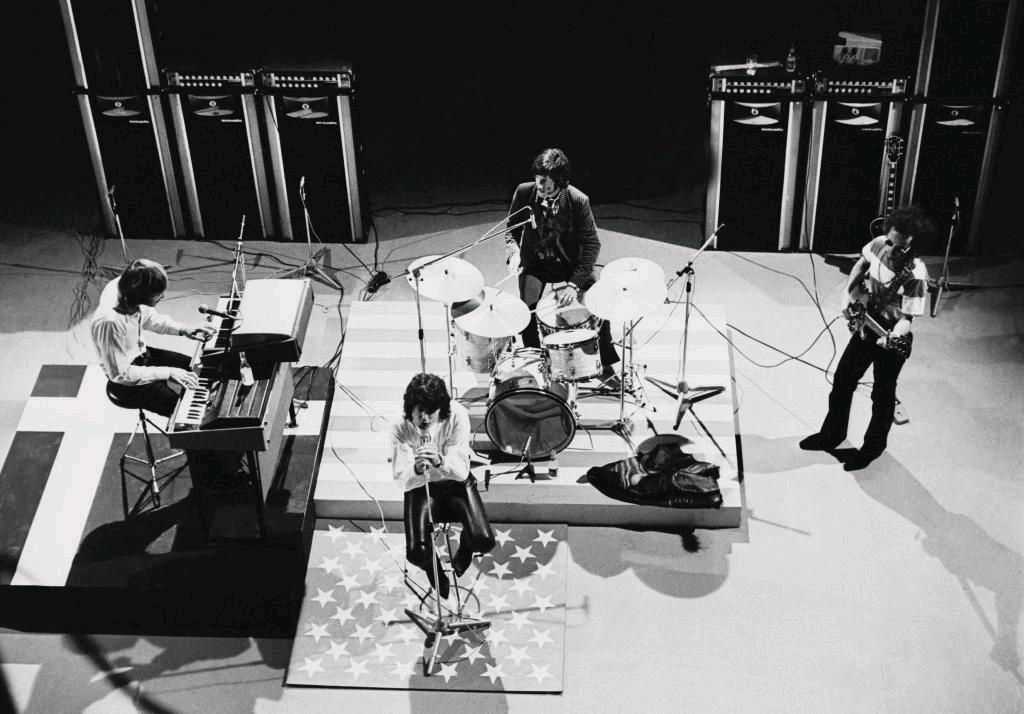
The Doors: A Retrospective

"Today, The Doors are considered to be one of the greatest musical groups of the 20th century…and for good reason."
“Today, The Doors are considered to be one of the greatest musical groups of the 20th century…and for good reason.”

One of the greatest bands to have ever existed in the 20th century, The Doors, are one of my favorite musical artists. I recently started listening to them about a year or so ago and have never looked back. They make a lot of the popular music produced in this day and age seem shallow and shortsighted in comparison. Part of the band’s appeal is the deep, existential lyrics of their songs that are woven through each and every one of their albums.

Jim Morrison, the lead vocalist, is the catalyst that made ‘The Doors’ what they were because of his un-disputable talent as a lead front-man and also as a great singer. In addition to producing excellent records in the studio, ‘The Doors’ were an electric presence on the stage and at their live venues where Morrison would captivate the audience with his eccentric motions and his crazy, inebriated antics. However, Ray Manzarek, Robby Krieger, and John Densmore each contributed so much to the band itself that Jim would have been nothing without their musical talents.

Part of the appeal of The Doors to me has always been Ray’s enthusiastic and sensual keyboard/organ melody on a lot of the classic songs in the band’s collection. Robby contributed a lot of the writing for the lyrics to most of ‘The Doors’ song catalogue that Jim often mistakenly gets the credit for. Today, you don’t see these kinds of bands anymore that push the limits of experimental Rock and Roll. This particular genre was truly a late 1960’s to early 1970’s phenomenon partly due to the members’ heavy usage of psychotropic drugs that influenced musical groups such as ‘The Doors’, ‘Jefferson Airplane’, ‘Jimi Hendrix’, ‘Janis Joplin’, etc. Because of the uniqueness and the short period of time in which these groups surfaced and then diminished, a lot of these musical artists and groups still hold a high place in the hierarchy of Rock and Roll music.

Certain figures such as Janis Joplin, Jimi Hendrix, and Jim Morrison have become American cultural icons due to their talent, but also for their erratic and unpredictable behavior, and the early deaths of these musical artists with suspicious circumstances attached to them has made them apart of the infamous ’27 Club’.

Above all else, ‘The Doors’ were one of the few bands that took an existentialist look at life, love, sex, death, and other mature topics that today’s mainstream musical groups rarely touch upon. It should come as no surprise then that the band’s name is taken from one of English author Aldous Huxley’s most famous works of literature: ‘The Doors of Perception.’ I think that is partly why I have become such a big fan of their music. They wrote about perceiving the human experience and all that it entails.