Earth Before Mars – Why Humanity Must Solve Today’s Crises First

“We continue to dream about colonizing Mars and visiting the Moon again while ignoring the rising Oceans and hungry mouths here on Earth.”

We continue to dream about colonizing Mars and visiting the Moon again while ignoring the rising Oceans and hungry mouths here on Earth. I read a recent headline that summed this contrast up for me when it was reported that ‘record heat of 2024 triggered a surge in sea level rise’, which is a headline that should give us all some pause going forward as Earth is and will remain our only place in the universe that is habitable for the foreseeable future. Still, we push forward with satellite launches, planned manned missions to the Moon and Mars, and developing other capabilities in the space realm.

Now, I have no issue with organizations and companies that seek to reach the next frontier of Space and there are real benefits for science and technology along with fomenting further international cooperation in this area. However, it is worrisome when we take our collective eye off the ball regarding real man-made issues that we have yet to solve here on Planet Earth that either are lacking attention entirely or continue to get worse (climate, poverty / inequality, wars, famine, etc.) Humanity should always dream big and continue to push ourselves forward intellectually. It is good to devote oneself to a mission when it involves curiosity, knowledge, and progress.

Space travel, universal Internet access (via Starlink, for example), breakthroughs with artificial intelligence, developing the cities of the future, etc. At the same time, we should not risk ignoring or downplaying the real urgent problems in front of us, of which there are many left unsolved. Progress matters and that has been the case throughout human history, but survival, justice, and shared prosperity should be first and foremost in terms of our priorities going forward.

There has been a trend in recent years towards apathy or not putting enough resources to end hunger, homelessness, or poverty in favor of space travel for the privileged few, colonizing planets including Mars where life, more than likely, cannot be sustained there, and mining asteroids and planets for crucial minerals and other resources of interest. There’s nothing wrong with romanticizing exploration beyond Earth and dreaming of what future generations could achieve beyond our planet one day.

Still though, that day is many decades or centuries away and right now, Planet Earth needs more of our attention than those faraway planets and solar systems. Those of great wealth, popularity, fame, and notoriety are pouring more money and resources to interplanetary dreams for themselves (most likely) rather than helping their fellow man or woman who could use their help instead. Some of the wealthy and privileged in our society seem to be hypnotized increasingly about seeking out these distant dreams rather than being part of the solutions here on Earth.

We need a reality check for everyone, including those of superior means, that there are major issues on our planet that are not going away and are getting worse in recent headlines. Whether it is climate change, wealth inequality, political instability, crumbling infrastructure, possible pandemics, wars and conflict, these are the primary issues that should capture all our attention. If we cannot make Earth a livable, sustainable, and safe place for future generations, then we do not deserve to leave the planet to colonize other planets nor set foot on Mars to begin with. All of these issues on Earth are solvable still in my view but we have to keep creating attention to these different yet interconnected problems, and to me, it is not a question of money or resources, as if we have enough money for manned missions to Mars in 5 years then there is no reason why we can’t eliminate poverty or hunger on this planet first.

Prioritizing our present and future on Earth is also not anti-progress for humanity. I am not against dreaming big or for resources to go to space travel. However, it’s about sequencing our collective priorities better going forward. Before we build a new boat, let us fix the leaks in the current boat before we sink and must abandon ship for that new boat.

There is not just innovation to be found in this current space race but I do believe also that solving present issues can accelerate innovation here on Earth. Whether it’s AI tools leading to new health cures, developments in clean energy technology building new industries here, or eliminating hunger allowing children to learn better, retain more information, and create more educated professions to solve the next challenges here on Earth. Humanity must handle survival, stability, prosperity, and justice for our baser levels before we move on to higher-level pursuits, similarly to ‘Maslow’s Hierarchy of Needs’ on a planetary scale.

We are not just dealing with one or two current issues on a humanity scale right now. I can name at least five major issues that are still unresolved and are either stagnating in terms of progress or getting worse currently.

  1. Climate Change & Environmental Collapse – the most existential issue of our time and a threat to all life on the planet, more immediate mitigation is needed and on a scale of global effort to avoid the worst kind of consequences that are likely to happen in my lifetime.
  2. Global Inequality and Poverty – Billions of people still lack clean water, enough food, or a basic education, and we have the money available on the planet to solve these challenges, yet our financial capital is being spent towards other dreams like space travel.
  3. Conflict and Authoritarianism – Recent conflicts or wards along with rising political extremism threaten to destabilize humanity’s future and saps our ability to come together to solve these other problems on my list. We also run the risk of turning against each other rather than rallying our resources together to solve issues on a global scale.
  4. Public Health and Pandemics – COVID-19 showed us all the importance of pandemic preparedness, investing in science and research, and establishing early warning systems to alert the public when a pandemic takes hold. Are we prepared for another pandemic? I am not so sure and believe this is an area where more collective action is needed.
  5. Infrastructure and Governance – Crumbling systems whether its infrastructure, health care, schools, or other vulnerable institutions that fail us leave nations and peoples behind and causes inequality to grow among us. Investing in our collective futures starts with investing in our public systems in different areas so that each of us is given the best chance to succeed and contribute to society.

There is a cost to ignoring or downplaying the issues of today because we will eventually be paying for them in the future. Runaway climate change, more wars, growing inequality, dysfunctional public institutions will all impose a heavy burden on us here on Earth and technological dreams become pointless if society stagnates, ruptures, or collapse beneath the sheer weight of these issues. Space travel isn’t so great when nobody can afford to go, the Earth the astronauts come back to isn’t so pleasant, or when there’s no money to continue funding the dream because other issues became so severe, space travel couldn’t be afforded anymore. A colony on Mars won’t help any of us if we can’t figure out how to keep power grids running here or how to keep our cities from flooding from further projected sea level rise.

Let’s continue to invest in space exploration because of what good it can do for humanity but let us also not sacrifice fixing the problems here on Earth not yet solved because we want to colonize Mars or other planets. We should weigh better as a society our collective priorities and how much funding, talent, and attention we will give to our problems here on Earth vs. our future dreams on a planet far, far away.

Governments, businesses, and individuals can each play a role by changing our priorities to focus first on fixing the problems of today rather than solely focusing on the dreams of tomorrow. We should continue to vote for leaders who prioritize our current Earthly issues, participate civically in helping to draw attention to these issues, and live sustainably to start to shift attention and resources to these issues that I’ve highlighted, which affect all of us today, whether directly or indirectly.

If we devote ourselves to fixing Earth today and into the future, we won’t just survive, we will then be strong enough to reach for the stars while comfortably knowing that we have a thriving and prosperous planet that our astronauts would be returning to, with their heads held high. Ask yourself this question too: what is the one issue of our time that you can help fix today, before we start building the future on another planet many years from now? I think you’ll find that we have more power and influence than we think and that our actions today will inspire others to also act in shaping a better planet where we can both live out our days here and still dream of a space-bound future one day for generations to come.
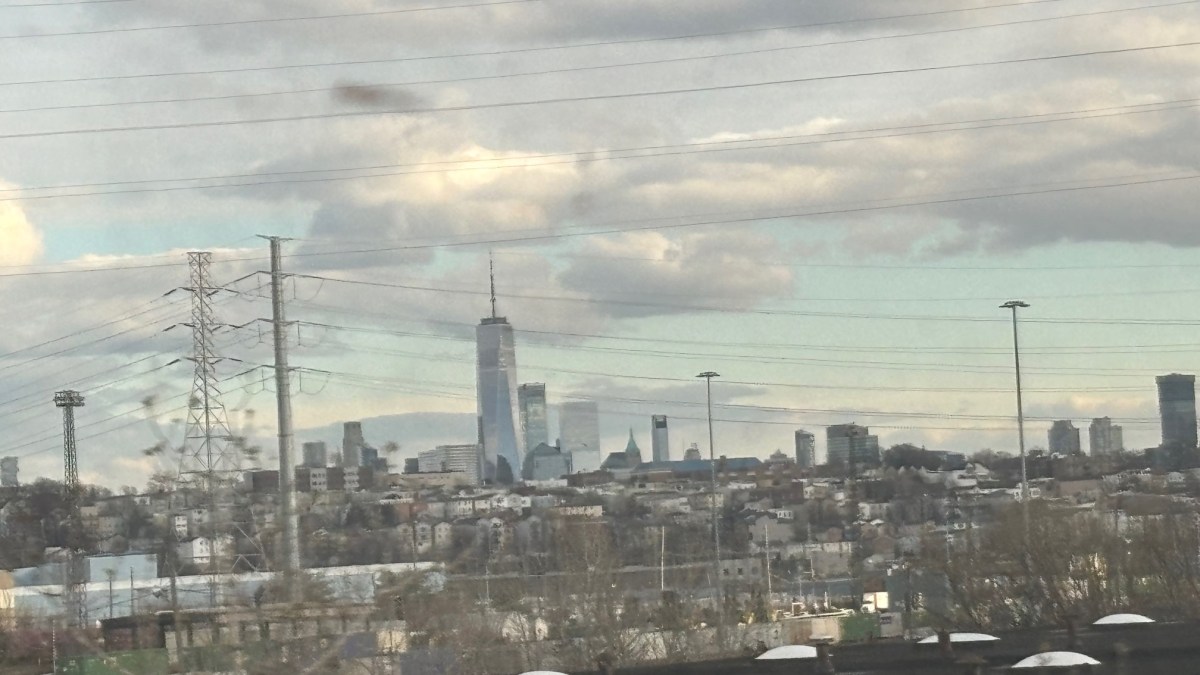
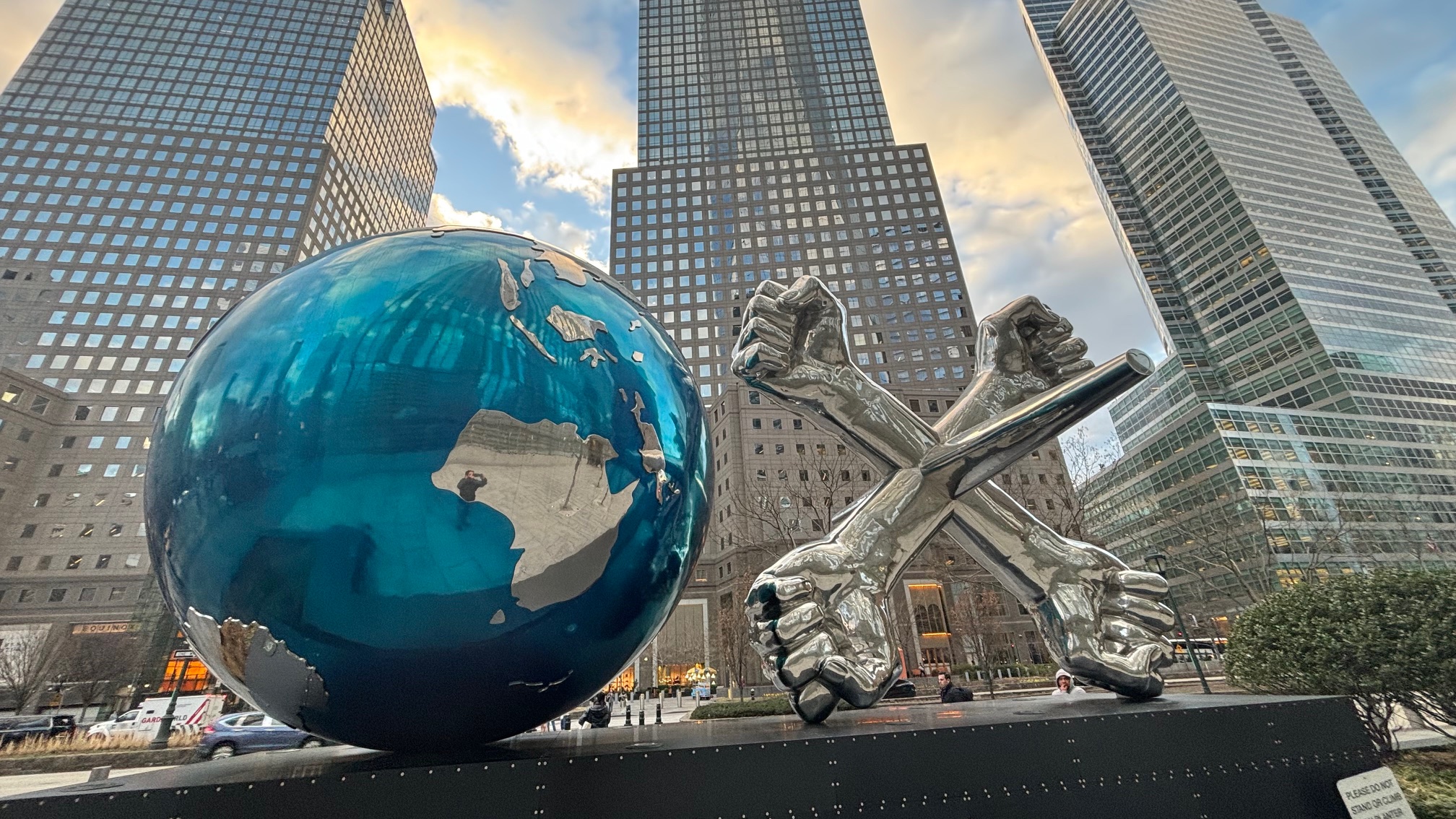
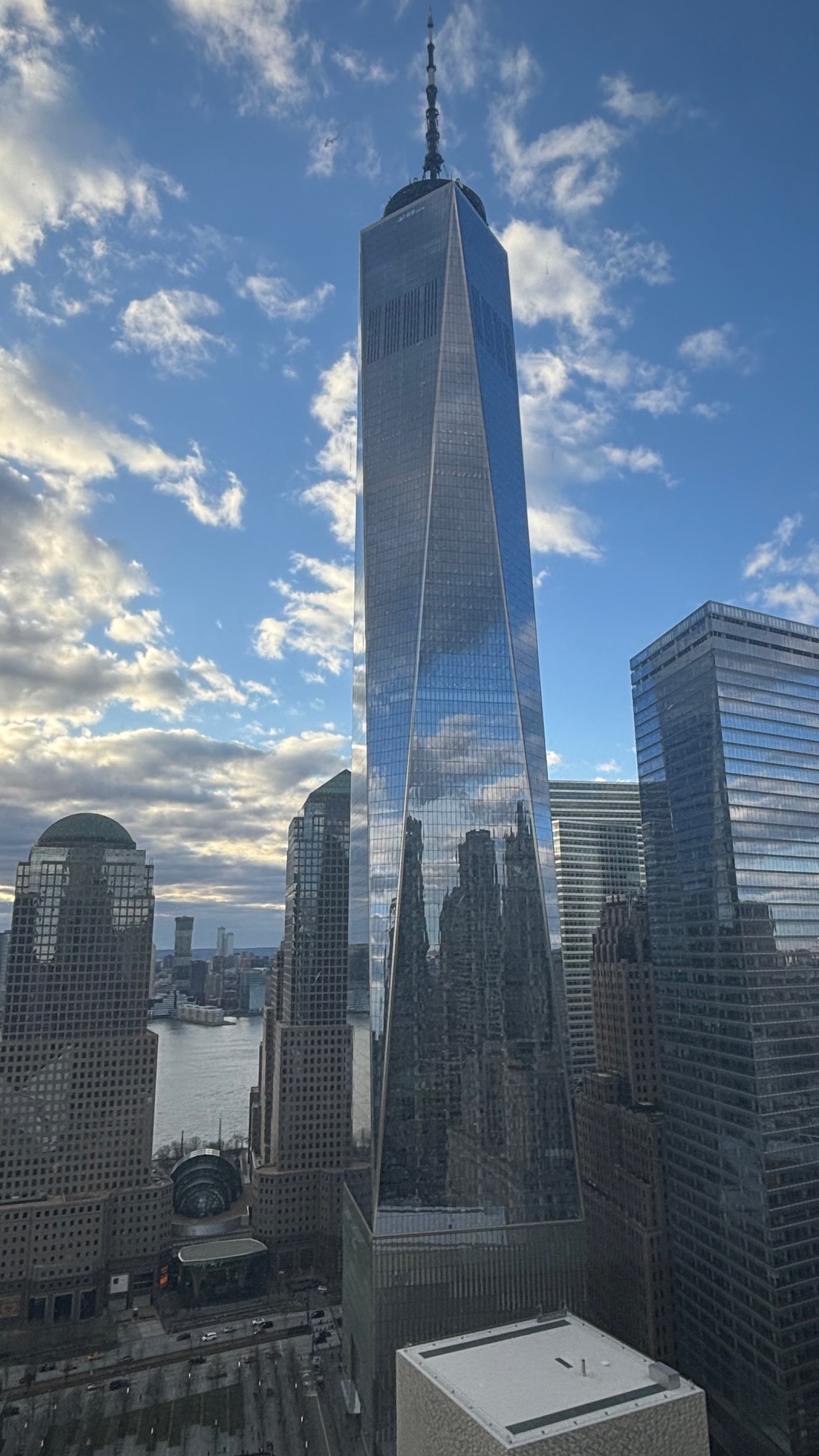
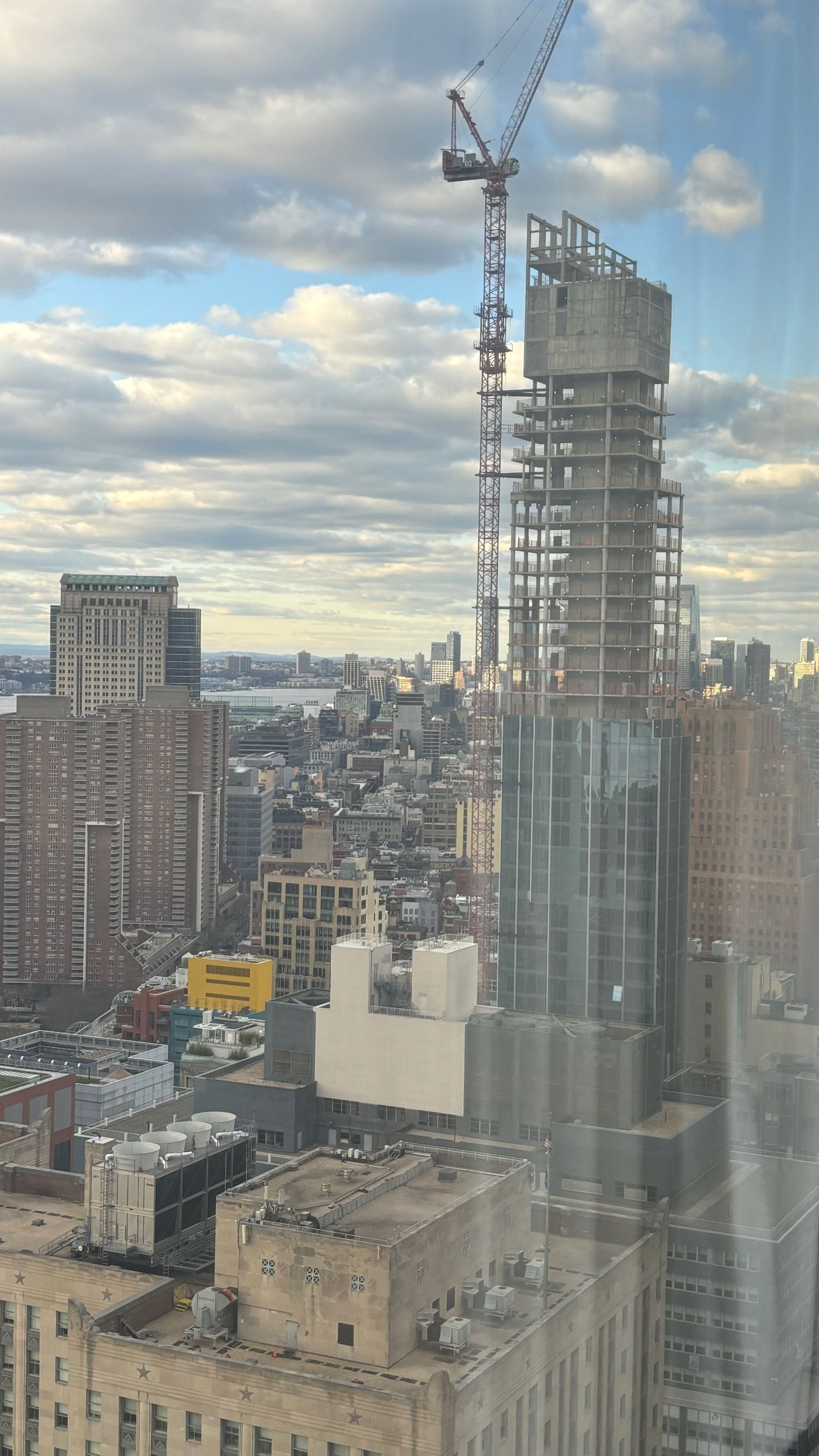
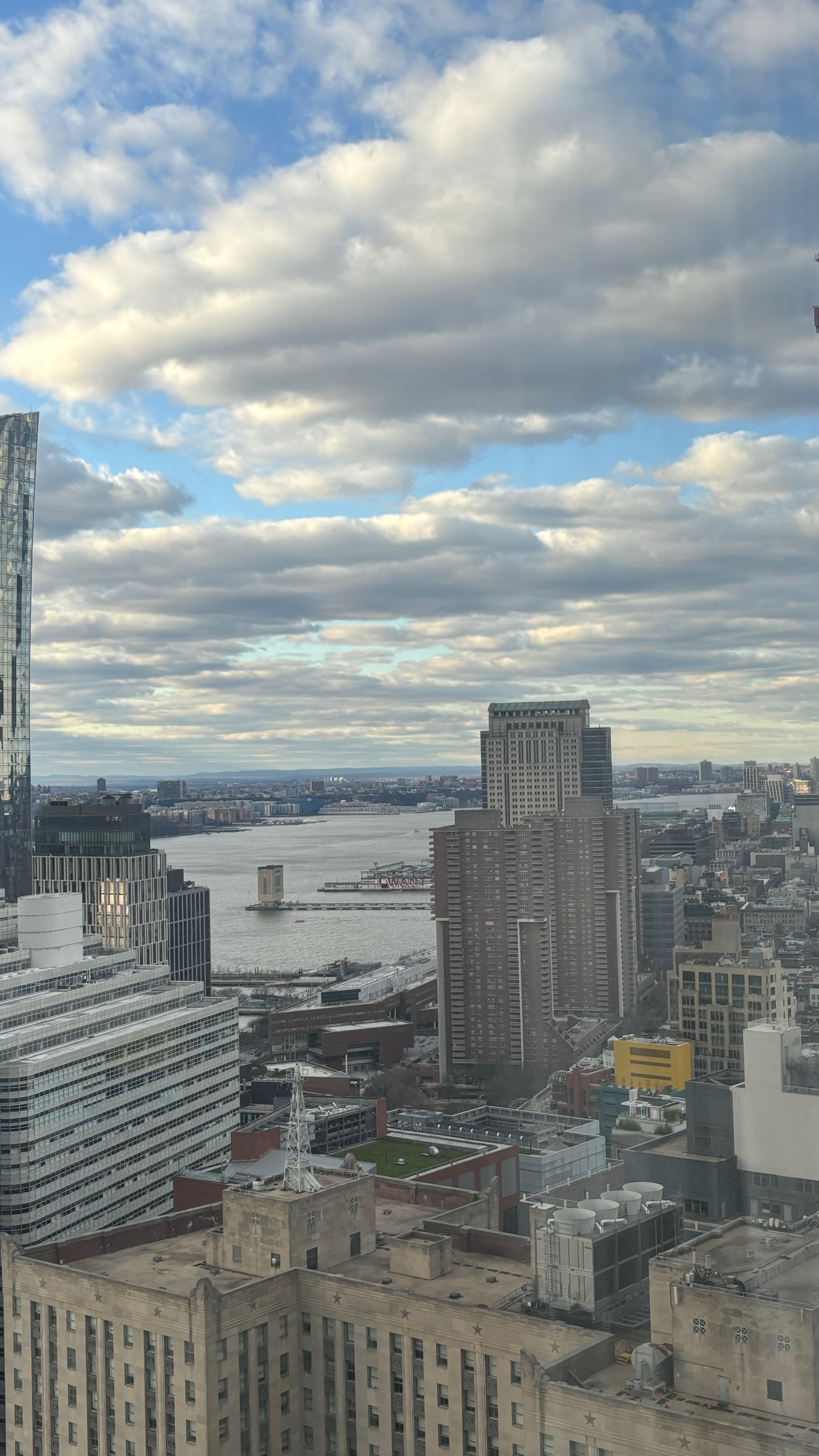
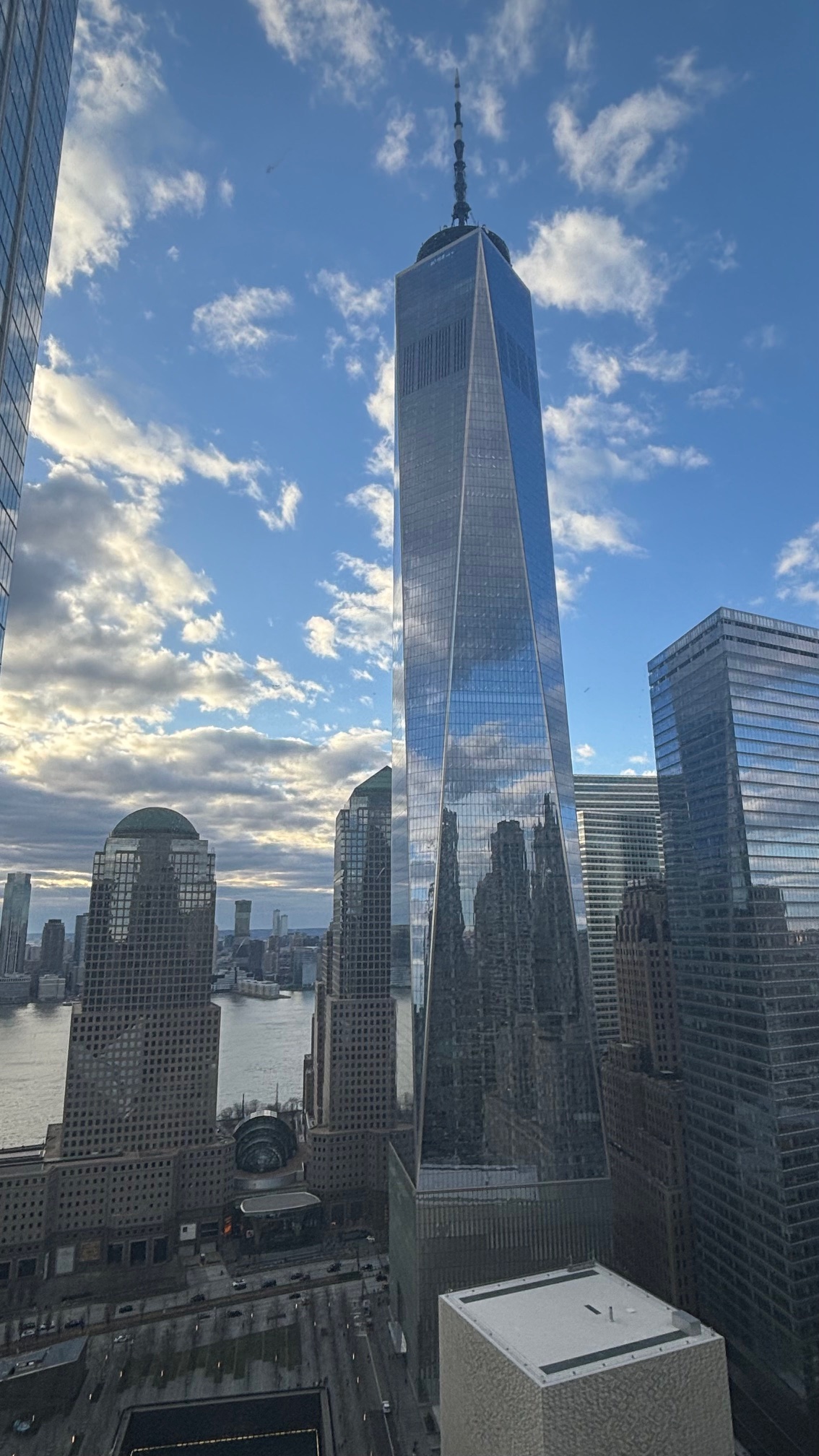
Back In The New York Groove

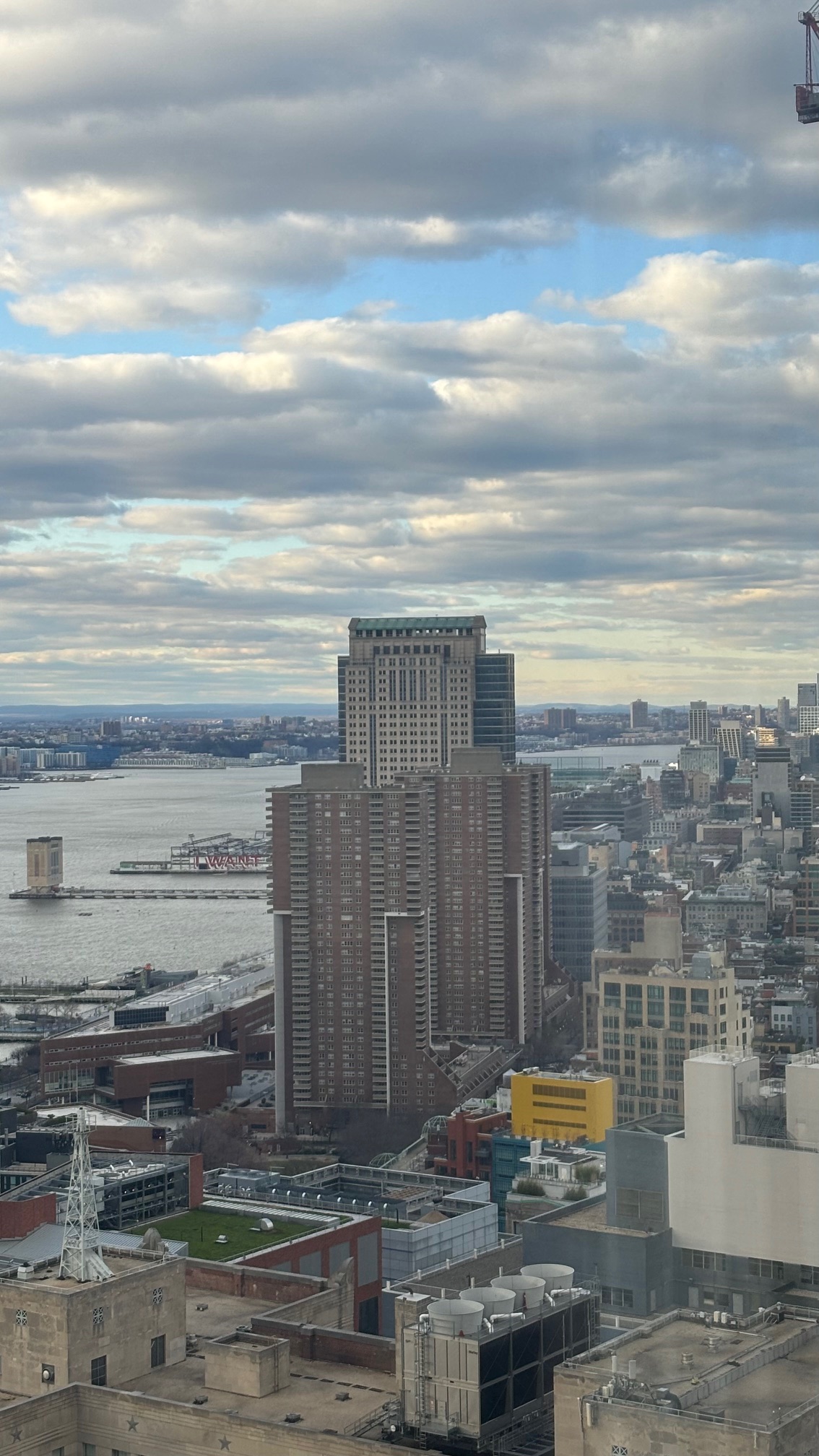
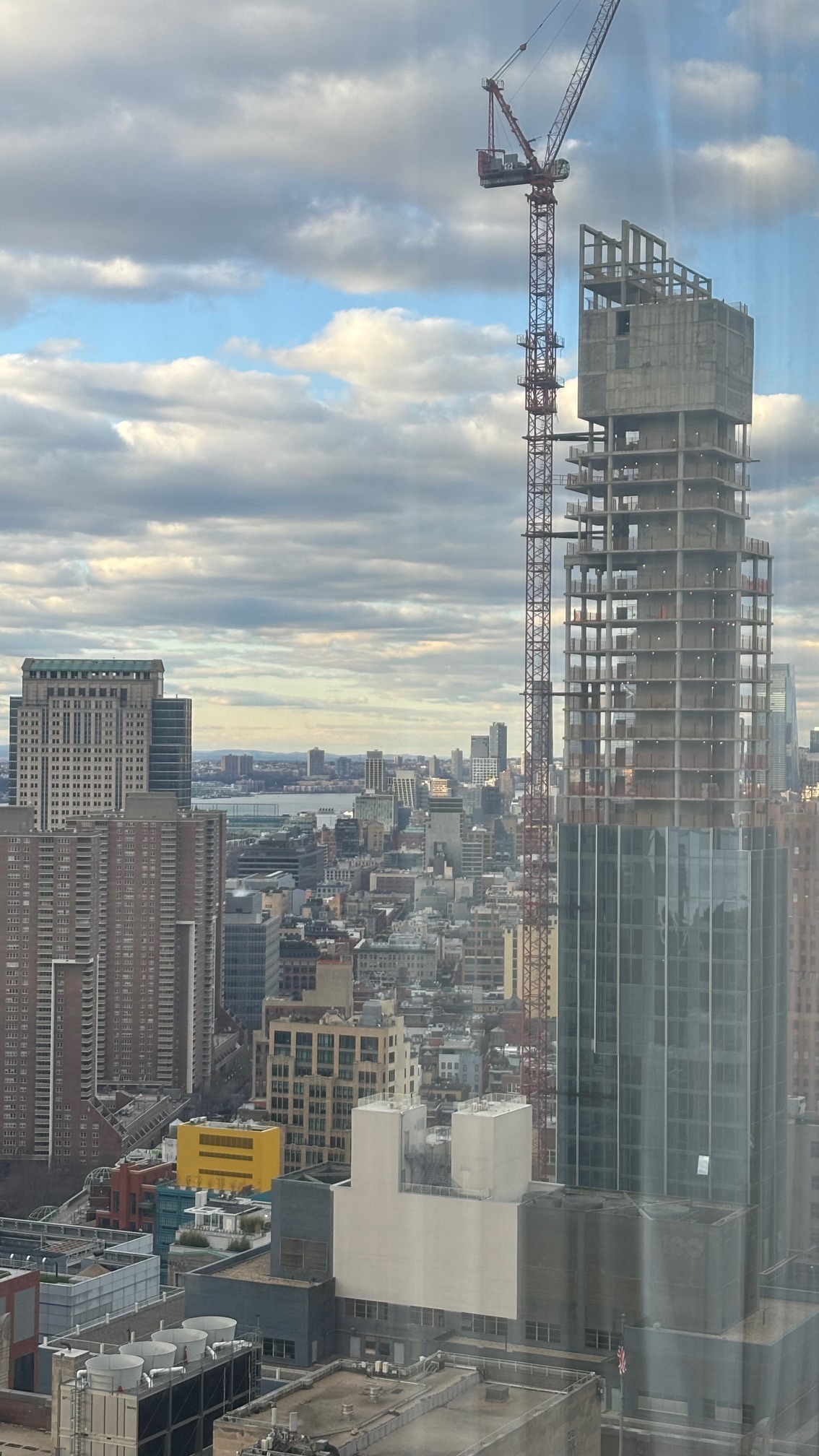
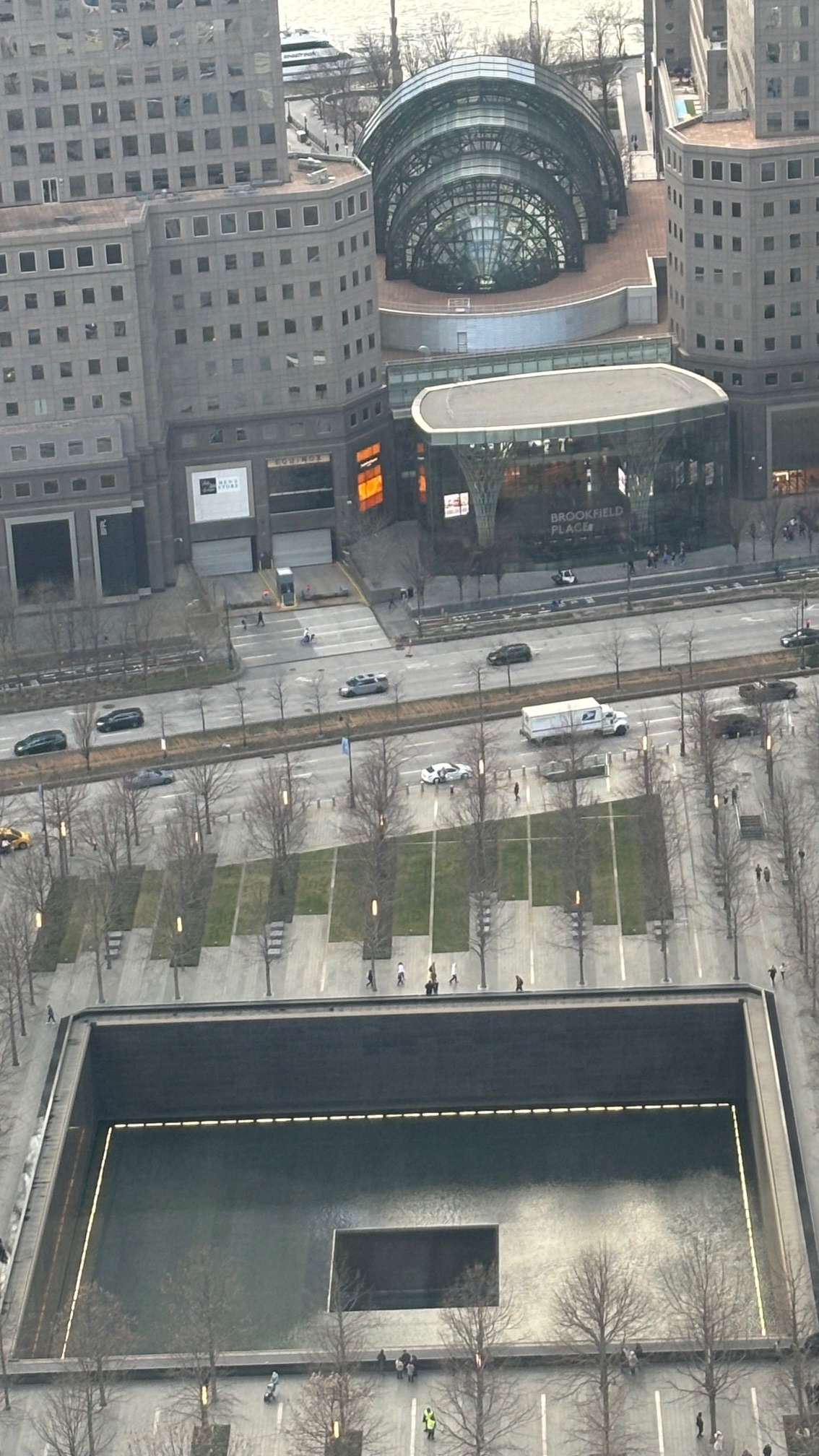
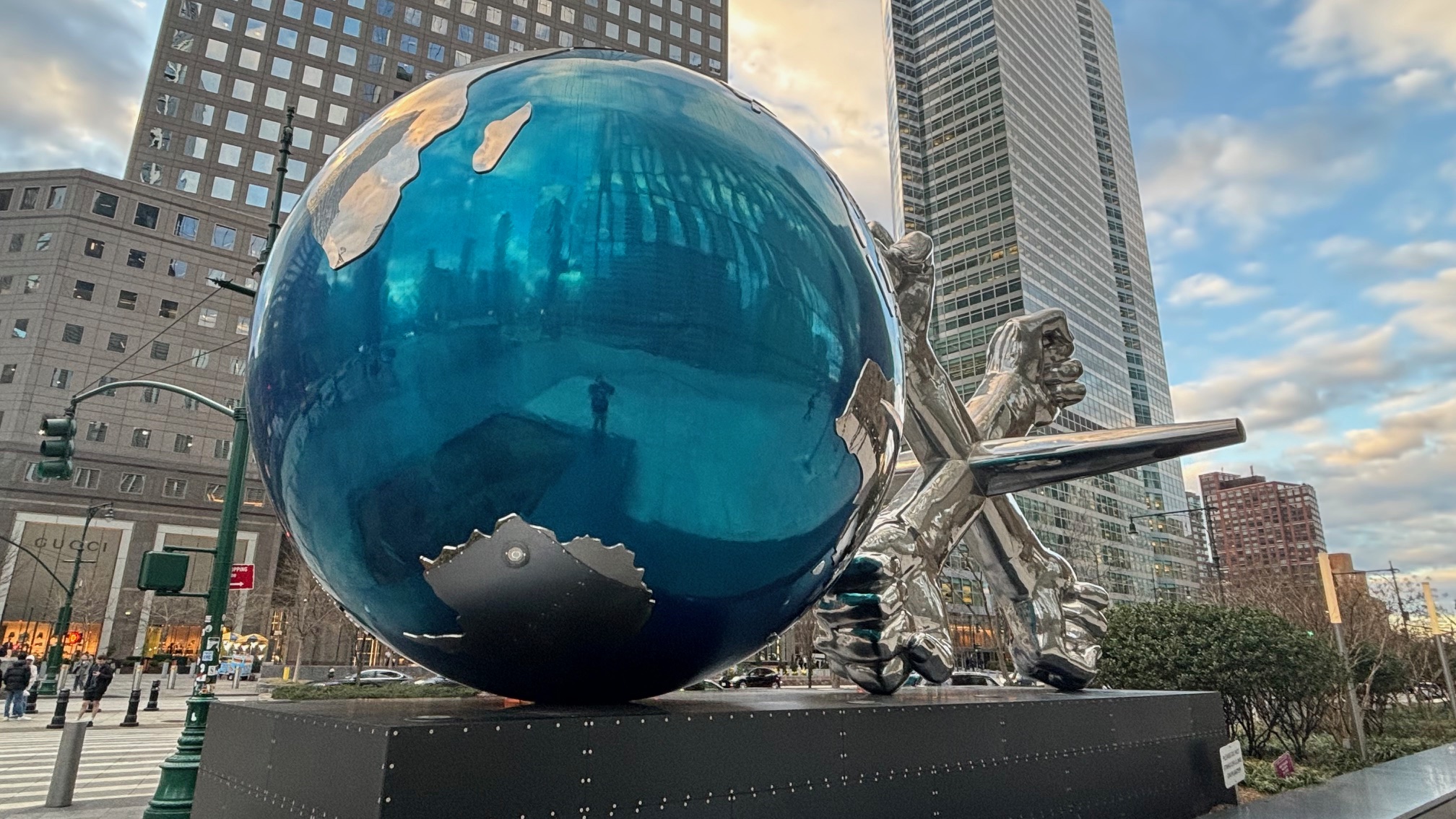
A trip back to New York City in March of 2024.

Camera: iPhone 15

Location: New York, New York

Murals and Markets in Montreal

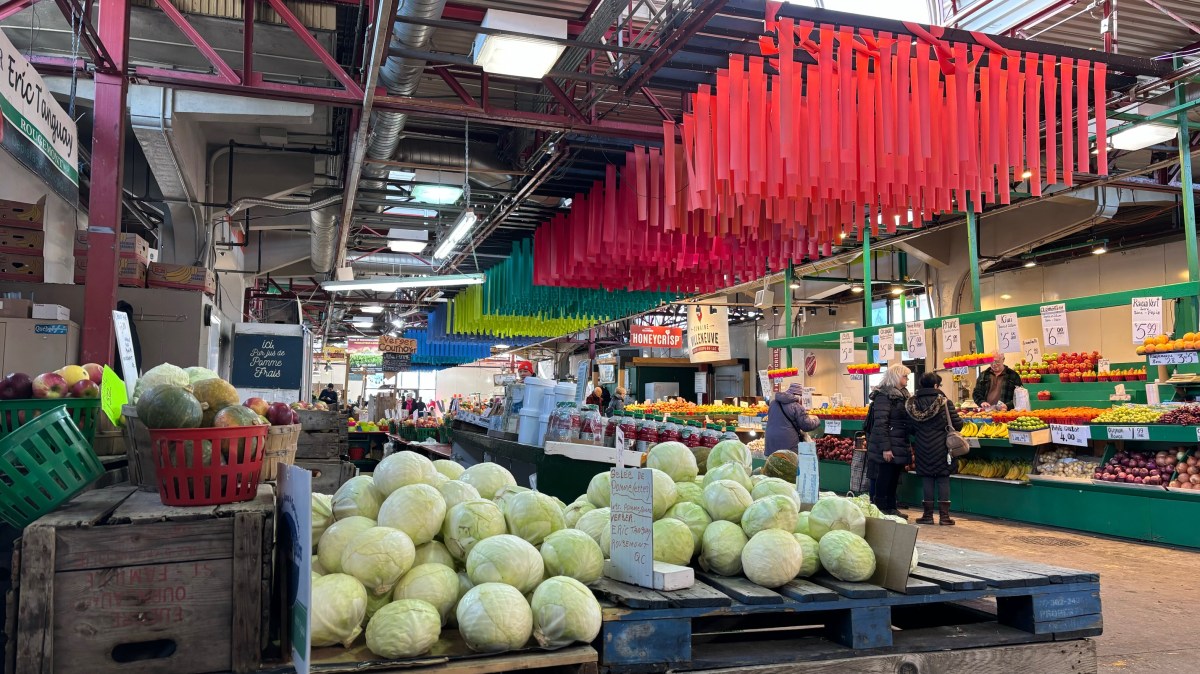
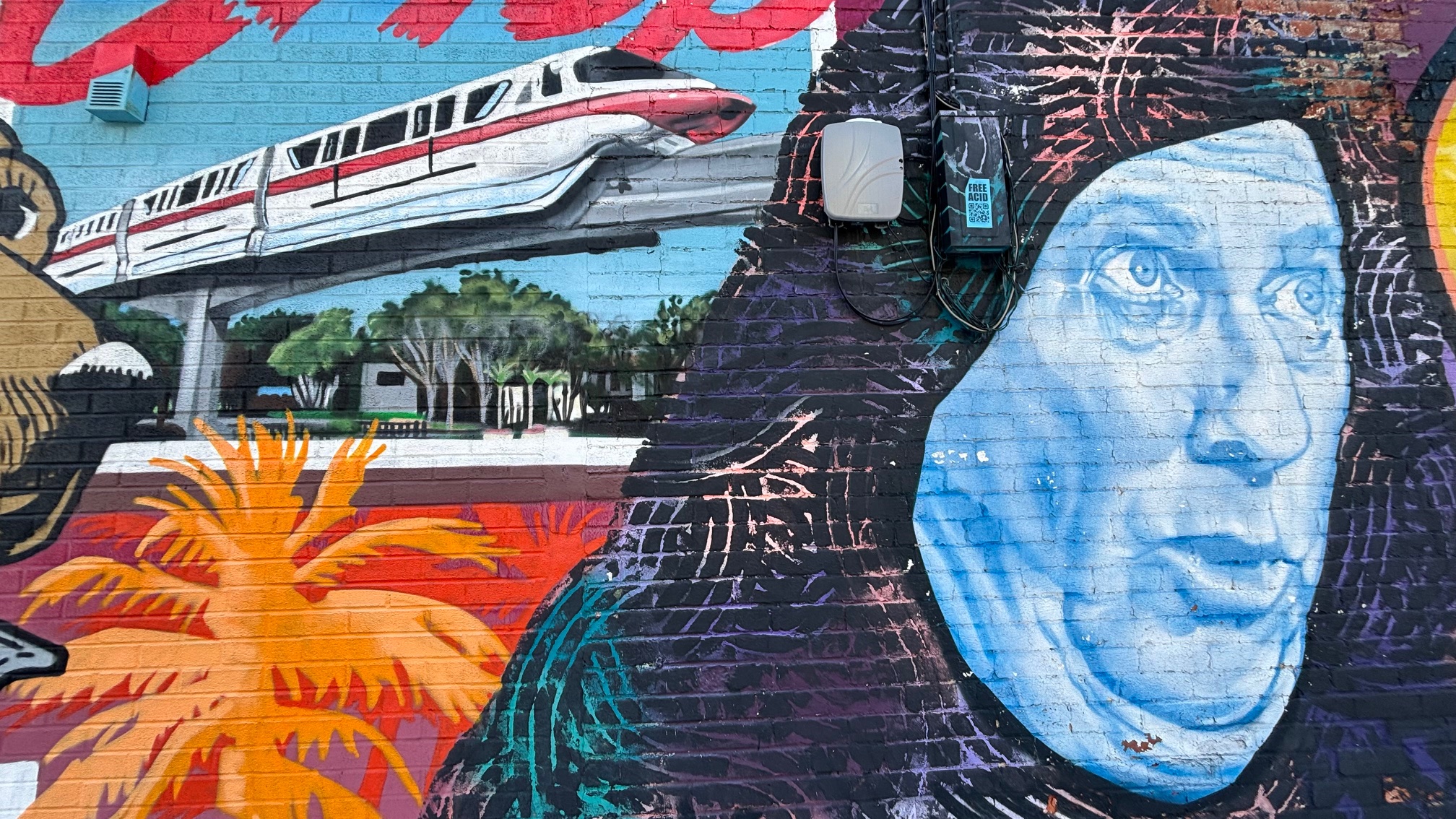
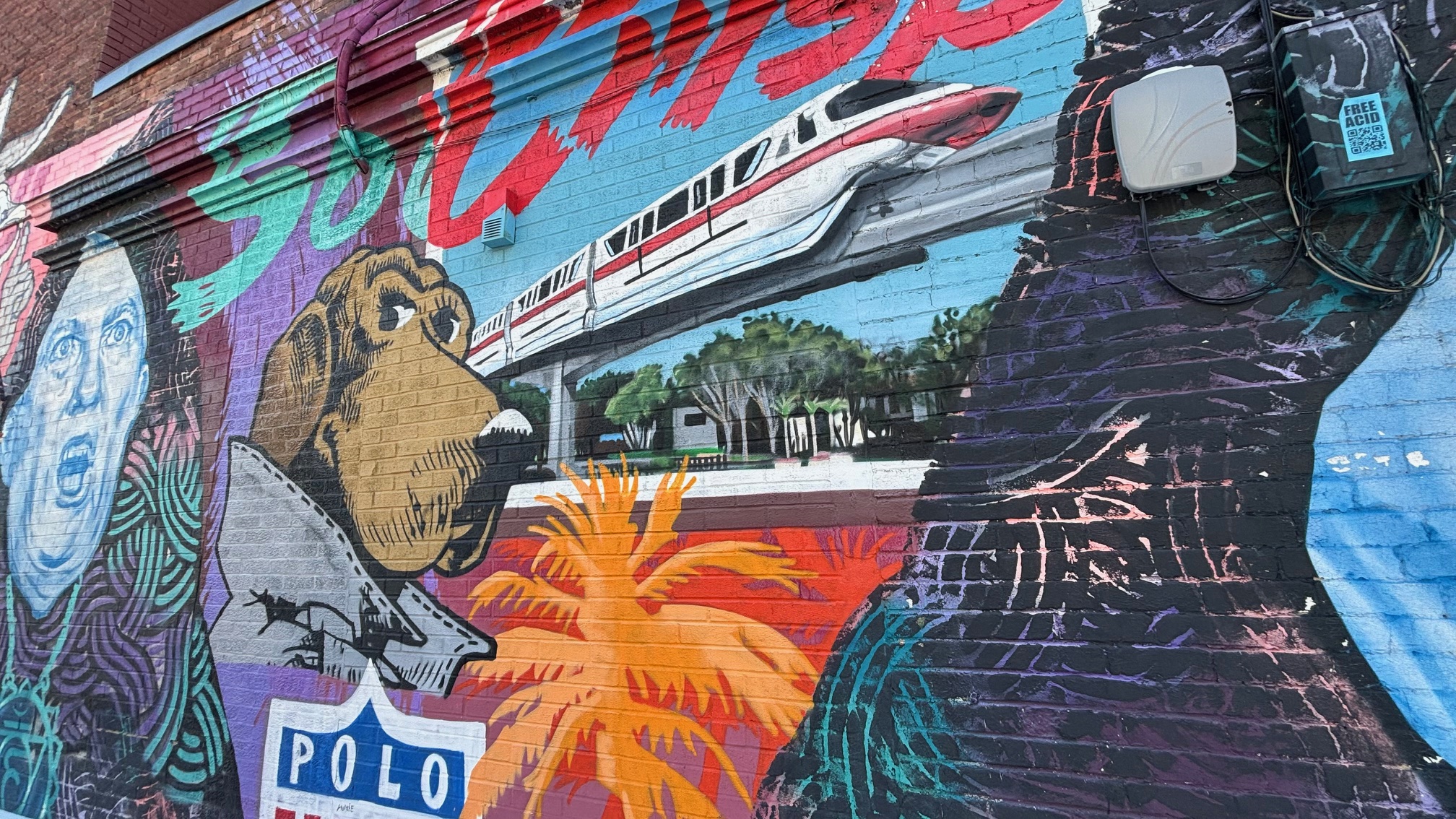
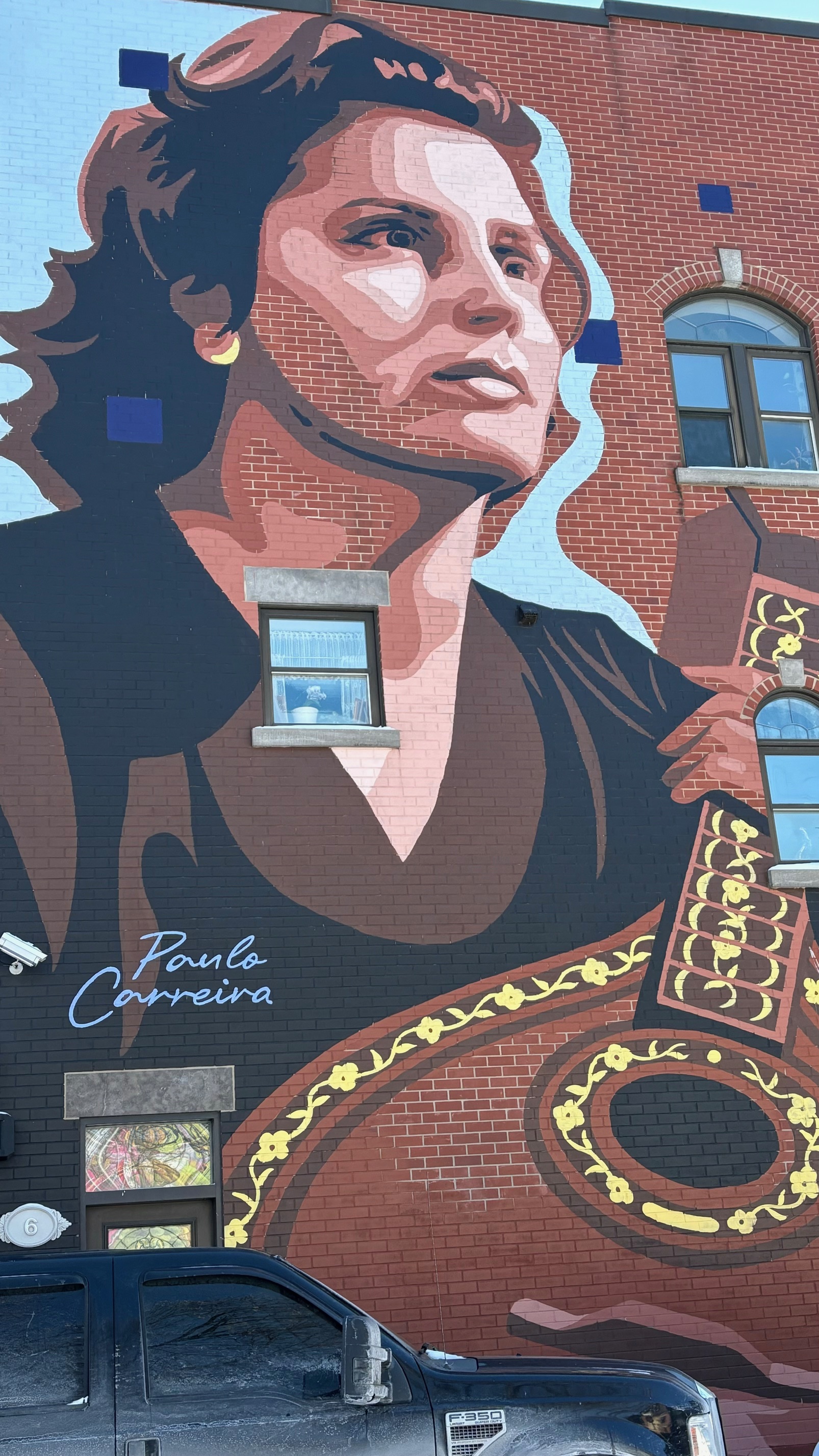
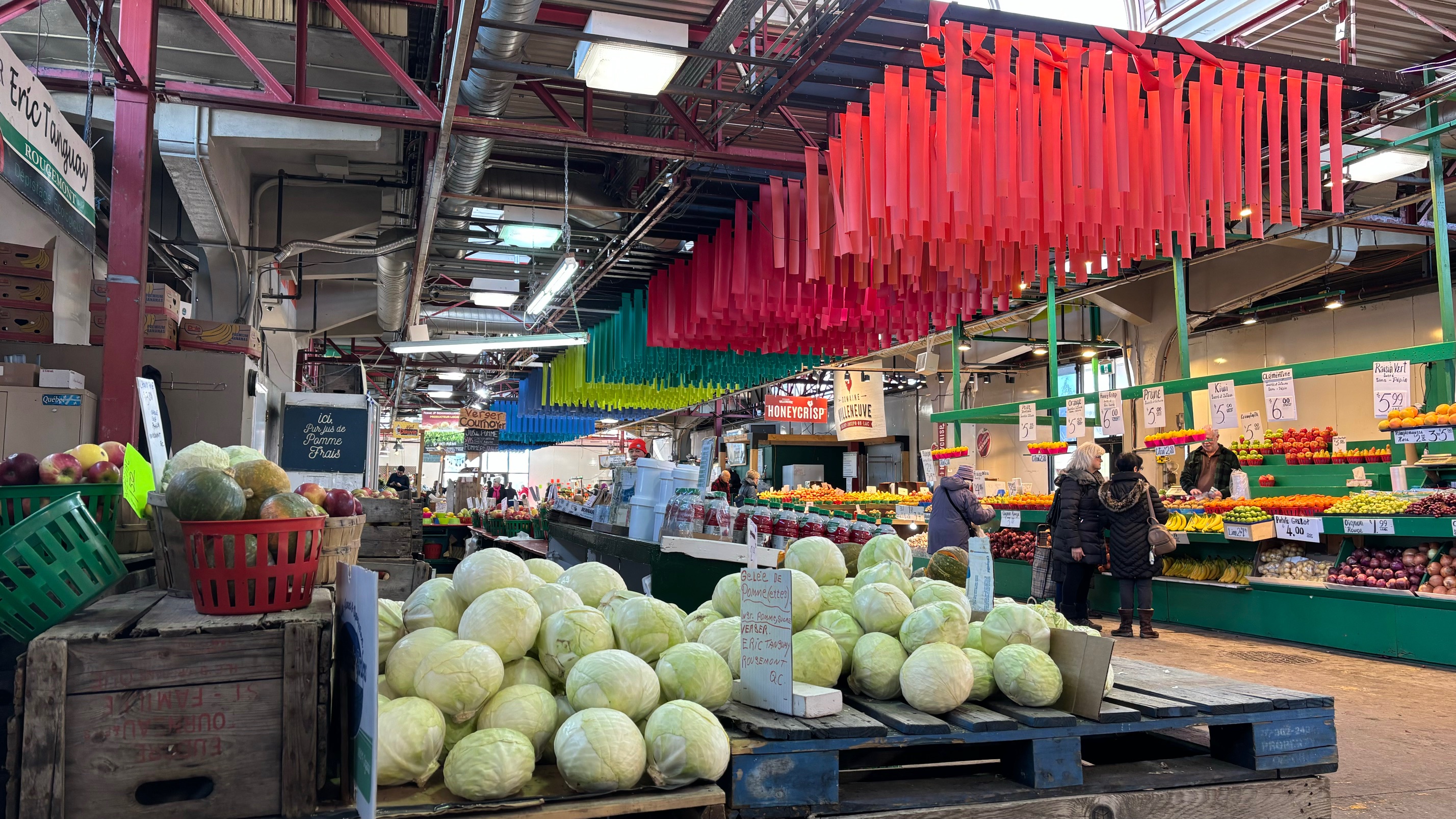
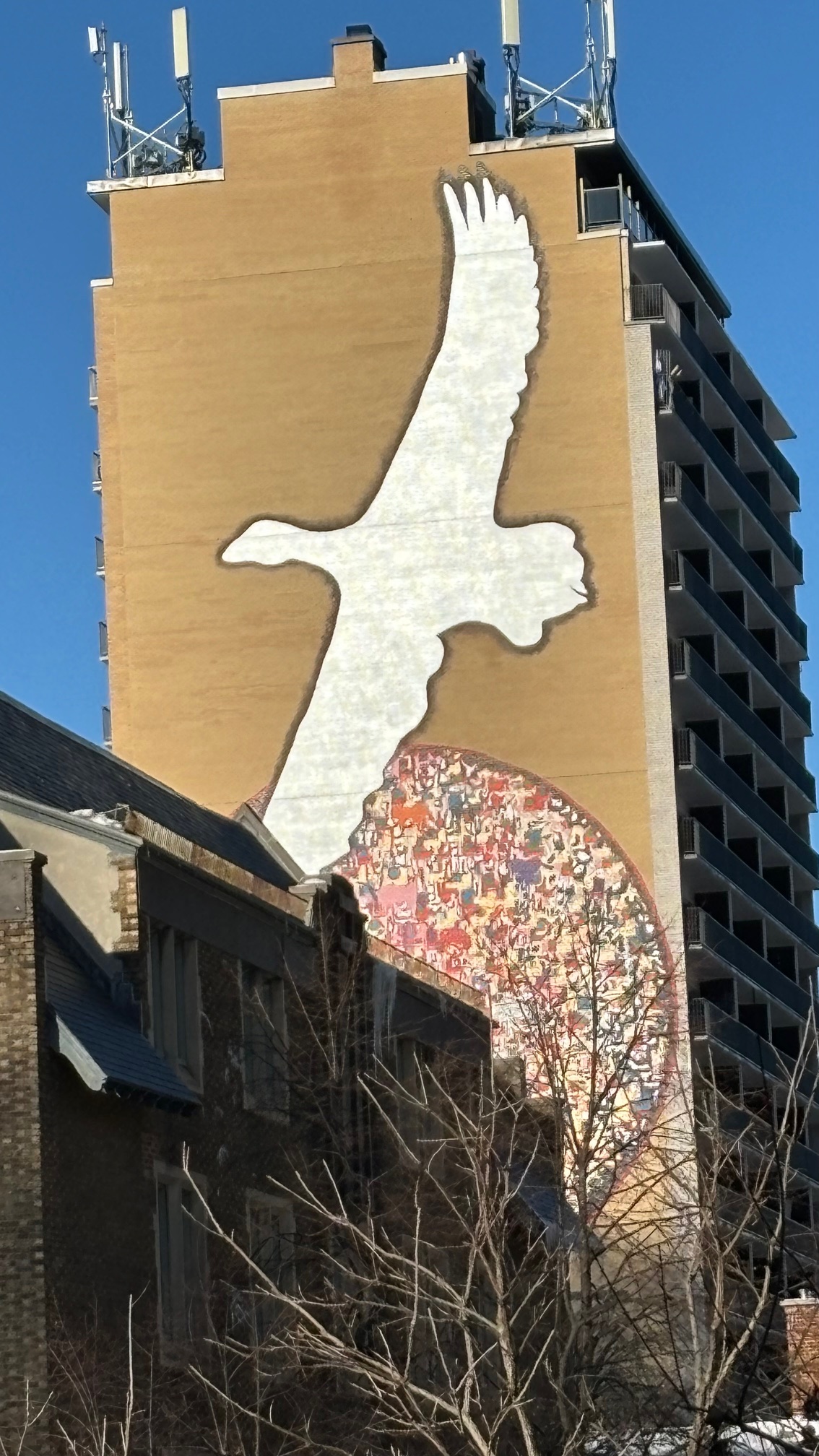
Walking around the various neighborhoods of Montreal to check out street murals and also stop in to Jean-Talon Market for a visit and some Poutine.

Camera: iPhone 15

Location: Montreal, Quebec, Canada; Jean-Talon Market

How Iceland Replenishes the Mind, Body, and Soul

“Iceland is one of those countries that can combine stunning landscape contrasts with sheer natural beauty, putting the average traveler at ease and offering you unique opportunities to rejuvenate physically, mentally, and spiritually through its landscapes, culture, and way of life.”

Few places on Earth these days can put you in supremely natural environments for which you can really feel at ease in nature that has been properly conserved and taken care of. You can be far away from technology, city life, and cover a wide variety of landscapes in just a few hours. Iceland is one of those countries that can combine stunning landscape contrasts with sheer natural beauty, putting the average traveler at ease and offering you unique opportunities to rejuvenate physically, mentally, and spiritually through its landscapes, culture, and way of life.

It hits you the moment to fly into Keflavik International Airport like you stepped on to a new planet that is both desolate but alluring in its other worldly landscapes. You see the molten rocks, the green moss, and the blue lagoons, and think to yourself, where did I just end up? The whole country can captive you on a trip like few others can by offering ways to put your mind, body, and soul at ease. Away with the office, away from the hustle and bustle, and able to tap fully into nature and your surroundings like few other places I’ve ever been to personally.

Being able to hike, swim, kayak, rock climb, and engage in a variety of other outdoor activities throughout the year makes Iceland a physical playground to enjoy. You can rest or exert yourself or do both to give your body a healthy experience on top of being able to put your mind at ease by being away from your devices by tapping into your natural surroundings because they are just that engaging and varied. Iceland provides your soul a reset where you can forget your own troubles and that of the world’s for a while to focus on feeling better, relaxing, or living in the moment, and experiencing what it is to be disconnected.

When it comes to reinvigorating yourself physically, you have a wide variety of ways to do so while in Iceland. You can enjoy a large variety of geothermal pools and hot springs such as the Blue Lagoon, Secret Lagoon, Sky Lagoon, etc. In the Summer months, there are also several pools around the country that may be open to the public including tourists to relax and enjoy the long summer nights, where daylight is every present. After having partook in a few lagoon visits in my recent trip, I can say for sure that your body feels cleaned and refreshed after soaking in the mineral-rich waters and combining that with the country’s culture of saunas, steam houses, and the occasional cold plunge.

It is an impressive combination of thermal relaxation letting you fully destress and decompress for a few hours but with residual health benefits for months or years to come. In addition, Iceland prides itself on healthy, local, and pesticide-free cuisine from fresh seafood to Skyr yogurt, as well as farm-to-table and greenhouse-to-table dishes. As mentioned earlier, there are tons of outdoor activities promoting physical health such as hiking, golfing, swimming, horseback riding, and rock climbing among others.
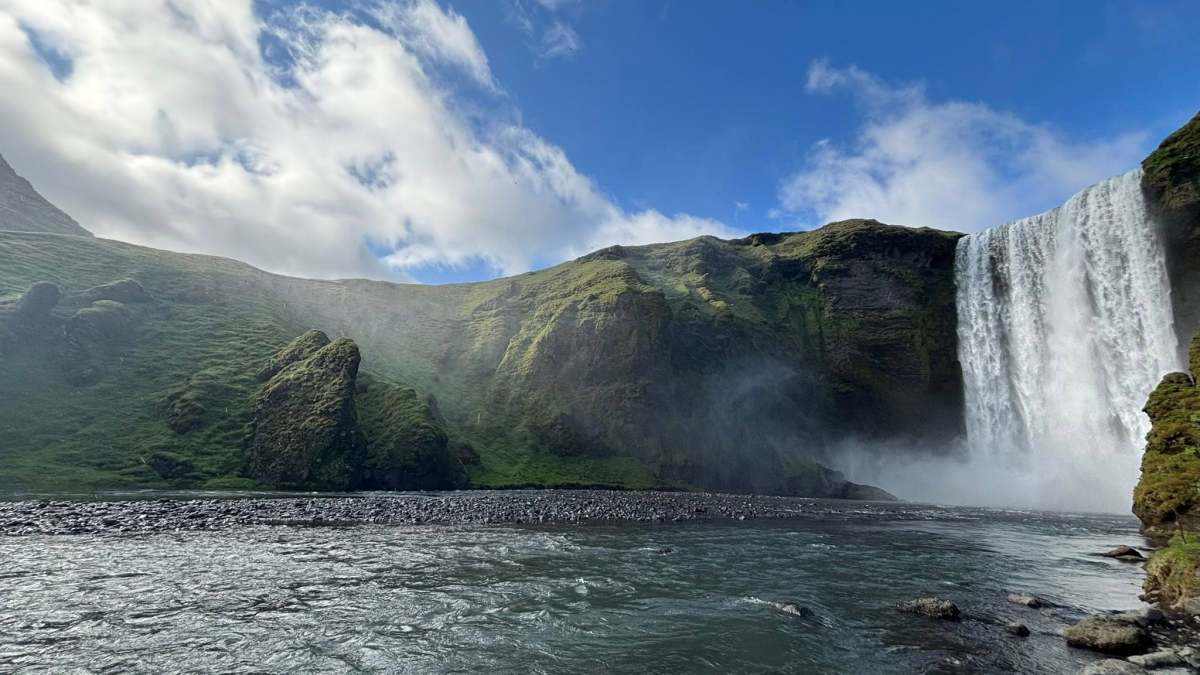
Everyone needs peace and quiet in their life and Iceland provides that in spades. I believe the country can nourish the mind by allowing you to bask in the solitude that you can find in Iceland’s varied landscapes from waterfalls, glaciers, black sand beaches, and fjords. There are numerous psychological benefits to disconnect every now and then from modern technology and the stresses of urban life and I felt a lot better not being on my phone during my time in Iceland. Though I did need my phone for photos and GPS, the beautiful surroundings allowed me to put my phone away and really live in the moment to enjoy the gorgeous landscapes I was able to visit.

The pace of life is also much slower in Iceland and there is a cultural emphasis on being mindful, engaging with other people, and slow living. When you drive there, you don’t see road rage, people yield to each other in traffic, and the rules of the road are observed since there is no ‘rushing around’ without end that you find in other cultures. Because of the natural beauty and slower pace of life, there are many more opportunities to reflect and think while enjoying the expansive natural visits. Taking time away from technology and the ‘hustle and bustle’ can allow you to reflect on life and enjoying the moment more fully.

Our soul needs to experience awe and joy. I believe Iceland’s natural phenomena and beauty from the Northern Lights to the Midnight Sun really can provide that to each person who visits. This kind of perspective is reflected in Icelandic sagas, myths, and folklore about having reference for nature, being in touch with those people in your life who matter to you and living in a sustainable or balanced way with nature. Iceland is an extremely environment conscious country and should be commended for being clean, approaching net zero carbon emissions, and working to be sustainable in its relationship with nature.

People in Iceland live in harmony with each other and with nature from what I noticed and are a progressive nation in that they are tight knit, looking out for their neighbors, and want everyone to be lifted in their society. These kinds of actions culturally are good for the soul and the soul of any nation. While the weather can be rather unpredictable, costs can be high to visit, and the lack of sun in the Winter is challenging, Iceland is a spectacularly beautiful and welcoming country that I hope to visit in the future.

Iceland is a holistic country to visit that can really make you better off in mind, body, and soul for having spent some time there. It is a rejuvenating kind of travel experience that I hope you’ll consider giving a chance for yourself. We need these kinds of retreats in life where you have real time to relax, reflect, disconnect and focus on yourself without outside distractions. Whether its soaking in the blue lagoon, hiking on top of a glacier, or going fishing on a charter boat to catch fresh seafood for your next meal, Iceland is a country where you can really be at ease with yourself and the world around you. Take a week or two from your busy schedule and come discover the land of Fire and Ice; I promise you won’t regret it.

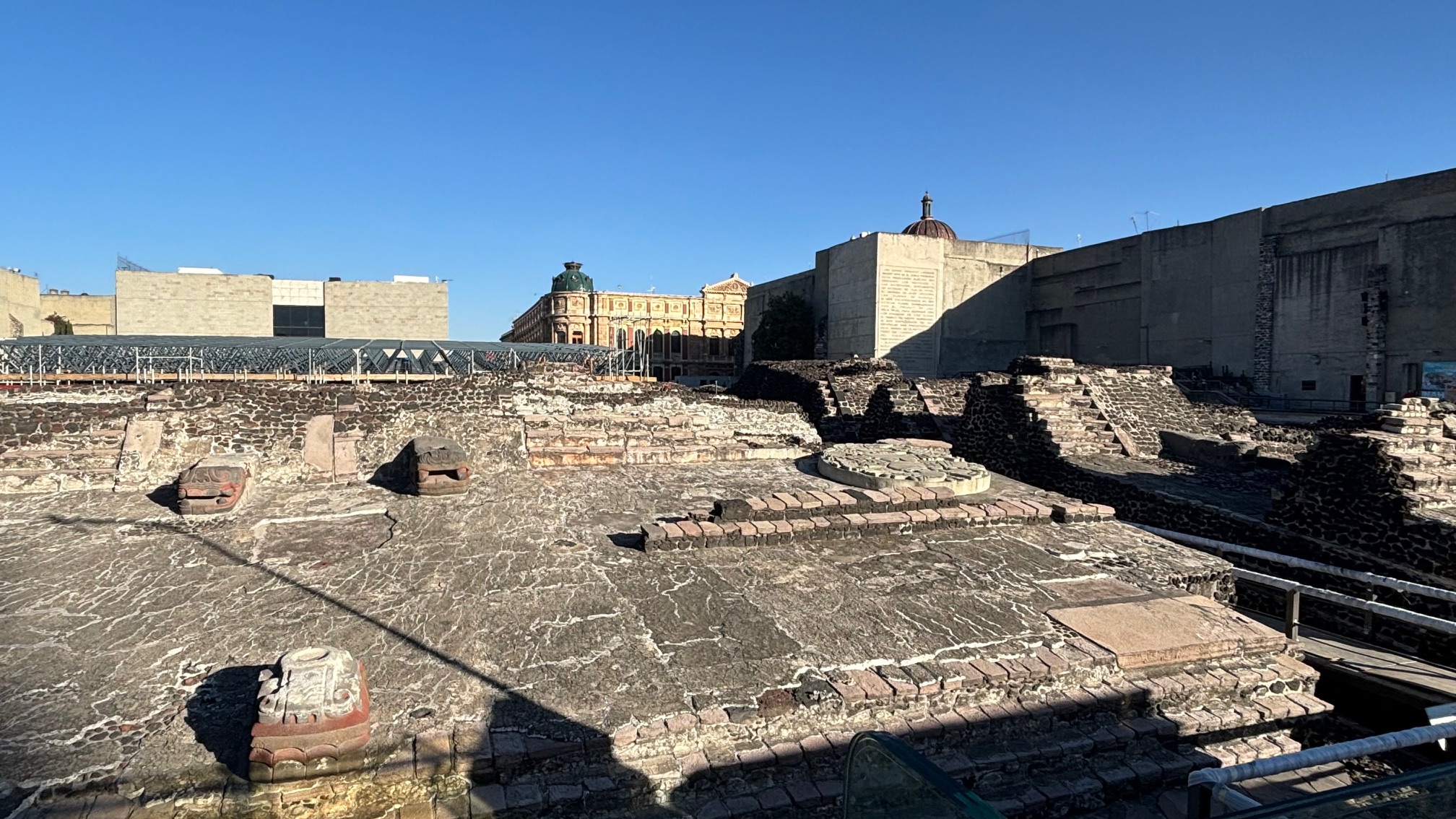
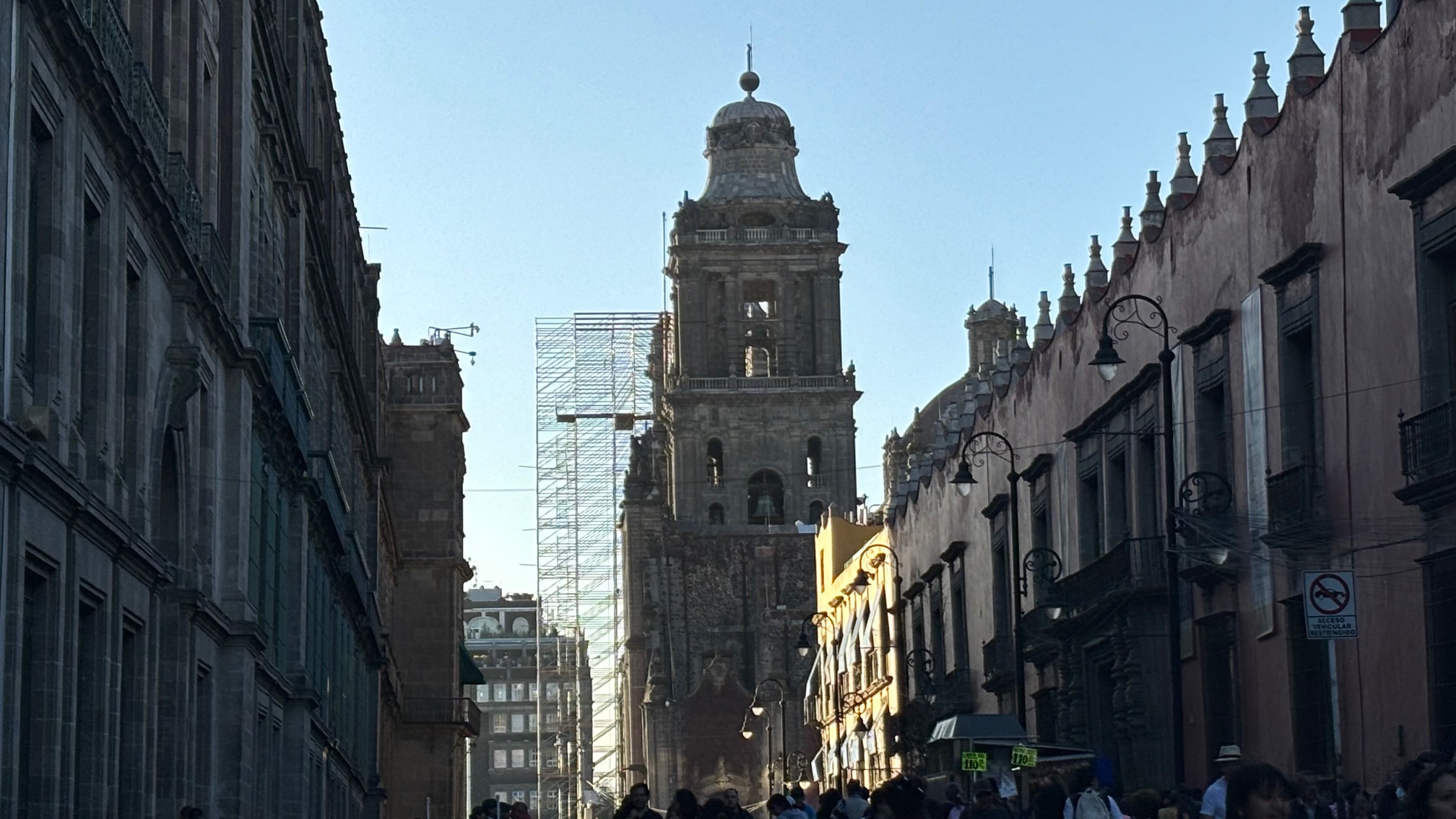
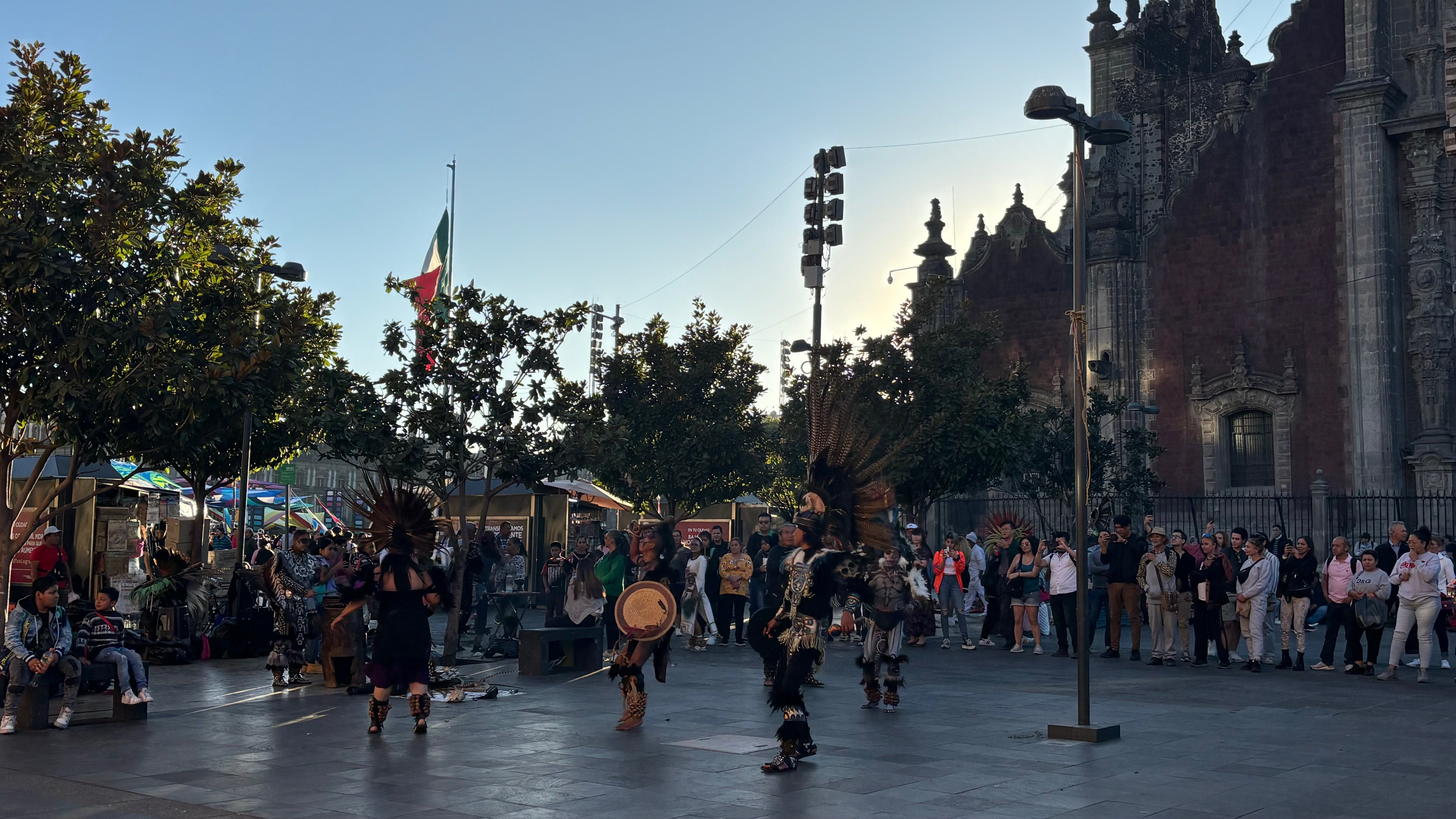
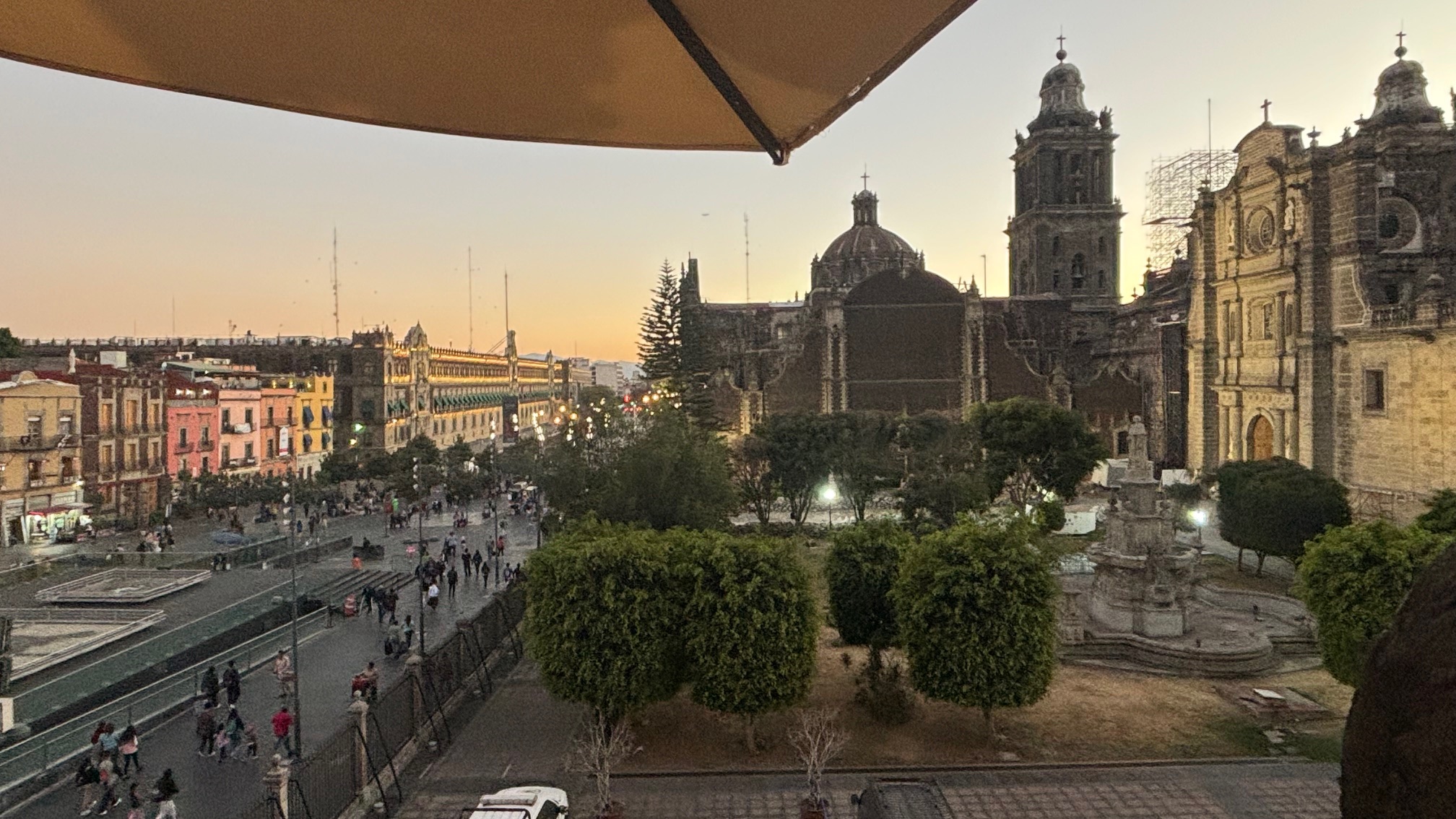
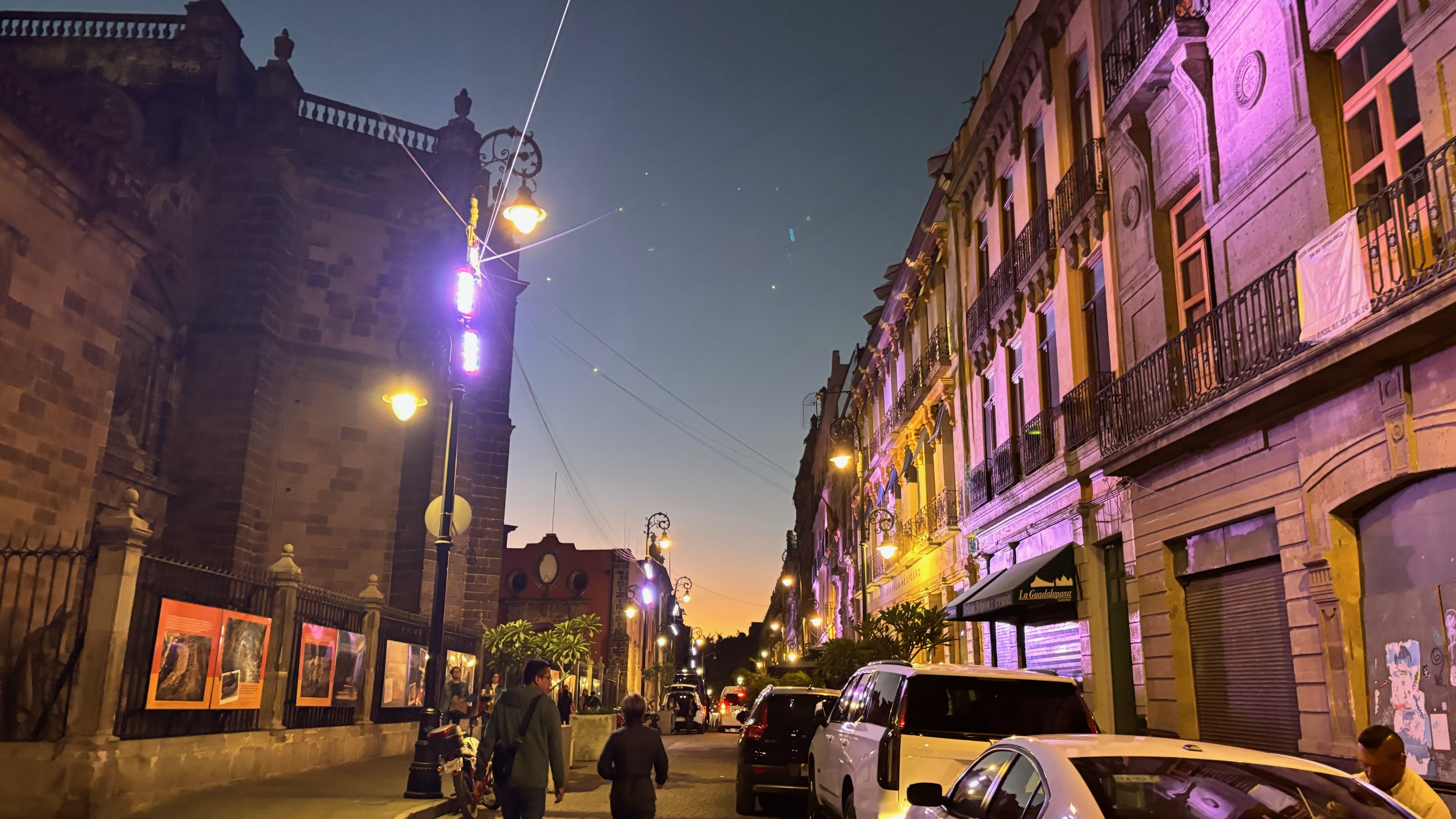
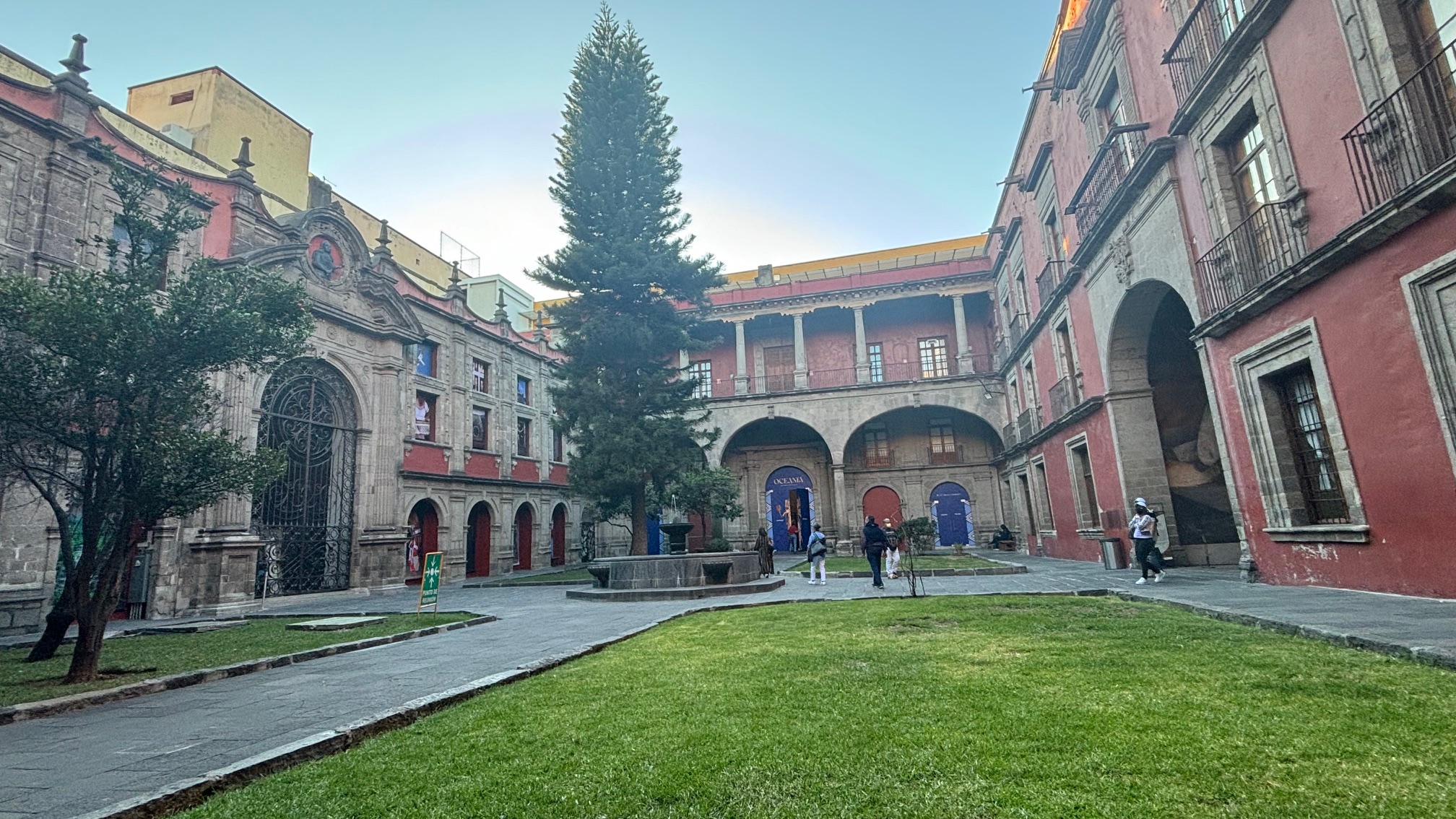
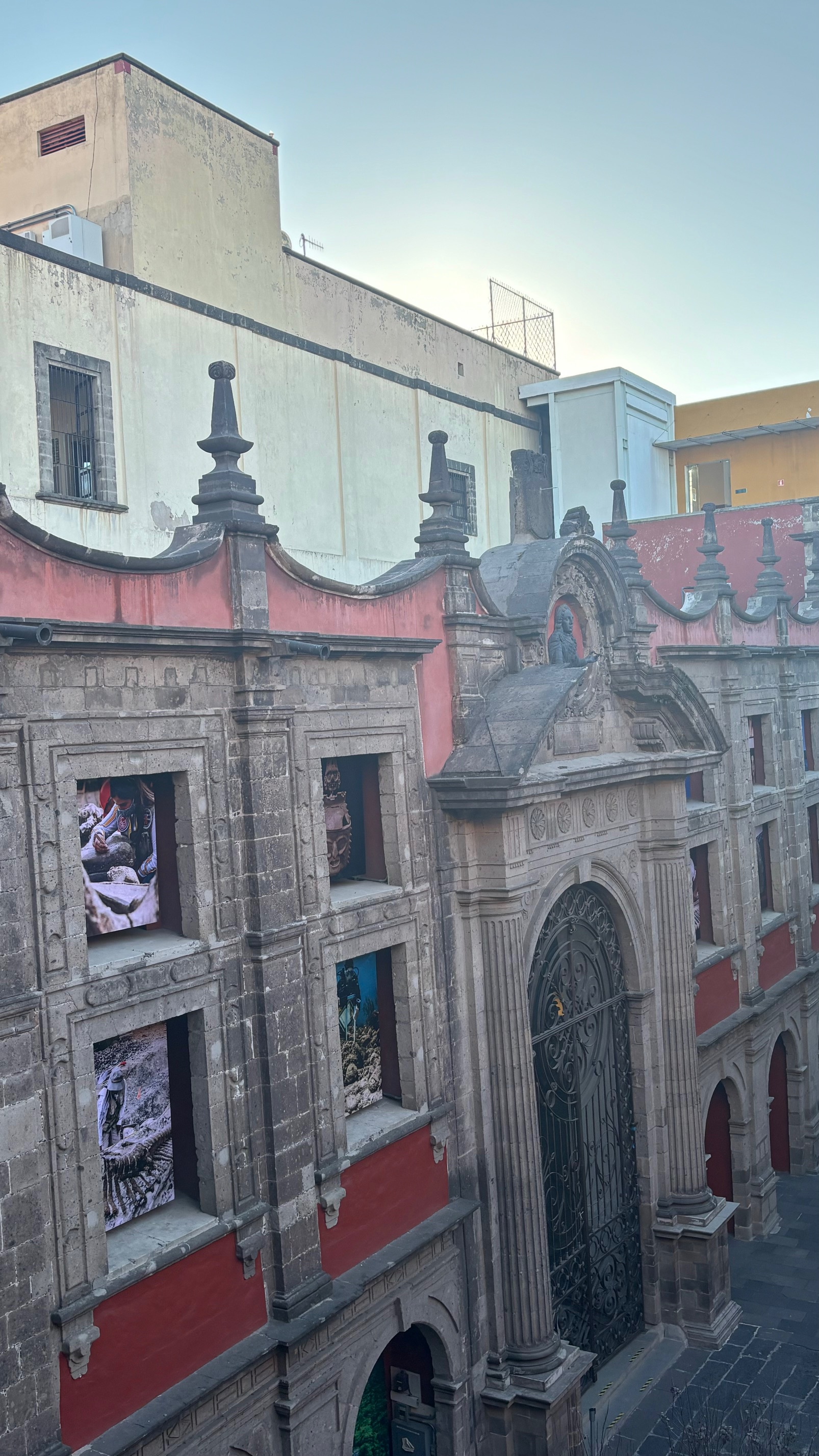
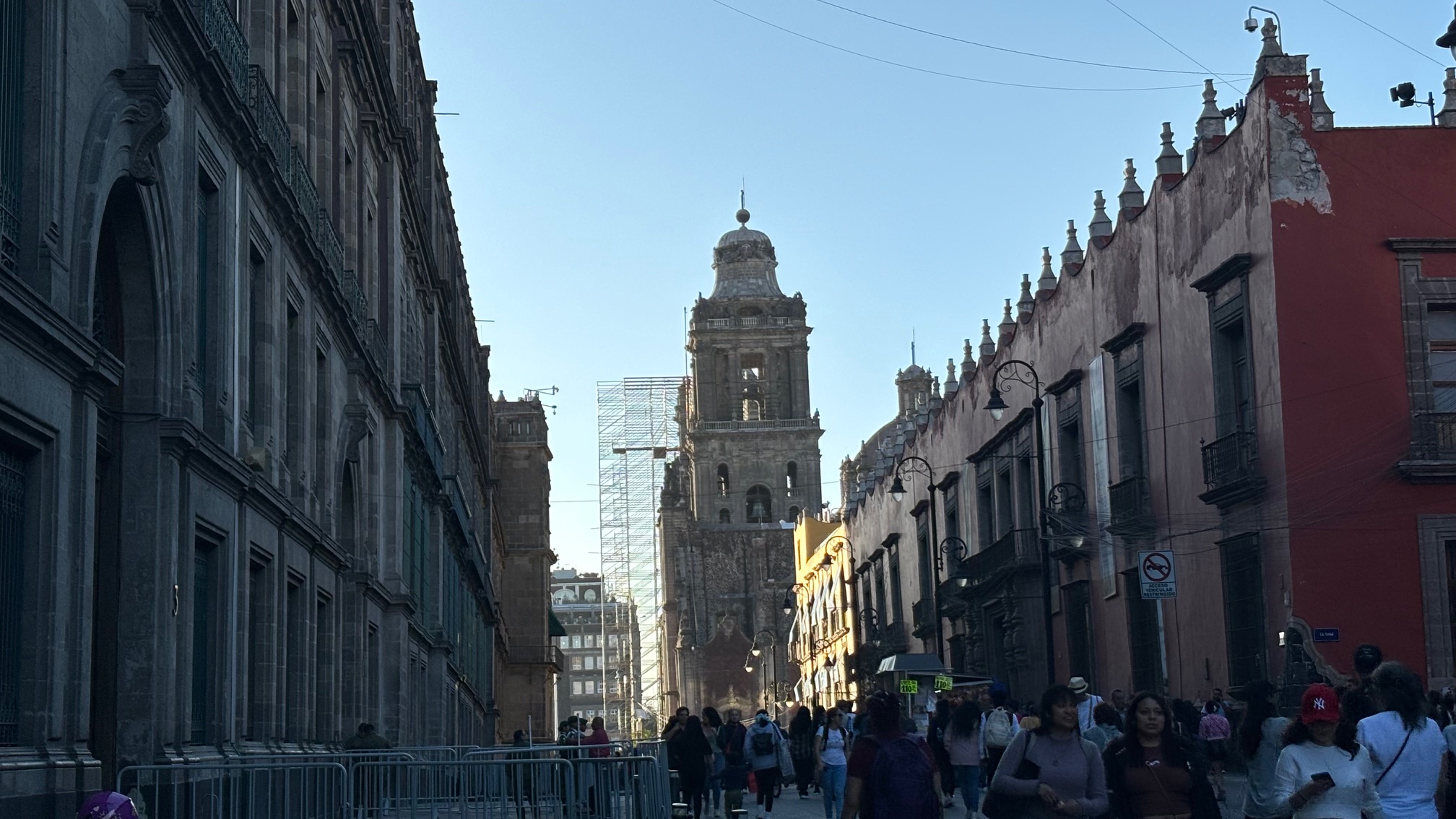
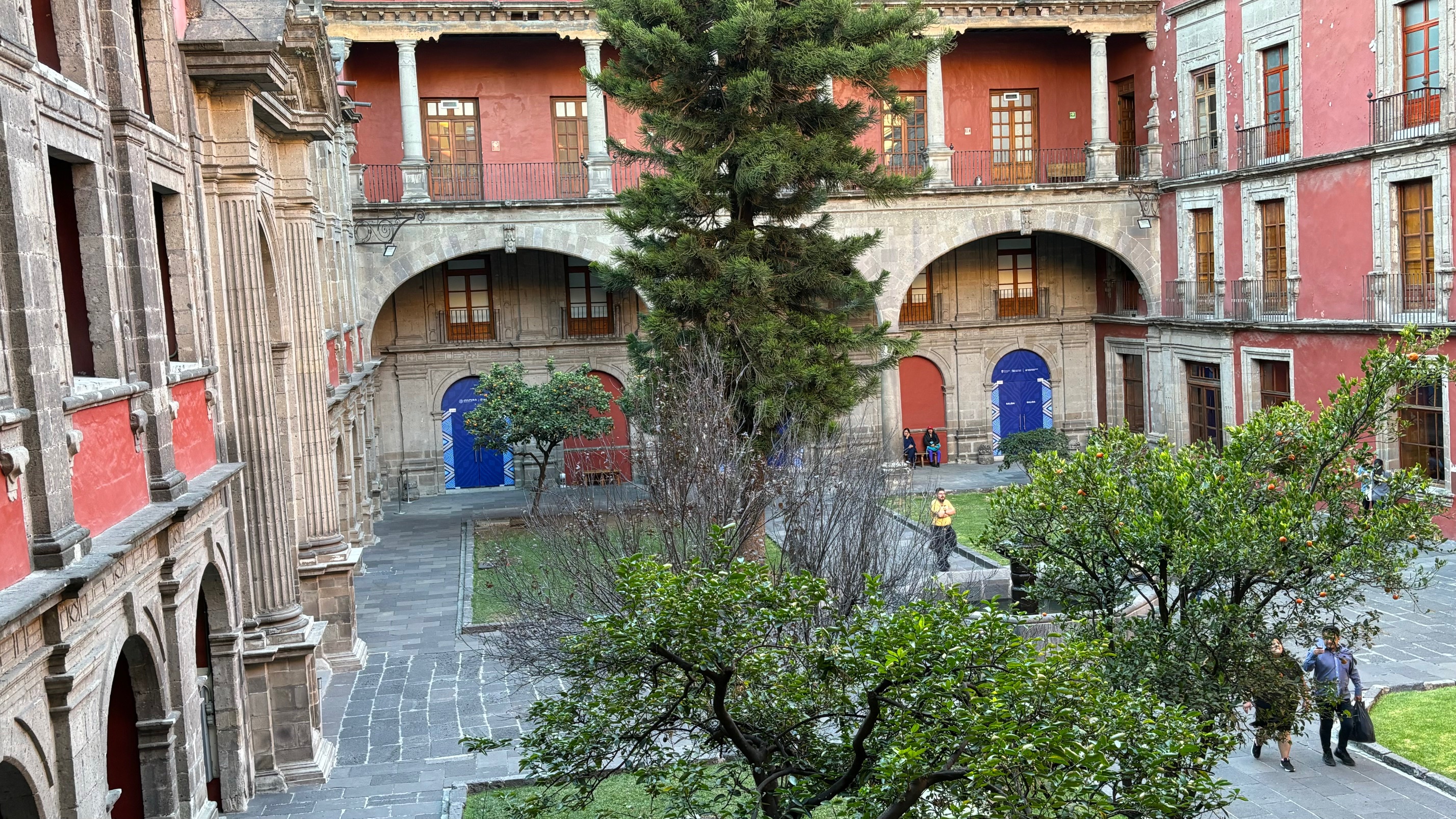
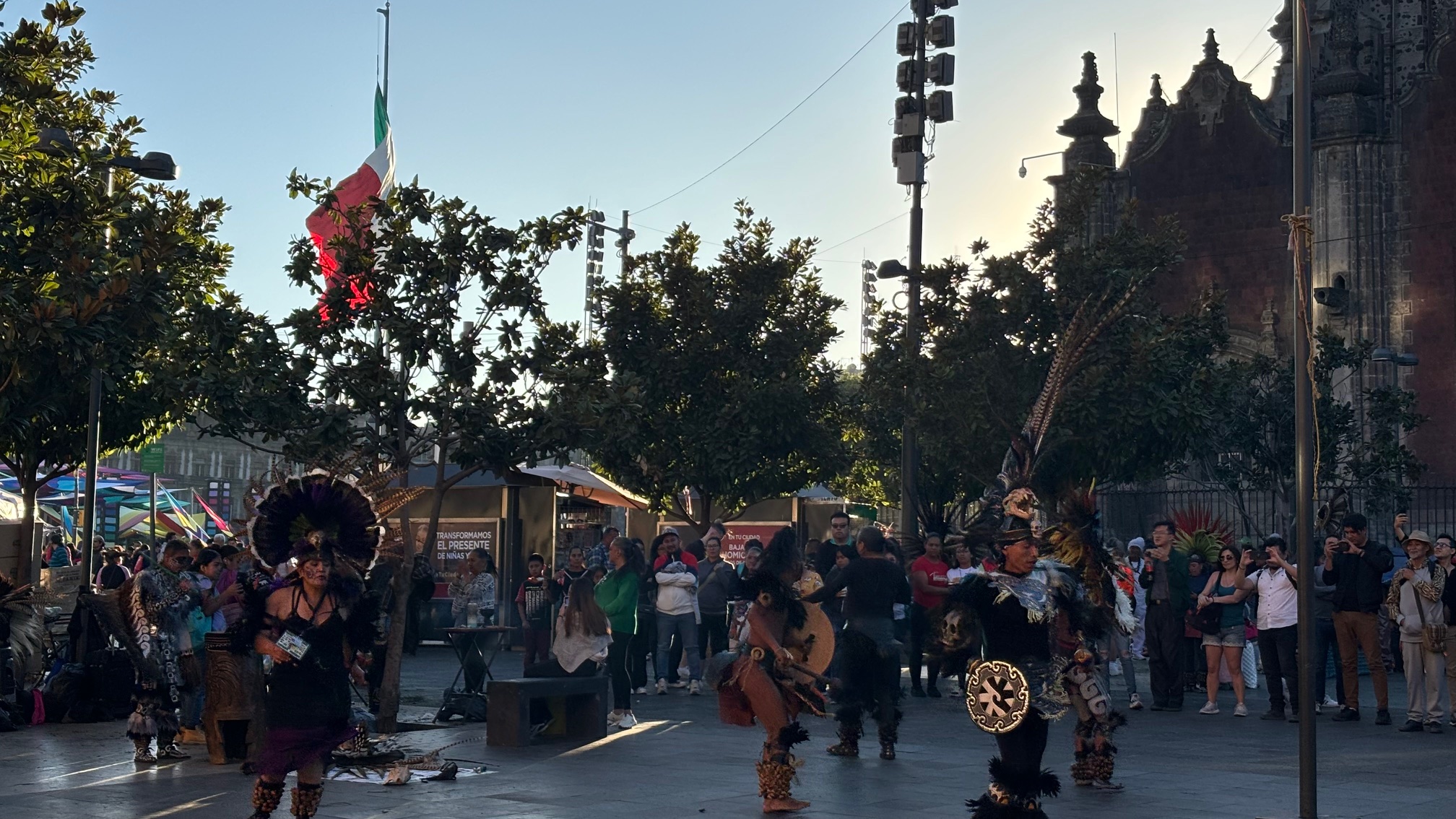
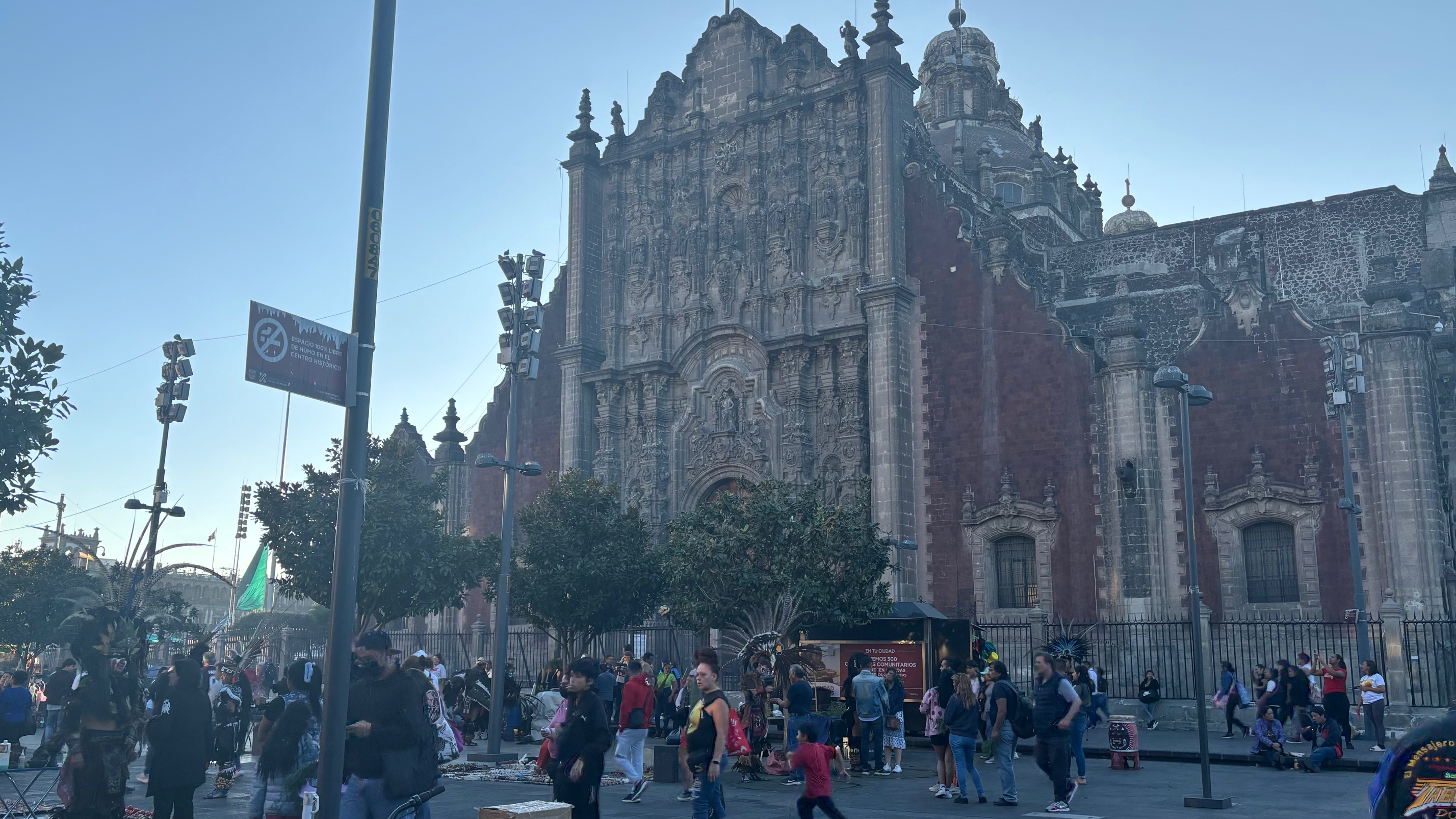
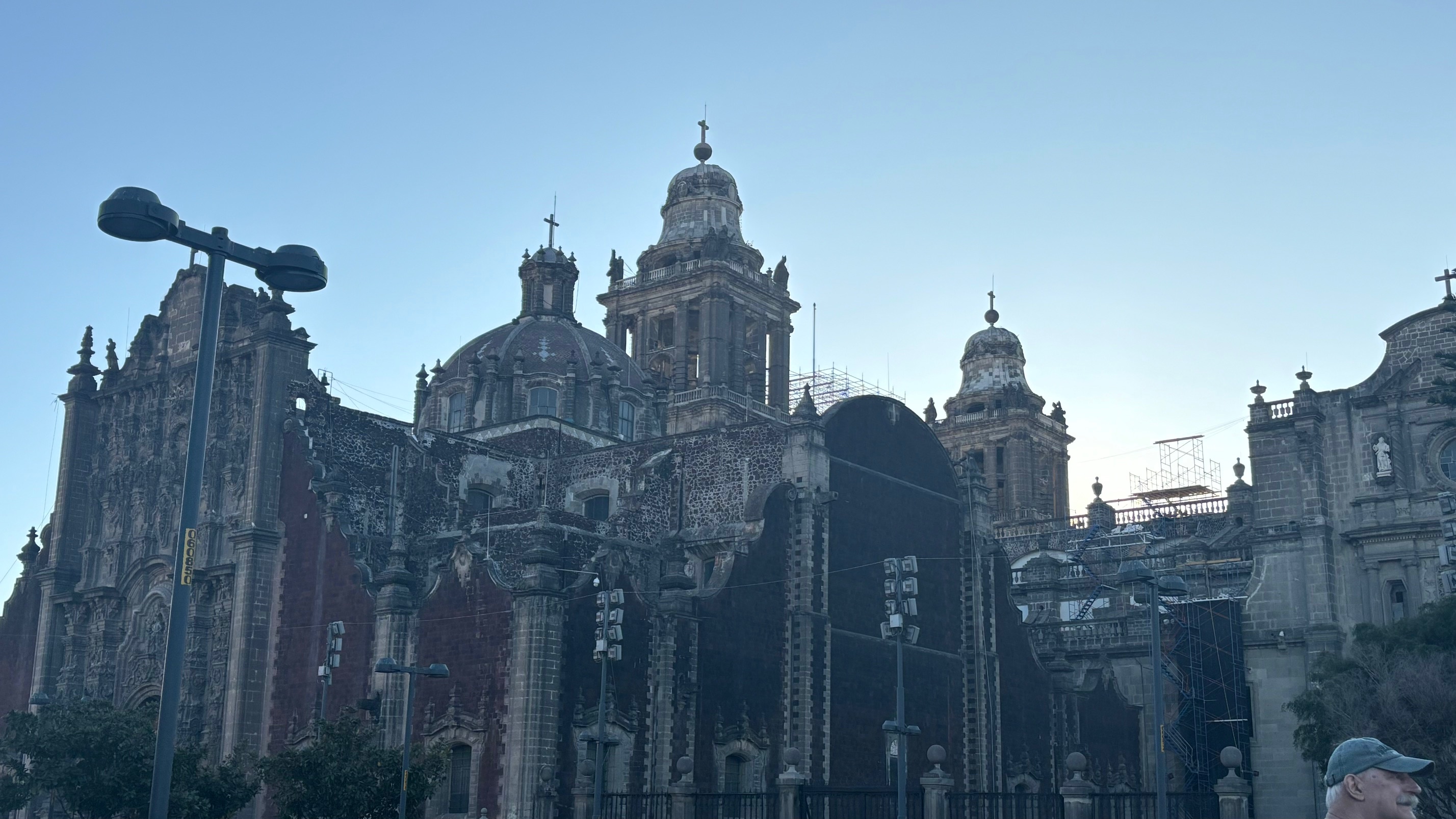
In The Heart of CDMX

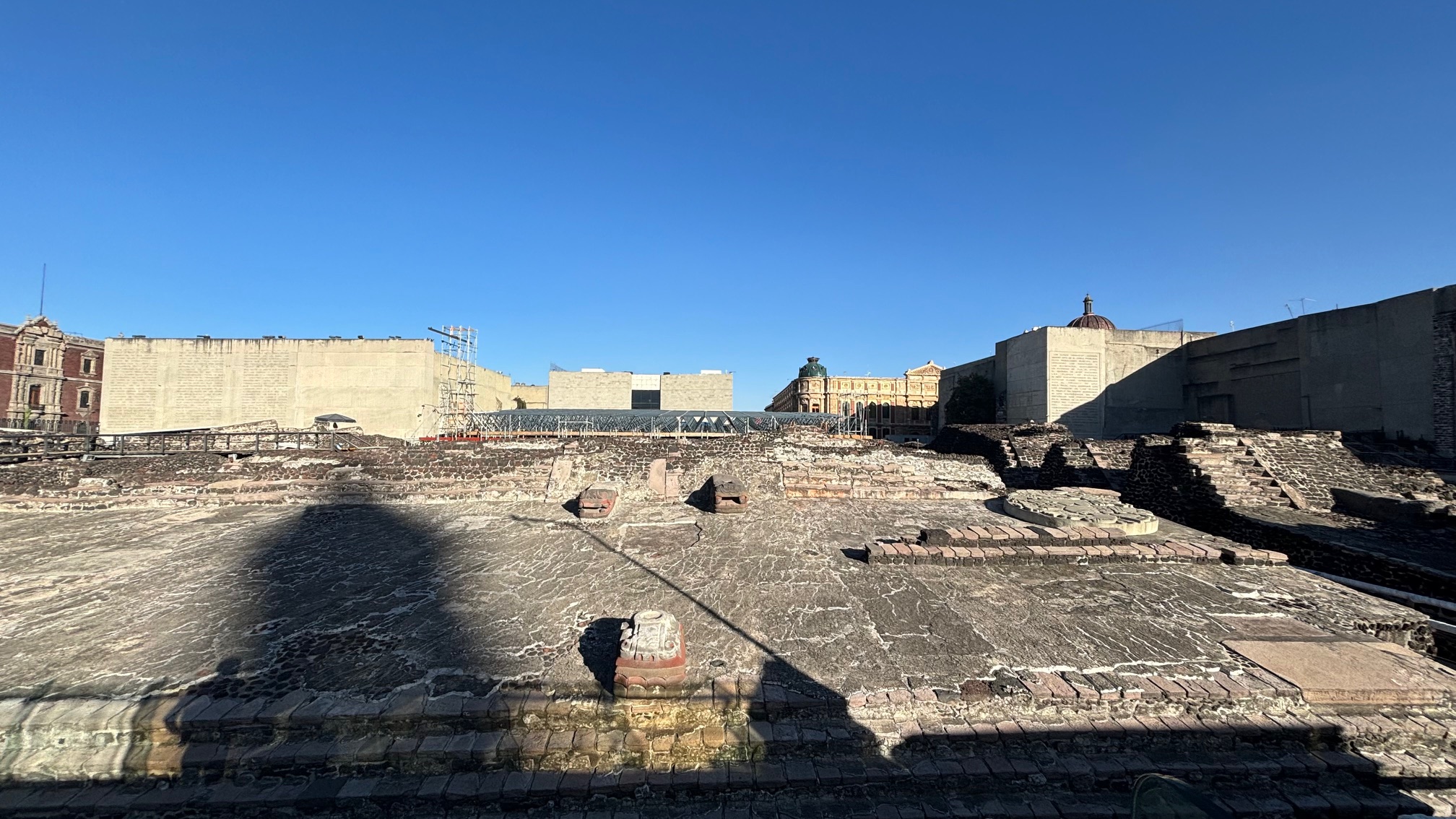
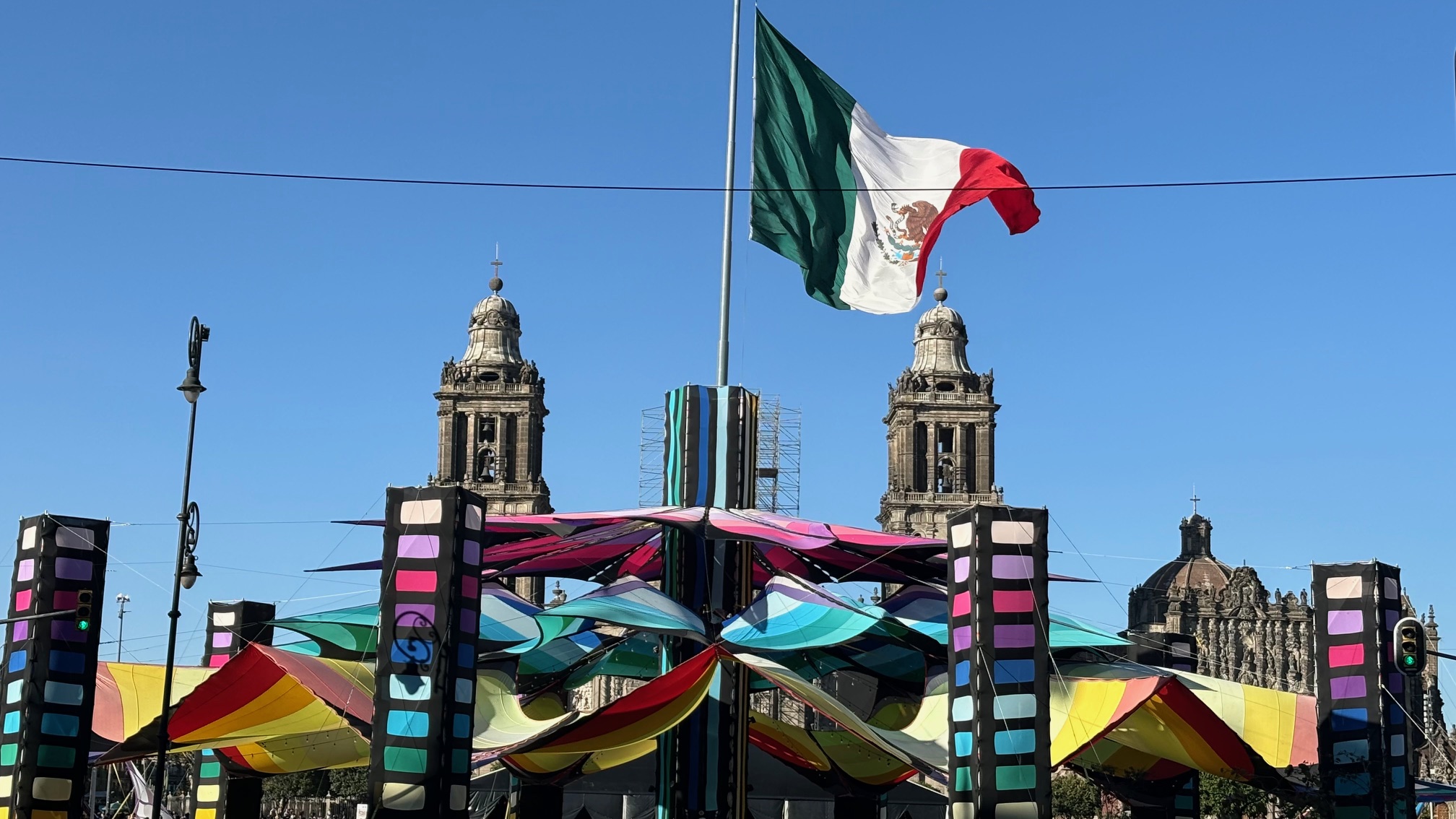
“Walking through downtown Mexico City and visiting the historic center of the city along with museums and the Metropolitan Cathedral.”

Camera: iPhone 15

Location: Historic Center (Zocalo), Mexico City, Mexico

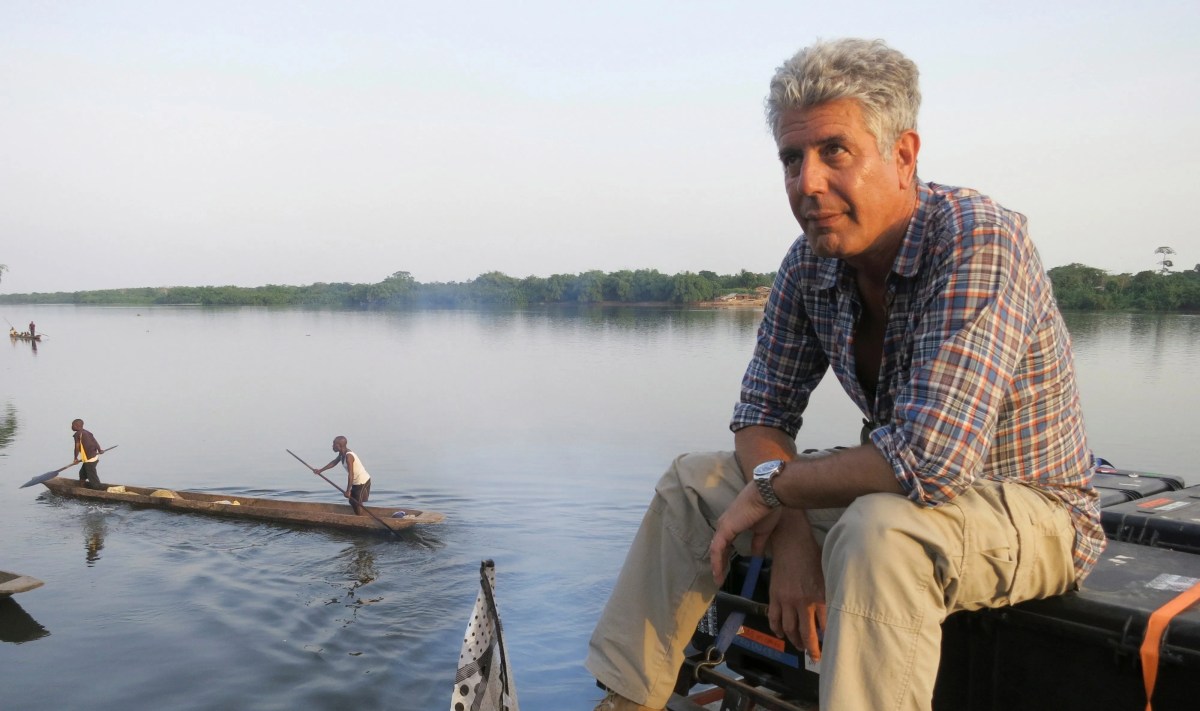
Anatomy of a Scene – Bourdain’s ‘Parts Unknown’ in Congo and NYC Contrast

“One of Anthony Bourdain’s ‘Parts Unknown’ episodes in the Congo has one of the show’s best scenes where it has a vivid description of Bourdain gazing over New York City from his high-rise apartment in the closing moments, set up against the backdrop of his first and only foray to the Democratic Republic of Congo.”

If you had to pick opposites in the world, you couldn’t do much worse to contrast the journey through the thick Congolese jungles and down the Congo River with the urban sprawl of New York City. One of Anthony Bourdain’s ‘Parts Unknown’ episodes in the Congo has one of the show’s best scenes where it has a vivid description of Bourdain gazing over New York City from his high-rise apartment in the closing moments, set up against the backdrop of his first and only foray to the Democratic Republic of Congo.

There are multiple themes to take away from the significance of Bourdain’s perilous journey in the Congo throughout the episode and with the contrasting solitude and isolation he likely had felt back in his NYC apartment after such a harrowing trip. There is a burden that he must have felt in witnessing such a contrast between the Congo and New York City that leaves the contrasting scenes up for our interpretation as fans of his ‘Parts Unknown’ show. How easy it can be to feel lonely amongst millions of people after traveling to such a distinct place, the burden of making it through a perilous journey and putting your life on the line, and how traveling to such extreme places can change your sense of place in a complicated and often troubling world.

Before his passing in 2018, Anthony Bourdain was the preeminent travel host for over 15 years and his last show, Parts Unknown, from 2013-2018 was the deepest dive in his own mission of uncovering people’s stories through food and culture. In terms of looking at human nature and the human condition, few shows, if any, were better than Parts Unknown. More than anything, many of the Parts Unknown episodes had Bourdain providing needed historical context regarding the complex and difficult history of the country or place he would be visiting. This was especially the case during the Congo episode where he spends part of the episode looking at the colonial exploitation, civil conflict, and poverty that has gripped the country both before and after it became the nation state known as the Democratic Republic of the Congo today.

Bourdain was a huge fan of the Joseph Conrad book, ‘Heart of Darkness’ and makes it known in the episode of how became obsessed with the Congo and the Congo River without trivializing the country or its people. His approach is sincere, and he looks to paint an accurate picture of what the Congo is like, why he sought to demystify and humanize the place, and how it was both similar and different to Conrad’s interpretation of it.

“When all is said and done, I wanted to go to the Congo, and I did.” Bourdain knew that this would be one of his most difficult journeys, but he also wanted to pay homage to Conrad’s novel by following a similar exploration to the authors with a boat trip down the Congo river. However, this kind of journey as shown in the episode was not simply a leisurely trip down the river without witnessing the history, culture, or food of the Congolese. Bourdain and his film crew interacted with different villagers, aid workers, and other locals to hear their stories despite how difficult the journey had been especially losing power on the boat and being surrounded by mosquitoes and other insects at one point.

It takes a toll on a person to look at the dark history of a place’s past as well as its uncertain present and not be affected by it. Bourdain has a visible weariness and introspection upon the conclusion of the journey given how hearing about the history of violence, dealing with the security issues involved, the lack of infrastructure to make the journey work, and to hear about the sheer resilience and fortitude of the Congolese people under extremely difficult circumstances.

The hardest part for Bourdain in my view maybe wasn’t the actual trip down the Congo river with all the bureaucracy, bribery, and lack of infrastructure involved to make it finally happen. I think the final scene of this Parts Unknown episode sums up the ‘lost’ feeling and the isolation to have witnessed all that and come back to a New York City that is abundant, thriving yet inequal, and with a completely different set of circumstances than one would encounter in the Congo. There’s ‘culture shock’ and then there is experiencing a bit of a totally different reality that few Americans and fewer New Yorkers would ever see for themselves. This contrast in realities and the stark scene transition from leaving the Congo River to being back at his high-rise apartment in Manhattan is perhaps the greatest scene ever shot for Parts Unknown or in any of his travel shows.

To break down this excellent scene and contrast further, Bourdain is in one of the world’s most crowded cities, but he is alone and isolated in his apartment like being isolated from most people’s lived experiences of the world, which pales in comparison to his own having had been to over 100 countries in his travels. He is filmed sitting behind his apartment windows, which acts as a barrier between Anthony and the rest of the world, seeing everything for himself but finding it difficult to connect with his immediate surroundings in NYC after witnessing such a contrasting reality in the Congo.

I think this final scene of the Congo episode really encapsulates Bourdain’s struggle as a travel host and writer to search for meaning and purpose in a world that often feels indifferent or alienates the struggles of other people who live in a different place or country. Bourdain’s gaze through the window symbolizes the distance between the world he witnessed and the world he felt disconnected from. It reflected the existential tension that marked his life: the constant search for meaning, tempered by the knowledge that some things, no matter how deeply we travel, remain elusive.

In his life, Antony Bourdain likely felt a sense of solitude and isolation having witnessed the worst of humanity at times, which could be hard to relate to other people or even travelers who had not been to the same places. He was brave, kind, and let other people to tell their stories without judgment but it must have been lonely especially after a return from the Congo and returning home where he may have felt the most alone rather than out on the road with others in his crew or amongst people he had met. There is a loneliness in the familiar as any traveler can attest and the novelty of new places, people, and experiences make the routine feel mundane and trite. Bourdain’s entire journey, in this case, from the Congo back to his home in New York, shows that it can be hard to come full circle after visiting one of the least known places in the world.

The final shot of Anthony Bourdain in his New York City apartment, looking out over the vast, bustling city, yet consumed by solitude, serves as a poignant culmination of his journey as a seasoned traveler. After traveling the world, exploring the darkest corners of humanity in places like the Congo, Bourdain returns home, not with answers, but with a profound sense of isolation. The Congo episode, with its harrowing depictions of suffering and resilience, reflects the complexity of human nature that Bourdain grappled with throughout his career. The contrast between the vibrant, chaotic cityscape of NYC and Bourdain’s contemplative stillness in his apartment alone emphasizes a universal paradox: despite all the human connections made in the world, the traveler often finds themselves confronted with a loneliness that cannot be filled as a result.

Bourdain’s Parts Unknown was not merely about exploring food and culture, but it was also an exploration of the man himself. His travels were a quest for greater understanding, but they also unearthed the difficult truth that knowing the world does not necessarily mean knowing oneself at the same time. In the end, Bourdain’s legacy lies in the raw, honest portrayal of this duality, the external world and the internal battles that shape who we are. His life story continues to remind us that, no matter where we go or how much we learn, we all face the same fundamental challenge in life: to find a true connection in a world that often seems vast, indifferent, and overwhelming.
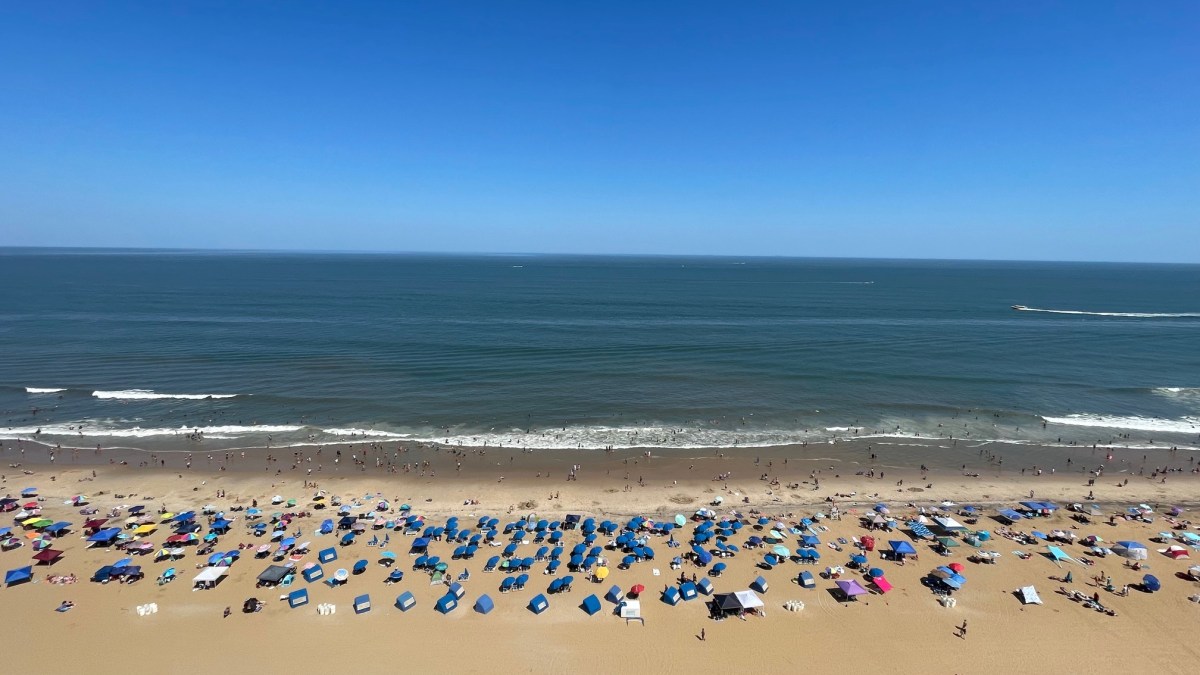
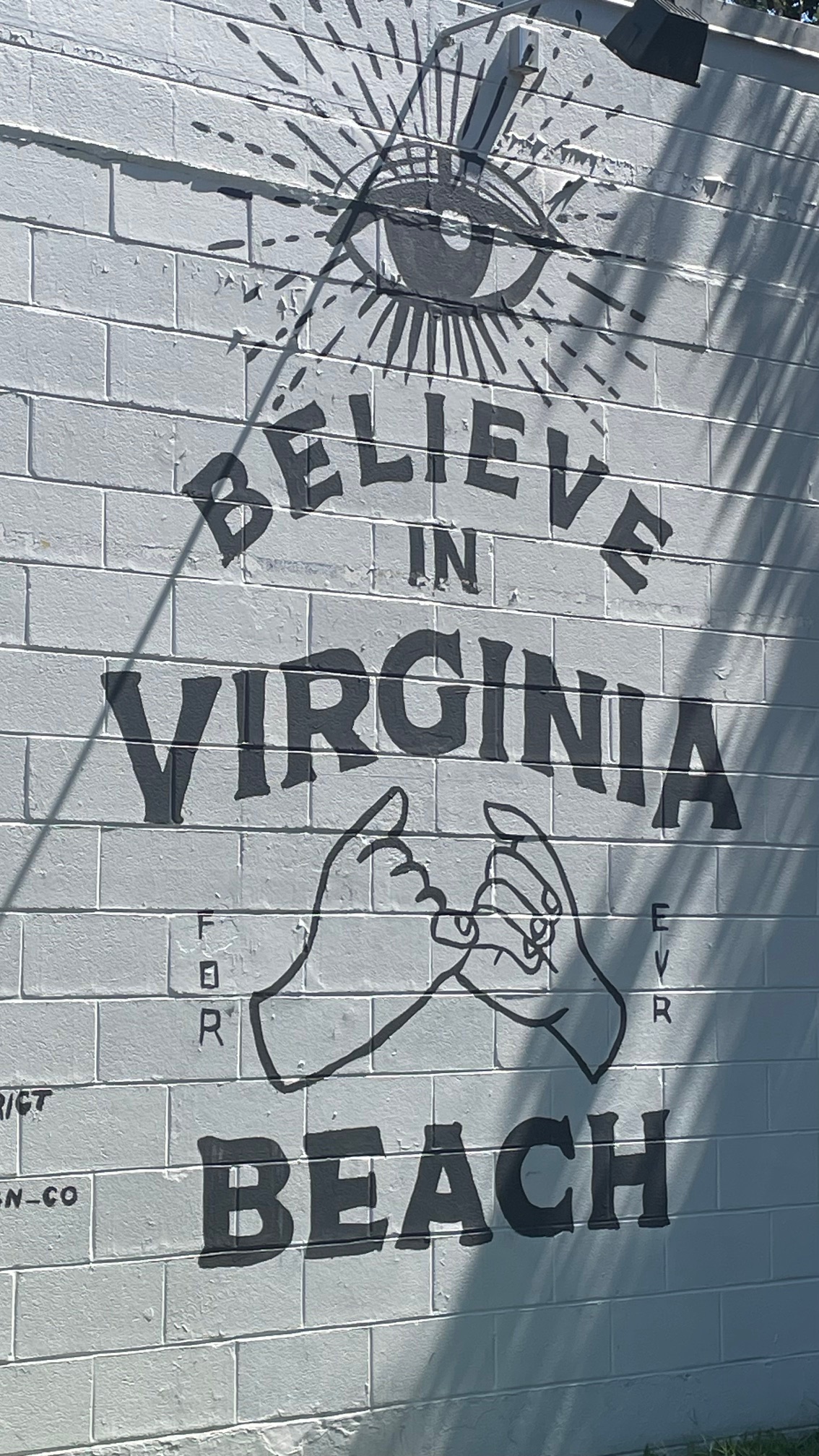
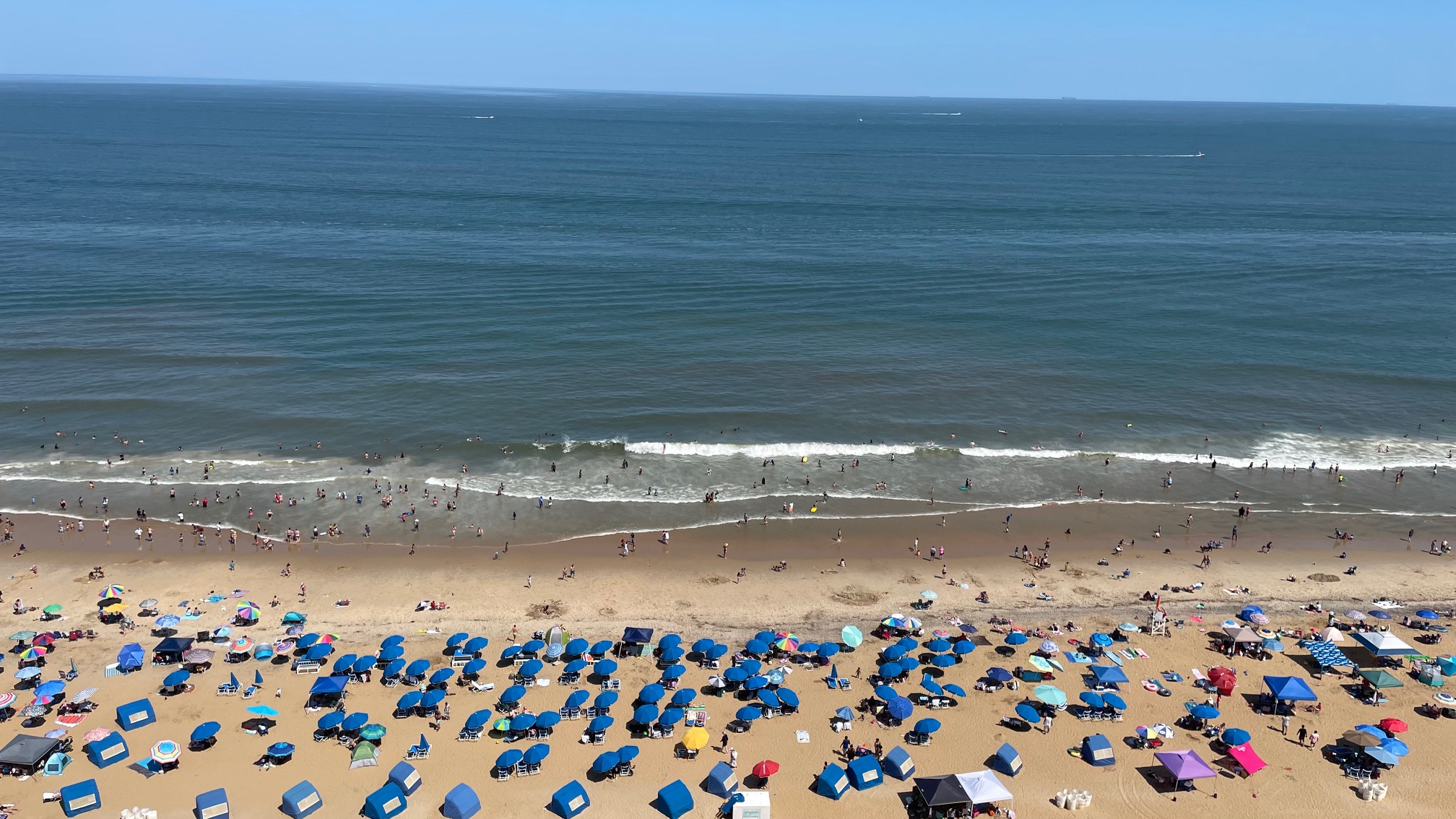
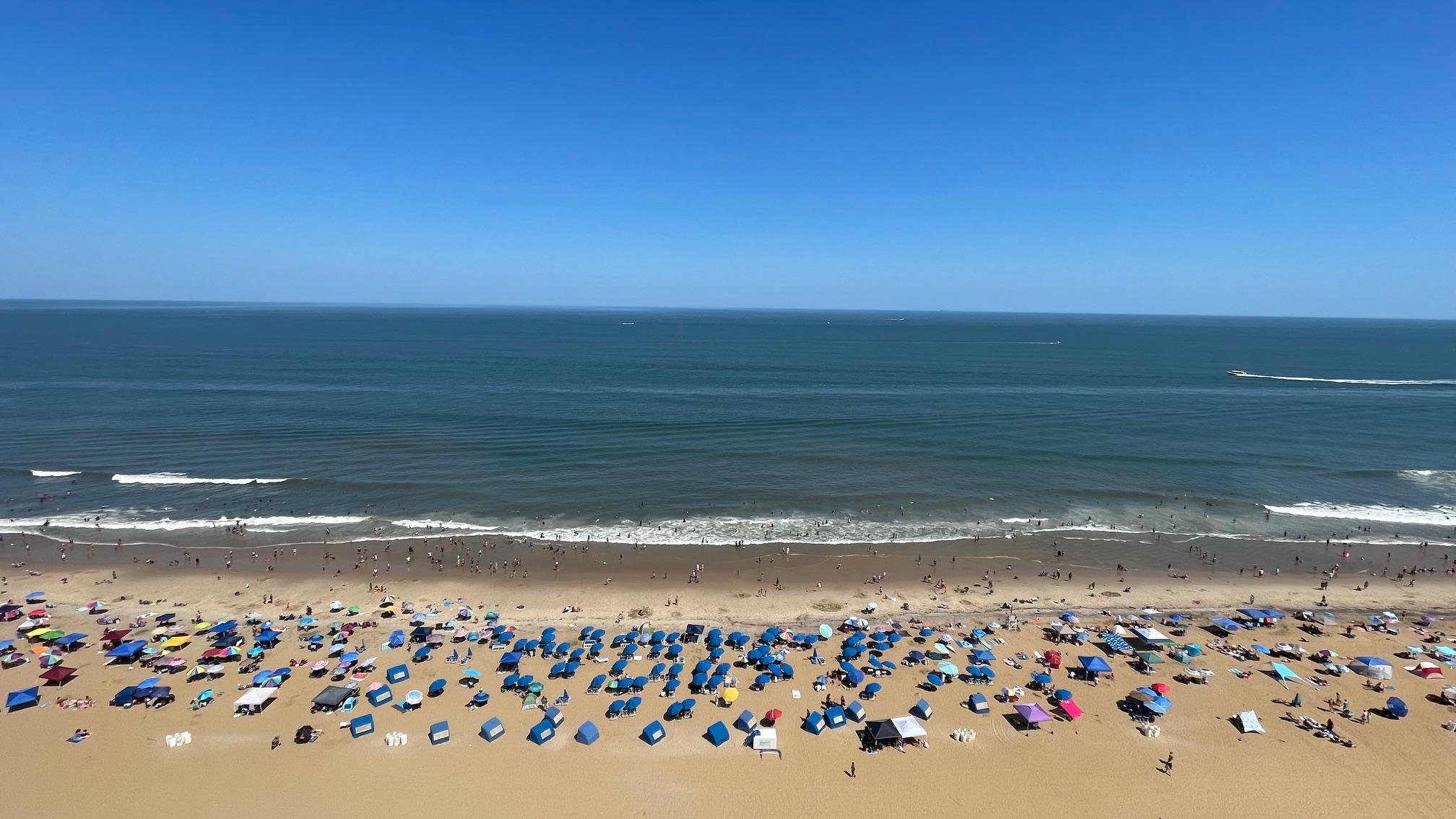
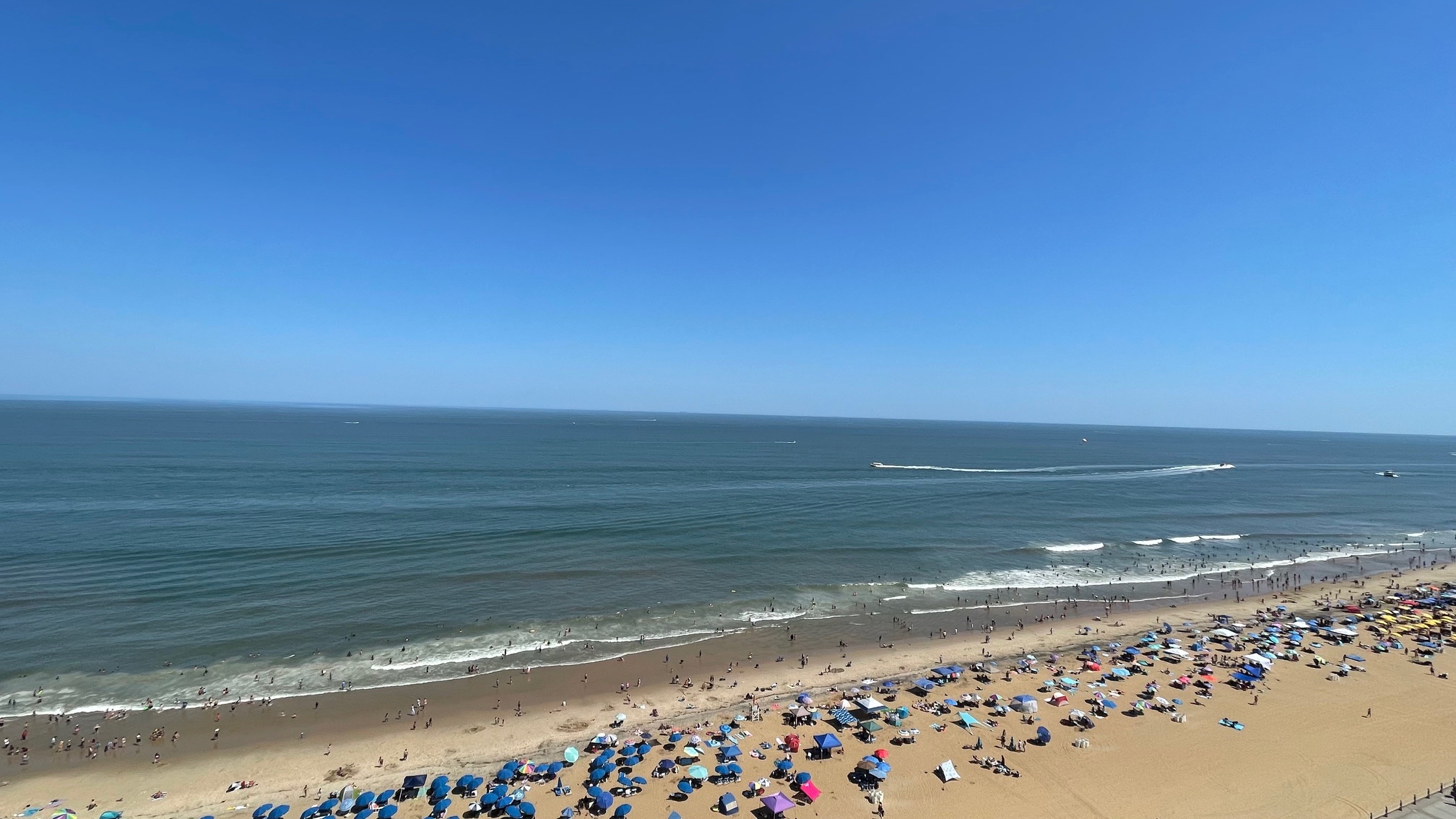
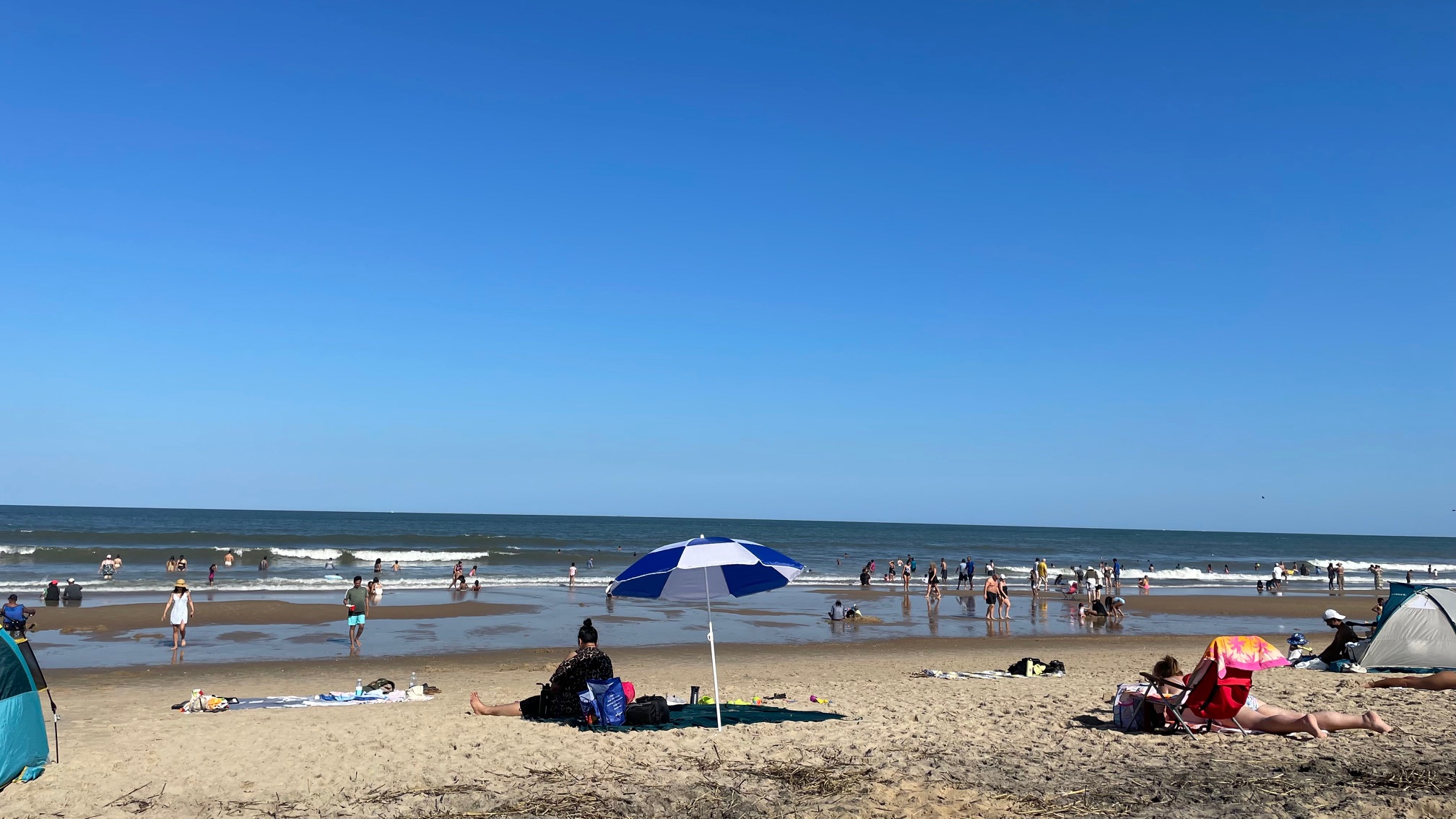
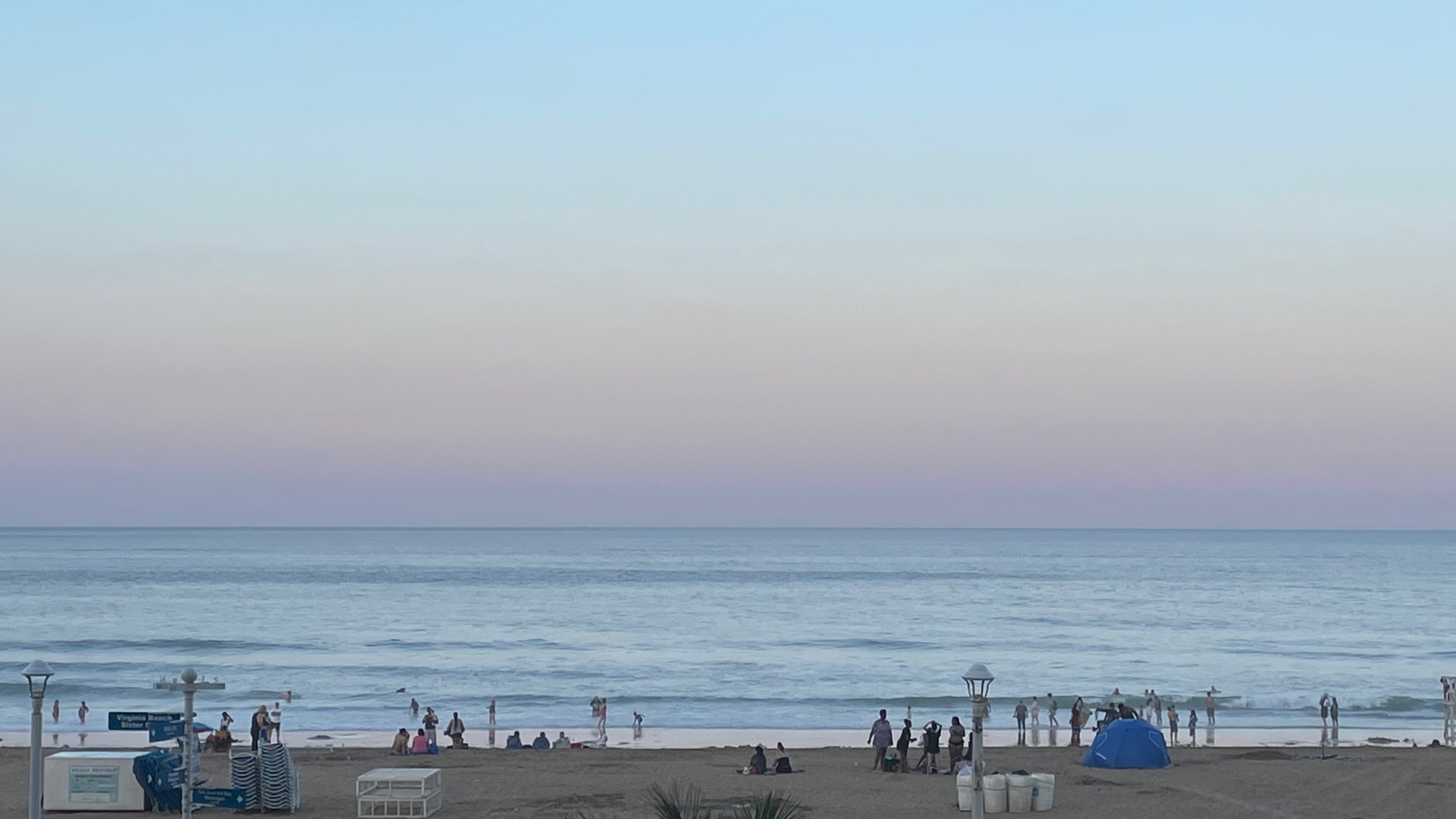
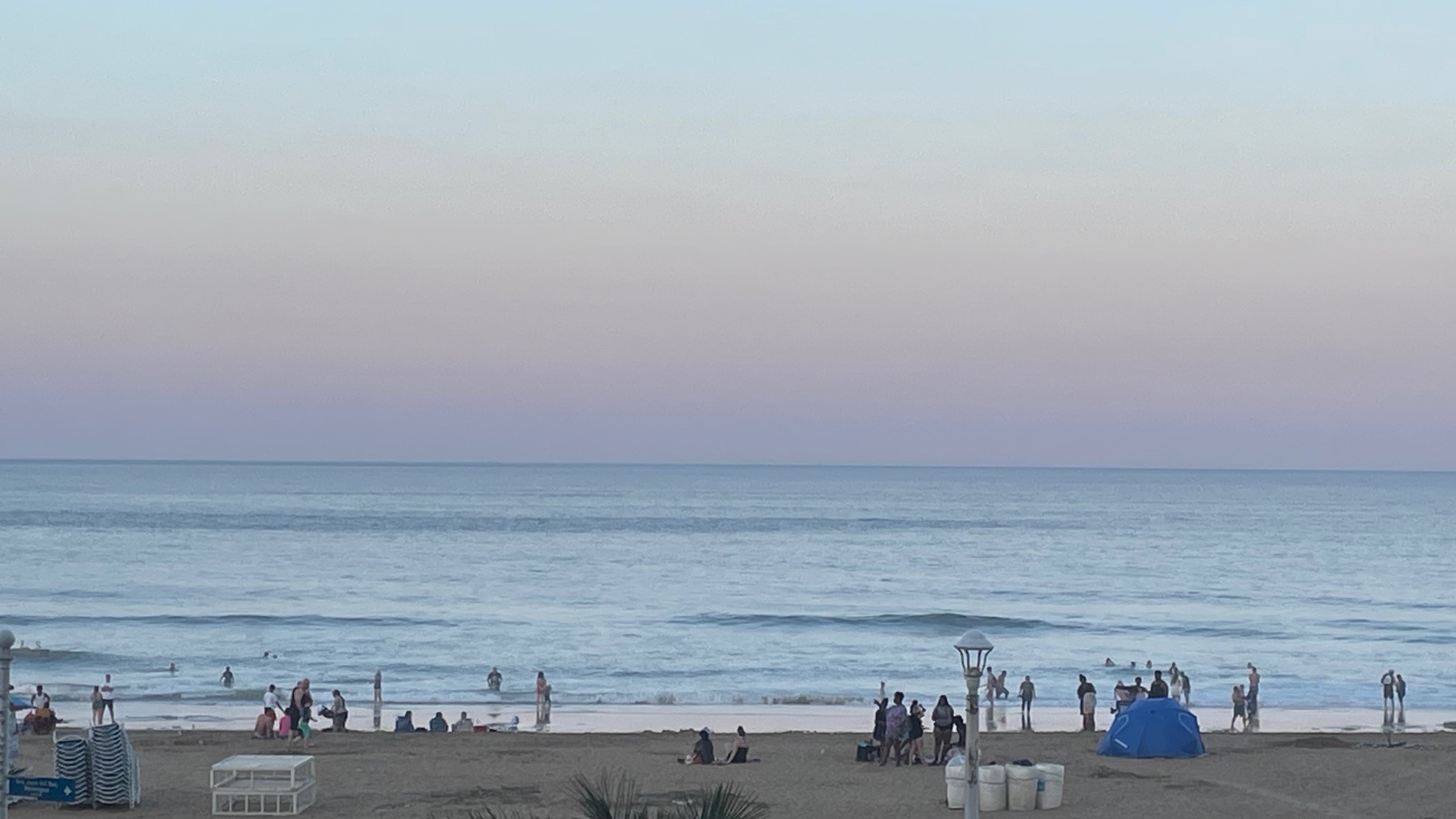
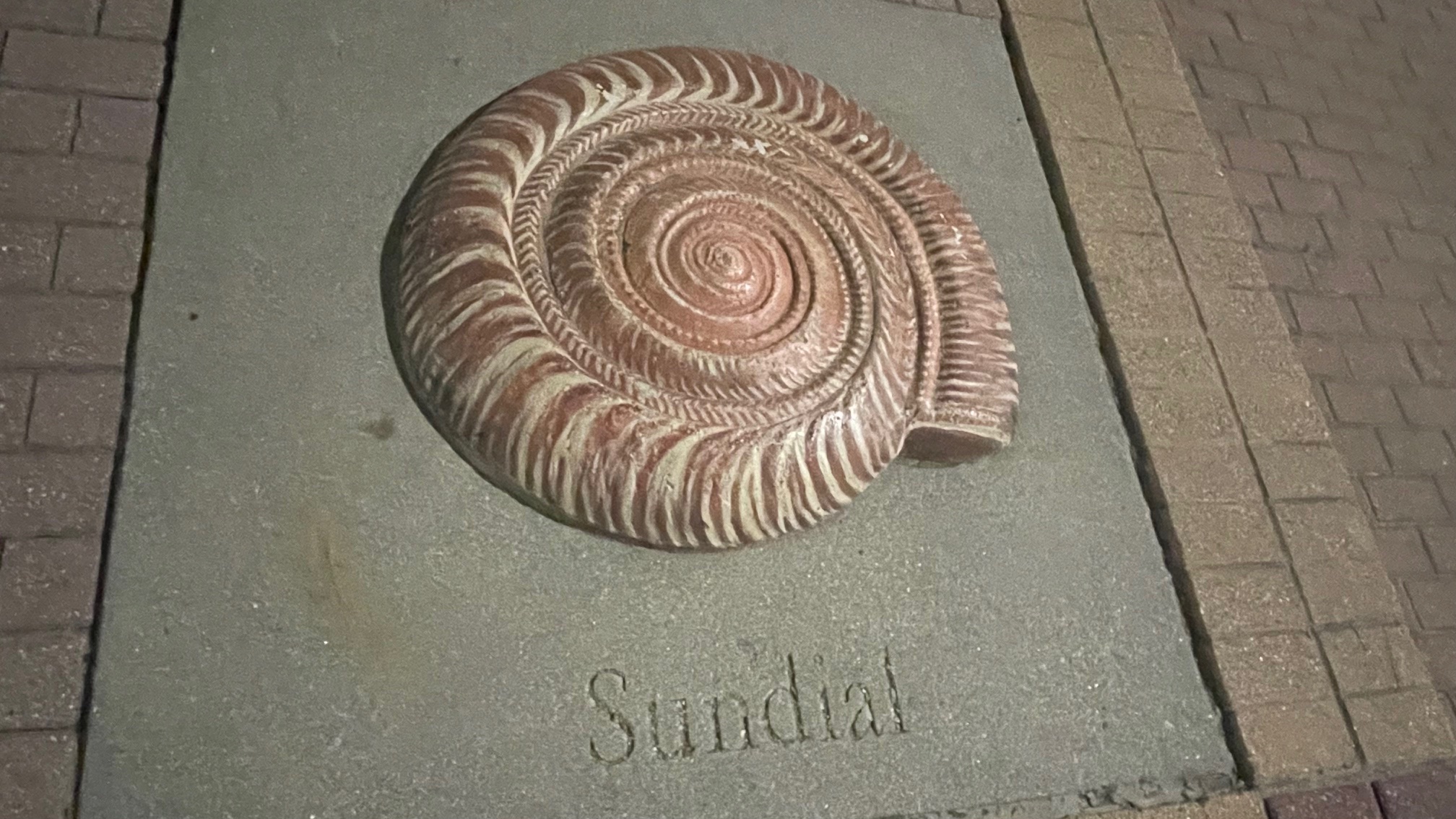
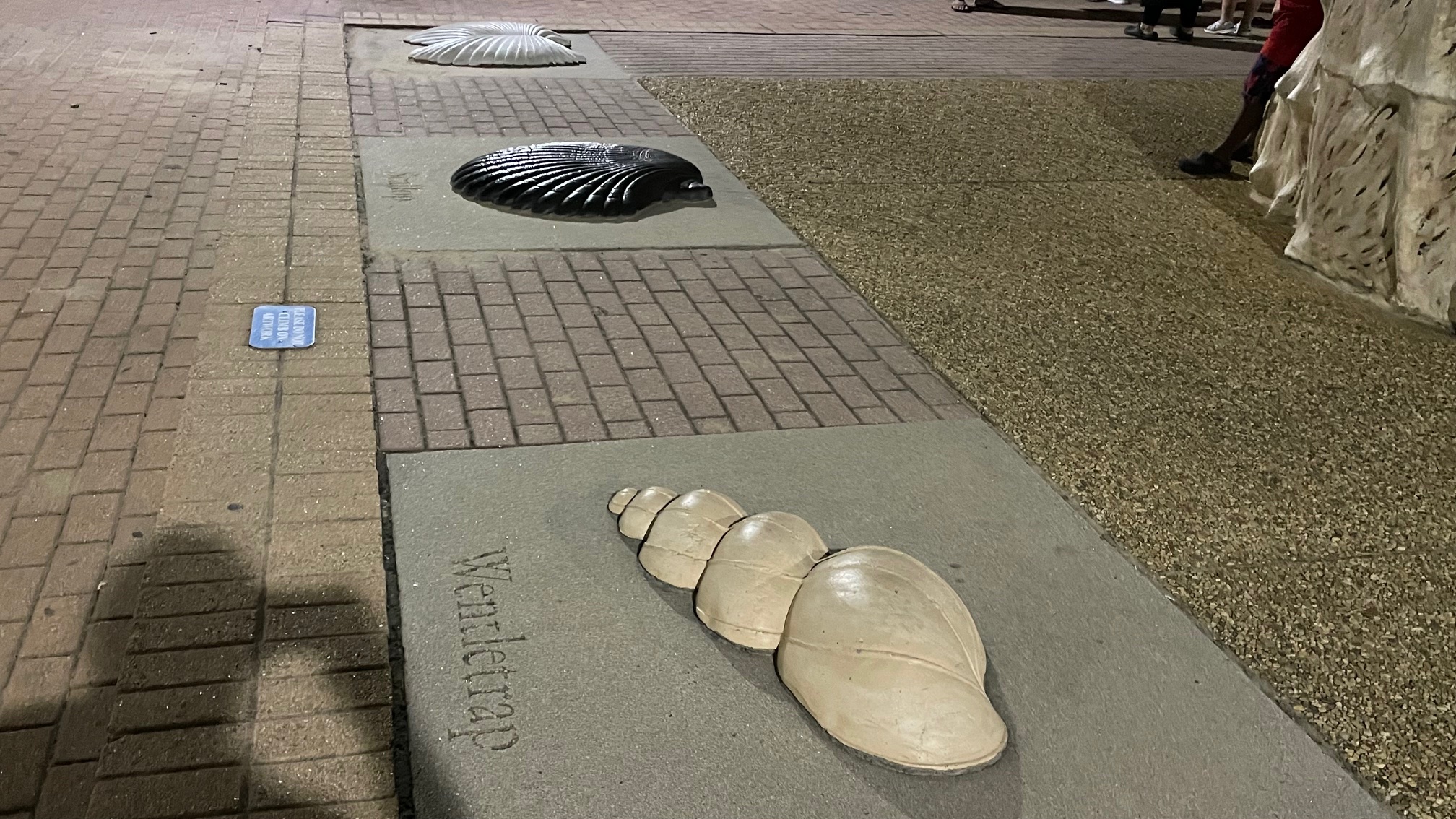
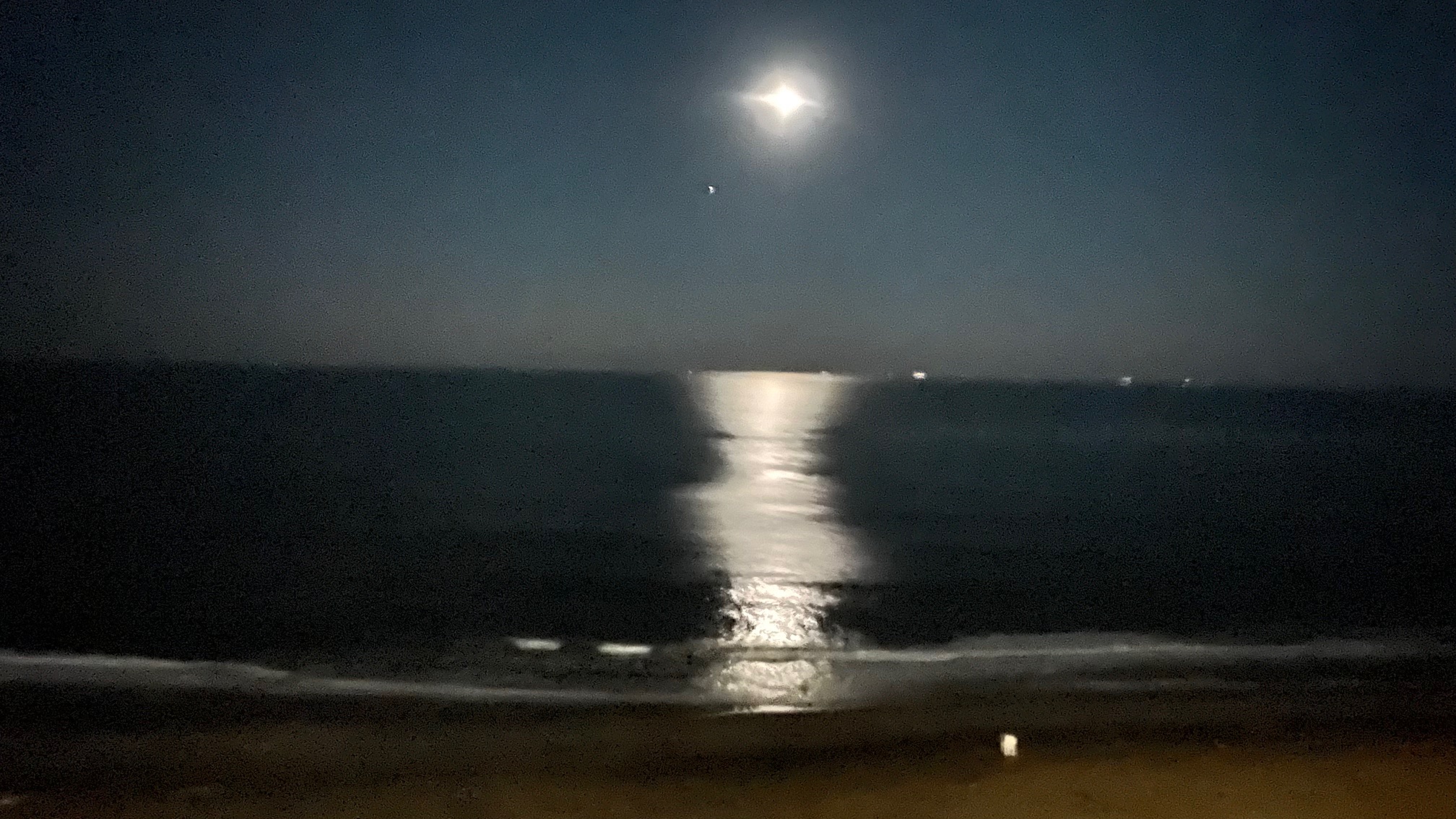
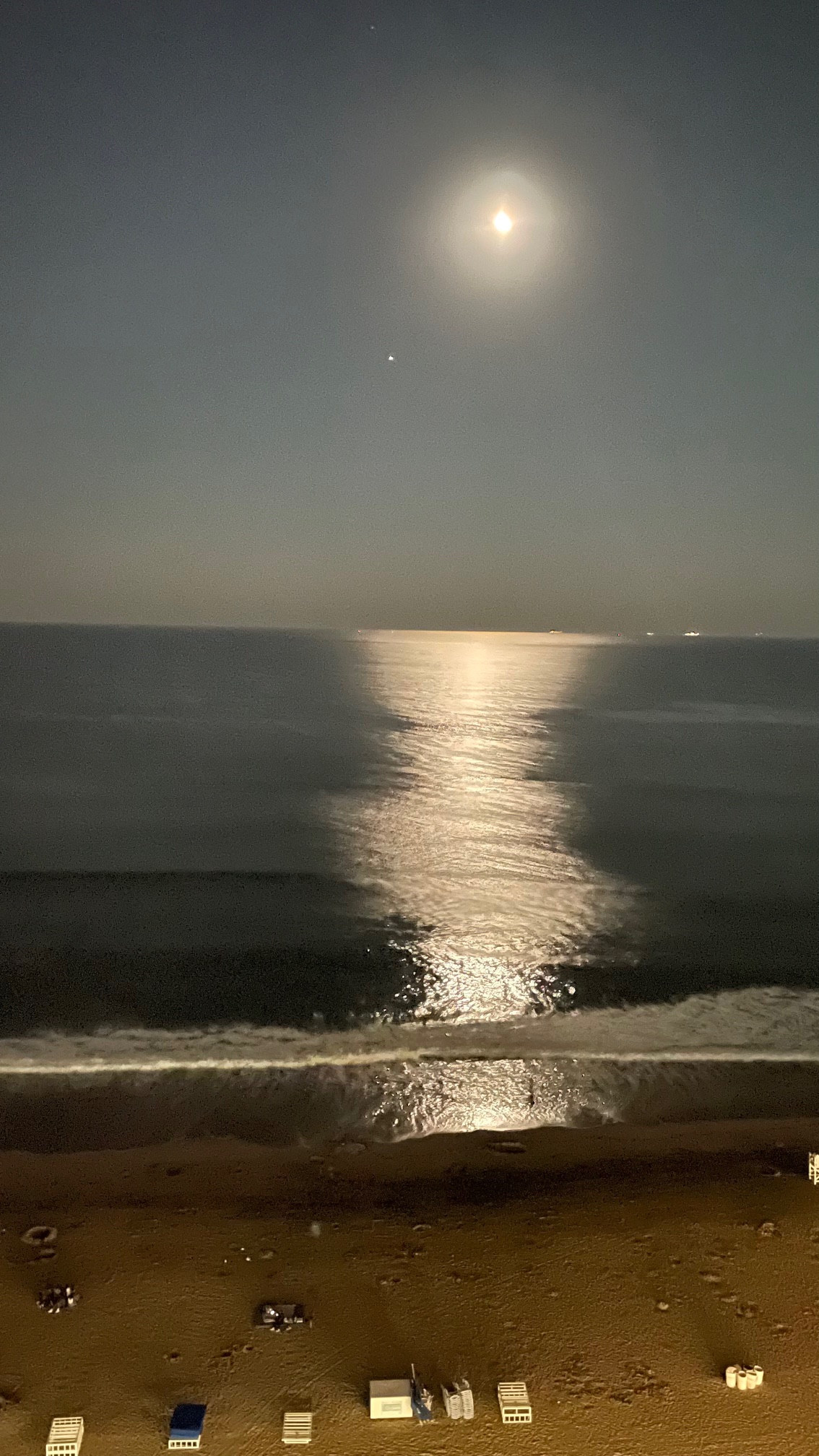
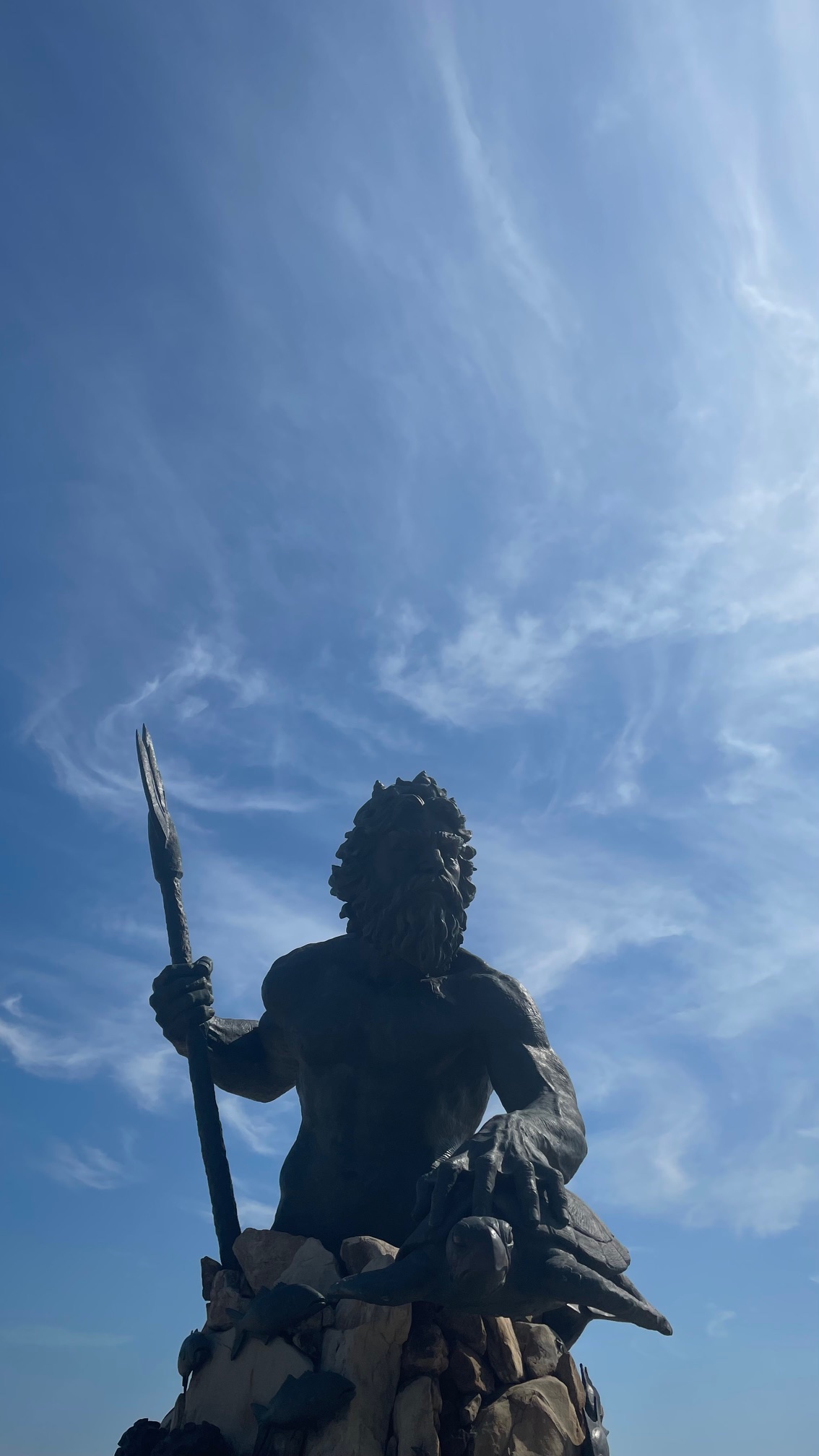
Virginia Beach, Virginia

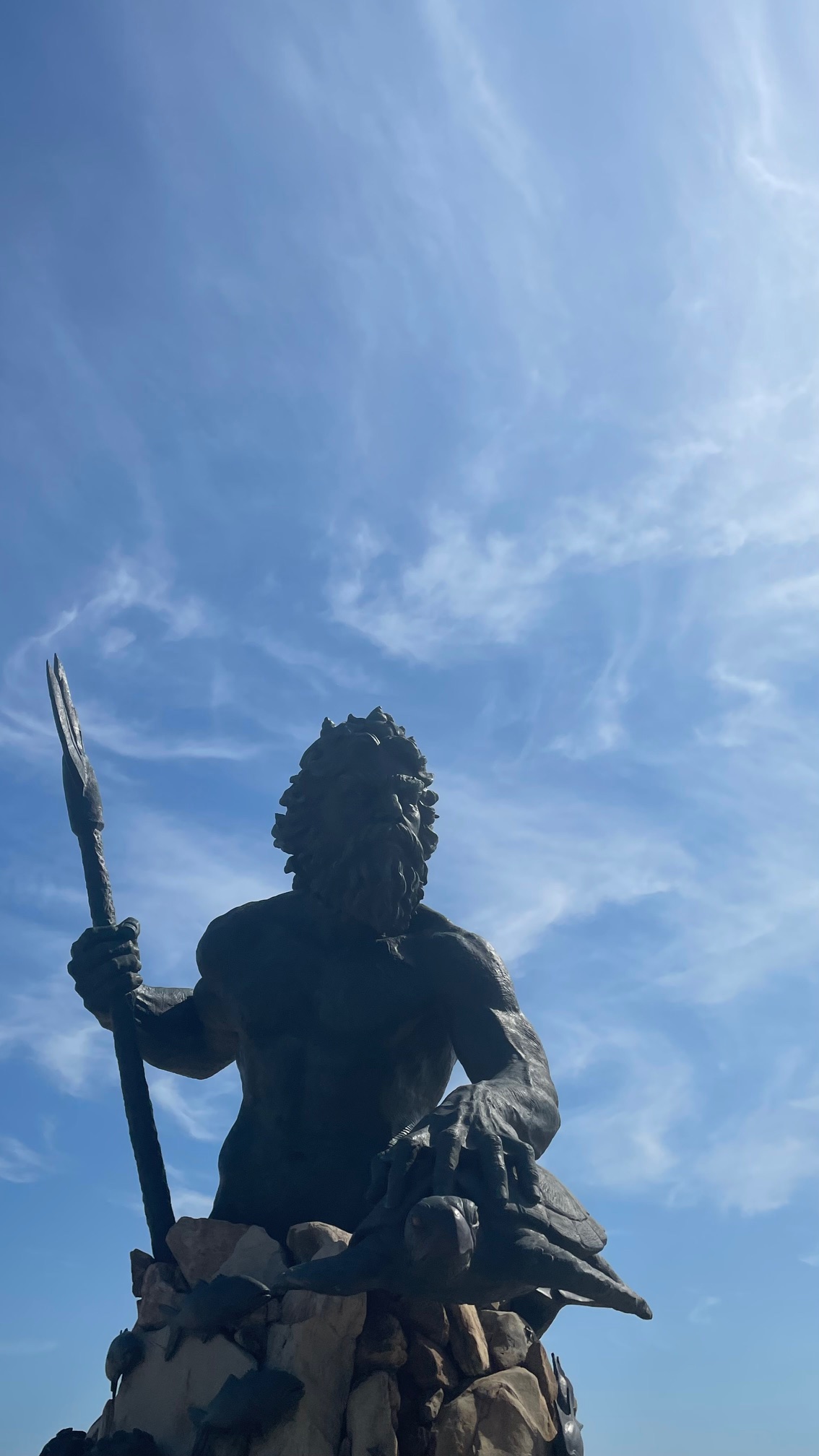
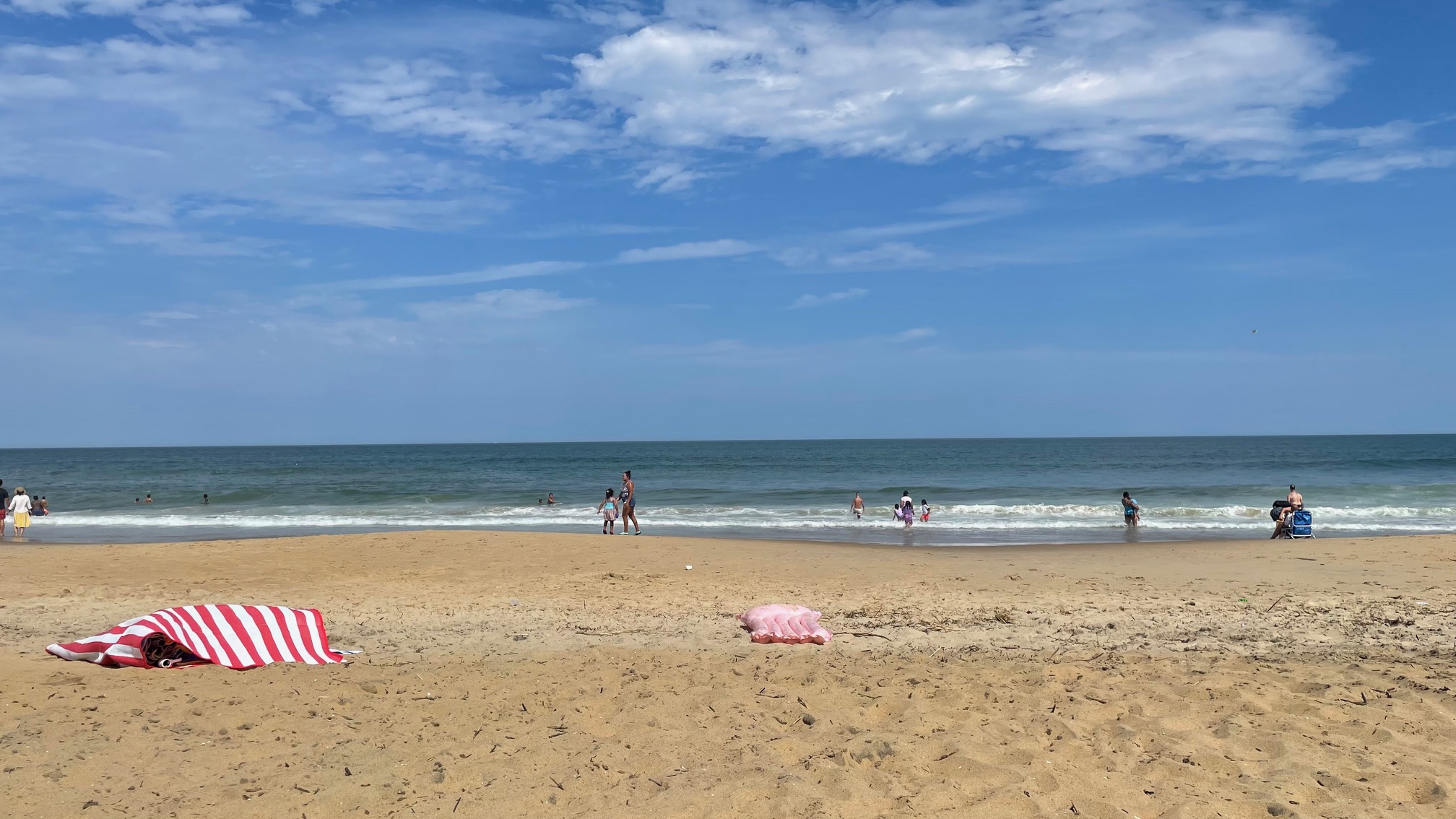
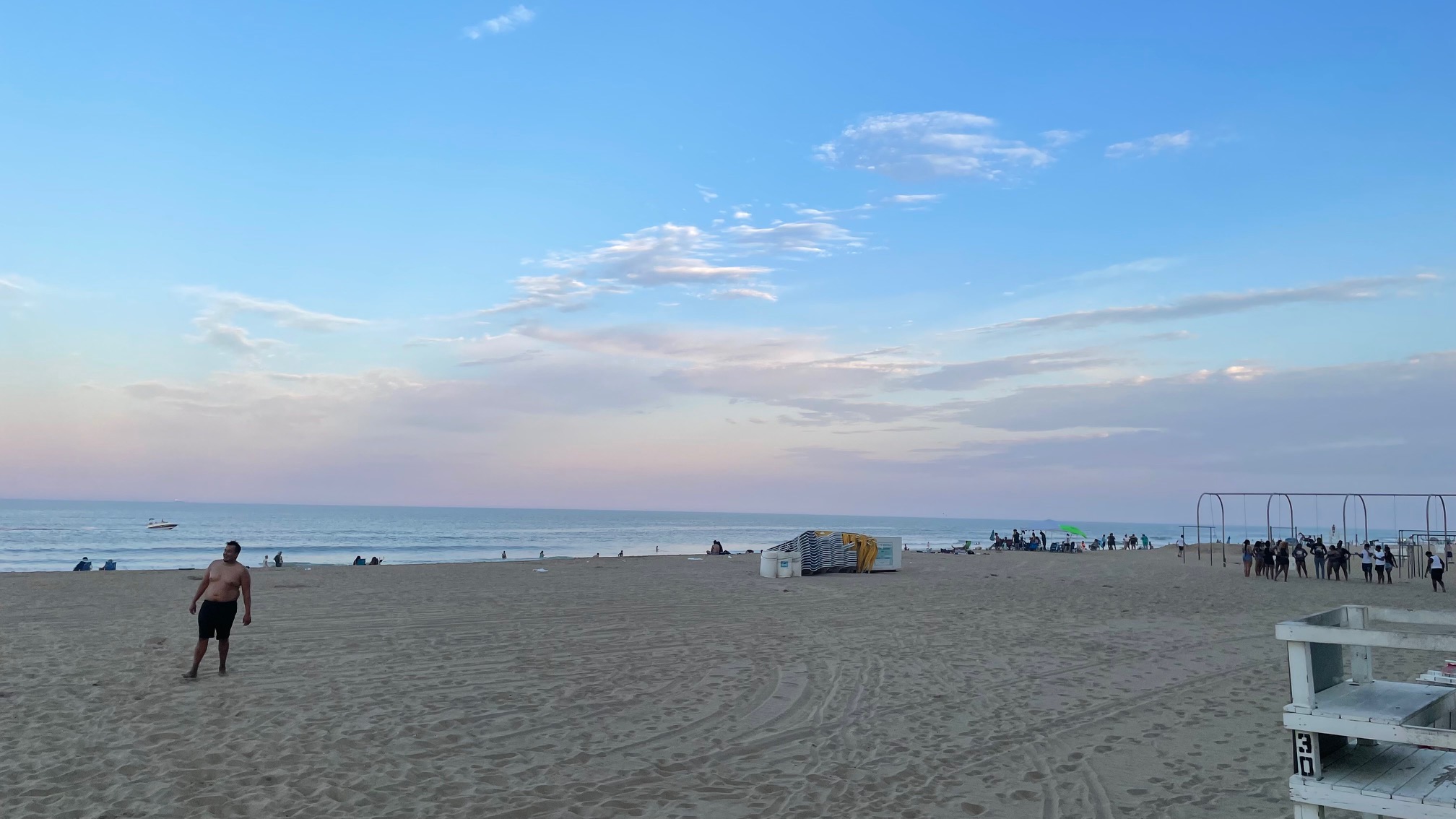
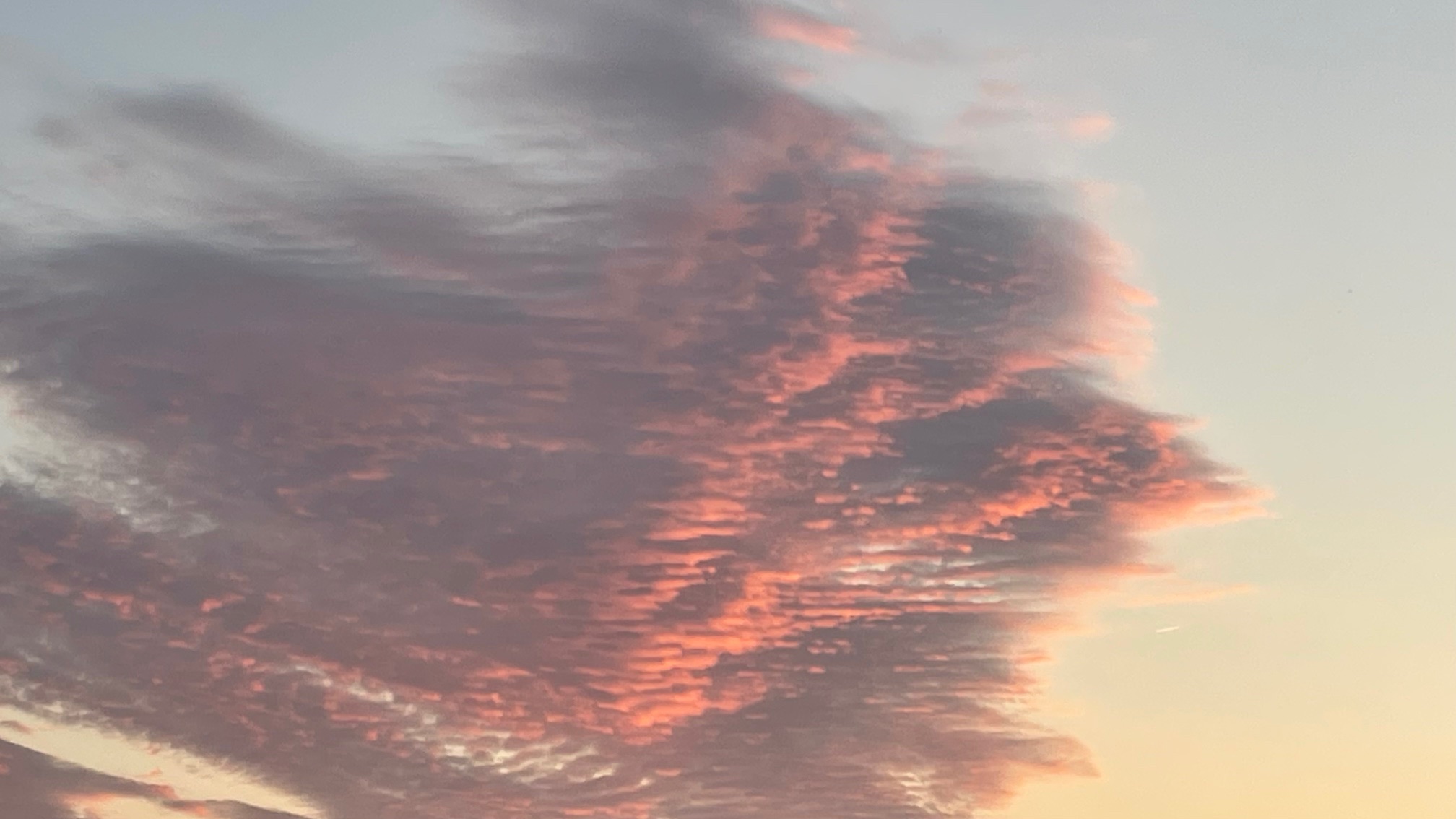
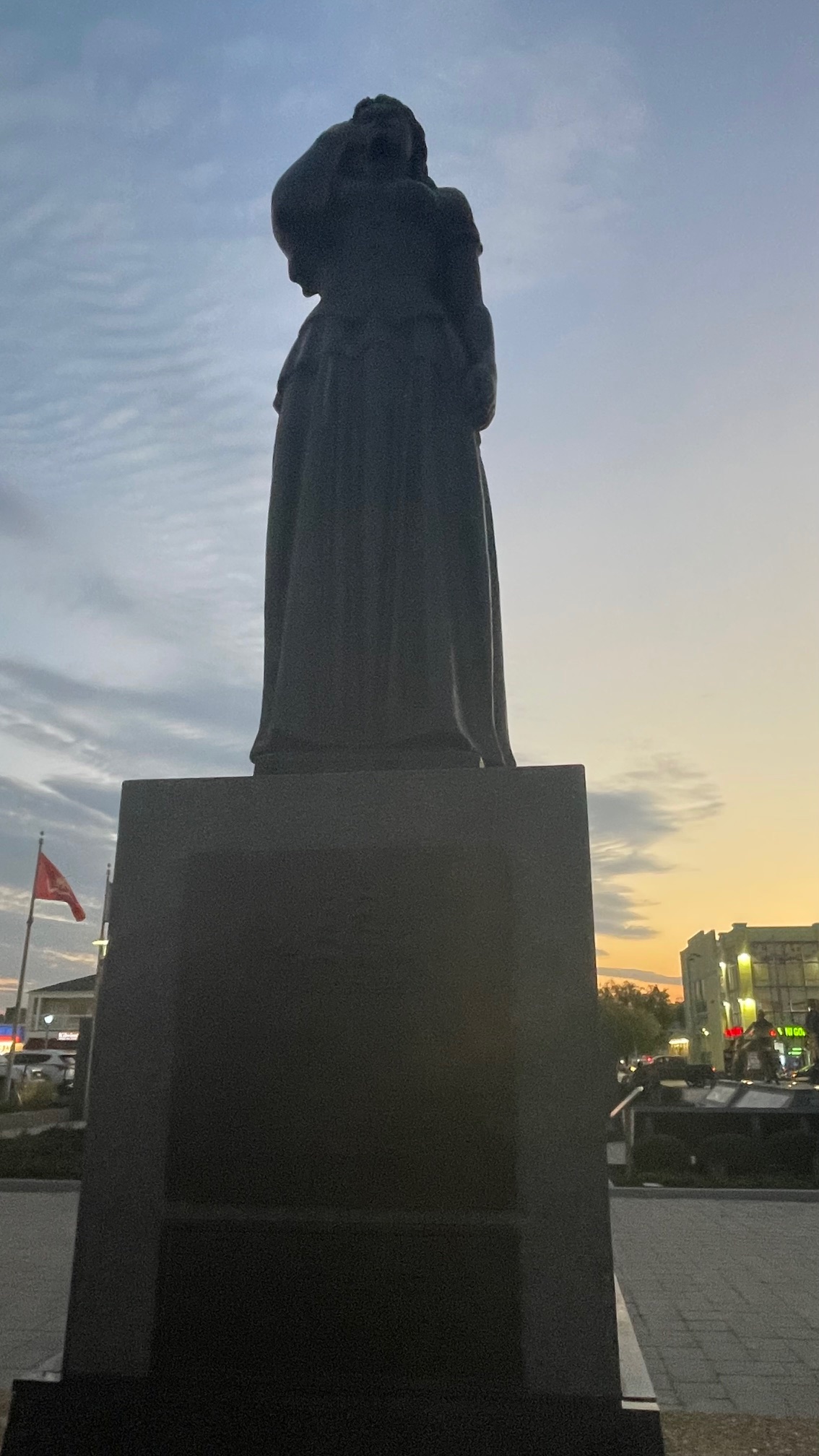
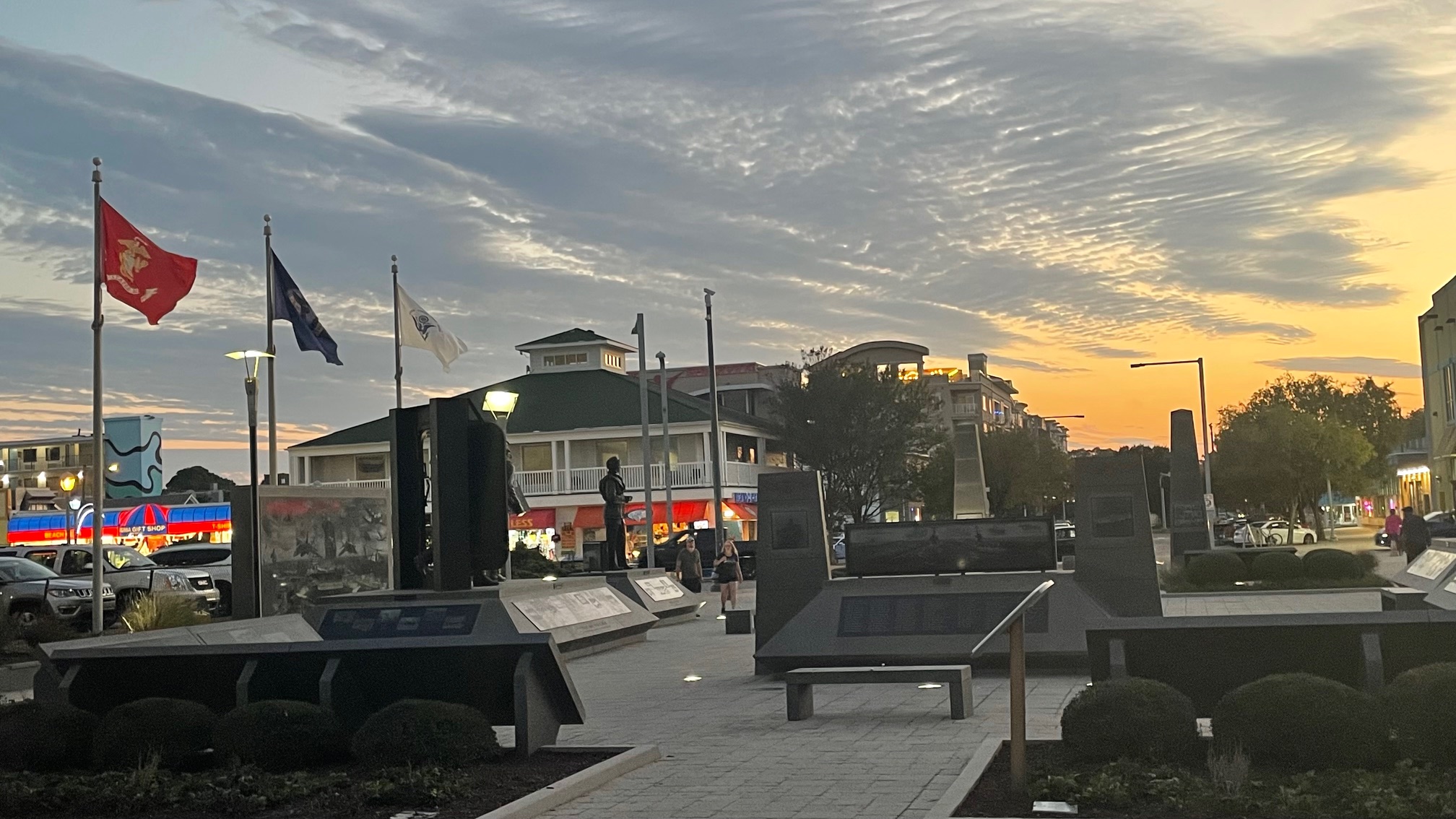
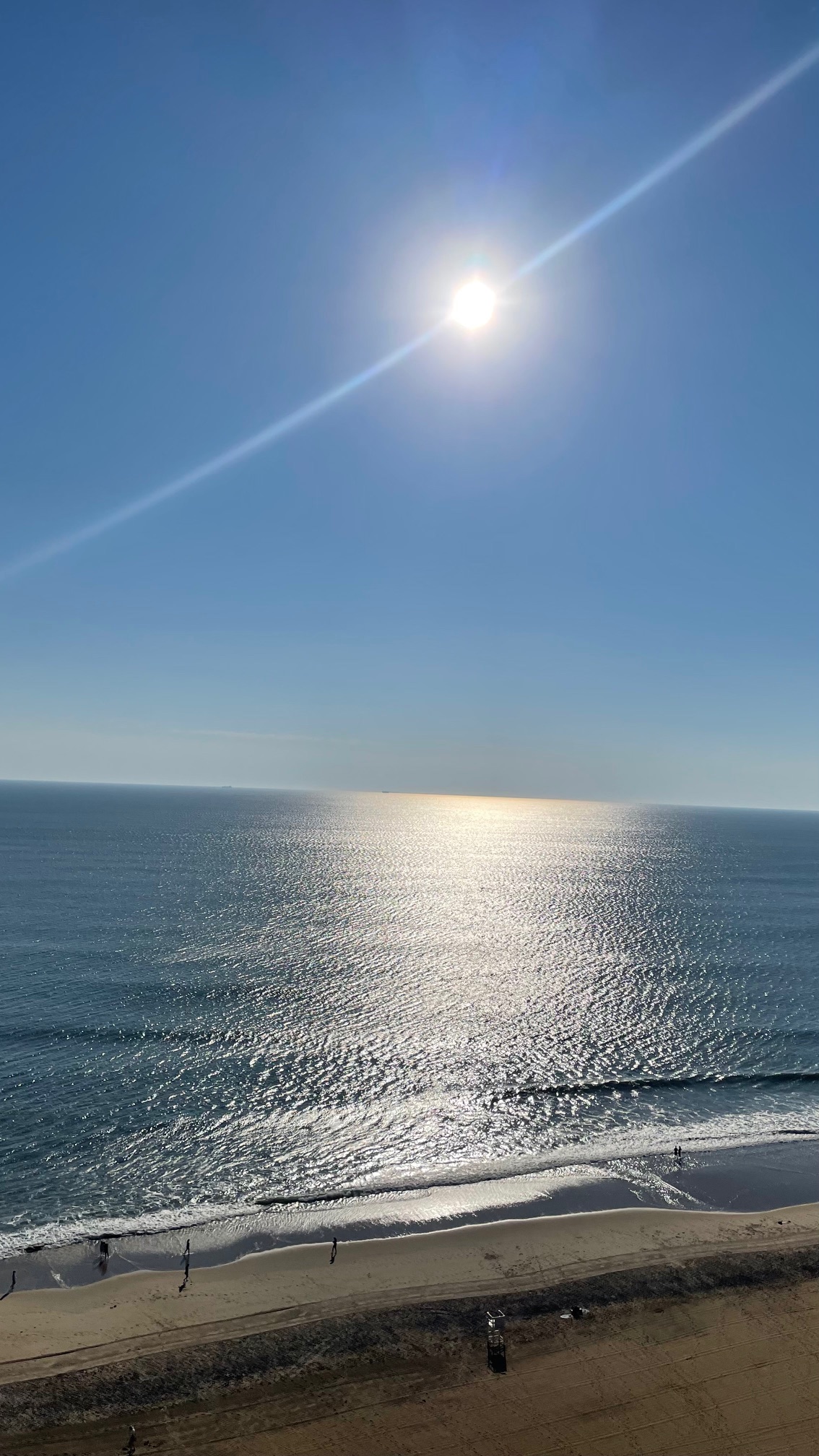
Enjoying one of America’s most beautiful beach towns and boardwalks known as Virginia Beach; a popular tourist destination in the Summertime.

Camera: iPhone 12

Location: Virginia Beach, Virginia, United States

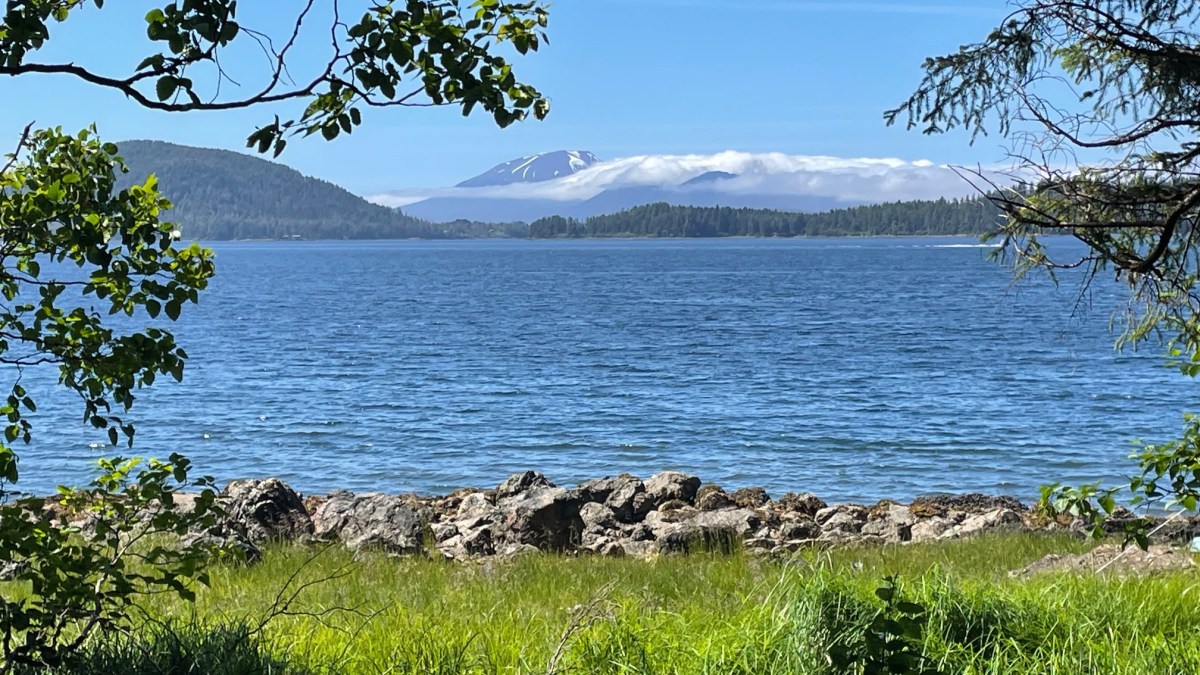
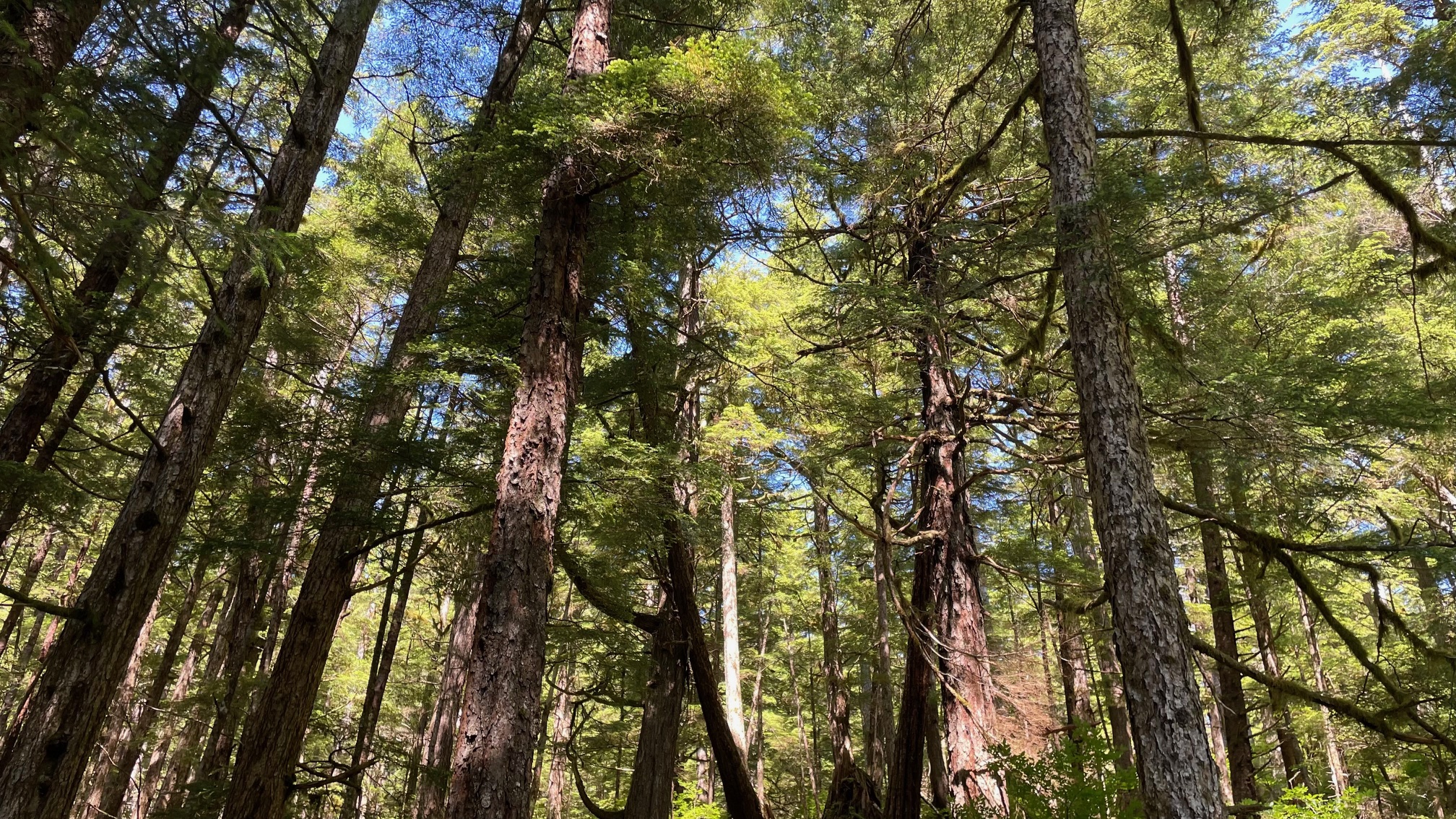
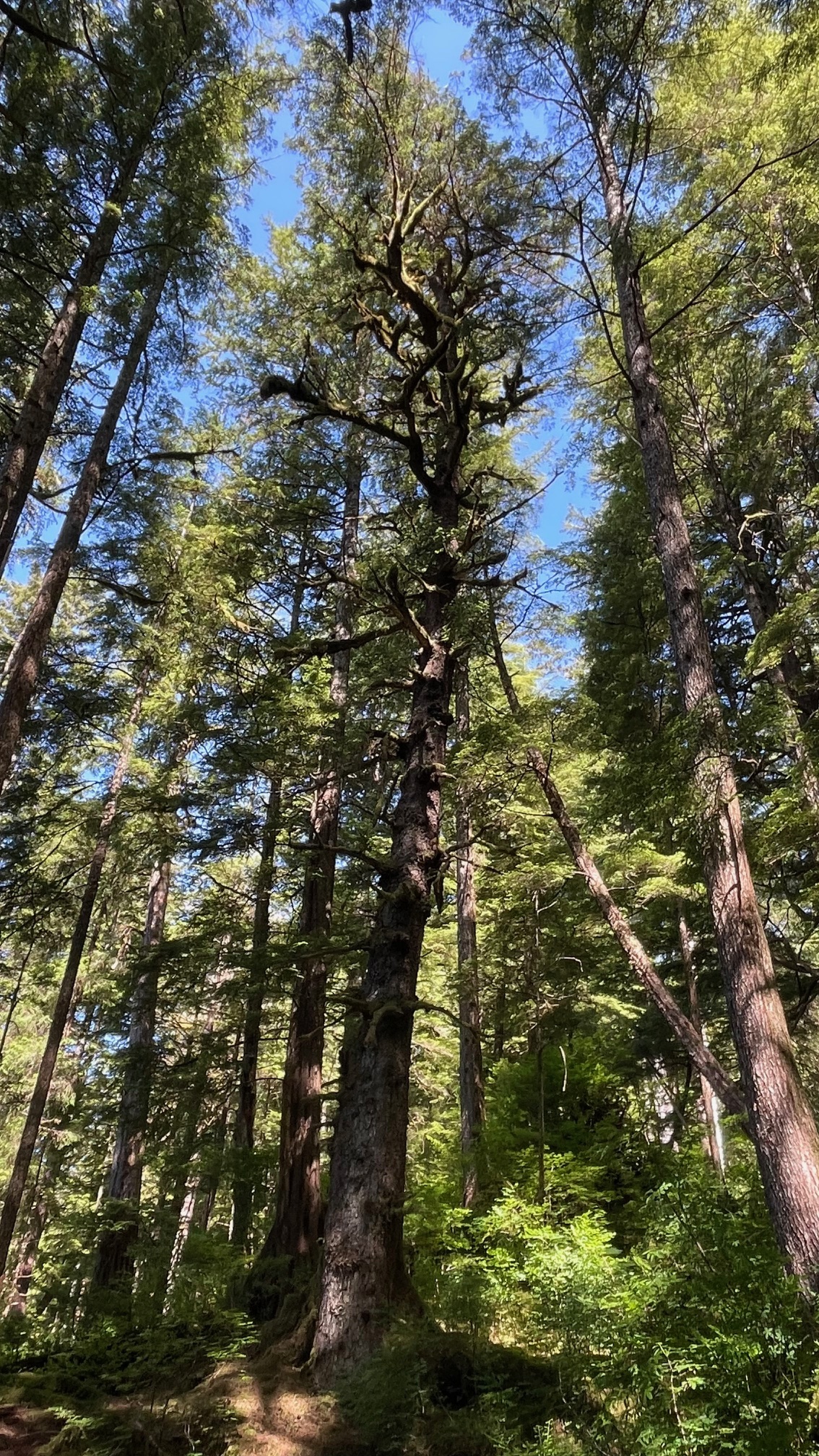
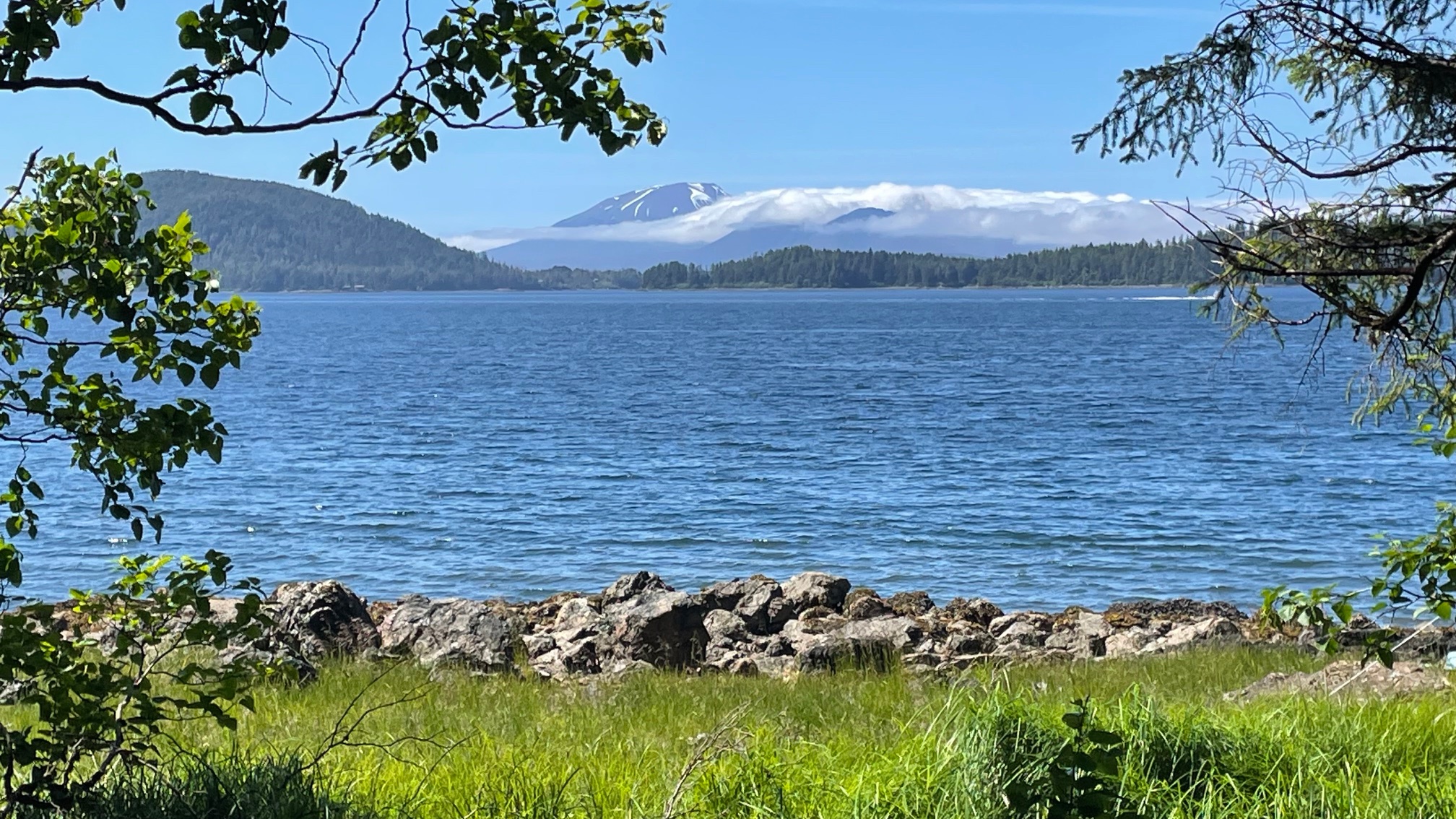
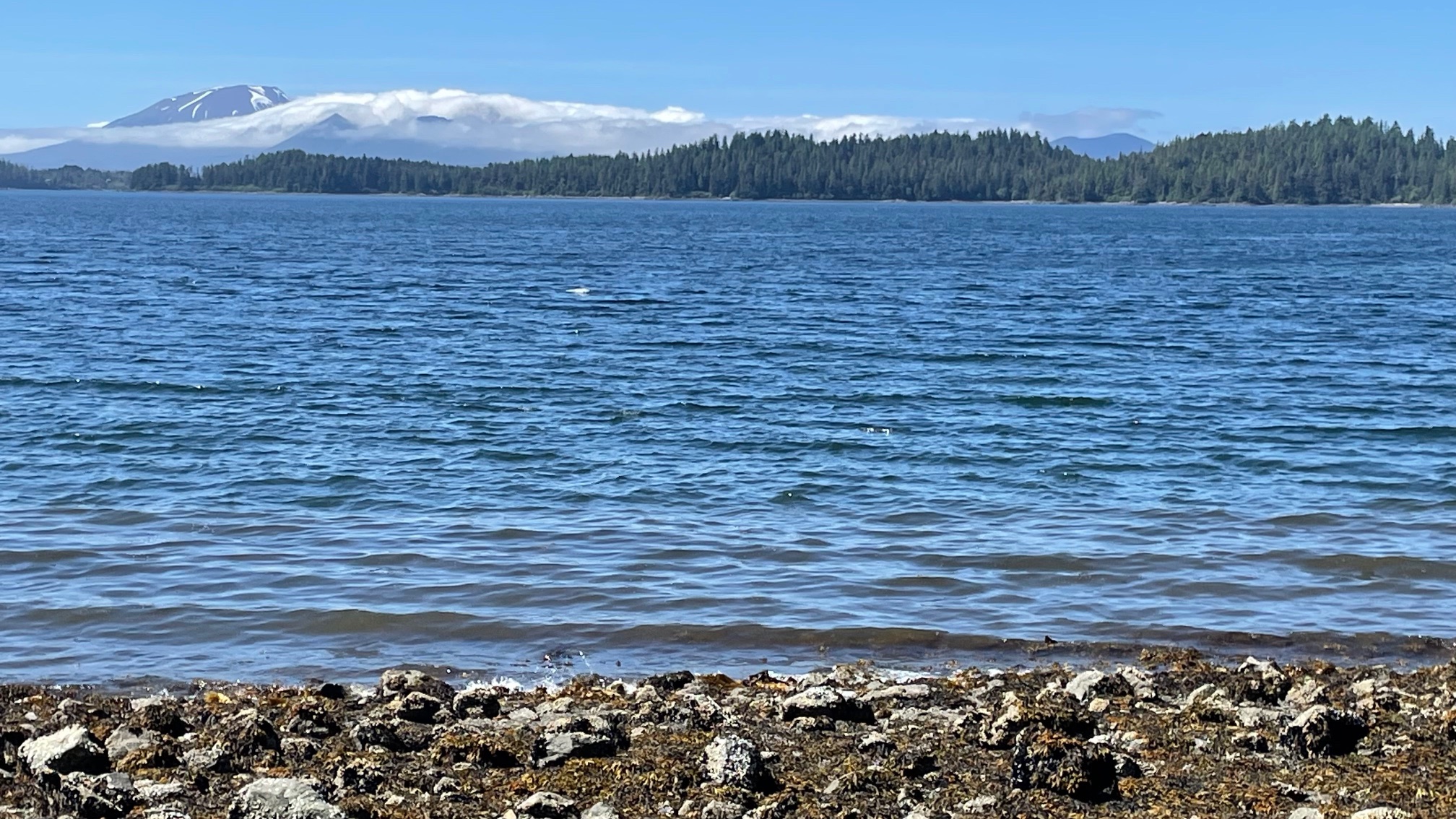
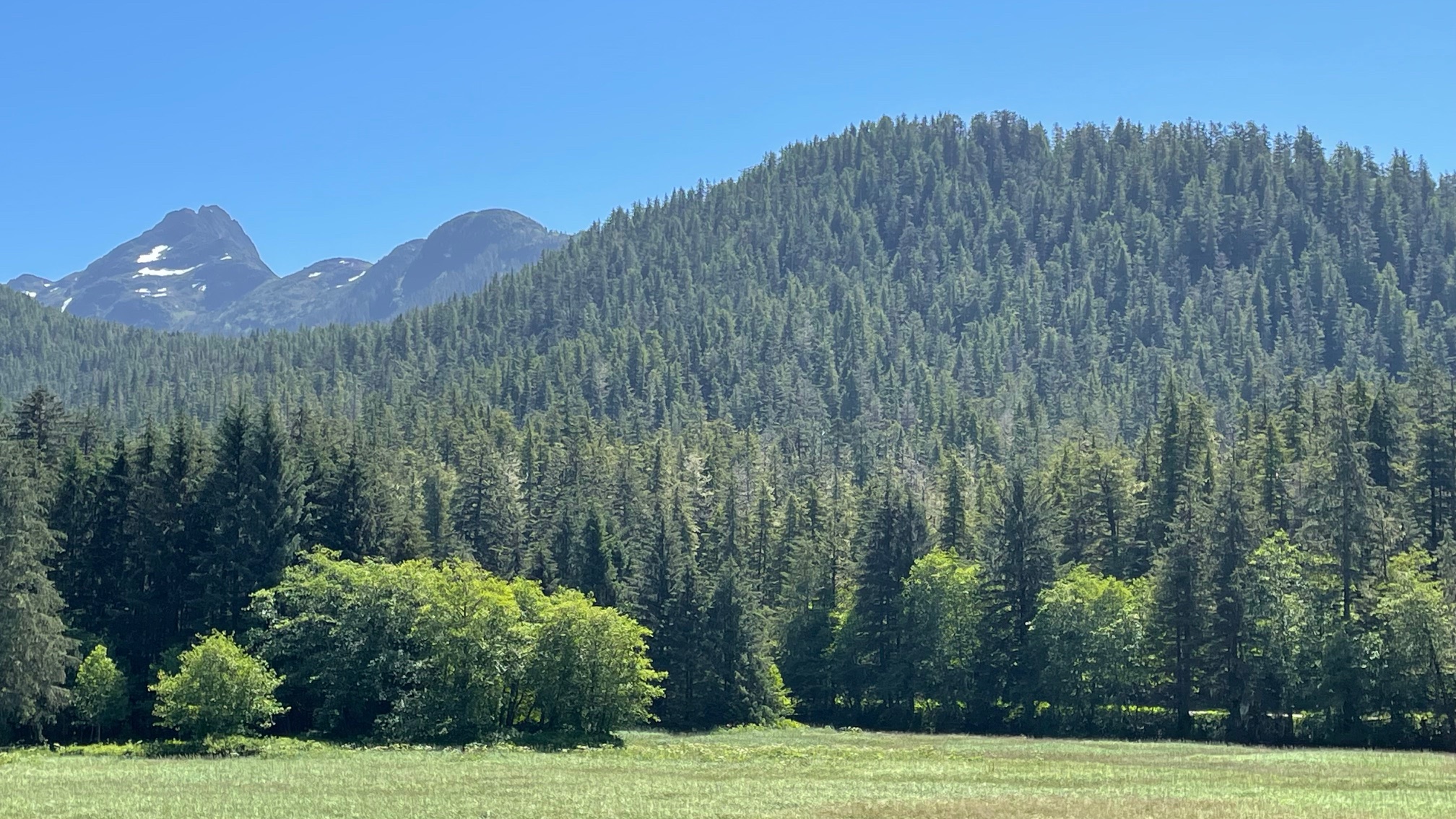
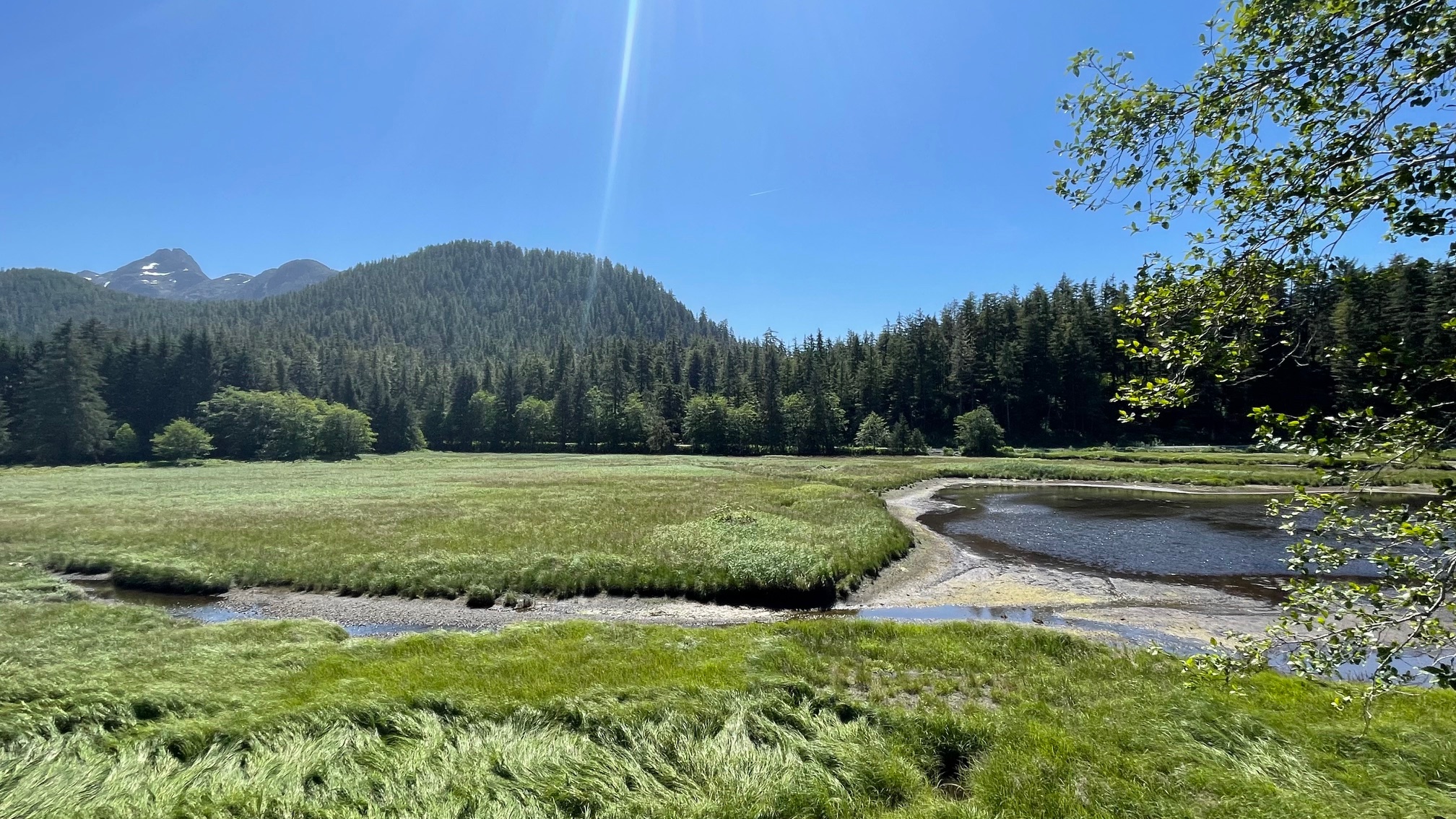
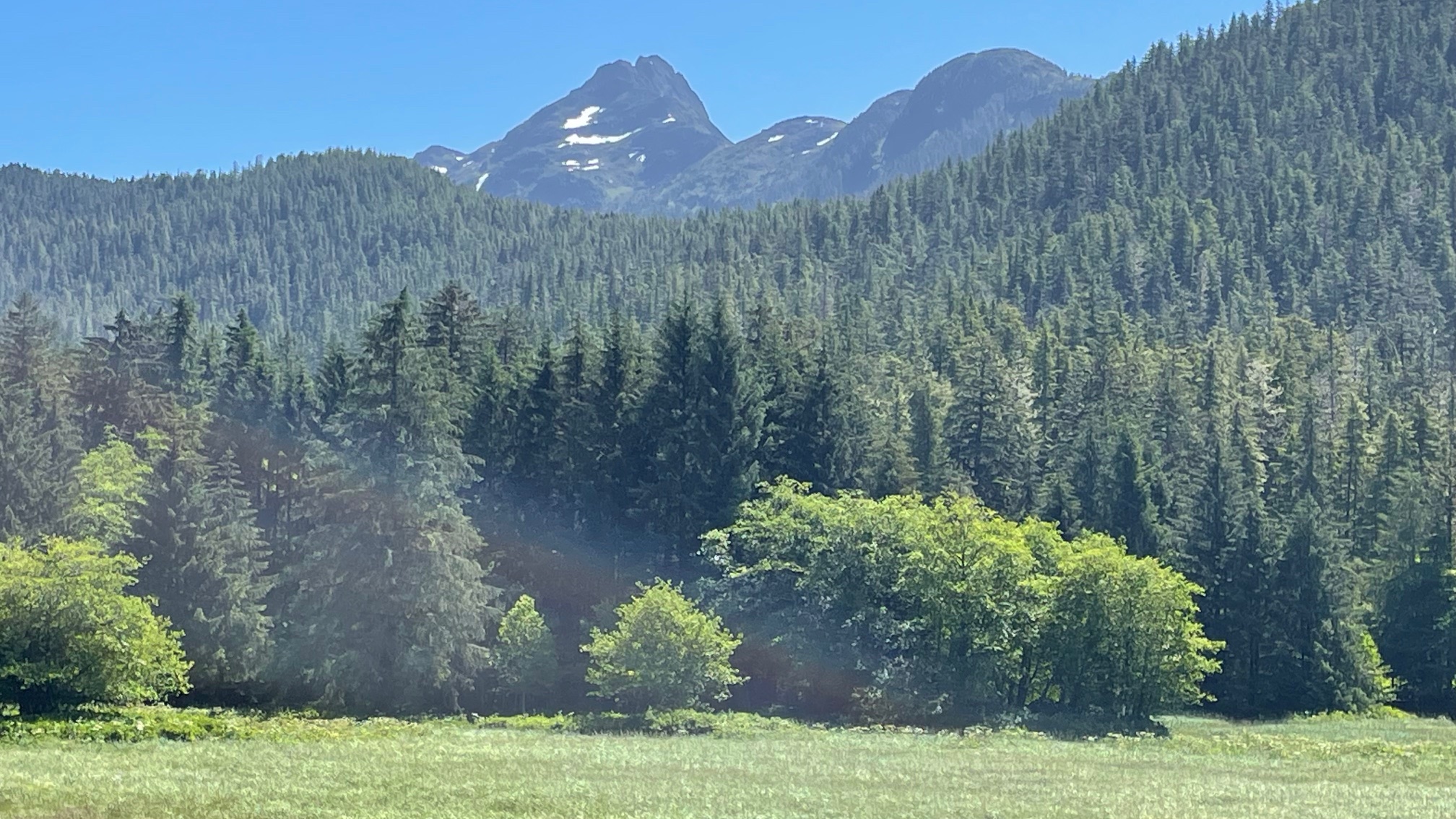
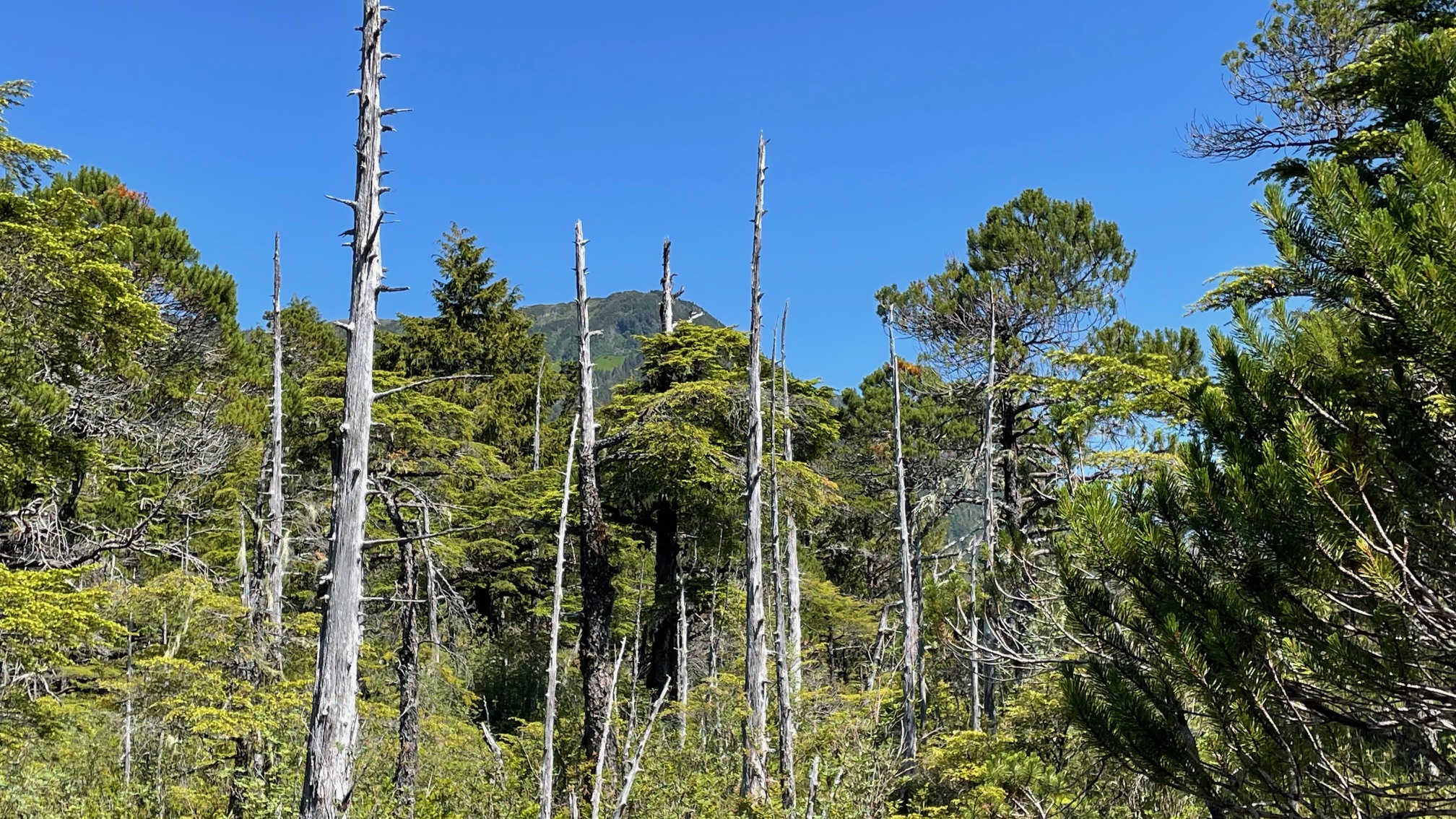
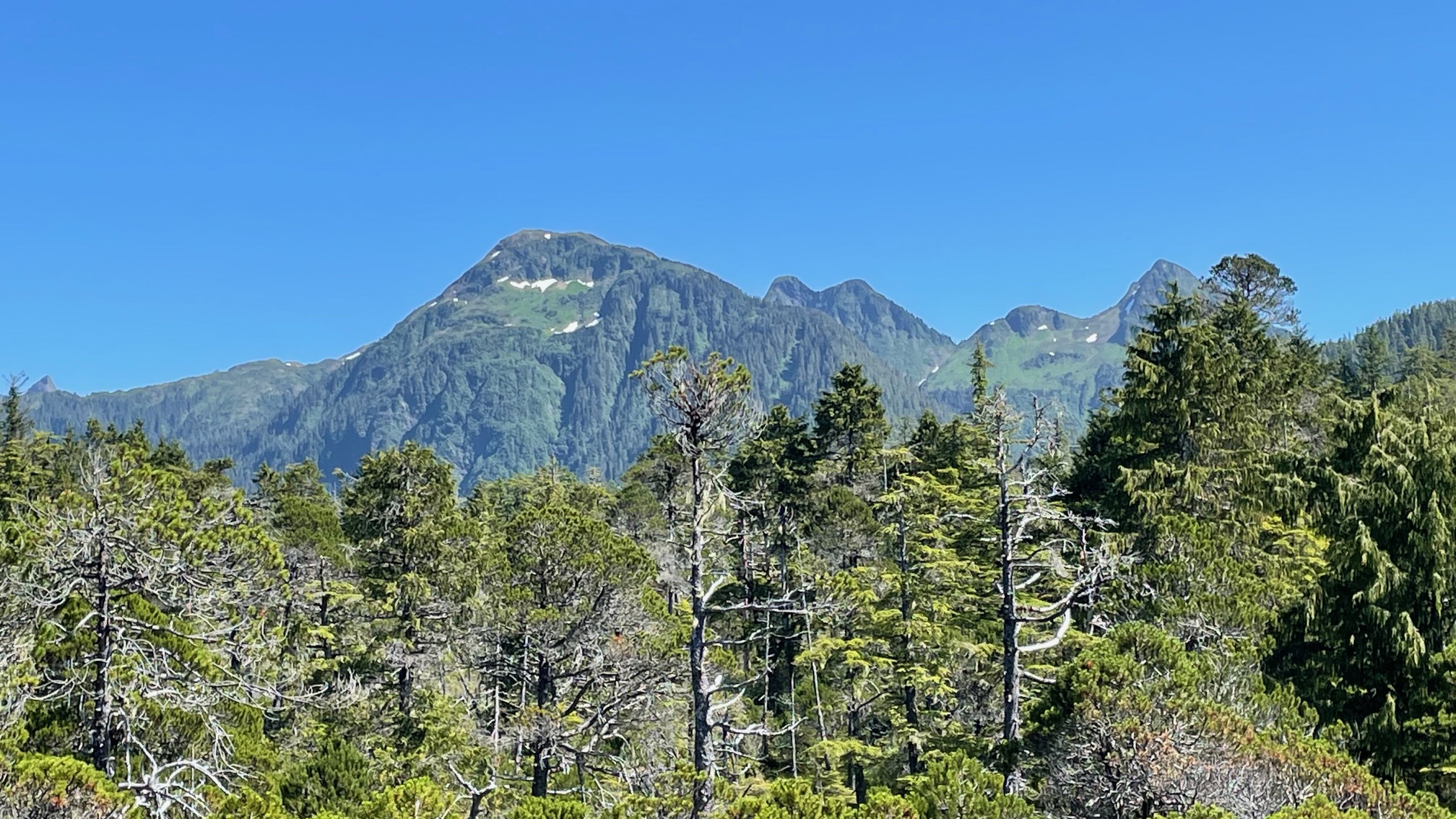
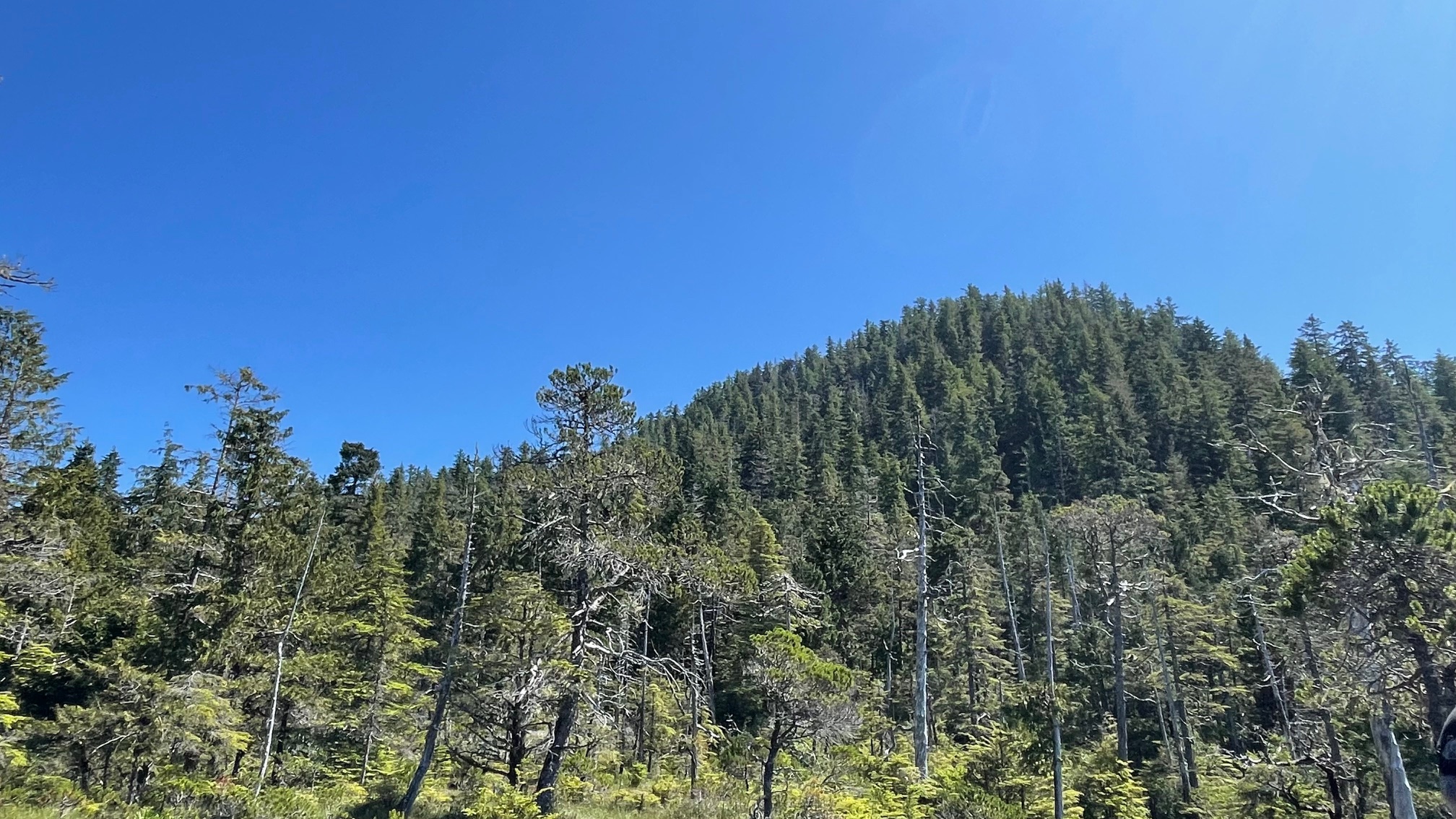
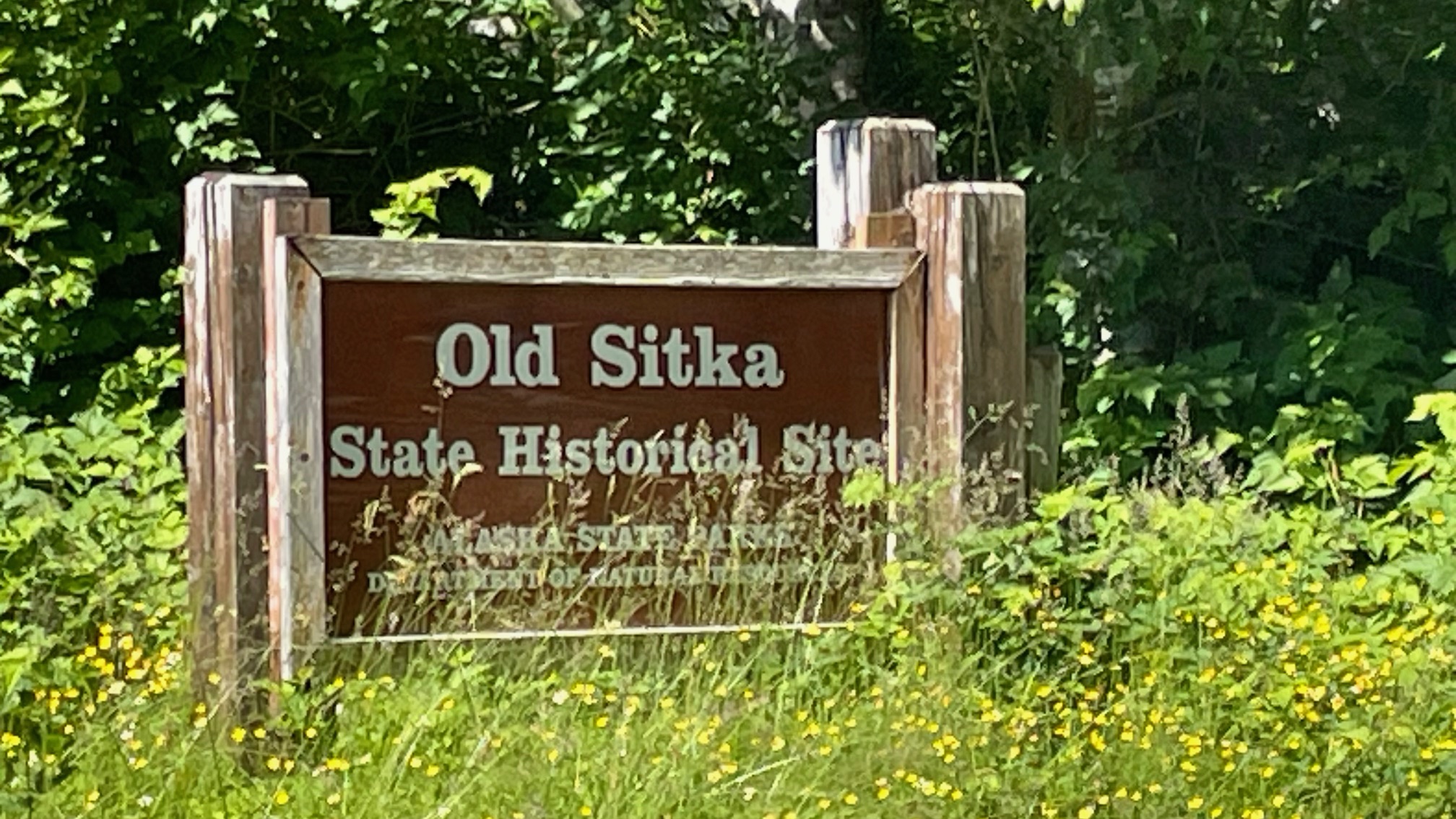
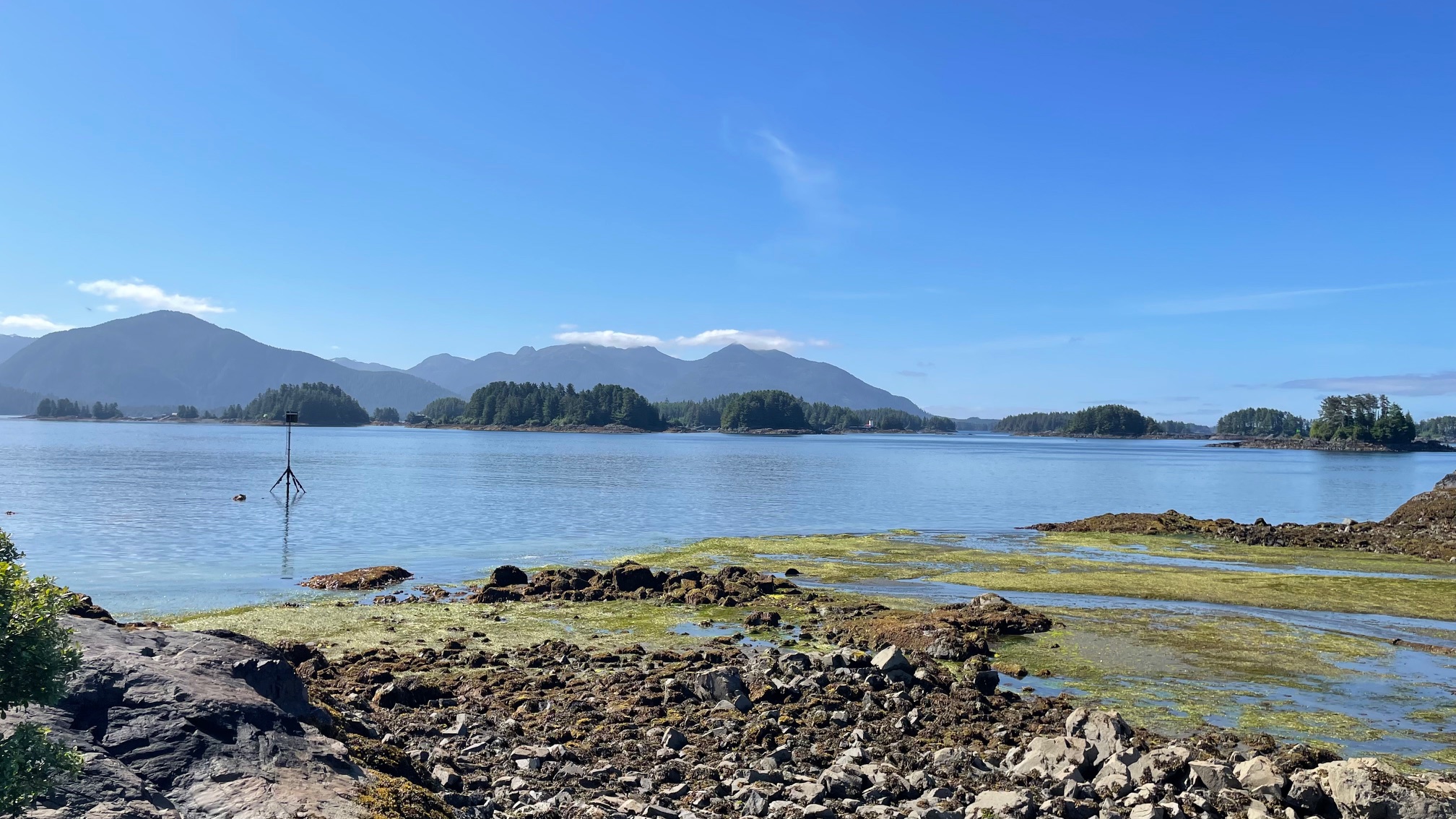
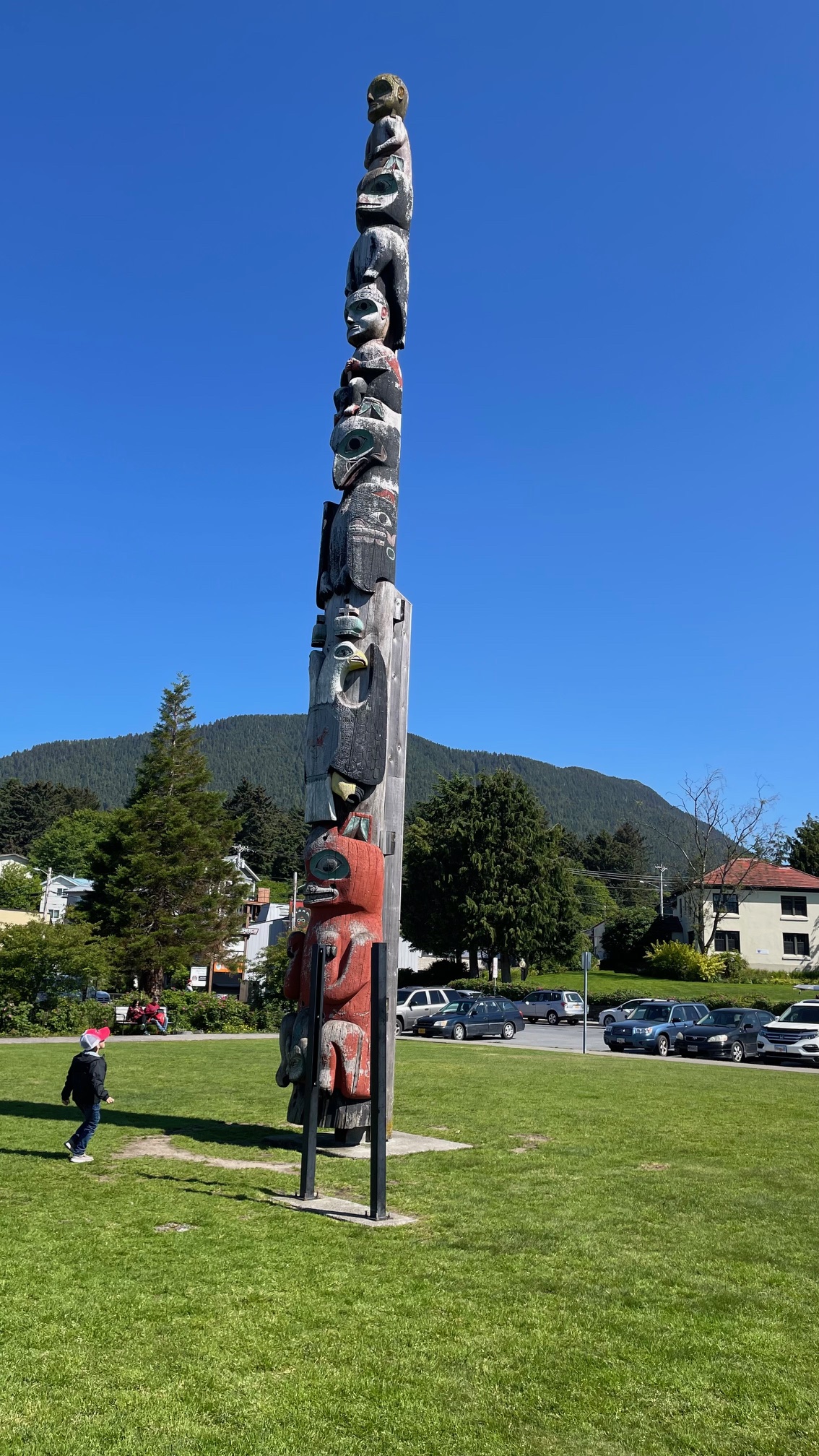
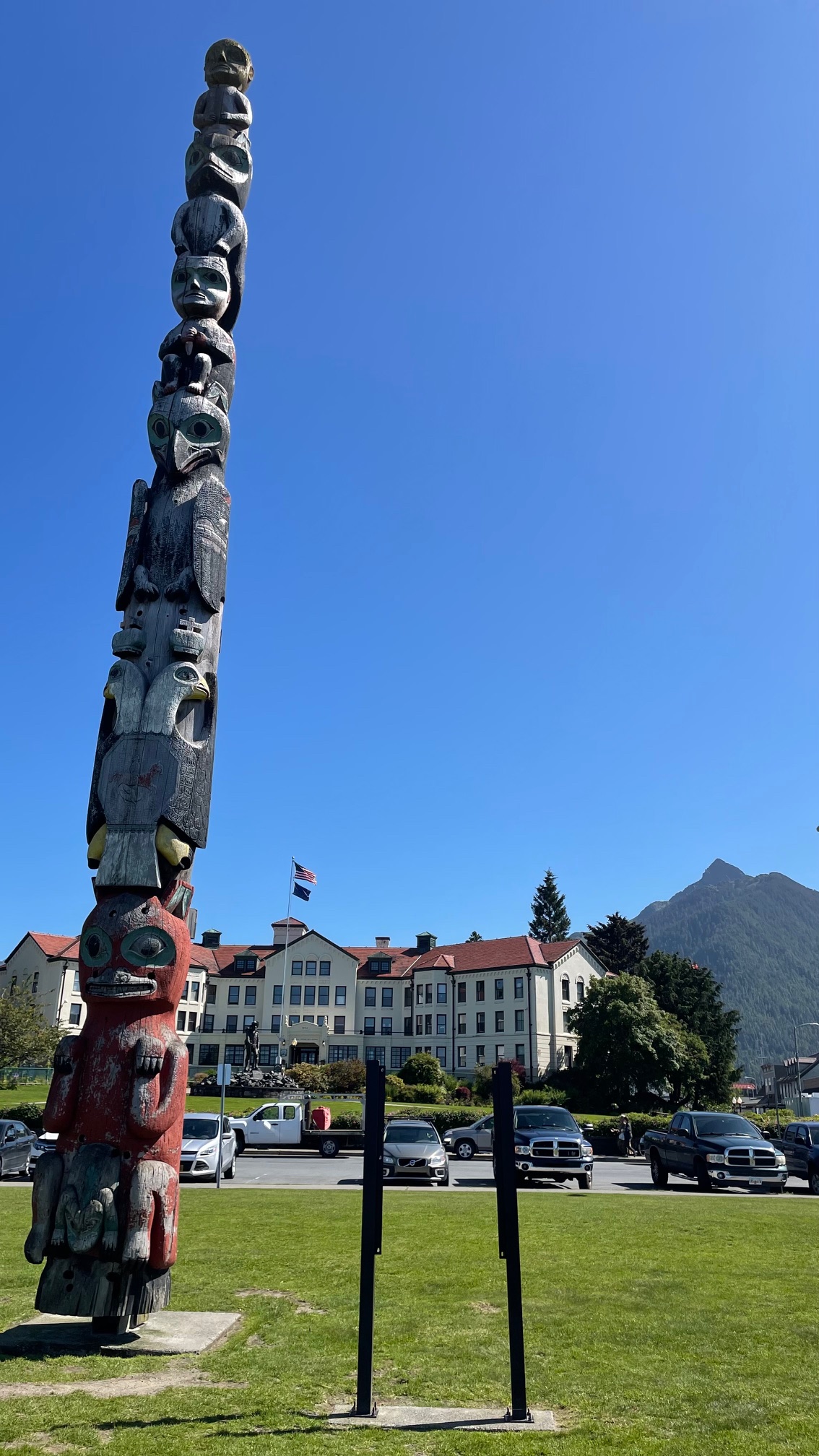
Old Sitka State Historic Park

Walking in One of Sitka’s Great Historic State Parks

Camera: iPhone 12

Location: Old Sitka State Historic Park; Sitka, Alaska, United States

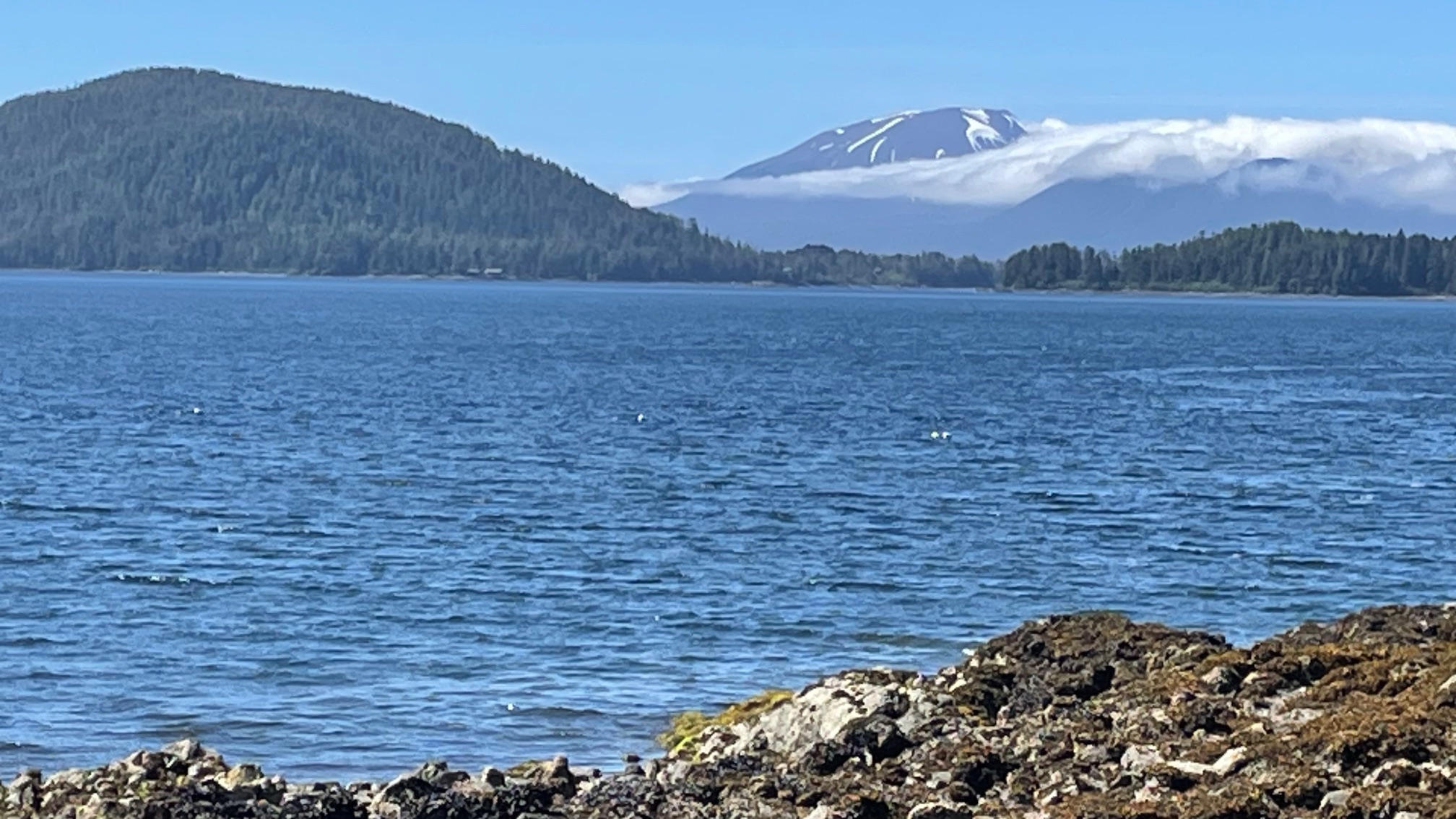
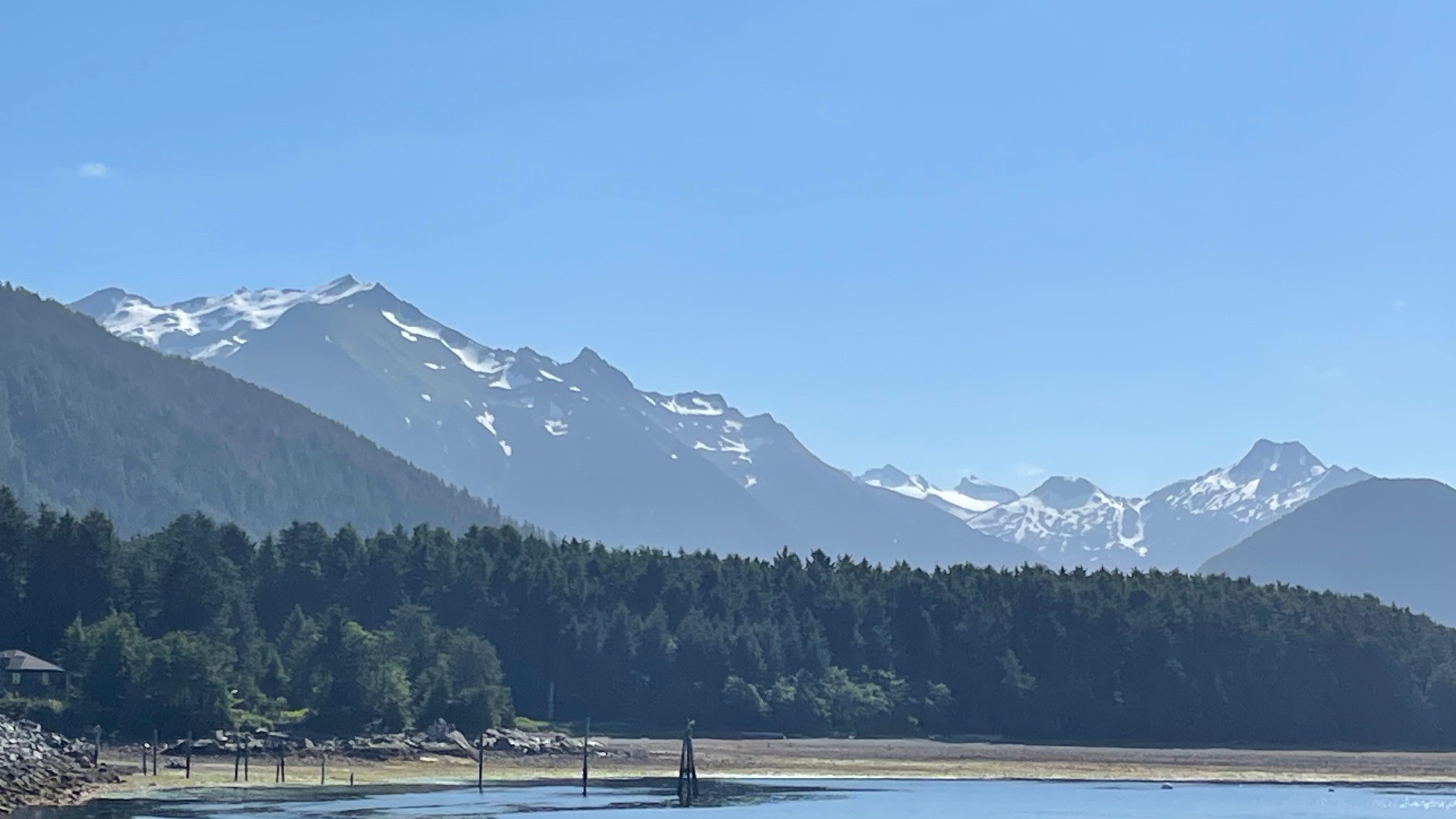
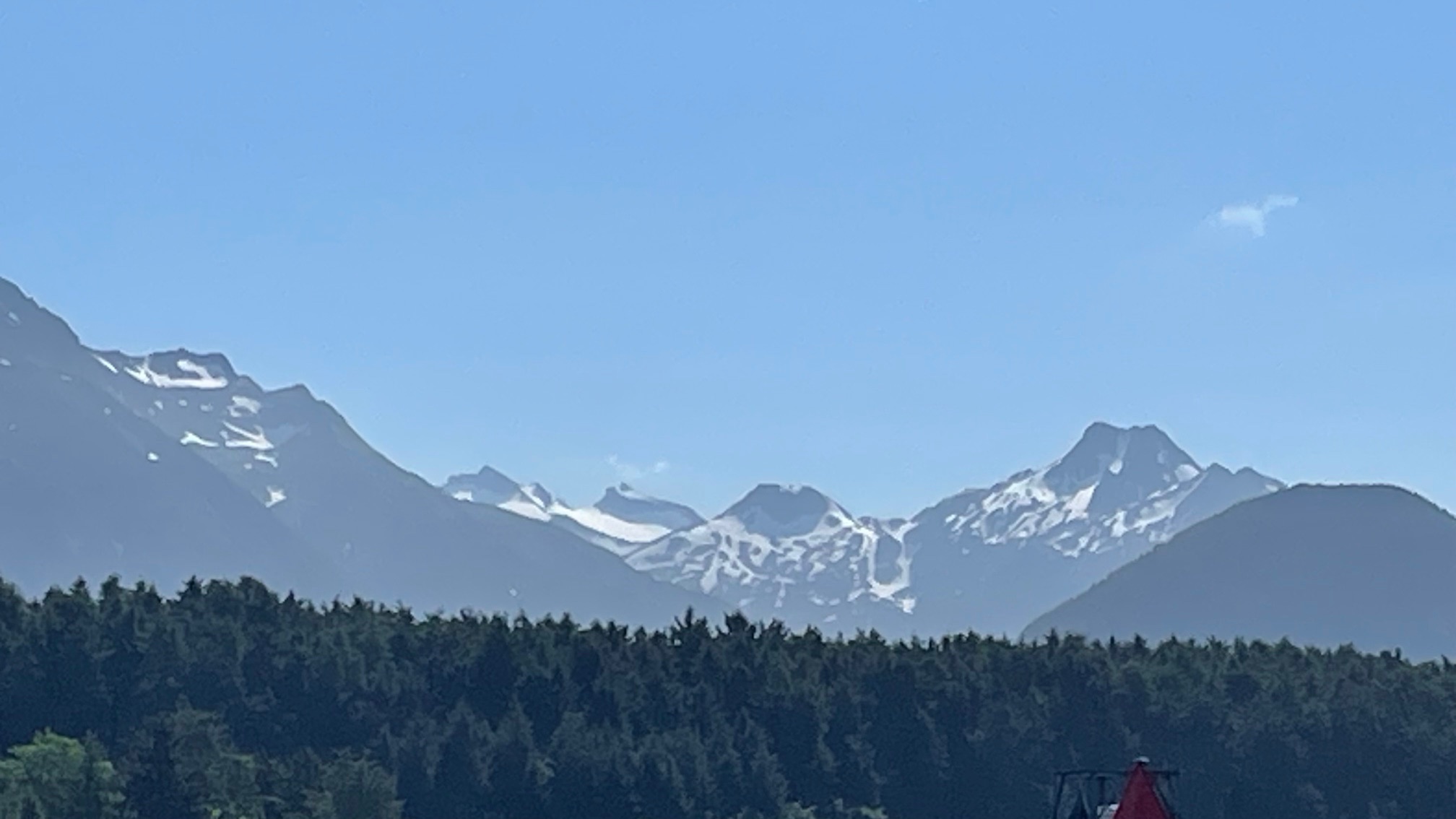
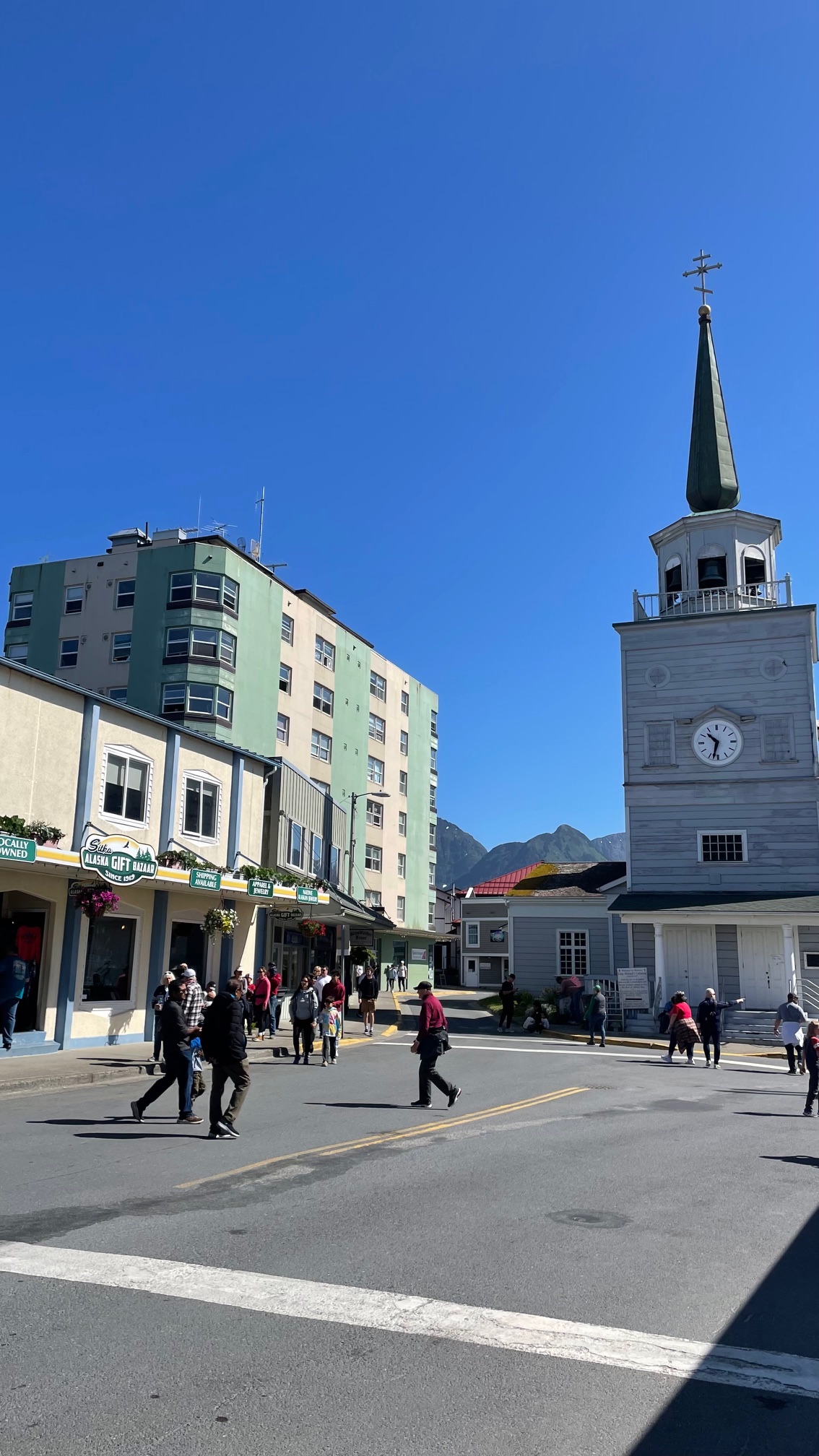
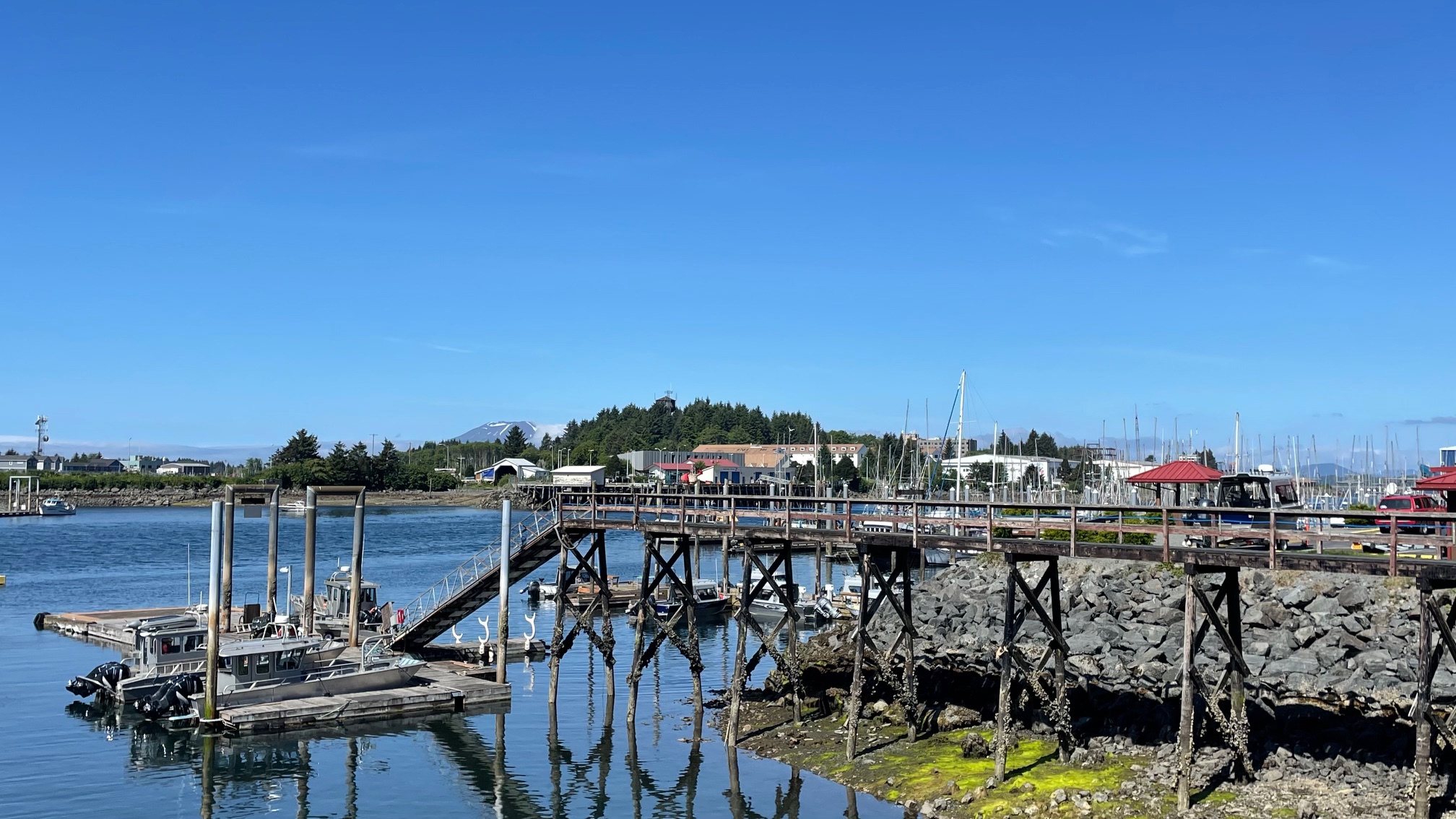
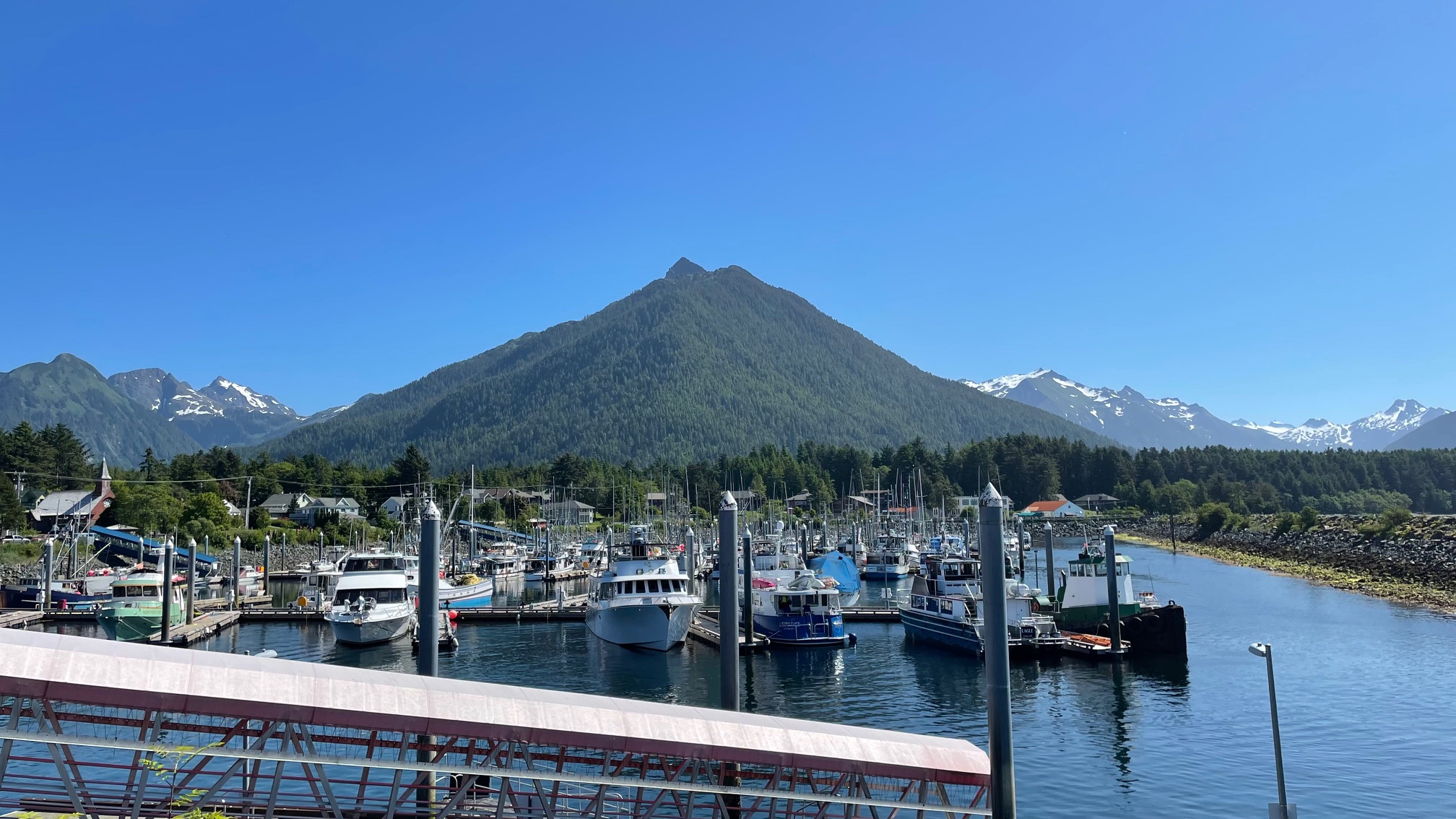
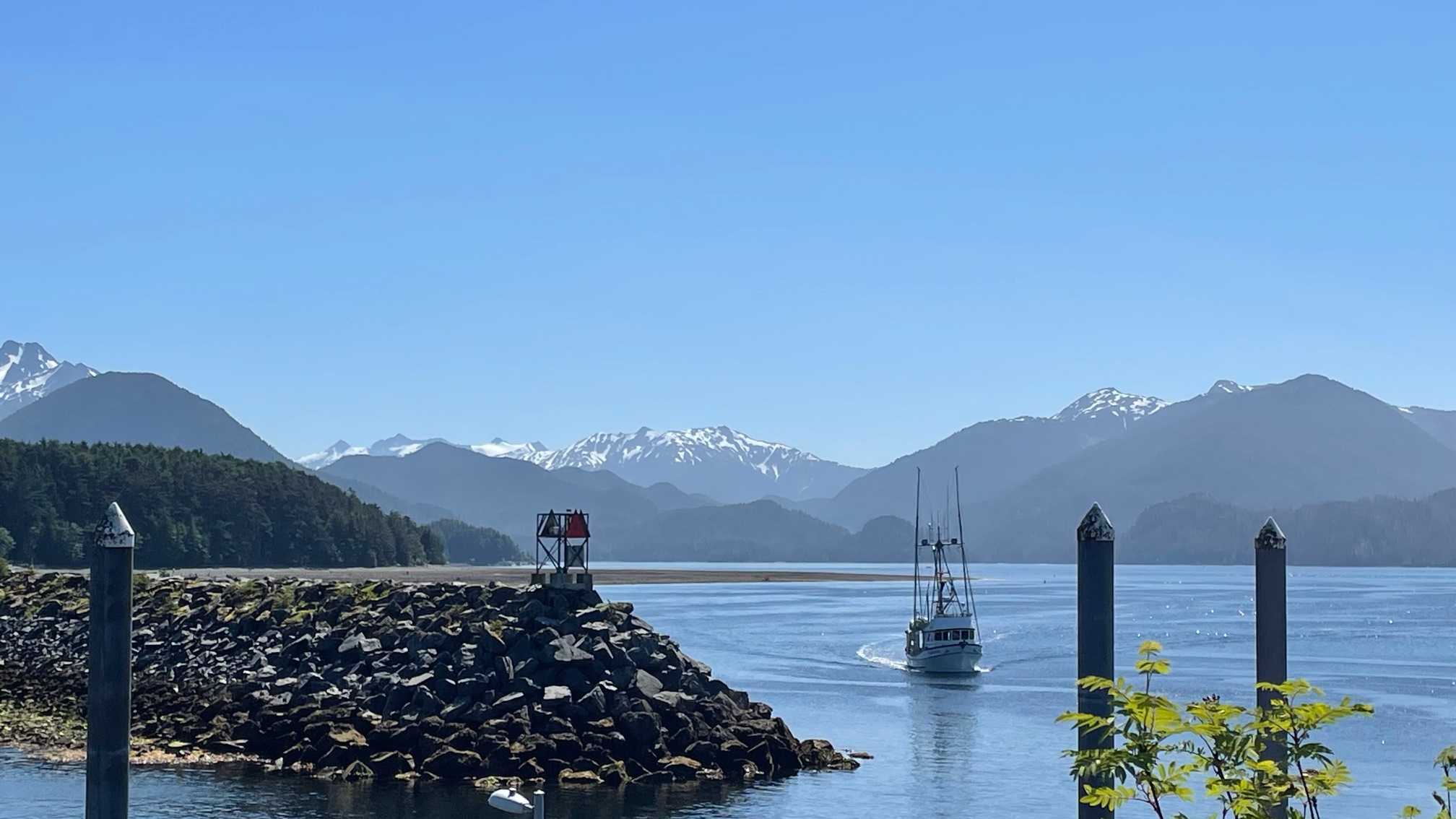
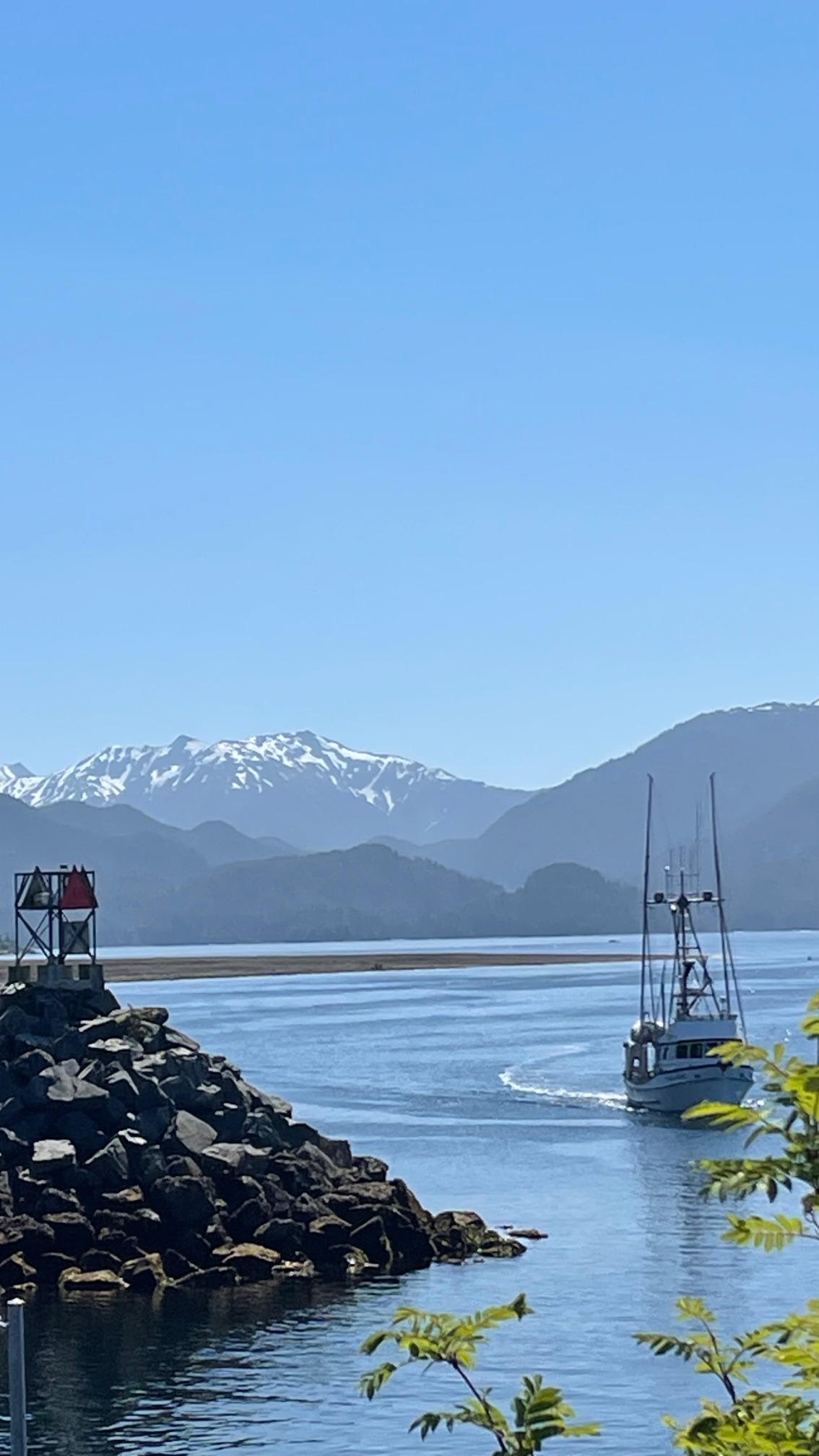
Sitka, Alaska

Welcome to Sitka

Camera: iPhone 12

Location: Sitka, Alaska, United States

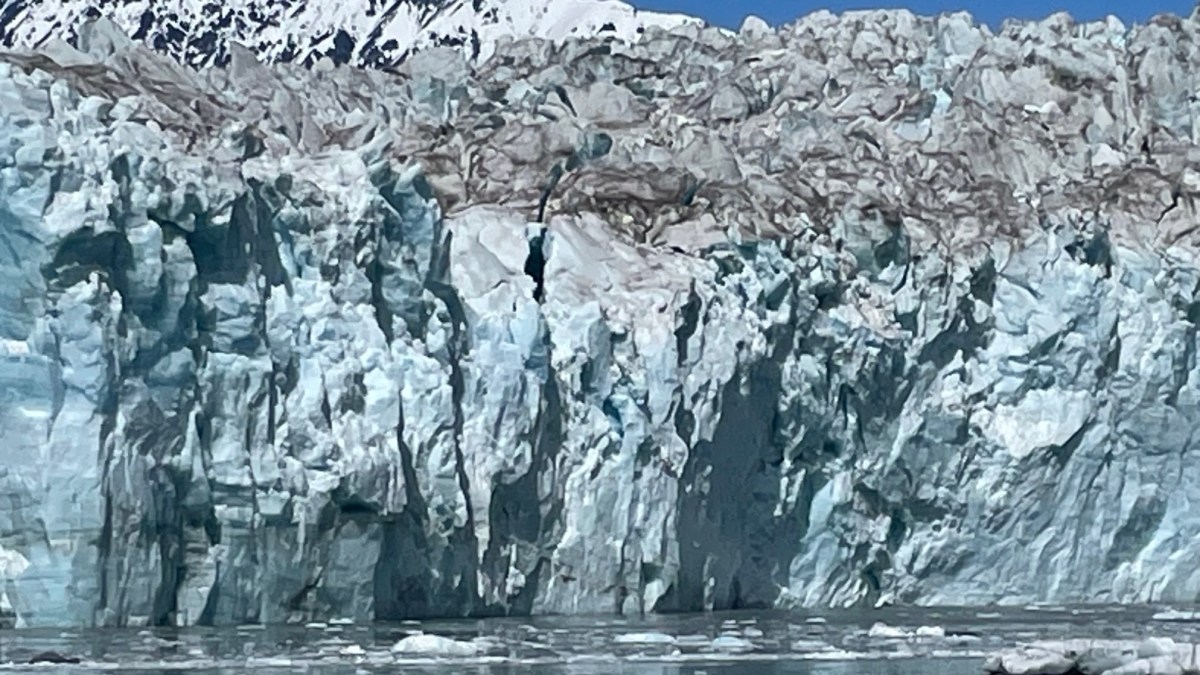
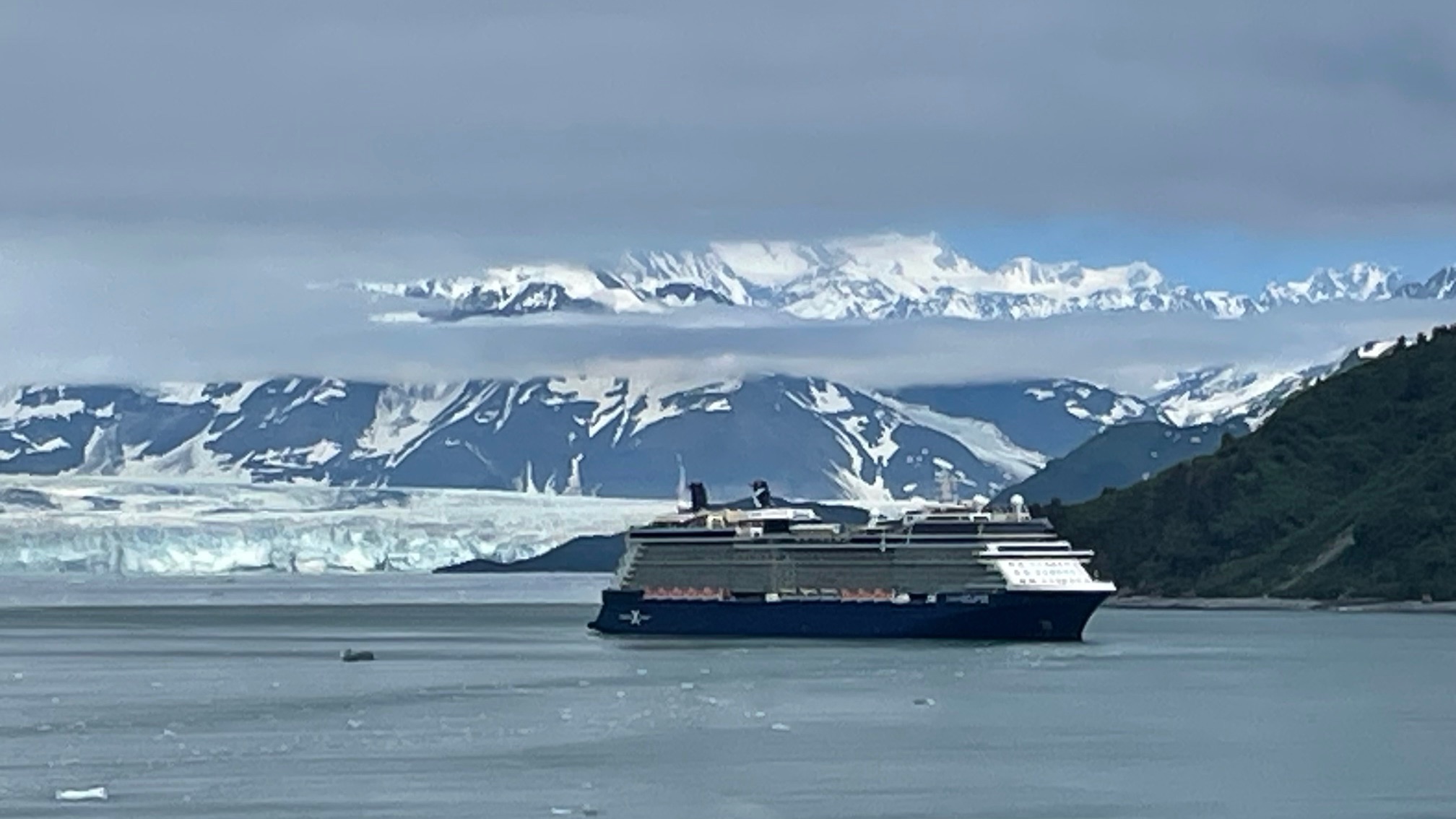
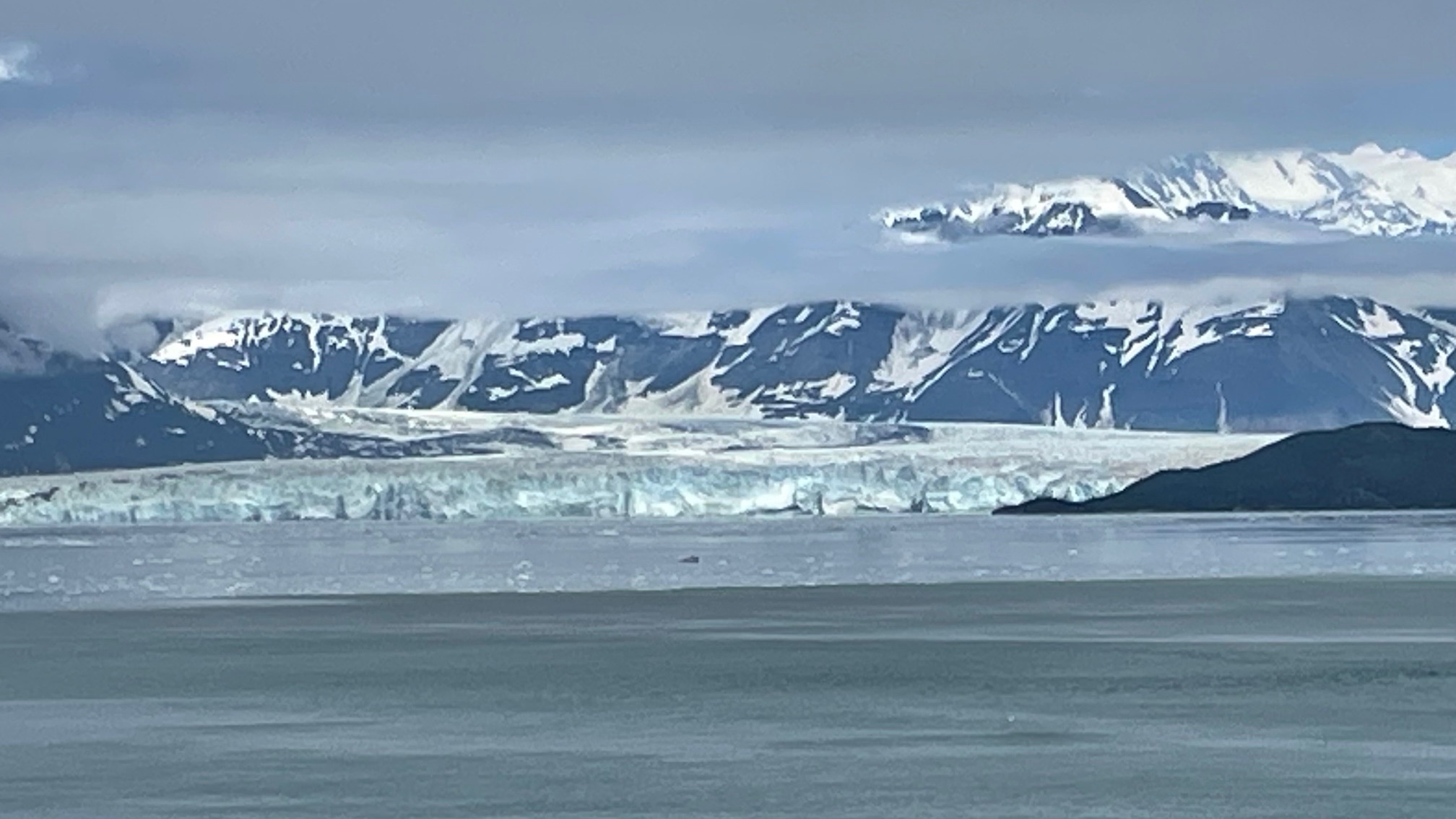
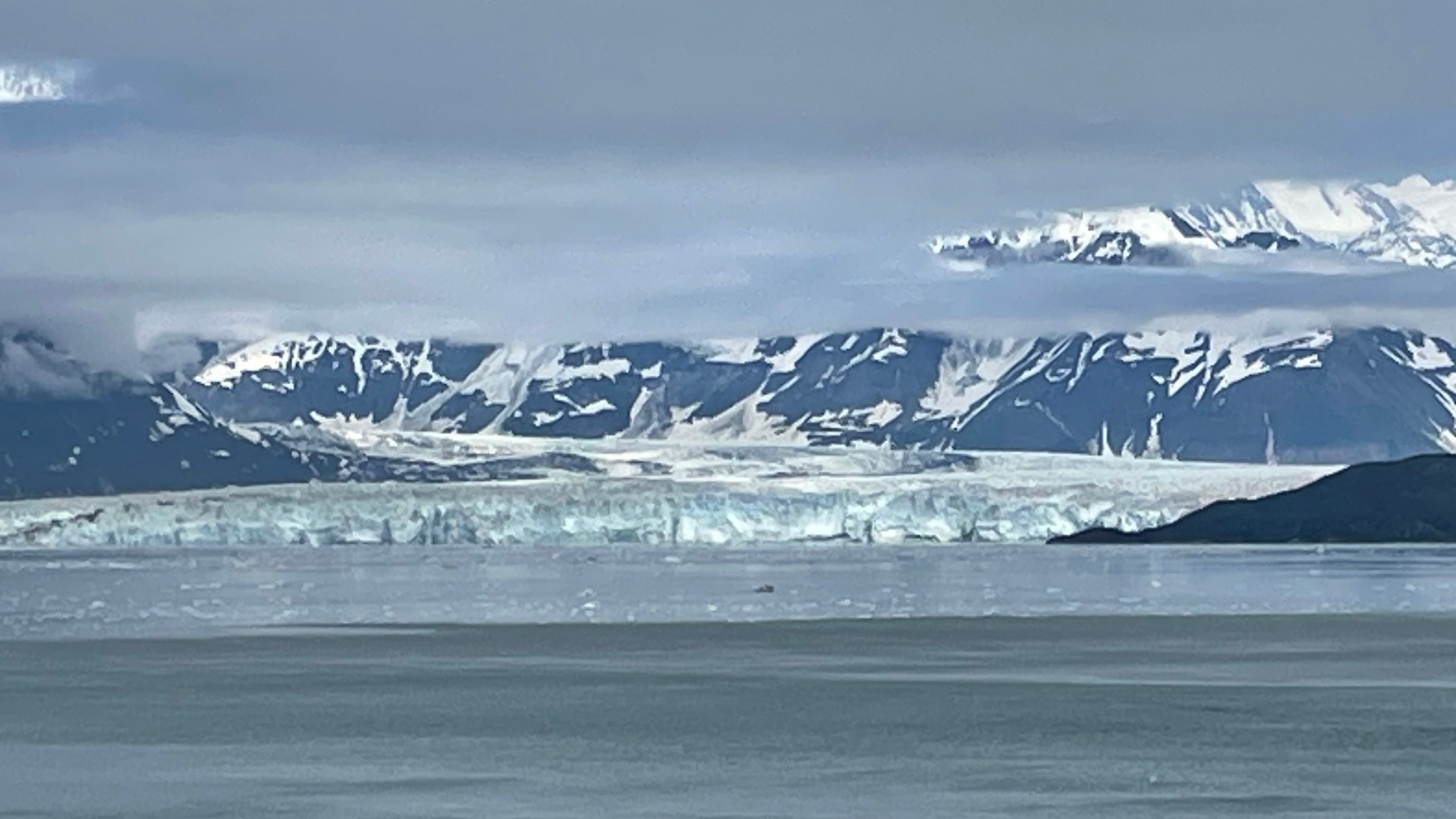
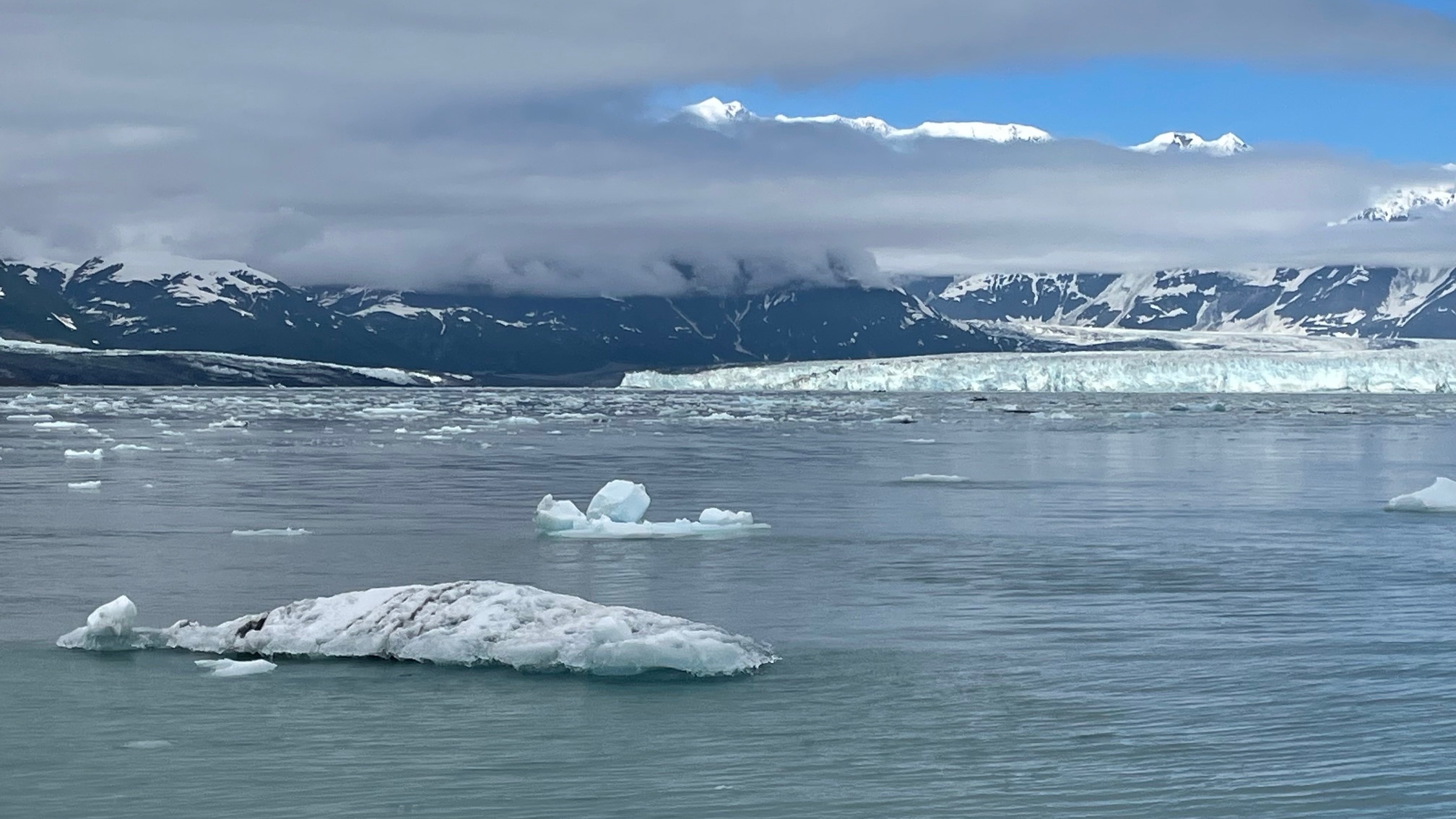
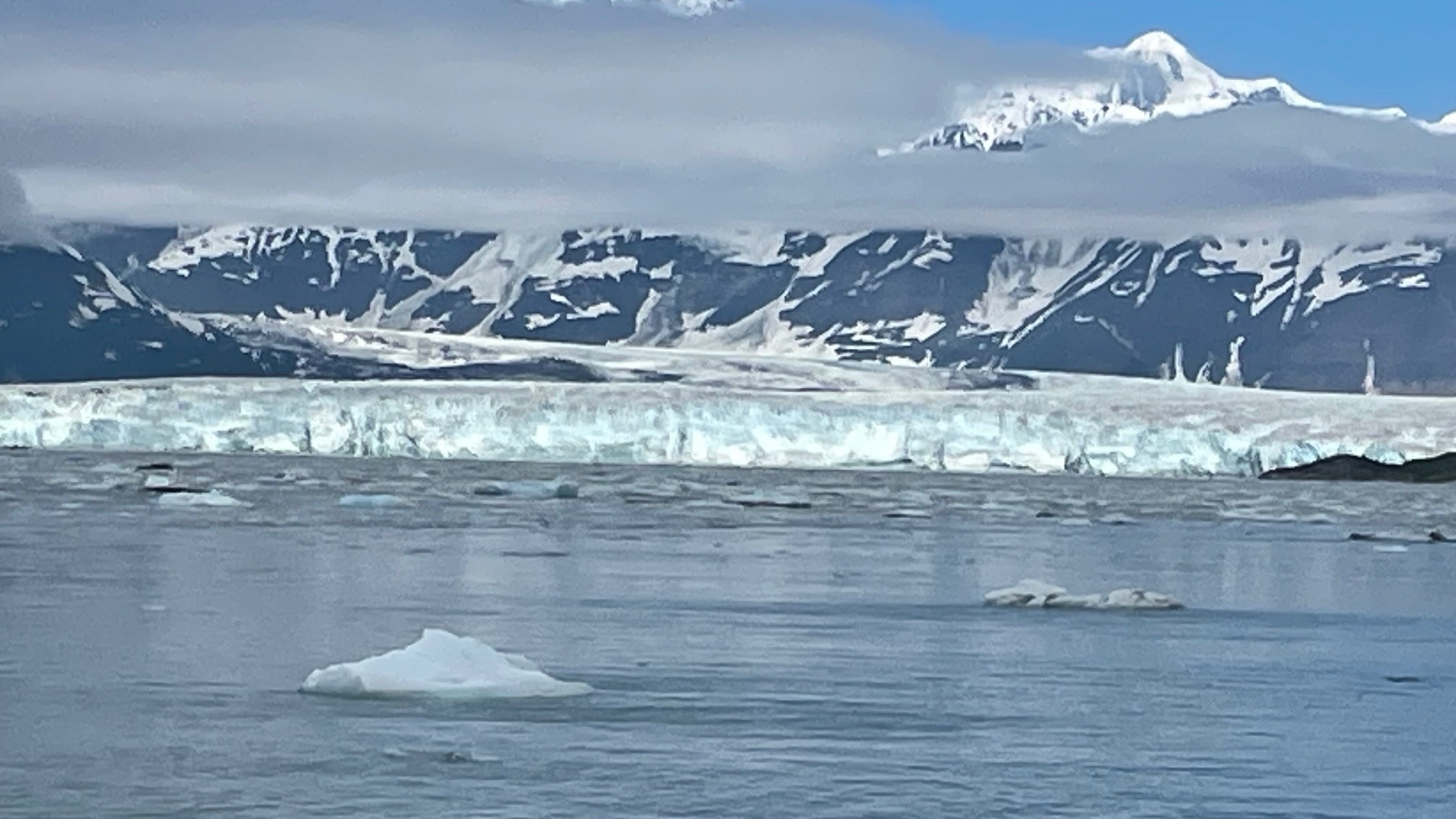
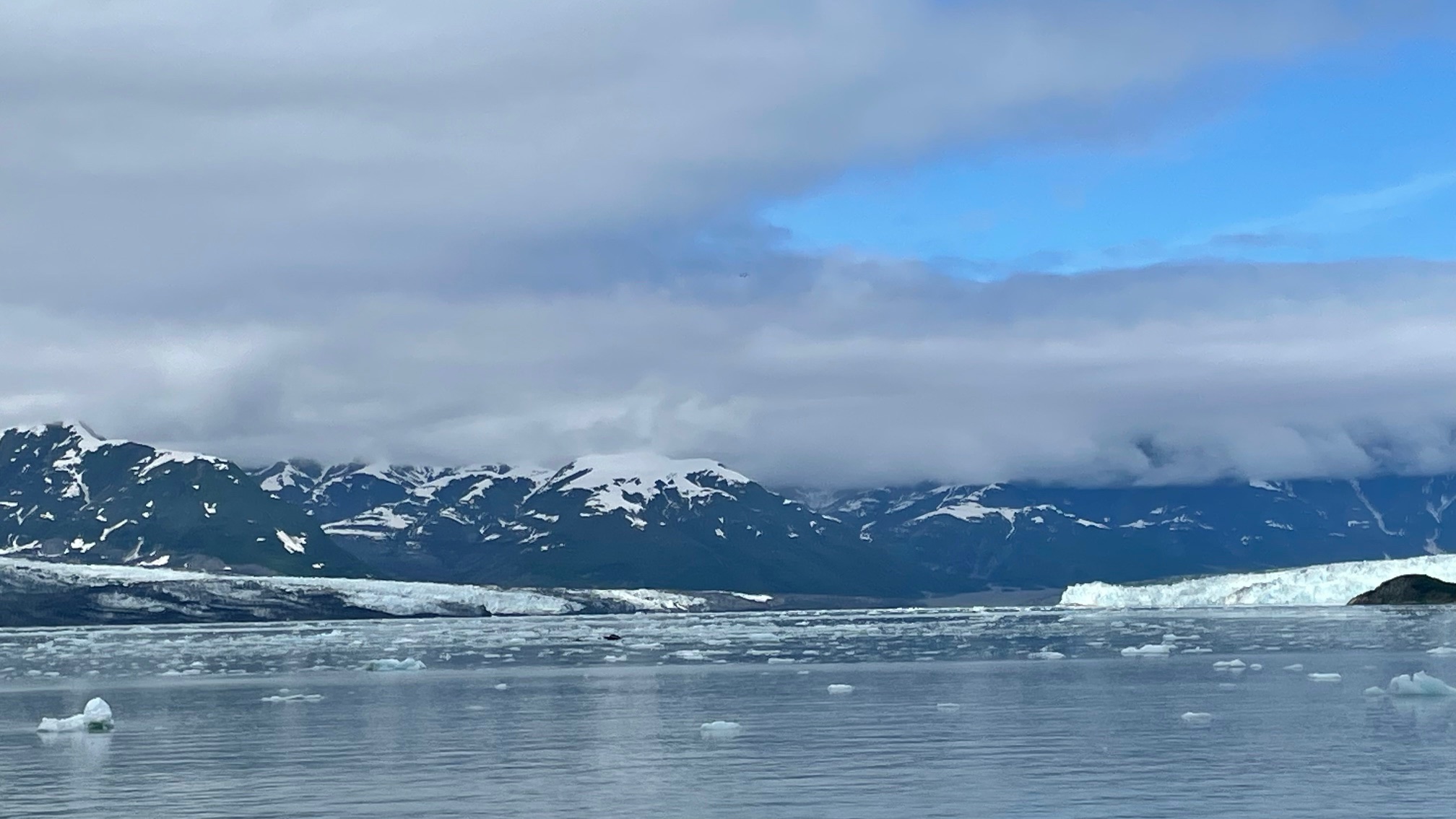
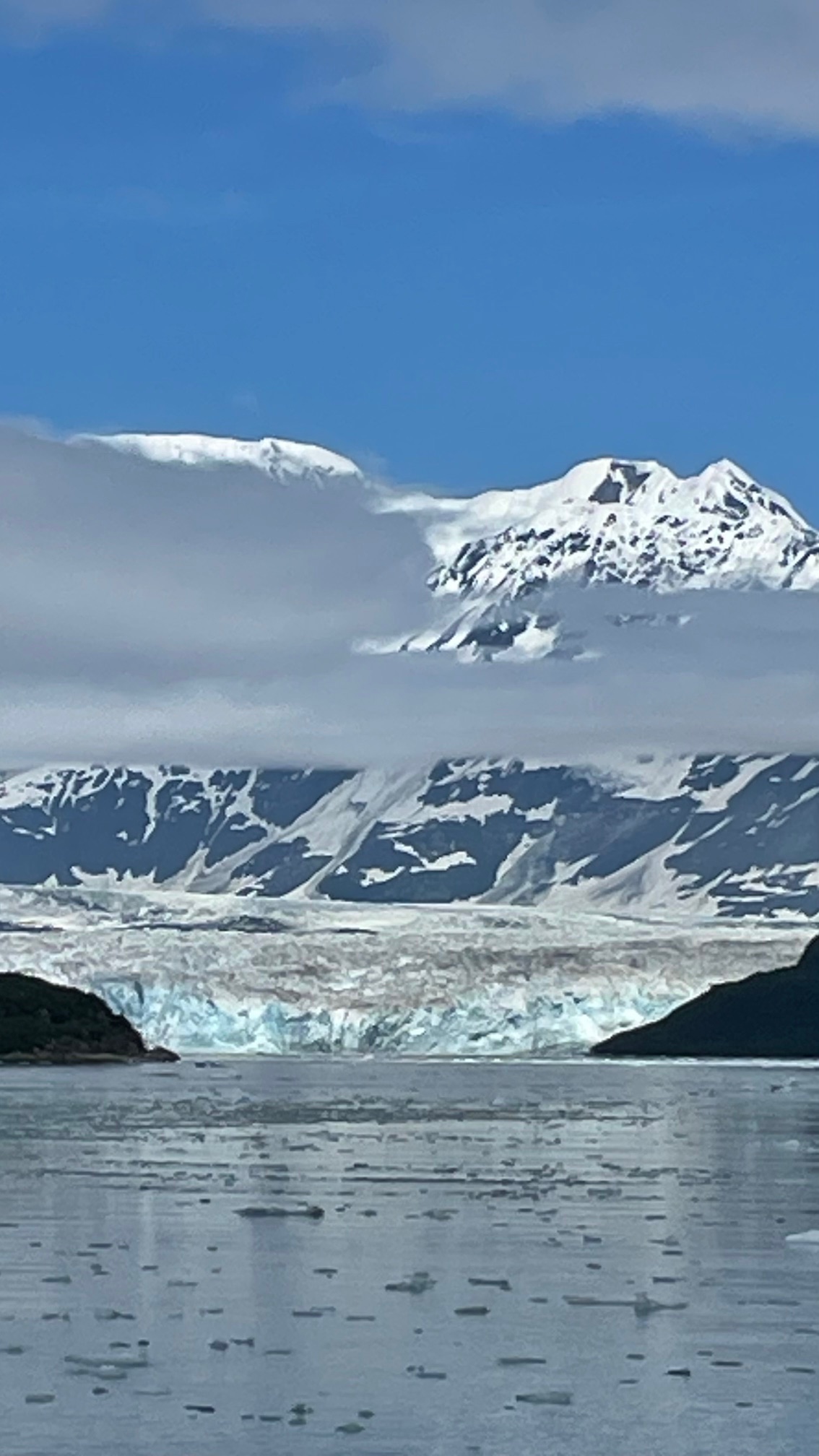
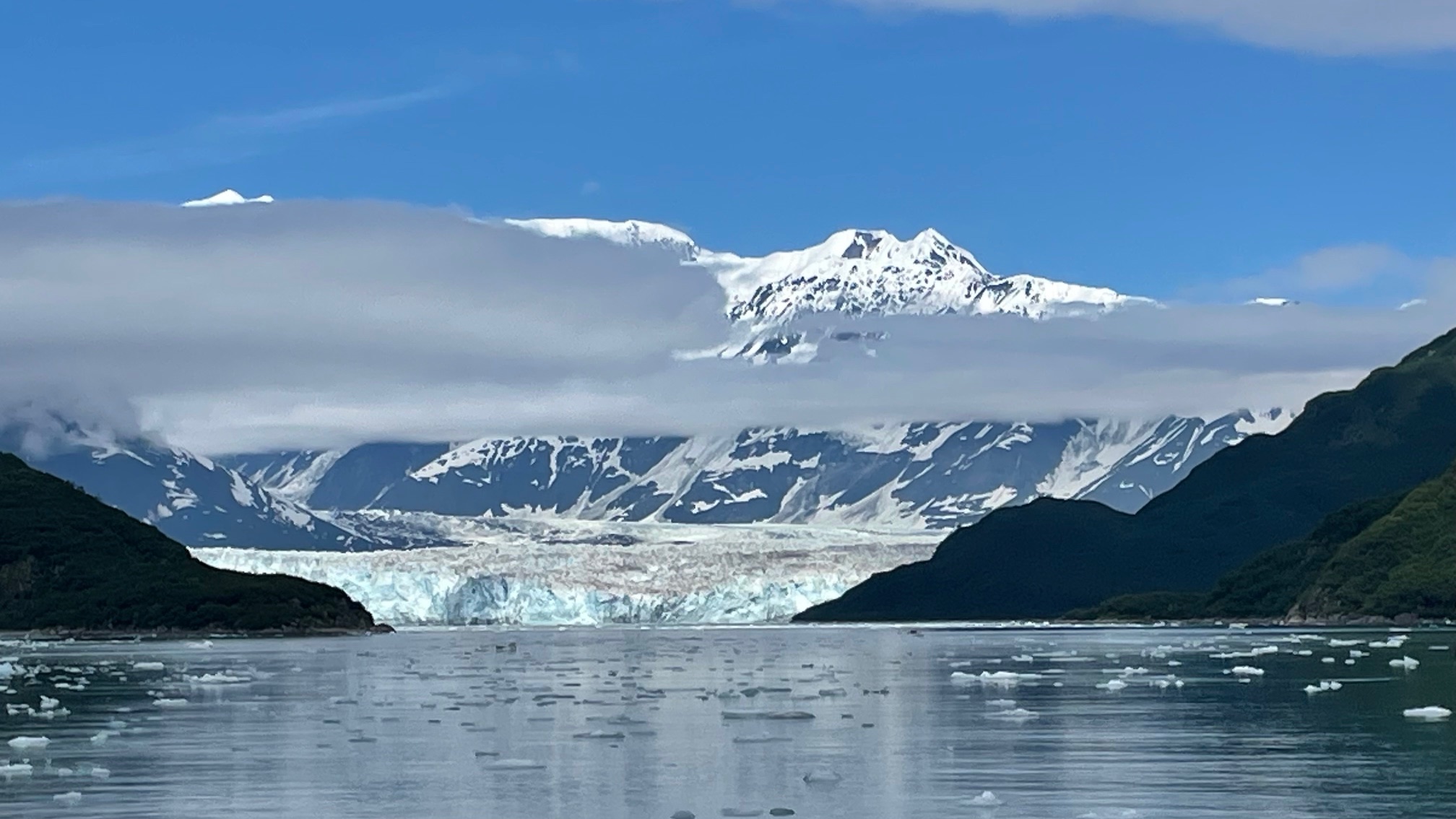
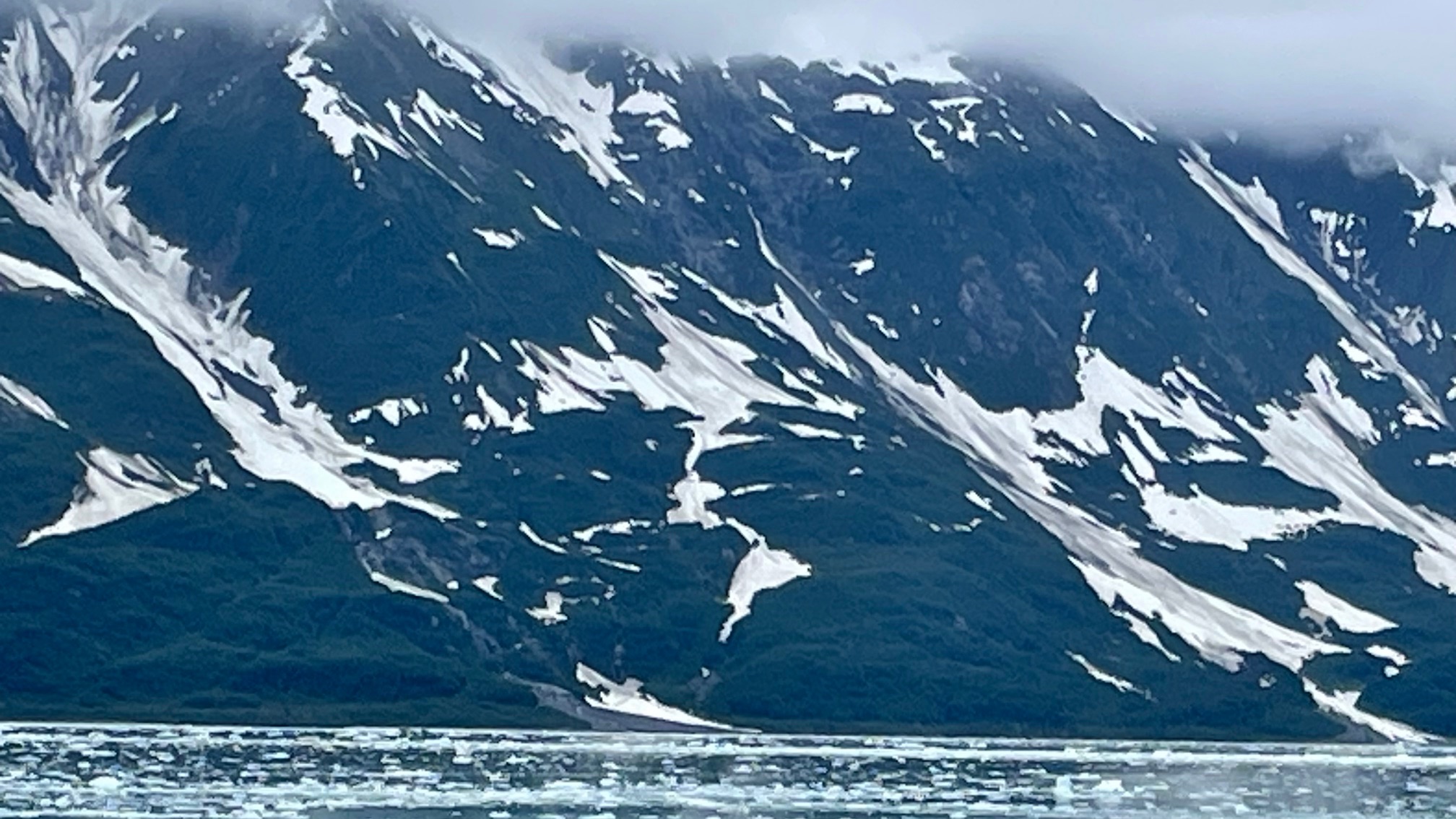
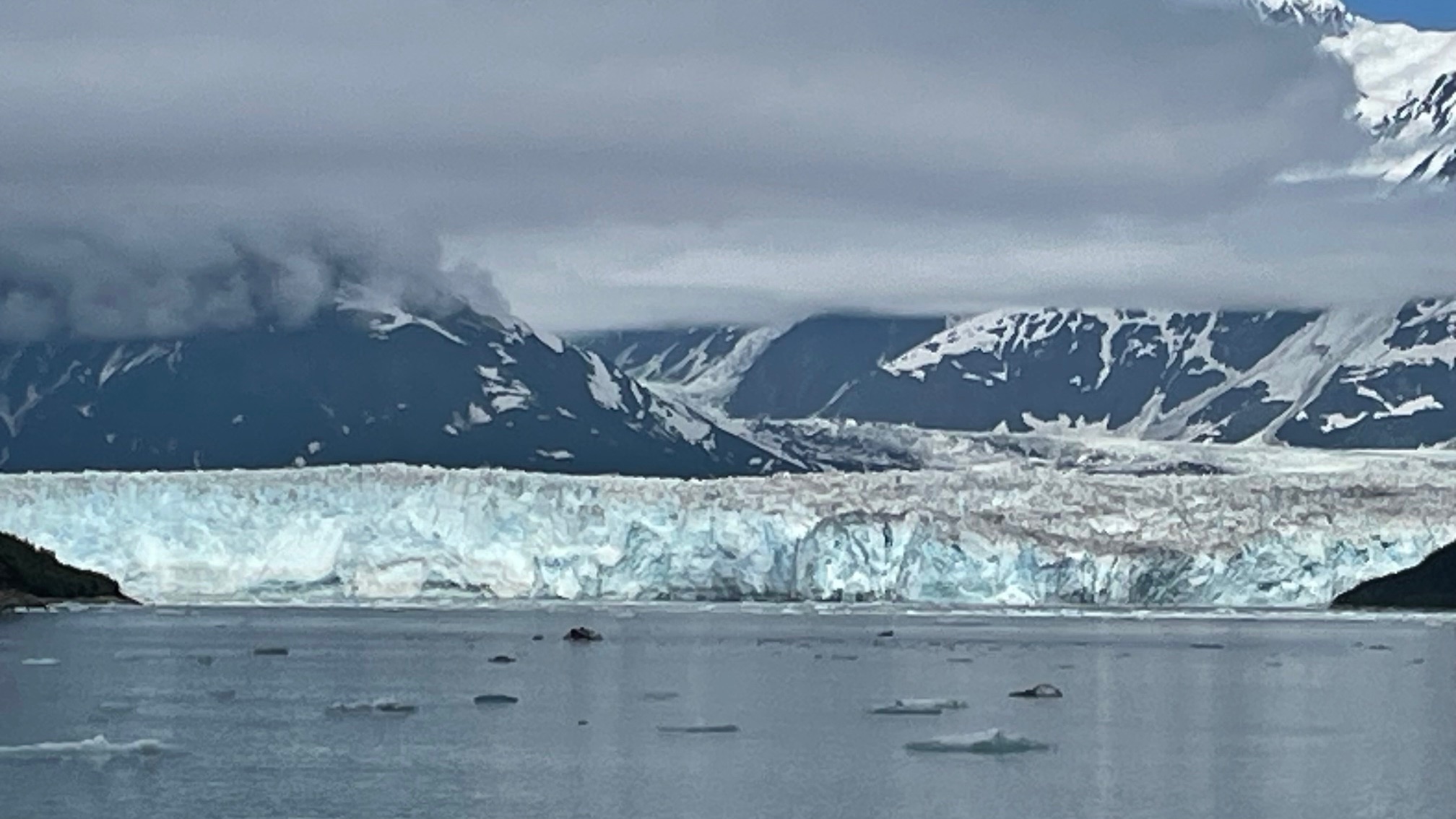
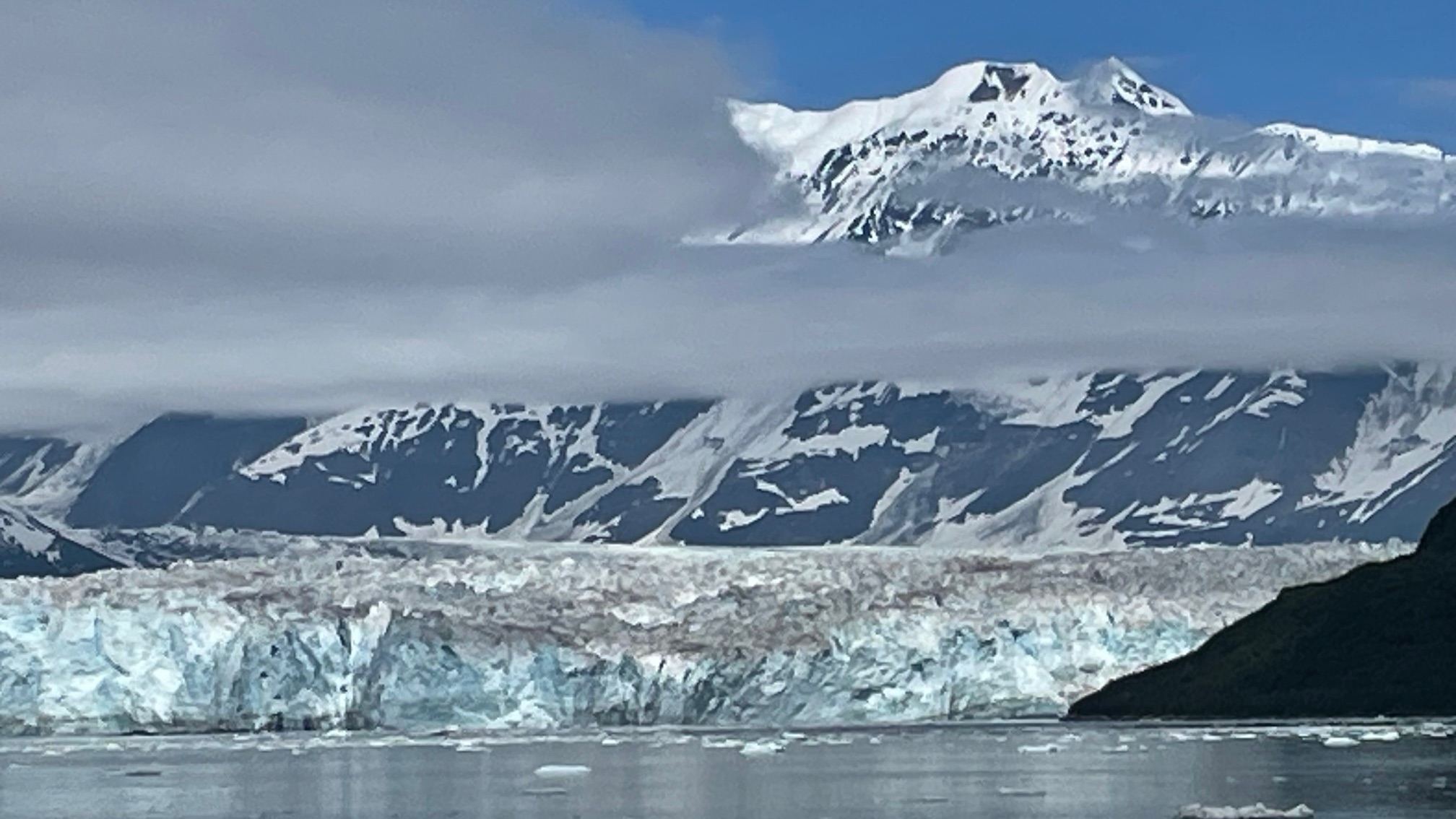
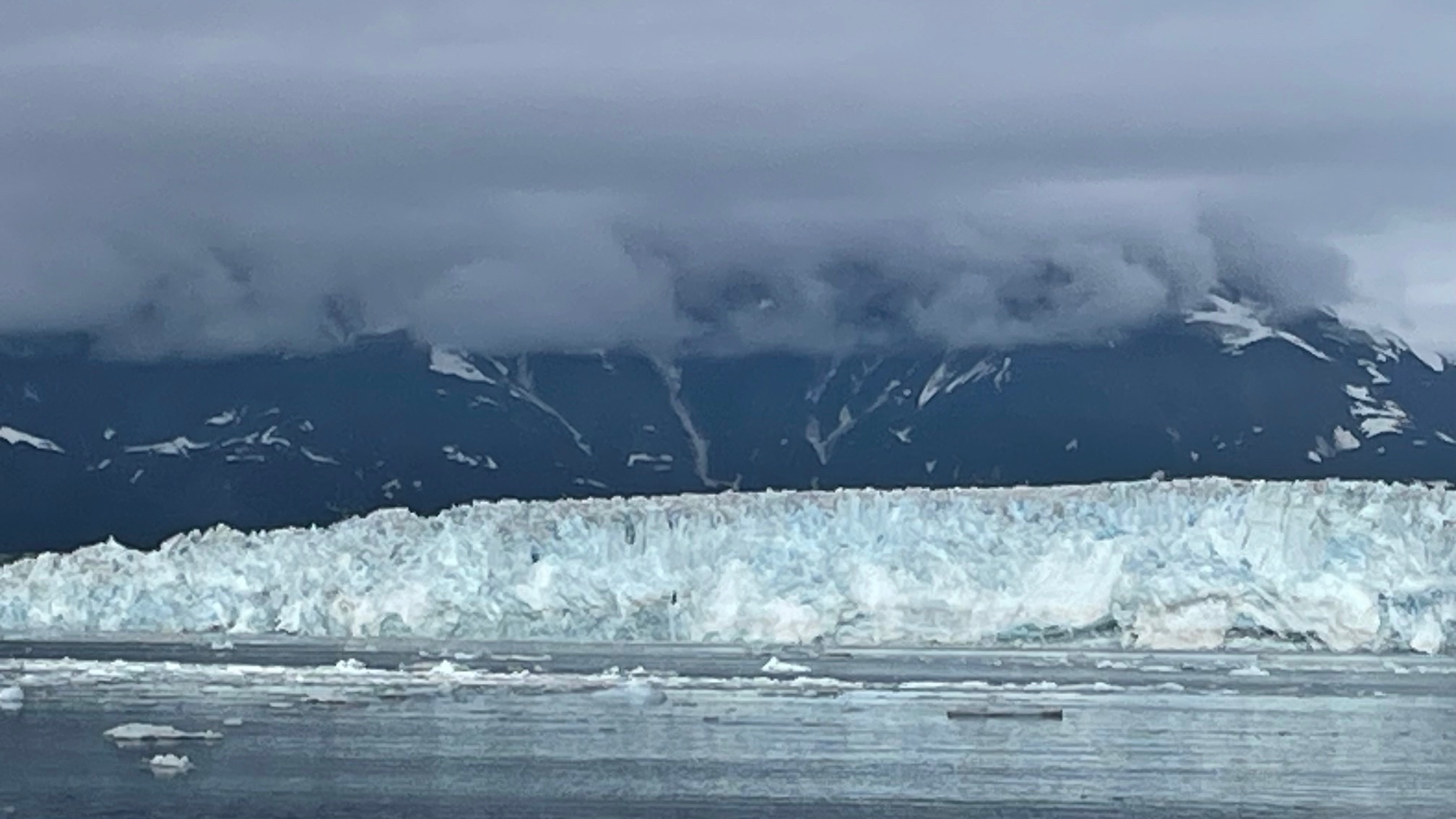
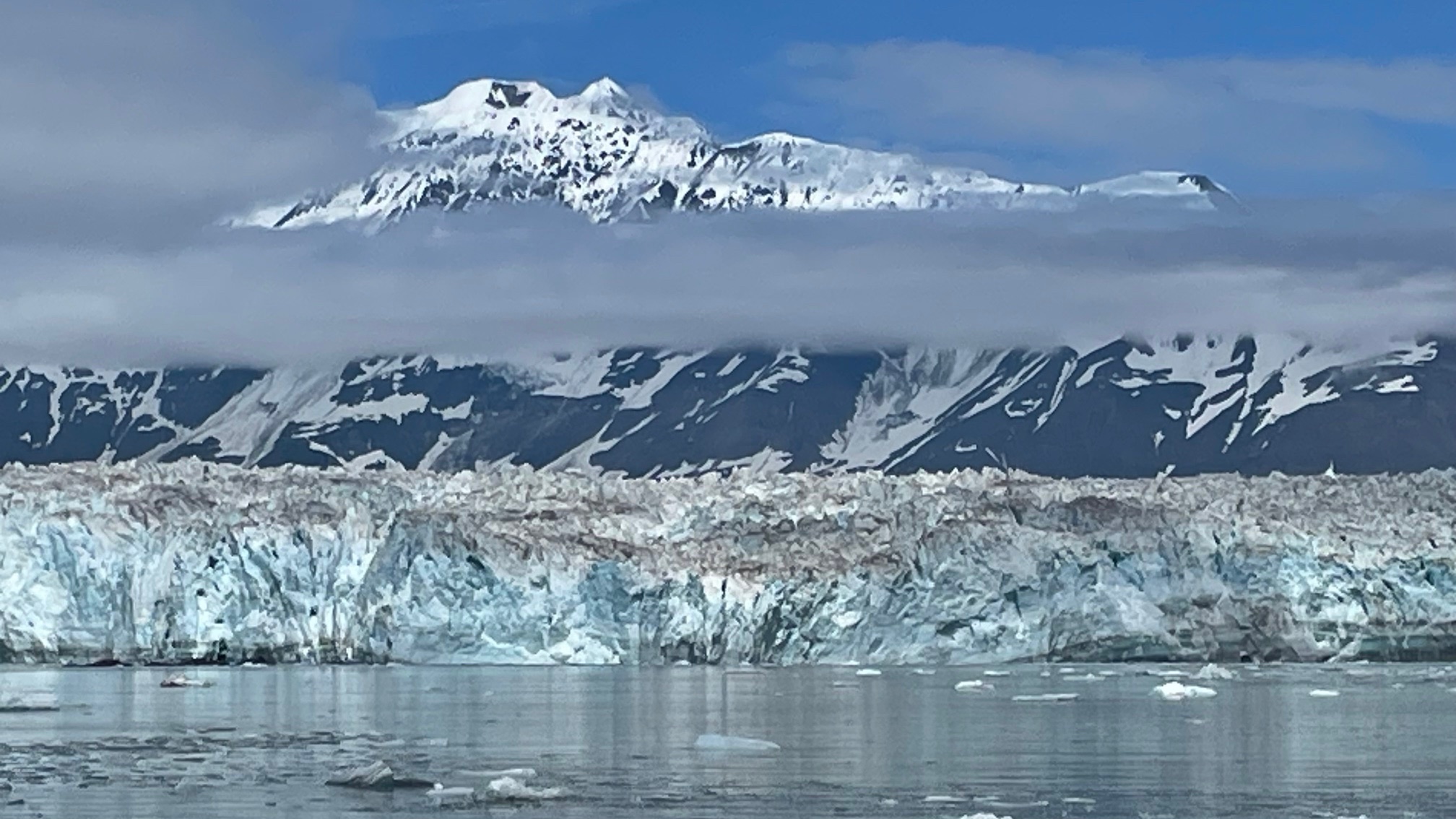
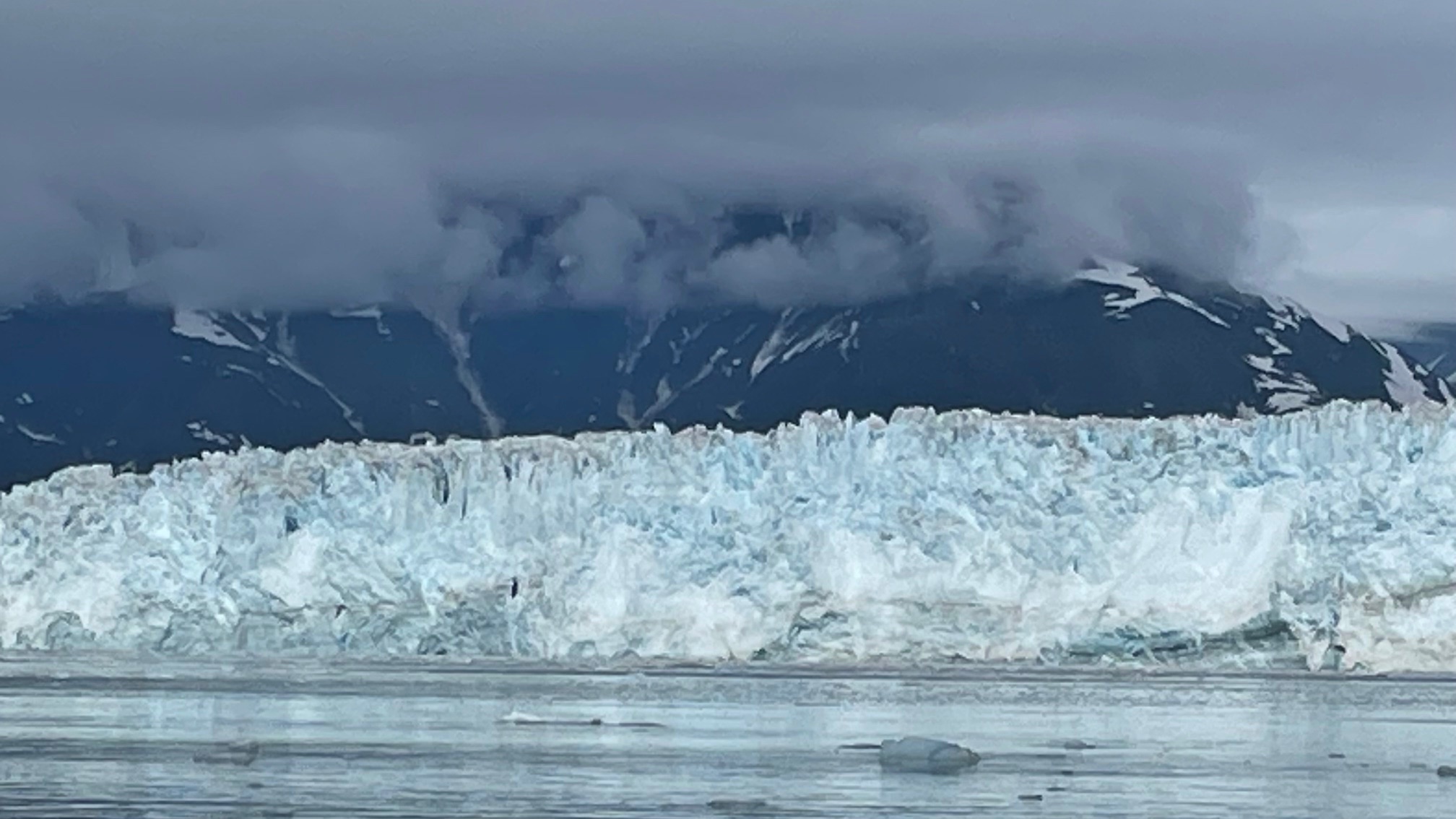
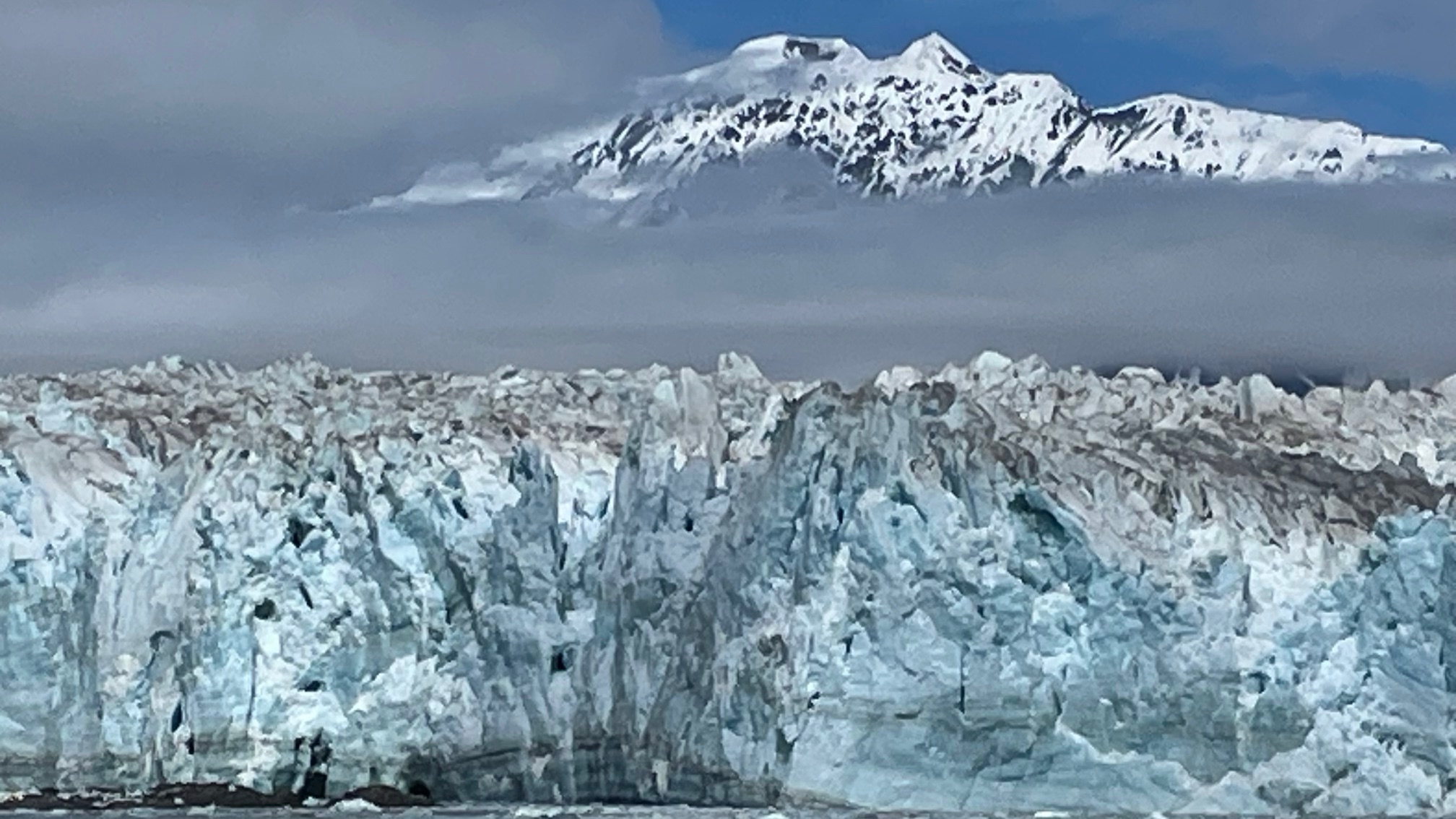
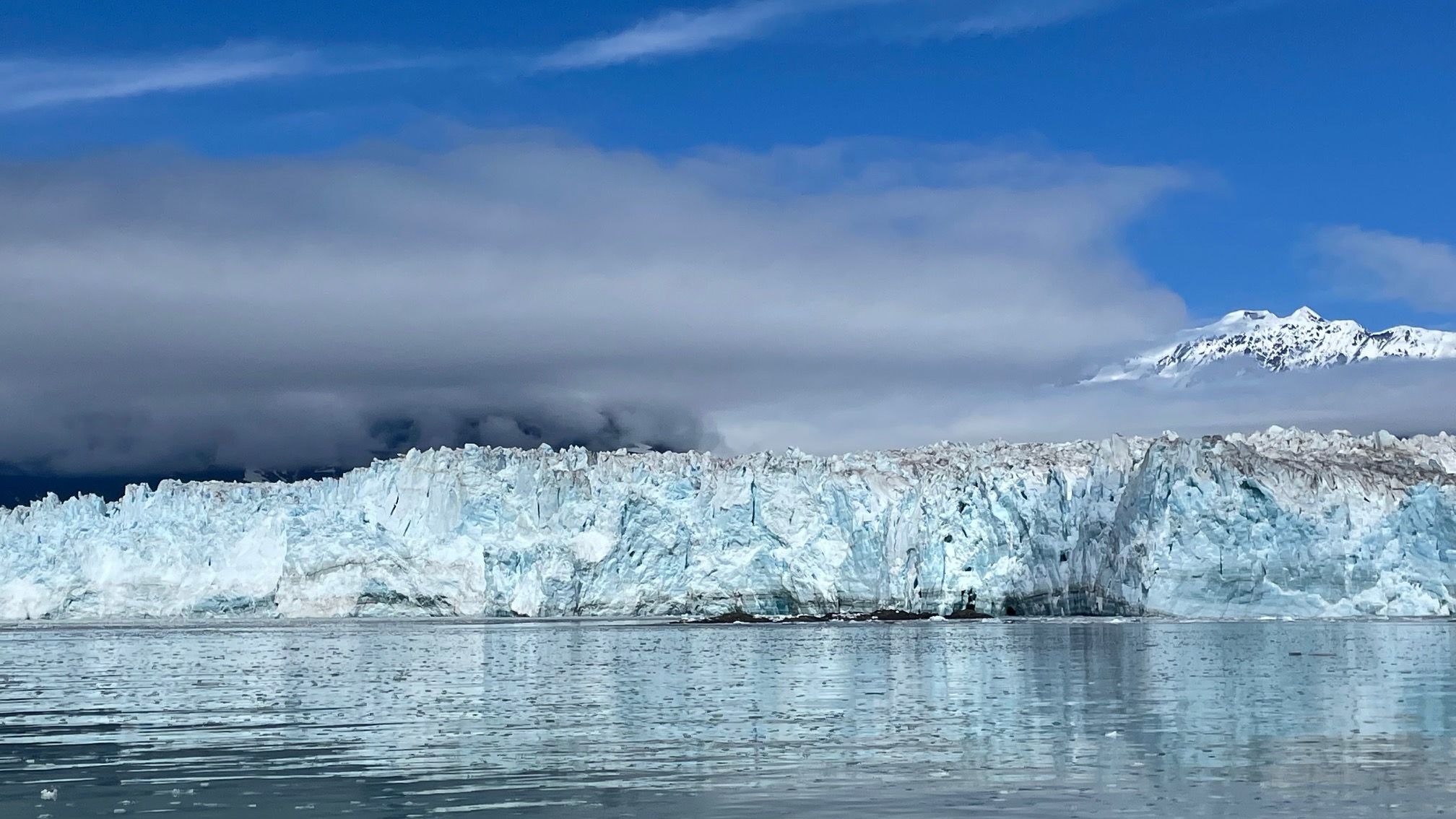
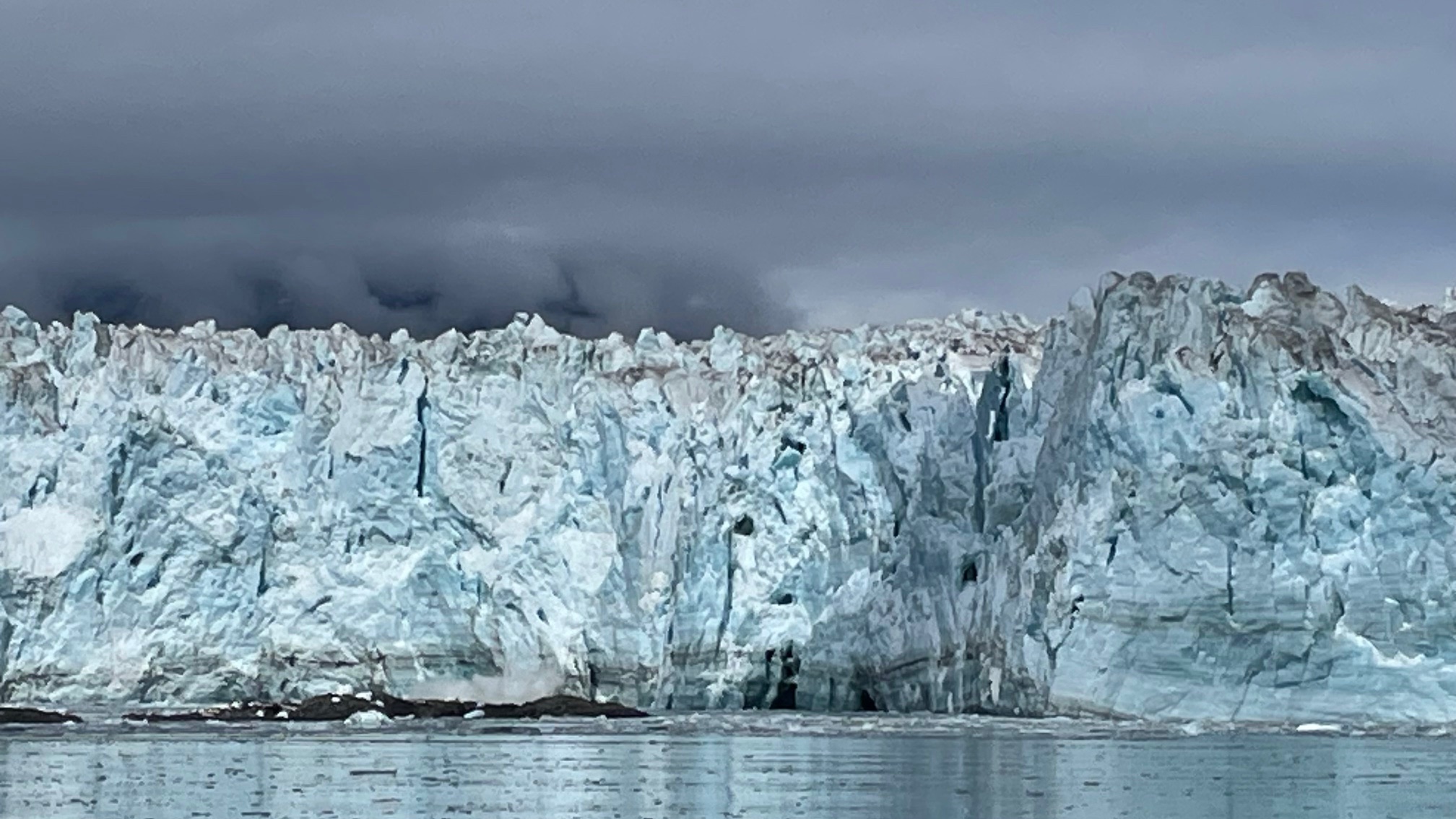
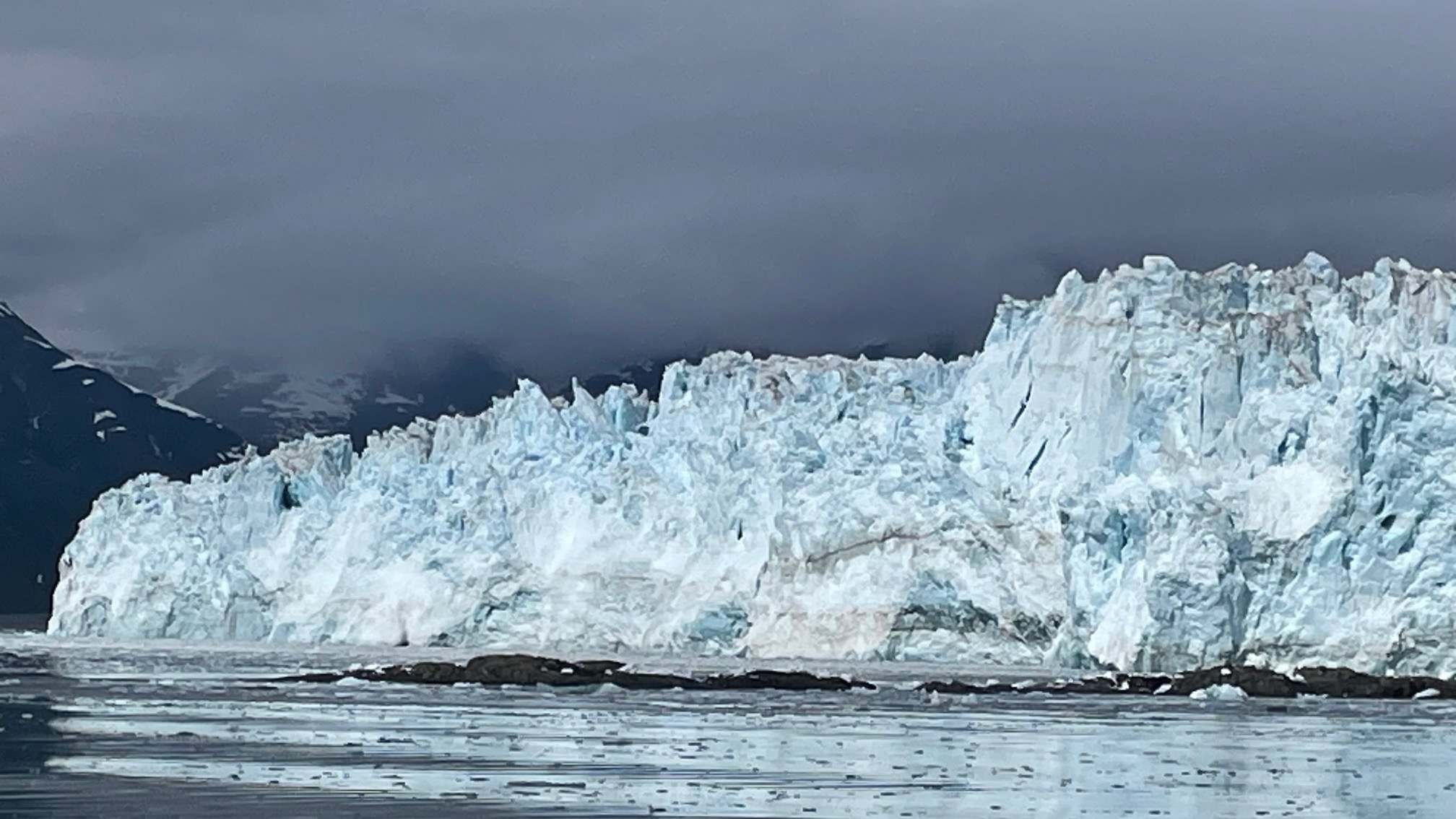
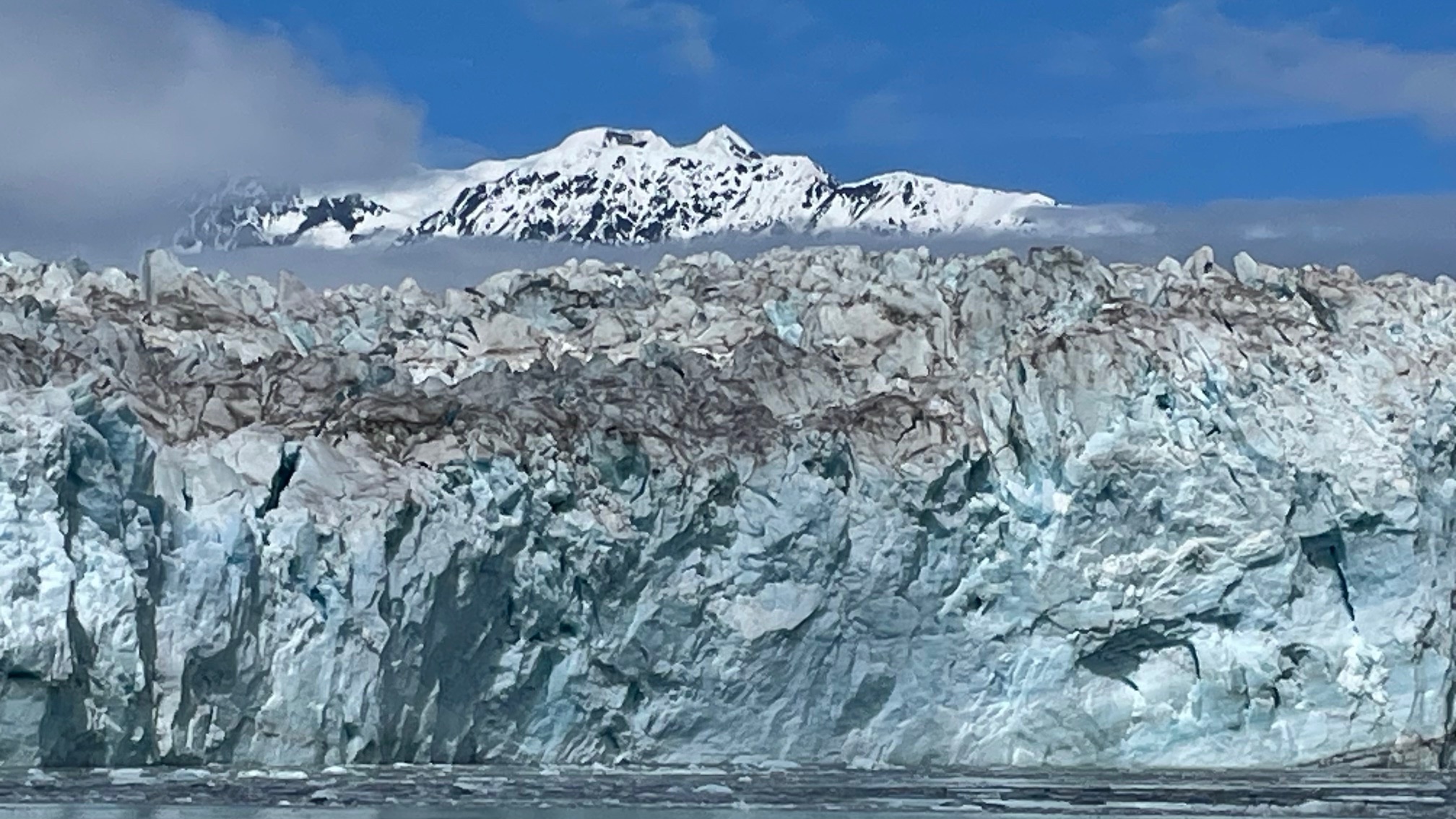
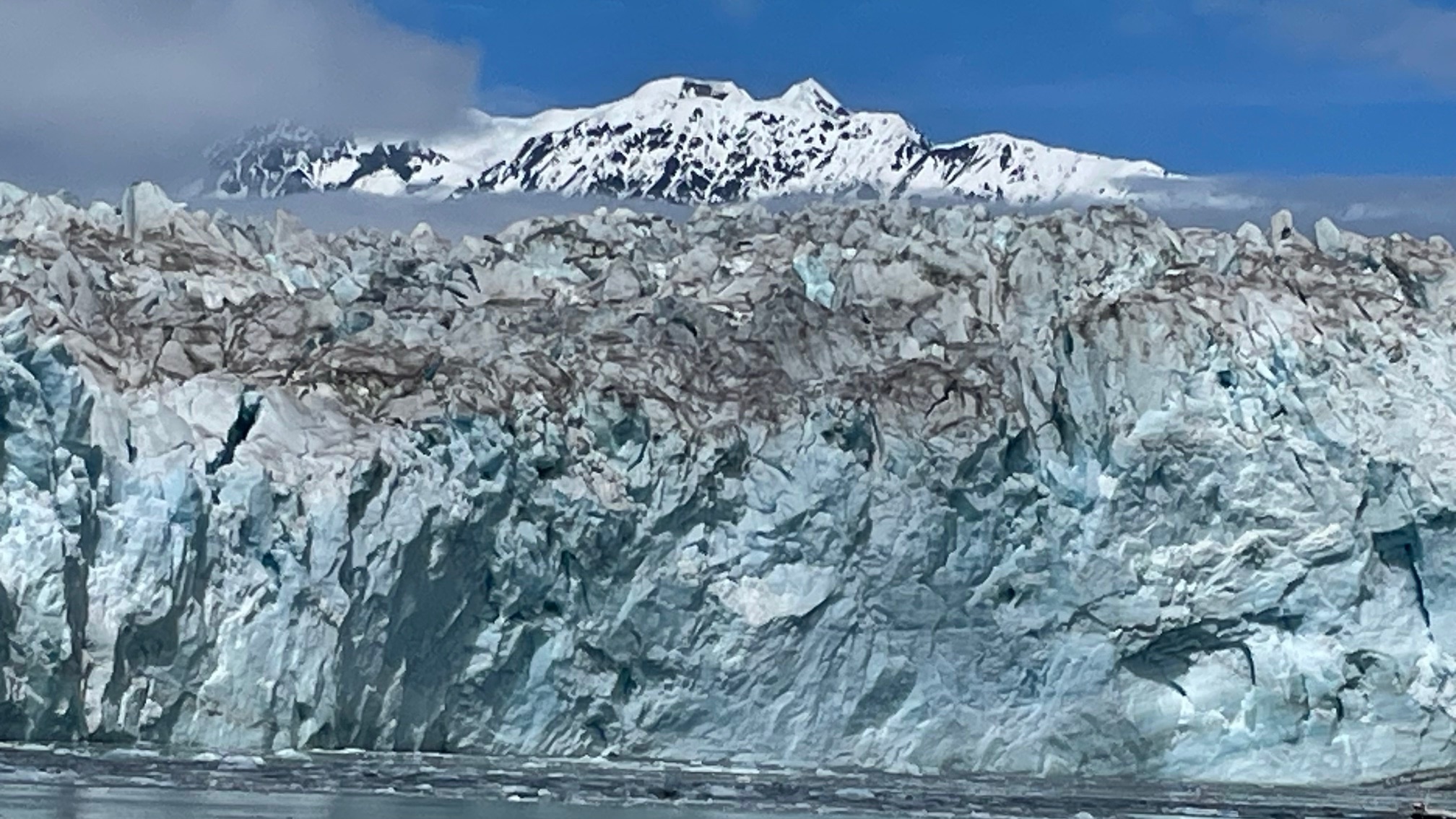
The Hubbard Glacier

Voyage through Disenchantment Bay to see the famous Hubbard Glacier

Camera: iPhone 12

Location: Hubbard Glacier, Alaska, United States