
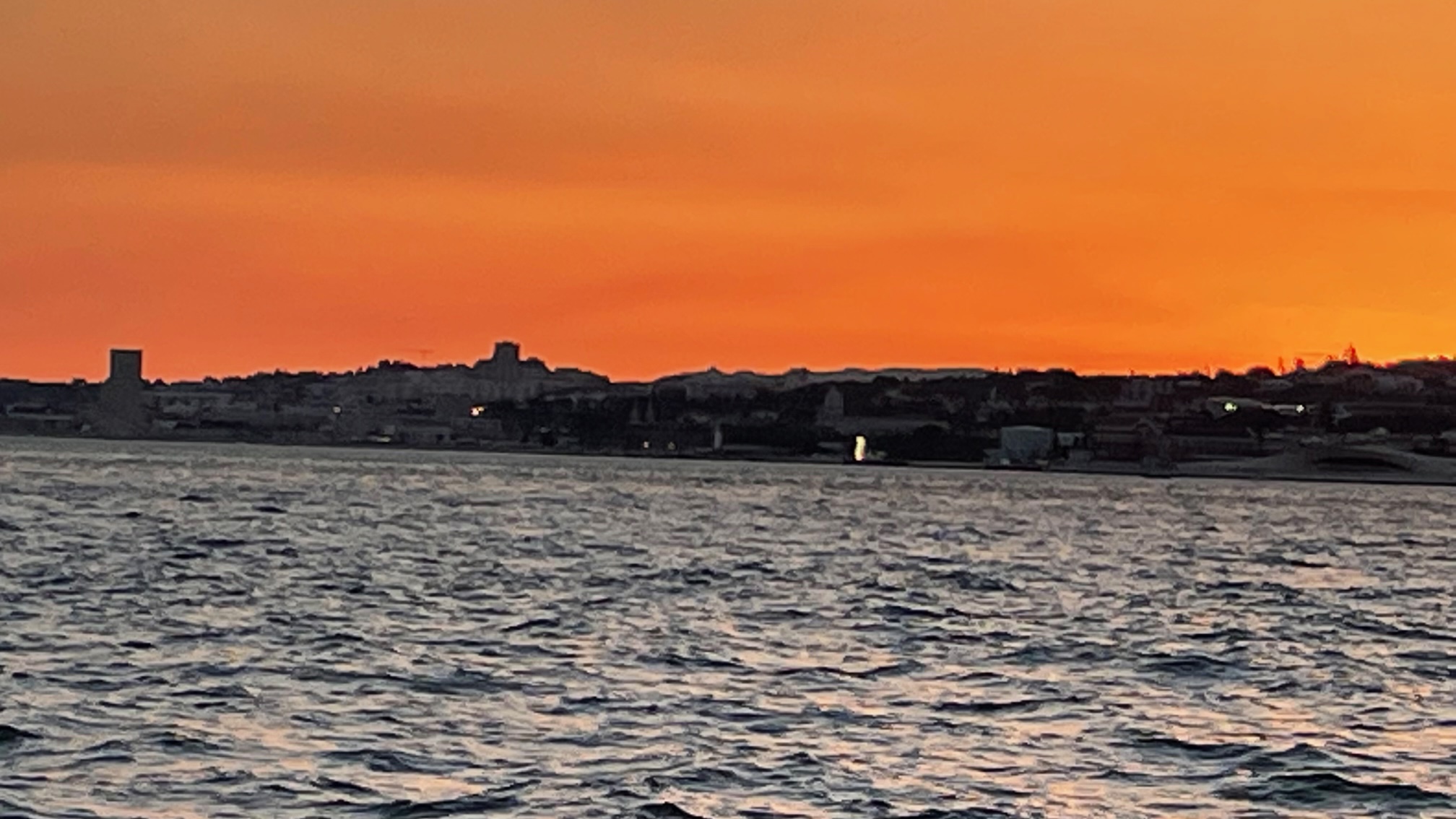




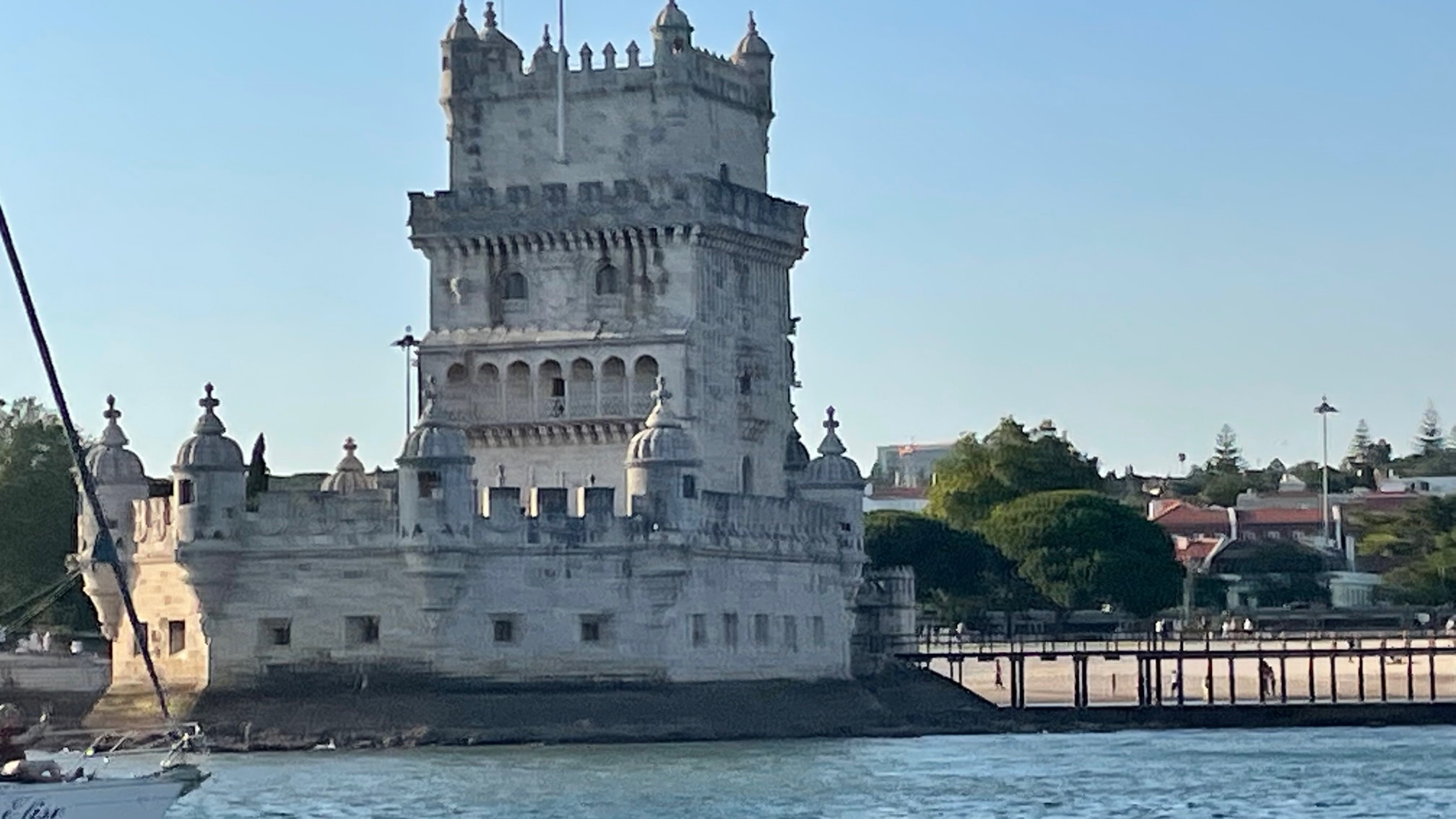
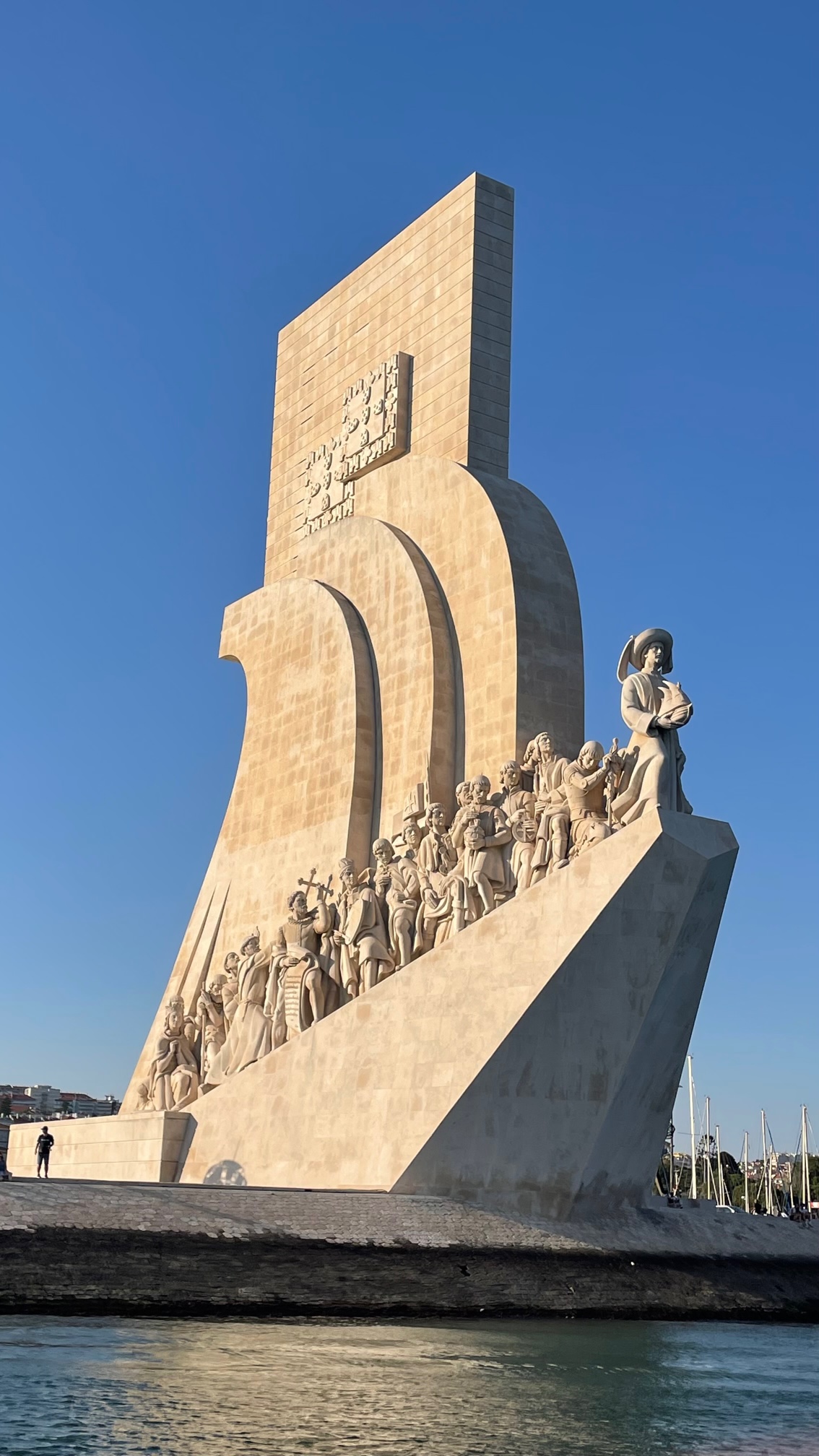
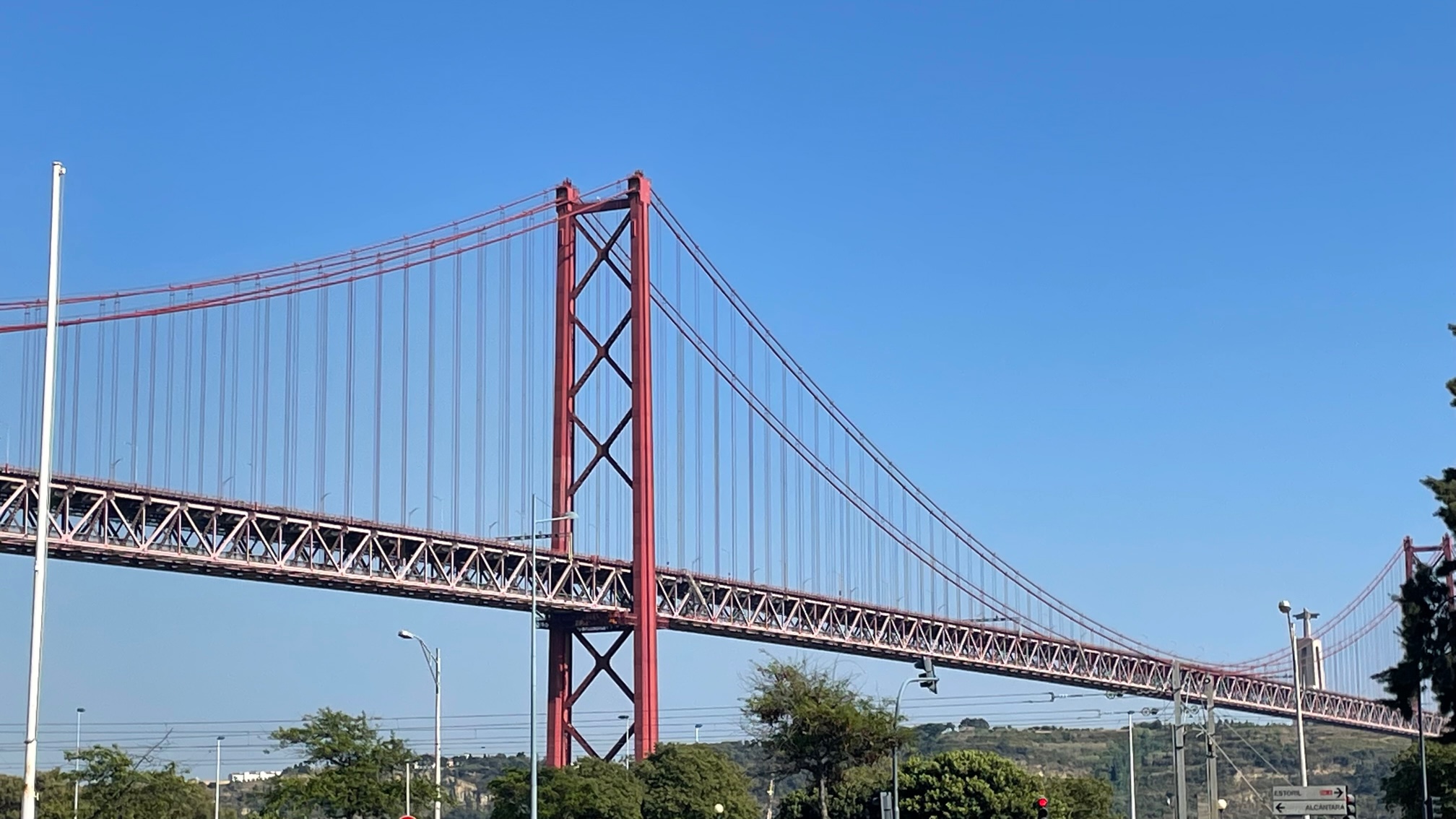
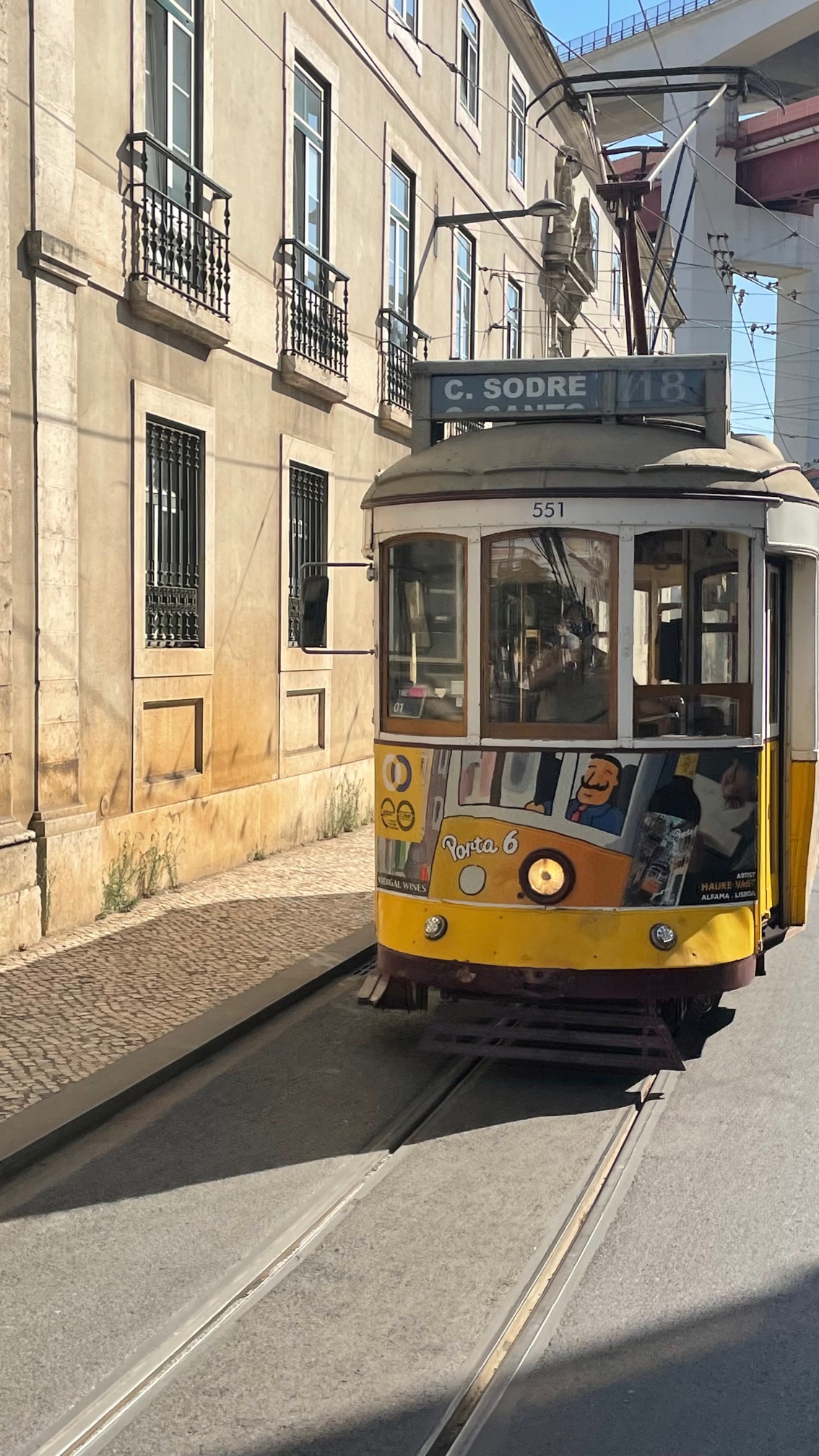

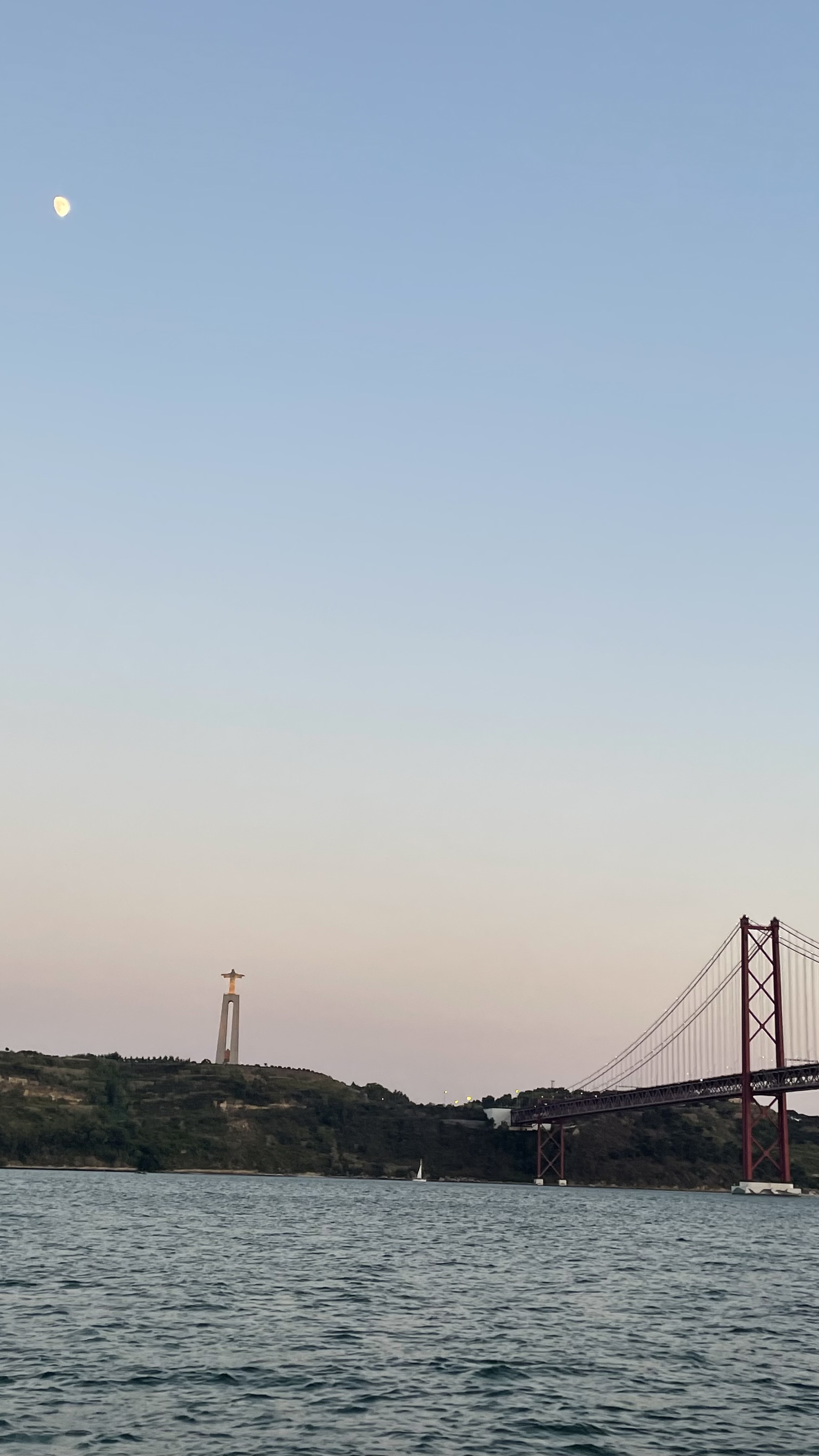



Camera: iPhone 12
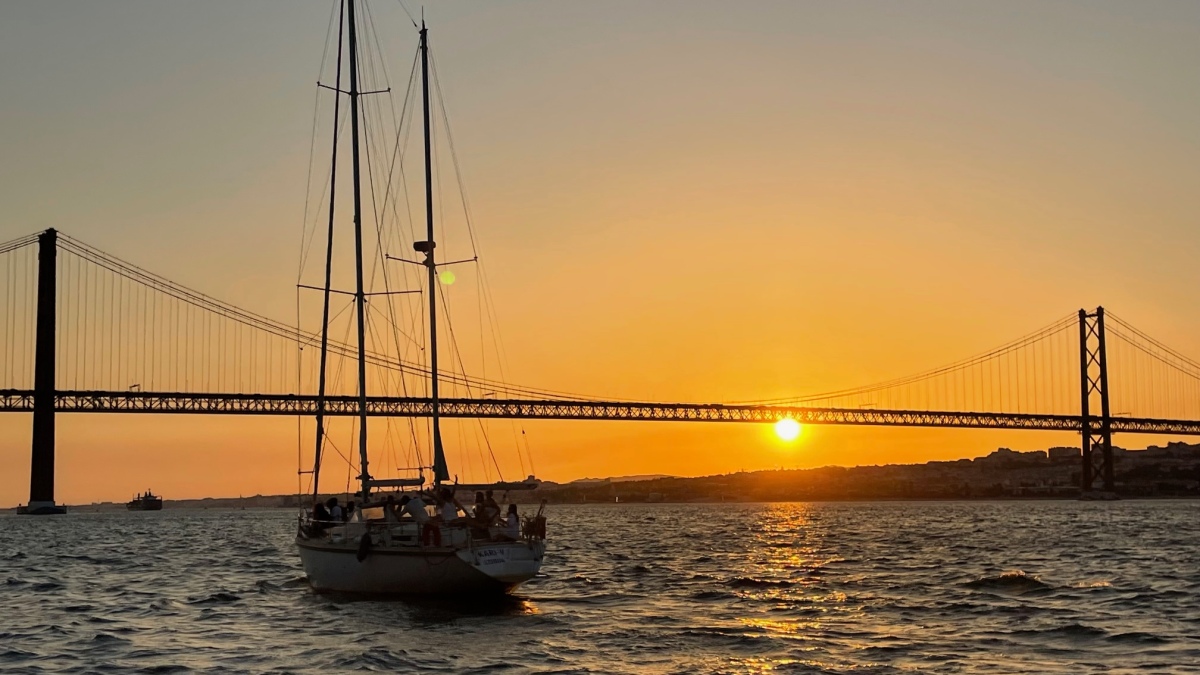
Location: Lisbon, Portugal

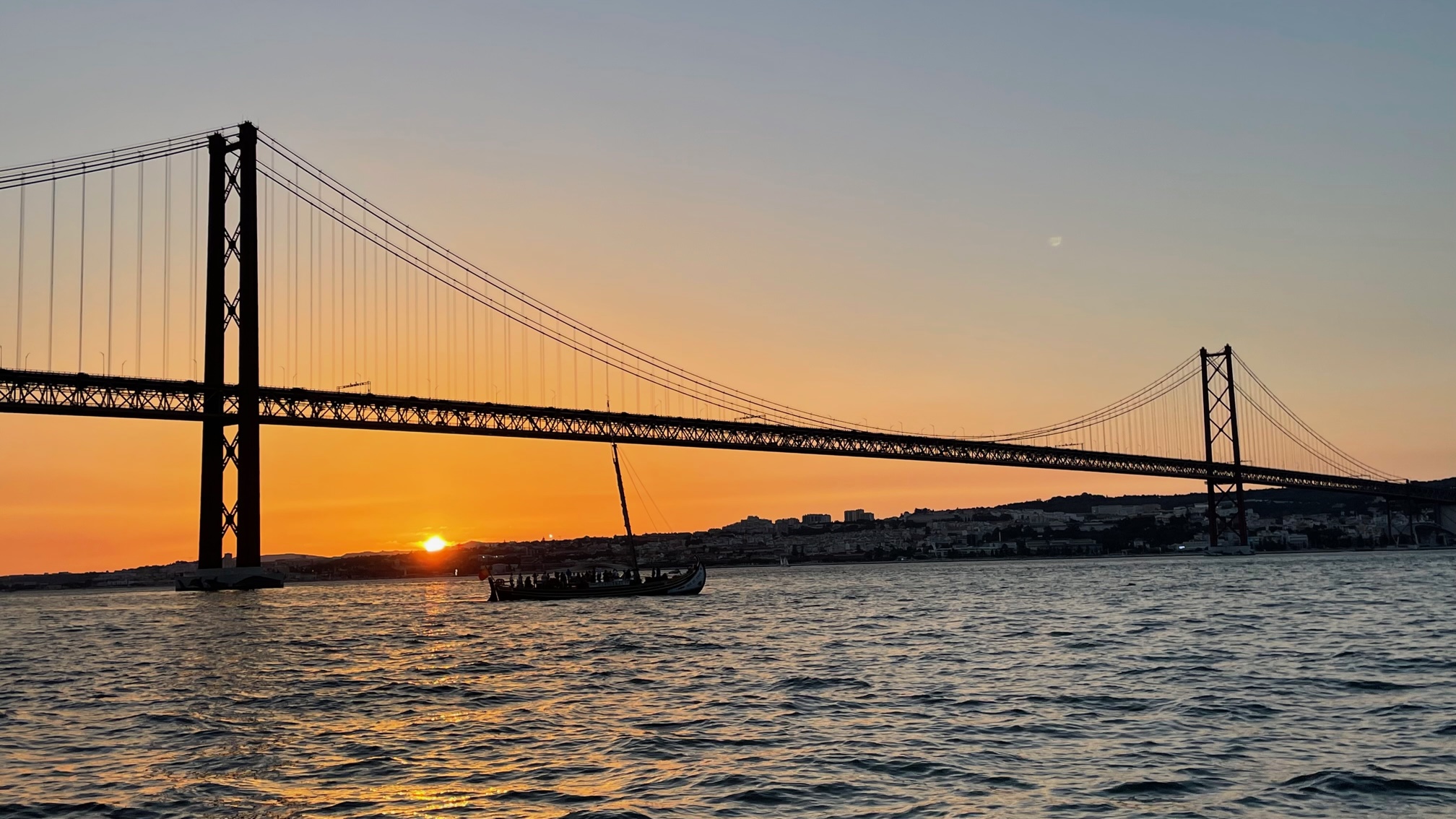
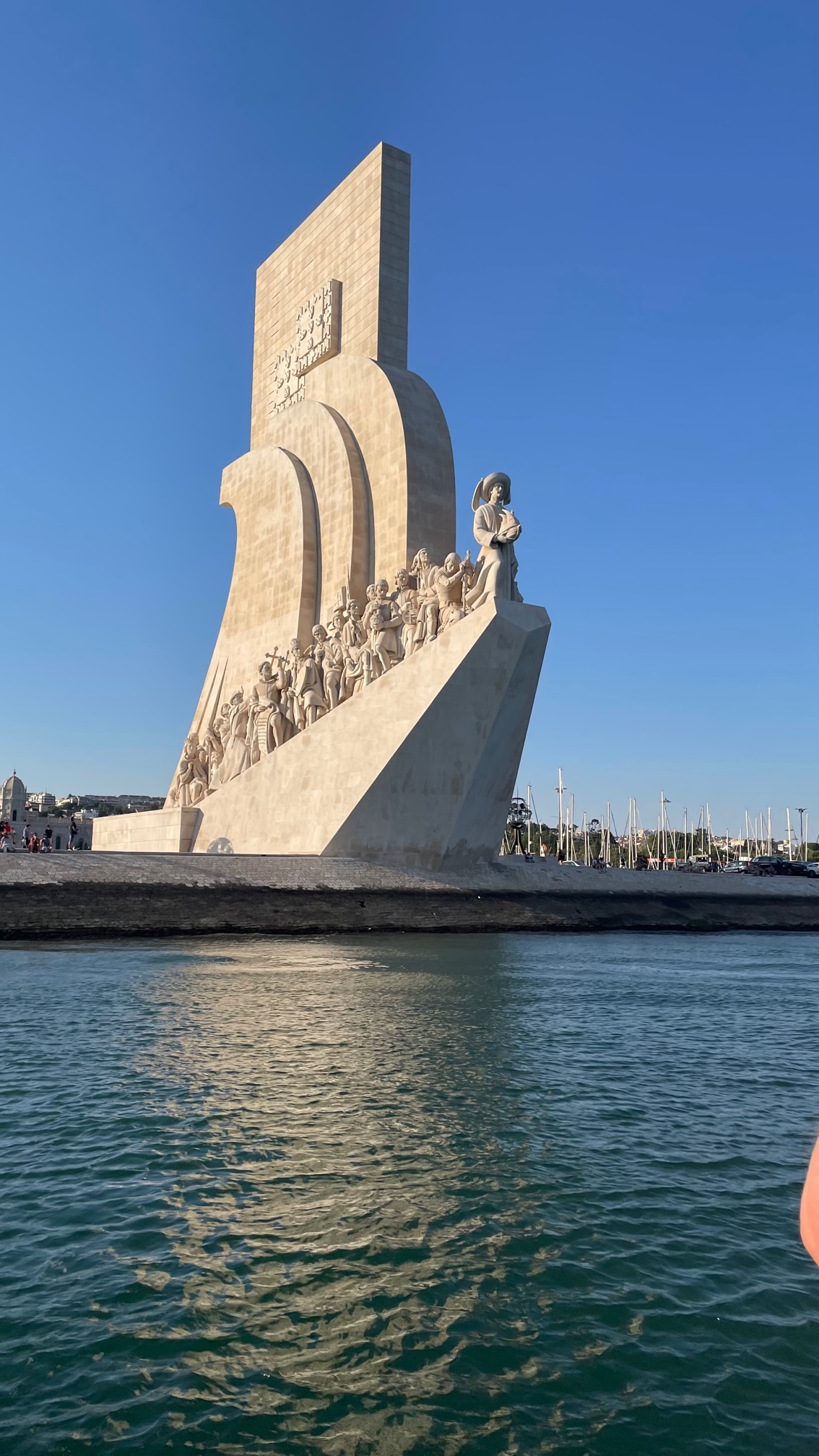
Camera: iPhone 12
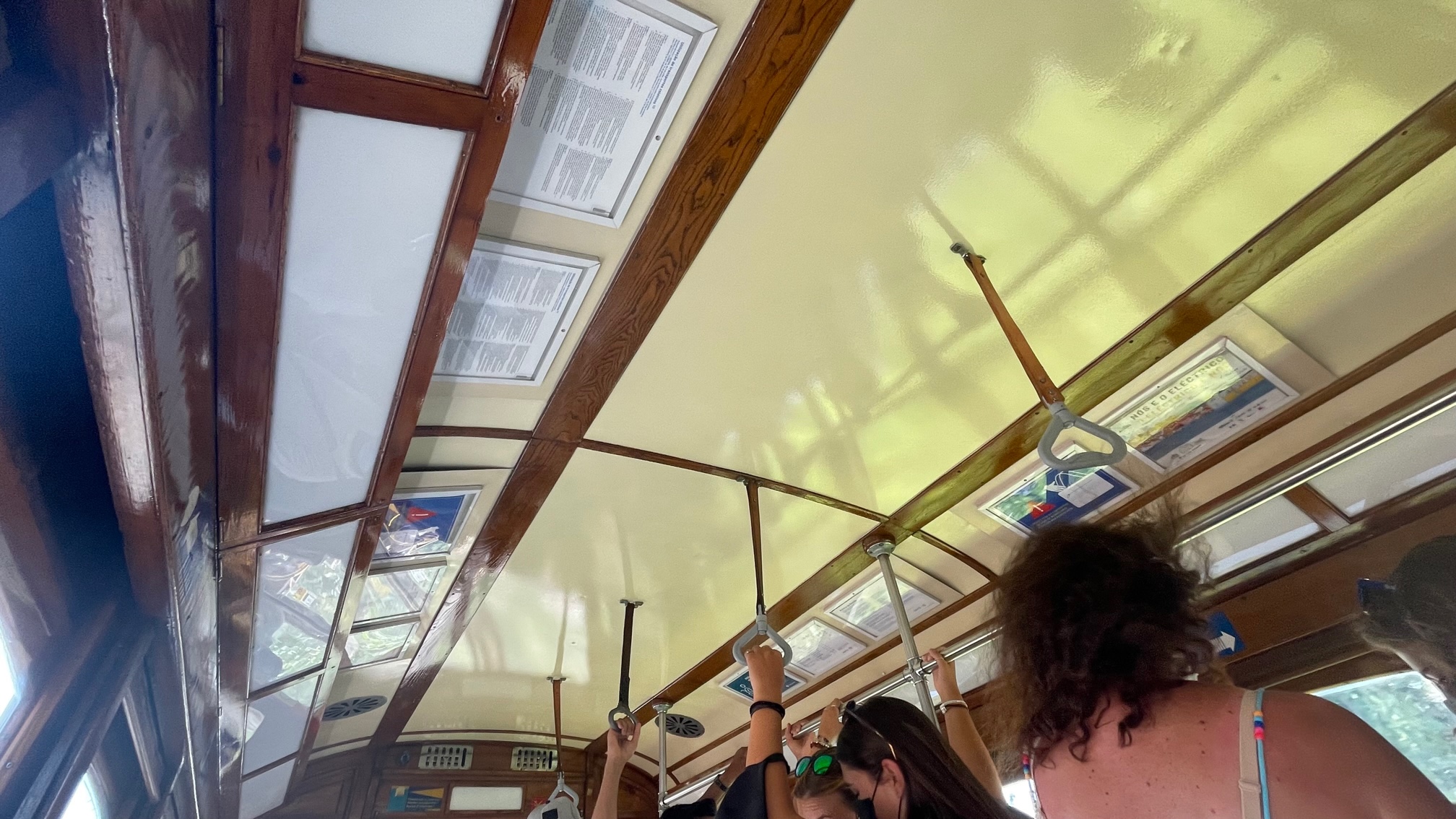
Location: Lisbon, Portugal
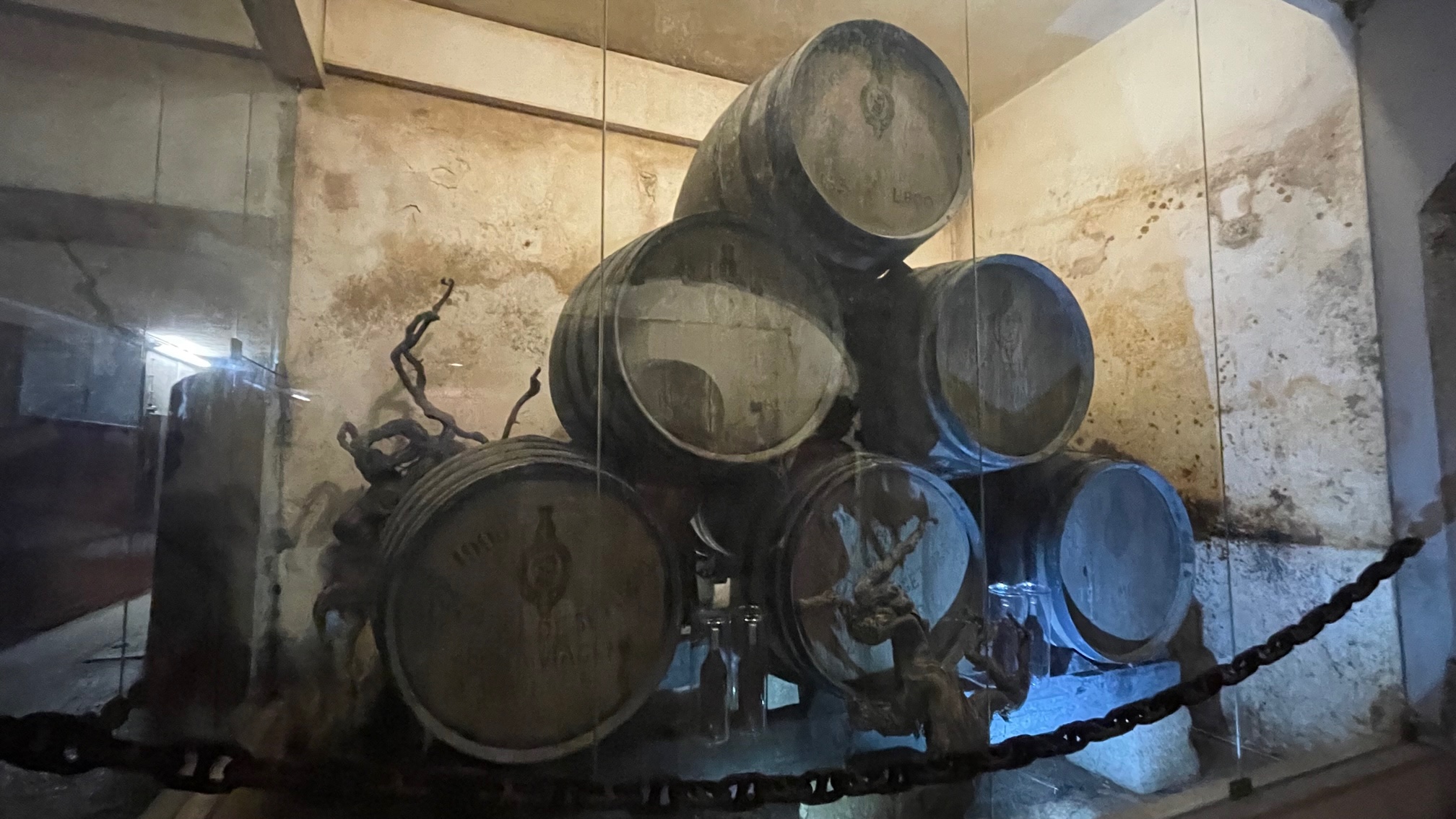


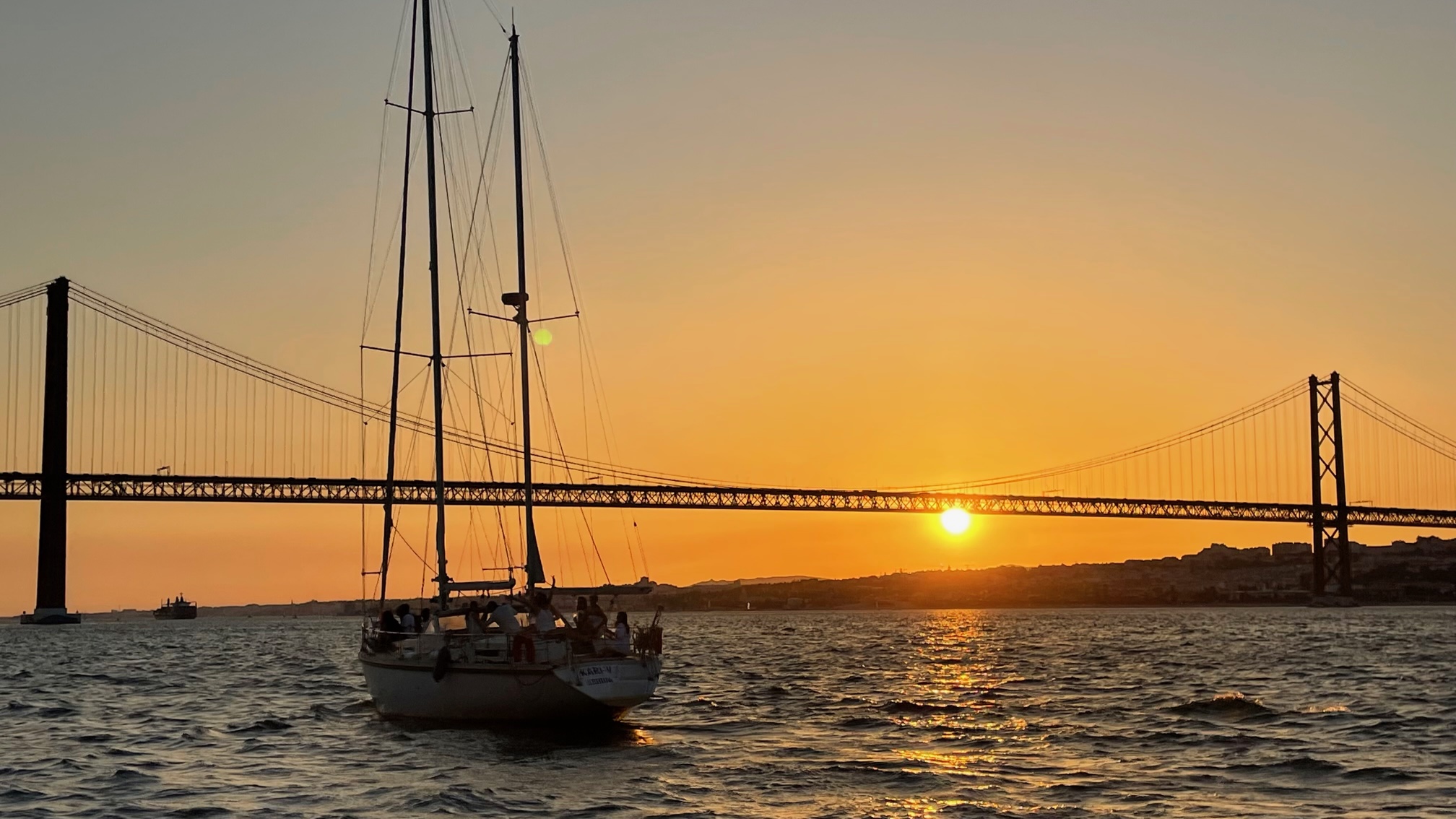
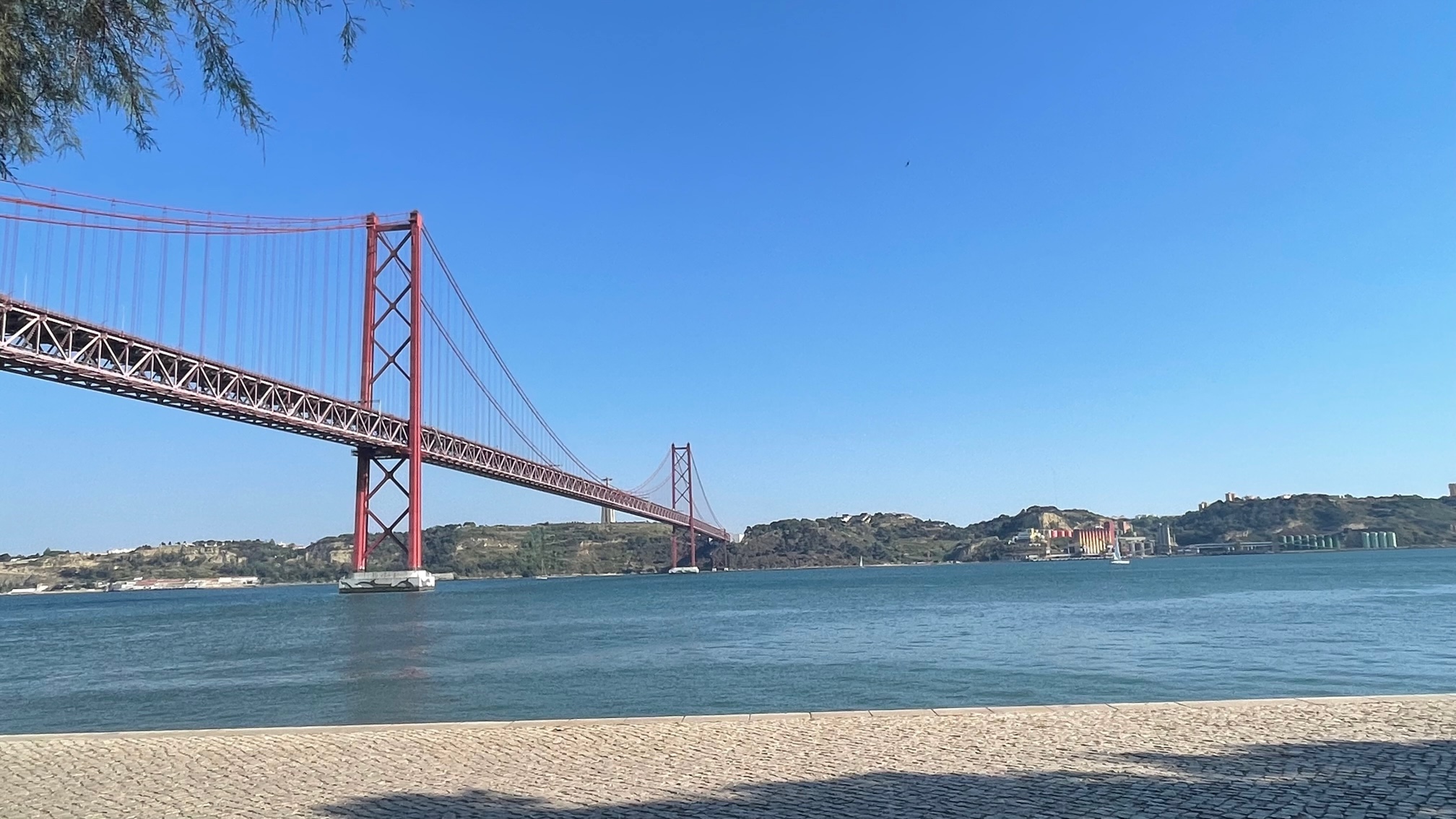
Camera: iPhone 12
Location: Setubal, Portugal







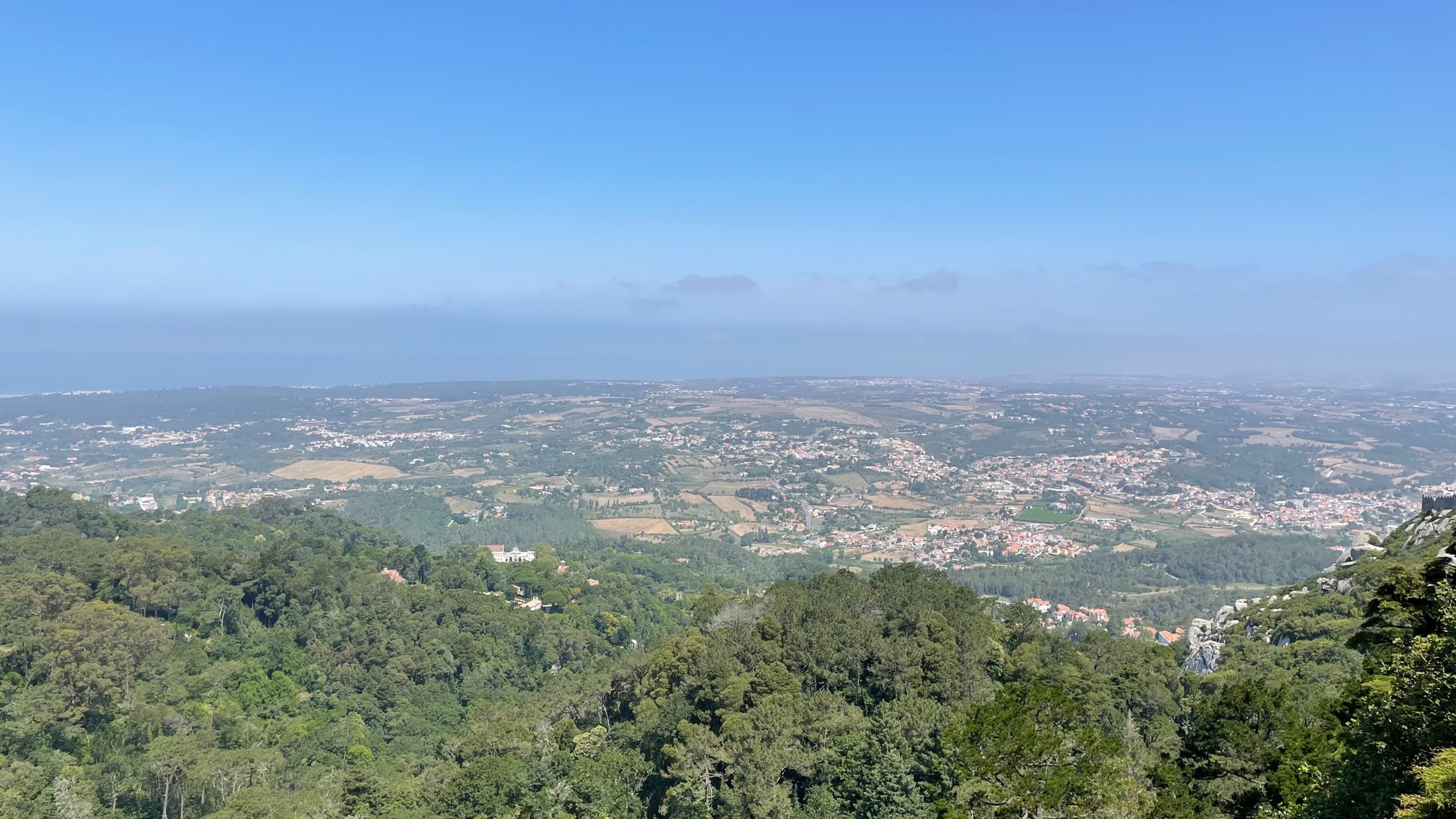


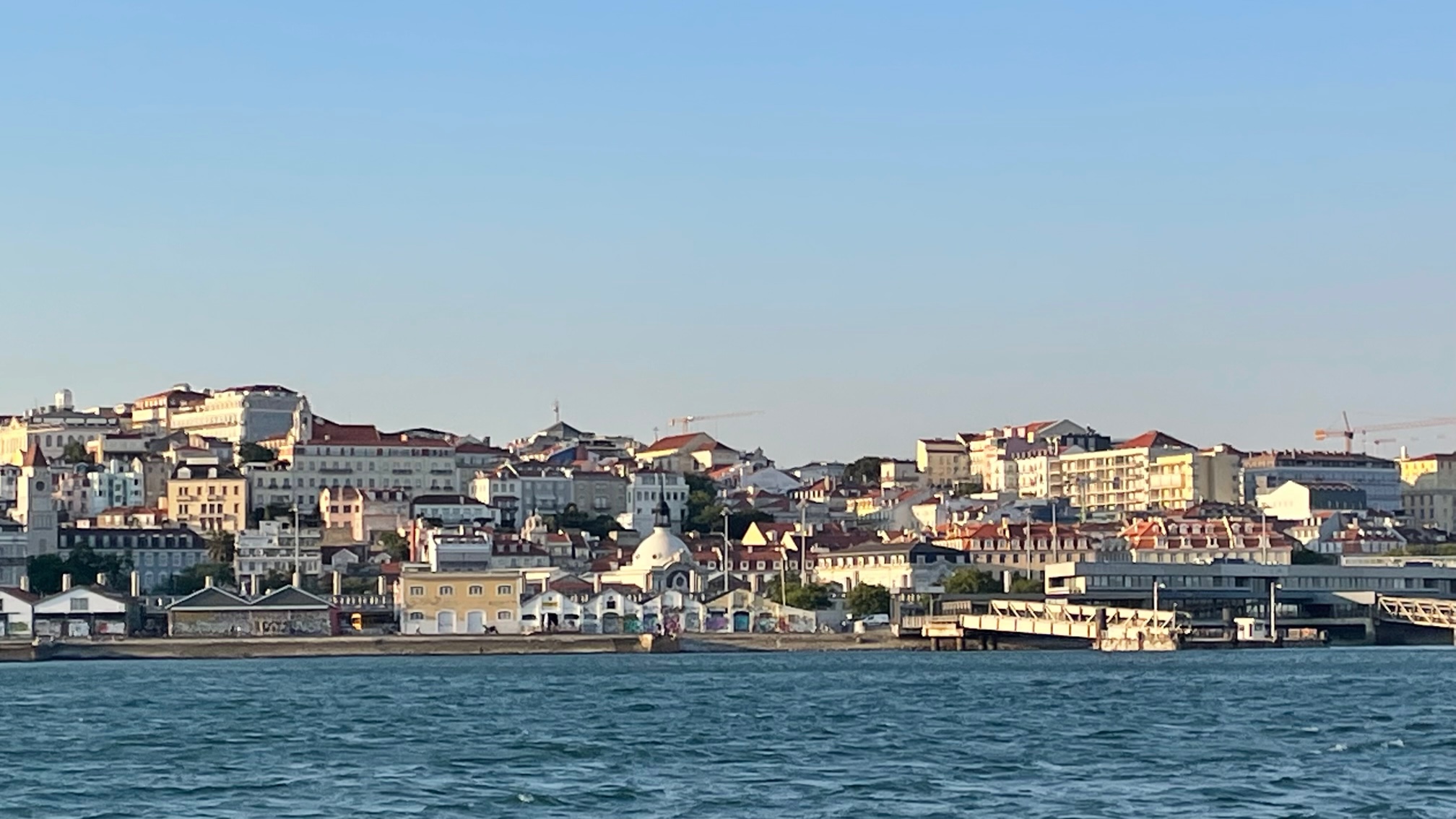
Camera: iPhone 12
Location: Sintra, Portugal


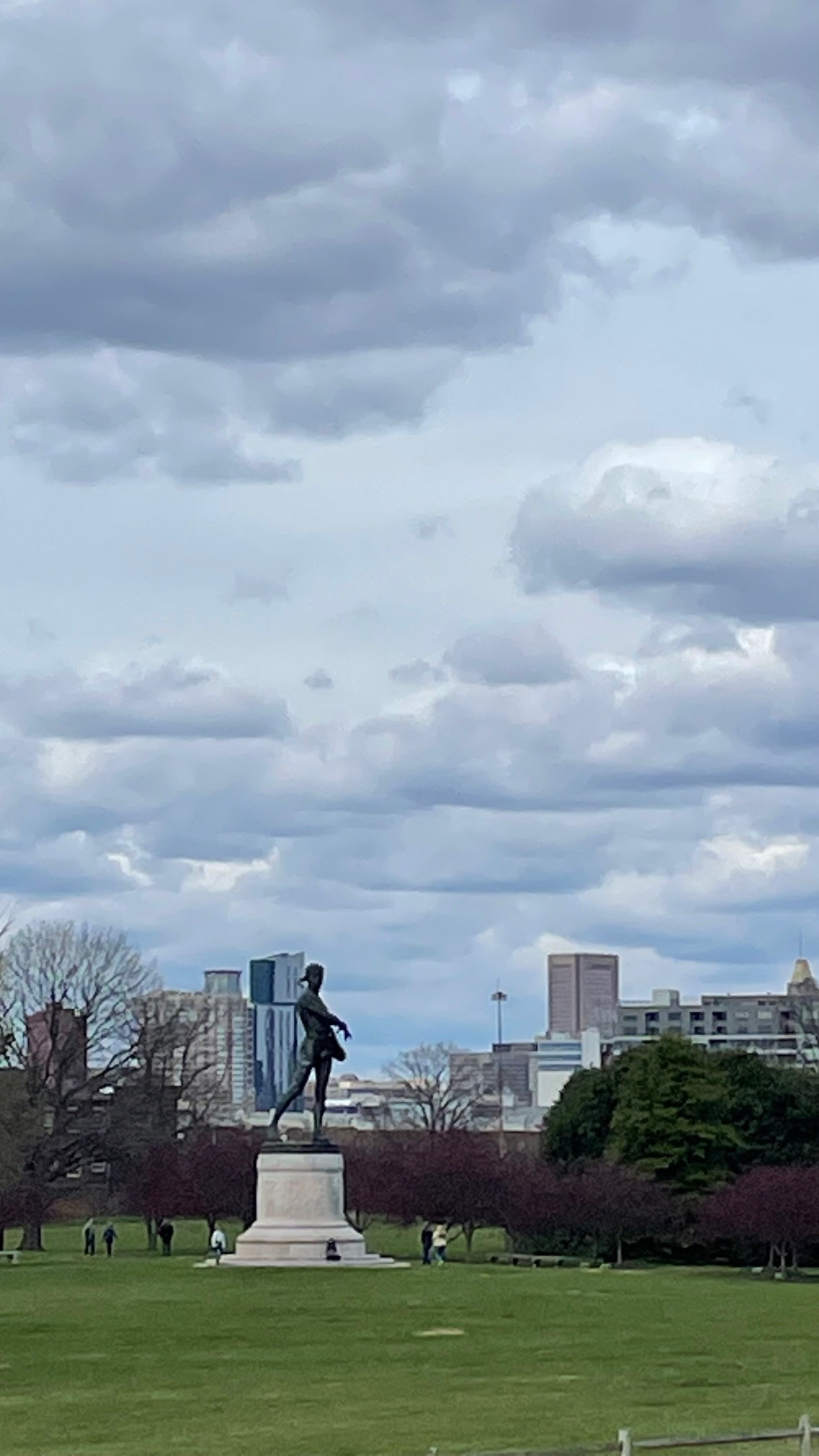
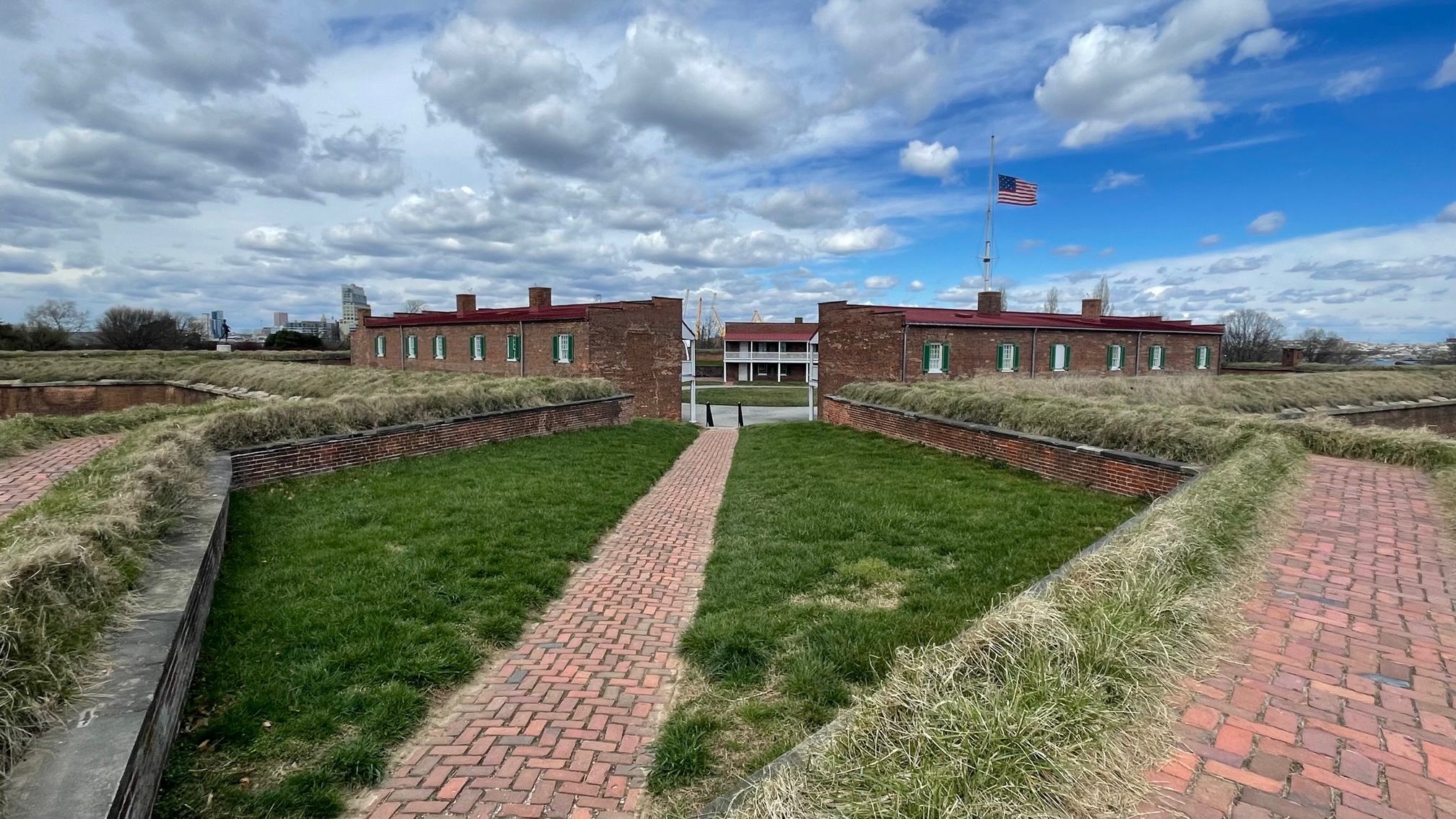



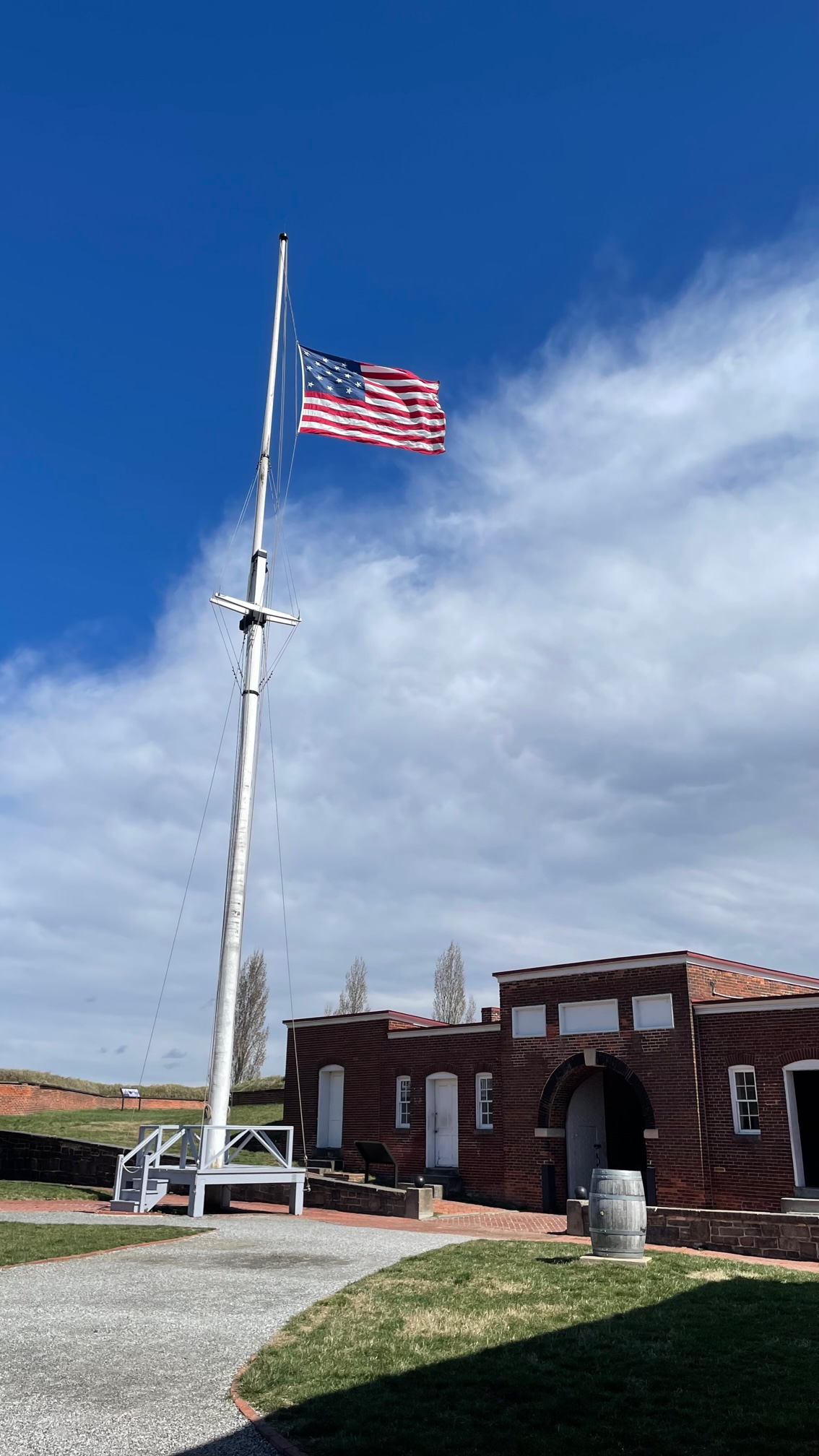
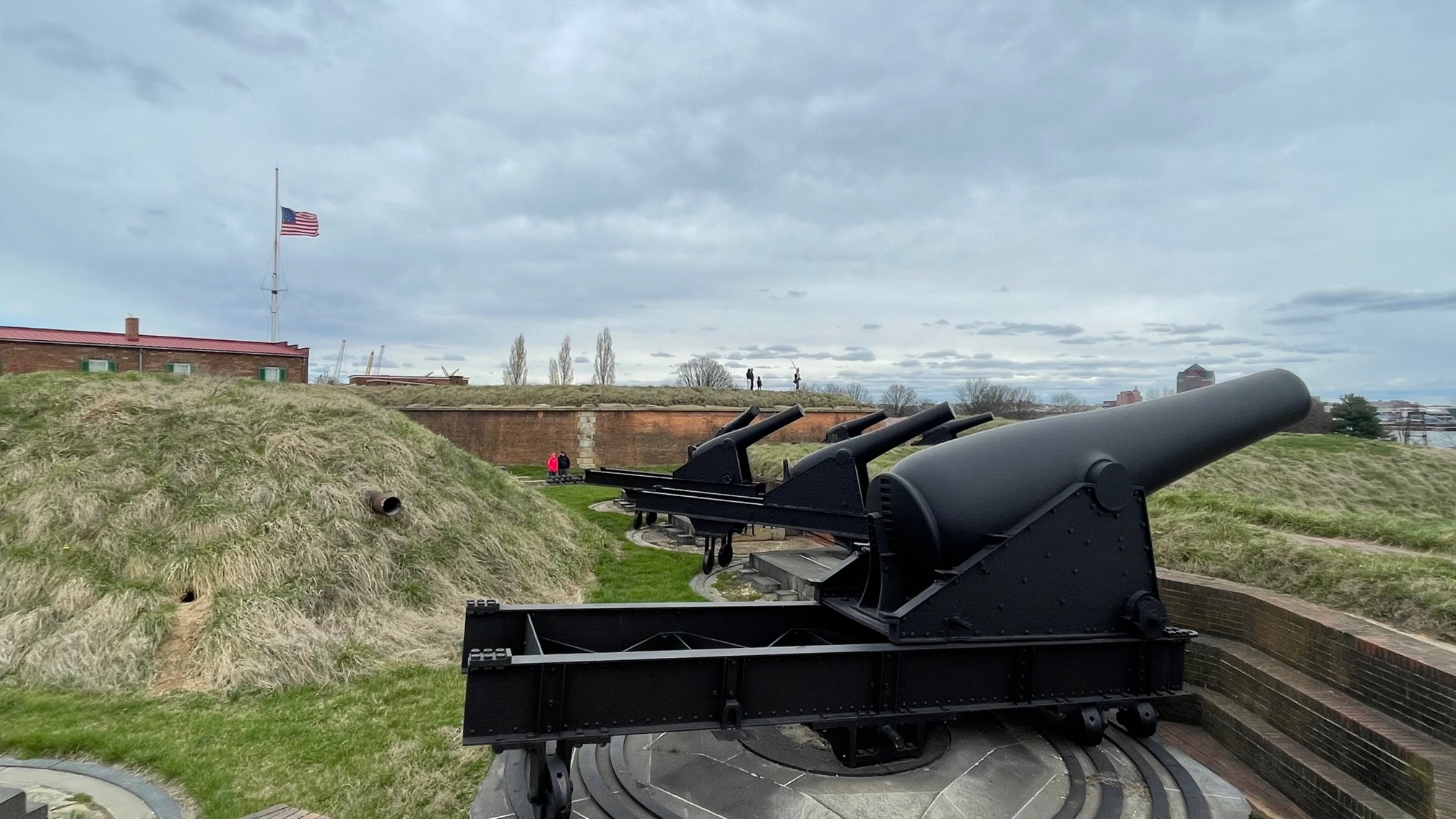

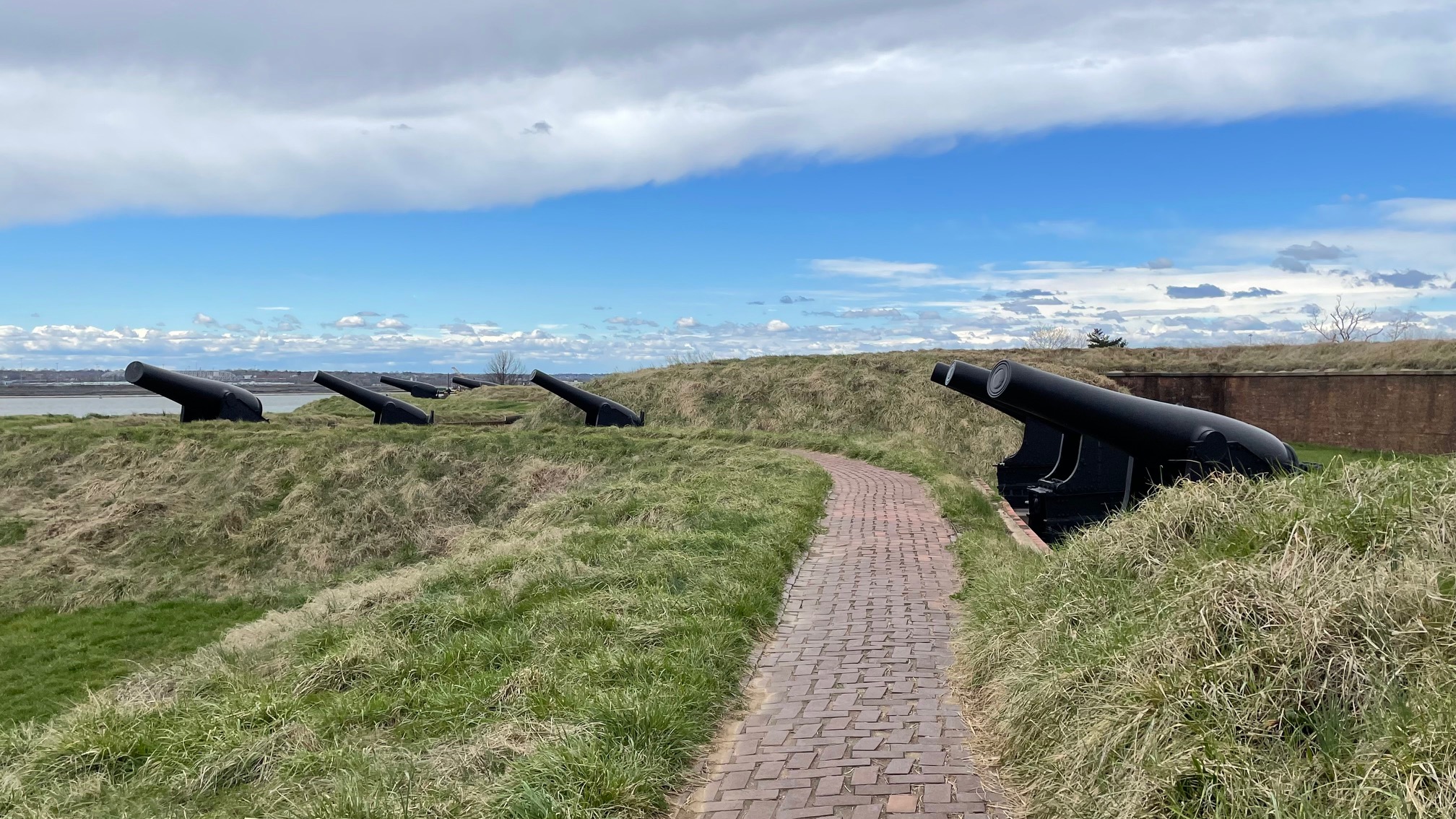


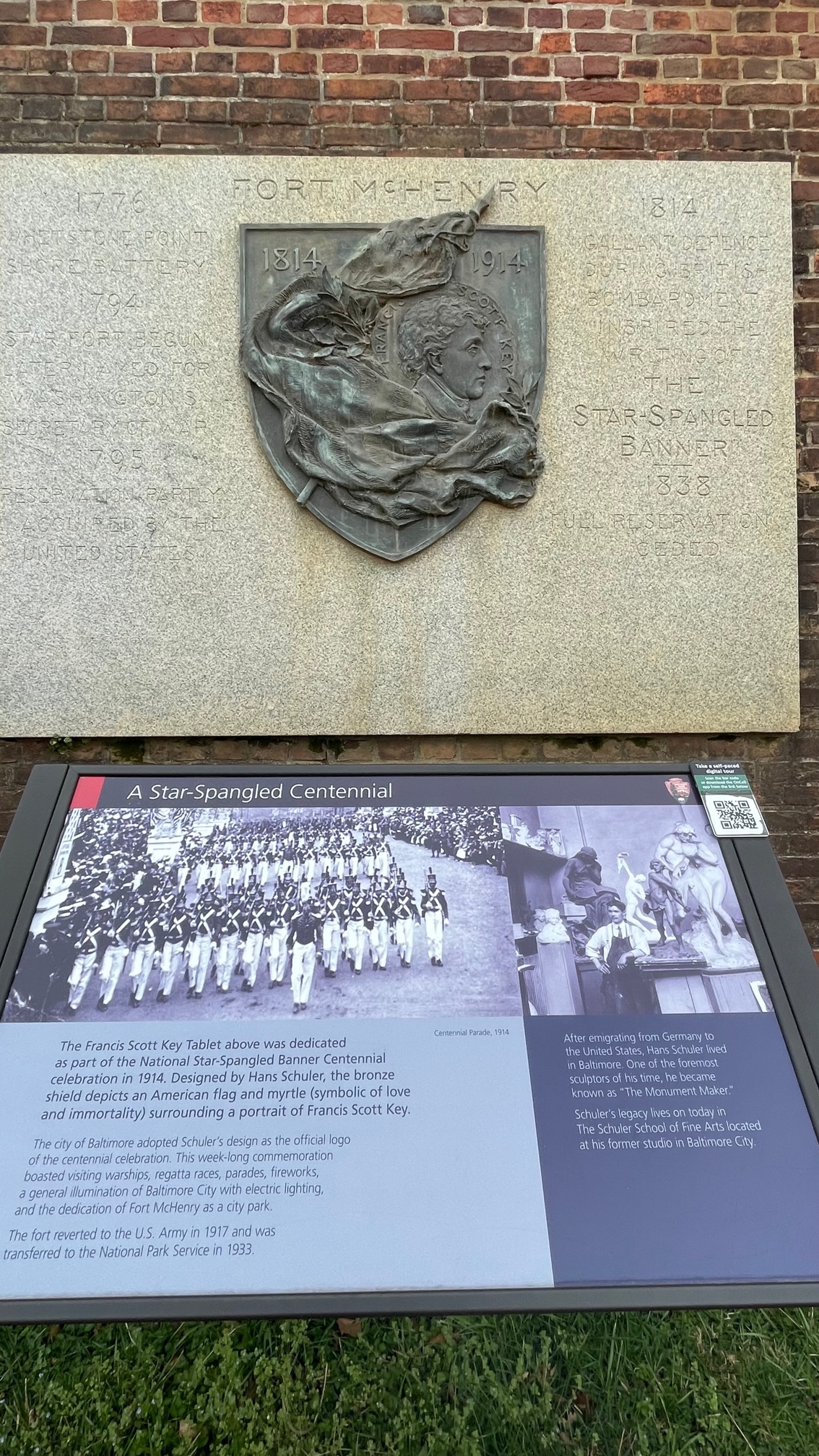

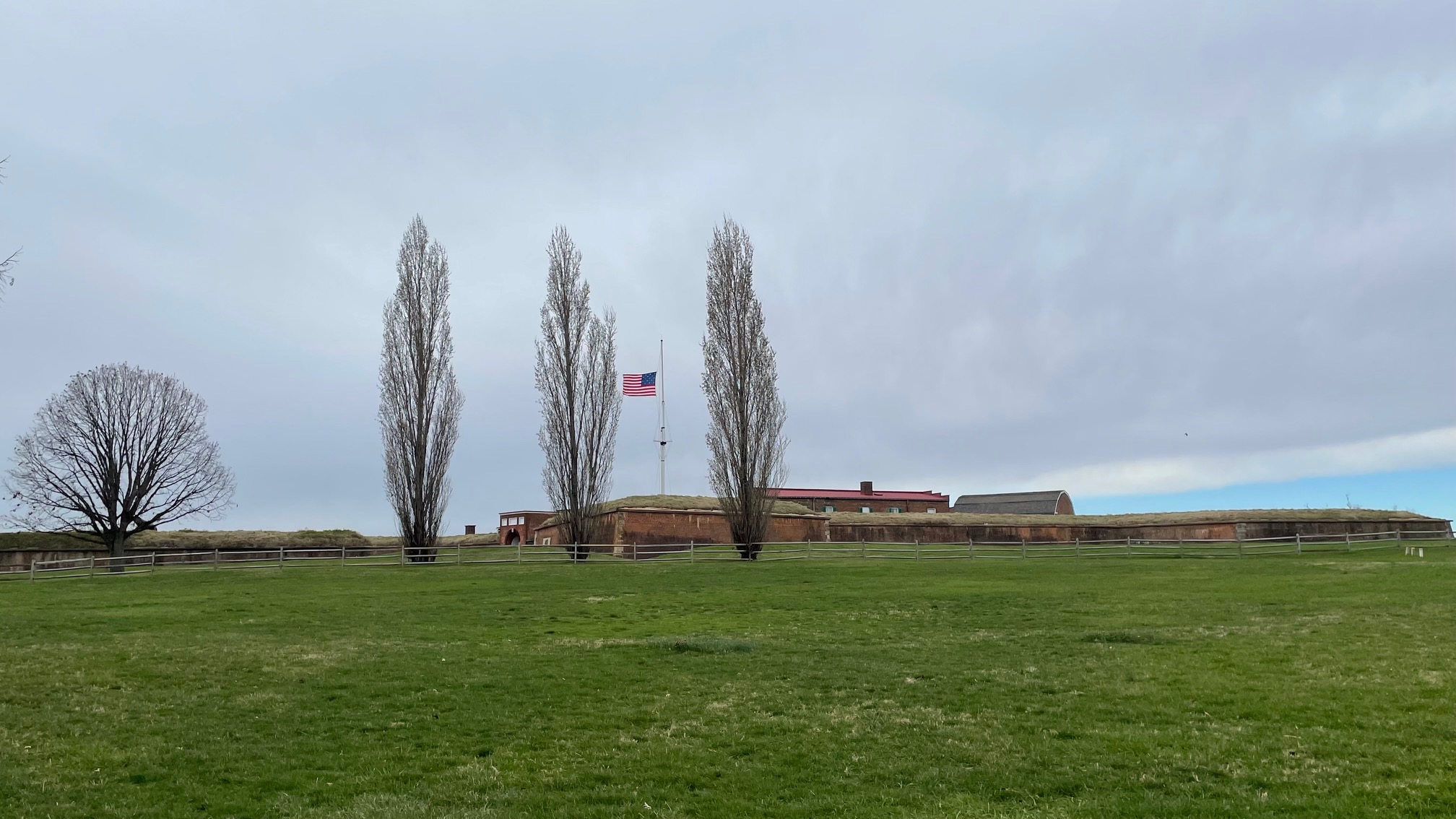
Camera: iPhone 12
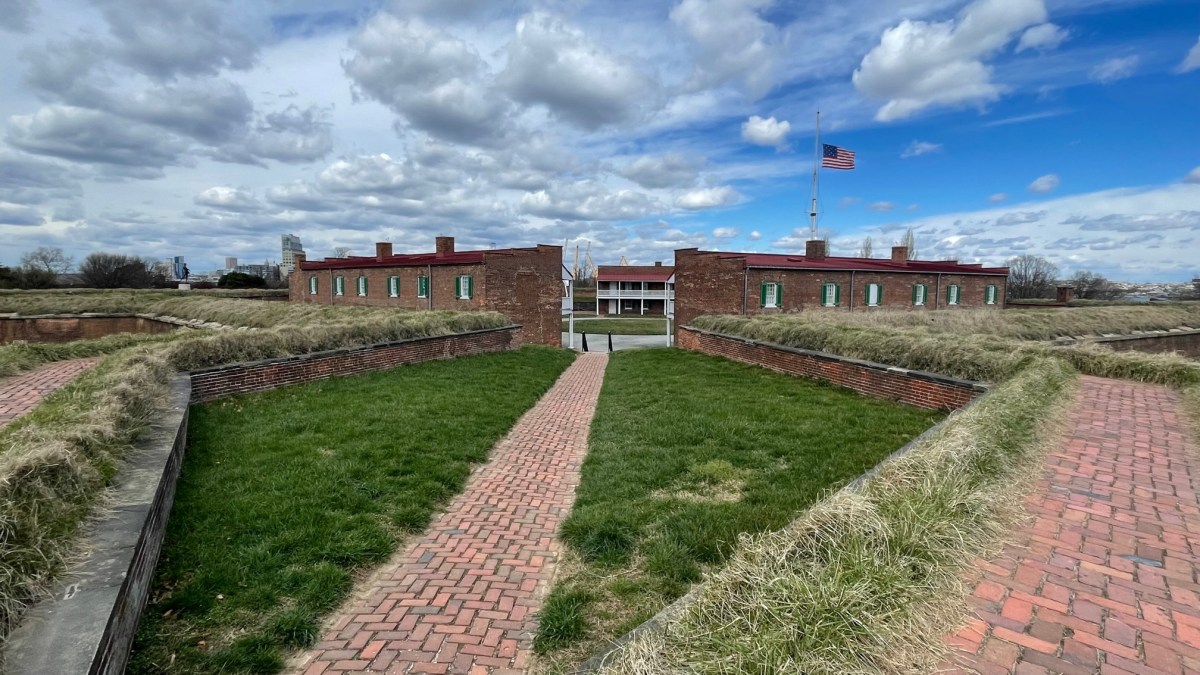
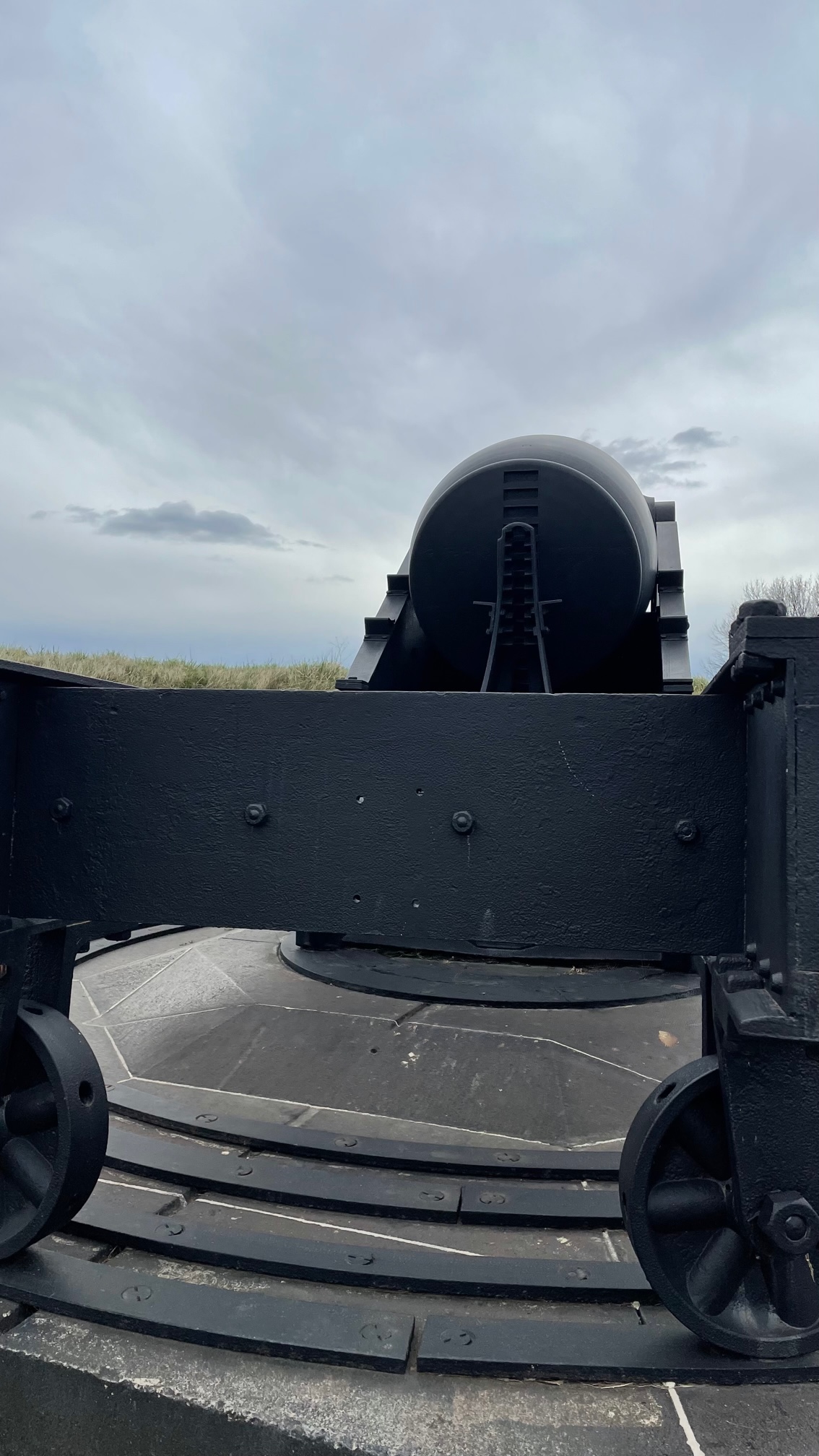
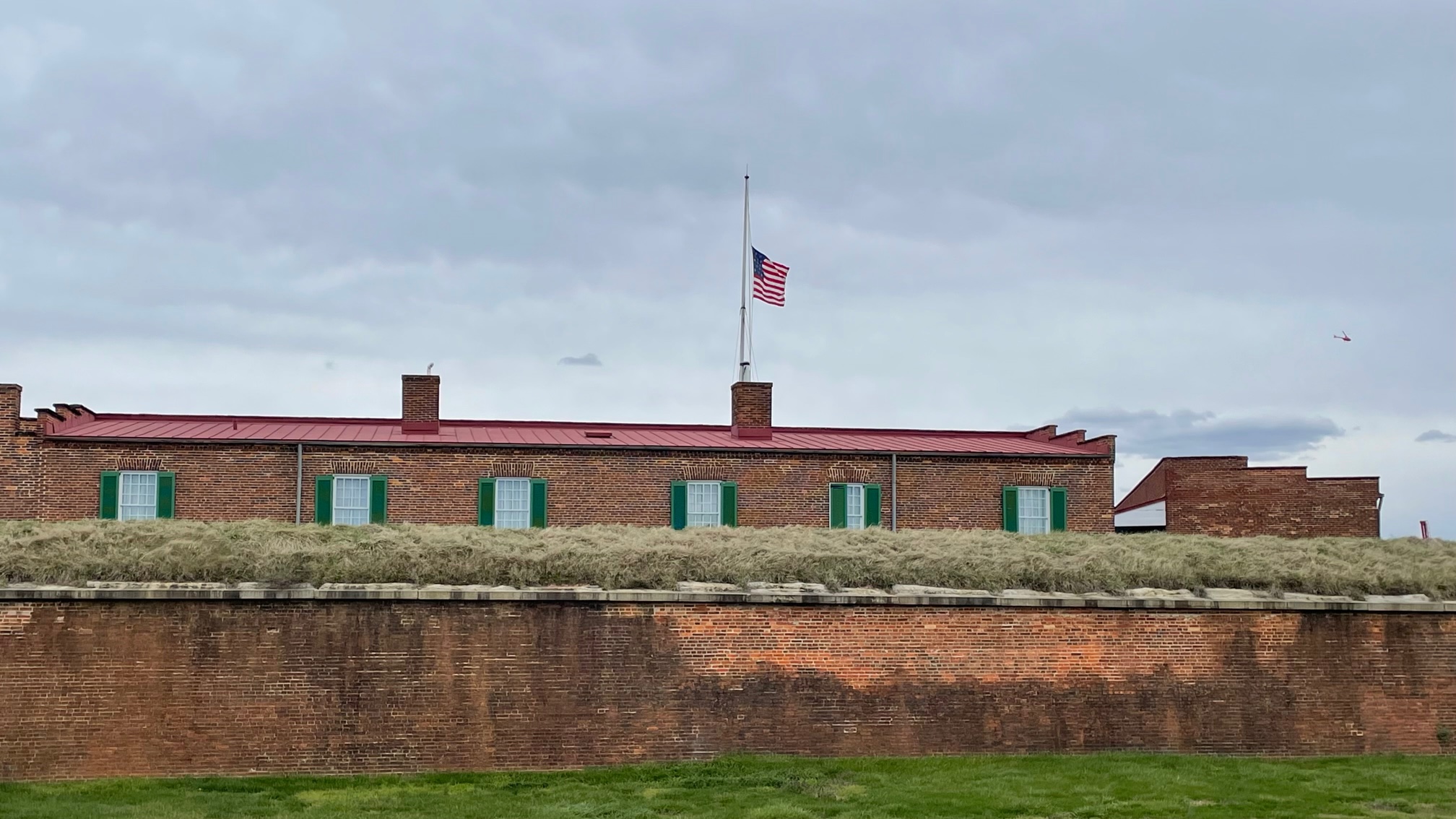
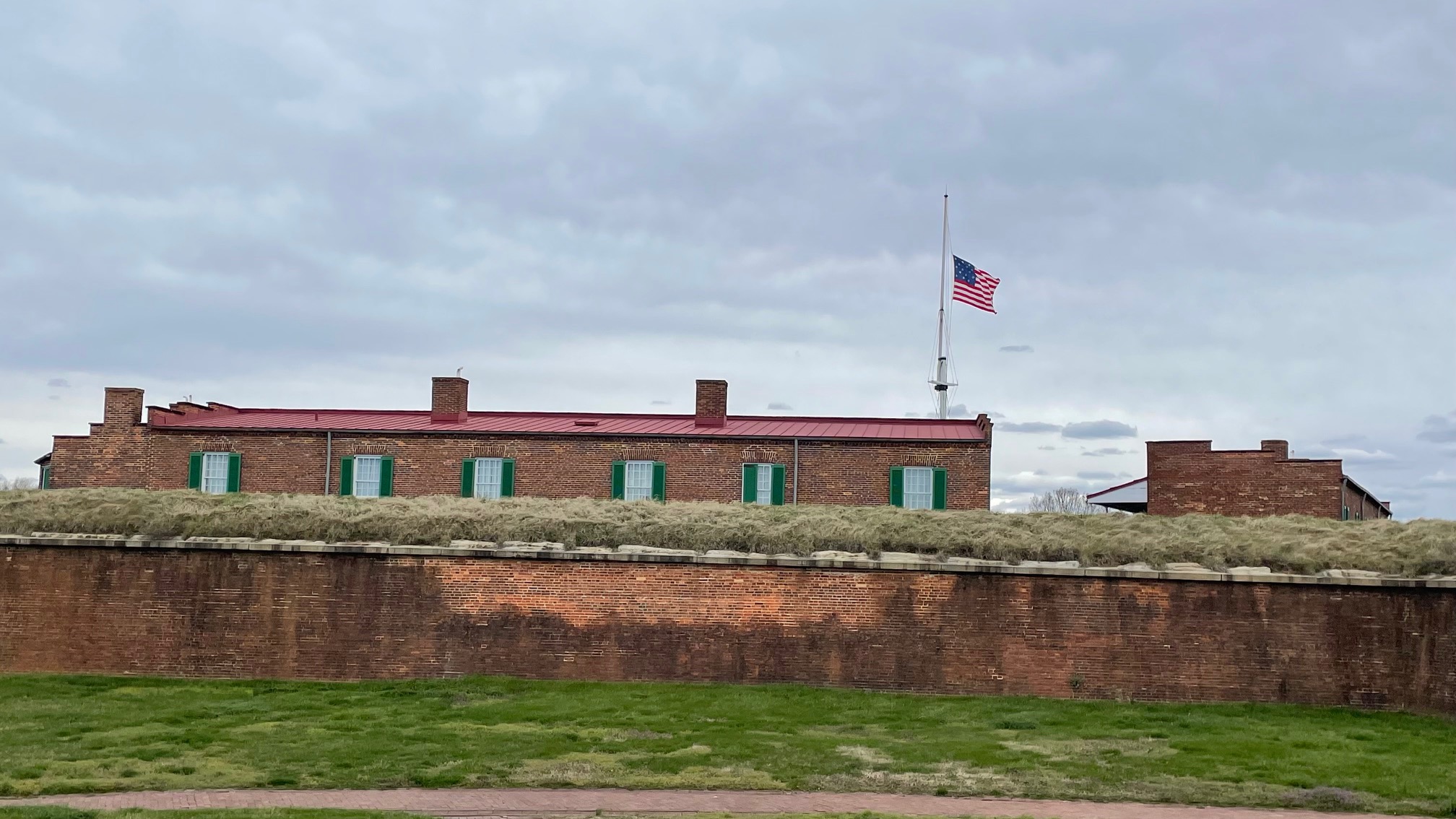
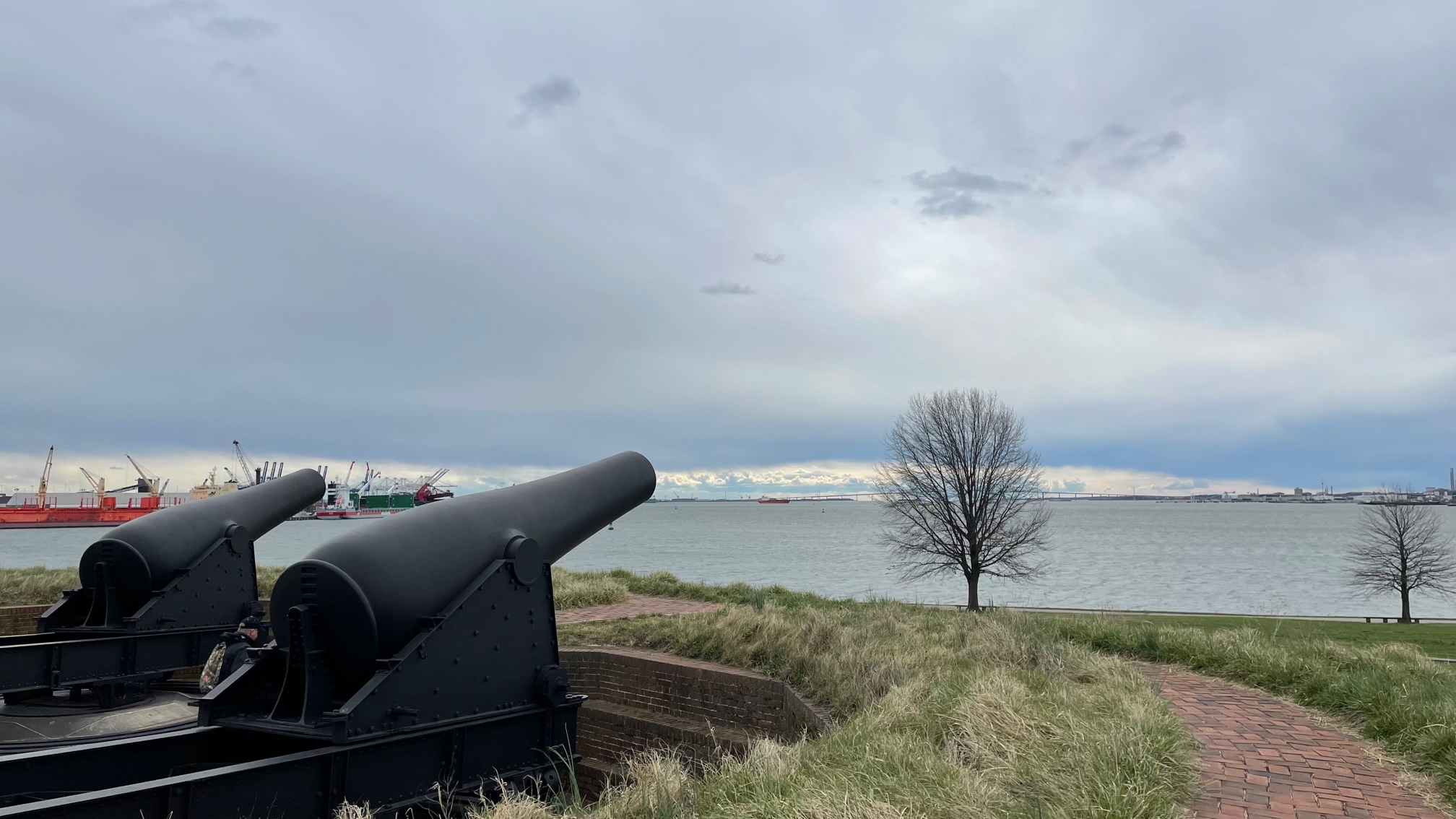
Location: Fort McHenry National Monument; Baltimore, Maryland, USA
“Similar to the past’s effects on people, I believe that places with a history to them do leave an imprint to cause different emotions to bubble to the surface based on what occurred in those places.”
Similar to the past’s effects on people, I believe that places with a history to them do leave an imprint to cause different emotions to bubble to the surface based on what occurred in those places. People are often affected or morphed by what happened in their past though they are not defined by the past alone. The same could be said for those places you visit who spark up powerful emotions within us based on what happened there during its usage by people. However, when you visit a place that is a couple of decades old or even hundreds or thousands of years old, it leaves a mark on the visitor where you can feel the actual ‘weight’ of that place based on the history of what occurred there.
For some examples, places like Disneyworld, Universal Studios, or your average local street fair or amusement park, which elicit emotions out of us such as joy, wonder, excitement, and general happiness. In a similar way, your average local restaurant, community center, or place of religious worship tend to give off those same positive emotions based on their shared history of bringing people together for a common cause or common purpose.
However, you also have the opposite in terms of certain places in the world where you can feel the several mixed emotions that can arise from visiting there such as a historic fort or a castle or a battlefield. Where two sides fought to the death, there is a lot of pain, tragedy, and regret but also there are emotions surrounding the victory, triumph, or even the thrill of survival that would emerge from such places. A few examples from my own life that I could cite include the beaches and military cemeteries in the Normandy region of France, the expensive battlefield of Gettysburg during the American Civil War, and the grasslands that cover the previous battlefield of Waterloo during the Napoleonic Wars in Belgium.
There are also a few places in the world which involve such universal pain and human suffering that the weight of being there to witness the places in person where atrocities against people no different from you and I occurred can be almost overwhelming in terms of the emotional pain. To see the concentration camps of Auschwitz in Poland or Dachau in Germany and to also be on the grounds of a plantation where enslaved men, women, and children had their futures and freedom stolen from them to be used as expendable economic tools can make you sick to your stomach.
Such vile places need to be seen to be believed but you can feel the emotional weight of being there to know that dozens, hundreds, or thousands of people were brutally treated, beaten, or even murdered there can chill your spine while you’re there. While it can be difficult to go out of one’s way to visit such dark places where the worst of people is on display, we must go to such places despite the negative emotions you’ll feel while being there to prevent new places like that from ever popping up again in our world.
We must not only focus on those places that give us a sense of joy and happiness but recognize that we have to also go to those places that are infamous for their cruelty, hatred, and pain as well. There is a duality in terms of humanity that we have to reckon with in that we can better appreciate the good in life but realizing that there is also the ugly side to human nature that has been controlled and held in check whenever possible.
It is not just to feel the emotional weight of going to places where slavery, murder, torture, and pain were a daily occurrence for the men, women, and children who experienced it but to also realize that you need to pay witness to such places to make sure that we witness them in person so that other people cannot deny that those places even exist or that any evil did not happen there. By paying witness, we commit ourselves to the need to defend against such horrible places popping up in the future and by also instructing the next generations of young people about what happened there and why such places are left intact for them to visit. It would be great to demolish any mention of a plantation, a concentration camp, or even a battlefield but to do so would to be creating a sense of whitewashing the past and making it easier for such atrocities or violations against humanity from happening again in the future. We cannot risk the history being wiped away, which includes getting rid of any physical semblance of those places or the information, research, and facts along with it.
Now, I’m not saying you should go out of your way to visit historically traumatic places, but we need to be on our guard against those people who would deny that those places ever existed or what atrocities were committed there. I think this is especially important for students of different ages when they are old enough to go on class trips to such battlefields, plantations, concentration camps to witness the worst of humanity so that we can better ensure that ‘history does not repeat itself.’ It is not easy to convince parents or teachers of the utility of such visits, but part of life is realizing that not every place is like Disneyworld, and we have to understand the importance of highlighting the weight of places, both good and bad, and not ignoring one or the other.
One trip to such traumatic places is good enough as it can be deeply disturbing for people to go there and see the photos, watch the videos, and see the physical evidence of such atrocities in person. Such visits should be done with respect, attention, and long enough where the full impact of the emotional weight can be felt by those visitors. Most folks will never forget what emotions they were feeling when they were there and about hearing the history be brought to life for them so they realize it is not such pictures or information on pages in a book but real places in the world that we can point to and are being preserved.
For as long as I live, I will always remember the winter chill of being inside the gates of what was Auschwitz death camp in southern Poland and seeing the camps that stretched for what looked like miles. It was brutally cold, and snow covered the ground. You can only imagine how the innocent men, women, and children there would freeze to death in such conditions while they were huddled together in the bunks of those camps to keep warm while they were given barely any clothing, food, or water. The elderly Polish woman emphasized to us the importance of remembering what we witness on our tour of the death camps and how the people who don’t visit Auschwitz will also deny there ever was a Holocaust or that this camp even existed.
She made it clear to us that we as visitors and the entire world have the responsibility to make sure another Auschwitz never happens again because sadly, as she noted, it can happen again and has happened in other parts of the world. Wherever people’s freedom is snuffed out, where their human rights are denied, and where people are beaten, mistreated, or killed for who they are, what they believe, and where they came from, the lessons of Auschwitz and other dark places in our world will never be learned. She lowered her head and said a silent prayer at the end of our tour for the dearly departed.














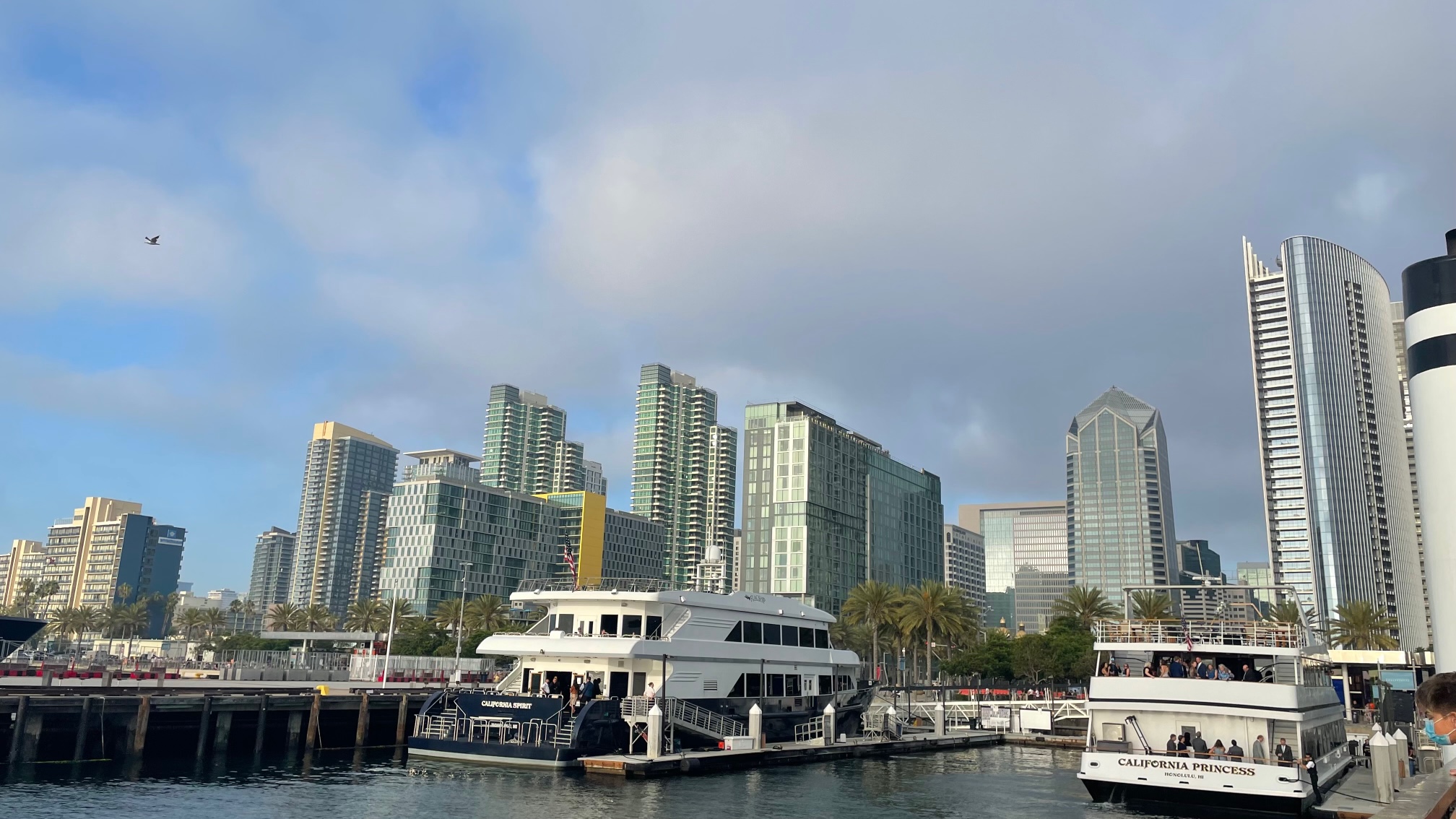
Camera: iPhone 12
Location: San Diego, California, United States
“Float like a butterfly, sting like a bee. Rumble, young man, rumble. Ahhhhhh!” This catchphrase from the Greatest boxer of all-time, Muhammad Ali, still ring in my ears as I write about the legend.”
“Float like a butterfly, sting like a bee. Rumble, young man, rumble. Ahhhhhh!” This catchphrase from the Greatest boxer of all-time, Muhammad Ali, still ring in my ears as I write about the legend. After 8-hours of rarely seen footage, insightful interviews from those people who knew him best, and catchy music and news events highlighting the era and period in which the Greatest grew up in, the Muhammad Ali documentary on PBS (American public television) is a real knockout. There is too much television and movies out there to choose from especially with the streaming services but the Muhammad Ali documentary, recently released in September of 2021 is worth a watch.
Eight hours in total length, split into four ‘rounds or parts, the documentary chronicles the entire 74-years old in which Muhammad Ali or Cassius Clay walked among us mere mortals from his childhood in Louisville to his rise to boxing stardom dating from Rome to New York City to Manila to his old age, where he sadly struggled through the progression of the fatal Parkinson’s disease. Ali was a man who was almost too unreal to believe he had existed because of all he said, accomplished, and did during his life.
If you looked in an English idiom dictionary for the expression, ‘larger than life’, a picture and short description about Muhammad Ali should be there as well. The swagger he had when he walked in a room, his way with words as a poet and the ability to dress down his opponent with insults as powerful as his punches, and his commitment to not only his religion but the people around him such as a friends, family, and even random strangers who he would often give money, food, or anything they needed when they were going through a tough time.
Ali was not just talented in the ring, but he was also extremely intelligent, wise beyond his years, and able to be charismatic with many people he would meet. Most boxers would keep to themselves back in the 1960s or 1970s and would not embrace trash-talking, denigrating their opponents, or making bold claims that they weren’t sure would come to fruition. Muhammad Ali did the exact opposite and he built up a reputation to the point where billions of people knew who he was from America to Africa and from Asia to South America. His rants became legendary, and his diatribes were shown to garner a huge amount of press to sell his fights. In my view, he made boxing a global sport and he connected with all people regardless of race, ethnicity, national origin, or religion. He had love for everybody except for the men he would fight against.
The difference with Muhammad Ali compared to other braggart boxers is that he would often back up his predictions by making them real especially in his early days beating boxers like Sonny Liston and Floyd Patterson. He would not only predict that he would win his fight, but he specifically predicted the round in which his poor opponent would be knocked out. His legend grew the more he talked trash and made fun of his opponents and he backed it up in the ring by winning constantly. If he were not Muhammad Ali in terms of talent, hard work, and pure drive to be great, as a boxer, he would have faded away quickly, He simply was a once-in-a-century talent who kept boxing as a world sport in his era and it was the height of its popularity as a sport in America.
Ali, perhaps because of his family upbringing, his change of religion to Islam, or because of an innate sense of right and wrong was a plain-spoken activist who didn’t mince words. He was against racism in all its forms, was against the Vietnam War, and stood up for the poor and disenfranchised people around the world who were without the same opportunities that he had been able to take advantage of because of his boxing talent. While he was a devout member of the group, the Nation of Islam, and had his differences with both Malcolm X and Martin Luther King Jr., because of his affiliation with that group, he often strived to be a critical thinker on issues of race and religion and would dutifully follow his conscience often when expressing himself in public, as he often did in the national and global spotlight.
Sadly, Muhammad Ali, in pursuit of fame, fortune, and women, made serious mistakes along the way to become the greatest boxer of all-time. The constant time spent on the road, the brutal training regimens, the temptations he succumbed to with extramarital affairs, and even his disregard for friendships such as with Malcolm X or neglecting his wife(wives) or children due to his first love of boxing. He was an imperfect man who committed many sins as he puts it in the documentary.
However, even his sins did not stop him from putting in the work to commit more good deeds than sins throughout his life and for which when it came down to his estimation of himself as a Muslim at the end of his life, he felt comfort knowing he committed more rights than wrongs upon his death. The difference too with Ali is that he knew he had done wrong and tried to make amends later in life for his misdeeds. He apologized and atoned for his womanizing, unnecessary insults of other boxers, and his previous disavowal of friends and family like Malcolm X when they conflicted with his loyal membership to the Nation of Islam.
When I think about this documentary, the way it was able to catalog every major event in Ali’s life while simultaneously describing how he must have felt or acted the way he did during those pivotal moments in his life make this documentary the greatest one made about ‘The Greatest’ himself. Few documentaries go into that much detail, use relevant interviews and narration, while maximizing the quality of historical footage to draw the viewer in. If you are new to the good works of Ken Burns, Sarah Burns, Lynn Novick, David McMahon, and the rest of his wonderful documentary team, he is one of America’s greatest filmmakers in this genre.
Having done previous documentaries on ‘Baseball’, ‘Jackie Robinson’, and the other famous American boxer, ‘Jack Johnson’, you can tell that Ken and his team feel as comfortable documenting American sports history as much as his other documentaries on American politics and war history too. The sheer years of effort it takes to create an eight-hour long documentary like this one on ‘Muhammad Ali’ shows you how dedicated to the craft of documentary making Ken Burns and his team are. They have been doing it for over forty years now and it seems like they get better and better with each new documentary. If this documentary is the first you’ve seen by Ken Burns, do yourself a favor and watch the other sports history documentaries and check out his other ones on other aspects of American history.
What I enjoy most about documentaries about sports or political figures done by Ken Burns and team is that they highlight major events, victories, and defeats of that person or the team, but they also make sure to put that figure or people fit in with the swirling tide of history and timeline through the music soundtrack, the relevant footage, and the interviews with those people from the same era or who know that era in history.
The ‘Muhammad Ali’ documentary is not just about ‘The Greatest’ himself but about the times he lived in as an American and how he changed the country just as he was changed by the country himself. He influenced America more than most figures throughout the 20th century and will be remembered by future generations. He will be known not simply as the greatest boxer of all-time but also as a man who stood up for his principles, fought or did not fight for what he believed in, and enacted positive social changes by helping the poor, the disenfranchised, or even the stranger on the street.
He was a larger-than-life figure who transcended both sports, politics, and culture, and this ‘larger than life’ documentary pays great homage to one of the most celebrated and remembered Americans in the nation’s 246-year long and counting history.
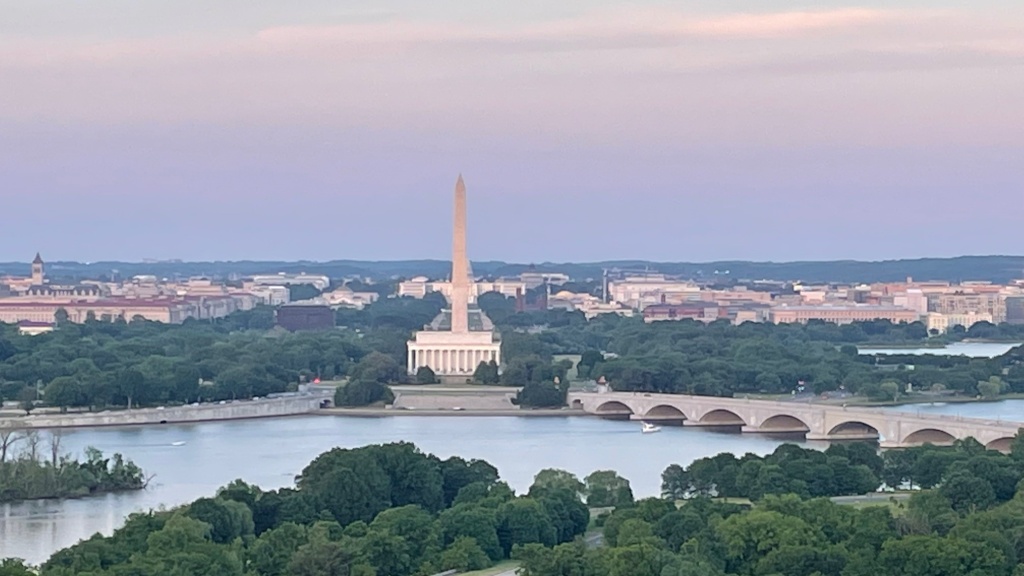
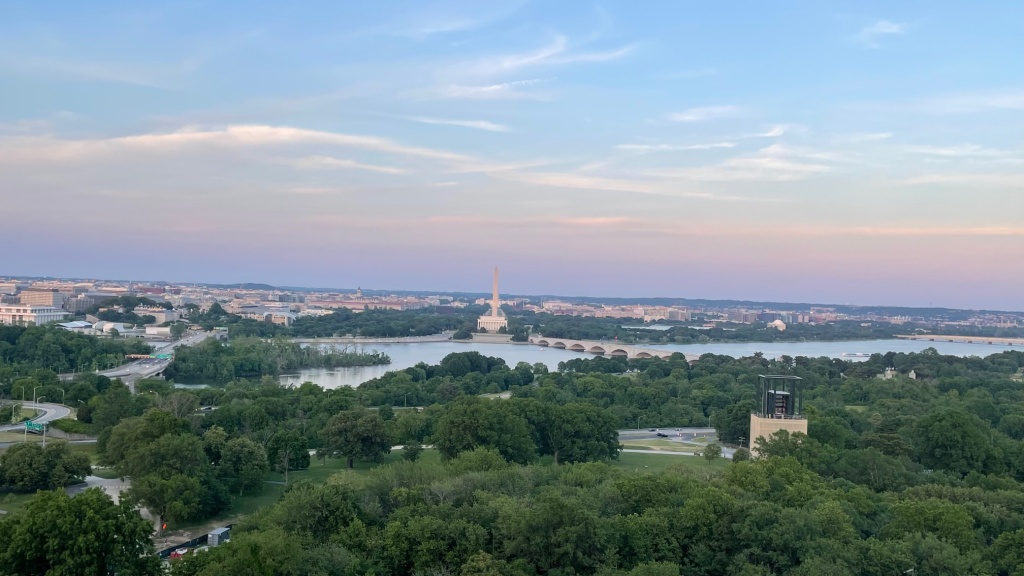
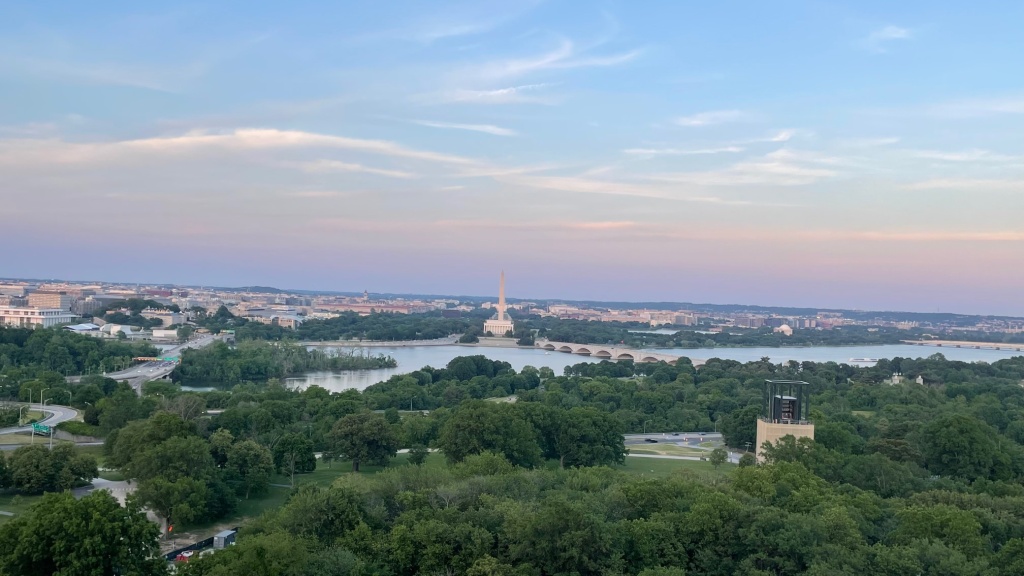
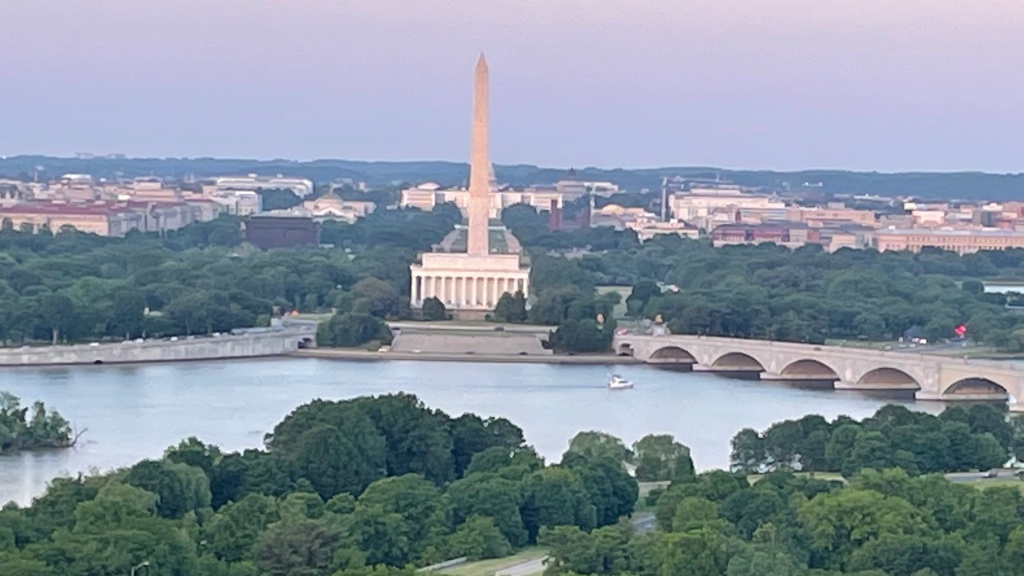
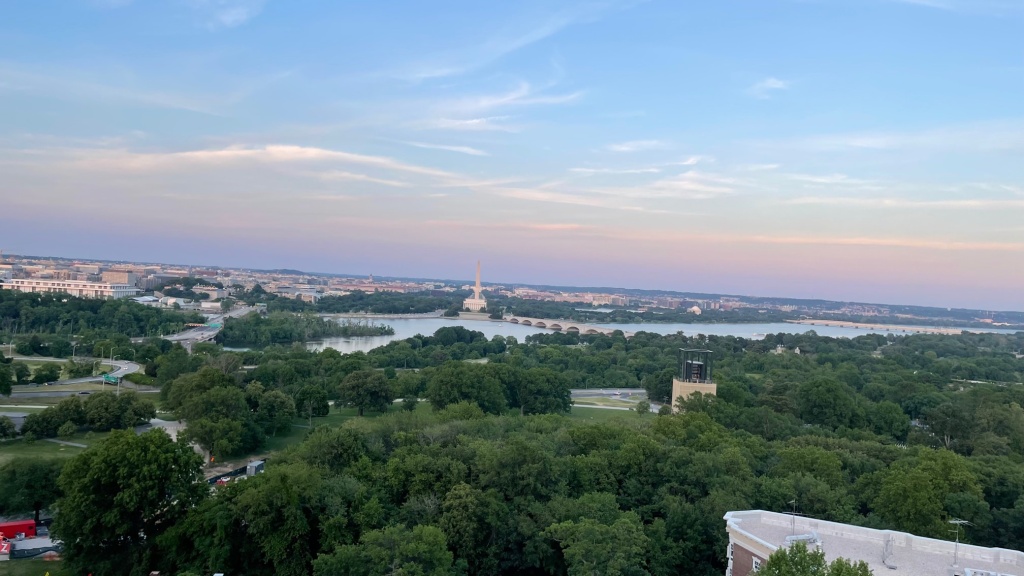
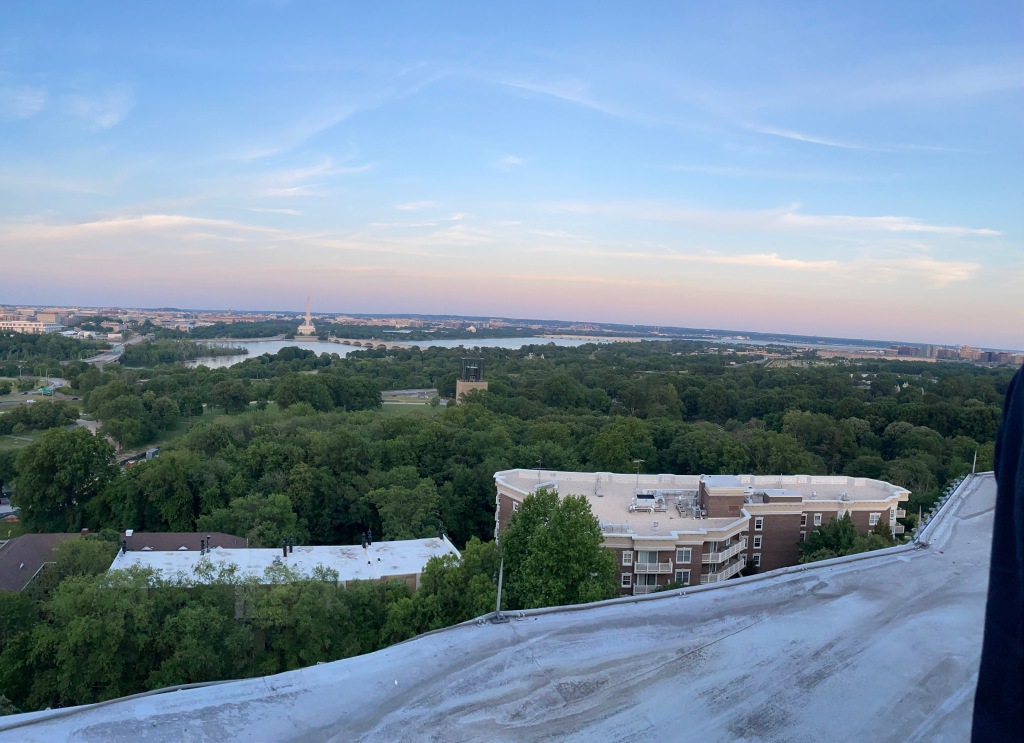


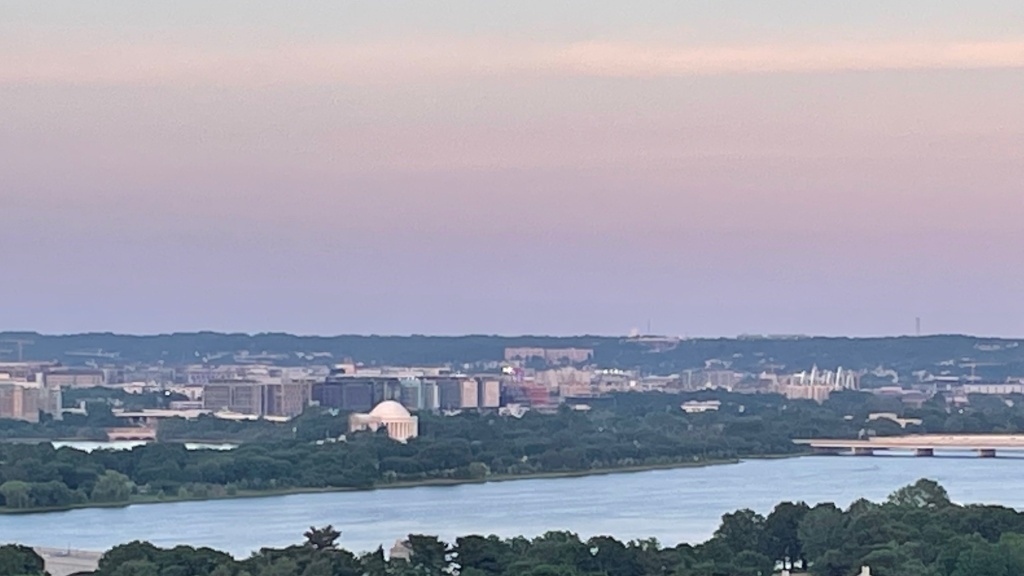

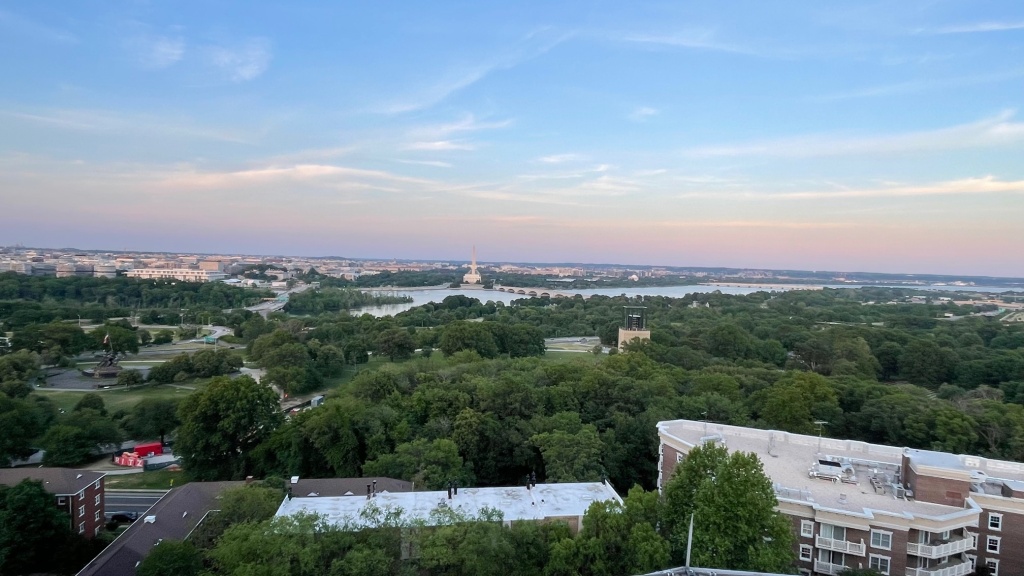


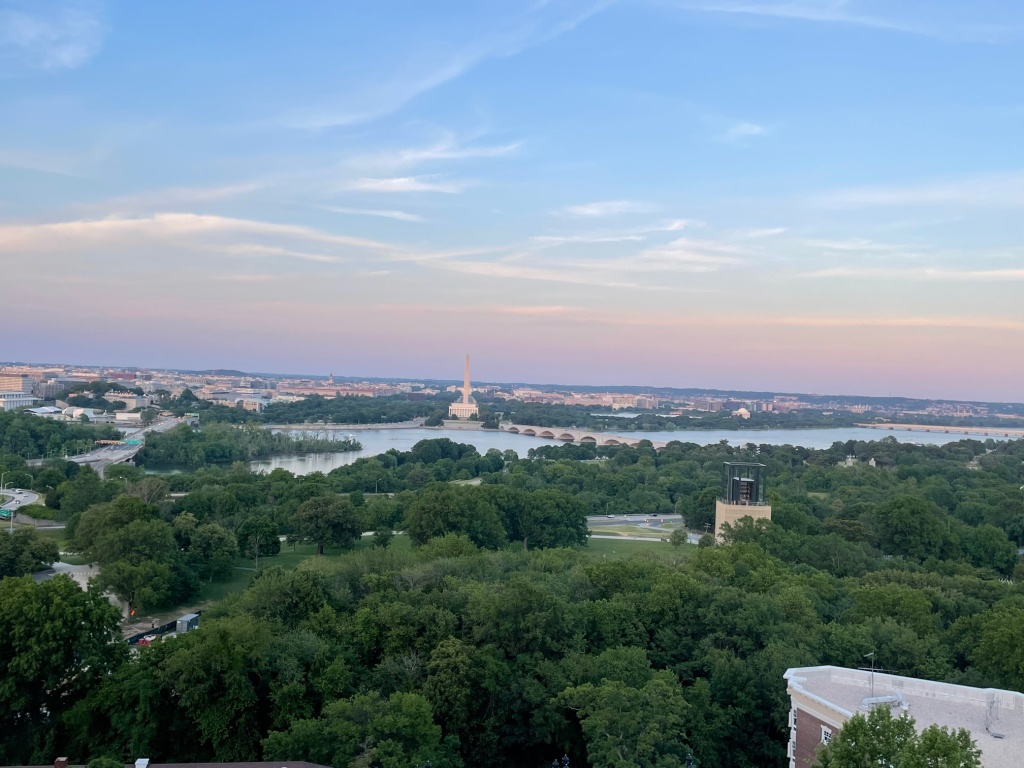
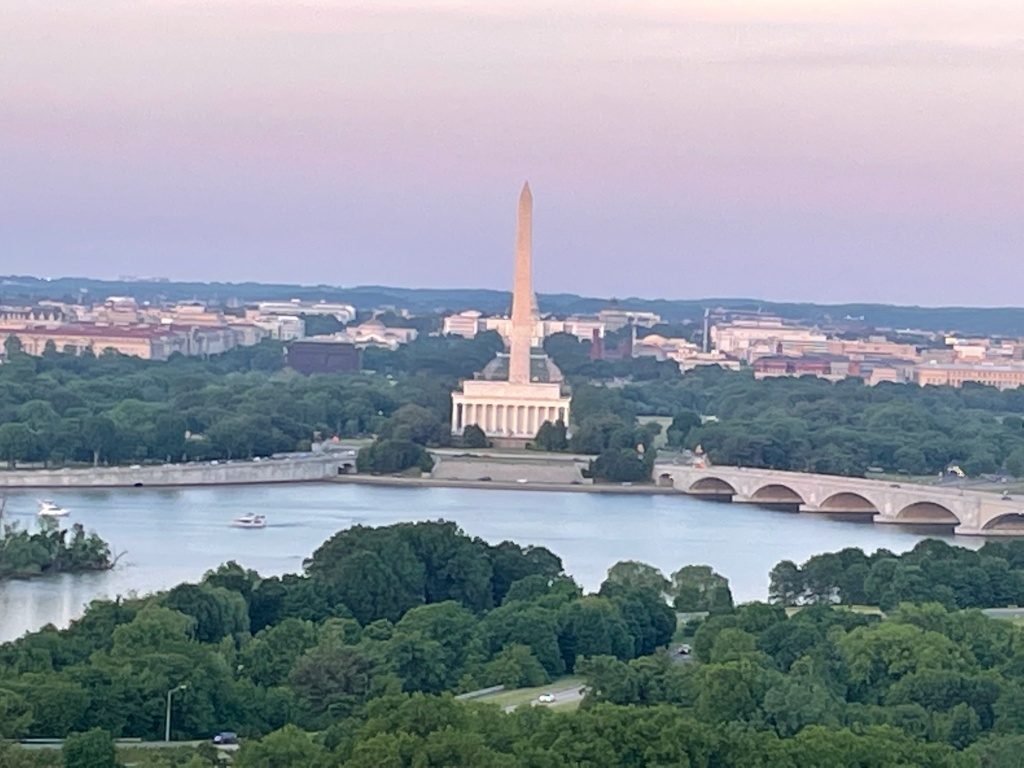
Camera: iPhone 12
Location: Arlington, Virginia, USA
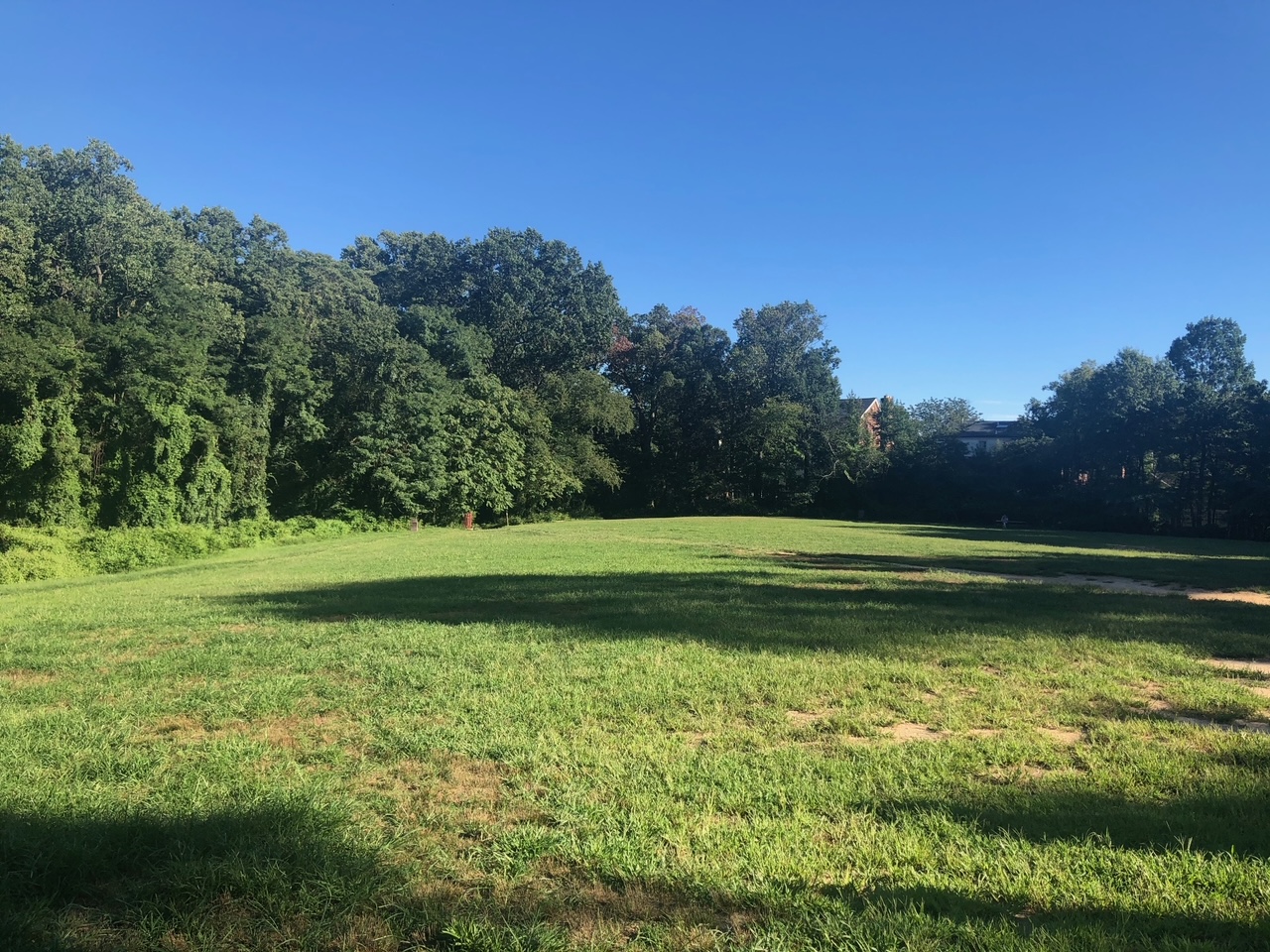
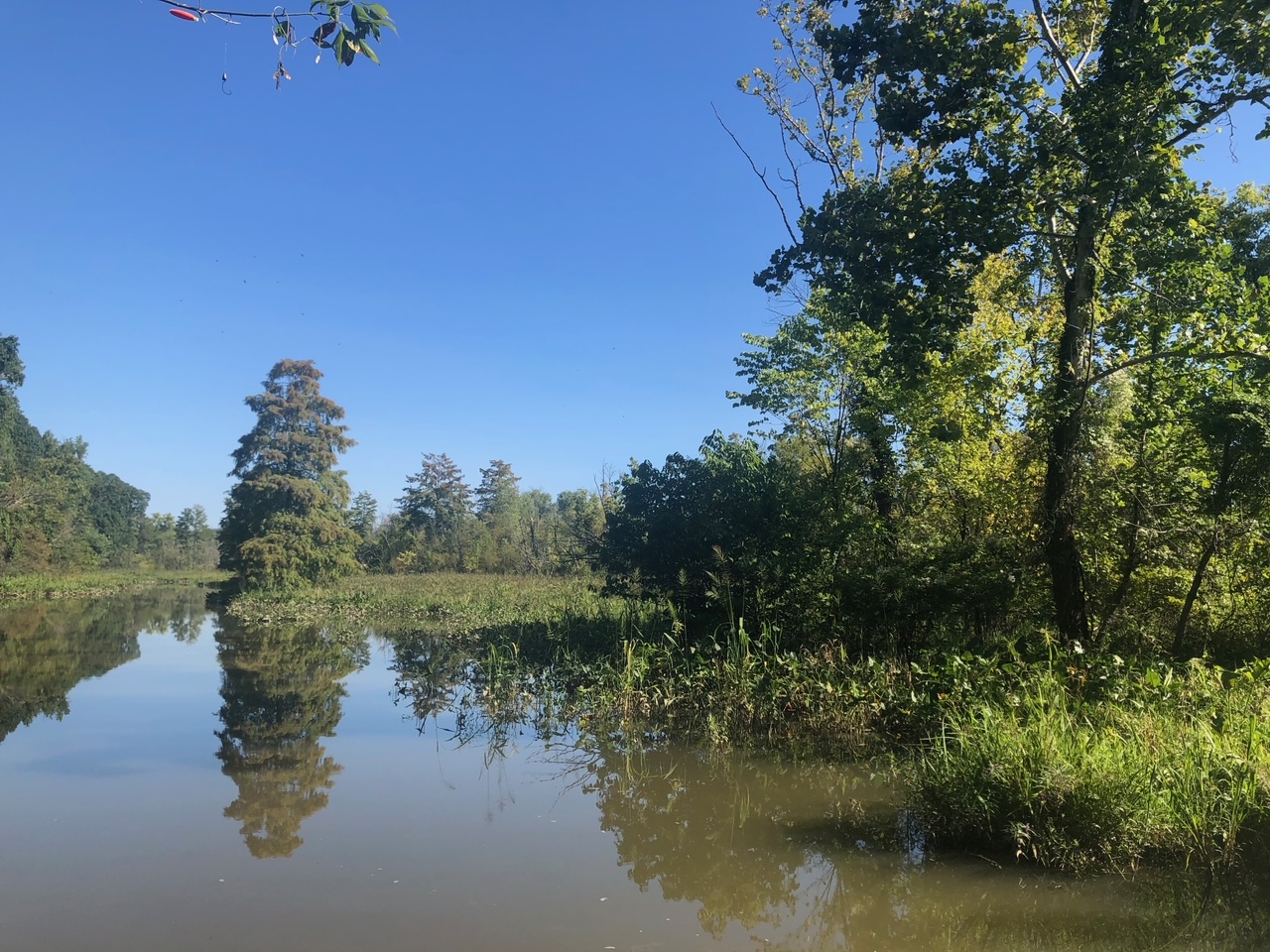

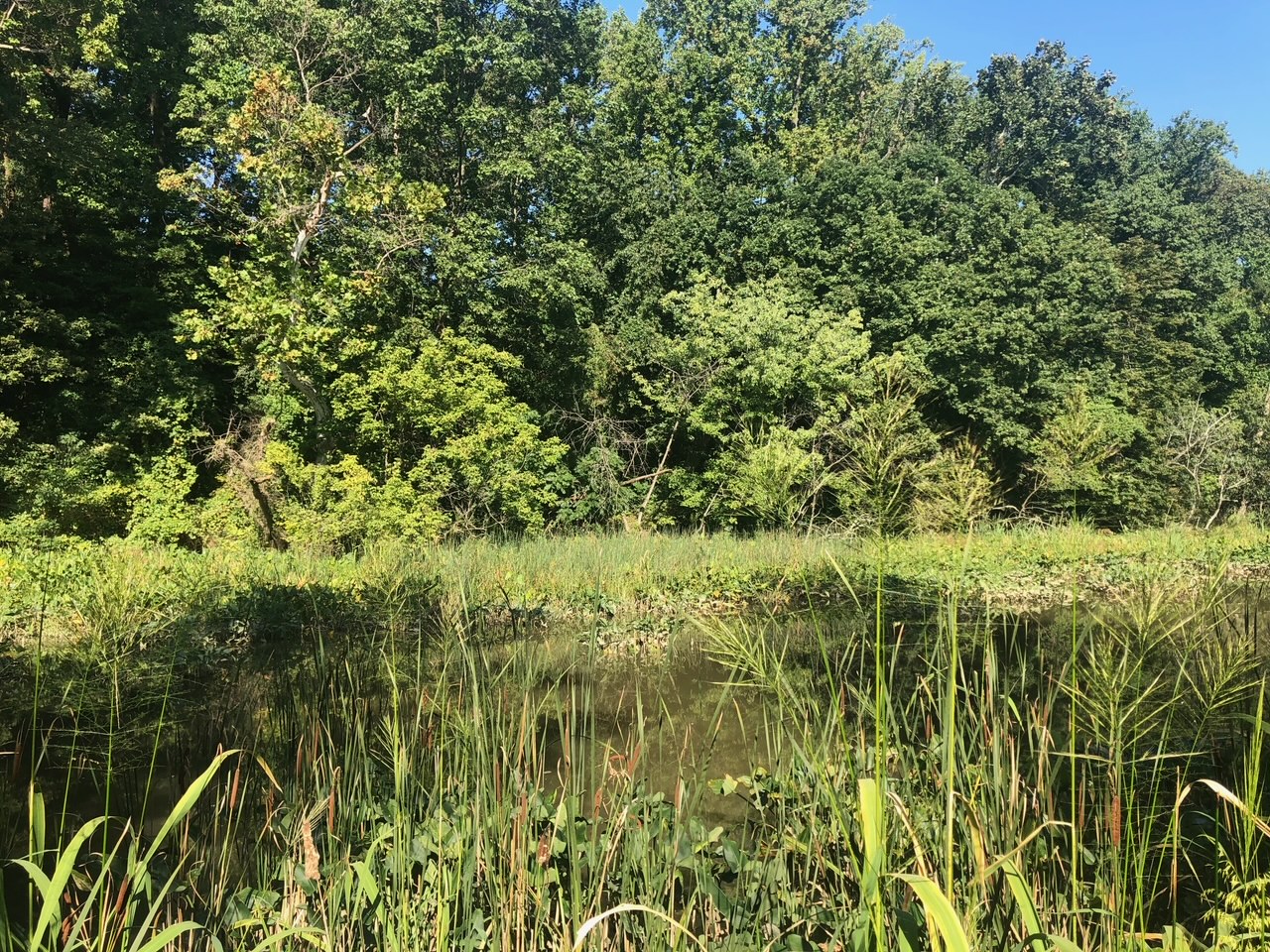
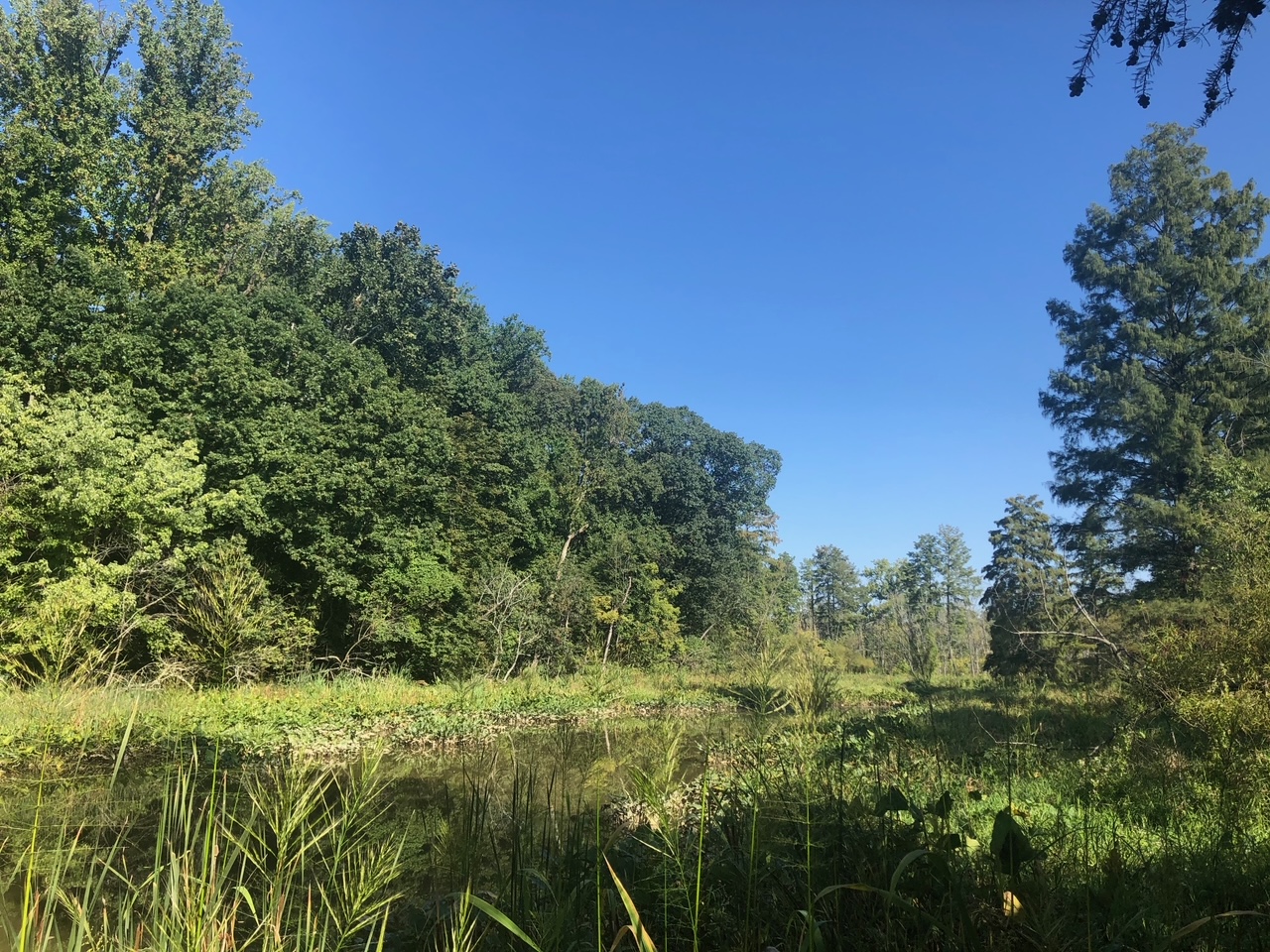
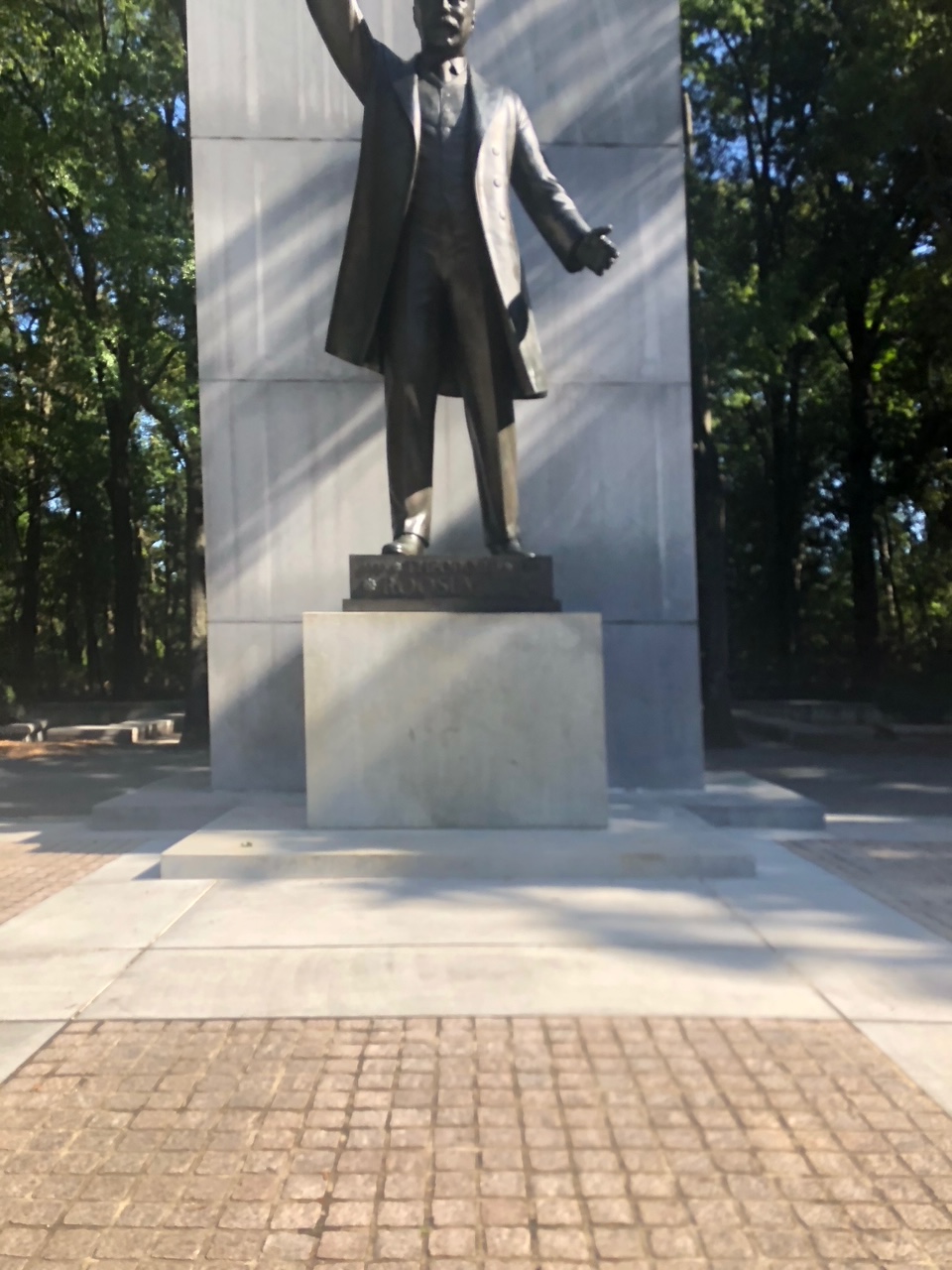
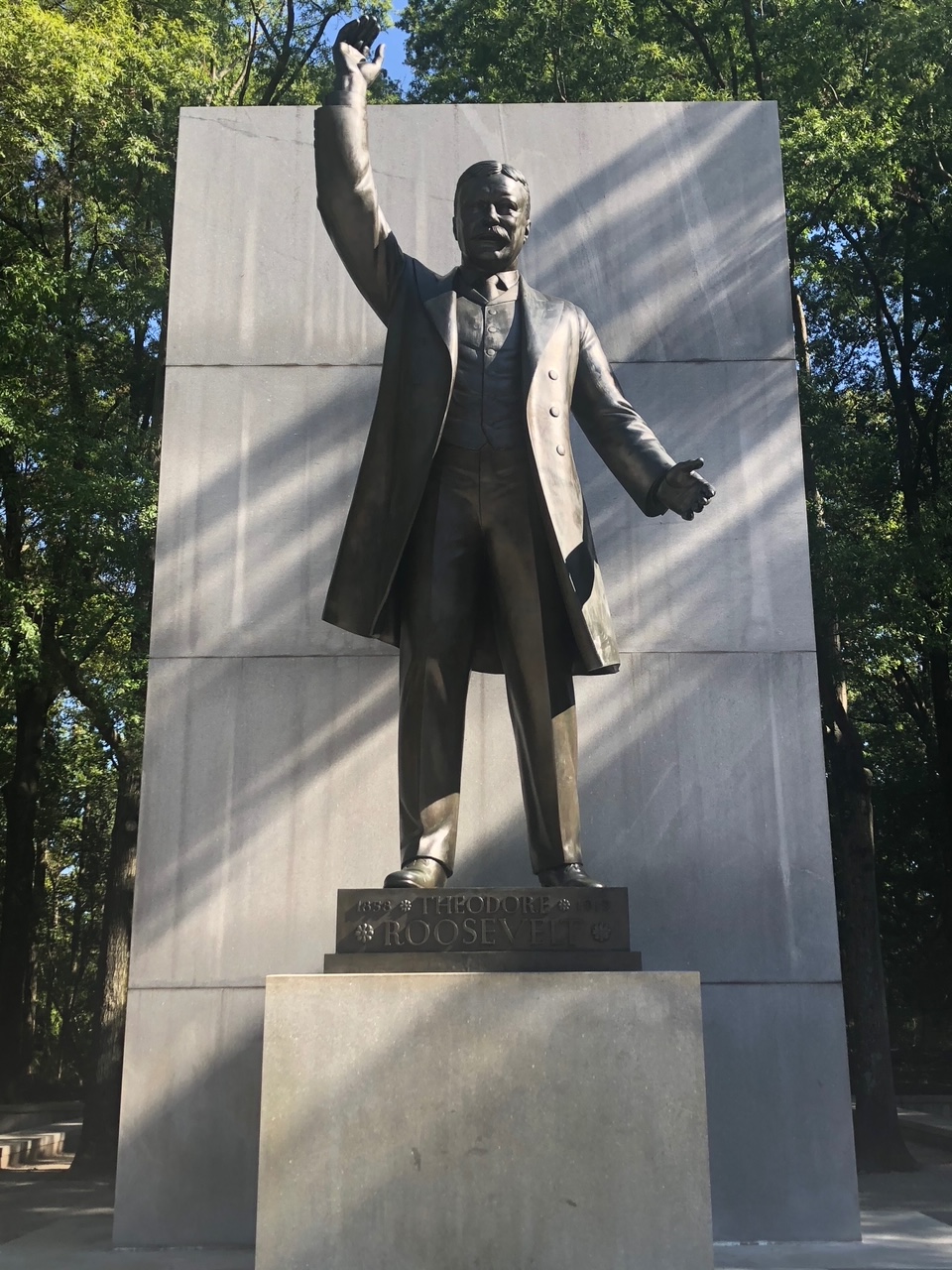
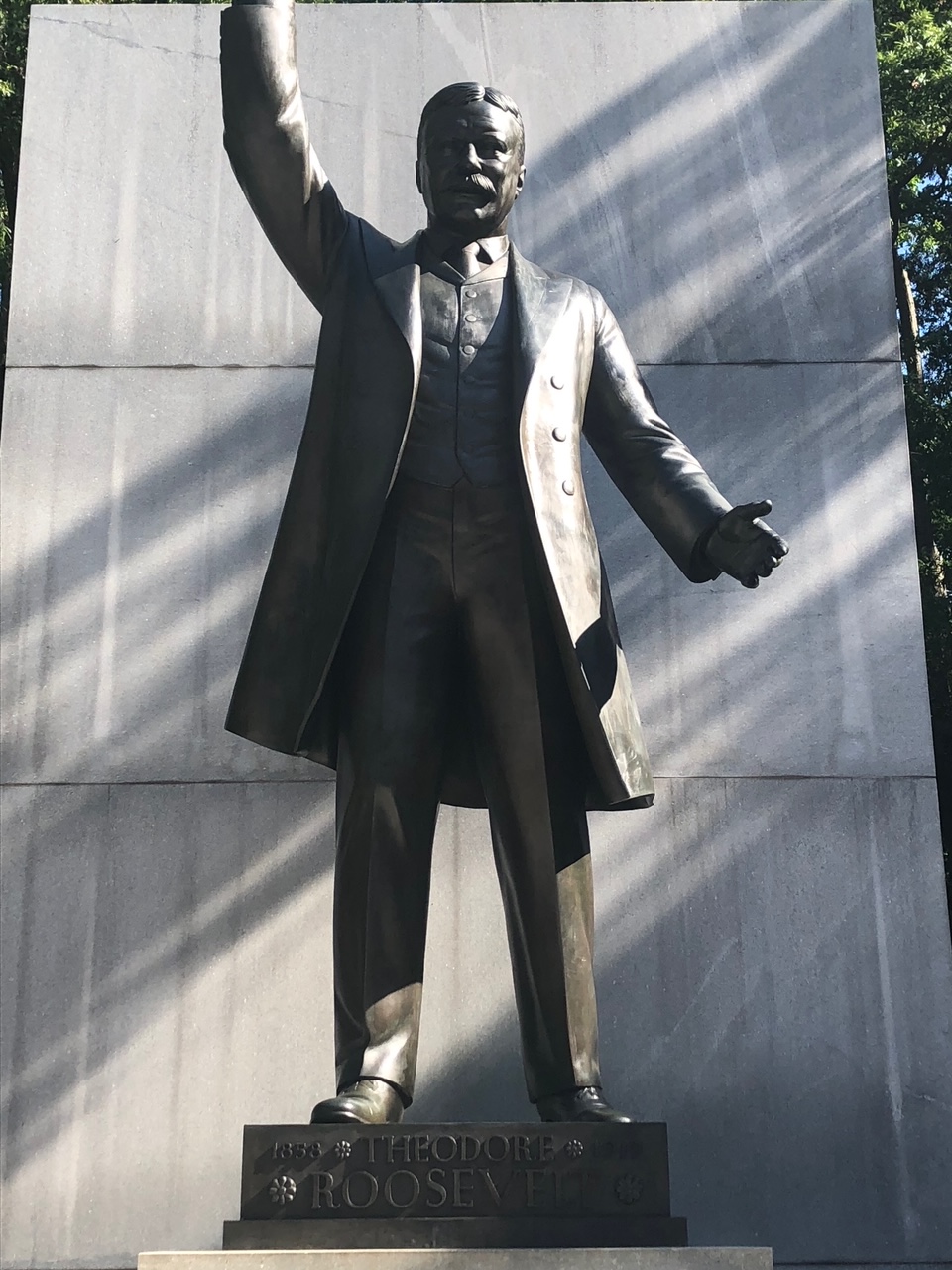
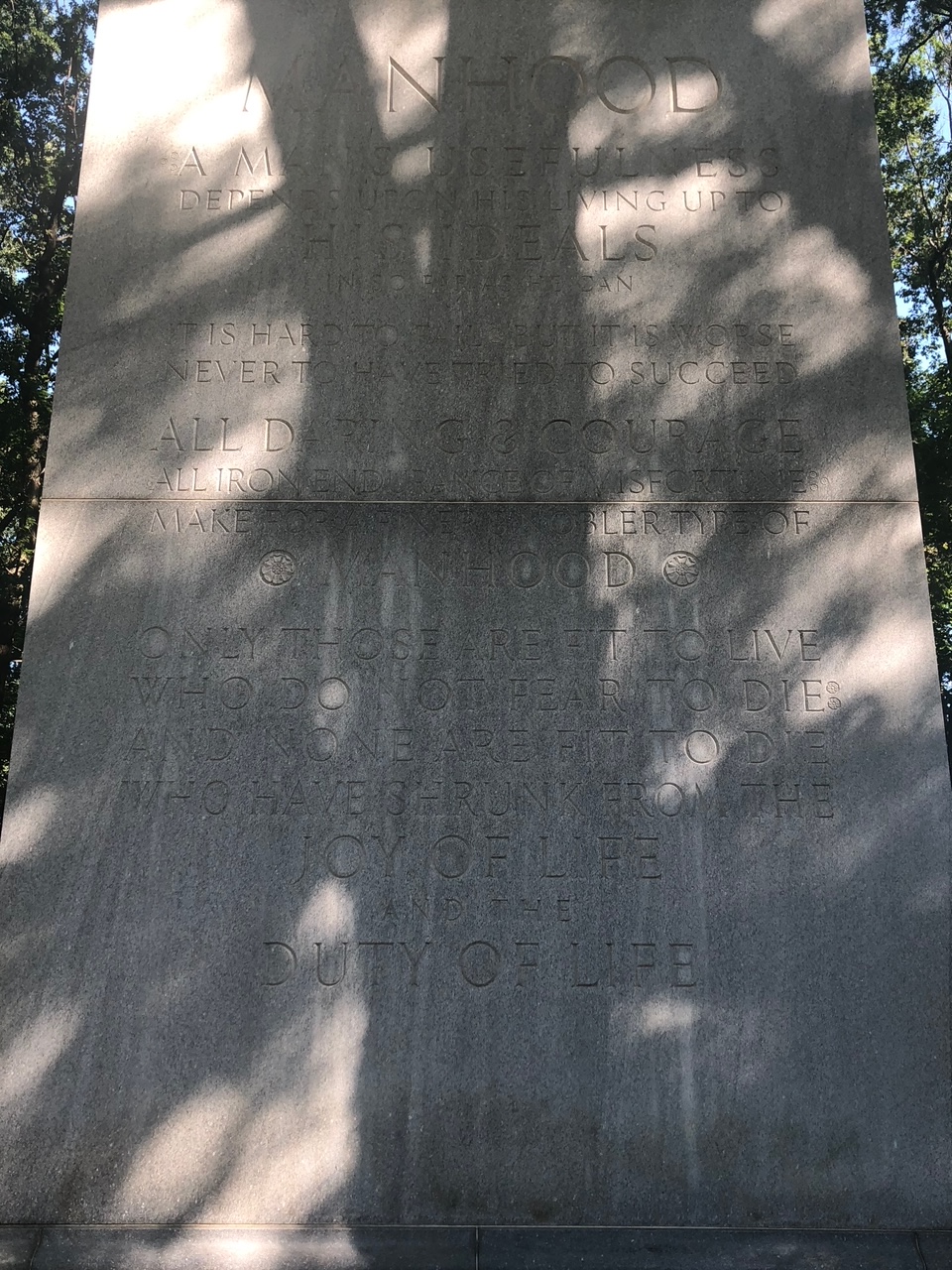
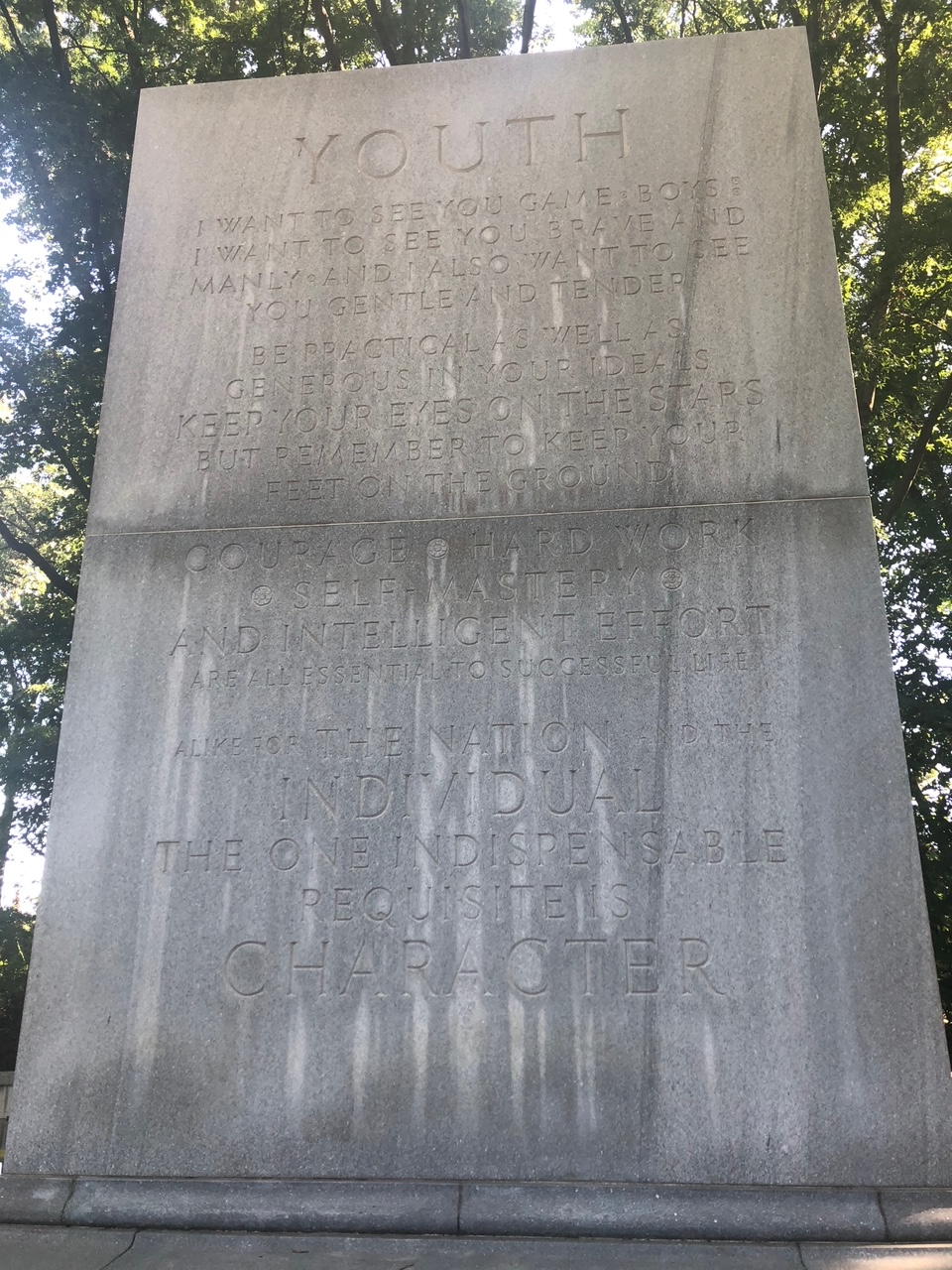
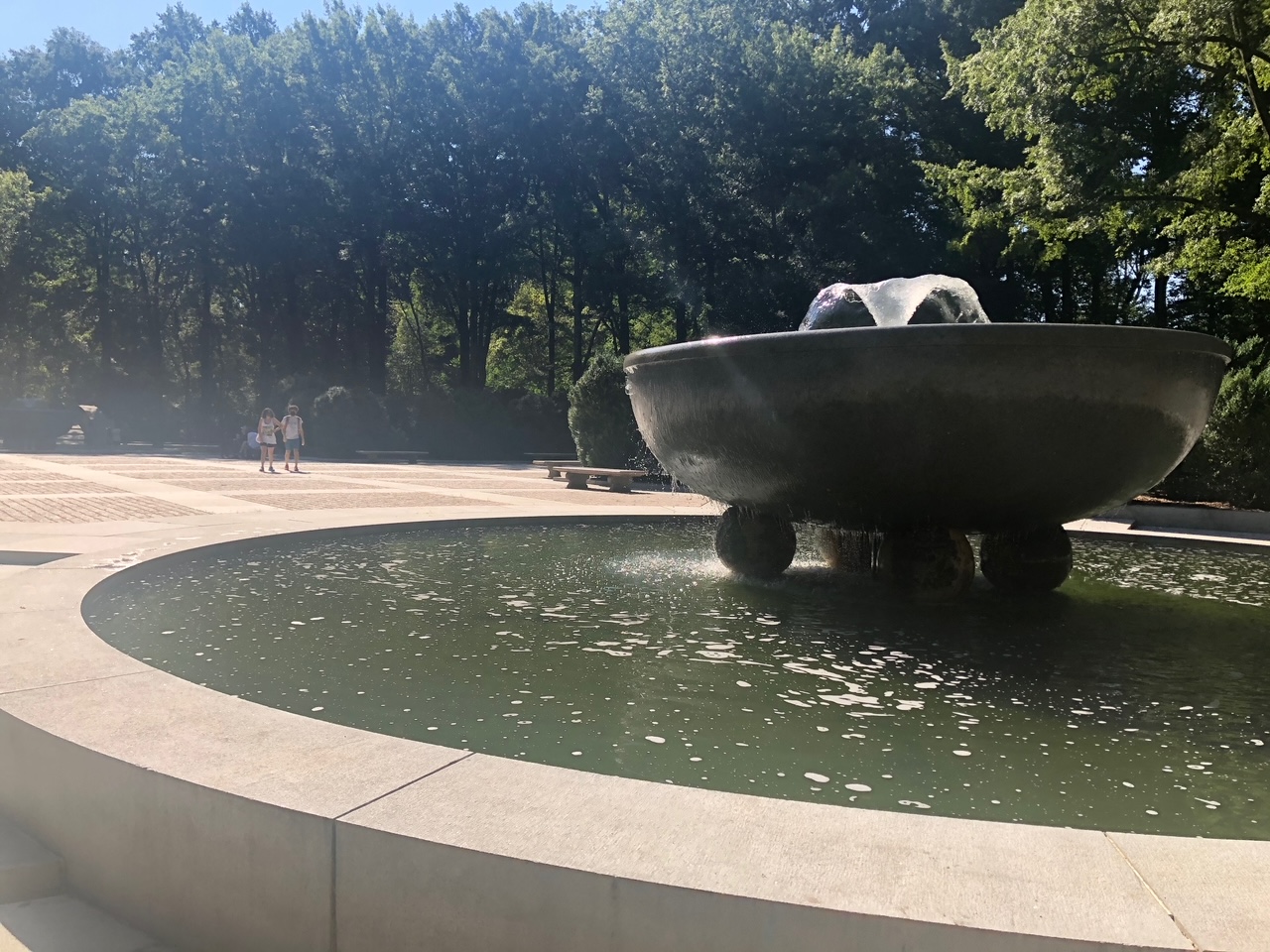
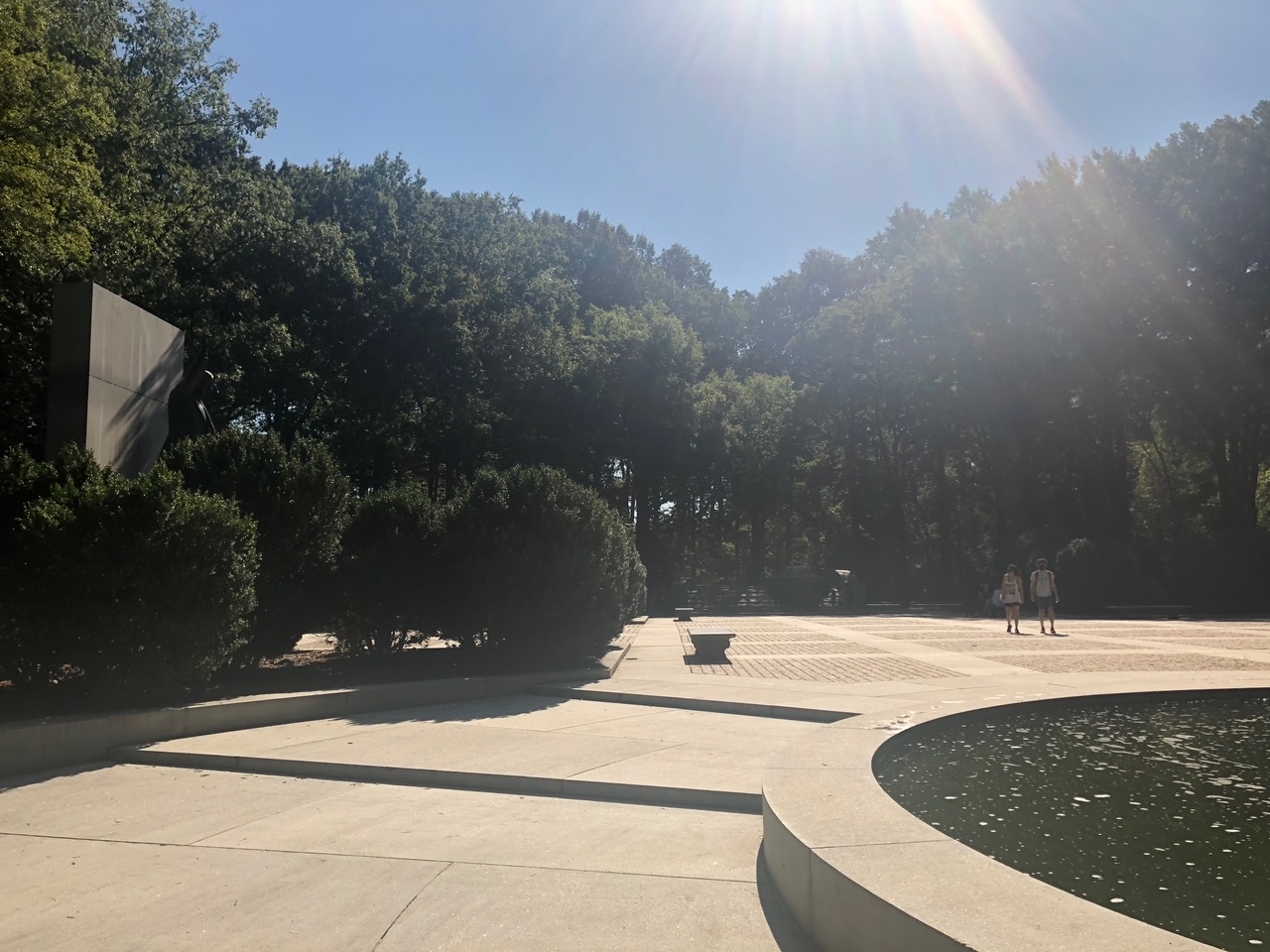
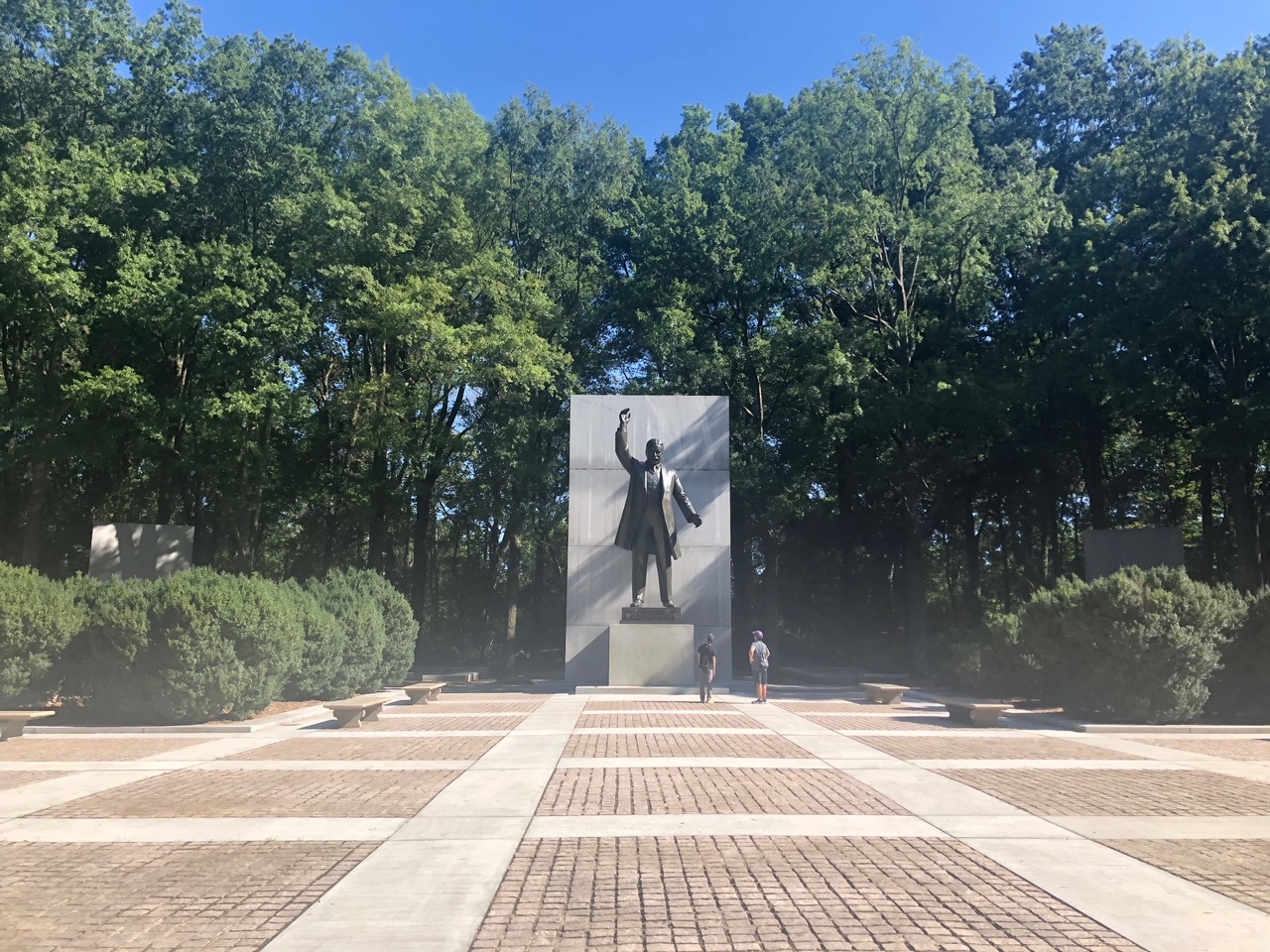
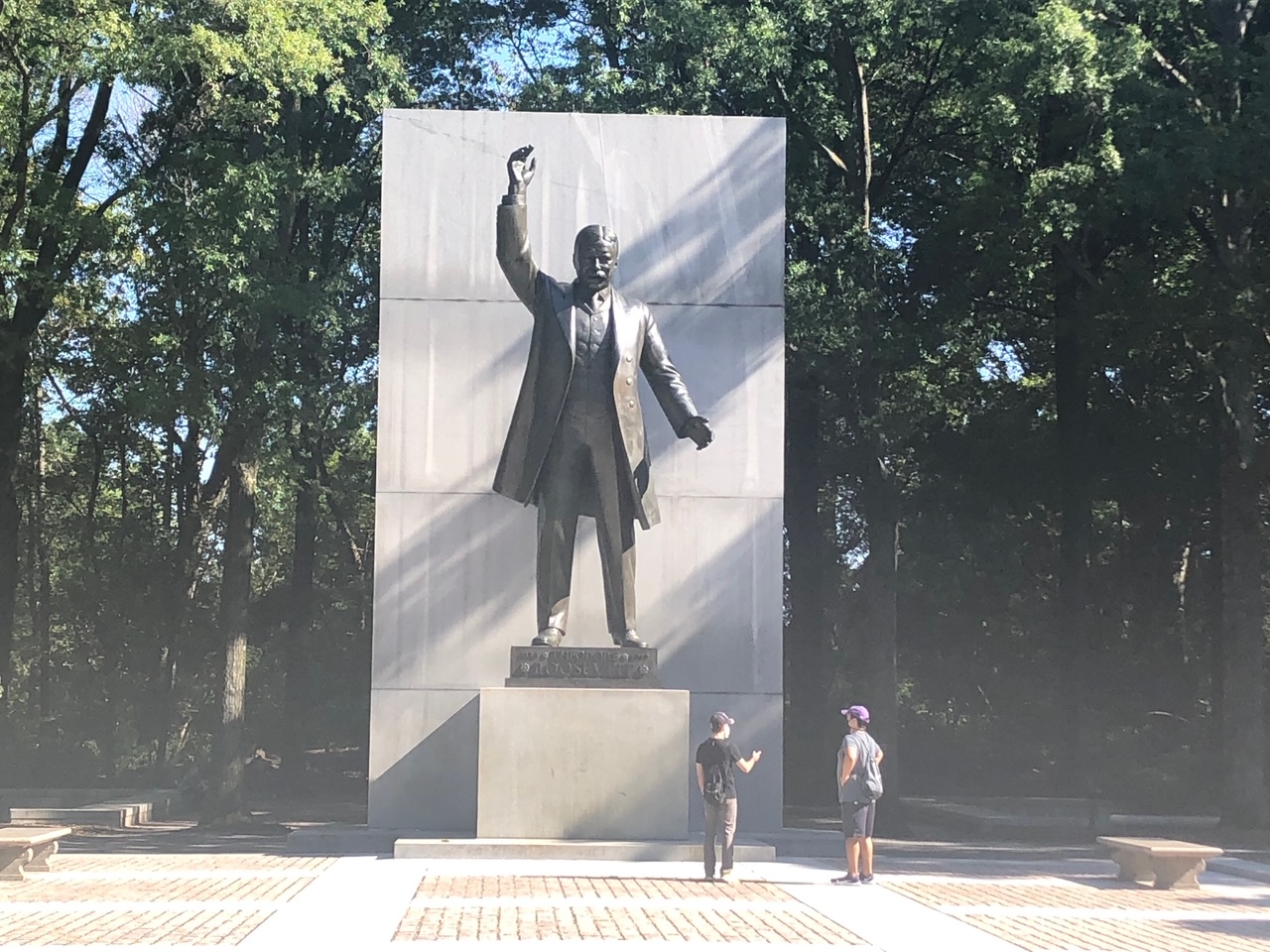
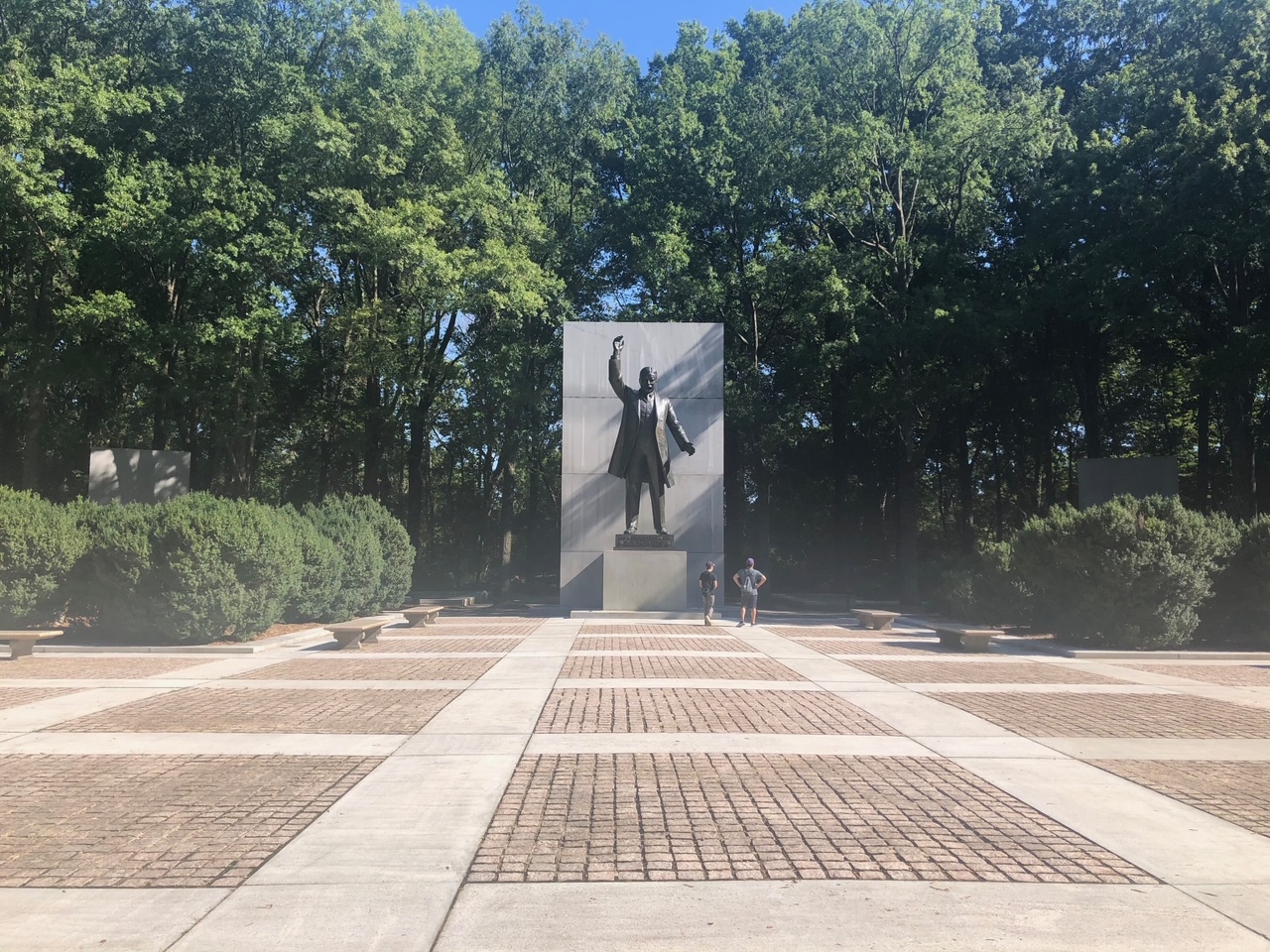


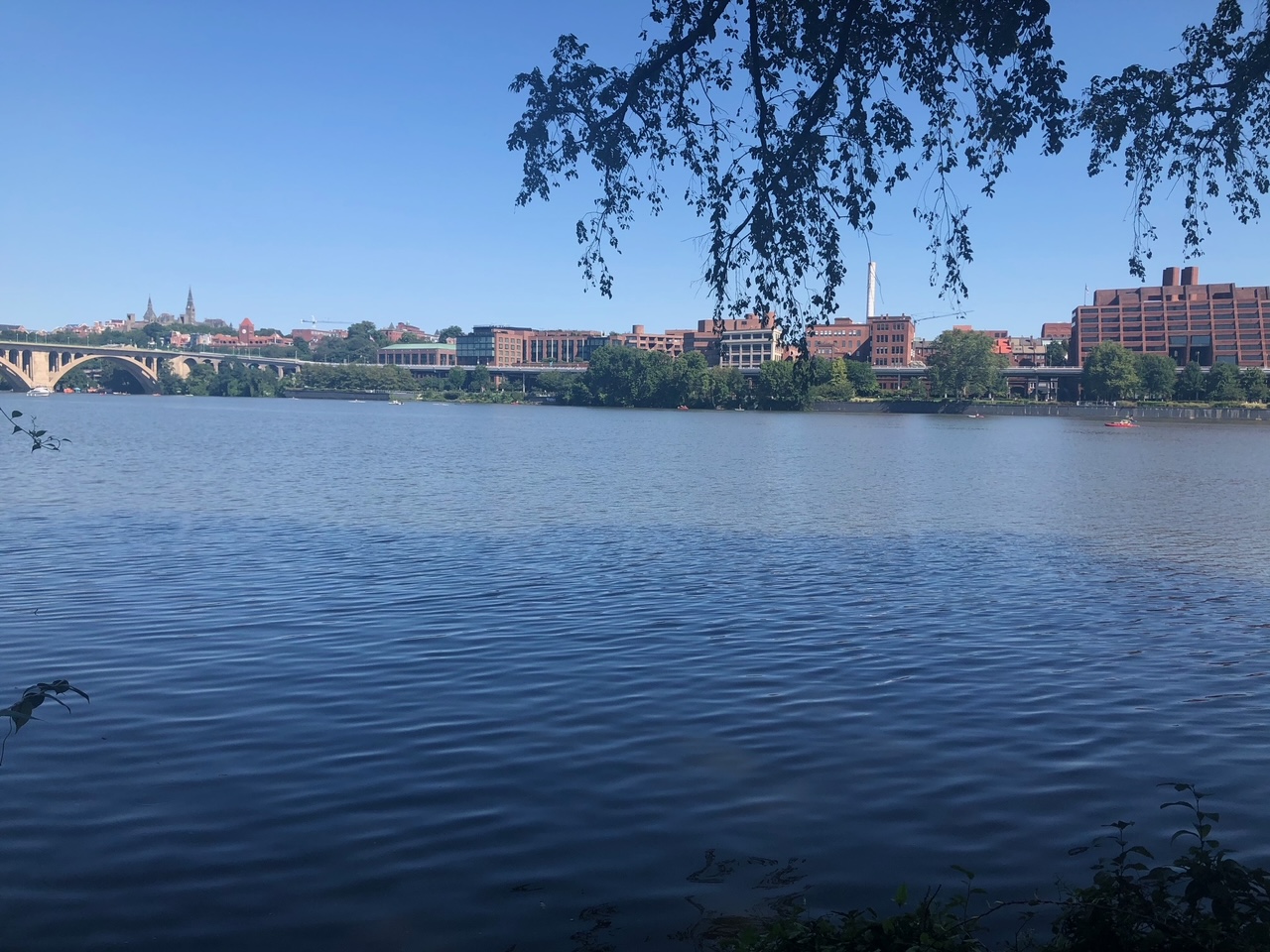
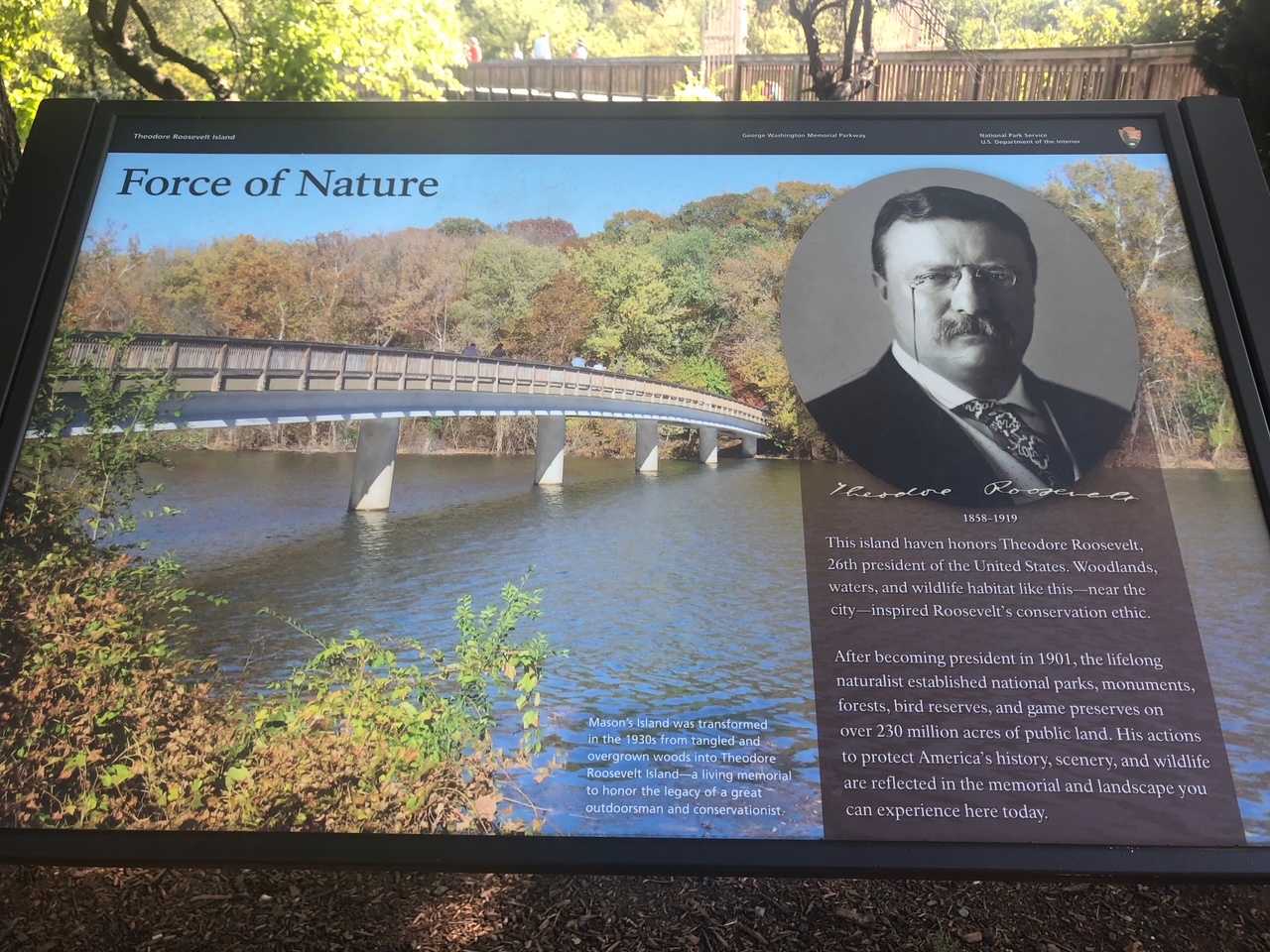

Camera: iPhone 8
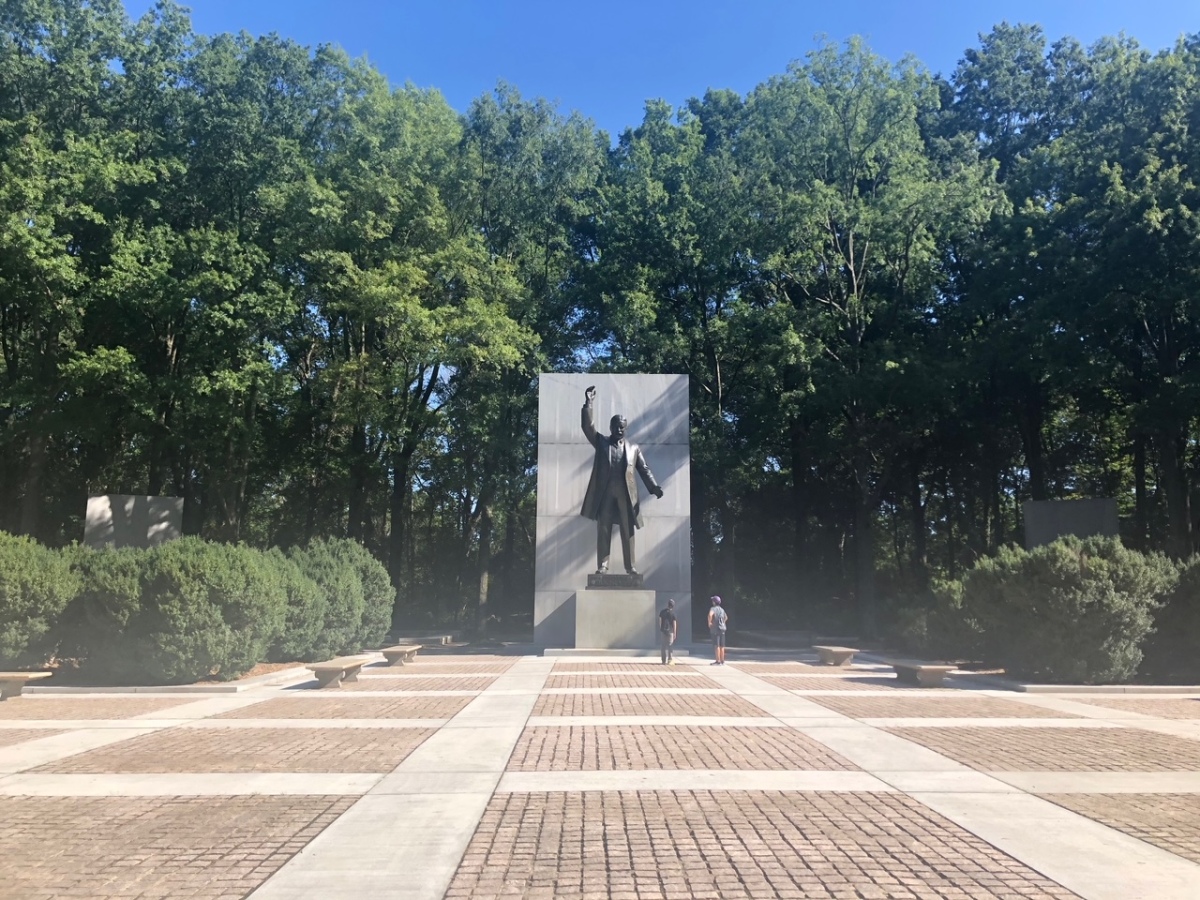
Location: Theodore Roosevelt Island; Washington, District of Columbia, United States


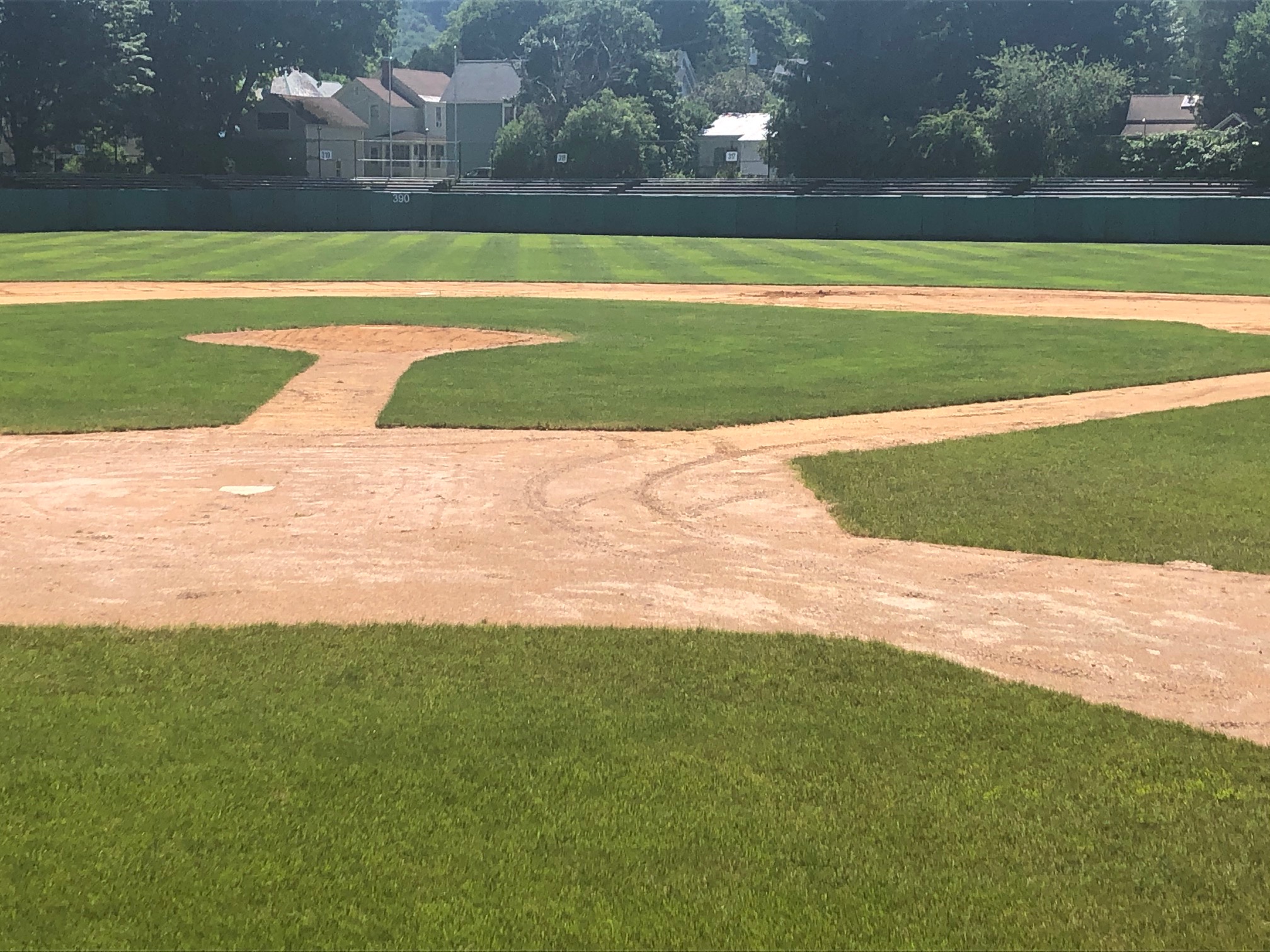


Camera: iPhone 8
Location: Cooperstown, New York; Doubleday Field