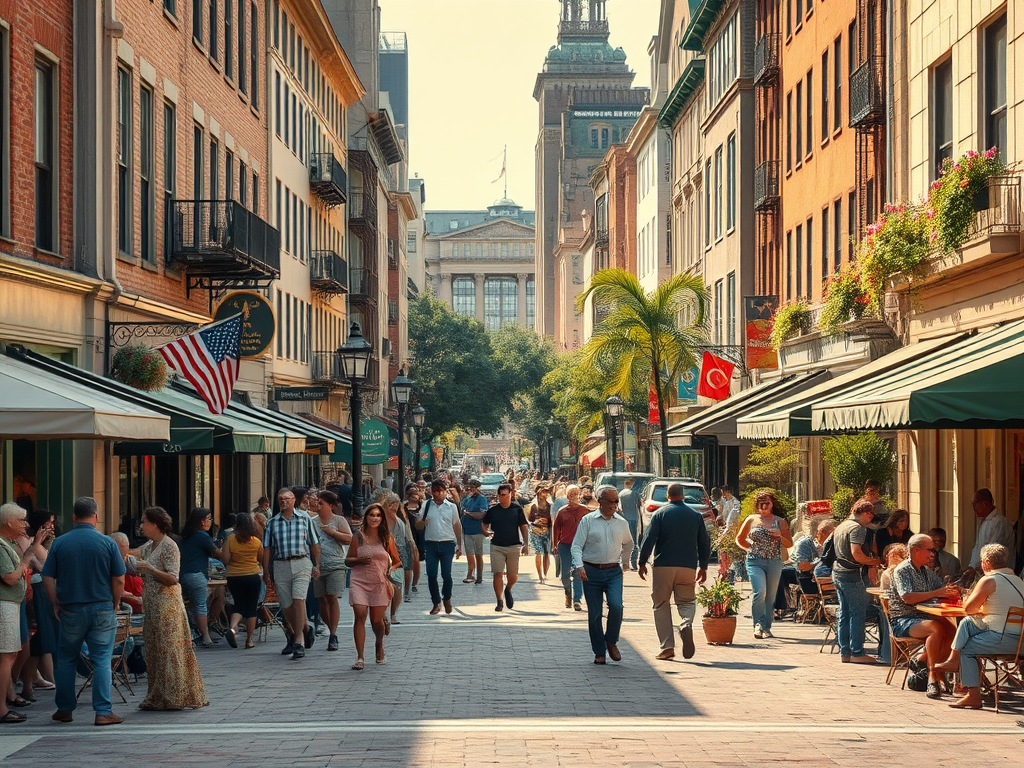
Why American Streets and Plazas Feel Empty and How to Bring Them Back to Life

“This shift in American daily life raises a deeper question: when did public life in the United States begin to disappear, and what would it take to bring it back?”

American cities were once defined by the energy of their streets and plazas across the country from big cities to small towns as places where people didn’t just pass through, but lingered, interacted, and built a sense of real community. Today, many of those same streets feel transactional at best and empty at worst. Instead of being corridors of activity, fun, and expression, streets have become corridors rather than the destinations. Public life has thinned out and become increasingly atomized in 2026 and this societal change here was done on purpose beginning in the 1950s and its effects still linger today in 2026. This shift in American daily life raises a deeper question: when did public life in the United States begin to disappear, and what would it take to bring it back?

The answer begins with the structural changes made to the design of our cities and towns in America during the 2nd half of the twentieth century. For the past few decades, American cities have been built around cars rather than people. The decline of street and plaza life in the United States is rooted in politicians catering to the automobile industry with car-first urban planning being prioritized above all else. With the expansion of the suburbs and the ‘American Dream’ having been tied to home ownership, rigid zoning policies meant that you could no longer walk out your door by foot and enjoy being in a lively community.

Wide roads, sprawling suburbs, and strict zoning laws have separated from where people live, work, and socialize with one another. In prioritizing having efficiency and convenience for the needs of the ‘nuclear family’, which is increasingly on the decline in today’s America, most cities and towns unintentionally eliminated the very conditions that made spontaneous human interaction possible and enjoyable. This seismic shift in public policy did not change just how American cities look and were laid out, it changed how each American related to each other, especially their neighbors.

This societal transformation has had a real human cost in this country. Public spaces are not just physical environments to move through but ideally, but they are also meant to be social ecosystems. Without their presence, opportunities for casual interaction shrink, and communities become more fragmented or isolated. As loneliness and social isolation rise across the country and has become a modern epidemic, the absence of vibrant ‘third places’, spaces outside of home and work has become increasingly noticeable. People are more connected digitally than ever yet often feel more disconnected in real life. Part of that solution is revitalizing what is common in other countries from Denmark to Colombia and from Spain to Turkey.

When I lived car-free across different countries and cities, my quality of life was inexorably more enjoyable and easier to get to know people. Making friends, running errands, and exploring is possible with a car but I found that exploring my new surroundings on foot and being able to get tea, coffee, or some food by foot in my local neighborhood made life in that new country or city much richer and more fun. Not needing a car was better for the environment and less expensive for my lifestyle and with having ride-sharing and good public transit options for where I was living in Istanbul, Medellin, or Mexico City, street and plaza life in each city across three continents was something I truly enjoyed taking full advantage of.

Other parts of the world often offer a clear contrast to how the U.S. has chosen to use its empty public spaces. In cities like Barcelona and Copenhagen, public space is treated as essential social infrastructure. Pedestrian-friendly streets, mixed-use neighborhoods, and a strong culture of outdoor living create environments where daily life naturally spills into the open regardless of what time of year it is, rain or shine. These cities are not necessarily more complex than U.S. cities, but they are simply designed with human behavior in mind including being able to walk, bike, or ride a scooter to where you need to go, which is much more environmentally friendly and cost-effective than needing to drive everywhere. There is real cultural emphasis on encouraging outdoor social life including showcasing musical performances, selling food and drinks in the open, and having benches, chairs, and tables for free gathering places at any time of the day or night.

You may be asking at this point: why has the United States struggled to follow suit in this way? The barriers are not just physical, but cultural and political. Car dependency is deeply ingrained in terms of cultural habits, and concerns around safety, public disorder, and accessibility often shape public opinion on encouraging street and plaza life to flourish without restrictions. At the same time, bureaucratic hurdles and zoning restrictions make it difficult to experiment with new ideas. The re-design and re-orientation of our physical landscapes would take decades or generations to construct including major financial costs and it would involve expanding transit and pedestrian friendly options, but I believe it would be worth it for future generations. Change is possible over time here, but it primarily requires a shift in cultural mindset and public policy.

Where progress has been made in the U.S. so far, the strategies are surprisingly straightforward. Expanding pedestrian zones and adding dedicated bike lanes in major cities, supporting street vendors and local businesses with easier permitting processes, and introducing outdoor dining and public events can quickly transform underused areas into vibrant gathering spaces. Small temporary interventions, often referred to as ‘tactical urbanism’, allow cities to test ideas before committing to permanent change. Importantly, good design alone is not enough. A well-designed plaza without any meaningful activity will remain empty; consistent programming and consistent use are what bring these unused spaces to life and keep people going there over time.

At a deeper level, successful public spaces tap into the psychology of place. People gather where they feel comfortable, stimulated, and welcomed. Elements like music, food, movement, and visual identity all contribute to whether a space feels alive or sterile. Safety matters, but so does the atmosphere where it’s welcoming, open, and engaging. A space can be technically safe yet feel uninviting if it lacks energy or purpose. Instead of holding events in asphalt parking lots or in lackluster fields without trees or any discernible nature will not stimulate the activity needed or generate the buzz needed so that the public spaces are going to need to thrive in the long run.

This is why revitalizing public space is about more than changes to urban planning; it is about rebuilding civic life in areas where it’s gone dormant or extinct entirely. Streets and plazas provide a shared environment where people from different backgrounds can coexist, interact, and develop a sense of mutual trust. In an increasingly polarized and digital society on top of being in a country where people don’t like to leave their vehicles or houses easily, these everyday interactions play a quiet but essential role in maintaining social cohesion and furthering progress for the town or city where locals and visitors are gathering.

In 2026, the urgency of this issue is only growing in terms of relevance. Hybrid and remote work arrangements have reshaped daily routines, leaving more flexibility for how and where people spend their time. At the same time, there is a growing desire, especially among younger generations, for experiences that feel authentic and communal, away from their phones and devices to reconnect with one another. American cities and towns that adapt to these shifts by prioritizing walkability, accessibility, and human-centered design will be better positioned for the future and achieve a higher quality of life for its residents and would help keep them living there for the long-term.

Revitalizing street and plaza life in the United States is not about copying other countries or eliminating cars entirely as part of our cultural memory. It is about restoring balance by creating welcoming spaces where people can once again gather, linger, and feel part of something larger than themselves and make new friends and acquaintances by doing so. When that happens consistently, streets stop being just pathways and start becoming places where life unfolds spontaneously.

Combating Alienation and Loneliness in Society

“This is an unfortunate societal transformation that may seem inevitable, but it can be reversed by improving mental health access, building stronger communities, and having better societal outcomes, it is crucial that some solutions are tested and put into place.”

One of the biggest challenges of the 21st century will be focused on how to foster solid connections, friendships, and relationships that are both sustainable and fruitful. Recently, more mainstream attention has been paid to how societies, especially in the Western world, are dealing with a surge in alienation and loneliness. It has caught the attention of politicians, community leaders, and authors who are interested in noting how people are fostering fewer social connections, maintaining fewer friendships, and increasingly living alone. This is an unfortunate societal transformation that may seem inevitable, but it can be reversed by improving mental health access, building stronger communities, and having better societal outcomes, it is crucial that some solutions are tested and put into place.

Traditional means of building strong social connections have been ironically undermined by the rise of social media where people can connect virtually but often, this is difficult to maintain in the real world. You really must make a serious effort these days to build your own friendship and communal networks whereas in previous generations, it was much easier in your small town or village to maintain ties with the local community or religious center, gather at town hall meetings, and be able to know who your neighbor was. It has fallen on the individual person to build their own network, which is often hard to do, especially if you are in a larger town or city, where there are so many people around, yet it may take longer to foster a deeper connection.

Religious places of worship, community centers, social clubs, and communal gathering places have taken a backseat to online social media channels, which while they can bring people together, they tend to be more focused on larger groups and gatherings, which can make it harder to get to know people better. More and more people can do things whether it’s shop, order food, build a business, and learn online, and while that has been transformative in providing greater opportunities and even connected people, I do believe traditional ways to meet people have been on the decline causing a subsequent rise in alienation and loneliness.

While many societal leaders are starting to pick up on this unfortunate phenomenon, it will take a lot of organizing, resources, and cooperation to reverse this trend in the long-term. I am going to propose three ways that by working together in our own towns and cities, we can work to bring people together in a healthy and sustainable way.

  1. Many third spaces outside of home and work have been commoditized in terms of meeting people and it can cause a financial strain on individuals who do not have the means to join an event or a group. I advocate for building and maintaining third spaces that are a public good, maintained and run by community members, and for which are made known to as many of the community as possible through consistent public awareness campaigns.

Each community center would be a good use of taxpayer funds and would be available seven days a week. I discourage the use of membership fees like a YMCA and its offerings would be different depending on the needs or interests of the community. I do think such a third space would allow for peer-to-peer mentoring events, ‘getting to know your neighbor’ dinners or potlucks, and allowing for classes or groups that can discuss financial literacy, cooking, nutrition, and even job searching and networking help to flourish there.

To some degree, these kinds of community centers do exist, but they are limited in scope, often cost fees, and are often hard to reach. These community centers can also take over for dilapidated strip malls, abandoned office buildings, or unused parking lots where the neighboring space can become a public park, playground, an exercise area, or even a fruit / vegetable garden for those people who don’t have access to fresh produce in their neighborhood. A greater long-term challenge is making sure these new kinds of community centers are accessible to all people because not everyone has a car, or a bike, or can walk there. Cities and towns that are designed around the car and where public transportation is hard to use have caused a spike in loneliness, and that is where these community centers can really help fill the gap.

In the long run, it is a crucial and needed change in ensuring that more places, including these community centers, can be accessed by bike, bus, rail, and by foot. The sprawling nature of most American towns and cities has exacerbated the atomization and loneliness issue, which creates a lost opportunity for connections to be fostered. In my view, significant changes to public policy surrounding this issue are unlikely in the near term, but the way we design our communities in the future and emphasizing greater accessibility of free third spaces can really make a dent in our current loneliness predicament.

2. Once you have these community centers in place, you must make sure that there is serious outreach across the town or city in question. I do think there is a current deficit not only in the lack of third spaces, but the ones that exist, few people know about. City, state, and even national governments can and should do a better job reaching out both online and in-person to people, especially if they are living alone, to highlight opportunities in the community to meet others.

When someone is new to a town or city, it would be an excellent idea for a neighbor or a landlord or a town leader to reach out to someone (with their permission, of course) to highlight ways to get involved in their community. Religious centers and places of worship have done this successfully for generations yet in the public sphere, there is a severe dearth of awareness when someone moves to a new town or city regarding which community centers are nearby, what resources are available to learn and to work, and how they can find the resources, the people, or the activities they want to get involved in.

There’s something to be said for the phrase, ‘to hit the ground running’, it can be an anxious, lonely, and often difficult time to make yourself feel at home when you move to a new community or city. I believe if there was a more concentrated and sustained approach to making someone feel welcome regardless of who they are, where they come from, and what their age is, it would really diminish the current loneliness crisis that we find ourselves in as a society. Something as simple as a neighbor, a community leader, or a townsperson, taking the new arrival under their wing, and inviting them to one of the ‘third spaces’ around them, can make a huge difference in that person’s sense of belonging, and even diminish their loneliness. When someone moves to a new town or city, an online community portal and an in-person community hub can go a long way to connect that person to the activities, hobbies, and needs that they are looking to fulfill as they make a life for themselves there.

3. Lastly and most significantly, I believe in volunteering as a time-tested and successful way to both give back to a community and to feel connected to others. Volunteering is not easy to commit to in terms of time and effort, but I believe it is a crucial way to avoid people feeling disconnected or lonely.

It is a positive thing to donate money or resources to a worthwhile charity or organization, but I believe it is even better to spend time with others committing yourself to a good cause at the local, national, or international level. Community hubs, sustained awareness of opportunities near where you live, and being able to find the volunteer work that you are interested in doing can help you find a greater purpose or meaning beyond what you thought was possible.

There is plenty of good work that can be done to revitalize communities and cities in your country and elsewhere. The key is to make sure that as many people are as aware of it as possible. I would argue that one or two years of volunteer service on a local or national scale would make young people more connected and relate more to each other if they were participating in a shared service.

Making a year or two of volunteer service mandatory for young people ages 18-26 would help combat loneliness and alienation among that age demographic and could also be made open to older demographics depending on the interest level. People should feel invested in their communities and where they live. I think that a mandatory volunteer service should be encouraged and if we can provide educational or employment incentives in exchange for the completion of a  national or local volunteer service program such as reduced or free tuition at a higher education institution, I do believe this would not only combat loneliness but encourage new friendships and also build the community hubs, parks, and centers that are currently lacking Being flexible with volunteer service is key especially when it comes to managing educational or employment obligations but offering part-time or weekend options for people can give this kind of initiative a greater chance for success.

If ordinary citizens, especially younger citizens, see that their local and national leadership are aware that there is a loneliness crisis, are actively providing resources to the communities to find possible solutions to this growing problem, and are asking for volunteer help with clear goals in mind on how to better connect people together, we can start to make progress in fixing this issue on a larger scale. If there is a slogan for these three steps to combating alienation and loneliness in society, it would be “we would like to invest more at scale in you and your community, help us to finish the job at hand, and we’ll make sure you receive ten-fold what you put in to helping to move this effort forward.”

People have a strong urge to belong and to be part of a tribe or a group. In our atomized era, it is increasingly harder to find one’s tribe. The causes of this growth in alienation and loneliness are well-known and are well-documented. Personally, I am interested in how best to get out of this hole that collectively, we have dug for ourselves. While some of us have been able to forge our own community, sustain our friendships and relationships, and maintain strong ties to our town or city, there are an increasing number of individuals who feel disconnected and left behind, often through no fault of their own.

I do believe that the three steps I have proposed in this article can make a serious dent in this issue. I hope that there are other numerous ideas out there that will be considered by those with the power and influence to make a difference in how we structure our towns and cities because the sooner we address this problem, the better off we will be as a result. Decades ago, you knew who your tribe or your community was mainly due to family or religious background or just your neighborhood ties, but that is no longer the case for a growing segment of our society.

It is up to us to collectively fill in the gap that these traditional institutions have failed to sustain. I hope that we start to invest more time, money, effort, and attention to solving this issue in the future because it is truly one of the defining issues of our time and regardless of if we are not directly affected by its effects, it is likely that you know of someone or have heard of somebody in your own life who struggles with loneliness. Greater social and communal bonds are crucial to sustain and in these atomized times we’re living through, the more work we do now to diminish this problem, the better off we will all be in the future.

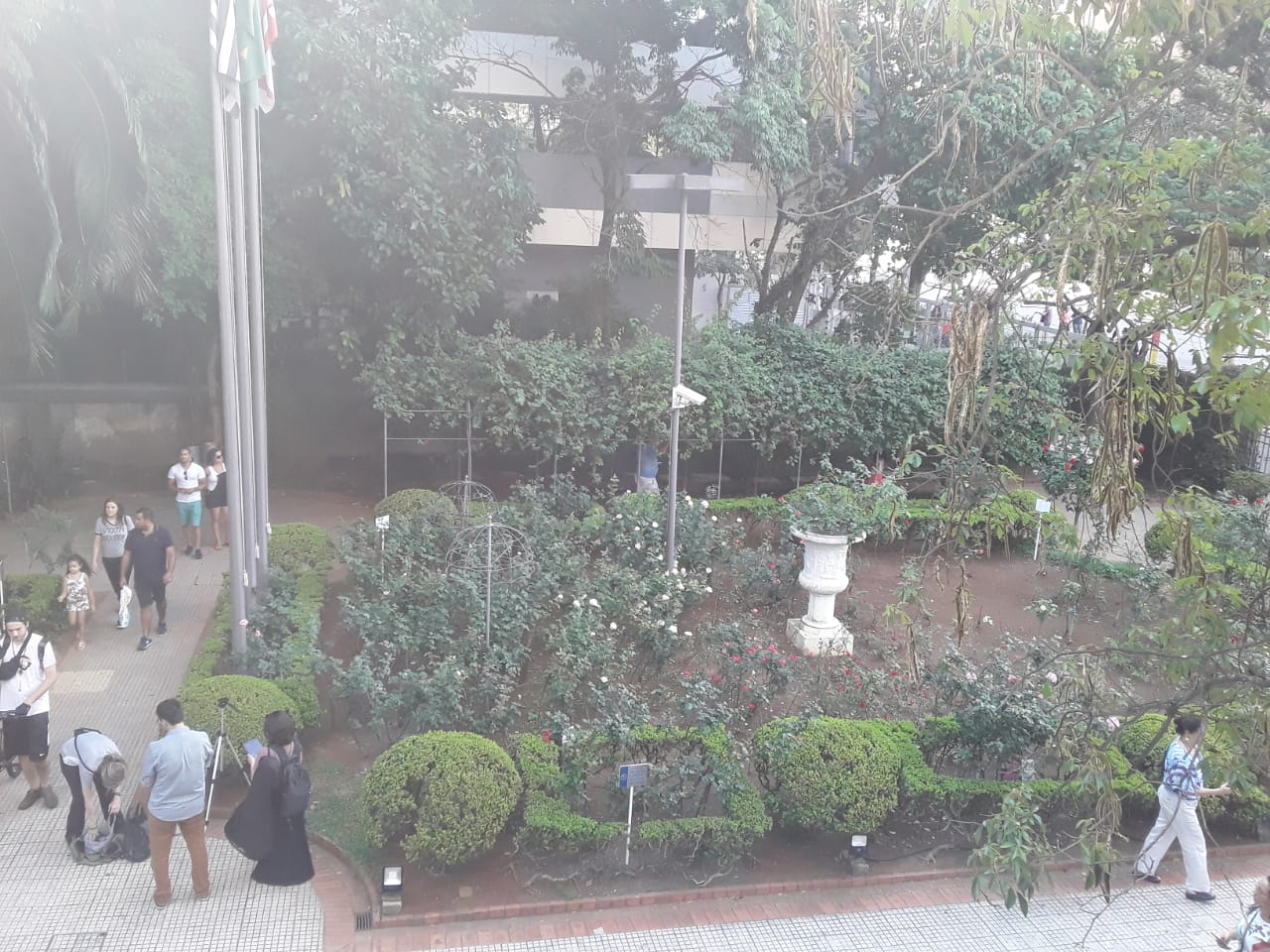
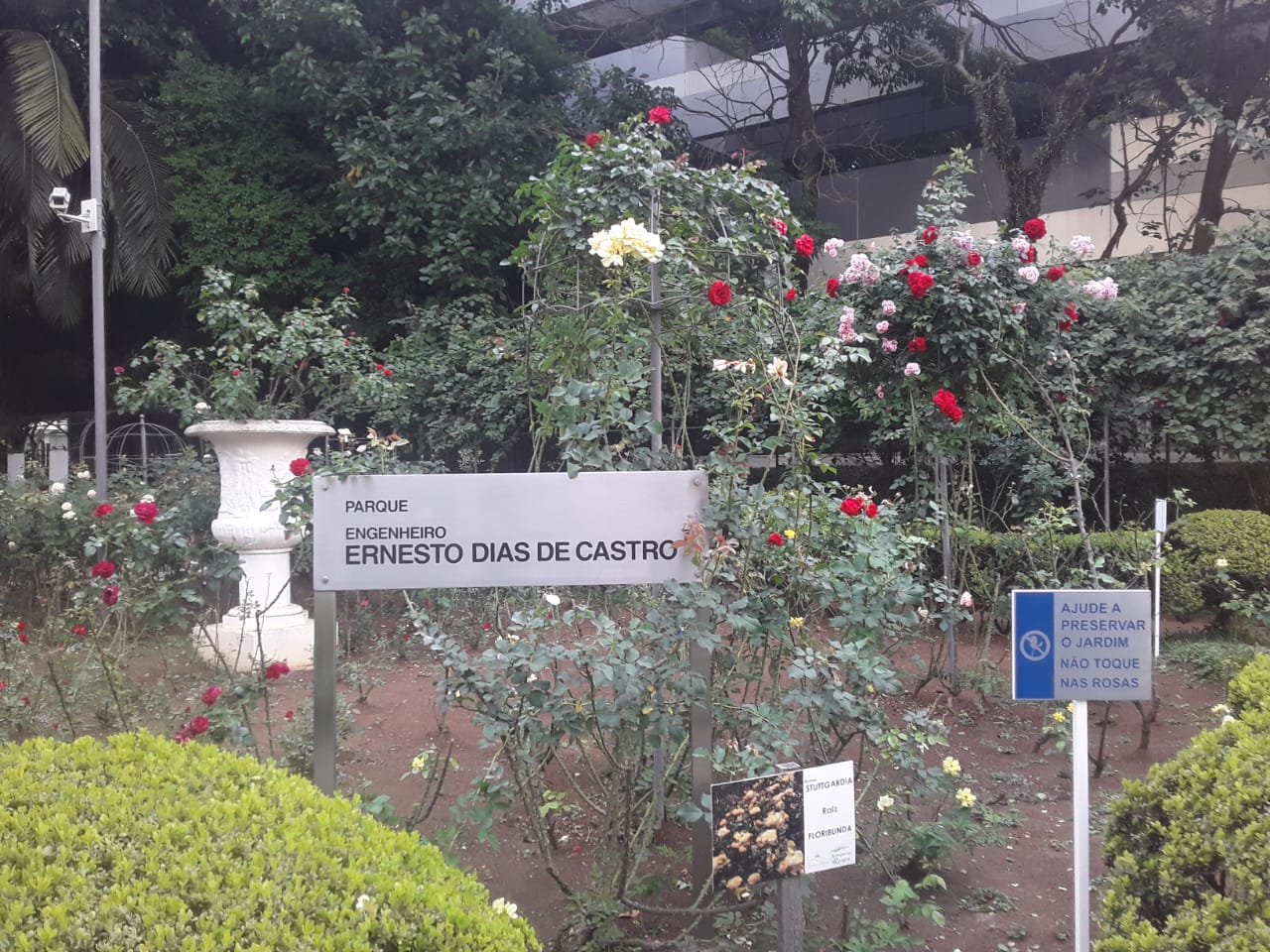
Avenida Paulista

PHOTO-2019-11-27-22-22-52PHOTO-2019-11-27-22-22-53PHOTO-2019-11-27-22-22-56PHOTO-2019-11-27-22-22-57PHOTO-2019-11-27-22-22-58PHOTO-2019-11-27-22-22-59PHOTO-2019-11-27-22-22-59 (1)PHOTO-2019-11-27-22-22-59 (2)PHOTO-2019-11-27-22-23-00 (1)PHOTO-2019-11-27-22-23-00PHOTO-2019-11-27-22-22-58 (1)PHOTO-2019-11-27-22-22-54

Camera: Samsung Galaxy J2 Core

Location: Avenida Paulista; São Paulo, São Paulo State, Brazil

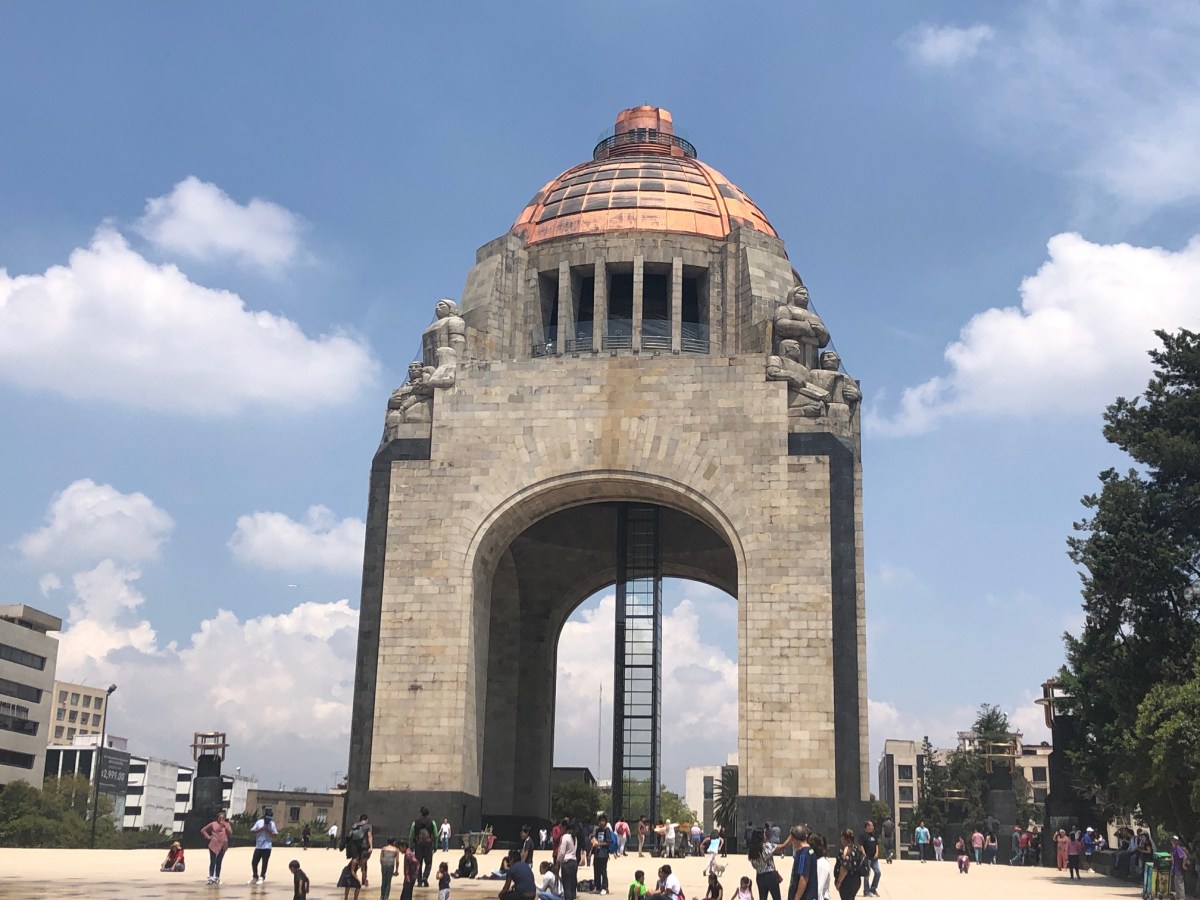
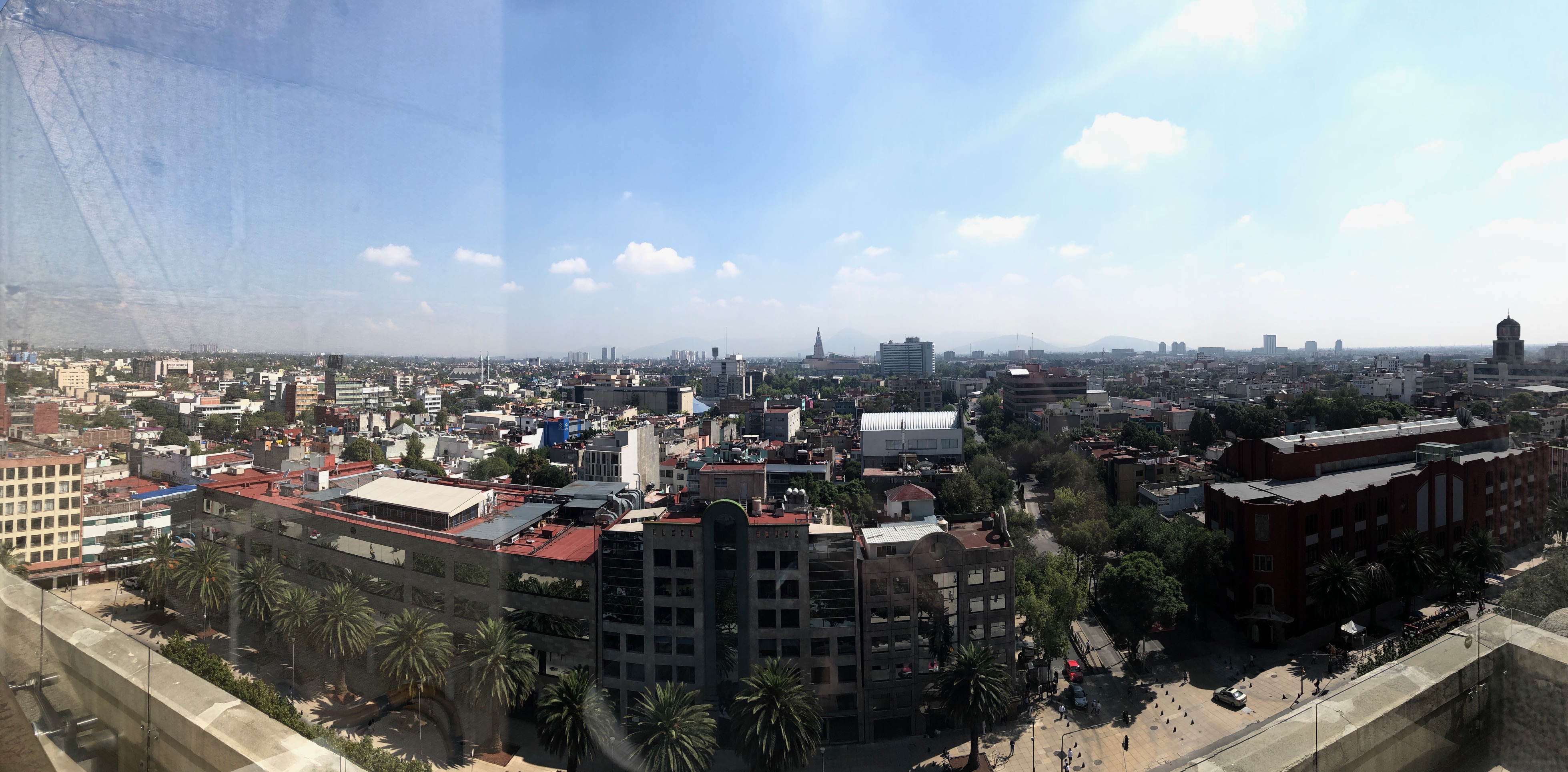
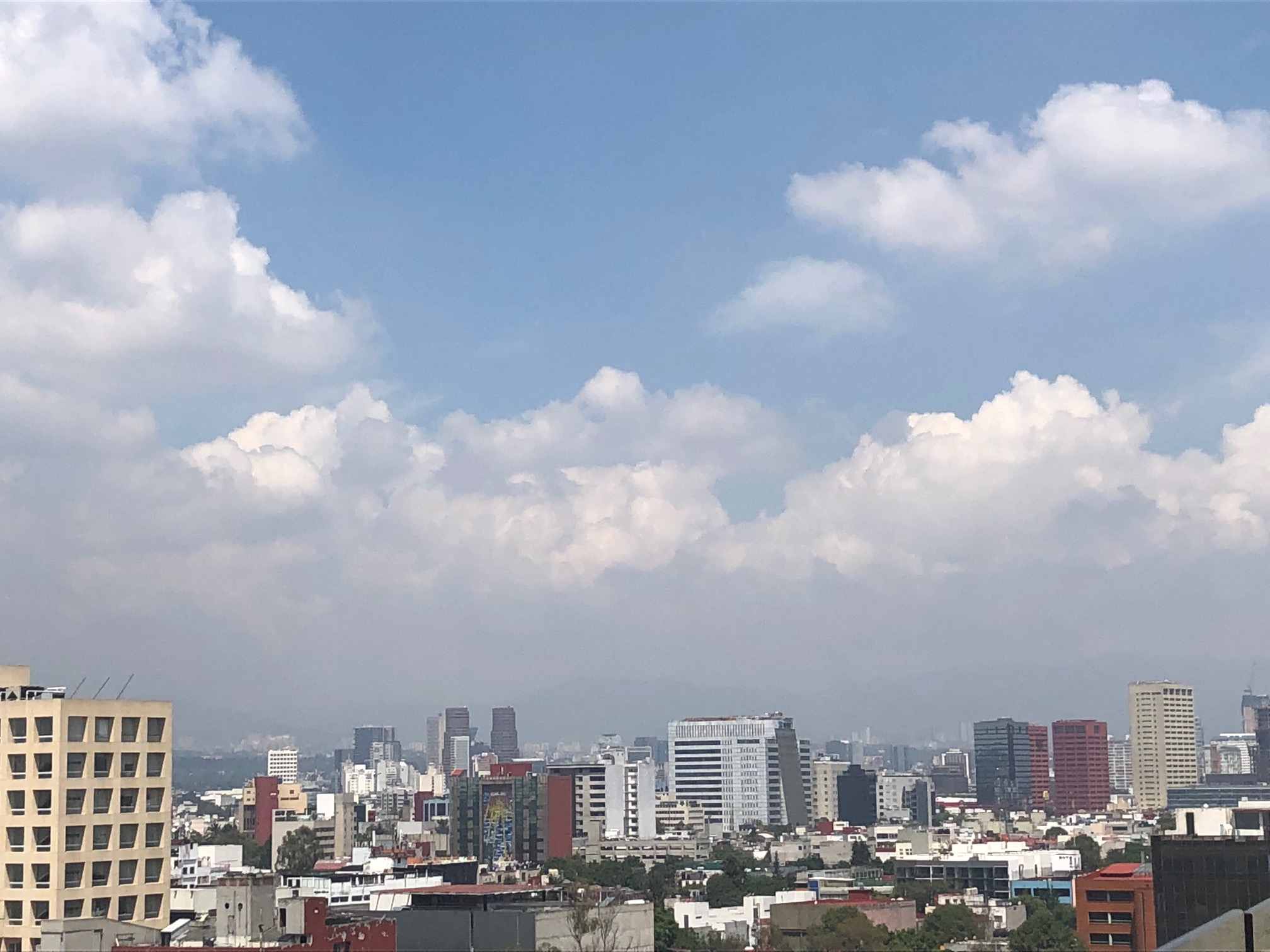
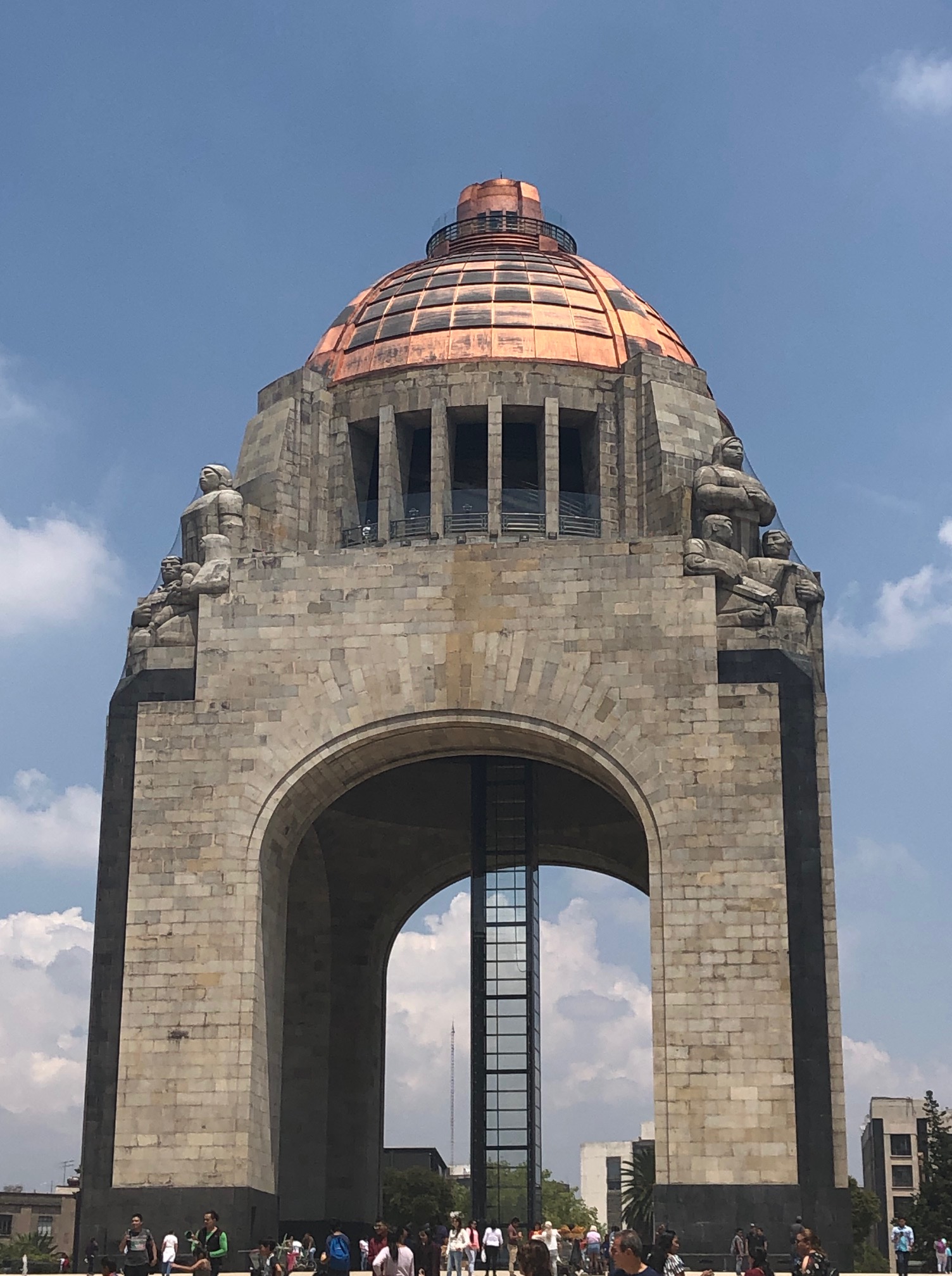
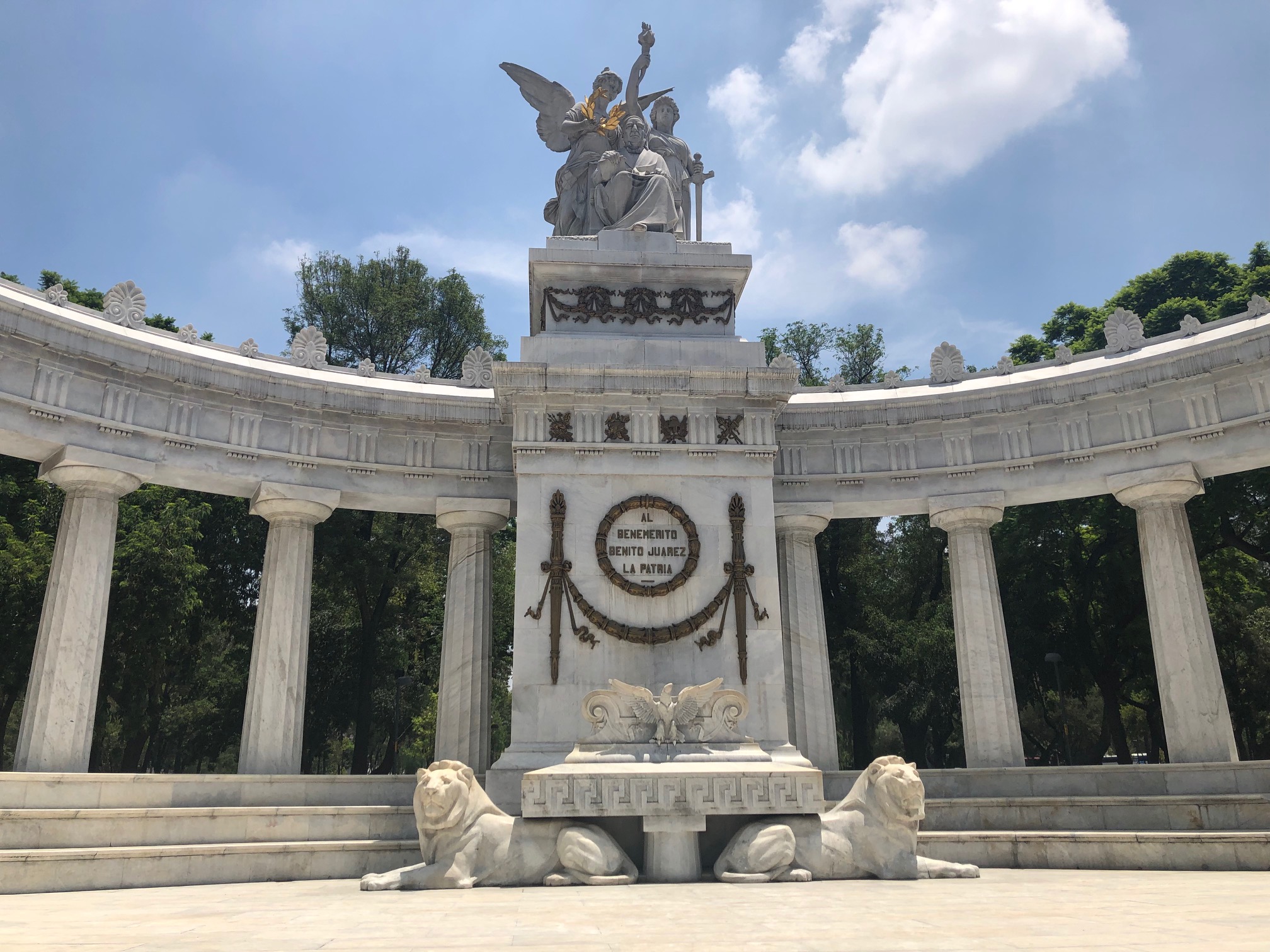
Downtown CDMX

IMG_2478IMG_2480IMG_2482IMG_2488IMG_2504IMG_2516IMG_2517IMG_2519IMG_2521IMG_2522IMG_2524IMG_2534IMG_2543IMG_2545IMG_2552

Camera: iPhone 8

Location: Mexico City, Mexico