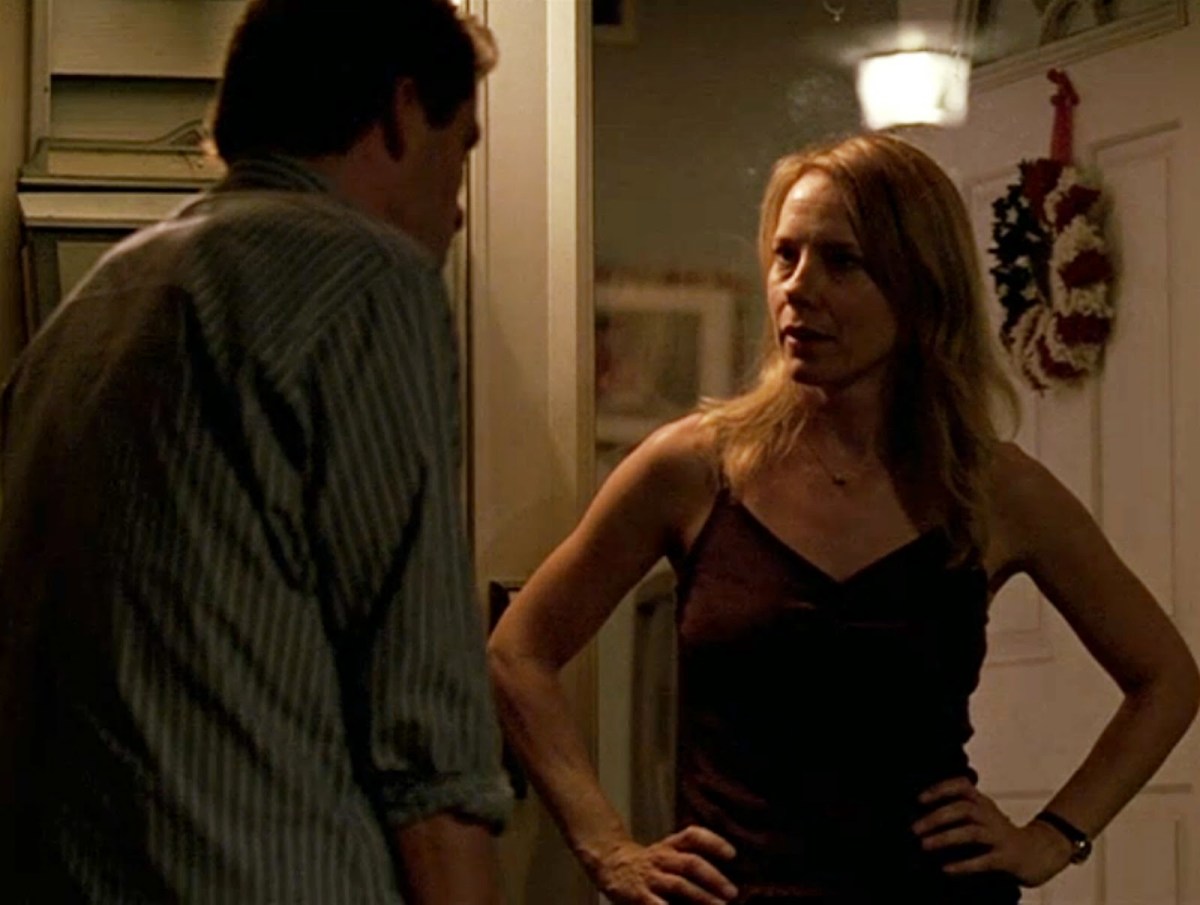
Anatomy of a Scene – ‘How you been, ya know, besides work?’ (True Detective)

“However, they both are excellent detectives, dedicated to solving crimes, and are each other’s yin and yang by keeping the other one honest.”

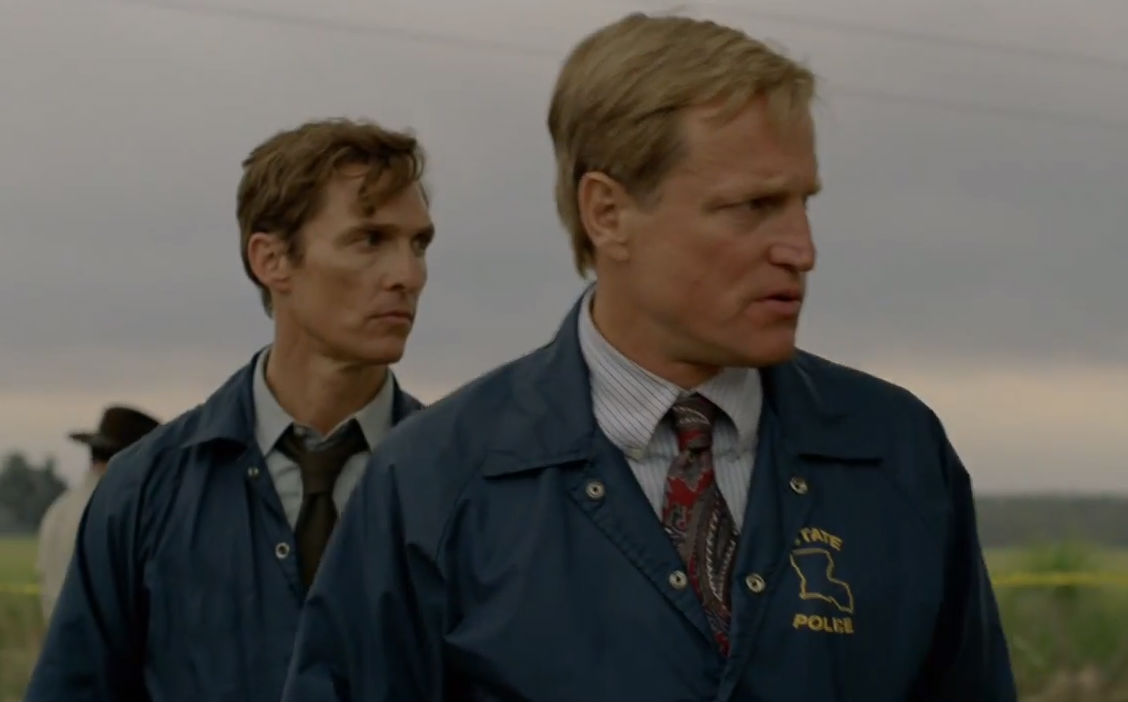
True Detective, Season 1 on HBO aired over ten years ago but it’s still regarded as one of the best TV drama seasons of all time. Part of its lore lies in its storyline and direction, but a lot of credit also should go to the lead actors, Matthew McConaughey and Woody Harrelson. The two actors who play Rustin ‘Rust’ Cohle and Martin ‘Marty Hart’ respectively do an excellent job of showing these actors at different periods in their lives and careers as detectives with the Louisiana State Police. Both men appear to be opposites at the start and the friction(s) that they have intensify over the year. However, they both are excellent detectives, dedicated to solving crimes, and are each other’s yin and yang by keeping the other one honest.

Few shows since that season of True Detective or the seasons of the popular anthology series since the 1st season with Rust and Marty have achieved the same level of on-screen chemistry and presence. It helps that off-screen both actors are close friends and have known each other for decades. They’ve been quoted as almost being like ‘brothers’ sharing the same sense of humor, profession, and having different hobbies in common. While True Detective with Marty and Rust happened over ten years ago, there are rumors swirling around that both characters could come back in the future for another story by showrunner Nic Pizzolatto.

One scene on the show that really sums up their rocky relationship and occurs later in their troubled careers. Not only do they have unfinished business with each other in terms of reconnecting and perhaps getting over their troubled past but also to attend to possibly solving a murder mystery central to the season’s plot. At this point in the season, they are older, not on the force anymore as detectives, and life has both affected them in different ways including estranging them from their former family and friends.

Marty Hart, for example, is balding, lives alone after separating from his now ex-wife, and doesn’t have sole custody of his daughters anymore. He doesn’t cook much (it’s implied), likes to fish for a hobby, has trouble finding purpose in his current job, and has resorted to online dating (unsuccessfully so far) even though he insists it’s ‘casual’, but likely wants to have a new relationship via Match.com. Rust Cohle, has grown his hair and beard out, looks a bit older due to his smoking and drinking habit, owns a bar in rural Louisiana, is isolated but does seem to enjoy the quiet of living by himself and spending time watching the sunset each night while drinking a beer.

You can tell by the montage of this scene in the show that as the years gone by, they’ve lost connection not only to their purpose and to each other, but also to what made truly worth living. They may have other jobs and maybe some other things keeping them going, but they miss the work they did, the past relationships they squandered, and even each other begrudgingly.

While the montage showing them settling into middle age monotony may be unsettling, the short scene does give them a chance to reconnect again, get to know each other on a personal level outside of detective work, and work together to find a purpose again. In this case, there’s a murder mystery to solve and they cannot do it by themselves. Since they both are single, one divorced and the other non-committal to it, seemingly estranged from their current work and lacking purpose, they need each other ten years later more than they could ever know.

Life can get lonely without friends or family but especially if there’s no one around to help you find your purpose. I think that’s why this scene is so key within the show is that it shows Marty and Rust may feel like they’re alone, but they do have each other despite their past differences. Sometimes, you must go through some solitary times in life to find out what you really want to do or who you really want to spend your time with. Rust knows he is alone as the scene makes clear, but he has made peace with the loneliness even if he might wish for a girlfriend or a friend to drop by the bar after it closes. Marty had a marriage and a good relationship with his children but unfortunately, he was not able to balance it with his work life and his infidelity.

The scene’s montage shows the years have been a bit hard on Marty as he tries to rekindle what he once had but being unsuccessful at doing so. The montage shows you just how precious our situation can be with work, with love, and with family, and that you can’t go back and change the past. As much as you might wish to catch lightning in the bottle twice as is the case with Marty in terms of finding love or companionship, sometimes, those second chances never come around. The fact that they each have each other in their lives again, even with their storied pasts, is a good thing and shows that they still have an innate purpose regarding their work as detectives and that they are better off working together than being apart. In time, they will get back their skillset, work to solve the case, and even become friends again, which can help put their loneliness at bay.

While this scene of them living isolated lives may be looked on as depressing, I think it is a realistic look at how life can get as you get older. You may have to deal with periods of loneliness or getting swept up in a routine that grows stale. However, it’s important to remember for all of us watching is that life throws us curveballs sometimes and you never know who will appear in your life again or what kind of purpose and worth you can find in the most unlikely of places. For Marty, it was seeing Rust’s trust again on the road after ten years as they drove on the same road, and there was more to their story together, and they think they were both happy to find each other again and work towards getting their sense of purpose back together.
Anatomy of a Scene – ‘The Lady In The Red Dress’ (The Matrix)

“In a simulated world, which is built both on illusion and deception, distraction is the perfect weapon for keeping one complacent and from asking questions.”

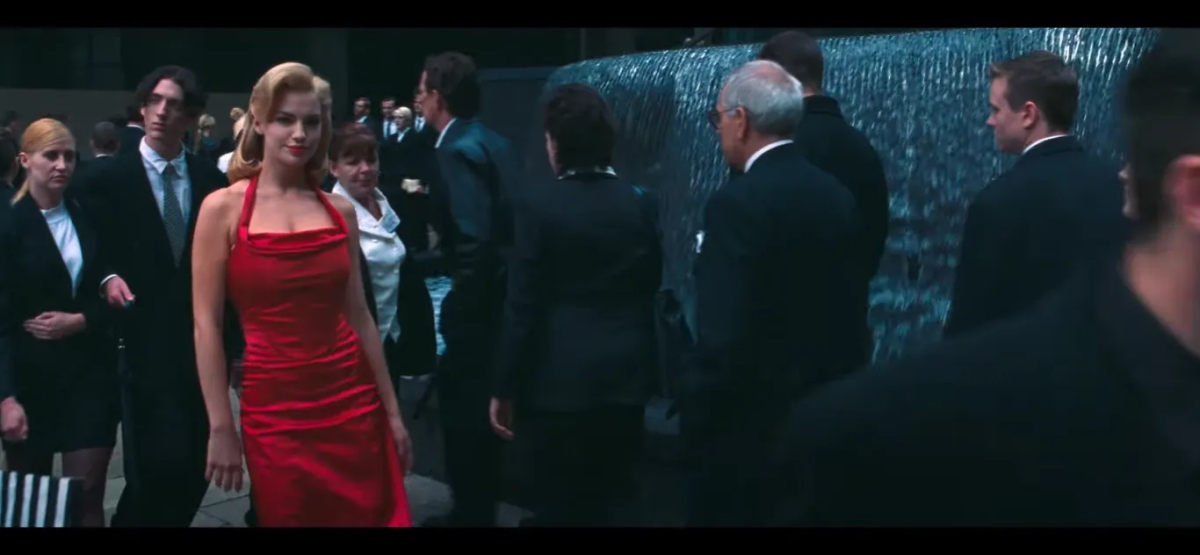
In a simulated world, which is built both on illusion and deception, distraction is the perfect weapon for keeping one complacent and from asking questions. Few film moments capture that idea more powerfully than a short but iconic scene from The Matrix (1999): Neo (Keanu Reeves), newly unplugged from the simulated world he once thought of as reality or the ‘real world’, walks through a bustling cityscape inside a training simulation that is programmed to feel like ‘The Matrix’, but whose participants realize it is a simulation and not the ‘real world’.

Suddenly, his attention is captured fully as he stops listening to Morpheus’s speech and focuses elsewhere. This distraction is not of danger, but by desire. A stunning blonde woman in a bright red dress walks past him on a city street. He turns to look at her and take in her beauty. A moment later, he’s staring down the barrel of a gun from an Agent of The Matrix.

This moment, while brief, is the Matrix in miniature form, a system that doesn’t just imprison the body, but hijacks the mind as well. In this scene, the Wachowski Brothers, who directed the Matrix film series, deliberate show the audience how distraction can be deadly, how perception can be manipulated, and how even the most liberated minds are vulnerable to illusion even after escaping from the simulated word of The Matrix. Over two decades later, this scene resonates more than ever as we live in a blurred world now of reality and simulation and of seemingly endless distractions like the lady in the red dress.

Let’s walk through how the scene unfolds similarly to how Neo and Morpheus experience the simulation themselves. Neo and Morpheus are in what appears to be a peaceful, clean city environment with sun-drenched streets, people in business attire moving in orderly fashion of different occupations and livelihoods. It’s not the gritty or green-tinted world Neo has just escaped from. Everything here is vibrant, bright, almost too perfect and calm. There’s a catch to it but we don’t know what it is yet as the audience.

Morpheus explains to Neo, “This isn’t the real world. It’s a computer-generated dreamworld built to keep us under control.” They’re inside a training program that mimics the Matrix, but this version is safe and controlled with seemingly no threats like what lurk inside the Matrix. As they walk, Morpheus encourages Neo to stay alert and keep up with him. However, Neo’s attention suddenly drifts elsewhere. A tall, blonde, and slightly smirking woman in a red dress glide past him, a stark contrast to the grayscale suits and muted tones of the crowd. The camera follows Neo’s gaze and not Morpheus’ words. Just as Neo turns around to look at her again, Morpheus interrupts: “Were you listening to me, Neo, or were you looking at the woman in the red dress?”

Neo turns again and instead of the woman, an Agent from the Matrix stands there with a gun to his head. The simulation freezes. Morpheus smiles. “Look again.” This is Neo’s wake-up call after he flinches from the sight of the Agent’s gun in his face. Neo is shaken as at any time in the Matrix, any of those ‘people’ are enslaved by the Matrix can turn into an Agent who is looking to prevent others from being freed from their enslavement by Neo, Morpheus and his crew. In The Matrix, distractions can be deadly because anyone can be an Agent and turn into one at any time. Neo learns his lesson and Morpheus instructs Neo about the real danger of going back into the Matrix, but they have a mission to free those from a reality that is not real, whatever the cost may be.

At its core, the Lady in the Red Dress scene isn’t just about Neo getting distracted having not been accustomed to the unique threat of an Agent. It’s about how the Matrix and by extension, any system of contro uses desire, beauty, and sensory overload to mask its true threat.

The woman in red is not a glitch, nor an accident of the simulation. She is designed by Morpheus’s crew to test Neo’s ability to focus and to challenge his awareness in an environment that constantly floods the senses, a virtual simulation that is meant to feel real but isn’t real. Morpheus isn’t just teaching Neo about the Matrix’s mechanics but also, he’s teaching him about vulnerability. The greatest danger isn’t always visible or known in the Matrix. Often, it’s hidden behind the things we want most or desire to have the most.

The red dress is more than a splash of color on a woman who is simulated to be a distraction. It’s a symbol in the overall movie of temptation, distraction, and the human tendency to follow what pleases us, rather than what protects us, even if it will end up hurting us later. In mythology, this kind of idea of ill-fated temptation appears often: sirens luring sailors to their doom in ‘Odysseus’, the forbidden fruit offered to Adam and Eve in Eden from the Old Testament, each of these illusions are designed to distract heroes from their quests or to lead to the fall of man and woman.

In this scene, the woman in the red dress is a test, one for which Neo fails, momentarily, and I think a lot of us would fail like he did with the distractions that are constantly thrown at us each day. His eyes are drawn away from his mentor, away from the lesson he is teaching, and toward something that feels more real than the truth. The result of his ill-fated choice? Instant danger and his potential demise if he were to make the same mistake again.

The brilliance of this scene lies in how it’s staged visually and shot from Neo’s perspective: everyone is dressed in grayscale, forming a camouflage of conformity and ordinariness. The woman is the only thing that stands out to Neo and the audience. She breaks the pattern of what we see and thus, attracts attention and an extra look. That’s what makes her the perfect distraction and allegory for ill-fated temptation, and that’s what makes this scene timeless.

Fast forward to today’s world where distraction has become the default mode for many of us. Our attention is fragmented by design, engineered by algorithms, applications, increasingly ‘real’ virtual and simulated realities, and seemingly endless digital stimuli, for which has dramatically shortened our attention spans. The modern “Matrix” isn’t an actual simulation in our brains, at least not yet as I write this, but it’s a network of more and more screens, news feeds, constant notifications, and seductive content. It’s the all-knowing algorithm pushing what it knows will make you pause mid-scroll and continue to feed your dopamine receptors.

Every time you find yourself watching a video you didn’t intend to watch, reacting to an outrage post on a political or social issue, comparing your life to curated influencer perfection on social media, or buying something new because it popped up at just the right time in your news feed, that’s the ‘red dress’ in action. While you’re watching the distraction, whatever kind it may be, something else is happening in the background of our lives: real threats are forming that pose real danger to us. Climate change. Political instability. Ongoing wars. Mental health crises. Surveillance capitalism. Social isolation. Economic inequality. Things that are far more dangerous and impactful than seeing ‘a lady in red’. Like Neo, we rarely see ‘the Agent’ or the real threats coming at us on the horizon.

In The Matrix, Morpheus teaches Neo that true liberation begins with awareness, not just of the system, but of how the system manipulates us and our desires. The Lady in the Red Dress is a metaphor for all the ways we’re trained to look away, to not pay attention, to surrender to the pleasure of the moment rather than focus on the issues of the present and the future. In 2025, this scene is more relevant than ever to our real world. It reminds us that to stay aware, engaged, and vigilant in a constantly distracted world is a small yet meaningful act of rebellion.

The focus and impact that you give to the world around you rather than cheap simulated or virtual distractions is actual power. Being able to have greater perception and awareness is everything these days and will allow you to help other people do the same. The next time something flashy, tempting, or beautifully packaged grabs your attention, you should ask yourself: “Am I listening, or was I looking at ‘the woman in the red dress’?”

Anatomy of a Scene – Bourdain’s ‘Parts Unknown’ in Congo and NYC Contrast

“One of Anthony Bourdain’s ‘Parts Unknown’ episodes in the Congo has one of the show’s best scenes where it has a vivid description of Bourdain gazing over New York City from his high-rise apartment in the closing moments, set up against the backdrop of his first and only foray to the Democratic Republic of Congo.”

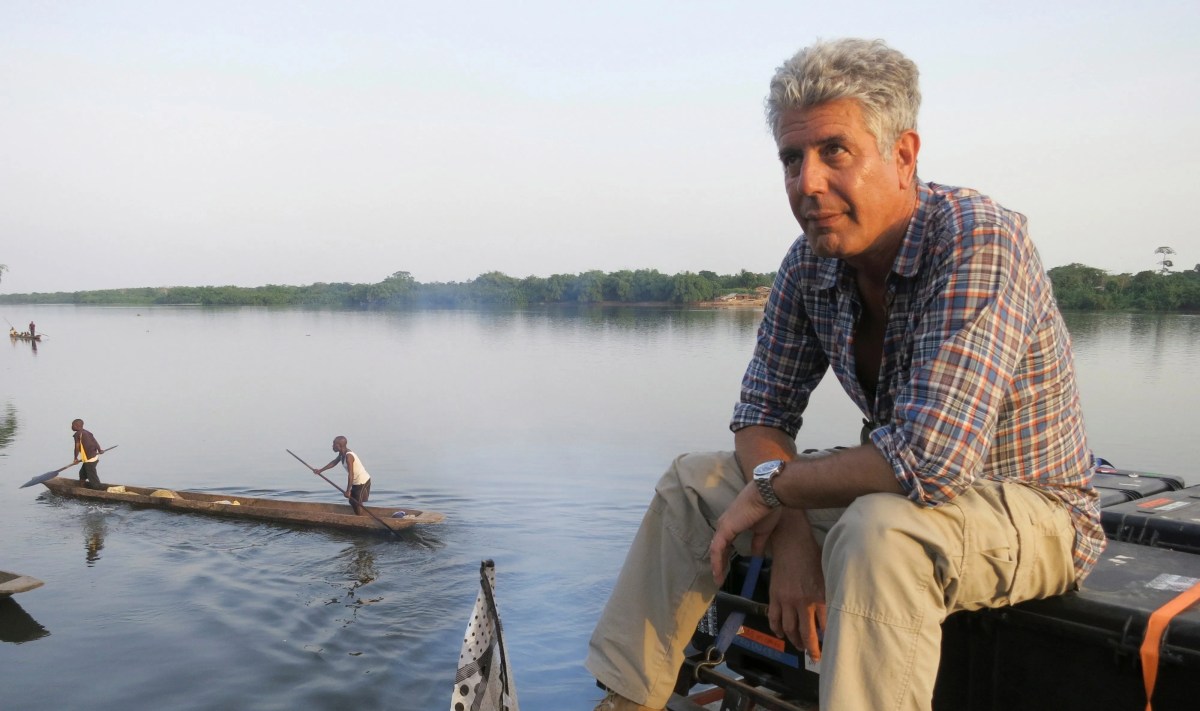
If you had to pick opposites in the world, you couldn’t do much worse to contrast the journey through the thick Congolese jungles and down the Congo River with the urban sprawl of New York City. One of Anthony Bourdain’s ‘Parts Unknown’ episodes in the Congo has one of the show’s best scenes where it has a vivid description of Bourdain gazing over New York City from his high-rise apartment in the closing moments, set up against the backdrop of his first and only foray to the Democratic Republic of Congo.

There are multiple themes to take away from the significance of Bourdain’s perilous journey in the Congo throughout the episode and with the contrasting solitude and isolation he likely had felt back in his NYC apartment after such a harrowing trip. There is a burden that he must have felt in witnessing such a contrast between the Congo and New York City that leaves the contrasting scenes up for our interpretation as fans of his ‘Parts Unknown’ show. How easy it can be to feel lonely amongst millions of people after traveling to such a distinct place, the burden of making it through a perilous journey and putting your life on the line, and how traveling to such extreme places can change your sense of place in a complicated and often troubling world.

Before his passing in 2018, Anthony Bourdain was the preeminent travel host for over 15 years and his last show, Parts Unknown, from 2013-2018 was the deepest dive in his own mission of uncovering people’s stories through food and culture. In terms of looking at human nature and the human condition, few shows, if any, were better than Parts Unknown. More than anything, many of the Parts Unknown episodes had Bourdain providing needed historical context regarding the complex and difficult history of the country or place he would be visiting. This was especially the case during the Congo episode where he spends part of the episode looking at the colonial exploitation, civil conflict, and poverty that has gripped the country both before and after it became the nation state known as the Democratic Republic of the Congo today.

Bourdain was a huge fan of the Joseph Conrad book, ‘Heart of Darkness’ and makes it known in the episode of how became obsessed with the Congo and the Congo River without trivializing the country or its people. His approach is sincere, and he looks to paint an accurate picture of what the Congo is like, why he sought to demystify and humanize the place, and how it was both similar and different to Conrad’s interpretation of it.

“When all is said and done, I wanted to go to the Congo, and I did.” Bourdain knew that this would be one of his most difficult journeys, but he also wanted to pay homage to Conrad’s novel by following a similar exploration to the authors with a boat trip down the Congo river. However, this kind of journey as shown in the episode was not simply a leisurely trip down the river without witnessing the history, culture, or food of the Congolese. Bourdain and his film crew interacted with different villagers, aid workers, and other locals to hear their stories despite how difficult the journey had been especially losing power on the boat and being surrounded by mosquitoes and other insects at one point.

It takes a toll on a person to look at the dark history of a place’s past as well as its uncertain present and not be affected by it. Bourdain has a visible weariness and introspection upon the conclusion of the journey given how hearing about the history of violence, dealing with the security issues involved, the lack of infrastructure to make the journey work, and to hear about the sheer resilience and fortitude of the Congolese people under extremely difficult circumstances.

The hardest part for Bourdain in my view maybe wasn’t the actual trip down the Congo river with all the bureaucracy, bribery, and lack of infrastructure involved to make it finally happen. I think the final scene of this Parts Unknown episode sums up the ‘lost’ feeling and the isolation to have witnessed all that and come back to a New York City that is abundant, thriving yet inequal, and with a completely different set of circumstances than one would encounter in the Congo. There’s ‘culture shock’ and then there is experiencing a bit of a totally different reality that few Americans and fewer New Yorkers would ever see for themselves. This contrast in realities and the stark scene transition from leaving the Congo River to being back at his high-rise apartment in Manhattan is perhaps the greatest scene ever shot for Parts Unknown or in any of his travel shows.

To break down this excellent scene and contrast further, Bourdain is in one of the world’s most crowded cities, but he is alone and isolated in his apartment like being isolated from most people’s lived experiences of the world, which pales in comparison to his own having had been to over 100 countries in his travels. He is filmed sitting behind his apartment windows, which acts as a barrier between Anthony and the rest of the world, seeing everything for himself but finding it difficult to connect with his immediate surroundings in NYC after witnessing such a contrasting reality in the Congo.

I think this final scene of the Congo episode really encapsulates Bourdain’s struggle as a travel host and writer to search for meaning and purpose in a world that often feels indifferent or alienates the struggles of other people who live in a different place or country. Bourdain’s gaze through the window symbolizes the distance between the world he witnessed and the world he felt disconnected from. It reflected the existential tension that marked his life: the constant search for meaning, tempered by the knowledge that some things, no matter how deeply we travel, remain elusive.

In his life, Antony Bourdain likely felt a sense of solitude and isolation having witnessed the worst of humanity at times, which could be hard to relate to other people or even travelers who had not been to the same places. He was brave, kind, and let other people to tell their stories without judgment but it must have been lonely especially after a return from the Congo and returning home where he may have felt the most alone rather than out on the road with others in his crew or amongst people he had met. There is a loneliness in the familiar as any traveler can attest and the novelty of new places, people, and experiences make the routine feel mundane and trite. Bourdain’s entire journey, in this case, from the Congo back to his home in New York, shows that it can be hard to come full circle after visiting one of the least known places in the world.

The final shot of Anthony Bourdain in his New York City apartment, looking out over the vast, bustling city, yet consumed by solitude, serves as a poignant culmination of his journey as a seasoned traveler. After traveling the world, exploring the darkest corners of humanity in places like the Congo, Bourdain returns home, not with answers, but with a profound sense of isolation. The Congo episode, with its harrowing depictions of suffering and resilience, reflects the complexity of human nature that Bourdain grappled with throughout his career. The contrast between the vibrant, chaotic cityscape of NYC and Bourdain’s contemplative stillness in his apartment alone emphasizes a universal paradox: despite all the human connections made in the world, the traveler often finds themselves confronted with a loneliness that cannot be filled as a result.

Bourdain’s Parts Unknown was not merely about exploring food and culture, but it was also an exploration of the man himself. His travels were a quest for greater understanding, but they also unearthed the difficult truth that knowing the world does not necessarily mean knowing oneself at the same time. In the end, Bourdain’s legacy lies in the raw, honest portrayal of this duality, the external world and the internal battles that shape who we are. His life story continues to remind us that, no matter where we go or how much we learn, we all face the same fundamental challenge in life: to find a true connection in a world that often seems vast, indifferent, and overwhelming.

Anatomy of a Scene – ‘Family, Jimmy, Family’ (The Wire)

“This scene that I’ve titled, ‘Family, Jimmy, Family’ feels like it’s not just about the character, Jimmy McNulty, one of the leading roles of the show and a deeply flawed one at that but also could reflect on our own lives and who we prioritize in them.”

Sometimes, it takes a great work of fictional television to cause the viewer to do some soul searching themselves. ‘The Wire’ is not only an excellent crime drama and takes a critical lens to different facets of American society, but there are also multiple scenes that stand out for how they deliver truths to each of their characters for what they themselves are ignorant of or choose to forget. One of those scenes is short but whose succinctness of its message and point-blank delivery is something that you could do a deep analysis of. This scene that I’ve titled, ‘Family, Jimmy, Family’ feels like it’s not just about the character, Jimmy McNulty, one of the leading roles of the show and a deeply flawed one at that but also could reflect on our own lives and who we prioritize in them.

For a little bit of background before diving into the scene itself, which takes place in ‘The Wire’ Season 5, Jimmy McNulty is an obsessive workaholic and a functional alcoholic. His thirst for booze rivals his own thirst for self-satisfaction in being able to solve murders as a detective in the Baltimore Police Department. While he does crave justice, he craves adulation, admiration, and boosting his ego too because of his natural talents with regards to being a lead detective. However, without getting into too many details, the stress of the job, the clashes with his bosses, and the long hours cause him to drink heavily, carouse with random women, and cause him to lose control of his relationship with both his ex-wife and his children.

Jimmy loves being a detective, the purpose that comes with the badge, and the colleagues who he handles cases with. It’s also about the camaraderie that he finds in the work, the all-consuming nature of the work, and by outsmarting criminals and thugs who think they have successfully outwitted him and the police. The thing with letting work consume you is that it takes over your life and suffocates the rest of your identity with it. Jimmy is a great detective but throughout the show, the job takes a toll on his personal life and about separating work from his time out of work. When you have nothing but the job and the people in it, is it really a good life?

The scene I refer to titled, ‘Family, Jimmy, Family’ is instrumental in telling Jimmy McNulty what he needs to hear and what other workaholics need to hear: “The job won’t save you.” It takes five seasons but Beadie Russell, a Baltimore Port Authority police officer, introduced in season two, but for which her and Jimmy start to become romantically involved does what no one else in the show has the courage to do, tell Jimmy that the job isn’t everything.

“In the end, they’re not going to be there either.” Beadie sums it up in less than a minute with this scene but reminds Jimmy that the drinking pals at the bar, the workmates who he shares a patrol car with and shares stories, or even the girls he’s met for quick flings, they won’t be there when he really needs it. Yes, you can have fun, enjoy their company, and make the most of the work hours, but those people won’t be there for you when it comes to your health, wellness, and your overall fulfillment as a person. Beadie indicates to Jimmy that his workaholic behavior and his propensity for alcohol won’t save him and won’t give him the internal satisfaction he is always looking for.

“Family, that’s it. Family, and if you’re lucky, one or two friends who are the same as family. That’s all the best of us get. Everything else just…” Beadie pauses at the end of this scene and lets it all sink in for Jimmy. She knows she has reached him and lets him know that at your funeral or in your last days, you won’t have the girls you dated, the workmates or bosses, or the casual bar buddies you swap stories with there. If you’re lucky, you may have close family to care for you and maybe one or two close friends and that’s the truth of this scene not just for Jimmy McNulty of ‘The Wire’ but for all of us.

Beadie makes it clear that everything else goes away at some point once the job is done, the glasses are empty, and everybody goes their separate ways. Nothing is permanent but maybe your family will be there for you through most of it, thick and thin of life, if you’re lucky and until your dying day if you are truly blessed in that regard. Jimmy knows by the end of the scene that he needs to shift his priorities based on his body language.

He does not say anything back to Beadie, but he knows what she is saying as his new girlfriend is 100% true. It’s been a while since anyone has laid it out to him that clearly, but she gets through to him by telling him the unvarnished truth that he has refused to face up until that point. Like Beadie, we all need someone to cut through the nonsense and tell us what we really need to hear and if you watch this scene from ‘The Wire’, it’s not just Jimmy who this scene can reflect upon but maybe for our own lives too.

We all want to have productive work lives, make friends, and enjoy the fruits of our labor, but we must remember that it all does go away, and that family can be the most important and reliable thing we have throughout our lives if we’re lucky. Workmates, casual buddies and flings, and even friends come and go, but family can sustain us if we nurture those relationships and don’t let them atrophy and go away too.

Beadie reminds Jimmy to not let the work and the environment around his work consume him entirely. She saves him from himself to some degree but telling him what he needs to hear before he spirals out of control as a functioning alcoholic and workaholic. I think we all need a Beadie Russell in our lives to tell us what we need to hear rather than what we want to hear so that we can get that needed support to help reassess our priorities in life and change ourselves for the better.

Anatomy of a Scene – ‘The Bowls of Sh*t Analogy’ (The Wire)

“He describes how, during his time as the mayor, he had to endure constant demands, pressures, and compromises from various interest groups, from business leaders to police brass to union members, each one forcing him into undesirable and often humiliating positions.”

In this scene from the HBO show, ‘The Wire’, Tommy Carcetti, having just been elected as the mayor of Baltimore, seeks advice from Tony, a former mayor of Baltimore, who has since left city politics. At this scene’s beginning, Tony’s anecdote about “eating sh*t” conveys a bleak reality about the job of being mayor. He describes how, during his time as the mayor, he had to endure constant demands, pressures, and compromises from various interest groups, from business leaders to police brass to union members, each one forcing him into undesirable and often humiliating positions.

The peculiar imagery Tony uses of “eating sh*t” is deliberately crude for the viewer, emphasizing the degradation, disgust, and frustration politicians often face, especially in dealing with conflicting interests and the inherent contradictions in serving a large and diverse constituency such as in the city of Baltimore.

This “parable of the bowls of sh*t” lays bare the unglamorous side of politics—one where idealism and personal ambition are often suffocated by the practicalities of governing a community, a city, or even a country. Tony is essentially warning Tommy Carcetti that as mayor, he will be forced to navigate a landscape where decisions are rarely black and white, and success often means making choices that will inevitably upset one group or another within his constituency.

Tony’s use of the phrase of “eating sh*t” is a vivid and visceral metaphor for the compromises that politicians are forced to make, whether they want to or not, and how it can be interpreted in several ways:

  1. Constituent Demands and Special Interests: Every politician enters office with a policy platform and promises to keep, but once elected, they must contend with the complex and competing demands of their constituents. Business leaders may push for deregulation so they can improve their balance sheet, while unions may demand better labor protections and more workers rights. Environmentalists would advocate for sustainability, while real estate developers might prioritize economic growth over conservation. Each of these groups represents a different “bowl of sh*t” that a politician must eat, in the sense that satisfying one group often means alienating another in the process. Tony’s point is that no matter what decision is made, someone or some group will be unhappy, and the politician is left to bear the burden of that dissatisfaction, often at the ballot box when it comes time for election day.
  2. Compromising Ideals for Practical Governance: Many politicians enter office with lofty ideals, but the reality of governance forces them to compromise even when they would rather not do so. Tony’s story reflects how those compromises can wear a person down, leading to disillusionment with the political process. For someone like Carcetti, who may still hold on to a vision of reform and change as a newer politician, Tony’s words serve as a sobering reminder that idealism alone will not be enough to get the job done. The job itself will require him to make deals, water down policies, and prioritize certain interests over others. Over time, this compromise can erode a politician’s sense of purpose, leaving them, as Tony implies, burned out and ready to leave politics behind.
  3. Bureaucratic and Institutional Challenges: Beyond the immediate interests of voters and lobbyists, politicians must also grapple with the entrenched bureaucracies of a government. Mayors, governors, and presidents are not free agents—they operate within systems that include various institutions, legal constraints, and political adversaries. Tony’s “sh*t” may also refer to the frustrations of working within this system, where change is often slow, and even modest reforms can be blocked by bureaucratic inertia or political opposition. The administrative side of governance can be just as dispiriting as dealing with special interests.

Tony’s disillusionment with his time as mayor of Baltimore is emblematic of a larger critique of politics in general. This scene from ‘The Wire’ highlights several key themes that resonate beyond the specific context of the show:

  1. The Personal Cost of Politics: Tony’s story reveals the emotional and psychological toll that politics can take on individuals and on families. His decision to leave the office and pursue a different career suggests that the constant battles, compromises, and failures eventually become too much. For Carcetti, this scene is a warning that the personal price of pursuing higher office may be more than he expects it to be. It suggests that political power is not just about having prestige and influence—it is also about enduring constant pressures that can erode a person’s ideals and sense of self-worth.
  2. The Limits of Power: Despite being mayor, Tony felt powerless in many respects. This is a paradox of political leadership: while politicians are often seen as wielding immense power, they are also constrained by the demands of other people. Whether it is donors, voters, or other political actors, a politician’s power is always mediated by those they are beholden to. Tony’s experience suggests that being in charge does not mean having total control. In fact, it often means being at the mercy of various outside forces that are beyond one’s control, leading to frustration, disenchantment and, eventually, burnout.
  3. Cynicism vs. Idealism: The conversation between Tony and Tommy Carcetti highlights the tension between cynicism and idealism in politics. Tony, having gone through the wringer as a former mayor, represents the cynical view that politics is an unending series of compromises and frustrations. Carcetti, on the other hand, represents the younger and more idealistic politician who still believes he can make a difference. The scene leaves open the question of whether Carcetti will maintain his idealism or if he will, like Tony, become disillusioned over time. This tension between cynicism and idealism is a central theme in many political dramas, reflecting the real-world challenges that politicians face.

In essence, Tony’s parable of the “bowls of sh*t” is a commentary on the nature of modern political leadership. It paints a picture of politics not as a noble pursuit of justice, opportunity, or progress for your constituents, but as a constant battle to navigate competing outside interests and pressures. This scene from ‘The Wire’ offers a cynical, yet realistic, portrayal of what it means to be a politician: a job where compromises are inevitable, satisfaction is rare, and the personal toll can be significant especially on one’s family and friends, and the politician themselves.

For Tommy Carcetti, this conversation is a forewarning of the difficulties that lie ahead for him as the new Mayor of Baltimore, setting up a narrative about the price of obtaining power and the inevitable disillusionment that comes with it. Ultimately, this scene serves as a powerful reminder that politics is not just about the exercise of power, but about the endurance of hardship, frustration, and compromise that comes with it.

Anatomy Of A Scene – “Our Integrity Sells For So Little…”

“In a film with such great and memorable scenes, one scene portrayed as a flashback stands out amongst the rest.”

V For Vendetta – ‘Valerie’s Letter’ Scene

In a film with such great and memorable scenes, one scene portrayed as a flashback stands out amongst the rest. V for Vendetta is a fictional movie based on a graphic novel by Alan Moore but its focus on what happens when a totalitarian dictatorship rises to power in the fact of domestic and international calamities is relevant to what’s happened throughout history.

To give some background on the scene, Evey Hammond, the secondary protagonist to the masked anarchist and freedom fighter, V, is captured due to her alleged support of V’s activities to overthrow the dictatorial government that has seized power over the United Kingdom. Her hair is shaved, she is forced into a tiny cell, and practically starved for food or water. She is held there until she is sentenced to death by firing squad unless she gives up V’s identity and his whereabouts.

Rather than do so, she stifles their inquisition into who the masked man with the Guy Fawkes mask is leading her to a certain death. As Evey is about to lose hope and give in to her demands, she finds a letter stuck in a small crevice within the jail cell’s walls, written by a young woman named Valerie, not much older than Evey when she was forced into captivity by the government.

Valerie’s written on toilet paper what appears to be her last will and testament before a likely execution, waiting others to know about the injustices that the Creedy-led government has committed against her and why she is sharing her story of what happened to her. Valerie begins the letter describing her normal childhood in Nottingham in England and how she didn’t mind the rain because her grandmother told her that “God was in the rain.”

Valerie discusses how in grammar school as a teenager she fell in love for the first time with Sarah, a classmate, and that she was homosexual. Sadly, Valerie was forced to endure her teacher’s bigotry and disapproval of her sexuality and Sarah breaking up with her as a result. Even more painful for Valerie was introducing her 2nd girlfriend, Christina, and coming out as a lesbian to her father and Mother.

Valerie had to strength to show her integrity and not lie to her parents about who she is as a person, but they did not accept her for who she was and rejected her and even threw her baby picture away. “I only told them the truth, was that so selfish? Our integrity sells for so little but is all we really have.” Valerie’s quote in this scene is what makes it so searing as a quote in that being truthful and showing integrity should be accepted and understood because it is not easy for those seen as ‘different’ to come out as being ‘different’ even though it is what makes us who we are. Valerie’s parents wanted her to be someone who she is not, and sadly refuse to accept her as she is. She kept true to herself and did not sell her integrity as a person, which is more than her parents can say, who abandon their daughter because they don’t accept who she is forgoing their love over something so short-sighted and ignorant of them.

Valerie did not let her teacher and her parents keep her from being who she is and in 2015, became an actress on a film, and ended up marrying her co-star on it. Her partner, Ruth, and Valerie, move to London together, start a rose garden, and begin their lives as a couple, and end up in the throes of the rise of a dictatorship throughout the United Kingdom as Adam Sutler comes to power due to war breaking out around the world. They fear for what their country is becoming as “different becomes dangerous” and Valerie does not understand “why they hate us so much.”

The dictatorial regime that takes power in the UK begins to take away people who are ‘different’ for ‘rendition’ and ‘detention’ without cause or just because they are ‘different’ from others. The Sutler regime uses the false platitude that because of growing insecurity internationally that he must withhold civil and human rights domestically. He consolidates his power and ends up arresting and detaining minorities, refugees, and homosexuals including Valerie’s partner, Ruth. Valerie is all alone and cries for how she will never see her beloved partner again because of this injustice.

“It wasn’t long before they came for me.” Another resonating quote from this powerful movie scene related to the quote of how they come for different groups of people until there is no one else left but me. The ending of this scene has its real-world historic parallels to other genocidal and abusive periods of time where crimes and injustices were committed against ethnic, religious groups and races, just because they were ‘different’, including genocide. Valerie is alone in her apartment when Sutler’s regime’s thugs come for her too. Like Evey, her head is shaved, she is held without doing anything wrong and against her will. Valerie ends up in a small jail cell like Evey and they both are alike too in that they stand for principles that make us humane to each other like equality, justice, and liberty. “For three years, I had roses and answered to no one.

During captivity, Valerie does not lose that last ‘inch of hope’ that she clings to from her free years of living her life as she wanted with whom she loved. “Every inch of me shall perish, but one. An inch.” Valerie implores that even though she only has a glimmer, or an inch of hope left, she will not let them take it from her despite how long she is locked up for. Valerie implores Evey to never give up, stay true to who you are, and cling to the hope that there is still good in the world worth fighting for.

Valerie, sadly, does not survive her detainment as it is inferred that she is experimented on by the regime and killed, but the letter survives, likely because of V himself. V knows Valerie as V knows Evey and his role in using roses for his victims comes from his own knowledge of the inspiration that Valerie was for him.

Valerie gave V hope to stand against Sutler’s regime and now that Evey has read Valerie’s story afterwards in the same prison cell, she will gain the same last “inch of hope” to keep fighting for herself and the world around her especially if she were ever to get free and leave Sutler’s prison. Valerie ends the letter to the person(s) who find her letter that it is important to have hope that things will change, and the world will get better. However, Valerie ends her last written words by saying that what is most important thing to her is to let that person reading know that she accepts them, and she loves them, whomever they may be. “Even though I do not know you, even though I may never meet you, laugh with you, cry with you, or kiss you…I love you, with all my heart. I love you.” -Valerie.

While many people around her sold their integrity by not accepting who she was as a person, disowning her, imprisoning her unjustly, forcing her to die in their detainment, Valerie never sold her integrity and she never stopped being herself, which is an inspiration to us all watching this excellent scene and film.

Anatomy of a Scene – ‘To Know Me Is To Fly With Me’

“He has found a job that allows him to be constantly on the road at a job he is good at without commitments or obligations that would keep him from being who he is.”

Some people are most comfortable on the ground, others down below beneath the sea. Ryan Bingham, however, is most comfortable up in the air. Ryan goes from city to city and from town to town racking up airline miles, staying in recognizable hotels, and sadly letting people go from jobs by helping them with the transition process to a new life. He does the dirty work, which can be quite tense and unforgiving. He does not do his job out of pleasure for helping companies fire people in-person but rather because he likes life on the road and is comfortable being in airports, rental cars, and hotels rather than in a cubicle or a factory day in and day out.

Without going into too much detail about the movie, ‘Up in The Air’, I’m going to focus on two scenes to encompass Ryan’s life on the road and how he should be known best. Ryan is single, not a family man, never been married, and does not go on at length about children because he does not have them. He is driven not by his family or his career per say but rather how his home is his backpack or suitcase and how if he stays still, he loses an essential part of who he is as a person. When other people brag about their kids’ latest success or their wife or husband’s latest accomplish, Ryan instead brags about his quest for ten million airline miles and how he has privileged status with his hotel rewards program.

While others would find Ryan’s lifestyle odd and unusual, he would consider their lifestyle to be the odd and unusual one. He has found a job that allows him to be constantly on the road at a job he is good at without commitments or obligations that would keep him from being who he is. While he enjoys being with people, he is also comfortable on his own and enjoys his own company. He believes that any other way to live would not be as satisfying and for what others dislike about traveling constantly, he relishes it. Ryan does not think anything, or anyone would derail him from continuing this lifestyle even after he reaches his ten million miles goal. If he were to stop, it may be only because he loses his job where he helps to fire people or if he met a woman who could live with his ‘unusual’ lifestyle.

“Fast Friends.”

As the scene ‘to know me is to fly with me’ demonstrates, Ryan’s friendships are often self-serving because he is often on the road and can’t have true friendships but rather ‘fast friendships.’ He is a new kind of person and must go along with his constantly shifting itinerary. Ryan is personable and likes to meet new people such as a man next to him in business class and can relate to another gentleman who likes to be on the road.

Ryan has traveled so much that he knows how to approach a conversation with a stranger sitting next to him. They can discuss family matters, where to go for good food in a specific city, and even about the dreams of the person he is sitting with. He may not have deep friendships but is personable and friendly enough to make a quick connection like he would a flight to a new city without skipping a beat.

Ryan can get the business card, say goodbye forever, and is busy enough to move on without feeling a sense of loss or sadness about not seeing that gentleman he had met and formed a connection with for a few hours just before. As Ryan indicates in his narration, he lives by ‘the margins of his itinerary’ and is committed to his schedule without missing a beat or feeling like he is out of step. Even where there is turbulence, bad airline food, or onerous airline security procedures, Ryan Bingham takes it all in stride. He is not dismayed by any of the various annoyances that plague the travel industry. It is where he feels most at home and is probably the only kind of life he would feel at home with.

“I am home.”

Another scene that compliments the ‘to know me is to fly with me’ deleted scene from the movie is where Ryan’s travel process is shown from beginning to end. Different from ‘fast friends’, Ryan’s job encompasses him helping companies too afraid to fire their employees directly by having him fly around the country and perhaps internationally to do it himself. He says that it’s easy to do it since “he’ll never see them again” but it does not seem like he takes pleasure in it and just uses it to travel for a living. Instead of ‘fast friends’, he may be making ‘fast discontents’ as they blame him for everything bad happening to them at that job even though it’s not his decision to fire them but their boss’s. While Ryan never sees them again like the friendly businessman sitting next to him on the plane, those brief moments of sad or happy coincidence just fall by the wayside when he focuses on his true passion of making the travel lifestyle of his as seamless as possible.

From organizing his TravelPro suitcase easily stored in the overhead bin in any normal jumbo-sized jet plane to making sure his ties and shirts are neatly folded to fit in his suitcase, Ryan fits the bill as a true traveler who knows what to do. “This is where I live.” Ryan says as he drops off his rental car, which he probably rented for free by using his compiled credit card miles. He avoids long check-in lines by having ‘priority access’ with his airline points allowing him such perks as a personalized greeting from one of the airline staff, which is part of sitting in the ’first class’ section of the airplane. While ‘Up in The Air’ was made before TSA Precheck and Global Entry came out as options to avoid long security and U.S. customs lines, you can believe Ryan would have been able to sign up for those perks as well for free due to his accrued airline miles.

From greeting the smiling airline staffer who is aware of his ‘privileged’ status to making it through the TSA check like it is second nature, Ryan is suited up to make himself presentable for the flight but does not forget to wear dress slip on shoes to make the onerous security check process a little bit faster and little less annoying. He gets out the two bins to put through the x-ray machine for his luggage, expertly has his laptop at the top of his carry-on bag ready to be placed in one of the bins and has the slip-on shoes out of his face so fast he does not struggle with getting them back on later. He even folds his suit jacket expertly in half, so it does not wrinkle at all as it goes through the machine and holds his boarding pass out in front of him through the metal detector, so the TSA security agents know he does not have “anything left in his pockets.”

“All the things you probably hate about traveling: the recycled air, the artificial lighting, the digital juice dispenses, the cheap sushi…are warm reminders that I am home. While most people would hate to have a job that makes them the face people have to see when they get fired or would not enjoy constantly being on the road most of the year, if not all of it, Ryan Bingham in ‘Up in The Air’ truly relishes it and would not have it any other way. There are Ryan Bingham’s in the world out there and they live a lifestyle that while unconventional and difficult, is a unique one that deserves some respect as it isn’t easily pulled off especially since as he said, the stuff most people hate about traveling, he really loves, and that is worth admiring about him.

Anatomy of a Scene – Suds on the Roof

“For Andy, getting three beers a piece and to have some suds as him and the guys work outdoors in the heat is worth the perilous personal risk that he put himself through to make it happen.”

Sometimes, it pays to speak up and be heard even if you’re a convicted felon. Andy Dufresne (played by Tim Robbins) is a few years into his prison stint at Shawshank State Prison in rural Maine. He proclaims his innocence to Red (played by Morgan Freeman, his good friend in the prison, who still has a hard time believing him even though the two have become close first as Andy’s provider of cigarettes and posters of centerfold actresses and models but has become more of a confidant despite being skeptical of Andy’s claims of innocence. He tells Andy “Everyone in Shawshank is innocent, don’t you know that?”

As Red also explains, prison is no fairytale world and Andy runs into a rough crowd of prisoners who sexually assault and physically beat him to a pulp. Prison becomes very routine in that Andy tries to fend off his attackers, does his duty at the massive laundry room, and collects rocks in the yard to shape and polish with his rock hammer as a hobby to pass the time. Red also exclaims in the film, “Prison time is slow time…and a man will do almost anything to keep himself occupied.”

It is through his budding friendship with Red and his connections to the outside world that they can finally break the monotony of prison life and to have a small taste of freedom by bribing a few of the prison guards with cigarettes and whiskey to win the job of tarring the license plate factory roof. While it is arduous, backbreaking, and tiresome; it’s also Summer in Maine, a “fine month to be working outside”, and comes with more outside time in the prison and other special privileges, according to Warden Norton. With a small bribe and maybe some extra names in the sorting hat, Andy, Red, and their associated group of inmates win the job with no other prisoners being suspicious of how they won the prized work outside.

This scene that I like to call ‘Suds on the Roof’ focuses on the men at work with the hot tar with the summer heat bearing down on them. The head of the Prison guards gets fleshed out as a character when we learned that his brother died as a rich man being worth over $1 million dollars, which in the early 1950s would be 20x the amount today in 2021. Byron Hadley, being the vindictive, petty, and cruel man that he is likes to play the victim on how he is only getting $35,000 from his brother despite calling him an ‘asshole’ to the other guards and complaining on how it’s not enough or how the government and others will take some of that money he didn’t earn but inherited. This is a brilliant detail at the beginning of the scene to show just how pathetic and small he could be as a character, which is great writing by the film’s writers, because you begin to grow to detest how vile a person that Byron Hadley is.

Andy Dusfresne, our main character in ‘The Shawshank Redemption’ overhears Byron’s ‘tale of woe’ about inheriting money from his recently deceased brother and seeks to take advantage of the situation by knowing that his tax and finance knowledge as a banker may play to his advantage. The way he stops mopping the tar, walking over awkwardly, and coming up from behind with the guards’ backs turned away from him is terror-inducing when you first see this scene. Andy’s crew, including Red, implore and yell at Andy to keep ‘his eyes on the mop’ and not to antagonize a vicious man that Byron is because they know from experience how senselessly brutal and violent, he can be to the inmates for no reason at all.

Andy, in this scene, he is as cool as a cucumber and basically tunes out their pleas of him to keep mopping and ignore Hadley’s tale of woe. Andy goes up to Hadley and says a few choice words that almost get him killed within the next few seconds. “Mr. Hadley, do you trust your wife?” That simple sentence has a lot of implications such as that she may be cheating on Byron and has been unfaithful to him but it’s really about Andy asking about their financial relationship although his poor choice of words almost leads to Byron throwing him off the roof of the license plate factory and then calling it an ‘accident’ with the outside world beyond Shawshank none the wiser about his actual premeditated cause to murder Andy.

“Because if you do trust her…there’s no reason that you can’t keep that $35,000!” …In just a few seconds, Andy’s quick thinking and knowledge of one tax-free gift to your spouse or wife helps keep Byron from throwing Andy off the roof to certain death. Andy is trying to save Byron some money and exclaims quickly that he can give his money up to $60,000 in a tax-free gift hence why Andy awkwardly started to ask him if he trusts her implying if he would trust her with such a large sum of money and if she would take care of it properly for him. Byron knows Dufresne as all the guards do as a ‘smart banker’ who ‘killed his wife’ and is worried that what Andy is advising him to do would be illegal and get him in trouble with the IRS and the law.

Andy assures him that this tax-free gift is entirely legal and if he doesn’t believe Andy, Byron can ask the IRS to check and make sure. Byron still looks down on Andy and doesn’t need his help to get all the money, but Andy replies fast that unless he wants to pay lawyers or a financial advisor to do it, which would cost a lot of money, Andy exclaims while hanging from the edge of the rooftop that he would do it for Byron nearly free of charge! Andy only needs the forms to start preparing him and the only cost that he asks for in return are a few beers for him and each of his “co-workers”, which is a hilarious aside that Andy would refer to his convicted inmate friends as co-workers rather than fellow prisoners. Even though they are in prison for life, most of them, they still form bonds of friendship to survive in terrible conditions, with a sociopathic warden and a vicious head prison guard preparing to harm or even kill them if they step out of line.

Now, the most surprising thing about this scene is that the ‘nearly free of charge’ refers to a specific brand of beer, “Bohemia style” as Red puts it and for them to be “icy cold” especially to quench the thirst of the hard-working prison crew toiling to tar the roof day in and day out. Andy, in a sense, wants to feel like he is doing his banking job again and instead of receiving a salary for just himself as he did before, he instead wagers his life to get beers not only for himself but for his crew of friends he recently established. He is selfless in this way in that he does not think only of himself but thinks of those others who deserve that small moment of freedom by drinking “cold ones” on the roof at “ten o’clock in the morning.” For Andy, getting three beers a piece and to have some suds as him and the guys work outdoors in the heat is worth the perilous personal risk that he put himself through to make it happen. For Andy, it was to help him feel a bit less like a convict in a prison on a life sentence and a little more like a free man, if only for a short while.

I believe Andy wanted to feel a bit more normal such as like him and his friends were tarring the roof of their own houses and to sit with the sun on their shoulders and feel free and have a bit of happiness in grim circumstances that they find themselves in day in and day out with little hope to their chances of getting out of prison. As Red indicates towards the end of the scene, they can make Byron, the guard, seem magnanimous or even ignored altogether because they have sun and they have cold beers and they have each other, which is more than the convict crew has had all together in years probably.

Andy is selfless to the end in this scene showing his true character as not of a cruel murderer but someone who even if unclear yet to the audience was wrongfully convicted, whose intentions were pure, and who missed his previous life as a banker and wanted to “feel normal again, if only for a short while” as Red so eloquently puts it. In this scene, we begin to see Andy’s true nature as a human being: awkward and clumsy at first but very brave, empathetic, and a kind heart that not only Red’s friends realize from his selfless act but that the guards also see even if they have to follow Hadley’s orders in dealing with him. Andy was offered a ‘cold one’ at the end of the scene but tells one of the convict tarring crew that he gave up drinking.

Red speculates to the audience watching as to why Andy would refuse the beers that he almost died to get but then realizes in the narration that it wasn’t about getting the beers at all or helping Hadley get wealthier, it was to have that freedom to choose again, to have a choice without asking for permission all the time from the guards, and to feel a bit of life again within the drab and gray walls of Shawshank. The freedom of choice is directly related to having free will, which was taken away completely from Andy and other prisoners. He wanted to restore it again briefly to have a bit of normalcy and break up the sheer monotony and harshness of prison life.

Andy would like to think and have again for a moment where he is not a mere convict but a human being worthy of some simple dignity, choice, and a small taste of freedom for some brief moments asking for those cold beers and if he must almost die for that freedom, it was worth it to him in the end. That feeling of ‘normalcy’ to Andy as Red puts it was the real driver for him to put himself at risk and to feel good about it after, to smile and feel some small sense of happiness that had been missing for so long. Lastly, Andy did not just do it for himself but to help his friends who had sustained his spirit in the drab prison even after being beaten, abused, and almost worked to death in the laundry room. It is not he who deserves to feel somewhat normal again alone but his crew as well who worked tirelessly to mop hot tar in the summer without any prospect of real rewards or gratitude. The beers were not just for him but for Red and for the others to feel like ‘free men’ and to be the ‘lords of all creation’ in their minds and in their hearts, if only for a short while.

Anatomy of a Scene – ‘Why do we fall?’

“It feels more real than any other comic book movie and the character development is better than most other movies due to the major scenes having a deeper meaning behind them that continue throughout the Nolan Batman trilogy.”

As I have written in a previous blog article, ‘Batman Begins’, directed by Christopher Nolan is one of my all-time favorite movies and still my favorite comic book movie. It feels more real than any other comic book movie and the character development is better than most other movies due to the major scenes having a deeper meaning behind them that continue throughout the Nolan Batman trilogy. One of the scenes from ‘Batman Begins’ that really sum up the core message of this trio of Batman films from 2005-2012 is asking the question of ‘Why do we fall?’. This question not only summarizes the trilogy’s main message of not letting adversity or failure keep us from trying and eventually succeeding but also regarding the need to pick ourselves up, dust ourselves off, and keep moving forward in life.

This simple message of ‘why do we fall?’ is more than just about Batman’s own struggles in terms of having a traumatic experience of falling through a well, getting harassed by a swarm of bats, and injuring himself but it’s about our own setbacks in life and what we can do to put them behind us rather than dwell on them. This peculiar scene from ‘Batman Begins’ is central to the theme of the movie as Batman, an ordinary man who while having inherited obscene wealth and prestige, still suffers from tragedy early in life despite his well-to-do circumstances of birth.

This scene starts with a young Bruce Wayne falling into a boarded up well near his father’s mansion while playing with a childhood friend, Rachel, as they search for an arrow relic. Not only is the fall quite steep causing young Bruce to fracture his arm, after also falling to the bottom of the well, Bruce’s presence agitates a flock of bats who come out rapidly to surround and pester Bruce who is afraid by their mere presence. While his fright appears to be very real, it is likely that they are more frightened of him then he is of them. Luckily, Rachel tells Bruce’s father, Thomas Wayne, about the incident who comes rushing with Alfred to get his young boy out of the well. The elder Wayne is a doctor who can set the bone and care for his son as a doctor would for any patient.

As Dr. Wayne and Alfred carry Bruce to his bedroom, he asks his son, ‘Why do we fall, Bruce?’ and he answers his own question as he knows the boy to not have picked up on the inherent wisdom that comes from falling: ‘So we can learn to pick ourselves up.’ This is the exact kind of fatherly advice that Bruce will remember not only as a child but as an adult as well.

Facing adversity not only as Bruce Wayne but also as Batman will cause him to remember the quote that his father imparts on him. There will be challenges, failures, and setbacks that he must deal with but the only way to get through them is to ‘pick yourself up’ and to keep moving forward. Dr. Wayne’s advice is key also in imparting to Bruce that only through ourselves can we overcome adversity and that we cannot rely on others to do it for us. While he was there for Bruce to help him get out of the well and to heal his bones, he like all fathers will not always be there for his children. Any child including Bruce Wayne must face the passage through adulthood, often by themselves, and be forced to reckon with life’s challenges head on and by yourself without the help of family and friends even when you are an eccentric billionaire born into wealth.

“All creatures feel fear…even the scary ones? Especially the scary ones.” Another key part of the scene that resonates is that the Bats did not attack Bruce because of who he was but because of what he did. All creatures including humans tend to lash out when they are fearful sadly and that includes the bats when Bruce unknowingly invades their territory in the well causing him to be attacked. This part of the scene is also a precursor to a later scene in the Opera house where a man, seemingly both desperate and homeless, steals from the Wayne’s and kills them out of both out of fear, self-loathing, and pain as he murders them to be able to live off the stolen goods to keep himself from economic deprivation.

A good film like this one develops side characters like Bruce Wayne’s characters to show how much they meant to Bruce before their deaths and how devastating the memory is for the young boy whose unfortunate murders would change his life forever. You really feel for Bruce given how wise, caring, and kind he was both to Bruce, to his wife, and to Gotham City.

In the scene, you also see Thomas Wayne plan to surprise his wife with a necklace of pearls and to ask for his son’s opinion before he plans to give it to her on a family outing to the opera house. He cajoles his son out of bed, seemingly healed from his injury, to join them at the opera house.

My favorite part of the scene is Dr. Wayne’s philanthropic efforts directed not just at charities, foundations, and such but also right to the city that helped made the Wayne’s very wealthy as a family. Bruce asks his father, “Did you build this train, Dad?” His father responds, “Gotham’s been good to our family. But the city’s been suffering. People less fortunate than us have been enduring very hard times.”

He goes on to say, “So, we built a new cheap public transportation system to unite the city. And at the center, Wayne Tower.” His son asks if he works at the gleaming financial center with his name, but Thomas says that he works at the hospital where he is most needed and leaves his company’s financial dealings to those men ‘better and more interested’ in that kind of work than he is.

In this version of Batman, Thomas Wayne is a philanthropist and billionaire you can’t help but be proud of in a way. He doesn’t shirk responsibilities and puts the money directly to help those who are less fortunate in a real manner while he is running the company. He may like to direct attention to himself and his name by having the public transportation system be centrally located in Wayne Tower but it’s a small price to pay for an investment project like that for those who need to get around the city in a cheap and efficient manner. For a billionaire to not hoard his wealth, to invest in the city he loves with an actual, physical embodiment of helping others get to work or to school such as a public transportation network, so the city’s residents can have greater opportunities, it makes his untimely death that much more tragic.

Not only a doctor helping at a city hospital but a man willing to put money towards an actual public good like transportation is an example of the rich and powerful galvanizing resources together to help people less fortunate than they are in a concrete way. Whether its building new schools, constructing a train system, or adding more hospitals, that is a real kind of philanthropy to a city that the wealthy of a society should realize their civic duty to do so beyond paying taxes.

Beyond Thomas Wayne’s message of ‘picking yourself up’ when you have an accident, or a tragedy happen to you, his willingness to invest money back into a city that made his family wealthy is a real example in a movie of how to give a fictional character real development in just one two-minute scene. It is a good example for other filmmakers and directors how to really start to care for a character before an untimely demise and to learn about why drives the other characters in the film who were affected by their death or demise. I highly recommend viewing this ‘why do we fall’ scene to better understand character development but also the Batman film franchise of Christopher Nolan as well.

If there’s one thing I know for sure, our world today could use more men and fathers like Thomas Wayne from ‘Batman Begins.’

Movie Scene link here: https://www.youtube.com/watchv=CPvGLawULKw&pbjreload=101

Anatomy of a Scene – The Dream

“In his 30+ years as a police officer, he means well but he has noticed an increasingly brutal fact that is inescapable. The world has become more unforgiving, violent, and it is hard for him to make an impact whereas at the beginning of his career, he sought to make it a better place.”

Tommy Lee Jones is an elderly police officer overmatched in the excellent ‘No Country for Old Men’ (2017). He is overmatched for a number of reasons including not being able to keep up with the actions of violent men who show no compassion or no remorse. Throughout the film, he is always just a step behind the sociopathic Anton Chigurh and fails to either apprehend him or to prevent him from killing innocent people. In his 30+ years as a police officer, he means well but he has noticed an increasingly brutal fact that is inescapable. The world has become more unforgiving, violent, and it is hard for him to make an impact whereas at the beginning of his career, he sought to make it a better place.

Ed Tom Bell is your average protagonist who means well, wants to do right in his work, and believes he can do good but finds himself overmatched and overwhelmed by what he is asked to do. When he thinks of his future, he wonders what is left for him and if retirement will bring him peace or have him think back on what could be.

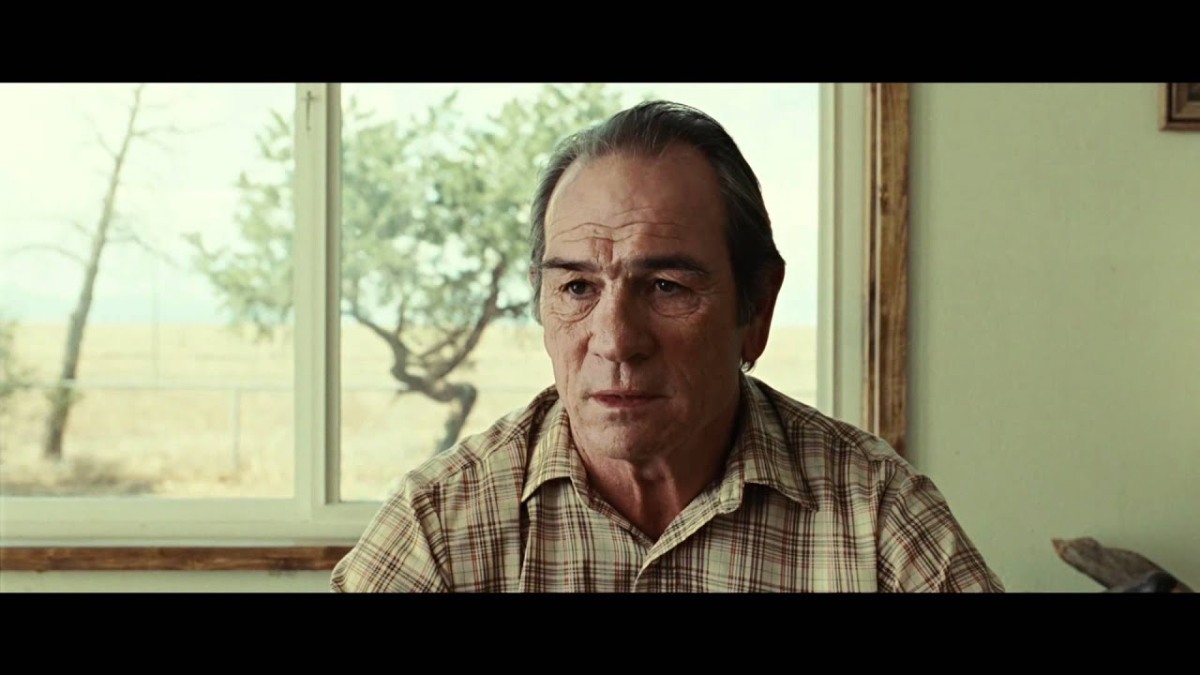
The dream scene begins with Ed Tom, now retiring, looking out of his window at his farm’s seemingly barren landscape with a sole tree to his left through the window behind him. A man of seemingly few hobbies and fewer words, he thinks about his day ahead and thinks about the possibility of riding around on his horse. Not too enthused about it, he also asks his wife if he should help around the house. Seemingly because he is less than skilled at this work, his wife believes it’s better that “he not.” He asks if his wife will join him riding but she is still working and a member of society actively.

Resigned to his fate as a retiree instead of being an active police officer, he reflects to his wife that he’s had dreams and he wants to share them. She says that he has time for them now and that she’ll be polite while he remembers them. He goes ahead and states that there were ‘two dreams’, they were ‘peculiar’ and both of them involved his father who has long passed away. Ed Tom is an older man than his father ever was indicating his father passed away at a younger age that of which Ed Tom will live to be longer.

The first dream is almost like a flash as most of our dreams tend to be with the details muddled and hard to recall. Ed Tom only states that he meets up with his young father in town and he leaves him some money perhaps as a way of his father being there for him even if he wasn’t present physically in his life. Similar to losing his father early in life, Ed Tom believes he lost his money in the dream as well leaving him without help as his father’s early death may have inadvertently done.

The second dream is much more imaginative and involve Ed Tom and his father living in ‘older times’ perhaps when the West was not settled and was lawless. He is no longer a police officer maintaining law and order but rather a horse rider having adventures with his father as he wishes they perhaps would have had time for had he lived longer.

This second dream is much more vivid as Ed Tom recalls how it is cold, they are going through a mountain pass together. They ride together in the snow among the mountains of the night until his father rides past him with no explanation and his blanket wrapped tight against him. This is confusing to Ed Tom at first knowing how hard it is to be without his father who he loves and must face the cold world without him as if he has been abandoned again. Though he may have lost his father, Ed Tom recalls how his father was carrying ahead a fire and a horn of a golden moon color, which gave him comfort despite the fact that he was not with him riding together.

“He was going on ahead, fixing to make a fire.” Ed Tom believes his father in the dream is out there doing this noble act in the middle of all the dark and cold, which is brutal to handle. “I knew whenever I got there, he’d be there…then I woke up.” The hope that Ed Tom haves is that his father even though it seems like he abandoned him as the son is that he really is instead looking out for him and paving the road ahead with light so he would not abandon his hope.

He believes that his father even though he may not be there with him wants him to keep going ahead and to meet him eventually instead of becoming deterred. He paves the way for his son to chase the flame of his absence and to resolve to not let the dark encapsulate him fully. Ed Tom’s expression about the dream is one of resigned sadness that his father is no longer around but also one of lingering strength to believe his death was not in vain and that he will reunite with him one day. His father, like him later, use their lives to keep the flame and the light moving forward even when surrounded by the darkest aspects of human nature.

Like any dream scene in a movie, this one has a deeper meaning behind it related to one man’s grief involving the loss of not only his livelihood but of his hope for a brighter future for humanity. Having seen the horrors that people inflict on one another, he may be resigned to that fact but he also believes his father would have wanted him to keep the flame ‘alive’ and to keep carrying it forward throughout his life even if things looked bleak. His death did not stop Ed Tom from keeping the flame moving in his own life and to carrying it forward in the hopes that he would bring it to his father someday when they would eventually be reunited in another lifetime or in another dream that seemed real.