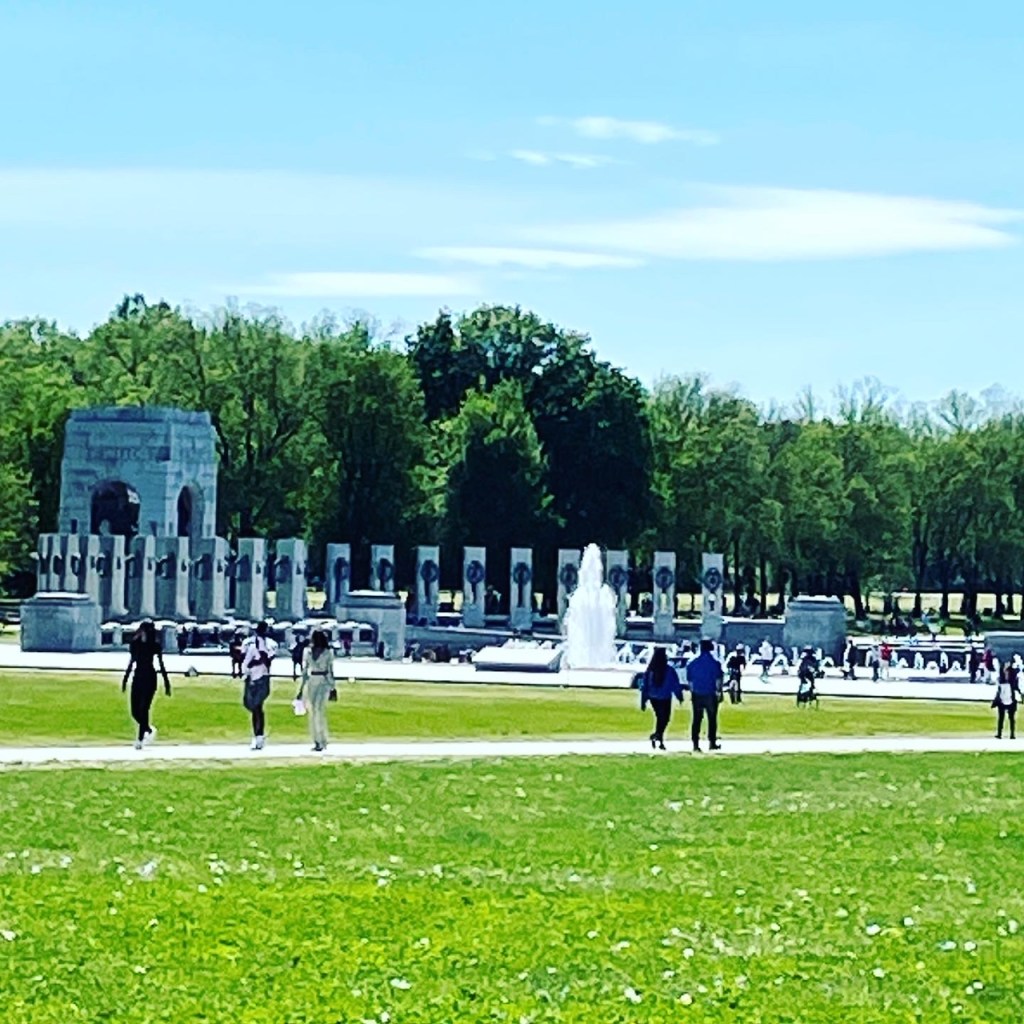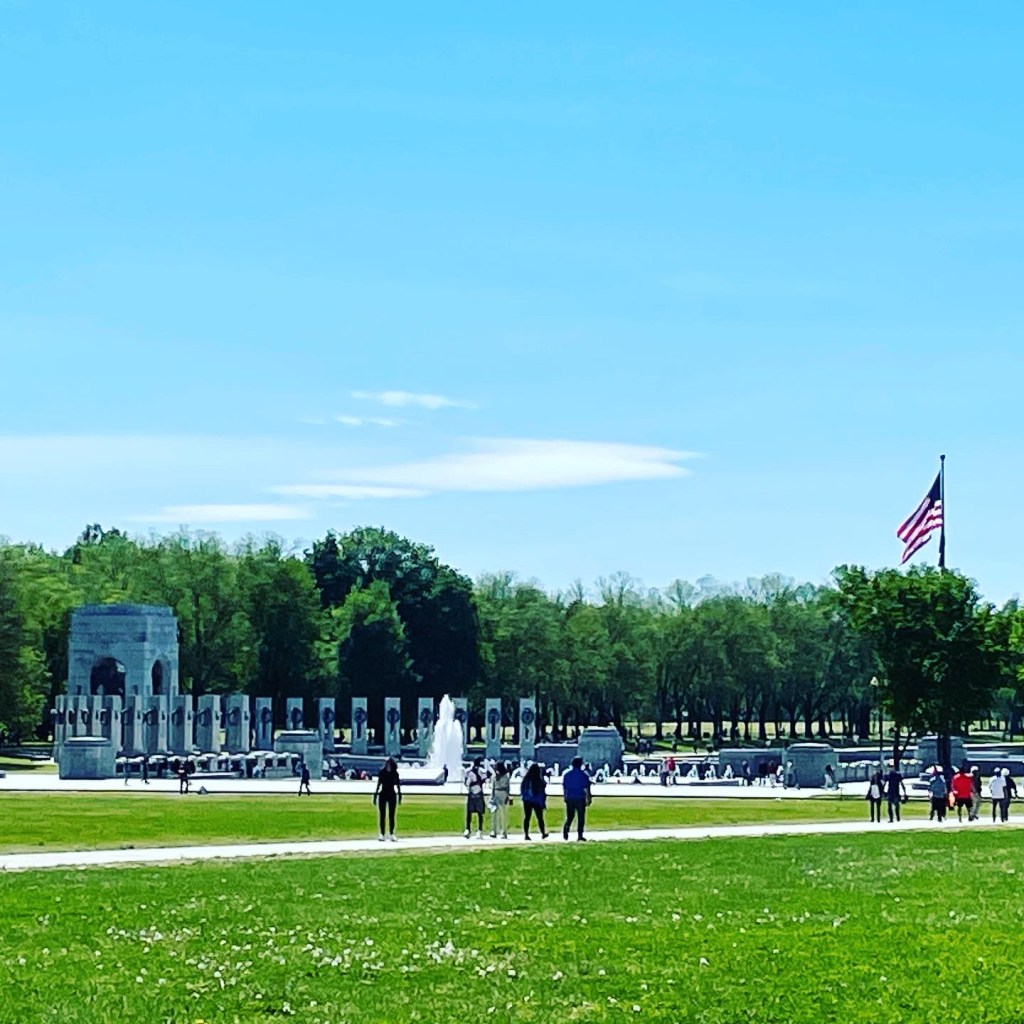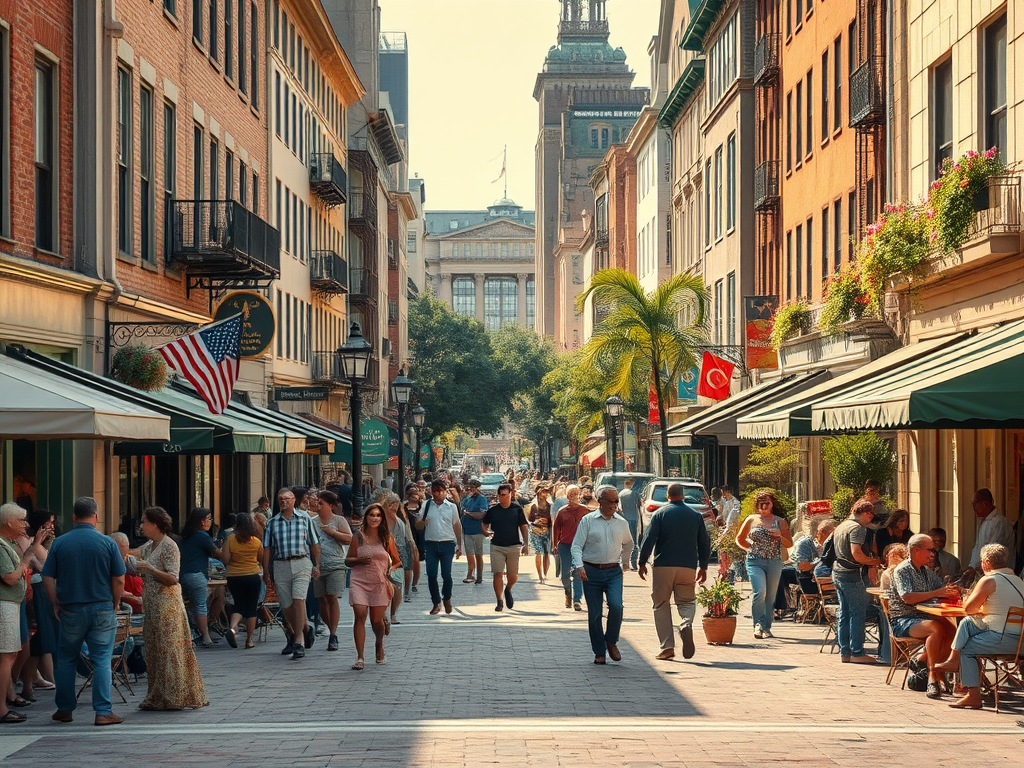
Why American Streets and Plazas Feel Empty and How to Bring Them Back to Life

“This shift in American daily life raises a deeper question: when did public life in the United States begin to disappear, and what would it take to bring it back?”

American cities were once defined by the energy of their streets and plazas across the country from big cities to small towns as places where people didn’t just pass through, but lingered, interacted, and built a sense of real community. Today, many of those same streets feel transactional at best and empty at worst. Instead of being corridors of activity, fun, and expression, streets have become corridors rather than the destinations. Public life has thinned out and become increasingly atomized in 2026 and this societal change here was done on purpose beginning in the 1950s and its effects still linger today in 2026. This shift in American daily life raises a deeper question: when did public life in the United States begin to disappear, and what would it take to bring it back?

The answer begins with the structural changes made to the design of our cities and towns in America during the 2nd half of the twentieth century. For the past few decades, American cities have been built around cars rather than people. The decline of street and plaza life in the United States is rooted in politicians catering to the automobile industry with car-first urban planning being prioritized above all else. With the expansion of the suburbs and the ‘American Dream’ having been tied to home ownership, rigid zoning policies meant that you could no longer walk out your door by foot and enjoy being in a lively community.

Wide roads, sprawling suburbs, and strict zoning laws have separated from where people live, work, and socialize with one another. In prioritizing having efficiency and convenience for the needs of the ‘nuclear family’, which is increasingly on the decline in today’s America, most cities and towns unintentionally eliminated the very conditions that made spontaneous human interaction possible and enjoyable. This seismic shift in public policy did not change just how American cities look and were laid out, it changed how each American related to each other, especially their neighbors.

This societal transformation has had a real human cost in this country. Public spaces are not just physical environments to move through but ideally, but they are also meant to be social ecosystems. Without their presence, opportunities for casual interaction shrink, and communities become more fragmented or isolated. As loneliness and social isolation rise across the country and has become a modern epidemic, the absence of vibrant ‘third places’, spaces outside of home and work has become increasingly noticeable. People are more connected digitally than ever yet often feel more disconnected in real life. Part of that solution is revitalizing what is common in other countries from Denmark to Colombia and from Spain to Turkey.

When I lived car-free across different countries and cities, my quality of life was inexorably more enjoyable and easier to get to know people. Making friends, running errands, and exploring is possible with a car but I found that exploring my new surroundings on foot and being able to get tea, coffee, or some food by foot in my local neighborhood made life in that new country or city much richer and more fun. Not needing a car was better for the environment and less expensive for my lifestyle and with having ride-sharing and good public transit options for where I was living in Istanbul, Medellin, or Mexico City, street and plaza life in each city across three continents was something I truly enjoyed taking full advantage of.

Other parts of the world often offer a clear contrast to how the U.S. has chosen to use its empty public spaces. In cities like Barcelona and Copenhagen, public space is treated as essential social infrastructure. Pedestrian-friendly streets, mixed-use neighborhoods, and a strong culture of outdoor living create environments where daily life naturally spills into the open regardless of what time of year it is, rain or shine. These cities are not necessarily more complex than U.S. cities, but they are simply designed with human behavior in mind including being able to walk, bike, or ride a scooter to where you need to go, which is much more environmentally friendly and cost-effective than needing to drive everywhere. There is real cultural emphasis on encouraging outdoor social life including showcasing musical performances, selling food and drinks in the open, and having benches, chairs, and tables for free gathering places at any time of the day or night.

You may be asking at this point: why has the United States struggled to follow suit in this way? The barriers are not just physical, but cultural and political. Car dependency is deeply ingrained in terms of cultural habits, and concerns around safety, public disorder, and accessibility often shape public opinion on encouraging street and plaza life to flourish without restrictions. At the same time, bureaucratic hurdles and zoning restrictions make it difficult to experiment with new ideas. The re-design and re-orientation of our physical landscapes would take decades or generations to construct including major financial costs and it would involve expanding transit and pedestrian friendly options, but I believe it would be worth it for future generations. Change is possible over time here, but it primarily requires a shift in cultural mindset and public policy.

Where progress has been made in the U.S. so far, the strategies are surprisingly straightforward. Expanding pedestrian zones and adding dedicated bike lanes in major cities, supporting street vendors and local businesses with easier permitting processes, and introducing outdoor dining and public events can quickly transform underused areas into vibrant gathering spaces. Small temporary interventions, often referred to as ‘tactical urbanism’, allow cities to test ideas before committing to permanent change. Importantly, good design alone is not enough. A well-designed plaza without any meaningful activity will remain empty; consistent programming and consistent use are what bring these unused spaces to life and keep people going there over time.

At a deeper level, successful public spaces tap into the psychology of place. People gather where they feel comfortable, stimulated, and welcomed. Elements like music, food, movement, and visual identity all contribute to whether a space feels alive or sterile. Safety matters, but so does the atmosphere where it’s welcoming, open, and engaging. A space can be technically safe yet feel uninviting if it lacks energy or purpose. Instead of holding events in asphalt parking lots or in lackluster fields without trees or any discernible nature will not stimulate the activity needed or generate the buzz needed so that the public spaces are going to need to thrive in the long run.

This is why revitalizing public space is about more than changes to urban planning; it is about rebuilding civic life in areas where it’s gone dormant or extinct entirely. Streets and plazas provide a shared environment where people from different backgrounds can coexist, interact, and develop a sense of mutual trust. In an increasingly polarized and digital society on top of being in a country where people don’t like to leave their vehicles or houses easily, these everyday interactions play a quiet but essential role in maintaining social cohesion and furthering progress for the town or city where locals and visitors are gathering.

In 2026, the urgency of this issue is only growing in terms of relevance. Hybrid and remote work arrangements have reshaped daily routines, leaving more flexibility for how and where people spend their time. At the same time, there is a growing desire, especially among younger generations, for experiences that feel authentic and communal, away from their phones and devices to reconnect with one another. American cities and towns that adapt to these shifts by prioritizing walkability, accessibility, and human-centered design will be better positioned for the future and achieve a higher quality of life for its residents and would help keep them living there for the long-term.

Revitalizing street and plaza life in the United States is not about copying other countries or eliminating cars entirely as part of our cultural memory. It is about restoring balance by creating welcoming spaces where people can once again gather, linger, and feel part of something larger than themselves and make new friends and acquaintances by doing so. When that happens consistently, streets stop being just pathways and start becoming places where life unfolds spontaneously.


United States Botanic Garden

A visit to the United States Botanic Garden, a national botanical garden in the heart of Washington, DC.

Camera: iPhone 12

Location: United States Botanic Garden; Washington, District of Columbia, United States

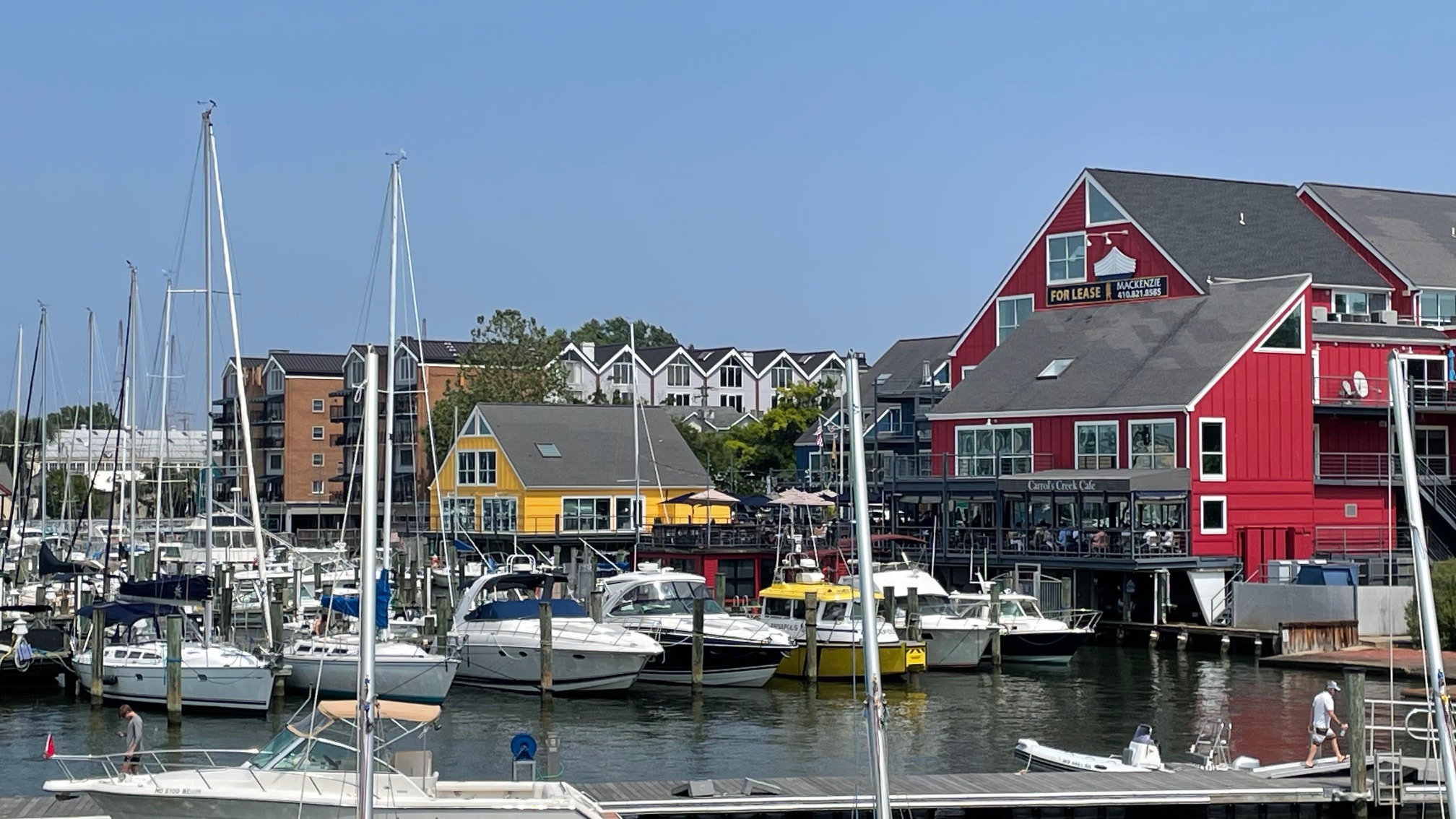
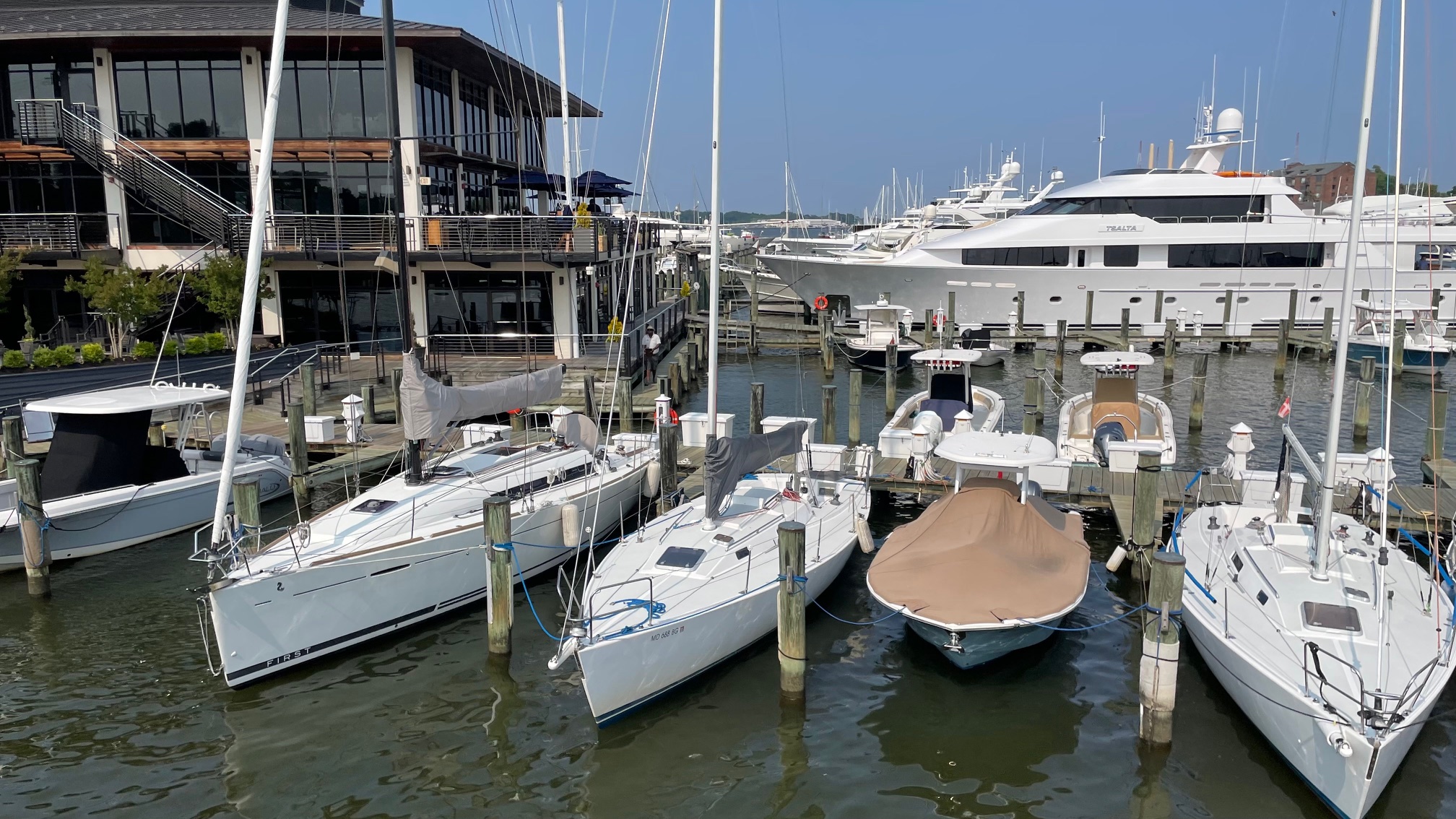
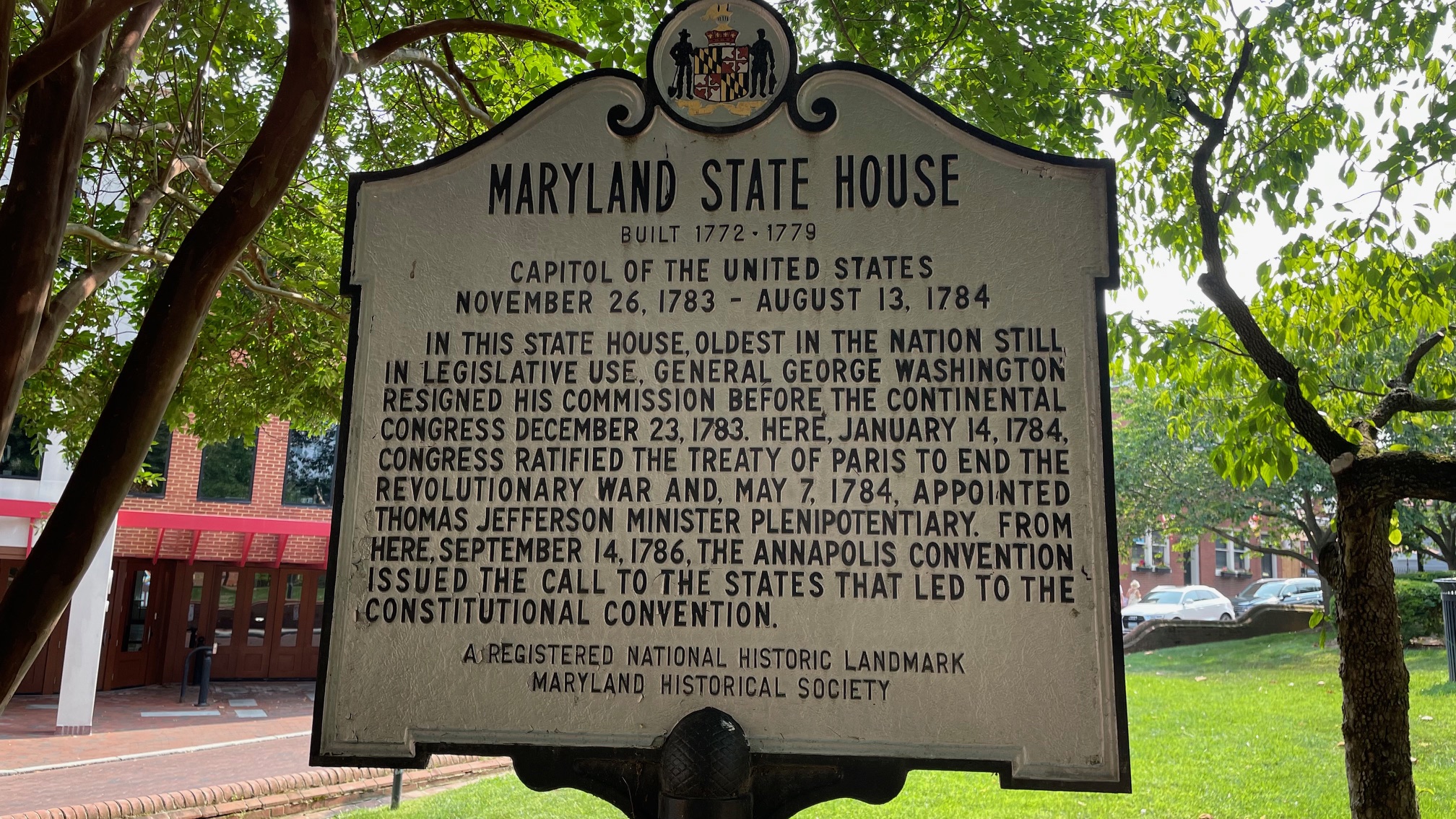
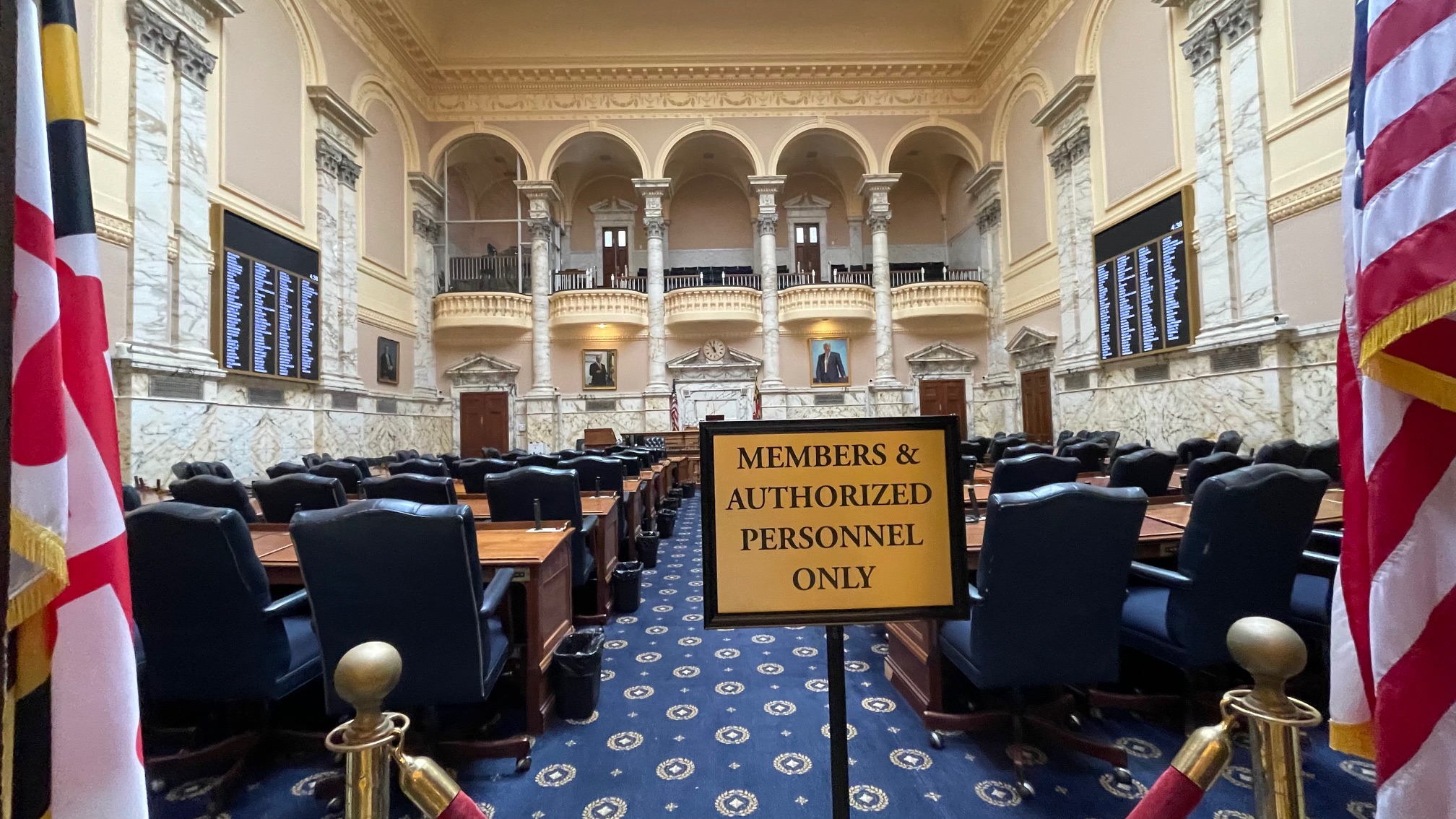
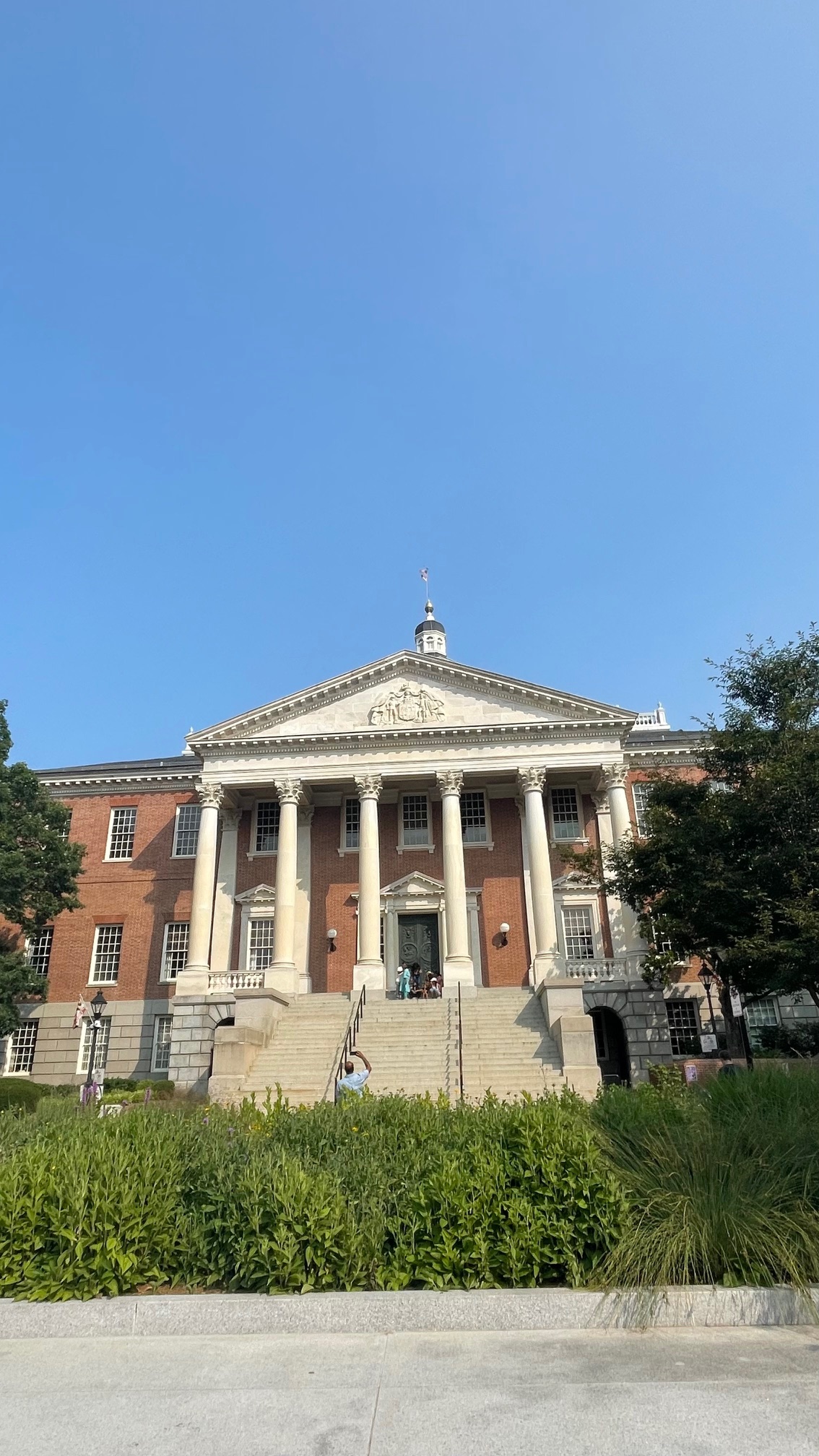
A Day in Annapolis, Maryland

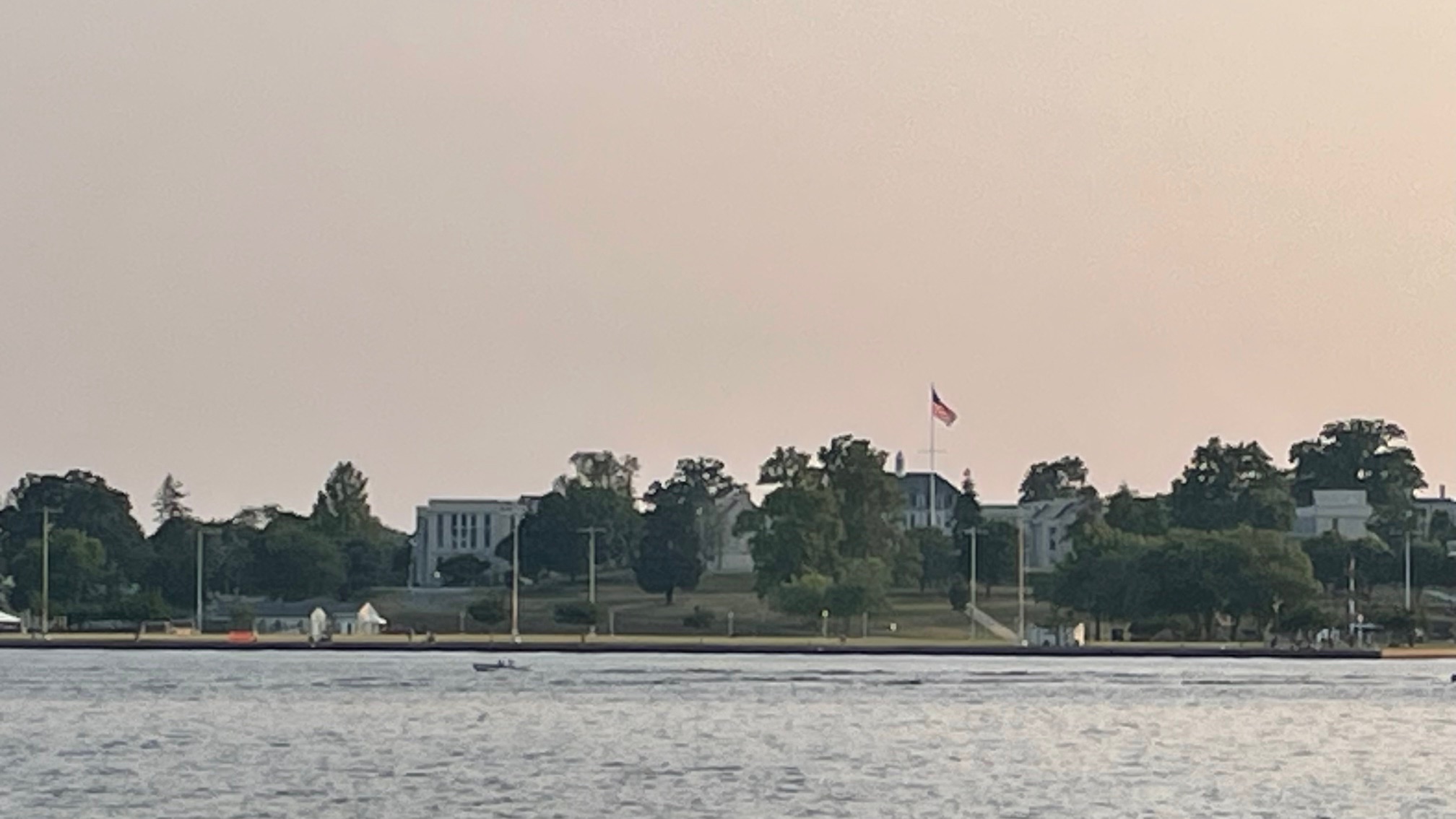
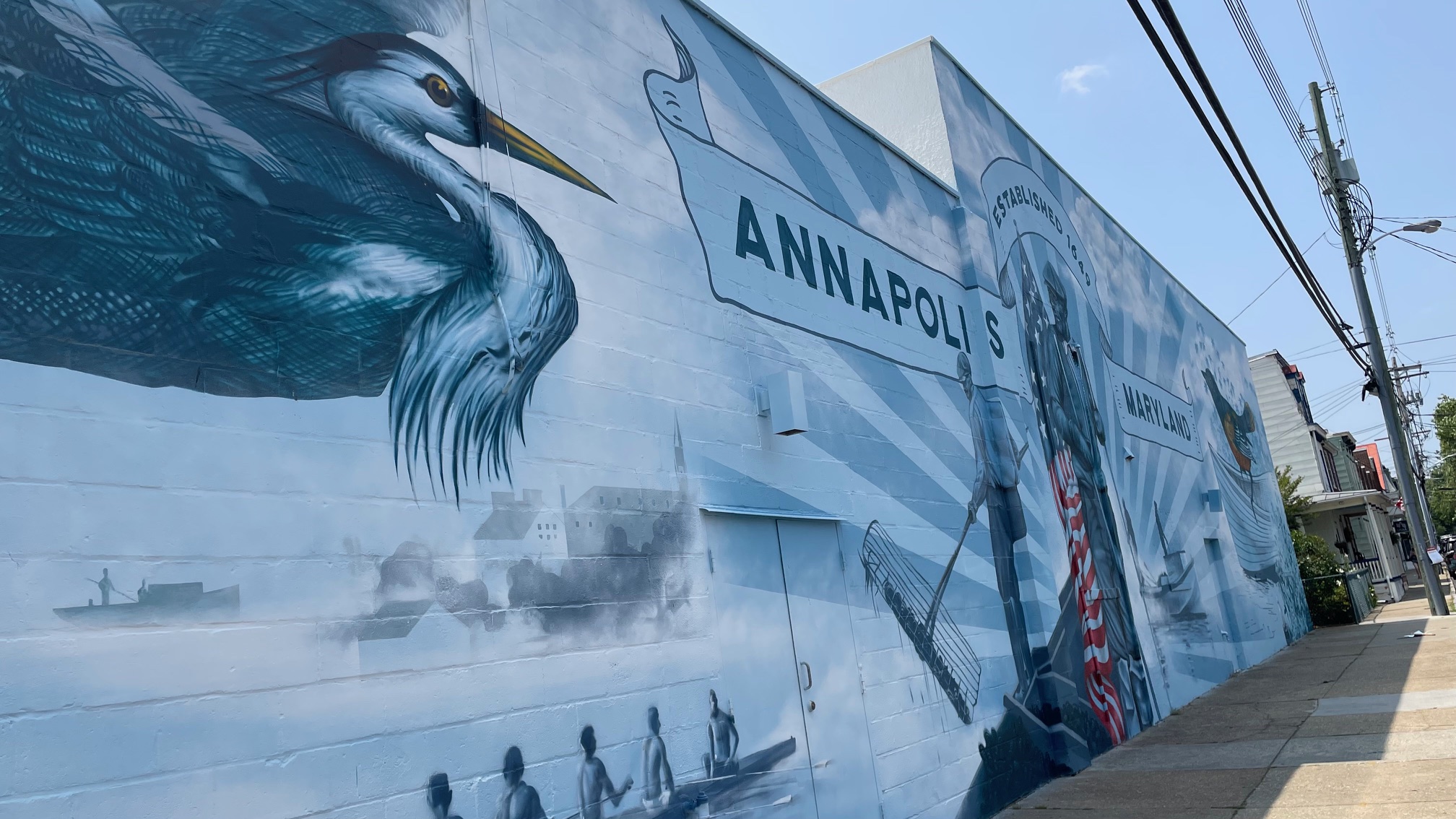
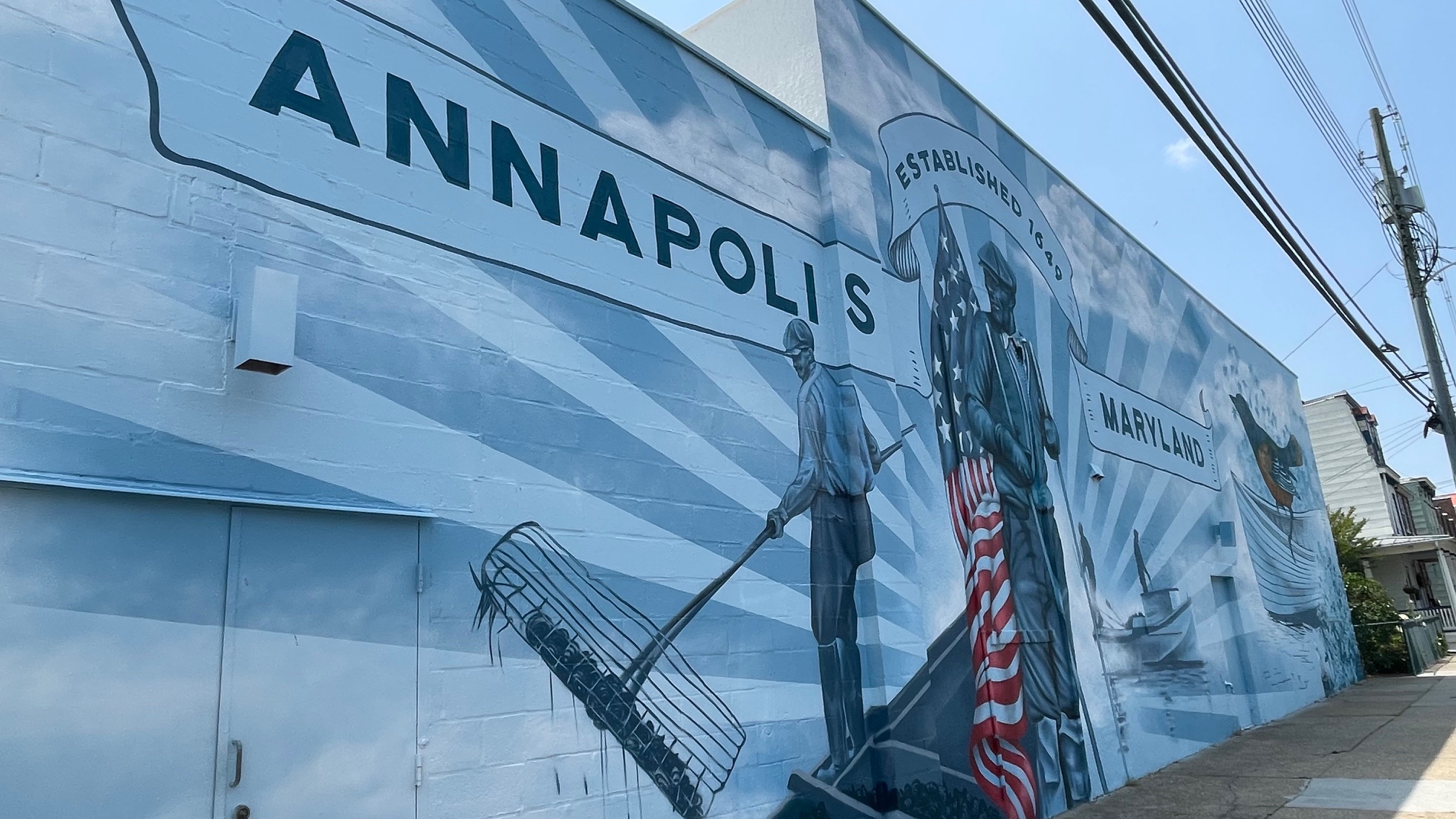
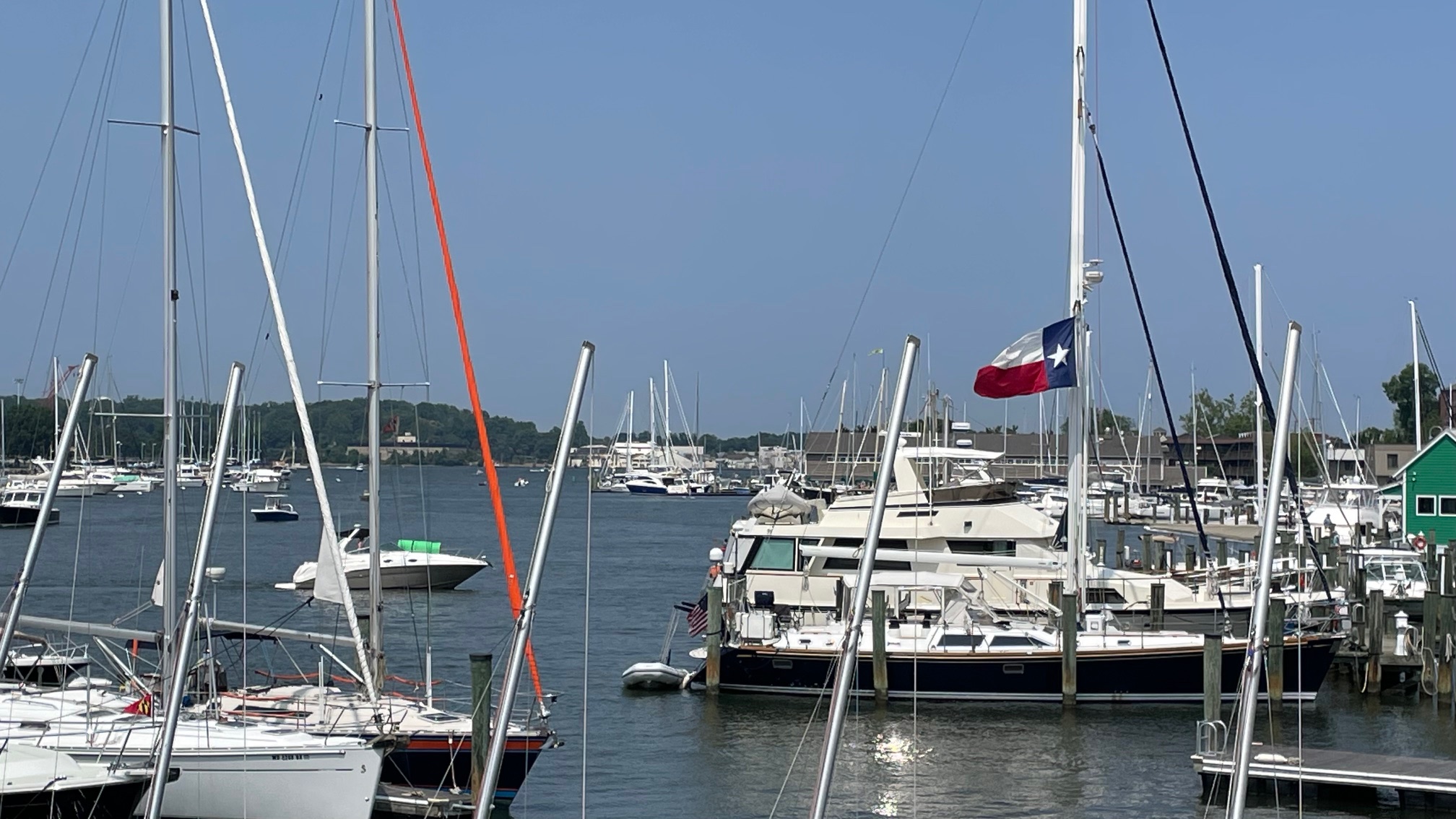
A Day Trip to Annapolis, Maryland

Camera: iPhone 12

Location: Annapolis, Maryland, United States

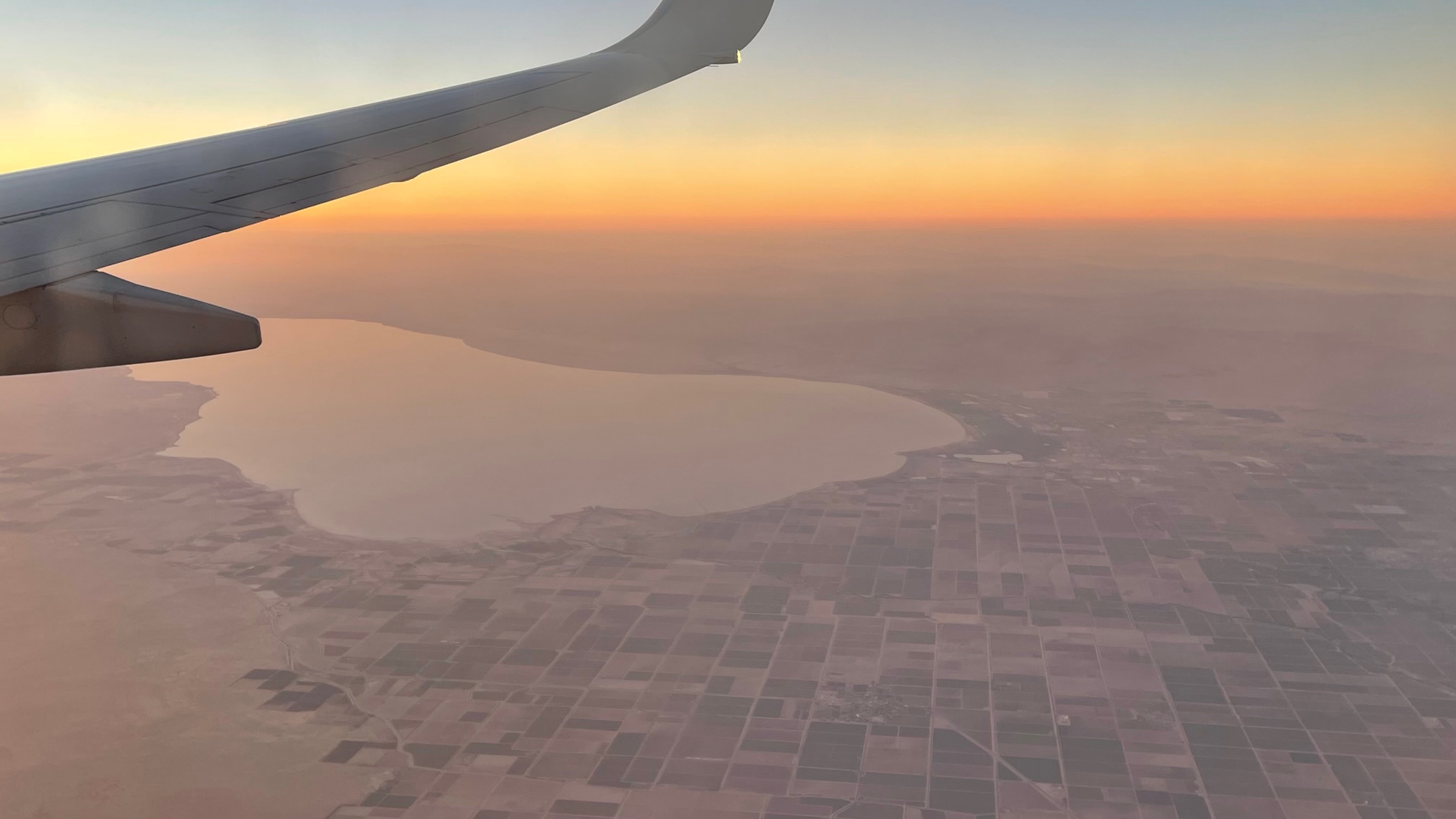
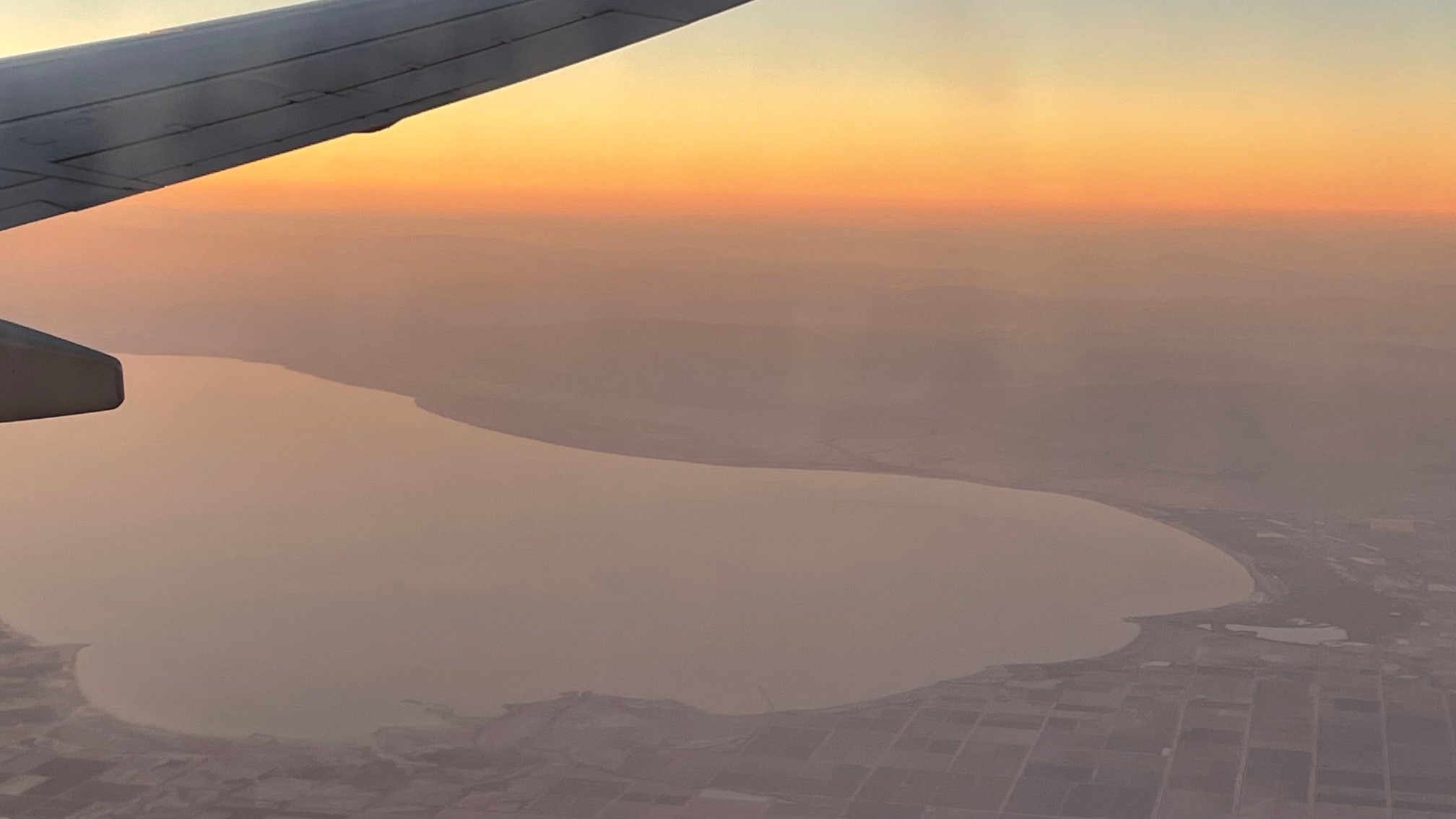
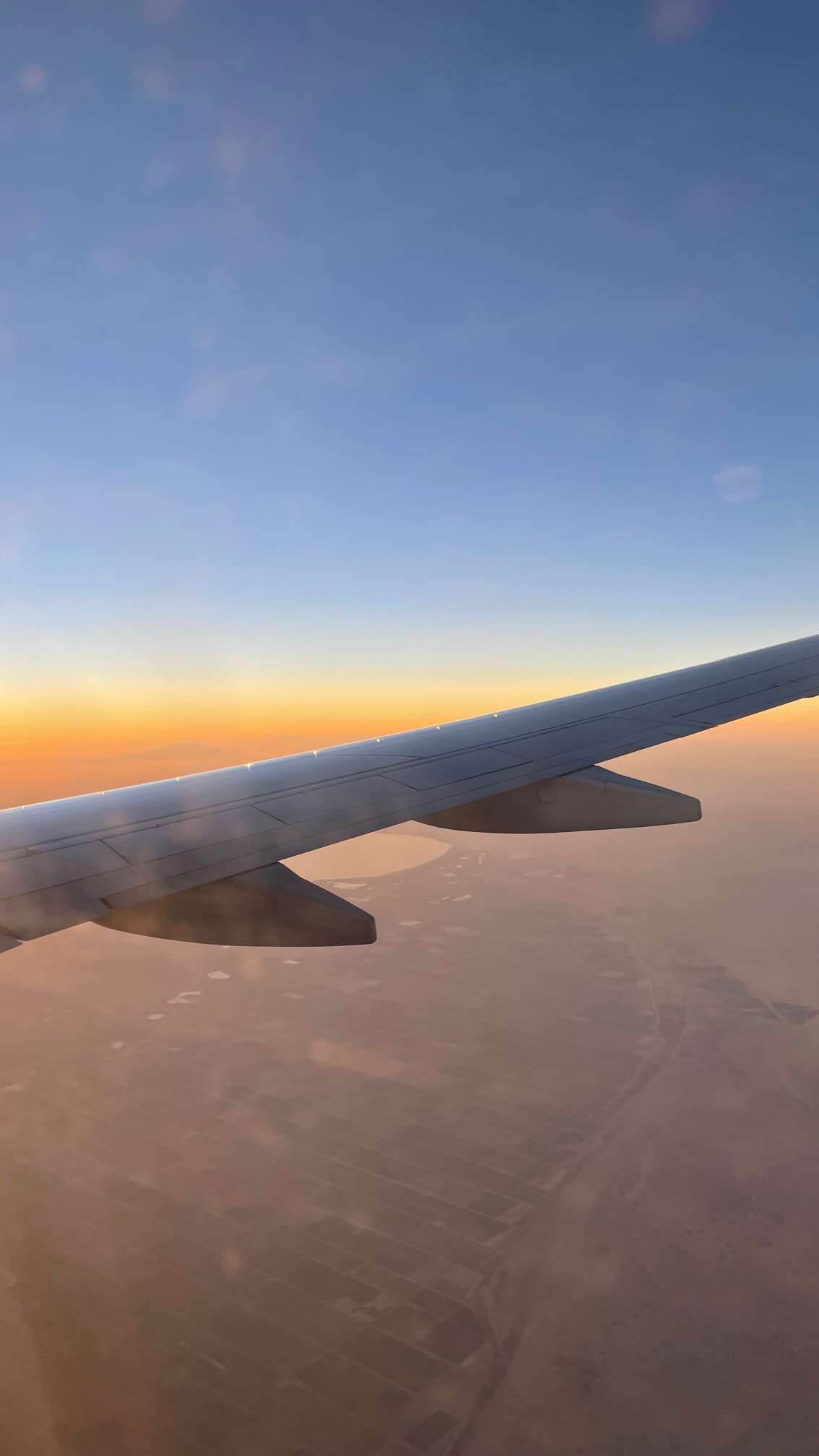
Sunset Over The West

Camera: iPhone 12

Location: Western United States (In The Air)

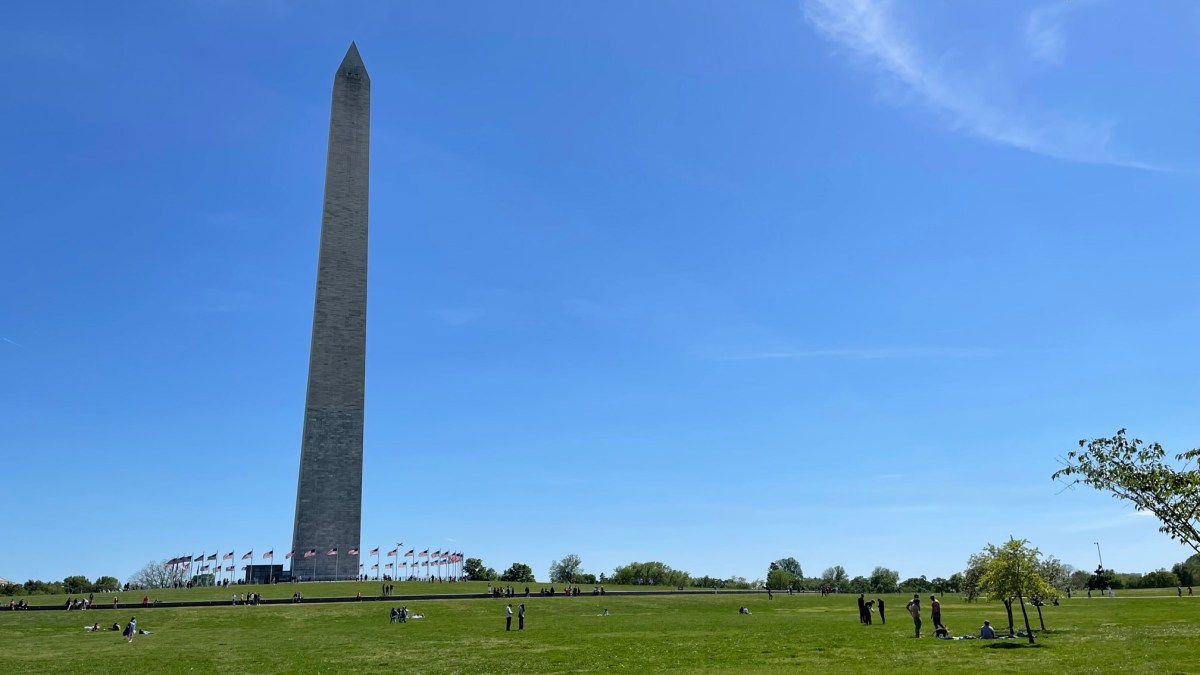
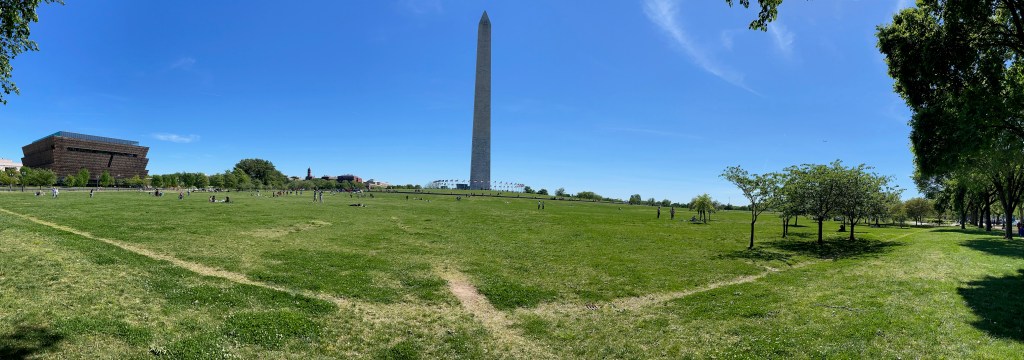
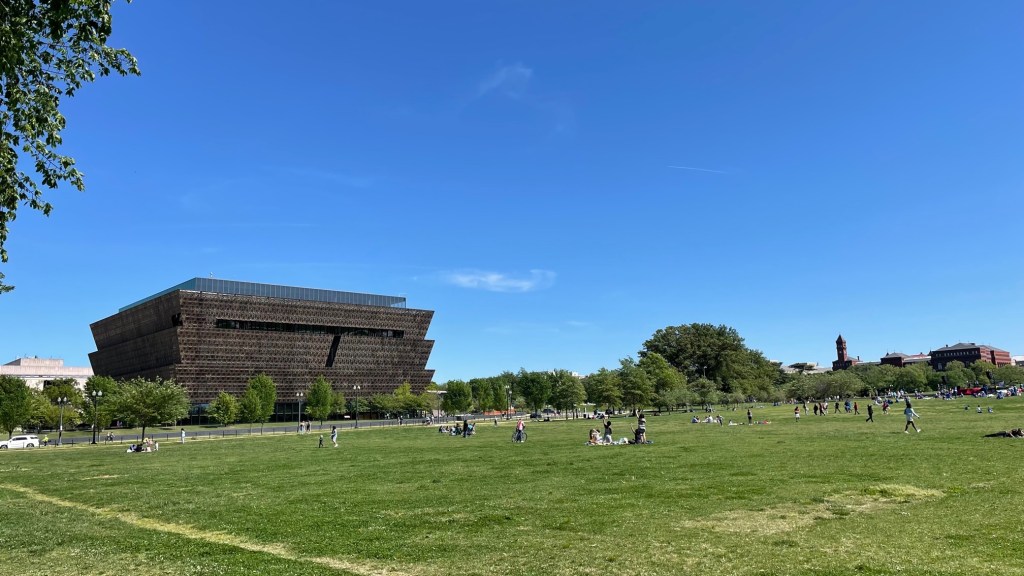
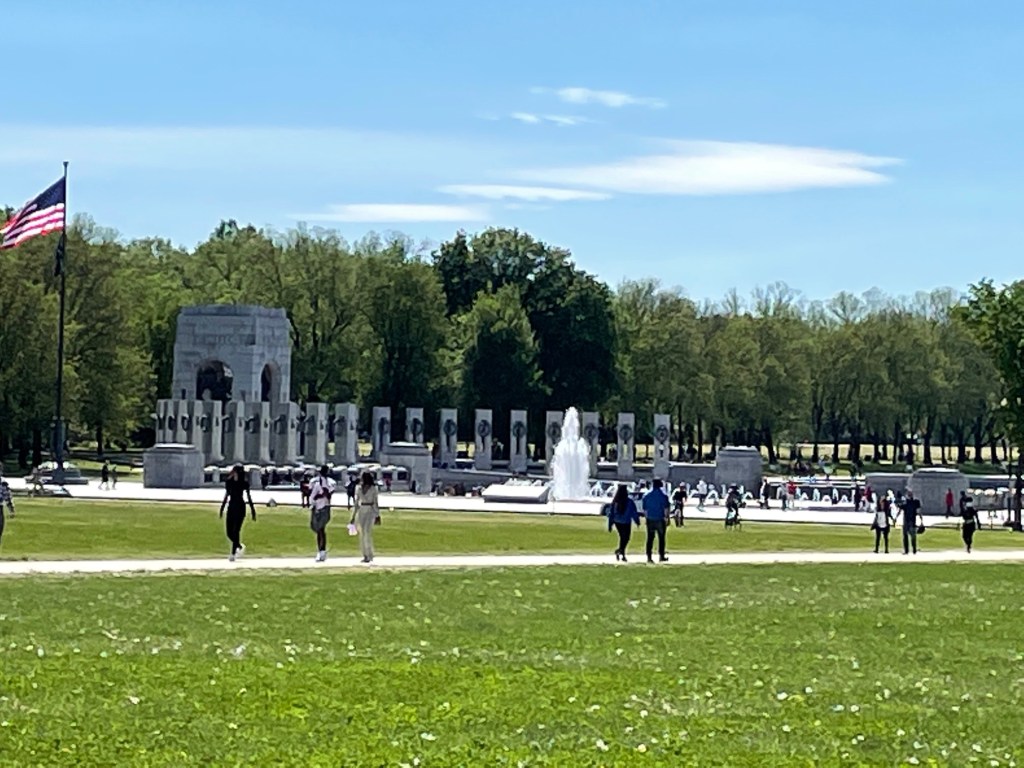
A Day on The National Mall

Camera: iPhone 12

Location: Washington, District of Columbia, United States

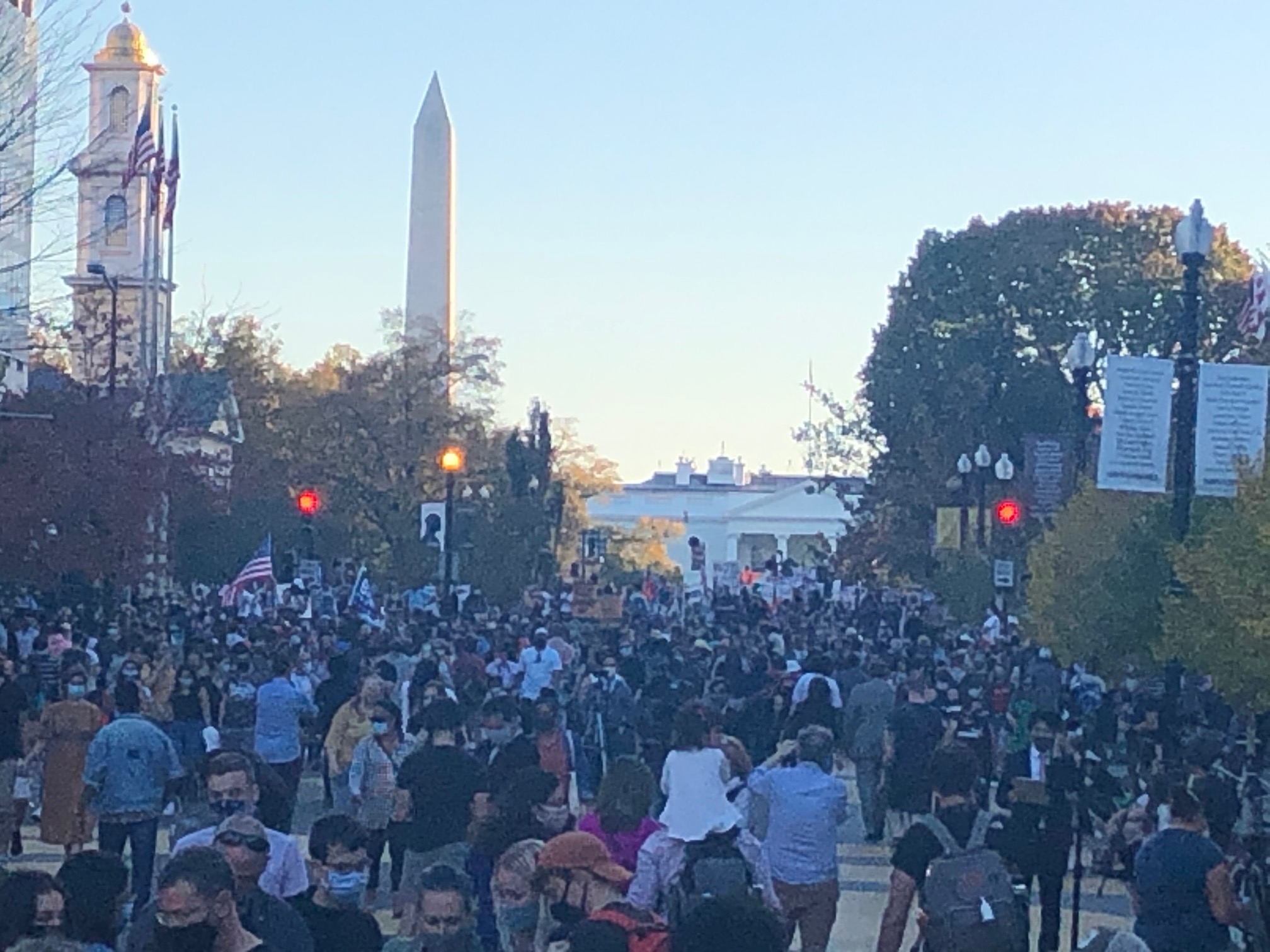
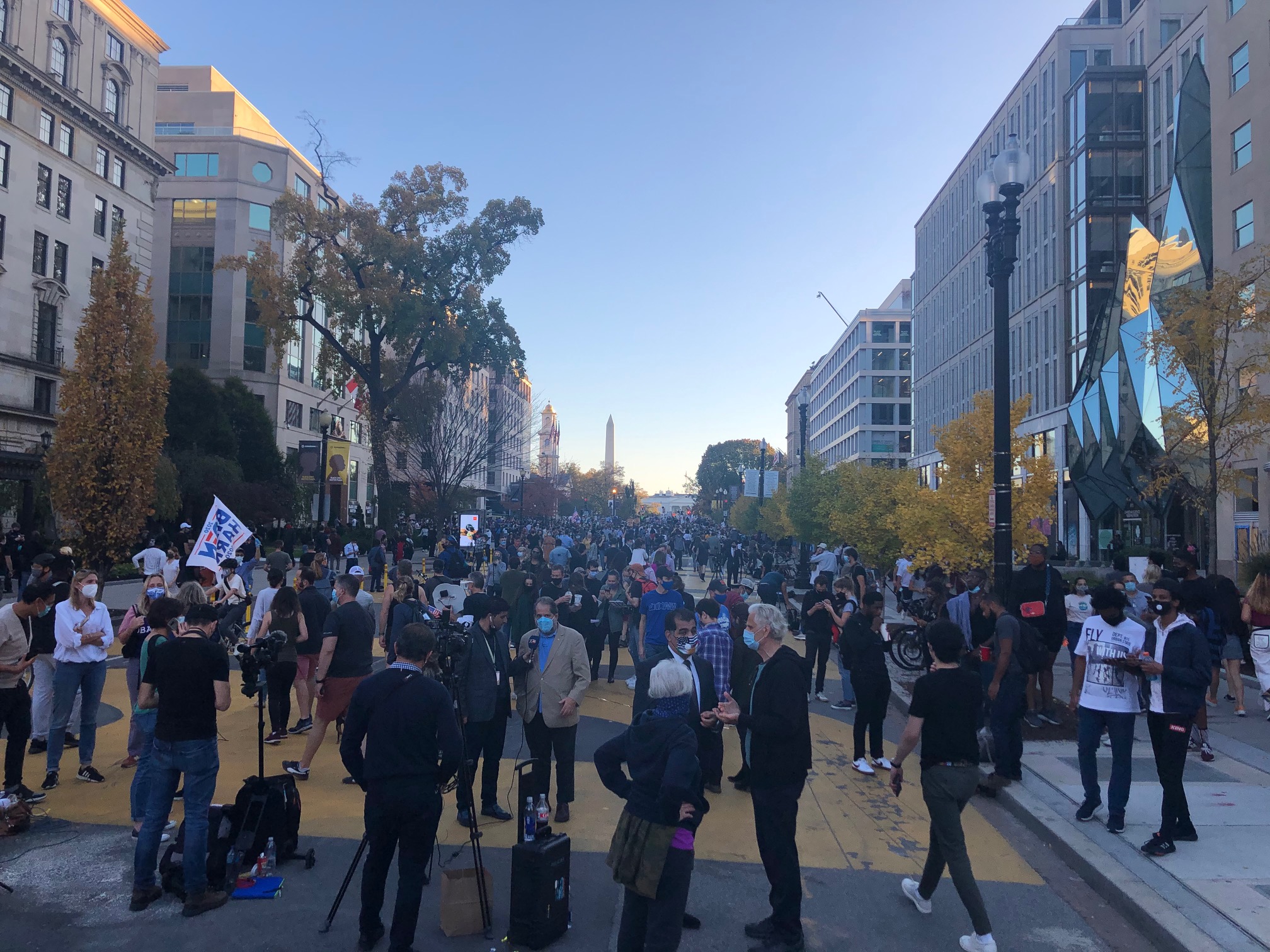
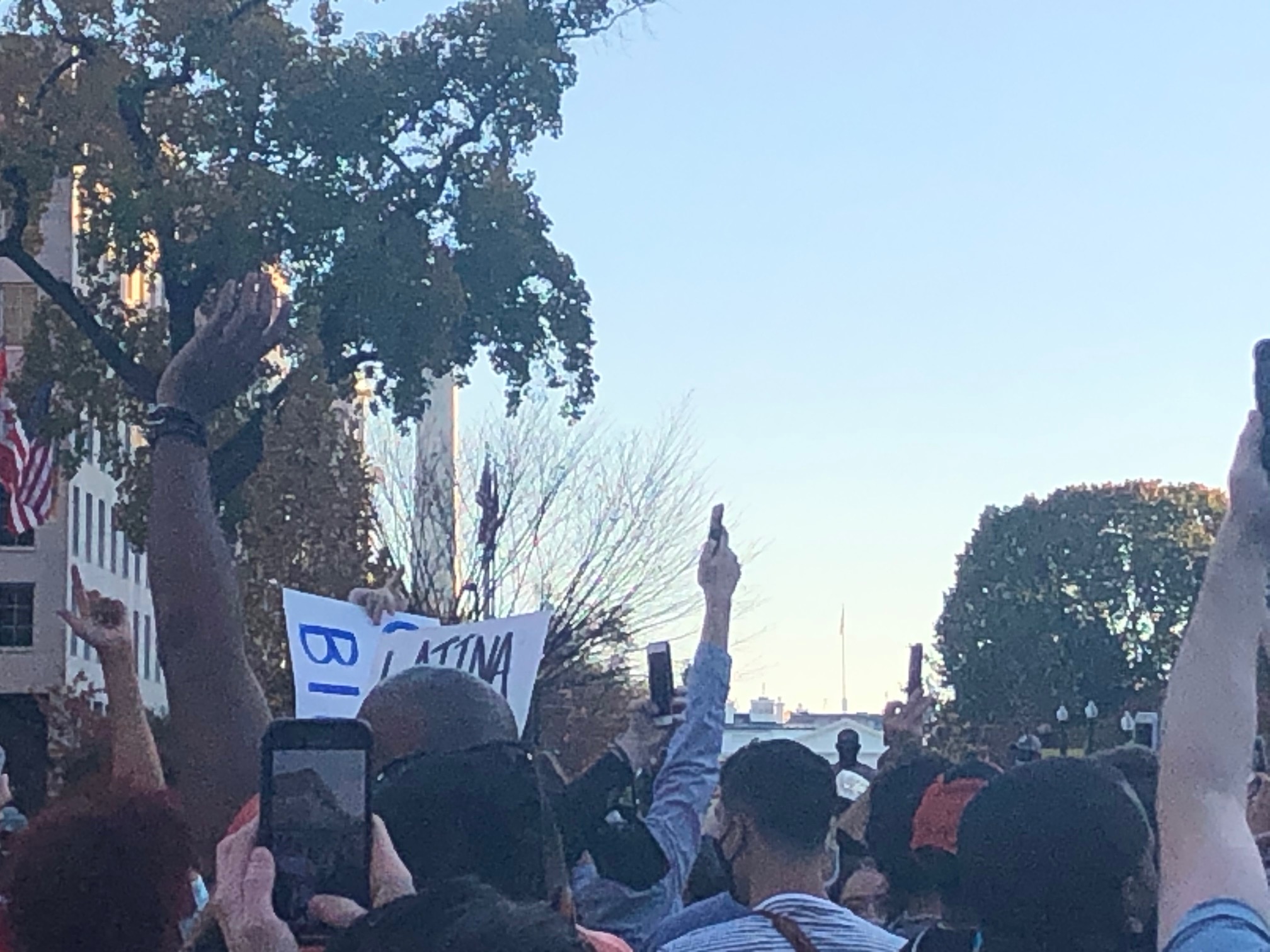
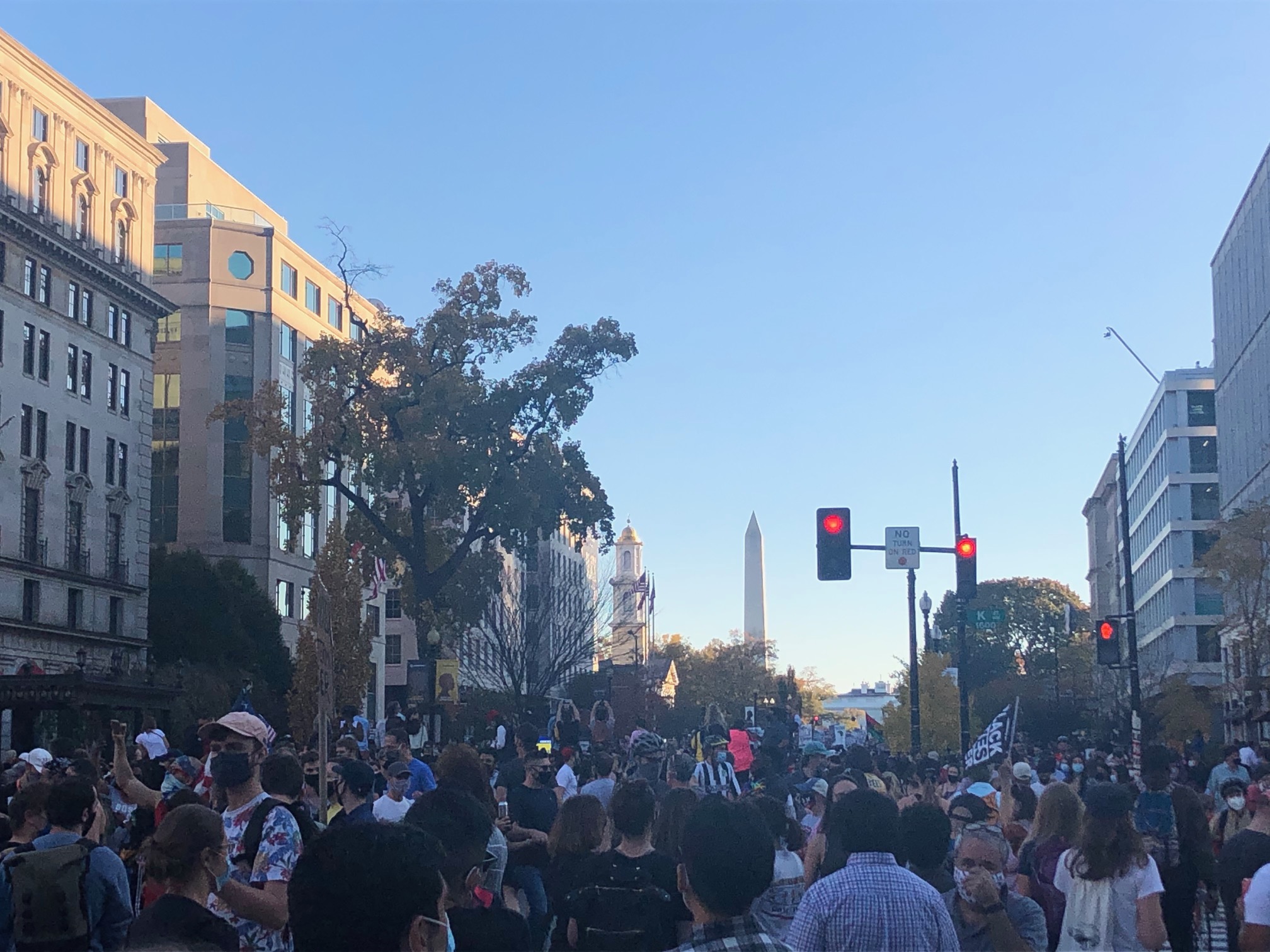
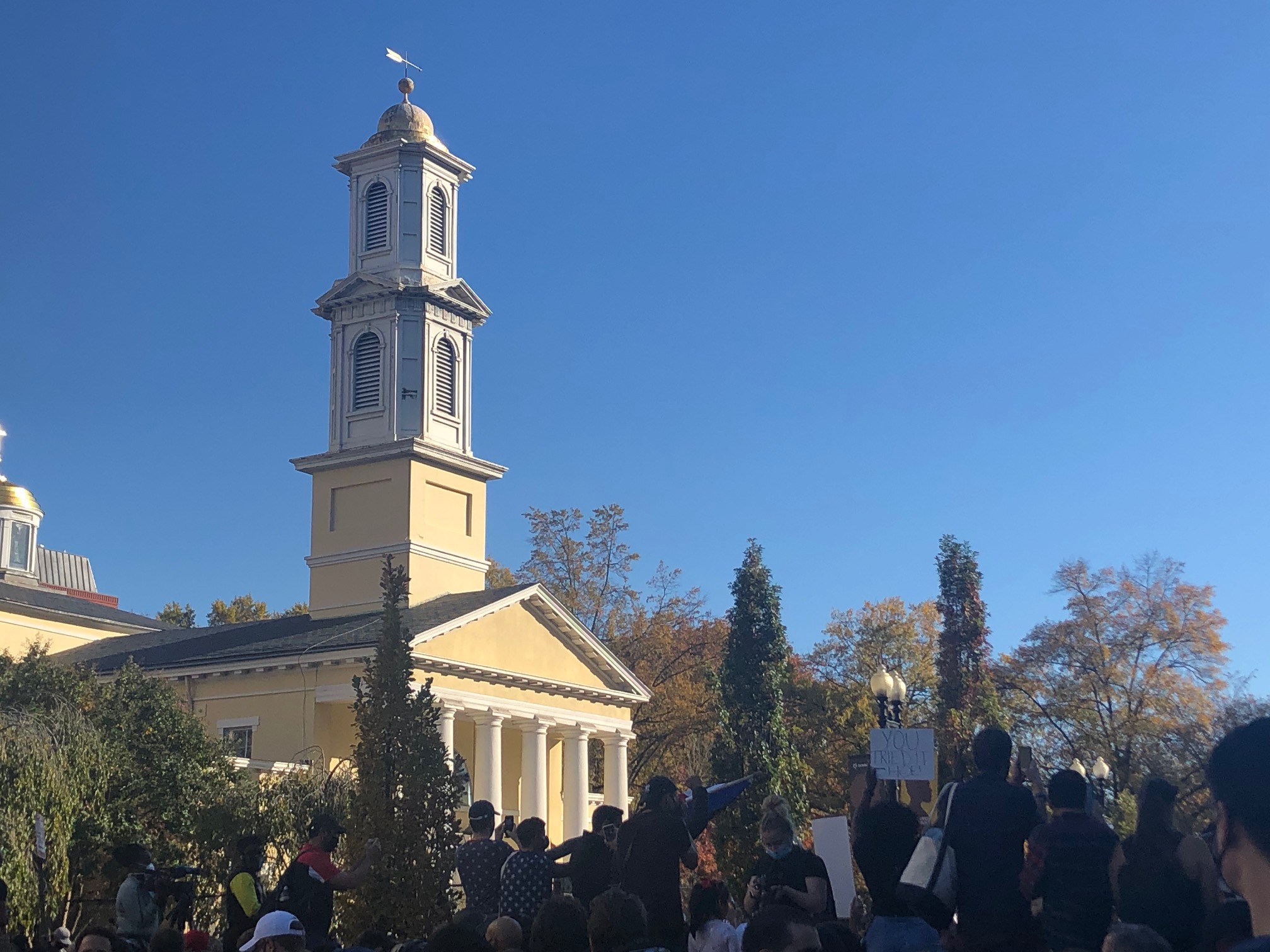
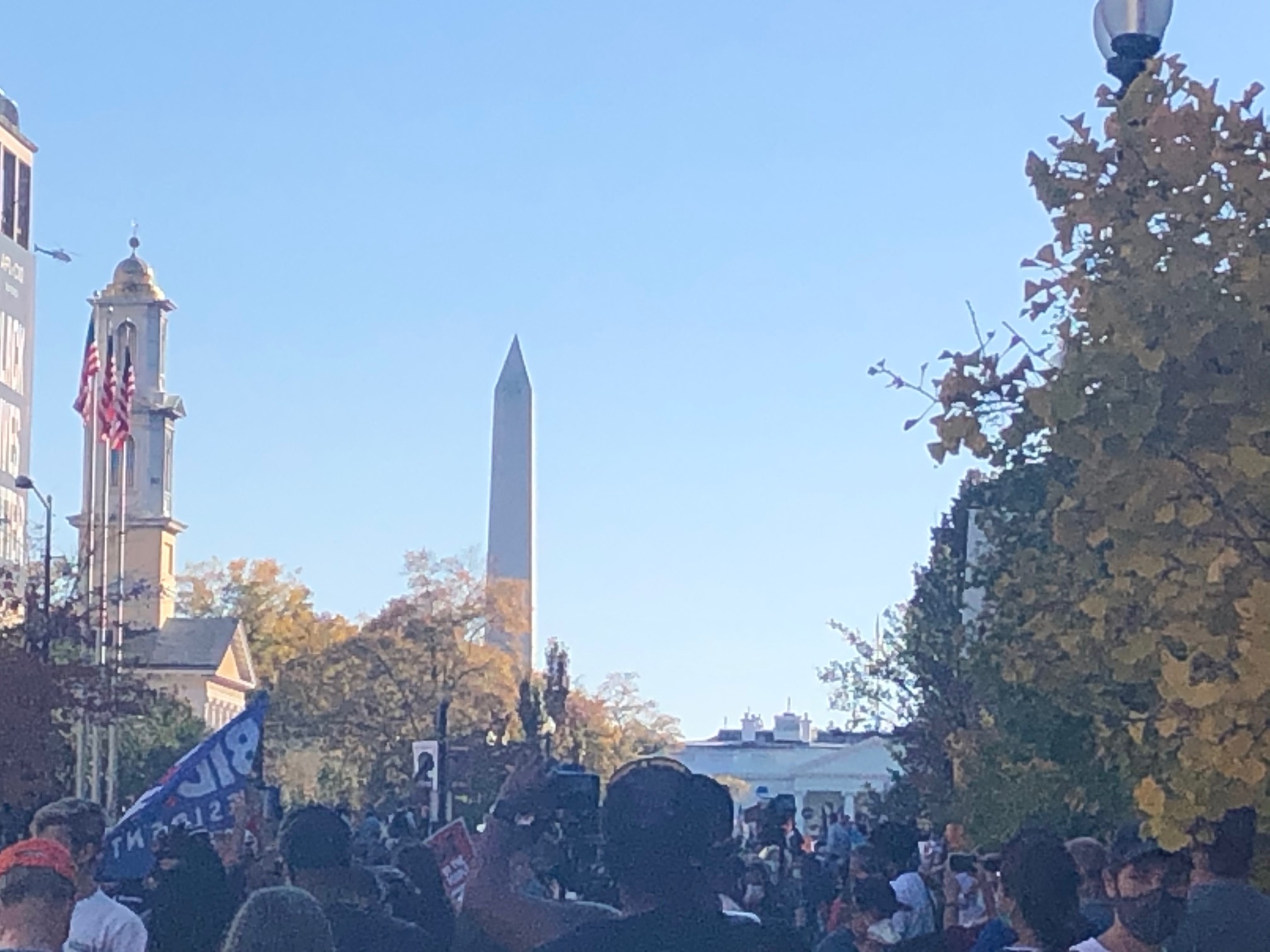
V-T Day

Camera: iPhone 8

Location: Washington, District of Columbia, United States

Hay Vida En Las Calles

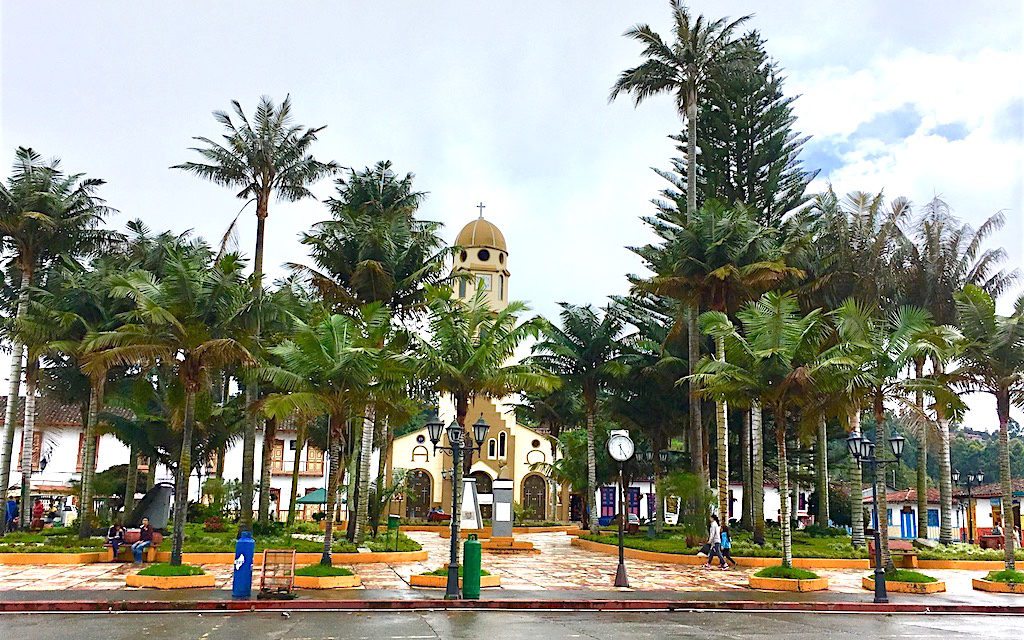
During my visit to Salento, Colombia, a beautiful town located in the foothills below the Andes Mountains and adjacent to the famous Cocora Valley, I picked up on a slogan that I found very endearing and memorable. “Hay vida en las calles” was posted on an advertisement on one of the vendors there who was dishing out ice cream, snacks, and other goodies. “Hay vida en las calles” translates to the English language as “There is life in the streets” and I found that to be a very positive sign and one that gets people out of their homes and into the parks, squares, and plazas where the basis of all community life is formed. While life in the streets cannot be found everywhere, I found this prevalent attitude consistent in many towns and cities during my travels in Latin America.

The emphasis on communal spaces and public gathering places is something I really admire about Latin culture and I find it to be a healthy feature of any society, which has strong communities and families. Being able to leave your homes every now and then to walk five minutes away to be in a public park or a town square should be natural and available to more and more of us.

As is well known in psychology and sociology, Human beings are social creatures and we want to be around other people even after we have had some alone time. In order to do so, responsible local, state, and national governments should provide that to their peoples in order to build more trusting and kind societies. In societies where people are isolated, lonely, and without opportunities to meet people and build new friendships, problems related to anxiety, depression, and even violence are likely to rise.

In countries such as the United States and other Western countries, statistics related to anxiety, depression, and loneliness are rising and part of the reason I think for the rise in these issues is related to not being able to gather and socialize in a public place. The atomization related to suburban living, the lack of public transportation options, and the decline of shopping centers all help to contribute to this rise in loneliness. I mention the closing of shopping malls because due to technology giants like Amazon, small businesses and large companies alike are closing their doors causing people to order anything from food to clothes to Amazon Echo from their homes.

While shopping malls and outlet stores aren’t an optimal way to build a sense of community, they still brought people together and were a place to hang out. The question remains regarding how will we replace these stores, strip malls, and outlet centers if they all go out of business? A revitalization of public places from small towns to big cities will not just be a prudent step forward but help societies deal with rising anxiety and loneliness rates. There should be life in the streets.

Whose responsibility should it be to encourage this kind of ‘life in the streets’? I believe it’s the local government combined with local businesses who can really make it work. Also, local community groups and organizations can play a big role in making sure everybody feels welcome and to promote activities, discussion groups, and issues in the community that need to be resolved. The average citizen living in the town or city can contribute to by hosting ‘block parties’ or contributing food or drinks. We ask our taxes to pay for roads, schools, and parks, but why not also a community gathering place, indoors or outdoors, where people can be social, discuss issues, and make new friends.

Without investing in our citizens by providing a ‘public square’, we are really selling ourselves short and it could hurt the fabric of our communities, towns, and cities in the long run. Without a way for people to interact and socialize with each other for free and without needing to buy anything, society as a whole can really benefit. It may sound like a ‘utopian’ idea to some but I think it makes a lot of sense in terms of the potential benefits to people’s mental health.

When I was in Salento, Colombia, for example, there were numerous food vendors, there was live music, and people were chatting with each other on benches. Children were playing in a nearby playground and the air was fresh and clean. The noise of the cars and the buses was off in the distance and it was a sea of calm where there were plentiful trees, flowers, and you could hear the birds chirping. People need that kind of space to gather, talk, listen to music, eat food, and watch their children play peacefully.
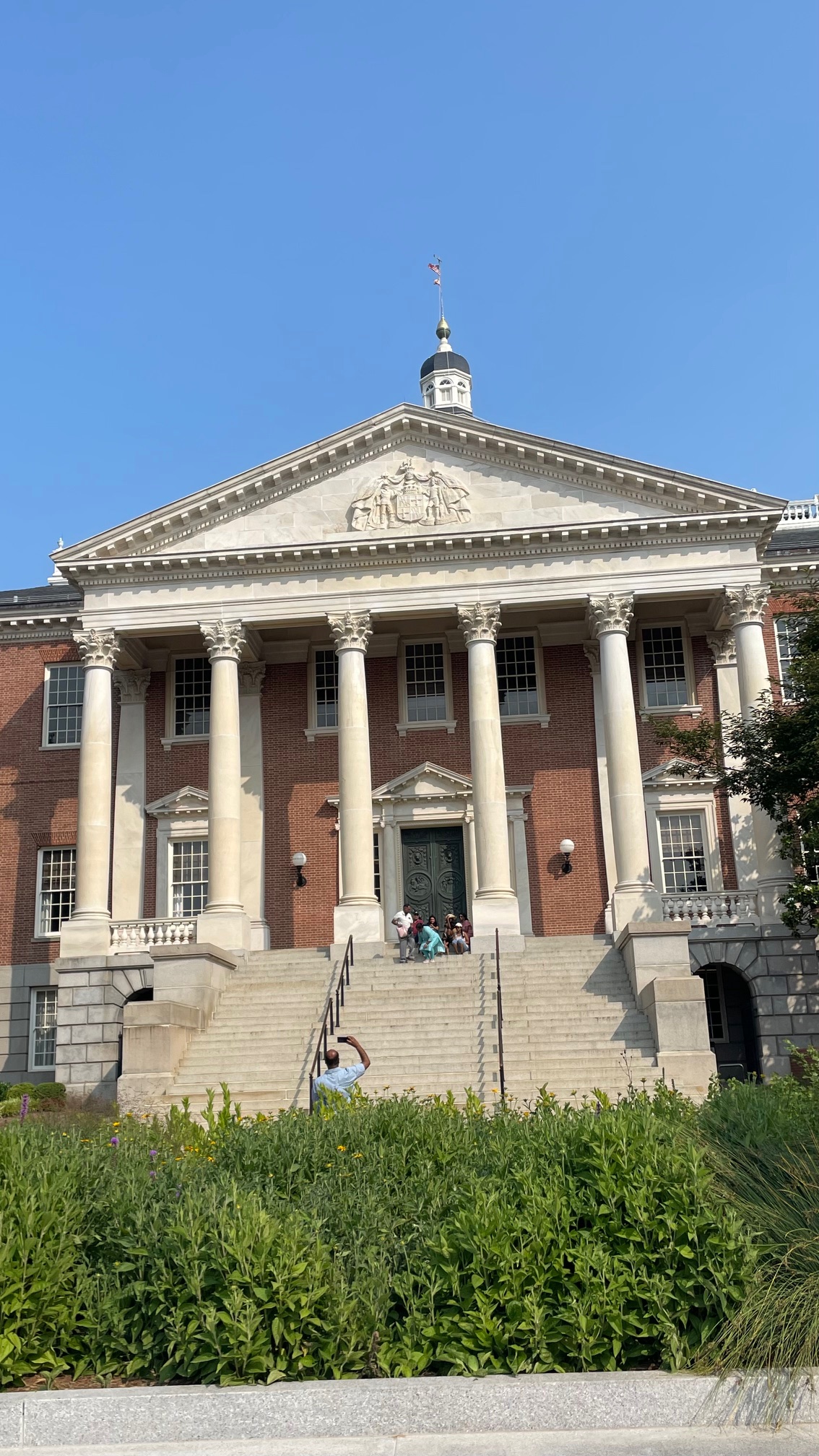
In my travels through Latin America in the past few years, I have seen this in multiple towns and cities where there is an emphasis on using the public squares for the public’s benefit. While this may not be a universal thing across the entire region, it is a priority here and one that I really appreciate coming from a culture where these gatherings are in decline. The good news should be that with greater effort and investment, we can bring the public spaces back again in the United States and elsewhere.

Further automation and loss of jobs in the retail and manufacturing sector is a tragedy and one worth acknowledging. My hope is that the loss of these retail and commercial spaces can be put to some good use and even lead to different kinds of jobs to take root, ones that are more social and that benefit people more, especially young children and the elderly. Being able to revitalize certain neighborhoods with greener public spacers where people can gather, eat, play, talk, and even dance would help curb the loneliness epidemic that we are seeing in Western societies. If there is life in the streets, people will show up and they will be better for it.
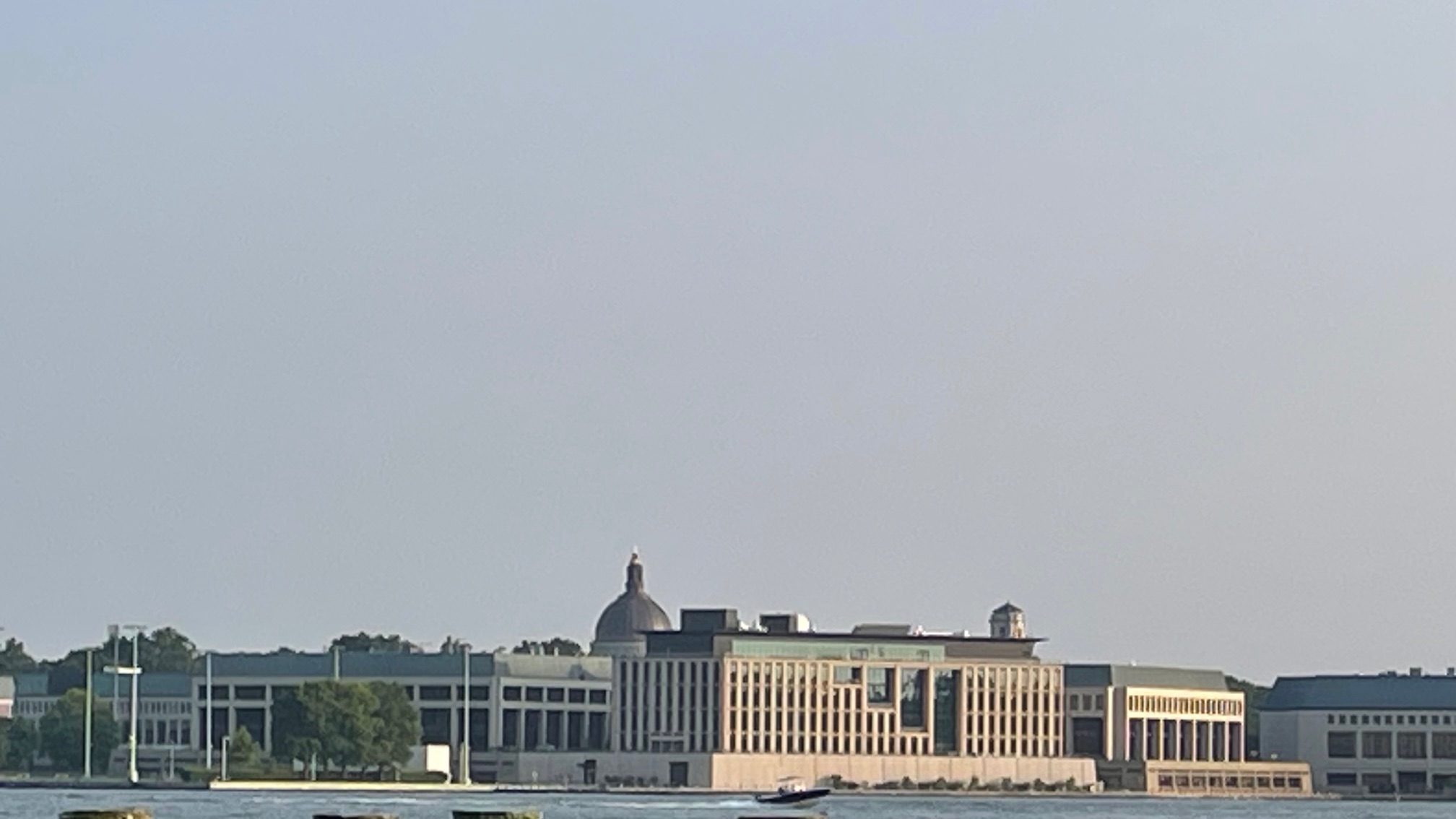
Part of the beauty of travel is seeing how other cultures value family and community life and make it a high priority. I believe that you can take these positive values from other cultures and place them within your own. It must involve buy-in though from the people themselves and they have to feel that it was the next step forward in improving their community. With the rise of automation and the closing of large shopping centers, we may be at the point in time where we can turn these empty buildings and useless parking lots into real gathering places in the future.

Without social interaction and a sense of community, people will suffer as a result mentally. This has been shown in many studies and in many surveys. I think it is part of who we are as social animals and being isolated in our homes and in our cars for 90% of the day will not make us healthier. For what I saw in Salento, Colombia a few years ago and what I have seen in other towns in Latin America, placing a high value on social life within these communities will make people feel a sense of togetherness and cohesion. A greater emphasis on community gatherings and social spaces would create a large ripple effect that would drastically improve the greater society, the country you’re in, and the world.
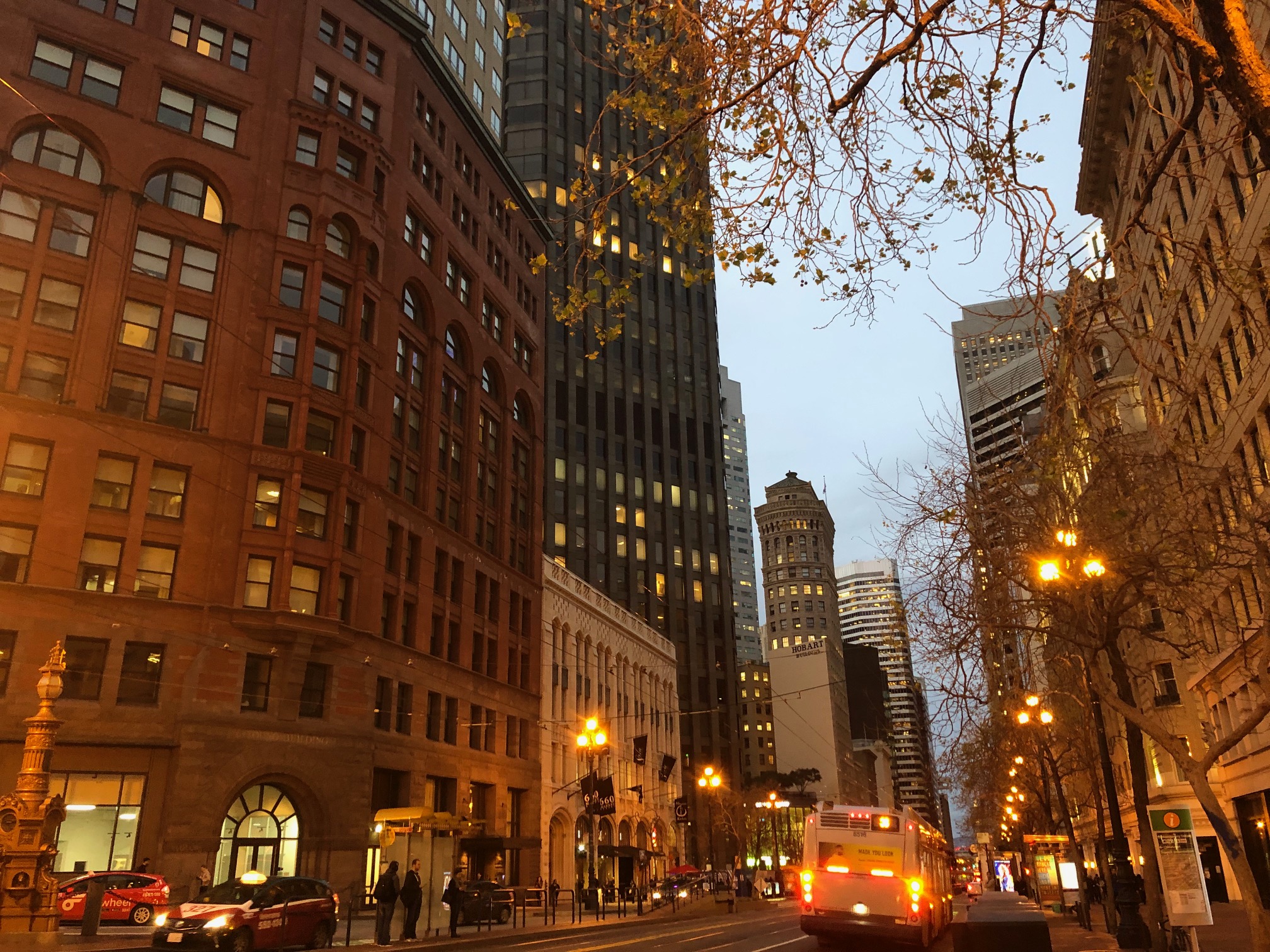
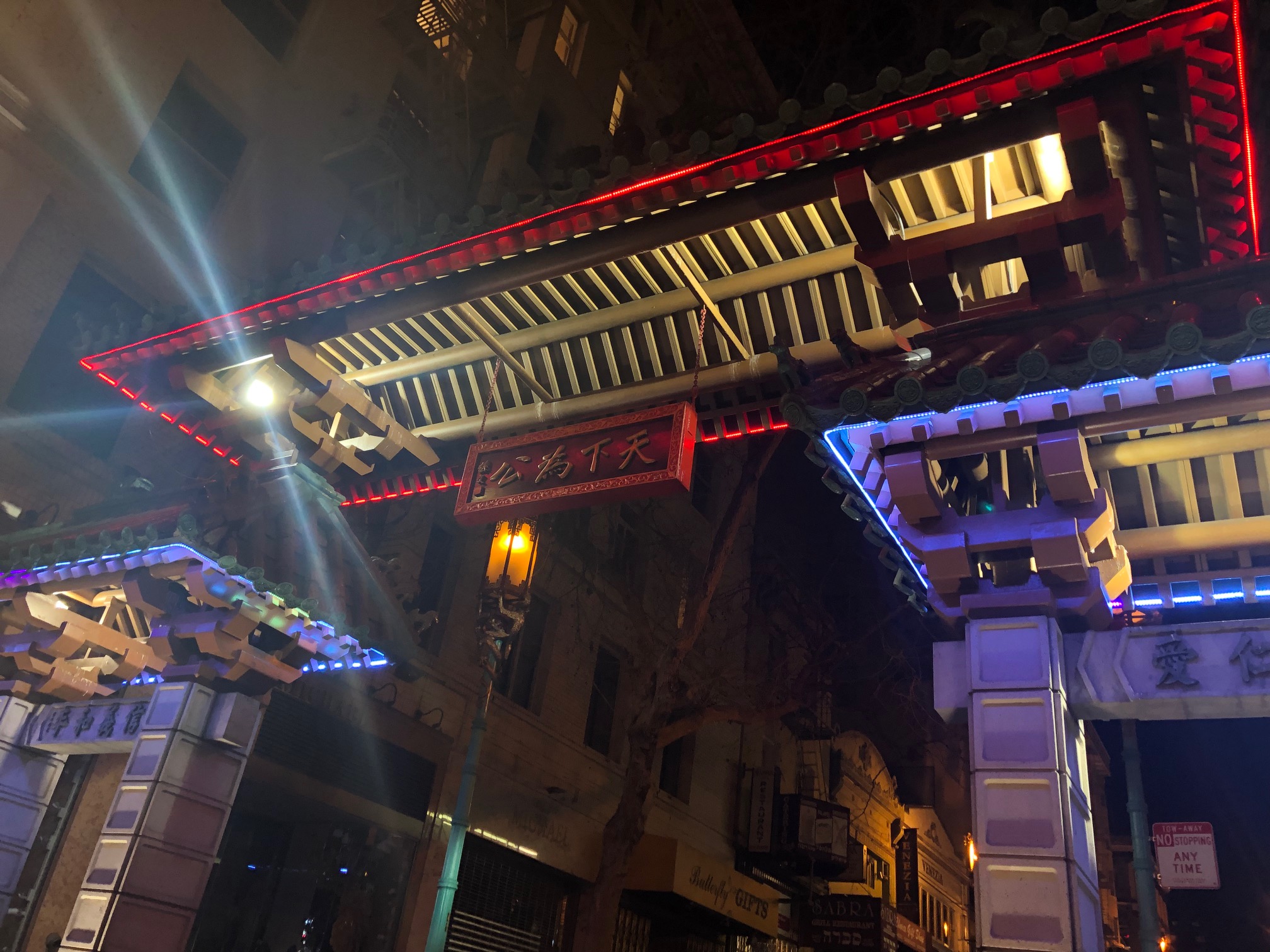
San Francisco

IMG_1679IMG_1682IMG_1683IMG_1684IMG_1686IMG_1687IMG_1727IMG_1728IMG_1791IMG_1795IMG_1796IMG_1797IMG_1798IMG_1800IMG_1801

CameraiPhone 8

Location: San Francisco, California 

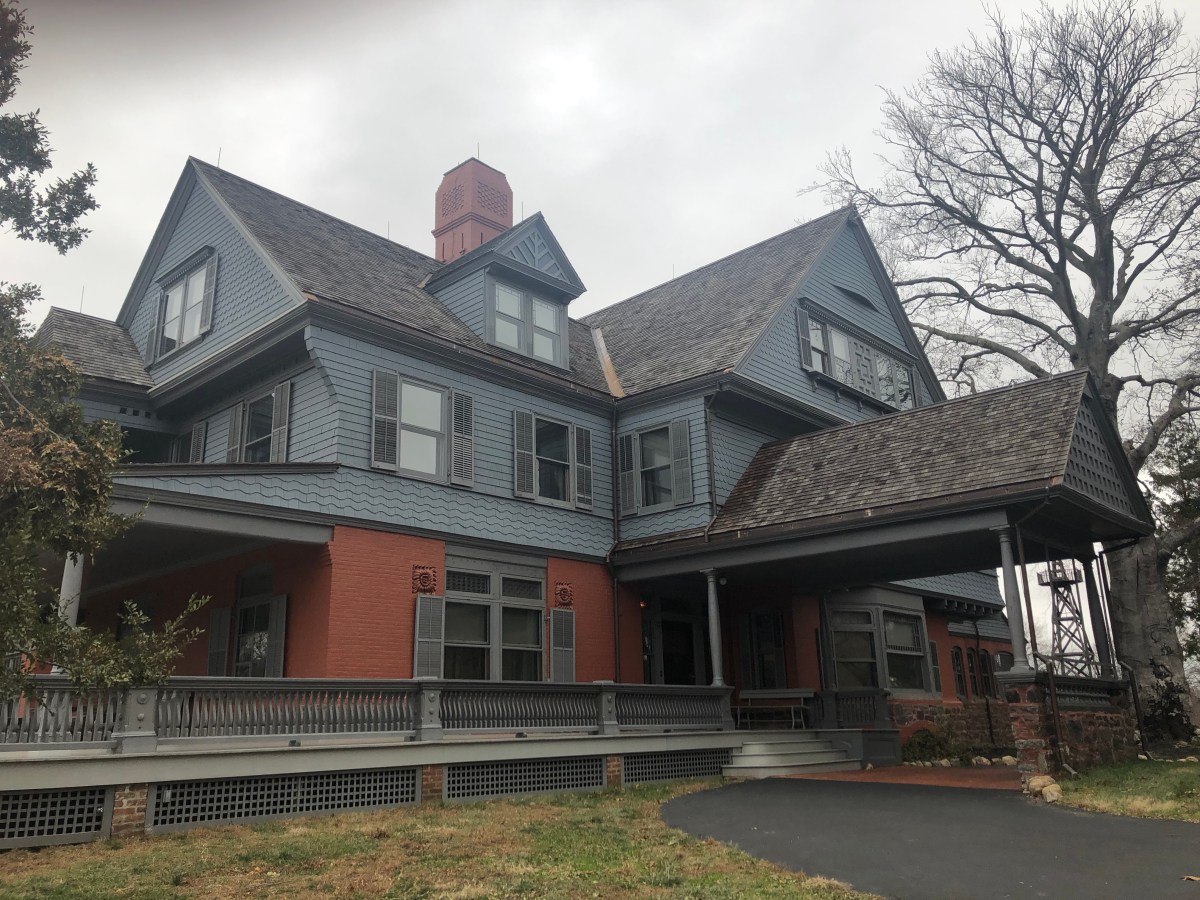
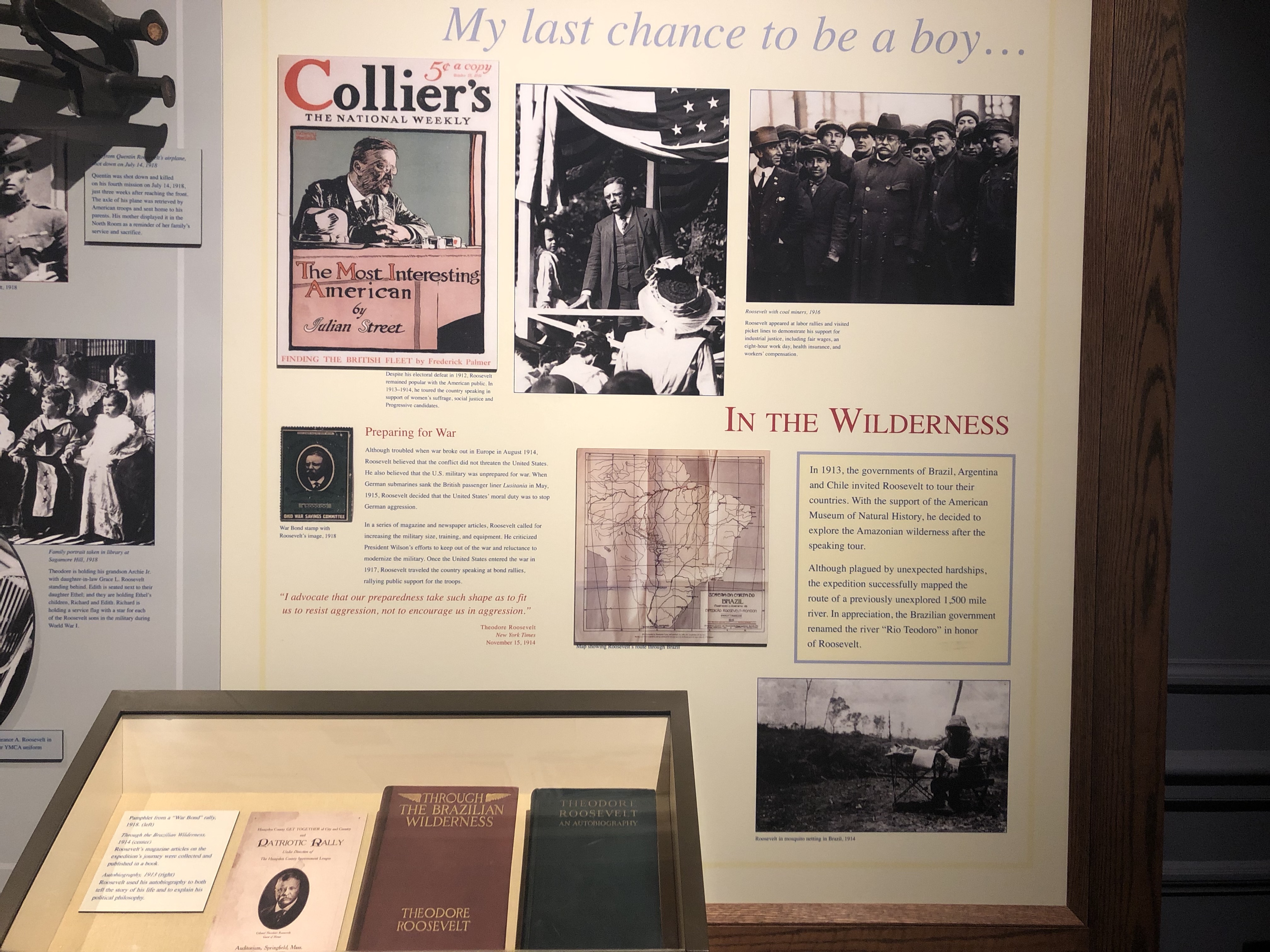
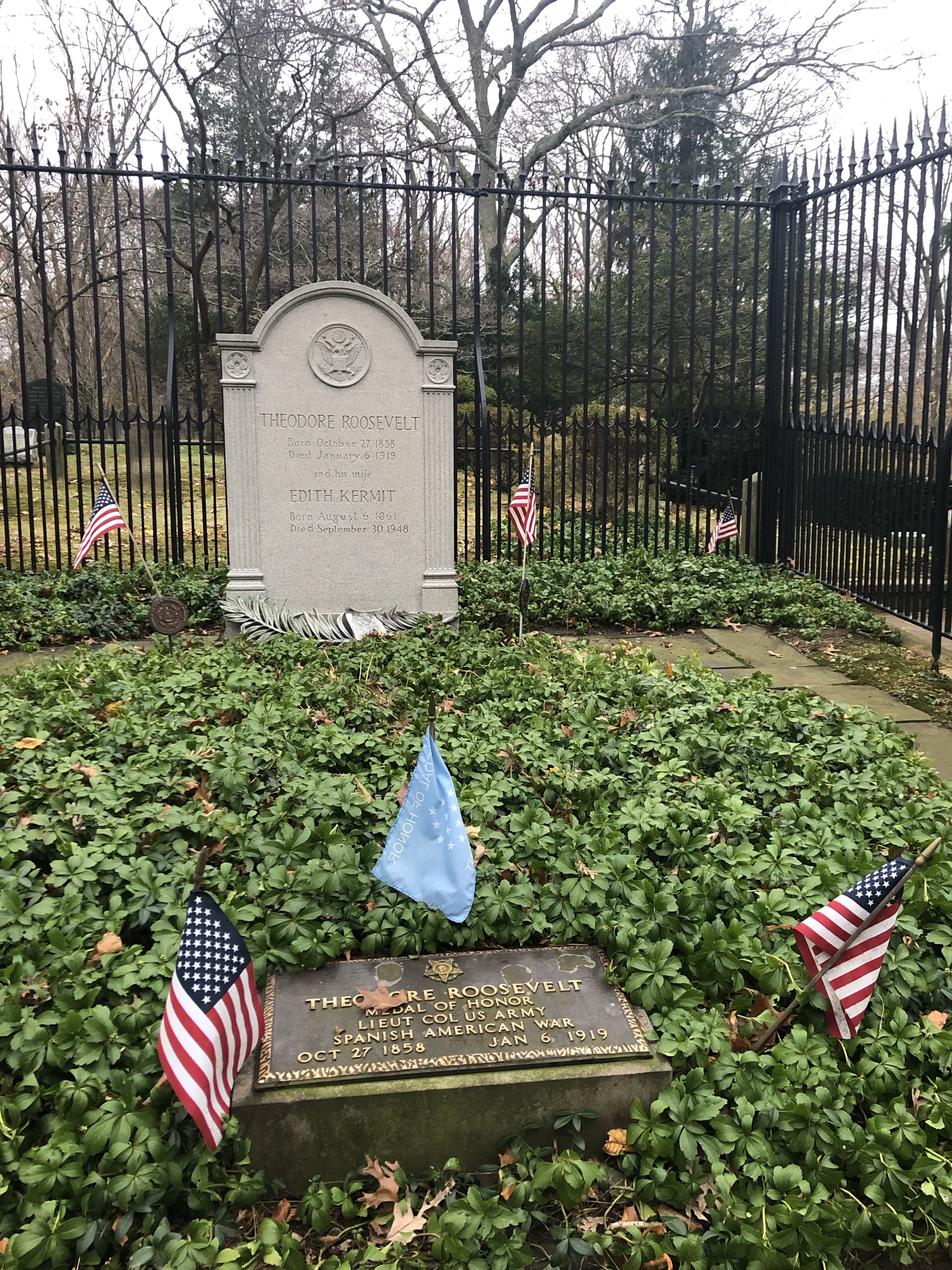
Sagamore Hill National Historic Site

wCeO%GJTSwe8IRU0IqEhhwtPjgli2XTrSTPu5upz4tfQaC1d2BC+QZeE1fFV9JBMvwzzYSFTLVTP6KJL0bGq5HYwCv9TszueQDGP5WSMn6gfkQ9FQ2ZzzGQIiQb4Yd1Xjx2gDrDwjp12RJSpTYe+KoybzAgxXrFVLYSKiFuM+OE81PUQGTqlhd6UQKi6jB6J1yDrTQW0wEZVKgQRKbK7U6yC7KpwhwbUQXPuSD2U5Y5%xQlZnw+JxUTqsgSOecKaozF6qhmQeIWrtMNFSRaNodRBAk4Vfw9nat41eVST23wltrFOiHwg

CameraiPhone 8

Location: Sagamore Hill National Historic Site; Oyster Bay, New York, USA

‘Governing The World: The History of an Idea’ – Book Review

Governing the World: The History of an Idea by Mark Mazower is an illuminating and insightful history regarding the shaky yet continuous rise of internationalism that began with the Concert of Vienna in 1815. Mazower’s look at the emergence of global governance continues up until the wake of the Eurozone crisis with regards to the present needs of reforming the European Union in the wake of unpopular austerity measures and burdensome bureaucratic regulations from Brussels.

His book addresses ‘globalization’ different from previous books I’ve read in the past with regards to focus on ‘ideas’ themselves and the rise and fall of those ideas throughout the 19th and 20th centuries led by primarily politicians and philosophers such as Kant, Metternich, Mazzini, Marx, Lenin, Bentham, Wilson, the Roosevelts, etc. among many others who were driven in defining what the international system should look, act, and be like.

A consistent theme of this history of ideas and institutions from 1815 to about 2012 was how instrumental the ‘Great Powers’ in each era were in setting up the foundation of the international system whether it was the ‘Concert of Europe’, the ‘League of Nations’, or the ‘United Nations.’ In the wake of the Napoleonic Wars and World Wars I, II, the leading powers desired to create a ‘balance of power’ among the great nations yet whose actions could be backed up by a single hegemon such as the U.K., U.S. to set the rules and boost the institutions they founded. Mazower is clear in that the history of global governance evolved originally from the heart of Europe and then spread across the Atlantic as the title of global hegemon shifted from the U.K. to the U.S. with the emergence of Wilsonianism and the ‘fourteen points’ in the 1910s.

Whereas the origins of internationalism started out with a gentlemen’s agreement among the Great Powers of Europe to refrain from conquering each other in unending, bloody wars over territory based on religious and political aims, this shift has now ended up only two hundred years later encompassing the entire world over with 193-member states being represented from the People’s Republic of China to Tuvalu.

While the United Nations could be seen by some observers as a success story in terms of its inclusive nature and the ability for nations from around the world to have a voice regarding international issues, there are problems still today that plague the UN and its sister agencies and bodies. Whether it was how the ‘Responsibility to Protect’ doctrine could be implemented in different conflicts around the world with UN peacekeeping forces or the controversial over-usage of vetoes by the five permanent members of the Security Council to control the debate about their national self-interests, global governance increasingly mirrors national governance in being quite messy and imperfect.

Real questions remained in 2012 when this book was published and more so today regarding the vitality of the United Nations especially given the fact that the United States is responsible for 22 percent of the overall budget of the UN. In the 2nd half of the book, Mazower focuses on the differing approaches of various U.S. administrations towards the UN and how fundamentally the U.S. government, mostly during Republican administrations, were acting out of self-interest and would often go out of the way to create competing international bodies to marginalize the UN such as the IMF, the World Bank, and most recently the WTO. Often times, the U.S. has bypassed, ignored, threatened, and left UN bodies and have held themselves to a standard above those given to other member states which has caused a backlash among not only allies but also developing countries (see: International Court of Justice and U.S. nationals being exempted from its jurisdiction).

Similarly to how the League of Nations through the guise of British and French leadership failed to hold imperial ambitions in check between the World Wars, U.S. disengagement and disenchantment with the U.N. increasingly from the 1970s onwards and the rise of other ambitious states such as China, India, Brazil, etc. signals that there may be a shift towards a multipolar world where there is no true hegemon leading to more of a systemic anarchy within the international system in the near future.

By the end of Governing the World, Mazower sees serious needs for reform in not just the United Nations but also in the European Union, another leading international institution created during this period. Western-led international institutions are in real danger of losing relevancy, argues Mazower, due to a number of overlapping factors including rising political apathy, catering too heavily towards financial elites, and being unable to meet the lofty goals that they set for themselves. I didn’t even mention a resurgence in nationalism and populism around the world from Brazil to the Philippines, but you get the picture, right?

Much to the chagrin of internationalists, Mazower argues that the nation-state still remains the primary way for the average citizen around the world to receive or pay into ‘public goods’ so their attention will largely remain focused on what their President or Prime Minister is doing and not the UN Secretary-General or IMF Director. There are numerous challenges that face the international system currently and it remains to be seen whether the UN and numerous other bodies are ready to be able to tackle income inequality, climate change, financial crises, the threat of global pandemics in the rest of this tumultuous 21st century.
Overall, I thought it was refreshing to see his attention on the ‘Concert of Europe’ in Vienna and how he started this event as a jumping off point where leading powers would try to use regional and later international cooperation to prevent conflicts from emerging among nation-states. The lack of support given to bodies of ‘International Law’ remains as a consistent theme throughout this book and while ‘arbitration’ between nations was popular, it lost relevancy and hasn’t gained it back since.
Seeing ‘globalization’ through the ideas of influential thinkers from Immanuel Kant to Karl Marx to Henry Kissinger really paints a wholistic picture on how nation-states were driven by different belief and value systems. The clash between nations especially in the 20th century can be seen through the ideological lens (ex: Capitalism v. Communism). While I really enjoyed Mazower’s conclusion, I thought it could have been expanded upon a bit further especially with regards to the rise of private foundations, i.e. the Clintons, the Gates and other NGOs, and how that has affected larger institutional institutions which are now not as well funded. On that note, the chapters titled, “The Empire of Law” and “Science the Unifier” could have been shortened or condensed into one chapter. It took away from the timeline narrative of the book and didn’t relate well to the political history unfolding during the two centuries.

If you are looking for an interesting, comprehensive, yet digestible read regarding the tumultuous development of the international system over the past two centuries, then you will want to take a chance at reading Mr. Mazower’s Governing The World: The History of an Idea. The one question that we are left at the end of this over 400-page book is what will the international system look like for the rest of the 21st century? We shall have to wait to find out but there are numerous challenges and obstacles ahead.