Beware of the Grifters and Scammers

“As important as it is today to protect your personal peace, it is just as important to protect your own money. With the widening economic inequalities and uncertainties in society mixed in with the invasive nature of social media and AI technology, it is easier now more than ever to fall victim to ‘grifting’ or ‘scamming.’”

As important as it is today to protect your personal peace, it is just as important to protect your own money. With the widening economic inequalities and uncertainties in society mixed in with the invasive nature of social media and AI technology, it is easier now more than ever to fall victim to ‘grifting’ or ‘scamming.’

With technology and social media, grifters and scammers can do serious damage almost instantaneously and it is becoming much more widespread each day. You should be on your guard and look to avoid these people at all costs even though in positions of power, influence, or leadership as they are often looking to line their own pockets with money from yours.

Unfortunately, many of us are dealing with the effects of societal factors outside of our own control including financial stress, political polarization, and technological vulnerabilities that make us more susceptible to grifters and scammers. The proliferation of “get-rich quick” scenes are not new in society and have been around for centuries but now it is in your face more than ever. You really must be careful of what you are buying into and to do your due diligence before trusting anyone with your money or credit. Rising living costs, inflationary pressures, and job insecurity all can lead to people falling victim to scams and grifts because of desperation but you need to hold strong against any kind of scheme or falsehood to make your financial situation worse off.

In addition, more than ever, social media influencers, online personalities, and leadership figures are using their followings to proliferate courses, products, ‘coins’, and other services without telling you about the trustworthiness of the product or service as well as more about their background or reputation. There are always some risks involved with financial transactions, but you should be careful with regards to who is selling you, what their background is, do they have an ulterior motive, or are they pressuring you to buy without taking your time to verify what you’re buying first. There are numerous fake investment opportunities, Ponzi schemes, and pump-and-dump stock schemes out there but they have been fueled furthermore by cryptocurrency coins, deepfake technology, and false information given by certain AI tools.

Always look to see if the person your business doing with is trustworthy, their business background, look to see what clients say and verify the reviews are real, what the money-back guarantee is, and be skeptical of any ‘easy money’ scheme, whether online or over the phone or face to face. Grifters will use your fear, anxiety, or general need for money against you and will pressure you to make bad decisions. If someone ever pressures you into something especially regarding your money, you should not trust them or do business with them.

Fact-checking takes time and can be arduous, but you must look at influencers, businessmen and women, and these online financial personalities to see if they can be trusted. Be informed also about ways to protect yourself by studying the latest schemes and bait-and-switch tactics that scammers and grifters are using. AI scams and deepfakes and voice manipulation over the phone is going to become more prominent in the future so you need to stay up to date on the latest trends especially with how many crypto scams, Ponzi schemes, and spam messages are out there. Use your best judgment, trust your gut if something feels off, and make sure your finances are protected with strong online security factors and make sure any passwords or authentication used is changed regularly. Never divulge that information as well to anyone and make sure you don’t give it up to any scammer as well.

Scams, grifting, and financial manipulation tactics are not going away anytime soon so you have to continue to be on your guard especially with modern technology improving upon the sophistication of these schemes. Constant awareness and vigilance is necessary and are your best defenses against the grifters. Protect yourself with verification tactics, avoiding emotional manipulation, financial security protection, and improving your digital literacy as often as possible.

Keep yourself informed about the latest scams, grifts, and ‘get-rich-quick’ schemes out there, think critically about who you trust your money with, and protect yourself and your loved ones from those grifters who profit off other people’s ignorance. These are the steps I take in my life, and I hope you will consider doing the same to avoid the scammers and the grifters, which continue to proliferate in our society.


Mi Cuarto Conjunto de Poemas en Español (My Fourth Set of Spanish Poems)

My fourth set of Spanish poems with various topics focusing on freedom, money, dance, forgiveness, and about natural settings.

La Plata
Tienes que cuidar mucho
la herramienta más constante en el mundo.
Porque la plata te puede seducir,
creación o destrucción de vida.
Cuidado con ese instrumento;
si no, la plata puede destruir tu vida.


Libertad
La libertad no es una garantía.
Generación tras generación,
todos nosotros necesitamos luchar.
La libertad existe en nuestros corazones y nuestras almas.
Sin luchar por la libertad,
puede extinguirse para siempre.


Cómo tú bailas
Cómo tú bailas,
no puedo resistirte.
No puedo dejar de mirarte,
no puedo dejar de pedirte:
¿Si puedes, bailarías conmigo?
Toda la noche podemos bailar juntos.


Perdóname
Yo tuve la culpa.
Viste a través de mí.
Sabías que no era perfecto,
pero aun así me acogiste.
Con tu tierno cuidado,
perdóname, mi querida.


El Lago Profundo
Bucea más rápido.
Sigue buceando conmigo.
Lleguemos juntos al fondo,
a mil metros de cualquier lugar,
azul cristalino, profundo y puro.
Me pierdo en tu profundidad.


El humo en tus ojos
¿Tú puedes mirarme?
Con el humo en tus ojos,
¿a qué eres adicta más?
¿A mí o a tus cigarrillos?
Elige sabiamente, porque
ambos podemos matar.

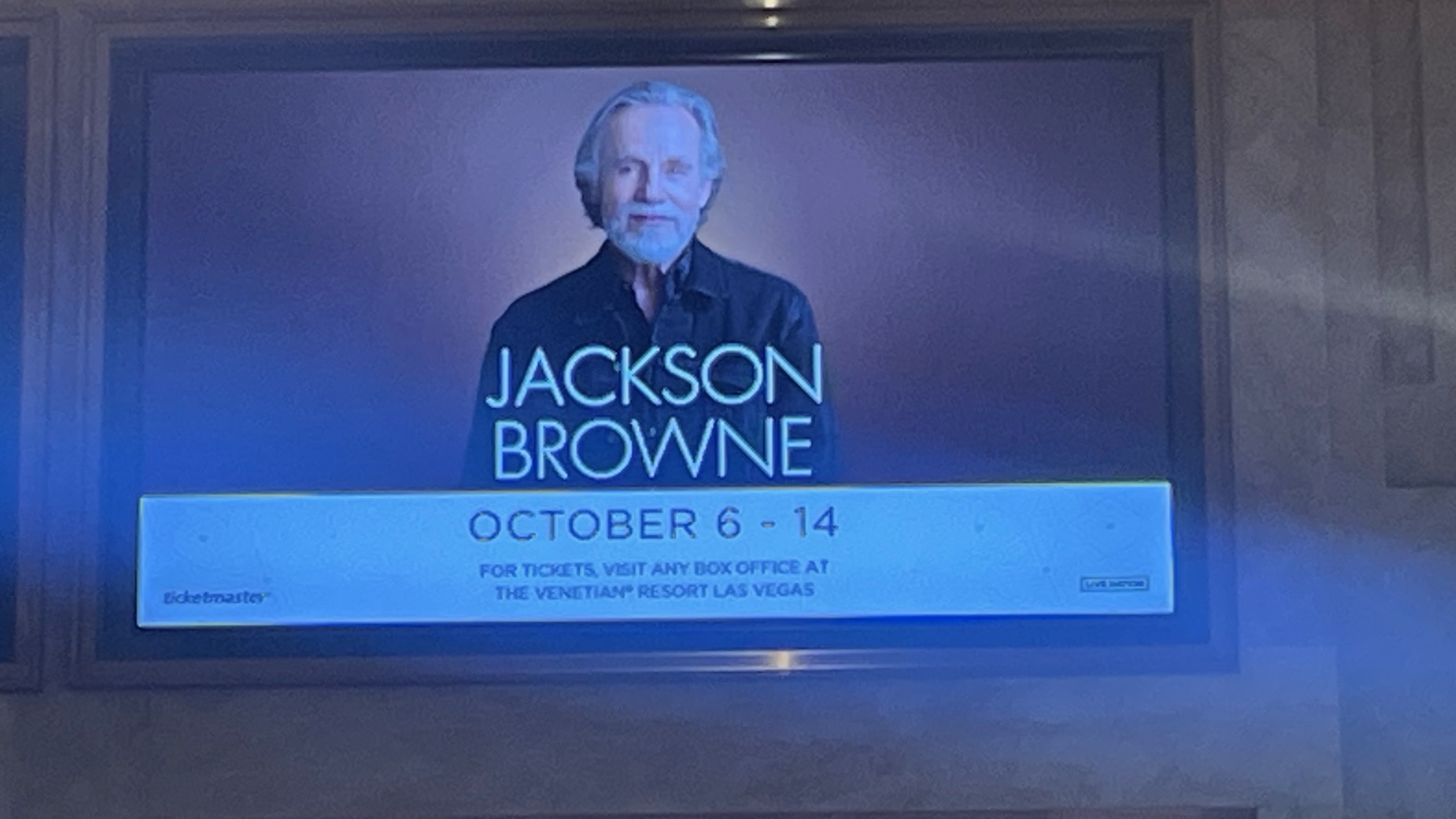
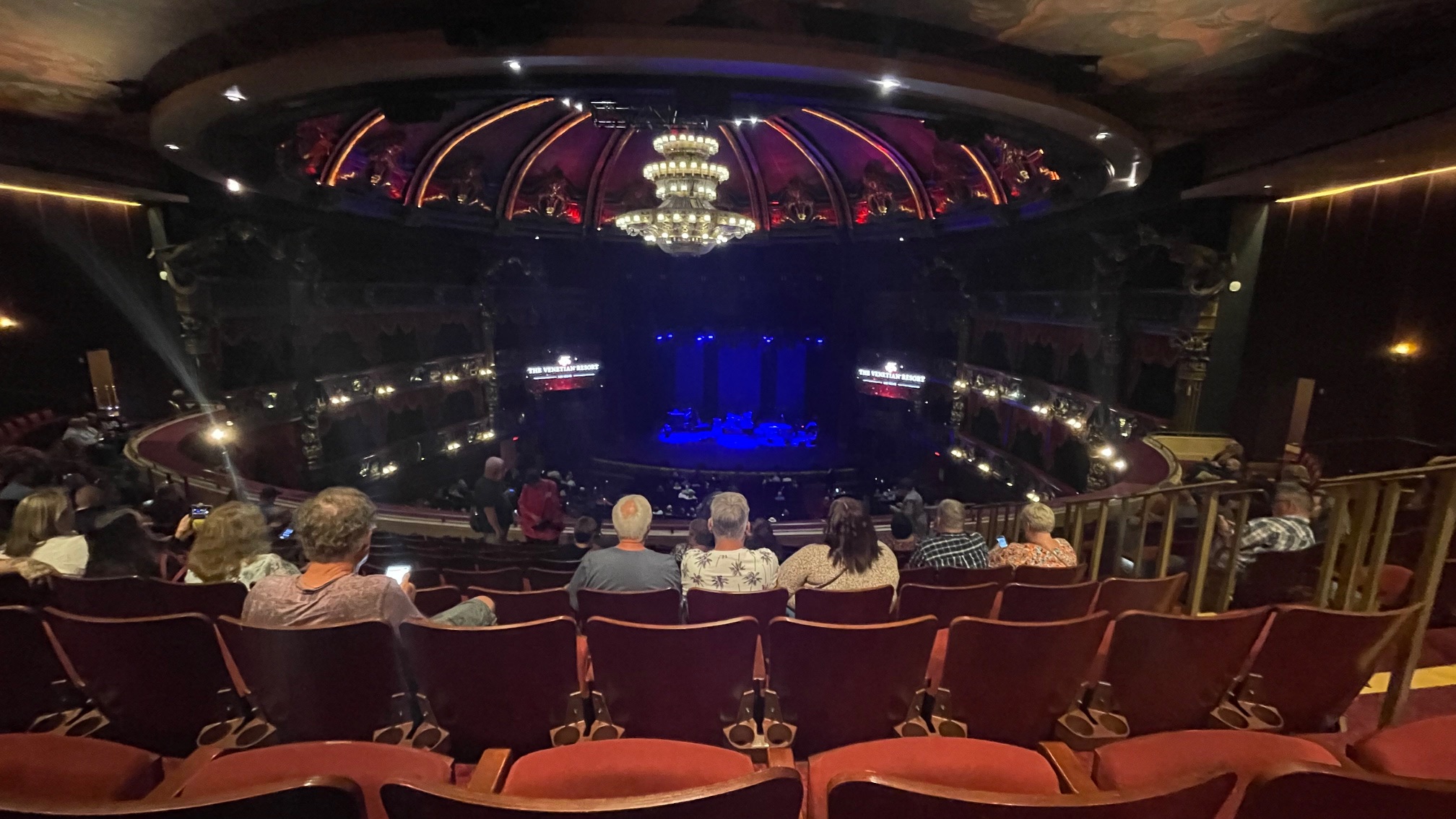
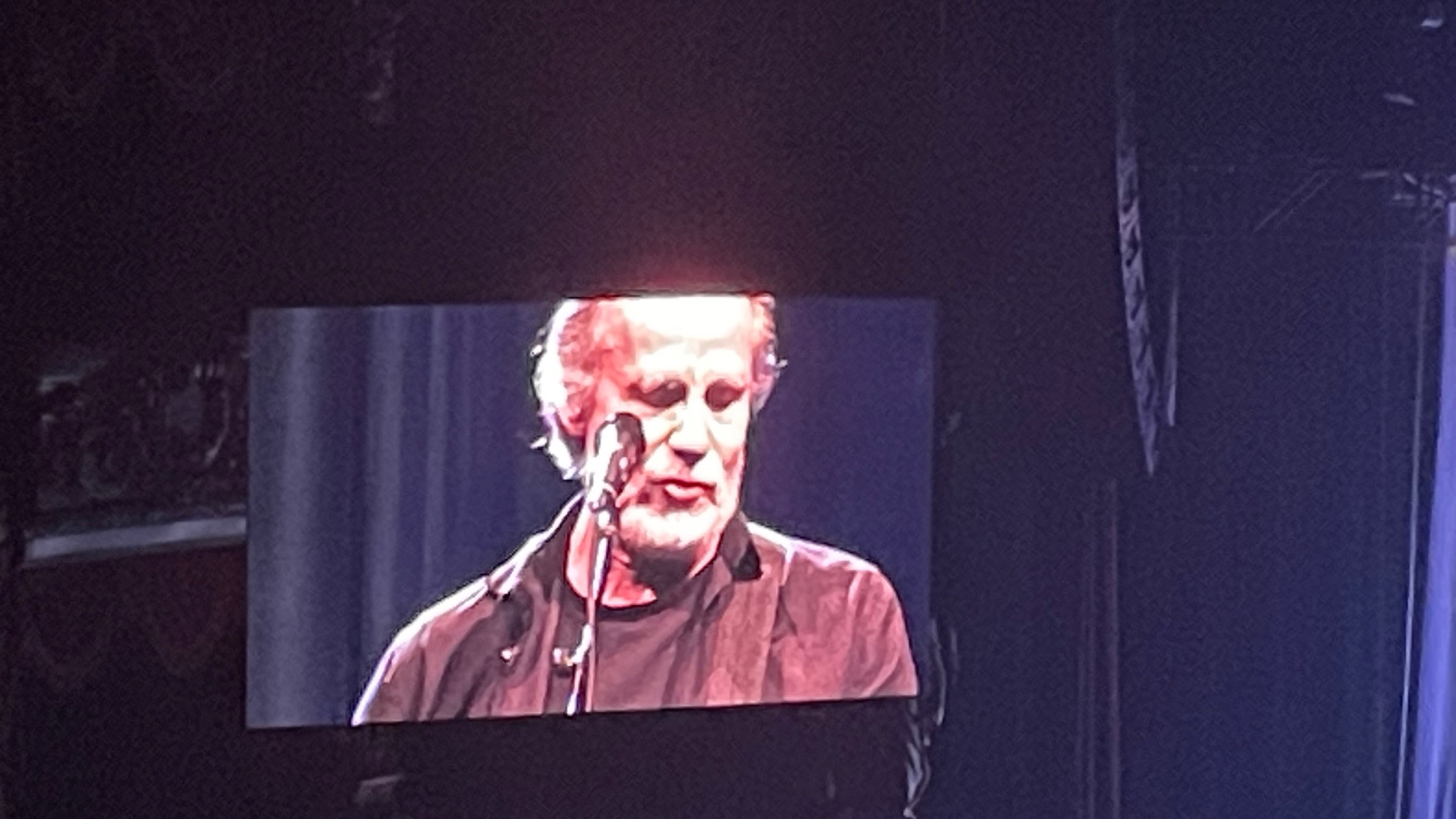
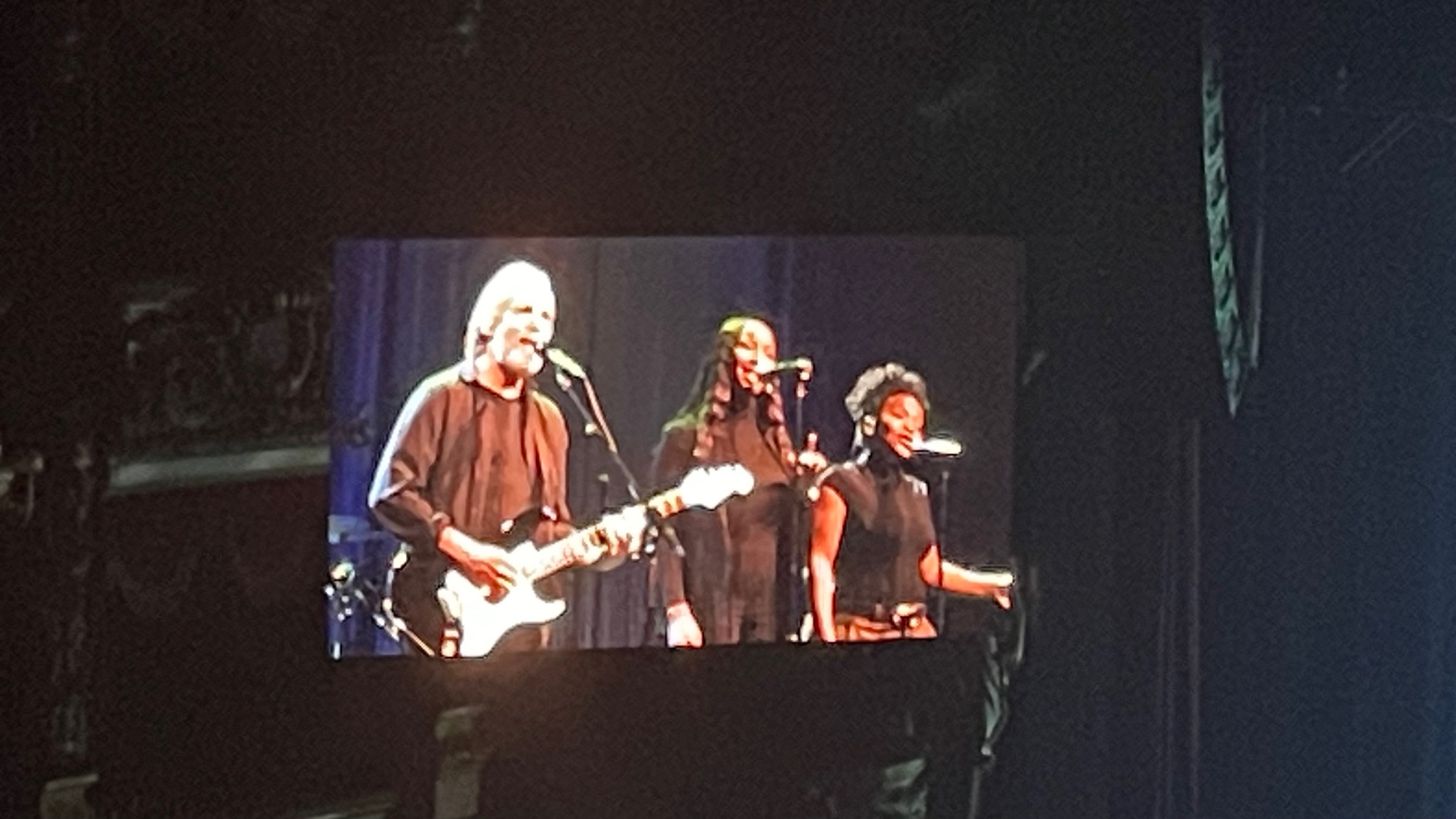
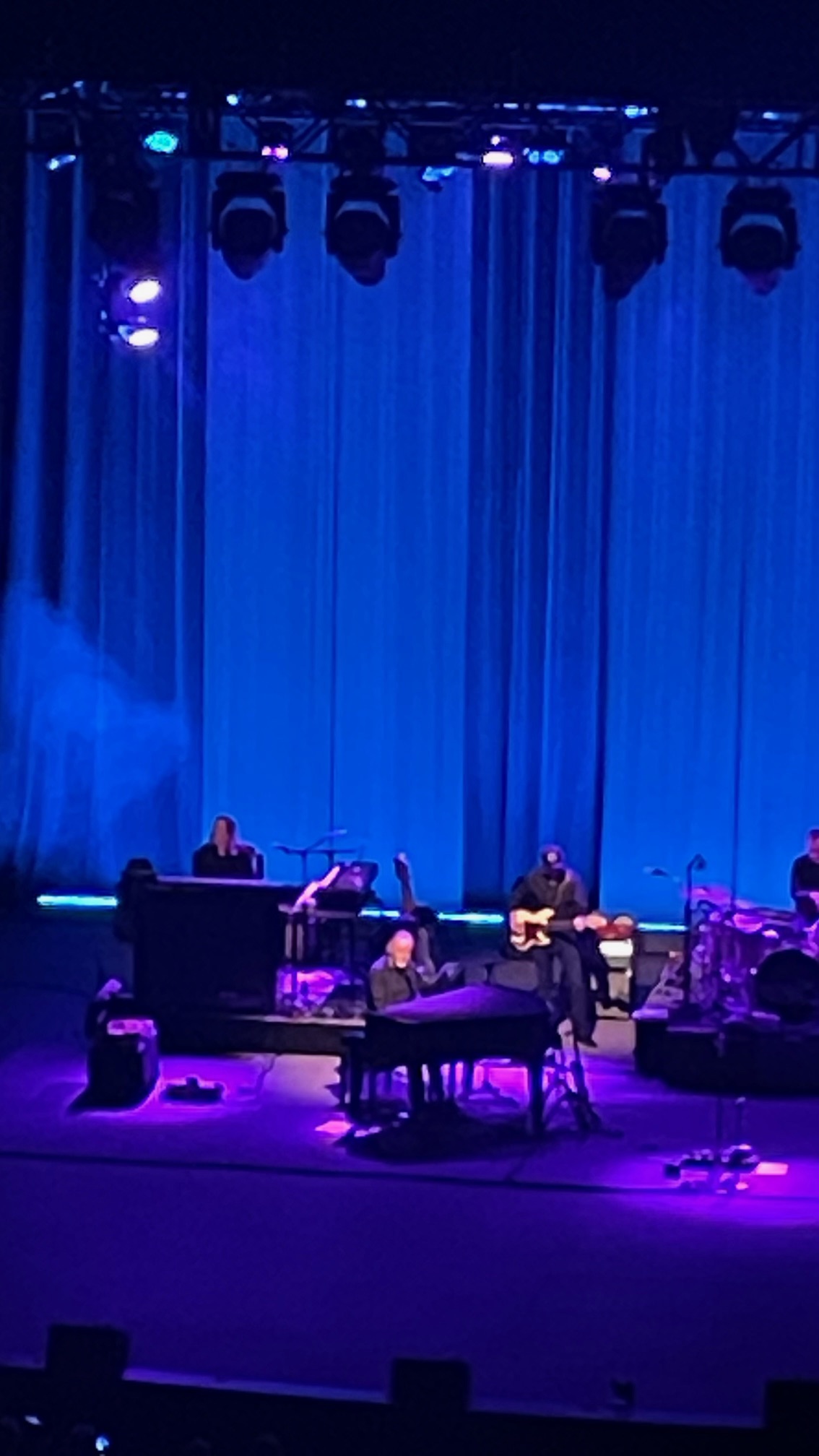
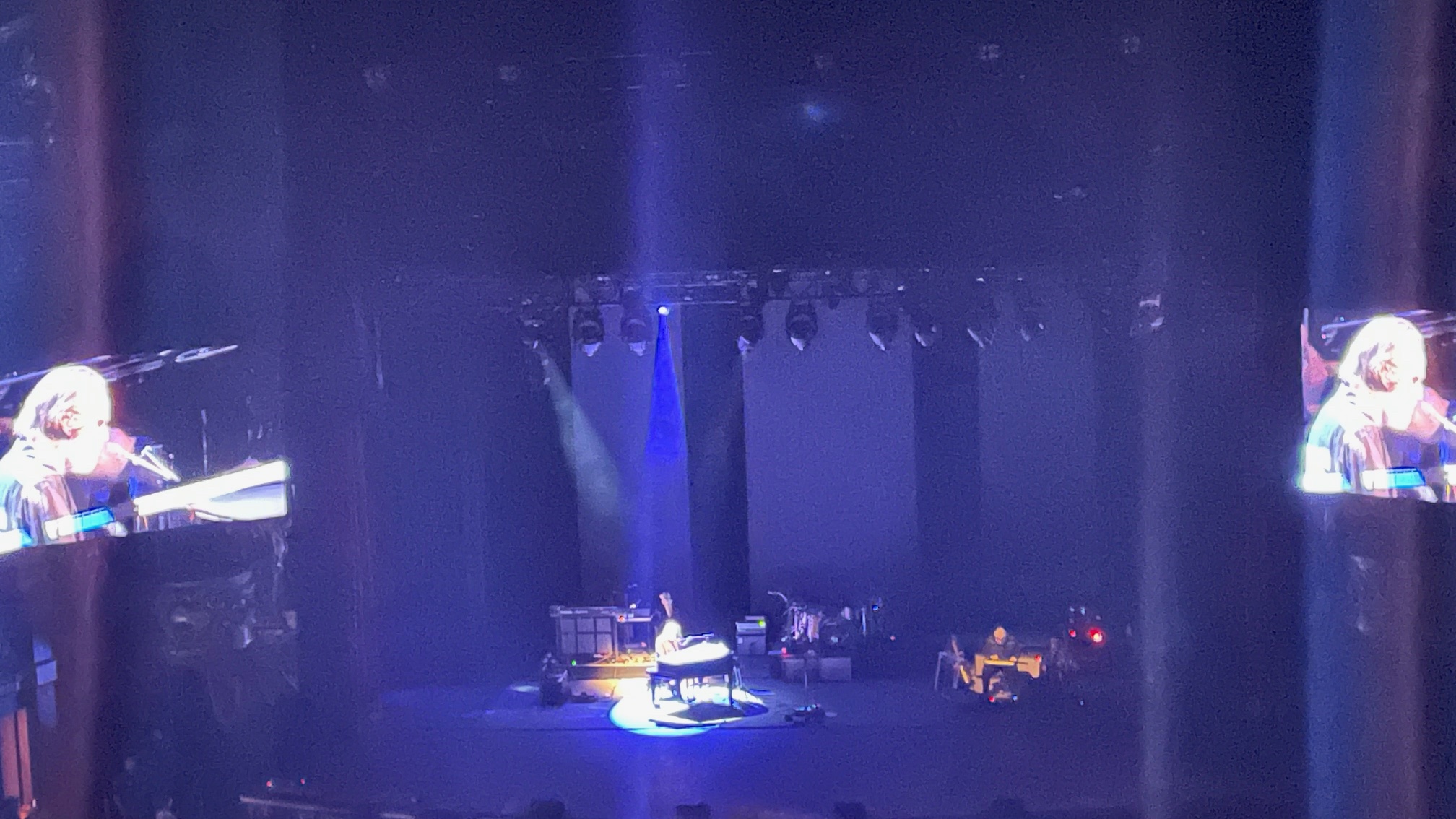
Jackson Browne – Live in Las Vegas

Seeing Jackson Browne Live in Concert at The Venetian Theatre in Las Vegas, Nevada.

Camera: iPhone 12

Location: The Venetian Theatre; Las Vegas, Nevada, United States

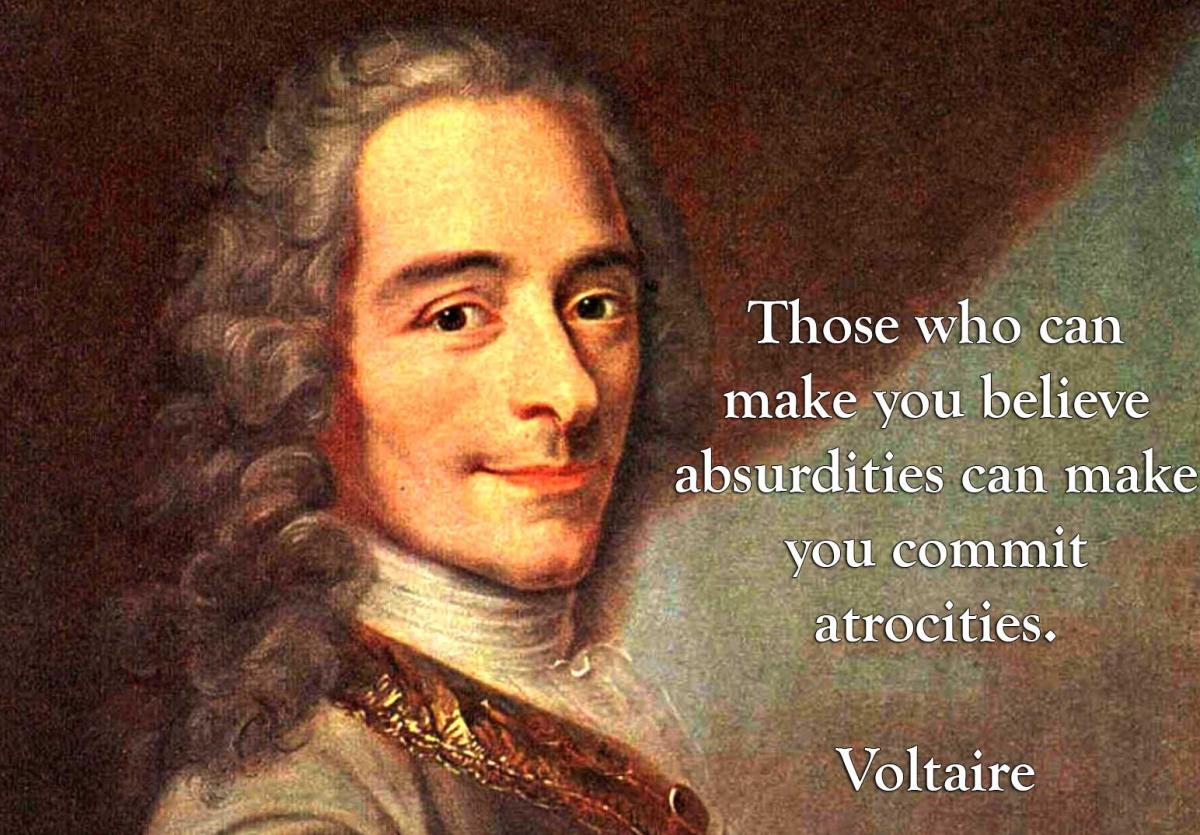
My Thoughts on Voltaire’s Most Relevant Quote Today

“His quote underscores the perilous connection between irrational beliefs and destructive actions, an infamous dynamic that has been exploited throughout history and remains a pressing concern today around the world.”

The famous French philosopher and writer, Voltaire, is known for his various works from poetry to stories to essays in the 18th century but Voltaire’s quote, “Those who can make you believe absurdities, can make you commit atrocities,” carries a profound meaning for the modern world in 2025. It serves as both a warning and a call to be vigilant against the forces of misinformation, manipulation, lies, and prejudice. His quote underscores the perilous connection between irrational beliefs and destructive actions, an infamous dynamic that has been exploited throughout history and remains a pressing concern today around the world.

At its core, Voltaire’s quote on ‘absurdities causing atrocities’ highlights the susceptibility of human beings to believe falsehoods when they are presented compellingly and repeatedly particularly by figures of authority or influence or power. In the digital age of social media and instant communications, this vulnerability is amplified by the unprecedented speed and reach of information instantaneously. Social media platforms, news outlets, and even AI-generated content contribute to a landscape where disinformation and blasphemy can thrive. Absurdities, once relegated to the fringes of our society, can now gain mainstream traction in a matter of minutes or hours.

A stark example of this phenomena is the spread of conspiracy theories. From unfounded claims about global health crises to political propaganda, these theories manipulate emotions and exploit fears, dividing societies, and undermining trust in our institutions. The belief in absurdities, whether it’s a denial of scientific evidence or the vilification of certain groups of people unjustly, creates fertile ground for acts of hatred and violence to occur.

To protect against the dangers of absurd beliefs that are spread rapidly without fact checking, fostering critical thinking is more important than ever. Education systems should do a better job of prioritizing media literacy, teaching students and even professionals how to evaluate sources, discern biases, and question narratives. In 2025, where now AI-driven content can mimic credible sources and change them slightly, the ability to think critically is more vital than ever.

Fact-checking organizations and regulatory measures can also play a role especially when social media companies refuse to do it themselves as was evidenced by Meta founder, Mark Zuckerberg, refusing to have his platform offer fact checking to users on what gets posted on the platform. Social media platforms should be held accountable for curbing the spread of disinformation especially when they do nothing to curb it. Transparency in the algorithms that they are using along with stricter content moderation policies are necessary to mitigate potential harm to users and information consumers. However, these efforts should also be balanced with protecting freedom of expression and speech to avoid creating new forms of digital censorship.

At the individual level, fostering open dialogue and empathy is crucial. Encouraging conversations that bridge ideological divides can reduce the allure of echo chambers that can bring out the worst in others. People are less likely to fall prey to absurdities when they are exposed to diverse perspectives and any differences are addressed through mutual understanding.

Voltaire’s quote also speaks to the unseemly process of ‘othering’ where certain groups are dehumanized or treated as inherently inferior based on lies and slander. This phenomenon has been a precursor to some of history’s darkest chapters. When absurd beliefs about the “other” are accepted and not dismissed or countered with facts, atrocities can become justified in the eyes of the perpetrators.

Historical examples abound and there are dozens of them I could write about. The Holocaust during World War II is a chilling reminder of how anti-Semitic propaganda and pseudoscientific absurdities fueled the systematic extermination of over six million Jews and millions of other minority groups. Nazi ideology relied on first dehumanizing Jewish people, portraying them as threats to society. This ‘othering’ laid the foundation for the eventual genocide that occurred.

Similarly, the Rwandan Genocide in 1994 illustrates how media propaganda can incite mass violence. Hutu extremists used radio broadcasts to spread hate speech against the Tutsi minority, describing them as “cockroaches” and urging their extermination. The absurd belief that the Hutu extremists had about an ‘existential threat’ posed by the Tutsi population led to the massacre of approximately 800,000 people within 100 days, one of the darkest years in the 20th century.

In more recent history, the treatment of Rohingya Muslims in Myanmar serves as another example. The dissemination of false online narratives about the Rohingya group, portraying them as invaders and terrorists, was used to justify violence and forced displacement from their homes. The role of social media, particularly Facebook, in amplifying hate speech highlights the modern implications of Voltaire’s warning about believing absurdities eventually leading to atrocities.

As we continue to navigate the complexities of a globalized and interconnected world, Voltaire’s words remind us of our shared responsibility to uphold truth, justice, and basic humanity. Combating absurd beliefs requires collective action across educational, technological, and cultural spheres in our society. Governments, organizations, and individuals must work together to challenge disinformation and promote inclusivity and respect.

Empathy, acts of kindness, and compassion are all potent antidotes to prevent ‘othering.’ Recognizing the shared humanity of all people, regardless of race, religion, or background, diminishes the power of divisive and toxic narratives that are not true. History teaches us that atrocities thrive in the absence of understanding or dialogue. By fostering connections and celebrating diversity while respecting and acknowledging our differences from one another, societies can resist the allure of absurdities and the horrors they could potentially enable.

Anyone can make an impact in preventing the spread of falsehoods, blasphemy, or scapegoating as this begins at the grassroots level, such as within our own neighborhoods and communities. To achieve this goal, individuals and groups must actively engage people in fostering environments of mutual respect and accountability. Open communication and dialogue are key to identifying and addressing harmful narratives before they gain traction and spread futher.

When you encounter falsehoods or lies, it is important to call them out in a civilized manner. This means addressing the issue without resorting to any aggression or personal attacks. Instead, provide clear, evidence-based counterarguments and facts that encourage reflection rather than defensiveness. For example, sharing verified data, fact-checking done through reliable sources, or calmly asking thought-provoking questions can shift the conversation towards the truth.

Community leaders, educators, and influencers have a unique role in setting an example for their neighbors, students, and followers. By promoting fact-checking, highlighting diverse perspectives, and actively countering divisive and hateful rhetoric, they can cultivate a culture of inclusion, tolerance, and critical inquiry. Grassroots initiatives, such as hosting workshops on improving media literacy, how to do fact checking, or creating forums for dialogue with people of different backgrounds, can also help inoculate communities against the spread of absurdities.


Additionally, I believe it is very important to foster empathy through personal storytelling and connections that can counteract scapegoating. For example, over the decades, thousands of Holocaust survivors have shared their story of how they were able to survive atrocities that came about because large groups of people in their society started believing or tolerating absurd claims based on lies and falsehoods. Hearing the lived experiences of marginalized or affected individuals from Rwanda to Myanmar to the Sudan humanizes them and challenges stereotypes. This approach can dismantle the ‘us versus them’ mentality that fuels both hatred and violence.

Ultimately, building resilient communities requires consistent effort and constant dedication. By prioritizing education, empathy, and open dialogue with others, we can better guard against the dangers of falsehoods and prevent absurdities from taking root or spreading. In doing our part, we uphold the principles of truth, justice, and fairness that Voltaire so fervently championed.

In conclusion, Voltaire’s insight is as relevant in 2025 as it was in the 18th century when his quote was born. Believing absurdities paves the way for atrocities to occur, but by embracing critical thinking, rejecting hate, and nurturing empathy, humanity can rise above these challenges that remain with us today sadly. The famous quote from Voltaire is not just a warning for us but a guidepost for maintaining a world grounded in truth, justice, and compassion for one another.

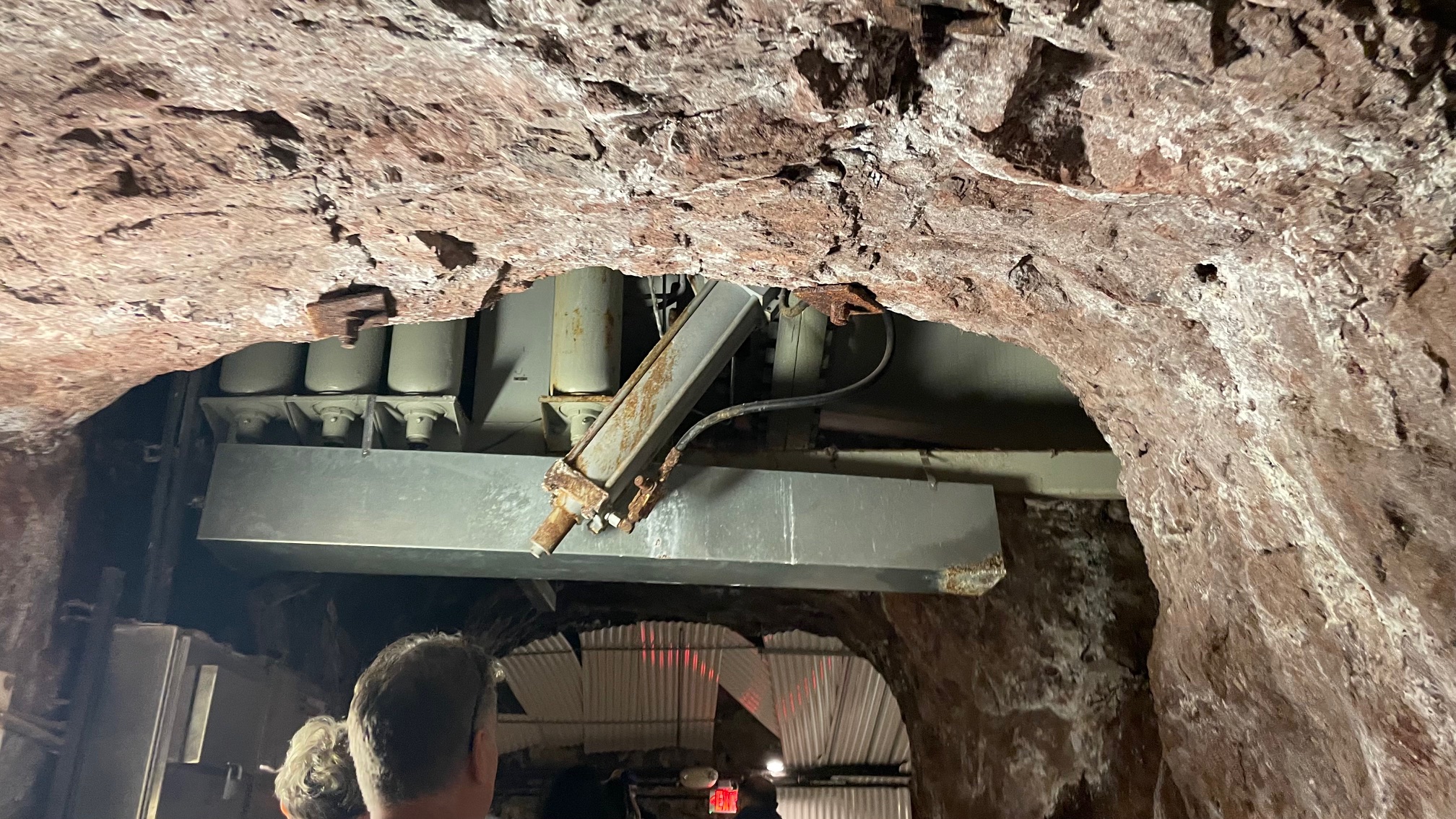
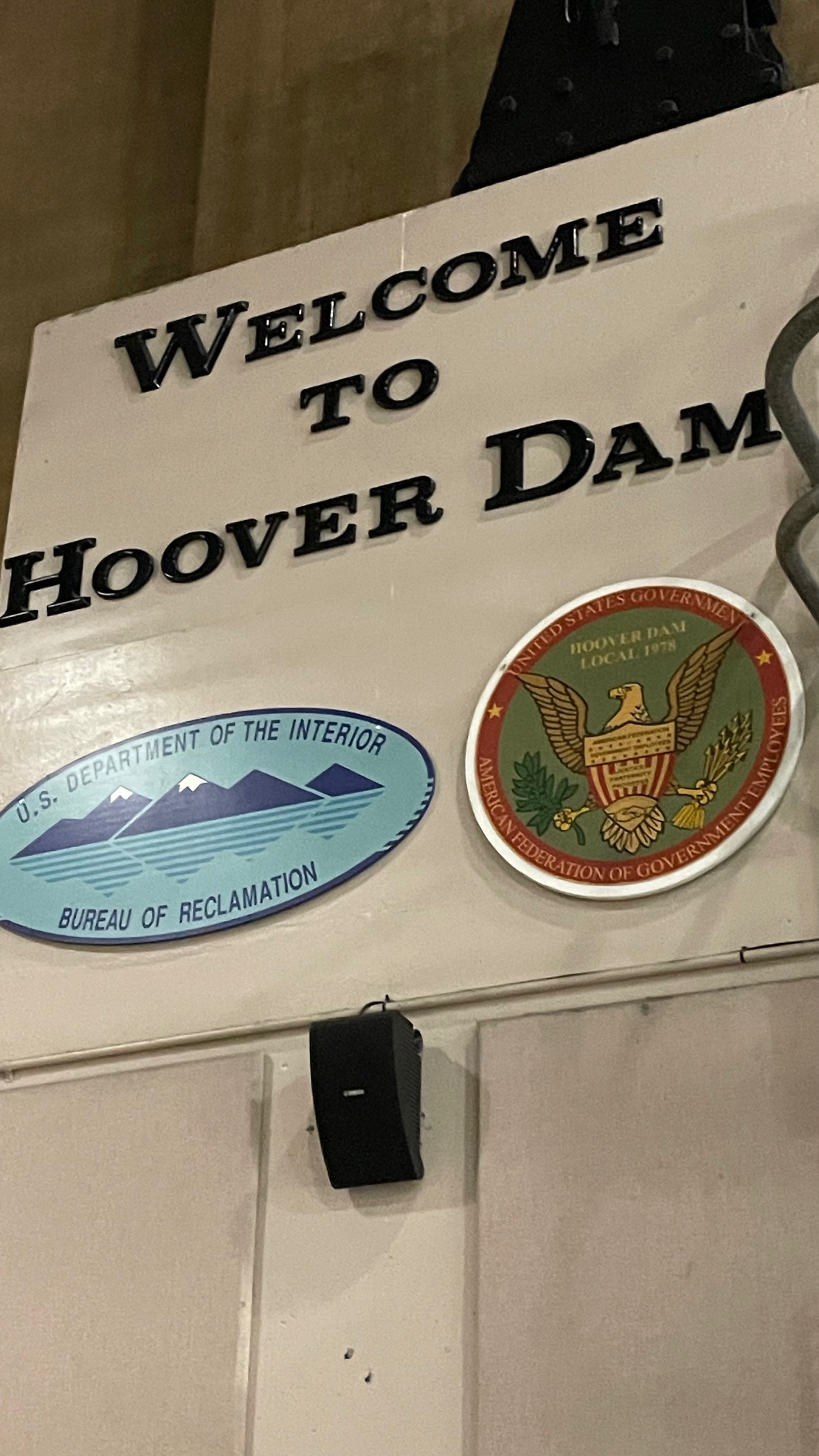
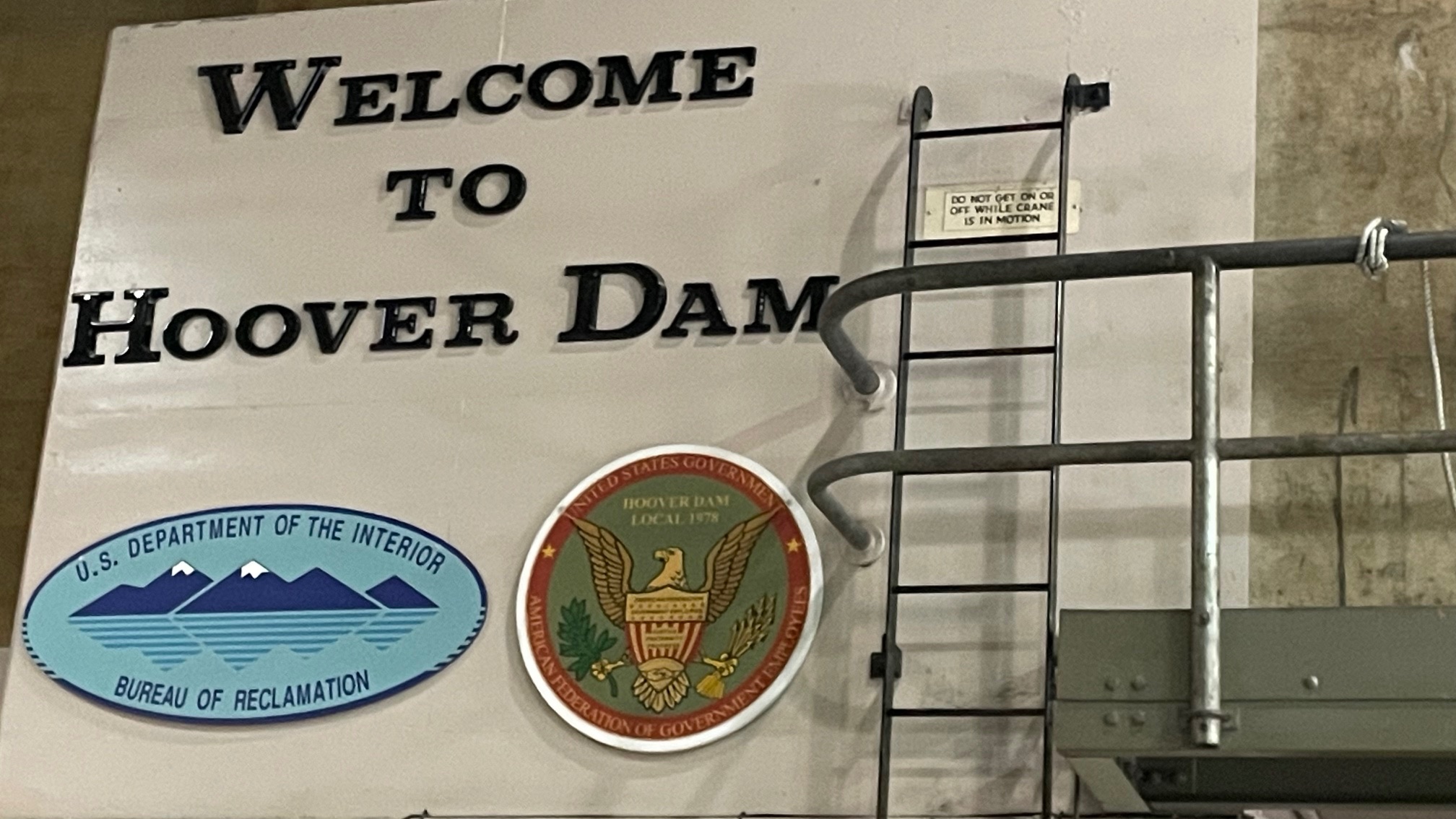
The Hoover Dam

A first trip to one of the great American landmarks in the Western United States – The Hoover Dam.

Camera: iPhone 12

Location: Clark County, Nevada / Mohave County, Arizona, United States

Anatomy of a Scene – ‘Family, Jimmy, Family’ (The Wire)

“This scene that I’ve titled, ‘Family, Jimmy, Family’ feels like it’s not just about the character, Jimmy McNulty, one of the leading roles of the show and a deeply flawed one at that but also could reflect on our own lives and who we prioritize in them.”

Sometimes, it takes a great work of fictional television to cause the viewer to do some soul searching themselves. ‘The Wire’ is not only an excellent crime drama and takes a critical lens to different facets of American society, but there are also multiple scenes that stand out for how they deliver truths to each of their characters for what they themselves are ignorant of or choose to forget. One of those scenes is short but whose succinctness of its message and point-blank delivery is something that you could do a deep analysis of. This scene that I’ve titled, ‘Family, Jimmy, Family’ feels like it’s not just about the character, Jimmy McNulty, one of the leading roles of the show and a deeply flawed one at that but also could reflect on our own lives and who we prioritize in them.

For a little bit of background before diving into the scene itself, which takes place in ‘The Wire’ Season 5, Jimmy McNulty is an obsessive workaholic and a functional alcoholic. His thirst for booze rivals his own thirst for self-satisfaction in being able to solve murders as a detective in the Baltimore Police Department. While he does crave justice, he craves adulation, admiration, and boosting his ego too because of his natural talents with regards to being a lead detective. However, without getting into too many details, the stress of the job, the clashes with his bosses, and the long hours cause him to drink heavily, carouse with random women, and cause him to lose control of his relationship with both his ex-wife and his children.

Jimmy loves being a detective, the purpose that comes with the badge, and the colleagues who he handles cases with. It’s also about the camaraderie that he finds in the work, the all-consuming nature of the work, and by outsmarting criminals and thugs who think they have successfully outwitted him and the police. The thing with letting work consume you is that it takes over your life and suffocates the rest of your identity with it. Jimmy is a great detective but throughout the show, the job takes a toll on his personal life and about separating work from his time out of work. When you have nothing but the job and the people in it, is it really a good life?

The scene I refer to titled, ‘Family, Jimmy, Family’ is instrumental in telling Jimmy McNulty what he needs to hear and what other workaholics need to hear: “The job won’t save you.” It takes five seasons but Beadie Russell, a Baltimore Port Authority police officer, introduced in season two, but for which her and Jimmy start to become romantically involved does what no one else in the show has the courage to do, tell Jimmy that the job isn’t everything.

“In the end, they’re not going to be there either.” Beadie sums it up in less than a minute with this scene but reminds Jimmy that the drinking pals at the bar, the workmates who he shares a patrol car with and shares stories, or even the girls he’s met for quick flings, they won’t be there when he really needs it. Yes, you can have fun, enjoy their company, and make the most of the work hours, but those people won’t be there for you when it comes to your health, wellness, and your overall fulfillment as a person. Beadie indicates to Jimmy that his workaholic behavior and his propensity for alcohol won’t save him and won’t give him the internal satisfaction he is always looking for.

“Family, that’s it. Family, and if you’re lucky, one or two friends who are the same as family. That’s all the best of us get. Everything else just…” Beadie pauses at the end of this scene and lets it all sink in for Jimmy. She knows she has reached him and lets him know that at your funeral or in your last days, you won’t have the girls you dated, the workmates or bosses, or the casual bar buddies you swap stories with there. If you’re lucky, you may have close family to care for you and maybe one or two close friends and that’s the truth of this scene not just for Jimmy McNulty of ‘The Wire’ but for all of us.

Beadie makes it clear that everything else goes away at some point once the job is done, the glasses are empty, and everybody goes their separate ways. Nothing is permanent but maybe your family will be there for you through most of it, thick and thin of life, if you’re lucky and until your dying day if you are truly blessed in that regard. Jimmy knows by the end of the scene that he needs to shift his priorities based on his body language.

He does not say anything back to Beadie, but he knows what she is saying as his new girlfriend is 100% true. It’s been a while since anyone has laid it out to him that clearly, but she gets through to him by telling him the unvarnished truth that he has refused to face up until that point. Like Beadie, we all need someone to cut through the nonsense and tell us what we really need to hear and if you watch this scene from ‘The Wire’, it’s not just Jimmy who this scene can reflect upon but maybe for our own lives too.

We all want to have productive work lives, make friends, and enjoy the fruits of our labor, but we must remember that it all does go away, and that family can be the most important and reliable thing we have throughout our lives if we’re lucky. Workmates, casual buddies and flings, and even friends come and go, but family can sustain us if we nurture those relationships and don’t let them atrophy and go away too.

Beadie reminds Jimmy to not let the work and the environment around his work consume him entirely. She saves him from himself to some degree but telling him what he needs to hear before he spirals out of control as a functioning alcoholic and workaholic. I think we all need a Beadie Russell in our lives to tell us what we need to hear rather than what we want to hear so that we can get that needed support to help reassess our priorities in life and change ourselves for the better.

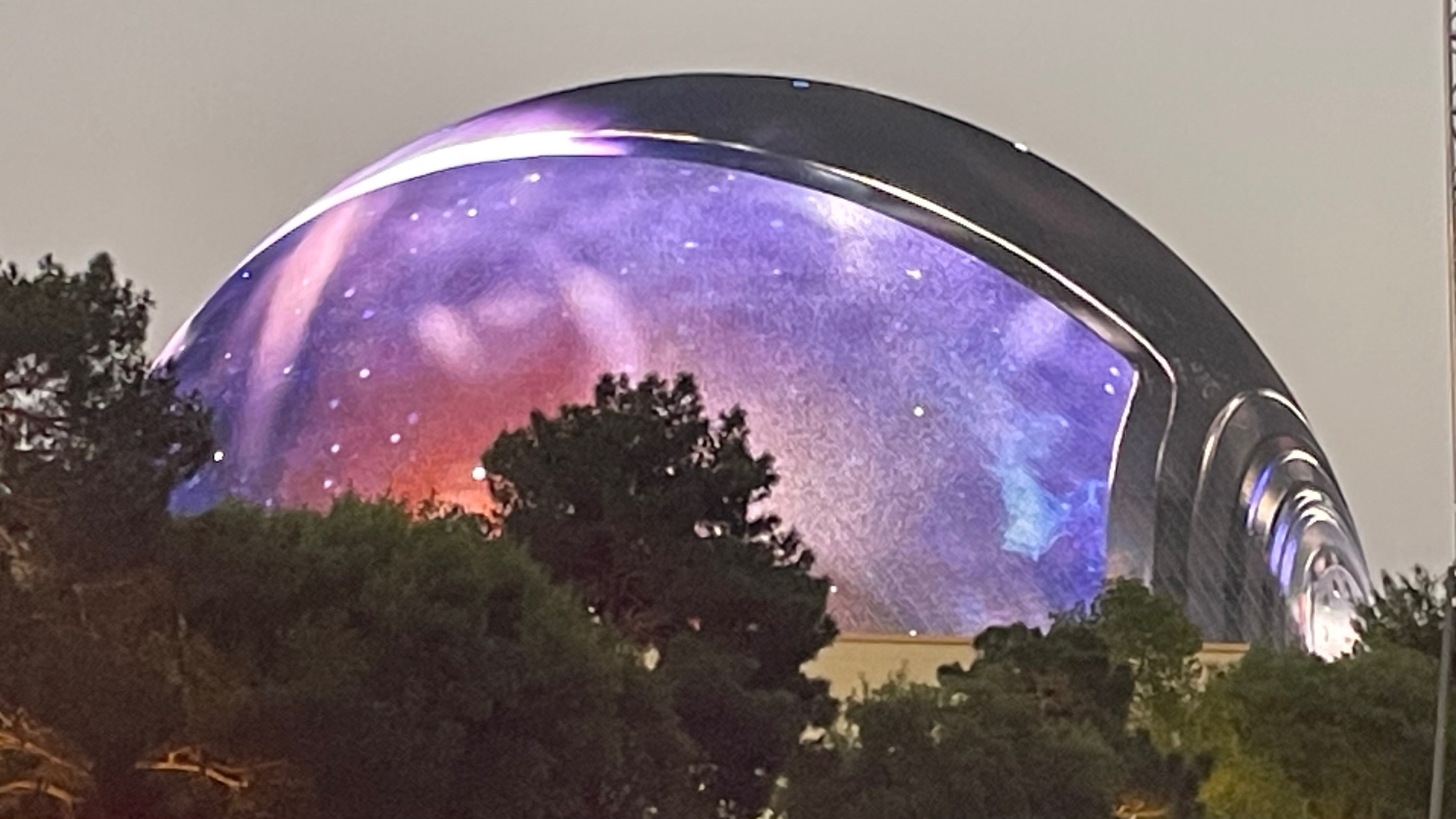
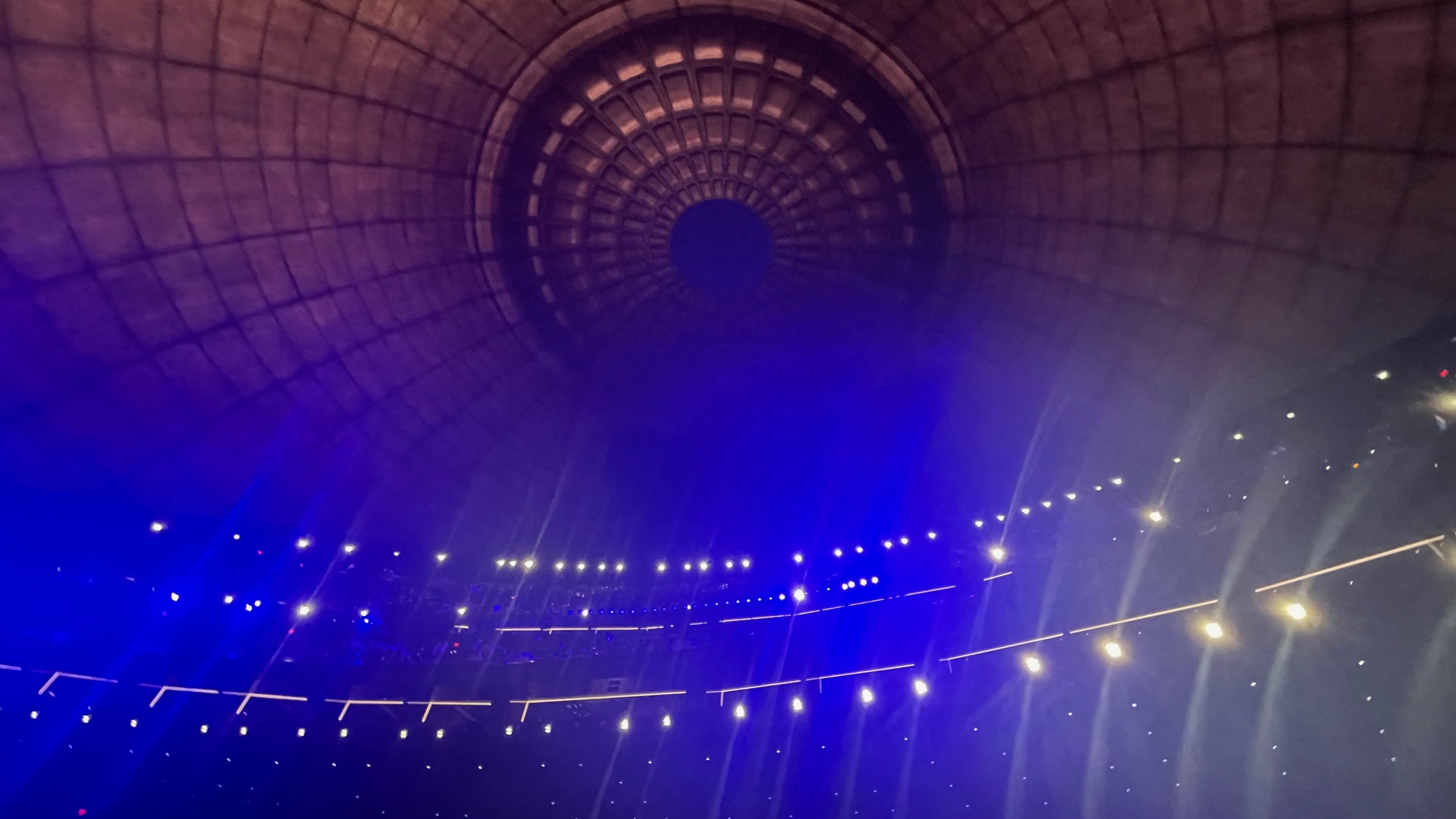
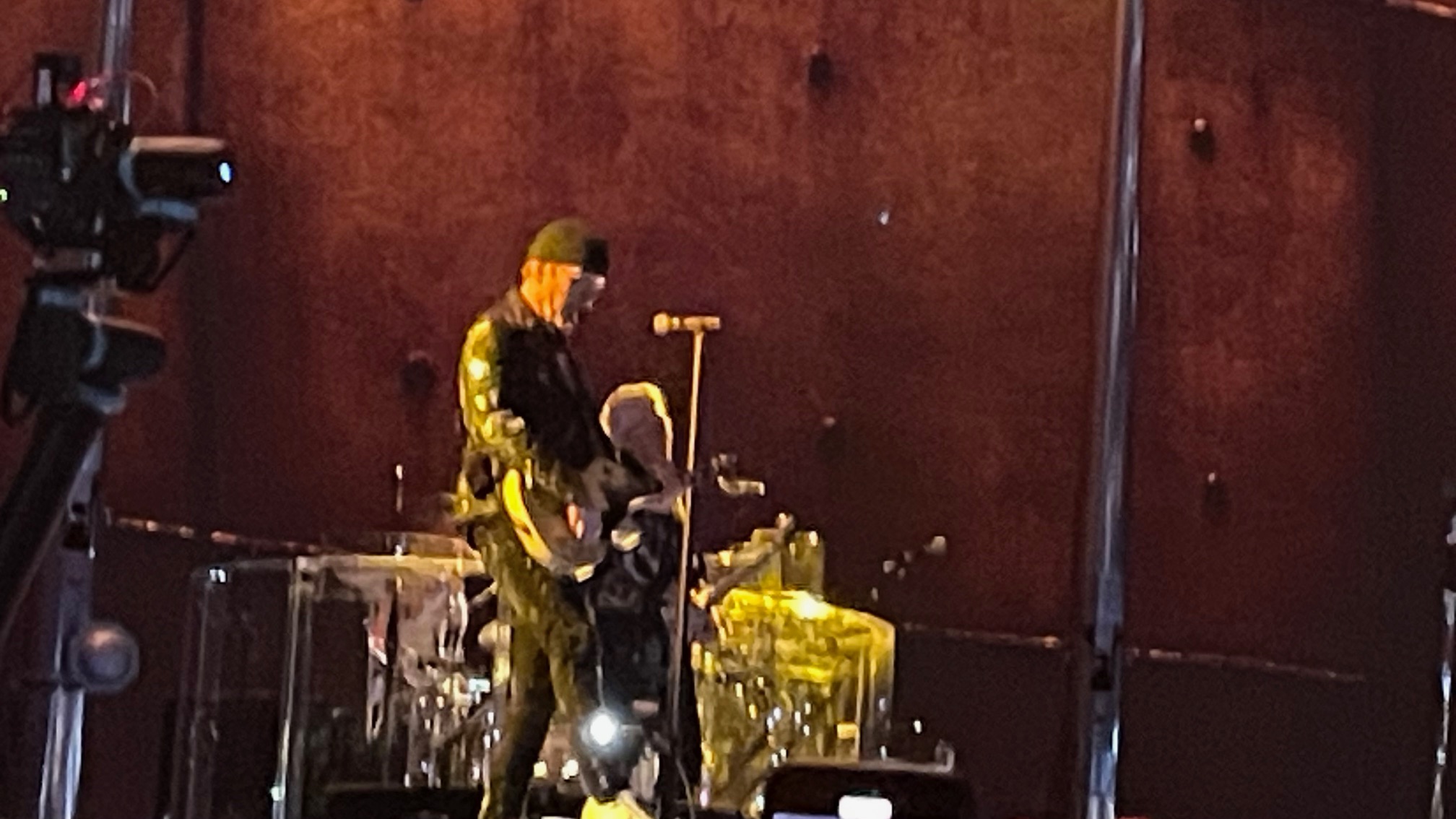
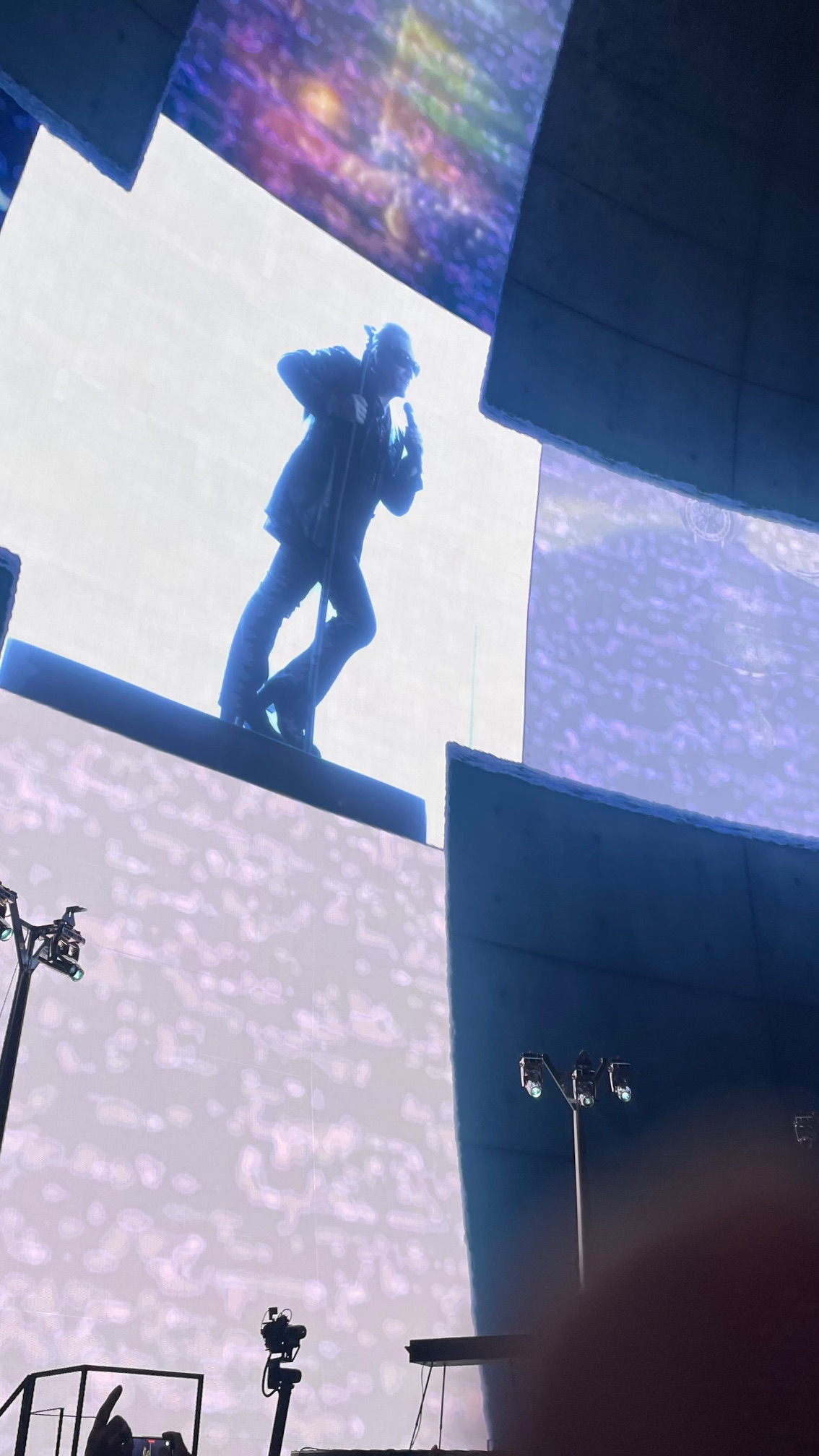
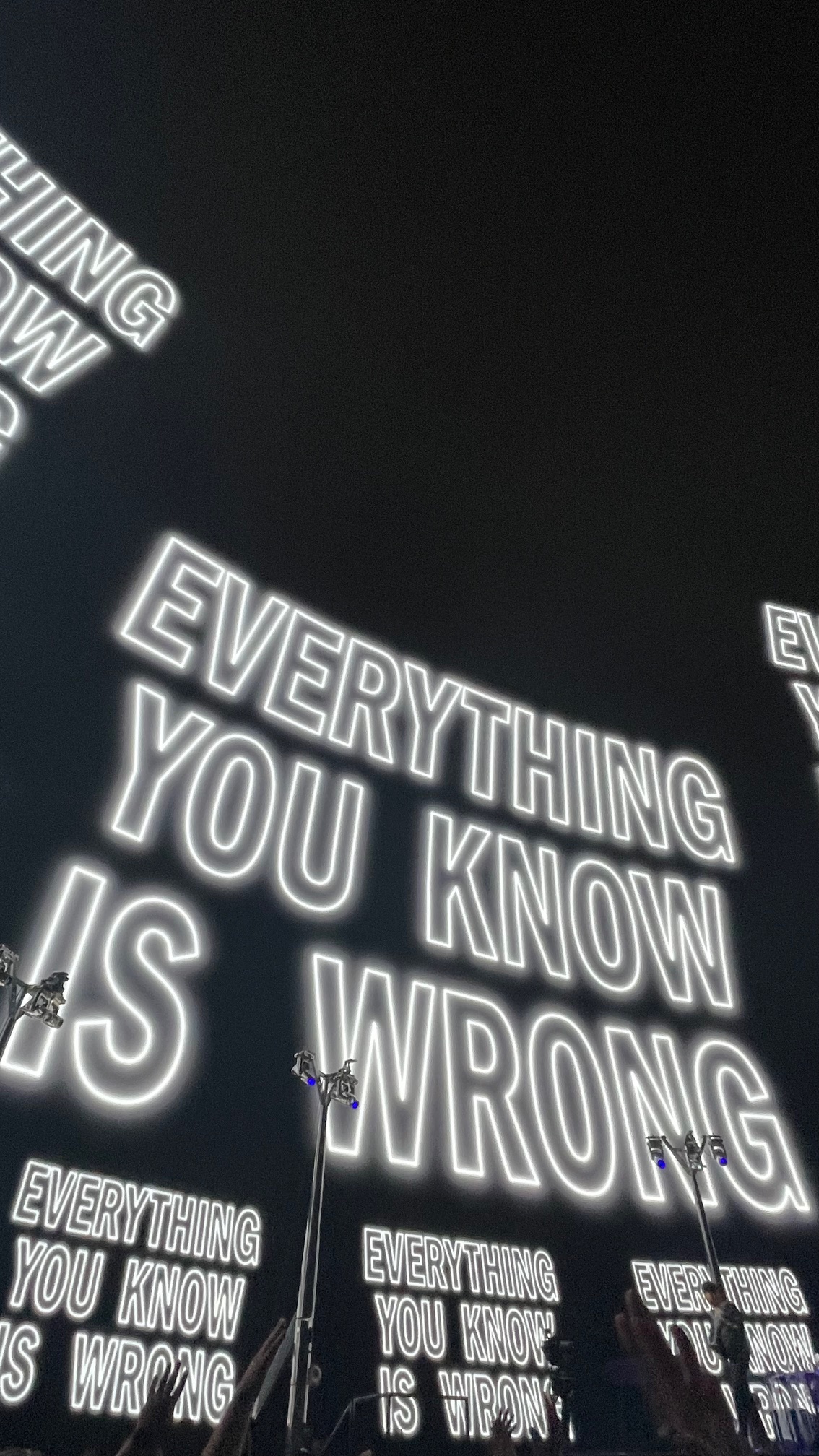
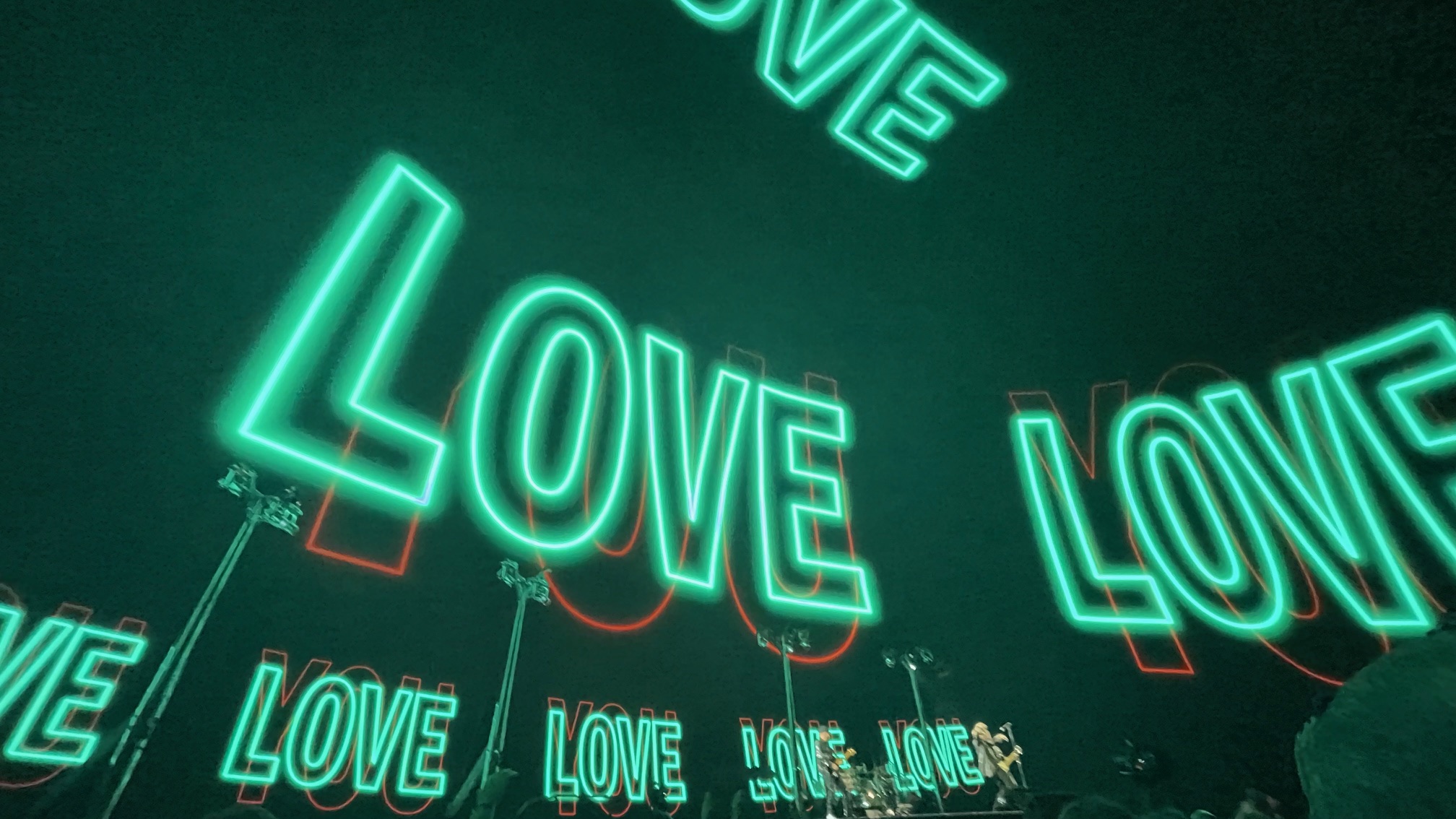
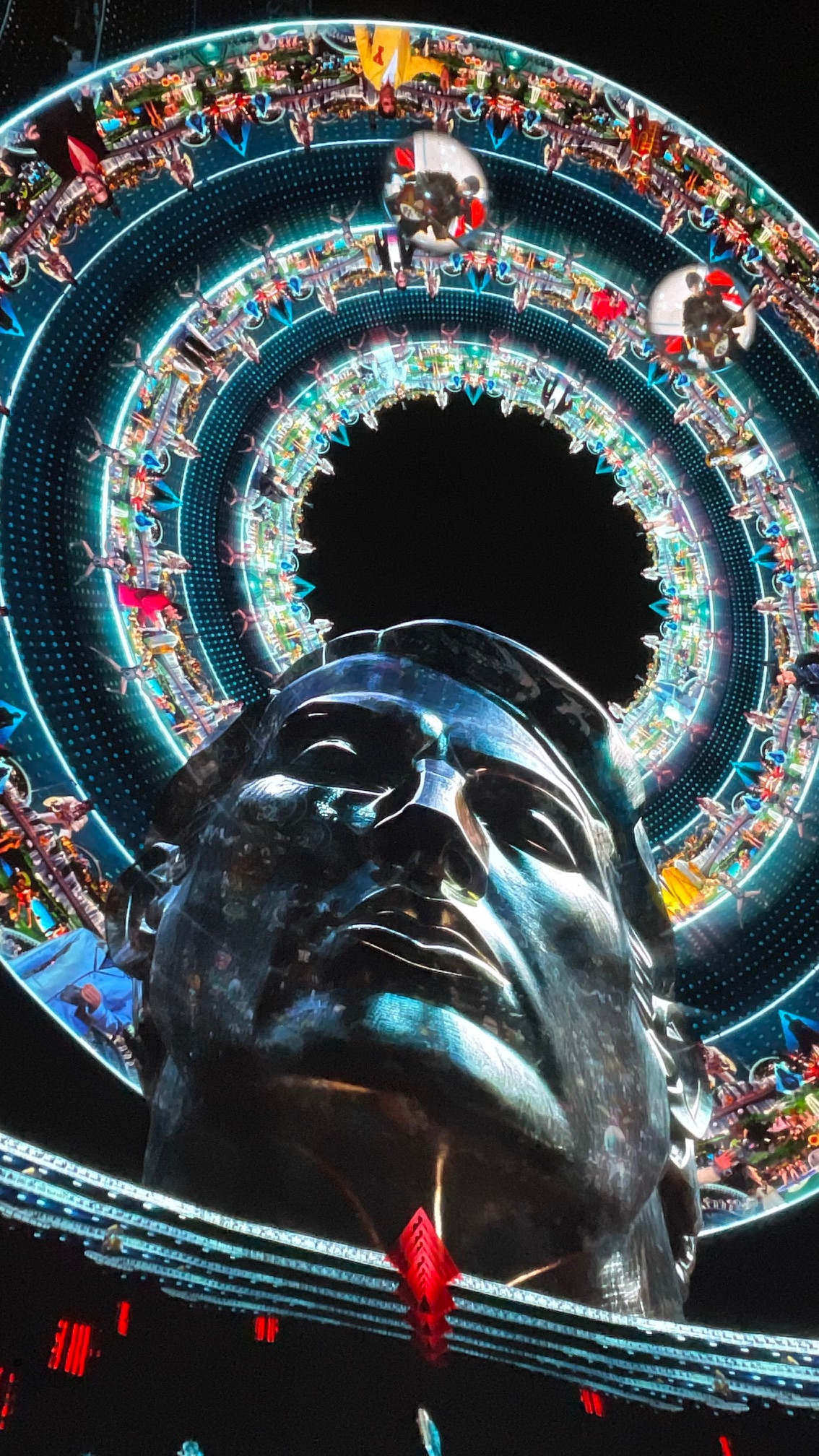
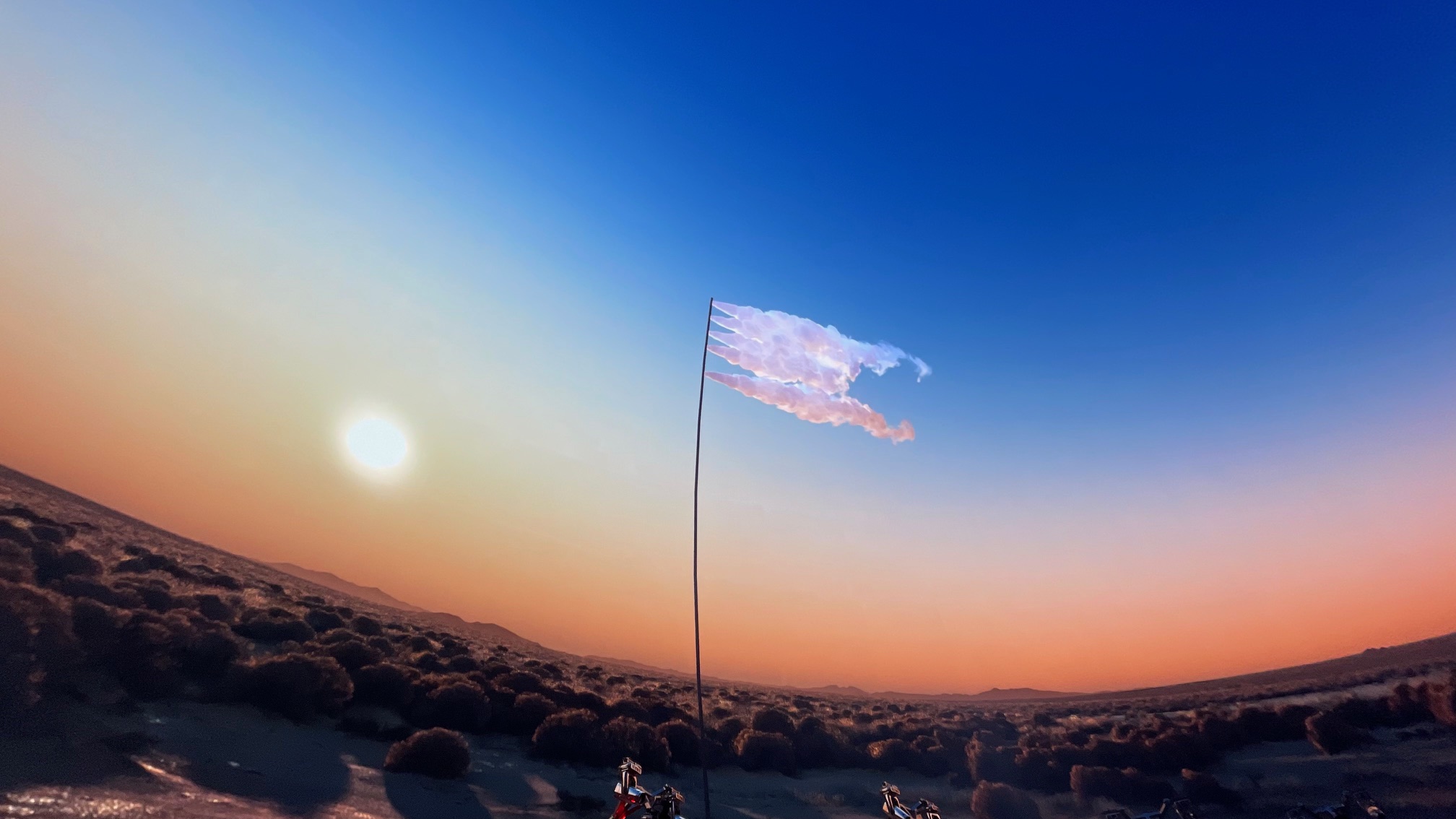
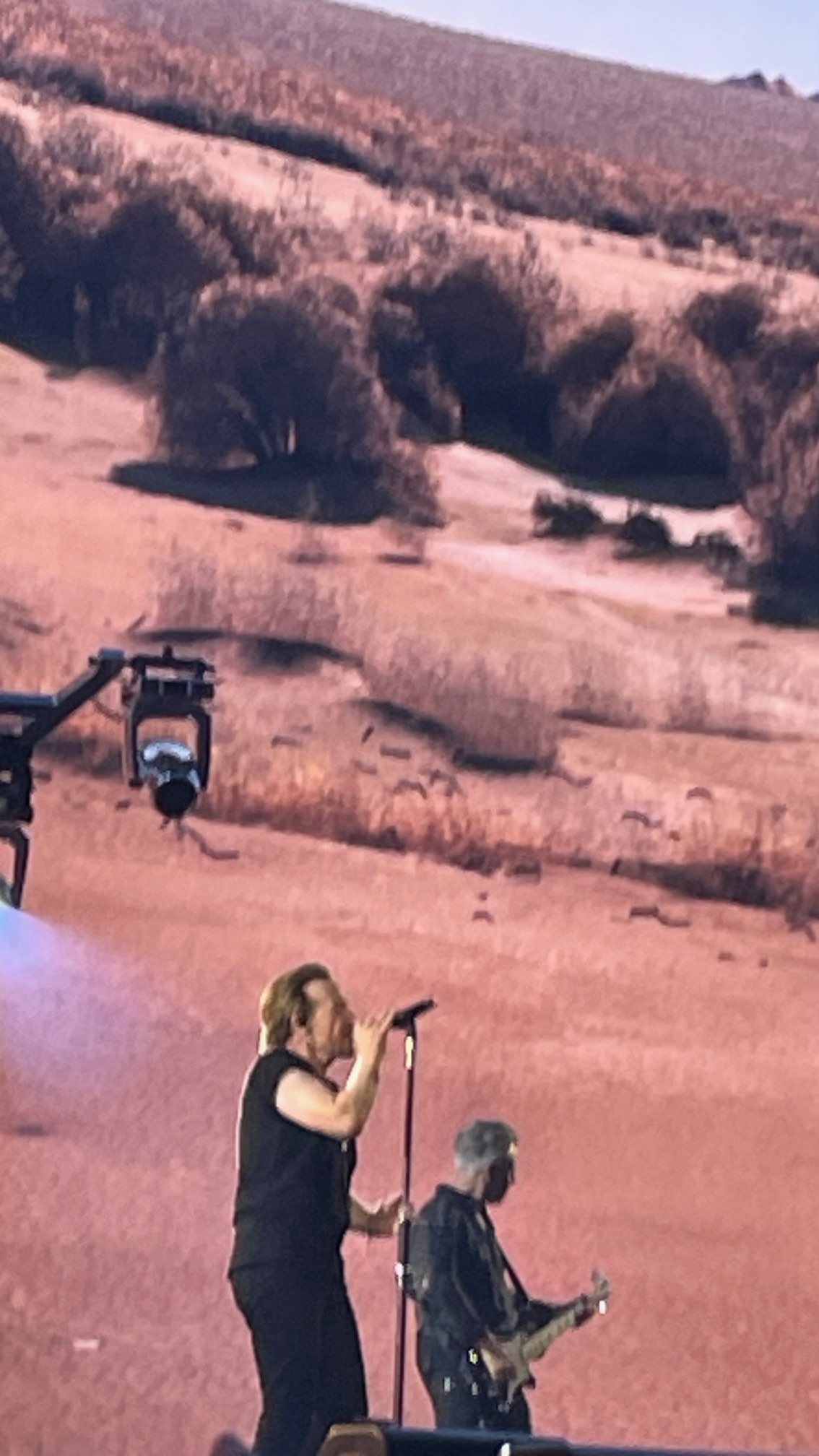
U2 Live at The Sphere!

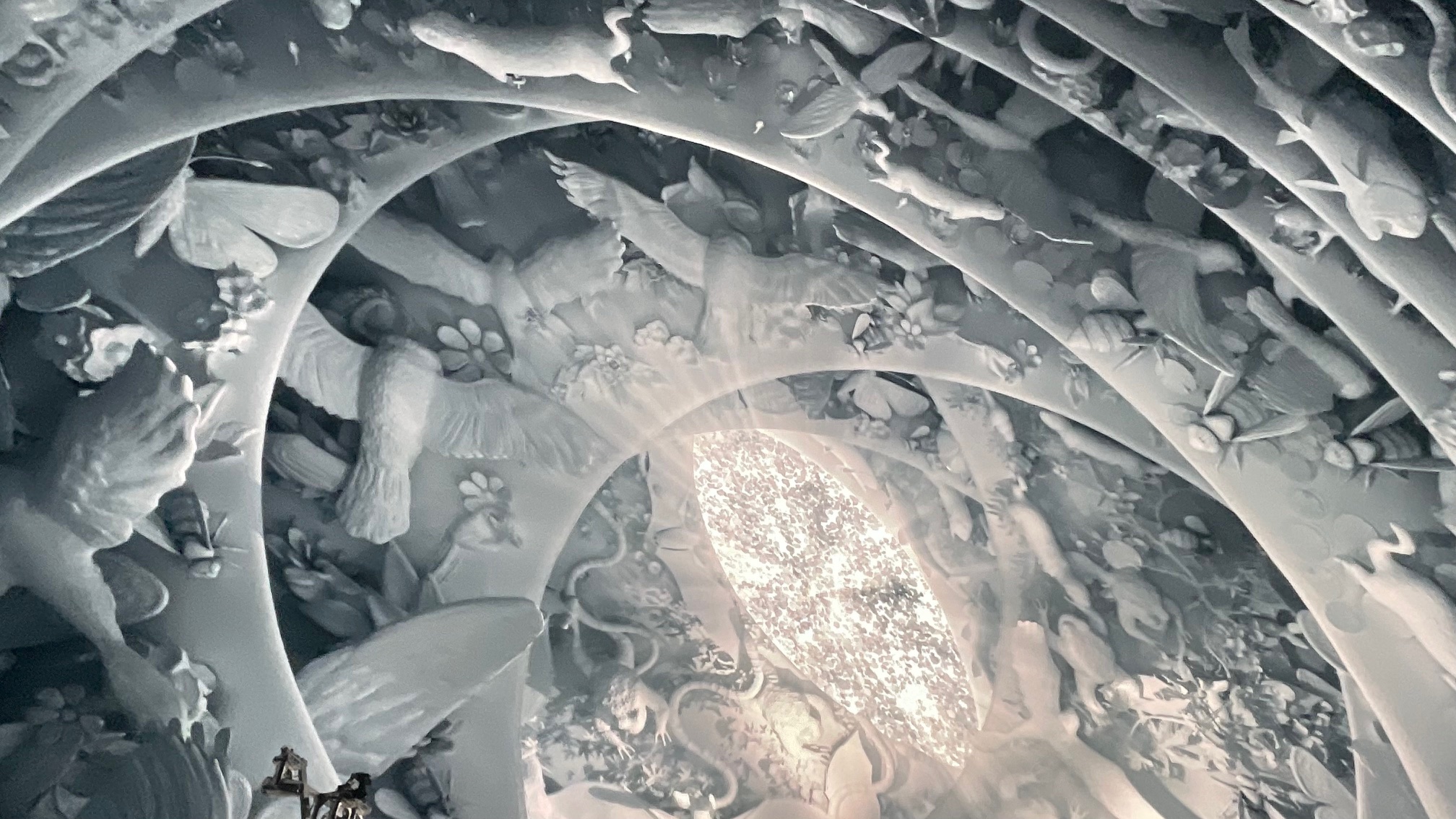
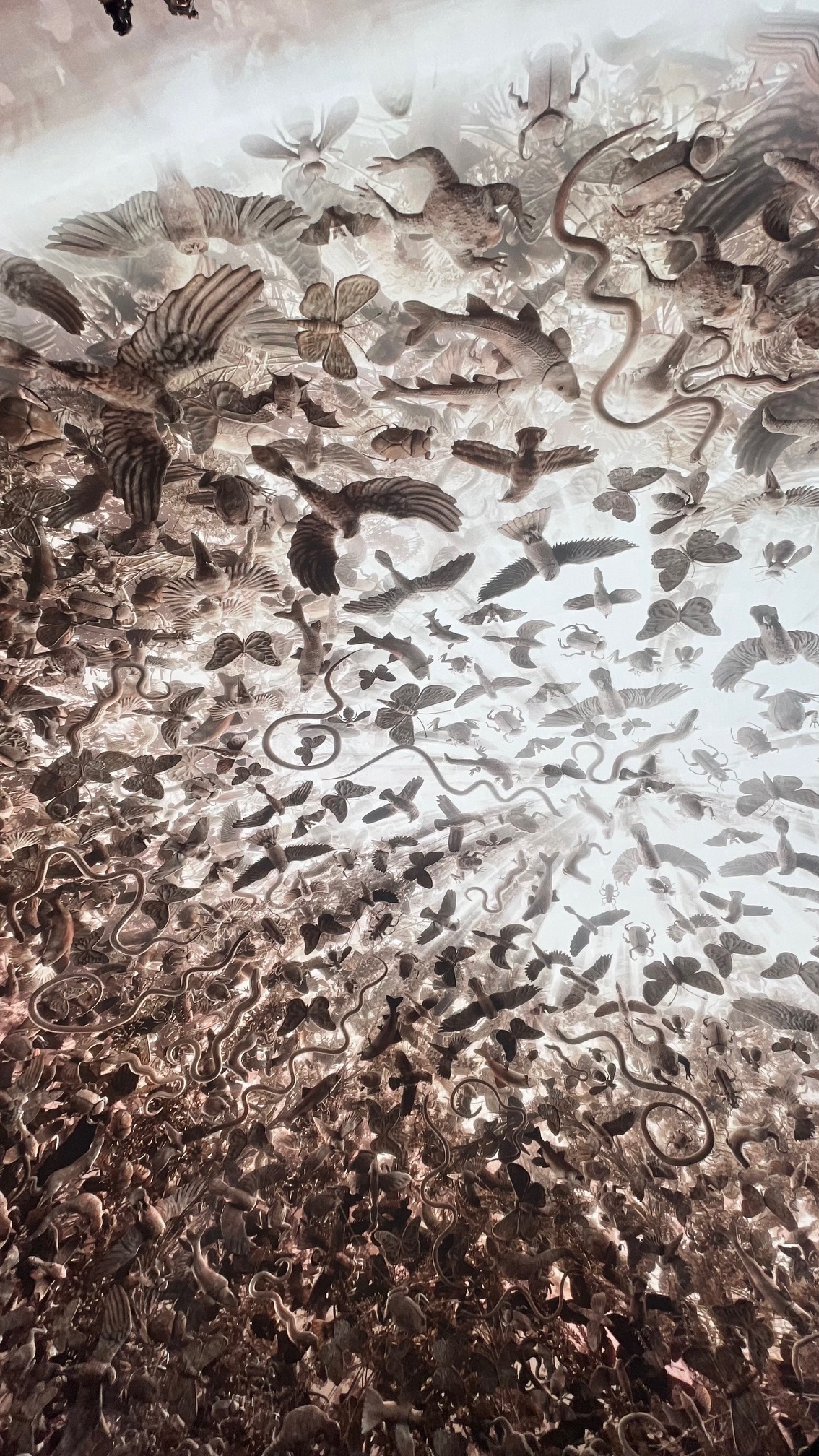
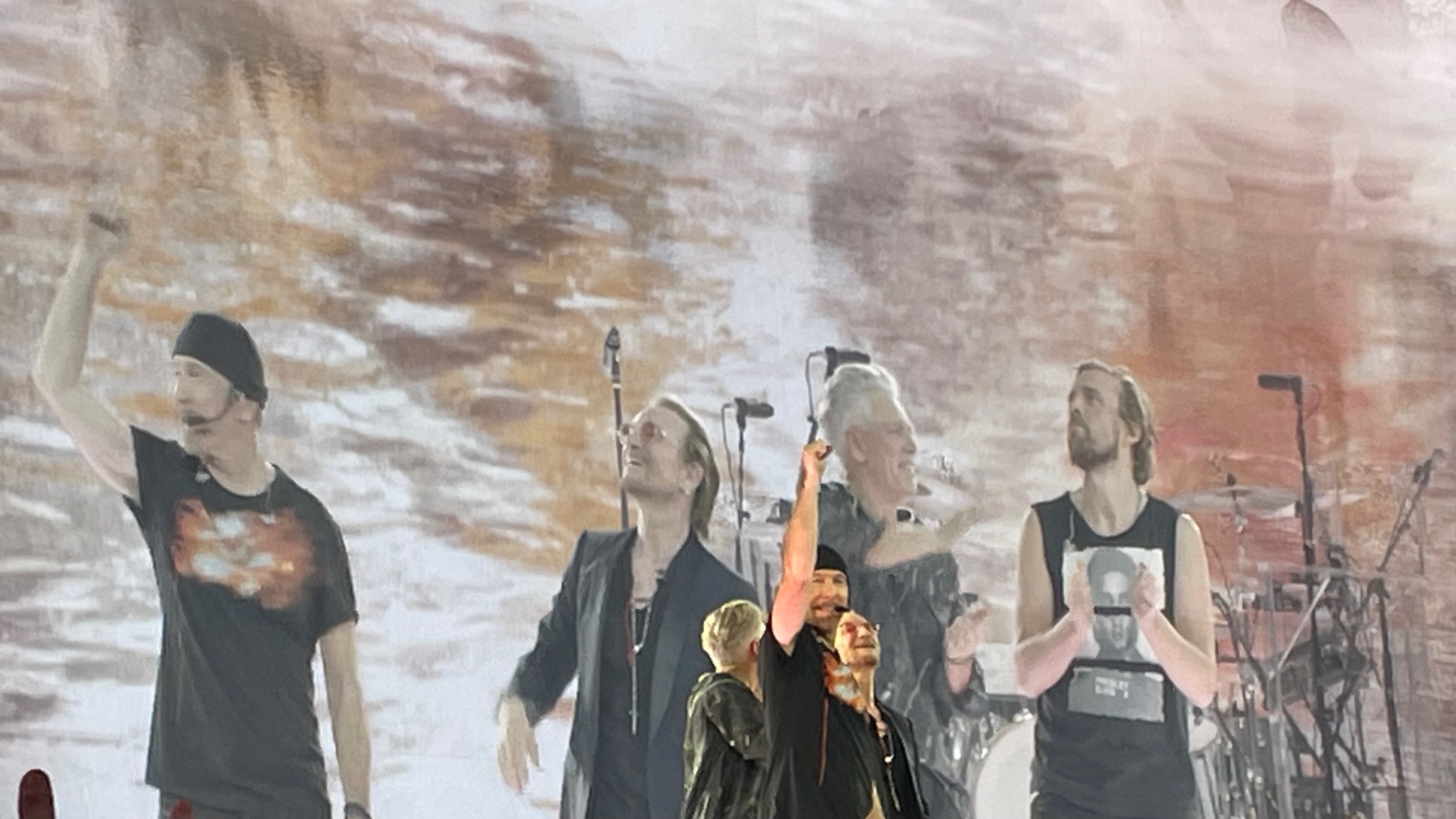
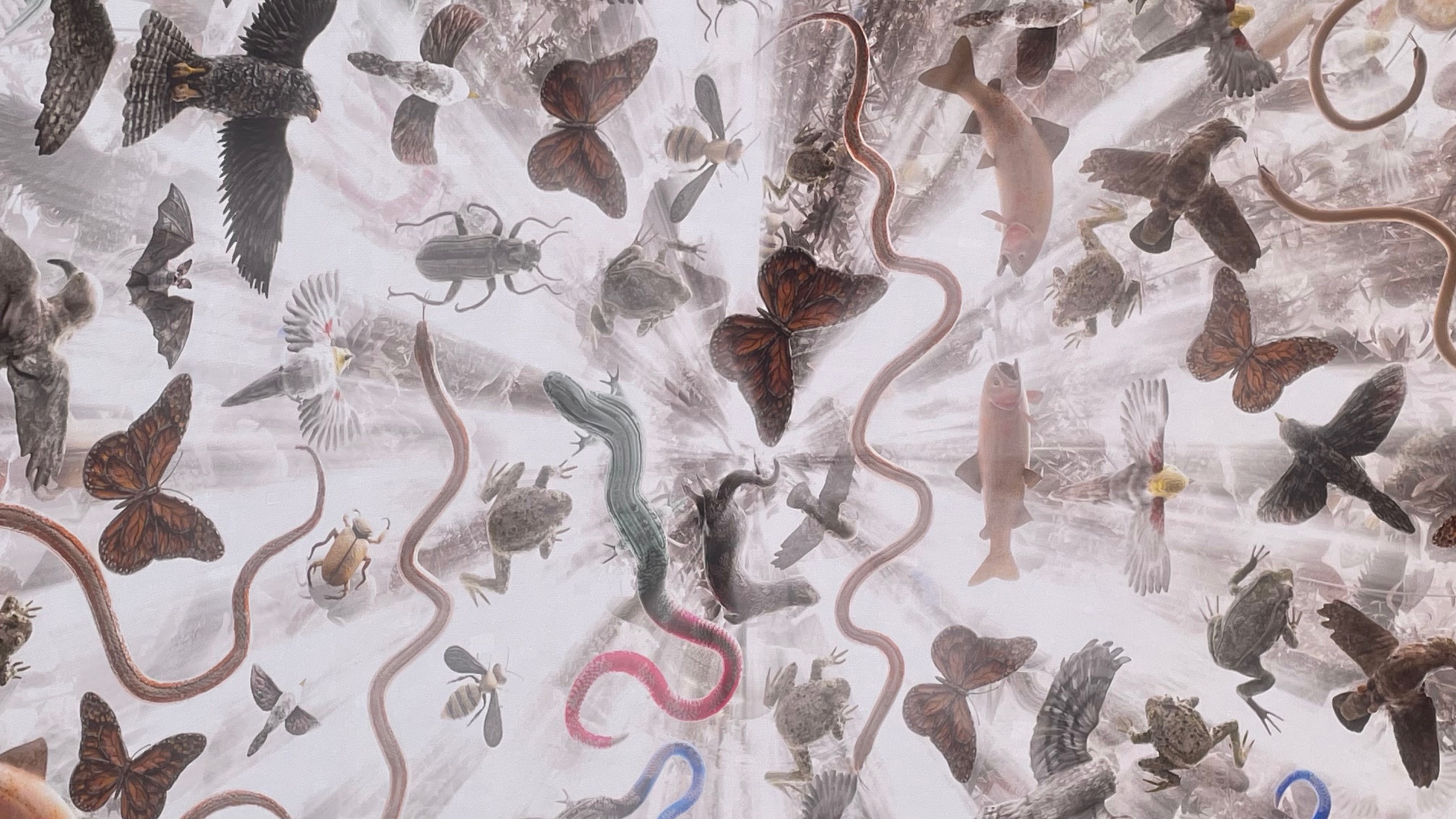
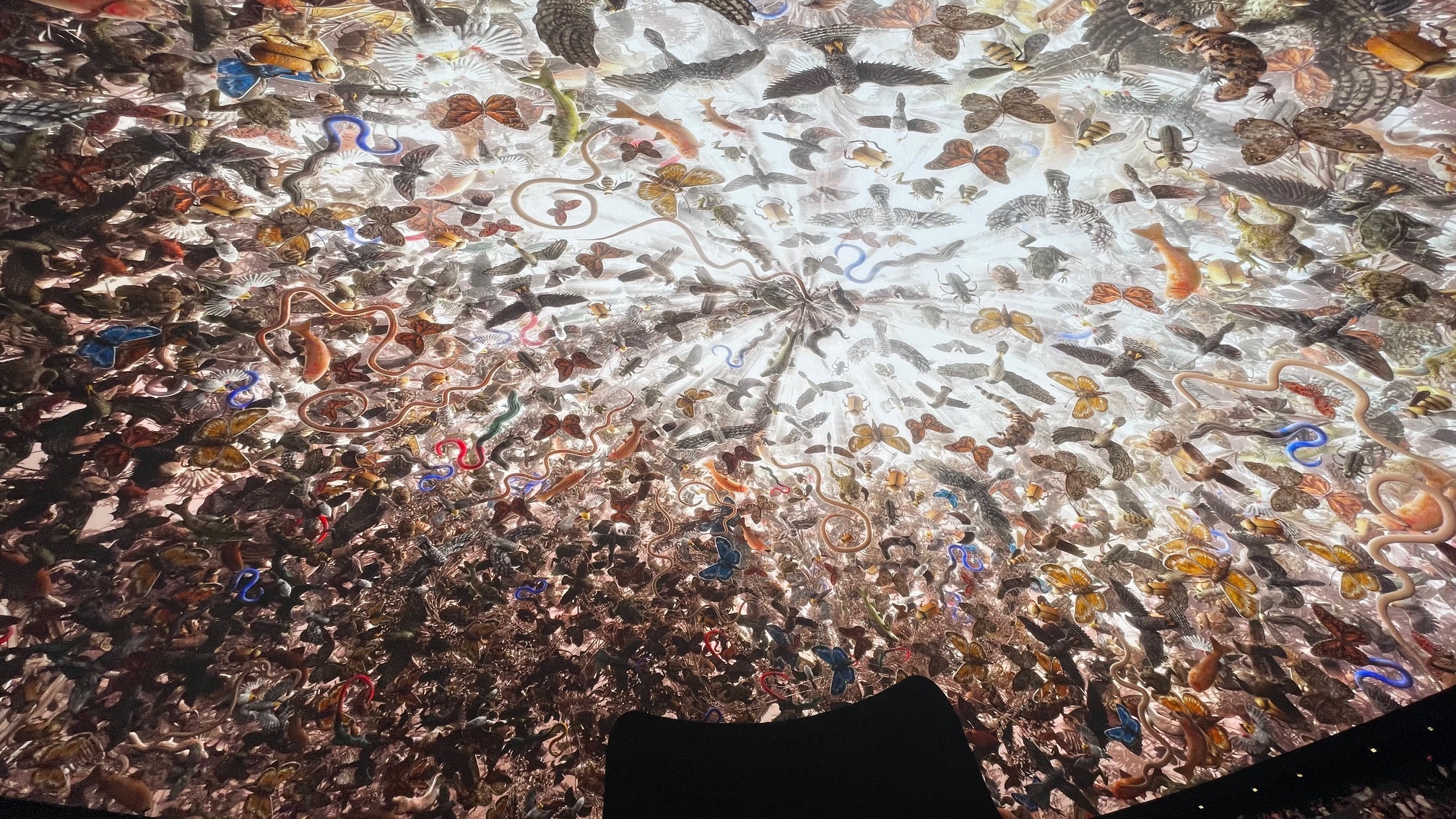
“One of the most incredible live concert experiences I’ve ever had: U2 Live in Concert at The Sphere in Las Vegas, Nevada, United States.”

Camera: iPhone 12

Location: The Sphere; Las Vegas, Nevada, United States

Having ‘Main Character Energy’ in 2025 and Beyond

“As we enter the new year of 2025, this mindset offers a guide to prioritizing experiences and hobbies that bring both joy and excitement as we aim to lead more fulfilling lives.”

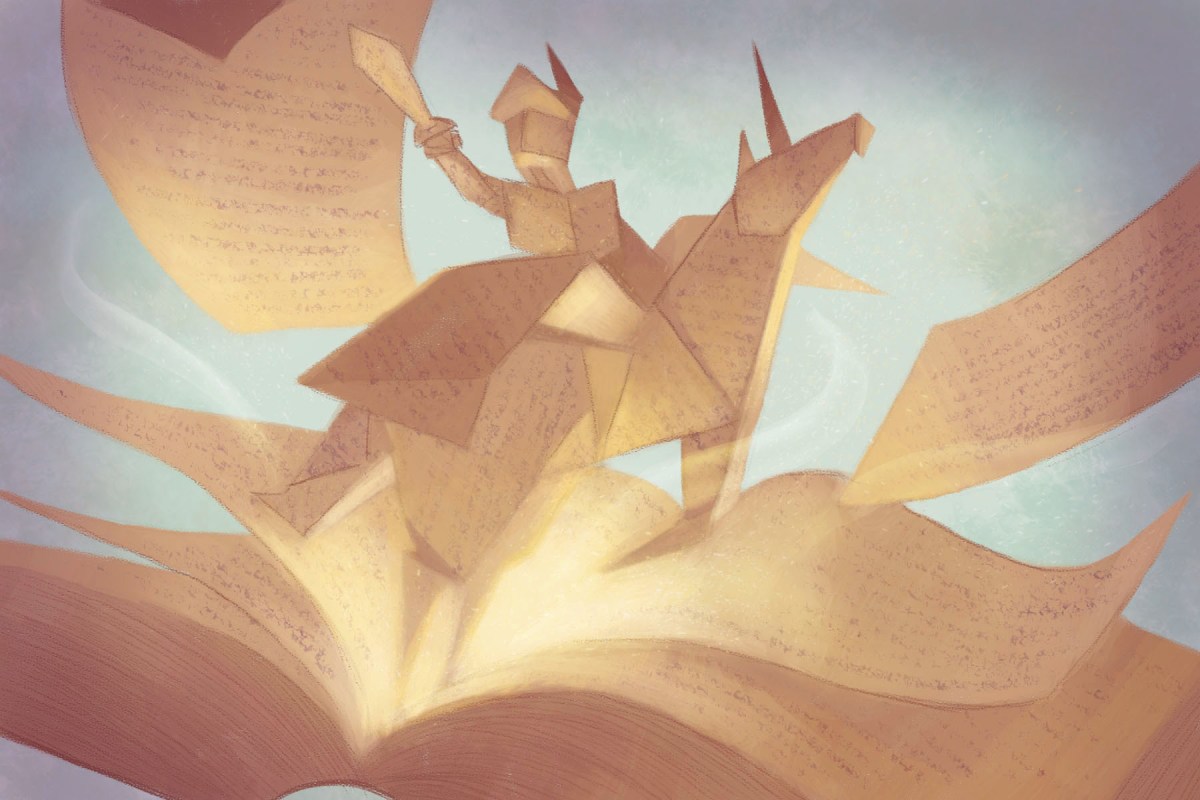
In this age of social media and the constant pressure to prioritize self-expression, the concept of having “main character energy” has recently captured the imagination of popular culture. This recent internet-born slang expression reflects the central idea of viewing your life as a narrative where you’re the protagonist, who is taking charge of your story, and embracing a sense of adventure, purpose, and individuality in what you choose to do in your free time. As we enter the new year of 2025, this mindset offers a guide to prioritizing experiences and hobbies that bring both joy and excitement as we aim to lead more fulfilling lives.

What exactly does it mean to have “main character energy”? At its core, “main character energy” is about seeing yourself as the center of your life, with complete control over what you do, where you go, and who you spend your time with. At its essence, it’s about celebrating authenticity, confidence, and self-awareness. Popular culture has fueled this idea, emphasizing the need to live boldly and create new memories through having unique experiences, both individually and with others in your life.

The concept also ties into the broader cultural shift toward mindfulness and self-care. Being the “main character” doesn’t mean being self-absorbed or ignoring others. Rather, it’s about finding as much meaning as possible in your daily life and curating experiences that reflect your passions and interests. It’s also about stepping out of your comfort zone to challenge yourself with new activities and experiences. Instead of falling into an endless and mundane routine throughout the year, having “main character energy” means starting a new hobby, embarking on a trip to a new place, or learning a skill you’ve been curious about.

Living with “main character energy” is less about the aesthetics of a lifestyle and more about harnessing your mindset and actions. It’s about taking ownership of your narrative and injecting it with moments that make life feel both cinematic and memorable. Here’s how you can channel this energy in 2025:

First, prioritize your experiences over material things. In 2025, we should focus more on trading material possessions for memorable experiences. Whether it’s traveling to a new city or country, trying a new restaurant down the street, taking a salsa dance class, or learning a new language, stepping out of your comfort zone can create unforgettable memories and help you grow as a person.

Additionally, rediscover those hobbies that ignite your creativity or start new ones. Painting, writing, coding, gardening, hiking, or even starting a book club can make your life feel more vibrant and less routine. When you invest in your passions, your life gains greater depth, and you become more connected to your overall story.

Main character moments aren’t reserved for those grand adventures that may occur just once a year or a few times each year. They’re also about making the most of the mundane in our daily lives. Romantic or memorable moments can exist in small, everyday joys, no matter how routine they seem. Sipping coffee in the morning, walking through a park, listening to the birds chirping, or watching a sunset can feel magical when you slow down and savor the moment instead of rushing to the next task.

If you’re a fan of cinema or books, you’ll notice protagonists in movies and novels take leaps of faith and so should you. Apply for that dream job, take a sabbatical to travel the world, confess your feelings to someone you love, or start a side hustle or passion project and see it grow. Bold moves in your life create turning points in your personal story.

Engaging in “main character” activities in your life means intentionally seeking out joy, adventure, and self-expression instead of waiting for them to find you, which rarely happens. It’s about taking a solo trip and feeling the thrill of independence, creating a music playlist that feels like the soundtrack to your life, or hosting a themed dinner party with friends who share your interests and passions. These moments don’t just fill your time or break up your routine; they also enrich your narrative.

In 2025 and beyond, prioritizing “main character energy” means embracing life with a renewed sense of wonder and enthusiasm. It’s about creating the biggest story worth telling: the one of a life, filled with curiosity, courage, and connection. When you step into the role of the main character, you’re not just living life like everyone else is. You are choosing instead to make it truly your own with your own interests, passions, and joys at the forefront, thriving as a result and making the most of the limited time we have on this planet. The best part of embracing the “main character” energy in your own life? The pen is always in your hands to write your own story as you see fit.

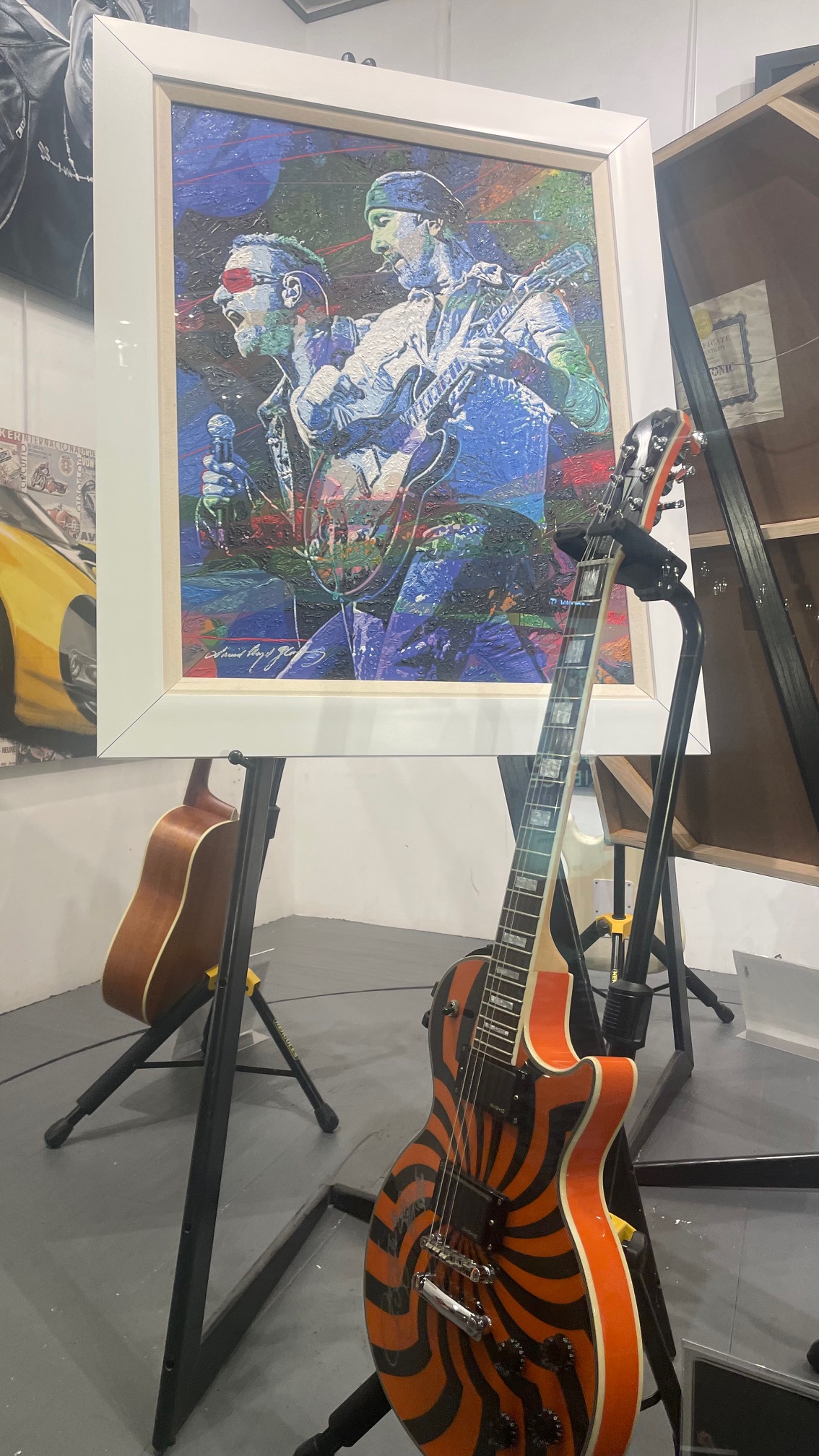
A U2 – UV Experience (Zoo Station)

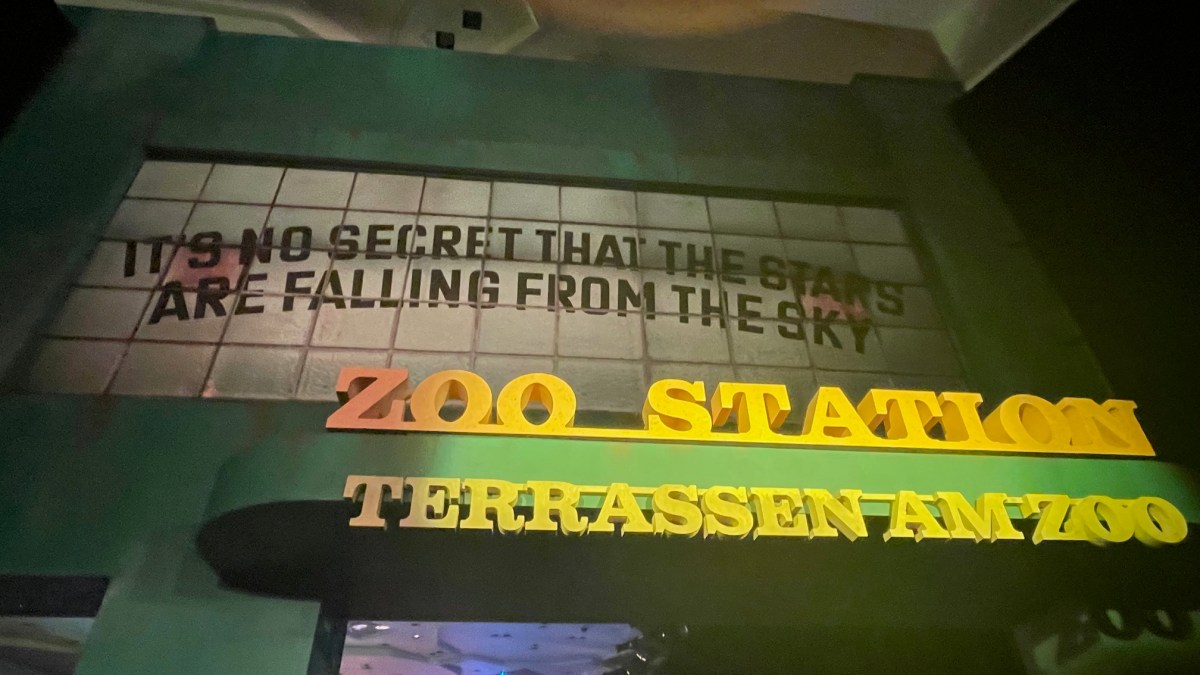
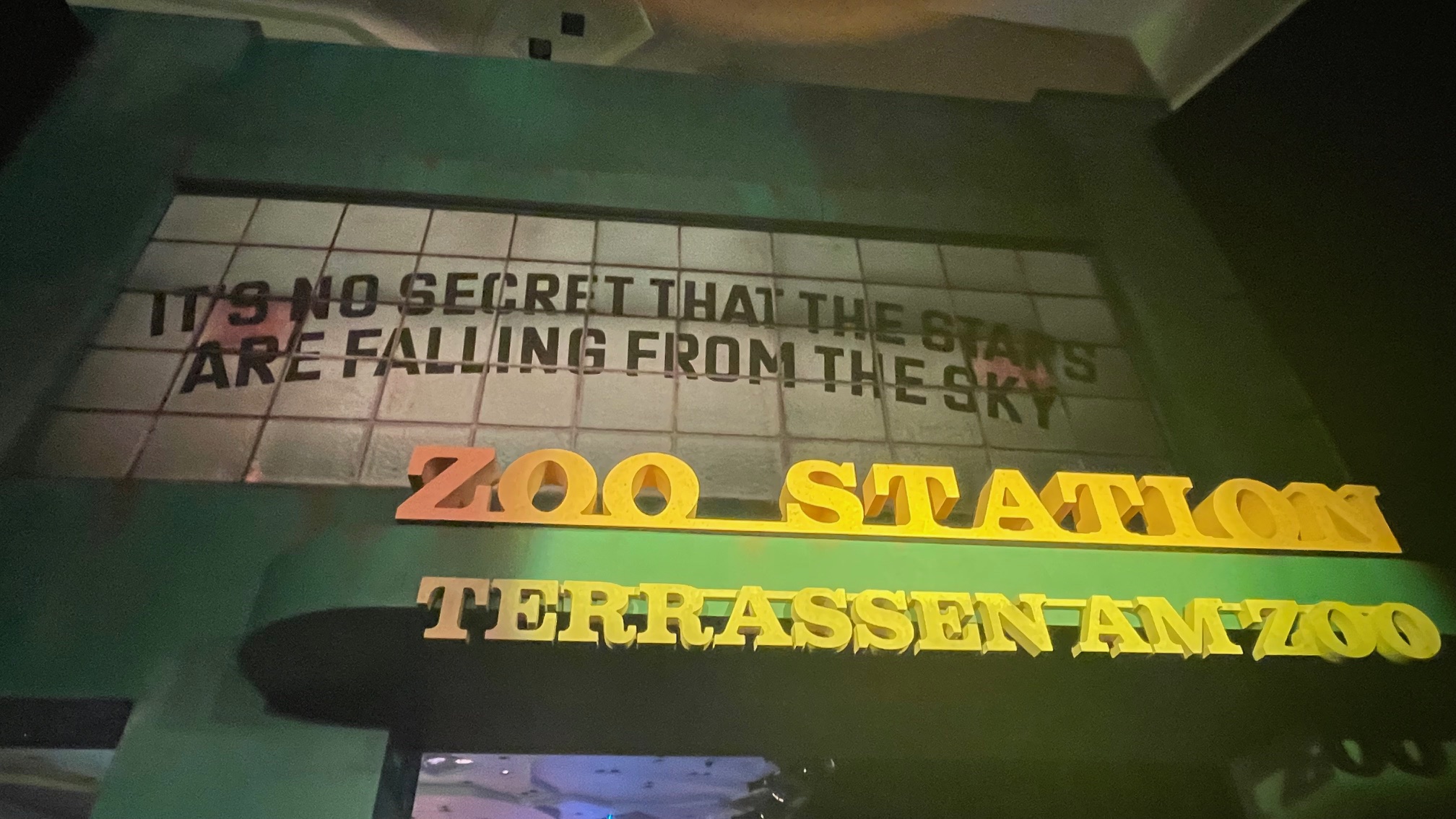
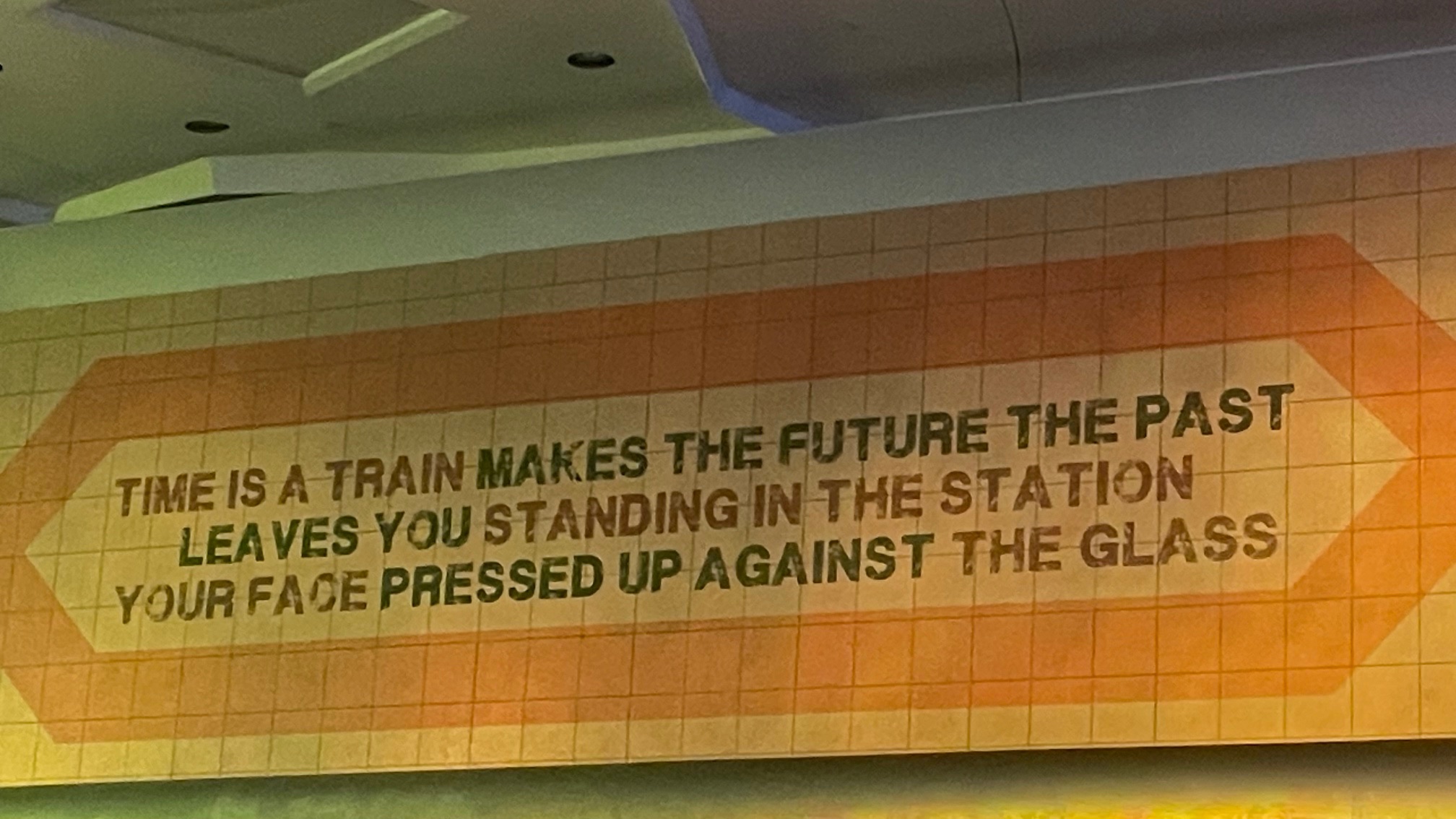
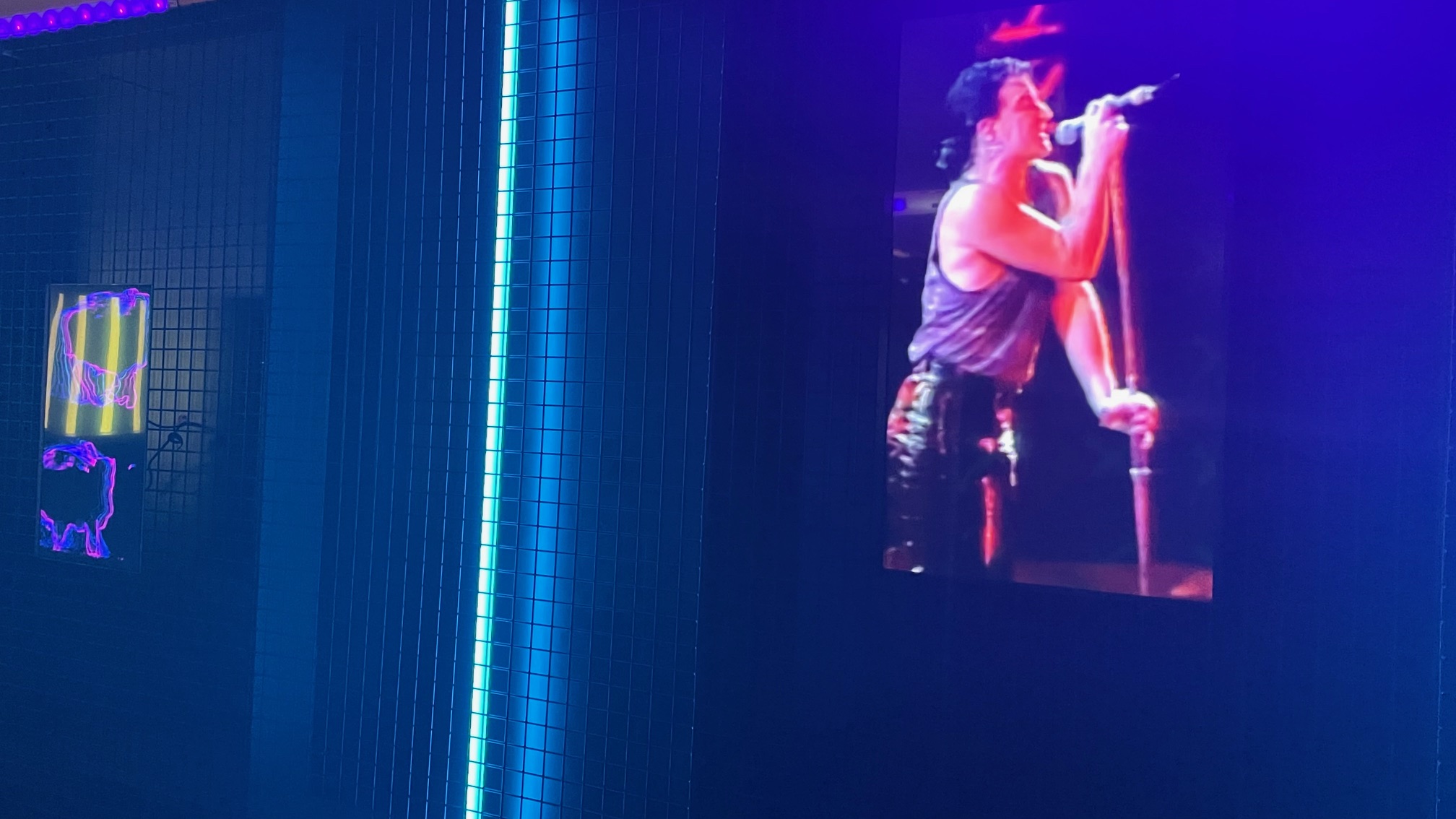
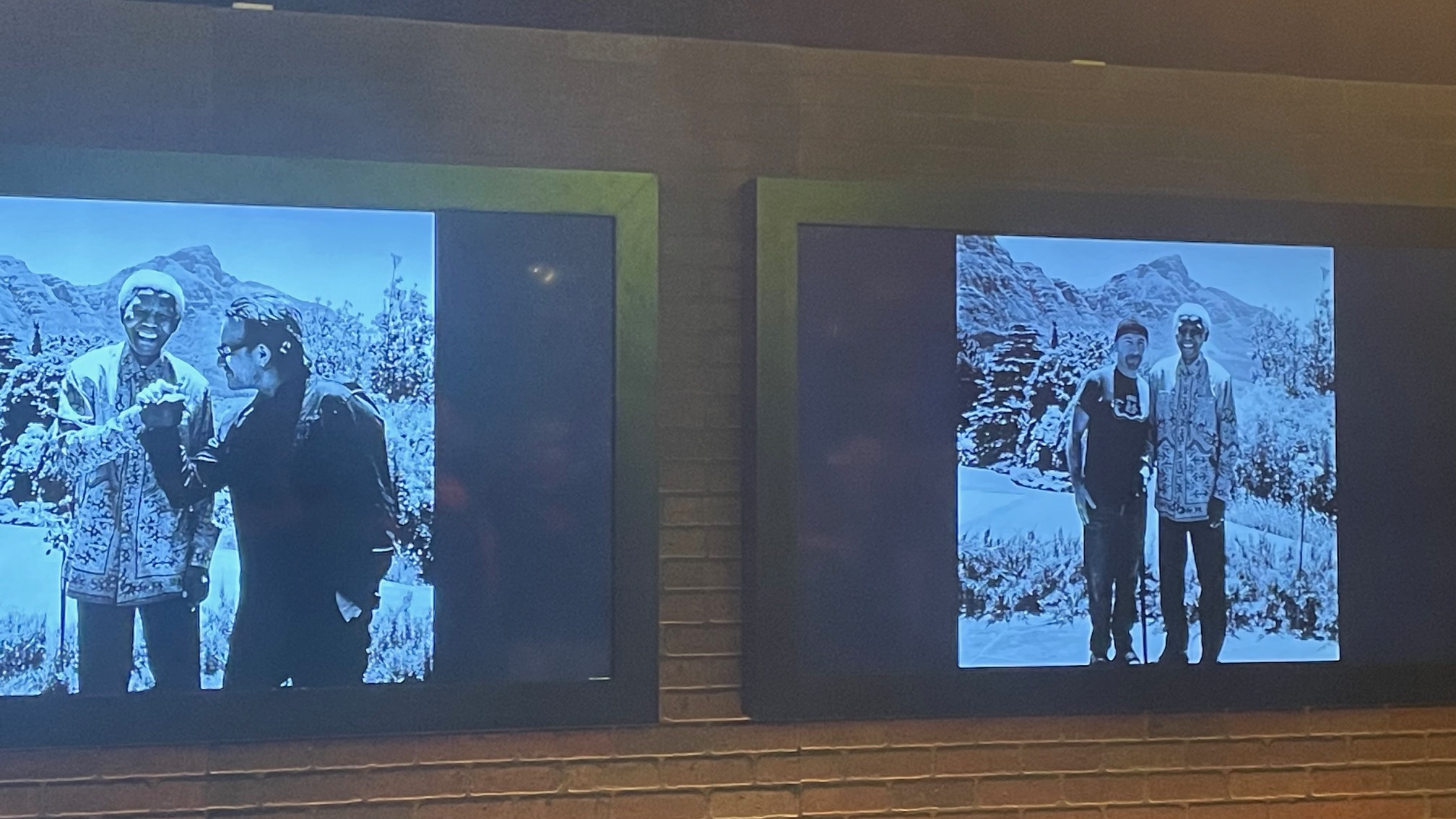
Zoo Station, the immersive fan portal at The Venetian Resort in Las Vegas to celebrate U2:UV Achtung Baby at Sphere in the Fall of 2023.

Camera: iPhone 12

Location: Las Vegas, Nevada, United States