Mondongo Soup is one of those polarizing foods that you encounter where you either love it or hate it. There’s no in between when it comes to Mondongo, which is what makes it a unique kind of food to cover in this month’s edition of cuisine spotlight. The main ingredient of diced or pieces of Tripe (the stomach entrails of a cow or pig) cause some folks to go nauseous while others salivate over the chance to get a big bowl of mondongo for their lunch or dinner.
However, Mondongo is more than what meets the eye and comes with a number of different ingredients that vary depending upon which country or part of Latin America you find yourself in. Part of what makes Mondongo an interesting food is that you can find it in more than one country and each place makes it a little bit differently than the other. I didn’t know Mondongo existed before I started living in Colombia and although I tried it once and enjoyed it, I’m not big on tripe in general while others love it very intensely. Even if you find yourself disgusted by the idea of eating cow’s stomach, perhaps you’ll reconsider after reading this article.
Mondongo is more than just beef or pork tribe. The main ingredients also include various vegetables cut up and chopped such as bell peppers, onions, carrots, cabbage, celery, tomatoes, lettuce, etc. Additional ingredients can include salt, pepper, coriander, garlic, oregano, and cilantro if you want to spice up the dish with some seasoning. You can also decide to add some corn and rice to the soup if you want to make it more heavy, and filling.
Usually, the tripe is soaked in citrus juice or sodium paste before it can begin cooking in a pot. If there are many types of spice or seasoning available in your local supermarket, you can make your Mondongo as bland or as zesty as you see fit. The great thing about a soup like Mondongo is that there is a lot of variety in making it and there’s no right or wrong way to make it. It would be quite a dish to make when you haven’t eaten all day and are ready to dig in after a long day at work.
Mondongo is a food dish most commonly found in Latin America, the Caribbean, and the Philippines. When it comes to the specific countries in which you can try Mondongo, there are quite a few that have it available. That list of countries includes Brazil, Panama, Puerto Rico, El Salvador, Venezuela, and in Colombia.
In Colombia, Mondongo is a traditional dish for Lunch and is made with a lot of cilantro and is known for having a lot of chicken or beef broth for the vegetables and tripe to soak in. Peas, Carrots, Onions, etc. are the most common vegetables for this type of Mondongo and corn is sometimes added to the mix. In addition to pork and beef tripe, chicken and turkey tripe is sometimes used in the Colombian version of Mondongo depending upon which region of the country you are in.
Mondongo is sometimes known as ‘mocoto’ in Brazil as the Portuguese translation of this popular soup dish. Mondongo is mainly consumed in the southern regions of the country but can also be found in the Northeast where it is known by the name of ‘dobradinha’ when it comes to Panama, Mondongo can be seasoned with pieces of chorizo or pigtails to create some added flavors. Pig knuckles, and feet can sometimes be added to Panamanian Mondongo as a substitute for pigtails or chorizo.
This type of Mondongo can also come with chickpeas; bay leafs, and is served with salads and/or plantains. There is also a tradition in Panama that some folks observe that when a new house is built for a family, they will gather together to celebrate the occasion and have a meal known as ‘mondongada’ that focuses on eating big servings of Mondongo.
In Puerto Rico, vegetables such as squash, pumpkin, eddo, cassava, capers, etc. can be added as well as the salted pork tail and feet that you can also find the Panamanian version of Mondongo. Lemon juice is the main ingredient that helps to distinguish the Puerto Rican version of Mondongo from other countries’ versions. For El Salvador, Their Mondongo is also called the ‘sopa de pata’ where chili powder, coriander leaves help to give it a spicy kick on top of the tripe, pieces of yucca, sweet corn, green beans, and plantains that make up the soup. Lastly, the Venezuelan version of Mondongo is often the only meal of the entire day due to the fact that it is very heavy compared to other kinds of Mondongo.
This kind of Mondongo is served with plenty of vegetables, different types of tripe, pigs’ feet, and seasoning but also comes with a serving of arepa on the side, which can be considered the national snack of Venezuela. The restaurants that sell Mondongo in Venezuela are known as ‘areperas’, which focus mainly on cooking Arepas, but the mondongo dish and the arepa go strictly together in Venezuela. Many Venezuelans make it a priority to eat Mondongo early in the morning before they go to work or later in the night before they go out to party and drink.
Regardless if you’re eating Mondongo in Colombia or Puerto Rico, it is a hearty, fulfilling soup dish that has a ton of variety to it. You can mix and match different ingredients together and decide what kind of sides you would like to serve with your Mondongo. Wherever in the world you eat this dish, you should do so on an empty stomach due to how heavy it is. You won’t need to have any breakfast, lunch, or dinner if your only meal of the day happens to be a big bowl of Mondongo. Enjoy responsibly or you may risk a stomachache. Buen provecho!
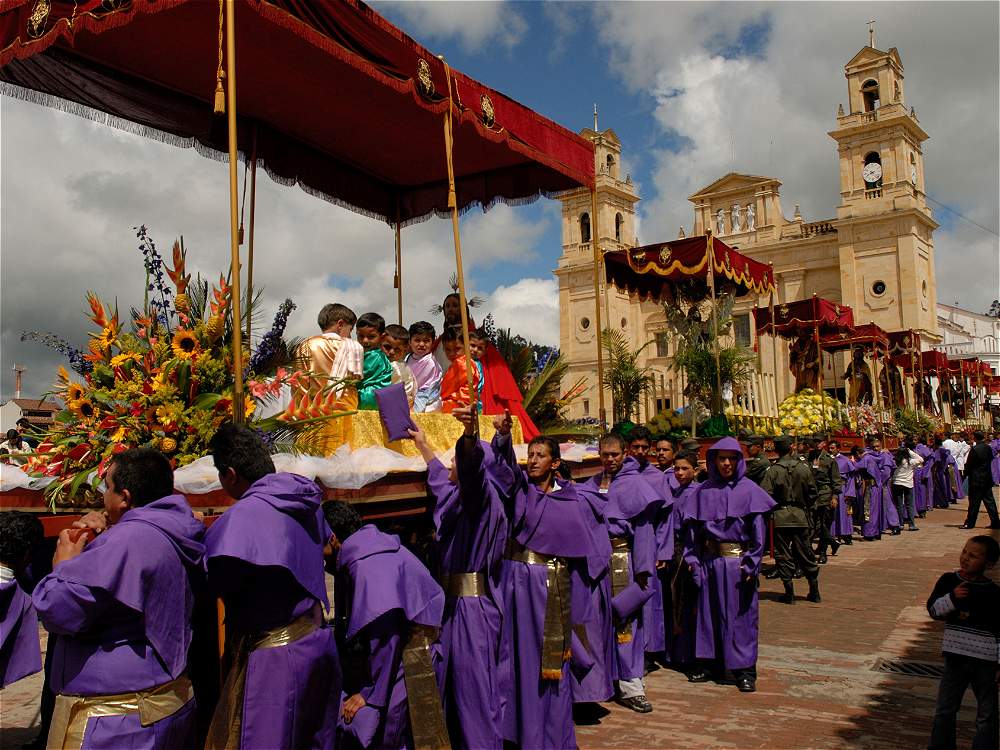
Semana Santa or ‘Holy Week’ is a very special, religious week in Latin America and specifically here in Colombia. Compared to the United States, the United Kingdom and other predominantly Christian nations, Easter in Colombia is a little bit different and a lot longer in terms of length. Schoolchildren across Colombia get off for the entire week leading up to Easter and most employees in local companies usually will get time off as well to observe the religious traditions, to travel to other parts of the country, or to celebrate with friends and family.
After the festivities of Carnival that goes throughout February comes the beginning of the Eastern season with the beginning of Lent, otherwise known as ‘Ash Wednesday’ or ‘La Quaresma’ in Spanish. Most Christian and Catholic societies around the world observe the forty days of Lent by giving up something important or useful to them. Others pray each day and even fast as a way to atone for their sins. Ash Wednesday is perhaps most known for the fact that observant Catholics go to church that day to have the sign of the cross put on their foreheads by their priests with the grey ash.
While Easter is important in Colombia, Semana Santa, the days leading up to the most holy of days, has also taken on great significance. Students, teachers, and workers from different professions usually get the whole week off if not the most important days of Semana Santa off such as Holy Thursday (Maundy) and Good Friday, which are official holidays in Colombia leading up to Easter weekend.
On these days or even throughout Semana Santa, it is unlikely that you will find many shops, restaurants, or businesses that are open for customers. Instead, most observant Catholics will be at their church during these days and partaking in mass as well. Certain observers will make a habit of visiting different churches in their town or city as well as visiting important altars that have some significance to the community.
For some Colombians, Semana Santa is a chance to have a much-needed break from work to relax with family and friends. This holy week is a spring break for many people throughout the country who choose to take meaning from Semana Santa in different ways. It’s quite clear that many families here will use it as a chance to have a vacation to different places like Santa Marta, Cartagena, Manizales, Pereira, etc. The bigger cities in Colombia are likely to empty out and achieve a rare form of quiet that the remaining locals are likely to enjoy while it lasts. Many small towns and pueblos throughout Colombia are going to have many hundreds or even thousands of new visitors. More religious people will be visiting smaller cities like Popayan, Tunca, or Mompox in Magdalena, which are some of the more famous places to go to during Semana Santa, and which have the largest observations and celebrations of the Christian holidays.
In many of these smaller cities during Holy Week, there are a number of important religious processions, many holiday sweets are given out, and there are many decorations displayed in the town square and in the town churches. While some folks may go to the smaller cities and towns in Colombia, others may decide to travel to the United States or other countries in Latin America for their vacations.
Despite the celebrations, religious observances, ceremonial processions, decorations that are a big part of what makes Semana Santa memorable in Colombia and throughout Latin America, Easter Sunday tends to be a rather quiet and personal affair. Those people who are religiously observant will attend mass and other church services but you won’t see any Easter bunnies, colored eggs, or sweets being exchanged by children. I would say that Easter and the Holy Week leading up to it is a lot less commercialized than it is in the United States, which is a good thing because it puts a lot more focus on the actual meaning of the religious holiday for those who observe it rather than focusing on gifts, sweets, and other distractions.
Holy (Maundy) Thursday and Good Friday are national holidays here in Colombia, leading them to be more significant and observed more. Most Colombians may be surprised to find out that neither the Thursday or Friday leading up to Easter Sunday in the United States are considered national or religious holidays of observance. There are many traditions surrounding Easter in Colombia that are not followed in the U.S. and vice versa.
However, even though countries such as Colombia and the United States observe Easter and other days of this holy week in Christianity differently, there is a common theme cross-culturally that many countries can relate to in that these days are also time to spend with your family, friends, and other loved ones in your life. Getting together during any holiday, religious or otherwise, is a truly universal, human occurrence that all cultures and countries can relate to despite our differences from each other.
A delicious yet underrated popular dish here in Colombia that is hearty, tasty, and has a lot of flavor to it is one you may not be familiar with unless you come to the country to experience it firsthand. You may be able to experience this food outside of Colombia but you have to go to the source of where it’s made to perfection in order to get the most out of the dish. While not as hyped up as ‘Bandeja Paisa’ or ‘Sancocho’, Ajiaco is just as delicious if not more so and is pretty easy to make if you can collect all of the necessary ingredients.
Ajiaco is a popular food dish not only just in Colombia but different versions of it can also be found in the countries of Peru and Cuba. Ajiaco has been around since the 16th century but it is unsure as to which country the food originated in first as to whether it was Colombia, Peru, or Cuba.
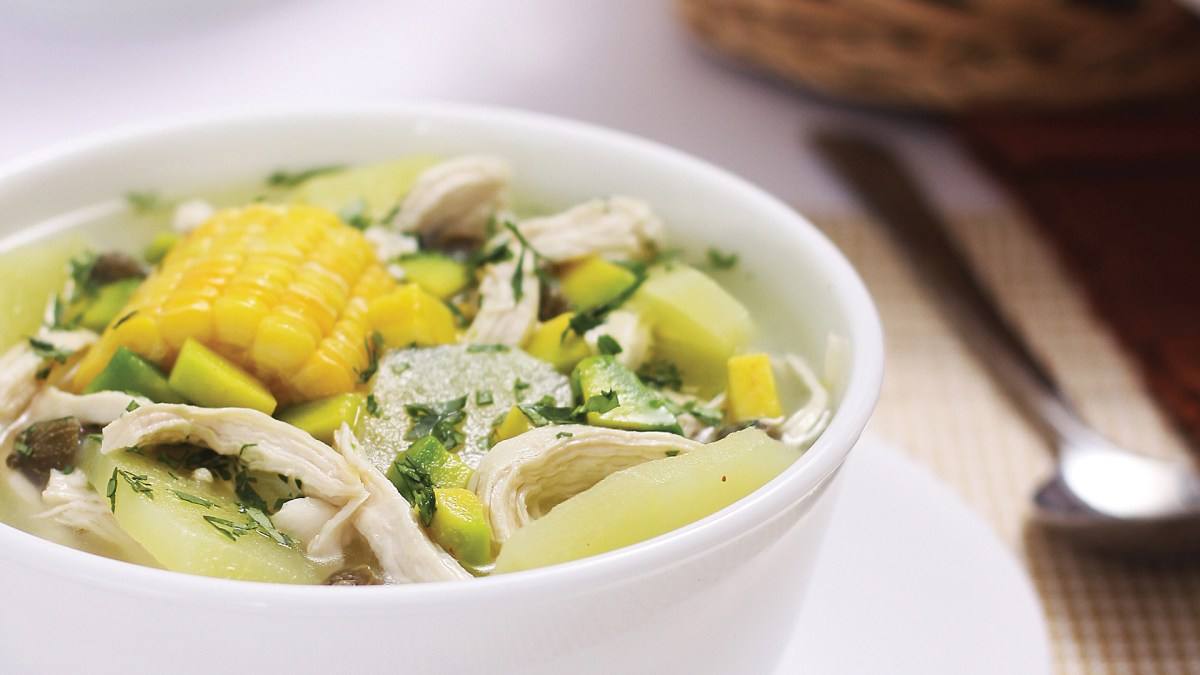
When it comes to Colombia, Ajiaco is most popular in the capital city of Bogota where it is made mainly with big pieces of chicken breasts that have been sliced up, fresh corn ears that have been cut into smaller pieces, scallions, minced garlic, chopped cilantro, three different types of potatoes such as red potatoes, white potatoes, and Andean potatoes (papa criolla). In order to complete this recipe for ‘Ajiaco Bogatano’, you’re going to need to add some guasca, which are dehydrated herbs as well as capers and heavy milk cream to top it all off.
Some people also like to add white rice to their Ajiaco dish in Colombia as well as some avocado that you can mix in with the rest of the ingredients. In order to get some more flavors out of this dish, you may want to add some salt and pepper to add to the taste. With all of the necessary ingredients to this recipe being added and mixed together, you will need to use a big pot to cook it all in. Ajiaco, Colombian style, will take a couple of hours to prepare, cook, and serve to you and your guests but the end results are delicious. When it comes to Ajiaco, it could be the only meal you have in a day and still come away from eating it feeling full and satisfied.
There is so much to the Colombian version of Ajiaco that it easily one of my favorite dishes to have here. It’s got vegetables, meat, and grains all loaded into one big bowl of deliciousness and if you make enough of it, you’re likely to have seconds and even thirds if you’re lucky. Like many other popular dishes from Colombia, Ajiaco is a great food to share with your friends and your family. It’s the kind of dish that you can serve to five, ten or more people depending on how big of a pot you want to use and how many hours you have free to cook all of the ingredients together.
Ajiaco can be an ideal dish that you can serve at a wedding, a birthday party, a family gathering of some kind, or for celebrating a religious ceremony. Have patience though because Ajiaco takes a while to get ready and serve to your guests. Because it’s got chicken, corn, rice, avocado, potatoes, there’s not much that you won’t like in your Ajiaco serving when it’s finally ready to eat. If you’re feeling a little down in the dumps or are feeling sick, I believe that Ajiaco would be a good way to start to make you feel better and improve your mood.
‘Ajiaco bogotano’ is not the only version of Ajiaco out there in Latin America as there are variations on this popular dish that are available in Peru and in Cuba. When it comes to Peru, Ajiaco is a dish mainly of different kinds of potatoes along with garlic, a mix of yellow and red chilis, yerbabuena, huacatay, that is accompanied with rice on the side and a choice of meat that is either chicken or rabbit stew.
Similar to Ajiaco from Colombia, you can add and mix together as many of the ingredients as you want when it comes to Peruvian form of Ajiaco in order to get the most taste and flavor out of the dish. The Cuban Ajiaco is also distinctly unique from the Peruvian and Colombian versions in its’ own rights. In Cuba, Ajiaco is much more of a stew, which is made up of a lot of different meats such as chicken, beef, pork, rather than just one or two kinds and many vegetables like carrots, onions, scallions, rice, potatoes, tubers, and starchy roots. ‘Viandas’ are also a unique aspect of Cuban Ajiaco that adds a lot to the dish.
As to the origin of Ajiaco as mentioned earlier, it is still debated by different scholars on the subject. It is estimated that the food dish originated with the indigenous tribe of Taino who inhabited parts of the Caribbean including modern-day Cuba. The word ‘Aji’ in Ajiaco is said to have originated from the Taino tribe’s language and the meaning of ‘Aji’ in their language is ‘hot pepper.’
It is believed that Ajiaco first originated in Cuba due to the fact that it is quite a diverse dish of different ingredients reflecting how Cuba was a melting pot of indigenous, African, and European cultures mixed together. Ajiaco has been served in Cuba since the 16th century, which is longer than the food’s origin in both Colombia and Peru. From the city of Havana to the village of Camaguey, the tradition of making Ajiaco was born and continues to thrive today. Farmers, slaves, traders, and regular people would exchange and buy ingredients from each other in order to put their own mark on this popular food dish over the centuries.
Regardless if its’ Cuban, Colombian, Peruvian or just homemade from scratch, Ajiaco is a delicious food dish that has a variety and a flavor that is hard to beat. It doesn’t matter what social status you have or what your cultural background is, Ajiaco is a dish that is deeply loved in Latin America and around the world. If you are curious about trying it out, there are many recipes available on the Internet depending on which kind of Ajiaco you would like to try out.
If you come to any of the countries where Ajiaco is popular and has a known history, I promise you won’t be disappointed when you eat it. Just remember to have an empty stomach when you dig in to eat because you’re going to need extra room for this plentiful and fulfilling dish of goodness. Buen Provecho!
If you’re walking in any city in Colombia or in most parts of Latin America and you start to feel the rhythm and the beat to some up-tempo music that sounds as if jazz and ‘son cubano’ had a baby, it would be known to the world as ‘Salsa.’ Salsa music has only been around for over five decades but has had a lasting impact on the world of music and its’ popularity has stayed consistent in the countries and regions where it was first introduced. While some folks may argue that old-school music genres like jazz, swing, and the blues are on the decline these days; that is simply not the case when it comes to Salsa.
Contrary to popular belief, Salsa did not originate in Puerto Rico, Cuba, or even Colombia. This form of music came out of the communities of immigrants in New York City during the 1960s from Cuba to Puerto Rico who wanted to introduce a new take on ‘son cubano’ music that had been around for a few decades and to bring it to new audiences before who had never been exposed to that kind of genre before.
The music of Salsa has been highly influenced by previous Cuban genres such as ‘son cubano, son montuno, guaracha, mambo, bolero, etc. as well as certain Puerto Rican genres such as ‘bomba, and plena.’ It also should be noted that Salsa was heavily influenced by the American musical genre of Jazz and certain experts have noted Salsa as being a form of Latin jazz. Salsa is a very flexible genre and can incorporate many different forms of music together in order to be innovative and unique. Even rock, r&b, blues, and funk have found their way into the rhythms, beats, and lyrics of Salsa music.
If there were a form of musical expression to represent the Americas whether it was North America or South America, it would be jazz. Salsa music would not be what it is today without previous music genres influencing the sounds and songs to change and adapt as the decades passed by. However, without the early Salsa bands made up of newcomer immigrants from the Cuban and Puerto Rican communities who came to New York City and America for a better life, Salsa would also not be the popular genre that it has become today. From the 1930s to the 1960s, these new immigrants brought joy, happiness, and excitement to both their local communities and cities from Boston to Cali.
From the streets of the South Bronx to the barrios of Cali, Salsa would spread from New York City to Colombia to Peru to all over Latin America. Salsa has become a global music genre today with people all over the world sharing together their passion and love for this unique form of self-expression. You can find Salsa classes and music clubs in most major cities all over the world. It doesn’t matter where you’re from, if you’re new to dancing, or can’t understand the lyrics, Salsa is a music genre open to everybody. Some of the big names in Salsa are Johnny Pacheco, creator of the Fania all-stars band, Hector Lavoe, Willie Colon, Bobby Valentin, Eduardo Palmieri, Marc Anthony, etc.
The instrumentation used in Salsa music is incredibly diverse and can really depend on what kind of style you’re going for whether it’s ‘salsa romantica’ or ‘salsa dura.’ It also depends upon how fast the tempo is and what the chord / verse arrangement is too. The most popular kinds of instruments used in Salsa music are percussion and brass instruments. It’s very rare where string instruments are used unless its’ an acoustic or electric guitar. When it comes to the most widely used instruments, they are usually the piano, the bongo drums, the congas, trumpet, trombone, claves, and different guitars.
Since the genre of Salsa has spread to many parts of the Western Hemisphere, there are many different styles of Salsa dancing that make the music more enjoyable for people to participate in by moving their bodies in various ways. While there is no clear consensus on which style of Salsa is the best or most popular, there’s the Cuban style, the New York style, Puerto Rican style, Los Angeles style, and Cali style from Colombia. Each style of Salsa is a little bit different from each other so once you master one of these types, there is another one out there to learn in order to keep your knowledge up to date. There are few parts of the world that haven’t been touched by Salsa music, which makes it one of the most fun and enjoyable kinds of dances to learn. Whether you’re in Peru, Colombia, Cuba, the Dominican Republic or the United States, you’ll have a chance to dance Salsa if you look hard enough.
By listening to Salsa music and learning how to dance to the rhythms and the beats of this genre, you really learn a lot about Latin American culture. Listen carefully to the lyrics, study the history of both the song and dance, and you’ll be able to gain insight as to why this has become one of the most popular music genres on the planet today. Few things make the average person happier than being able to cut loose on the dance floor and Salsa as a genre succeeds in doing that beyond measure.
During my time here in Colombia, I’ve enjoyed going out to learn Salsa in some classes, and putting the moves I’ve learned into practice when I go out on Saturday nights to a Salsa club. It’s really a joy to dance and sing to the point of exhaustion until your feet can’t move anymore while the beads of sweat roll down your neck. Salsa, to me, is a celebration of living life to the fullest and expressing the movements of your body the way you’re supposed to do. If you haven’t given Salsa music or dancing a chance yet, start to do so today. I promise you won’t regret the experiences you gain by enjoying this popular genre.